
Click for hi-res image
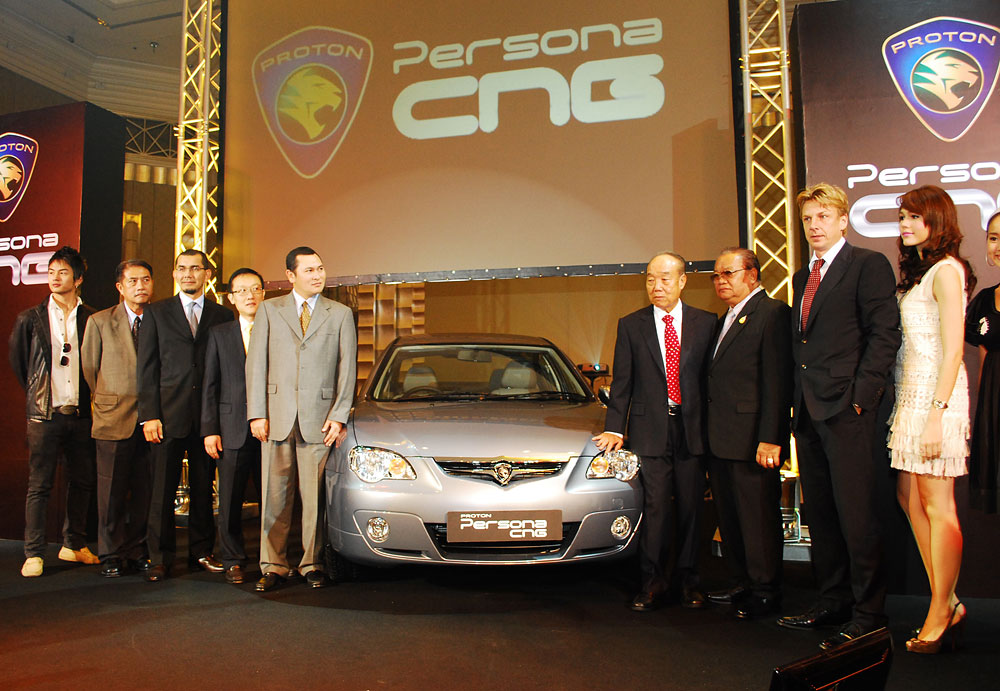
The Proton Persona CNG was launched earlier this week in Thailand and it will be available in 3 variants – the medium-line auto, medium-line manual and the high-line auto.
The Campro IAFM engine in the Persona CNG can take either regular petrol, an E20 ethanol-petrol mix as well as CNG (compressed natural gas). CNG is basically the fuel that NGV cars such as taxis use in Malaysia.
Proton targets to sell 500 units a month of the Persona CNG in Thailand. With many Malaysians considering NGV conversions right now, it would be timely to introduce the Persona CNG into the Malaysian market soon.
A car that comes with CNG fueling from the factory would be easier on the owner’s pocket as the cost of conversion is factored into the hire purchase loan, plus it is included in the manufacturer warranty.
Thai prices for the Proton Persona CNG:
Proton Persona CNG 1.6 M-LIne Manual – 549,000 Thai Baht
Proton Persona CNG 1.6 M-LIne Auto – 584,000 Thai Baht
Proton Persona CNG 1.6 H-LIne Auto – 629,000 Thai Baht
Some FAQs on the Proton Persona CNG:
Is the car’s capacity to store regular petrol affected?
No as the CNG tank is an “add on” system to the standard Persona.
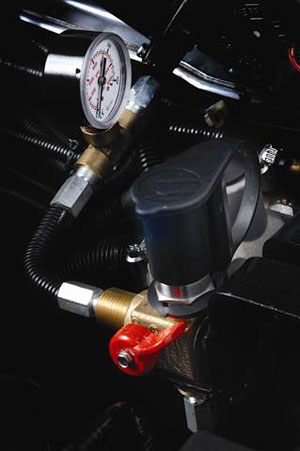
Where is the fuel filler for me to refill the CNG?
It is located at the engine bay.
How do I switch from CNG to petrol?
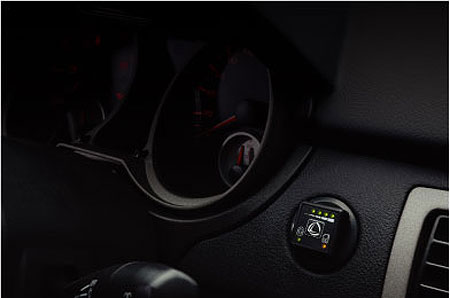
It is quite easy and straight forward to switch between petrol and CNG by pressing on a button on the instrument panel.
Is there a gauge to see how much CNG I have left?
Yes, there are 4 LEDs to indicate CNG level.
How big is the CNG tank?
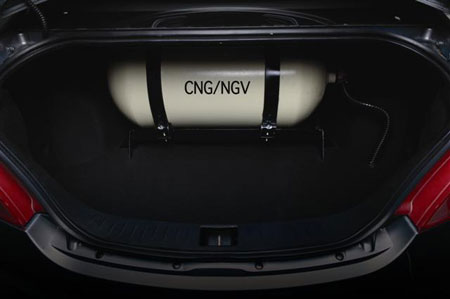
The tank is 90 litres.
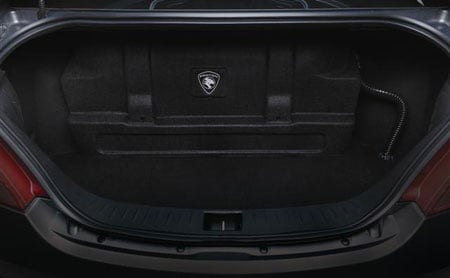
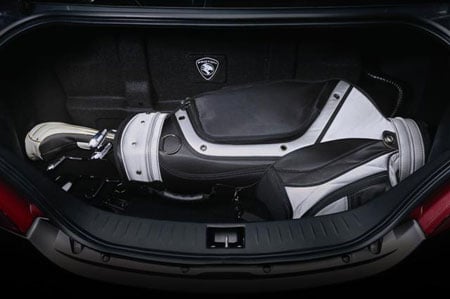
Continue reading to see photos of the CNG refueller, the CNG tank in the boot and how much usable boot space is remaining as the CNG tank takes up boot space.
Related Posts:
Proton launches the Proton GEN2 ecoLogic powered by LPG in the UK
AD: Drive the Proton model of your dreams. Submit your details and Proton PJ will get in touch with you.
Looking to sell your car? Sell it with Carro.

 White Jack (Member)
on
White Jack (Member)
on 

 ryan_foong80 (Member)
on
ryan_foong80 (Member)
on  si-fu (Member)
on
si-fu (Member)
on  arc_knight (Member)
on
arc_knight (Member)
on  Sam
on
Sam
on  farghmee (Member)
on
farghmee (Member)
on  Hikaru (Member)
on
Hikaru (Member)
on  Realeyes (Member)
on
Realeyes (Member)
on  BanyakMasukWorkshop (Member)
on
BanyakMasukWorkshop (Member)
on  SY0H (Member)
on
SY0H (Member)
on  kucau (Member)
on
kucau (Member)
on  n8cky (Member)
on
n8cky (Member)
on  awak (Member)
on
awak (Member)
on  theking (Member)
on
theking (Member)
on  ezralimm (Member)
on
ezralimm (Member)
on  Mayonaise (Member)
on
Mayonaise (Member)
on  jaymashimaro (Member)
on
jaymashimaro (Member)
on  longjaafar (Member)
on
longjaafar (Member)
on  bmpower (Member)
on
bmpower (Member)
on  hypermount (Member)
on
hypermount (Member)
on  blaze (Member)
on
blaze (Member)
on  peyern (Member)
on
peyern (Member)
on  MyviKiller (Member)
on
MyviKiller (Member)
on  keyboard.rosak (Member)
on
keyboard.rosak (Member)
on  aenz81 (Member)
on
aenz81 (Member)
on  Paul Tan
on
Paul Tan
on  Prem3377 (Member)
on
Prem3377 (Member)
on  BanyakMasukBengkel (Member)
on
BanyakMasukBengkel (Member)
on  maibatsu_thunder (Member)
on
maibatsu_thunder (Member)
on  Infinitt (Member)
on
Infinitt (Member)
on  rt (Member)
on
rt (Member)
on  God.of.War (Member)
on
God.of.War (Member)
on  ENZO (Member)
on
ENZO (Member)
on  altis_fan (Member)
on
altis_fan (Member)
on  ah liew (Member)
on
ah liew (Member)
on  zzua (Member)
on
zzua (Member)
on  shooter (Member)
on
shooter (Member)
on  ALPINA BMW (Member)
on
ALPINA BMW (Member)
on  Xx- Ferrari -xX (Member)
on
Xx- Ferrari -xX (Member)
on  Peroistopper (Member)
on
Peroistopper (Member)
on  magnusleong (Member)
on
magnusleong (Member)
on 


AI-generated Summary ✨
Comments generally acknowledge the launch of Proton's Persona CNG in Thailand, highlighting Thailand's significance as a testing ground for new automotive technologies due to its extensive infrastructure, cheap car prices, and widespread use of alternative fuels. Many express optimism about Proton testing the market there before Malaysia, viewing it as a strategic move that offers valuable feedback and minimizes risks. Some comments compare the technology and quality of Proton with Toyota, with opinions varying from praise of Proton's advancements to skepticism about its reliability. Enthusiasm for Proton’s innovation is evident, and there is curiosity about future models and features like turbo engines. Overall, sentiments blend cautious optimism with industry insights, emphasizing Thailand's role as a valuable platform for Proton’s international expansion and technological testing.