
Hyundai Ioniq 5 N vs Mercedes-Benz EQB
Verdict
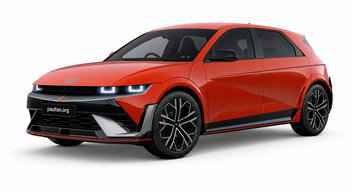
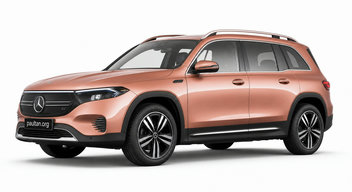
At RM443,888 against RM338,888, the Hyundai Ioniq 5 N asks RM105,000 more than the Mercedes-Benz EQB, but the numbers point in very different directions. The Hyundai is the driver’s EV here: 601 hp, 3.4 seconds to 100 km/h and 260 km/h flat out. The Mercedes answers with seven seats, lower RM305 road tax and a still-useful 423 km range. Both are CBU, dual-motor, all-wheel-drive C-segment SUVs, so the choice is less brand-versus-brand than pace-versus-people carrying.
Pick the Hyundai Ioniq 5 N if you want the much quicker dual-motor SUV, with 601 hp, a 3.4-second 0-100 km/h time and the larger 84.0 kWh battery.
Pick the Mercedes-Benz EQB if seven seats, a lower RM338,888 price and cheaper RM305 annual road tax matter more than outright performance.
Key differences
- Price: Hyundai Ioniq 5 N RM443,888; Mercedes-Benz EQB RM338,888
- Seats: Hyundai Ioniq 5 N 5; Mercedes-Benz EQB 7
- Power: Hyundai Ioniq 5 N 601 hp; Mercedes-Benz EQB 288 hp
- 0-100 km/h: Hyundai Ioniq 5 N 3.4 s; Mercedes-Benz EQB 6.2 s
- Battery and range: Hyundai Ioniq 5 N 84.0 kWh, 448 km; Mercedes-Benz EQB 66.5 kWh, 423 km
- Road tax: Hyundai Ioniq 5 N RM1,440/year; Mercedes-Benz EQB RM305/year
Ioniq 5 N
- 601 hp dual-motor AWD performance
- 3.4-second 0-100 km/h time
- Longer 448 km EV range
- Costs RM105,000 more
- Only five seats
- RM1,440 annual road tax
EQB
- Seven-seat cabin
- Lower purchase price
- Lower RM305 annual road tax
- 288 hp is far behind the Hyundai
- 6.2-second 0-100 km/h time
- Shorter 2-year warranty
| Price & overview | ||
|---|---|---|
| Price | RM 443,888 | RM 338,888✓ |
| Body type | SUV | SUV |
| Segment | C-Segment | C-Segment |
| Seats | 5 | 7 |
| Assembly | CBU | CBU |
| Powertrain | ||
| Fuel | Electric | Electric |
| Motor | Dual motor | Dual motor |
| Power | 601 hp✓ | 288 hp |
| Transmission | Single Ratio Automatic | Single Ratio Automatic |
| Driven wheels | All Wheel Drive | All Wheel Drive |
| Performance | ||
| 0–100 km/h | 3.4 s✓ | 6.2 s |
| Top speed | 260 km/h✓ | 160 km/h |
| Efficiency | ||
| Battery | 84.0 kWh✓ | 66.5 kWh |
| EV range | 448 km✓ | 423 km |
| Dimensions | ||
| Length | 4,715 mm | 4,684 mm |
| Width | 1,940 mm | 1,834 mm |
| Height | 1,585 mm | 1,667 mm |
| Wheelbase | 3,000 mm | 2,829 mm |
| Boot space | — | 405 L |
| Safety | ||
| Airbags | 6 | 7✓ |
| Auto emergency braking | Yes | Yes |
| Ownership | ||
| Warranty | 8✓ | 2 |
| Road tax / year | RM 1,440 | RM 305✓ |
Specs shown for the selected variant of each car. ✓ marks the better figure where lower/higher is objectively better. Road tax: West Malaysia, private registration.
Ioniq 5 N vs EQB FAQ
Is the Hyundai Ioniq 5 N or Mercedes-Benz EQB better?
The Hyundai Ioniq 5 N is better for performance, with 601 hp and 0-100 km/h in 3.4 seconds. The Mercedes-Benz EQB is better for family use because it has seven seats and much lower annual road tax.
What is the price difference?
The Hyundai Ioniq 5 N costs RM105,000 more than the Mercedes-Benz EQB. That gap mainly buys far stronger performance, a bigger battery and a slightly longer 448 km range.
Which one has more range?
The Hyundai Ioniq 5 N has the longer EV range at 448 km, compared with 423 km for the Mercedes-Benz EQB. The gap is 25 km, so range alone should not decide this comparison.