
iCaur V23 vs Nissan Kicks e-Power
Verdict
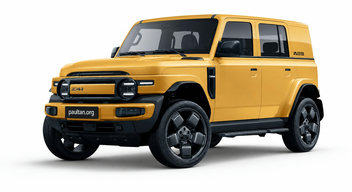
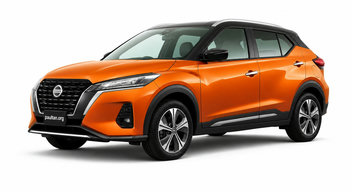
The iCaur V23 is the more specialised choice: a rear-drive EV with a 59.9 kWh battery, 360 km range, taller stance and a longer 2,735 mm wheelbase. The Nissan Kicks e-Power is easier to justify as a family B-SUV, because it has five seats, a much larger 423-litre boot and a quicker 9.5-second 0-100 km/h time. The RM6,000 gap matters less than usage: the iCaur suits buyers ready to live with charging, while the Kicks keeps petrol refuelling and range anxiety out of the conversation.
Pick the iCaur V23 if you want a full EV with 360 km of range, rear-wheel drive and a longer seven-year warranty.
Pick the Nissan Kicks e-Power if you need five seats, a 423-litre boot and the convenience of a petrol hybrid/REV layout.
Key differences
- Price: iCaur V23 RM119,800; Nissan Kicks e-Power RM113,800
- Powertrain: iCaur V23 single-motor electric, RWD; Nissan Kicks e-Power 1,198 cc petrol hybrid/REV, FWD
- Performance: iCaur V23 0-100 km/h in 11.0 s; Nissan Kicks e-Power in 9.5 s
- Battery and range: iCaur V23 59.9 kWh with 360 km EV range; Nissan Kicks e-Power 2.1 kWh with no EV range figure
- Cabin and boot: iCaur V23 4 seats and 234 L; Nissan Kicks e-Power 5 seats and 423 L
- Warranty and road tax: iCaur V23 7 years and RM70/year; Nissan Kicks e-Power 5 years and RM85/year
| Price & overview | ||
|---|---|---|
| Price | RM 119,800 | RM 113,800✓ |
| Body type | SUV | SUV |
| Segment | B-Segment | B-Segment |
| Seats | 4 | 5 |
| Assembly | CBU | CBU |
| Powertrain | ||
| Fuel | Electric | Petrol Hybrid/REV |
| Engine | Single motor | 1,198 cc |
| Power | 134 hp✓ | 82 hp |
| Torque | — | 103 Nm |
| Transmission | Single Ratio Automatic | eCVT Automatic |
| Driven wheels | Rear Wheel Drive | Front Wheel Drive |
| Performance | ||
| 0–100 km/h | 11.0 s | 9.5 s✓ |
| Top speed | 140 km/h✓ | 22 km/h |
| Efficiency | ||
| Battery | 59.9 kWh✓ | 2.1 kWh |
| EV range | 360 km | — |
| Dimensions | ||
| Length | 4,220 mm | 4,384 mm |
| Width | 1,915 mm | 1,813 mm |
| Height | 1,845 mm | 1,610 mm |
| Wheelbase | 2,735 mm | 2,673 mm |
| Boot space | 234 L | 423 L✓ |
| Fuel tank | — | 41 L |
| Safety | ||
| Airbags | 6 | 7✓ |
| Auto emergency braking | Yes | Yes |
| Ownership | ||
| Warranty | 7✓ | 5 |
| Road tax / year | RM 70✓ | RM 85 |
Specs shown for the selected variant of each car. ✓ marks the better figure where lower/higher is objectively better. Road tax: West Malaysia, private registration.
V23
- Full EV with 360 km range
- Rear-wheel drive layout
- Longer seven-year warranty
- Only four seats
- Boot is just 234 litres
- Slower 11.0-second 0-100 km/h time
Kicks e-Power
- Five-seat cabin
- Larger 423-litre boot
- Quicker 9.5-second 0-100 km/h time
- Shorter five-year warranty
- Front-wheel drive only
- No quoted EV-only range
V23 vs Kicks e-Power FAQ
Is the iCaur V23 or Nissan Kicks e-Power better?
For most family buyers, the Nissan Kicks e-Power is the more practical pick thanks to five seats, 423 litres of boot space and quicker acceleration. Choose the iCaur V23 if a full EV, rear-wheel drive and a seven-year warranty matter more.
What is the price difference?
The iCaur V23 costs RM119,800, while the Nissan Kicks e-Power costs RM113,800. That makes the iCaur RM6,000 dearer.
Which has more space?
The Nissan Kicks e-Power has the space advantage where it counts, with five seats and a 423-litre boot. The iCaur V23 has four seats and 234 litres, though it is wider, taller and has a longer wheelbase.