
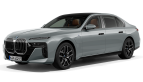
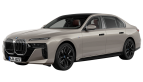
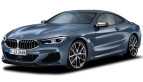
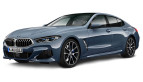
 GKN Driveline has unveiled a new rear axle for rear-wheel and all-wheel driven vehicles called the Vector-Drive rear axle, and it’s first application will be in upcoming BMW cars.
GKN Driveline worked with BMW’s gearbox supplier ZF to develop the Vector-Drive rear axle. Vector-Drive uses two Torque Vectoring hardware units per axle to provide the requested vectoring torque by a superimposition planetary gear set electronically controlled at the ZF system level by an electric motor actuated clutch.
The Vector-Drive axle’s actuator hardware basically consists of a wet clutch and a two-stage ball ramp mechanism to achieve the accuracy within the required response time. The gears of the planetary gear set are only active when needed. This improves fuel efficiency. The wet clutch is designed for high thermal capacity and low drag torque.
Torque vectoring is basically what happens when a driveline actively increases the rotational speed of one axle to enhance handling. Think of it as the reverse of what stability control does – selectively braking an individual wheel to affect handling, instead of that you shift more power to another wheel.
Looking to sell your car? Sell it with Carro.














Sounds like it’s more safe to drive…a.k.a slower. Traditionally more power is sent to the outer wheel to shift the weight of the car which assists or encourages a faster exit from corners.
new update