
Hyundai Tucson vs Kia Sportage
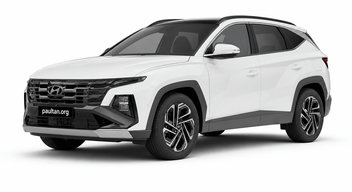
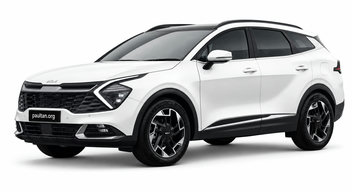
Verdict
These two are mechanically almost twins: both use a 1,999 cc petrol engine with 154 hp and 192 Nm, a 6-speed automatic, front-wheel drive and the same 2,755 mm wheelbase. The RM14,249 gap buys the Hyundai Tucson a longer 8-year/160,000 km warranty, dual-zone climate control, navigation, auto wipers and more parking sensors. The Kia Sportage counters with a slightly bigger 587-litre boot versus 582 litres, lower weight is not its game at 1,578 kg versus 1,488 kg, but it is the cheaper CKD choice.
Pick the Hyundai Tucson if you want the longer warranty and the fuller daily-use kit list, especially dual-zone air-con, navigation, auto wipers and front parking sensors.
Pick the Kia Sportage if you want the lower price and can live with fewer convenience features while keeping the same engine output and wheelbase.
Key differences
- Price: Hyundai Tucson RM143,888; Kia Sportage RM129,639
- Assembly: Hyundai Tucson Korea CBU; Kia Sportage Malaysia CKD
- Warranty: Hyundai Tucson 8 years/160,000 km; Kia Sportage 5 years/100,000 km
- Boot space: Hyundai Tucson 582 litres; Kia Sportage 587 litres
- Parking sensors: Hyundai Tucson 6 front/6 rear; Kia Sportage no front/4 rear
- Kerb weight: Hyundai Tucson 1,488 kg; Kia Sportage 1,578 kg
Tucson
- Longer 8-year/160,000 km manufacturer warranty
- Dual-zone automatic climate control versus single-zone in the Kia
- Gets navigation, auto wipers and front parking sensors
- Costs RM14,249 more than the Kia Sportage
- Boot is slightly smaller at 582 litres versus 587 litres
Sportage
- Lower purchase price
- Slightly larger 587-litre boot
- Same 154 hp and 192 Nm output as the Hyundai
- Shorter 5-year/100,000 km manufacturer warranty
- Single-zone climate control versus dual-zone in the Hyundai
- No front parking sensors, auto wipers or navigation listed
| Price & overview | ||
|---|---|---|
| Price | RM 143,888 | RM 129,639✓ |
| Body type | SUV | SUV |
| Segment | C-Segment | C-Segment |
| Assembly | CBU | CKD |
| Powertrain | ||
| Engine Tech | 16-valve DOHC | 16-Valve DOHC, Naturally Aspirated with Variable Valve Timing |
| Capacity | 1,999 cc | 1,999 cc |
| Horsepower | 154 hp | 154 hp |
| Torque | 192 Nm | 192 Nm |
| Cylinder Arrangement | Inline | Inline |
| Timing Type | Chain | Chain |
| Fuel | Petrol | Petrol |
| Bore | 81 mm | 81 mm |
| Compression Ratio | 10.8 | 10.8 |
| Drivetrain | ||
| Transmission | Conventional Automatic | Conventional Automatic |
| Transmission Name | 6-speed Automatic | 6-Speed Automatic |
| Gears | 6 | 6 |
| Transmission Manufacturer | — | Hyundai |
| Driveline | Front Wheel Drive | Front Wheel Drive |
| Performance & Efficiency | ||
| Top Speed | 181 km/h | — |
| Dimensions | ||
| Length | 4,630 mm | 4,660 mm |
| Width | 1,865 mm | 1,865 mm |
| Height | 1,665 mm | 1,660 mm |
| Wheelbase | 2,755 mm | 2,755 mm |
| Weight | 1,488 kg | 1,578 kg |
| Fuel Tank | 54 litres | — |
| Doors | 5 | 5 |
| Seats | 5 | 5 |
| Boot Space | 582 litres | 587 litres✓ |
| Front Tyre | 235/65R17 | 235/65R17 |
| Rear Tyre | 235/65R17 | 235/65R17 |
| Spare Tyre | Space Saver | Space Saver |
| Chassis | ||
| Assembly | Korea (CBU) | Malaysia (CKD) |
| Chassis | Unibody | Unibody |
| Front Suspension | MacPherson Struts | MacPherson Struts |
| Rear Suspension | Multi-link | Multi-link |
| Front Wheels | 17" Alloys | 17" Alloy |
| Rear Wheels | 17" Alloys | 17" Alloy |
| Front Brakes | Ventilated Discs | Ventilated Disc |
| Rear Brakes | Solid Discs | Solid Disc |
| Steering | Rack and Pinion (Electric Power Steering) | Rack and Pinion (Electric Power Steering) |
| Safety | ||
| Airbags | Driver and Front Passenger, Front and Rear Side, Front and Rear Curtain | Driver and Passenger, Front Side, Front and Rear Curtain |
| ABS/EBD | ✓ | ✓ |
| Stability Control | ✓ | ✓ |
| Alarm | ✓ | — |
| Immobilizer | ✓ | ✓ |
| Airbag Disable Function | ✓ | ✓ |
| Child Safety Lock | Manual for Rear Doors | Manual For Rear Doors |
| Seat Belts | 5 Three Point | 5 Three-point |
| ISOFIX | Available for 2nd Row Seats | Available for 2 Outer 2nd Row Seats |
| Lane-keeping Assist | No | No |
| Seatbelt Reminder | All Seats | Available for all seats |
| Lighting | ||
| Headlamps | LED Projectors | LED Projector |
| Taillamps | LED Combination | LED Combination |
| LED Daytime Running Lights | ✓ | ✓ |
| Rear Foglamps | ✓ | ✓ |
| Wing Mirror Turn Indicators | ✓ | ✓ |
| Cabin | ||
| Front Seats | Manual Adjustable | Manual Adjustment |
| Rear Seats | 60:40 Split-fold | 60:40 Split-folding |
| Front Air-con | Dual-zone Automatic Climate Control | Single-zone Automatic Climate Control |
| Rear Air-con | Rear AC Vents | Rear AC Vents |
| Power Sockets | 1 Front, 1 Wireless Charger, 2 Front USB, 2 Rear USB | 1 Front, 1 Wireless Charger, 2 USB Front, 2 USB Rear |
| Interior Lighting | Map Lights | Map Lights |
| Cup Holders | 2 Front, 2 Rear | 2 Front, 2 Rear |
| Audio | 12.3" Curved Widescreen with Apple CarPlay & Android Auto | 12.3" Infotainment Touchscreen with Apple CarPlay, Android Auto and 6 Speakers |
| Convenience | ||
| Power Windows | Four Windows, Auto Up and Down with Anti Pinch | Four Windows, Driver Side Auto Down |
| Engine Start | Keyless Entry (Push Button Start) | Keyless Push Button |
| Locks | Keyless Operation | Keyless Operation |
| Auto Headlamps | ✓ | ✓ |
| Auto Wipers | ✓ | — |
| Cruise Control | Passive Cruise Control | Passive Cruise Control |
| Tiptronic | — | ✓ |
| Steering Audio Control | ✓ | ✓ |
| Steering Tilt | ✓ | ✓ |
| Steering Telescopic | ✓ | ✓ |
| Boot Operation | — | Remote Control Activation |
| Parking Sensor Front | 6 Sensors | — |
| Parking Sensor Rear | 6 Sensors | 4 Sensors |
| Reverse Camera | Yes | Yes |
| Folding Wing Mirrors | ✓ | ✓ |
| Bluetooth | ✓ | ✓ |
| Navigation | ✓ | — |
| Hill Start Assist | ✓ | ✓ |
| Instrument Cluster | Digital/Analogue | Backlit Analogue |
| Parking Brake | Electronic | Electronic |
| Warranty | ||
| Warranty Mileage Manufacturer | 160,000 km✓ | 100,000 km |
| Warranty Manufacturer | 8 years✓ | 5 years |
| Ownership | ||
| Road tax / year | RM 440 | RM 440 |
Specs shown for the selected variant of each car. ✓ marks the better figure where lower/higher is objectively better. Road tax: West Malaysia, private registration.
Tucson vs Sportage FAQ
Is the Hyundai Tucson or Kia Sportage better?
The Hyundai Tucson is the better-equipped choice, with the longer warranty, dual-zone air-con, navigation, auto wipers and more parking sensors. The Kia Sportage is better if keeping the purchase price down matters most.
What is the price difference?
The Hyundai Tucson costs RM14,249 more than the Kia Sportage. That extra spend mainly buys warranty length and convenience equipment rather than more power.
Do the Hyundai Tucson and Kia Sportage have the same engine?
Yes. Both use a 1,999 cc petrol engine with 154 hp and 192 Nm, paired with a 6-speed conventional automatic and front-wheel drive.