
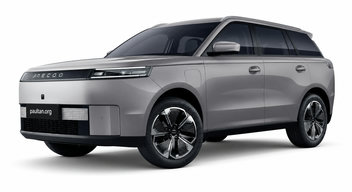
Omoda Jaecoo J5 EV
Launched
RM118,800
87 EVs on sale · from RM59,800 to RM1,088,888
Every electric car on sale in Malaysia: prices, real range figures, charging rates and what they cost to run. New to EVs? The guide below covers the questions Malaysian buyers ask most — how charging actually works, and how EV road tax is calculated.
The country's best-selling EV for a reason — the cheapest way in, with a national service network behind it.
Picks update automatically with prices, registrations and market data.
Cheapest EVs
Longest range
Fastest charging (DC)
Launched
RM118,800

Launched
RM699,000–RM969,999

Launched
RM749,000–RM999,999

Launched
RM274,888

Launched
RM378,800
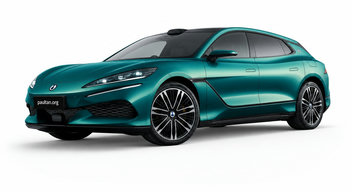
Launched
RM368,690
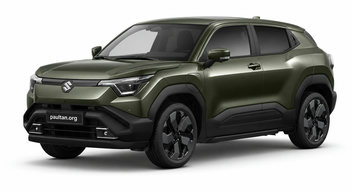
Launched
RM188,000
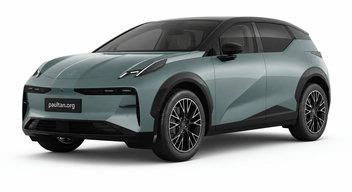
Launched
RM158,800–RM175,800
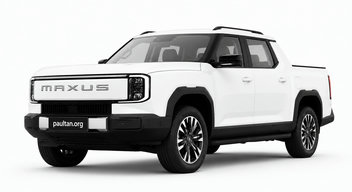
Launched
RM228,888–RM246,888
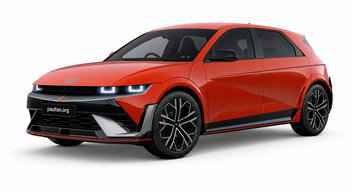
Launched
RM443,888
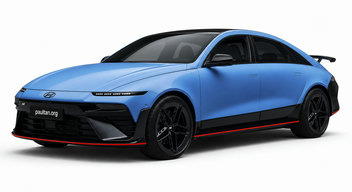
Launched
RM449,888
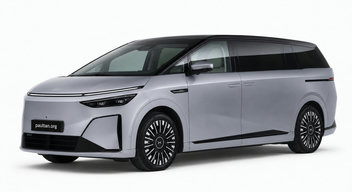
Launched
RM281,073–RM335,573
 Mercedes-Benz
11 models
Mercedes-Benz
11 models BMW
9 models
BMW
9 models BYD
6 models
BYD
6 models Volvo
4 models
Volvo
4 models Dongfeng
3 models
Dongfeng
3 models MG
3 models
MG
3 models MINI
3 models
MINI
3 models Porsche
3 models
Porsche
3 models Toyota
3 models
Toyota
3 models Zeekr
3 models
Zeekr
3 models smart
3 models
smart
3 models Aion
2 models
Aion
2 models Audi
2 models
Audi
2 models Denza
2 models
Denza
2 models Hyundai
2 models
Hyundai
2 models Leapmotor
2 models
Leapmotor
2 models Lotus
2 models
Lotus
2 models Maxus
2 models
Maxus
2 models Proton
2 models
Proton
2 models Tesla
2 models
Tesla
2 models Xpeng
2 models
Xpeng
2 models iCaur
2 models
iCaur
2 models Chery
1 models
Chery
1 models GWM
1 models
GWM
1 models Honda
1 models
Honda
1 models JAC
1 models
JAC
1 models Kia
1 models
Kia
1 models Lexus
1 models
Lexus
1 models Neta
1 models
Neta
1 models Nissan
1 models
Nissan
1 models Omoda Jaecoo
1 models
Omoda Jaecoo
1 models Perodua
1 models
Perodua
1 models Renault
1 models
Renault
1 models Seres
1 models
Seres
1 models Suzuki
1 models
Suzuki
1 models Wuling
1 models
Wuling
1 modelsMalaysian EV road tax is based on the motor's rated output in kW — not engine capacity. Up to 50 kW costs a flat RM 20 a year, and above that the fee climbs in 10 kW blocks with progressively higher rates per block. Enter your EV's motor output below for the exact annual figure.
| 50 kW | RM20/yr |
| 100 kW | RM70/yr |
| 150 kW | RM160/yr |
| 210 kW | RM280/yr |
| 250 kW | RM395/yr |
| 310 kW | RM575/yr |
| 400 kW | RM1,015/yr |
| 500 kW | RM1,940/yr |
| Proton eMas 5 57 kW | RM30/yr |
| GWM Ora Good Cat 107 kW | RM80/yr |
| Zeekr X 250 kW | RM395/yr |
| Toyota Urban Cruiser 128 kW | RM120/yr |
| MINI Countryman 230 kW | RM335/yr |
| Denza Z9 GT 850 kW | RM9,140/yr |
| Audi Q8 e-tron 300 kW | RM545/yr |
| Mercedes-Benz Maybach EQS SUV 484 kW | RM1,840/yr |
AC charging feeds grid power through the car's onboard charger, which converts it to DC for the battery — so speed is capped by that onboard charger, typically 7–11 kW (some cars accept 22 kW). DC fast charging bypasses the onboard charger and feeds the battery directly, which is why it reaches 50–350 kW. In practice: AC is for home, office and overnight charging; DC is for quick top-ups on longer trips.
kW is charging power — how fast energy goes in. As rough arithmetic, battery size (kWh) divided by charging power (kW) gives the hours for a full charge: a 60 kWh battery on a 7 kW home wallbox takes around 8–9 hours, ideal overnight. The DC figure is a peak: cars charge fastest in the low and middle of the battery and slow down (taper) near full, which is why public charging is usually quoted as 10–80%.
Divide battery capacity by charger power for a first estimate, then add margin for taper. Examples: 60 kWh at 7 kW AC ≈ 8.5 hours; the same car at a 100 kW DC charger does 10–80% in roughly 30–40 minutes. Charging from 80% to 100% on DC is slow by design — on trips, it is usually faster to leave at 80% and charge again later.
By motor output, in kW. Up to 50 kW is RM 20 a year. Above that, the fee is built up in 10 kW blocks at rising rates — as examples: 100 kW pays RM 70 a year, 150 kW pays RM 160, 210 kW pays RM 280, and 310 kW pays RM 575. Dual-motor cars count the combined output. Use the calculator above for your exact figure — every EV page on this site also shows its computed road tax.
CKD (completely knocked down) cars are assembled locally; CBU (completely built up) cars are imported fully built. For the buyer the practical differences are usually price, waiting time and how quickly parts and service catch up — locally assembled models tend to be priced more aggressively. Every variant page on this site states whether that car is CKD or CBU.
Ranges quoted here are the manufacturers' WLTP figures (a standardised lab cycle) unless stated otherwise. Real-world driving in Malaysia — highway speeds, air conditioning, full loads — typically returns around 10–20% less than WLTP. City driving can match or even beat it, since EVs recover energy in stop-and-go traffic.
Yes, slowly. The portable charger included with most EVs plugs into a normal 3-pin socket and delivers about 2.3 kW — roughly 26 hours for a 60 kWh battery from empty, though fine for overnight top-ups of a daily commute. For full overnight charging, a dedicated 7–11 kW wallbox on its own circuit is the standard solution; have a licensed electrician assess the wiring first.
Most brands in Malaysia warrant the high-voltage battery separately from the car, commonly for 8 years or 160,000 km against excessive capacity loss. The exact terms differ by brand — the Warranty section of every variant spec sheet on this site lists what each model carries.


