
Proton has released a media statement following the National Automotive Policy (NAP 2014) announcement today. You can read the statement in full below (after the jump) or read our summary of it here.
The gist of it is, as the only full-fledged car manufacturer in the region (the company’s own words, not ours), Proton is in full support of the Malaysian Government’s initiatives, adding that the move in is line with the company’s shared vision for the industry.
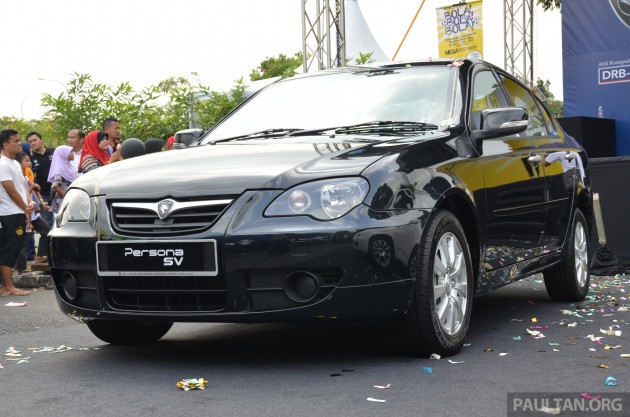
Proton has recently introduced two new, cheaper models in reaction to the Government’s aspirations to reduce car prices. According to Proton, the Saga SV and Persona SV, priced around RM34,000 and RM45,000 each, are already the most affordable B- and C-segment sedans in the Southeast Asian region.
Beyond that, the local carmaker will also be looking at expanding opportunities to grow abroad. This will be executed in stages, through direct CBU exports and CKD programmes at selected countries.
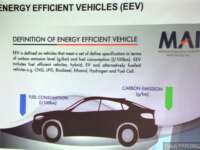
As for the Energy Efficient Vehicle (EEV) policy, Proton says it’s in the midst of investing in R&D activities involving the development of “advanced powertrains, a new engine family as well as hybrid and other alternative propulsion systems.”




 Proton S70
from RM59,800
Proton S70
from RM59,800  Proton X90
from RM106,800
Proton X90
from RM106,800  Proton eMas 7 PHEV
from RM109,800
Proton eMas 7 PHEV
from RM109,800  Proton X70
from RM106,800
Proton X70
from RM106,800  Proton Saga
from RM38,990
Proton Saga
from RM38,990  Proton eMas 5
from RM59,800
Proton eMas 5
from RM59,800  Proton X50
from RM89,800
Proton X50
from RM89,800  Proton eMas 7
from RM103,800
Proton eMas 7
from RM103,800 
 Lol
on
Lol
on 

 Pontiac
on
Pontiac
on  Proton - Rakyat's Burden
on
Proton - Rakyat's Burden
on  LGH
on
LGH
on  pondan
on
pondan
on  just me
on
just me
on  Man21
on
Man21
on  Julius
on
Julius
on  deaftek
on
deaftek
on  Kankung
on
Kankung
on  CAR
on
CAR
on  kzm
on
kzm
on  paucharsiew
on
paucharsiew
on  sirimusa
on
sirimusa
on  dom
on
dom
on  AntiSocial
on
AntiSocial
on  kl fella
on
kl fella
on  z7901
on
z7901
on  tdci
on
tdci
on  Superman
on
Superman
on  shawal
on
shawal
on  Grammar Nazi
on
Grammar Nazi
on  Oh MY ENGLISH
on
Oh MY ENGLISH
on  well it might be true.
on
well it might be true.
on  west end boys
on
west end boys
on  Black Dog
on
Black Dog
on  jolly_idiot
on
jolly_idiot
on  crk
on
crk
on  Aero
on
Aero
on  Low Budget
on
Low Budget
on  Guan Yin Ma
on
Guan Yin Ma
on  Daily driver
on
Daily driver
on  Emma
on
Emma
on  Pakai Otak Sikit
on
Pakai Otak Sikit
on  sj413 lwb
on
sj413 lwb
on  Sigh...
on
Sigh...
on  Contender
on
Contender
on  motorhead
on
motorhead
on  suck&tired
on
suck&tired
on  NerdD!ck
on
NerdD!ck
on  Tok Berlagak
on
Tok Berlagak
on  Vincent Cheng
on
Vincent Cheng
on  rock
on
rock
on  thebug2
on
thebug2
on  Archangel
on
Archangel
on  Bob
on
Bob
on  shahir
on
shahir
on  SeluarMambang
on
SeluarMambang
on  naasuarez
on
naasuarez
on  CRONY F U
on
CRONY F U
on  dirtyoldmen
on
dirtyoldmen
on  ccc
on
ccc
on  lcms
on
lcms
on  joanna
on
joanna
on  Henry
on
Henry
on  AutoFrenz
on
AutoFrenz
on  farghmee
on
farghmee
on  Mohd
on
Mohd
on  uncle drb
on
uncle drb
on  hondaman
on
hondaman
on  farizY
on
farizY
on  Alifz
on
Alifz
on  macai
on
macai
on  Why
on
Why
on  Abdullah
on
Abdullah
on  Adam
on
Adam
on  AKoNGz
on
AKoNGz
on  Joker
on
Joker
on  Etah
on
Etah
on  BLT Club
on
BLT Club
on  calc
on
calc
on  bndogol
on
bndogol
on  nkh
on
nkh
on  Flat Black
on
Flat Black
on  old dog
on
old dog
on
AI-generated Summary ✨
Comments express skepticism about Proton’s export ambitions, quality, and affordability despite claims of competitiveness and new models. Many criticize Proton for failing to improve product quality, maintain market share, and develop technology independently. There’s disappointment over prolonged protection, lack of genuine R&D, and the company's reliance on outdated platforms. Several comments highlight concerns about government protectionism, high taxes, and inefficient management hindering Proton’s global competitiveness, fueling negative sentiments about the brand’s future prospects.