
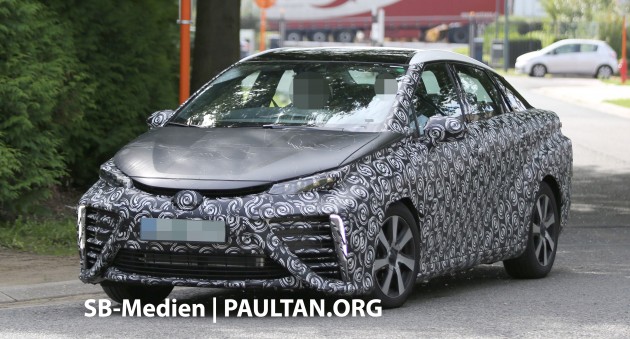
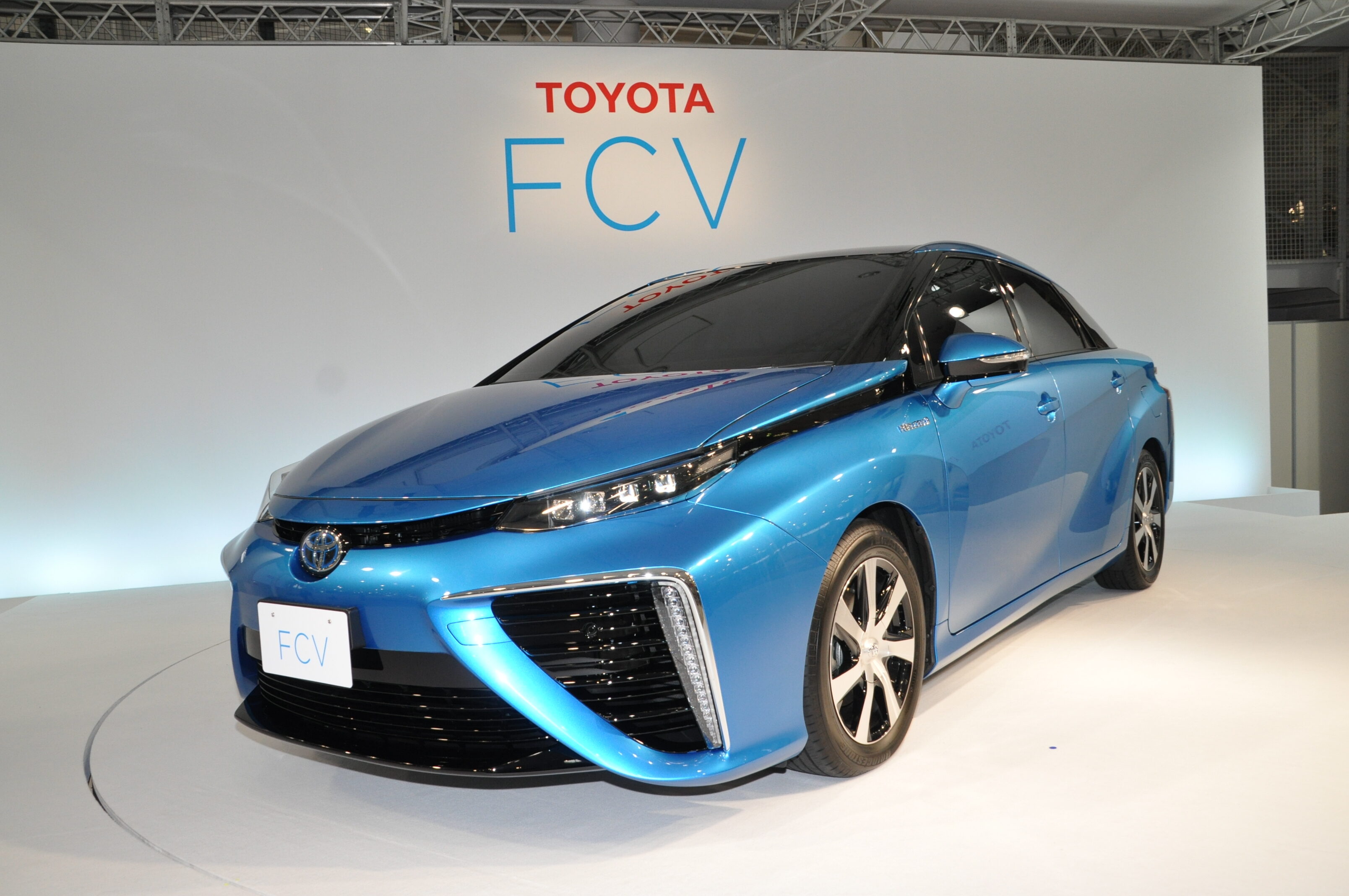
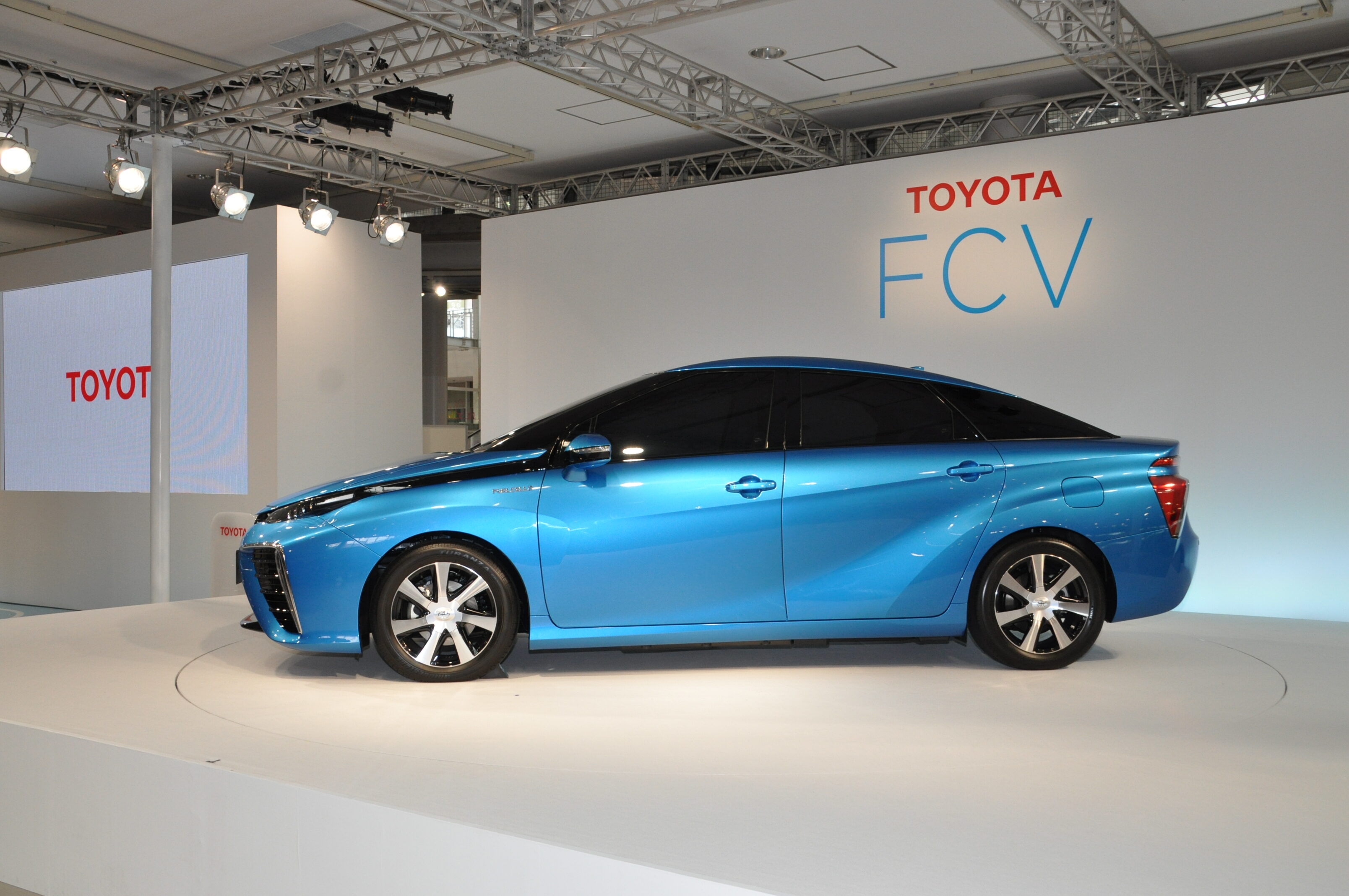
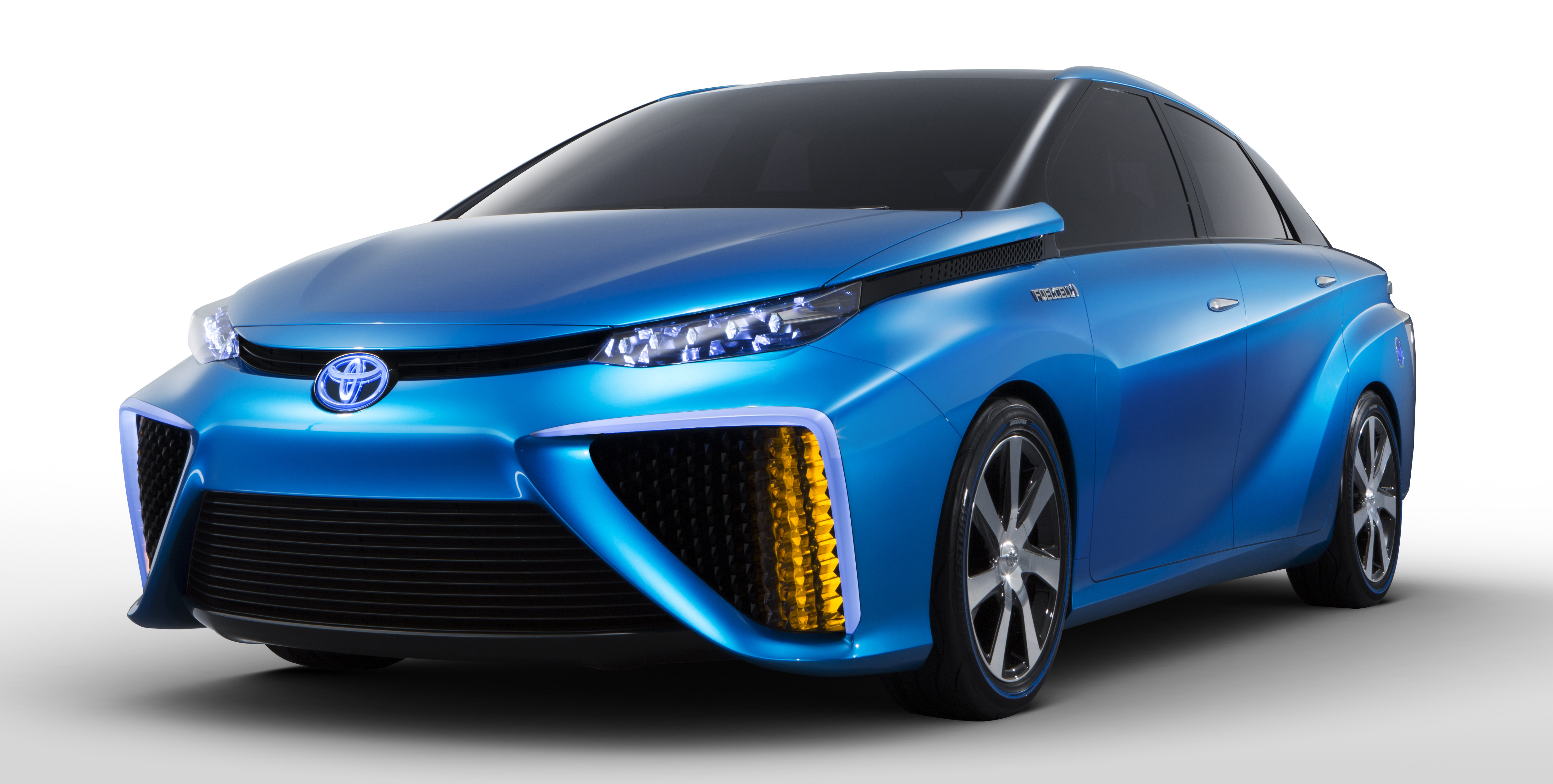
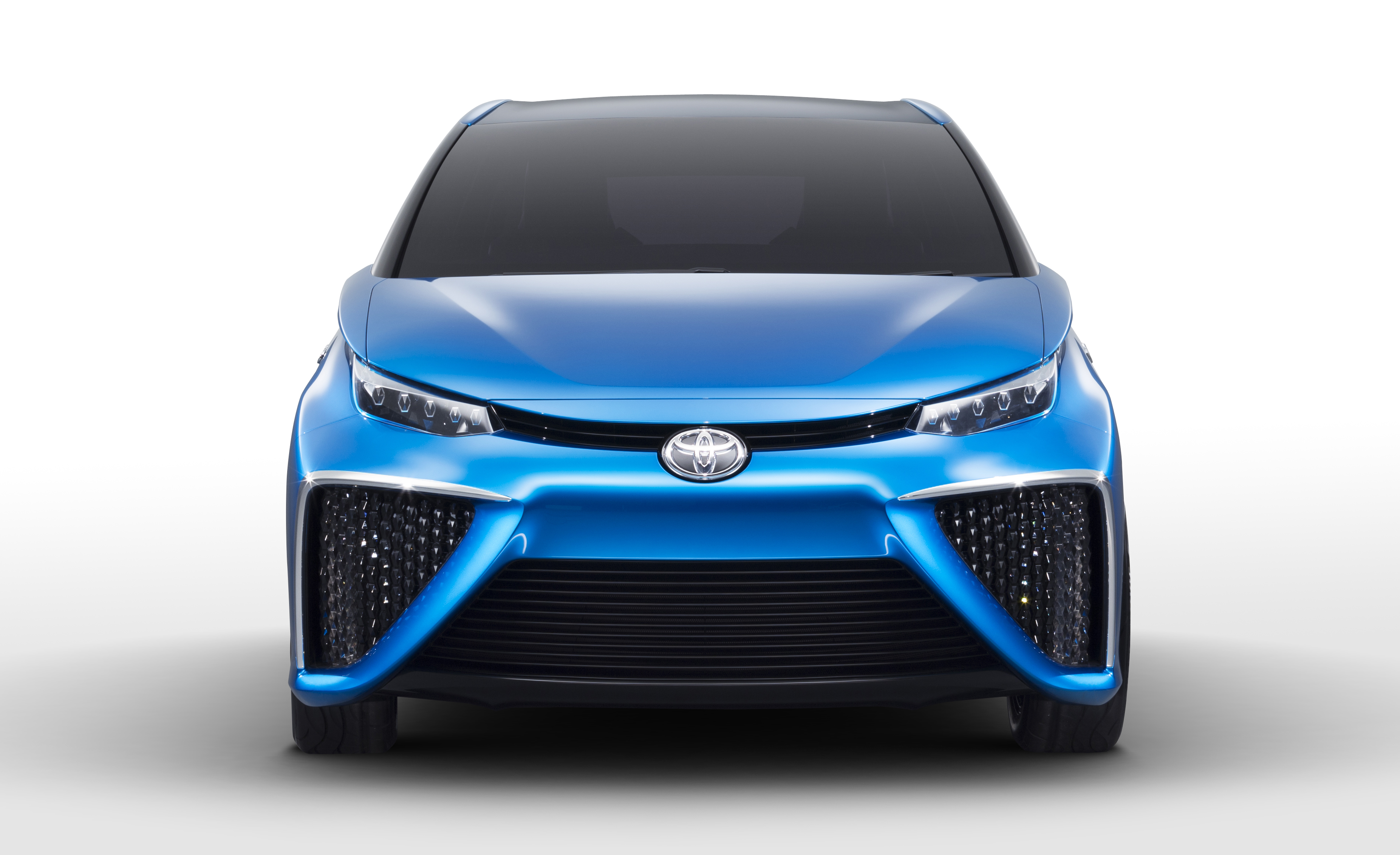
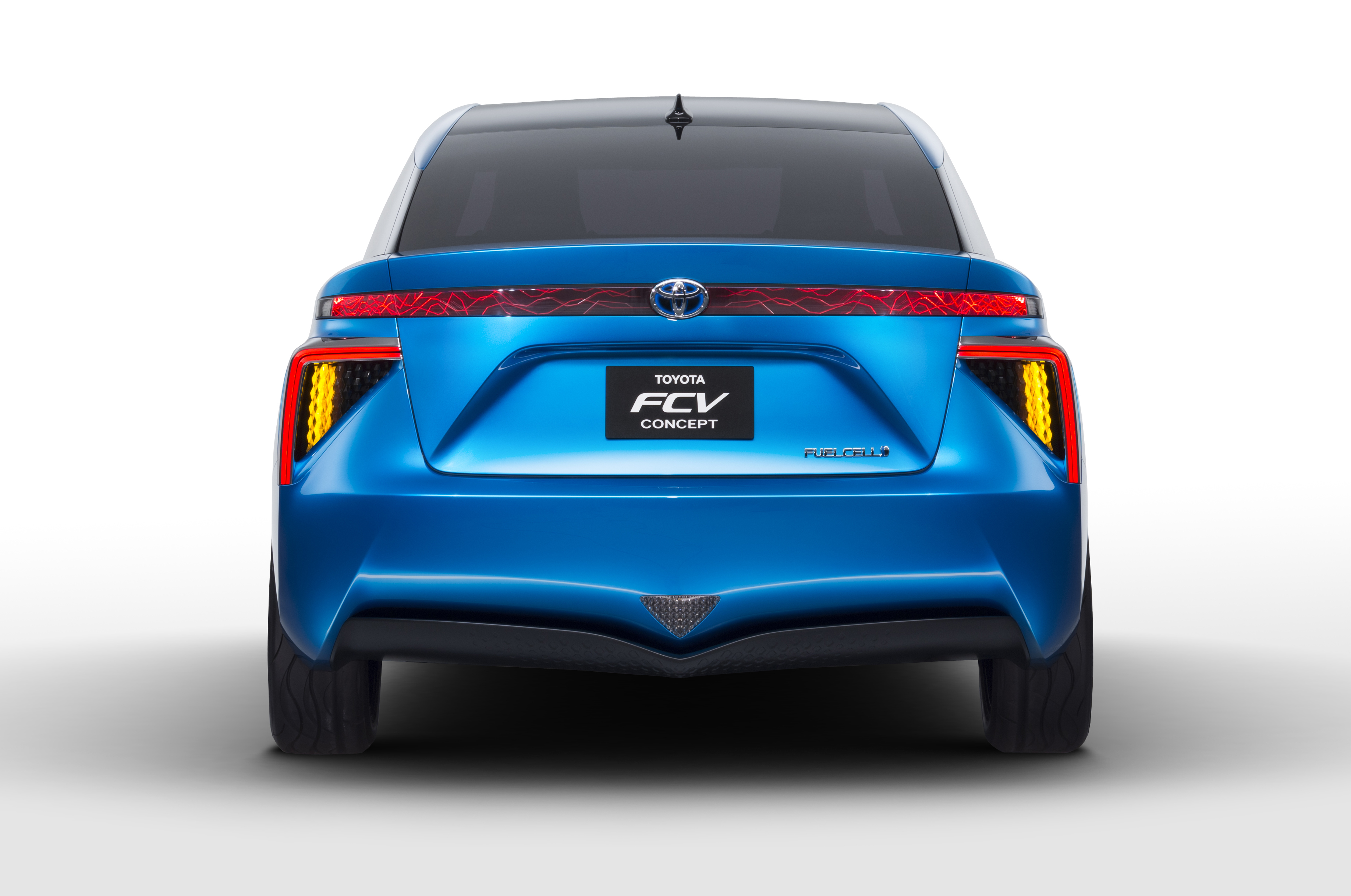
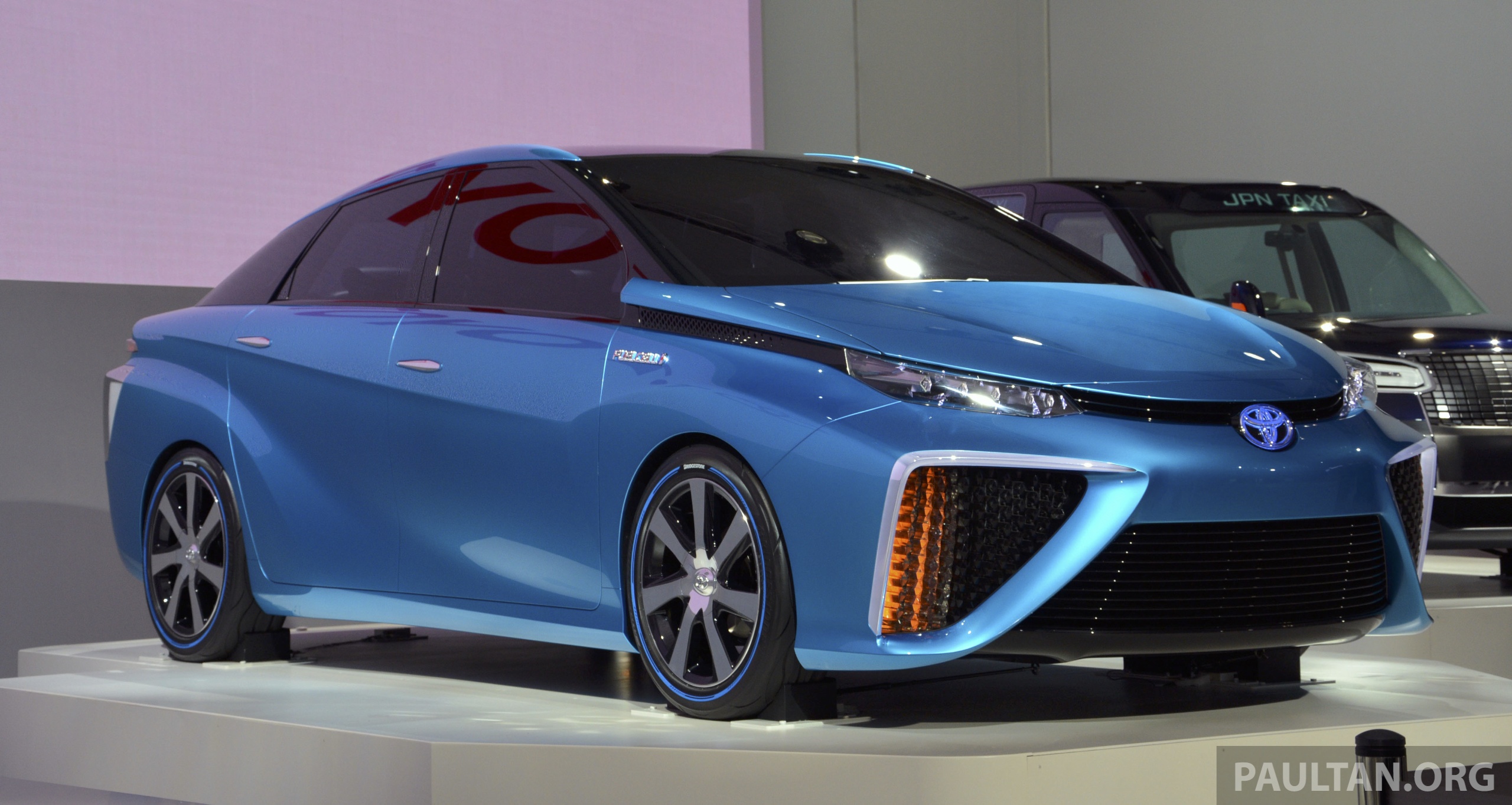
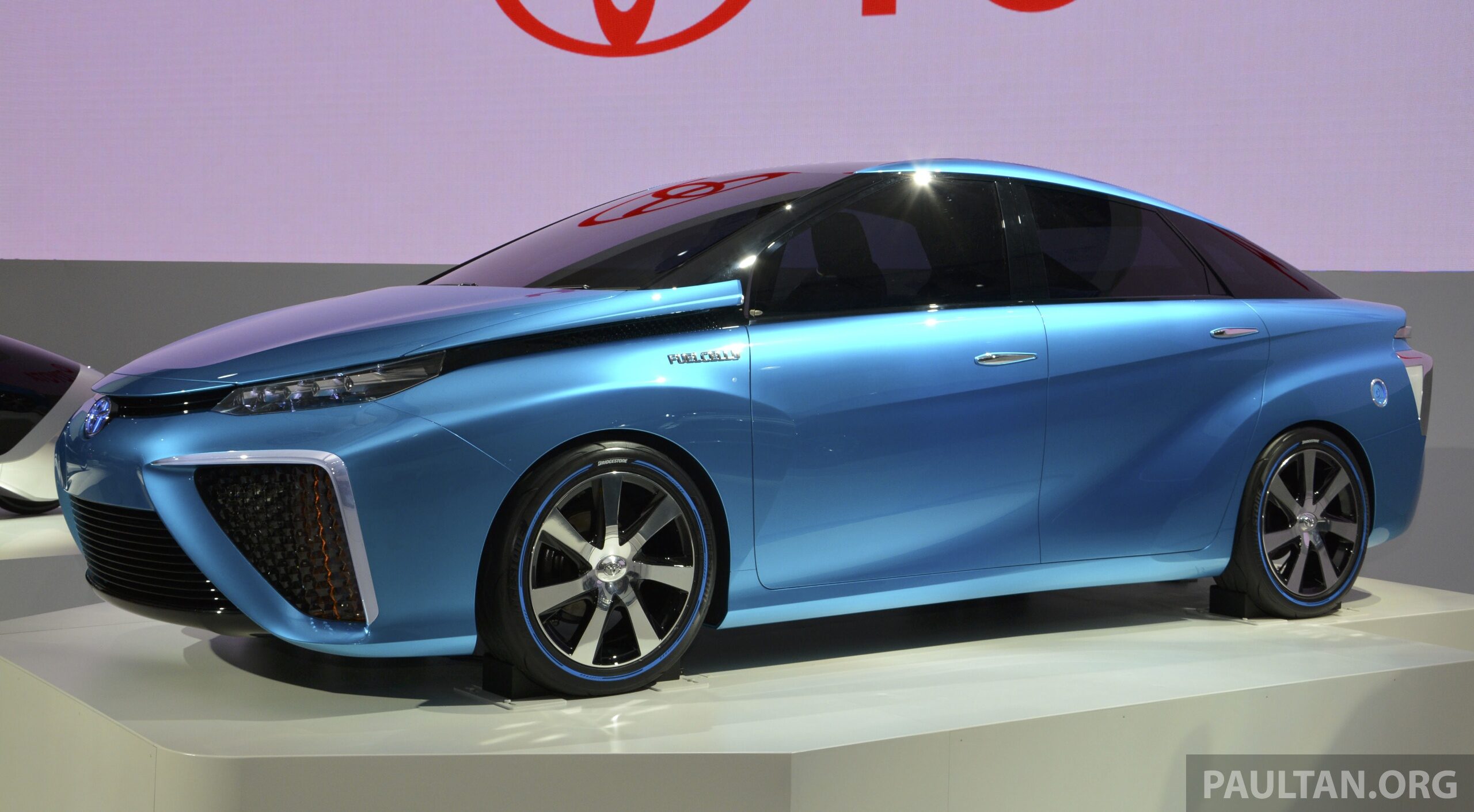
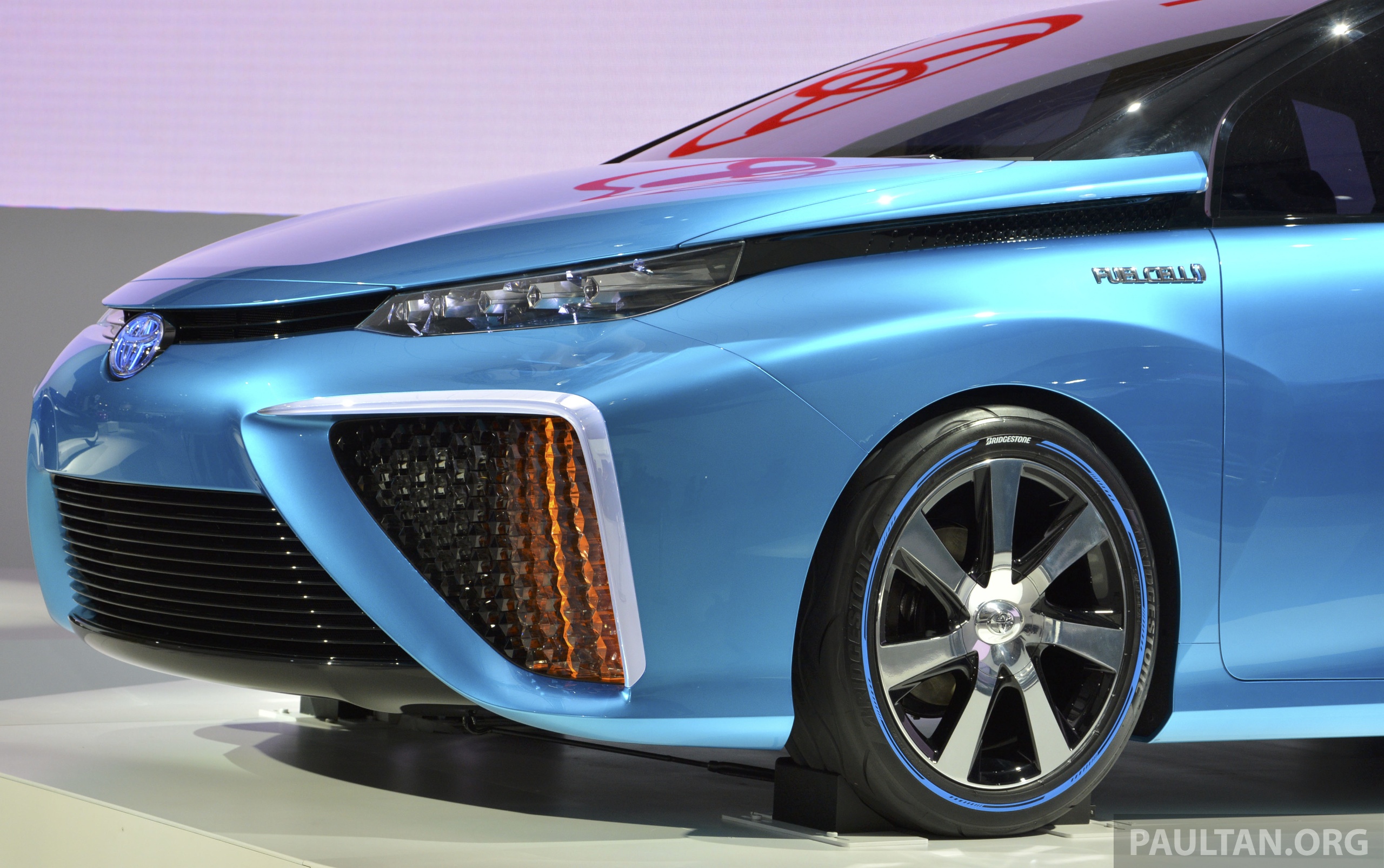
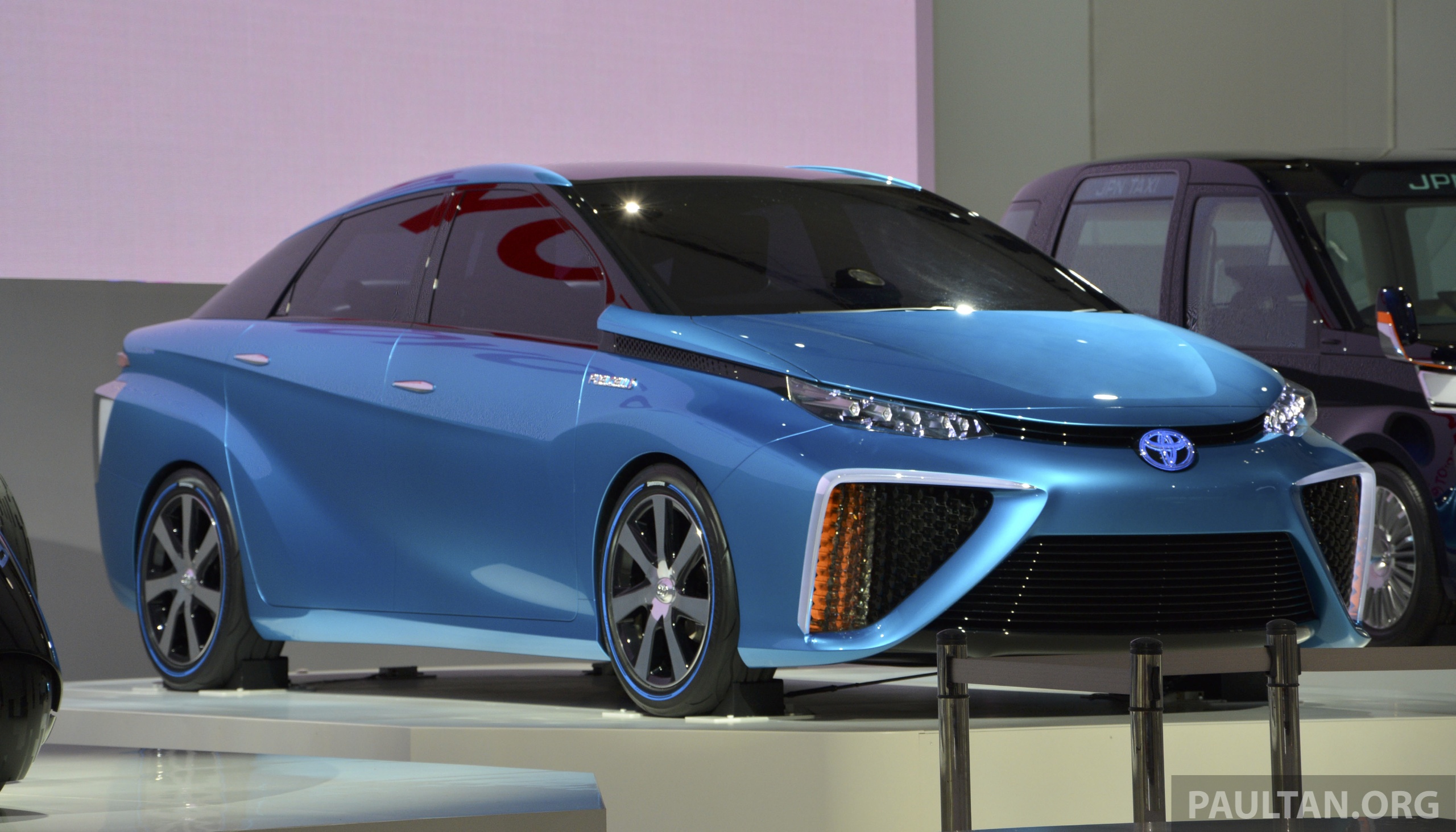
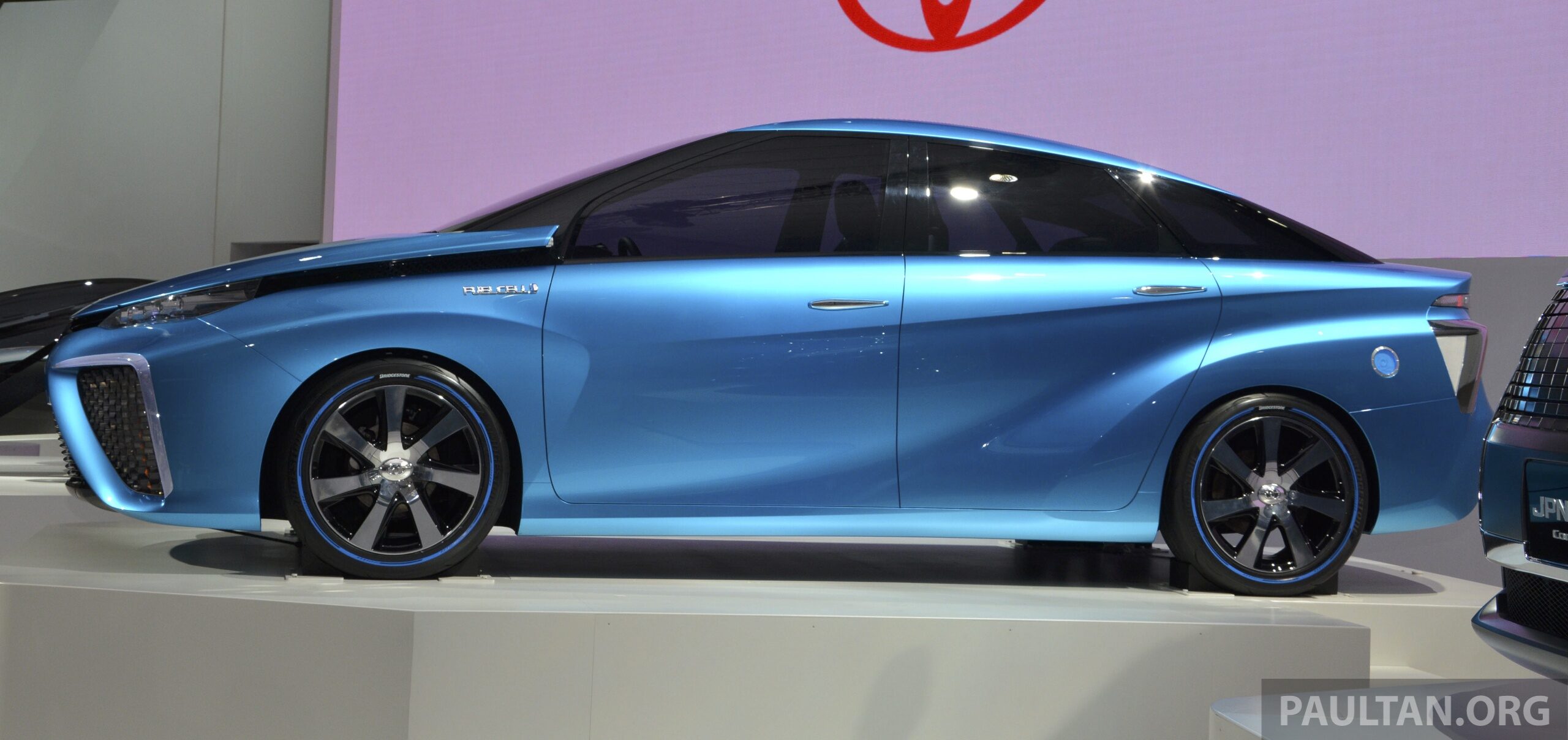
When the Toyota FCV Concept was showcased at last year’s Tokyo Motor Show, Toyota announced that it would be entering production in 2015. Well, since we’re less than half a year away from 2015, it’s about time we saw prototypes of a production version of the FCV Concept on the road.
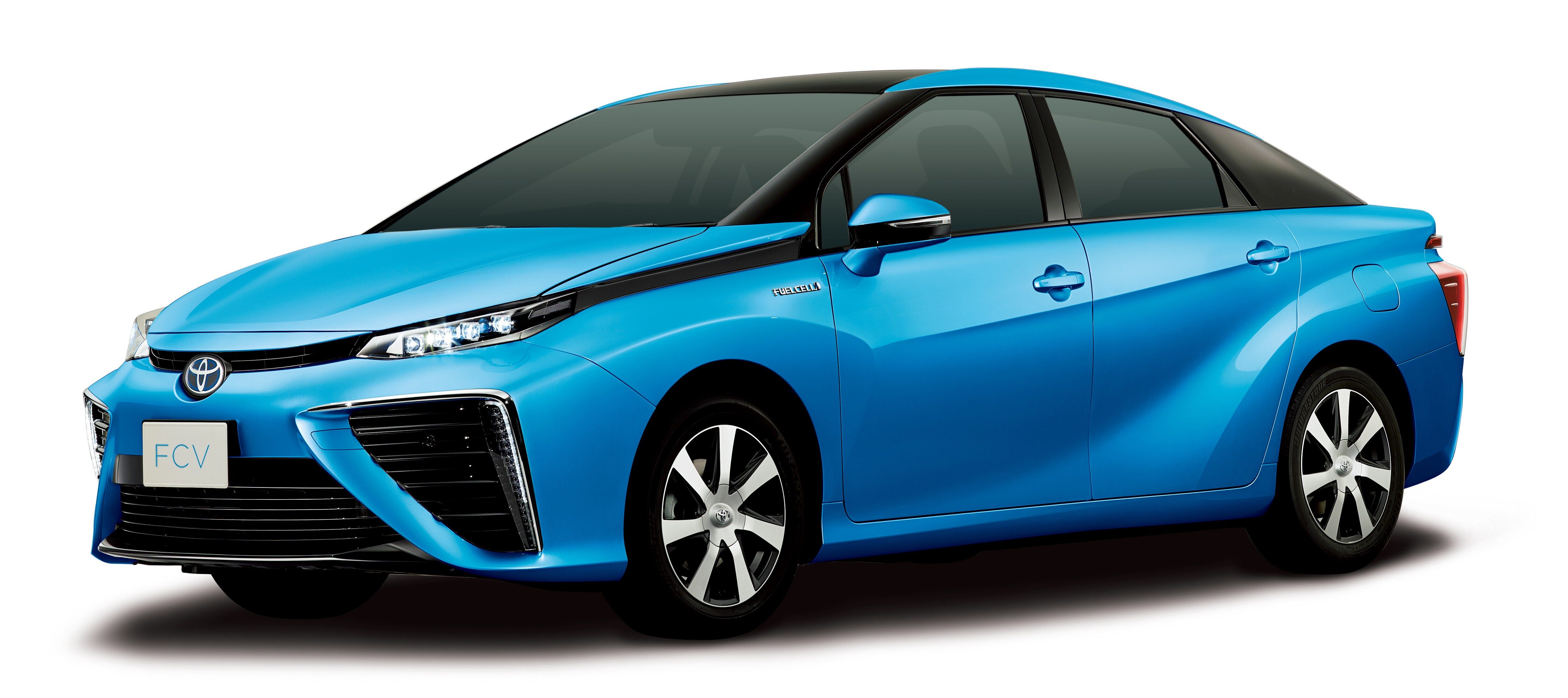
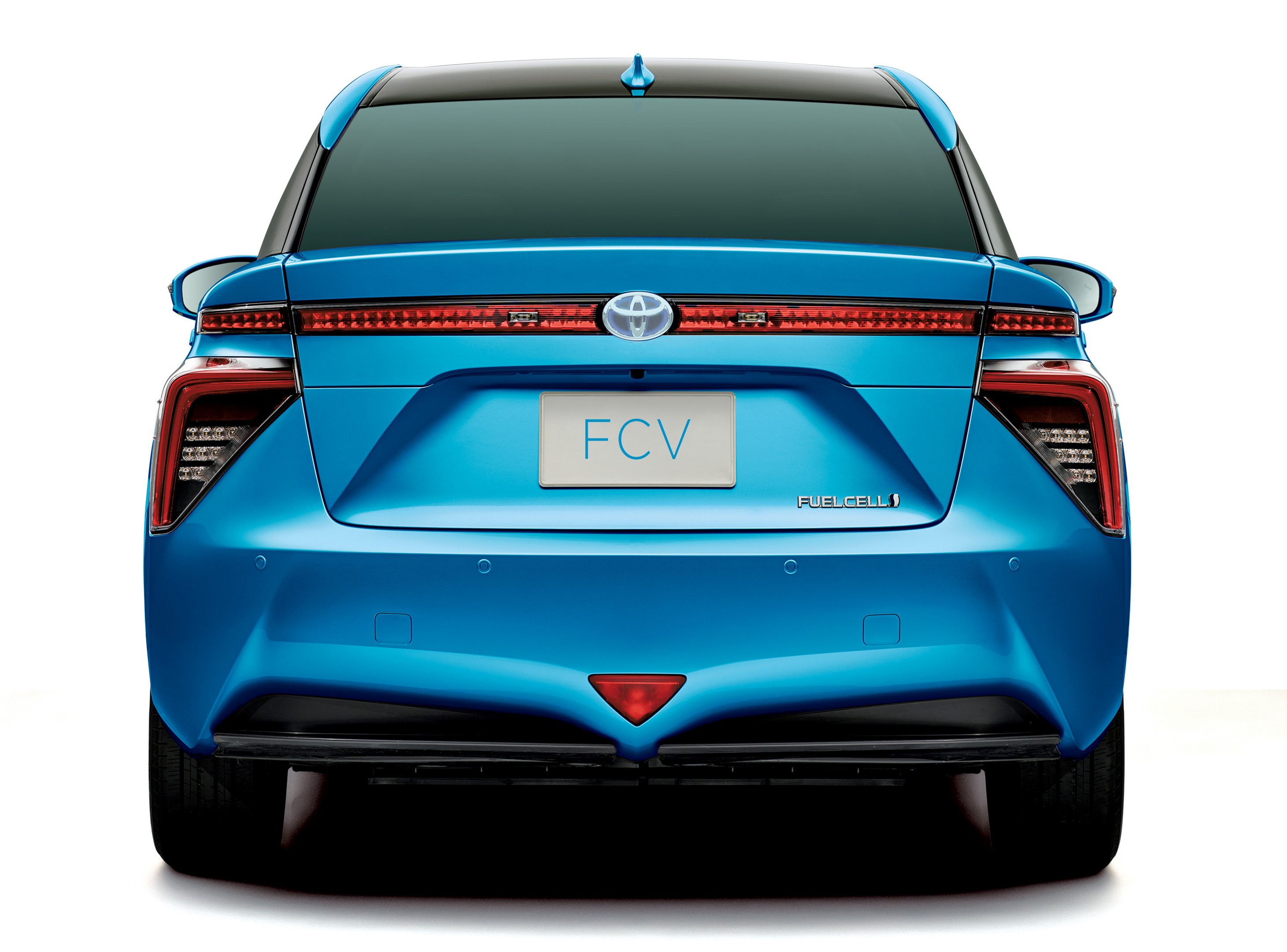
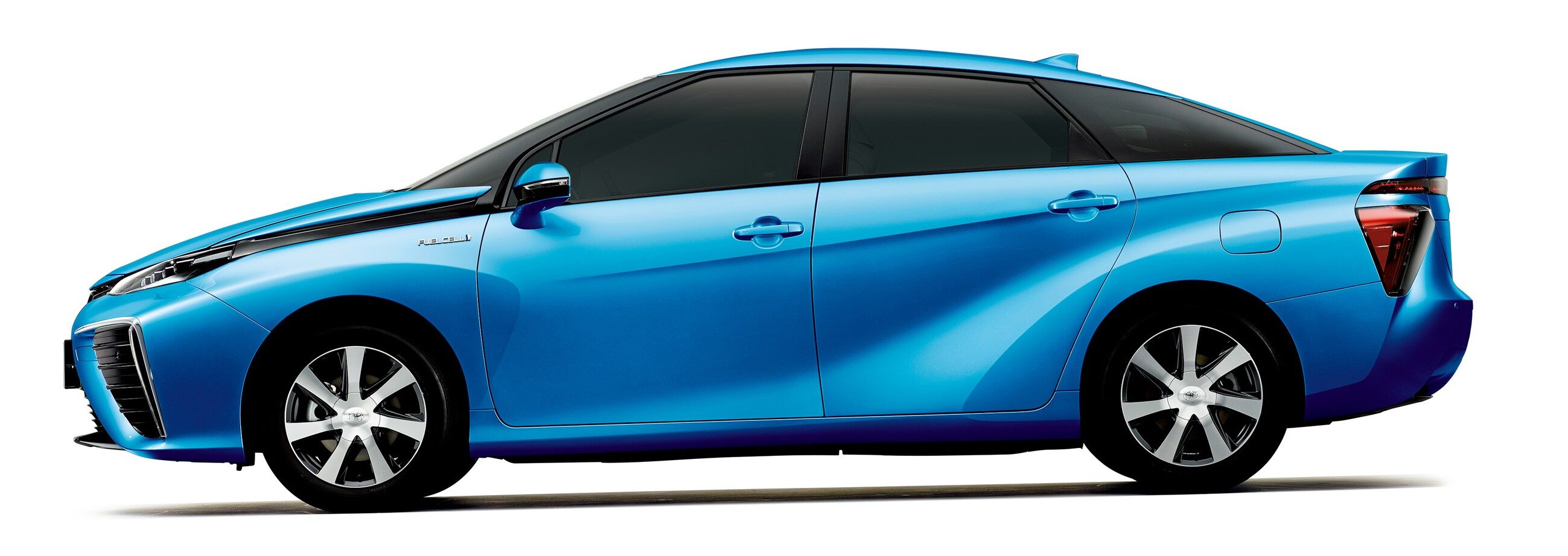
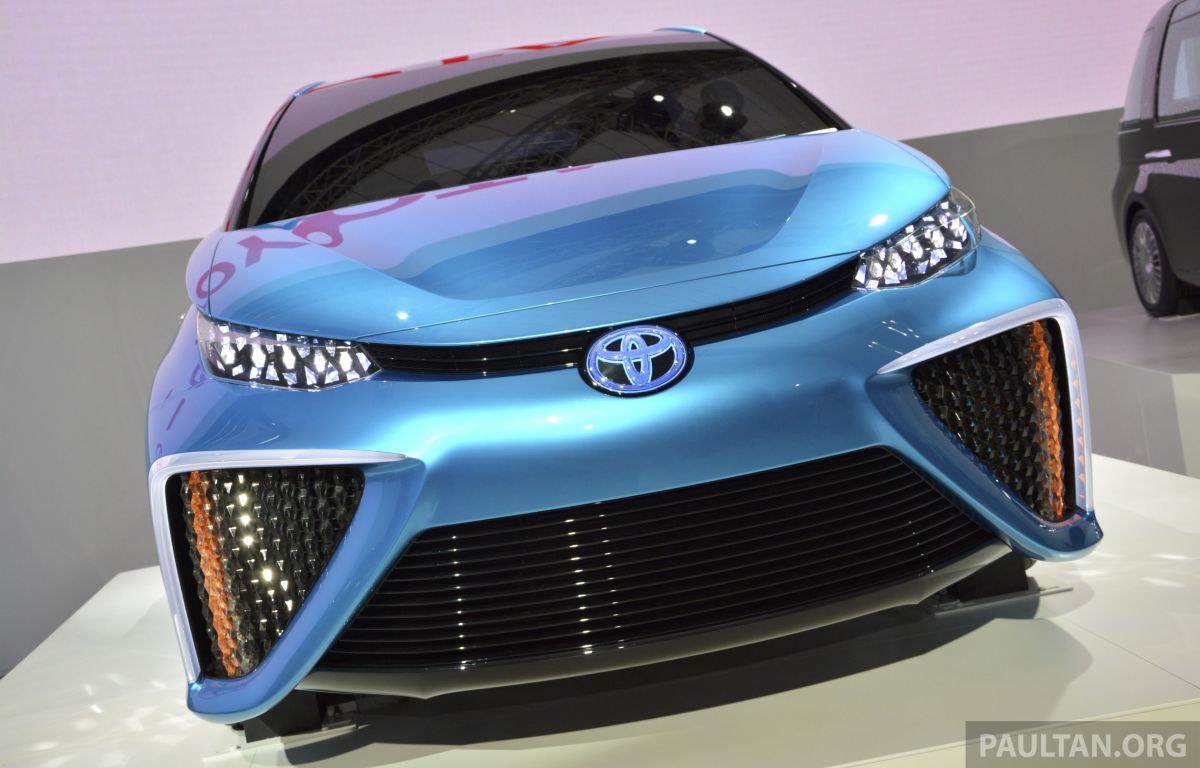
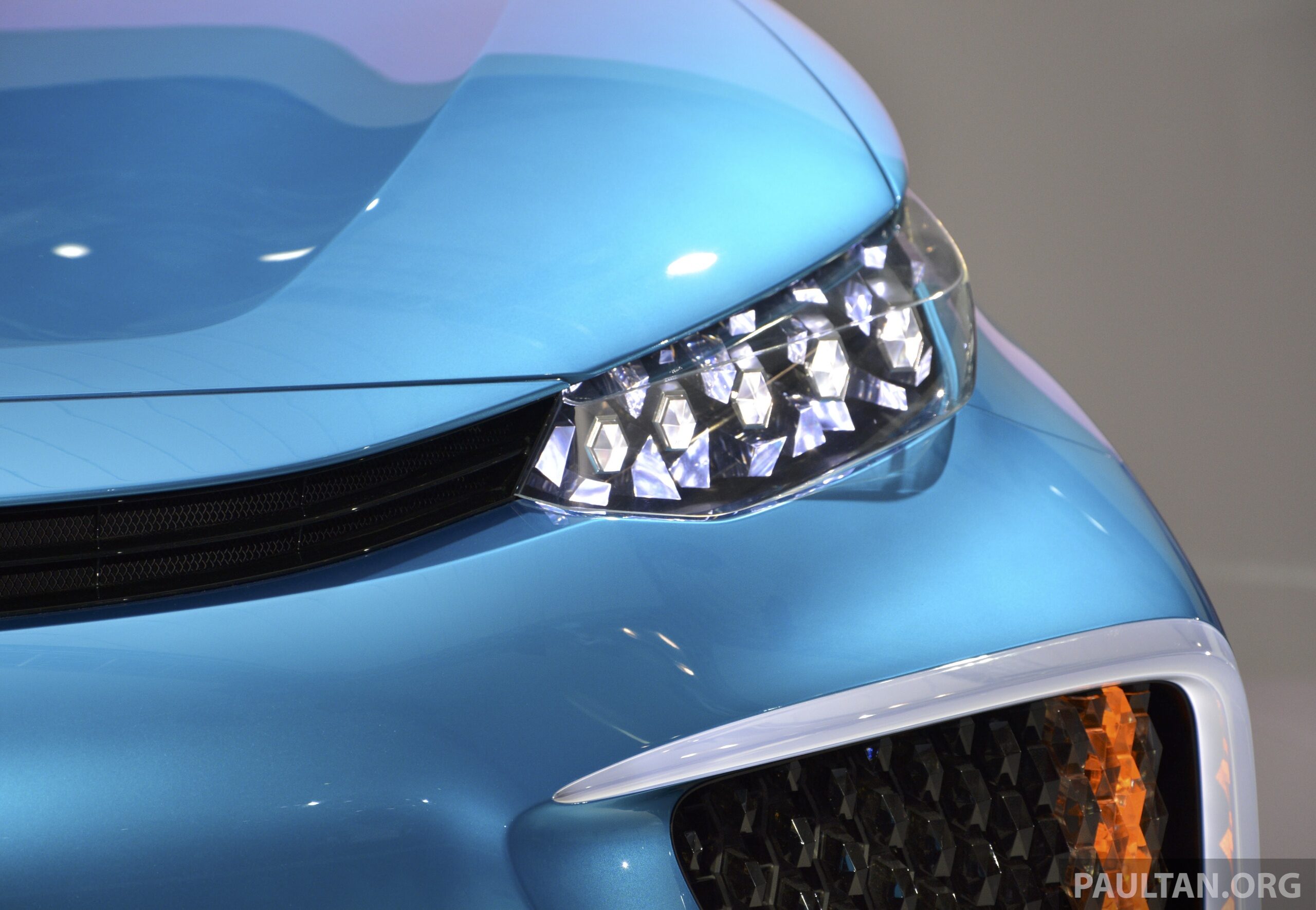
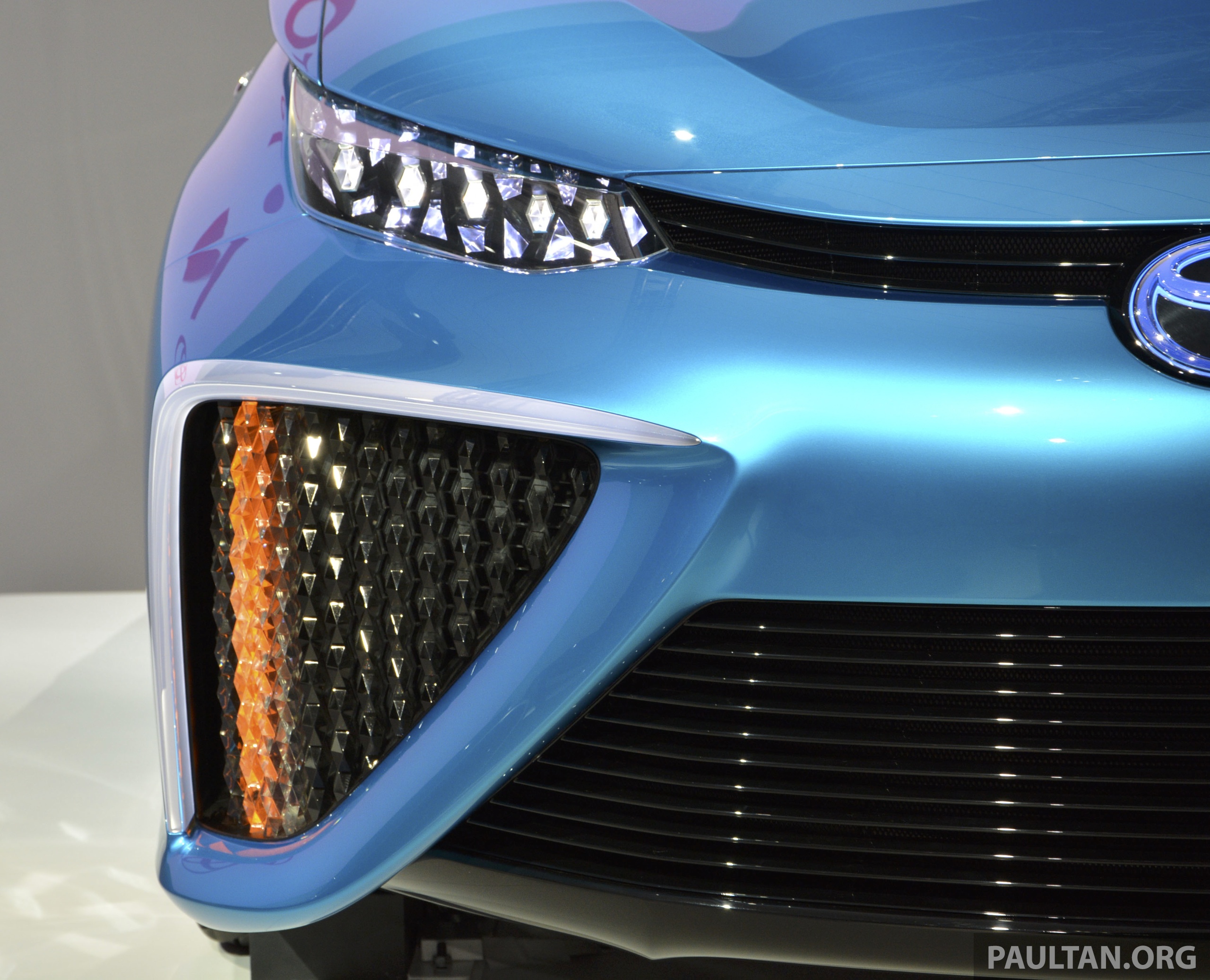
We can see that the production Toyota Fuel Cell Sedan will keep a lot of the concept car’s styling. This design has been many years in the making, first seen in 2011 in the form of the Toyota FCV-R concept. There are vertical daytime running lights integrated into the flared bumper, which appears to have swapped the concept’s mesh grille to a new design that features horizontal bars.
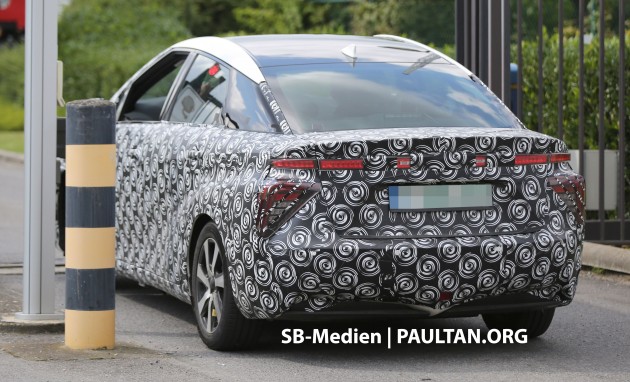
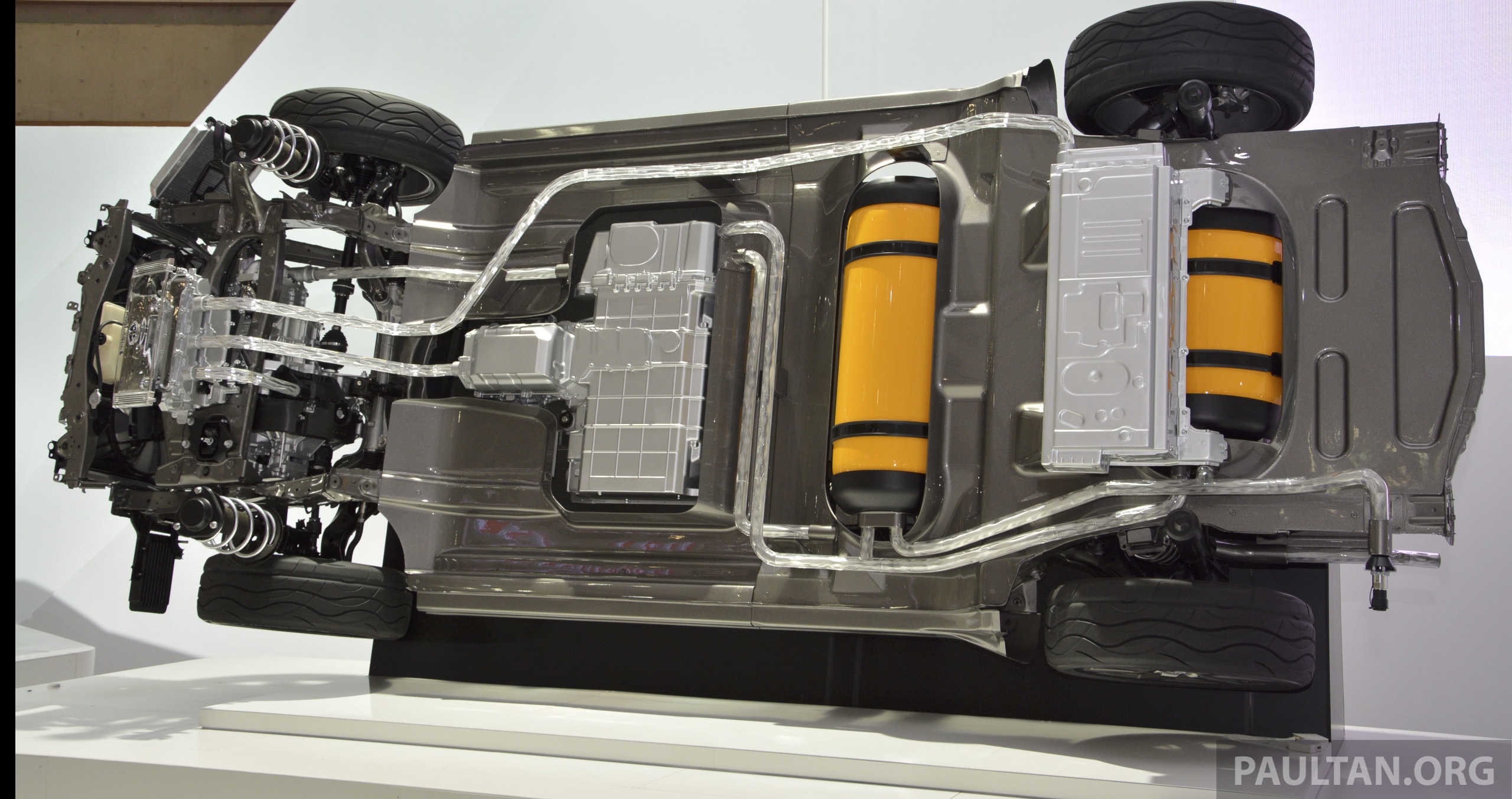
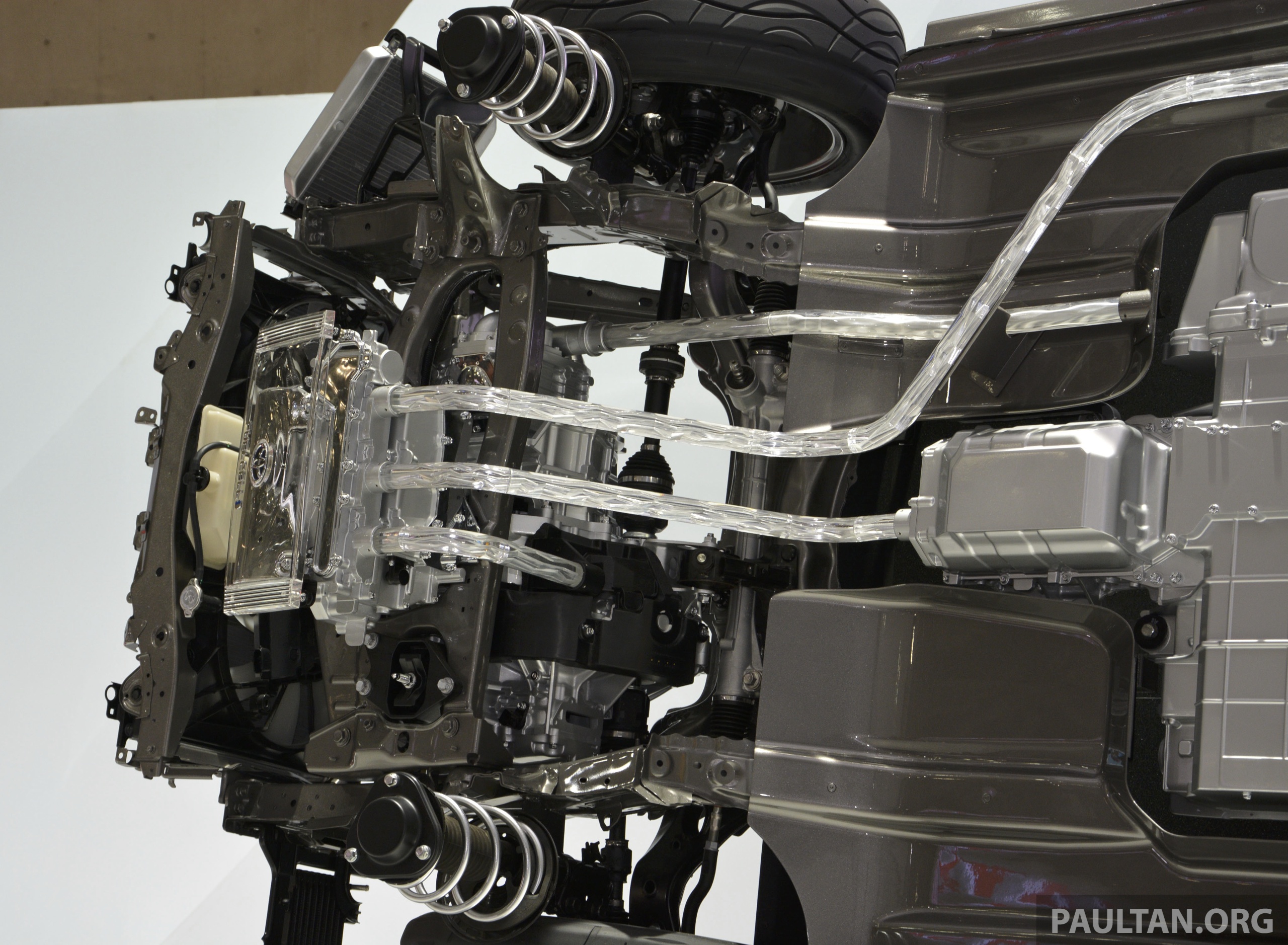
This new car – rumoured to be called the Mirai, which is Japanese for future – is not a hybrid, despite its Prius-like roofline. It uses an electric motor, but the difference is what powers those motors – not batteries, but hydrogen. The powertrain features Toyota’s proprietary compact and lightweight fuel cell stack and a pair of high-pressure (70mPa) hydrogen tanks, located beneath the four-seater body. It can go 500 km on a full tank of hydrogen.
This isn’t the first hydrogen fuel cell car to come out of a Japanese automaker. Honda was there earlier with the Honda FCX Clarity, which has had an experimental leasing run since 2008. We managed a quick drive of the Honda FCX Concept back in 2007. It’s pretty much like an electric car that you can refuel with hydrogen in a jiffy instead of having to charge it for a few hours.


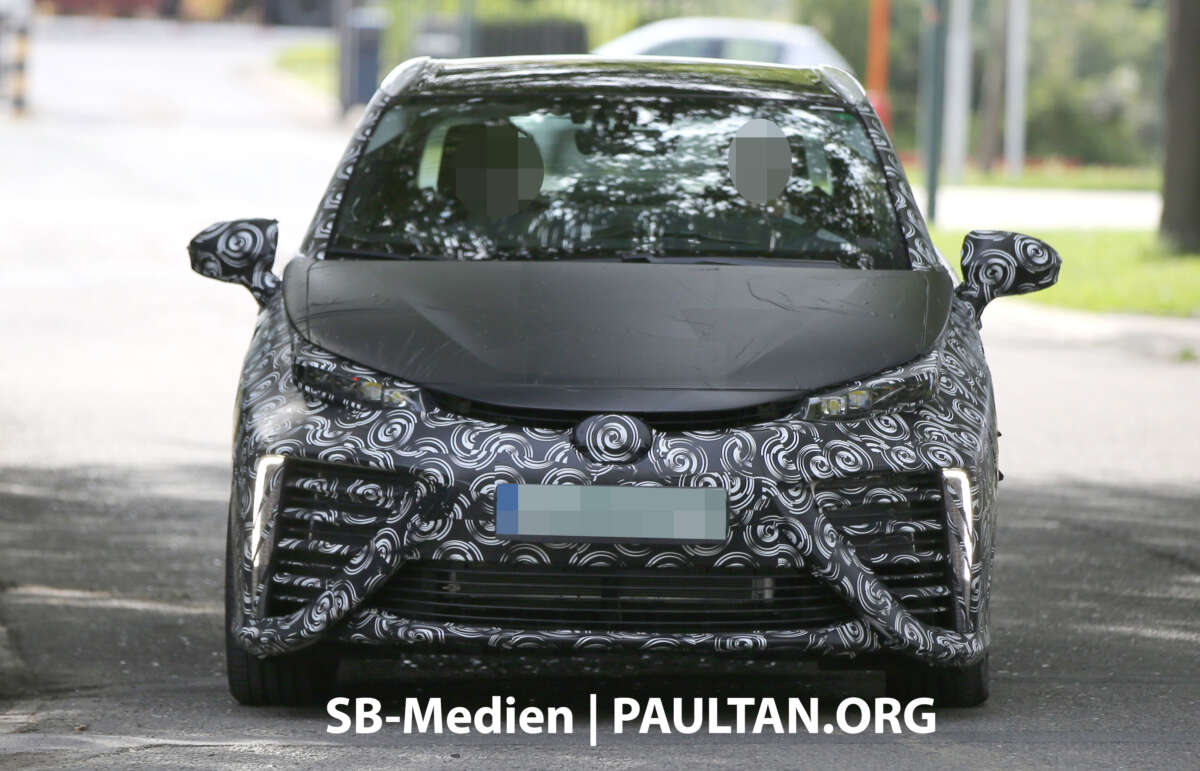
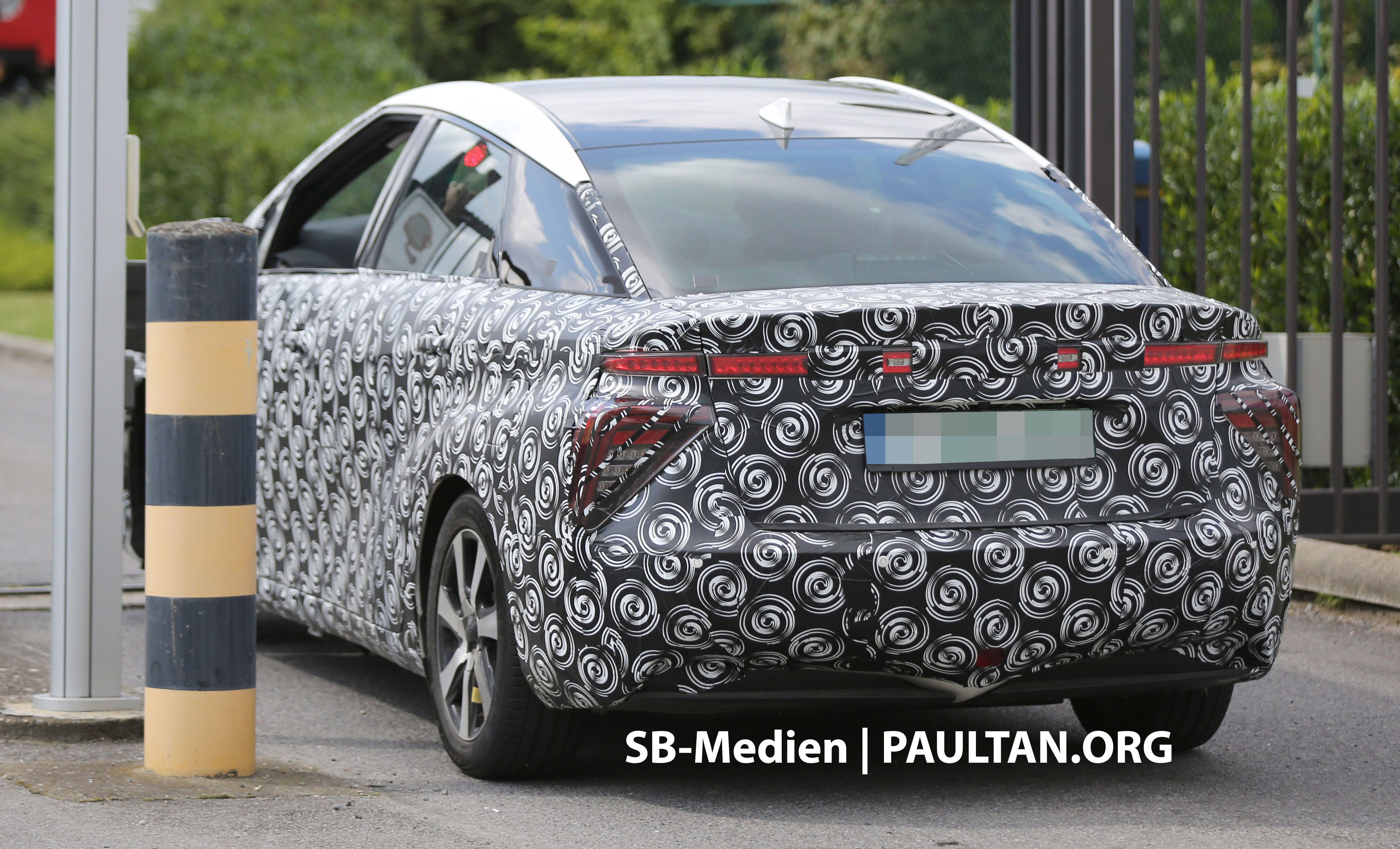
Toyota Fuel Cell Sedan (FCS)



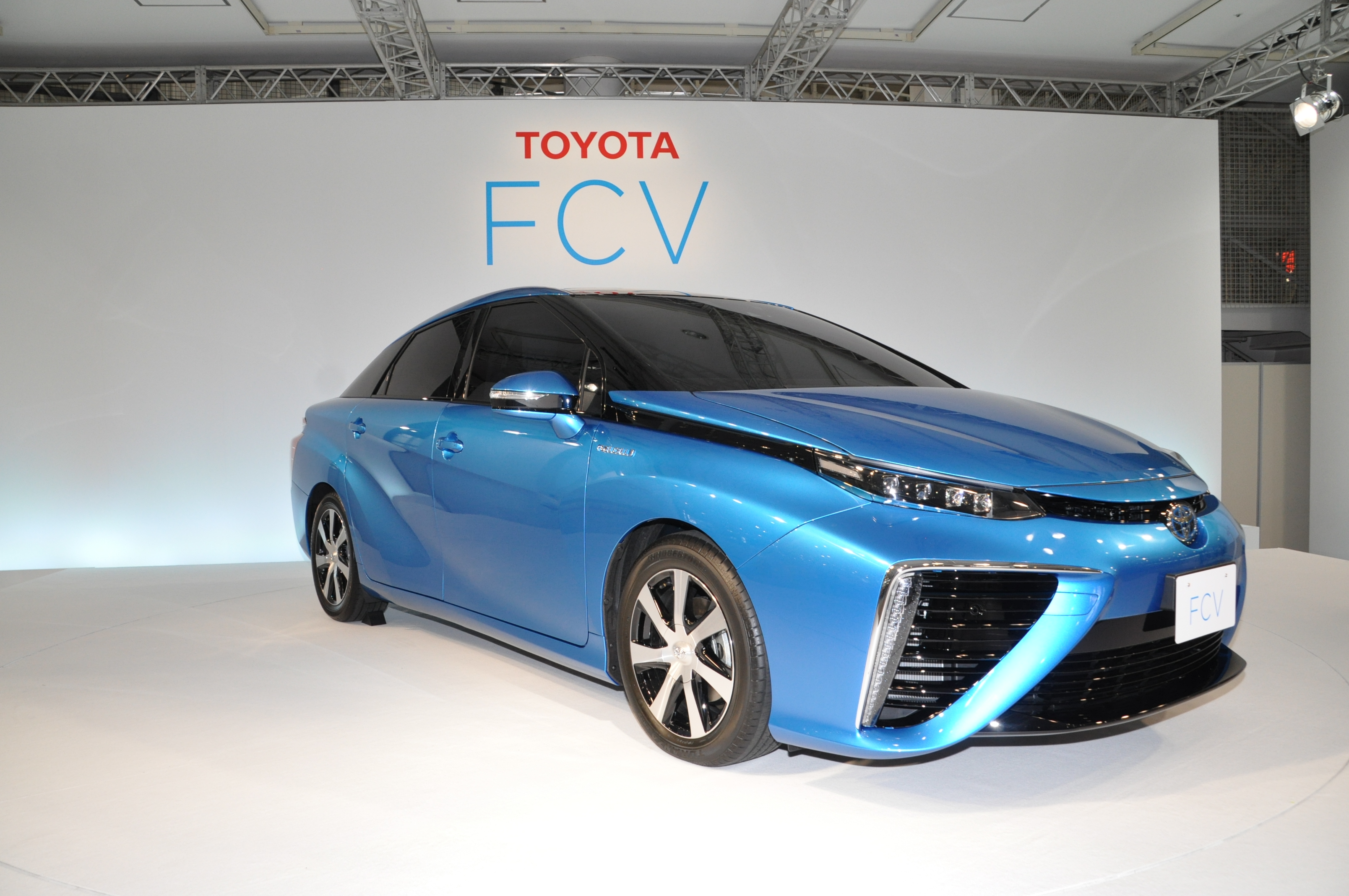
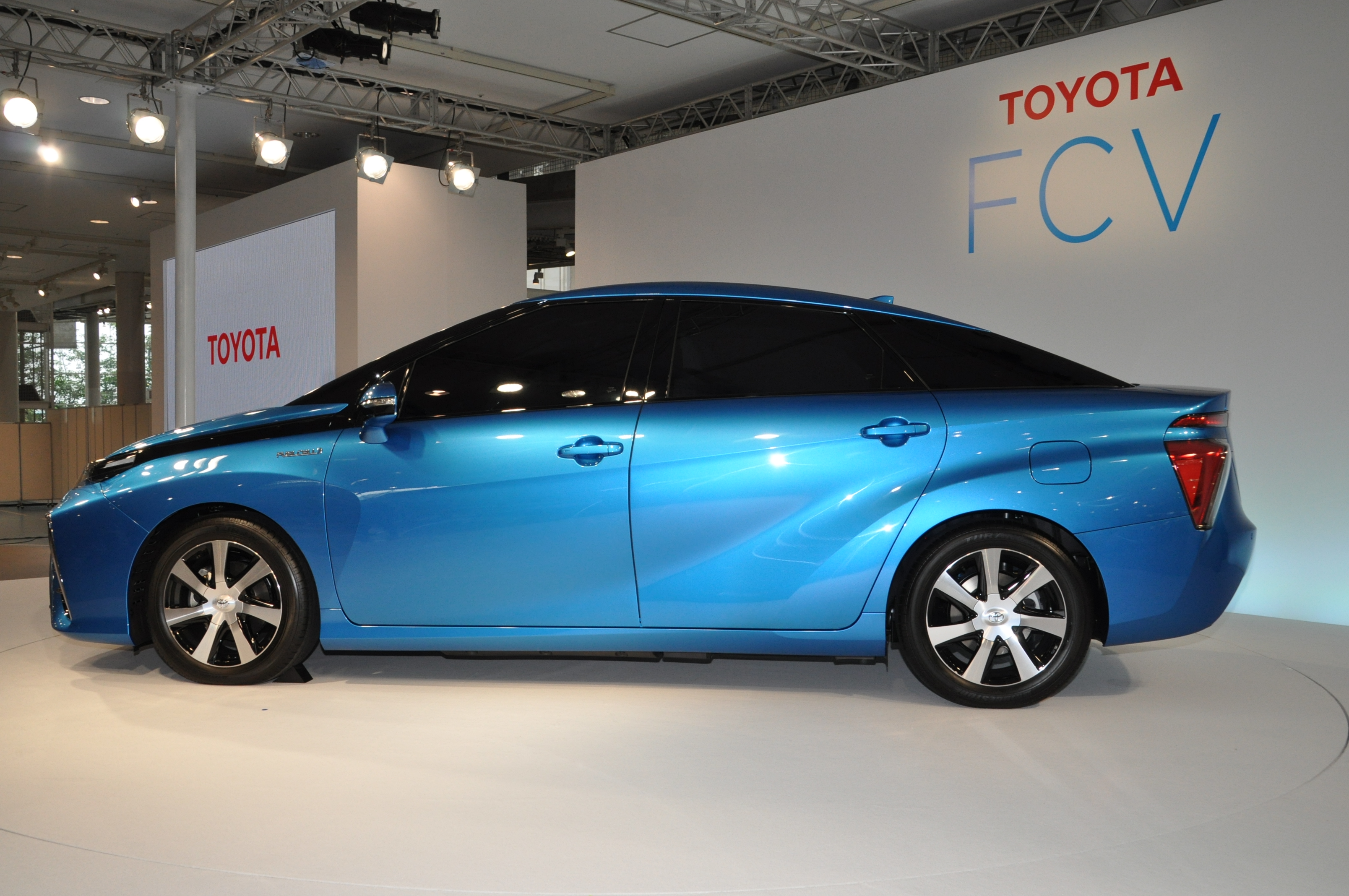
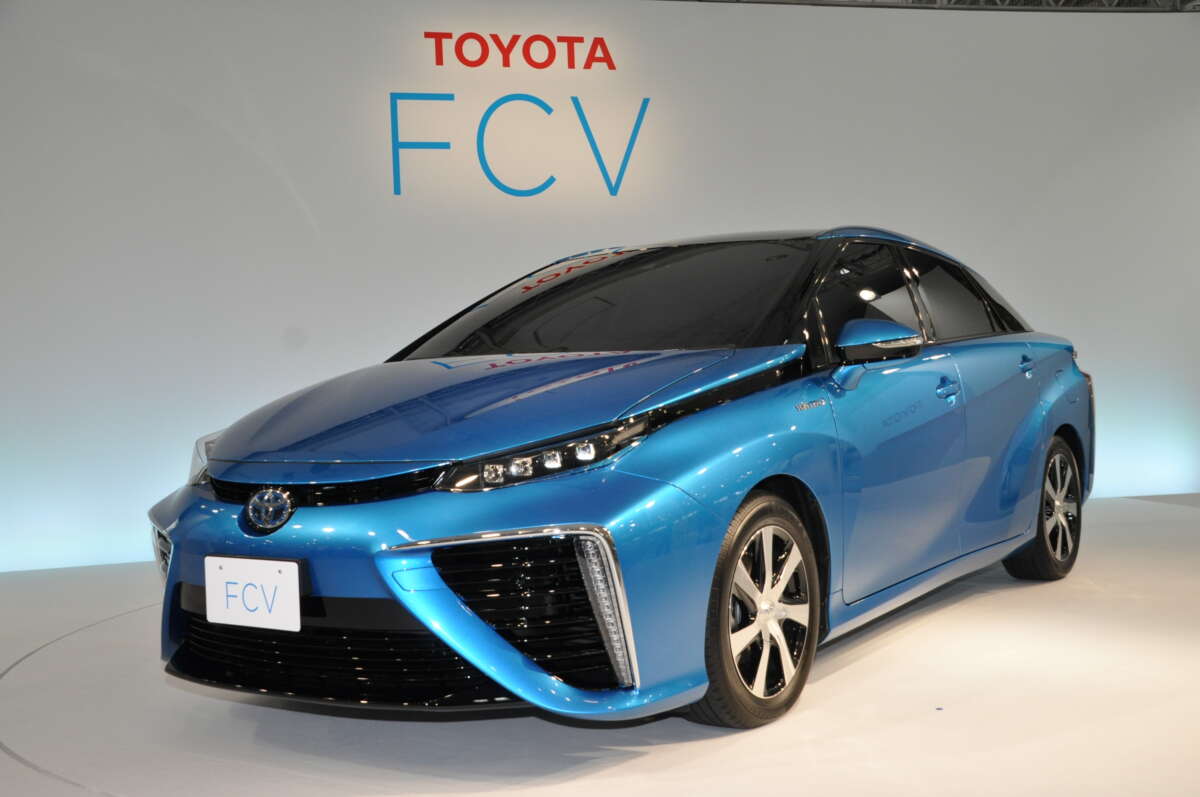
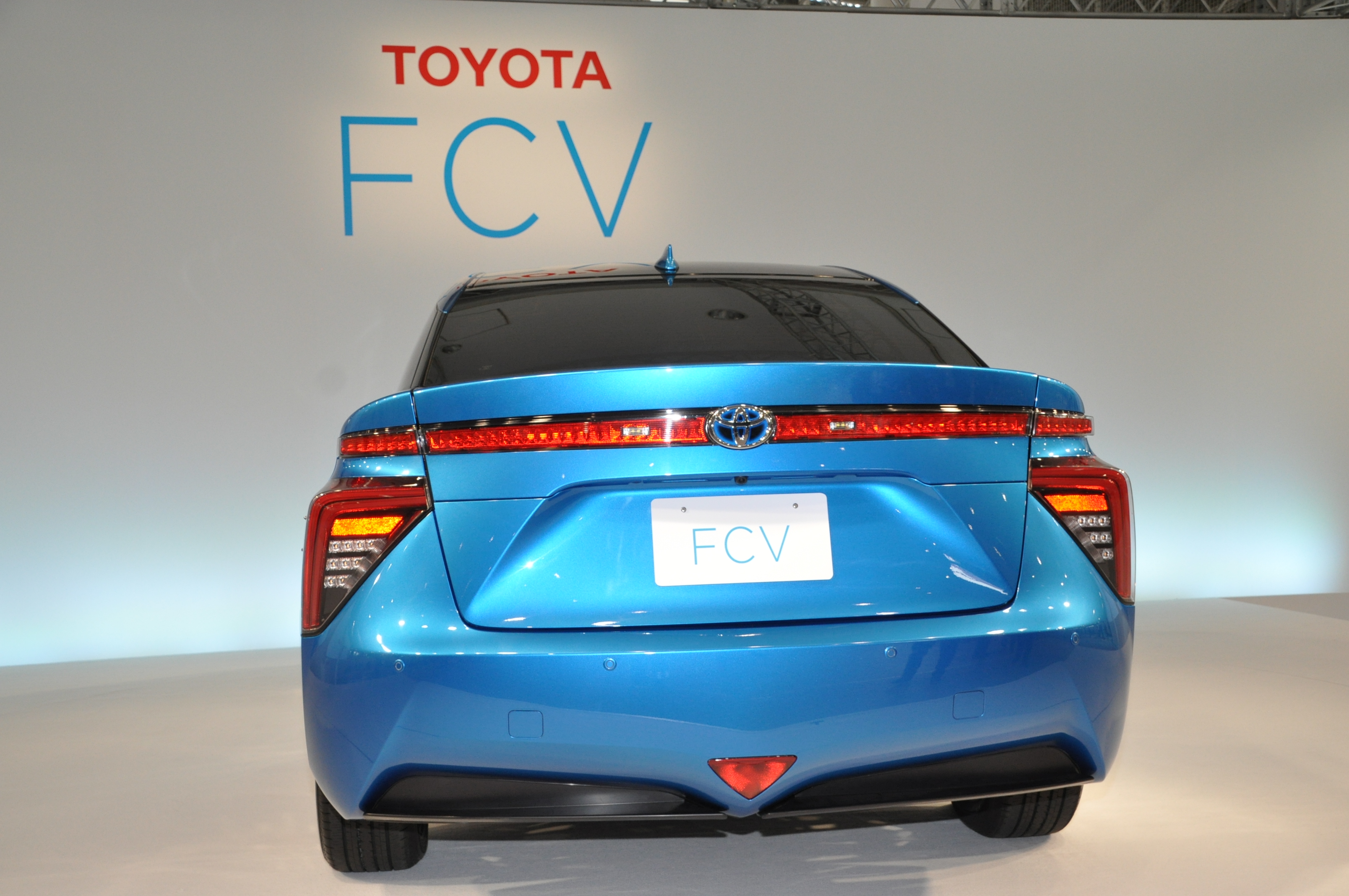


Toyota FCV Concept


 Toyota Yaris Cross
from RM99,900
Toyota Yaris Cross
from RM99,900  Toyota Hilux
from RM226,300
Toyota Hilux
from RM226,300  Toyota Urban Cruiser
from RM198,000
Toyota Urban Cruiser
from RM198,000  Toyota bZ4X
from RM220,000
Toyota bZ4X
from RM220,000  Toyota GR Yaris
from RM315,600
Toyota GR Yaris
from RM315,600  Toyota GR Corolla
from RM368,950
Toyota GR Corolla
from RM368,950  Toyota Camry
from RM221,800
Toyota Camry
from RM221,800  Toyota Corolla Cross
from RM133,800
Toyota Corolla Cross
from RM133,800  Toyota Alphard
from RM548,000
Toyota Alphard
from RM548,000 
 AVH (Member)
on
AVH (Member)
on 

 Same L0rrr
on
Same L0rrr
on  Vader (Member)
on
Vader (Member)
on  axey
on
axey
on  jackq
on
jackq
on  qas
on
qas
on  sshel
on
sshel
on  Albert Lee
on
Albert Lee
on  salese
on
salese
on  reiss
on
reiss
on  ProtonGSC
on
ProtonGSC
on  Motorhead (Member)
on
Motorhead (Member)
on  kidd
on
kidd
on  contr
on
contr
on  kzm (Member)
on
kzm (Member)
on  Obviously (Member)
on
Obviously (Member)
on  roxas
on
roxas
on  Sam Loo (ori)
on
Sam Loo (ori)
on  muya
on
muya
on  mayo
on
mayo
on  ben
on
ben
on  Etah
on
Etah
on  farghmee
on
farghmee
on  nara
on
nara
on  Mohd
on
Mohd
on  motorbart
on
motorbart
on  ellix
on
ellix
on  motorheadsark
on
motorheadsark
on  dualclutch
on
dualclutch
on  waxxe
on
waxxe
on  thgh (Member)
on
thgh (Member)
on  elson
on
elson
on  mr.annonymouse
on
mr.annonymouse
on  zxcv
on
zxcv
on  wsss2
on
wsss2
on  bndai
on
bndai
on  Robb
on
Robb
on  ccs
on
ccs
on  dvf
on
dvf
on  Semi-Value (Member)
on
Semi-Value (Member)
on  Heng Lee
on
Heng Lee
on  YCL
on
YCL
on  rs
on
rs
on
AI-generated Summary ✨
Comments are mostly skeptical and critical of the Toyota Mirai hydrogen fuel cell car, citing its ugly design, high price, and the technological challenges of hydrogen production and infrastructure. Many believe the technology is still impractical and that traditional electric vehicles are more viable currently. There is also some off-topic banter about Toyota’s reputation, past models, and comparisons with Proton and Korean cars. Overall, the sentiment is dismissive of the Mirai’s current viability and design.