
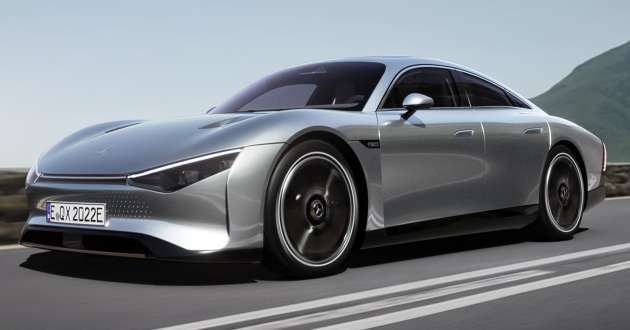
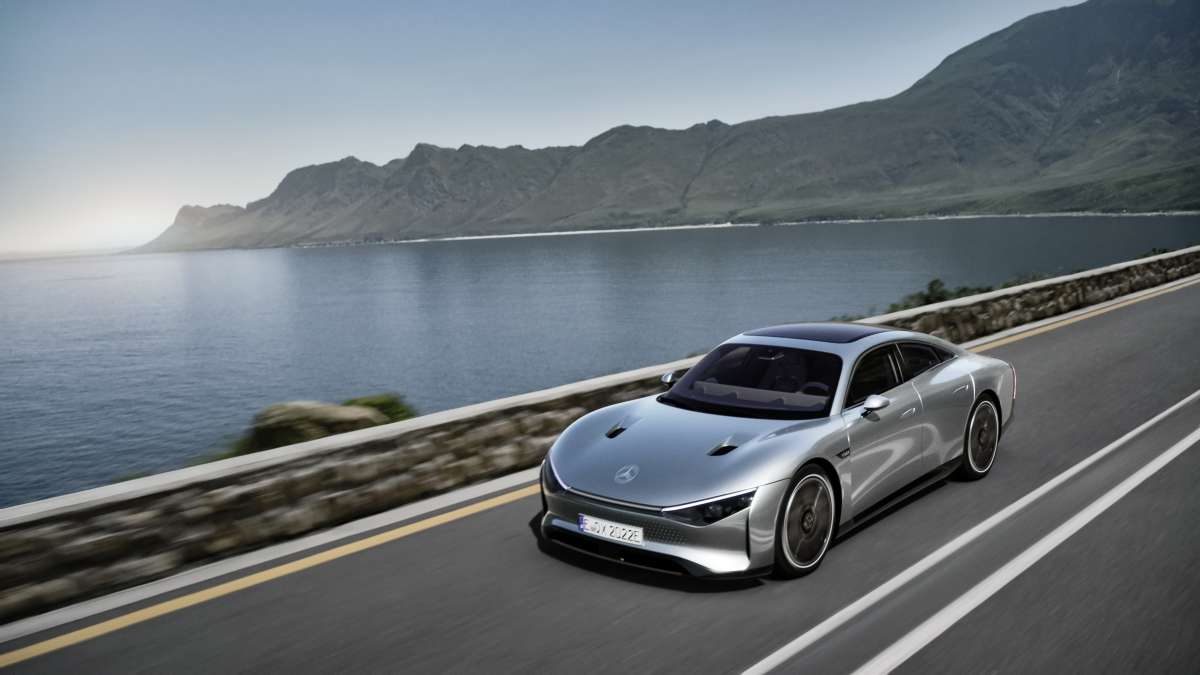
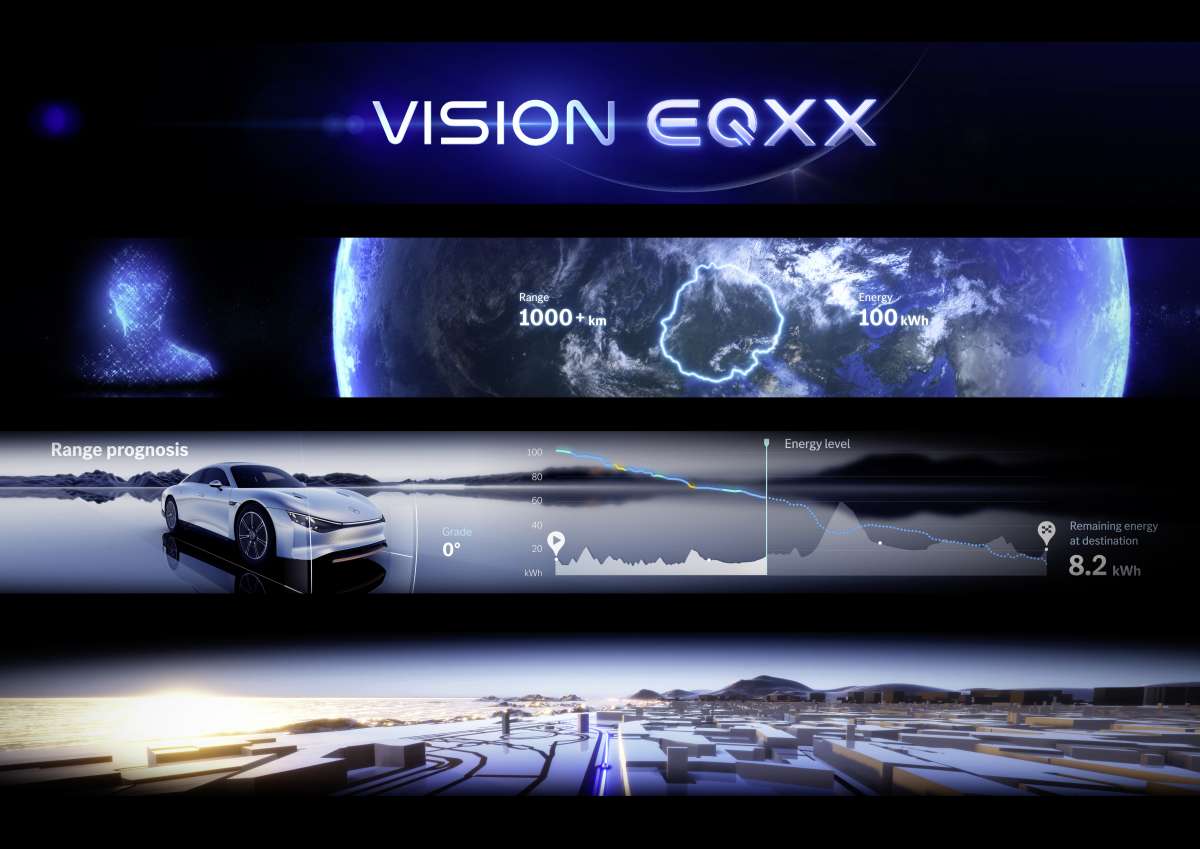
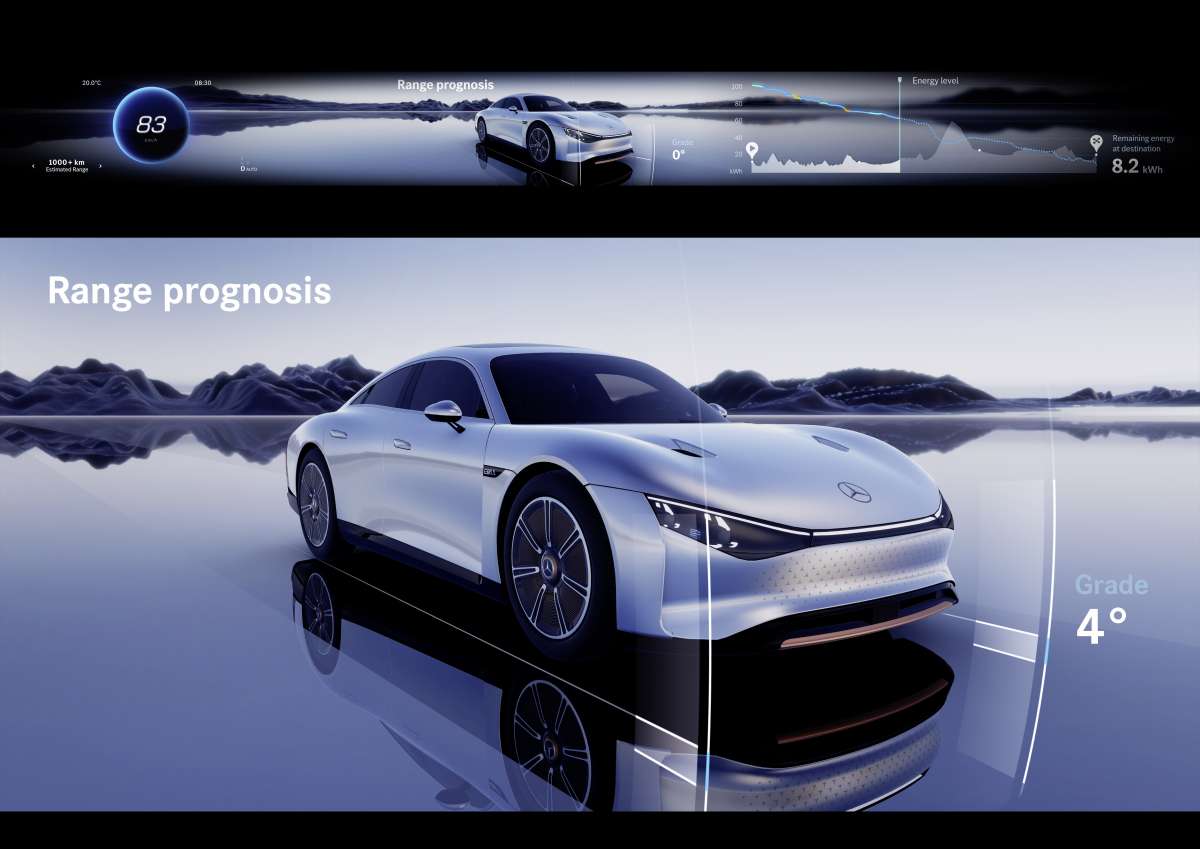
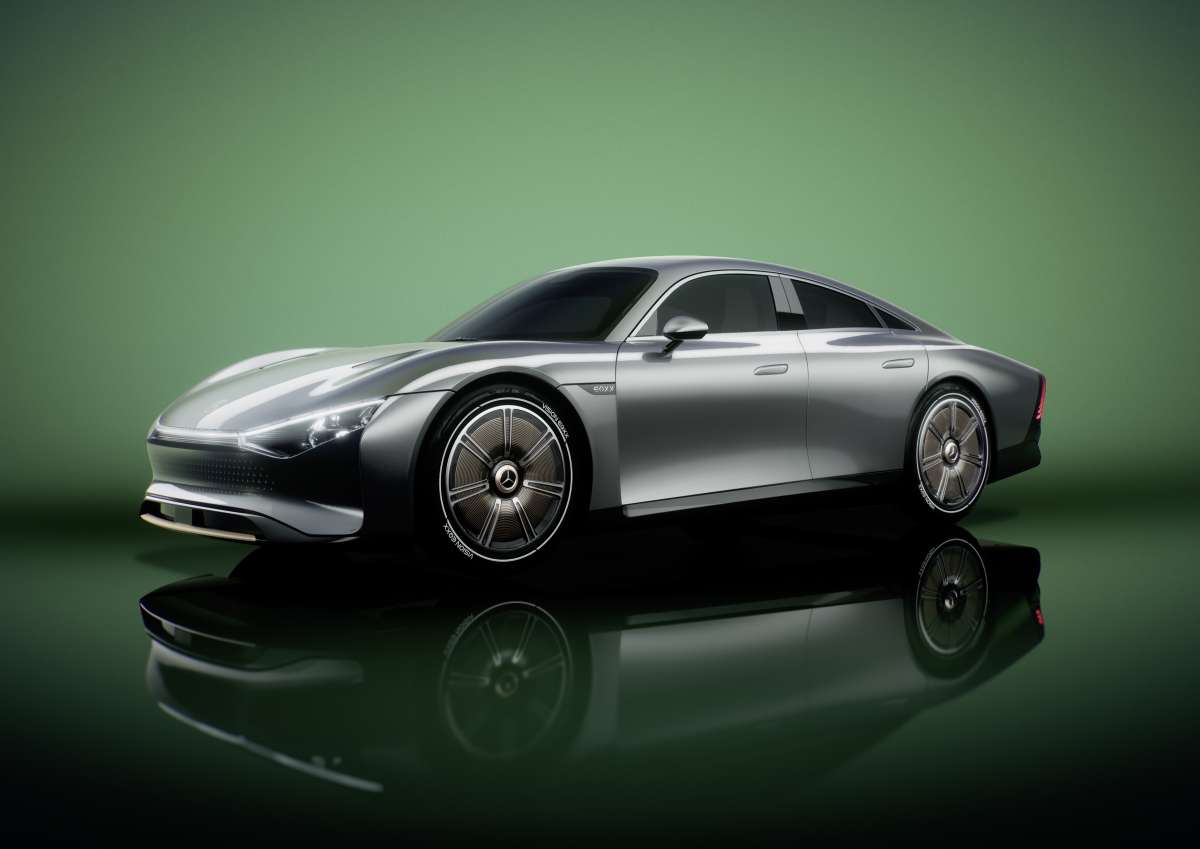
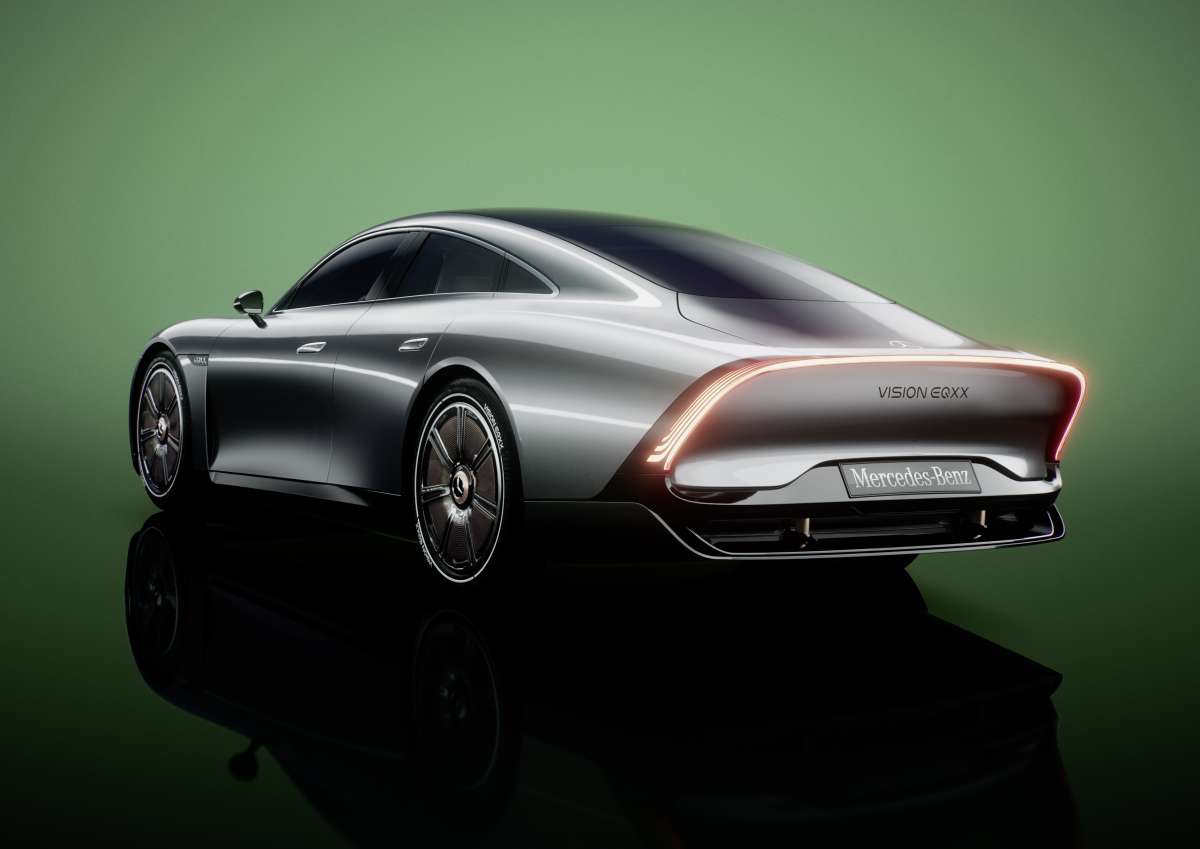
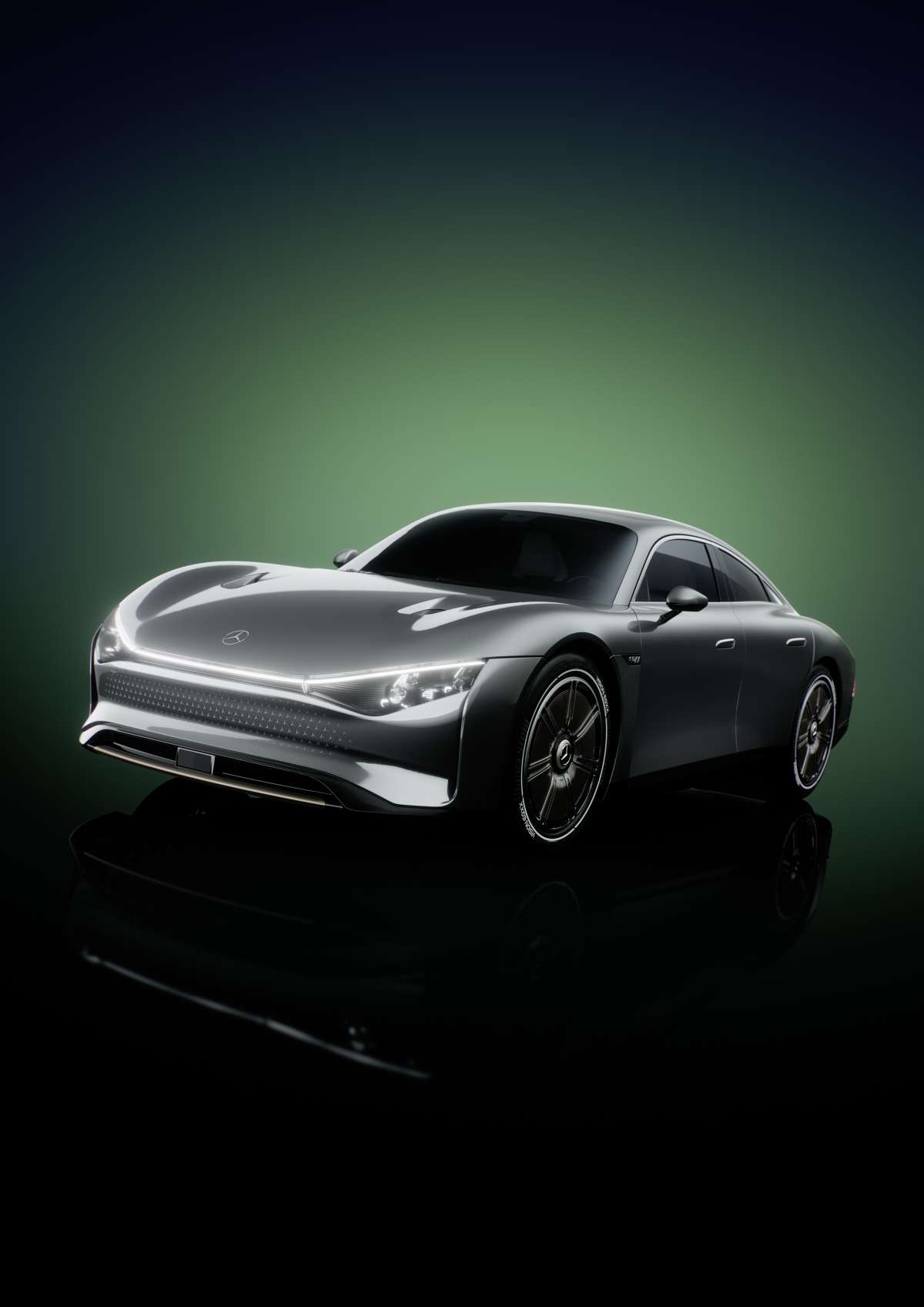
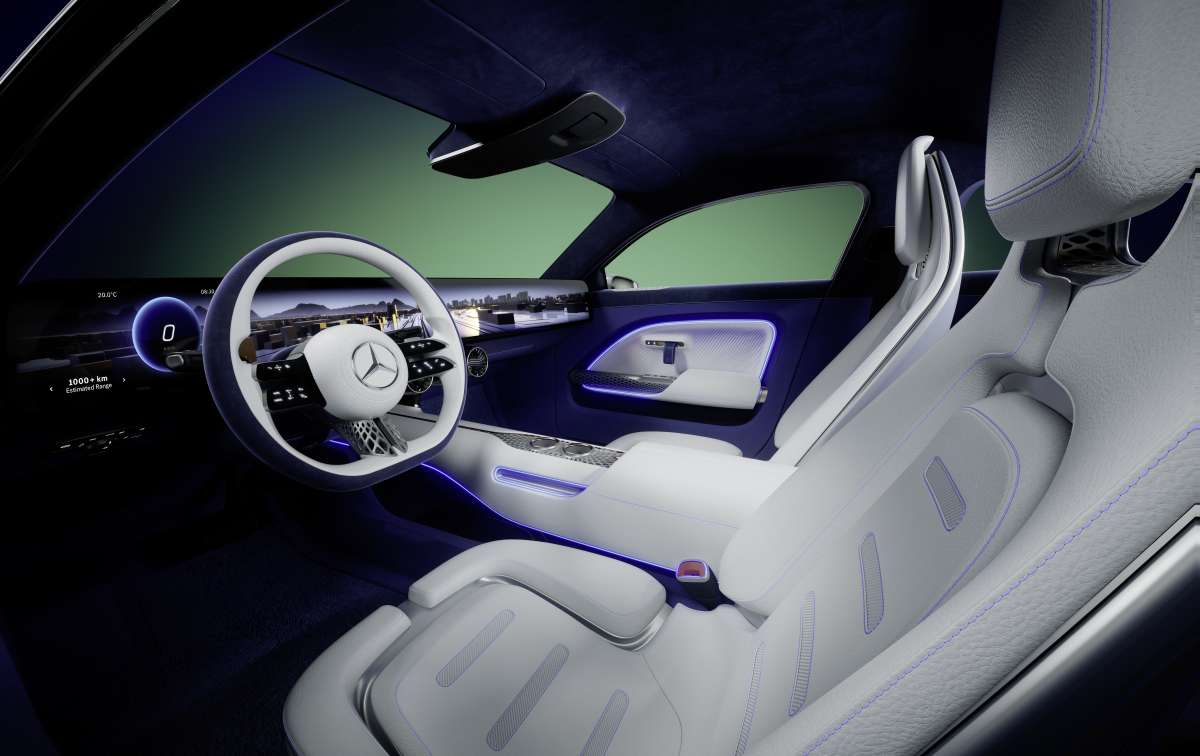
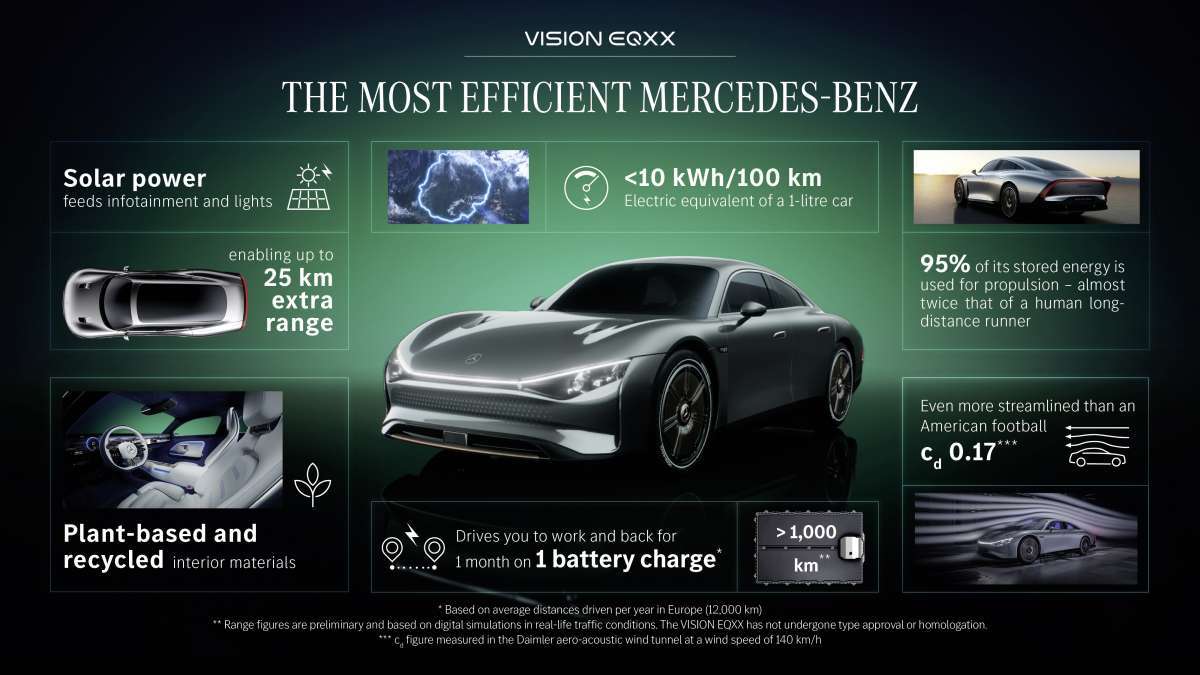
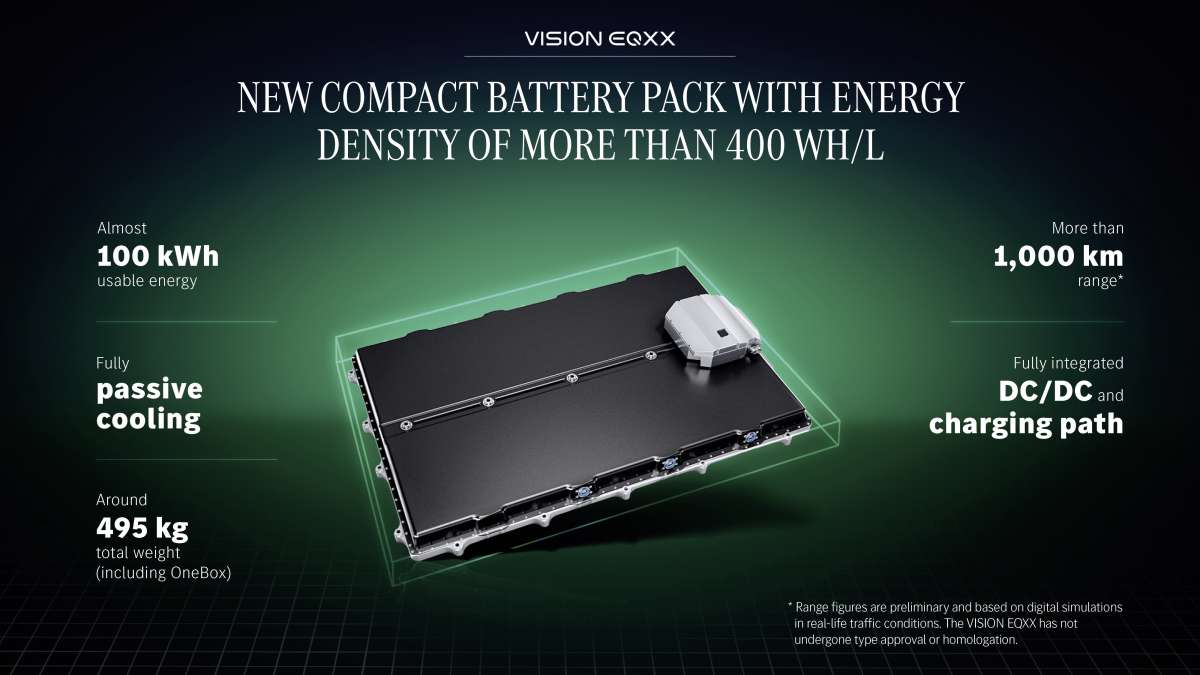
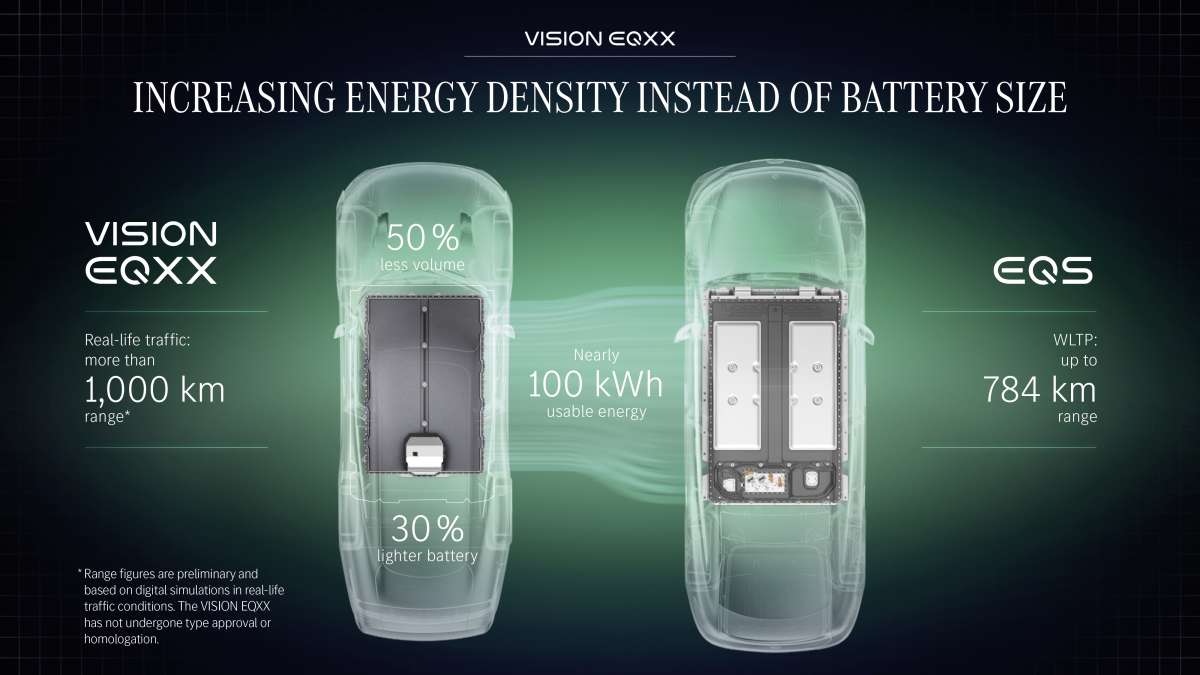
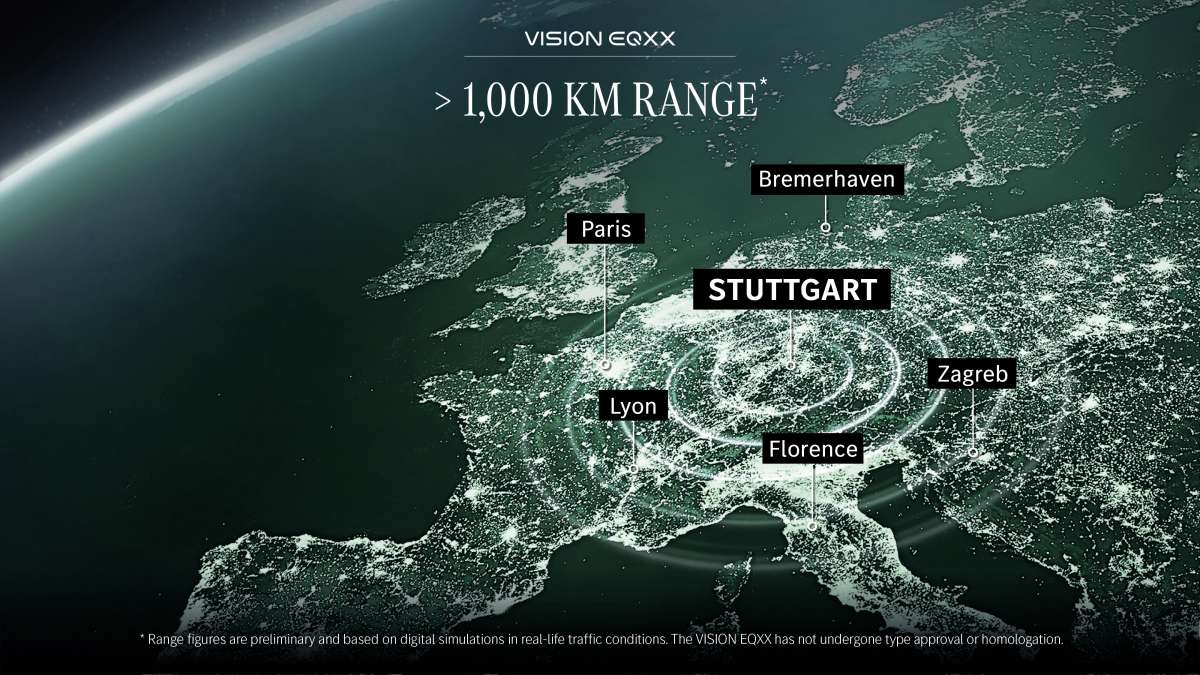
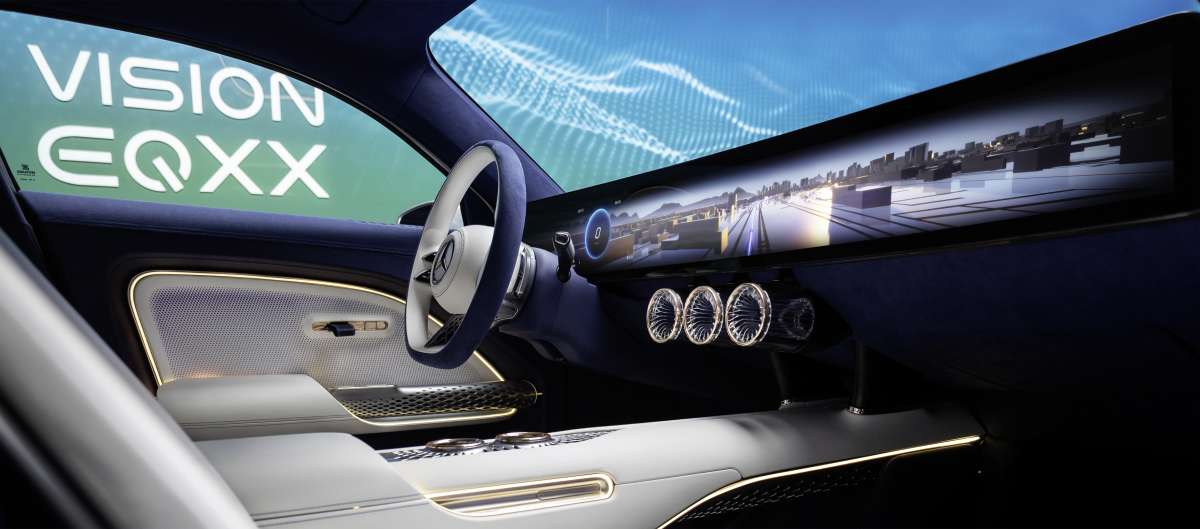
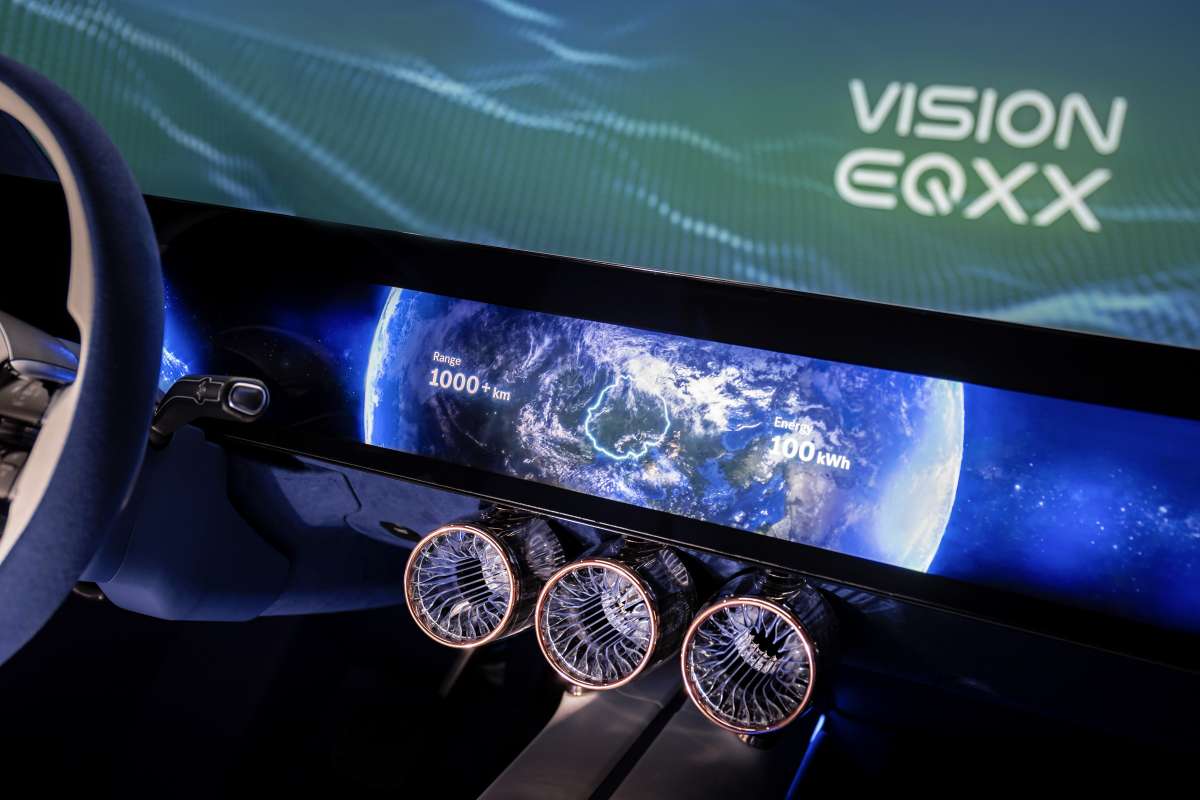
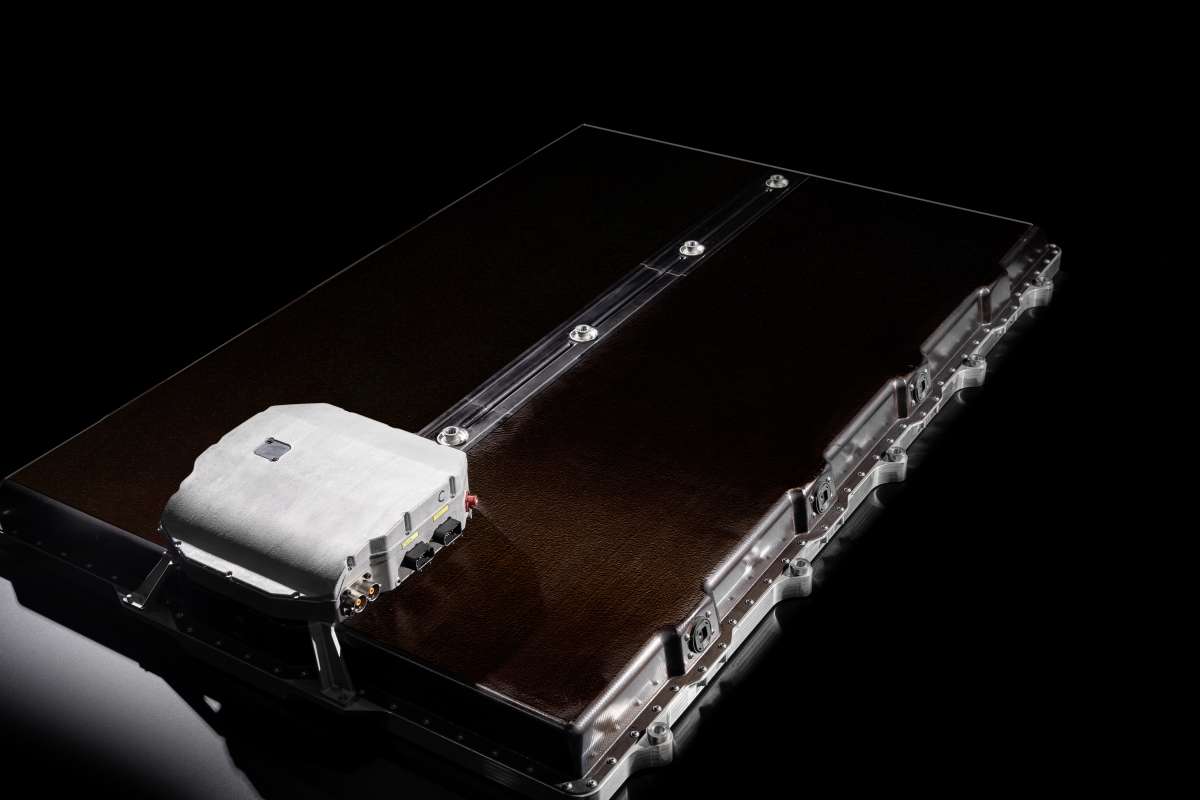
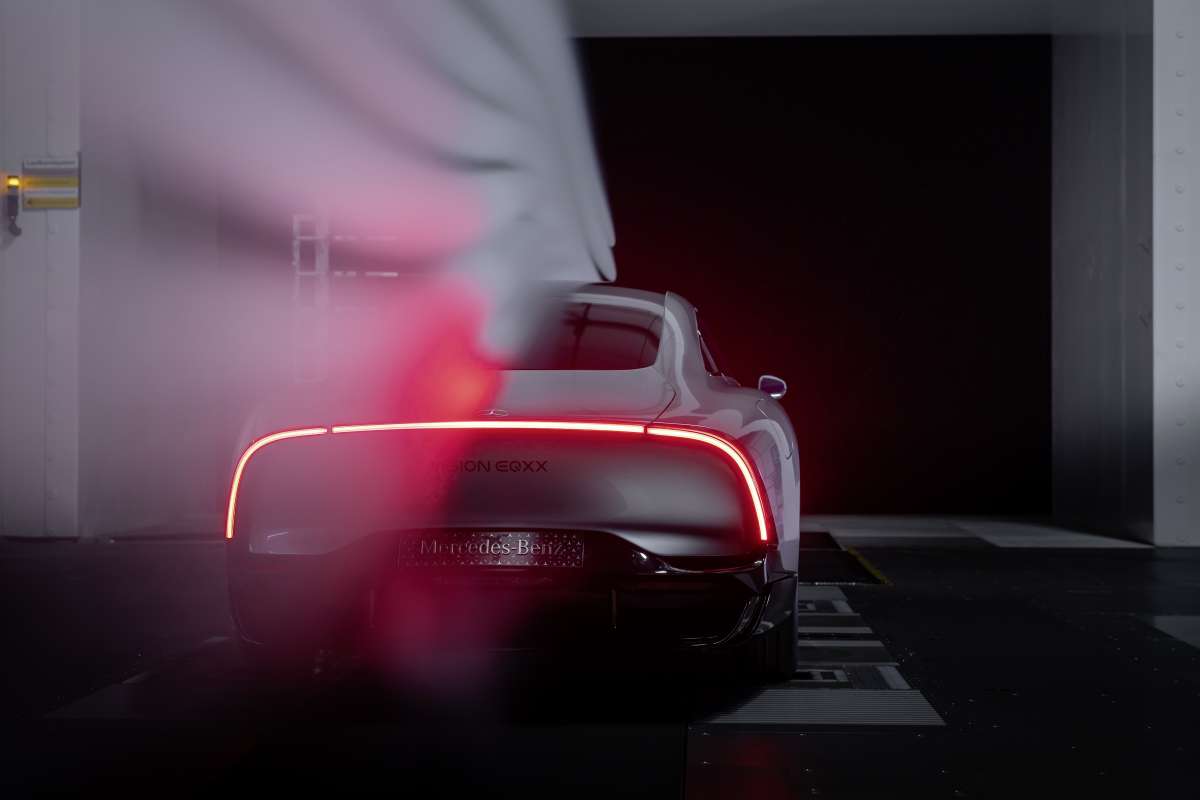
Mercedes-Benz made headlines when it said the EQXX would be capable of providing over 1,000 km of real world range, despite having a similar battery size as the EQS, which is under 100 kWh.
There were doubters, for sure, but the automaker has walked the talk and proved that the prototype (which closely previews a production model) actually clocked 1,008 km on a full charge, averaging an incredible 8.7 kWh per 100 km. That’s far more efficient than most EVs on sale today – the Nissan Leaf is nearly double that at 16.3 kWh per 100 km!
More impressively, the battery in the EQXX wasn’t completely dead, because it could still go on for an additional 140 km. According to InsideEVs, the car had been driven continuously without stopping for 11 hours and 32 minutes.
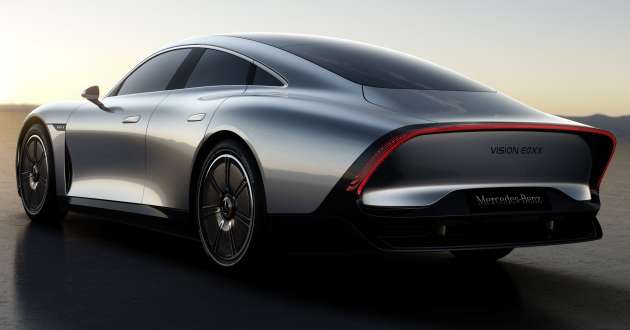
By comparison, the longest range version of the EQS comes with a 107.8 kWh battery pack that is capable of delivering up to 643 km in real world use (tested and verified independently by Edmunds). That averages out to 29.5 kWh per 100 km – significantly higher than the EQXX.
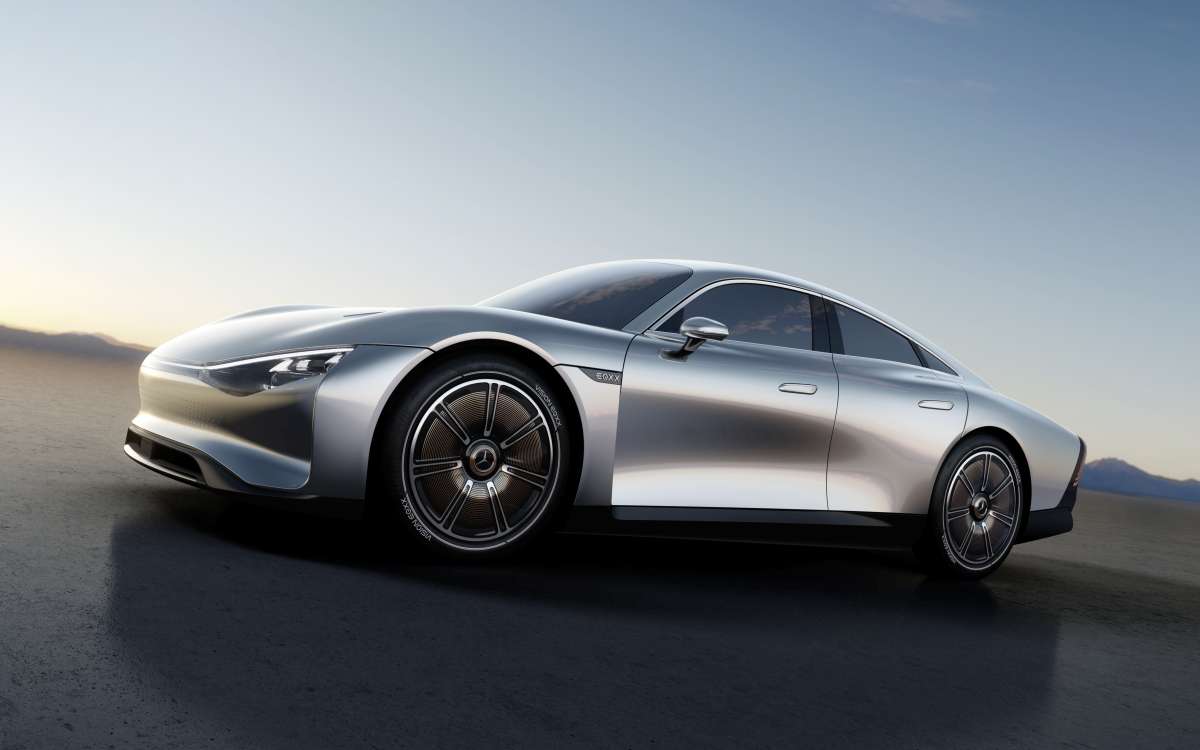
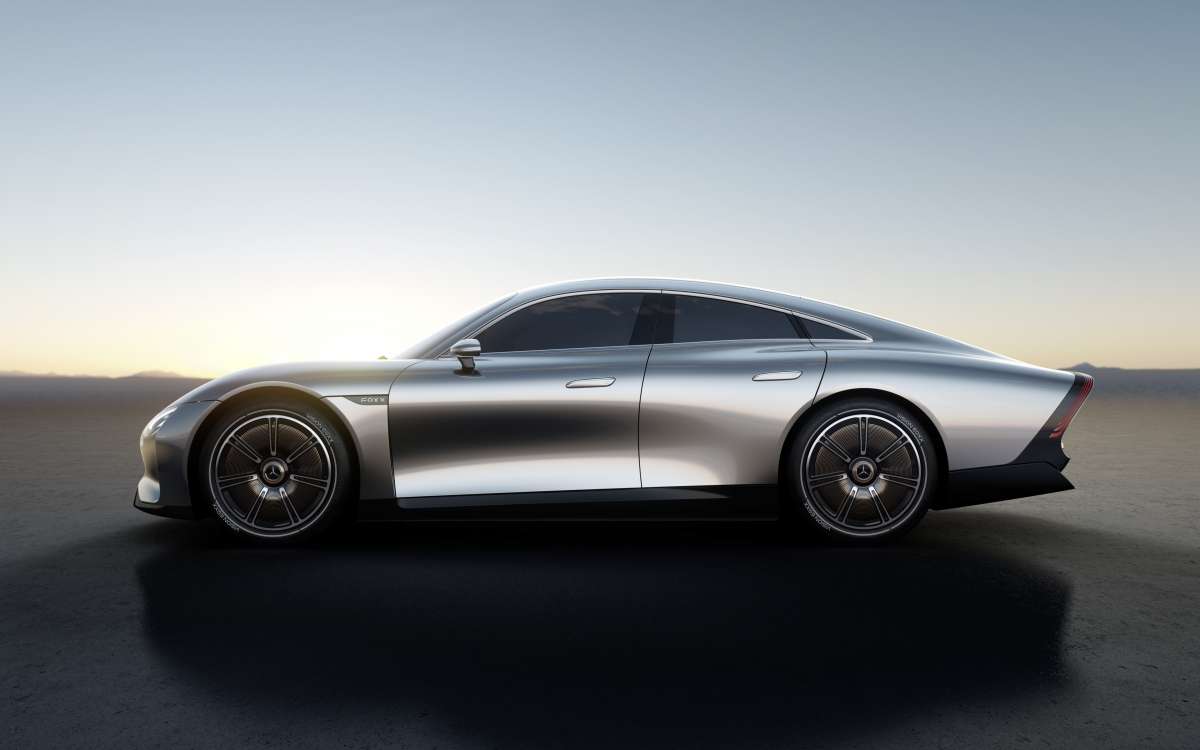
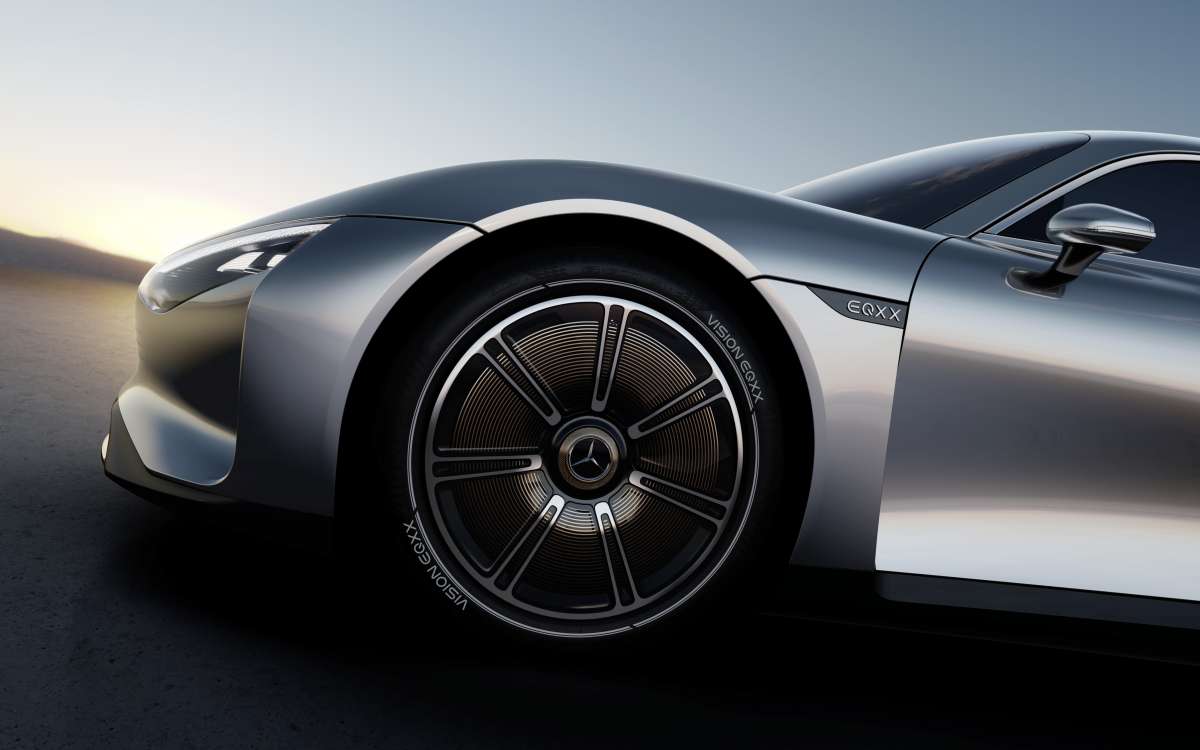
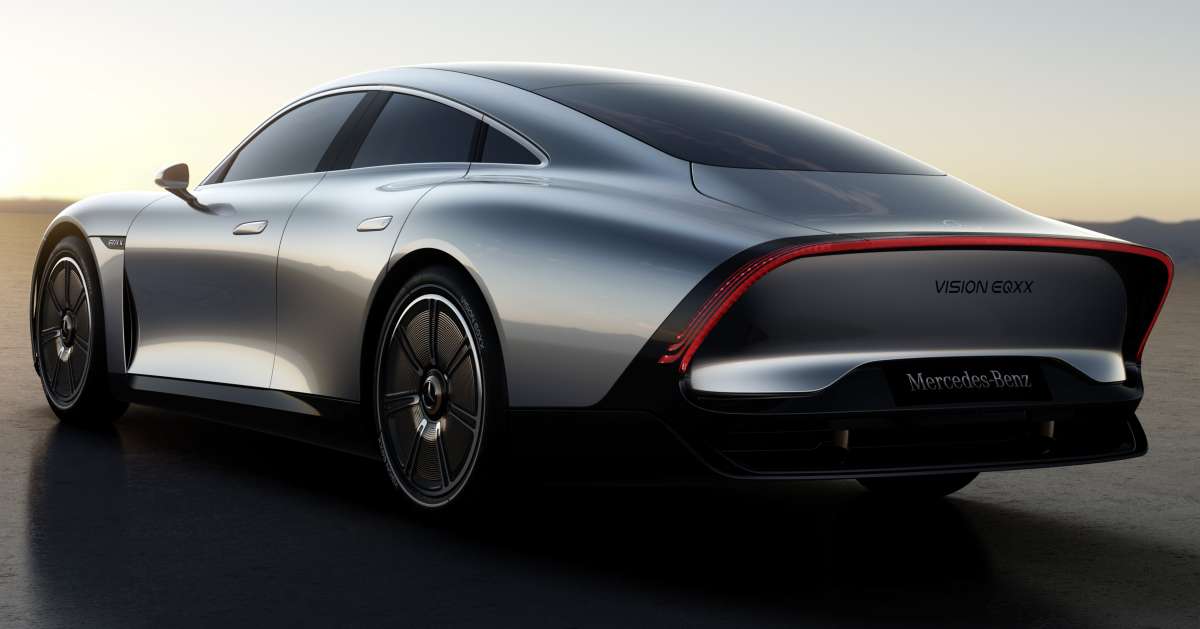
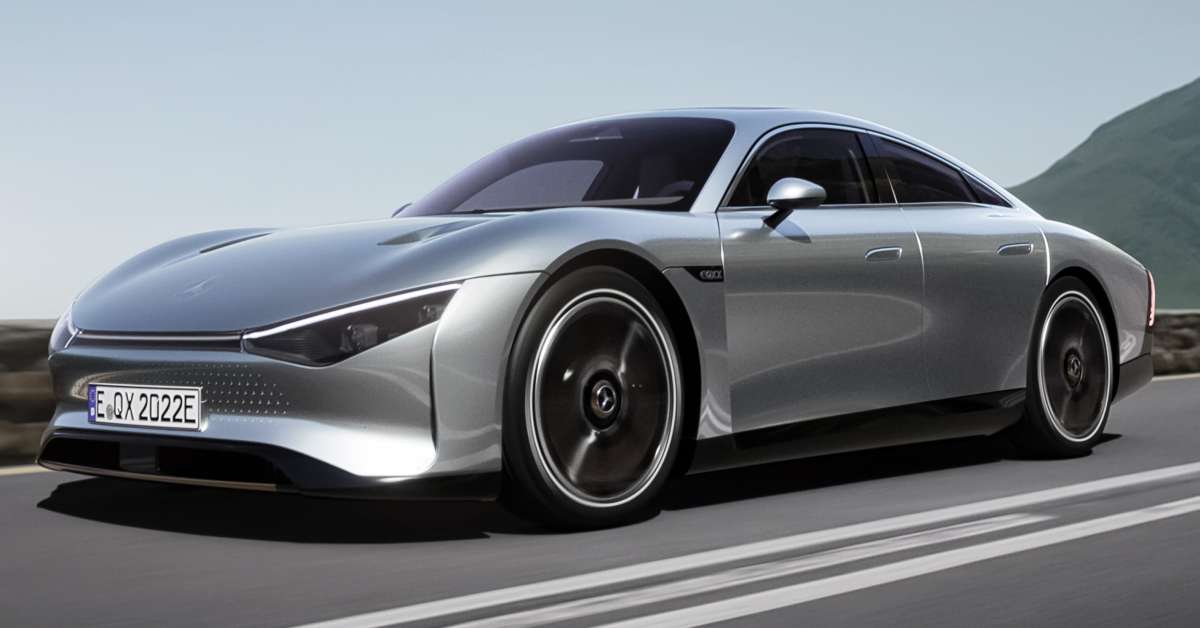
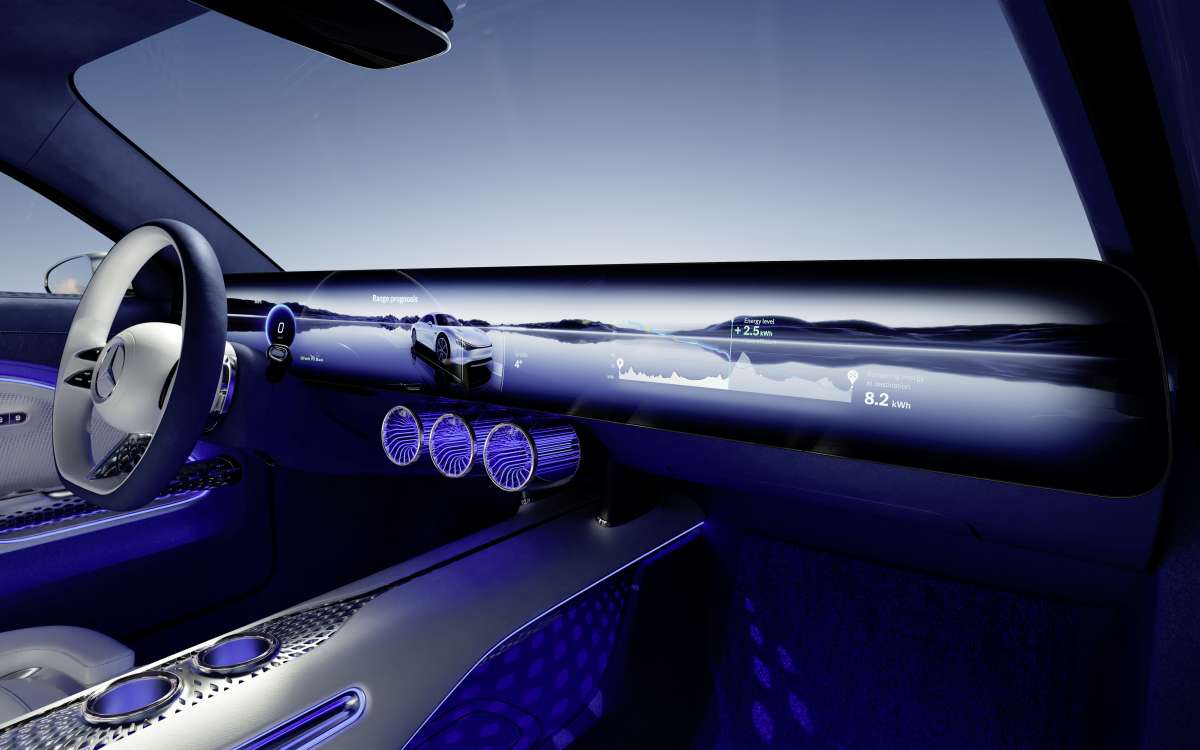
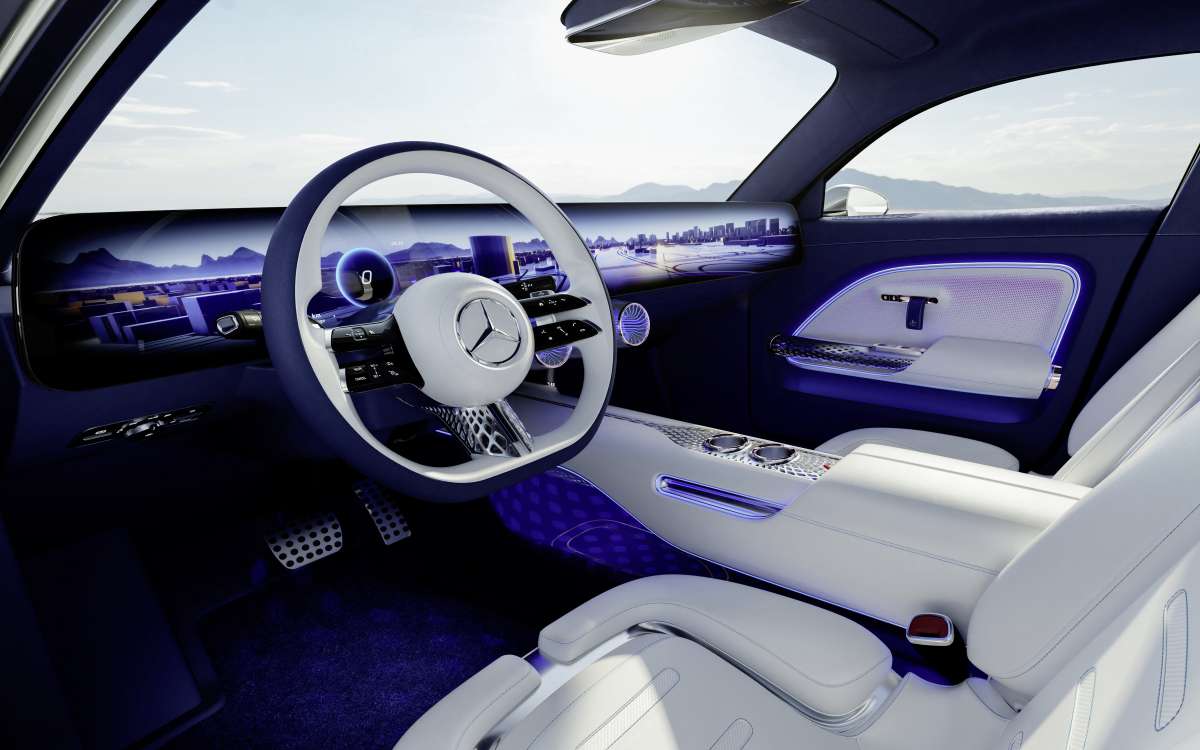
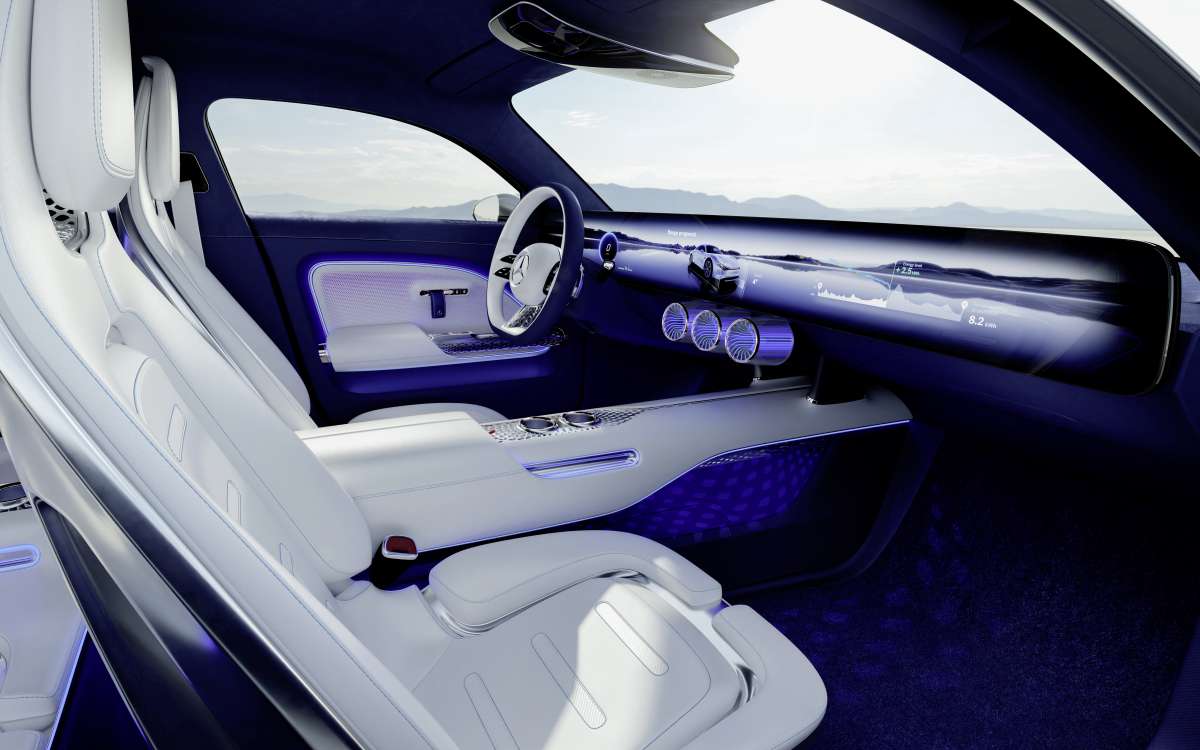
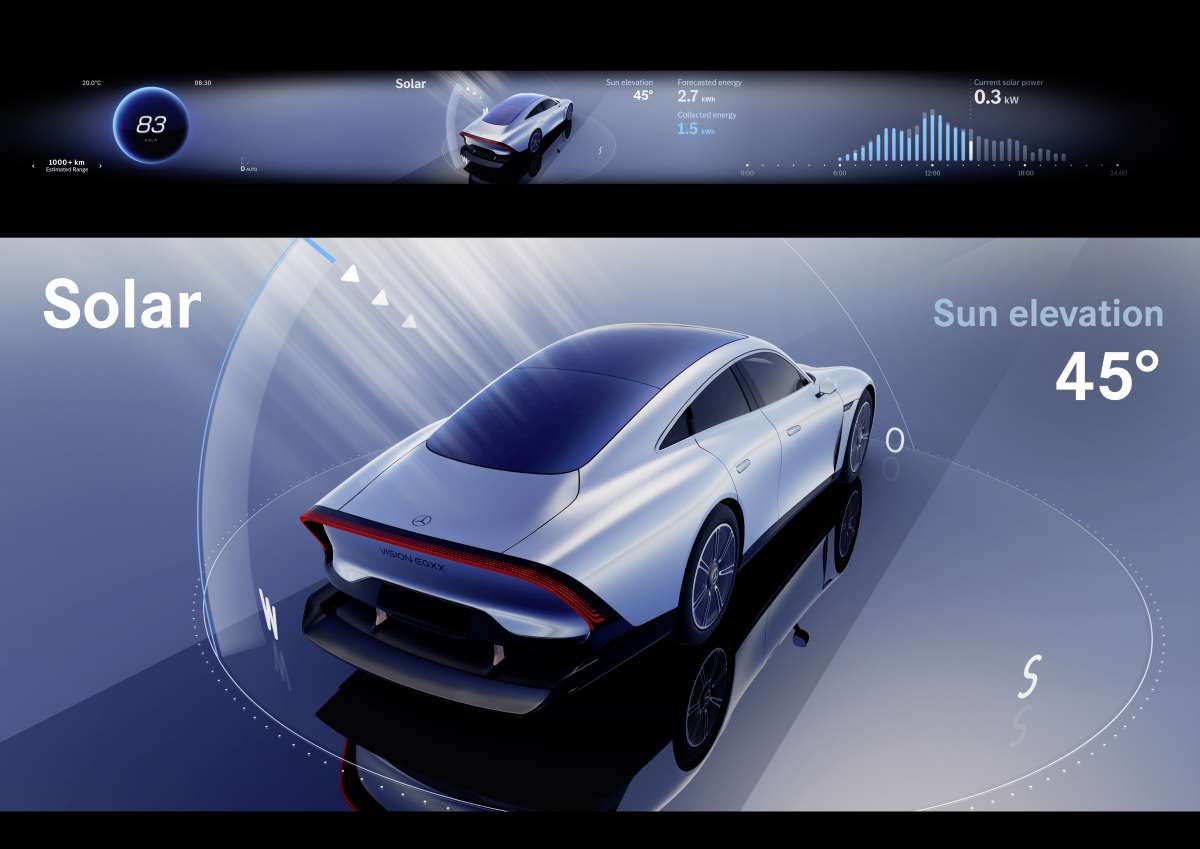
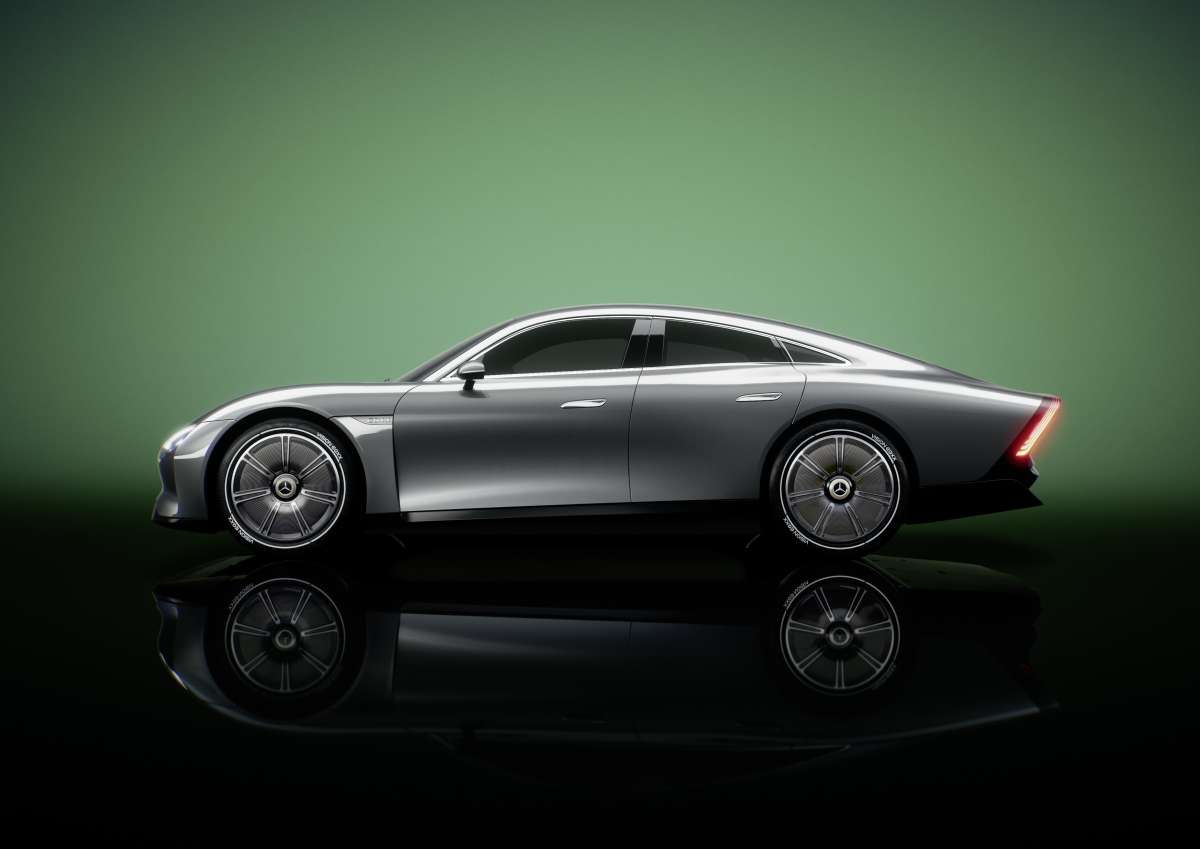
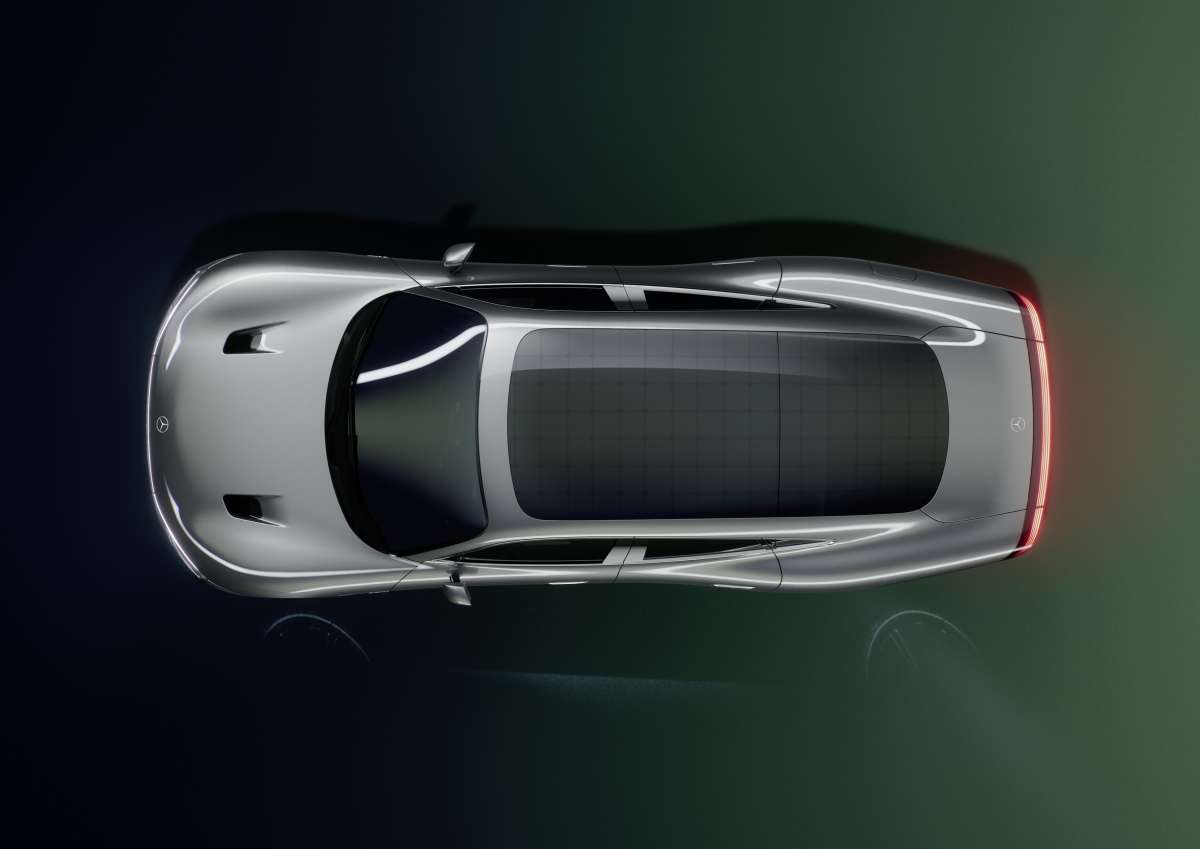
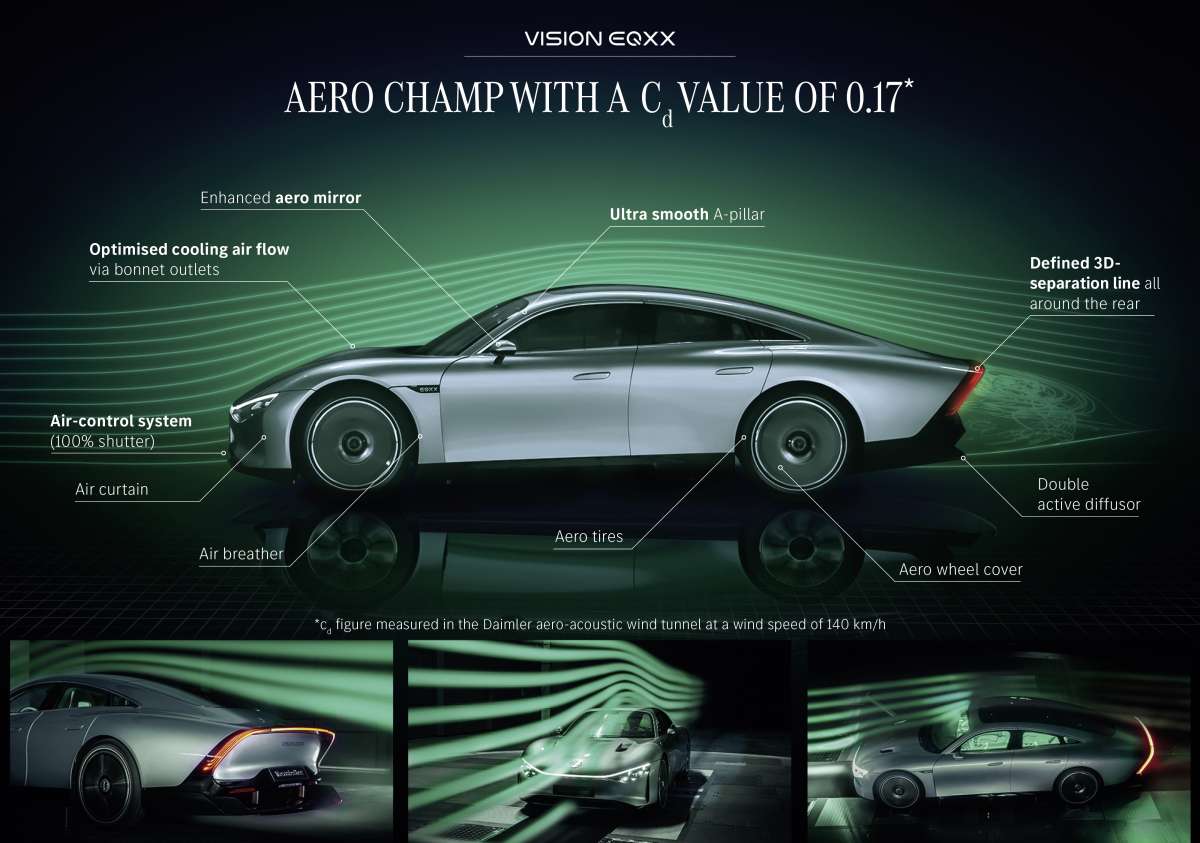
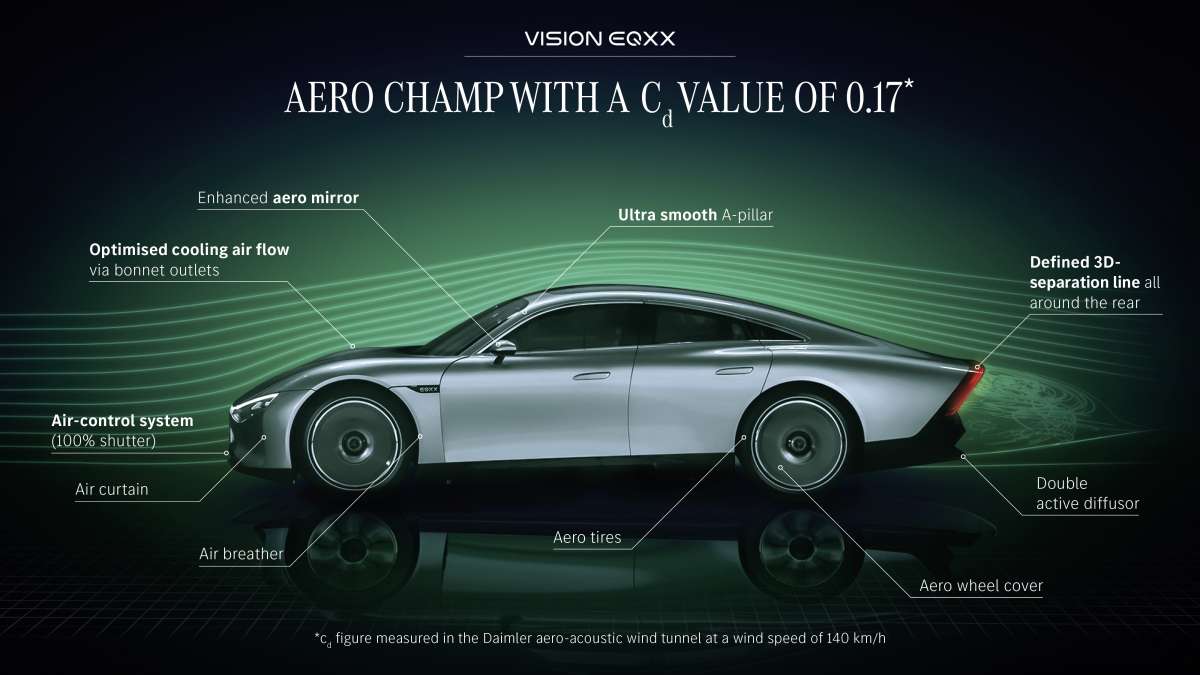
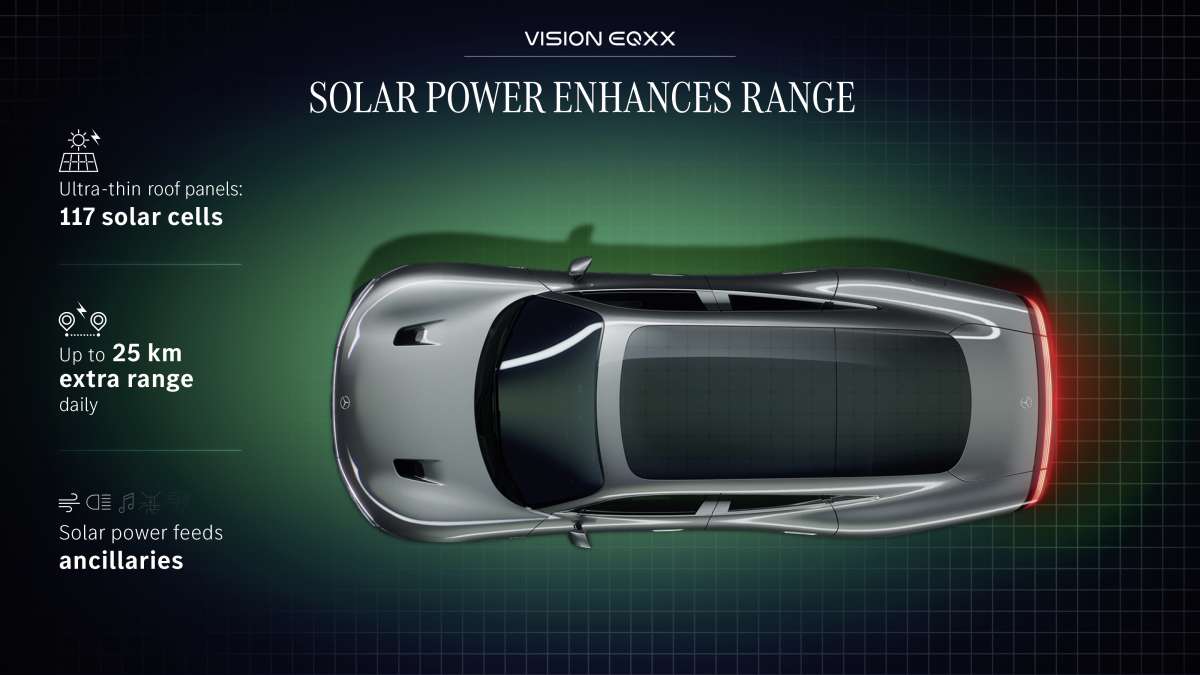
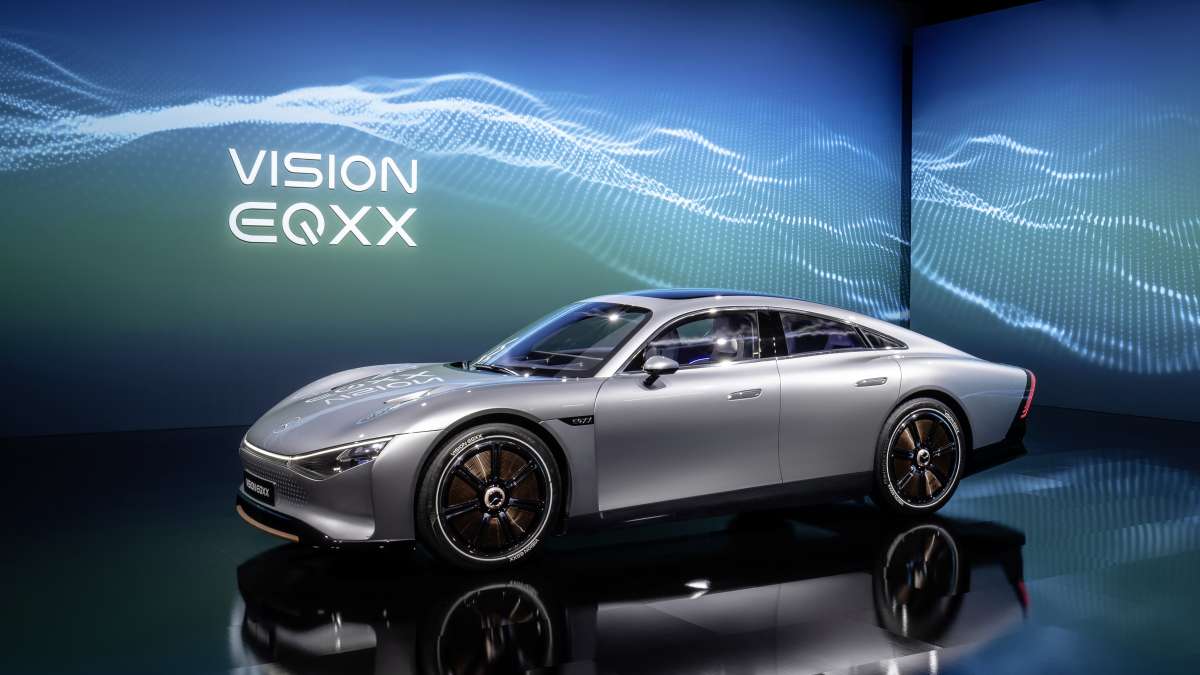
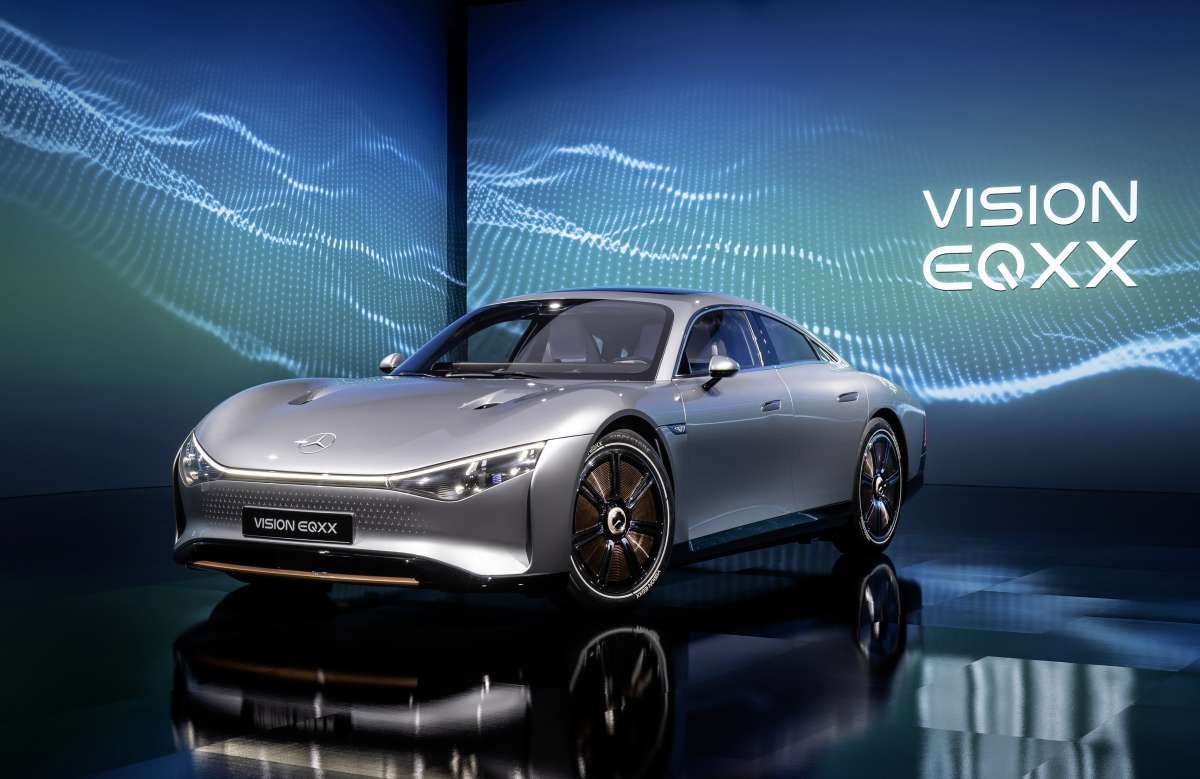
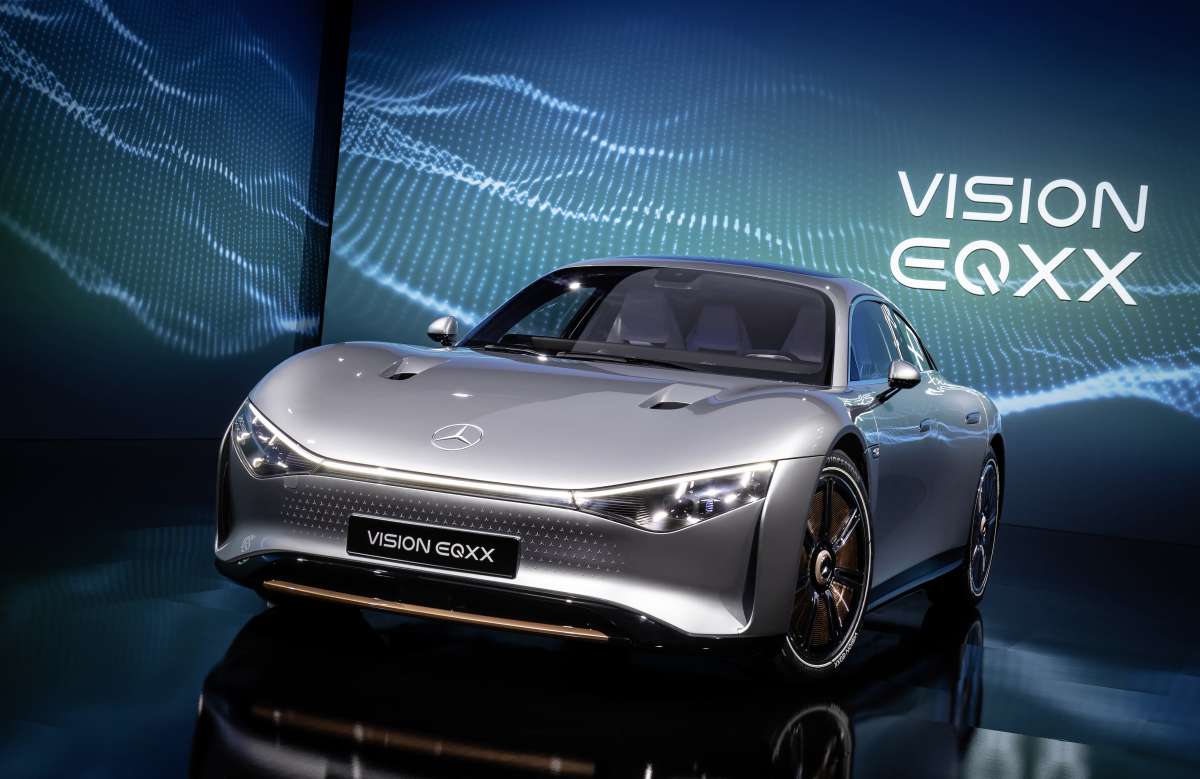
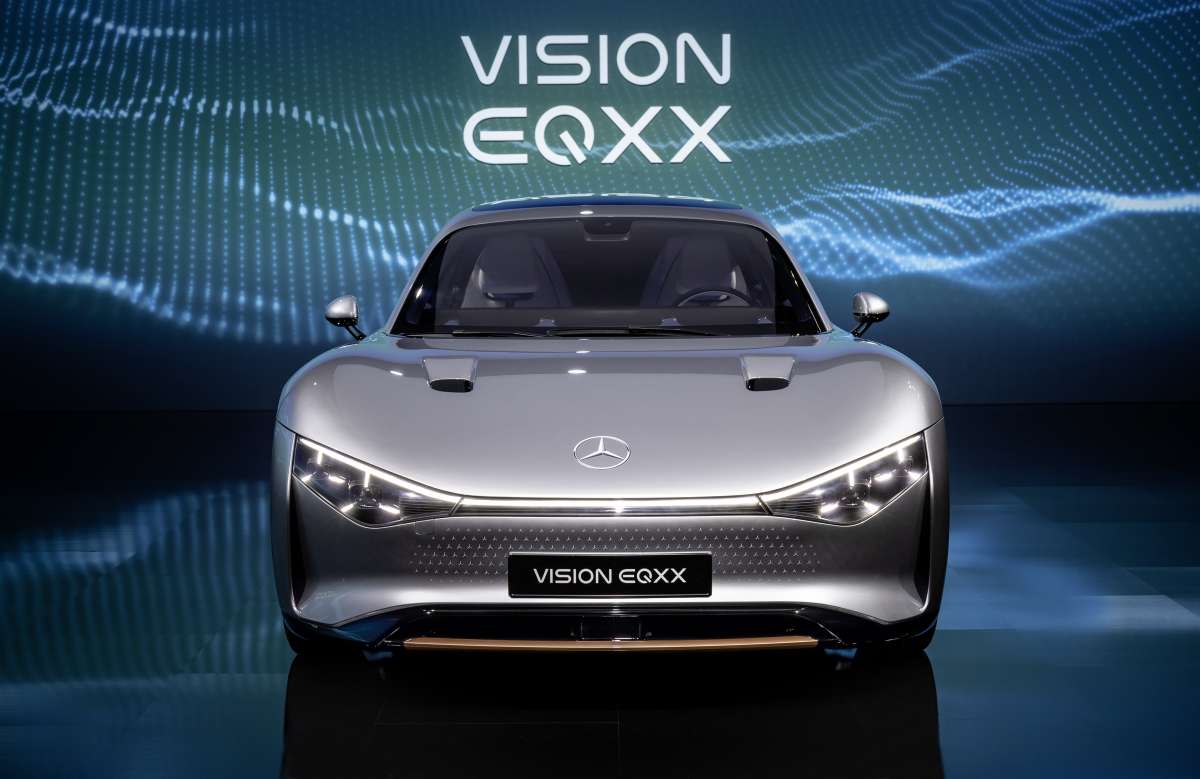
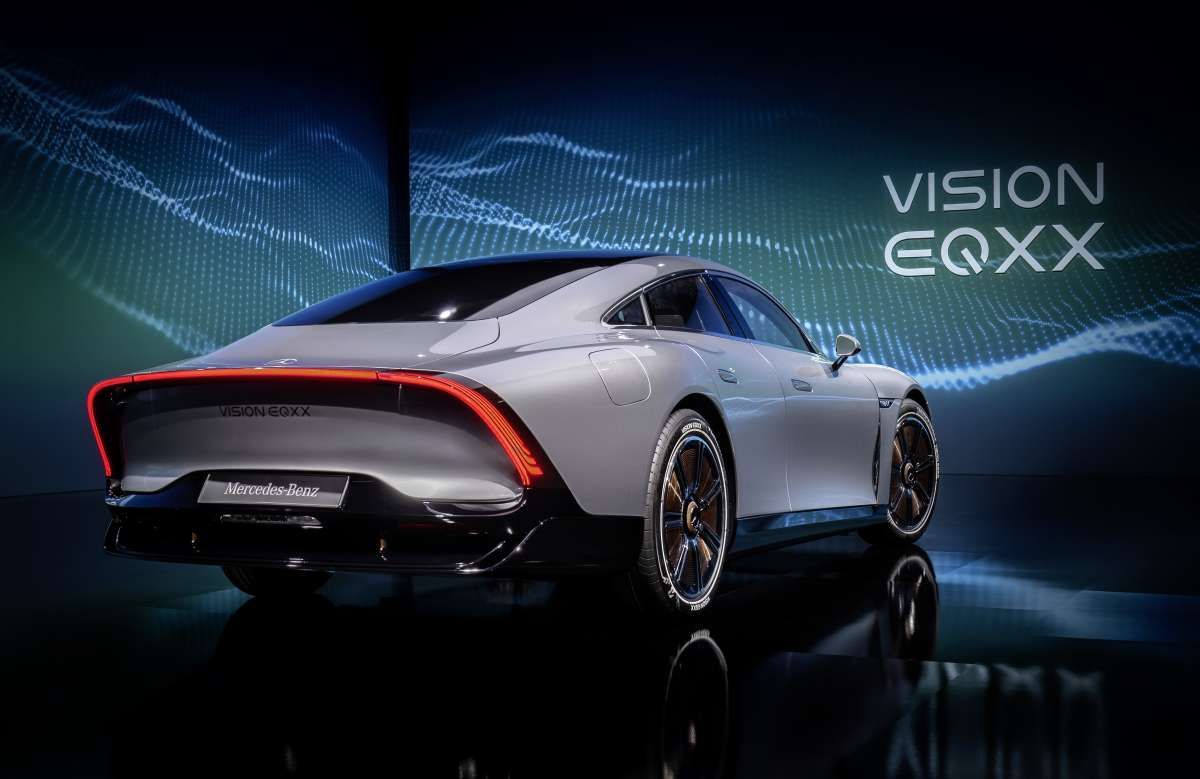
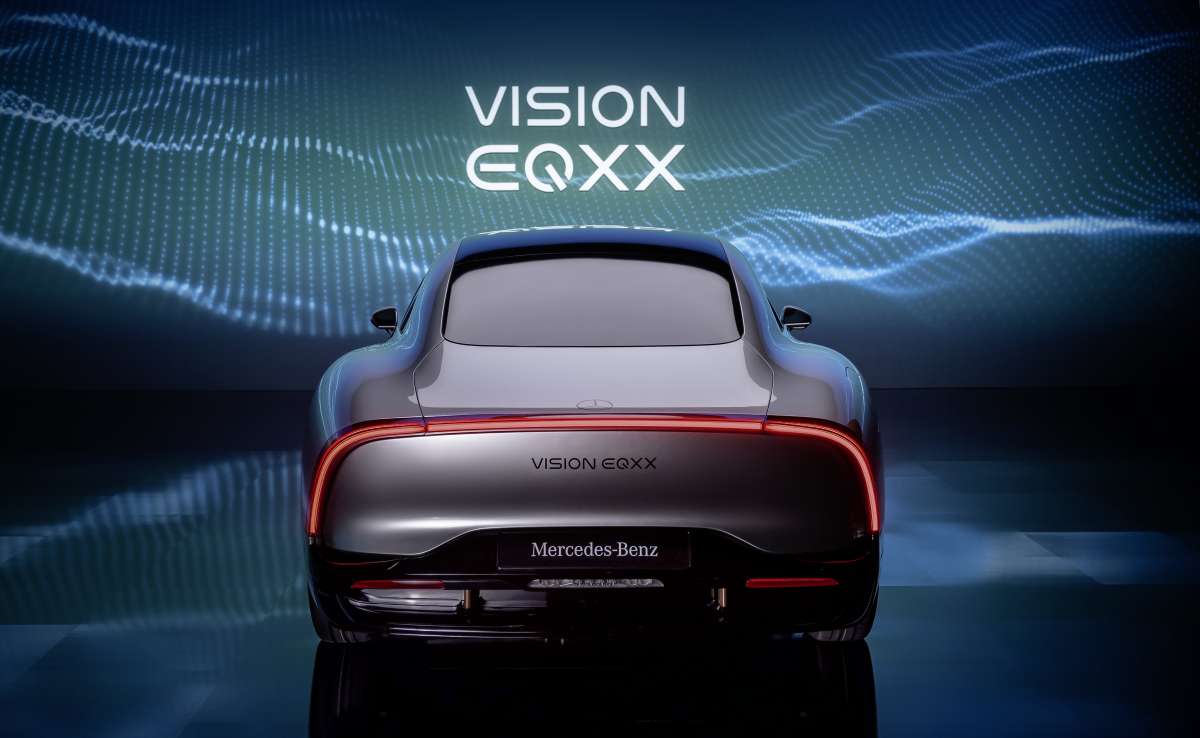
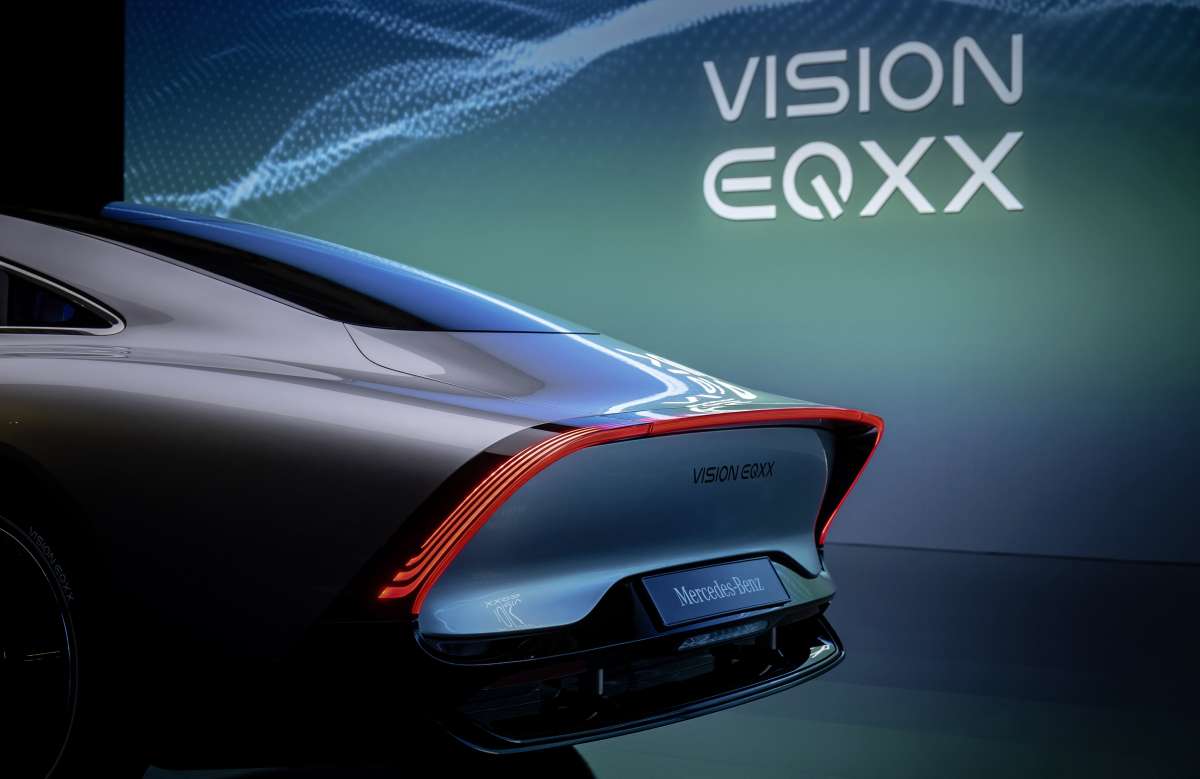
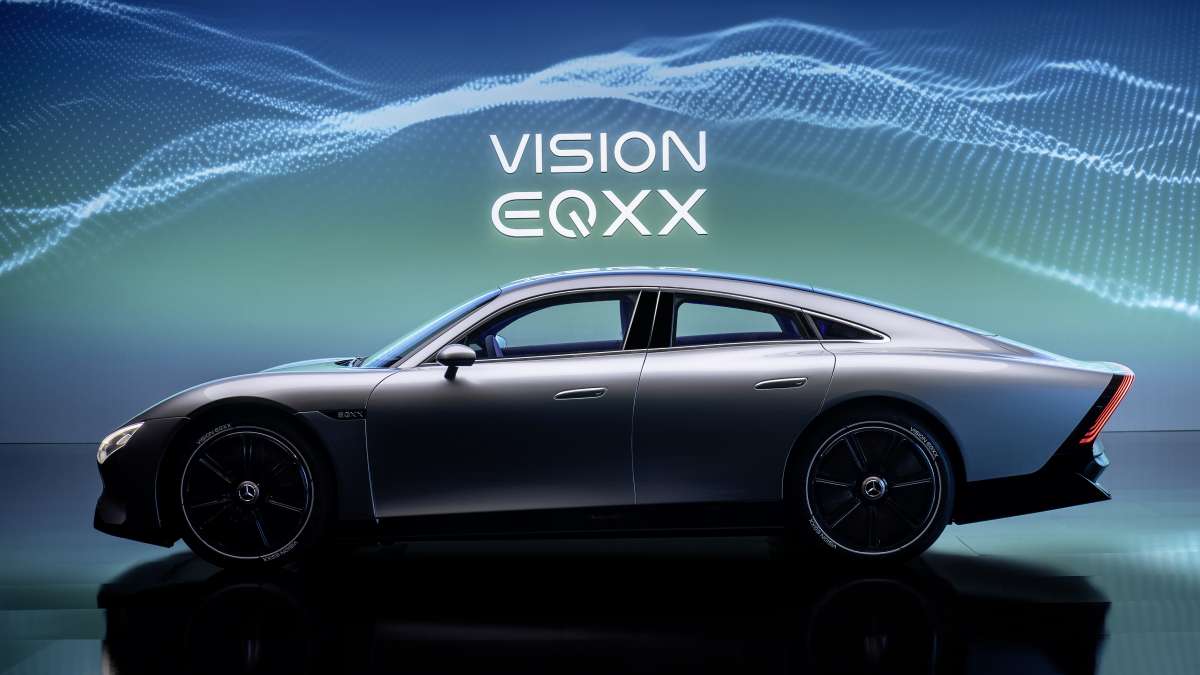
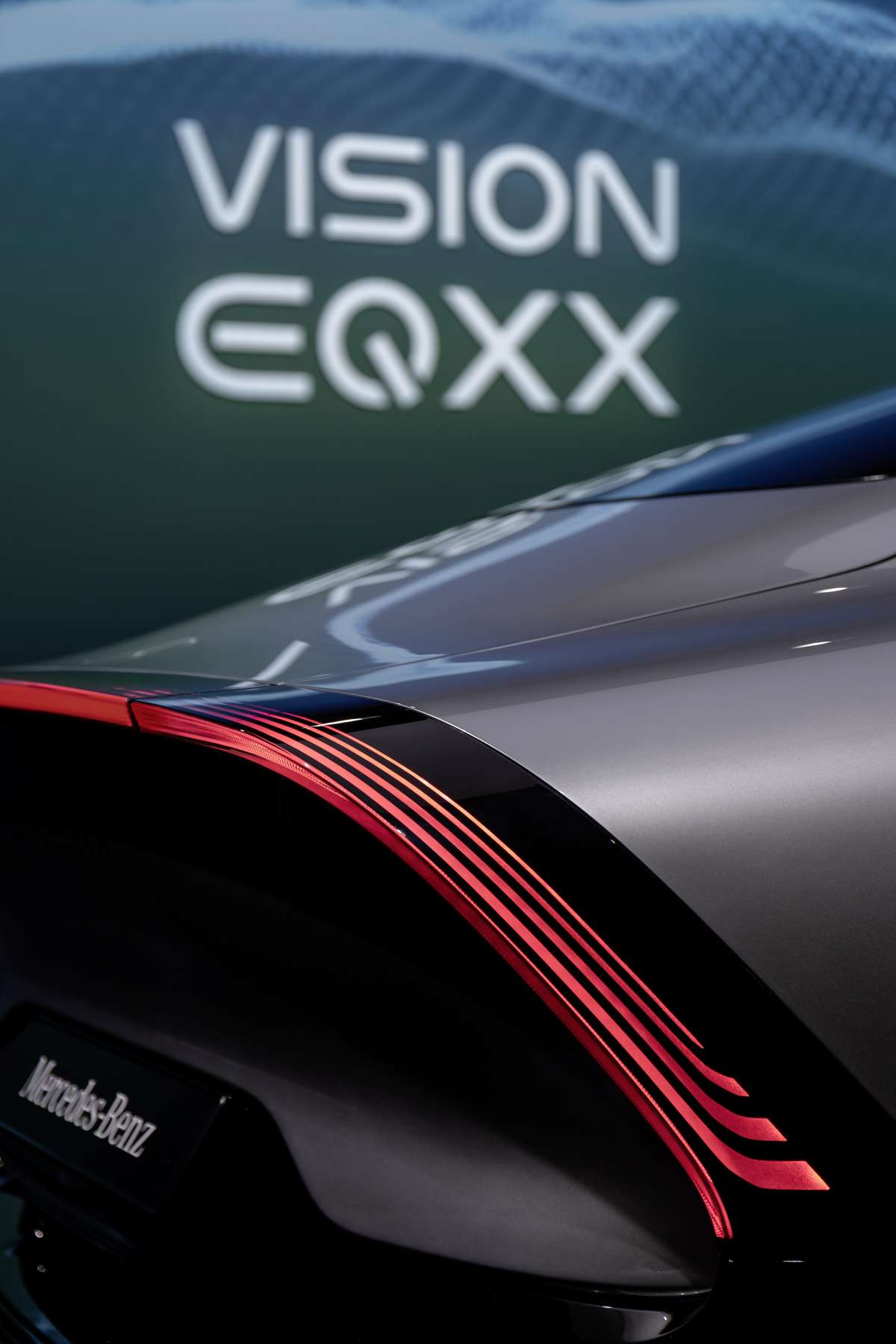
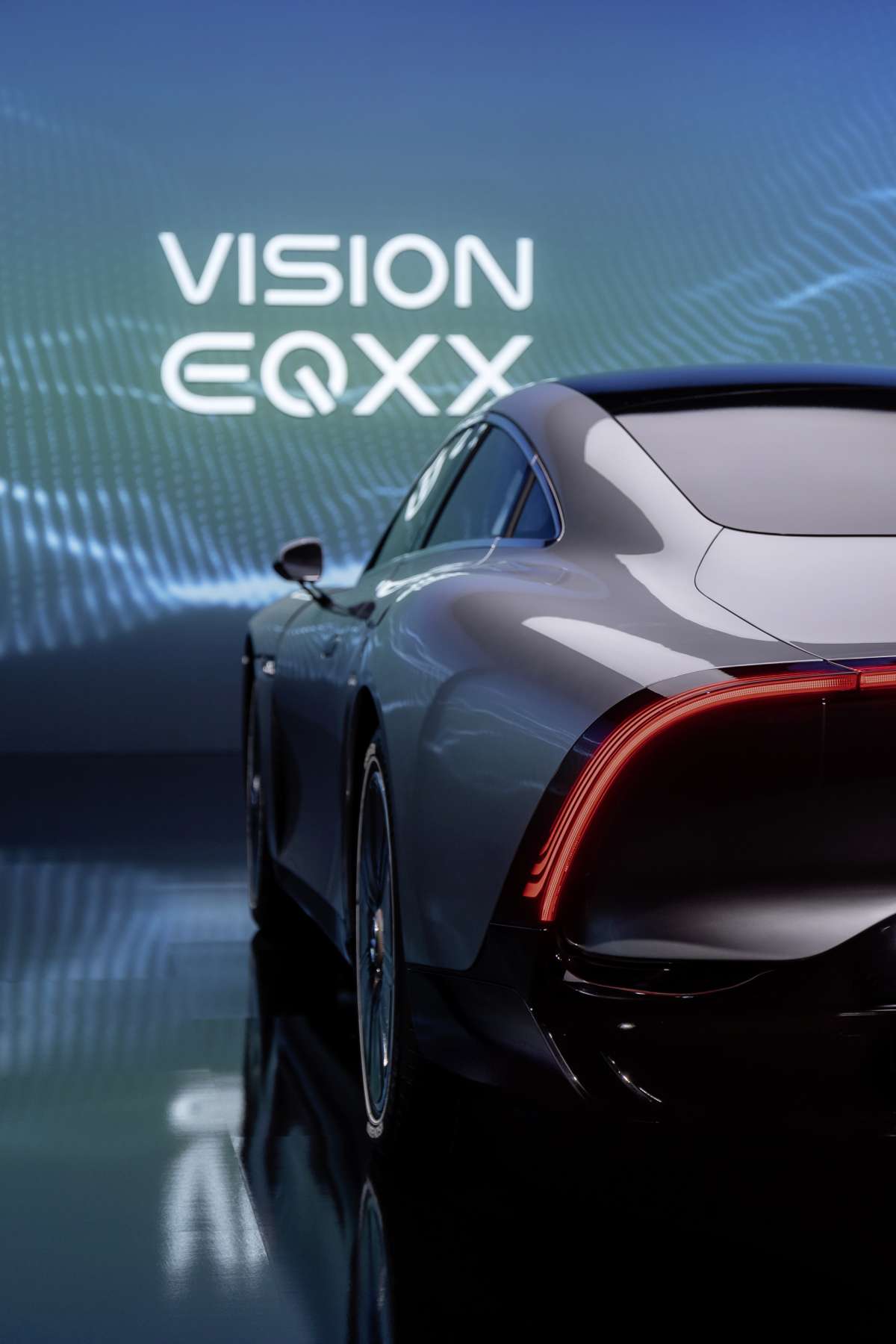
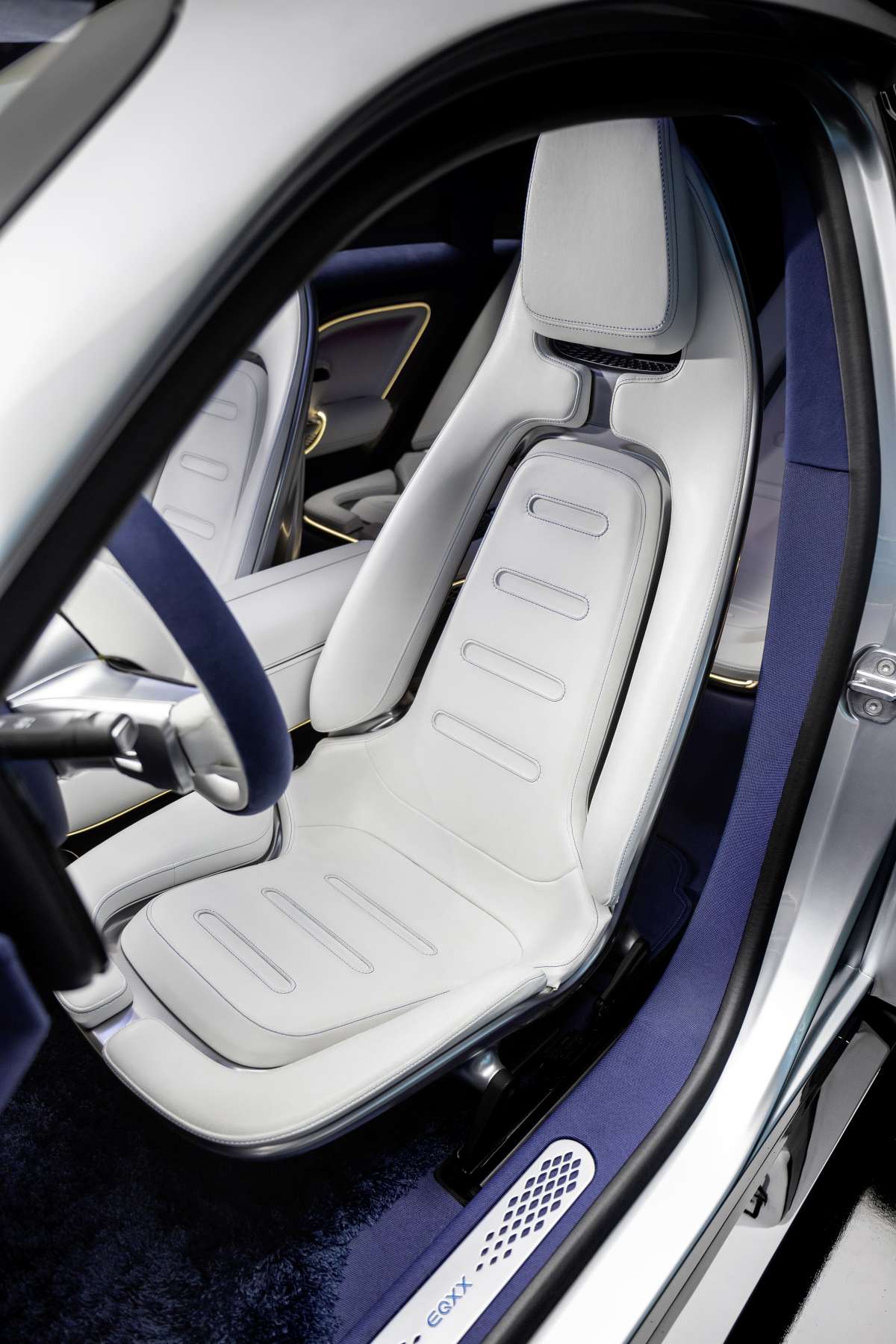
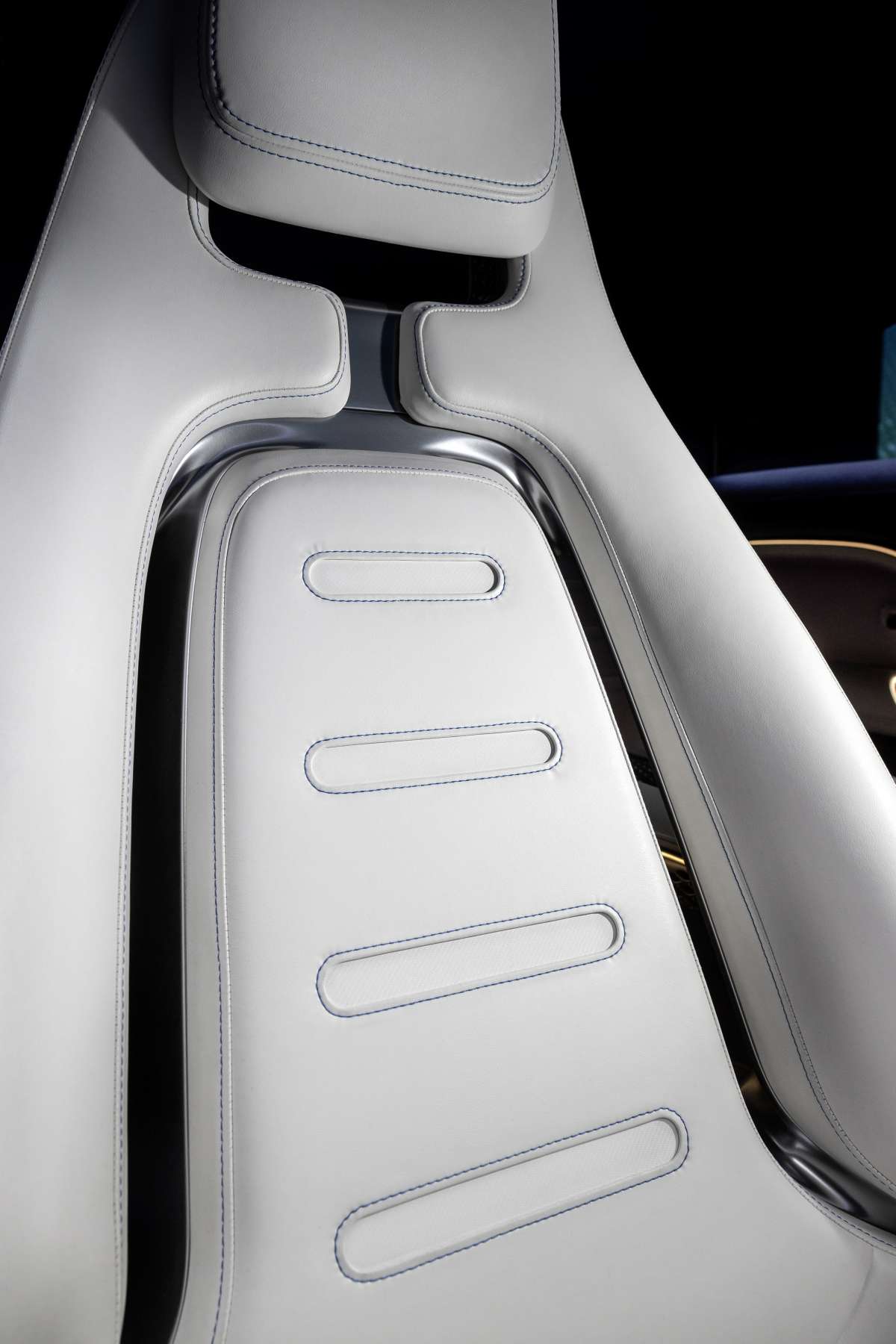
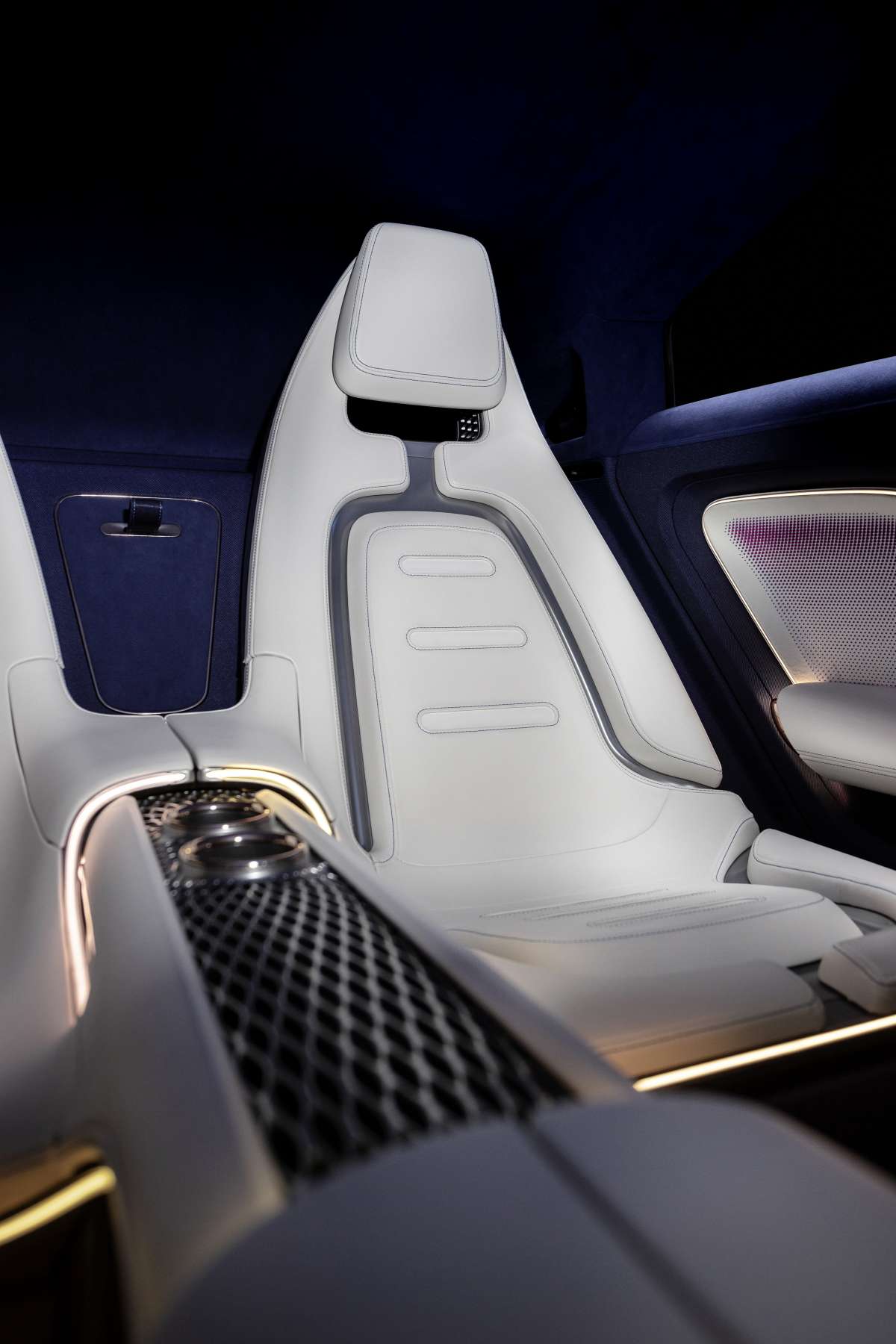
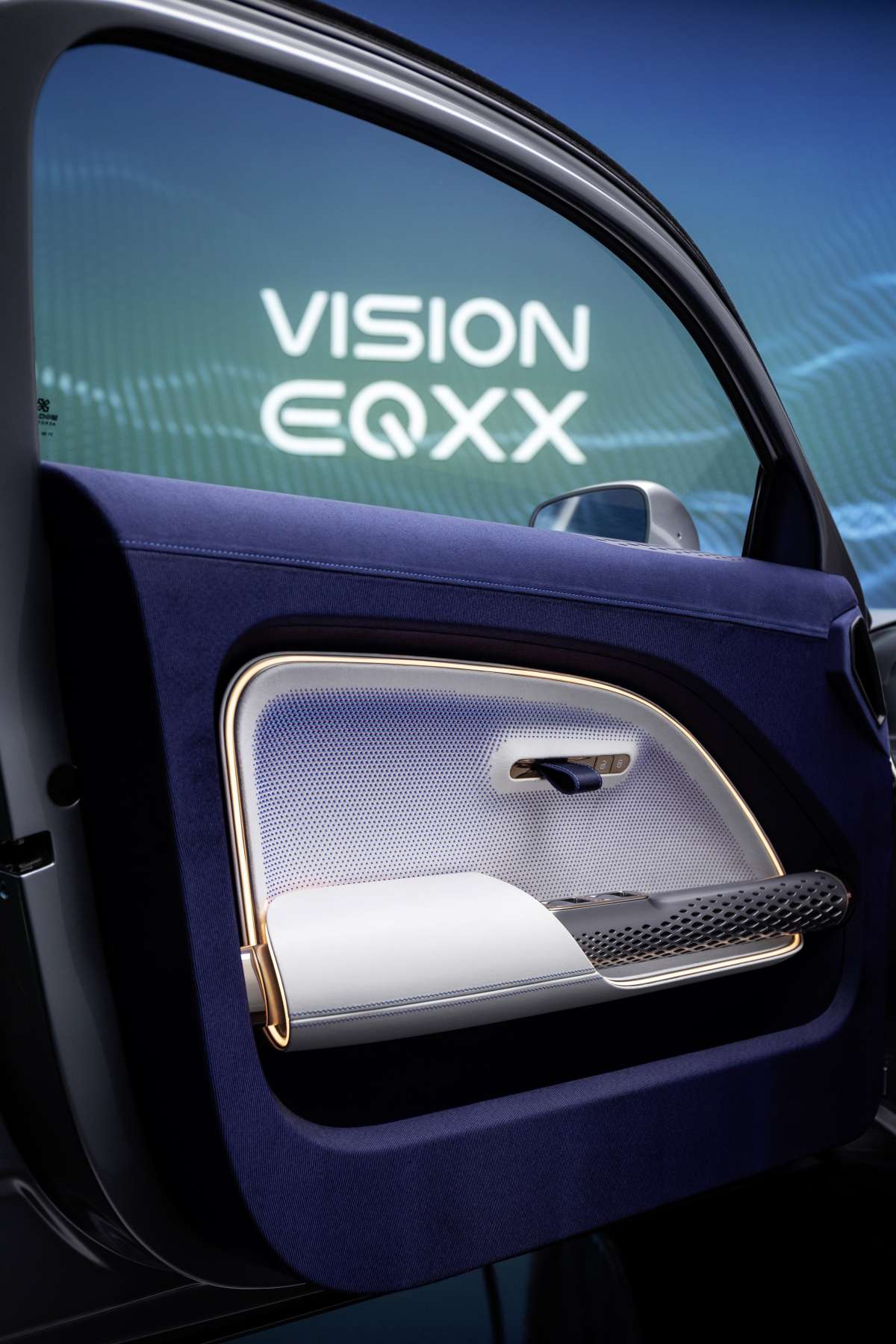
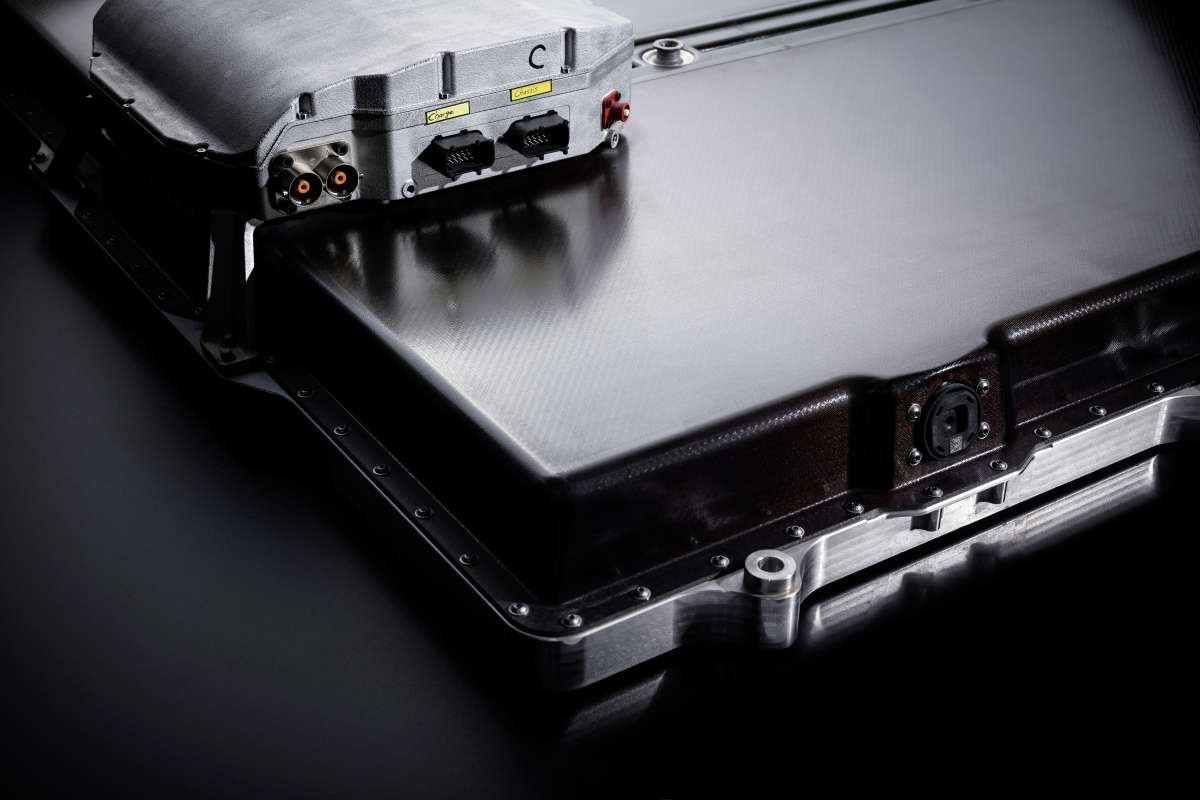
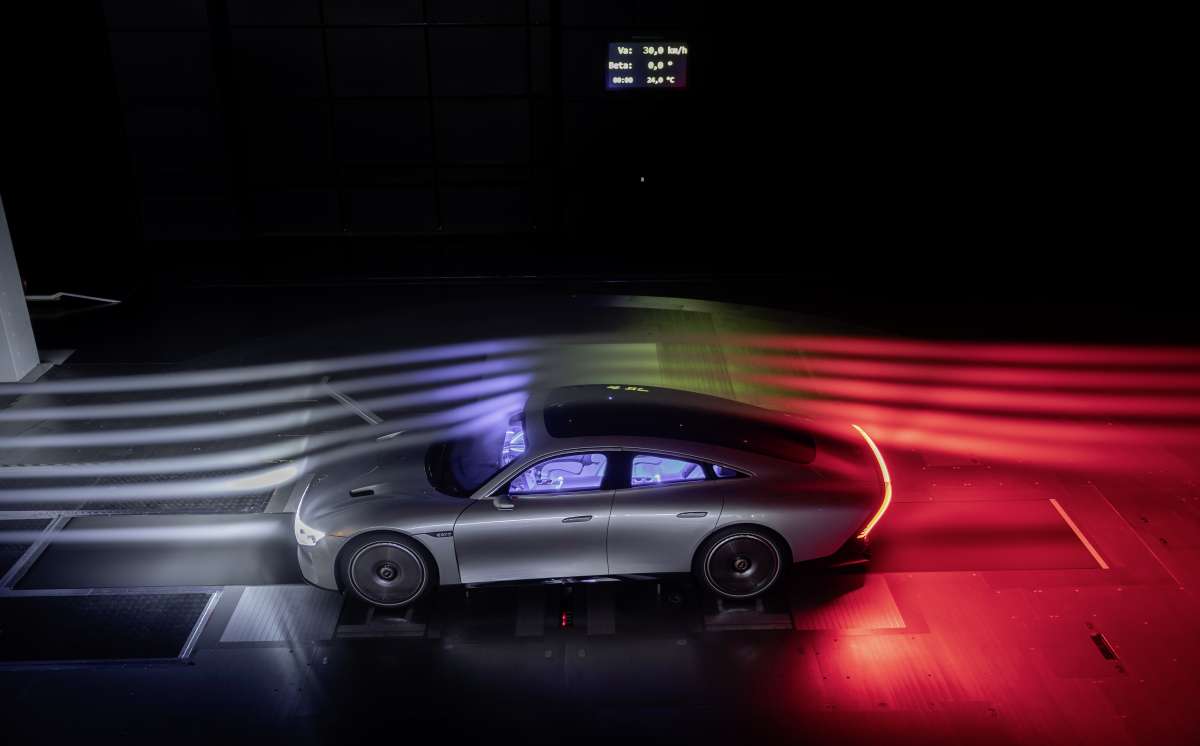
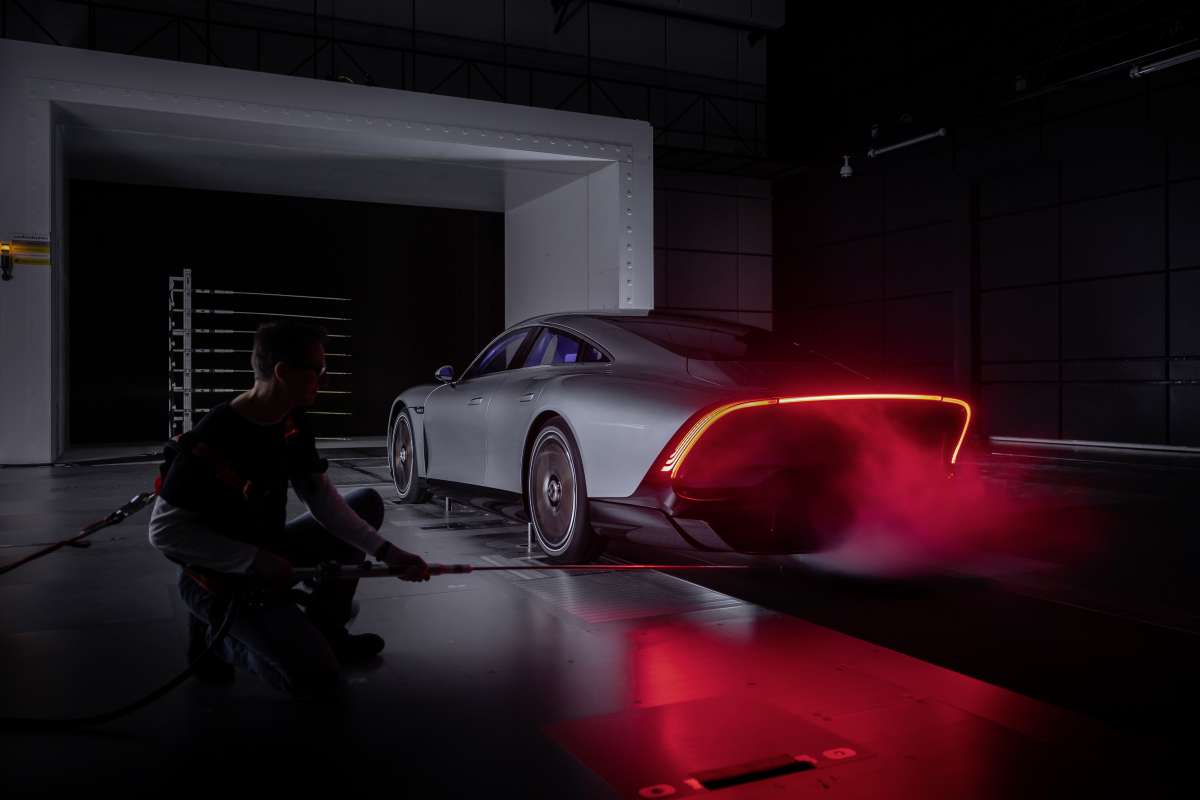
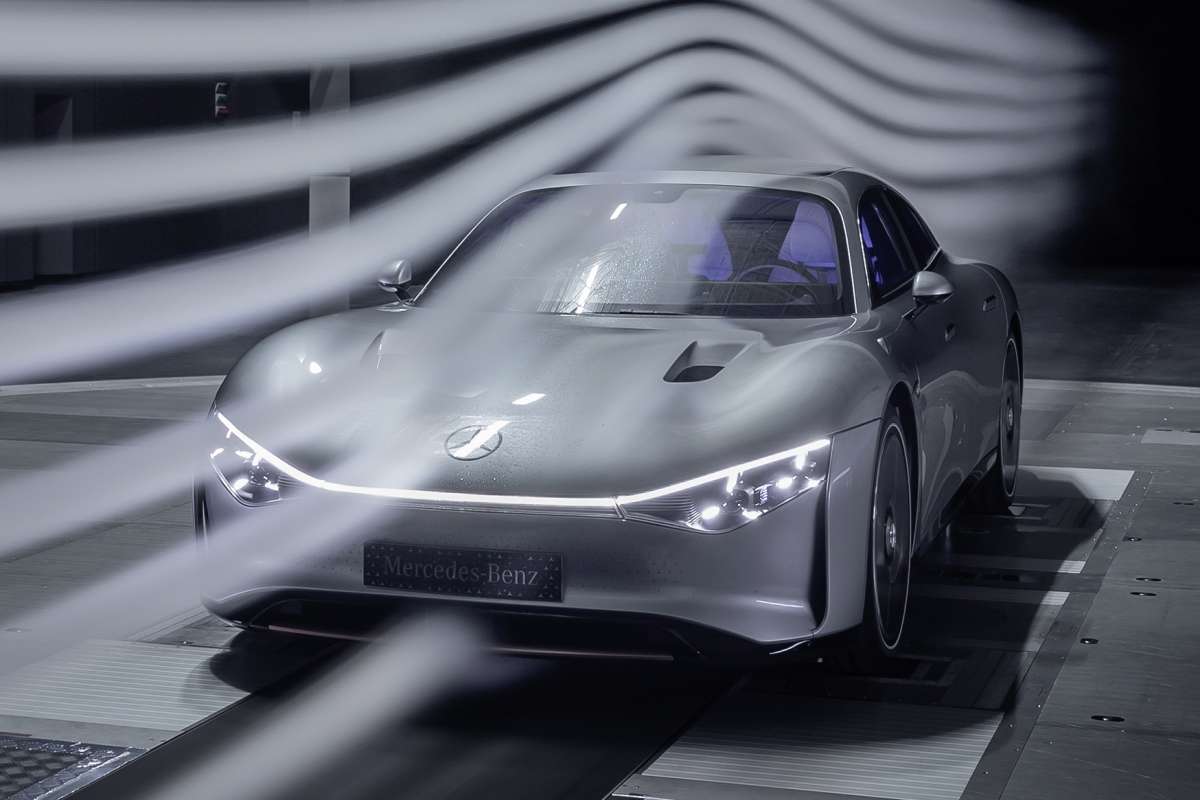
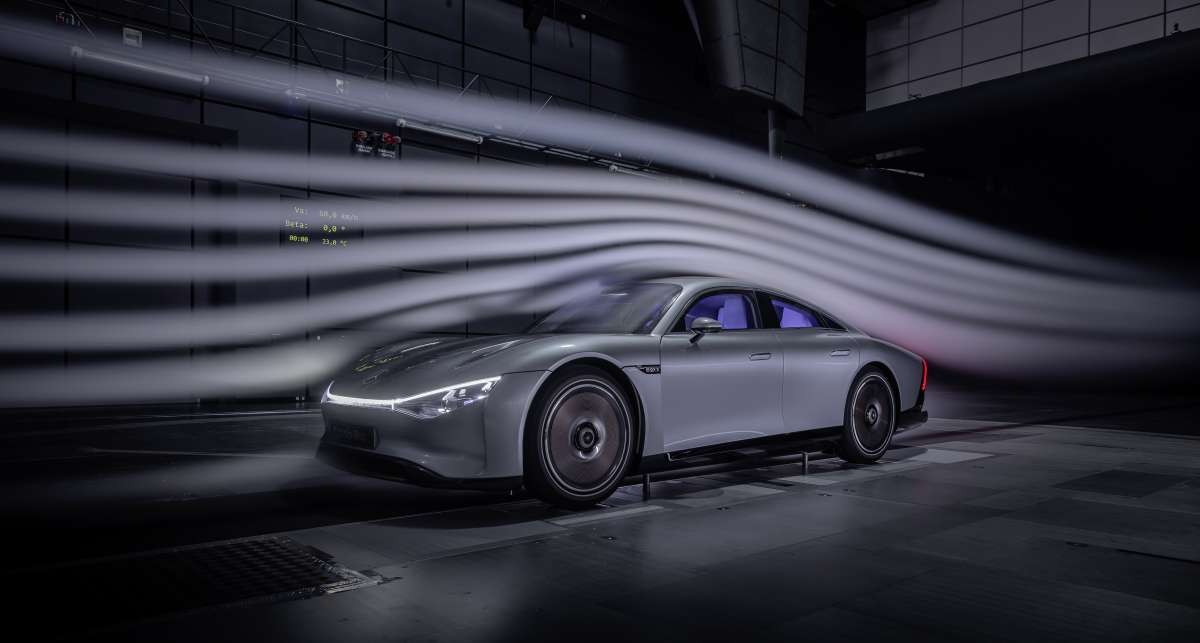
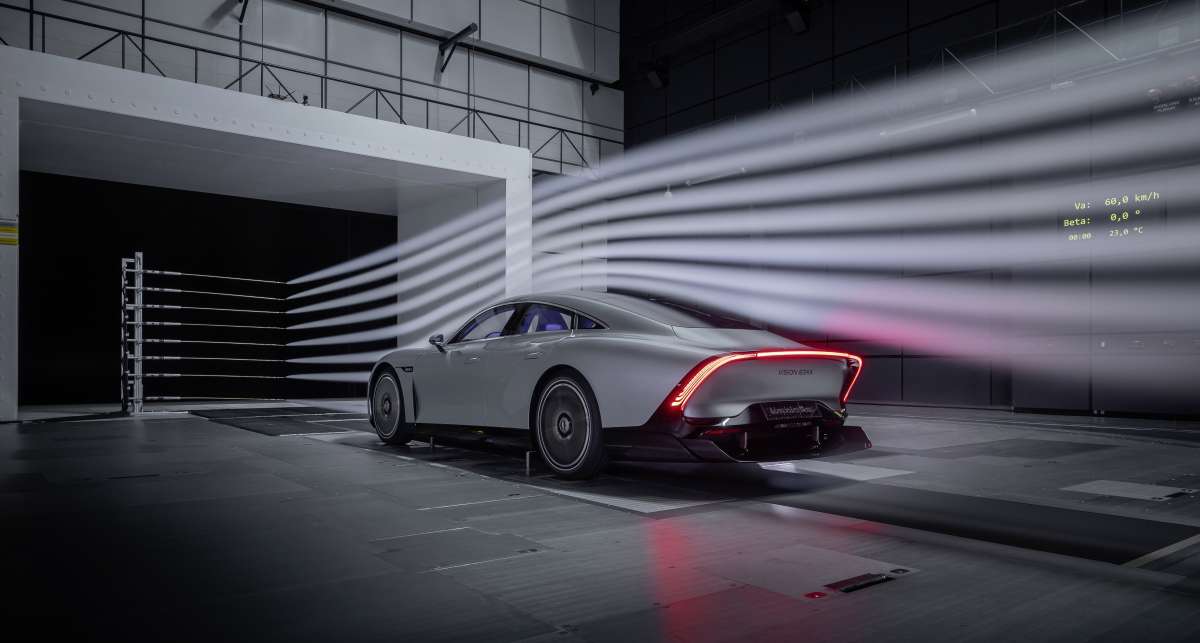
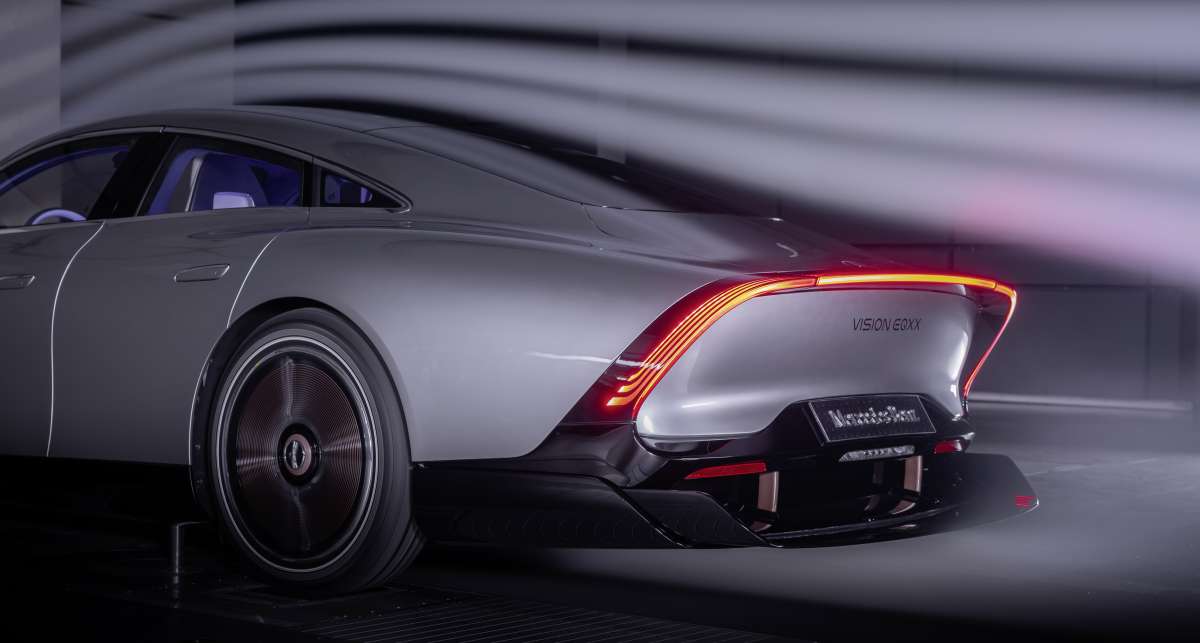
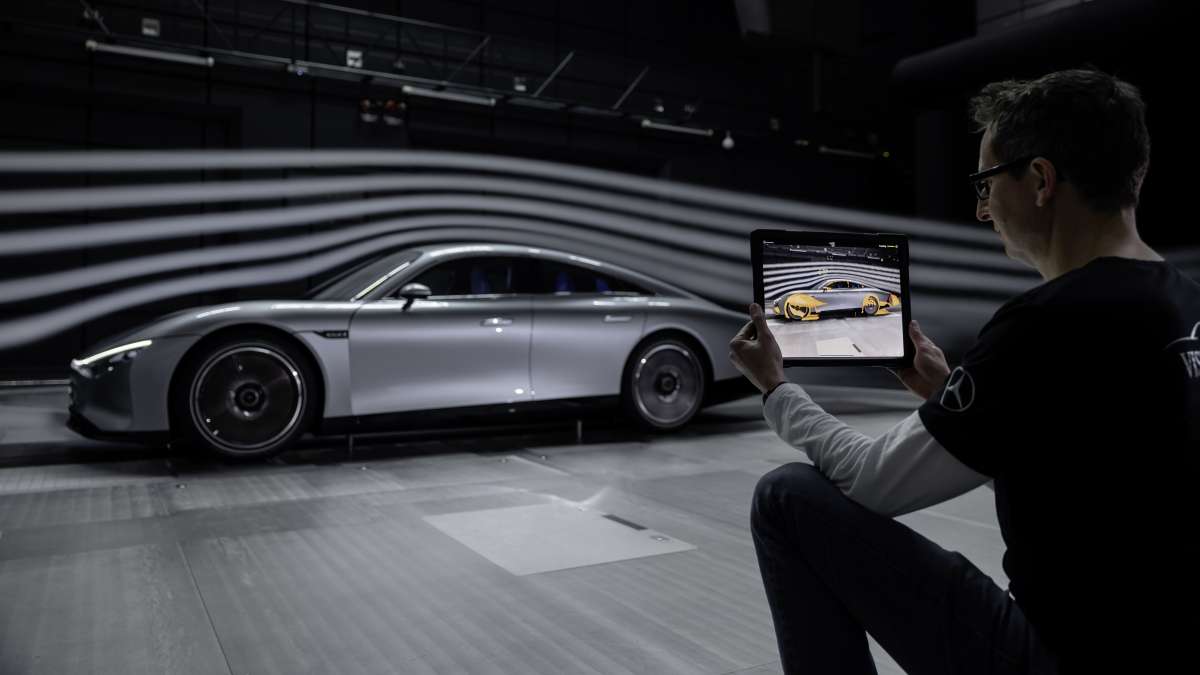
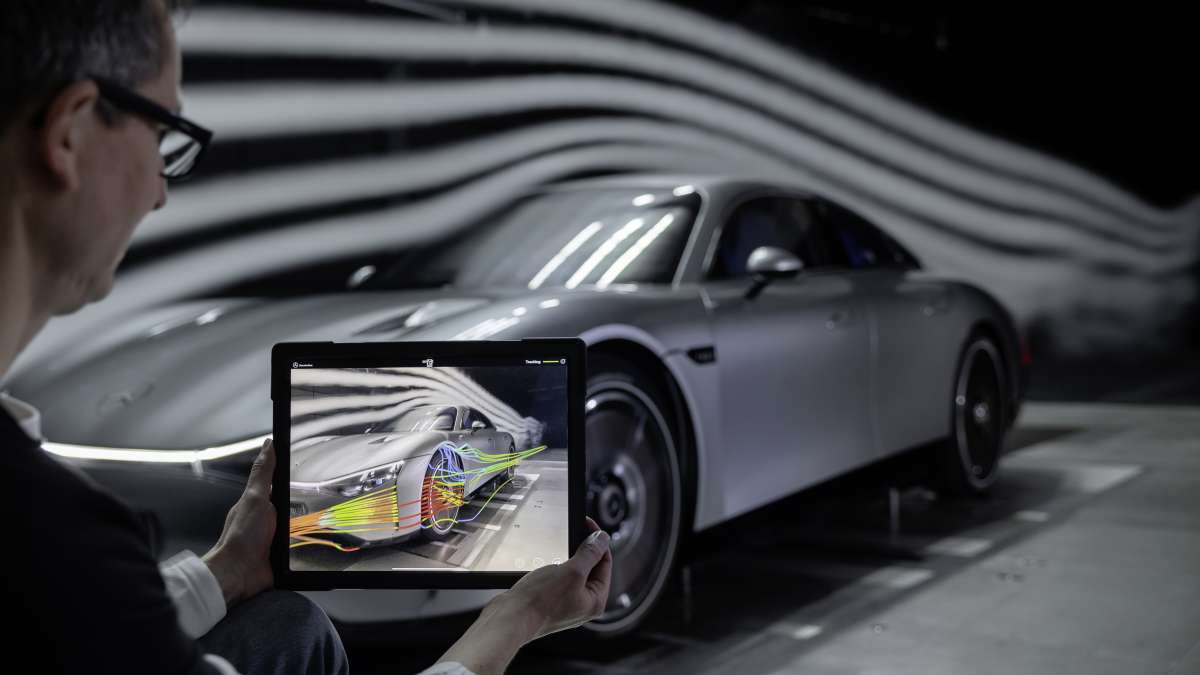
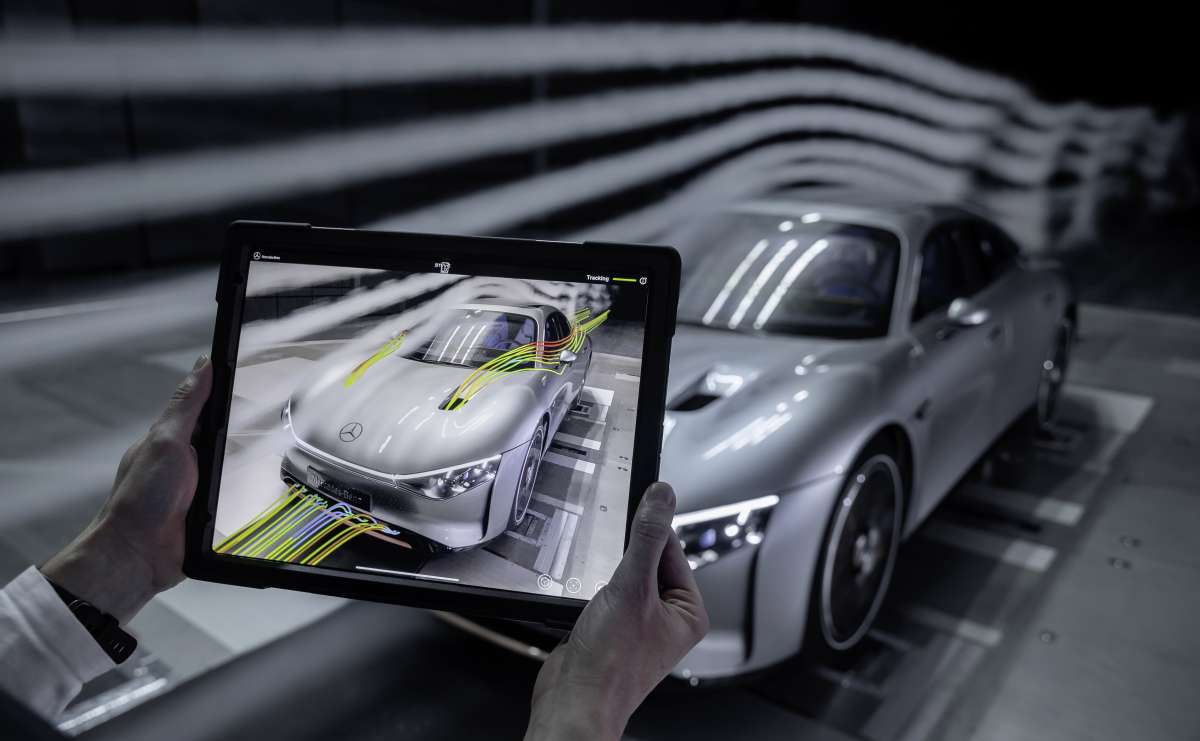
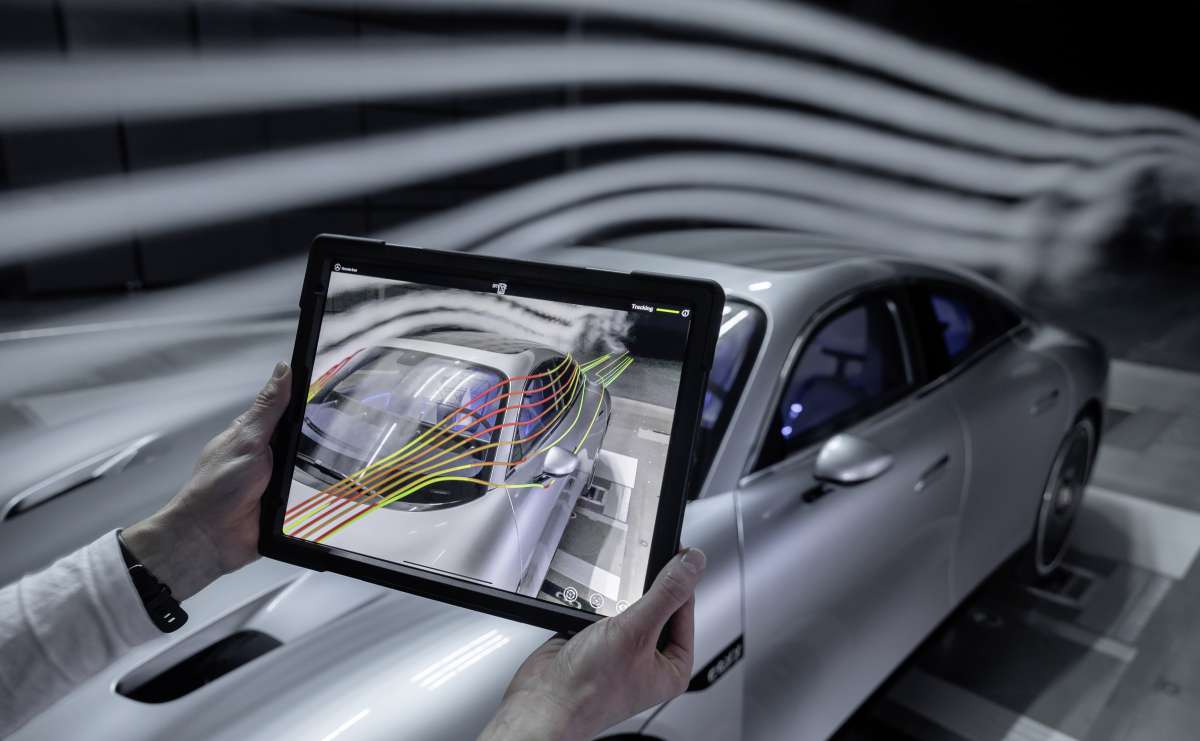
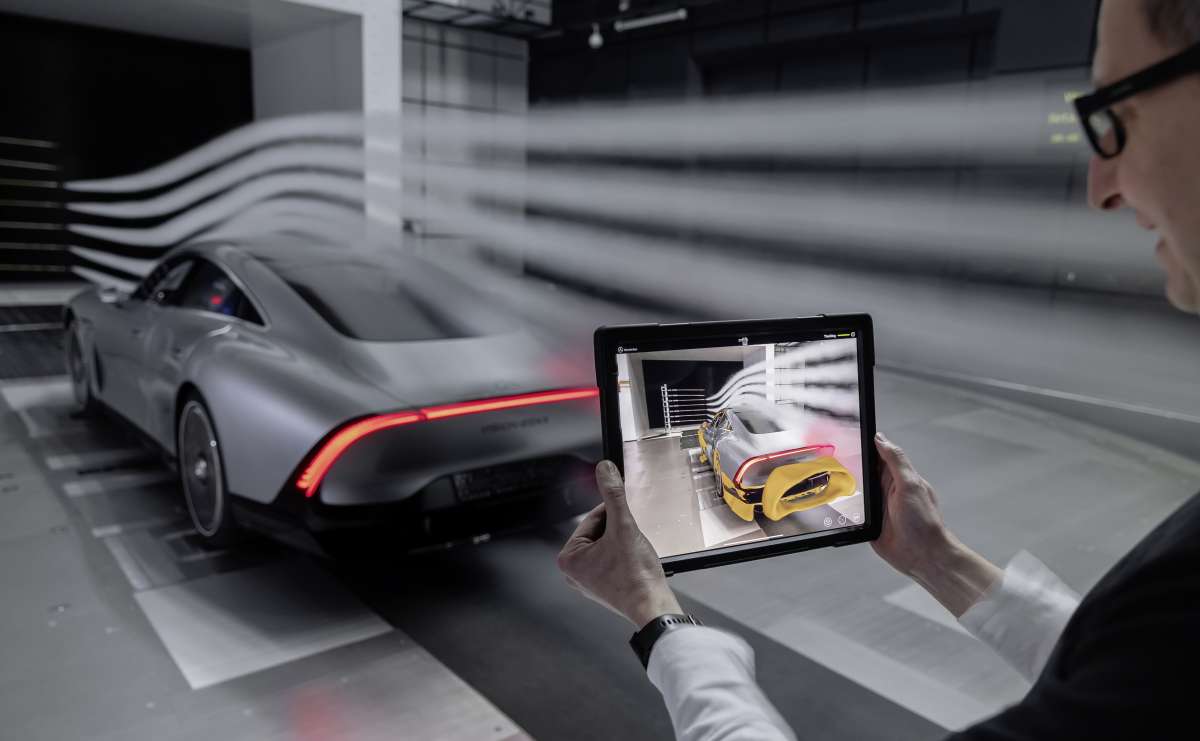
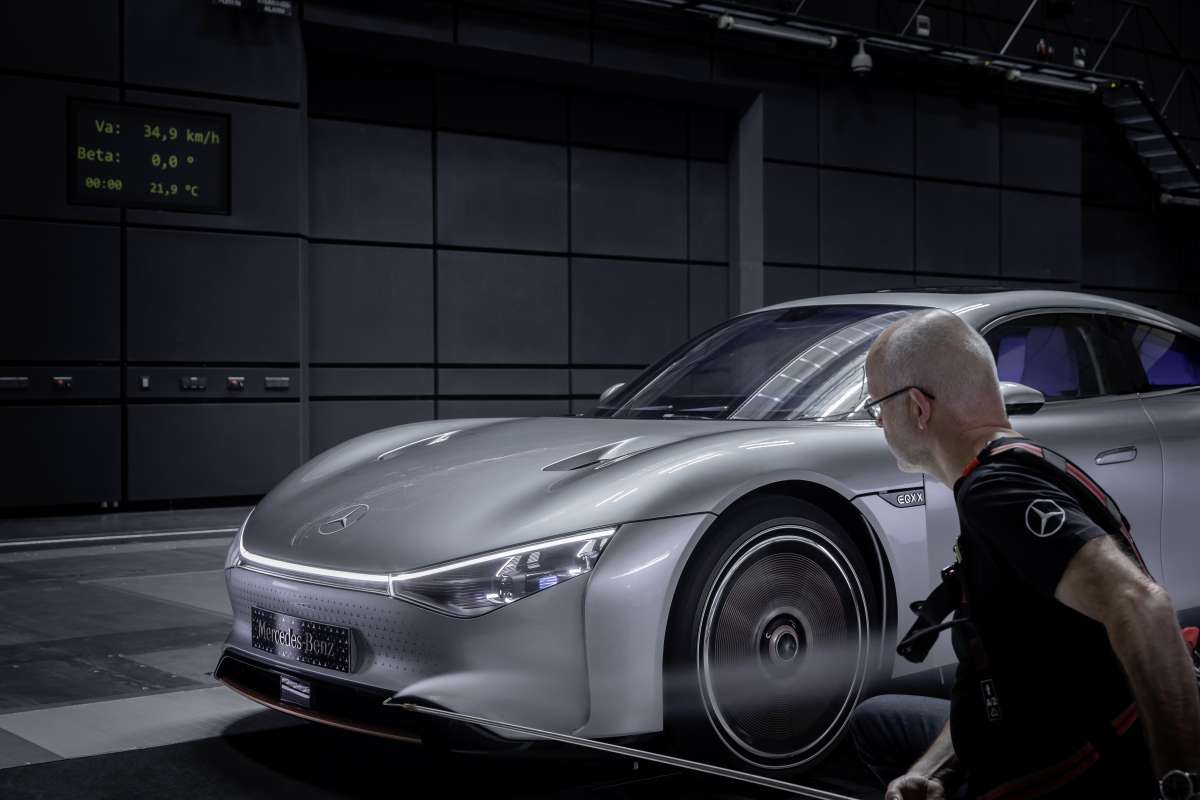
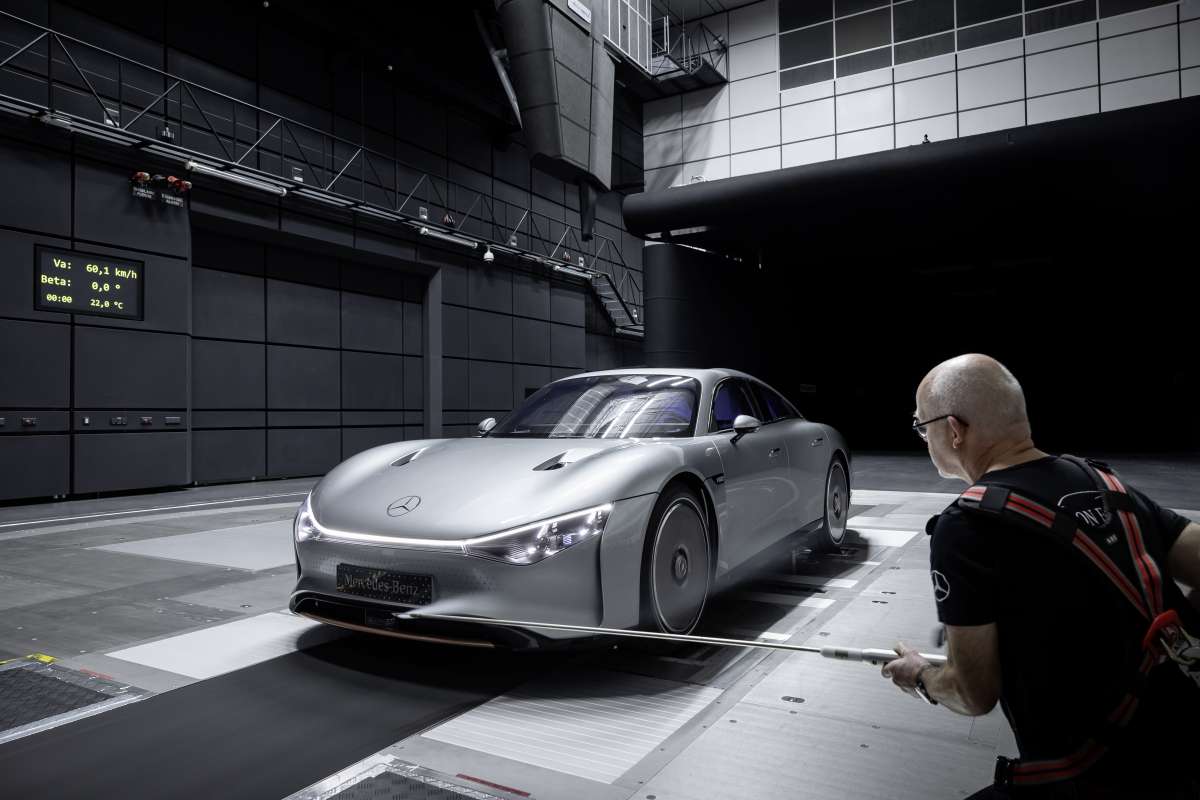
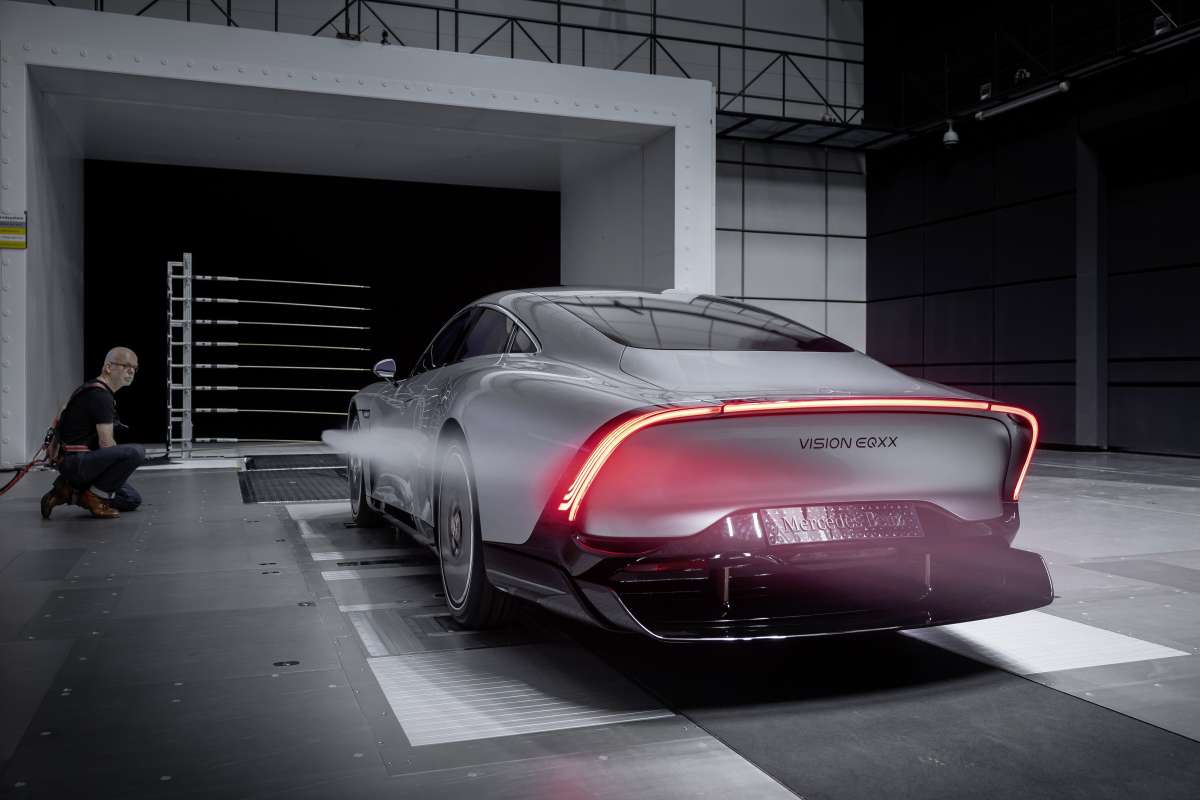
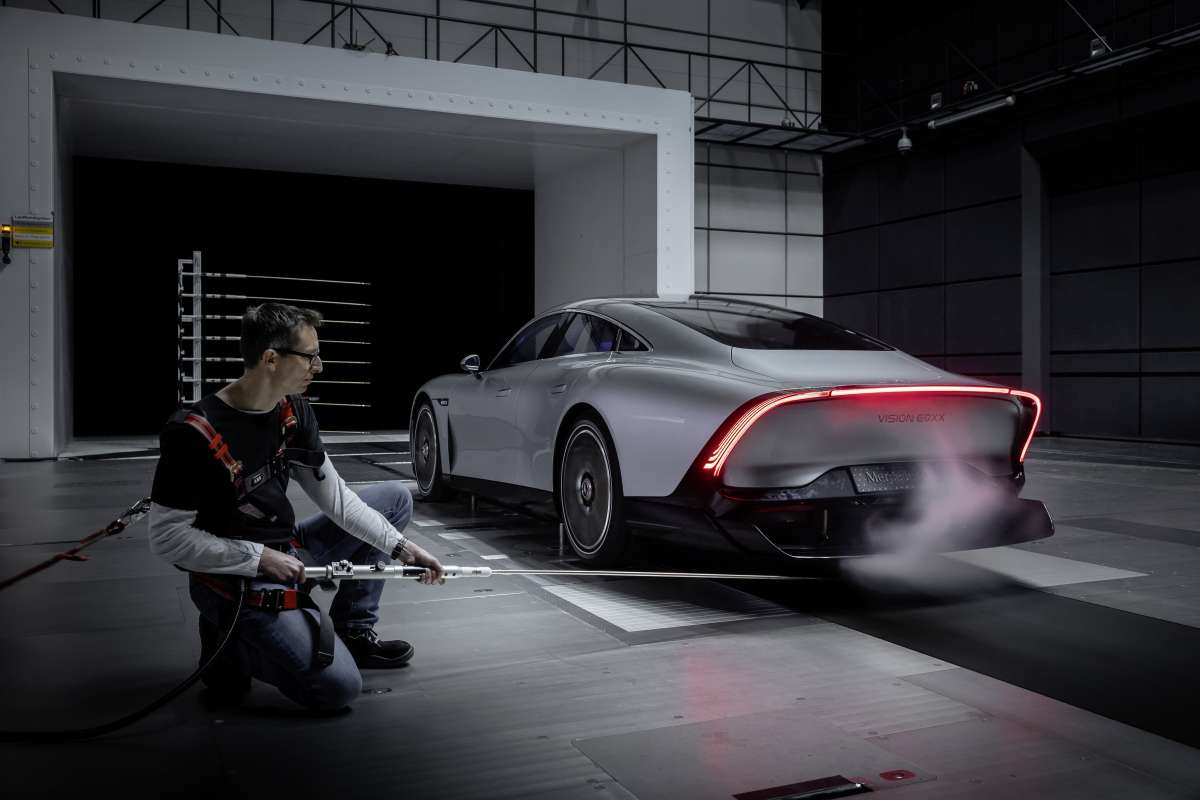
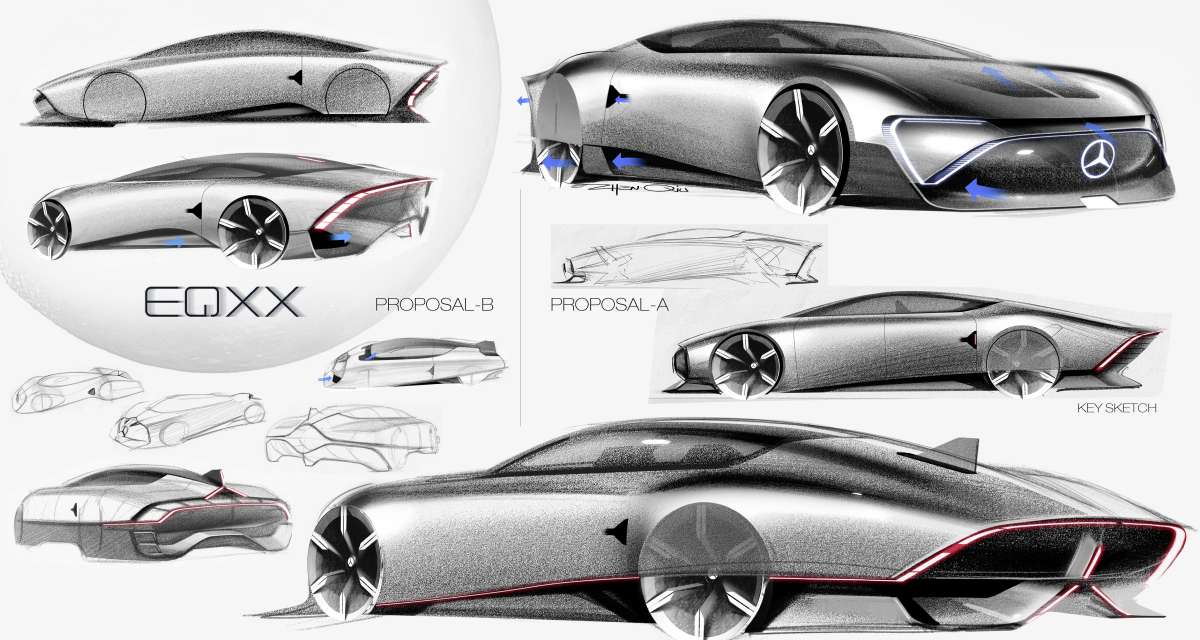
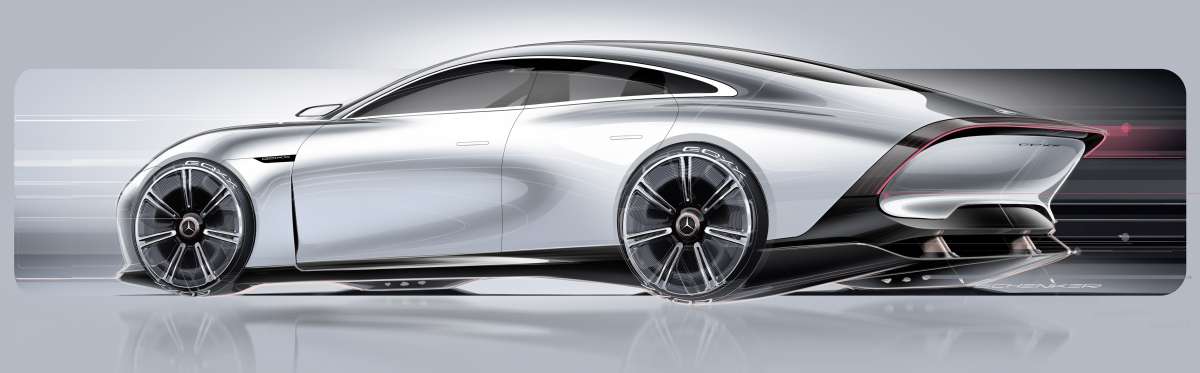
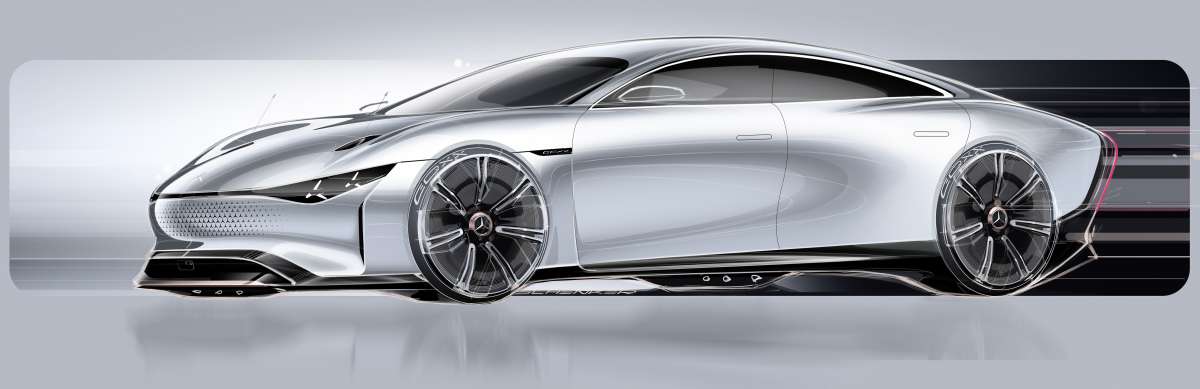
So, how does the EQXX achieve this? Three things – by designing an aerodynamically efficient exterior body (it has a drag coefficient value of just 0.17!), low battery and body weight (the car weighs 1,750 kg in total), and it has 117 solar cells on the roof that takes care of its auxiliary systems like infotainment and climate. You may click here for our comprehensive breakdown of the EQXX.









Looking to sell your car? Sell it with Carro.



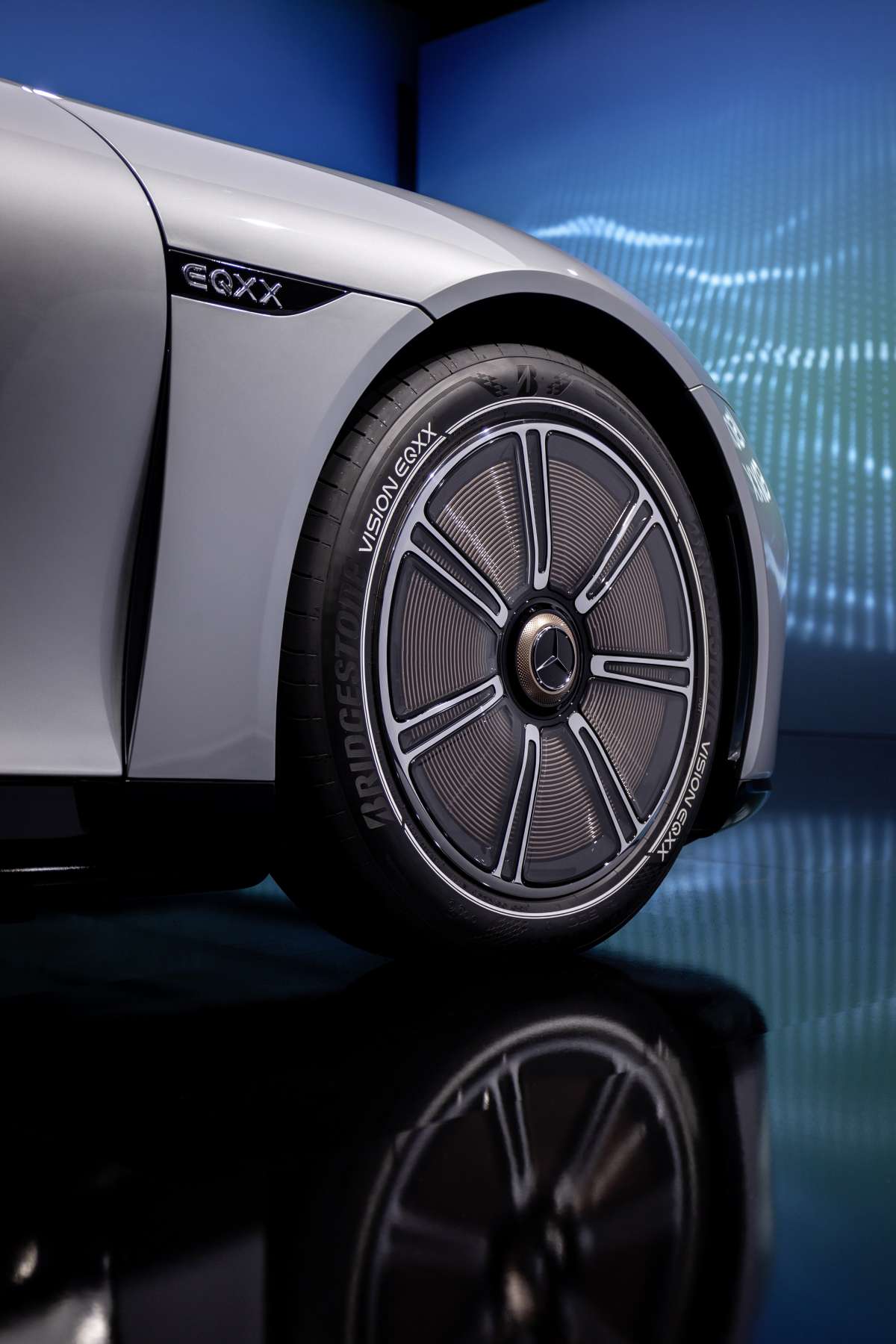
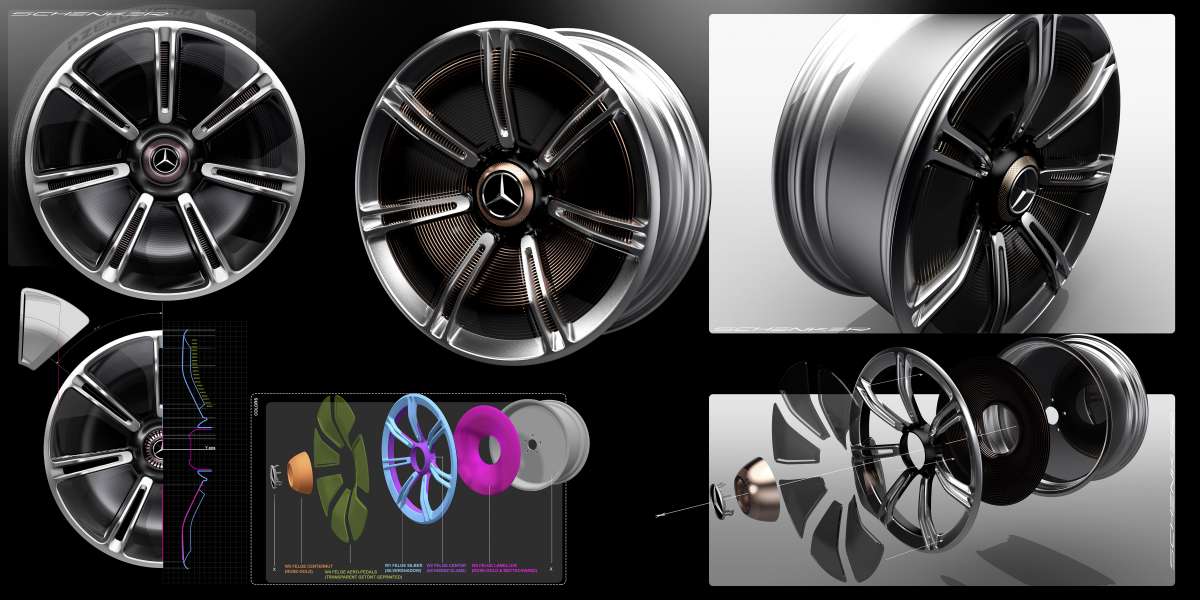
The spotlight is @185/65R20 Bridgestone Ecopia Ologic too.
It’s providing the super heavy Mercedes Benz necessary grip but with 185 wide Tyre.
, for lowest rolling resistance, enhancing efficiency
How is the driver bladder after driving for 11 plus hours…
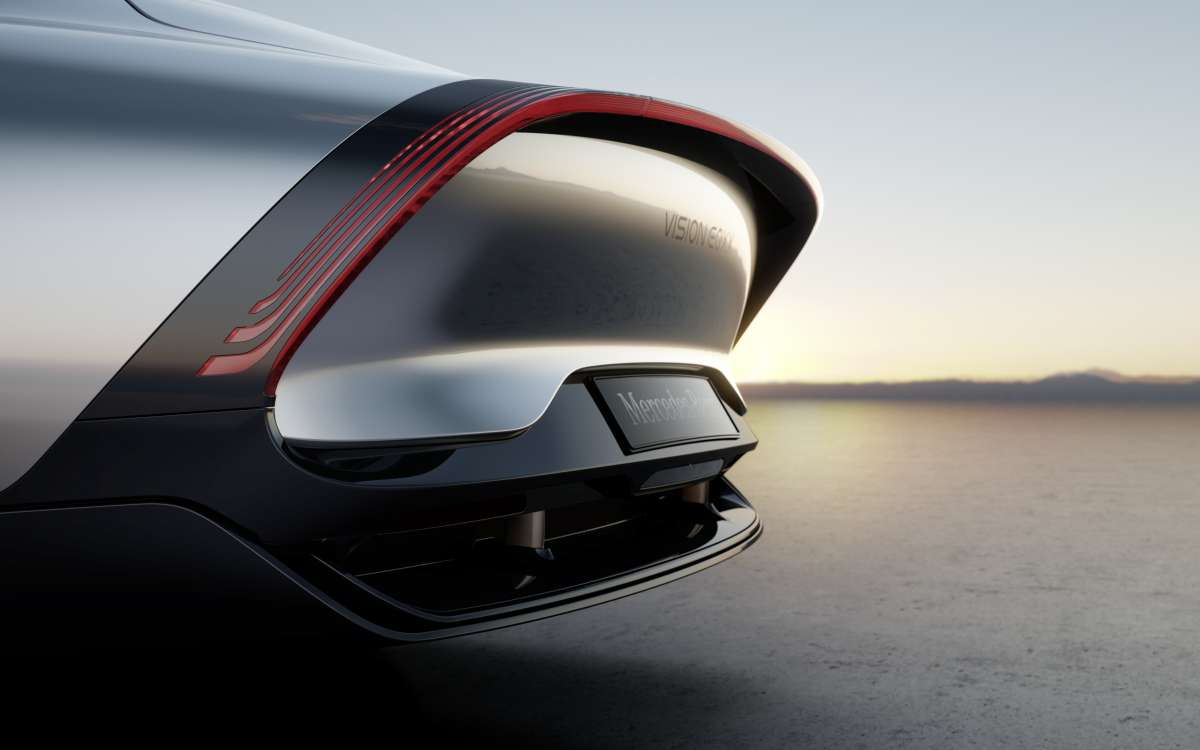
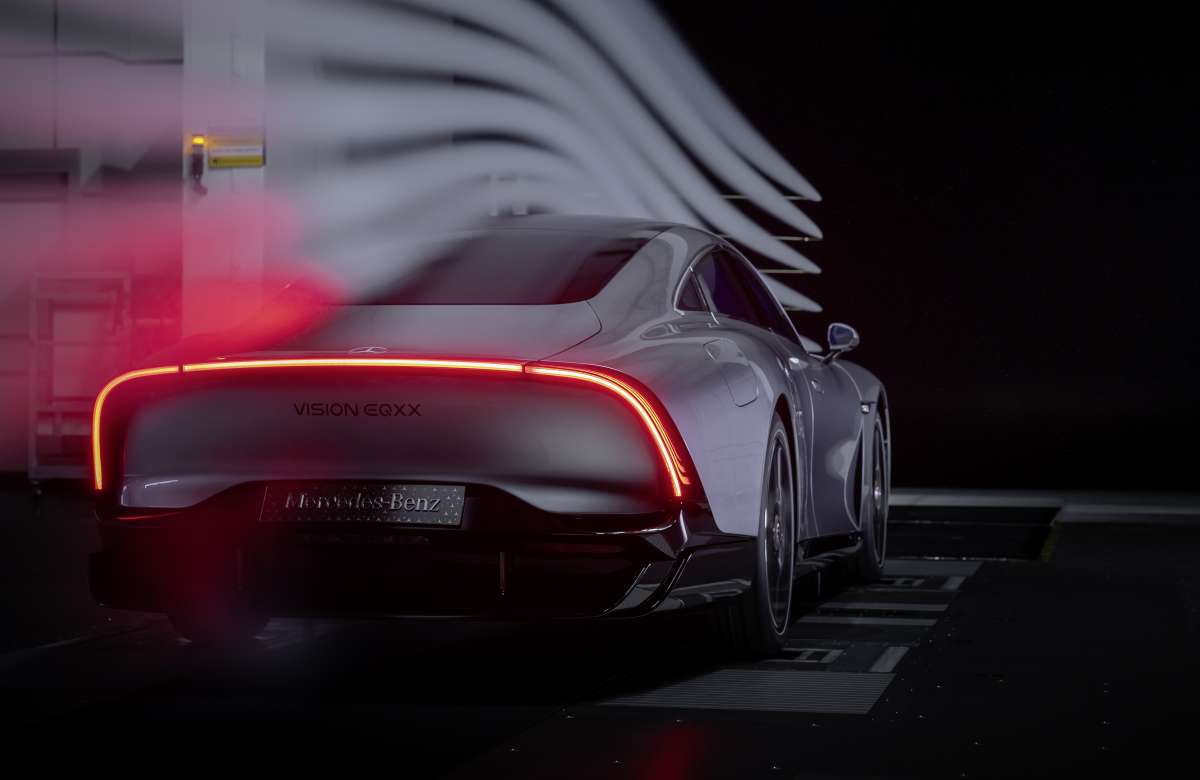
A Merc with a whale tail?
cantikk, boleh pergi balik kl kelate tanpa isi minyak dah.
How much is the WLTP rating?
Then we can compare.
What is that? A Hyundai?