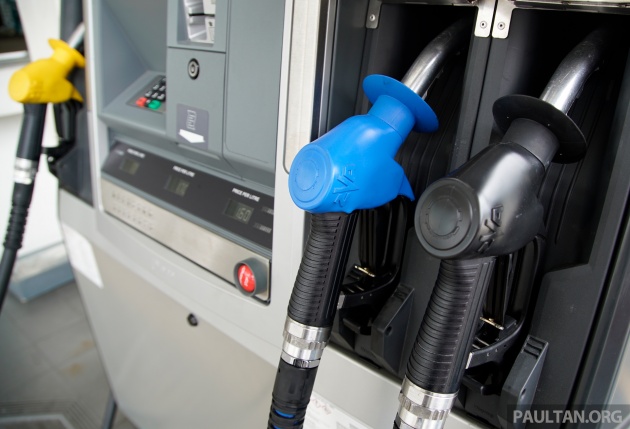
The floating of RON 95 petrol and diesel prices in Malaysia could save the government RM29 billion in fuel subsidies, however this would mean prices of fuels at the pump will increase by 64% for RON 95 petrol and 61% for diesel fuels according to Hong Leong Investment Bank (HLIB), reported Business Times.
Subsidised fuels, which are RON 95 petrol and Euro 5 B10 and B20 diesel fuels, continue to be priced at RM2.05 and RM2.15 per litre respectively, which are unchanged since the end of September 2023. According to HLIB, subsidy reforms are even more crucial now given the absence of goods and services tax (GST) if the fiscal deficit target in the 12th Malaysian Plan mid-term review is to be achieved, the report wrote.
“We envision this to entail floating fuel to market prices and concurrently, dishing out cash aid to those that Pangkalan Data Utama (PADU) has identified as target groups. A ‘fuel float’ move would help reduce the fiscal deficit but put upward pressure on inflation,” according to HLIB.
Subsidies and social assistance in Malaysia has almost tripled from RM23 billion in 2010 to an estimated RM64 billion last year, peaking at RM67 billion in 2022, Business Times wrote. Putrajaya spent RM55 billion on subsidies in 2022, according to the Auditor-General’s Report 2022, of which the largest portion, 82% was from petroleum products, mainly RON 95 petrol and diesel, the report continued.
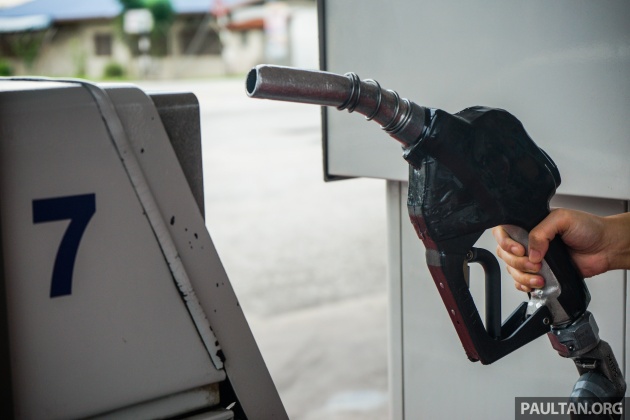
“Artificial lowering of fuel prices via subsidies has driven Malaysia’s per capita gasoline consumption and transport emissions to be the highest in ASEAN (excluding Brunei),” the HLIB report added.
The Business Times also noted that the current fuel subsidy structure is not reaching its intended target, as the T20 income demographic enjoy the subsidised RON 95 petrol, compared to just 24% of the B40 income demographic.
Implementing a price ceiling for fuels below their true market price also leads to the problem of fuel smuggling, which is particularly rampant for diesel, causing a leakage of subsidy funds, the HLIB report wrote.
Last November, economy minister Rafizi Ramli announced that a targeted subsidy mechanism is set to be introduced by the Malaysian government in the second half of 2024.
Looking to sell your car? Sell it with Carro.

 Janji dicapati
on
Janji dicapati
on 

 Zuchie
on
Zuchie
on  MB Sanusi
on
MB Sanusi
on  Rider
on
Rider
on  Climate Not Changing
on
Climate Not Changing
on  Anton
on
Anton
on  Bryant
on
Bryant
on  Dah Menang Semua
on
Dah Menang Semua
on  Nurul Izzah
on
Nurul Izzah
on  Ben Yap
on
Ben Yap
on  Kea Was
on
Kea Was
on  The remaining 80%
on
The remaining 80%
on  Rushdiahmad
on
Rushdiahmad
on  Pembayar Cukai
on
Pembayar Cukai
on  Vote Rafizi out GE16
on
Vote Rafizi out GE16
on  logica
on
logica
on  Ah Chong
on
Ah Chong
on  Unfair judgement
on
Unfair judgement
on  Lets See
on
Lets See
on  Keth
on
Keth
on  Prince of Natuna islands
on
Prince of Natuna islands
on  Adoi
on
Adoi
on  Mr Soh Ber
on
Mr Soh Ber
on  incompetentMOF
on
incompetentMOF
on  RM1.50/L petrol mana?
on
RM1.50/L petrol mana?
on  Bieight8
on
Bieight8
on  Gomorrah
on
Gomorrah
on  Tt
on
Tt
on  Pro-Palestine
on
Pro-Palestine
on  Lol
on
Lol
on  NK
on
NK
on  syd
on
syd
on  Fairtrade
on
Fairtrade
on  k73
on
k73
on  DonkeyKong
on
DonkeyKong
on  1Malaysia
on
1Malaysia
on  History Bender
on
History Bender
on  Kannnnnnn
on
Kannnnnnn
on  Shah
on
Shah
on  It’s Reality
on
It’s Reality
on  What to do
on
What to do
on  Jeremy
on
Jeremy
on  Najib Turun Ringgit Naik
on
Najib Turun Ringgit Naik
on  James wong
on
James wong
on  Sad citizen
on
Sad citizen
on  KK
on
KK
on  ThePolygon
on
ThePolygon
on  Rosmah
on
Rosmah
on  Patr
on
Patr
on  Danesh
on
Danesh
on  Lanhb
on
Lanhb
on  Sohai
on
Sohai
on  Mak kau suka tipu
on
Mak kau suka tipu
on  Tandang Balabak Kau
on
Tandang Balabak Kau
on  Alan
on
Alan
on  Pop
on
Pop
on  Dave the man
on
Dave the man
on  Dan Yeoh
on
Dan Yeoh
on  Mr Gbong
on
Mr Gbong
on  janak
on
janak
on  rozite
on
rozite
on  Jack
on
Jack
on  Support GST
on
Support GST
on  FidelCatsro
on
FidelCatsro
on  KKZ
on
KKZ
on  Razani
on
Razani
on  BS
on
BS
on  Danny
on
Danny
on  William
on
William
on  Jo. R.Watson
on
Jo. R.Watson
on  Joe
on
Joe
on  Wae
on
Wae
on  Chandra Sekran
on
Chandra Sekran
on 


AI-generated Summary ✨
Comments express strong opinions on Malaysia's fuel subsidy removal, citing potential benefits like reduced corruption, smuggling, and leakage, along with environmental gains. Many argue subsidy benefits the wealthy and fuel smuggling syndicates, advocating for targeted subsidies or floating prices. Some feel the policy may cause inflation and hardship for B40 and M40 groups, while a few sarcastically suggest alternative solutions or criticize government corruption. Overall, sentiments are mixed, with concerns over economic impact and calls for transparency and reform.