

Budget 2015 will be announced by Prime Minister Datuk Seri Najib Razak at 4 pm today. We will be posting live updates on any automotive-related announcements from his speech here. Watch this space for updates.
Automotive
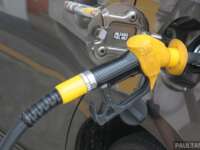
- RON 95 petrol, diesel and LPG – NO GST
- Subsidy rationalisation of petrol, diesel and LPG to be done in stages, government mechanism to be announced “in due time”
Transport
- Construction of Sg Besi-Ulu Klang Expressway (SUKE), 59 km stretch, at a cost of RM5.3 billion
- Construction of Lebuhraya Pantai Barat (West Coast Expressway) from Taiping to Banting, 276 km, at a cost of RM5 billion
- Construction of Damansara-Shah Alam Expressway (DASH), 47 km, at a cost of RM4.2 billion
- Construction of Lingkaran Luar KL to Hubungan Timur, 36 km, at a cost of RM1.6 billion
- Construction of MRT Phase 2 Selayang to Putrajaya stretch, 56 km, at an estimated cost of RM23 billion
- Construction of Pan Borneo Highway, 1,663 km (936 km in Sarawak, 727 km in Sabah), at a cost of RM27 billion
- LRT3 project connecting Bandar Utama to Shah Alam and Klang, at an estimated cost of RM9 billion
- To develop electric vehicle manufacturing industry, Sustainable Mobility Fund of RM70 million to be established under SME Bank – 50 electric buses to be introduced initially
- Facilitation of Bas Antarabandar (inter-city bus services) for those who live outside the city but work in KL – routes are Rawang-KL, Klang-KL and Seremban-KL, monthly fare is discounted by 30%
- Upgrading of stage bus services with existing bus operators in Kuching, Ipoh, Seremban, Kuala Terengganu and Kangar
- Electric Train Service (Ipoh-Butterworth) to start in April 2015
- Rural road upgrade project, 635 km, including trunk roads in Sabah and Sarawak, RM943 million allocated
6.15 pm – The Prime Minister has finished his Budget 2015 speech.






 Hopeless malaysia
on
Hopeless malaysia
on 

 Vivian
on
Vivian
on  maniam
on
maniam
on  Sama value
on
Sama value
on  !@#$%^&
on
!@#$%^&
on  Where is Najib's 30% Promise?
on
Where is Najib's 30% Promise?
on  Terima Kasih BN!
on
Terima Kasih BN!
on  Same L0rrr
on
Same L0rrr
on  Bobby (Member)
on
Bobby (Member)
on  miskin
on
miskin
on  The Real Same LOrrr
on
The Real Same LOrrr
on  ya rite
on
ya rite
on  Kuna
on
Kuna
on  _xXx_
on
_xXx_
on  mr_em
on
mr_em
on  Asiah Lawa
on
Asiah Lawa
on  The Real Same Lorr Sendiri Cakap Sendiri Syok
on
The Real Same Lorr Sendiri Cakap Sendiri Syok
on  Obviously (Member)
on
Obviously (Member)
on  Chris (Member)
on
Chris (Member)
on  Eazy
on
Eazy
on  ben
on
ben
on  darkermarker
on
darkermarker
on  Afraid
on
Afraid
on  bjauto
on
bjauto
on  kledipe
on
kledipe
on  guilt (Member)
on
guilt (Member)
on  heybadigol (Member)
on
heybadigol (Member)
on  QvQ
on
QvQ
on  JC
on
JC
on  nGwEi
on
nGwEi
on  vin
on
vin
on  iVincent (Member)
on
iVincent (Member)
on  samanama
on
samanama
on  cinta
on
cinta
on  Mou Mou Ren
on
Mou Mou Ren
on  M.K
on
M.K
on  kzm (Member)
on
kzm (Member)
on  Low Budget
on
Low Budget
on  dreaming of maserati
on
dreaming of maserati
on  Car-Fans
on
Car-Fans
on  rei
on
rei
on  Black Dog
on
Black Dog
on  mustafa
on
mustafa
on  Gusto
on
Gusto
on  Crazy G
on
Crazy G
on  sadnpain
on
sadnpain
on  mirai
on
mirai
on  roc
on
roc
on  West end boys
on
West end boys
on  anon
on
anon
on  Petrofsky77 (Member)
on
Petrofsky77 (Member)
on  CH
on
CH
on  Mugi
on
Mugi
on  chongwey
on
chongwey
on  hantu
on
hantu
on  Gaviny
on
Gaviny
on  gonsungar
on
gonsungar
on  Almighty Snack Bar
on
Almighty Snack Bar
on  Kemal
on
Kemal
on  Steve Kok
on
Steve Kok
on  reshandran
on
reshandran
on
AI-generated Summary ✨
Comments reflect mixed reactions to Malaysia's Budget 2015, mainly focusing on concerns over toll increases, highway costs, and the allocation of government funds. Many criticize the government for alleged corruption, misuse of funds, and prioritizing infrastructure projects benefiting cronies over public needs. There’s skepticism about benefits for middle and low-income groups, fears of rising living costs due to GST and fuel hikes, and doubts about the quality and transparency of project implementation. Sentiments range from cynical to hopeful, with ongoing discussions about economic and political implications.