
It appears that a new national carmaker will be formed soon. Azizul Hj Tandek, managing director of Enggang Keramat Automobile, told paultan.org that the company will be launching a new Malaysian car brand called SAF – named after the arrangement of Muslims in prayer – in April this year.
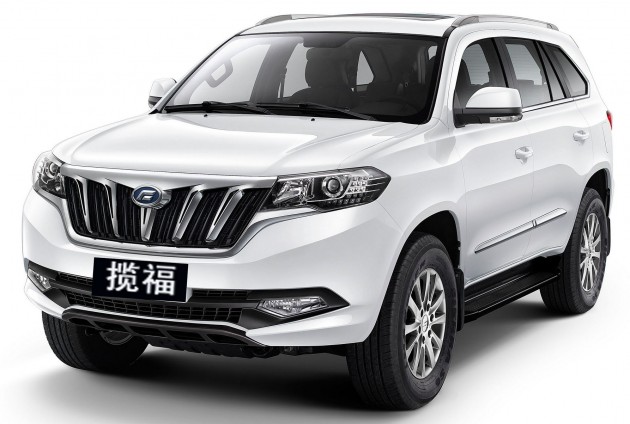
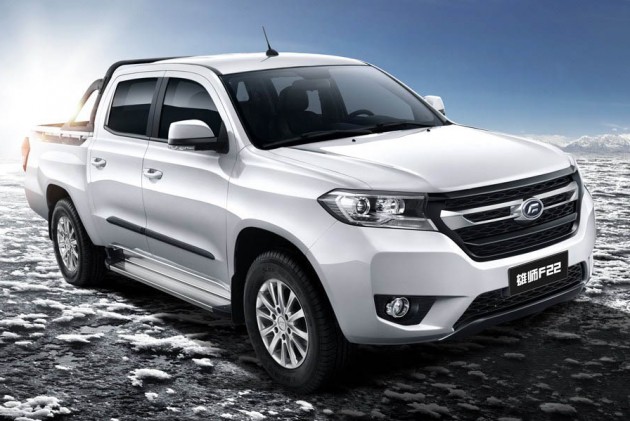
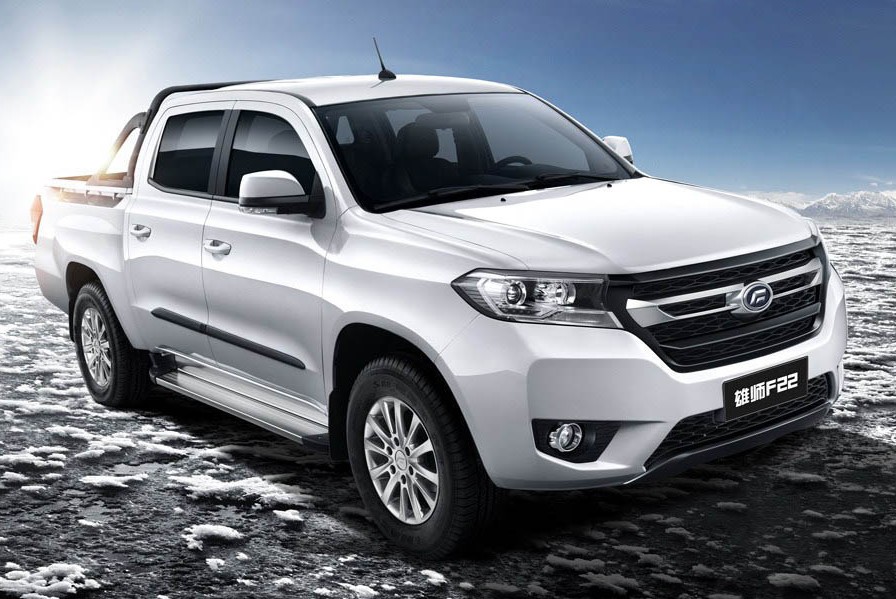
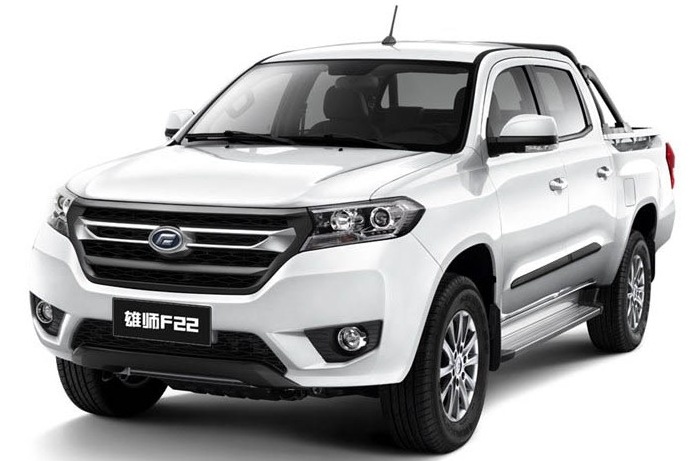
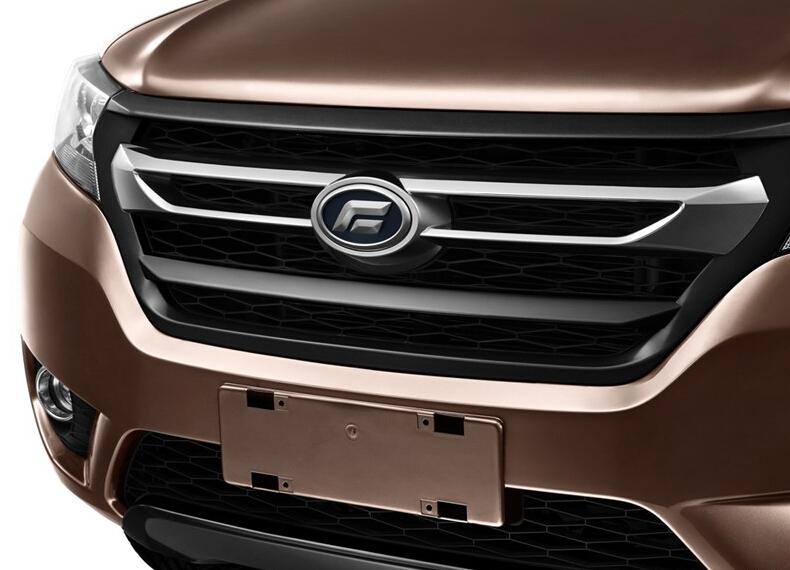
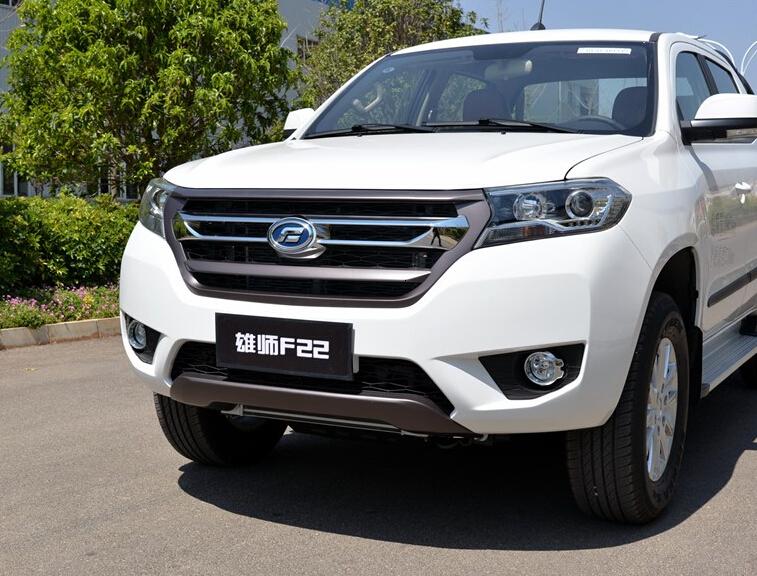
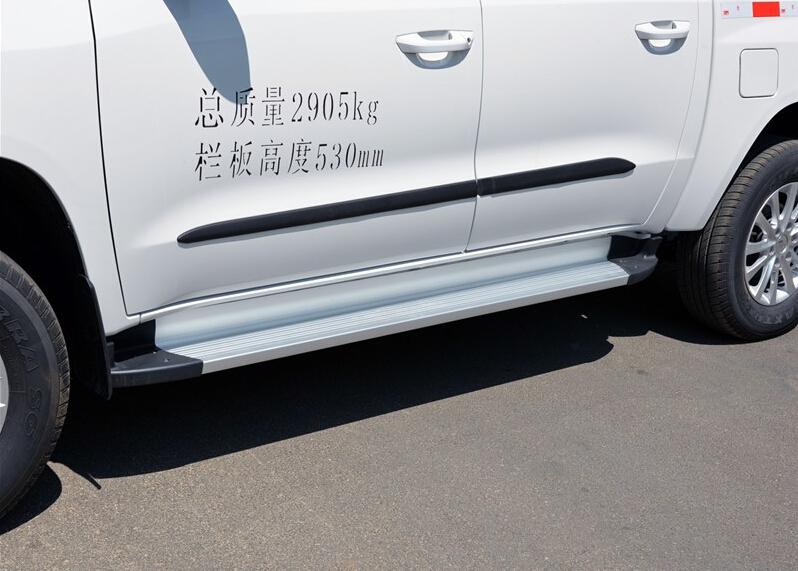
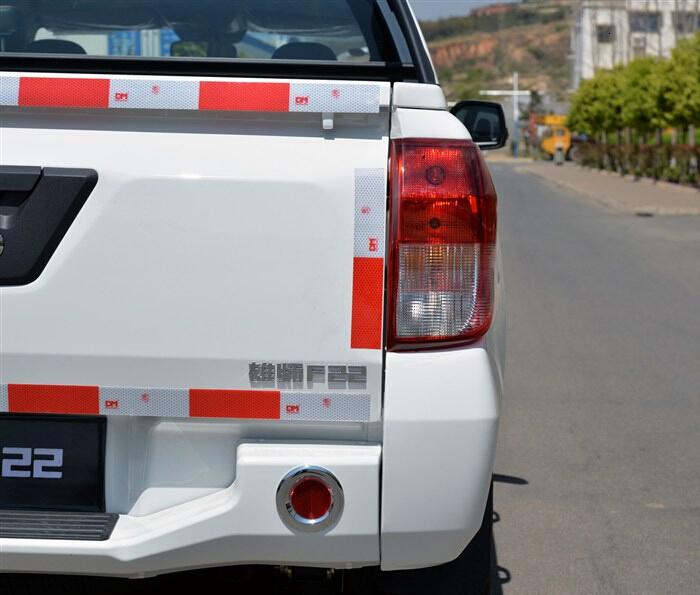
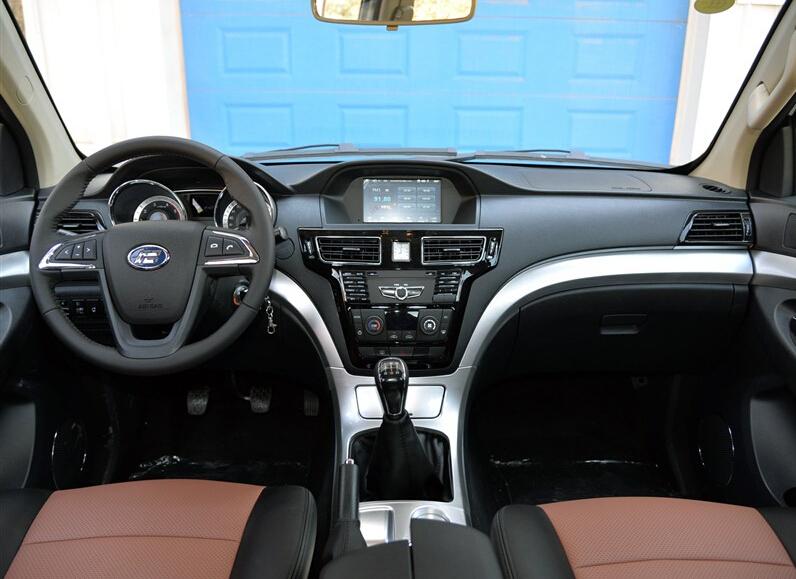
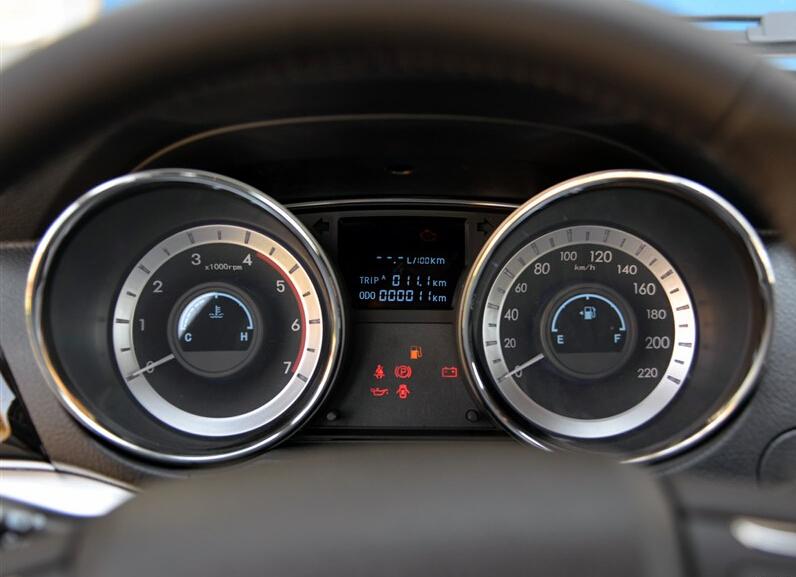
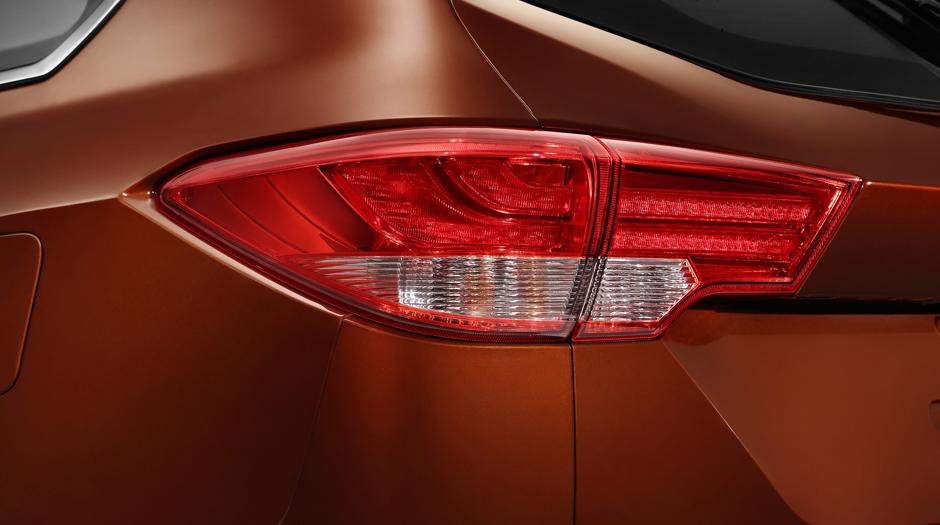
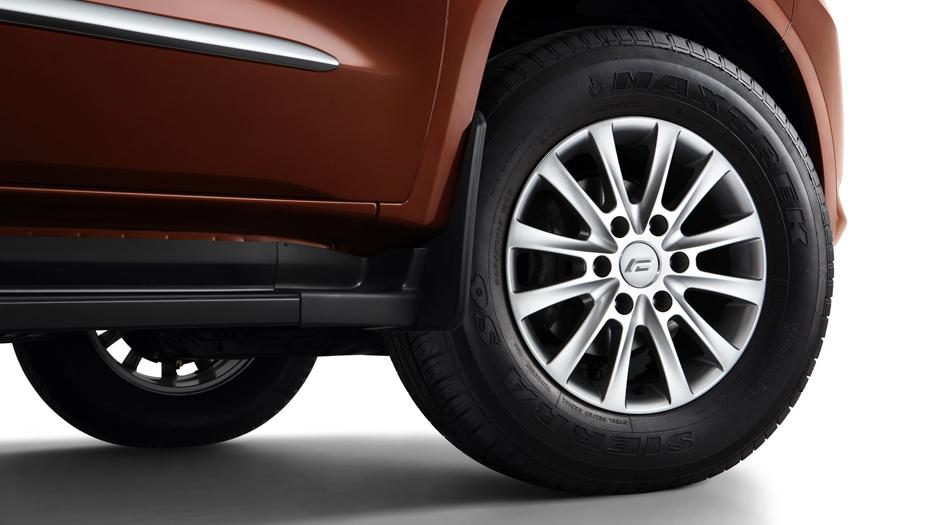
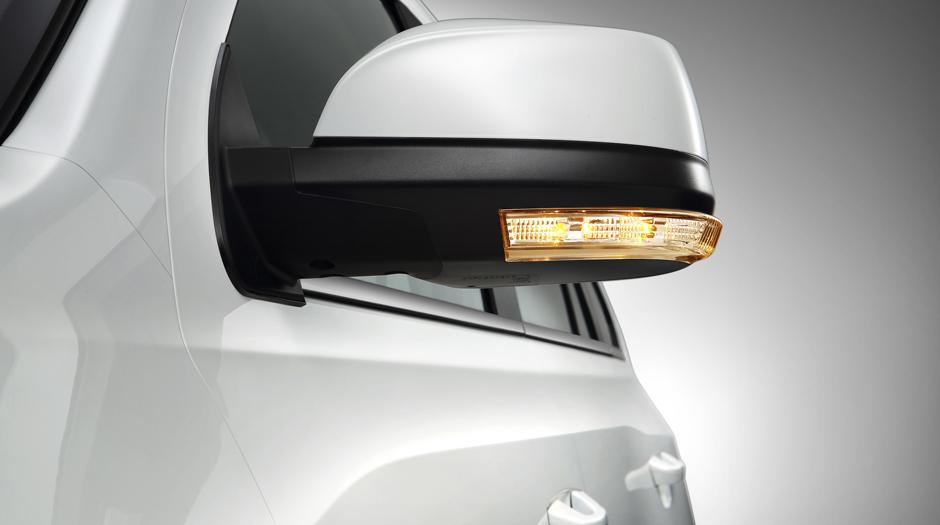
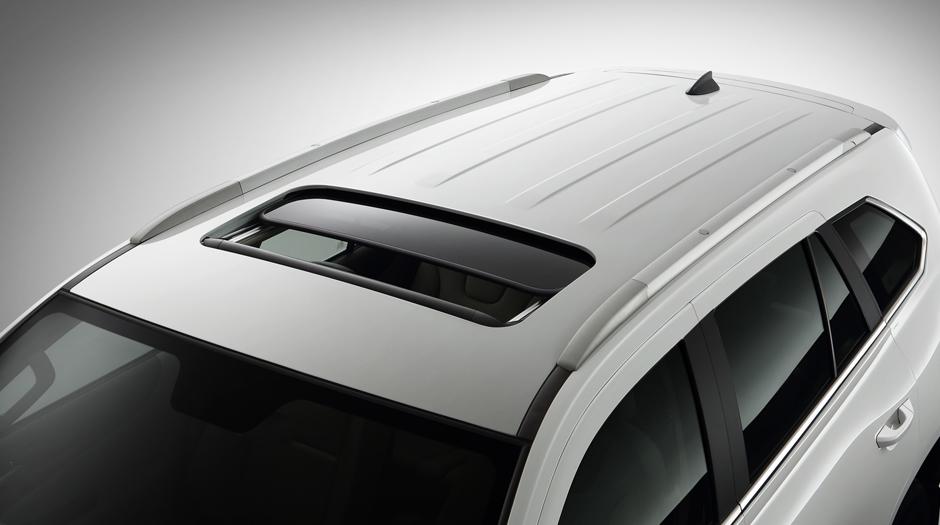
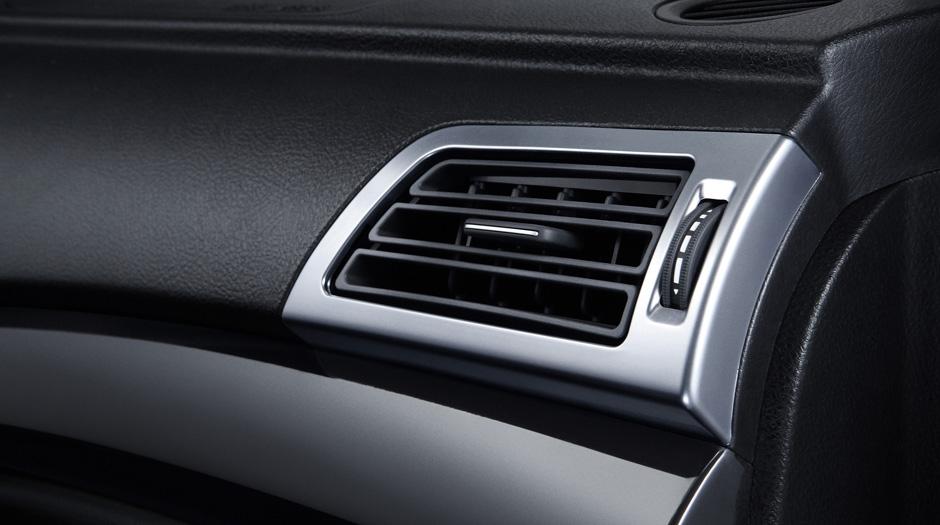
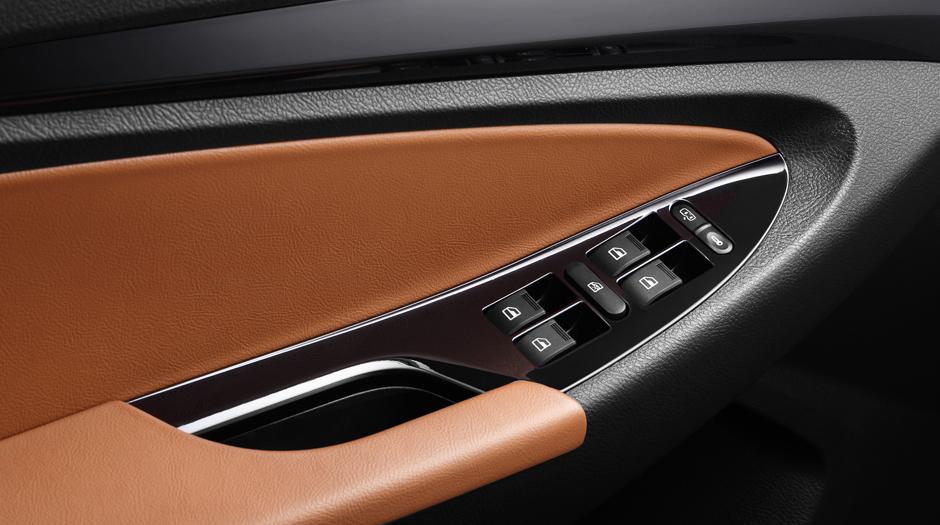
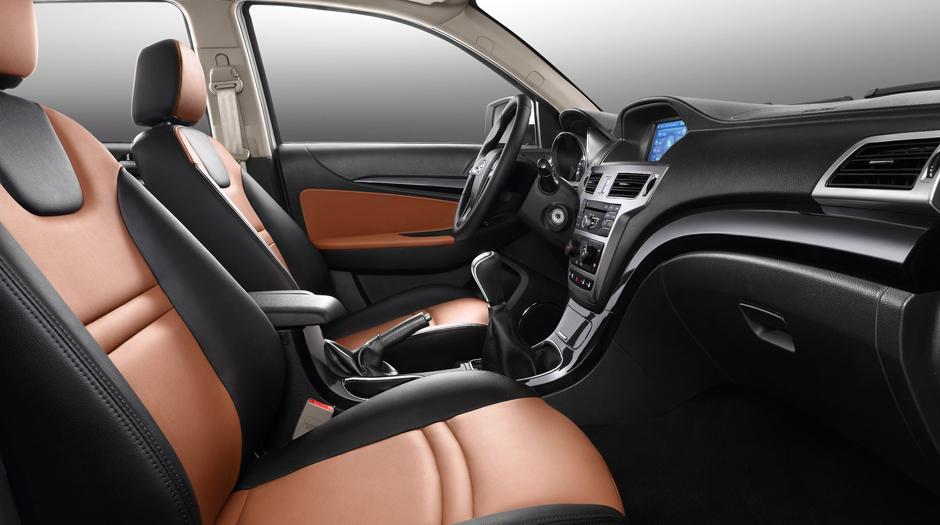
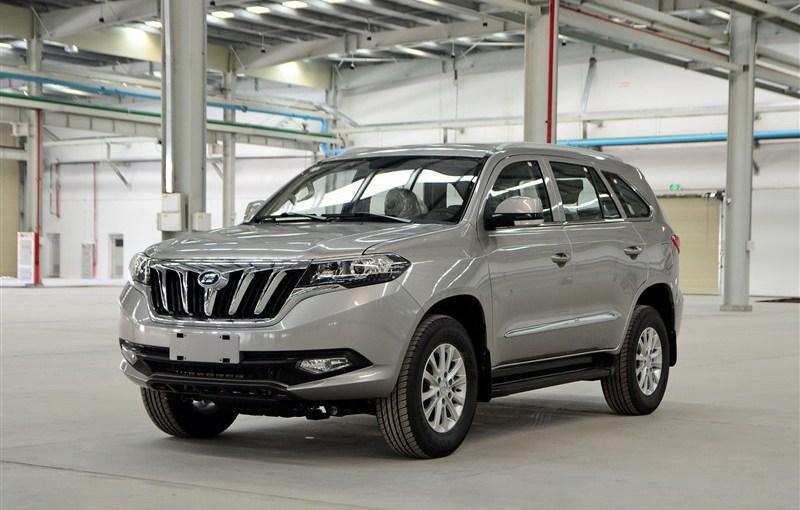
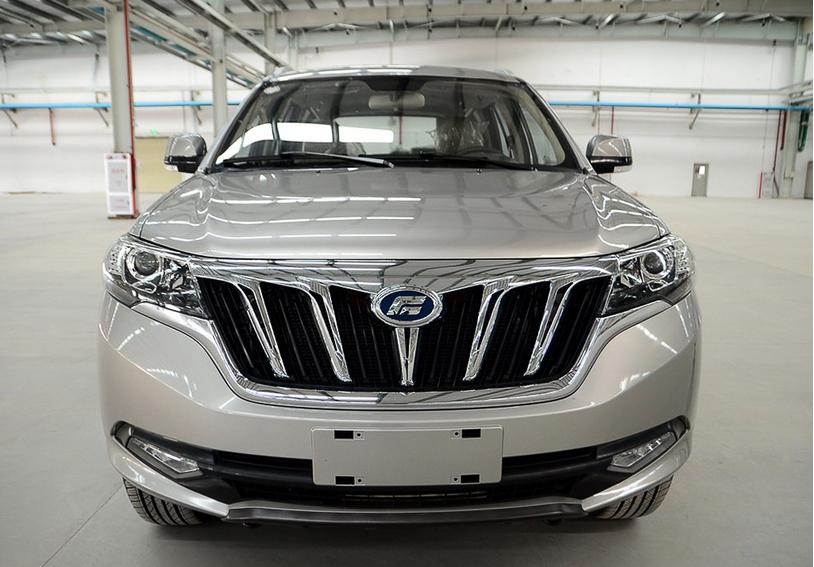
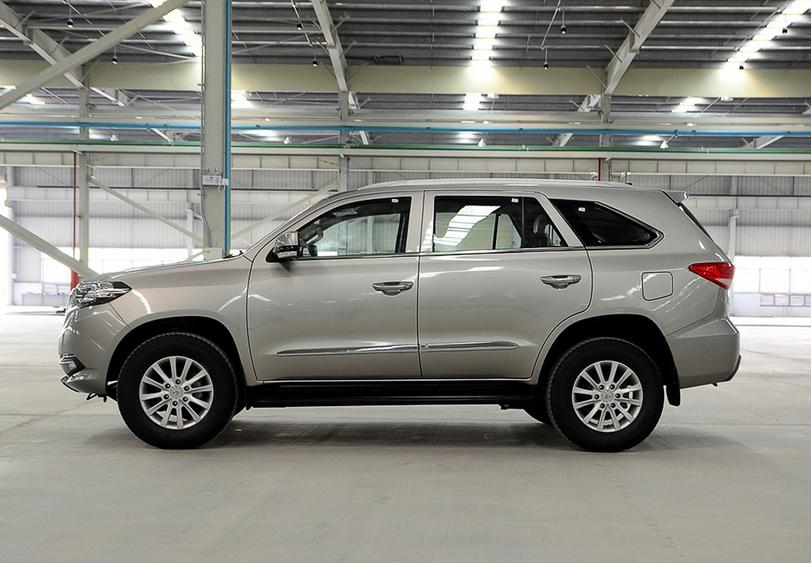
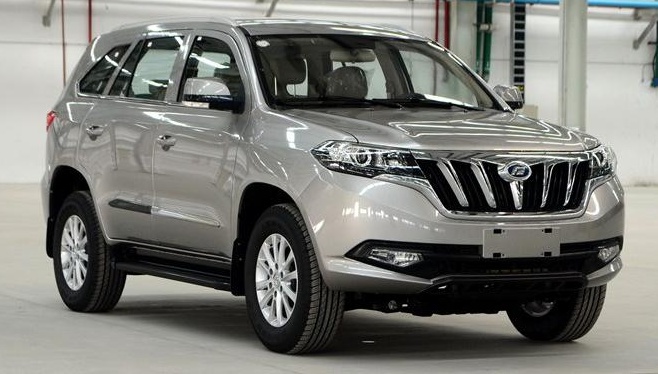
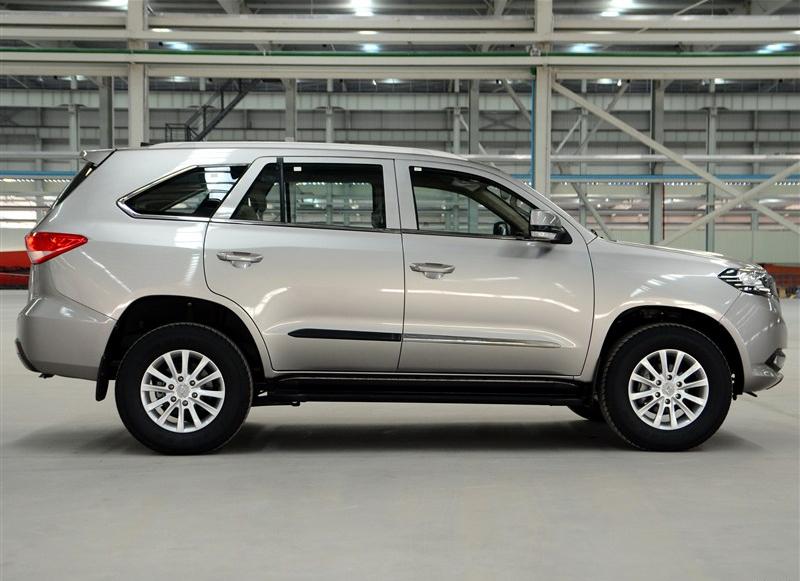
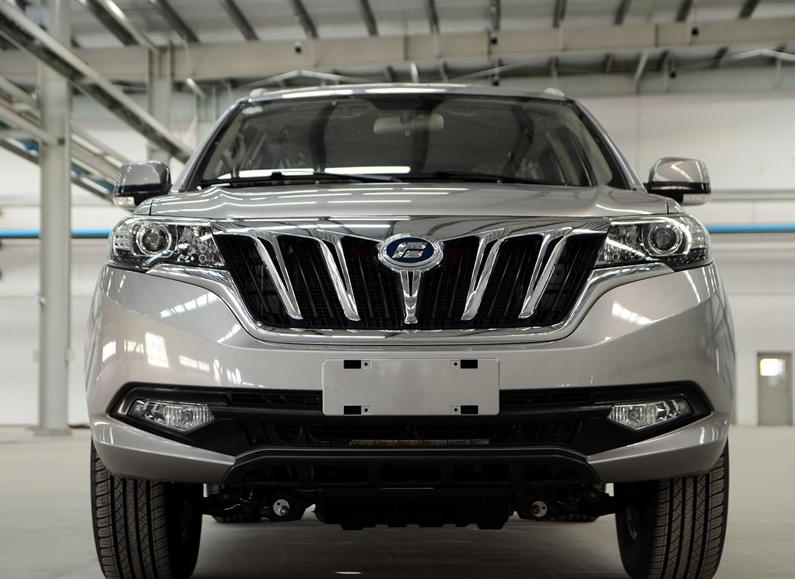
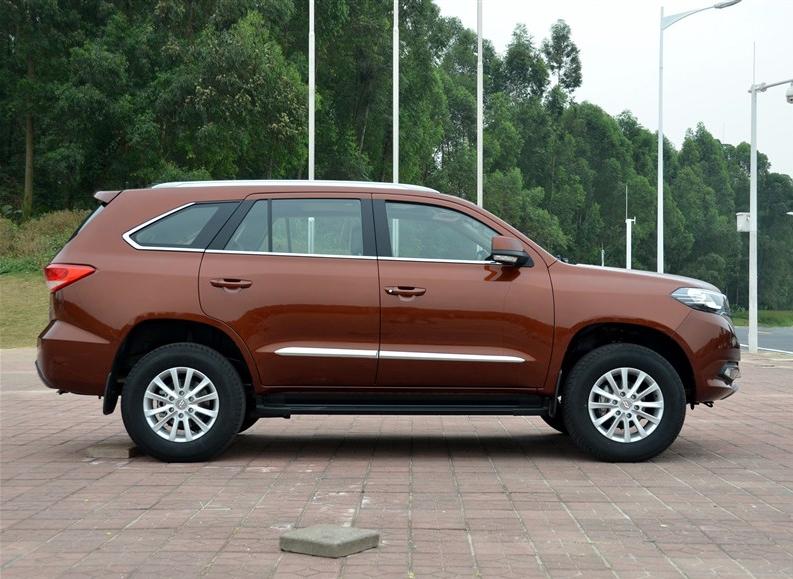
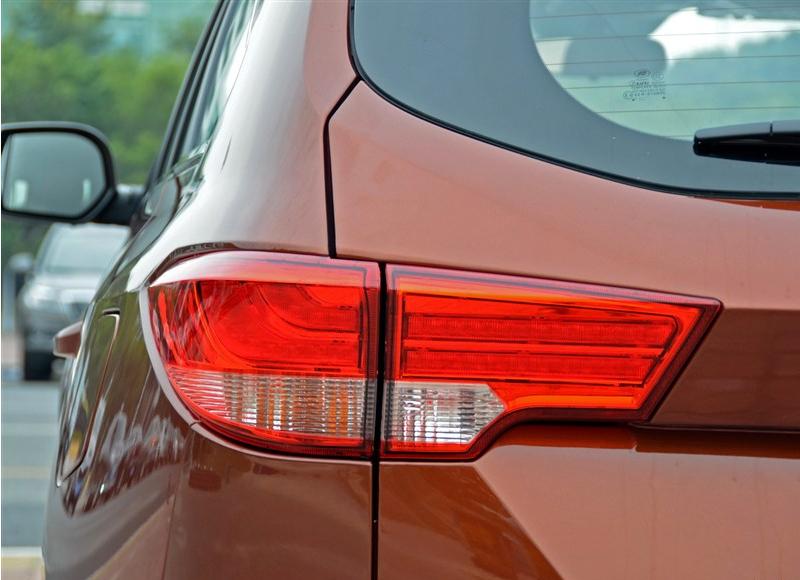
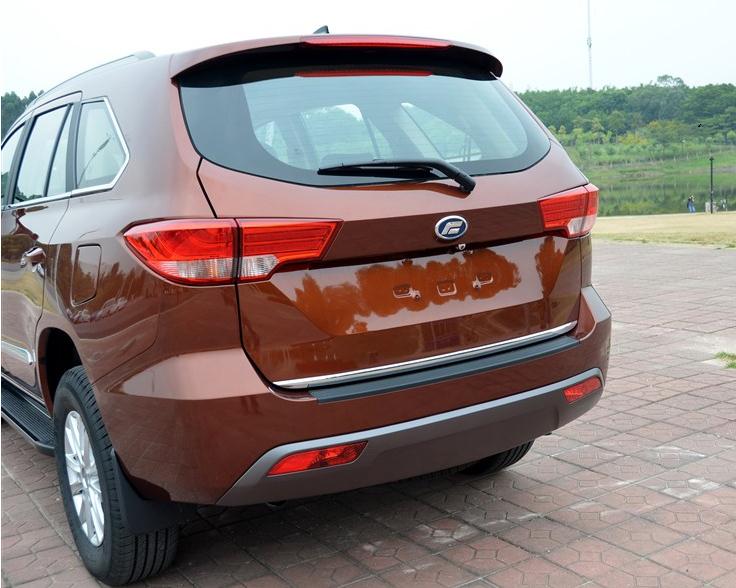
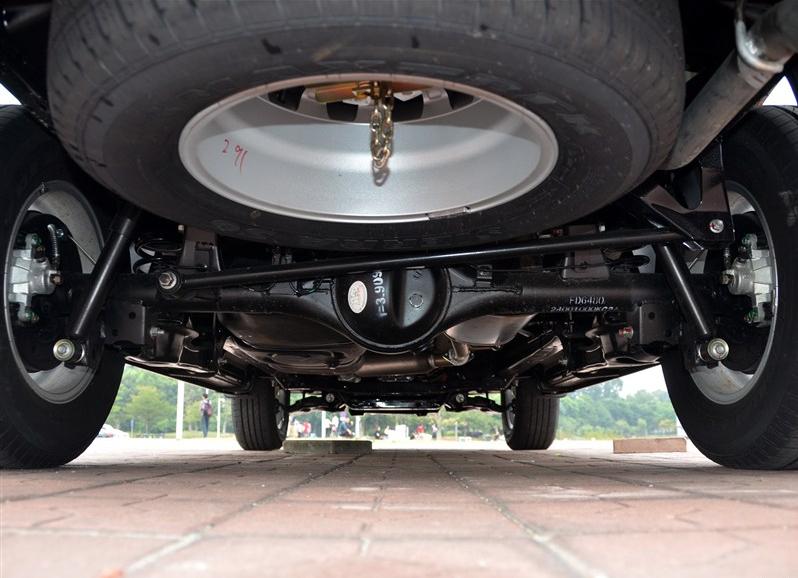
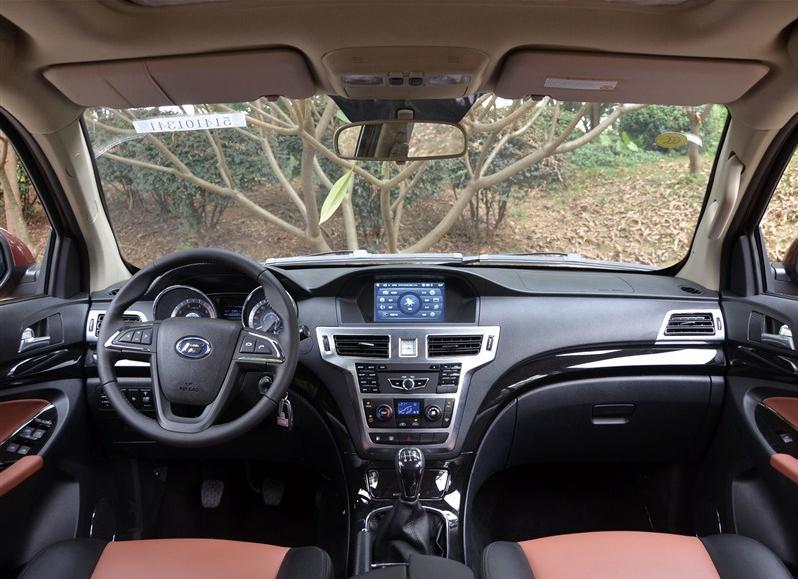
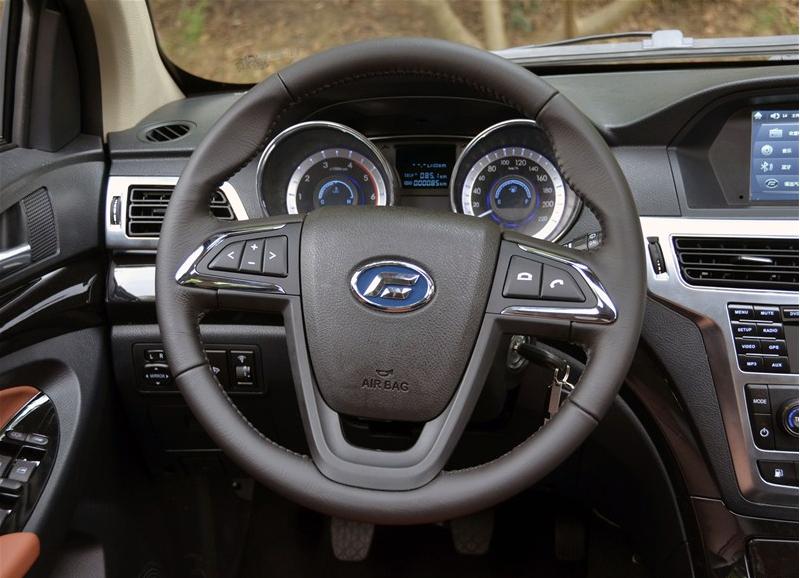
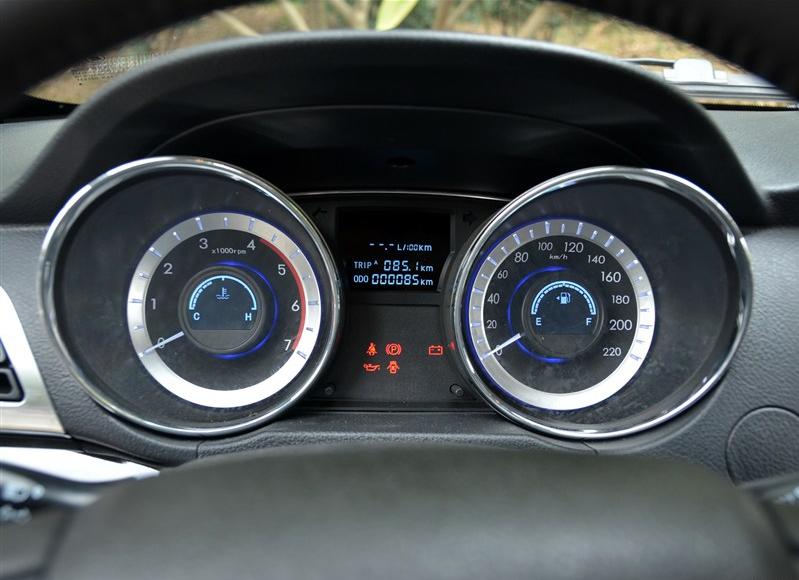
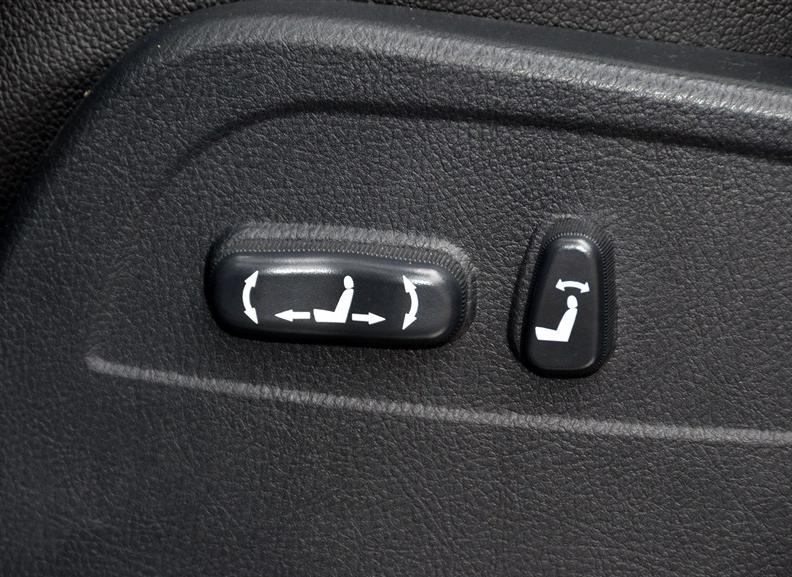
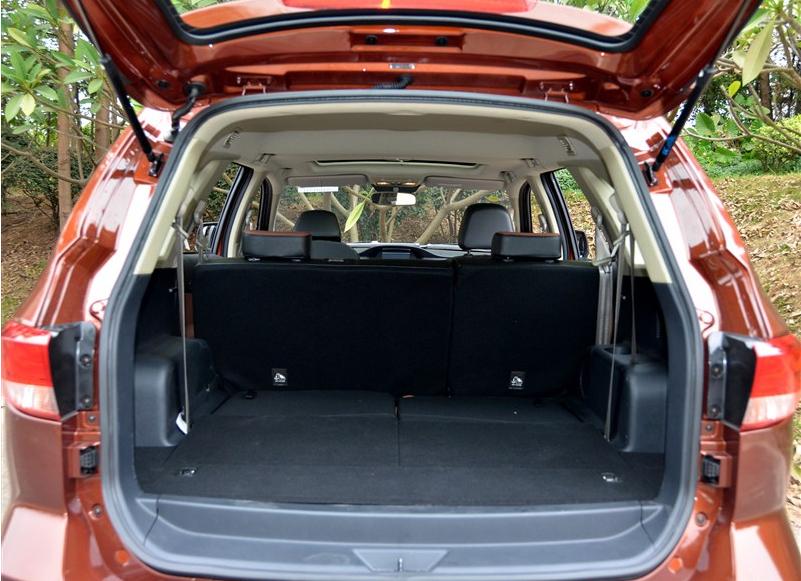
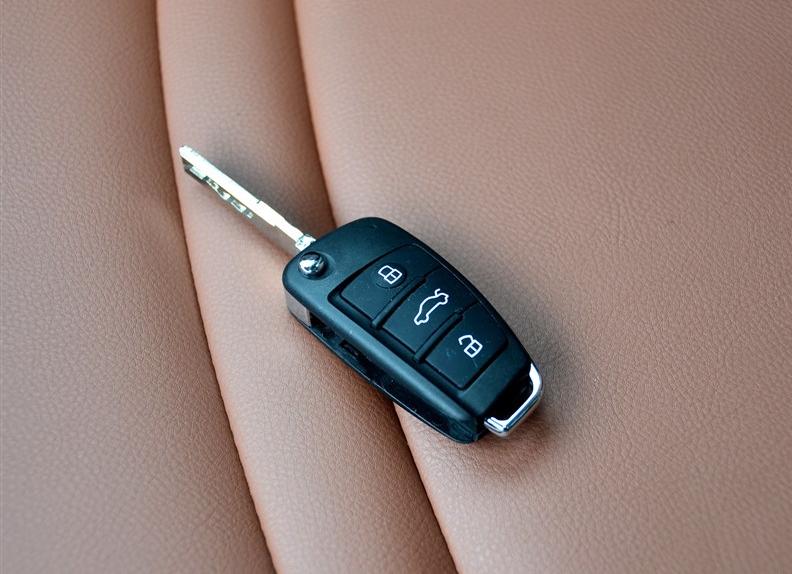
The new lineup will consist of rebadged versions of models from the Chinese brand Foday, namely the Lion F22 pick-up truck and the Landfort seven-seater SUV. The two vehicles will be badged as the SAF Striker and SAF Landfort respectively, and will look identical to the Foday models, albeit with SAF badging. Both models will be built at Oriental Assemblers in Tampoi, Johor, the same company that also assembles Chery models in Malaysia.
Only one engine will be available from launch – a Mitsubishi-derived 4G69S4N 2.4 litre petrol engine delivering 134 hp at 5,250 rpm and 200 Nm of torque from 2,500 to 3,000 rpm. Five-speed manual and six-speed automatic transmissions are on offer, as is a choice of either two-wheel drive or four-wheel drive (Striker pick-up will be 4×4 only).
The Striker is expected to be priced below RM100,000, while the Landfort SUV is slated to cost less than RM150,000. Exact kit has yet to be decided, but both models should come with dual airbags and ABS with EBD; no stability control on offer, however.
Enggang Keramat is looking at an initial run of 100 units for each model when the brand is launched next month, available at 20 dealers nationwide – all 3S centres – in both Peninsular and East Malaysia.
So, what do you think about Malaysia’s next homegrown car brand? Do you think it can succeed in our current automotive market? Sound off in the comments section after the jump.
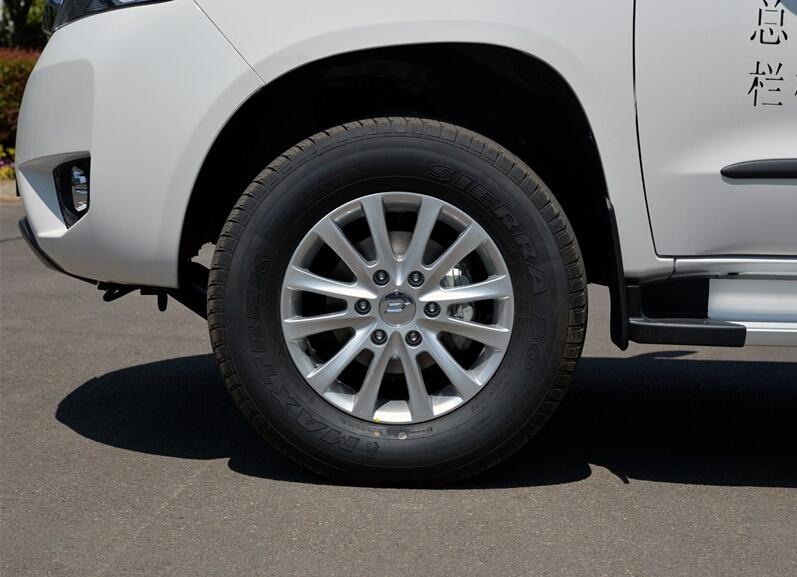
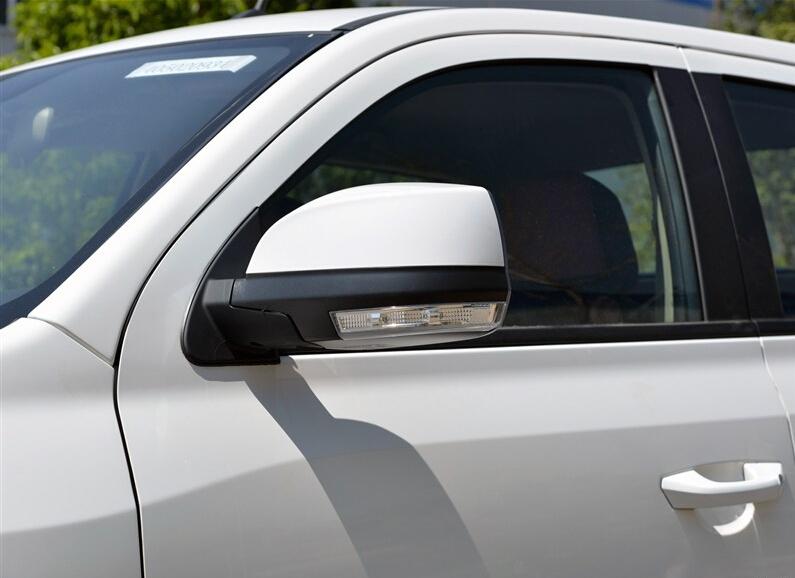
GALLERY: Foday Lion F22












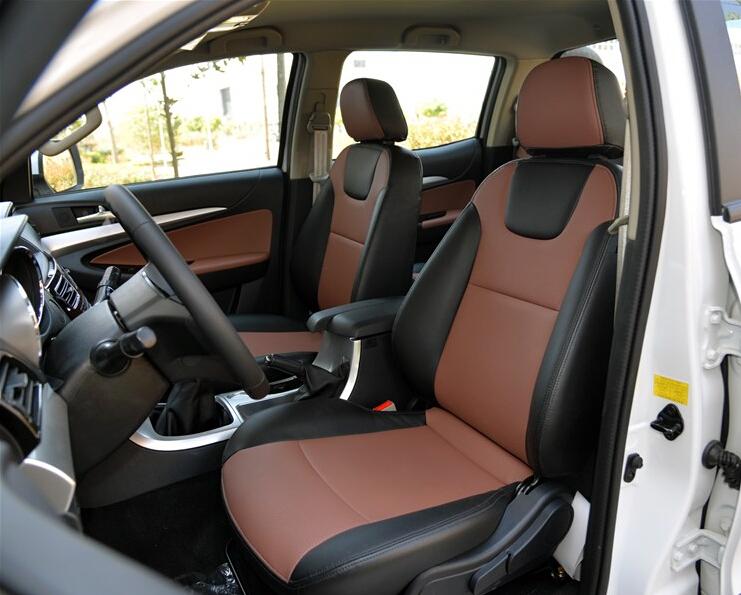
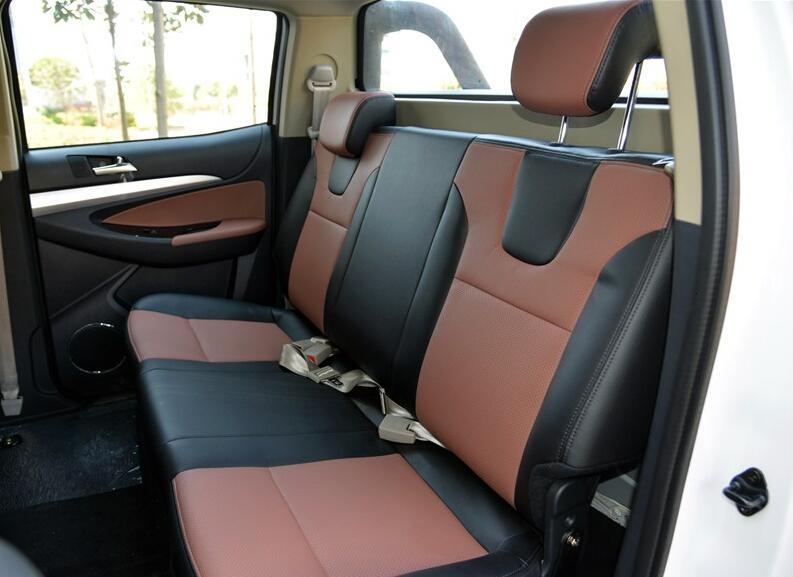


GALLERY: Foday Landfort
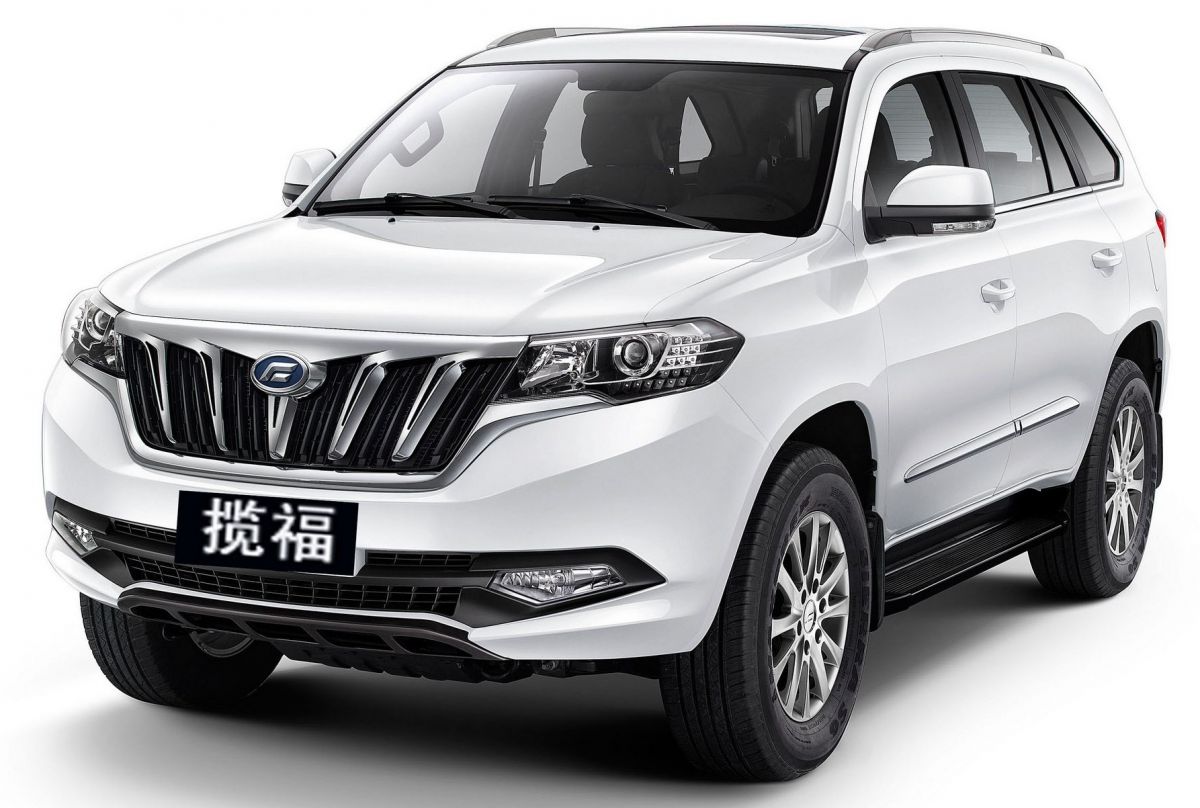
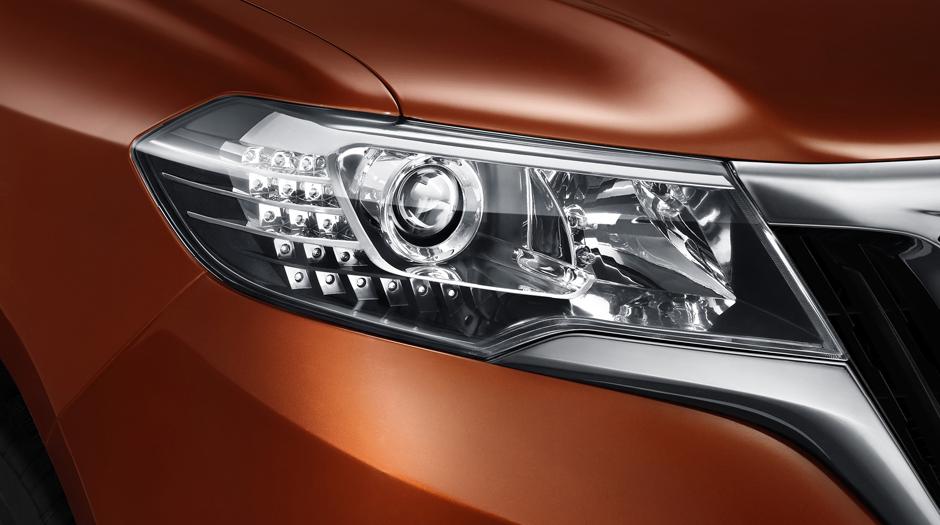















Looking to sell your car? Sell it with Carro.

 your mother
on
your mother
on 

 Noob Company
on
Noob Company
on  Sk
on
Sk
on  WT Fuchhh
on
WT Fuchhh
on  Azahari
on
Azahari
on  TheOtherGuy
on
TheOtherGuy
on  khalid
on
khalid
on  Leonardo
on
Leonardo
on  vedi
on
vedi
on  jemah
on
jemah
on  Meh
on
Meh
on  John Beng
on
John Beng
on  Jimmy
on
Jimmy
on  khm
on
khm
on  Sgt Scoop
on
Sgt Scoop
on  old horse
on
old horse
on  shawal
on
shawal
on  Peter
on
Peter
on  Peter
on
Peter
on  what
on
what
on  remoter
on
remoter
on  LandoCar
on
LandoCar
on  BeemerFreak
on
BeemerFreak
on  donno
on
donno
on  Najib`
on
Najib`
on  Aero (Member)
on
Aero (Member)
on  TLDR boring
on
TLDR boring
on  skatax
on
skatax
on  Tin Kosong
on
Tin Kosong
on  Sick&tired
on
Sick&tired
on  Pope
on
Pope
on  ts
on
ts
on  kapchai
on
kapchai
on  payne
on
payne
on  DPCraft
on
DPCraft
on  Alyy8128
on
Alyy8128
on  Sylinder
on
Sylinder
on  wanthird
on
wanthird
on  4G63T DSM
on
4G63T DSM
on  john
on
john
on  soLux
on
soLux
on  Weee
on
Weee
on  The name
on
The name
on  Joey
on
Joey
on  za
on
za
on  horrayooi
on
horrayooi
on  zan
on
zan
on  Maanpreet
on
Maanpreet
on  Hmm... Much Hmm...
on
Hmm... Much Hmm...
on  boy
on
boy
on  robert mugabe
on
robert mugabe
on  Andi Ali
on
Andi Ali
on 


AI-generated Summary ✨
Comments express skepticism about SAF's launch, with concerns over rebadging Chinese models, underpowered engines like the 2.4L with only 200Nm torque, and pricing that seems high for quality. Some believe it's a repeat of past local brands relying on assembly and branding rather than innovation or R&D. There is skepticism about the brand's competitiveness in Malaysia, doubts about the quality of Chinese-made cars, and criticism of the strategy as unoriginal and potentially unprofitable.