
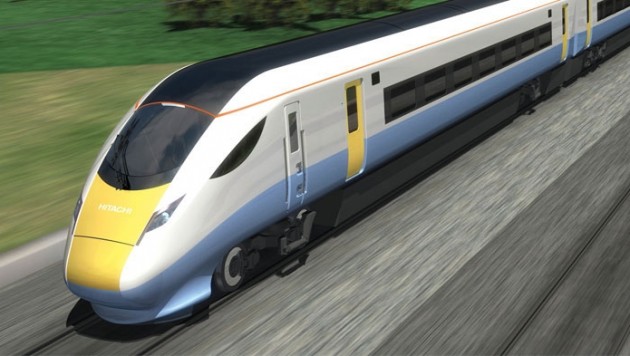
Ticket prices for a one-way trip between KL and Singapore on the proposed KL-Singapore High Speed Rail (HSR) line could cost commuters “less than RM200,” according to a report by the News Straits Times, citing Malaysia’s Land Public Transport Commission (SPAD).
Return trip tickets, on the other hand, could cost “under RM400” to “accommodate all market segments, including business and leisure travellers,” according to Mohd Nur Ismal Mohamed Kamal, CEO of SPAD. “We foresee a much lower average price to make the HSR project feasible. Although the return on investment will take a longer time, the operator will have several options to recoup its investment in the project,” he added.
In Singapore, prices are expected to hover around S$80-90 (RM215-RM242) for a trip, though it is unclear as to whether or not said fare includes a return journey. Also, the proposed pricing structure is said to mirror that of an airline system where a surge/drop in demand for tickets will affect the overall fare on a daily basis.
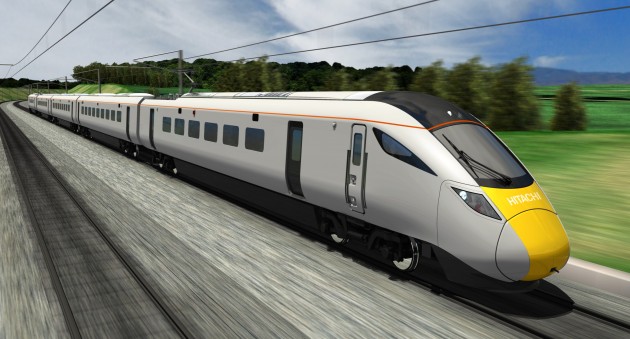
When completed, the Singapore terminus is expected to be located in Jurong East with the surrounding location earmarked for transformation into the Lion City’s second central business district (CBD). Meanwhile, the Malaysian terminus to be situated in Bandar Malaysia in Sungai Besi.
The 330 km-long line was earlier marked for completion in the year 2020 but a reassessment by Malaysian Prime Minister, Datuk Seri Najib Tun Razak, and his Singaporean counterpart, Lee Hsien Loong, has resulted in an open date. With that said, reports are in that the 2020 due date is possible with China offering to complete the project in five years, should it be awarded the contract.
Looking to sell your car? Sell it with Carro.

 1MDB (Malas Dolop Bodoh)
on
1MDB (Malas Dolop Bodoh)
on 

 BYDer
on
BYDer
on  Same L0rrrr
on
Same L0rrrr
on  Same L0rrrr
on
Same L0rrrr
on  Lpost
on
Lpost
on  BNaik
on
BNaik
on  2Cold
on
2Cold
on  nutter
on
nutter
on  Mana MCA and MIC???
on
Mana MCA and MIC???
on  MCA and MIC banayak Ada
on
MCA and MIC banayak Ada
on  care to think?
on
care to think?
on  azri
on
azri
on  HH
on
HH
on  carlies
on
carlies
on  DonkeyKong
on
DonkeyKong
on  Shikamaru
on
Shikamaru
on  joko
on
joko
on  SkullJuJu
on
SkullJuJu
on  stupid nutter brainless scum
on
stupid nutter brainless scum
on  Areyousure
on
Areyousure
on  4G63T DSM
on
4G63T DSM
on  dodgeviper88
on
dodgeviper88
on  kadajawi (Member)
on
kadajawi (Member)
on  kumar
on
kumar
on  Bomoh
on
Bomoh
on  Sam the very Loh
on
Sam the very Loh
on  C.P.MOHAN
on
C.P.MOHAN
on  totti
on
totti
on  Sparcov
on
Sparcov
on  dingdong
on
dingdong
on  MacchaGreen
on
MacchaGreen
on  tokmoh.
on
tokmoh.
on  BLUR SOTONG
on
BLUR SOTONG
on  It is not suppose to be
on
It is not suppose to be
on  sirimusa
on
sirimusa
on  elson
on
elson
on  lokcy
on
lokcy
on  eagletalon
on
eagletalon
on  kckuni
on
kckuni
on  paparazi
on
paparazi
on  Kanna
on
Kanna
on  Ukay
on
Ukay
on  thinko
on
thinko
on  SotSotUser
on
SotSotUser
on  justaflellowmalaysian
on
justaflellowmalaysian
on  ed
on
ed
on  FLY LA
on
FLY LA
on 


AI-generated Summary ✨
Comments mainly discuss the high estimated RM200 one-way and RM400 round-trip fares, viewing them as expensive but somewhat justified for a high-speed, luxury train aimed at business travelers and tourists. Some suggest prices should be lower to be more affordable, especially for families. Several mention that such prices are comparable to international standards, citing Japan and China. There are concerns about affordability for ordinary Malaysians, with opinions that the project benefits the wealthy and Singaporeans more, and some criticize high costs as taxpayer money usage.