


Chinese carmakers and parts suppliers are expected to shift their focus towards tariff-friendly regions such as Southeast Asia, and Malaysia is likely to emerge as a key target, reports the New Straits Times. According to a CIMB Securities note, this could lead to a Chinese vehicle and component import surge, offered at highly-competitive prices to offload excess capacity.
“While this influx may benefit consumers in the short term by providing greater variety, access to advanced electric vehicle (EV) technologies and more affordable options, it would also intensify competitive pressure on domestic players.
“Japanese, South Korean and European marques operating in Malaysia are already feeling the heat, as Chinese brands like BYD and Chery enter the market with advanced features, scale-driven cost advantages and aggressive pricing strategies,” the note said.
It added that despite this, national brands such as Perodua are well-positioned to defend and even expand their market share – the Sungai Choh-based carmaker’s affordable pricing and high local content cushion it from import costs and currency fluctuations, it explained.
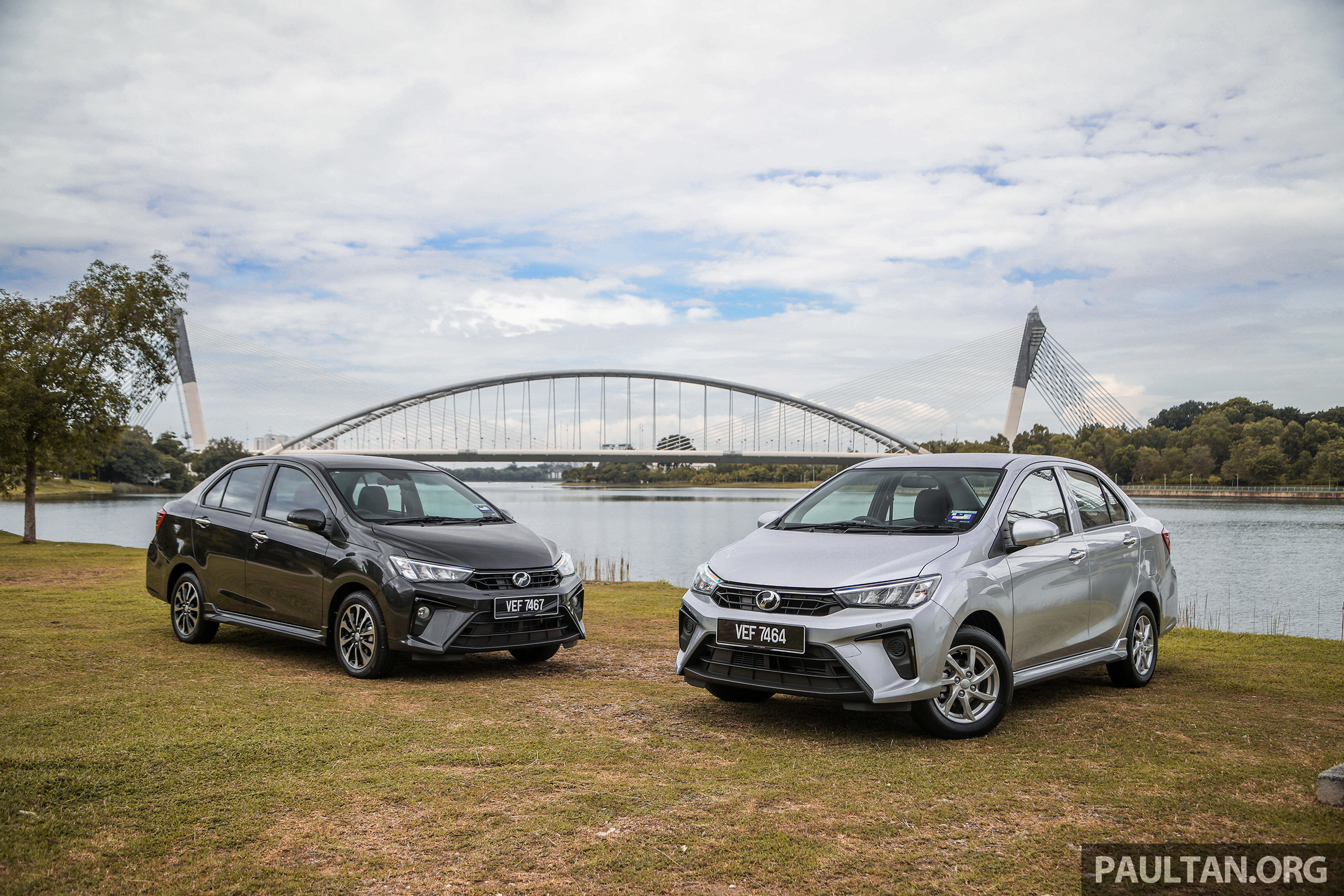
“Its ability to maintain stable pricing is a major advantage as Malaysian consumers become more cost-conscious. Already dominant in the mass-market segment, Perodua stands to gain further if buyers who might have considered foreign brands opt for economical and locally-produced alternatives,” it said.
Although CIMB Securities expects minimal direct impact on Malaysia from Trump’s reciprocal tariffs (due to our limited exports of fully-assembled vehicles and parts), there could be indirect impacts from imported inflation, operational cost pressures and a potential demand slowdown.
“A prolonged tariff conflict and any resultant weakening of the ringgit would raise the price of imported completely-knocked-down (CKD) kits, components and fully-assembled vehicles. Currency volatility could squeeze margins and lead to higher input costs, putting pressure on automakers to either absorb the hit or pass it on to consumers.
“In Malaysia, where motor vehicle purchases are often tied to consumer financing, any deterioration in sentiment could reduce new vehicle bookings. We believe the extent of the impact will depend on the duration and severity of the US-China trade conflict and ringgit volatility,” it said.
Looking to sell your car? Sell it with Carro.




Australian market too will be a target for Chinese automotive brands. Not a bad thing since vehicle with high technology content available at affordable price. Perhaps some localisation to adapt to local needs may be the new trend rather than CBU.
For Proton it’s a big pressure. I m still saying proton’s supply chain must up their capabilities and cost control to join these Chinese supply chain. That’s the way to keep Proton alive
Go Chinaaa
Come Come
More features
More discounts
Kick the Jepun out
Article stated Perodua is well positioned to defend – try putting the Chinese players on level playing field with Perodua and Proton in terms of pricing and remove the RM100k threshold for CBU import and see if Perodua can still defend.
Isn’t the 100k threshold only for EV cars? There is no stopping the Chinese ICE cars to compete at a P2 level right?
Do you think gomen will let them sell their ice at P2’s price bracket?
I doubt that. It’s good to protect our local marques but not at rakyat’s expense.
Ouch! Lol
Since both P1 and 2 are heavily protected,the only way to under cut these 2 brands is by forced entry at ridiculously unthinkable pricing,gain a foothold first..then slowly play longball game…increase pricing once the China brands are extremely competitive.
Time for P1 n 2 to lower their ridiculous pricing,which are a ” beban” to the rakyat.How can a super compact like the MYVI be so expensive ? This kind of socalled “dumping” will shake up the industry,rakyat will benefit from lower car prices.
I could see the Japanese brands loss more market shares in the process. T10 most probably not attract by the dumpling deals , cause they have the means and wanna maintain their status , therefore paying premium for brands like Lexus, BMW and conti.
In other word, Malaysia will become dumping ground for Chinese product.
Dumping means selling below cost. By all means
Malaysia is just behaving like US, but for an even longer time. Putting tariffs on imported cars and raising prices of local cars to protect an uncompetitive local car industry. In the end, the car industry still failed and has to be bought over.
Burdening the people with high loans, interests etc when these money can be used to develop the economy further in various aspects.
after what happened with Geely with Proton factory workers, I doubt if other Chinese car makers heard about the working culture here, they’d want to setup factory here.