
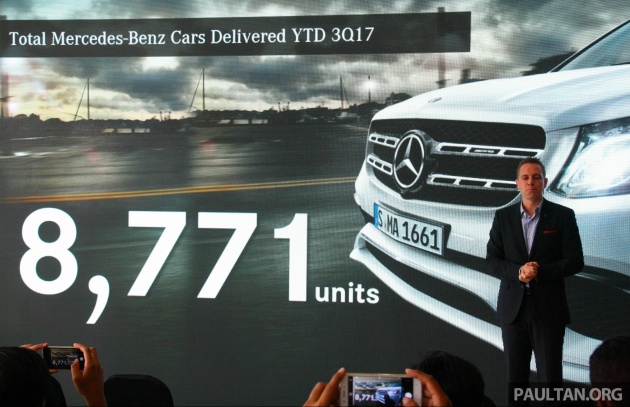
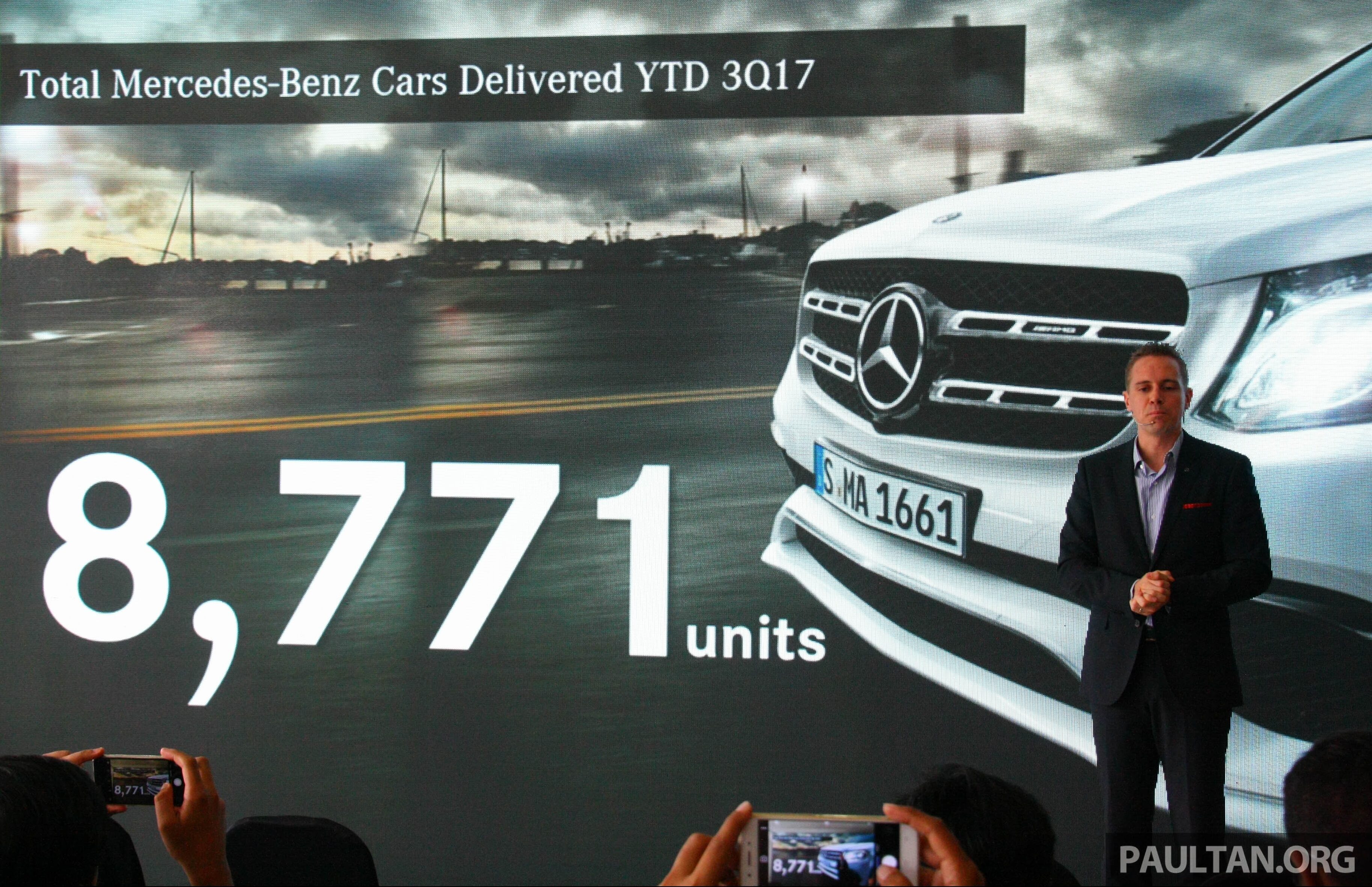
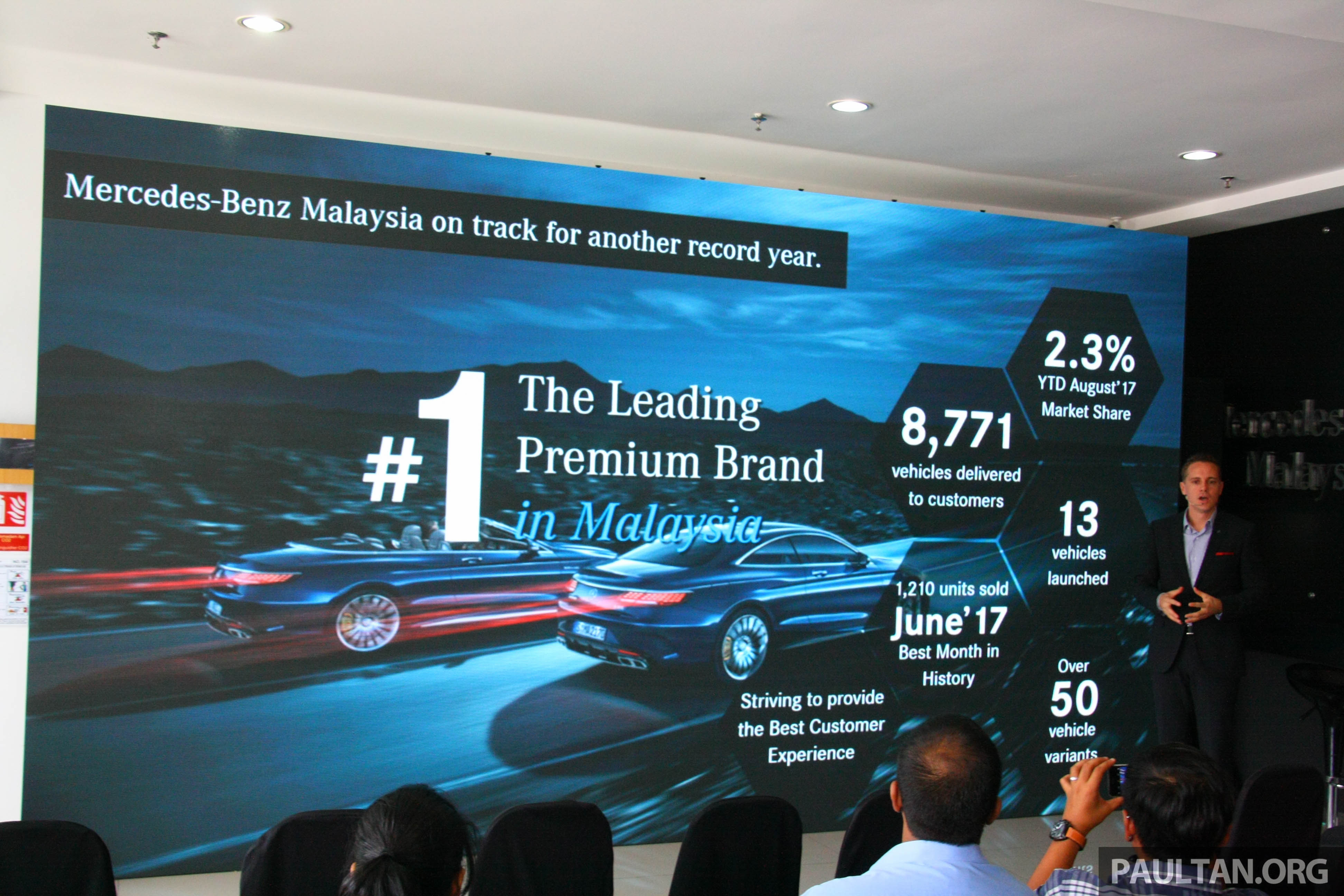
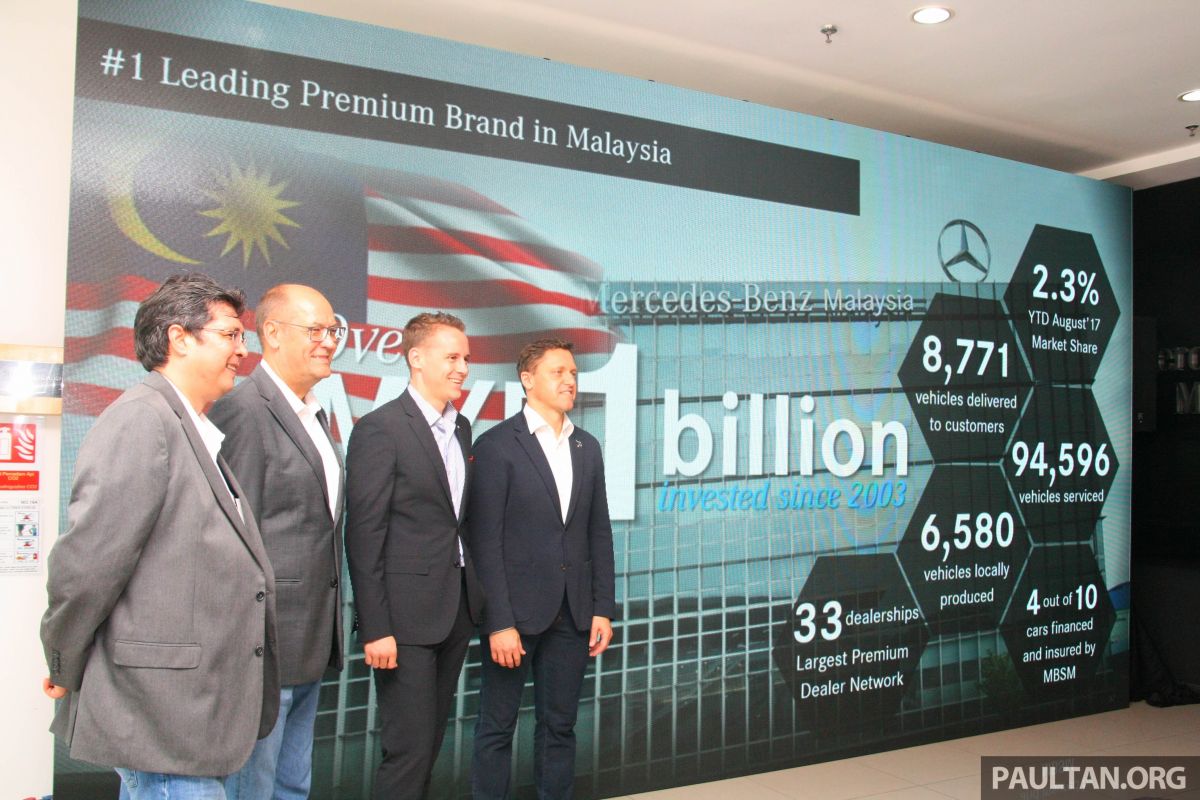
Mercedes-Benz Malaysia (MBM) has just announced its performance results for the third quarter of 2017, which sees a total of 8,771 vehicles sold to date. This represents a dip in vehicle deliveries compared to the 9,047 units in the same period last year, though this remains in line with this year’s first-half figure, which was also slightly down on the corresponding 2016 period’s tally.
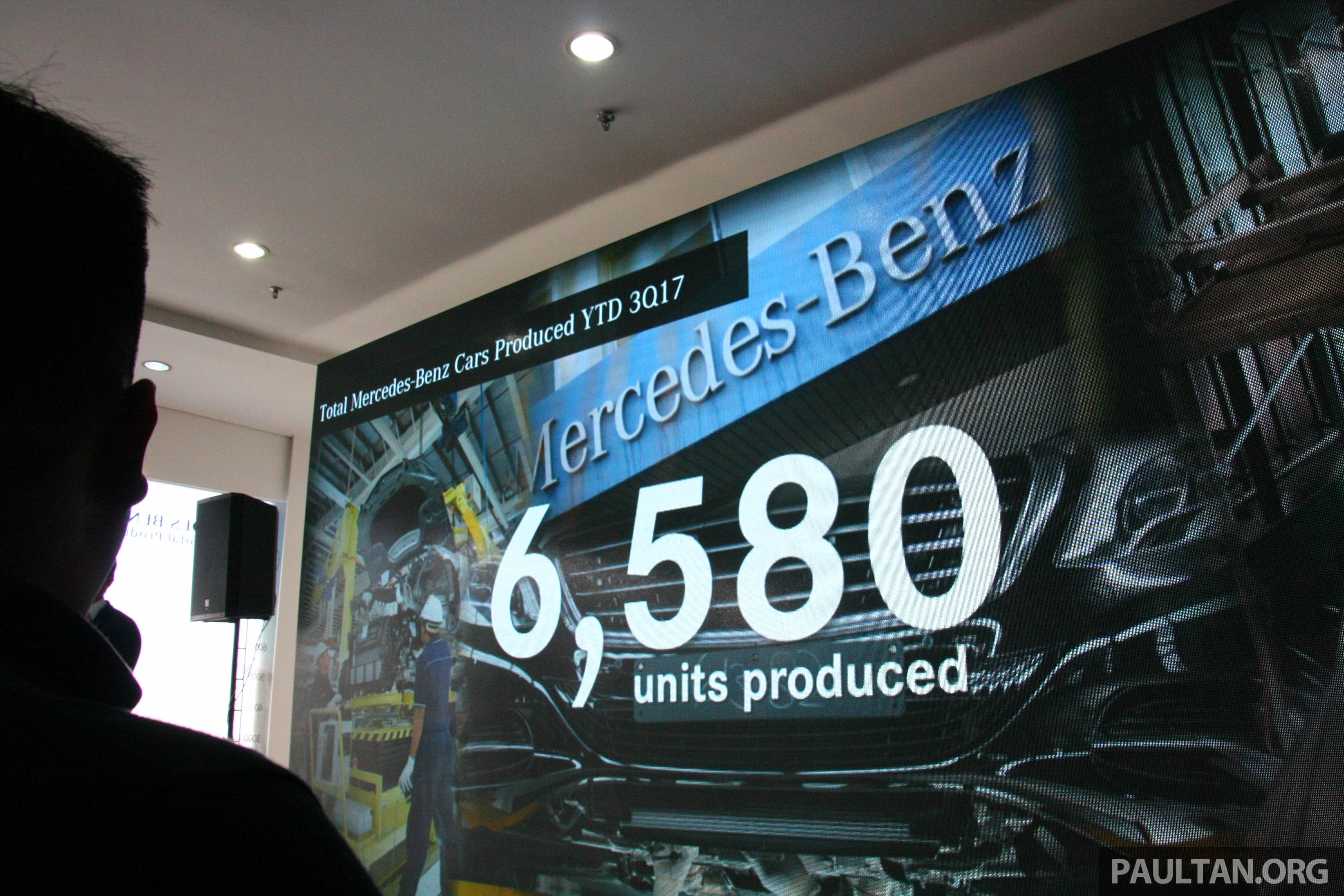
Of the overall 8,771 units delivered in the third quarter, 6,580 were locally assembled units, contributing to a 2.3% market share in Malaysia as of August 2017. As with the previous quarter, MBM’s passenger car sales performance was led by the sedan range comprising the C-Class, E-Class and S-Class, with the lead taken by the C-Class with 3,044 units, while the E-Class comprised 1,891 units in this period.
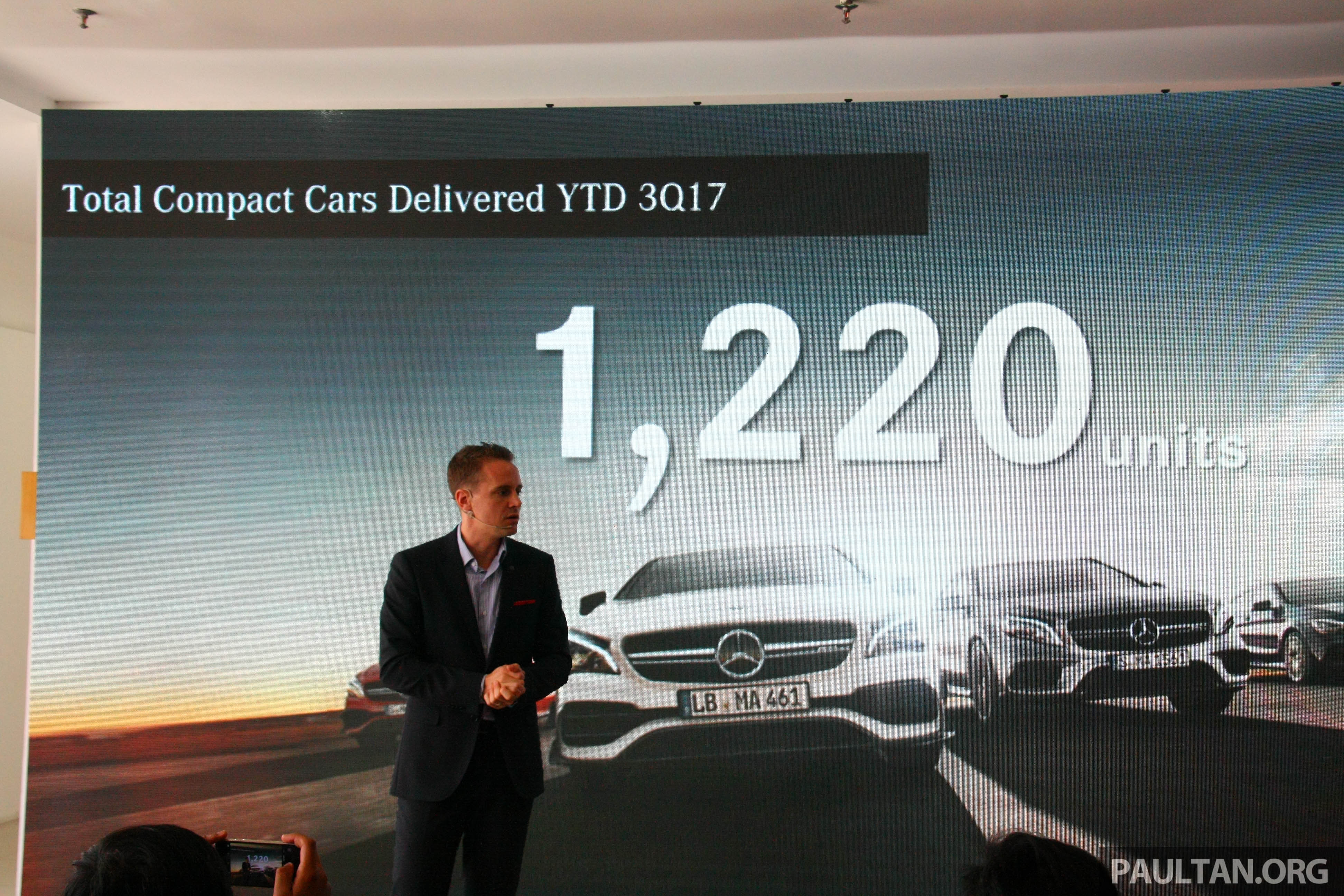
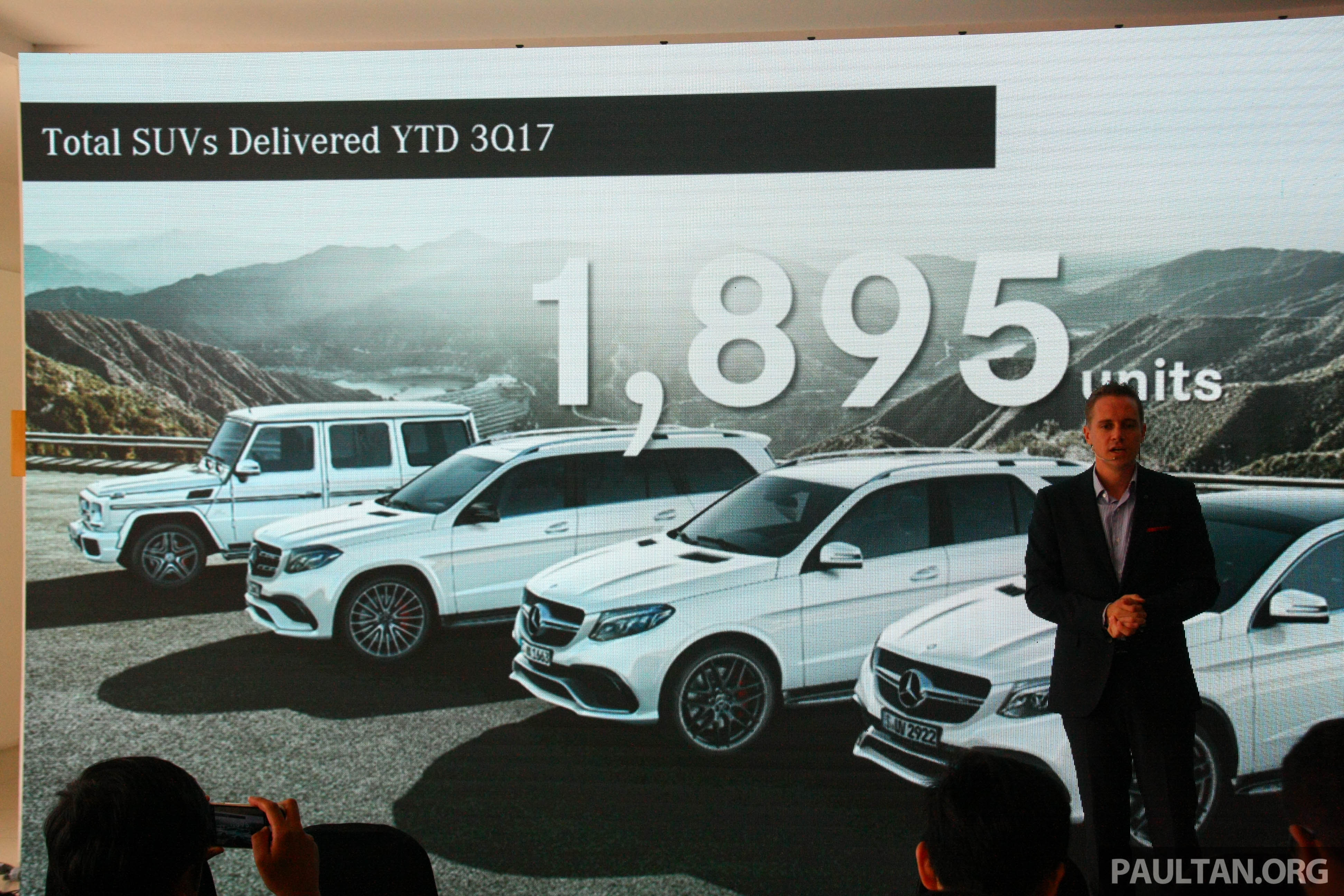
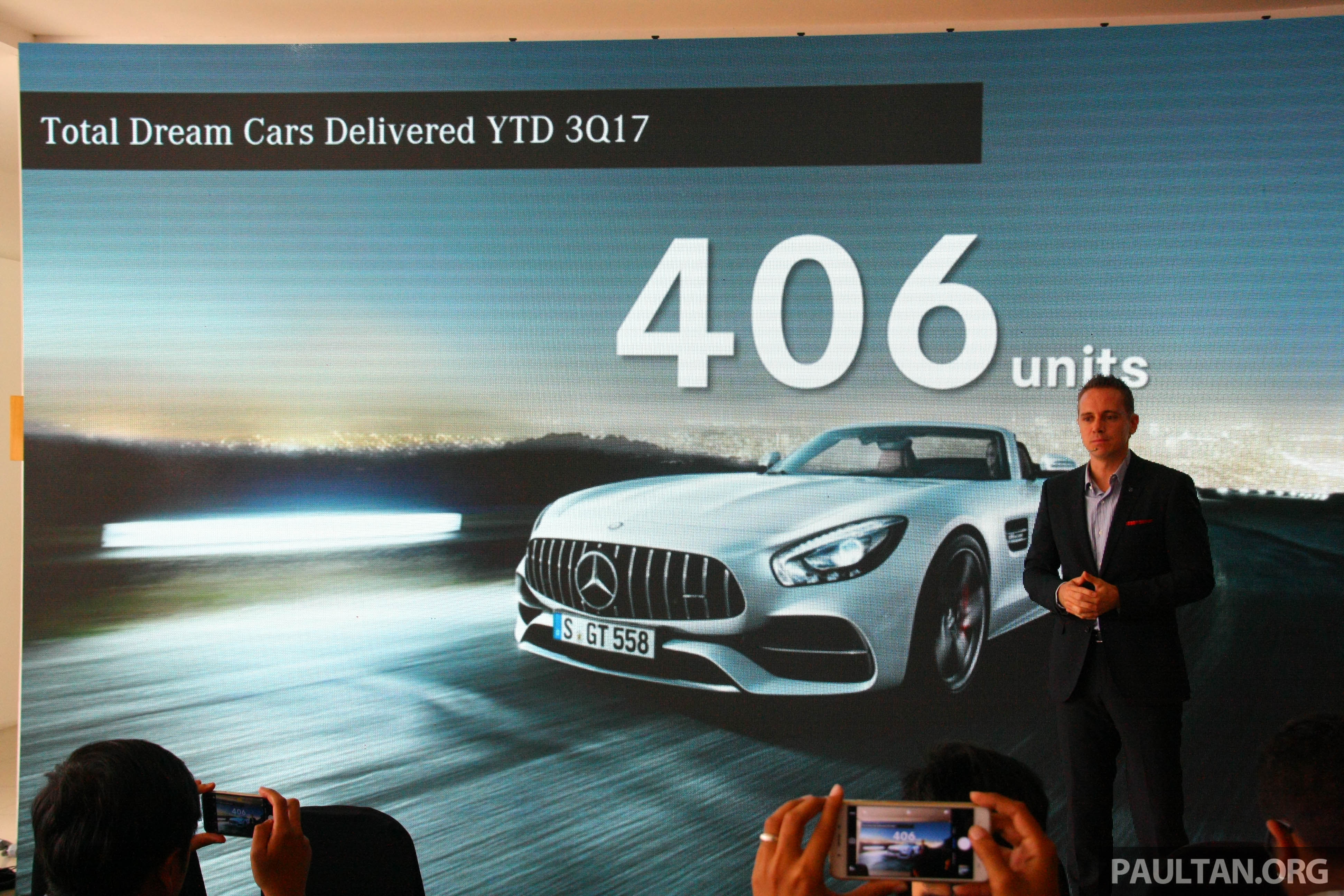
The brand’s SUV line-up contributed 1,895 units to the third quarter sum, while the compact car range accounted for 1,220 units in this period. The crowning Dream Cars range added 406 units to the roll for Q3 2017. Two additional models were launched in this period, the Mercedes-AMG E 63 S and the GLC 200.
Meanwhile, the company saw 94,596 vehicles serviced at its network of outlets in the first nine months, up 18.3% from last year. The company’s financing arm, Mercedes-Benz Services Malaysia, charted a growth in its portfolio to RM2.2 billion in the year-to-date Q3 2017, up 22.2% over the same period last year.
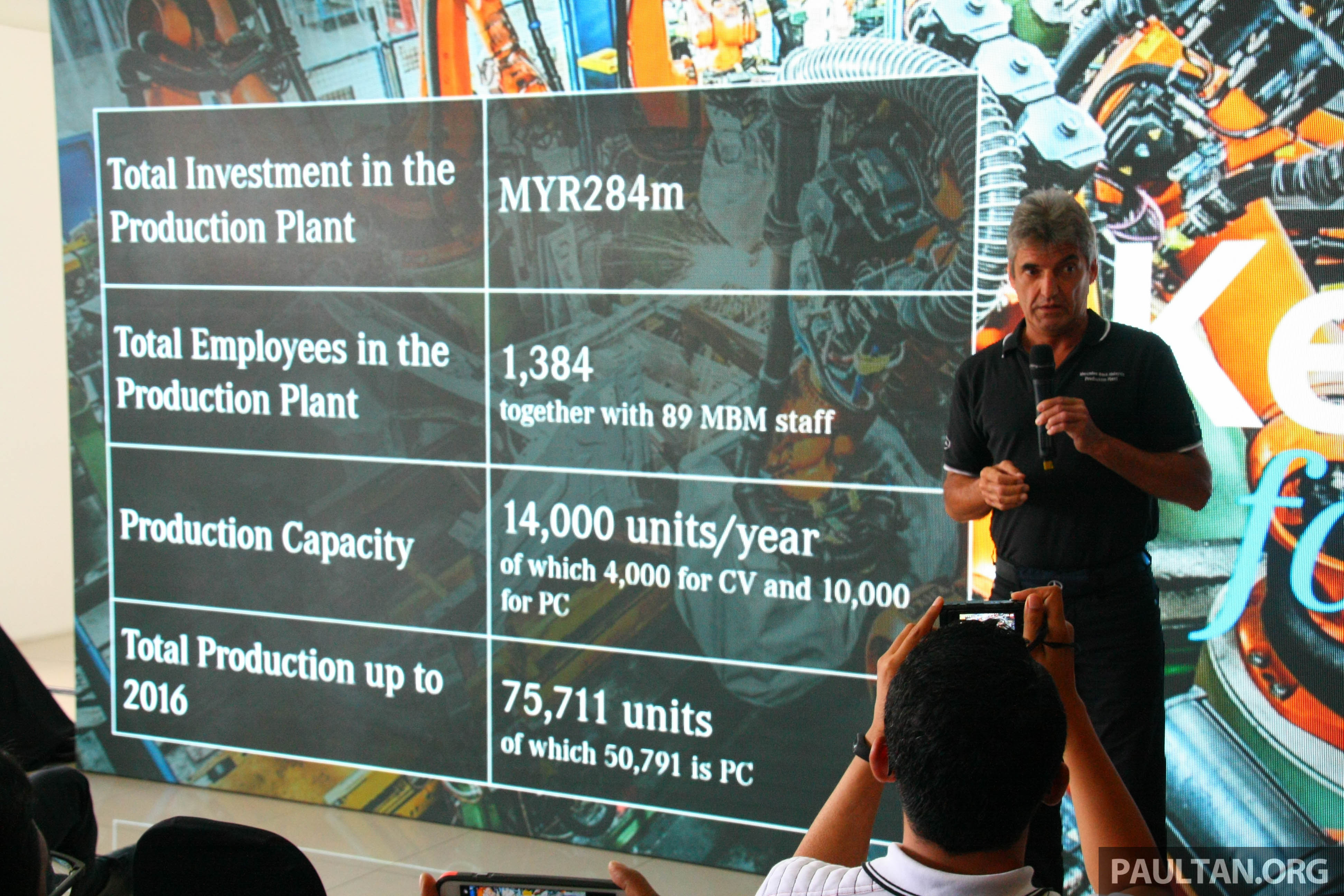
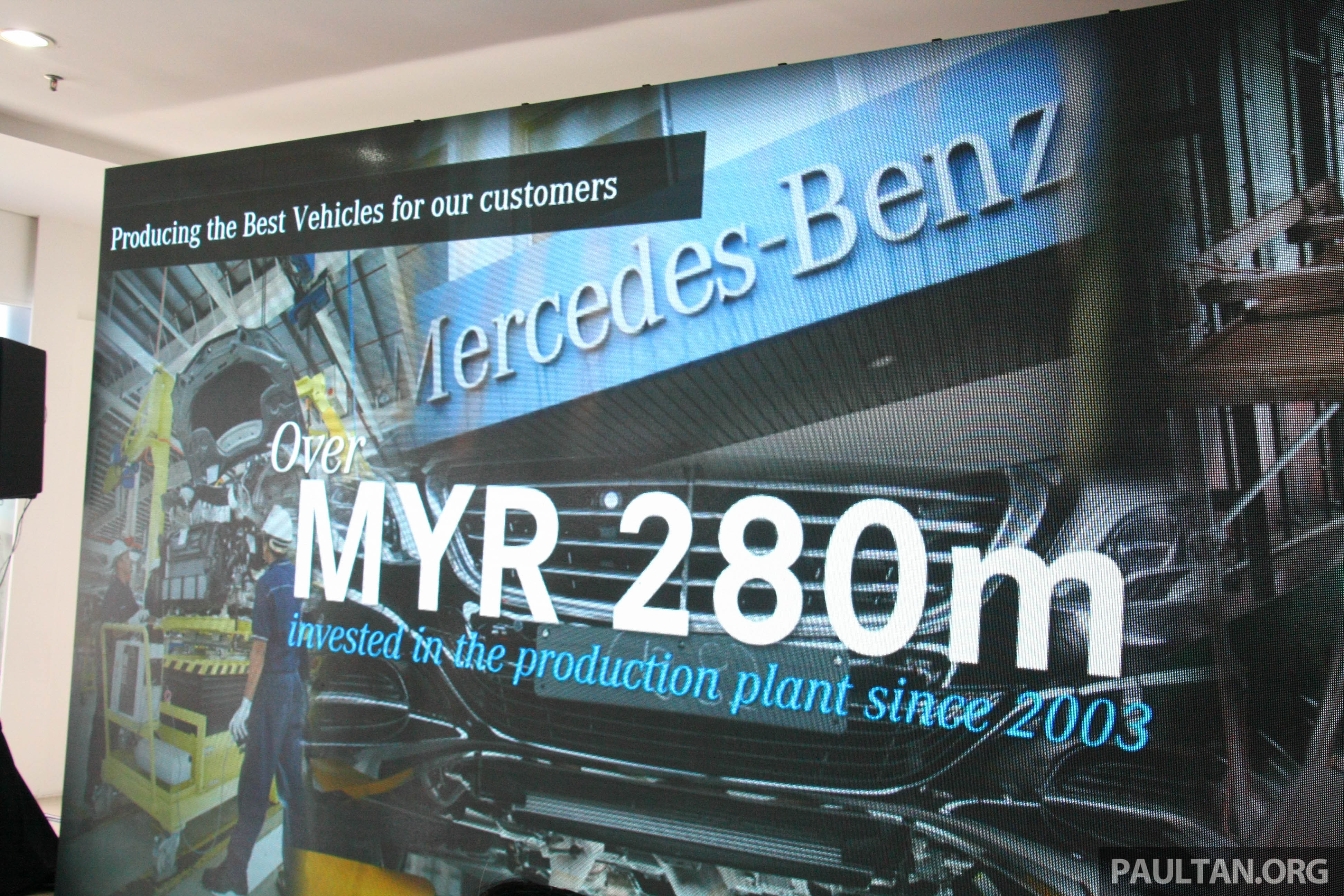
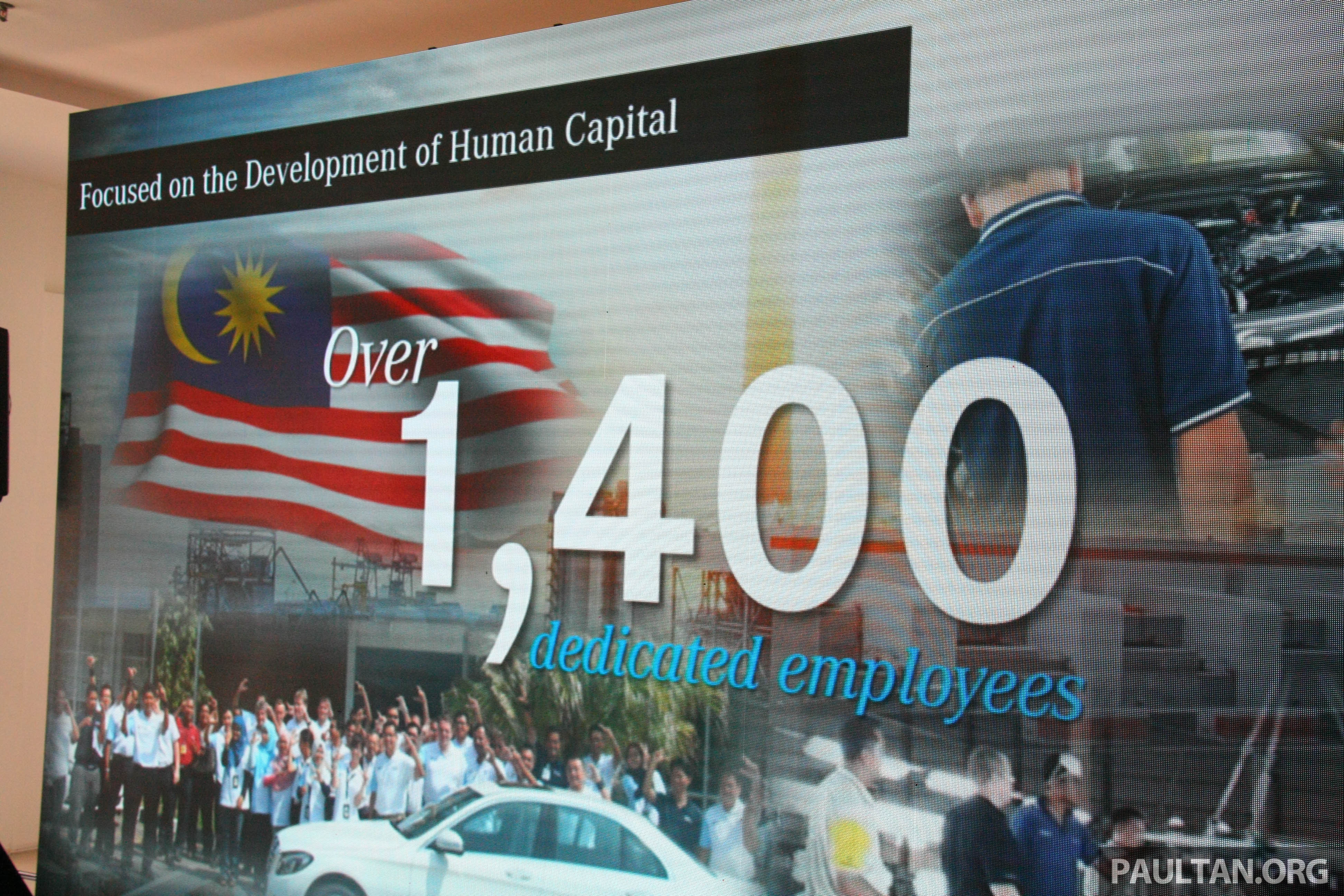
The briefing also highlighted the brand’s commitment to local industry, with RM1 billion invested into its local operations since 2003; Mercedes-Benz Malaysia currently employs 1,400 staff in total.




Looking to sell your car? Sell it with Carro.

 rosdi
on
rosdi
on 

 Man of steel
on
Man of steel
on  Tas
on
Tas
on  Fenix
on
Fenix
on  Exvolvo
on
Exvolvo
on  william
on
william
on  Same Lorrr
on
Same Lorrr
on  Colvok coxk
on
Colvok coxk
on  sushi sucks
on
sushi sucks
on  TaknakP1
on
TaknakP1
on  Heng
on
Heng
on  Audi Fans
on
Audi Fans
on  Abd Karim
on
Abd Karim
on  wydle
on
wydle
on  victor
on
victor
on  Malaysia Got Free Parking
on
Malaysia Got Free Parking
on  Operation Manager
on
Operation Manager
on  Volvo is crappy mobila
on
Volvo is crappy mobila
on  KL Has Fallen (2017)
on
KL Has Fallen (2017)
on  john
on
john
on  k4s1m
on
k4s1m
on  4bini
on
4bini
on  Jimmy
on
Jimmy
on  Ais Kacang
on
Ais Kacang
on  Best or Nothing
on
Best or Nothing
on  Bittermuch
on
Bittermuch
on  f-up
on
f-up
on  Najib
on
Najib
on  Heng Lee
on
Heng Lee
on  Bmwluxury
on
Bmwluxury
on  rosham
on
rosham
on  tokmoh.
on
tokmoh.
on  jibby v2.80
on
jibby v2.80
on  winrar
on
winrar
on  Aero (Member)
on
Aero (Member)
on  C. P. MOHAN
on
C. P. MOHAN
on  Pp
on
Pp
on  Semi-Value (Member)
on
Semi-Value (Member)
on 


AI-generated Summary ✨
Comments mainly focus on Mercedes-Benz Malaysia's sales figures, market positioning, and pricing strategies. Some express skepticism about the brand's image, viewing Mercedes as household or taxi-like, while others highlight its status symbol value in Malaysia. There is discussion about Volvo’s limited CKD production and its niche market, contrasting with Mercedes’ high-end positioning. Several commenters criticize government regulation and high prices, suggesting Mercedes targets the wealthy and noting the brand's perceived decline in prestige amid increasing competition.