
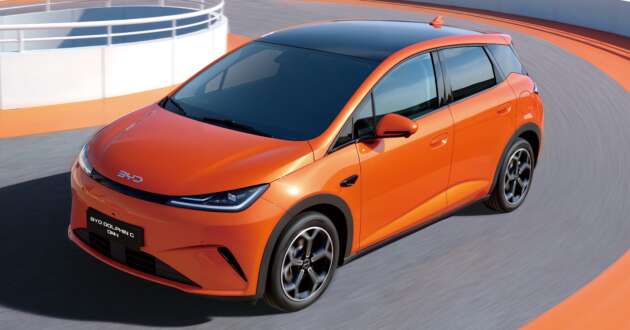
The BYD Dolphin G was revealed last month, and we now get more details about the plug-in hybrid B-segment hatchback. Designed specifically for the European market, it will be available to order on the continent within the next couple of months, with deliveries kicking off in the fourth quarter of the year.
Among the details is what’s powering the car – BYD’s latest fifth-generation Dual Mode-Intelligent (DM-i) powertrain, making its debut in Europe. This consists of a 95 PS/120 Nm 1.5 litre four-cylinder engine and a 163 PS/210 Nm electric drive motor, along with a generator motor, a dedicated hybrid transmission (DHT) and a clutch to allow the engine to occasionally drive the wheels.
Total system output depends on the Blade LFP battery provided – the base model with a 7.42 kWh battery produces 176 PS and 210 Nm of torque, while other variants with a 18.3 kWh pack get boosted to 212 PS. Despite this, all models get from zero to 100 km/h in 8.3 seconds on their way to a top speed of 180 km/h.
Those batteries, by the way, deliver a claimed electric range of 40 km with the 7.42 kWh unit and 105 km with the 18.3 kWh one, and with a 42 litre fuel tank, total range figures are quoted at 1,019 km and 1,040 km respectively. Fuel consumption is rated at 23.2 km per litre (4.3 litres per 100 km) with the 7.42 kWh battery and 22.2 km per litre (4.5 litres per 100 km) with the 18.3 kWh pack.
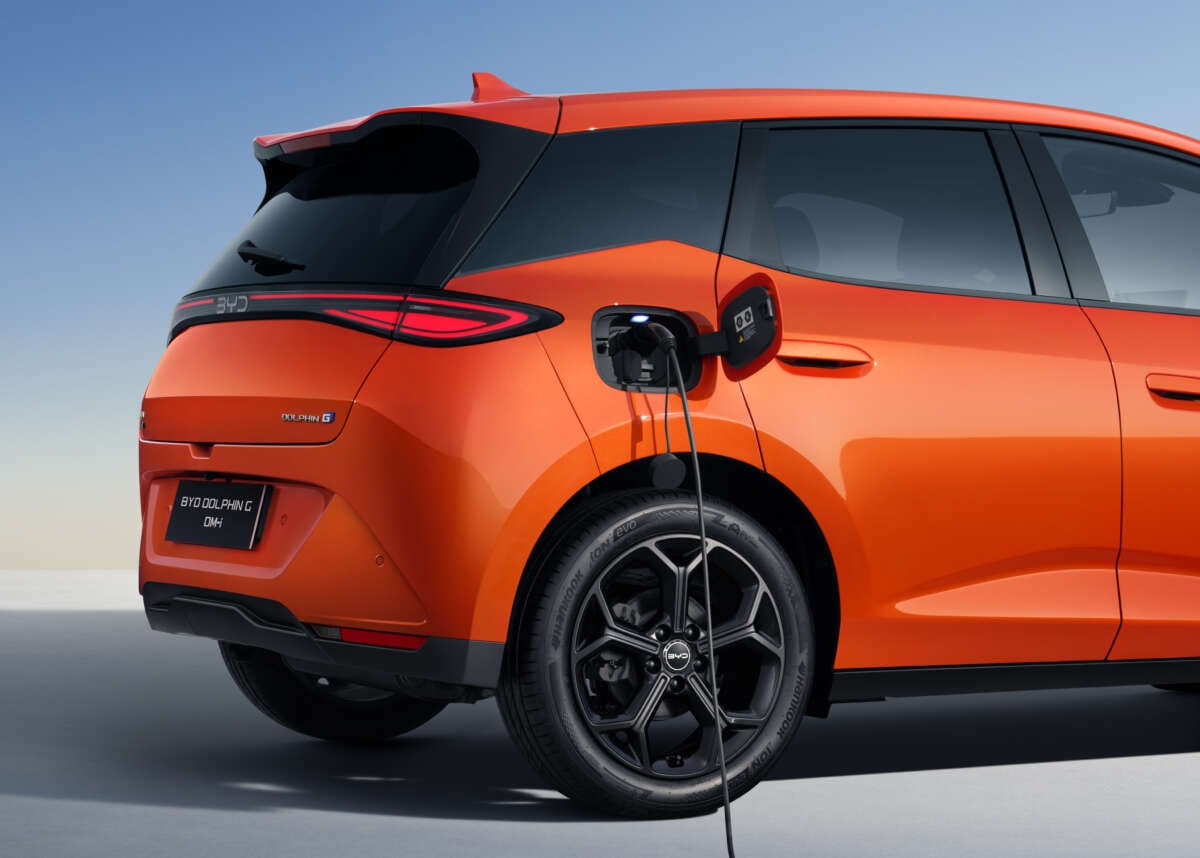
Charging speeds also vary depending on the battery chosen – the 7.42 kWh battery only accepts up to 3.3 kW of AC charging, filling it from 15 to 100% in 2.8 hours. The 18.3 kWh pack doubles that to 6.6 kW, but even so, its larger capacity means it takes slightly longer to be charged back up, at 2.9 hours. The larger battery is also the only one to support DC fast charging at up to 39 kW, for a 10 to 80% top up in 26 minutes.
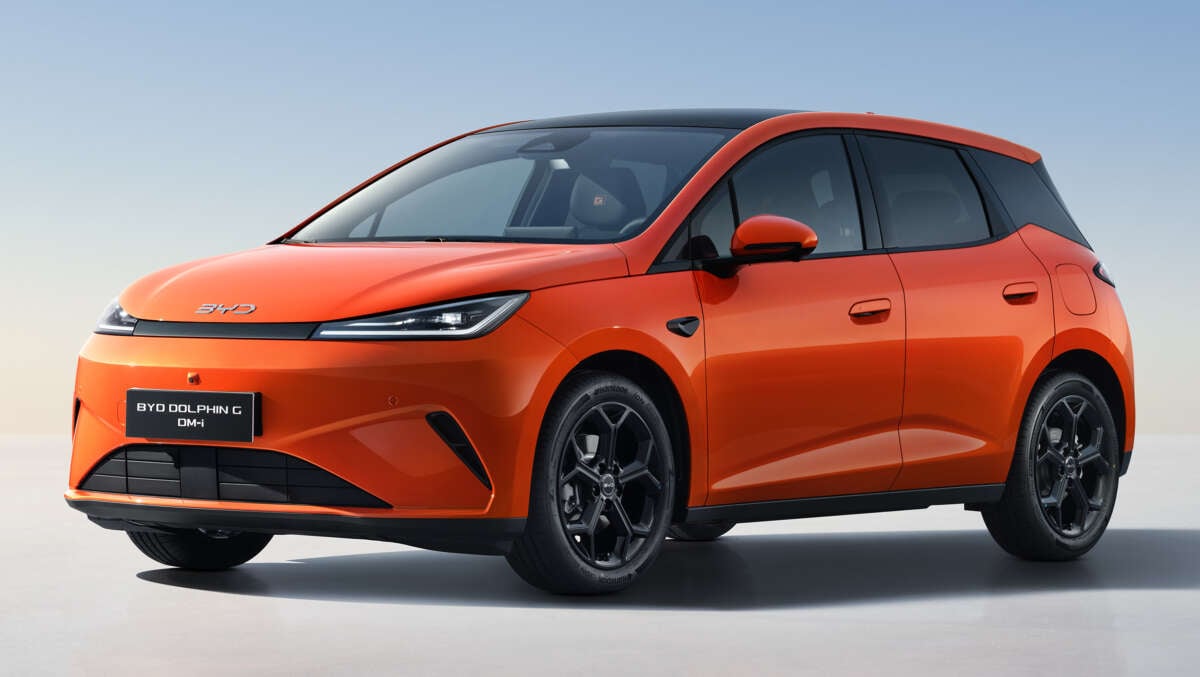
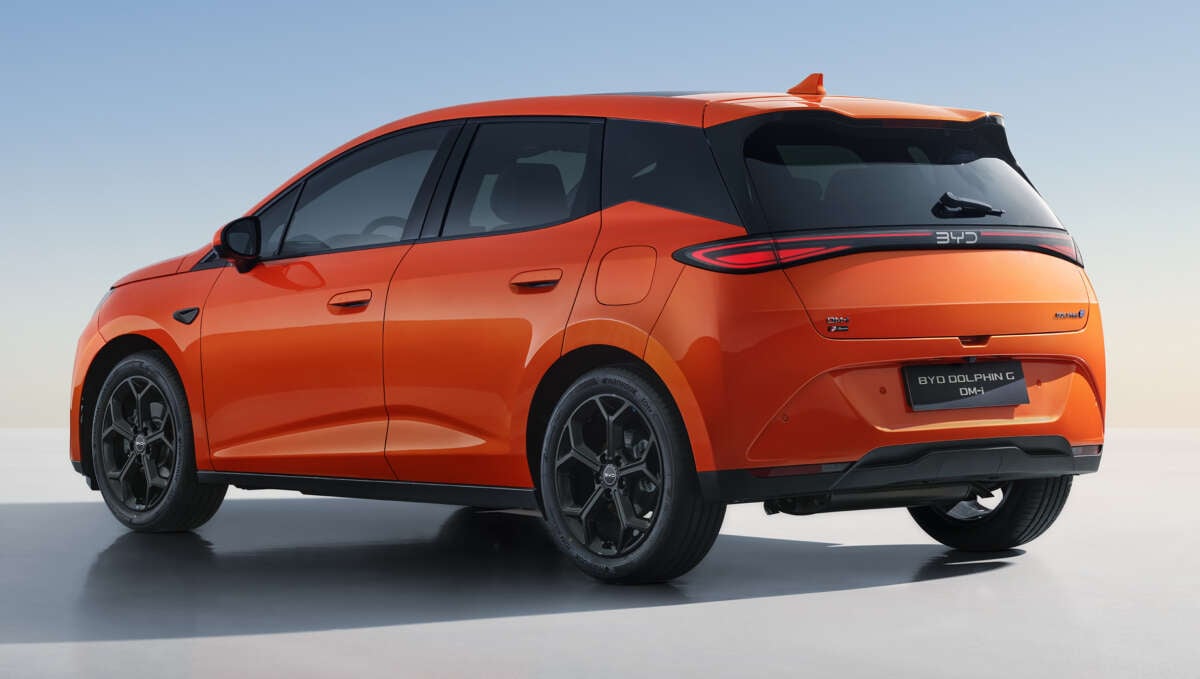
Slotting in between the electric version and the diminutive Dolphin Surf (i.e. the Atto 1), the Dolphin G measures 4,160 mm long, 1,825 mm wide and 1,575 mm tall, making it 130 mm shorter but 55 mm wider and five millimetres taller than the regular Dolphin. Its 2,610 mm wheelbase, meanwhile, is 90 mm shorter.
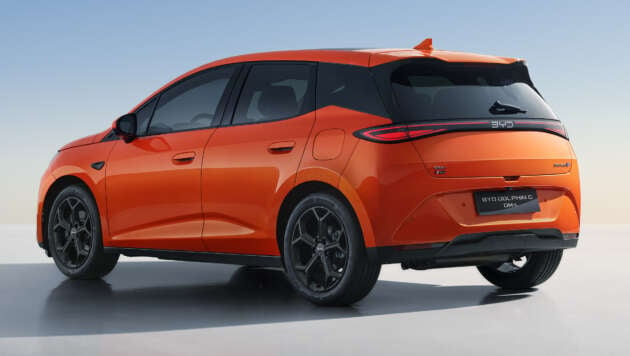
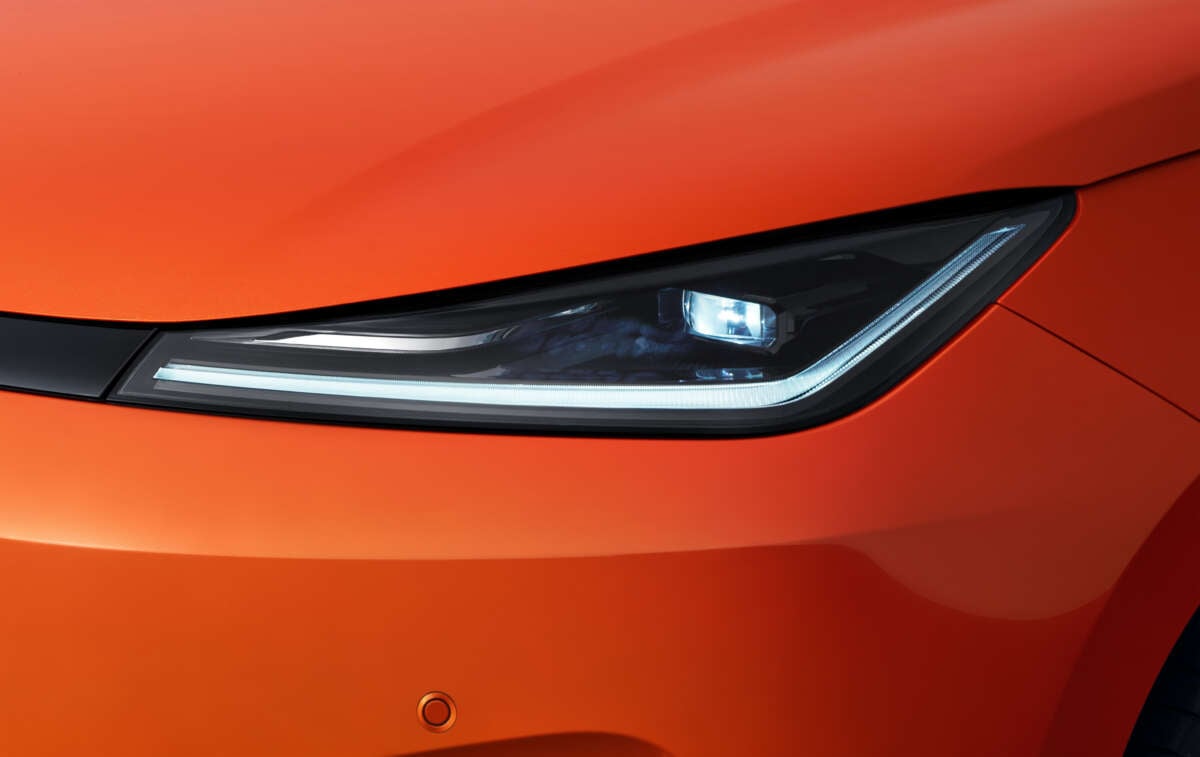
On the outside, the Dolphin lineage is fairly obvious, with the G retaining the streamlined one-box body style and blacked-out C-pillars for a “floating roof” look. However, the design is sleeker and sportier with slim triangular headlights joined together by a simple black strip, plus a downturned centre air intake with an active grille shutter and slim corner inlets.
Along the side, the myriad of lines on the electric Dolphin have been smoothened out, with a simple shoulder crease, flush pull-up door handles and triangular surfacing along the flanks being the only adornments. The window line rises past the rear doors but then drops to meet the full-width taillights to create a “kick” motif. The alloy wheels measure either 16 or 18 inches in diameter depending on the trim level.
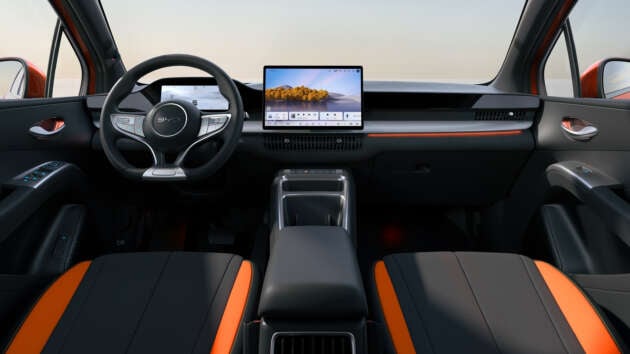
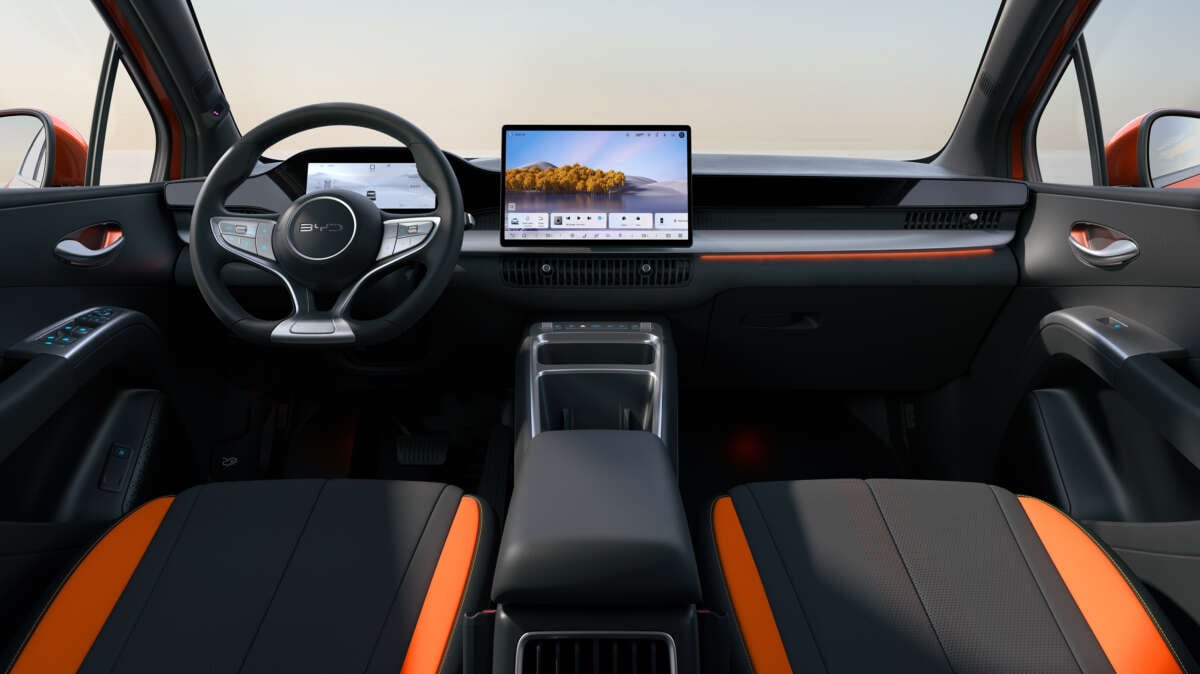
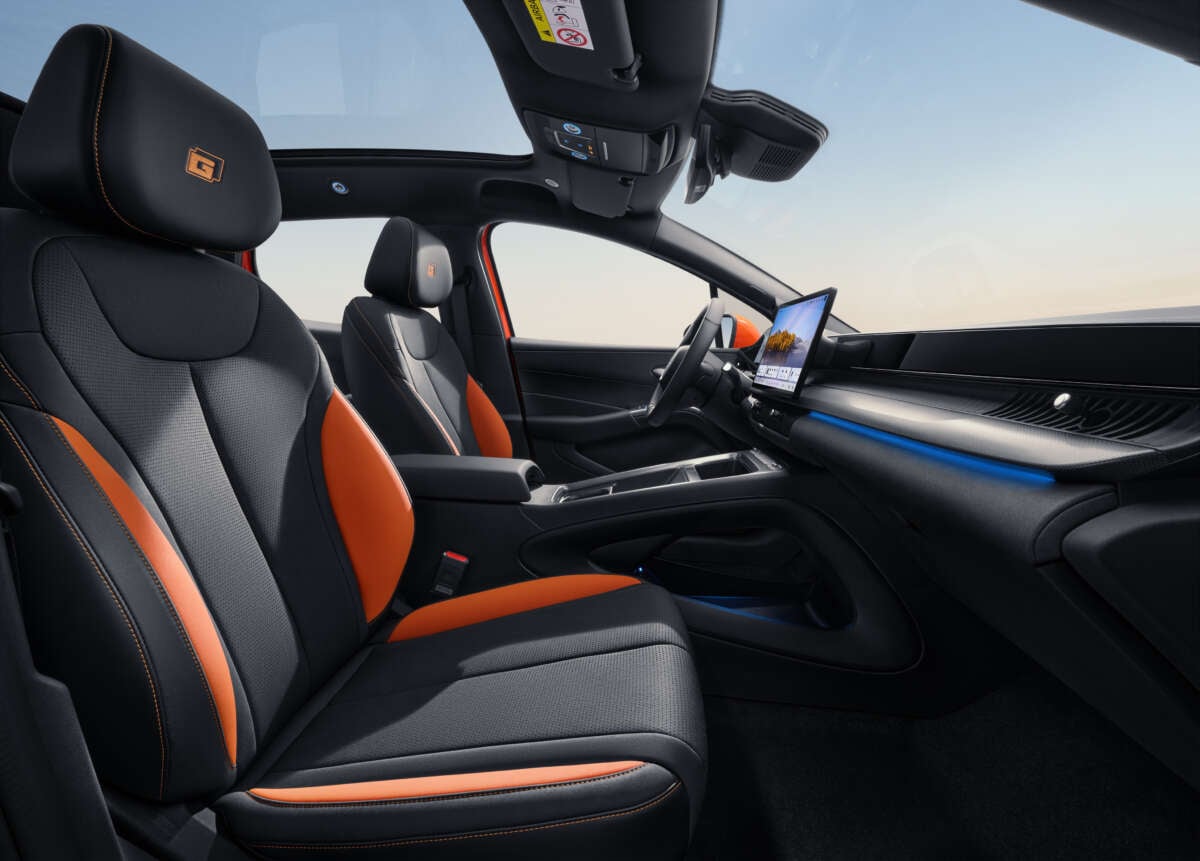
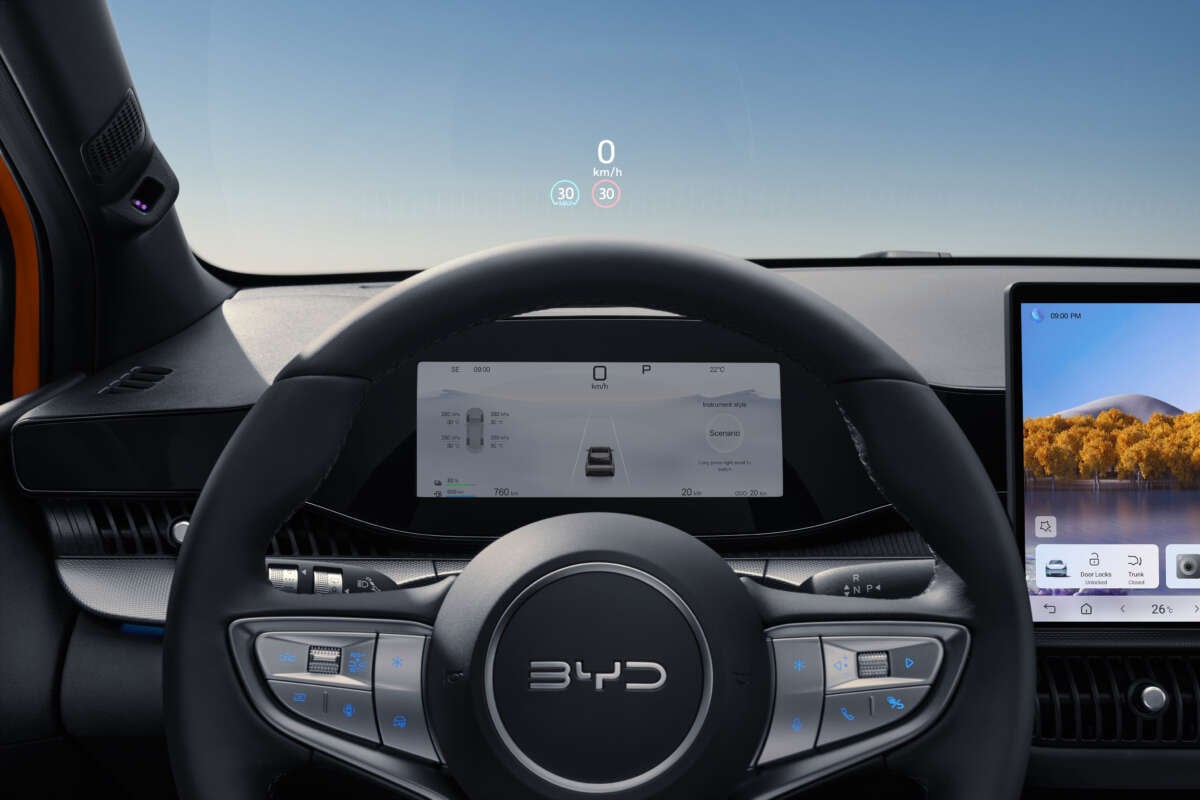
Inside, the G is rather sober compared to the original Dolphin, replacing the flowing lines with a simple horizontal dashboard design, replete with a flat gloss black panel that also houses the 8.8-inch instrument display (much larger than the five-inch unit in the electric model). The round air vents have also been replaced by simpler rectangular vents with vertical fins.


There are still some playful touches, such as the dolphin fin-inspired door handles and an ornate steering wheel with wing-shaped spokes. Depending on the trim level, the infotainment touchscreen measures 10.1 or 12.8 inches across, and you get wireless Apple CarPlay and Android Auto, Google services built in and even a head-up display on the range-topper.
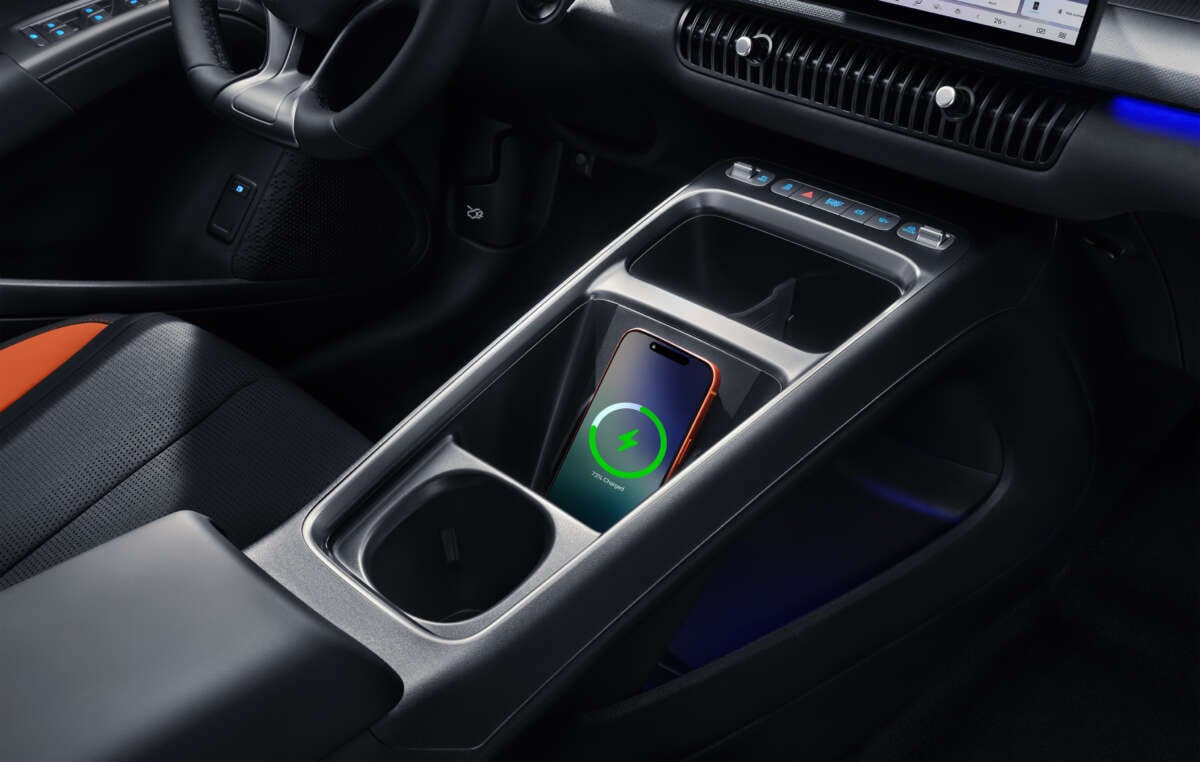
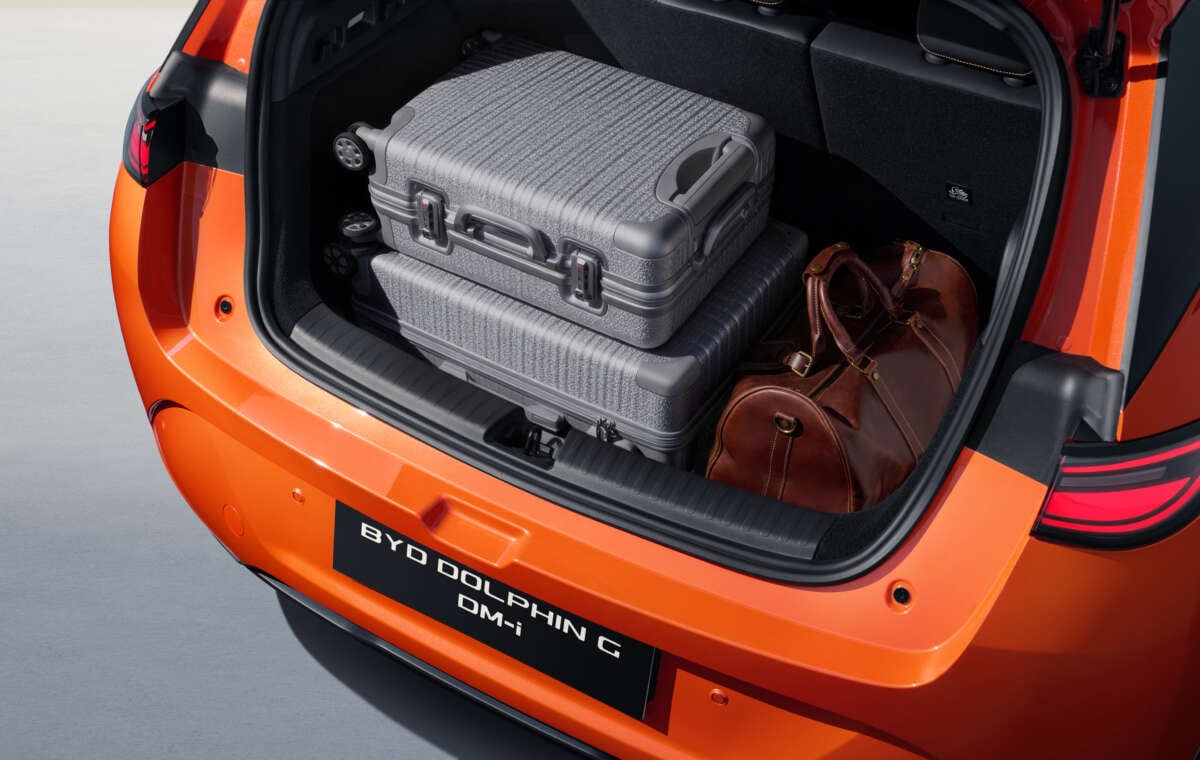
Meanwhile, the gear selector, previously a dial below the centre “shelf”, has been moved to the steering column. This makes space for a bridge-style centre console, equipped with a 15-watt Qi wireless charger and no less than three cupholders. There’s also a powered driver’s seat, a panoramic glass roof with a retractable sunshade, vehicle-to-load (V2L) at 3.3 kW and a 360-degree camera, as well as a large 425 litre boot.
It remains to be seen if the Dolphin G will be offered in Malaysia to complement the electric model, but the relative expense of the PHEV powertrain would likely push its price beyond natural rivals like the Honda City Hatchback and Toyota Yaris. It would also depend heavily on BYD being able to assemble its cars locally, either by restarting its stalled plant in Tanjong Malim or collaborating with a contract manufacturer like Sime Motors. Would you like to see this car here? Let us know in the comments.
Looking to sell your car? Sell it with Carro.



Read that many Chinese auto companies in red due to unhealthy competition..that is why we are getting cheapo crap here due to dumping…seems these Chinese auto are slowly dying..bye3
china should follow example of meetee , prevent unhealthy competition with trade barriers , upload their local boomee marwah (gidnity). then their local car makers will prosper and flourish just as proton and perodua have flourished.
Funny, been hearing that since years ago. You ignoramus in 2019 also said the X70 will fail bcos Malaysians dont want chinese cars. Idiots like this lipas will always be idiots because of their stubborn to change mentality.
Great….looks like China will be doing the Euro move, yeah u tariff our EV, we just sell u the PHEV & HEV instead to circumvent the MITI….yes, good for us consumer
So Cute like gen1 smart forfour
this is such a good evolution of the dolphin design. sad we probs won’t ever see this here since they’d rather sell the atto 2 instead.
Would really love to see more affordable PHEV here. I’m not a fan of proton emas 7 phev due to its protectionist policies that puts consumers at a loss. Now Chery tiggo 7 phev at rm109000 is so tempting but it’s a FWD
sell this here for 60k and let useless potong and prodaihatsu to rot and go bankrupt
no, i will forever protek and tongkat p1 and p2
Boycott CCP cars!
Enough of CCP crap in Malaysia!
Those who boycot tis and boycot that, go check ur brain ya… even u buy a H & T… u still use parts from china…. LOL what a joke u make of urself… ur so call peroGUGU car also have alot OEM parts from china…. u can bullshit all ur shit … they are malaysian brand, thailand lanjiao brand… but in the end… most of them come from china… aside of this, most cloth u wear, ur fucking sport shoes from nike and so on…. also made in china… even the most suka punya american TESLA and IPHONE…. also made in china… go on keep dreaming ur GUGU bird off!