
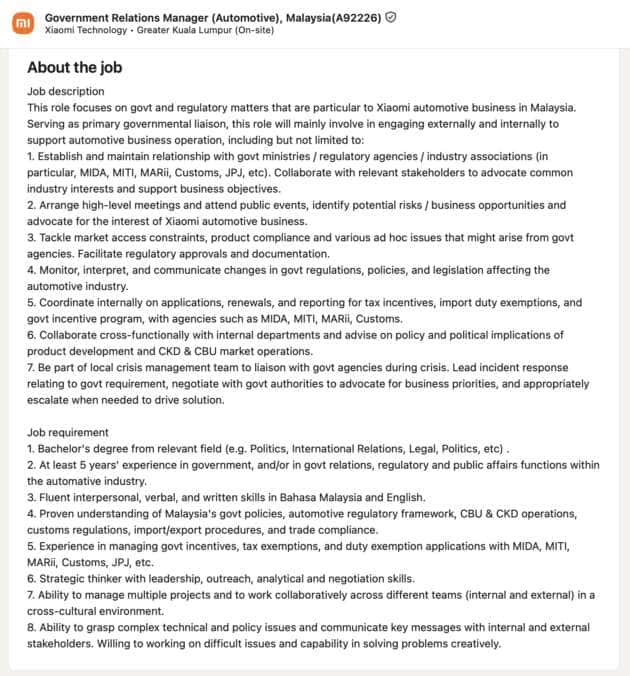
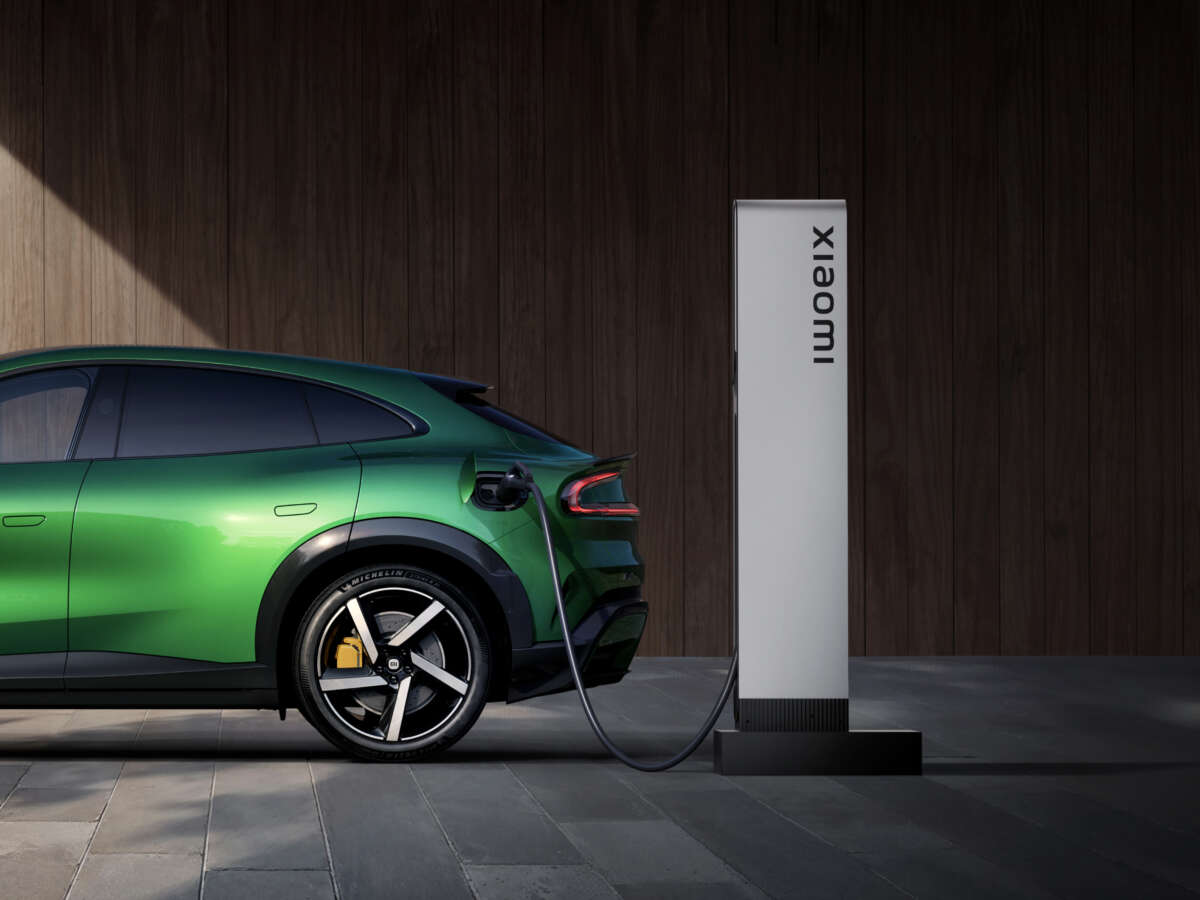
Xiaomi’s car business is coming to Malaysia – or at least that is the intention, we have learned from a new job listing posted by the Chinese tech giant on Linkedin this week. On July 14, Xiaomi Technology put up an opening on LinkedIn for a Government Relations Manager (Automotive), Malaysia, a full-time, on-site role based in the Greater Kuala Lumpur area.
According to the listing, the role “focuses on govt and regulatory matters that are particular to Xiaomi automotive business in Malaysia,” serving as the company’s primary governmental liaison. The successful candidate will be expected to establish and maintain relationships with government ministries, regulatory agencies and industry associations.
The listing specifically names the Malaysian Investment Development Authority (MIDA), the Ministry of Investment, Trade and Industry (MITI), the Malaysia Automotive, Robotics and IoT Institute (MARii), the Royal Malaysian Customs Department and the Road Transport Department (JPJ).

Two line items in the job description stand out. The first tasks the hire with coordinating “applications, renewals, and reporting for tax incentives, import duty exemptions, and govt incentive program” with MIDA, MITI, MARii and Customs. The second asks the candidate to advise on the policy implications of “product development and CKD & CBU market operations.”
That CKD (completely knocked down, i.e. local assembly) reference is the interesting bit. Candidates are also required to have a “proven understanding of Malaysia’s govt policies, automotive regulatory framework, CBU & CKD operations, customs regulations, import/export procedures, and trade compliance,” along with experience managing government incentive, tax exemption and duty exemption applications with the same agencies. Fluency in Bahasa Malaysia and English is required, alongside at least five years’ experience in government or in government relations, regulatory and public affairs functions within the automotive industry.
Malaysia’s import and excise duty exemption for fully-imported (CBU) EVs expired on December 31, 2025, and from July 1, 2026, CBU EVs brought in under the franchise AP scheme are subject to a minimum CIF value of RM200,000 and a minimum motor output of 180 kW – on top of import duty, excise duty and sales tax. The route to competitive EV pricing in Malaysia now runs through local assembly and MIDA-approved incentives, which is exactly the terrain this new hire would be working.
In other words, Xiaomi intends to staff up for the regulatory work that precedes a market entry, and it is at minimum keeping the local assembly option open.

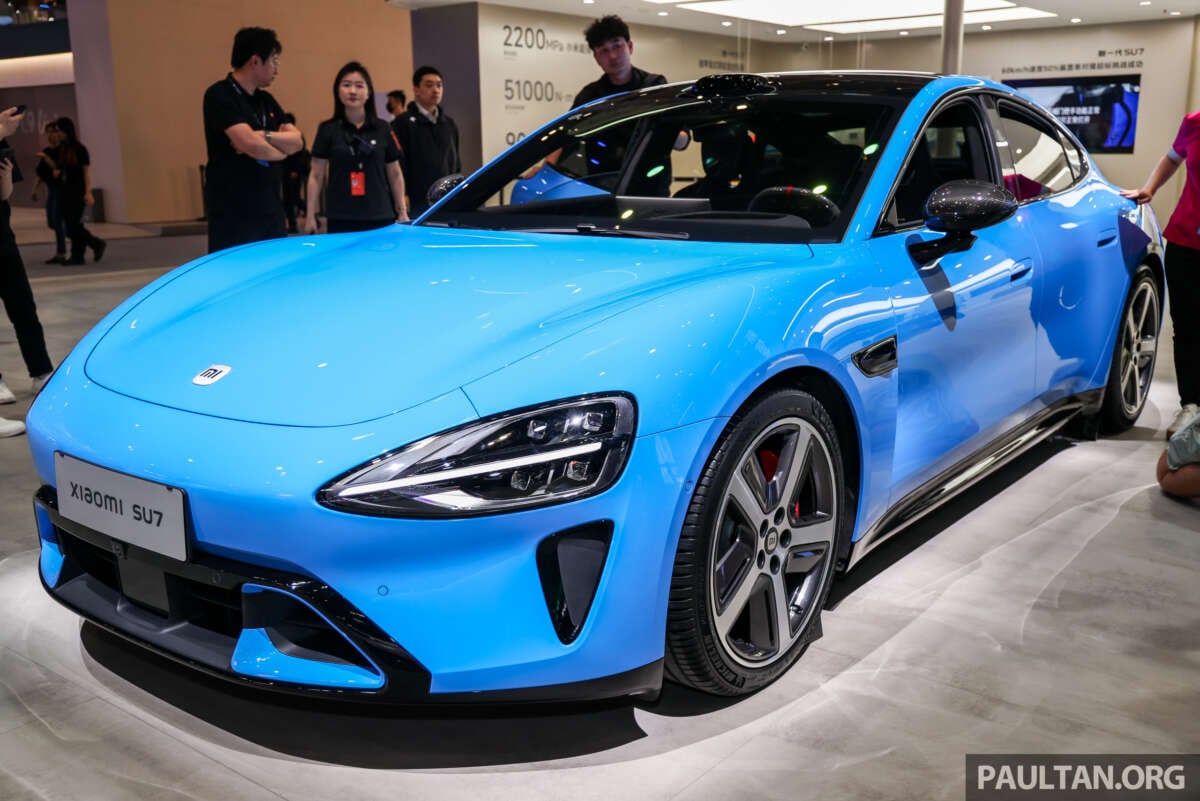
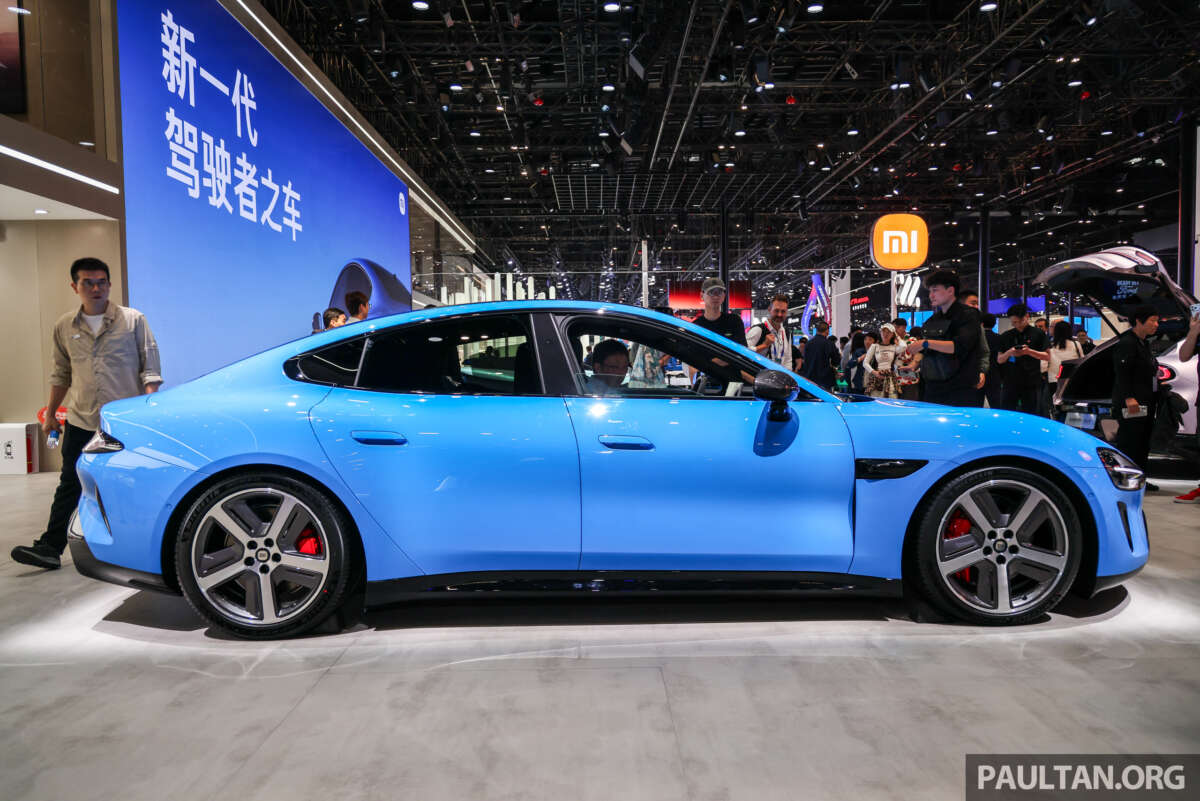
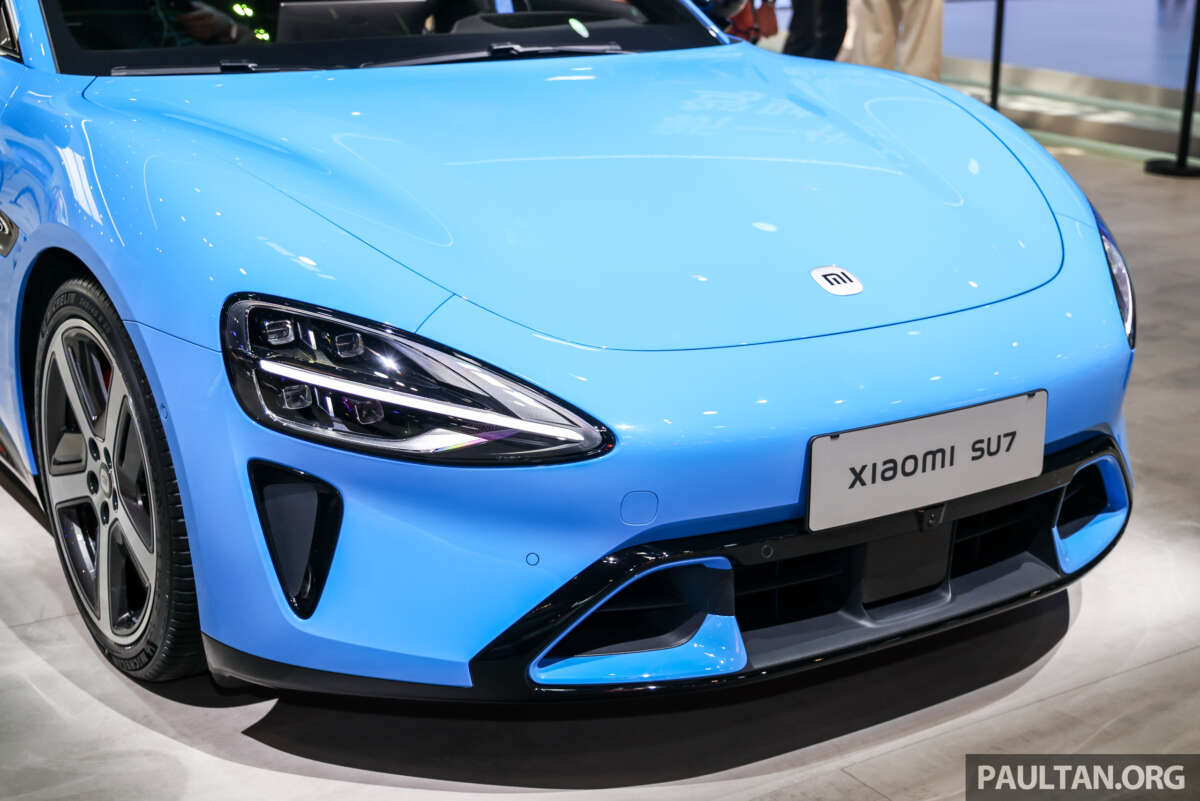
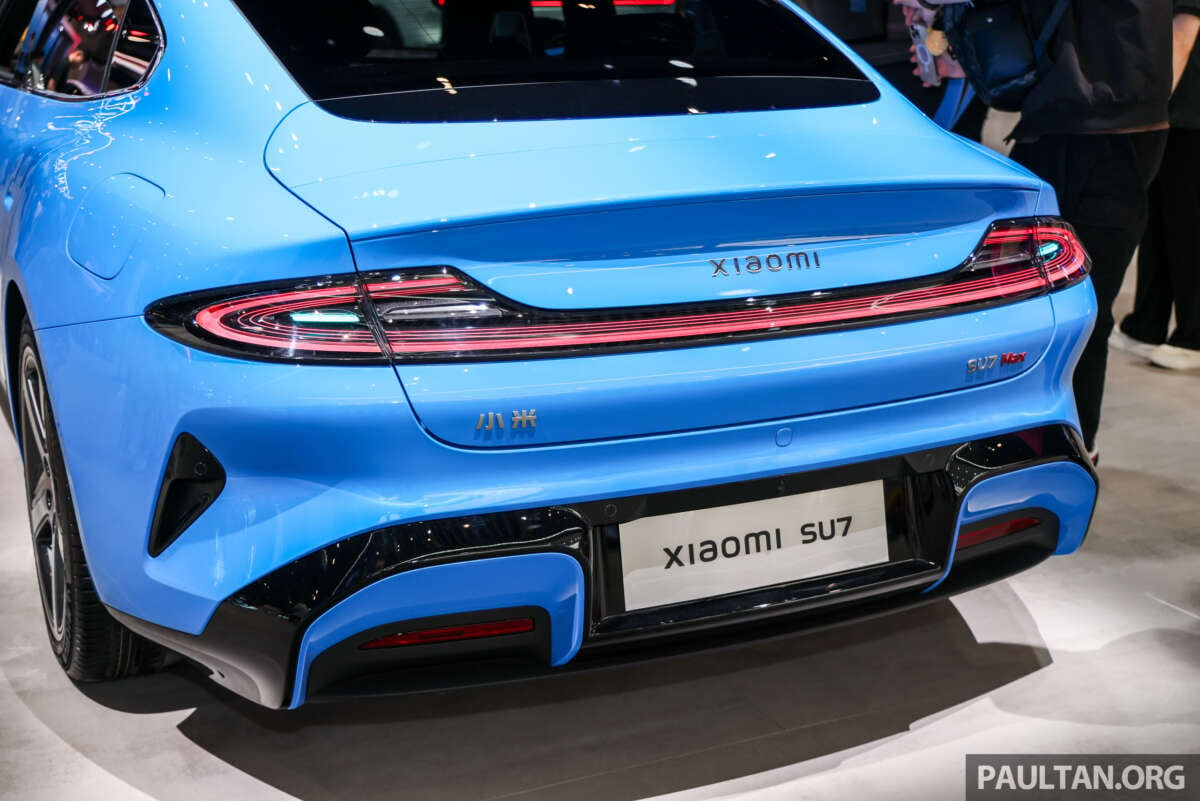
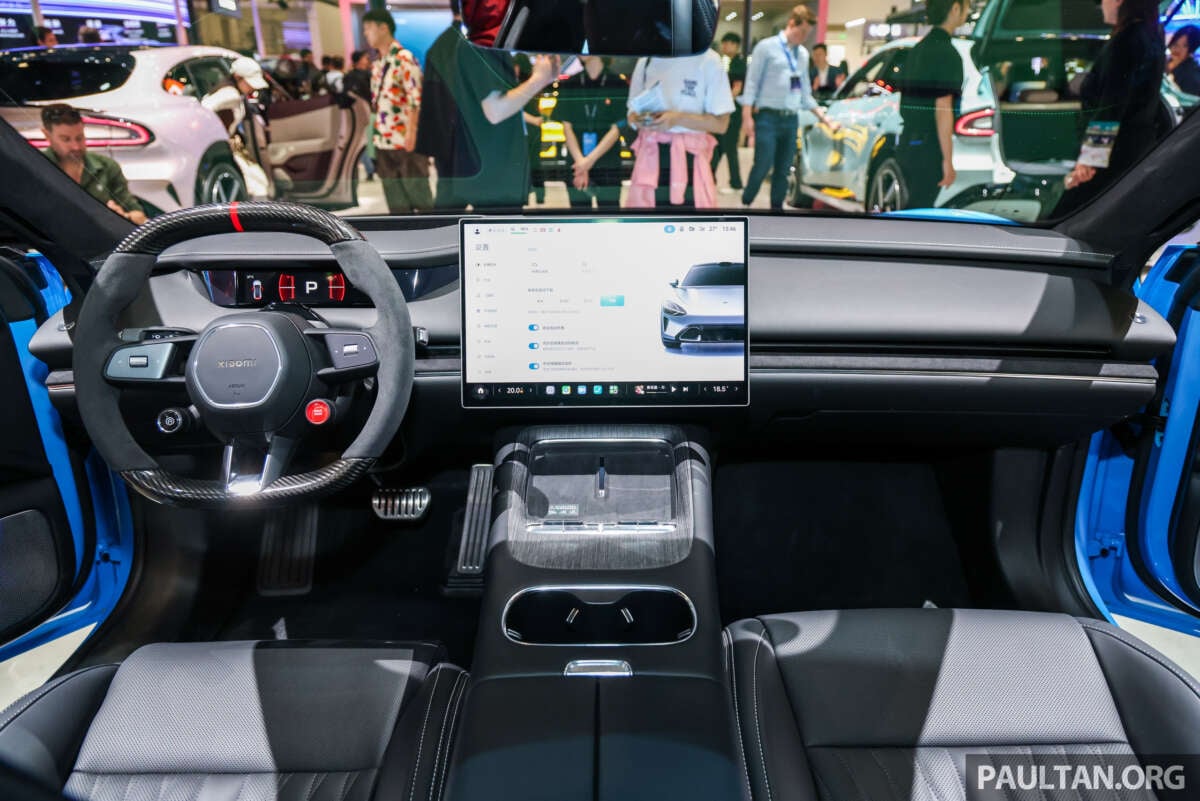
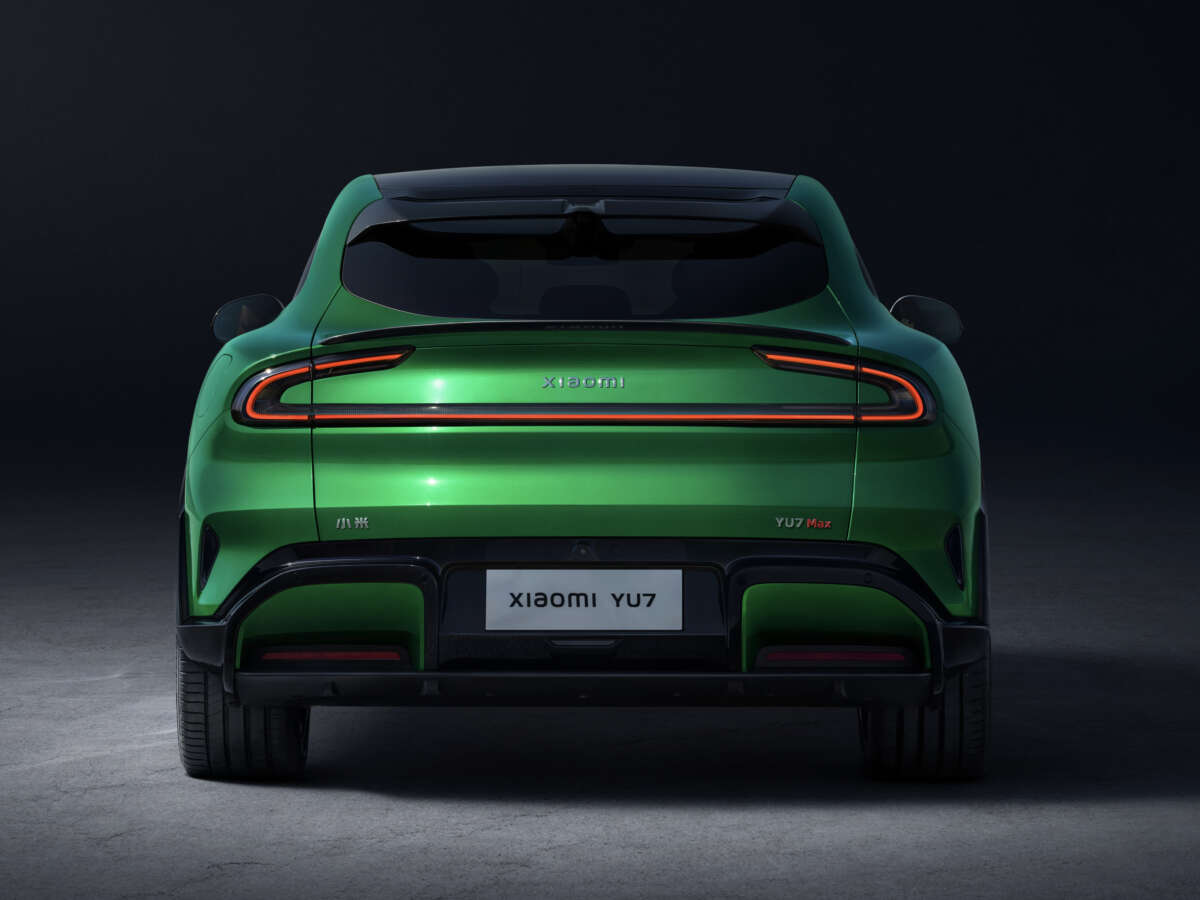
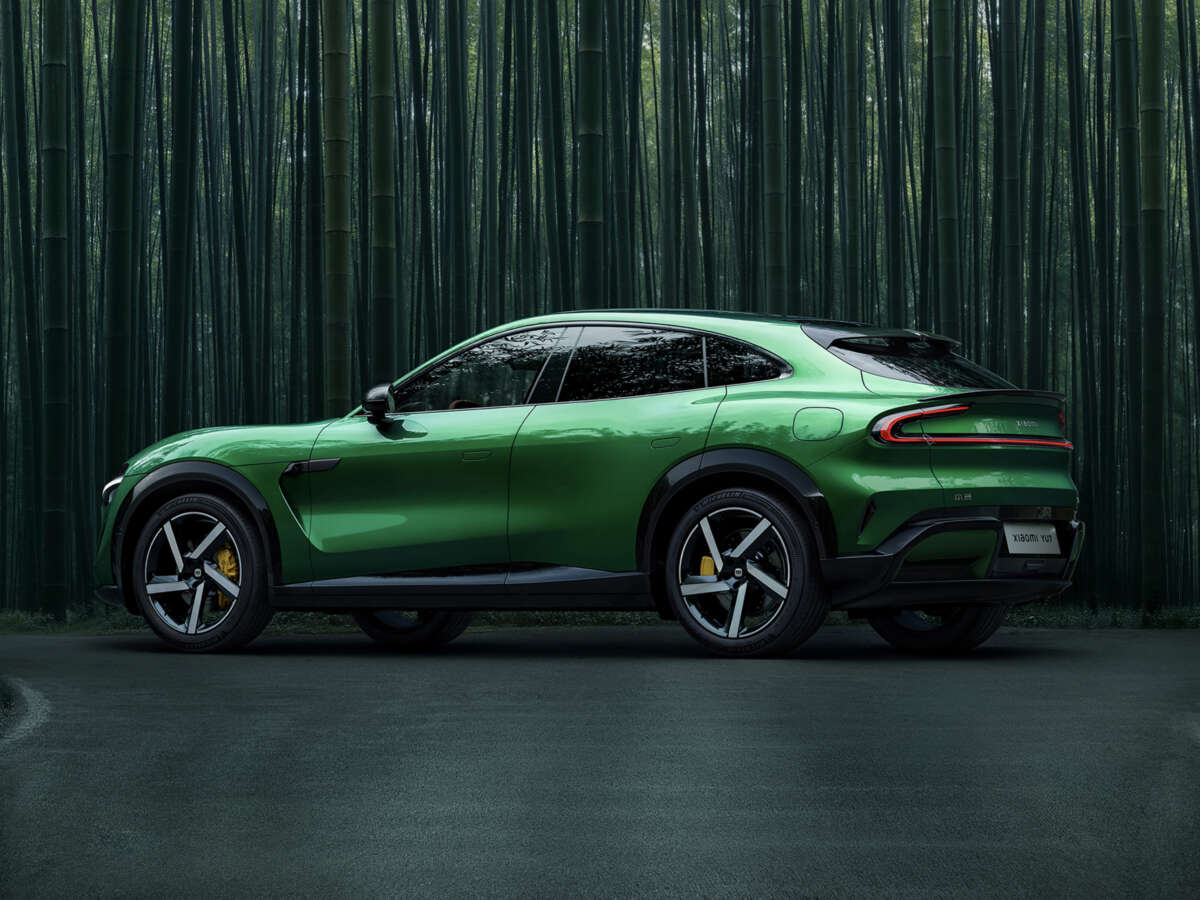
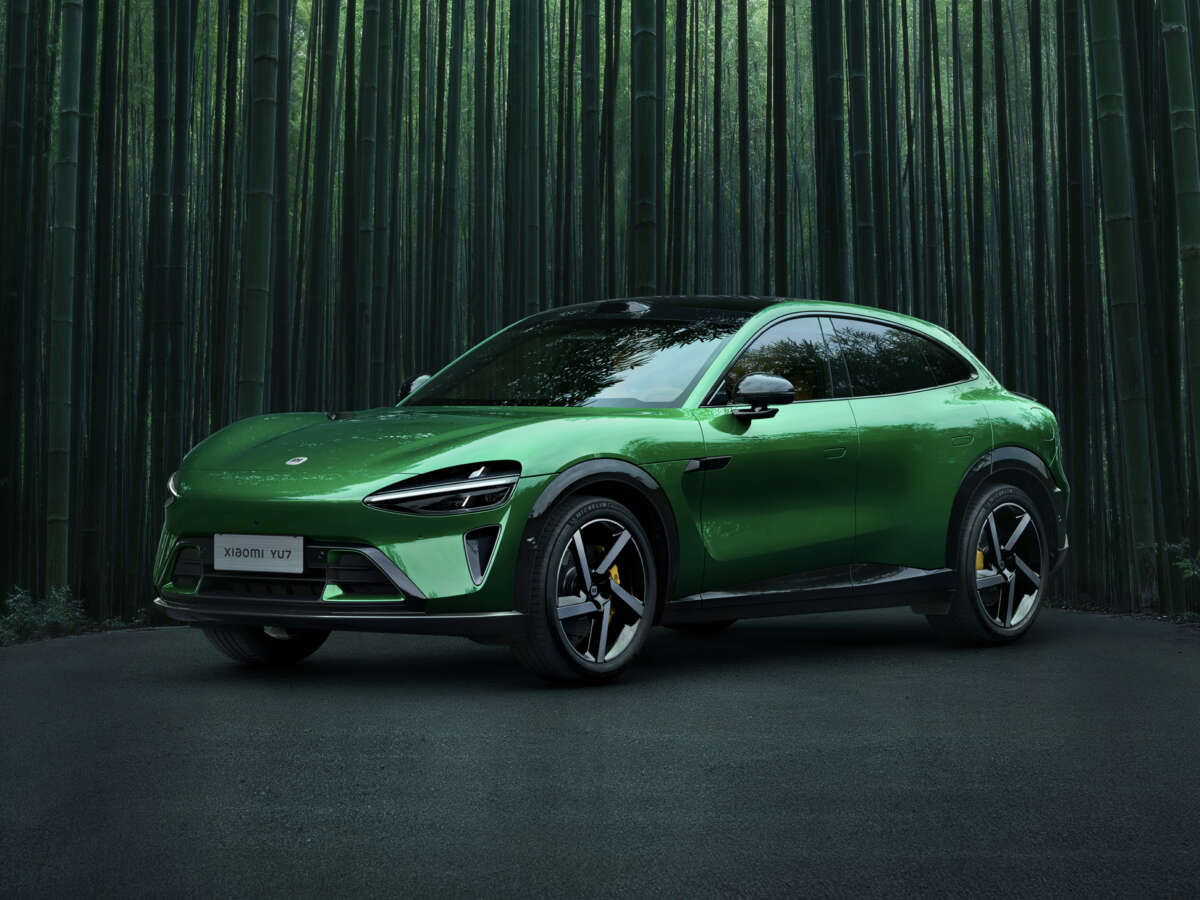
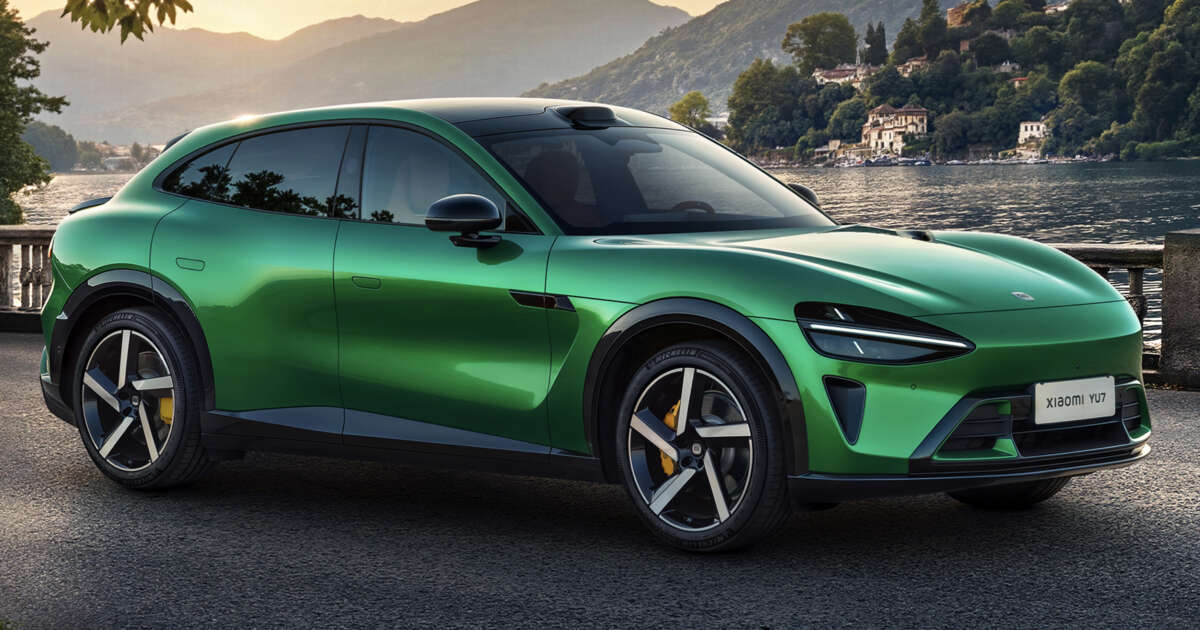
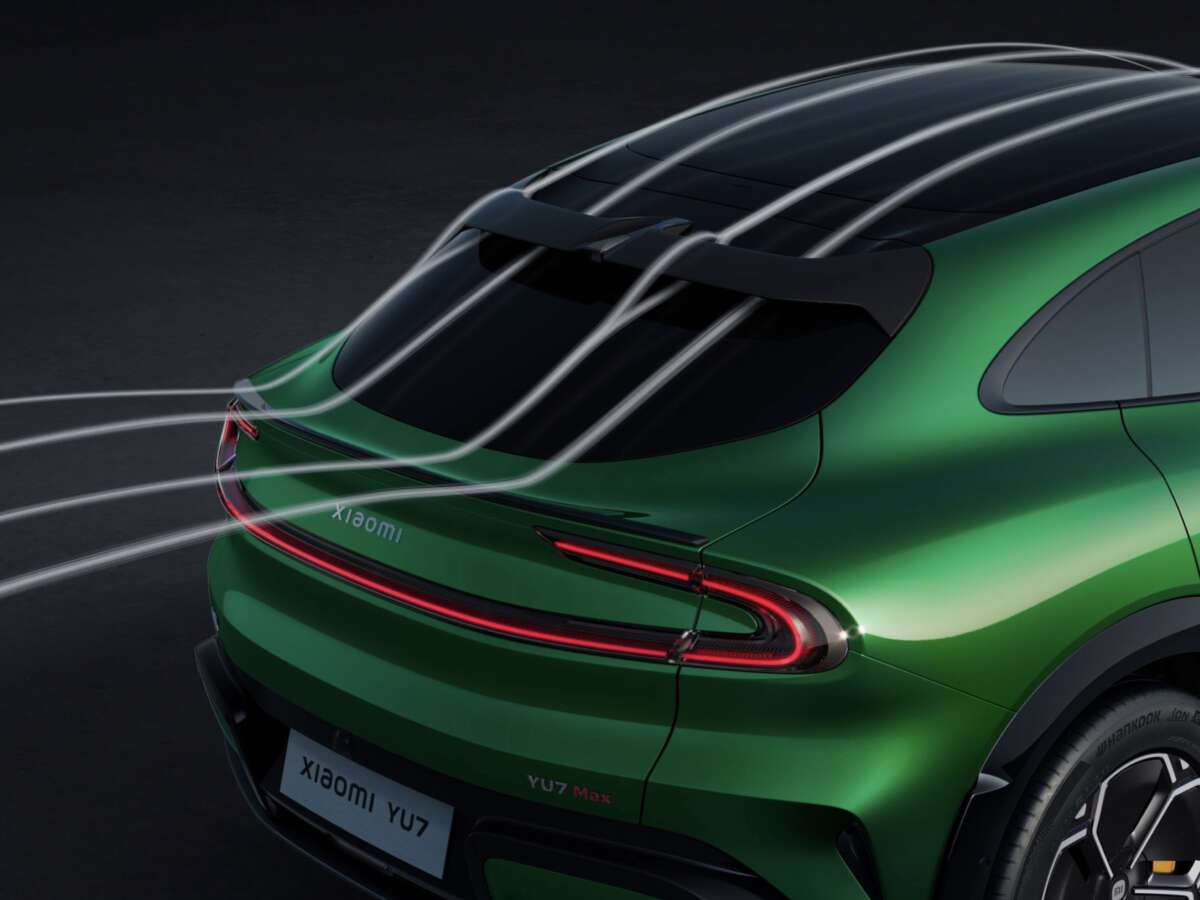
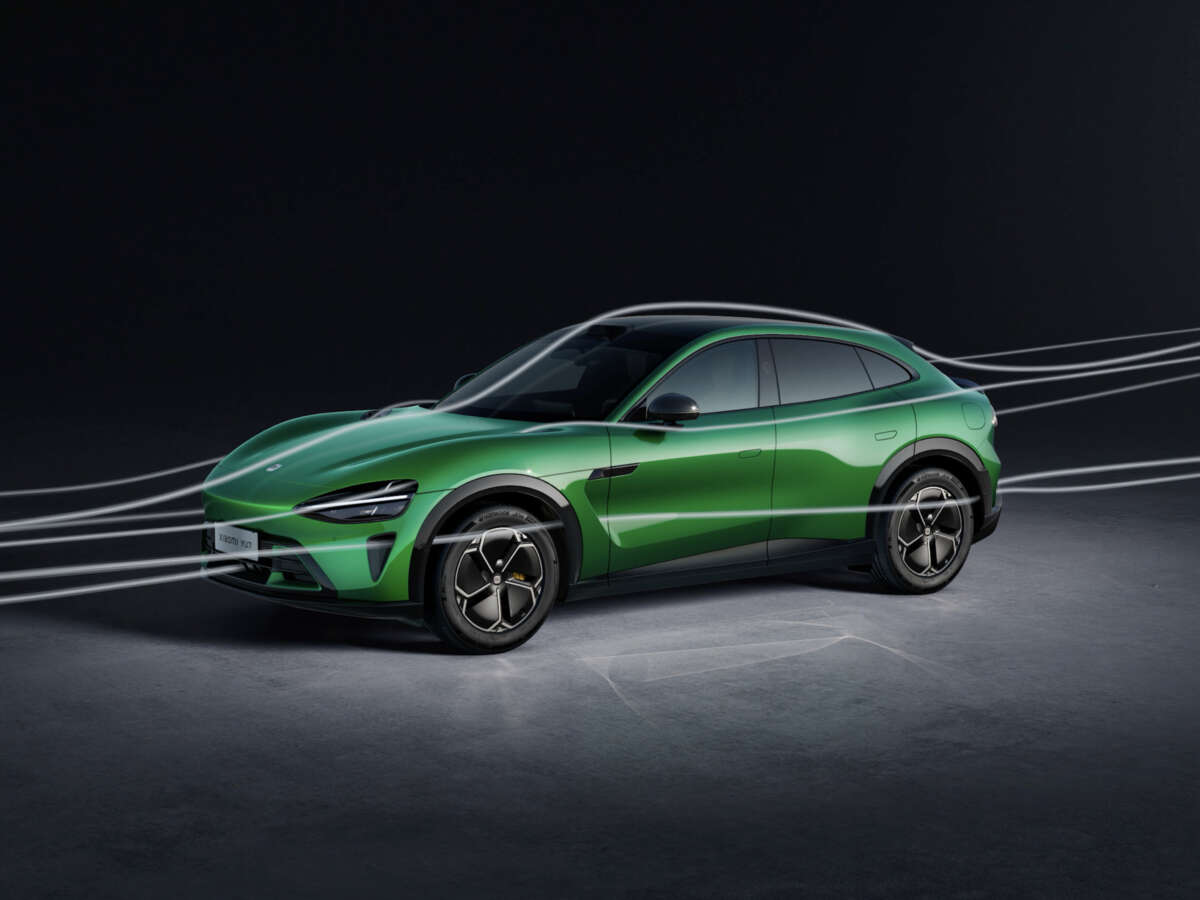
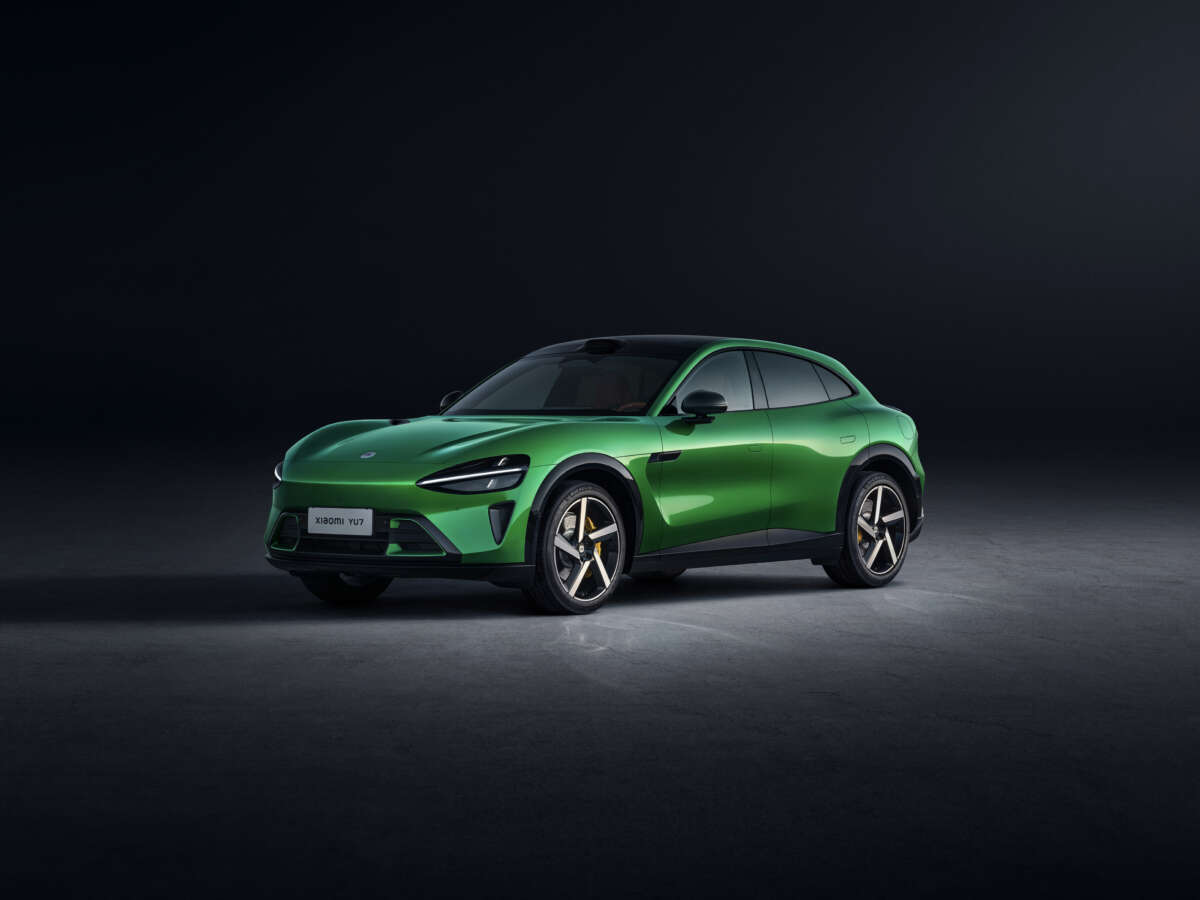
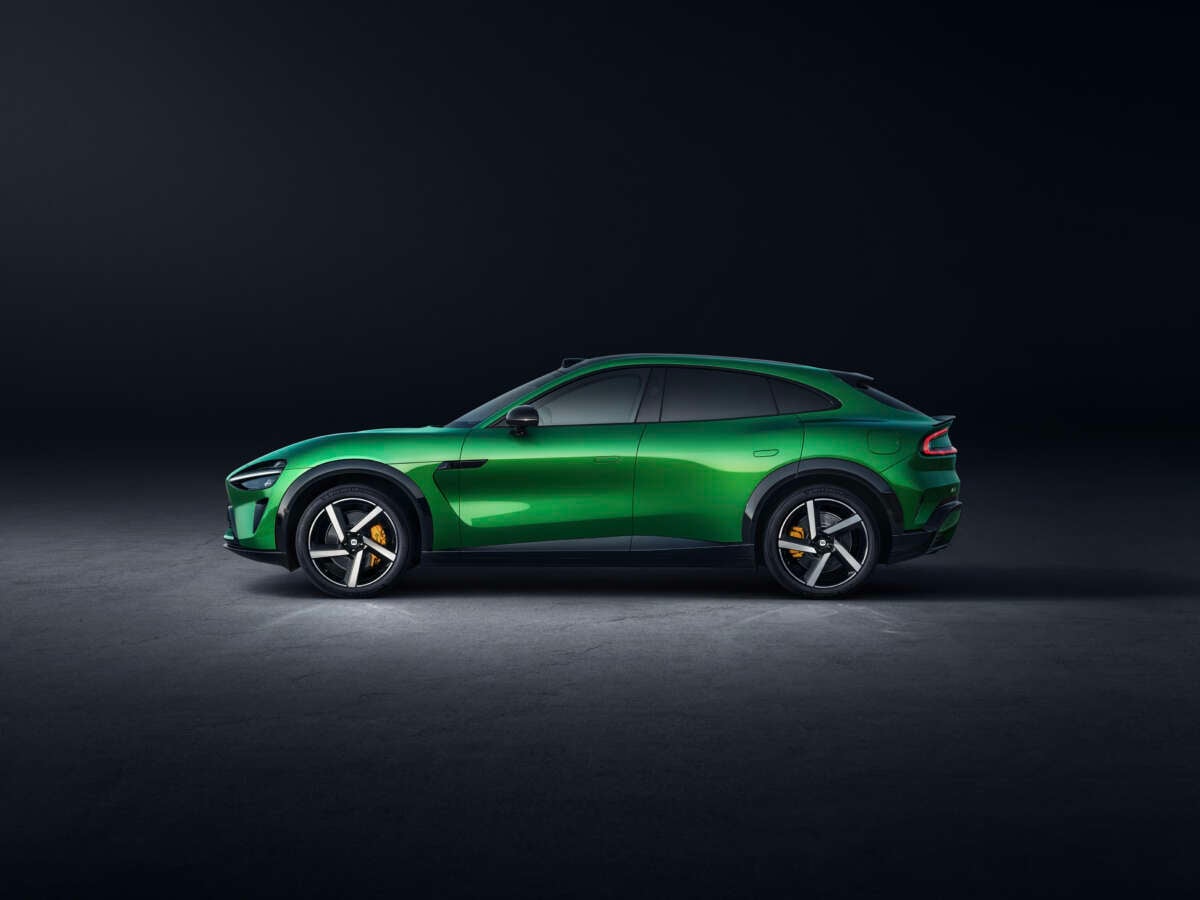
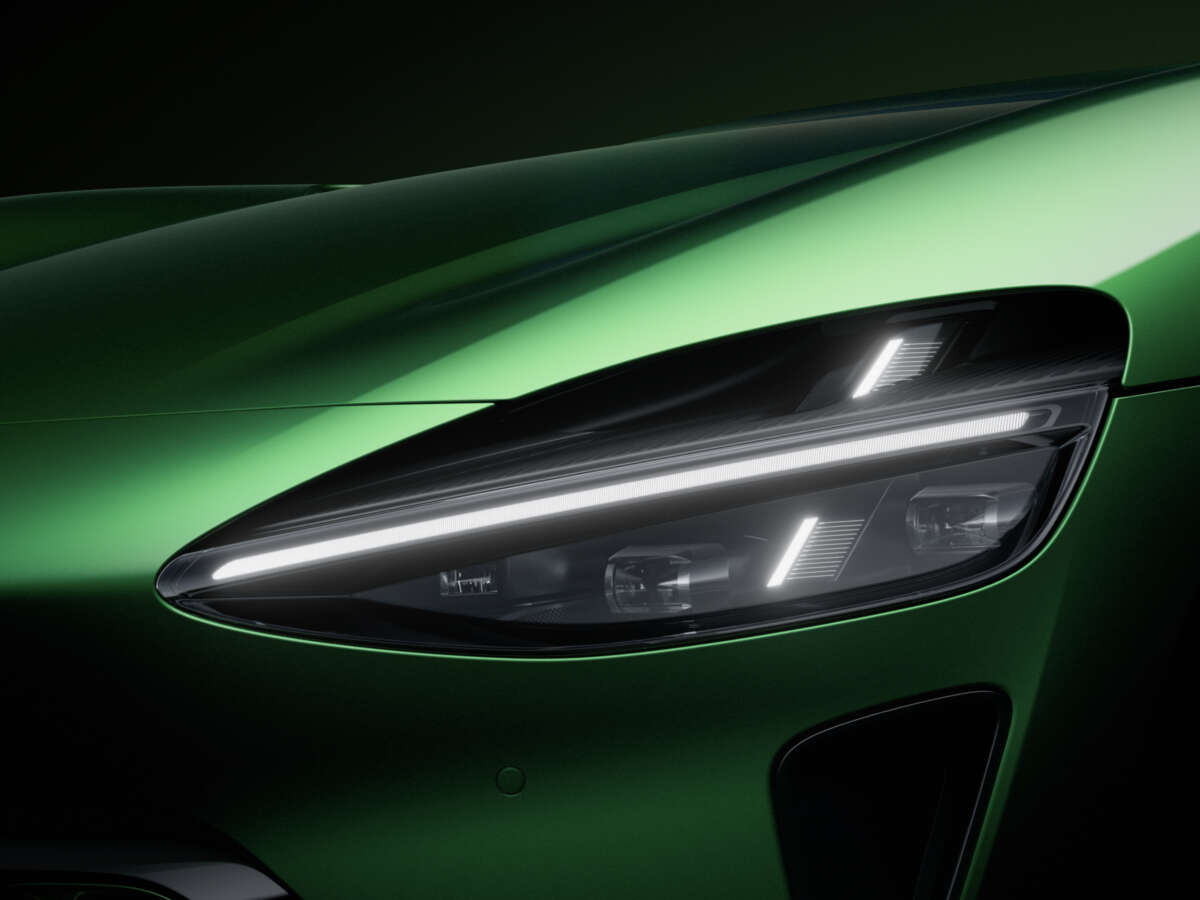
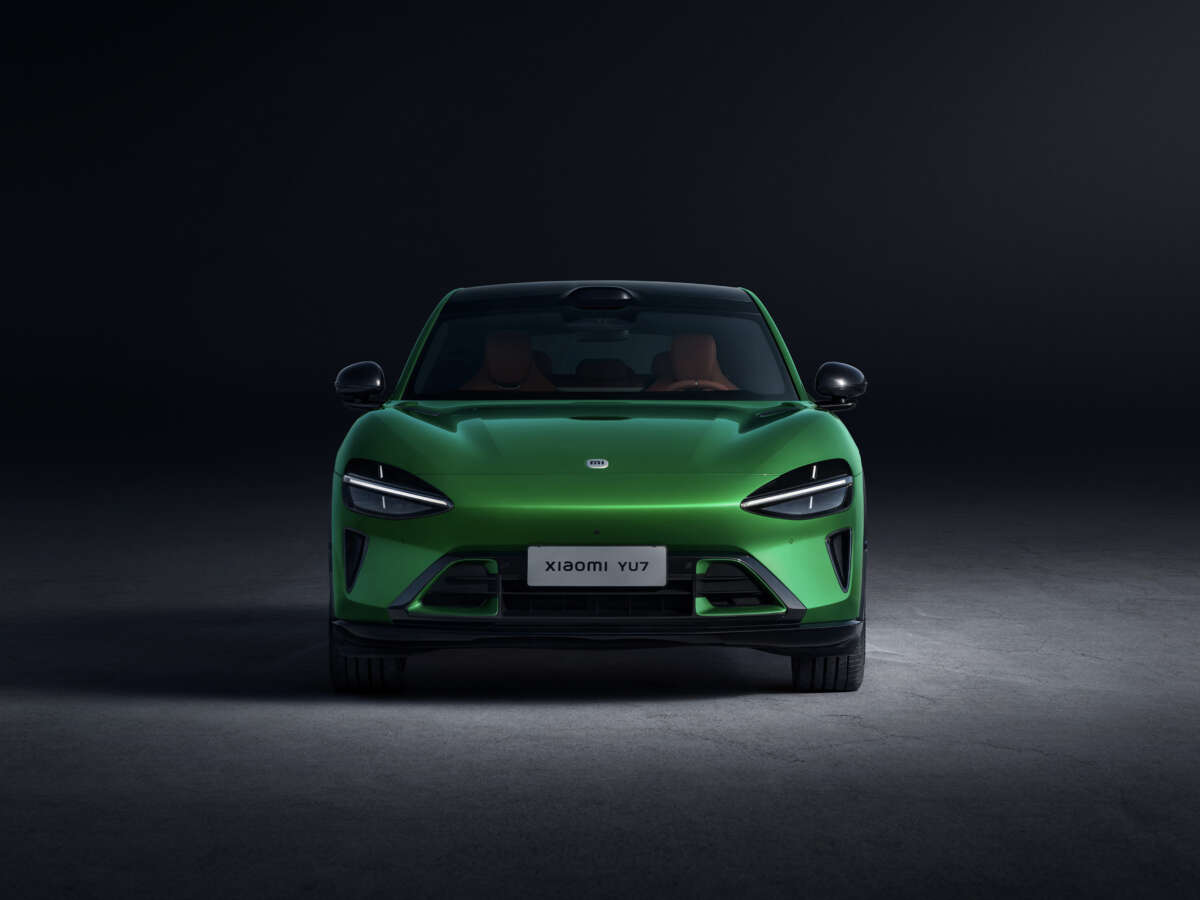
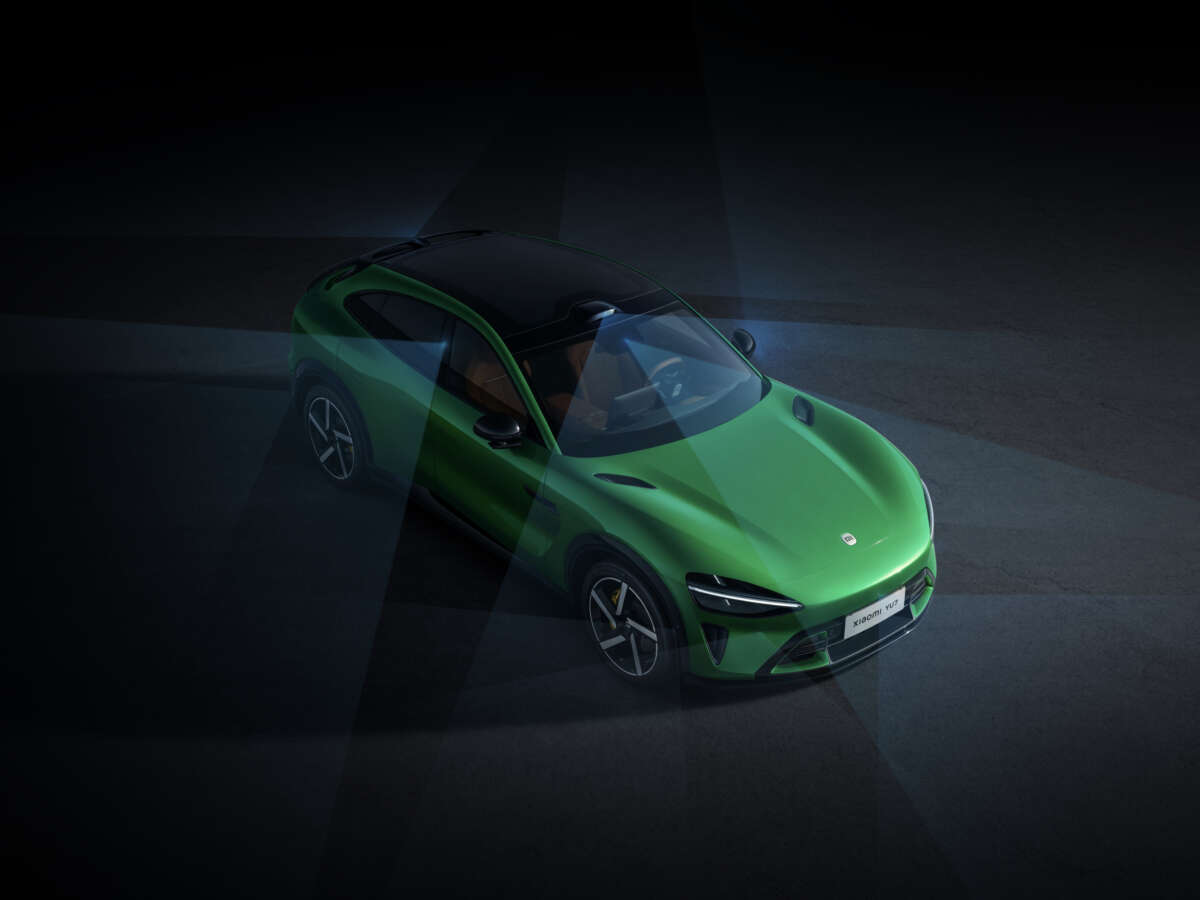
Xiaomi has repeatedly said its EVs will go global by 2027, a timeline first laid out by group president William Lu at MWC 2025 and reaffirmed since. The Xiaomi SU7 has already made a promotional appearance in Malaysia, displayed at Suria KLCC back in October 2024 as part of a product ecosystem showcase, though the company was careful to stress at the time that it was not a market launch.
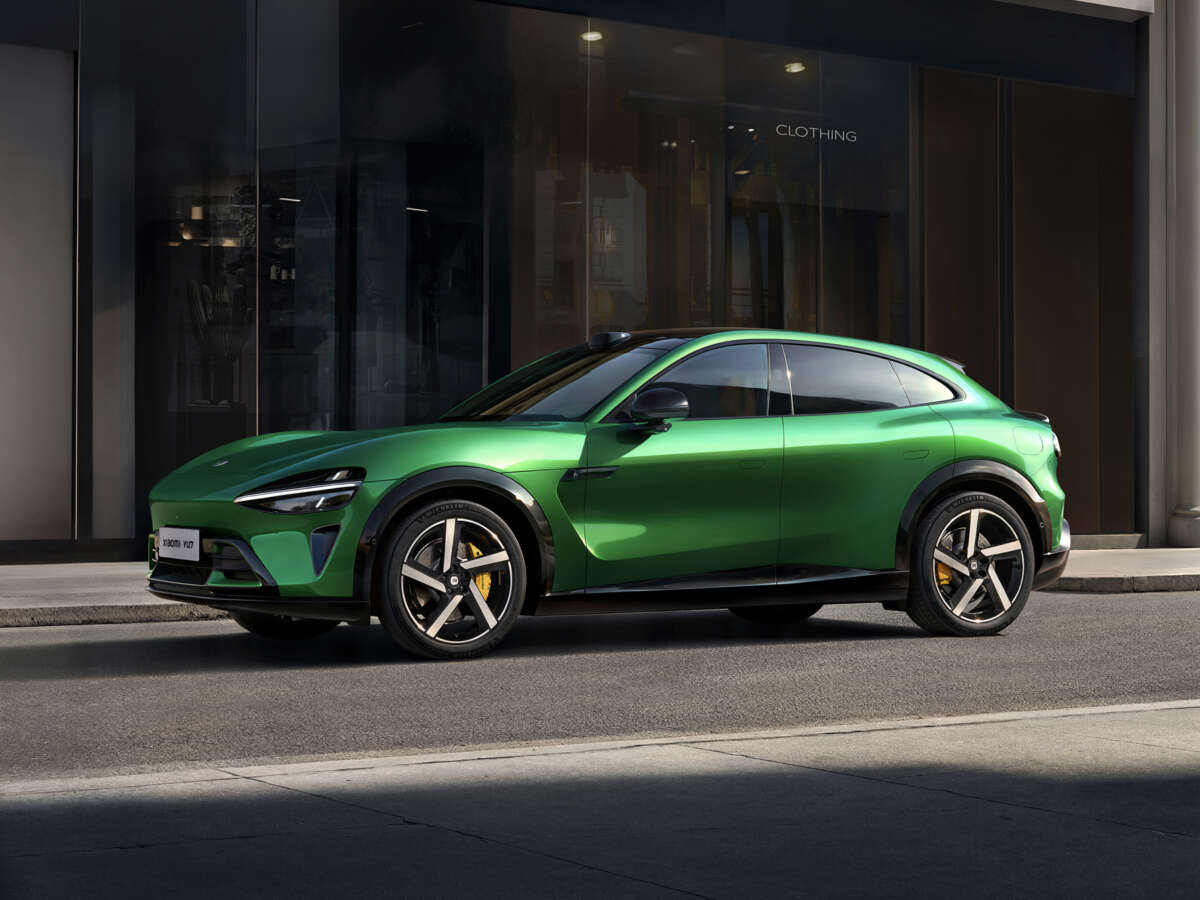
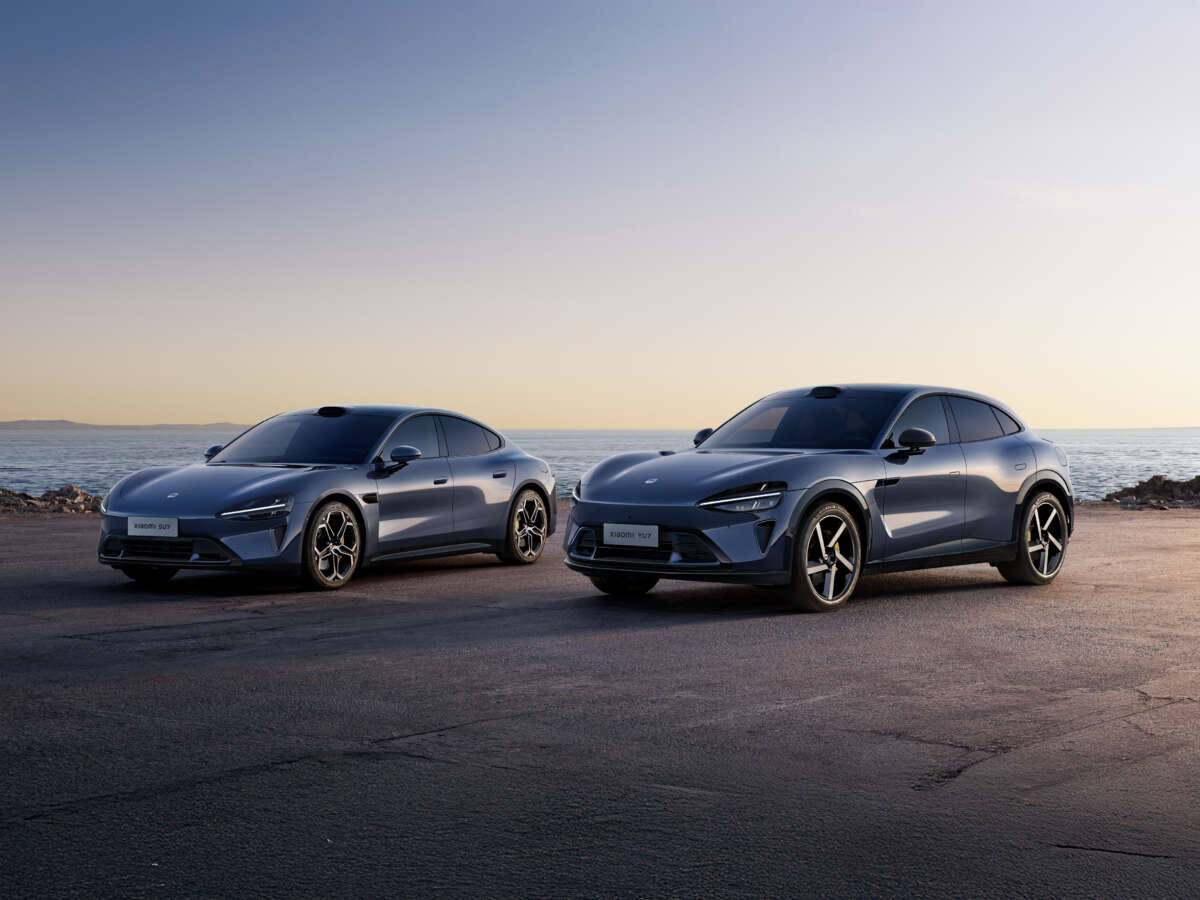
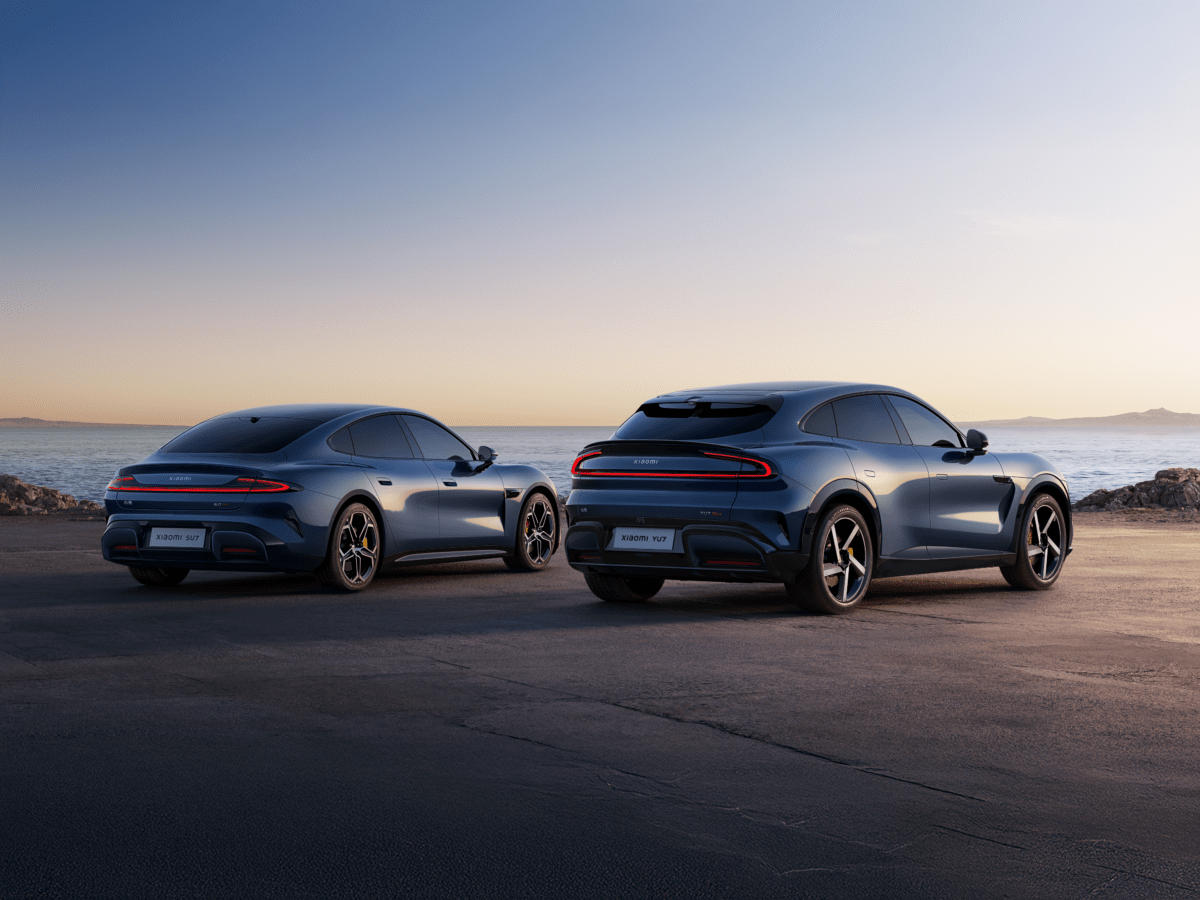
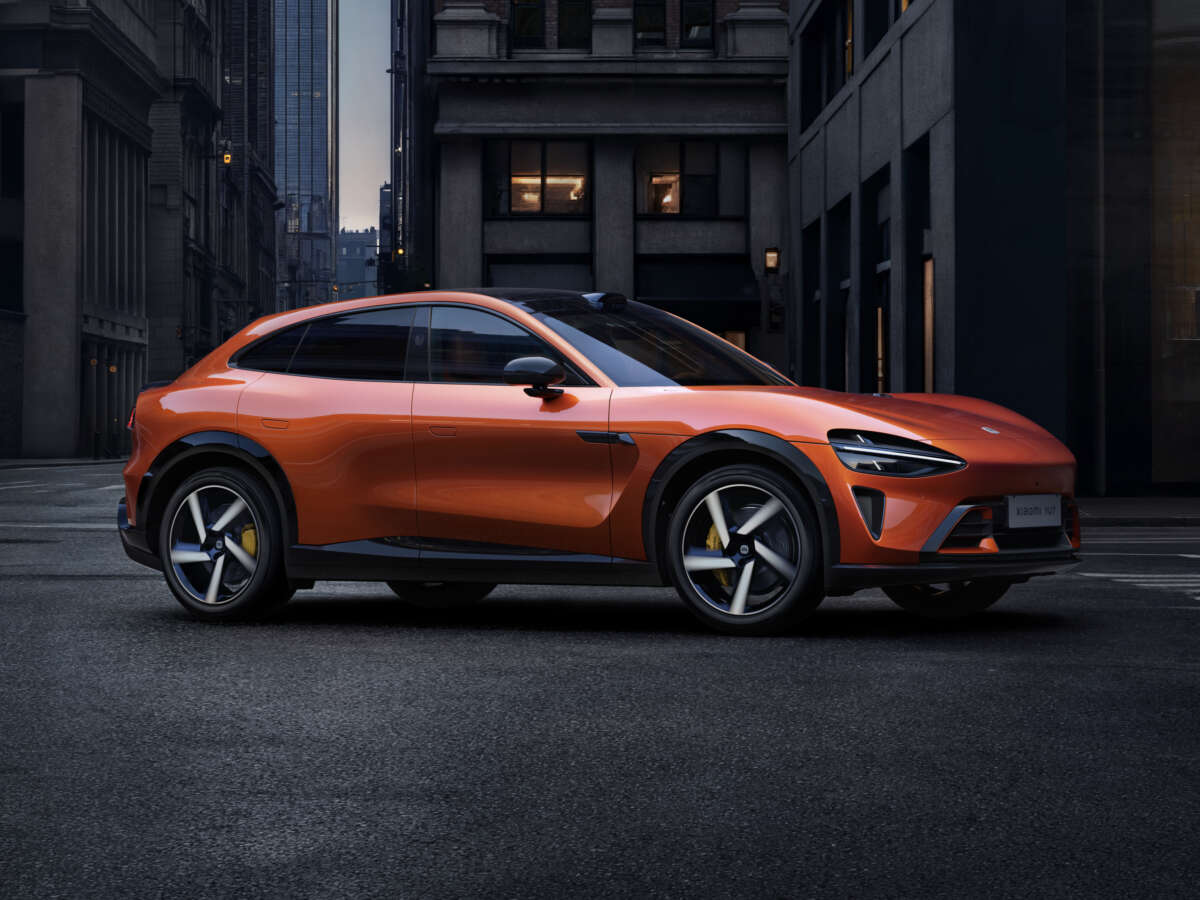
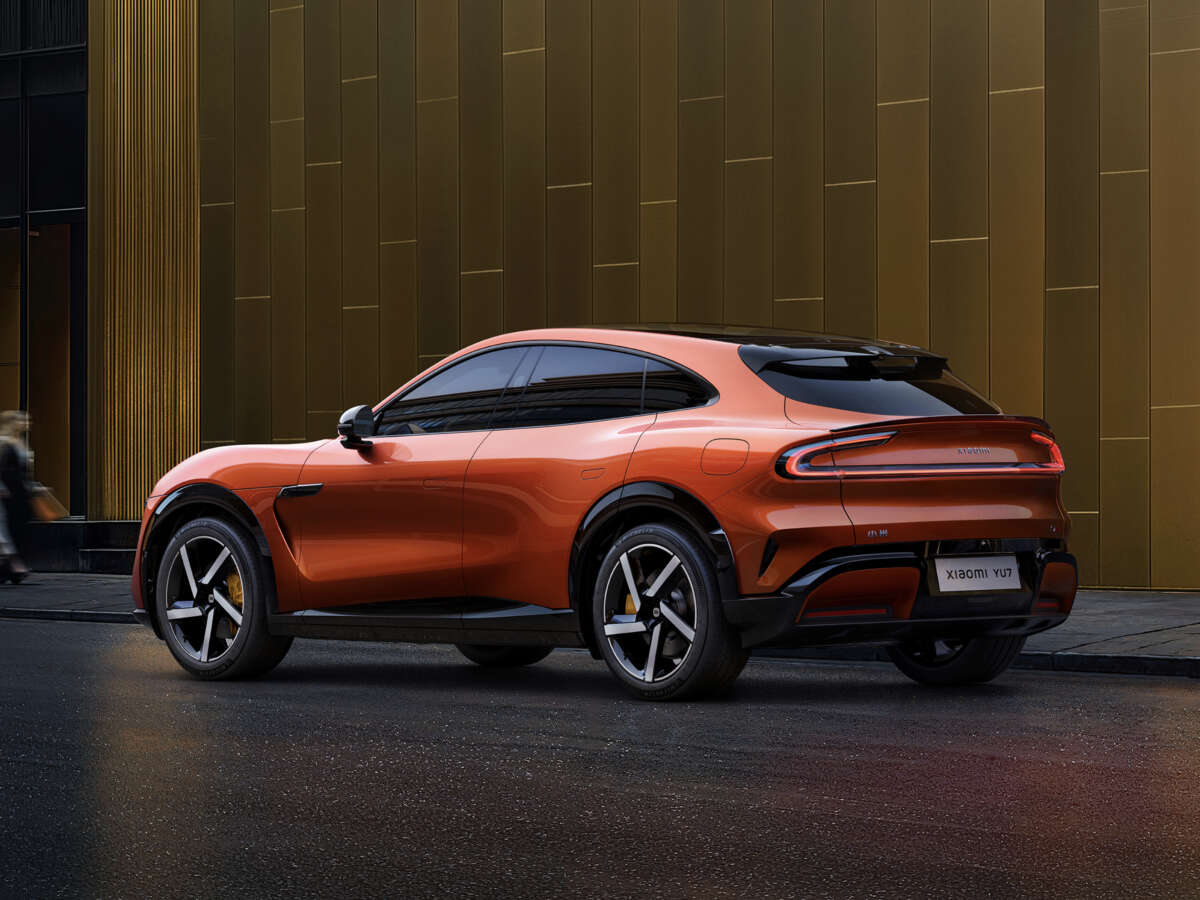
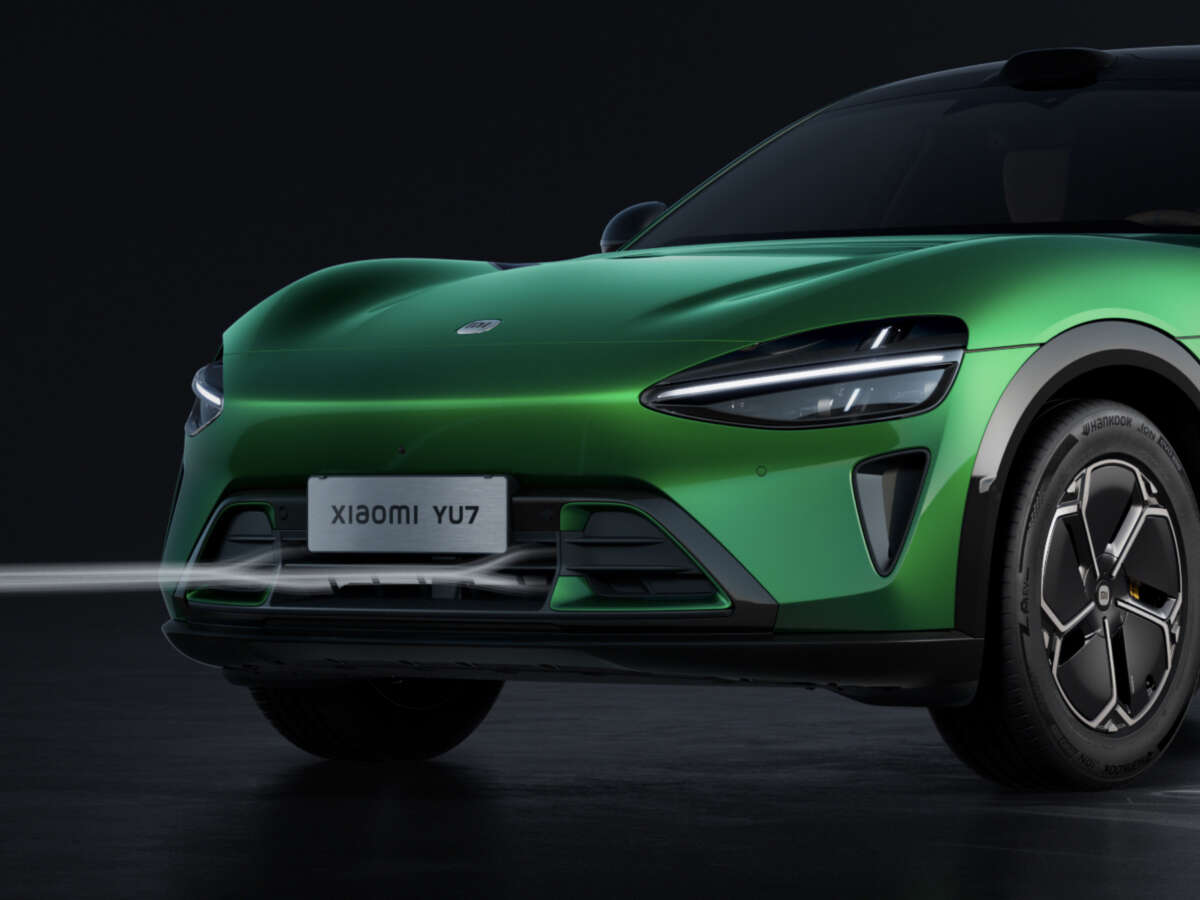
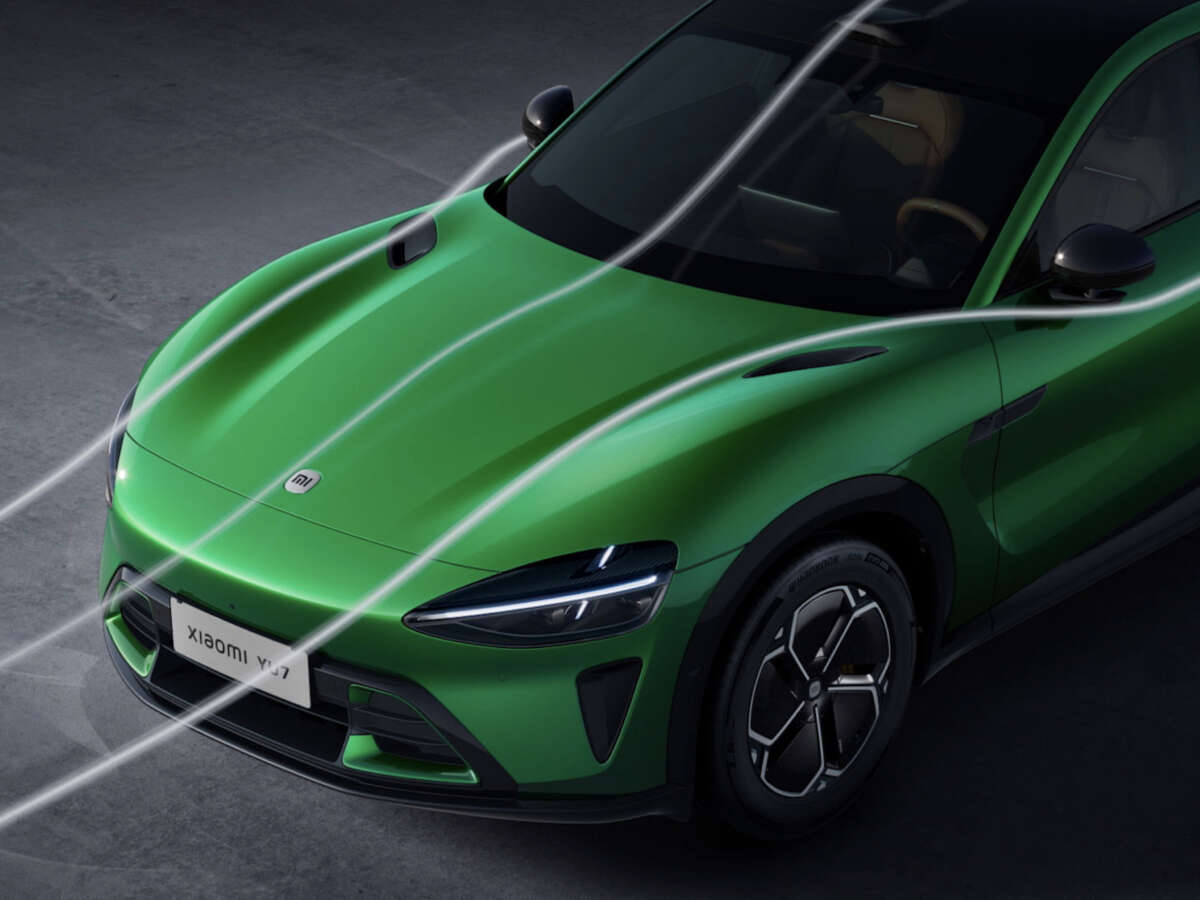
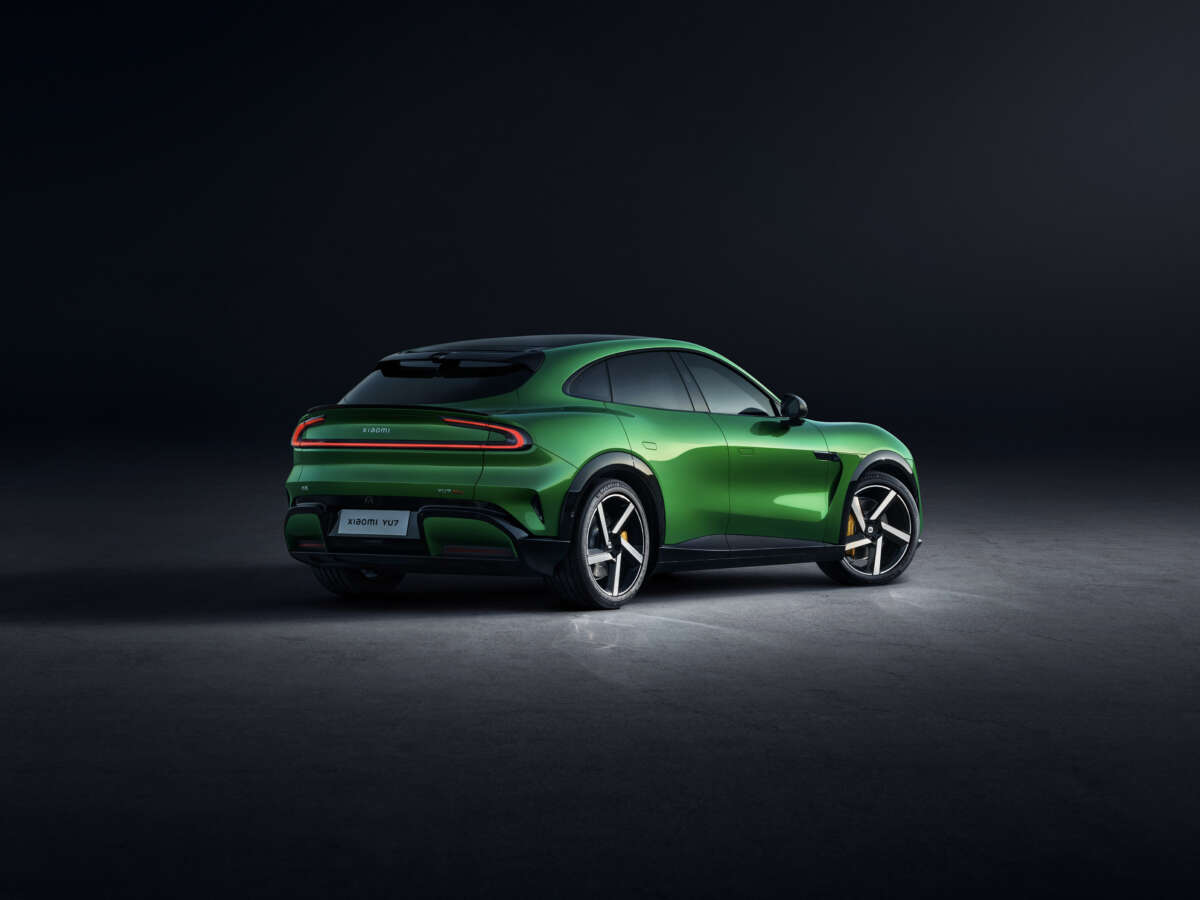
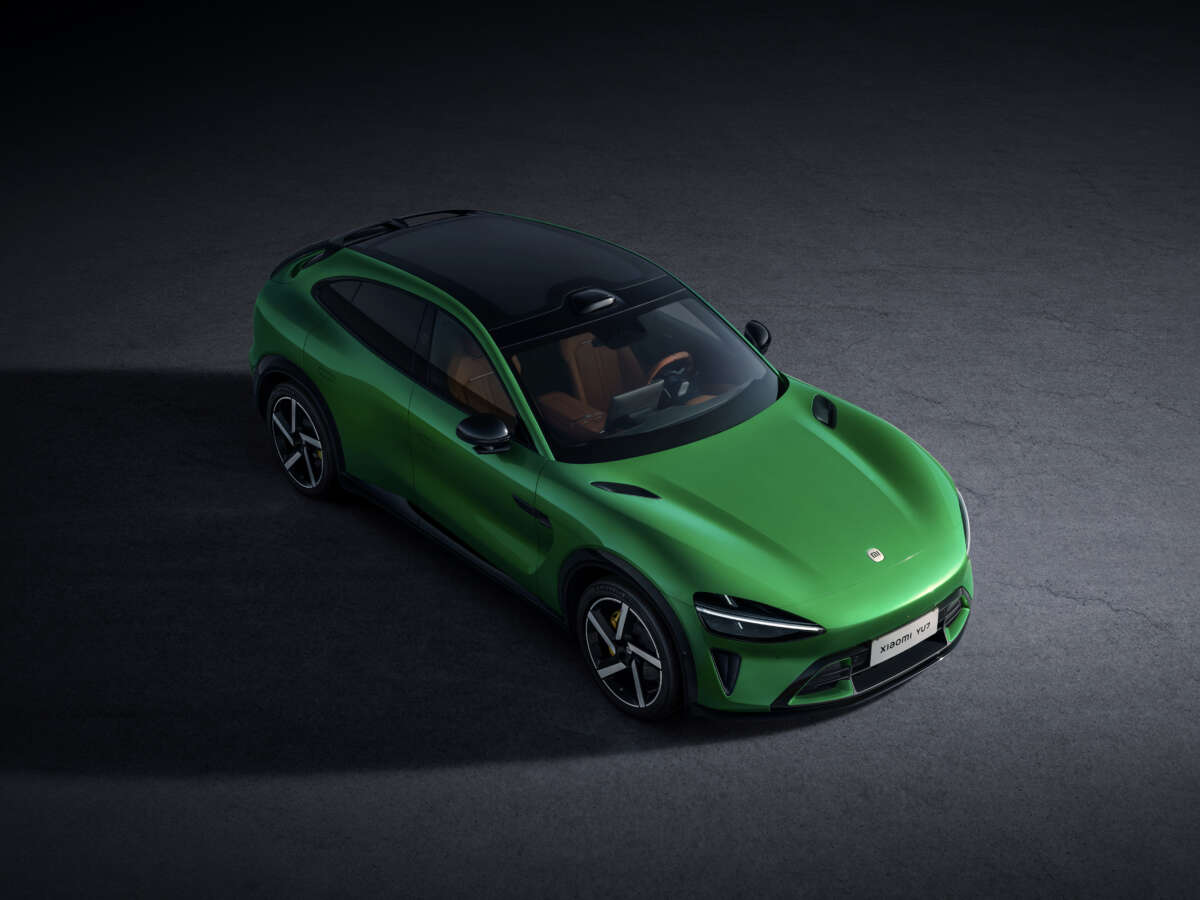
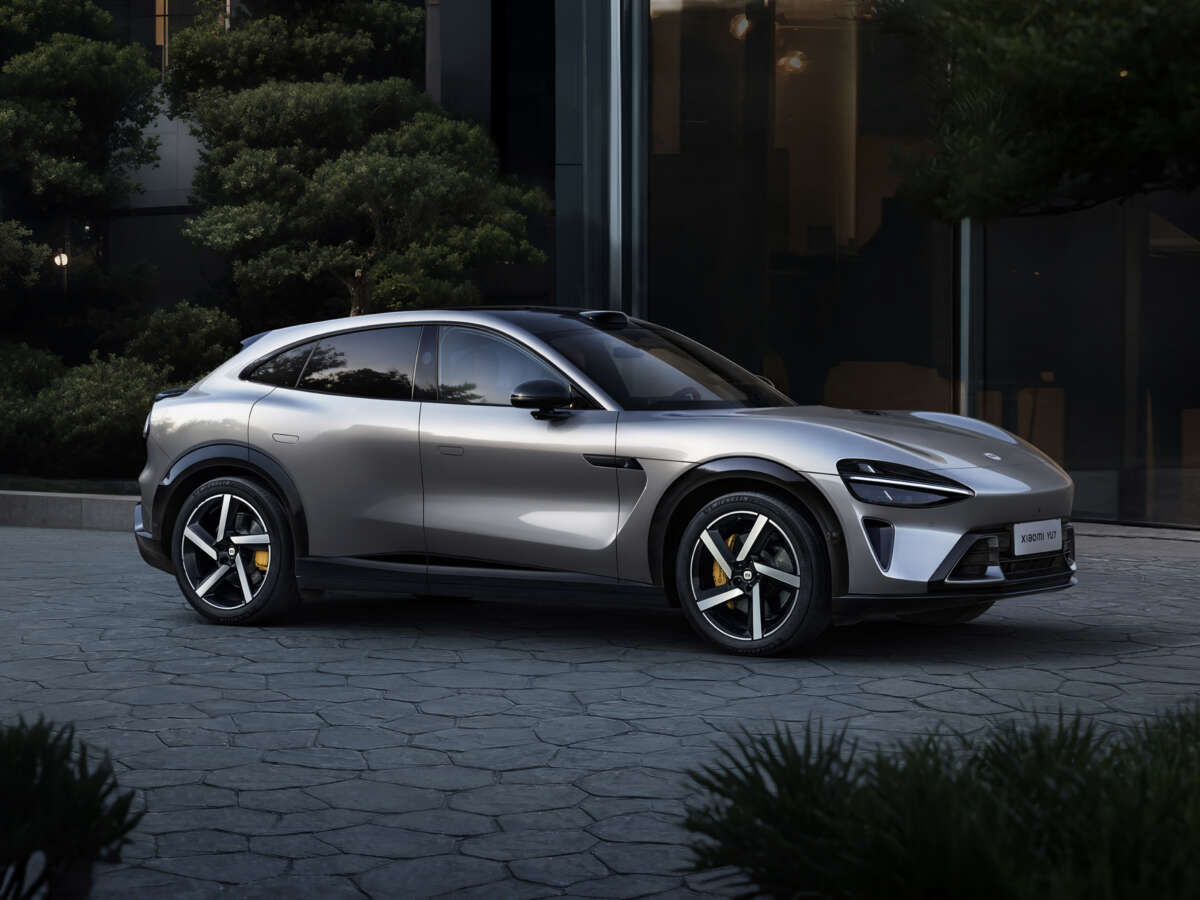
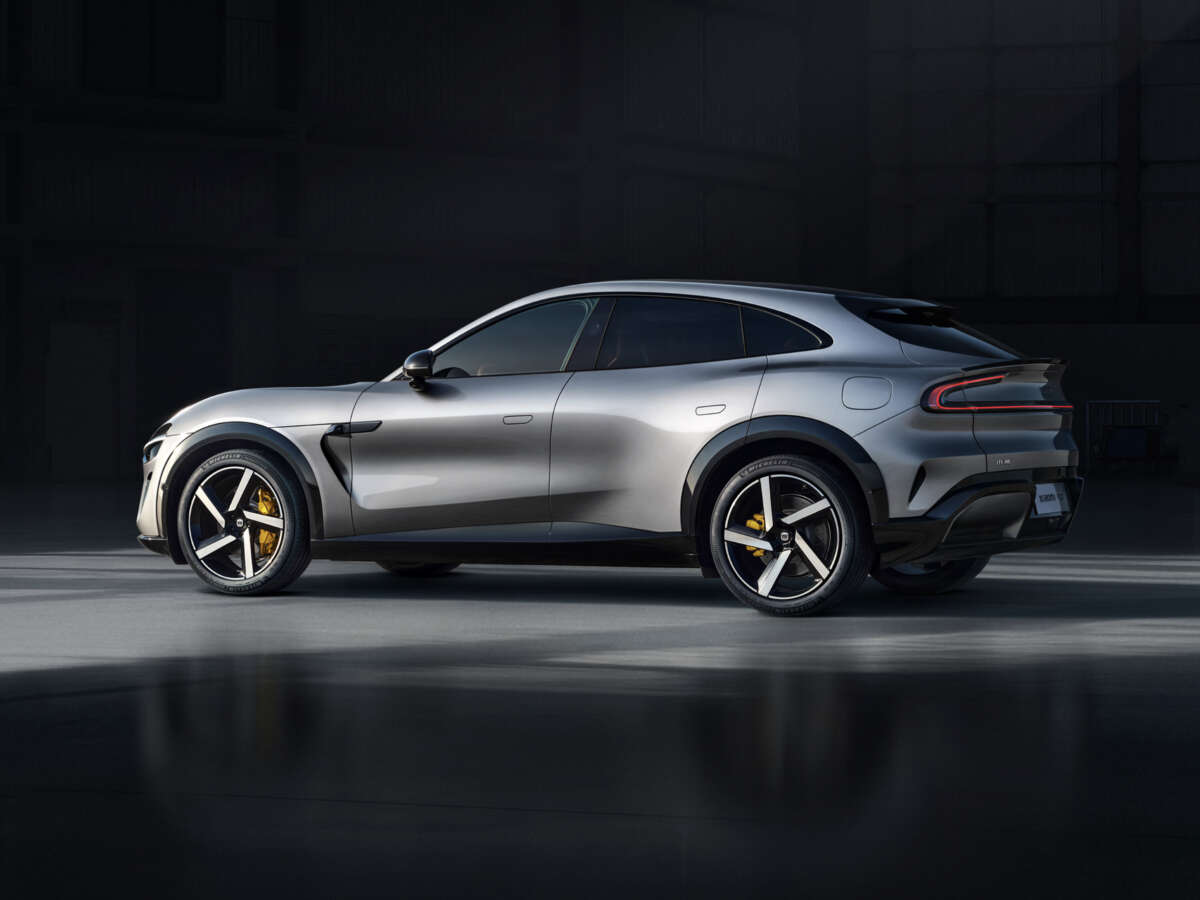
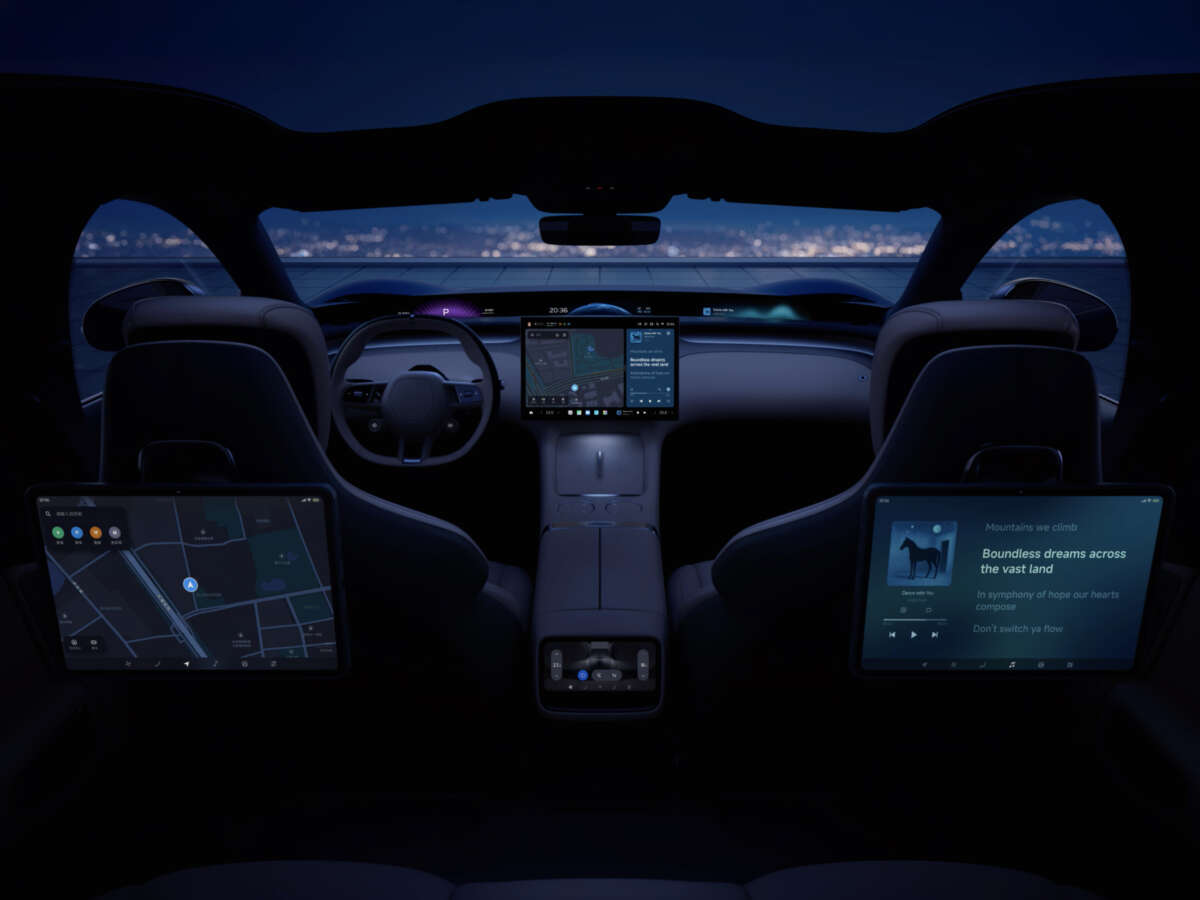
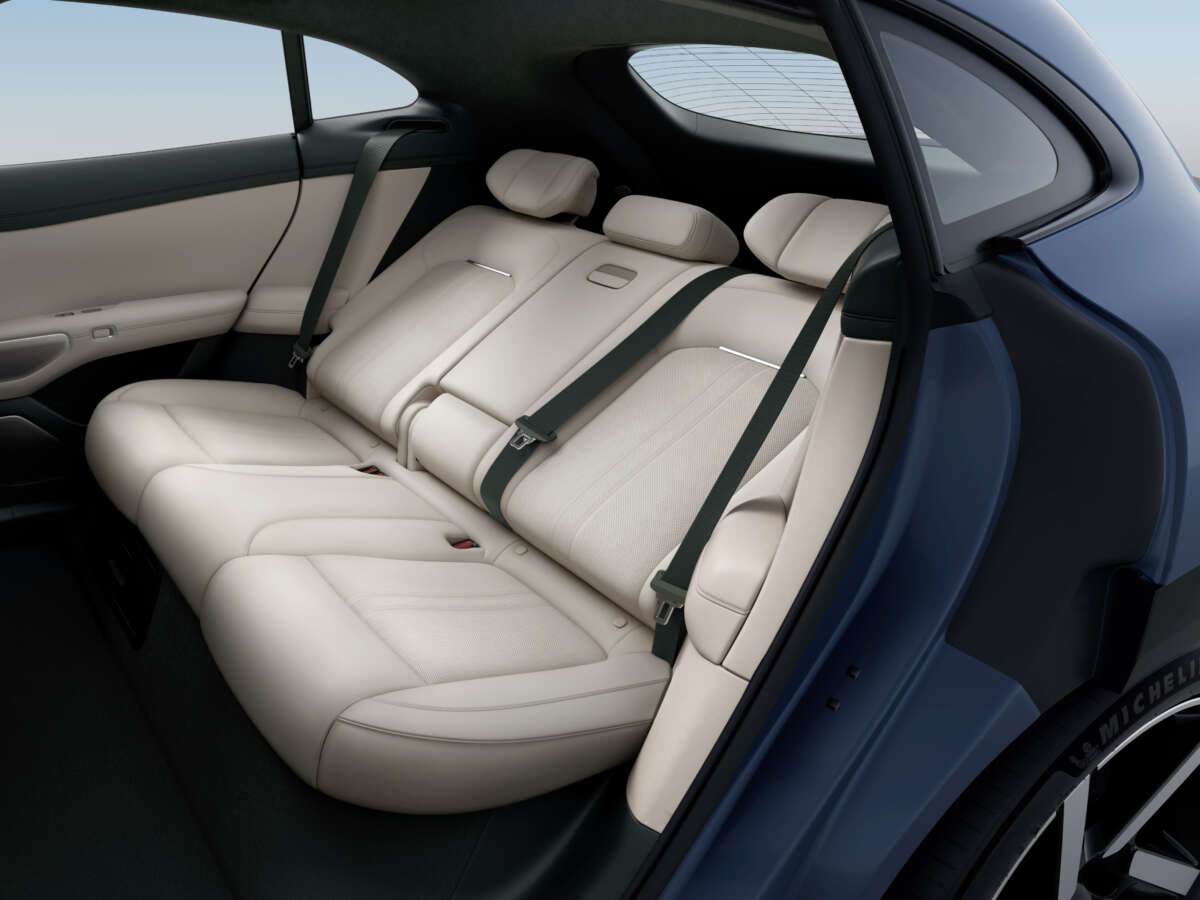
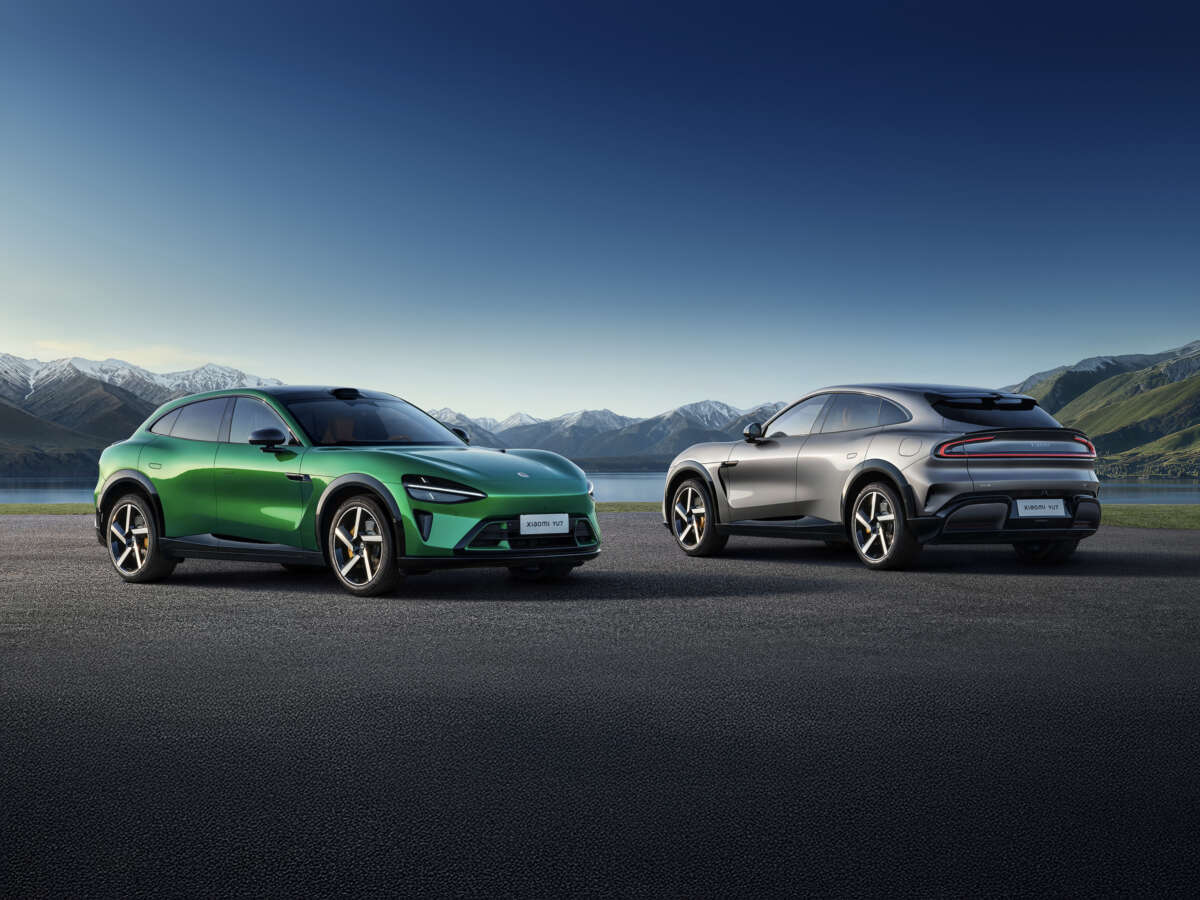
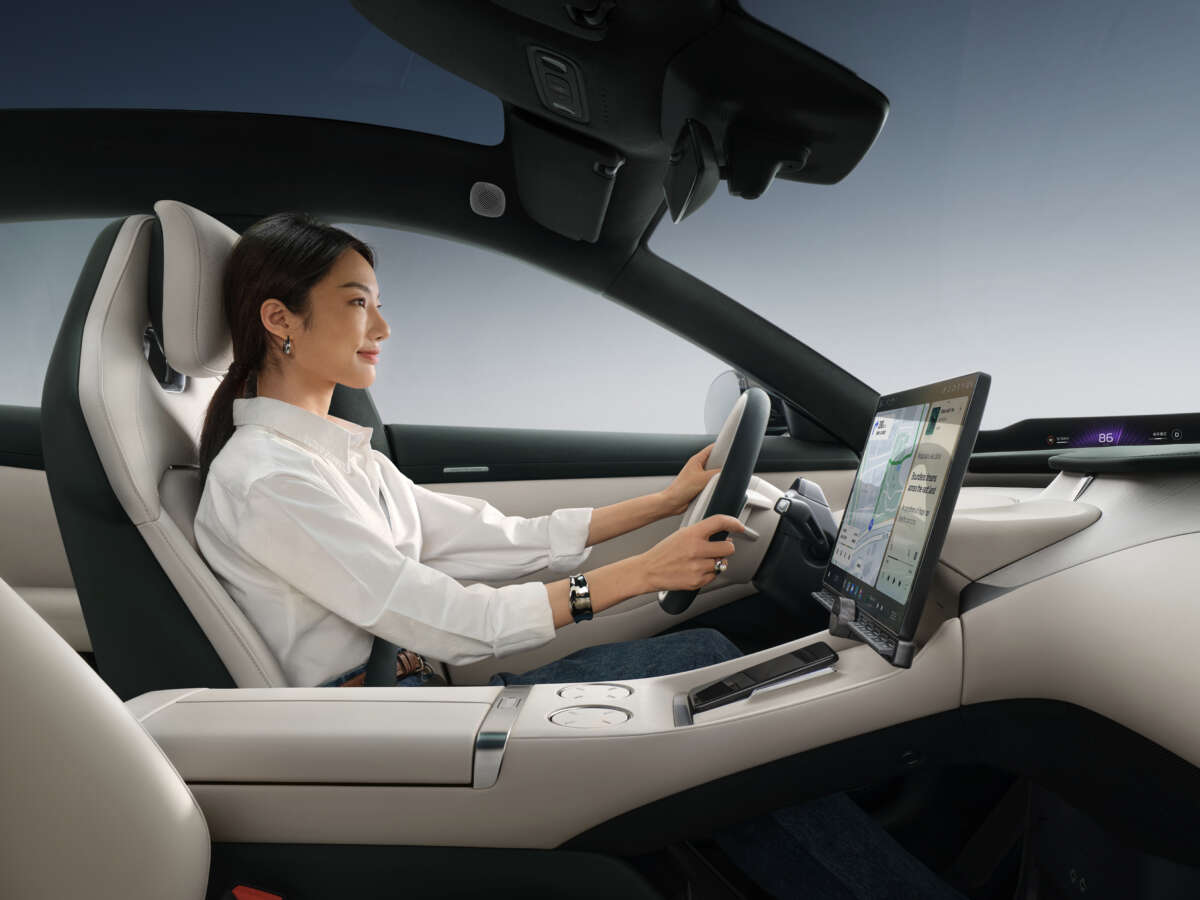
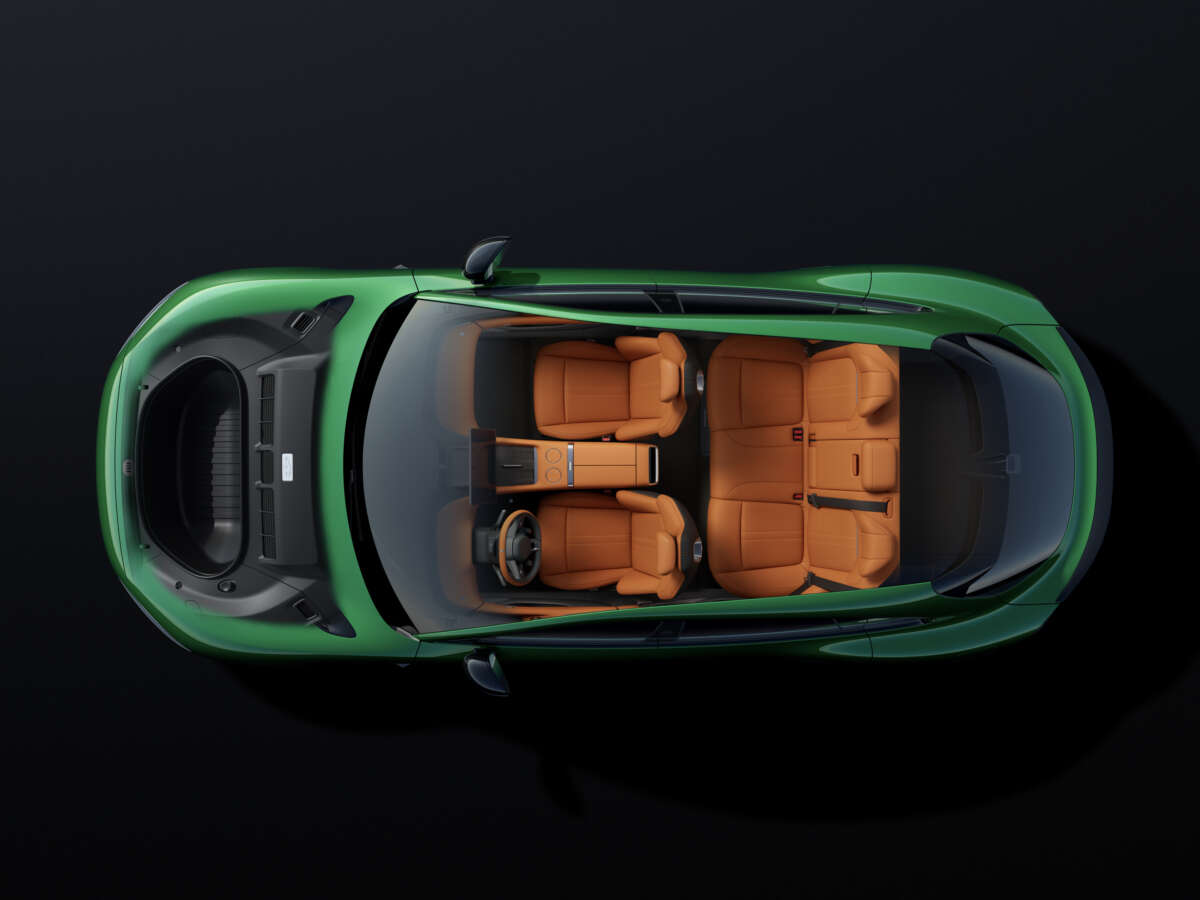
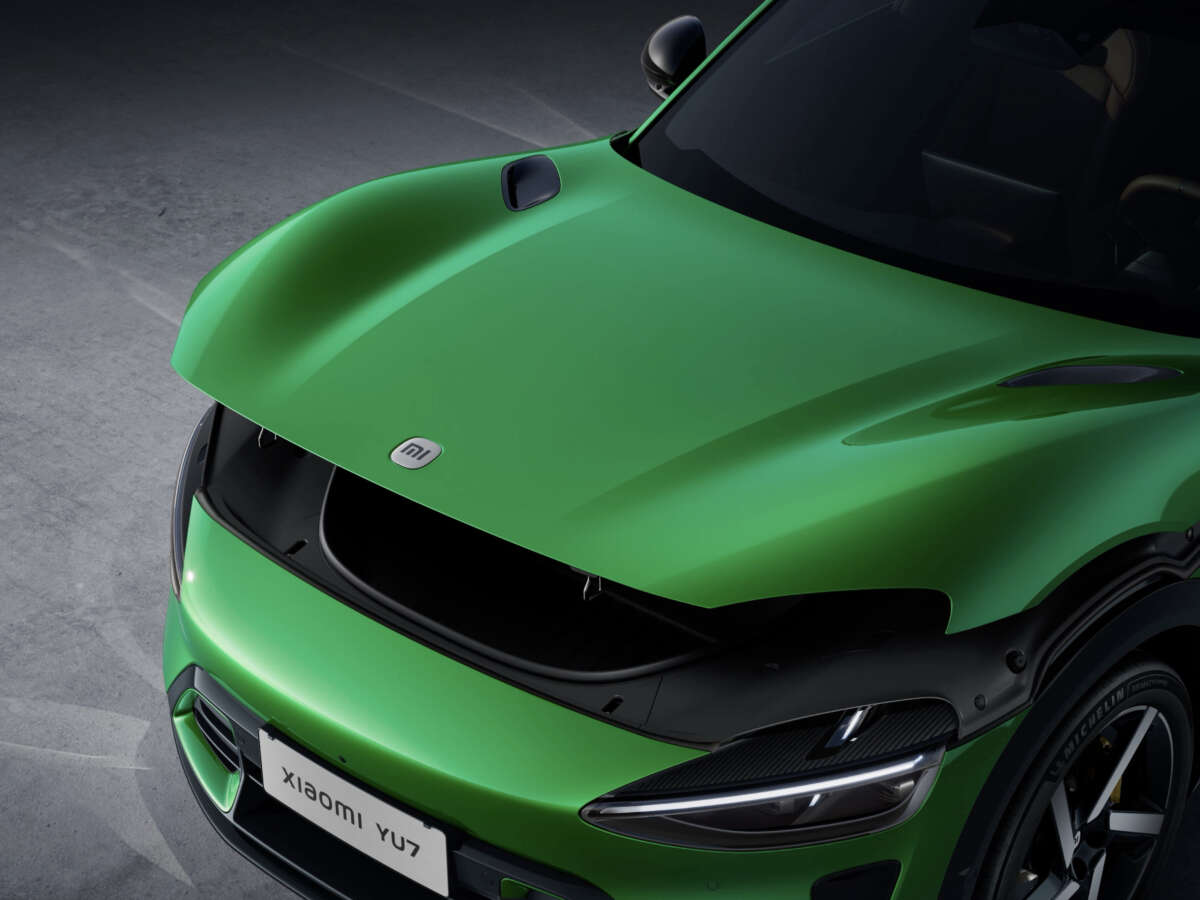
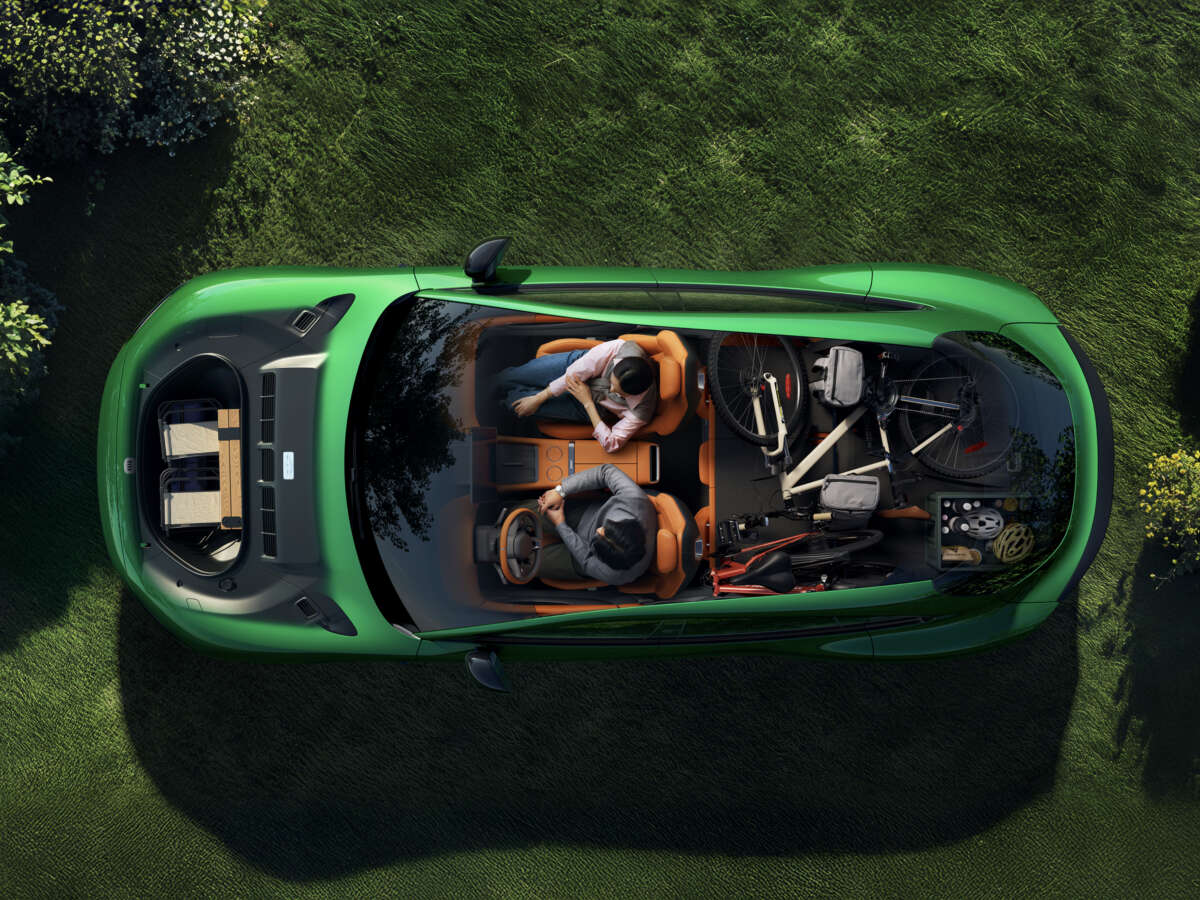
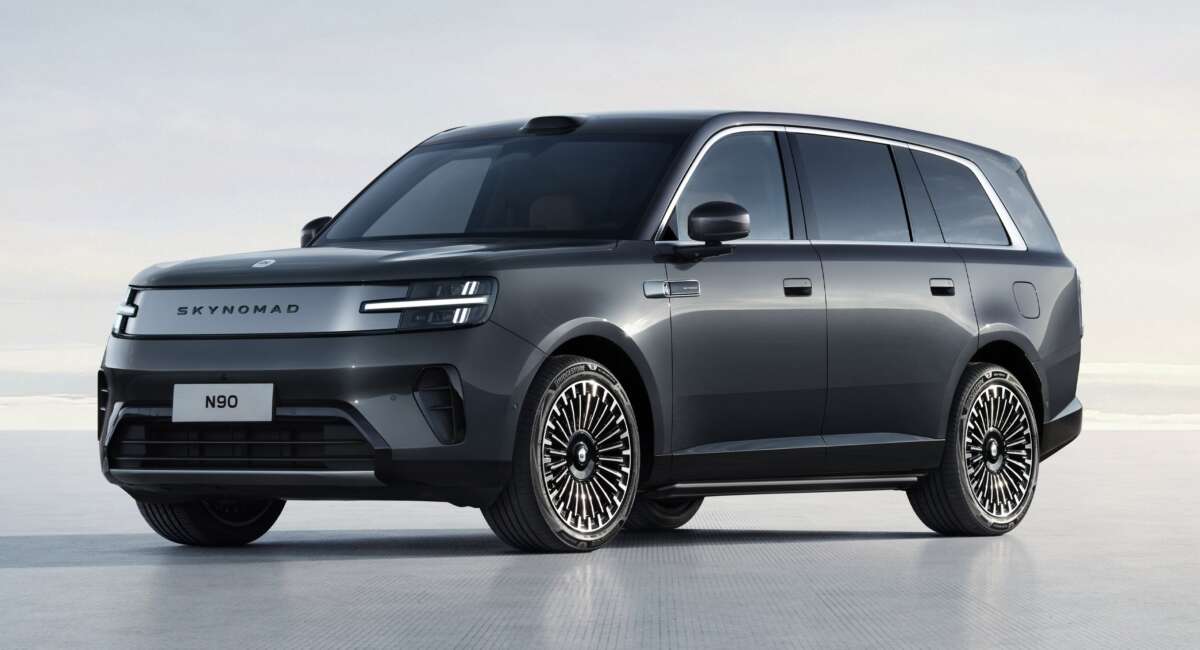
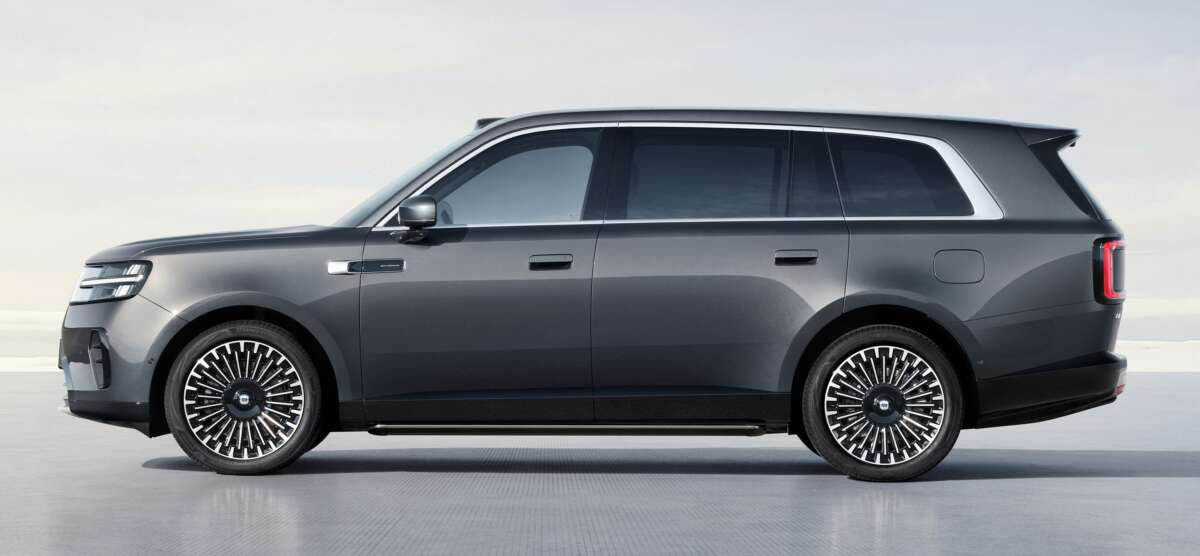
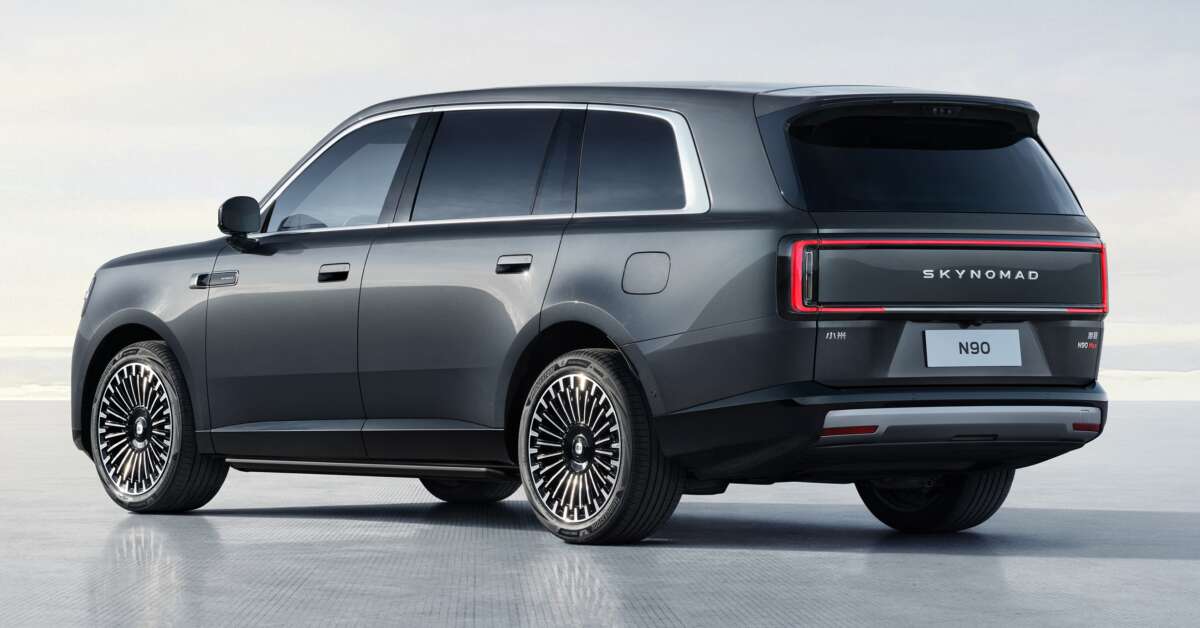
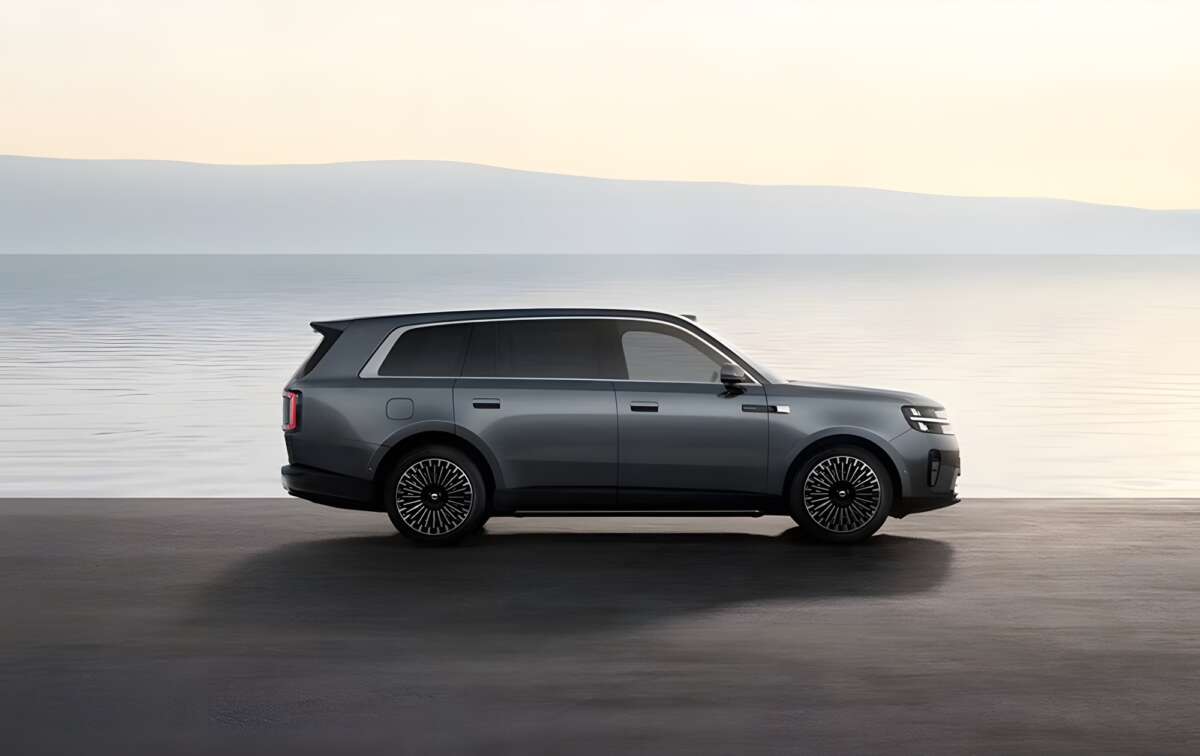
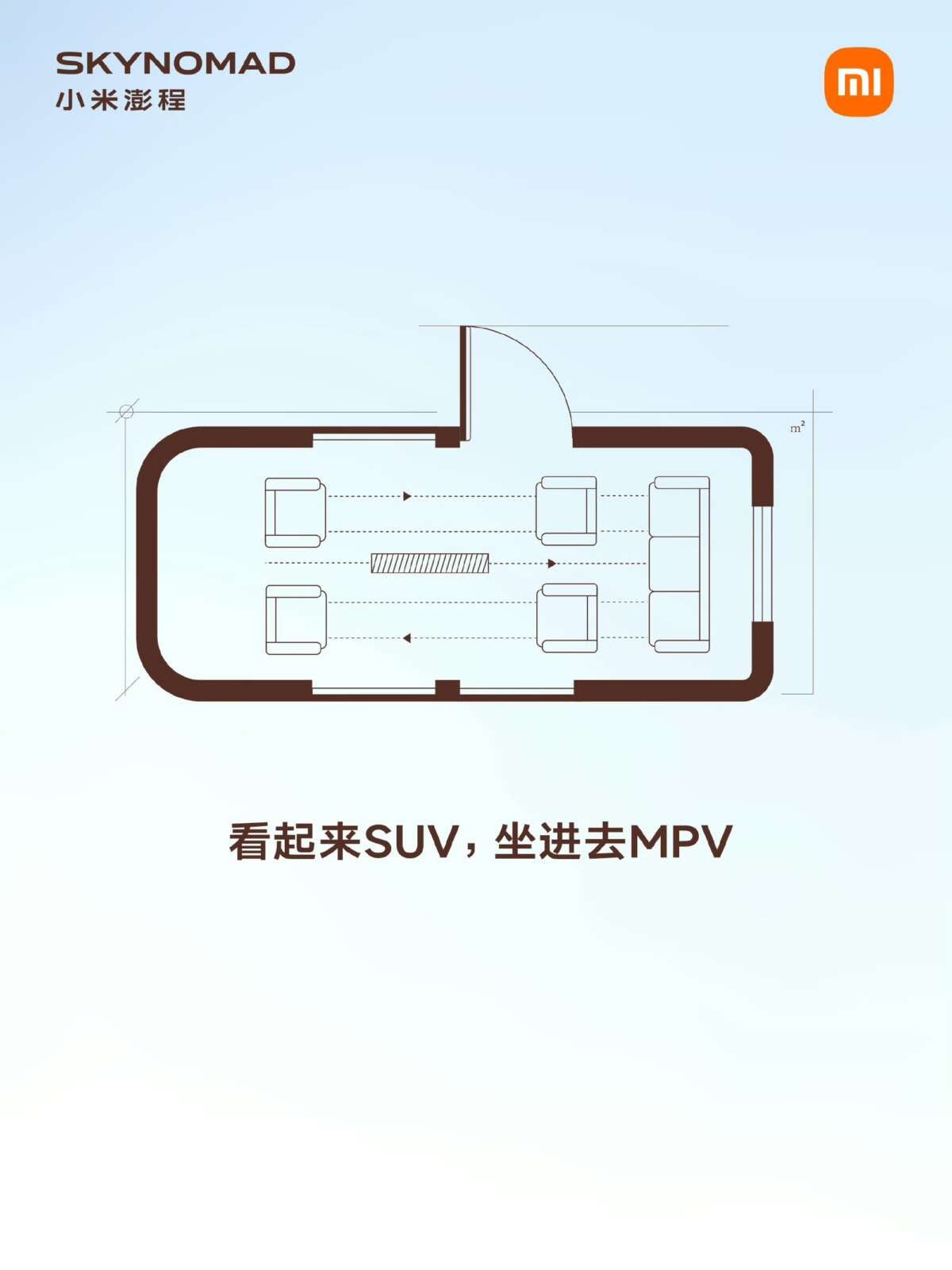
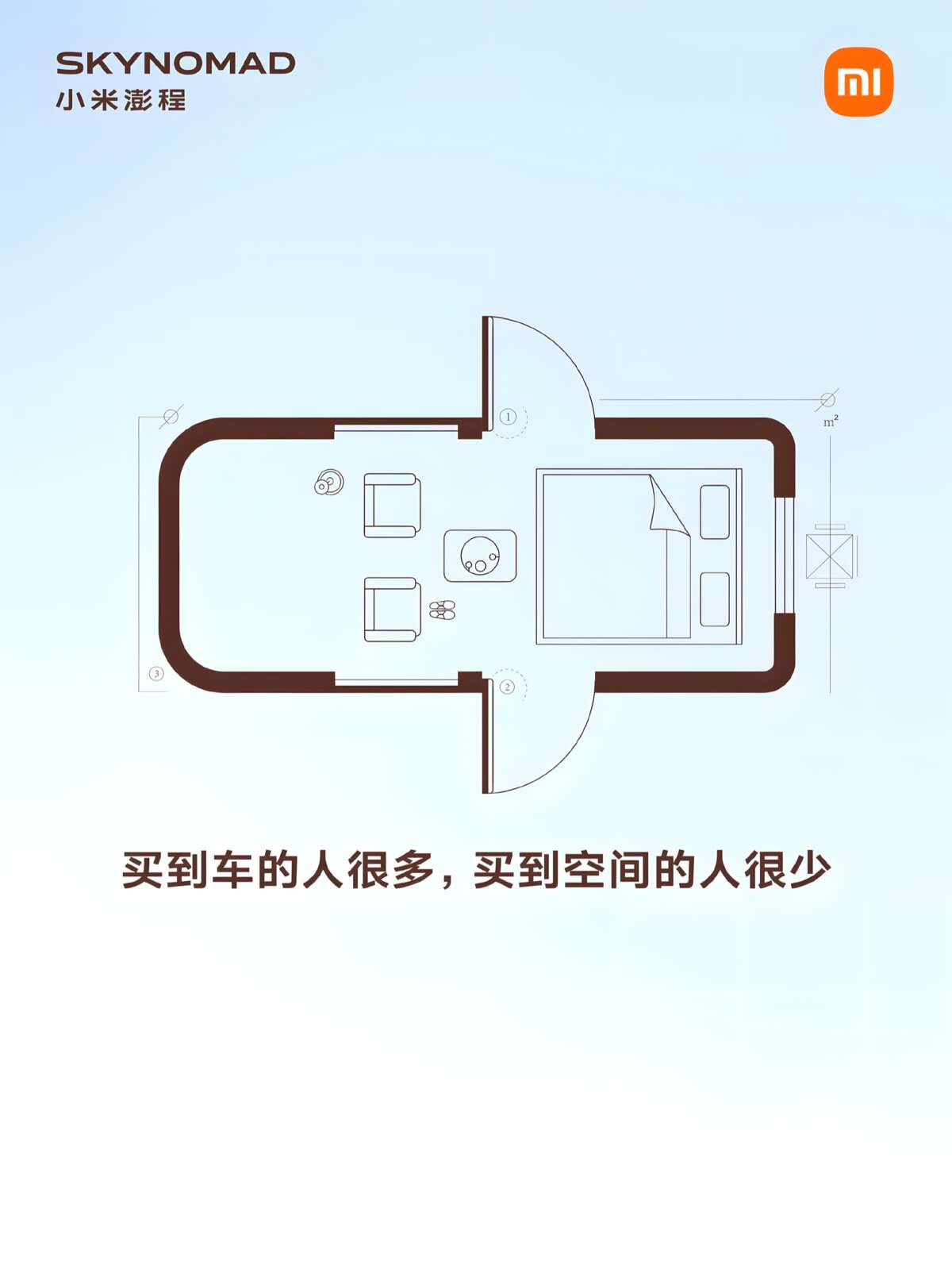
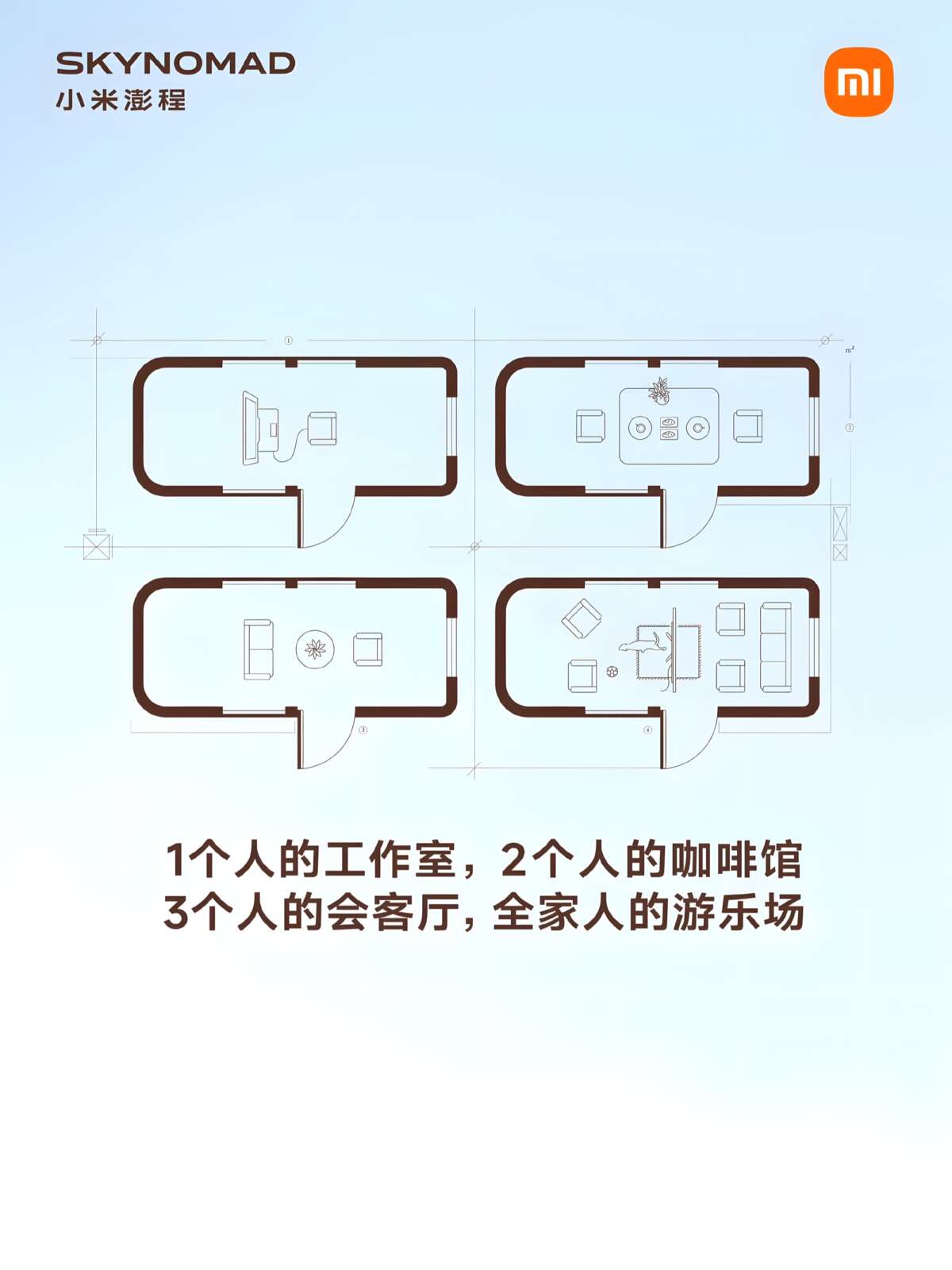
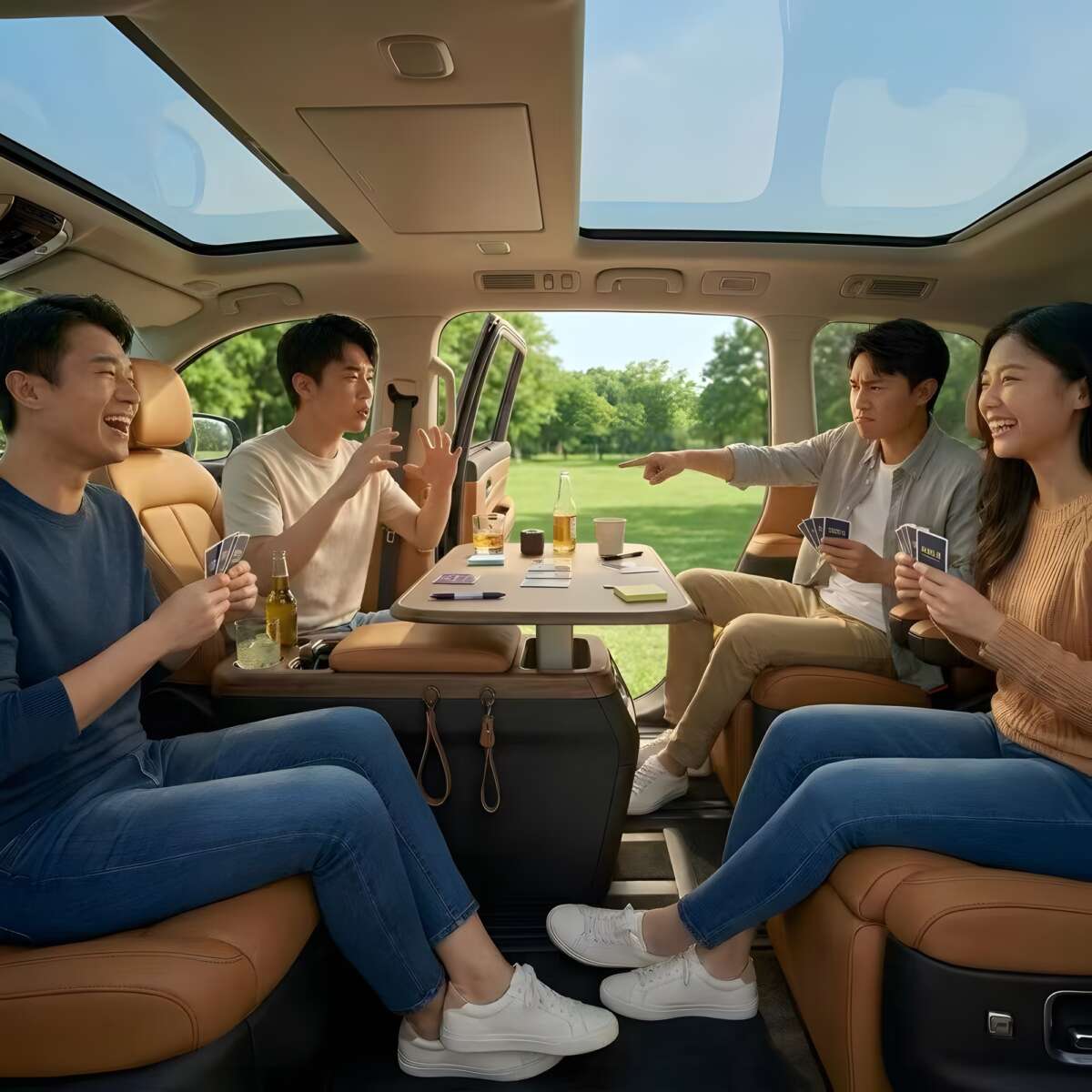
Xiaomi’s automotive line-up has also grown considerably since then. Beyond the SU7 sedan and YU7 SUV – both fully electric – the company revealed its second product series just last week: the SkyNomad range of extended-range electric (EREV) SUVs, comprising the N90 and N70 with transformable, lounge-like cabins and combined range of over 1,500 km.
The bigger open question is how Xiaomi would actually sell cars here. In China, Xiaomi runs a Tesla-style direct sales model – company-owned stores and delivery centres, no franchised dealers. Replicating that in Malaysia isn’t straightforward, because the conventional franchise AP route requires a local company with Bumiputera shareholding, which is incompatible with a no-partner, direct-to-consumer structure.
Tesla’s workaround was MITI’s BEV Global Leaders programme, which granted the carmaker franchise APs directly in exchange for investment commitments – a Supercharger network, a local head office, hiring and training targets. But that programme’s application window closed on December 31, 2025, with Tesla as its sole participant, so Xiaomi taking the same path would require MITI to revive or renew the scheme.
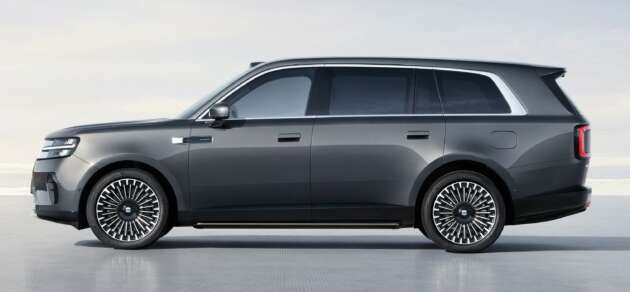
There’s a further wrinkle: the Global Leaders programme was strictly for battery-electric vehicles. The SU7 and YU7 would qualify, but the new SkyNomad N90 and N70 are EREVs with a petrol range extender on board, putting them outside the programme’s scope.
The more conventional alternative would be a local distributor arrangement in the mould of BYD and Sime Darby Motors – the local partner holds the APs and carries the compliance burden, while the brand retains control over retail experience and pricing. And with the RM200,000 CIF floor now making sub-RM300k CBU EVs commercially unviable, the CKD reference in the job description may well be the operative word – local assembly sidesteps the CBU restriction.
To be clear, a job listing is not a launch announcement. Xiaomi has made no official statement on a Malaysian market entry, and there’s no confirmation of timing, model line-up or distribution structure. But companies don’t hire dedicated, automotive-specific government relations managers in markets they aren’t serious about. With the 2027 global expansion target on record and this role now being filled, the pieces are starting to move.

















Looking to sell your car? Sell it with Carro.



china cars are a scam, because need to topup extra RM26k for BSRI warranty and servicing. oops sorry my mistake i got mixed up with bmw.