
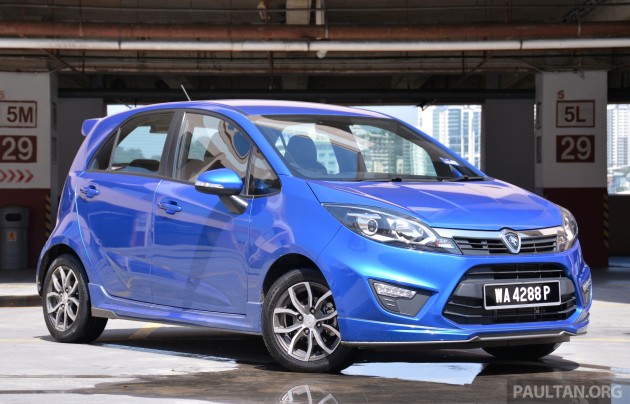
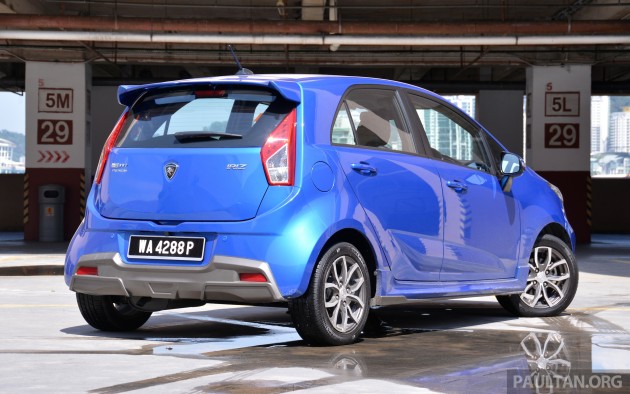
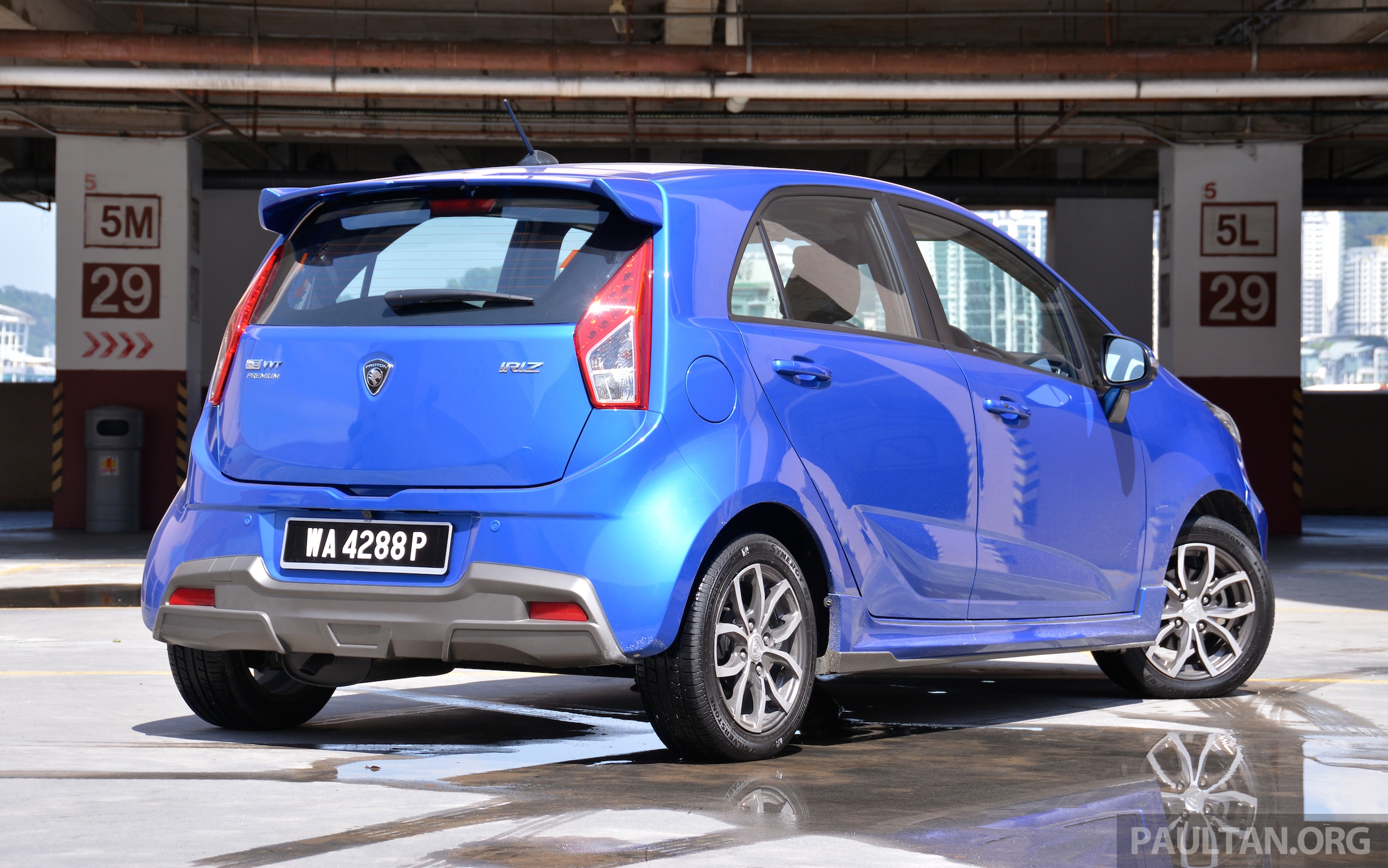
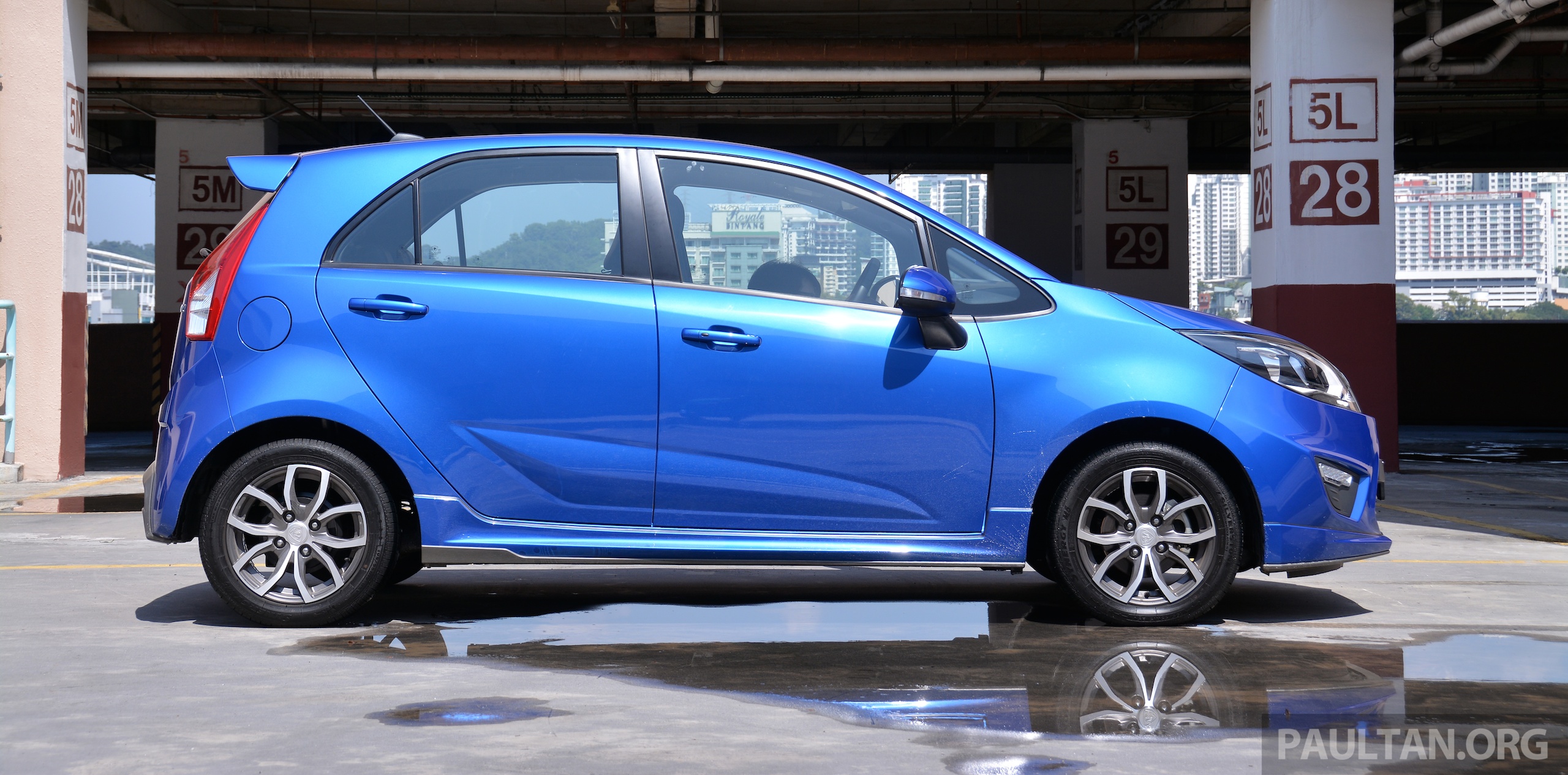
With more and more countries slated to receive the Proton Iriz, it appears the “global car” is finally about to see the world. The latest nation added to the list is India, which may even assemble the B-segment hatch, according to a report by Autocar Professional.
Proton chief technical officer of group engineering Abdul Rashid Musa told the Indian industry journal that the company is in the midst of undergoing a feasibility study into understanding the Indian market and building the right product for it. He adds that Proton is looking into a local partnership to either distribute or assemble its cars as an option.
“There are some specific, not trade barriers, but I would say specifications like reduction of tariffs if the car is below 4 metres in length,” Rashid said. “Market to market, there are different priorities that may or may not pose a challenge. We have a sub-4-metre car – the Iriz – but the challenge is the diesel price in India.
“In a market which favours diesel, and the diesel price is lower than petrol, it is a challenge as we have a stronger petrol portfolio in Malaysia where diesel is used mostly for commercial vehicles.”
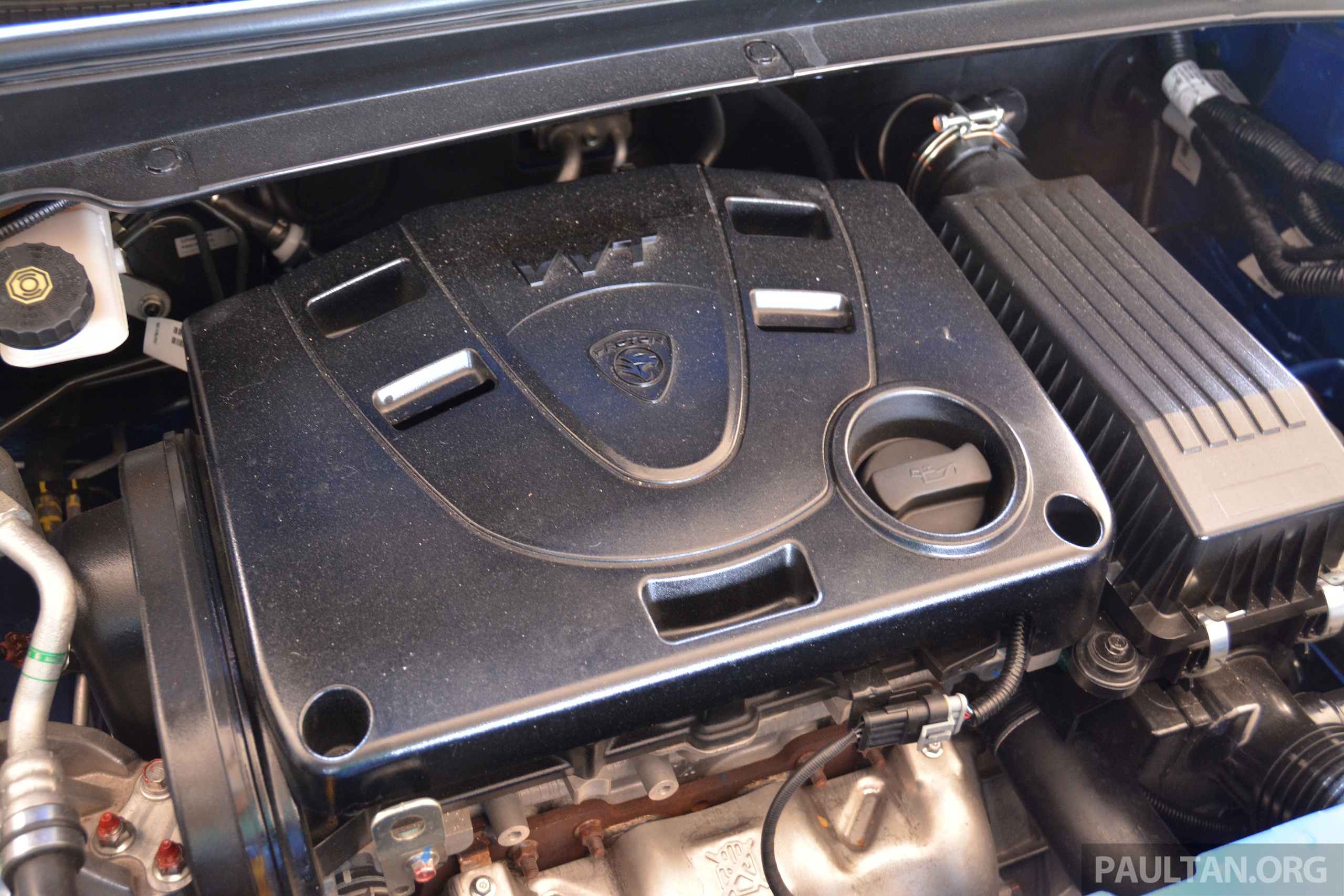
As a matter of fact, Rashid has alluded to a diesel-powered Iriz before – during the press drive event last October, he said that Proton was considering acquiring diesel engines from other manufacturers for export markets. If that’s the case, the company will already have an oil-burning small hatchback ready for the world’s second fastest growing automotive market.
Proton’s entry into the Indian market has been long forthcoming – it was originally aiming for a 2011 introduction and (as it is doing now) was looking to source diesel engines from other OEMs. That project, however, seems to have been put on the backburner until now.









AD: Drive the Proton model of your dreams. Submit your details and Proton PJ will get in touch with you.
Looking to sell your car? Sell it with Carro.
 Proton X90
from RM106,800
Proton X90
from RM106,800  Proton S70
from RM73,800
Proton S70
from RM73,800  Proton eMas 7 PHEV
from RM109,800
Proton eMas 7 PHEV
from RM109,800  Proton X70
from RM106,800
Proton X70
from RM106,800  Proton Saga
from RM38,990
Proton Saga
from RM38,990  Proton eMas 5
from RM59,800
Proton eMas 5
from RM59,800  Proton X50
from RM89,800
Proton X50
from RM89,800  Proton eMas 7
from RM103,800
Proton eMas 7
from RM103,800 
 ioma
on
ioma
on 

 Ah Beng (Member)
on
Ah Beng (Member)
on  Ah Beng ProtonFan
on
Ah Beng ProtonFan
on  Same L0rrrr
on
Same L0rrrr
on  samelorrjunk
on
samelorrjunk
on  Tapau
on
Tapau
on  frauseeur
on
frauseeur
on  pooruncle
on
pooruncle
on  Albert Sam
on
Albert Sam
on  gth
on
gth
on  kontikinte
on
kontikinte
on  nacpau
on
nacpau
on  alldisc
on
alldisc
on  Mohan Nair
on
Mohan Nair
on  Toyota D4D
on
Toyota D4D
on  zash
on
zash
on  youcrappy
on
youcrappy
on  sudonano (Member)
on
sudonano (Member)
on  GT3 (Member)
on
GT3 (Member)
on  jellyioma
on
jellyioma
on  DonkeyKong
on
DonkeyKong
on  Jimmy
on
Jimmy
on  Cincau
on
Cincau
on  camryboring
on
camryboring
on  kama
on
kama
on  Joey
on
Joey
on  kindergartenteacher
on
kindergartenteacher
on  Back at you
on
Back at you
on  bnadung
on
bnadung
on  Abc
on
Abc
on  Painter
on
Painter
on  OK
on
OK
on  john
on
john
on  Proton
on
Proton
on  kzm (Member)
on
kzm (Member)
on  thedarkside
on
thedarkside
on  lansi
on
lansi
on  goIriz
on
goIriz
on  Telescopic
on
Telescopic
on  telescopicdreamer
on
telescopicdreamer
on  Semi-Value (Member)
on
Semi-Value (Member)
on  cowdung
on
cowdung
on  Passerby
on
Passerby
on  mechan
on
mechan
on  toyotarubbish
on
toyotarubbish
on  ONI
on
ONI
on  syerin
on
syerin
on  dmacai
on
dmacai
on  Sean
on
Sean
on  oh no
on
oh no
on  AL Patel
on
AL Patel
on  maulana
on
maulana
on  numbin
on
numbin
on  proton rejected unit
on
proton rejected unit
on  Tak laku
on
Tak laku
on  fidzo
on
fidzo
on  CyberPatrol
on
CyberPatrol
on  Unknown
on
Unknown
on  Siti
on
Siti
on  dol
on
dol
on  ayamxxx
on
ayamxxx
on  ~SHIRO~
on
~SHIRO~
on  Discriminate
on
Discriminate
on  sam loo fan
on
sam loo fan
on  ayamxxx
on
ayamxxx
on  beRealisticlaBro
on
beRealisticlaBro
on  Mr. R
on
Mr. R
on  takpuashati
on
takpuashati
on  triple h (Member)
on
triple h (Member)
on 


AI-generated Summary ✨
Comments are mostly skeptical about Proton's plan to sell the Iriz in India, citing concerns over brand recognition, market competition, and quality issues. Some users mention India's strict emission standards and tariff barriers, doubting Proton's success. Others criticize Proton's past failures in international markets and question the relevance of the move. A few comments support the effort, emphasizing the importance of expanding Malaysian cars globally. Overall, sentiments lean toward skepticism and negativity regarding Proton's Indian market prospects.