
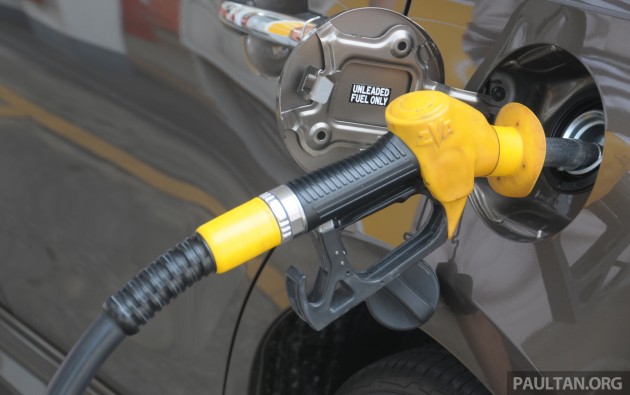
In a bid to bolster its fiscal position, Malaysia is set to to cut subsidies on a wider scale, Bloomberg reports. Mohd Irwan Serigar Abdullah, secretary general of the country’s Treasury, told the financial news organisation in an interview earlier this week that the aim is to work gradually towards the removal of subsidies for petrol, liquefied petroleum gas and cooking oil in the coming years.
This and other moves, including that of moving government employee housing loans off its balance sheets, is part of the fiscal reform planned by the government. The move towards fiscal consolidation, Mohd Irwan said, is something the government is very committed to.
“We cannot afford to be in subsidy mode forever. We are at a point where there are too many subsidies and the government budgetary system can’t afford to carry such a burden,” he said.
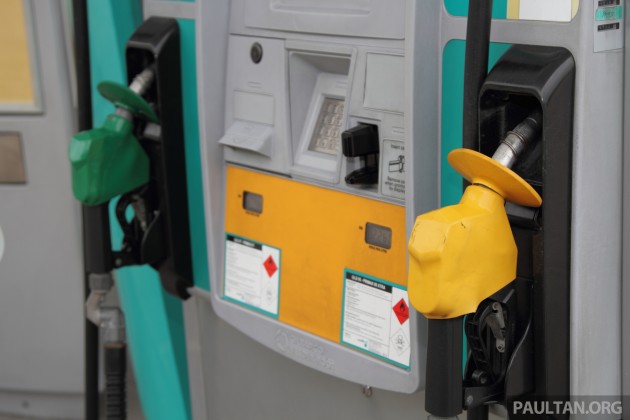
The country scaled back on petrol and diesel subsidies – as well as that of sugar – in 2014 after tumbling oil prices provided the government the means to start weaning the nation off cheap fuel.
He added that the implementation of the Goods and Services Tax (GST) in April has aided in countering the decline in government revenue following the drop in crude oil prices. Mohd Irwan stated that collections from the new tax regime have thus far exceeded the government’s estimate, without specifying by how much.
On December 1 last year, the pricing structure for RON 95 and diesel fuels was revised to run on a managed float system similar to the one employed for RON 97 petrol. For July 2015, RON 95 petrol is priced at RM2.15 (up 10 sen compared to June) per litre, while RON 97 petrol is at RM2.55 (up 20 sen). Diesel, meanwhile, is priced at RM2.05 (unchanged) and Euro 5 diesel at RM2.15 (unchanged).

 Bodoh/Buttlickers
on
Bodoh/Buttlickers
on 

 Gargantia
on
Gargantia
on  Madani
on
Madani
on  History of Songlap in Malaysia
on
History of Songlap in Malaysia
on  The Truth About Subsidi
on
The Truth About Subsidi
on  kington
on
kington
on  Oil is Our Right la
on
Oil is Our Right la
on  Pilihan Rakyat
on
Pilihan Rakyat
on  No pilihan
on
No pilihan
on  In your dreams
on
In your dreams
on  Turunkan Harga Kereta!
on
Turunkan Harga Kereta!
on  Tupai Jatuh
on
Tupai Jatuh
on  :)
on
:)
on  Insider News
on
Insider News
on  Where is Najib's Promise?
on
Where is Najib's Promise?
on  Phyuck Yiu
on
Phyuck Yiu
on  Kxx
on
Kxx
on  Wan Deris Wan Ahmad
on
Wan Deris Wan Ahmad
on  Same L0rrrr
on
Same L0rrrr
on  Al haffi
on
Al haffi
on  zyde
on
zyde
on  alldisc
on
alldisc
on  Why Bloomberg?
on
Why Bloomberg?
on  Azmi
on
Azmi
on  Failed State Citizen
on
Failed State Citizen
on  speechless
on
speechless
on  Vgs
on
Vgs
on  Lance
on
Lance
on  Abukik
on
Abukik
on  king
on
king
on  ng seh hoong
on
ng seh hoong
on  choochoo
on
choochoo
on  superbird #43
on
superbird #43
on  subsidymyass
on
subsidymyass
on  people
on
people
on  benzs
on
benzs
on  nabill (Member)
on
nabill (Member)
on  sudonano (Member)
on
sudonano (Member)
on  HIto
on
HIto
on  mason_
on
mason_
on  Rip
on
Rip
on  Roll Eyes
on
Roll Eyes
on  Voorhees
on
Voorhees
on  bujingyun
on
bujingyun
on  HaIrI
on
HaIrI
on  Kancil Hybrid
on
Kancil Hybrid
on  DieBN!
on
DieBN!
on  Andrew1
on
Andrew1
on  Andrekua
on
Andrekua
on  Jc
on
Jc
on  BR1M
on
BR1M
on  pok mang amg
on
pok mang amg
on  ley
on
ley
on  john
on
john
on  CarmenTung
on
CarmenTung
on  LokCy
on
LokCy
on  ioma
on
ioma
on  ben yap
on
ben yap
on  cendol (Member)
on
cendol (Member)
on  jojo
on
jojo
on  Terrence chaw
on
Terrence chaw
on  jc
on
jc
on  axia
on
axia
on  nosubsidy
on
nosubsidy
on  BLT_Club
on
BLT_Club
on  muskila
on
muskila
on  GforGoners
on
GforGoners
on  sabahan
on
sabahan
on  thedarkside
on
thedarkside
on  Irsan
on
Irsan
on
AI-generated Summary ✨
Comments express strong dissatisfaction with Malaysia's high fuel and car prices despite the country's oil wealth, criticizing ongoing subsidies and government corruption. Many highlight the disparity between oil production and prices paid by Malaysians, calling for transparency, better financial management, and ending subsidies tied to political interests. There is a shared view that removing subsidies alone isn't enough; voters urge reform, accountability, and fairer economic policies, with some advocating for a change in government to address these issues. Sentiments range from frustration to hopelessness about the current leadership.