
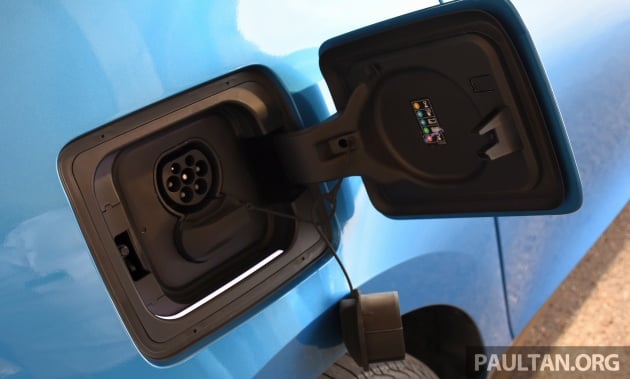
BMW has partnered with a US-based electric vehicle battery company, Solid Power for the development of next-generation solid-state batteries, according to Reuters. The German automaker will assist Solid Power in advancing their technology in order to attain the performance levels required by high-performance EVs, the battery producer said.
Solid-state batteries are an improvement on the lithium-ion batteries of today, replacing liquid or gel-type electrolytes with a solid conductive material, which is both safer (no risk of spillage) and capable of greater charge capacity. Cost is a factor, too, as solid-state batteries are cheaper and thus the costs savings can be passed on to the buyer.
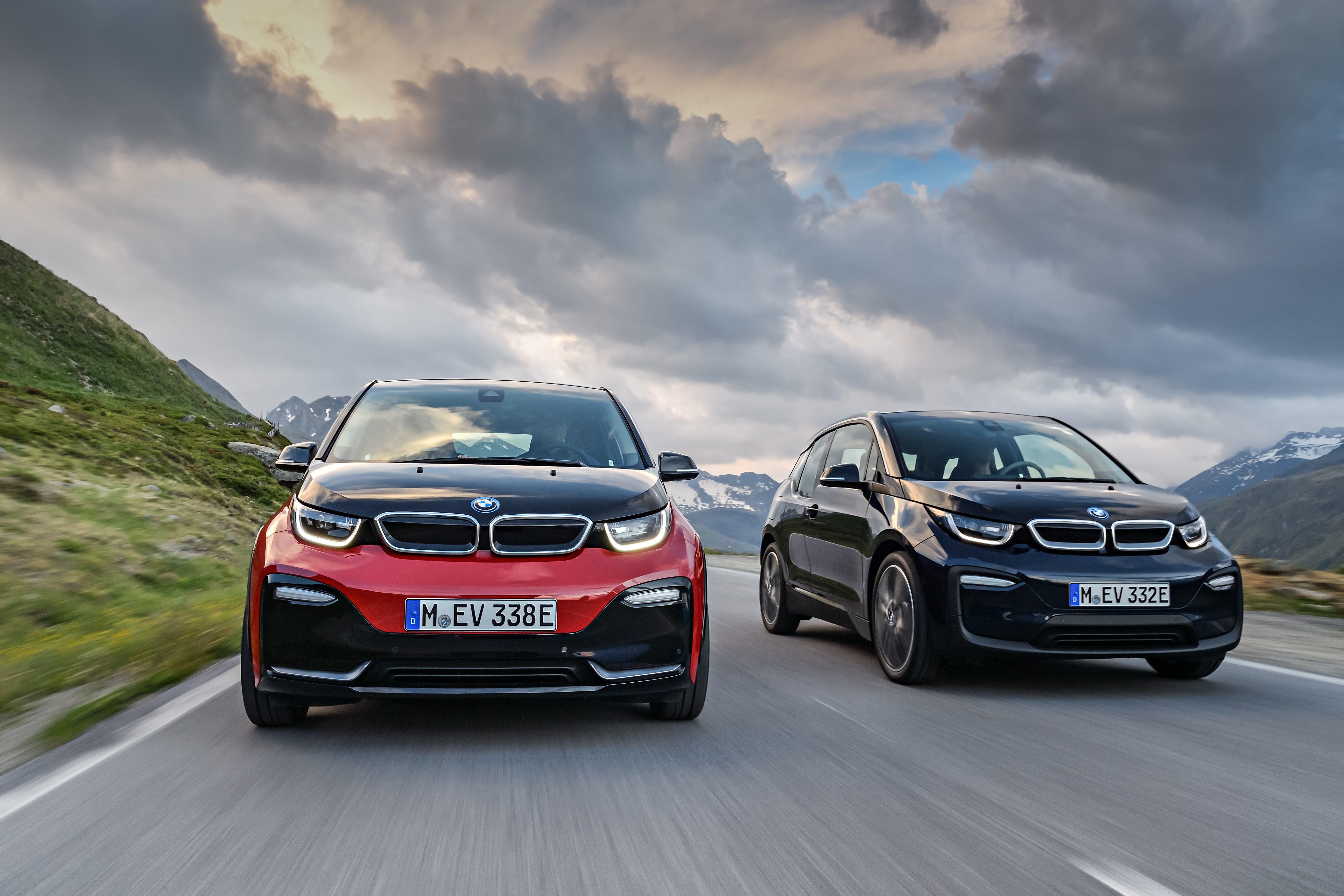
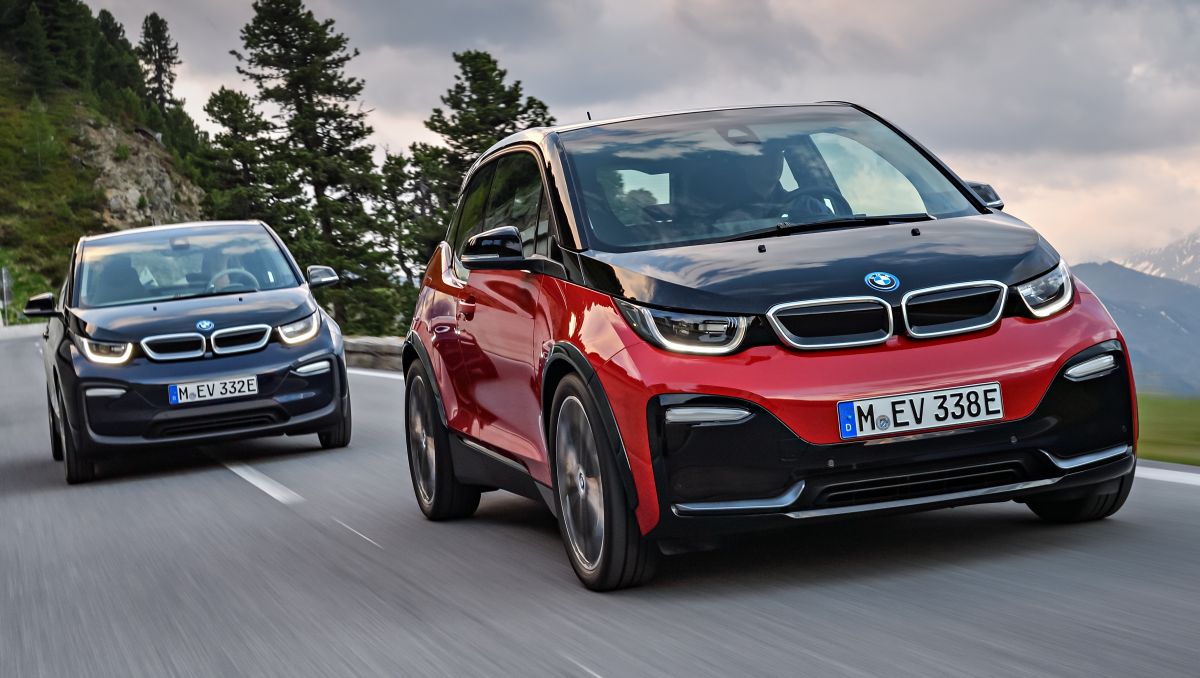
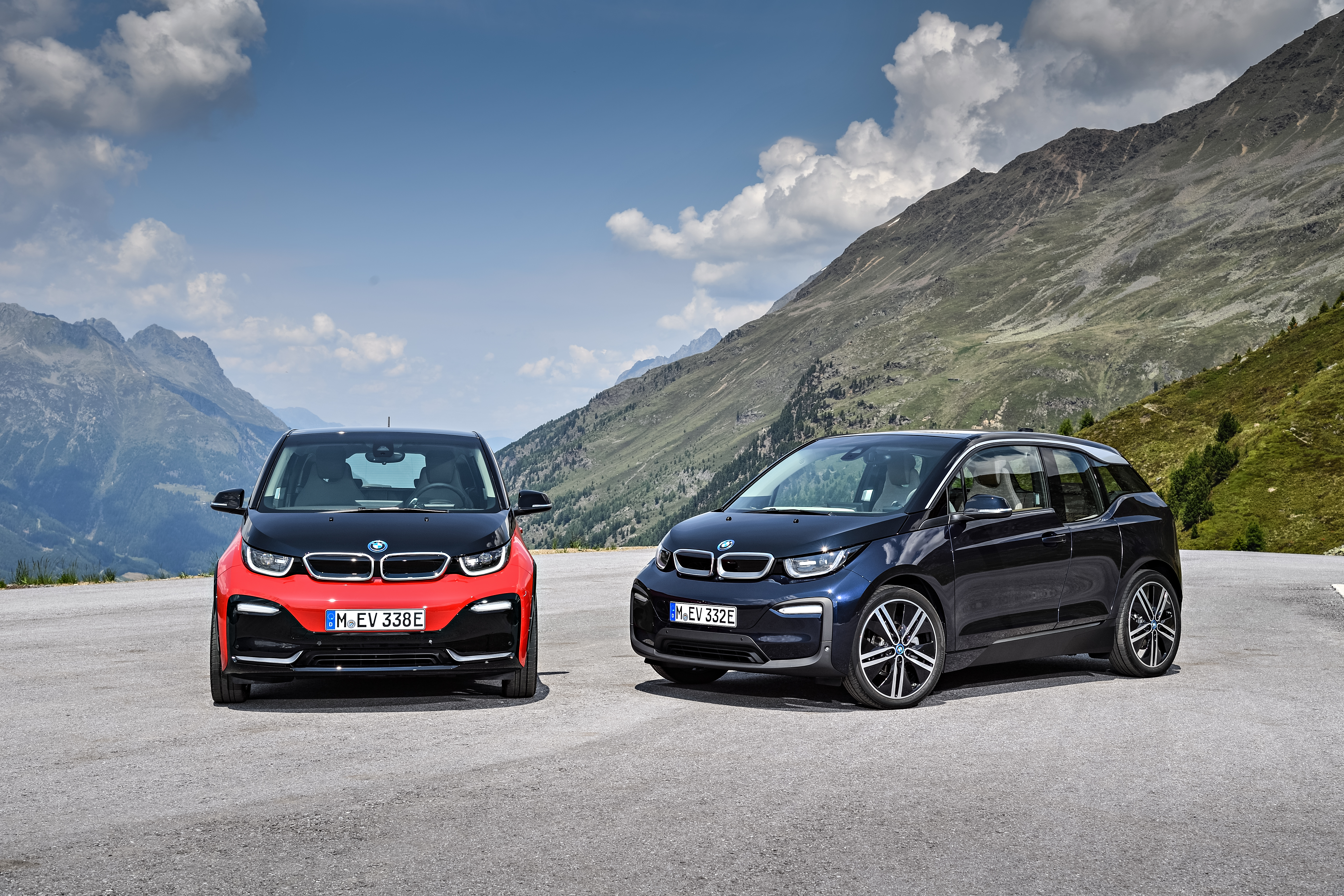
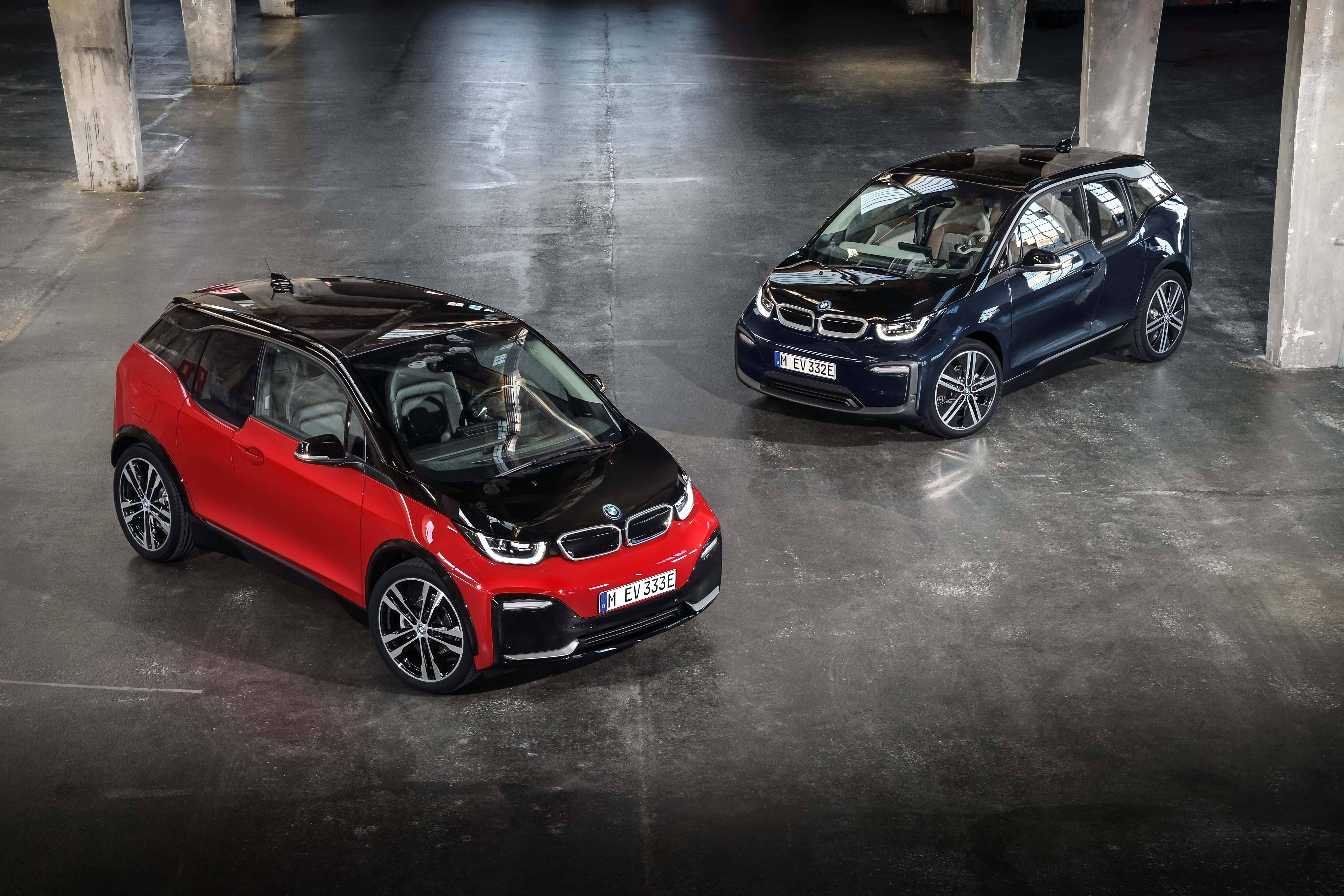
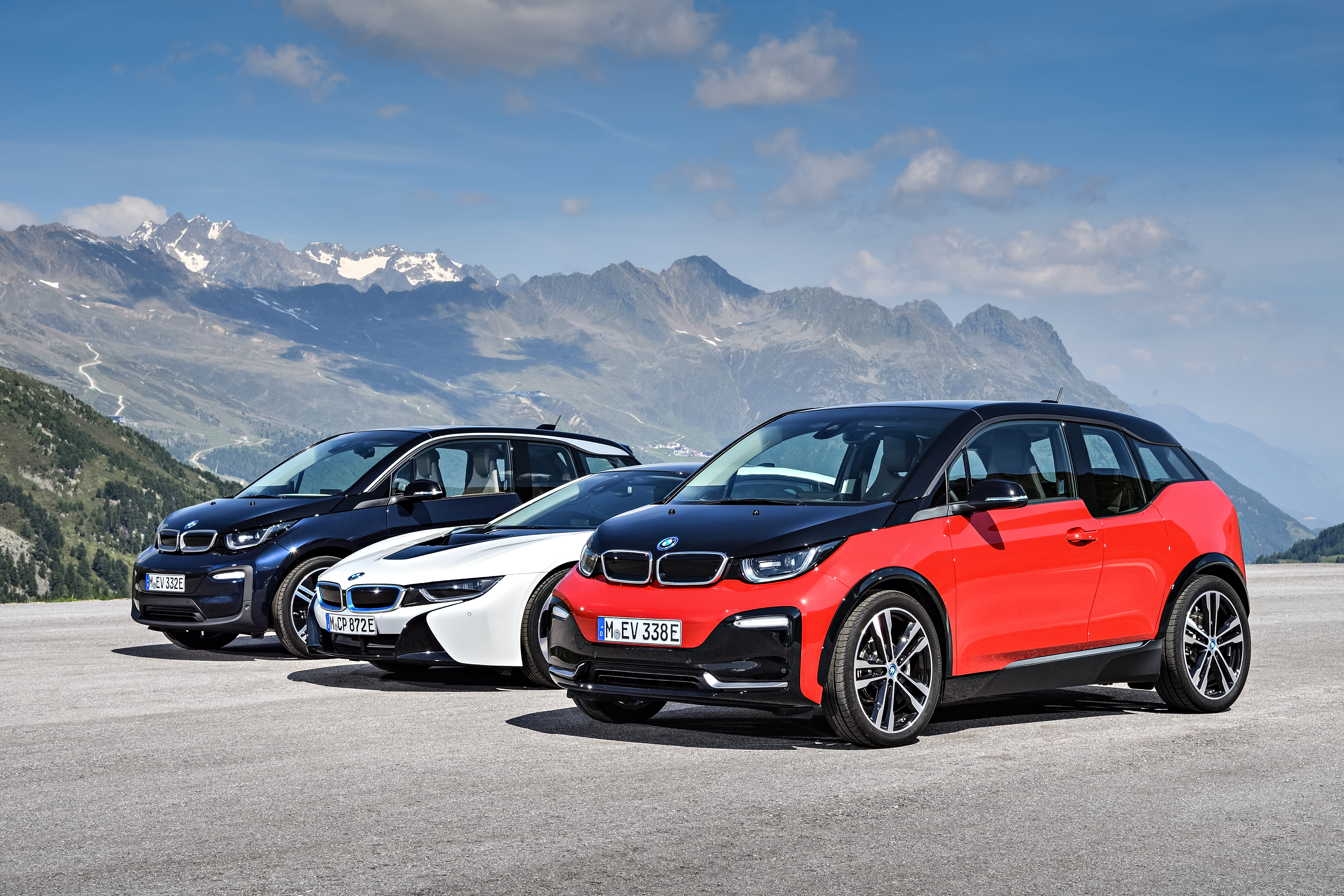
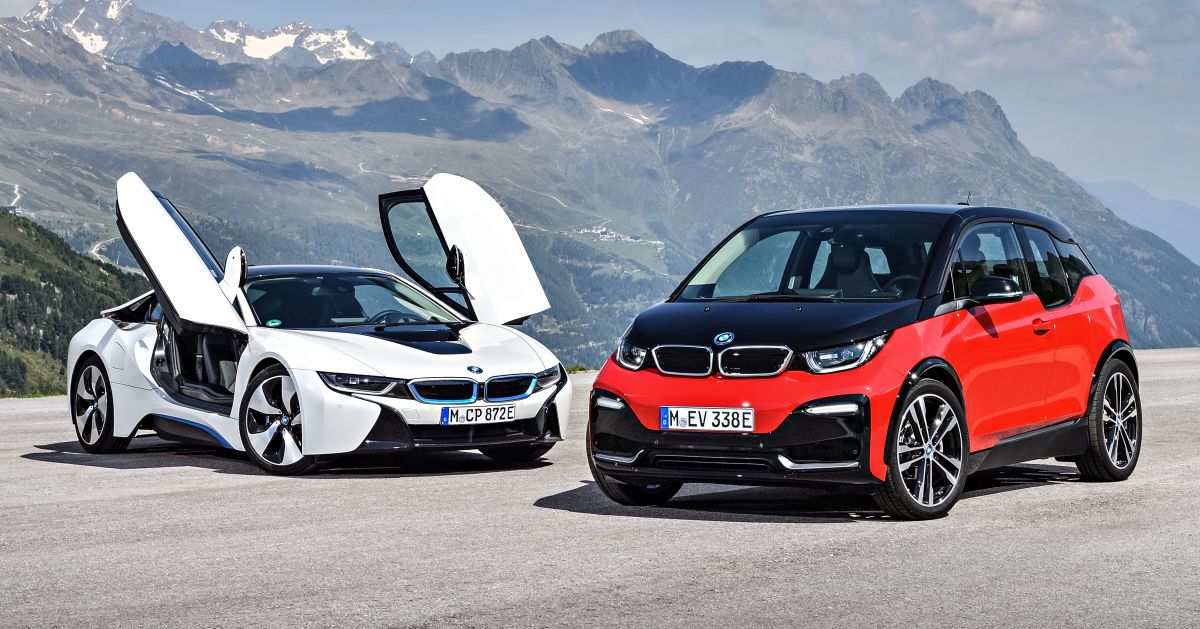
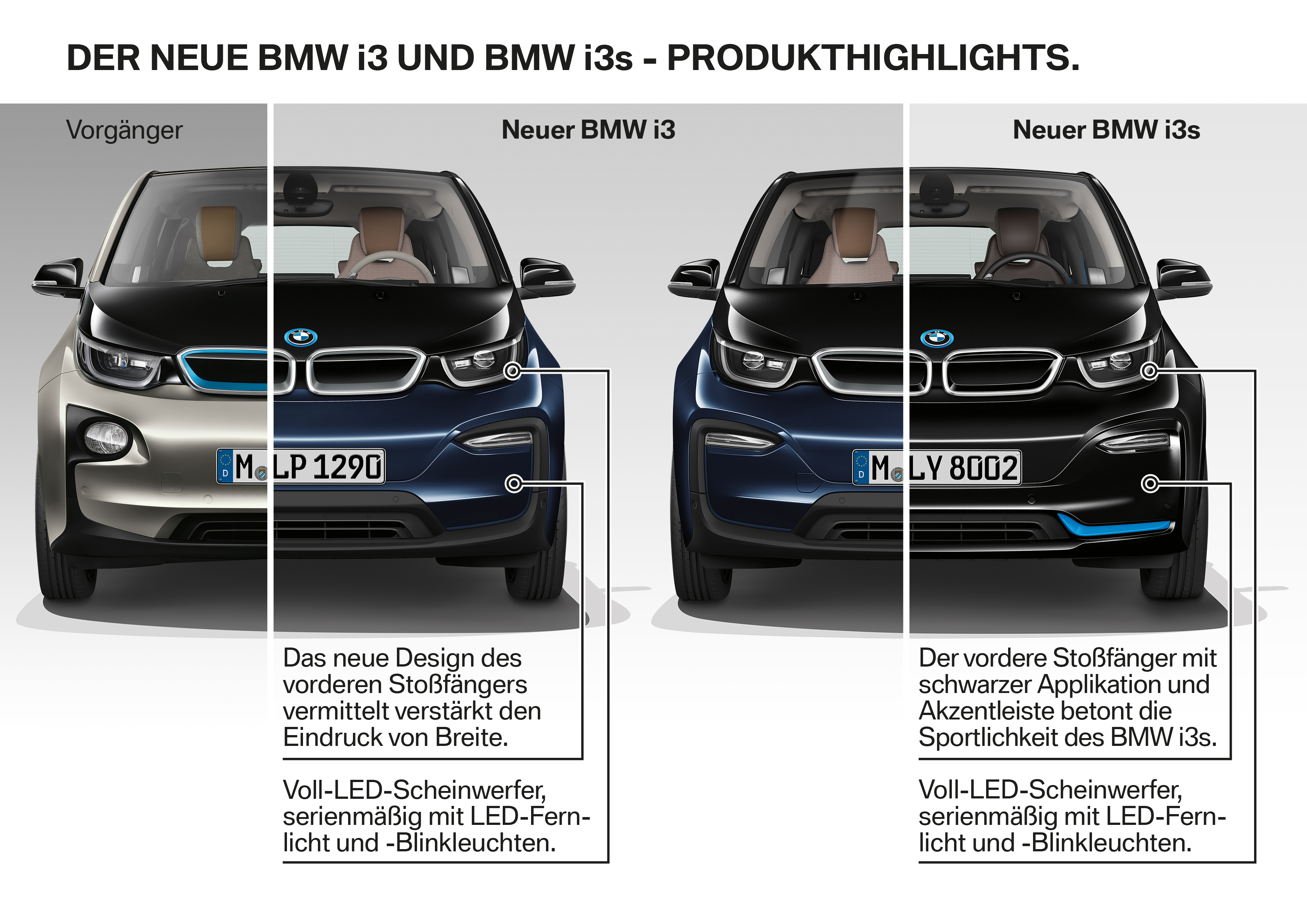
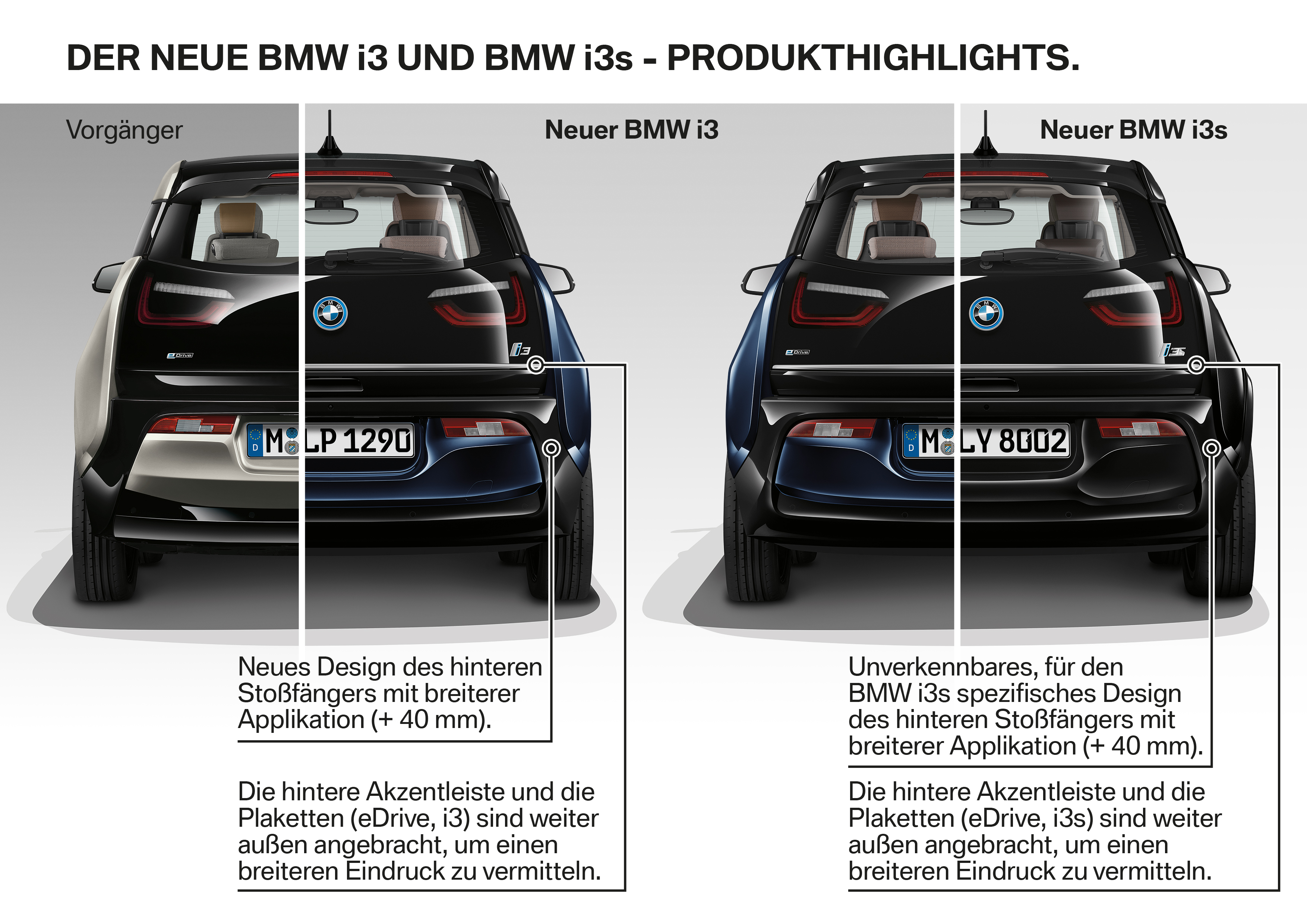
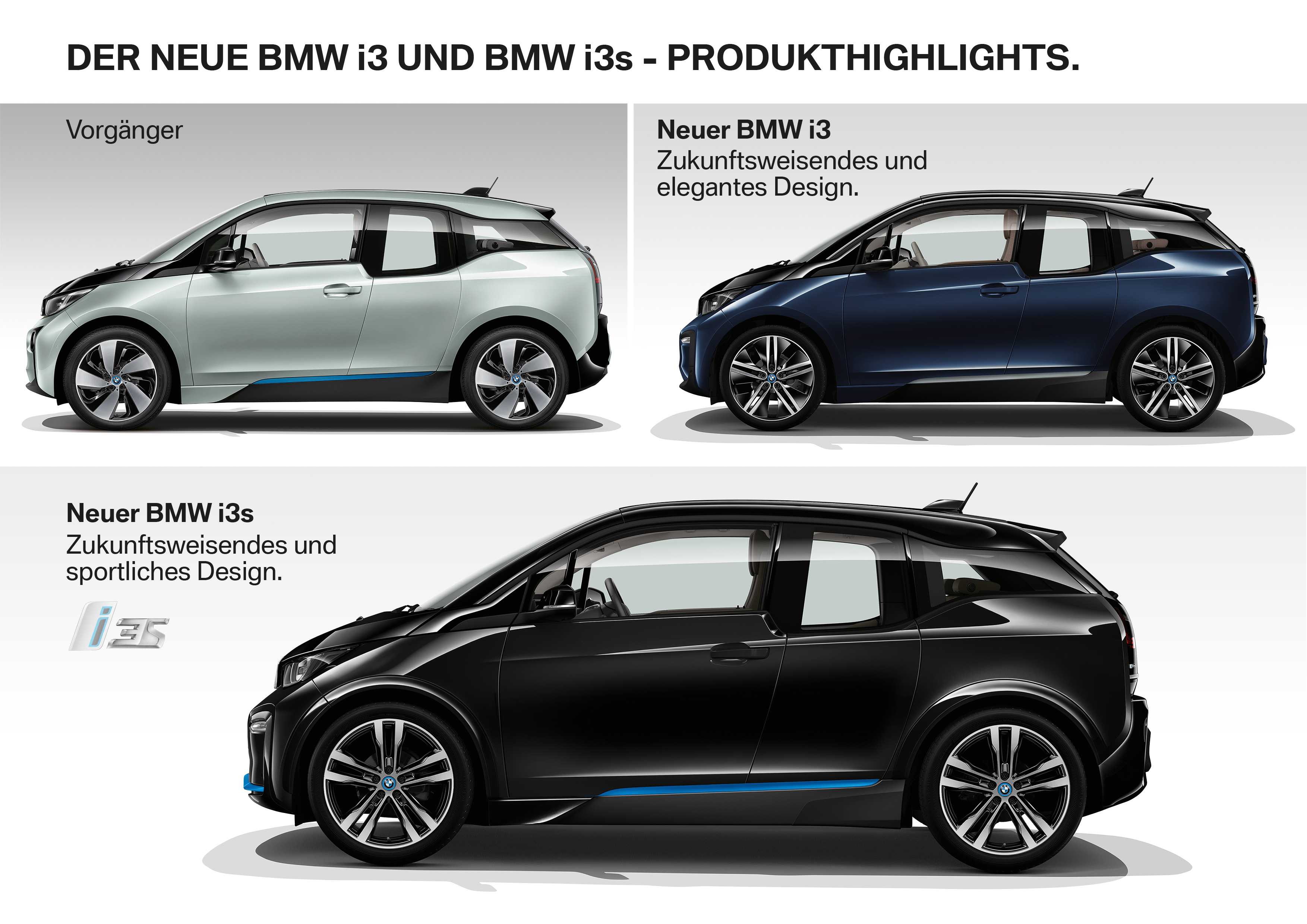
This could mean considerable improvements on models such as the BMW i3, which currently uses a 170 hp/250 Nm electric powertrain which provides up to 200 km in real-world range, BMW says. At full tilt, 0-100 km/h is done in 7.3 seconds and top speed is a claimed 150 km/h. A sportier i3s version does 0-100 km/h in 6.9 seconds and a top speed of 160 km/h, with NEDC-rated range dropping by just 10 km.
Ealier this month, Toyota and Panasonic announced an agreement to begin studying the feasibility of a joint automotive prismatic battery business. Further out to the fringes of what’s possible with solid-state batteries, Fisker claims that its breakthrough in development will enable ranges as great as 800 km, from a full charge time as low as one minute.
GALLERY: BMW i3 facelift










 BMW iX3
from RM378,800
BMW iX3
from RM378,800  BMW M3 Touring
from RM898,800
BMW M3 Touring
from RM898,800  BMW iX1 L
from RM252,800
BMW iX1 L
from RM252,800  BMW iX
from RM425,800
BMW iX
from RM425,800  BMW X3
from RM325,800
BMW X3
from RM325,800  BMW M5
from RM1,200,800
BMW M5
from RM1,200,800  BMW M4 Coupe
from RM878,800
BMW M4 Coupe
from RM878,800  BMW 2 Series Gran Coupe
from RM173,800
BMW 2 Series Gran Coupe
from RM173,800  BMW 3 Series
from RM267,800
BMW 3 Series
from RM267,800 
Once solid state batteries becomes economically competitive to fossil fuel per equivalent energy density, then all innovation, machines, & tech will be electrified forever. Hybrids & fuelcells r just halfway solutions.
Solid state batteries are the real future. Safer, denser energy storage and faster charging. 800km? Why stop there? Just service the car in the official service center and they swap one for you up to 10k km per interval. No need charging, just swap it the future… part of how the car industry keeps the customer base… money flowing and how petrol station will only be for industrial vehicles… of course we can’t still go buy stuffs there…
The industry needs to agree on a modular, interchangeable, upgradable but backwards compatible, battery cell.
Single cell for motor
Double the unit for compact cars
Triple/Quad for larger cars/SUV/MPV
Multiple stacks for bus/trucks