
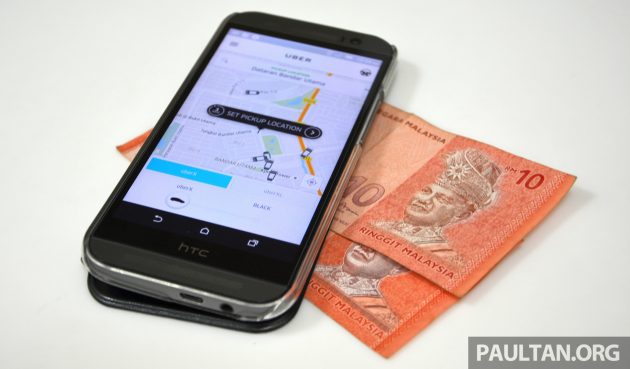
Taxi groups say that the new “e-hailing” model needs to be properly regulated and implemented, or it will result in the death of the conventional taxi industry. The new model will legalise app-based ride sharing services like Uber and Grab.
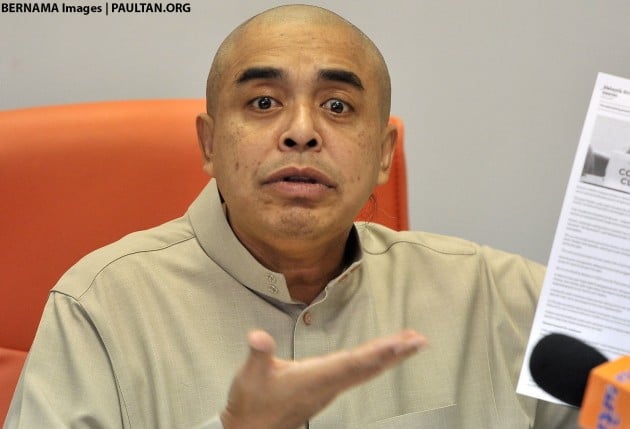
In a report by The Sun, Big Blue Taxi founder and advisor Datuk Shamsubahrin Ismail said the proposed revamp of the taxi industry, which may begin by the end of 2016, could spell the start of the end for taxi permit holders in the country.
“My fear is that the taxi drivers will give up driving taxis and return the vehicles to us to become Uber drivers,” Shamsubahrin said. Apparently, since January 2016, nearly 80% of taxi drivers have returned their taxis back to the taxi companies due to Uber and Grab’s services.
“When the taxi drivers return the taxis to us (the company), the industry will collapse! Please remember we still need to service the bank loans and other costs,” he added.
Shamsubahrin also questioned the Land Public Transport Commission’s (SPAD) proposal for taxi companies to adopt a profit-sharing concept or guaranteed percentage of the day’s income for cabbies.
“I want to know how it will be done. Tell me how SPAD can do it? Because right now, for the Blue Taxi drivers, they need to get a minimum of RM350 per day and RM200 per day for budget taxi drivers for them to earn enough to cover the daily cost,” he said.
Meanwhile, Federal Territory and Selangor Taxi Operators Association president Datuk Aslah Abdullah agreed with Shamsubahrin’s standpoint that the “e-hailing” model could destroy conventional taxi companies.
“If that’s what’s been endorsed by the Prime Minister and the special economic committee, then we have to accept. We have to face the reality sooner or later whether we like it or not,” he said.
Looking to sell your car? Sell it with Carro.

 wankj
on
wankj
on 

 Buaya
on
Buaya
on  Muniandy Periasamy
on
Muniandy Periasamy
on  Pumpkin
on
Pumpkin
on  ProtonGSC
on
ProtonGSC
on  jitu
on
jitu
on  Abang Alza Pakai Topi
on
Abang Alza Pakai Topi
on  Why Not in Jail?
on
Why Not in Jail?
on  Zzu
on
Zzu
on  Manny
on
Manny
on  rosmah
on
rosmah
on  Same 'Hailux' Loo
on
Same 'Hailux' Loo
on  jijon
on
jijon
on  ZacZane
on
ZacZane
on  normal_user
on
normal_user
on  Kenn
on
Kenn
on  KO
on
KO
on  james
on
james
on  OMG
on
OMG
on  Lintah darat
on
Lintah darat
on  FaizalMisman
on
FaizalMisman
on  Raykat
on
Raykat
on  Jeff Lebowski
on
Jeff Lebowski
on  matkampung
on
matkampung
on  waters
on
waters
on  soso
on
soso
on  macromedia
on
macromedia
on  Mitchel
on
Mitchel
on  JasonK
on
JasonK
on  Deadpool
on
Deadpool
on  mika
on
mika
on  Submarine
on
Submarine
on  heybadigol (Member)
on
heybadigol (Member)
on  zali
on
zali
on  Tong Sampah
on
Tong Sampah
on  nabill (Member)
on
nabill (Member)
on  C.P.MOHAN
on
C.P.MOHAN
on  Semi-Value (Member)
on
Semi-Value (Member)
on  Rip
on
Rip
on  keluangman
on
keluangman
on  john
on
john
on  policeman
on
policeman
on  Ryan
on
Ryan
on  Megane
on
Megane
on  Rent
on
Rent
on  marklampir
on
marklampir
on  notataxidriver
on
notataxidriver
on  David F
on
David F
on  Ben Yap
on
Ben Yap
on  frantic
on
frantic
on  eGrab
on
eGrab
on  Hito
on
Hito
on  ioma
on
ioma
on  Khayrul
on
Khayrul
on  ikan bilis
on
ikan bilis
on  Me
on
Me
on  Bernard
on
Bernard
on 


AI-generated Summary ✨
Comments generally agree that e-hailing apps like Uber and Grab offer better services, improve consumer experience, and push traditional taxi services to innovate. Many criticize crony permit systems as corrupt, outdated, and exploitative, leading to high costs for taxi drivers and poor service quality. Several comments emphasize that regulation, modernization, and fair competition are essential, and some express hope that traditional taxi businesses will decline if they fail to adapt. Overall, the sentiment favors deregulation, competition, and industry reform.