
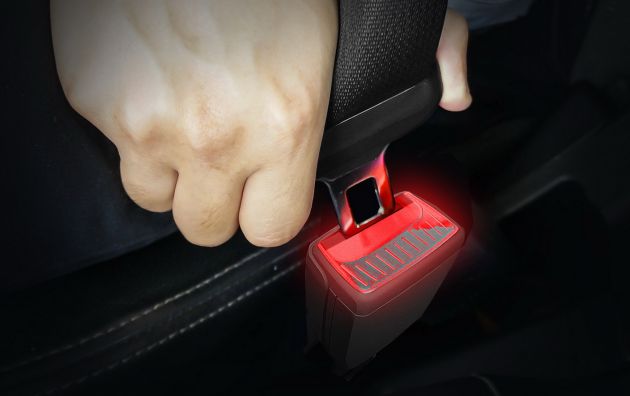
The government’s move to make the use of seat belts mandatory for express and tour bus drivers and passengers from July 1 has been lauded by road safety experts, the New Straits Times reports. However, ensuring full compliance will take time, effort and cost as well as clearer guidelines, they said.
According to Universiti Pertahanan Nasional Malaysia associate professor Ng Choy Peng, the initiative was one of the best ways to improve safety on buses, as seat belts would ensure that occupants are secured during sudden braking, swerving or collisions.
“Research has found that seat belt use can decrease the risk of fatal injury by 45 % to 50% in serious accidents. Seat belts also help to prevent collisions among passengers and reduce the risk of human collision during an accident,” she said.
While new express and tour buses were required to install passenger seat belts from 2020, enforcement of its use was weak. “I hope the RTD will conduct regular checks to ensure compliance of the seat belt rule on express buses,” she said.
Transport policy expert Wan Agyl Wan Hassan said that while enforcing seat belt use has brought Malaysia in line with international norms, clearer guidelines and a deadline for the installation of seat belts in buses made before 2020 needs to be in place before effective enforcement can happen.

“Telling passengers to belt up when the bus isn’t equipped for it is like asking someone to lock a door that doesn’t exist,” he said, adding that many buses in Malaysia, especially those built before 2017, did not have seat belts or had belts that were faulty, inaccessible or had been removed. “Without a retrofitting mandate and a realistic enforcement roadmap, this rule risks being unevenly applied or ignored,” he explained.
Ng said retrofitting seat belts on buses could be technically and financially challenging for operators. Passengers may also need time to adapt to the new rules and regulations, she said.
“To facilitate this transition, bus operators could place stickers on the back of each seat to remind passengers to belt up, rather than relying on the driver to ensure compliance. It is essential for passengers to be aware of the new rules, including the fact that failure to use a seat belt will result in a fine of RM300,” she said.
Menawhile, Universiti Tun Hussein Onn Malaysia associate professor Kamarudin Ambak said bus passengers could be reminded to wear seat belts similar to how it was done on flights. “That is one way to bring awareness to passengers,” he said.
Looking to sell your car? Sell it with Carro.



Those wireless seatbelts how ah ?
Express buses clock high mileage, some as high as 2,000km every day (JB-Perlis at night, return trip in the day) and that’s easily 3.5 million km within 5 years. Even a short journey like seremban KL able to hit similar mileage with different driver shifts in a day.
I don’t think there is any express bus company with buses older than 2020 (maybe srimaju and starmart have several, connecting small towns between muar and penang).
I am pretty sure all express buses have seat belts, at least for the passengers. Before starting the journey, driver could just walk around showing the seat belt sign to all passengers.
Enforcement is the issue here…whatever law is practically useless.
so easy to get praises. why not make all buses mandatory to have autonomous braking and traction control? praises will surely come.
– remove tax for new bus purchase for bus operators
– maximum bus lifespan on the road is 5 years.
PC also cannot enforce apatah lagi CV?
Can you stop making buses with wood fillers in their body? Would it be a stronger and more protective option? The metal panelling of buses are so thin, more cosmetic than durable.