

Many motorists who stop in the emergency lane of a highway are unaware that doing so for non-emergencies is an offence, according to road transport department (JPJ) senior assistant enforcement officer for policy Norazman Nordin, reported The Star.
Among the common reasons given for stopping in the emergency lane included answering a phone call, taking photos while travelling in convoy, and resting before continuing on their journey, Norazman said.
“Answering a phone call is not considered an emergency, so motorists are not allowed to simply stop in the emergency lane. However, JPJ takes a diplomatic approach and will direct drivers not to stop and move along so as not to disrupt the smooth flow of traffic,” he said.
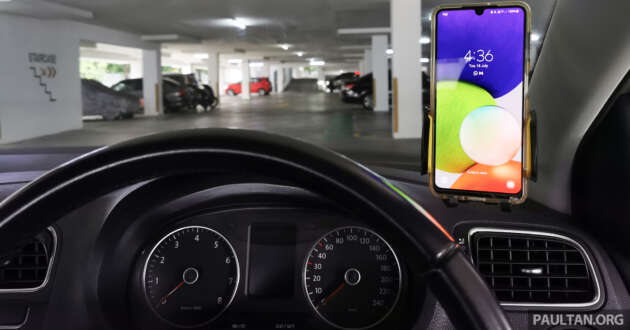
It is an offence under Section 17A of the Road Traffic Rules (Amended 1996) to intentionally stop in the emergency lane to answer a phone call without using a hands-free device, and offenders found guilty Norazman said. Using a smartphone while driving is among the seven major offences under the Road Transport Act, which carries a RM300 compound, he added.
“Many still assume that phone use while driving only refers to answering calls, when in fact even scrolling the screen is considered an offence if a hands-free device is not used. Besides the fine, offenders may also accumulate demerit points, which could lead to the revocation of their driving licence and a freeze on reapplying for up to 12 months,” Norazman continued.
Recent festive seasons have also seen highway operators open up the emergency lane for Smart Lane activation in order to manage surges in traffic volume, which requires even more attention and due care from drivers when stopping in the emergency lane.
Looking to sell your car? Sell it with Carro.



So how a driver to use phone during driving a car w/o phone holder?
Stop cannot, talk during driving cannot. Left call unanswered?
Can they/ anyone give solution instead of punishing? Or main goal is max collection?
This news already mentioned about using hands free device to avoid committing an offence. So, that’s the solution.
Now JPJ allows U to use phone
Because we have Android Auto
and Apple Carplay
Rules are meant to be broken. If you are caught just pay the fine.The country will appreciate your contribution.
So you can catch all GRAB driver kan? Scrolling phone when driver to receive order… Gonna Catch’em all..
Use the screen to change aircon temperature, change song (scrolling the screen)? Offense or not?
Some drivers use emergency lane to answer natures call!
If driver feel sleepy and unable to continue to NXT nearest rest point, u want them to continue and drive, cannot rest until they meet with accident??