
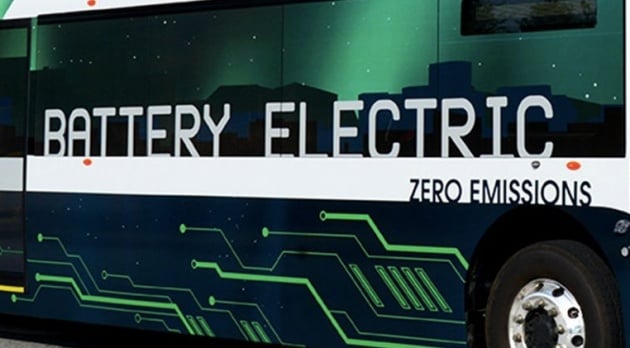
As Malaysia continues its transition to electric vehicles (EVs), focus must be given on developing the whole ecosystem around electrification in order to spur adoption beyond the usual passenger vehicle segment. According to the Malaysian Association of Tour and Travel Agents (MATTA), a coordinated national strategy is needed to accelerate the take-up of EVs in the tourism sector.
In a statement, its president Nigel Wong said the transition towards electric tourism vehicles should not be viewed purely as a transport issue, but as a broader ecosystem involving infrastructure, energy planning, financing and tourism policies, as The Star reports.
“This is not simply about replacing petrol and diesel vehicles. It is about building a practical ecosystem that enables tourism operators to adopt EV confidently, affordably and at scale,” he said, adding that efforts to electrify tourism transport would remain fragmented without stronger coordination between all stakeholders.
He cited Norway, China and several European nations as examples where coordinated government policies had successfully accelerated EV adoption. “In Norway, strong incentives and a nationwide charging network helped expand EV use even in rental fleets serving tourist destinations. In cities like Amsterdam and Paris, tourism transport services such as hotel shuttles and sightseeing fleets have shifted towards electric mobility through coordinated climate policies and low-emission zones,” he said.
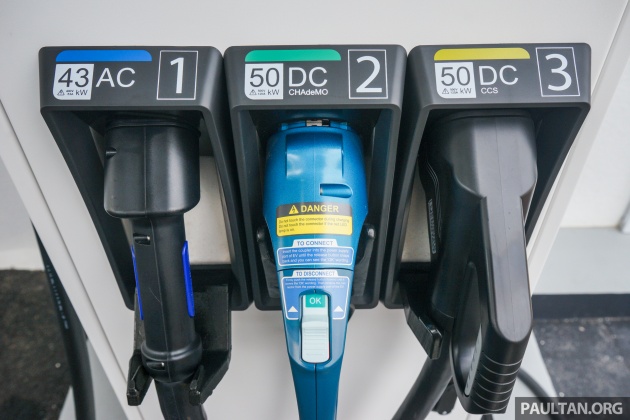
Wong added that China’s rapid electrification of public transport also demonstrated how large-scale mobility systems could be transformed when infrastructure, incentives and policy direction were aligned. “The common thread across these countries is not just investment in EVs but a coordinated policy and implementation framework that brings together energy, transport and tourism under a unified direction,” he said.
While Malaysia had established a strong foundation through initiatives such as the Low Carbon Mobility Blueprint 2021-2030, Wong said that better coordination was needed to expand charging infrastructure at tourism hotspots, highways and urban centres, stating that a whole-of-government approach is urgently needed to provide the policy certainty and scale required to transform tourism mobility sustainably.
“There should be targeted incentives to help tourism operators transition their fleets to EV. Government-linked companies and public sector agencies should also lead by example by adopting EV for official and tourism-related transport use,” he said.
Looking to sell your car? Sell it with Carro.



Imagine someday in future, only EV allows in and out of Cameron Highlands zone or Genting Highland zone…
all the supplies and goods are transported to the mountain top by magic? no its by diesel trucks and lorries.
We know EV revolution is painful for you. In future there’ll be goods freight lorry powered by fuel-cell or supercaps-battery-electric motors replacing diesel internal combustion engine.
MATTA should just focus on solving parking problem in MATTA fair instead of poking their nose on other things.
Travel agencies sales person occupied 3/4 of all the available parking spots at MITAC.
Since Proton picking up selling good volume of the EV in market, apart from rely heavily on government to build up the charging infra, Proton should have play an import role and pro-active to set up more charging station to ease the proton ev user to access such facilities, dont just sell ev but help to build up the ecosystem and make more and more ev user to join the community without holding back their decision due to lack of charging facilities.
thanks to government policy, we are also dumping ground for unwanted citizens from other countries, so sampah cars suit sampah rakyat like ours.
Wow.. Now u say EVs are sampah
Every industry needs electricity. It is no longer a myth that National oil cannot be the sole sustainable legacy backbone. We need to invest in cheaper production costs, and global high-tech solutions are available. We should learn from countries with abundant energy production.
Malaysian Rakyat will be happier with cheaper electricity, yet enabling production and sales to increase, thus securing sustainable tax revenue.