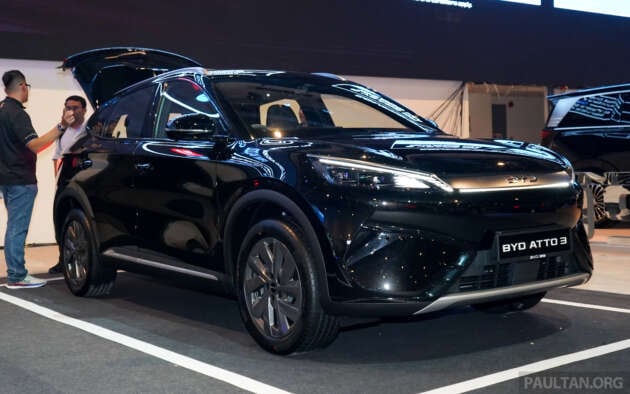
The BYD Atto 3 is the car that put electric SUVs on the map for many Malaysians. Since its December 2022 debut it has gone on to become the country’s all-time best-selling EV, with more than 12,000 units delivered.
Now there’s a facelifted version, launched on June 5, 2026 – and rather than a mild nip-and-tuck, Malaysia has been given the full-fat “Evo” upgrade developed for Europe. The response has been familiar: 1,000 bookings in the first 10 days.
But this is a more complicated car to buy than before, because there are now two very different versions wearing the same badge.
Here’s our complete buyer’s guide to the facelifted BYD Atto 3 for the Malaysian market – the variants, the prices, the all-important charging and range figures, what’s changed, and who each one is for.
The two variants, and how much they cost
There are two variants, and the gap between them is bigger than the RM13,000 price difference suggests:
- BYD Atto 3 Ultra (FWD) – RM125,800
- BYD Atto 3 Premium (RWD) – RM138,800
Both prices are nett and include a six-year/150,000 km vehicle warranty plus an eight-year/160,000 km battery and motor warranty. The Ultra is essentially the familiar front-wheel-drive Atto 3 with the new look; the Premium is the rear-wheel-drive Evo, with a bigger battery, far more power and much faster charging.
For context, the Ultra is RM2,000 dearer than the pre-facelift car’s RM123,800 launch price – down to the import and excise duties now applied to fully-imported (CBU) EVs. To cushion that, BYD is offering a launch package worth up to RM14,000, comprising RM10,000 in overtrade support plus either an AC wallbox charger (with installation) or six years of free service.
One important bit of timing: these cars landed before MITI’s new CBU EV policy takes effect on July 1, 2026, which effectively imposes a minimum price of around RM300,000 on imported EVs. The facelifted Atto 3 dodges those rules and will be sold at these prices until stocks run out – by which point BYD hopes to have local CKD assembly up and running?
Powertrain and performance
This is where the two variants diverge sharply.
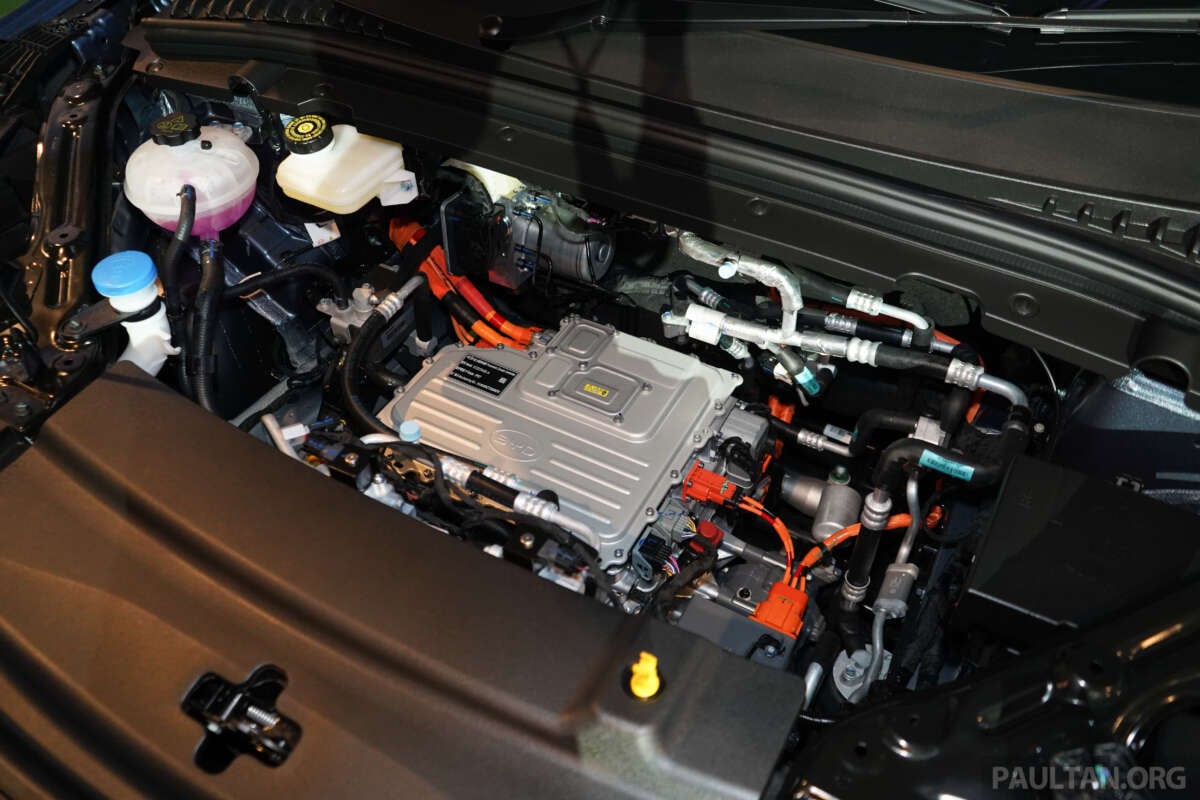
The Ultra carries over the front-mounted motor producing 204 PS (150 kW) and 310 Nm, good for 0-100 km/h in 7.3 seconds. Perfectly adequate, and familiar to existing Atto 3 owners.
The Premium is the headline act. It switches to a rear motor making 313 PS (230 kW) and 380 Nm – a massive 109 PS and 70 Nm more than the Ultra. That slashes the century sprint to just 5.5 seconds, with a 180 km/h top speed. In other words, the rear-drive Premium is quicker than a BYD Sealion 7.
Note that the even more potent dual-motor AWD Evo sold overseas – 449 PS, 560 Nm and a 3.9-second 0-100 km/h time – is not coming to Malaysia.
Battery, range and charging
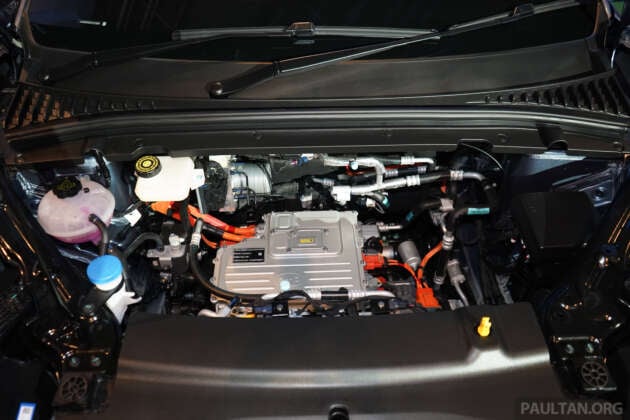
The Ultra keeps the 60.48 kWh Blade LFP battery, rated at 420 km on the WLTP cycle. DC fast charging gets a useful bump from 88 kW to 110 kW, trimming the 30-80% top-up to 30 minutes (10 minutes quicker than before). AC charging stays at 7 kW.
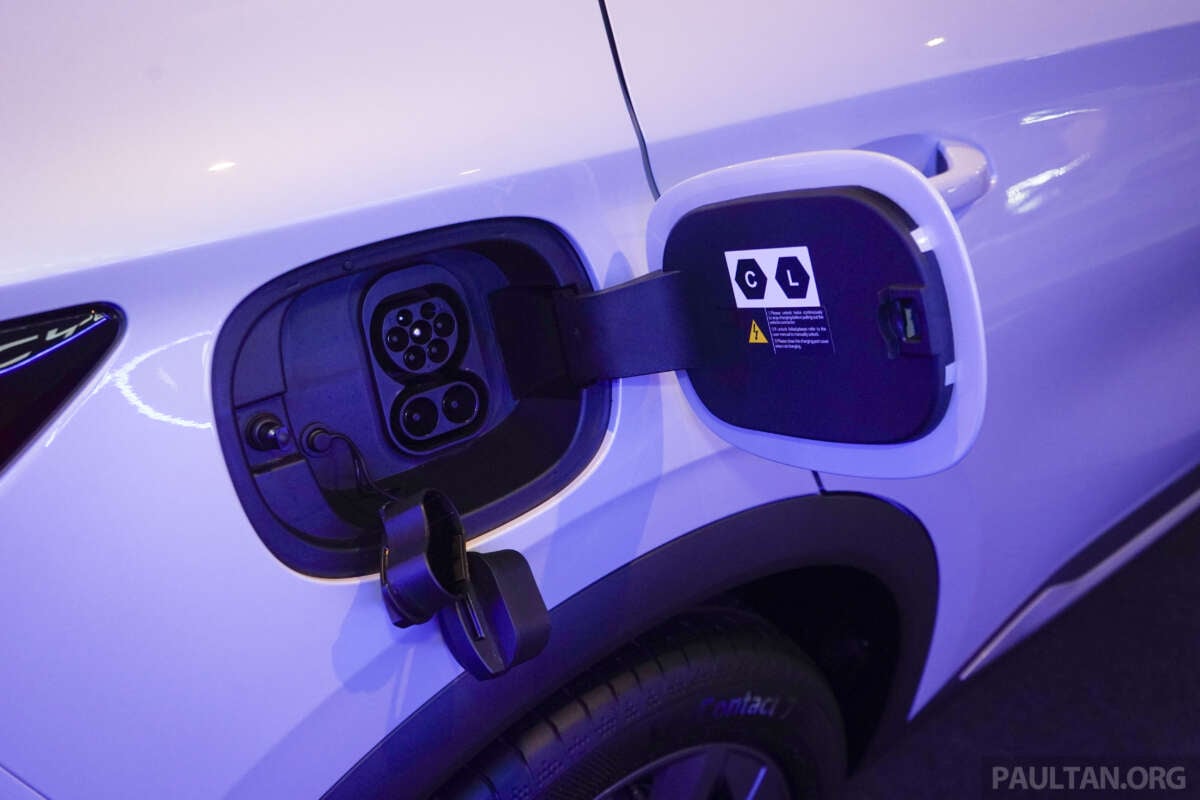
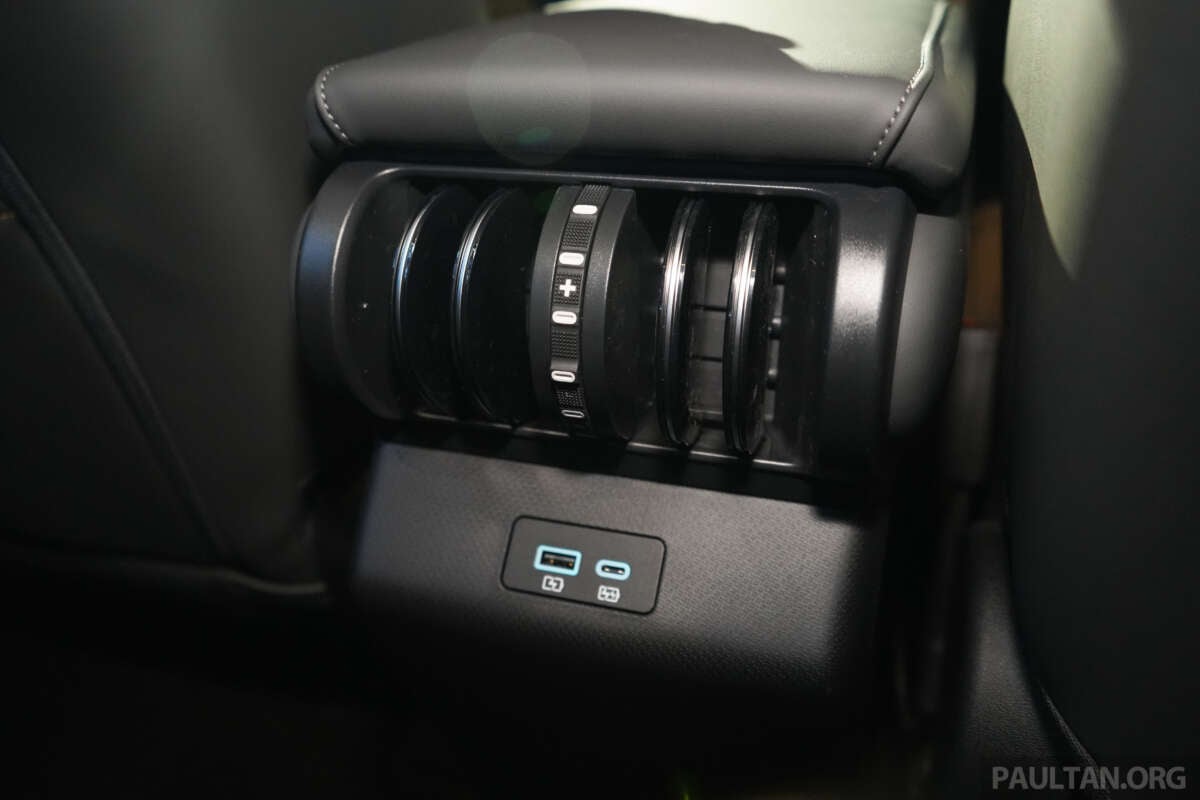
The Premium is a generational leap. Its battery grows to 74.88 kWh for a 510 km WLTP range, and crucially it moves to an 800-volt electrical architecture. That lifts DC charging to a serious 220 kW, so a 10-80% top-up takes just 25 minutes despite the larger pack. AC charging also rises to 11 kW, for a full charge in around eight hours.
A word on the numbers you’ll see in showrooms: BYD Malaysia continues to market the car using the more generous NEDC figures – 480 km for the Ultra and 600 km for the Premium. The WLTP figures above (420 km and 510 km) are the more realistic real-world reference.
What’s changed on the outside
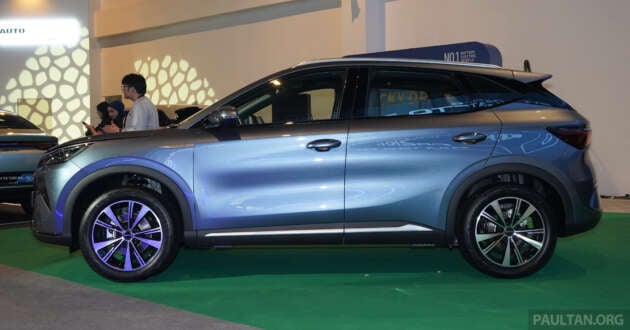
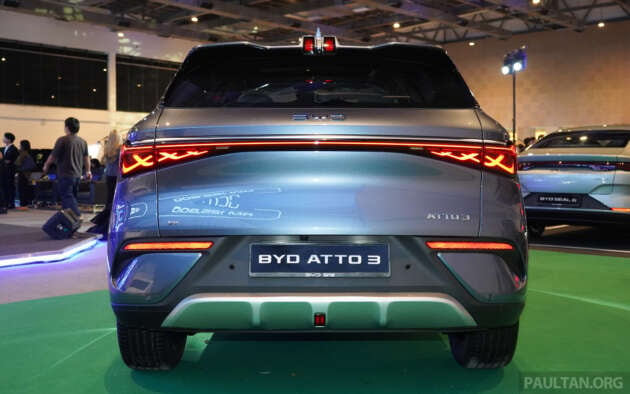
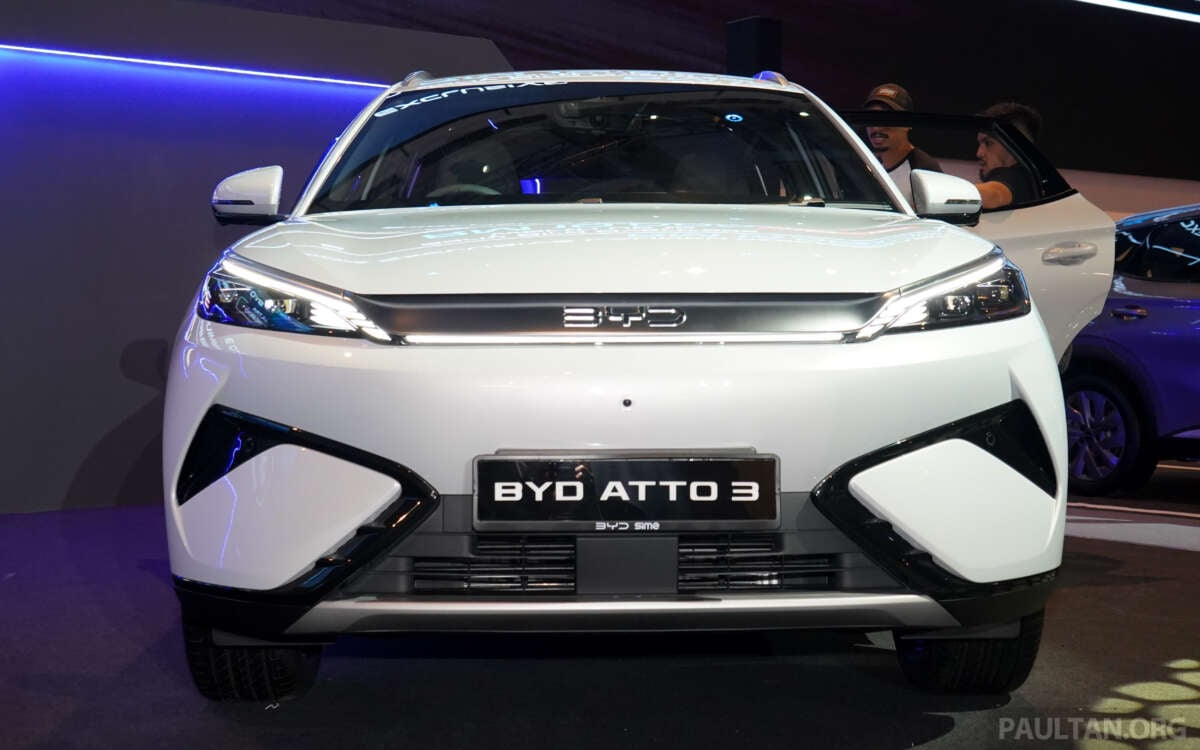
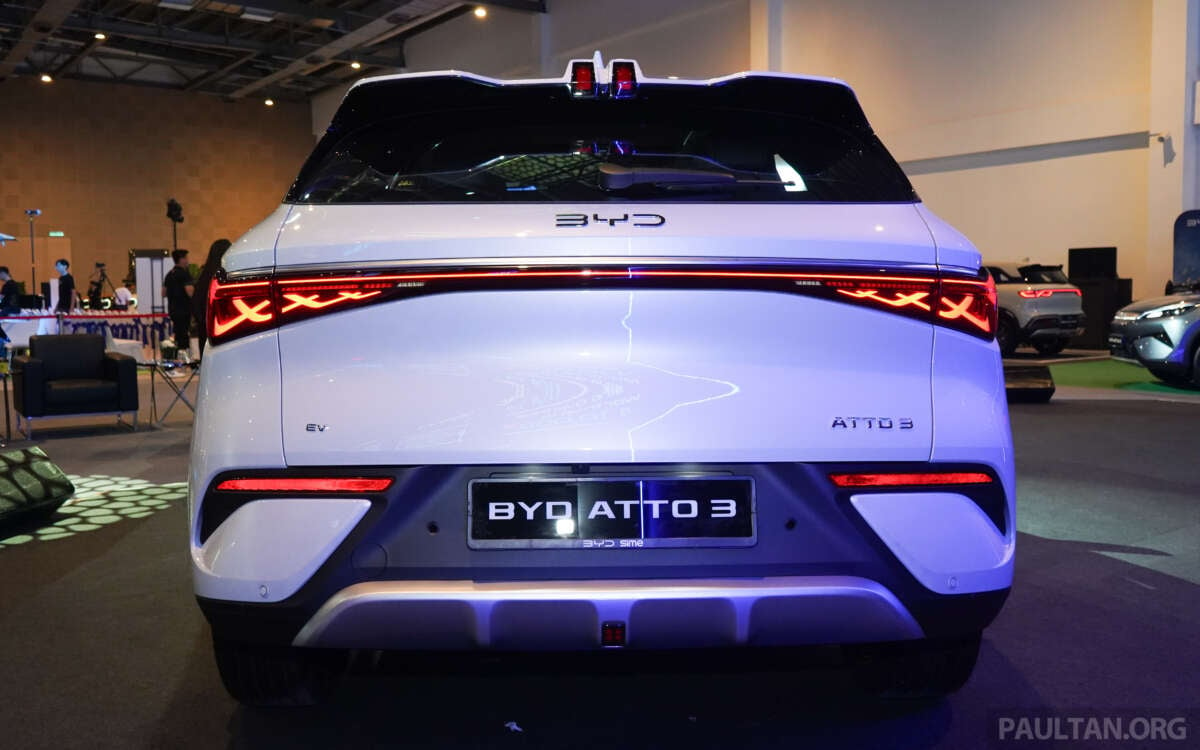
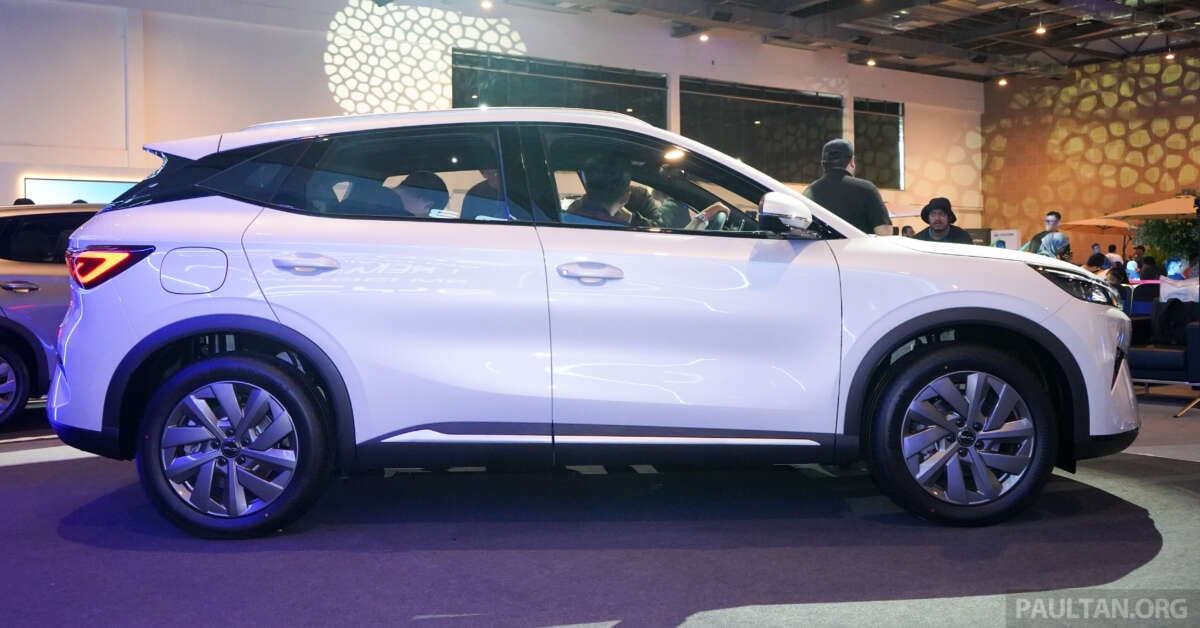
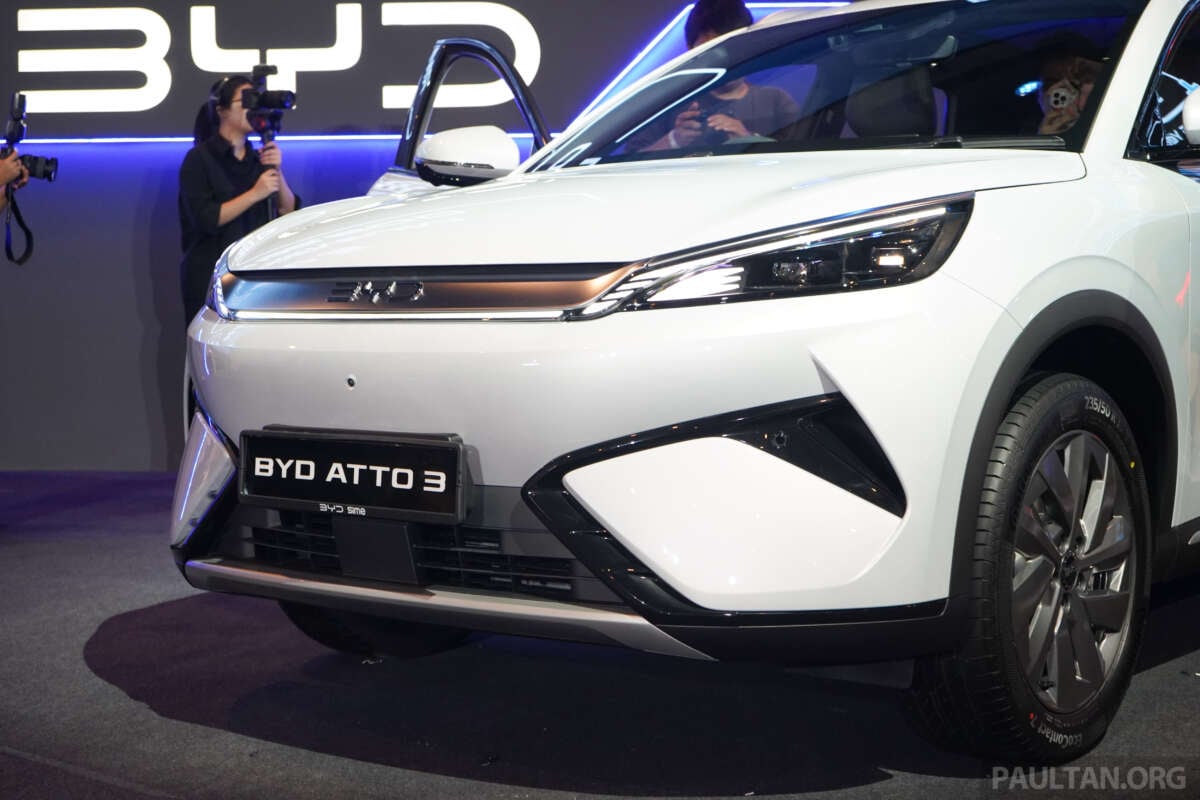
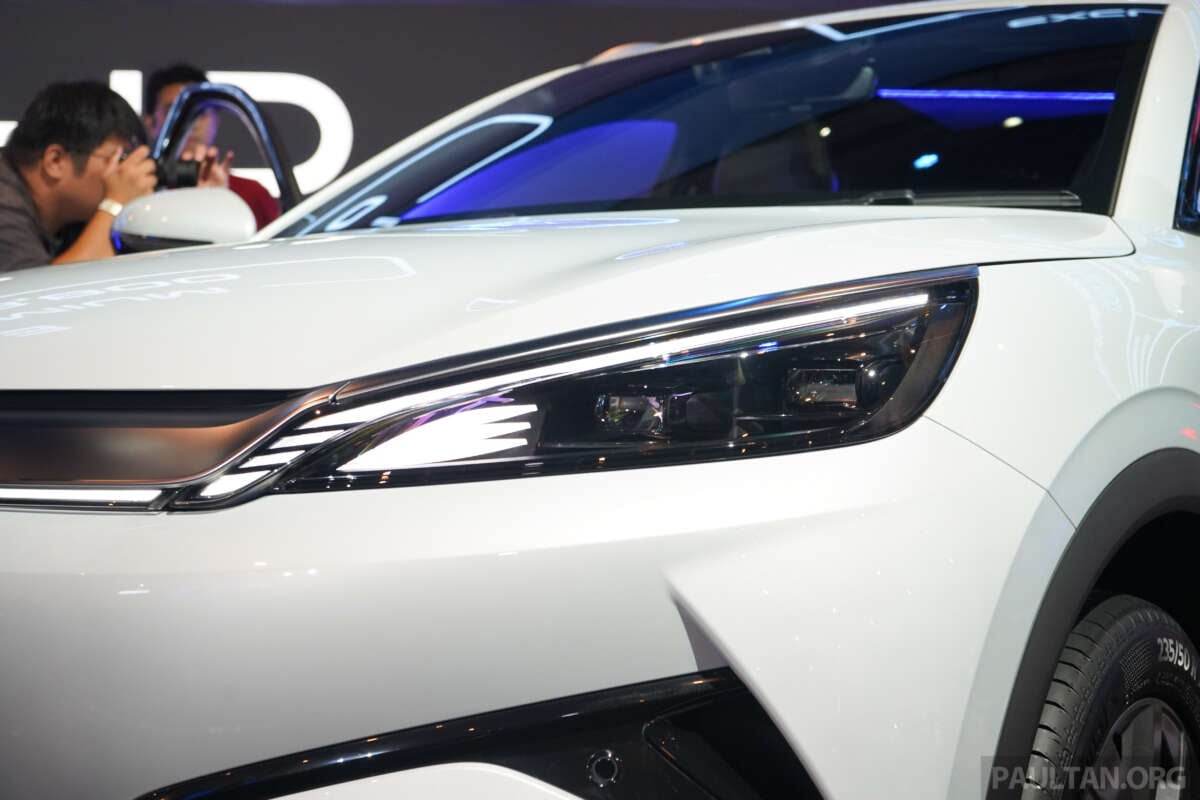
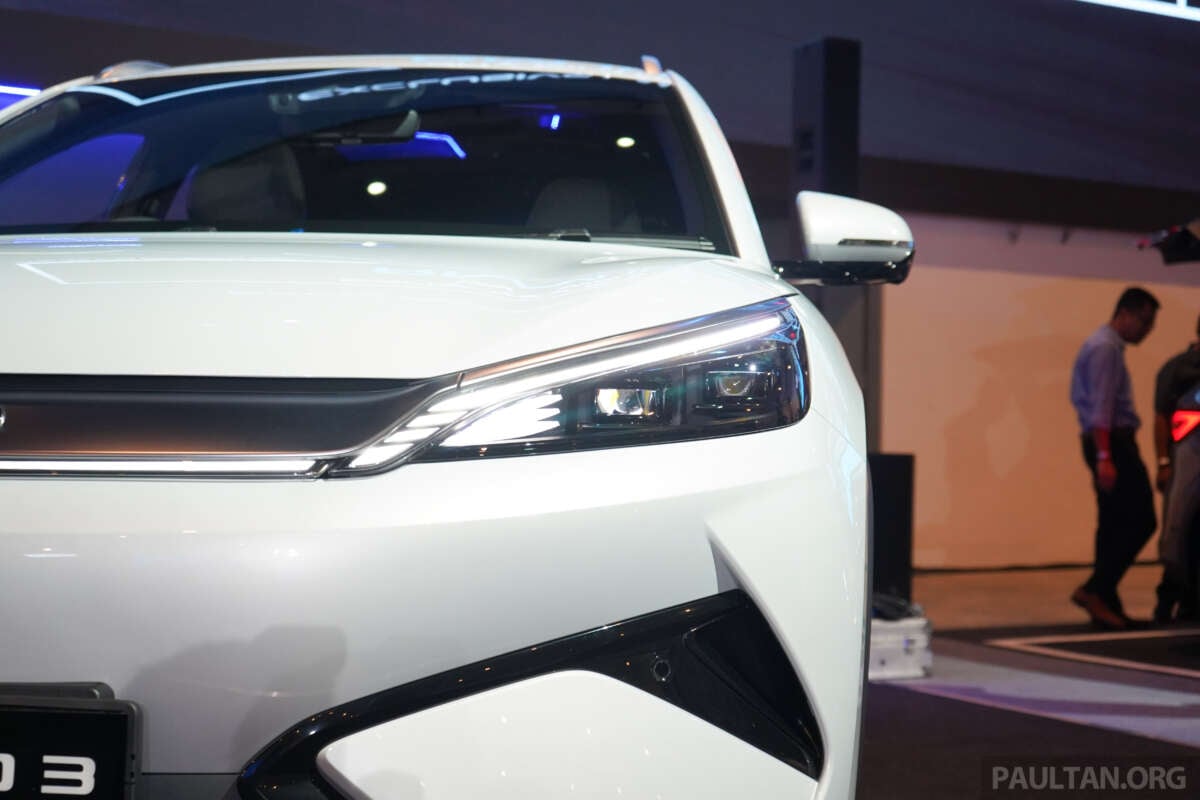
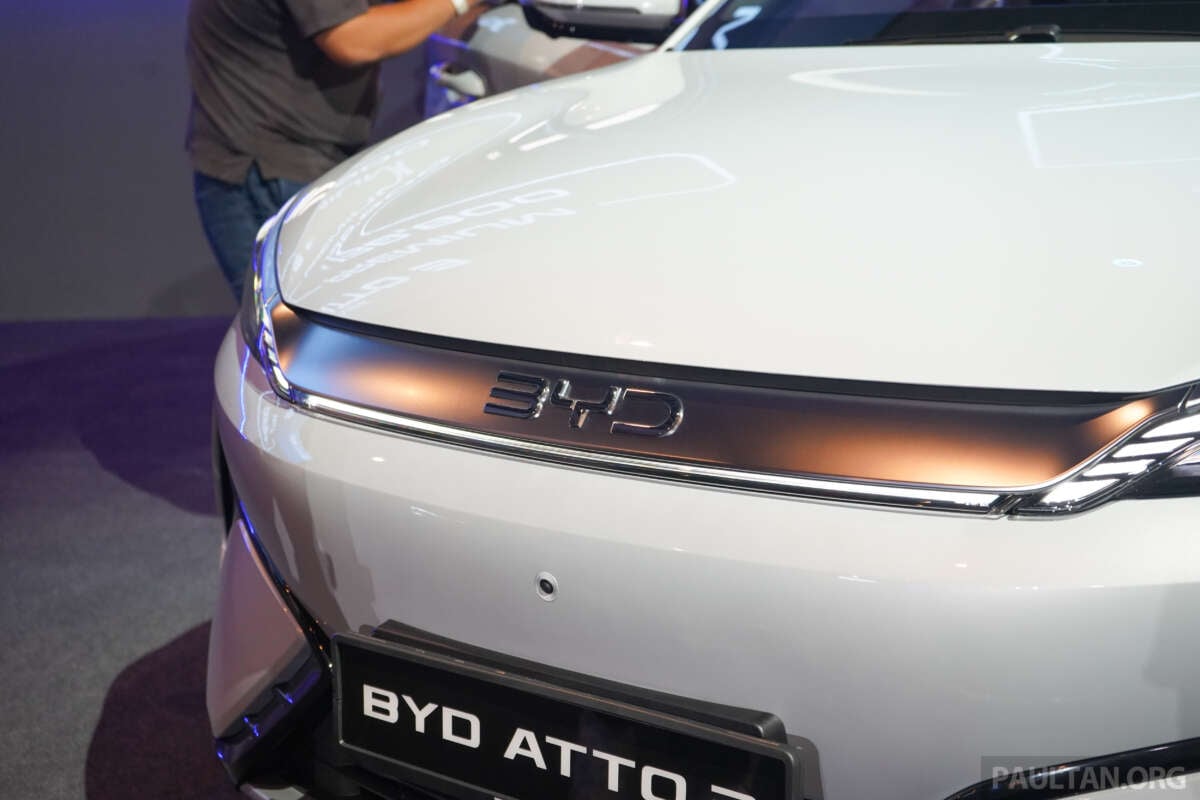
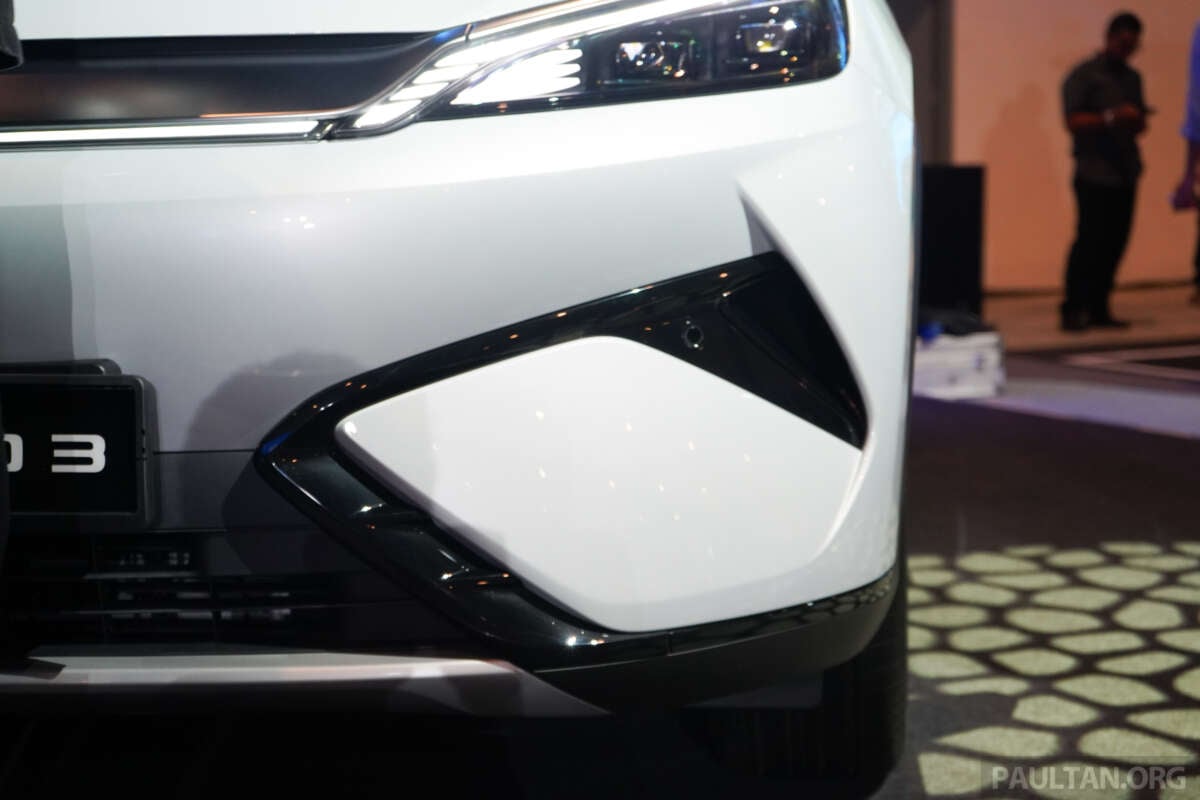
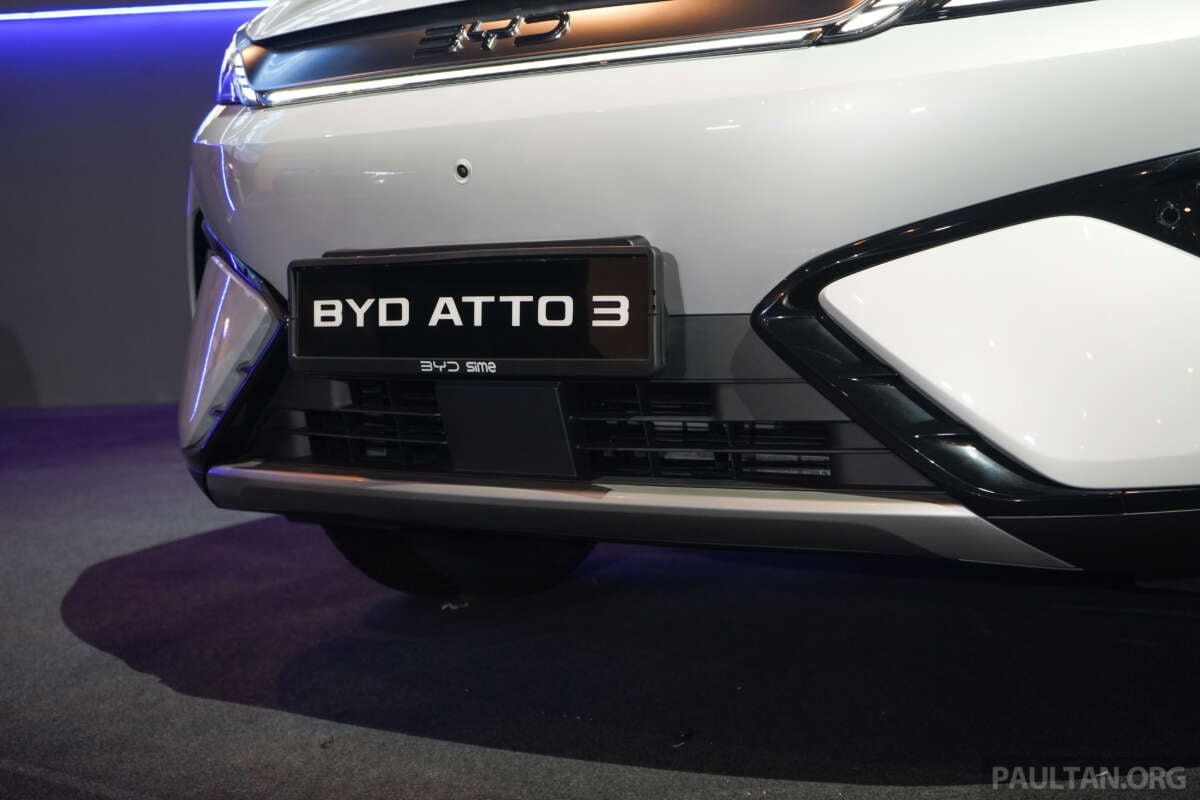
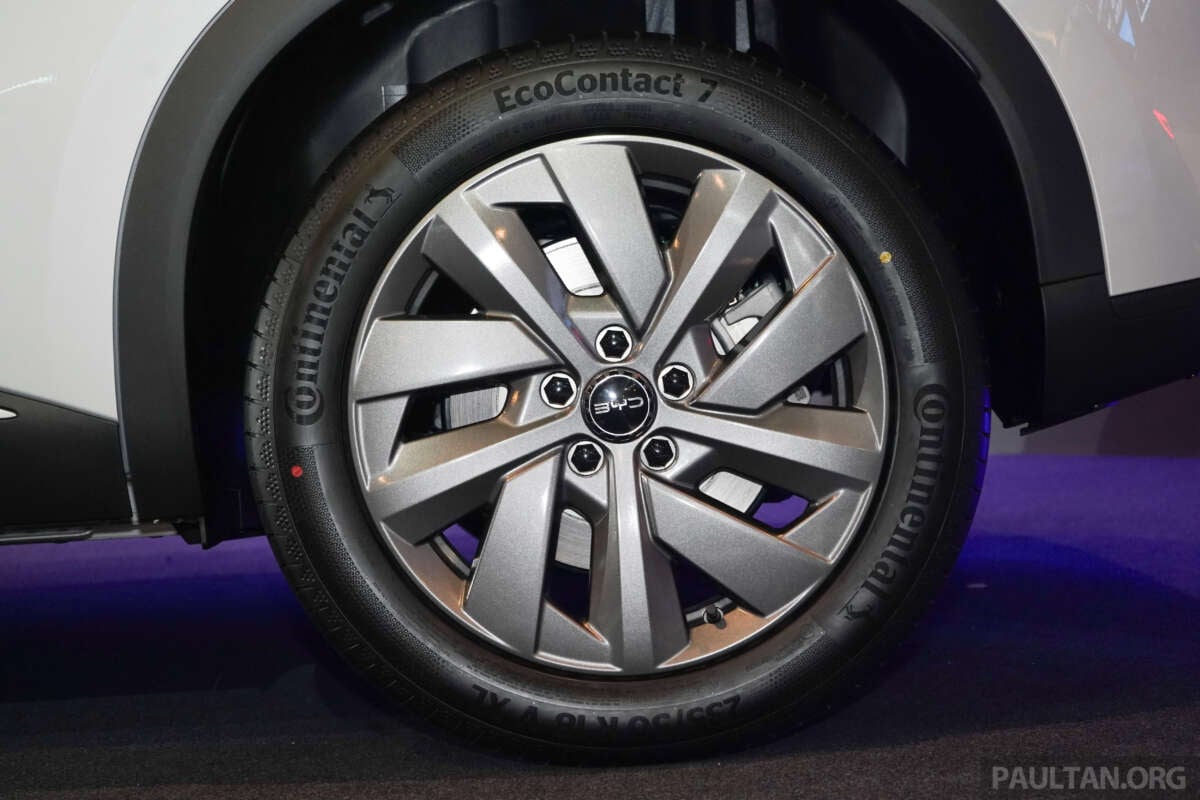
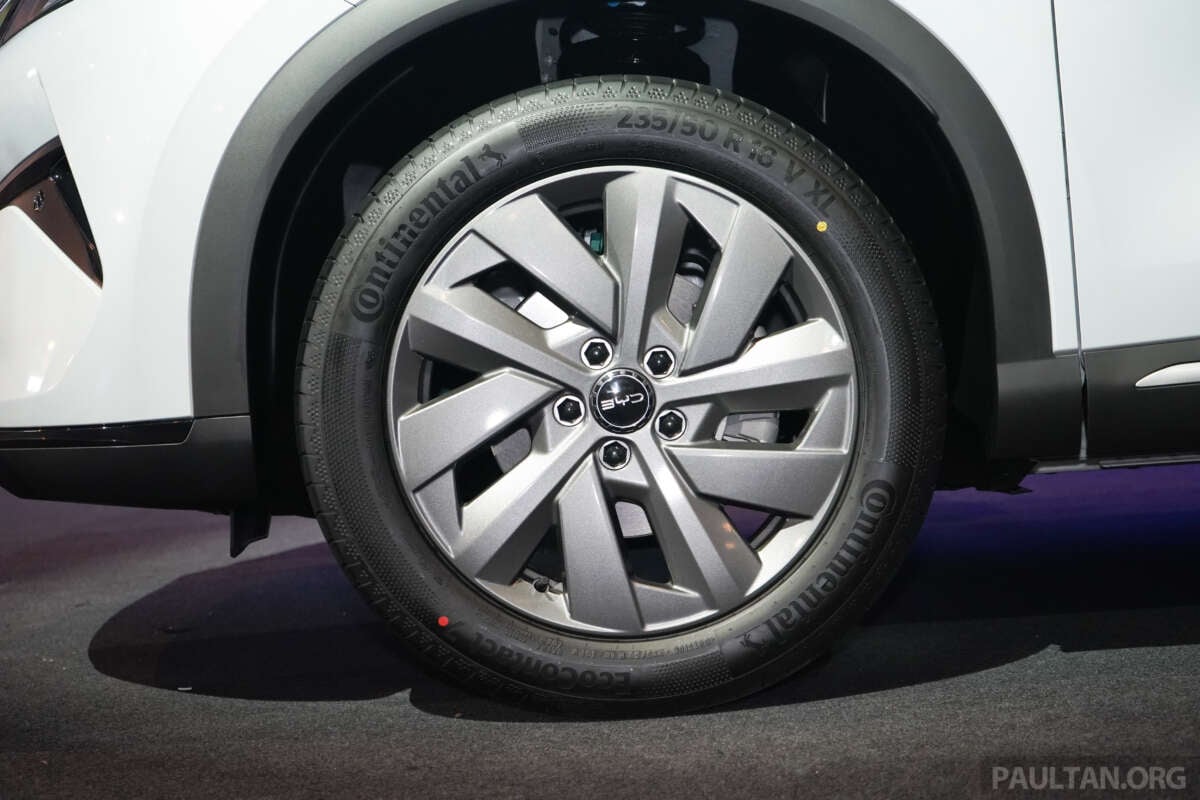
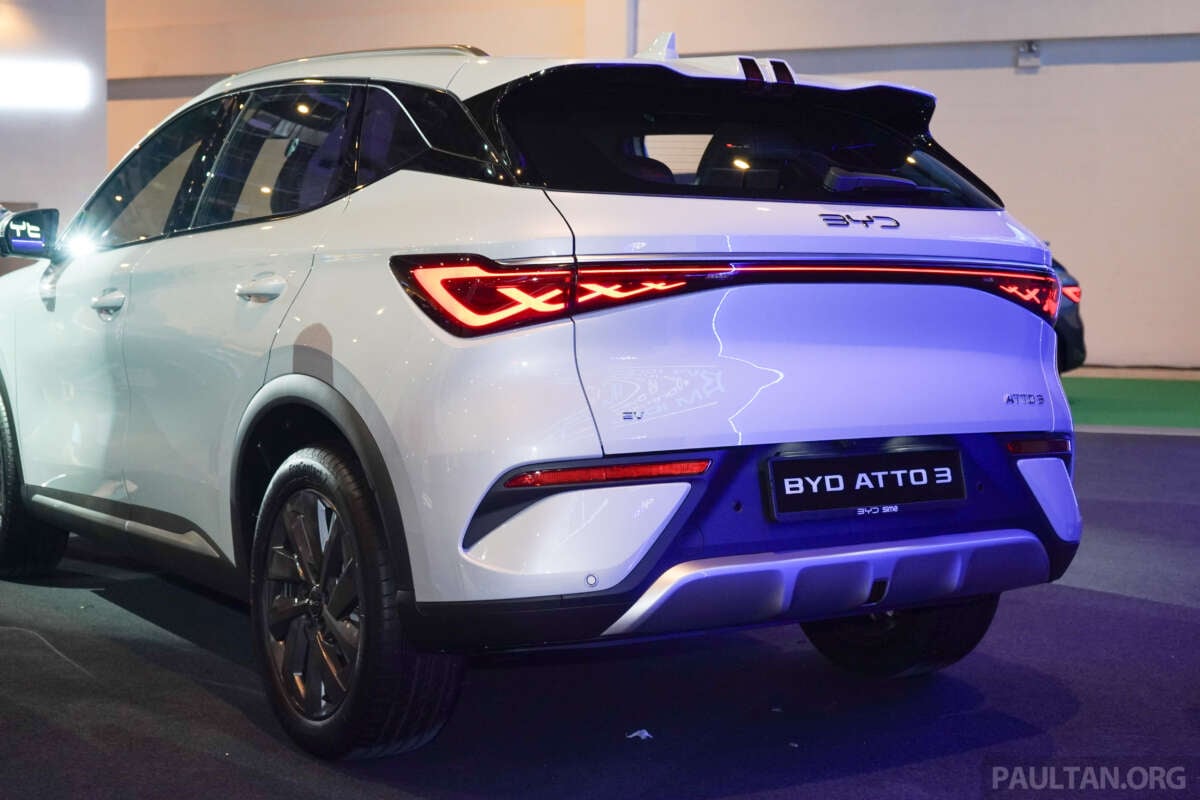
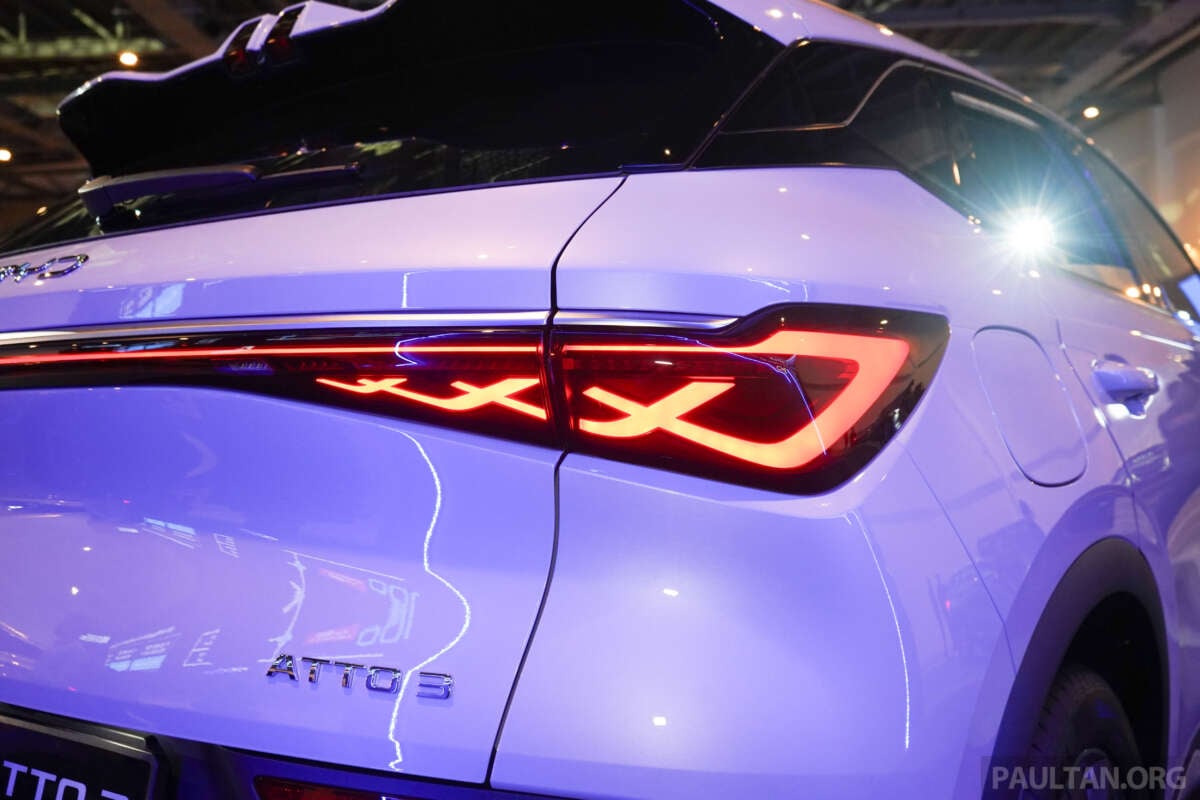
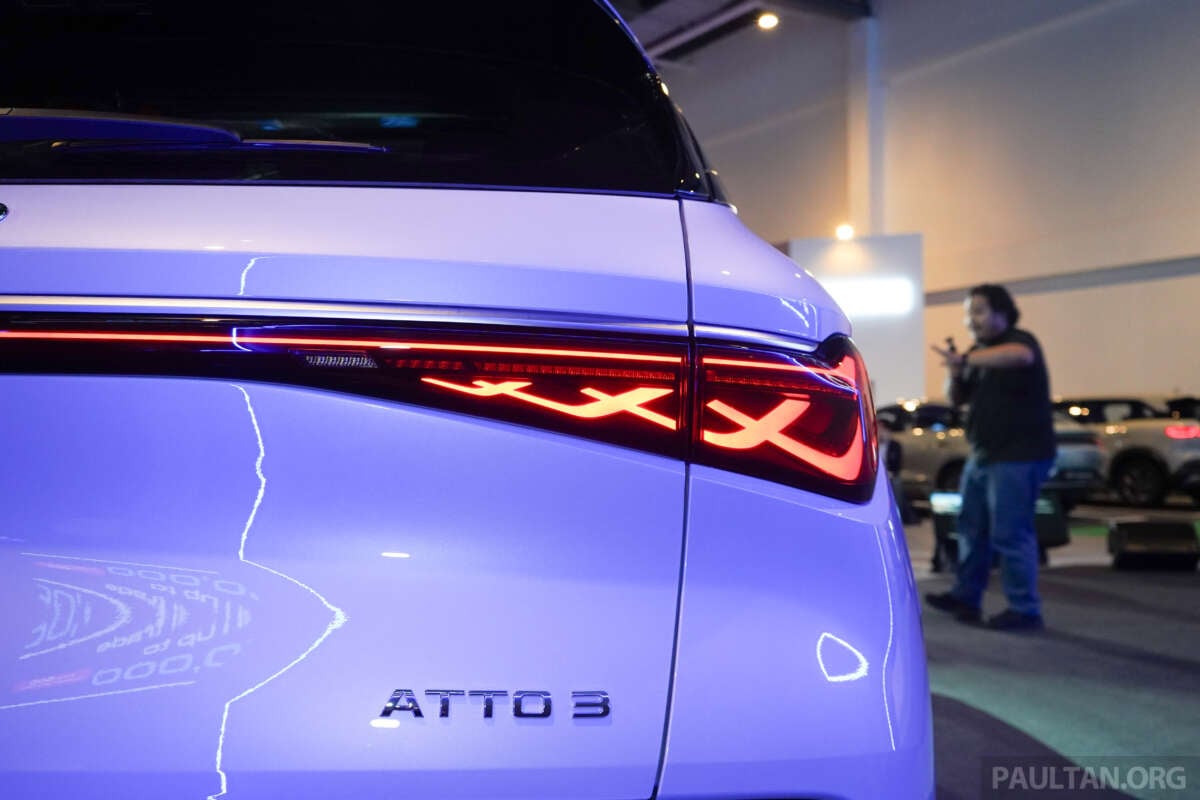
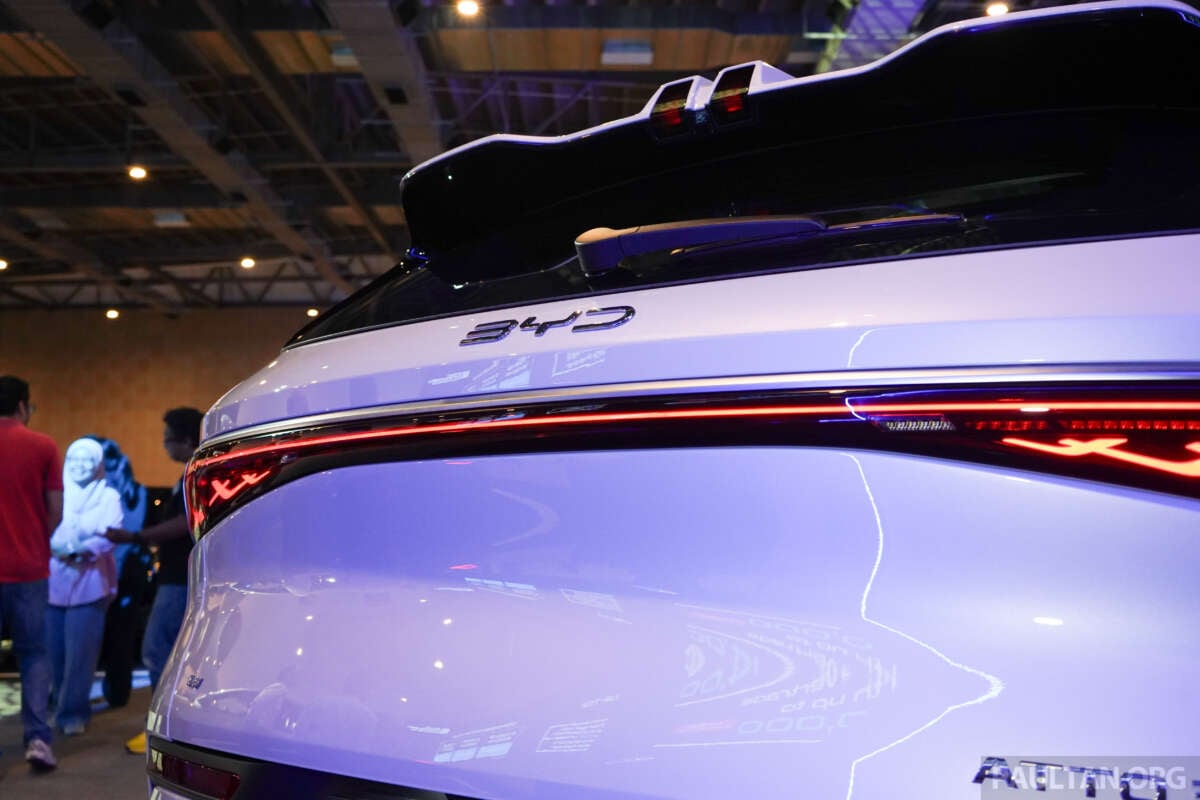
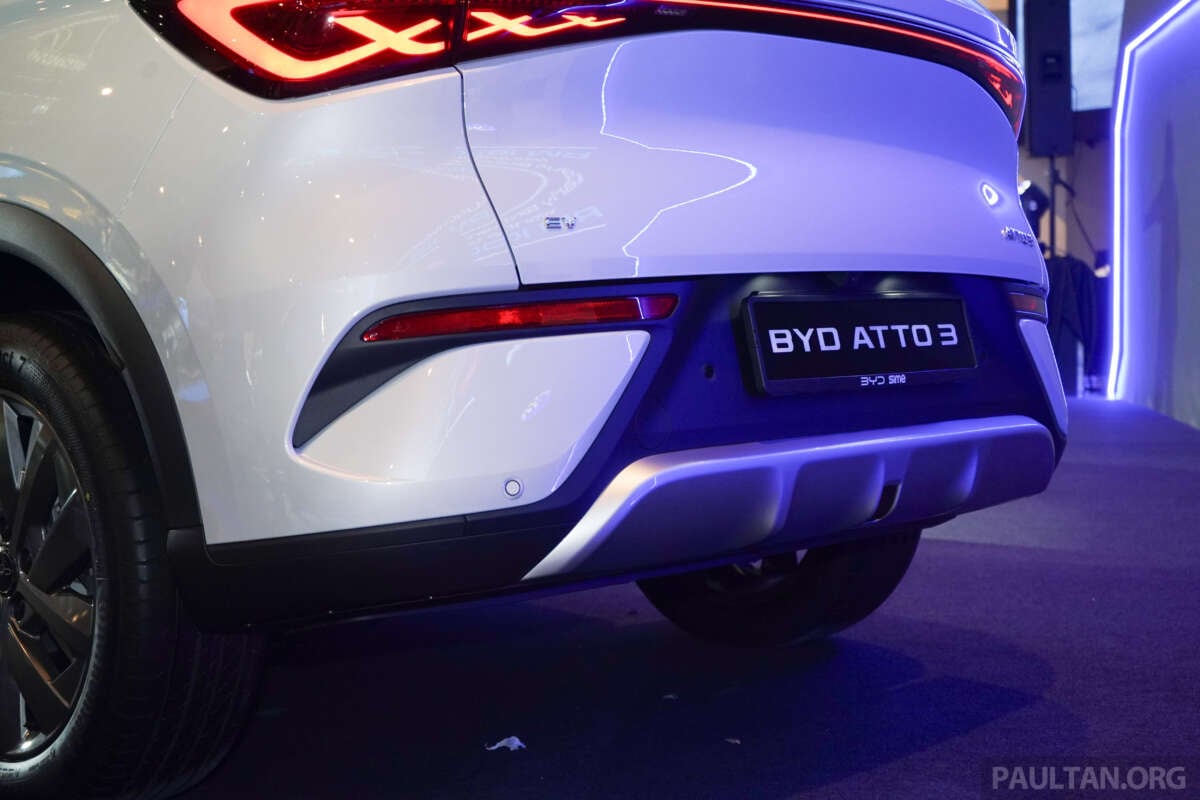
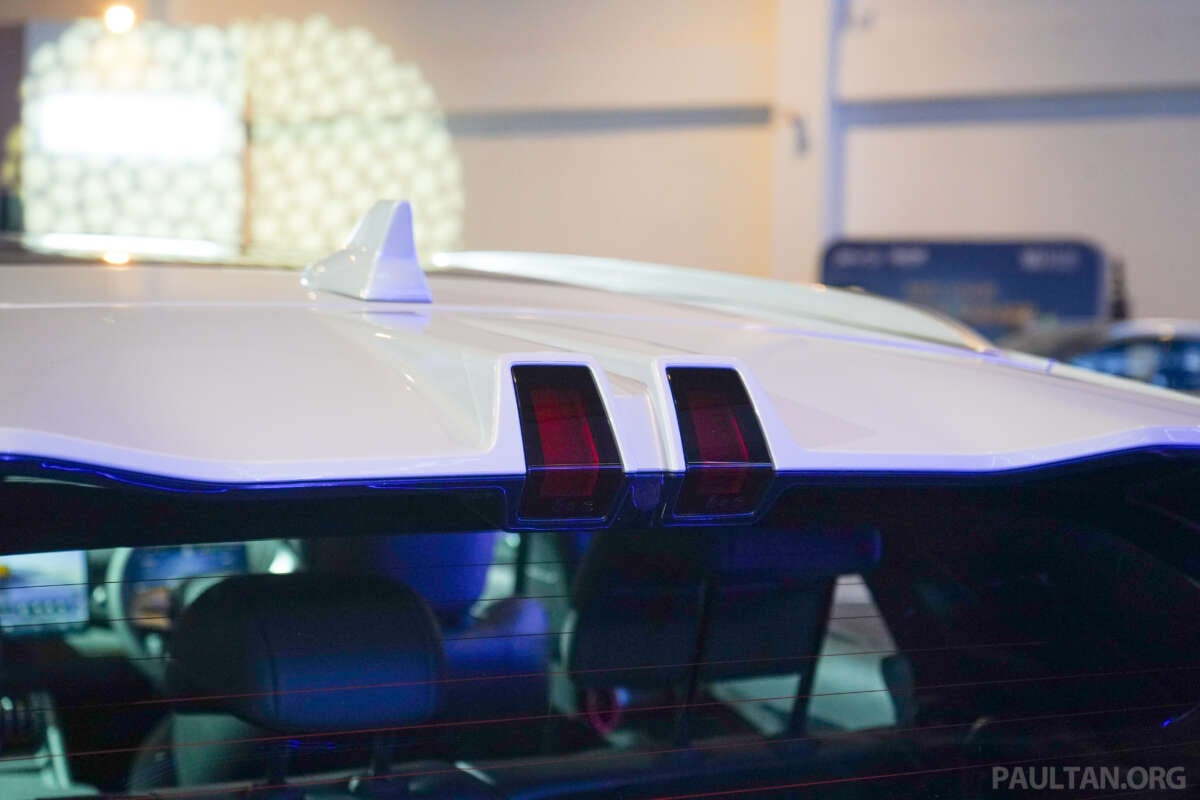
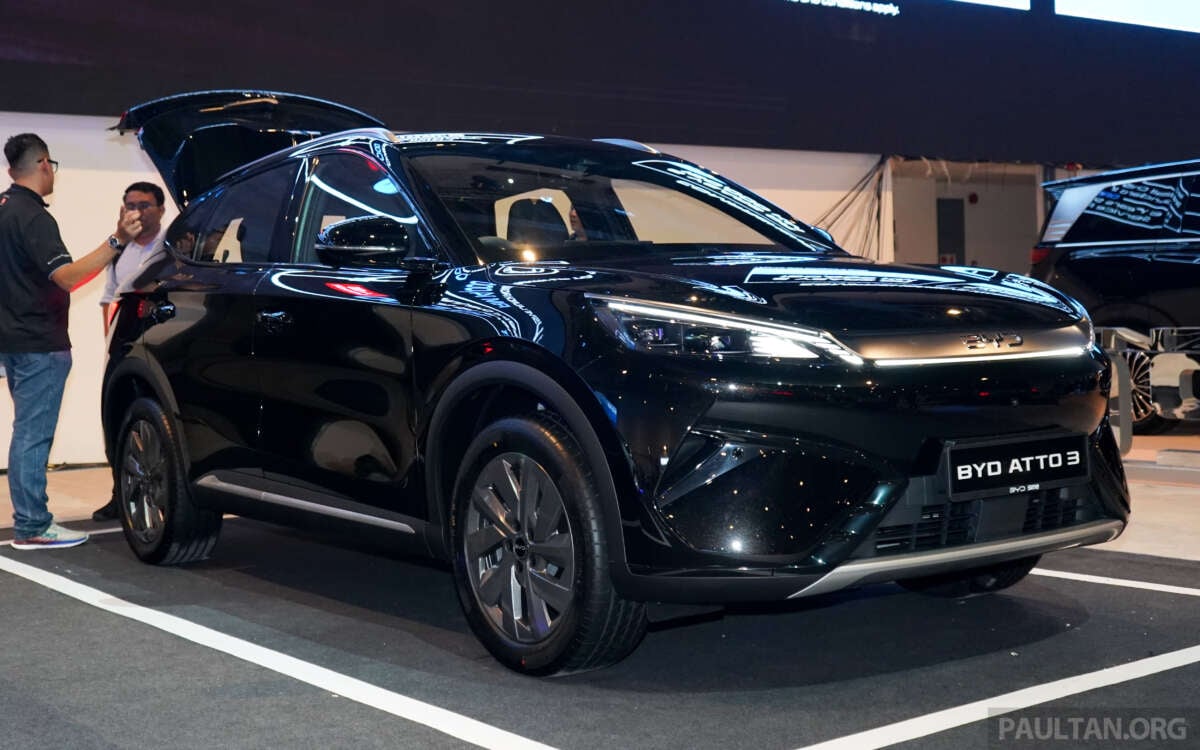
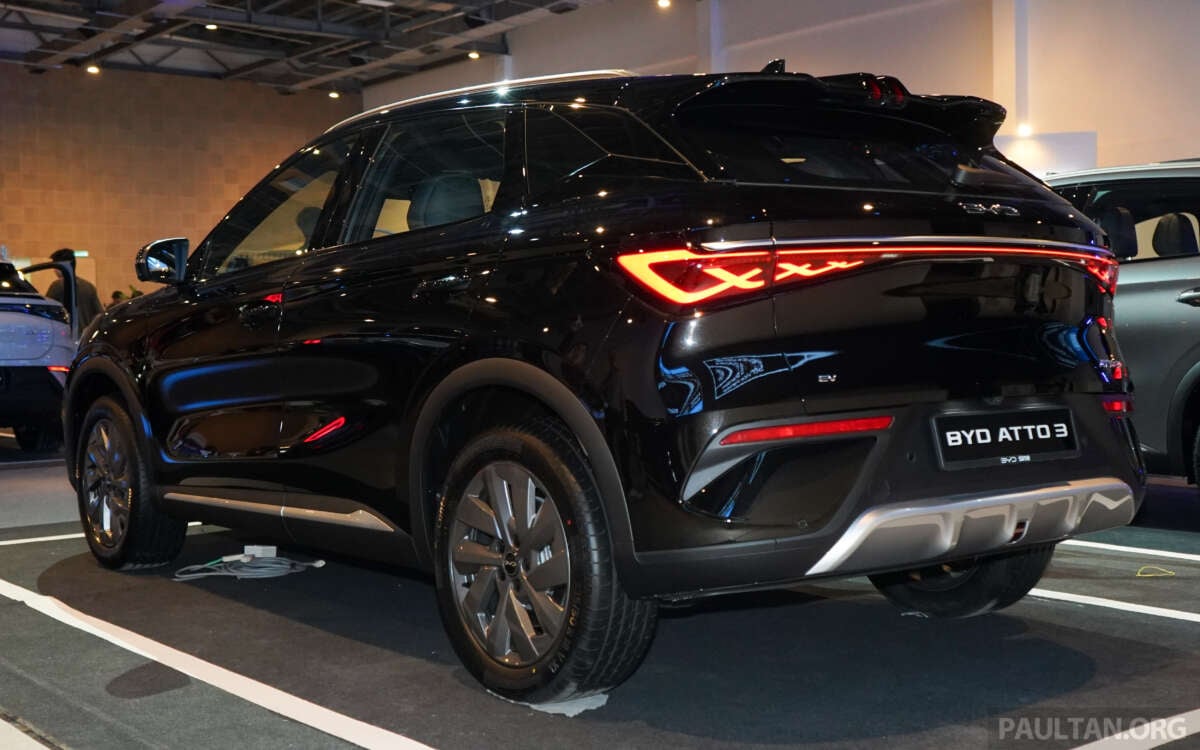
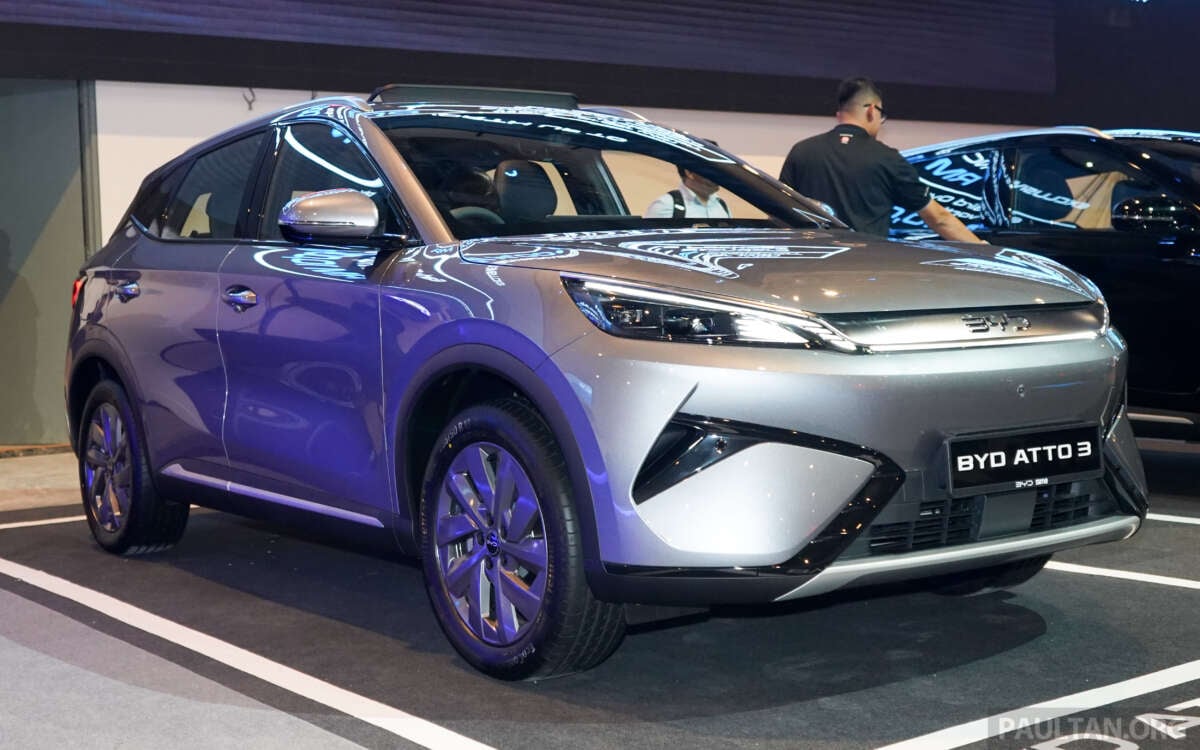
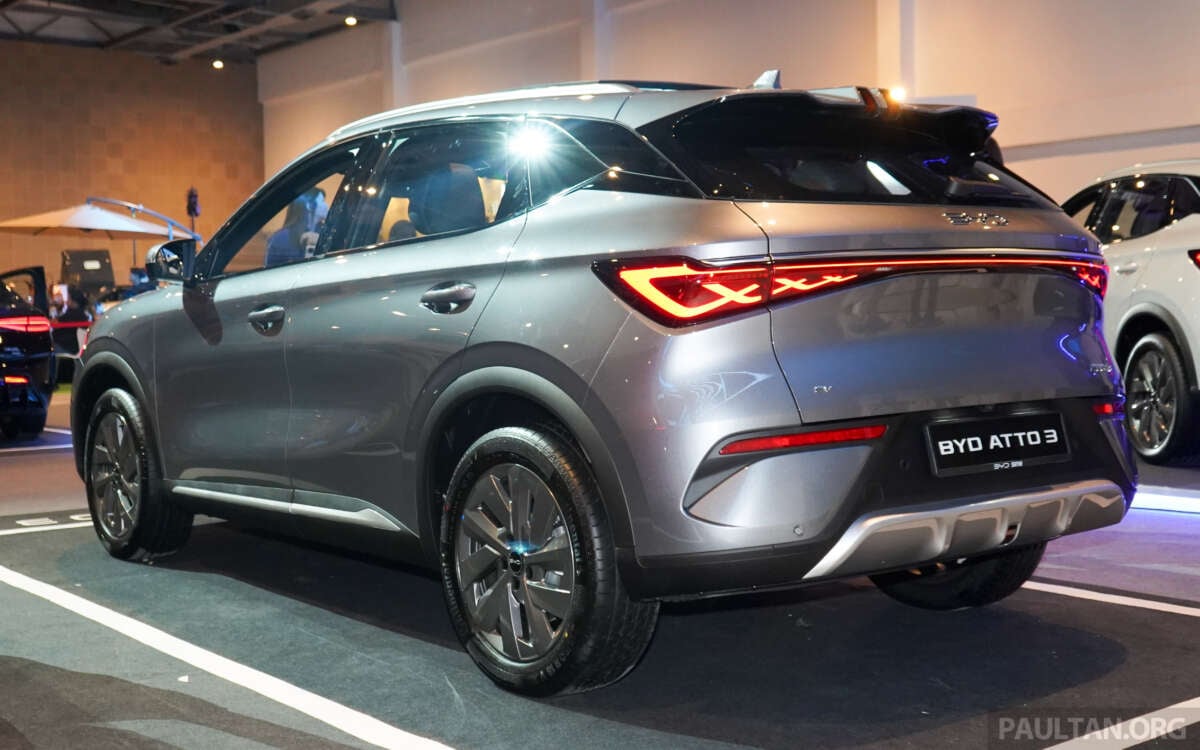
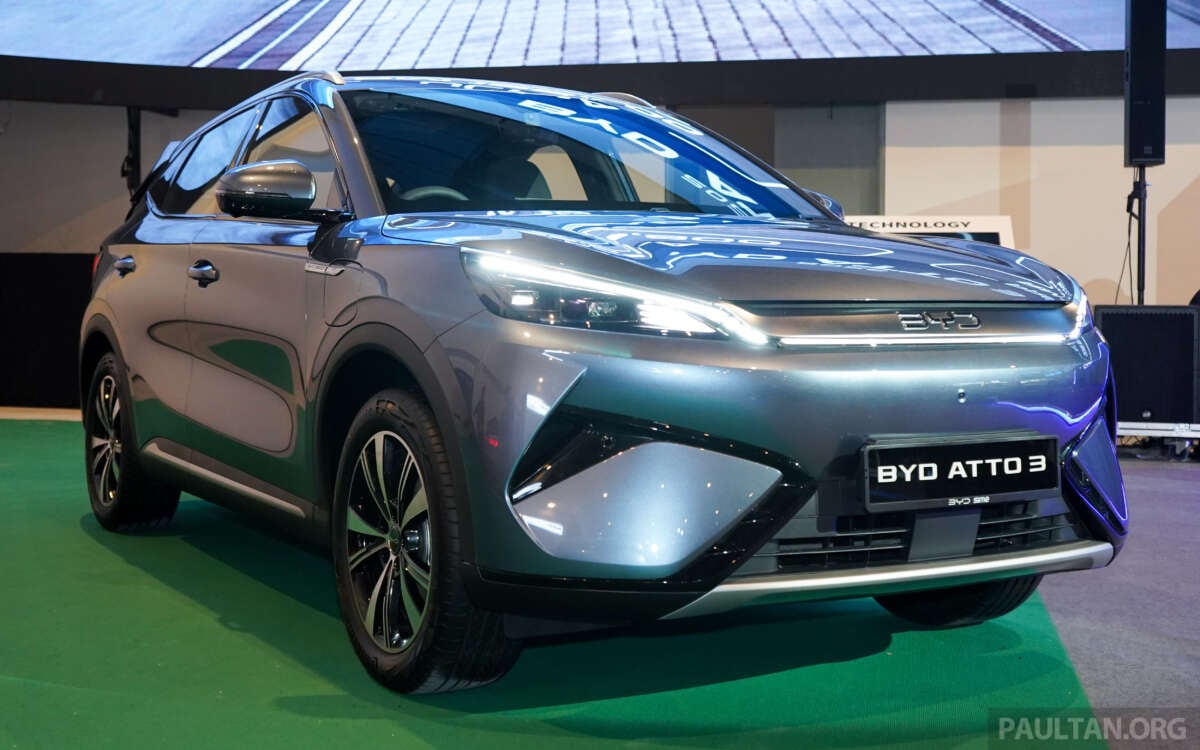
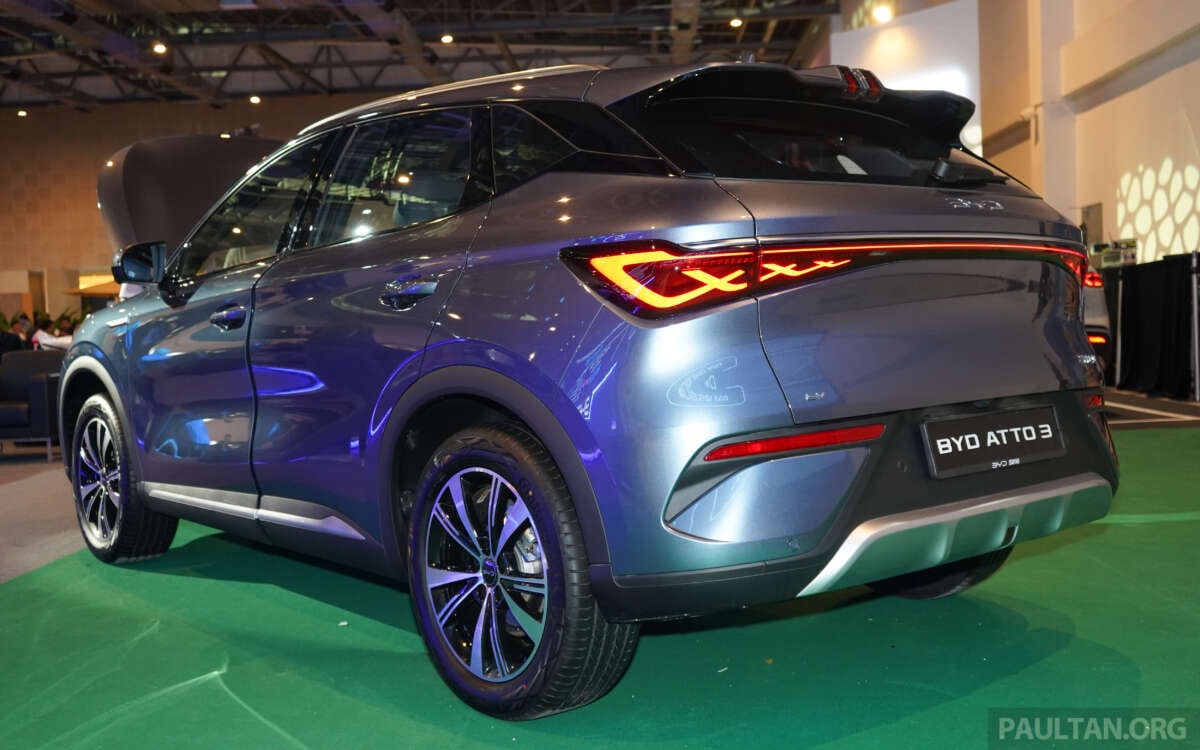
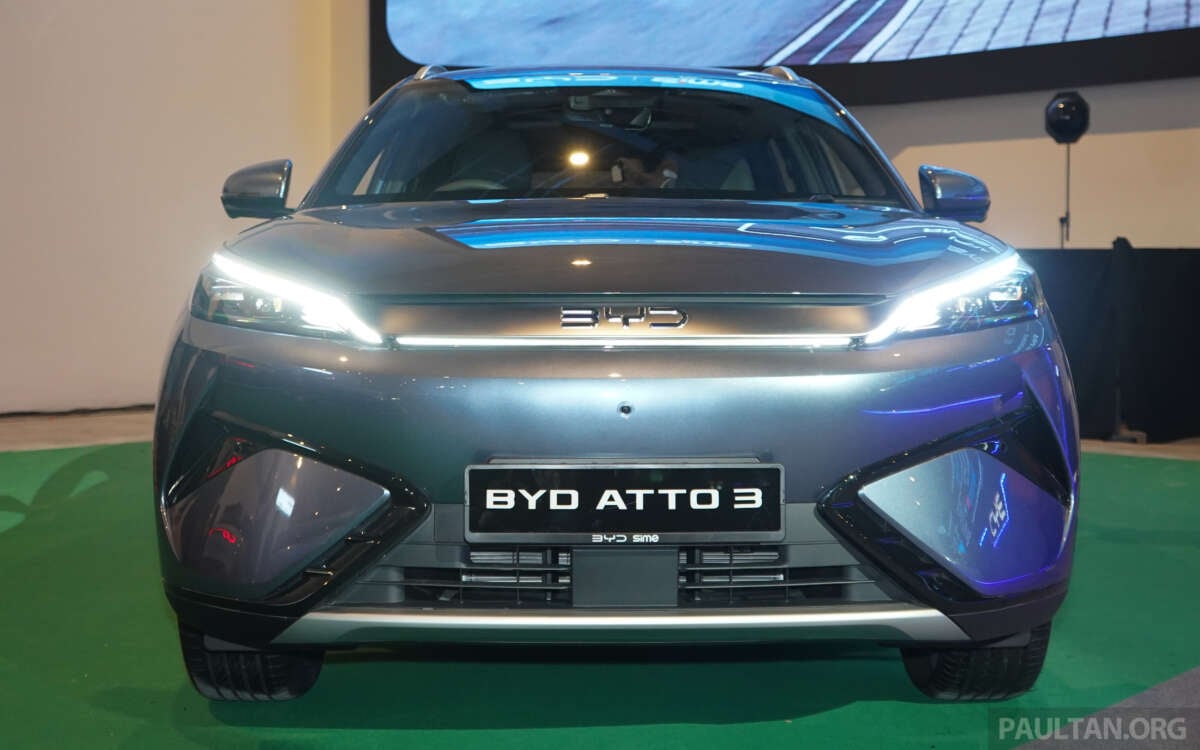
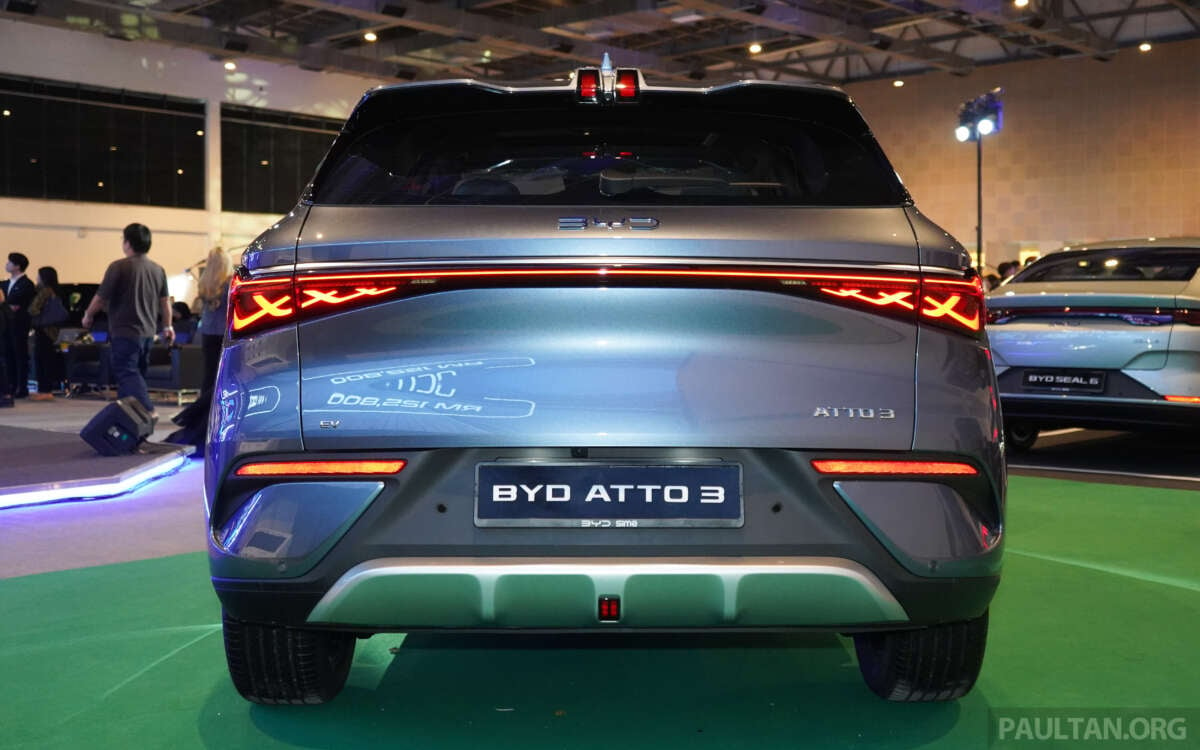
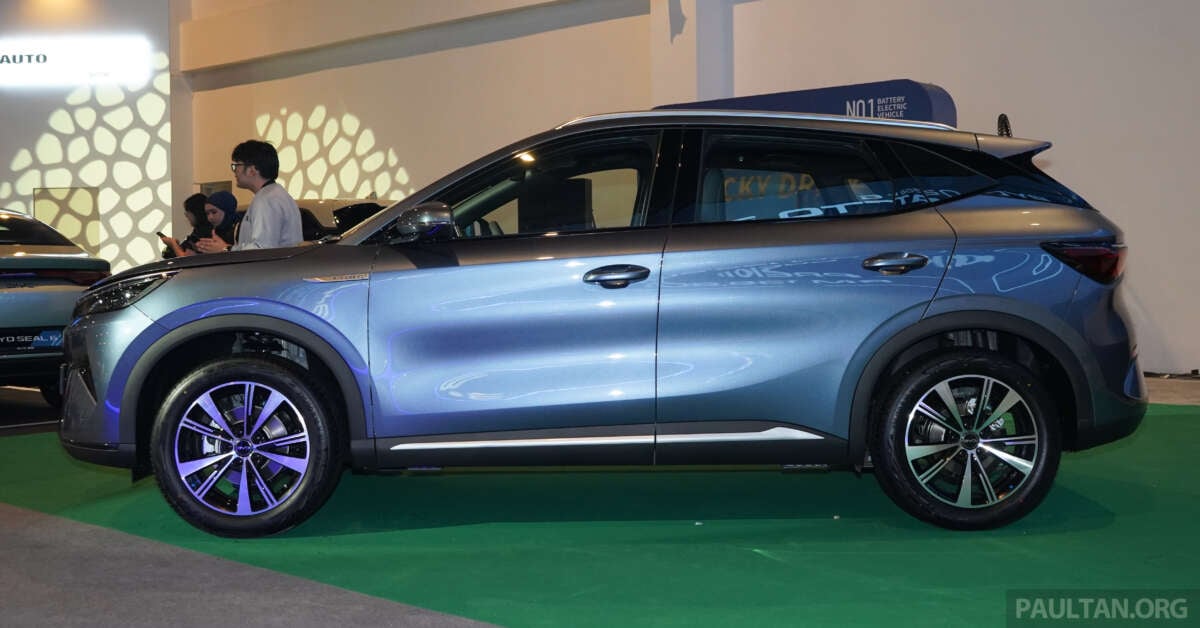
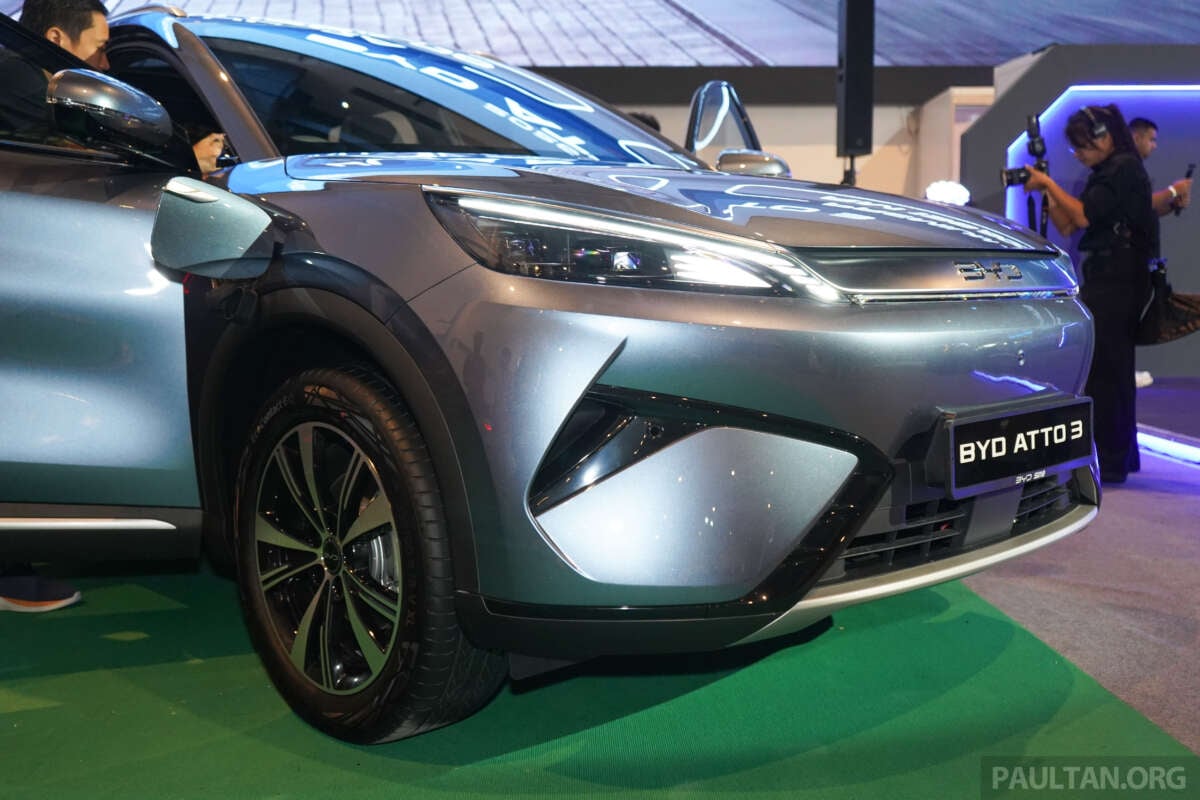
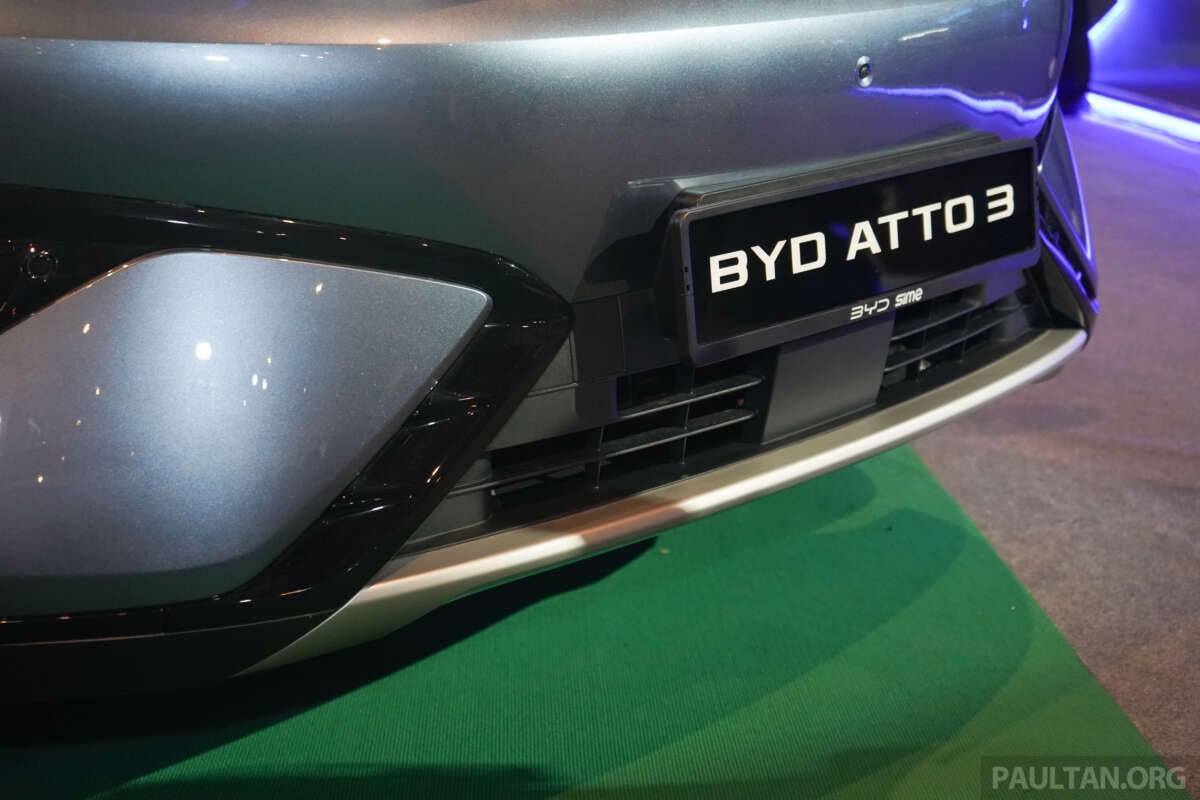
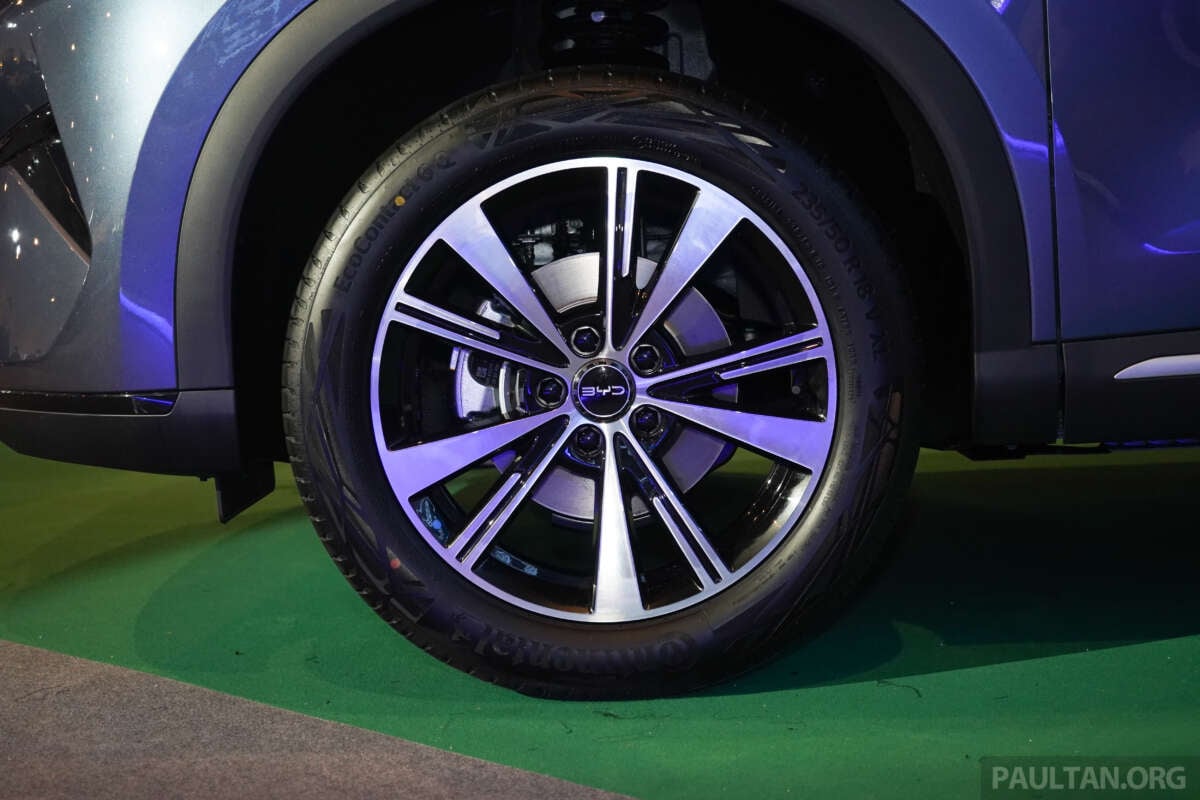
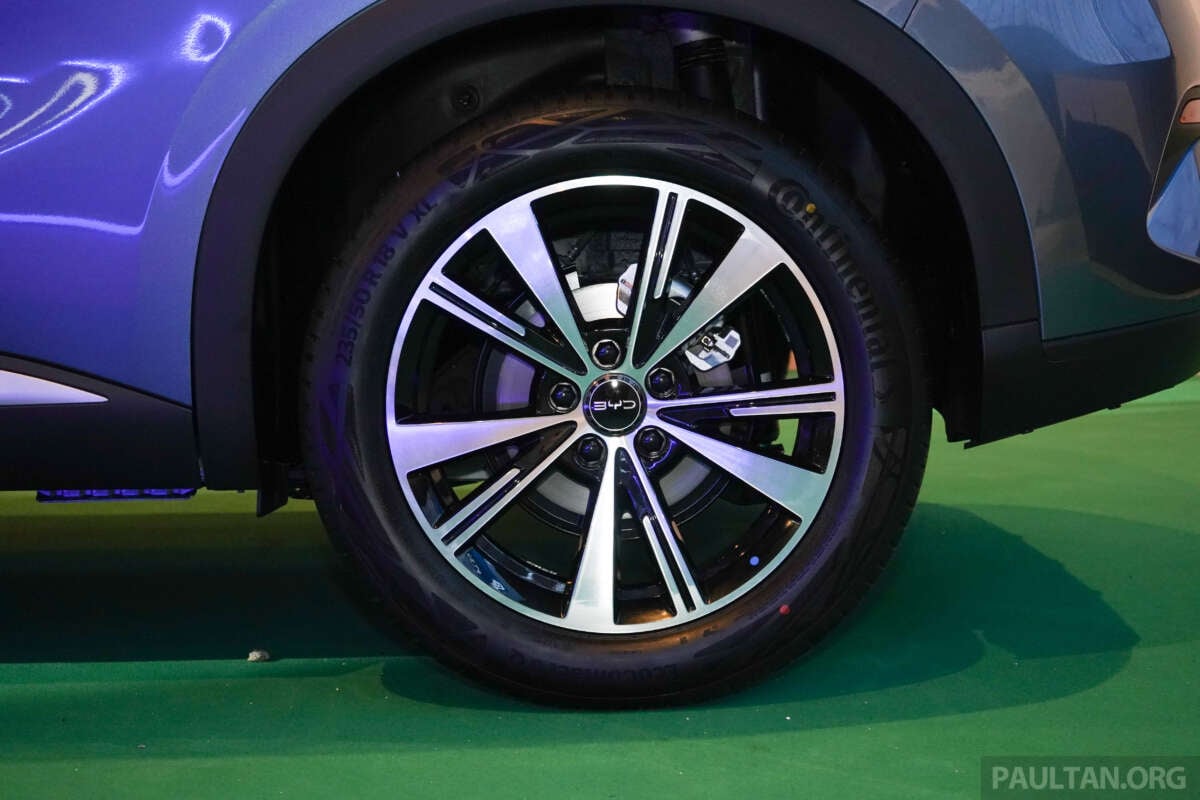
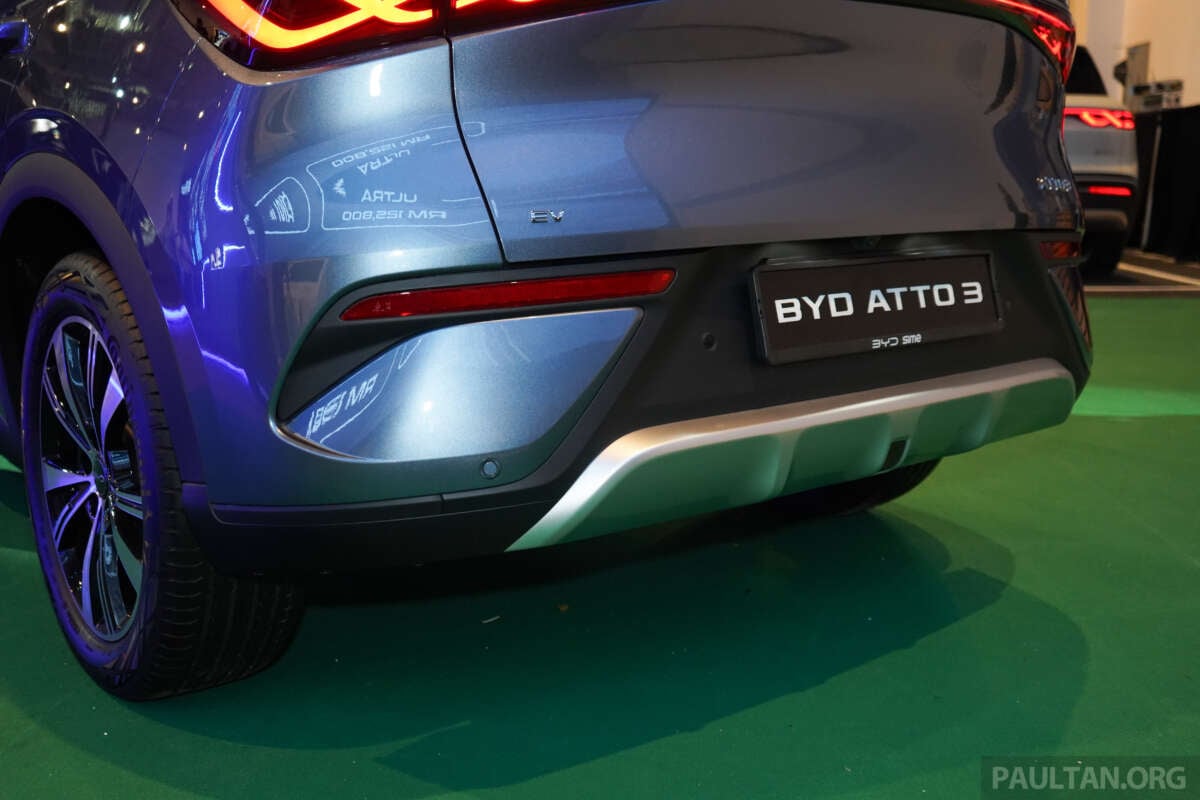
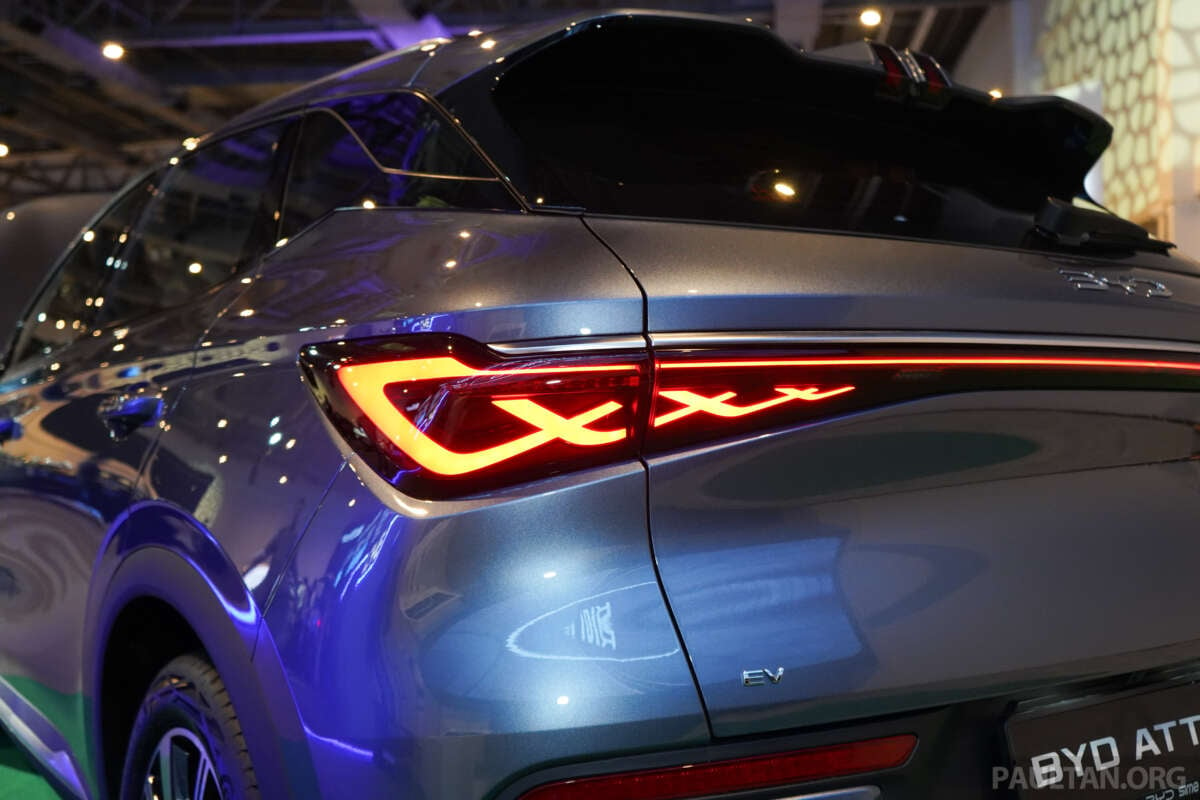
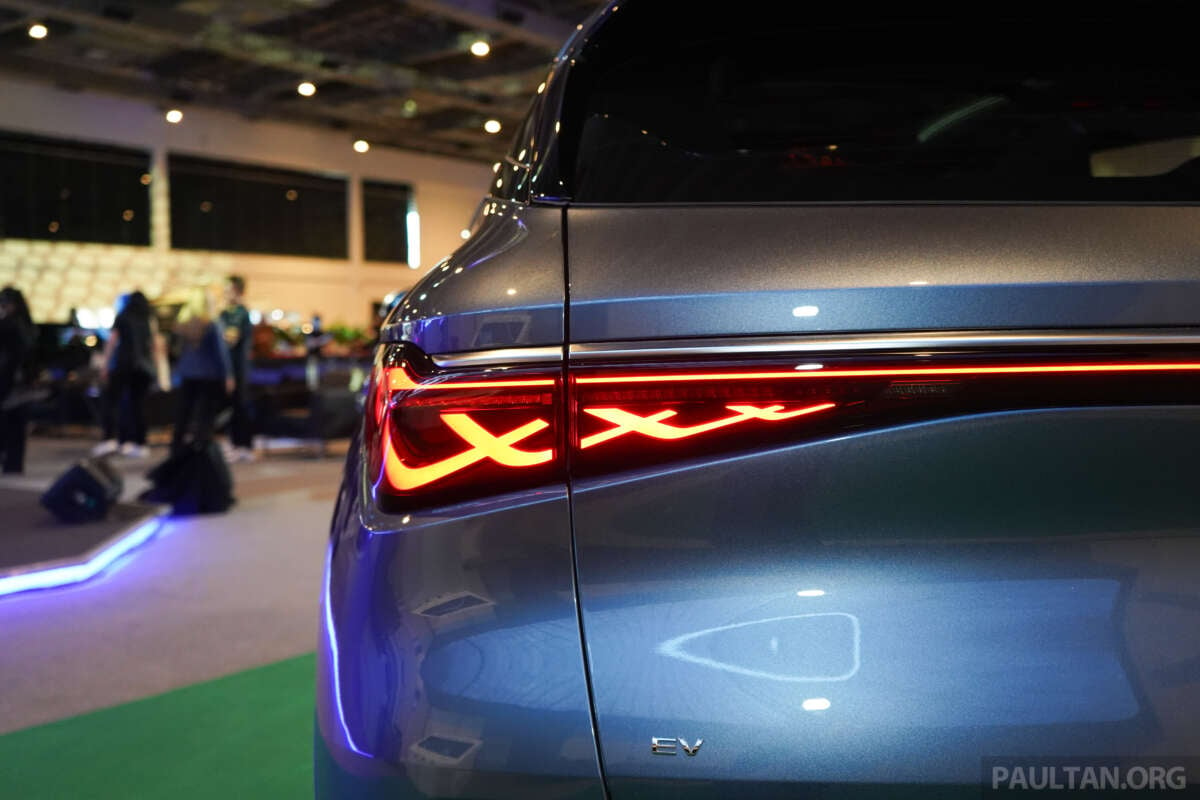
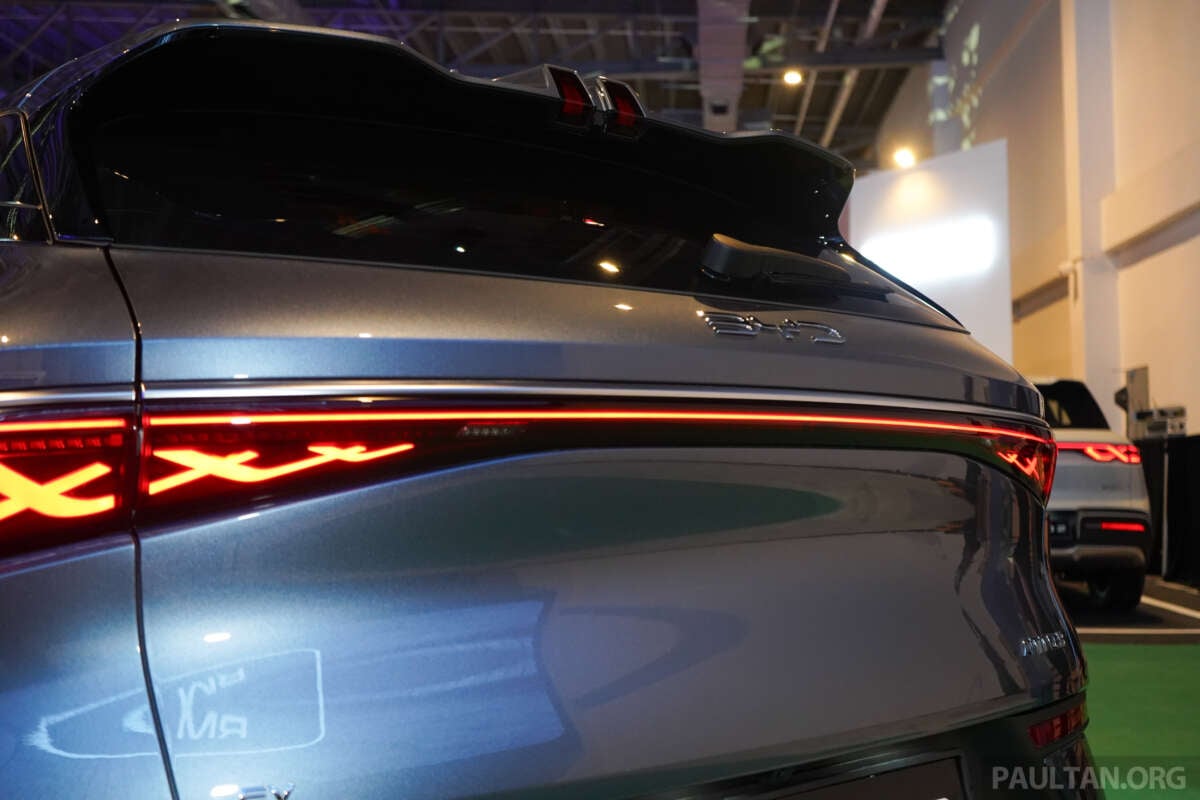
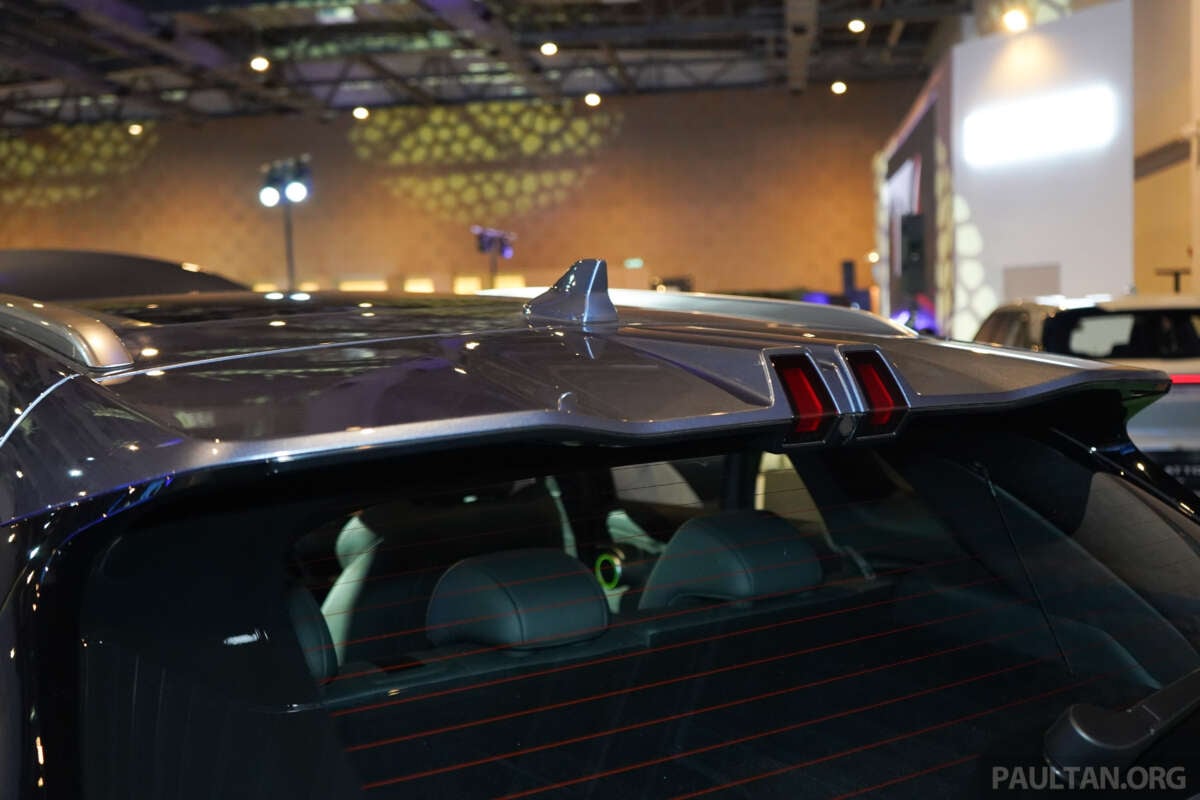
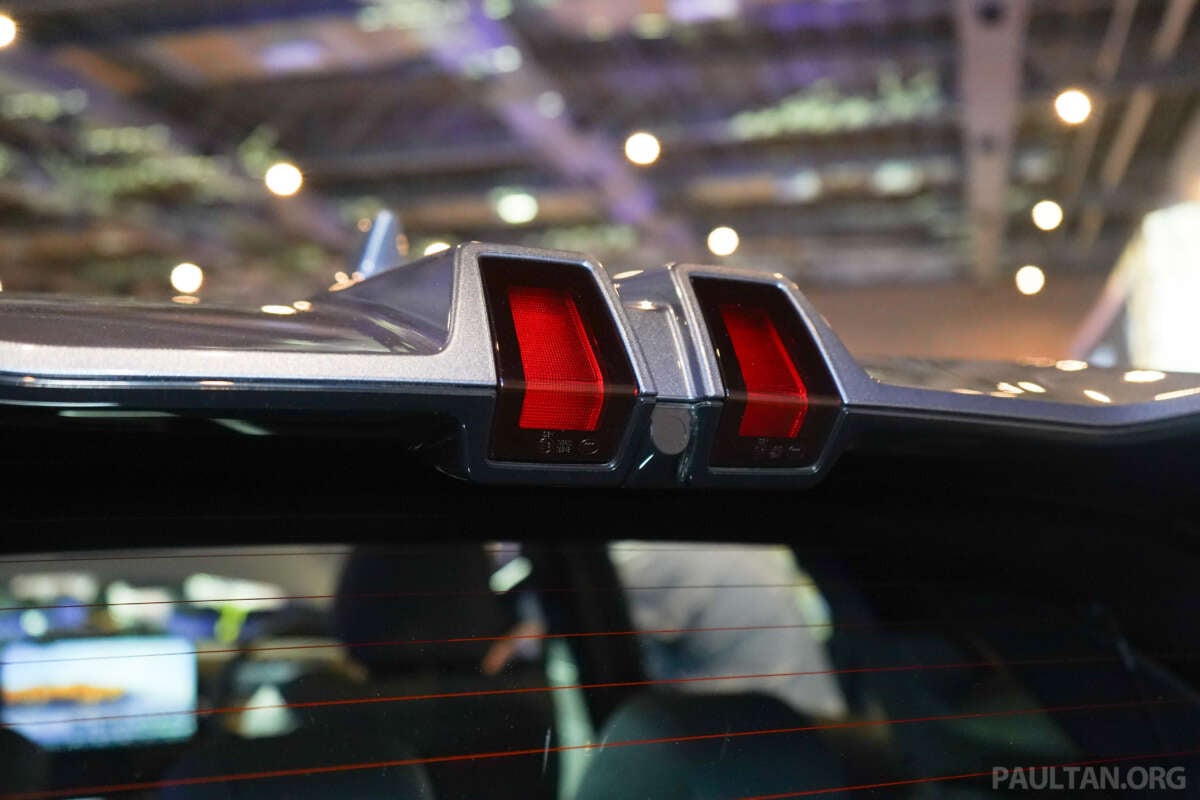
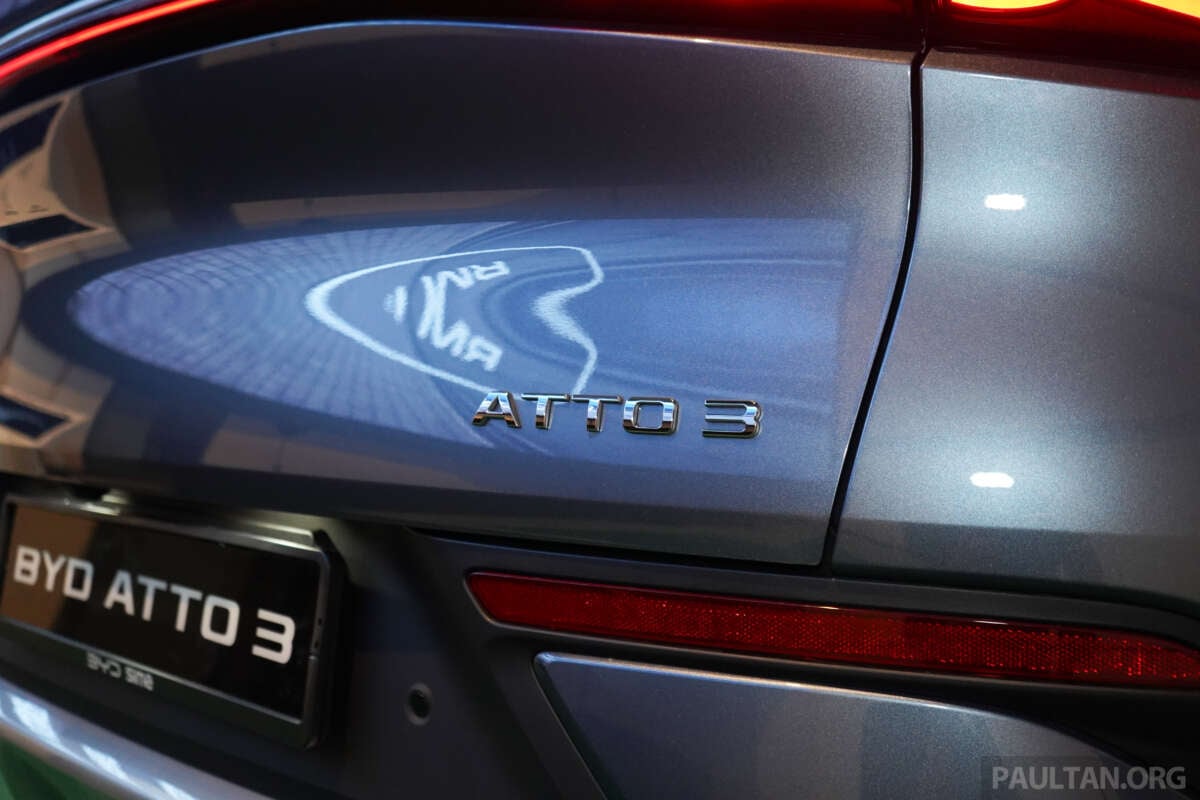
Both variants share the visual updates. There are sportier front and rear bumpers with body-coloured “tusks”, cascading triangular graphics for the taillights, a new rear spoiler with twin vertical centre brake lights, and sleeker D-pillars with new rear quarter light windows (the old car’s “scales” are gone). Both ride on 18-inch wheels.
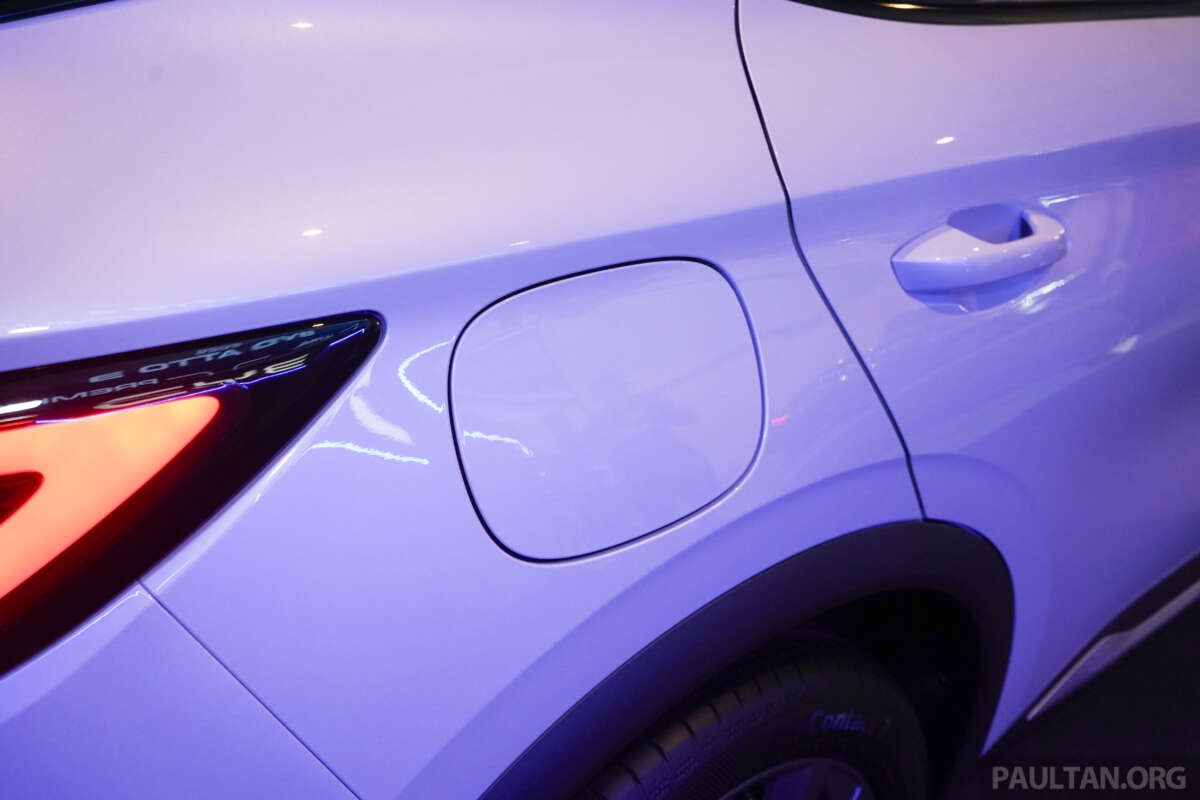
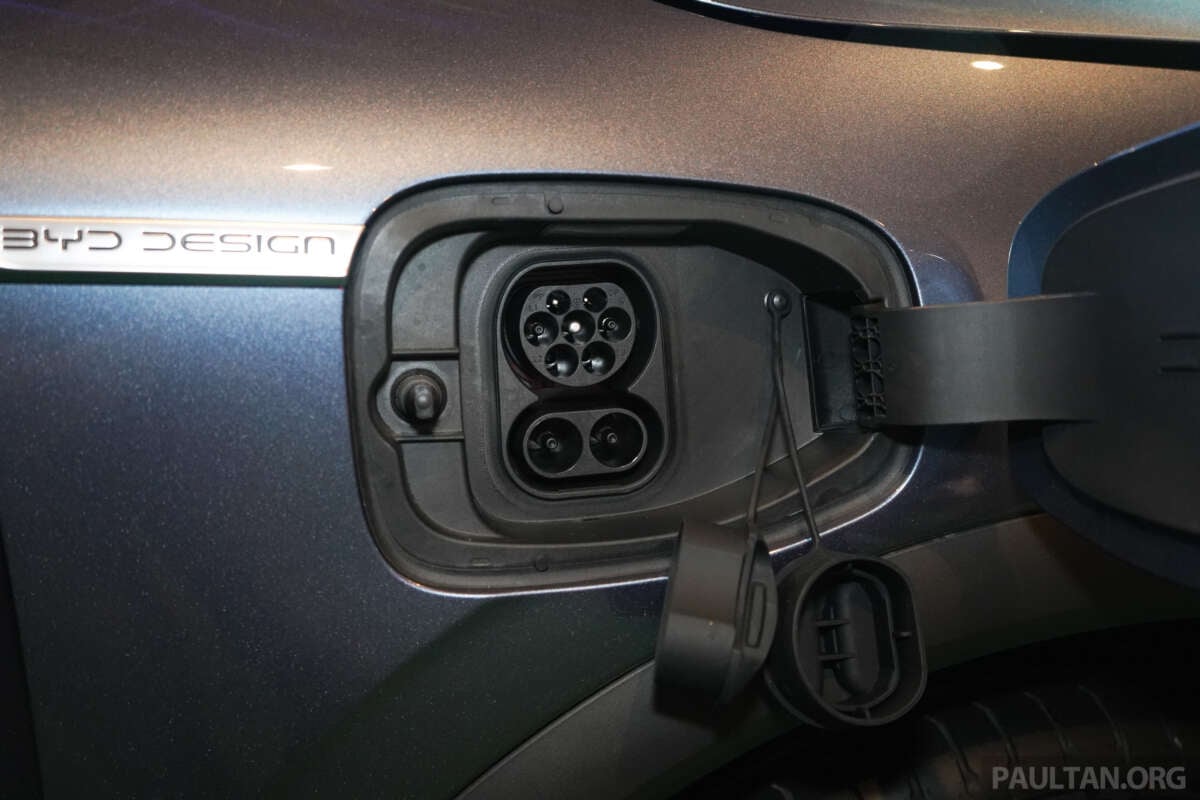
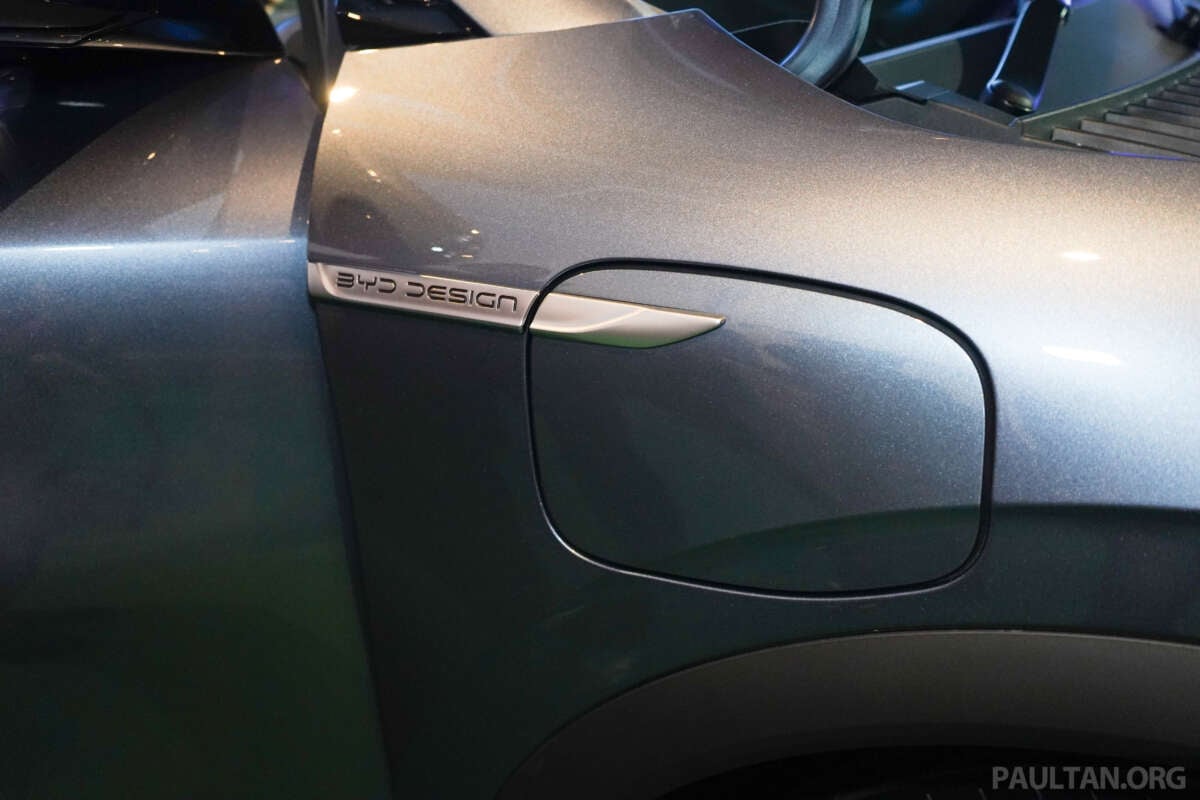
There are tells that separate the two. The Ultra keeps a two-tone wheel design similar to the old car and retains its front charging port. The Premium, being rear-driven, gets a rear charging port (so the “BYD Design” front fender appliqués are deleted) and a new grey turbine-style wheel.
Inside the cabin


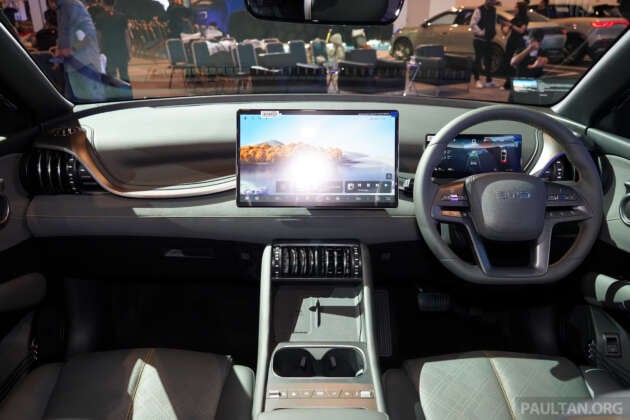
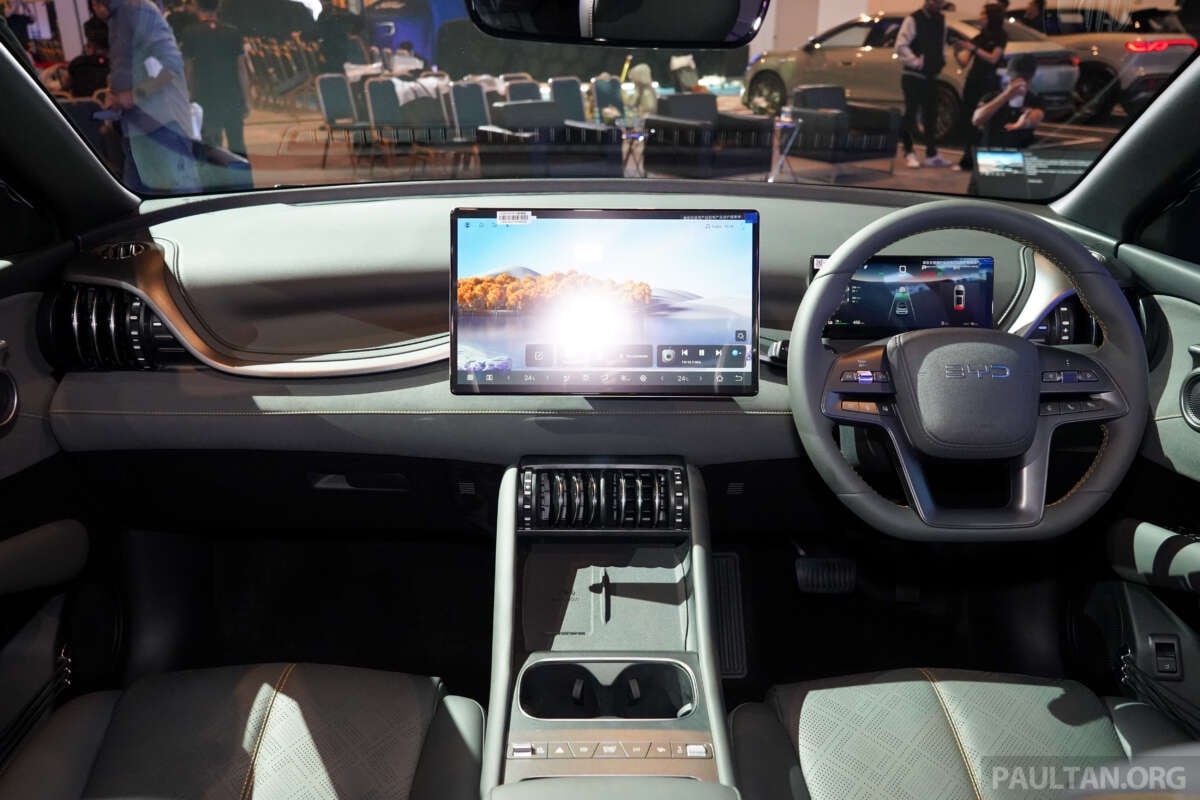
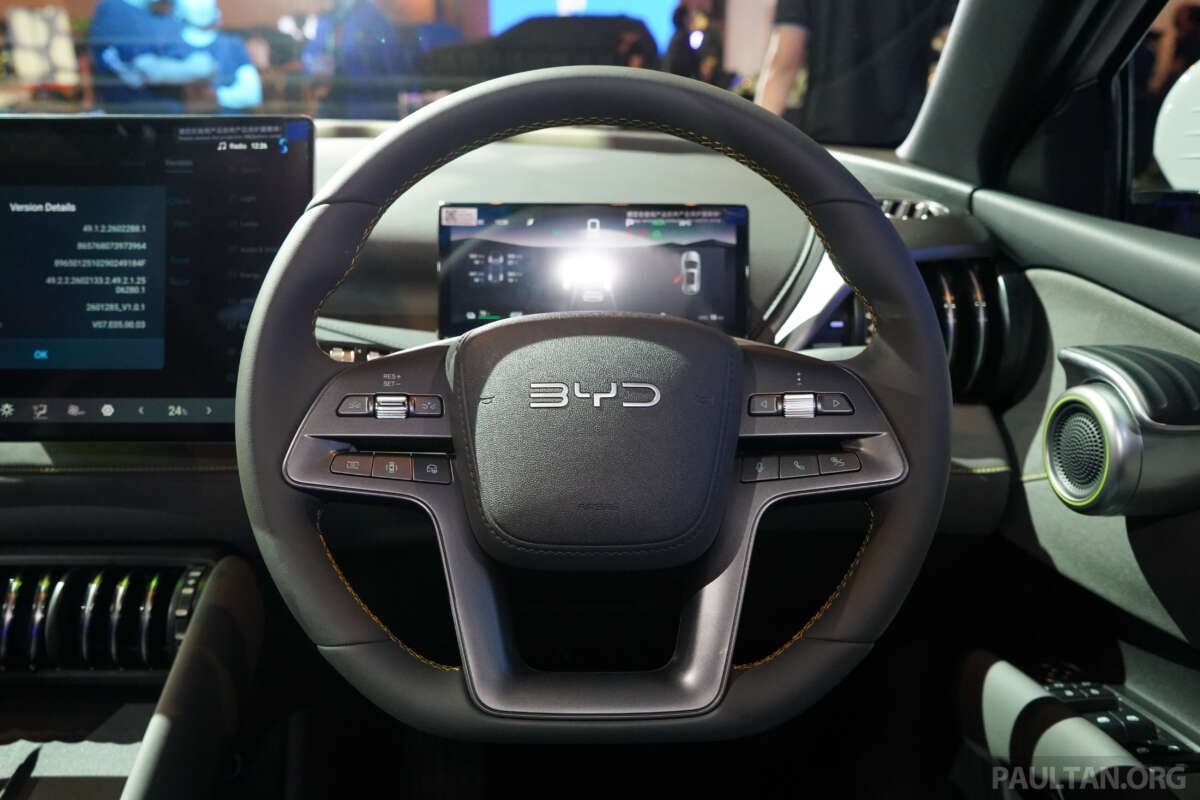
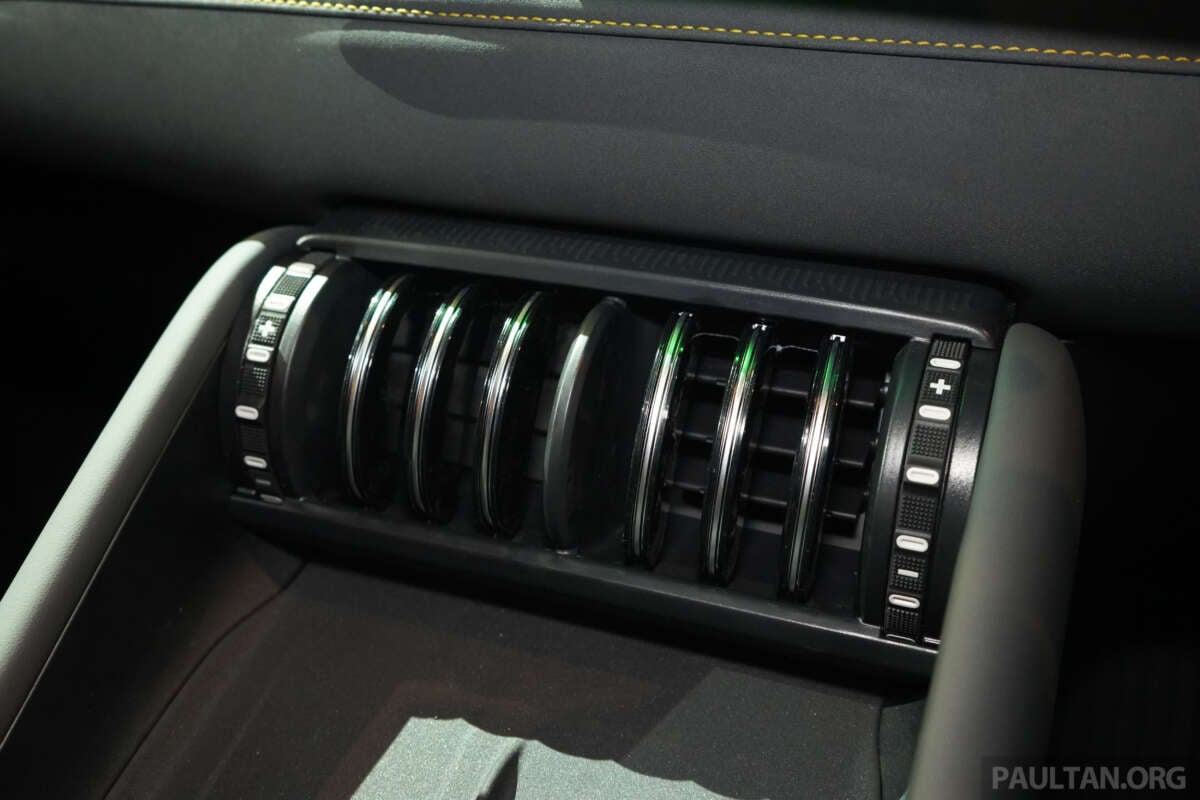
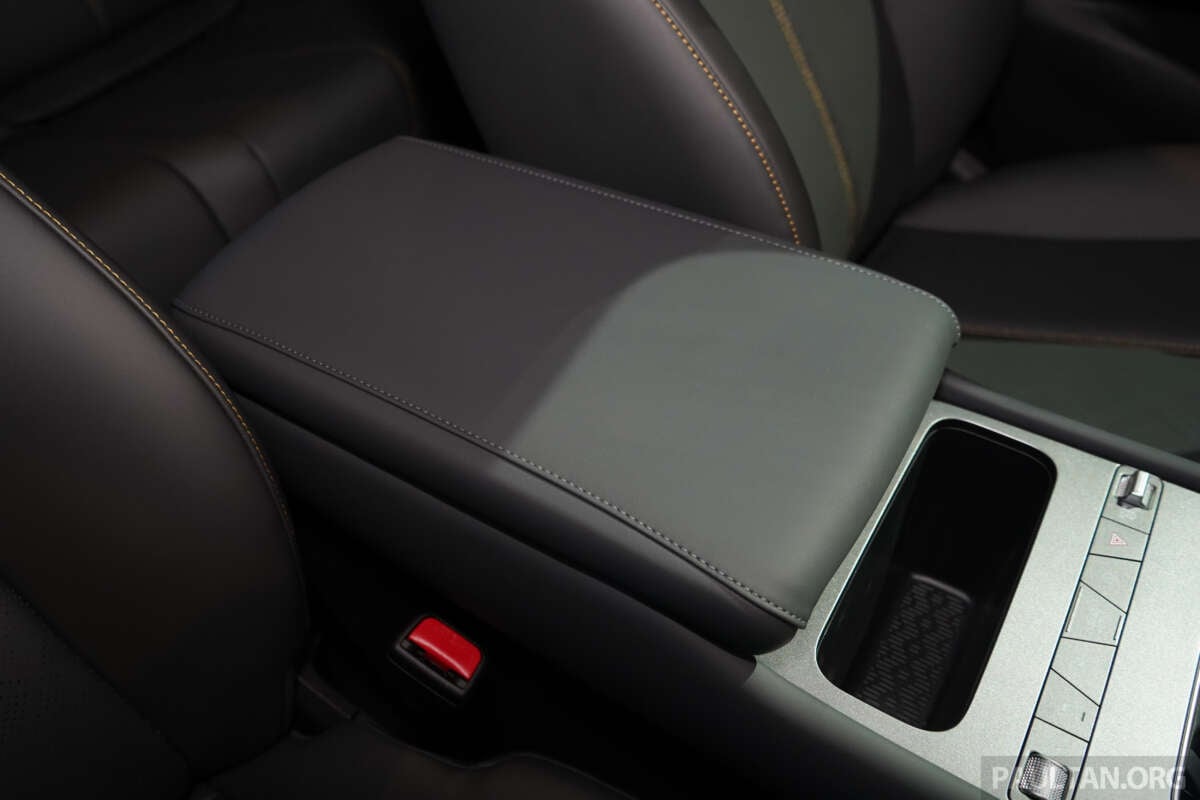
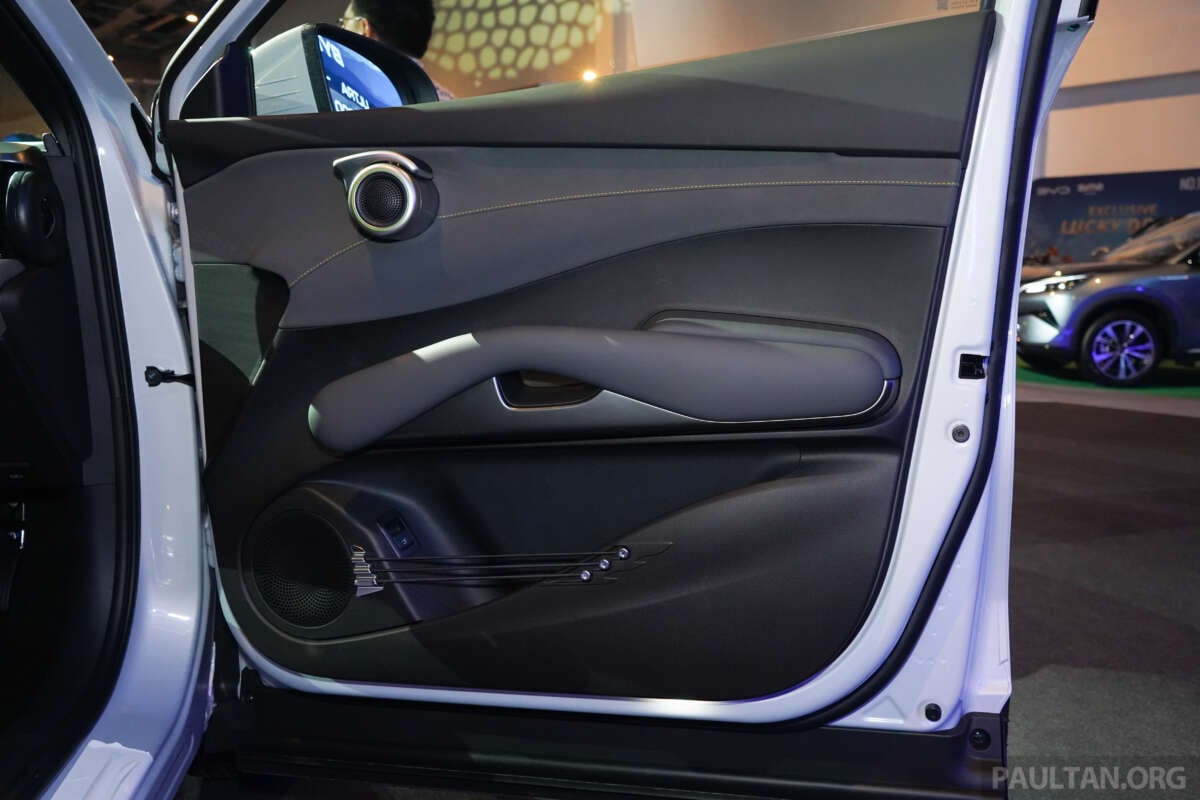
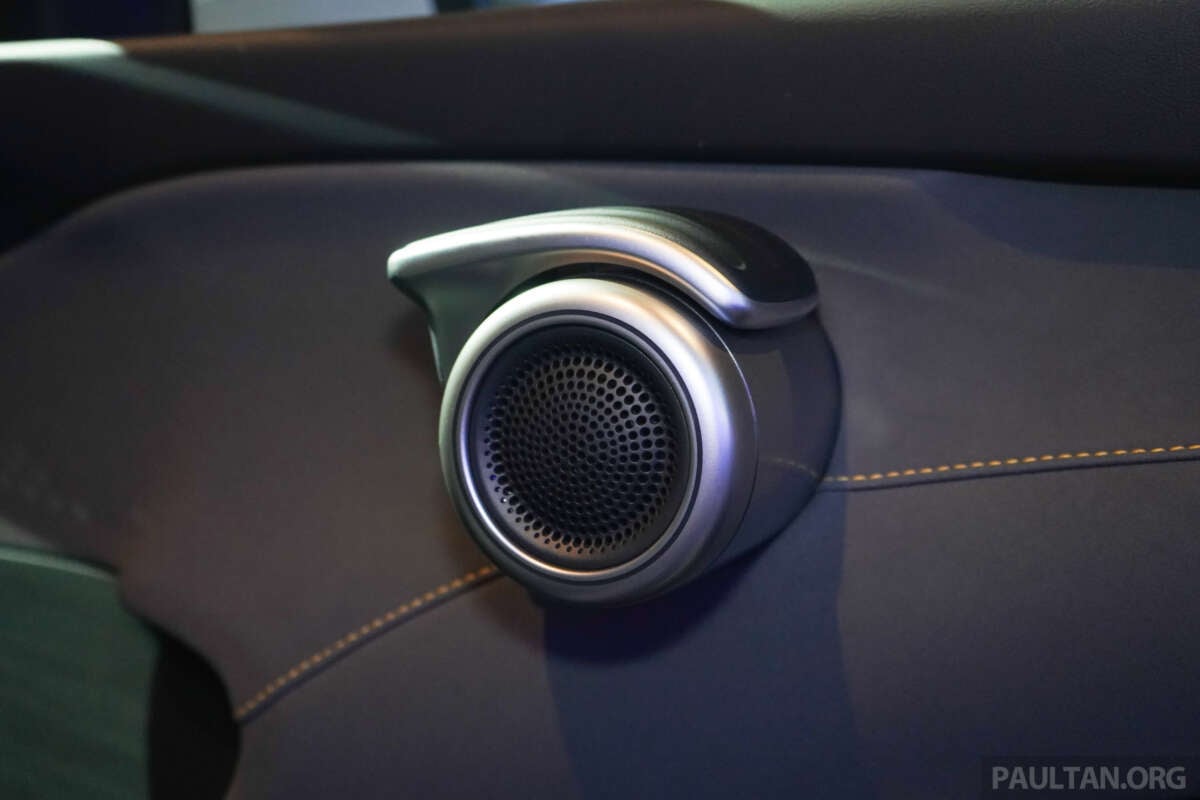
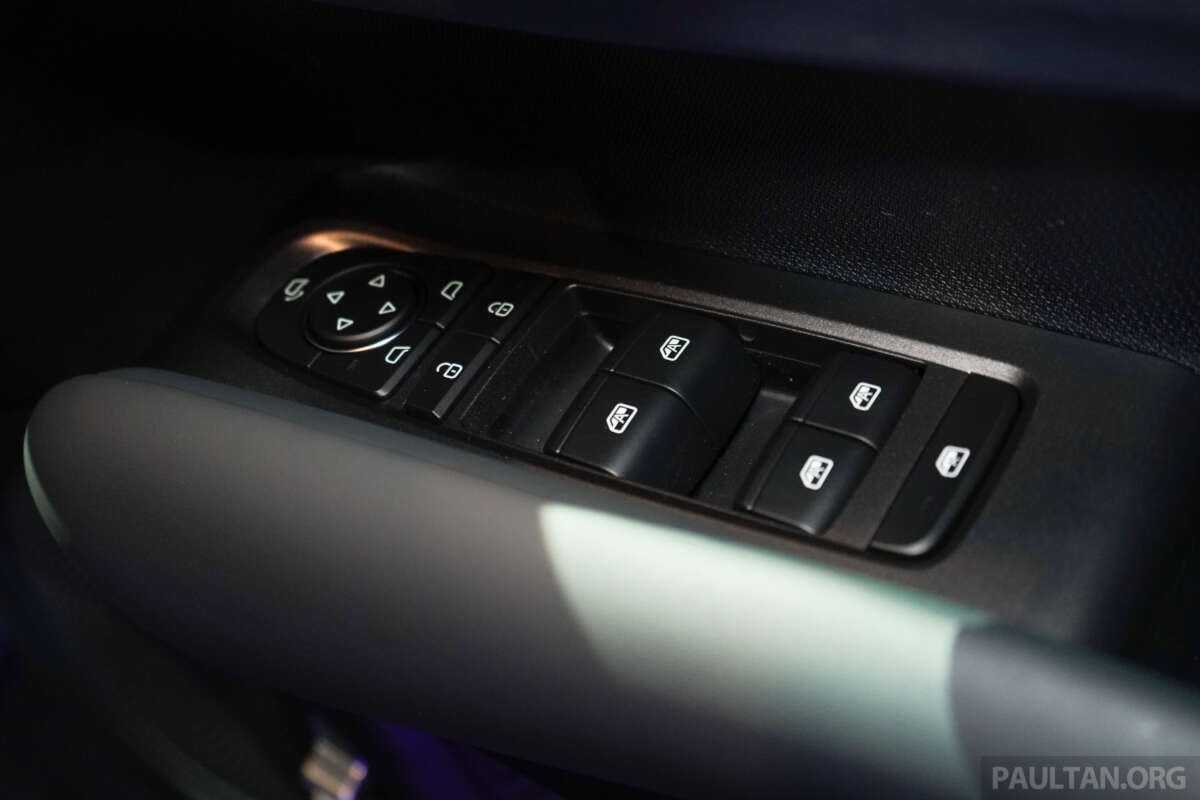
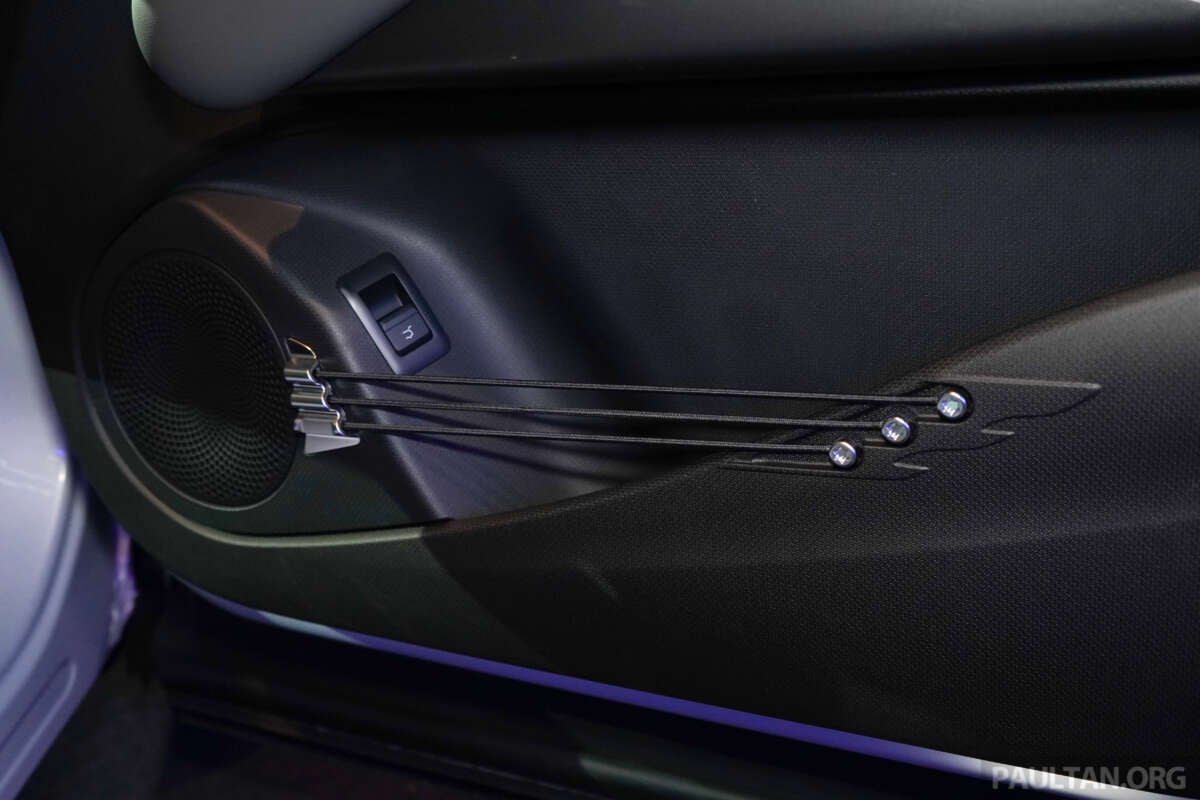
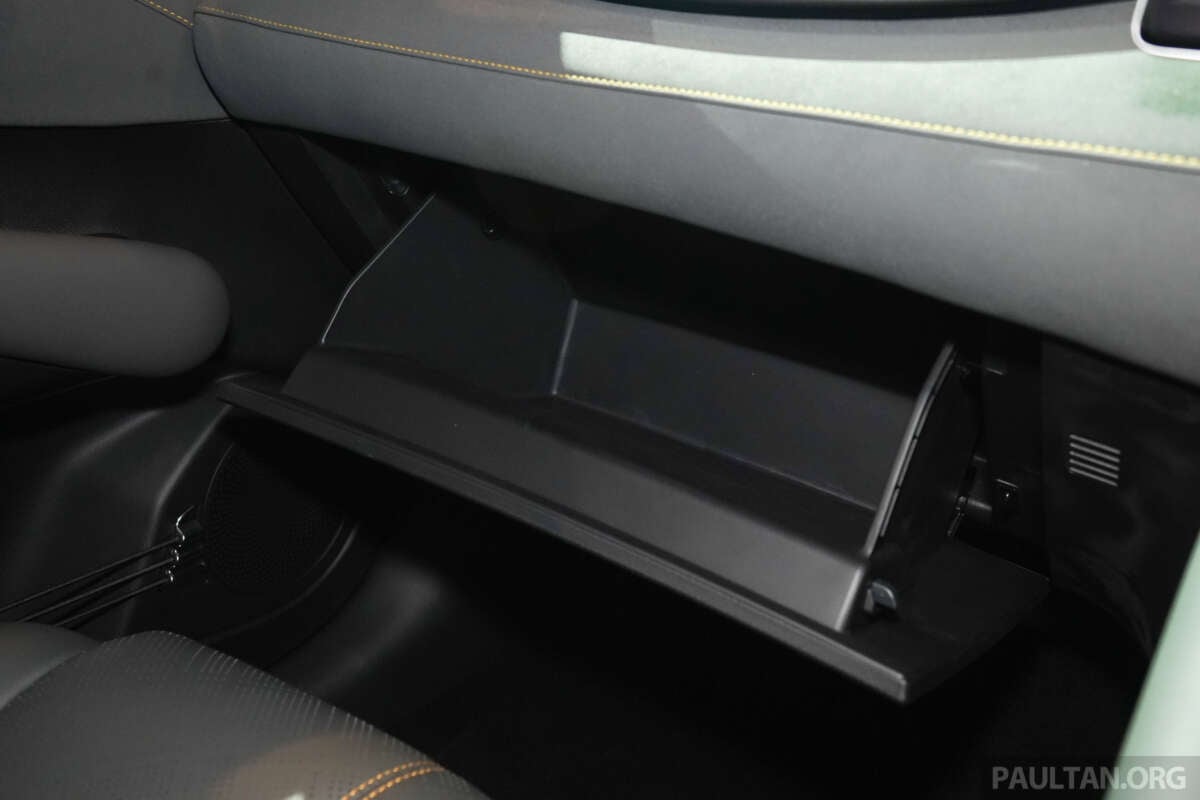
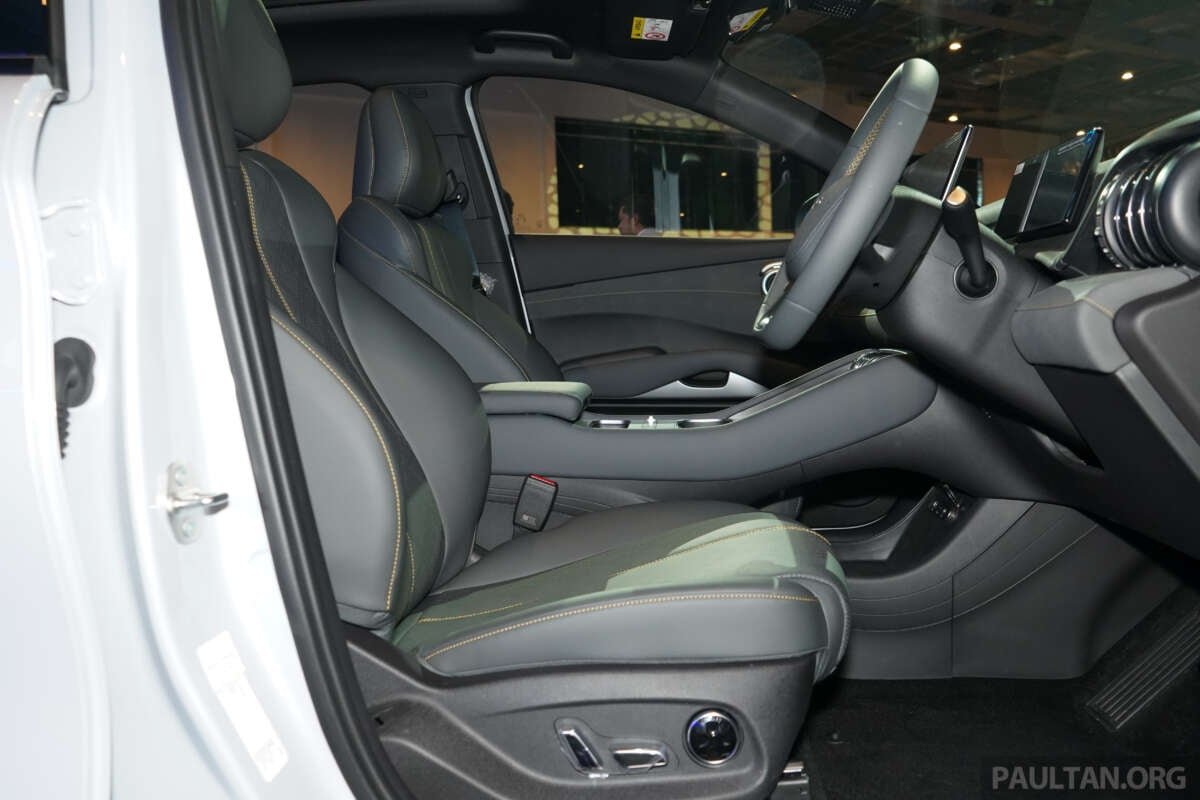
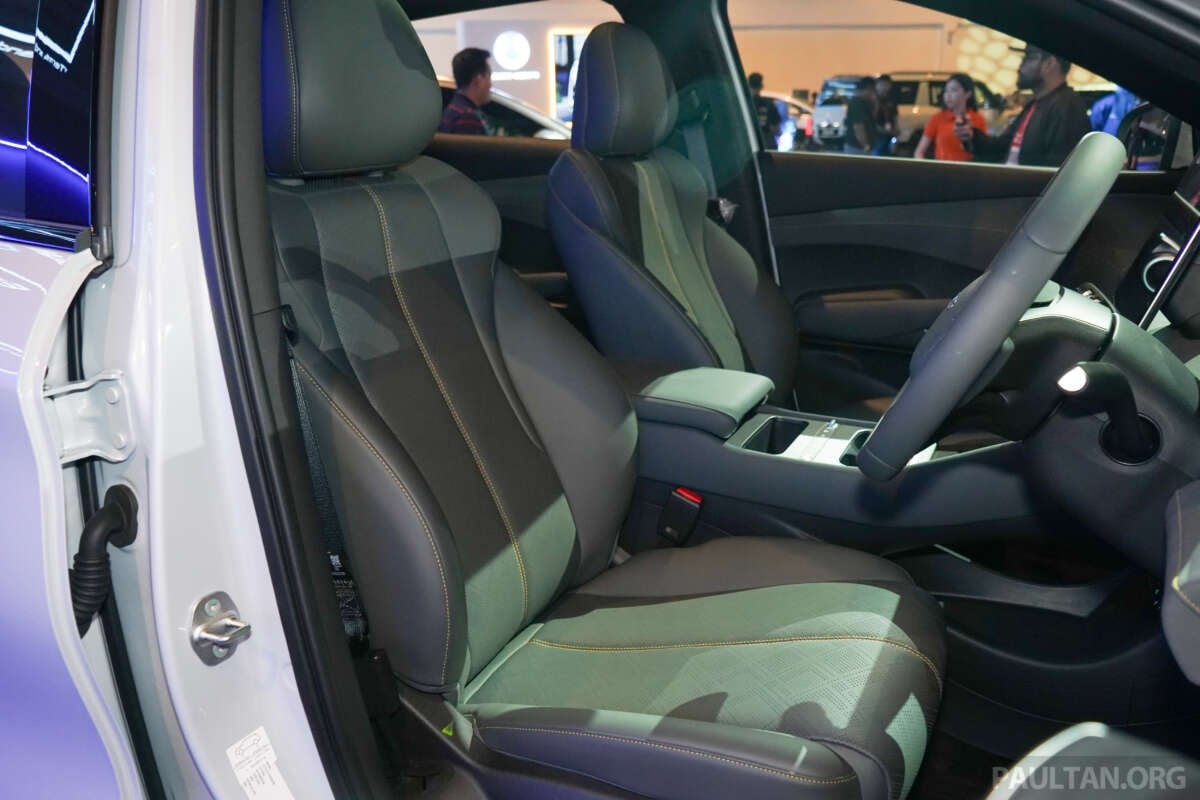
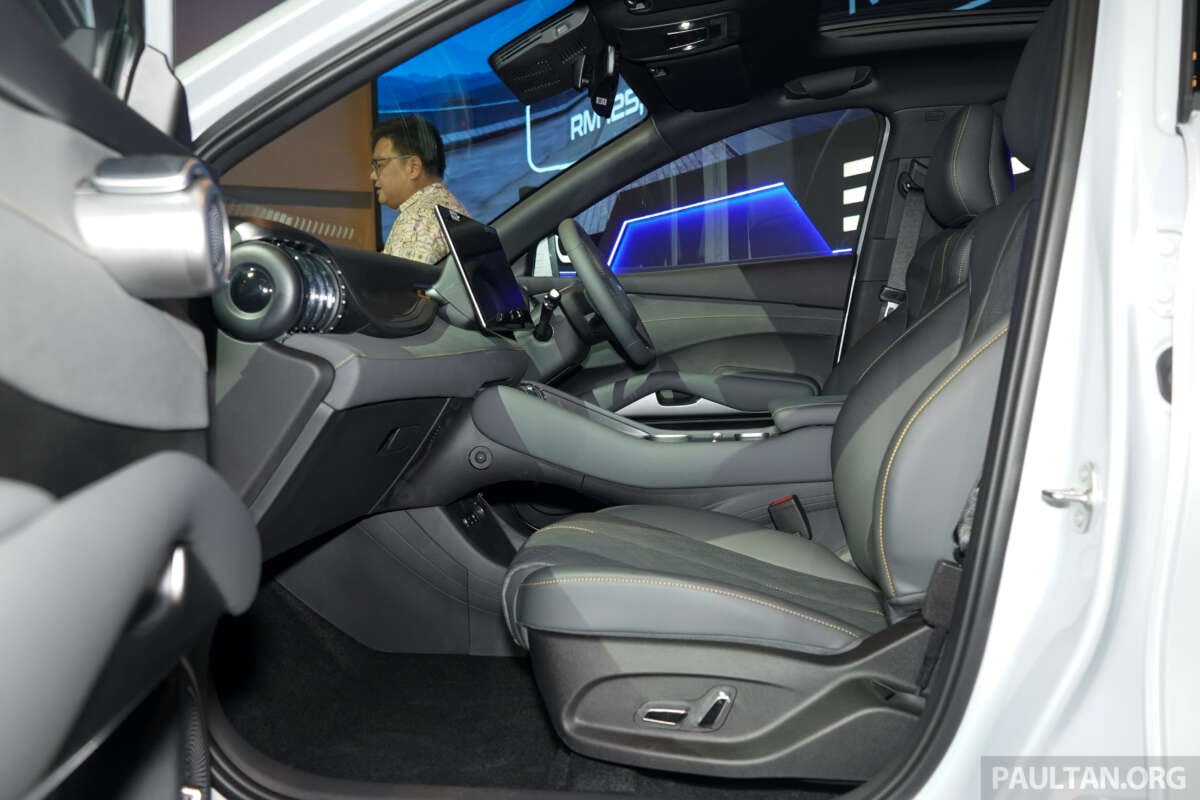
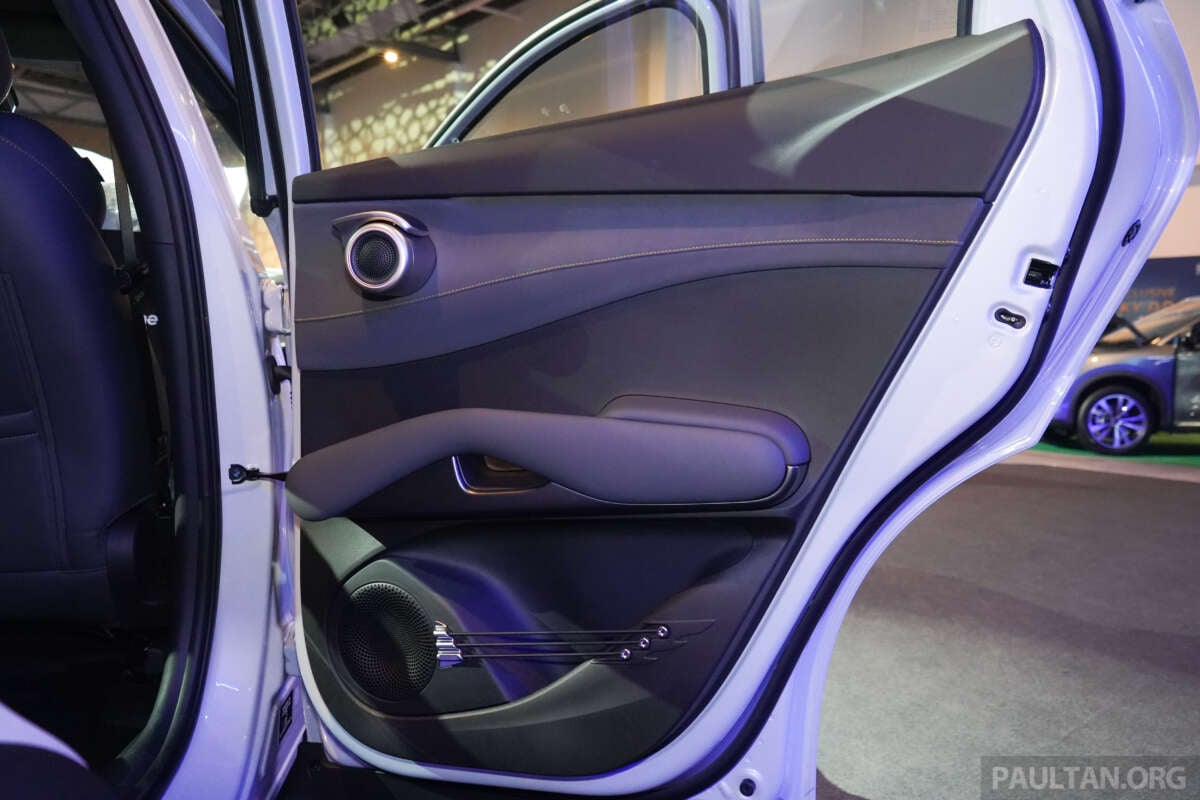
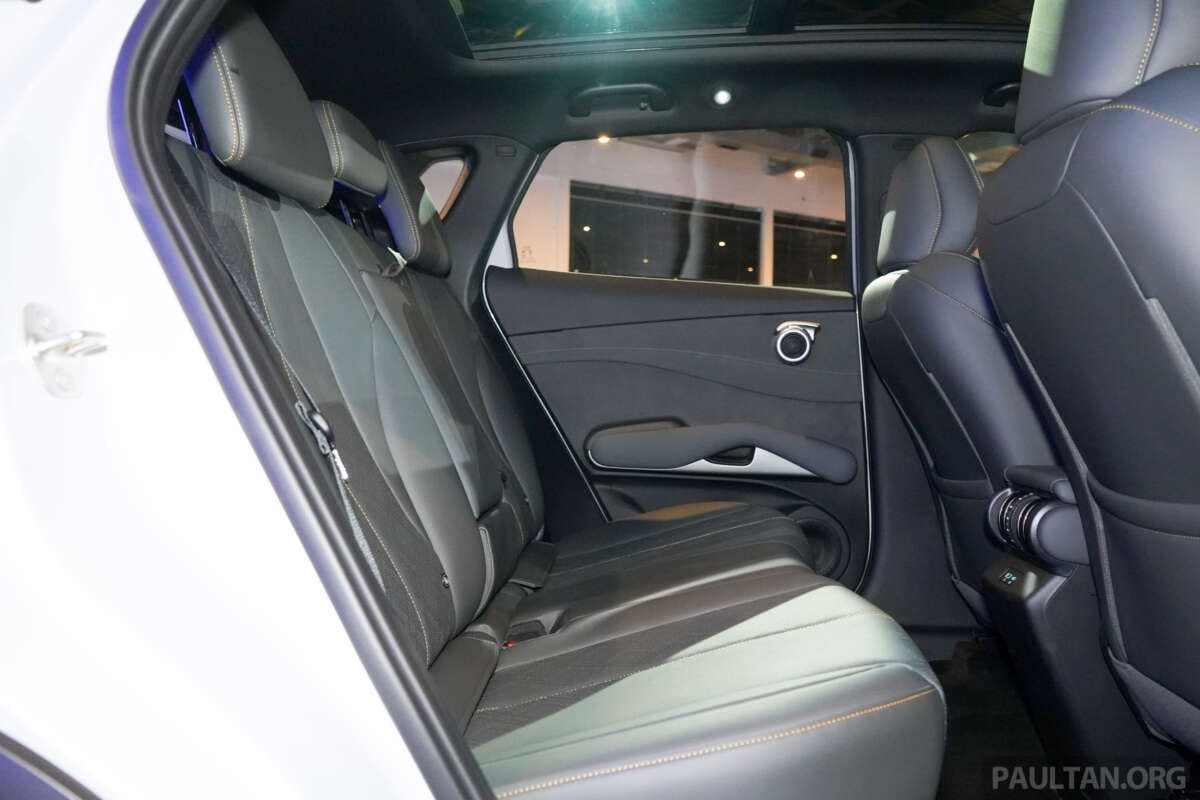
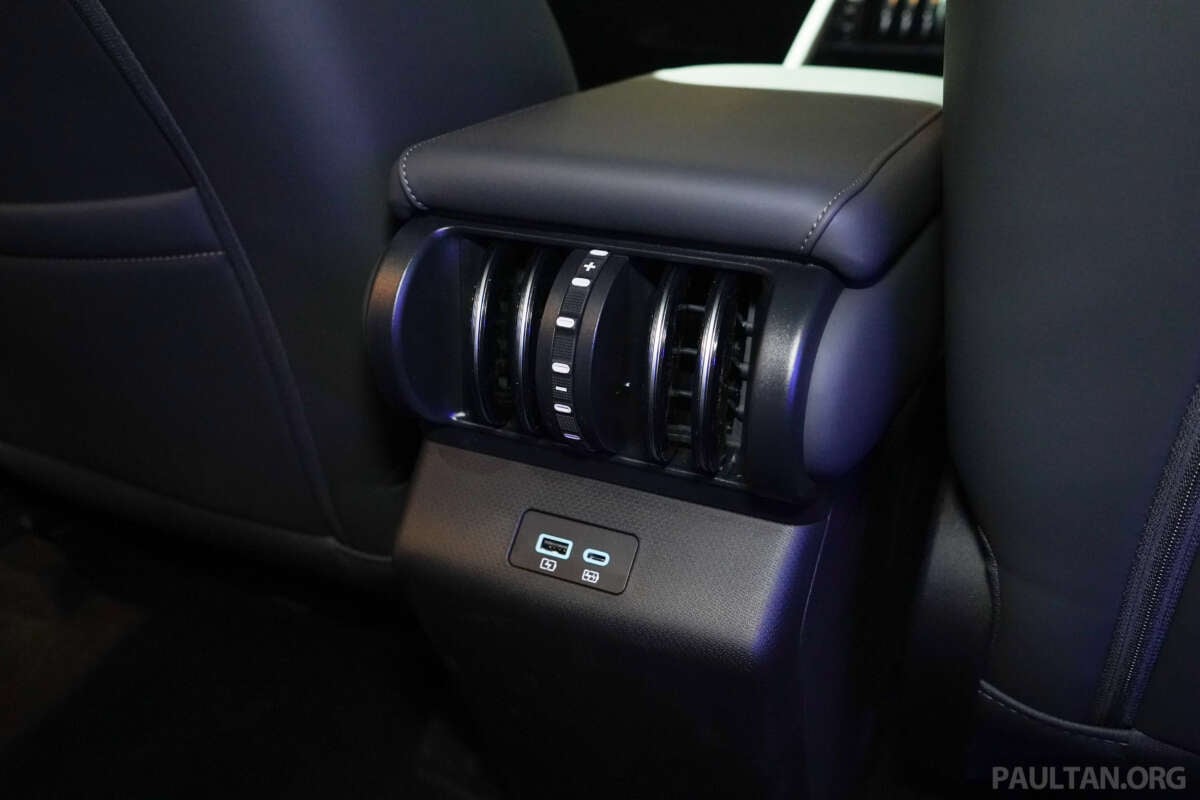
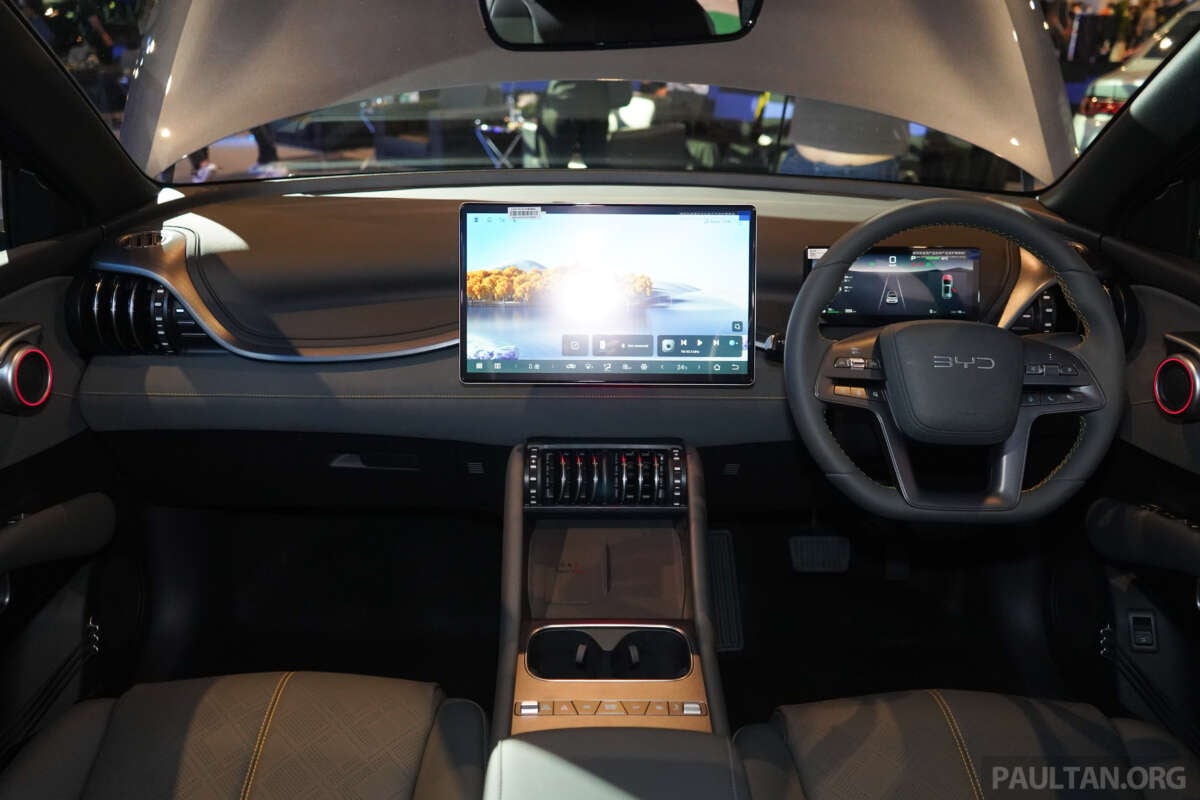
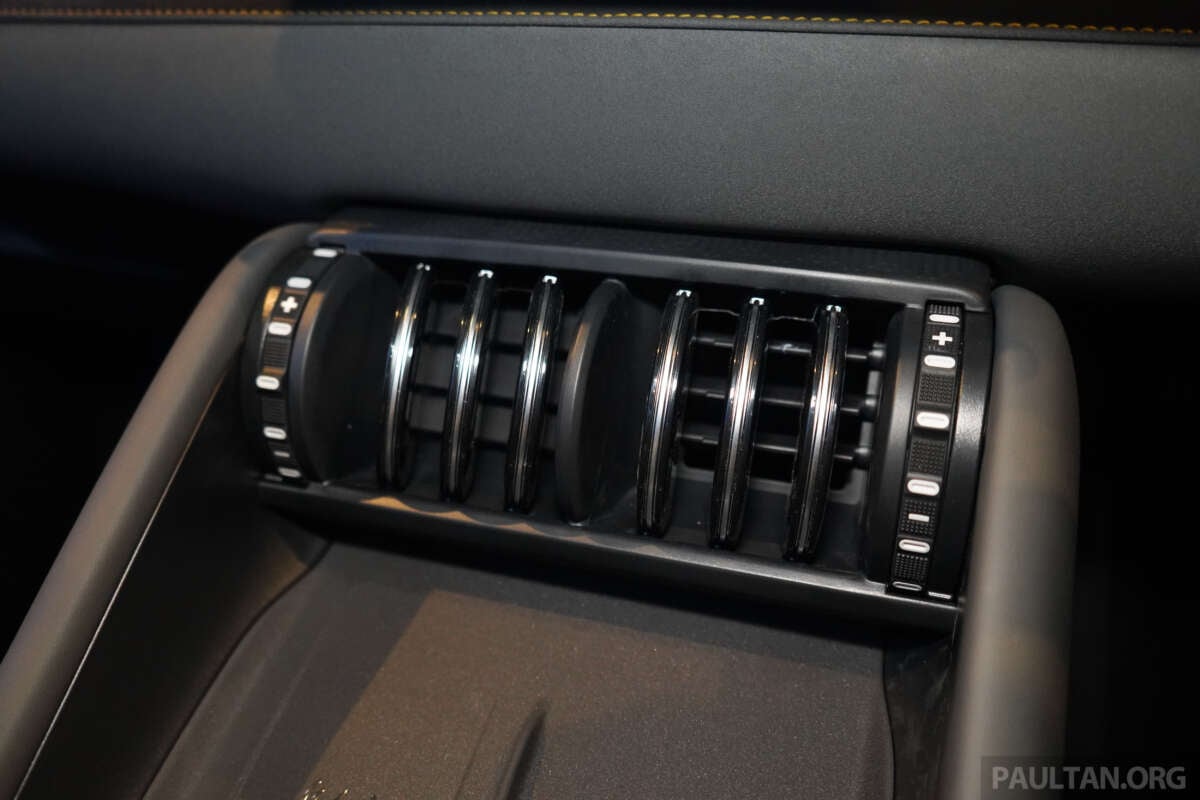
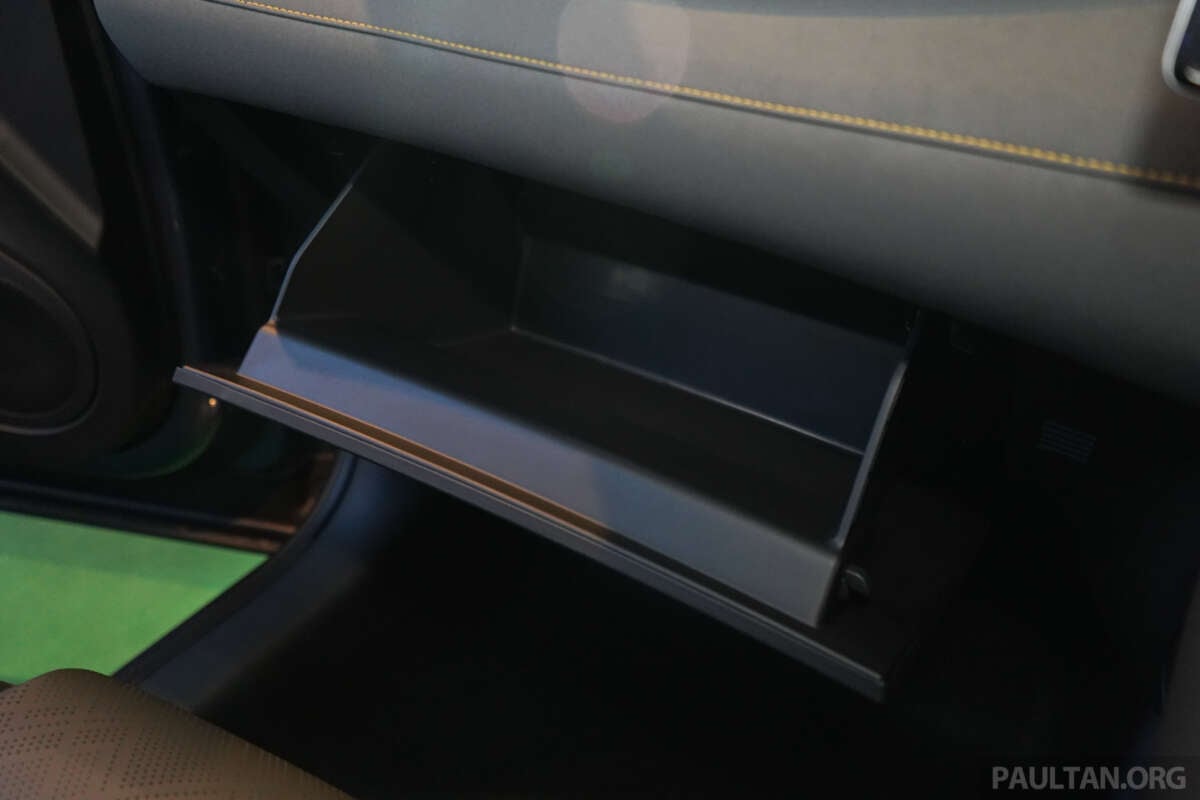
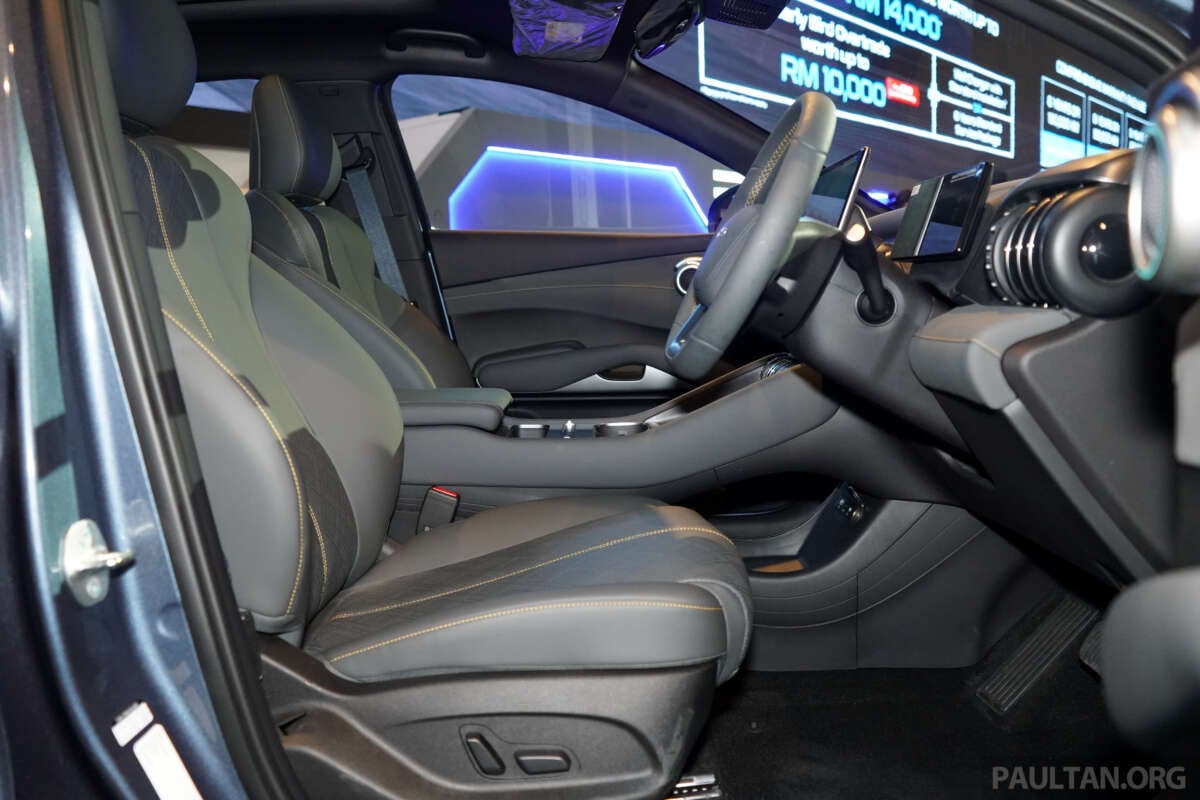
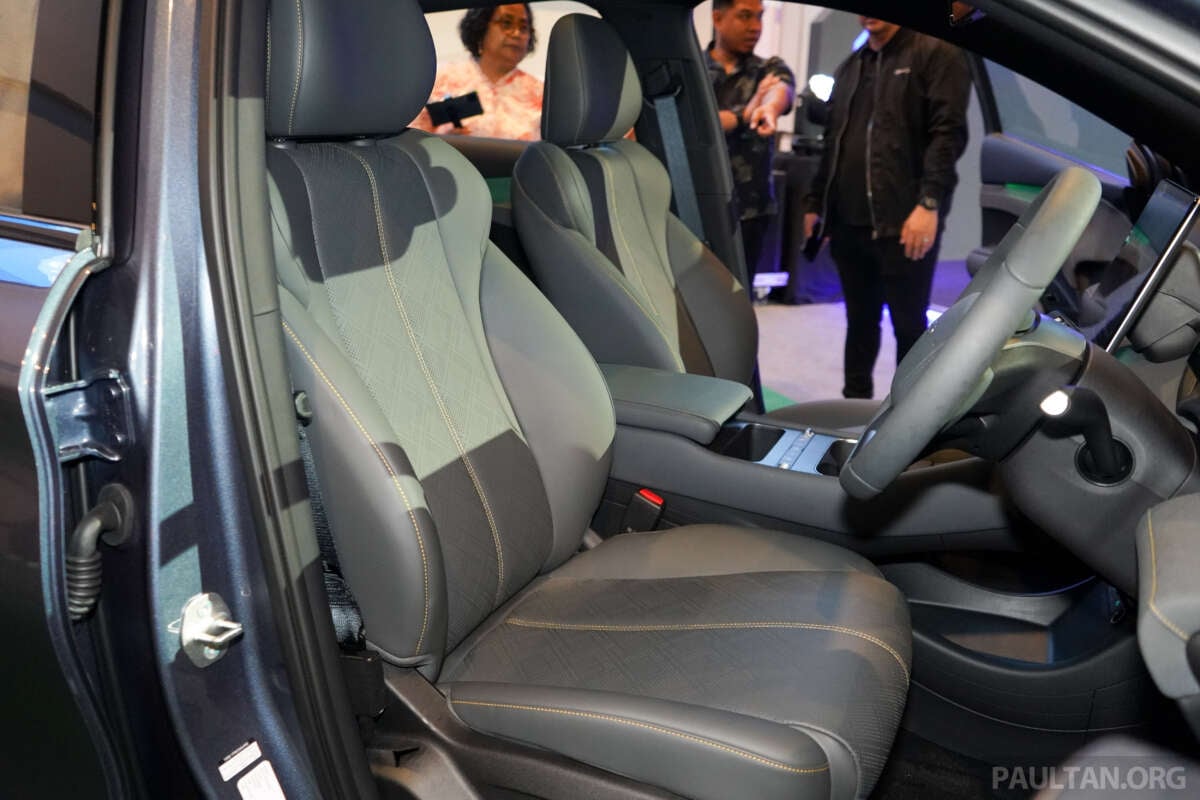
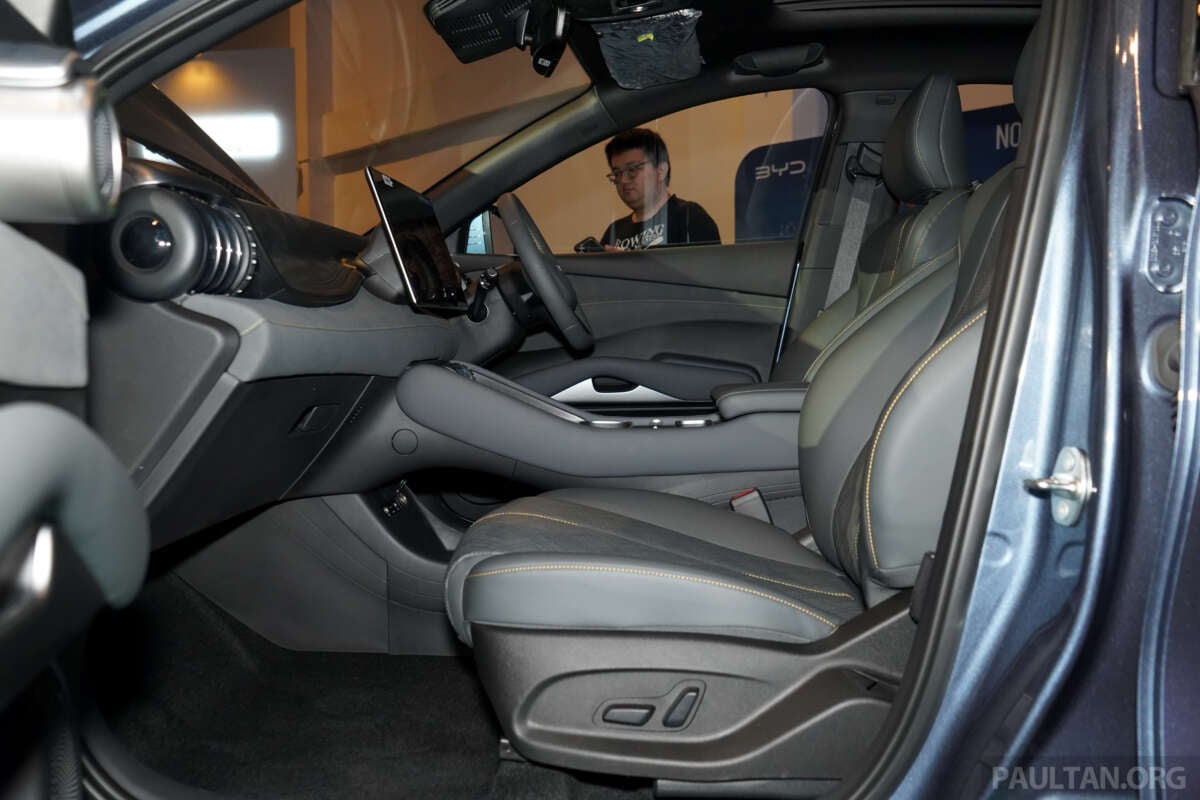
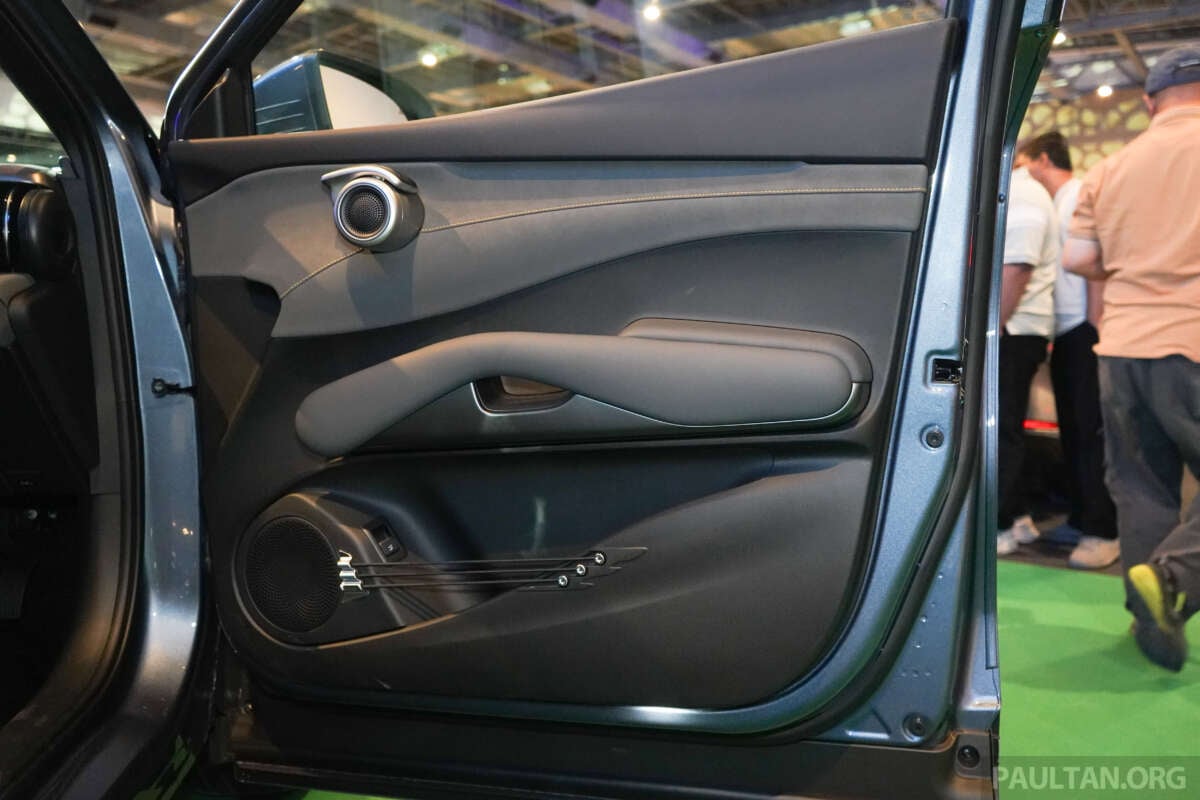
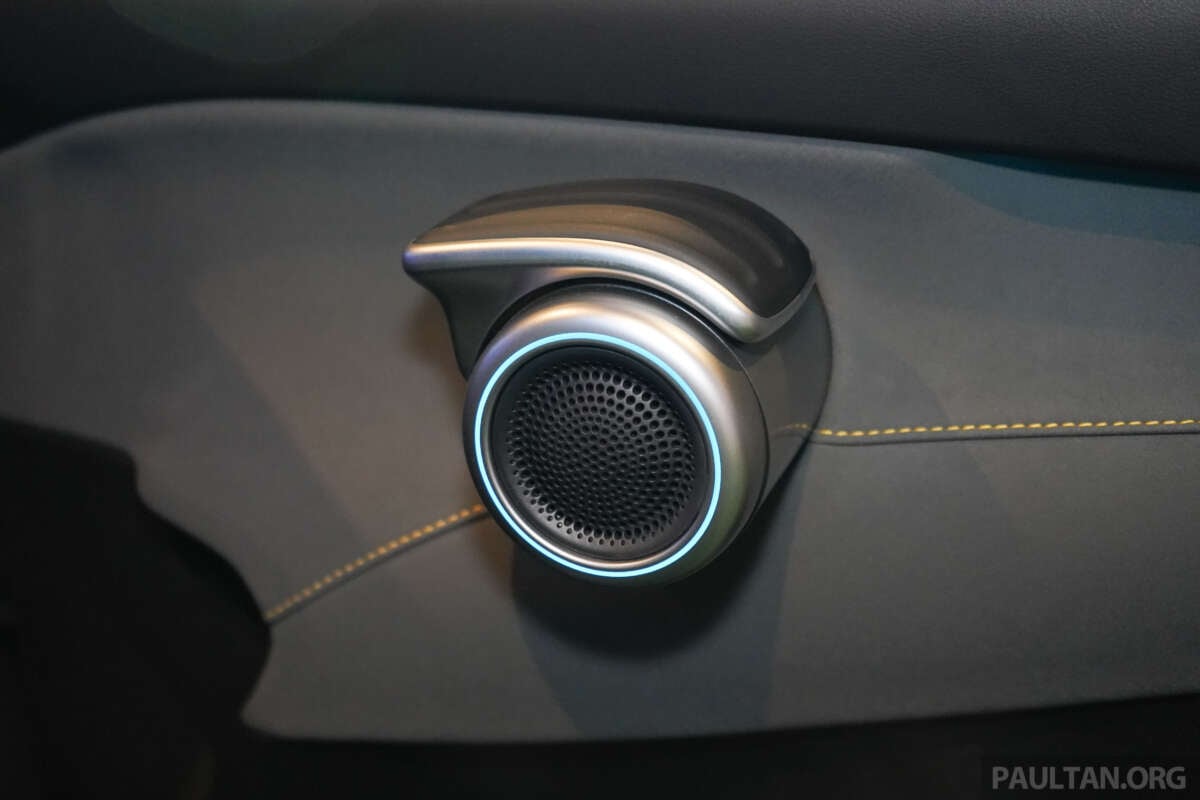
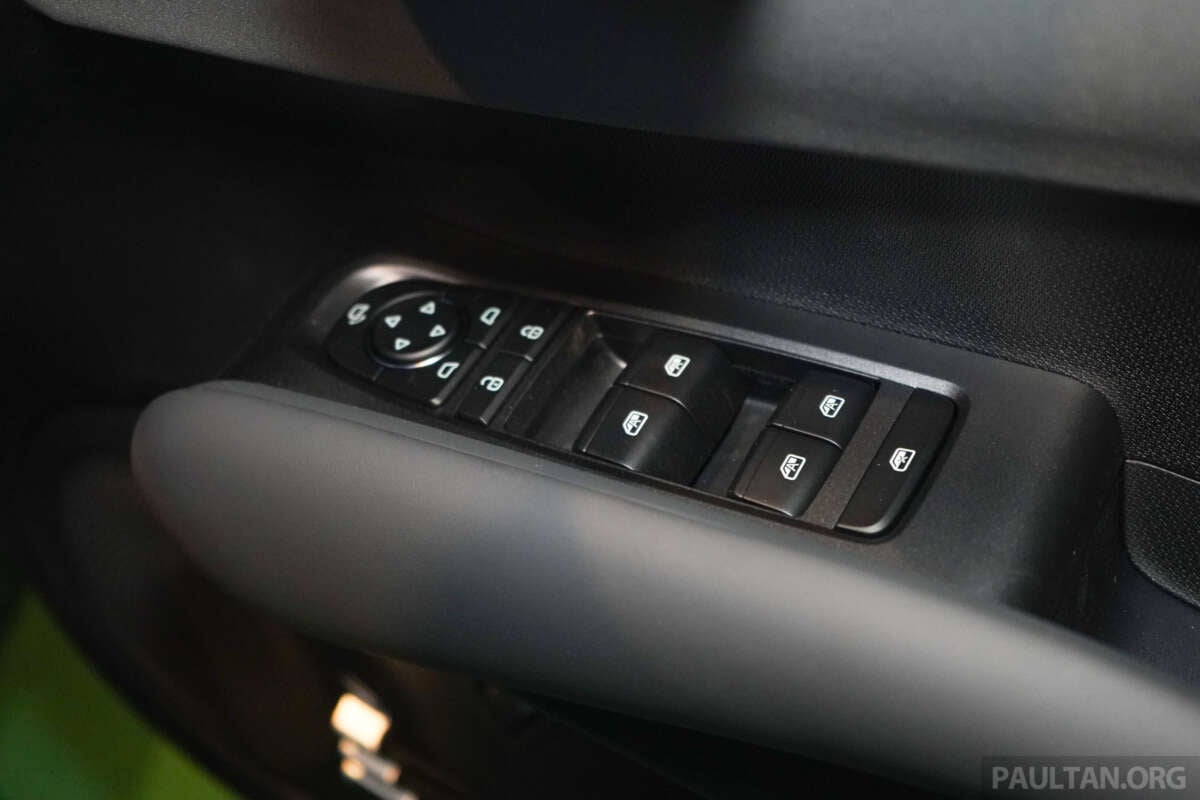
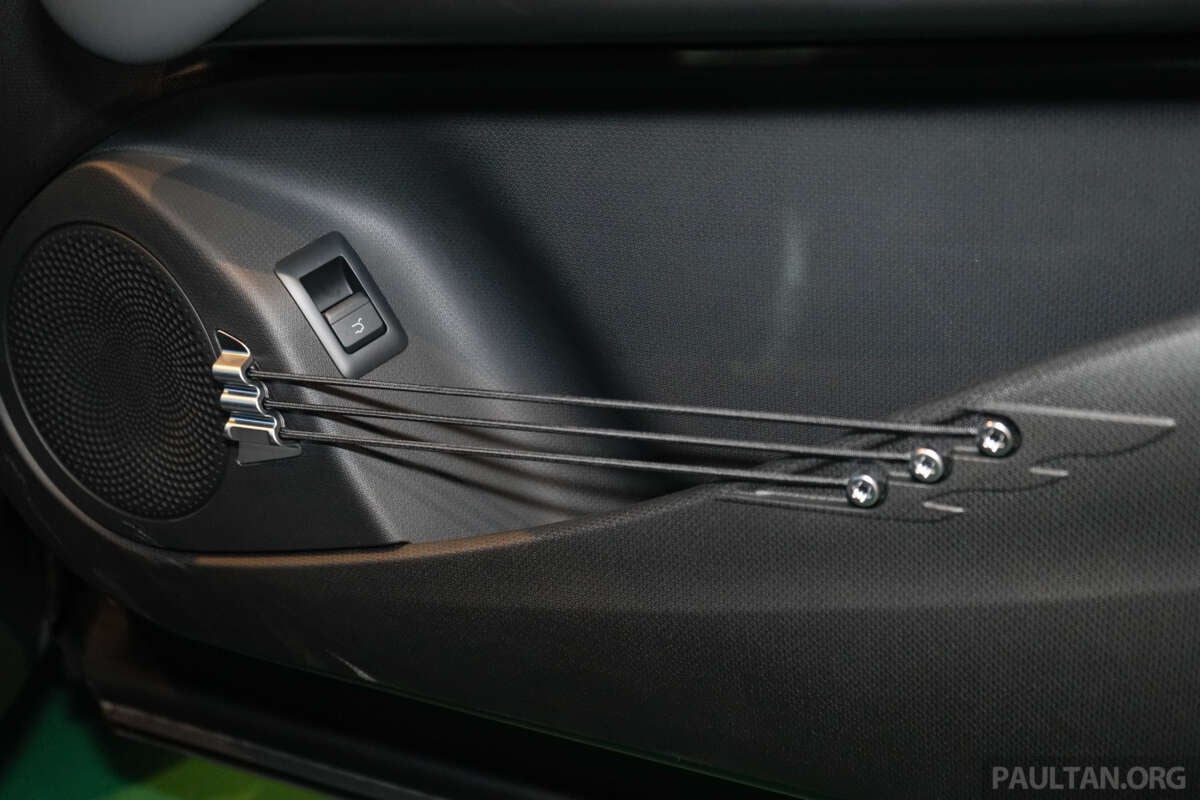
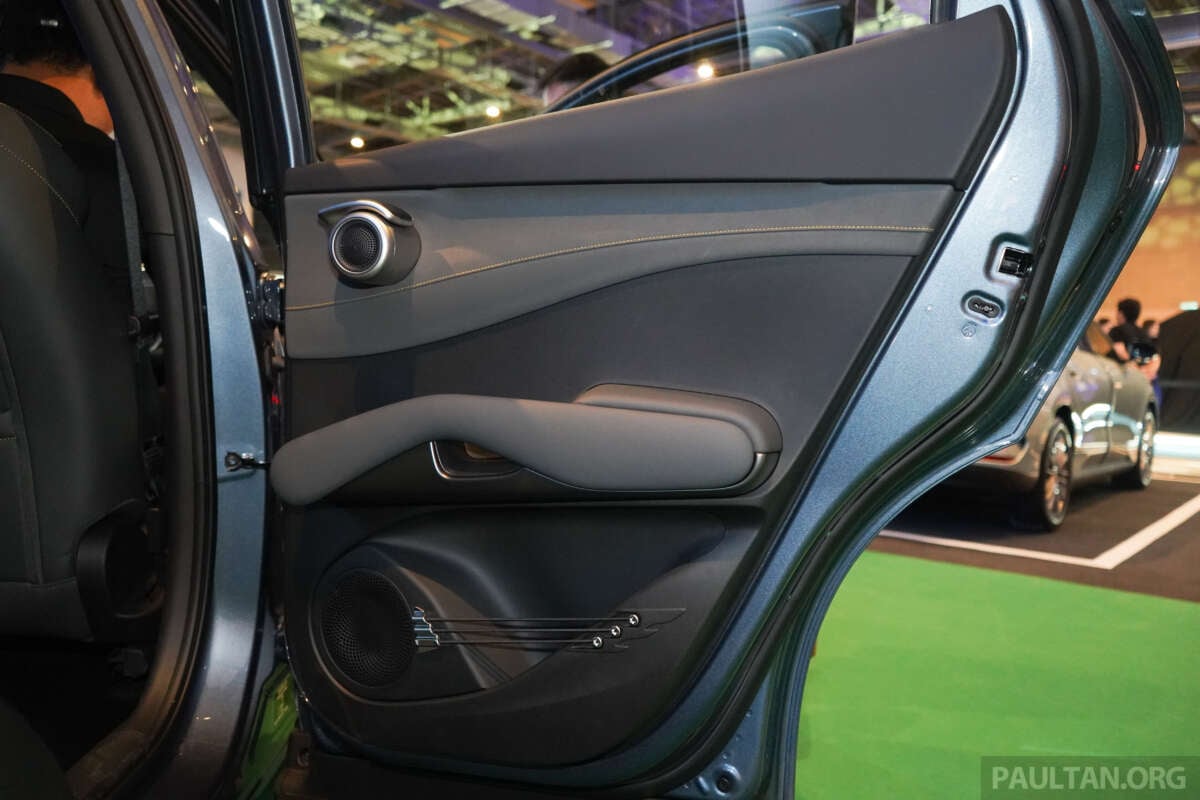
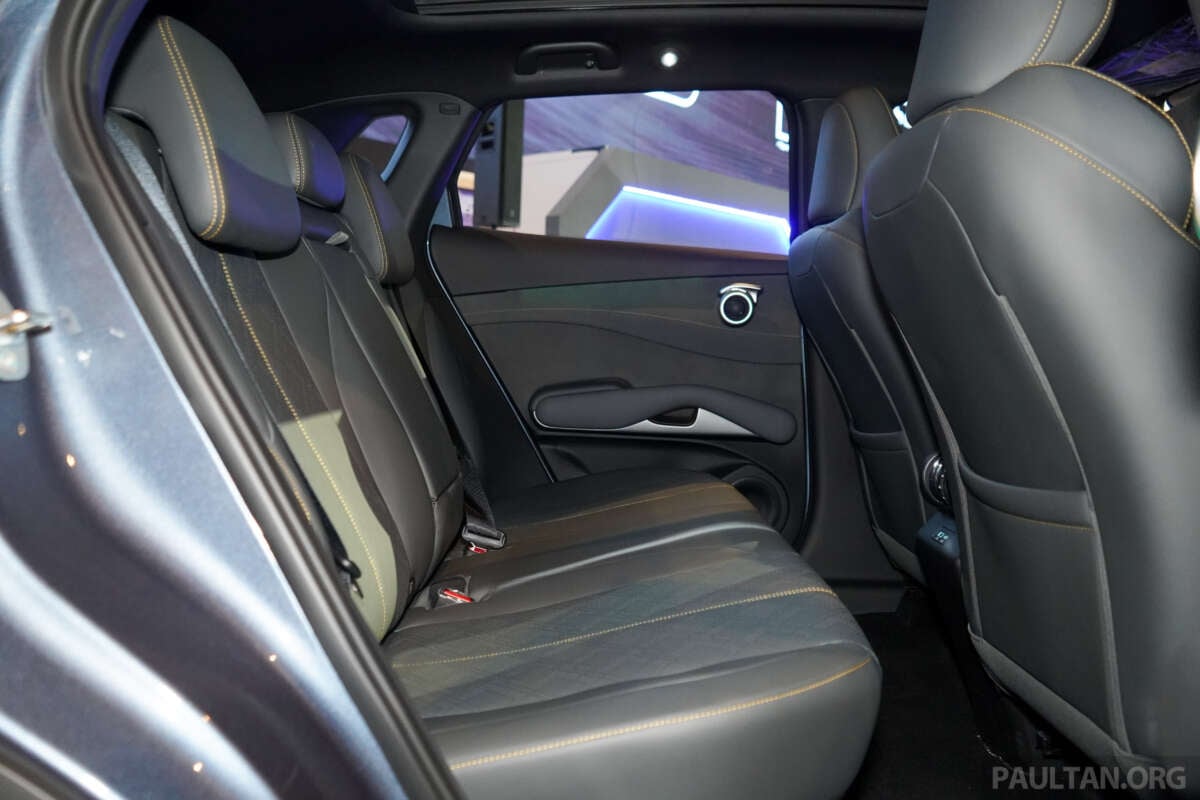
The facelift tones down the Atto 3’s famously eccentric, gym-inspired interior. The dashboard and door panels – previously heavily ribbed – are now smooth with classier stitching, though the pull-back door openers and the “guitar string” door pockets remain (now finished in black to blend in).
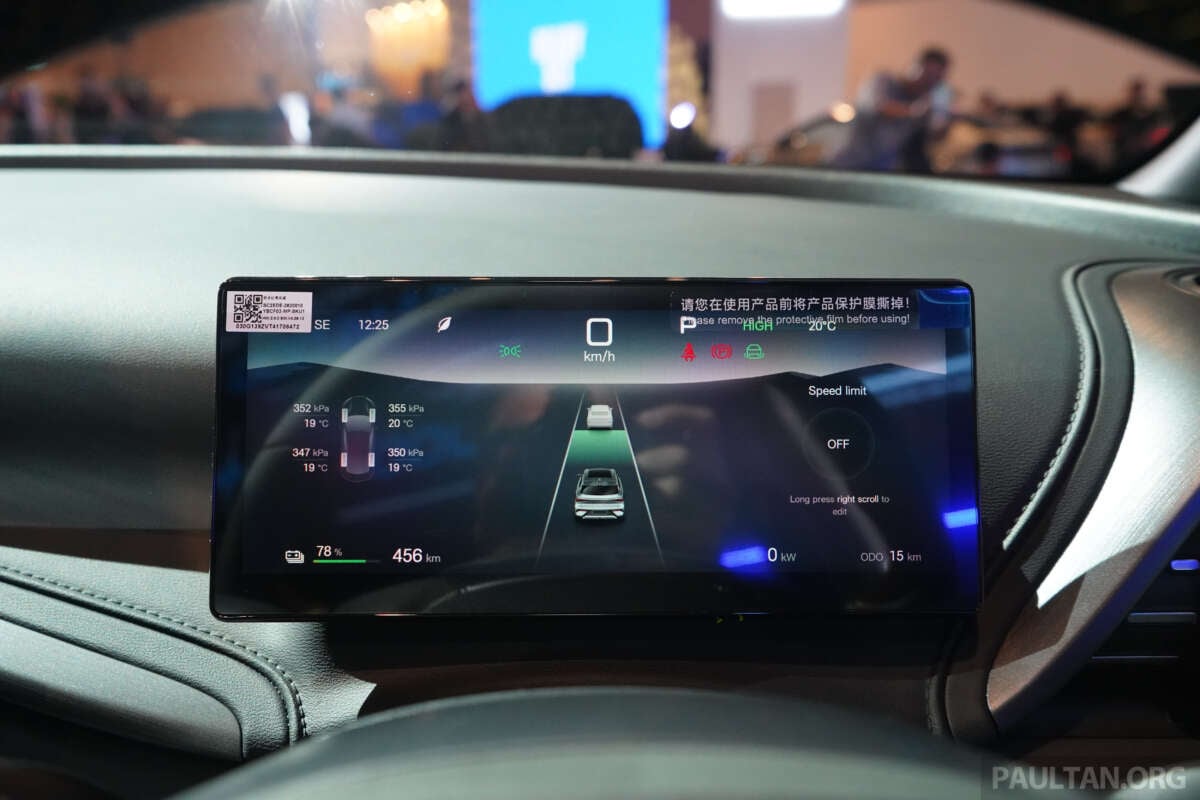
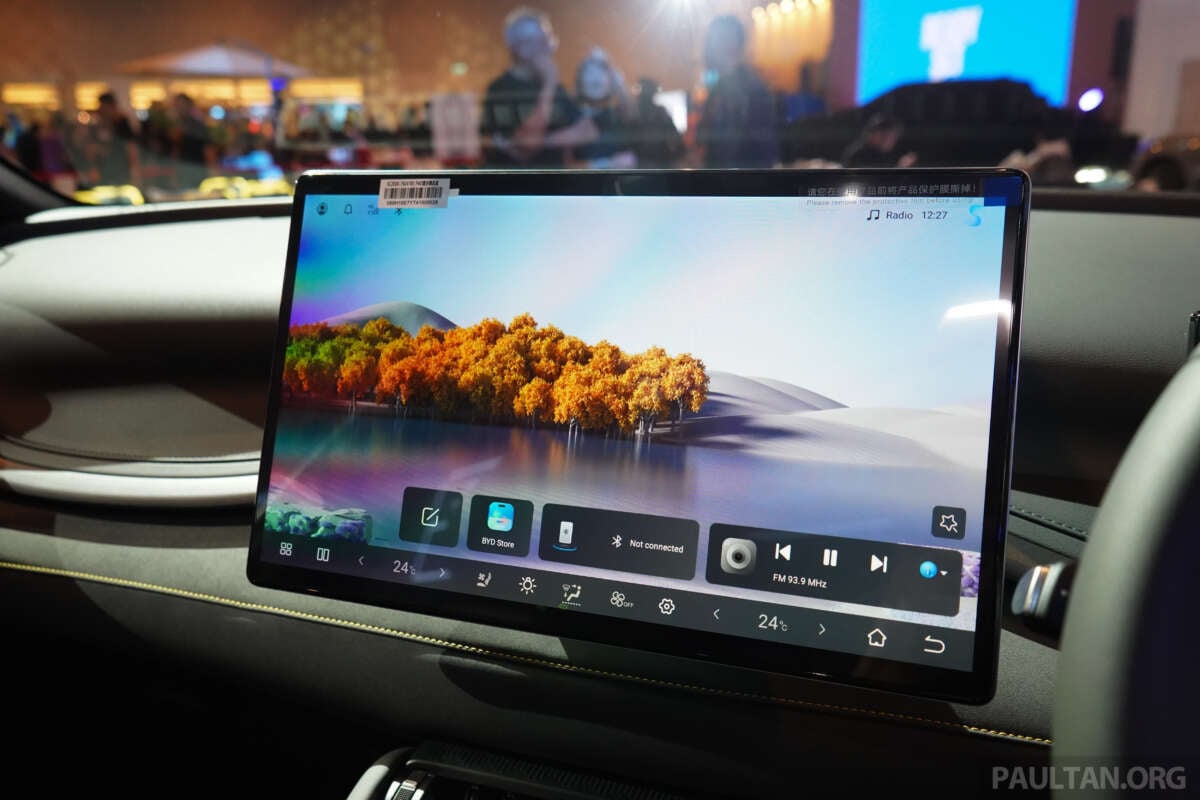
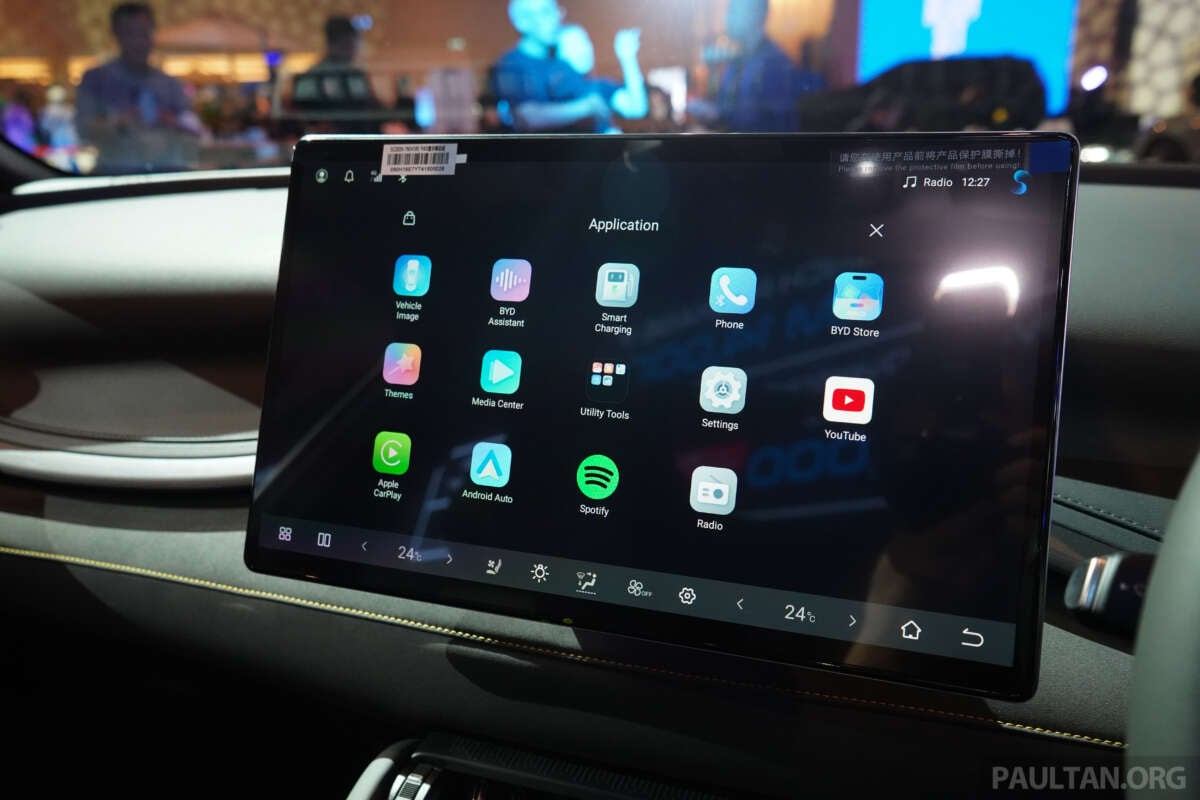
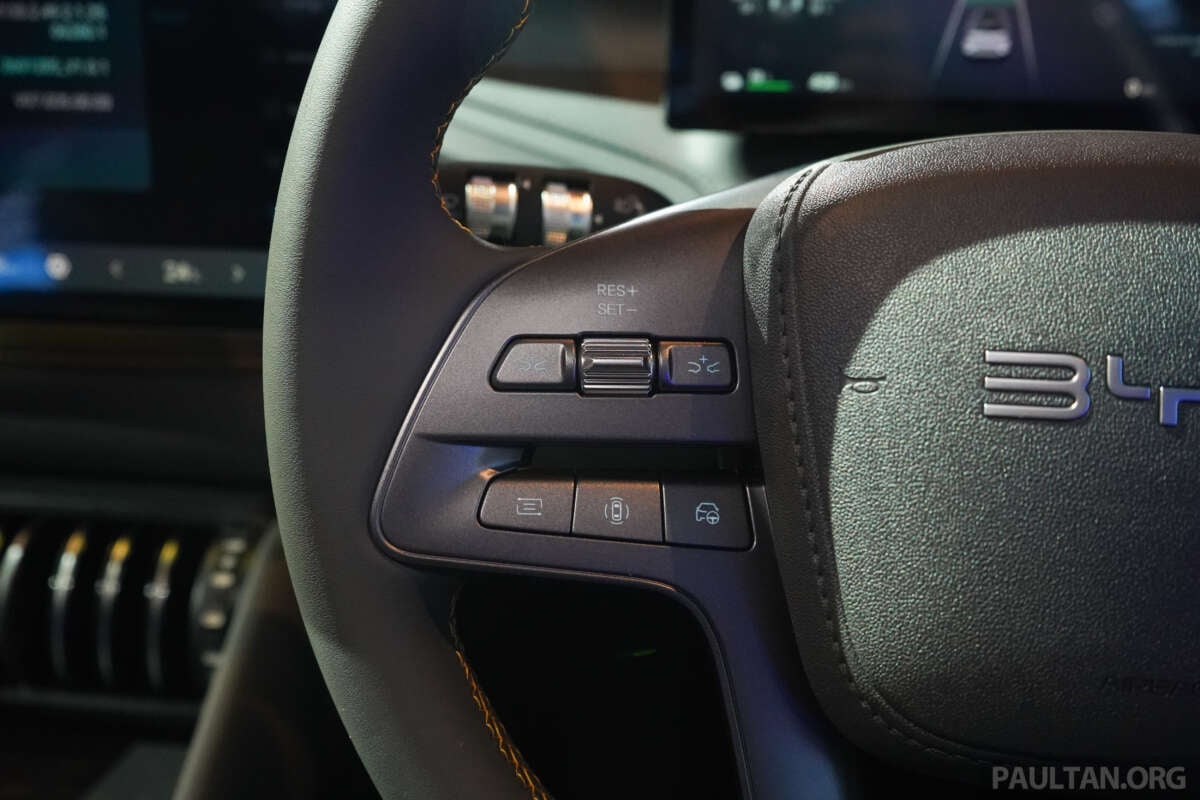
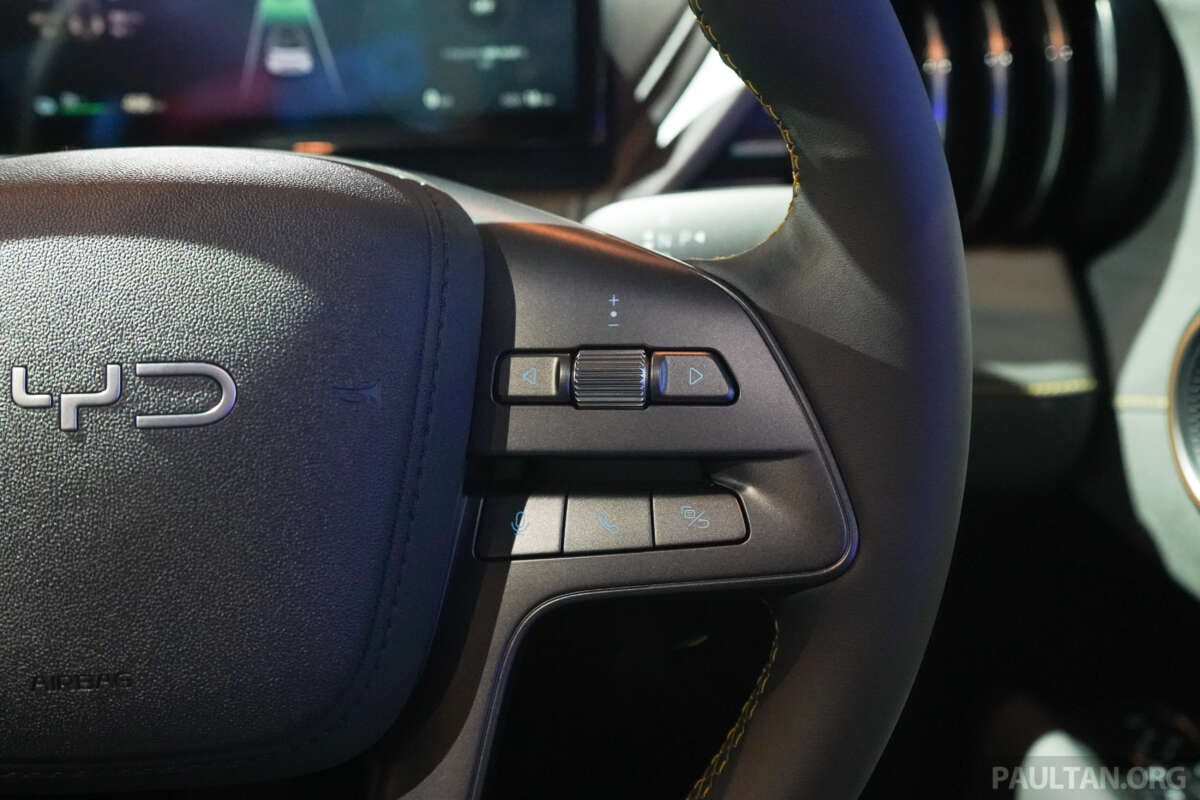
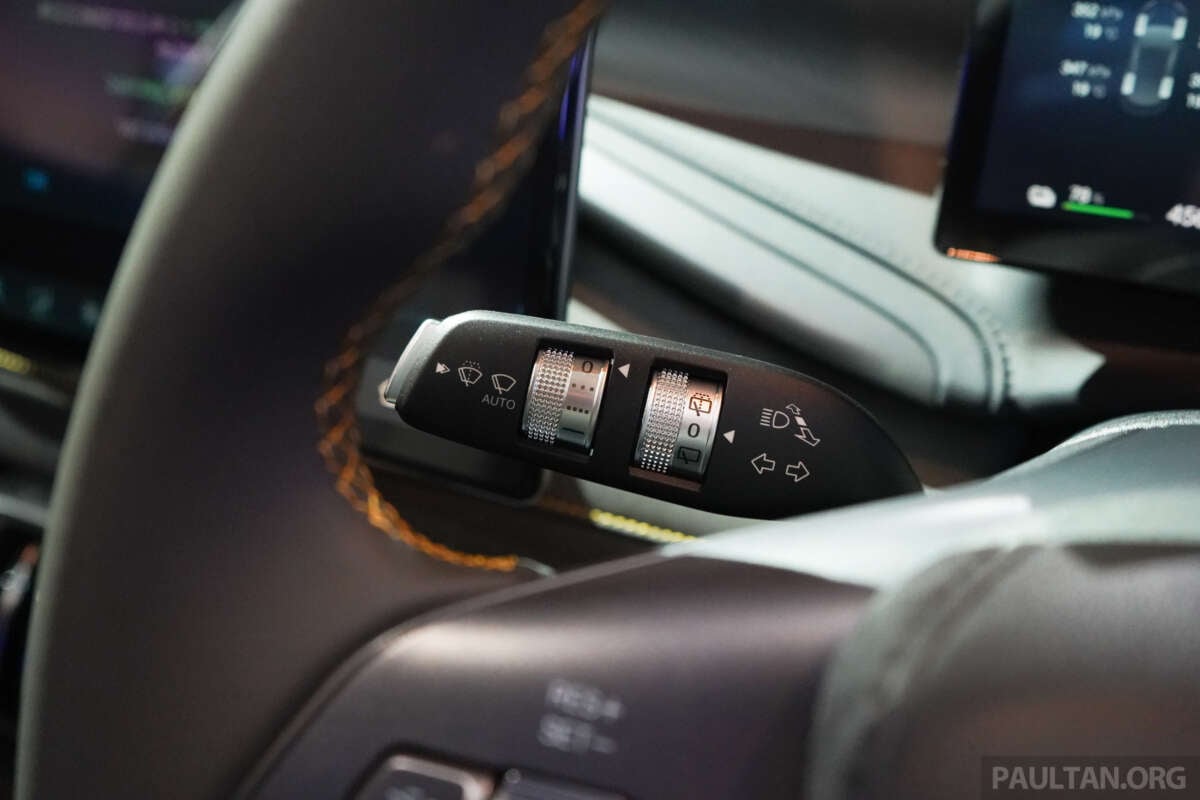
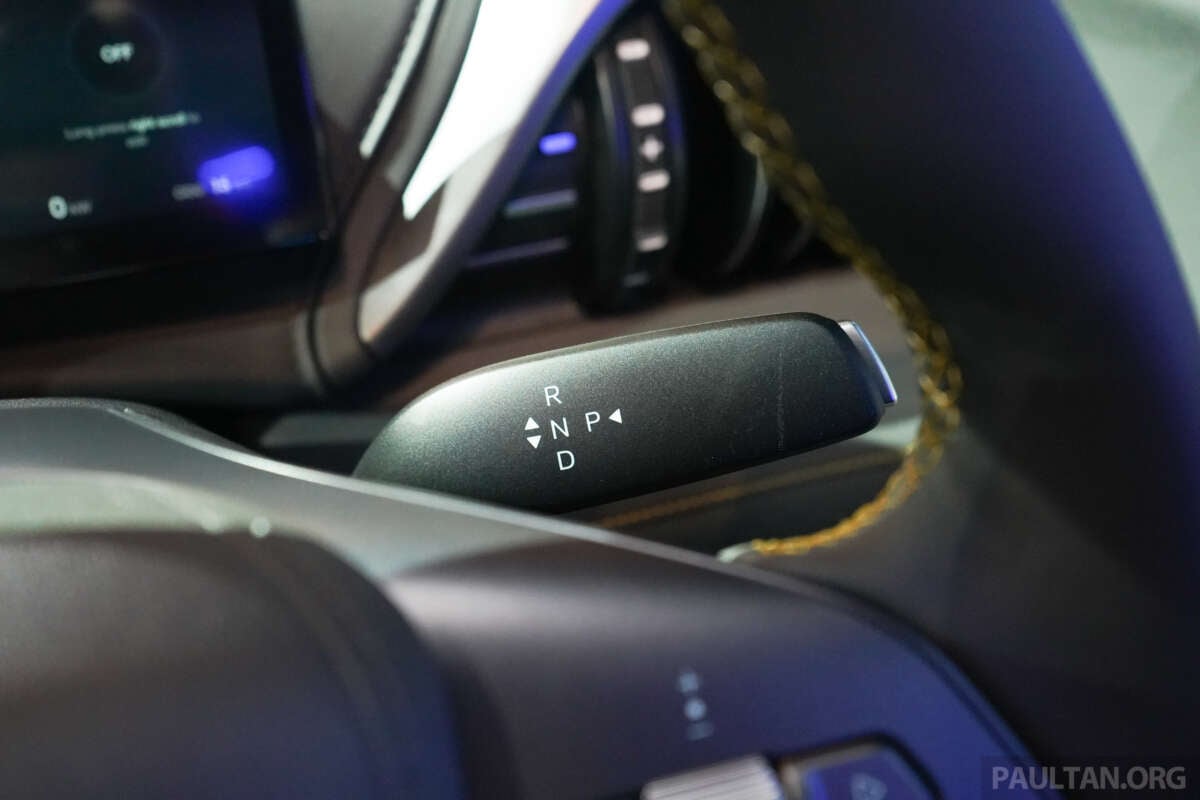
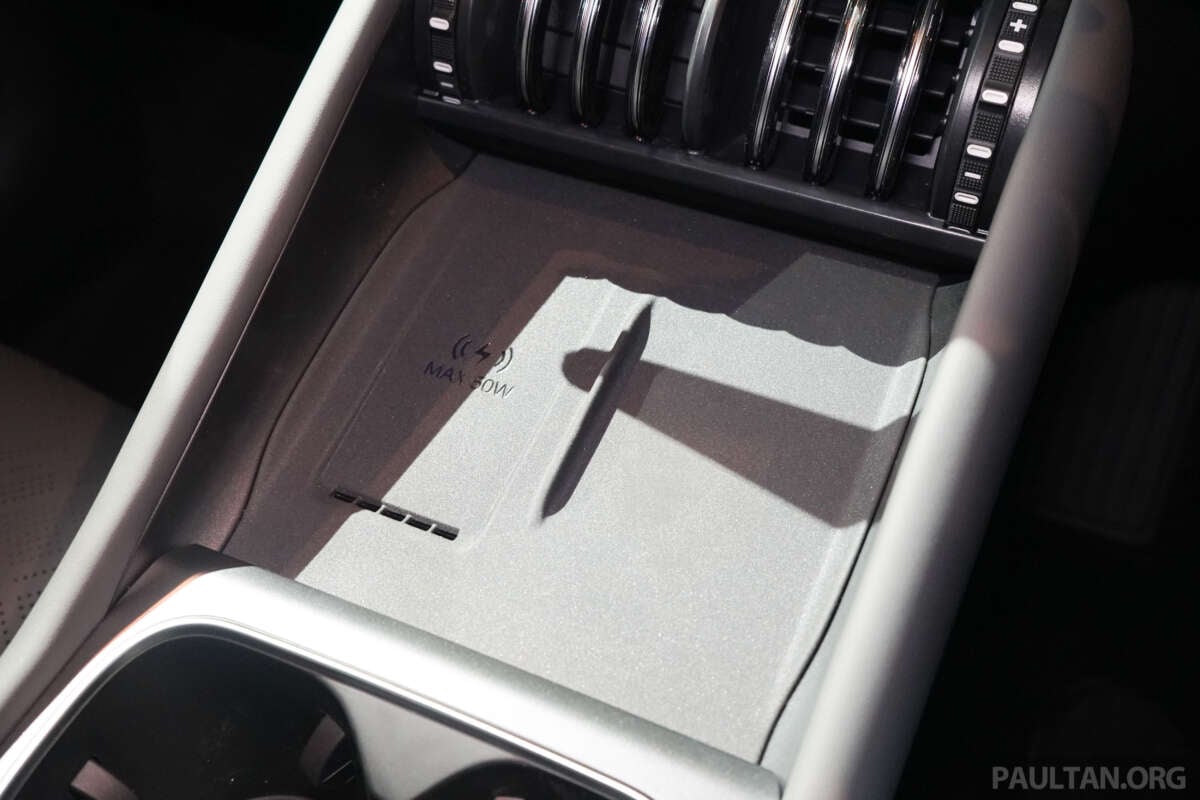
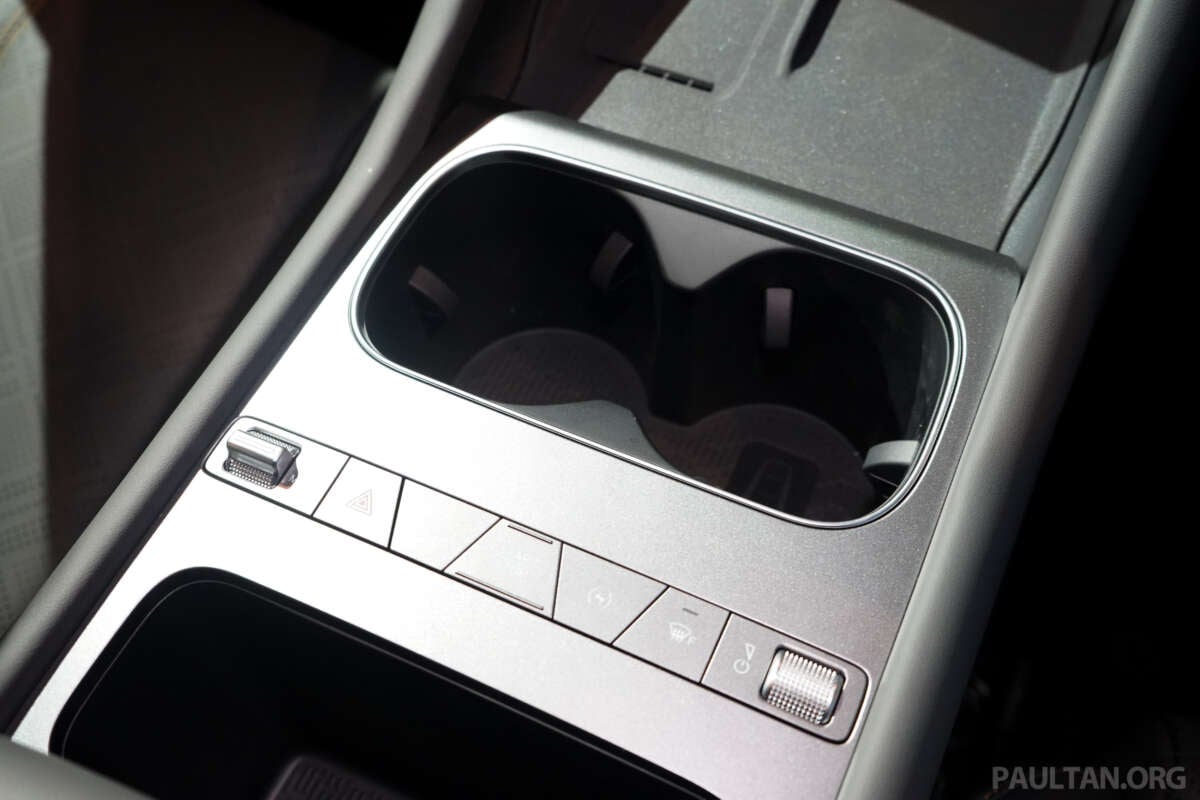
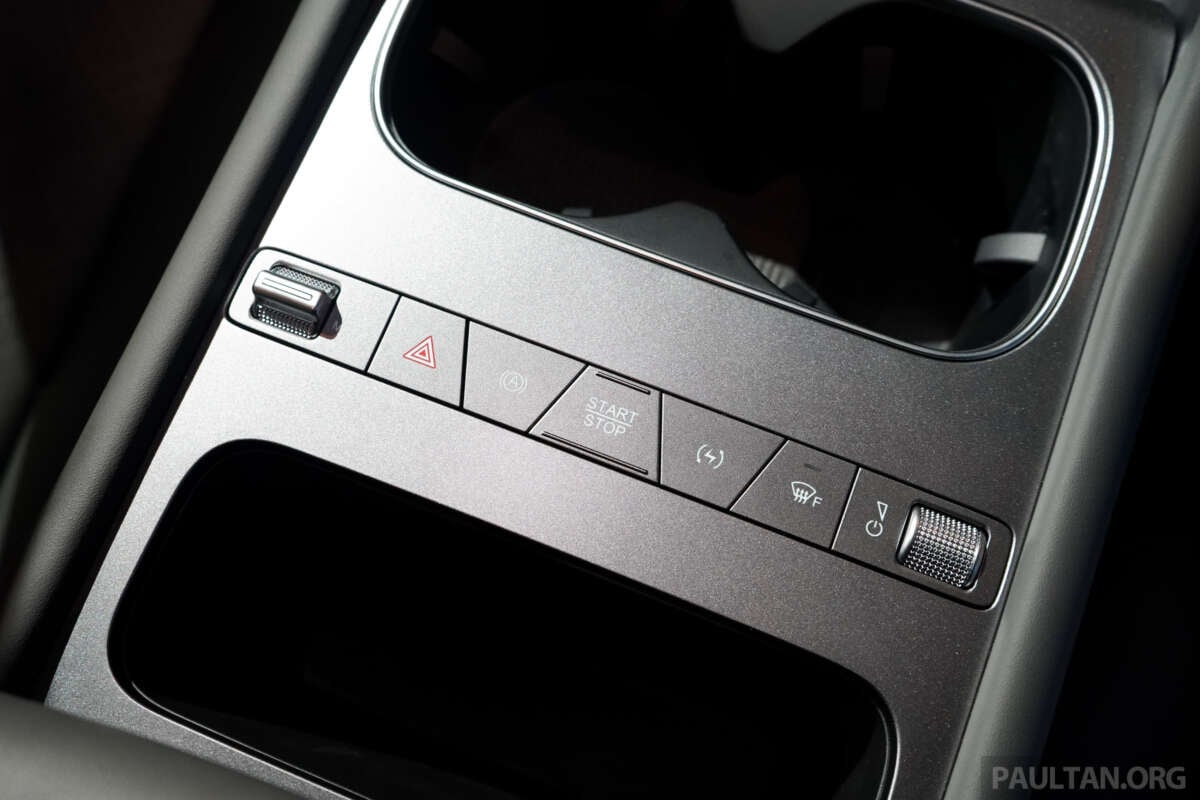
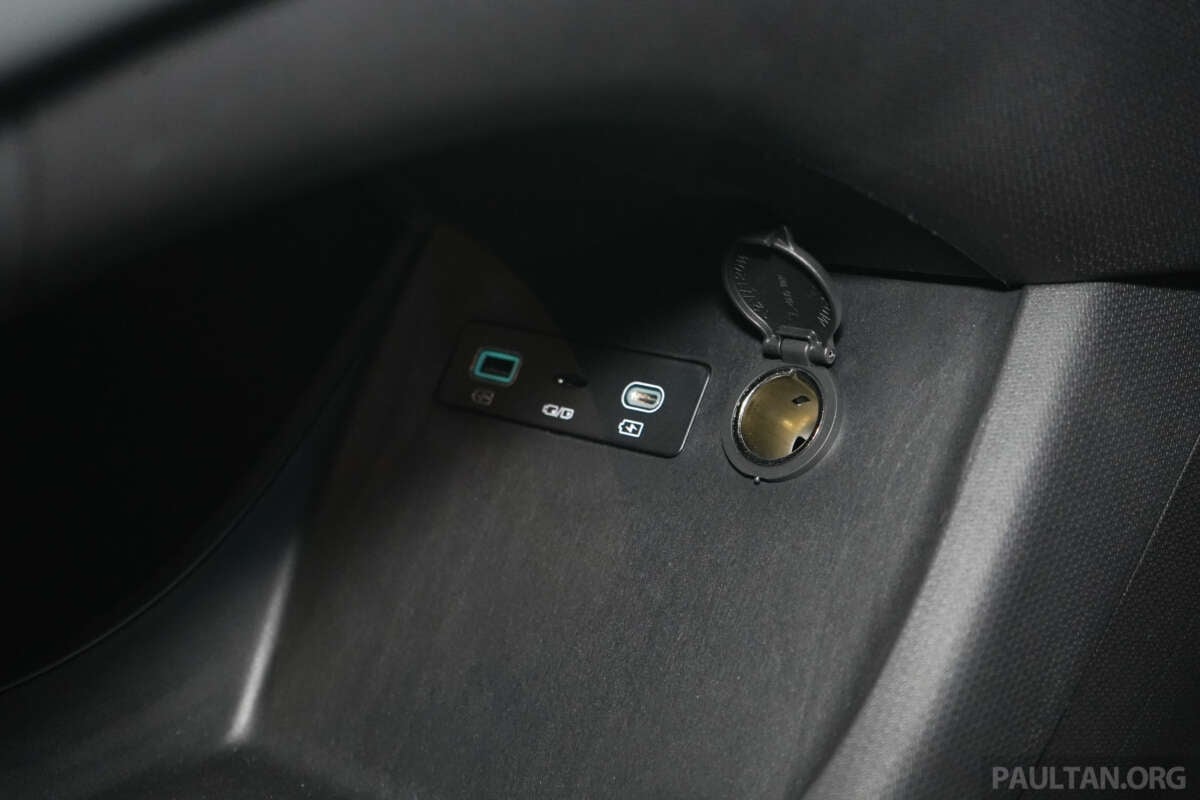
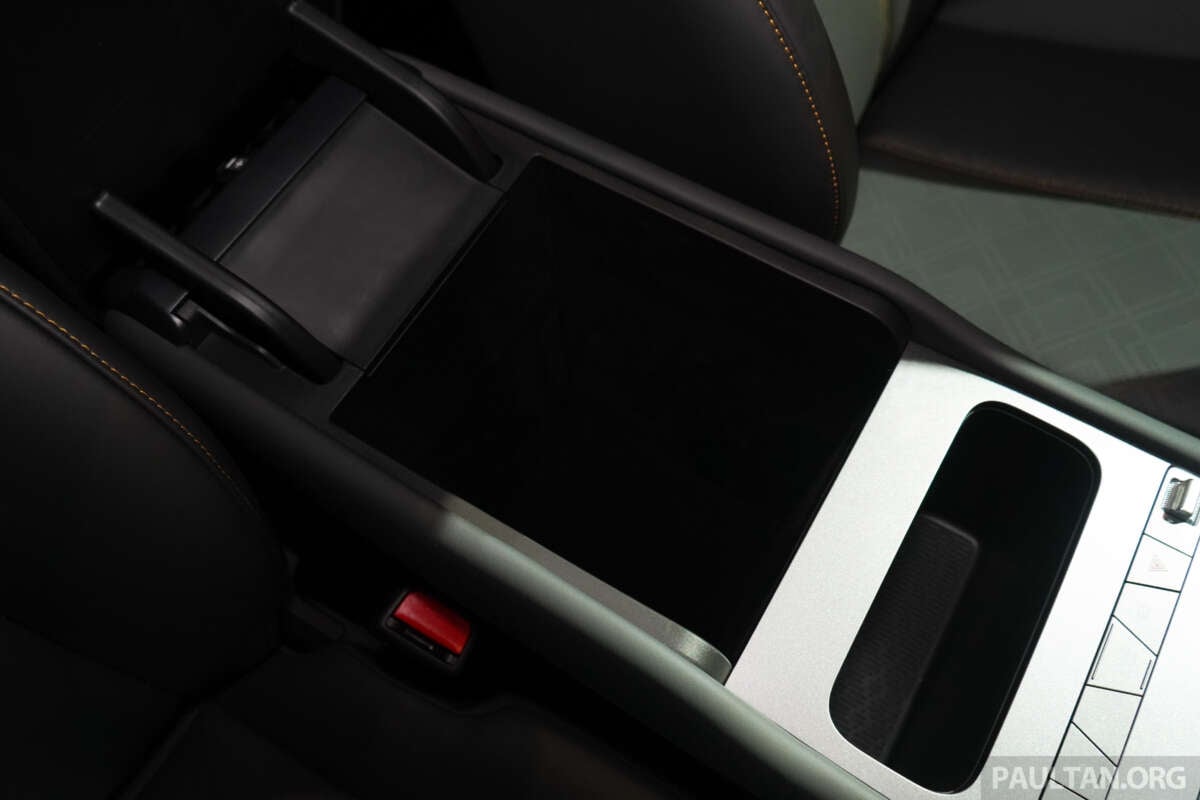
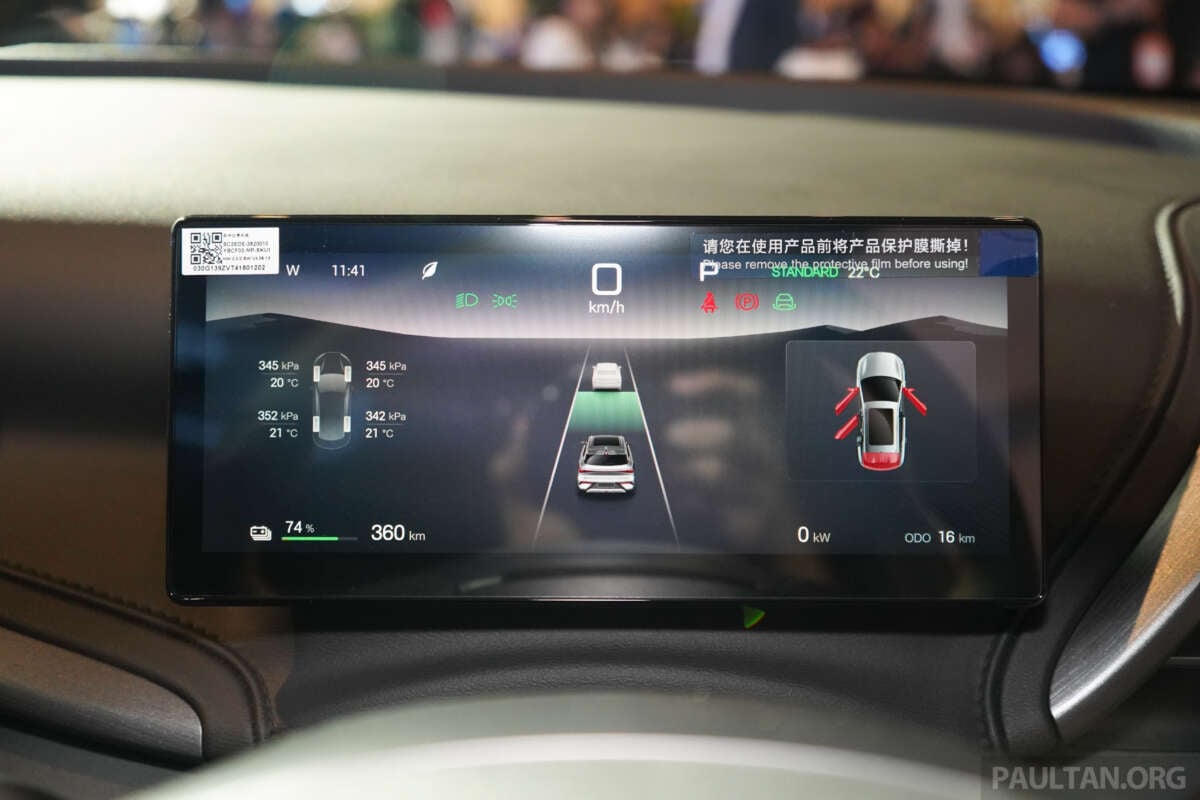
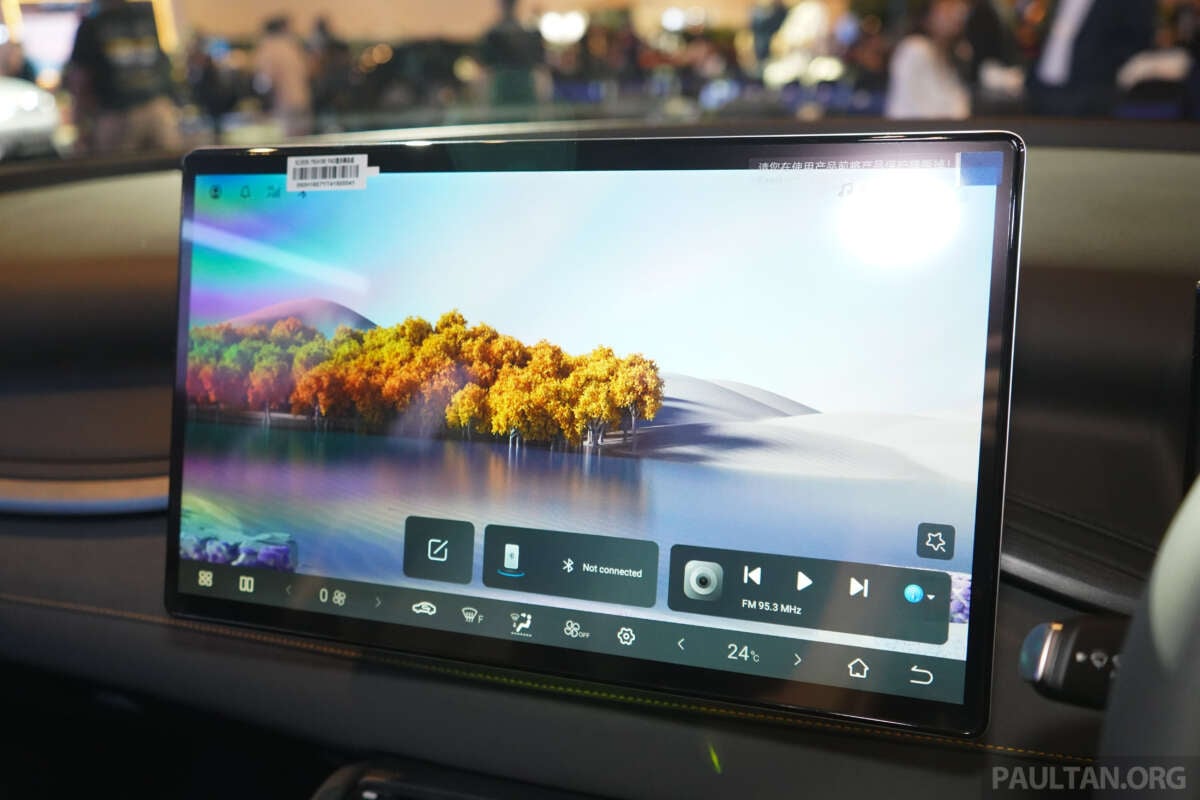
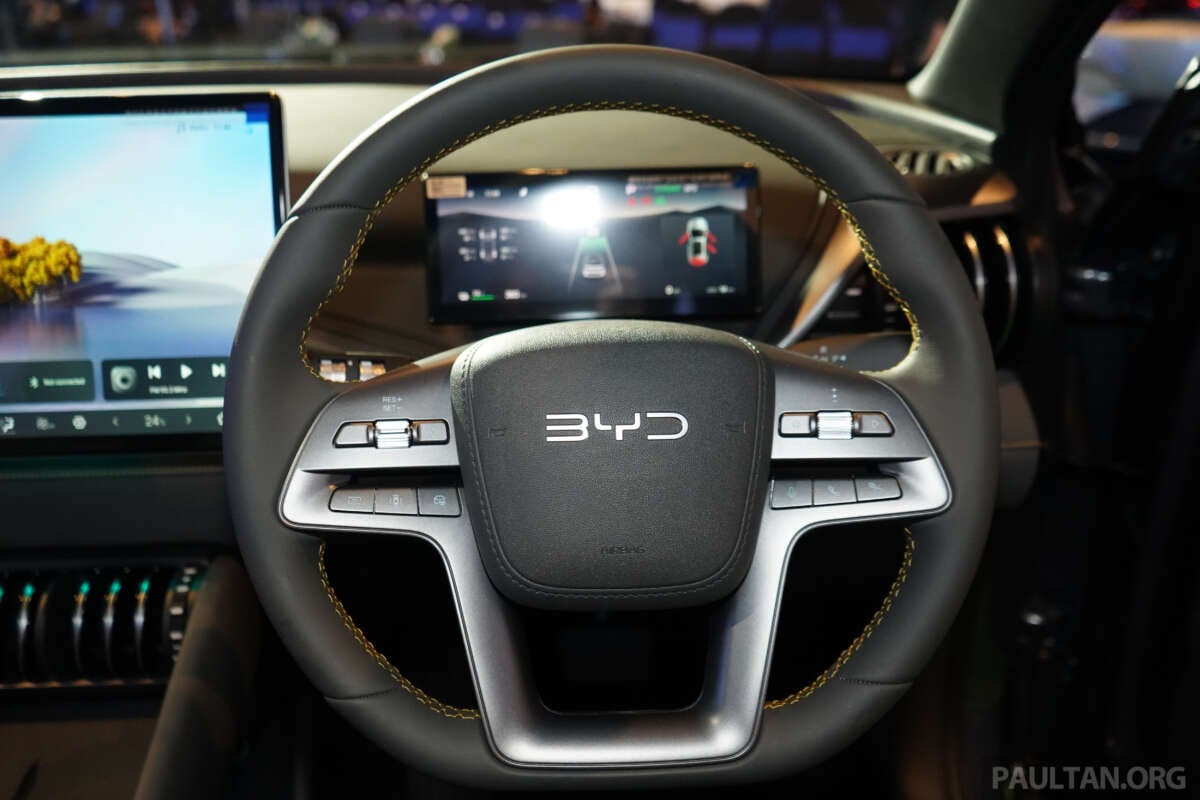
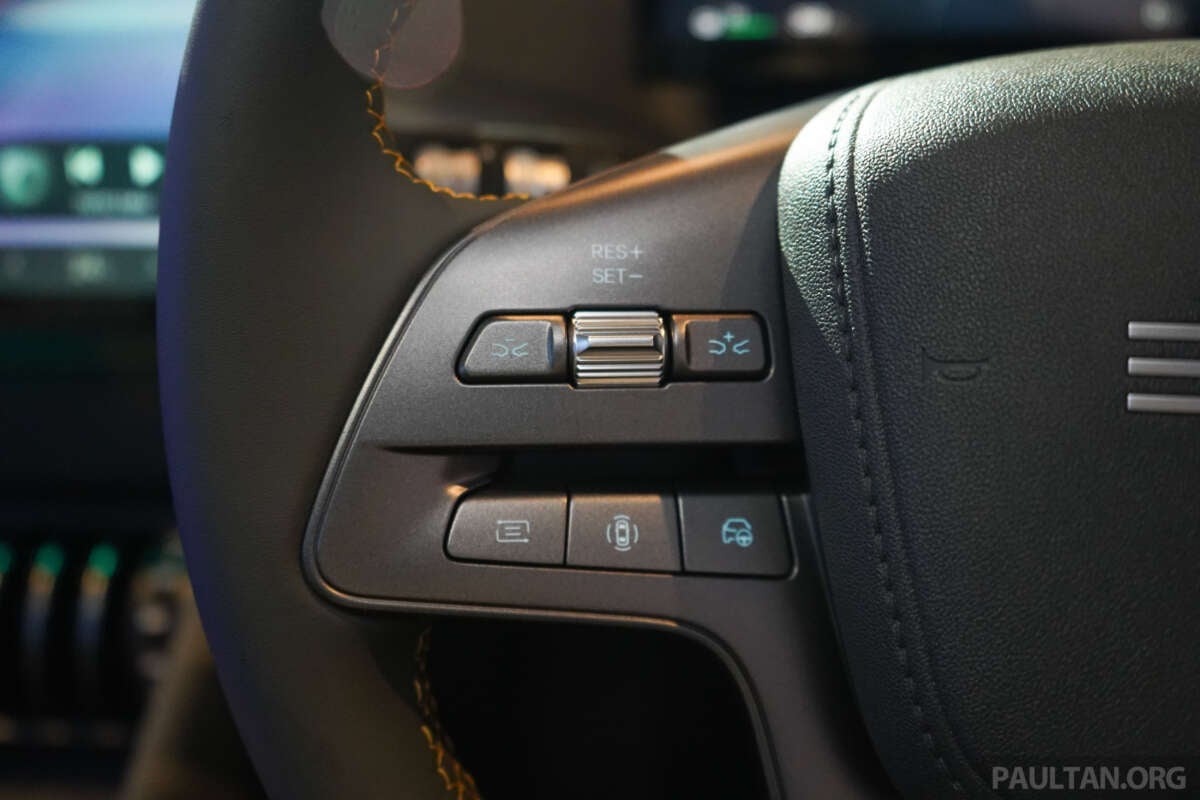
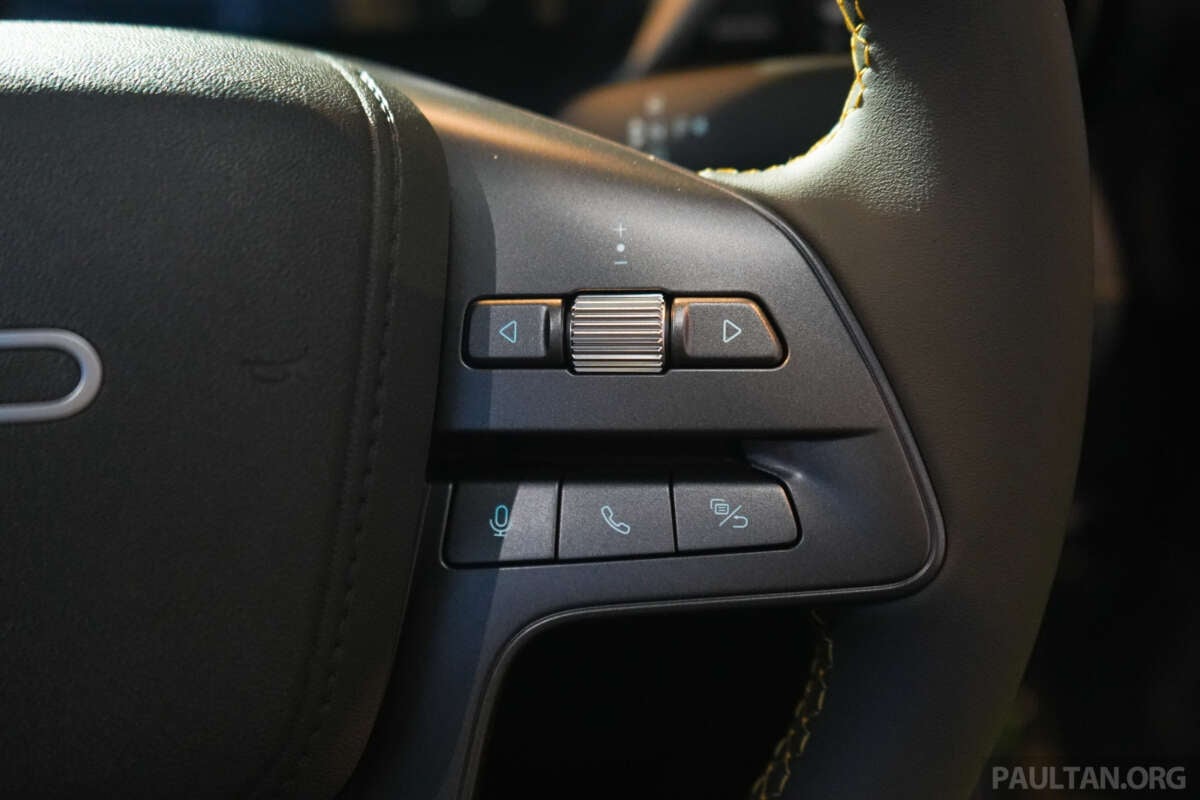
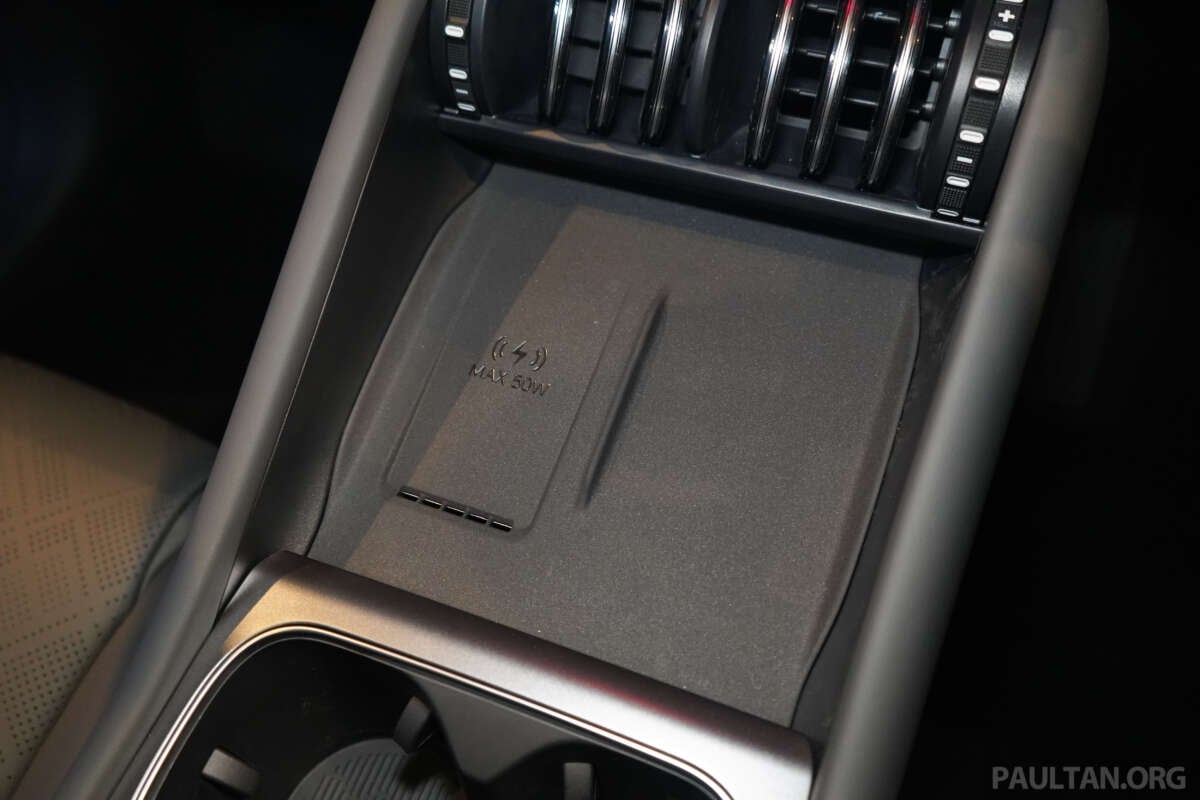
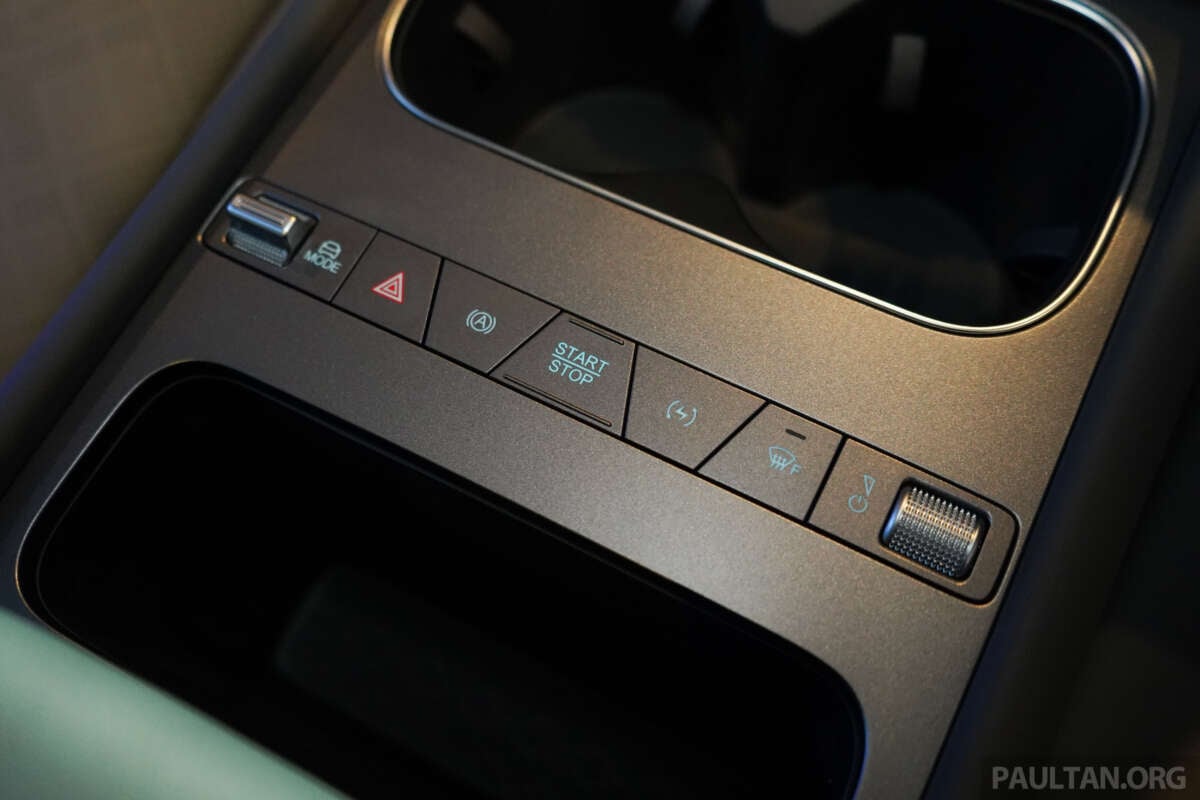
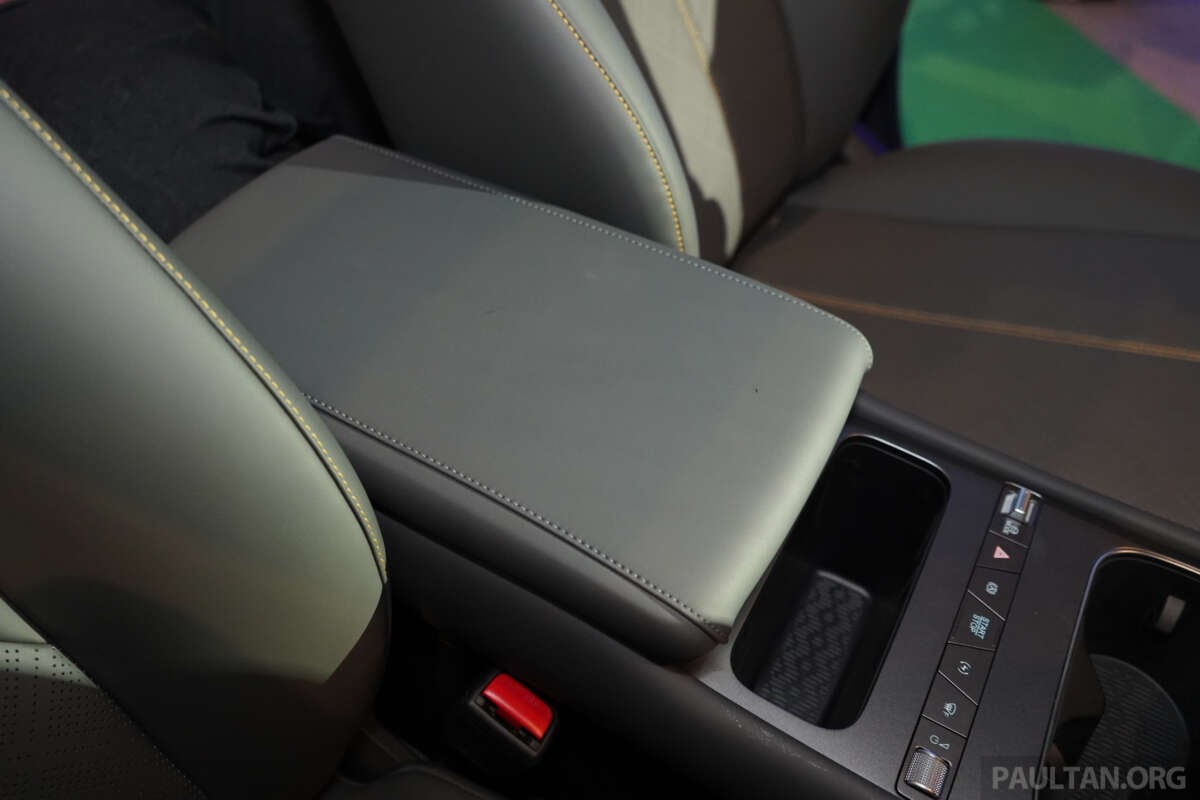
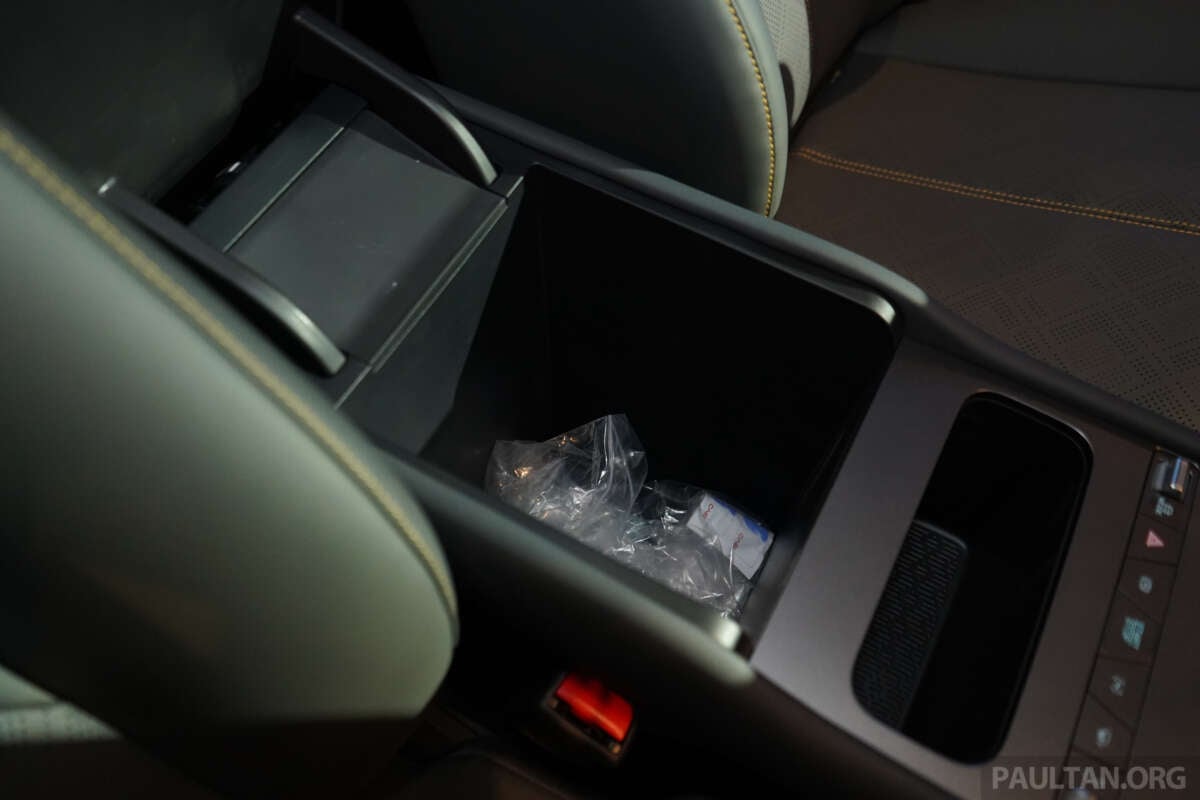
The 15.6-inch central touchscreen no longer rotates, and the old five-inch instrument cluster is replaced by a much larger 8.8-inch display. The steering wheel is lifted from the Atto 2, paired with a new column-mounted gear selector – which frees up the centre console for twin smartphone holders, one with a 50-watt cooled Qi wireless charger.
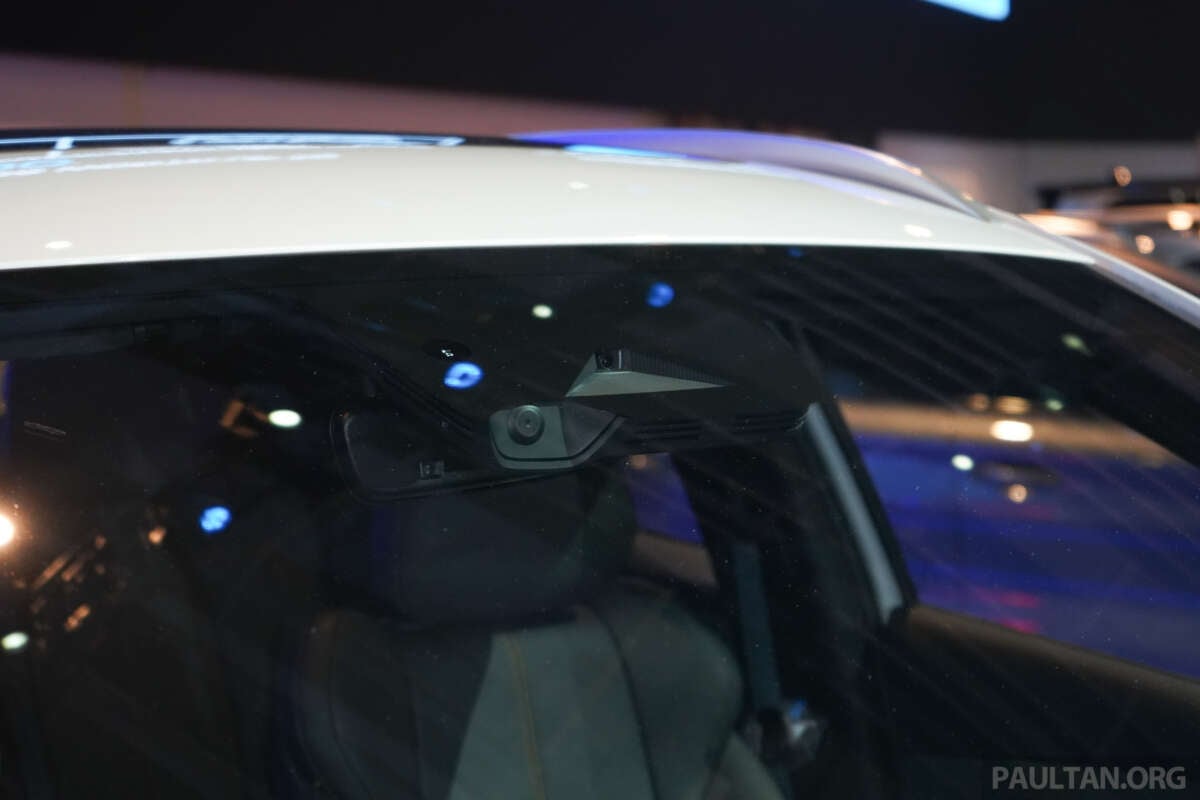
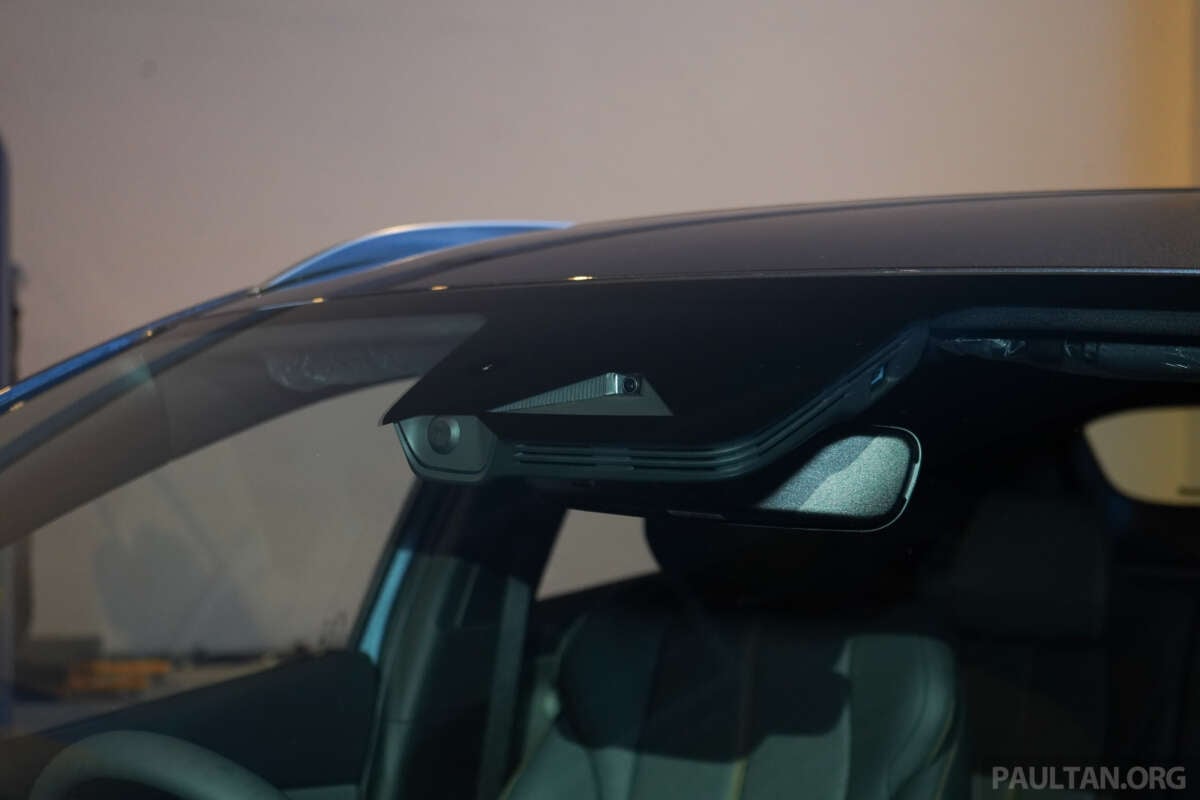
One thing to be aware of: unlike the European Evo, the Malaysian car does not get built-in Google services (Google Maps, Assistant, YouTube, Play Store). Neither variant has a built-in dashcam anymore.
Equipment
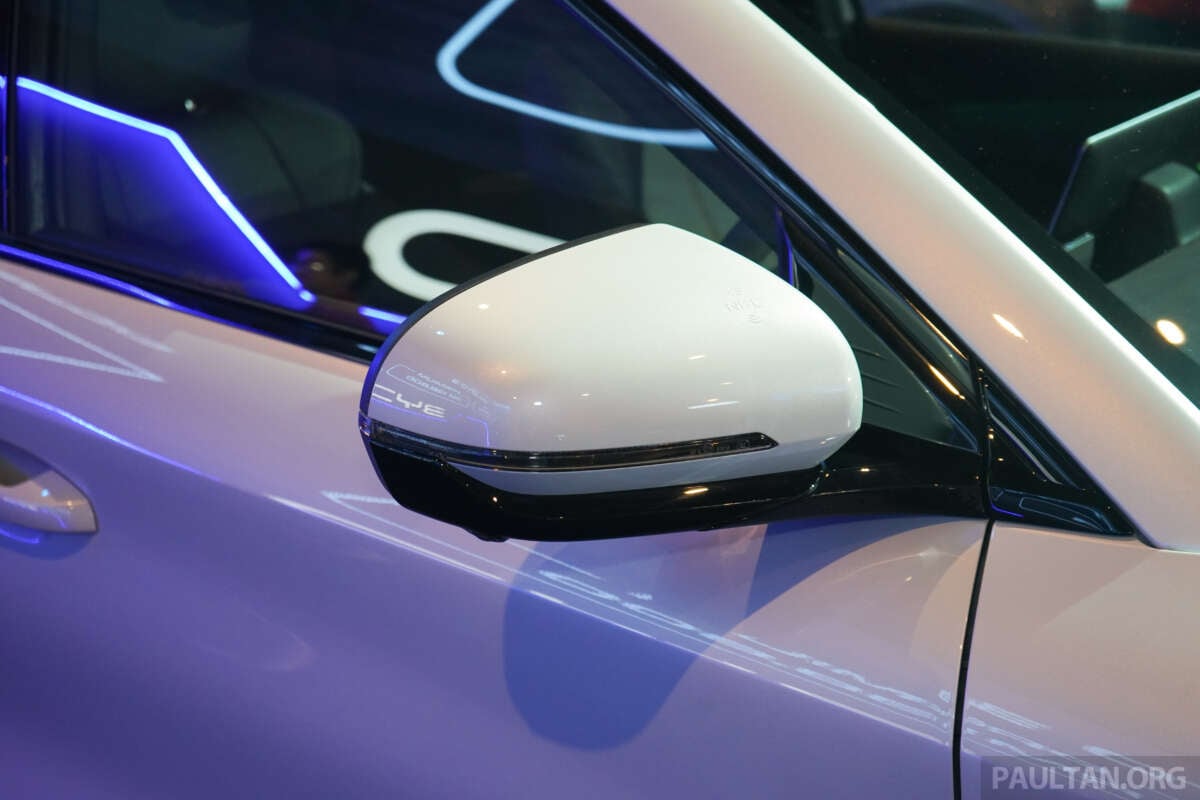
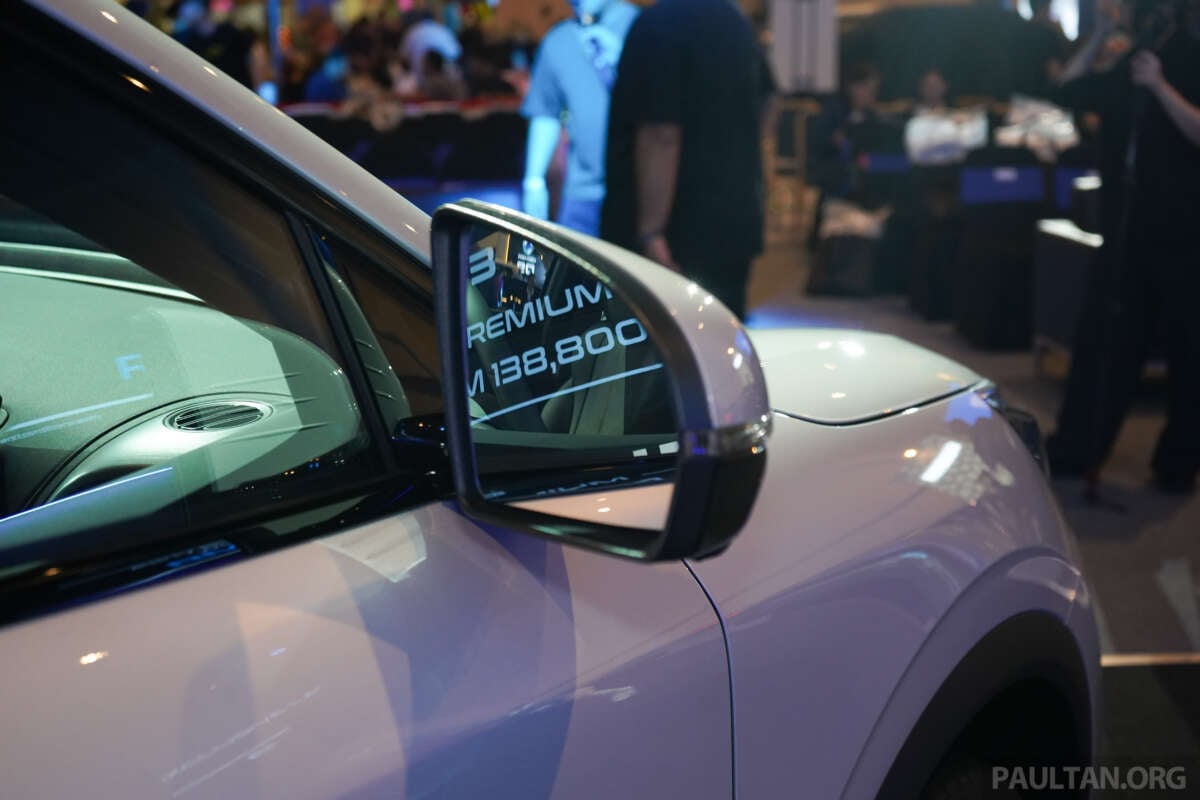
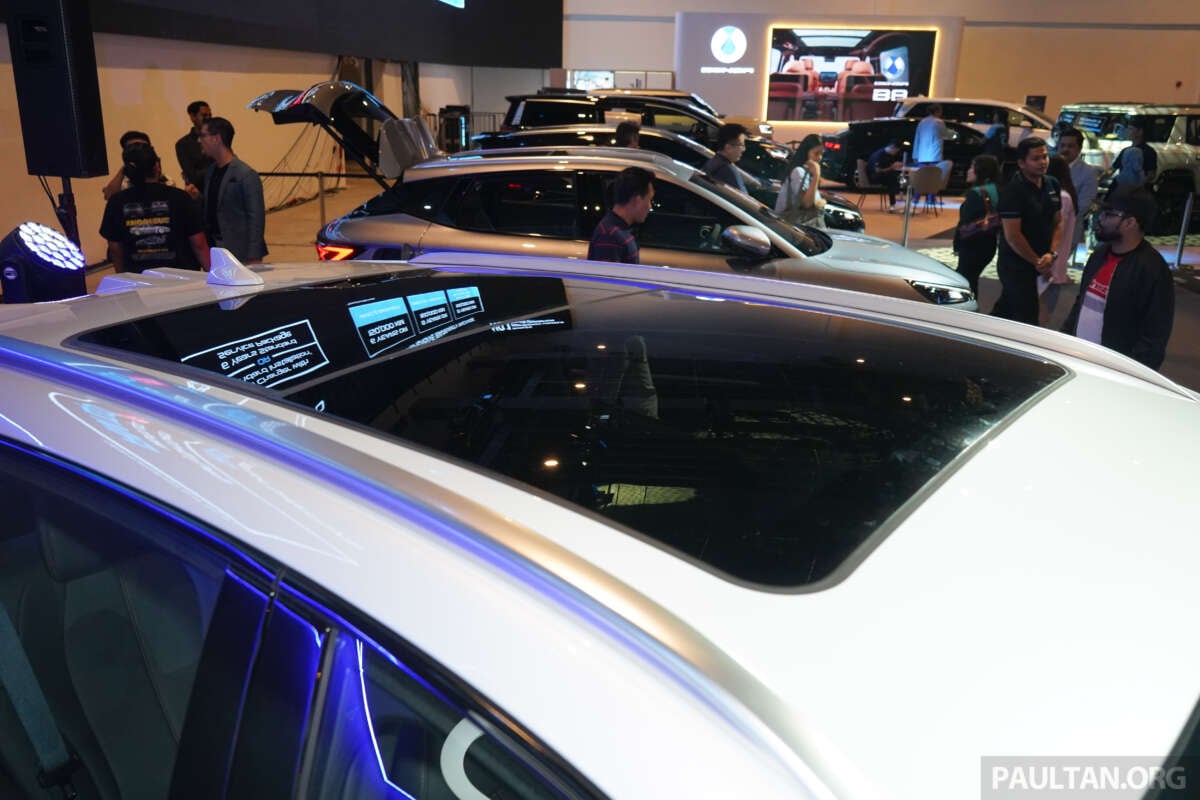
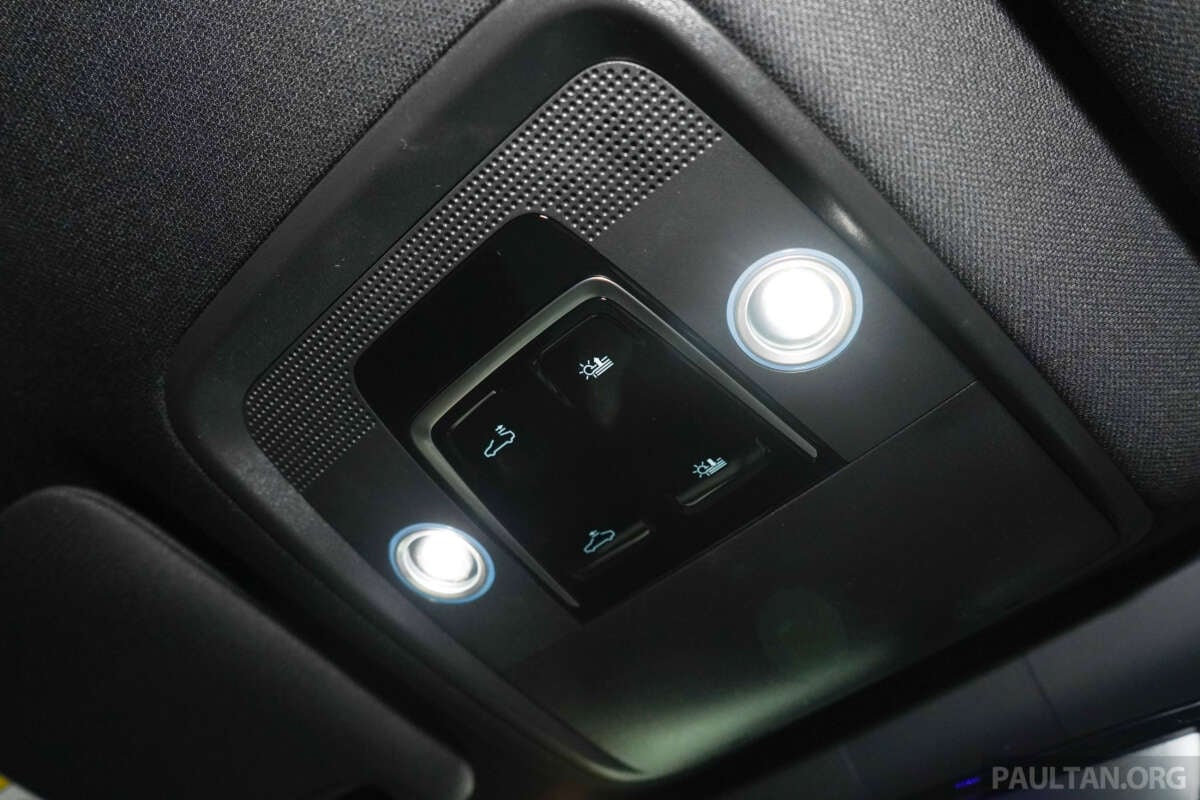
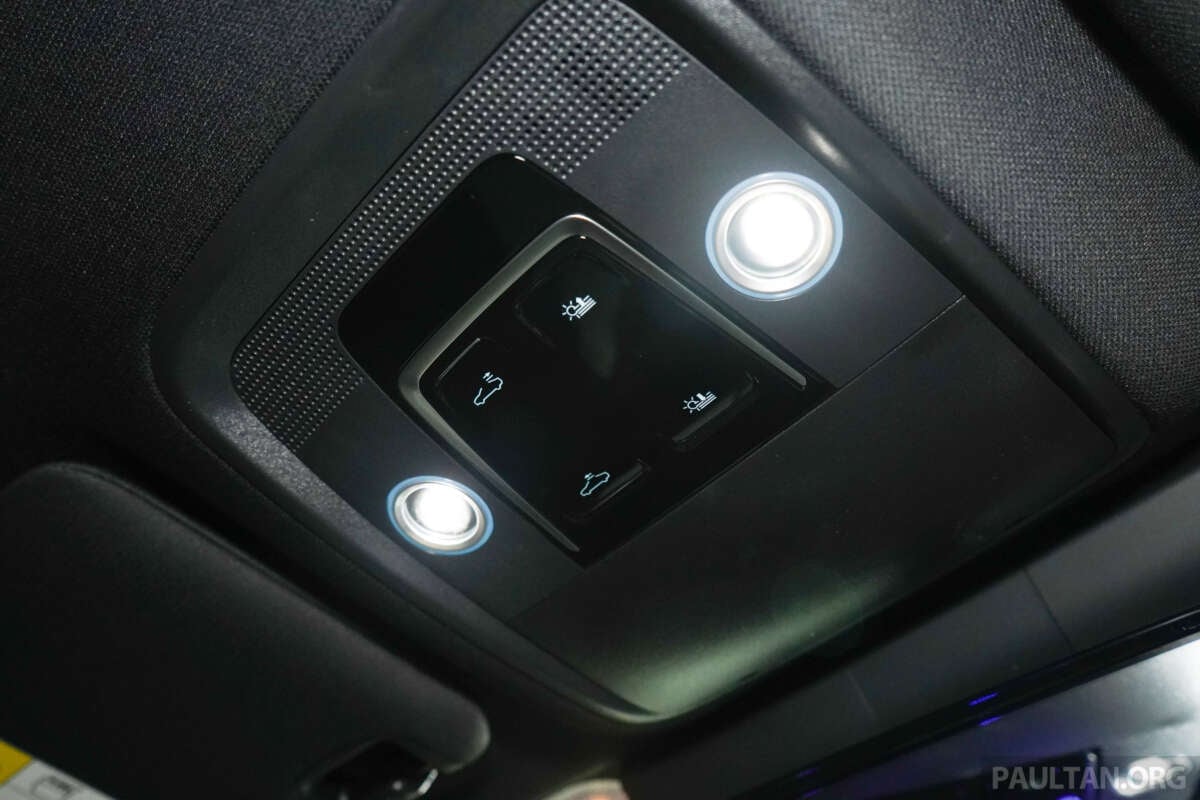
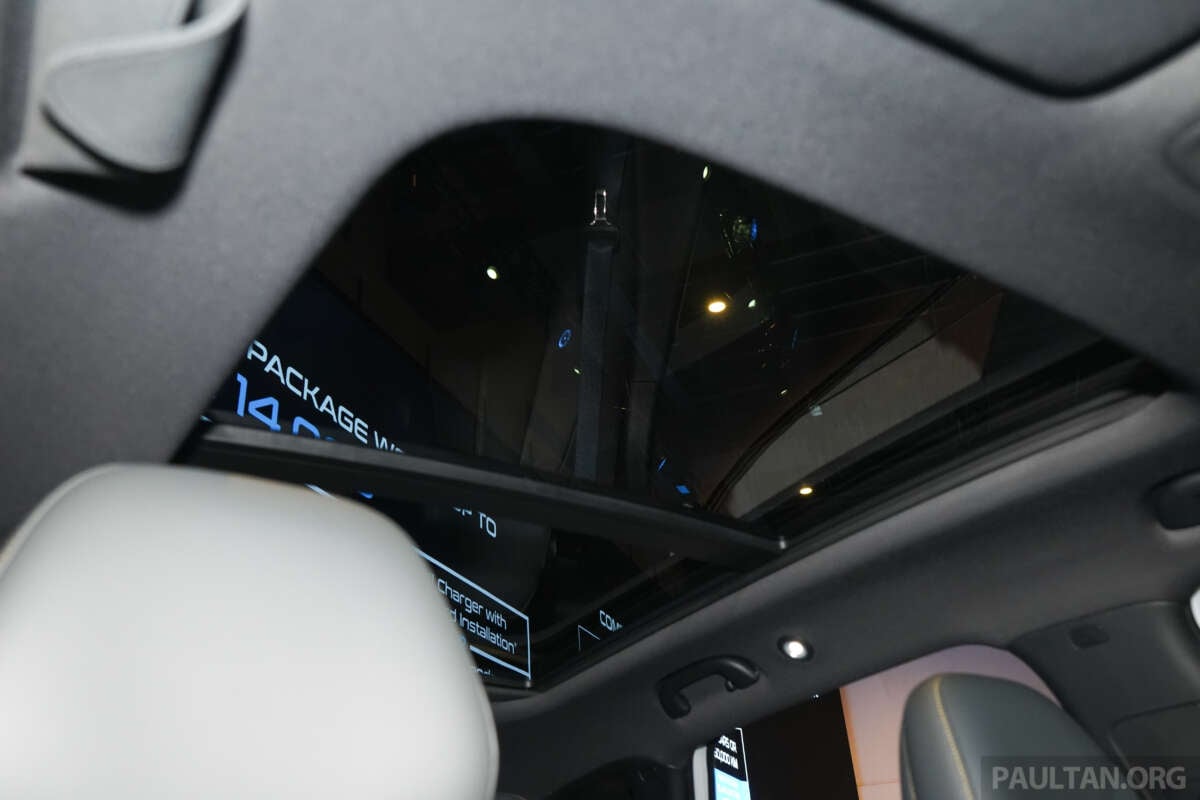
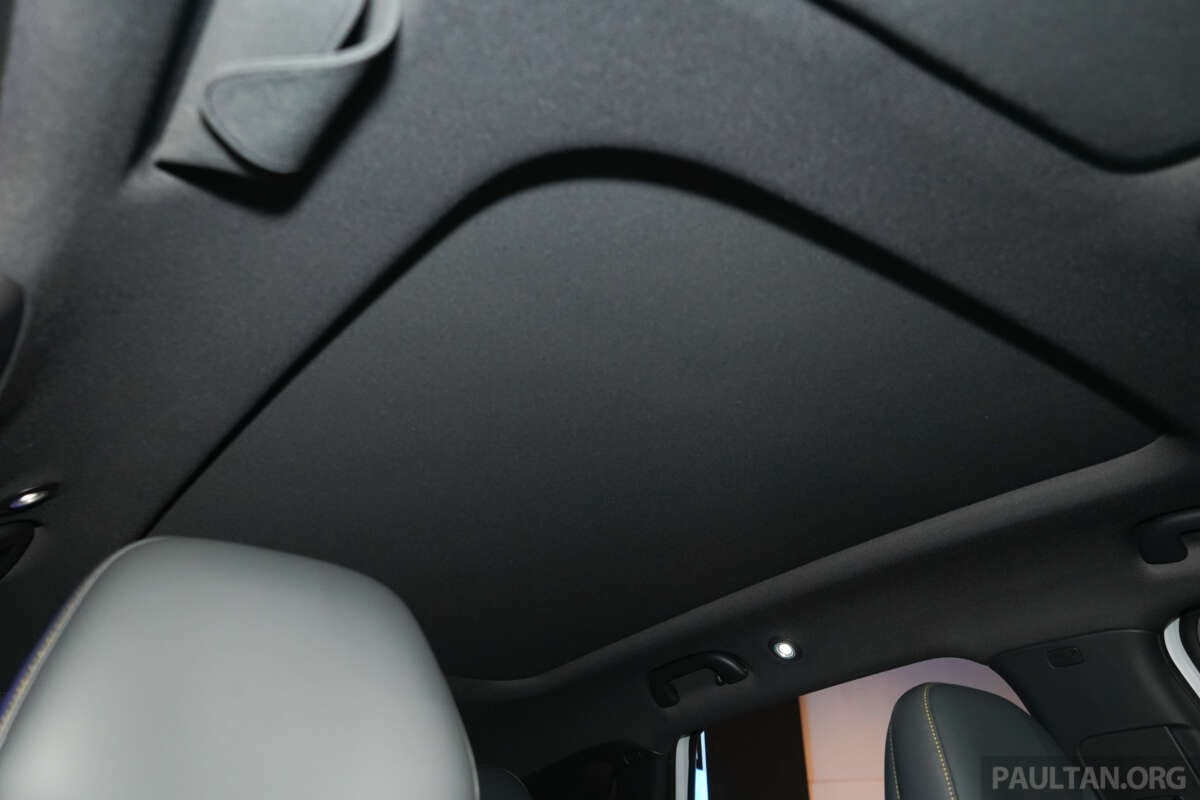
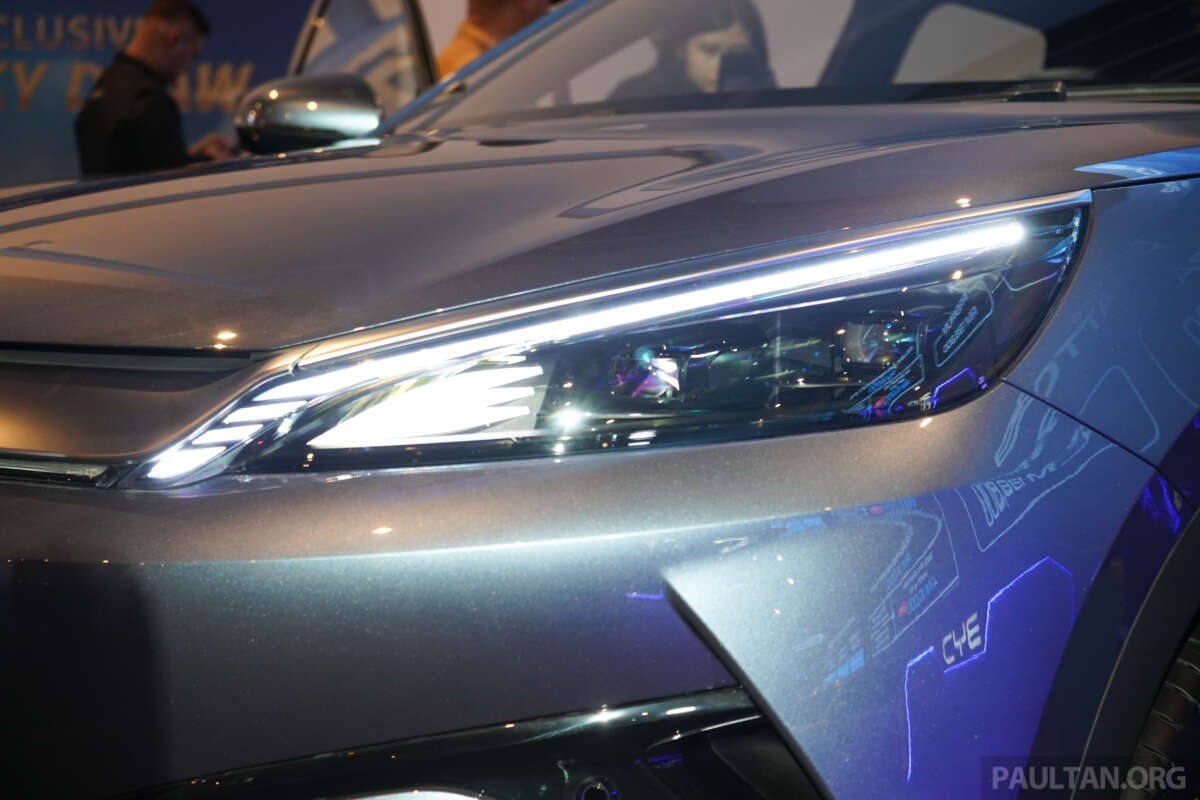
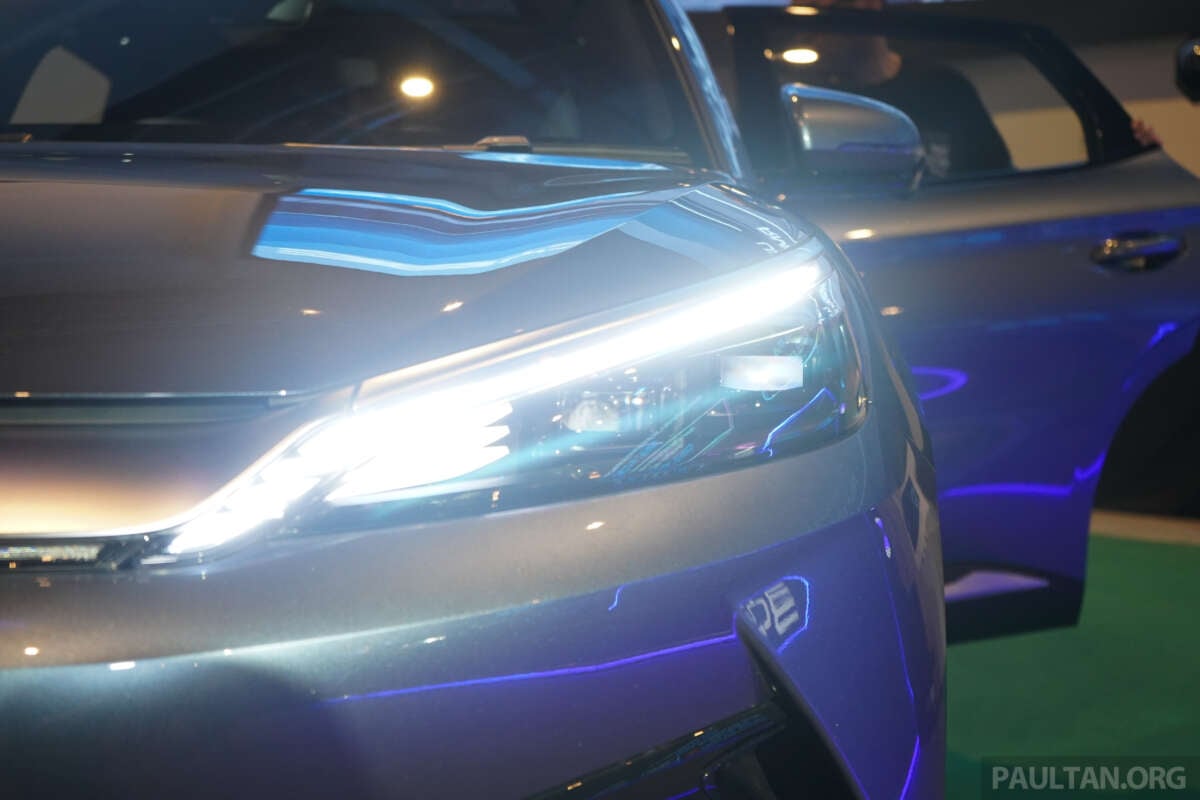
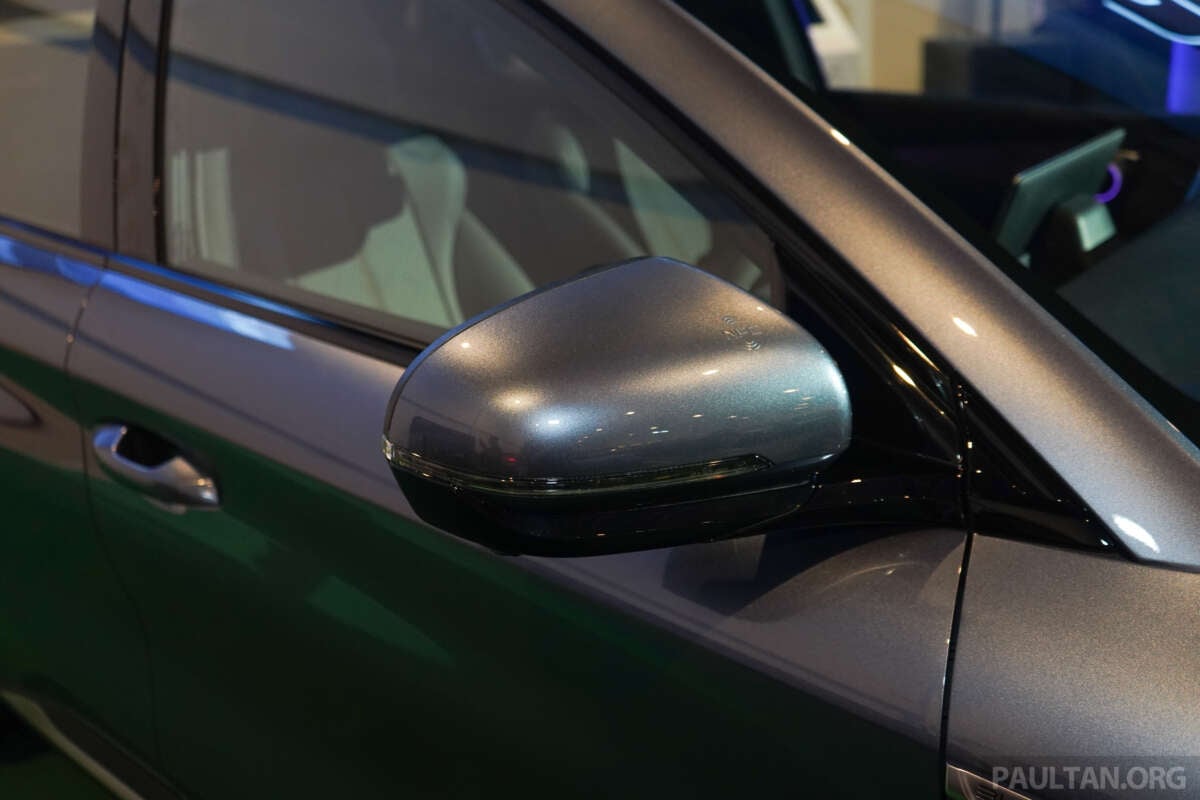
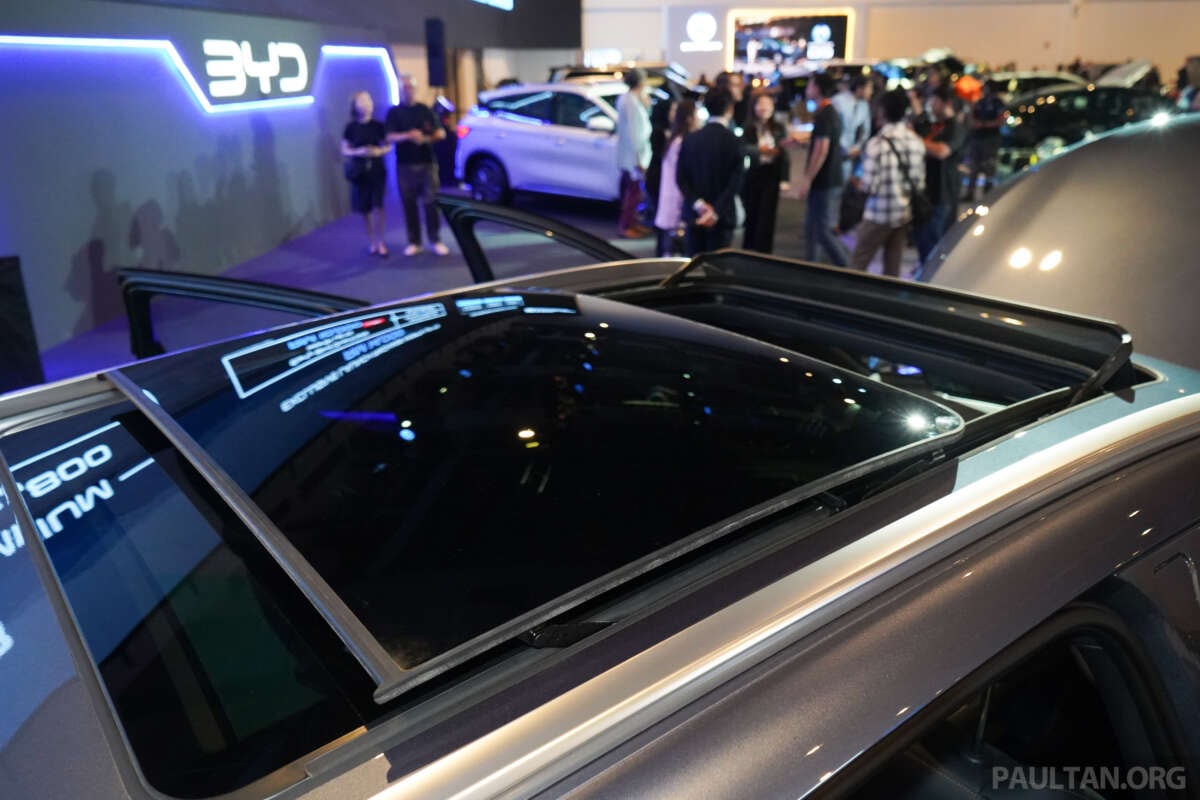
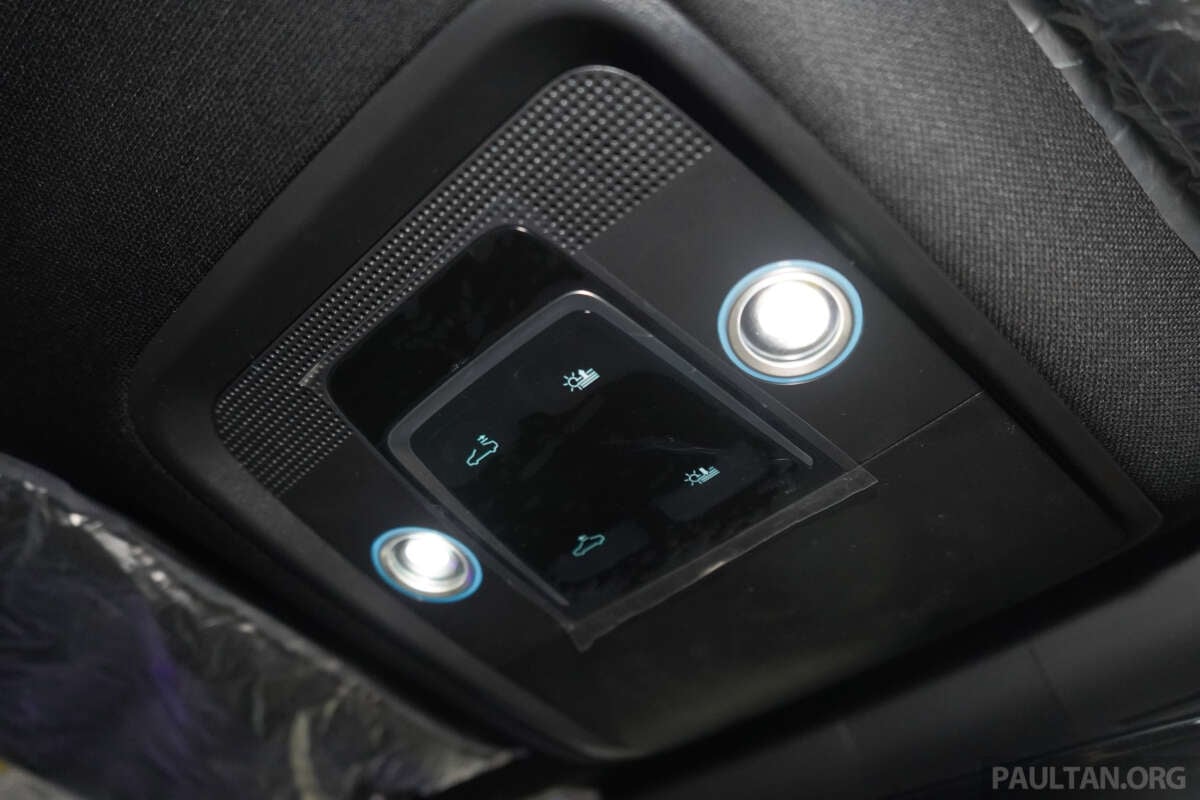
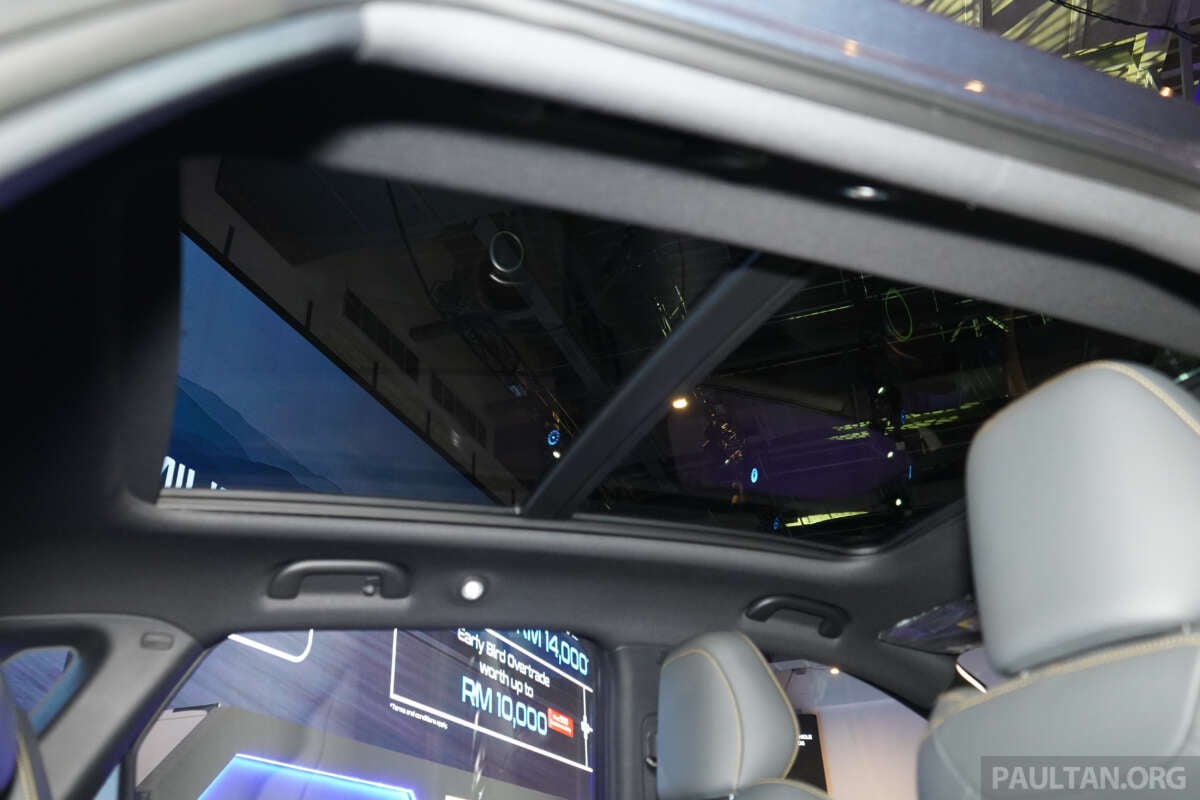
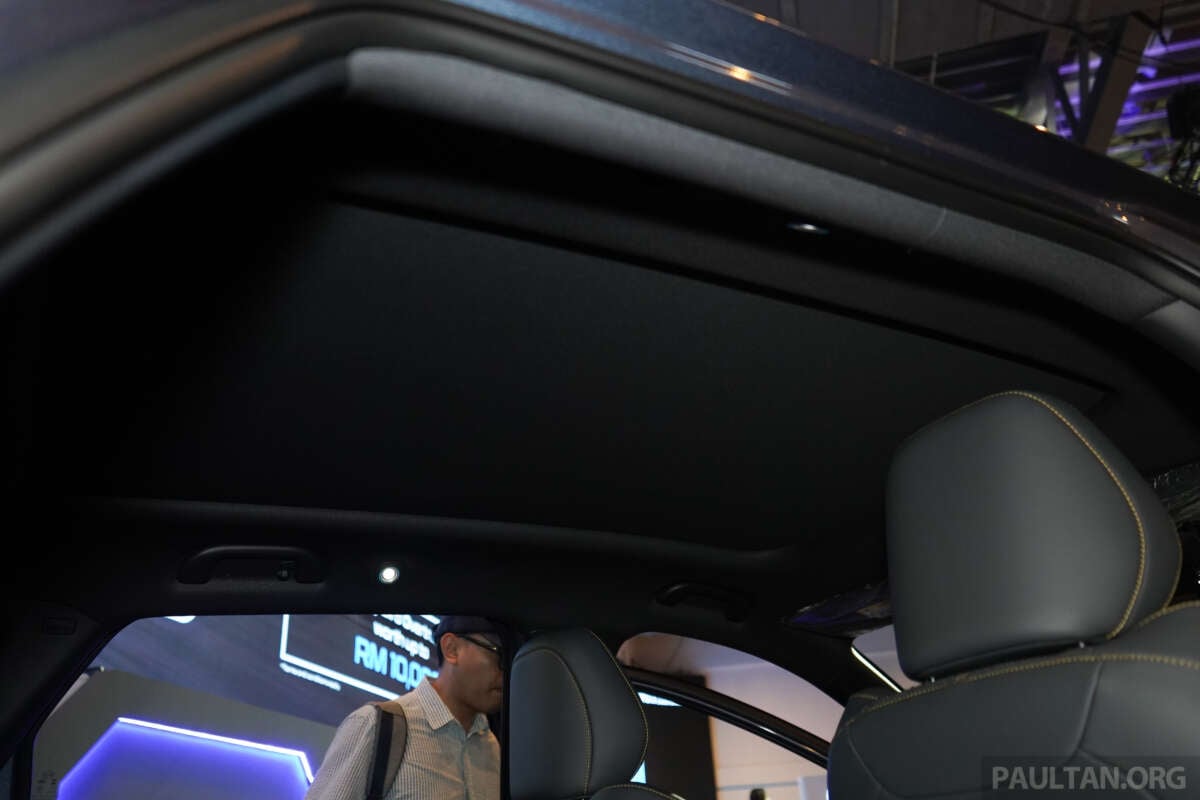
Standard kit across both variants includes LED headlights, roof rails, keyless entry with an NFC key card, push-button start, single-zone automatic air-con, six-way powered and ventilated driver’s seat with four-way powered passenger seat, faux leather upholstery, a panoramic glass sunroof, heated side mirrors, wireless Apple CarPlay and Android Auto, and a 360-degree camera.
The Premium adds driver’s seat lumbar adjustment and upgrades the passenger seat to six-way power. A couple of small catches on the Premium: it doesn’t come with a tonneau cover (there are provisions for a roller cover), whereas the Ultra retains its hard parcel shelf.
Boot space


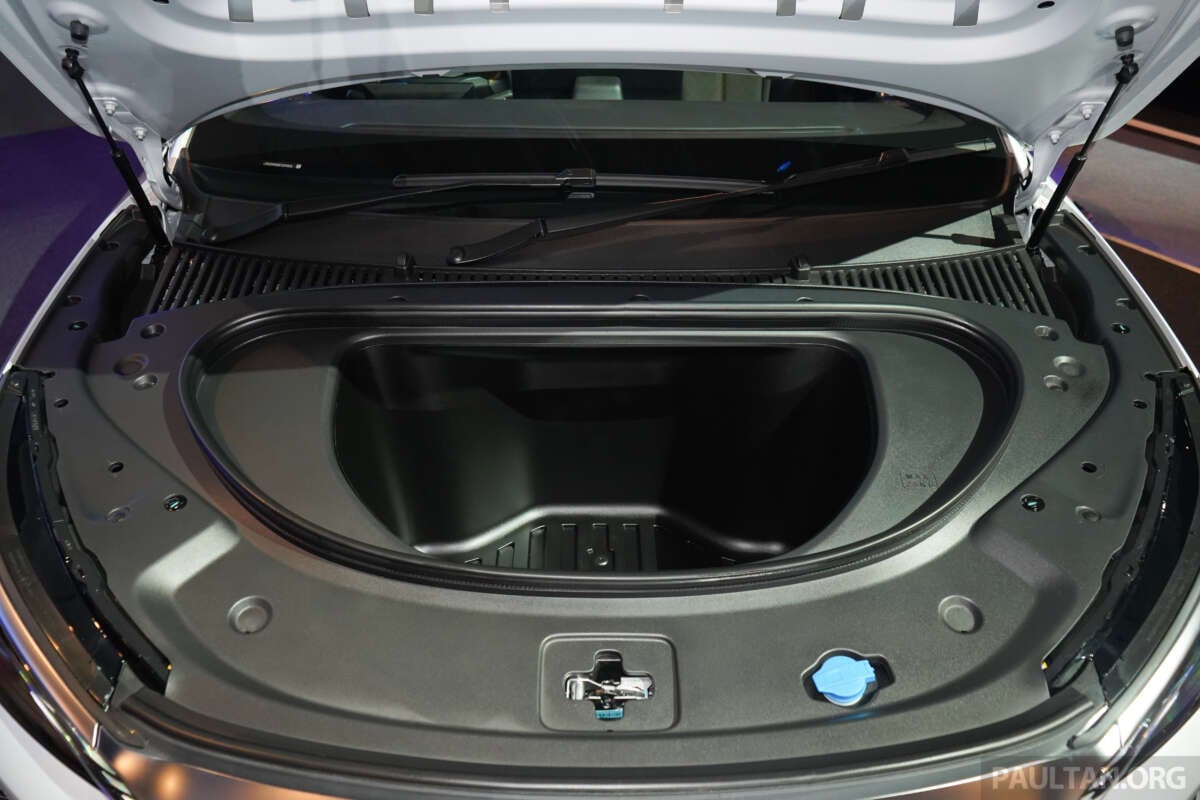
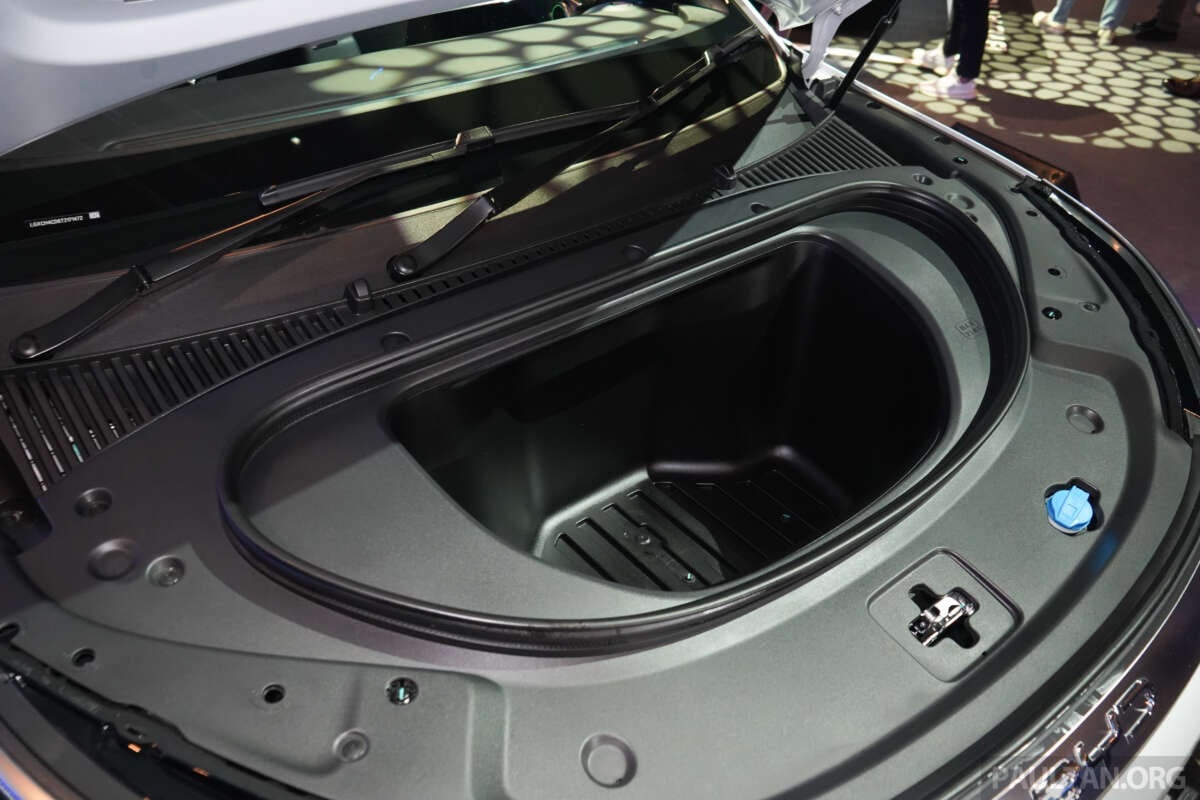
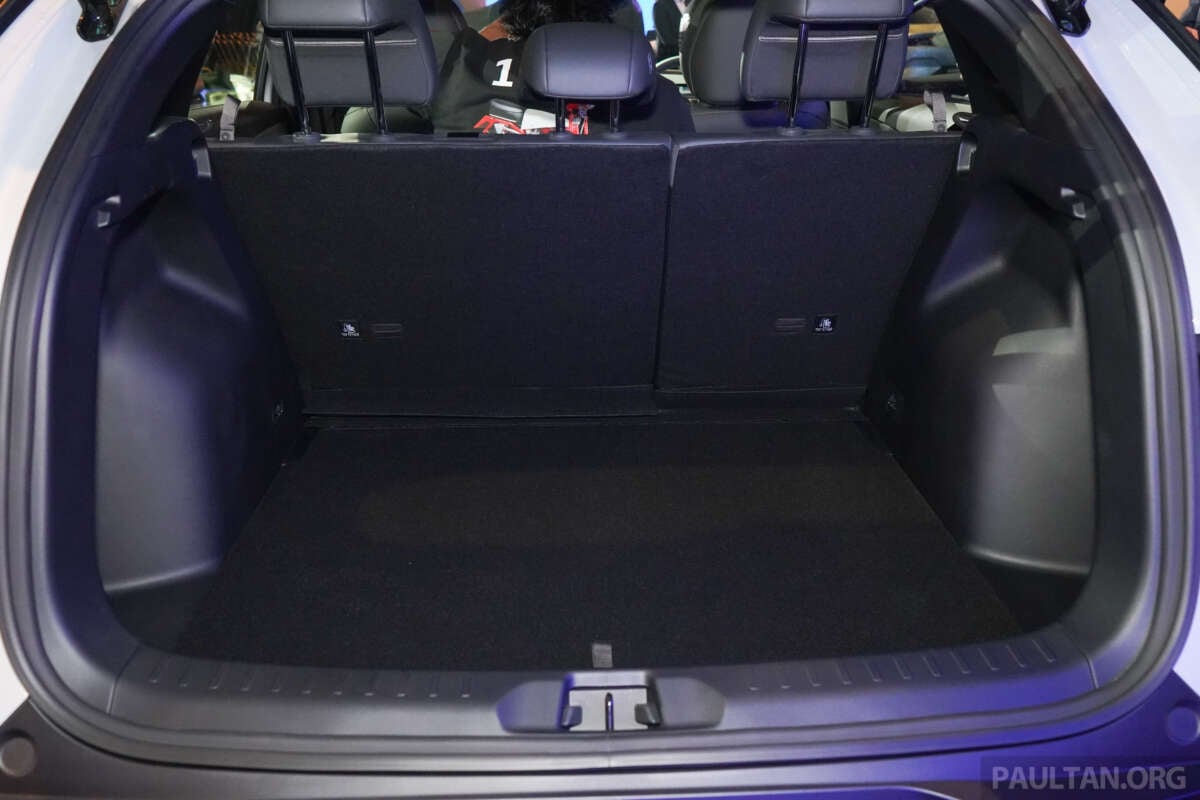
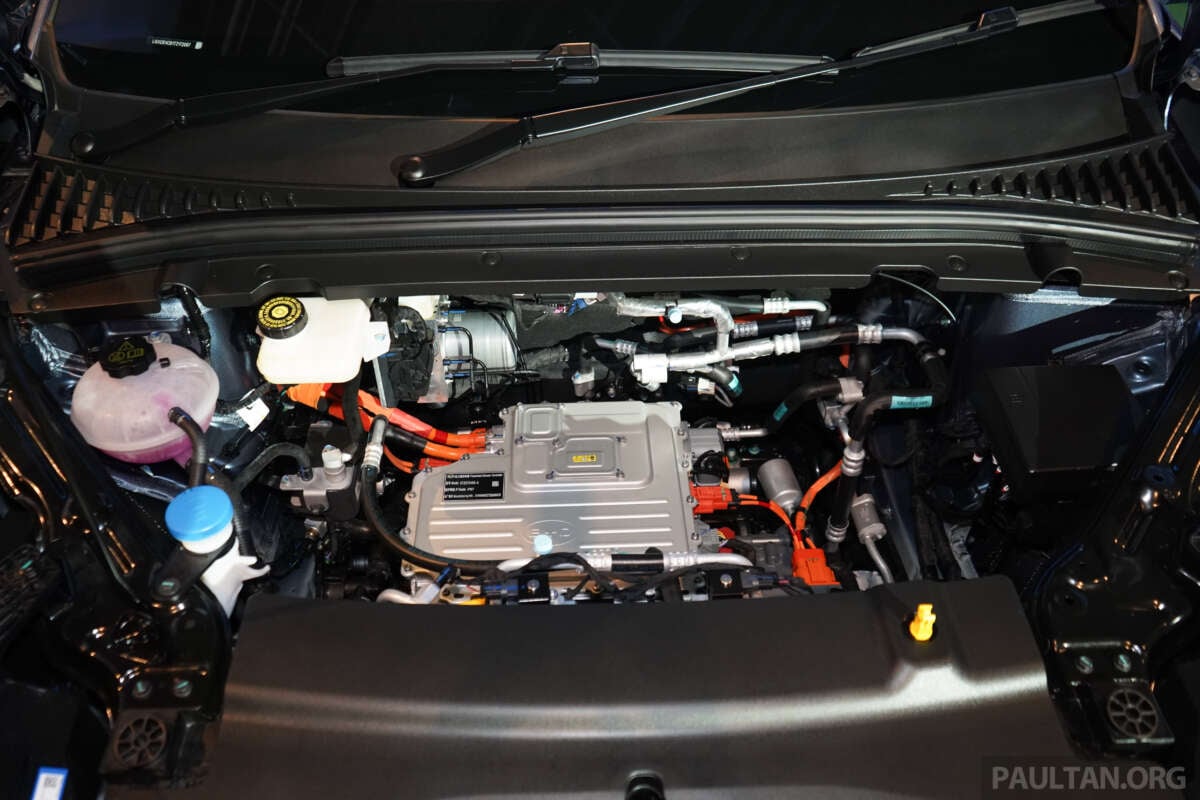
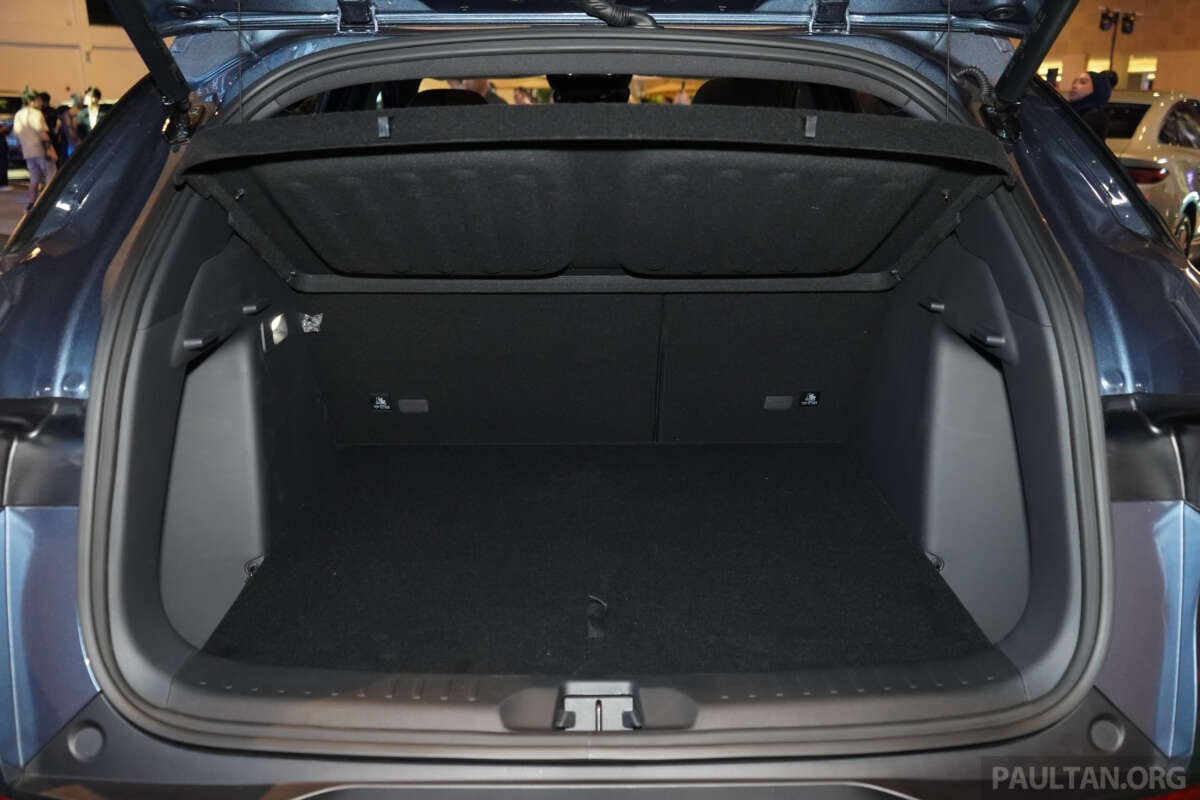
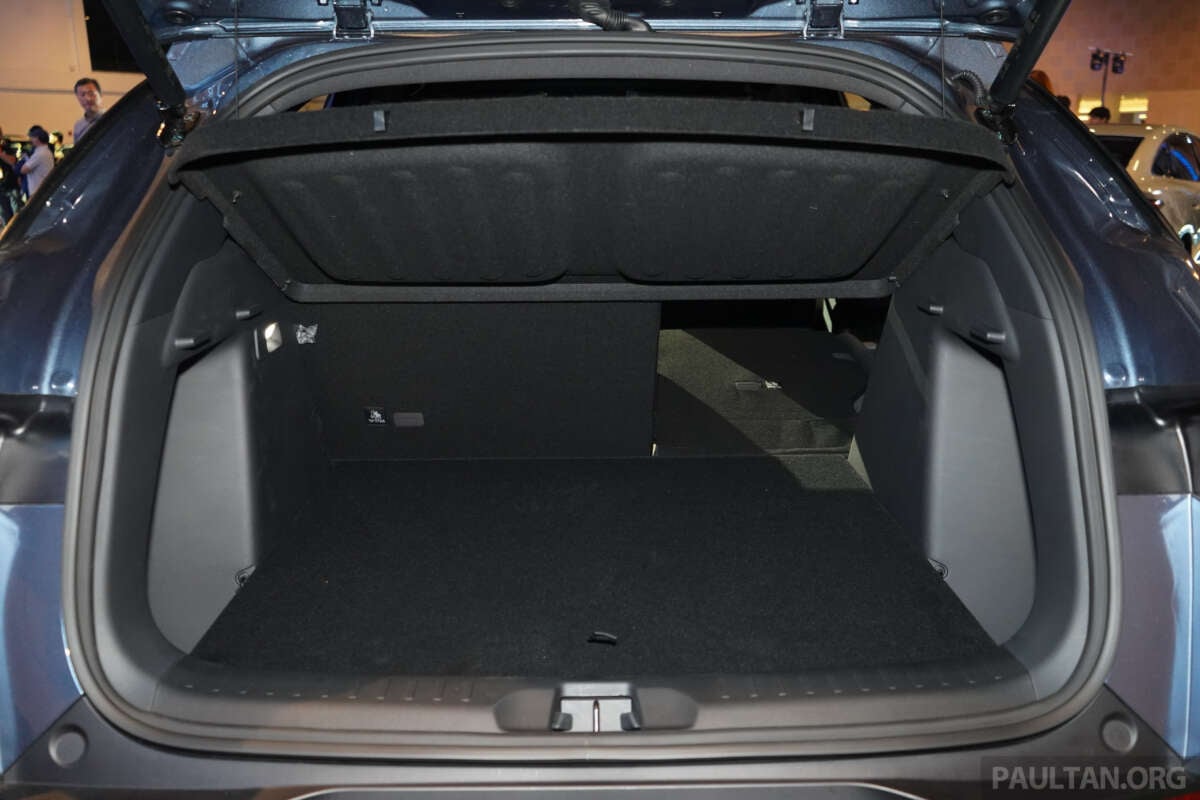
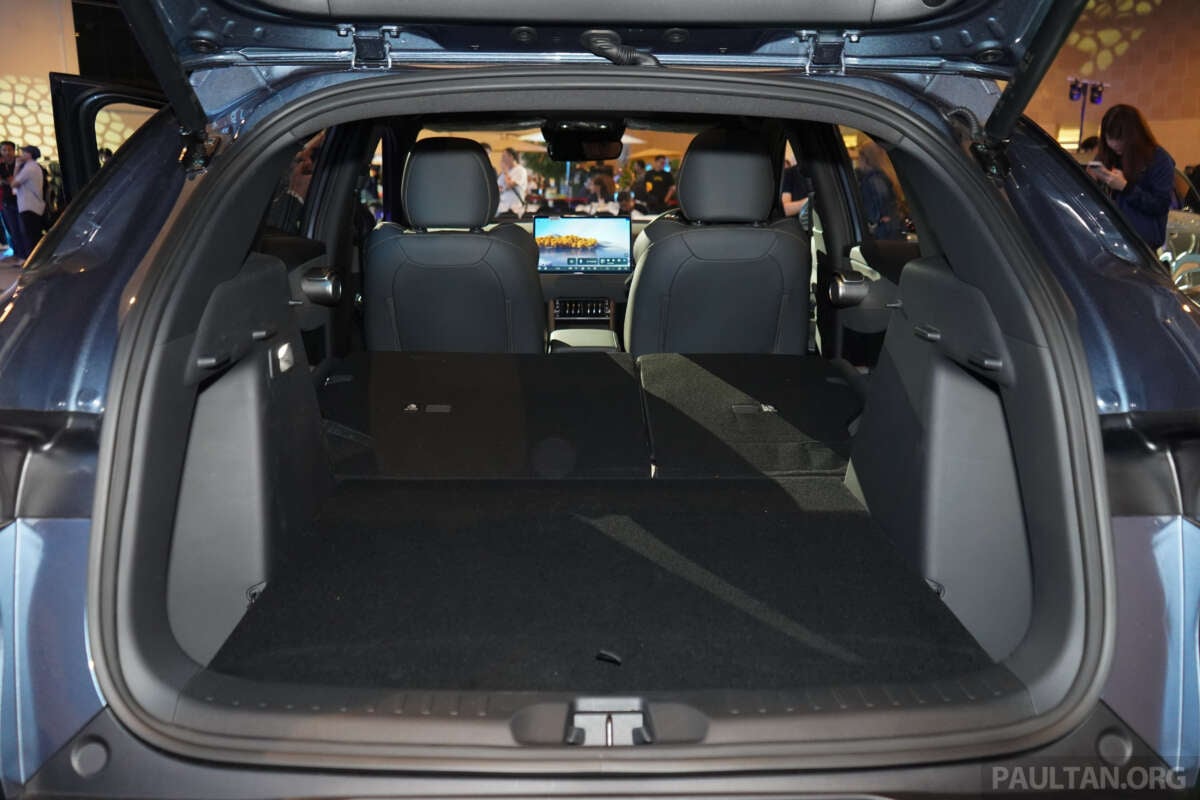
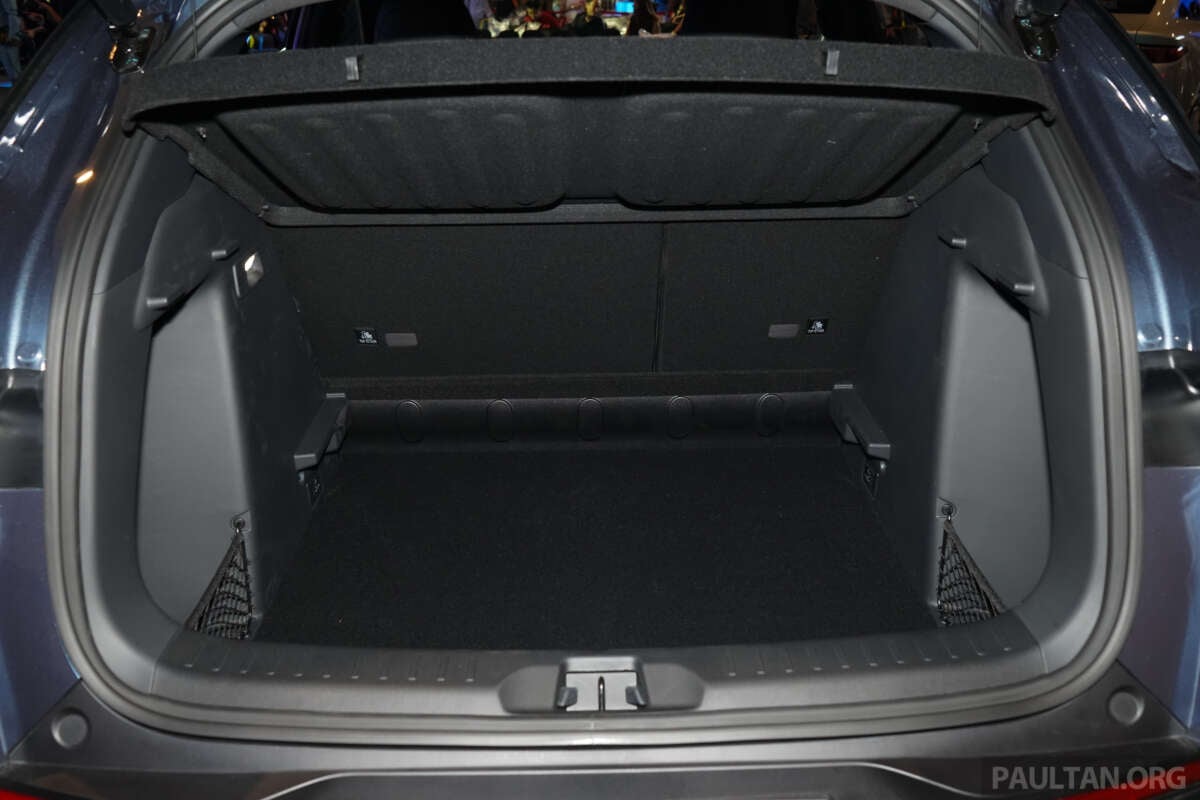
Counterintuitively, the rear-drive Premium offers more luggage room on paper. By dropping the Ultra’s dual-level boot floor, side storage nets and thicker rear seat backs, BYD quotes 490 litres for the Premium versus 434 litres for the Ultra. Folded, they’re closer – 1,360 litres versus 1,340 litres. The Premium also gains a 101-litre front boot (frunk) for cables.
The trade-off is that the Premium’s rear motor and five-link suspension mean its boot floor doesn’t sit as low as the Ultra’s, so its ultimate cargo depth is shallower.
Safety
The driver-assistance suite covers autonomous emergency braking, adaptive cruise control with stop-and-go, lane centring assist, blind spot monitoring, rear cross traffic alert, rear collision warning and a door-opening warning. The Premium adds front cross traffic alert with auto brake, traffic sign recognition and speed limit assist.
On airbags, there’s a notable difference: the Ultra loses the previous car’s front centre airbag, dropping to six airbags, while the Premium retains seven.
How does it compare to rivals?


The Atto 3’s most direct rival is the locally-assembled Proton eMas 7, which starts from RM99,800 and undercuts both variants. The Atto 3’s pitch is BYD’s proven Blade LFP battery, a strong ownership track record (12,000-plus cars on Malaysian roads), and a nationwide network of 44 sales outlets, 25 aftersales centres and 12 body-and-paint facilities.
Within the BYD range itself, the rear-drive Premium is the interesting one – it out-accelerates, out-ranges and out-charges the pricier Sealion 7, which explains why BYD says it’s attracting more buyer interest than the cheaper Ultra.
So, which one should you buy?
The Ultra makes sense if you want the new look and updated cabin at the lowest price of entry, your driving is mostly urban, and the existing 420 km range and 110 kW charging are enough for you. It’s the safe, familiar choice.
But the Premium is the one to stretch for if you can. For RM13,000 more you get a dramatically quicker car (5.5 vs 7.3 seconds), a meaningfully longer range, a far better front and rear suspension setup, an extra airbag and – most importantly for an EV – 800-volt charging that roughly halves the time you spend at a DC charger. For frequent long-distance drivers, that charging upgrade alone justifies the premium.
Either way, the timing matters: these are tax-advantaged units selling before the July 1, 2026 EV policy bites, so the value on offer here is unlikely to be repeated once stocks run dry. If a facelifted Atto 3 is on your shortlist, this is the window.
You can also compare the BYD Atto 3 Ultra vs Premium using the CarBase.my comparison tool.
GALLERY: 2026 BYD Atto 3 Premium facelift
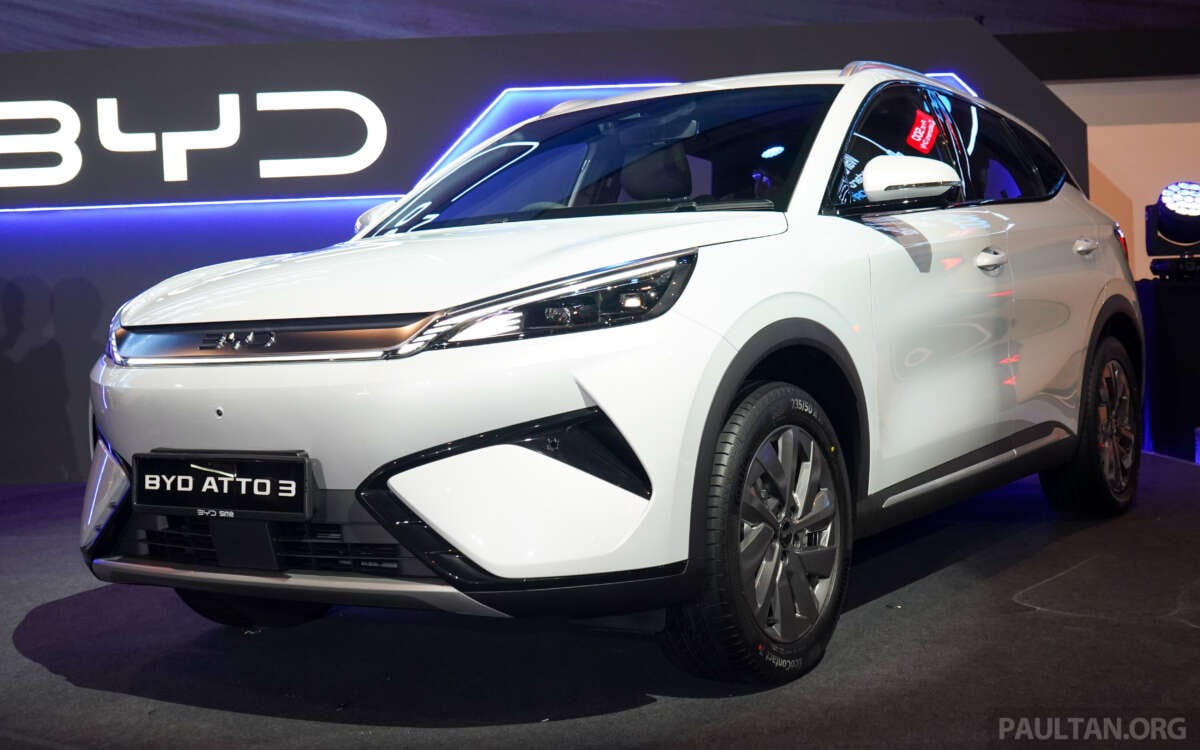
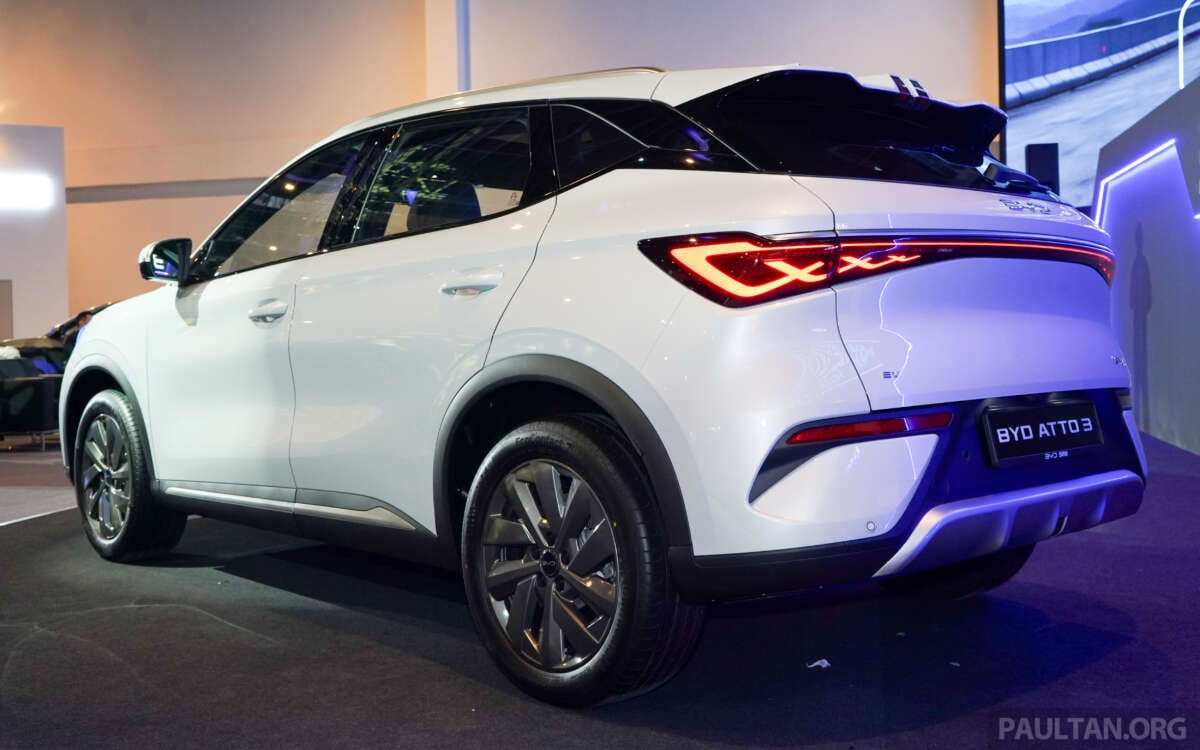
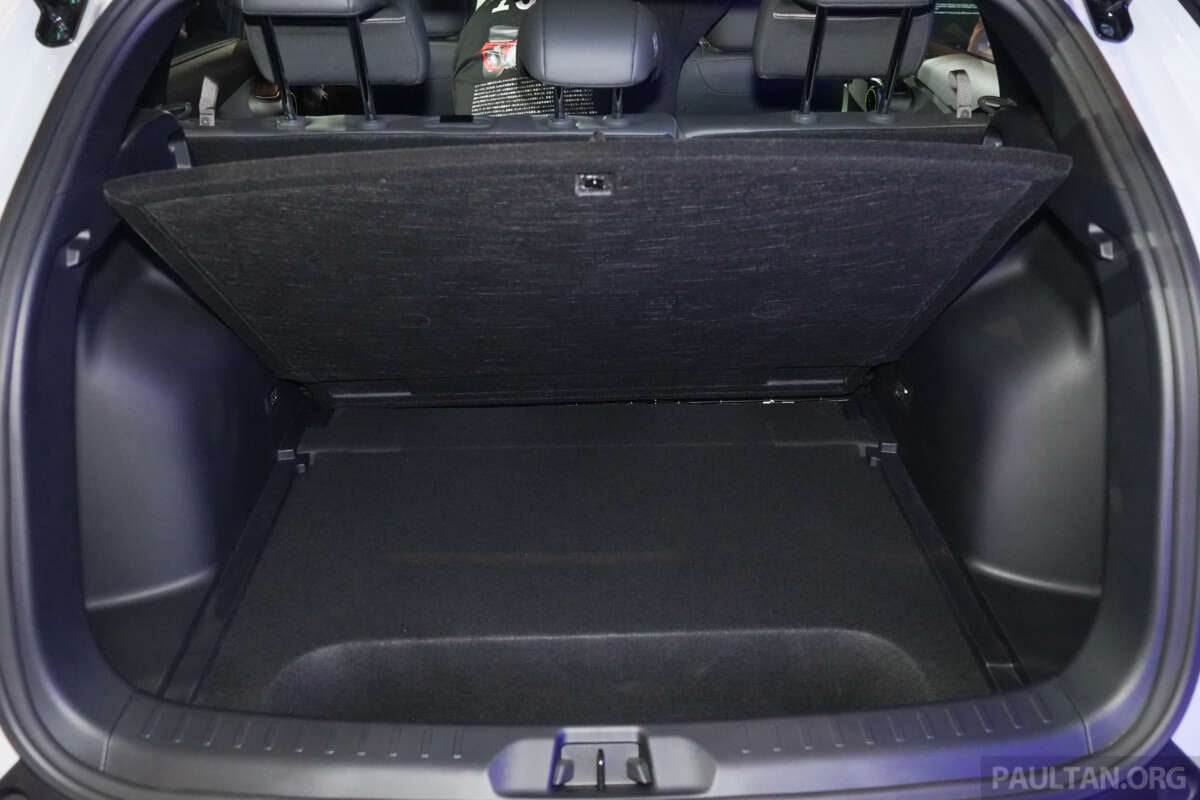
GALLERY: 2026 BYD Atto 3 Ultra facelift
Looking to sell your car? Sell it with Carro.