
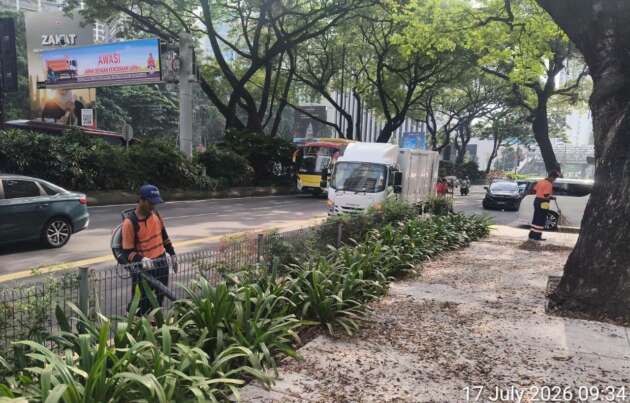
DBKL is conducting a detailed technical investigation to determine the cause of a tree fall on Jalan Tun Razak that claimed one life and injured others on Saturday night. In the incident, a 43-year-old man died after a tree fell and crushed his car near the Singapore embassy. Another vehicle with seven occupants was also struck by the tree.
The city council said the investigation is being done together with the Malaysian Society of Arborist, and it will assess of the tree’s physical condition, root structure, soil condition, environmental factors, as well as records of inspection, maintenance and previous complaints related to the tree and its location.
“DBKL extends its condolences to the victim’s family and hopes that those involved receive the necessary treatment and assistance. DBKL will fully cooperate with the police and relevant agencies in completing the investigation,” it said in a statement.
Speaking of records, the fallen Peltophorum pterocarpum a.k.a. Yellow Flame tree is estimated to be 19 years old, and was last inspected and maintained on May 15. DBKL said that an appointed contractor had previously carried out crown reduction works based on a report by a certified arborist.


“As an immediate measure, DBKL has begun inspections of mature trees and those with potential risks along all major roads in Kuala Lumpur, particularly in areas with high traffic and public movement,” it said.
The inspections involve trees along Jalan Ampang, Jalan Sultan Ismail, Jalan Raja Laut, Jalan Datuk Keramat and Jalan Tun Razak. It involves eight teams including five arborists, and is expected to be completed within 10 weeks.
Moving forward, as a medium-term preventive measure, DBKL is awaiting Sirim approval for the use of 400 tree sensors that will be installed in stages at locations deemed as high risk. The first phase is expected to cover Jalan Bangsar, Dataran Merdeka, Jalan Ampang and Jalan Raja Chulan.
The sensors will monitor tree conditions and provide early readings on changes that may affect stability, including soil conditions, moisture levels, structural movement, and the impact of adverse weather such as heavy rain and flooding, DBKL said.
Looking to sell your car? Sell it with Carro.



Fire Loke and all tree fall problems will be solved.
until today I never realized Loke was pokok!
every one fallen tree then conduct once at the area. is that the ultimate plan?
typical, someone must die only they will work
Kaji2 dlu jgn x kaji :hehe:
There trees were there
before the road exists
DBKL must responsible
MY : forever reactive never preventive
how to prevent, you want them to cut down all the big trees?
i lodged a sinkhole complain in adukl, they took 2 months to respond and only cover the surface
different fate ending for motorist driving tesla cybertuck against falling tree trunks
This is city council responsibility how many years have they been sleeping on this? Solution will always be to cut down a tree that took decades to grow and mature. Then botak, panas, tanah runtuh la banjir la all the nonsense because these people busy makan assessment money but never buat kerja.
Didn’t DBKL promise to check all the trees in KL before this incident? Then what happened?