
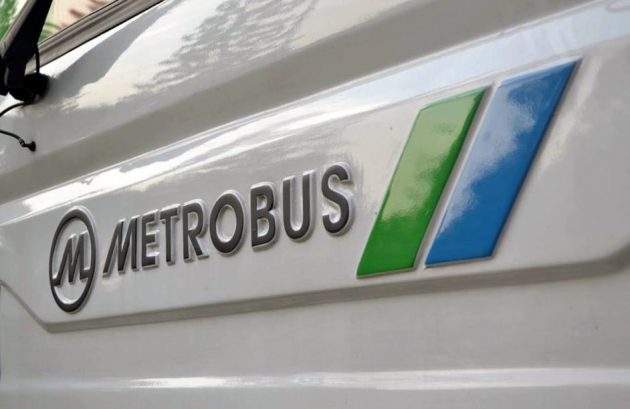
Those who frequent public transport within the Klang Valley will be familiar with Metrobus. The company has been around since the early 1990s, but word is that it may soon be forced to close its doors.
According to a report by the Malay Mail, only 45 buses make up Metrobus’ current fleet, a far cry from the initial 425 buses it had 24 years ago. The company’s executive chairman, Ahmad Shah Wadood said it was necessary to sell its assets to keep the company buoyant.
He said that introduction of free bus services in Kuala Lumpur and other areas, such as the Selangor Smart Bus and Petaling Jaya City Council’s (MBPJ) community bus service, are responsible for the decline.
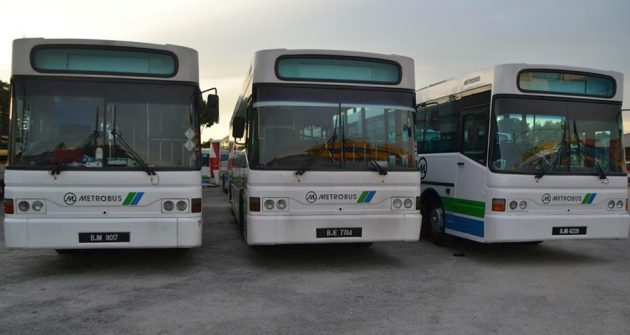
Furthermore, the company has not been receiving money from the Interim Stage Bus Scheme Fund (ISBSF) despite numerous requests. The ISBSF, which ran from 2012, is an initiative by the Land Public Transport Commission (SPAD) to assist bus operators that are operating less profitable routes to continue providing their services to the public.
“We never received any official response,” Ahmad said. “We were told we are not entitled to the funds because we have a franchise licence from the Domestic Trade and Consumerism Ministry.” Currently, Metrobus services five routes in Puchong. This was because the company was told by SPAD to stop servicing routes under the Bus Network Revamp that was announced late last year.
What are your thoughts on the matter? Should the authorities do more to assist companies like Metrobus so it can continue to provide its bus services? Or will the revamp of the bus network in the Klang Valley see the extinction of these long-existing bus operators?
Looking to sell your car? Sell it with Carro.

 john
on
john
on 

 Gargantia
on
Gargantia
on  Abang Alza Pakai Topi
on
Abang Alza Pakai Topi
on  CloseShop
on
CloseShop
on  TopsyBoXyTurvy
on
TopsyBoXyTurvy
on  We need to be fair too
on
We need to be fair too
on  kimi's fan
on
kimi's fan
on  Arabillion
on
Arabillion
on  spongewai
on
spongewai
on  frossonice
on
frossonice
on  Lorkh
on
Lorkh
on  john
on
john
on  Ikan bilis
on
Ikan bilis
on  Kincin Kaki Kencing
on
Kincin Kaki Kencing
on  tokmoh.
on
tokmoh.
on  Black Dog
on
Black Dog
on  kzm (Member)
on
kzm (Member)
on  4G63T DSM
on
4G63T DSM
on  BijanCorp
on
BijanCorp
on  anon
on
anon
on  Loru
on
Loru
on  nabill (Member)
on
nabill (Member)
on  metrobus outlawz
on
metrobus outlawz
on  Unker Lim
on
Unker Lim
on  Henry
on
Henry
on  Lonewolf
on
Lonewolf
on  Potato3
on
Potato3
on  Sgt Scoop
on
Sgt Scoop
on  Chris
on
Chris
on  waters
on
waters
on  Riswan Rahman
on
Riswan Rahman
on  Submarine
on
Submarine
on  ujintan
on
ujintan
on  Sk
on
Sk
on  Sarjit
on
Sarjit
on  L Y Wog
on
L Y Wog
on  Pondan
on
Pondan
on  Anoynymous
on
Anoynymous
on  Pradeep
on
Pradeep
on  Adios Amigo
on
Adios Amigo
on  Rakyat
on
Rakyat
on  John Smith
on
John Smith
on  Ramlah Jasman
on
Ramlah Jasman
on 


AI-generated Summary ✨
Many comments express relief and happiness about Metrobus's potential closure, citing issues like poor maintenance, reckless driving, poor cleanliness, and poor service quality. Several commenters highlight how the bus company brought a negative image, with accusations of rude drivers, environmental pollution, and safety concerns. Some suggest that privatization and monopoly practices led to unprofitable, low-quality services. Overall, sentiments are largely negative, viewing the shutdown as a positive step for public safety, environment, and better transportation alternatives.