
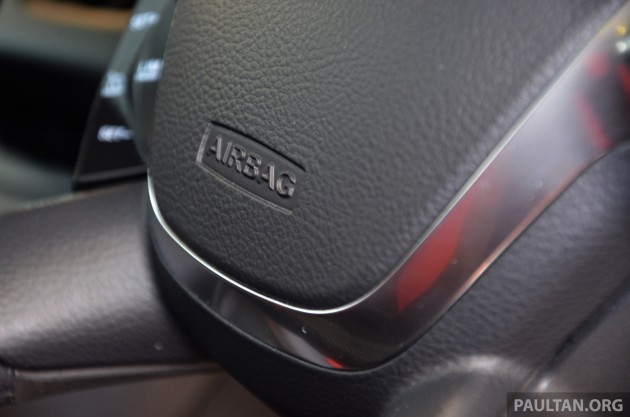
The United States National Highway Traffic Safety Administration (NHTSA) has confirmed that the recall programme for faulty Takata airbag inflators will be expanded to include an additional 35 to 40 million units. The decision to do so comes following the safety agency’s confirmation of the root cause behind the inflators’ propensity to rupture.
The expanded recall means that all Takata ammonium nitrate-based propellant driver and passenger frontal airbag inflators without a chemical drying agent, also known as a desiccant, will be recalled. The lack of the drying agent, when subjected to moisture and heat, can cause the propellant within the inflator to be rendered unstable, and explode with excessive force when the airbag deploys, rupturing its container and spraying vehicle occupants with metal shards.
In the US, the defective inflators have been linked to ten deaths and more than 100 injuries. Other countries, including Malaysia, have reported similar cases as well. Recently, Honda Malaysia revealed that on two separate crashes in the country this year, Takata-made airbag inflators had ruptured, unfortunately leading to two fatalities.
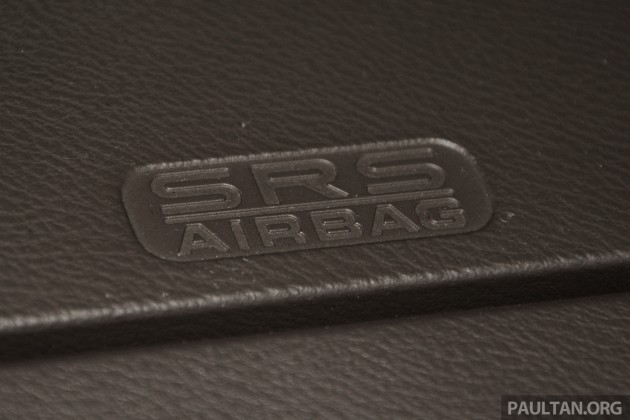
This will add to Takata’s woes, where nearly 29 million inflators have already been recalled previously in the US. The company was also slapped with a record fine of USD$200 million and has since been abandoned by several carmakers including Honda, Mazda and Nissan.
According to the NHTSA, the recall expansion will be carried out across five phases between May 2016 and December 2019, based on the prioritisation of risk, determined by the age of the inflators and exposure to high humidity and fluctuating high temperatures that accelerate the degradation of the chemical propellant.
“The science clearly shows that these inflators become unsafe over time, faster when exposed to humidity and variations of temperature,” said NHTSA Administrator Mark Rosekindt. “This recall schedule ensures the inflators will be recalled and replaced before they become dangerous, giving vehicle owners sufficient time to have them replaced before they pose a danger to vehicle occupants. NHTSA will continue to evaluate all available research and will act quickly to protect safety.”
Looking to sell your car? Sell it with Carro.



Some says jangan persoal jepunis quality just like jangan persoal manggis.
When jepunis got recalls bashers say they are very good taking care customer safety, when p1 got recalls they say p1 no quality.
Topkek
People in overseas will be mad hearing this. While people in malaysia be calm..coz anything japanese brand is their god..cannot complaint..or they will struck by lightning. unless if its local made brand..smallest problem they will complain to world tribunal.if it involved japan brand..die also ok..KAMIKAZE!!
Pity to those Honda and Toyota Owners in malaysia.
Everyday they are driving an explosive machine that can kill themselves unnoticed .
Most airbags are designed to save life while the japanese airbags ( Takata ) installed in most Honda and Toyota are designed to kill people even in a slight accident.
What a pity to people driving a Toyota and honda cars .
Do you really need to buy a japanese shit cars and face the killing fields.?
Think of options in not owning anymore Japanese cars then