
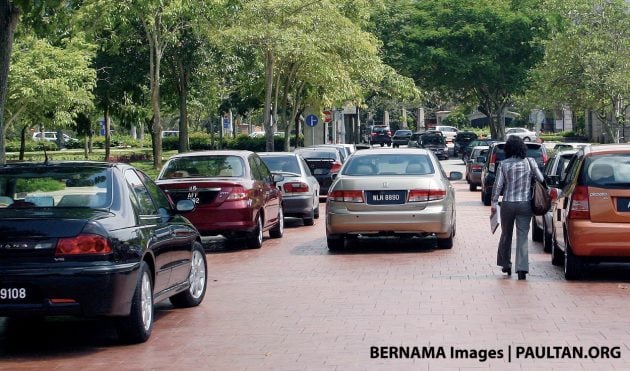
Two days ago, Kuala Lumpur City Hall (DBKL) began charging its new hourly parking rate in a number of areas within the city’s central business district (CBD). Under the new rate structure, hourly parking charges in the CBD have seen a 150% hike, being increased from RM0.80 an hour to RM2 for the first hour, followed by RM3 for the second hour and each subsequent hour after that.
Areas covered by the new rates are Bukit Bintang, Bukit Damansara, Sri Hartamas, Desa Hartamas, Solaris Mont Kiara, Taman Tun Dr Ismail (TTDI) and Bangsar. Now, following public outcry, DBKL has scrapped the new parking rate in TTDI with immediate effect, The Star reports.
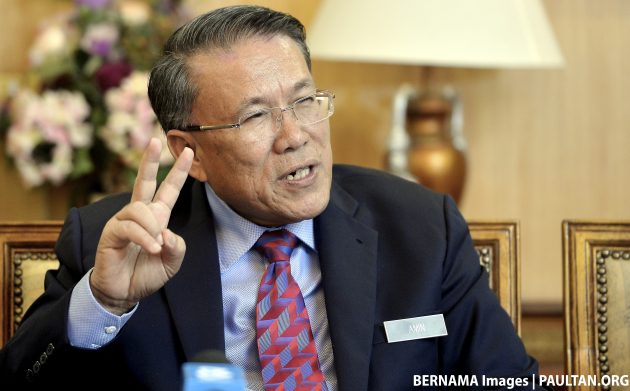
The decision was made following a meeting between DBKL and Federal Territories minister Datuk Seri Tengku Adnan Tengku Mansor earlier today. “After taking in the views of all parties, City Hall has decided to revert the parking charges at TTDI, since it is a residential township,” explained Kuala Lumpur mayor Datuk Seri Mohd Amin Nordin Abdul Aziz.
The report adds that other areas will continue to run with the new parking charges, which will be enforced in stages from now to Aug 1, depending on locality.
Zones outsides the city, where charges are currently RM0.50 per hour, are also set to face a hike in parking charges. Currently 50 sen an hour, these will be increased to RM1 or RM1.50 per hour, depending on zones. Areas include Brickfields, Taman Maluri, Cheras, Wangsa Maju and Setapak, where the percentage of parking occupancy in these areas are between 55% and 75%.
Earlier, it was reported that DBKL was also set to introduce a maximum parking cap of just two hours in selected areas, where those who surpass the two-hour limit will find their cars clamped or towed.

 anon
on
anon
on 

 tokmoh.
on
tokmoh.
on  john
on
john
on  Kunta Kinte
on
Kunta Kinte
on  Latuk BN supporters
on
Latuk BN supporters
on  abah kau
on
abah kau
on  beehedge
on
beehedge
on  chelz
on
chelz
on  Park in parking hole
on
Park in parking hole
on  Yokohama24
on
Yokohama24
on  CGZ
on
CGZ
on  Semi-Value (Member)
on
Semi-Value (Member)
on  modesto.h
on
modesto.h
on  HY
on
HY
on  Hmm... Much Hmm...
on
Hmm... Much Hmm...
on  Bat
on
Bat
on  Ivan Ng
on
Ivan Ng
on  LimAhPek
on
LimAhPek
on  KOK
on
KOK
on  kxlim123
on
kxlim123
on  Dedakman
on
Dedakman
on  korok
on
korok
on  Richard
on
Richard
on  ioma
on
ioma
on  sohai
on
sohai
on  heybadigol (Member)
on
heybadigol (Member)
on  albag
on
albag
on  Bini 4
on
Bini 4
on  Kevin Henry
on
Kevin Henry
on  wah lan neh
on
wah lan neh
on  Black Dog
on
Black Dog
on  bijanster
on
bijanster
on  Sesukahati
on
Sesukahati
on  Dzulkifly Yusof
on
Dzulkifly Yusof
on  upm
on
upm
on  Jay Law
on
Jay Law
on  lee
on
lee
on  Ken Wei Gan
on
Ken Wei Gan
on
AI-generated Summary ✨
Comments express frustration over the perceived double standards favoring TTDI due to the presence of influential residents and government officials, with some accusing favoritism and cronyism. Many criticize the increase in parking rates outside the city center, arguing it harms local businesses and residents, and blame poor public transport for worsened congestion. There are calls for fairness, better governance, and more comprehensive planning, with some sarcastic remarks about the involvement of high-profile figures and favoritism towards wealthy areas.