
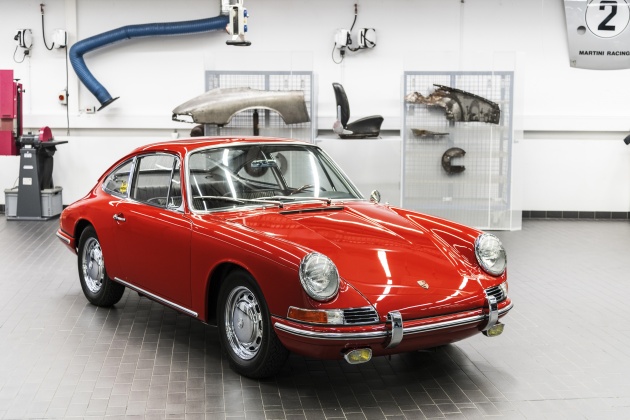
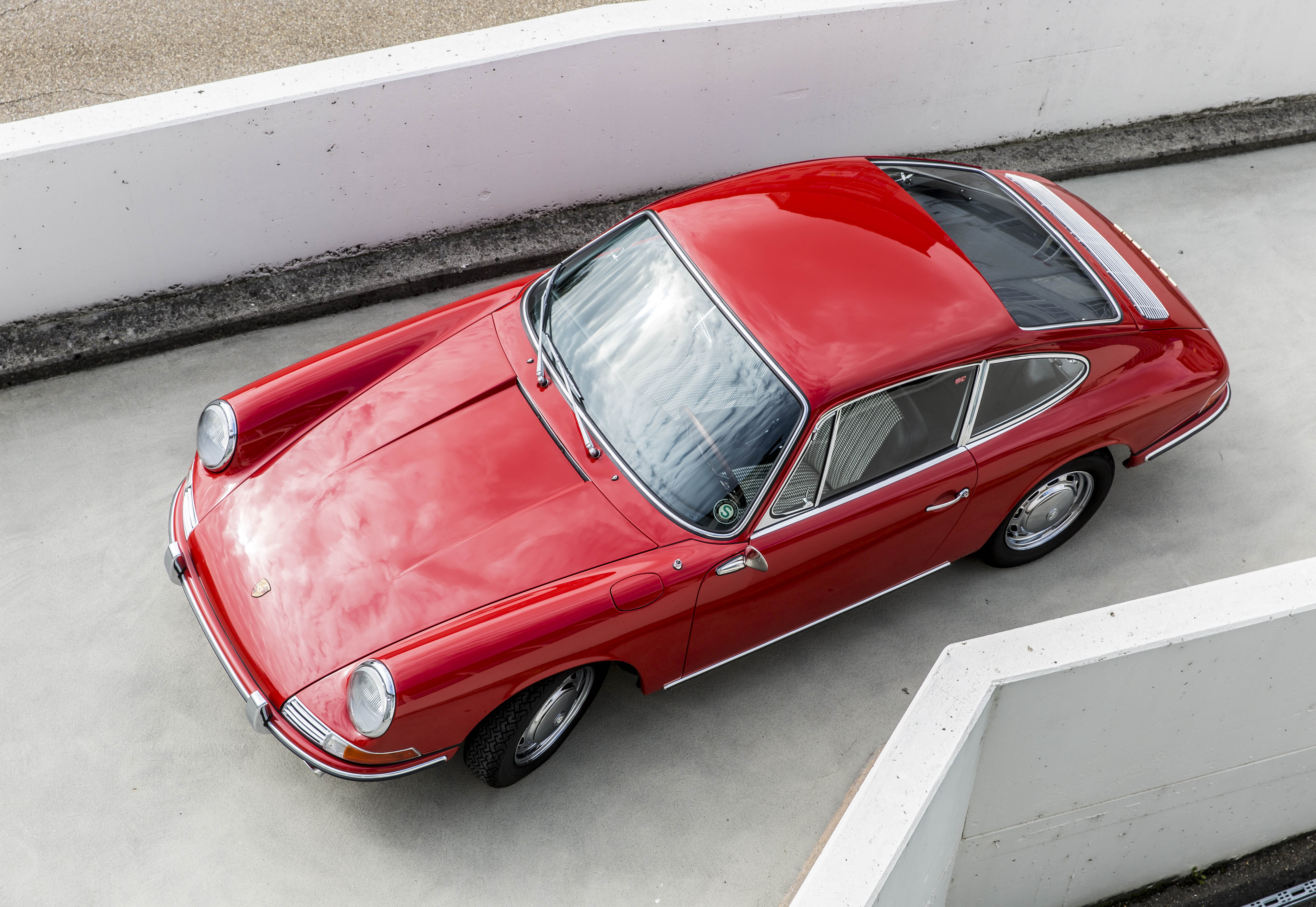
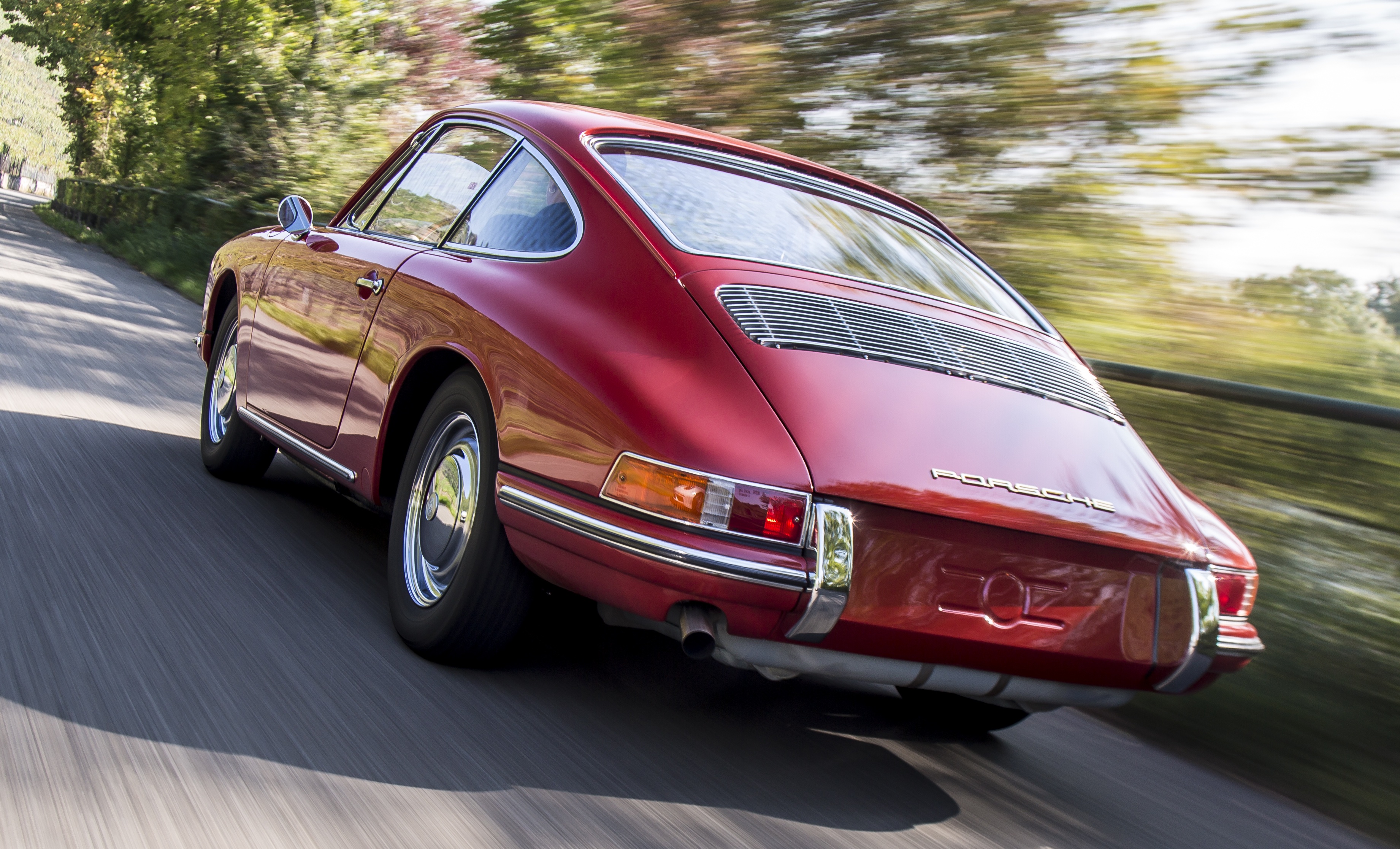
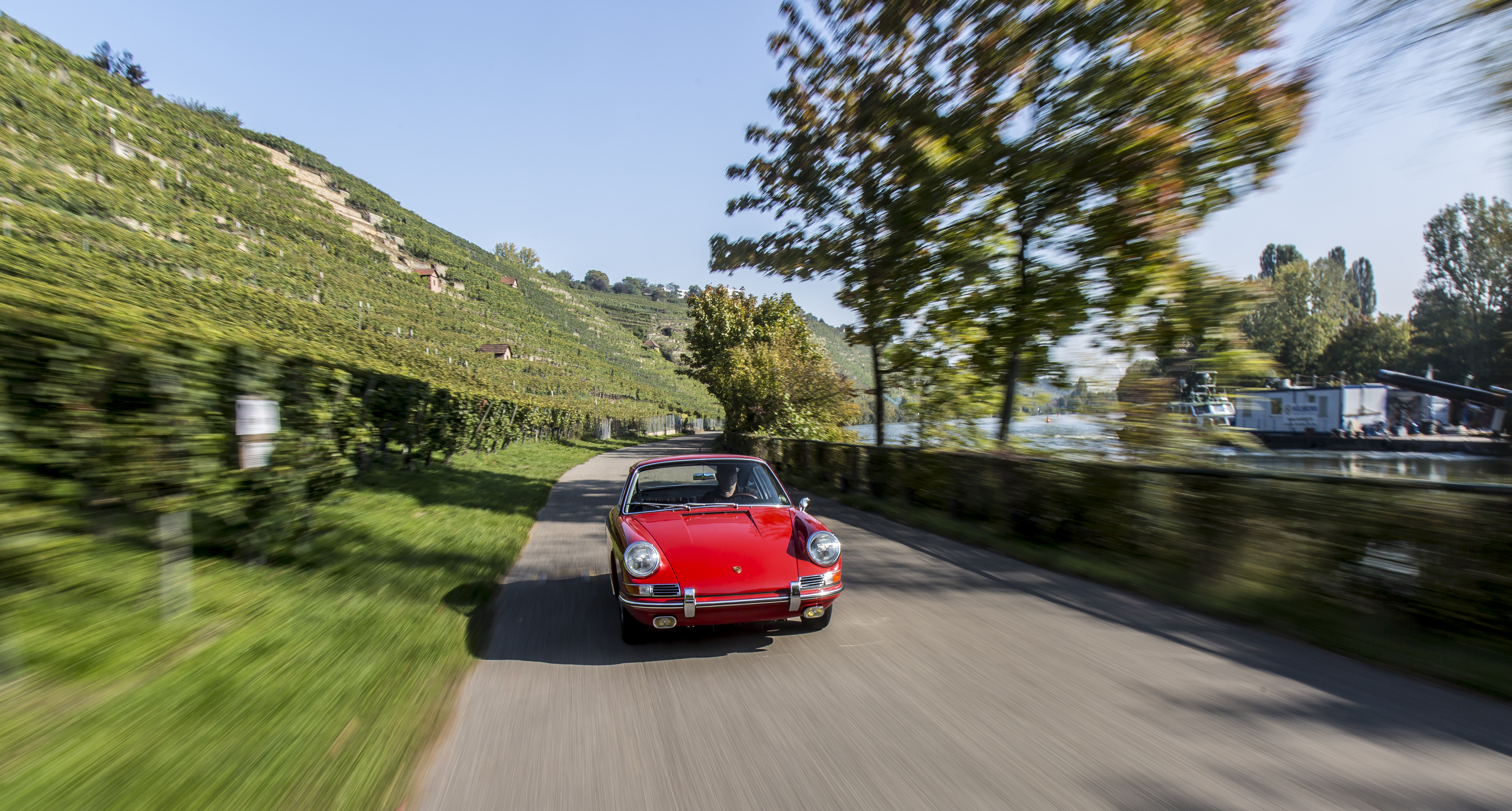
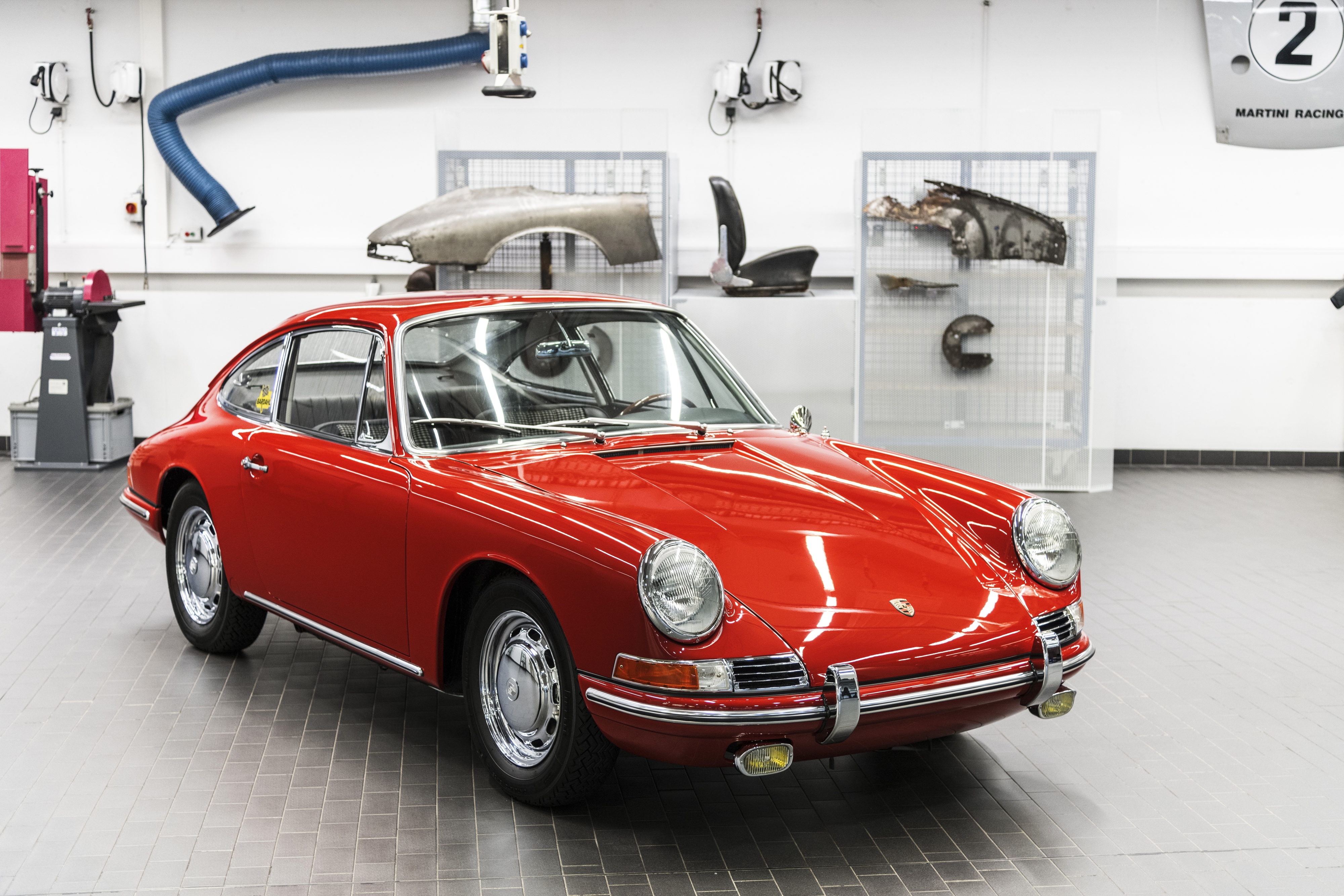
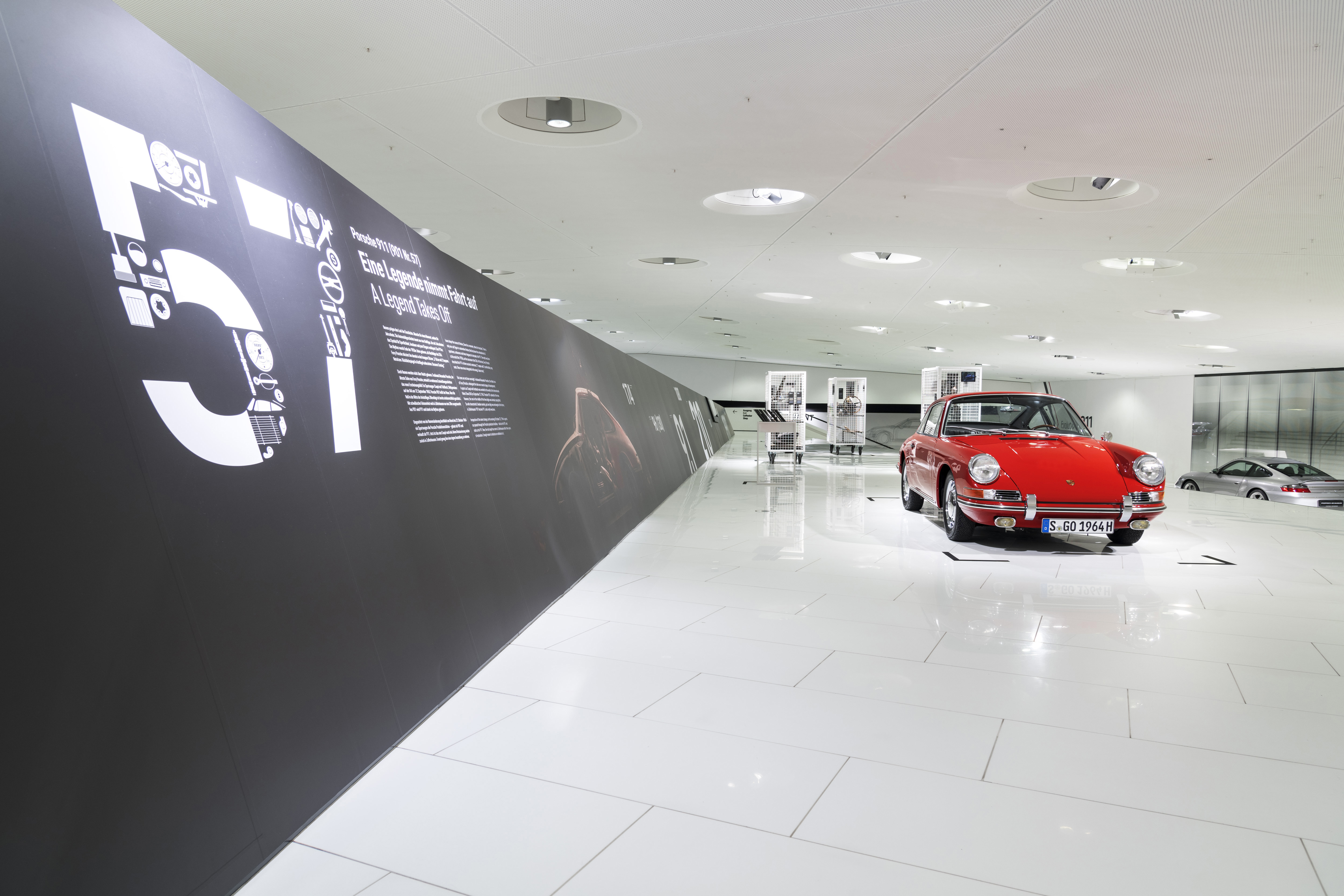
What a gorgeous sight, you say. But this “901 No.57” wasn’t always looking so good. After three years of restoration, the Porsche Museum will finally present the newest addition to its collection, and the oldest 911 that it holds, at the special exhibition “A legend takes off” from now till April 8, 2018.
The red coupe was built in October 1964 as one of the first series-production models of the sports car known back then as the 901. Almost exactly 50 years later, Porsche Museum happened to find this rare item and decided to buy it with a view to restoring it back to its original state.
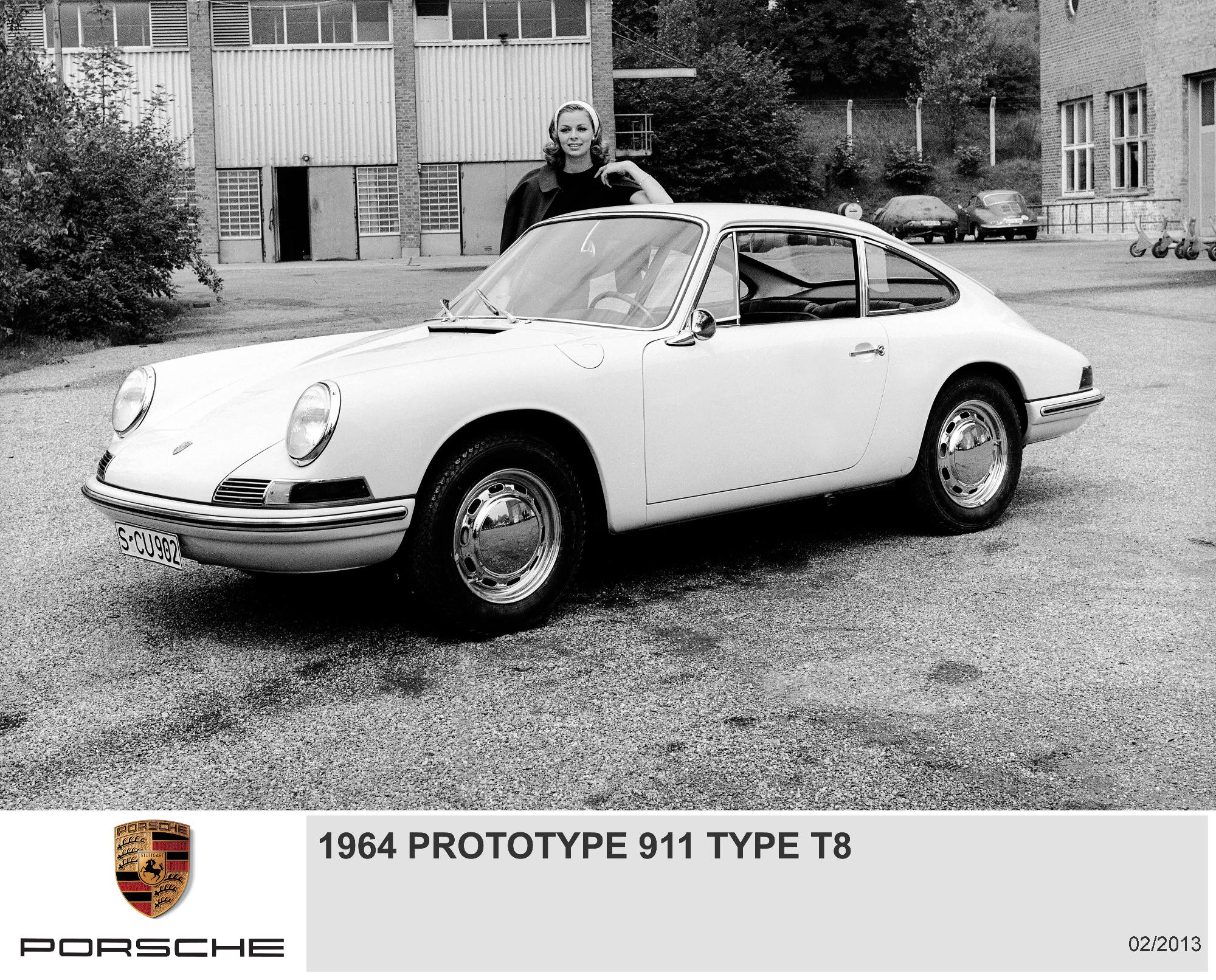
Porsche originally developed and presented the successor to the 356 under the type designation 901. However, just a few weeks after starting production in the autumn of 1964, the two-door had to be renamed due to a trademark dispute, and from then on bore the name 911. As they say, the rest is history.


All of the customer vehicles produced up to that point were manufactured as 901s, but sold as 911s. Amazingly, Porsche’s factory collection had lacked one of these rarities for 50 years – yes, Porsche itself did not have the earliest version of its brand-defining sports car.
In 2014, while valuing a collection of items long forgotten about in a barn, a German TV crew working on an antiques and memorabilia programme stumbled across two 911s dating back to the 1960s. After making enquiries with the Porsche Museum, it emerged that one of the two sports cars with the chassis number 300.057 was one of the rare models built before the model line was renamed.
The Porsche Museum decided to buy both 911 models at the estimated price determined by an independent expert, and in doing so closed a key gap in its collection of classic Porsches.


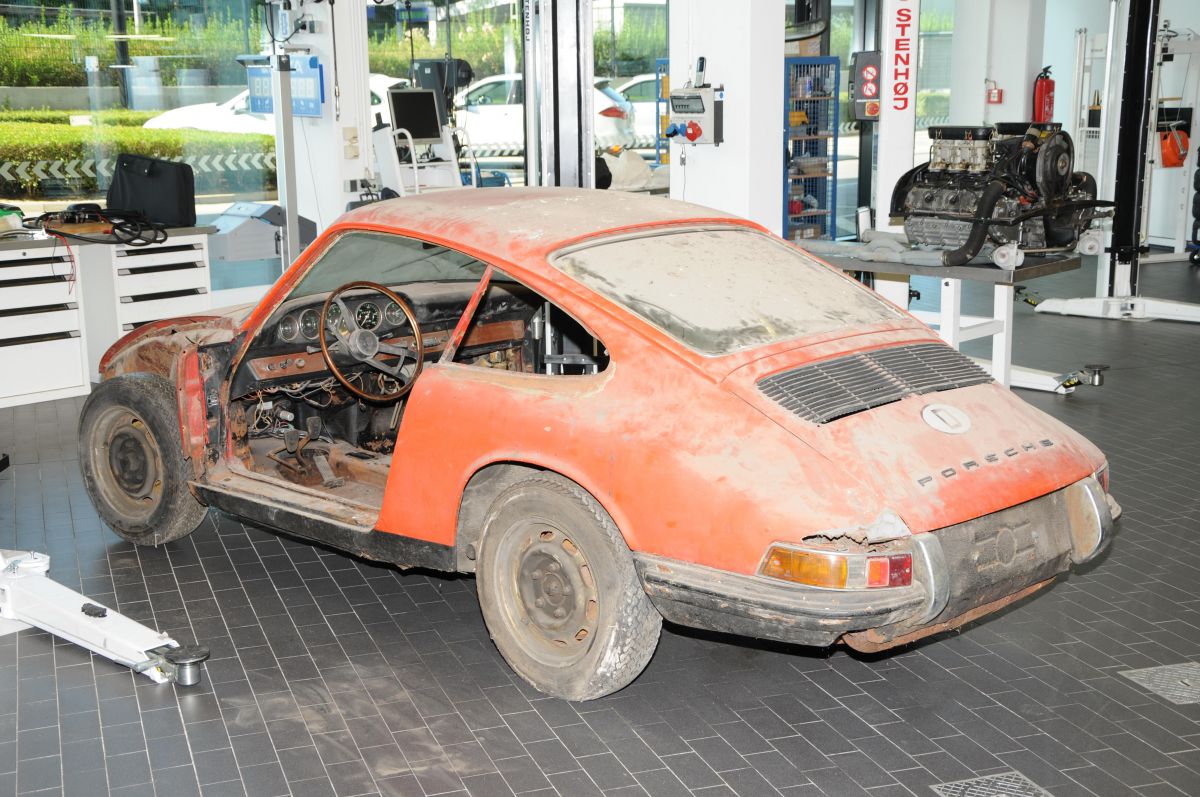
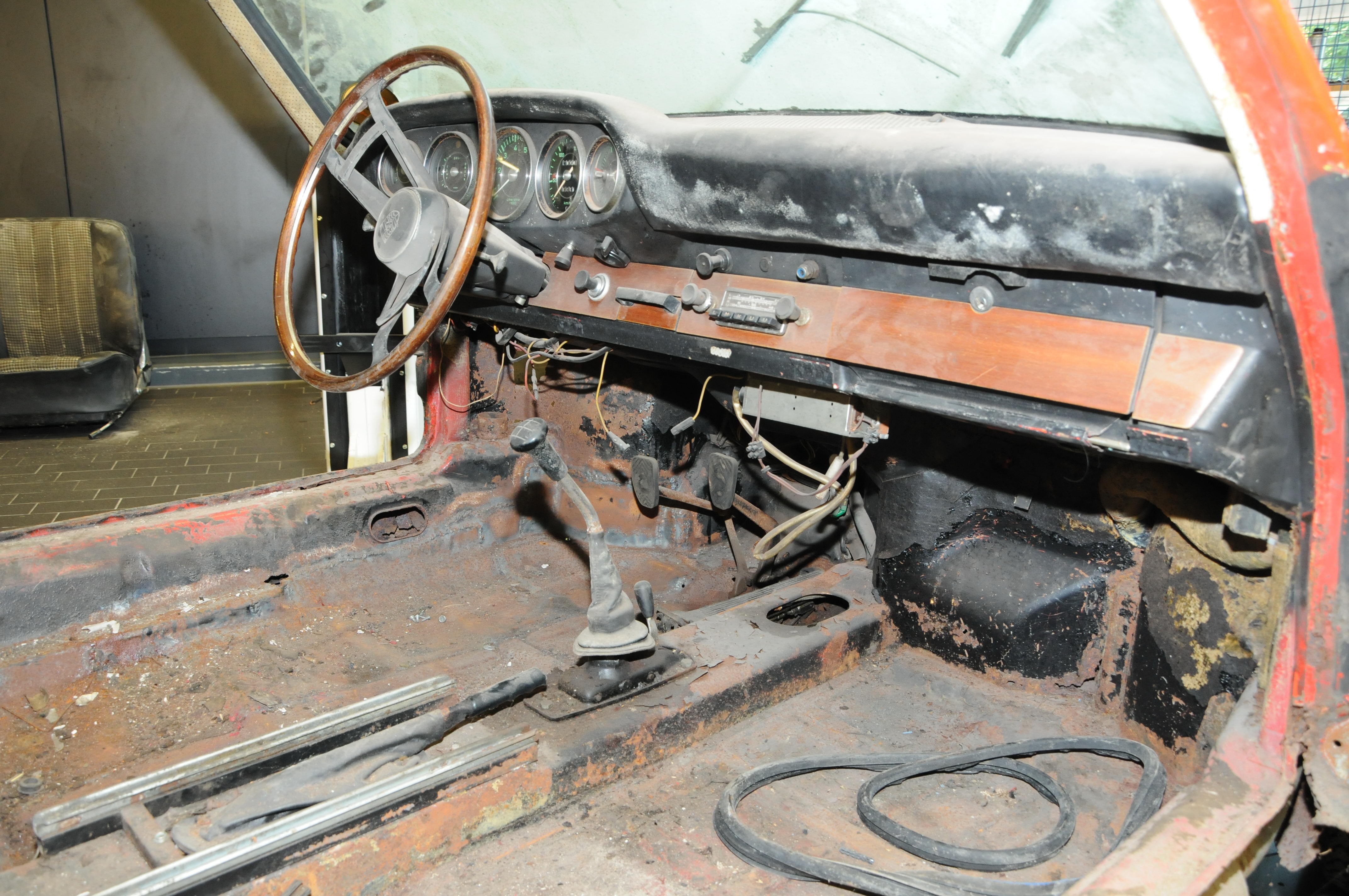
One of the crucial factors in favour of purchasing No.57 was the fact that the old 911 had not been restored in any way, giving the specialists at the museum the opportunity to restore it as authentically and as true to the original as possible. It took three years to bring the very rusty hunk of metal to its original state, using genuine body parts from the time taken from a different vehicle.
The engine, transmission, electrics and interior were all repaired following the same principle. The general rule was to retain parts and fragments where possible rather than replacing them. These intricate restoration methods used by the Porsche Museum as the standard approach are precisely the reason why it took so long to bring this highly historically significant sports car back to life.
Amazing, and it reminds us of this 1972 BMW 2000 Touring restored by BMW Classic Customer Workshop. Even Japanese modern classics can enjoy such factory help, by Mazda for the NA MX-5 and Nissan for the R32 Skyline GT-R. Old is gold, most of the time.



GALLERY: Fifty years of the Porsche 911






Looking to sell your car? Sell it with Carro.
 Porsche Cayenne Coupe
from RM 739,000
Porsche Cayenne Coupe
from RM 739,000  Porsche Macan Electric
from RM 430,000
Porsche Macan Electric
from RM 430,000  Porsche Panamera
from RM 1,300,000
Porsche Panamera
from RM 1,300,000  Porsche Cayenne
from RM 609,000
Porsche Cayenne
from RM 609,000 


Not to forget, P1 had restored a lucky Saga1 (aka Tank) owner’s car to its near exact factory condition. Aint no musuem piece, that car, its for continuing use by the owner.
P1 should restore their finances and pay back their billion dollar loans. That is more important than restoring an old saga
Others only restore cars to static display models.
P1 restores cars to perfect working condition. They reconnect back with their customers and ensure their lovely cars continue to provide useful service to their owners. Kudos to P1!
This is why they are losing RM4 mil per day. No money also, do free work for people. This Rm4 mil comes out from our tax payers money.
So in long run, we the public suffer
All he did was talk about P1 restoring a car and y’all decide to turn this into a complete different discussion. Stop that.
While restoring to display model pays tribute to the legacy of the said car, whats even cooler & much harder to do, is restoring to perfect working condition.
Thats the holy grail of restoration, its not just for show but to extend its useful life to continue serving its purpose. And working restoration means it must be robust for continuous usage, some even on a daily basis.
Very very few brands willing to do working restoration as some may no longer be feasible, not even Felali. So well done, P1!
in case you didnt notice.. p1 has a large foreign investor now.
we should restore our International image too instead of DOJ always after us
A working restored vehicle is nothing to sneeze at. Theres a lot of active communities in EU dedicated to restoring the cars from respective brands representing their individual countries. One of the most active r Mini in UK, Mesidis in Germany. But all of them r by individuals, not supported by car brands. It wud be nice if them carmakers can sapot their efforts like what P1 did or at least open source their original plans and blueprints for workshops & machinists to re-fabricate long lost parts.
Cars r just so intrinsically tied to tarmac and not to a museum pedestal.
that saga is not very old pun. only 25 years old.
if only there is a company such as MOPAR in US that produce all sort of parts back here PI that’ll be cool.. a lot of saga die-hard fan will be delighted.