
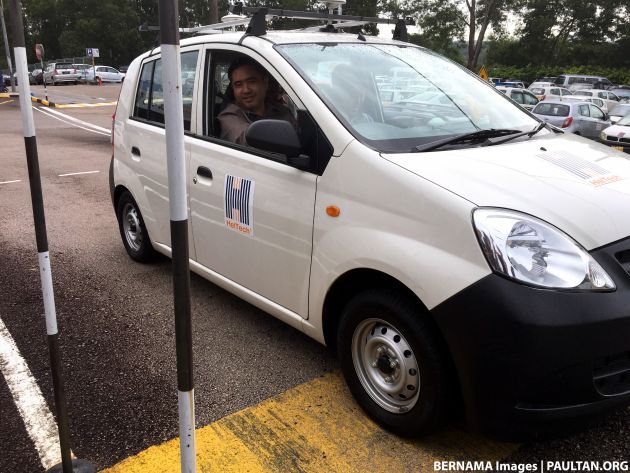
The introduction of the electronic driving test system (e-testing) by the road transport department (JPJ) has been welcomed by experts and stakeholders who say this is a step in the right direction to fight corrupt practices.
As reported by The Star, Persatuan Institut Memandu Malaysia president Mat Aris Bakar said in addition to eliminating the problem of corruption, the e-testing system will also help solve the issue of a shortage of examiners at driving schools.
“E-testing can combat two main problems: the shortage of driving examiners and unethical practices in this industry. It will help to provide a more professional image of driving institutes, and more driving school students will be able to undergo their tests, reducing the backlog for those waiting to be tested,” he said.
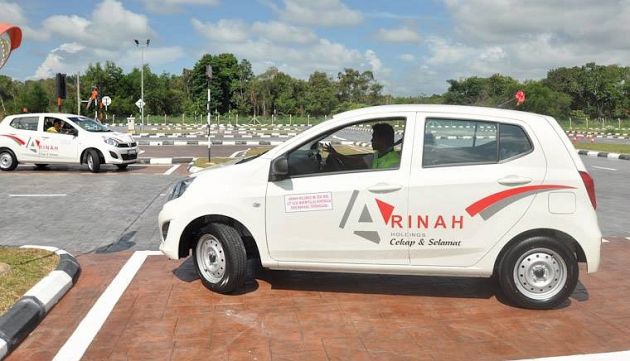
Universiti Putra Malaysia (UPM) associate professor Dr Law Teik Hua also supported the system as a means to reduce the potential for bias or unethical practices, such as bribery or favouritism. “This ensures a standardised evaluation process where each candidate is assessed based on pre-determined criteria and parameters,” Law explained.
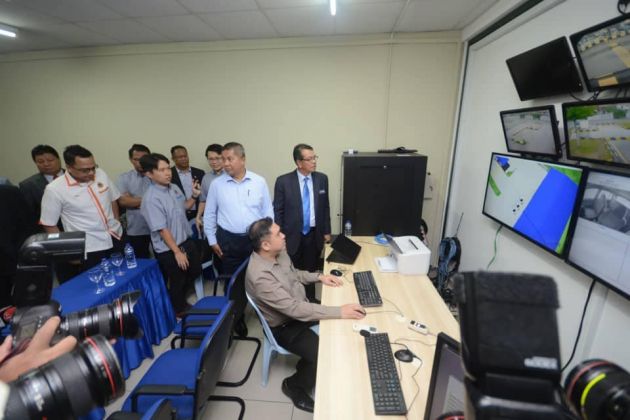
Under the new system, learner drivers will no longer have a JPJ officer sitting next to them during their driving tests, as all evaluation will be done in real-time remotely from a control room via multiple cameras and sensors on the circuit. Law said authorities will be better able detect any irregularity or suspicious activities, making it tougher for institutions or people to tamper with test results.
However, while some have good things to say about the e-testing system, Safety Driving Centre operations director C.T. Kumar expressed concern about the financial cost and time needed for driving schools to adjust and adapt to the new system.
“I support this initiative, but I’m not sure how it is going to work in practice so long as there is no clear cost structure plan for us to review. At this moment, we don’t have any details on how much it might cost. But if it follows current pricing, then only the big driving institutions will be able to afford it,” he said.
Glitches and bad weather may also affect the results, Kumar added, and he believes it would be at least another three to four years for relevant businesses to implement and understand the new system. Meanwhile, Selangor Road Safety Council permanent member Tengku Ahmad Marwan Tengku Mahmud questioned the quality of drivers that result from the e-testing system.
“Driving a vehicle is a very subjective activity that requires thorough assessment from highly competent examiners instead of only by a computer system according to predetermined criteria,” he said. “So (by removing examiners) do we just want more ‘licenced’ drivers or more quality drivers who can contribute towards better road safety than what we have now?” he added.
What are your thoughts on the JPJ’s e-testing system? Is it a move in the right direction or otherwise? Let us know in the comments below.

Dont you worry, those driving school and jpj scumbags will find a way to get cash from you… A 30 year old rotten culture will not be solved by E this and E that…
Well, if this AI is correctly set, we should see 30% less cars on the road lol
Seriously, at least 30% of licences holder should be forced to go for new test, it will save many lives.
All drivers or riders with an handphone in the hand while driving should immediately lost their licence.
in malaysia, u can be pardoned or acquitted for corruption if you are in power. so what’s the point of trying to catch those small flies when the big boys can get away with it? our government like to wayang at lower level but at highest level, they cannot live up to it.
“”what’s the point of trying to catch those small flies when the big boys can get away with it?””””
Sorry Ben Yap, but your vision of “corruption” is extremely limited, forget Mykini and blabla-entertainment mainstream :
– The big boys are not in Malaysia and they are not Malaysian.
They are all descendant of Jewish bankers and have properties (and passports) all over the world.
As long as you focus on local “big puppets” the puppets show will go on (…the tax will increase, the currencies will decrease, and poor idiots will continue to beg for always more (((democracy)))
U can’t counter corruption if everyone in the school is corrupt.
The check and balance no longer apply even if you switch it to system, so long as the final decision to pass or fail a student is still a human .
Money doesn’t change hands while the pegawai is in the car with the student…
Sorry if my thoughts are not up to date, been awhile since i took my license but,
Wouldn’t having an actual experienced person at your side be better for safety? who’s going to tell you that what you’re doing is dangerous, who’s going to apply that emergency brake in case you drive stupid etc, or does this apply only during training not during exams?
Remember that we’re dealing with new drivers that can potentially make deadly mistakes. I’m not sure how this proposed system would work in reality
Wei… the theory is if you kill someone or yourself on the road( while taking an exam) you probably won’t pass your exam.
The system is to counter corruption, but really I think is just a good way to centralize the profit.
I find it dam funny on the statement C.T. Kumar 3-4 years to implement? then system already outdated … you know how fast technology move now a day?
Tengku Ahmad Marwan Tengku Mahmud – now with “highly competent” examiner… better quality driver? look at how many time you will be tail gate in highway you already know the quality… standard of 2 second gap also can not follow!.