
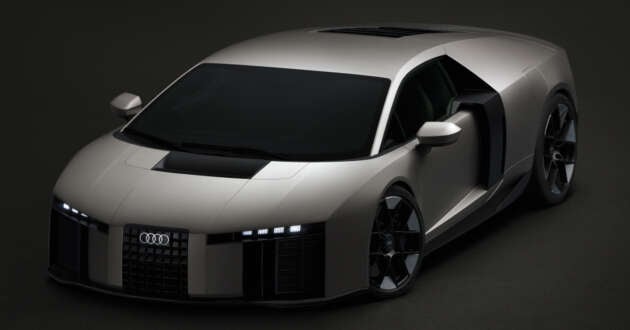
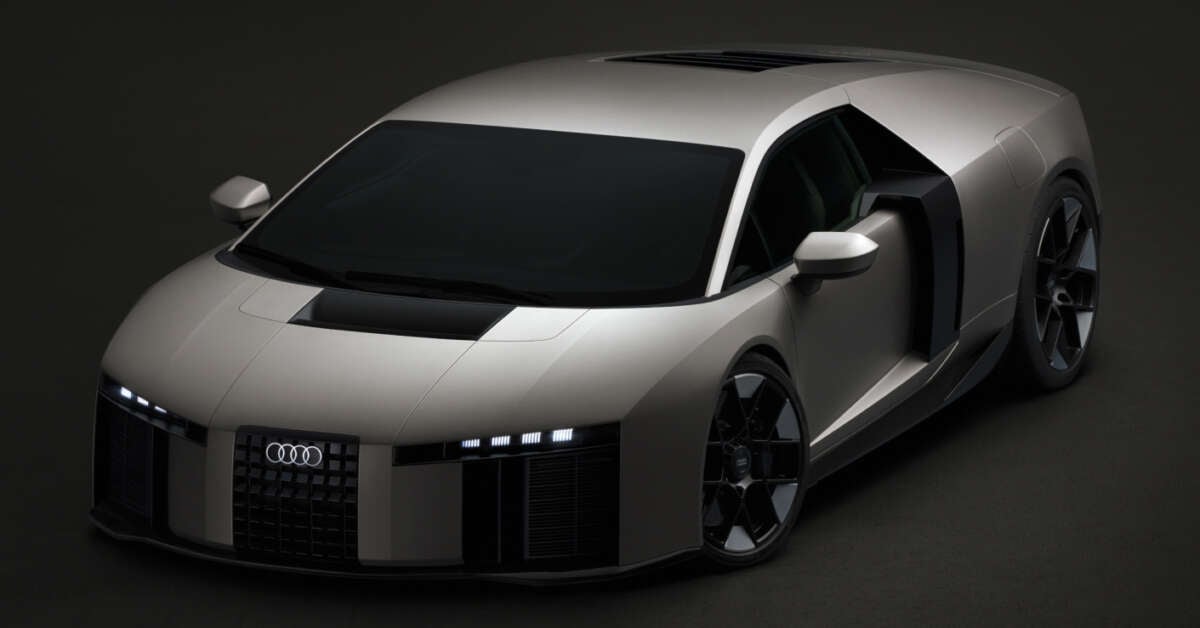
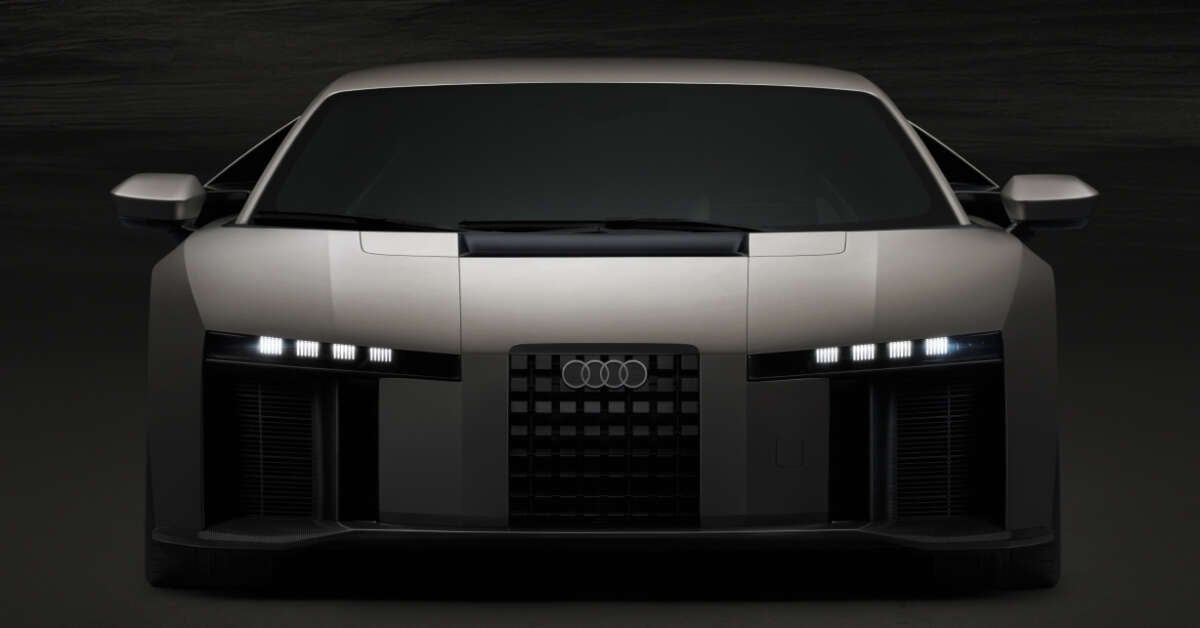
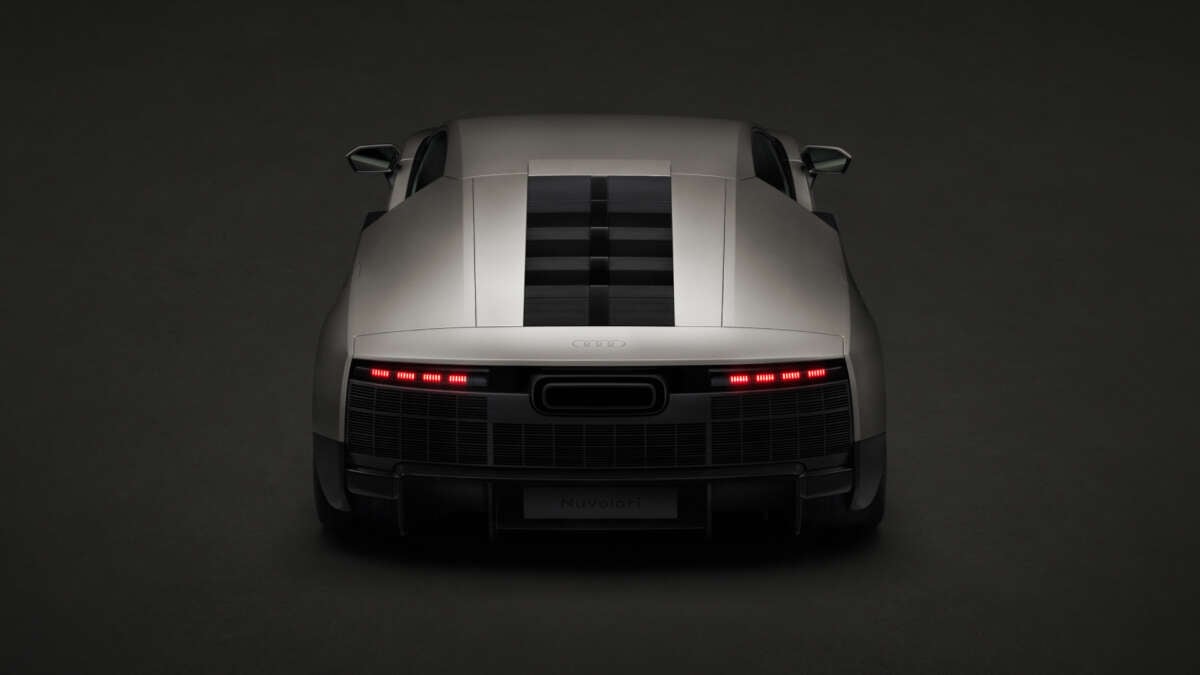
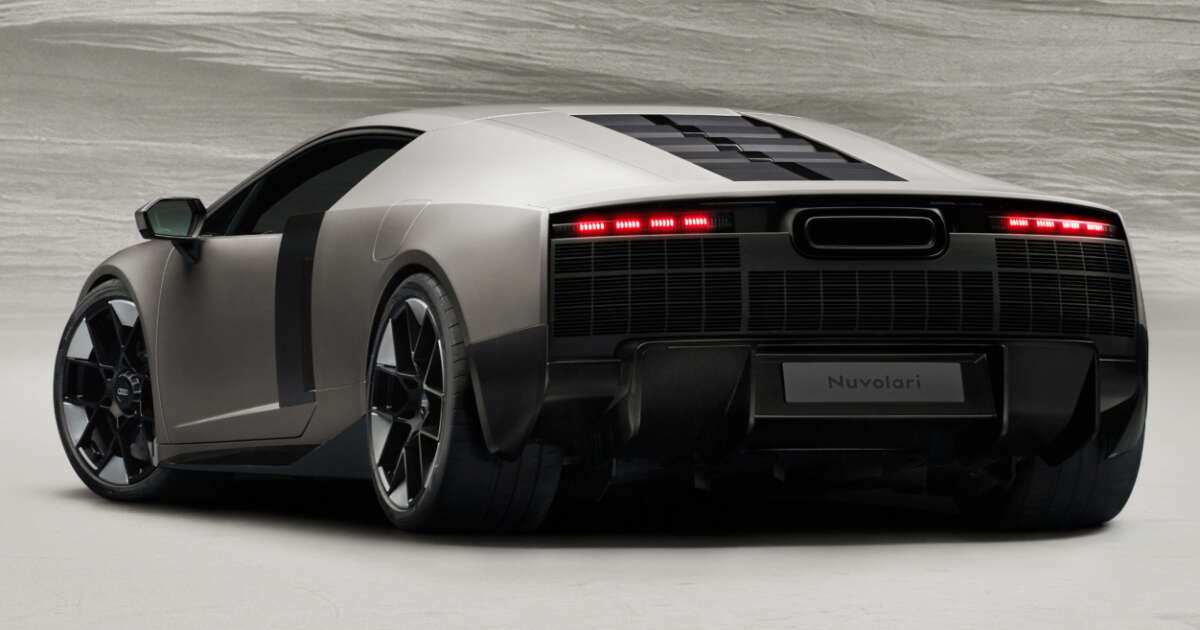
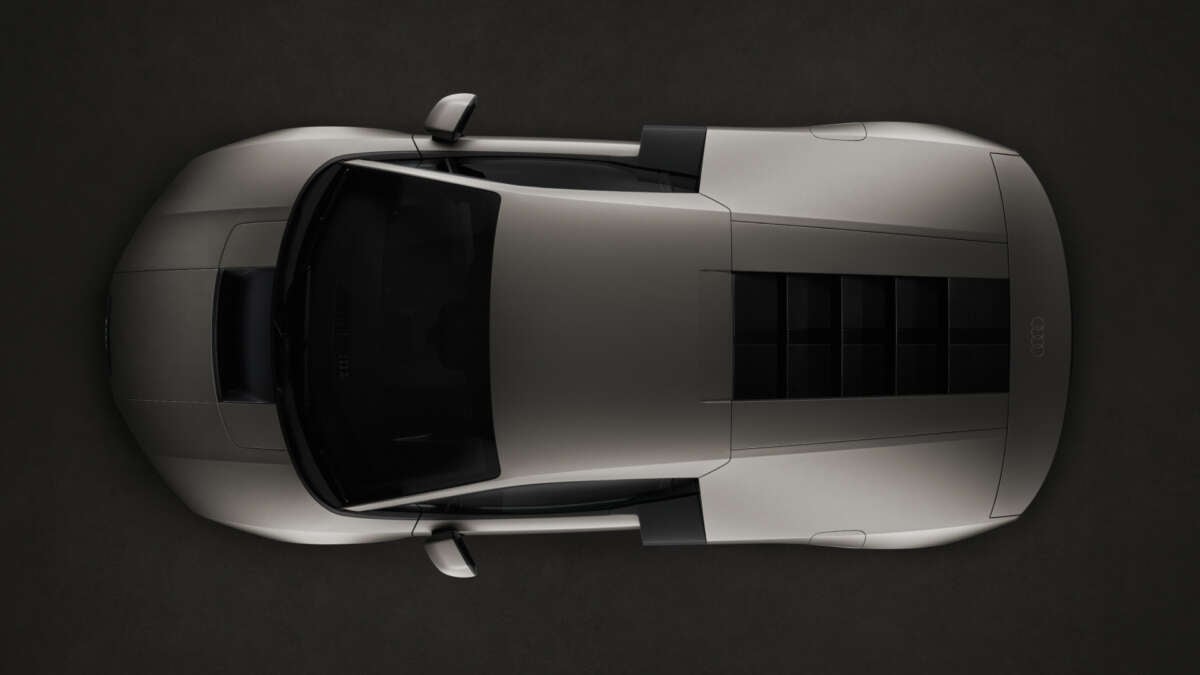
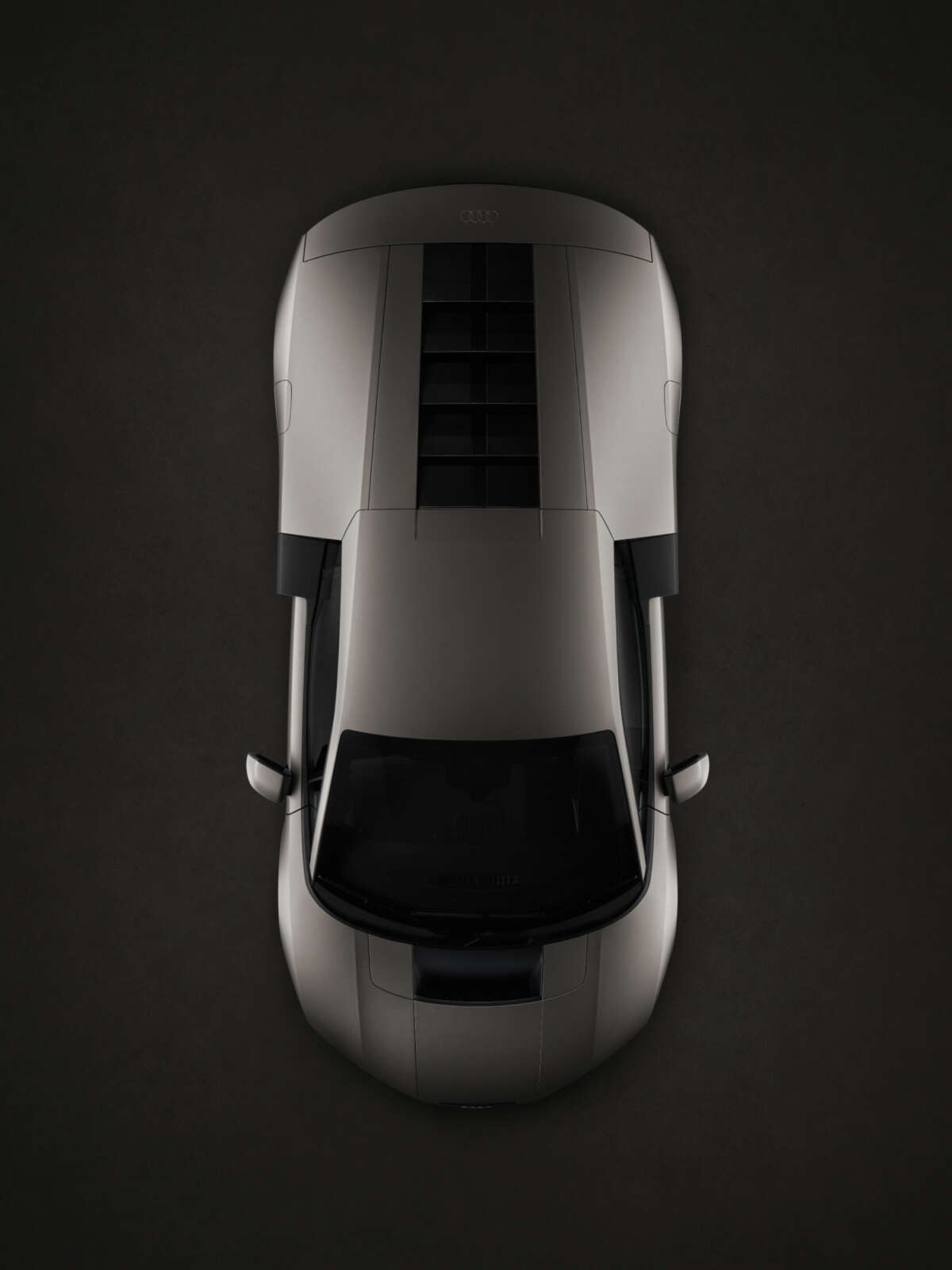
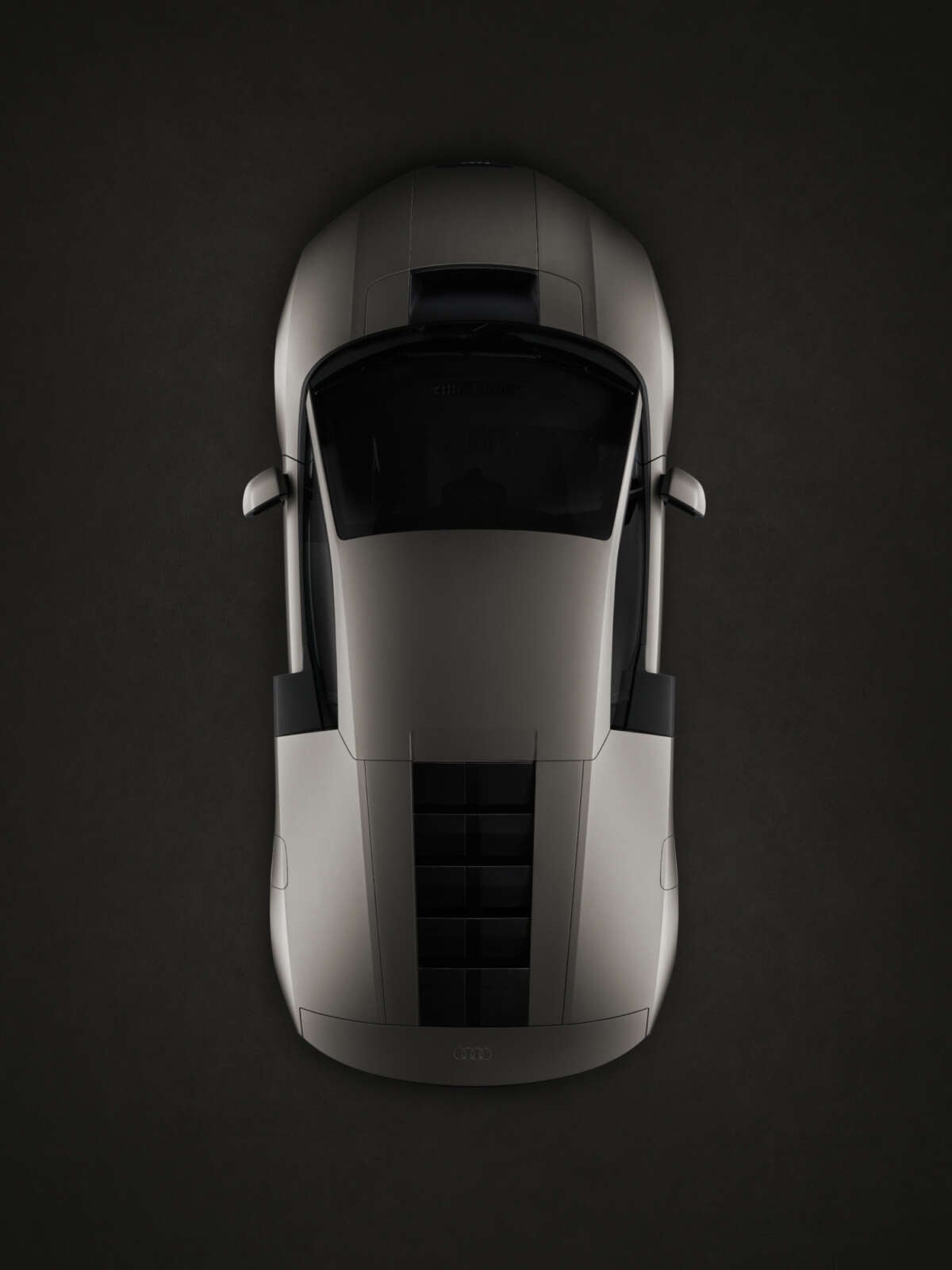
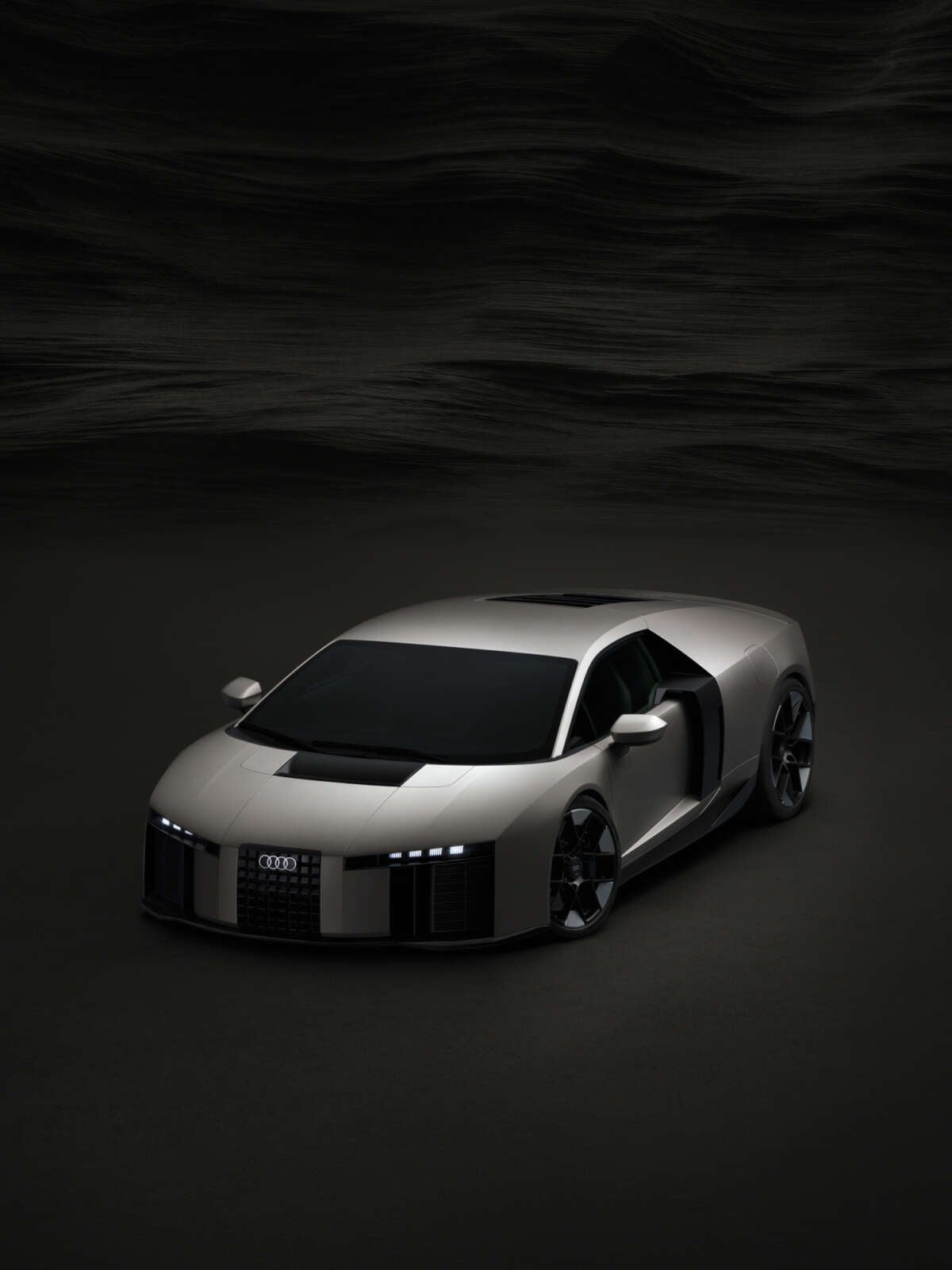
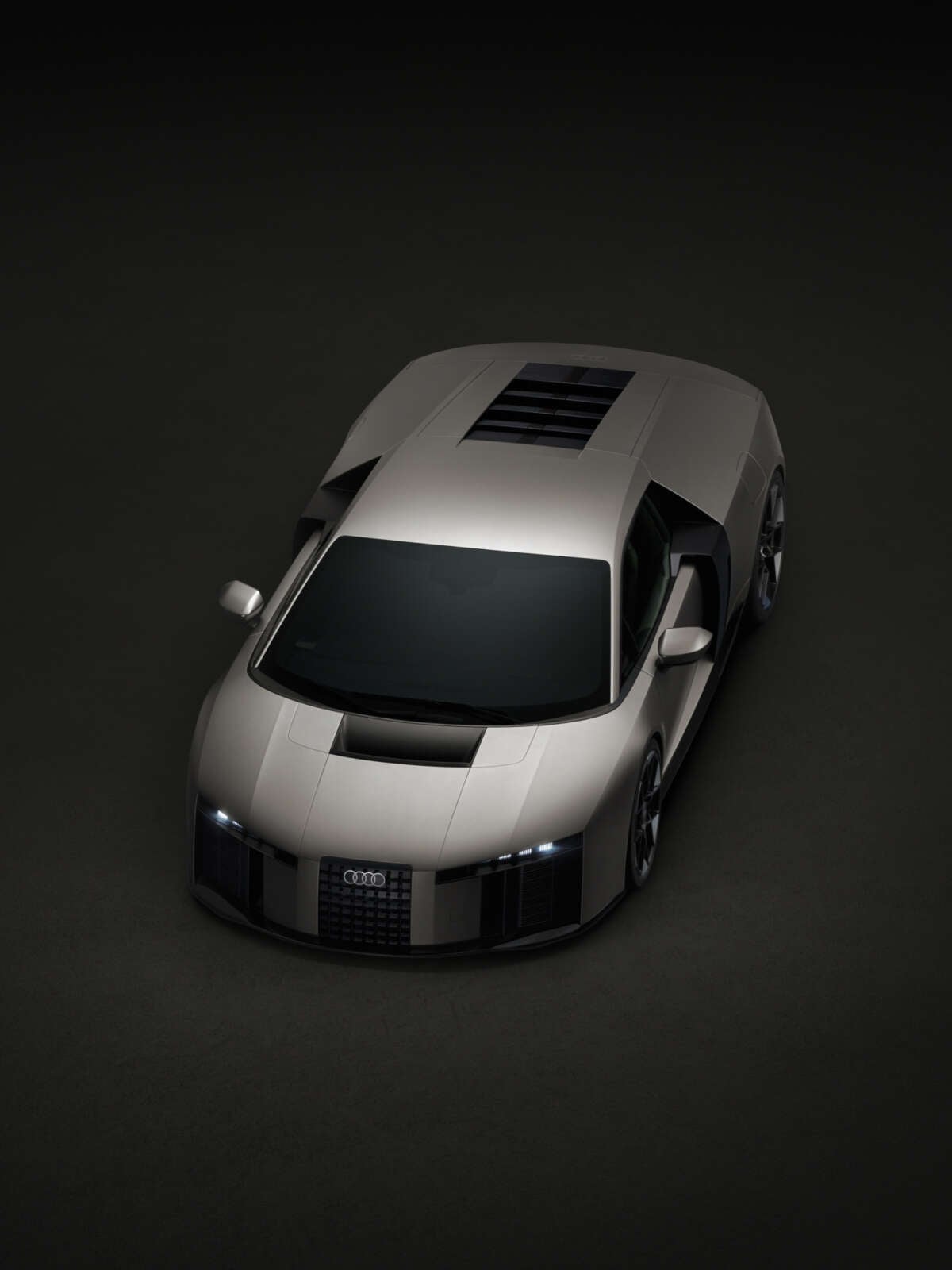
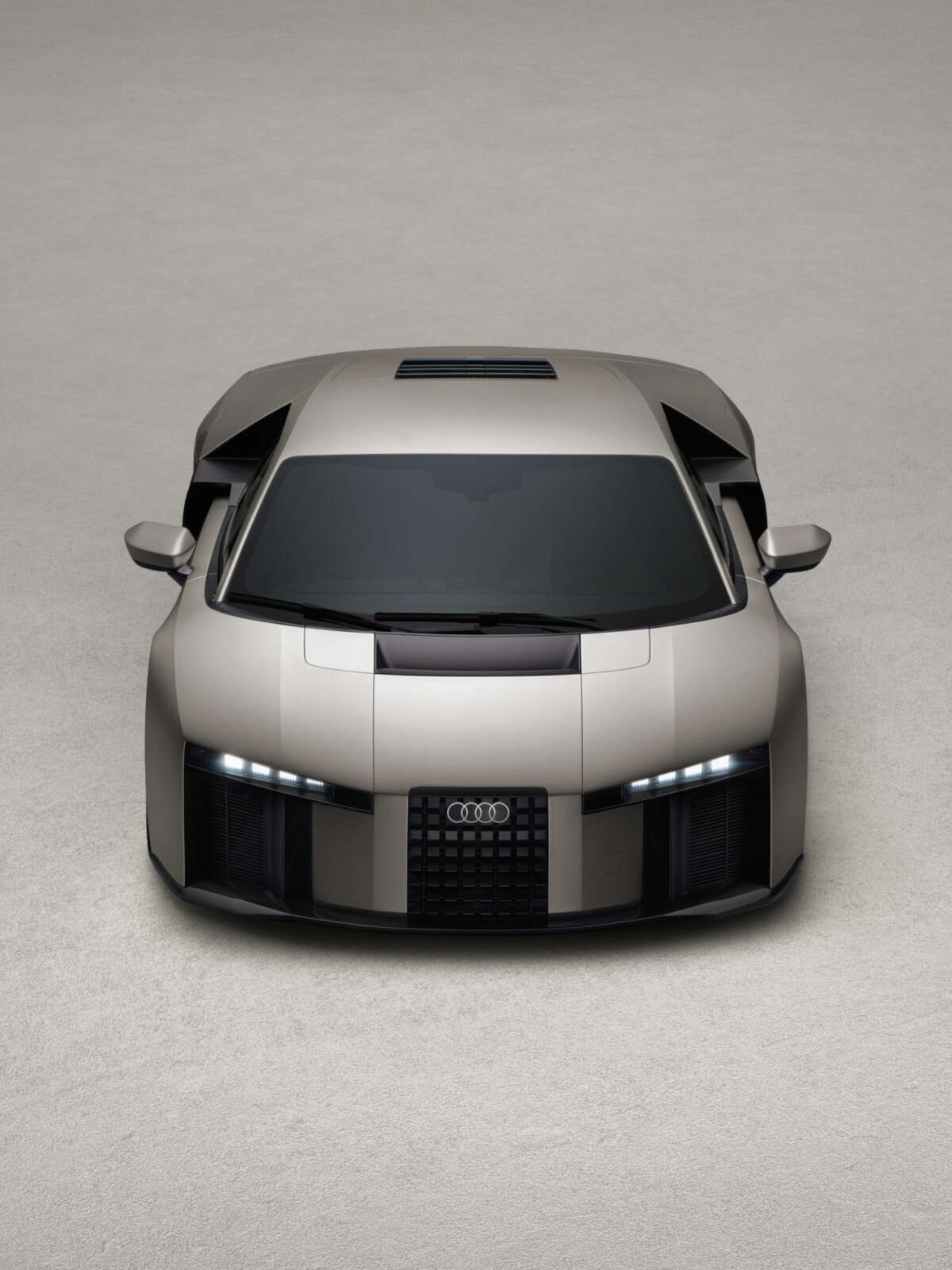
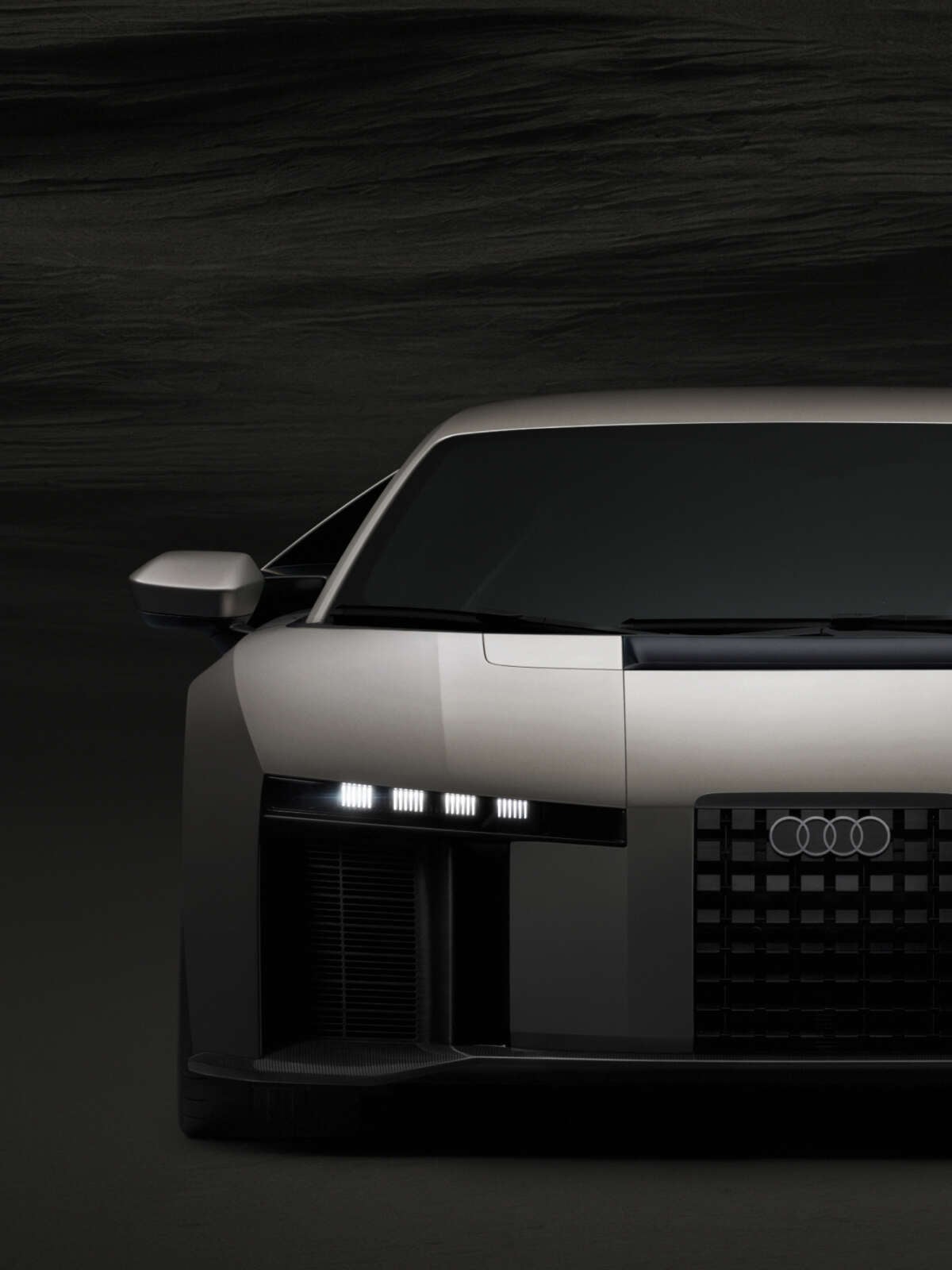
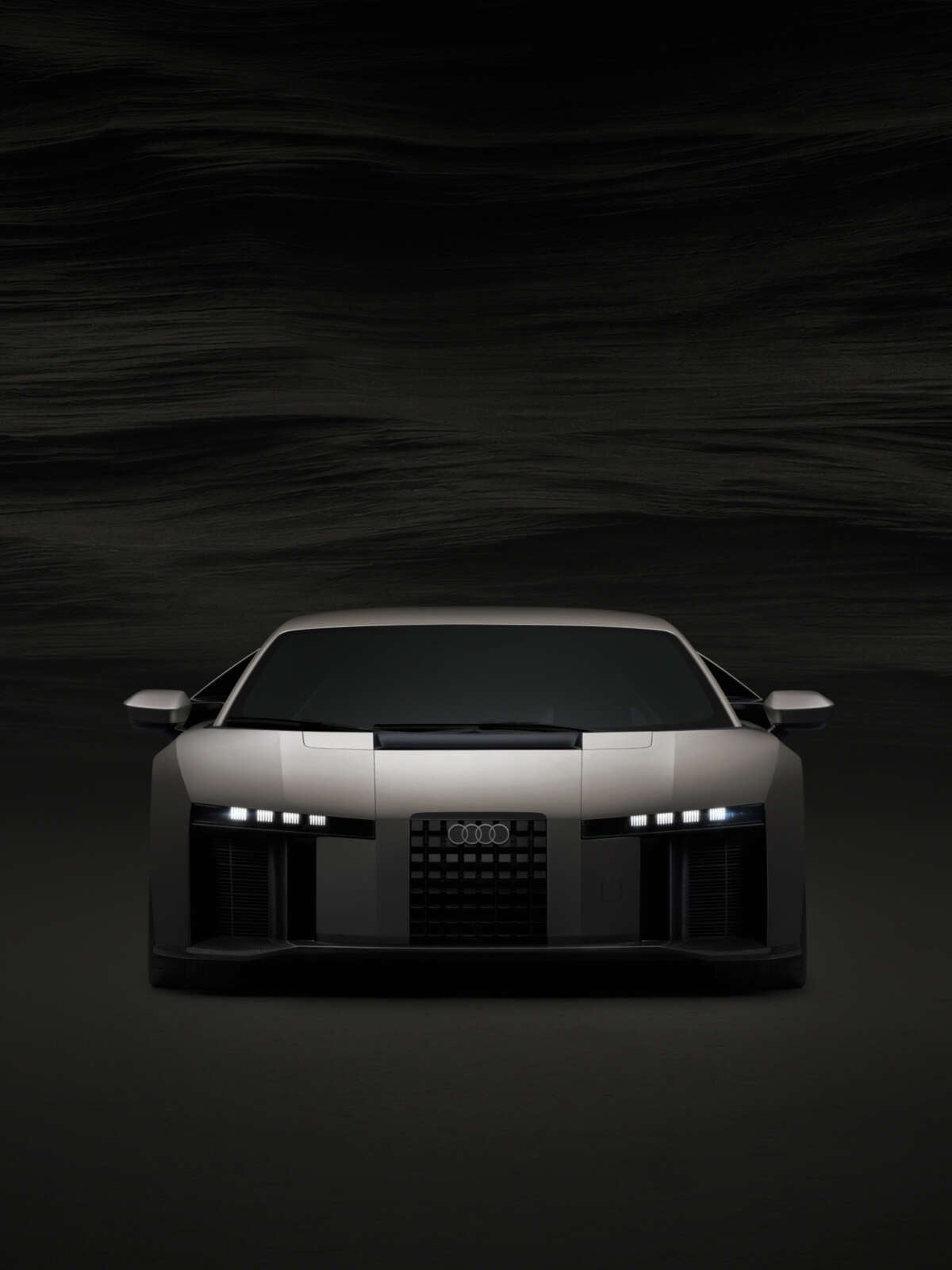
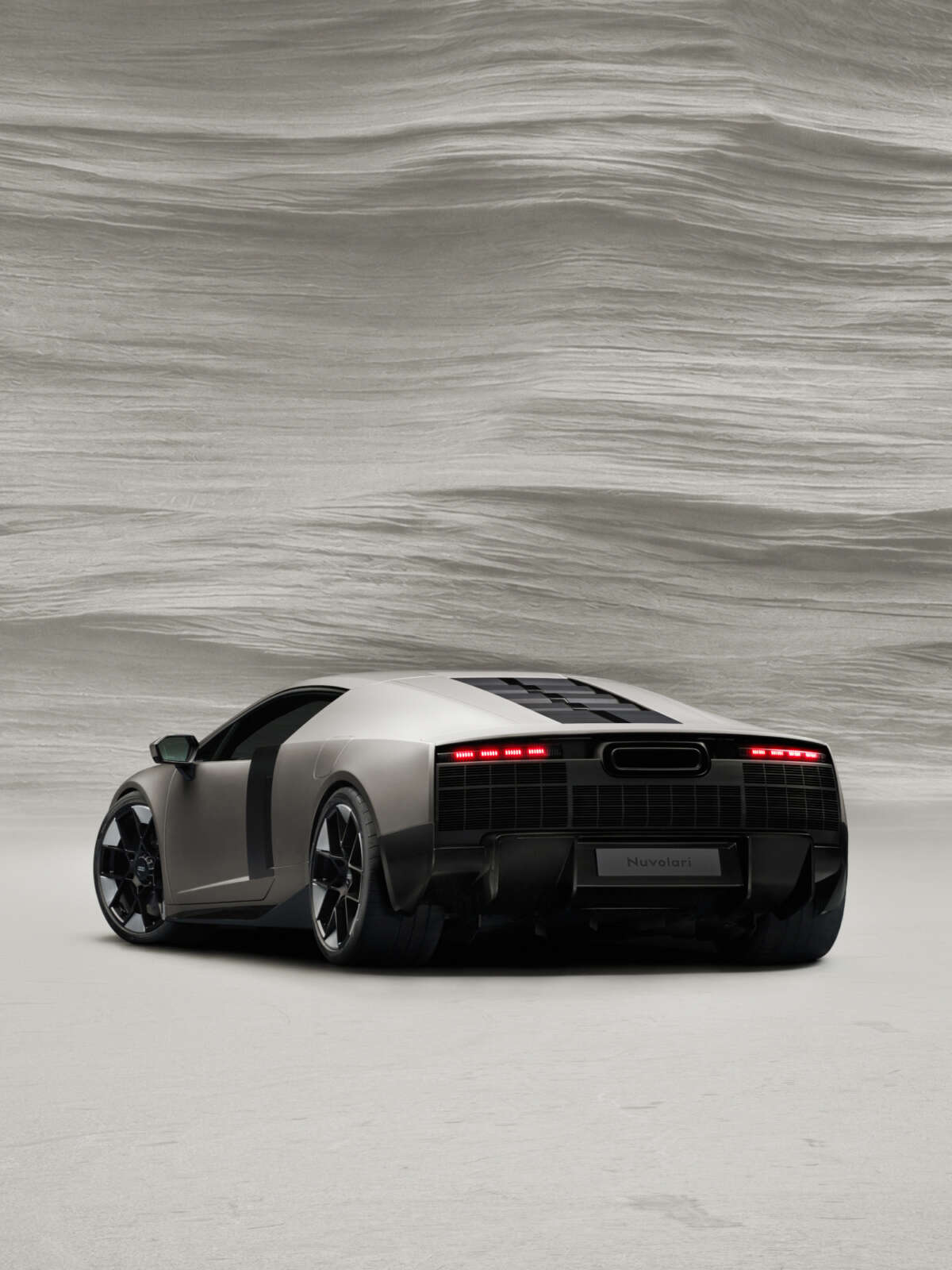
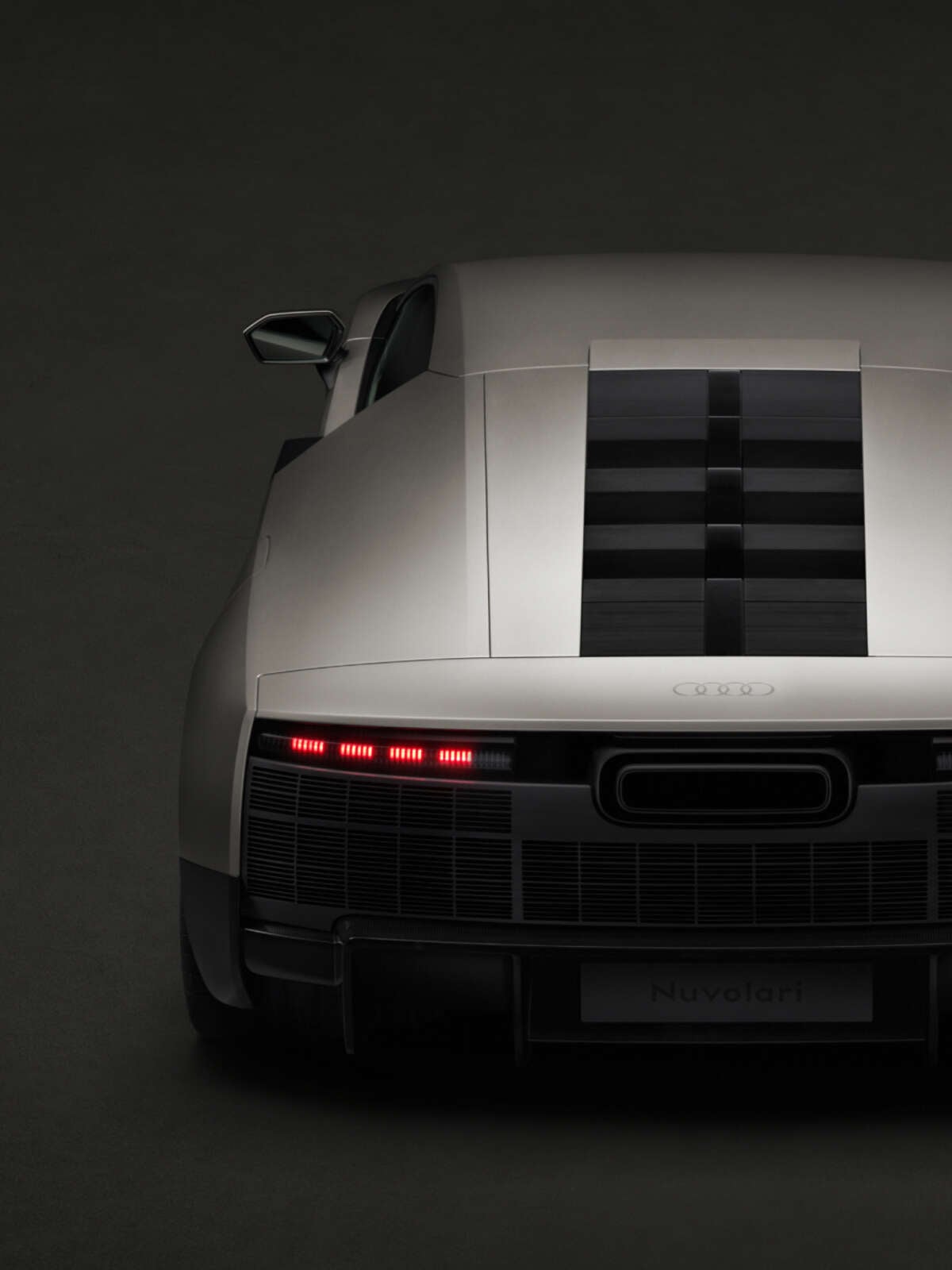
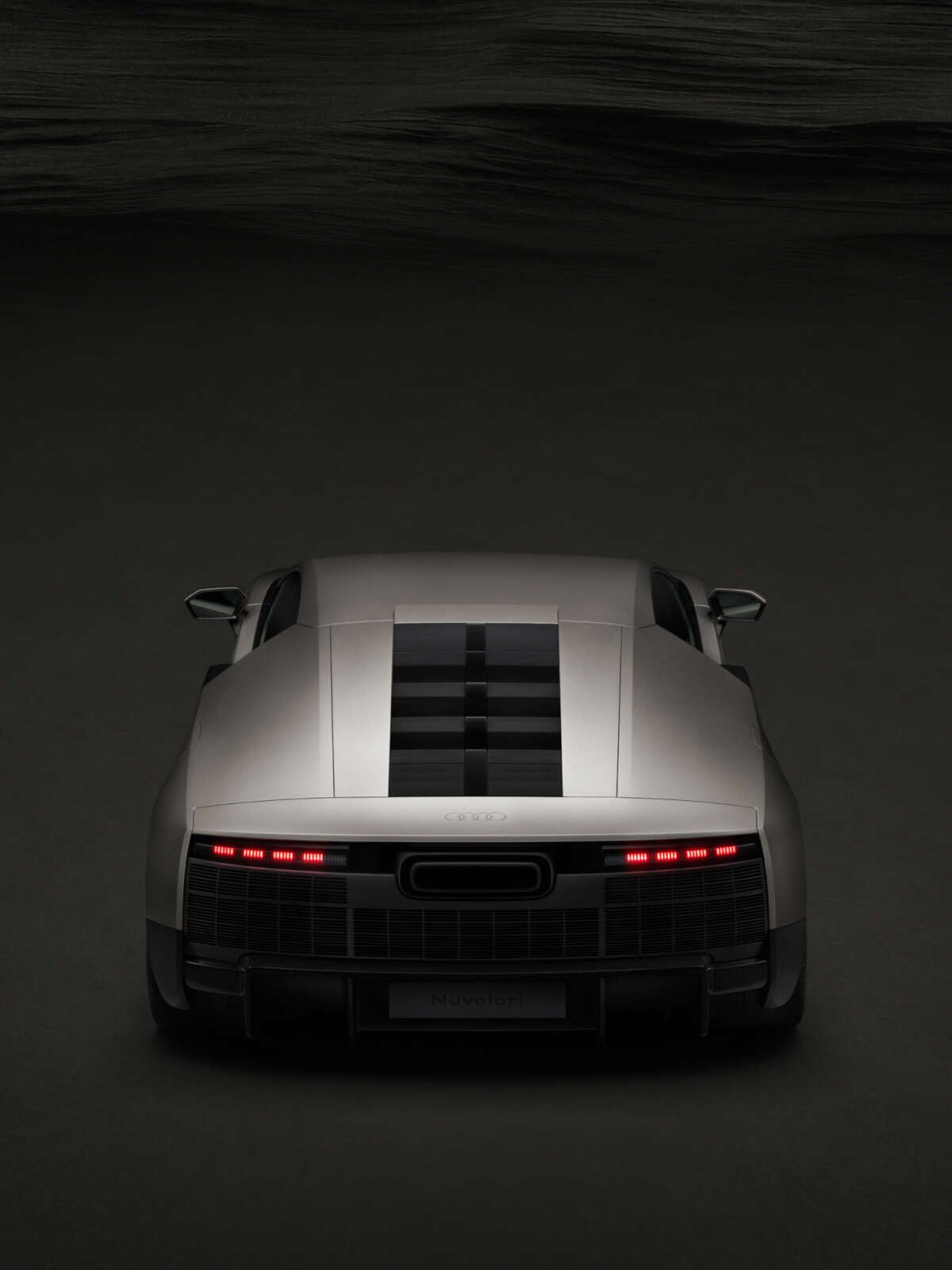
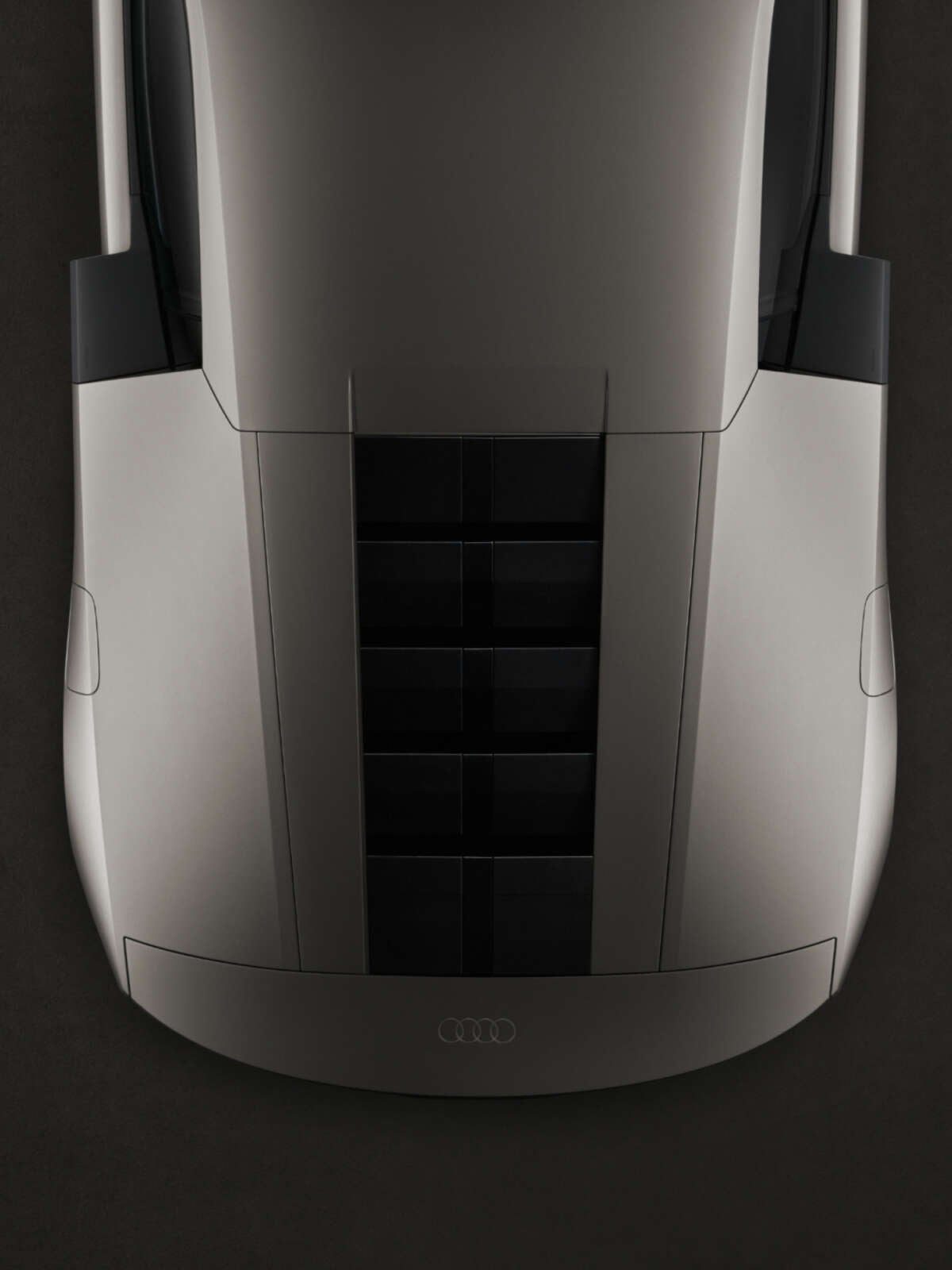
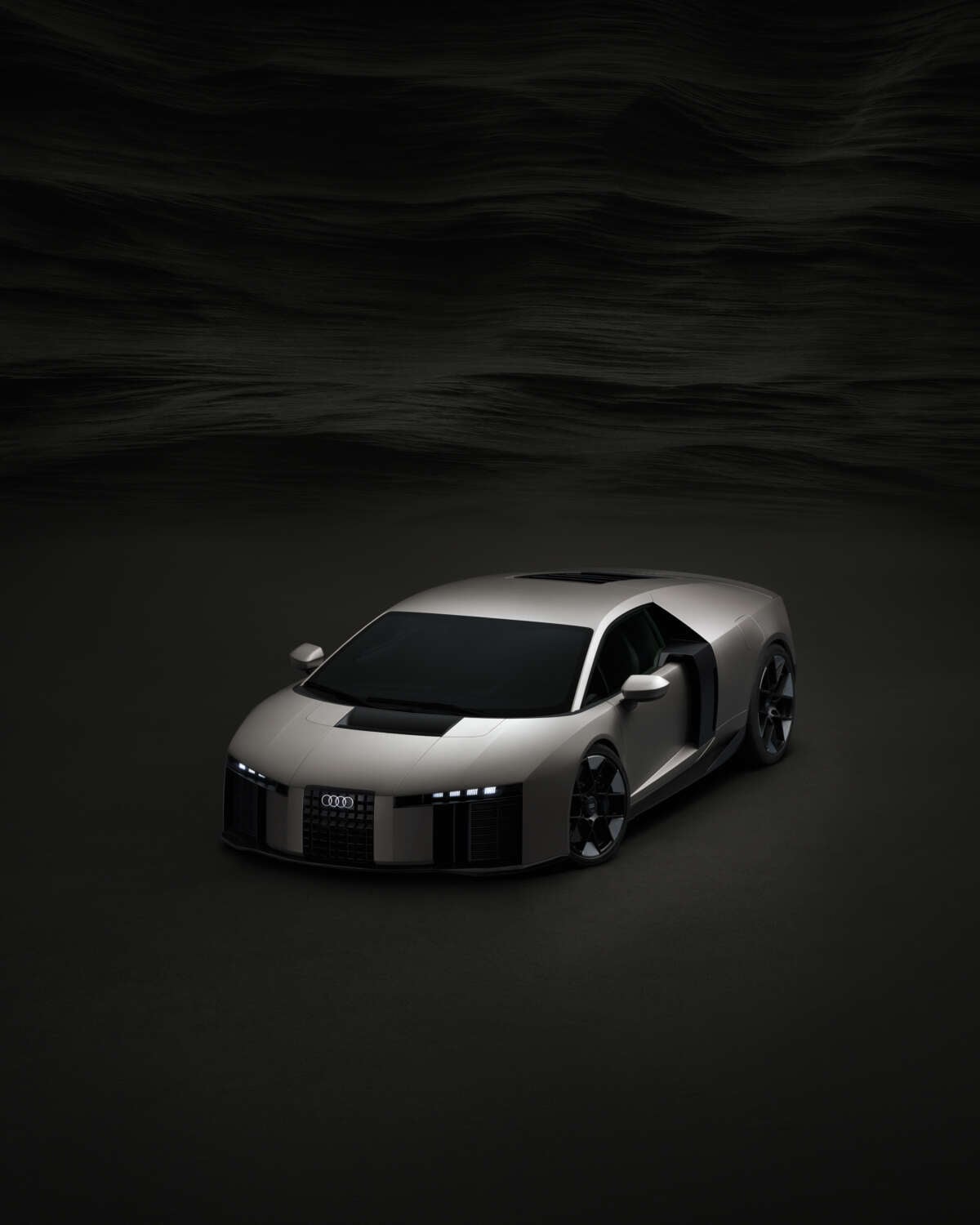
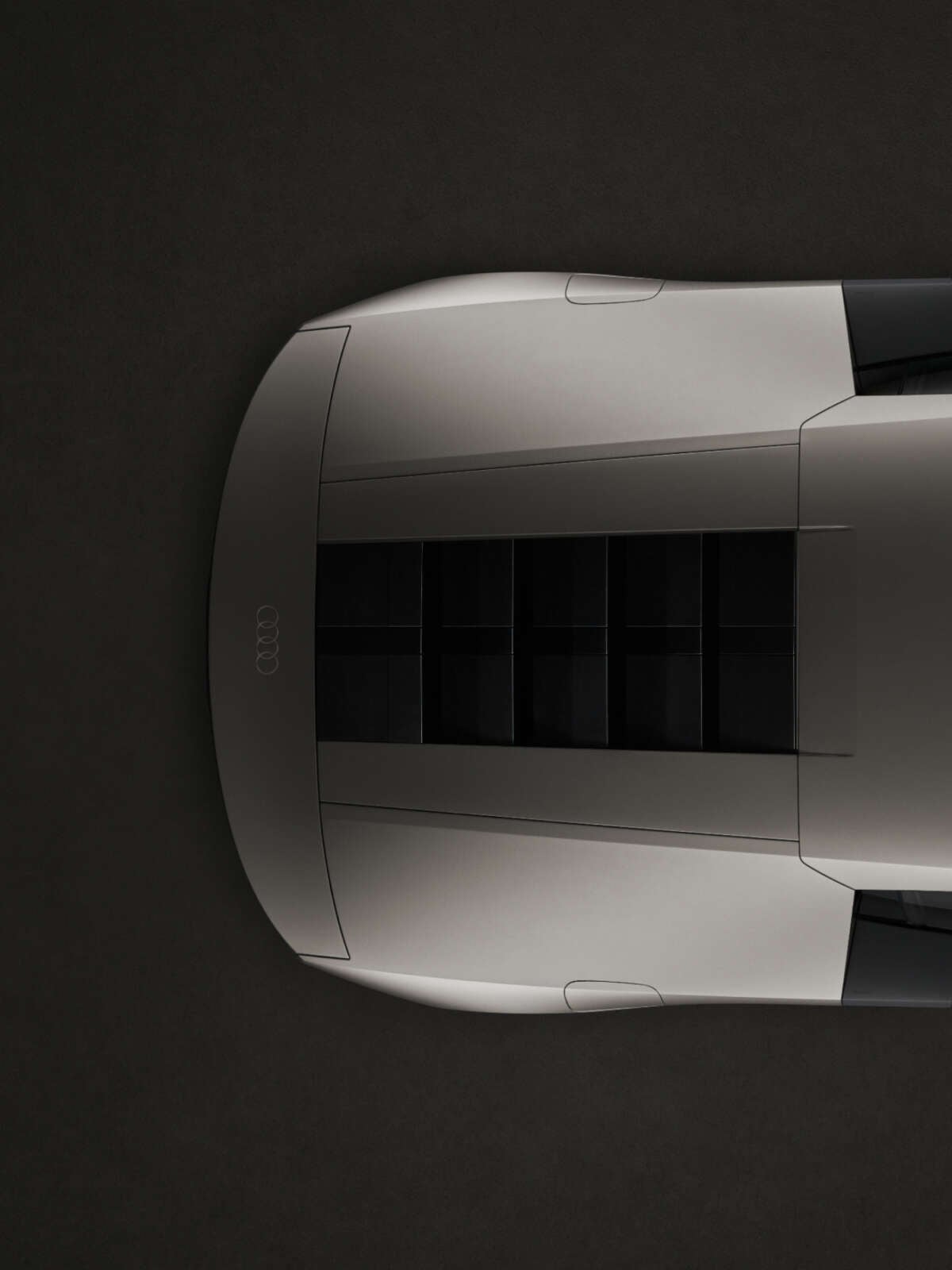
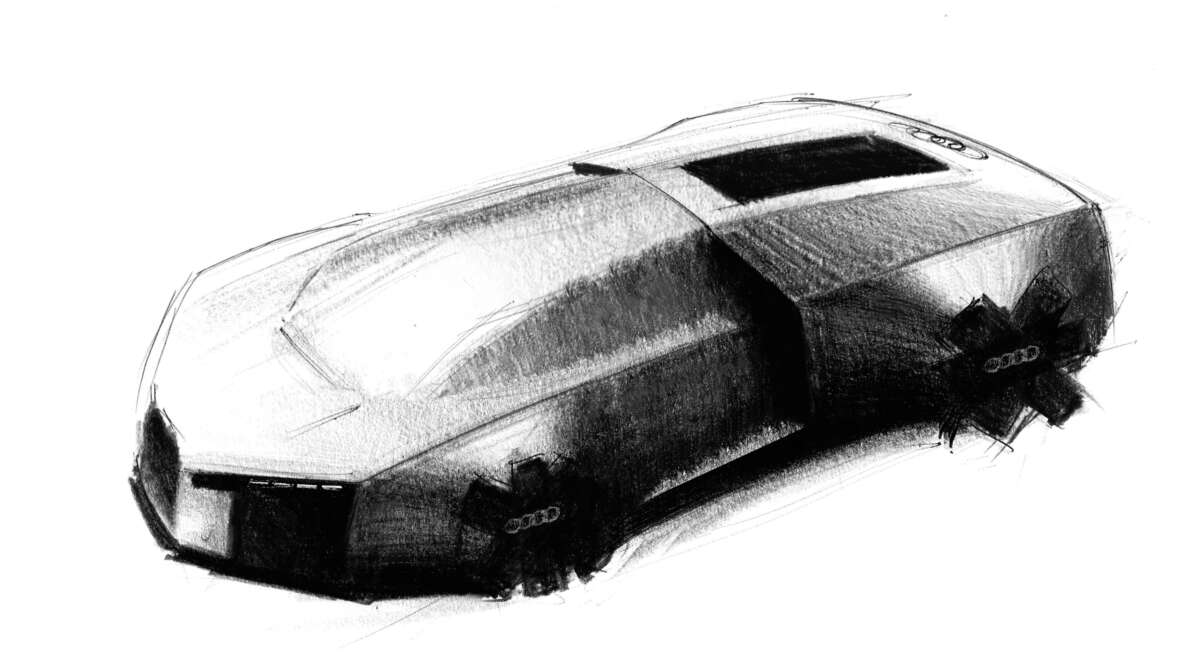
The Audi Nuvolari has been revealed as Audi’s latest flagship supercar model, drawing upon design cues of the battery-electric Concept C. This will be limited-run hybrid supercar limited to 499 units, featuring active aerodynamics and powered by a twin-turbo V8 engine and three electric drive motors in the vein of Volkswagen Group stablemate, the Lamborghini Temerario.
Like in the Temerario, the 4.0 litre twin-turbo V8 engine in the Nuvolari outputs 800 PS and 730 Nm on its own, with a rev limit of 10,000 rpm. This is complemented by a trio of axial flux motors, each producing 110 kW (150 PS), two of which are oil-cooled units on the front axle producing up to 2,150 Nm. The electric motors draw energy from a 7.3 kWh lithium-ion battery.
Combined, the hybrid powertrain outputs 1,001 PS, propelling the Nuvolari from 0-100 km/h in 2.6 seconds, 200 km/h in 6.8 seconds and a top speed of over 350 km/h. The peak power figure of the Nuvolari exceeds that of the Temerario (920 PS), and this makes the Audi marginally quicker than the Lamborghini (0-100 km/h in 2.7 seconds, 343 km/h maximum).


Harnessing these outputs is Audi’s next-generation all-wheel driveline dubbed quattro predictive ride, which relies on sensor data for parameters including steering angle, acceleration, yaw rate, and current grip level, which then employs the electric drive units to distribute torque precisely front to rear, and side to side. Braking and aero elements are also used to stabilise the car.
The driver of the Nuvolari can also select from several driving modes, chosen through rotary controls on the steering wheel. The four modes are E-Hybrid, Balanced, Dynamic and Dynamic Plus, while a further Track mode enables more adjustment of traction control, ranging from Wet, Dry, Race to TC Off.
For its construction, the Nuvolari employs a spaceframe combined with carbon-fibre exterior bodywork; an Audi-first, according to the brand. Using pre-preg autoclave technology, the pre-impregnated carbon fibres are shaped then cured under high pressure and temperature to ensure maximum structural performance with minimal weight.
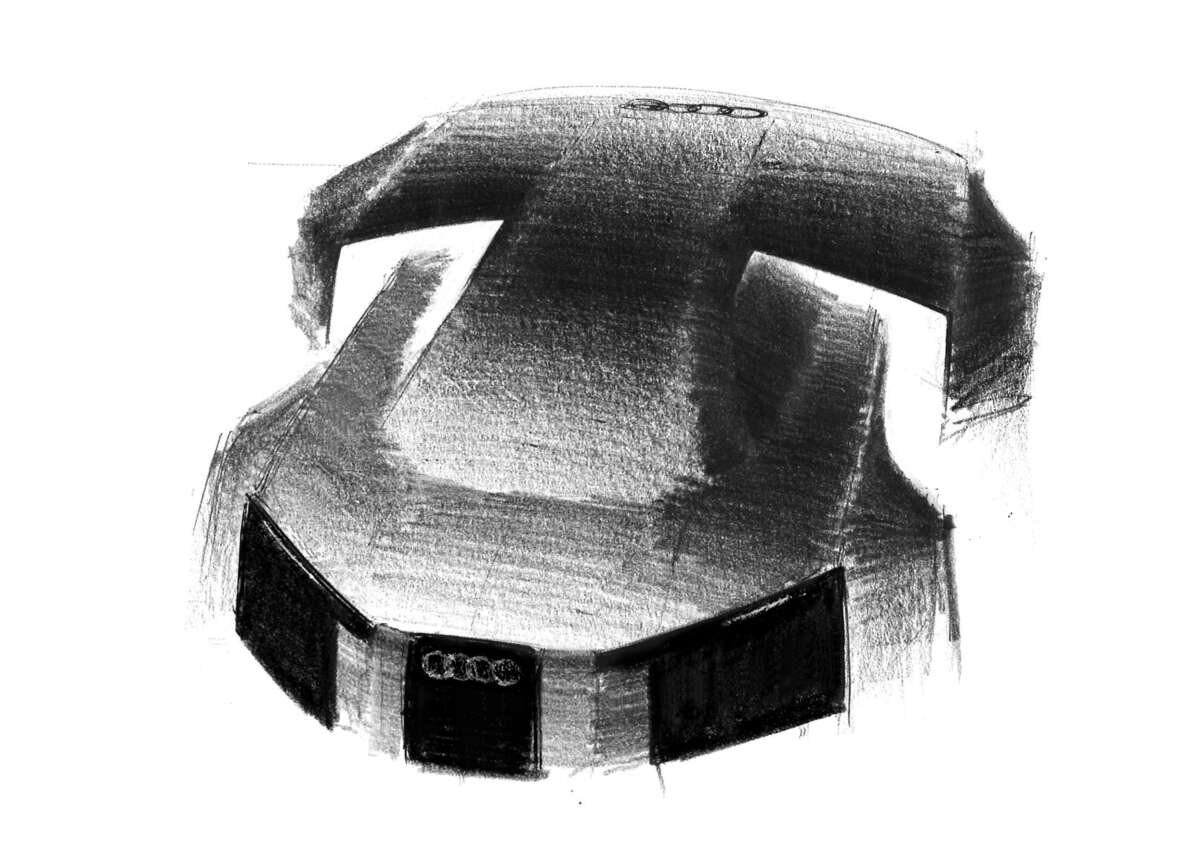
Active aerodynamics feature on the Audi Nuvolari, working to balance downforce and drag. The front end features an S-duct to improve aero efficiency at the front axle, for increased downforce and greater cooling of the electric powertrain.


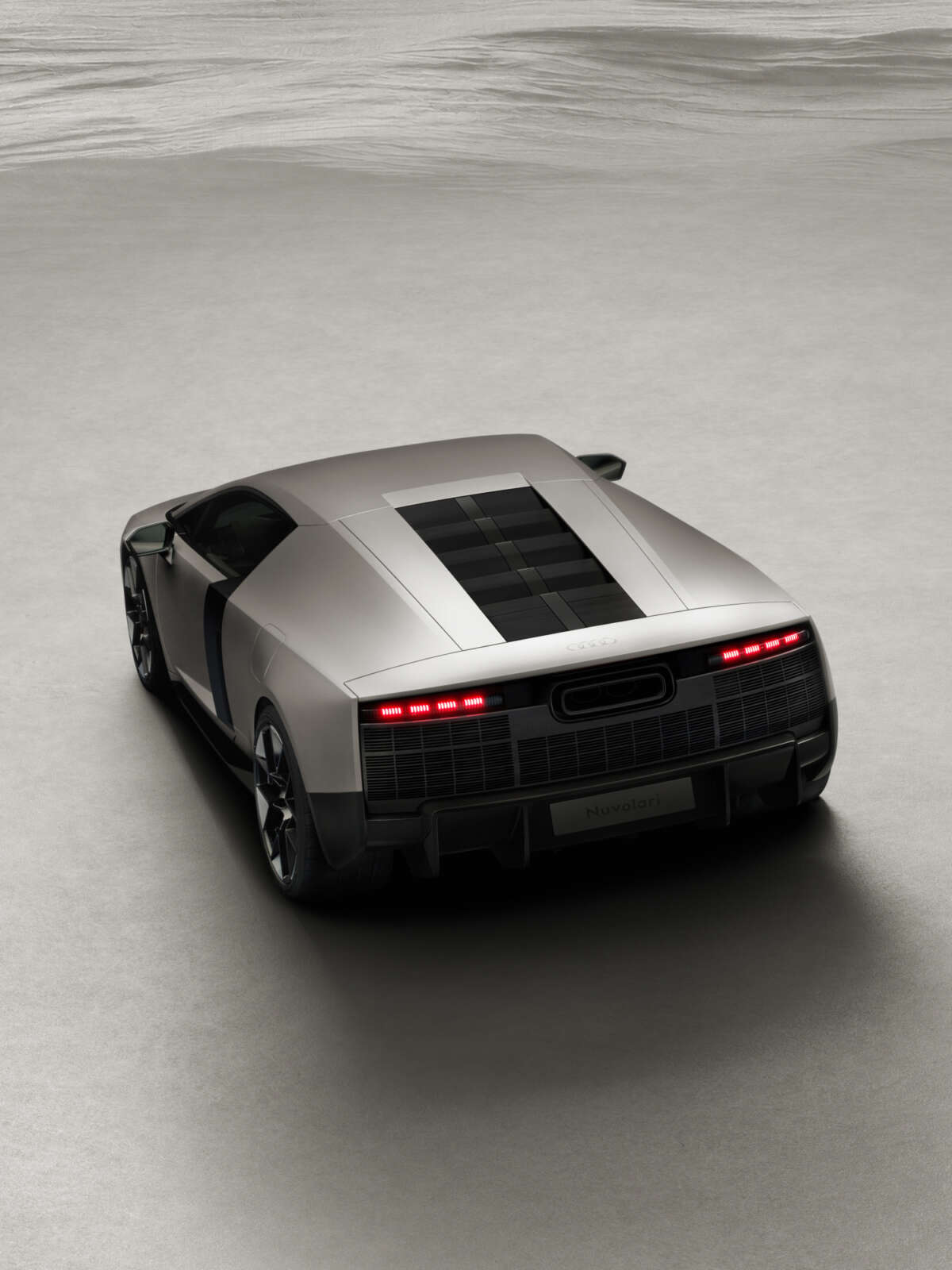
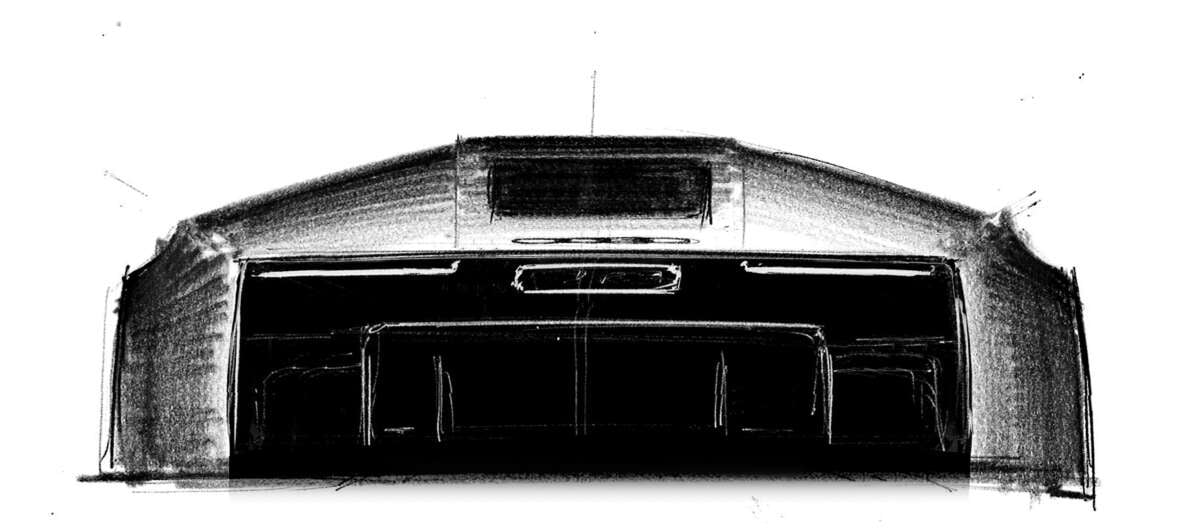
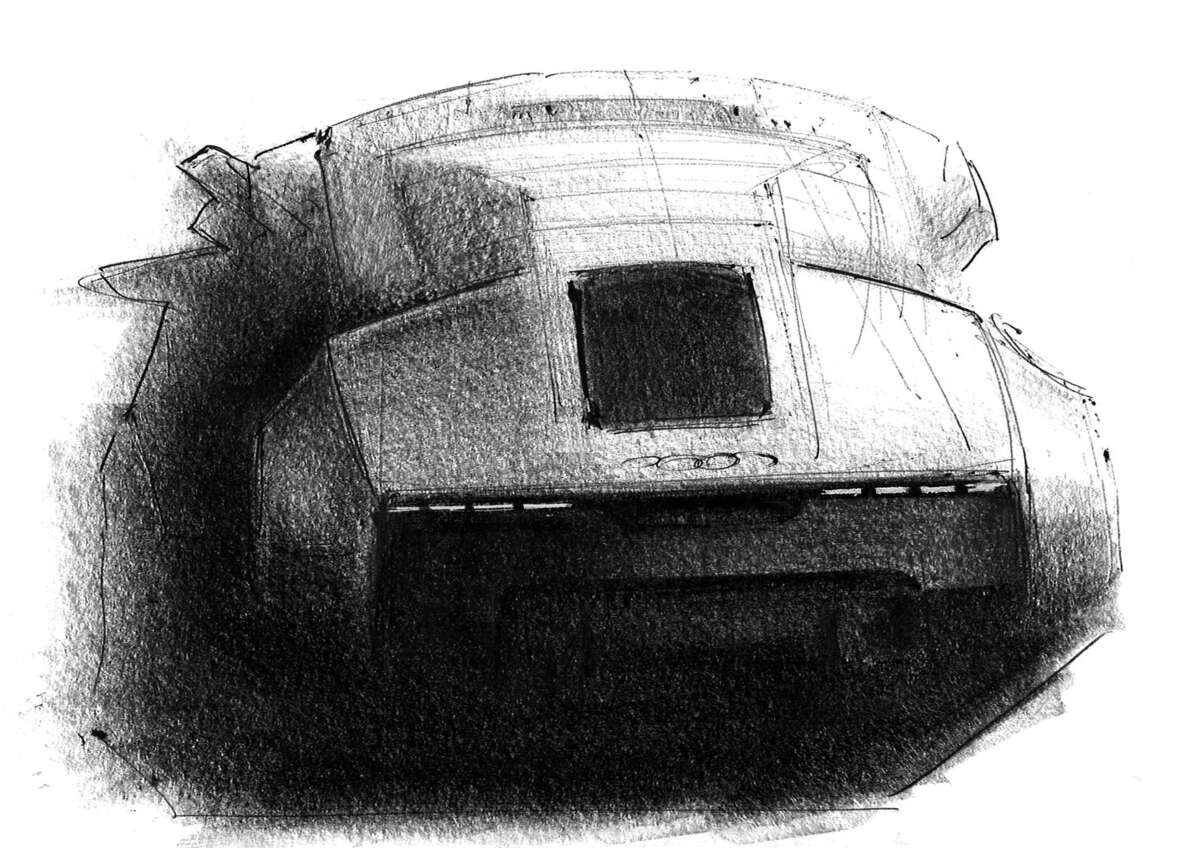
This is accompanied by the adaptive rear wing, which operates across three modes – closed, low downforce and high downforce. The closed position has the rear wing retracted to reduce drag and improve efficiency, while low and high downforce modes vary depending on driving dynamic and the selected driving mode.
Dynamic, Dynamic Plus and Track modes have the wing operating fully automatically, where the wing shifts to low downforce on the straights, and shifts to high downforce under braking and in corners. The high downforce configuration can offer up to 400 kg of downforce, says Audi.
This can be manually operated through a drag reduction system via a dedicated steering wheel button to further lower the rear wing and thus reduce drag. The rear wing position can be controlled via a rotary control in all modes save for E-Hybrid.


Energy recuperation systems in the Nuvolari sees the front axle employ electric deceleration for “a significant portion” of braking, while the rear axle does the same for coasting, partial braking load and traction control phases for energy recuperation.
For conventional friction braking hardware, the Nuvolari gets a ceramic braking system comprised of 10-piston calipers on 420 mm x 40 mm front discs, and four-piston calipers on 410 mm x 32 mm rear discs. Construction of these discs use a long-fibre carbon structure designed to withstand extreme thermal loads without compromising structural integrity or consistent friction braking characteristics, says Audi.
In aid of braking heat management, a specially designed internal cooling system improves airflow and increases dissipation of heat by up to 21% compared to conventional carbon-ceramic brake systems.


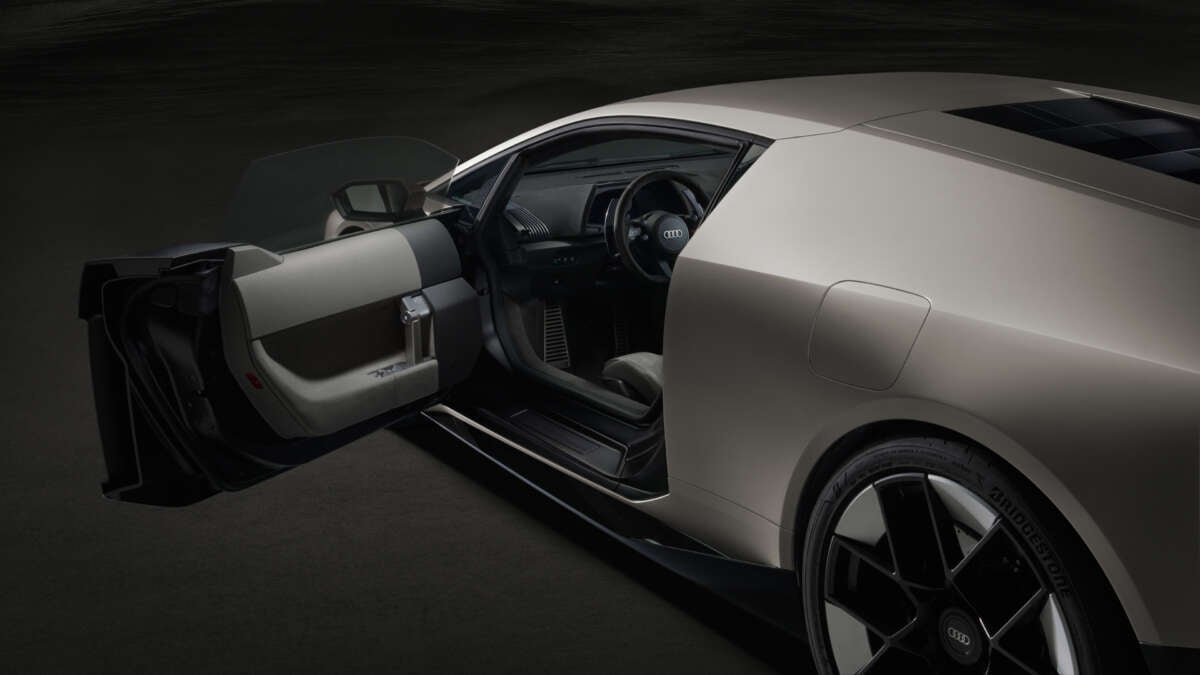
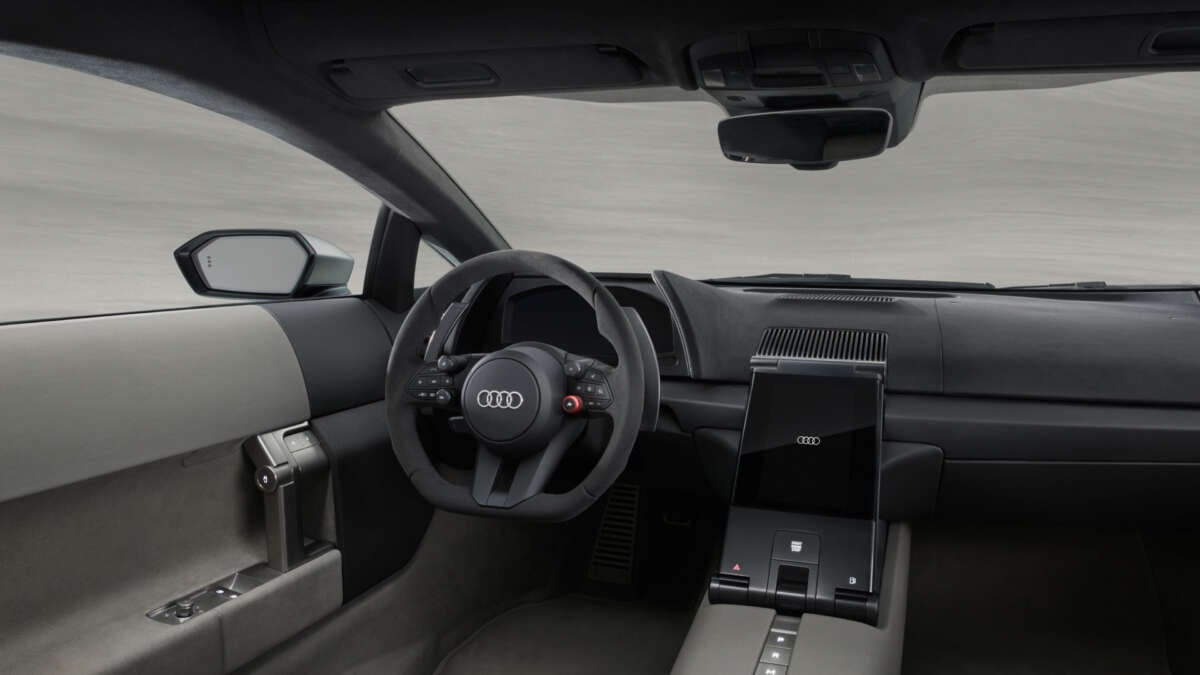
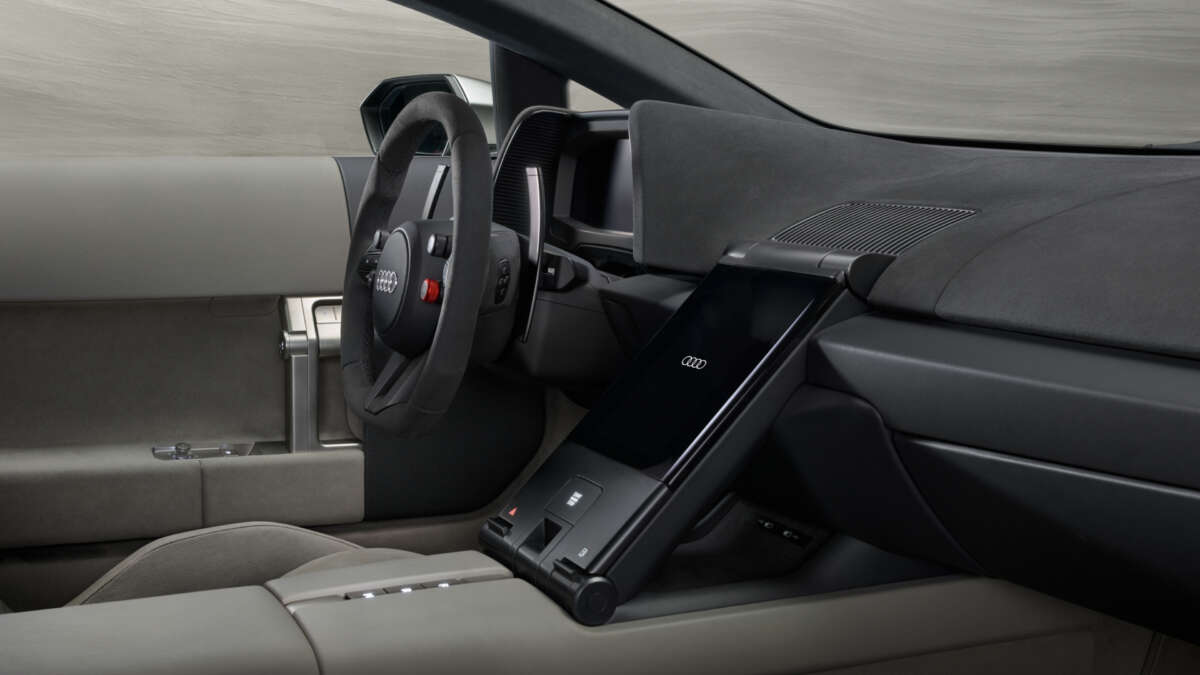
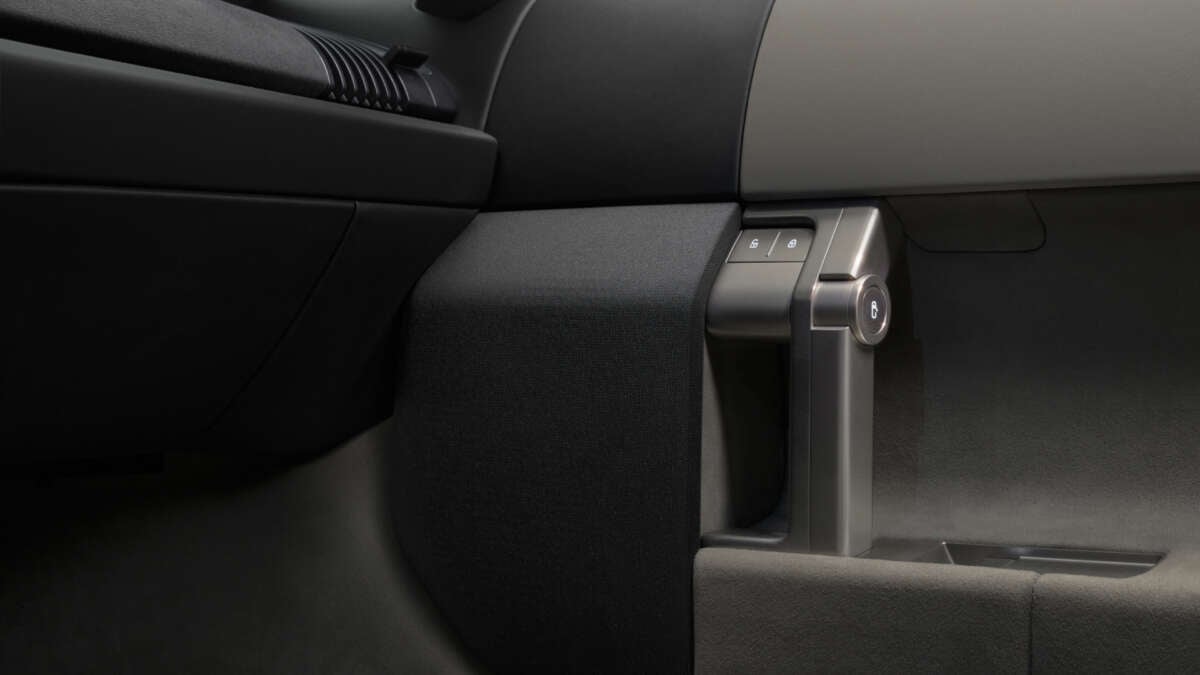
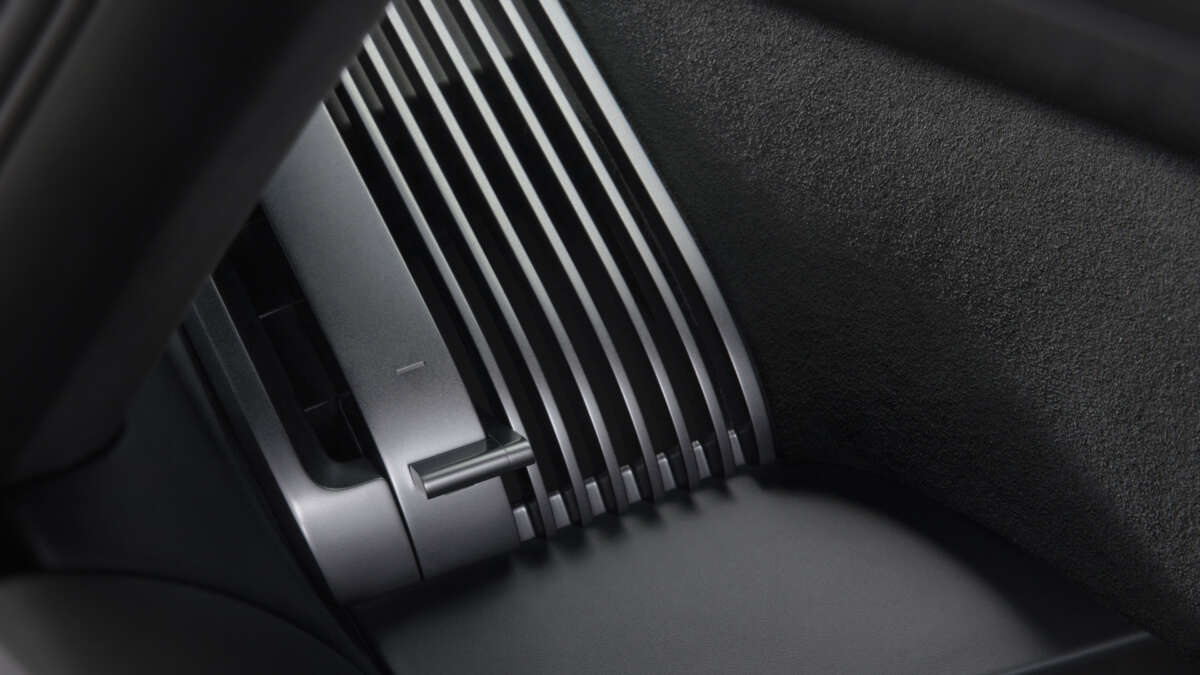
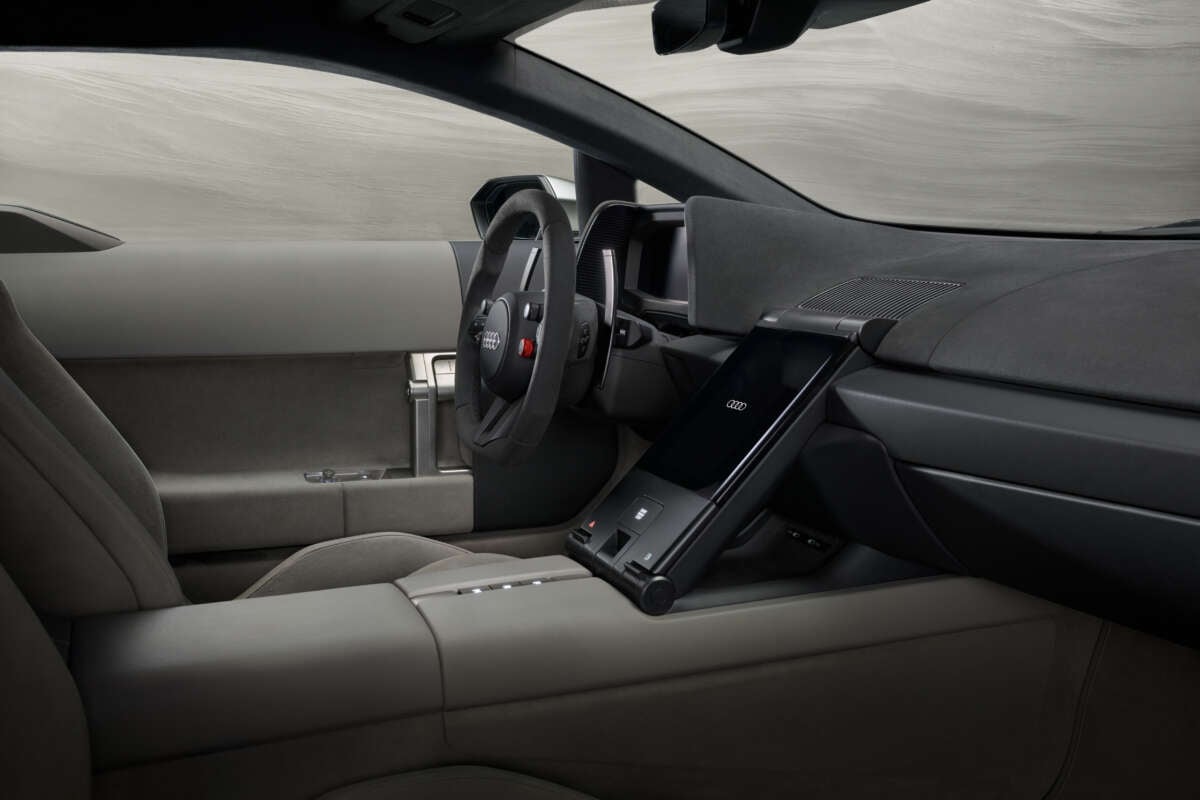
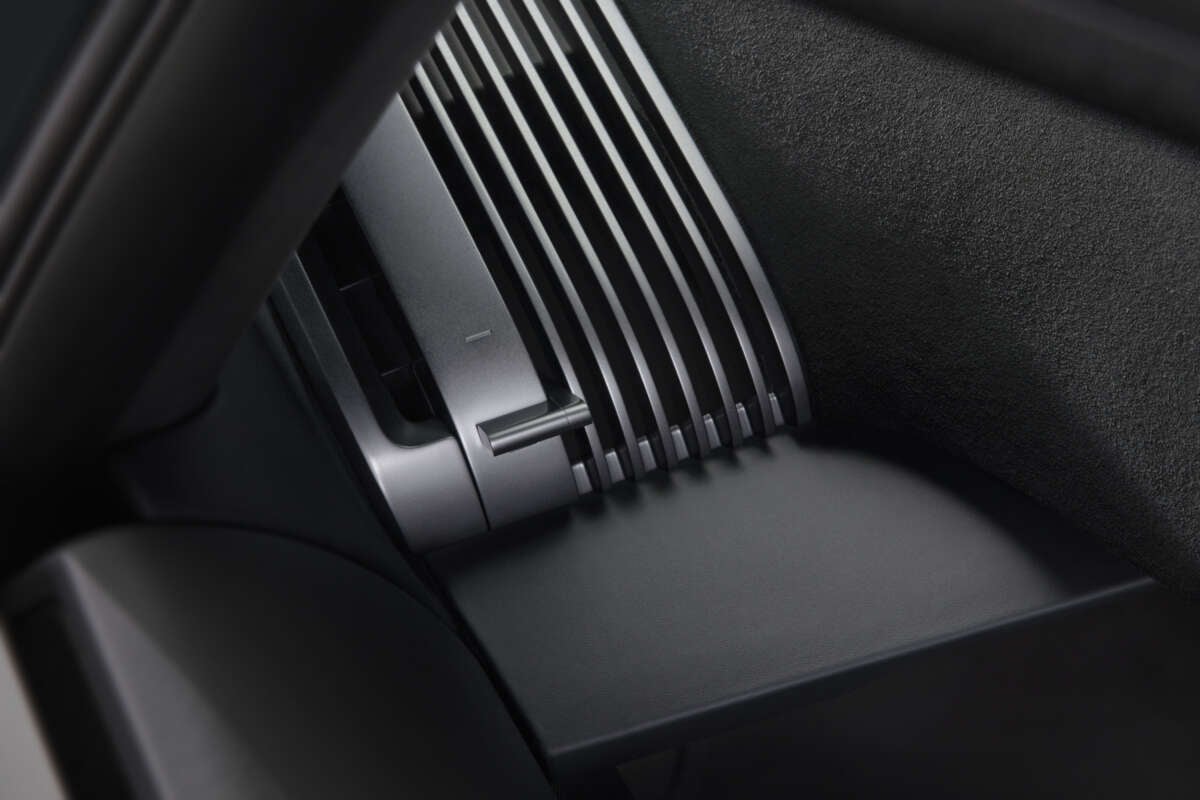
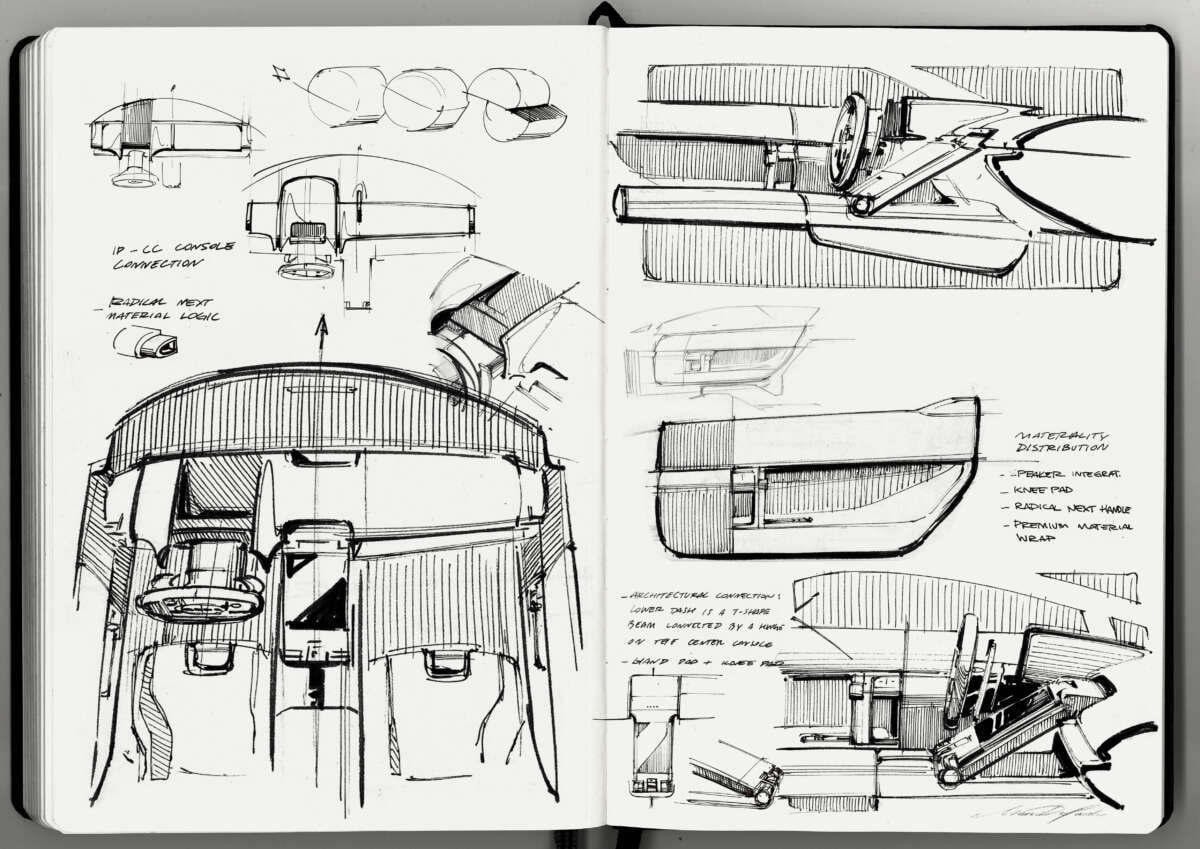
The cabin on the Nuvolari uses a “reduced architecture” to place all controls for essential functions directly within the driver’s field of view, says Audi. Relevant information is prioritised, and secondary information stays in the background, while its digital displays and physical controls aim to enable natural interaction by following a consistent logic.
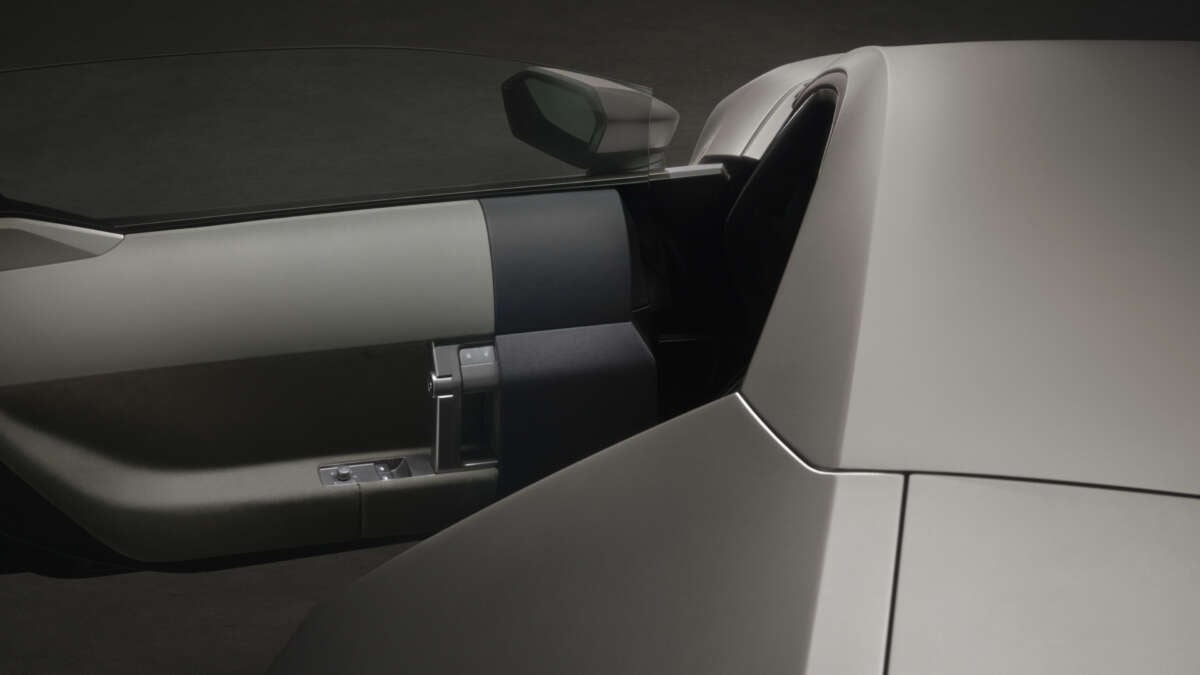
A two-tone interior colour scheme uses a dark tone for the front section to support concentration, and surfaces, materials, and accents are used to support the dark theme. Aft of this, a lighter tone, Shadow Dune, is used. The lightweight seats use a carbon-fibre structure in its base and backrest to reduce weight, while providing rigidity and lateral support.
Limited to 499 units, the first units of the production Audi Nuvolari will reach customers in the first half of 2027.
Looking to sell your car? Sell it with Carro.
 Audi Q5
from RM352,900
Audi Q5
from RM352,900  Audi Q5 Sportback
from RM421,990
Audi Q5 Sportback
from RM421,990  Audi Q7
from RM462,272
Audi Q7
from RM462,272  Audi Q8 e-tron
from RM360,790
Audi Q8 e-tron
from RM360,790  Audi Q8 e-tron Sportback
from RM379,990
Audi Q8 e-tron Sportback
from RM379,990  Audi A3 Sedan
from RM338,990
Audi A3 Sedan
from RM338,990  Audi A5 Sportback
from RM440,990
Audi A5 Sportback
from RM440,990 


Well good on you europe. Nice to see you guys are still trying. Even though literally anything from china is better nowadays
even the yang wang u9 is better than this
comedy car. you must absolutely hate xiaomi, zeekr, byd and yangwang to buy this rubbish. If you buy this car vs a yangwang or Xiaomi at that price you better go back to pre-school and redo your education.
Looks like cina EV junk, MITI should ban this asap
audi’s design language came a long way since 2010s, when their designs are class leading in almost all segments, and now the design is going south, all the way south to the antartica
Did they take design inspiration from Tesla Cybertruck?
lari pi mano bro?