

The eighth-generation (XZ20) Lexus ES is estimated to be priced from RM366,888, which would make it more expensive than the outgoing seventh-generation model that starts at RM320,888. This is according to Lexus Malaysia’s official website, which was updated to include a page dedicated to the all-new ES to go along with teasers posted on social media.
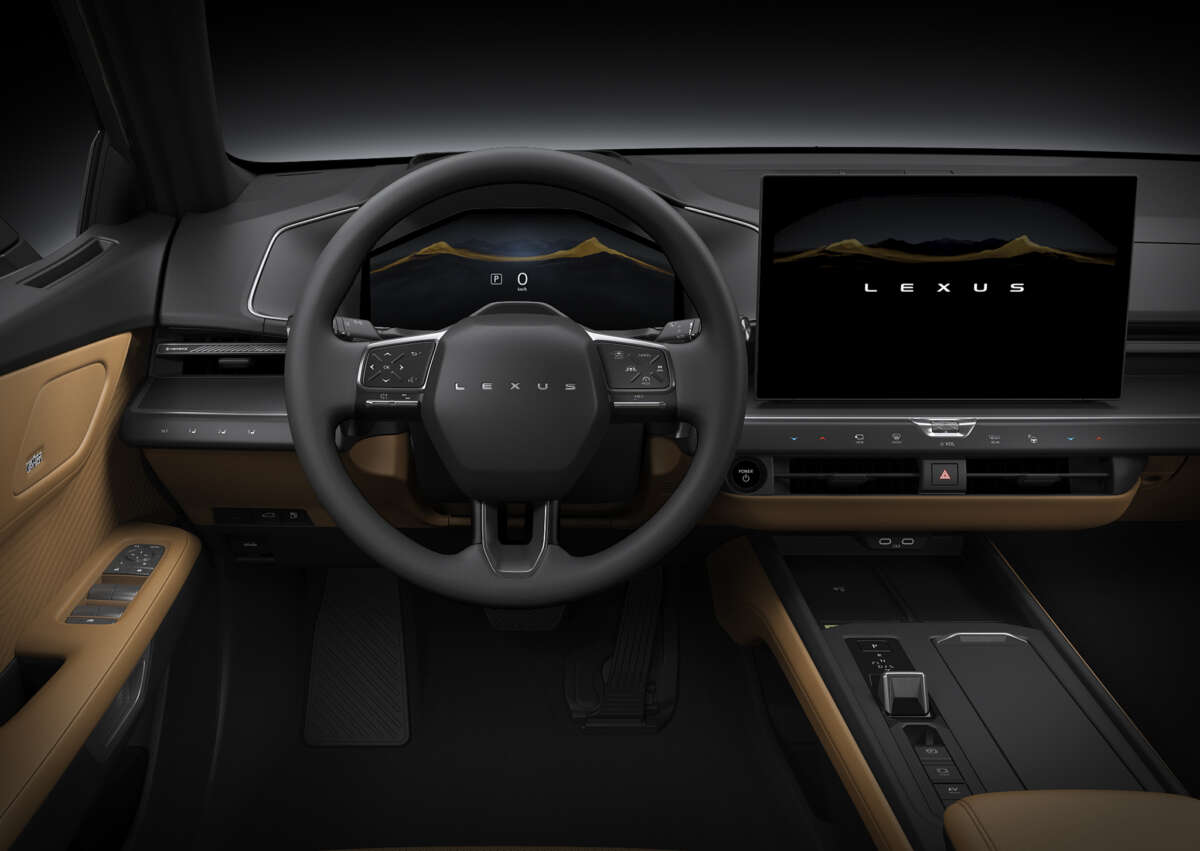
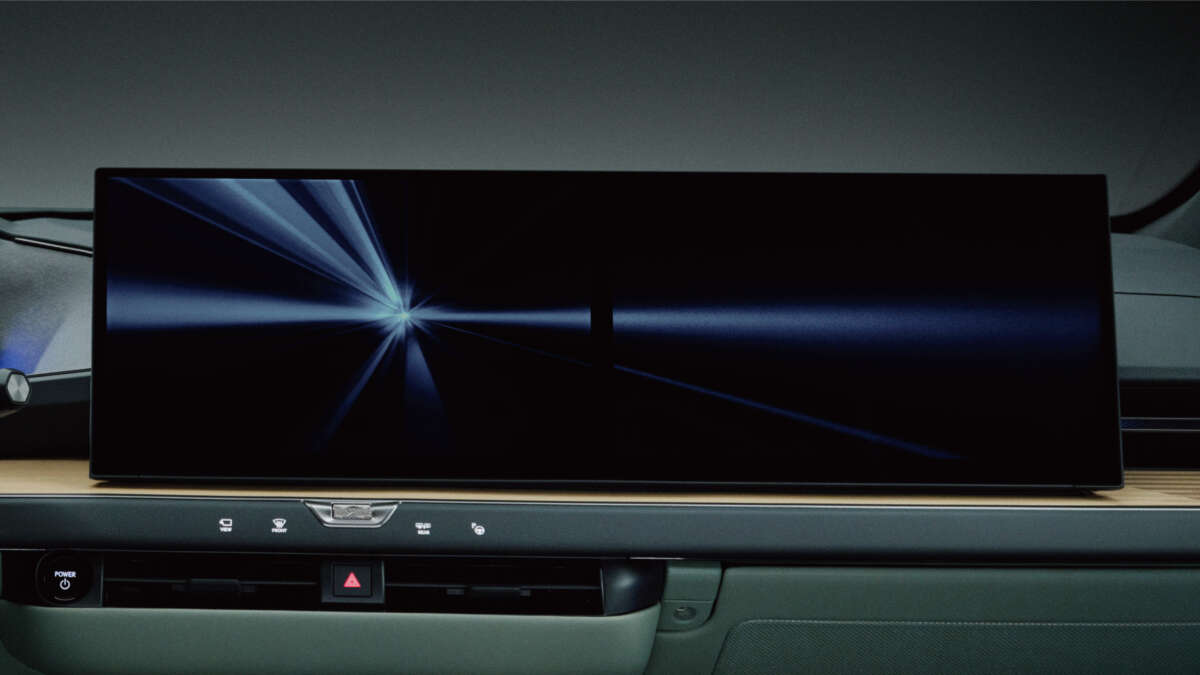
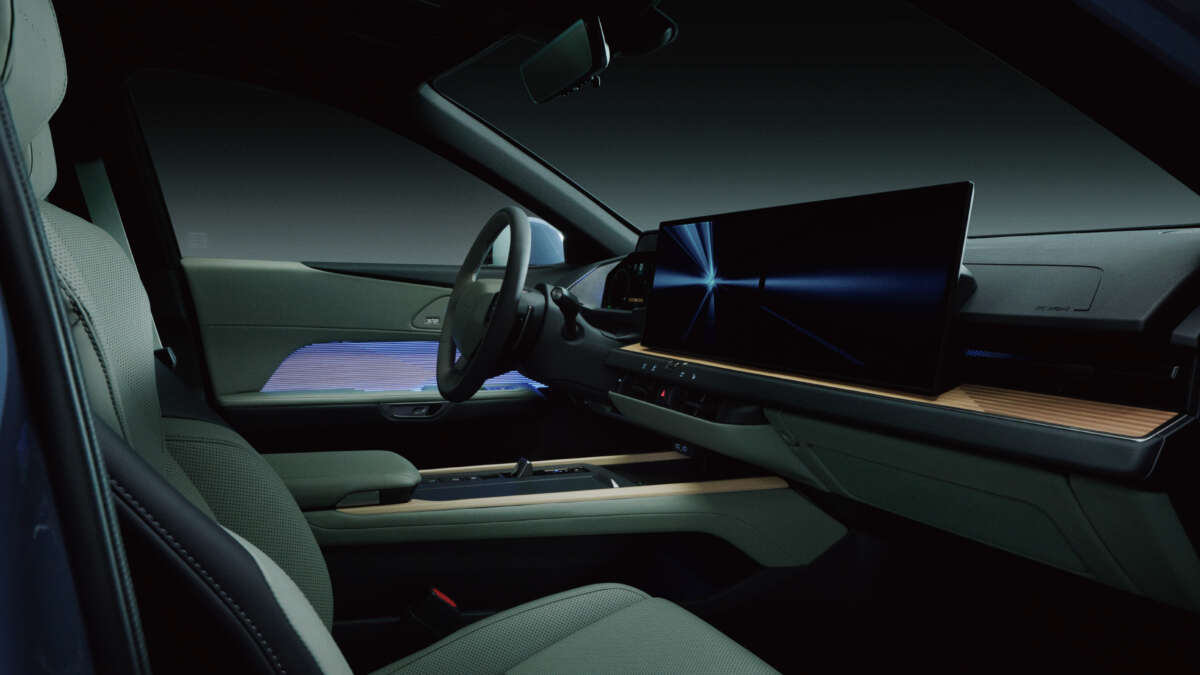
Said page also contains more evidence that it is indeed the latest ES coming our way, with one of the highlighted features being the row of hidden-until-lit buttons on the dashboard for climate settings and certain vehicle functions – there’s also an accompanying media volume dial.
Another important bit of information on the page is confirmation that the ES will feature hybrid power, specifically Lexus’ sixth-generation system. When the sedan made its debut in Shanghai last April, two powertrains were announced for it.
The first is the ES300h that sports a M20A-FXS 2.0 litre naturally-aspirated inline-four petrol engine making 152 PS (150 hp or 112 kW) and 188 Nm of torque. This is augmented by an electric motor rated at 113 PS (111 hp or 83 kW) and 206 Nm for a total system output of 197 PS (194 hp or 145 kW). Paired with an E-CVT driving the front wheels, the ES300h takes 9.4 seconds to get from 0-100 km/h, on to a top speed of 180 km/h.


Specifications for the ES300h differ depending on where it is sold. The figures mentioned above are for China but Australia’s version comes with an A25A-FXS 2.5 litre NA inline-four petrol engine serving up 143 PS (141 hp or 105 kW) and 227 Nm mated to an electric motor with 204 PS (201 hp or 150 kW) and 270 Nm for a total system output of 196 PS (193 hp or 144 kW).
The A25A-FXS is also used for the ES350h, which isn’t offered in China or Australia but is the base option in Japan and the United States. Referring to Japan’s specifications, the ES350h’s 2.5 litre engine makes 189 PS (186 hp or 139 kW) and 235 Nm, with the electric motor providing 162 PS (160 hp or 119 kW) and 272 Nm for a total system output of 247 PS (244 hp or 182 kW).
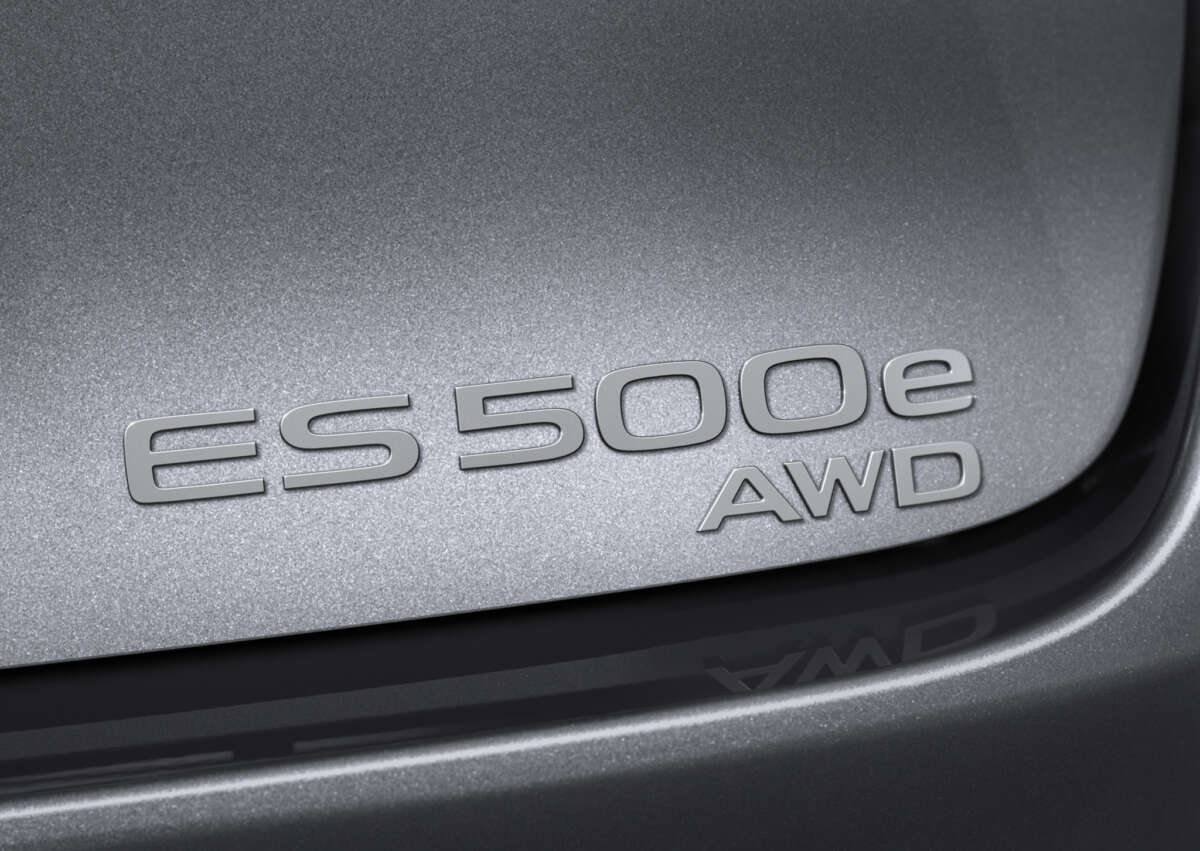
In addition to front-wheel drive, Japan also gets the ES350h with E-Four all-wheel drive, which adds an electric motor at the rear with 56 PS (55 hp or 41 kW) and 123 Nm. The ES can also be had as an electric vehicle (EV) with the front-wheel drive ES350e and all-wheel drive ES500e, although Lexus Malaysia did not hint at any form of EV powertrain on its website.
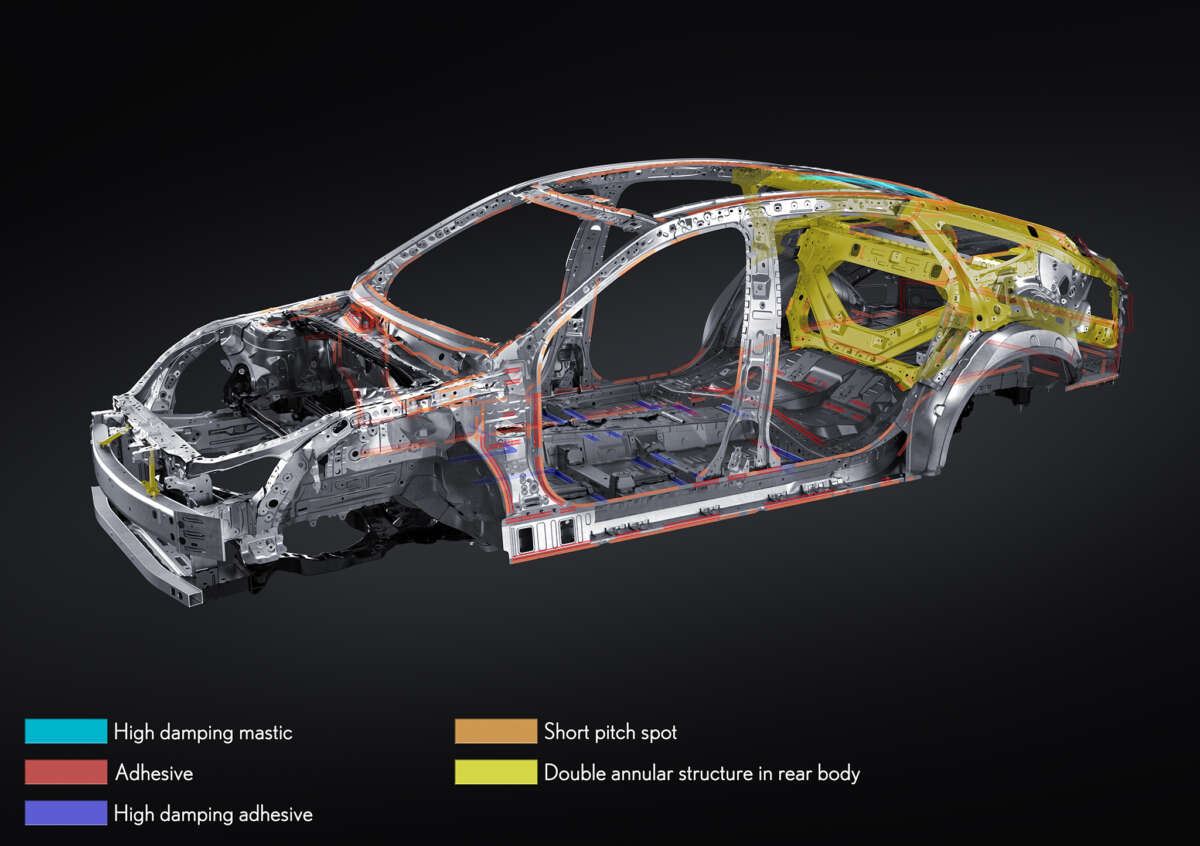
For a brief recap of the ES, it is now built on a revised version of the TNGA-K platform and is larger than its predecessor, measuring in at 5,140 mm long, 1,920 mm wide, between 1,555 to 1,560 mm tall and has a wheelbase of 2,950 mm. These figures bring the ES even closer to the aging LS, although the latter is longer still at 5,235 mm and its wheelbase spans 3,125 mm.
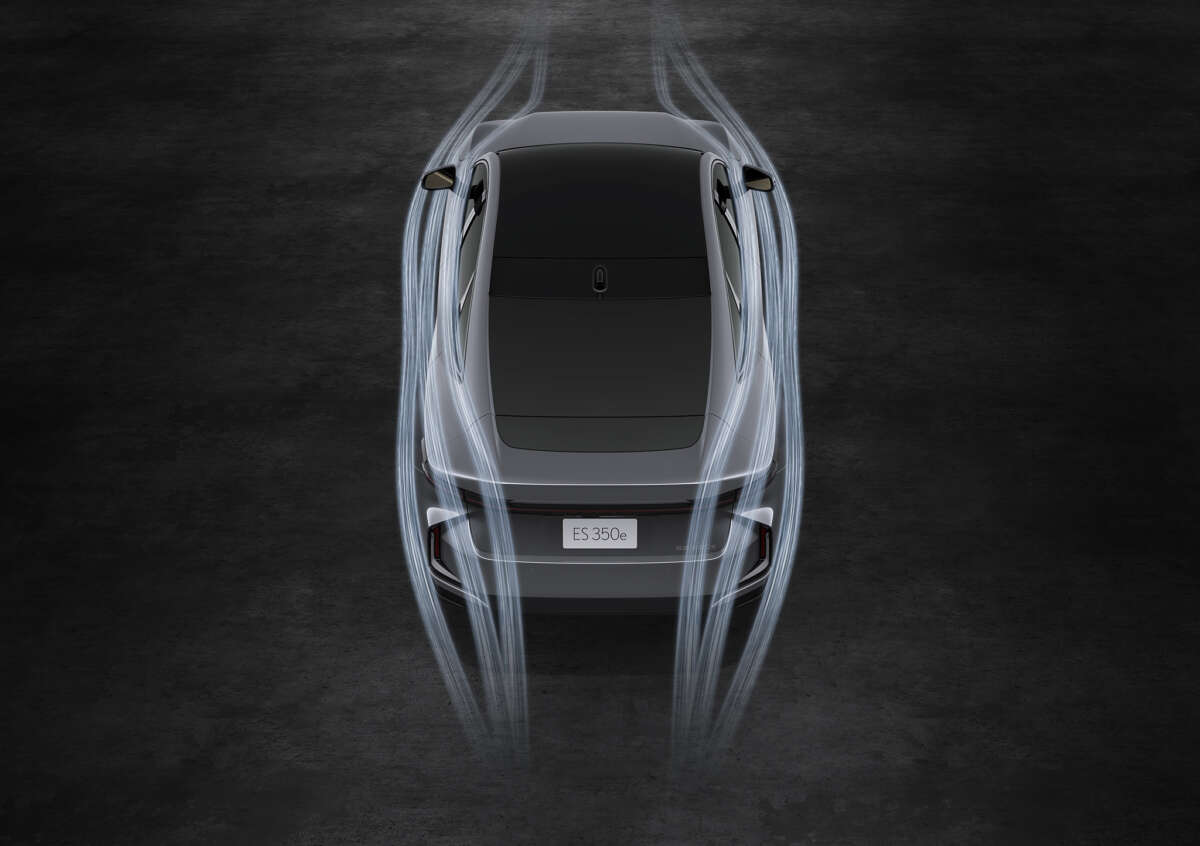
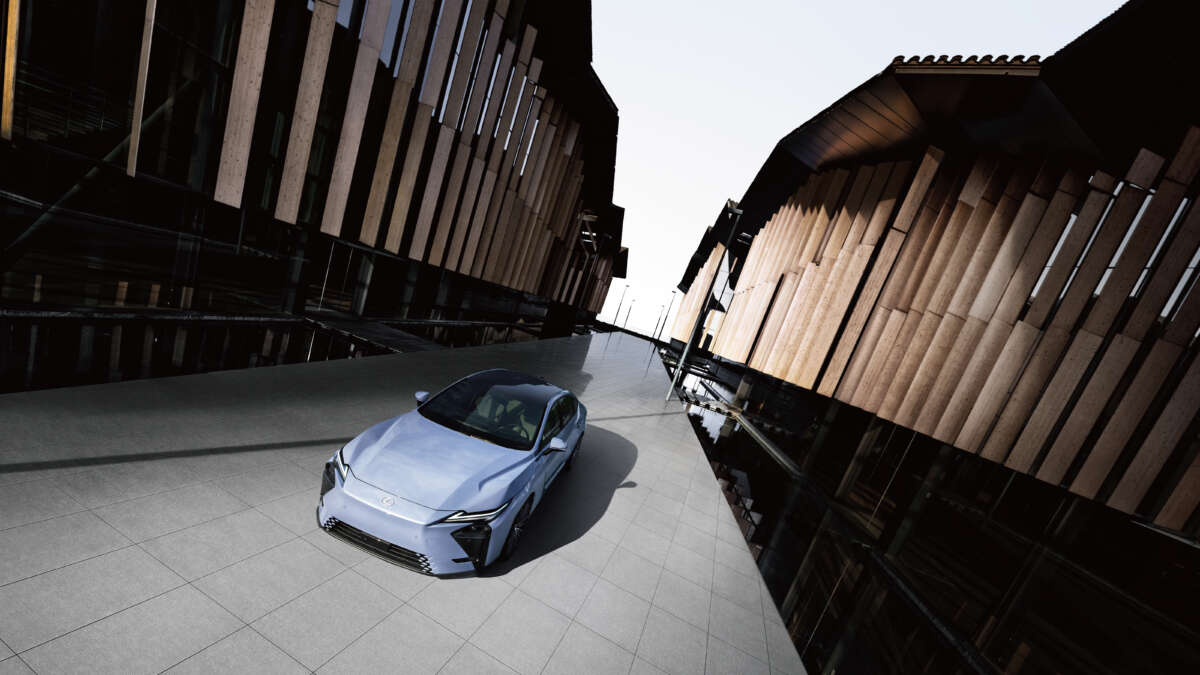
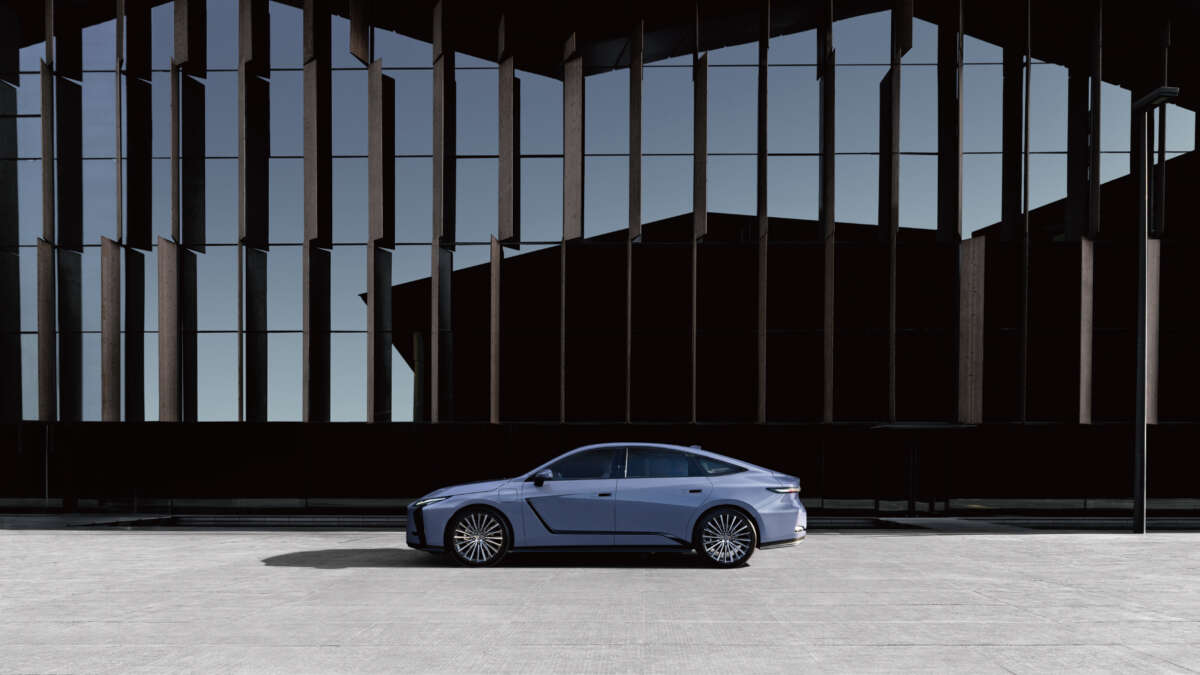
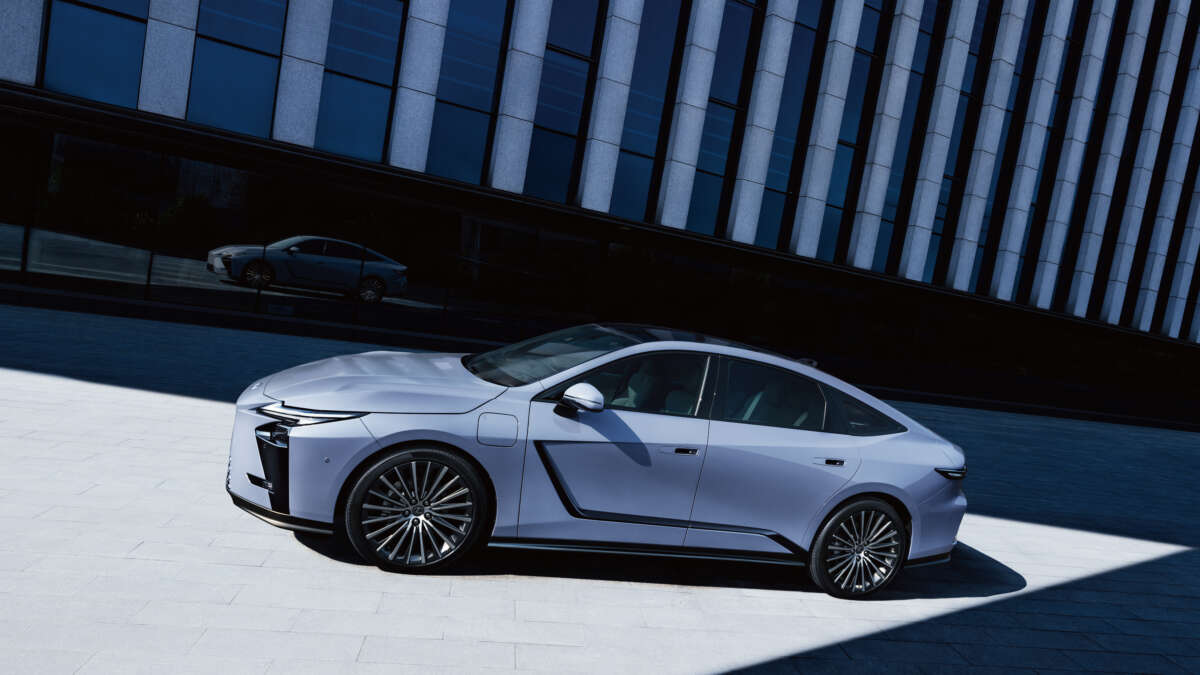
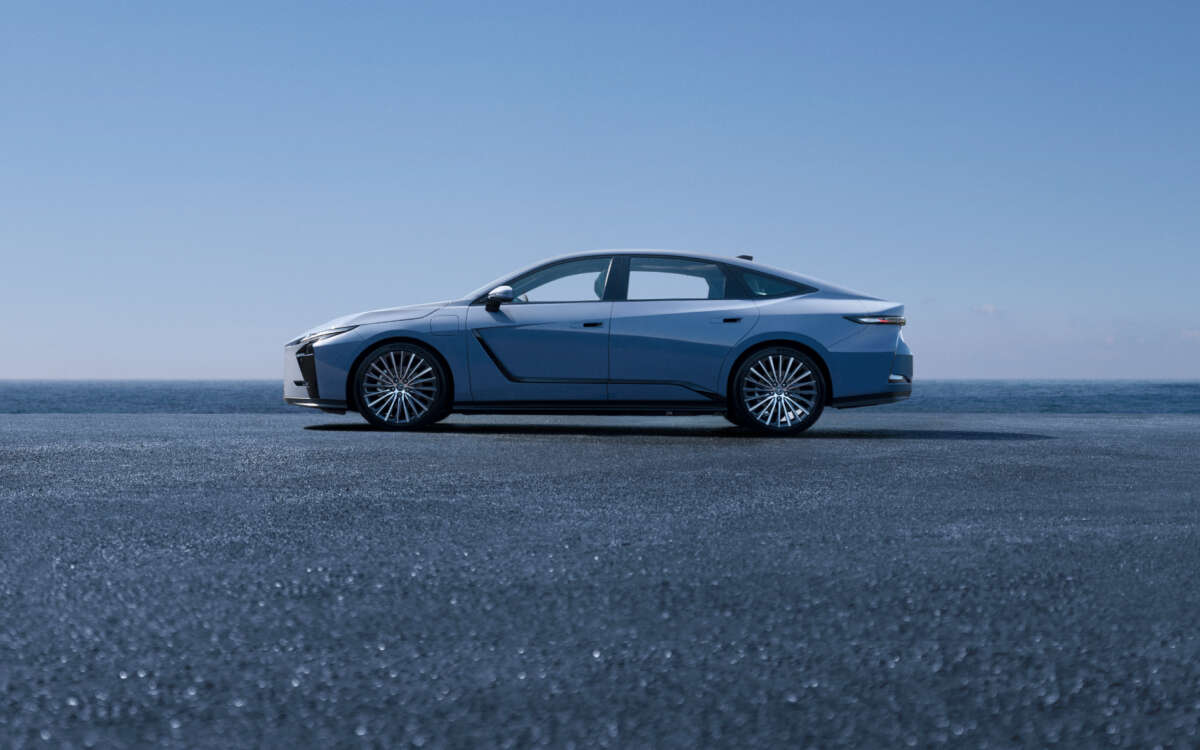
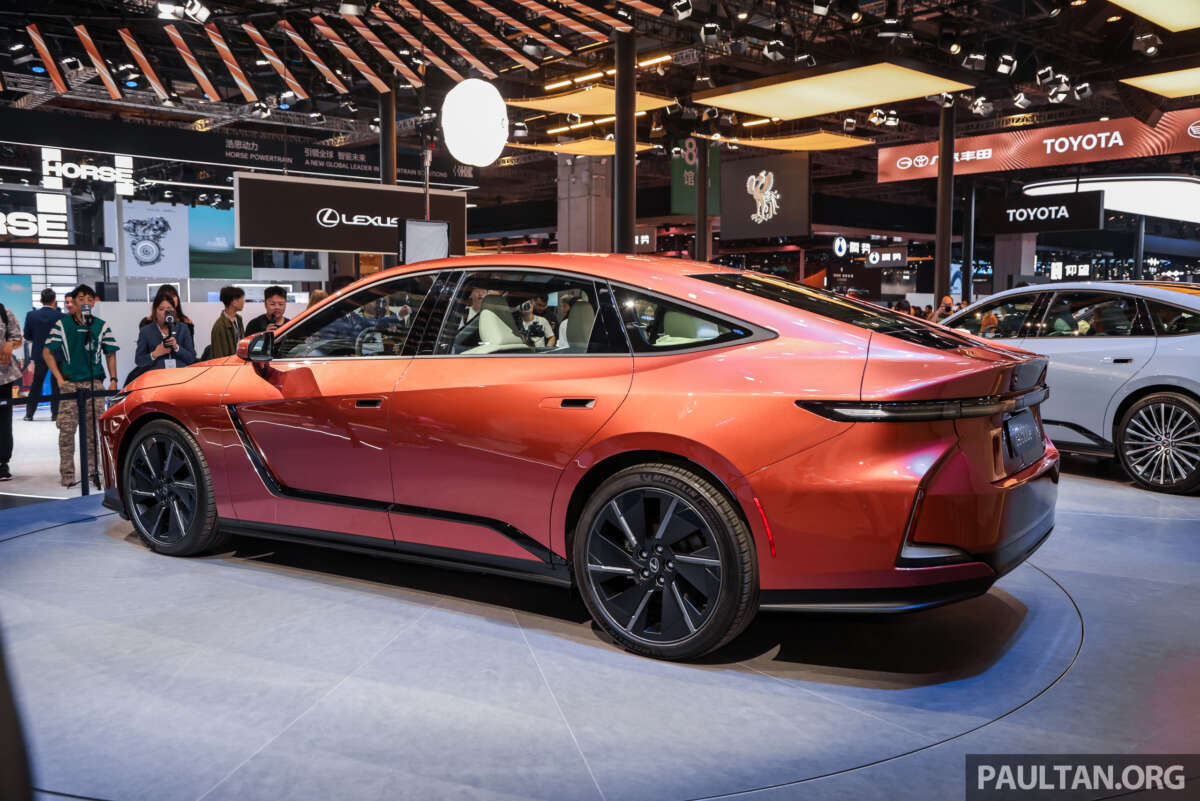
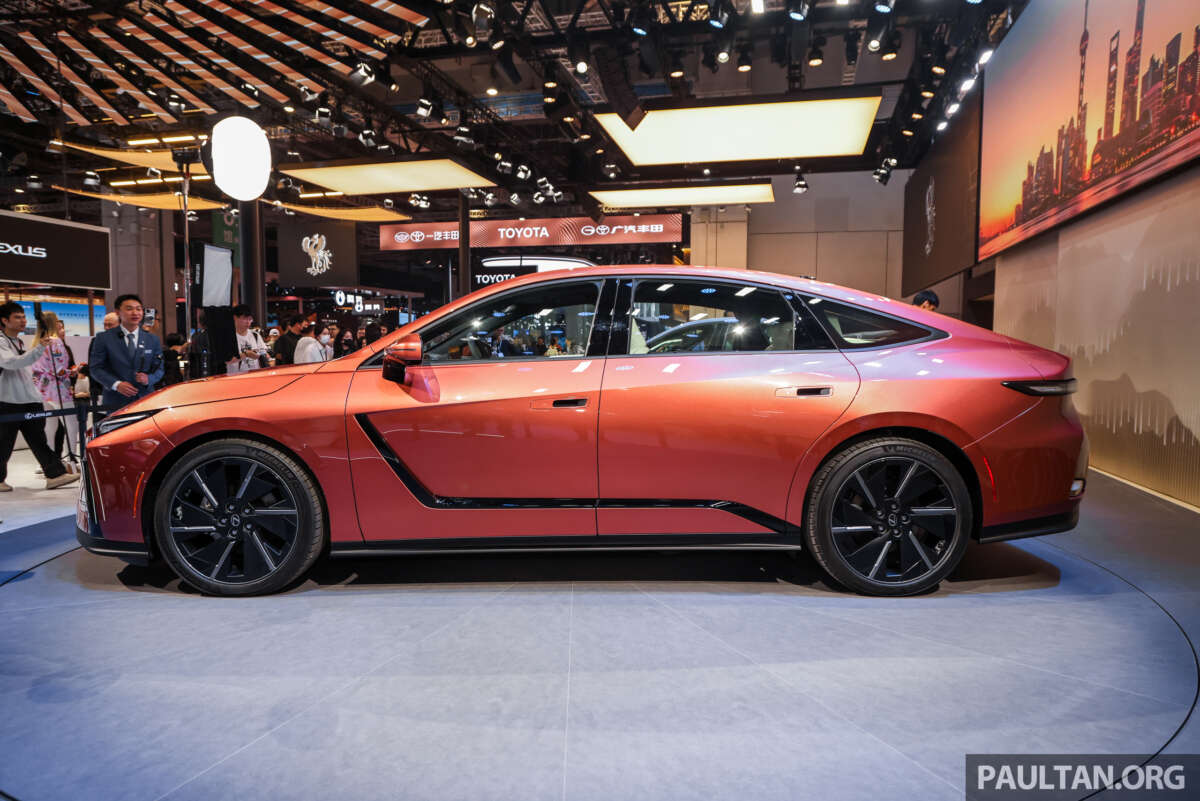
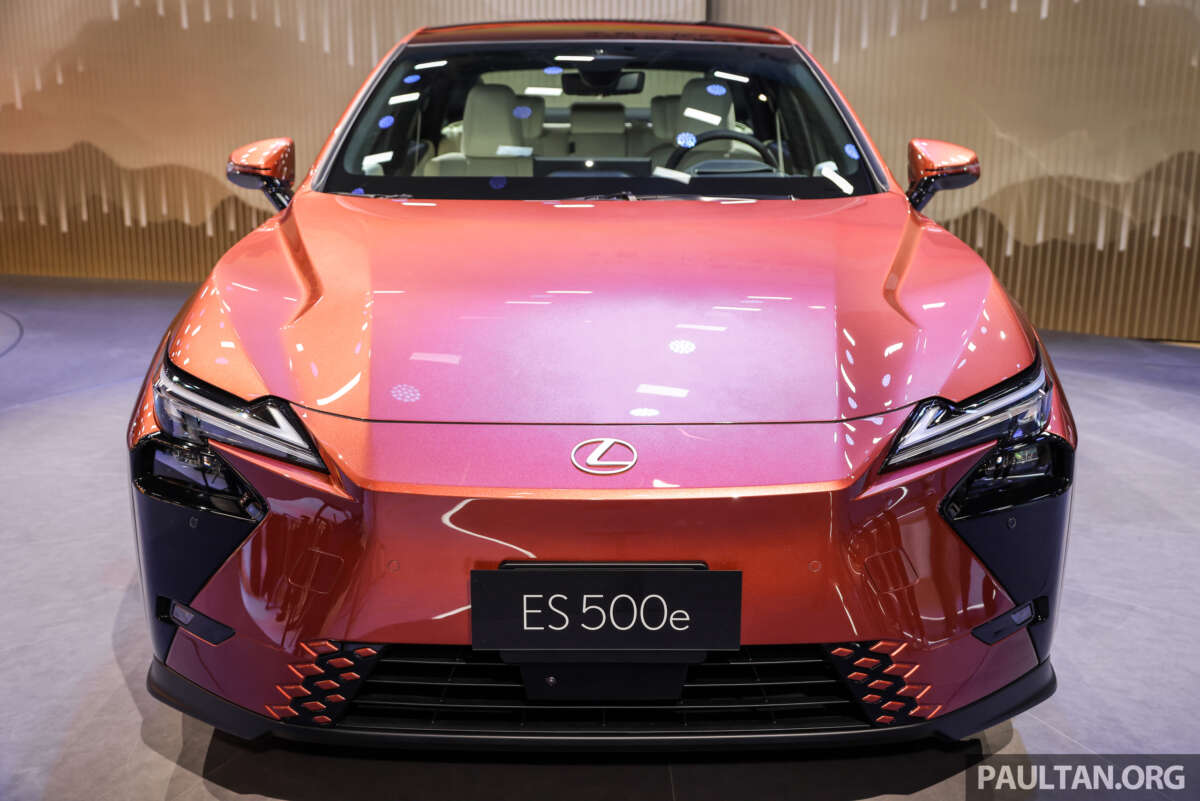
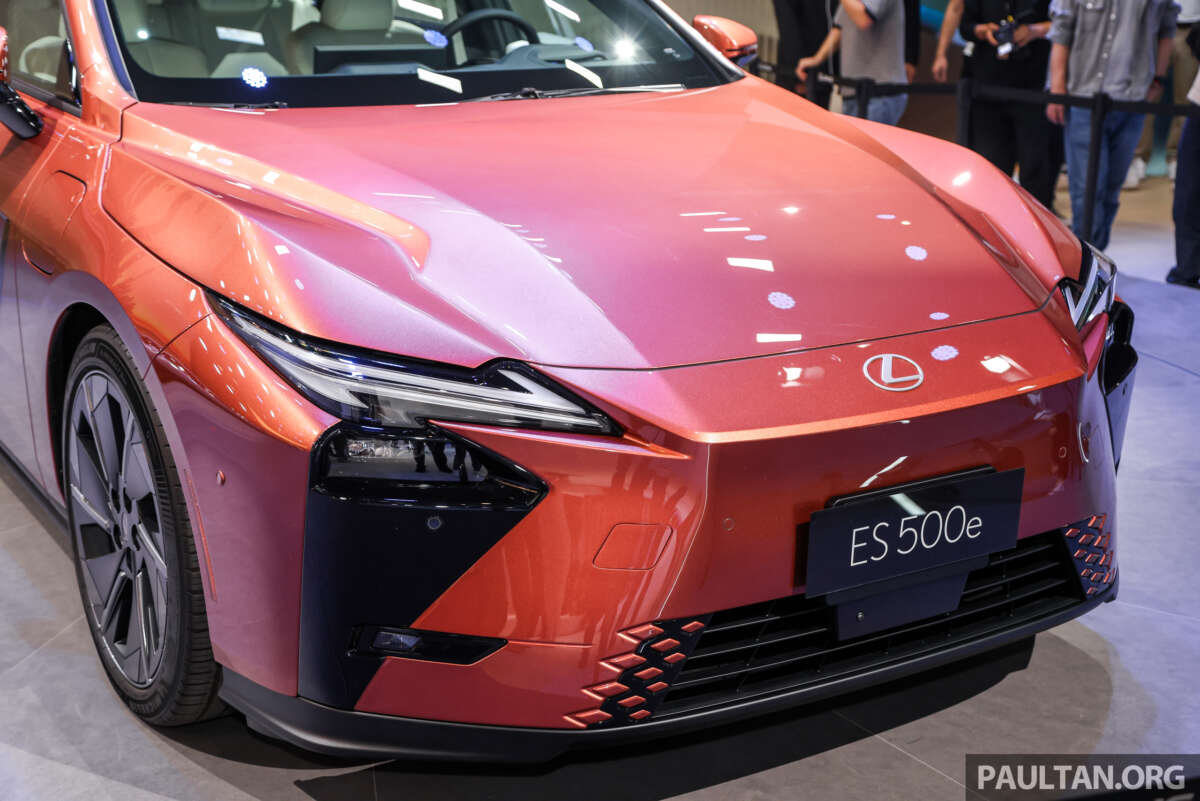
The newer ES also looks a lot more striking when compared to the outgoing model, with sharper lines and cues adapted from the LF-ZC concept from 2023. Highlights include the twin-L LED daytime running lights that sit above discreet main headlamps, with the seamless grille representing the brand’s “spindle body” approach to design.
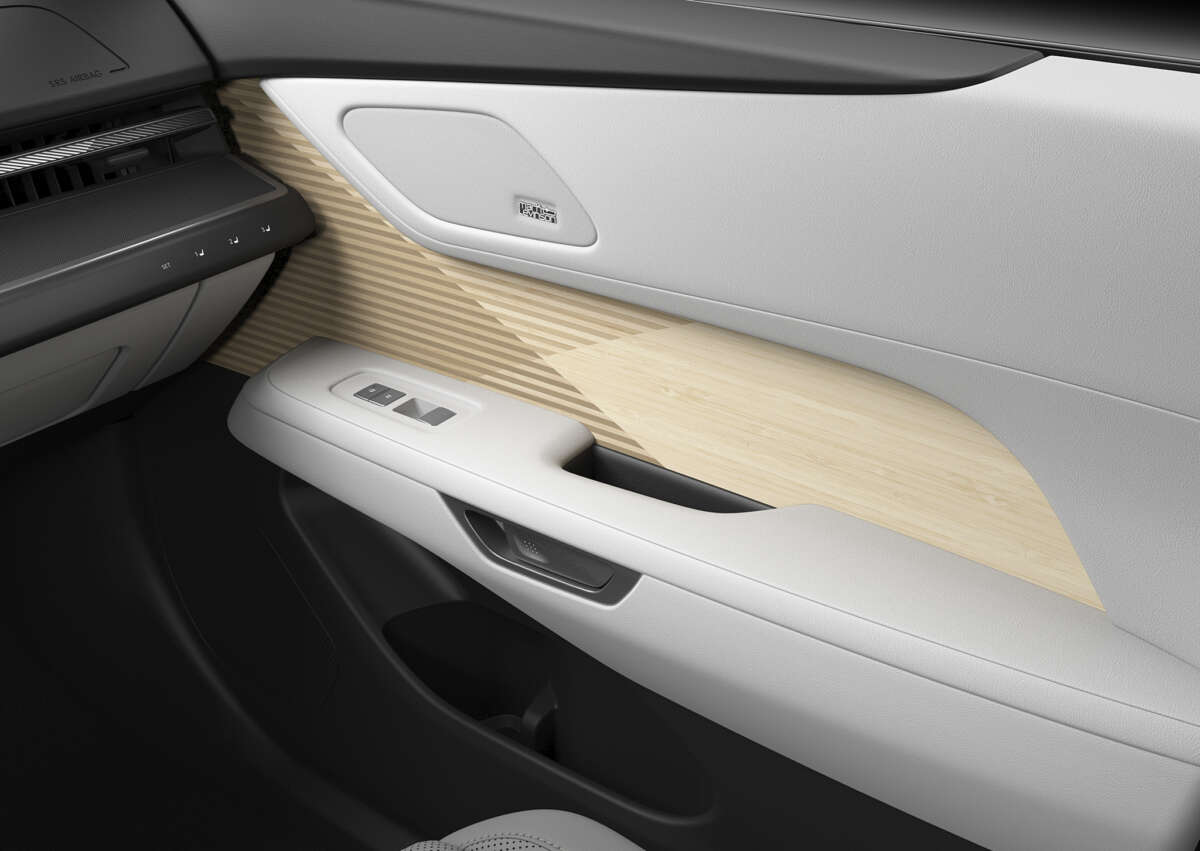
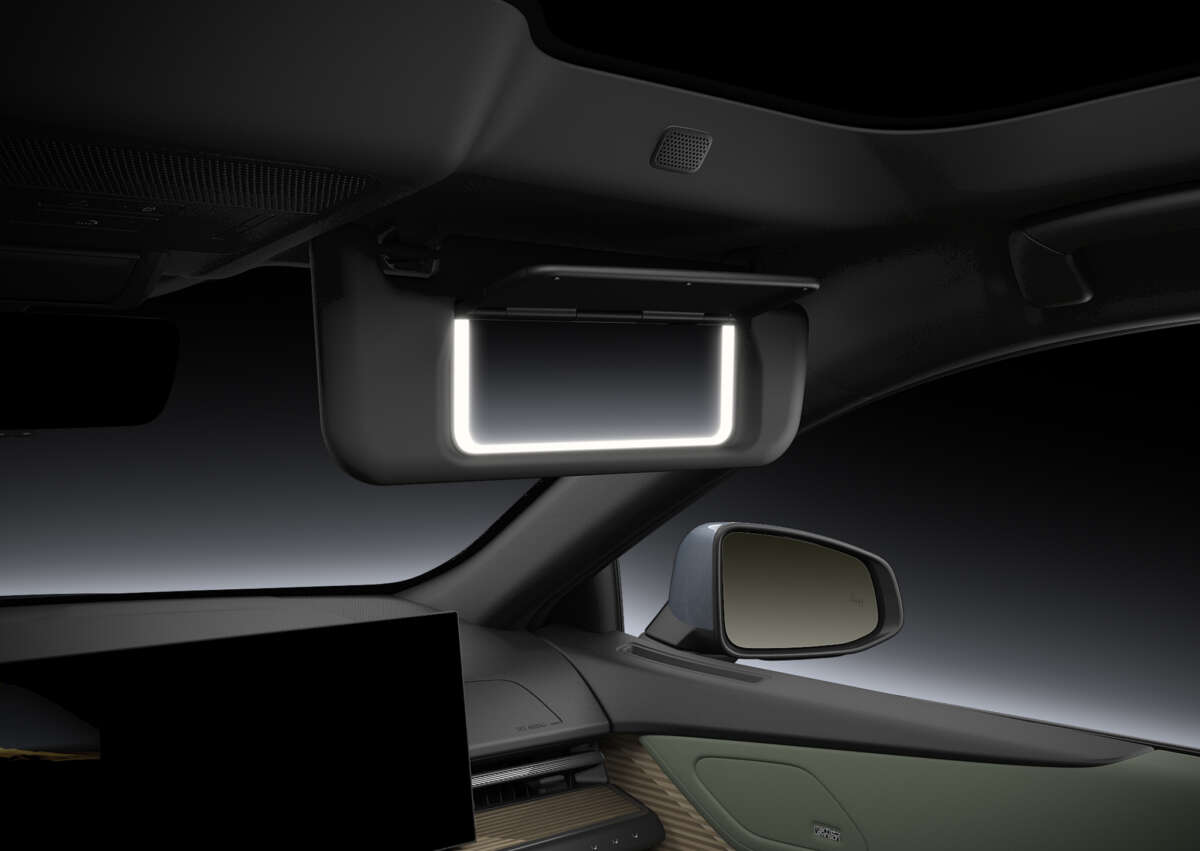
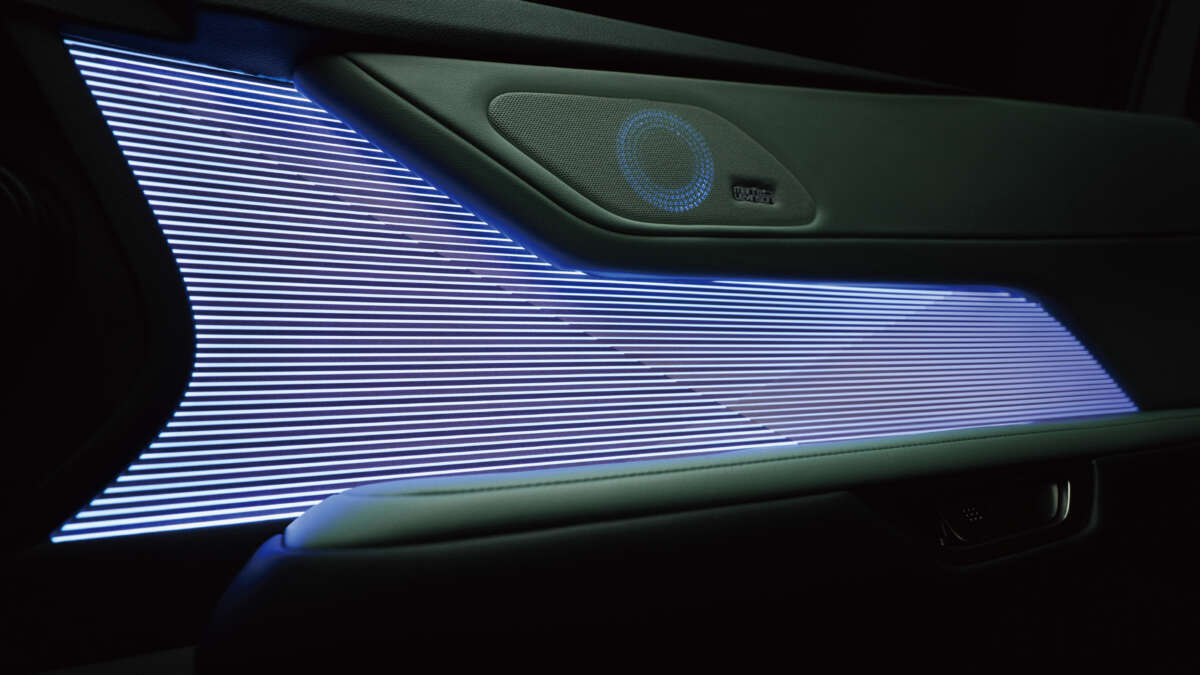
Along the sides, there’s an L-shaped graphic connecting the shoulder line to the side sills, while the rear features a full-width light bar as well as L-shaped signature lights in the bumper corners. The comprehensive redesign extends into the interior, which is more minimalistic in look while leaning heavily into screens, with the hallmark being up to two displays on the dash, including an optional one for the front passenger.
For now, Lexus Malaysia isn’t painting the full picture for us, so it’s just the estimated pricing (RM366,888) and confirmation of hybrid power for now. Looking forward to this one?
GALLERY: 2025 Lexus ES official photos

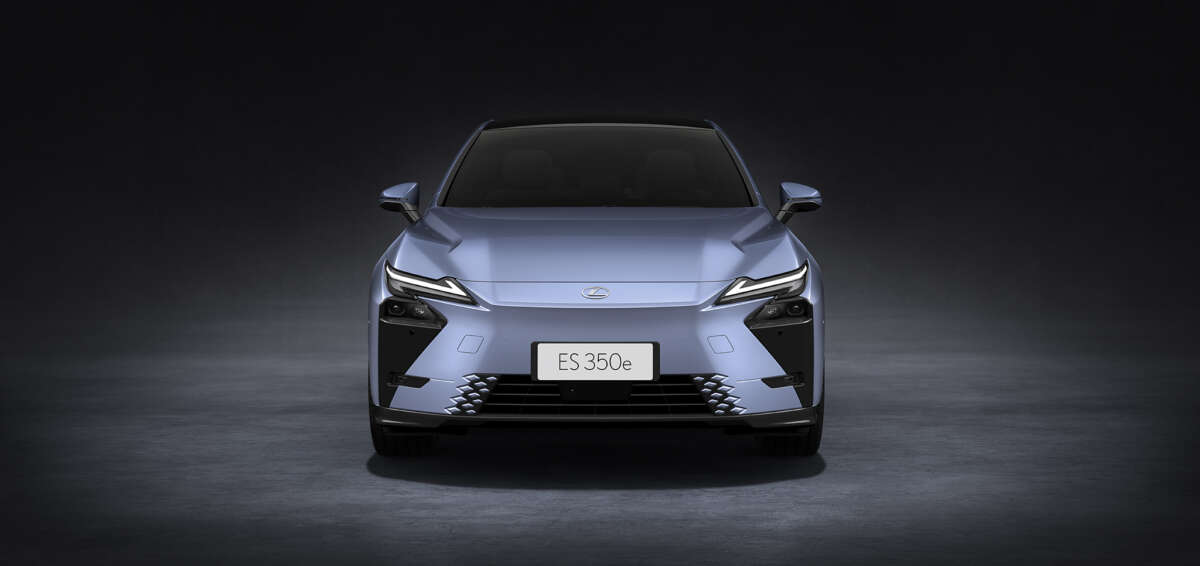

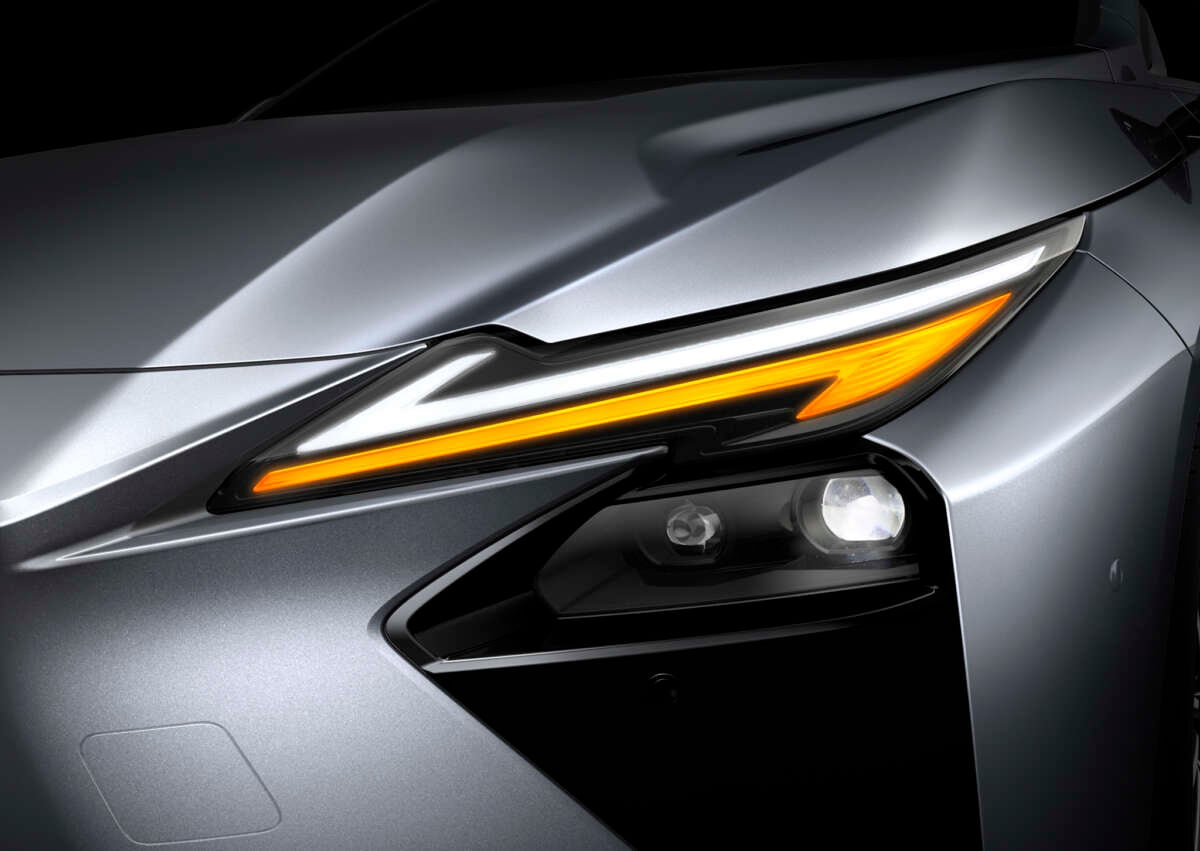


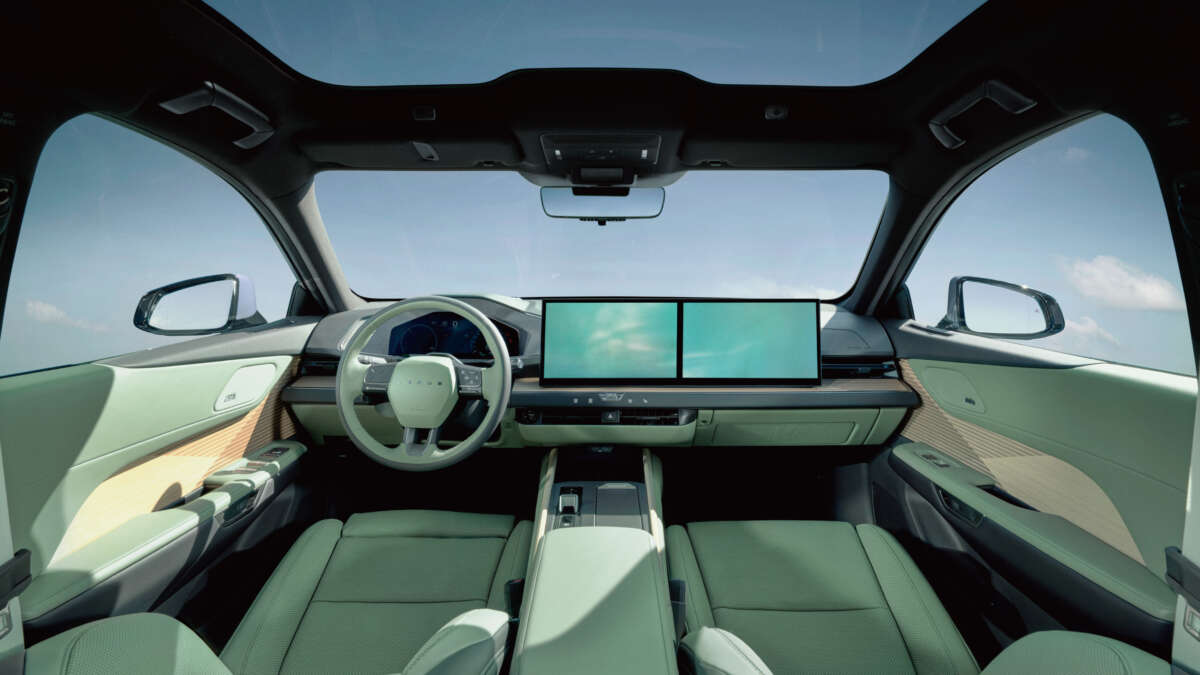


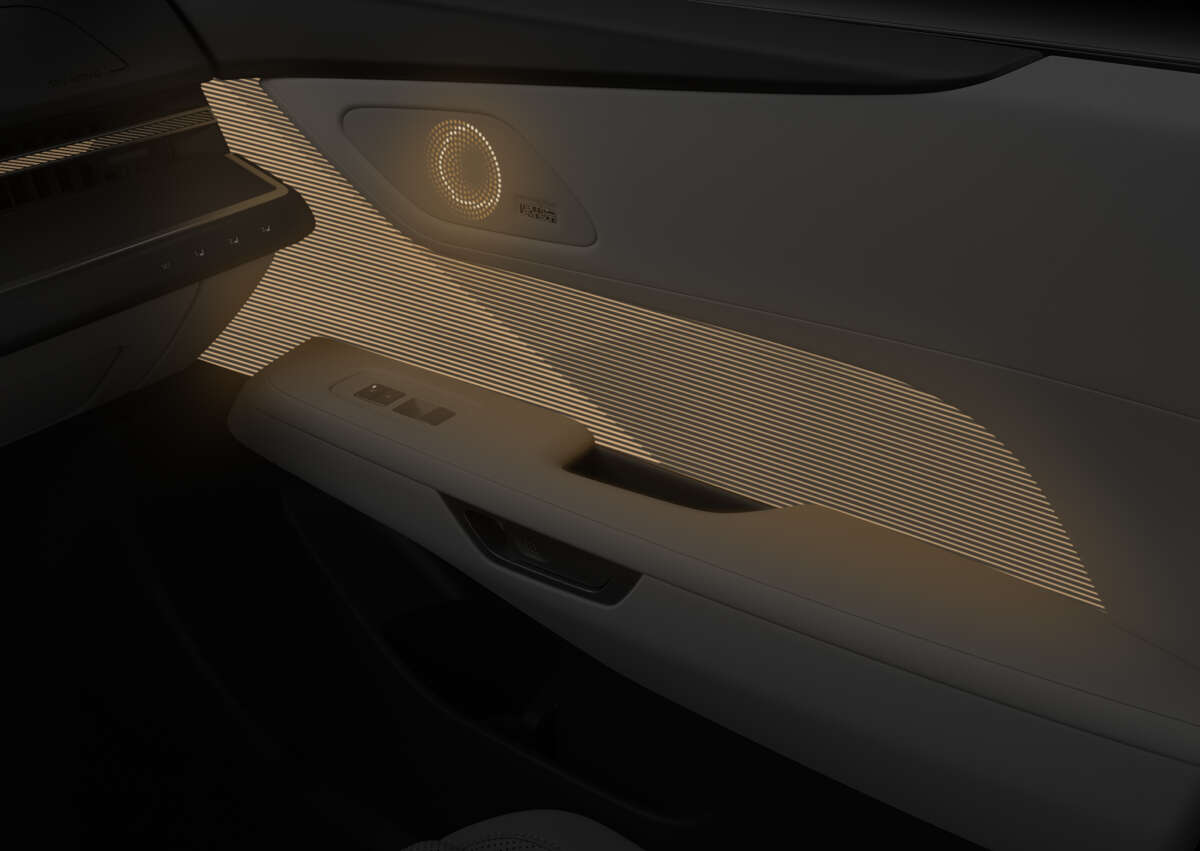
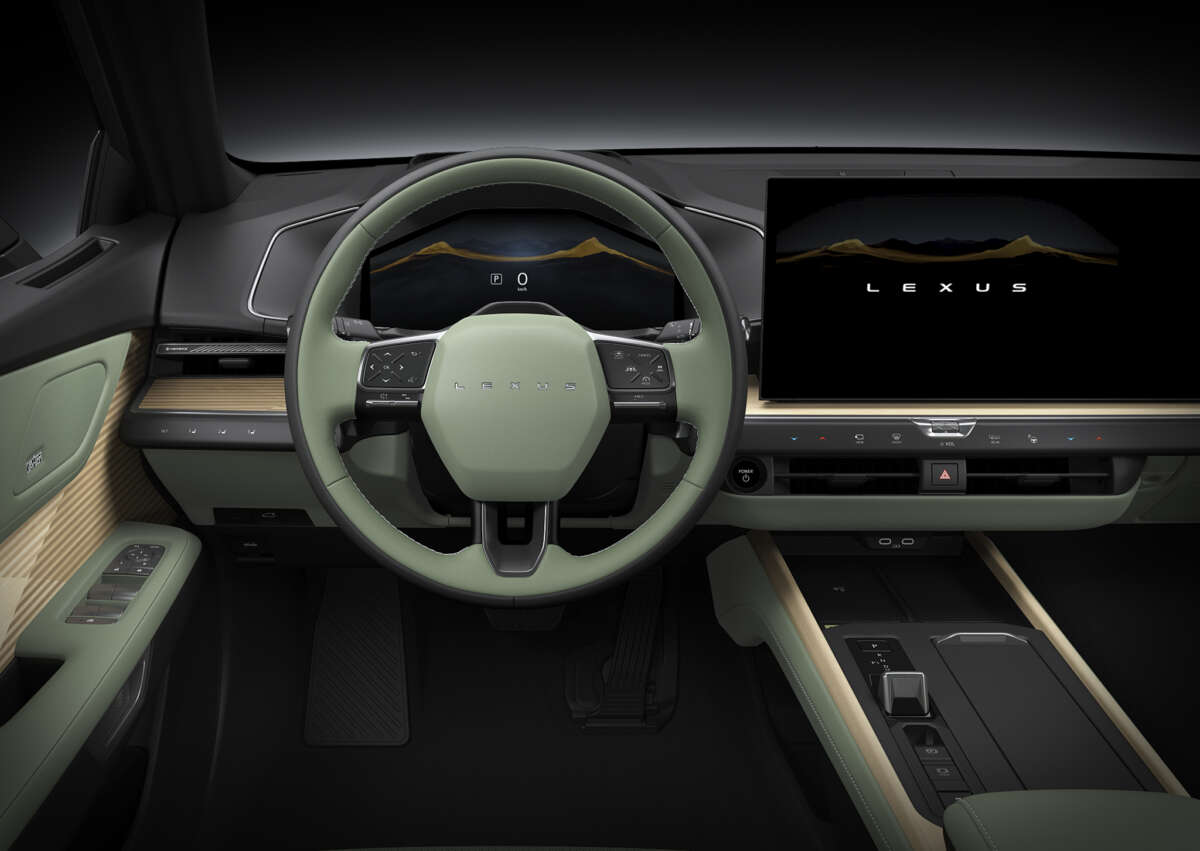


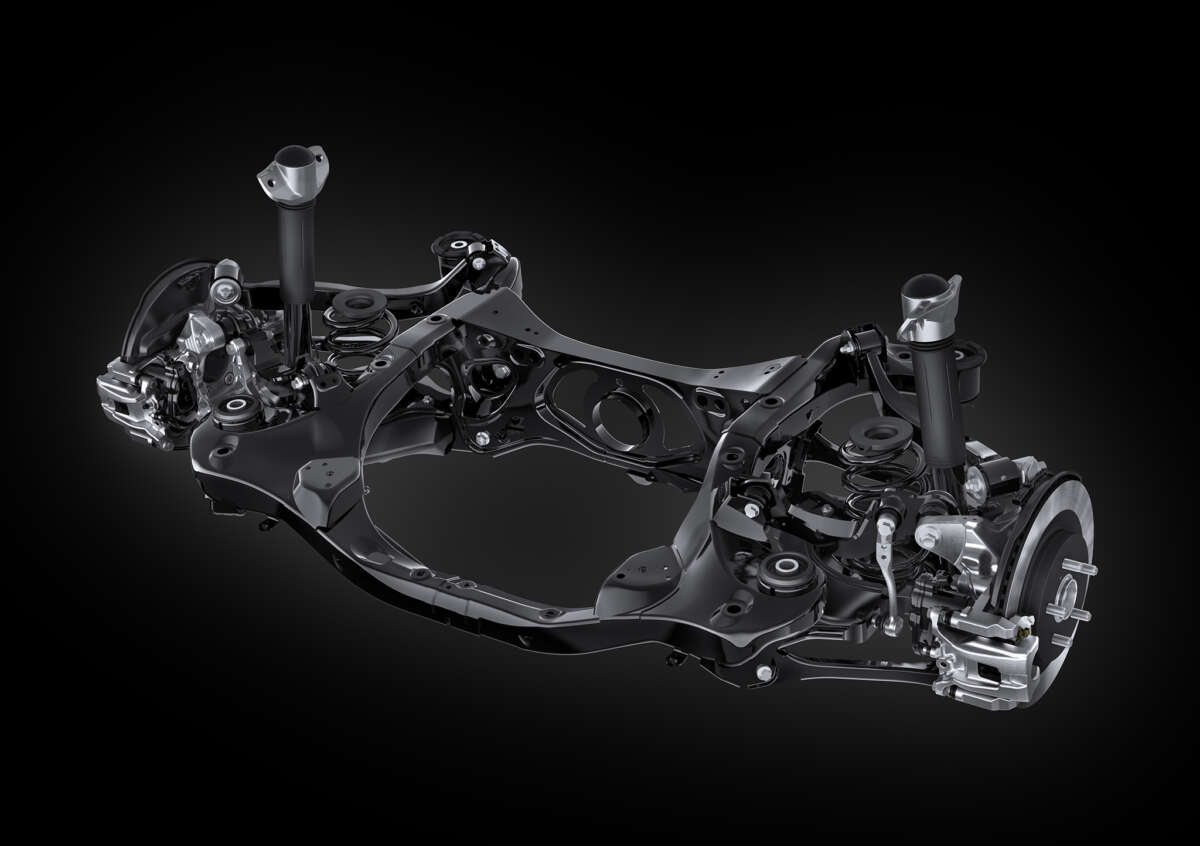
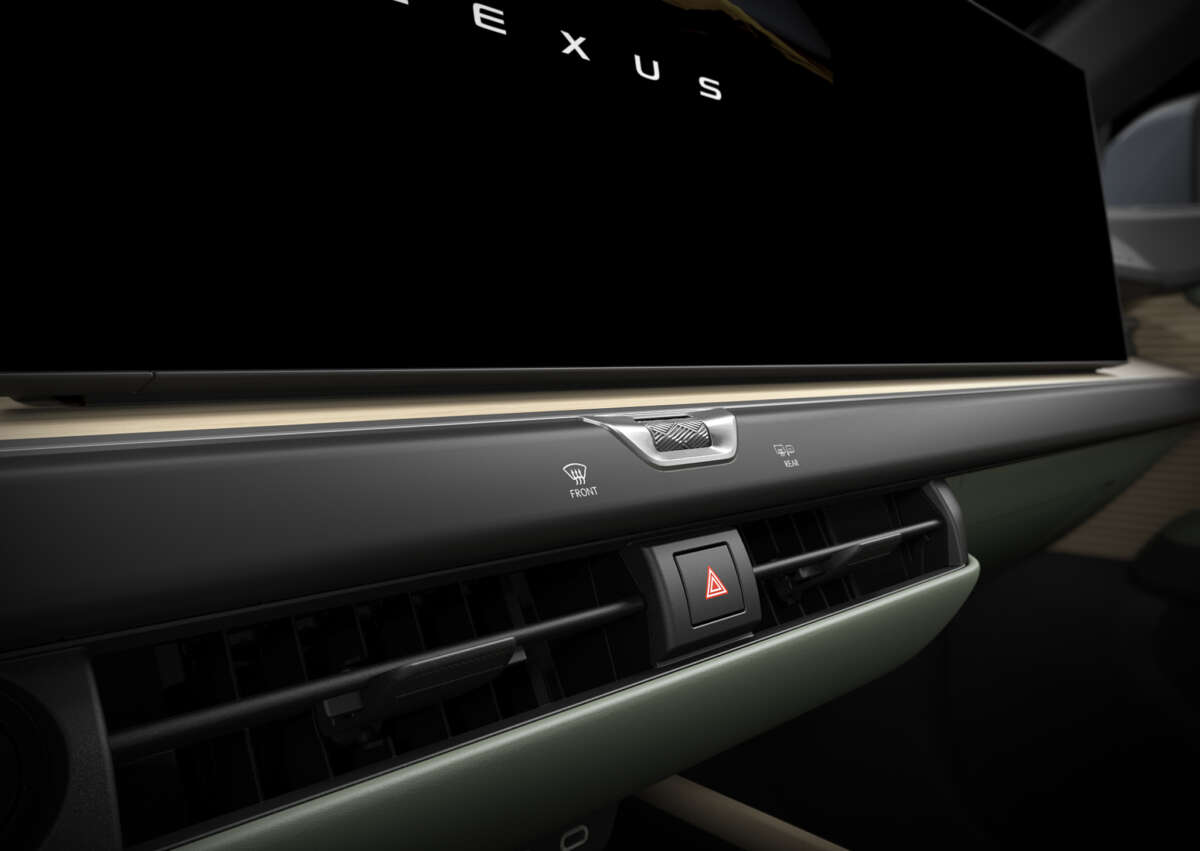

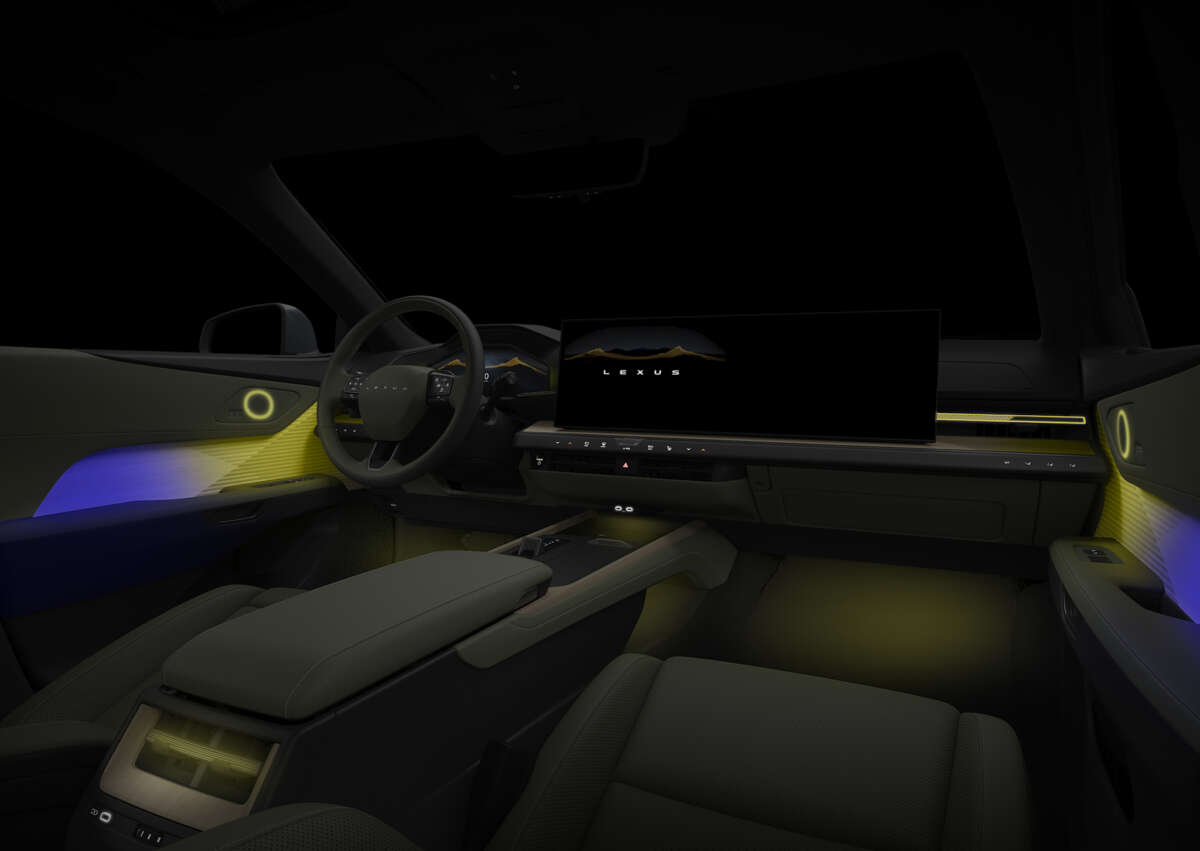
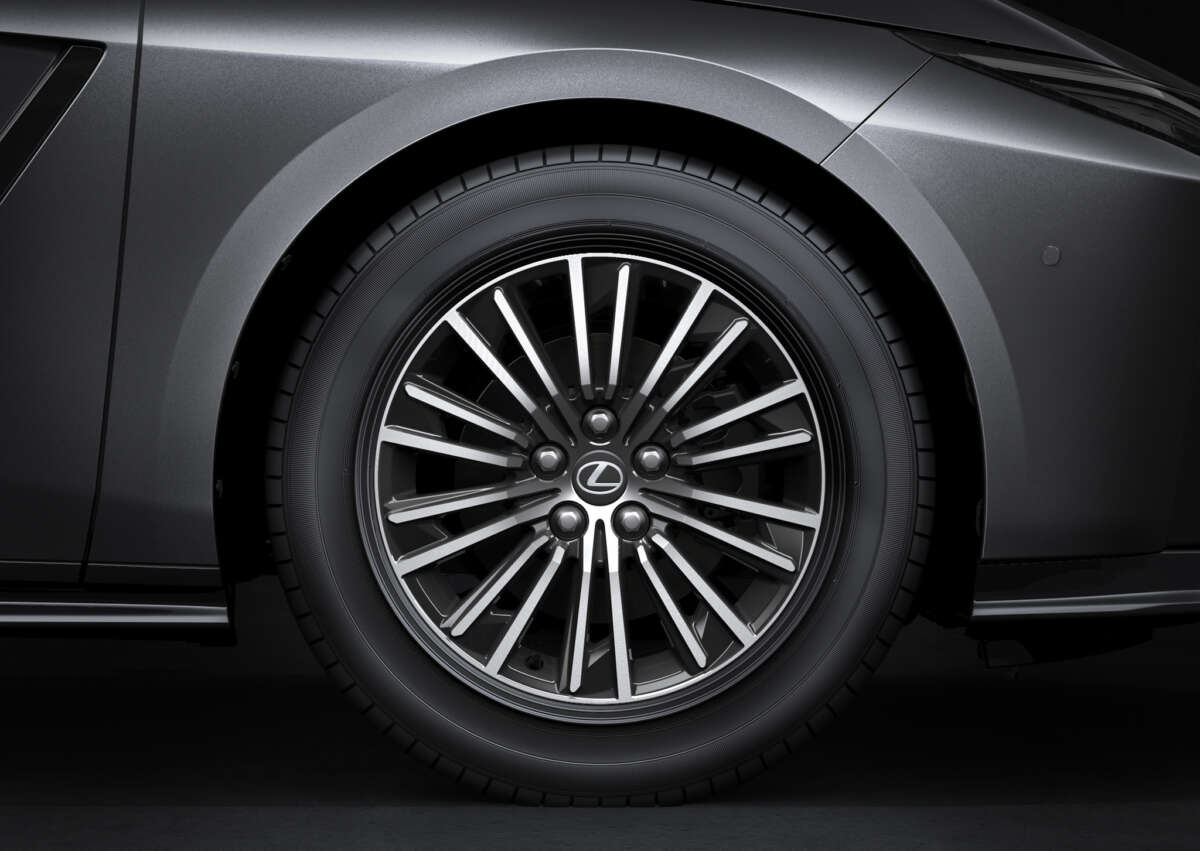
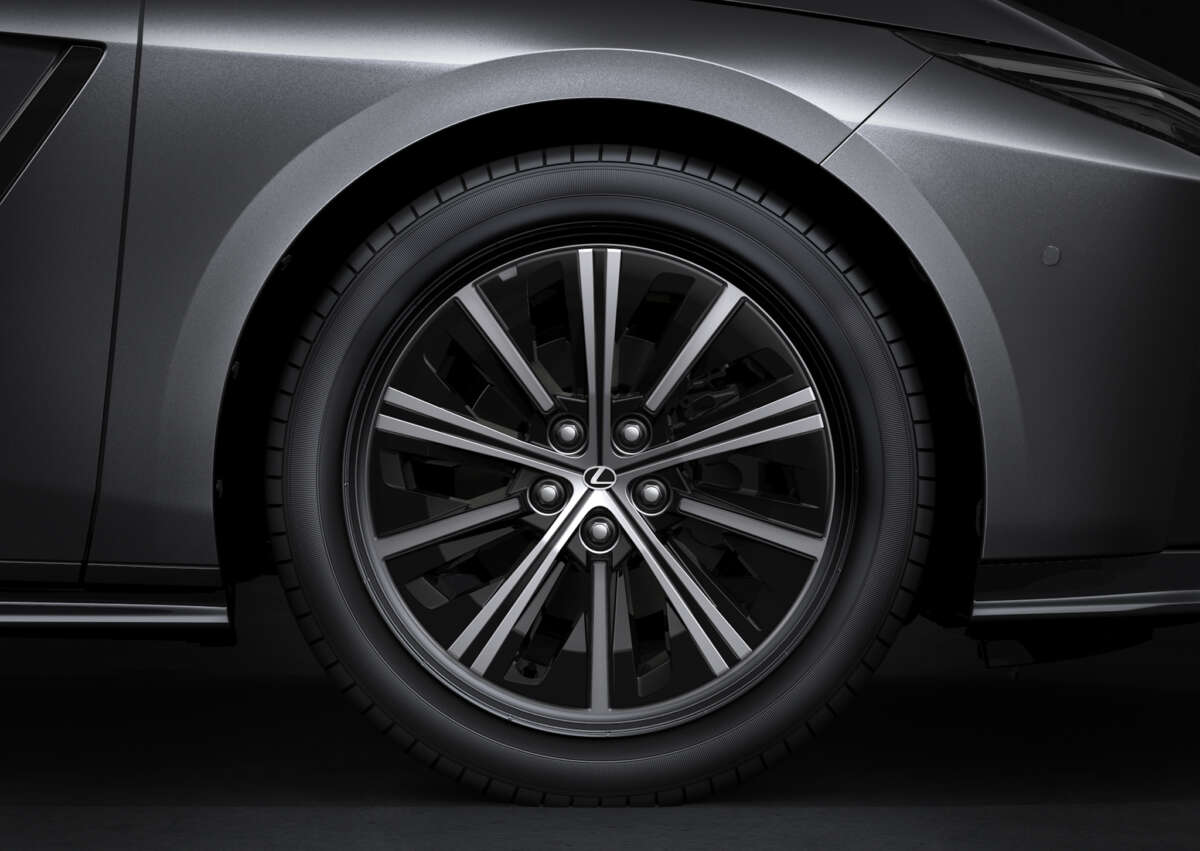


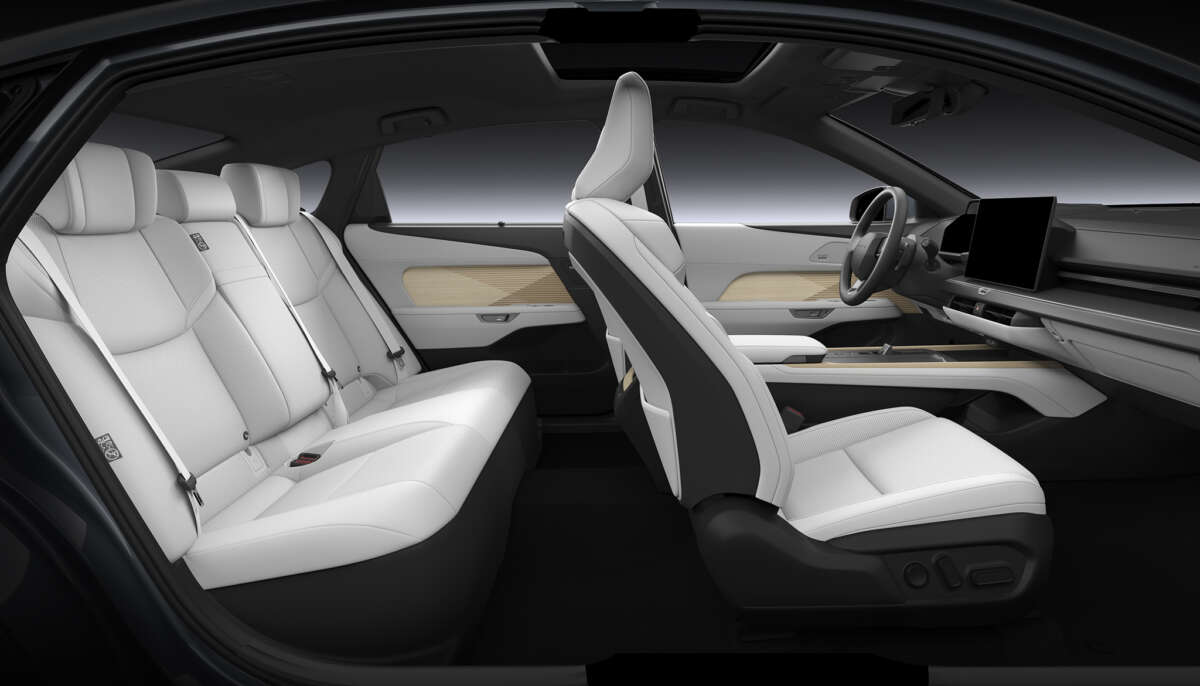
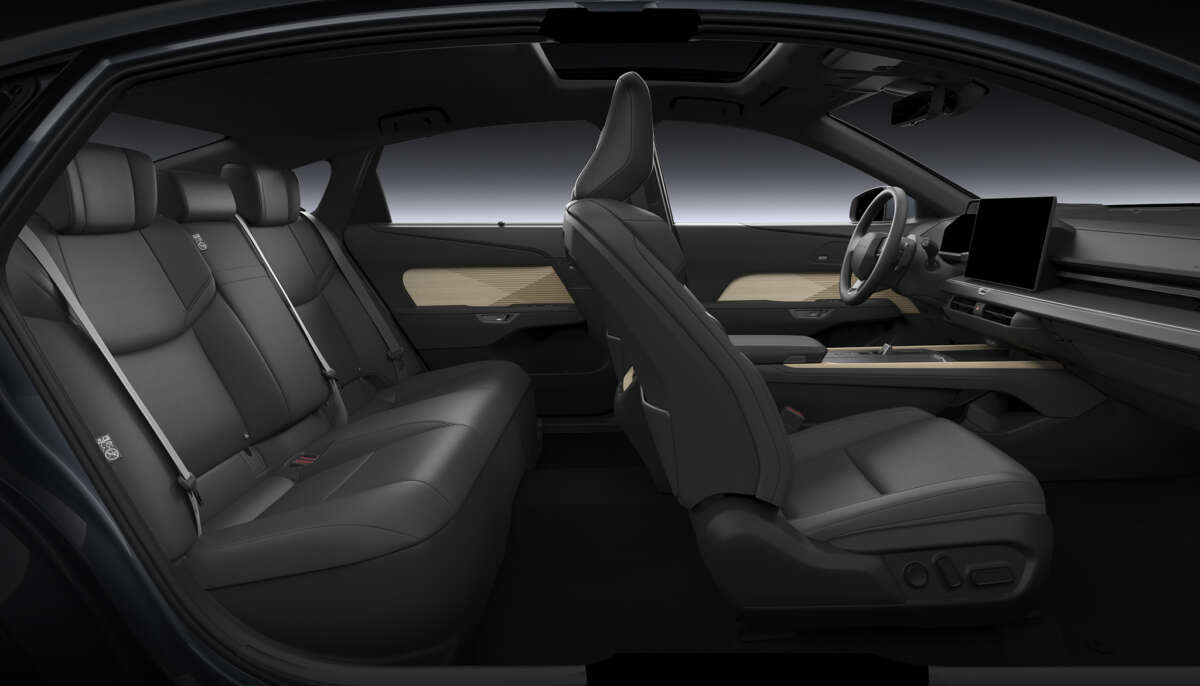

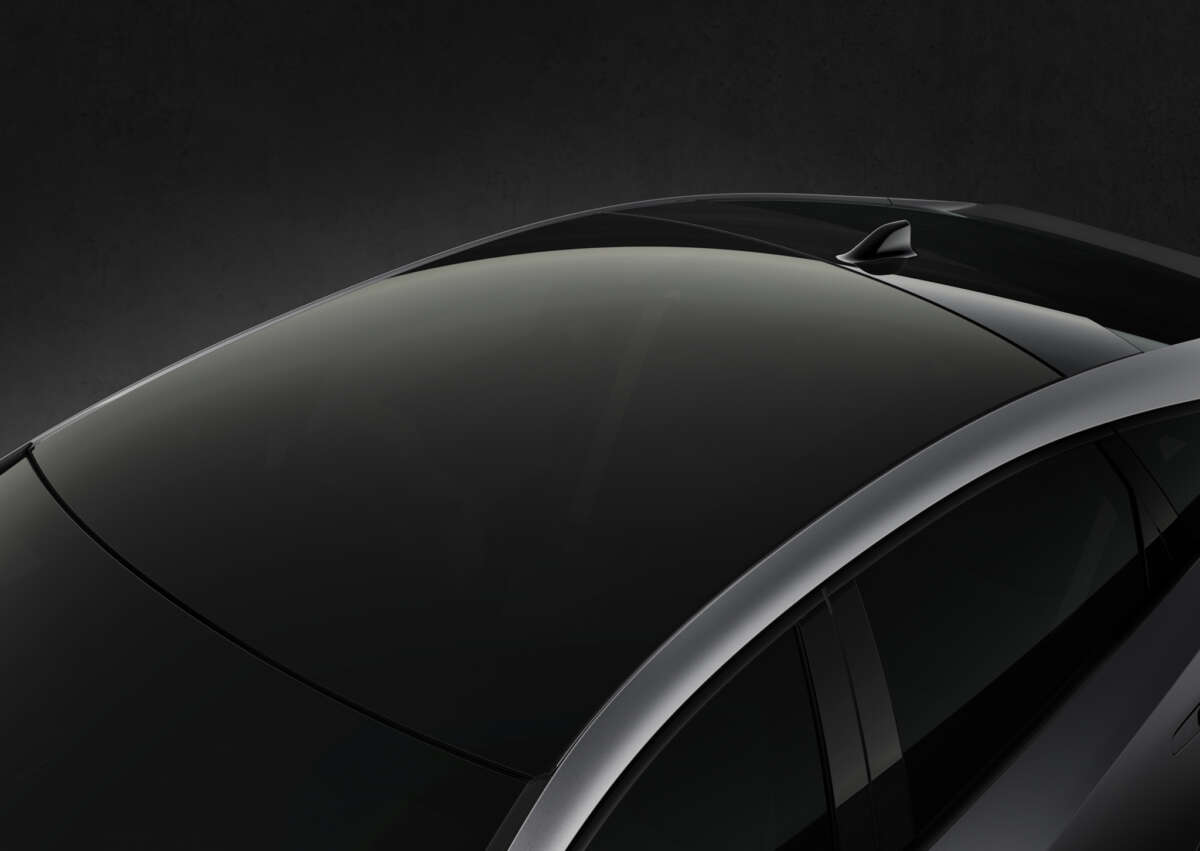
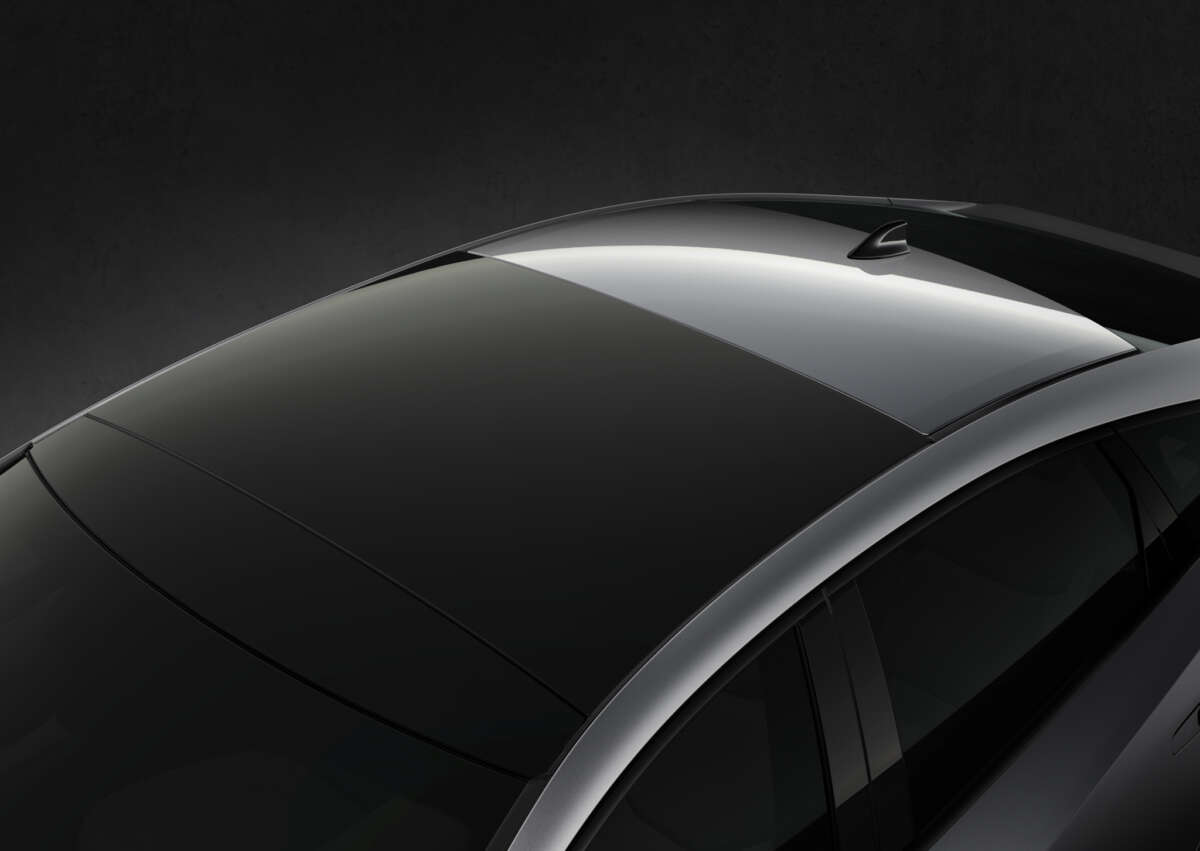
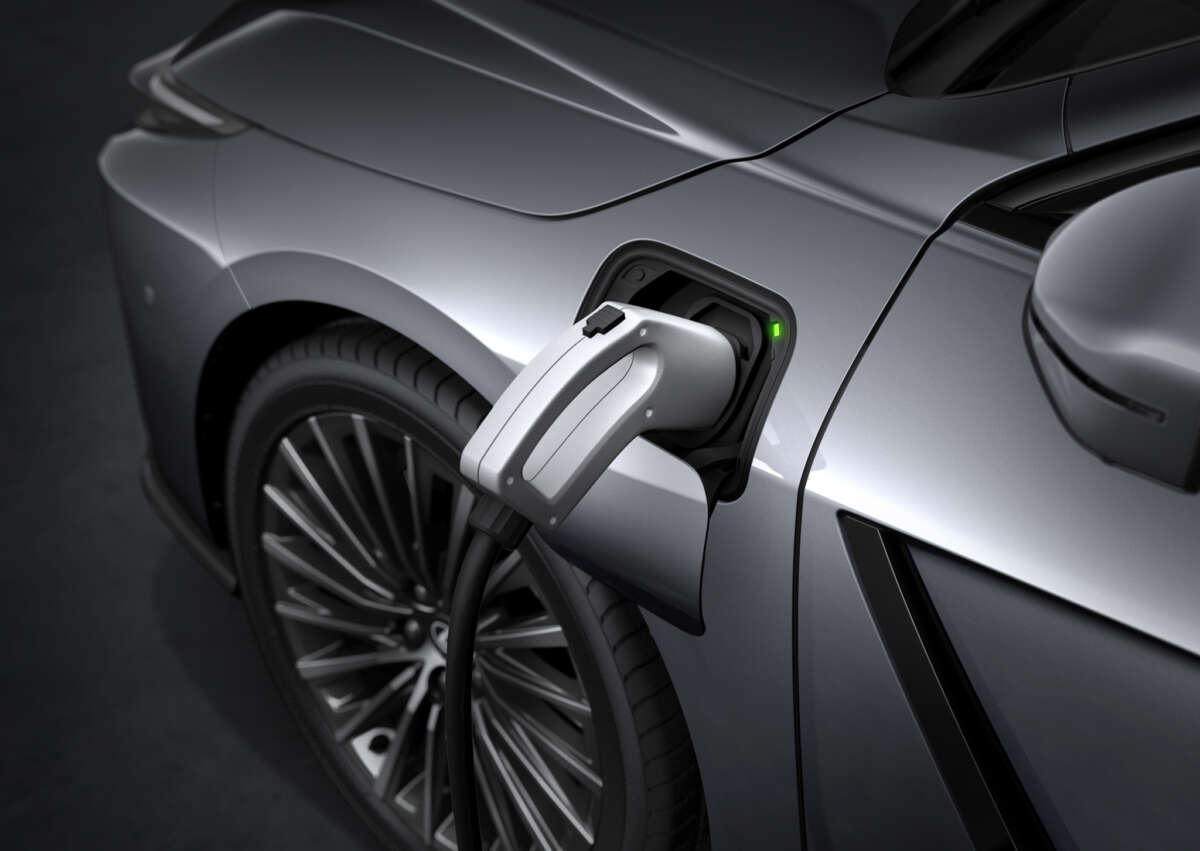
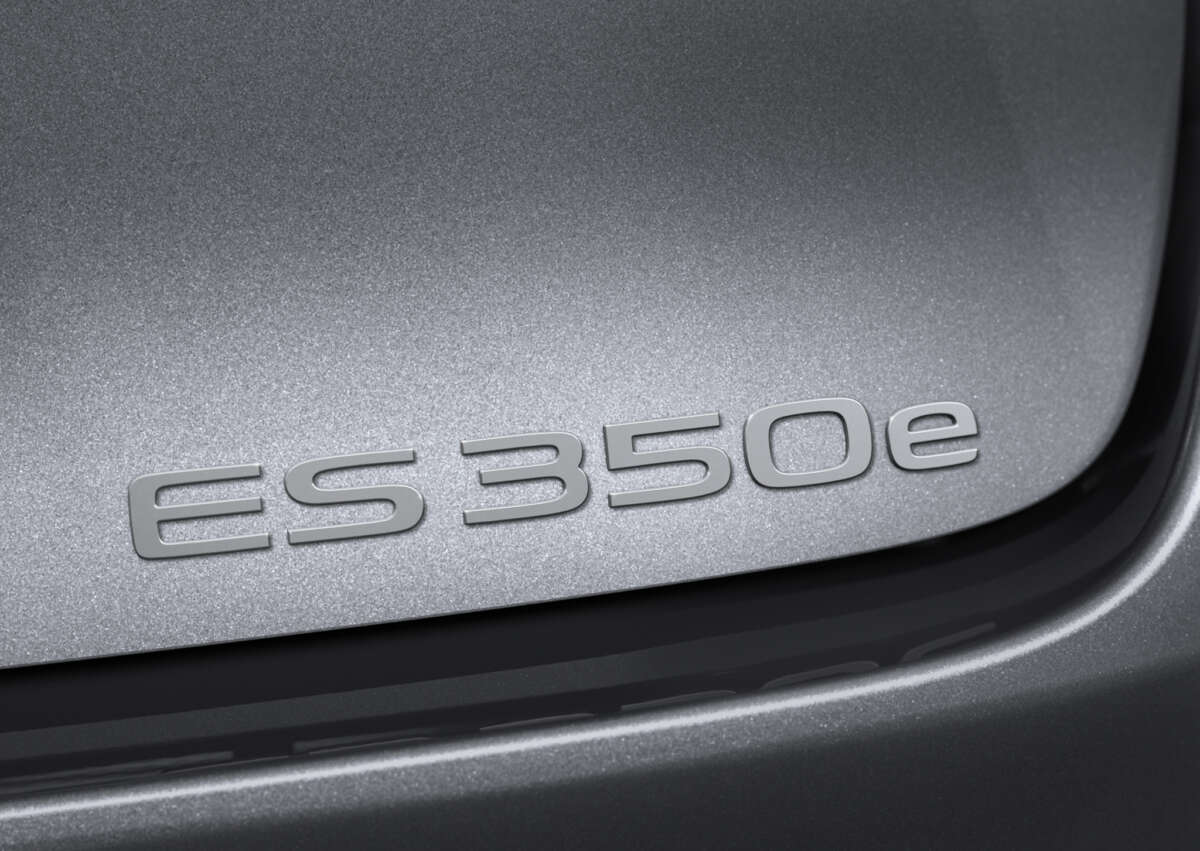





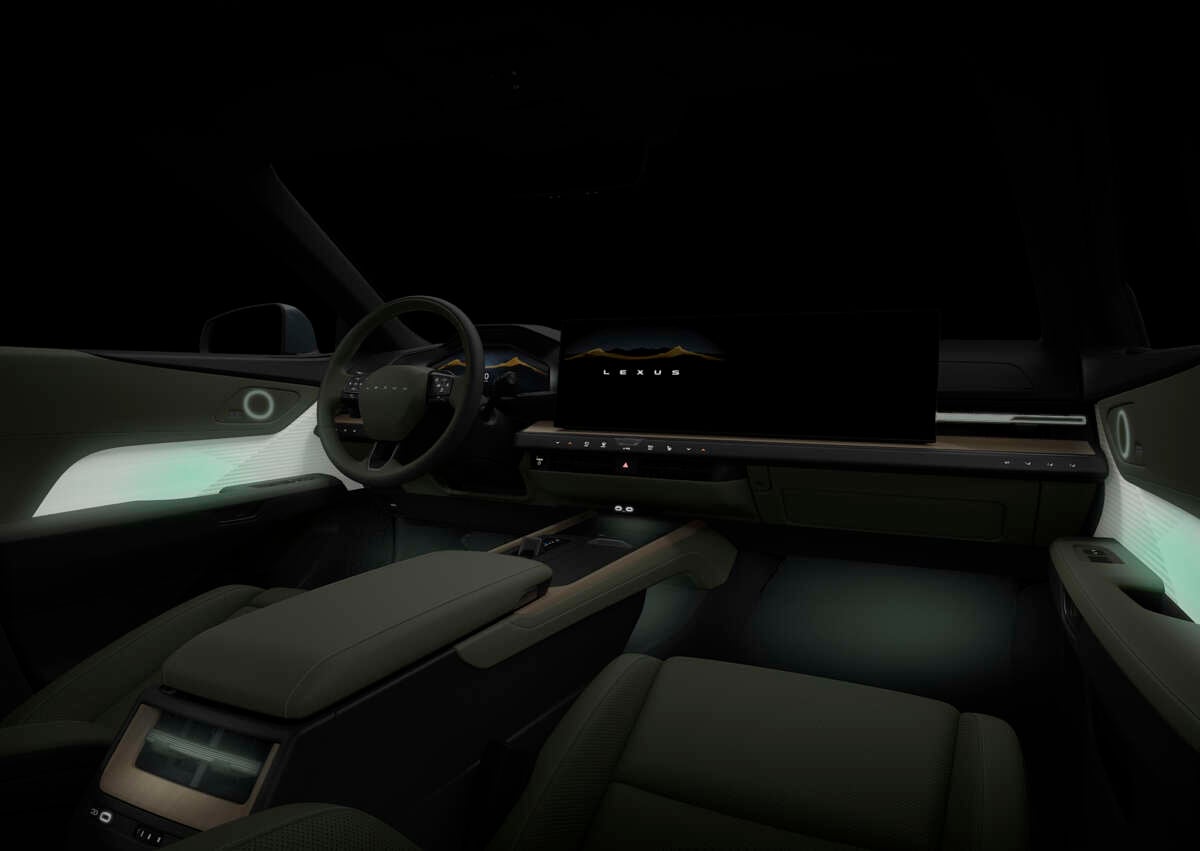


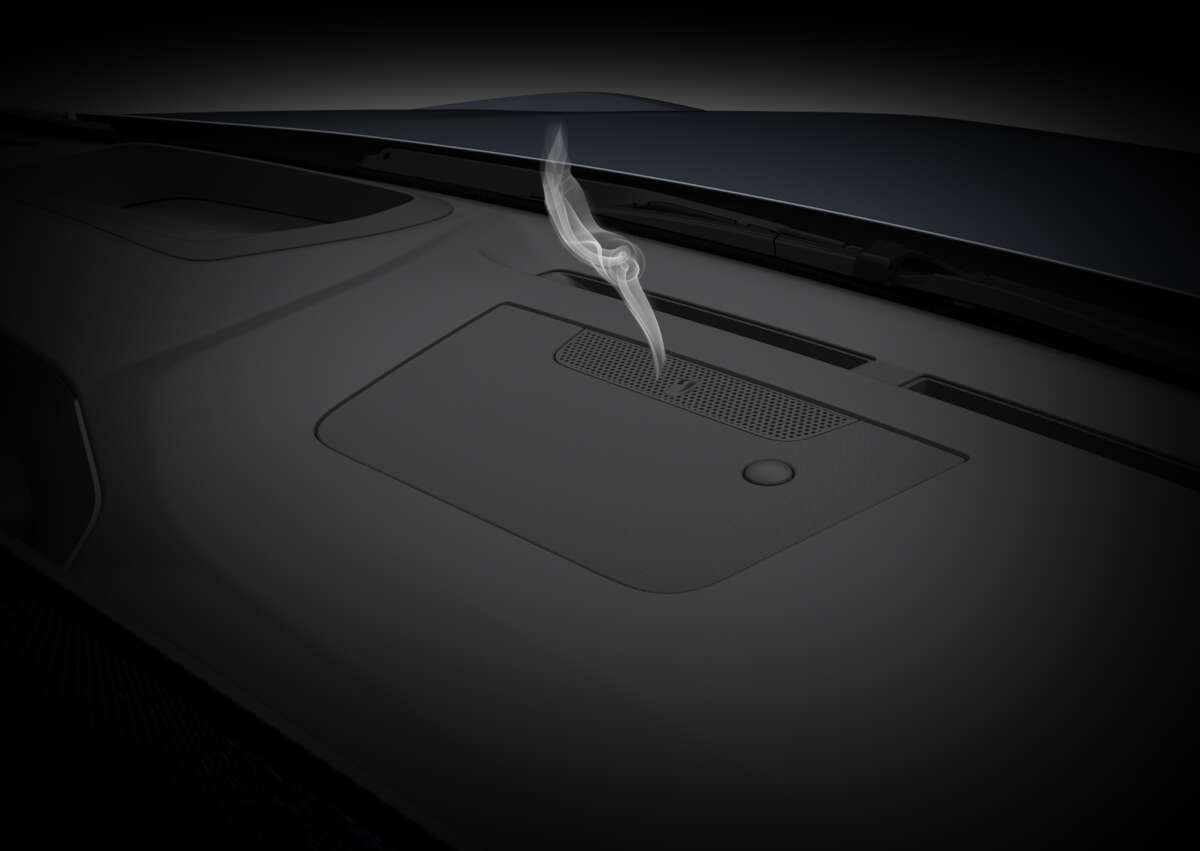
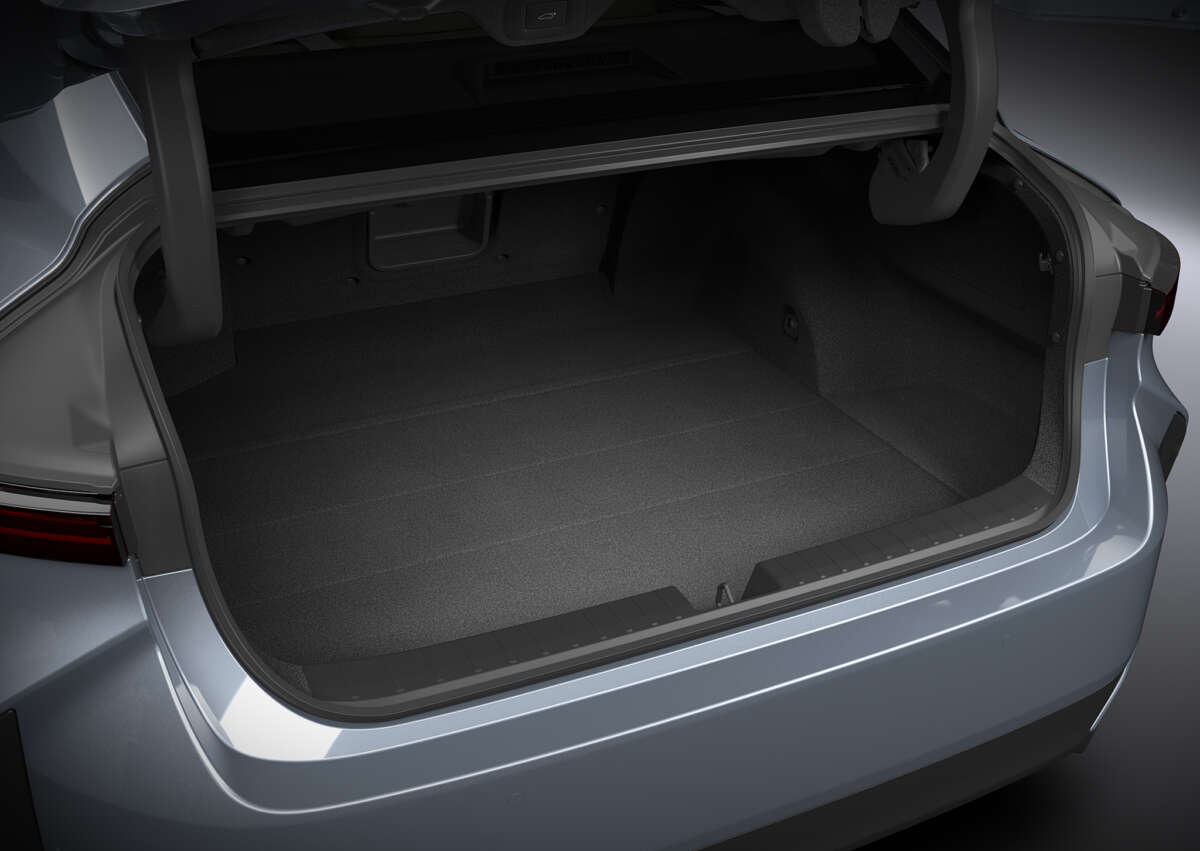


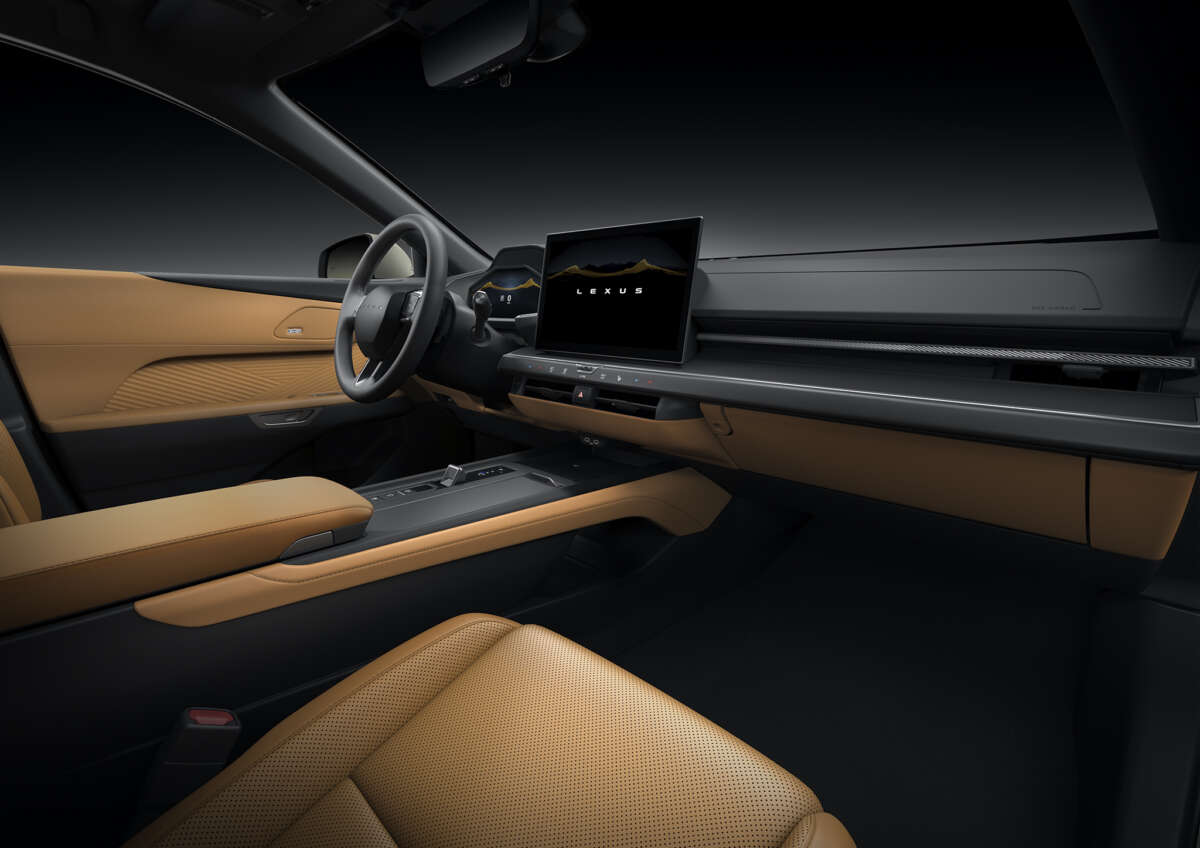
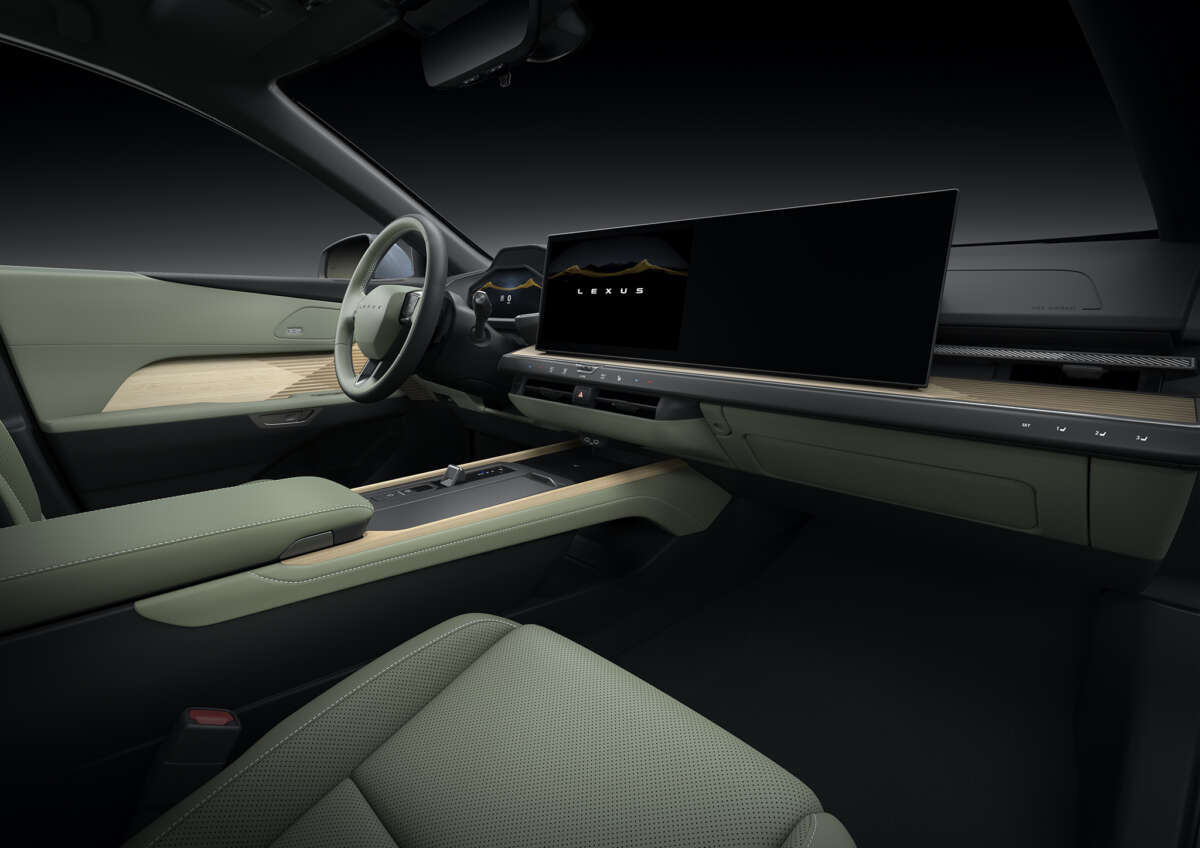
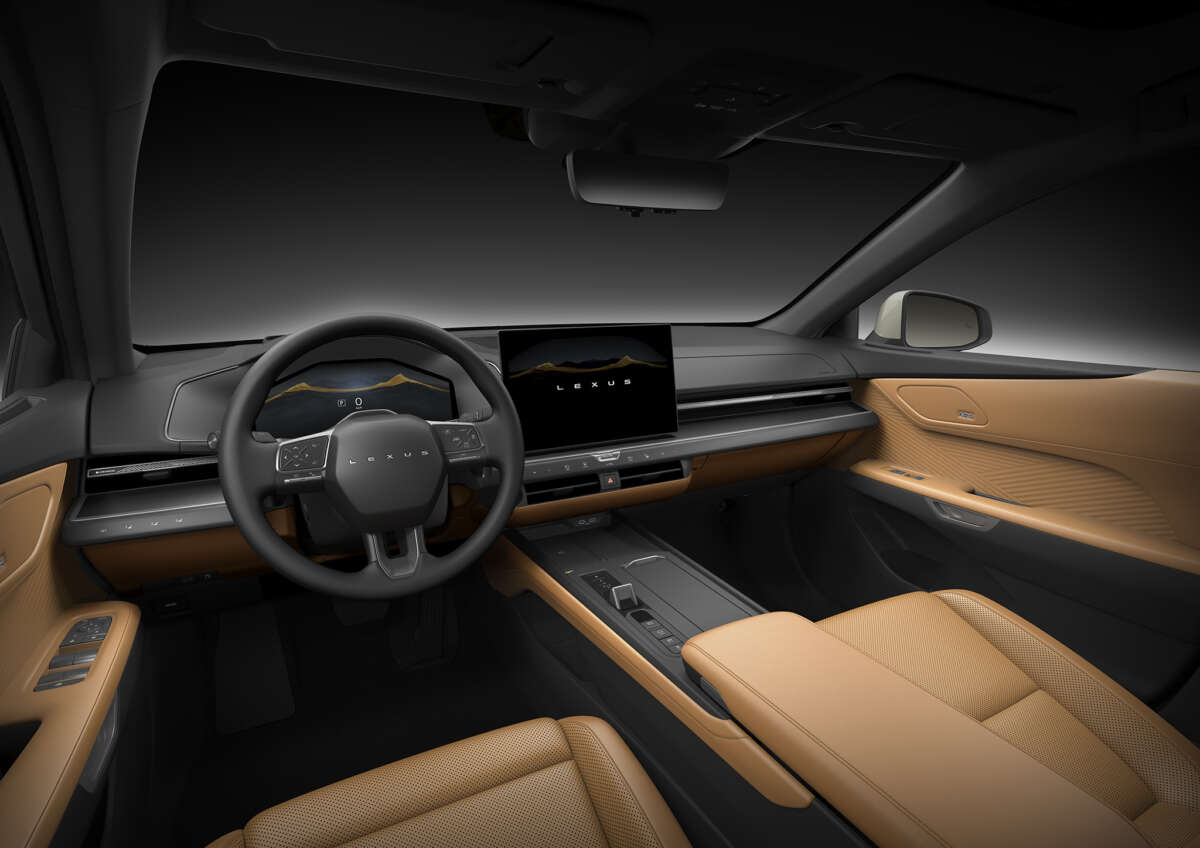
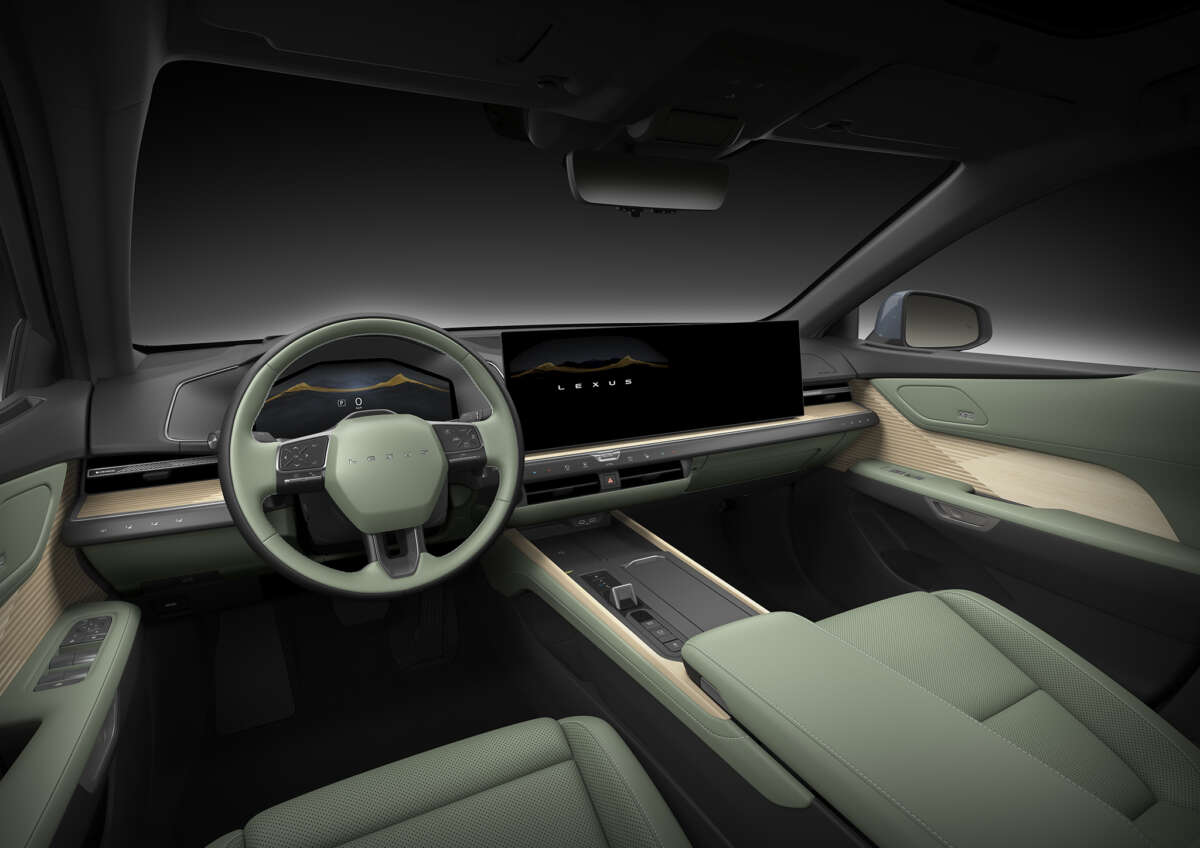
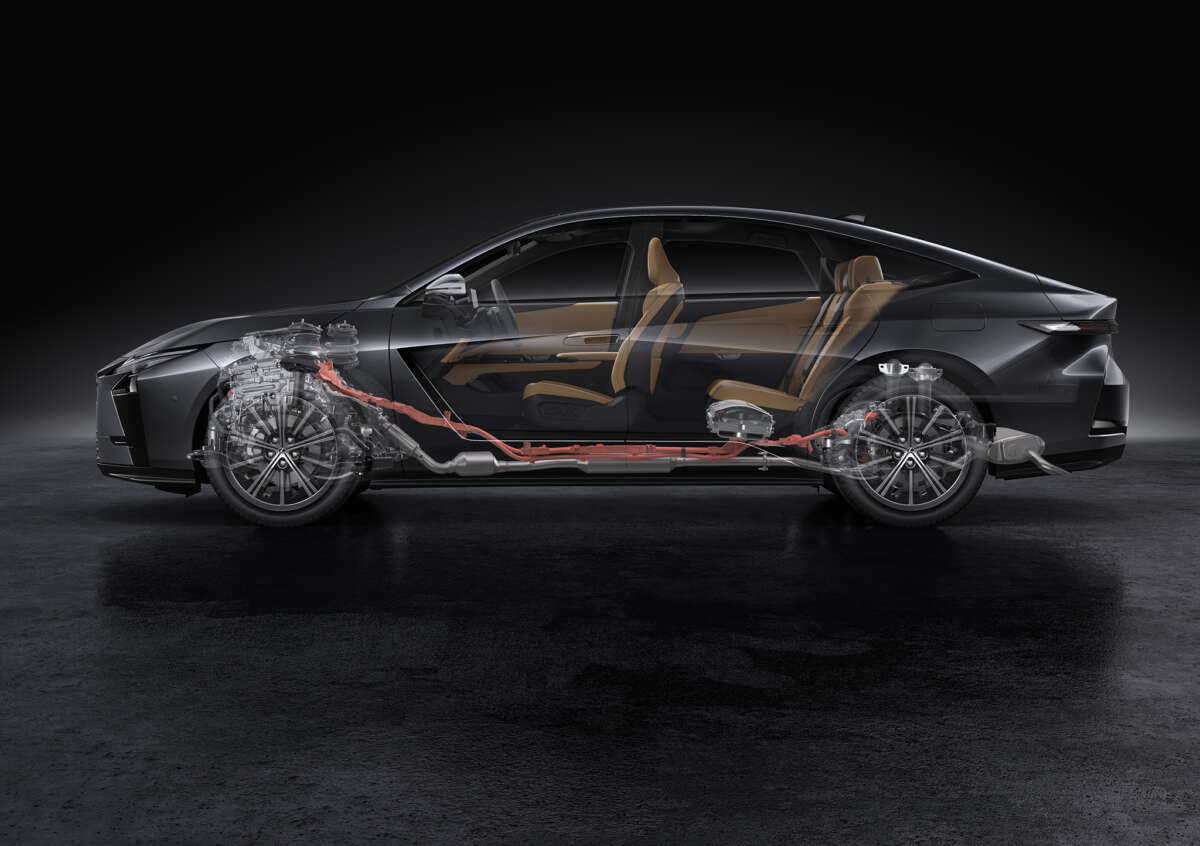
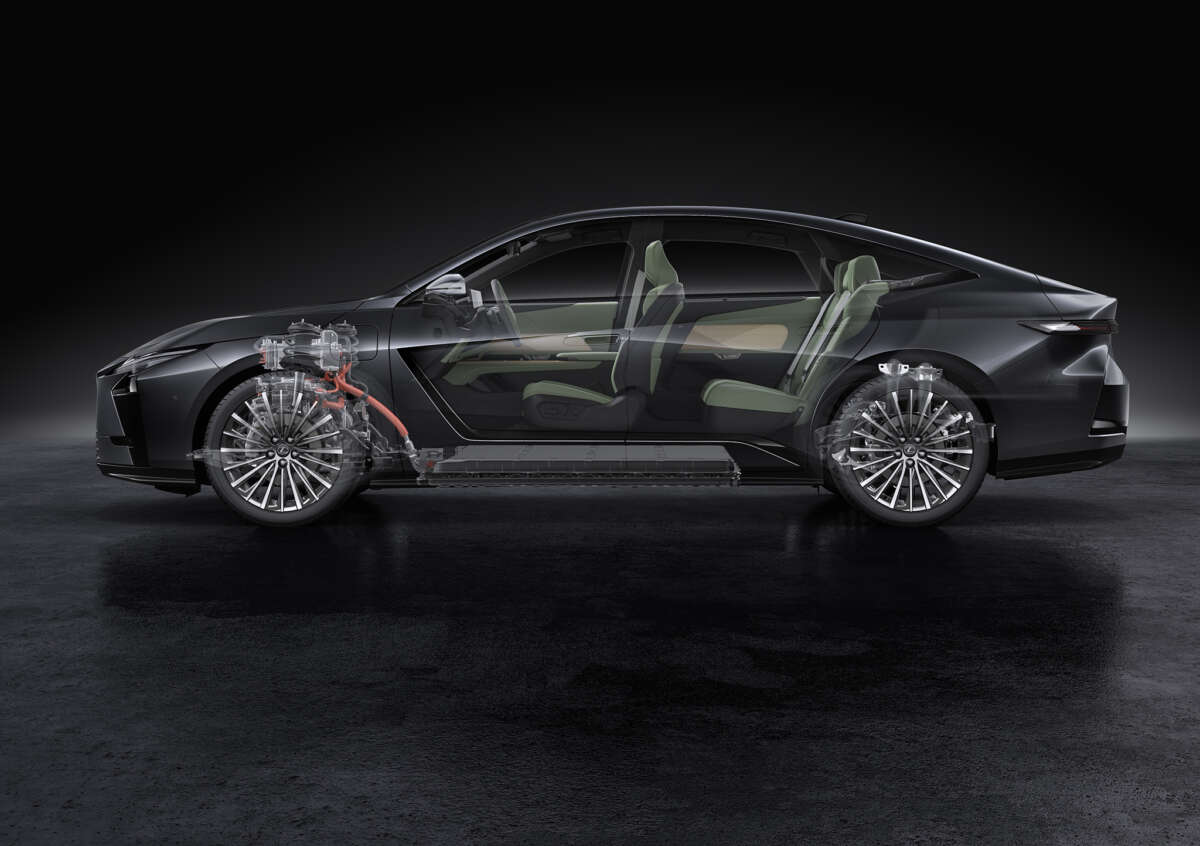


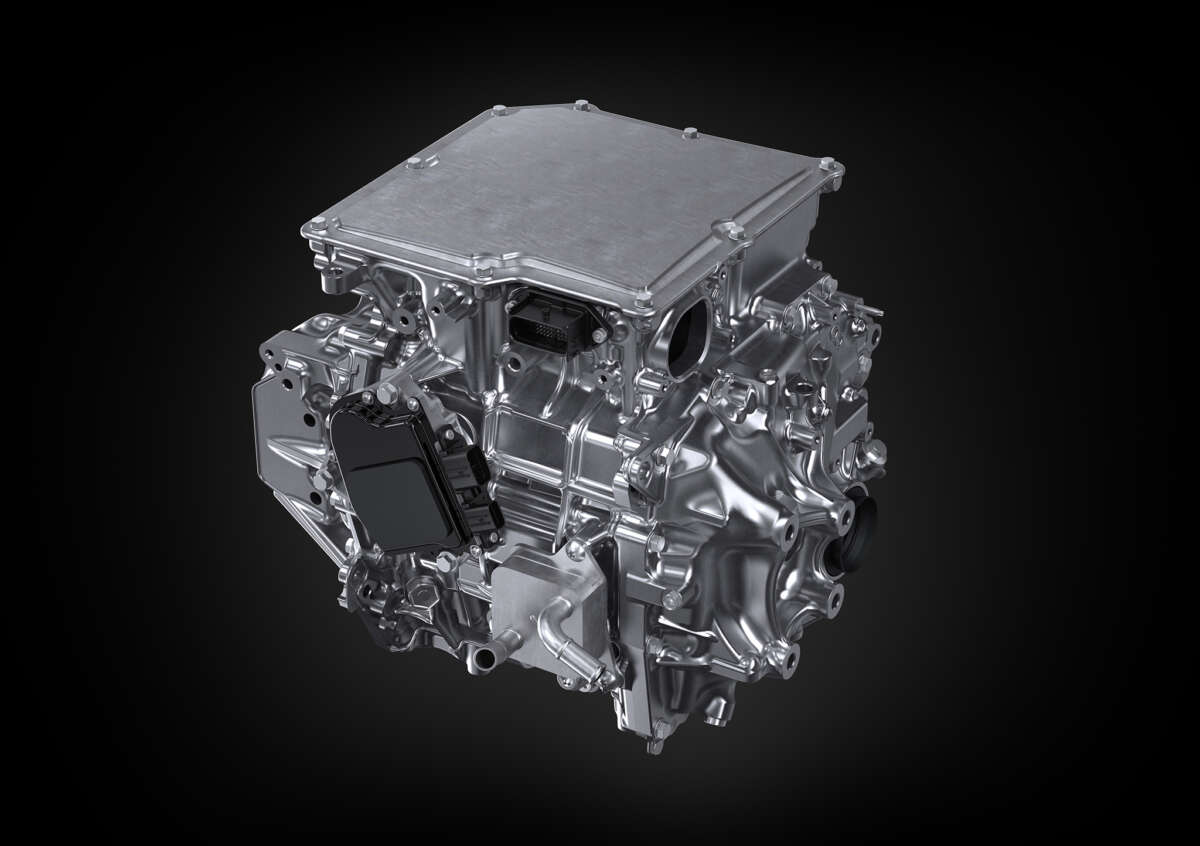

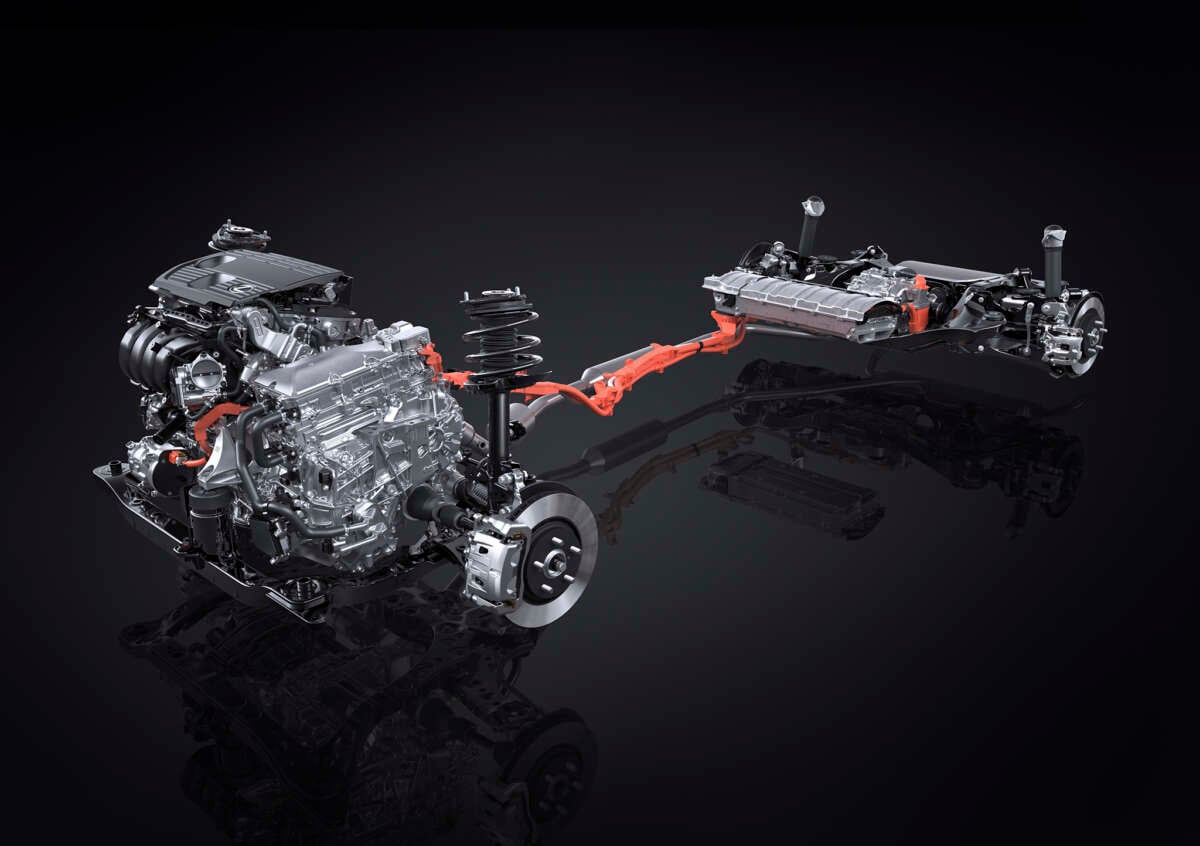

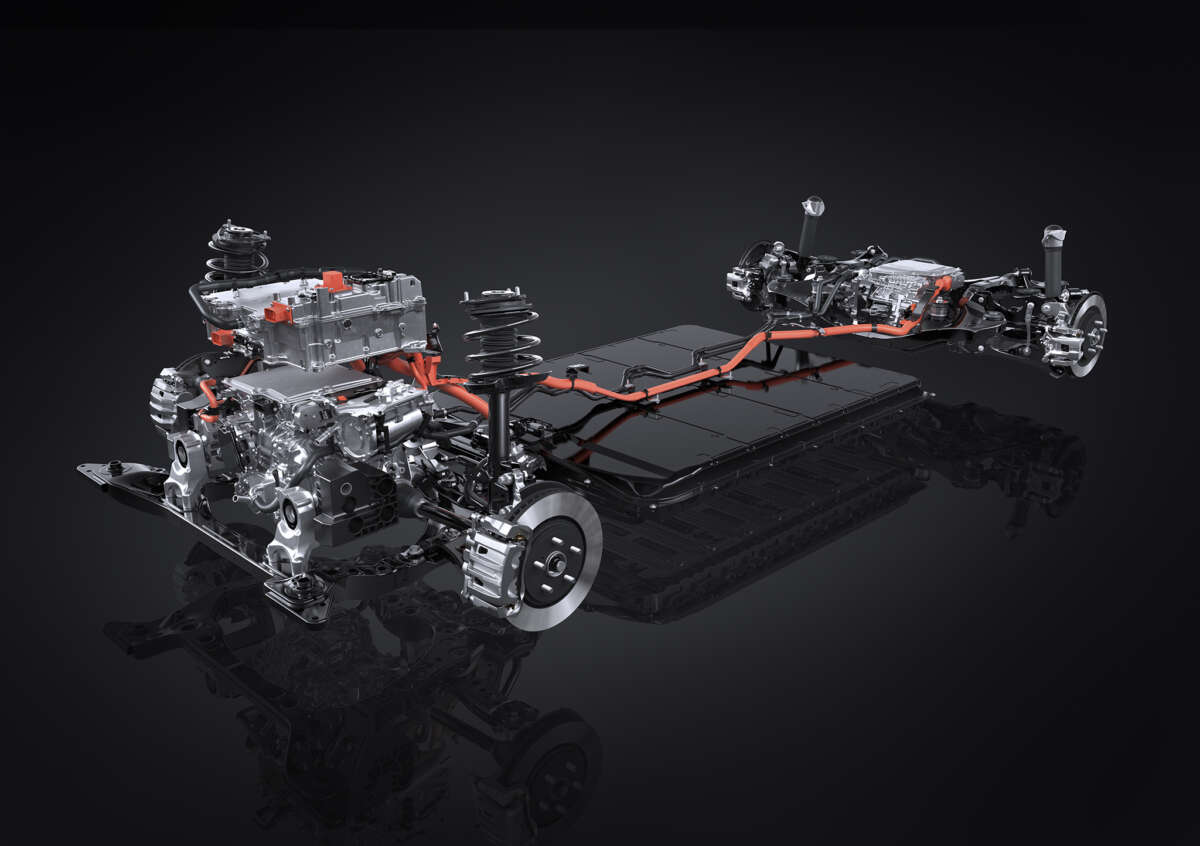











GALLERY: Lexus ES at Auto Shanghai 2025





 Lexus LX
from RM1,540,000
Lexus LX
from RM1,540,000  Lexus GX
from RM780,000
Lexus GX
from RM780,000  Lexus LBX
from RM238,888
Lexus LBX
from RM238,888  Lexus RZ
from RM429,888
Lexus RZ
from RM429,888  Lexus LM
from RM1,228,000
Lexus LM
from RM1,228,000  Lexus RX
from RM468,888
Lexus RX
from RM468,888  Lexus NX
from RM395,888
Lexus NX
from RM395,888  Lexus LS
from RM1,188,000
Lexus LS
from RM1,188,000  Lexus LC
from RM1,379,000
Lexus LC
from RM1,379,000 
Quite an awkward-looking car. Genuinely asking who’s the target market? Surely potential buyers of both the 5-er and E wouldn’t have this in their shortlist?
anyone who drives slowly, wants to keep a low profile, and prioritizes a reliable car.
Better than recon Toyota Crown
can wait for Toyota BZ7 281hp 320Nm CKD
many cars also very reliable, not just Lexus.
right right right slow pokes under 247PS better keep it slow-er..
two huge screens on the dashboard, omoda 5 thor hammer headlight drl, toyota is trying to beat the chinese using the chinese magic.
all good except the steering wheel logo
Finally Lexus knows people starts to like Chinese car so they make them look Chinese now
thats ironic because china ppl and japan people resemble each other , both have oriental features.
I thought JPY is at historical low against MYR? How come price went up compared to the outgoing model? And 0-100 in 9.4s for an executive sedan is a no-no man, way too slow. Even though the 5-series look like crap now it’s still a better buy because CKD discount and much higher power.
that currency rate thing just proves how much nippon is scamming maalysian buyers , and yet fools like Suryn and Peppa still blindly support jap cars.
It looks weird. Not sporty, yet not elegant. Wonder where will it fit? Maybe my pocket??
fwd lapsap
Nokia is waiting for you
Neither here nor there. Not sure if the “made in Japan” is worth the asking price