
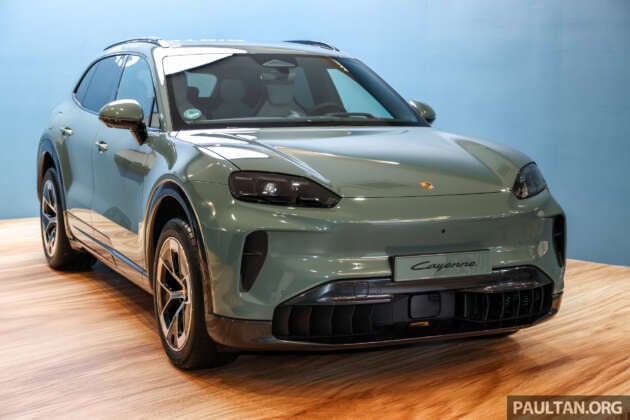
The new Porsche Cayenne Electric has made an appearance in Malaysia as part of a regional test drive event, some six months after its global debut in November. The fourth generation of Zuffenhausen’s seminal SUV – now a full EV as per the Taycan and Macan – will eventually be launched here at some point, although no timeline for its local introduction has been revealed just yet.
Built on the same Premium Platform Electric (PPE) – co-developed with Audi – as the Macan, the Cayenne was shown in both standard and Coupé guises, the latter fresh from its unveiling in Beijing in April. The need to fit a large battery means the wheelbase has been stretched by some 128 mm over the petrol model (which, by the way, will remain on sale for the foreseeable future) to 3,023 mm.
This has resulted in a 55 mm increase in overall length to 4,985 mm; the car is also three millimetres narrower at 1,980 mm and five millimetres lower at 1,674 mm. The Coupé is an additional 24 mm lower at 1,650 mm, thanks to its lower-slung roofline.
The Cayenne is currently offered in three variants, all with dual-motor all-wheel drive but without the Taycan’s two-speed rear transmission. Even the base model churns out 408 PS (300 kW) and 835 Nm, or 442 PS (325 kW) in launch control. Activate it and the car is able to sprint from zero to 100 km/h in 4.8 seconds on its way to a top speed of 230 km/h.
One rung up is the Cayenne S, introduced in March. This produces 544 PS (400 kW) and a whopping 1,080 Nm, rising up to a devilish 666 PS (490 kW) with launch control activated. Zero to 100 km/h is demolished in 3.8 seconds, while top whack rises slightly to 250 km/h.
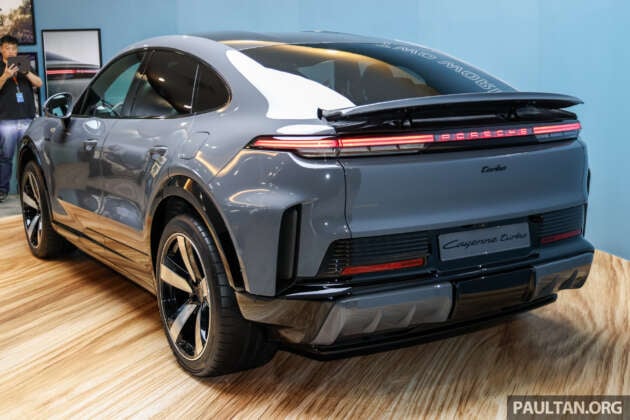
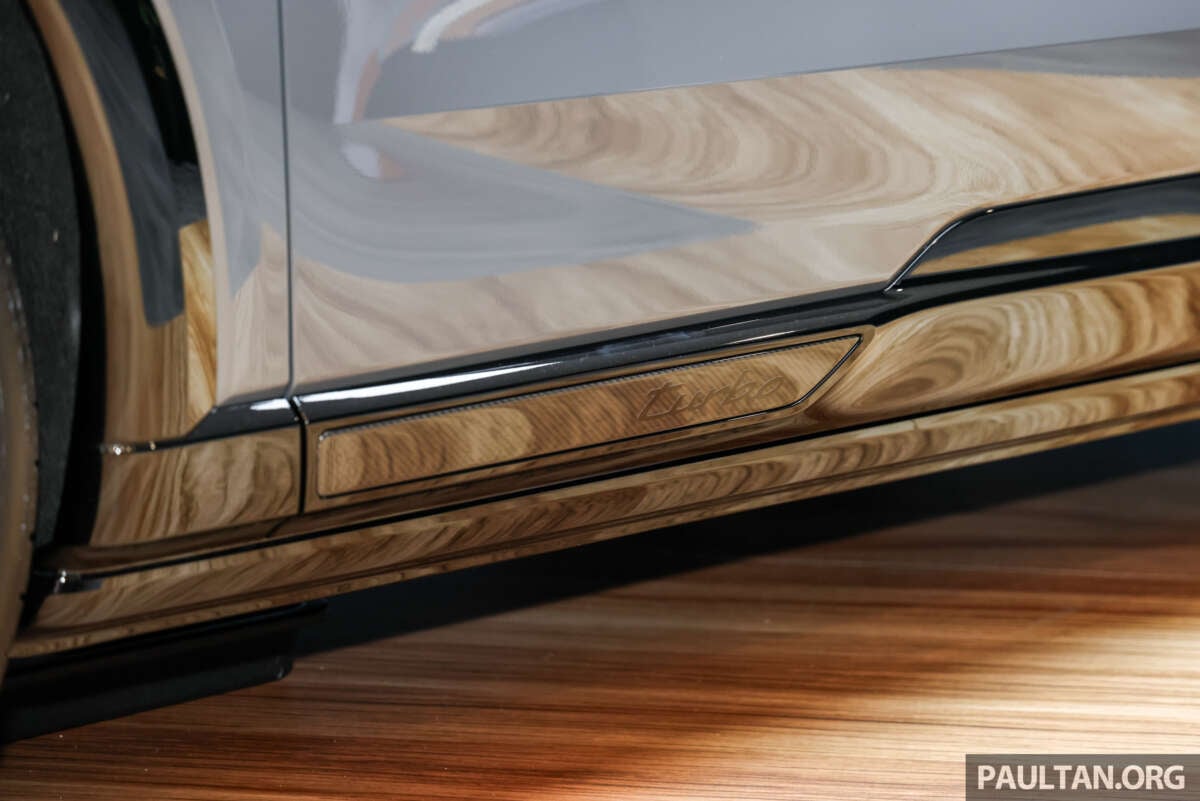
But the one you’ll really want is the Cayenne Turbo, which raises performance to a whole new level. In standard mode it already makes 857 PS (650 kW) and a startling 1,500 Nm, but put it into launch control and it pushes out 1,156 PS (850 kW), flinging it to 100 km/h in just 2.5 seconds and to 200 km/h in 7.4 seconds. Top speed is capped to 260 km/h, which you’ll reach in no time.
To keep the 2.6 tonne kerb weight in check, the Cayenne comes as standard with air suspension with Porsche Active Suspension Management (PASM) adaptive dampers, as well as regenerative braking at up to 600 kW – as much as a Formula E car. A Porsche Torque Vectoring (PTV) Plus limited-slip rear differential, rear-wheel steering at up to five degrees and carbon ceramic brakes are available on the options list.
Also optional is Porsche Active Ride that made its debut on the third-generation Panamera. Offered for the first time on an SUV, it replaces conventional anti-roll bars with hydraulic dampers to virtually eliminate body roll and even lean in the corners like a motorcycle, without sacrificing ride comfort.
Even though owners will rarely take the Cayenne off-road, it has nevertheless been developed to be capable off the beaten track. To that end, its air suspension is able to raise the ground clearance to 245 mm, and there’s also an off-road package with a different front bumper to increase approach angle. One slight disappointment is a maximum water-wading depth of only 550 mm, which is lower than some hardier rivals.
Despite its towering performance, the massive 113 kWh NMC battery means the Cayenne still offers a decent amount of WLTP-rated range – 642 km for the base model, 652 km for the S and 624 km for the all-singing, all-dancing Turbo. Thanks to its sleeker, more aerodynamic shape, the Coupé offers more range at 661 km for the Cayenne, 669 km for the Cayenne S and 637 km for the Cayenne Turbo.
As with other Porsche EVs, the Cayenne features an 800-volt electrical architecture, enabling DC fast charging at up to 390 kW (up to 400 kW in ideal conditions) and topping up the huge battery from 10 to 80% in under 16 minutes. It will also support up to 11 kW of AC charging (22 kW optional) and is the world’s first EV to feature a wireless charging option ex-factory, also at up to 11 kW.
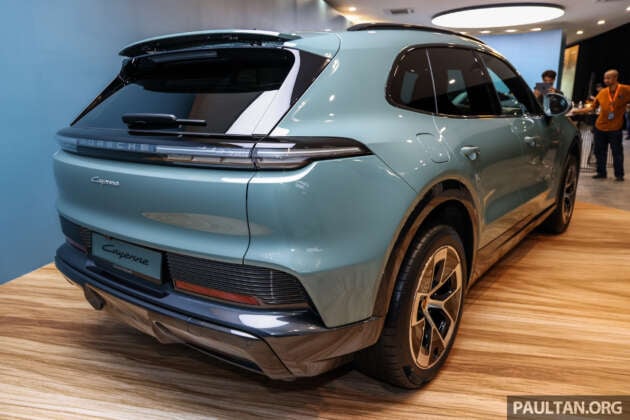
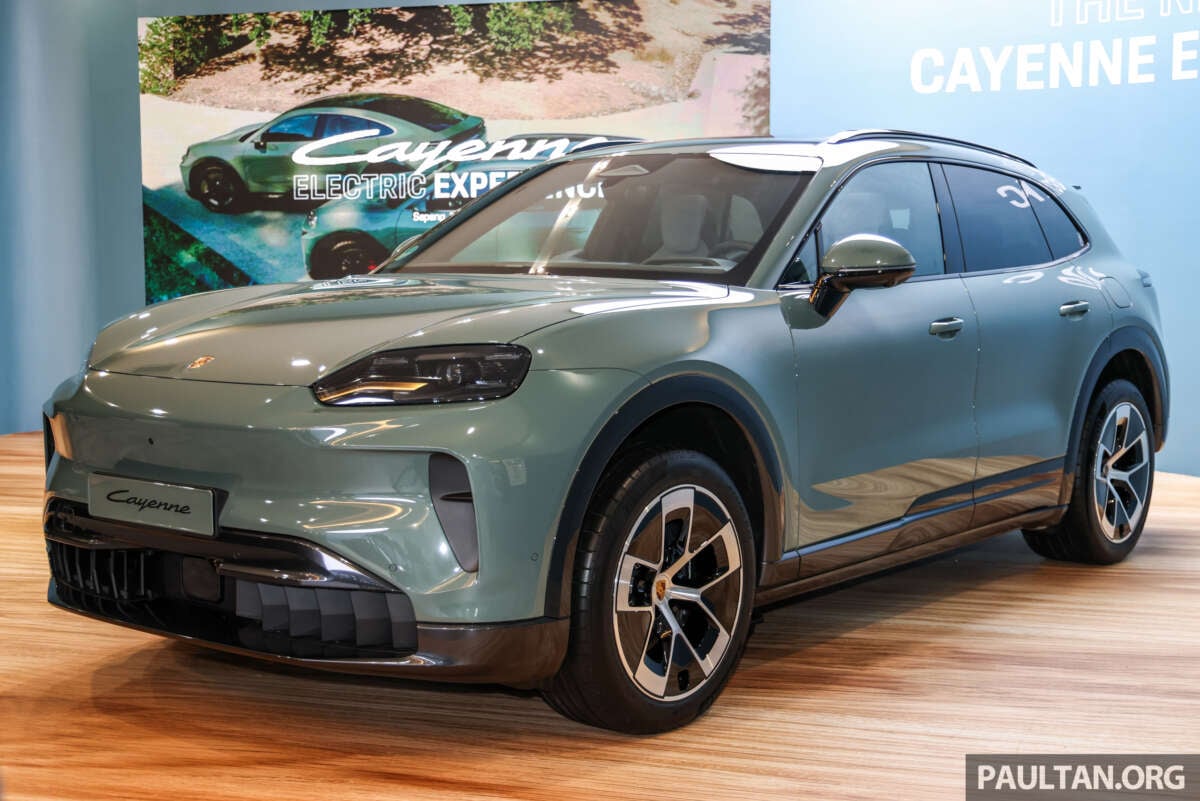
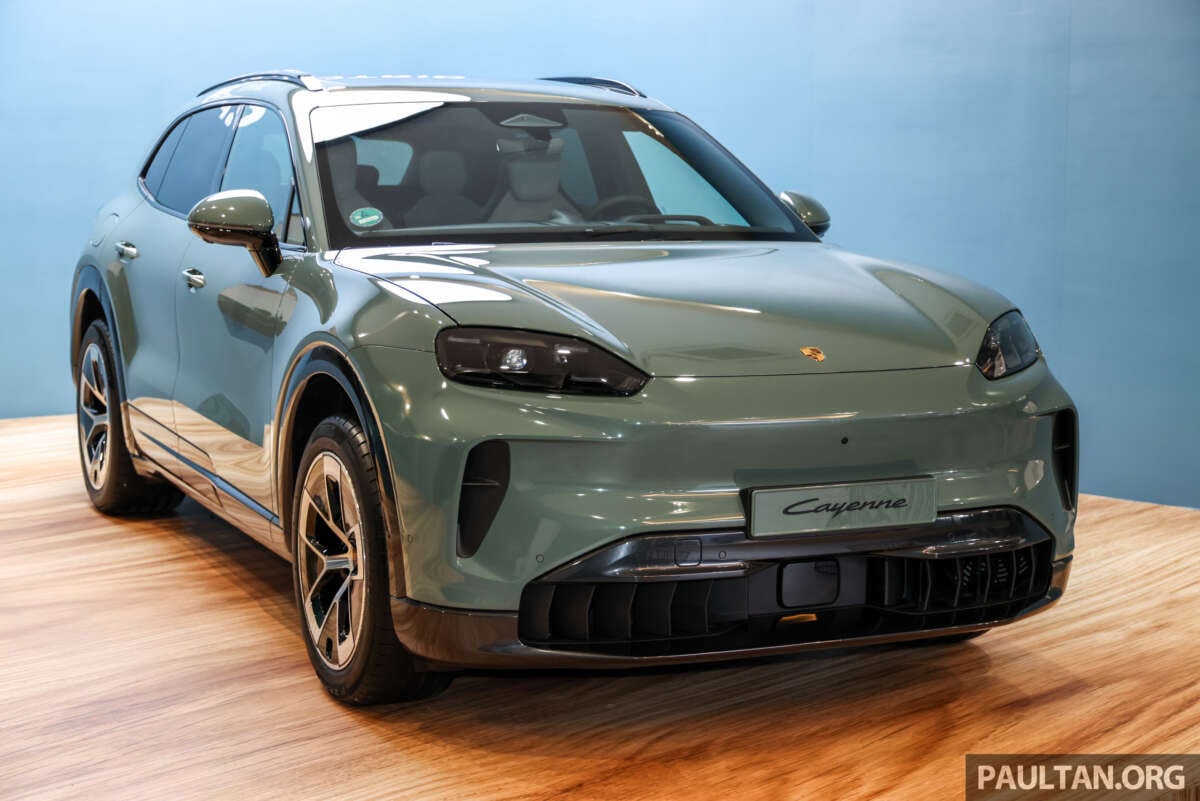
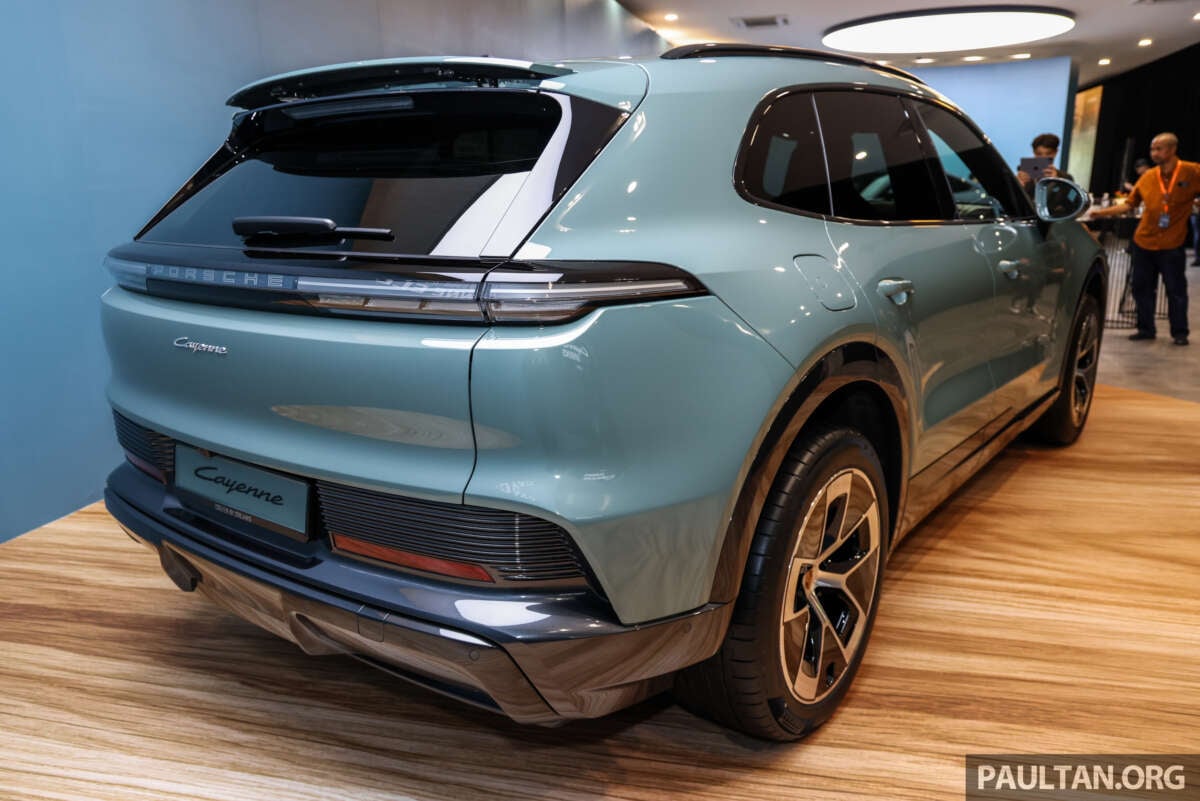
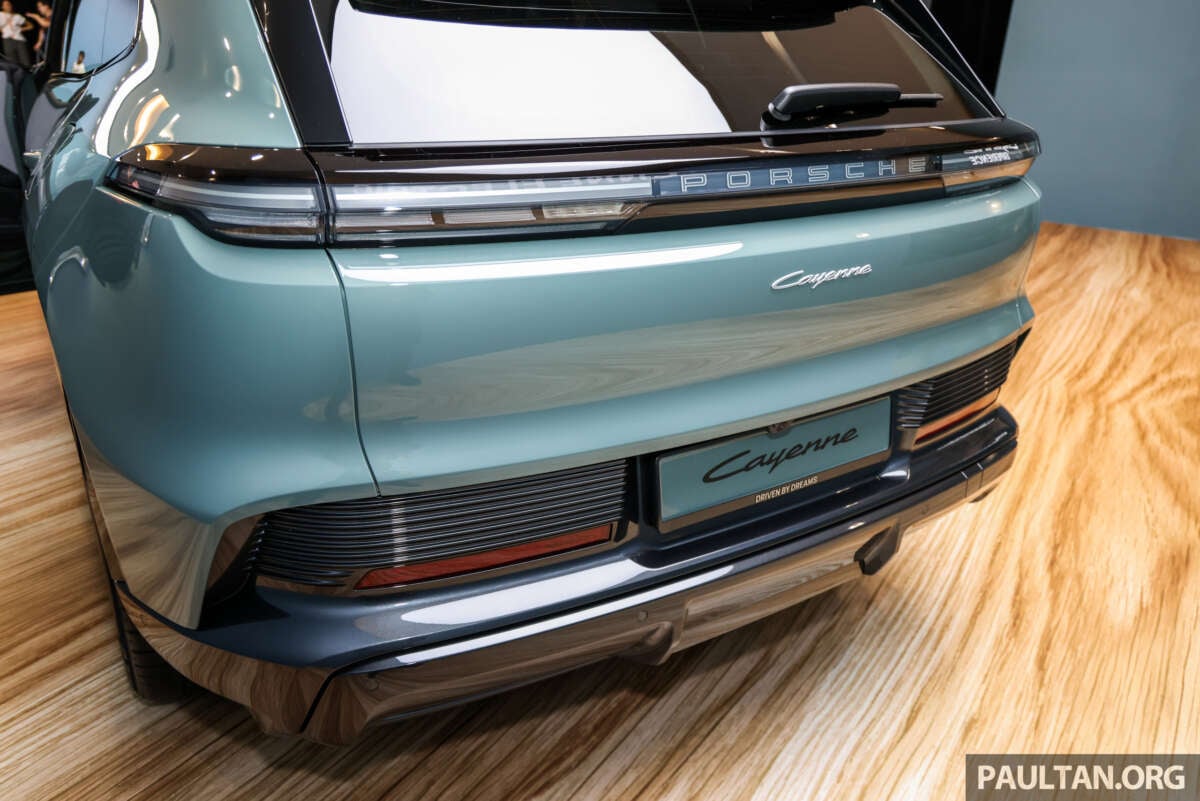
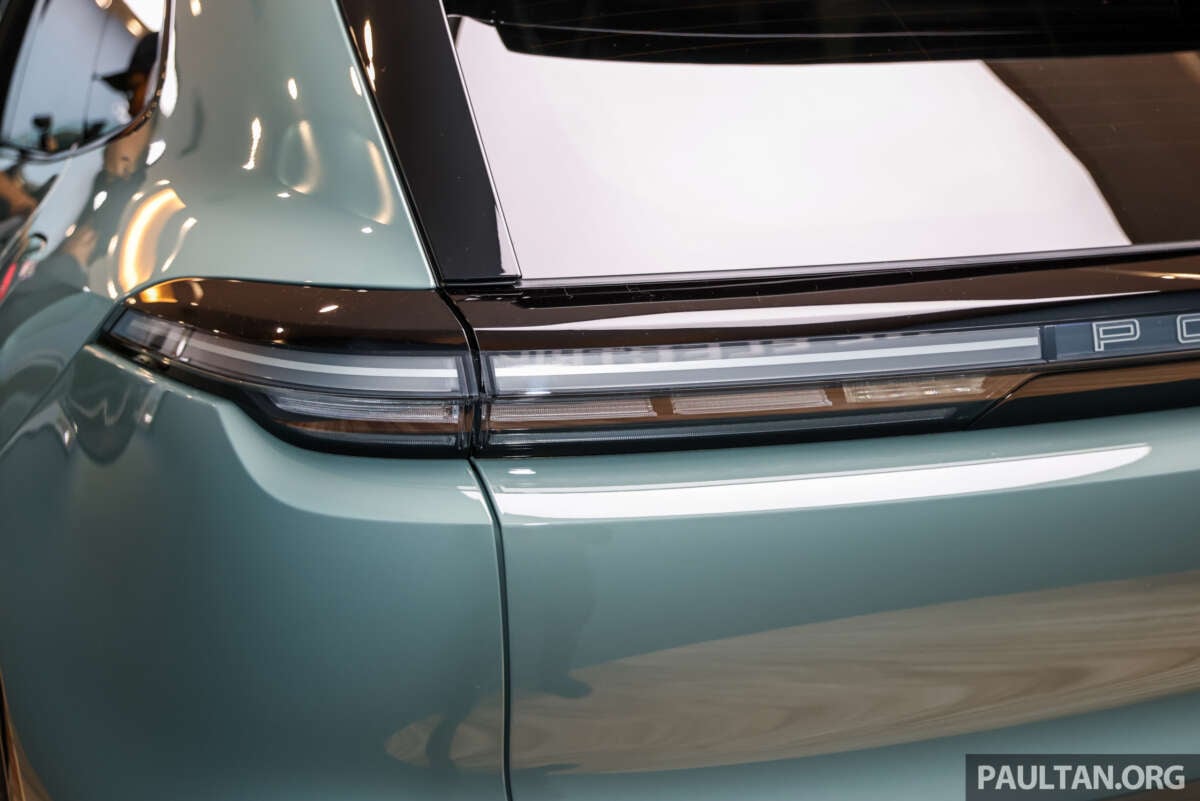
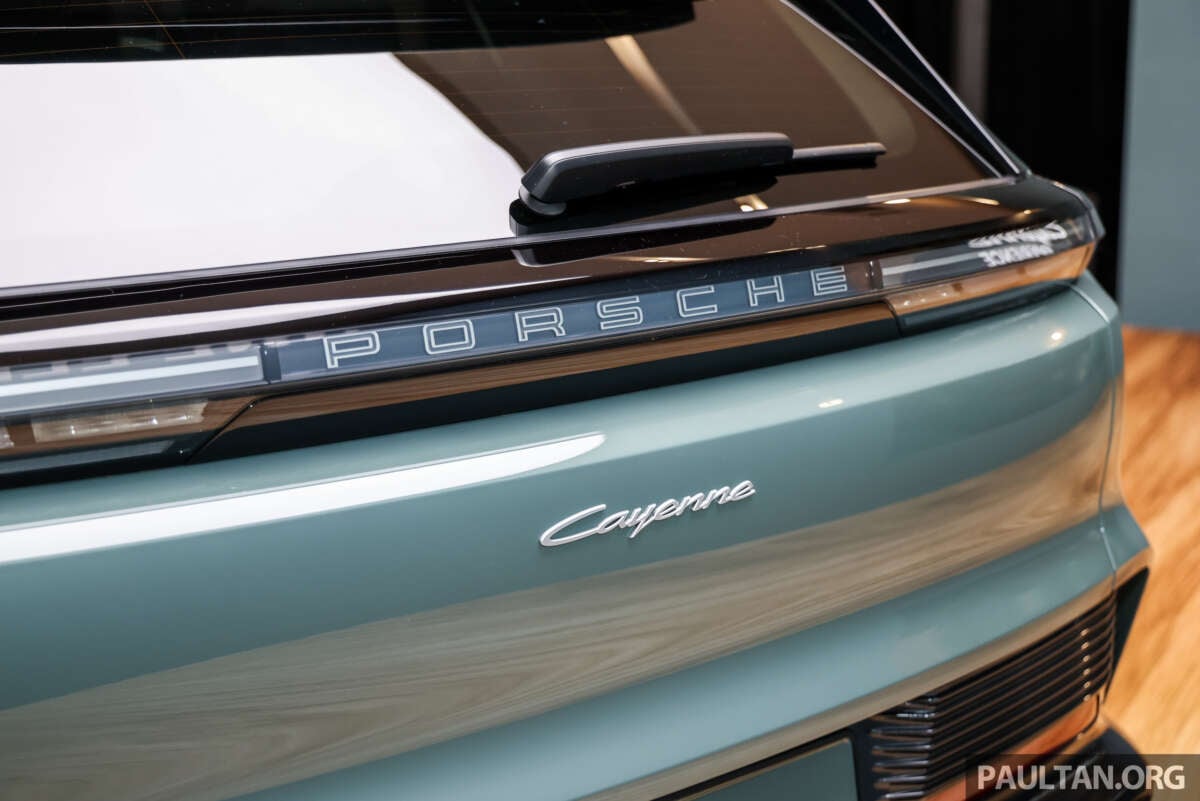
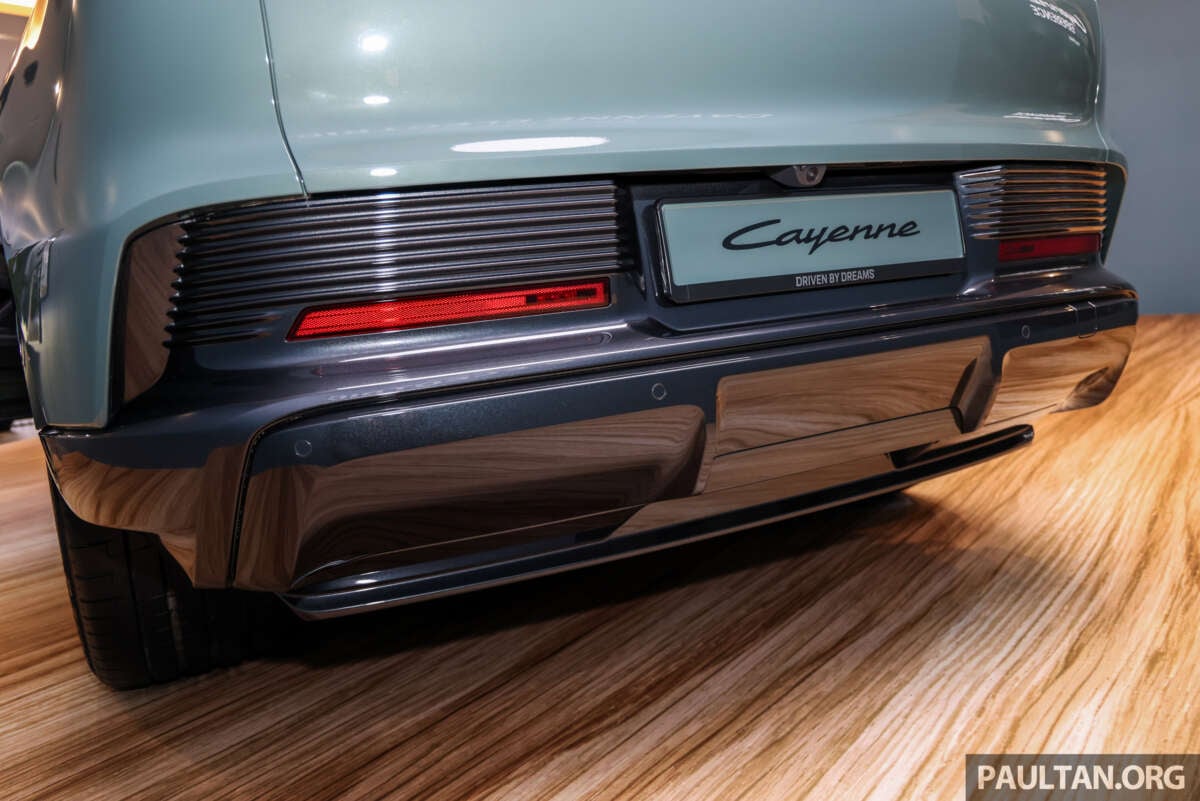
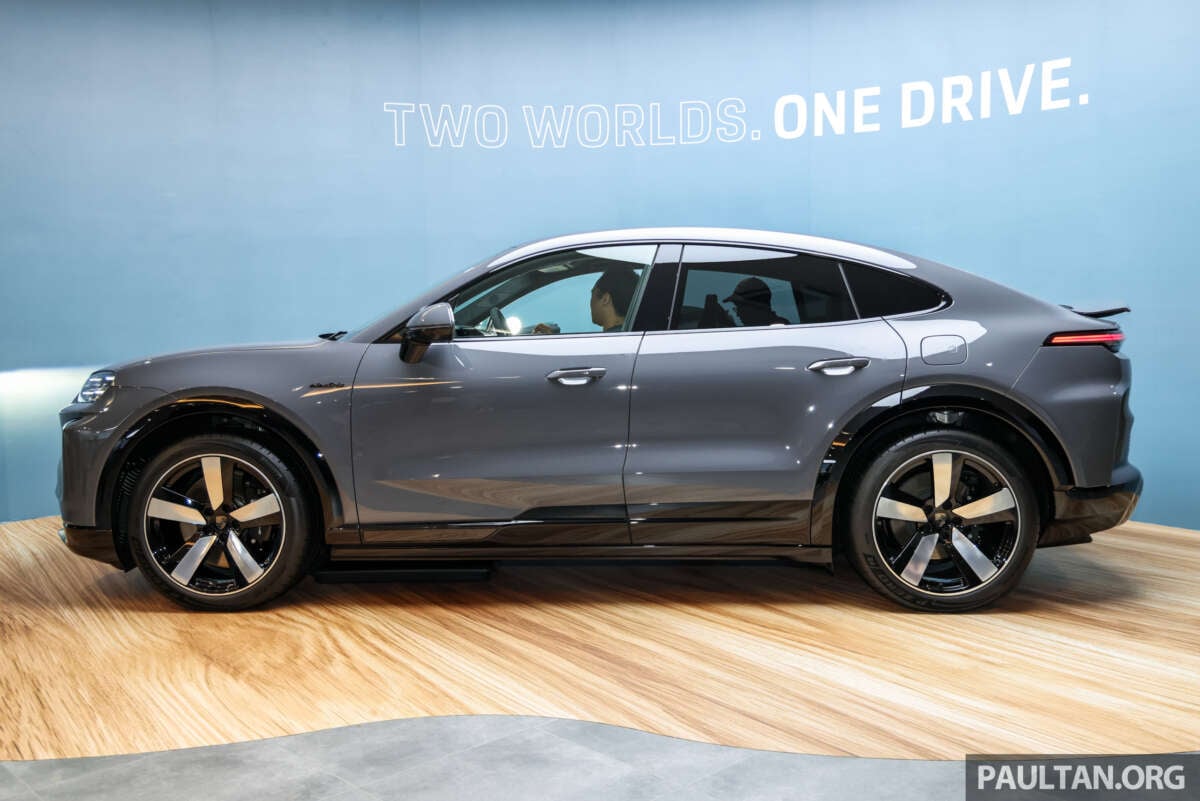
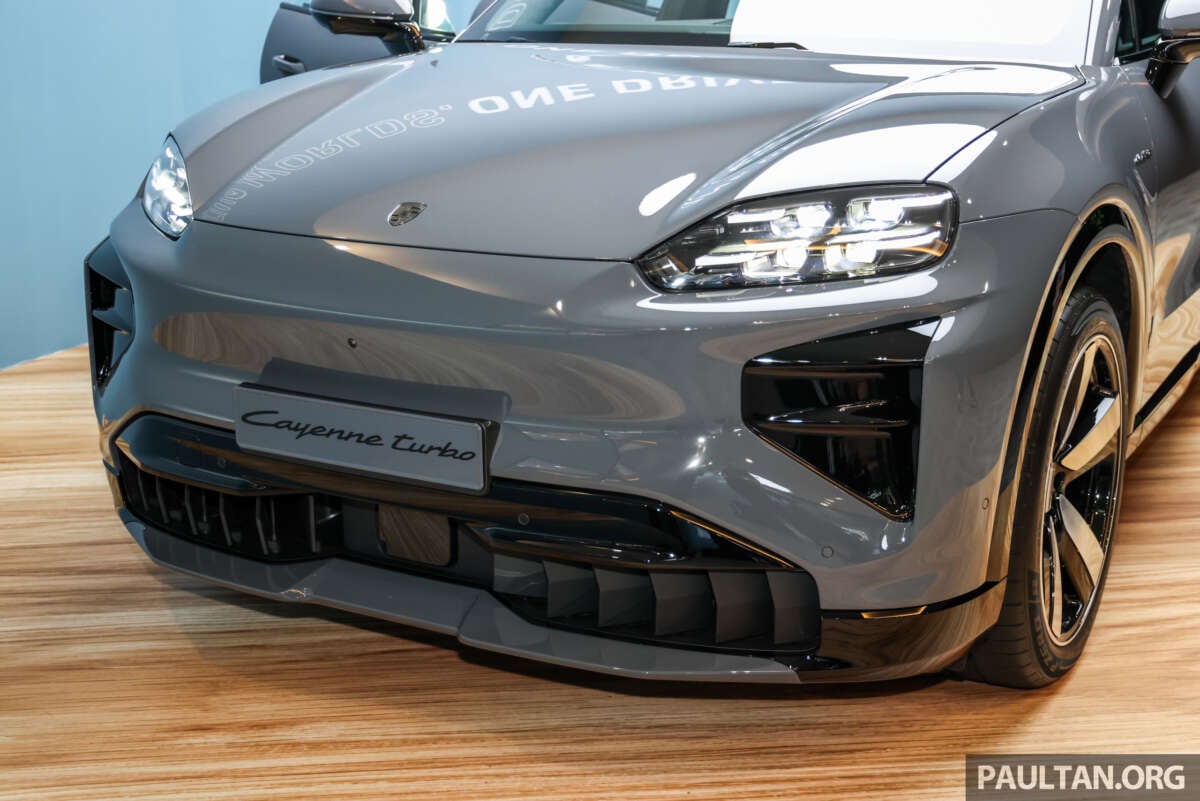
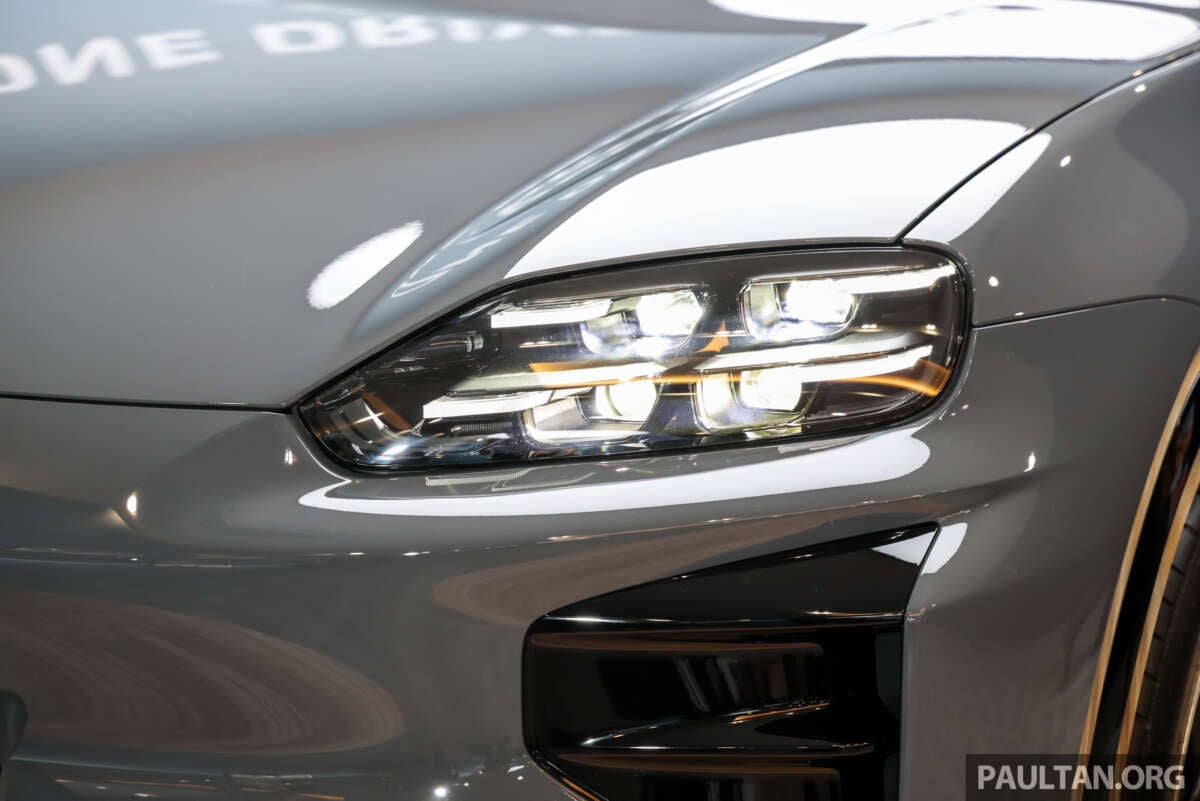
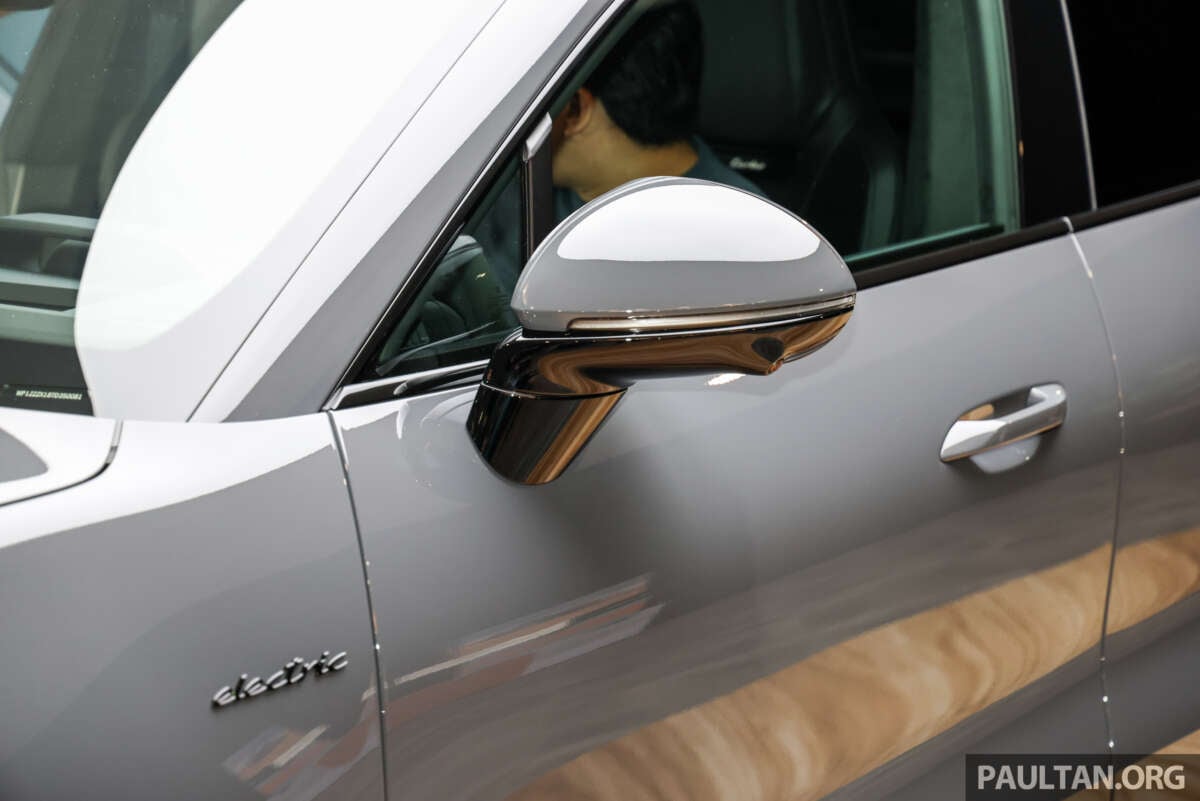
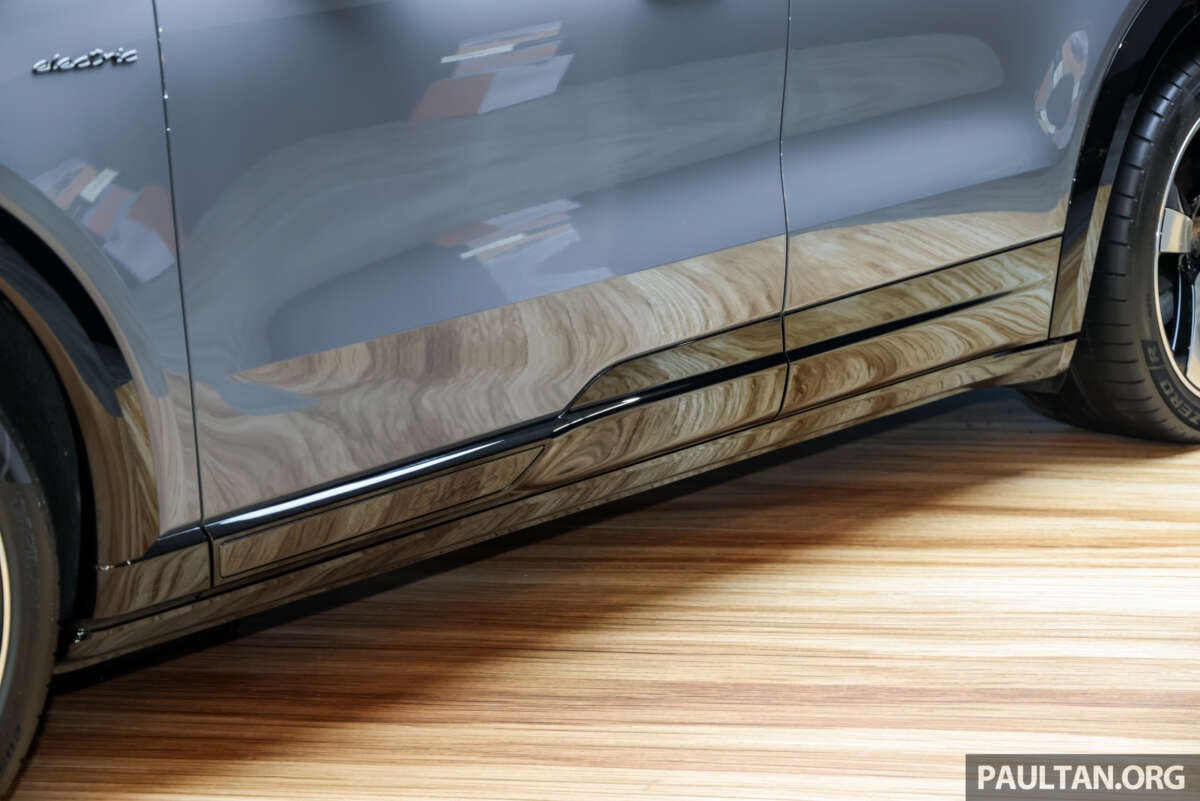
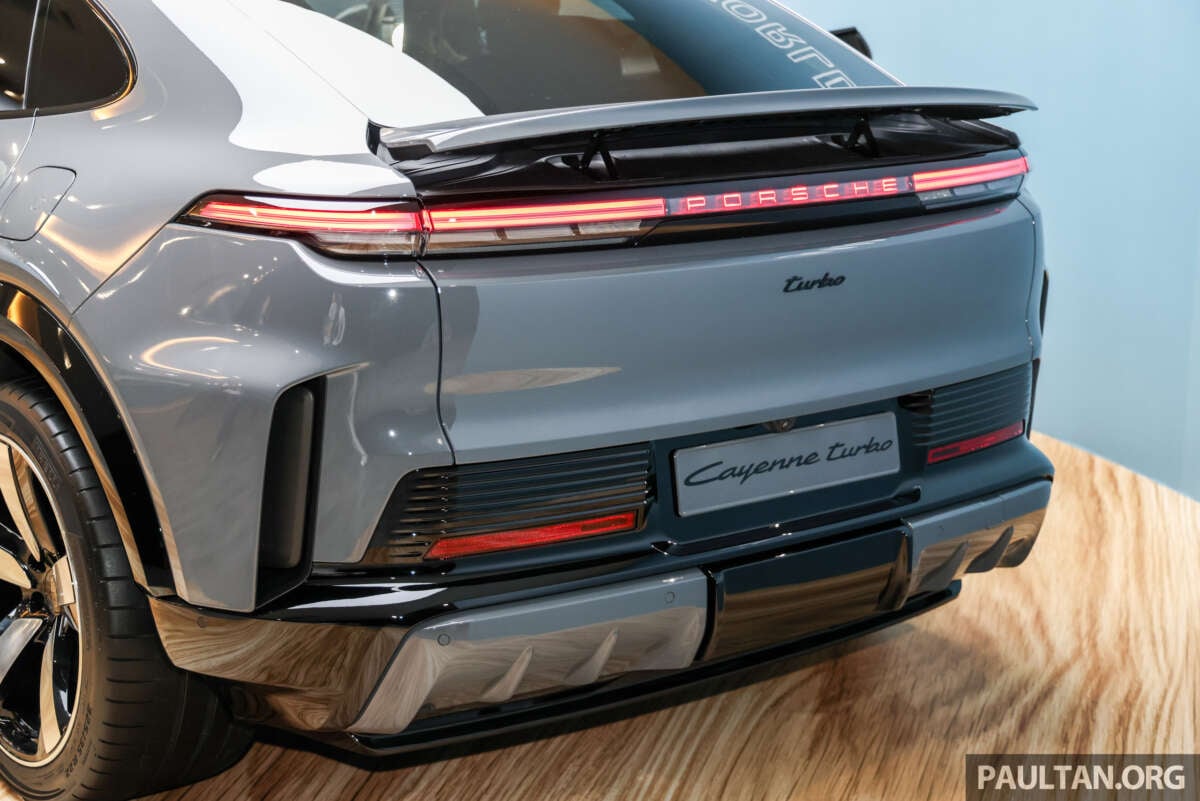
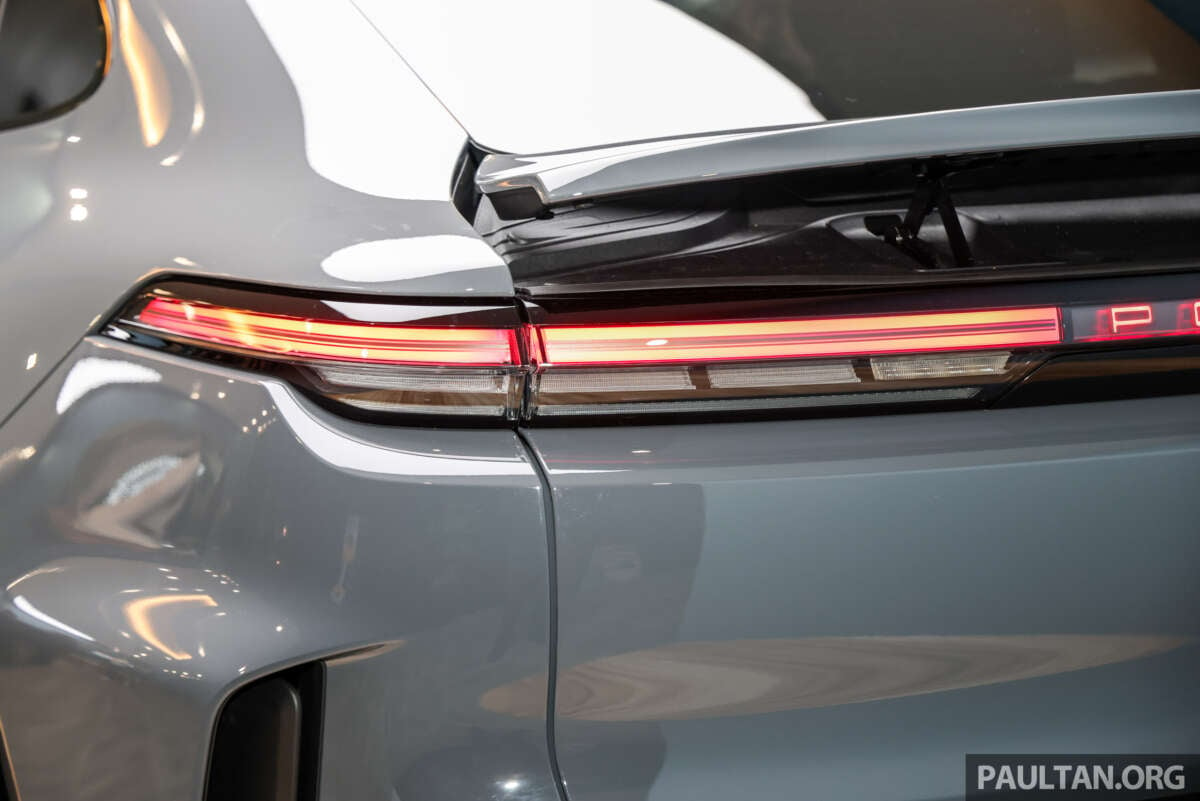
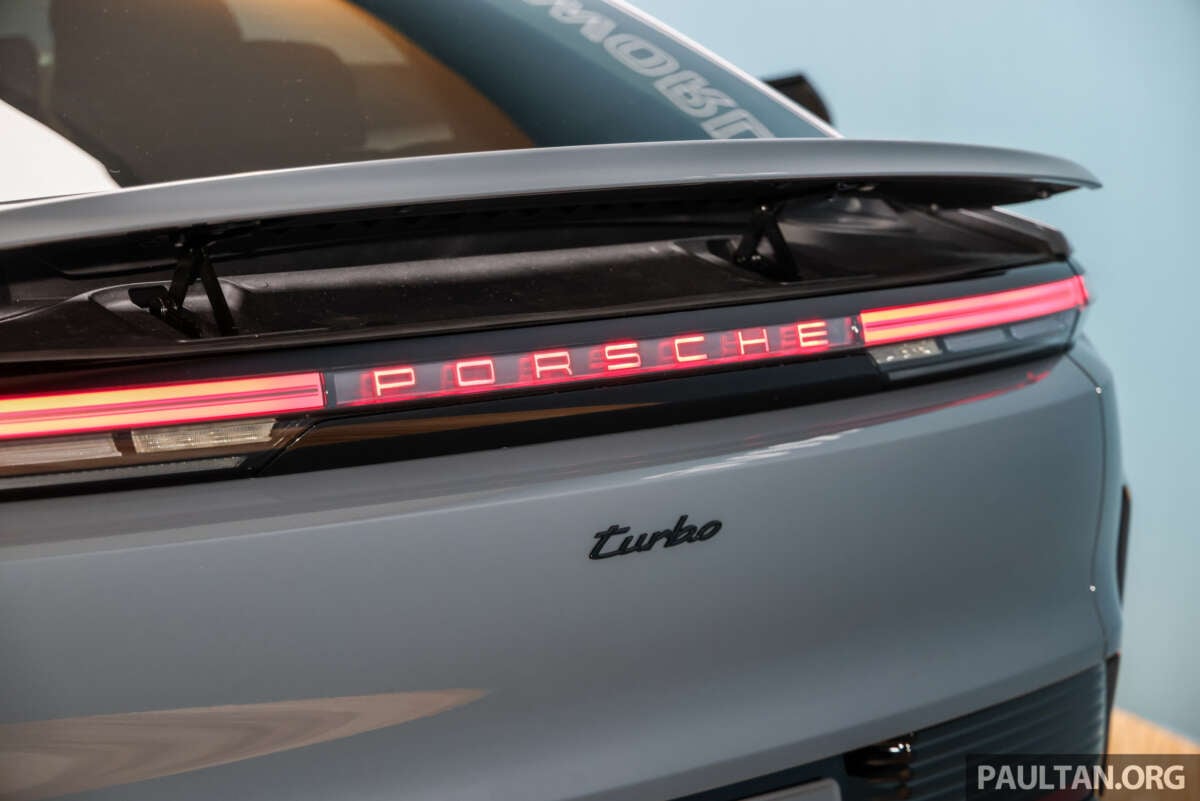
On the outside, the Cayenne remains recognisably a Porsche, albeit with a slightly more angular design with slimmer matrix LED headlights as per the Taycan and Macan. The side view is characterised by a sweeping glasshouse and a pronounced upswept “flick” in the flanks, while the rear end is decidedly busy for the brand with its extremely wide taillight bar that sweeps downwards towards the centre.
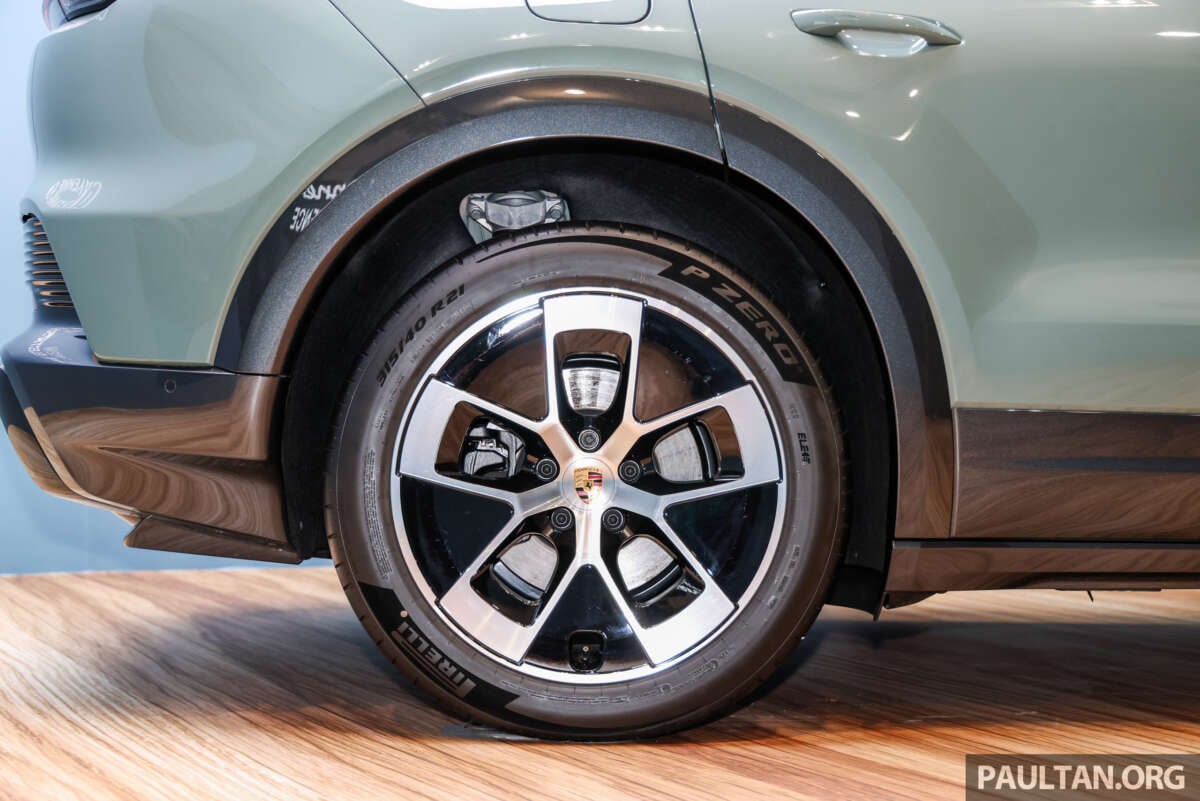
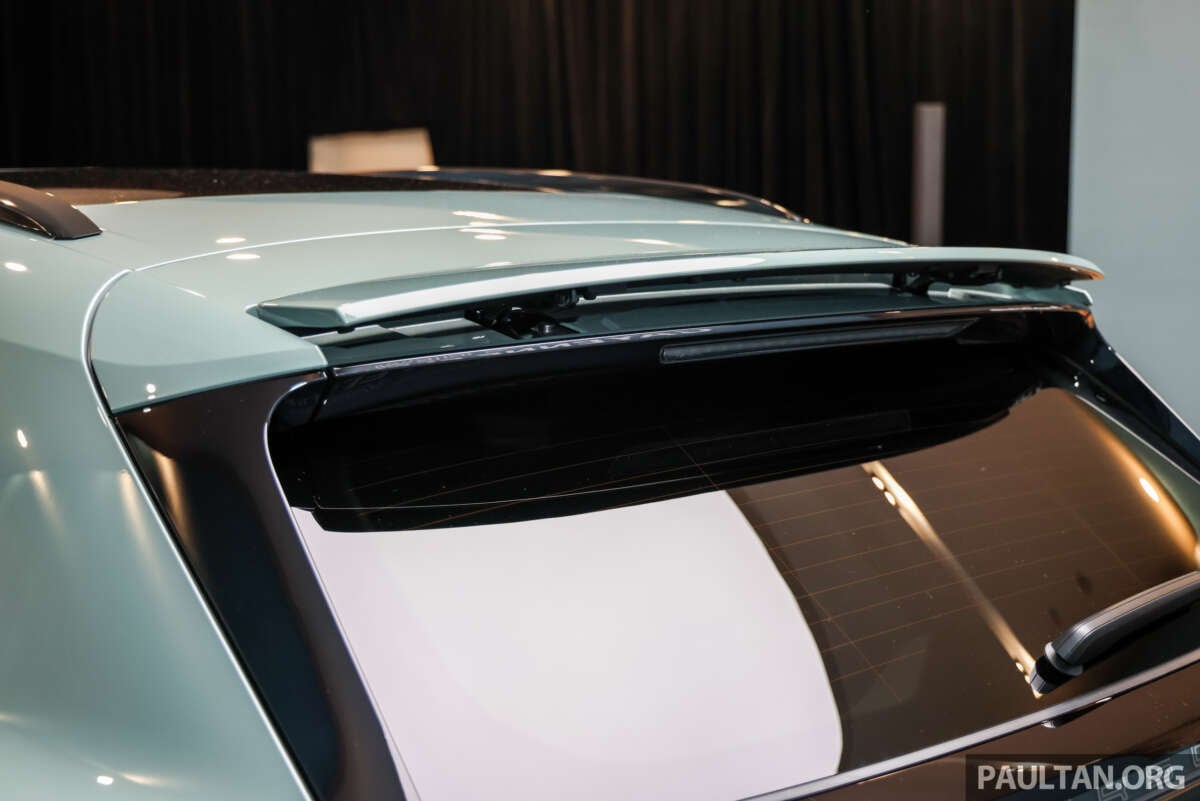
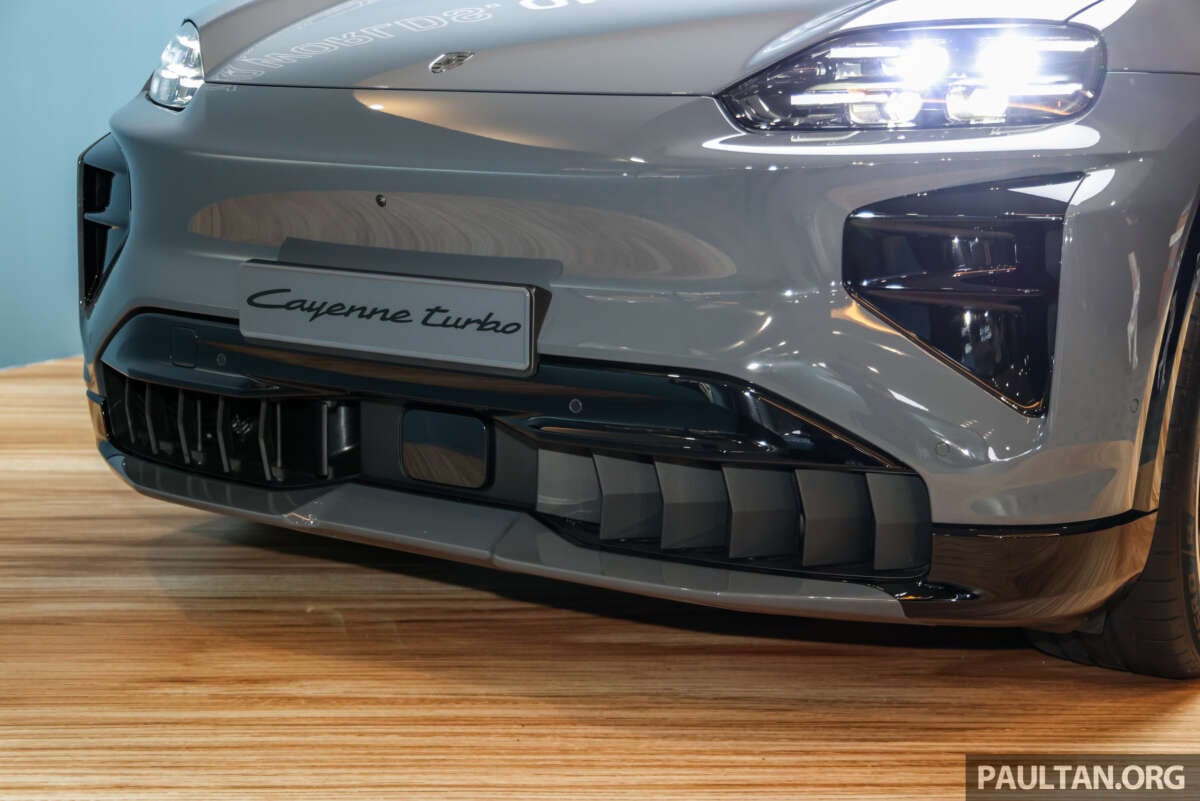
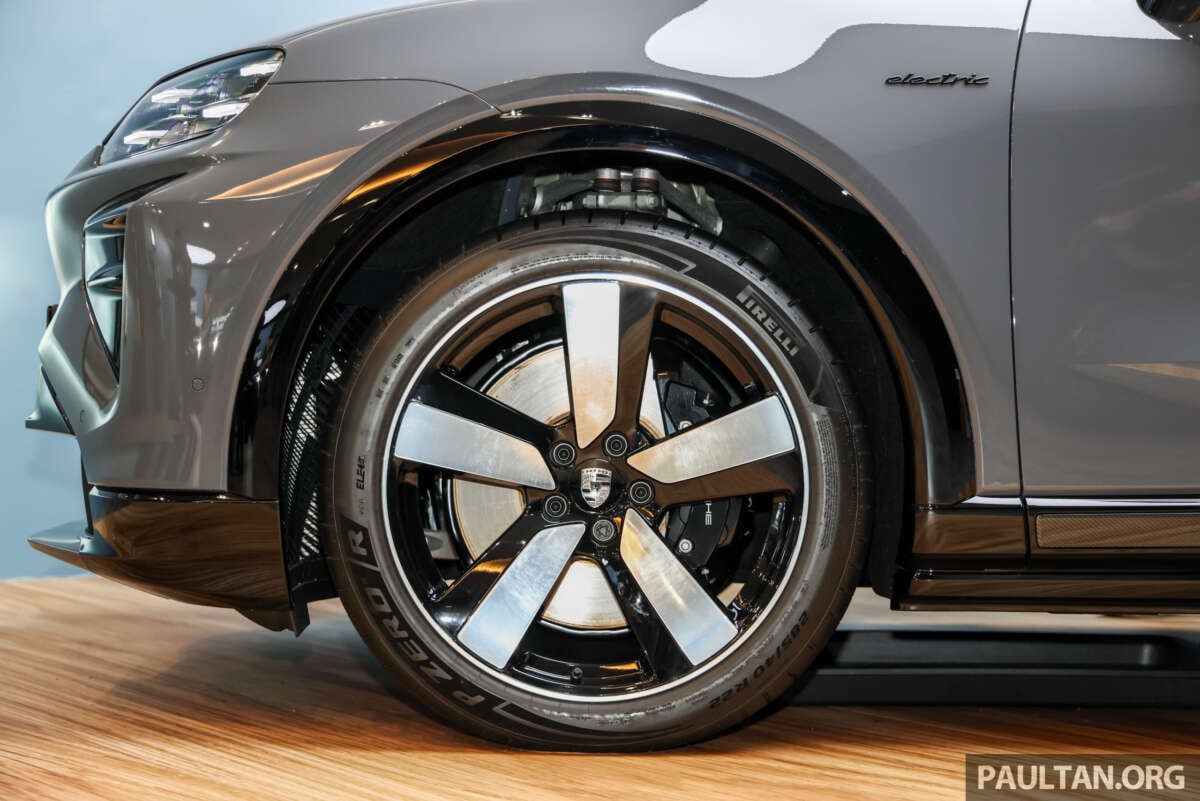
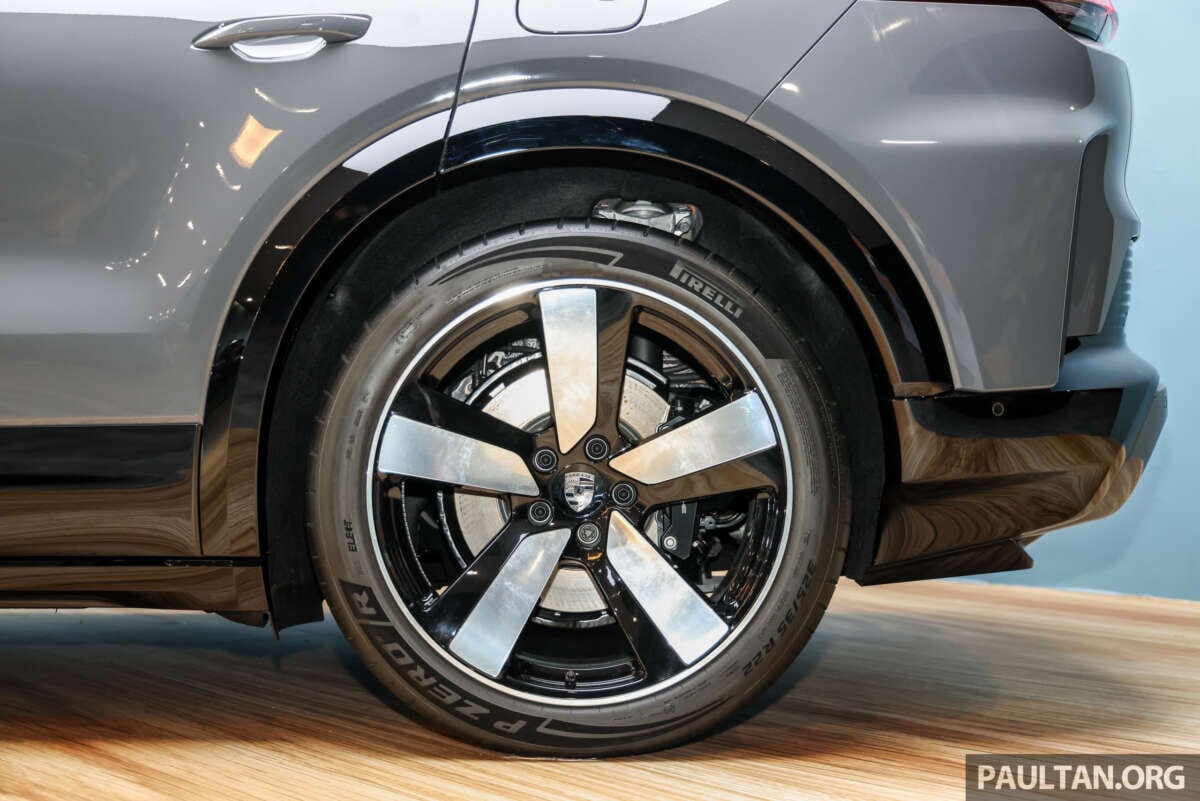
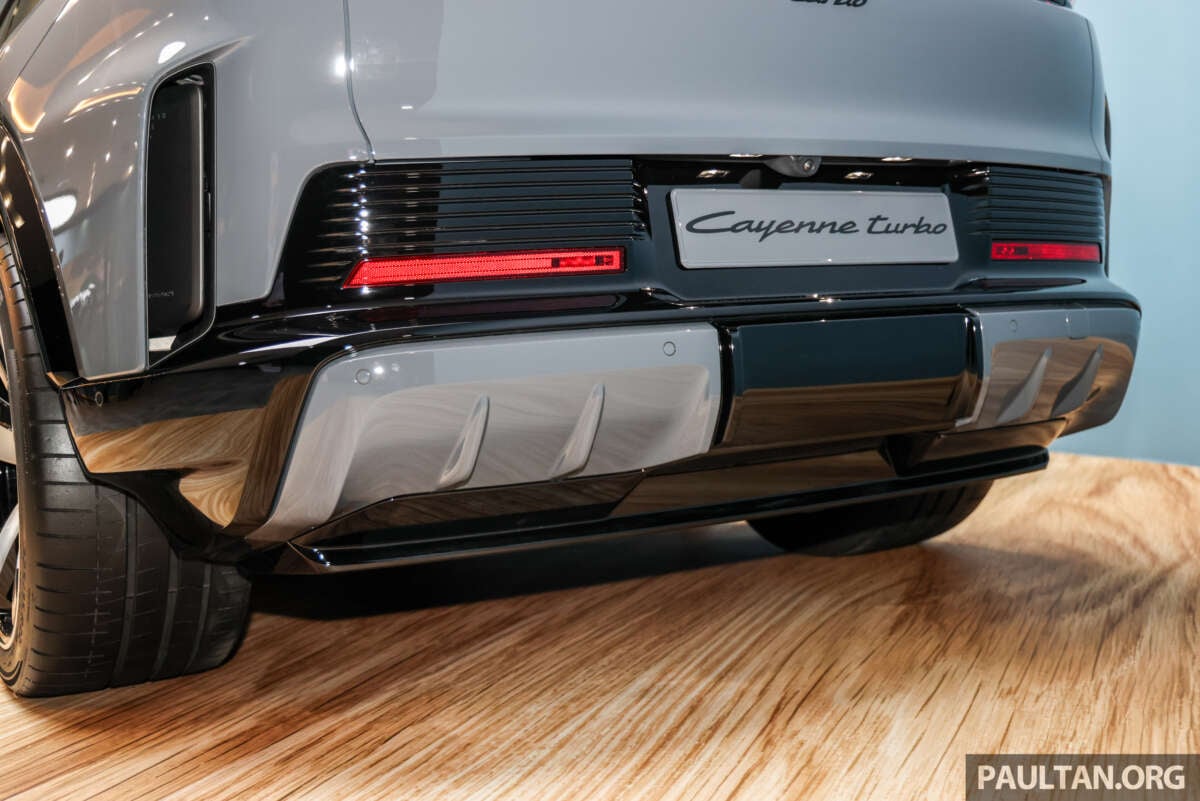
Aerodynamic efficiency was a big consideration this time around, so the Cayenne gains an active grille shutter and rear spoiler, as well as front air curtains, aero wheels (which range from 20 to 22 inches in diameter), a completely flat underbody and a large rear diffuser – all for a drag coefficient as low as 0.25. The Turbo model gains additional active blades that jut out from the rear bumper corners.
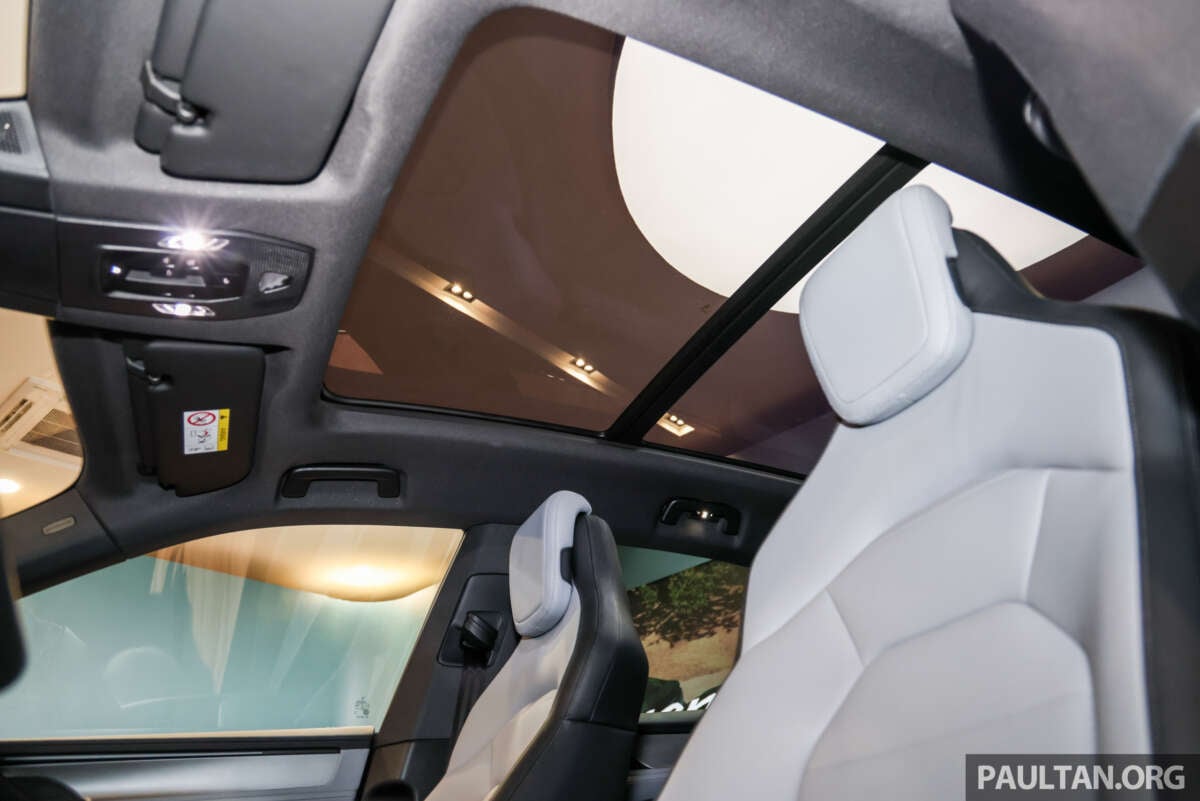
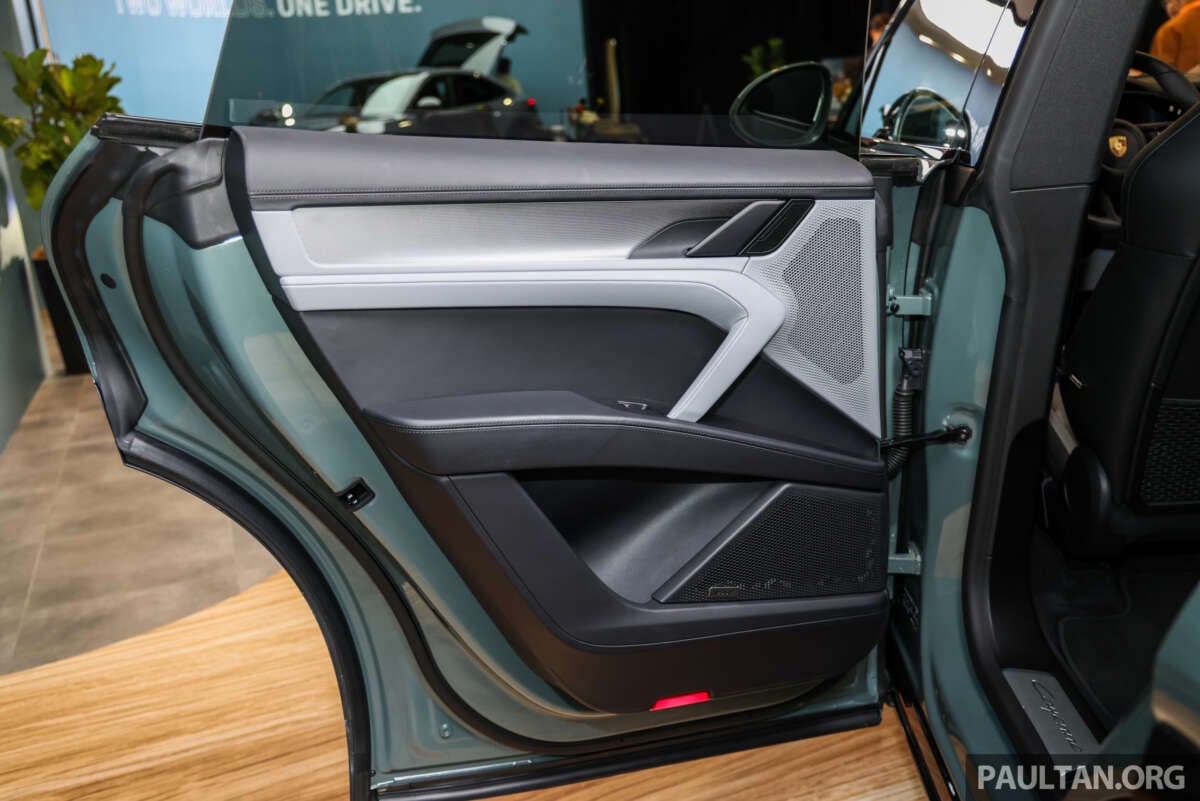
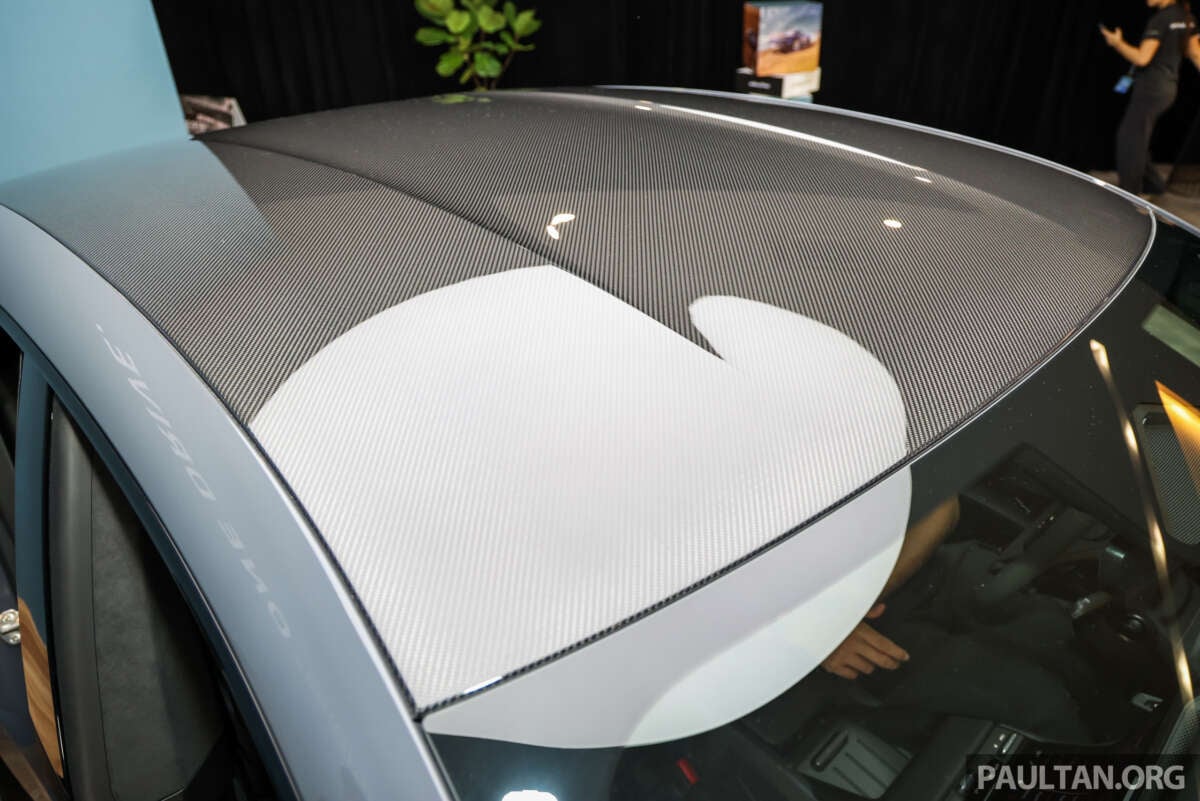
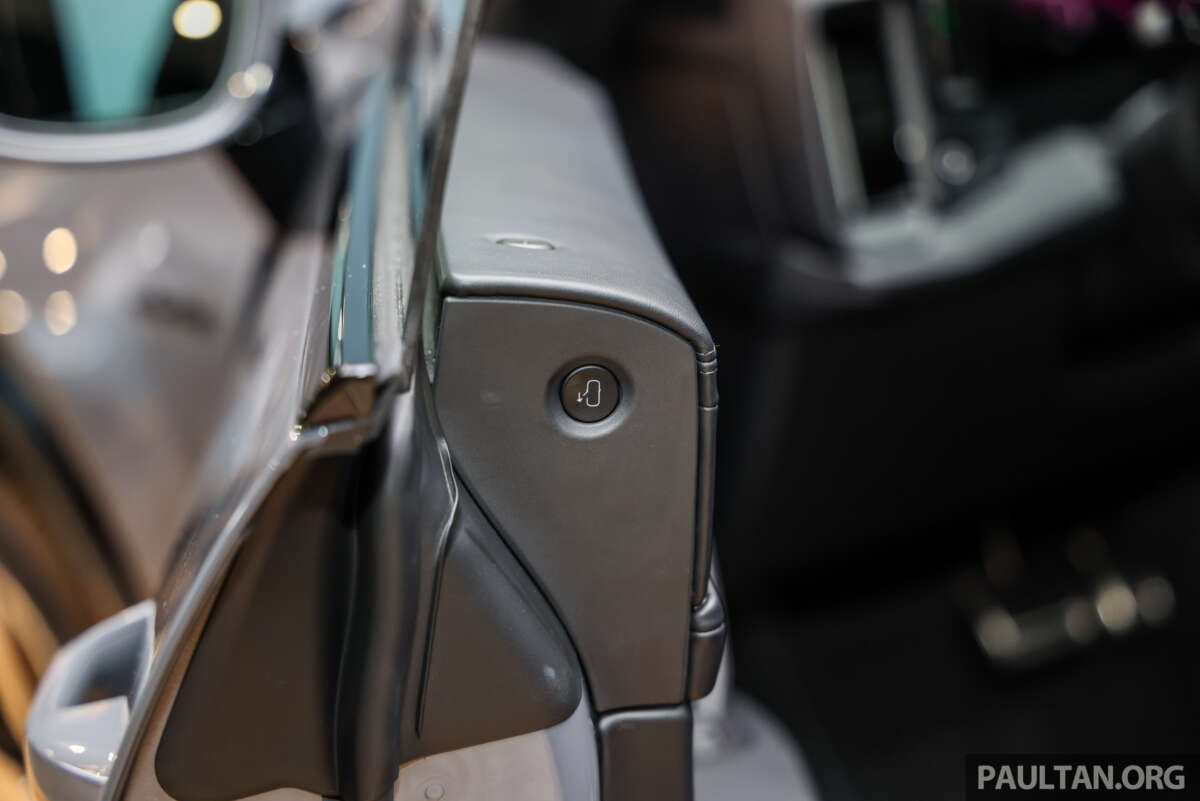
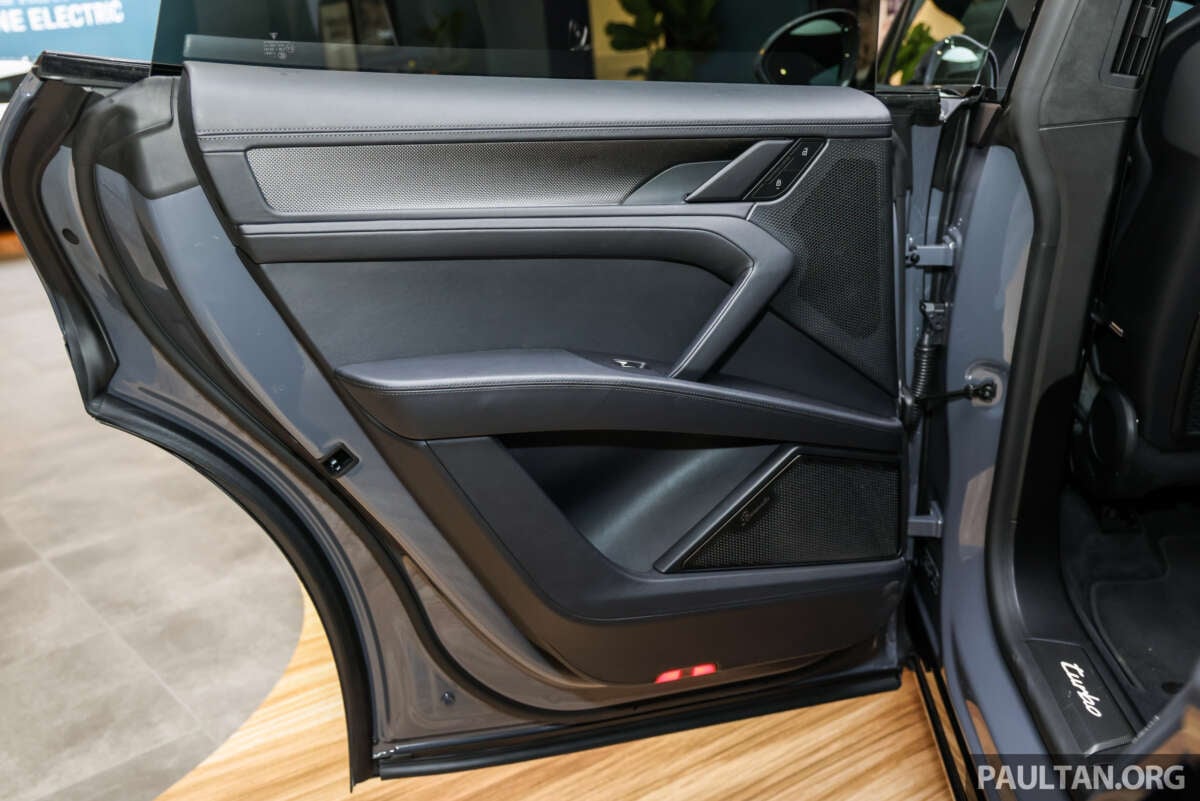
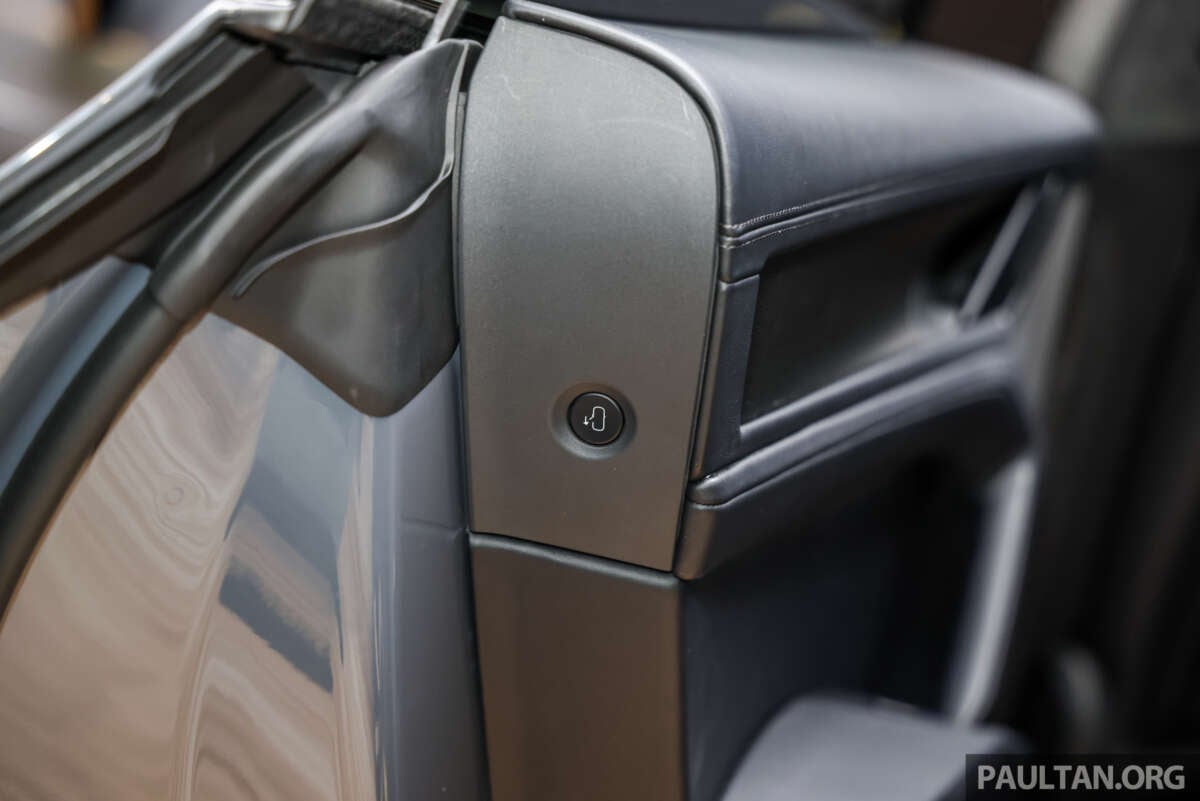
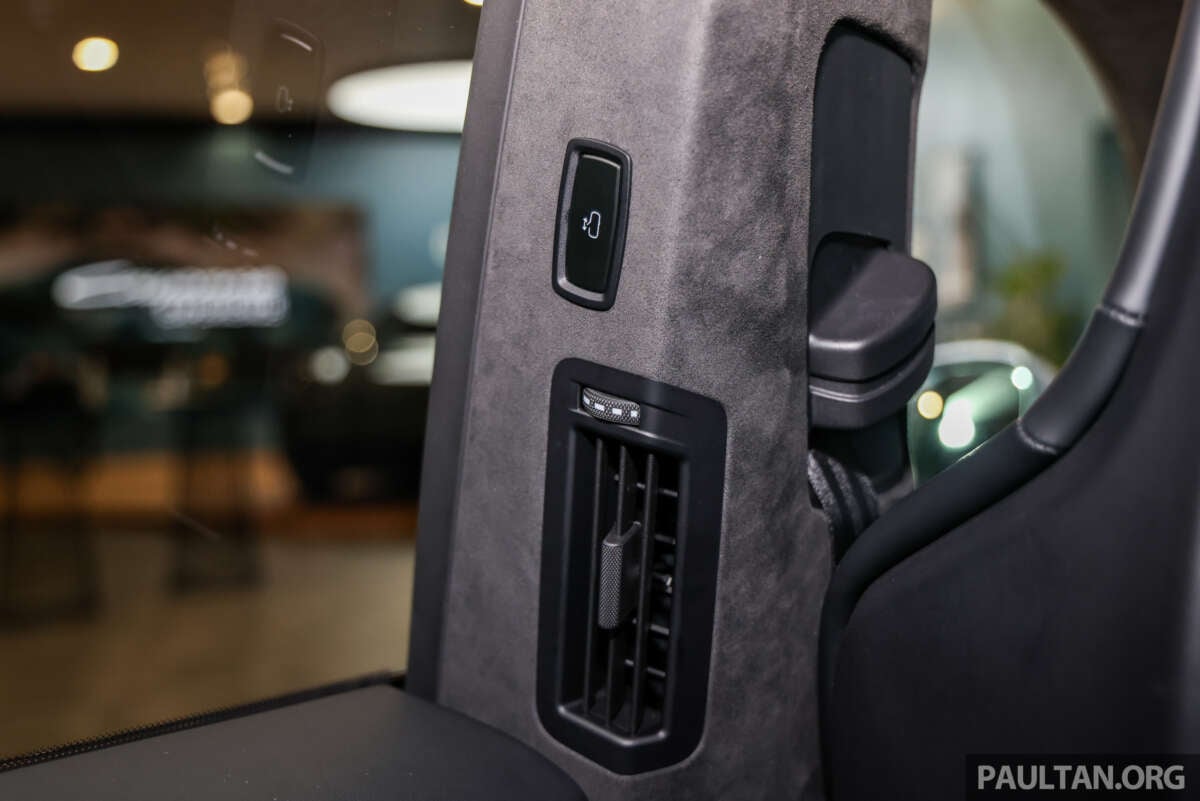
The Coupé model gets a sleeker 911-inspired “flyline” (roofline) that sweeps downwards towards the rear deck, which itself is longer and flatter than it is on the petrol version, giving it a slightly sedan-like look. The good news is that the more streamlined shape has resulted in a useful reduction in drag coefficient to 0.23, helping to deliver the aforementioned range increase. The display unit seen here is also fitted with the nameplate’s first powered doors, which will be offered as an option later on.
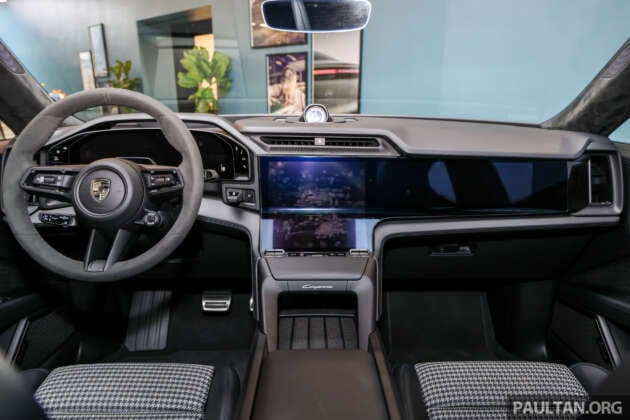
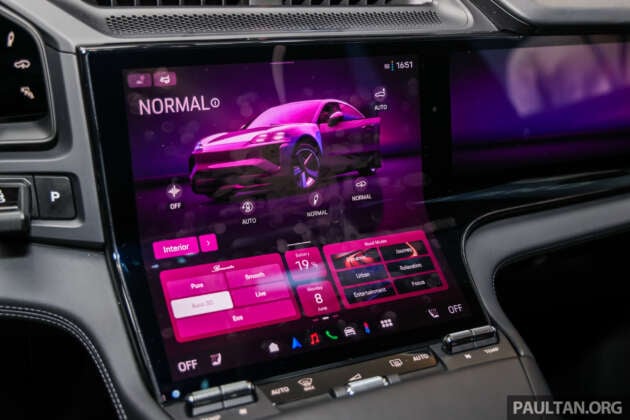
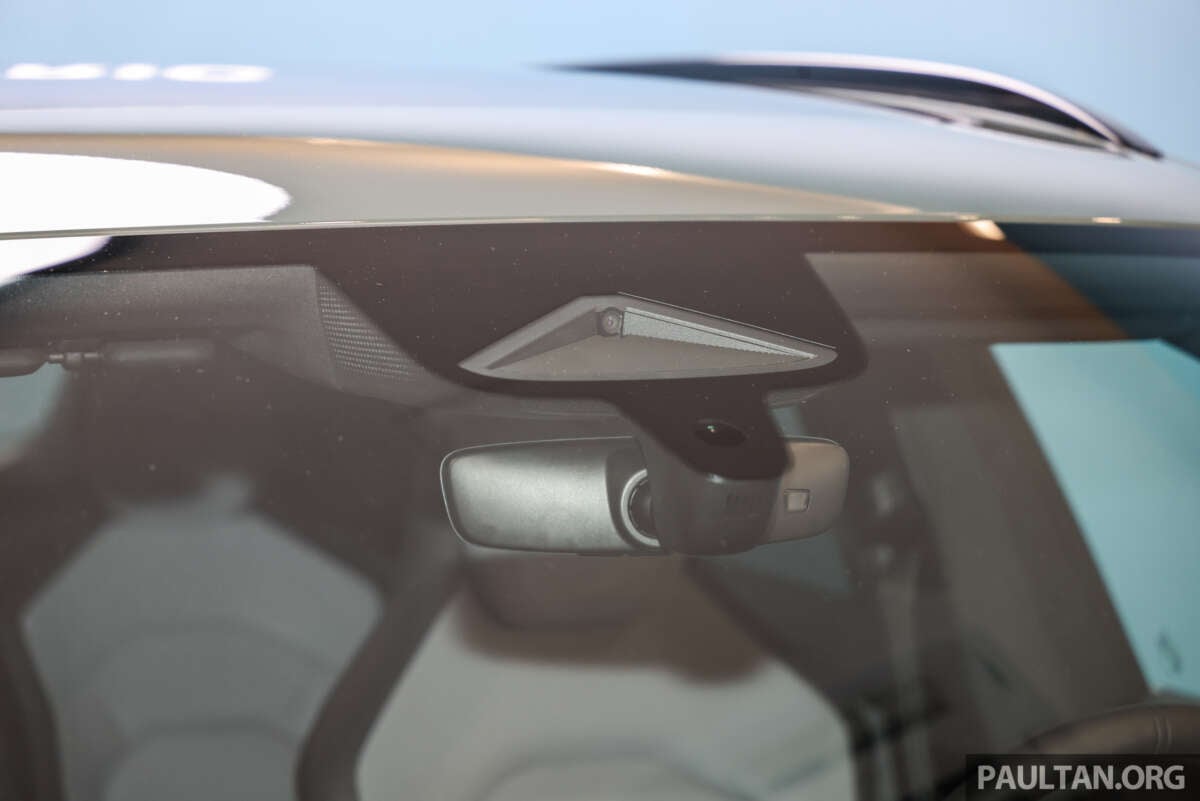
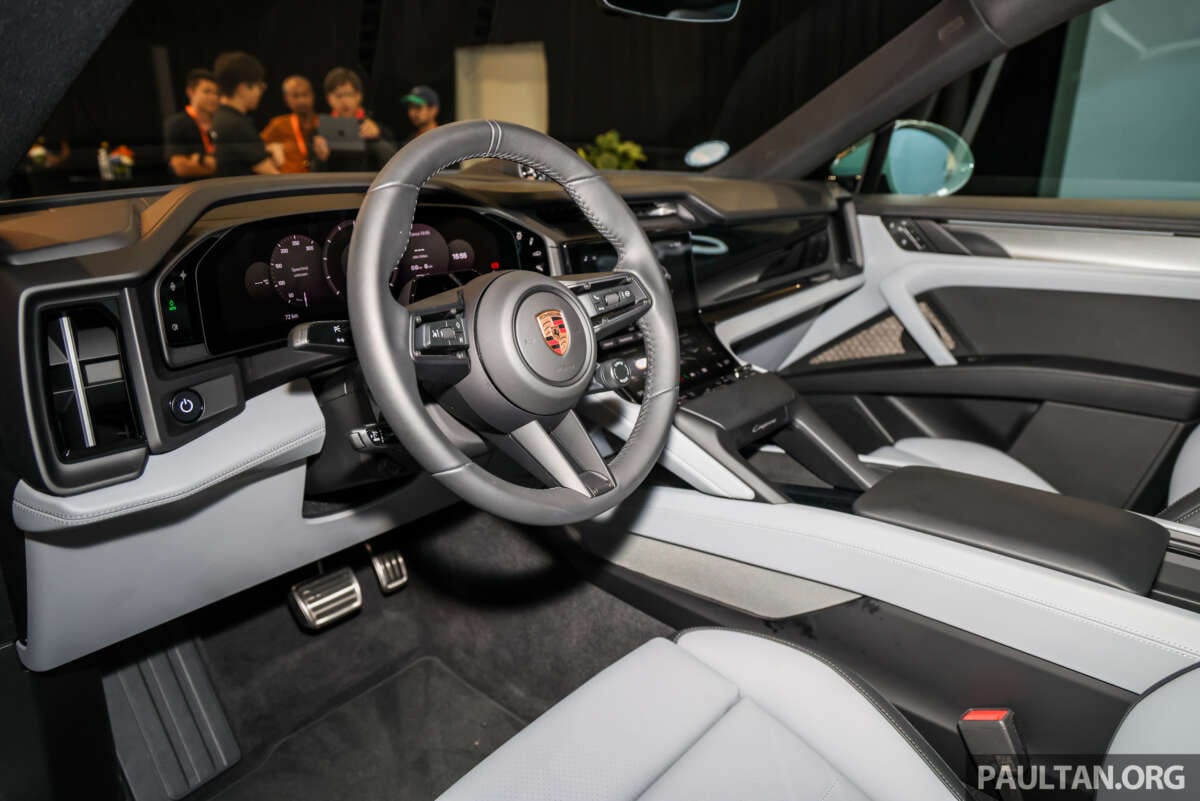
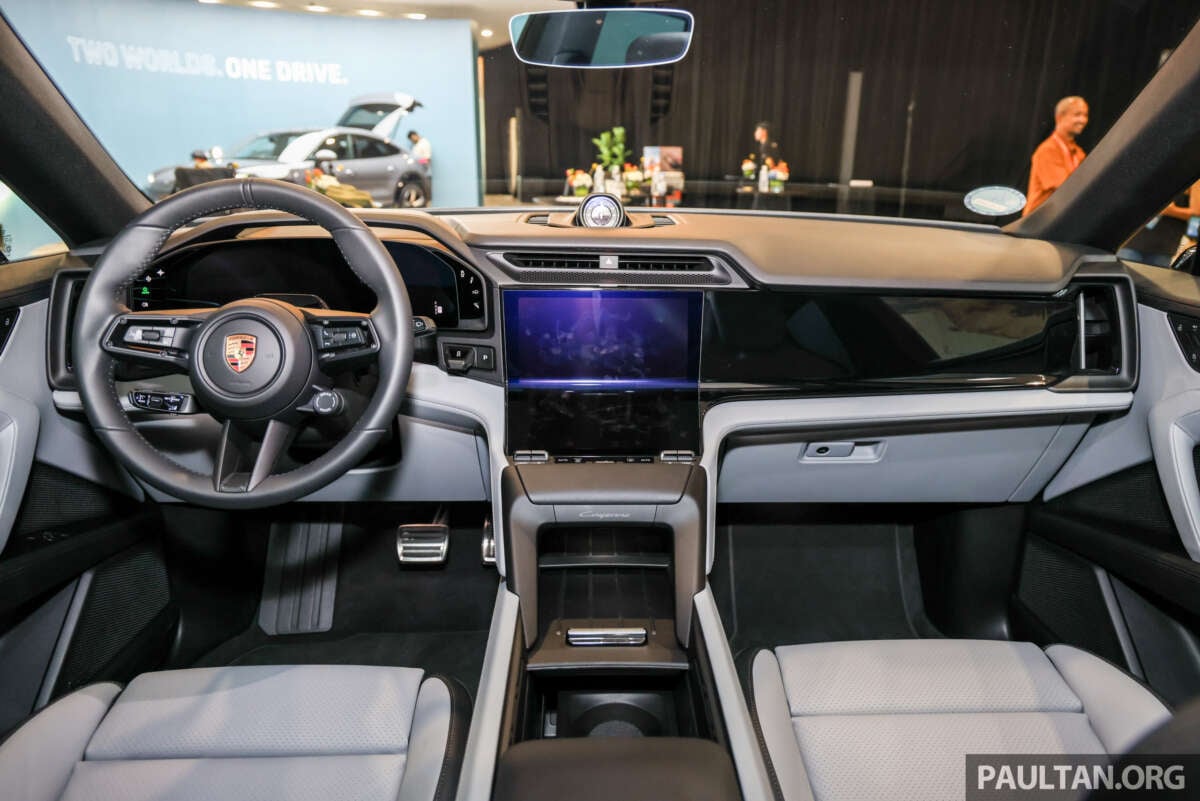
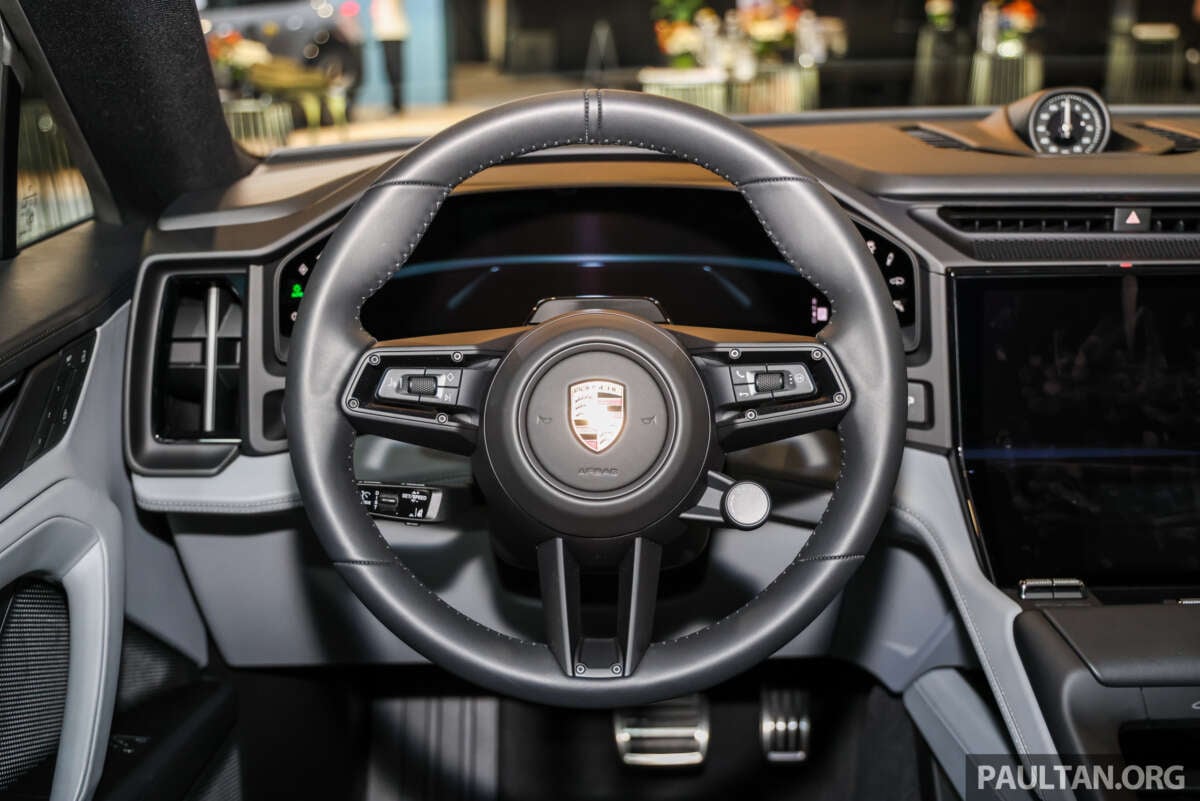
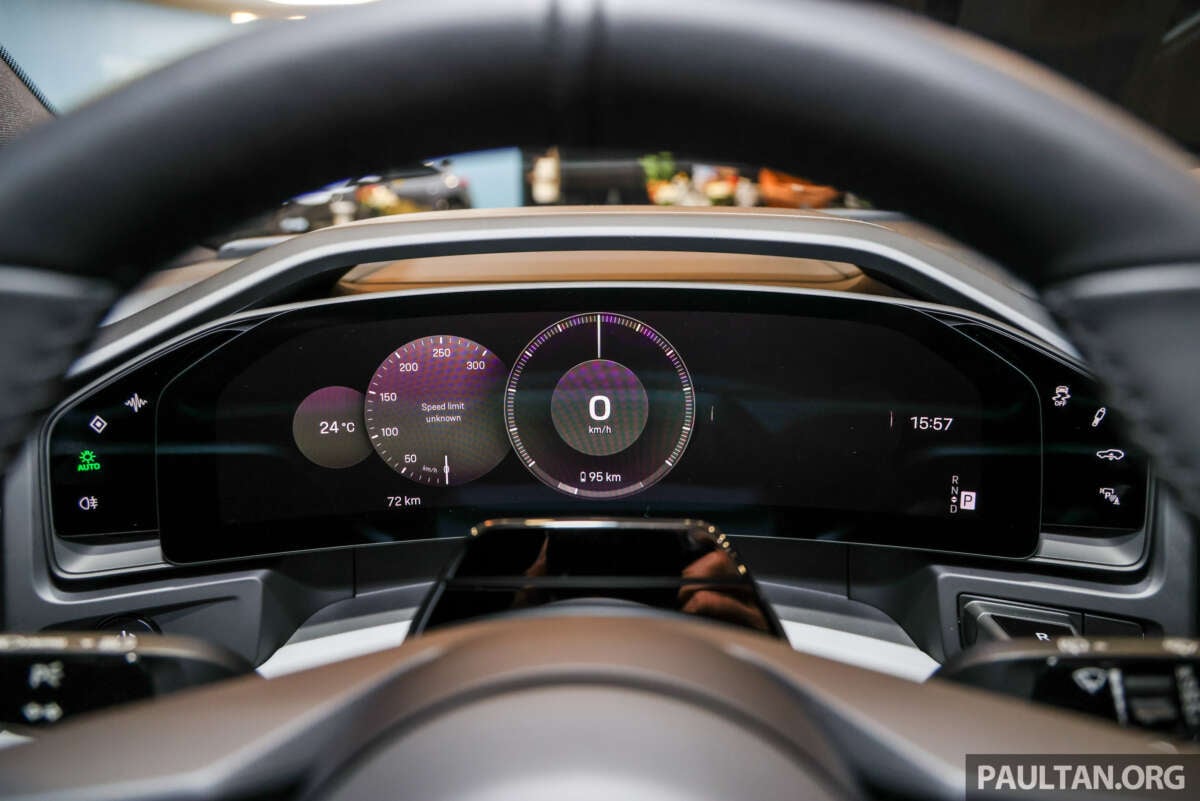
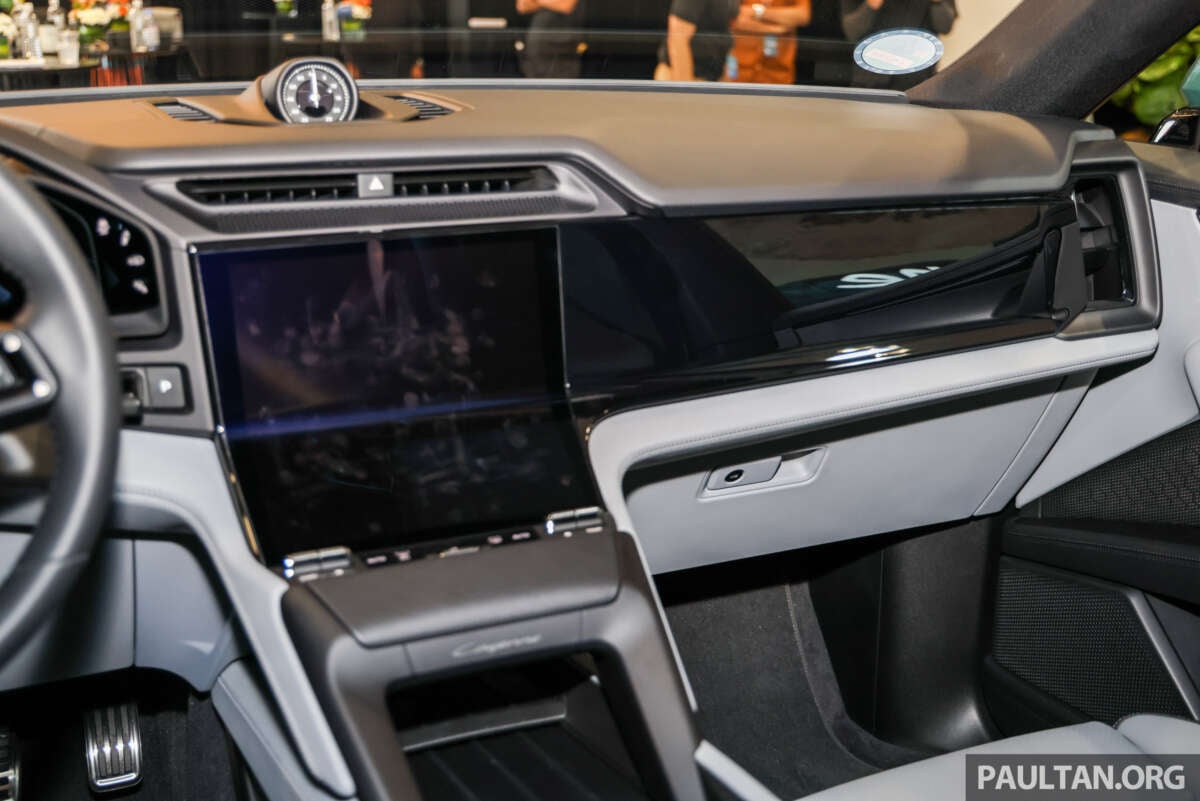
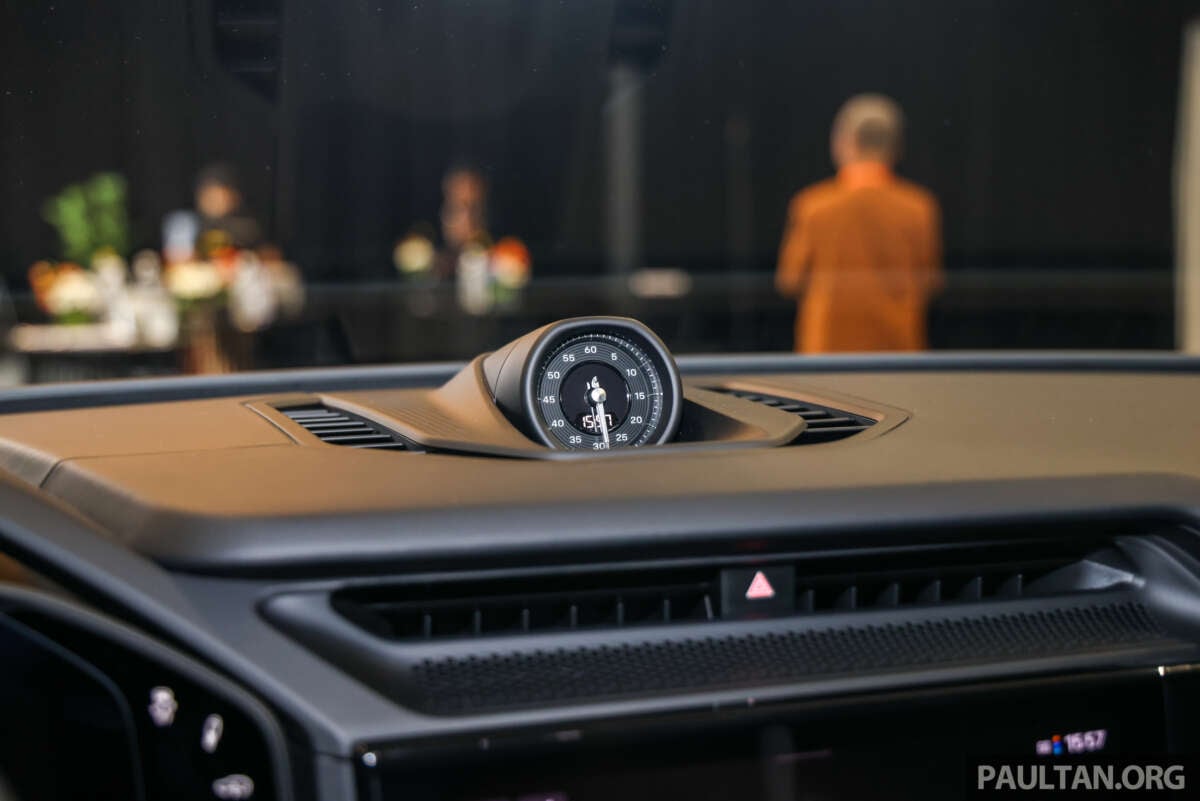
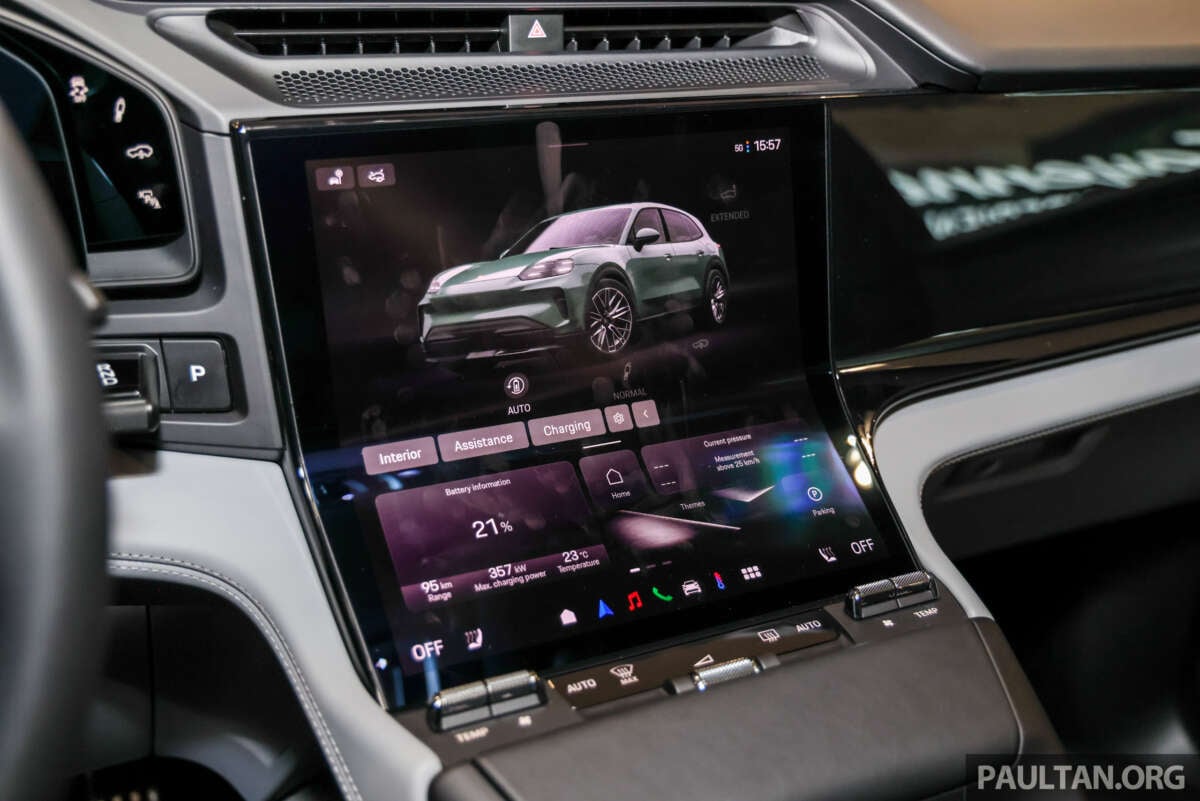
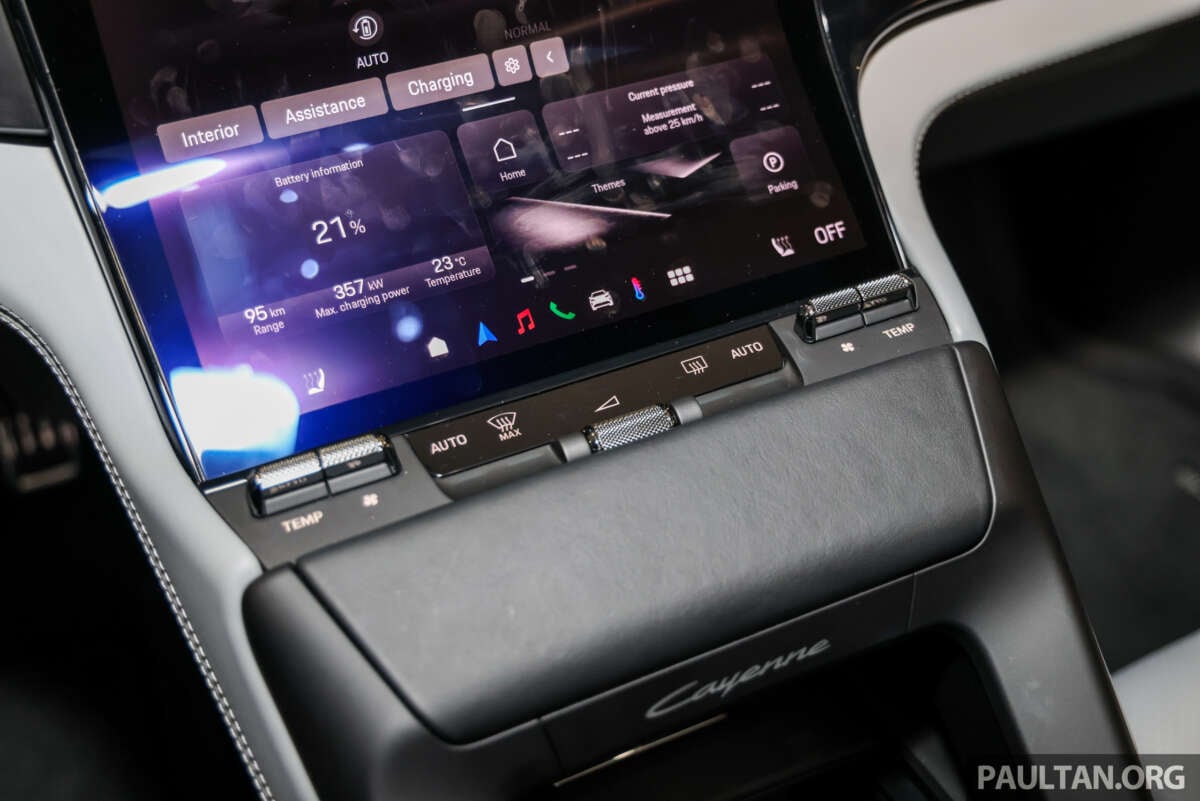
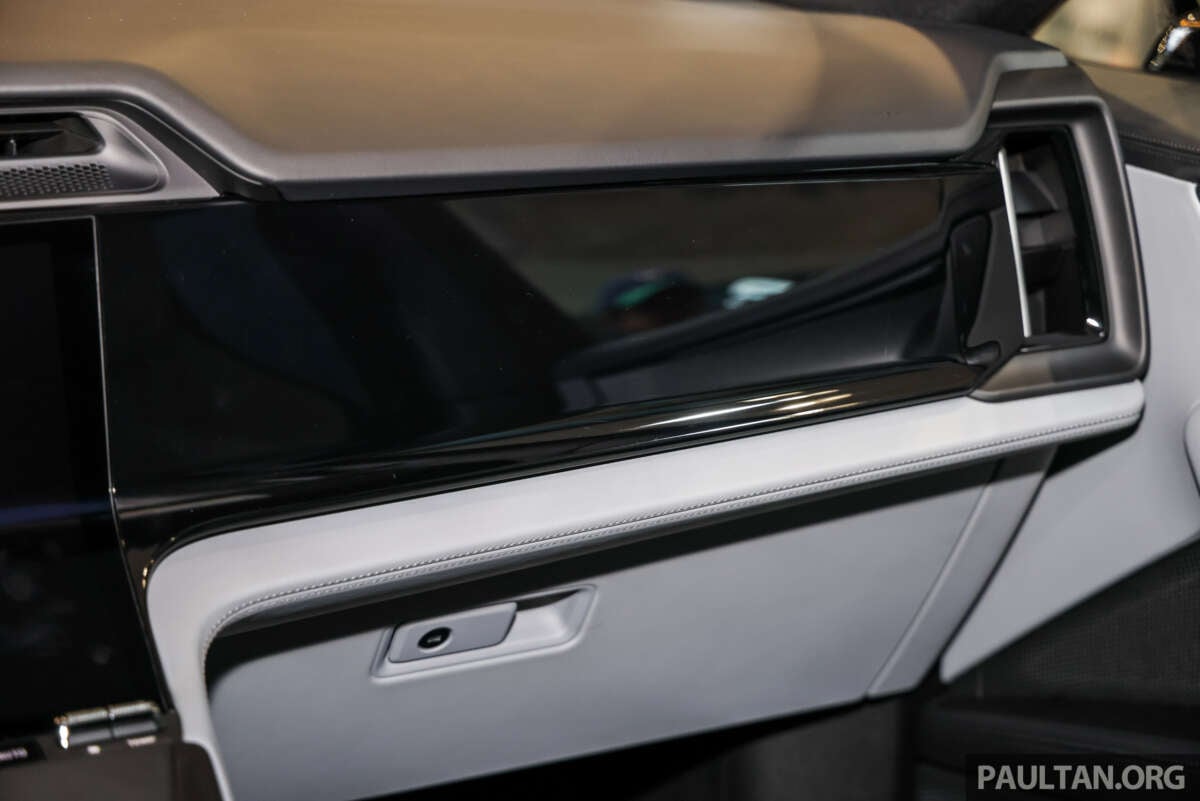
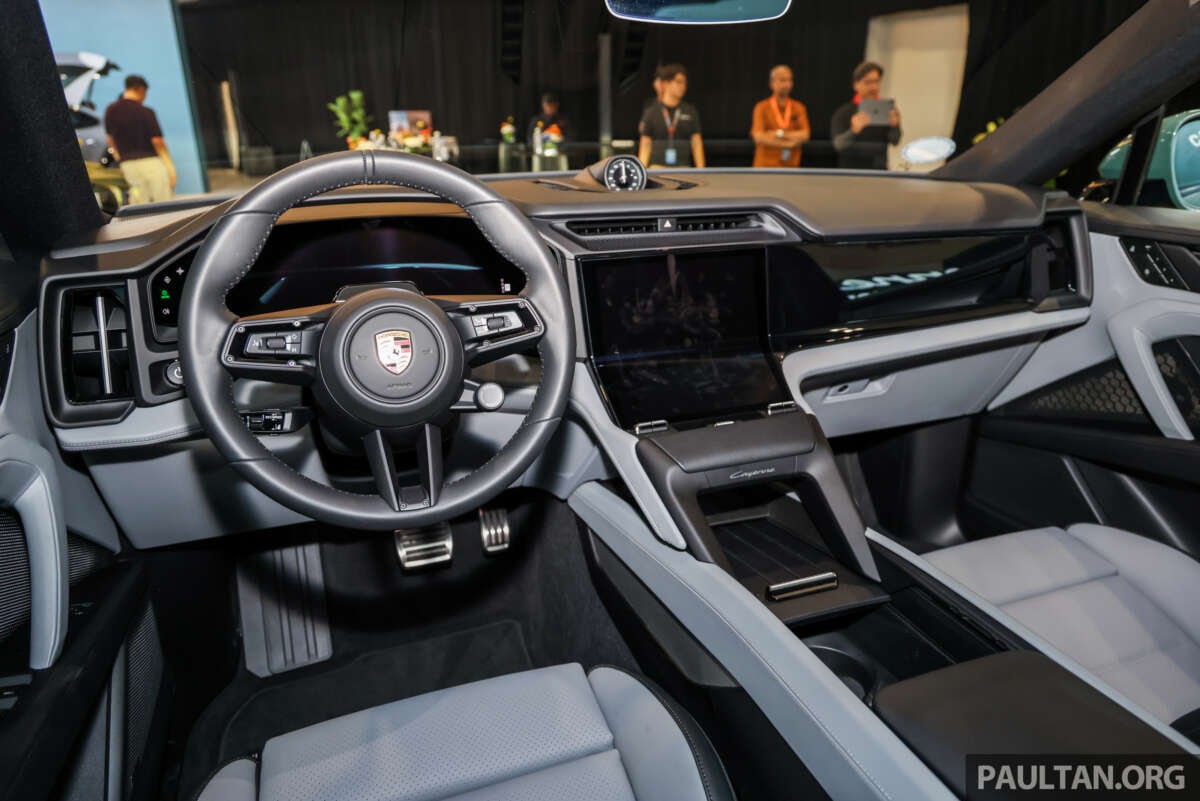
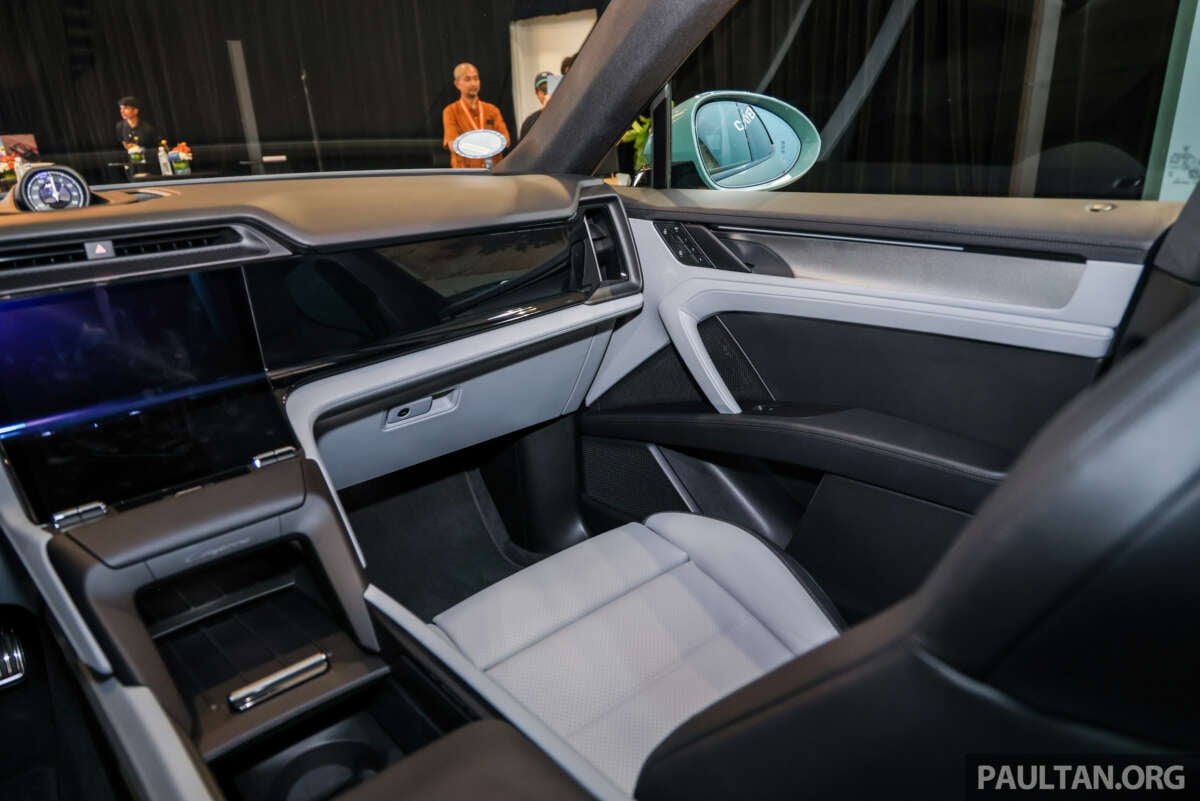
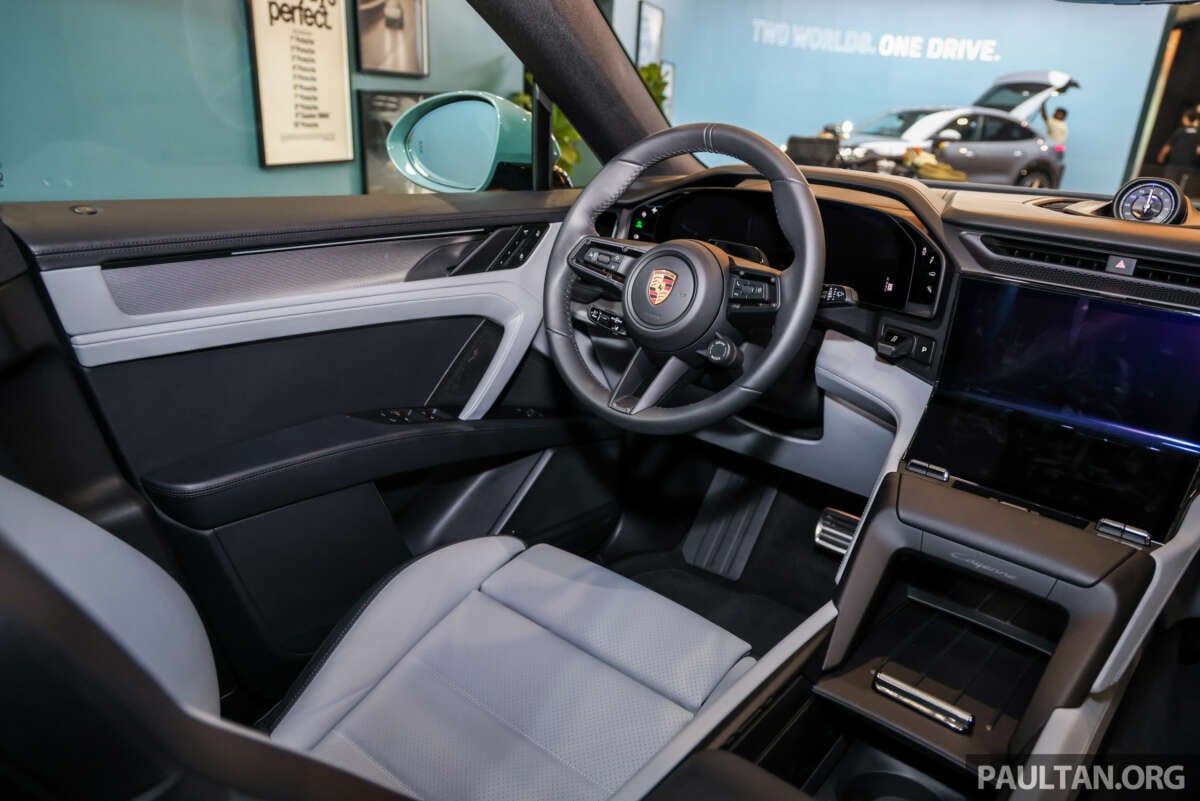
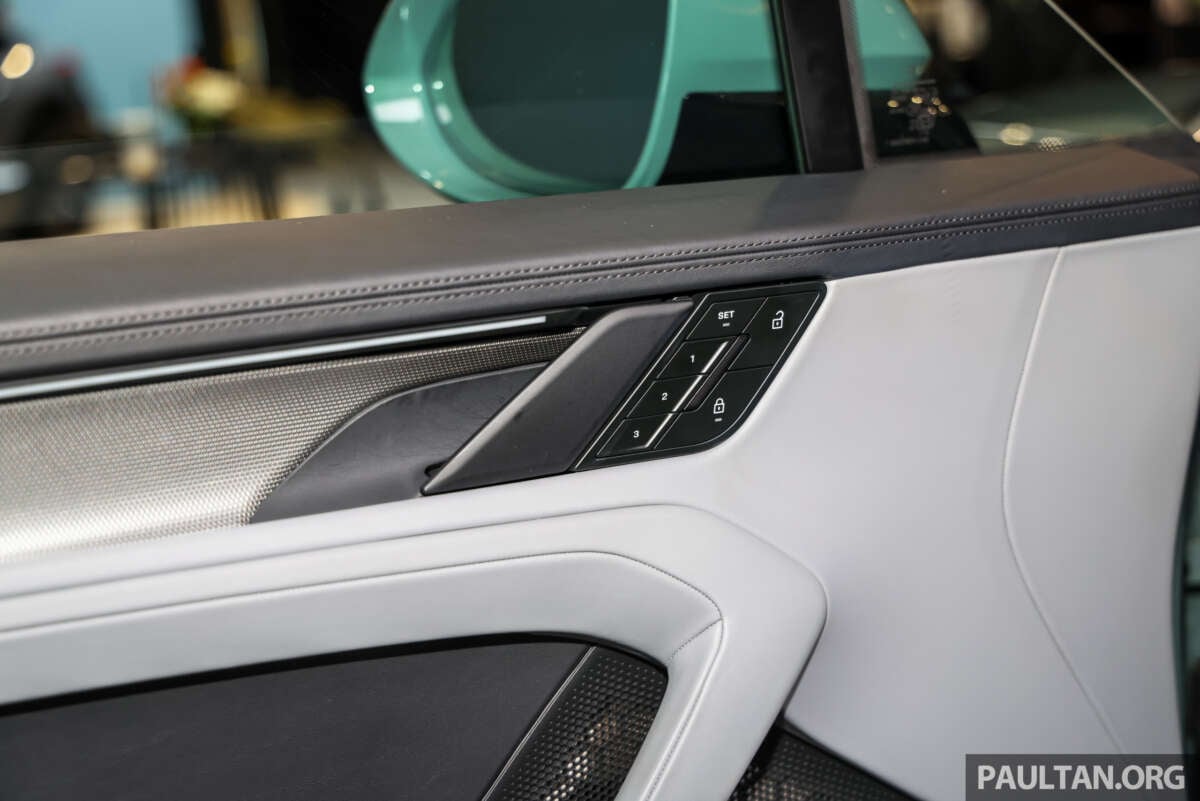
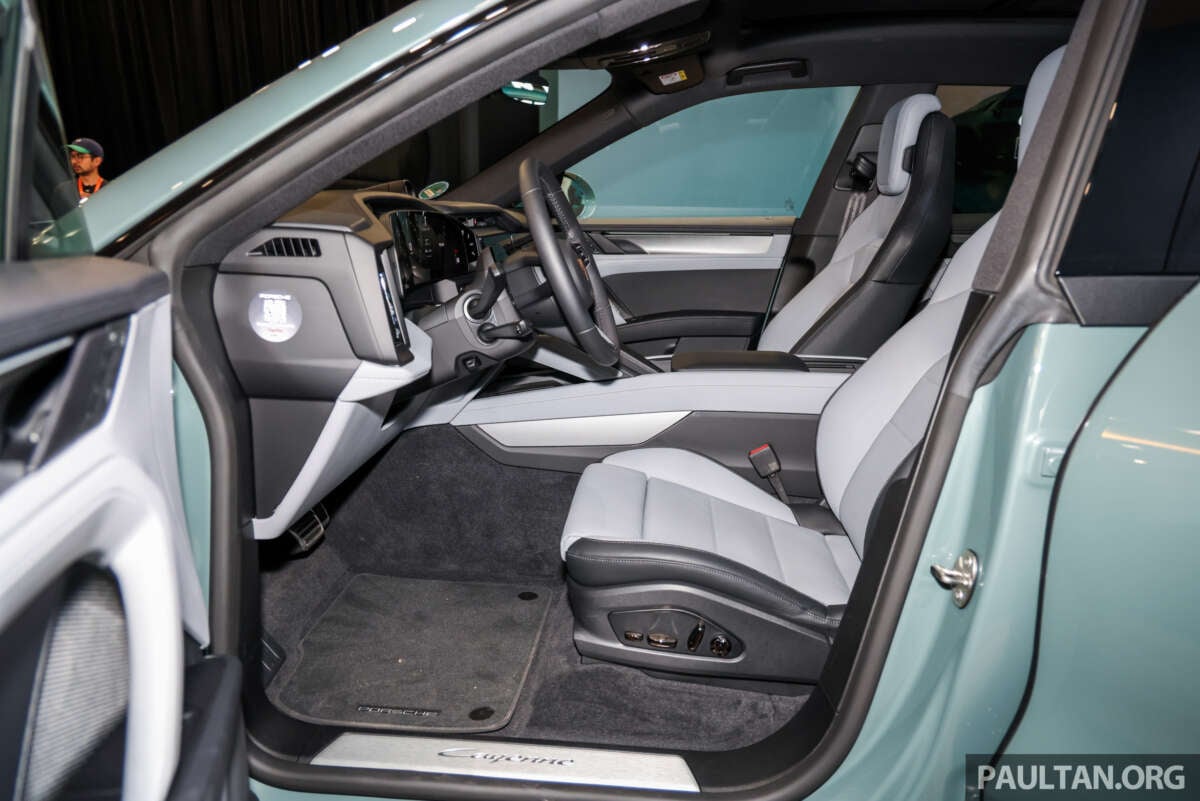
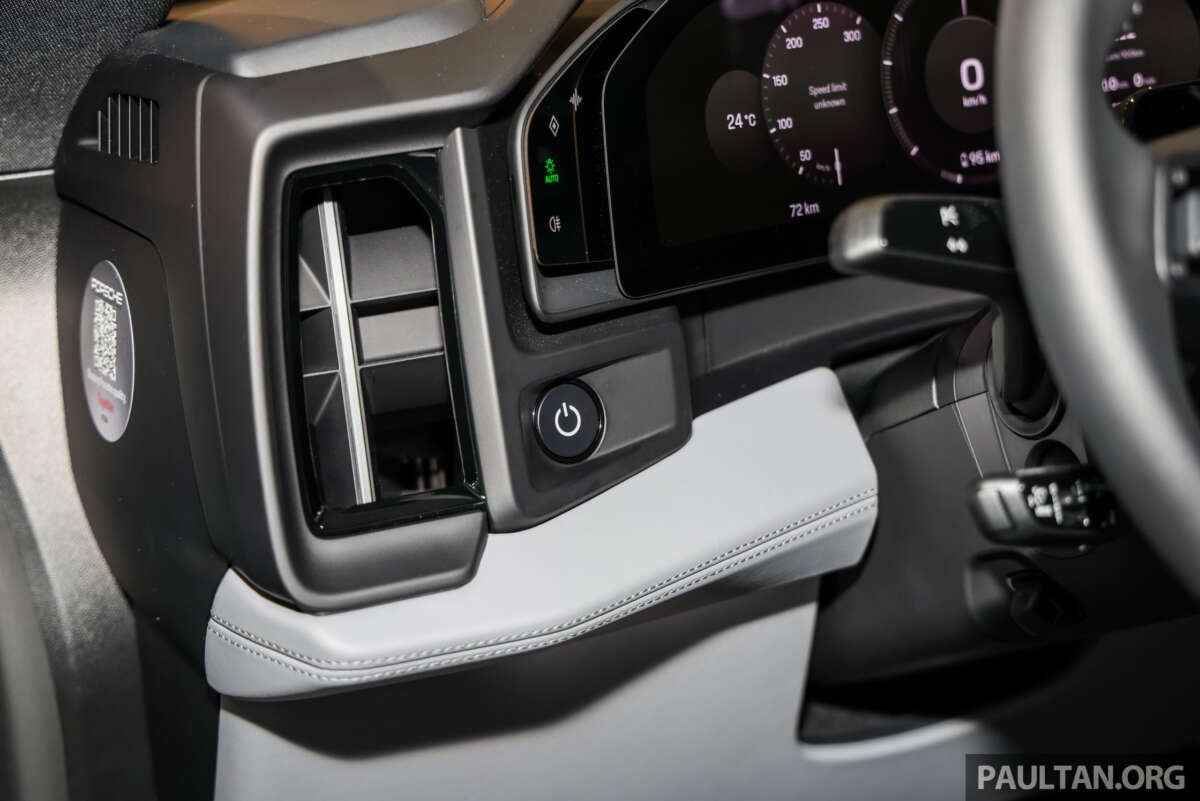
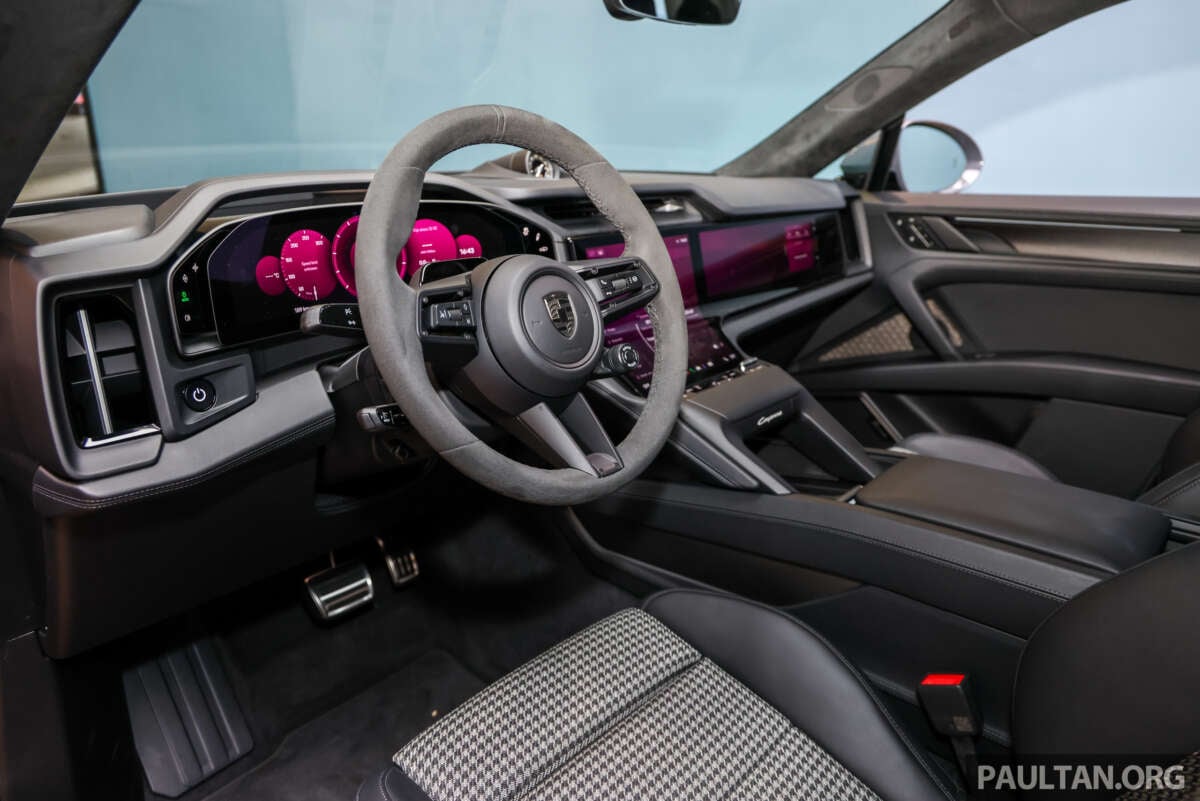
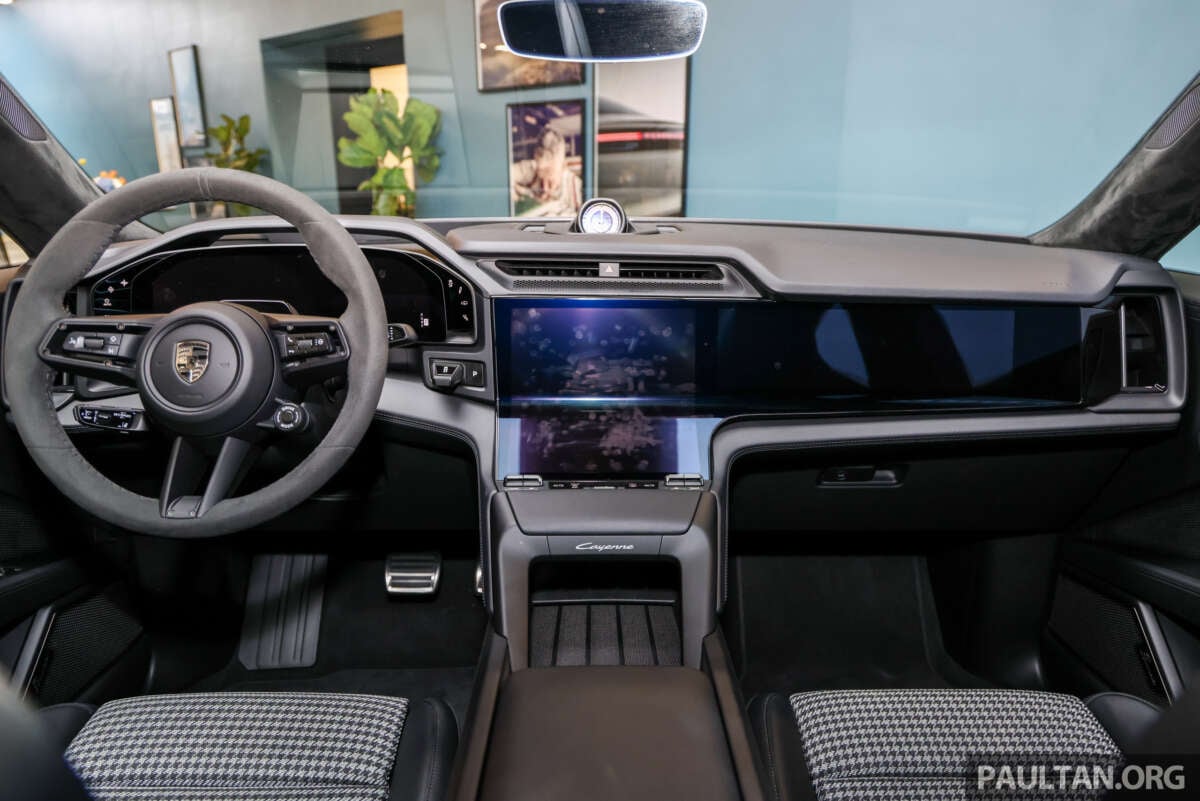
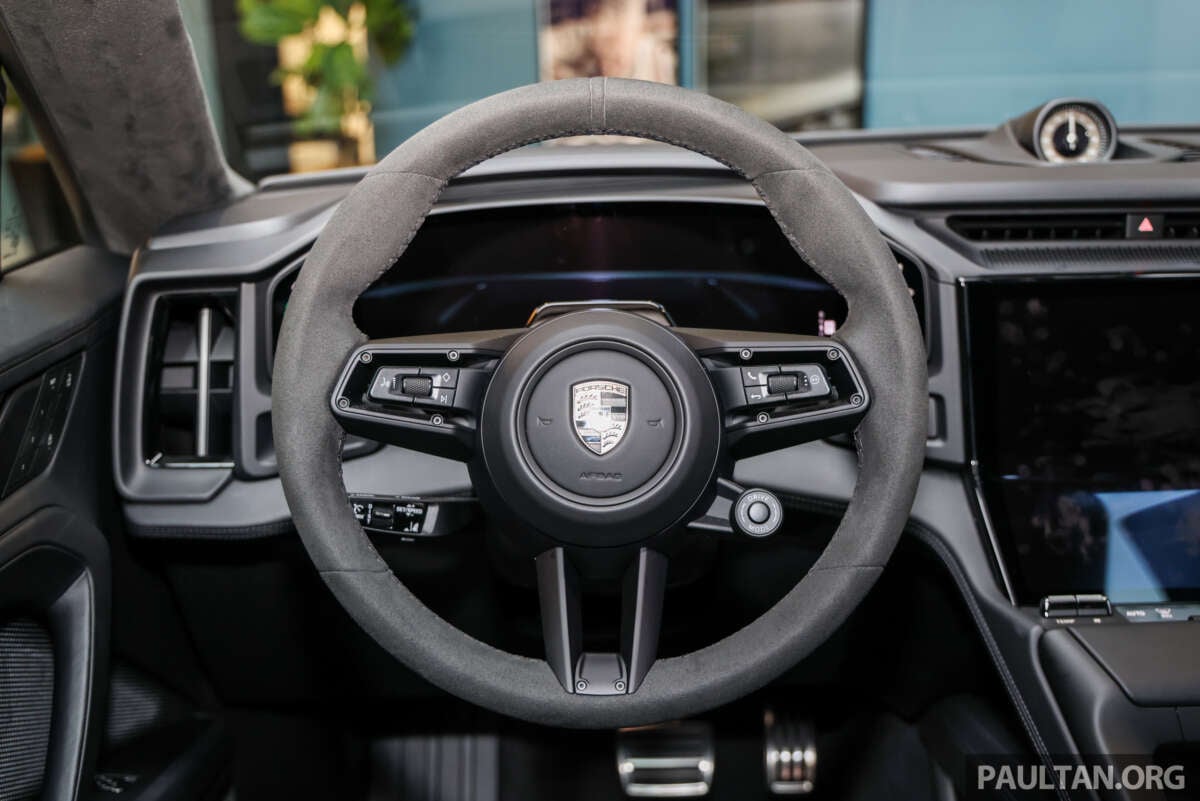
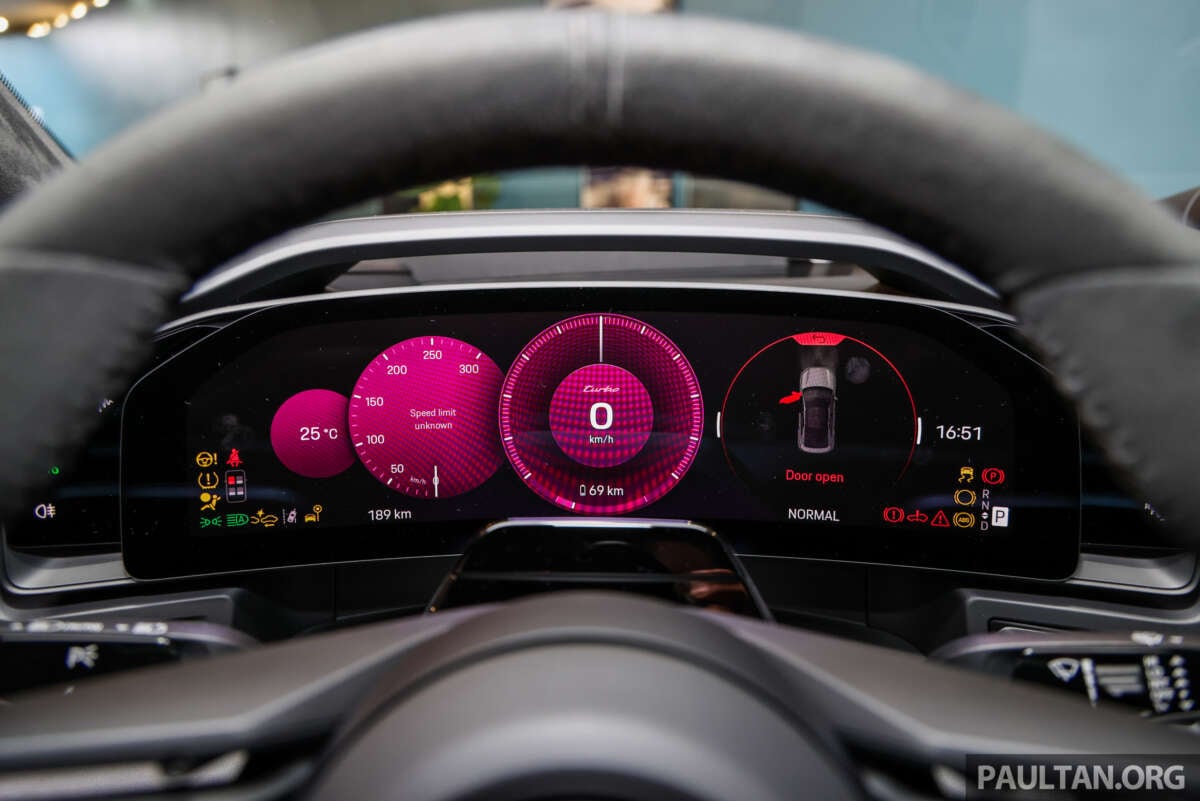
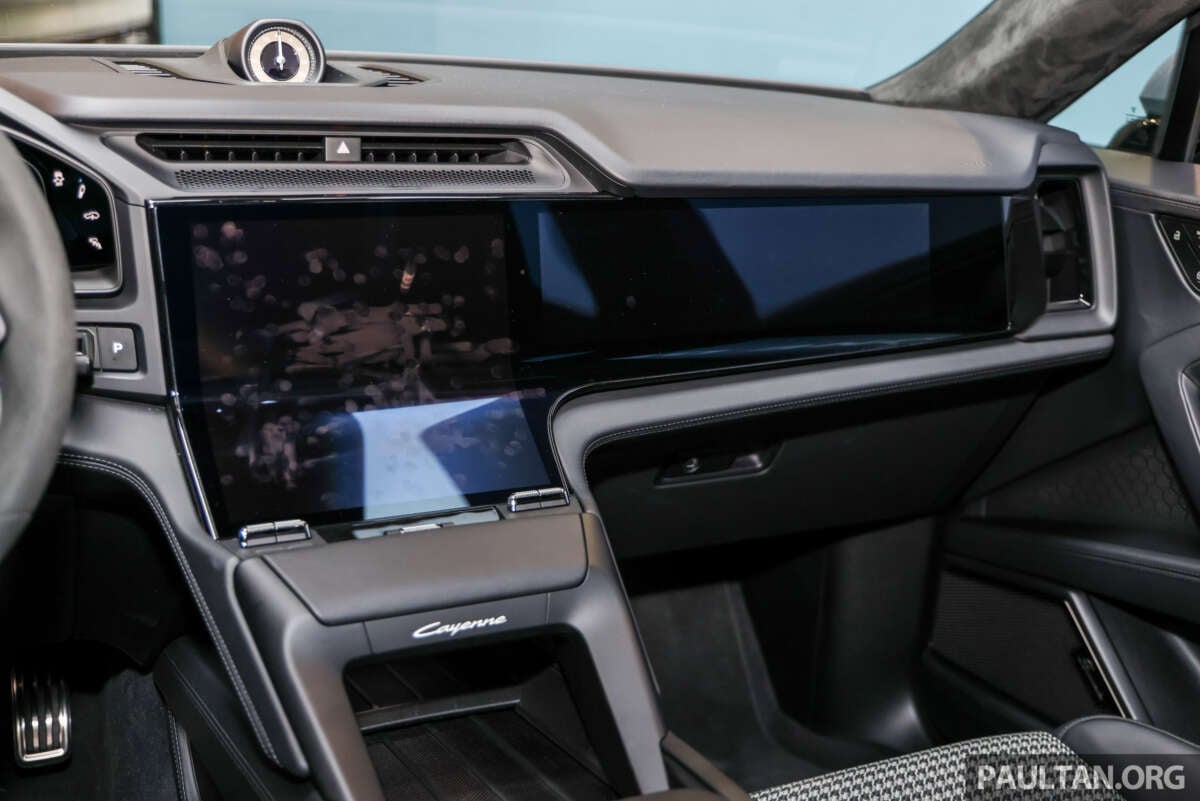
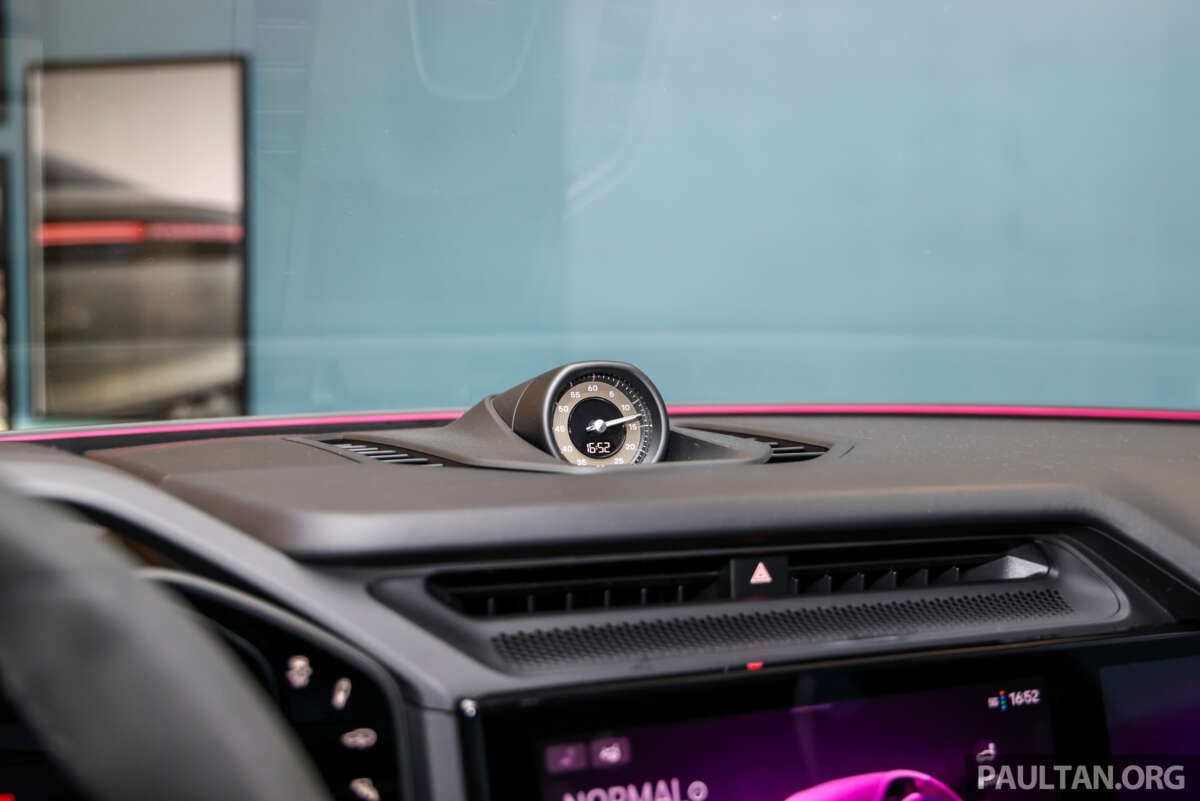
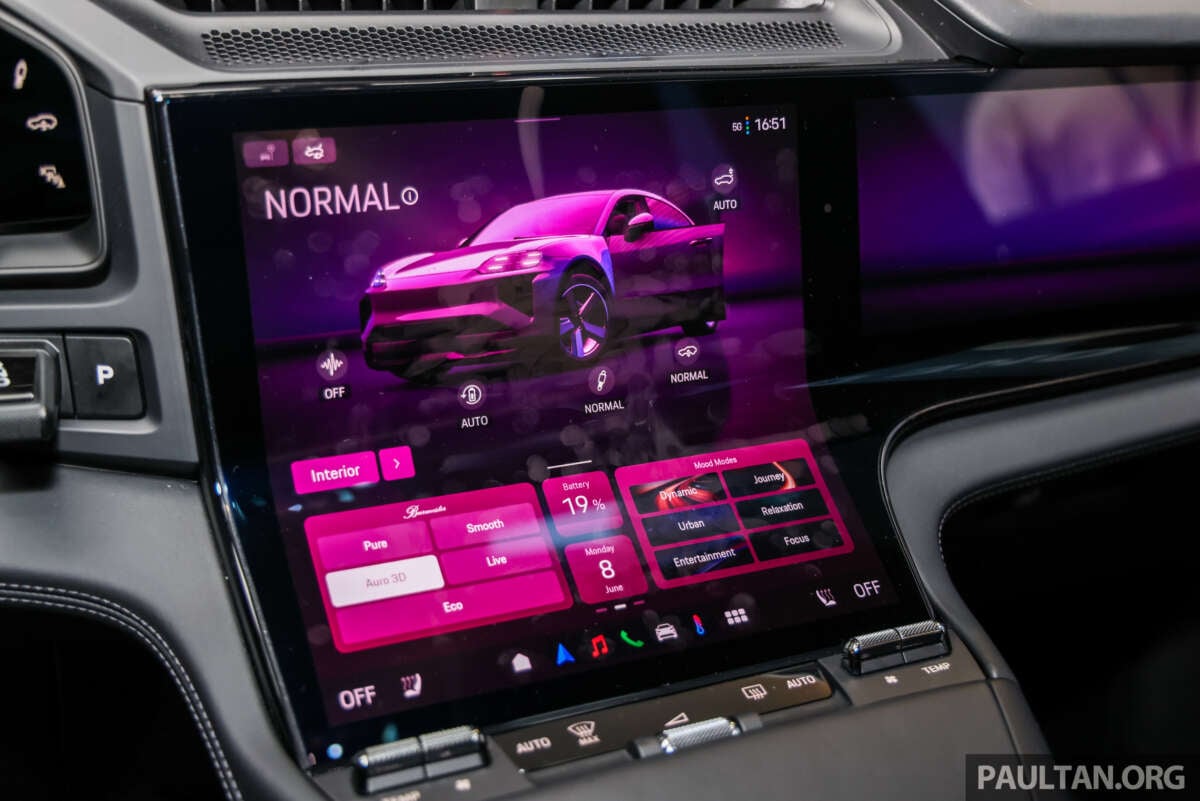
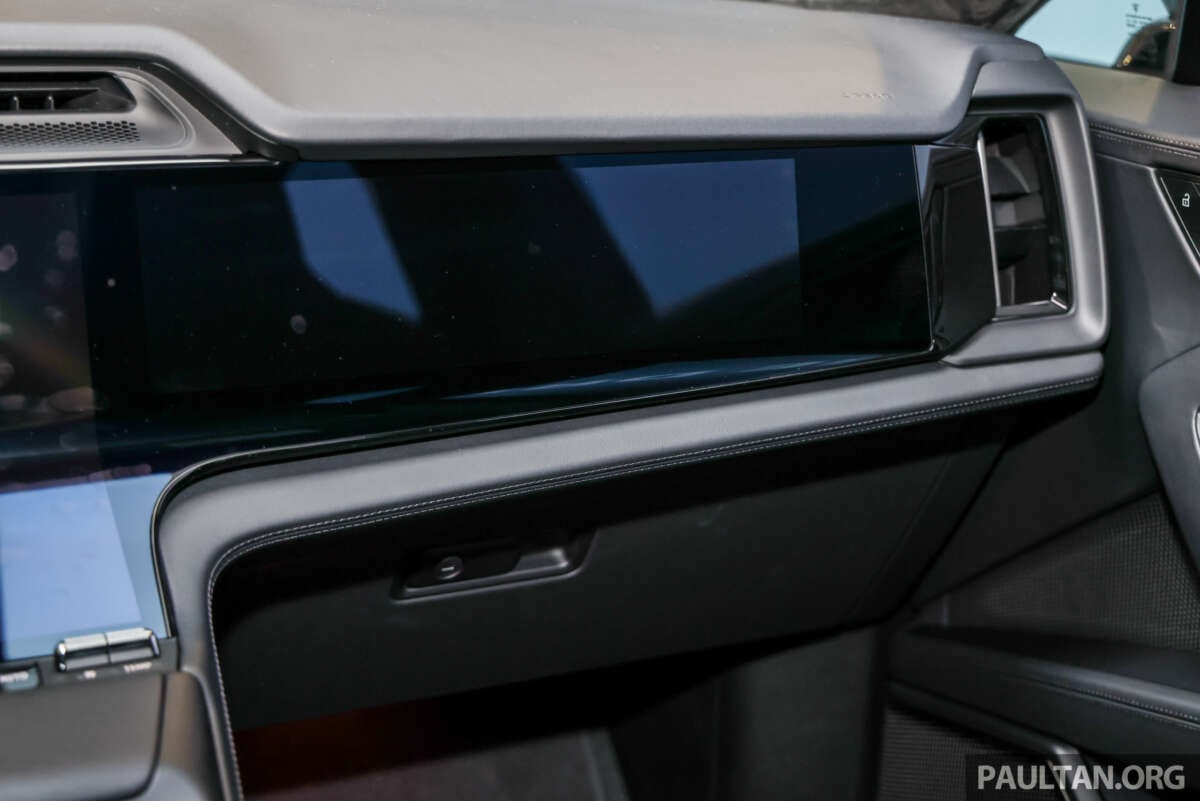
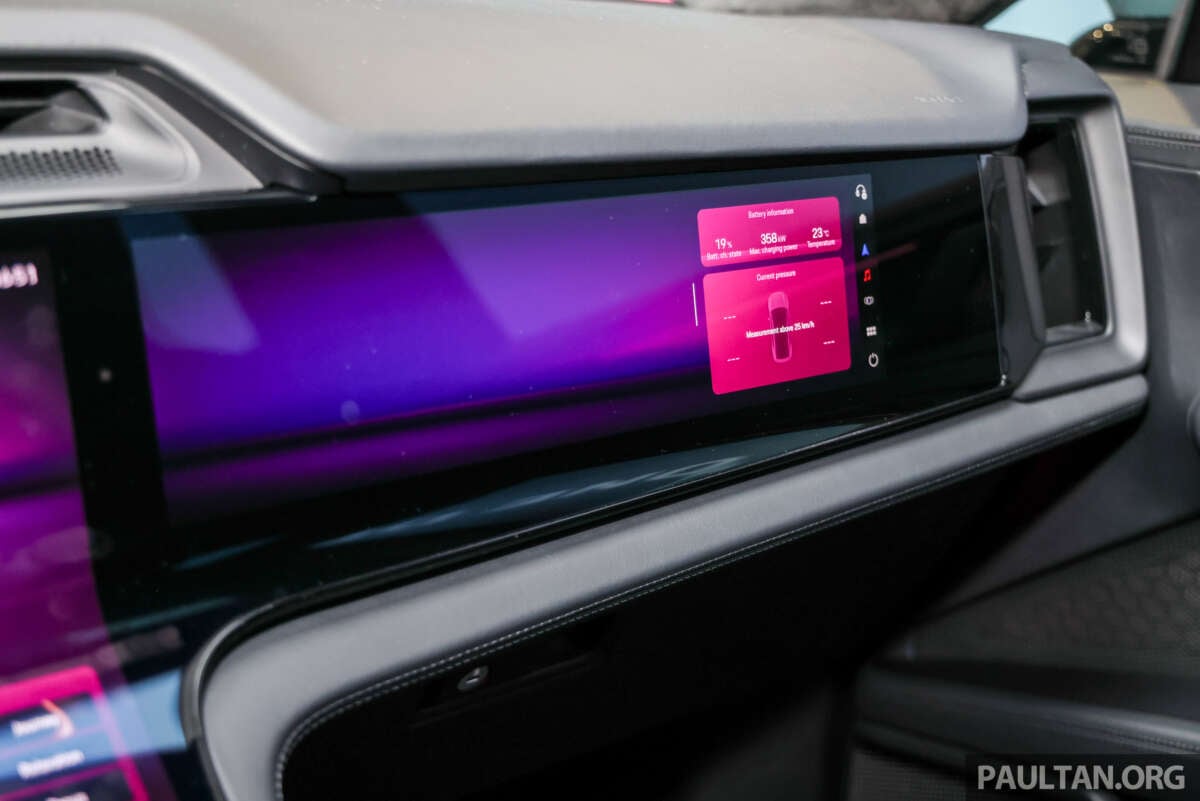
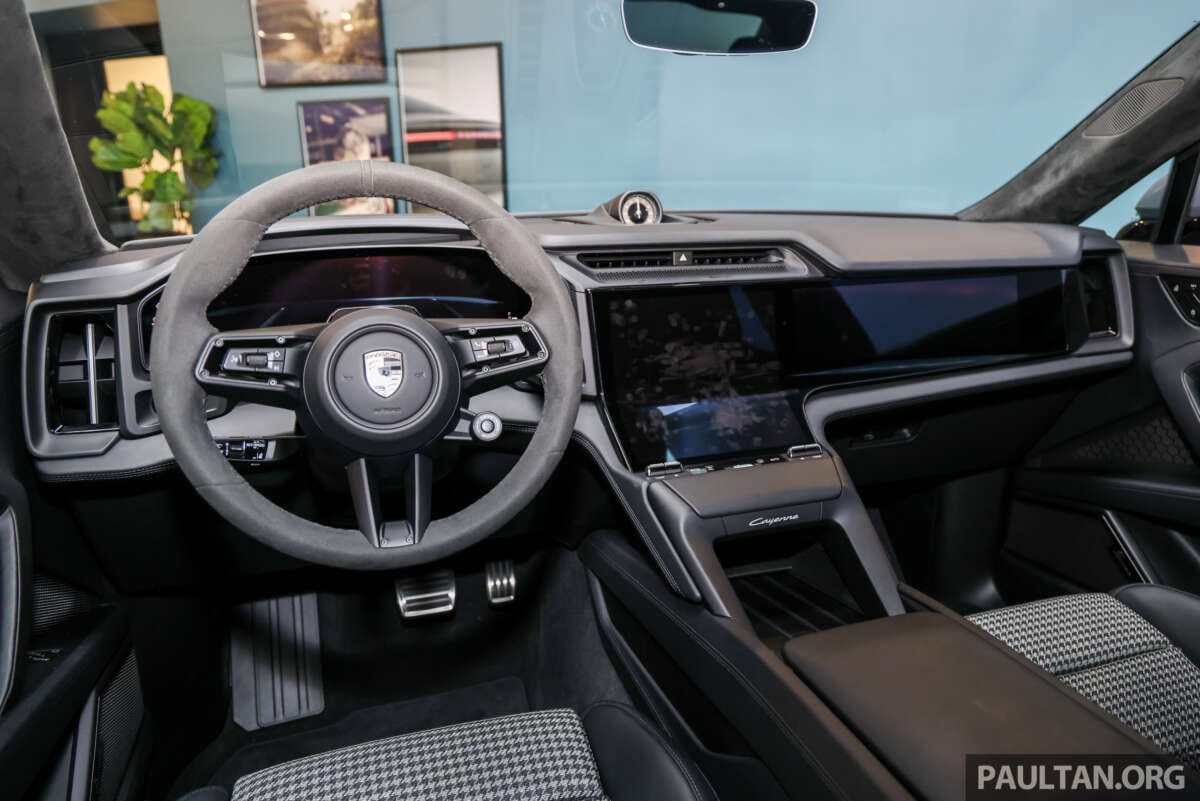
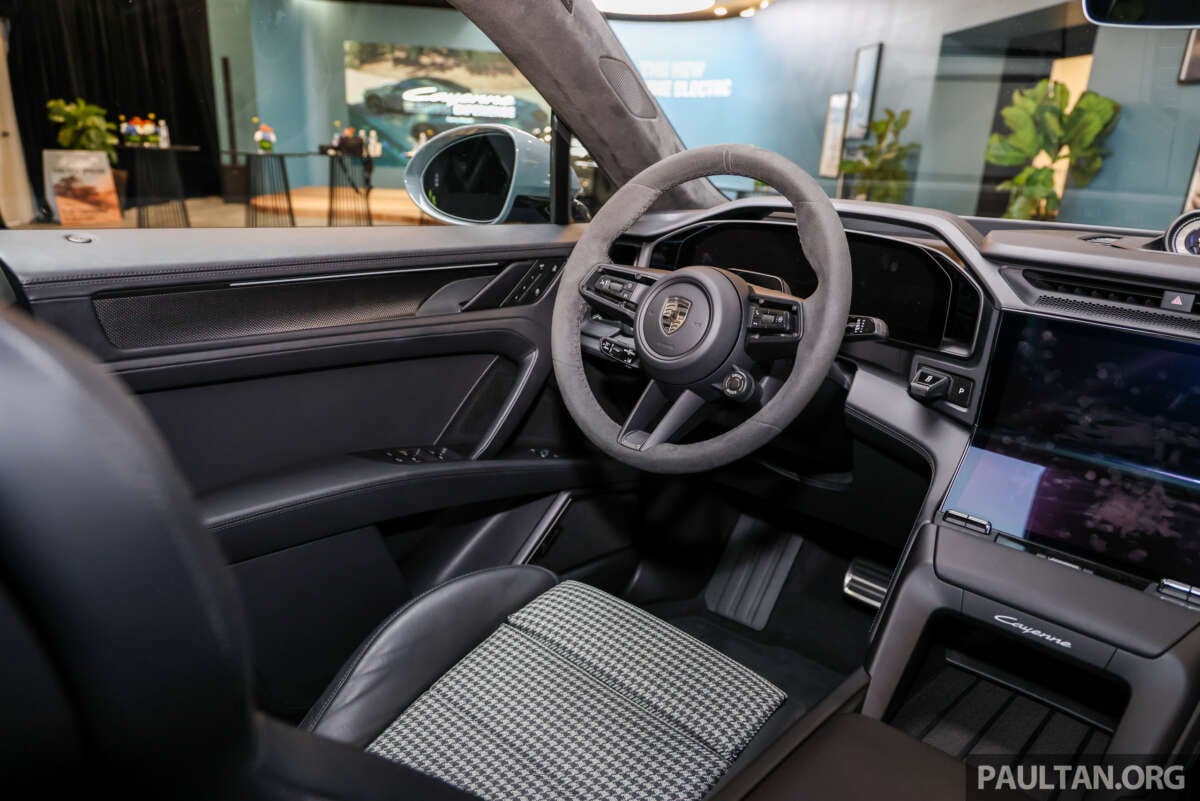
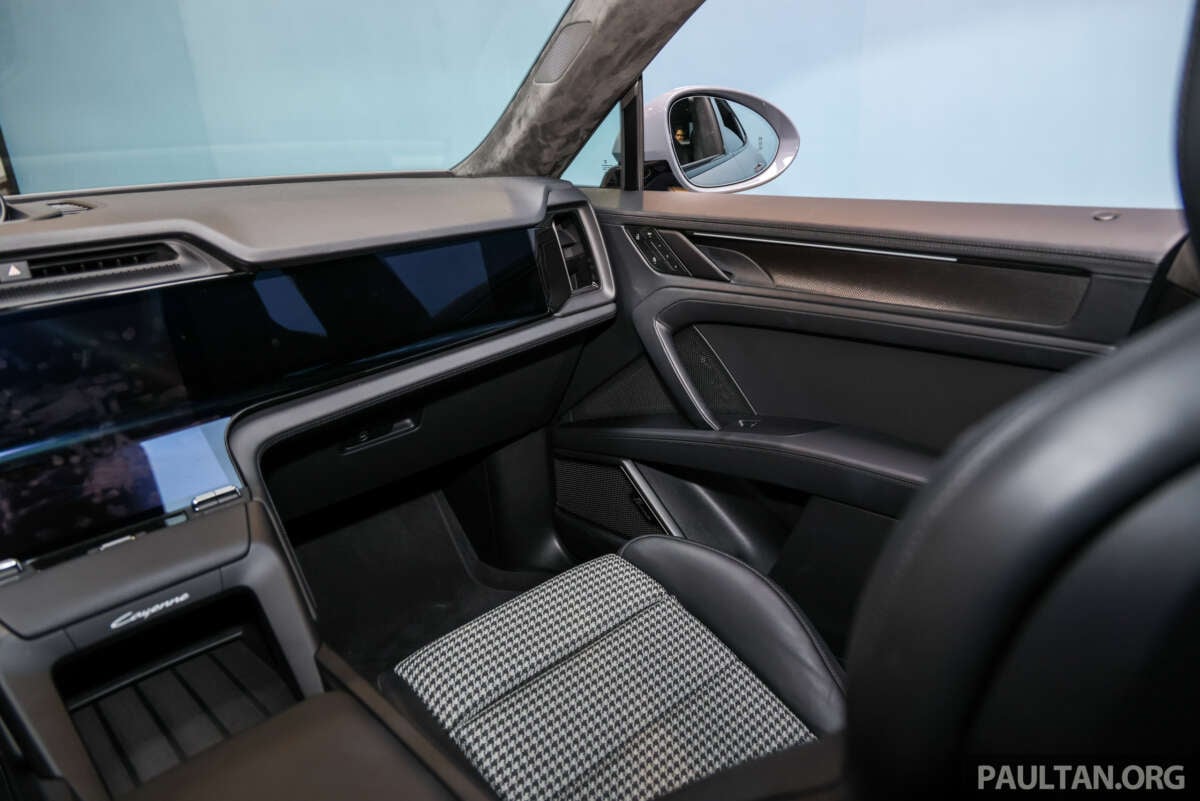
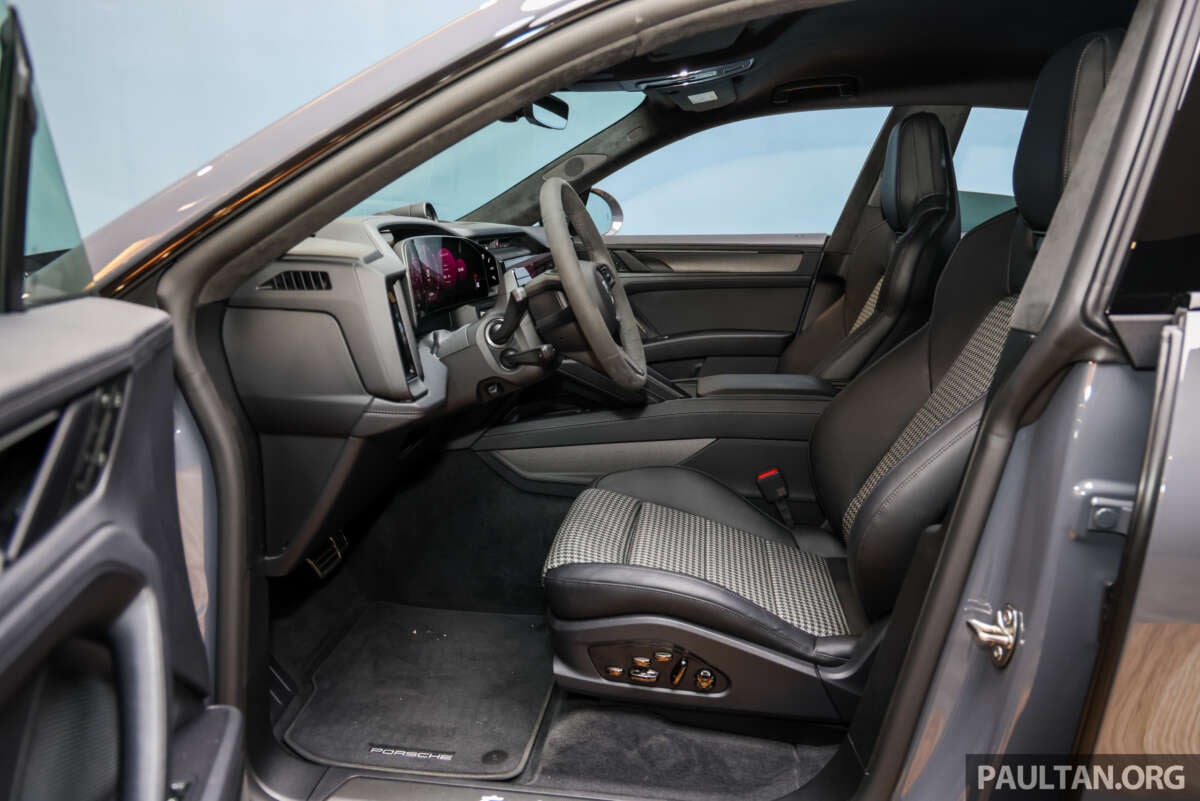
Inside, the Cayenne is all screen, with the visually impressive array consisting of a 14.25-inch curved OLED instrument display and an optional 14.9-inch passenger display. The highlight here is of course the Flow Display – a striking OLED infotainment touchscreen with a horizontal bend to split the display and control areas. Together with an ergonomic palm rest, this eases the operation of the lower half.


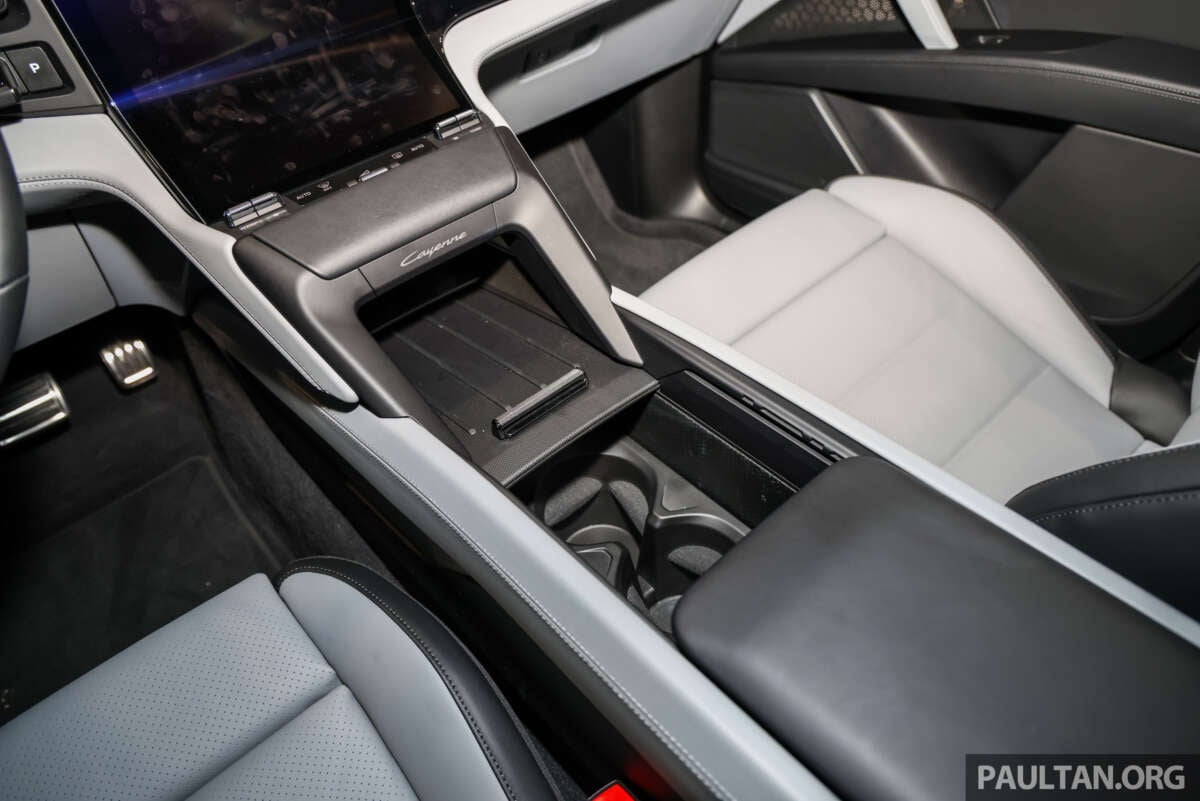
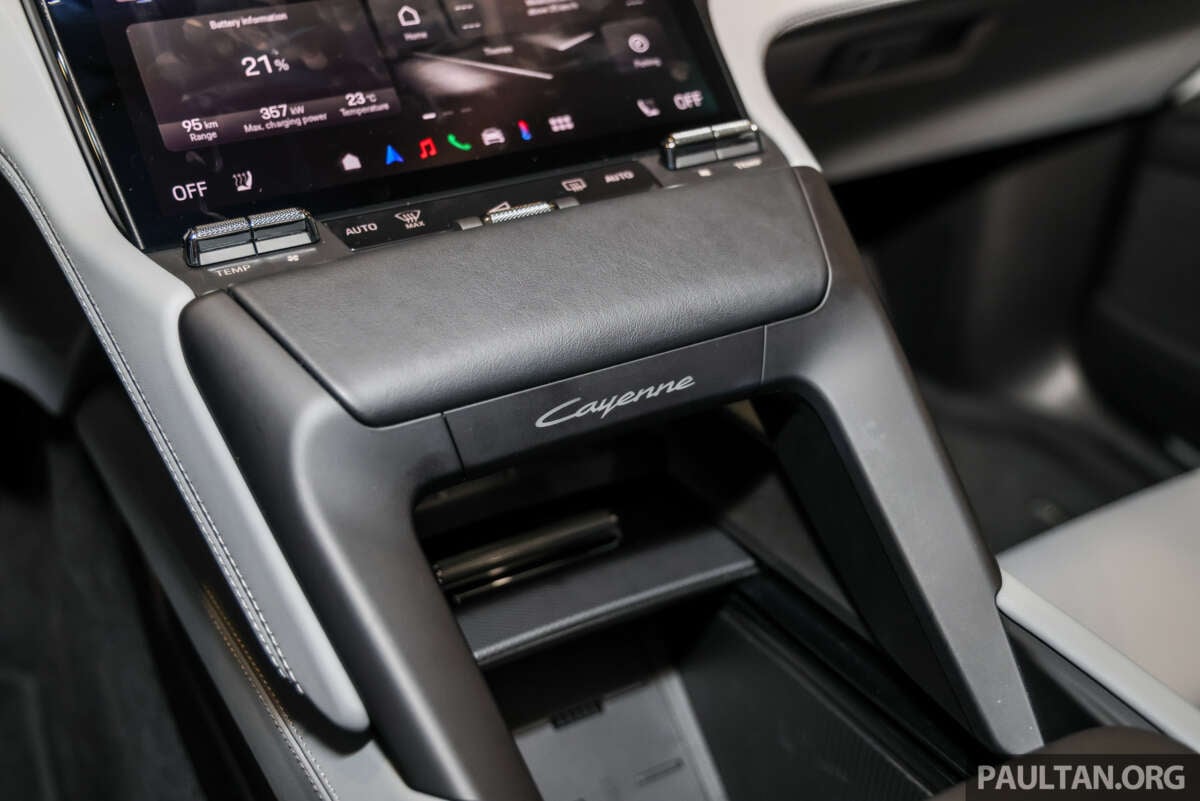
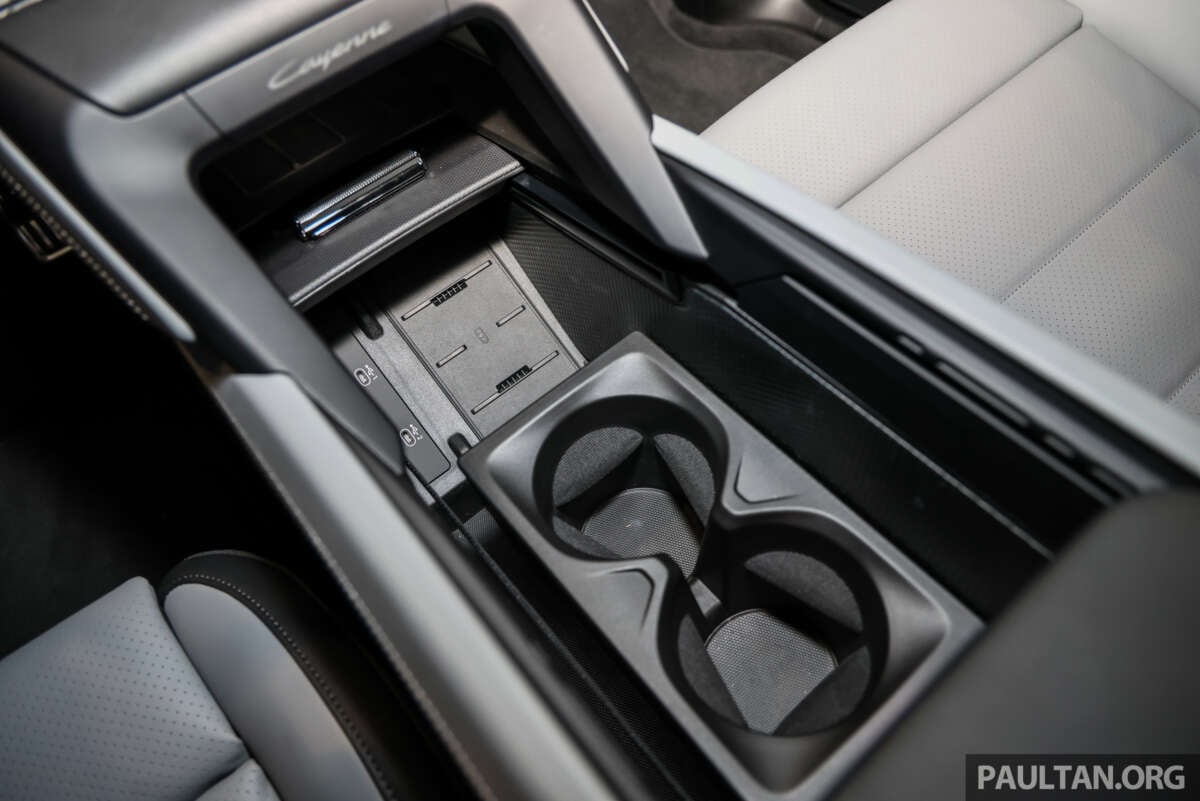
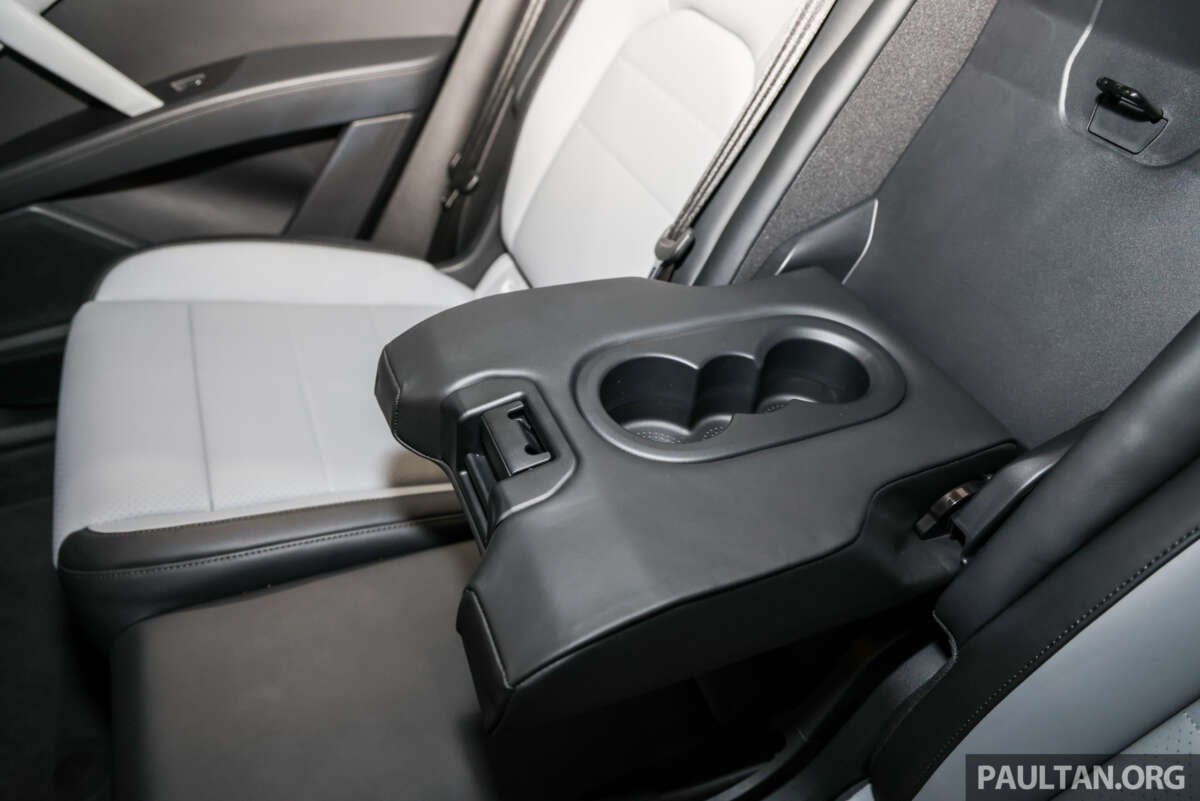
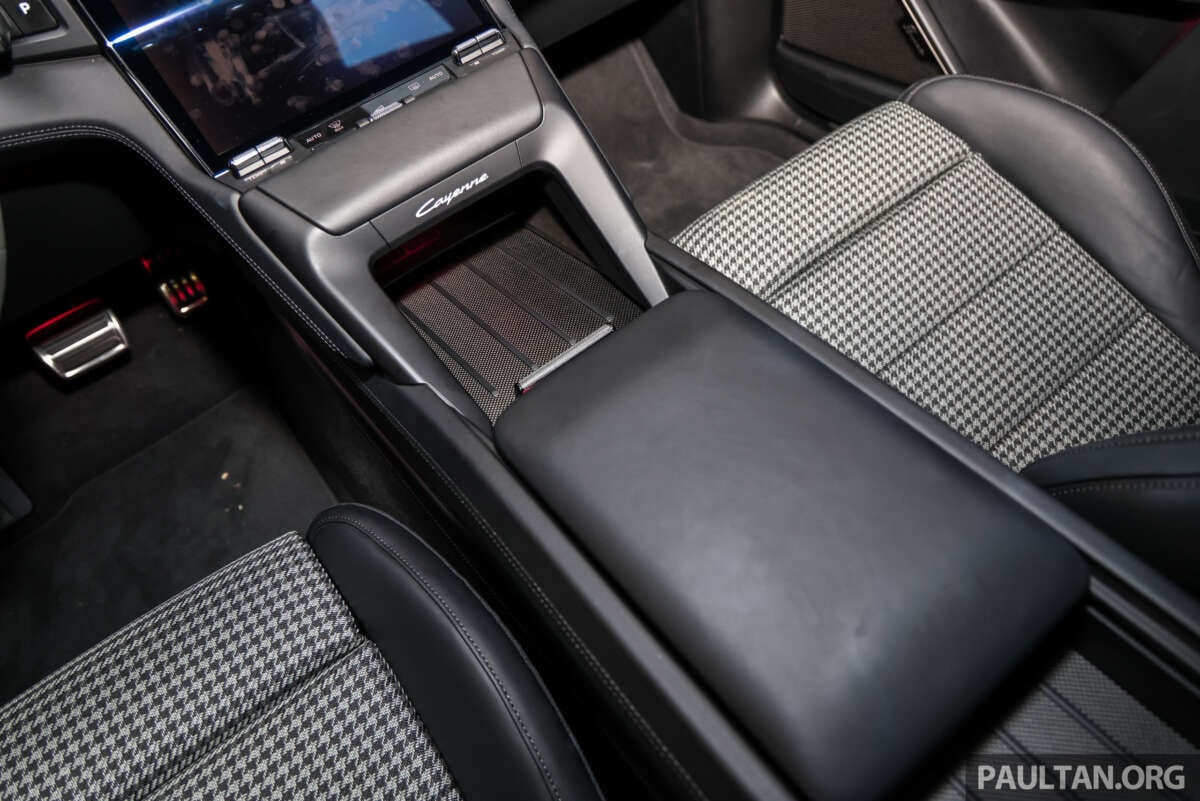
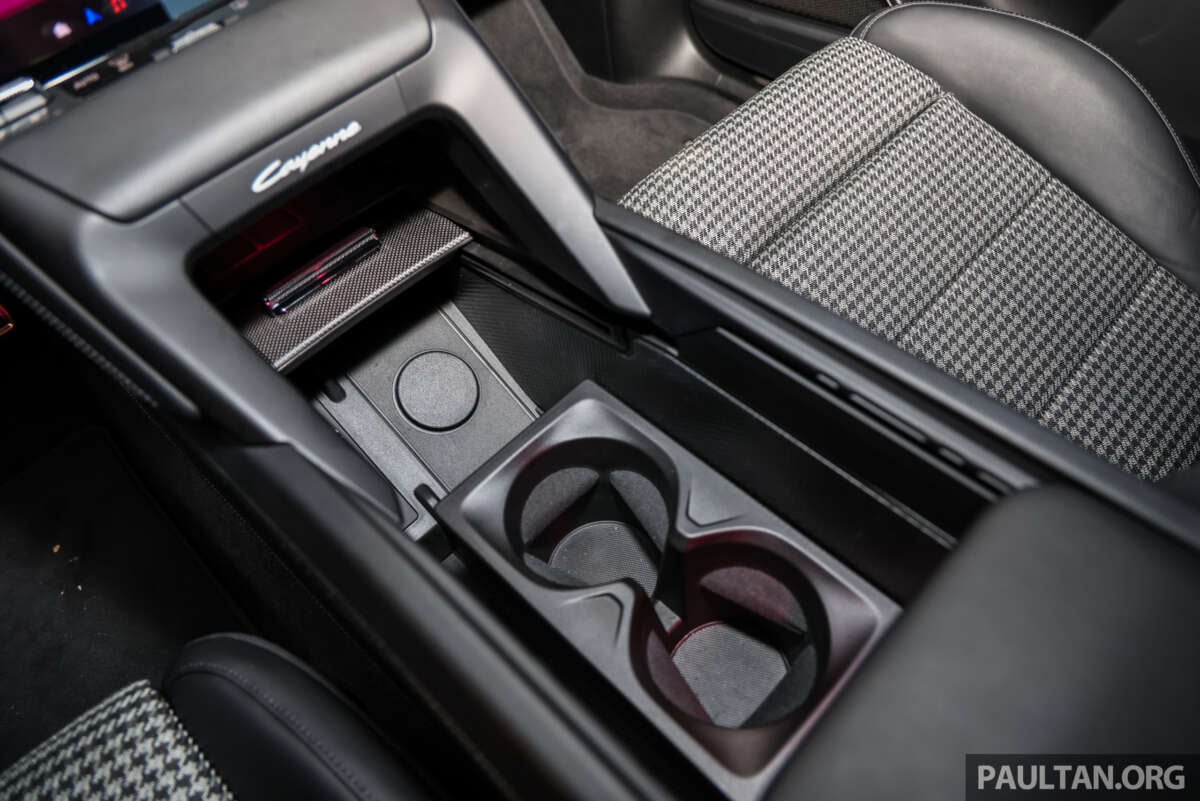
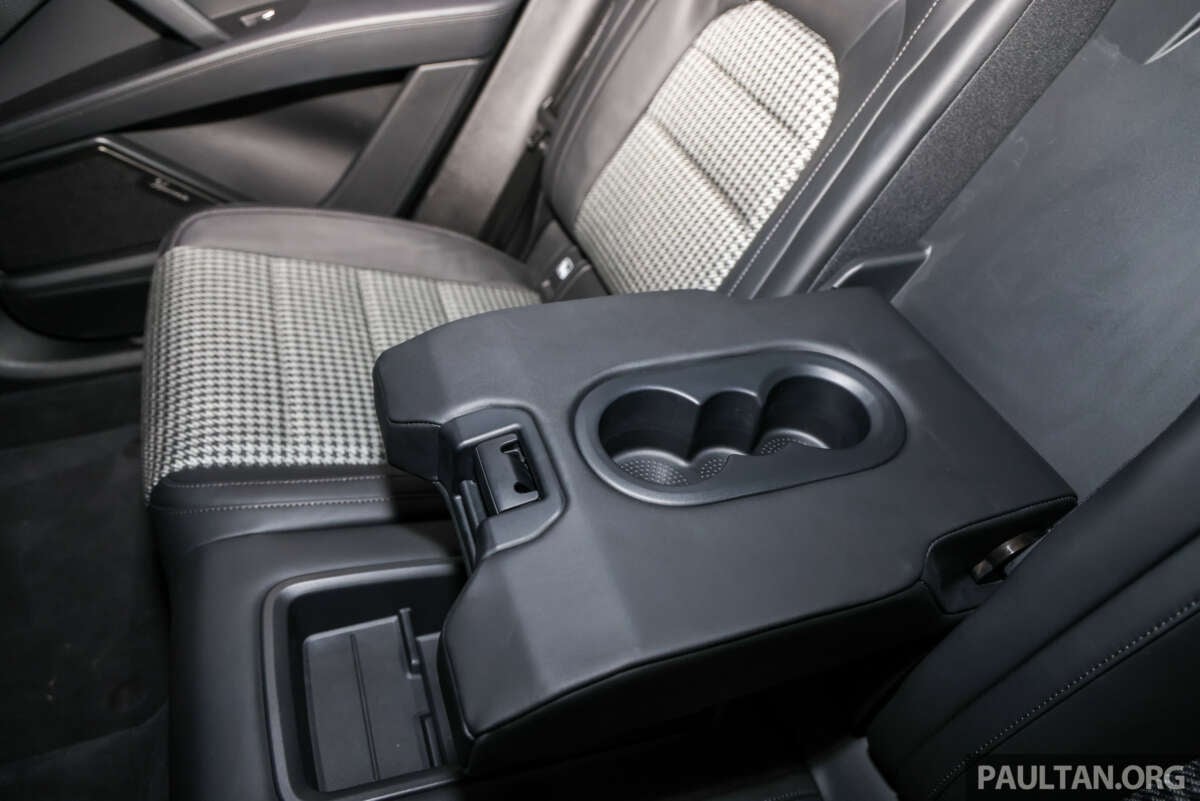
Blissfully, the Cayenne retains physical air-con and volume controls just ahead of the said palm rest. There’s also an augmented reality head-up display with an effective display size of 87 inches, AI-enhanced voice control, wireless Apple CarPlay and Android Auto and a magnetic pad for the Qi wireless charger – the latter is housed within a large adaptable storage bin with removable cupholders.
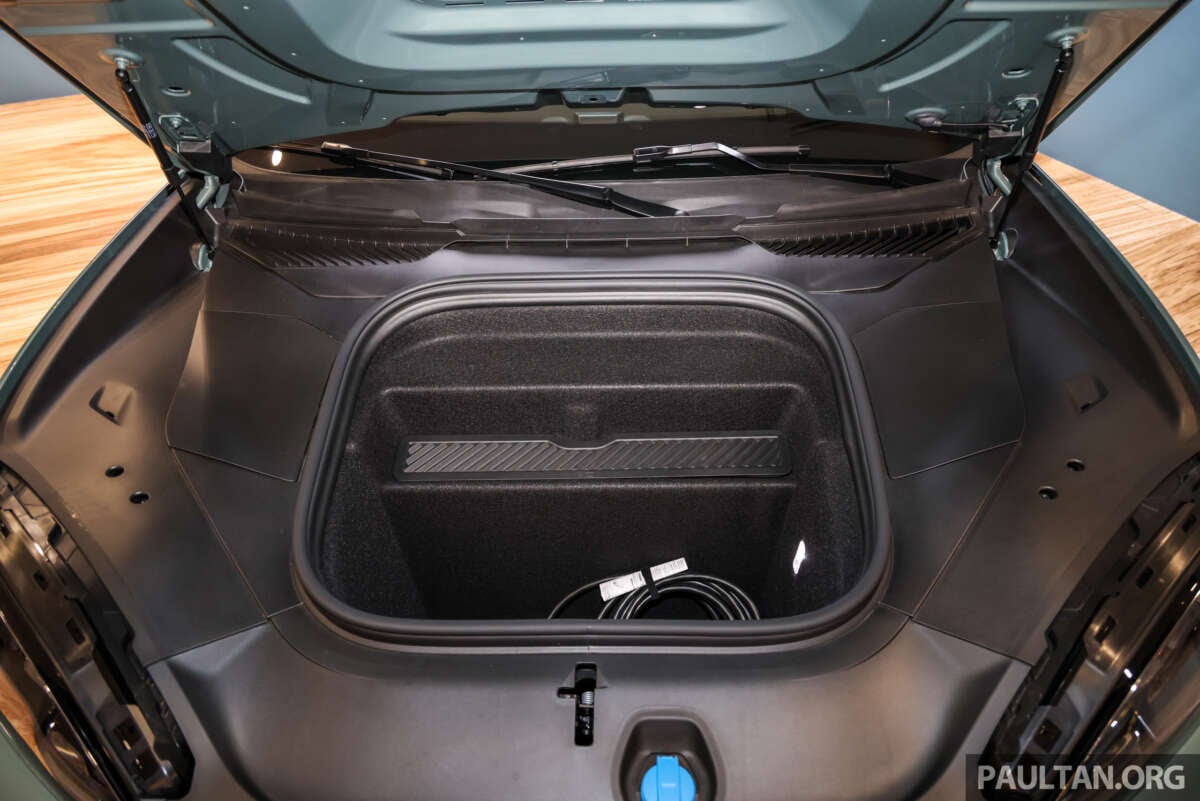
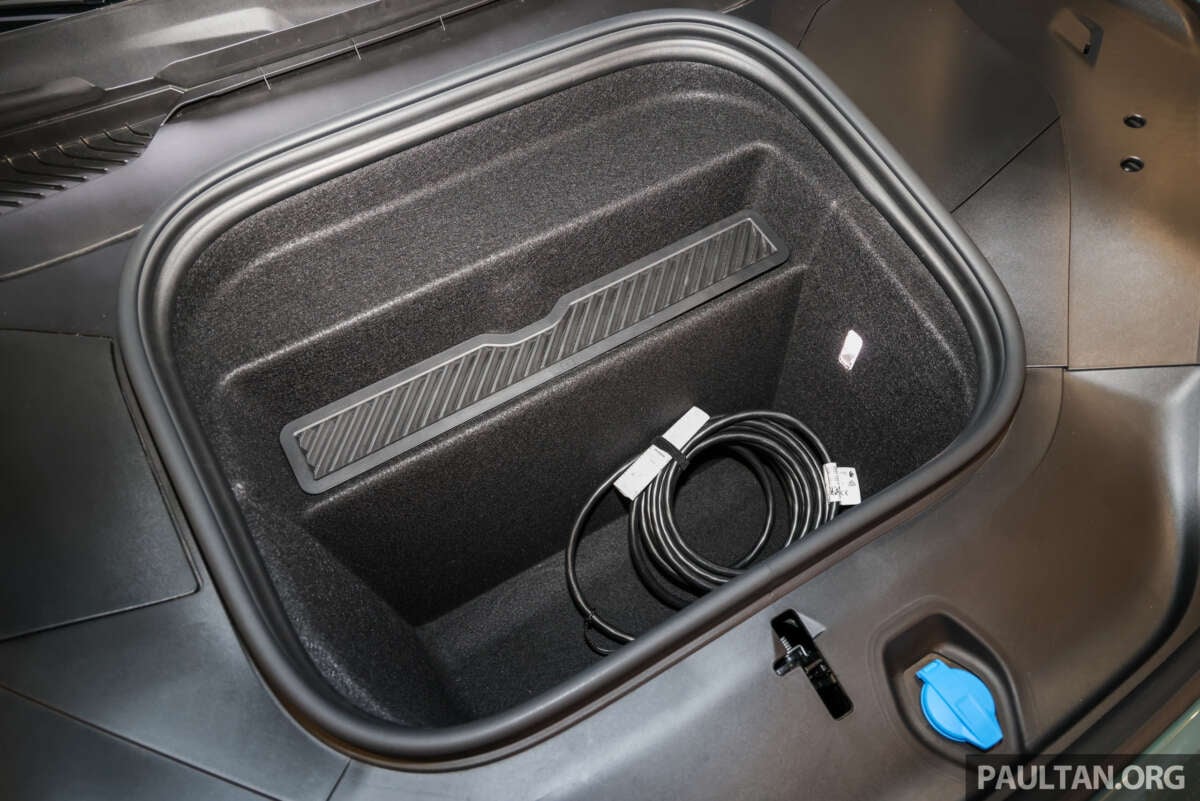
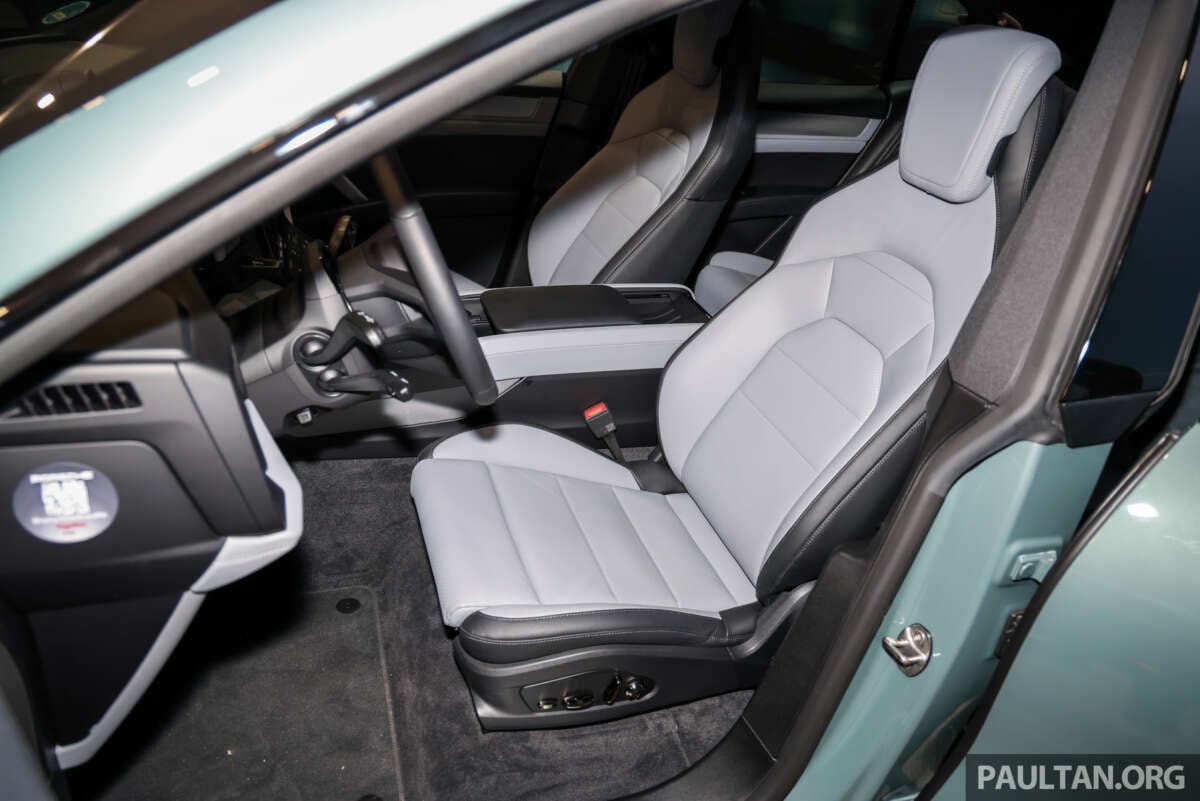
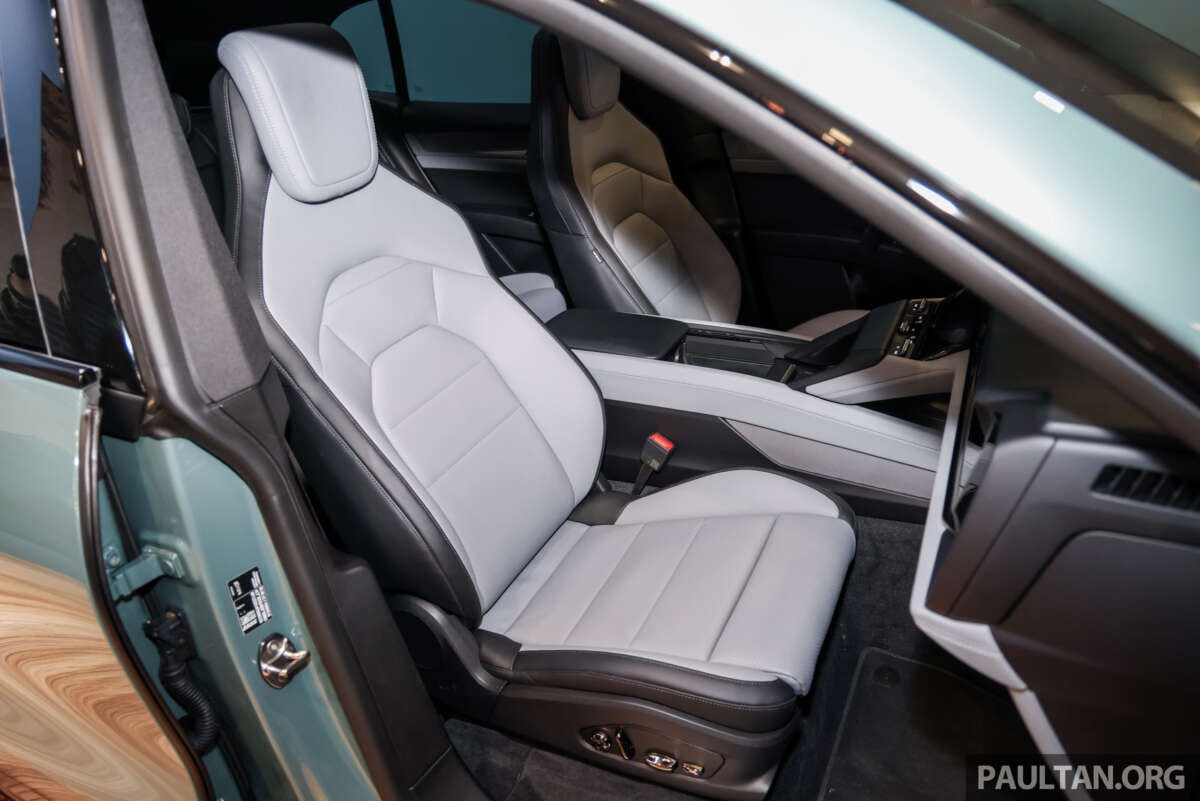
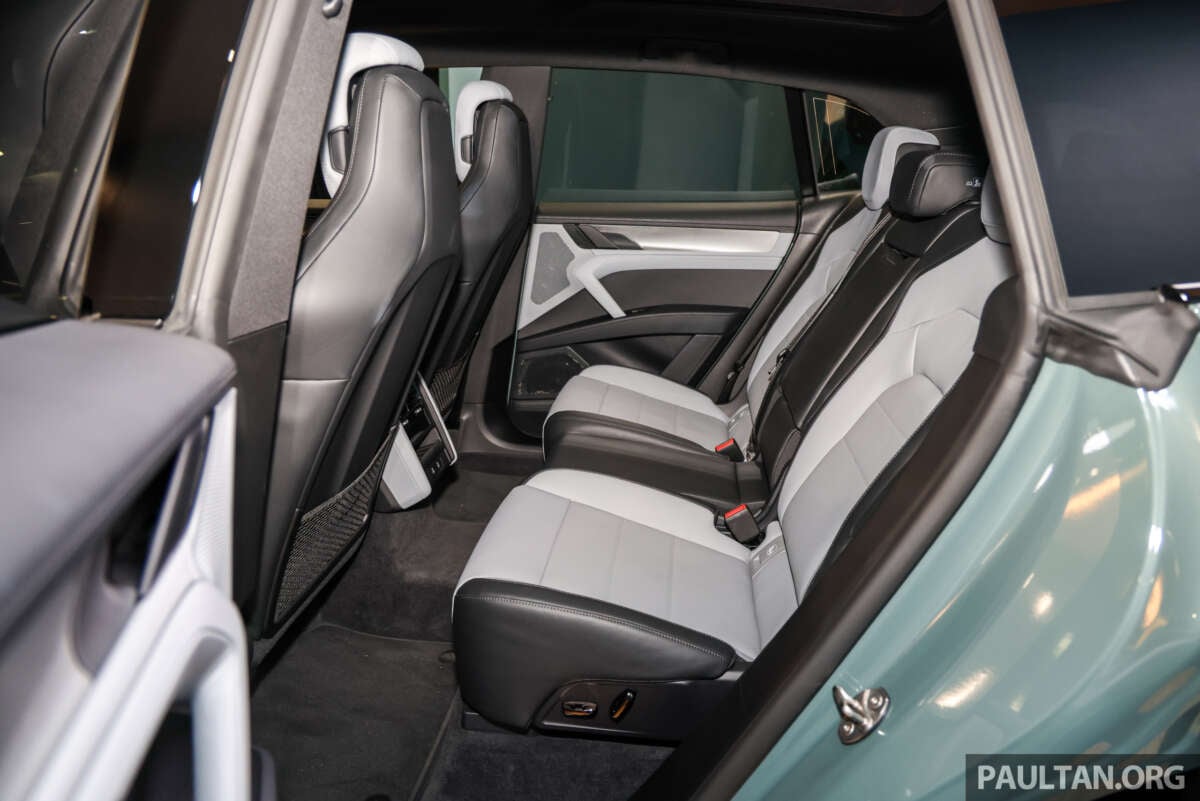
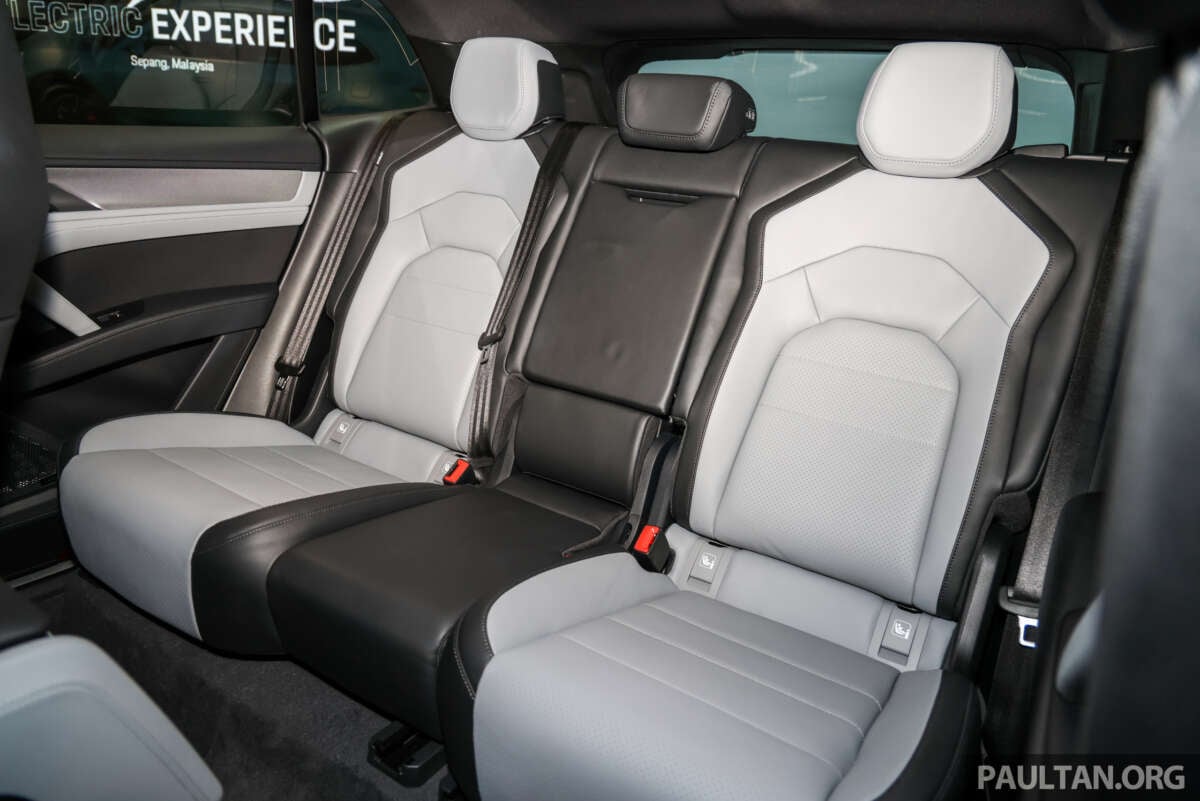
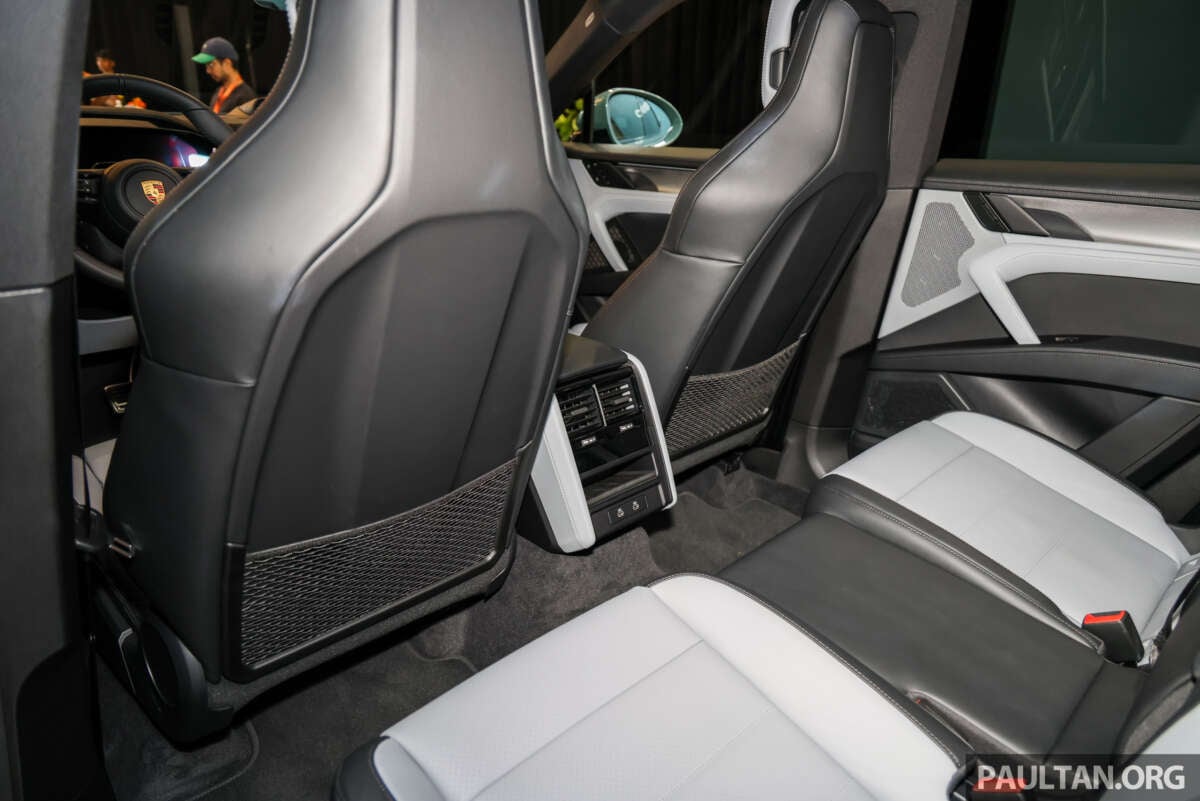
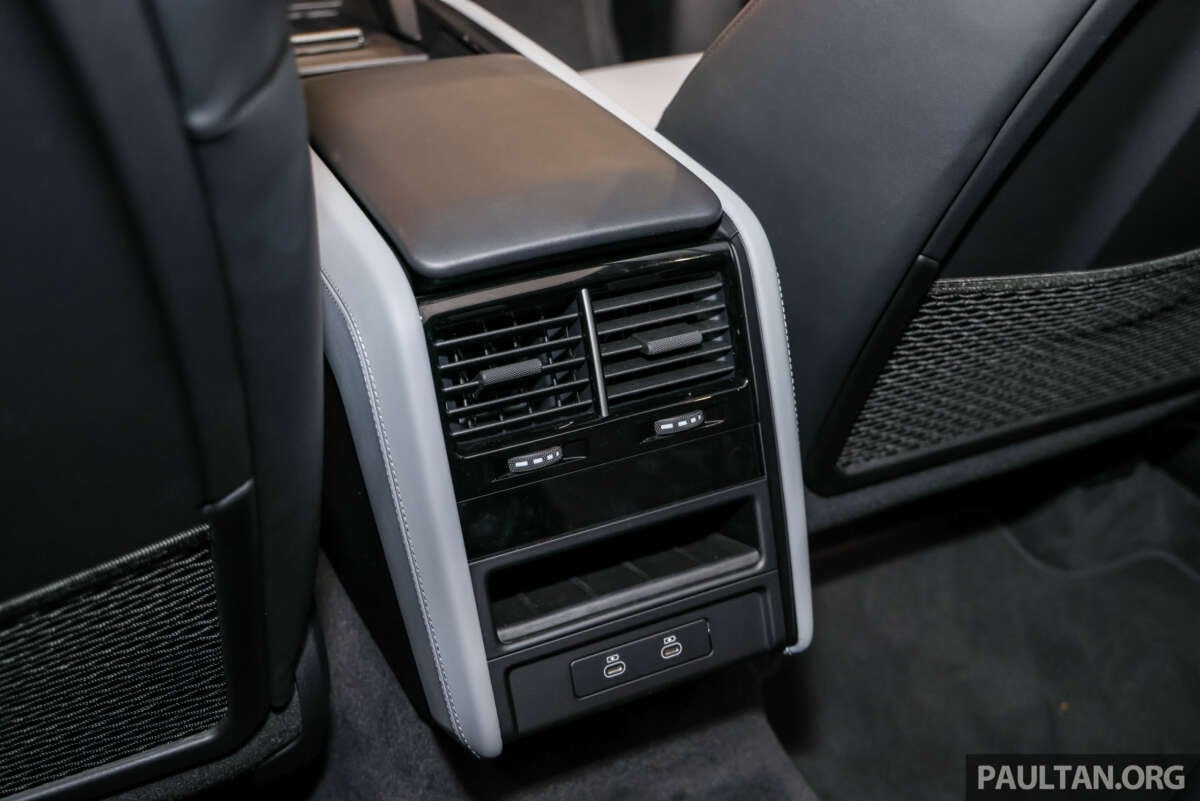
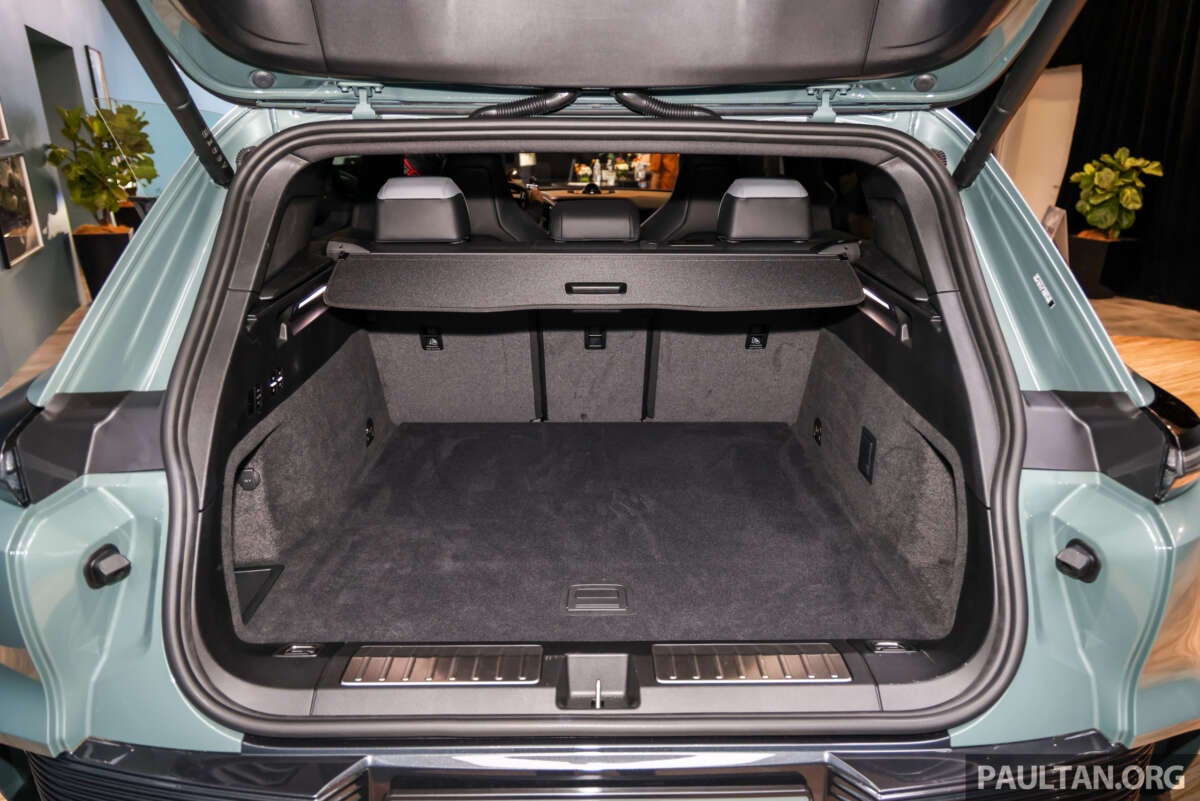
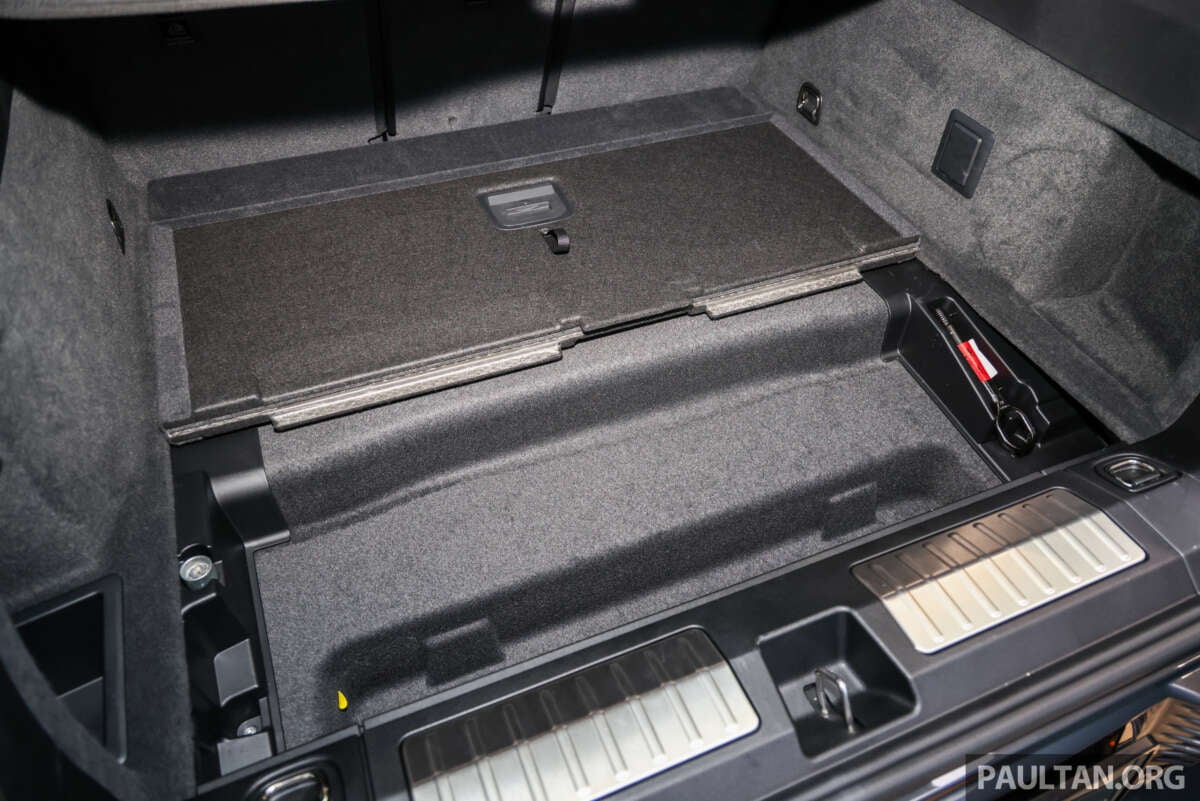
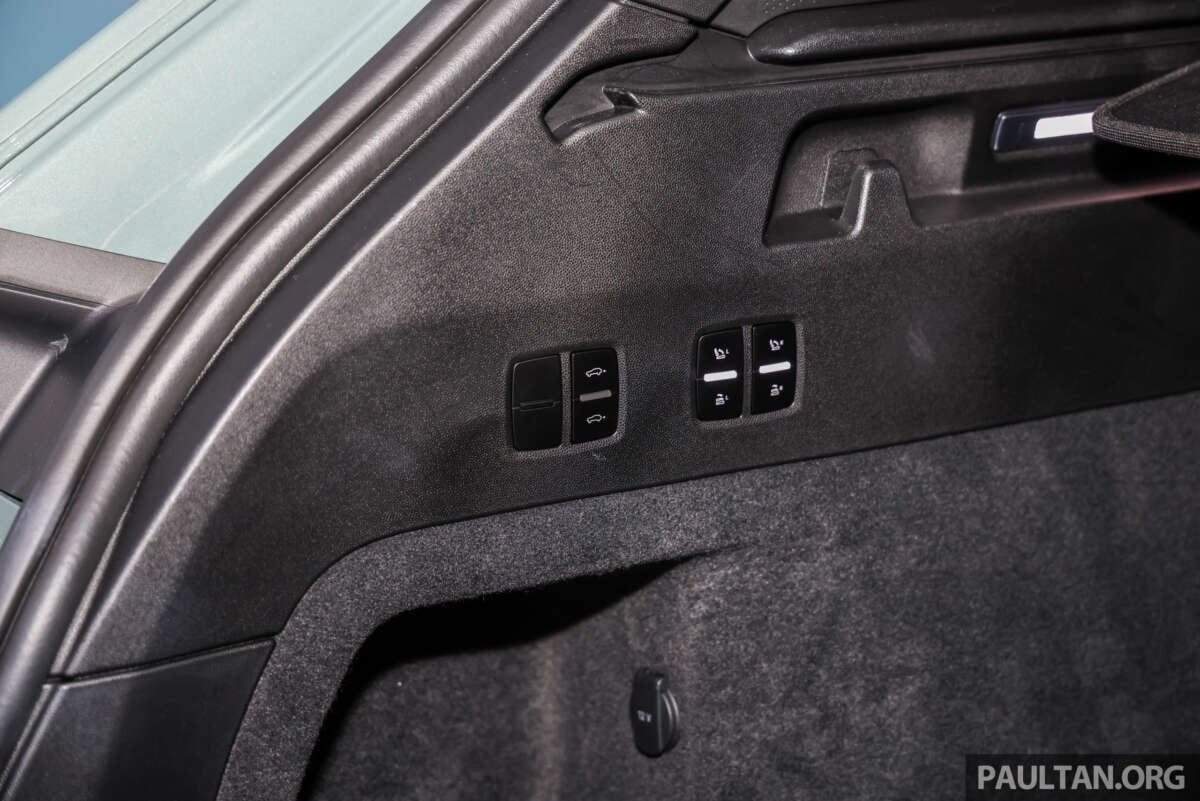
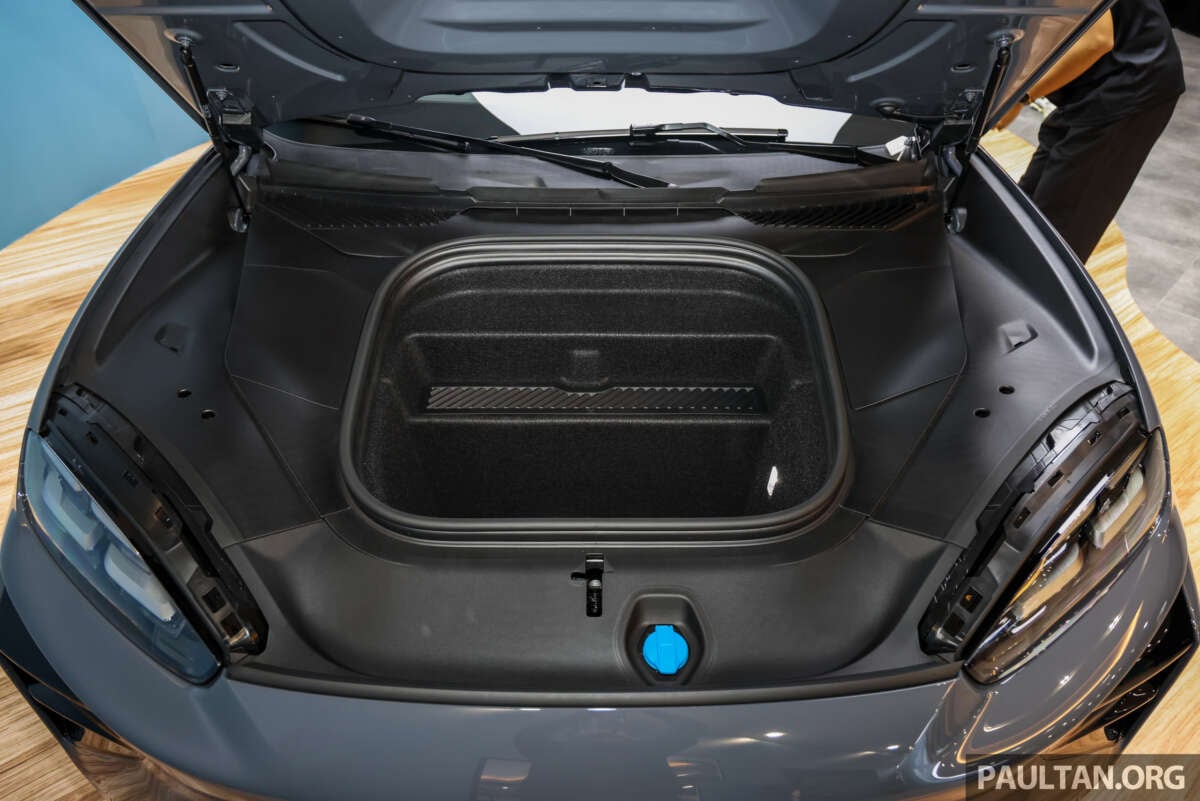
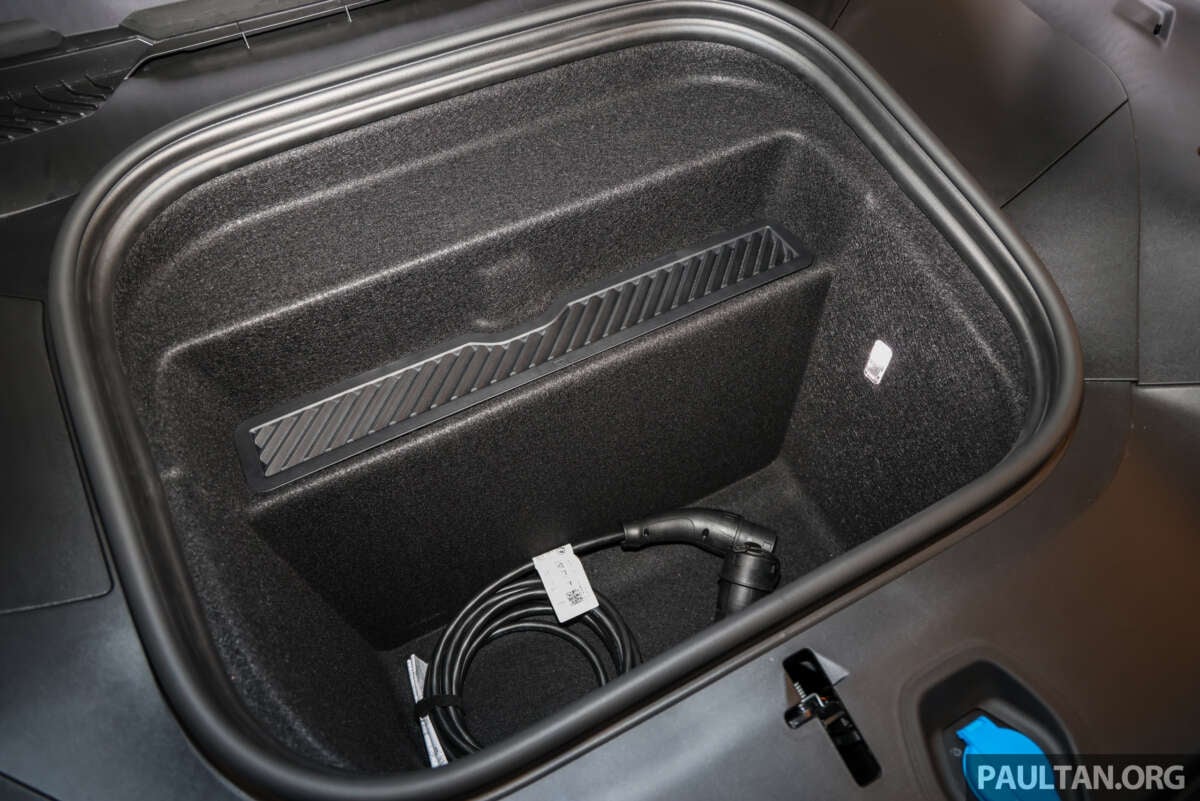
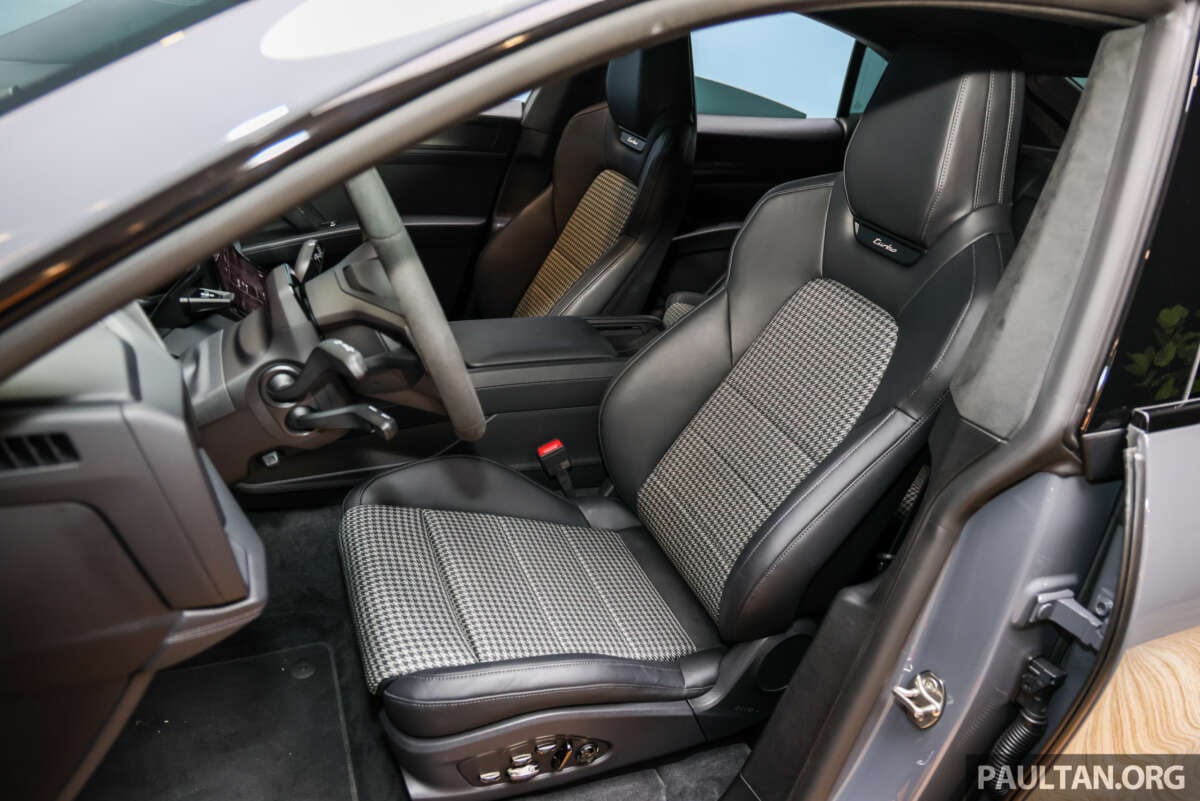
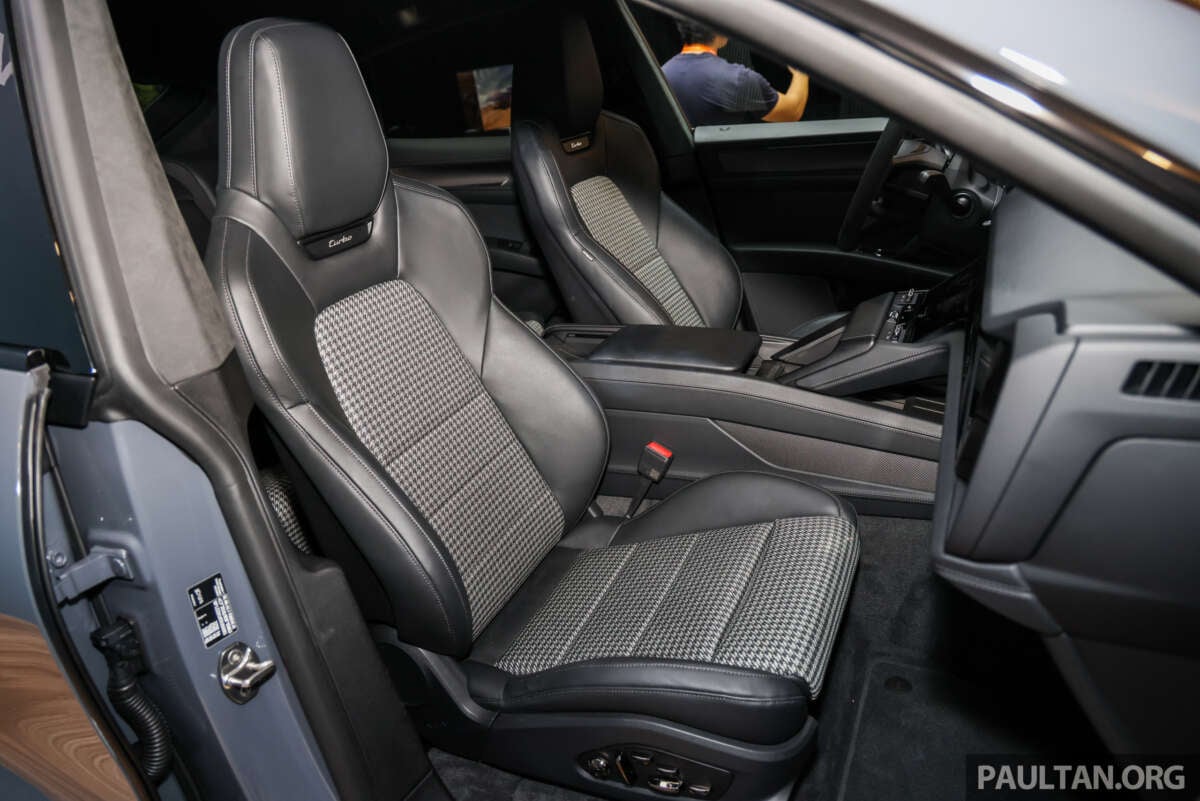
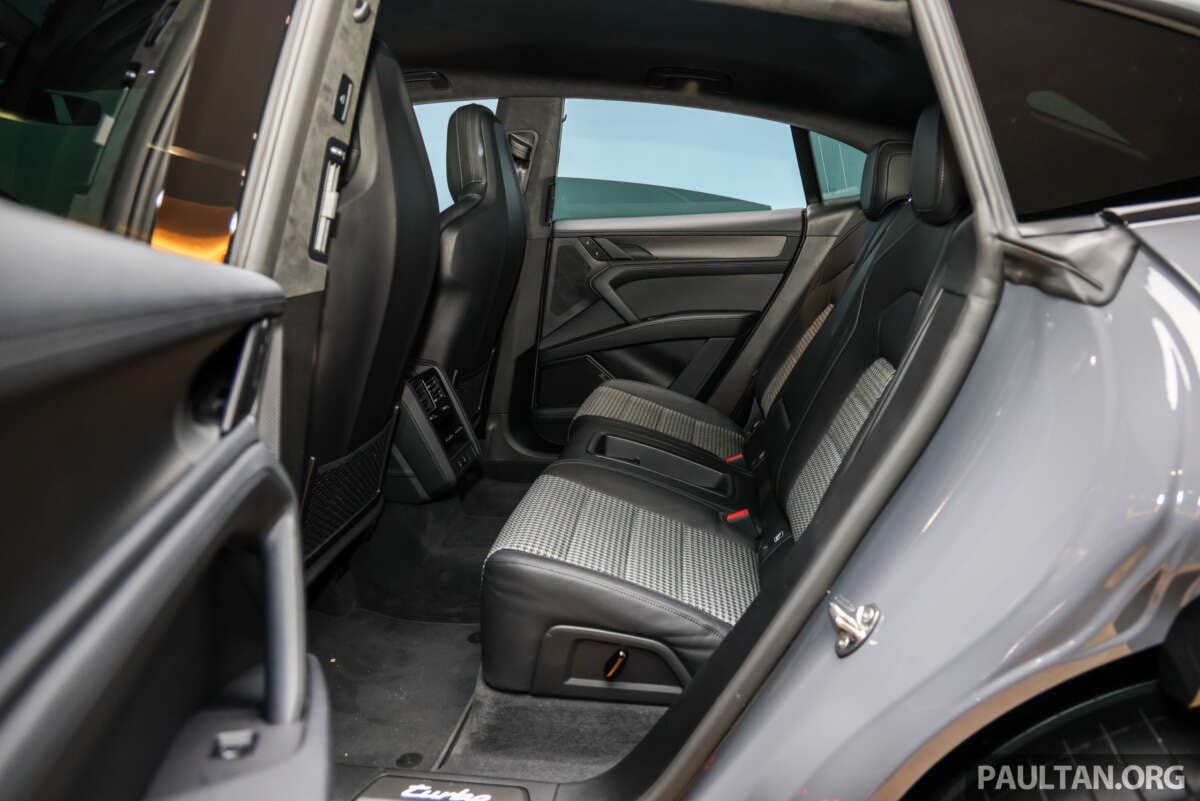
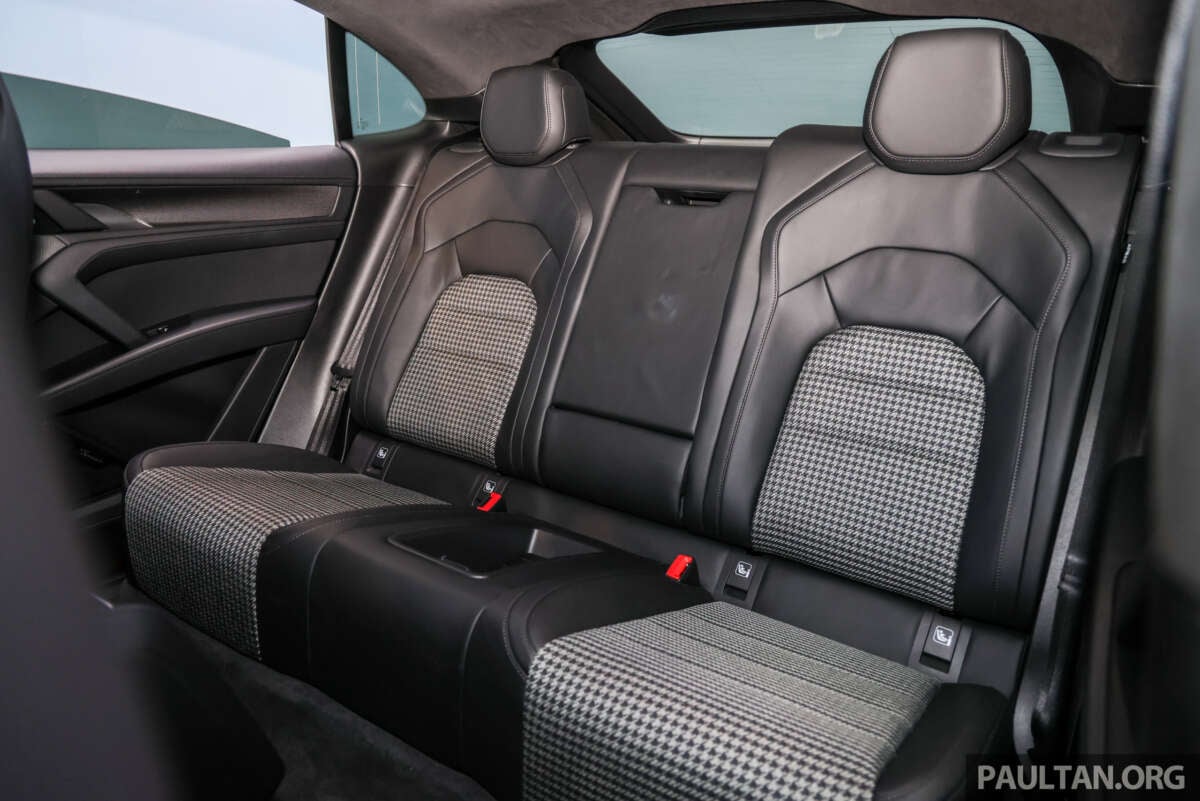
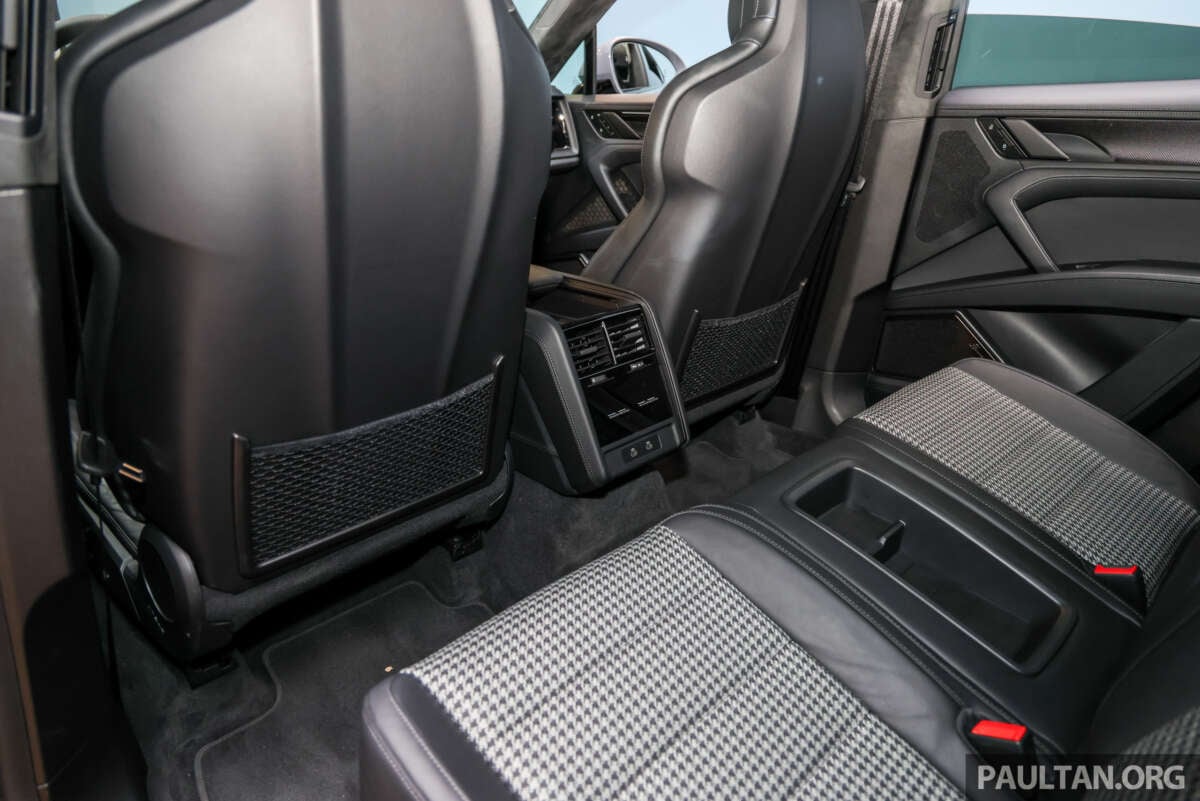
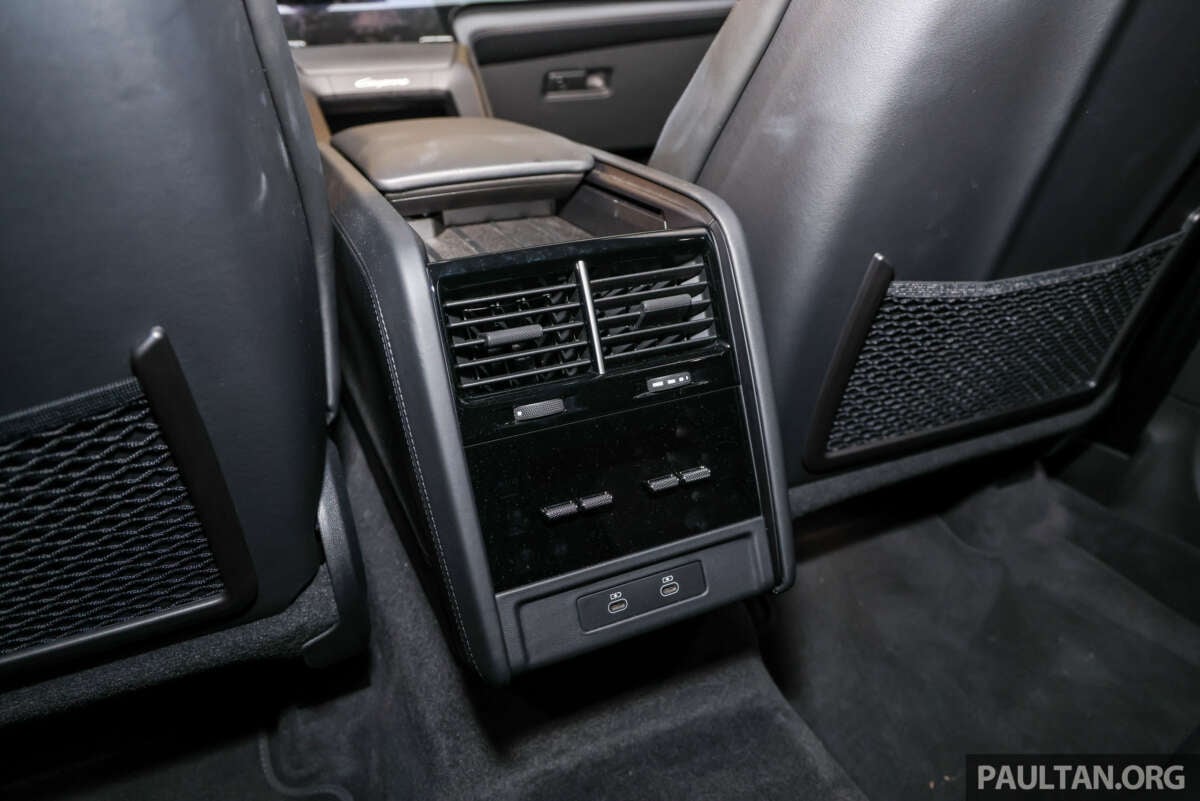
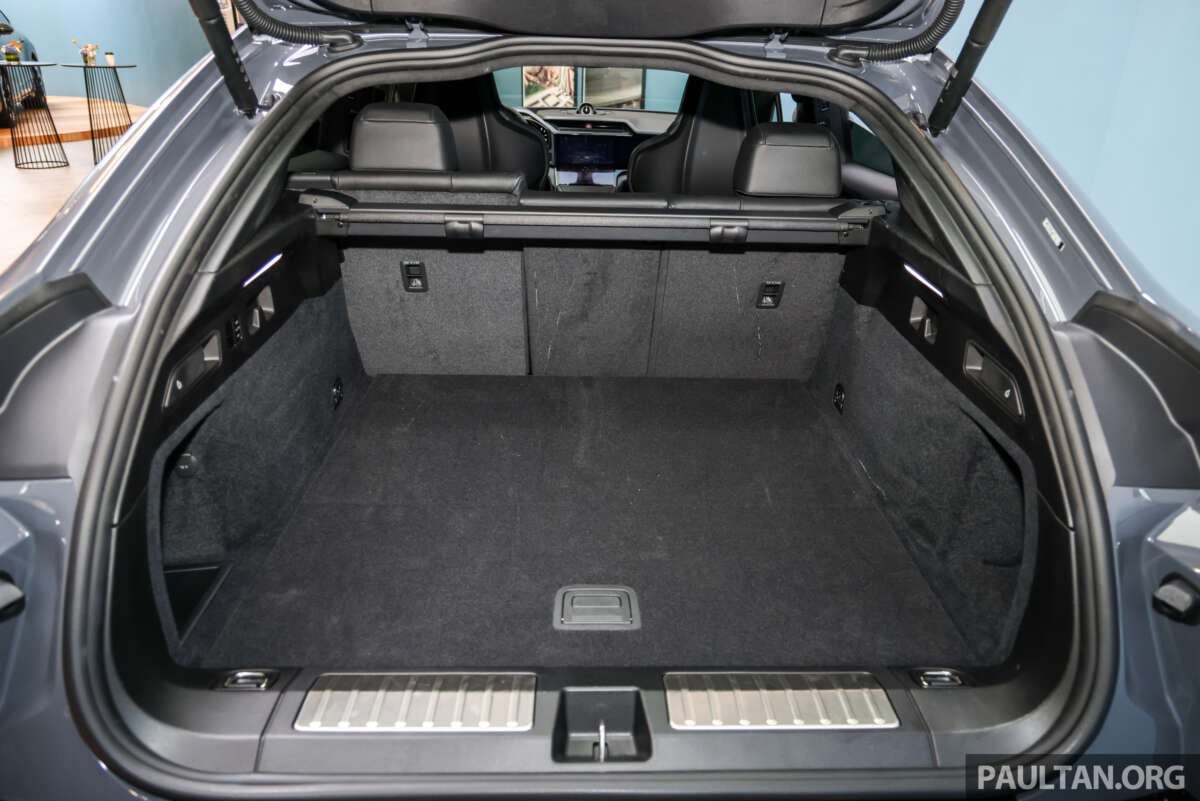
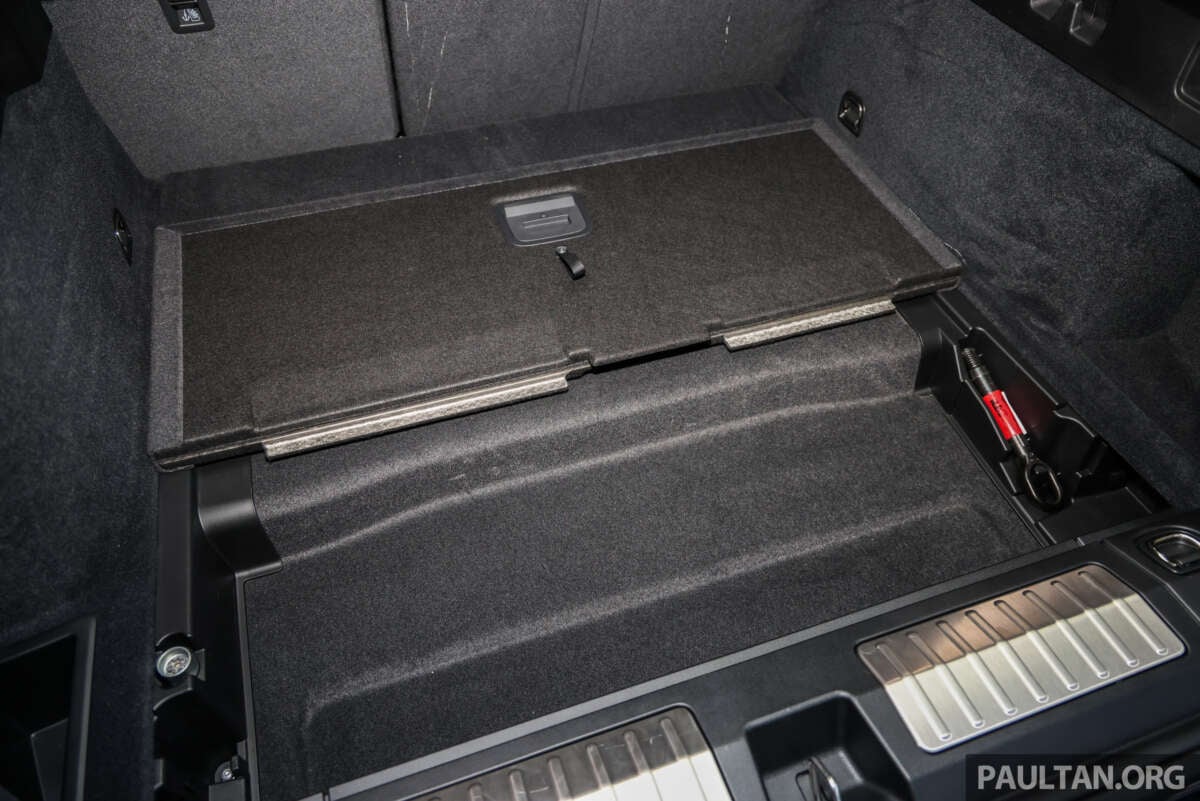
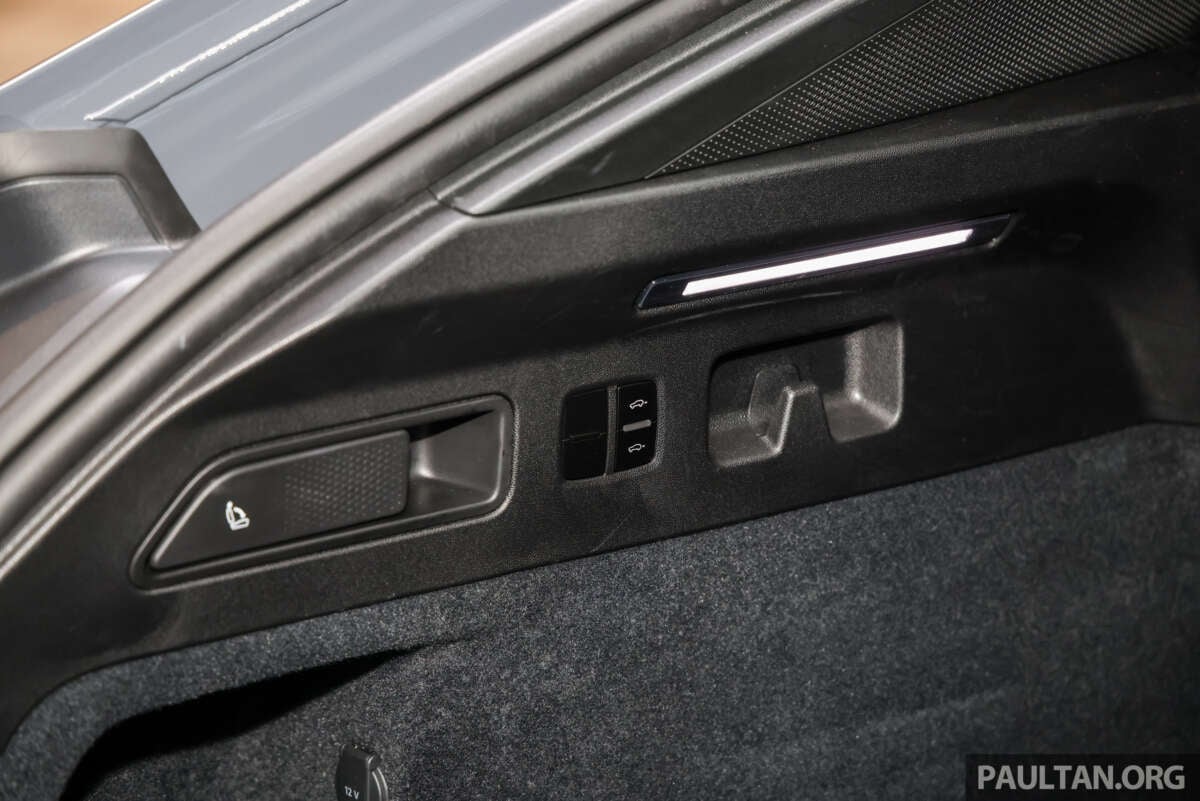
Practicality is a large part of the Cayenne’s appeal, so rear passengers get powered seat recline and fore/aft adjustment (recline only on the Coupé), as well as plenty of extra legroom thanks to the wheelbase stretch. The boot is also massive at 781 litres for the Cayenne and 584 litres for the Coupé, and there is also a 90 litre front boot, openable by swiping the top of the bumper.
The Cayenne Electric will not enjoy the EV tax incentives that benefitted the Taycan and Macan until this year, so expect this thing to cost a pretty penny. Still, are you excited for this impressive performance electric SUV? Let us know in the comments.
GALLERY: Porsche Cayenne Electric in Malaysia
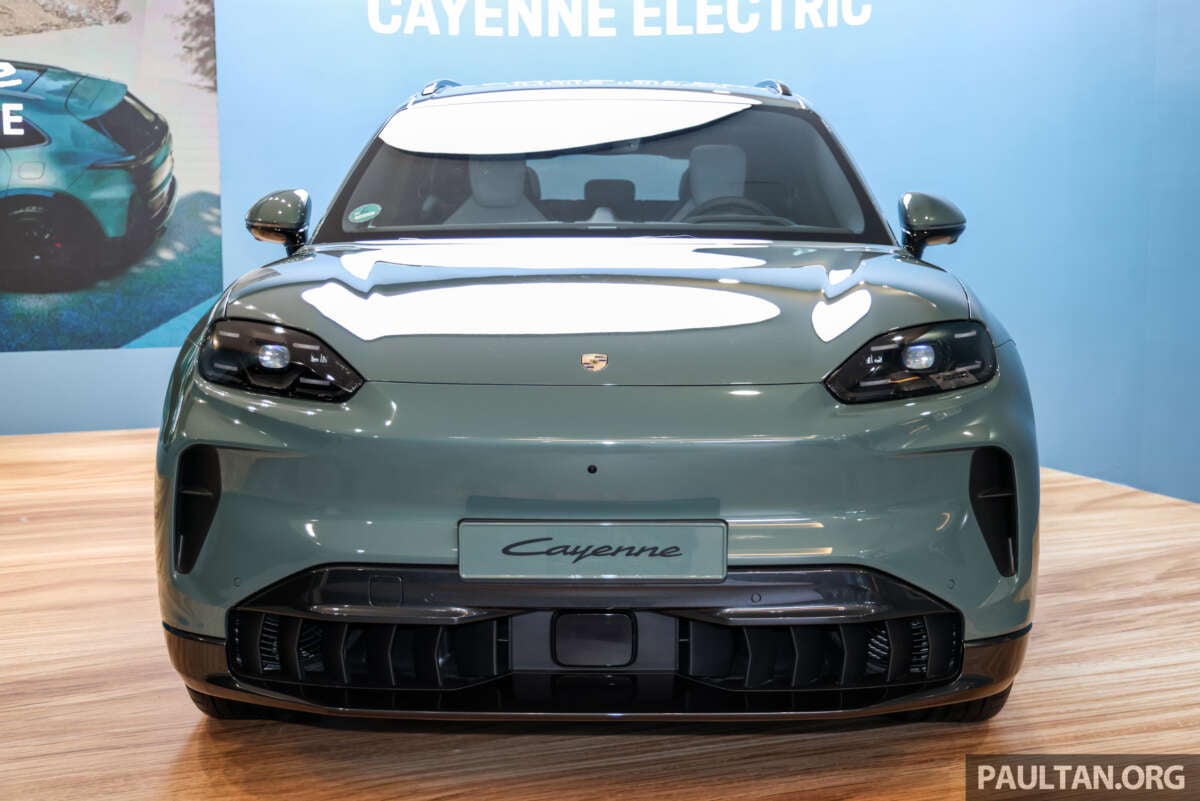
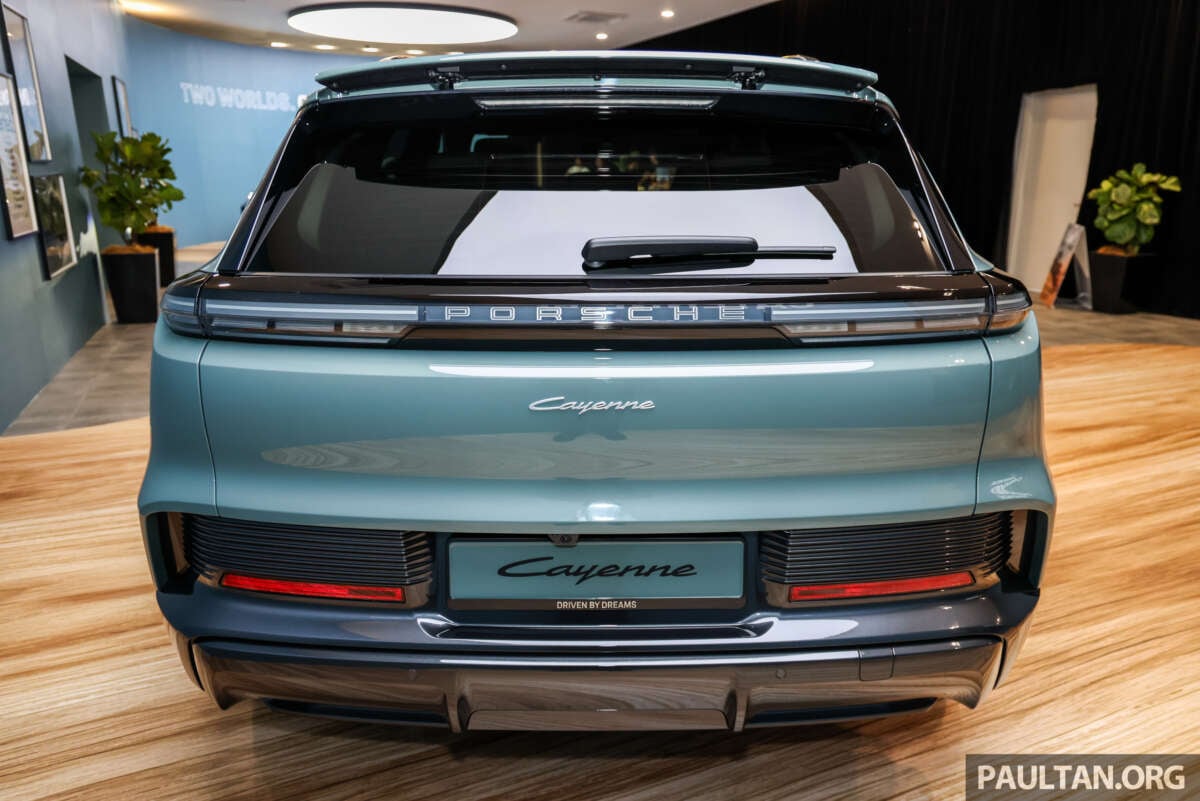
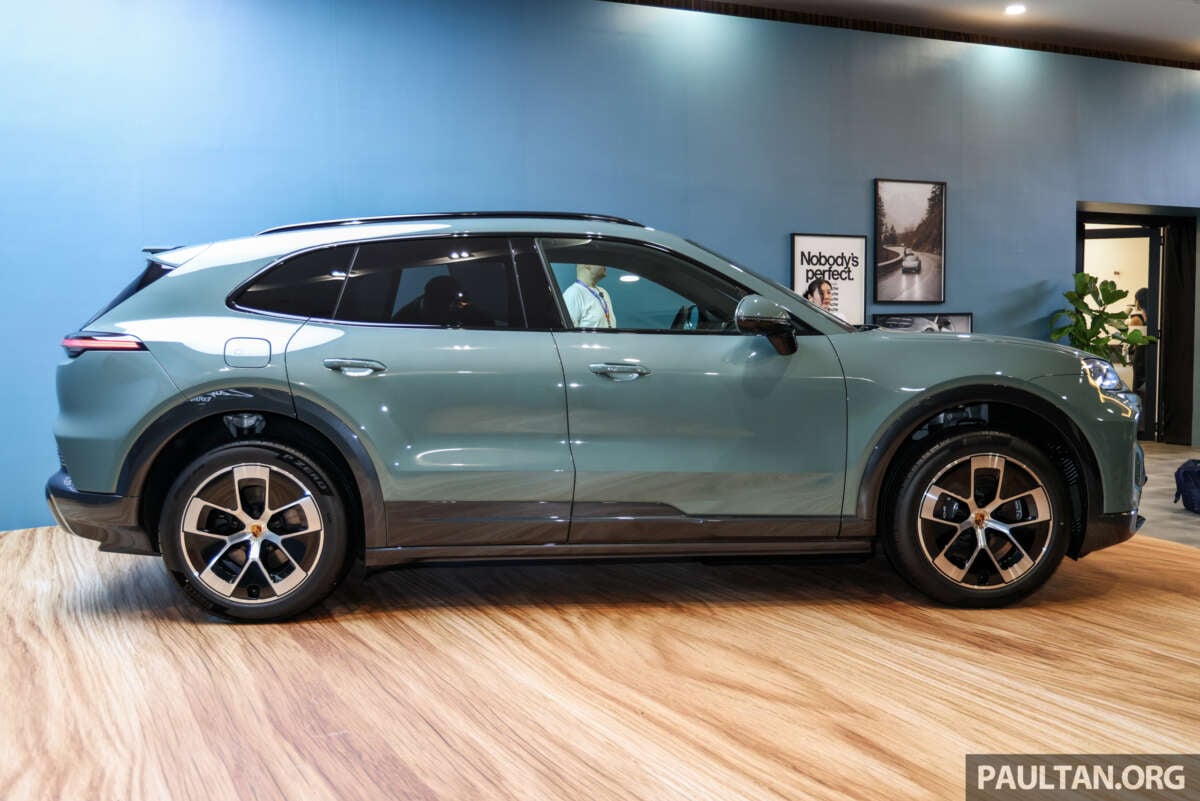
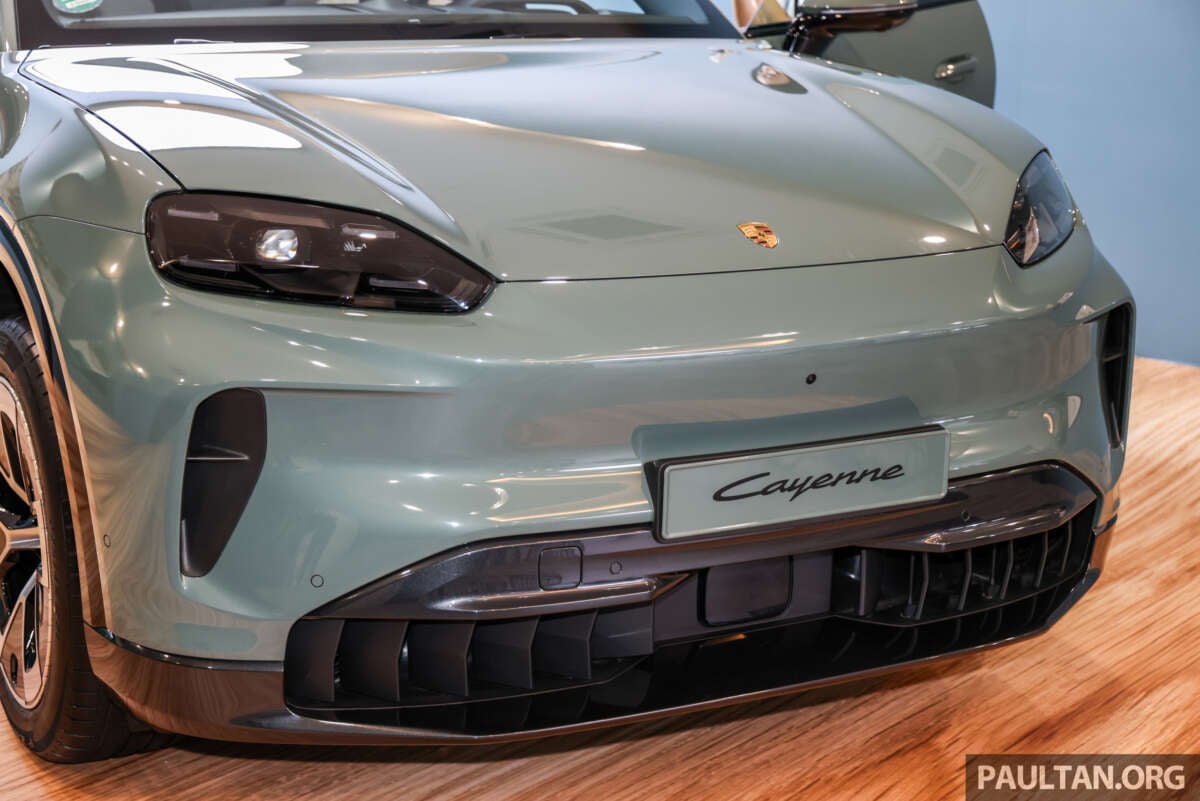
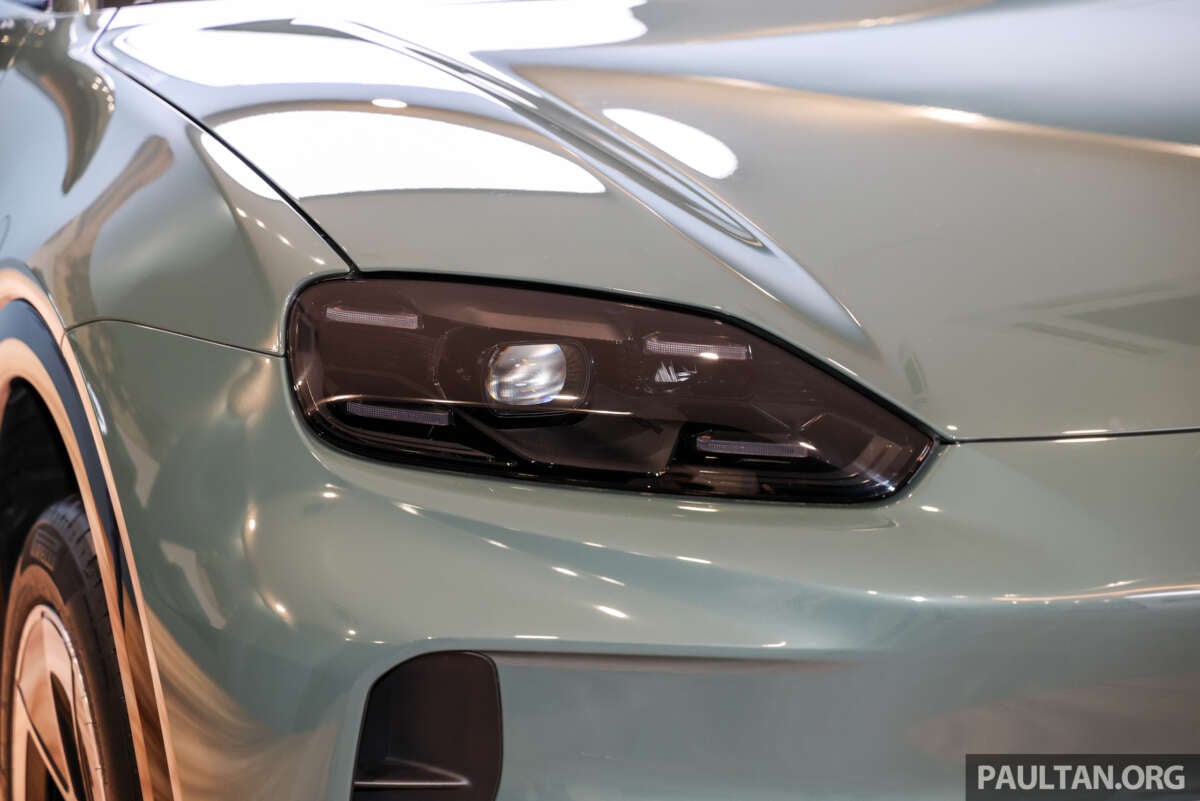
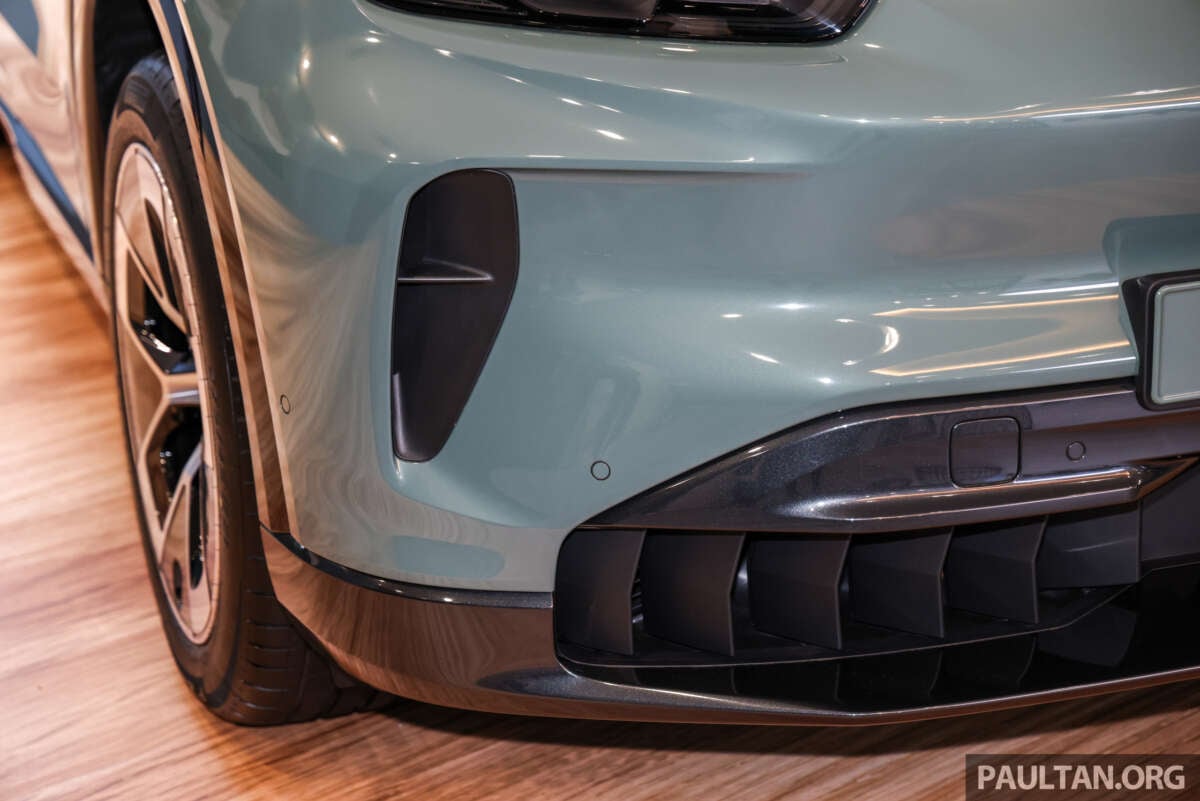
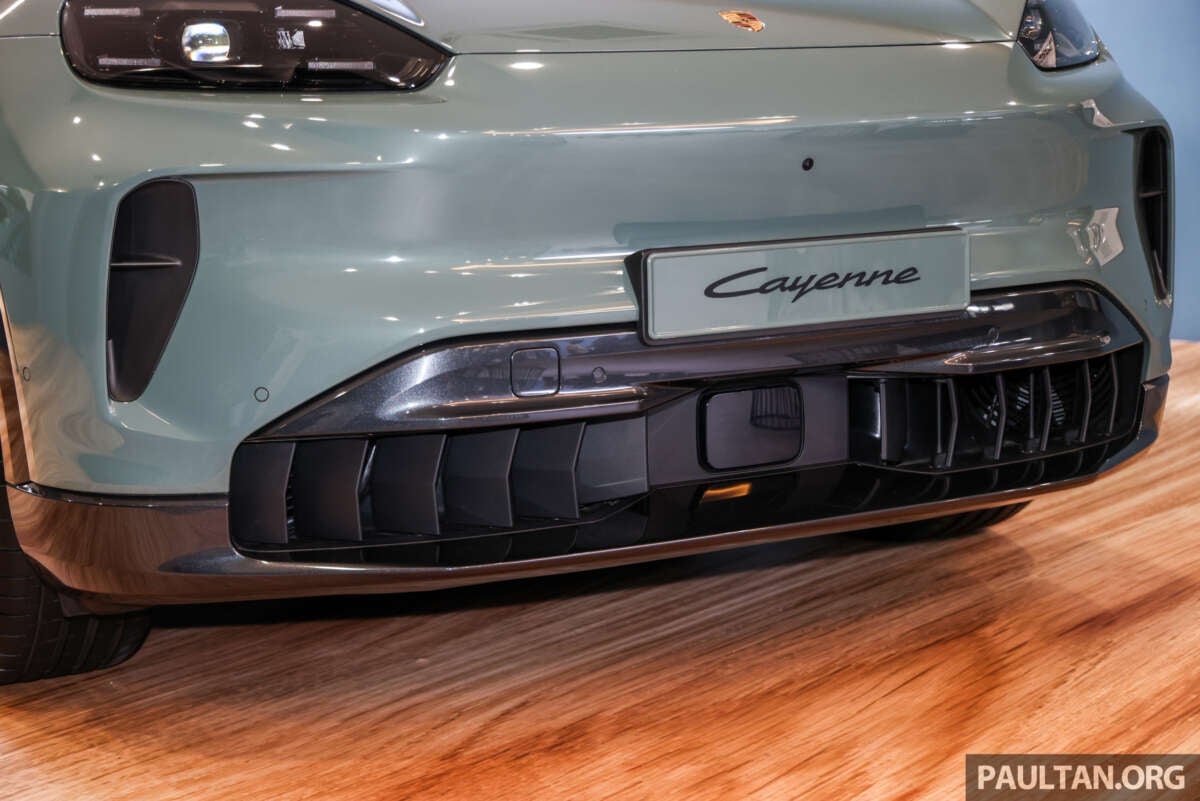
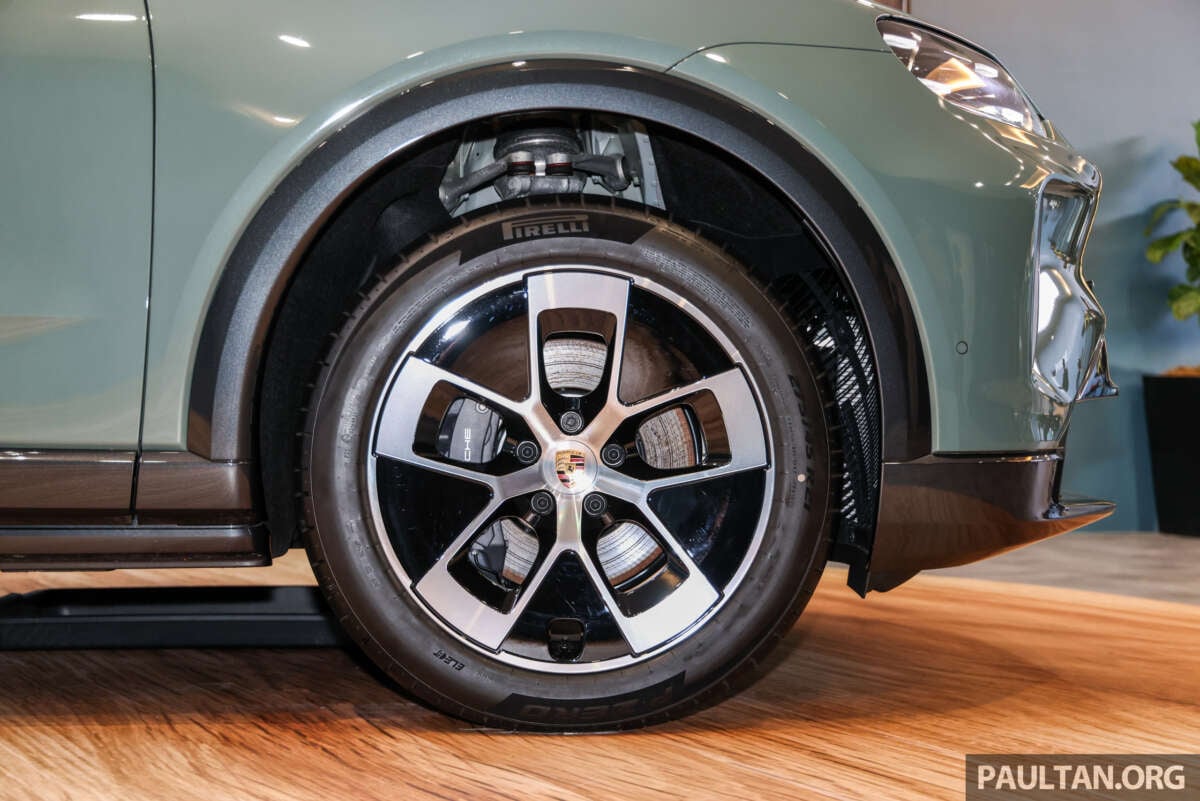
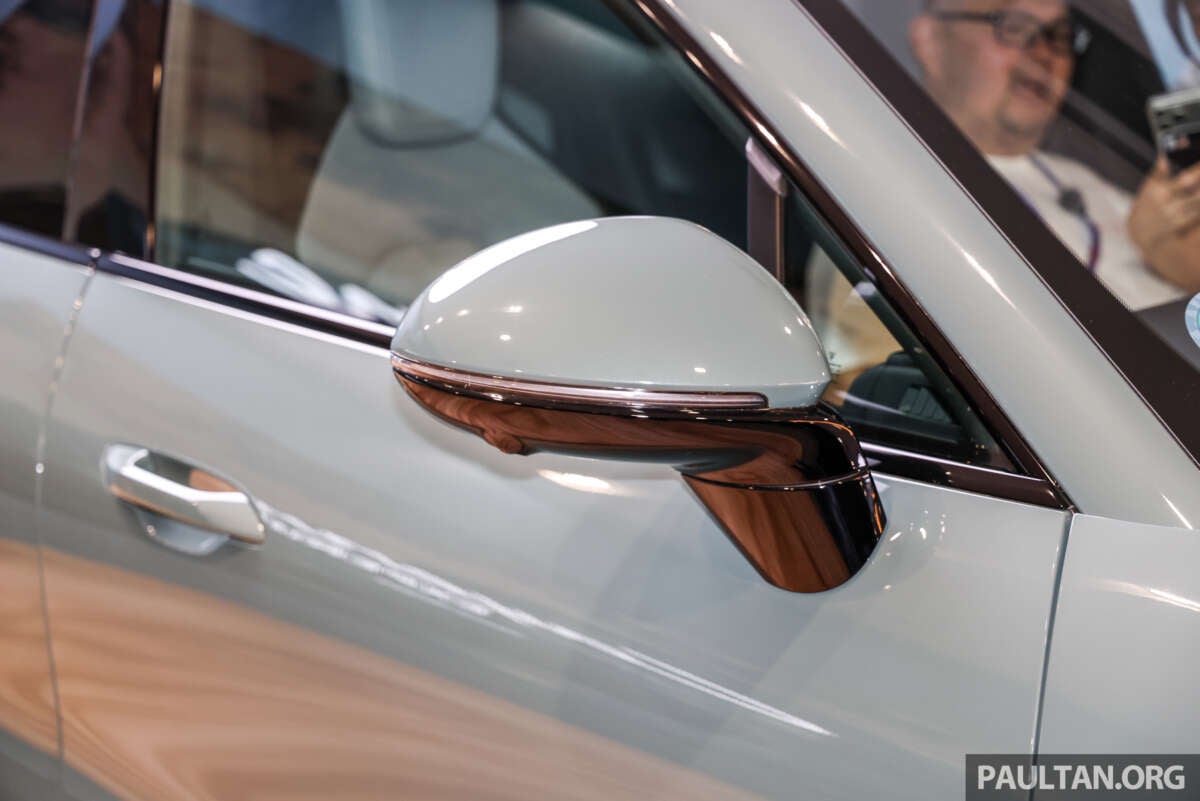
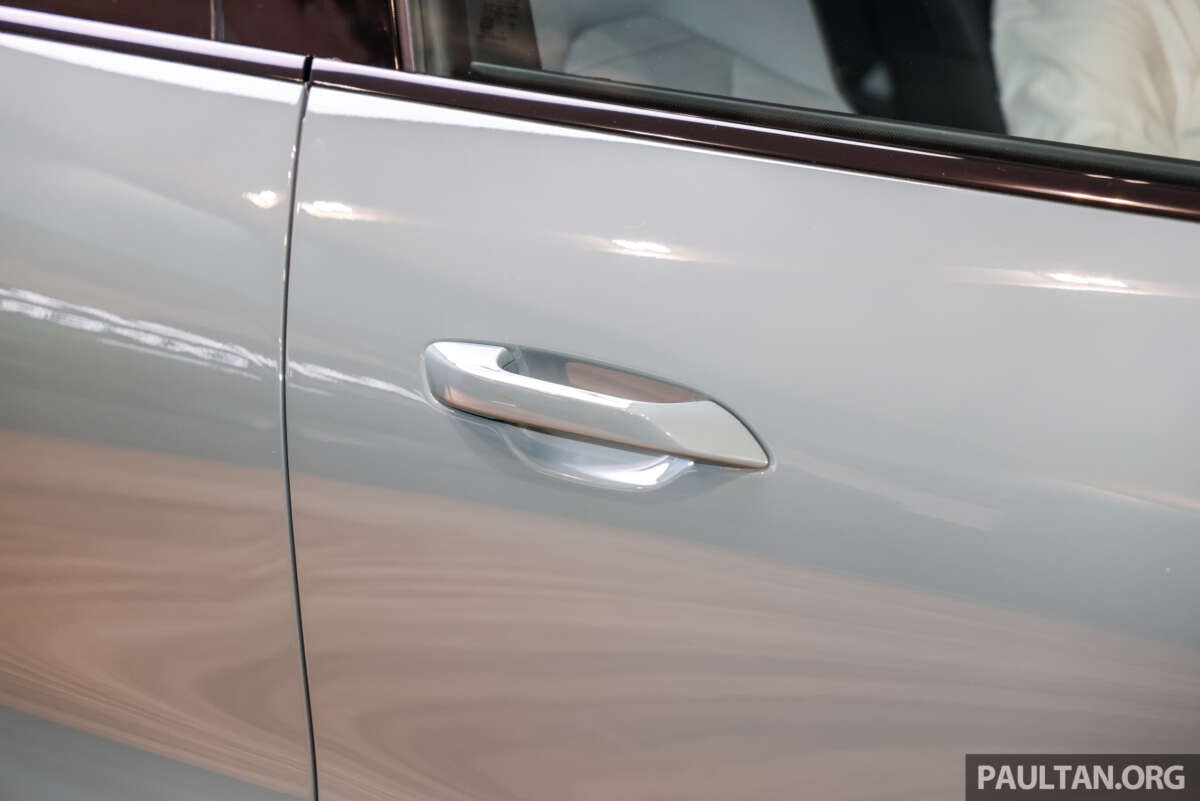
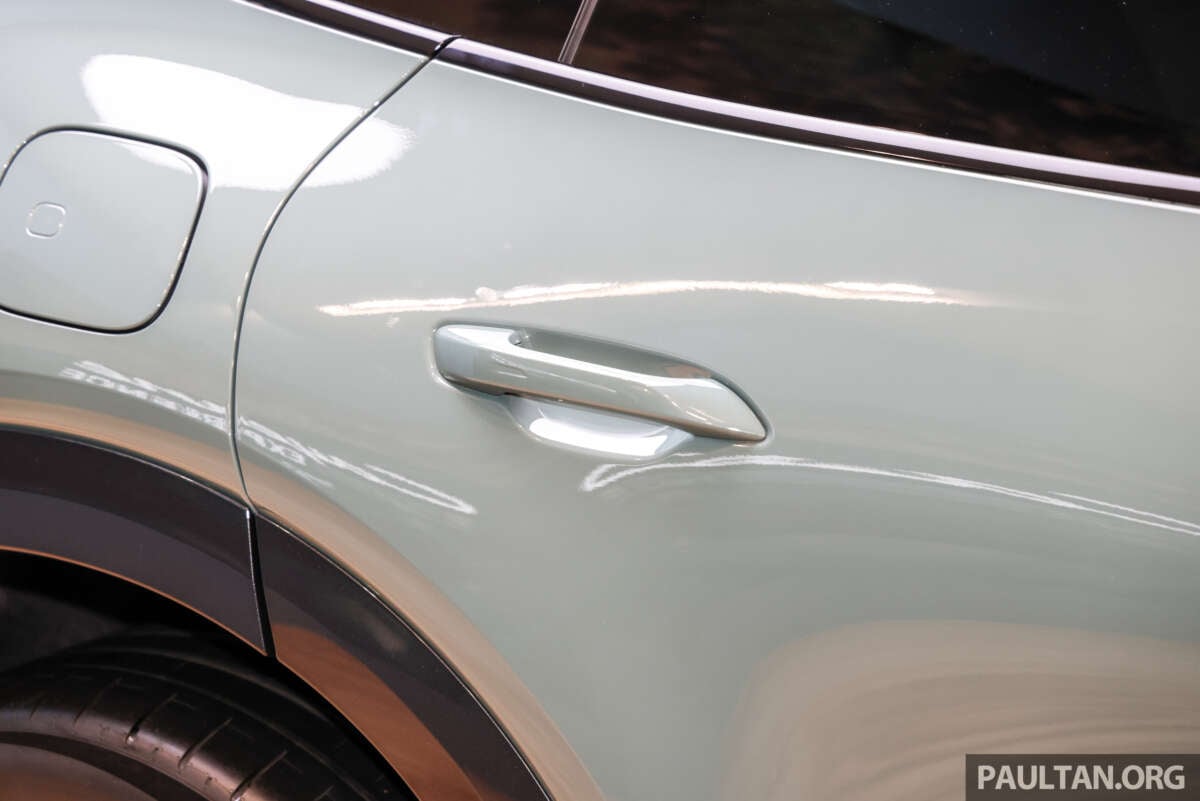
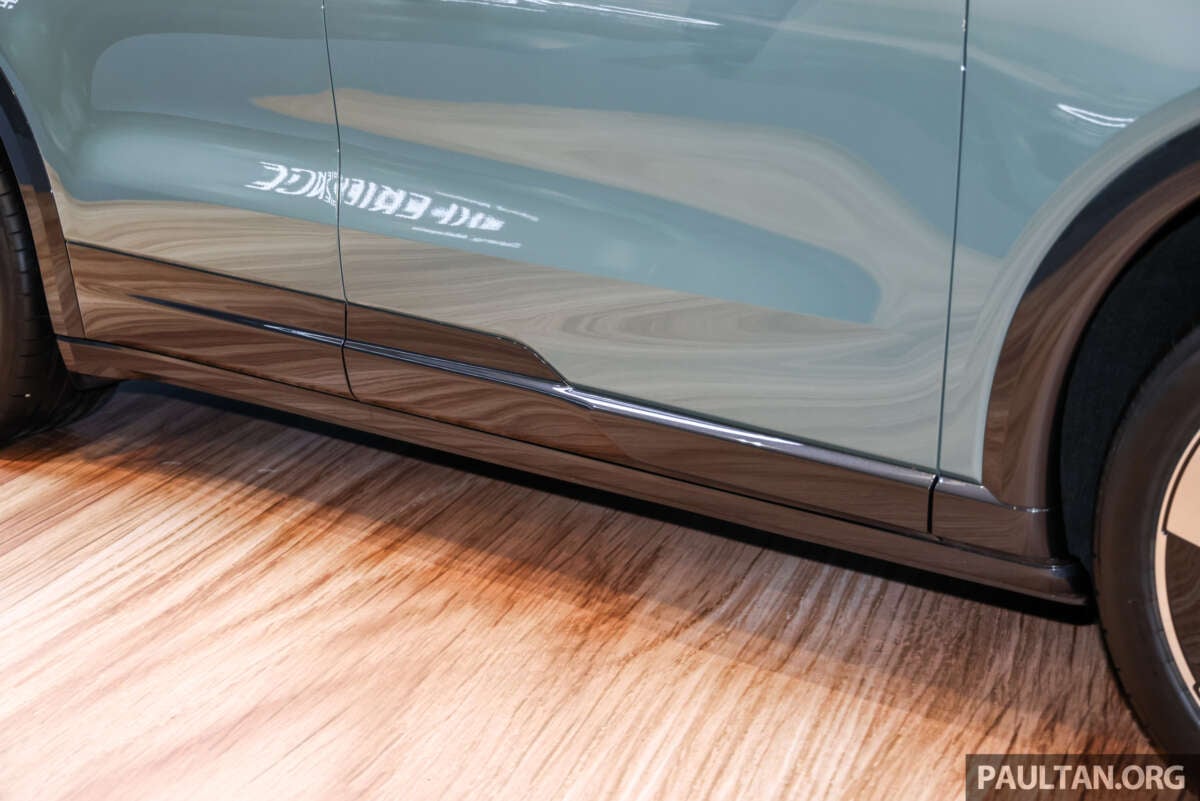
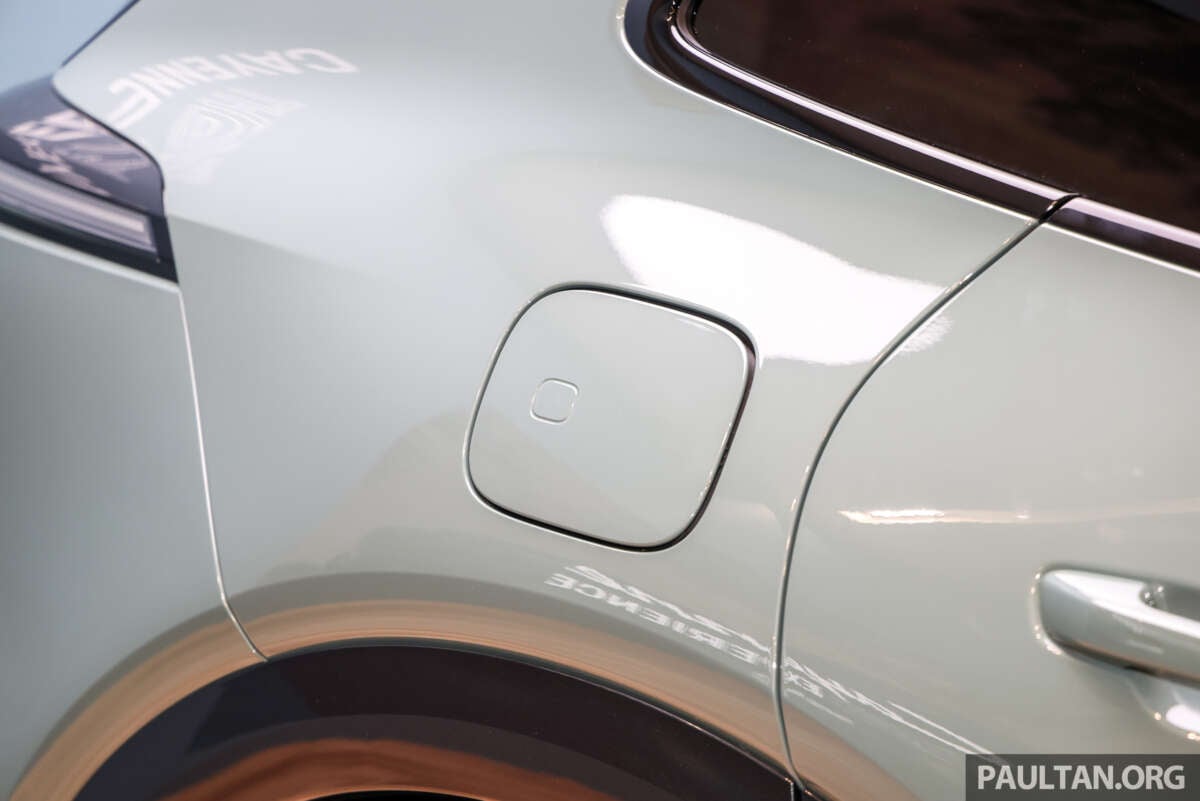
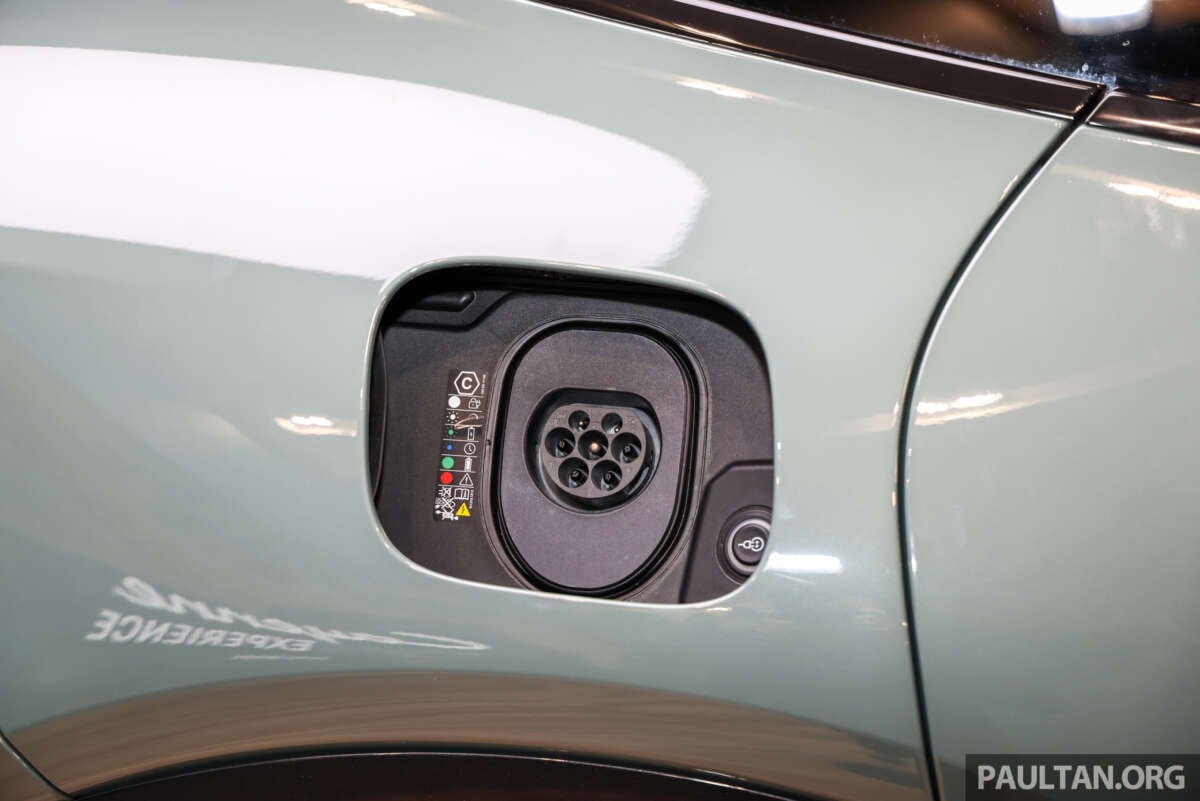
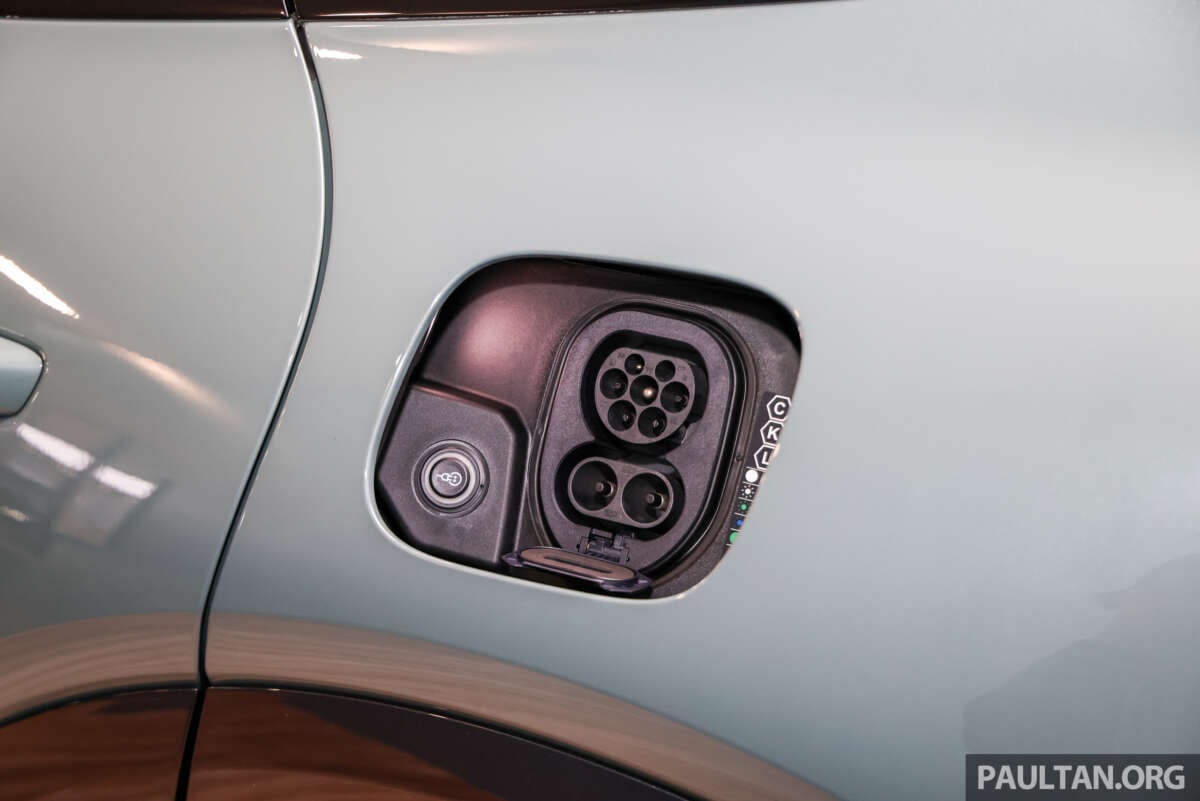
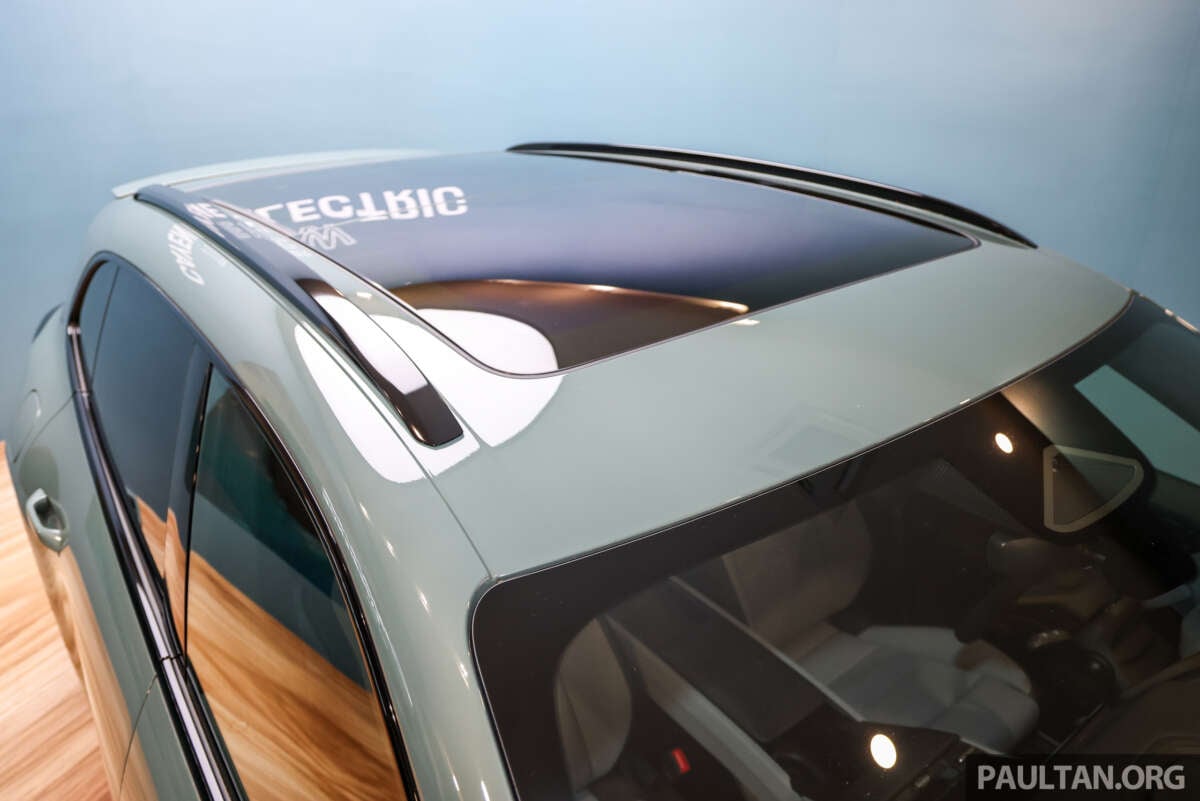
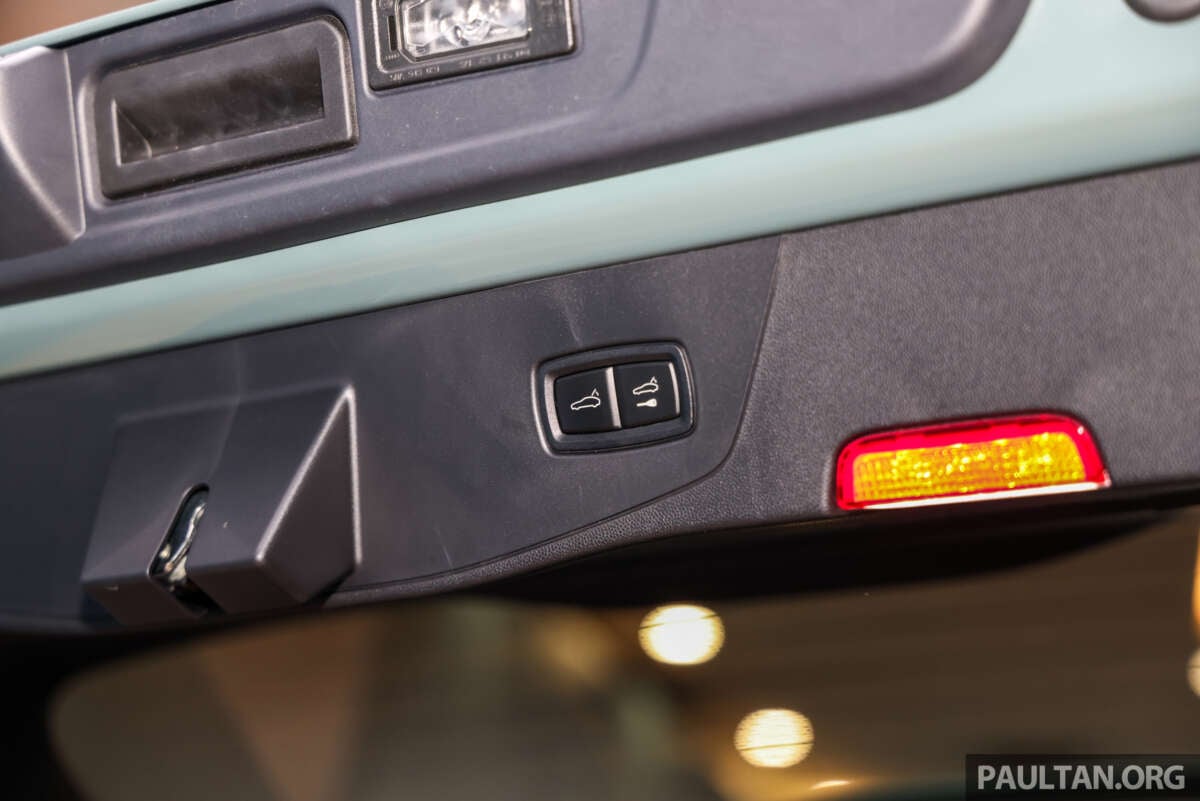
GALLERY: Porsche Cayenne Turbo Coupé Electric in Malaysia
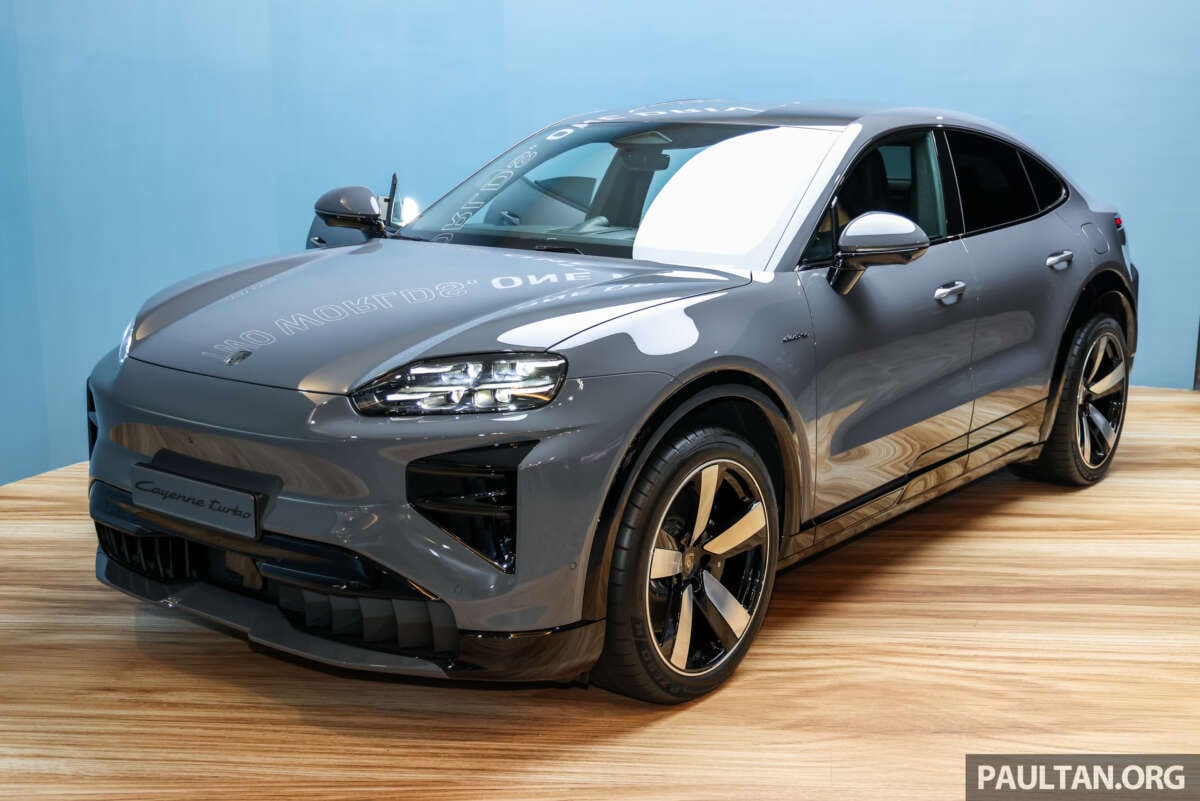
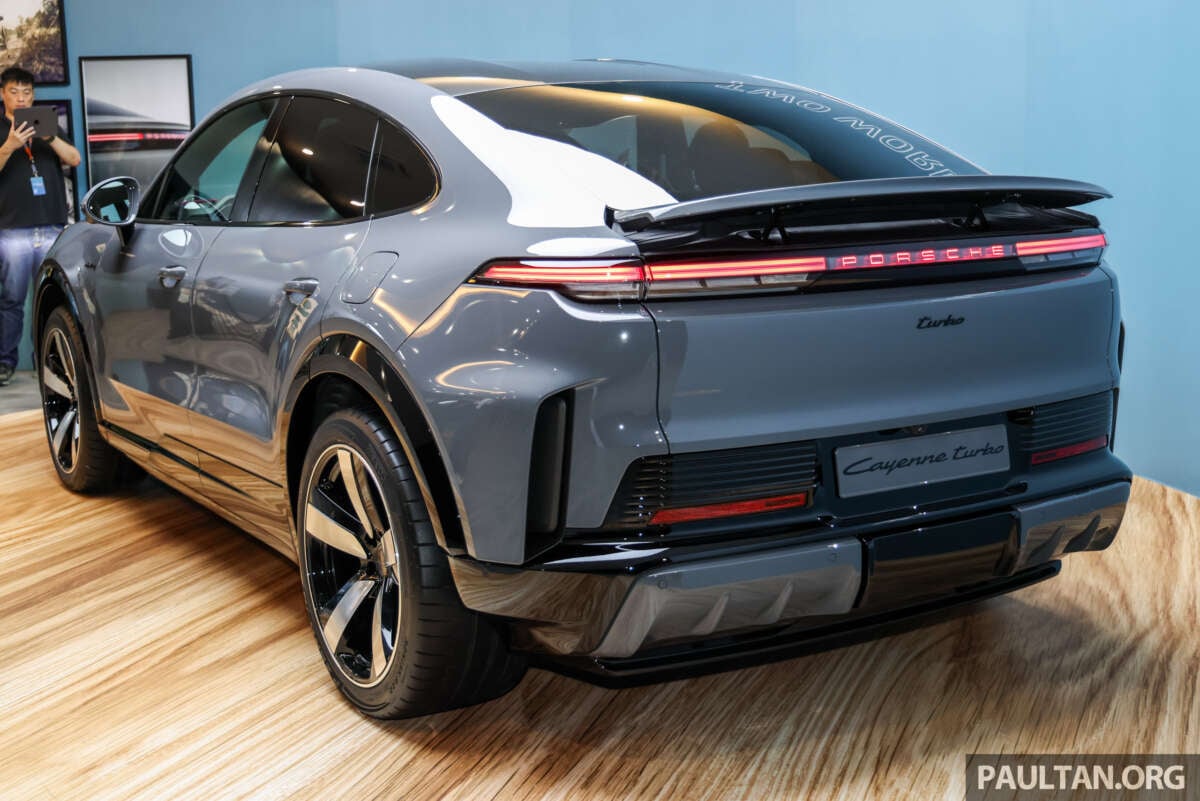
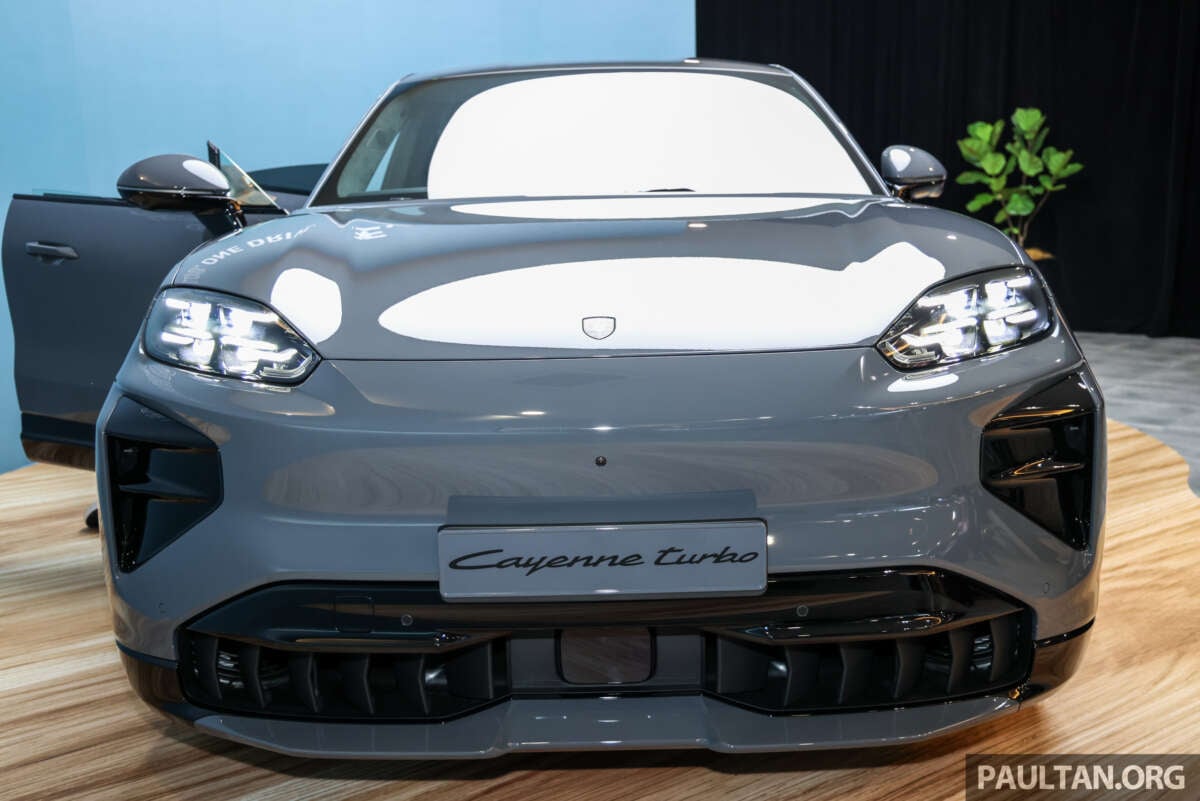
Looking to sell your car? Sell it with Carro.


 Porsche Cayenne
from RM609,000
Porsche Cayenne
from RM609,000  Porsche Cayenne Coupe
from RM739,000
Porsche Cayenne Coupe
from RM739,000  Porsche Macan Electric
from RM430,000
Porsche Macan Electric
from RM430,000  Porsche Panamera
from RM1,300,000
Porsche Panamera
from RM1,300,000 


so cool with all the fingerprints
Here we go with 800-1M EVs hehehe
Hyundai ioniq 5 from several years ago is 800v
“Are you excited…?”
Damn YES I am, until I look at the size of my tiny wallet.
i only interest the price sold ….in Malaysia
Price lah… macha
Does the Cayenne S come as a hybrid?