

As previously indicated, Malaysia isn’t the only country in the region where the topic of safeguarding consumer interests versus developing the local automotive industry continues to be debated, with Thailand pretty much in the same boat.
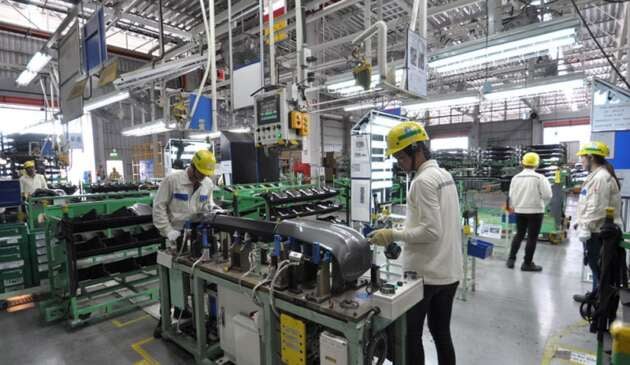
The growing shift towards electrification and an influx of CBU imported models – with a significant cost advantage – from China is having a significant impact on local production, threatening not just the survival of Thai auto-parts manufacturers but also the many local jobs the sector provides..
While foreign investment remains crucial for economic growth, the country’s automotive leaders are urging the government to promote greater use of locally-sourced auto parts in EV manufacturing to protect the country’s supply chain, the Bangkok Post reports.
According to Suwat Supakandechakul, chairman of the automotive industry club under the Federation of Thai Industries (FTI), local sourcing can be made for common components such as car seats, electrical wiring and windscreens. He said that these components would allow economies of scale to be achieved, which would reduce production costs.
“The government should promote the use of these parts, and expenses can be tax-deductible,” he said, adding that high-value parts such as the chassis, already manufactured in Thailand, should also be prioritised.
The FTI believes requiring foreign battery EV makers to purchase locally produced parts would mirror the practices of internal combustion engine manufacturers, thereby safeguarding Thailand’s supply chain.
Suwat said this strategy, aside from helping maintain Thailand’s status as Southeast Asia’s automotive hub, would also tackle another pressing issue, which is the United States’ concern over transshipment of products assembled in Thailand with imported components.

He said that Washington could use this practice as grounds to impose higher tariffs on products from Thailand, and indicated that the FTI is in talks with a House committee on tariff measures, while simultaneously pushing for tougher local content rules in EV production to safeguard the industry.
Meanwhile, Yuphin Boonsirichan, president of the Thai Automotive Industry Association (TAIA), urged the government to restructure excise taxes on fully imported EVs to shield local producers and suppliers. Her call mirrored that made by the Electric Vehicle Association of Thailand (EVAT) and the Thai Auto-Parts Manufacturers Association (TAPMA) back in May.
She also called for campaigns promoting the purchase of locally-assembled cars, suggesting that expenses could be offset through personal income tax reductions. The TAIA also recommended that government agencies adopt fleets of EVs to stimulate demand growth.
Looking to sell your car? Sell it with Carro.

thailand also have meetee minister johari?