
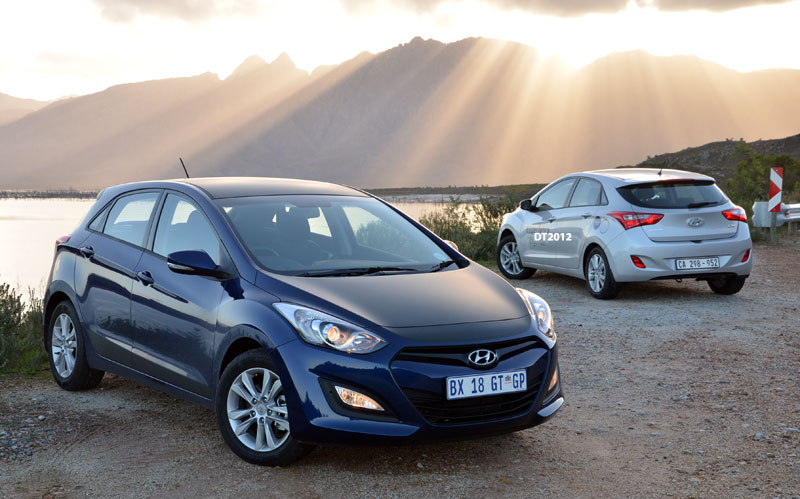
Was surfing last night when I stumbled on an article from UK’s Telegraph, where Andrew English, a judge in the 2013 European Car of the Year award, talks about this year’s hopefuls. Mr. English pointed out that this year, the 58 judges overlooked big money and/or high-tech cars for more bread and butter models. Appropriate, considering the state of the European economy.
The eight “quarter finalists” are Ford’s B-Max, Hyundai’s i30, Mercedes-Benz’s A-Class, Peugeot’s 208, Renault’s Clio, the Subaru BRZ/Toyota GT86 twins, Volkswagen’s Golf Mk7 and Volvo’s V40. They were shortlisted from a list of 32 new cars that will be on sale in Europe next year.
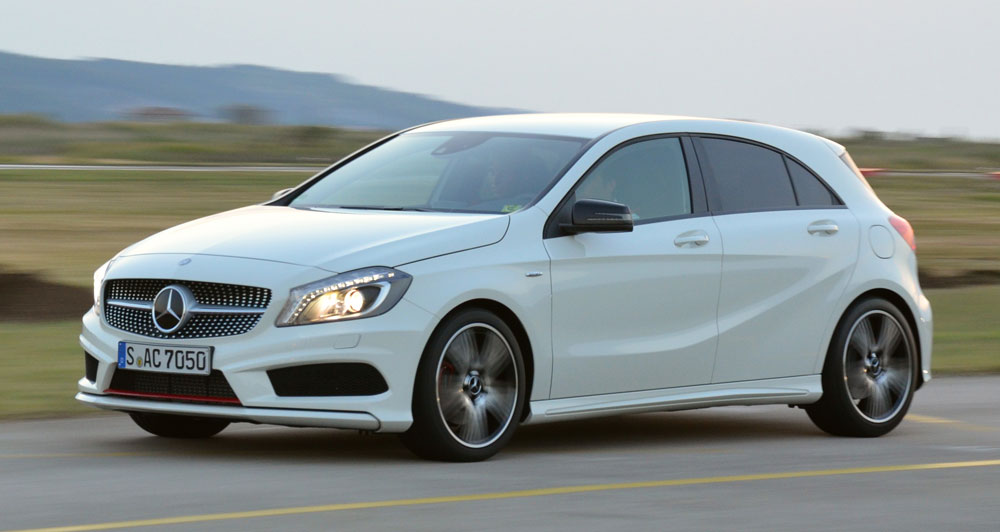
The writer pointed out that after two years of green car winners (Nissan Leaf, Opel/Vauxhall Ampera), judges lost appetite for the two plug-in hybrids from Volvo (V60 diesel plug-in) and Toyota (Prius plug-in). Also ignored were all-aluminium-alloy posh cars like the Mercedes-Benz SL and Range Rover. SUVs such as the Peugeot 4008, Citroën C4 Aircross, Honda CR-V, Subaru XV and Mitsubishi Outlander also didn’t stand out enough.
The down to earth menu dominated by hatchbacks and seasoned with one affordable sports car and one MPV will be judged on safety, driver appeal, value for money and ride/handling. The winner will be announced on the eve of the 2013 Geneva Motor Show in March.
Which of the eight do you think deserves the gong more? Armchair critics, state your case!
Looking to sell your car? Sell it with Carro.

 watchman
on
watchman
on 

 Casey
on
Casey
on  ae101
on
ae101
on  Sam Loo
on
Sam Loo
on  lobservateur
on
lobservateur
on  Fortress
on
Fortress
on  Kalun
on
Kalun
on  Simon Ng
on
Simon Ng
on  cosmothegod
on
cosmothegod
on  sudonano
on
sudonano
on  city
on
city
on  rear light
on
rear light
on  Akira
on
Akira
on  Slenderman
on
Slenderman
on  Mitz
on
Mitz
on  Torukmakto
on
Torukmakto
on  dsg
on
dsg
on  RedBeanBun
on
RedBeanBun
on  Fai
on
Fai
on  Toyotaaaa
on
Toyotaaaa
on  AVH
on
AVH
on  foong
on
foong
on  Pelar
on
Pelar
on  comrade
on
comrade
on  gangully
on
gangully
on  i_swear
on
i_swear
on  tokmoh
on
tokmoh
on  huha
on
huha
on  xenogearz™
on
xenogearz™
on  Hawk
on
Hawk
on  Expatriate VN
on
Expatriate VN
on  dupedetector
on
dupedetector
on  Drive Your Way
on
Drive Your Way
on  Fahmi
on
Fahmi
on  powershot
on
powershot
on  _xXx_
on
_xXx_
on  gOOsh
on
gOOsh
on  watdehek
on
watdehek
on  ah beng
on
ah beng
on  toyota_man
on
toyota_man
on  Jimmy
on
Jimmy
on  lamw
on
lamw
on  Peyno
on
Peyno
on  klc6969
on
klc6969
on  Garfield
on
Garfield
on  TSI
on
TSI
on  lol
on
lol
on  denise
on
denise
on  Ismail saad
on
Ismail saad
on  ABTguy
on
ABTguy
on  MatLimMutu
on
MatLimMutu
on  OilChange
on
OilChange
on  viosno1
on
viosno1
on  vetiver
on
vetiver
on  lancer_driver
on
lancer_driver
on 


AI-generated Summary ✨
Comments express excitement over the European Car of the Year finalists, favoring models like the VW Golf Mk7, Mercedes A-Class, and Volvo V40 for their innovation, safety, and design. Some highlight that these cars are groundbreaking in Europe, but note their high prices in Malaysia. Enthusiasm for specific models, such as the Toyota GT86 and Hyundai i30, is evident, though some critics question their availability or value. Overall, comments reflect positive interest and recognition of the finalists' features and impact.