
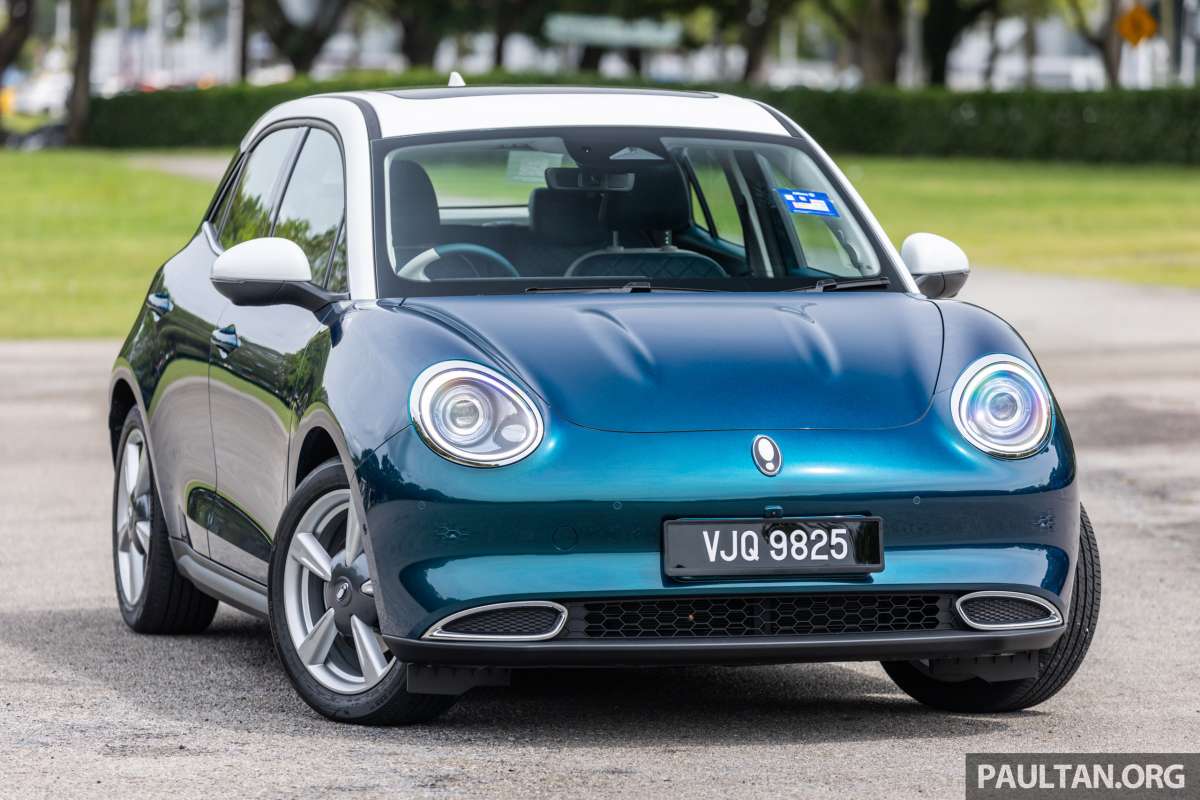
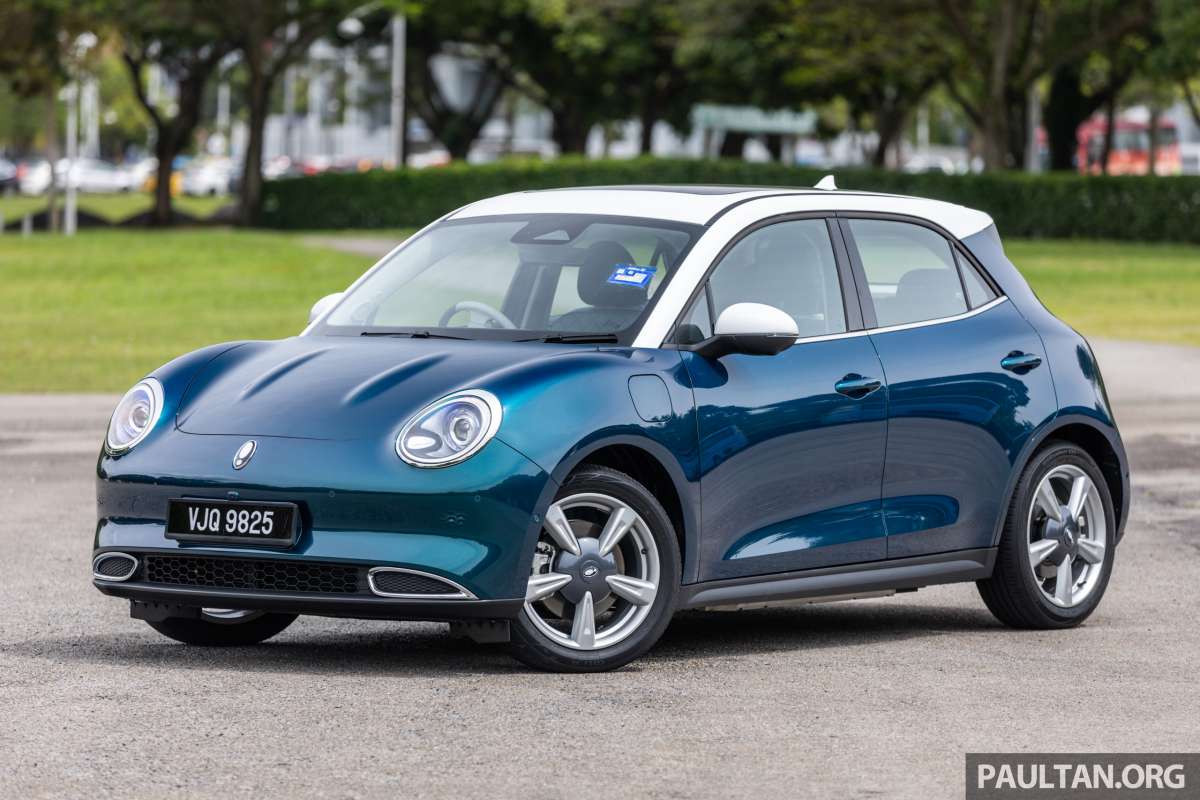
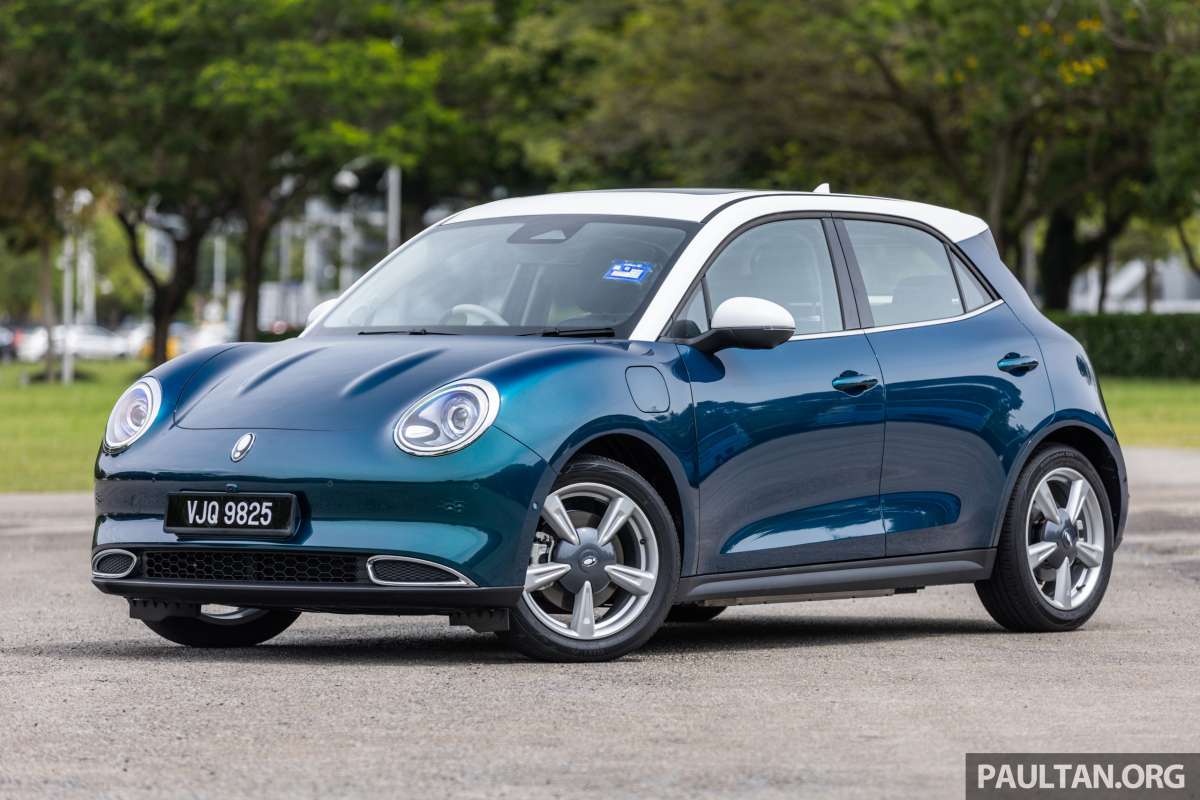
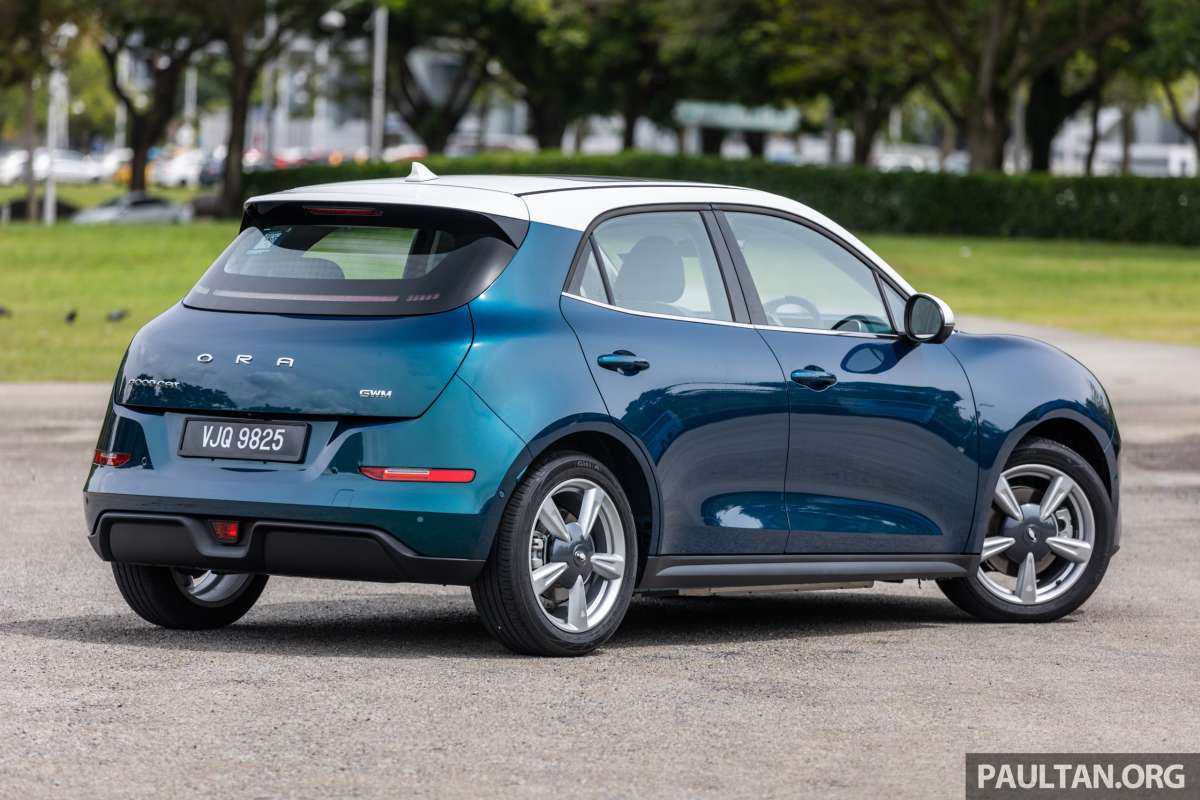
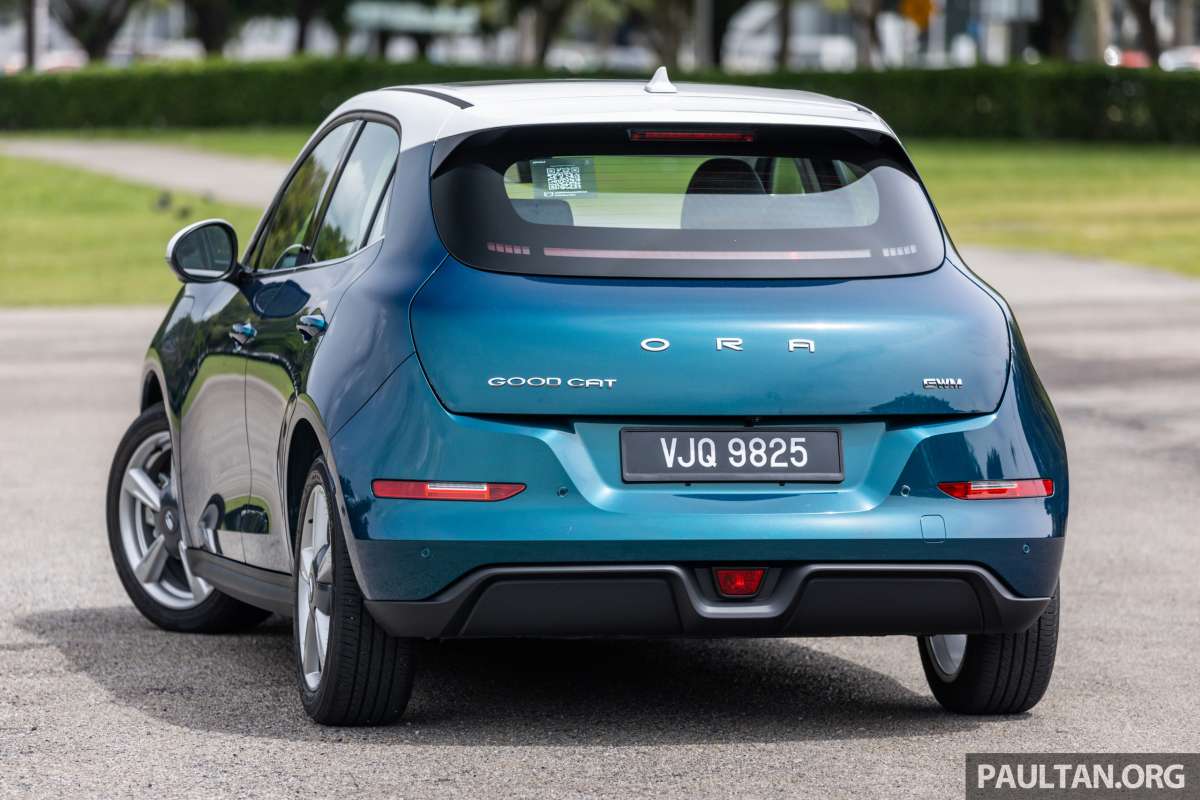
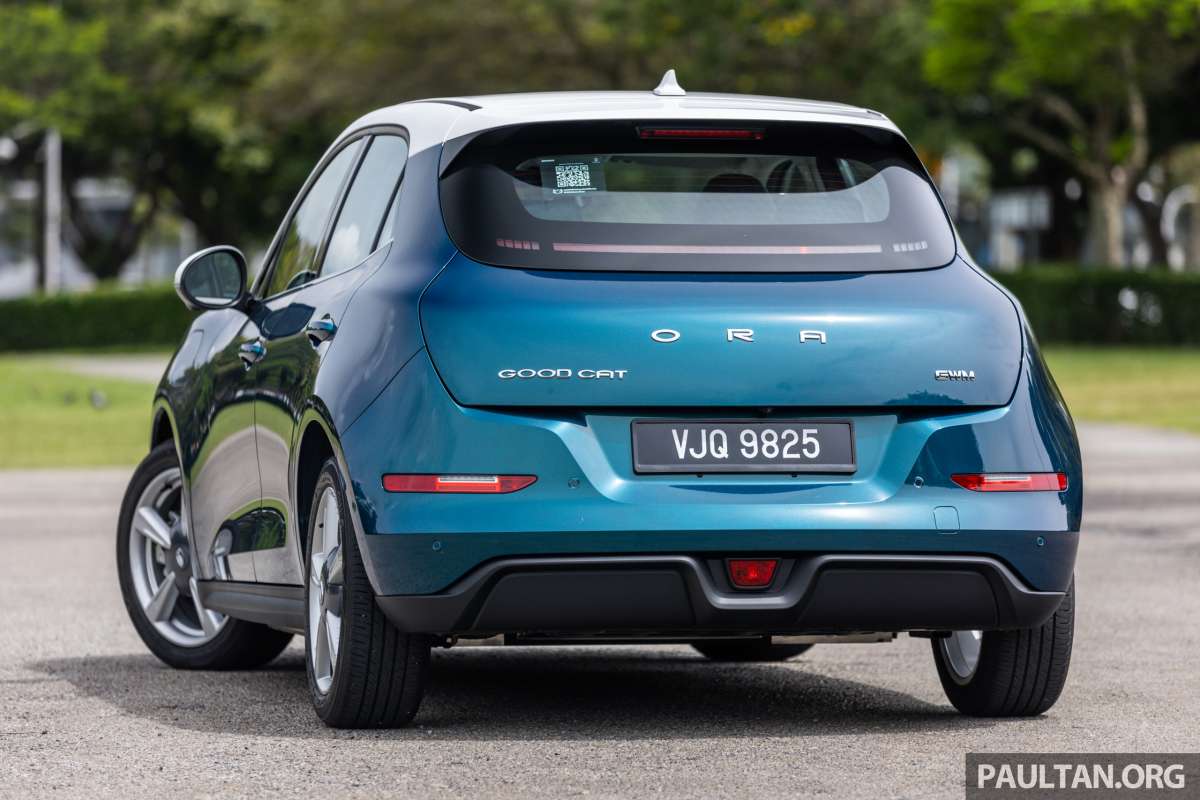
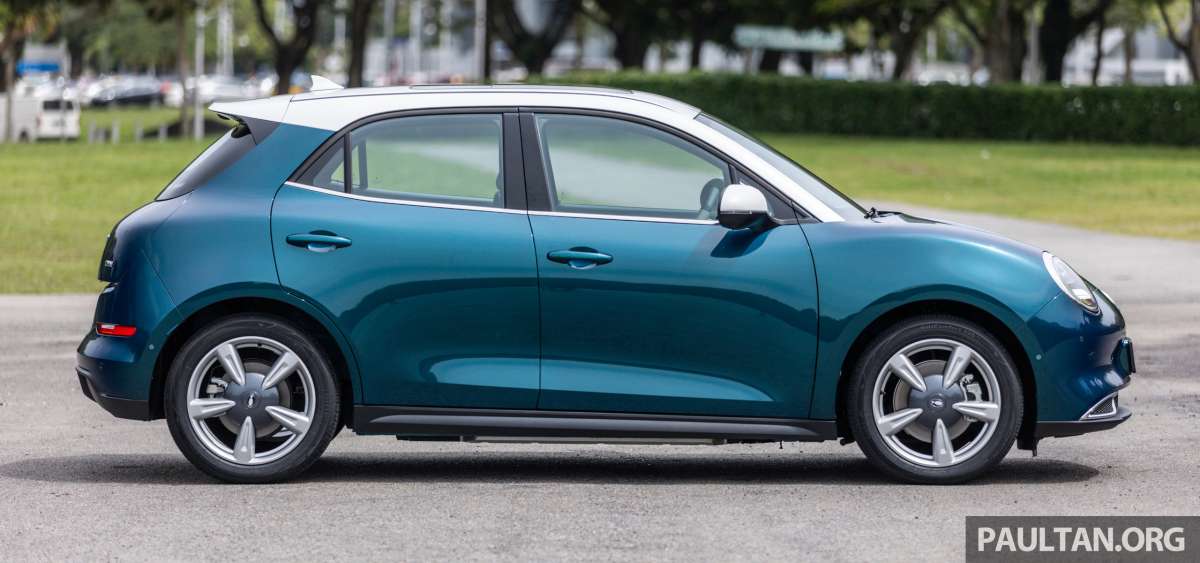
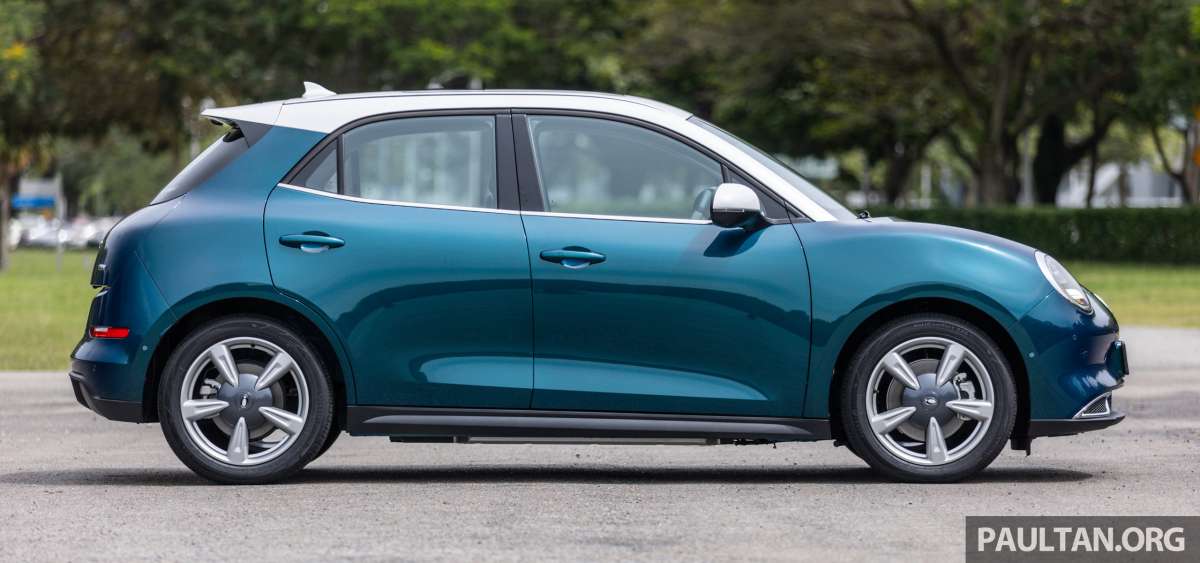
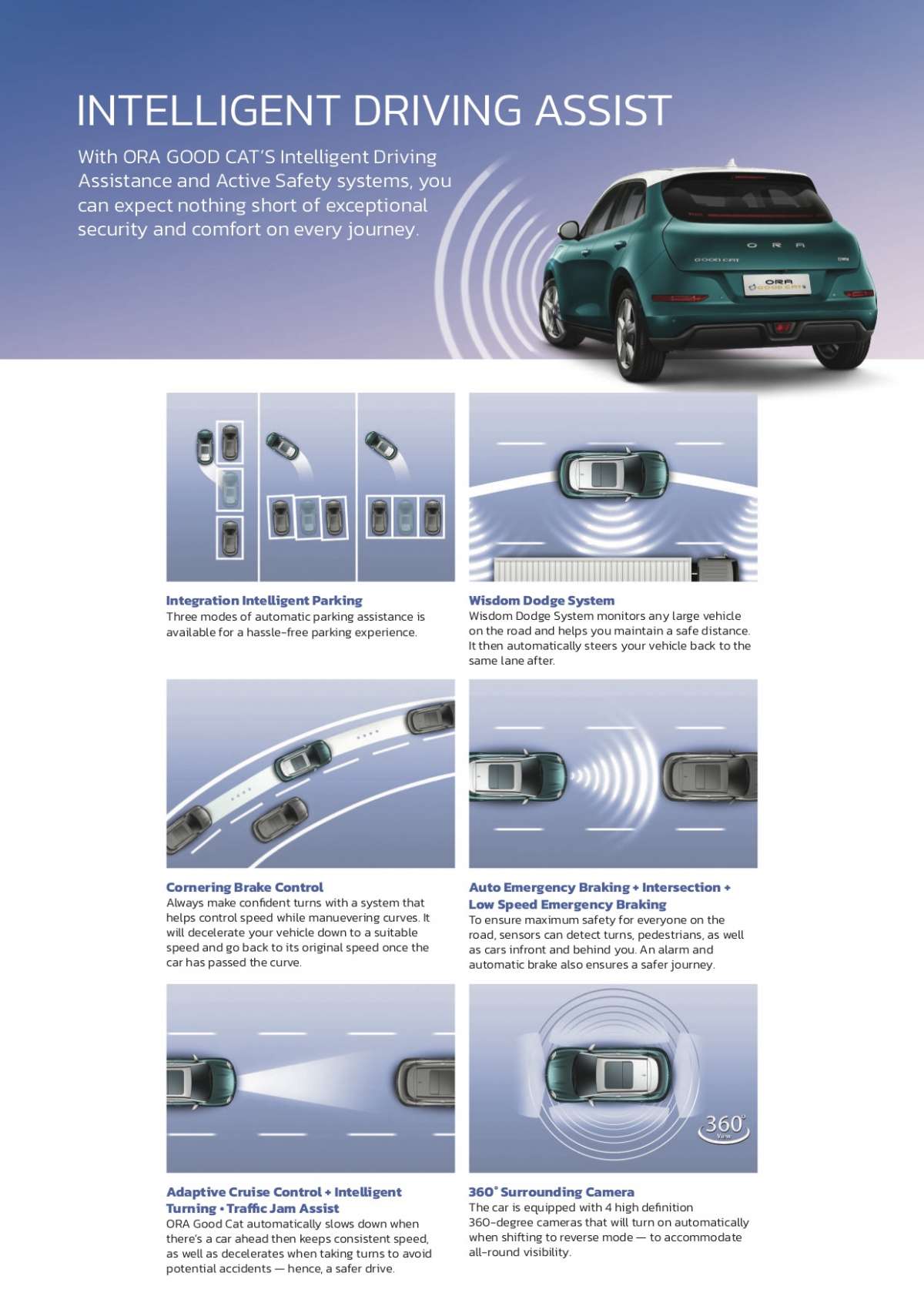
Launched in Malaysia last November, the Ora Good Cat from Great Wall Motors is one of the cheapest electric vehicles currently on sale here. If you’re wondering what the Good Cat is like to drive, check out our video review of the EV here.
In this post, we’re discussing if it is actually cheaper to charge an EV versus driving a petrol-powered car. Heading straight into the numbers, the Good Cat has an energy consumption of 15 kWh/100 km, which, when considering the domestic rate of RM0.57/kWh, equates to RM8.55/100 km, or 8.55 sen/km.
Meanwhile, at the current subsidised RON 95 price of RM2.05/litre and assuming a petrol-powered car has an average fuel consumption of 15 km/litre, you’re looking at a cost of 13.67 sen/litre. Over 24,000 km in a year (averaging 2,000 km a month), the cost of charging an EV would be RM2,052 compared to the internal combustion engine car that carries a bill of RM3,280.
The costs do add up over a year, and this is before taking into account the scenario should fuel subsidies end, which could see RON 95 prices go up to RM3/litre, bringing up the annual fuel cost to RM4,800.
Of course, this comparison is based on current conditions and can be dependent on a person’s driving style and other factors that may change in the future. For now, what are your thoughts on the matter? Is it worthwhile to make the switch to an EV now?
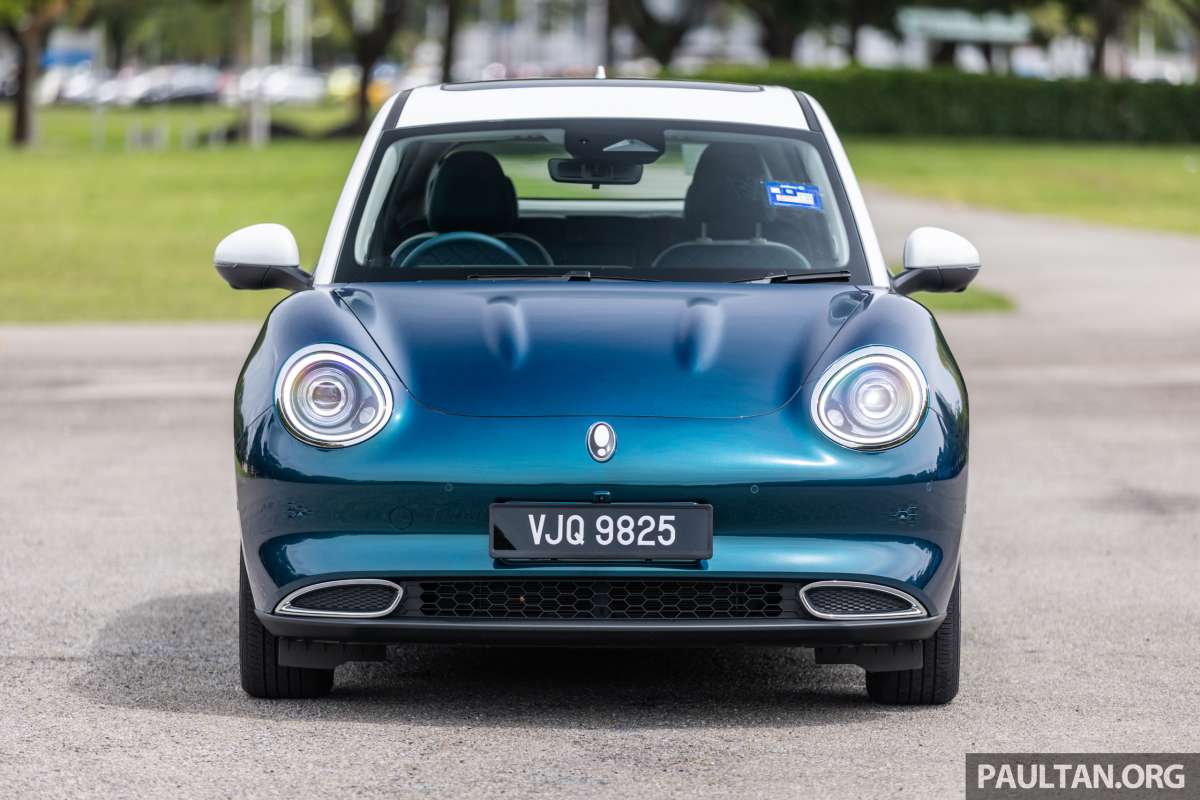
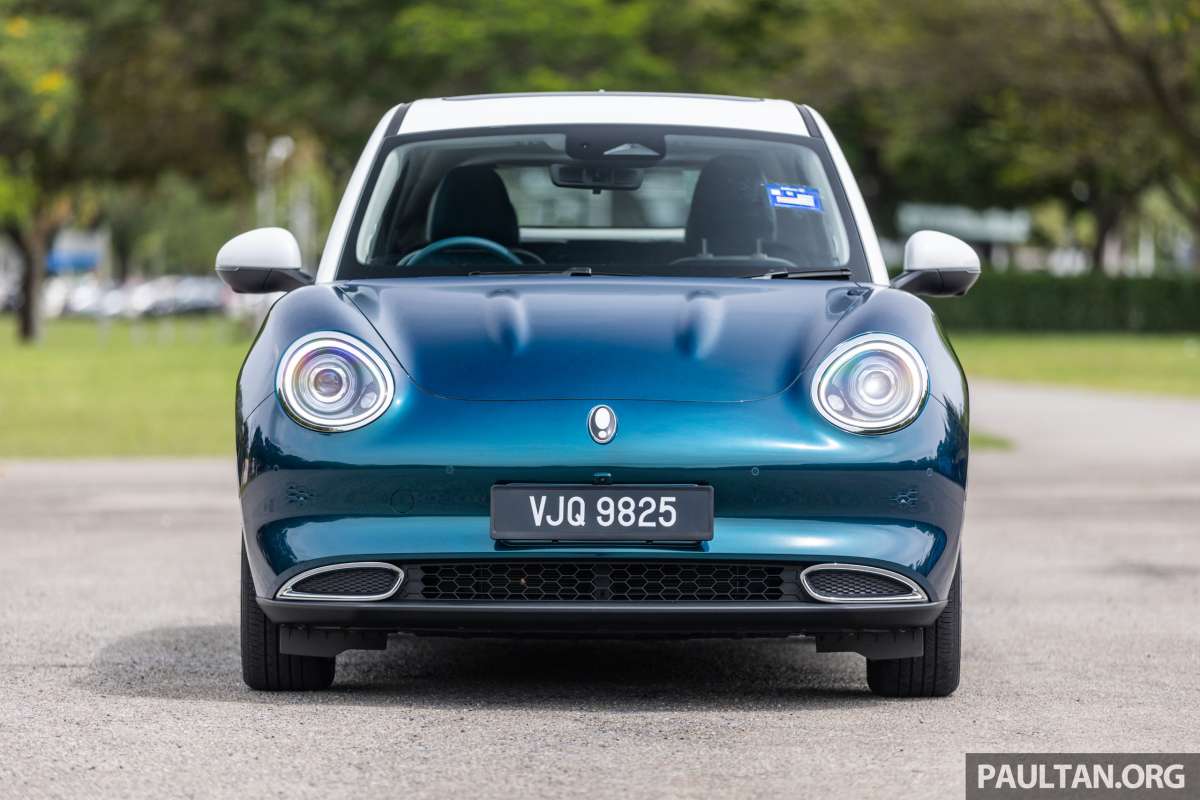
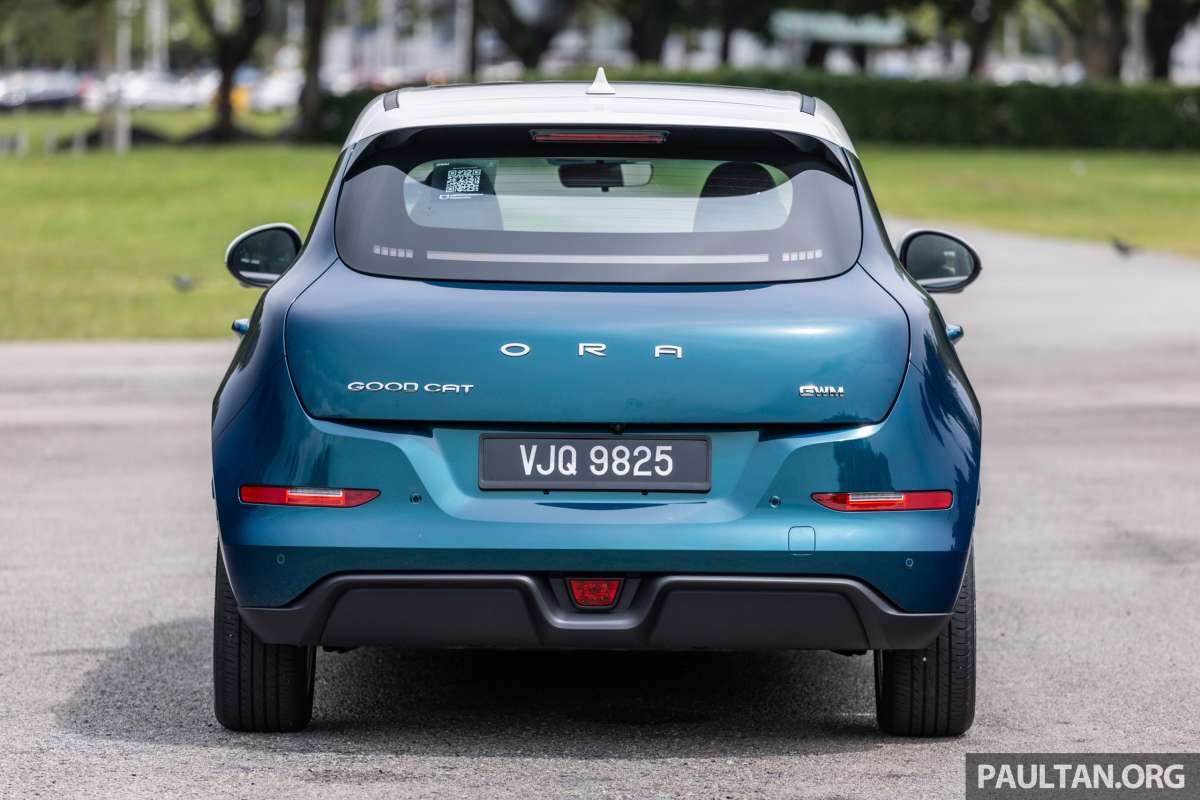
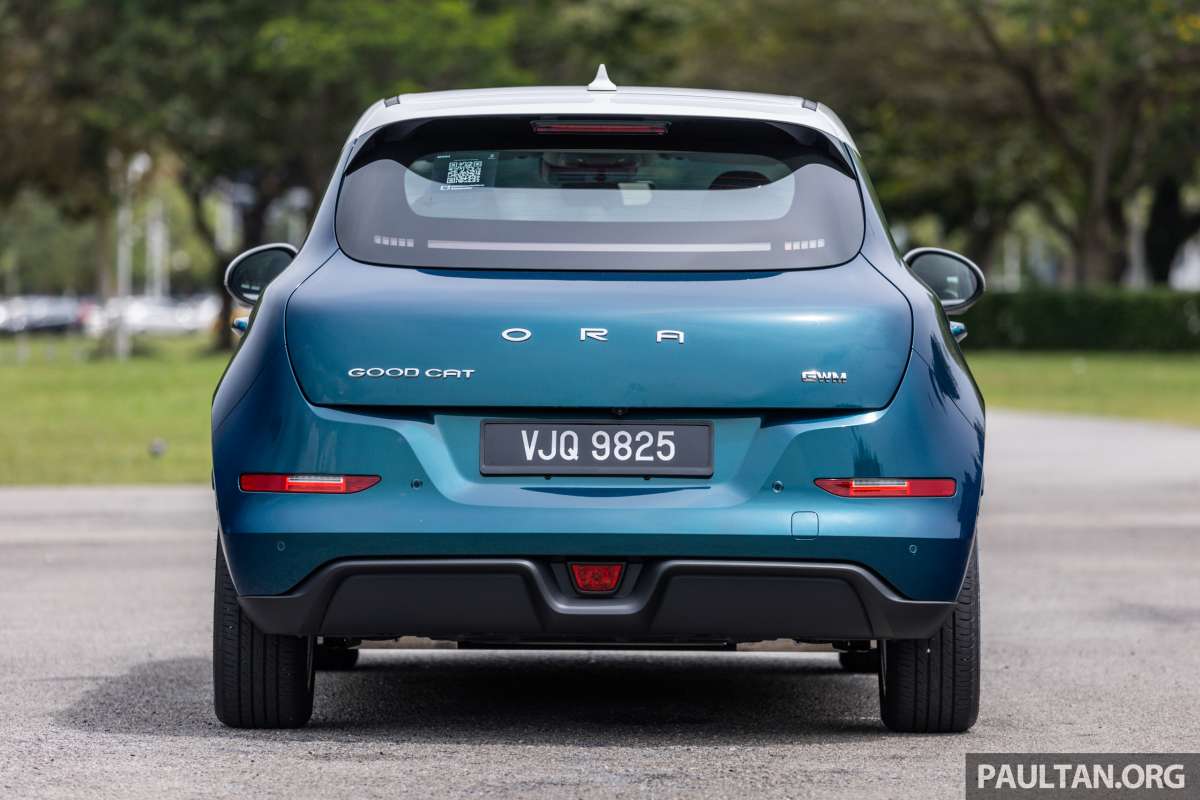
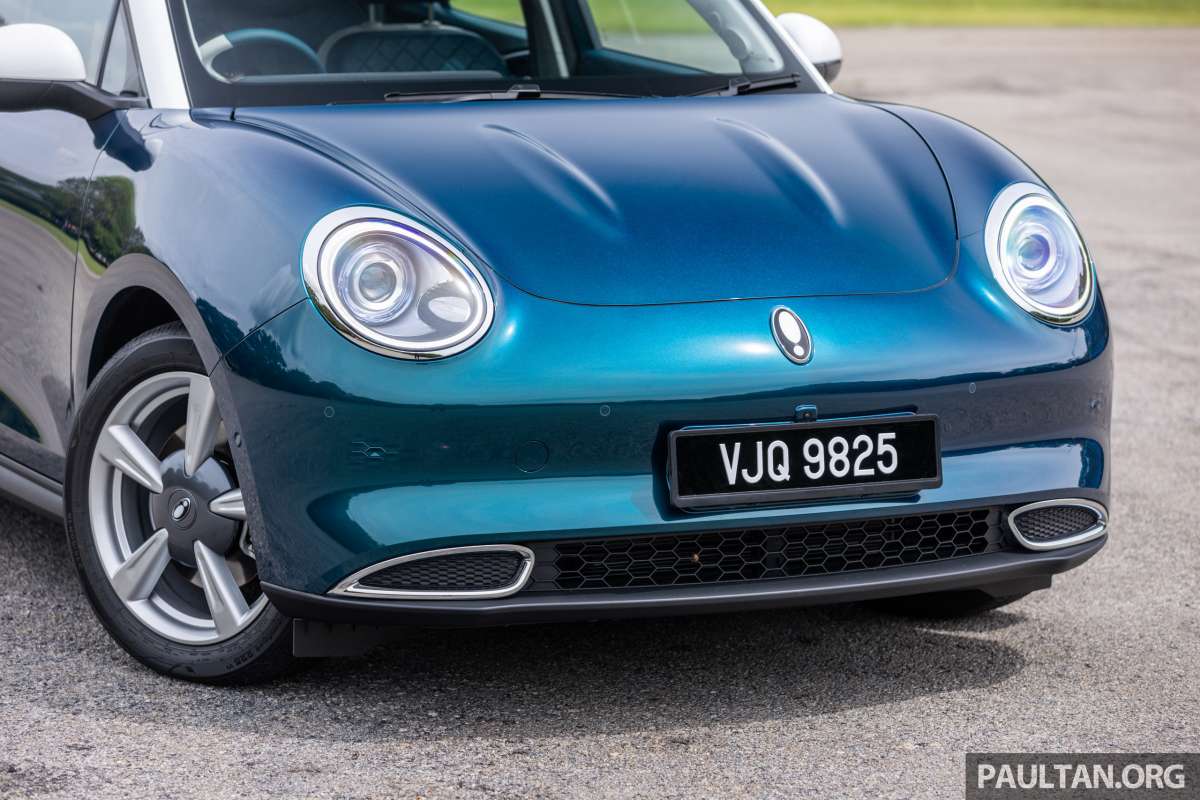
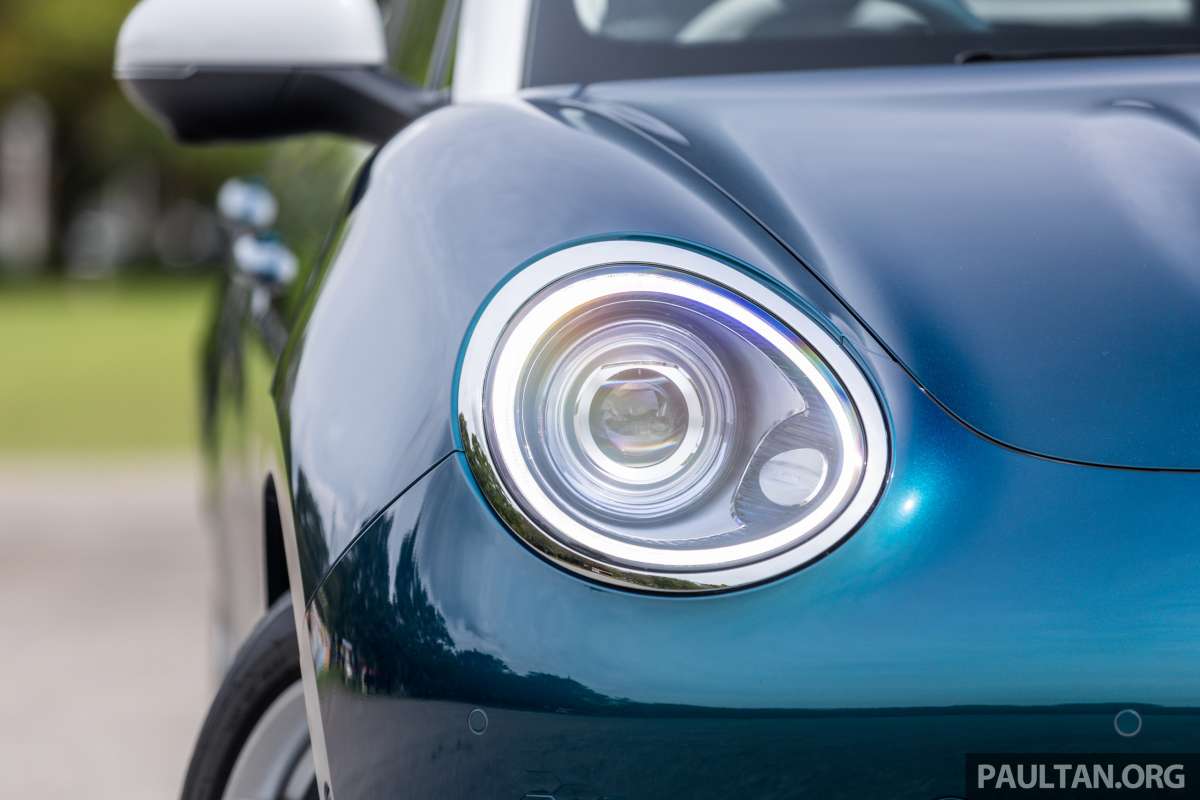
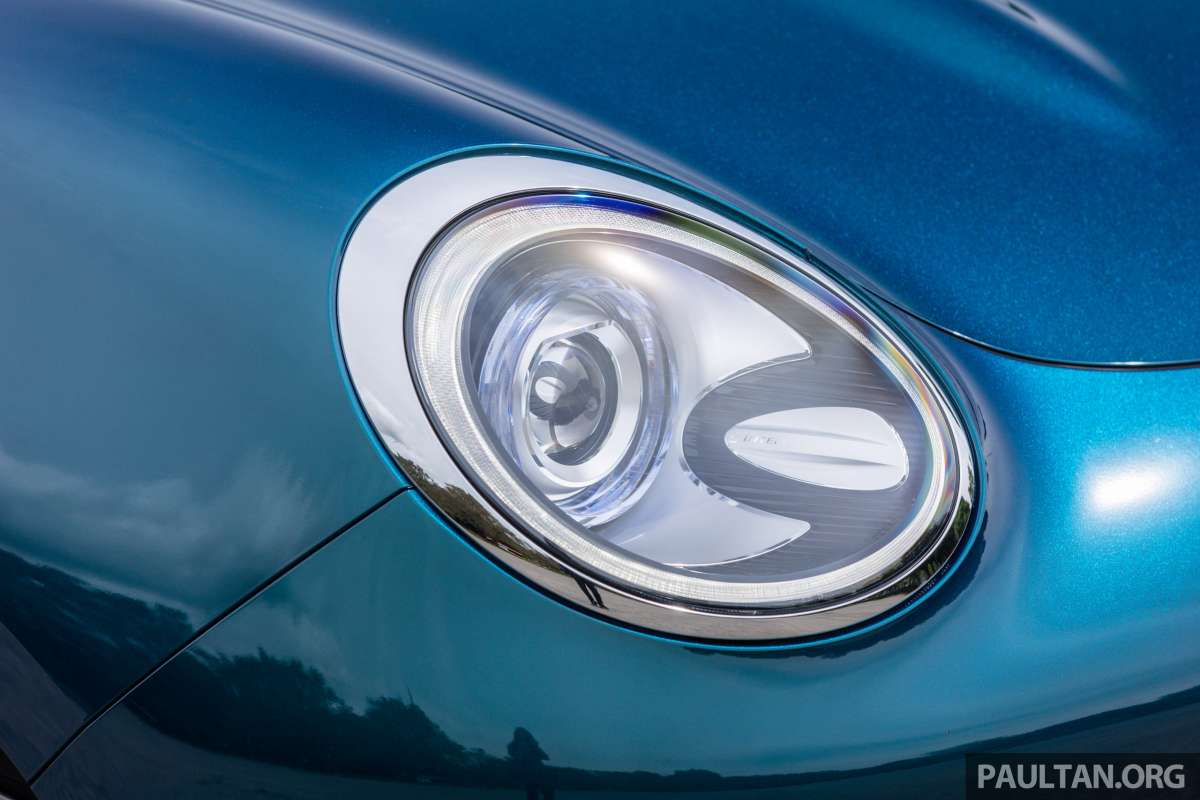
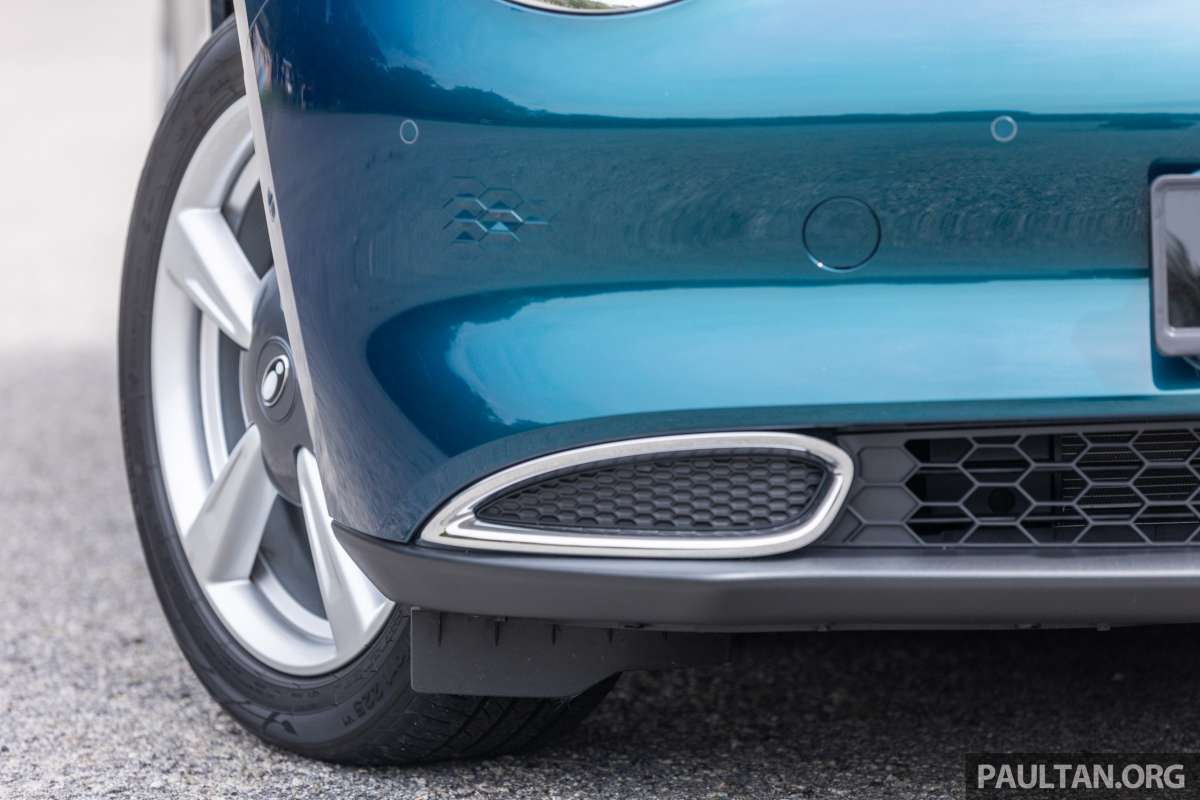
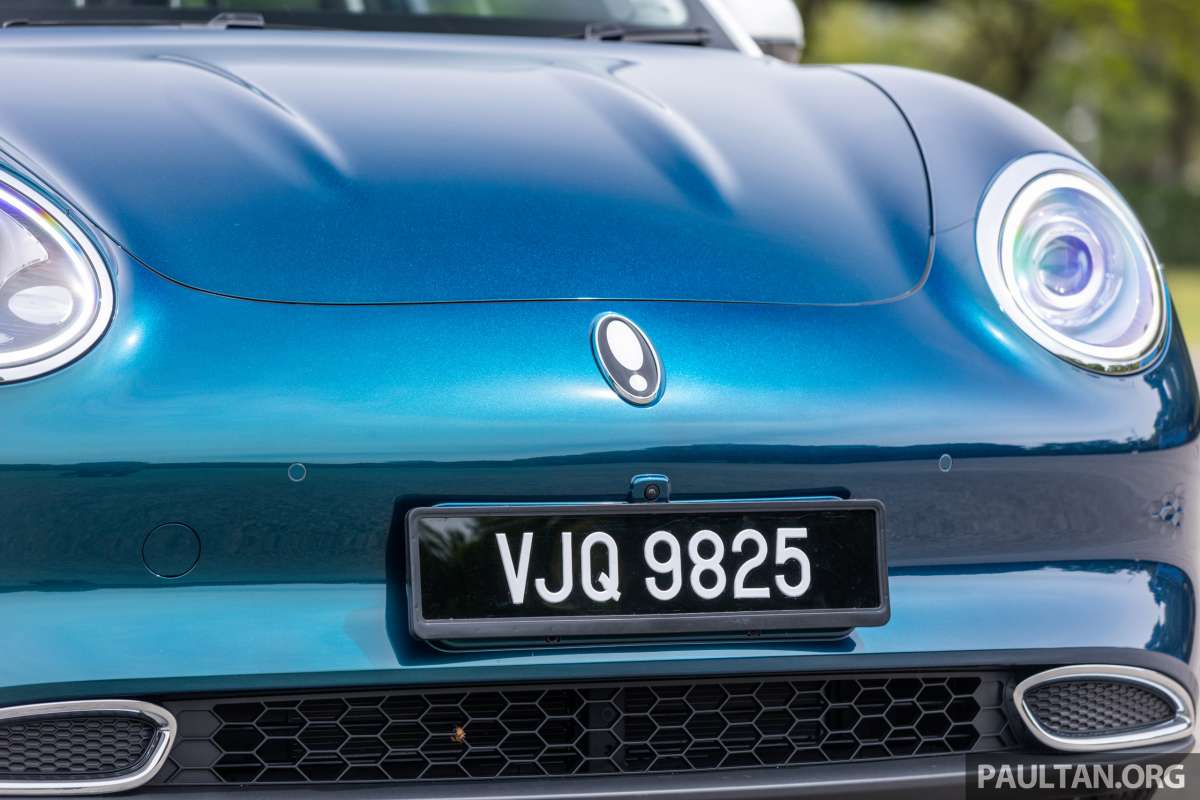
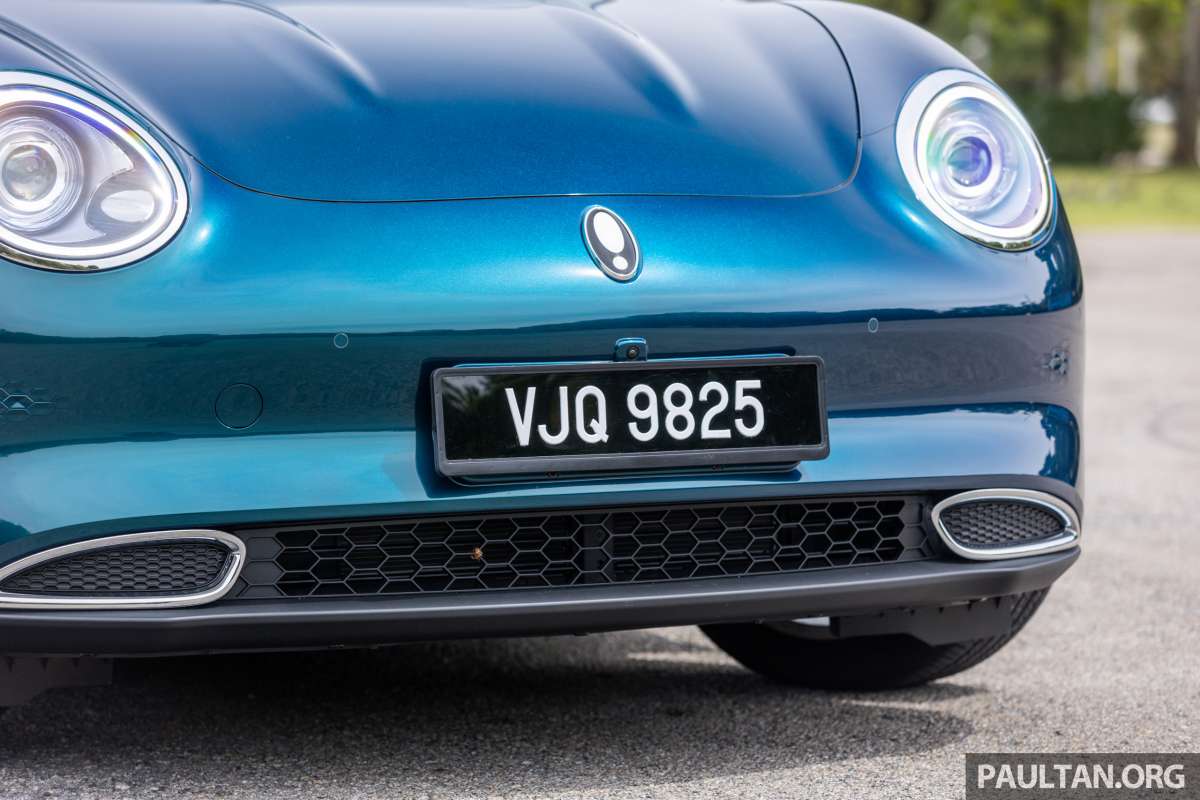
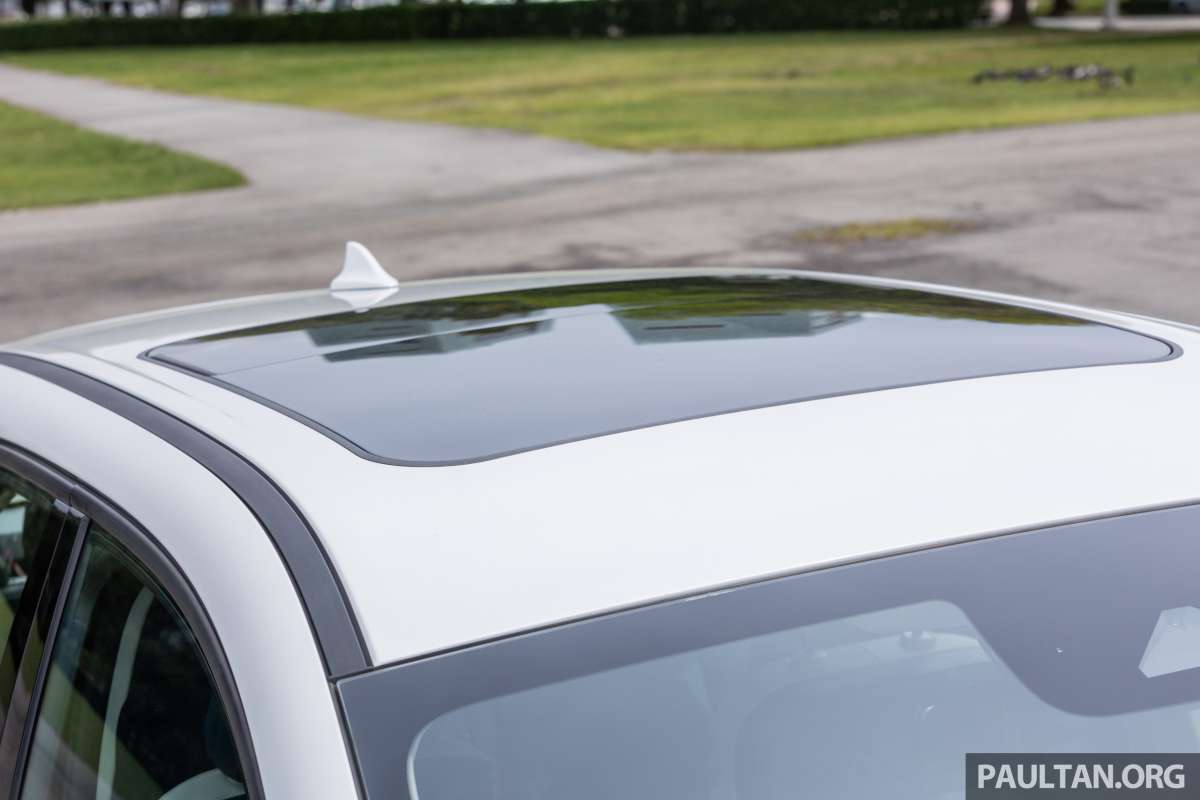
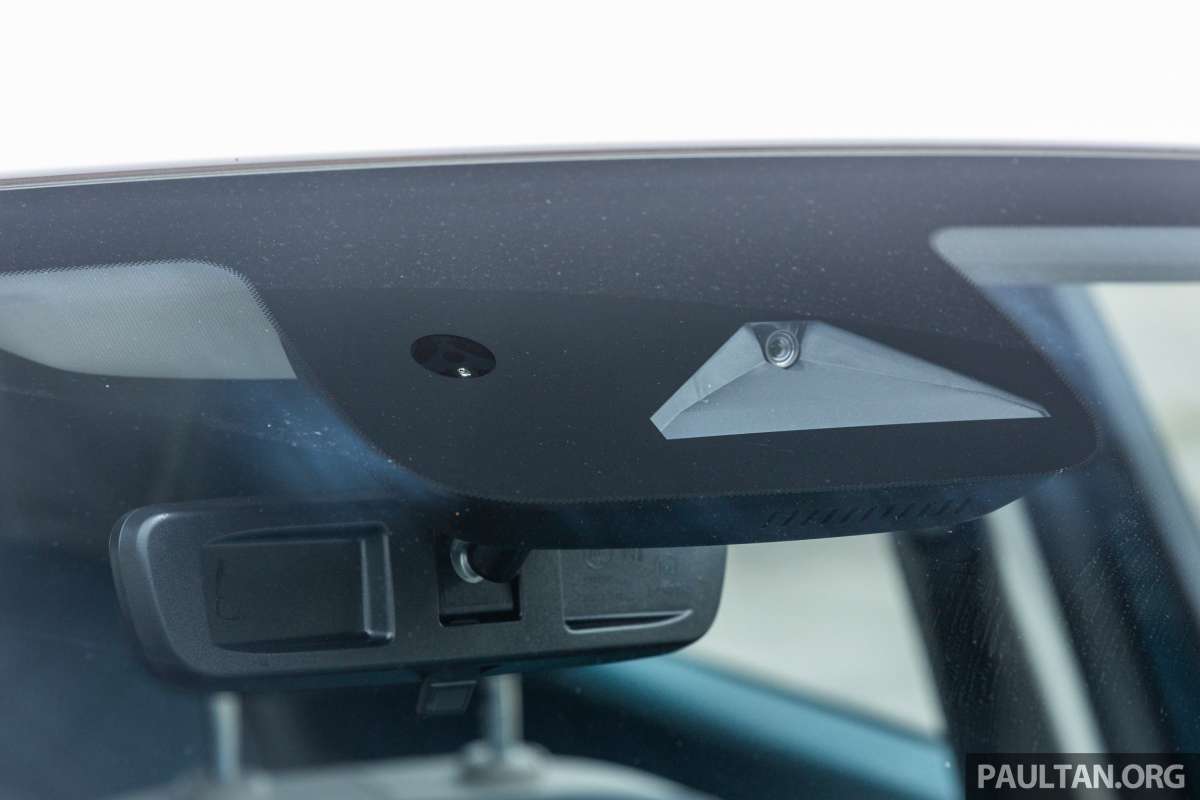
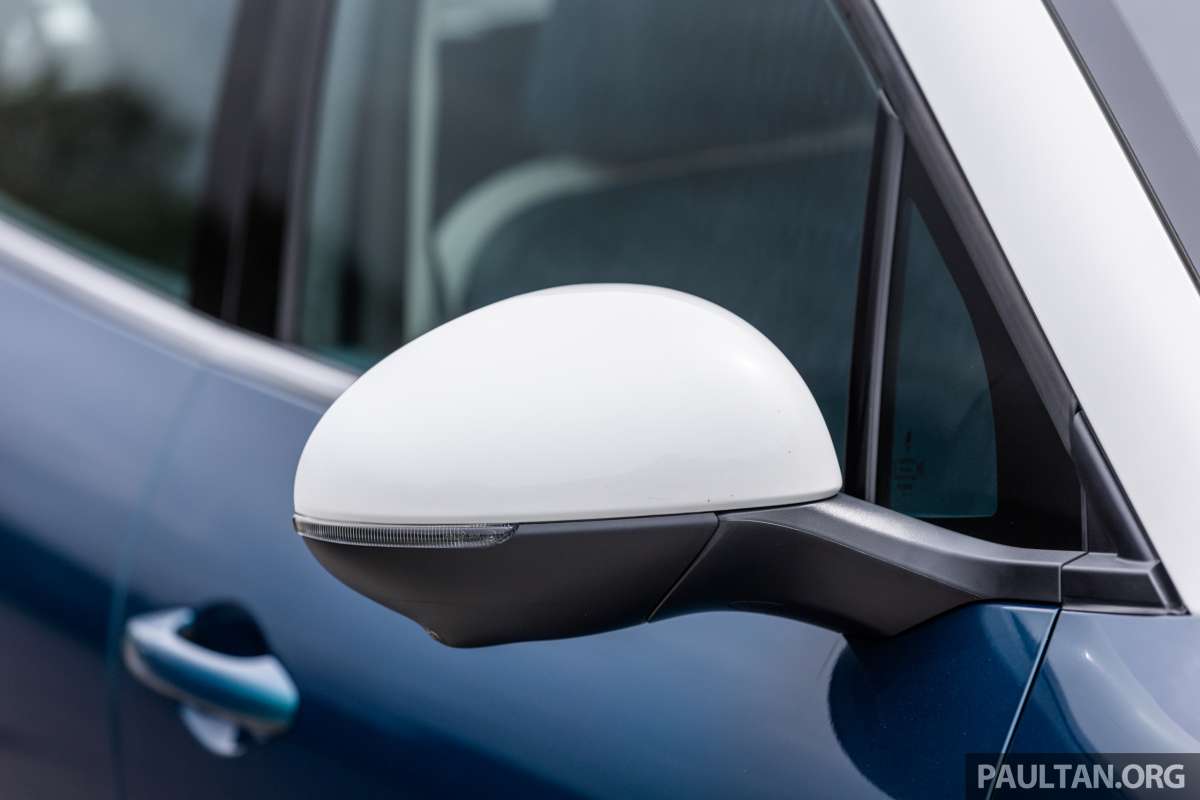
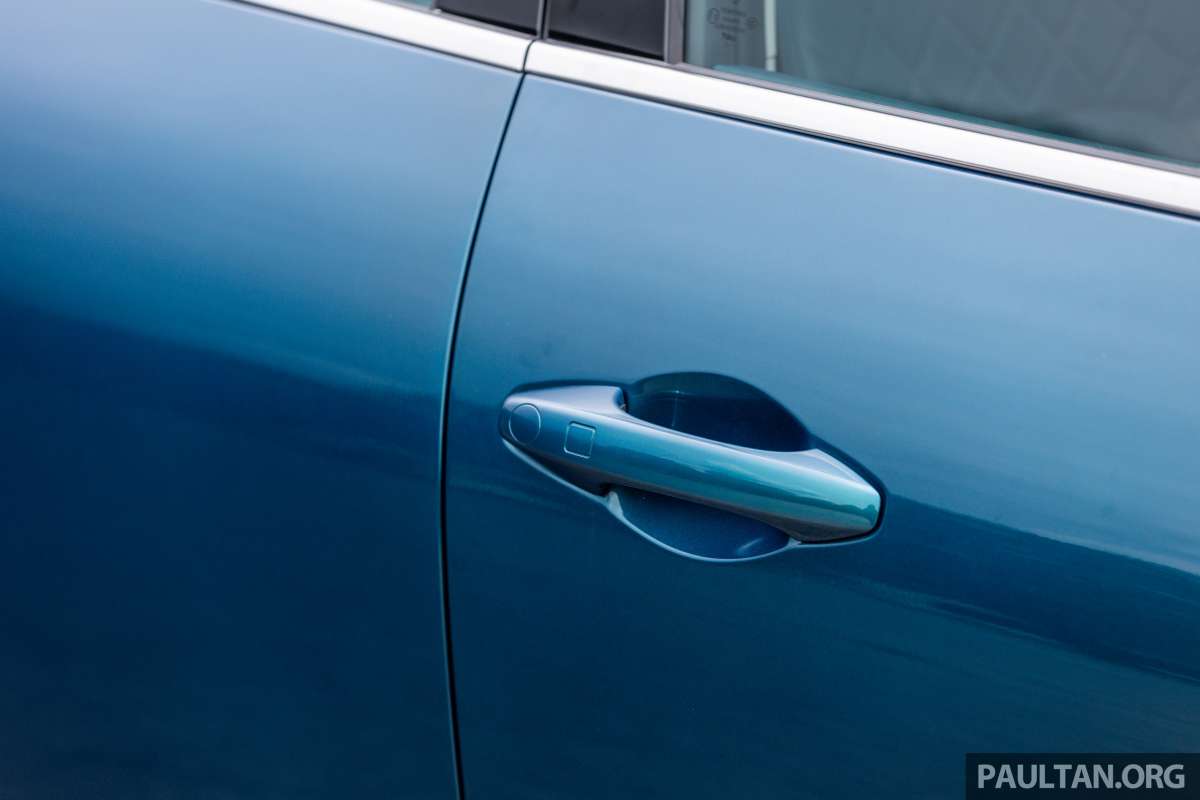
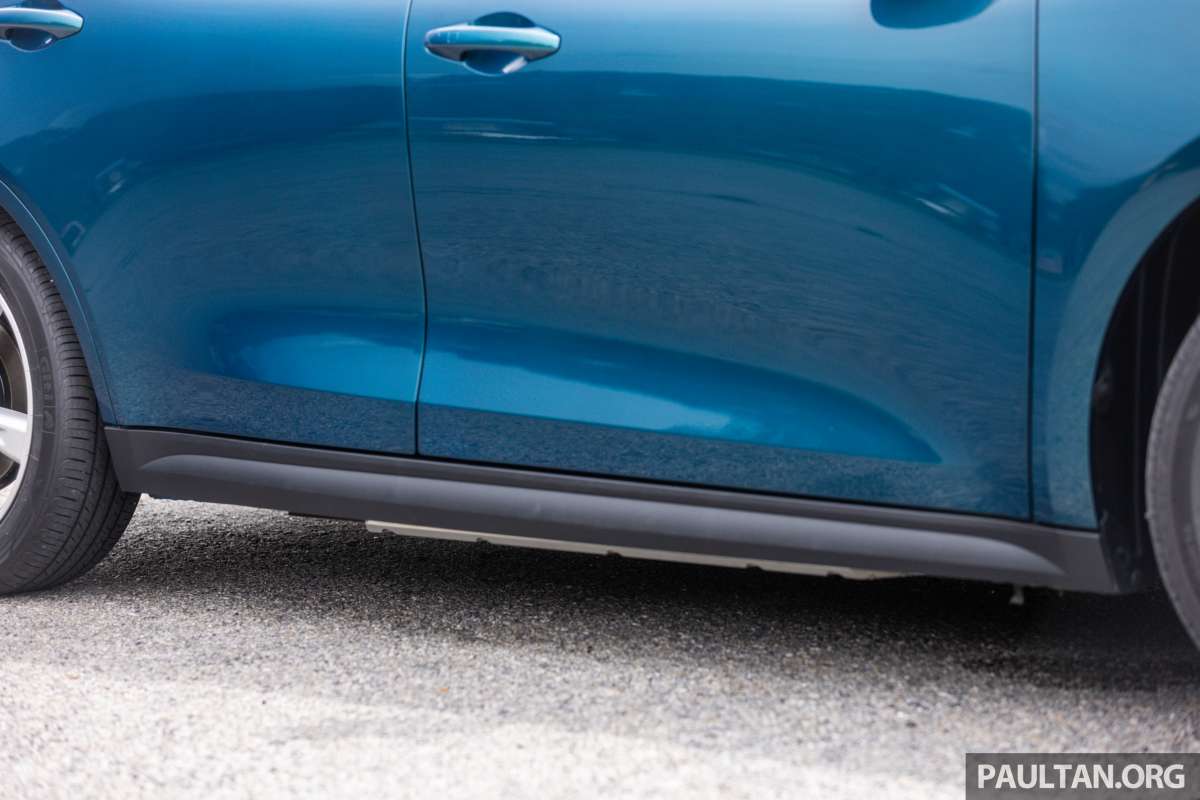
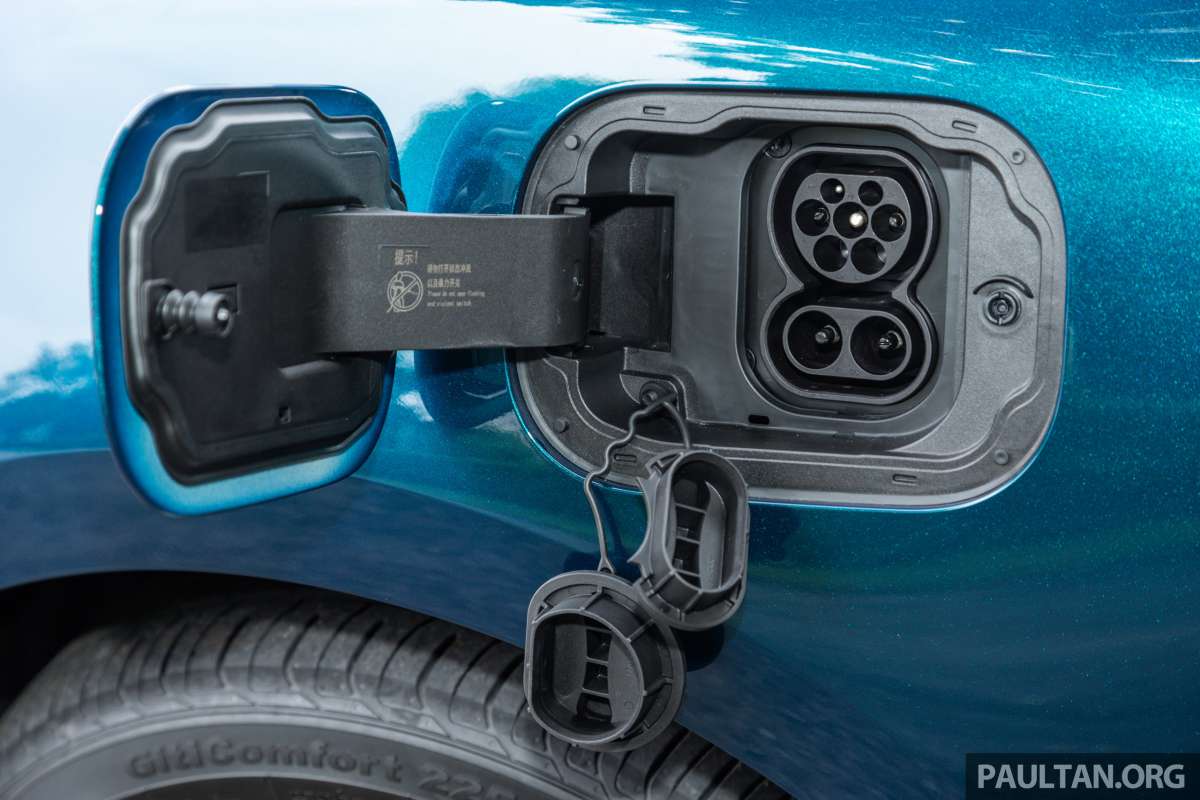
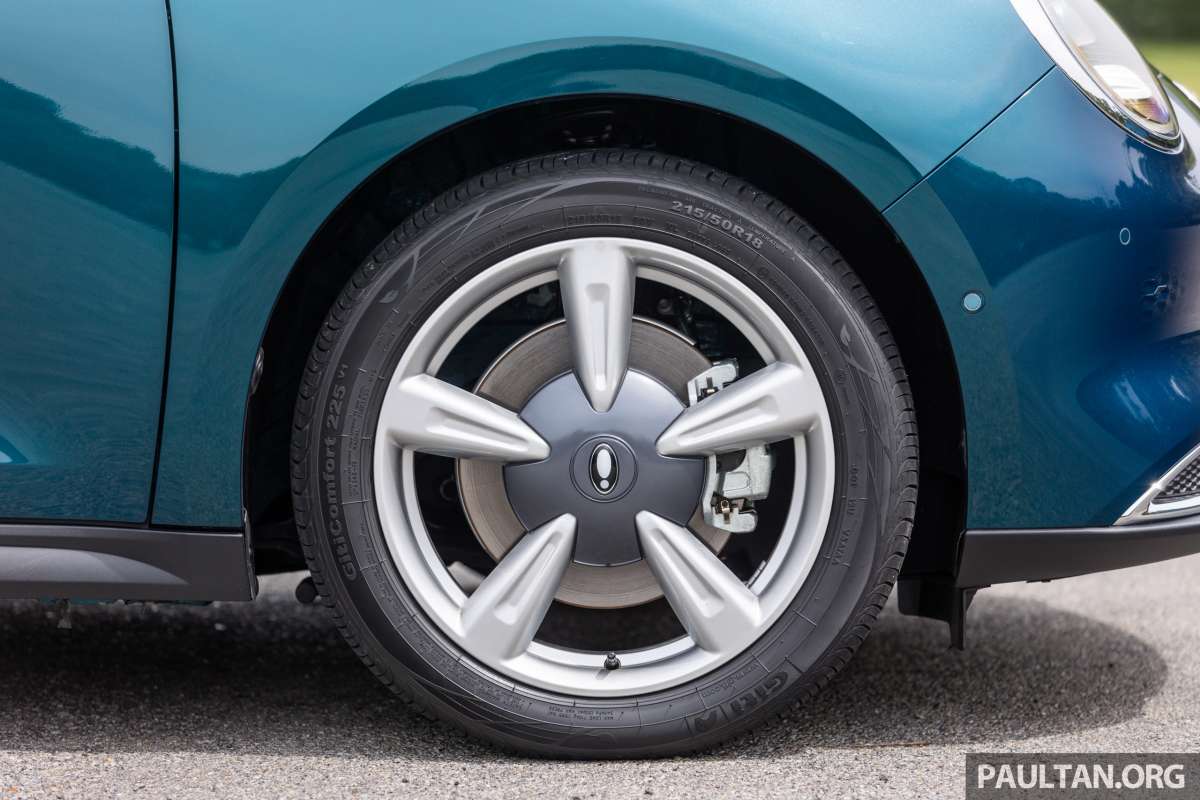
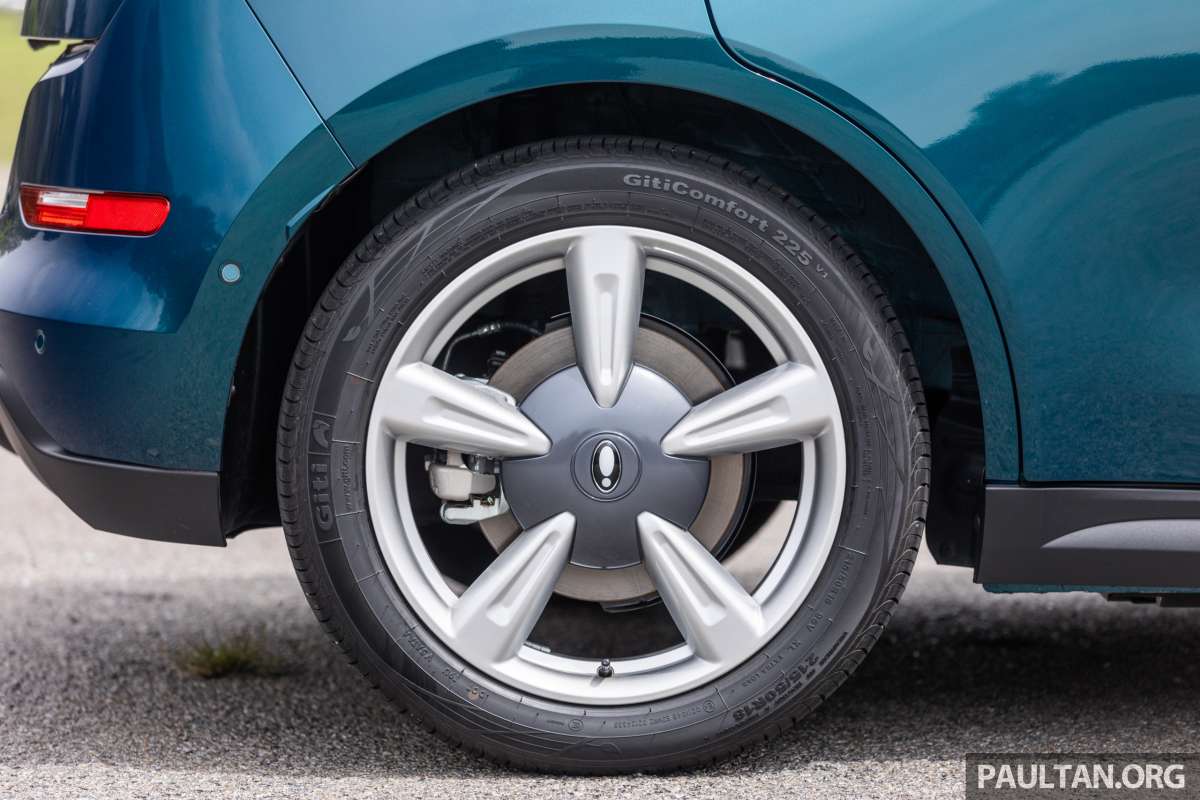
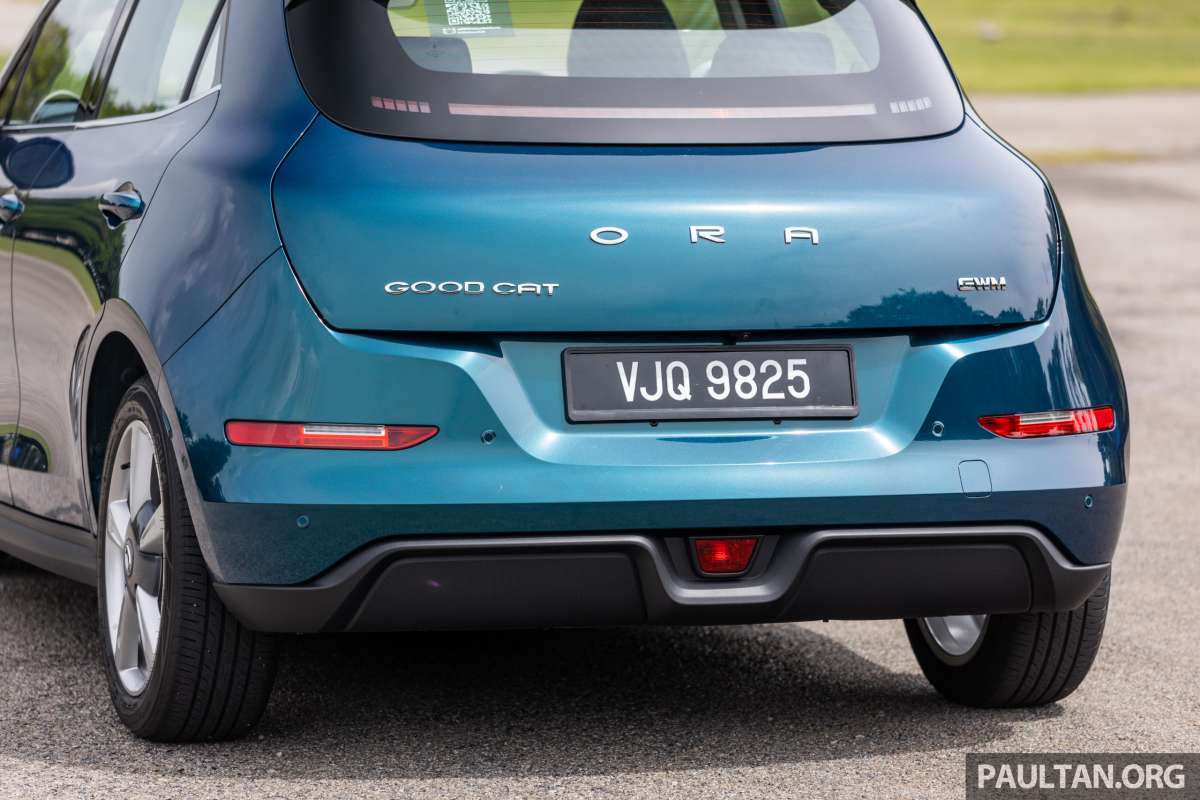
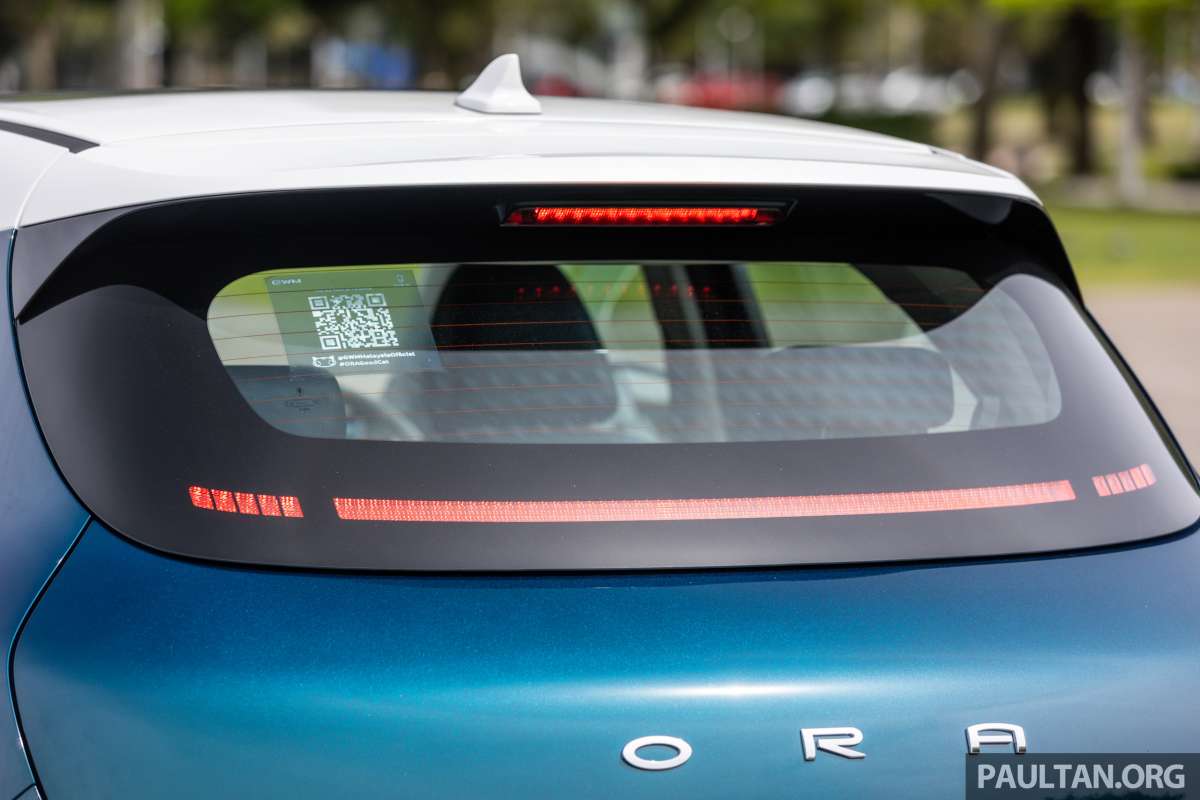
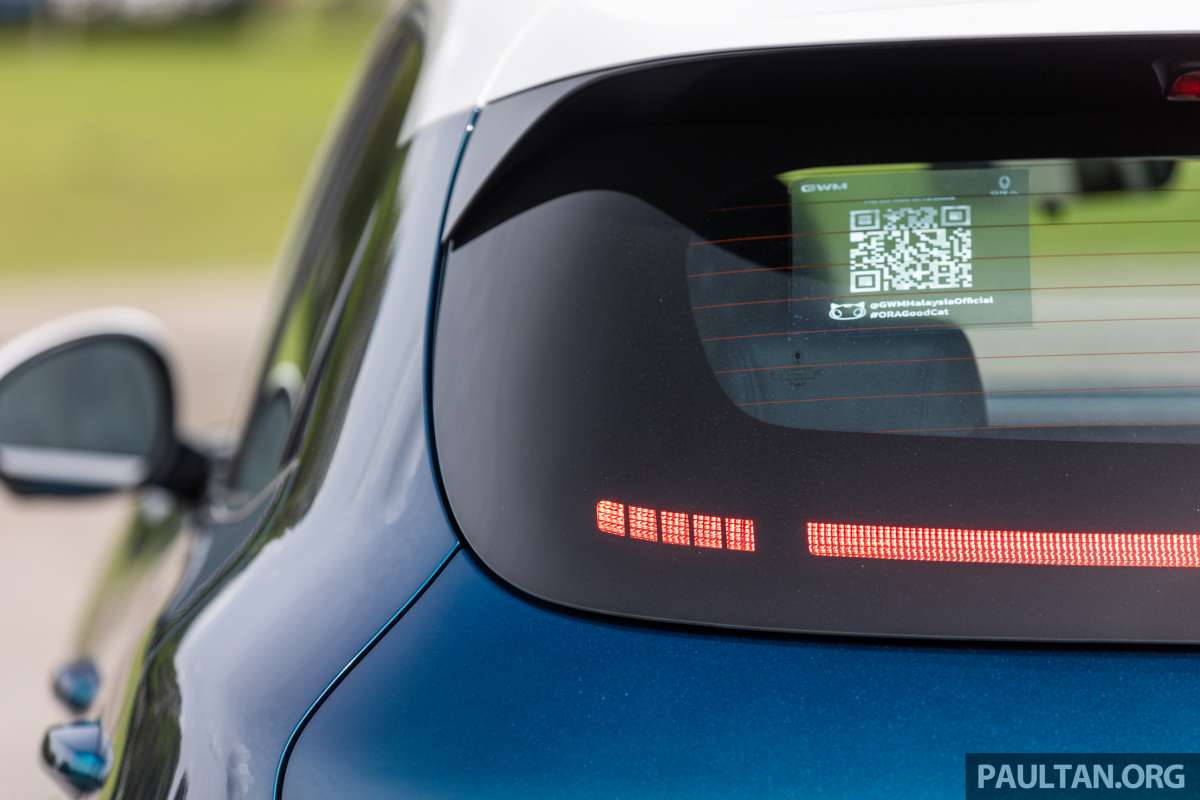
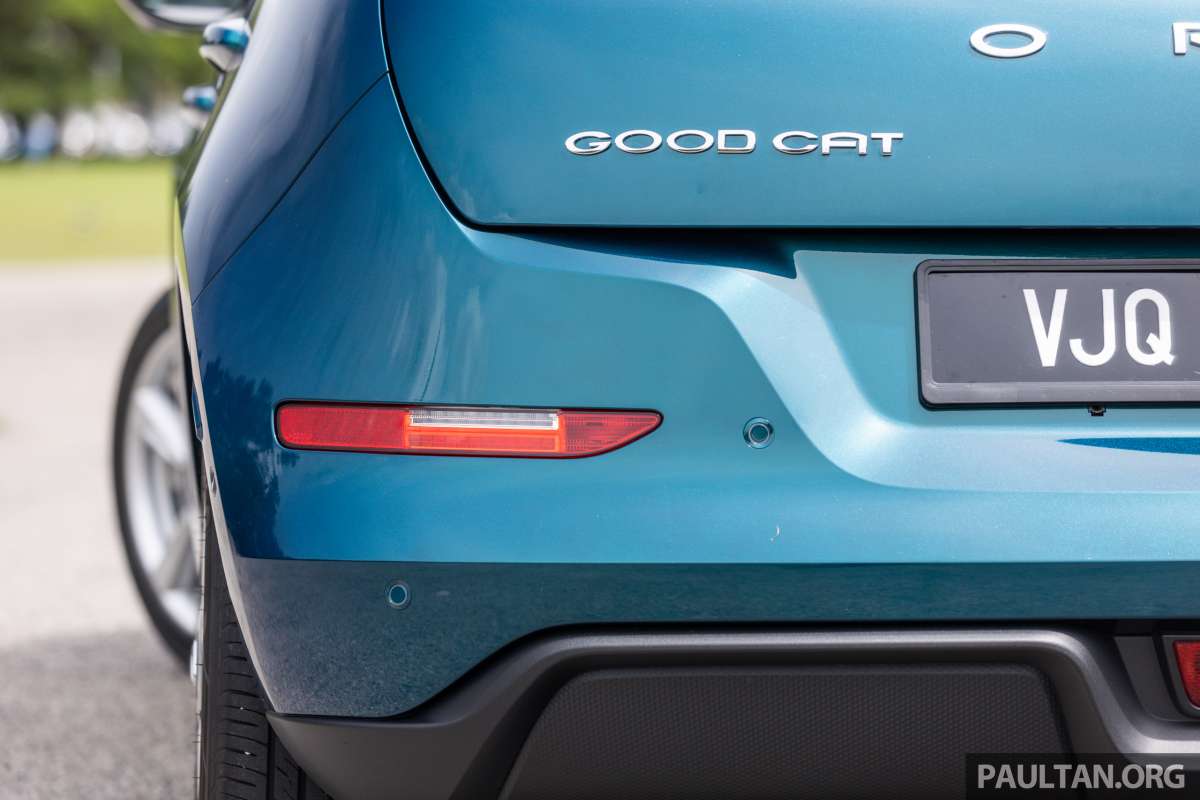
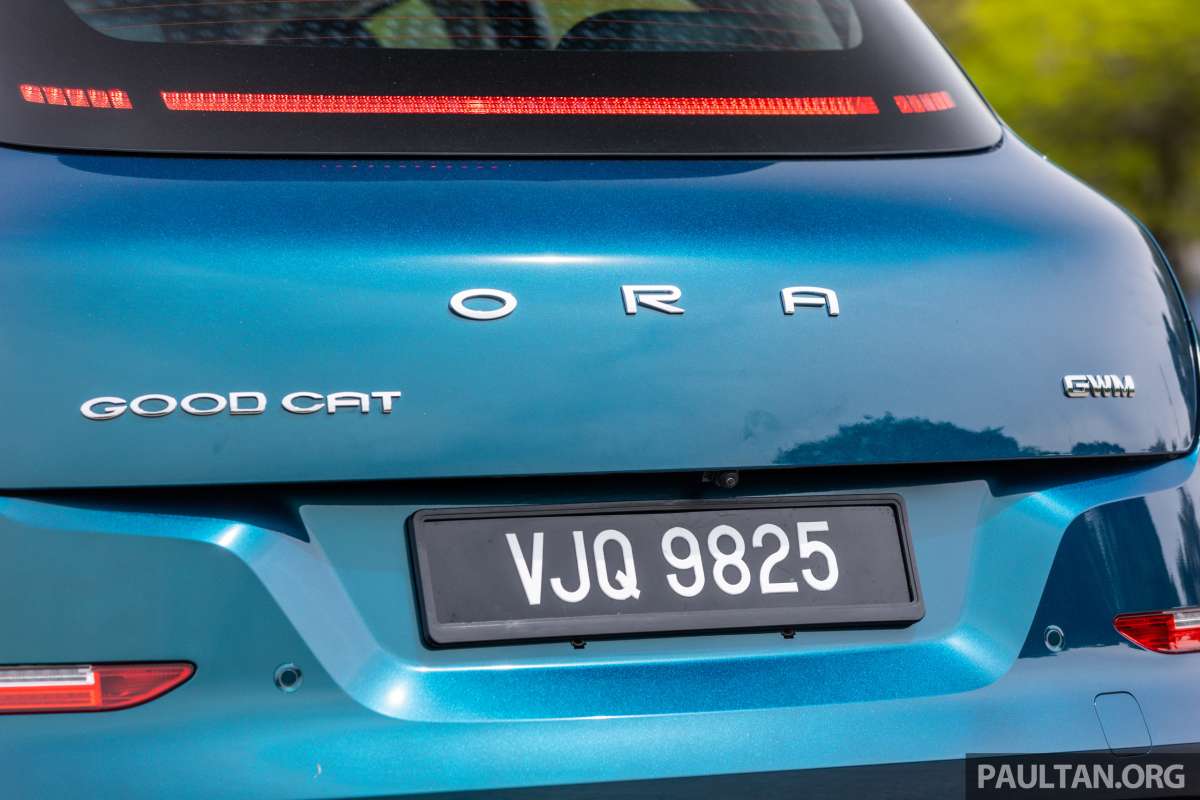
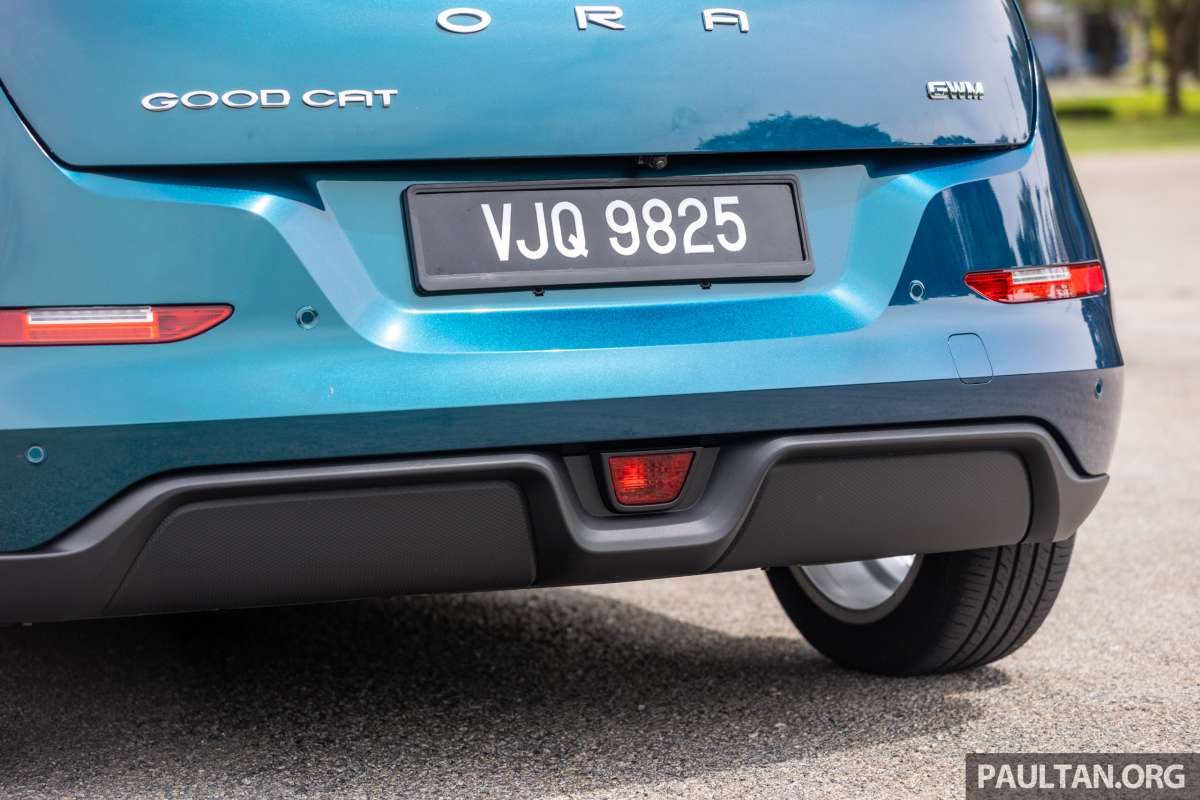
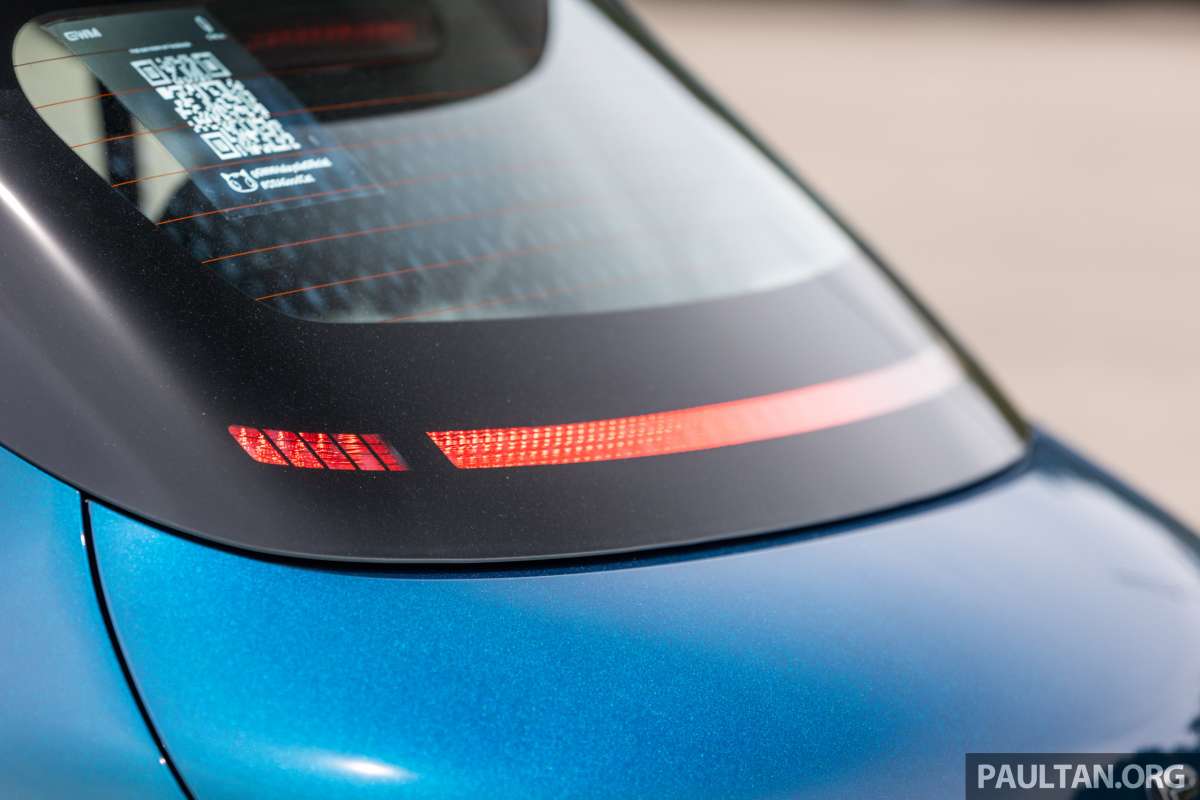
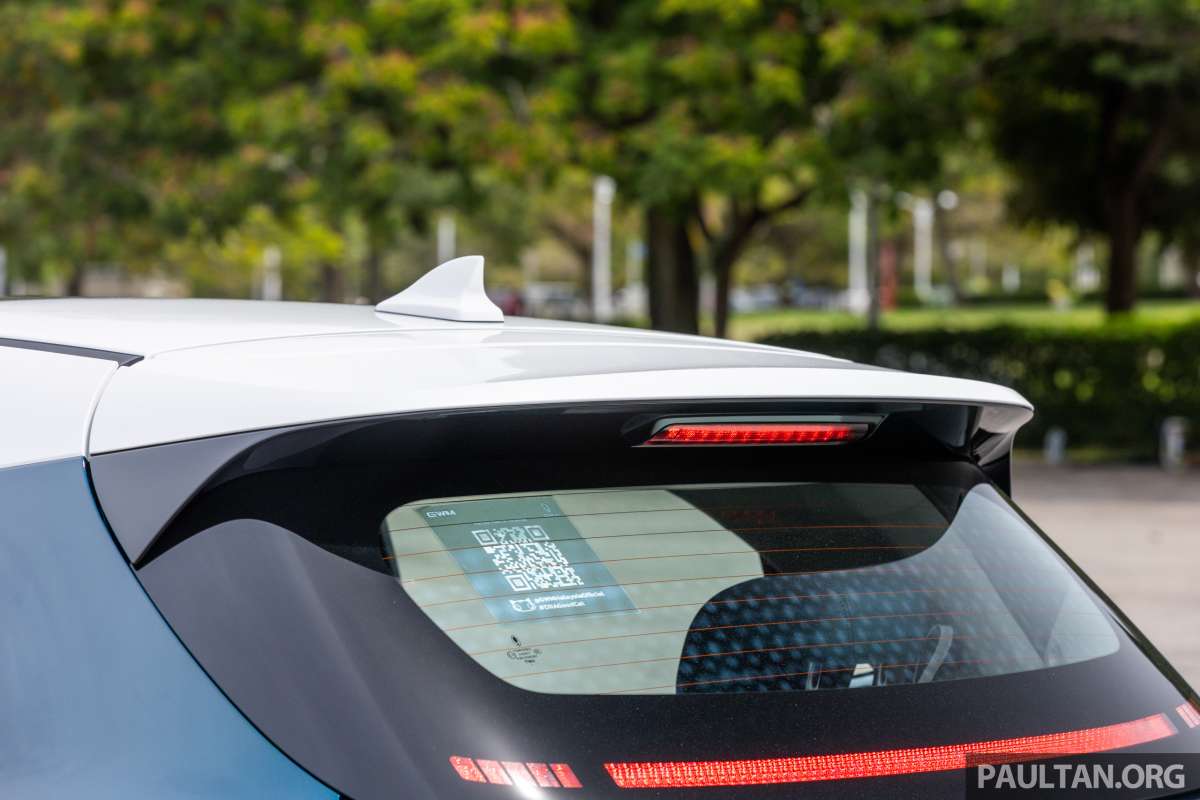
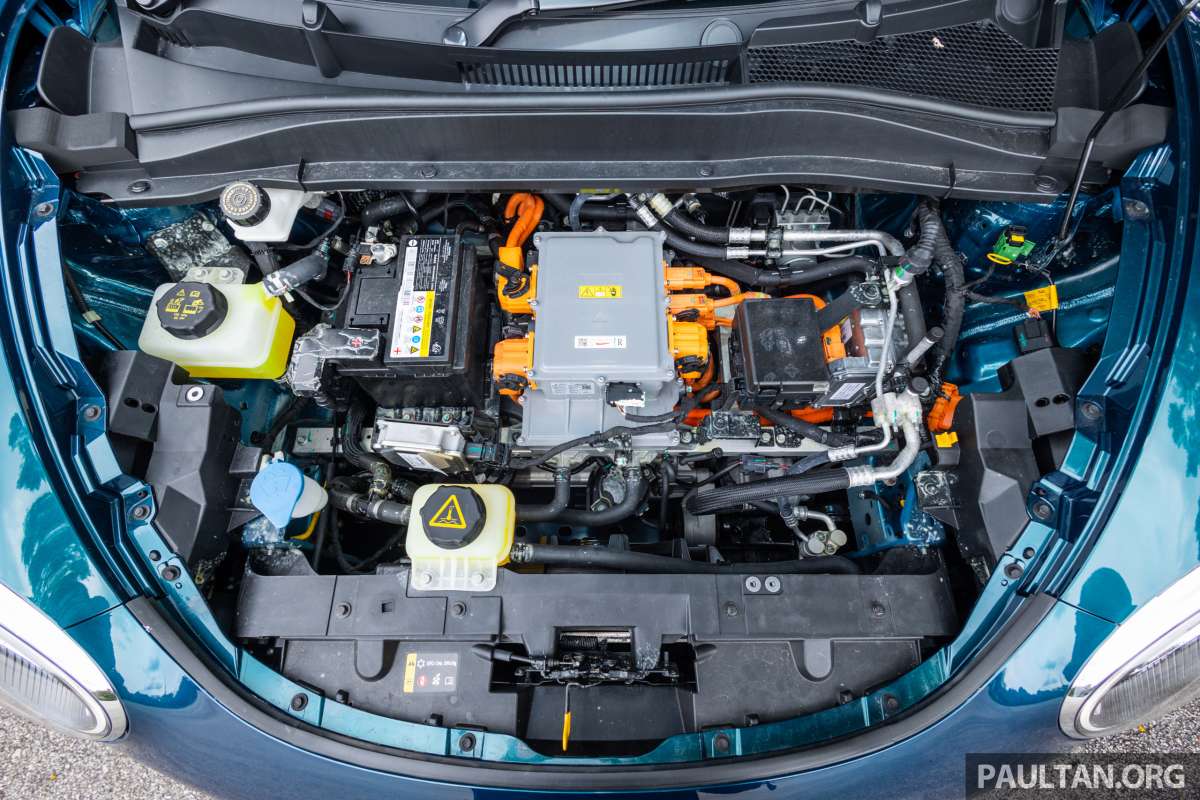
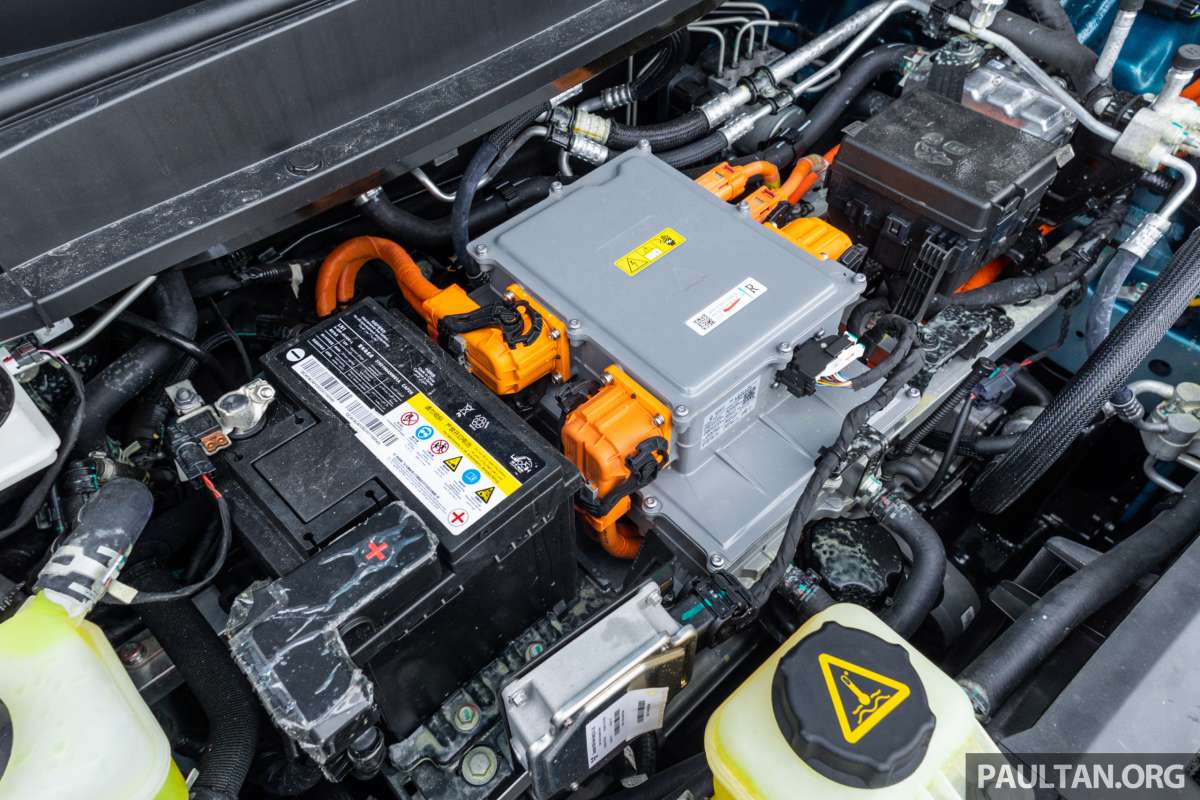
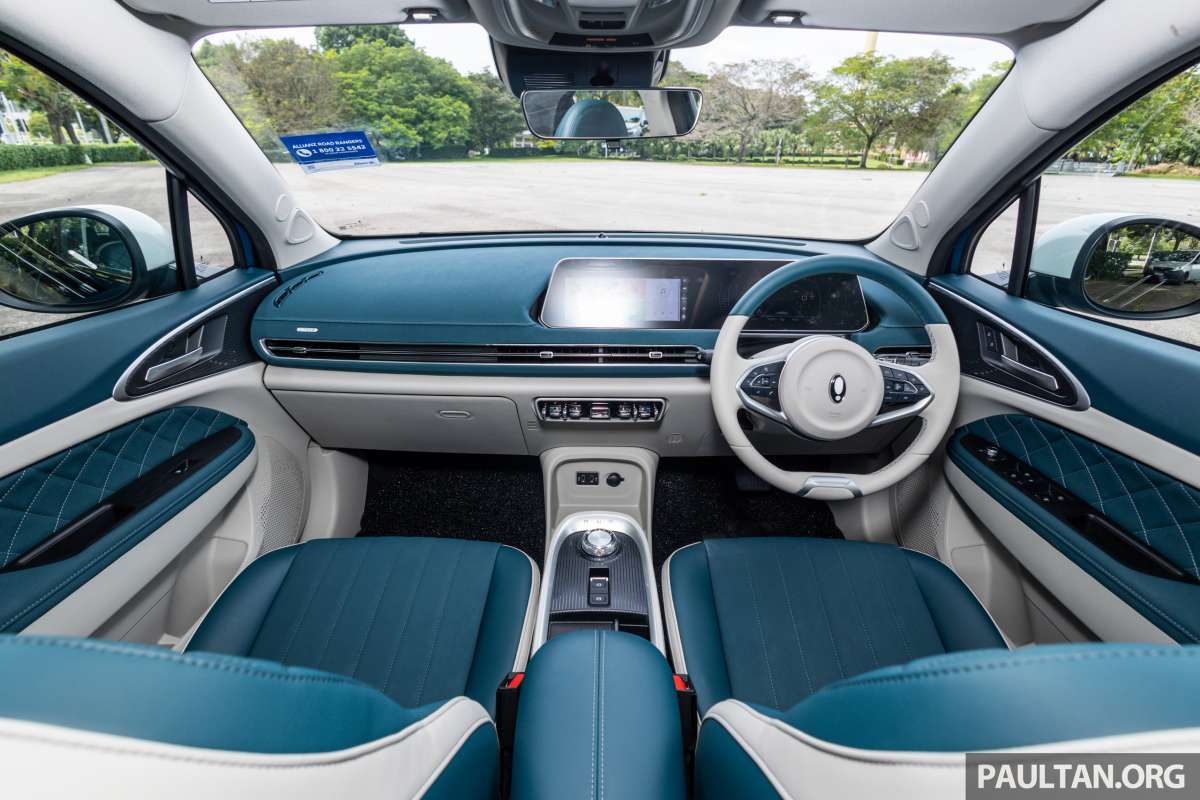
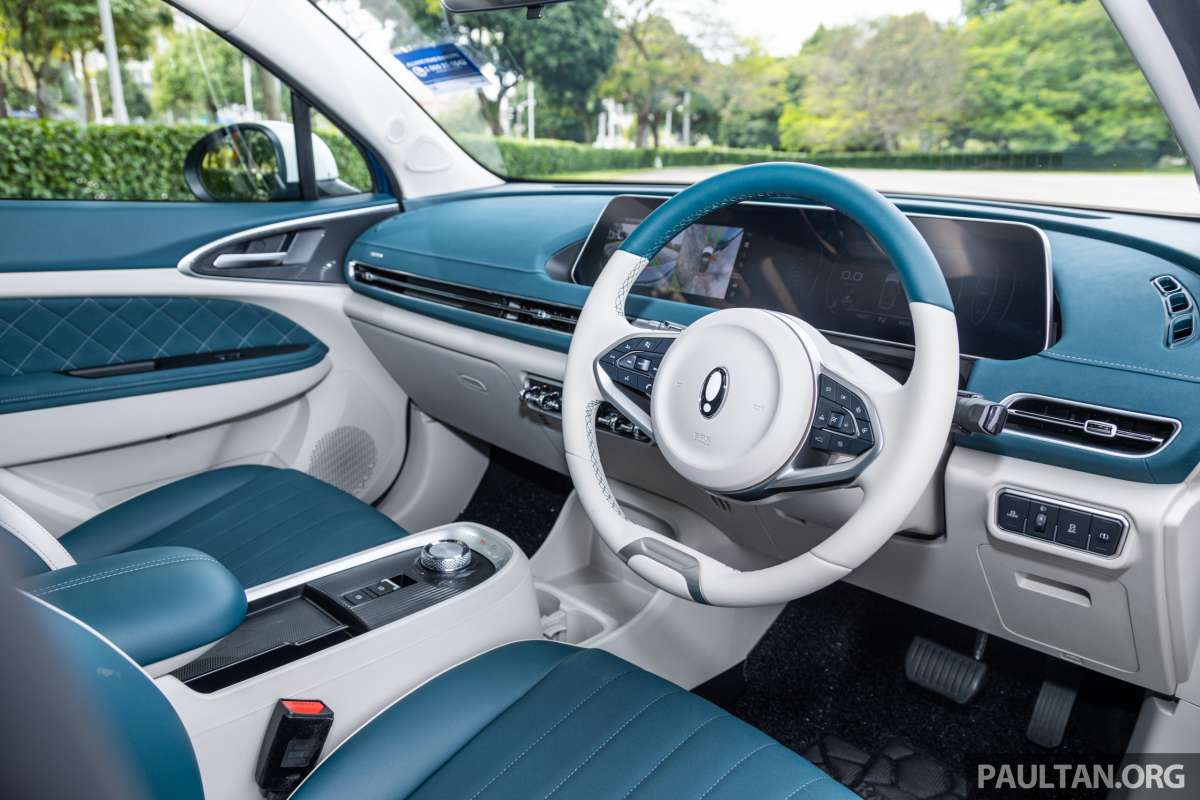
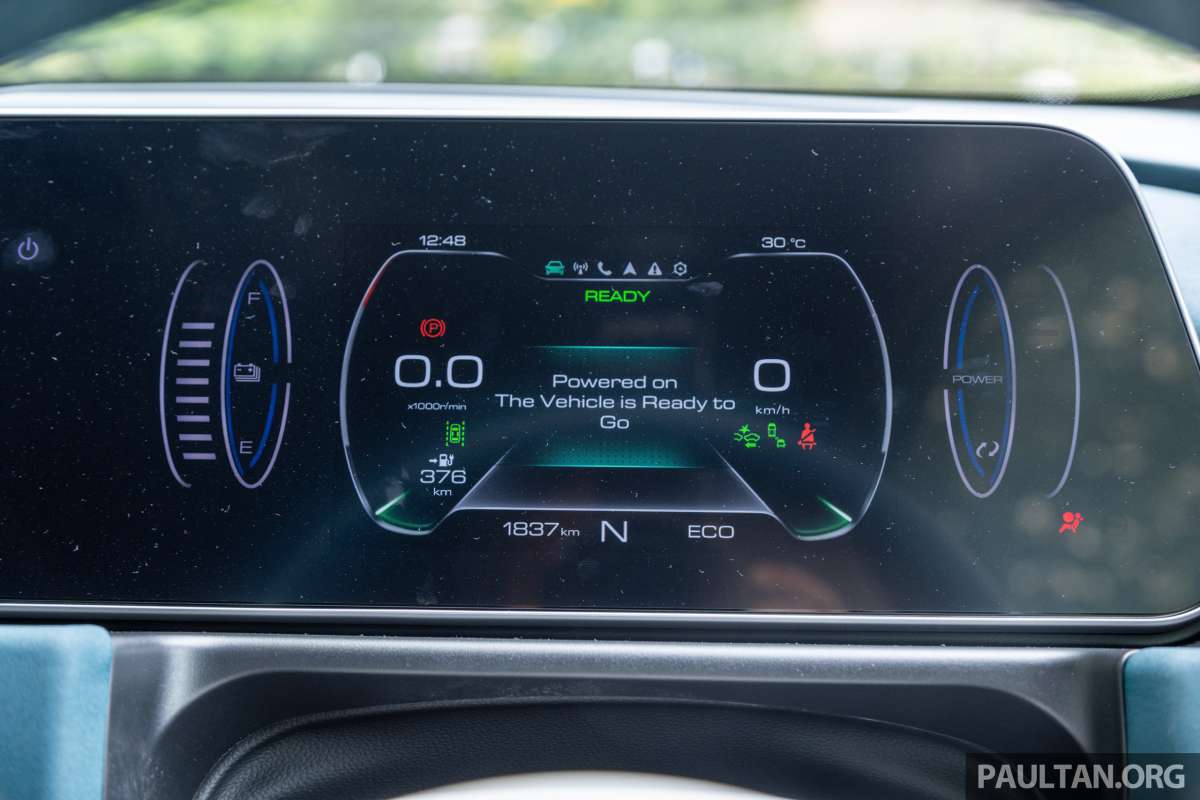
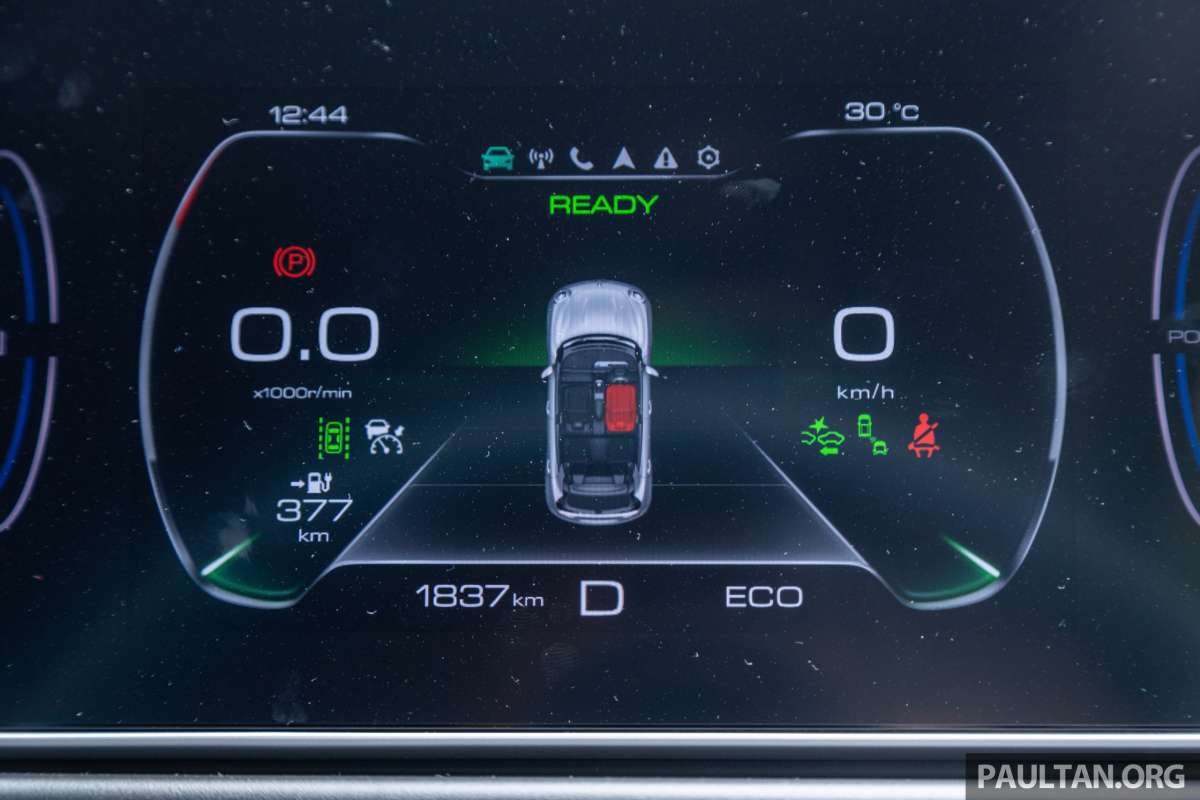
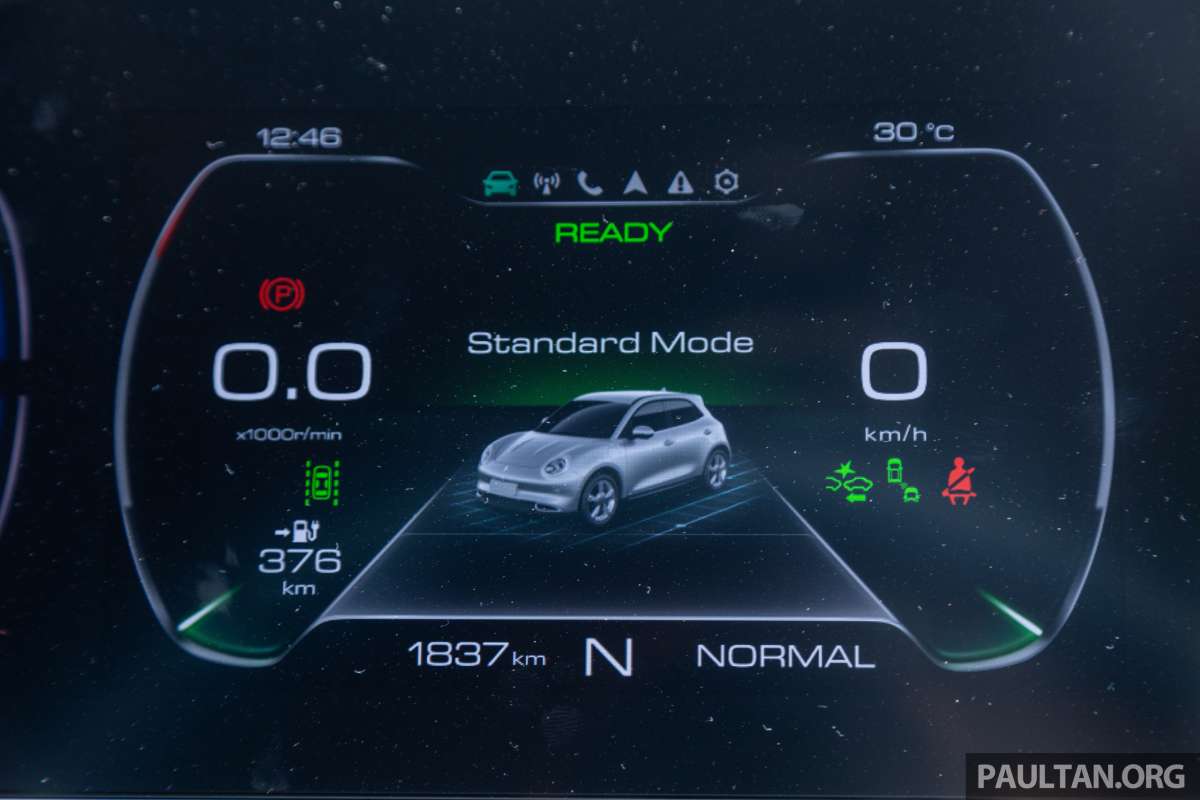
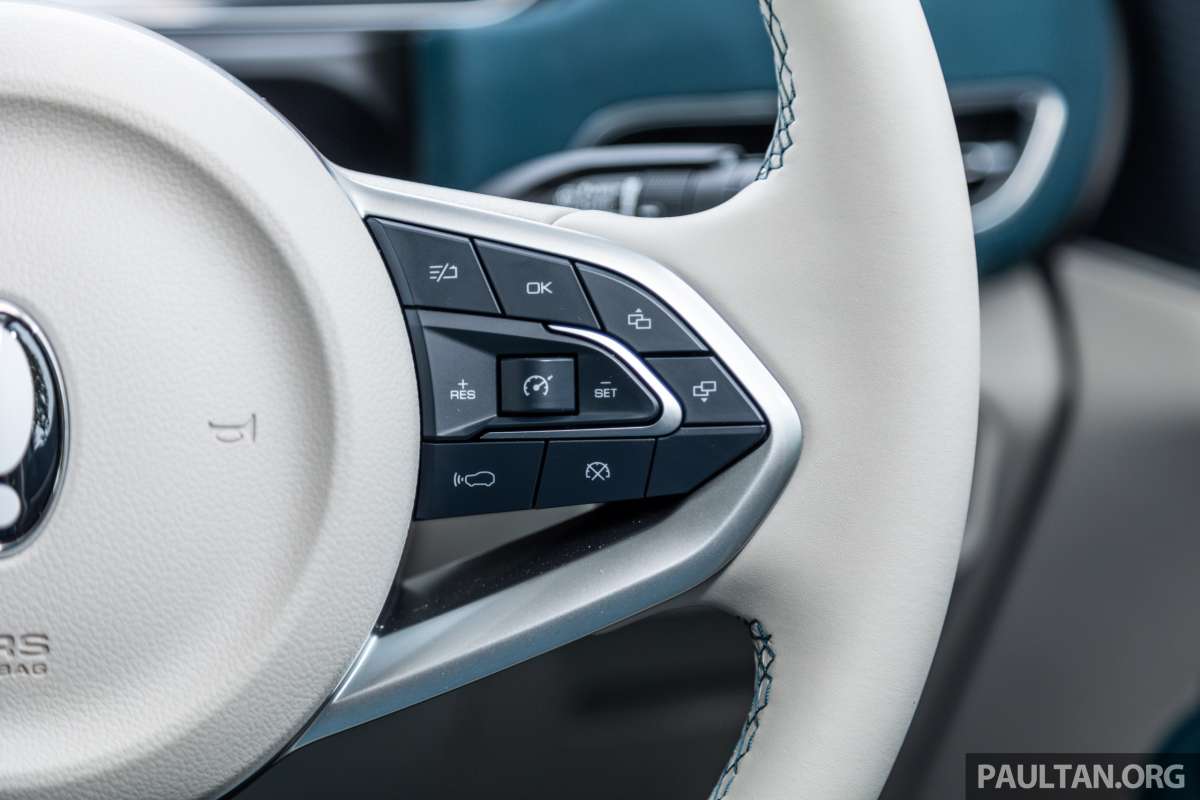
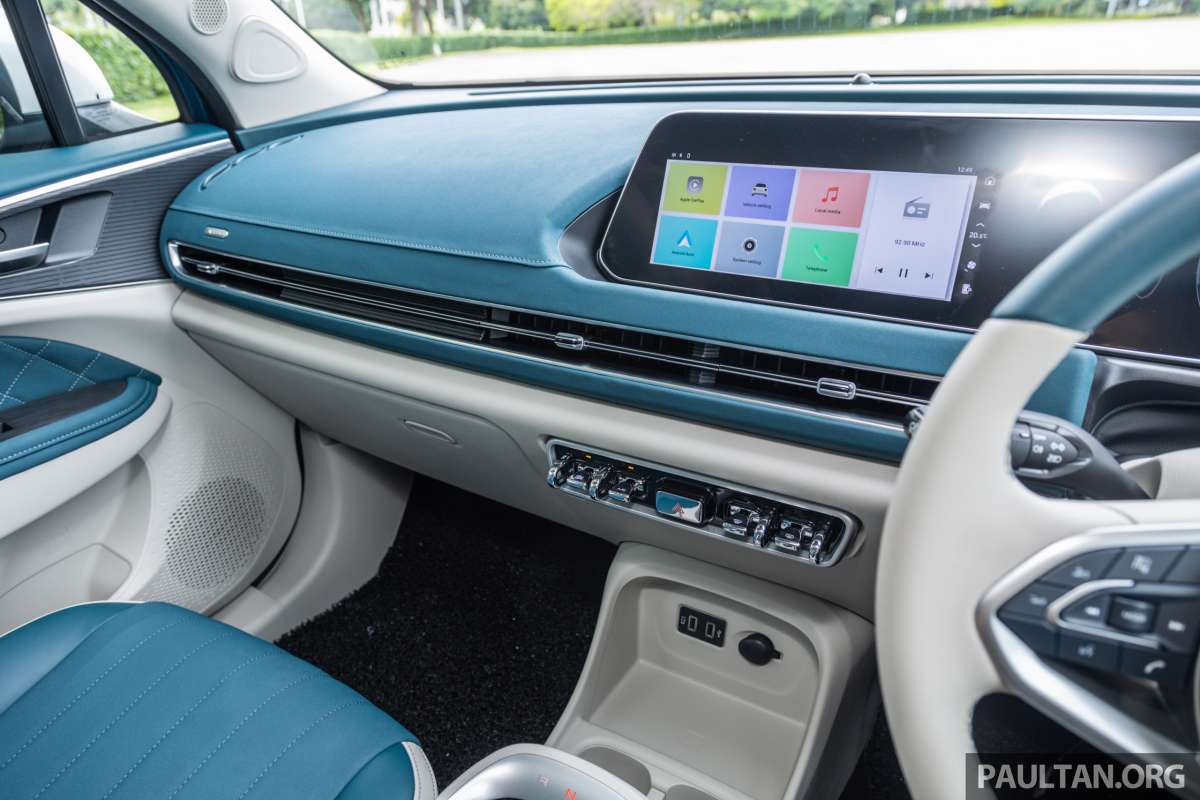
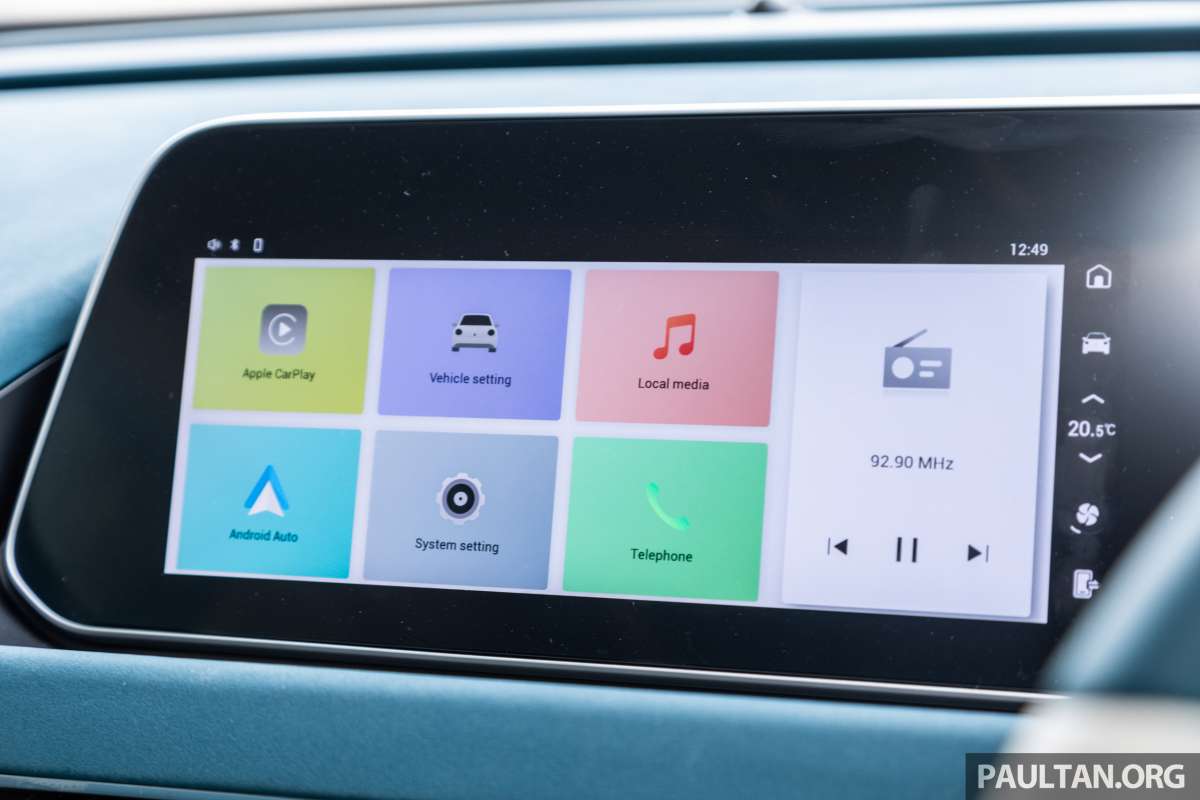
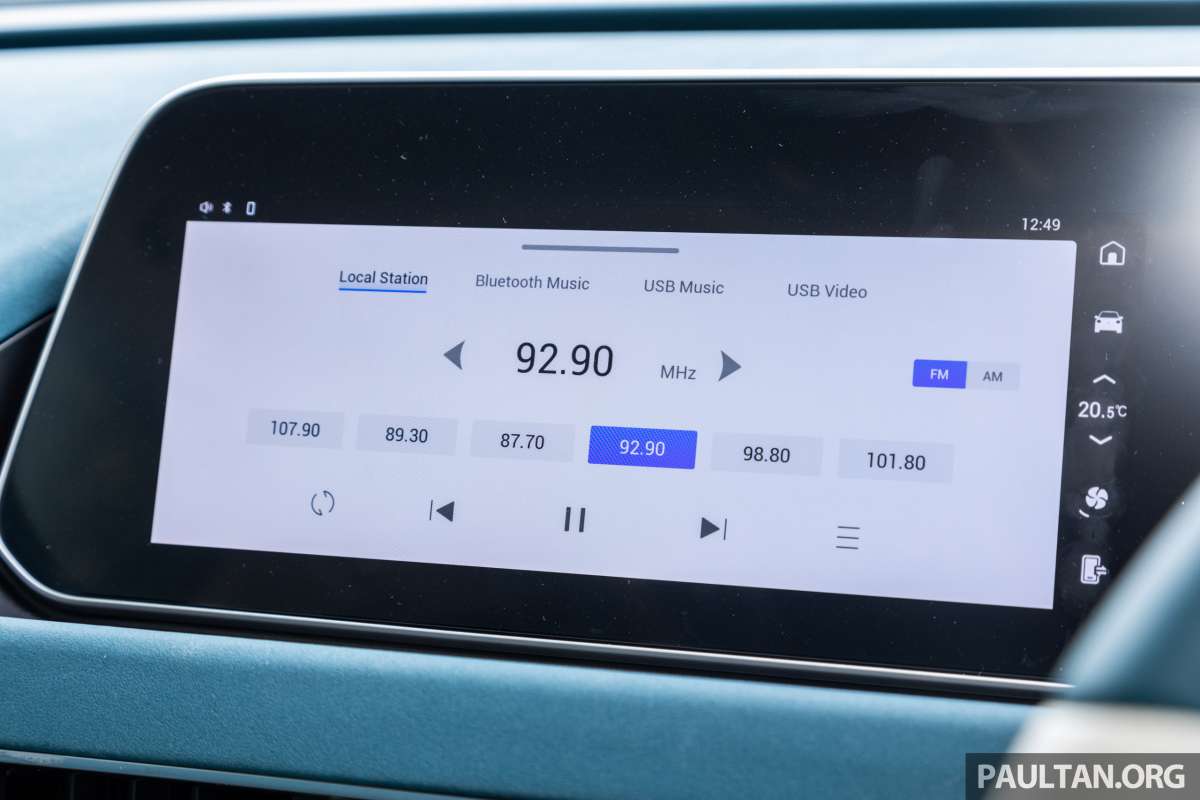
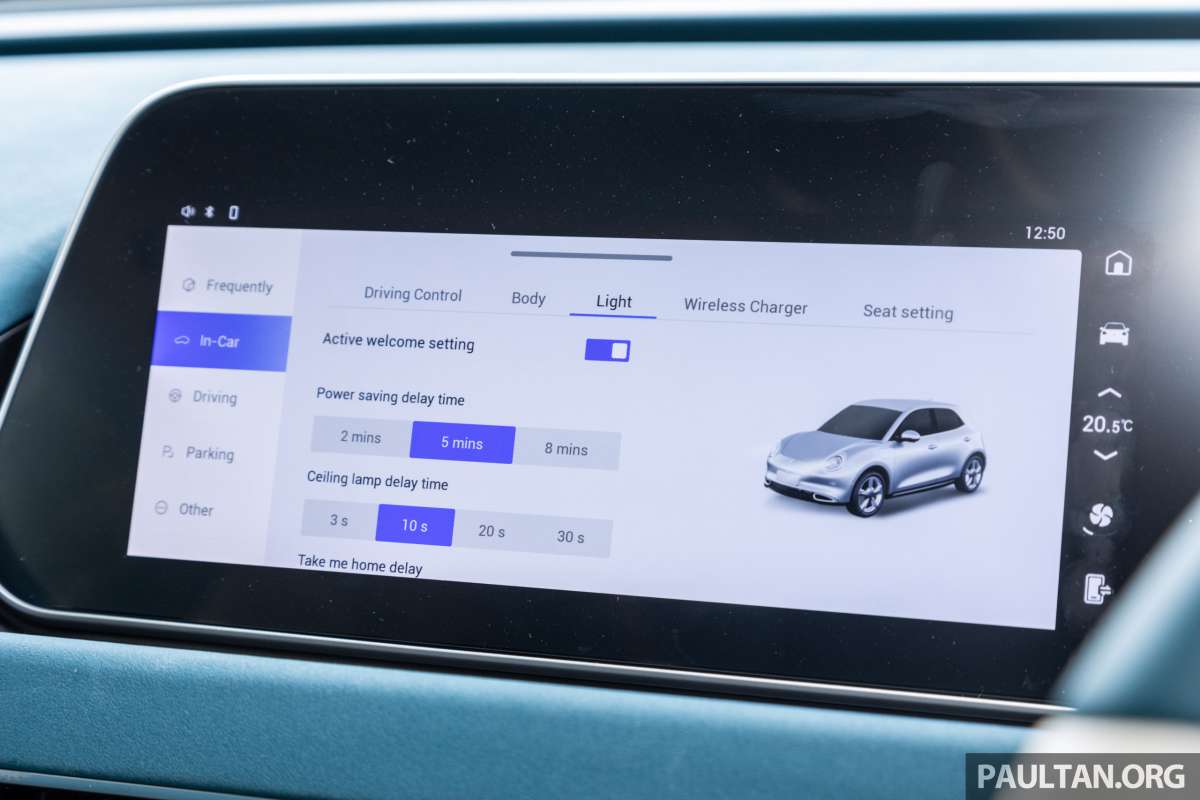
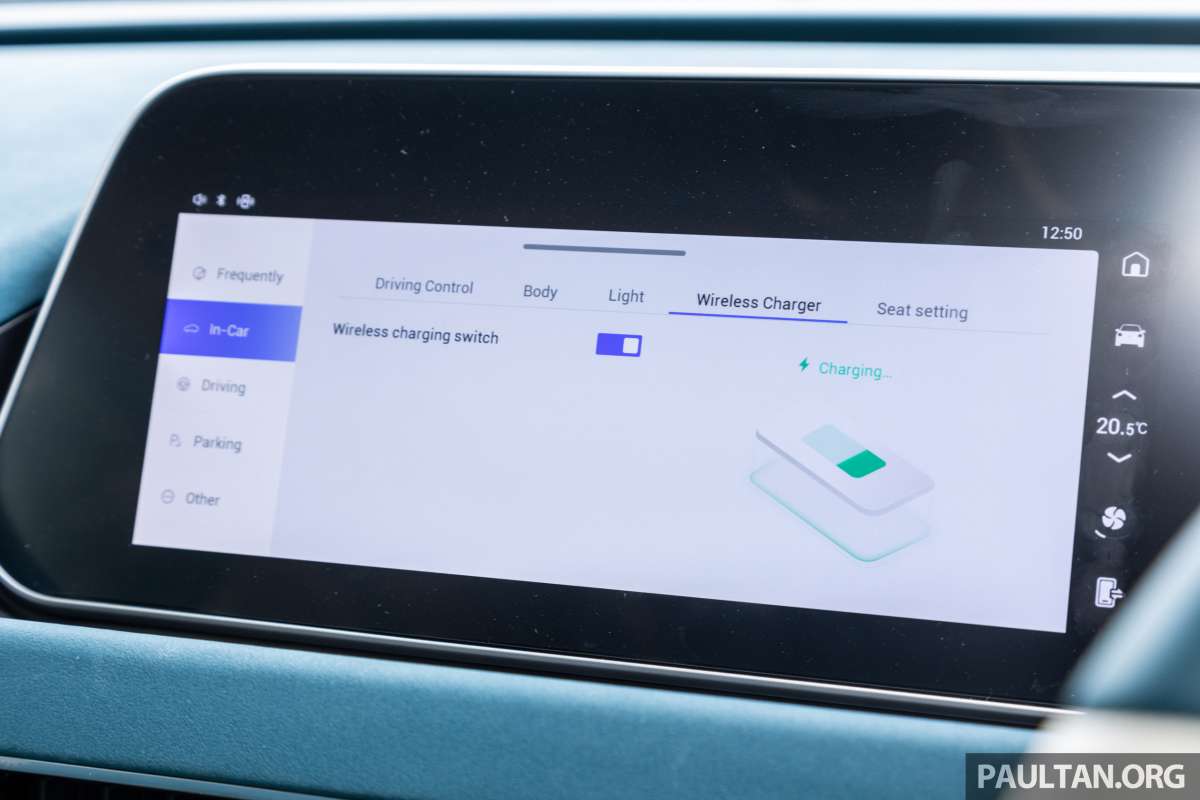
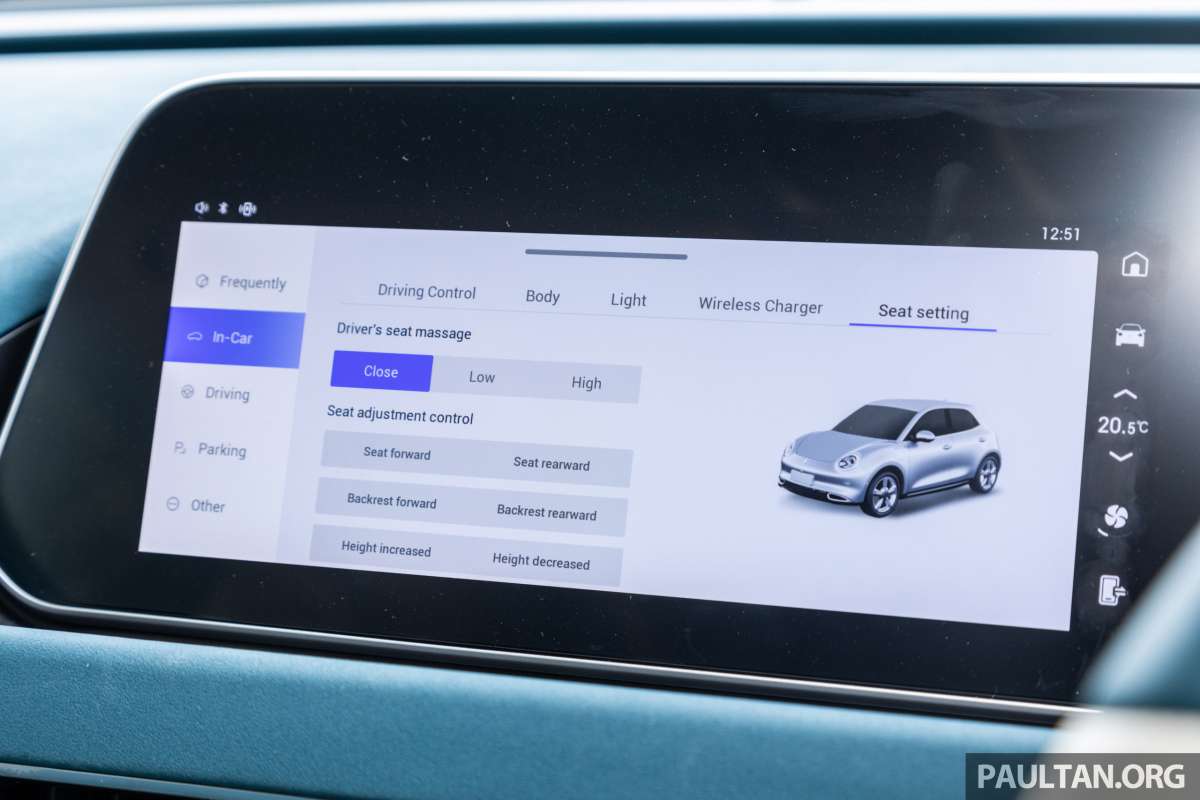
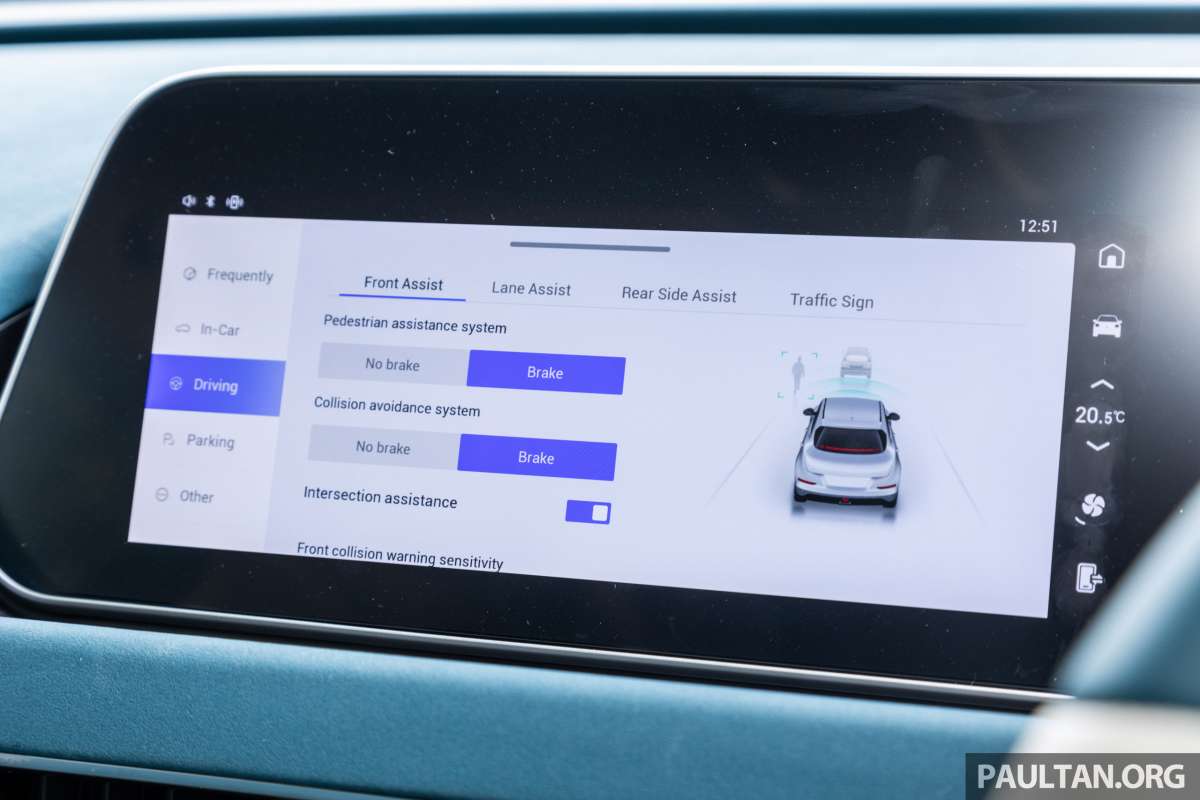
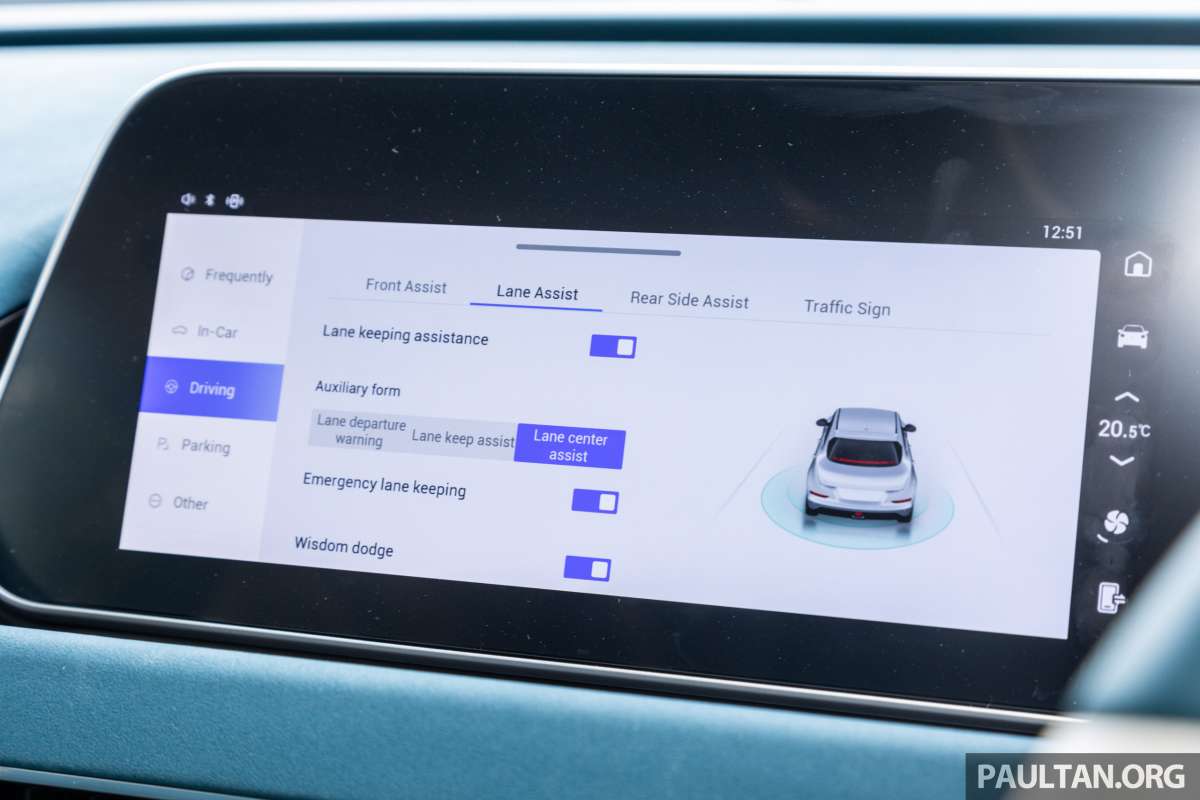
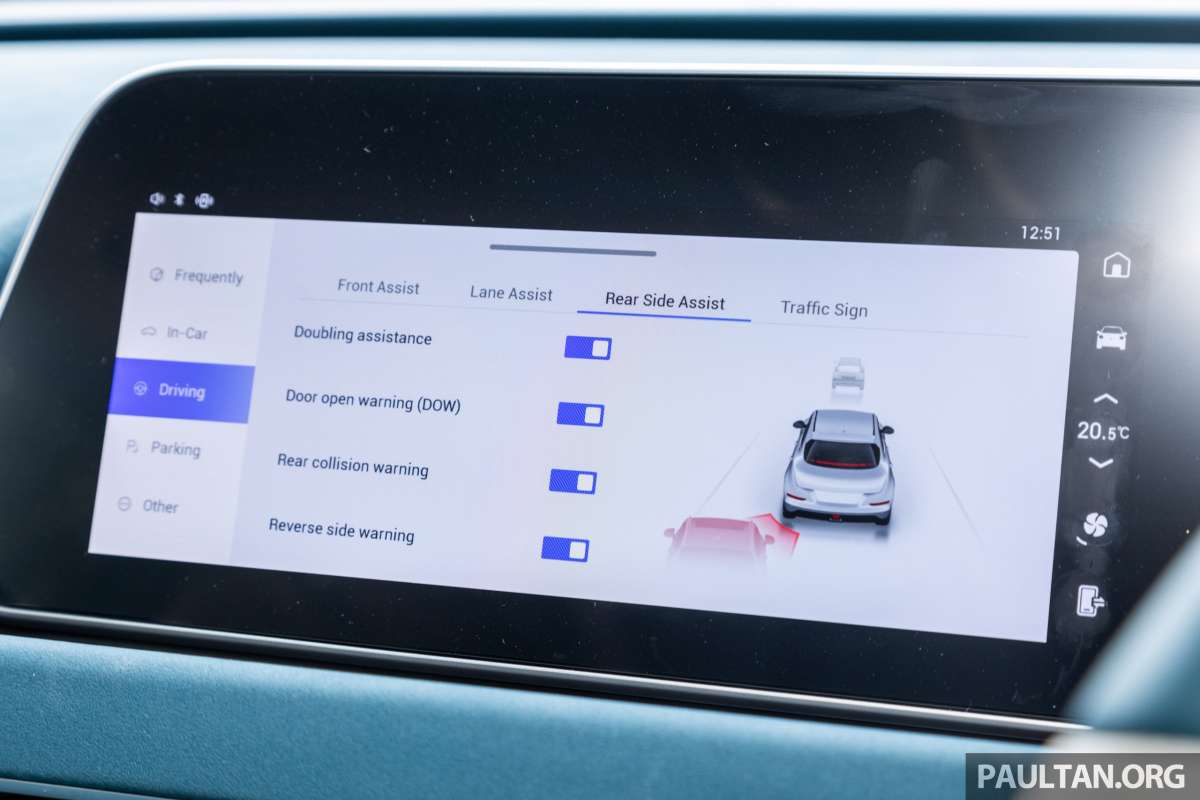
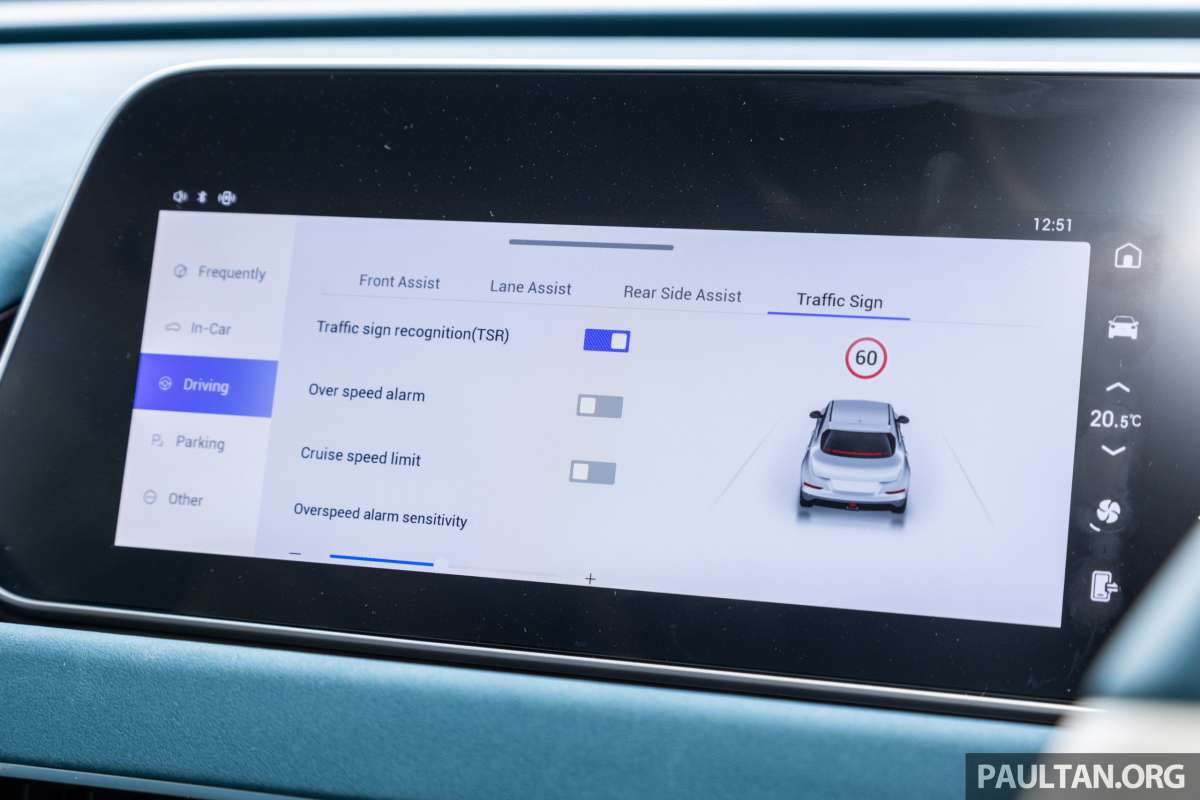
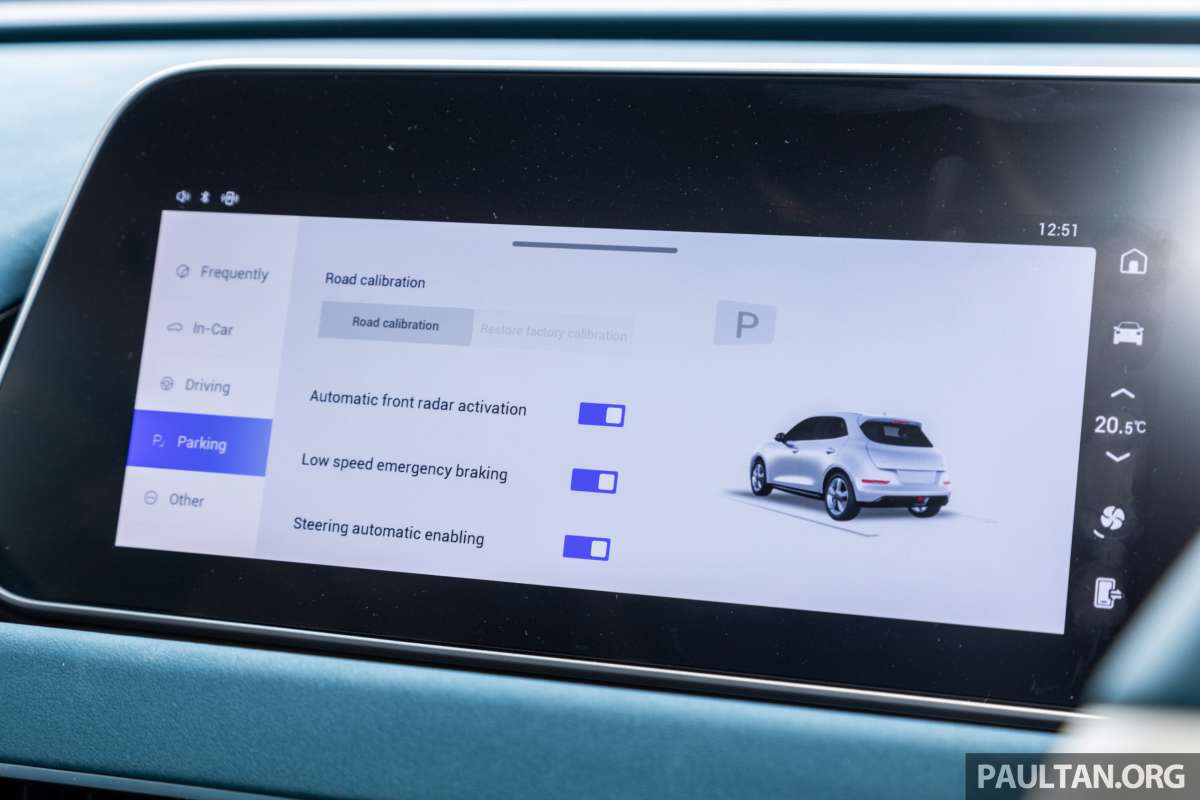
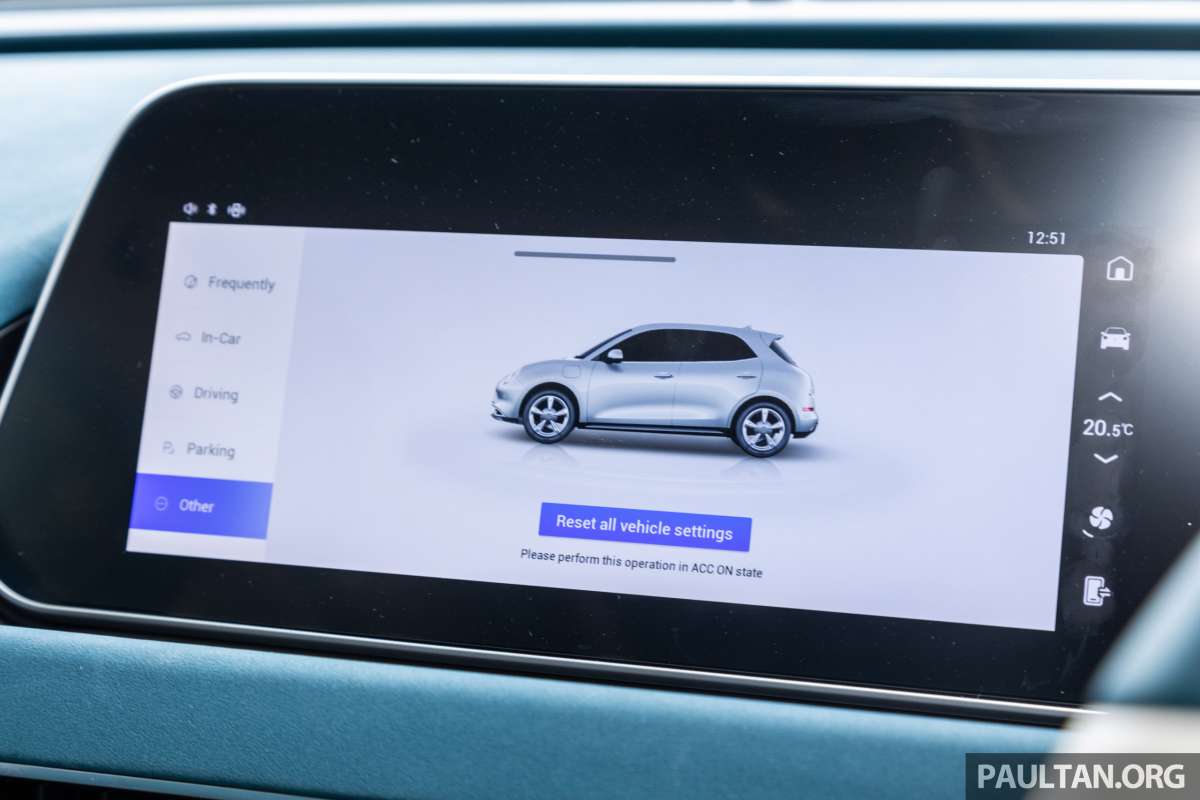
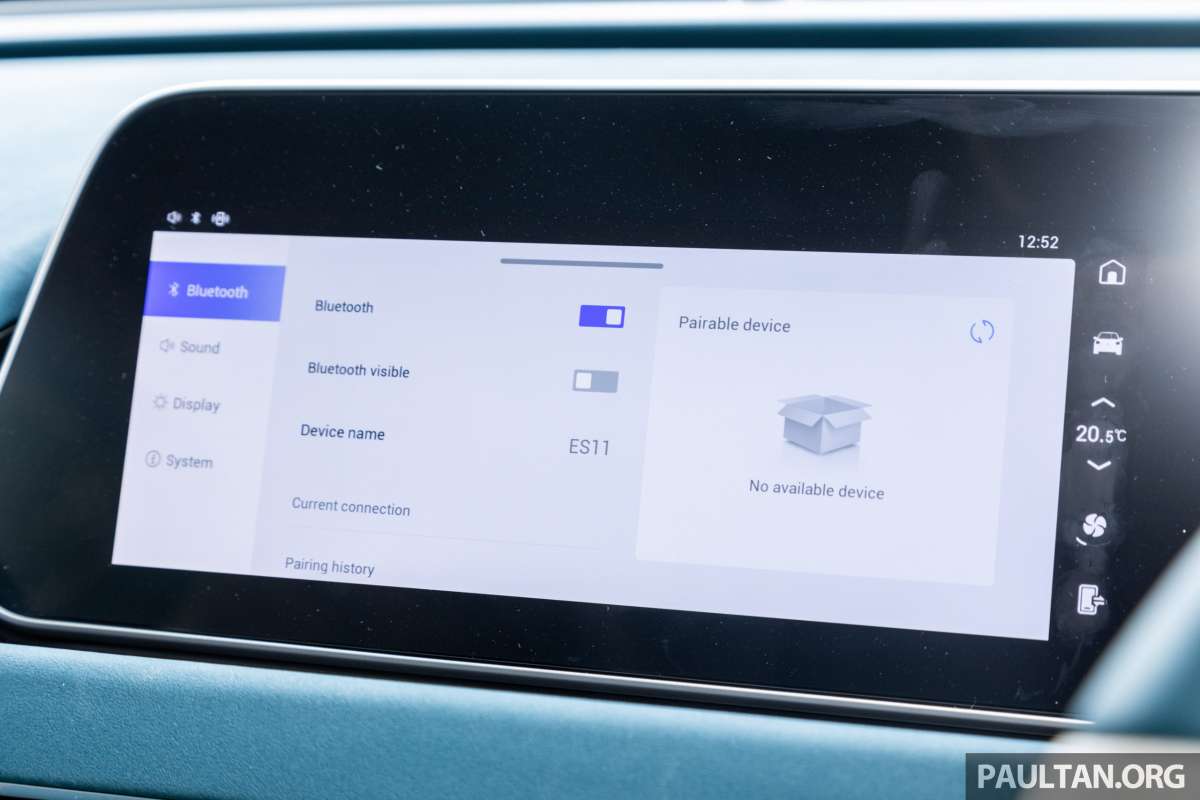
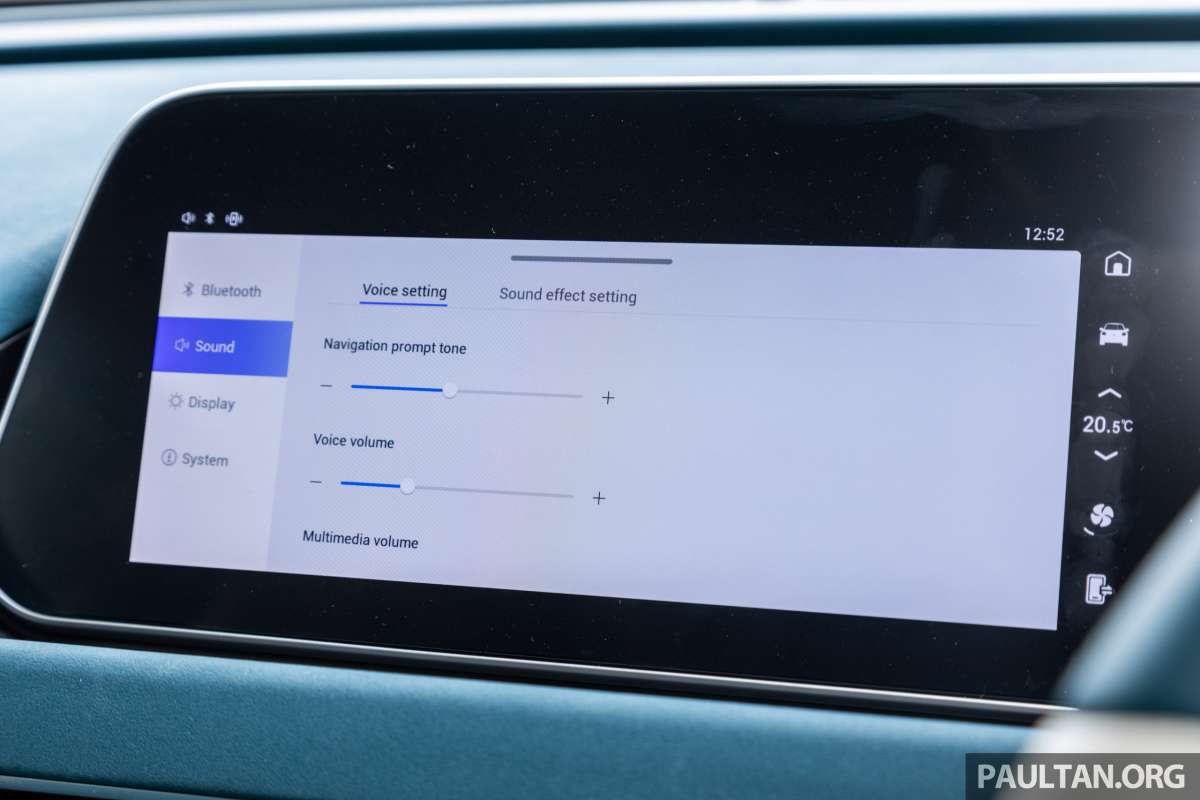
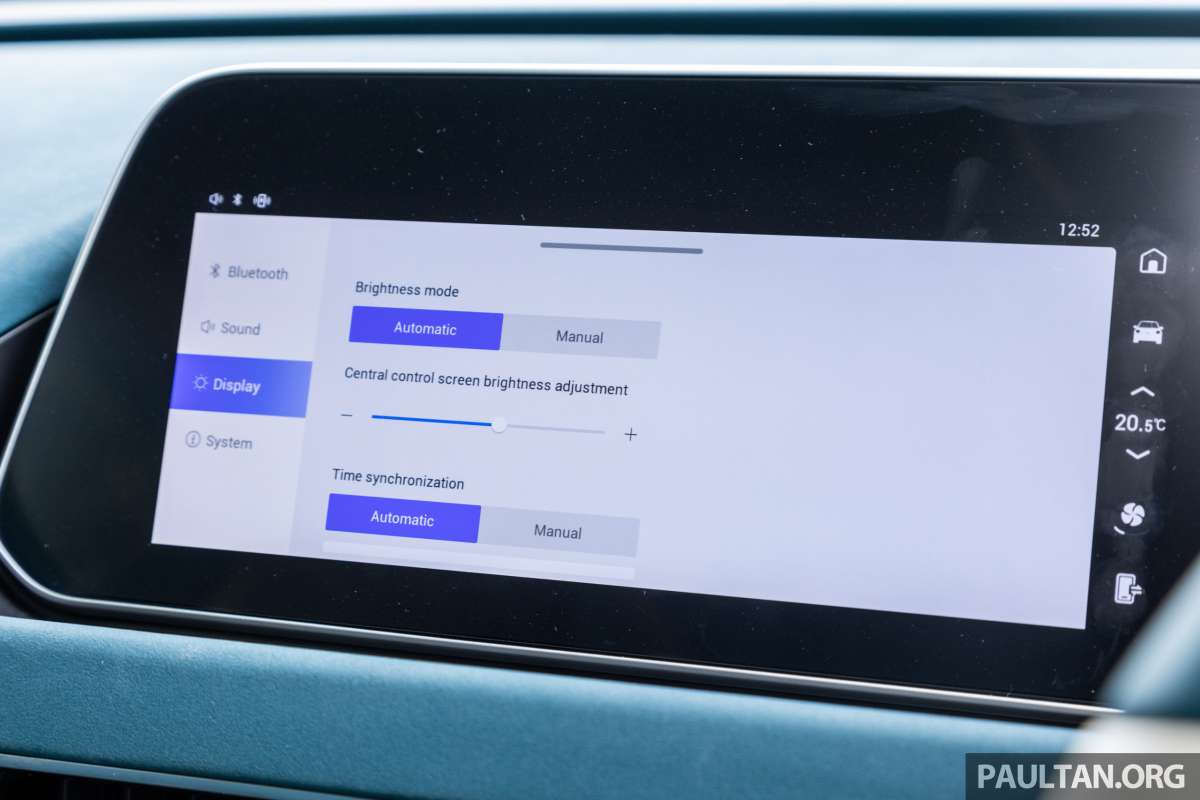
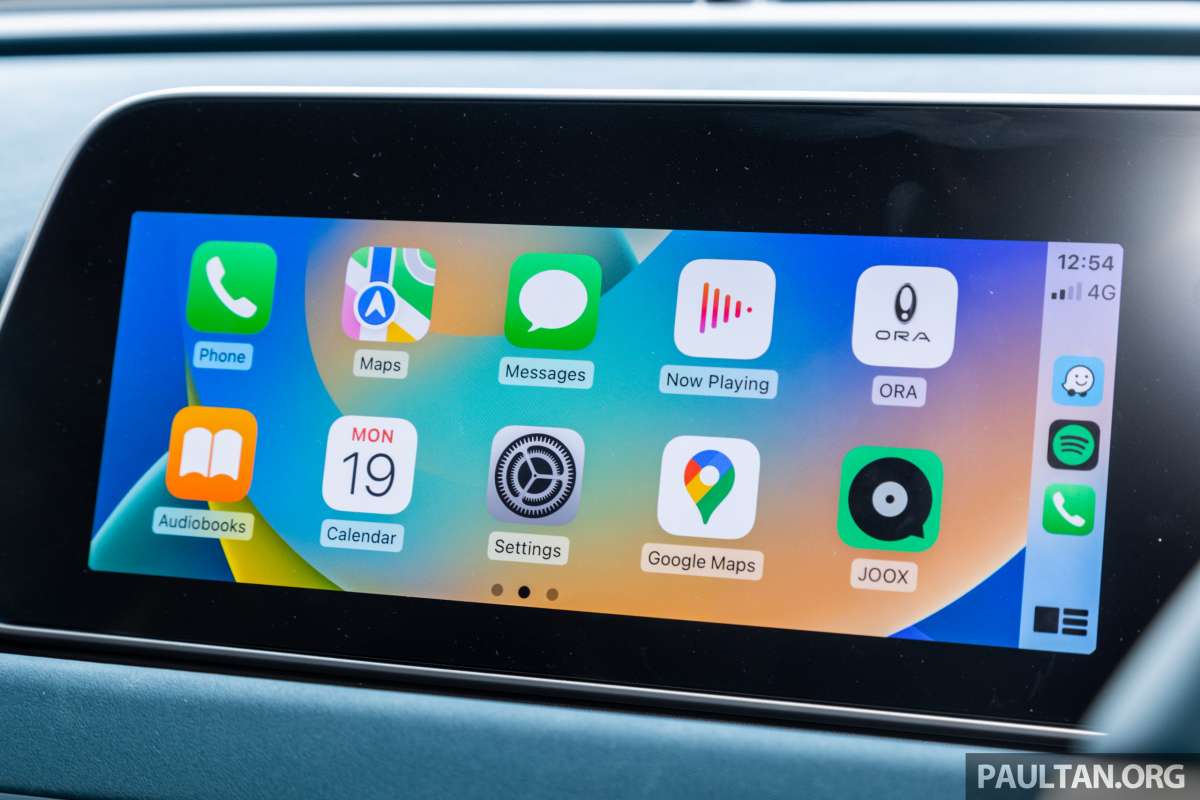
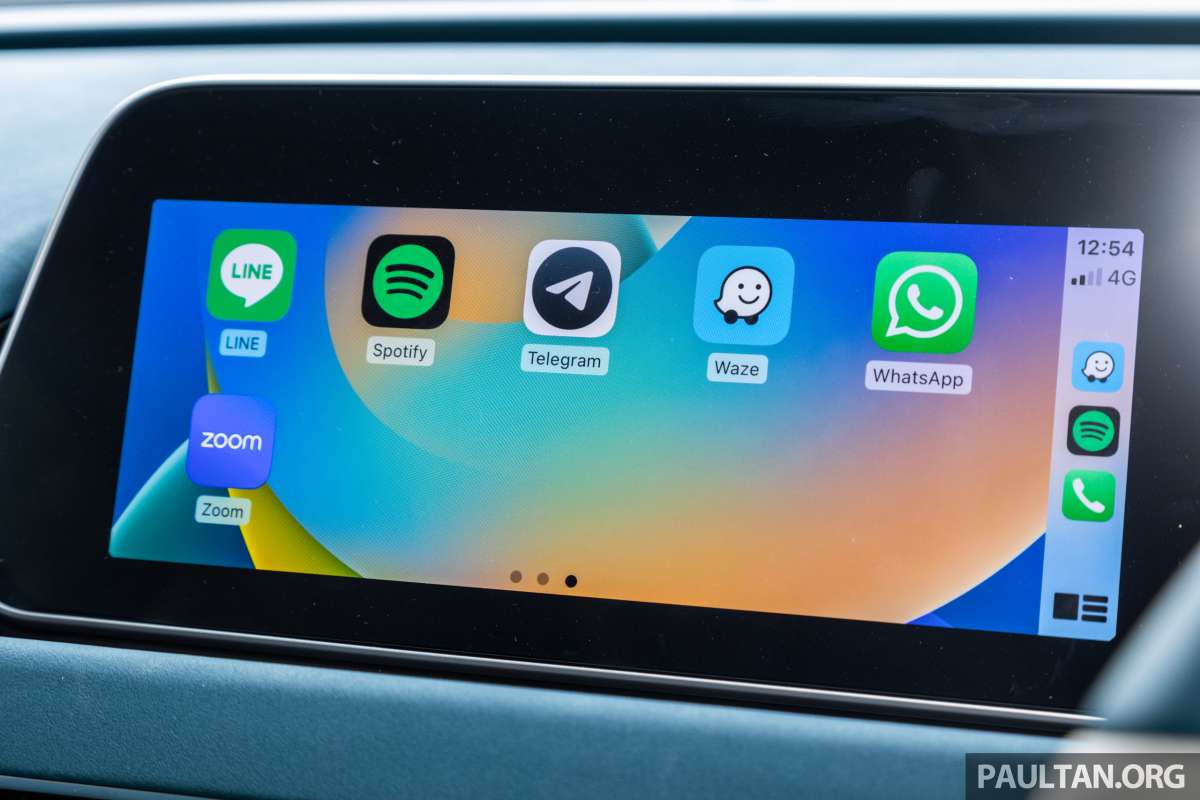
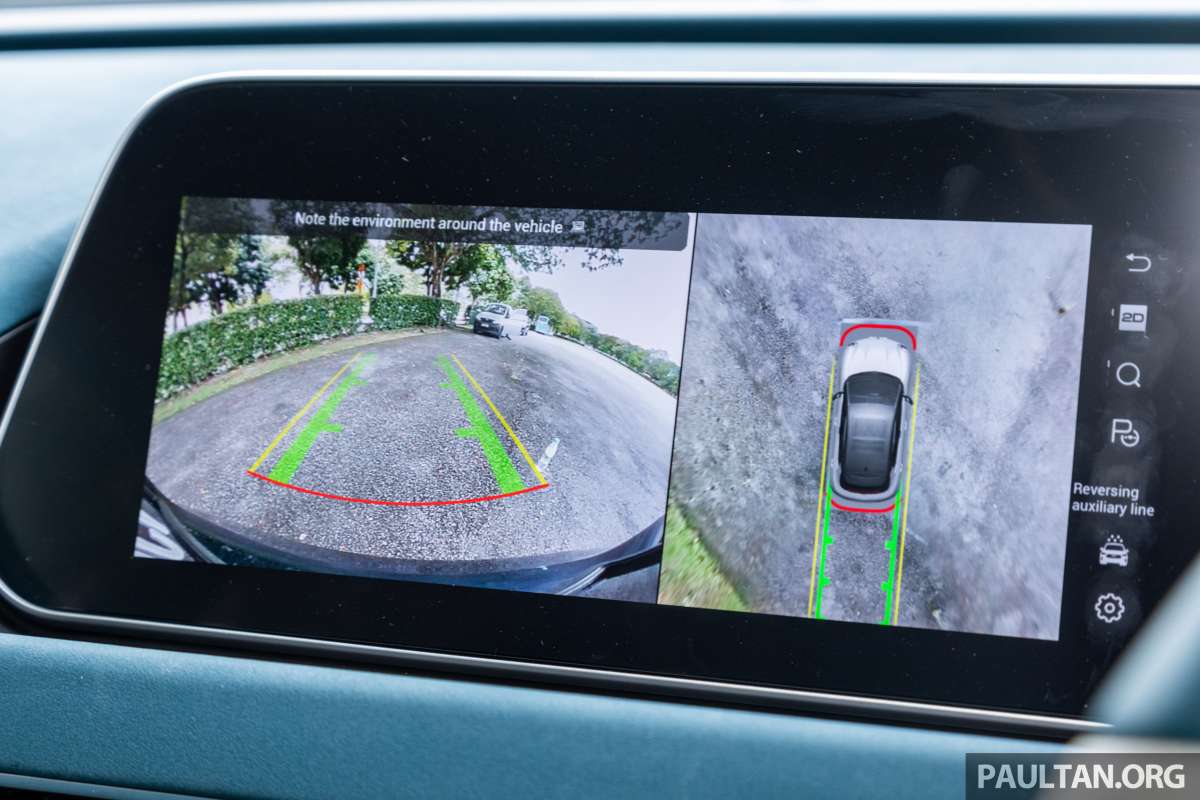
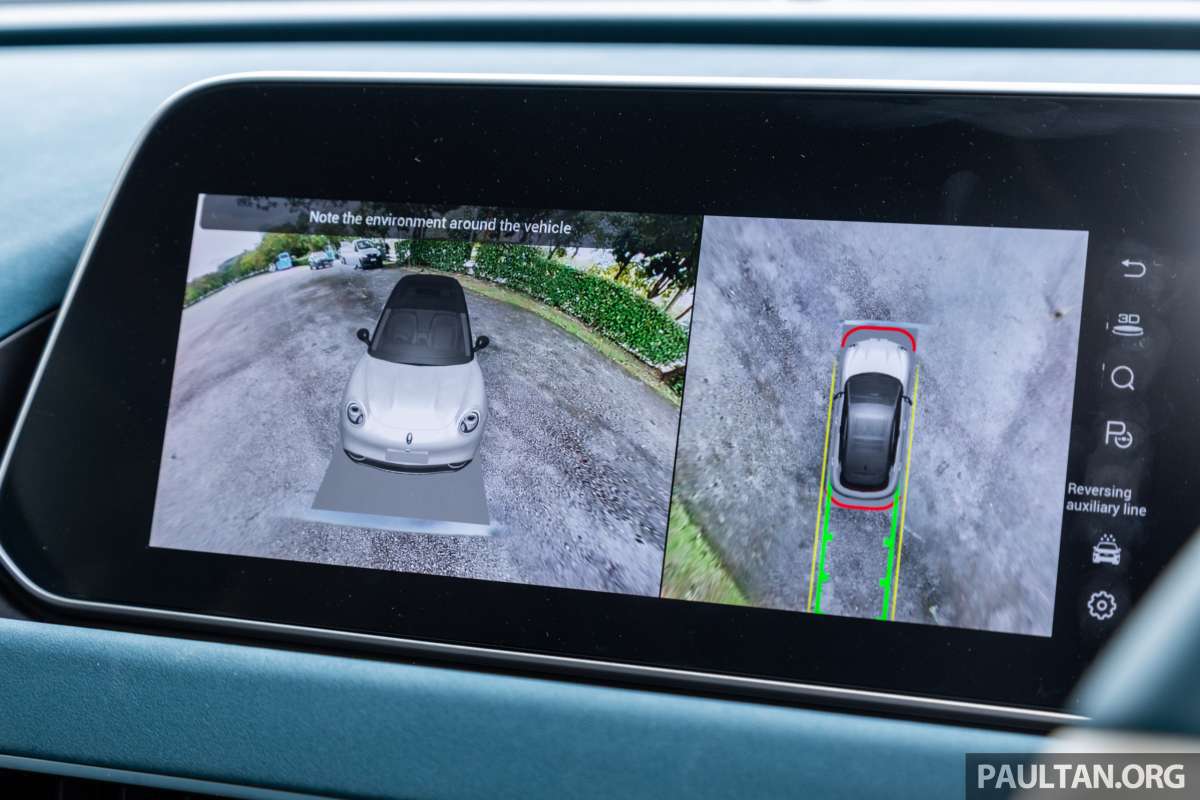
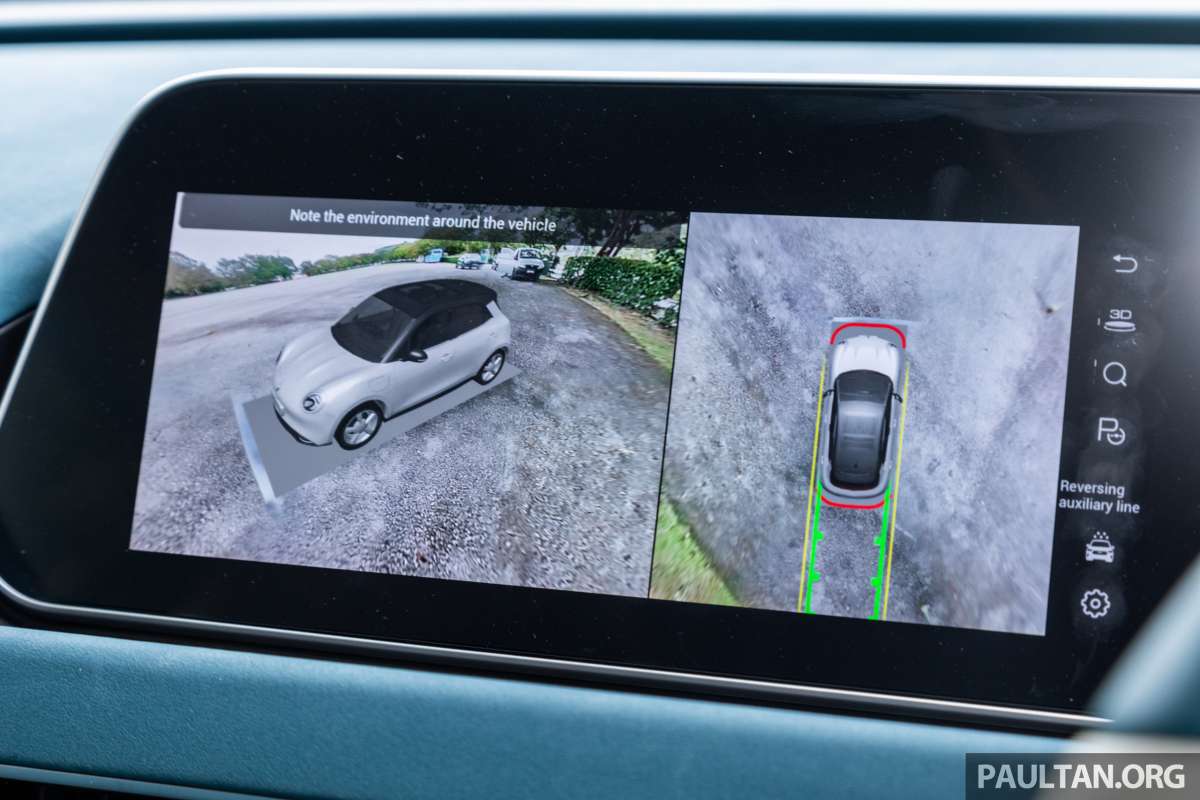
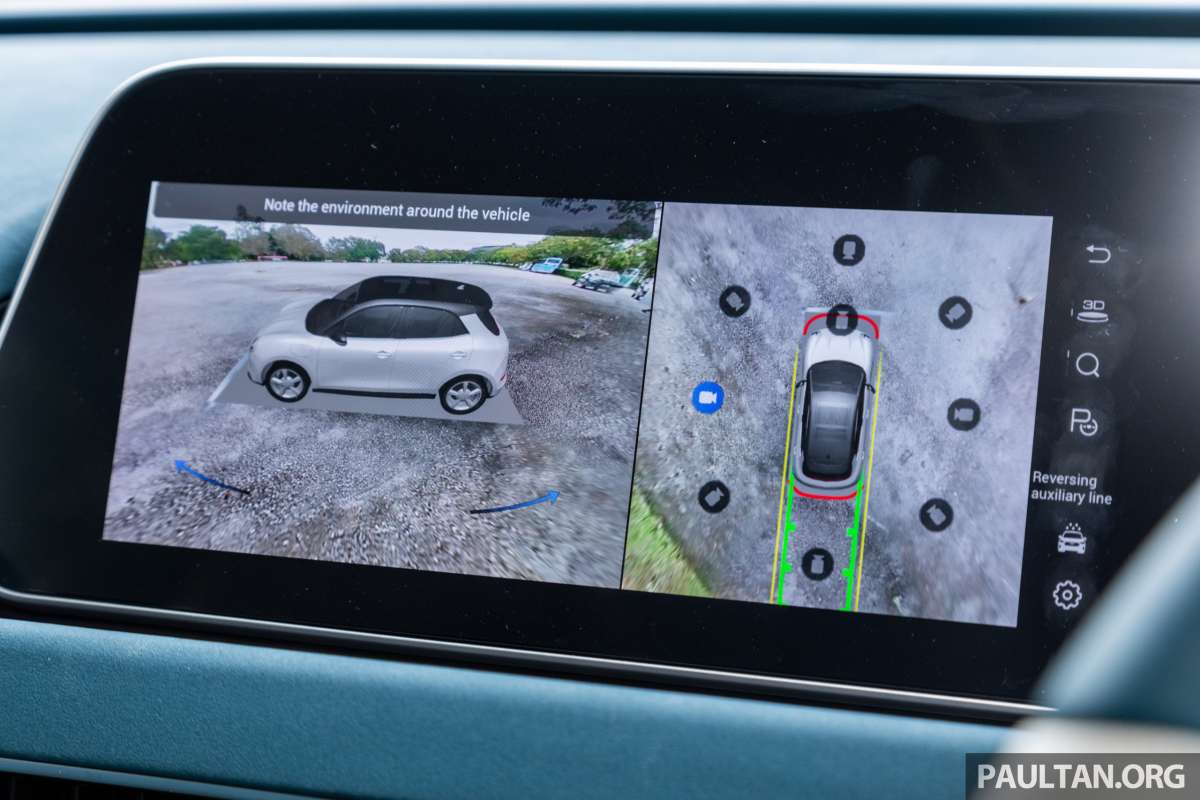
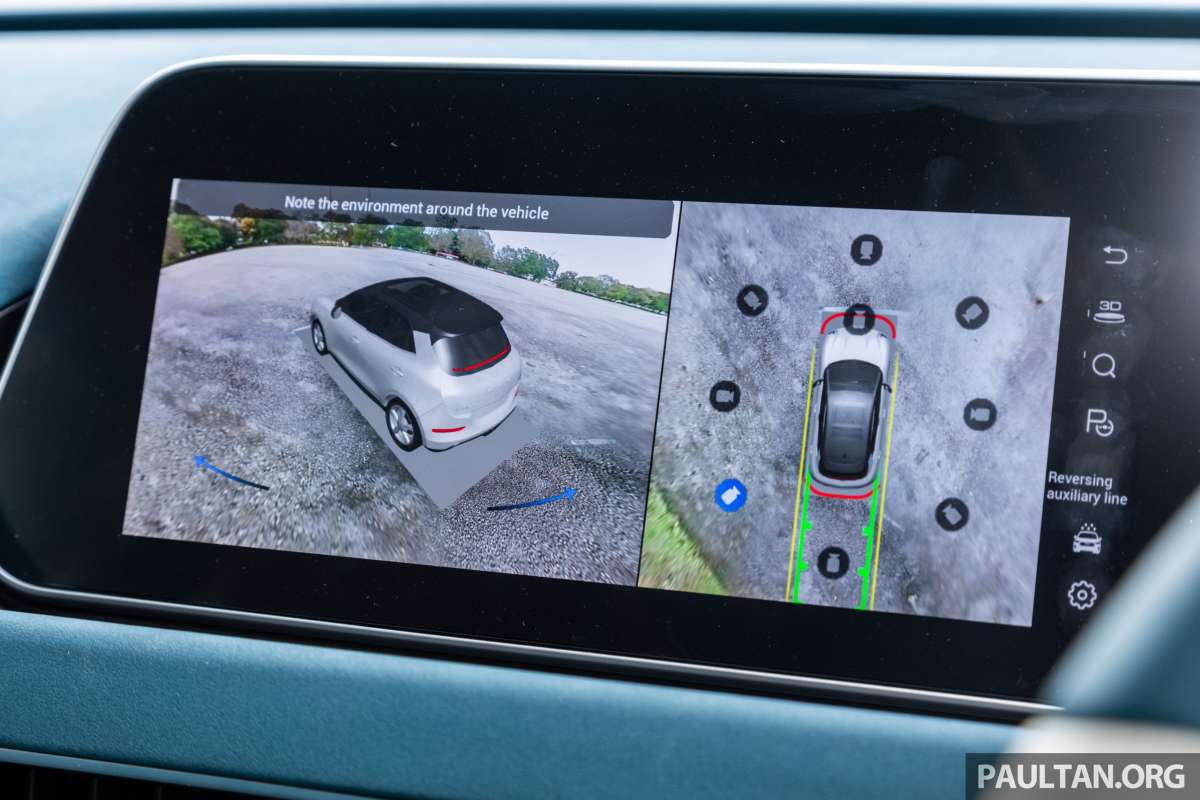
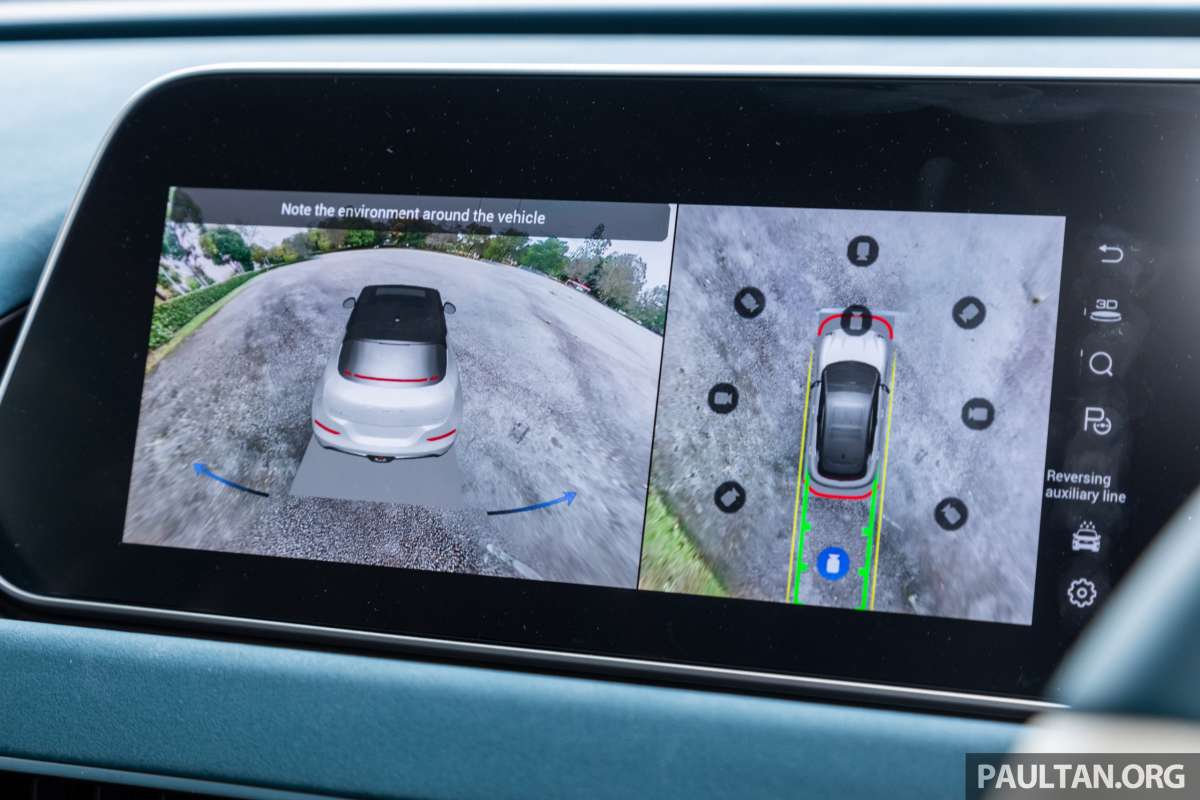
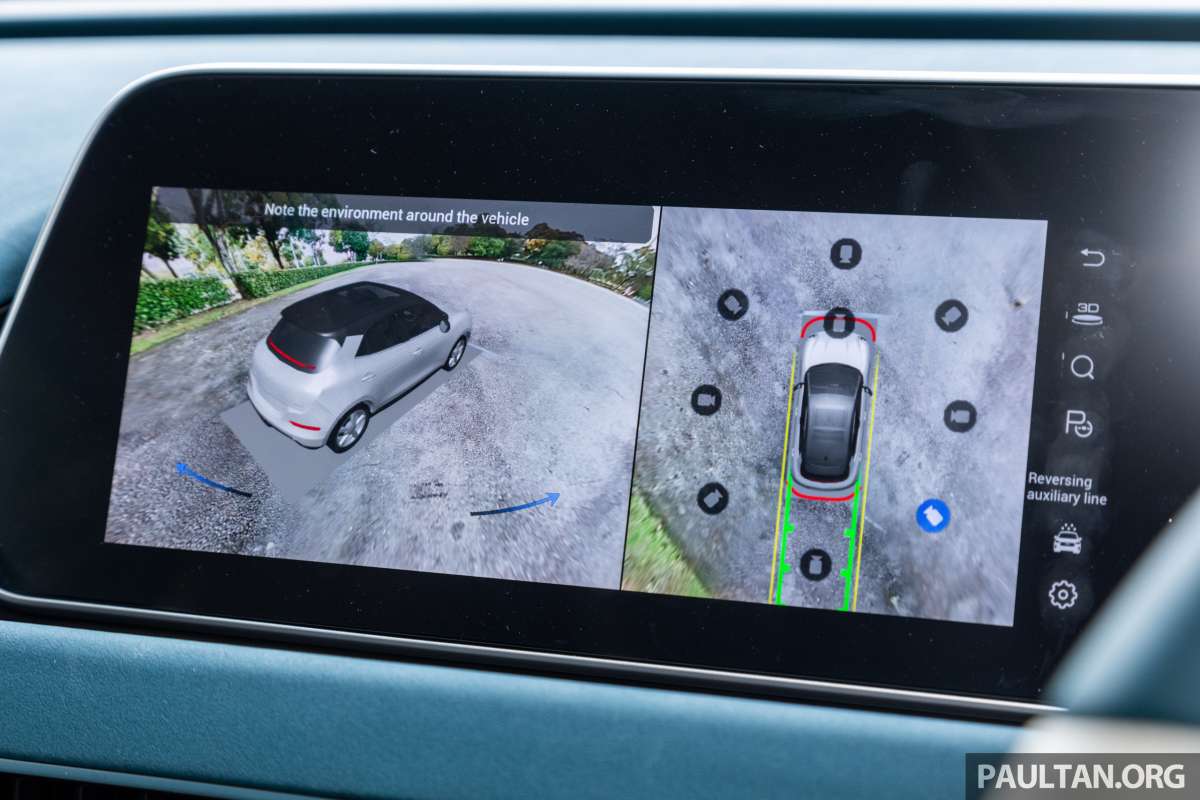
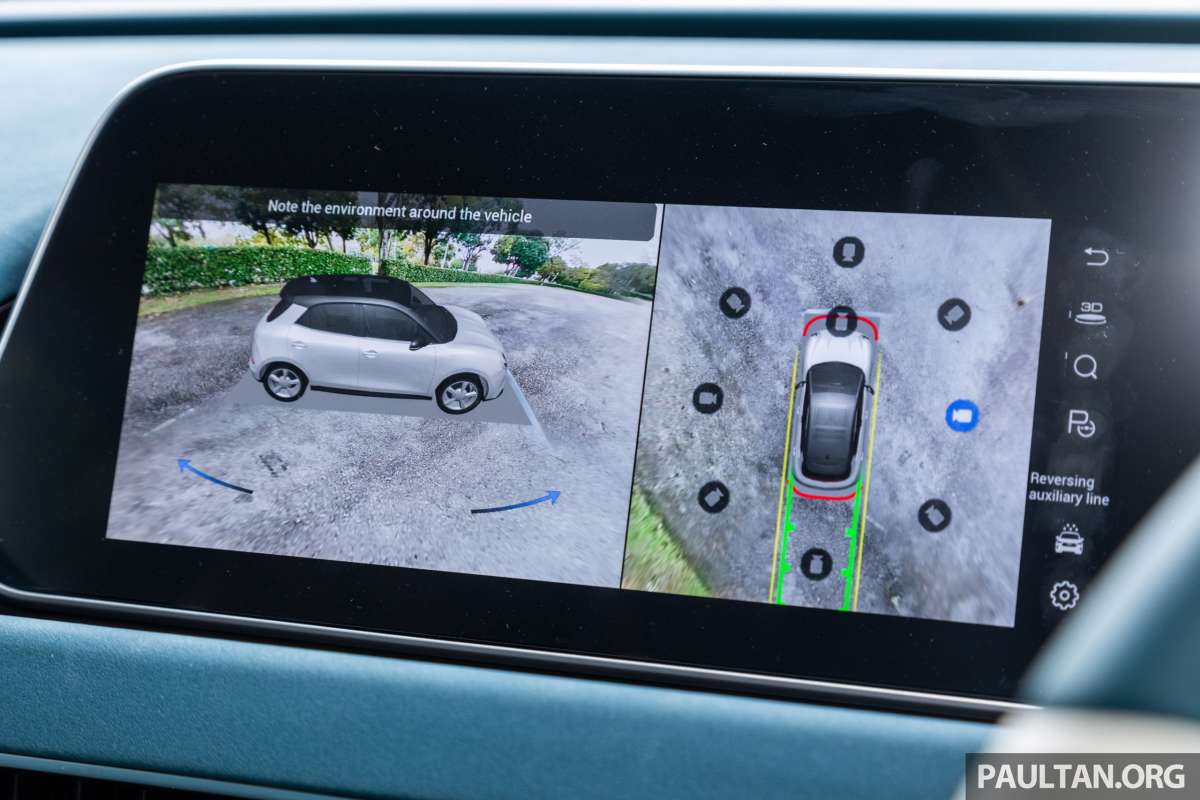
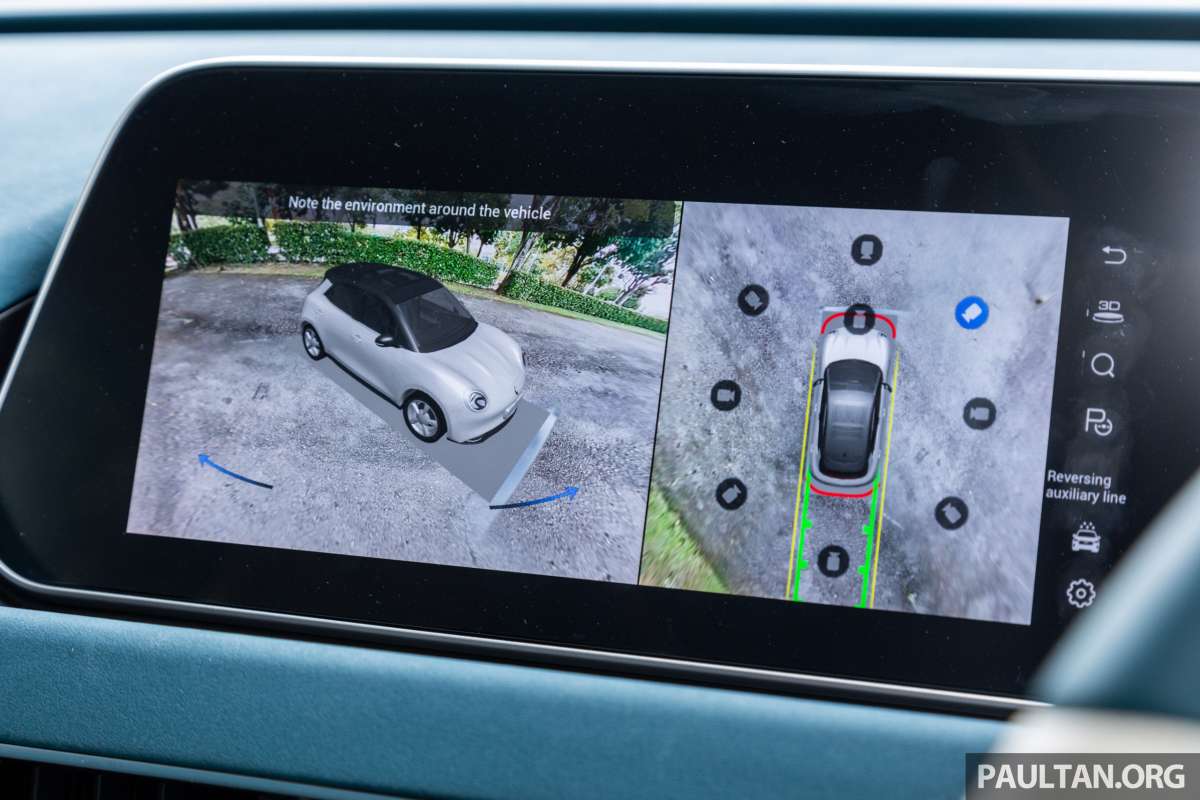
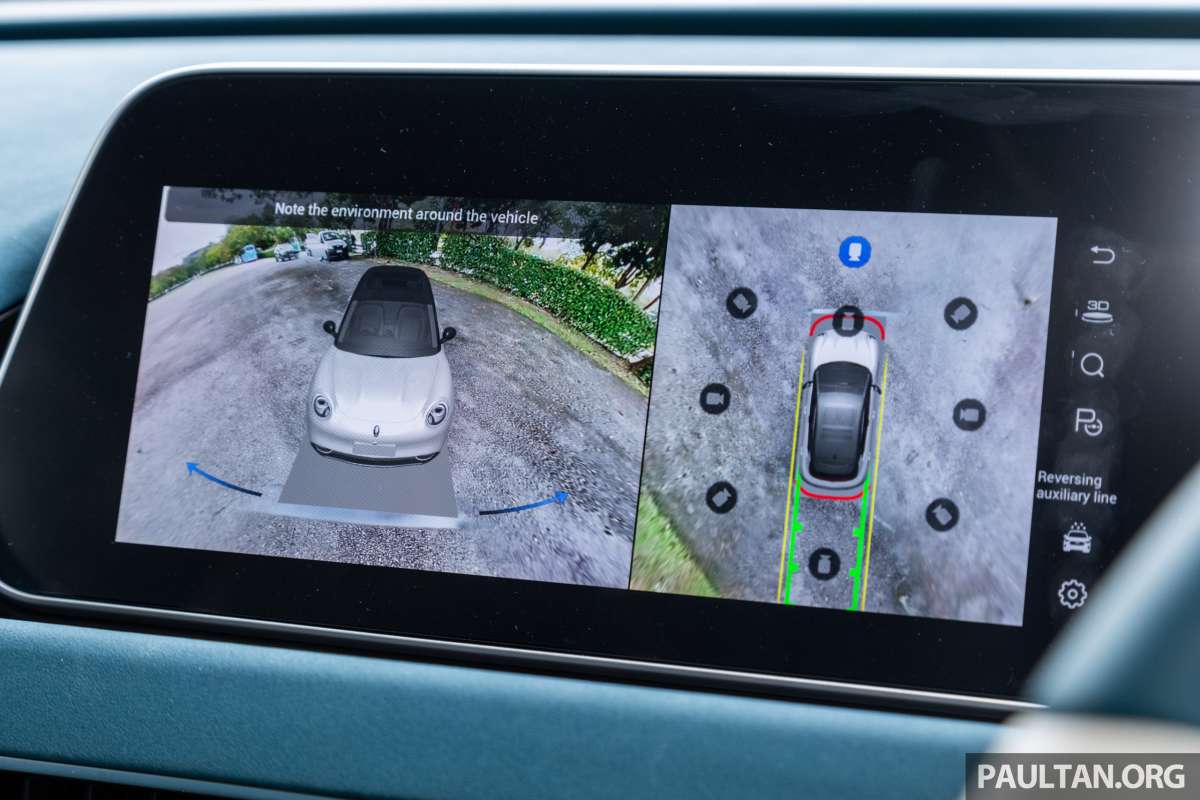
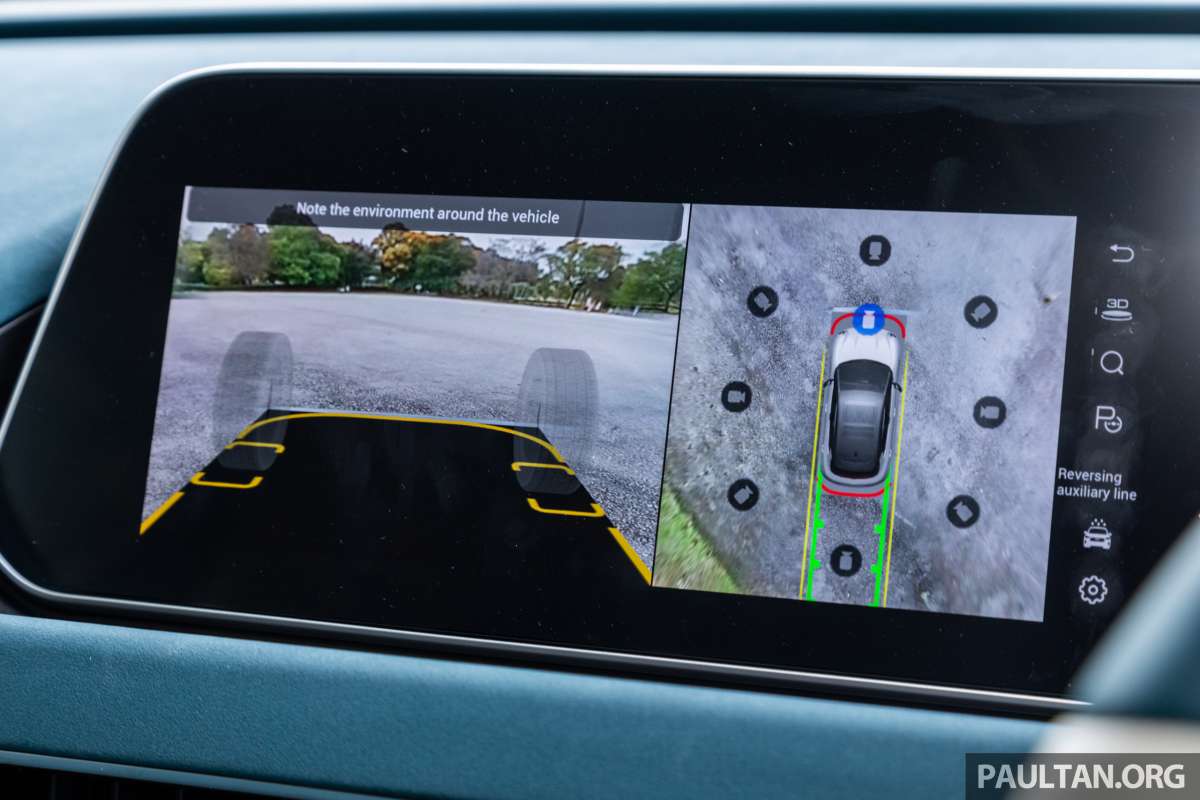
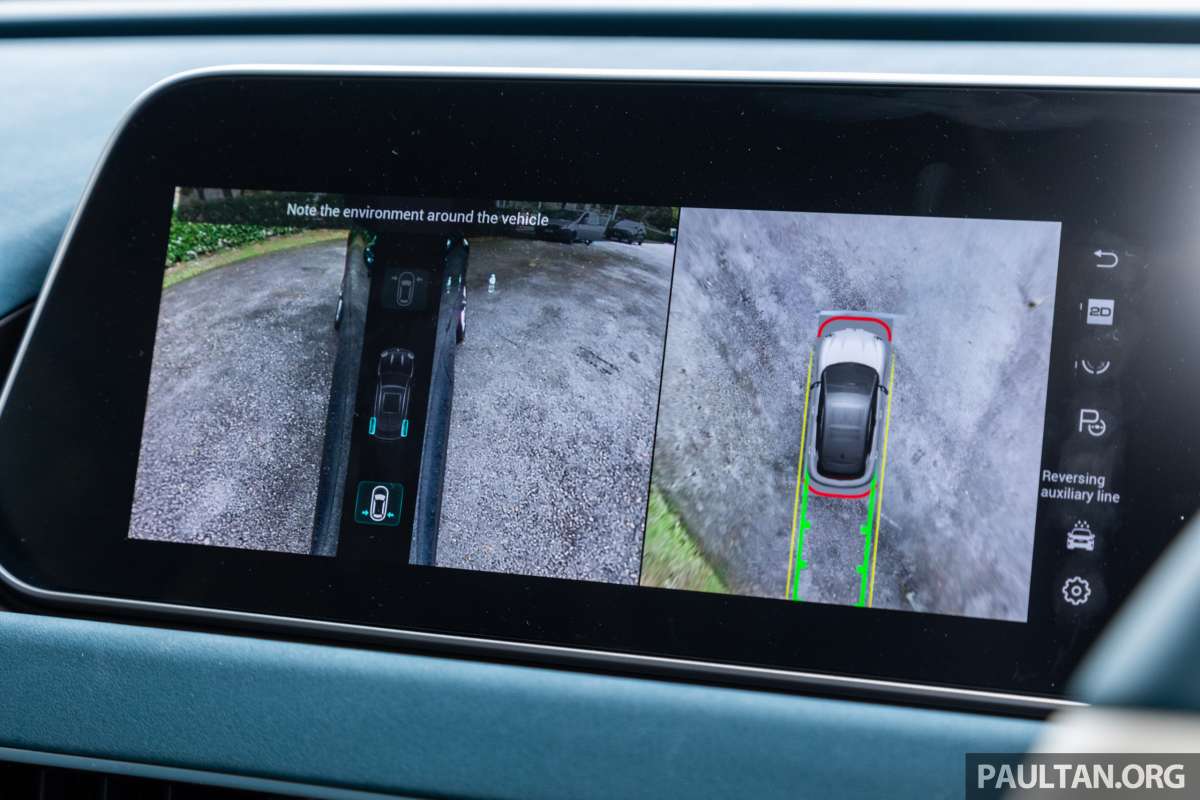
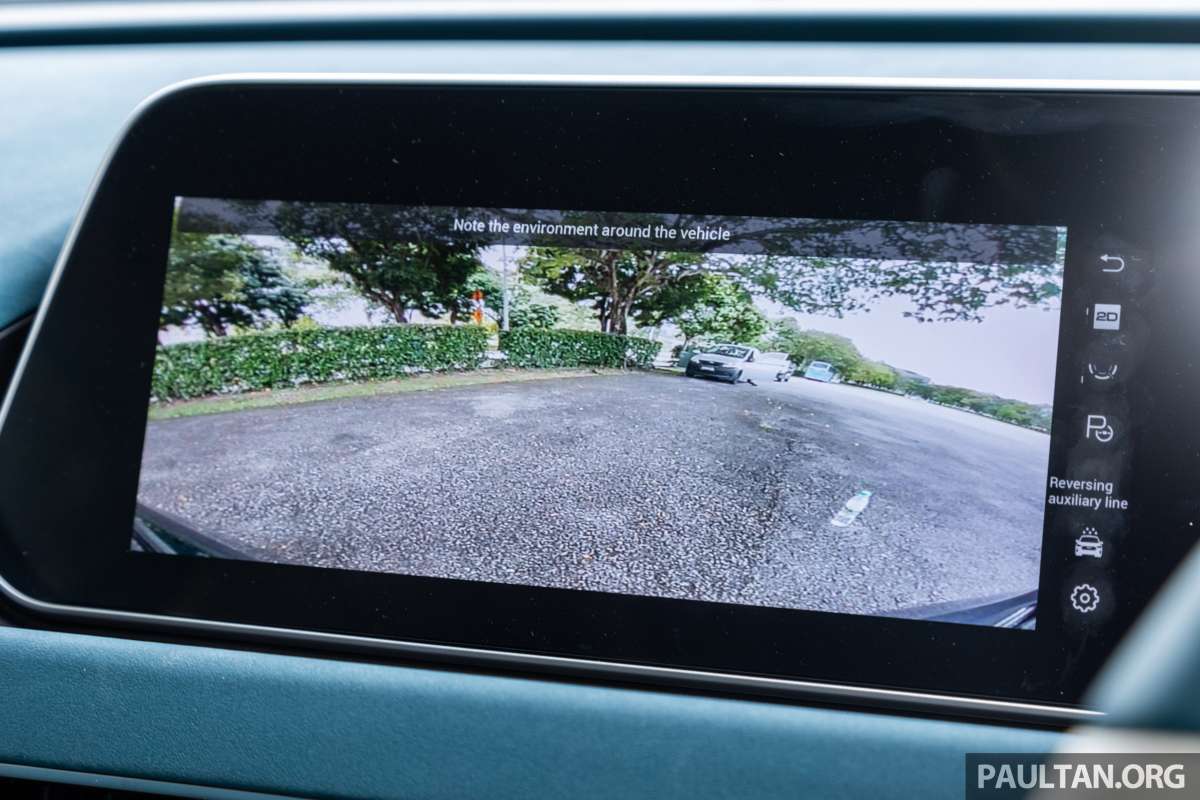
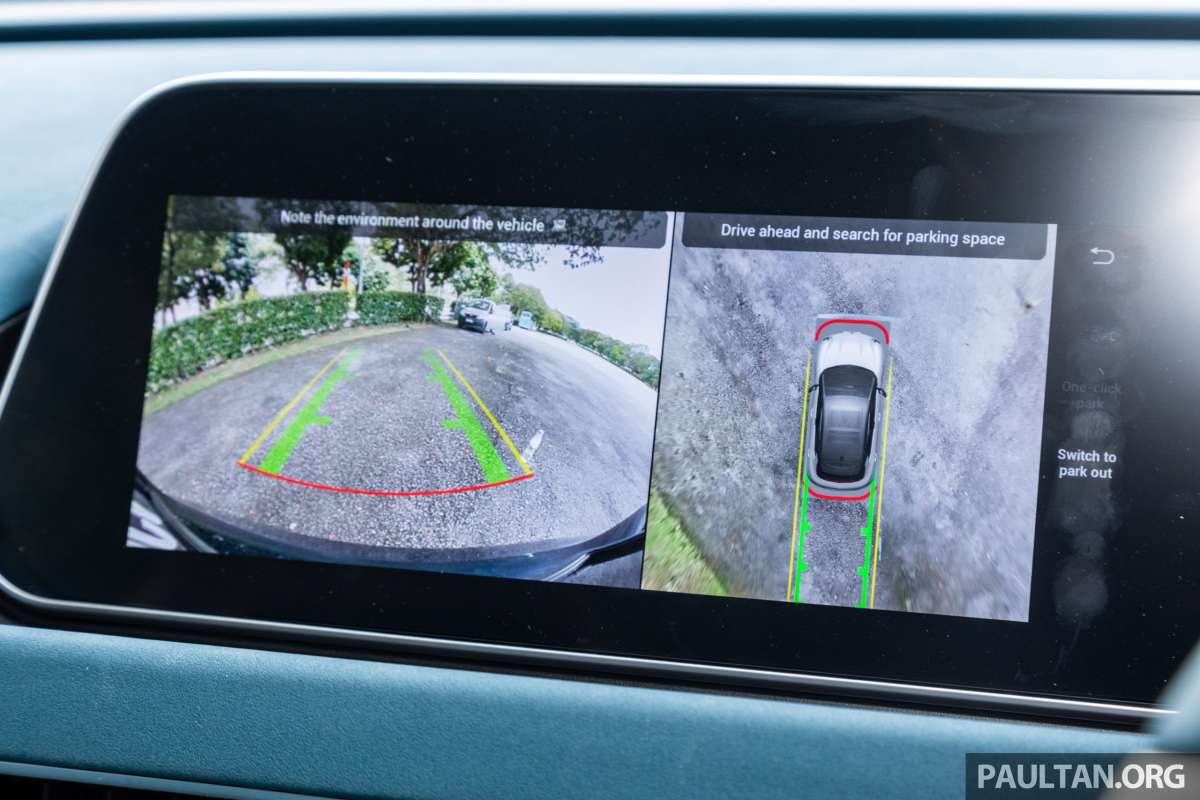
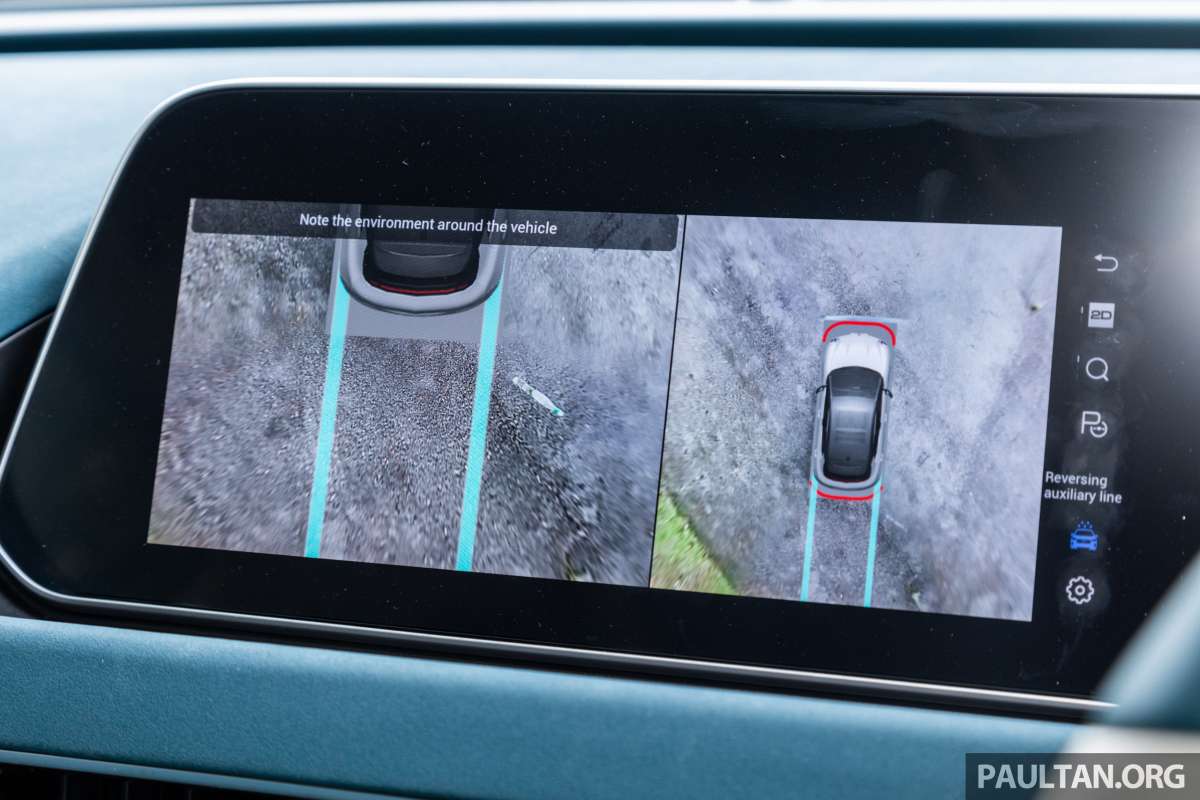
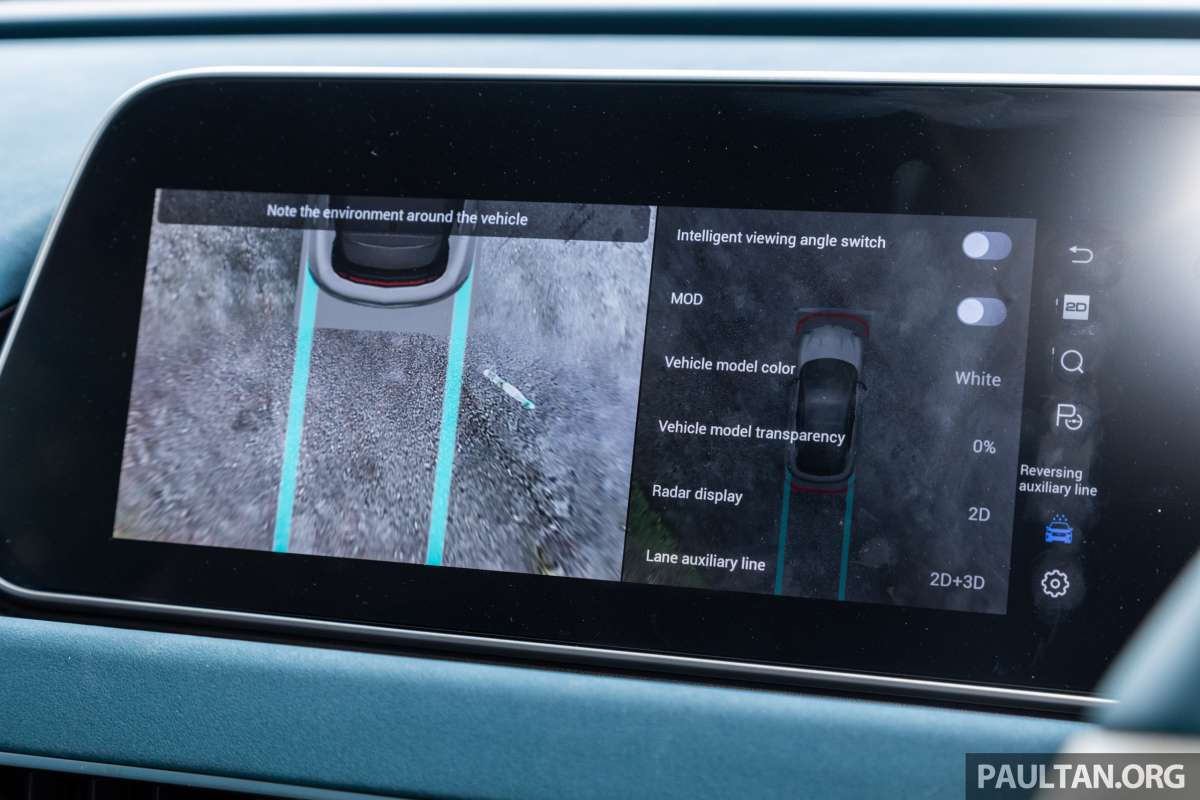
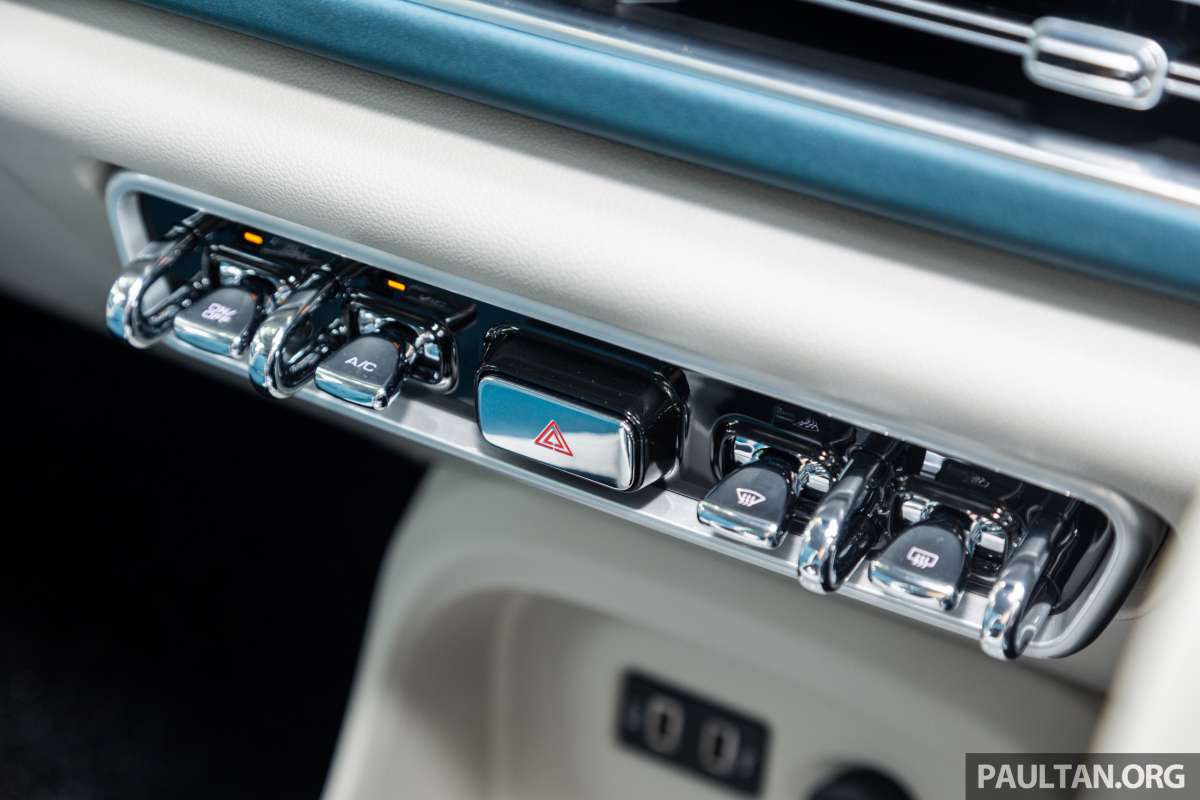
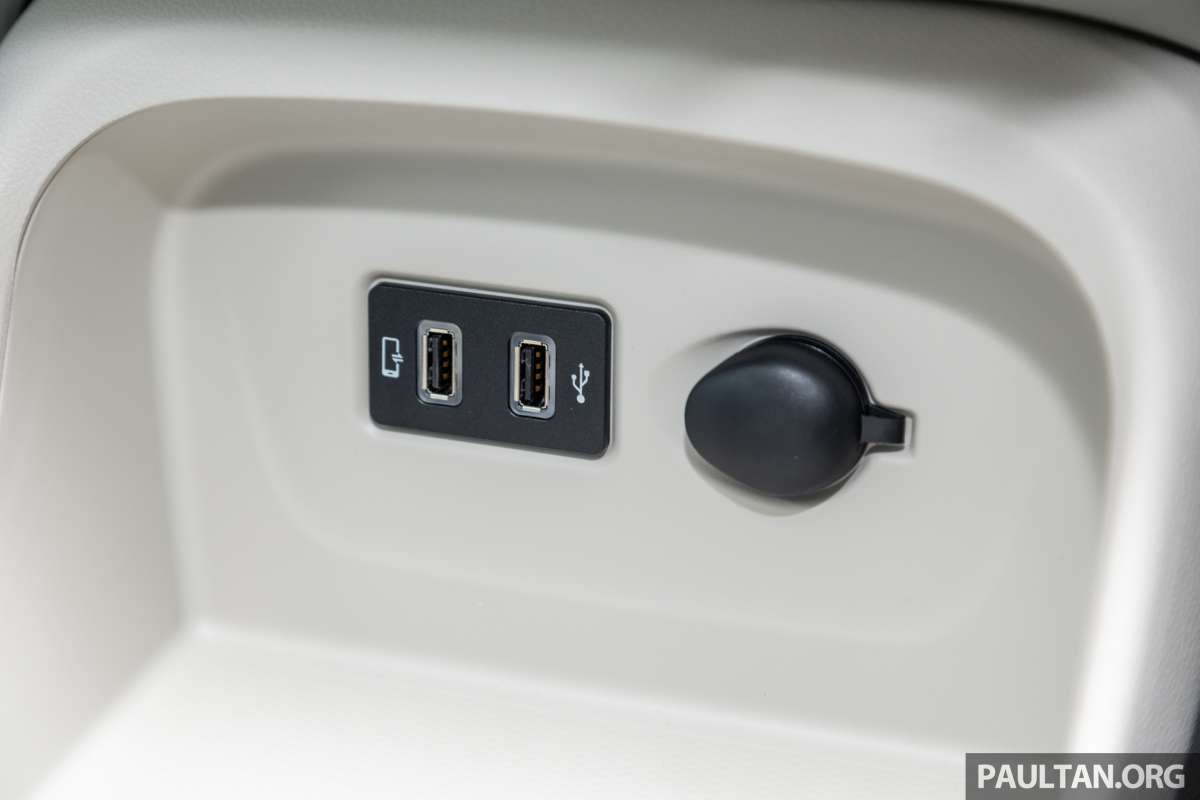
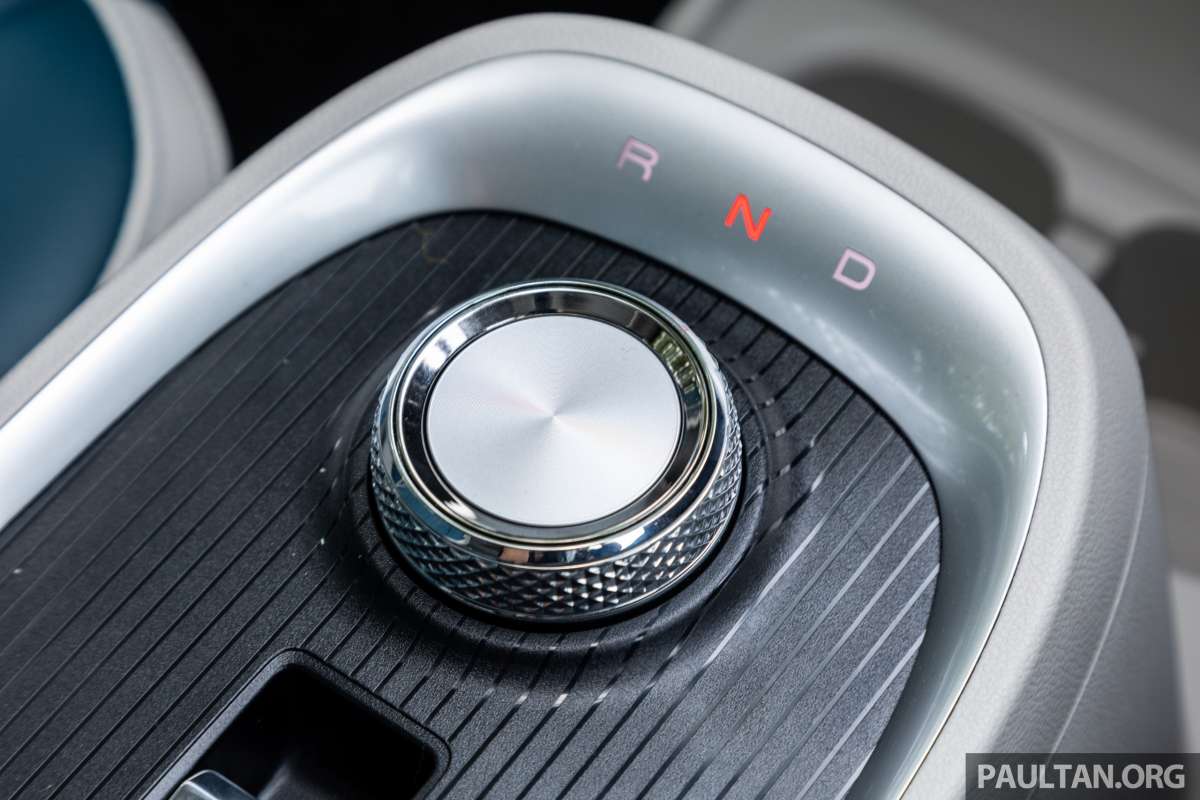
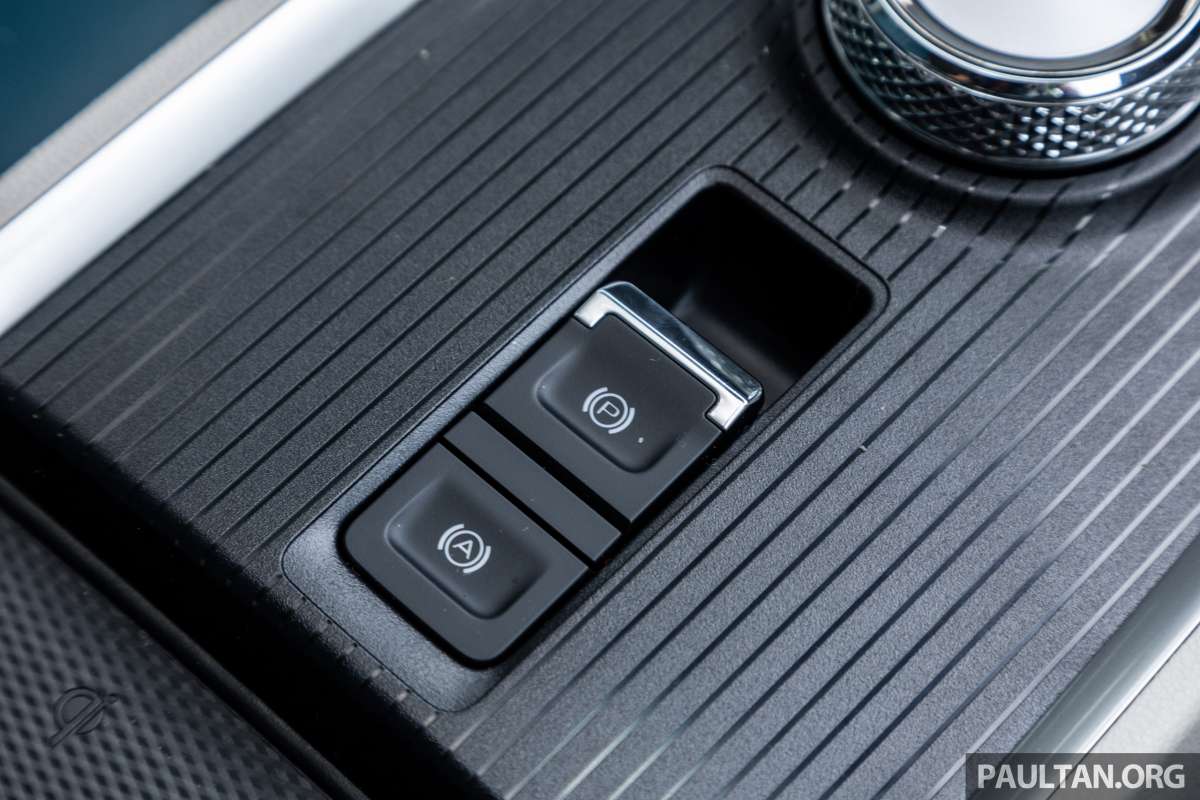
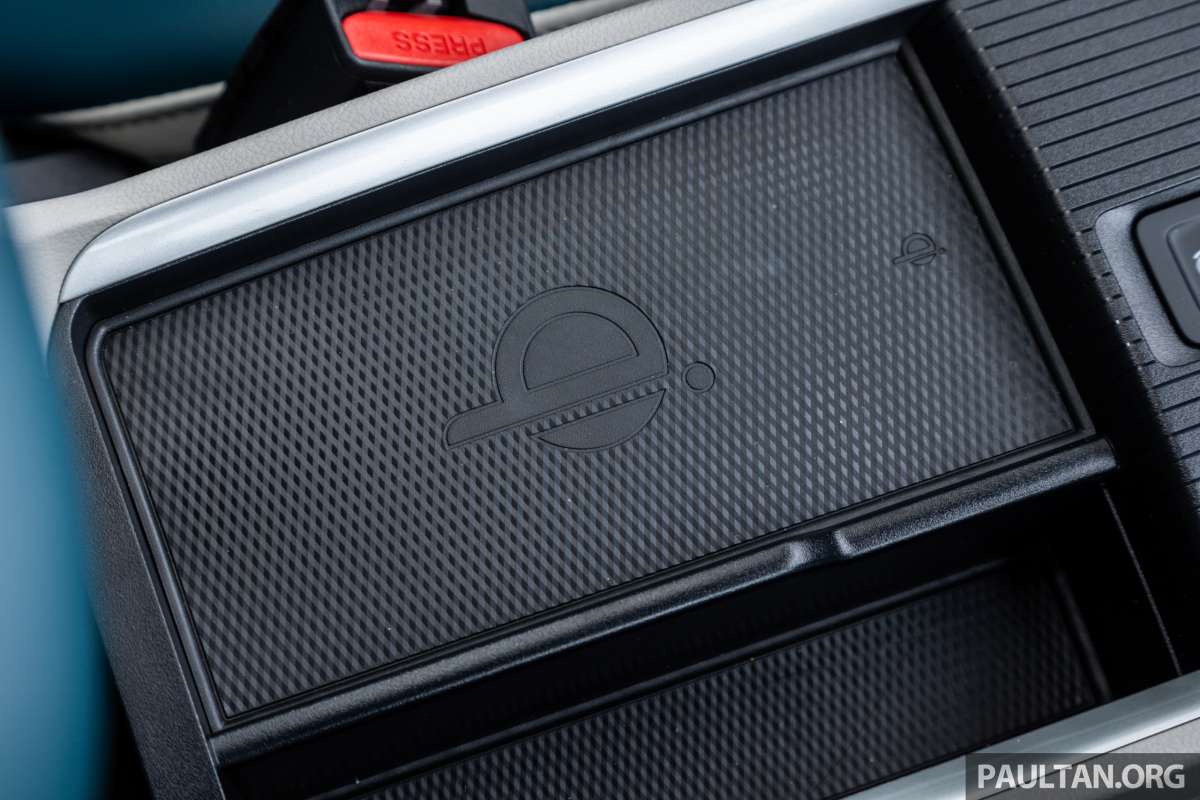
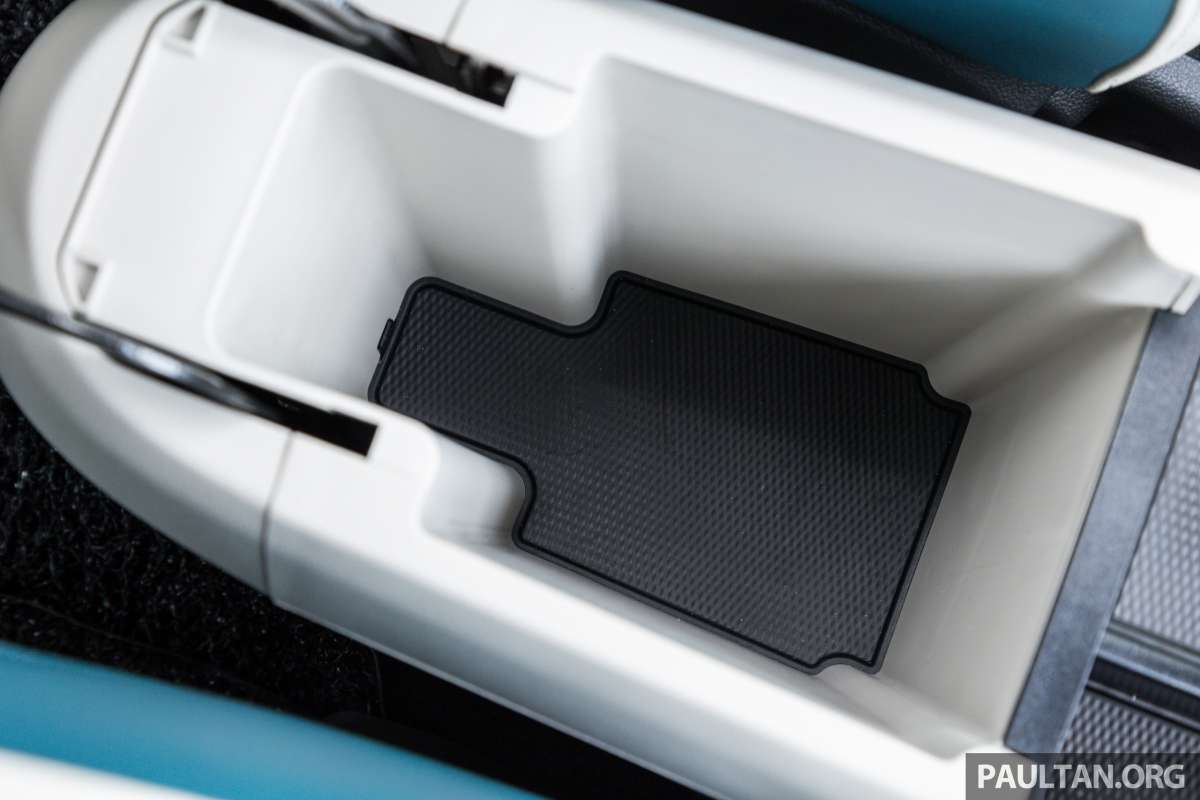
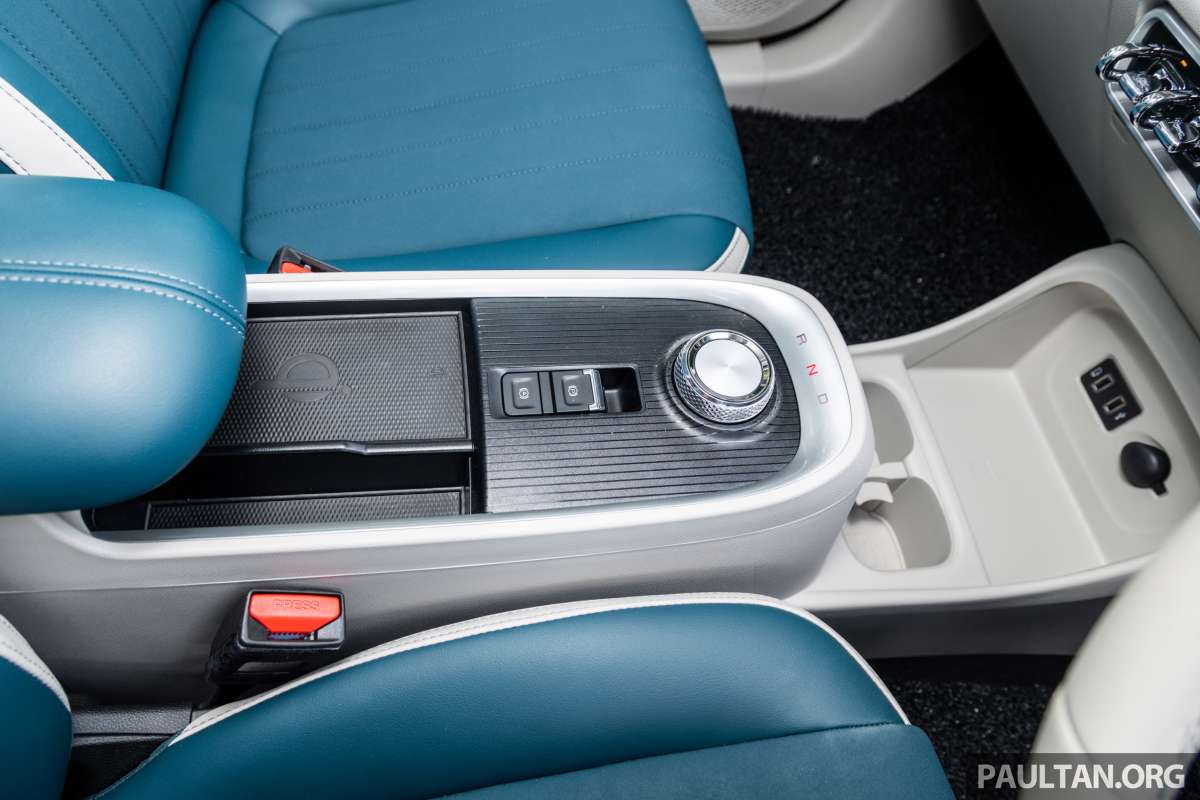
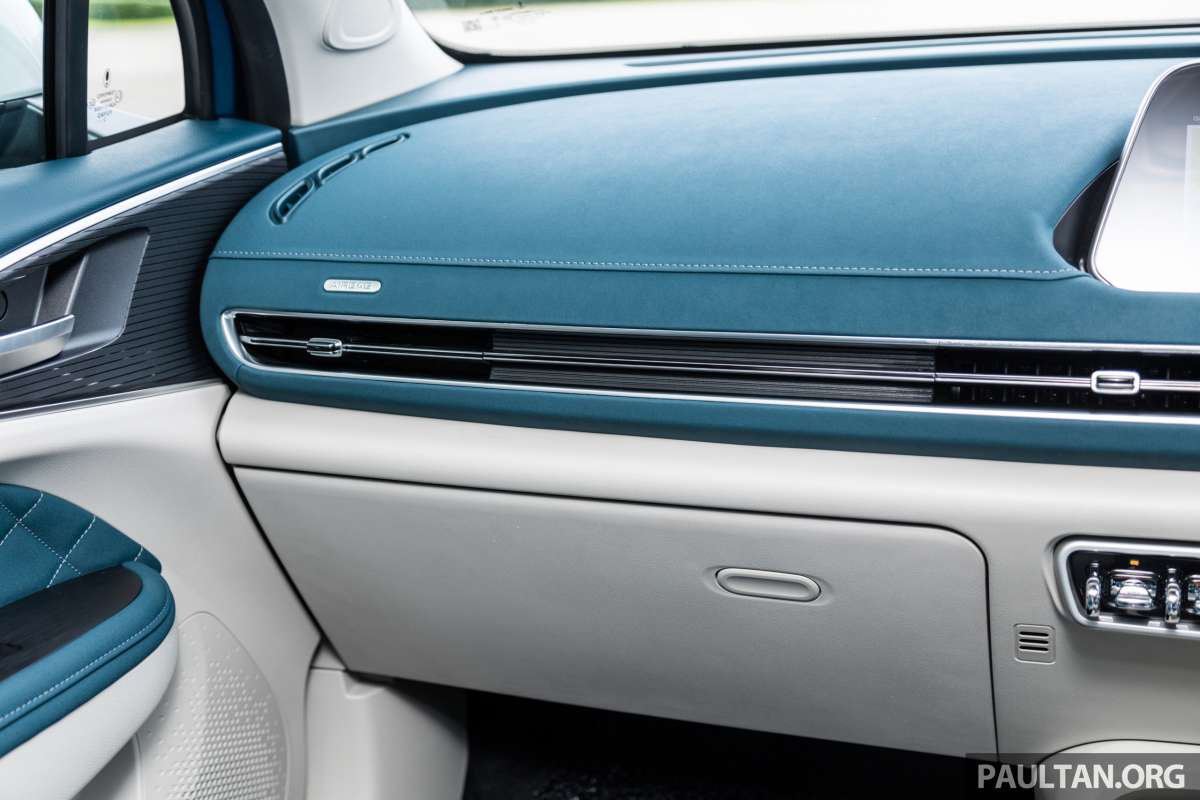
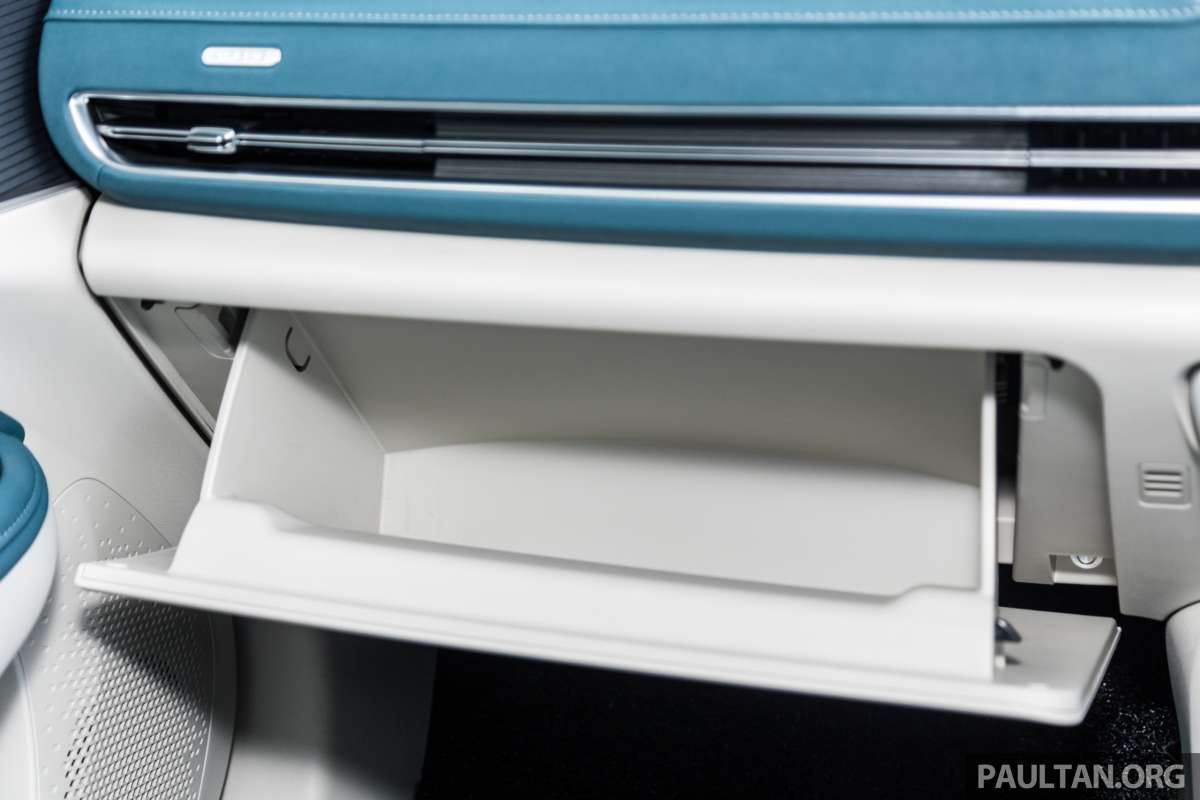
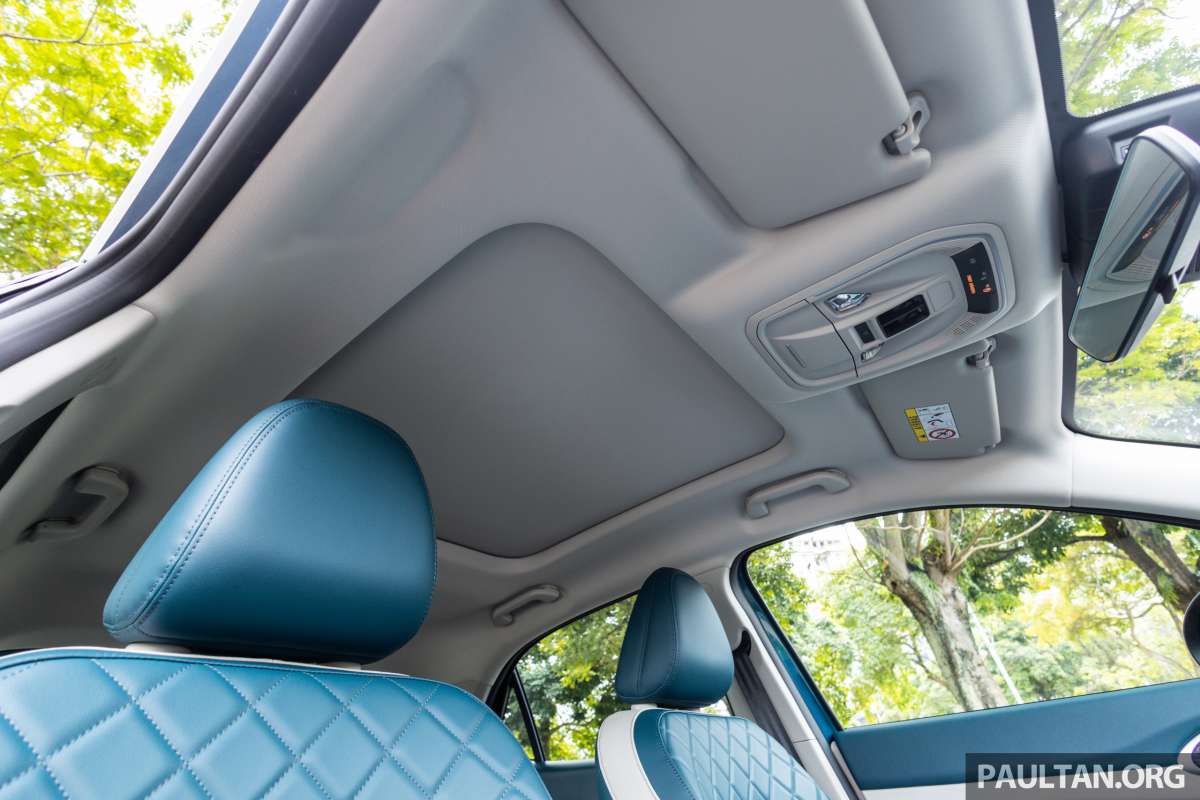
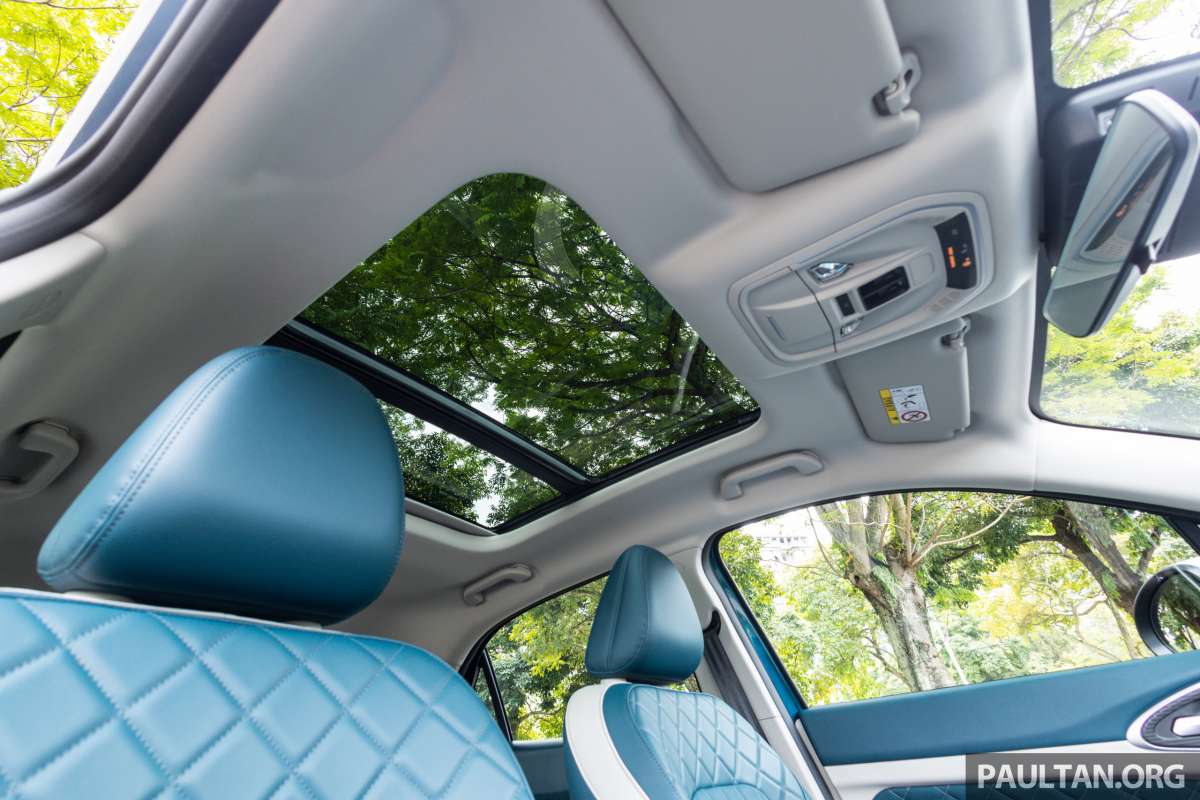
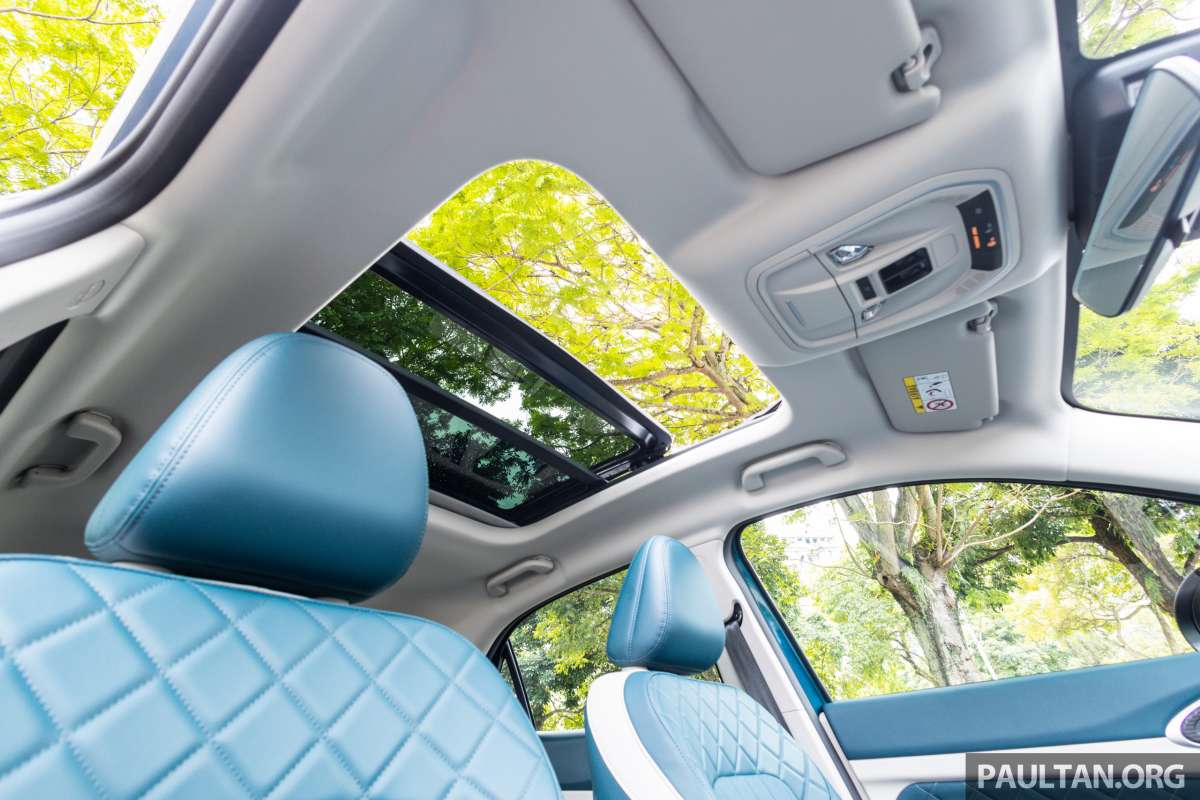
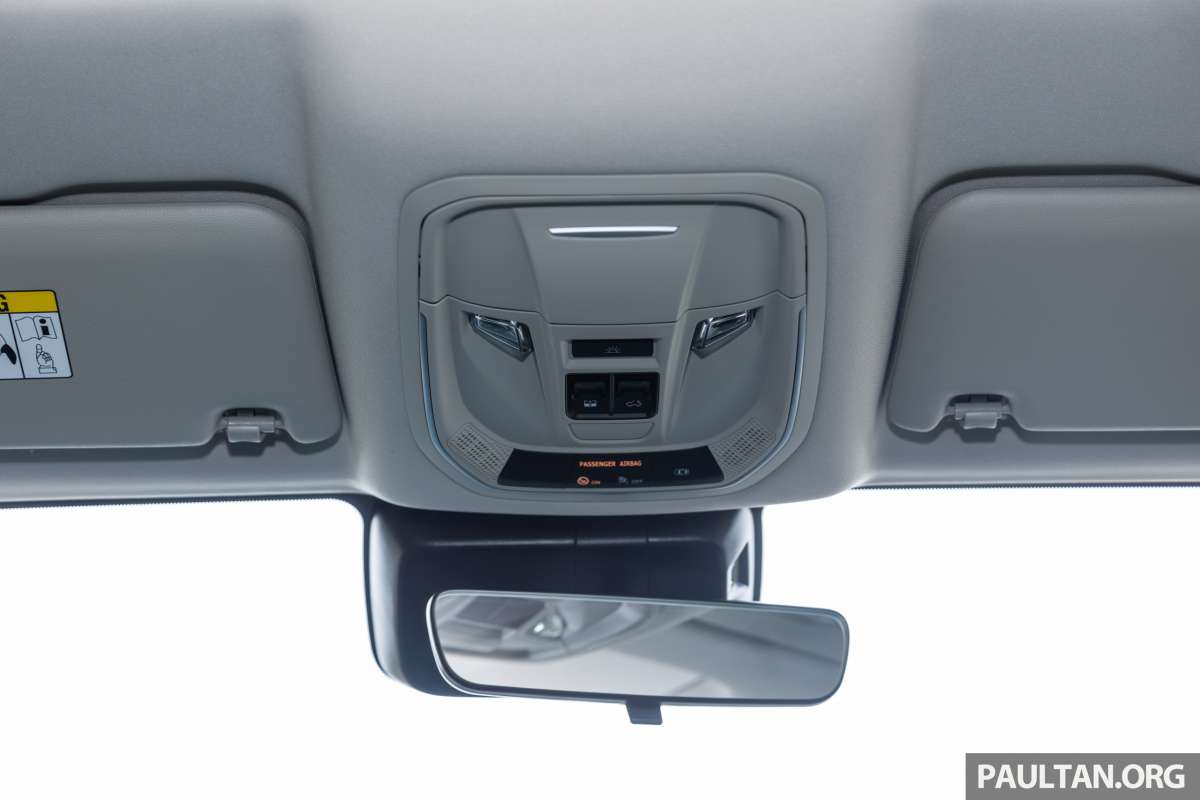
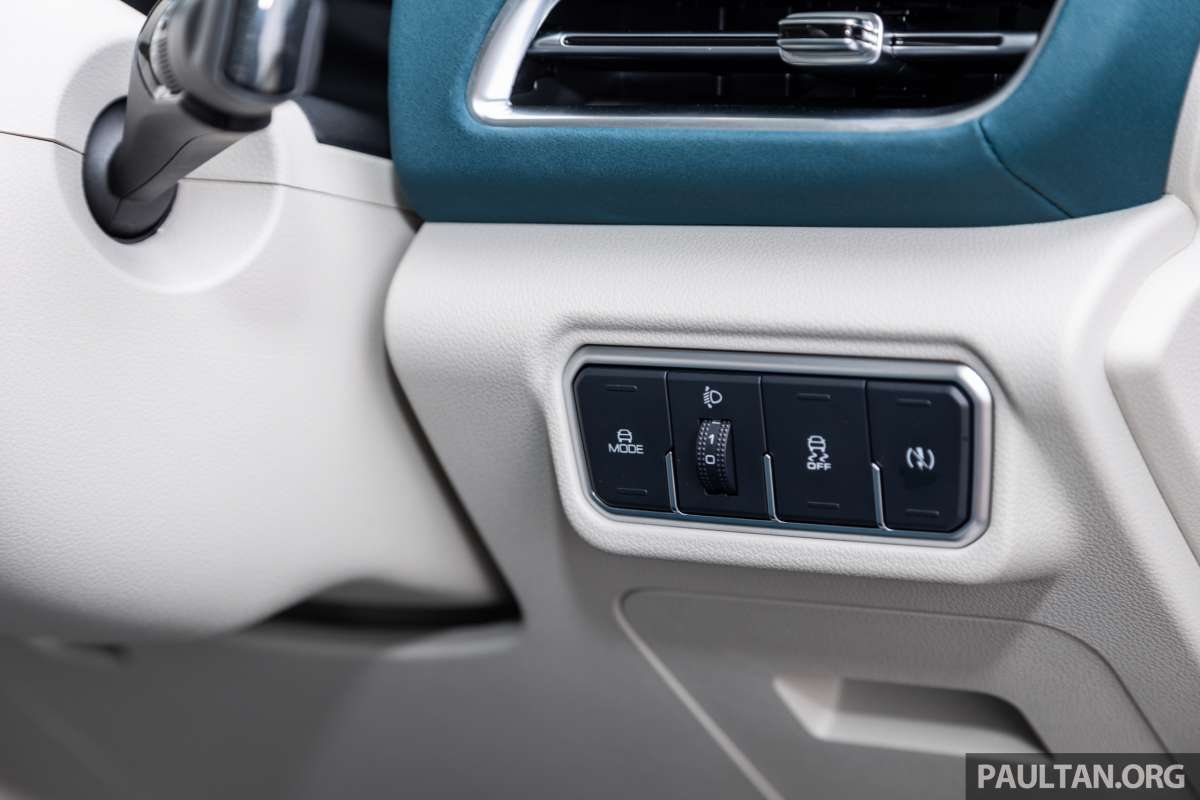
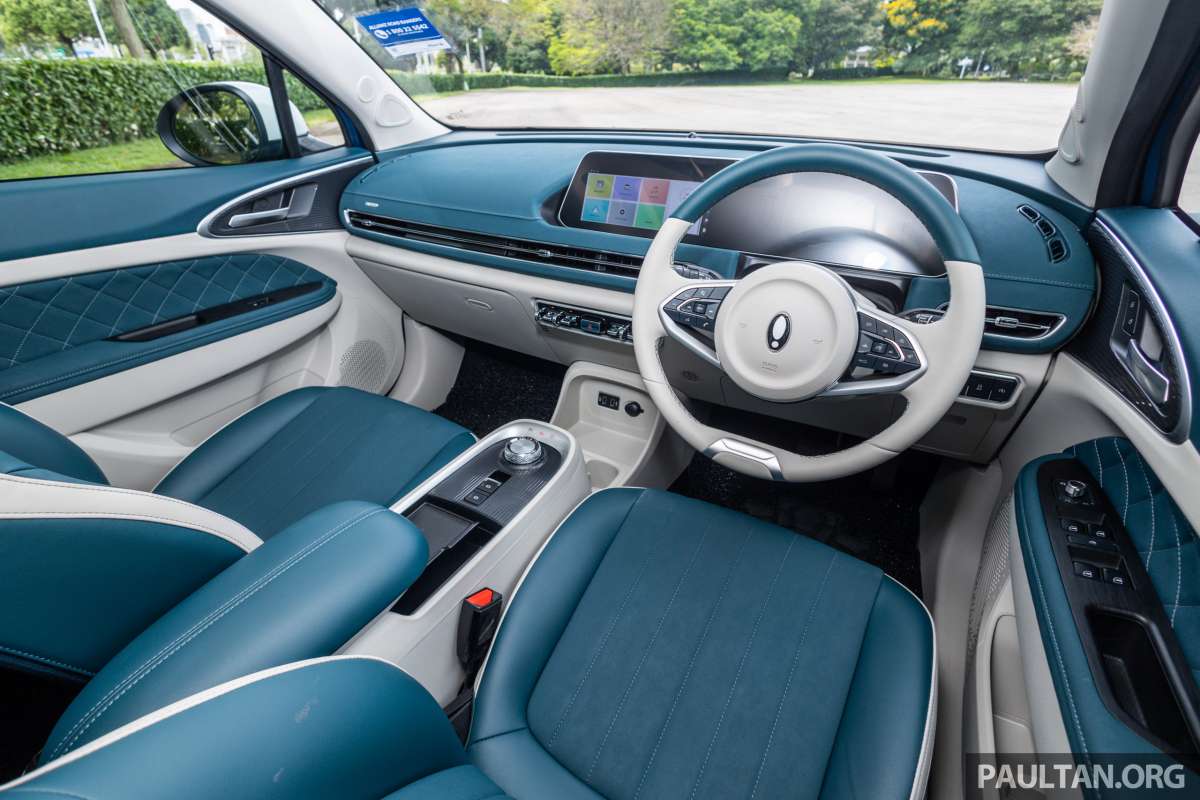
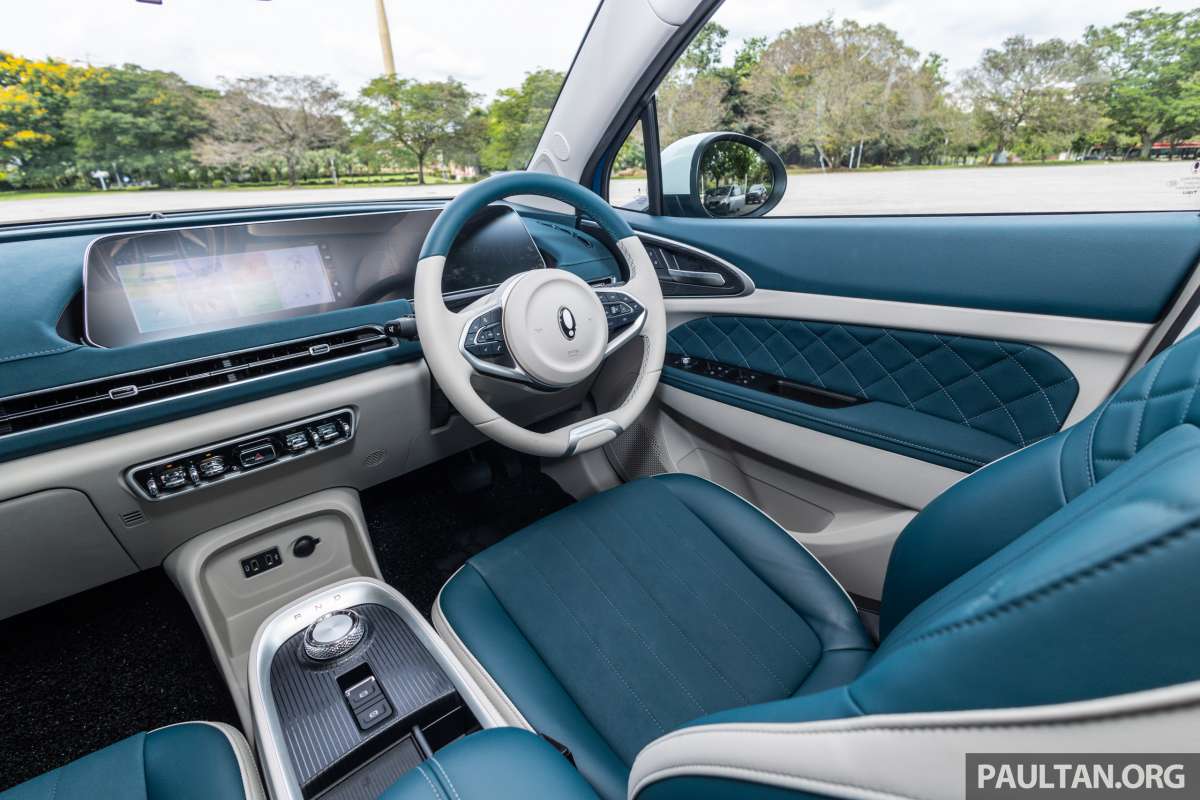
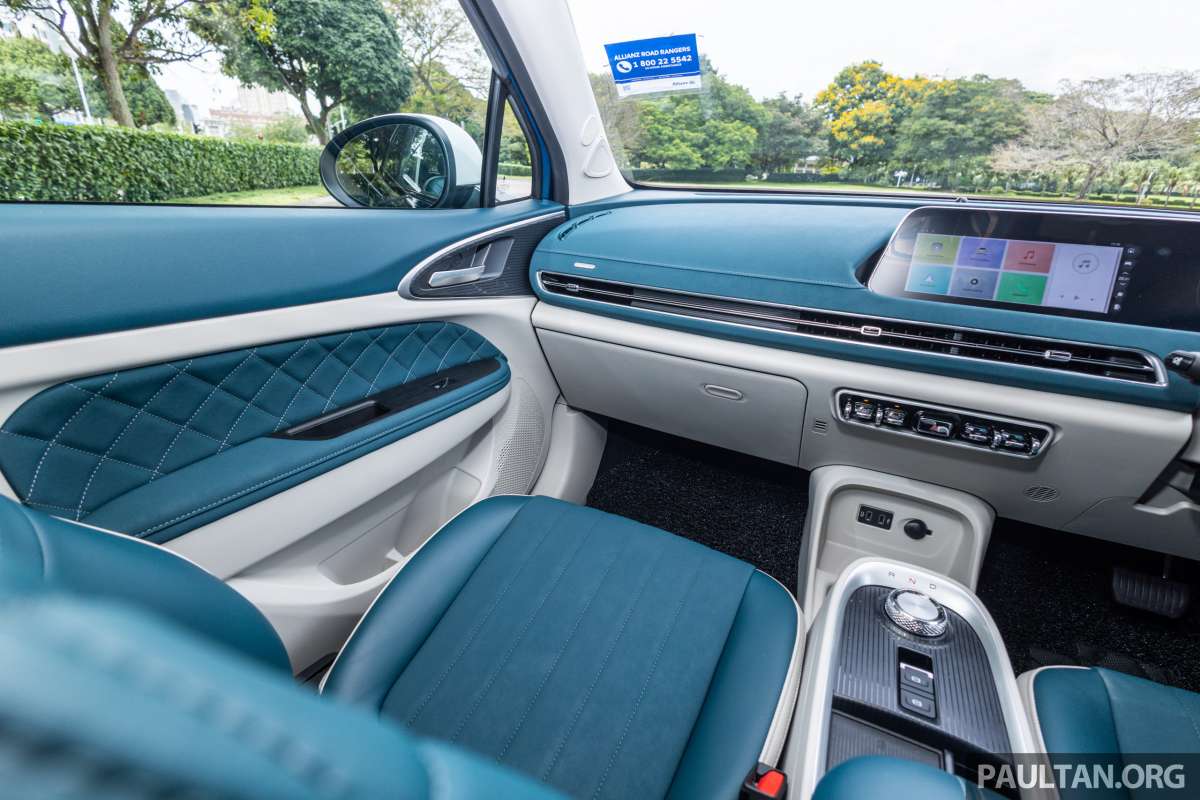
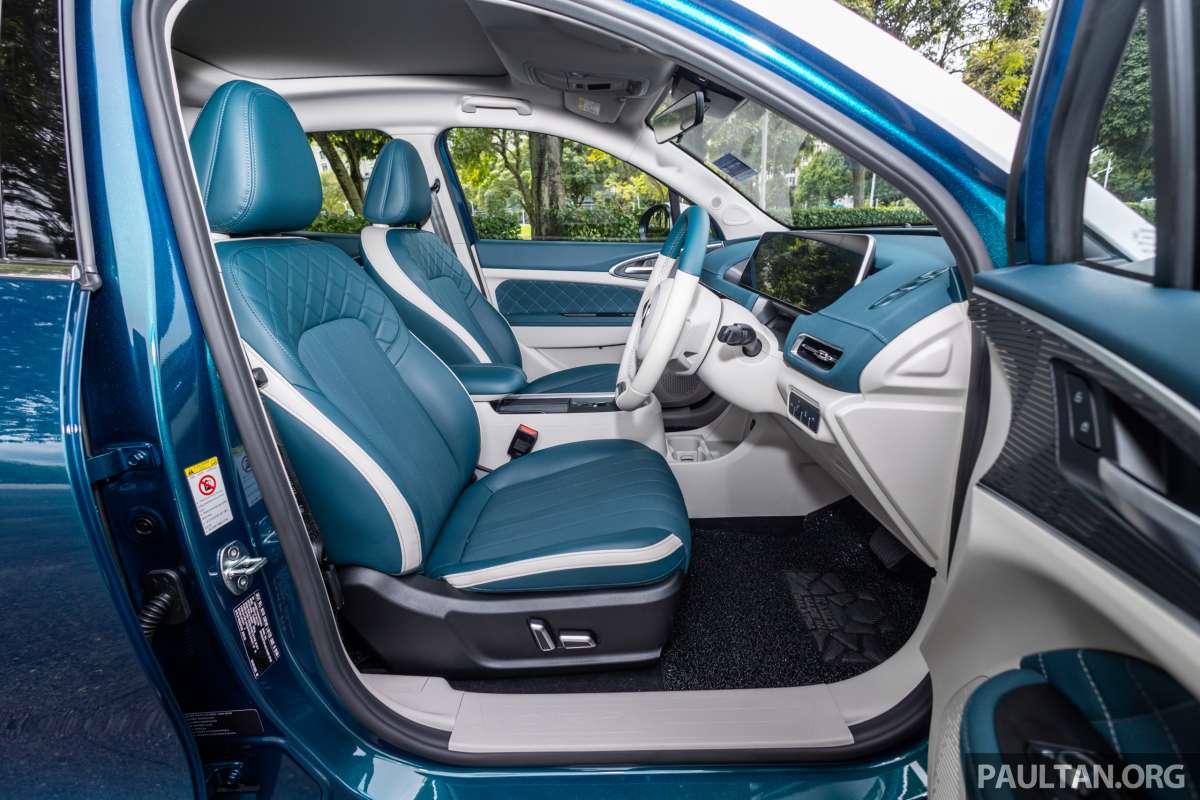
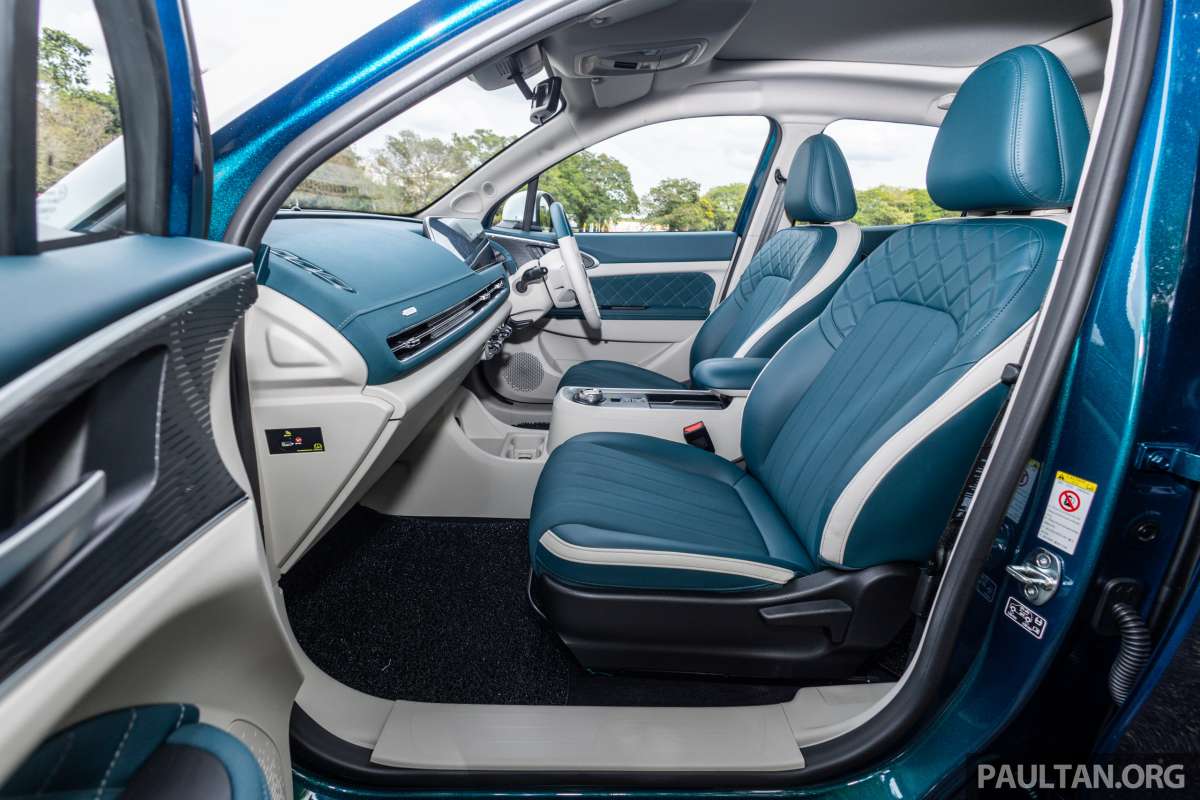
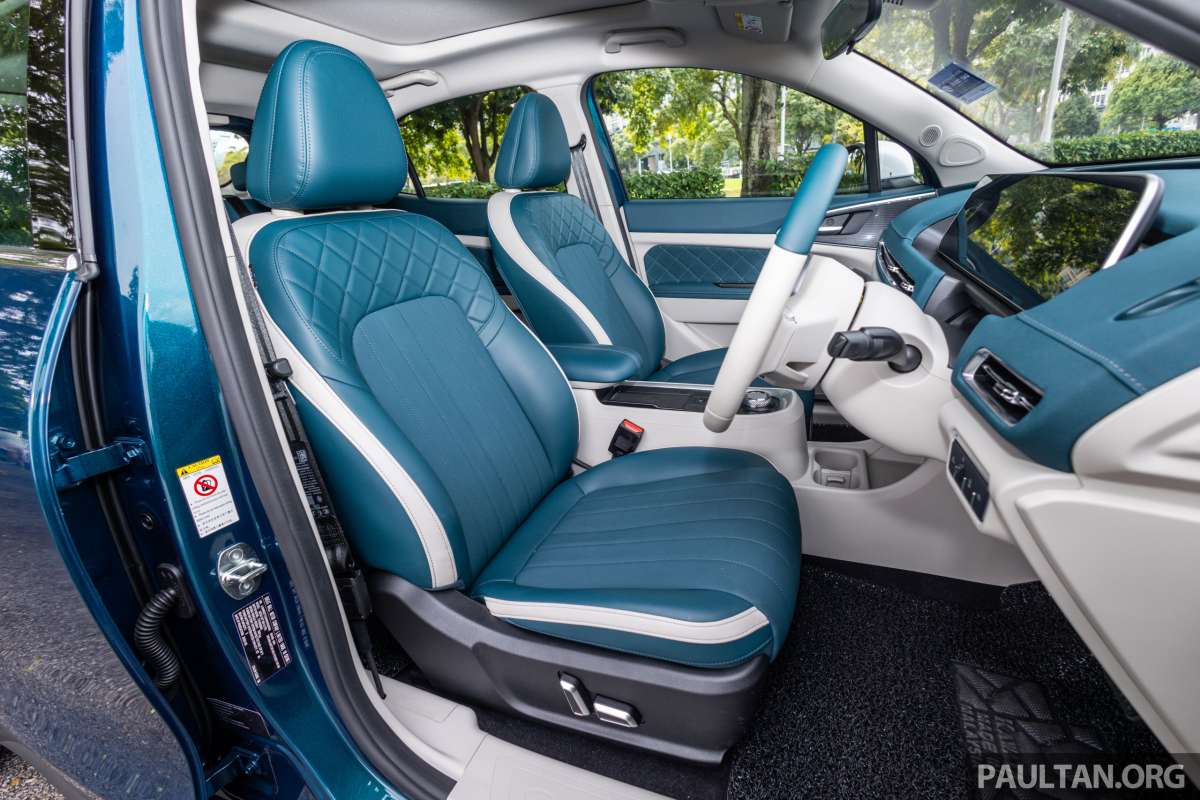
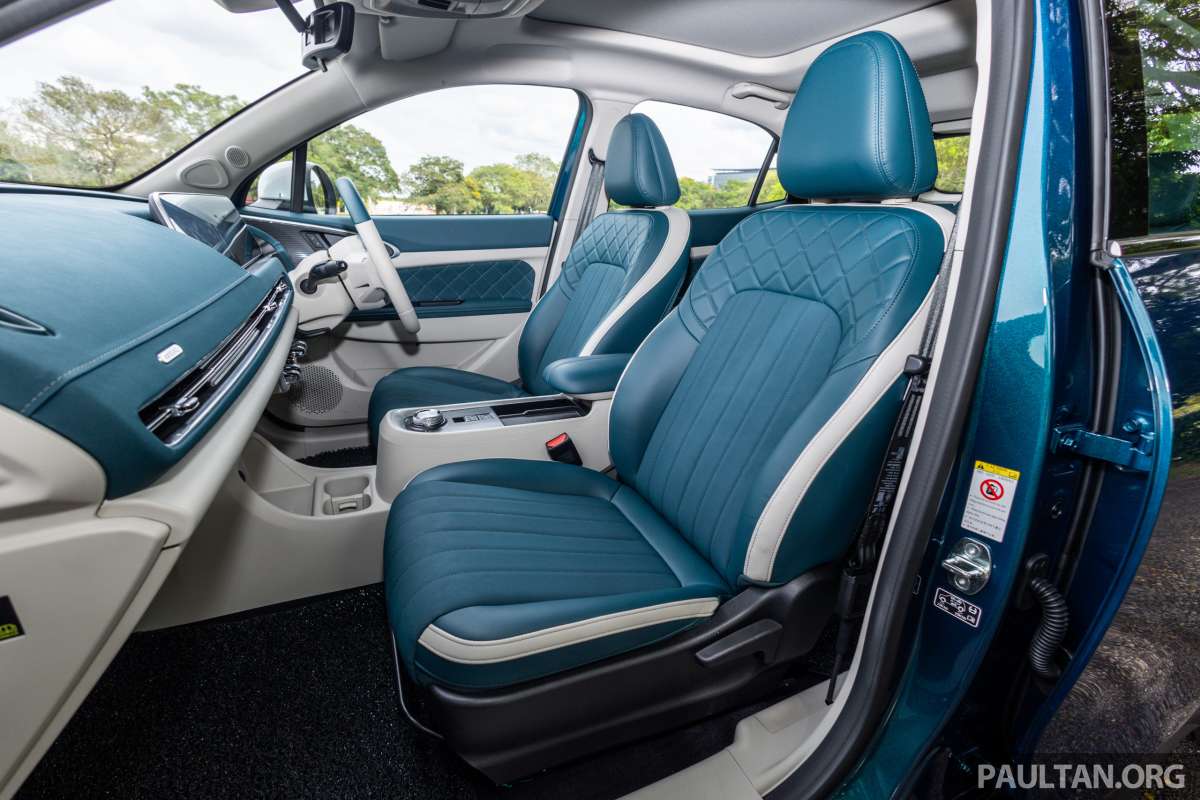
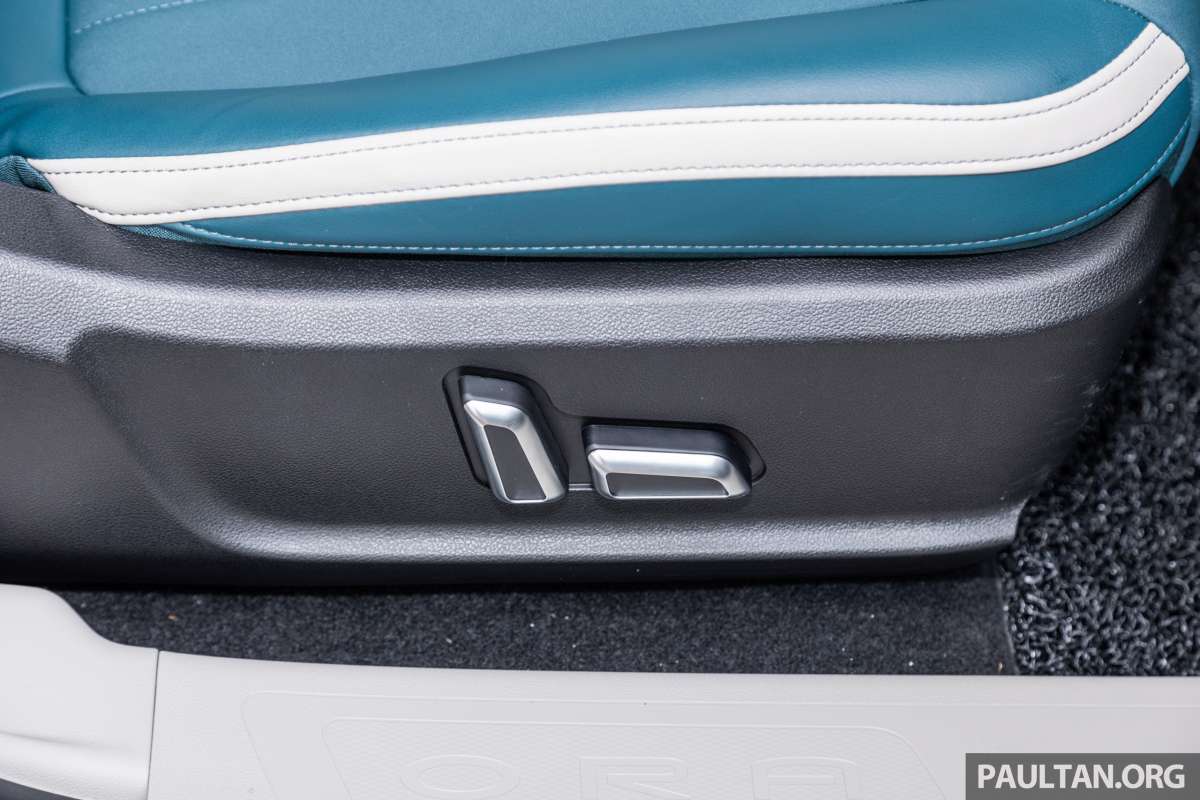
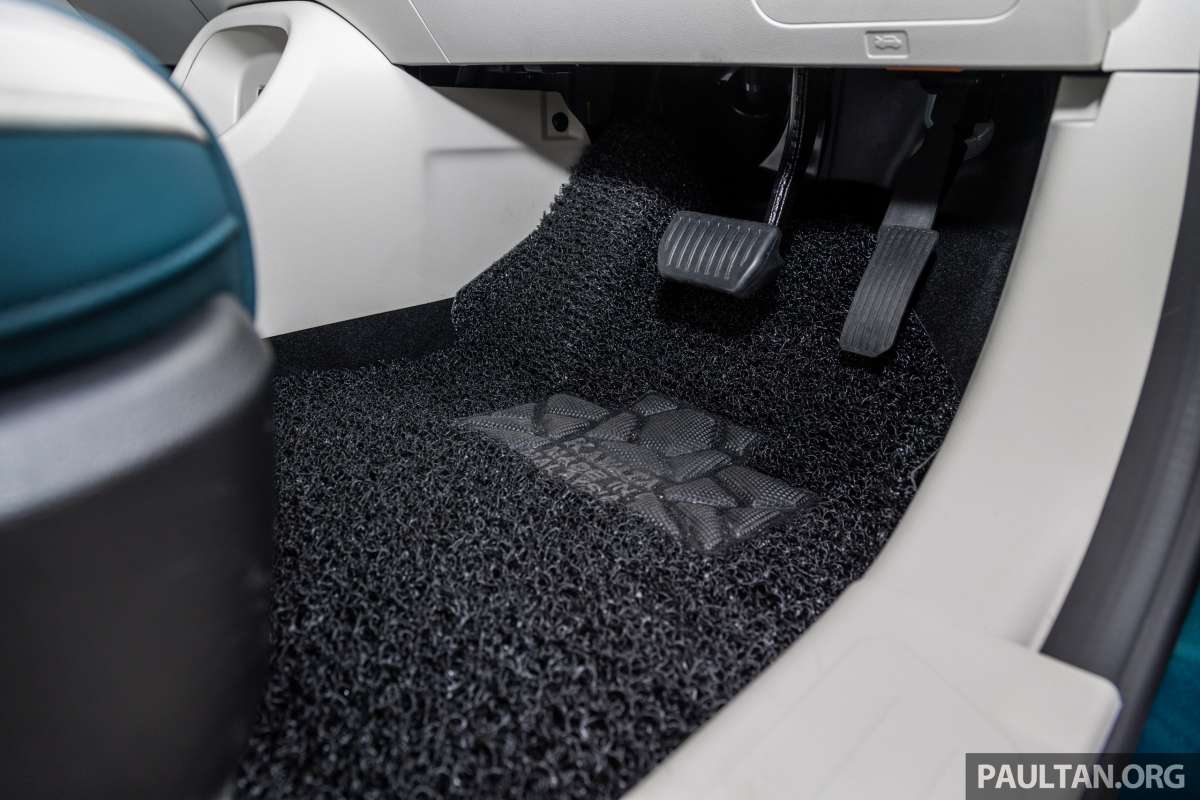
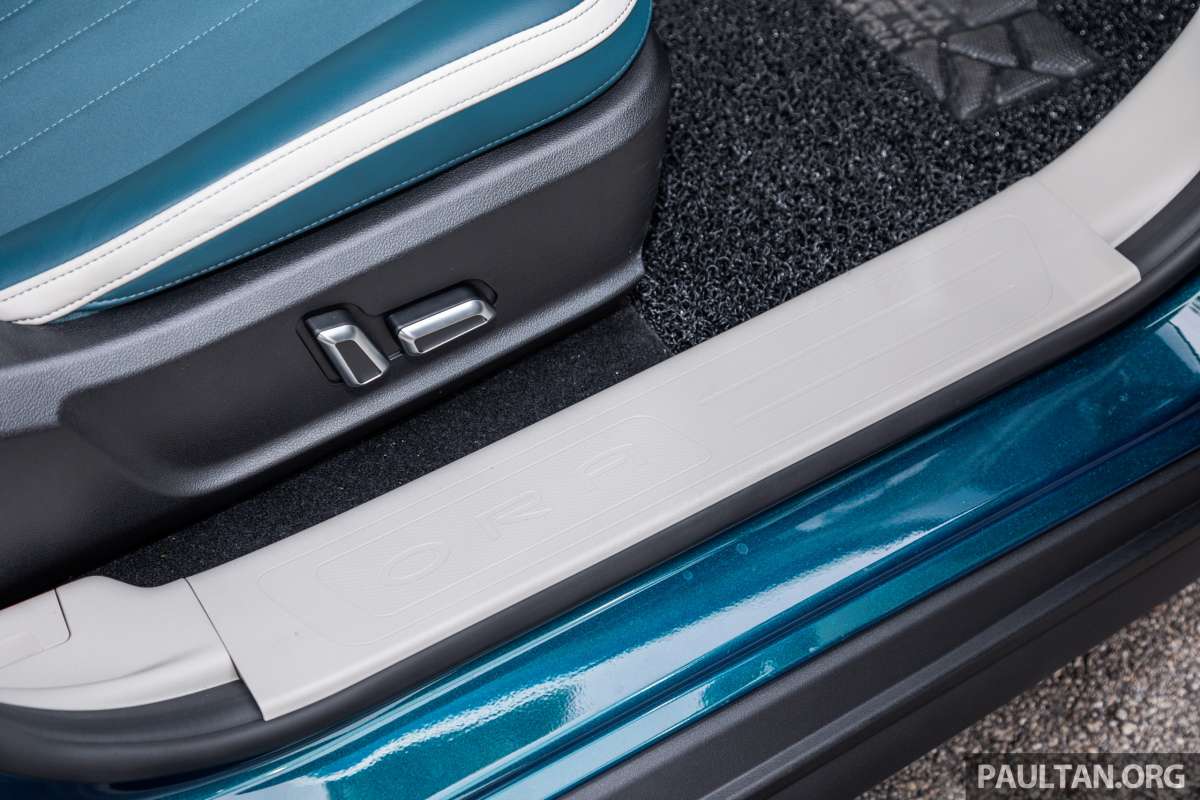
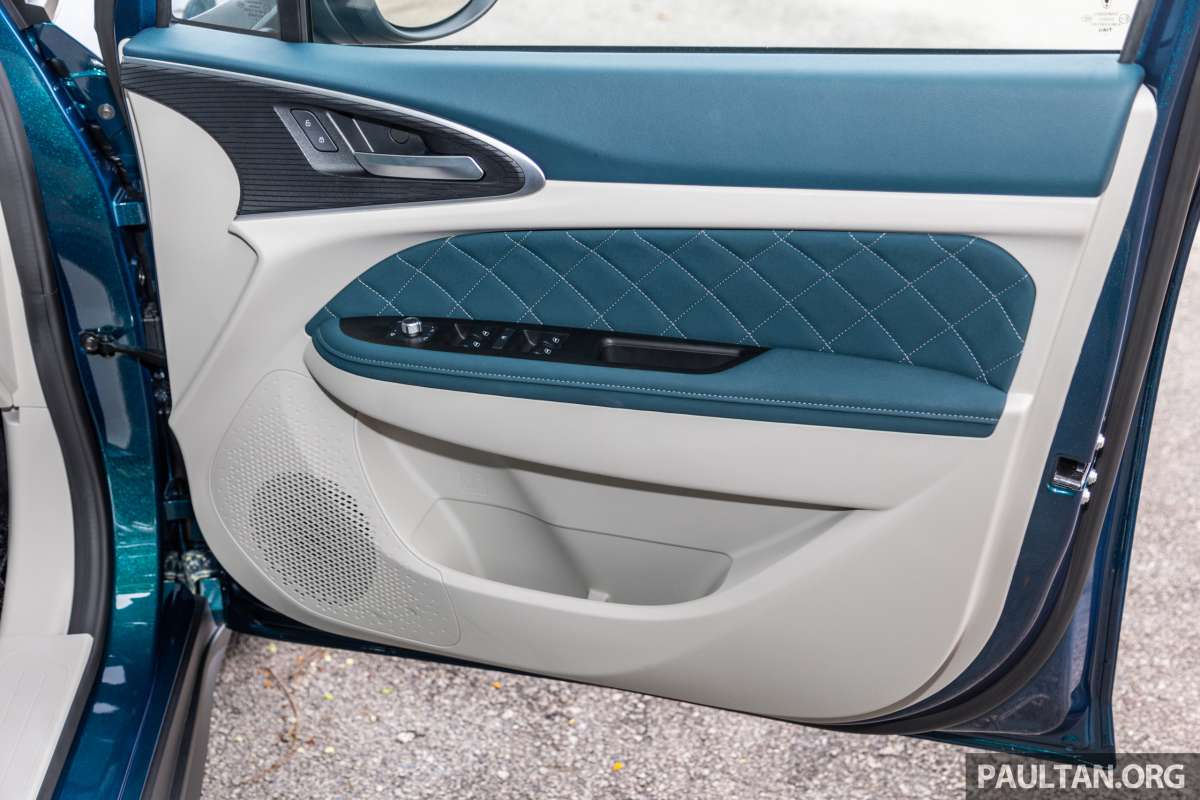
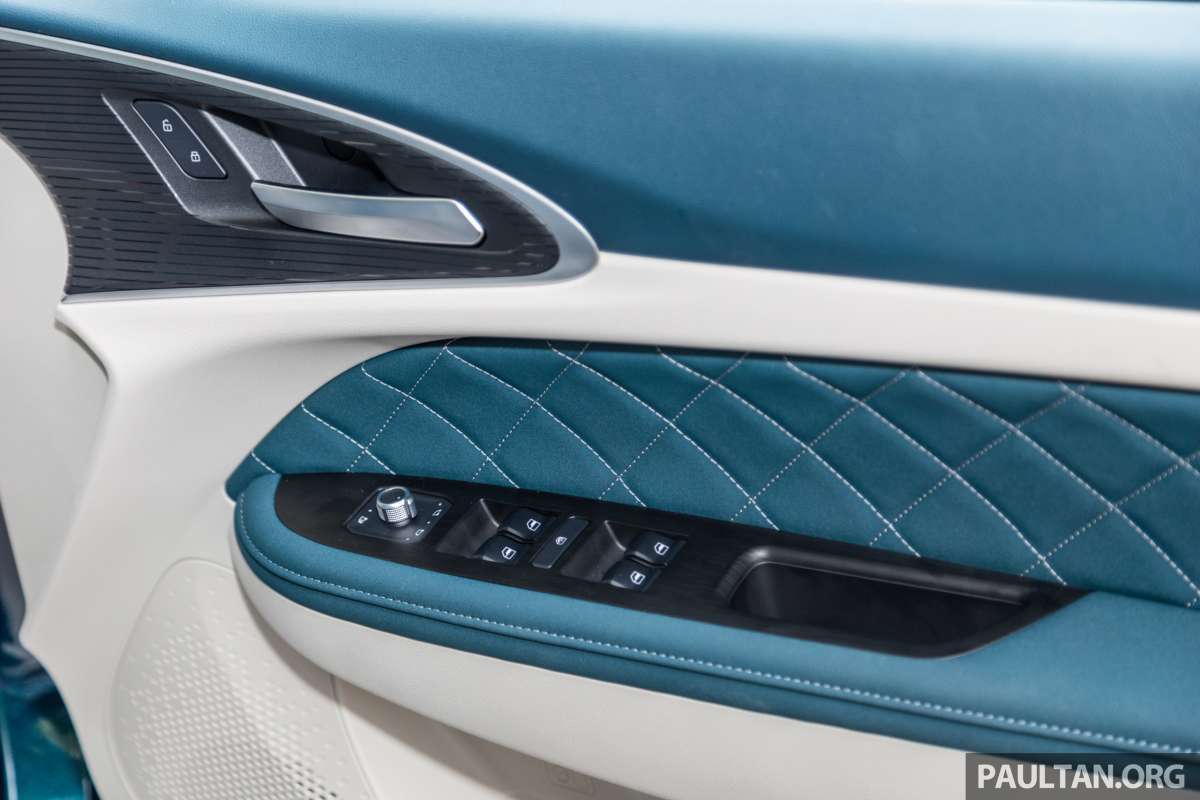
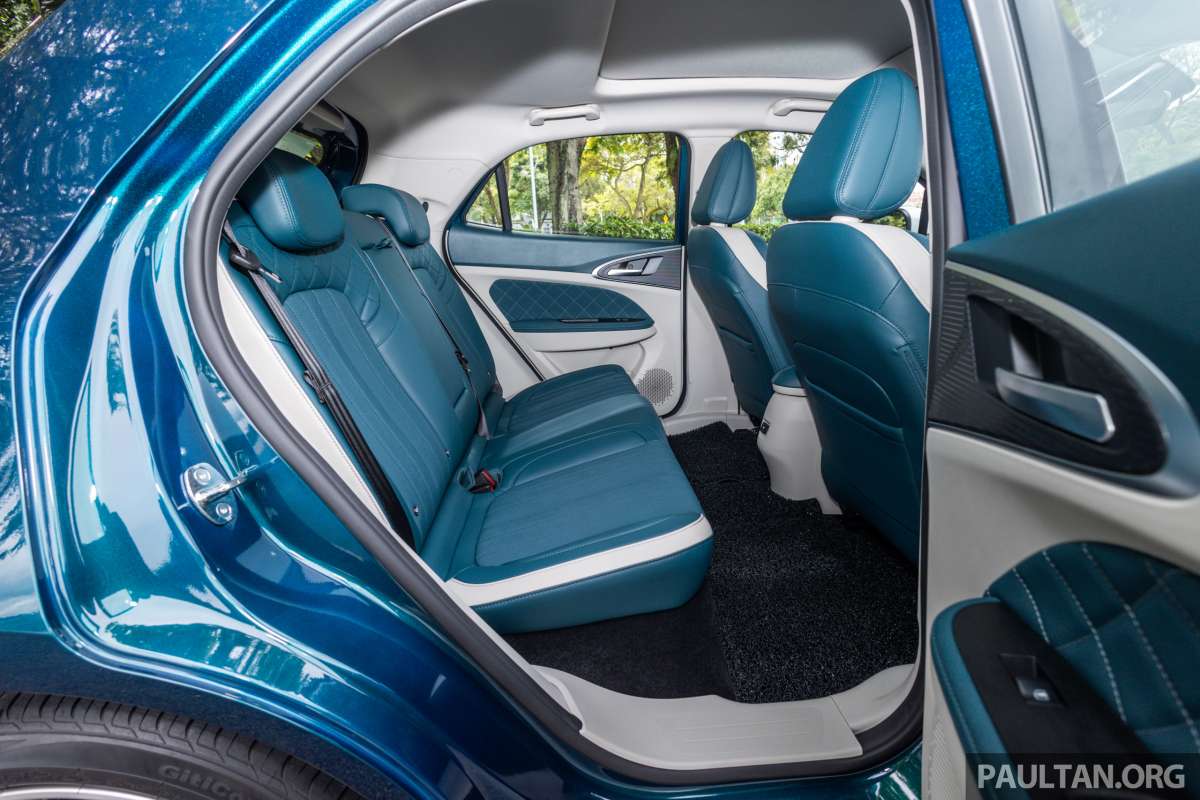
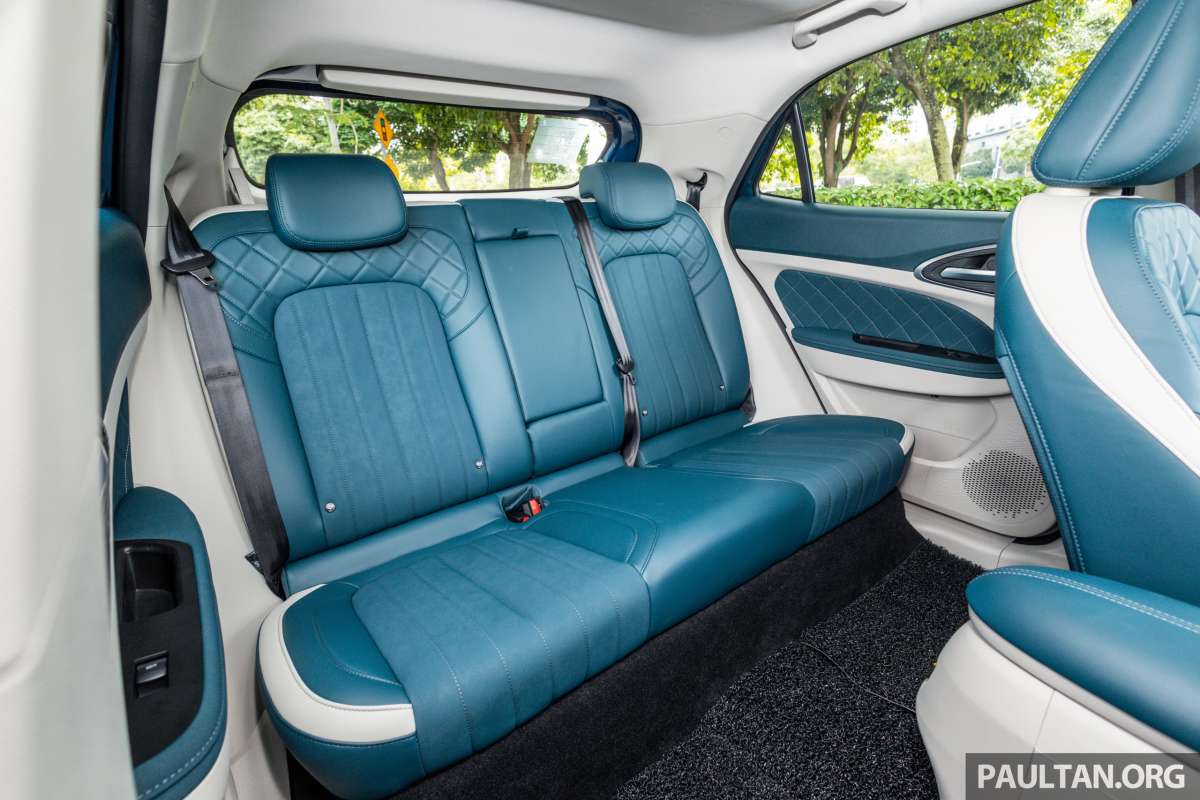
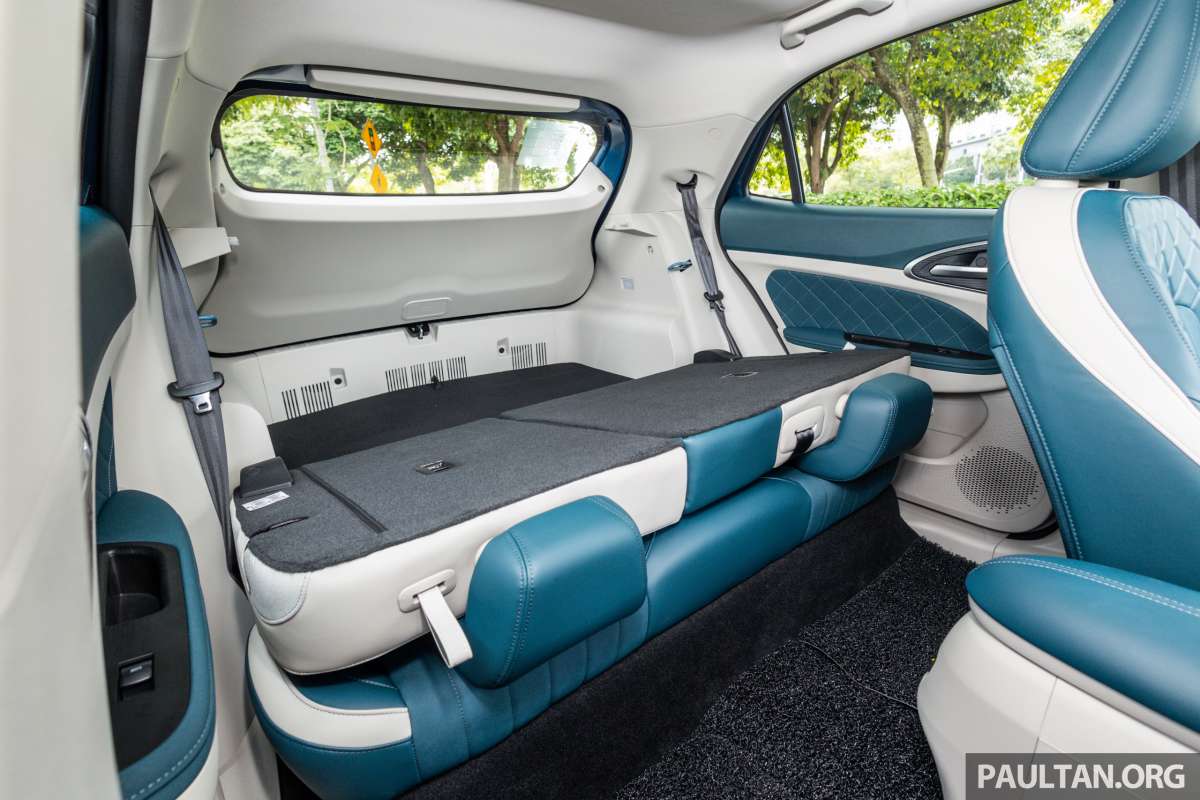
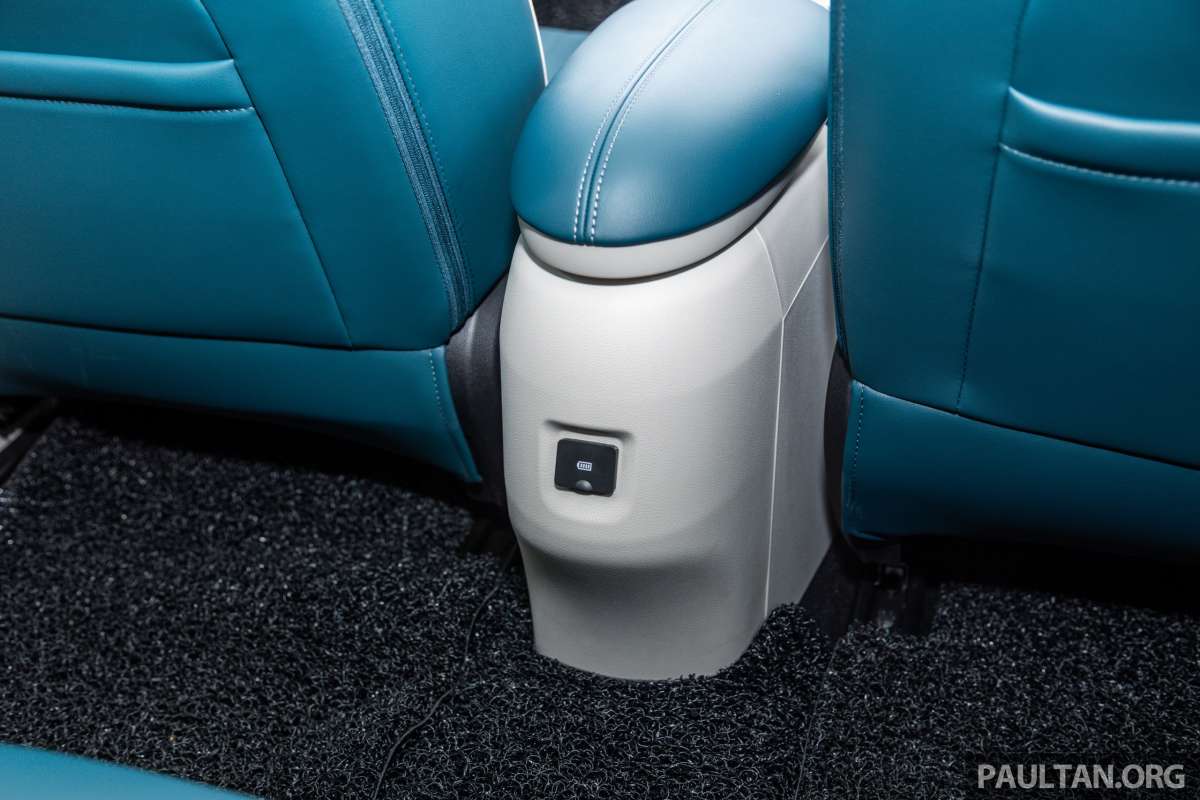
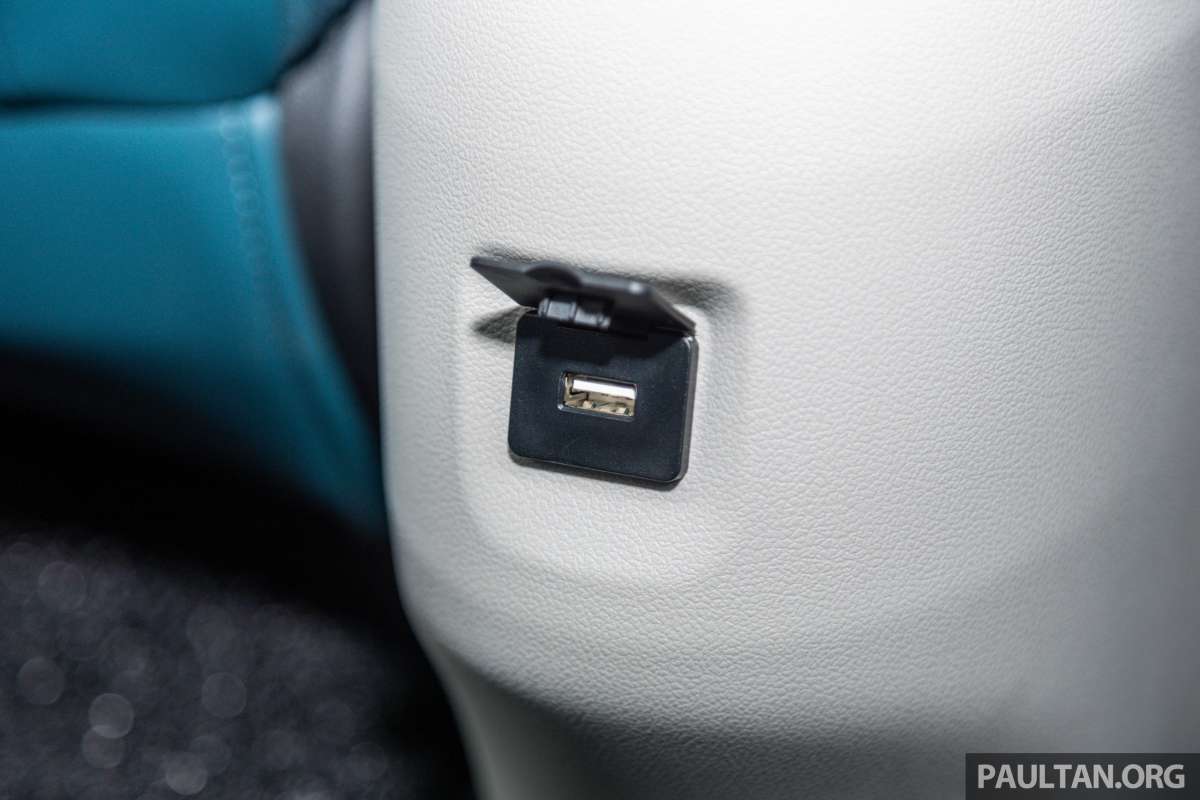
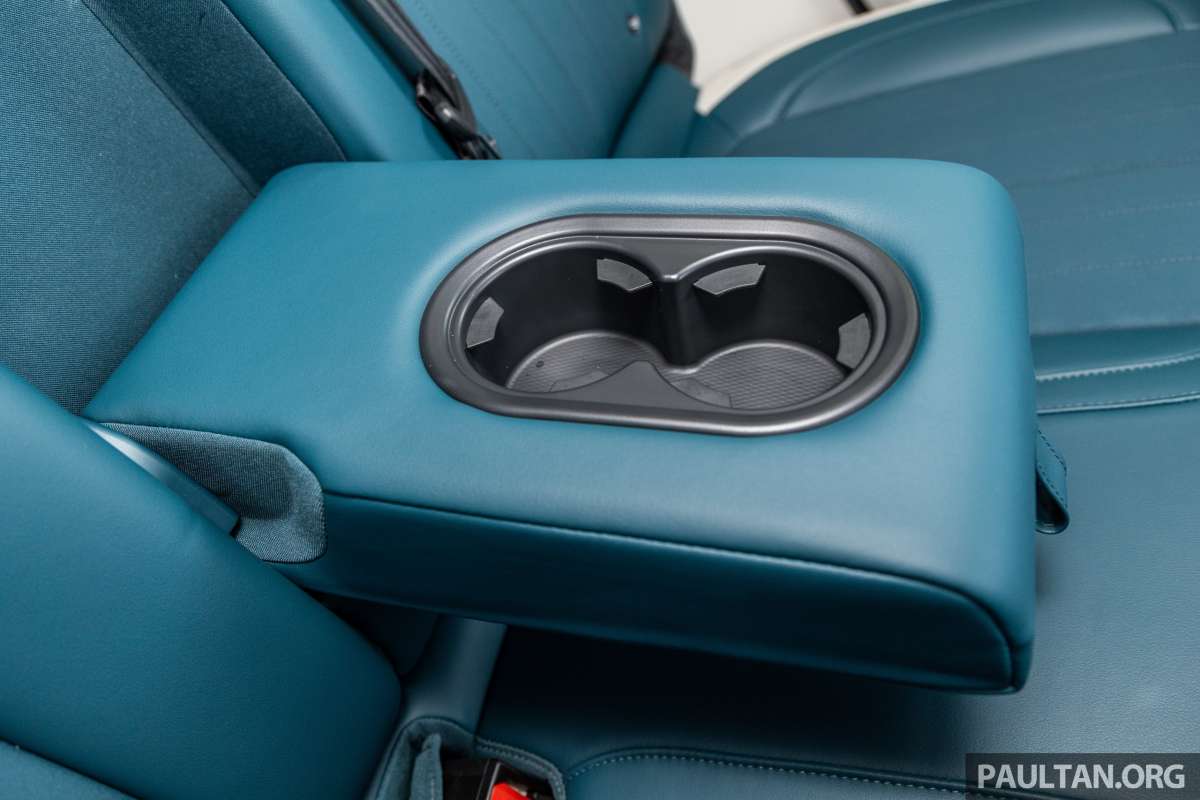
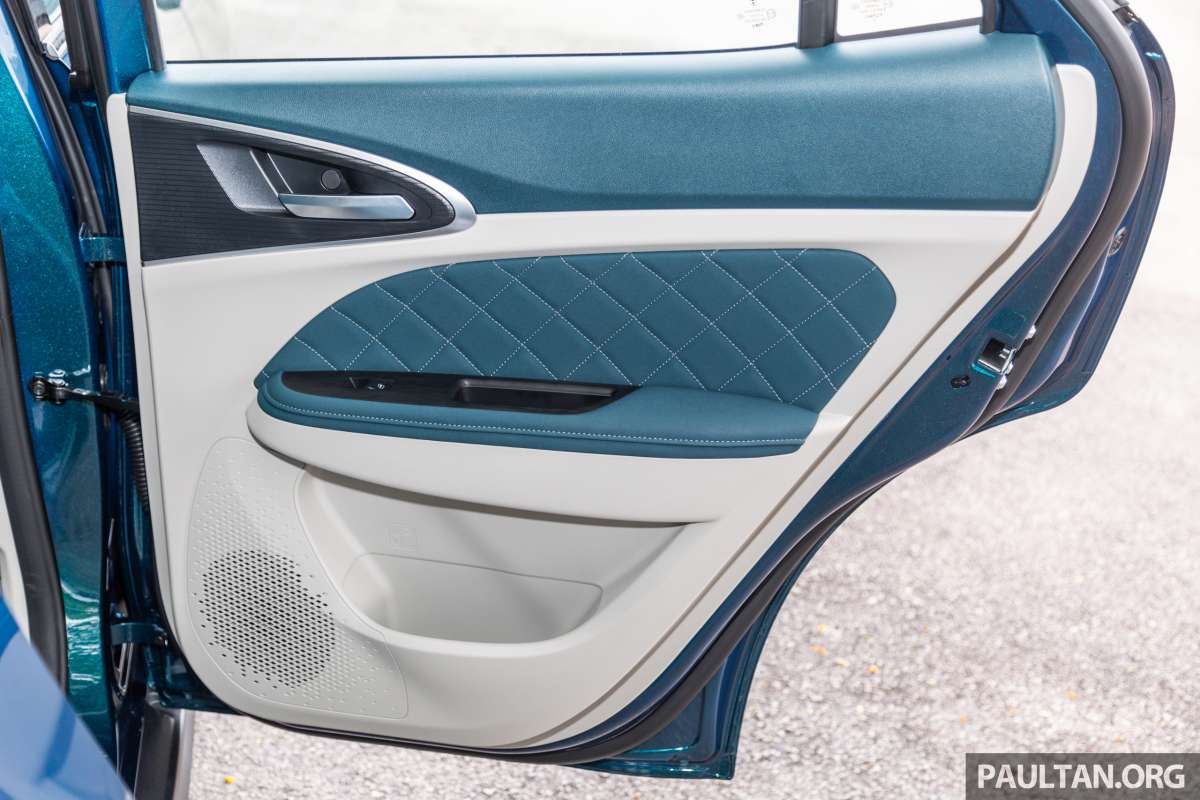
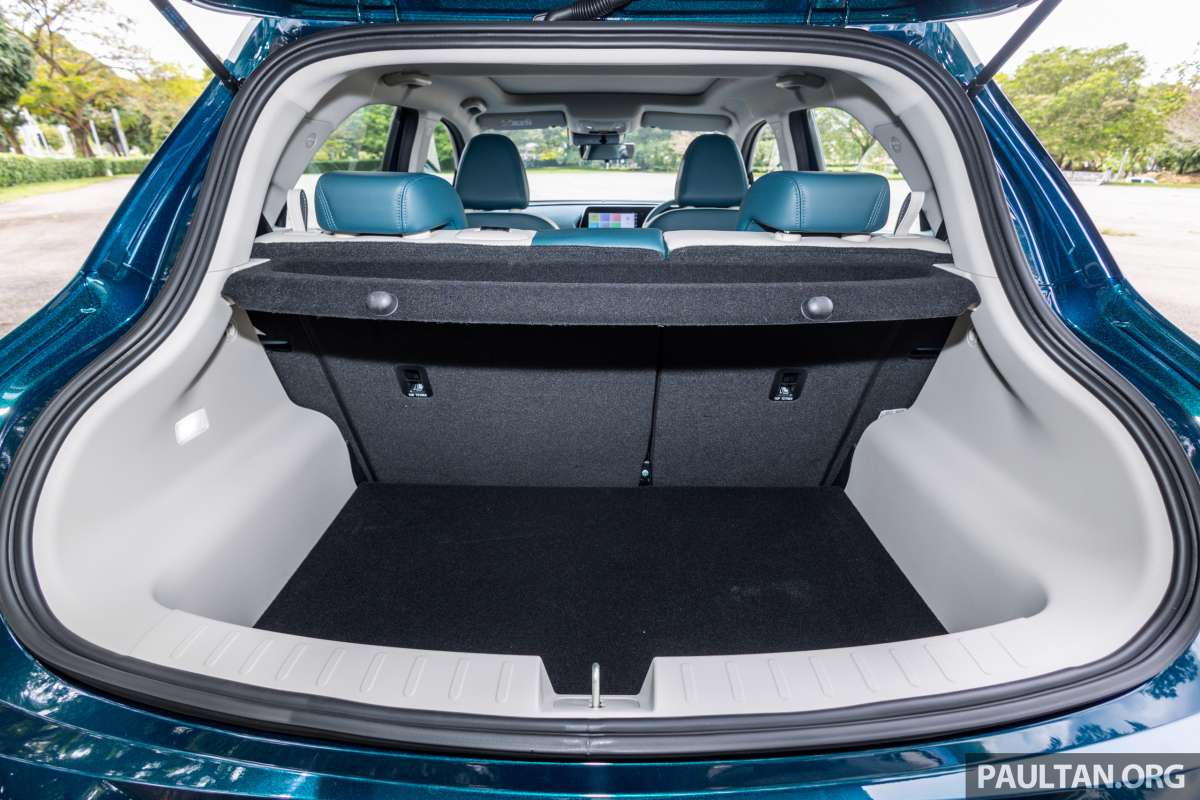
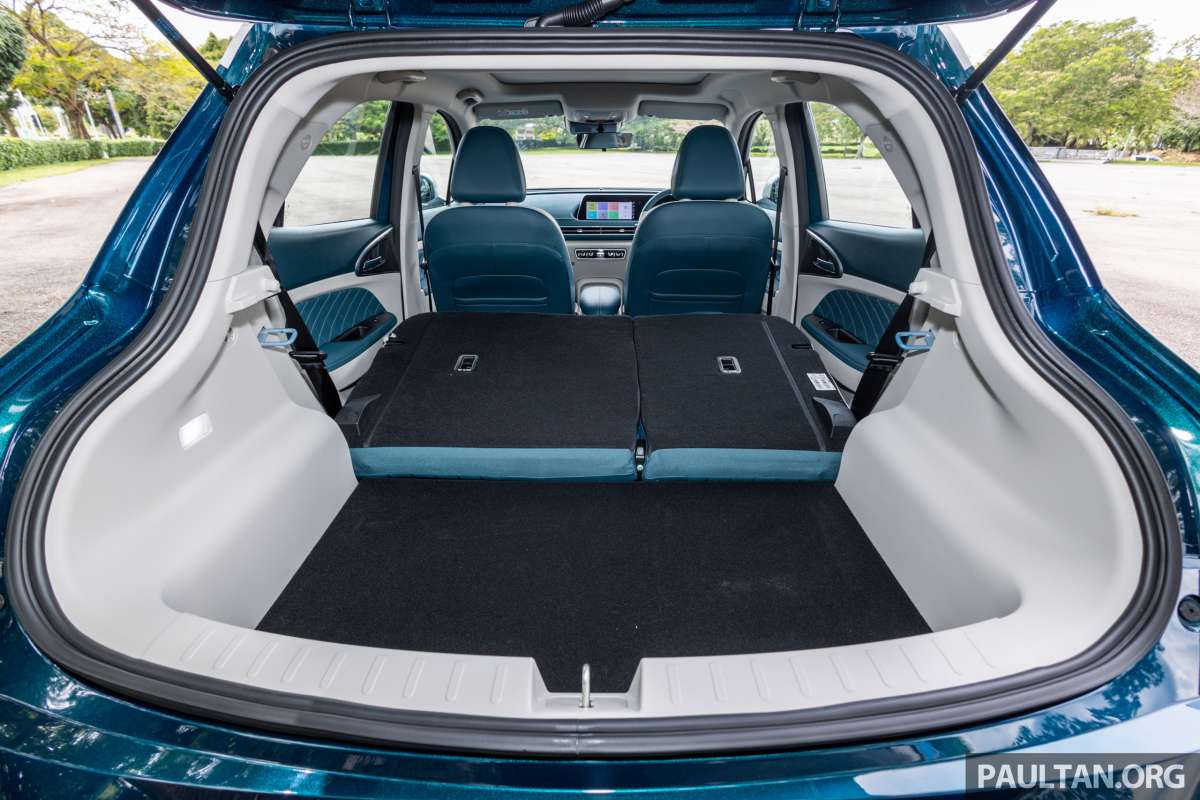
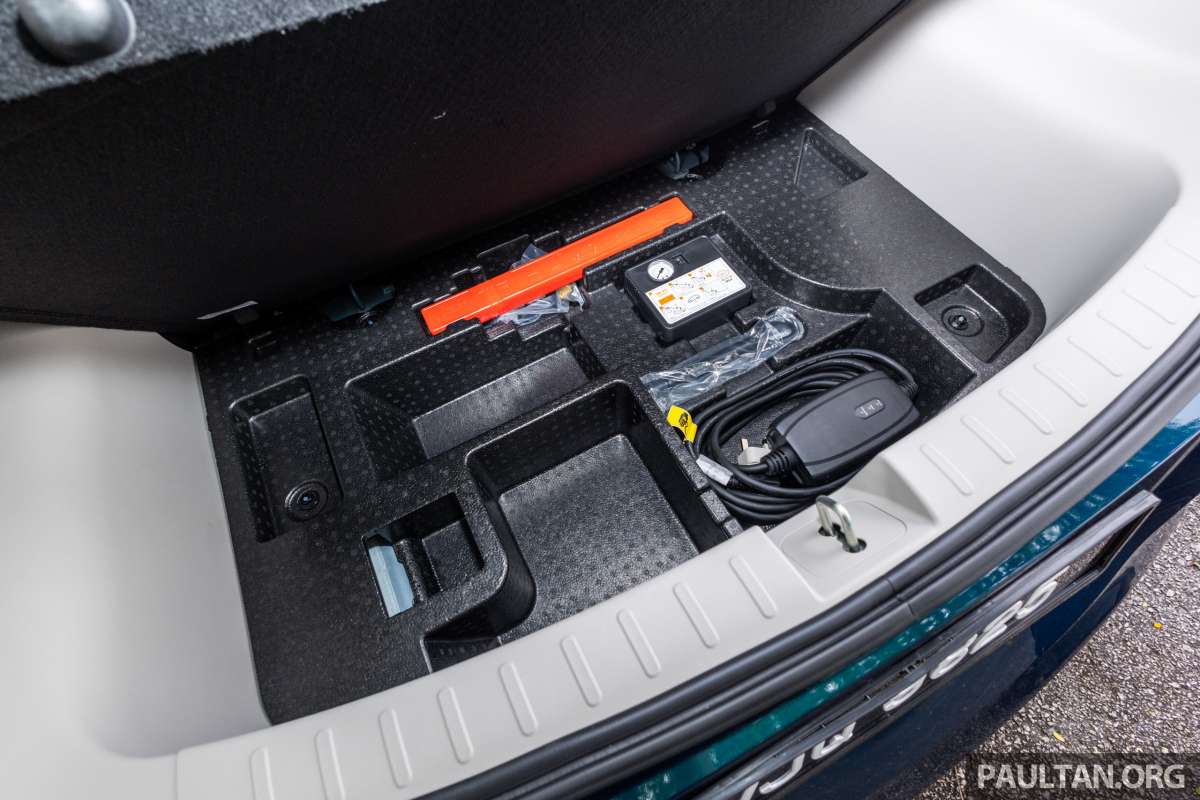
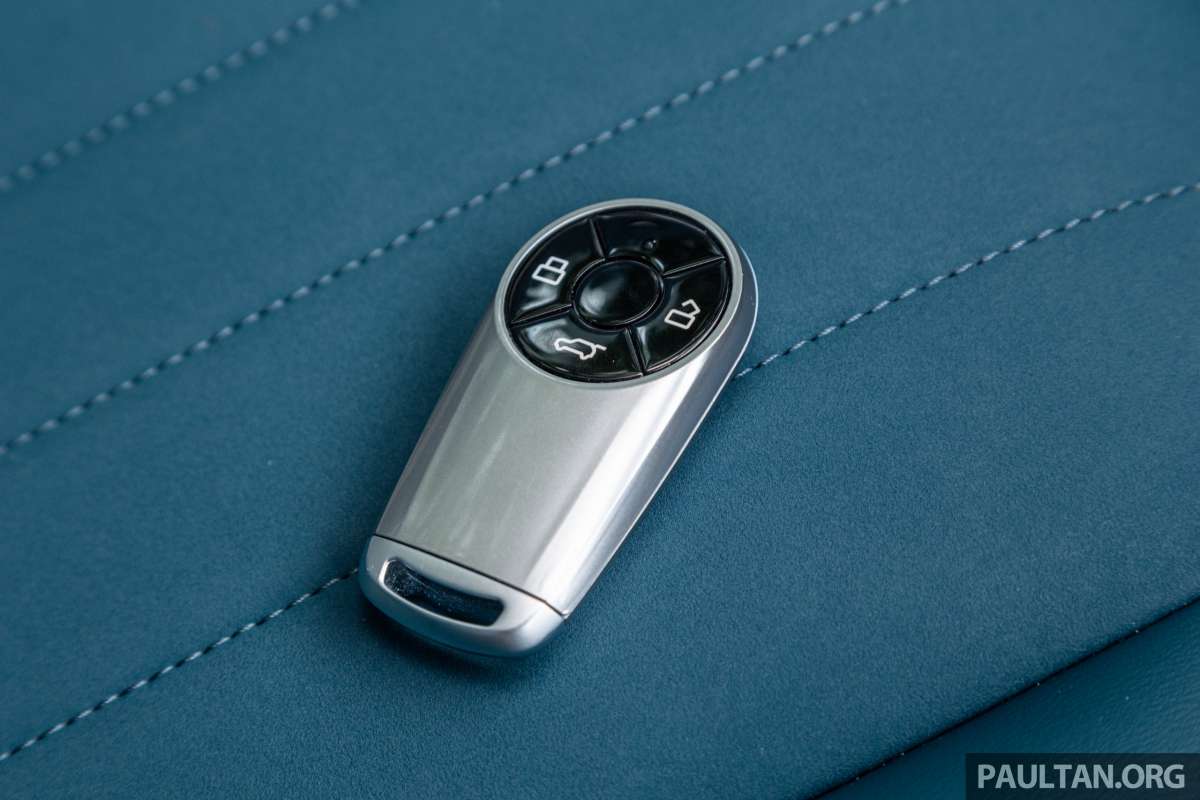
GALLERY: Great Wall Ora Good Cat 500 Ultra in Malaysia




Looking to sell your car? Sell it with Carro.
 GWM Ora Good Cat
from RM 109,800
GWM Ora Good Cat
from RM 109,800  GWM Wey G9
from RM 269,800
GWM Wey G9
from RM 269,800  GWM Tank 500
from RM 328,800
GWM Tank 500
from RM 328,800  GWM Haval H6
from RM 139,800
GWM Haval H6
from RM 139,800  GWM Tank 300
from RM 250,000
GWM Tank 300
from RM 250,000  GWM Ora 07
from RM 169,800
GWM Ora 07
from RM 169,800 
 Keyboard warrior
on
Keyboard warrior
on 

 Ddd
on
Ddd
on  LuSohai
on
LuSohai
on  Vhs
on
Vhs
on  kesatria baja hitam
on
kesatria baja hitam
on  Katheryne Wong
on
Katheryne Wong
on  newme
on
newme
on  Wee
on
Wee
on  S Chai
on
S Chai
on  Amriji
on
Amriji
on  KingoftheRoad
on
KingoftheRoad
on  bodoYOU
on
bodoYOU
on  CJ
on
CJ
on  Ben Yap
on
Ben Yap
on  HL
on
HL
on  Being over gungho over EVs ..A Clear and Present Danger
on
Being over gungho over EVs ..A Clear and Present Danger
on  gurmit
on
gurmit
on  LuKurang
on
LuKurang
on  Dugung X
on
Dugung X
on  another dumb comparison
on
another dumb comparison
on  Mr C
on
Mr C
on  Bieight8
on
Bieight8
on  Li Peng
on
Li Peng
on  araam14
on
araam14
on  batteries are cheap lah
on
batteries are cheap lah
on  Michael
on
Michael
on  dominic
on
dominic
on  Baldwin V, Count of Flanders
on
Baldwin V, Count of Flanders
on  Amran
on
Amran
on  Mohd
on
Mohd
on  Bla blaz
on
Bla blaz
on  Lim
on
Lim
on  Limis CaveMan?
on
Limis CaveMan?
on  VinFaster
on
VinFaster
on  Chan KH
on
Chan KH
on  CH
on
CH
on  Hidup Petrol Kar
on
Hidup Petrol Kar
on  Azmi
on
Azmi
on  humour page
on
humour page
on  TayarBOY
on
TayarBOY
on  electric is now
on
electric is now
on  Faiz
on
Faiz
on  Saya
on
Saya
on  Patrick
on
Patrick
on  John
on
John
on  SaKaiPoKai
on
SaKaiPoKai
on  To All the senseless FOOLS out there
on
To All the senseless FOOLS out there
on  SemPIT
on
SemPIT
on 


AI-generated Summary ✨
Comments highlight that while EVs like the GWM Ora Good Cat have lower running costs and environmental benefits, the high purchase price, battery replacement costs, and limited infrastructure make them less affordable, especially for lower-income groups. Concerns are raised about battery life spanning around 10-12 years, resale value decline, and hidden costs such as tires and charger fees. Some believe EVs are more suitable as secondary cars, and their economic advantage is more evident with solar energy use. Overall, opinions are mixed, with many emphasizing current high costs and infrastructure limitations.