
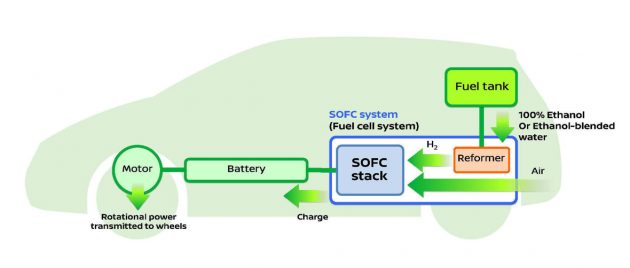
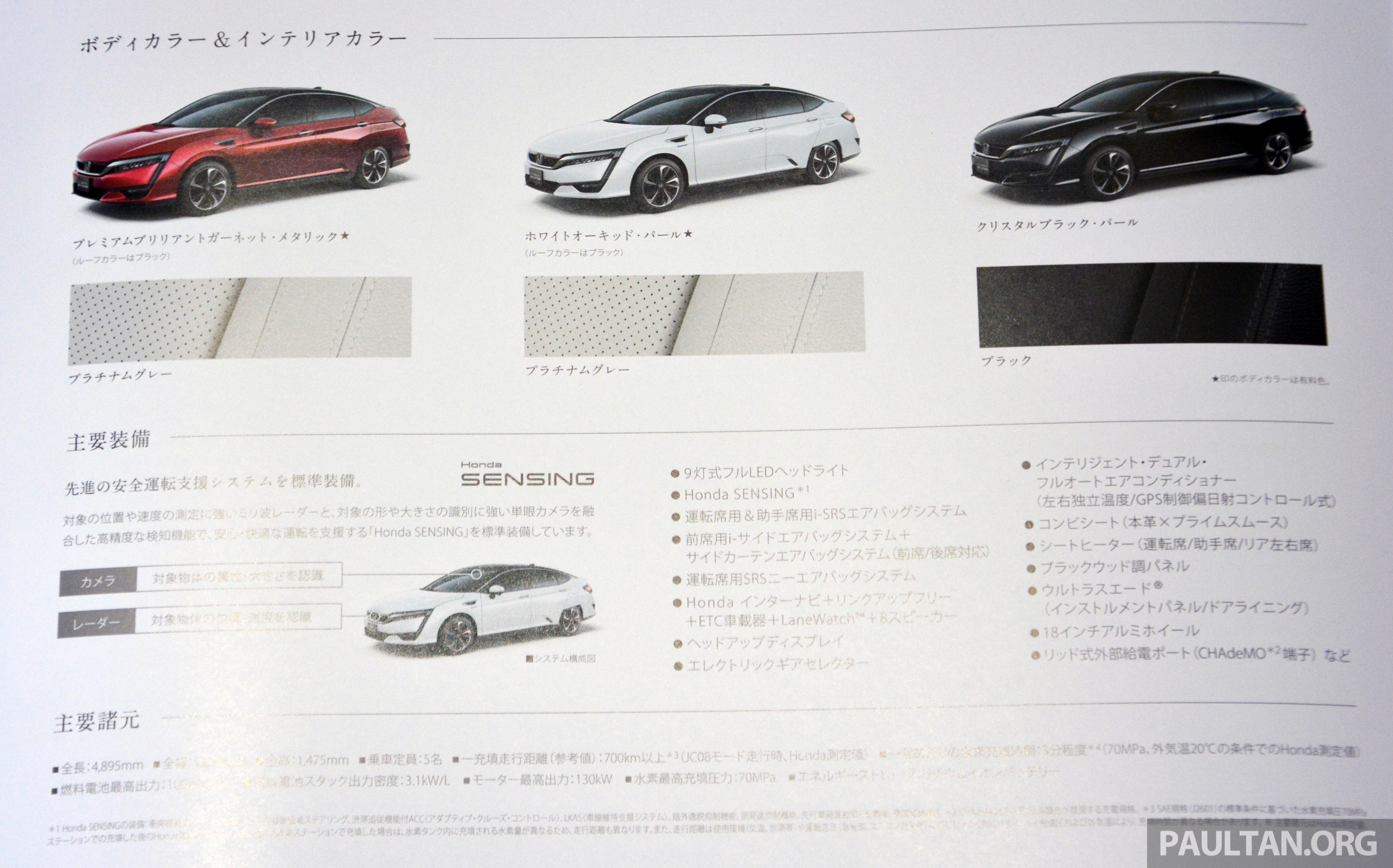
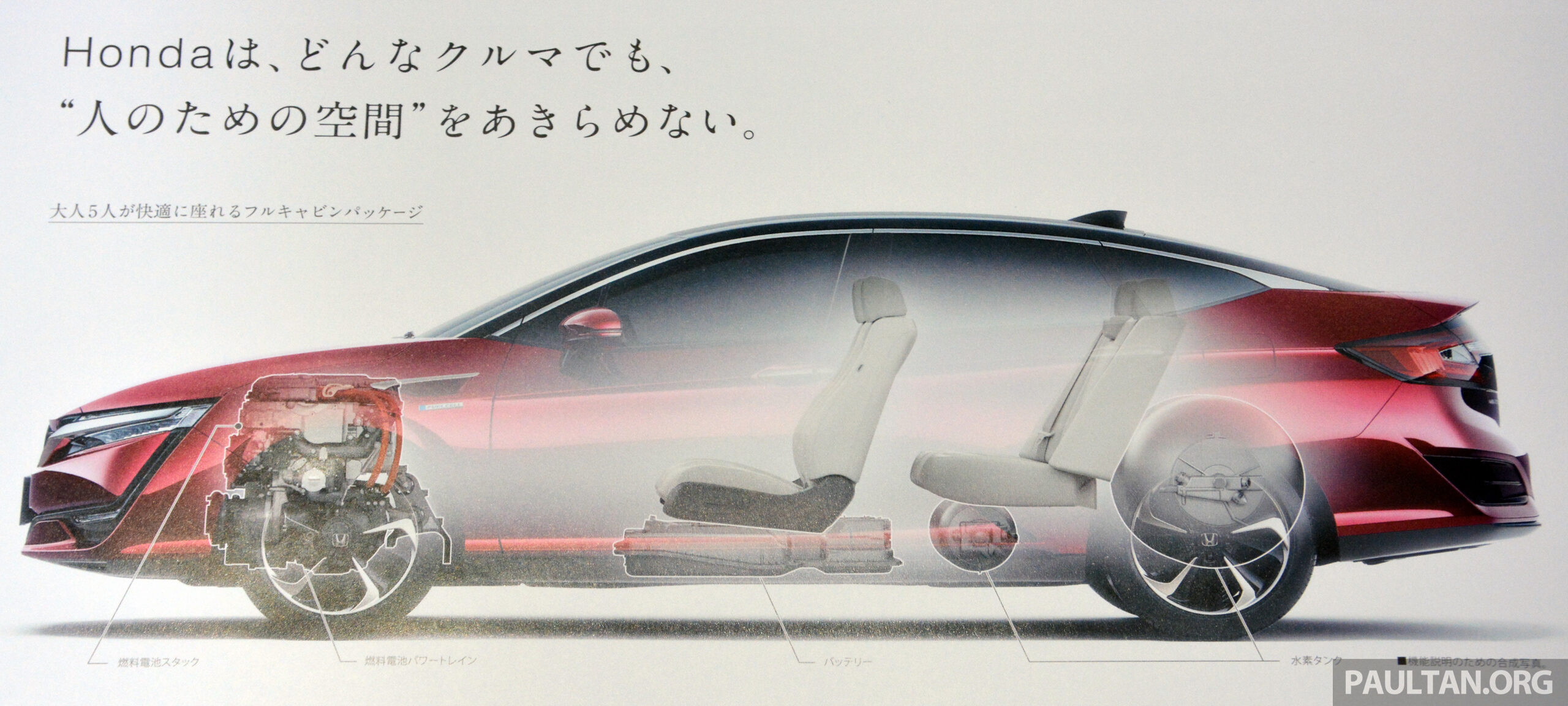
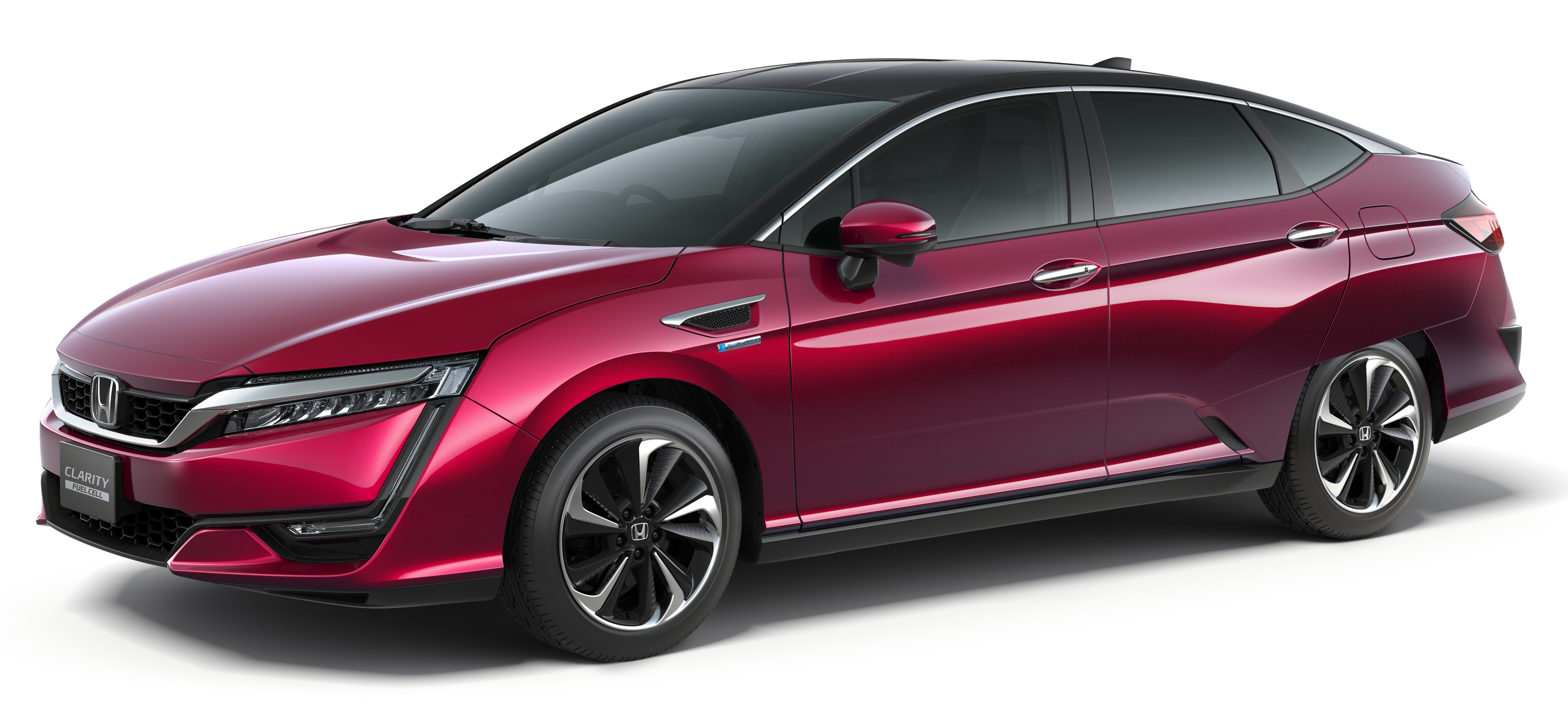
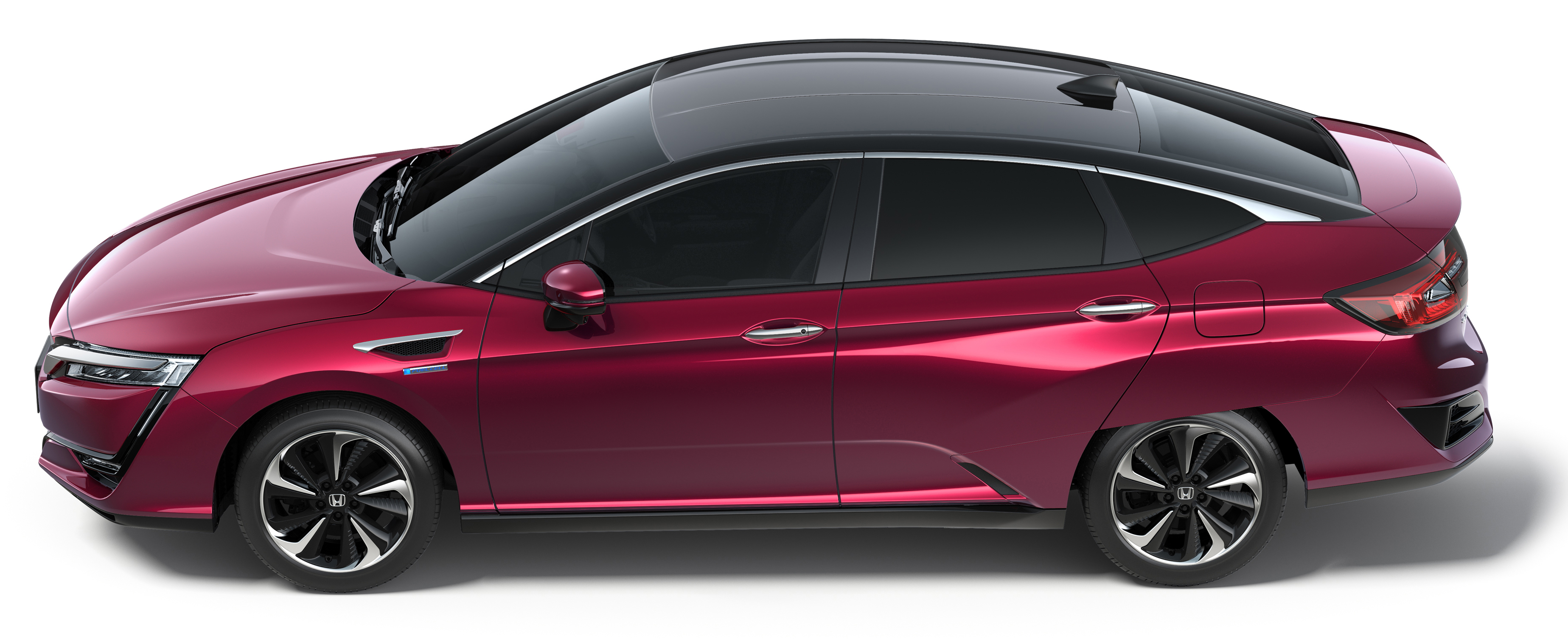
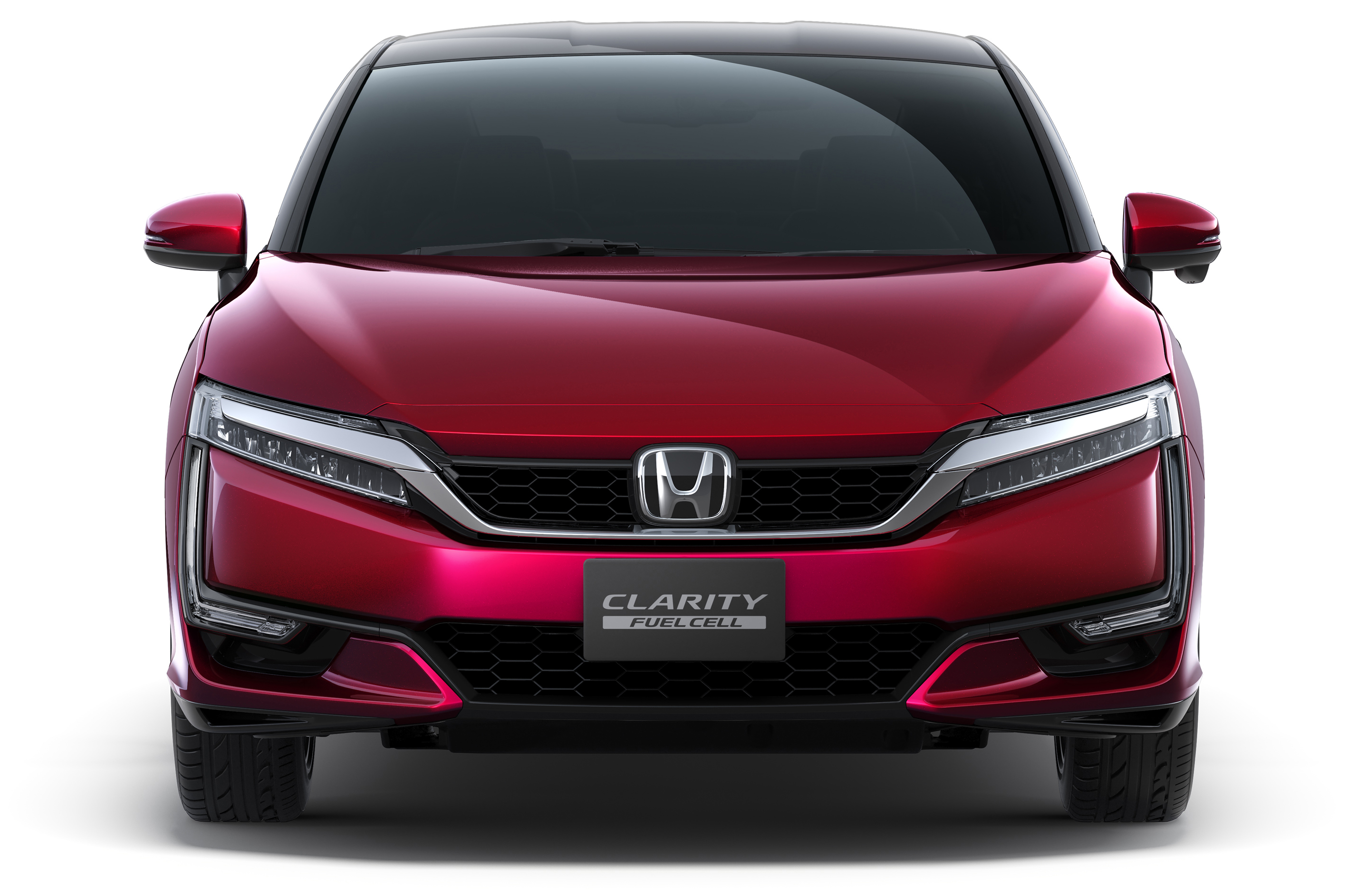
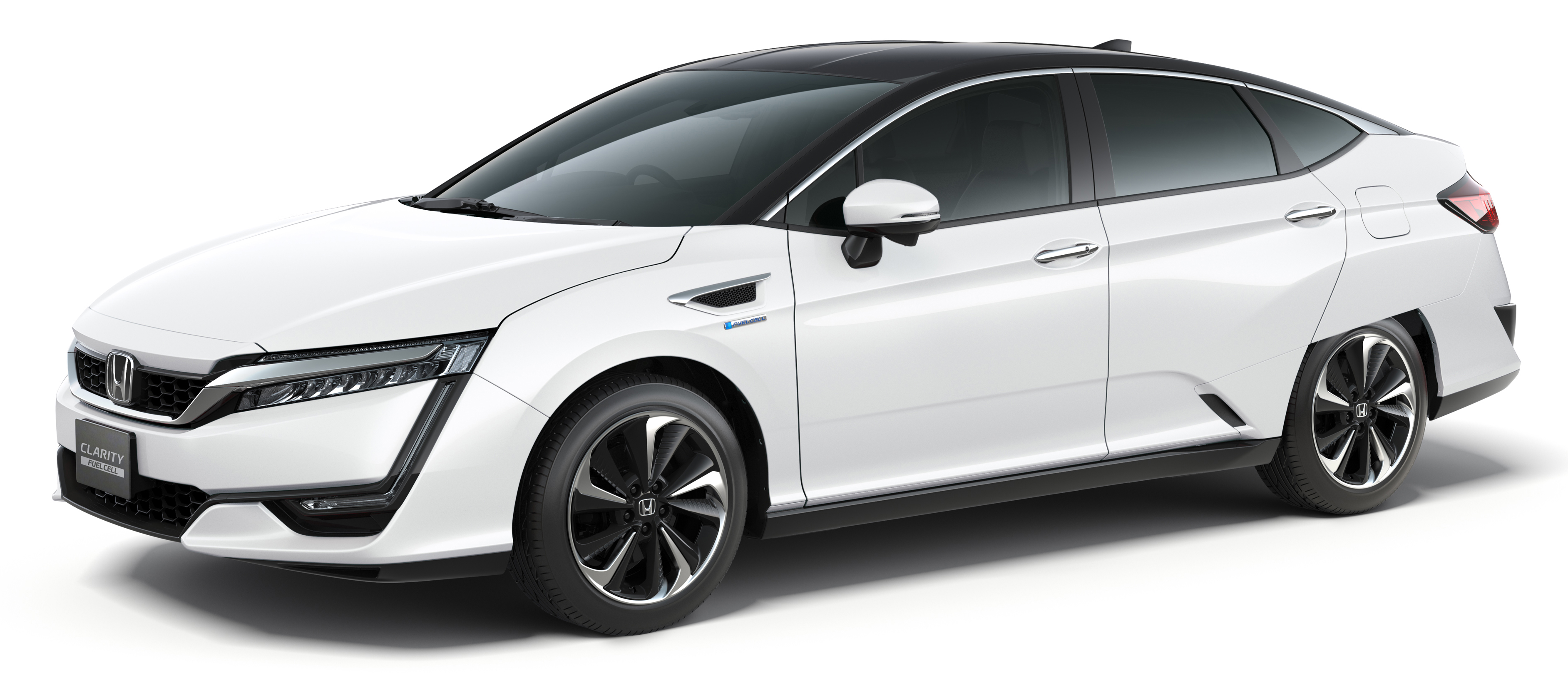
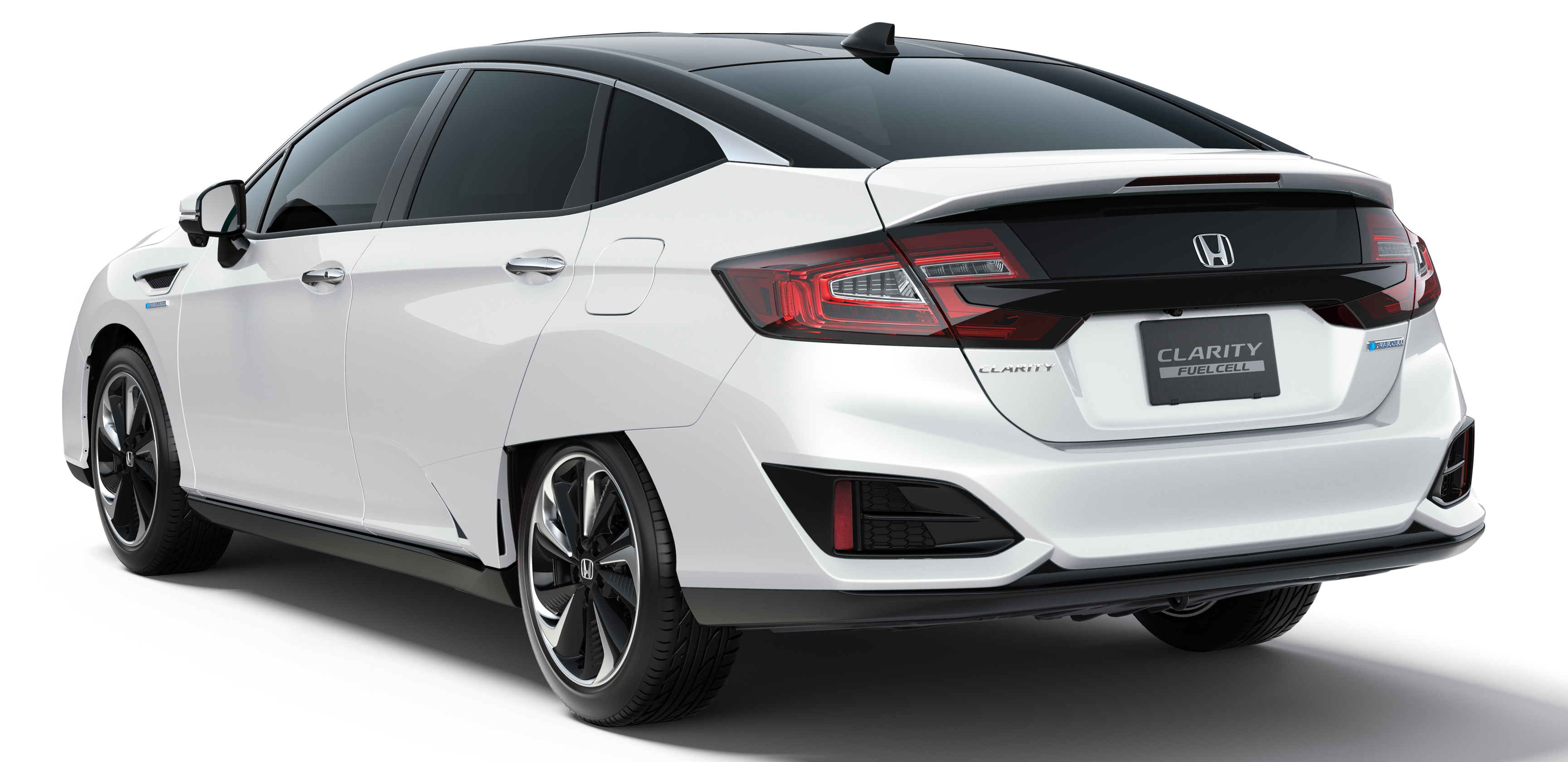
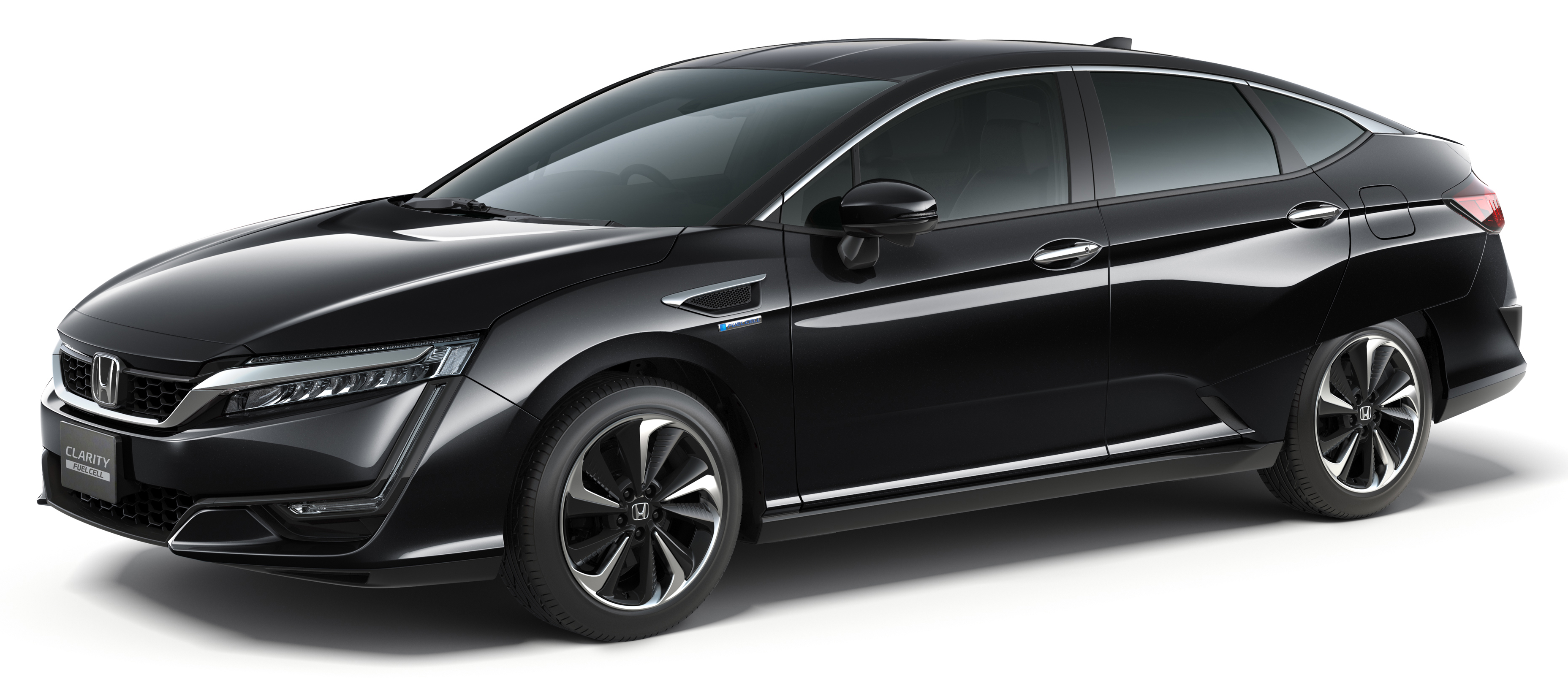
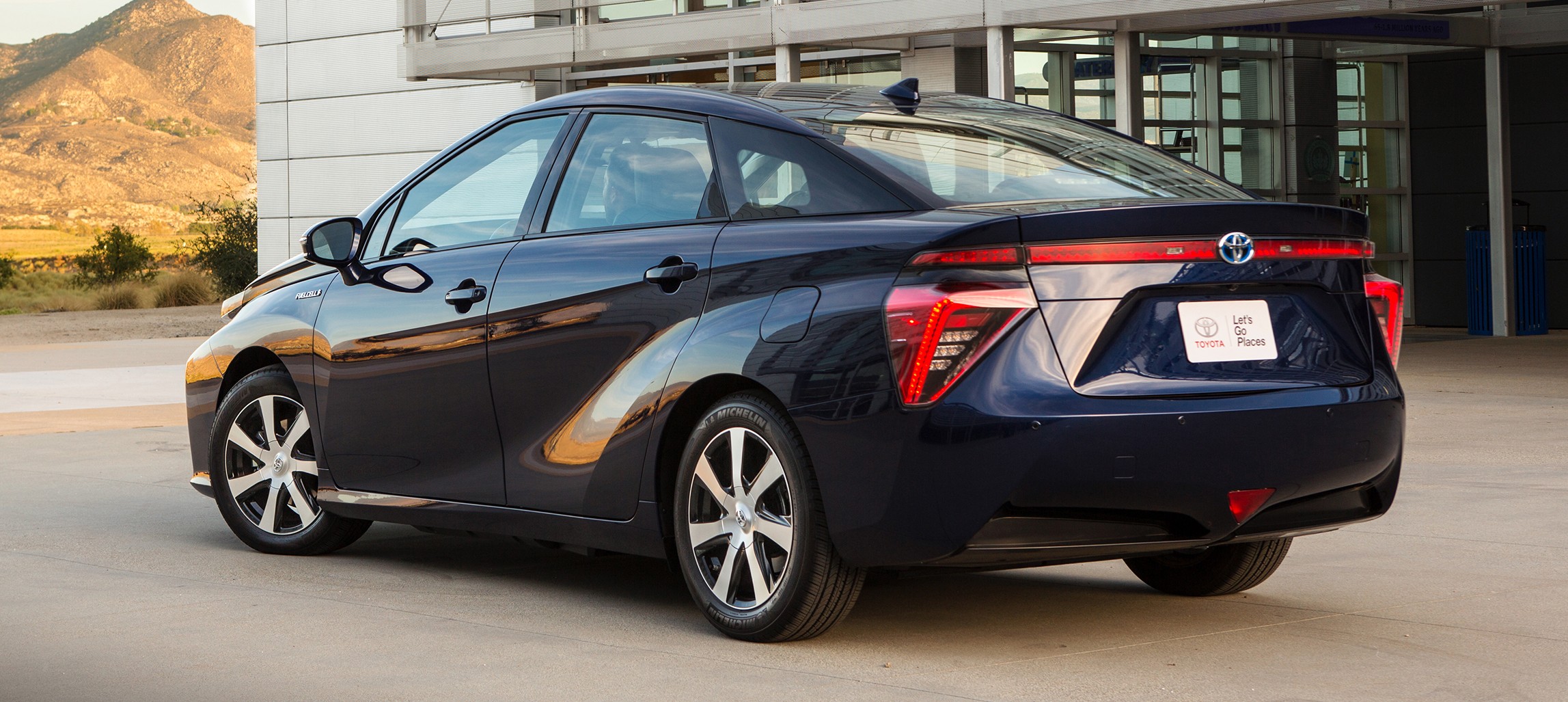
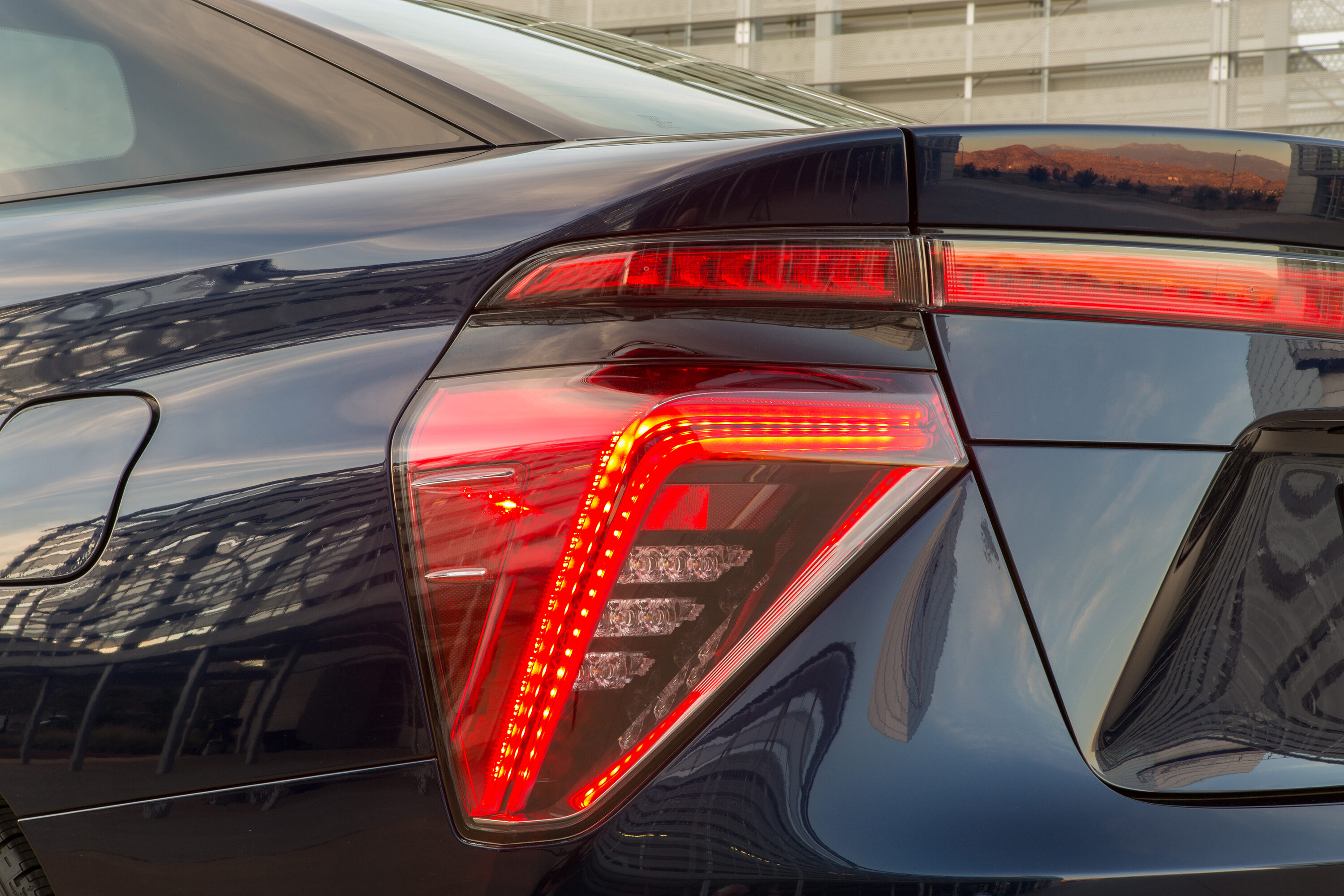
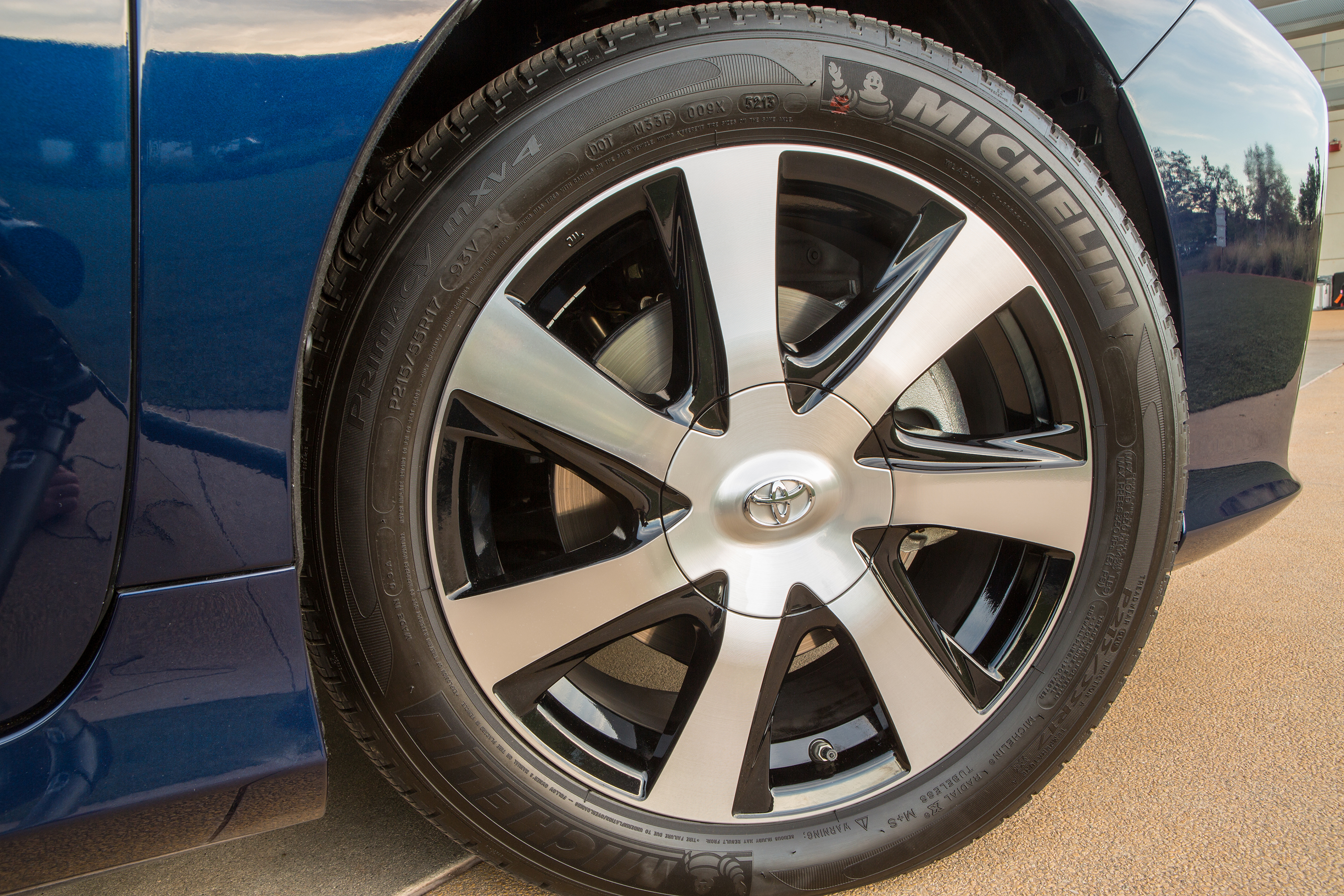
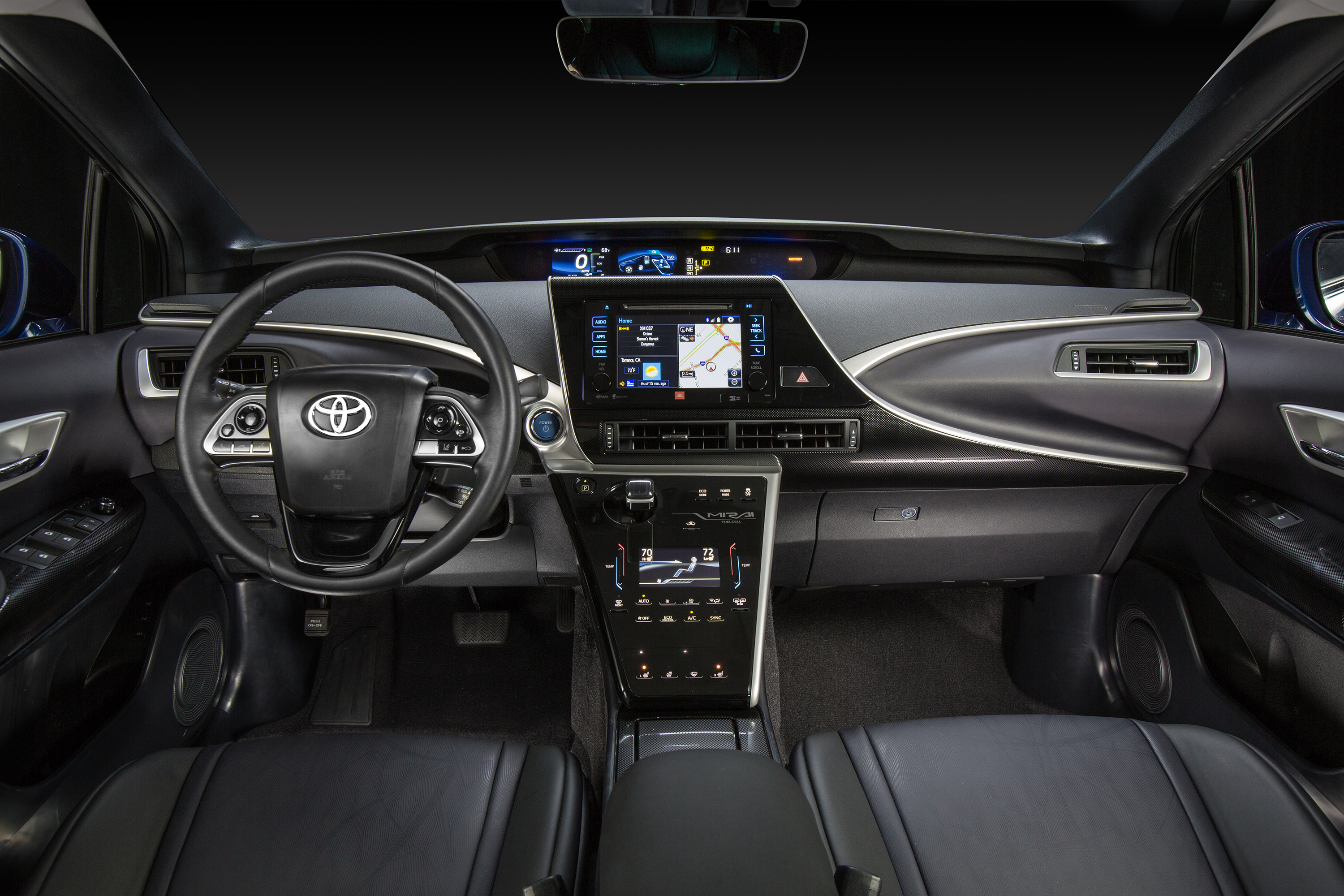
Fuel cell vehicles are far from mainstream; so far, the Toyota Mirai and the Honda Clarity Fuel Cell are the only two being made available for sale. Where the duo derive energy from a hydrogen source, Nissan is taking a different approach. The company has just announced that research and development is currently under progress for solid oxide fuel cell (SOFC) system that generates electricity from bio-ethanol.
Claimed to be a world first, Nissan’s SOFC is a fuel cell that reacts multiple fuels – including ethanol and natural gas – with oxygen to produce electricity at high efficiency. Nissan says “The e-Bio Fuel Cell generates electricity through the SOFC (power generator) using bio-ethanol stored in the vehicle. The e-Bio Fuel Cell utilizes hydrogen transformed from fuel via a reformer and atmospheric oxygen, with the subsequent electrochemical reaction producing electricity to power the vehicle.”
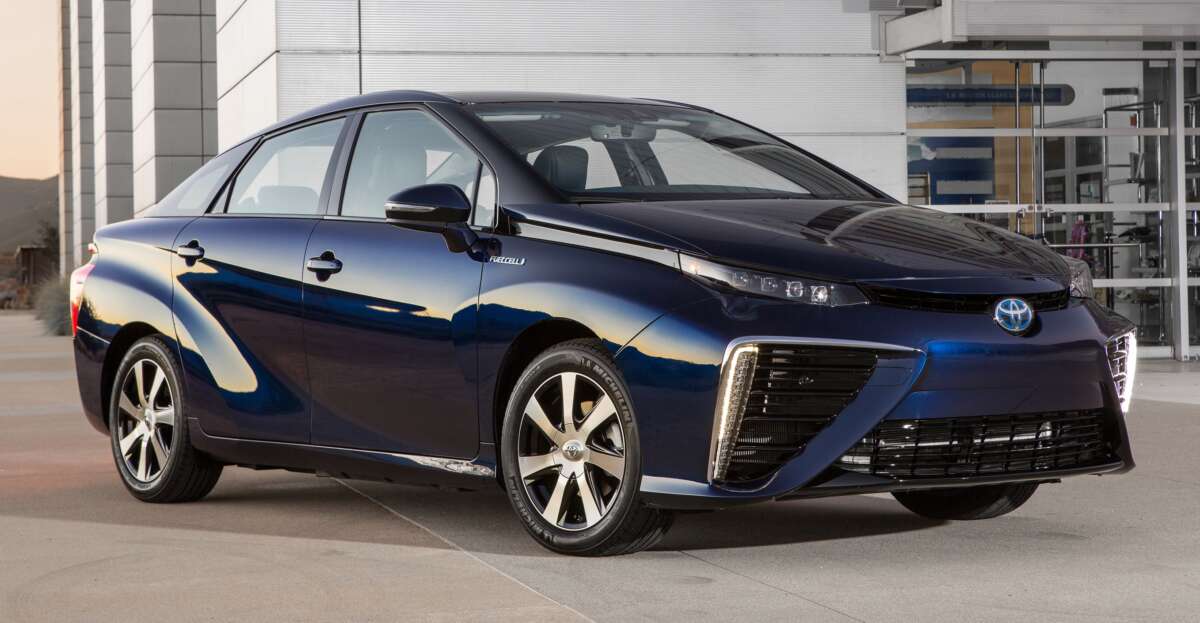
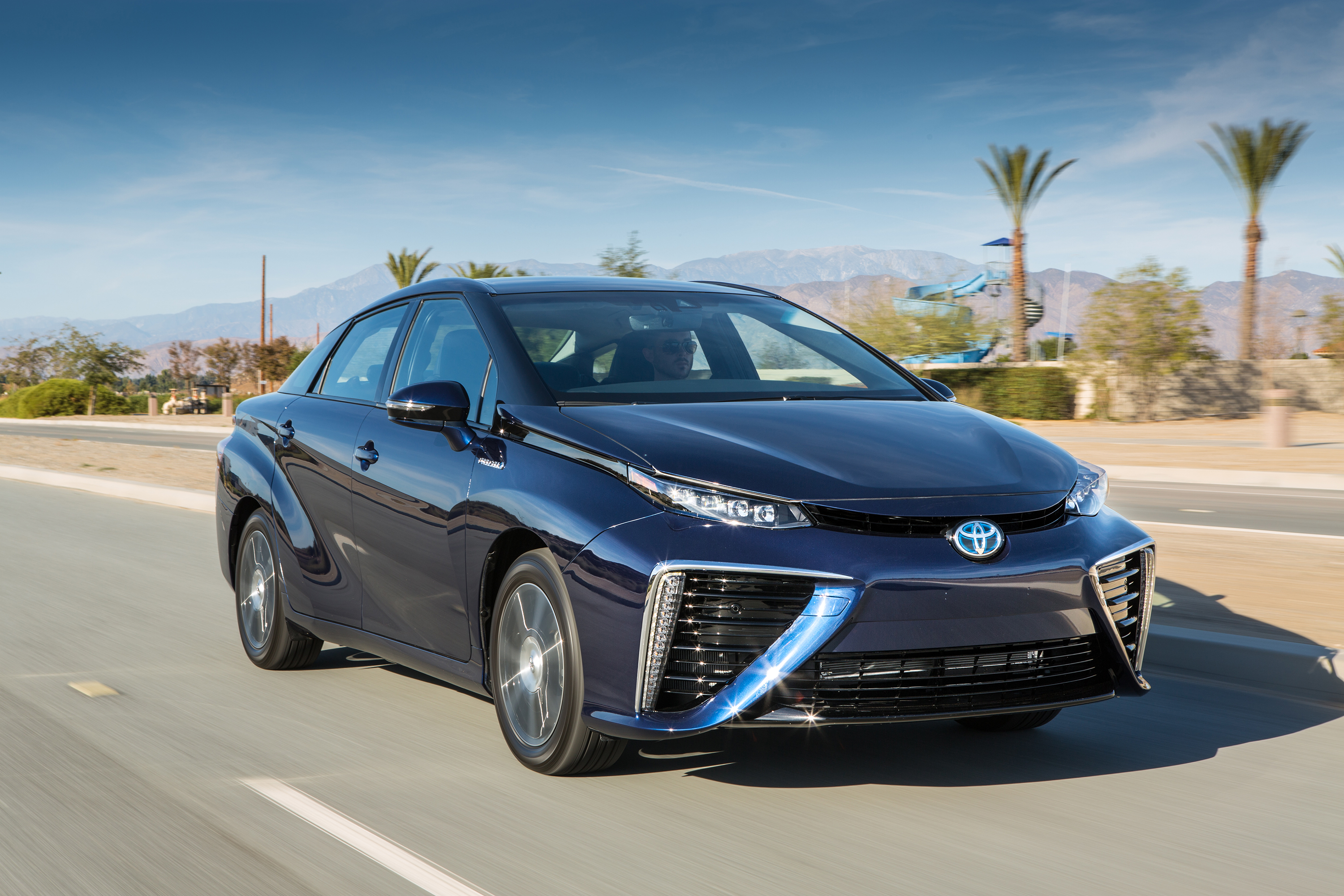
Simply put, a reformer turns the fuels into hydrogen, which reacts with atmospheric oxygen to produce electricity that powers the vehicle. According to Nissan, this setup has greater power efficiency than conventional hydrogen fuel cells, which will give vehicles thus equipped a range of 597 km, by the company’s estimates. In comparison, the Toyota Mirai has a US EPA-estimated range of 502 km.
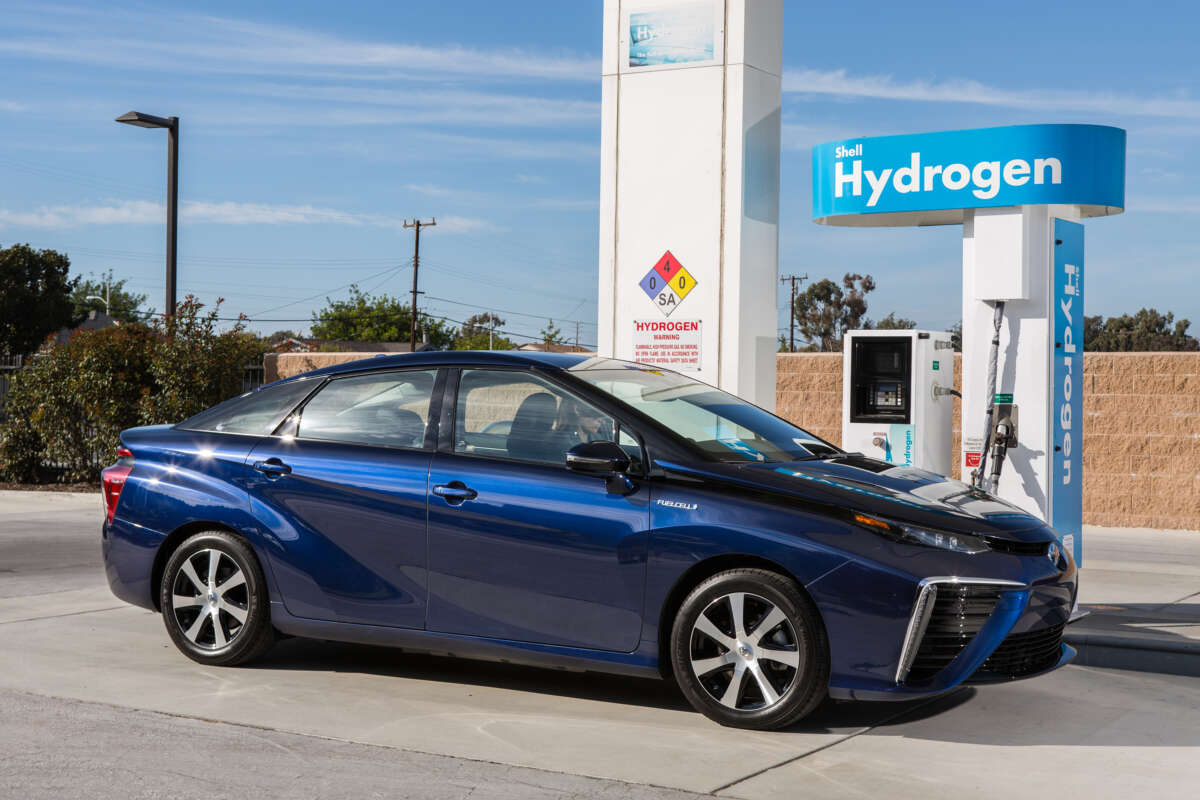
The technology is still a few years away from realisation. Nissan says it is targeting the year 2020 before a vehicle powered by the e-Bio Fuel Cell is operational. Bio-ethanol fuels are more readily available than hydrogen refuelling stations, which gives biofuels an availability advantage over hydrogen. Additionally, hydrogen is more tricky to handle, requiring a high-pressure tank for storage.
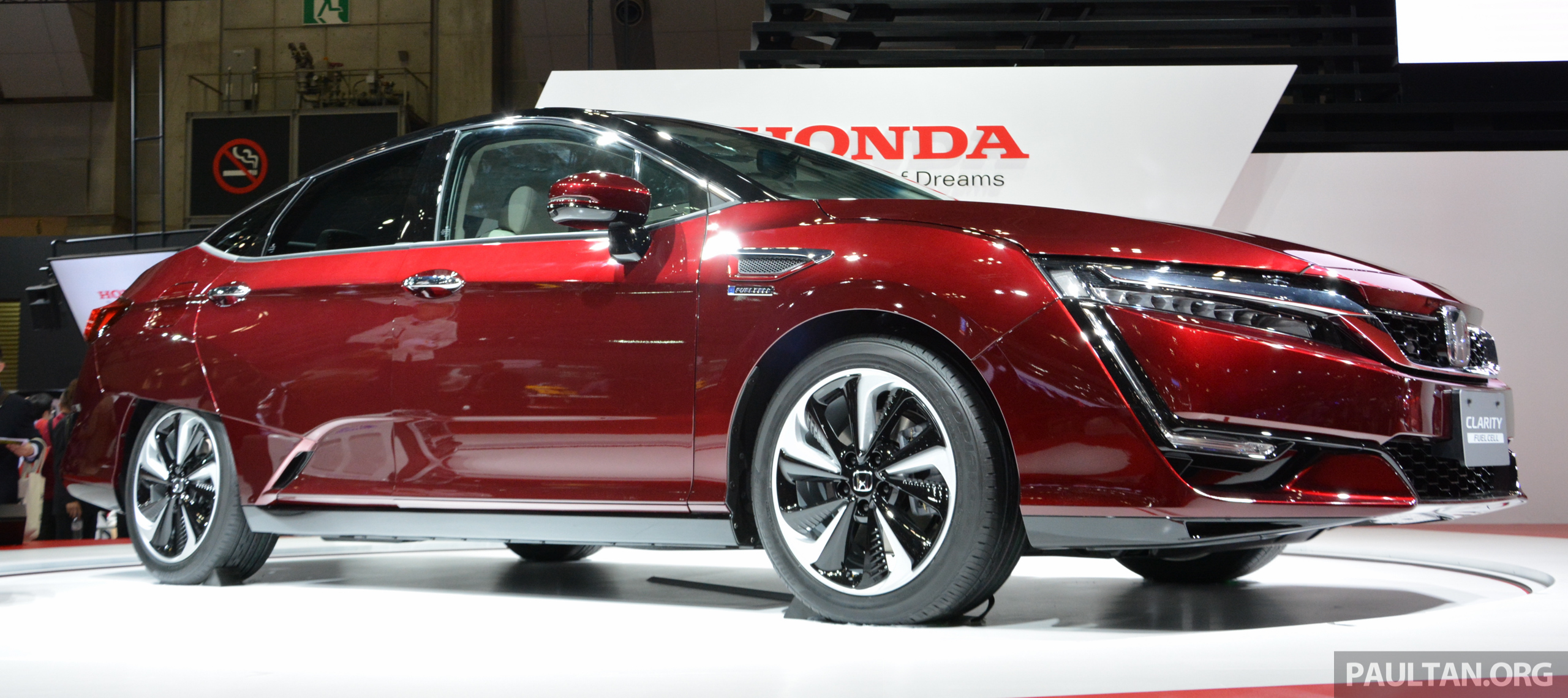
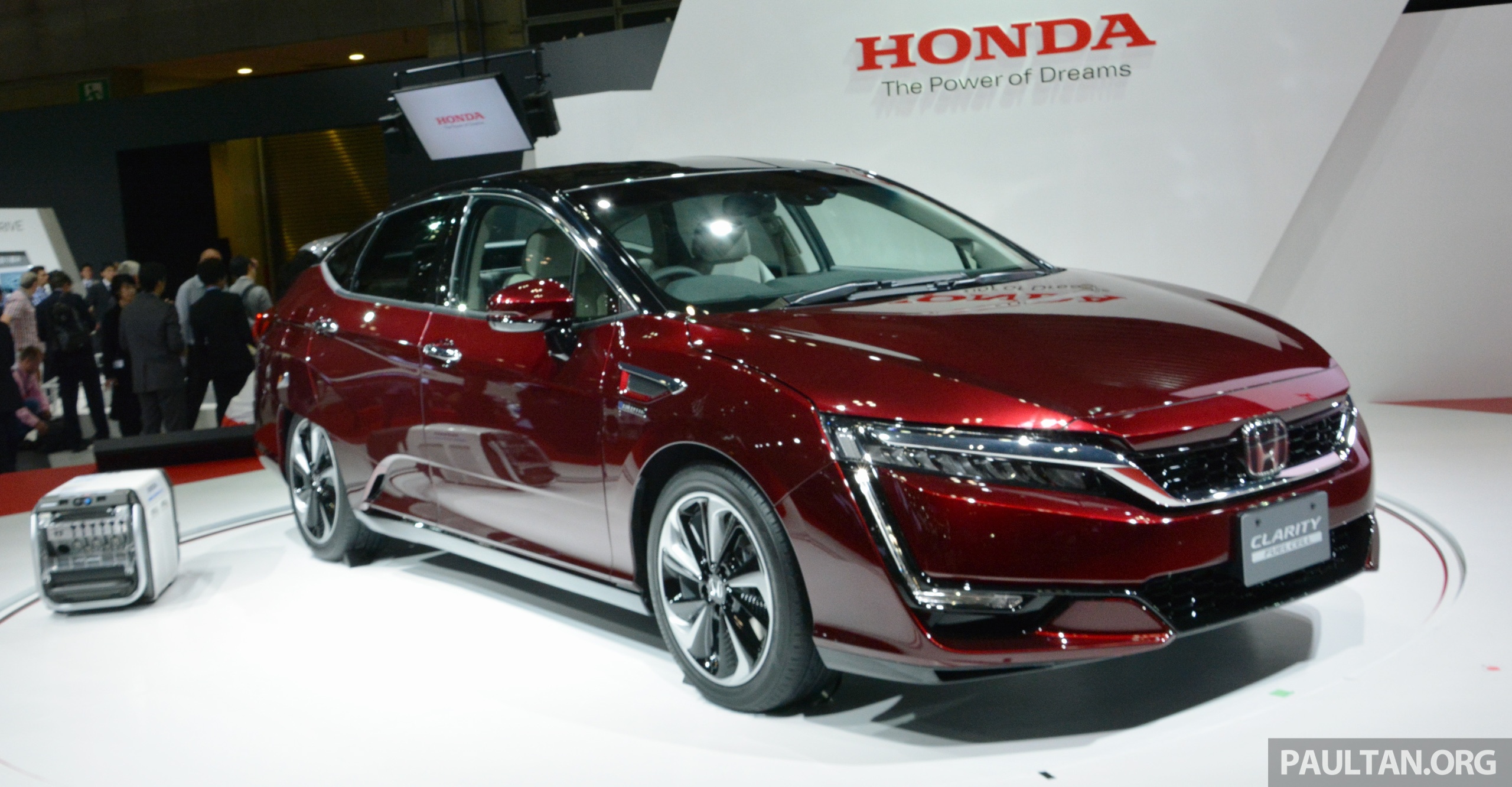
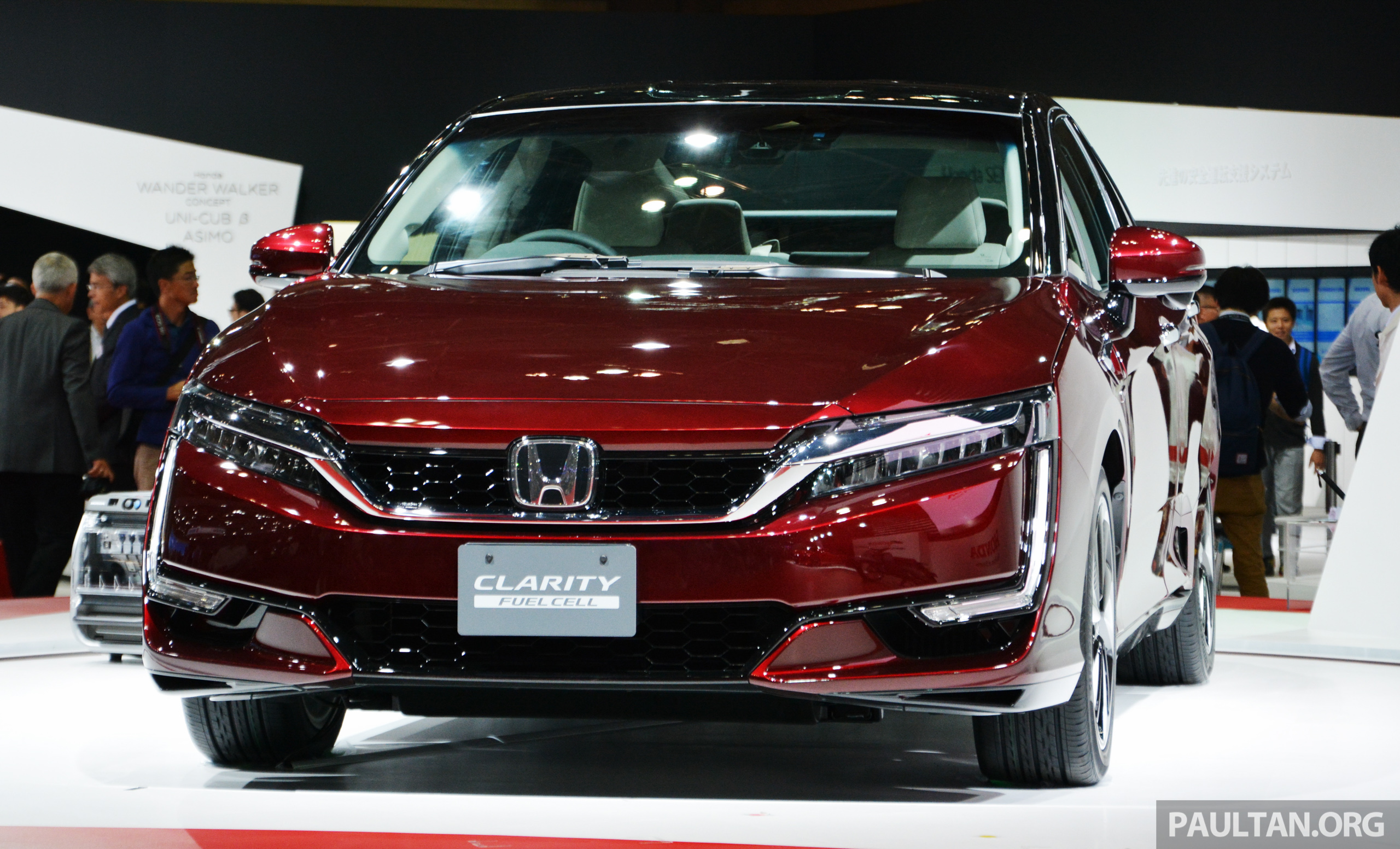
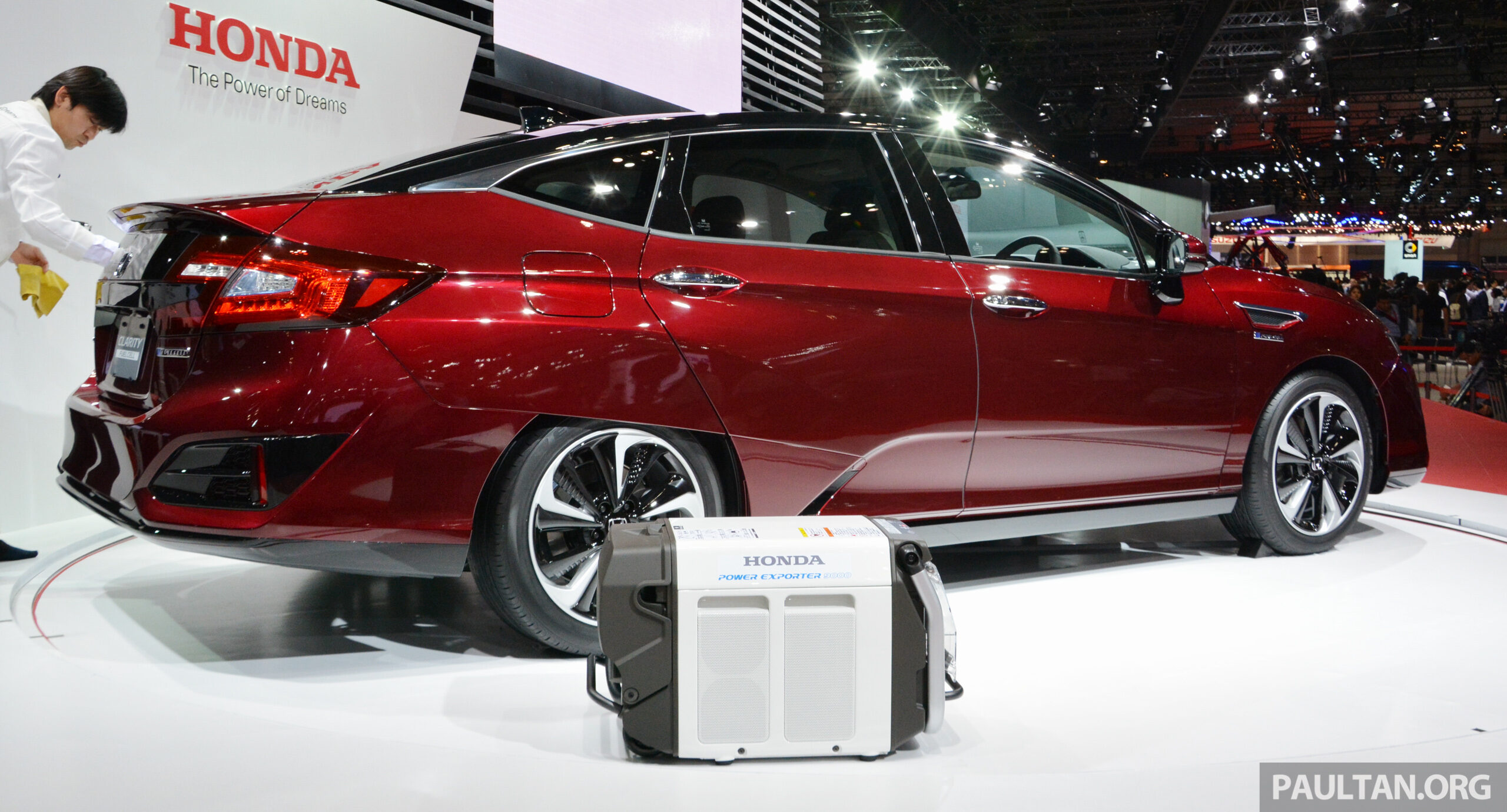
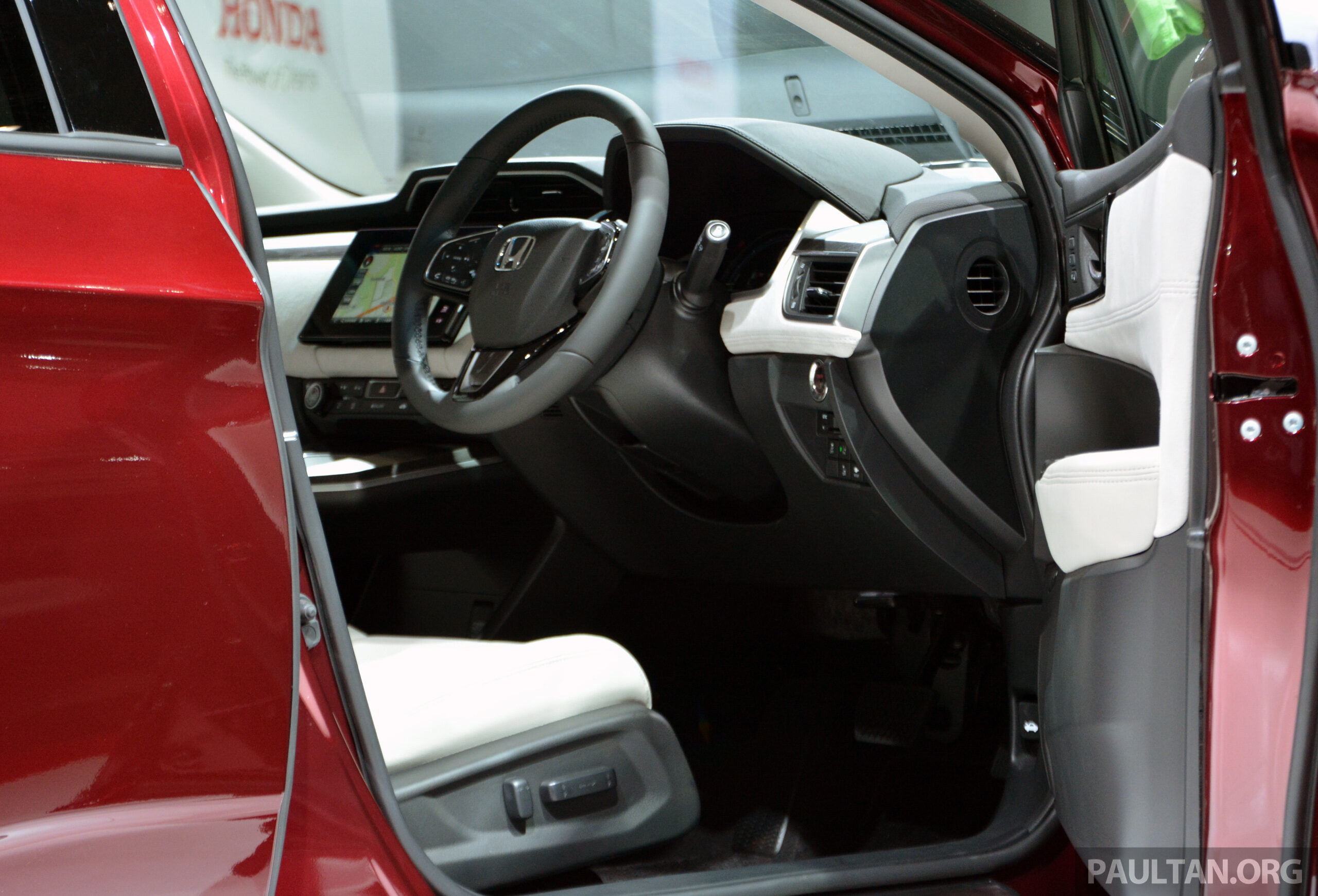
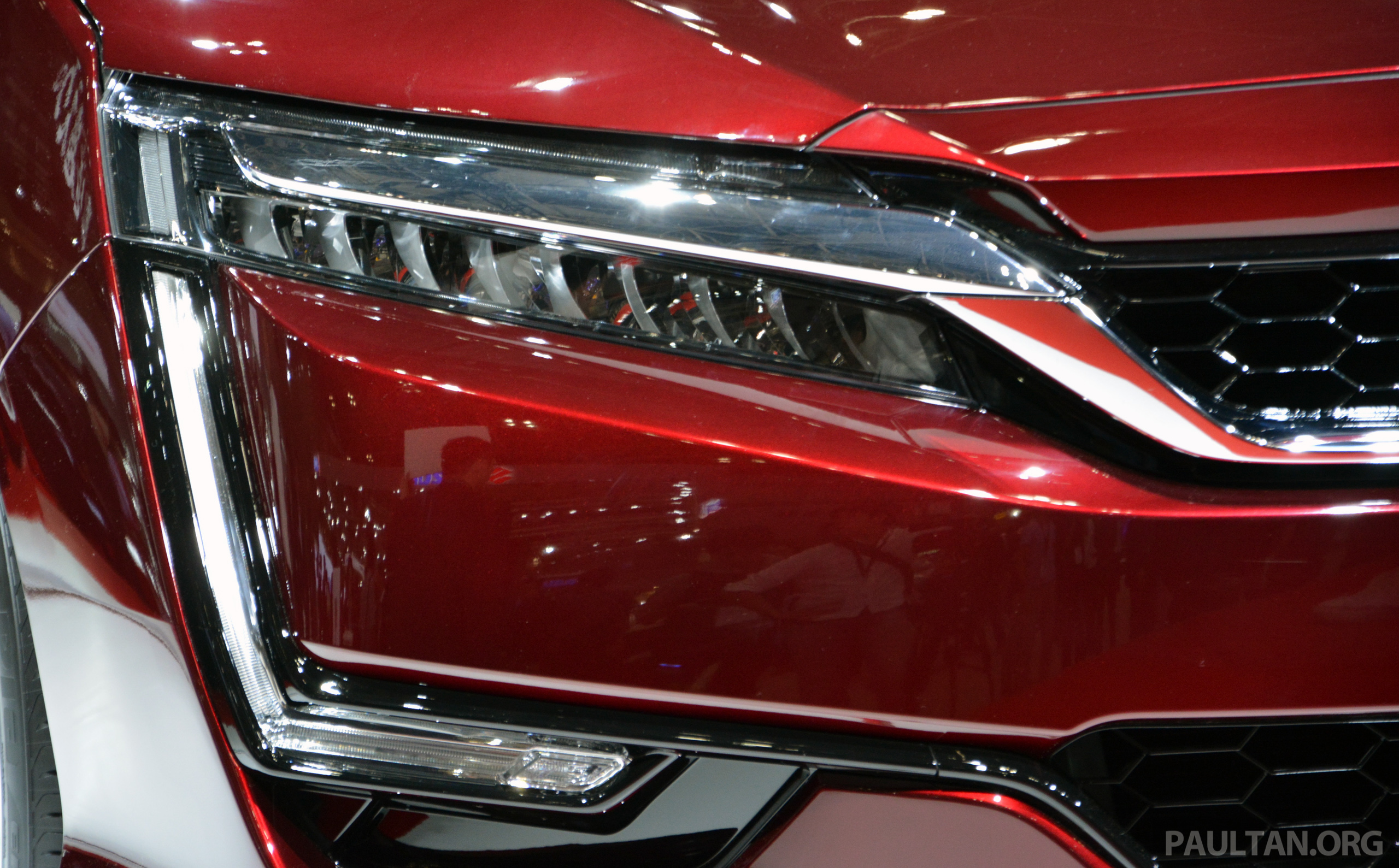
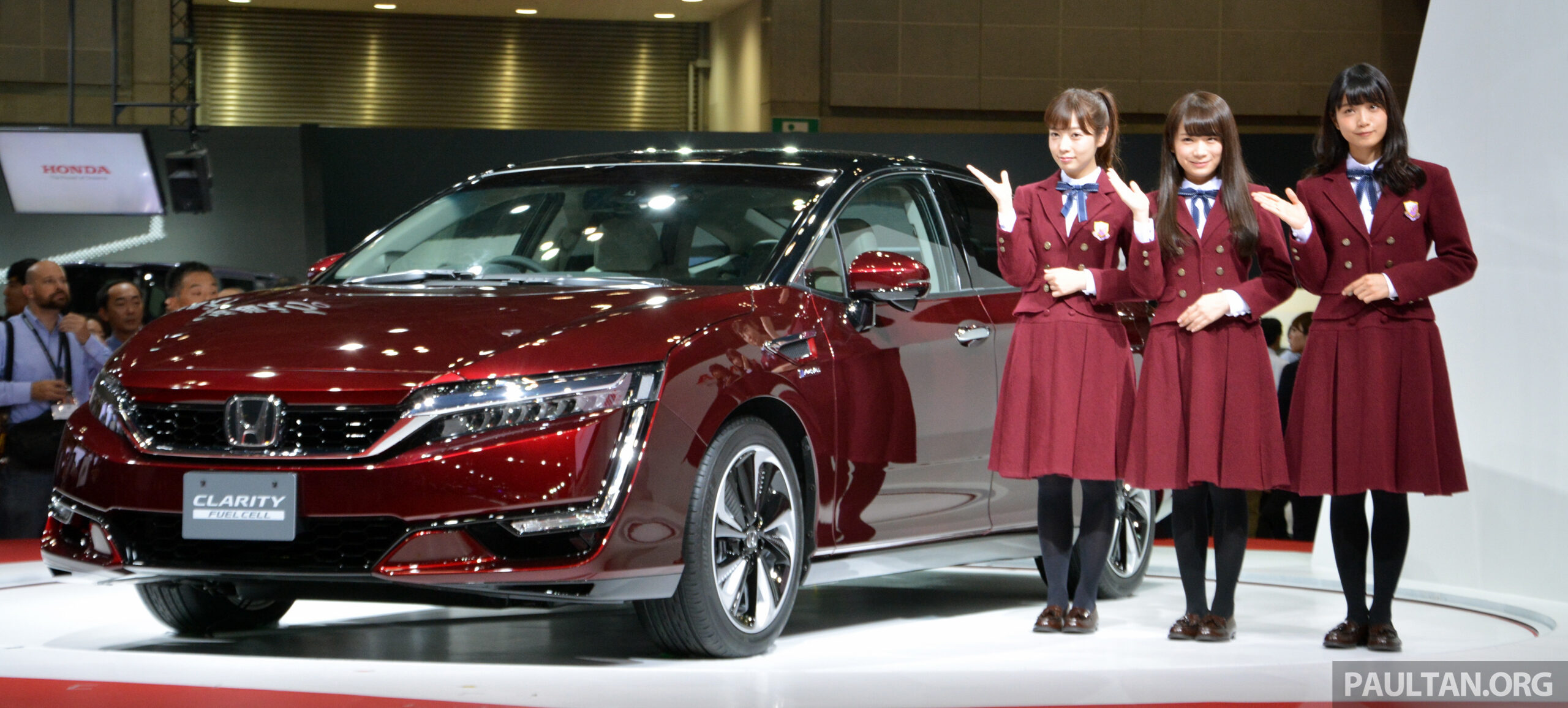
GALLERY: Honda Clarity Fuel Cell at Tokyo 2015

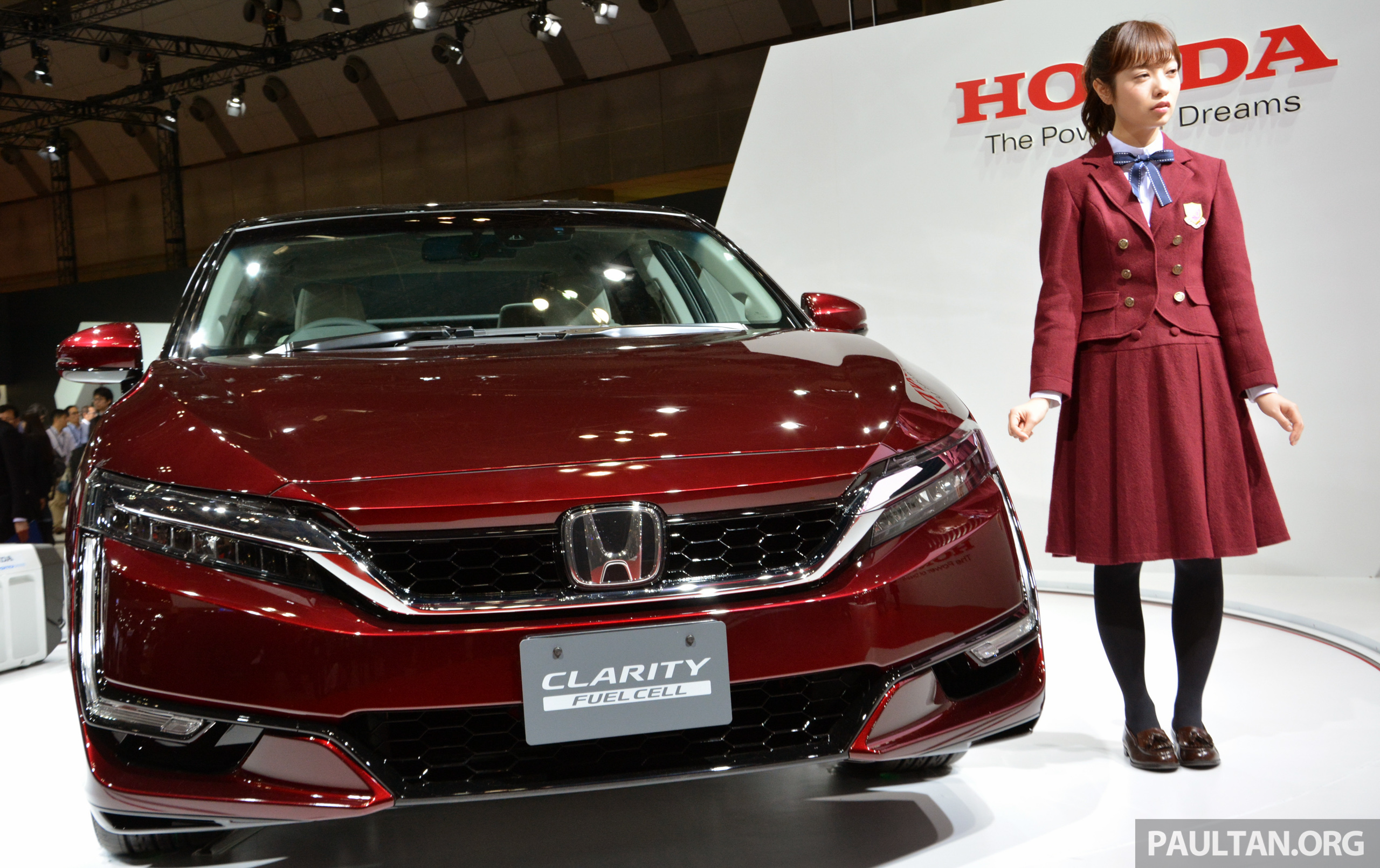
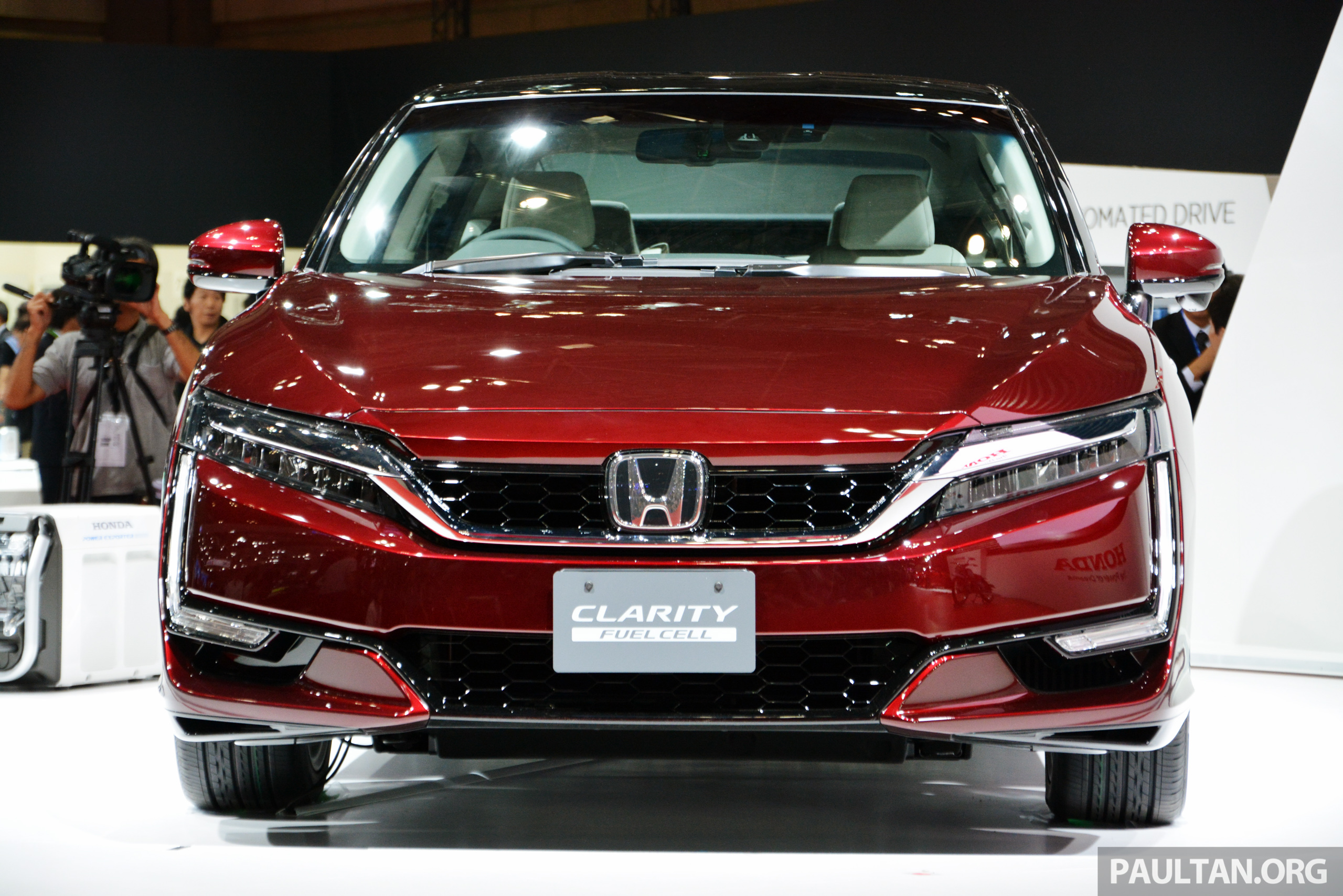

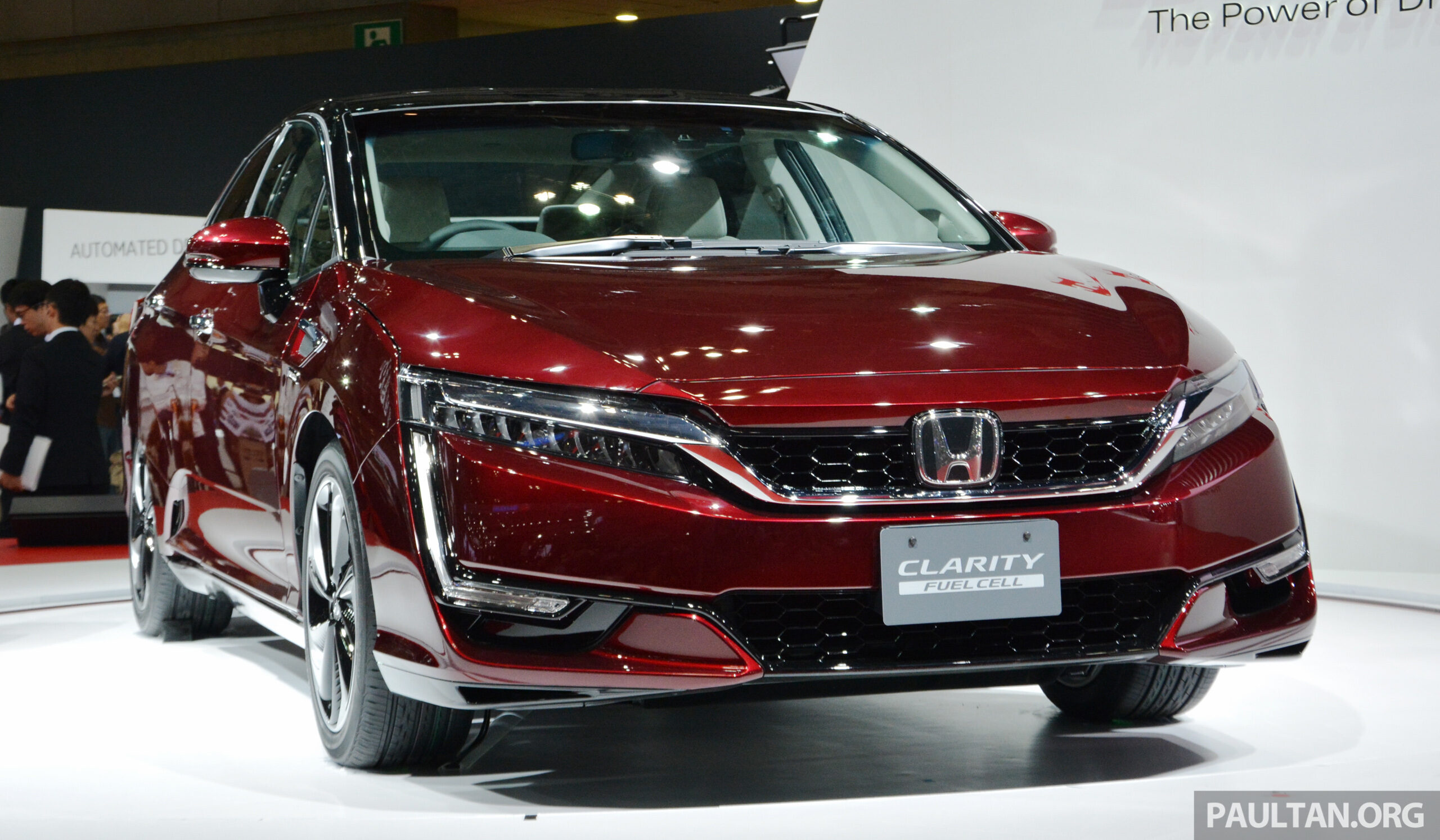
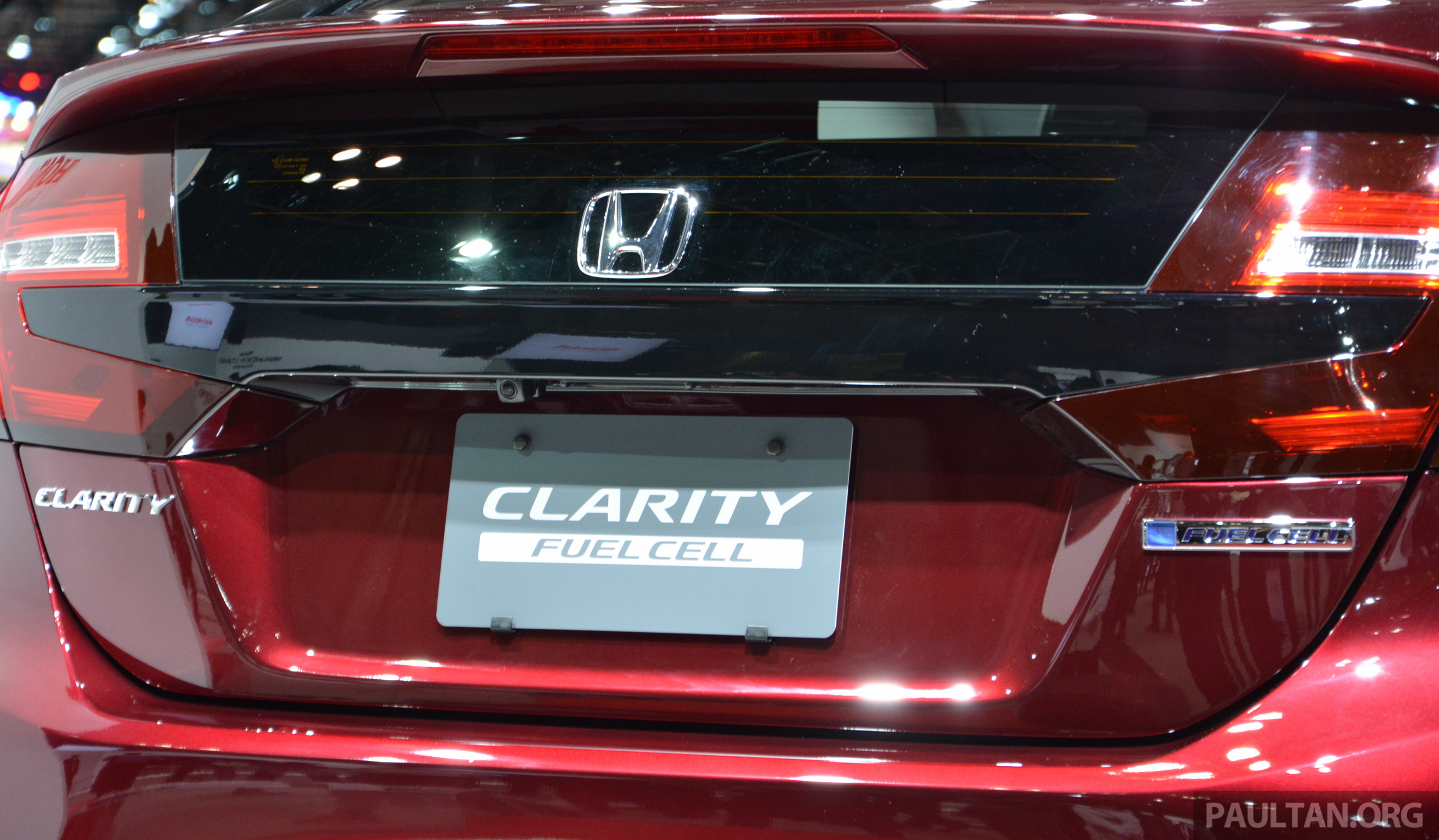



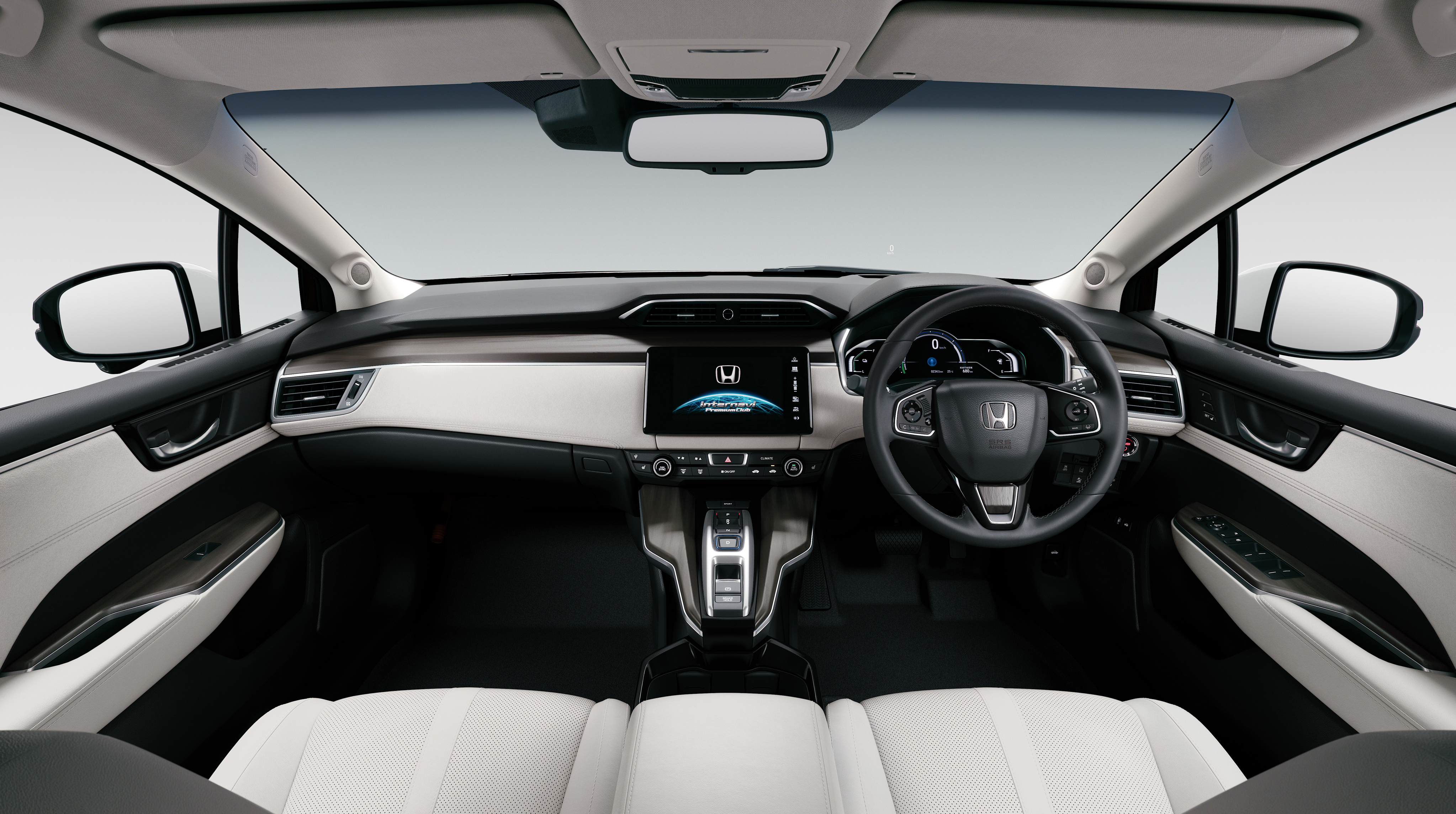
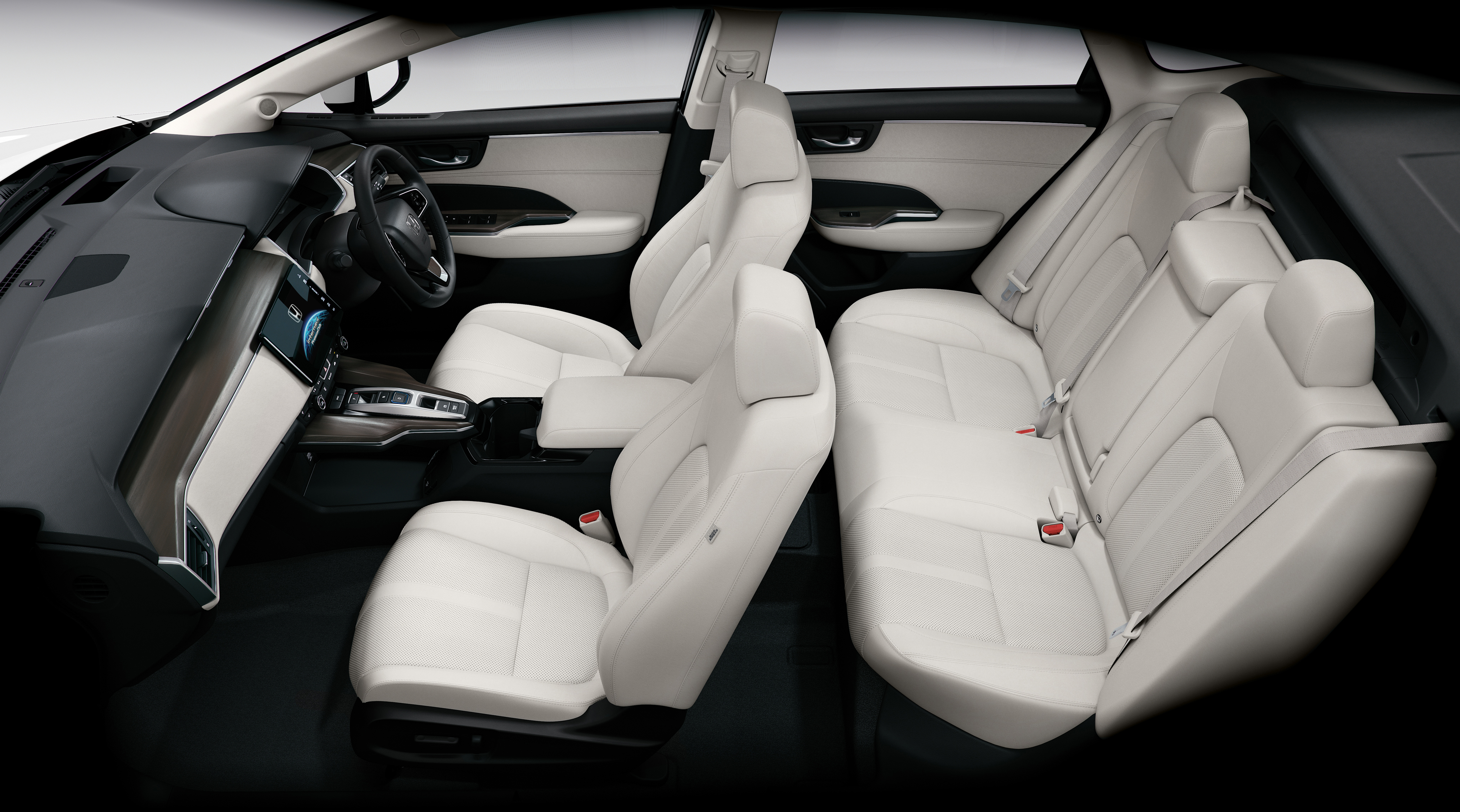

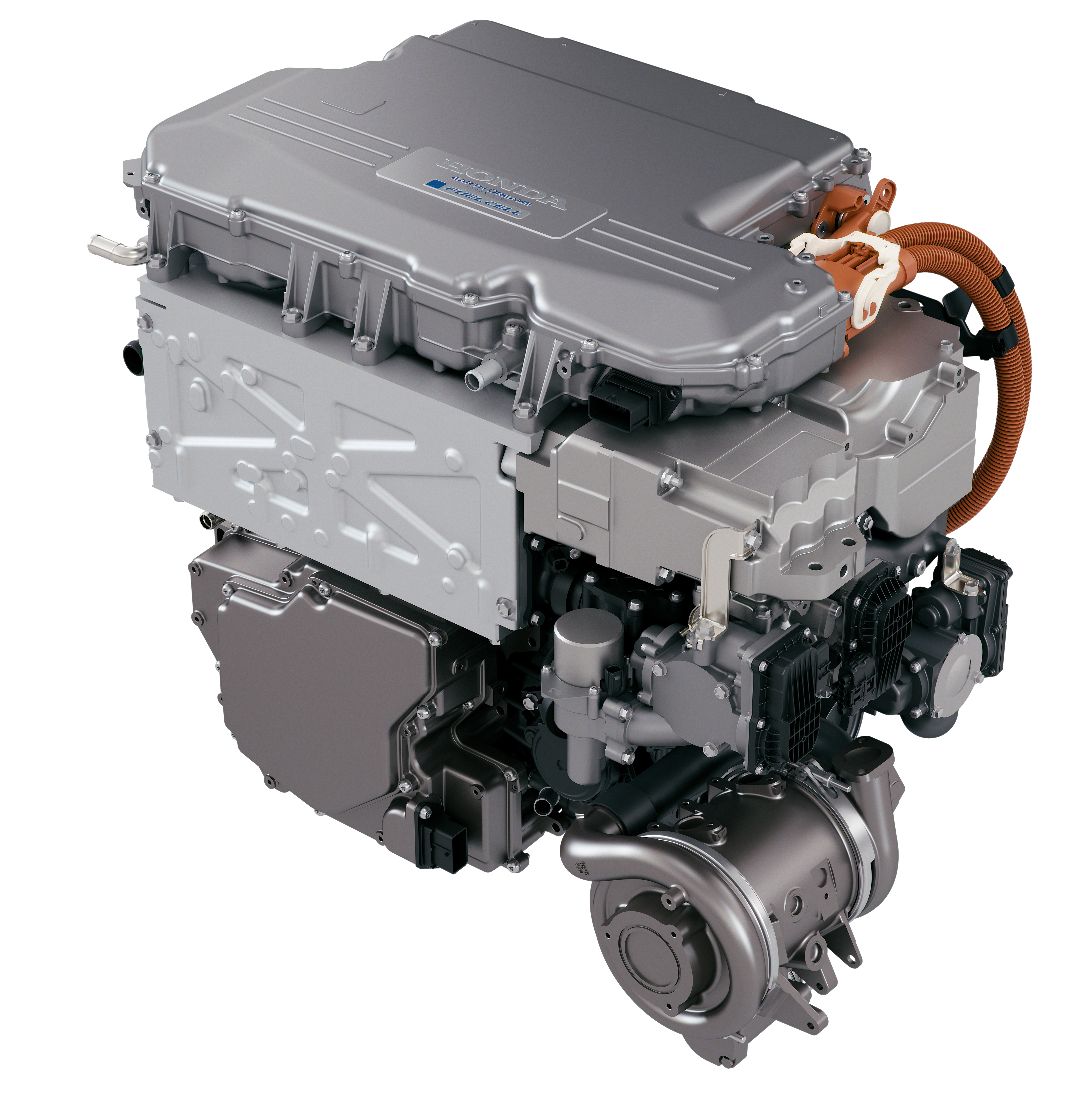
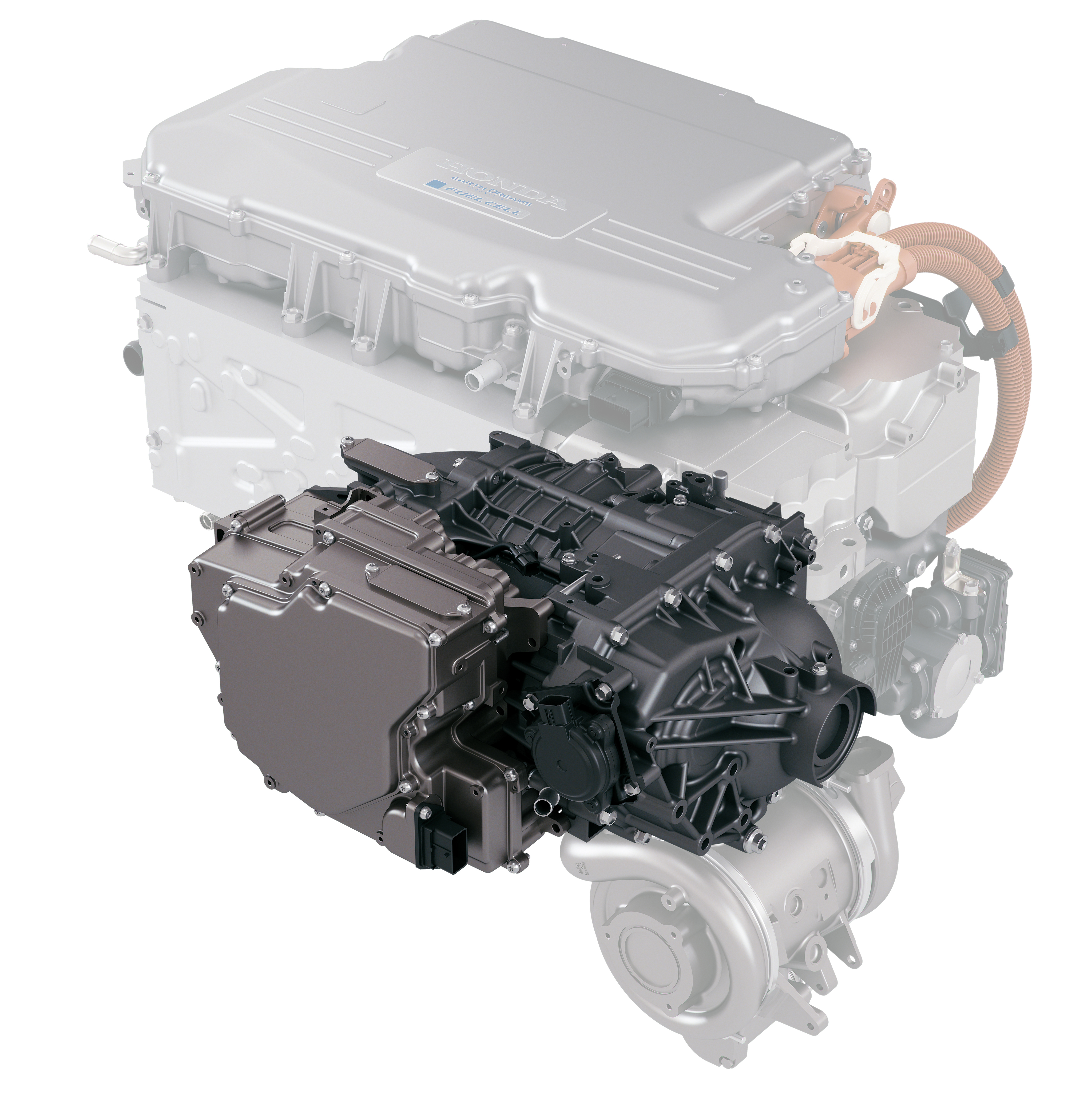
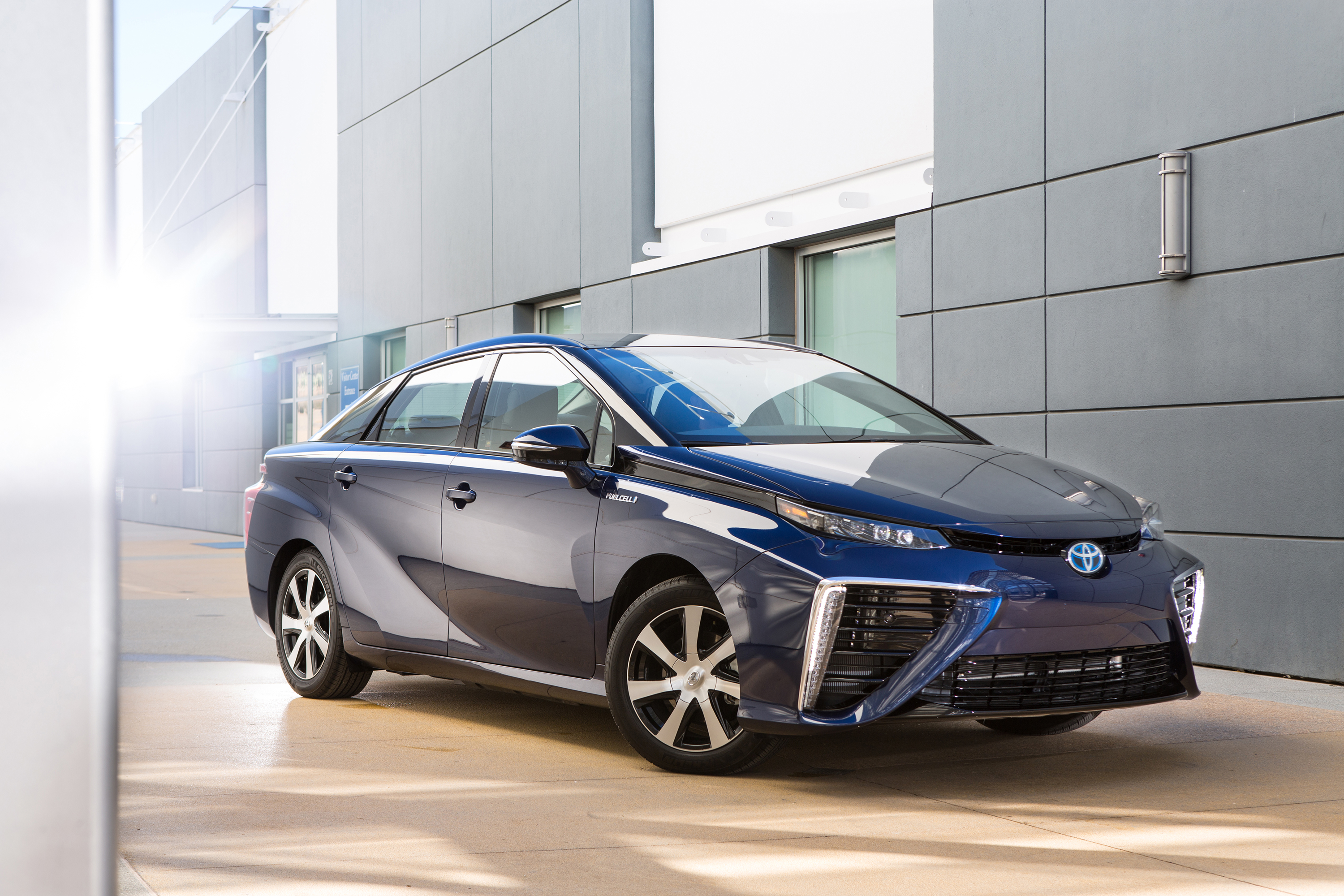
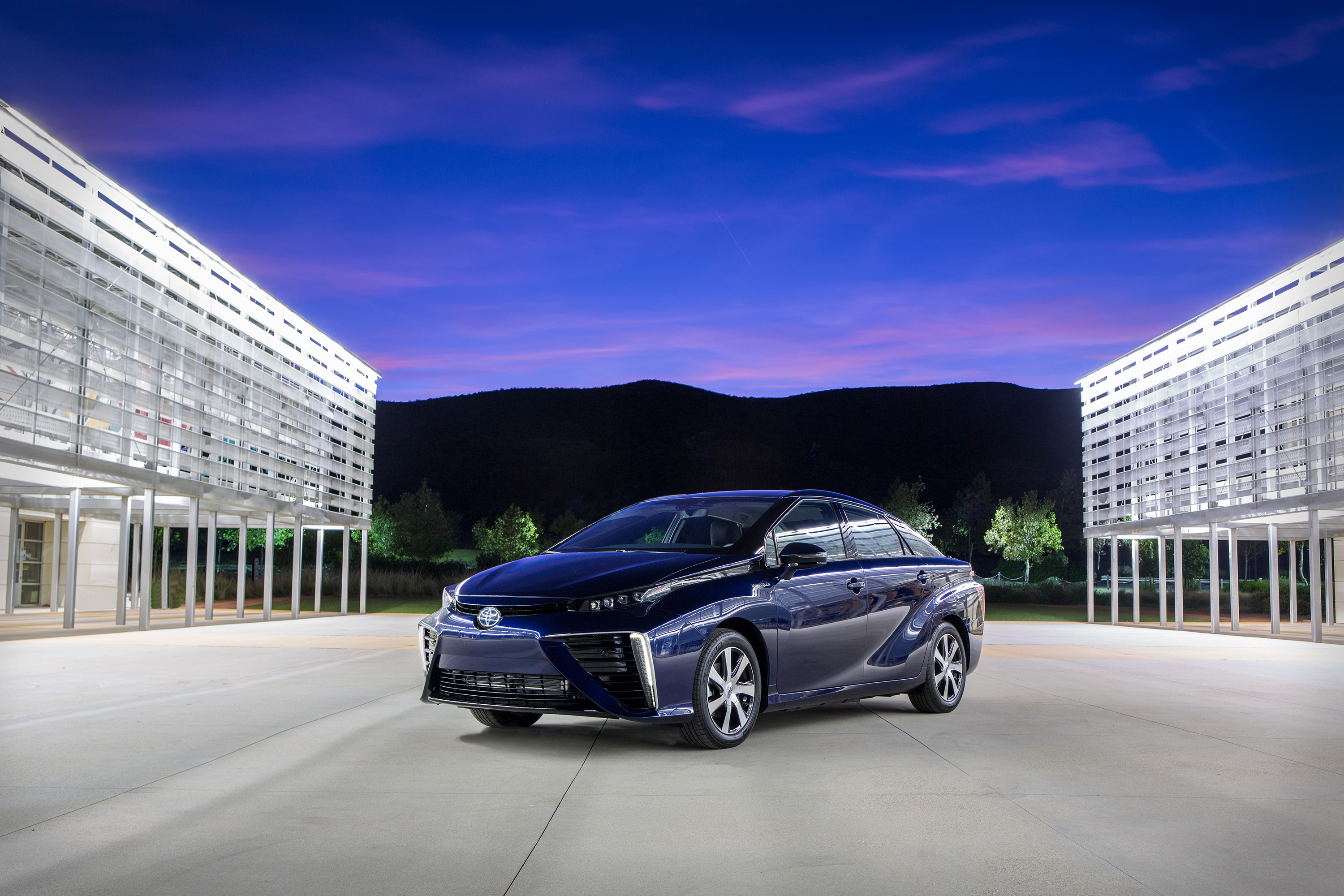
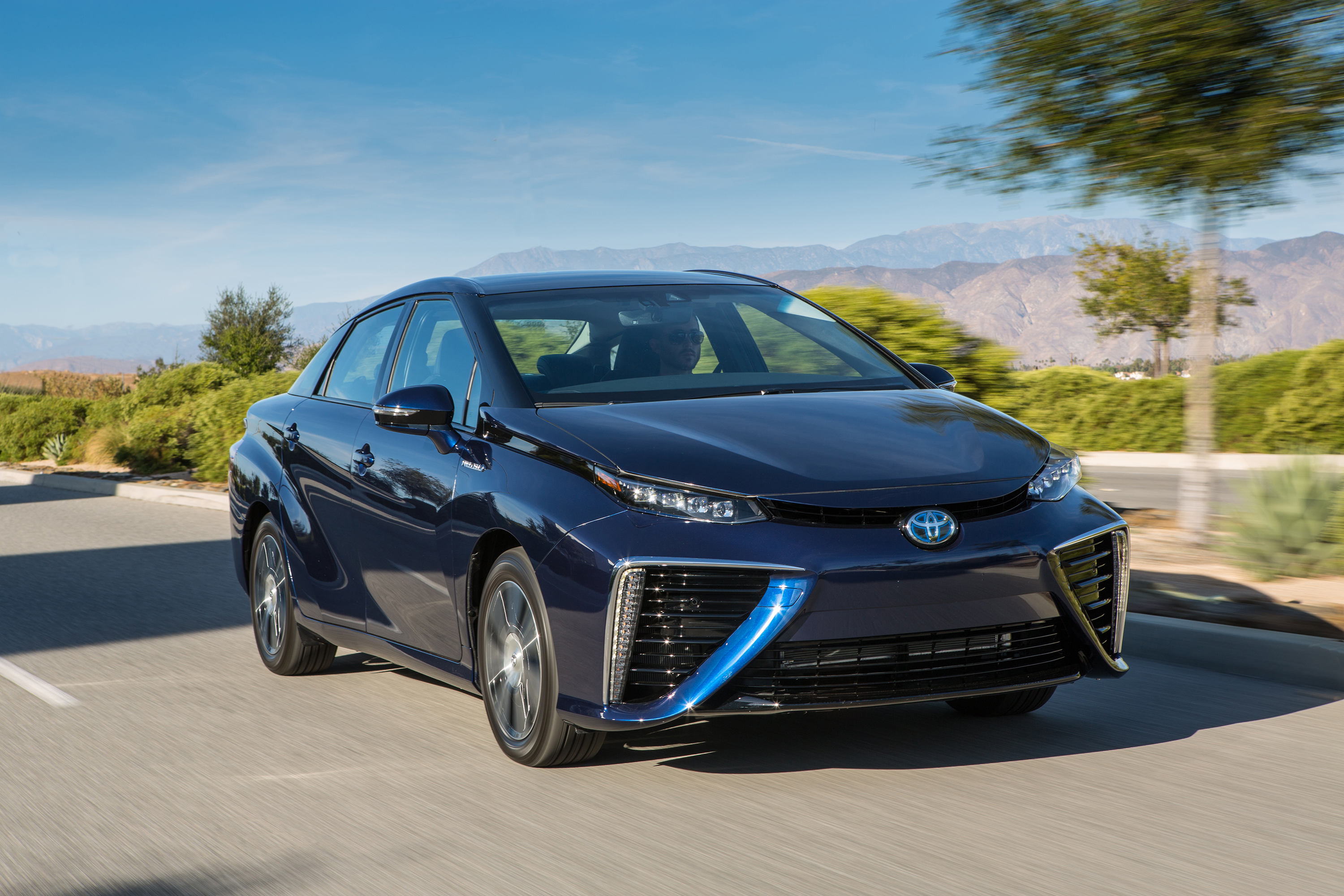
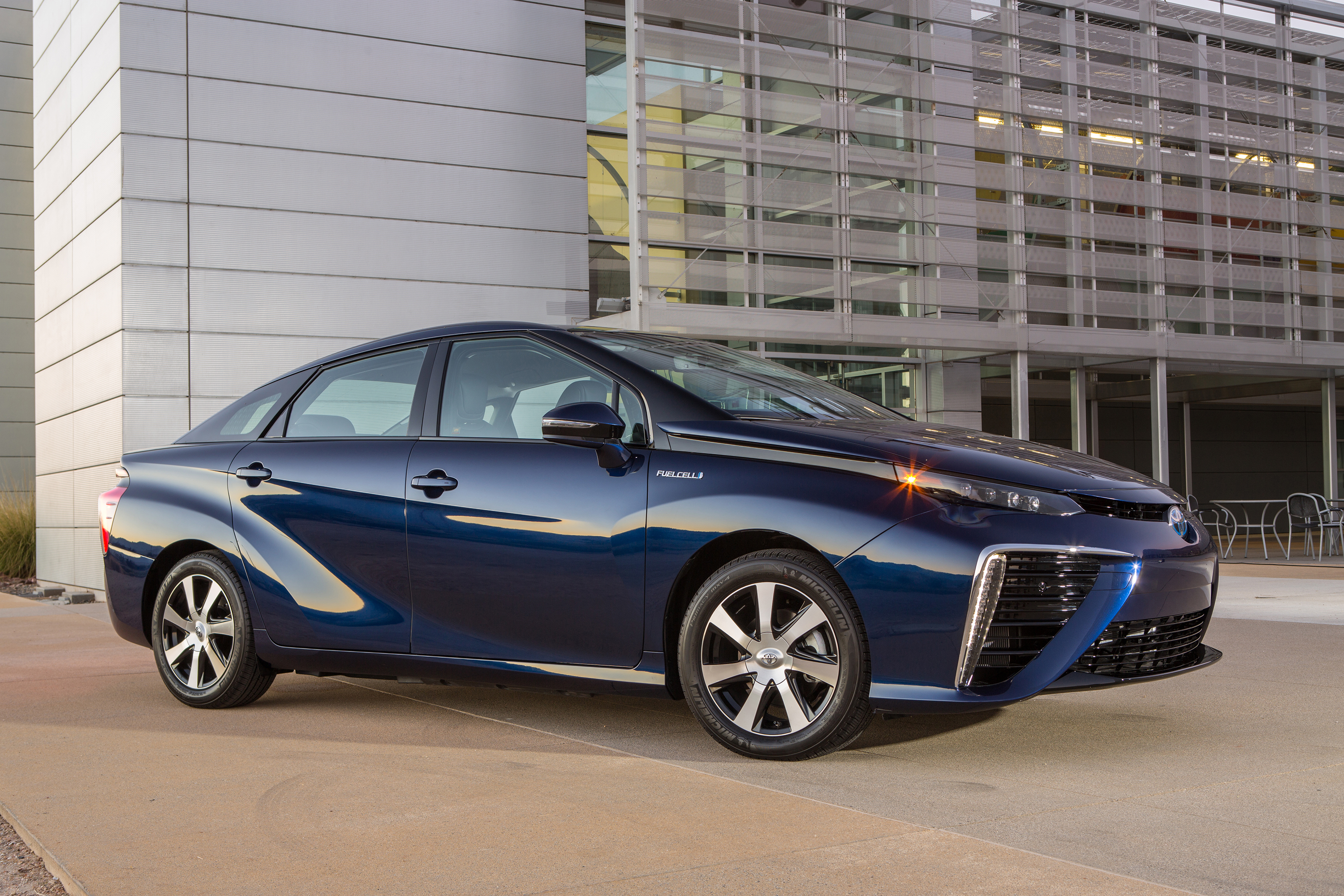
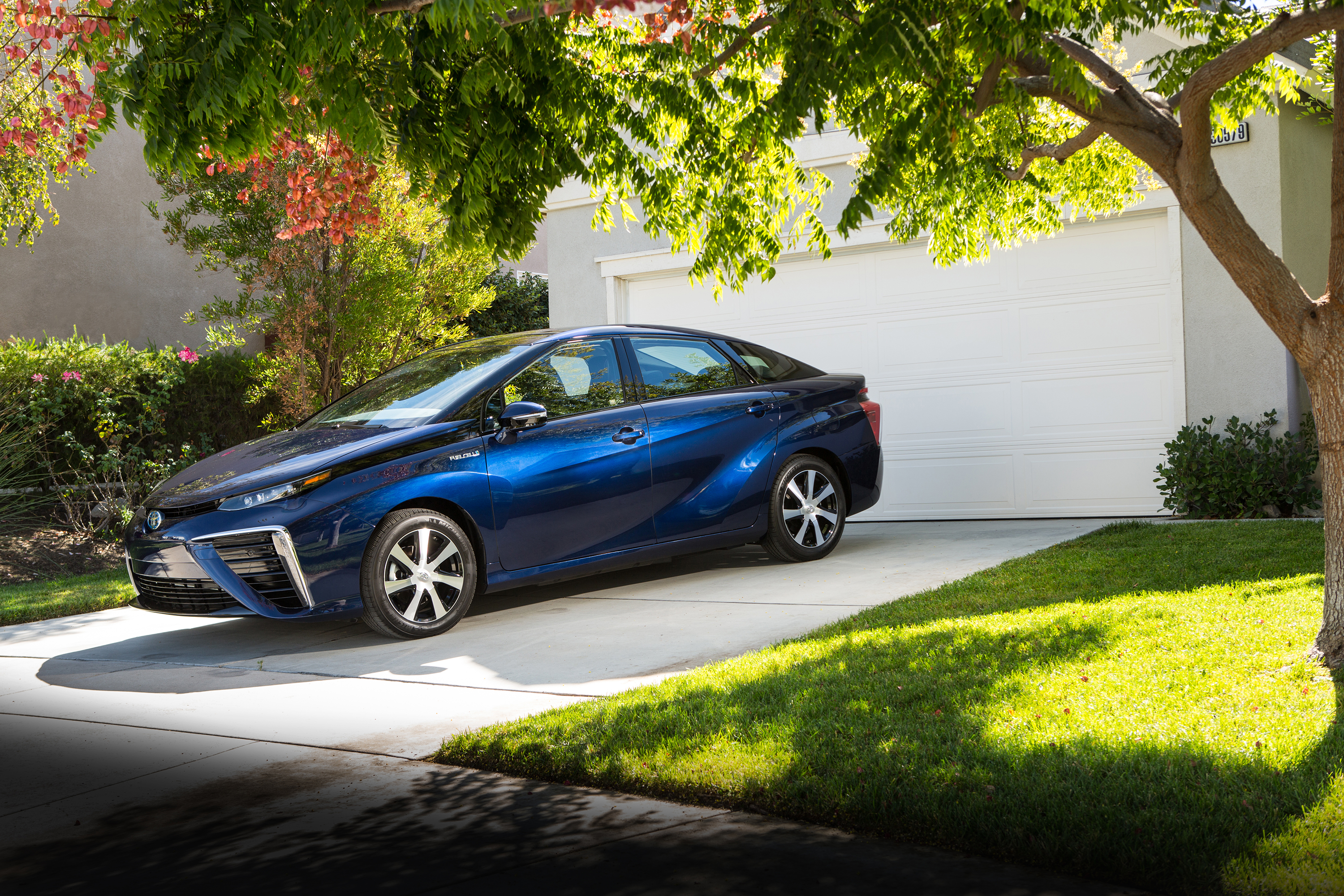
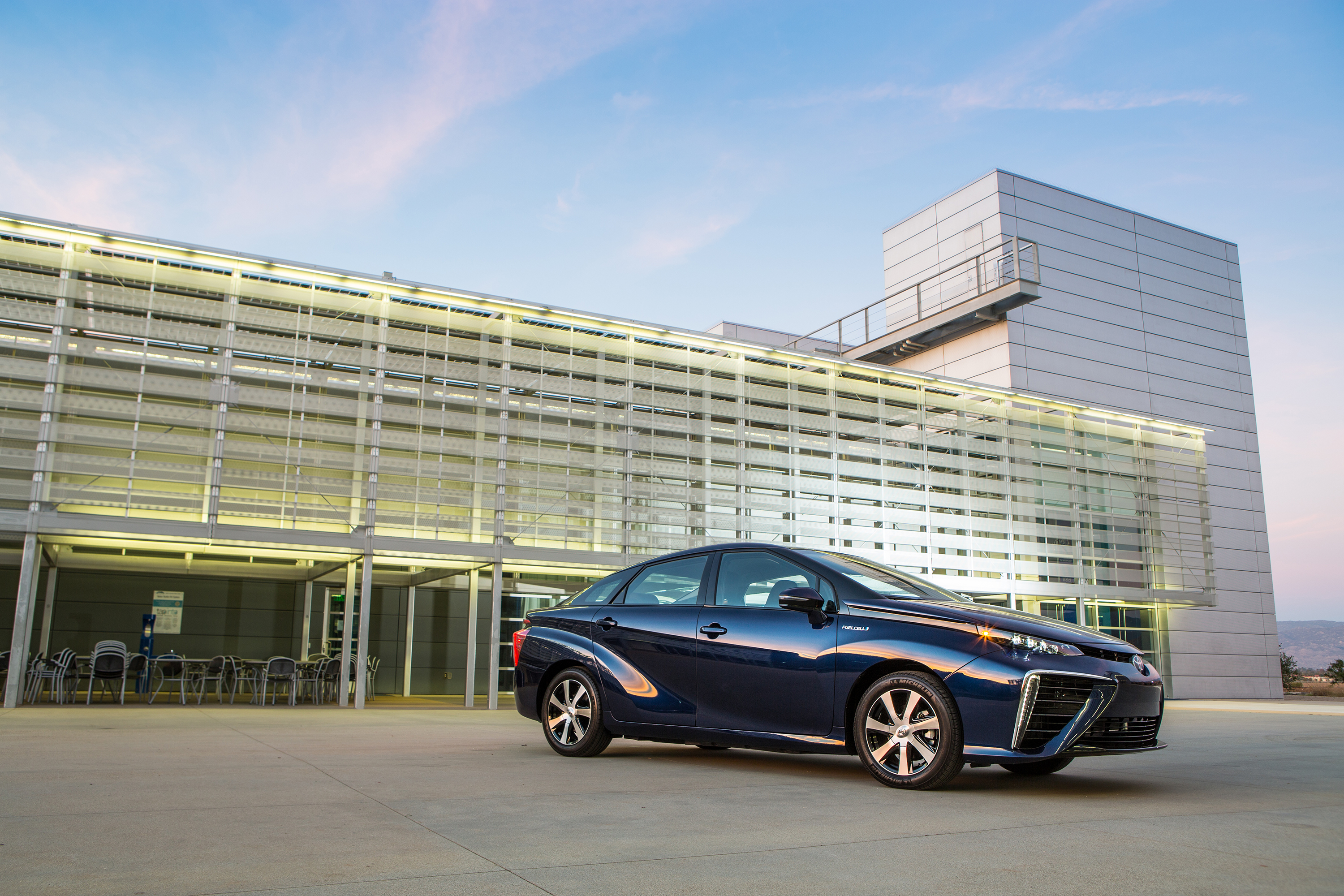
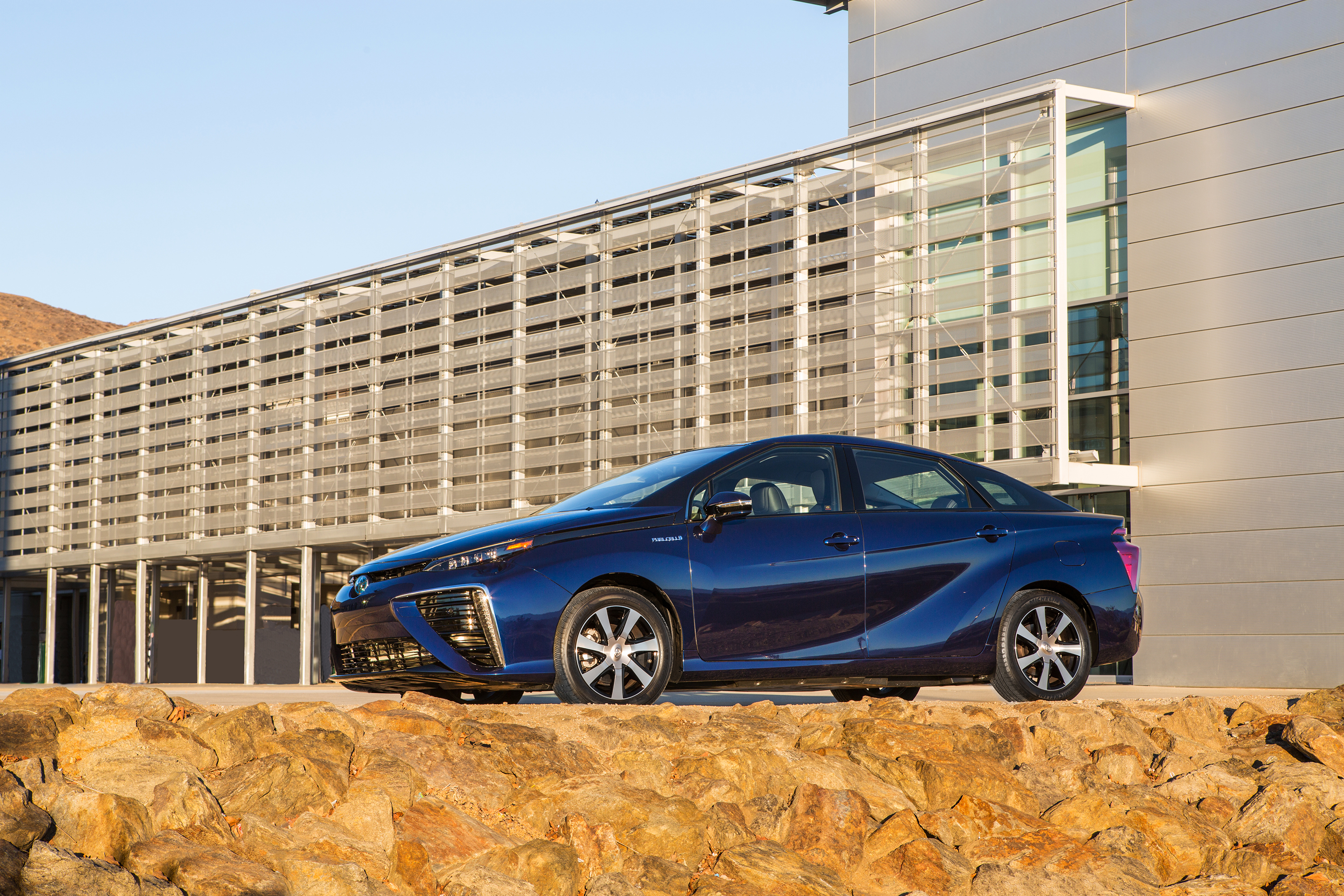
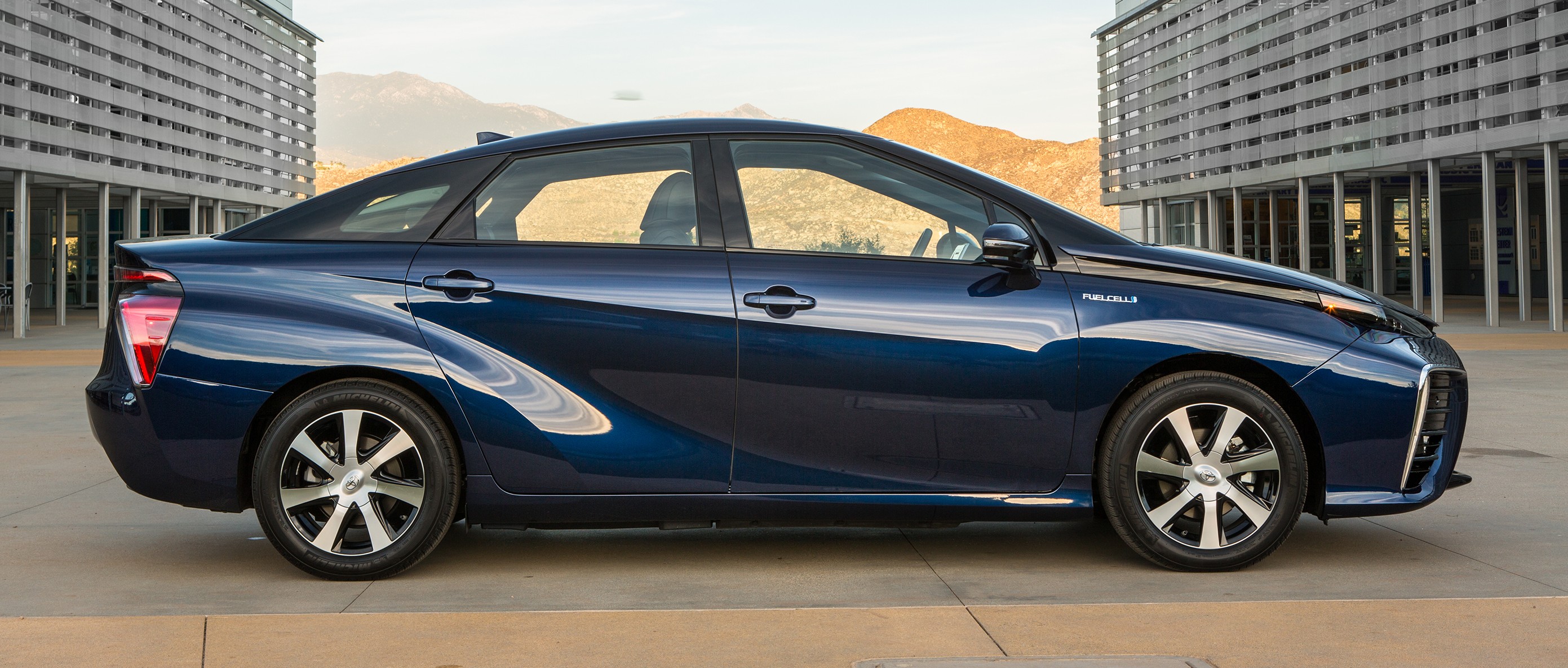
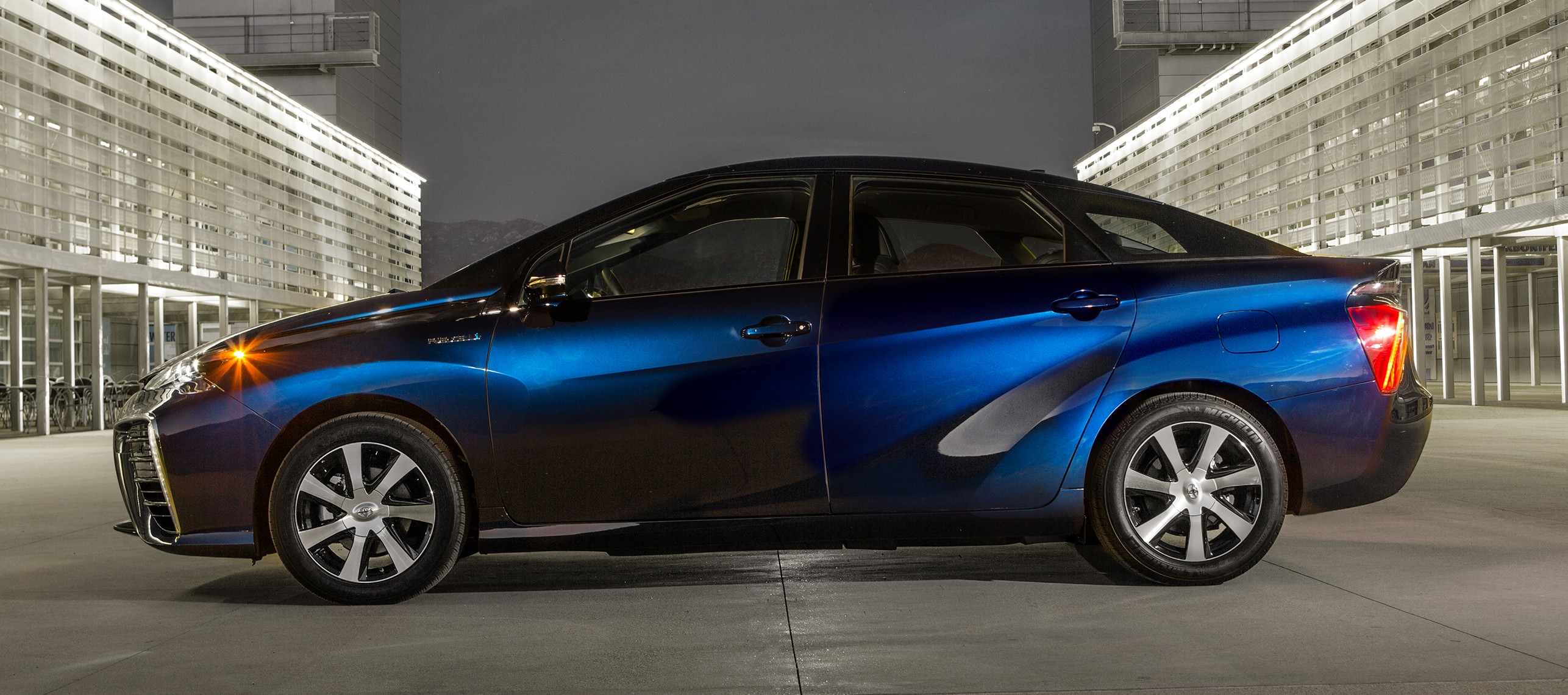
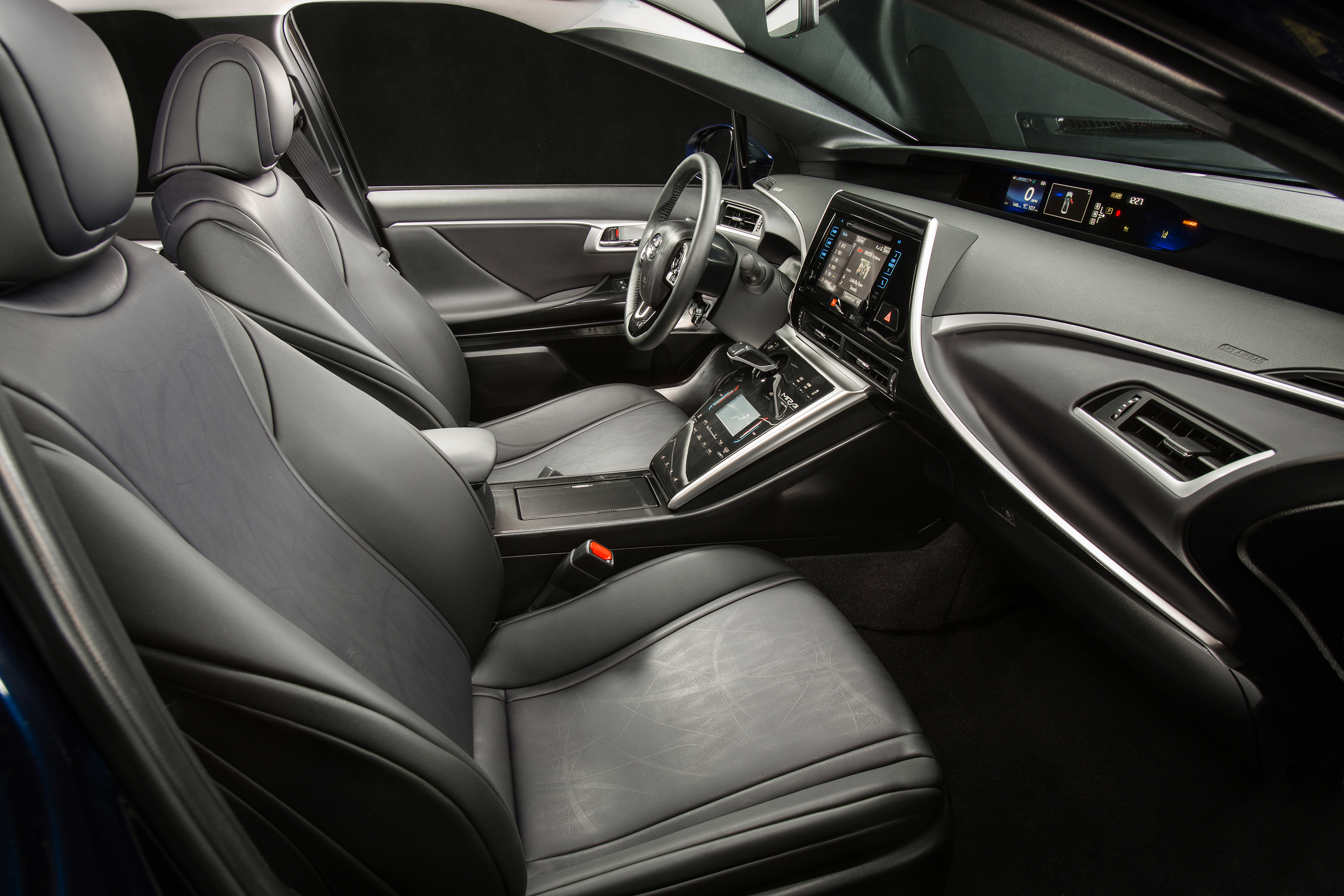
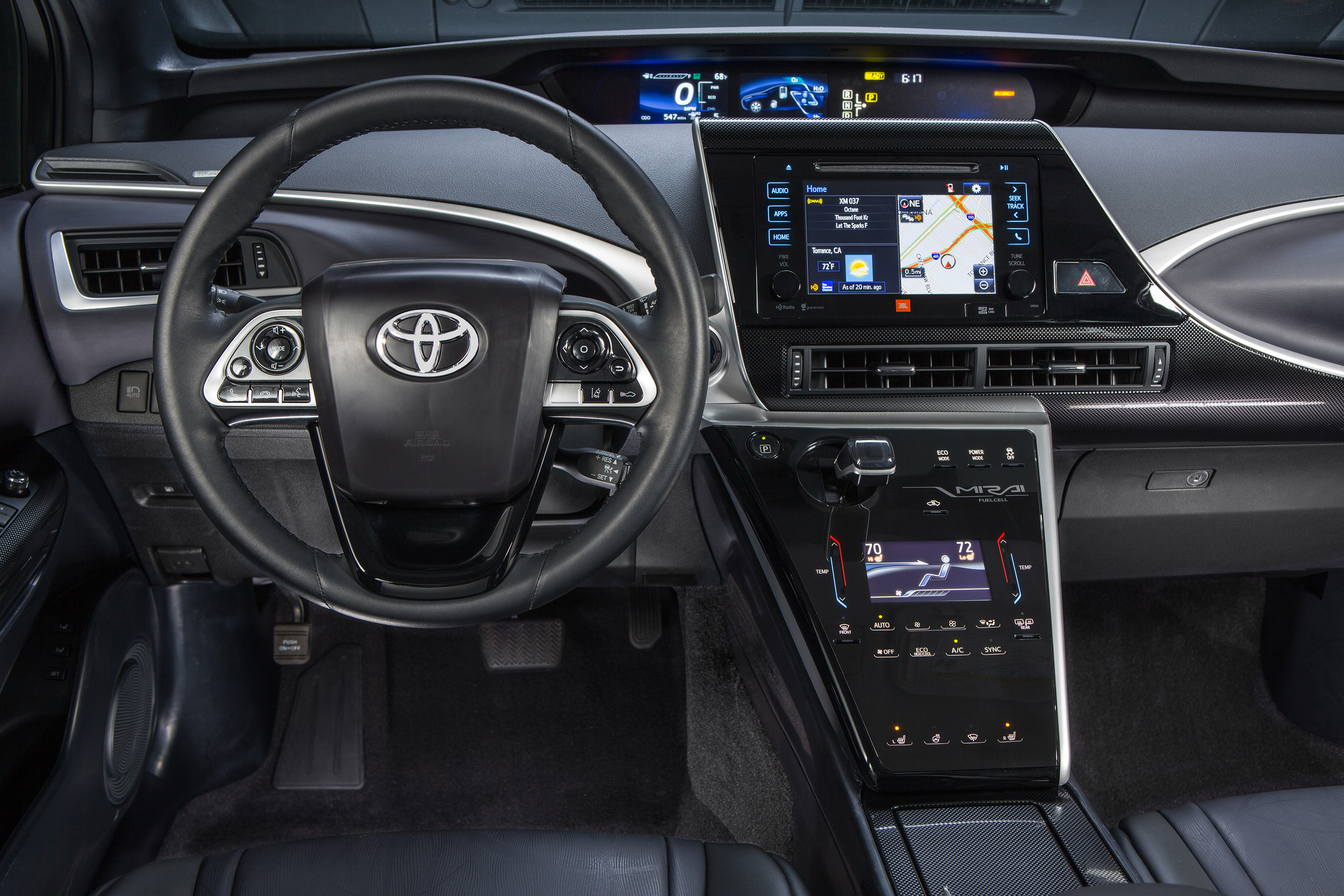
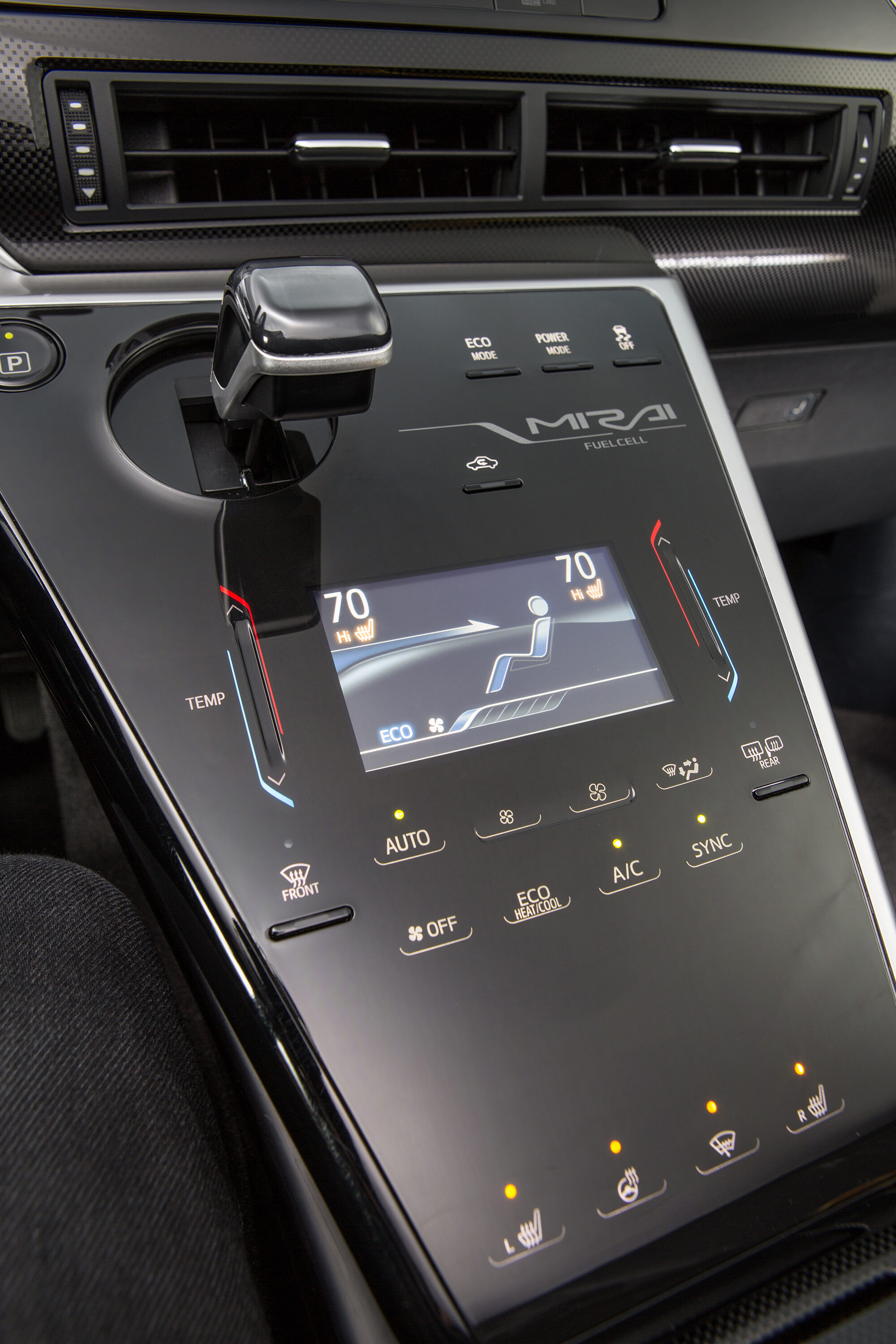
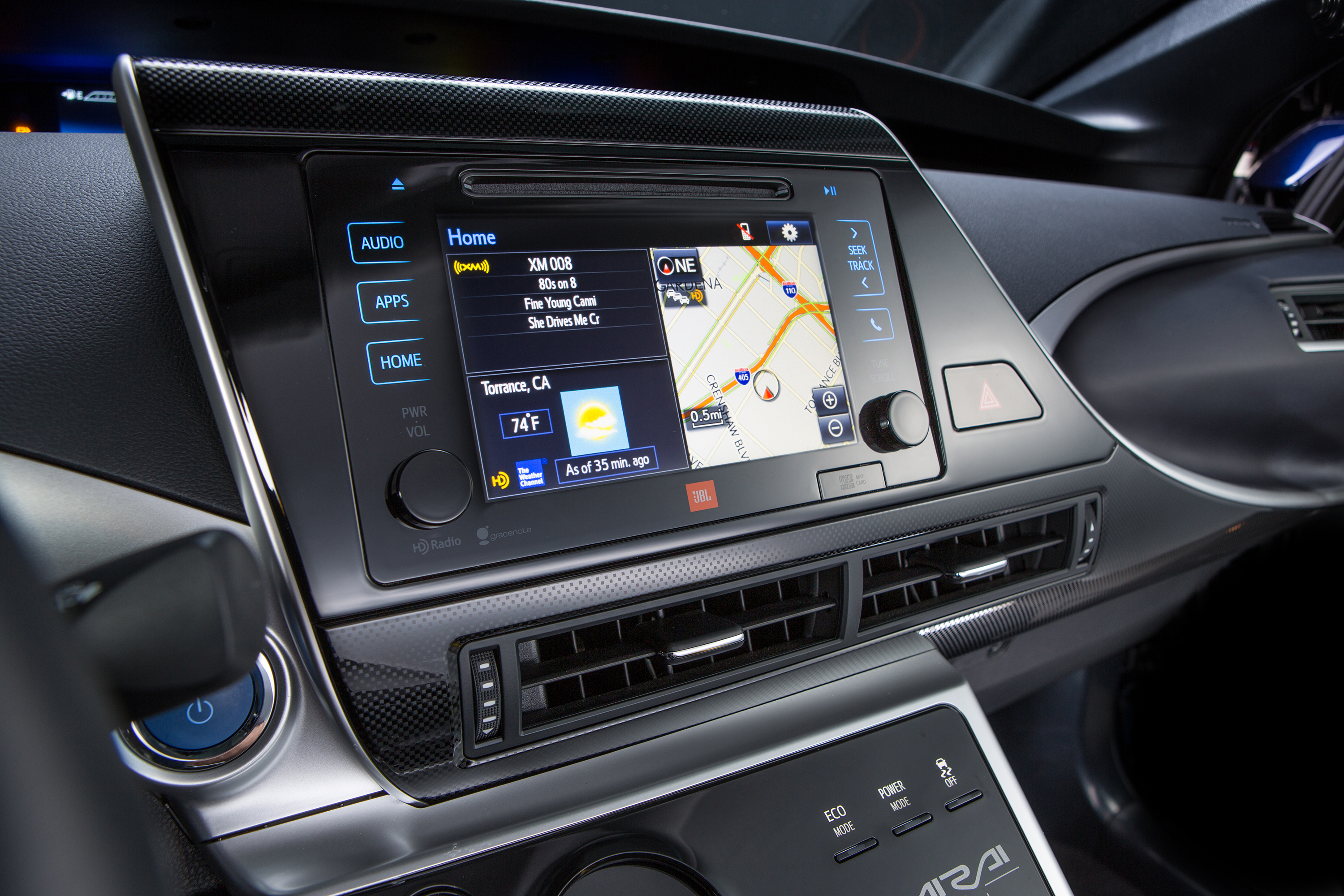
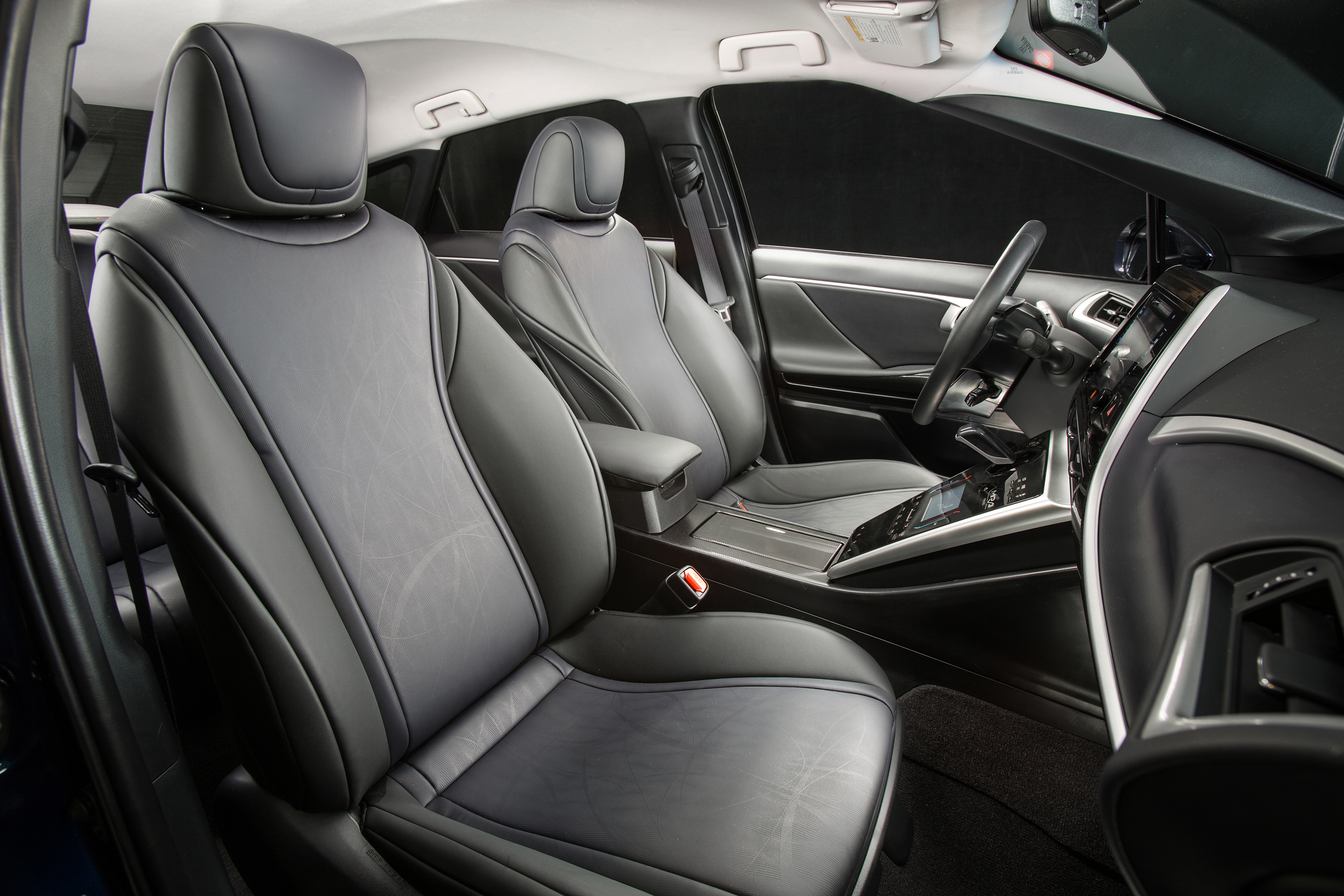
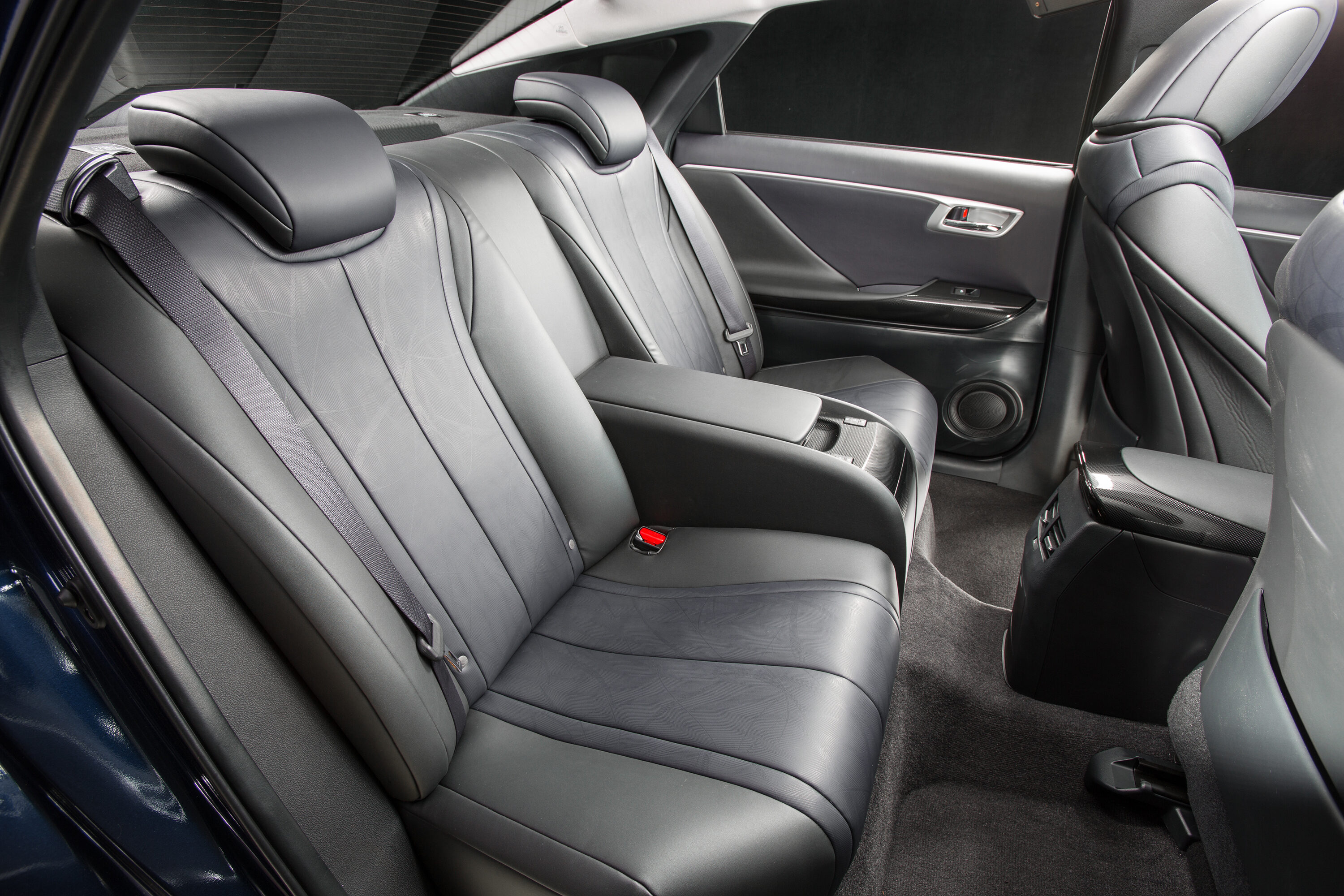
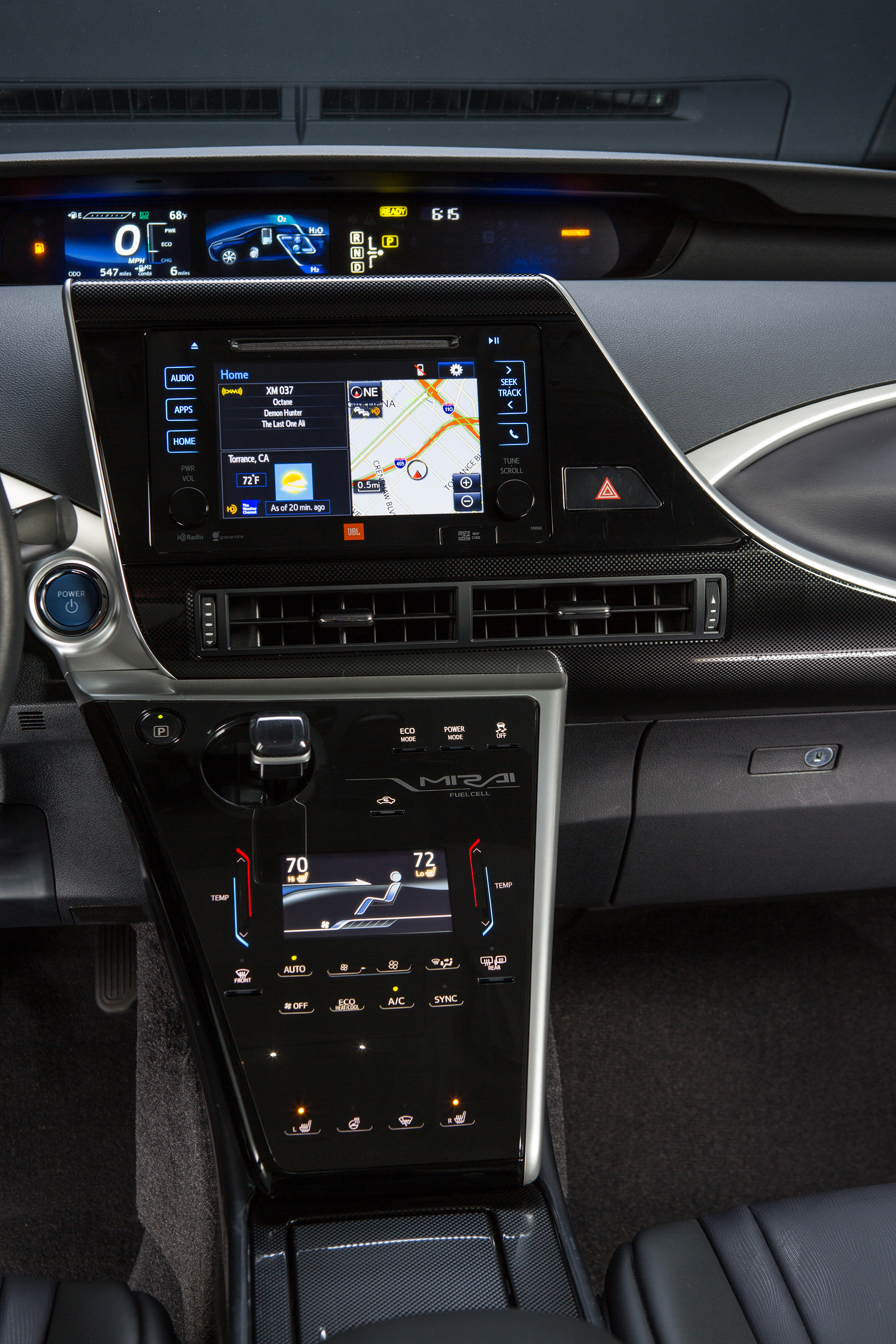
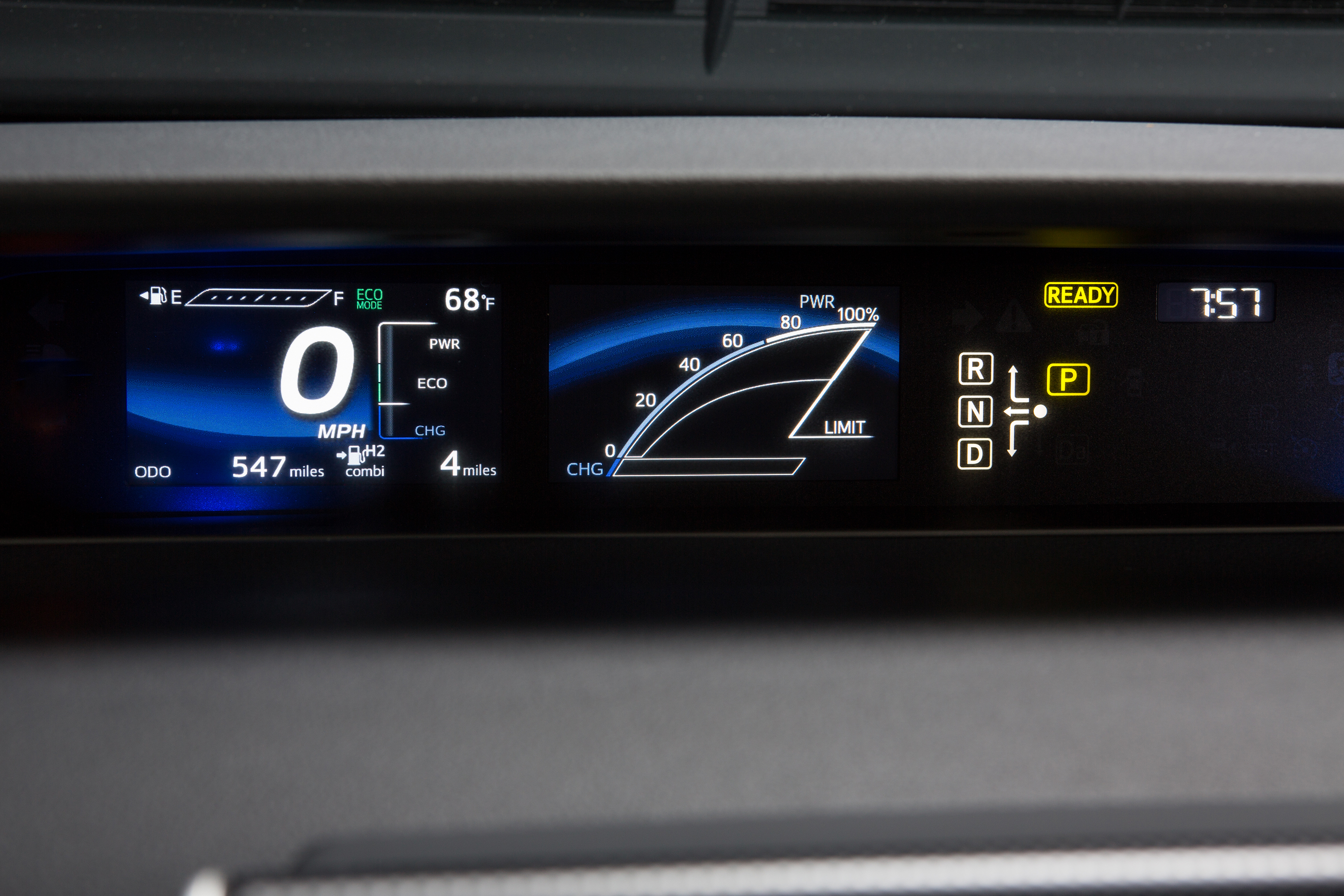
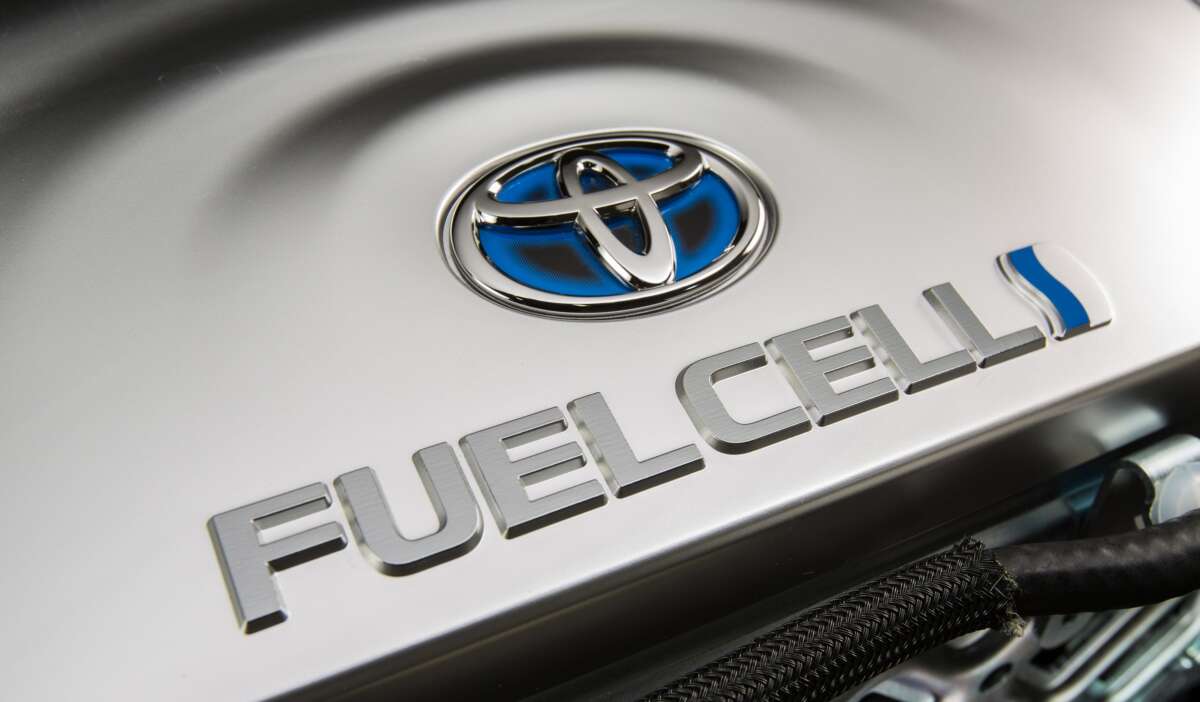
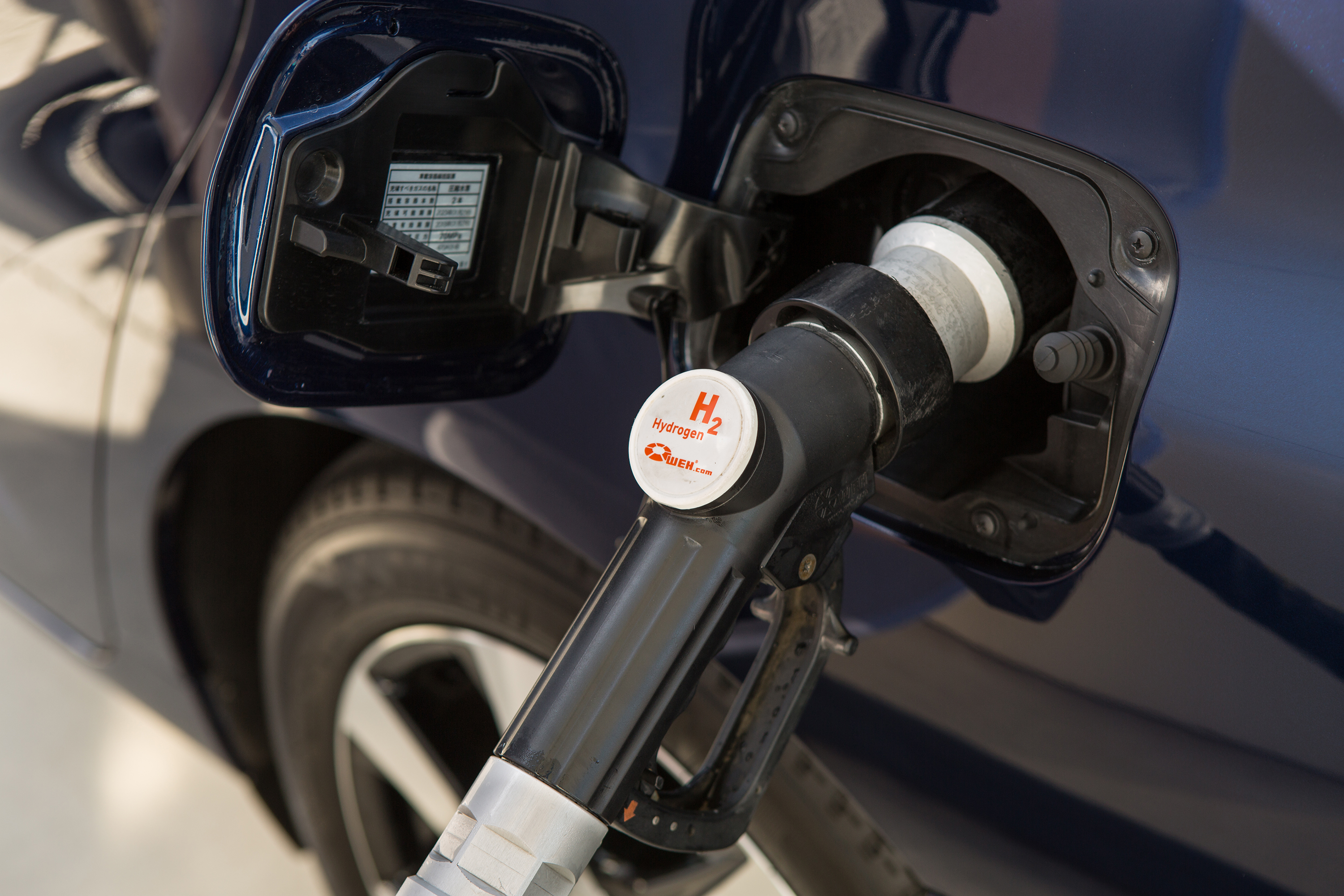
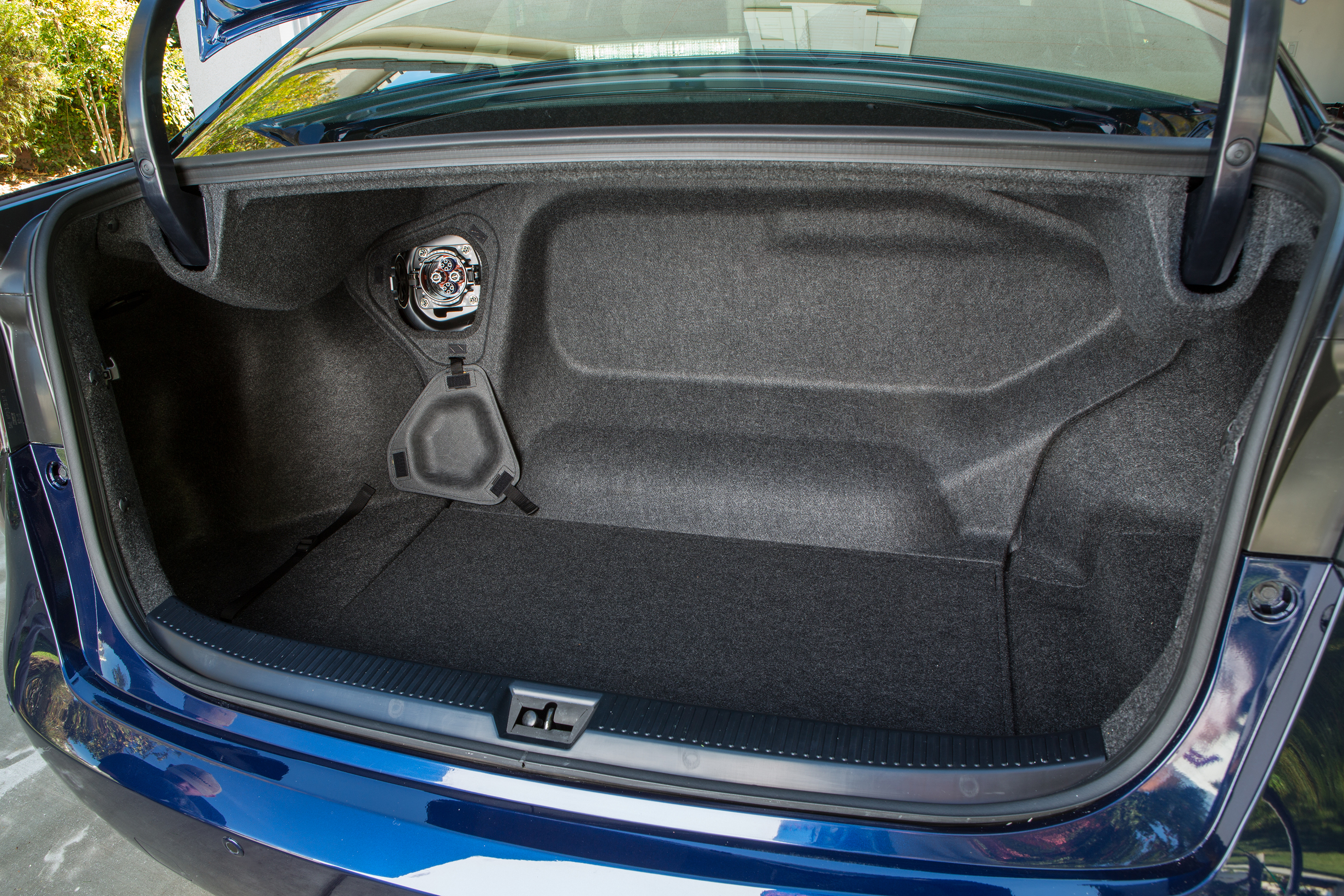
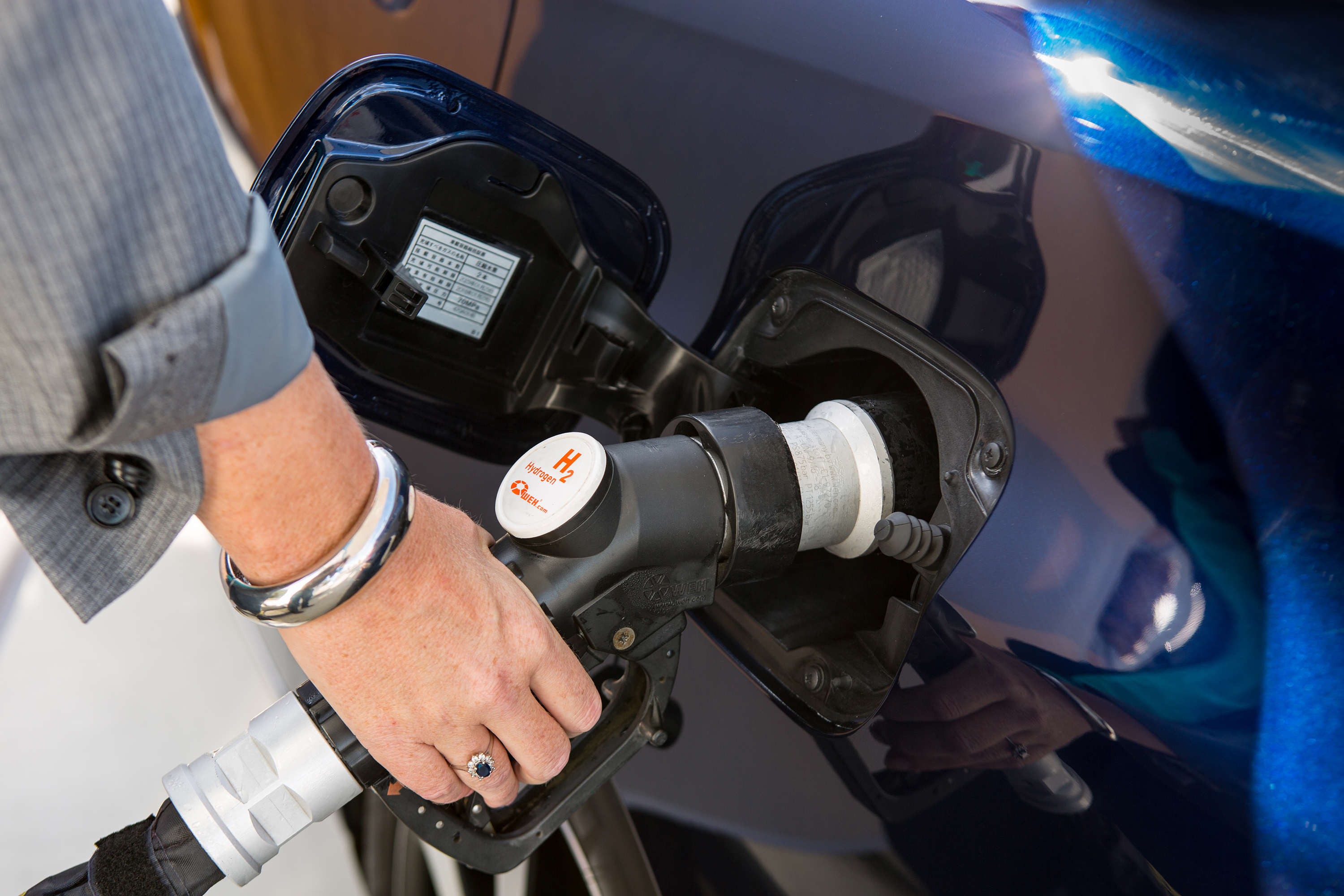
GALLERY: Toyota Mirai at Los Angeles 2014








Looking to sell your car? Sell it with Carro.
 Honda Prelude
from RM 278,000
Honda Prelude
from RM 278,000  Honda HR-V
from RM 115,900
Honda HR-V
from RM 115,900  Honda e:N1
from RM 149,900
Honda e:N1
from RM 149,900  Honda Civic
from RM 133,900
Honda Civic
from RM 133,900  Honda City Hatchback
from RM 85,900
Honda City Hatchback
from RM 85,900  Honda CR-V
from RM 178,200
Honda CR-V
from RM 178,200  Honda Civic Type R
from RM 399,900
Honda Civic Type R
from RM 399,900  Honda City
from RM 84,900
Honda City
from RM 84,900  Honda WR-V
from RM 89,900
Honda WR-V
from RM 89,900 


So many fuel cell,hybrid ethanol based car being produce and created but in Malaysia car industry still headache with lower fuel grade old junk engine with huge tax on environmental techs..mess up national automative policy..only make people buy more panadol
In SG, u can kena fine for hi emission from a no emission tesla car. And thats after donating 500% of the car price for COE. So which automotive policy is screwed up?
cukurlah if Tan Chong gives full-hybrid system to the Serena
So it is SG government problem or Tesla problem? Time to use some brain, little Johnny.
Bodo his point is even your worshipped country singapore got screwed up policy so why so much with bolehland?
Use brain pls
Thank u for straightening this baka.
When his jepunis overlords called him baka, he thought they were calling him Mr. Lolz!
reforming ethanol and NG produces CO2 and CO, this is not green