
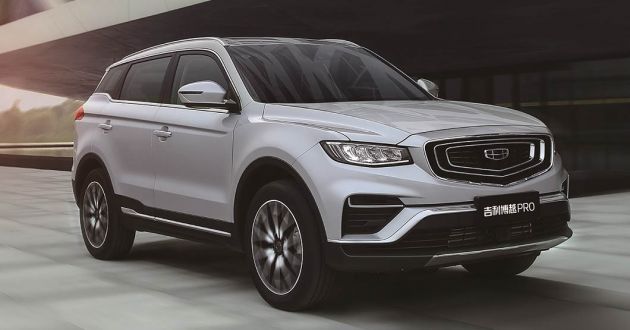
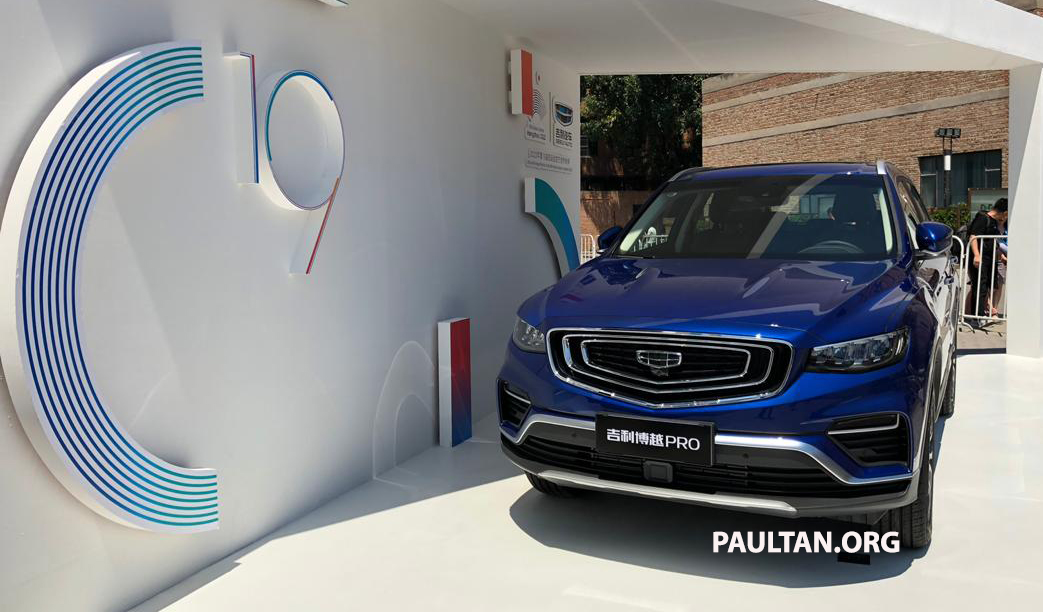
Geely has released more information and photos of the new Boyue Pro, a week after it unveiled the latest version of the Geely Smart Ecosystem (GKUI 19) and E-Series chipset that are both found in the SUV.
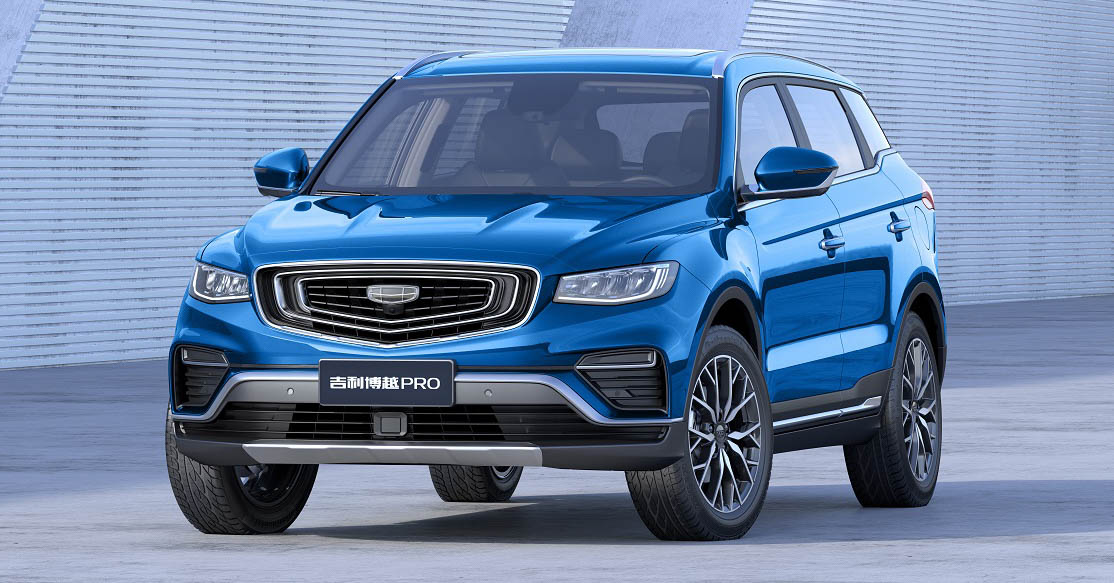
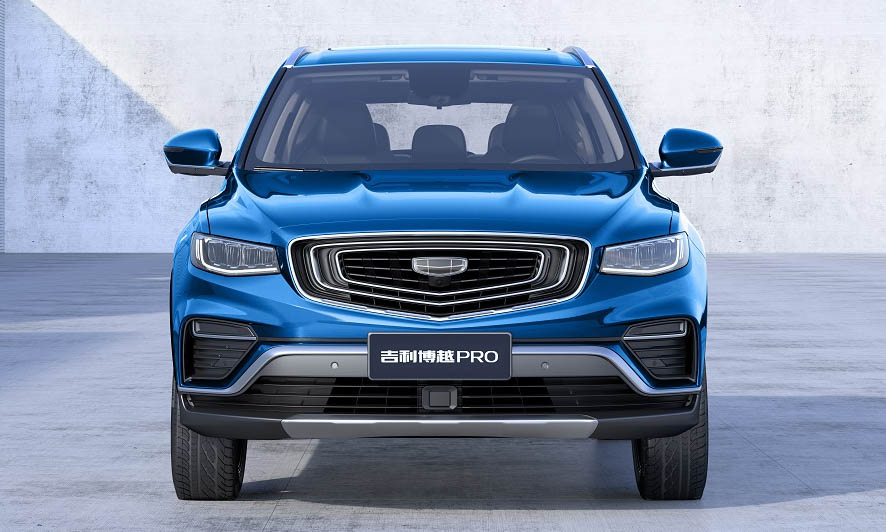
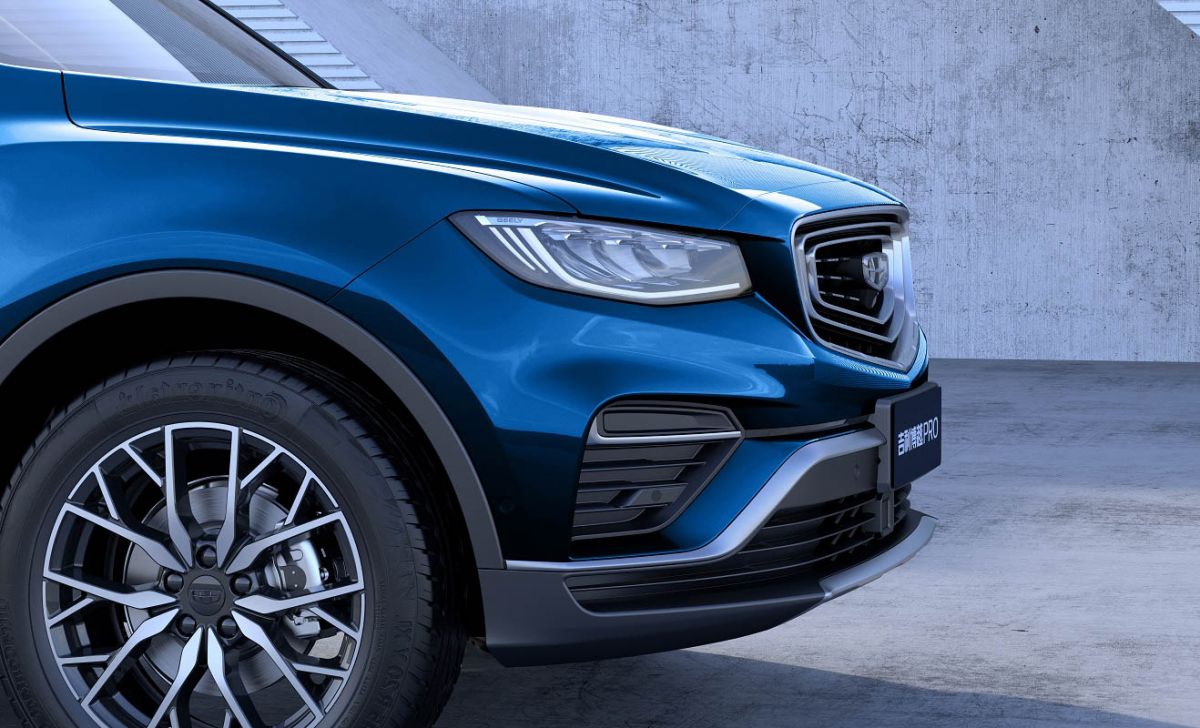
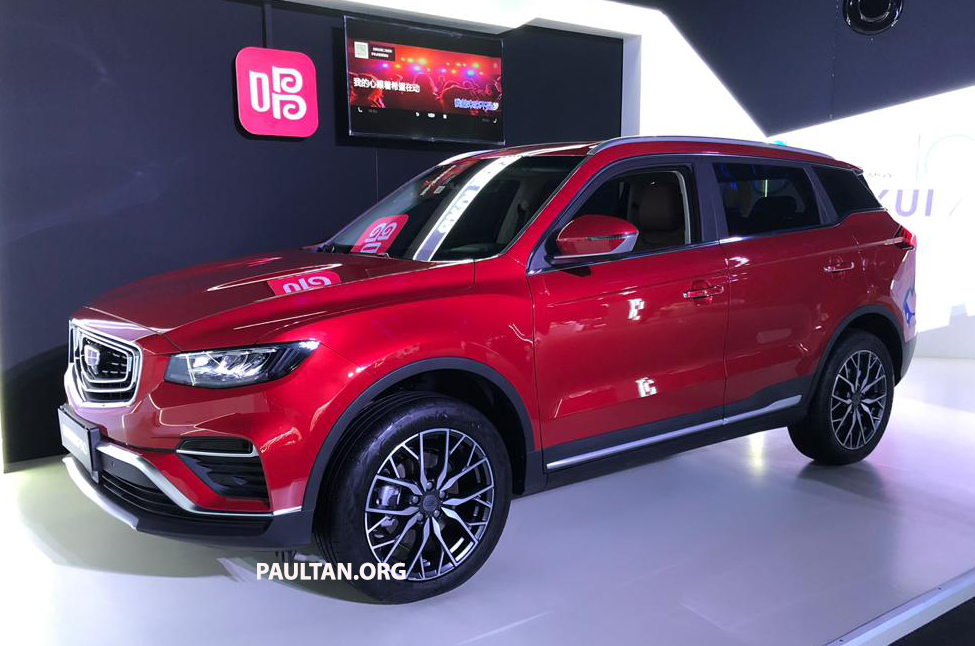
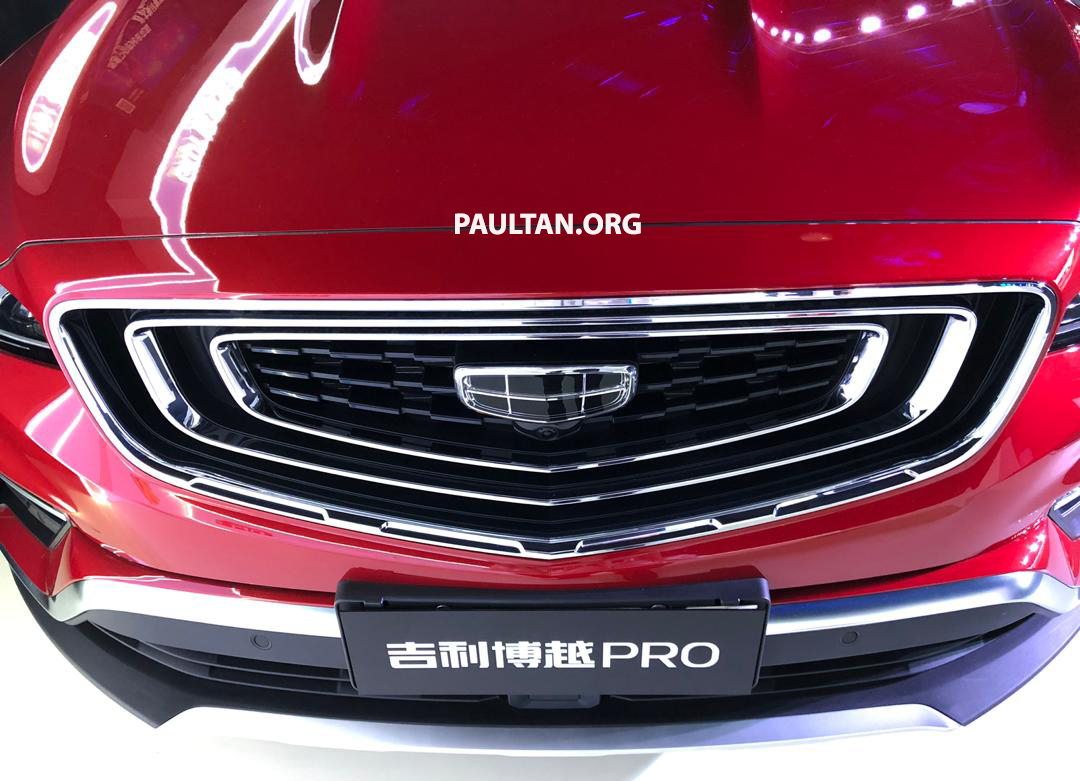
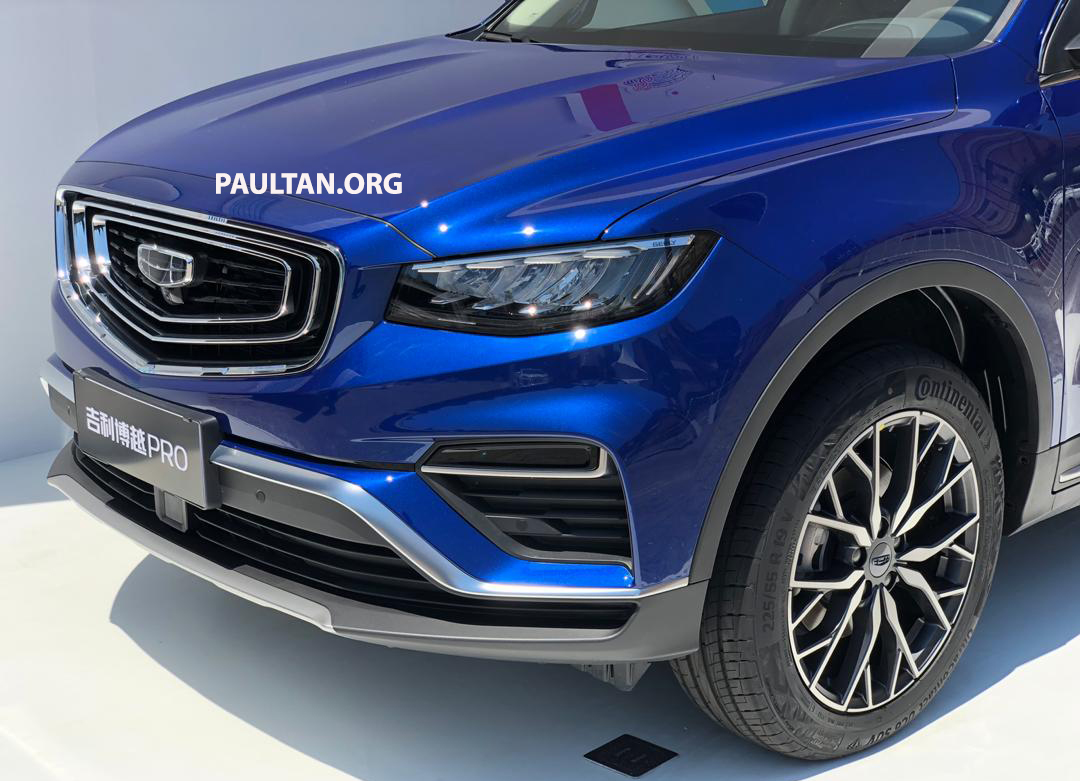
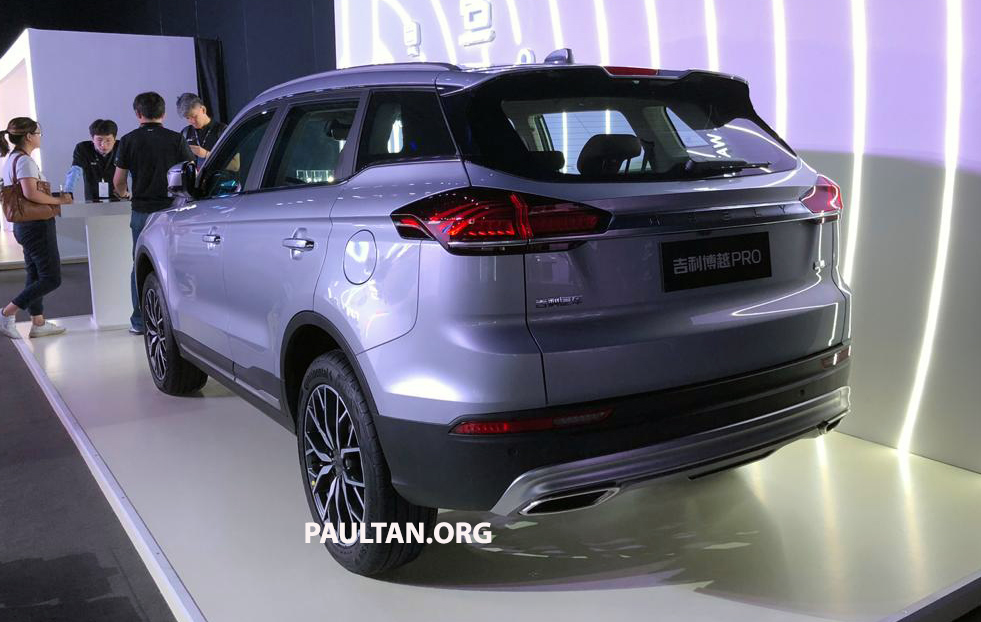
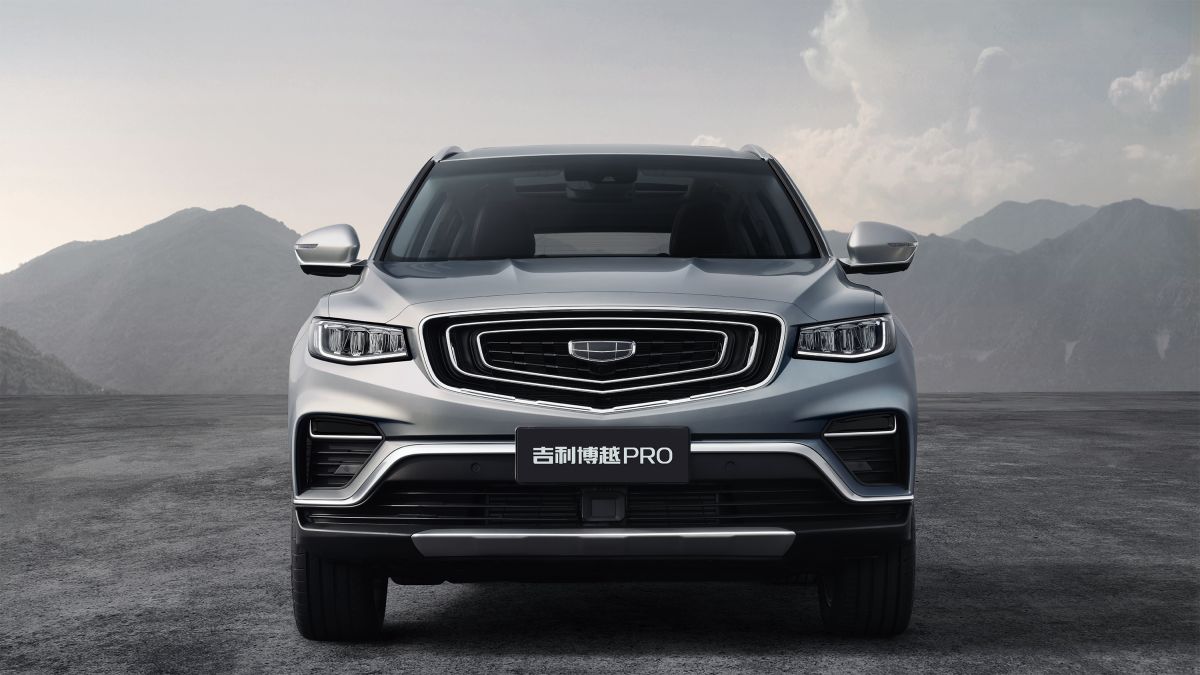
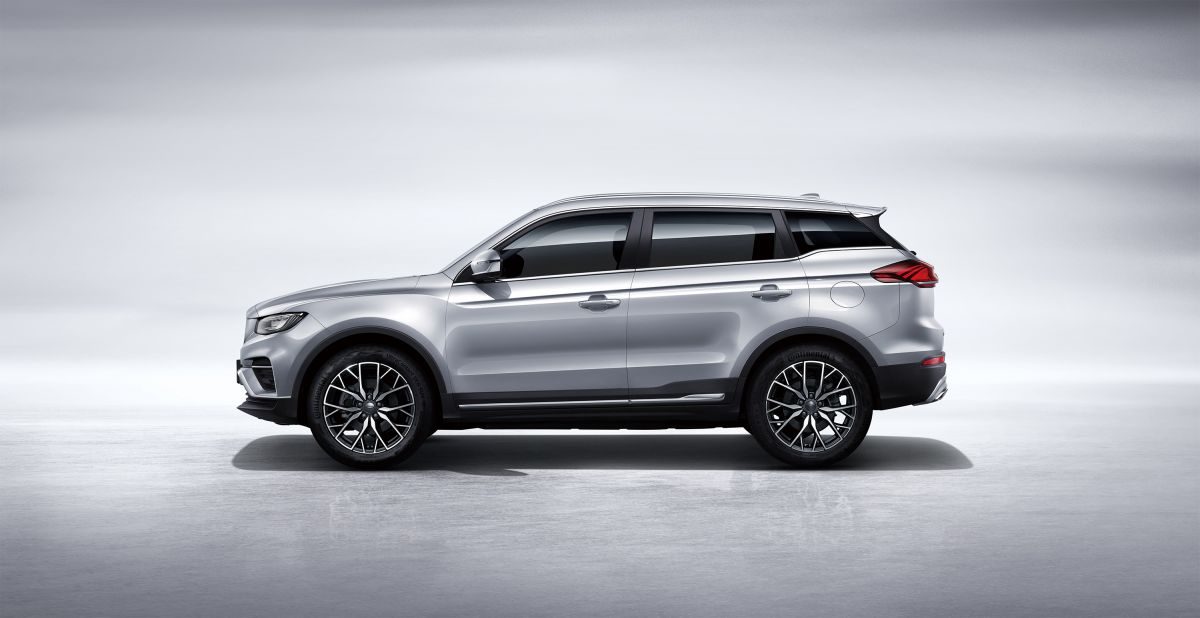
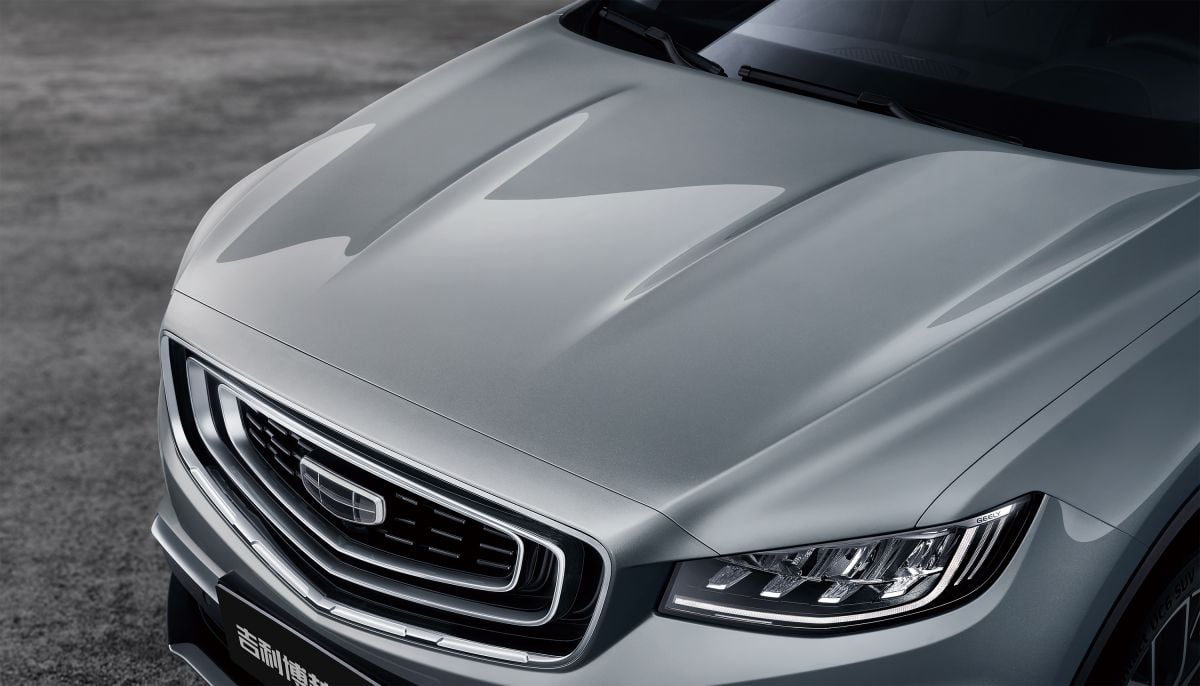
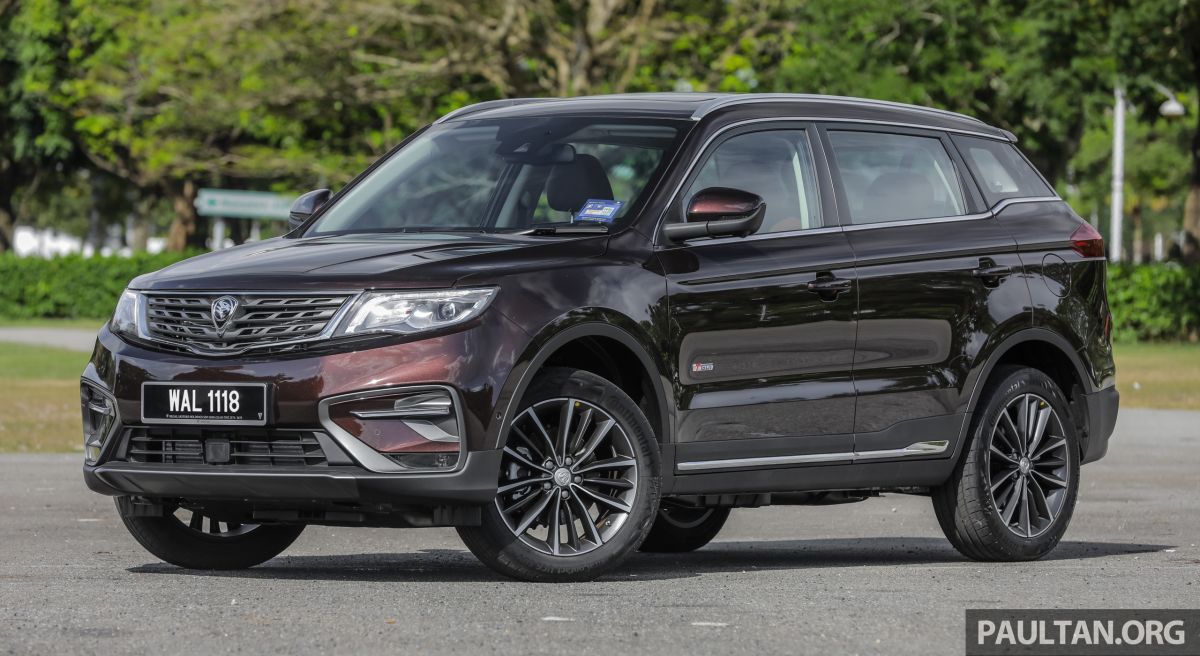
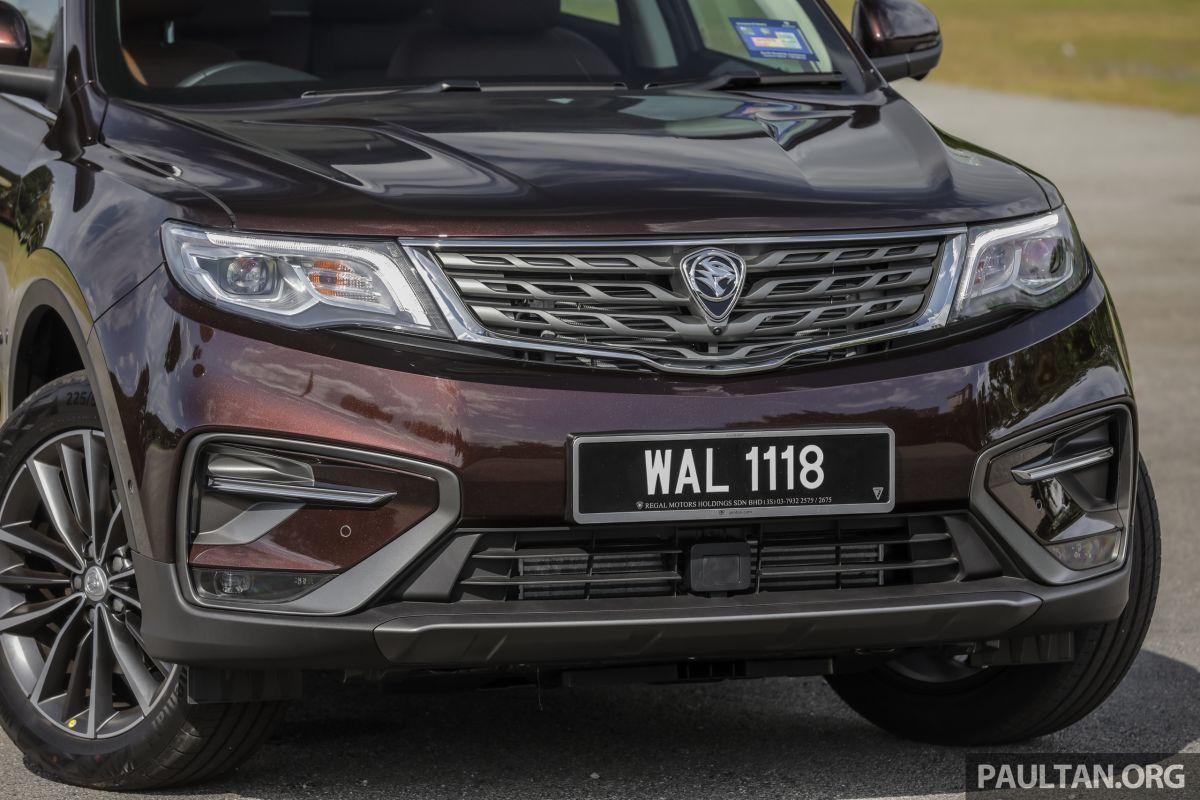
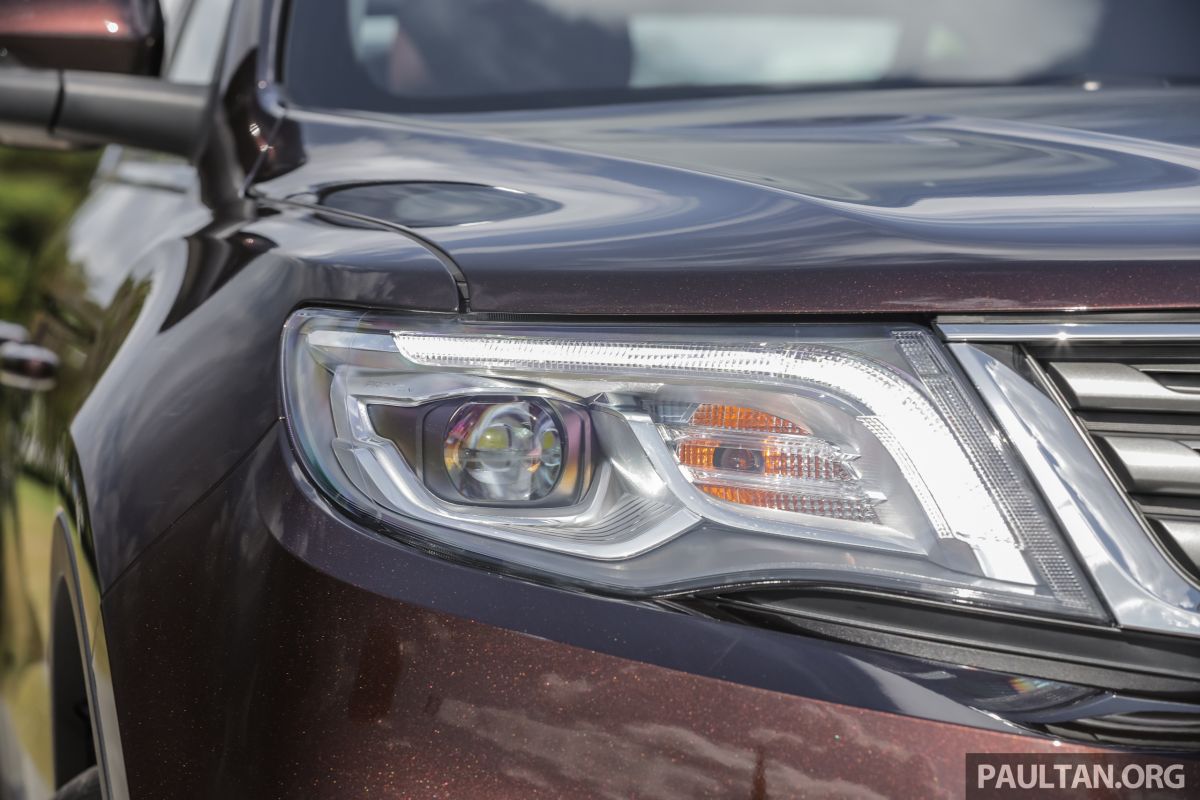
In terms of styling changes, the Boyue Pro features a more prominent front end that includes jewel-eyed headlamps flanking a larger “expanding cosmos” grille that is now further outwards. To go along with the nose, there’s also a new bonnet with prominent creases, as well as stronger haunches.
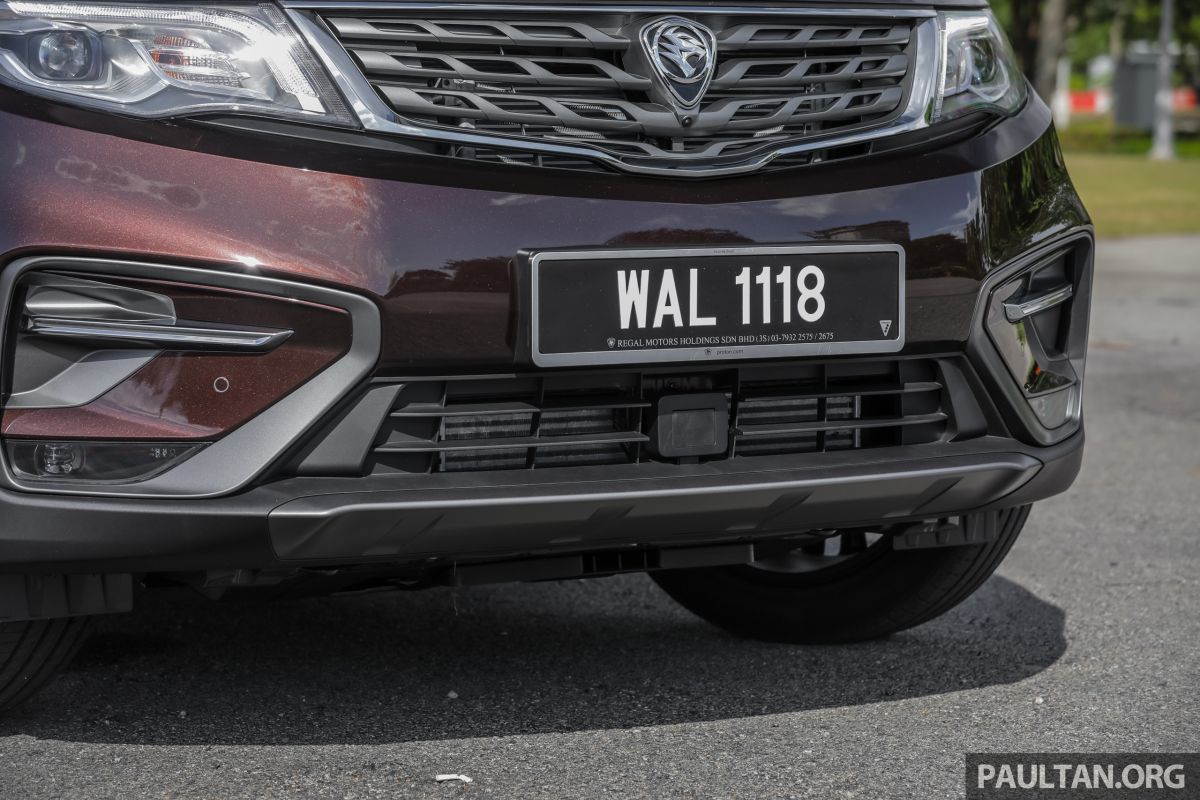
Meanwhile, the lower apron takes a page out of the Xingyue, adopting a more angular look with an “A-wing” that partitions the corner fog lamp sections from the wide intake.
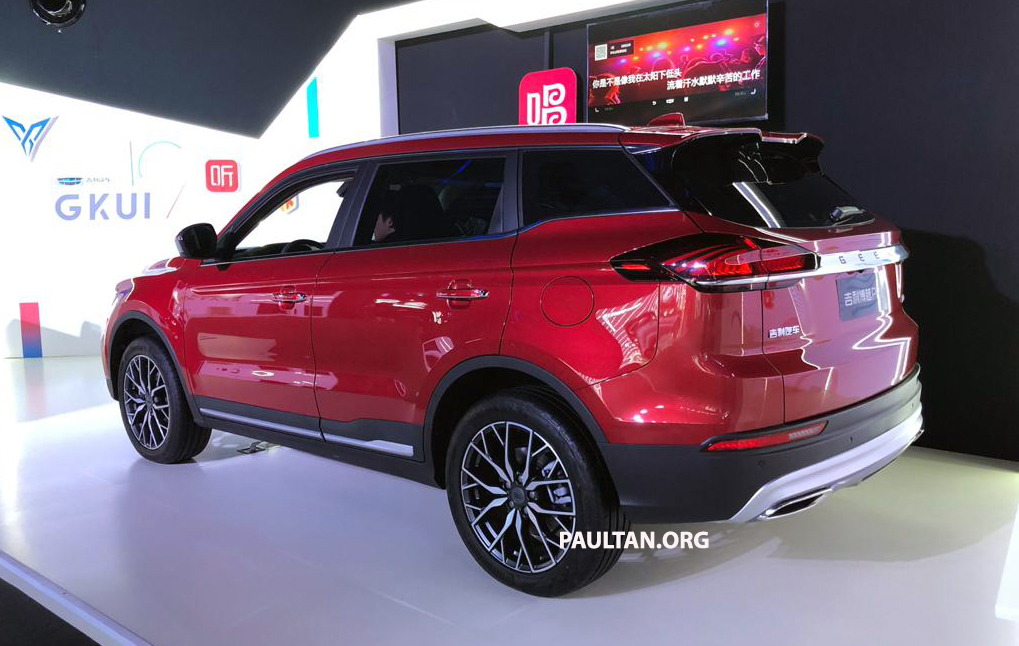
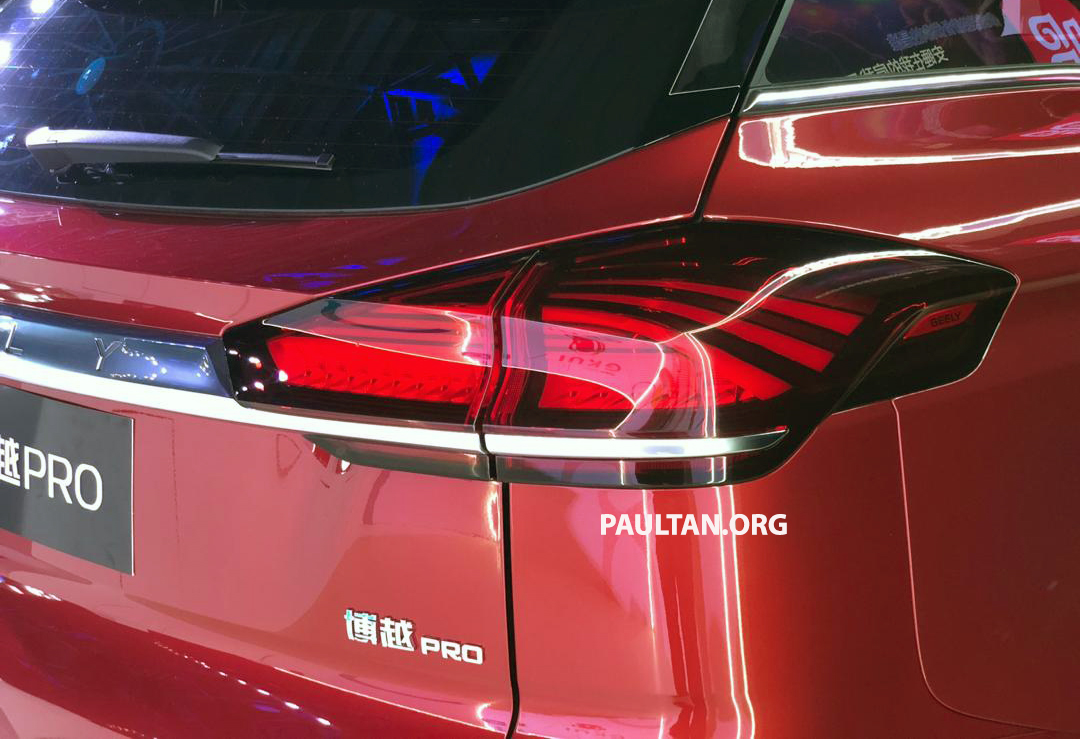
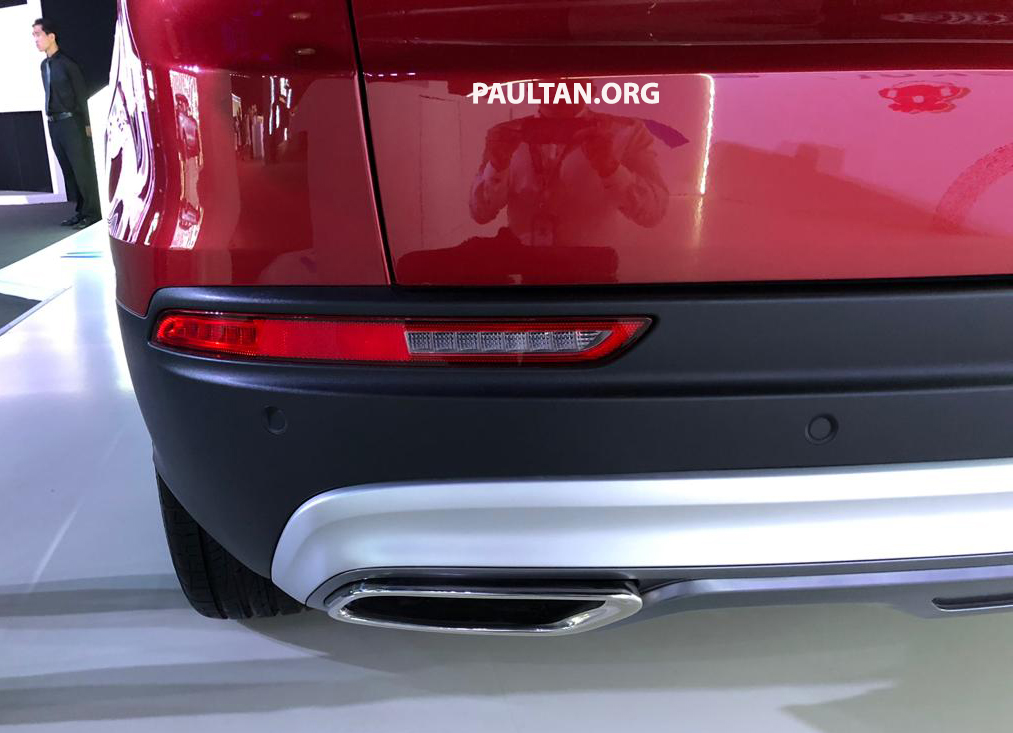
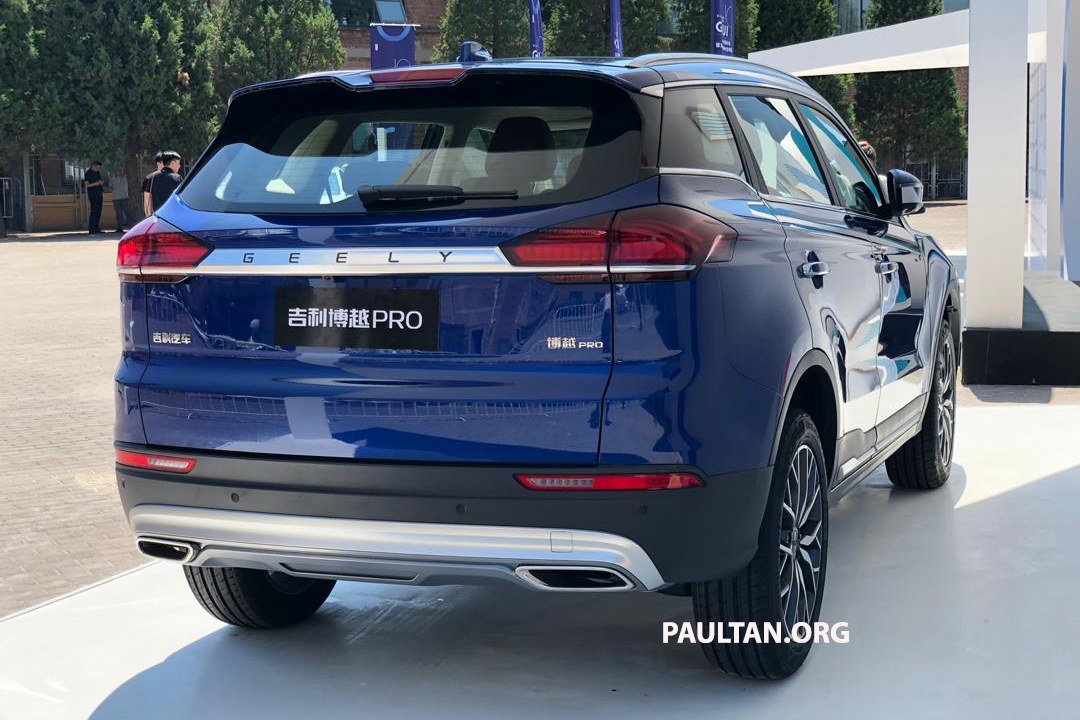
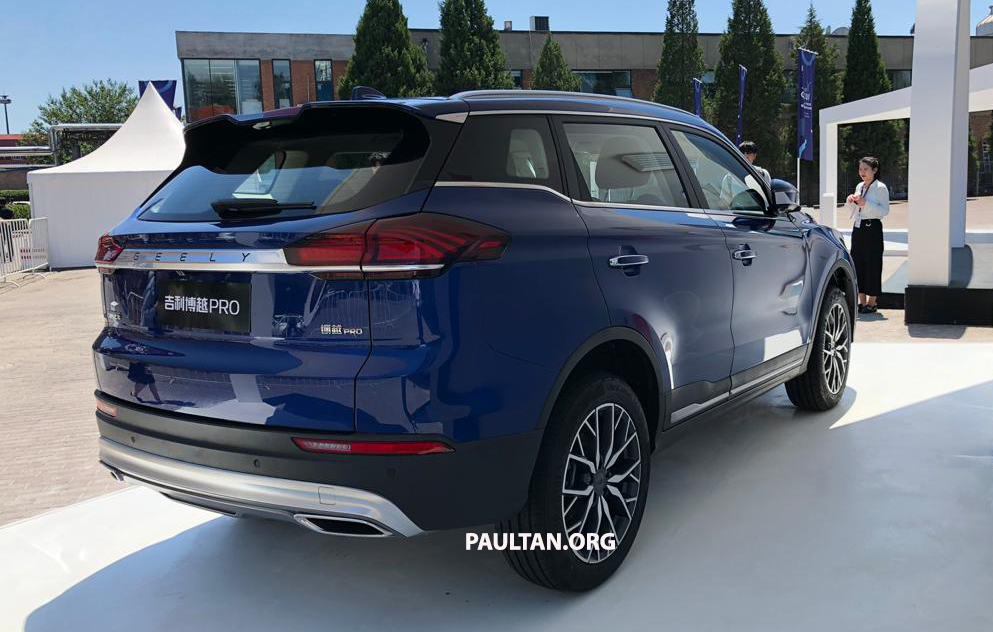
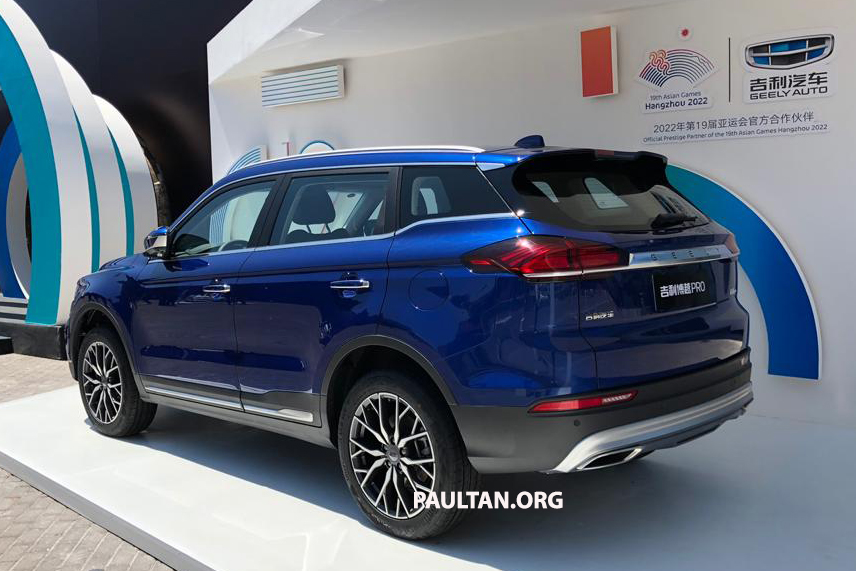
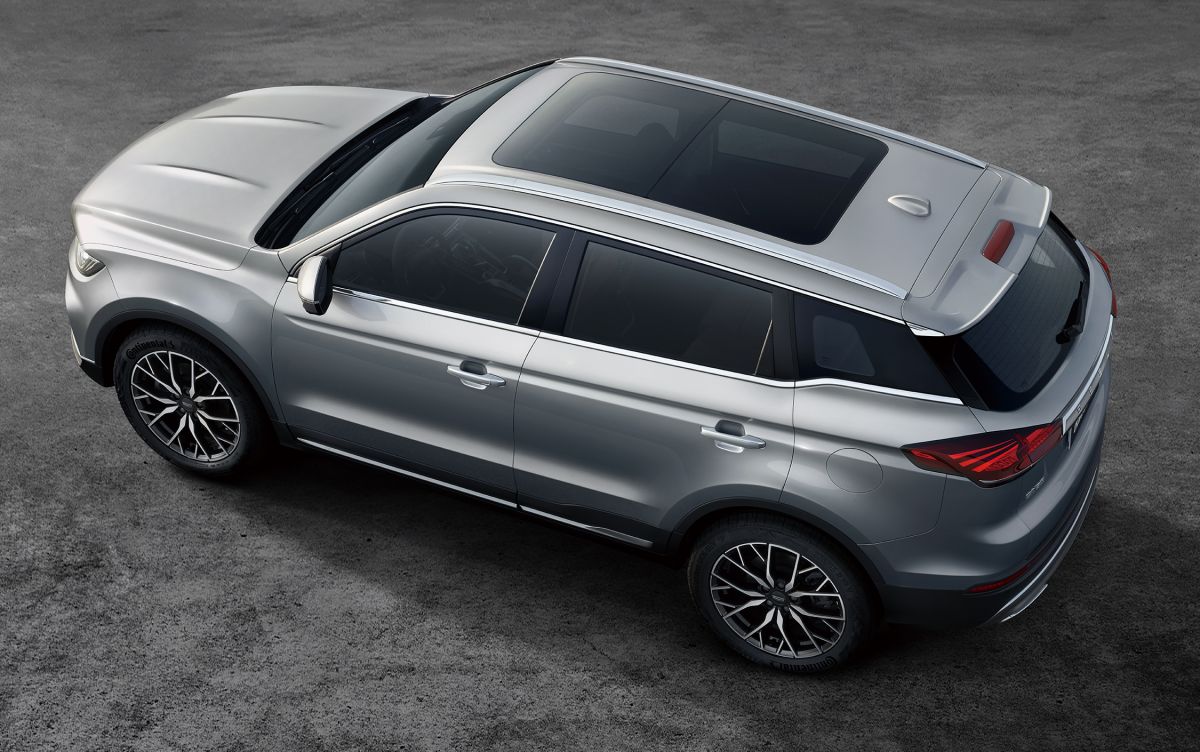
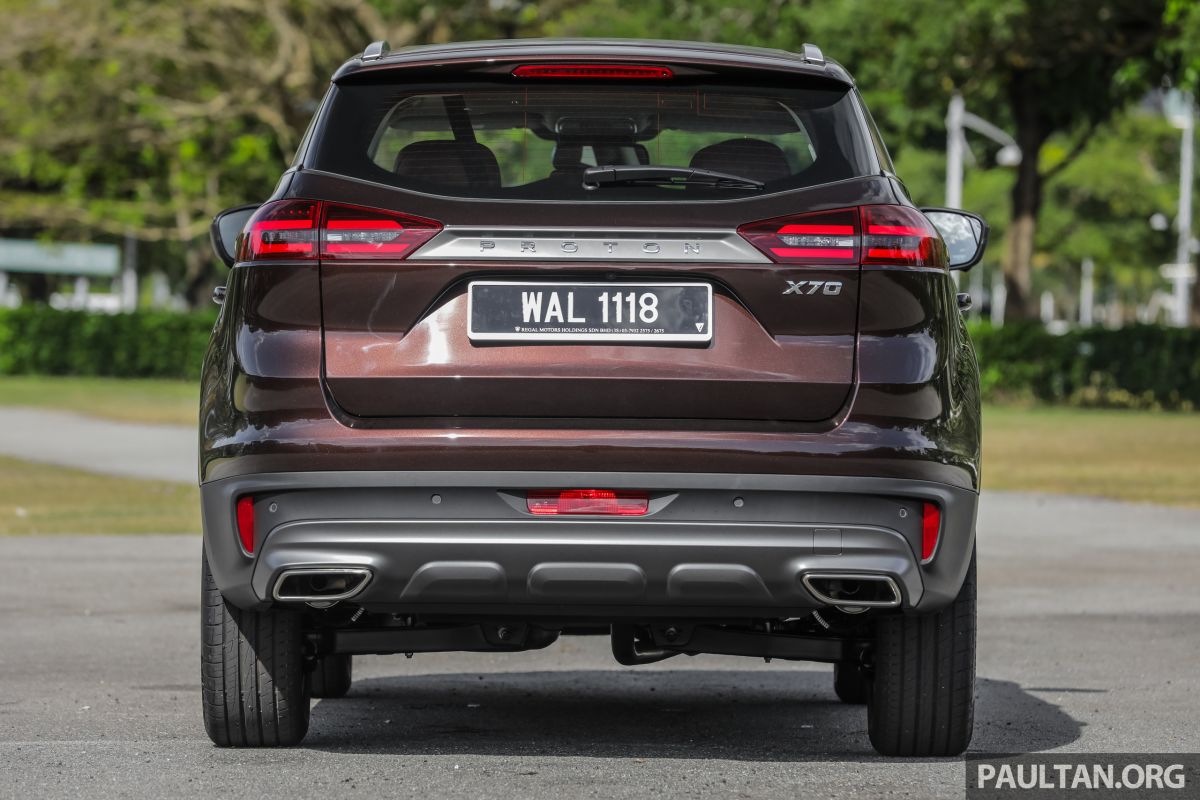
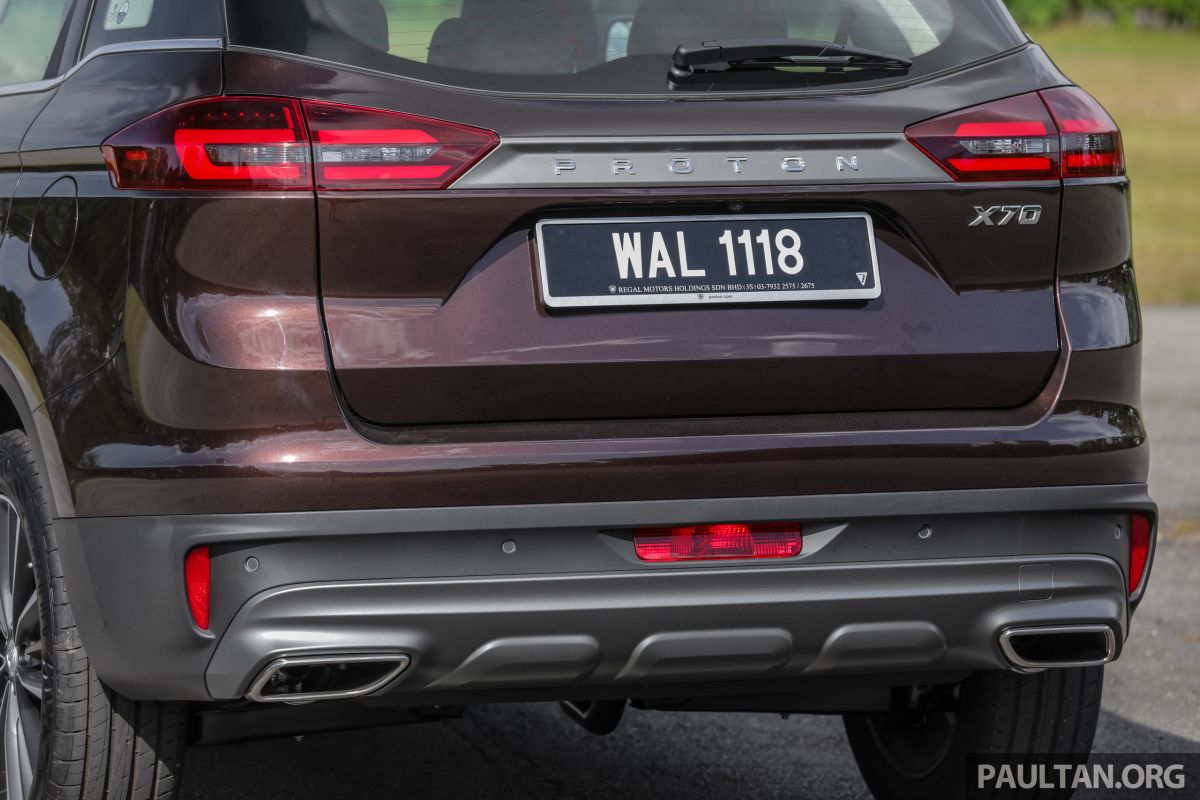
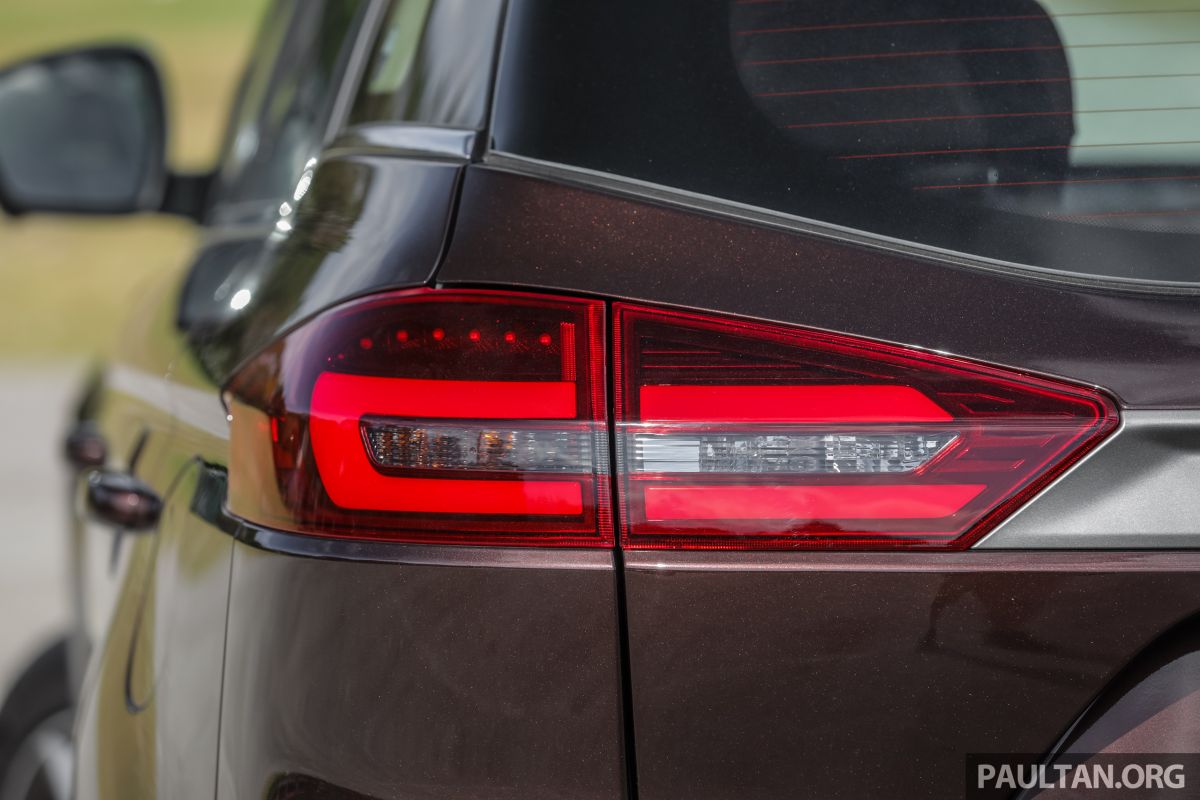
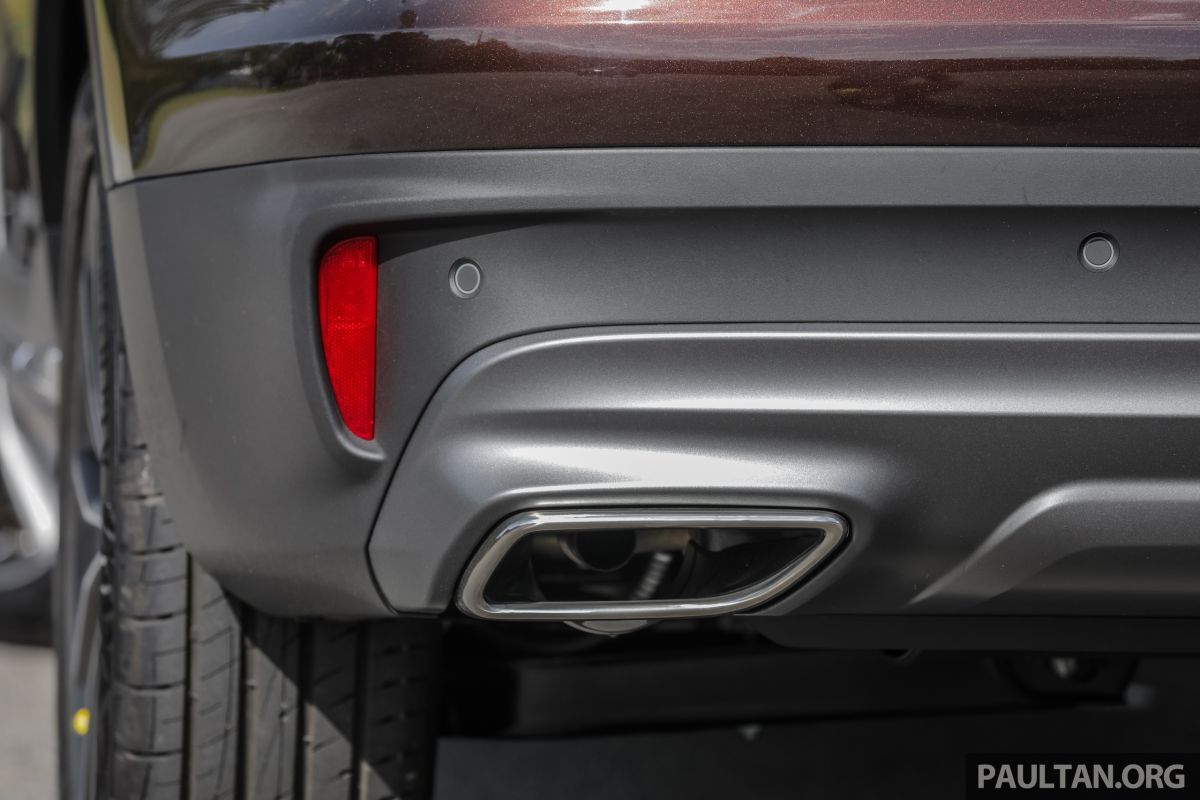
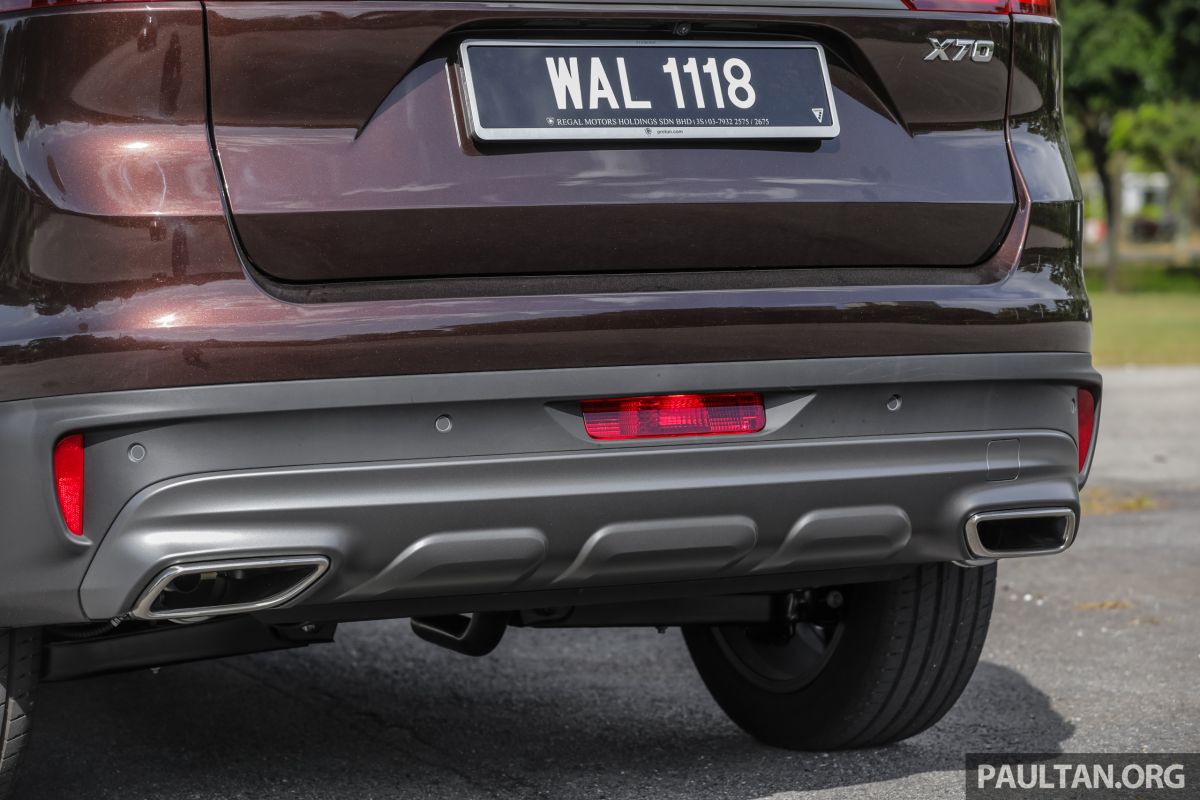
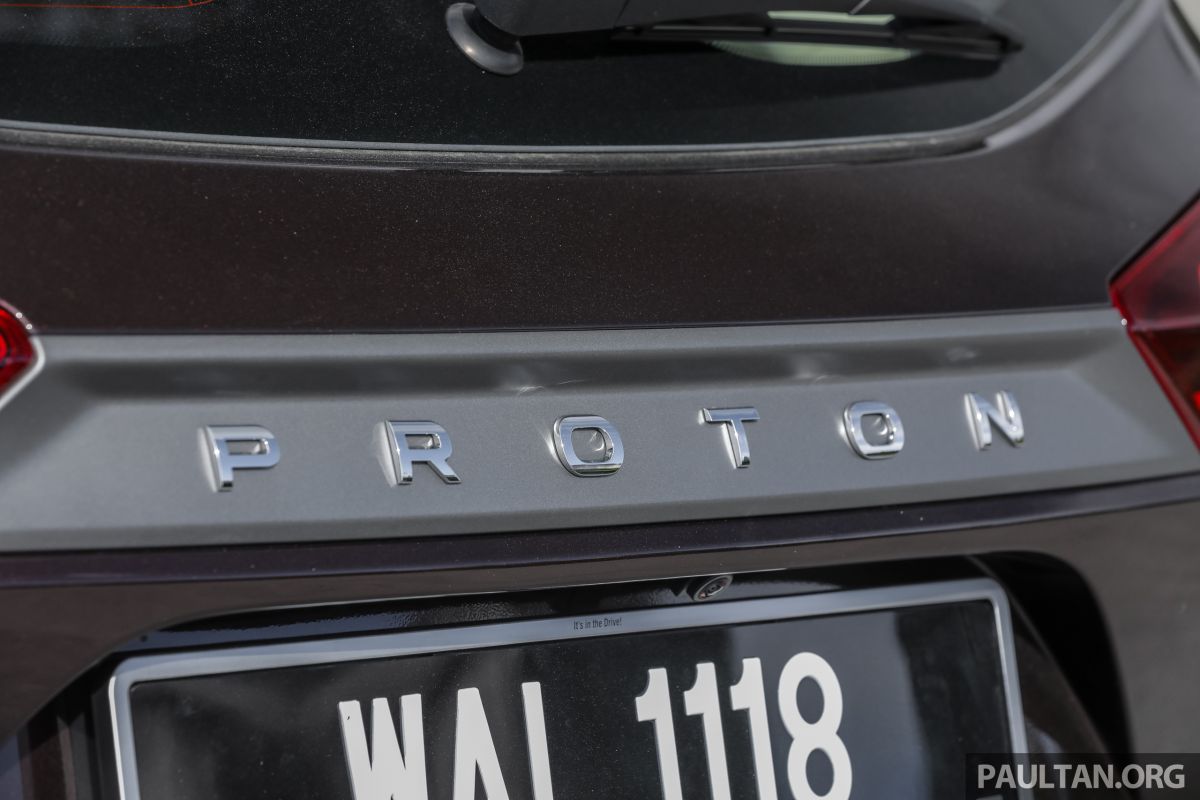
Moving towards the rear, the taillights have been mildly reworked to better align to the SUV’s line, with updated light graphics. The Geely logo has also been replaced with a script on a chrome bridge linking the clusters, while a simplified bottom apron and new roof spoiler design are the other exterior changes.
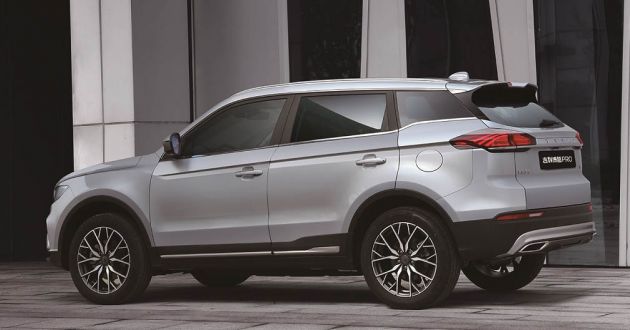
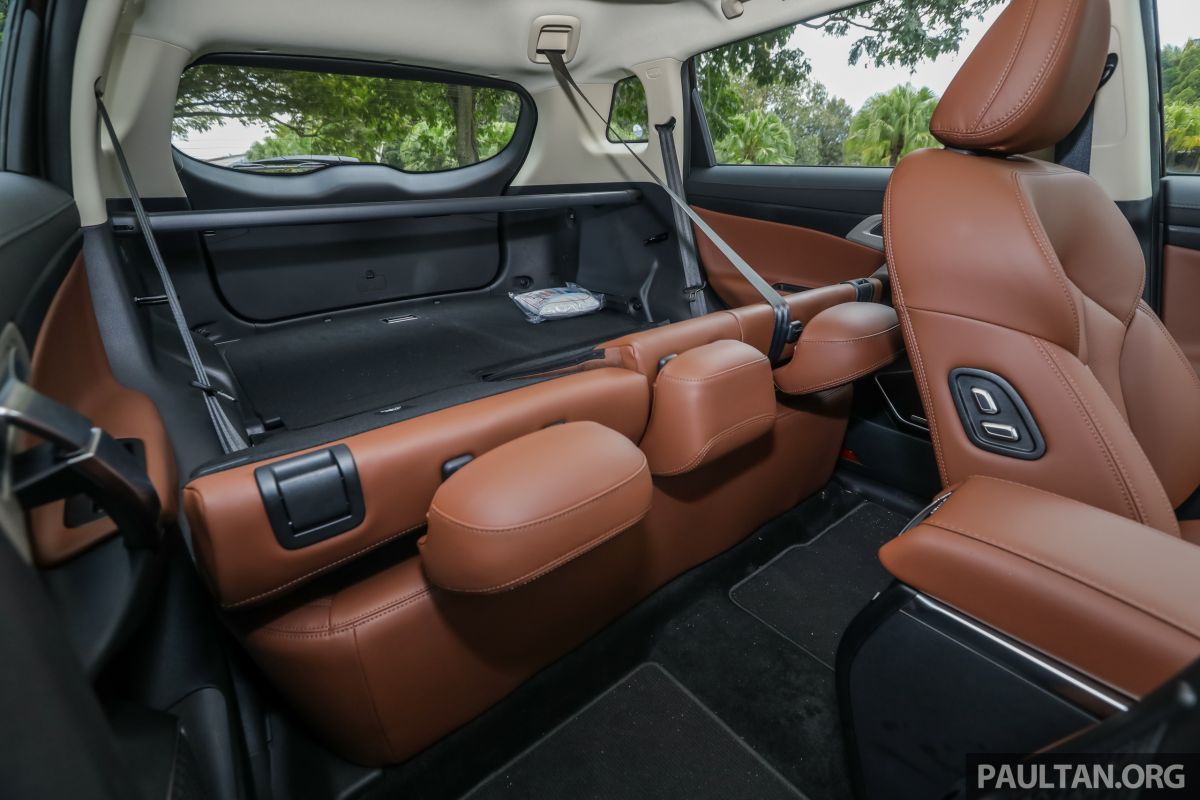
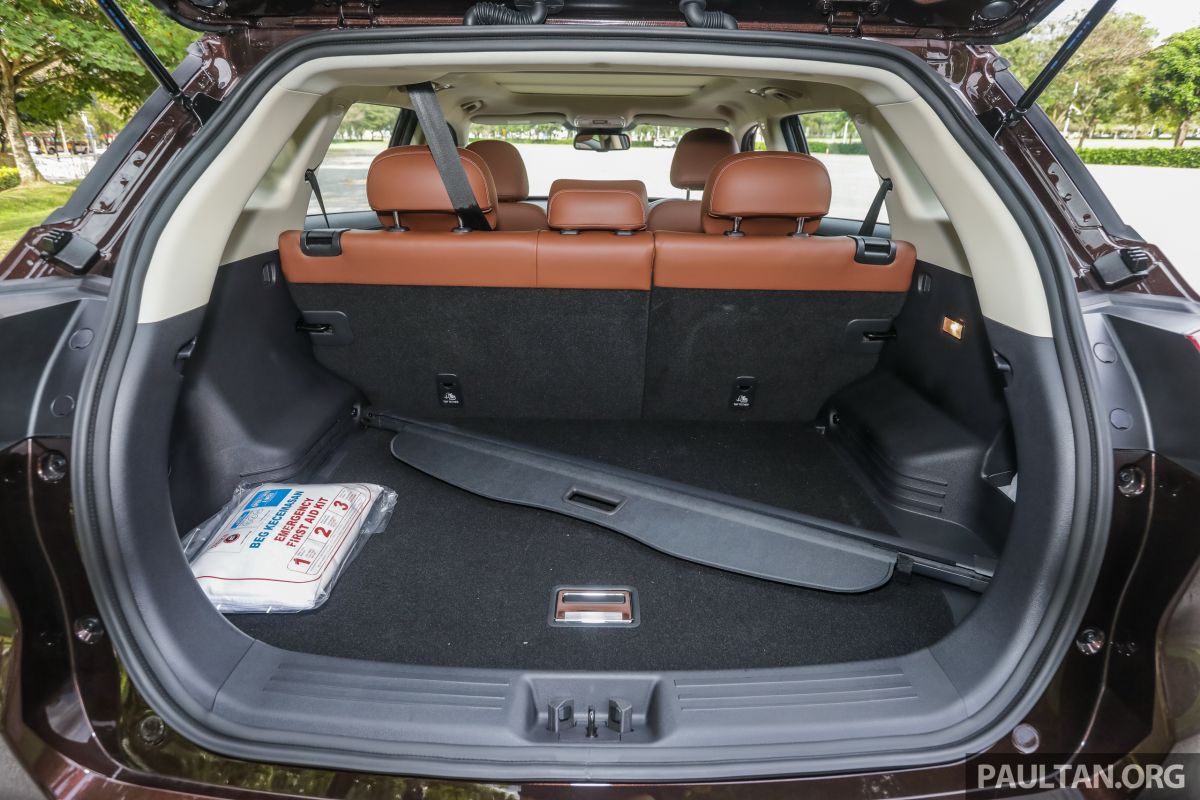
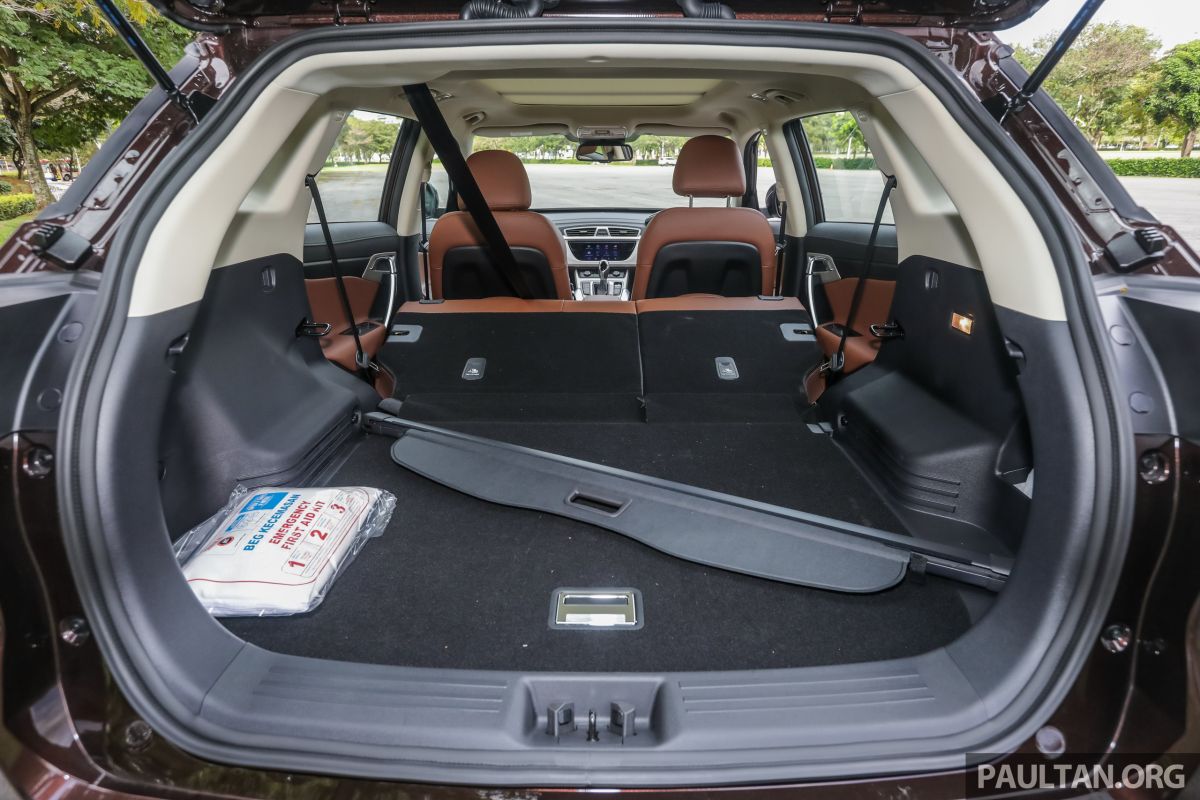
According to Geely, customer feedback also resulted in the rear of the Boyue Pro having a lower load height when the tailgate is opened to make it easier to load and unload items.
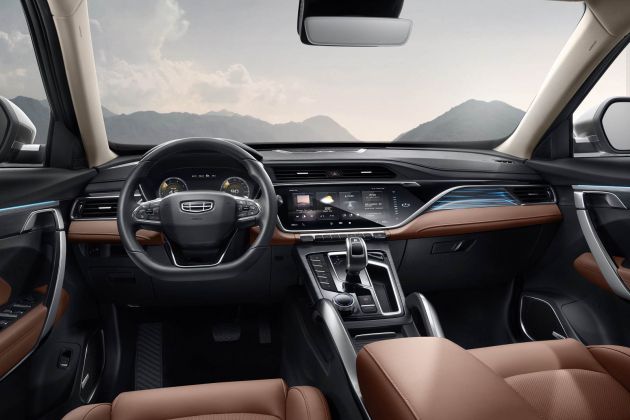
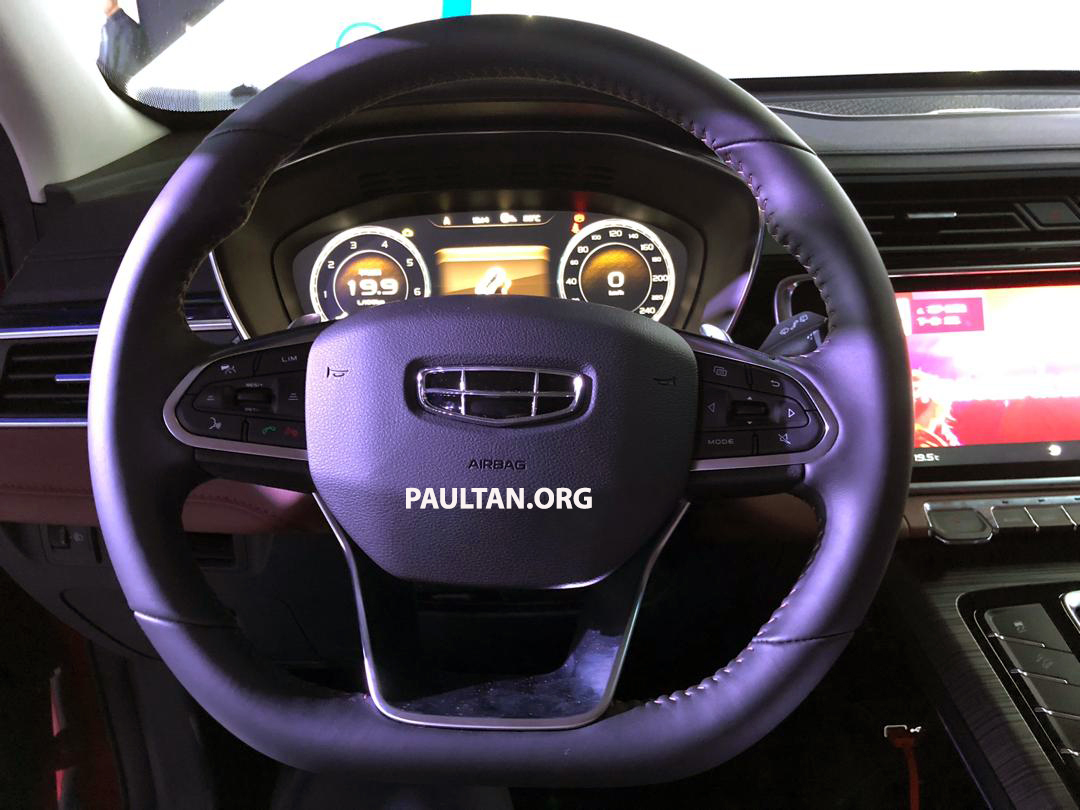
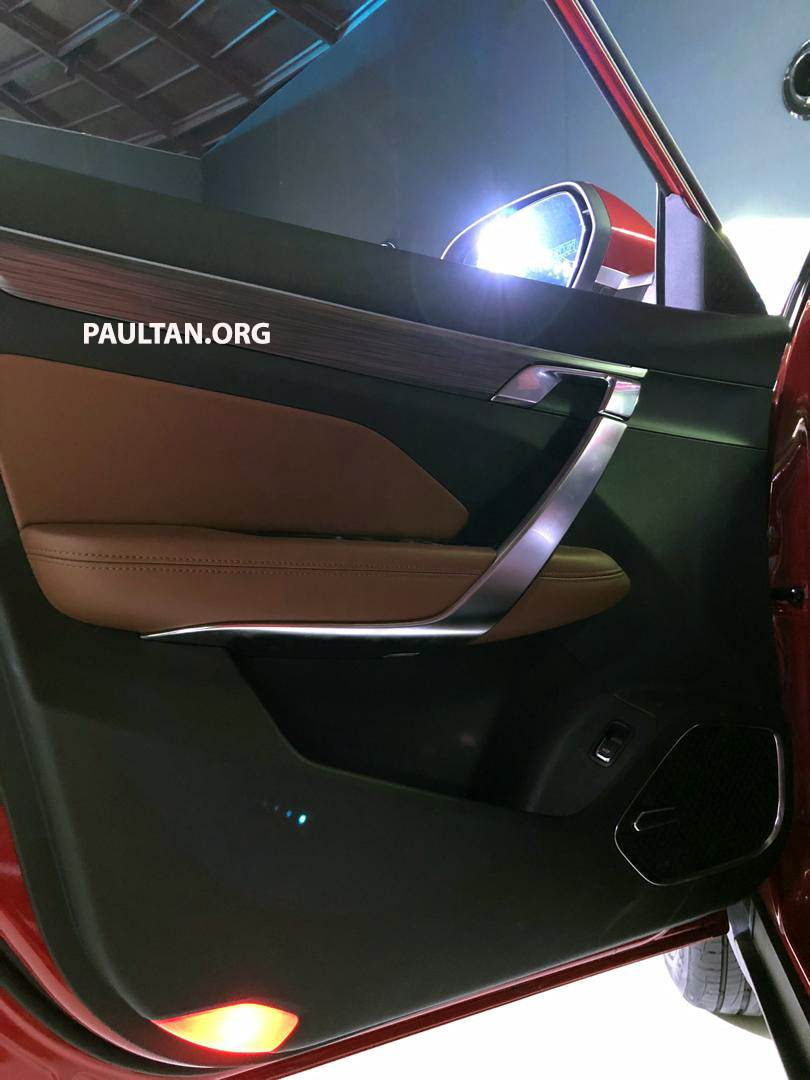
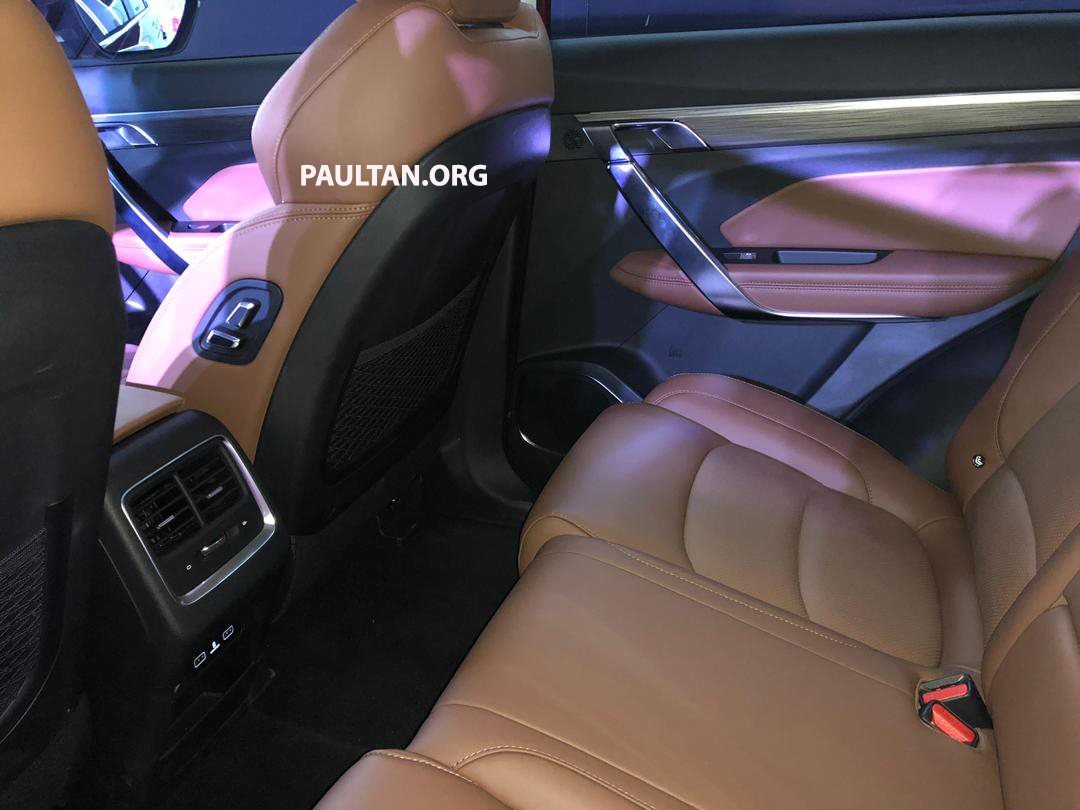
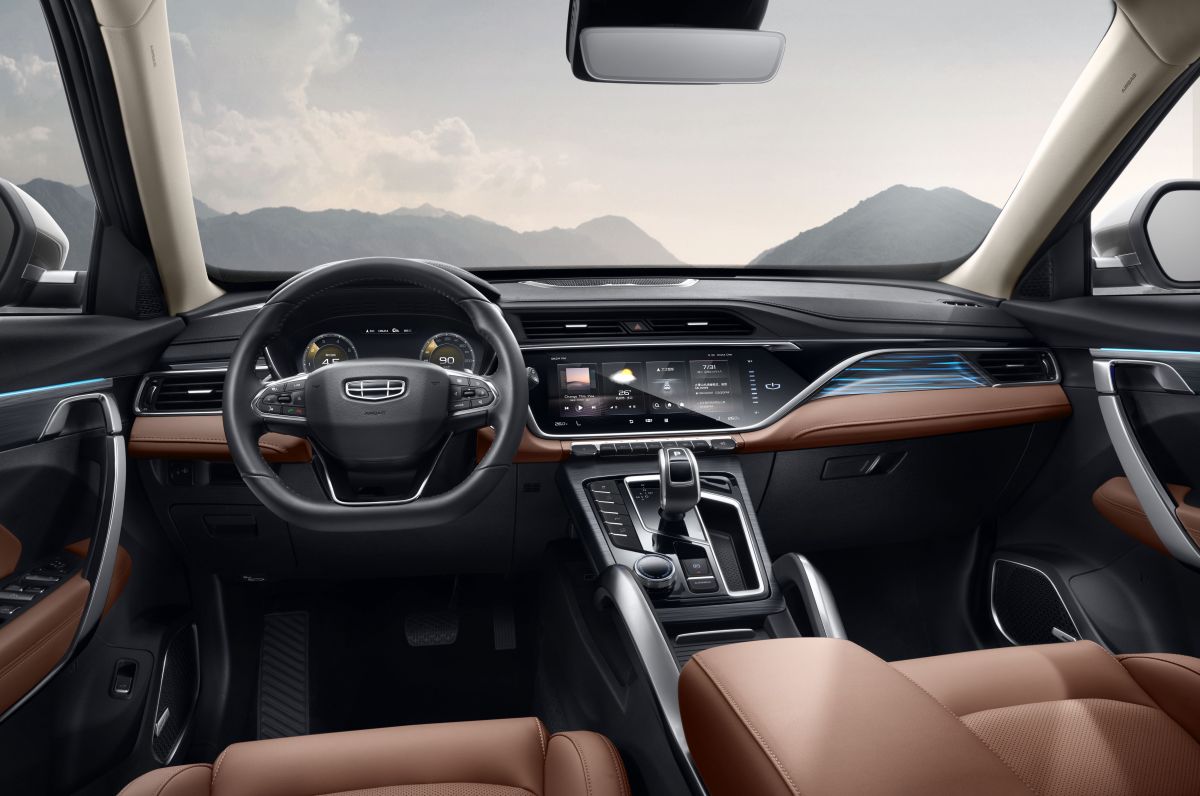
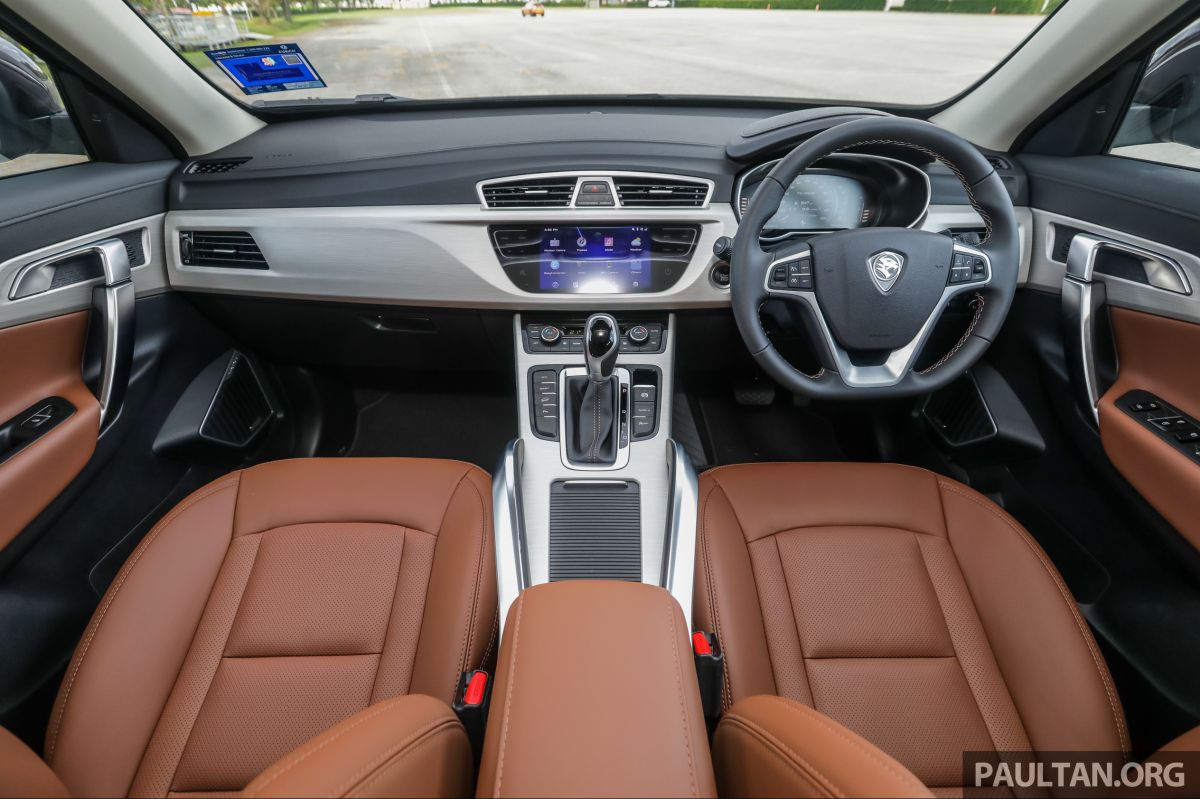
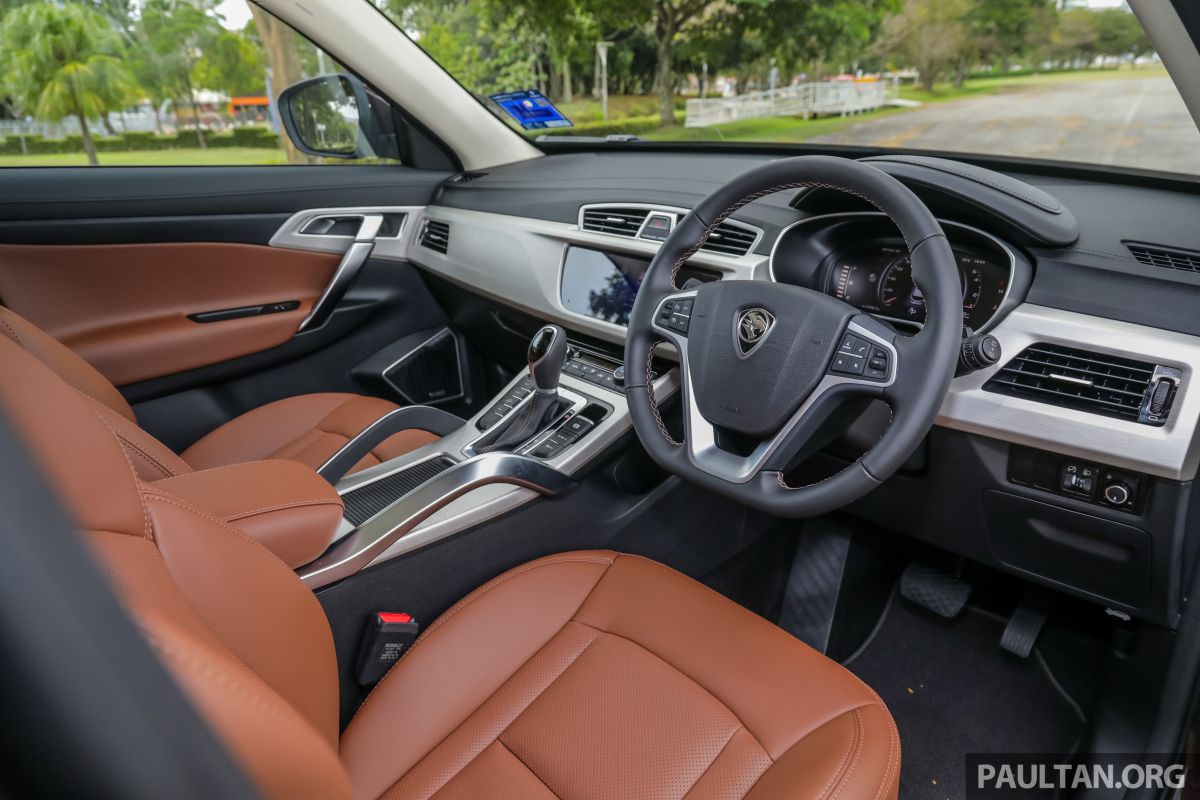
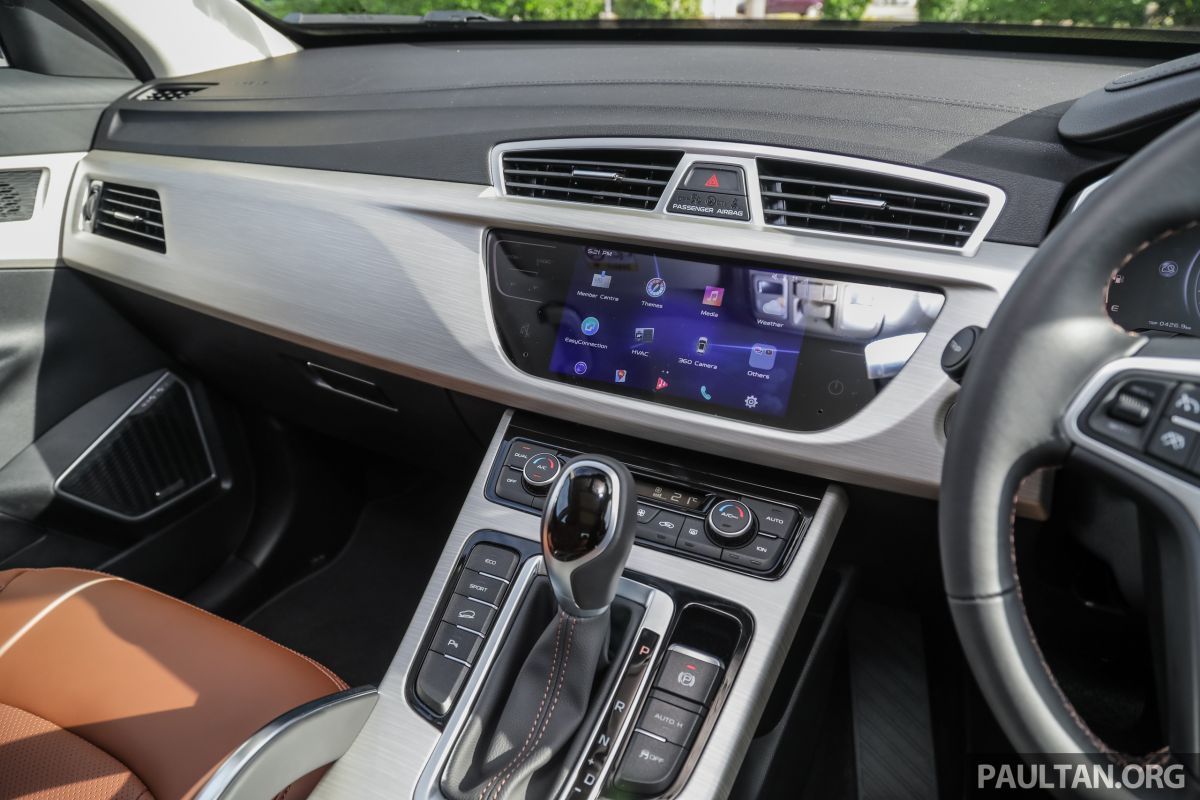
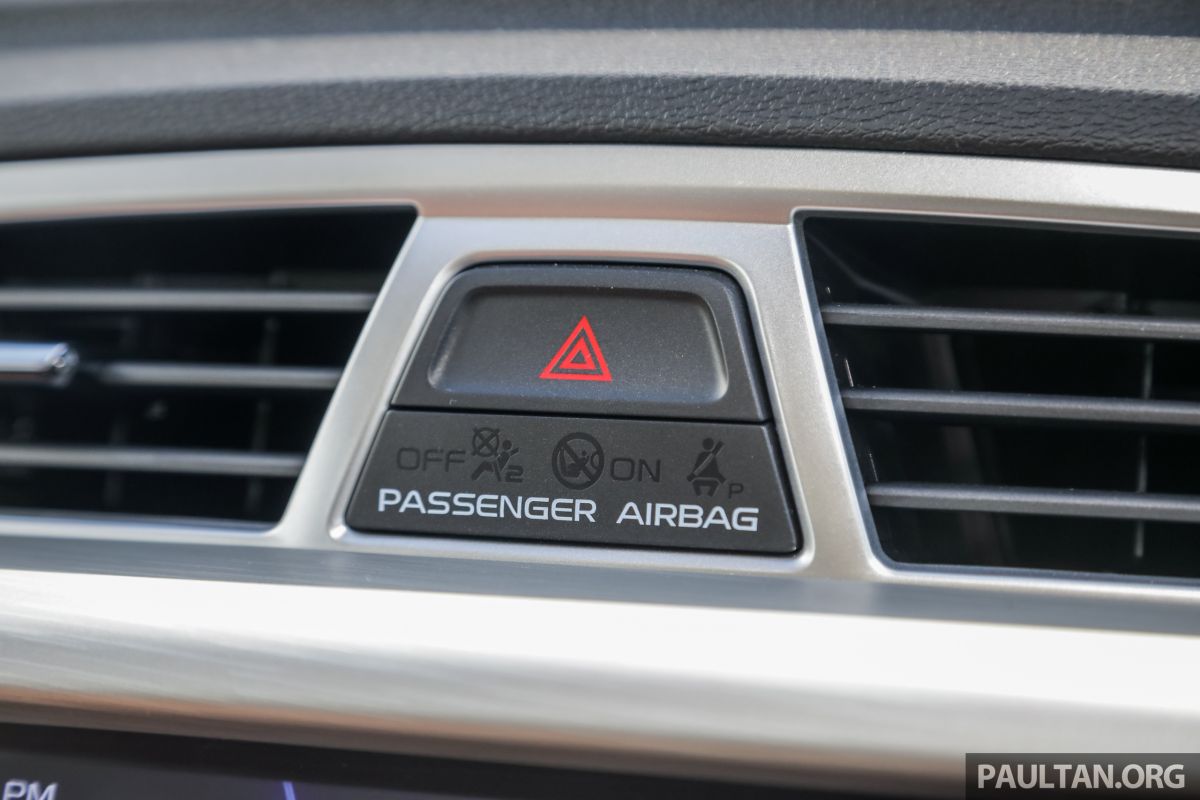
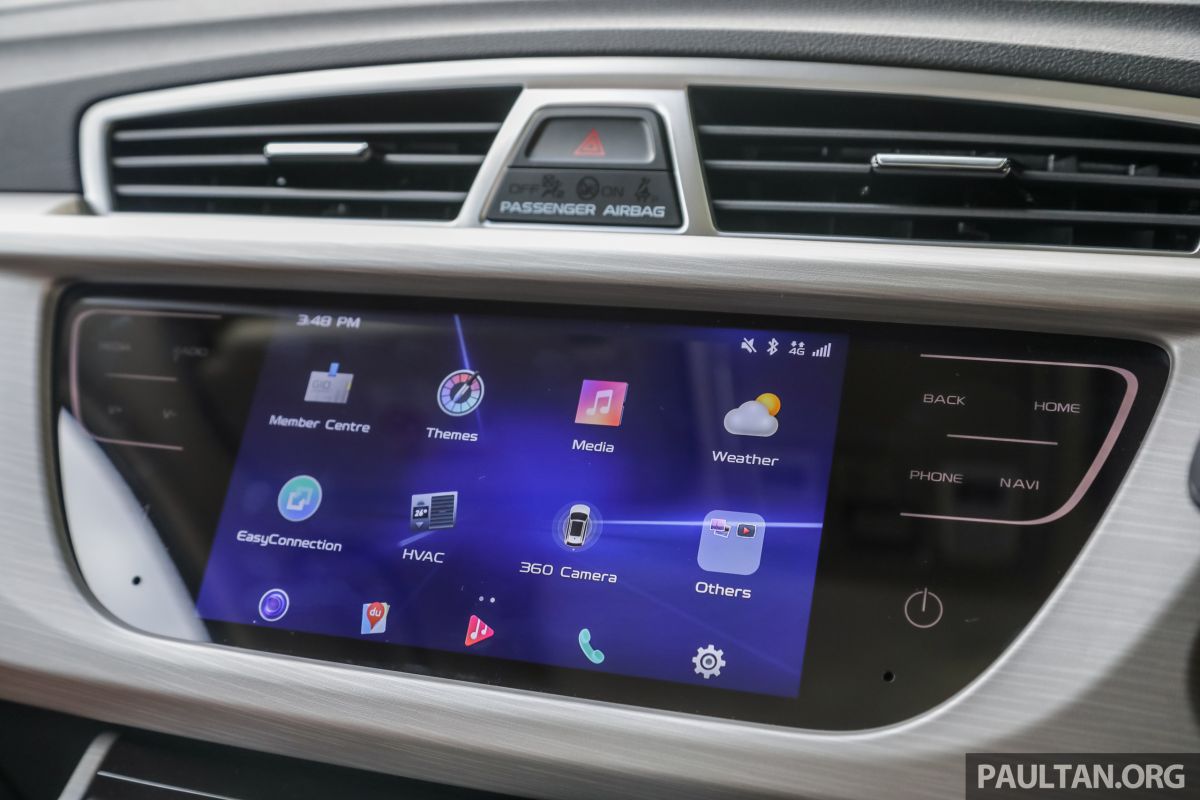
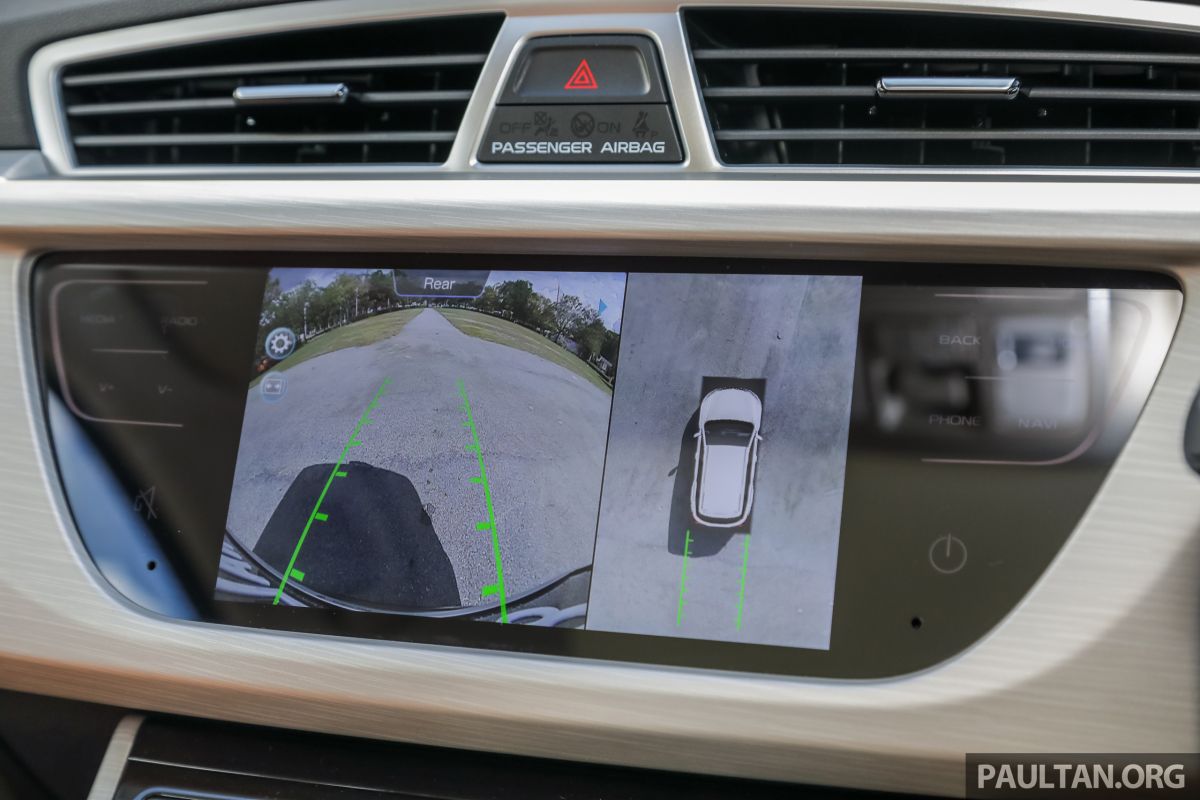
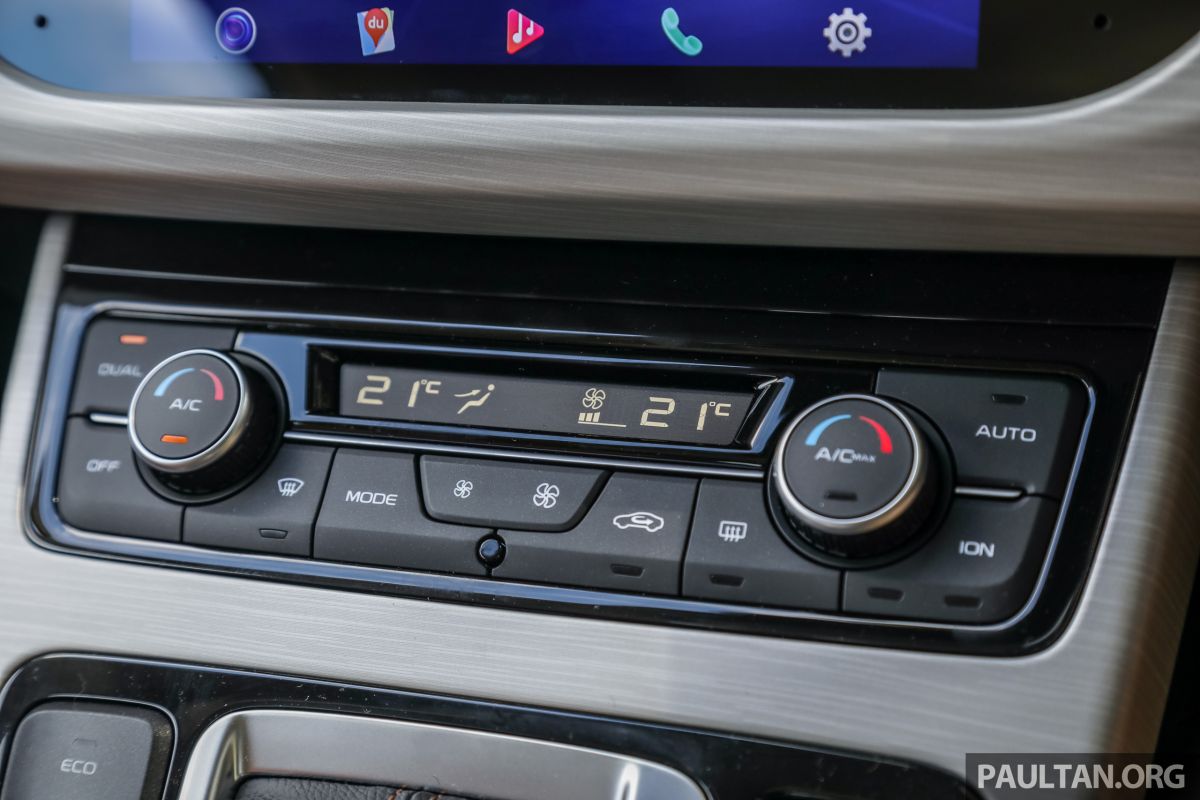
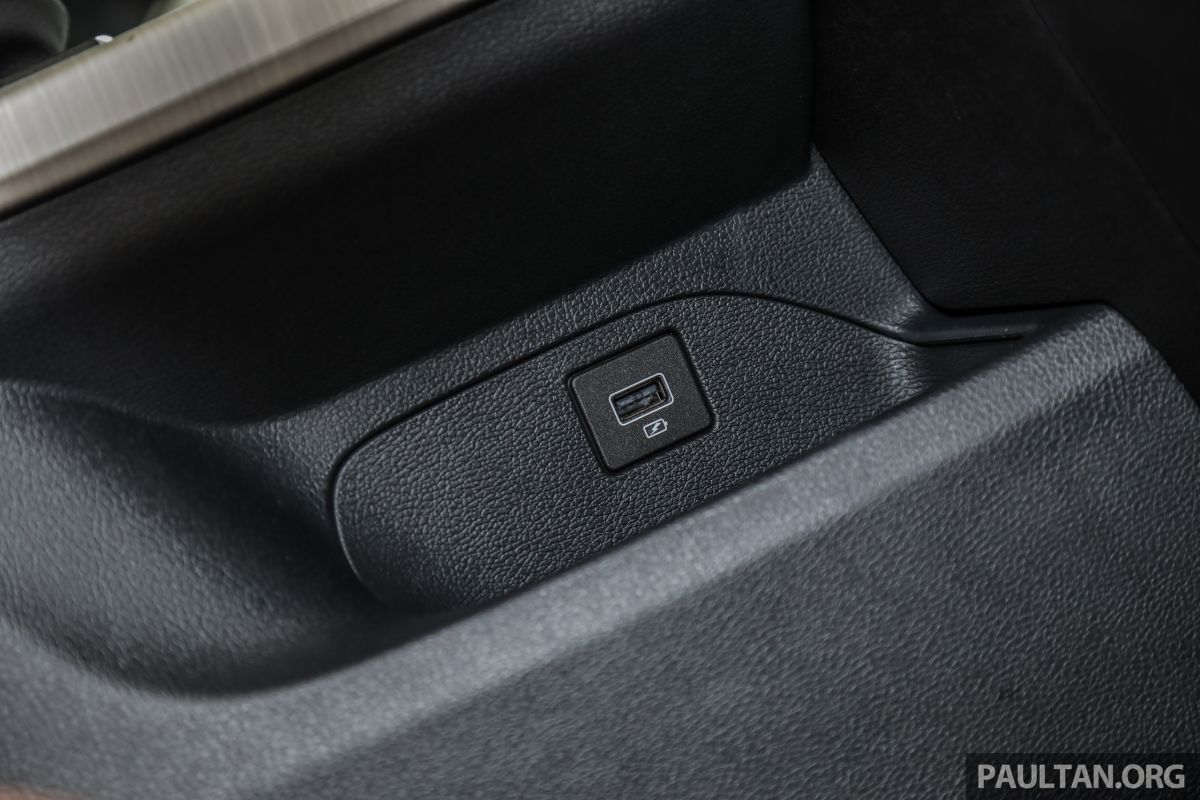
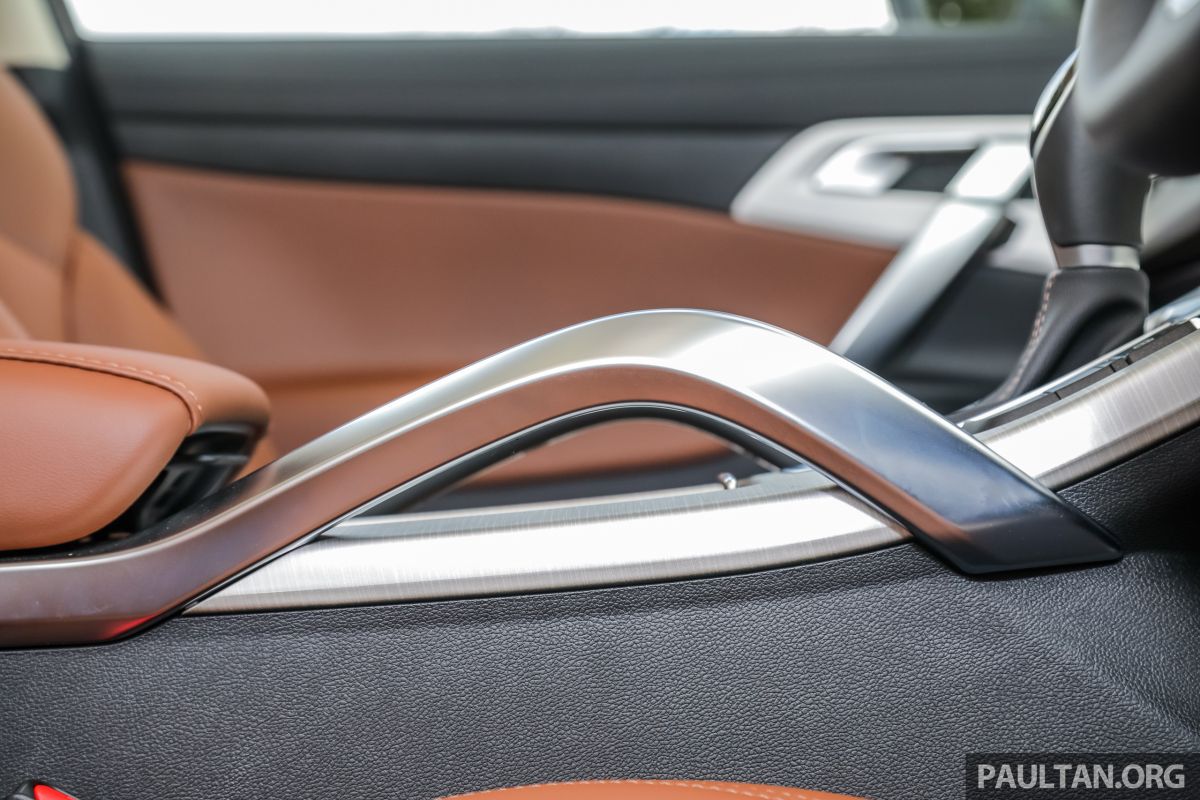
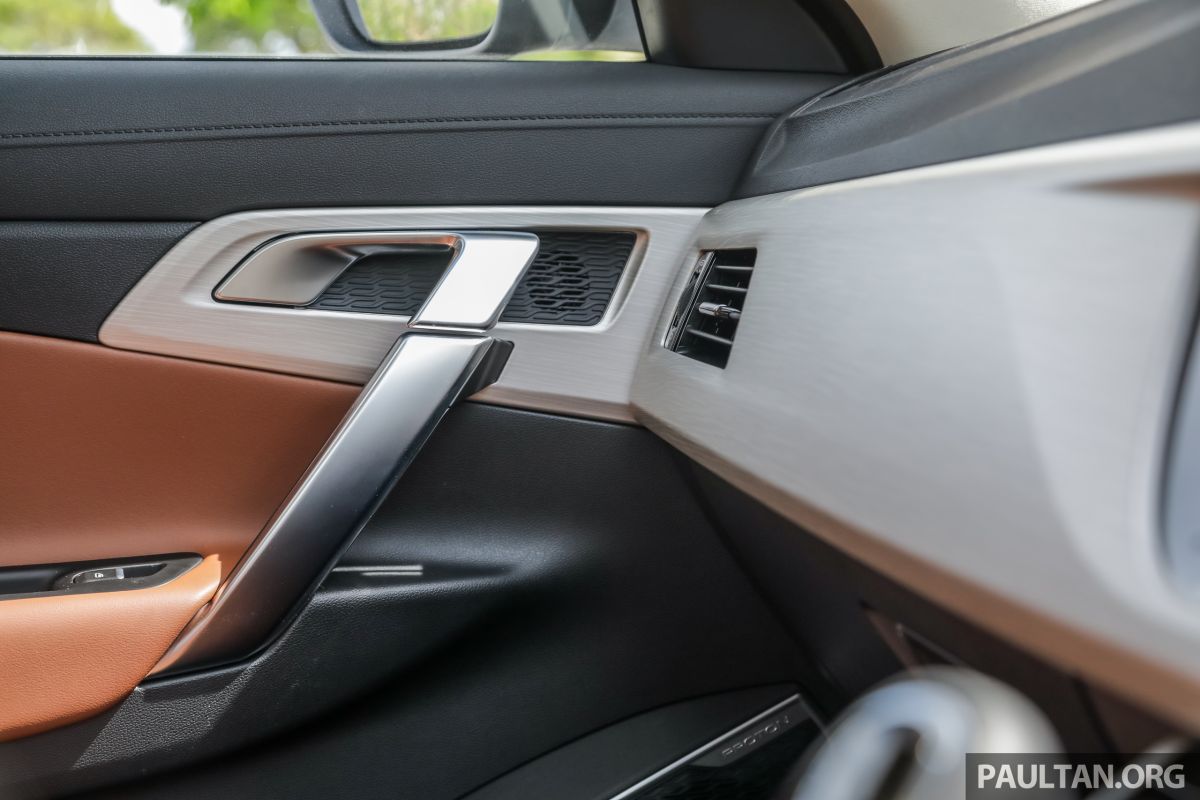
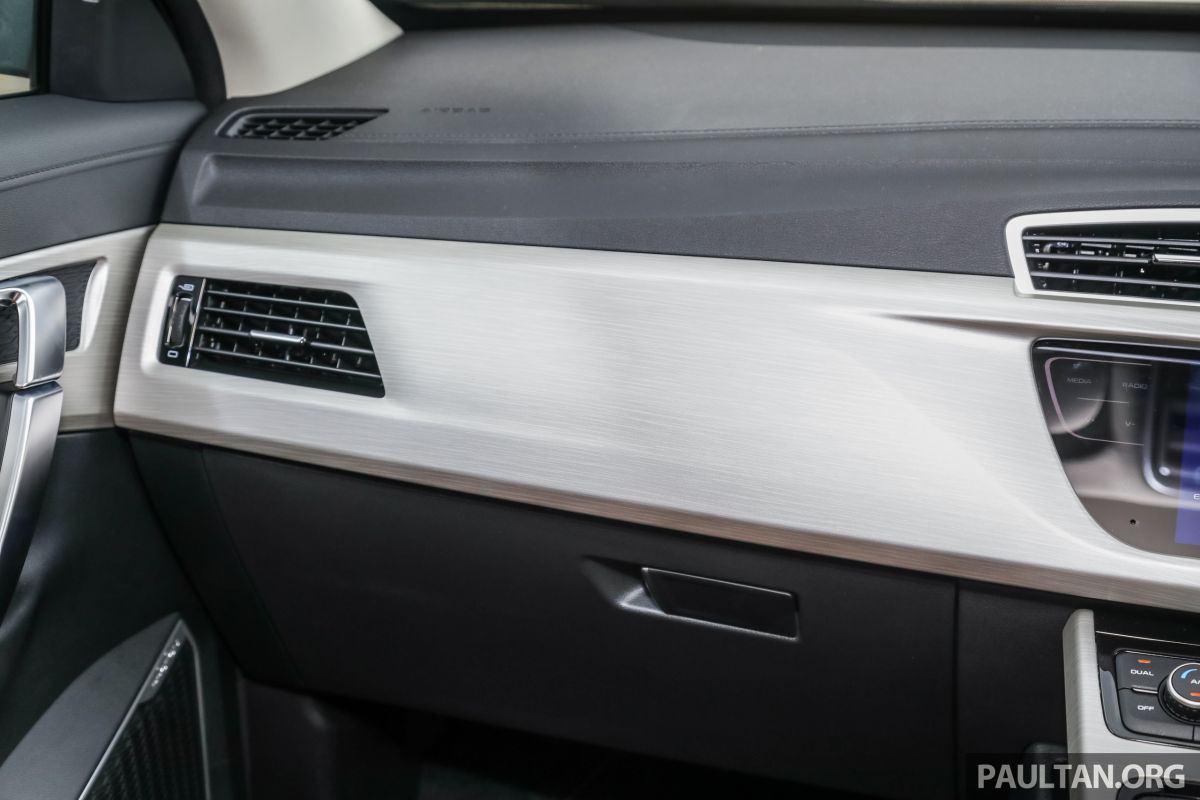
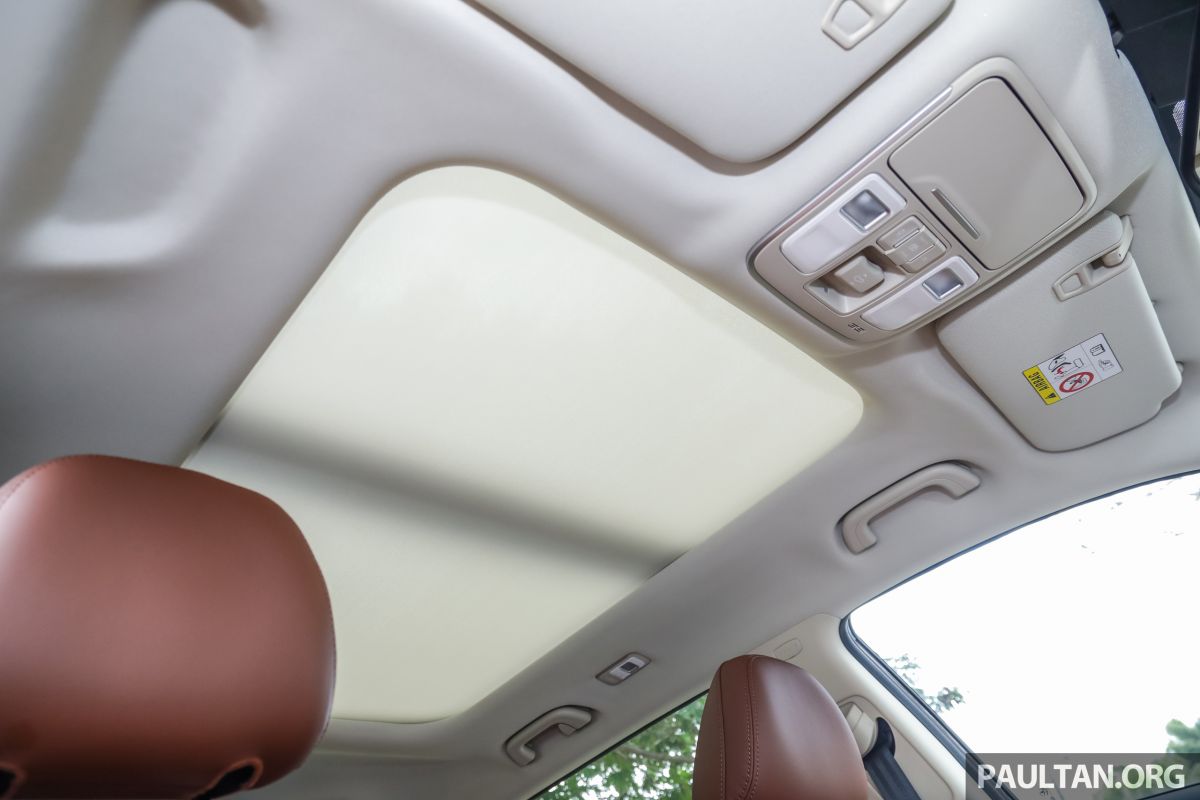
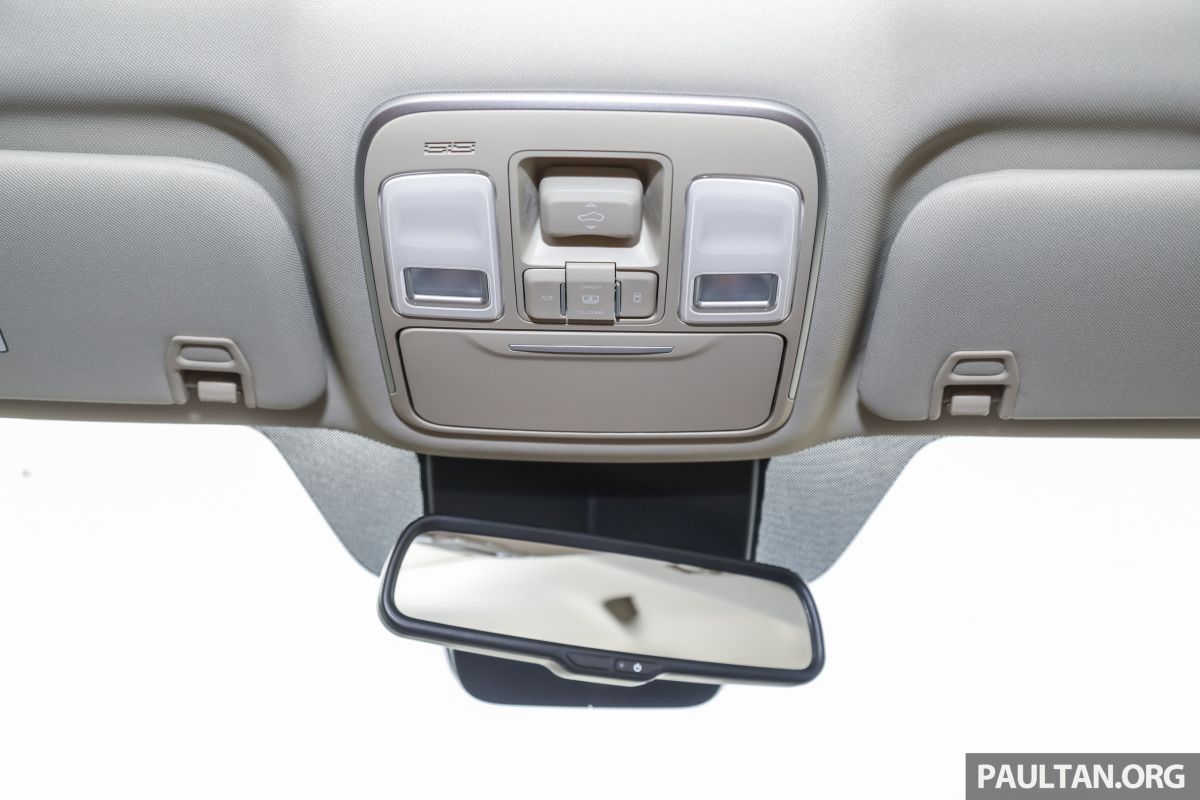
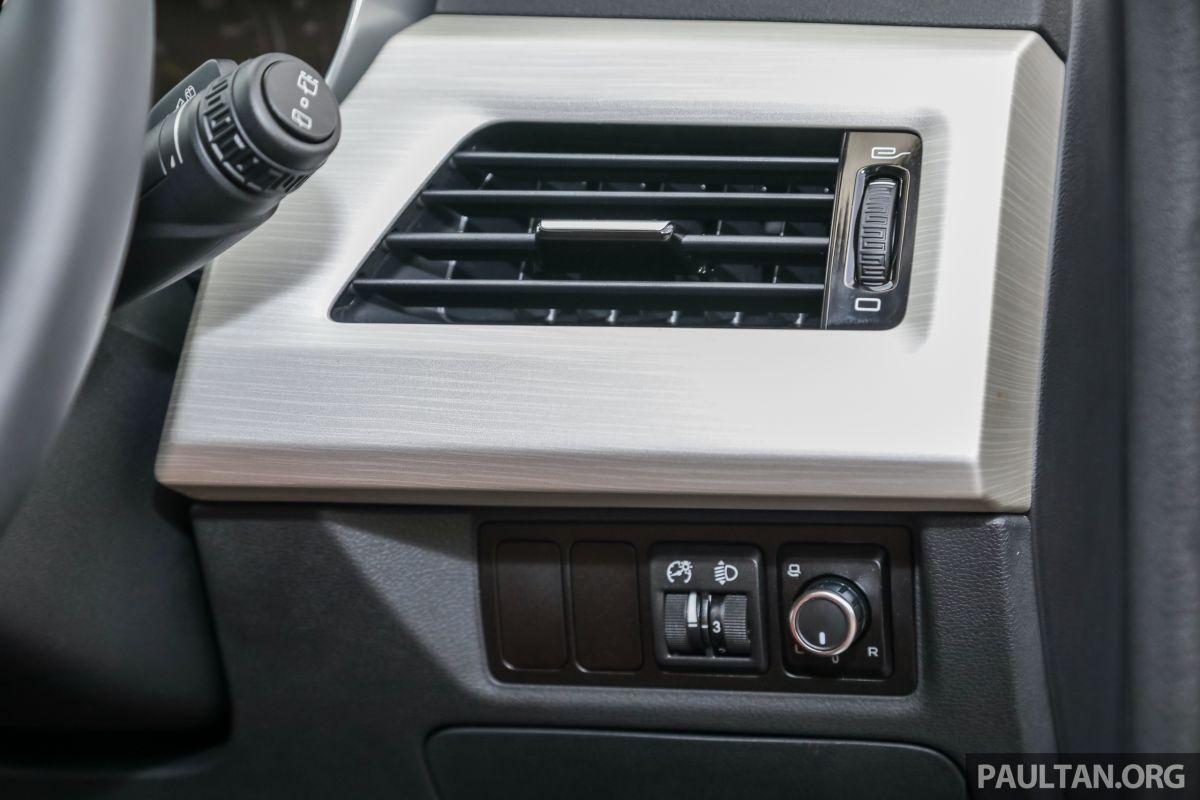
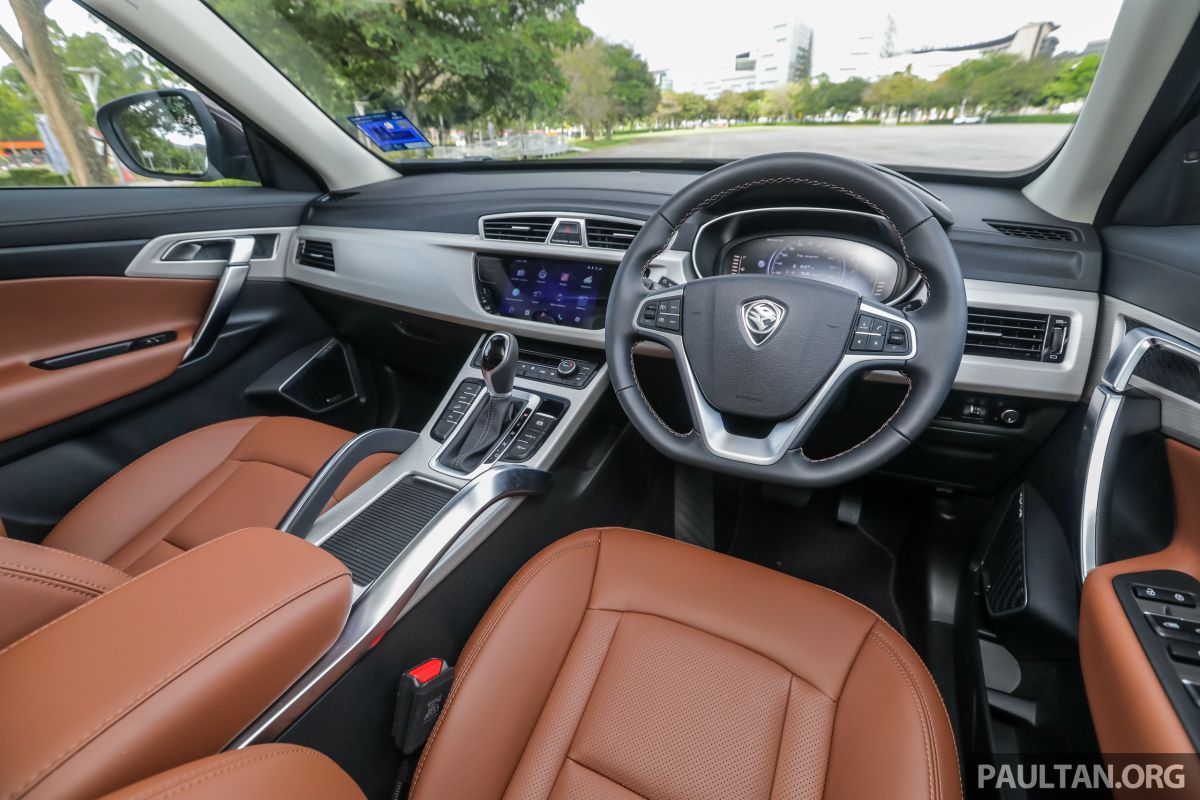
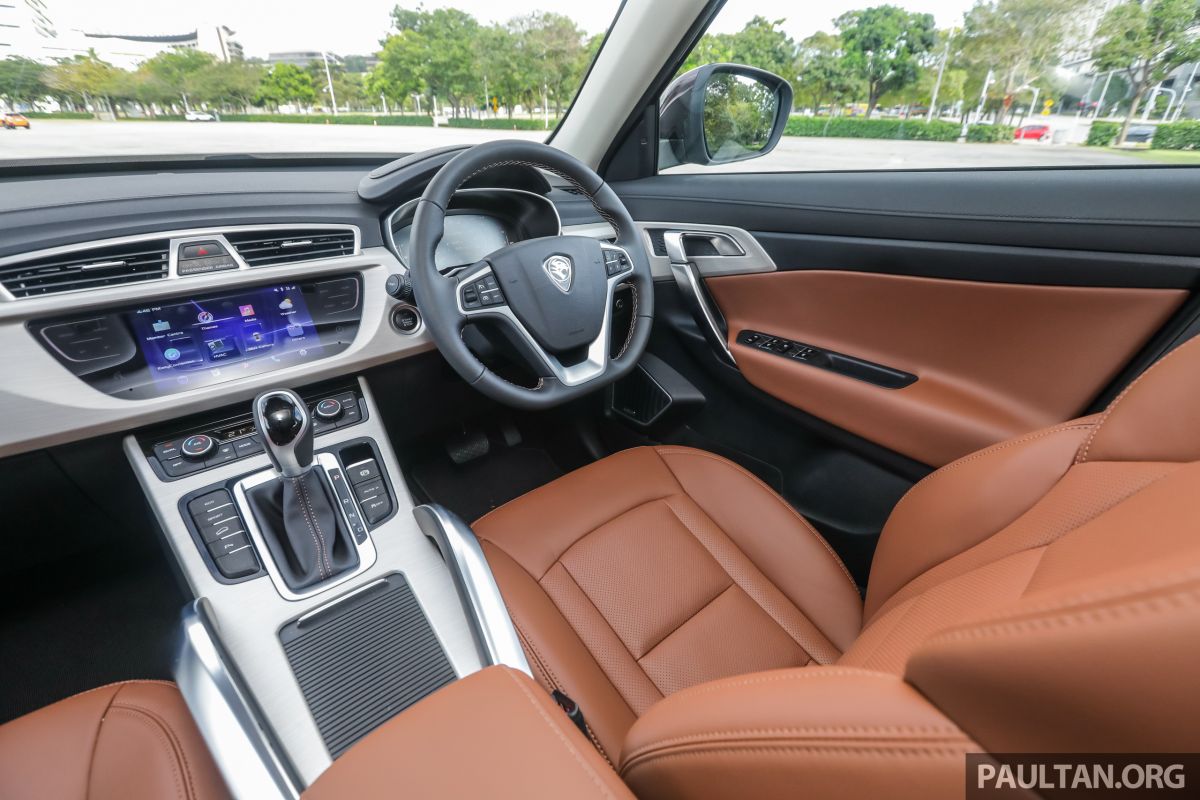
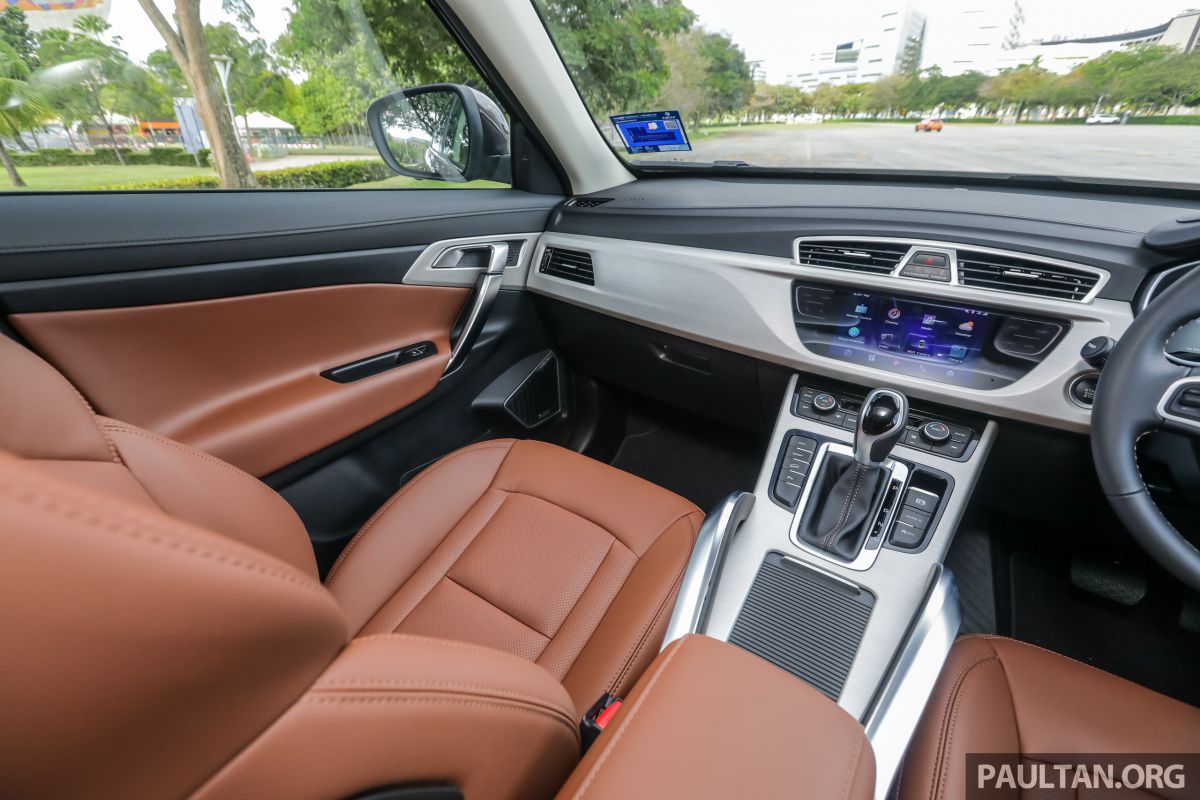
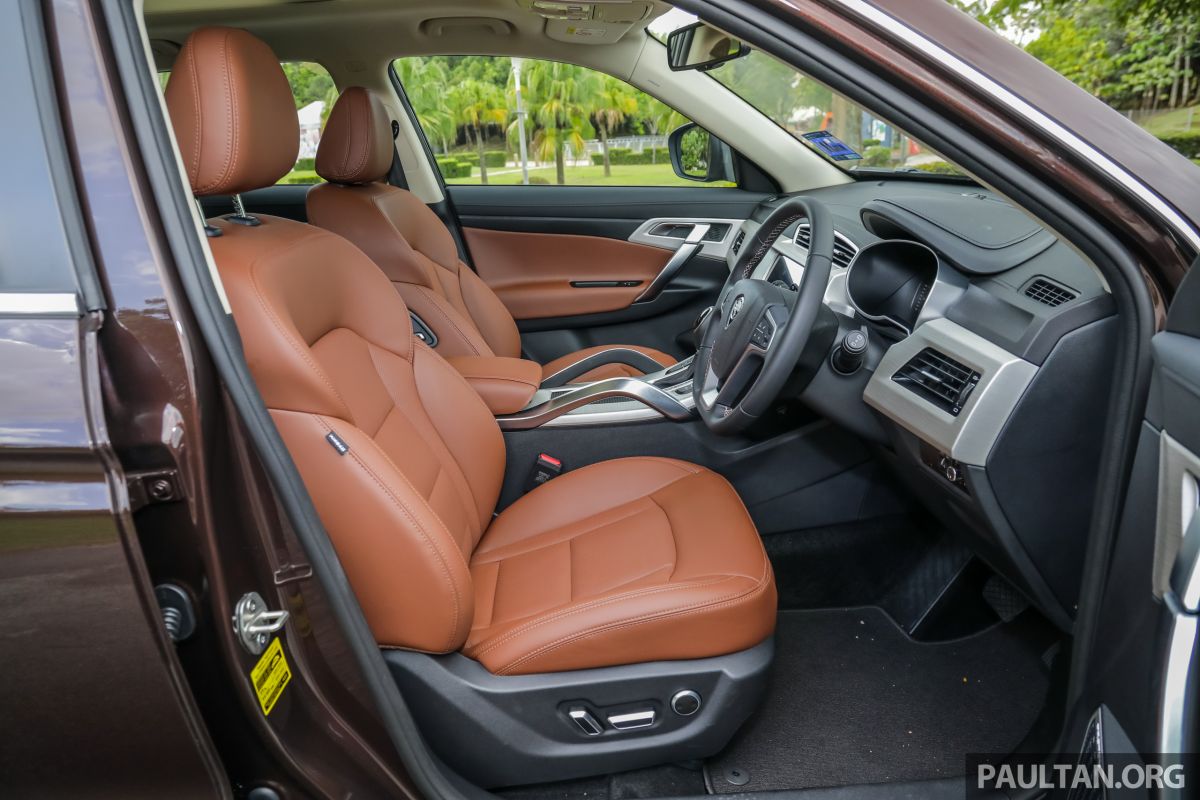
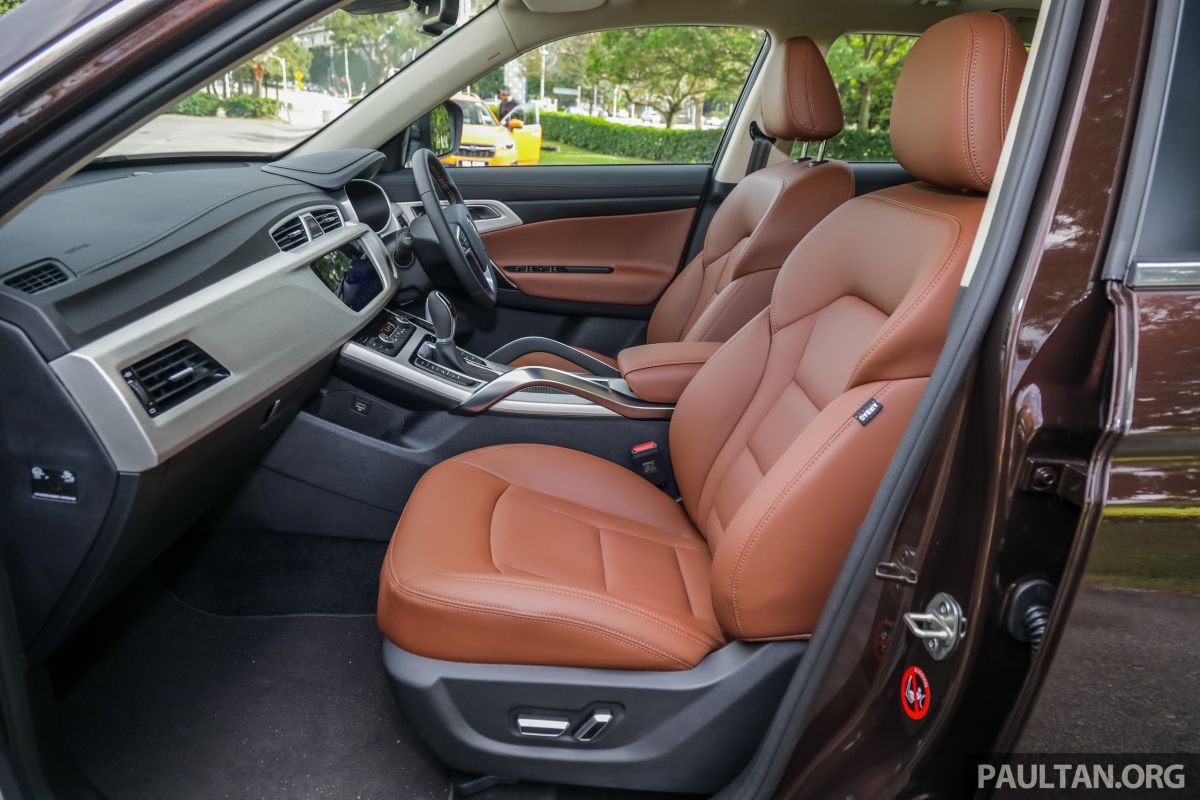
Inside, the Boyue Pro gets a new dashboard that is more contemporary in design, with highlights being sleeker air vents, a larger area dedicated to the touchscreen infotainment system, and discreet piano-key style switchgear for the climate control.
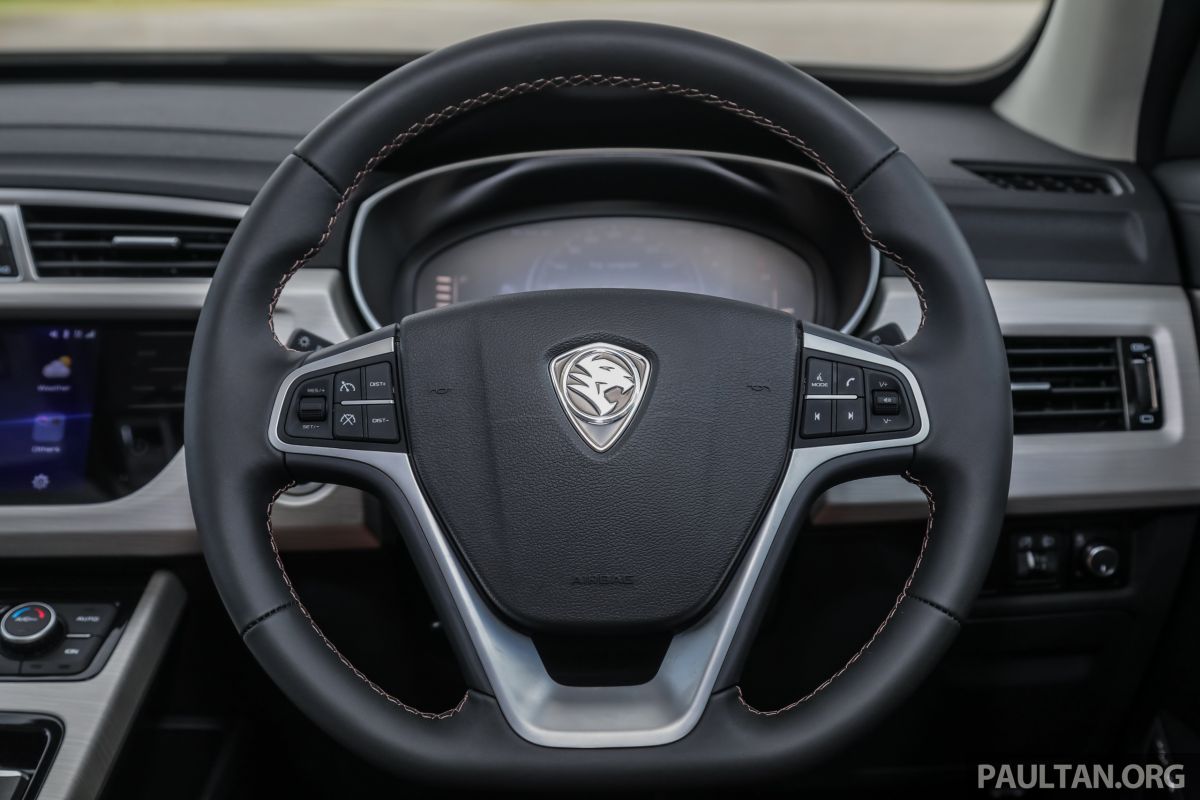
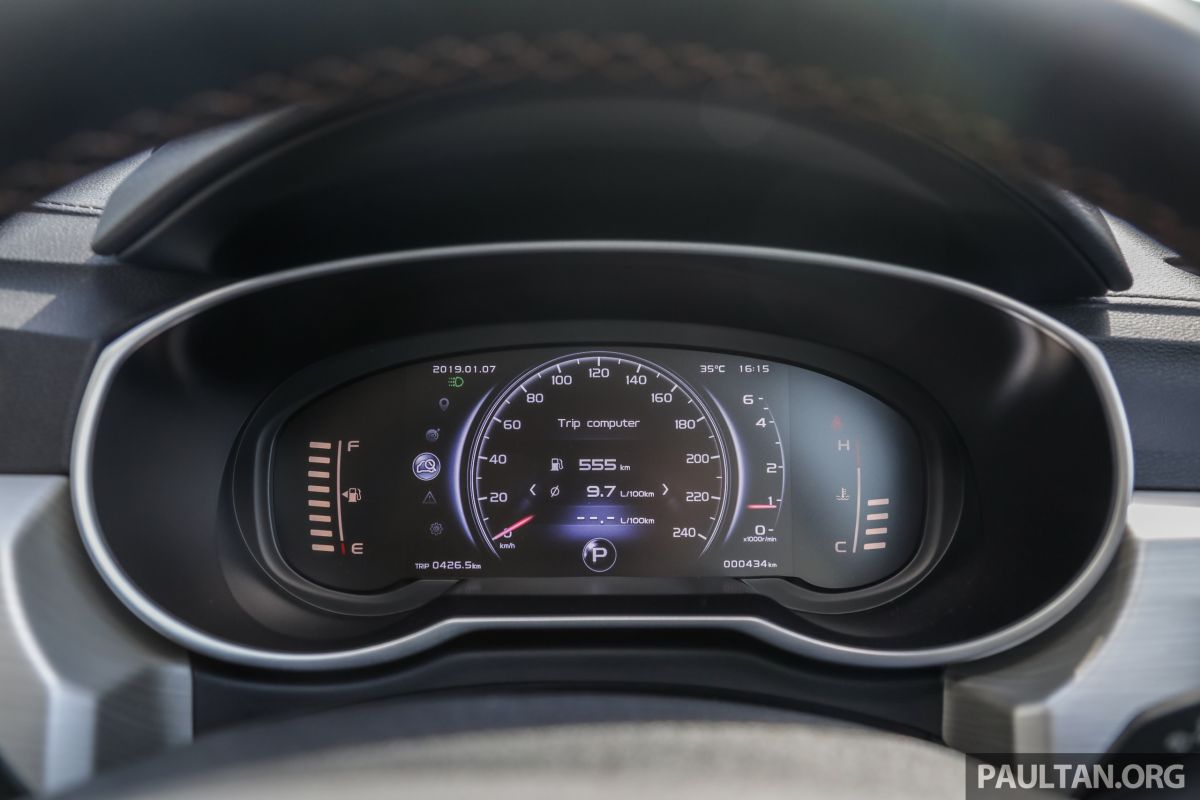
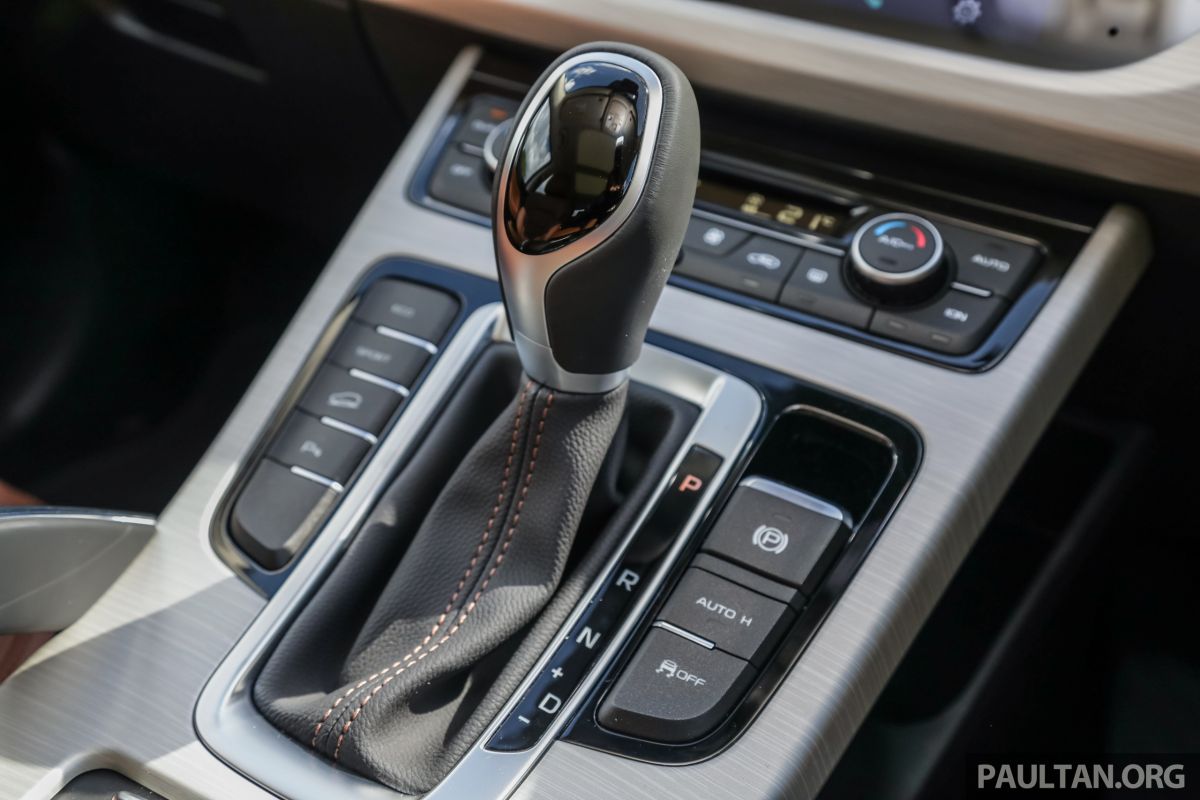
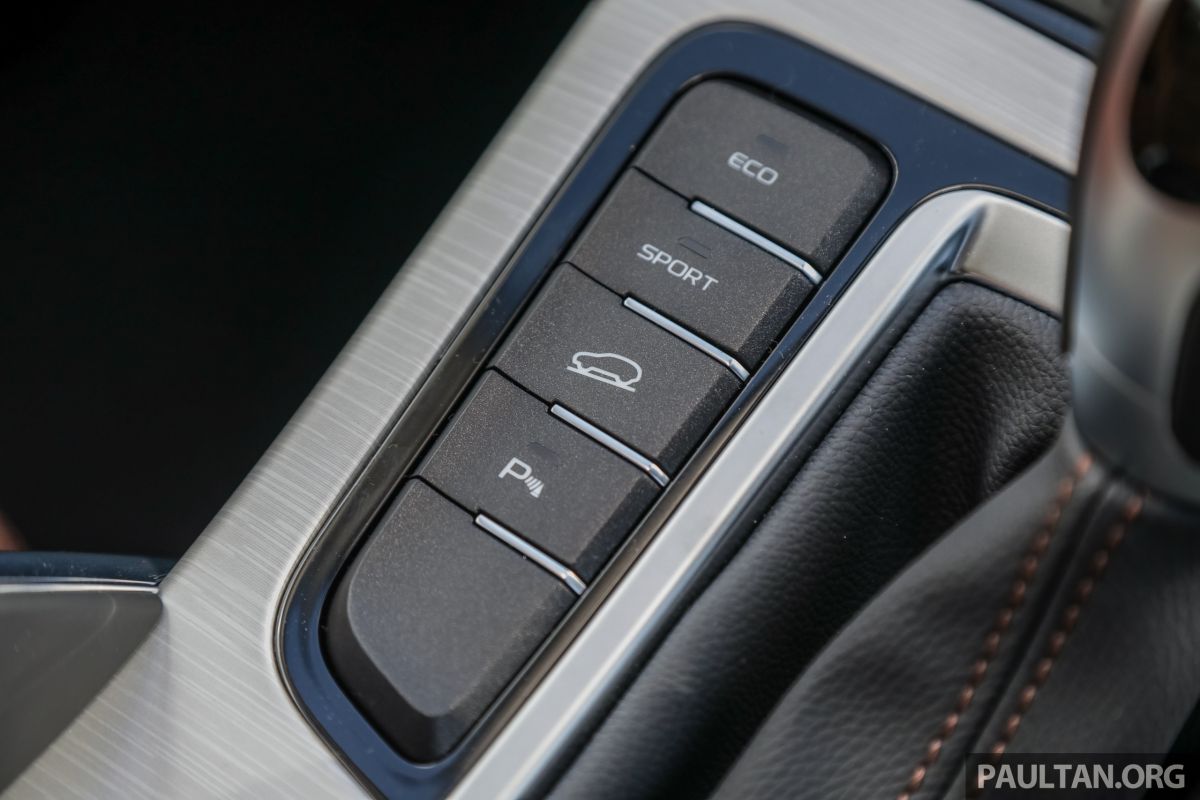
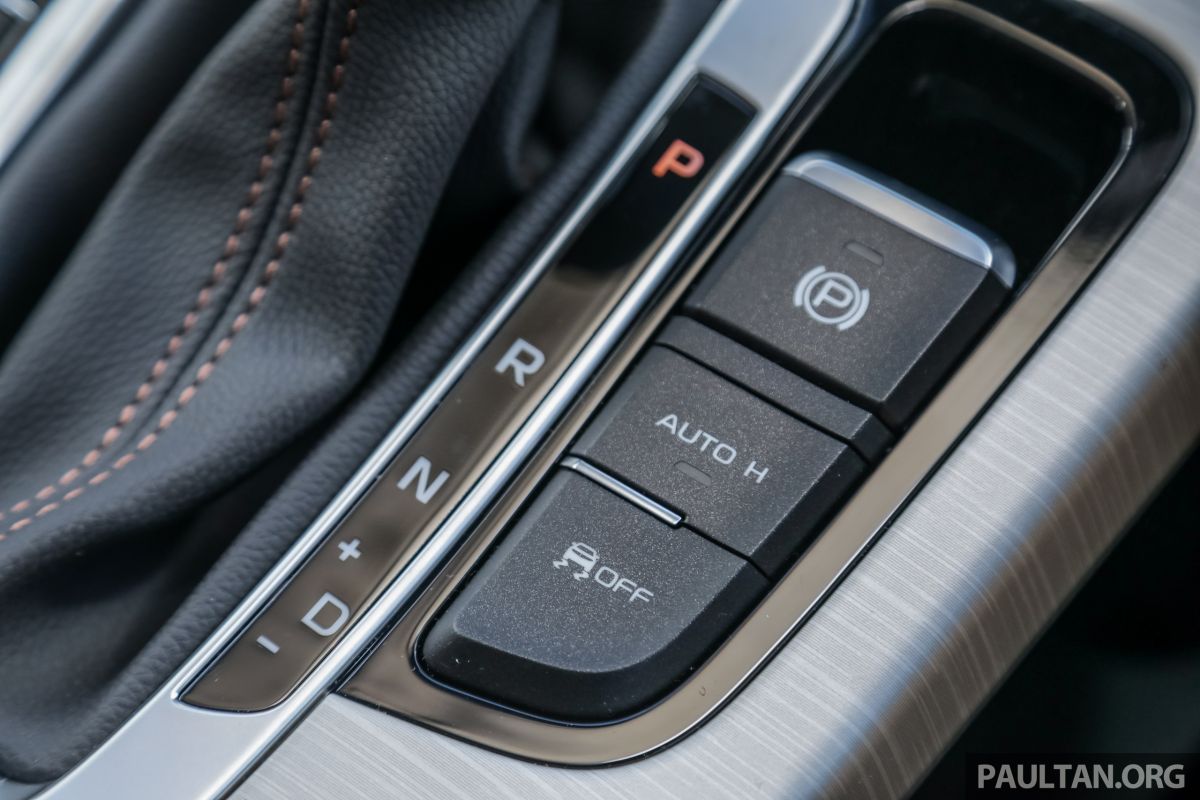
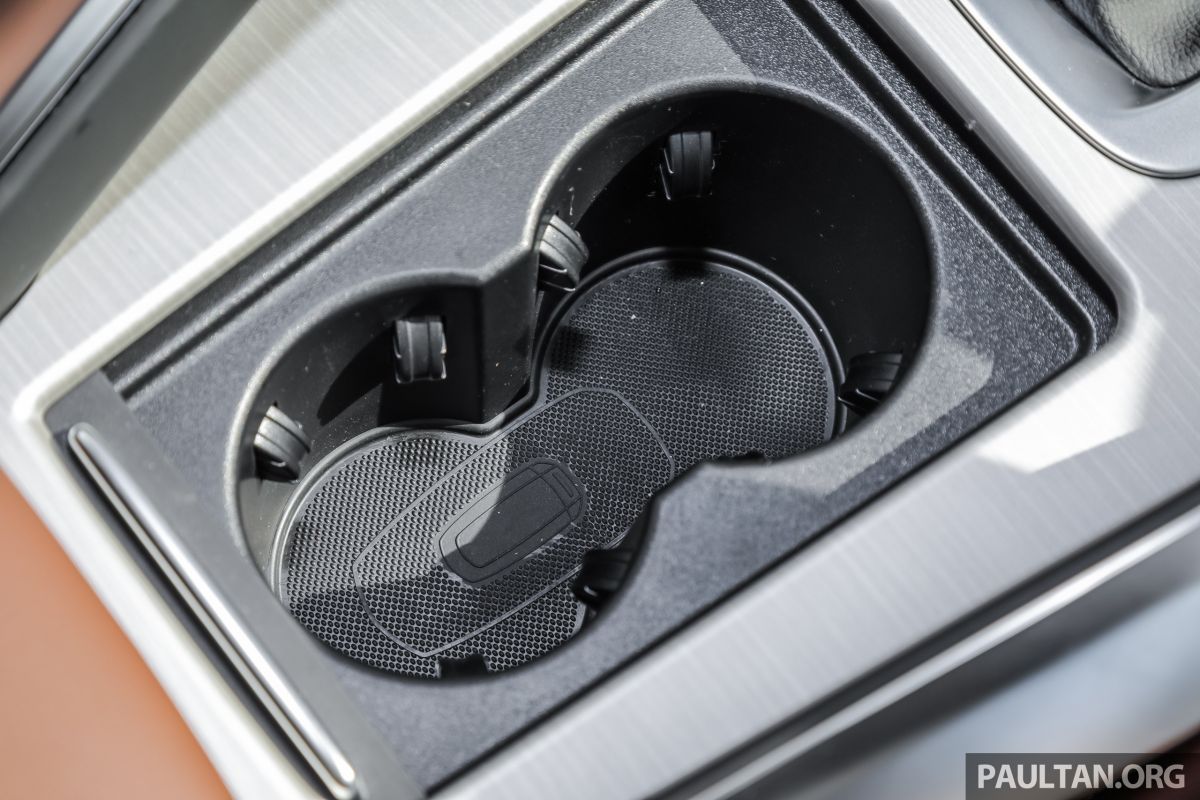
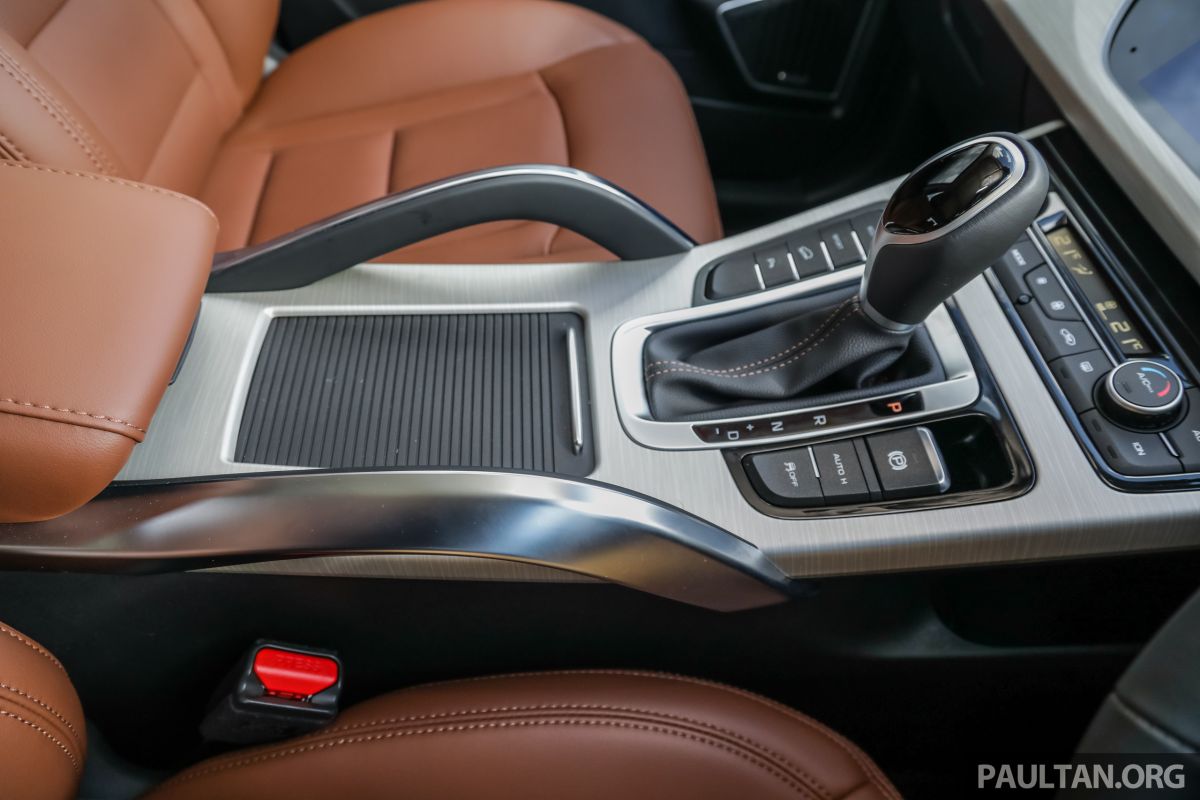
You’ll also find a flat-bottom steering wheel, updated visuals for the digital instrument cluster, and a new layout for the centre console. On the last bit, there’s a new gear lever and buttons for various vehicle functions, while the drive mode selector is now a rotary dial rather than individual buttons.
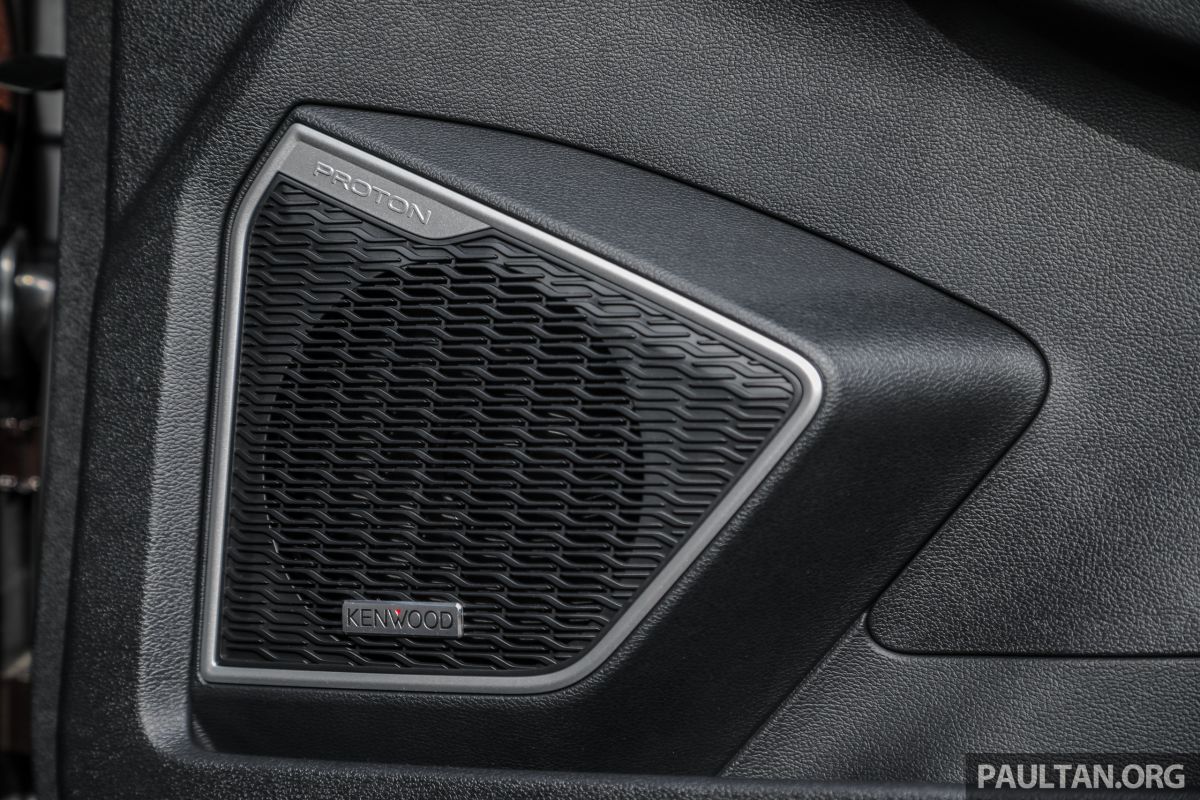
That large infotainment screen features GKUI 19, and is powered by Geely’s E01 system-on-chip (SoC) that offers superior performance and functionality compared to its previous system. On higher-end variants, there’s a Bose sound system instead of the previous Morel one, with microphone support for the karaoke function.
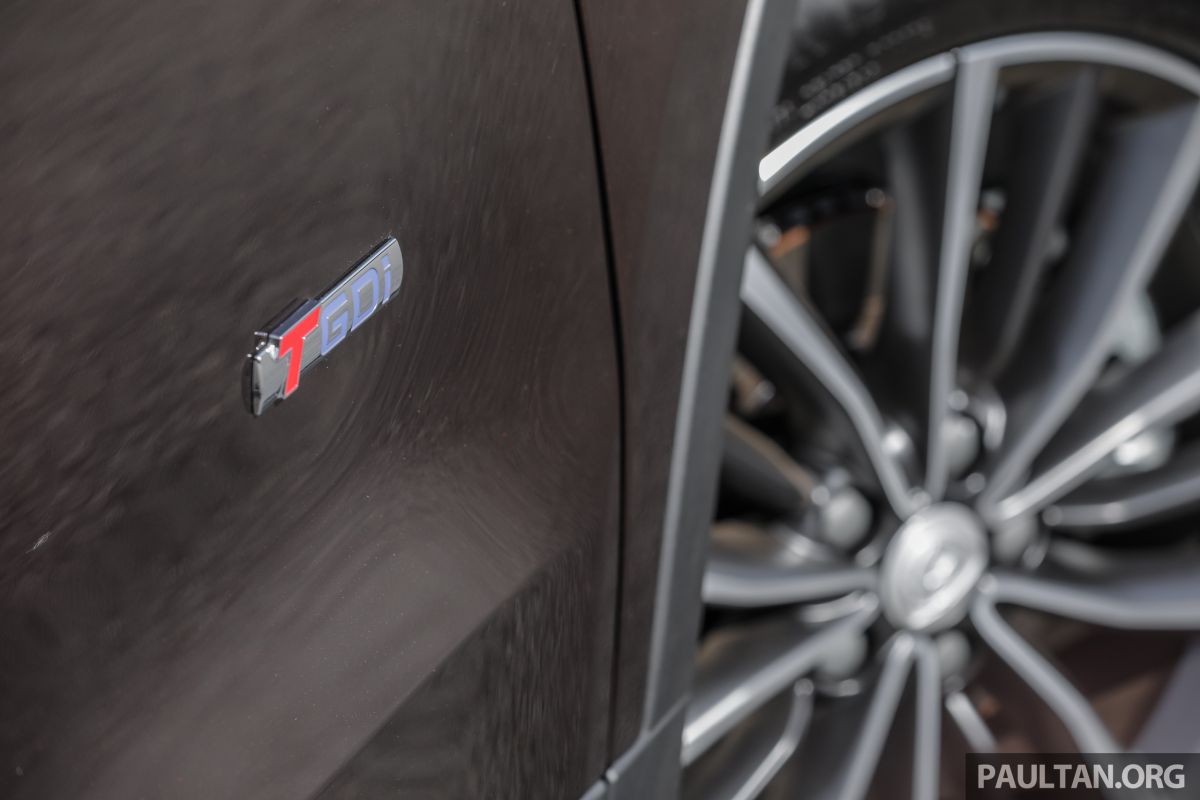
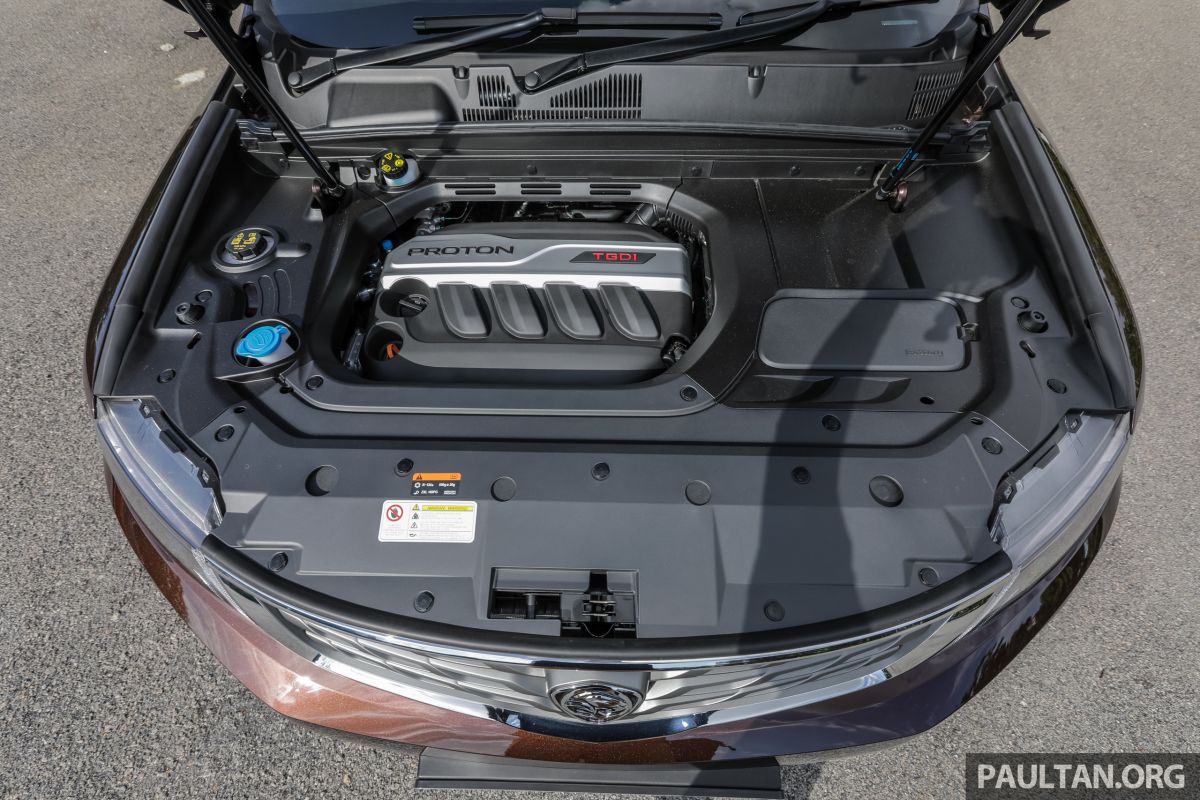
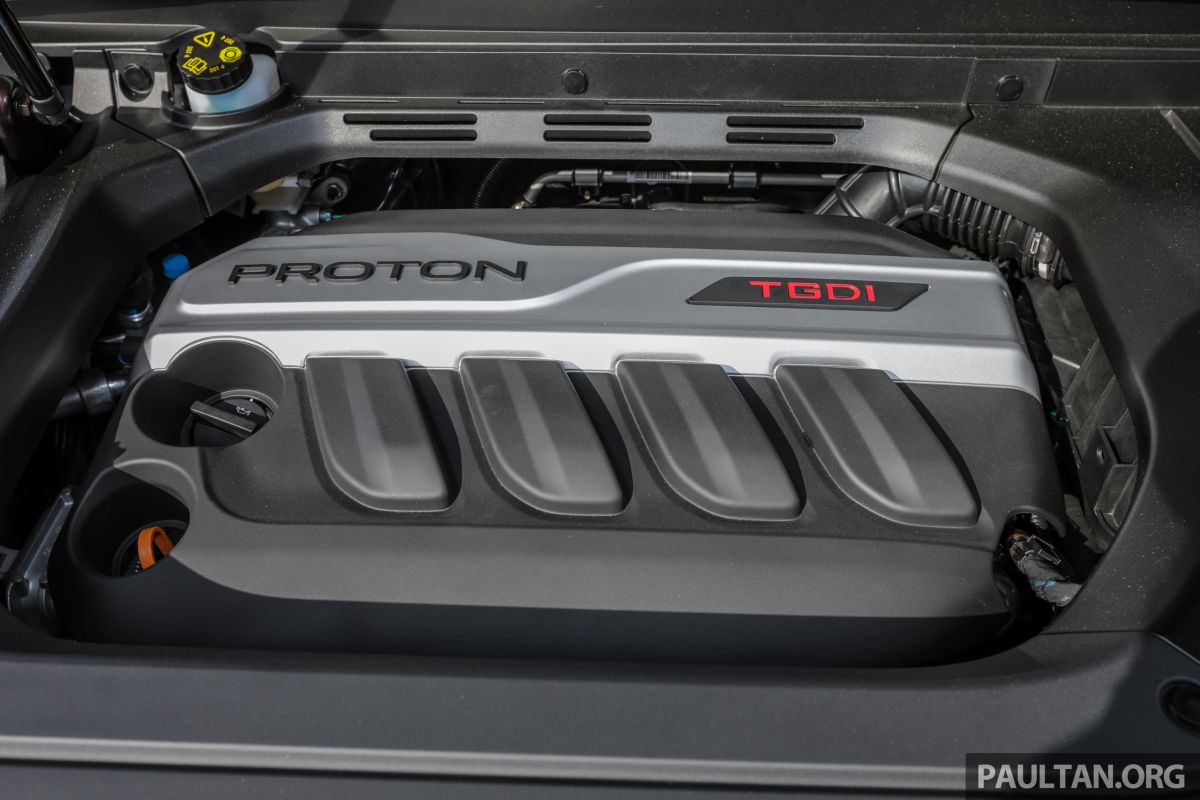
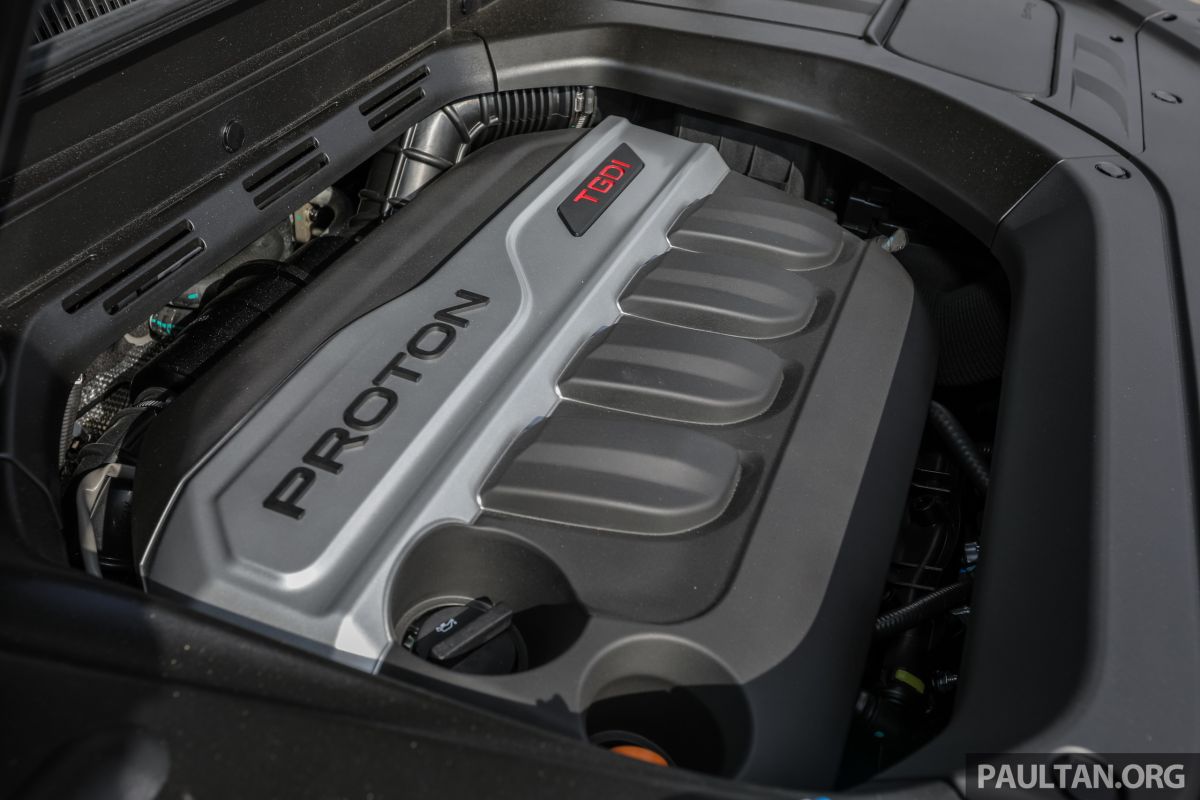
As for engines, the Boyue Pro is still available with a 1.8 litre turbocharged and direct-injected four-cylinder petrol engine, which has been improved to meet China’s National 6B emission standards. The mill makes 181 hp and 300 Nm of torque, with the latter being a 15 Nm improvement from before.
Also available is a 1.5 litre powerplant that is shared with the smaller Binyue, and was jointly developed by Geely and Volvo. The three-cylinder motor benefits from turbocharging and direct injection to make 174 hp and 255 Nm.
The standard transmission with the 1.8T engine is now a seven-speed wet dual-clutch automatic rather than a six-speed automatic, with Geely claiming the DCT has an efficiency of 97%, helping reduce fuel consumption by one litre per 100km when compared to the original Boyue. The three-pot option gets an Aisin-sourced six-speed automatic instead.
The order books for the Boyue Pro are already open in China, and it will be sold alongside the current Boyue as a more upscale offering (cue the smartphone references). Given the association the Boyue has to the Proton X70, it isn’t known if the locally-assembled (CKD) version of the X70 will be based on the Boyue (as it is now) or the Boyue Pro. We were told to expect some local “surprises”, so we’ll have to wait and see what Proton has in store. Excited?



GALLERY: Geely Boyue Pro debut in China
















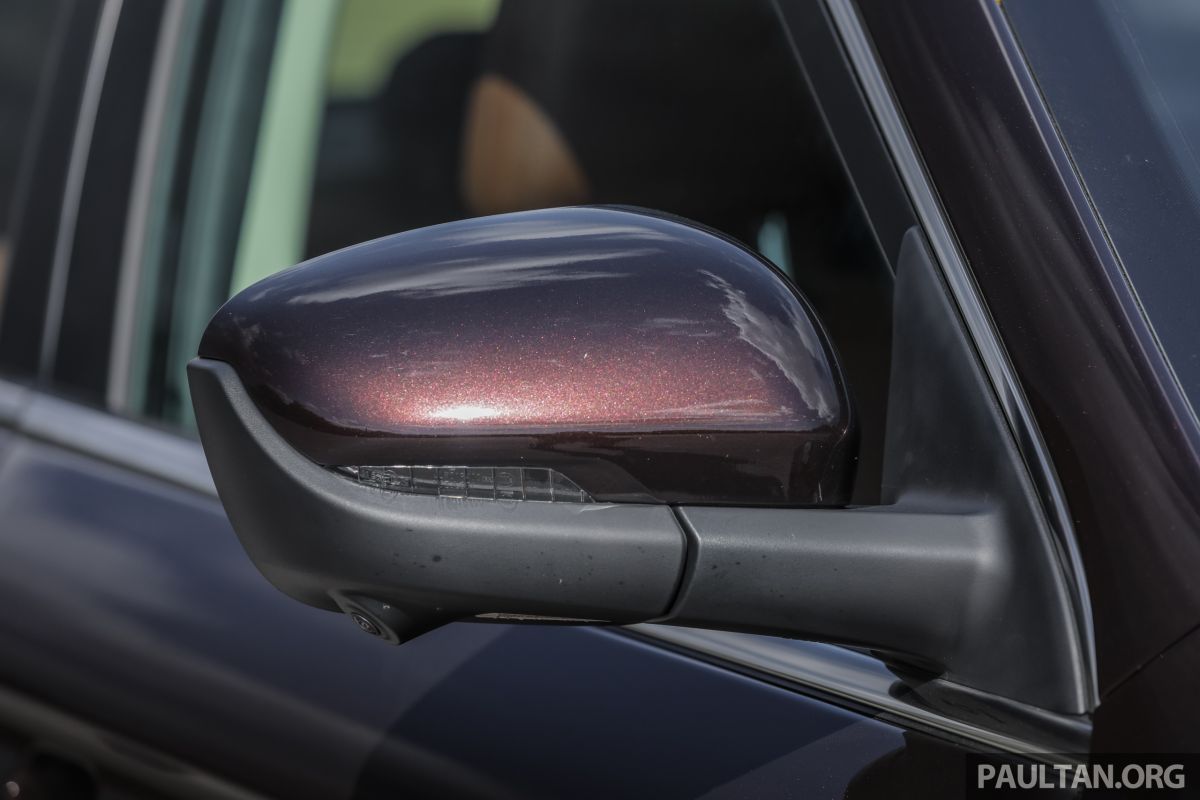
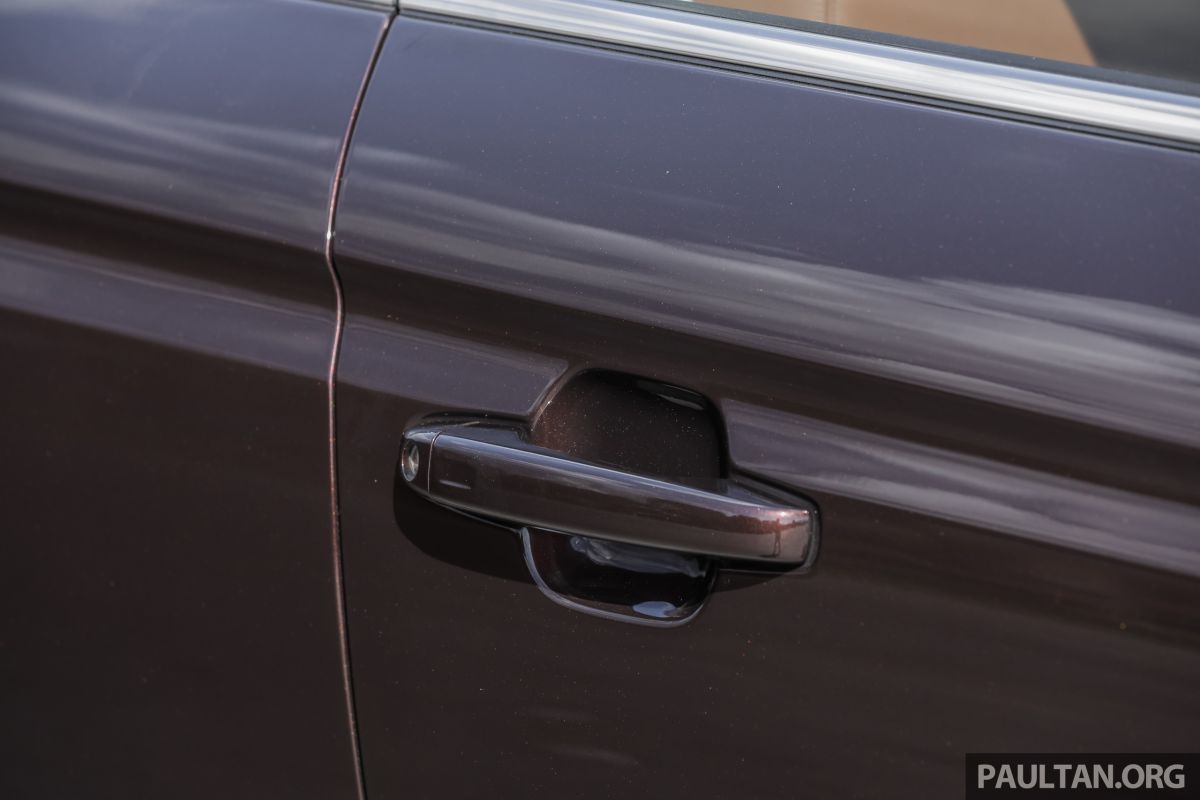
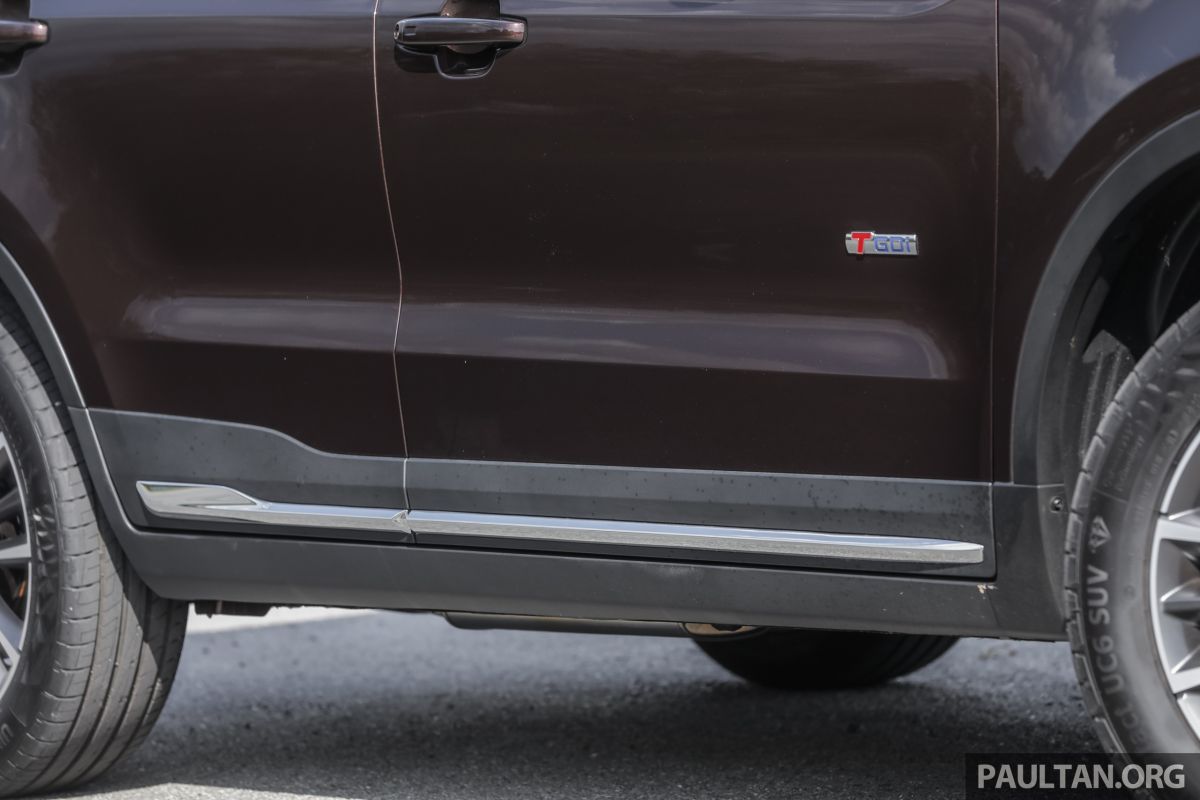
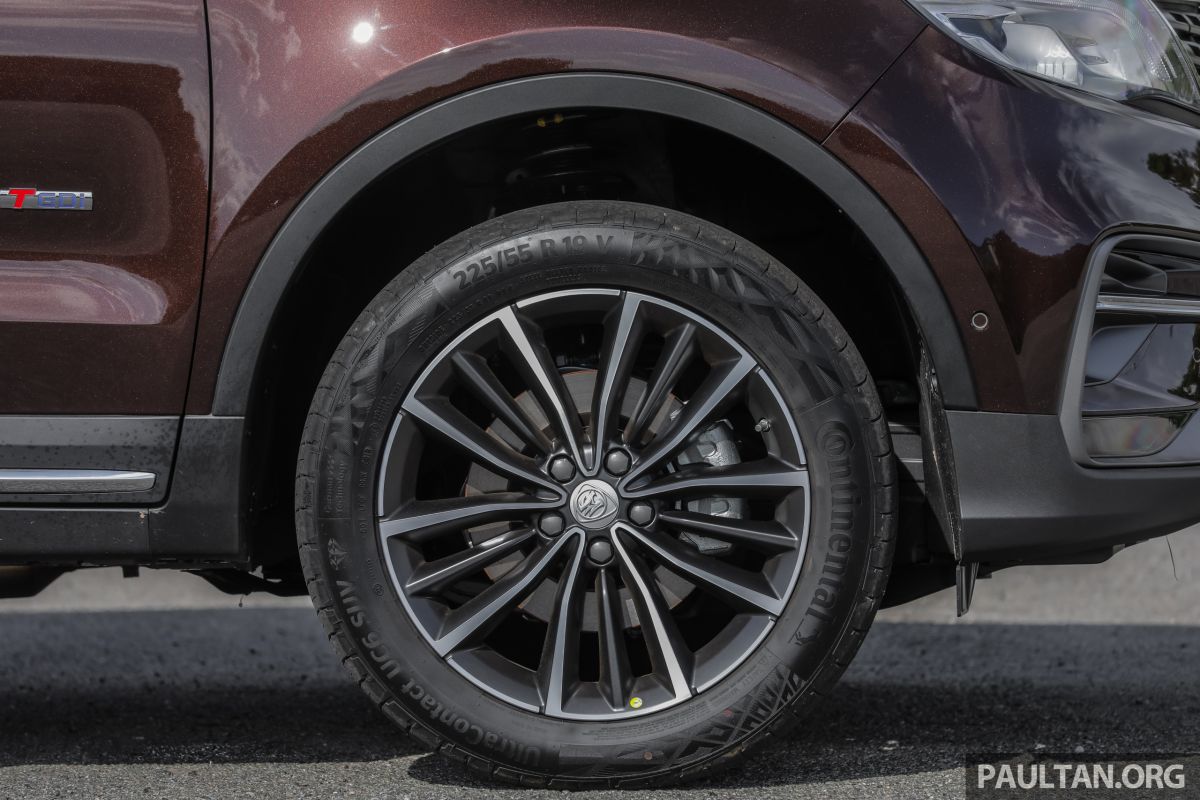
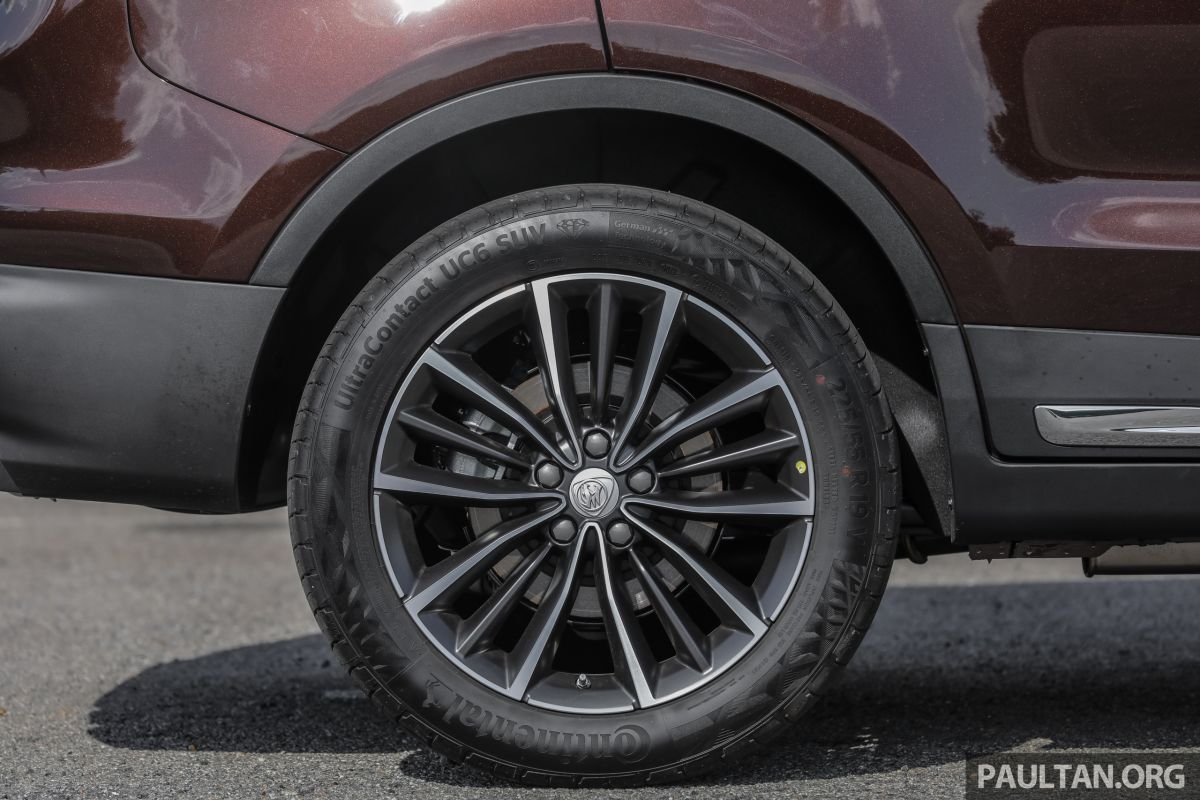
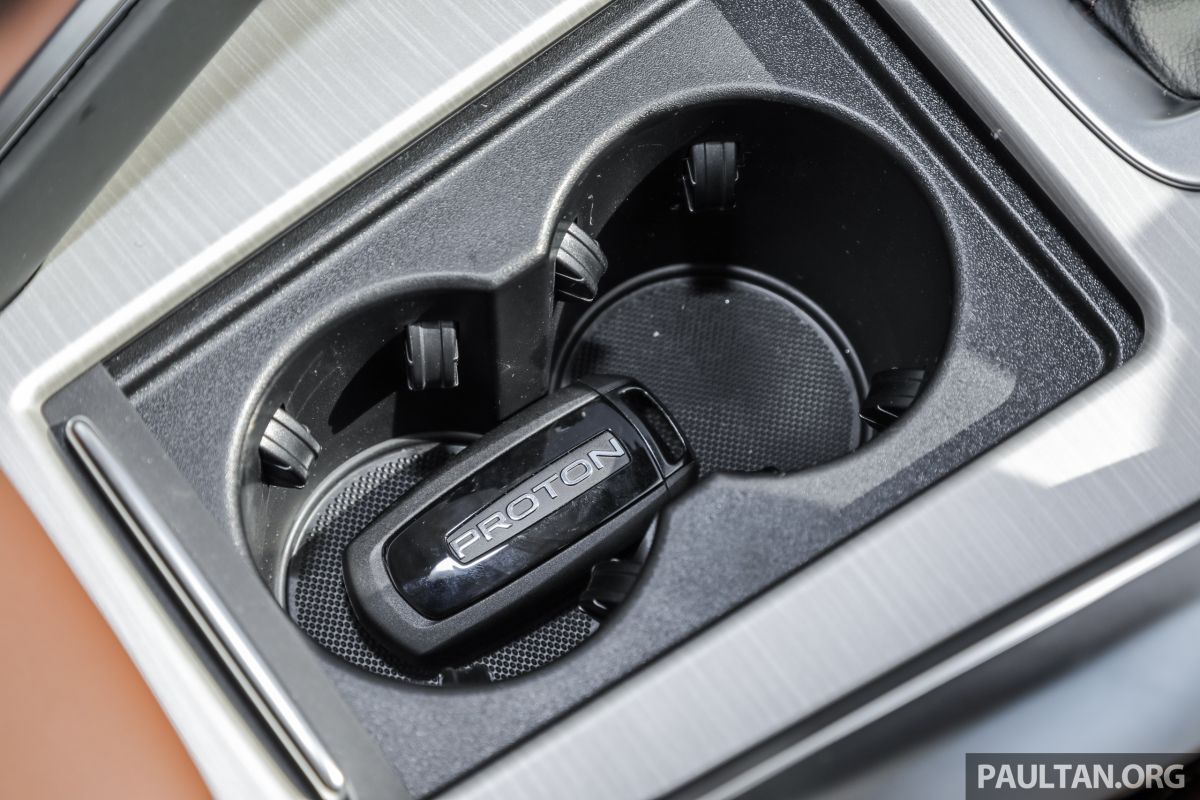
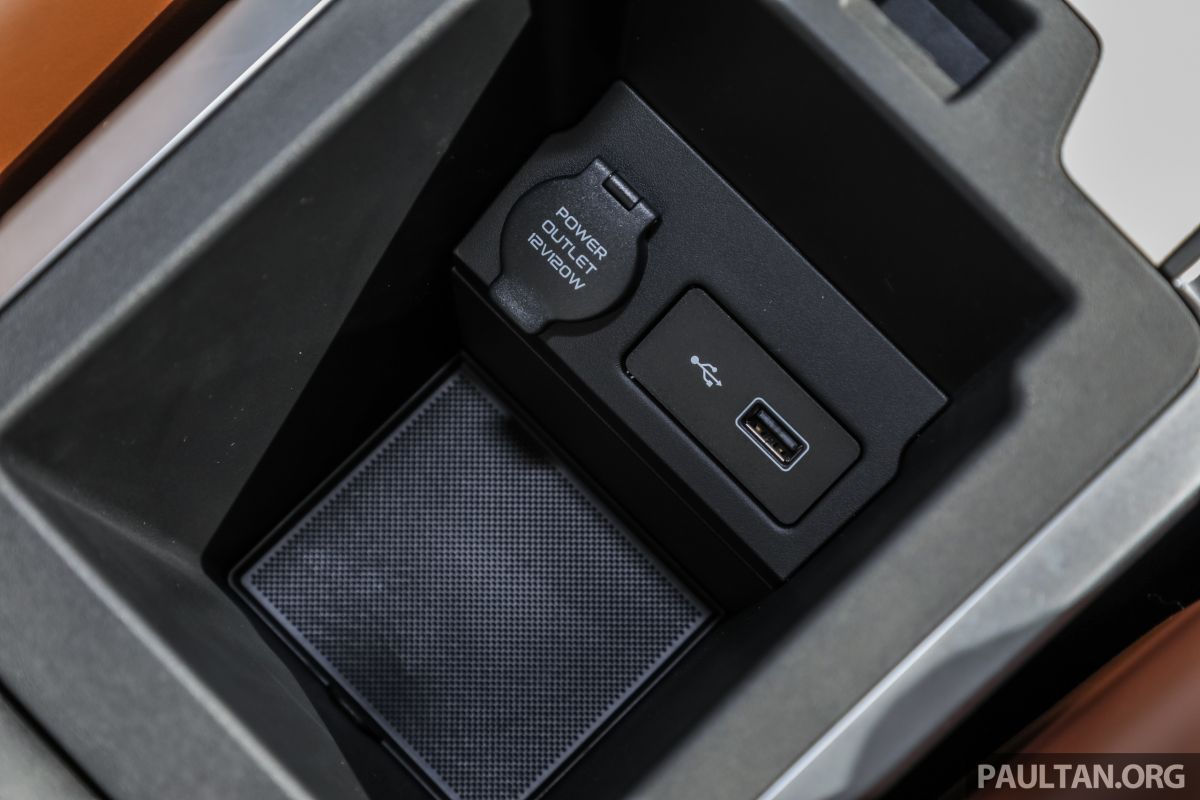
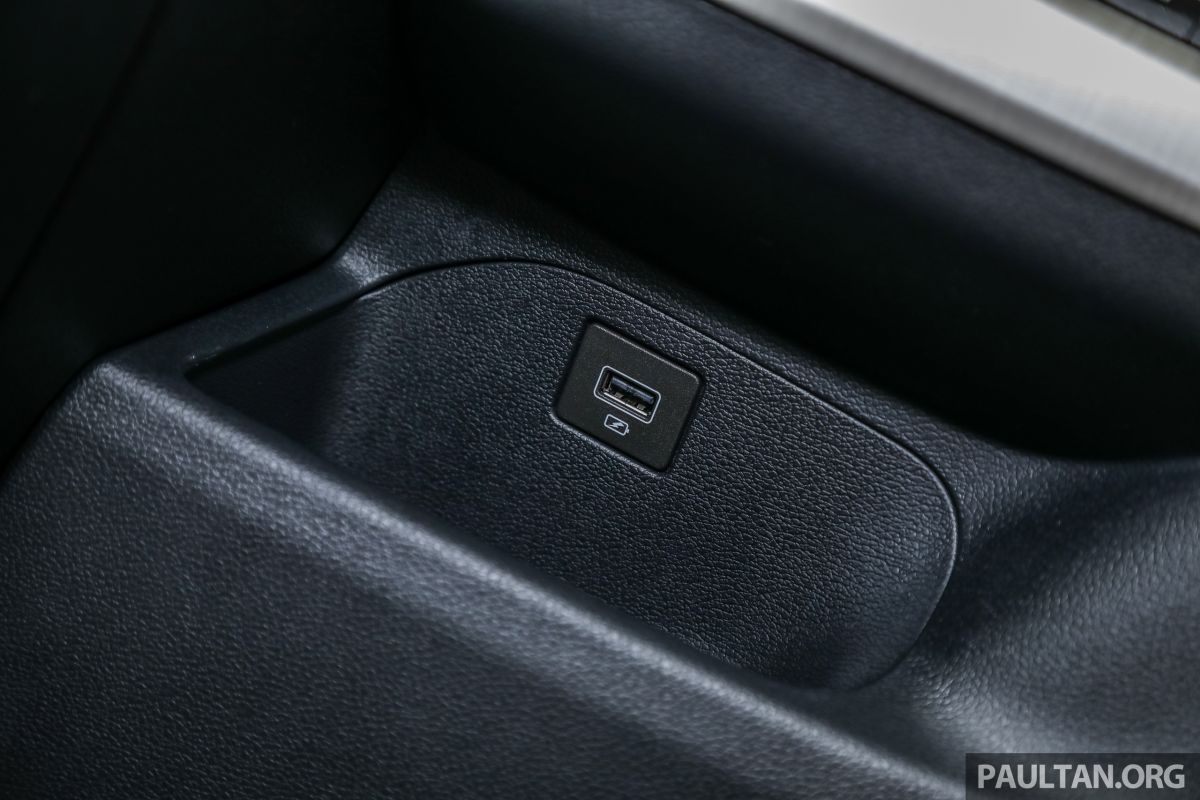
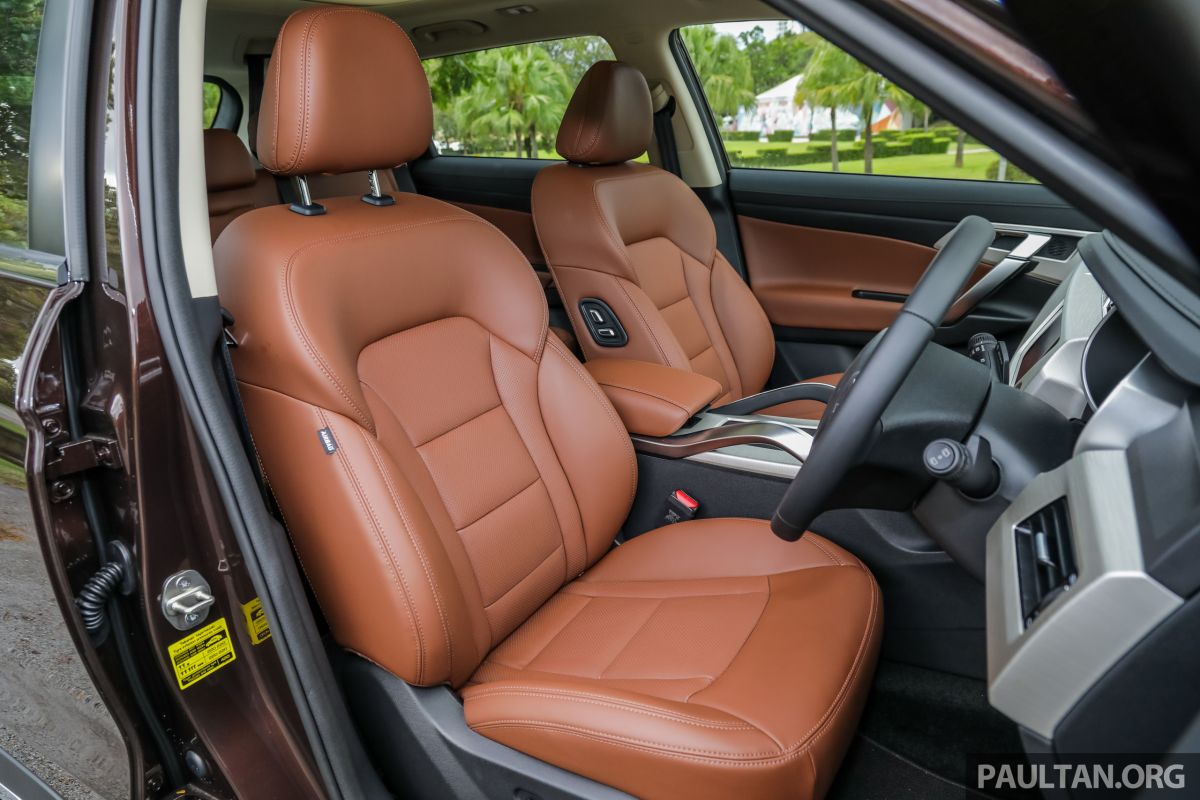
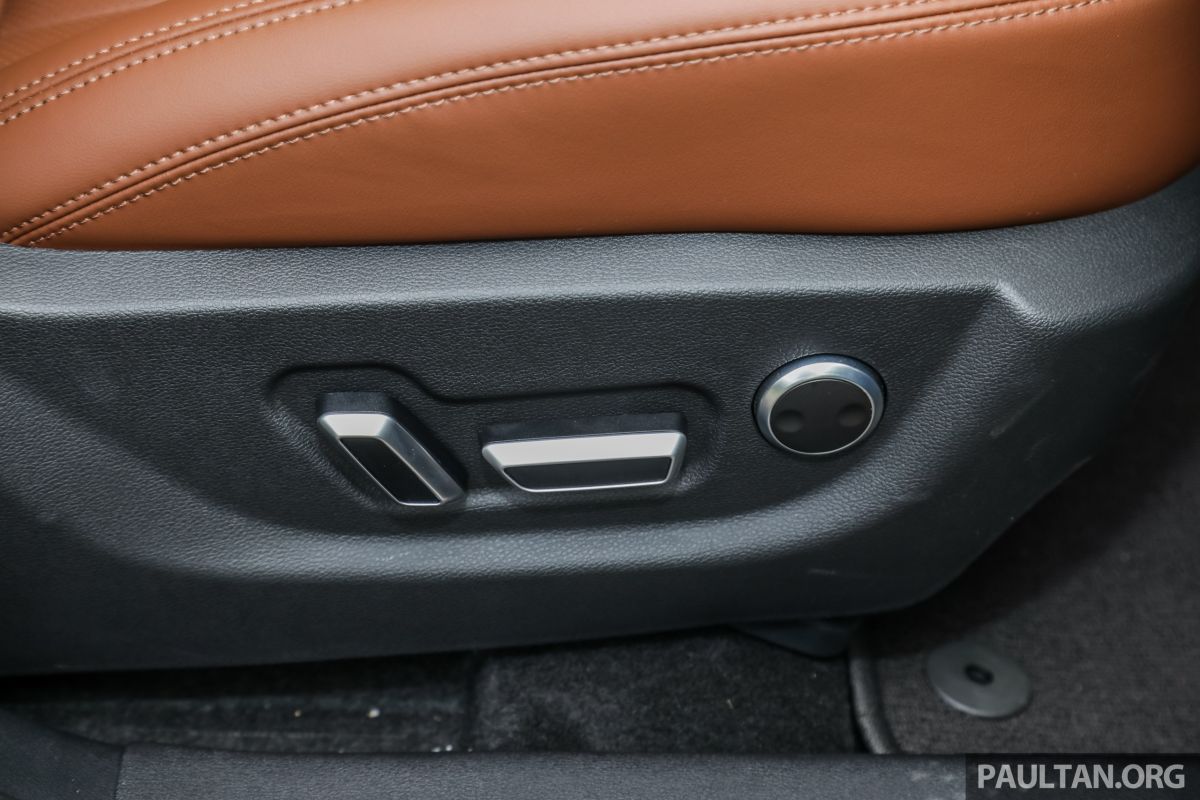
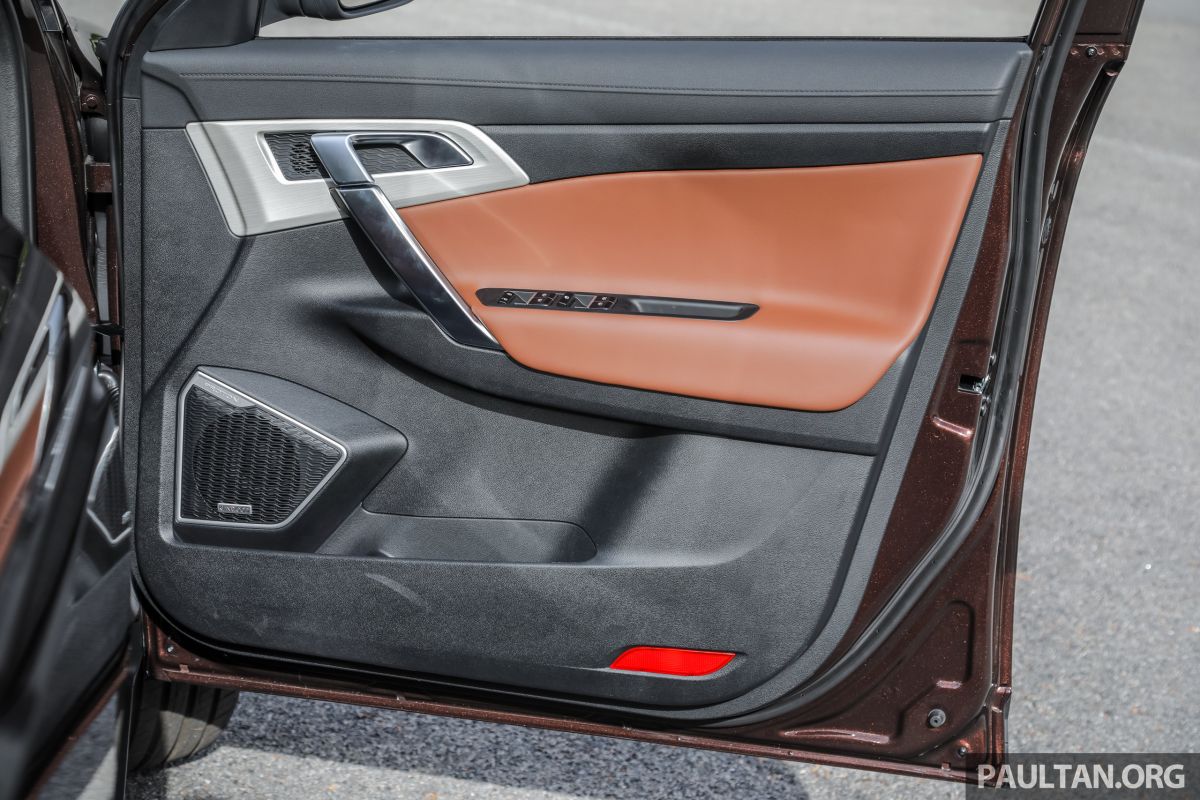
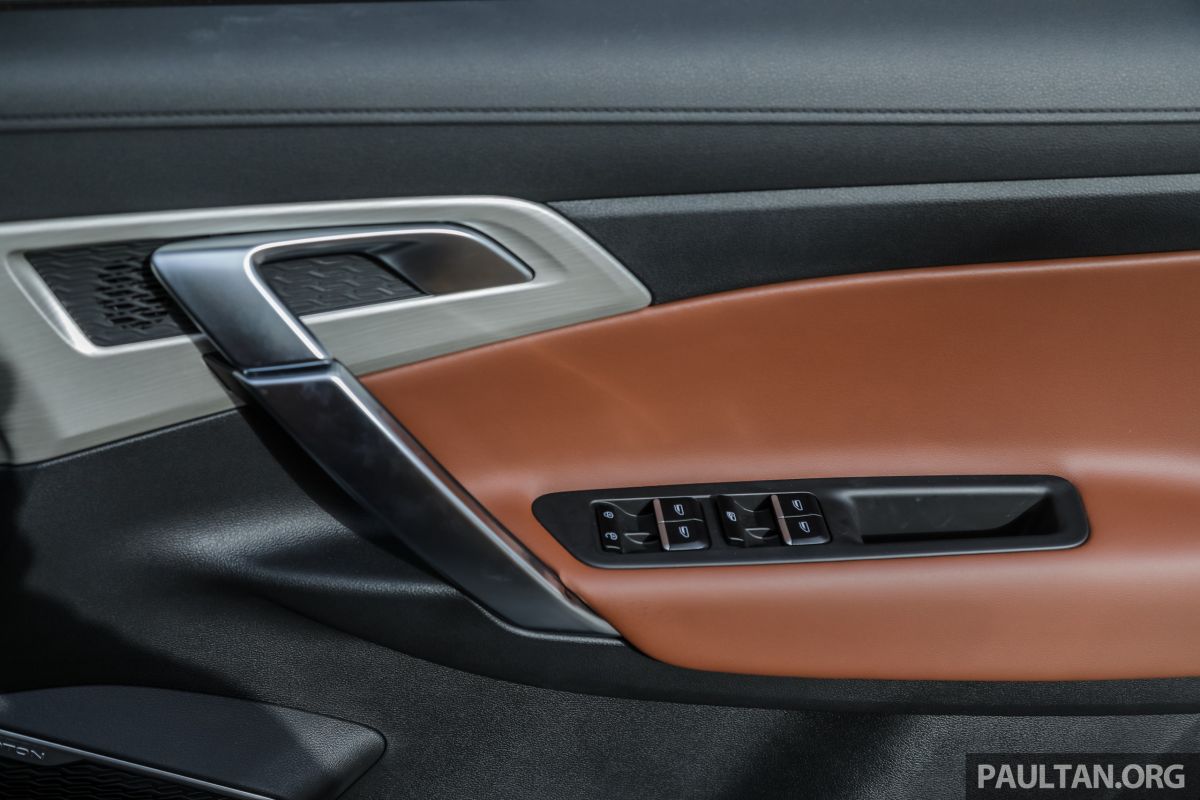
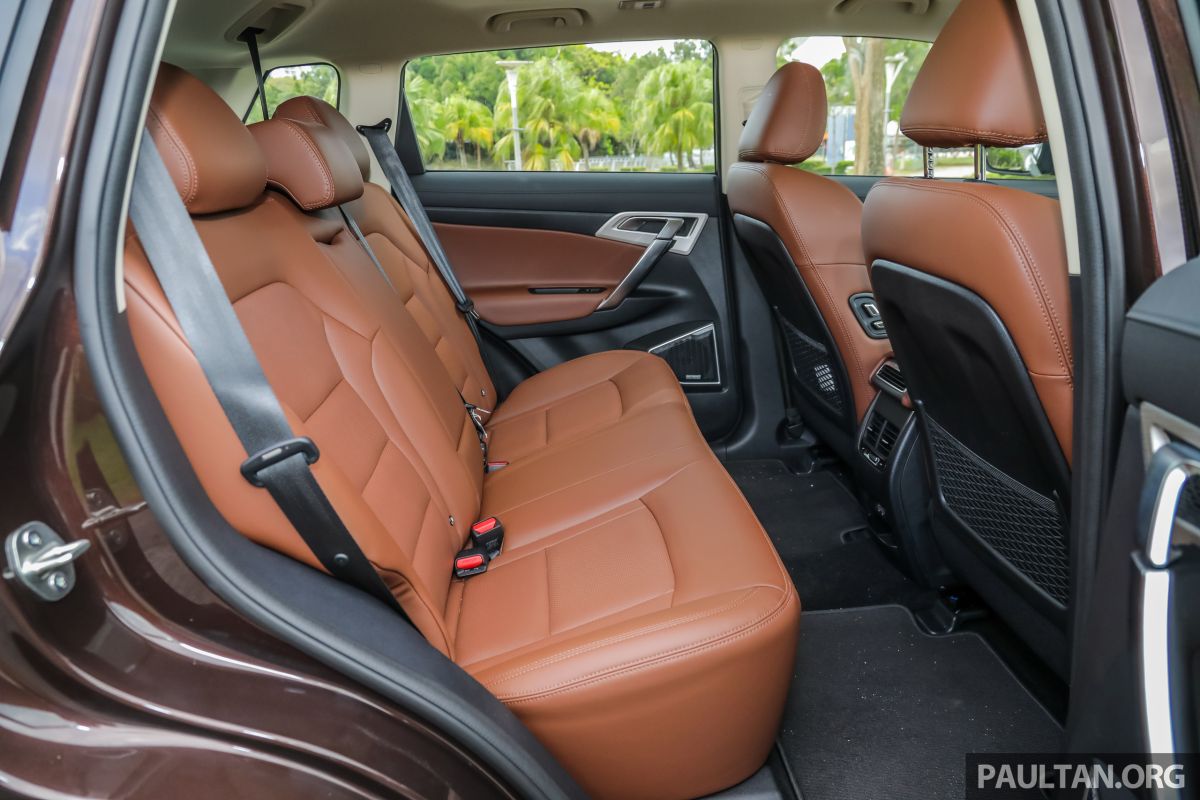
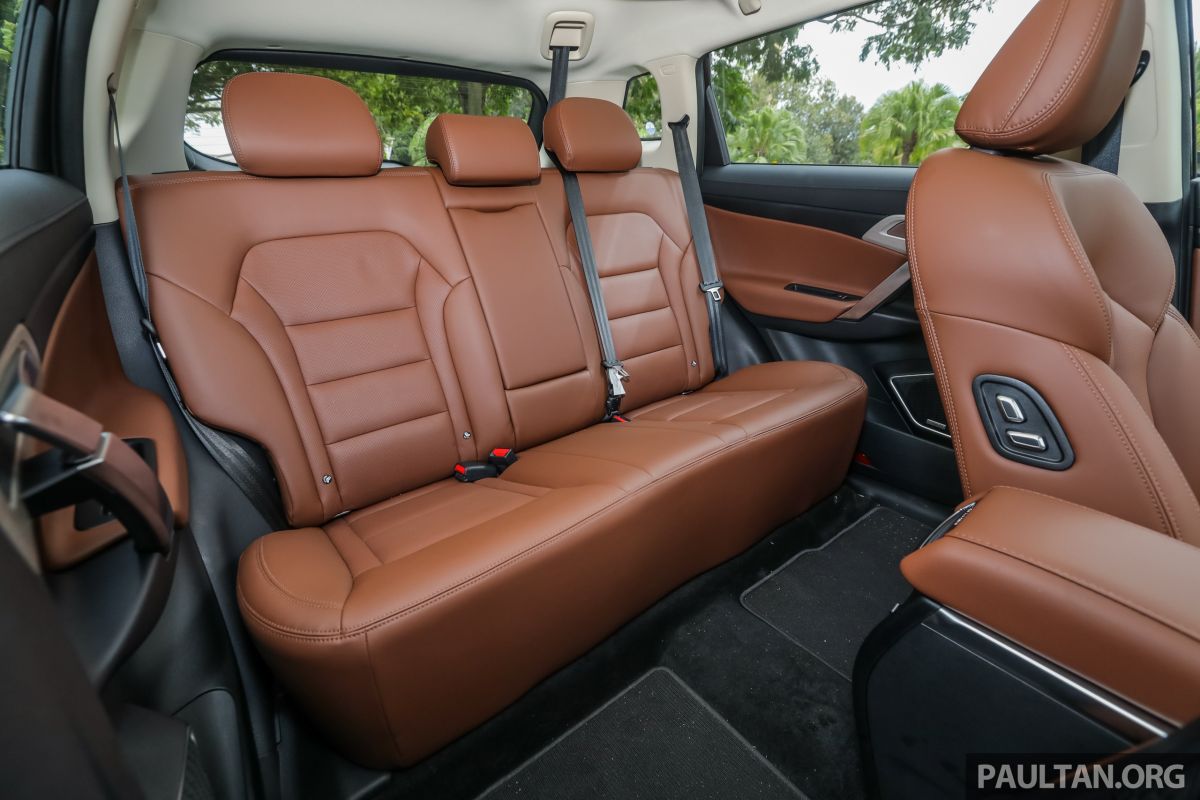
GALLERY: Proton X70 Premium 2WD









 Real World
on
Real World
on 

 Roti j Pvt Ltd
on
Roti j Pvt Ltd
on  Gary
on
Gary
on  X70 is celupKing
on
X70 is celupKing
on  Bro
on
Bro
on  Osaka boy
on
Osaka boy
on  willie
on
willie
on  Mario and Bros
on
Mario and Bros
on  seancorr (Member)
on
seancorr (Member)
on  Tech Thieve
on
Tech Thieve
on  Truckers
on
Truckers
on  Wtf
on
Wtf
on  Say wat i want
on
Say wat i want
on  walwy
on
walwy
on  s.Ibrahim
on
s.Ibrahim
on  Kangkung
on
Kangkung
on  Case123
on
Case123
on  Hulky
on
Hulky
on  Seeseelooklook
on
Seeseelooklook
on  Avenger
on
Avenger
on  ThanosMabuk
on
ThanosMabuk
on  john
on
john
on  Wonderwhy
on
Wonderwhy
on  Lori
on
Lori
on  M.K
on
M.K
on  Monana
on
Monana
on  Abdul Rahman
on
Abdul Rahman
on  Amran
on
Amran
on  binhassan
on
binhassan
on  Alan Tan
on
Alan Tan
on  Matchy
on
Matchy
on  Not Toyota Fan
on
Not Toyota Fan
on  kwc
on
kwc
on  DG
on
DG
on  Malaysian People
on
Malaysian People
on
AI-generated Summary ✨
Comments express interest and positive anticipation for the Geely Boyue Pro, highlighting its stylish design, comfortable seats, and advanced features. Some acknowledge the vehicle's technological updates and improvements over previous models. There is a recurring theme of skepticism regarding Chinese technology and perceptions of reliability, with comparisons to Japanese and German brands. Overall, the sentiment is cautiously optimistic, with some critics questioning the tech's originality and reliability, while car enthusiasts appreciate the updates and potential market impact.