
UPDATE: the Jaecoo J5 EV has since been launched in Malaysia at RM118,800 – the comparison below has been updated with the final price.
Omoda Jaecoo Malaysia has brought the Jaecoo J5 EV to Malaysia. The J5 EV is as expected from its name an EV version of the J5 B-segment SUV that has already been launched here with a 1.5 litre turbocharged engine. Now launched at RM118,800 on-the-road without insurance – with a RM10k launch package and a year of free charging – it’s on sale as a CKD model. If you’re interested in the J5 EV, you can register your interest.
The J5 EV trades ICE power for a front-mounted motor that outputs 211 PS and 288 Nm and a 58.9 kWh battery, offering 461 km of range on the NEDC test cycle (402 km WLTP). Performance is spritely, with a 0-100 km/h time of 7.7 seconds and a top speed of 175 km/h.
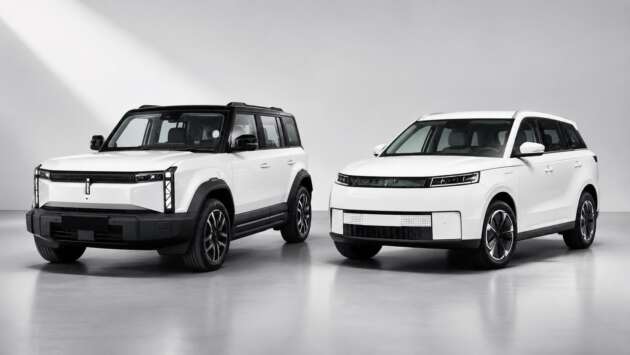
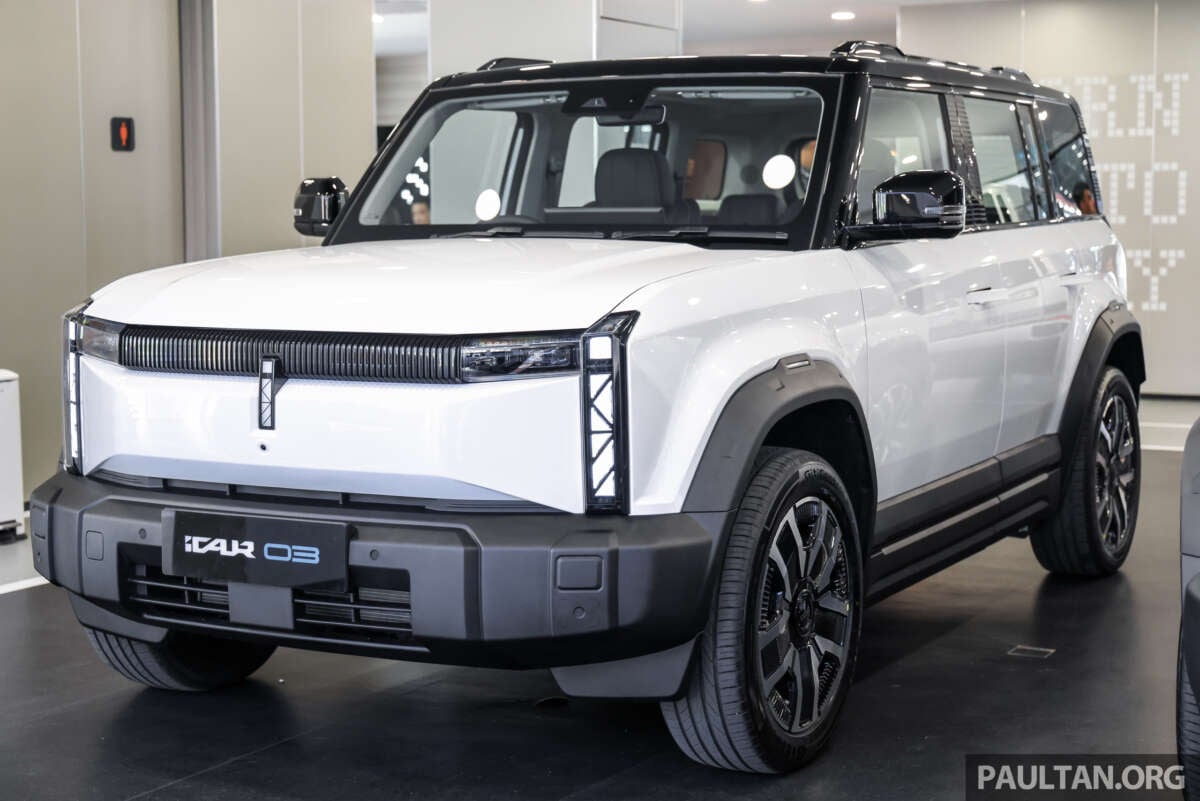
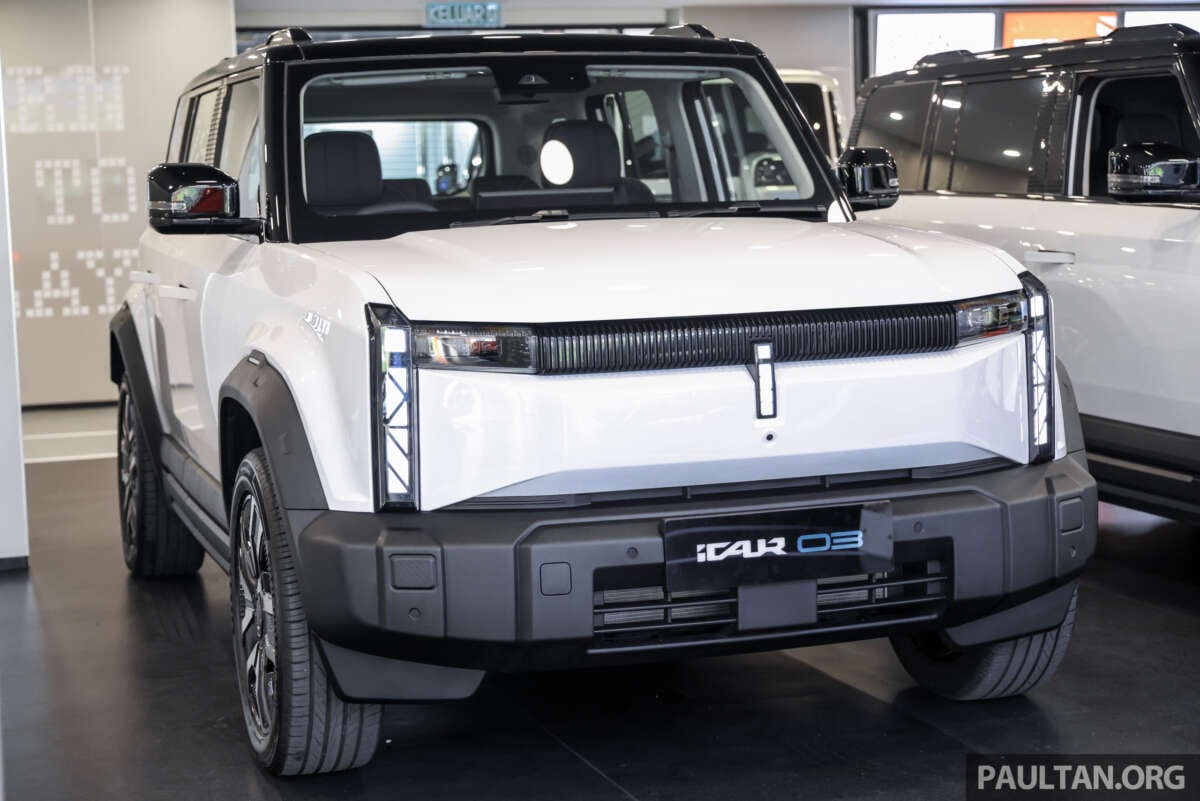
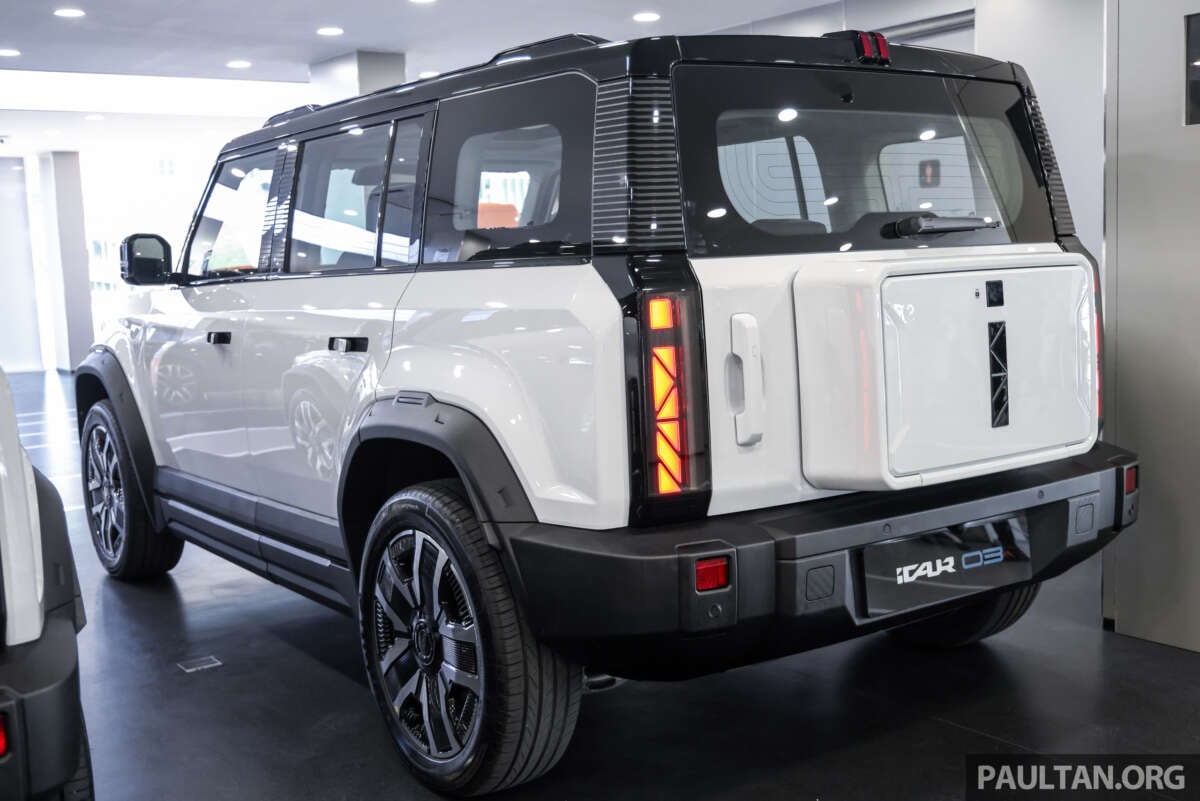
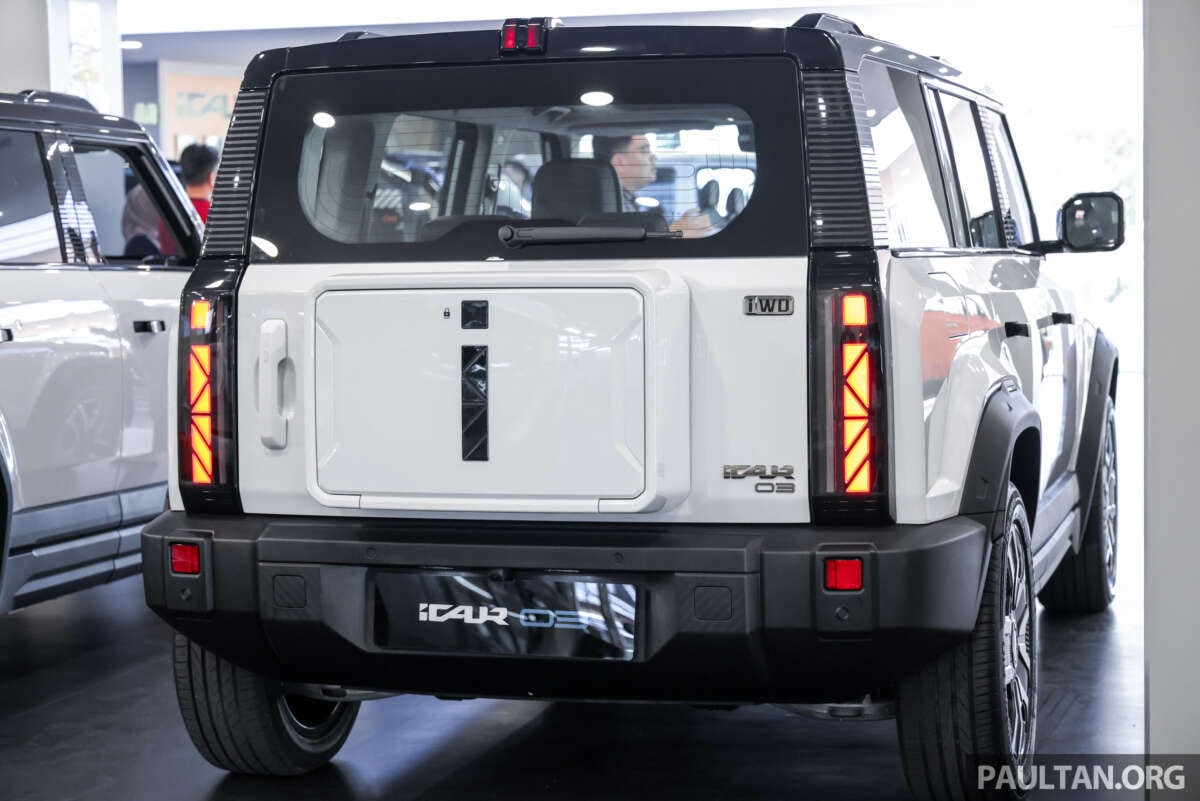
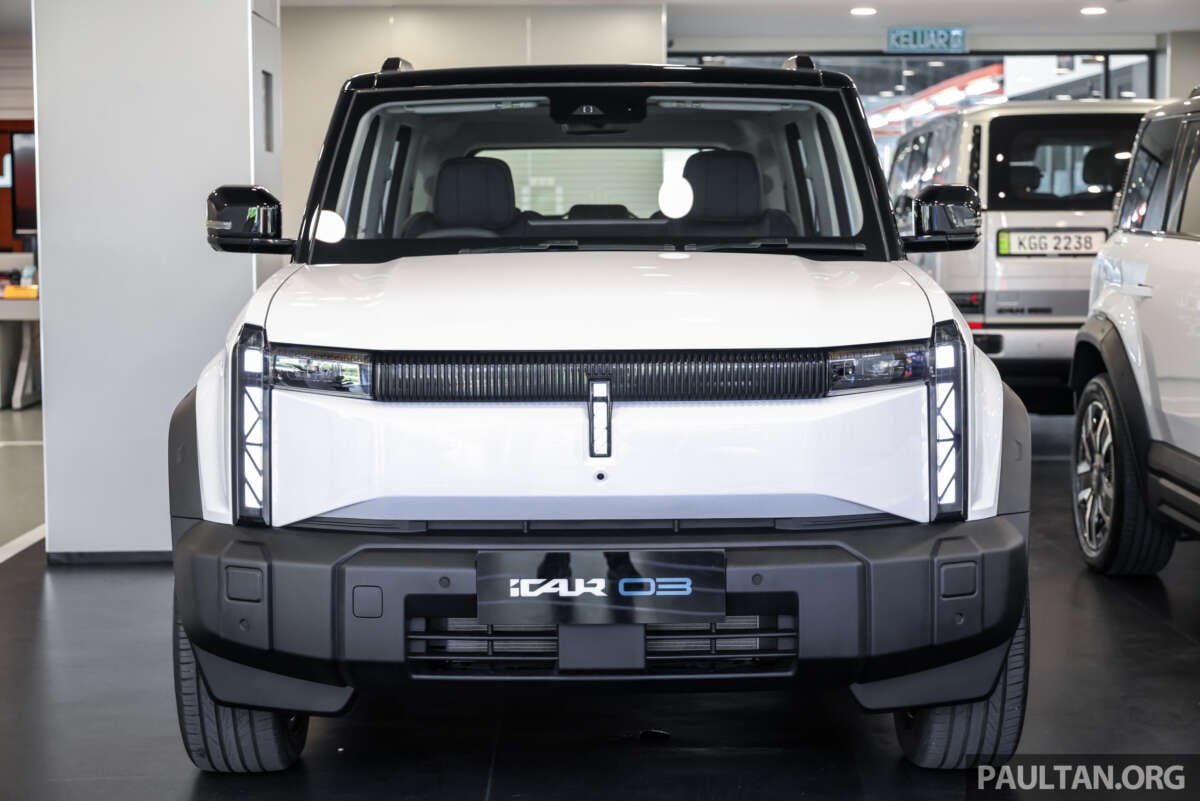
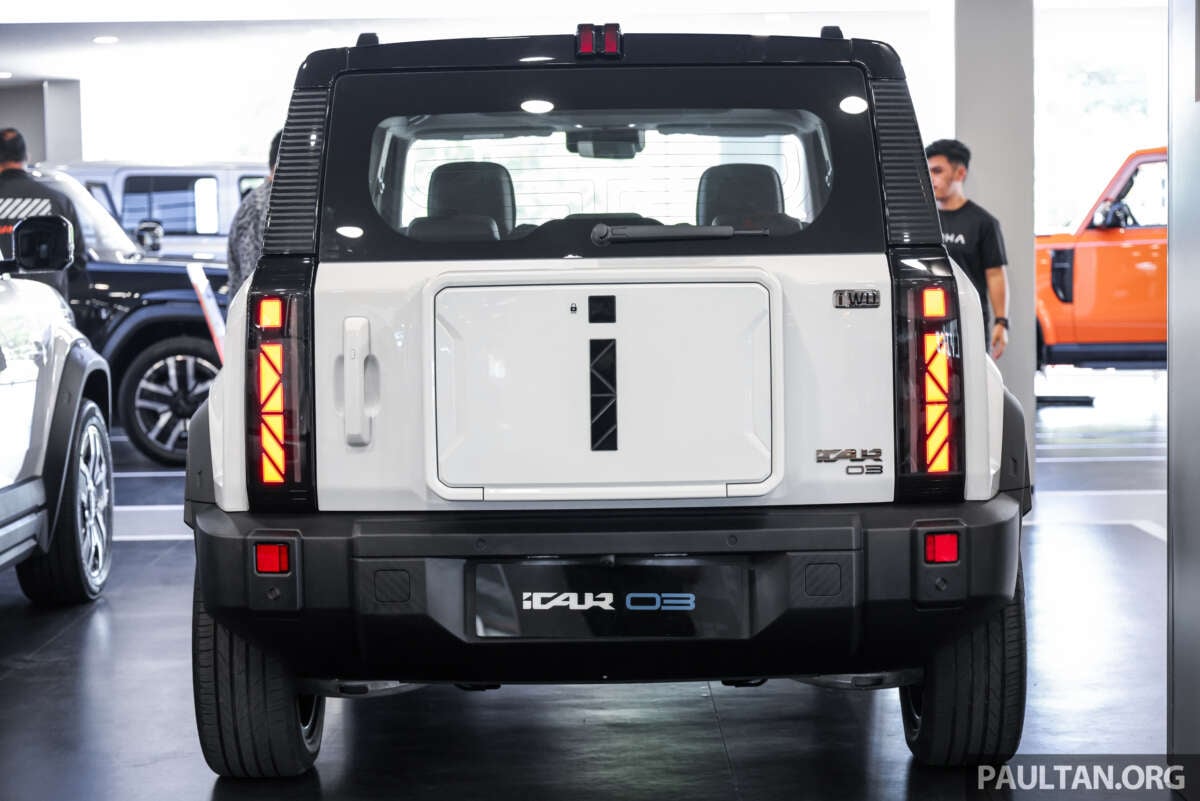
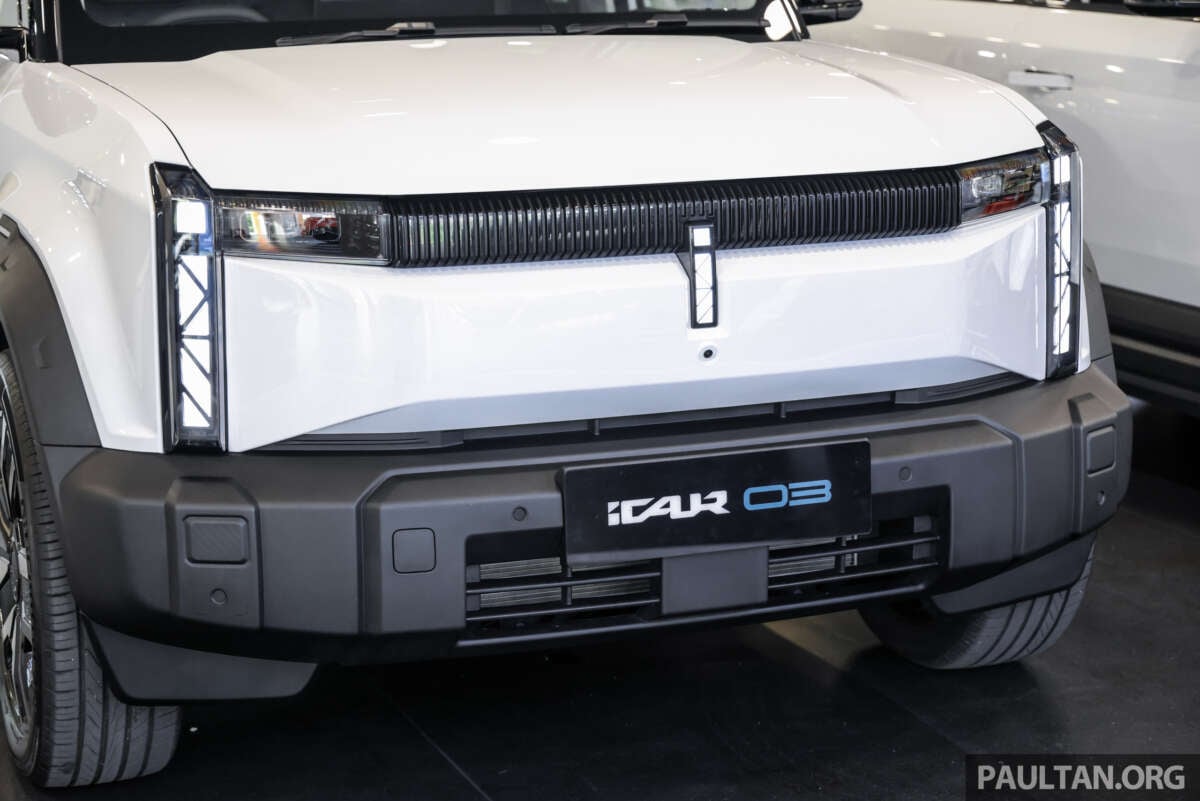
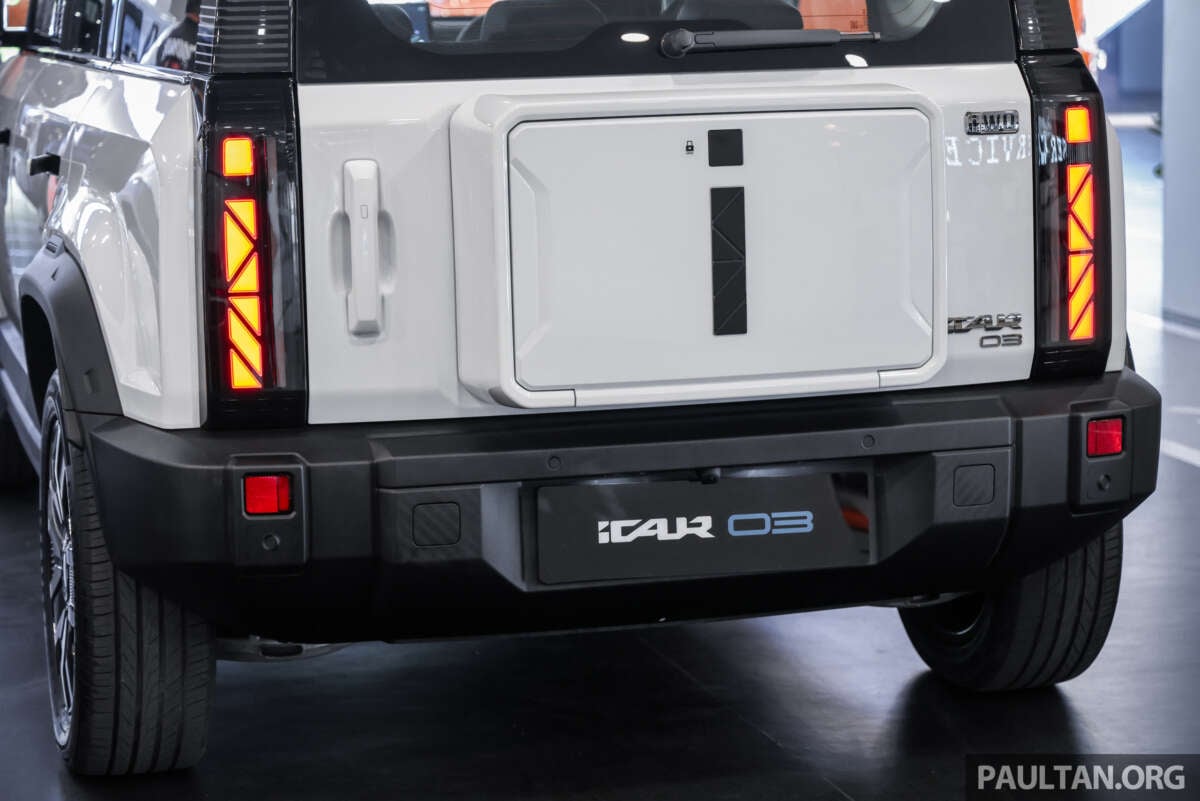
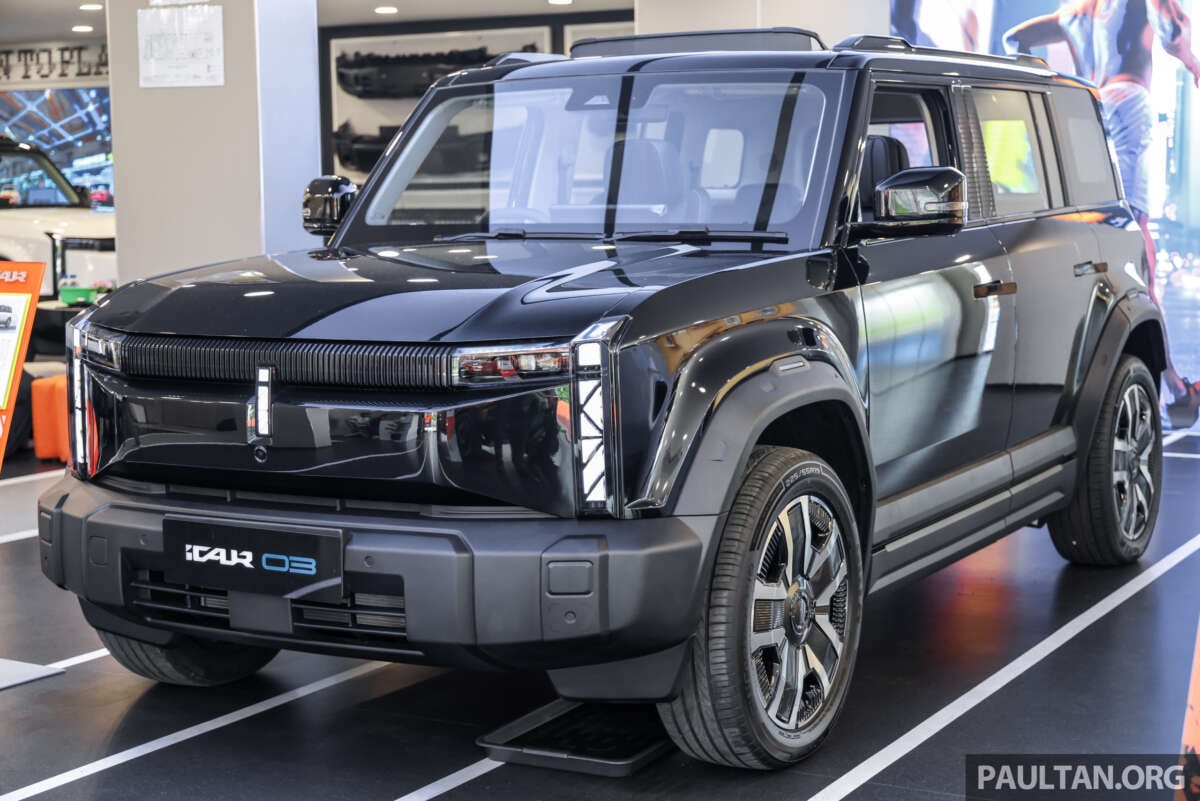
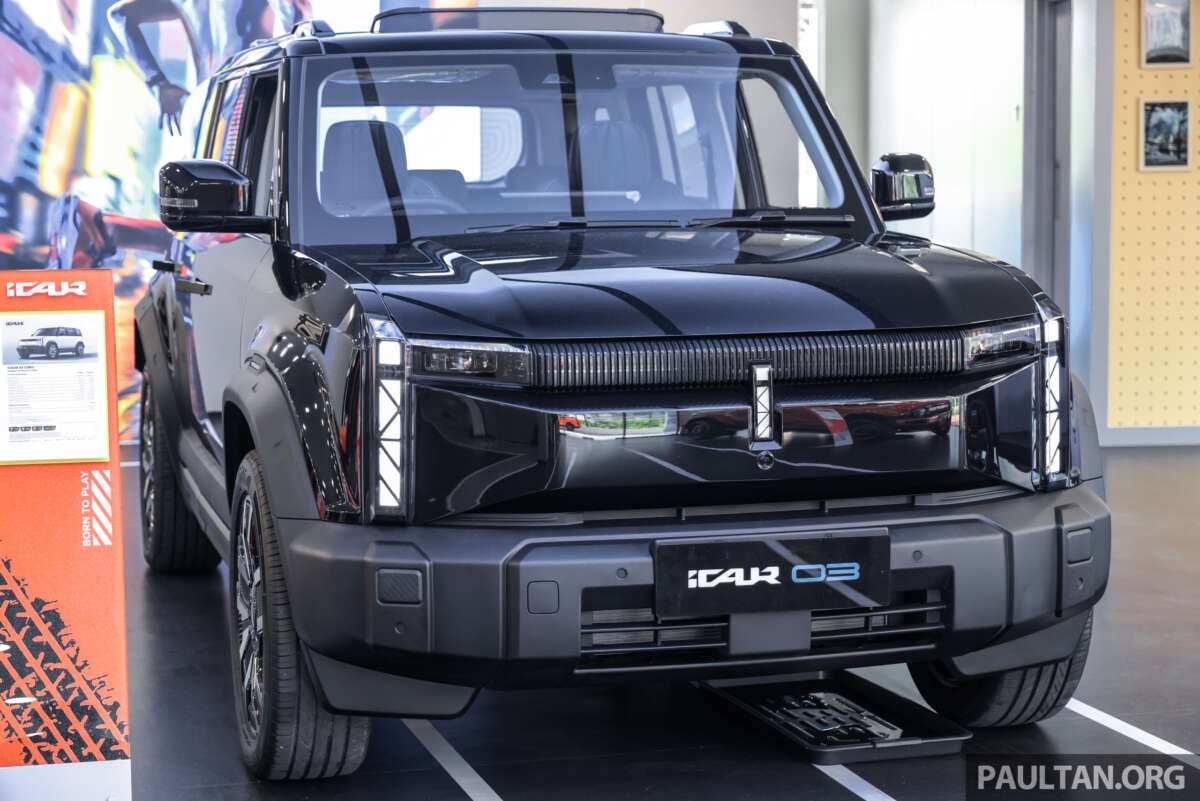
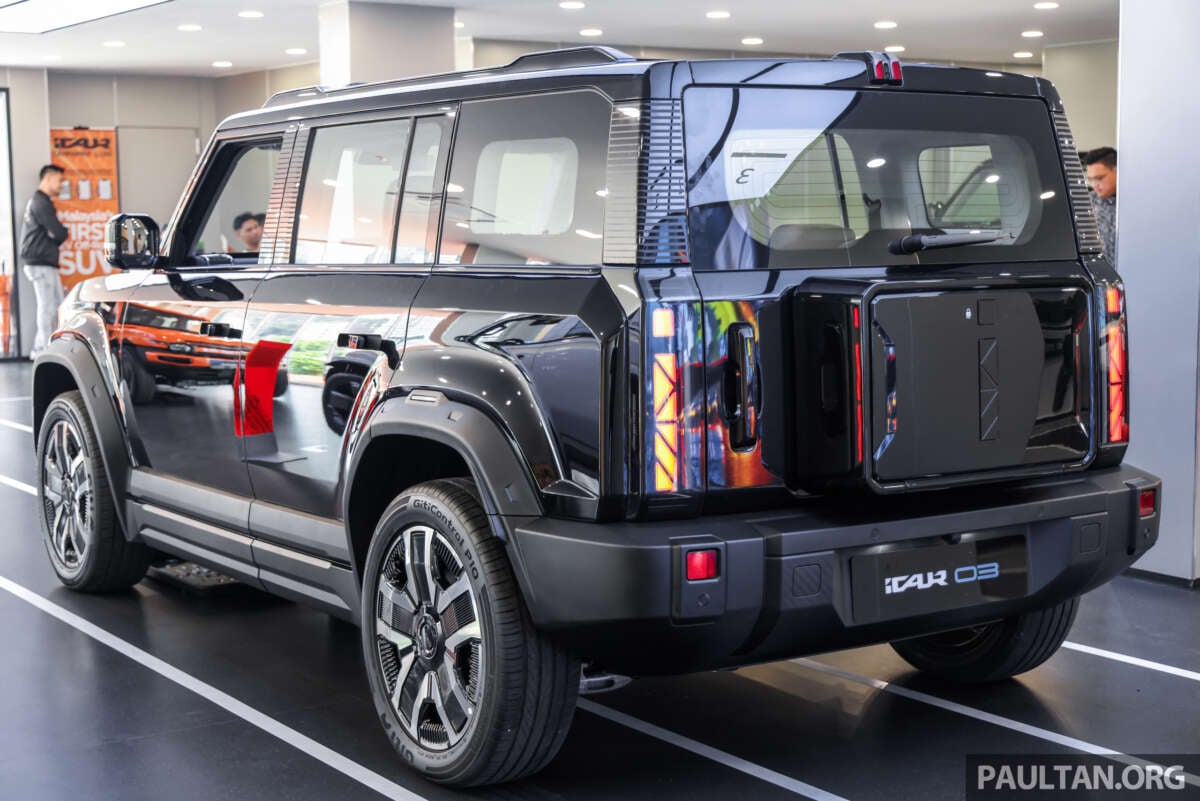
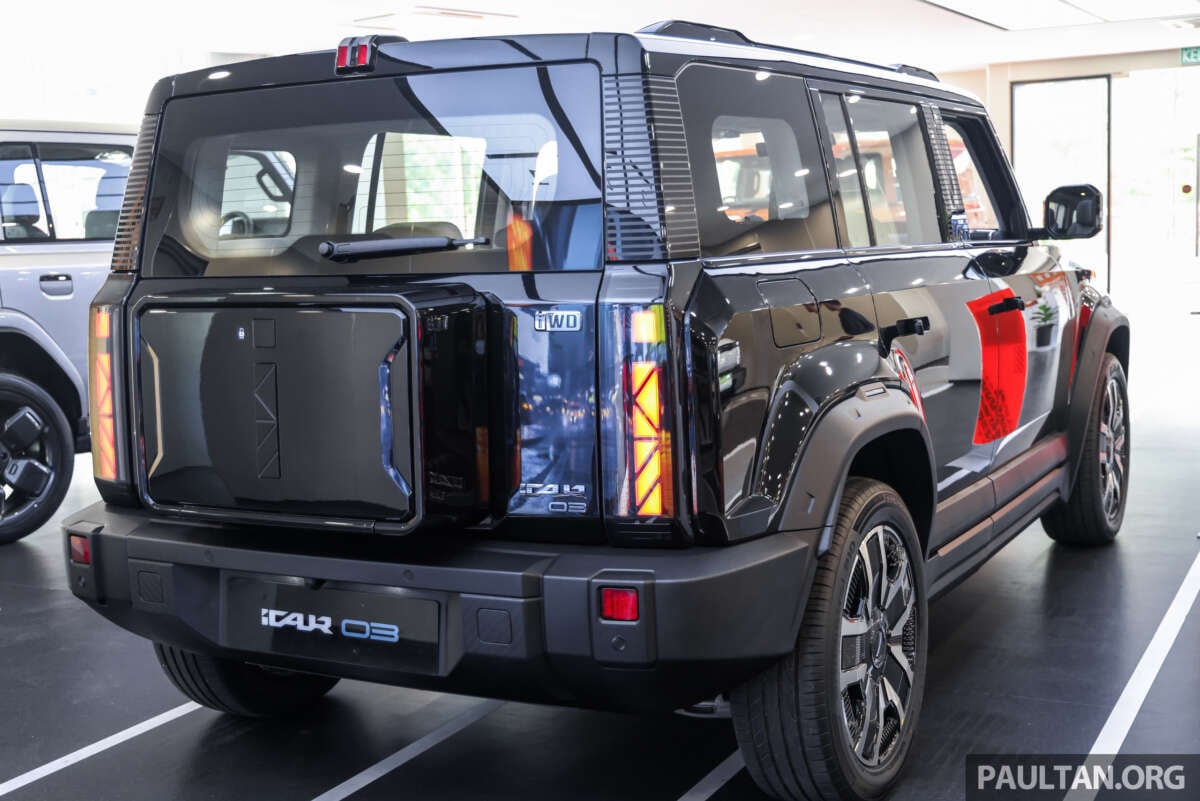
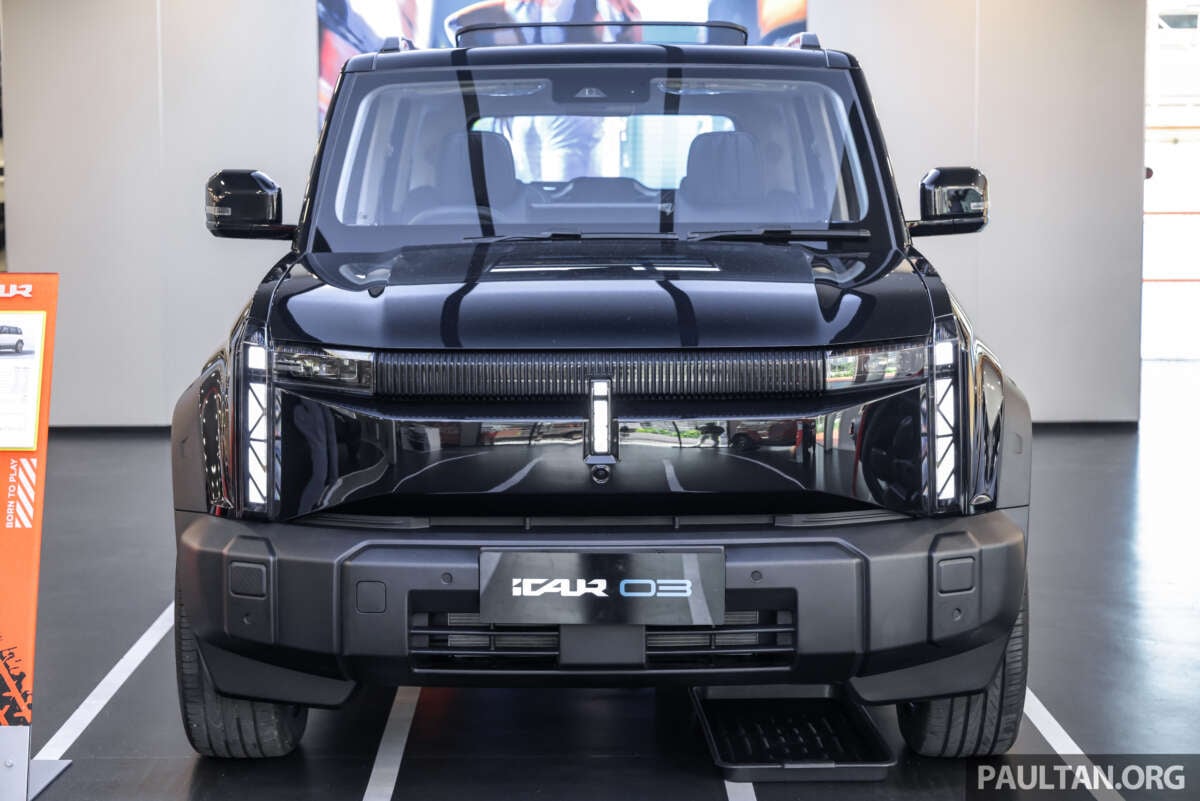
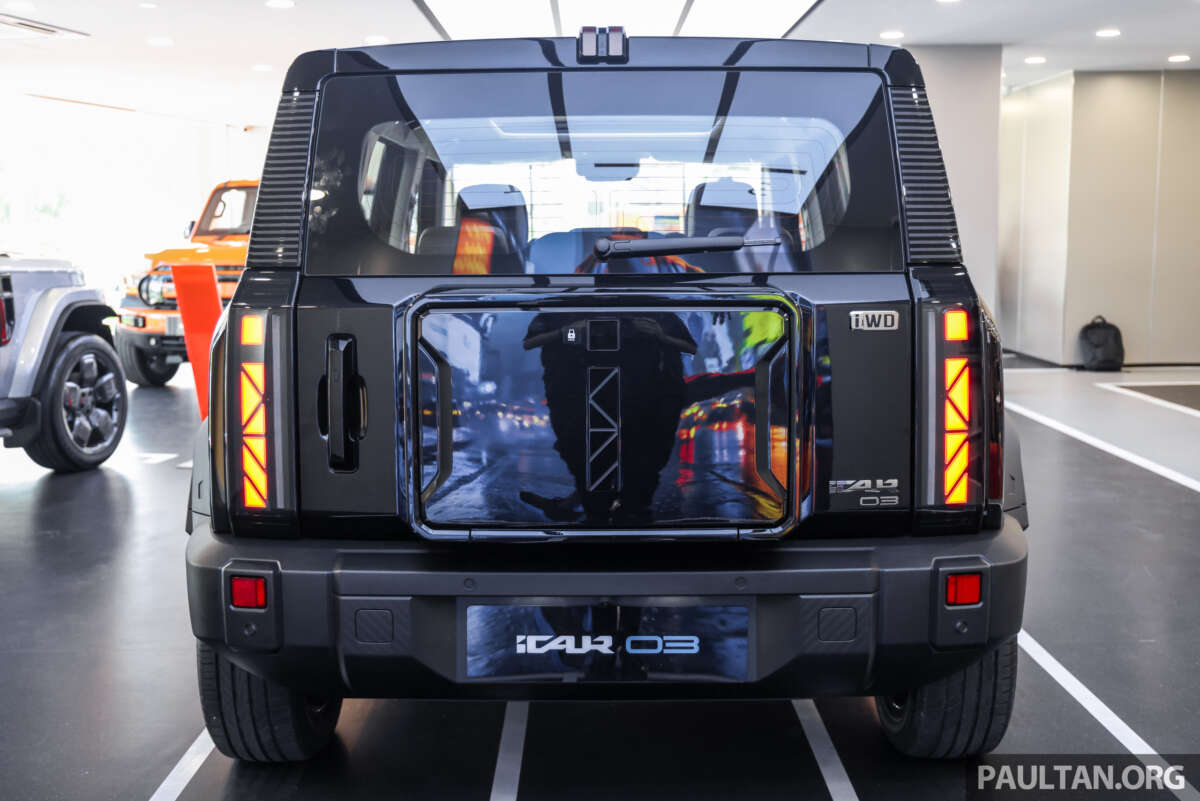
You might notice some design similarities with the iCaur 03, which shares a similarly boxy look. Some may think, is the J5 EV just a rebadged iCaur 03?
The two cars actually sit in completely different segments. A big hint is the fact that the iCaur 03 when wearing a Jaecoo badge sold in other markets is called the Jaecoo J6. And 6 is a bigger number than 5, so it all makes sense doesn’t it?

| Specs | Jaecoo J5 EV | iCaur 03 iWD |
|---|---|---|
| Length | 4,380 mm | 4,406 mm |
| Width | 1,860 mm | 1,910 mm |
| Height | 1,650 mm | 1,715 mm |
| Wheelbase | 2,620 mm | 2,715 mm |
| Segment | B-segment | C-segment |
| Motor | 211 PS, 288Nm | 279 PS, 385 Nm |
| Driven | Front Wheel | All Wheel |
| Battery | 58.9 kWh | 69.8 kWh |
| Range | 461 km | 418 km |
| 0-100 | 7.7s | 6.5s |
| Price | RM118,800 | RM129,880 |
The iCaur 03 is the bigger car on every axis. The most meaningful gaps are the 95 mm longer wheelbase and the 50 mm extra width. It sits in the C segment, which means it is sized more like a Jaecoo J7. The Jaecoo J5 is classed as a B-segment subcompact crossover.
As for motor specs, the iCaur 03 originally came in two variants – the 2WD and the iWD. After CKD operations began, the 2WD was dropped and only the iWD remains. That’s probably for the good as the 2WD performance specs was curiously slower than the Jaecoo J5 EV.
The J5 EV’s more efficient packaging and aero give it more usable range than the taller, boxier, off-road-pitched iCaur 03.
And of course most importantly, the Jaecoo J5 EV is indeed priced lower than the iCaur 03 iWD – at RM118,800, it undercuts its bigger cousin by RM11,080, and sits RM10k or so above the RM108k ICE-powered J5. So the choice comes down to this: the smaller, cheaper, longer-legged J5 EV, or the larger, gruntier, AWD iCaur 03? Share your thoughts in the comments.
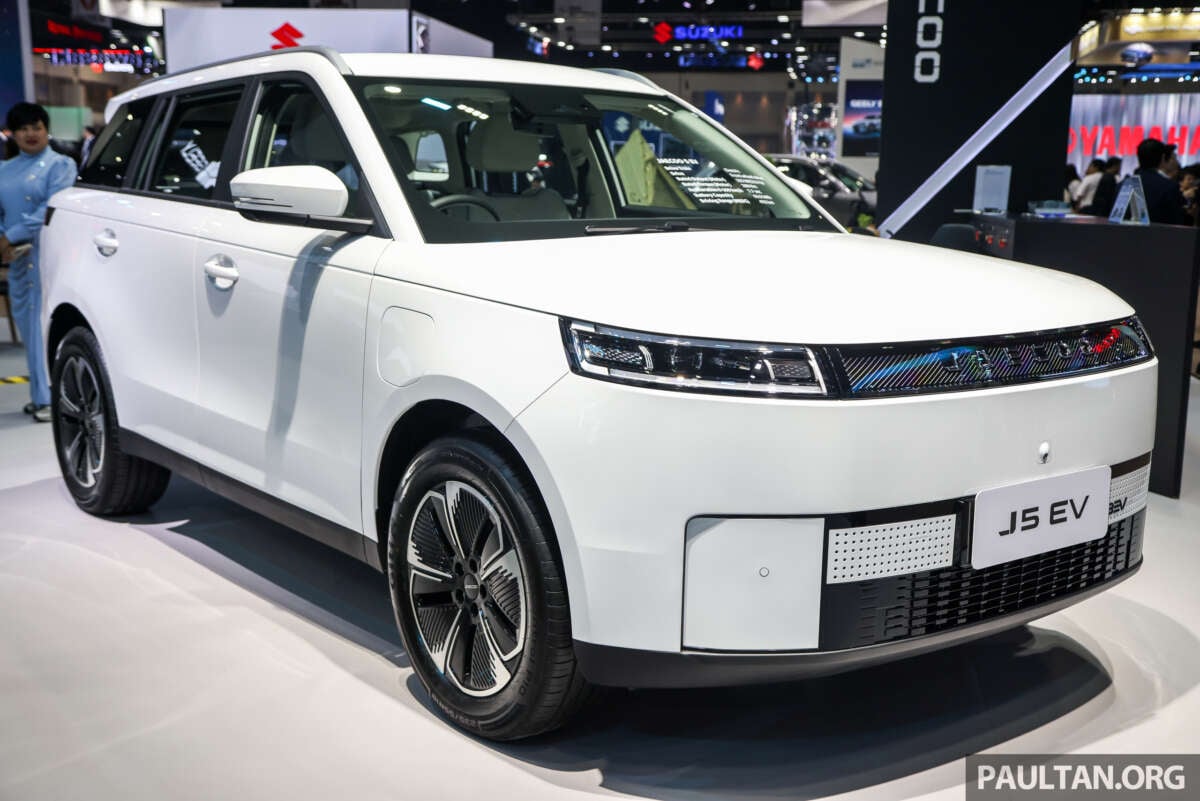
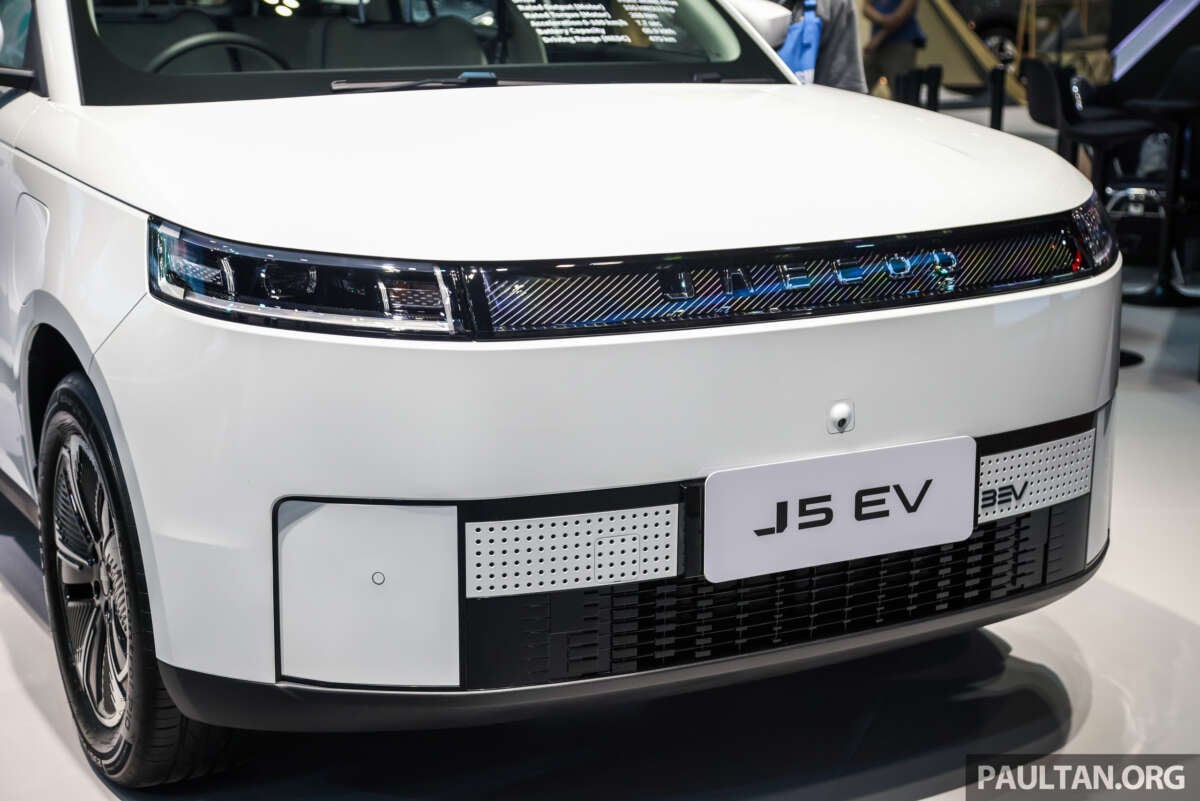
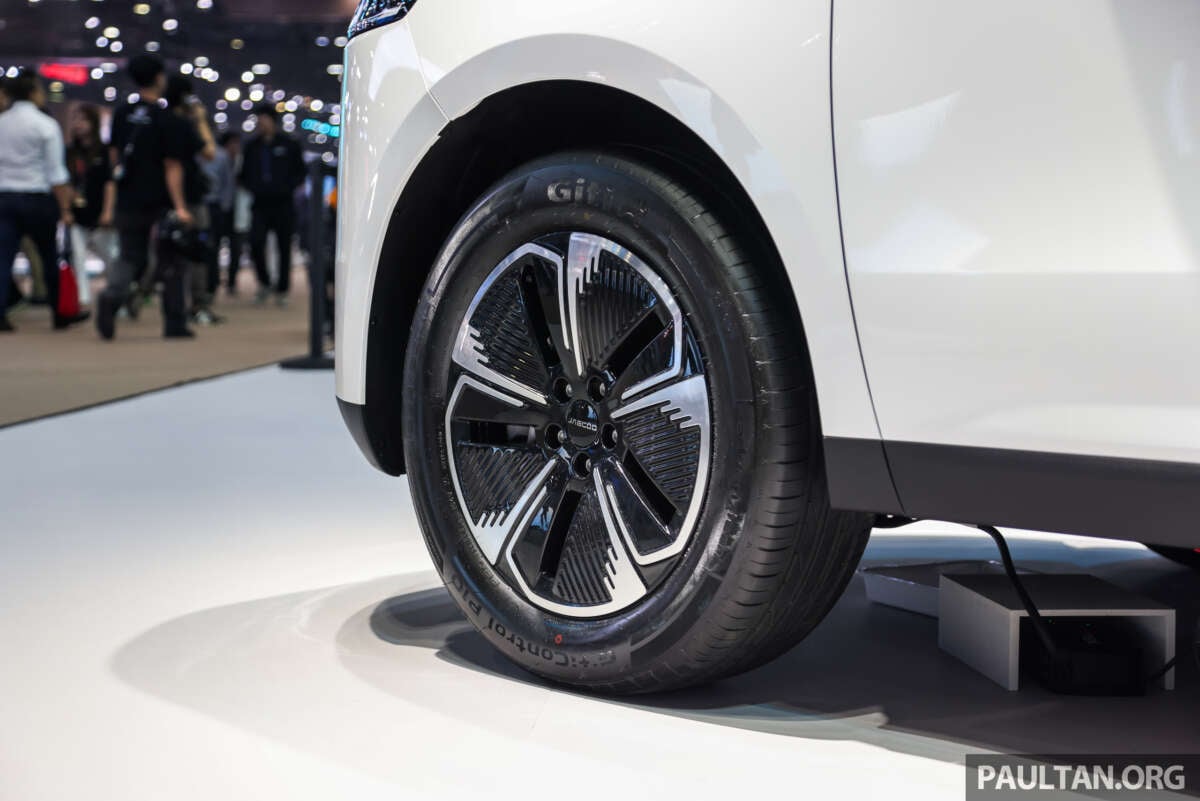
Jaecoo J5 EV at the 2025 Bangkok International Motor Show




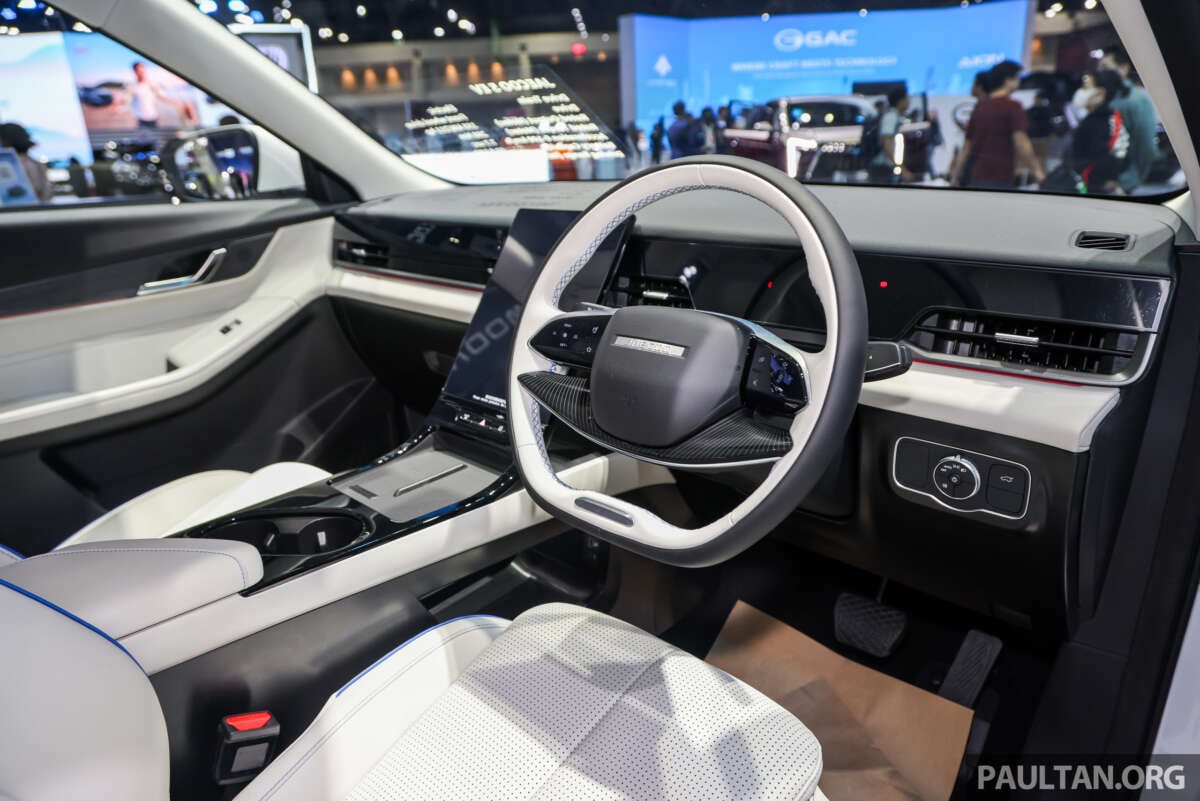

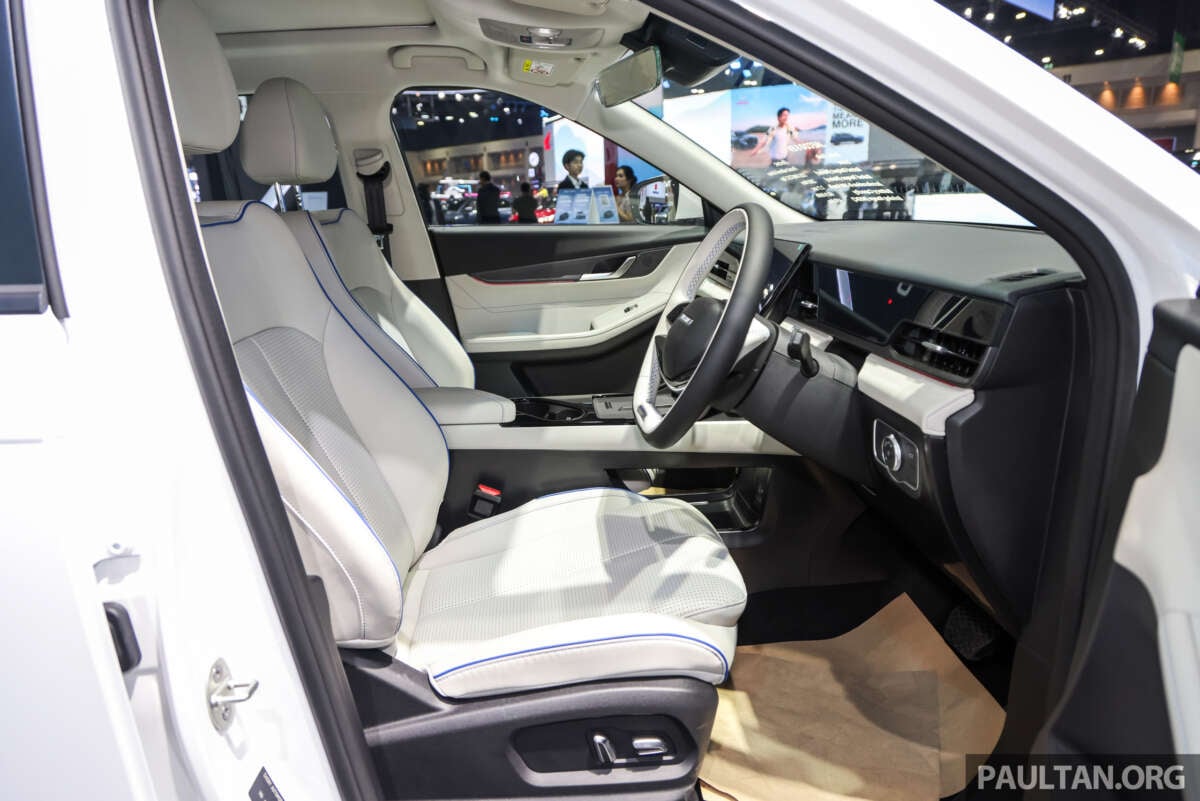
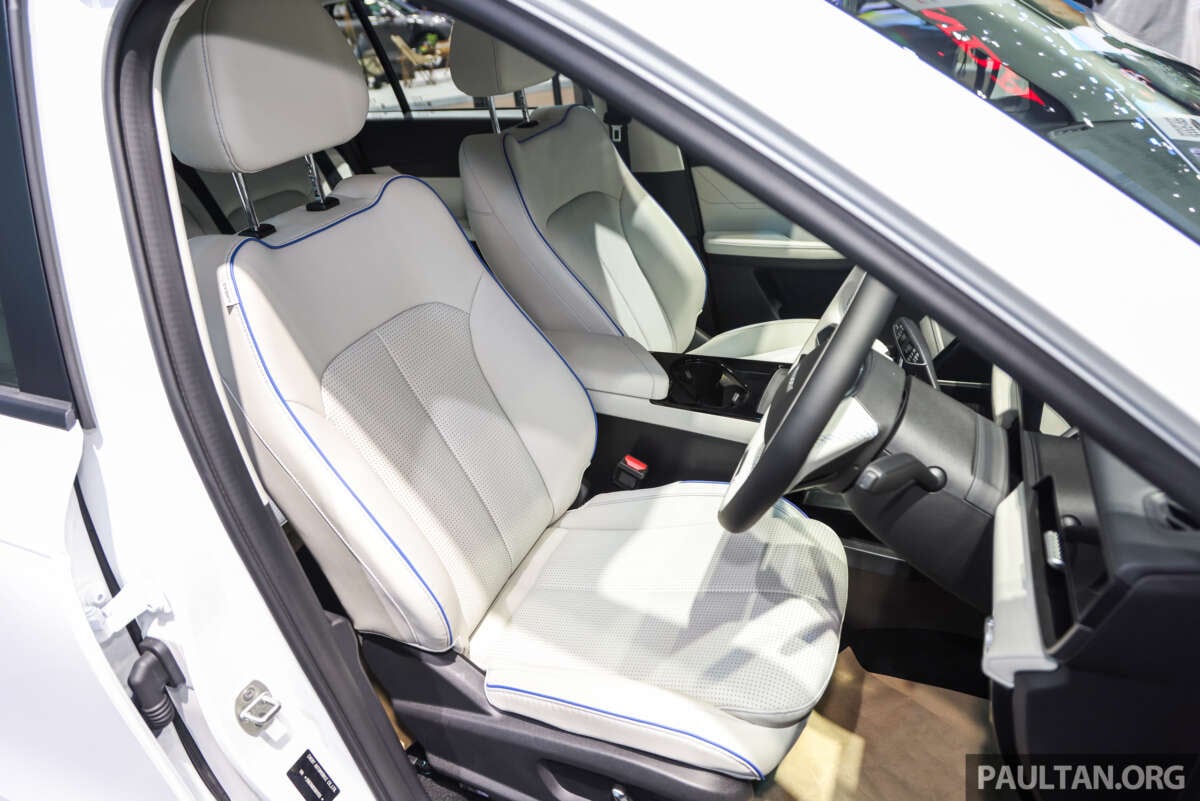
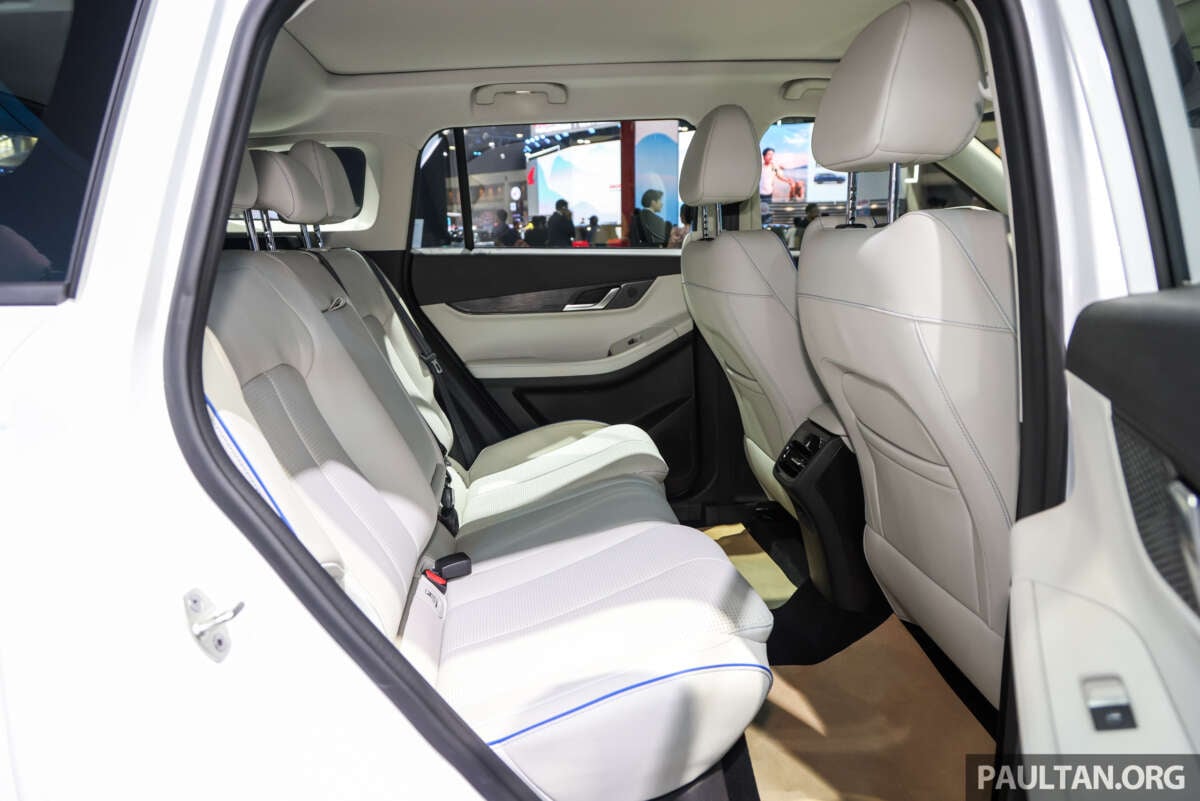
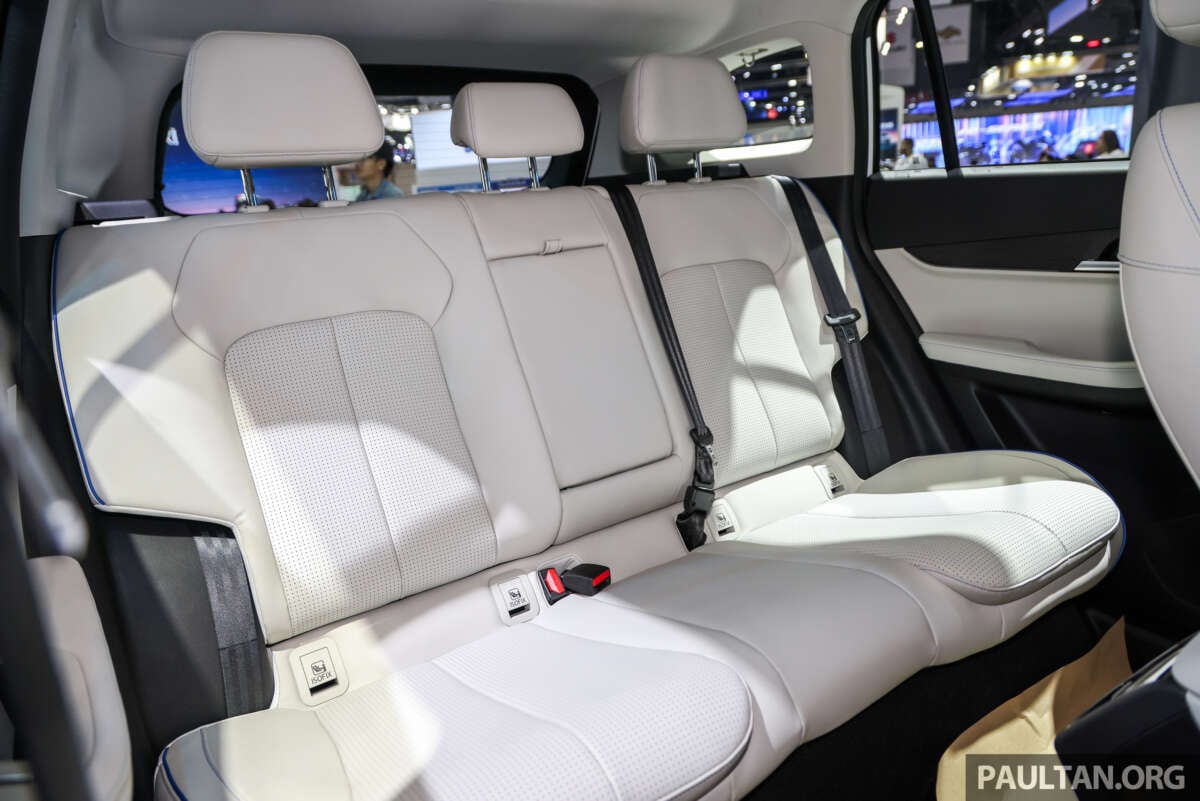
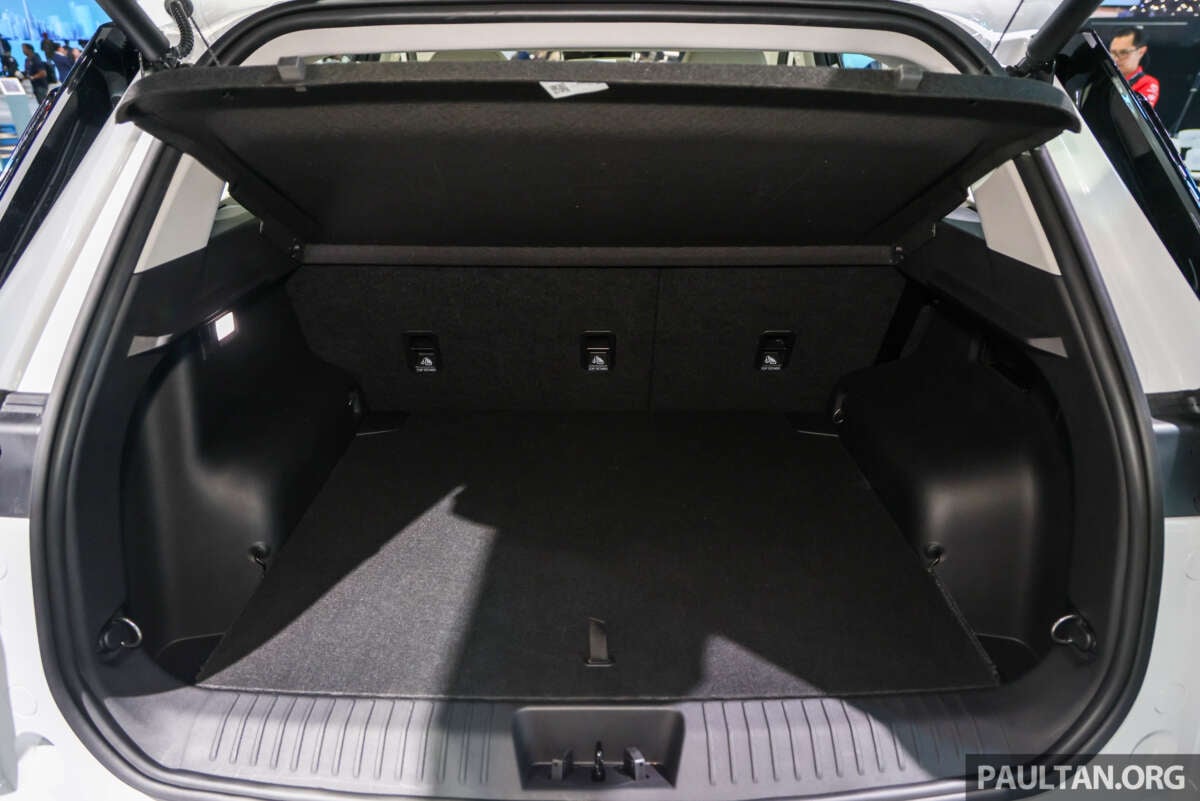
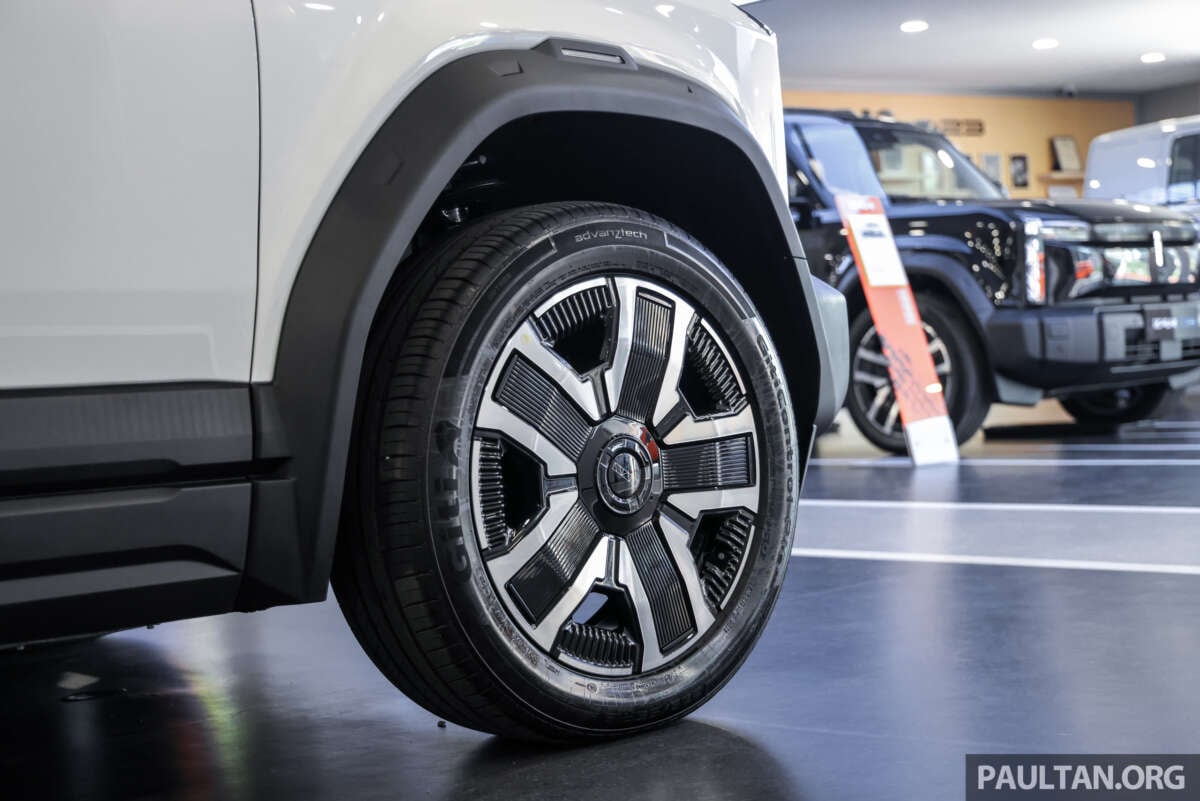
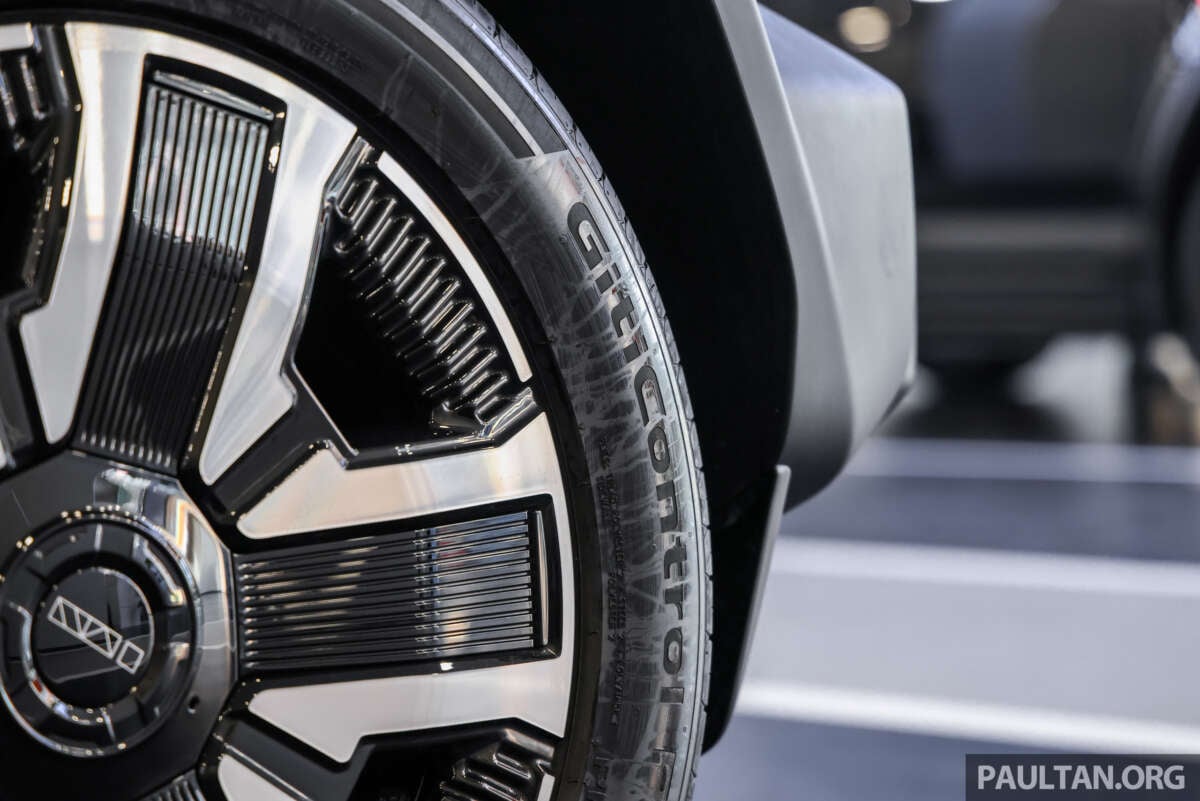
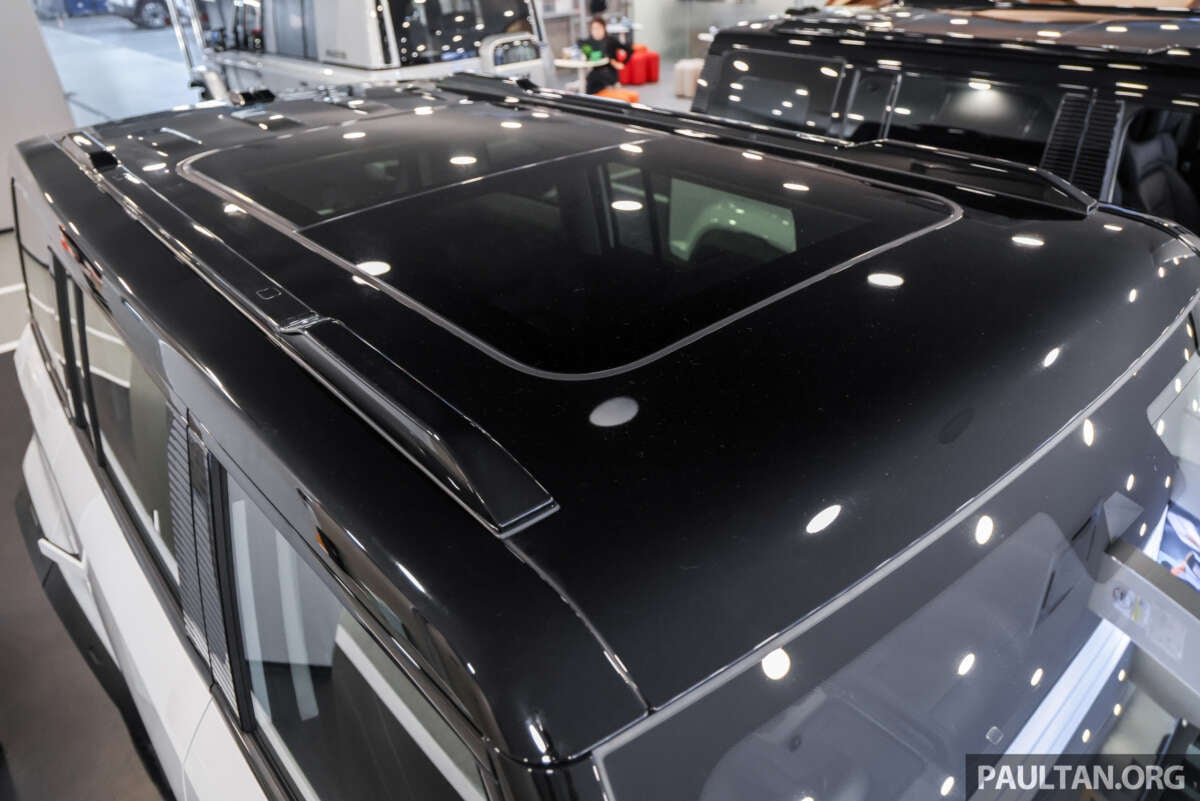
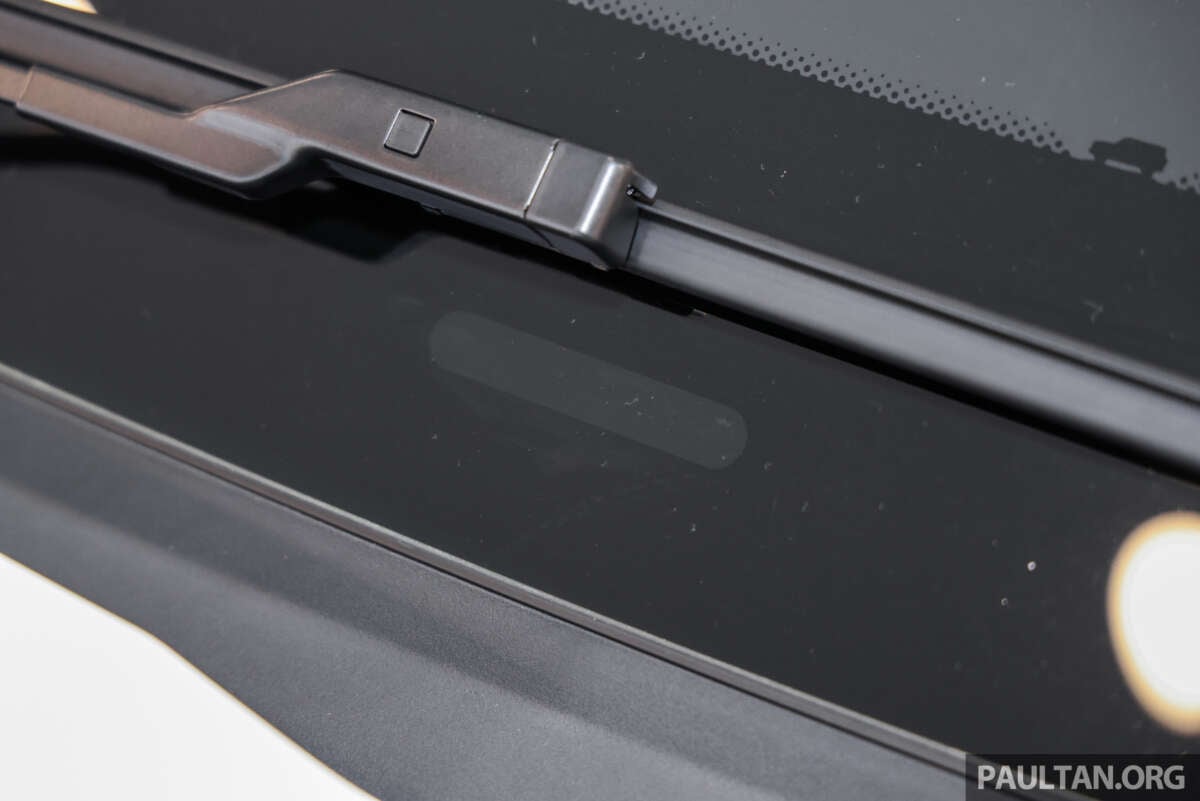
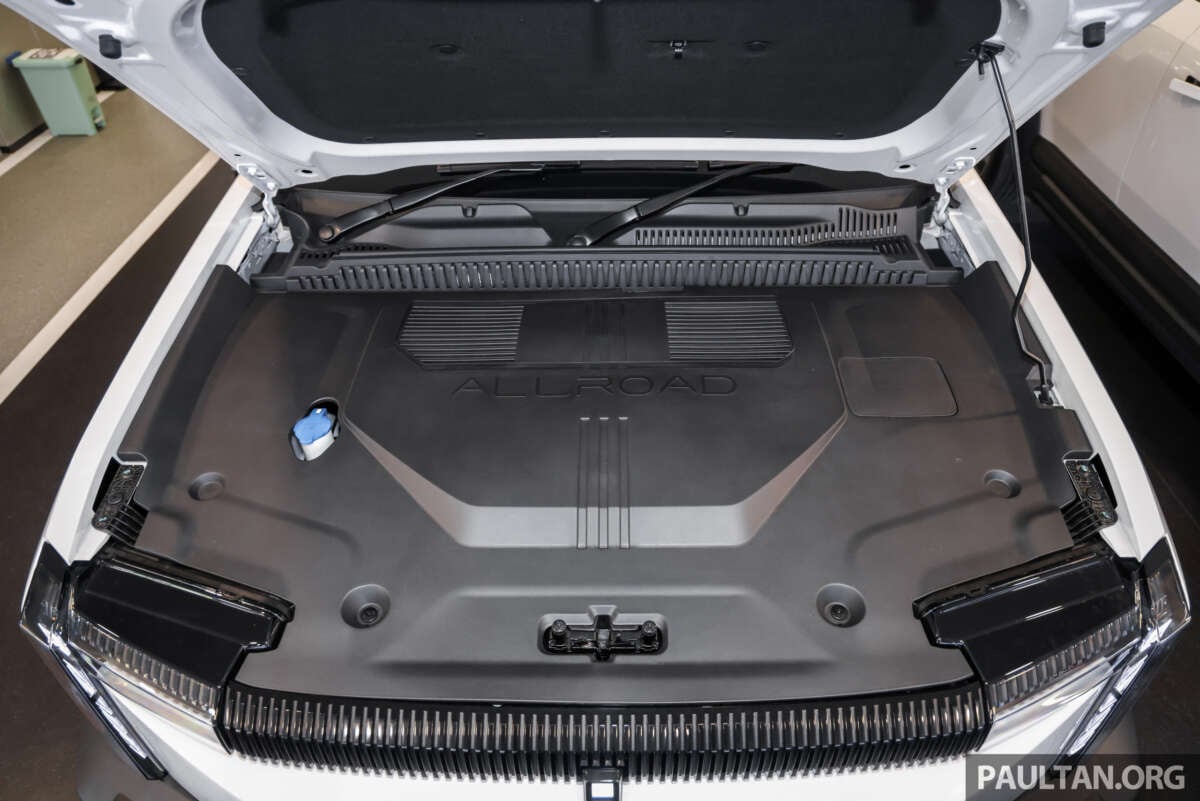
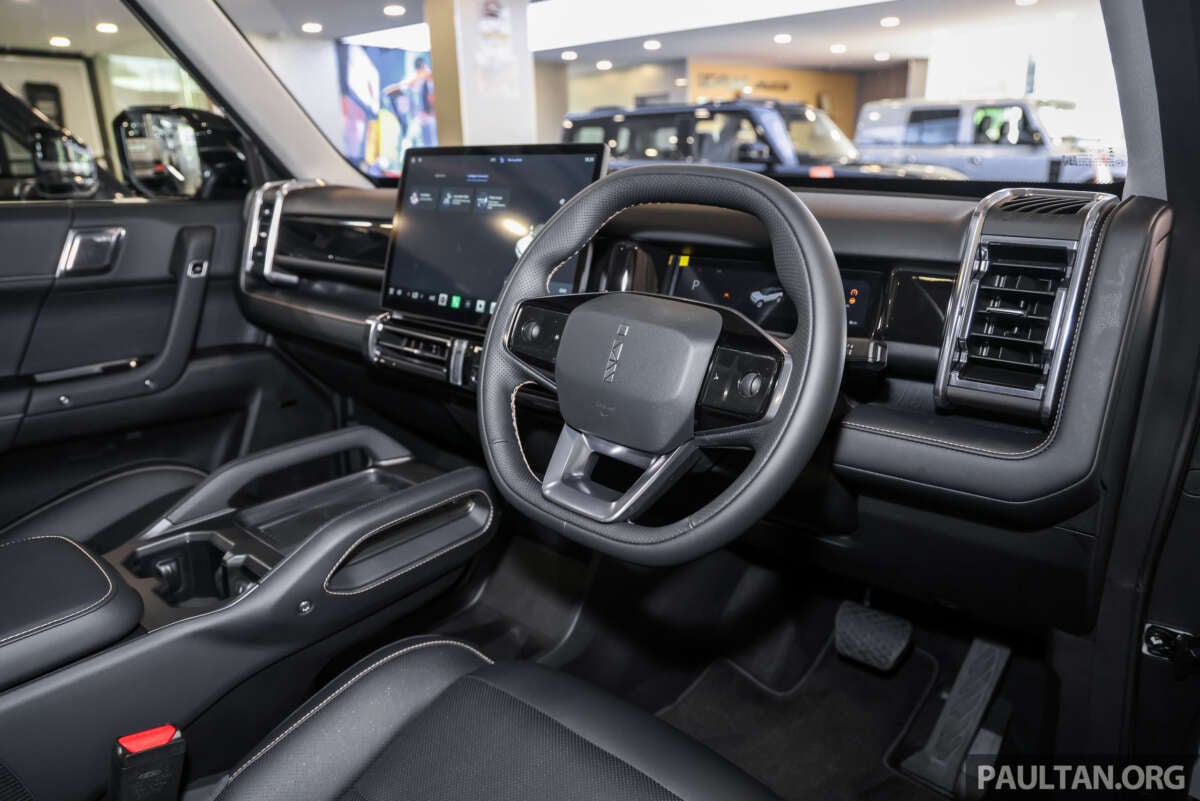
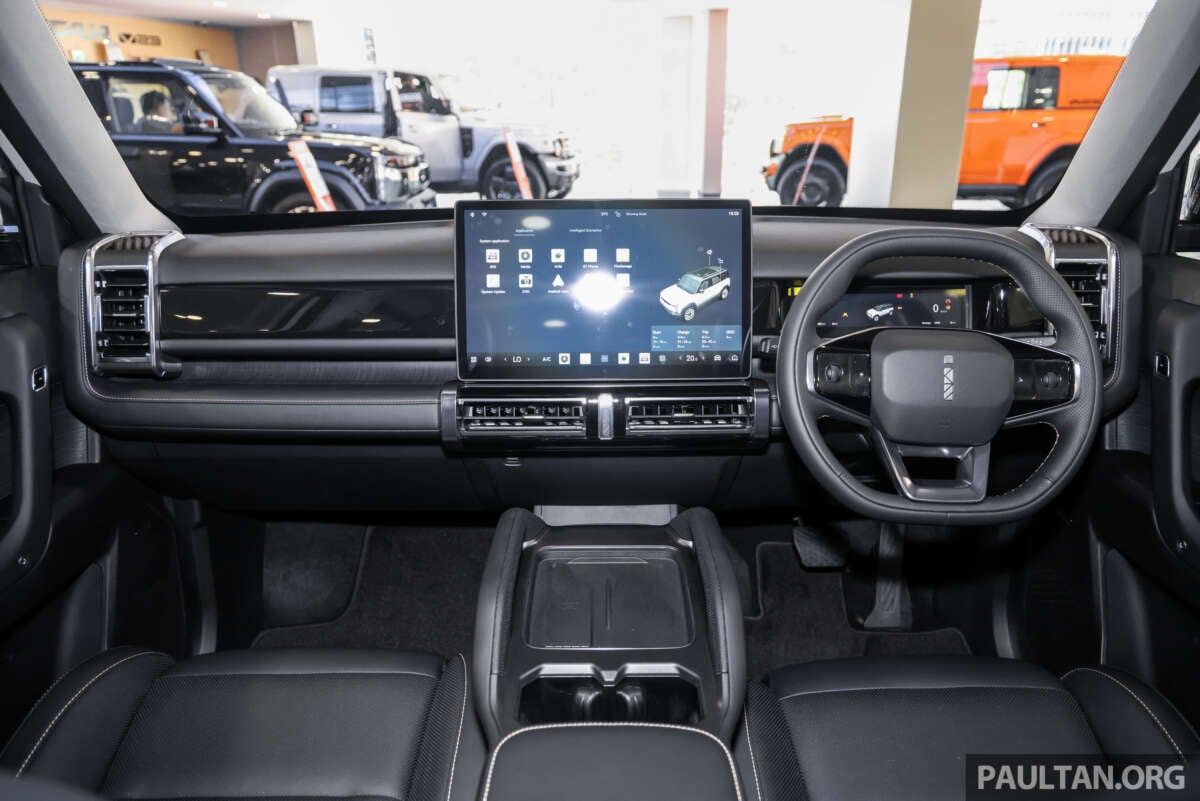
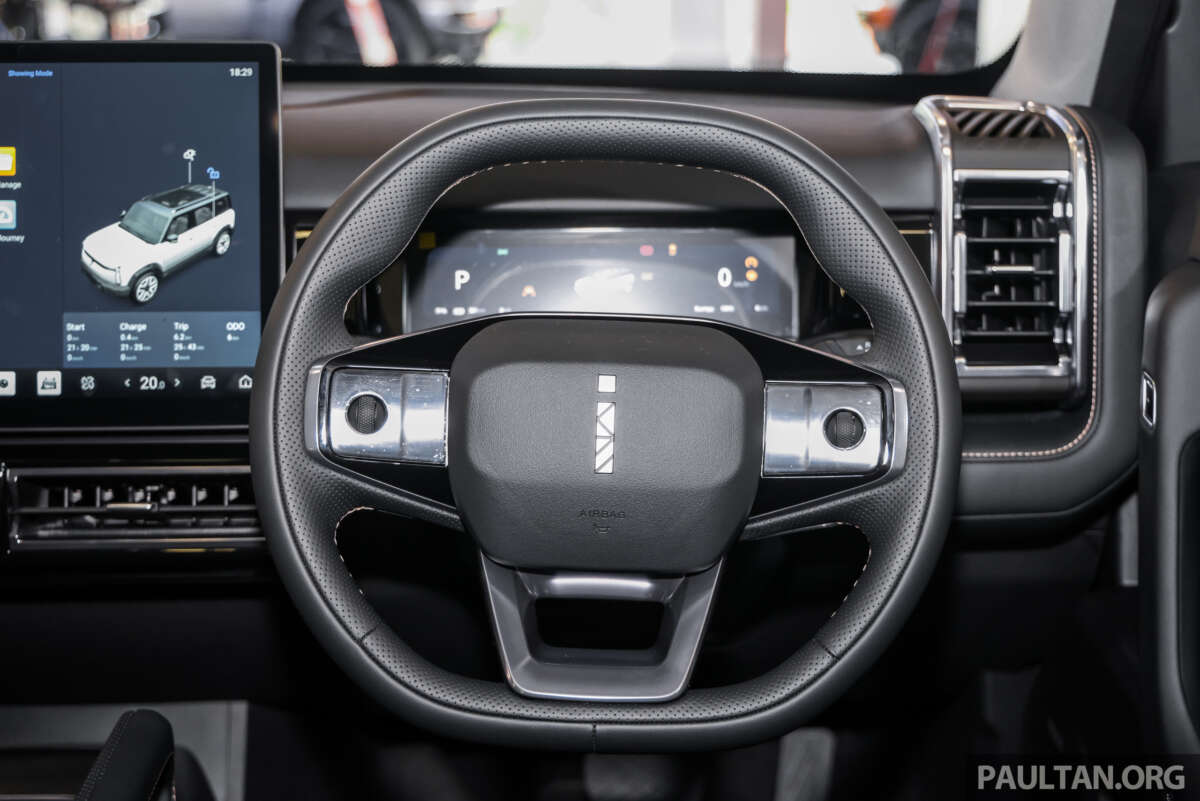
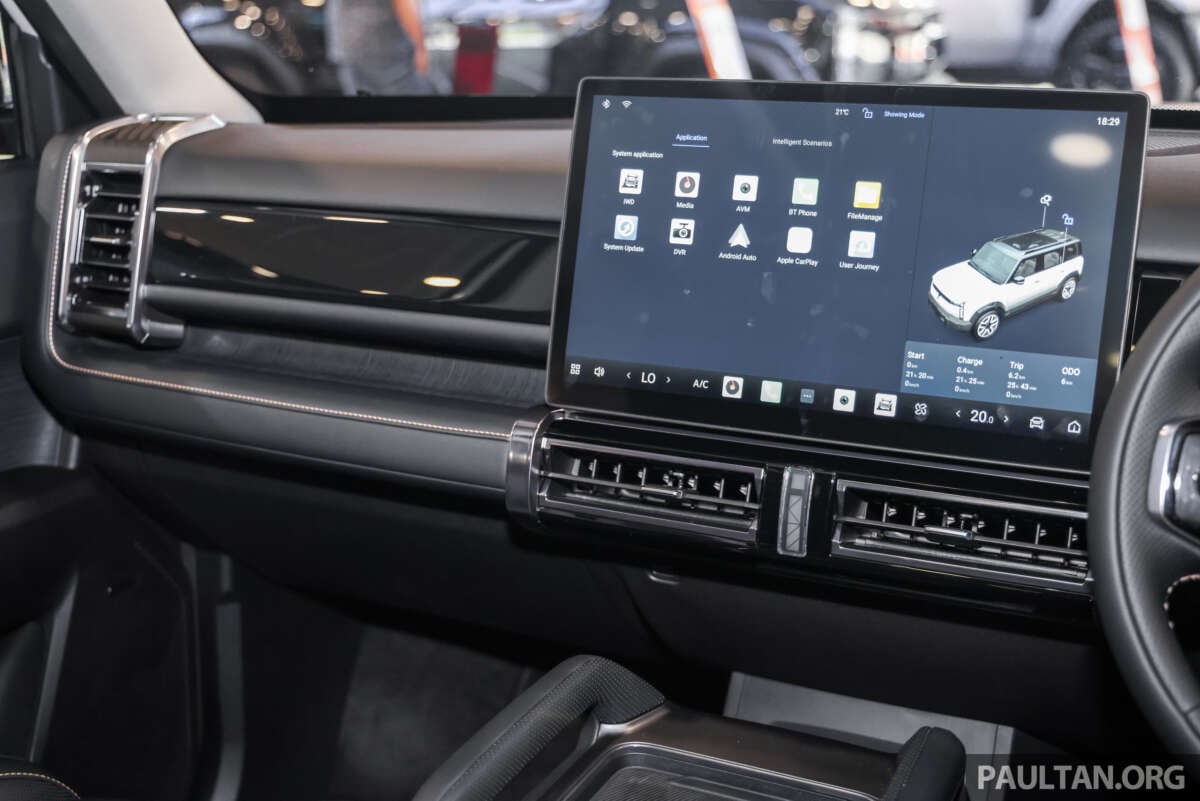
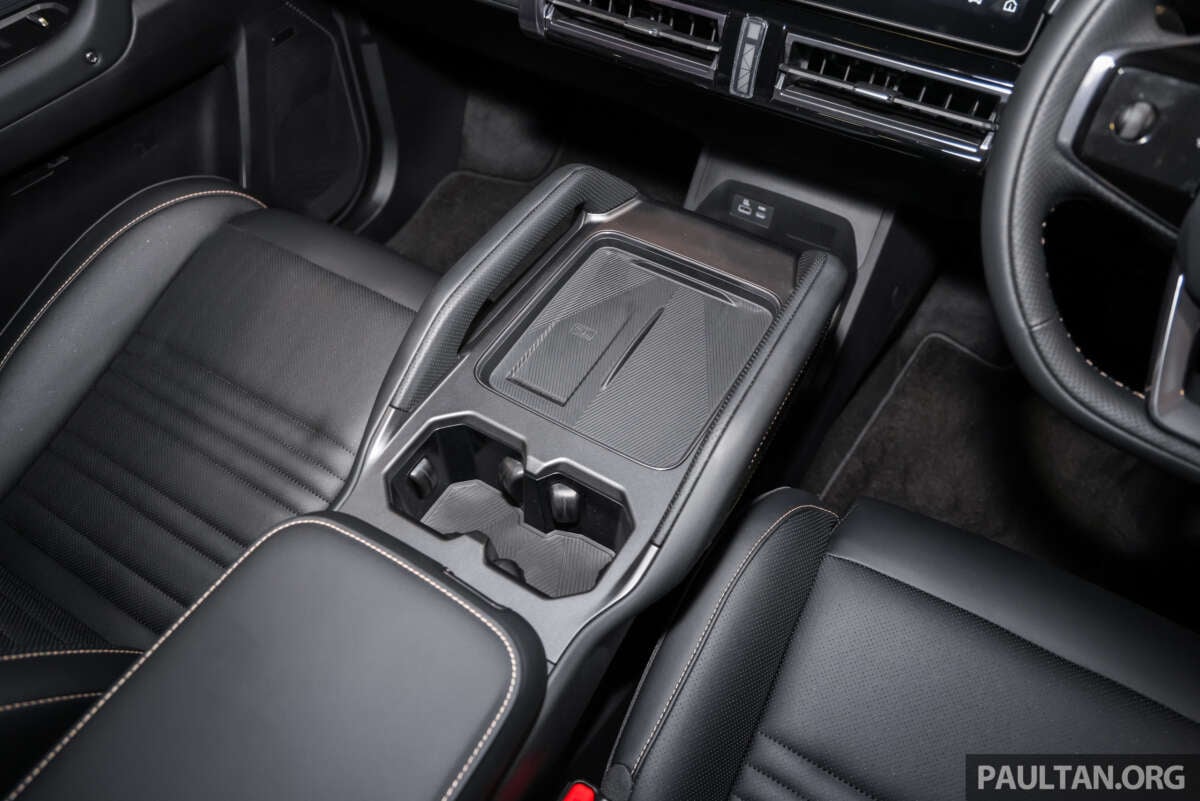
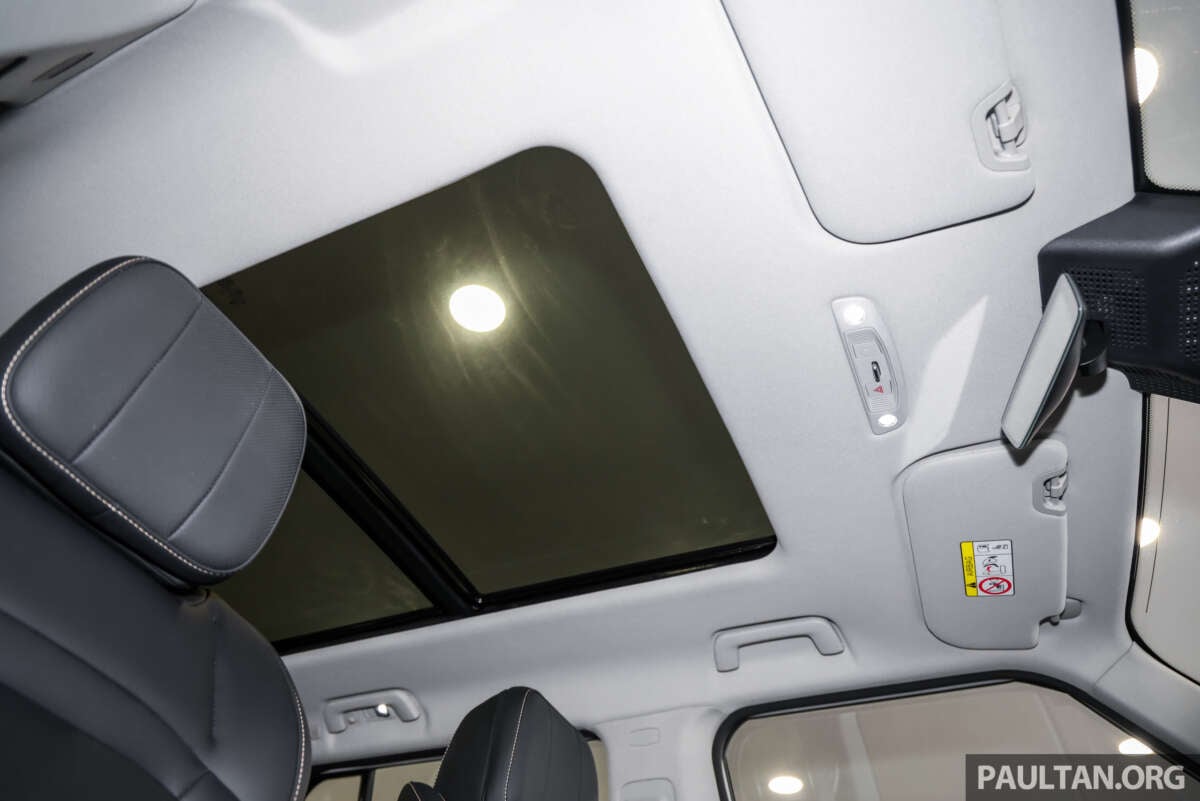
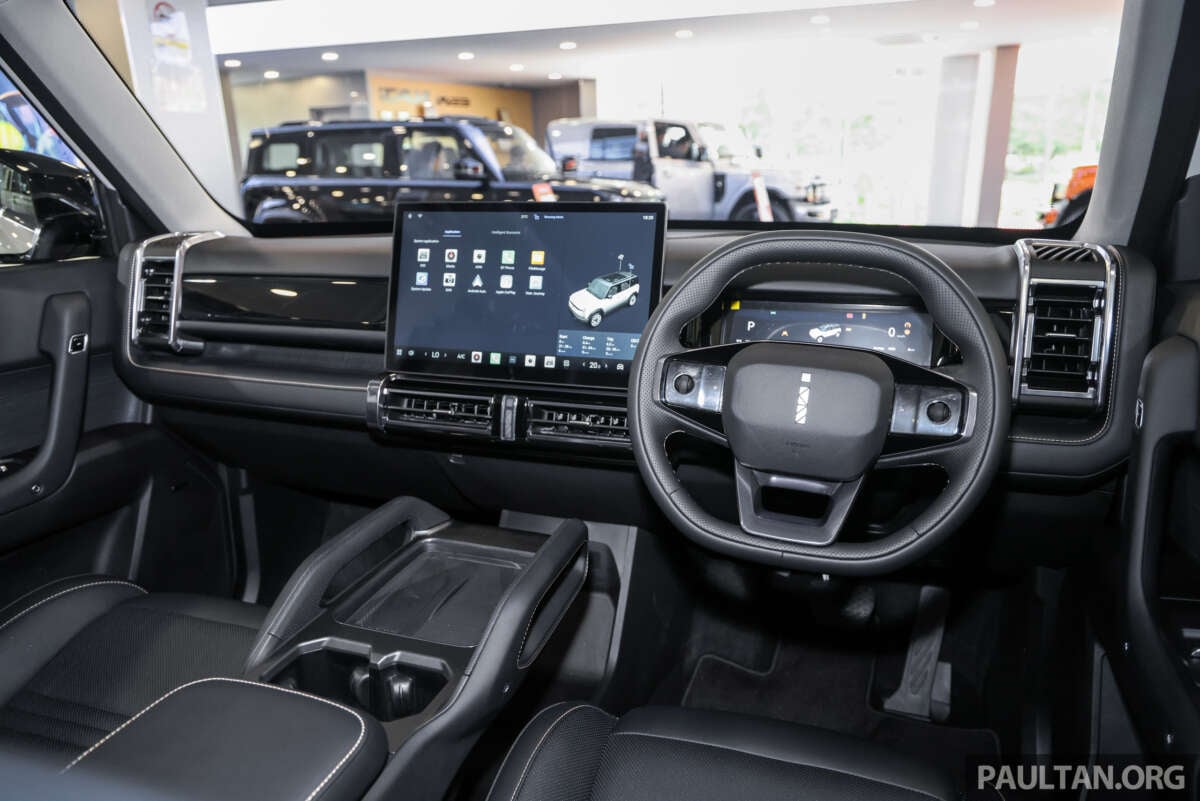
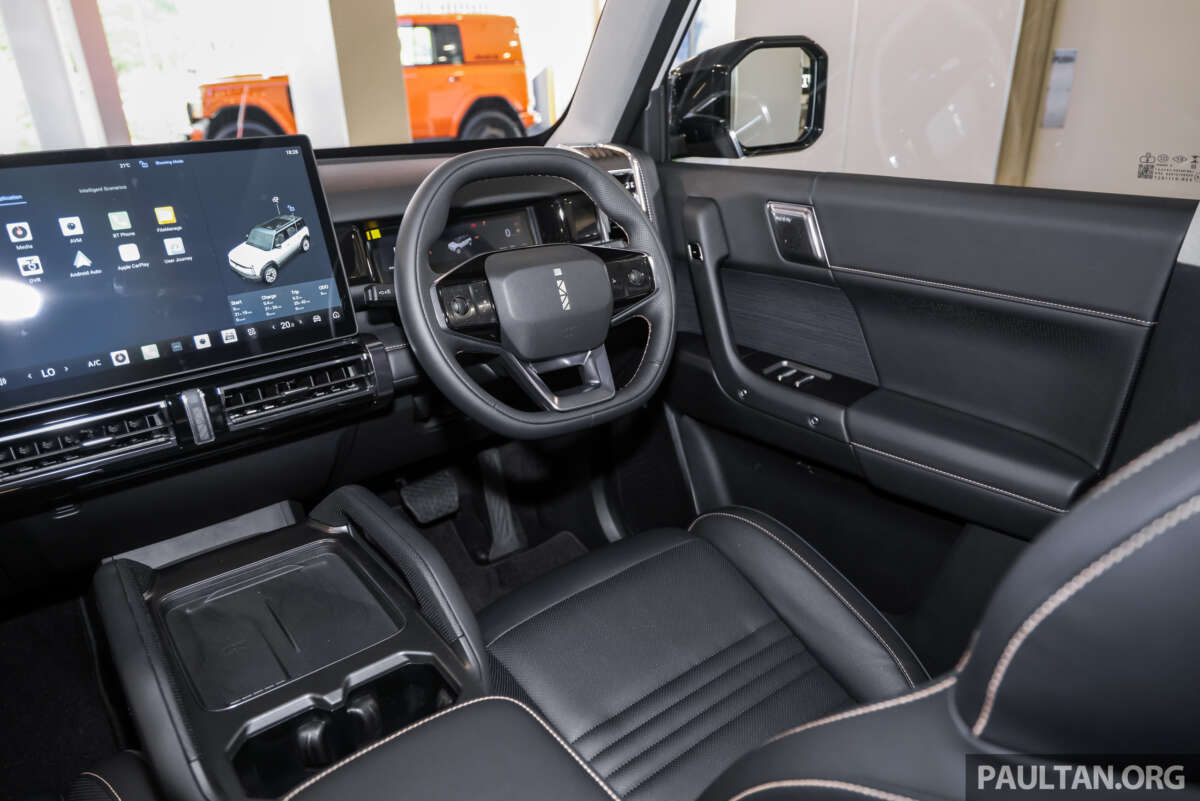
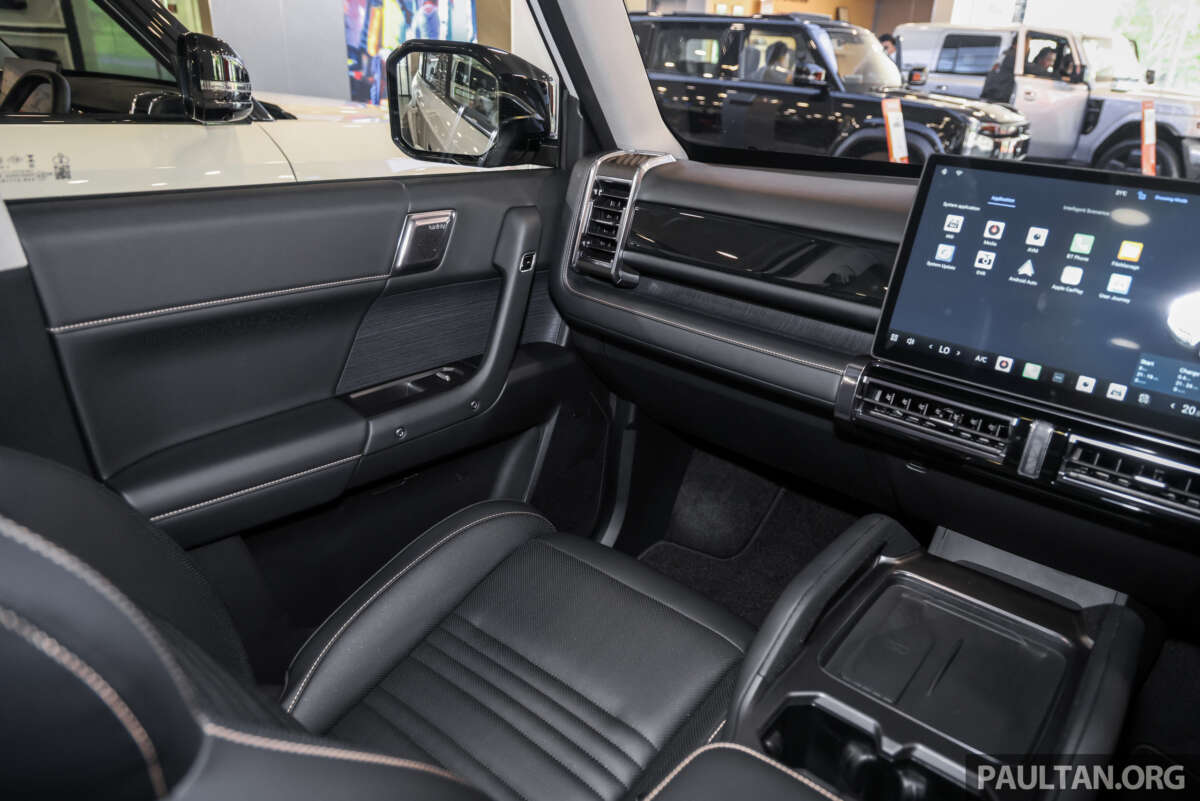
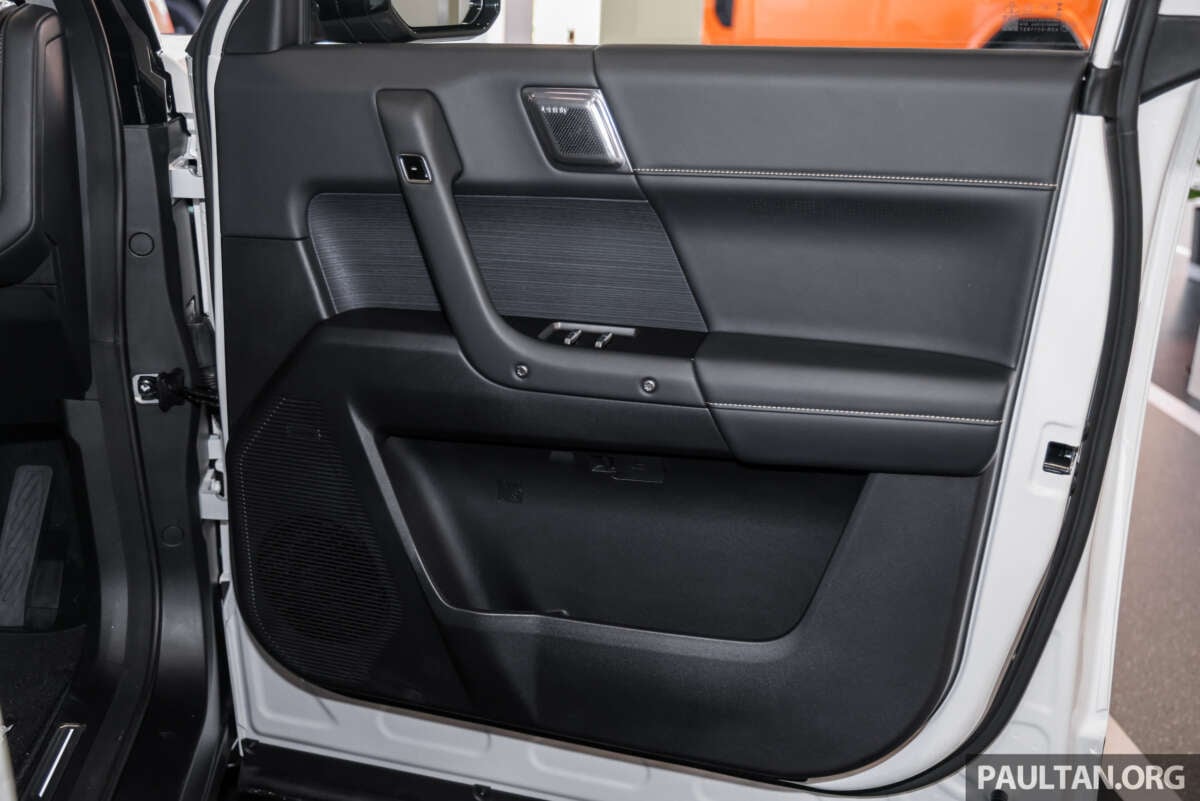
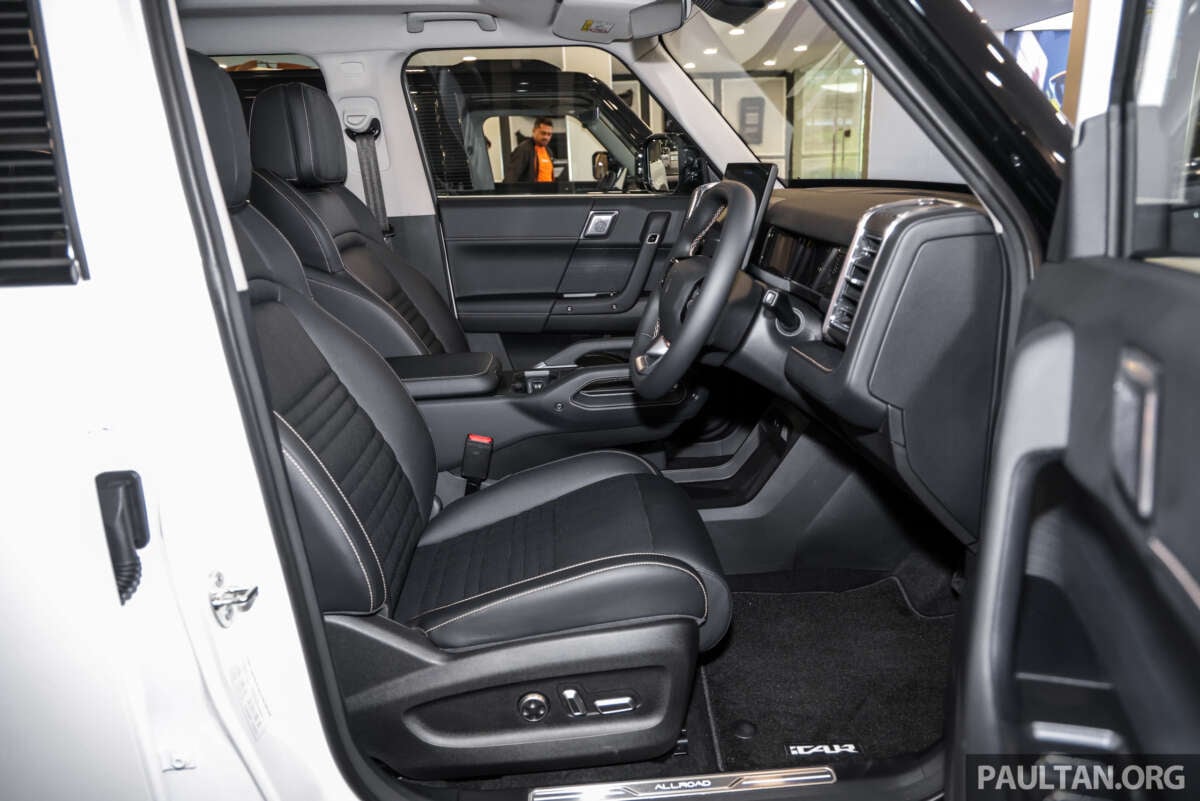
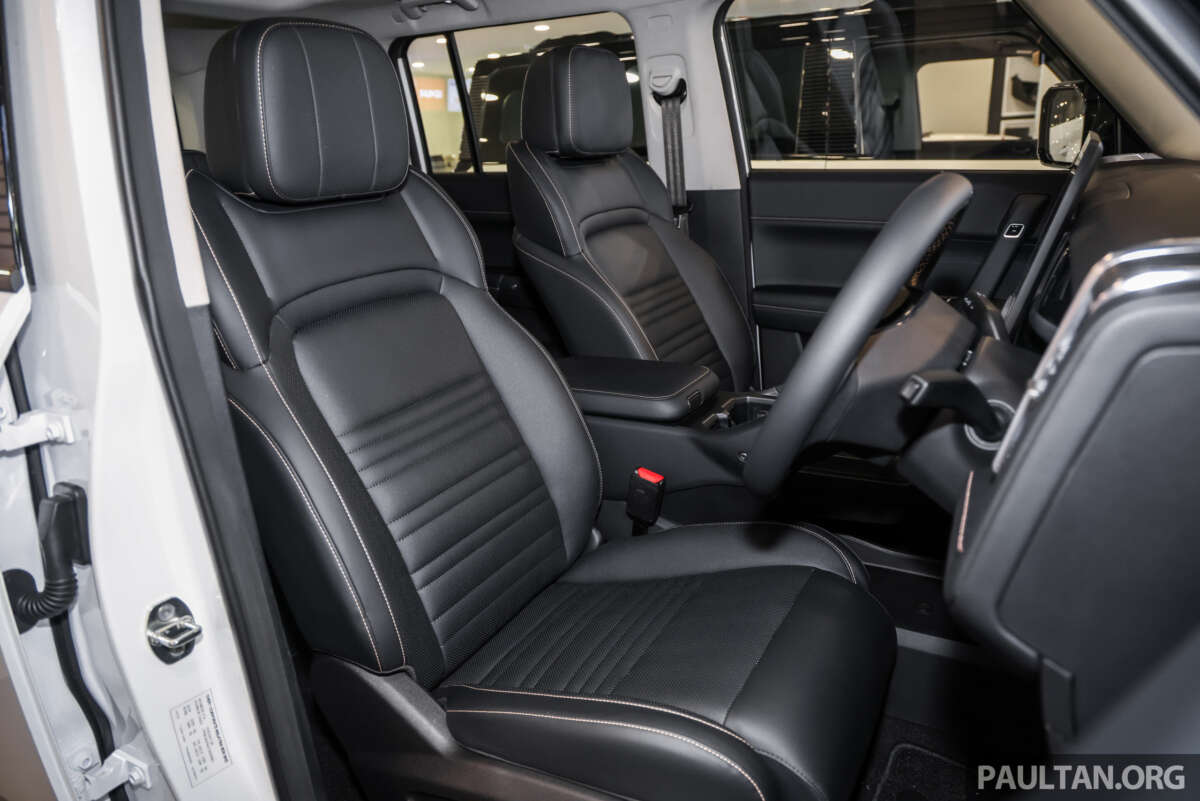
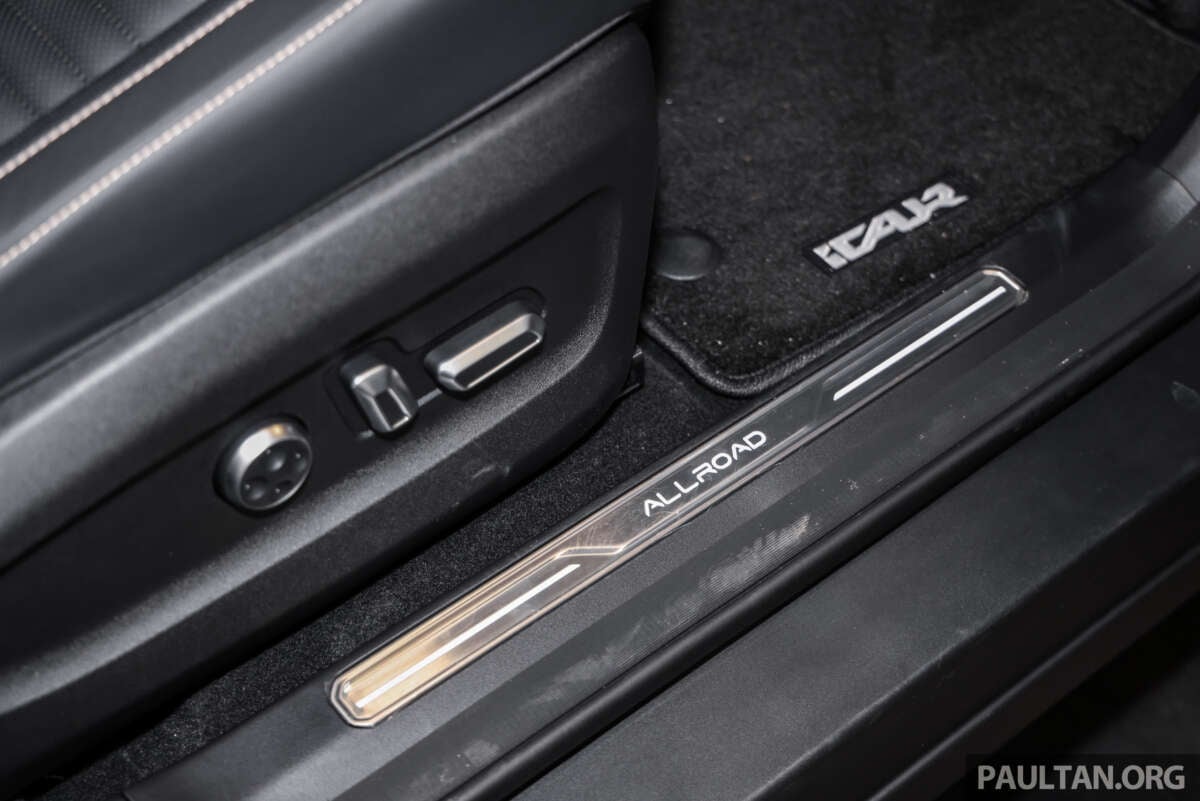
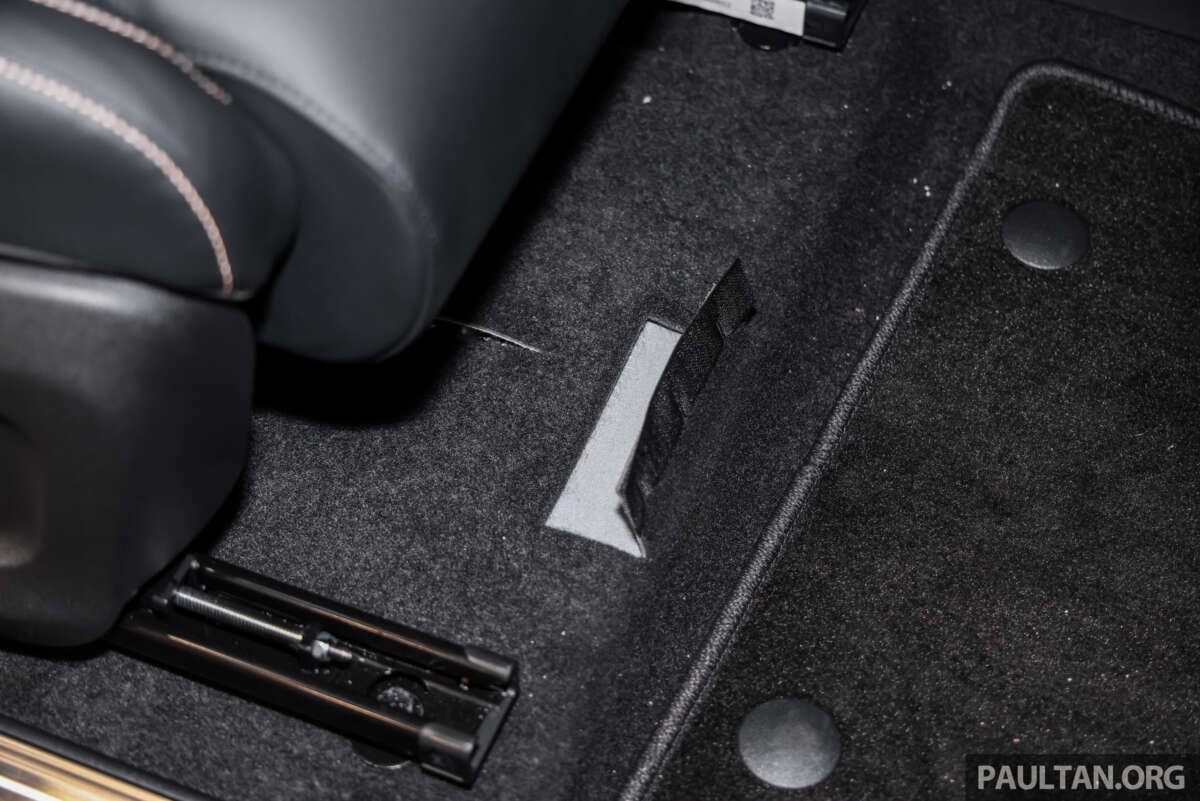
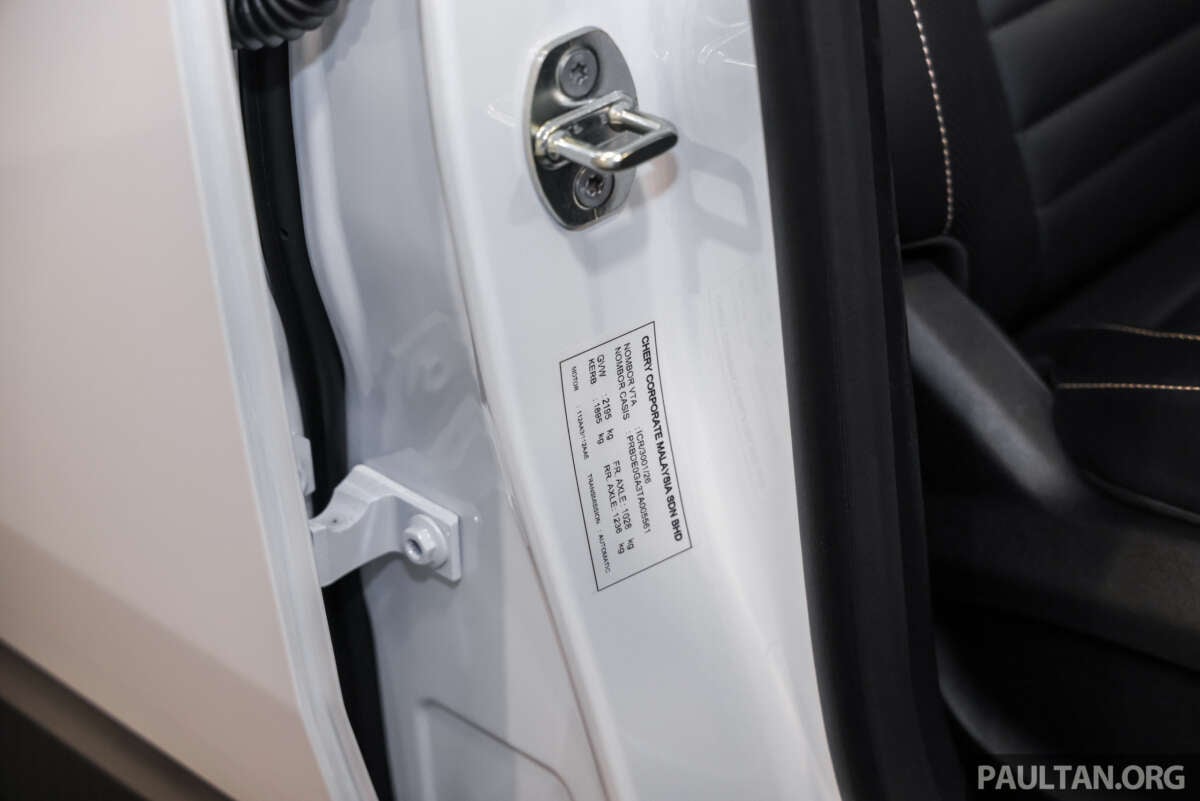
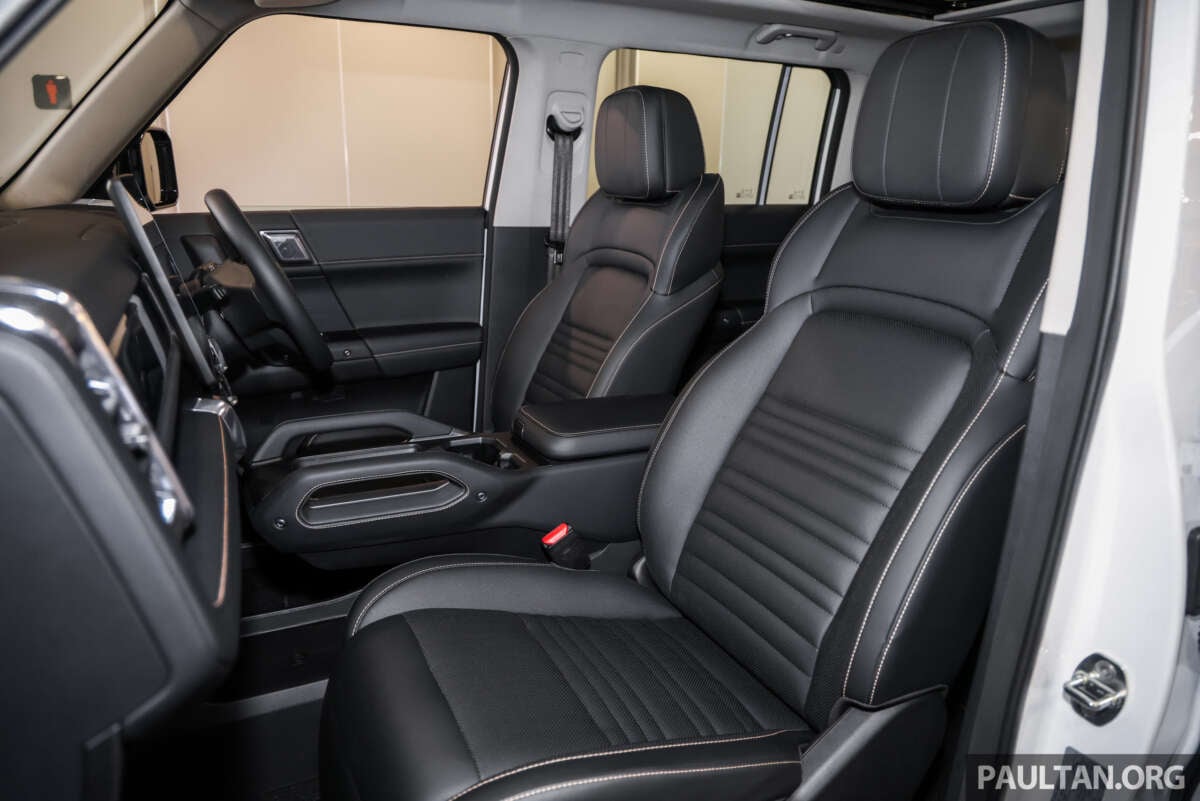
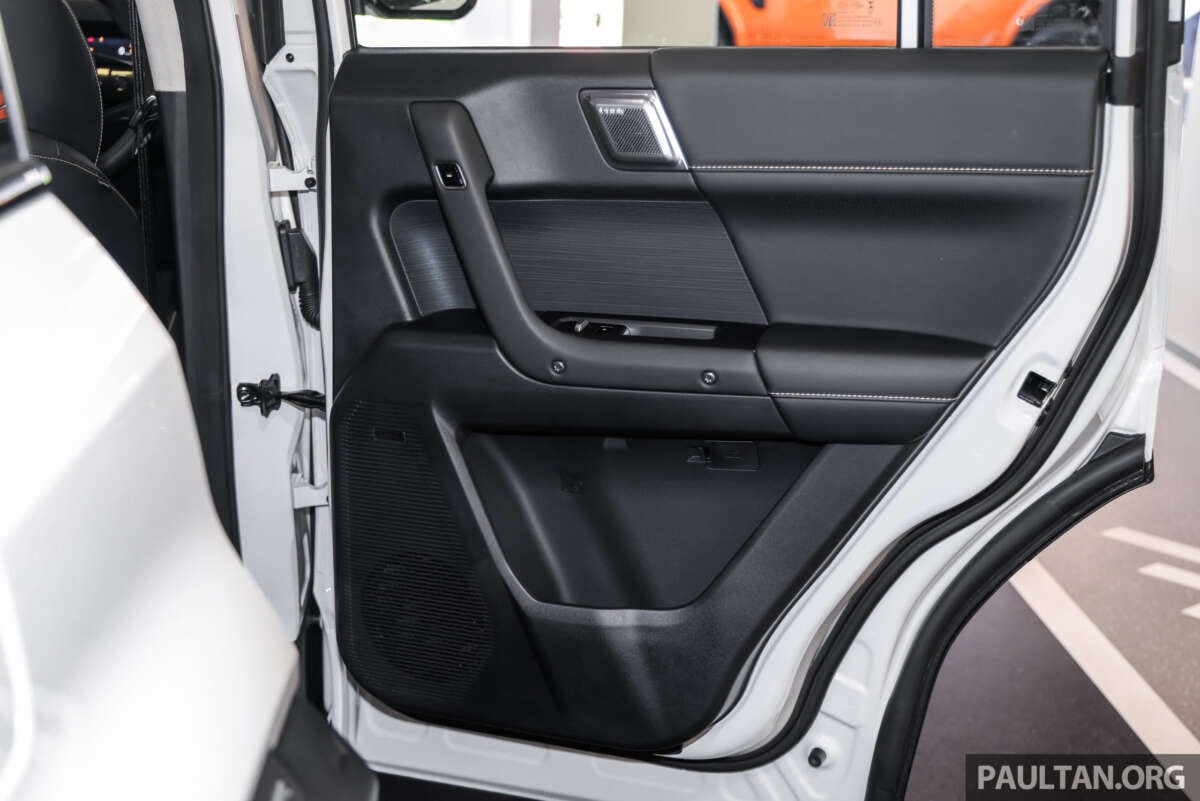
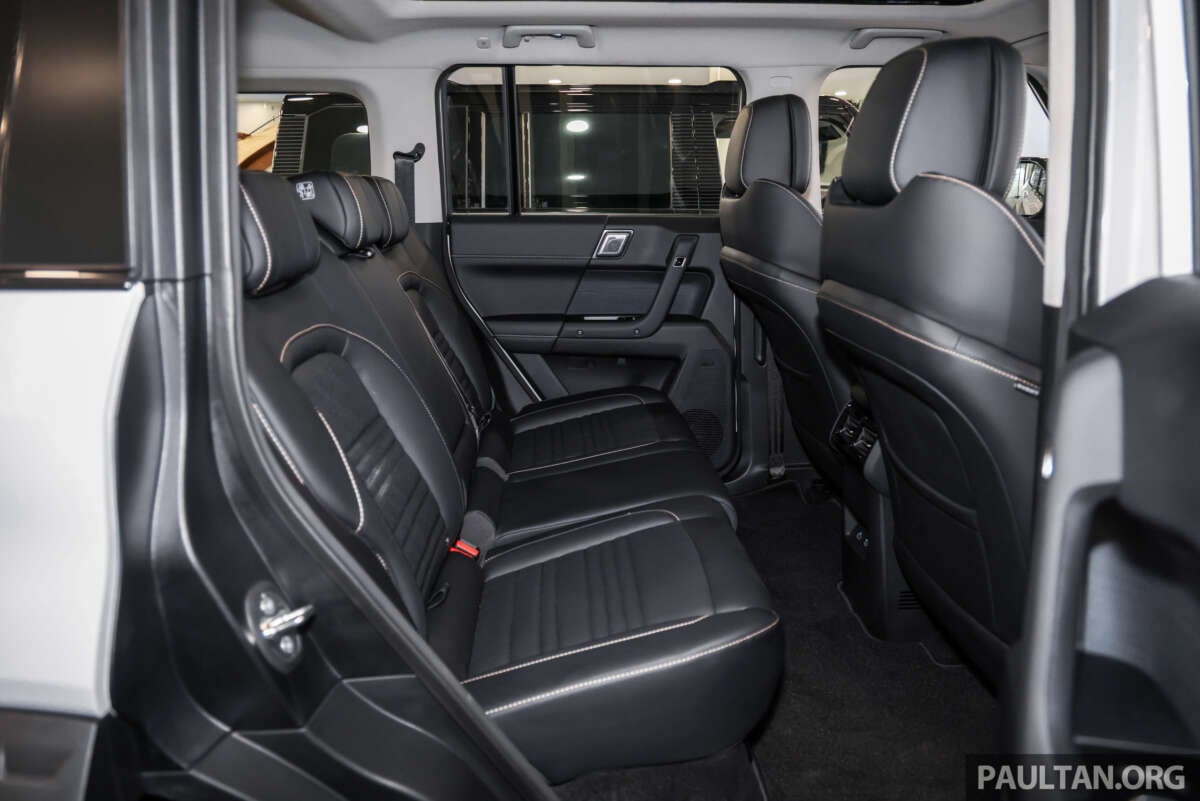
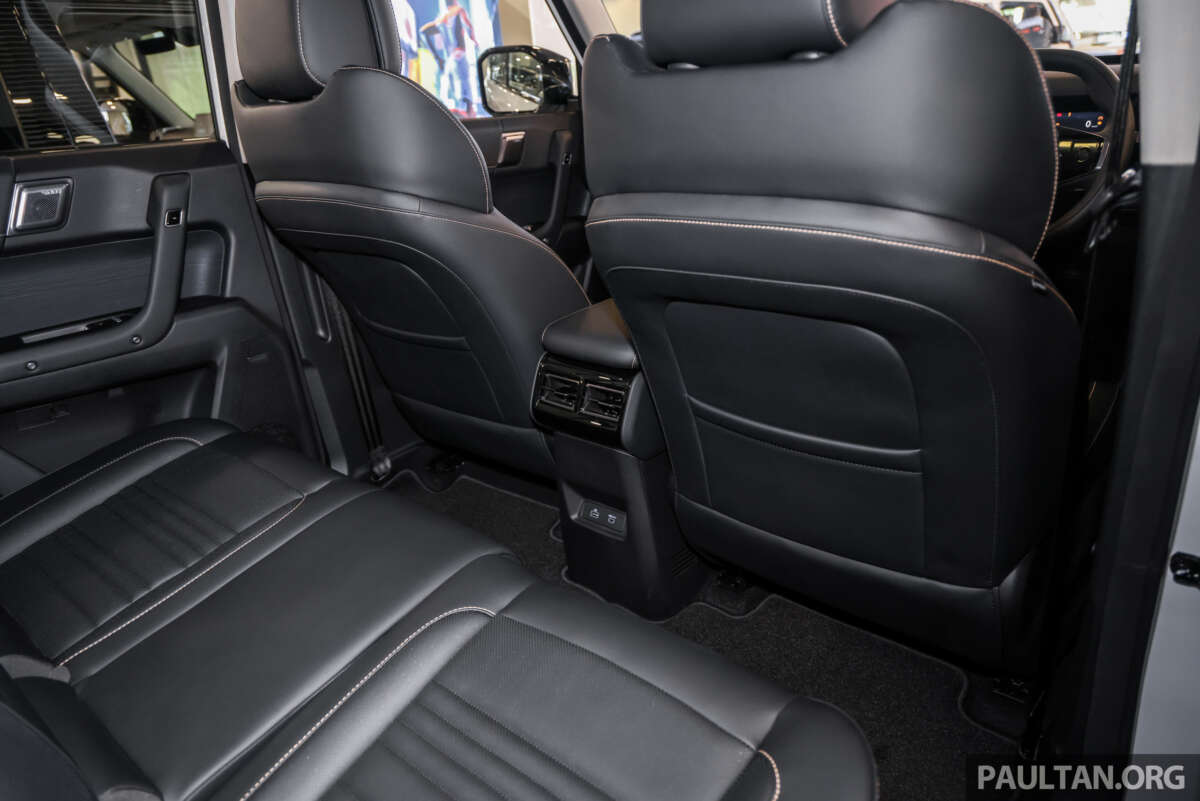
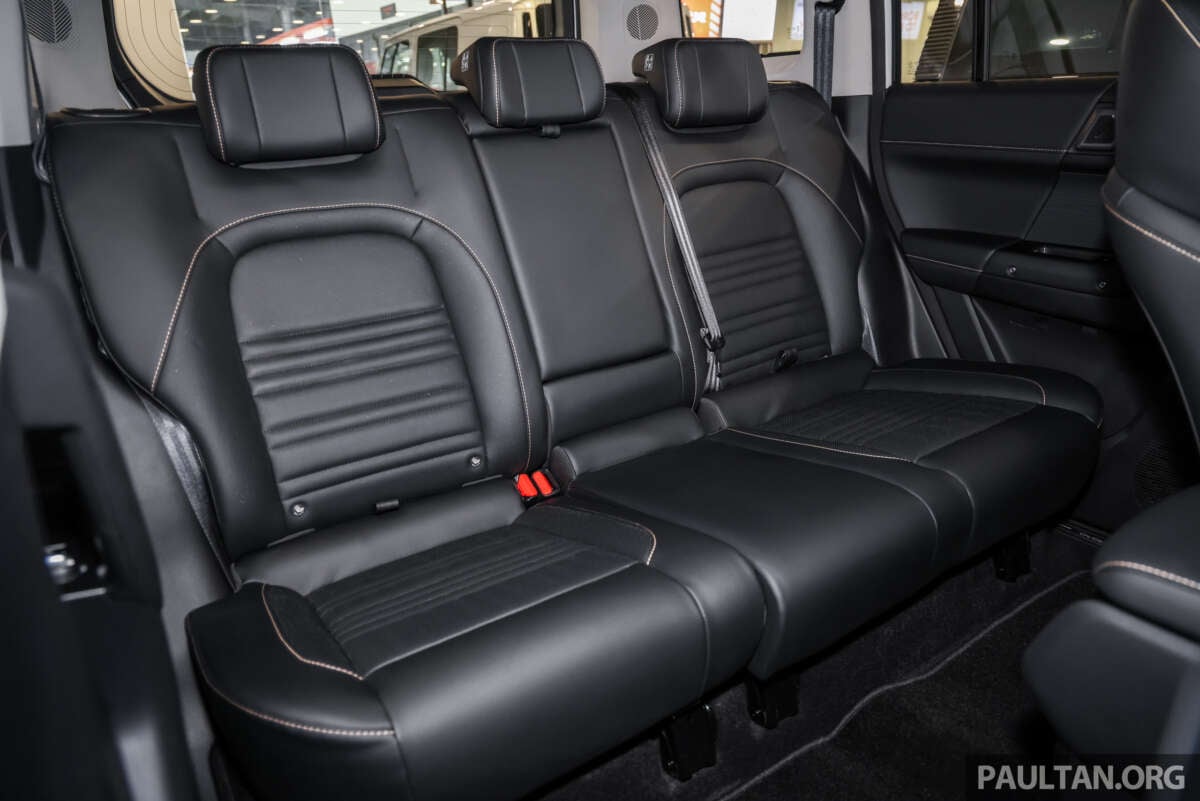
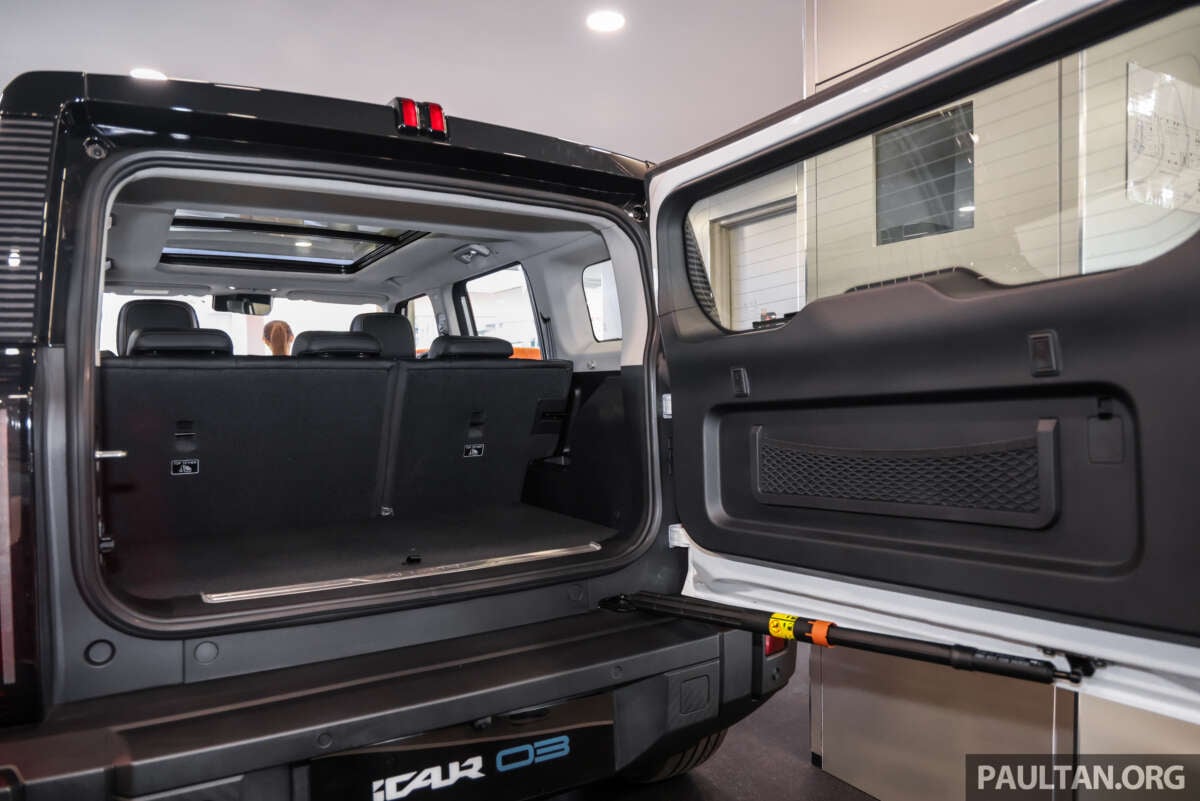
GALLERY: 2026 iCaur 03 CKD
AD: Drive the Omoda Jaecoo car of your dreams with the best deal. Submit your details and Carro's Omoda Jaecoo dealership will get in touch with you.





 Omoda Jaecoo J5 EV
from RM118,800
Omoda Jaecoo J5 EV
from RM118,800  Omoda Jaecoo J5
from RM108,000
Omoda Jaecoo J5
from RM108,000  Omoda Jaecoo J8
from RM178,800
Omoda Jaecoo J8
from RM178,800  Omoda Jaecoo C9
from RM168,800
Omoda Jaecoo C9
from RM168,800  Omoda Jaecoo J7
from RM138,800
Omoda Jaecoo J7
from RM138,800 
You should do more of these side-by-side tables
Side by side like compare kangkung and bayam. Why not compare sumthing better
Now that it’s a side by side comparison, I can see the iCaur’s range despite having a bigger battery, is kinda low.
low range because just look at it , blocky square body will not have good aerodynamics
Just like Aerodynamic drag is the main energy consumer at high speeds.
Drag force = ½ ×
C
d
C
d
×
A
A × ρ × v²
C
d
C
d
= drag coefficient (sedan ~0.24–0.28, boxy SUV ~0.35–0.45 or higher)
A
A = frontal area (boxy cars are taller and wider → larger A)
Product
C
d
×
A
C
d
×A is often 1.5–2× higher for boxy vehicles.
Higher drag → much higher energy consumption per km at highway speeds.
Example:
Tesla Model 3 (
C
d
C
d
0.23,
A
A 2.22 m²): highway consumption ~15–17 kWh/100 km
Boxy electric SUV (
C
d
C
d
0.38,
A
A 2.8 m²): highway consumption ~25–30 kWh/100 km
Larger battery does not guarantee longer range if consumption rises faster.
Range = battery capacity (kWh) ÷ consumption (kWh/100 km) × 100
Example:
Aerodynamic car: 60 kWh battery, 16 kWh/100 km → 375 km range
Boxy car: 70 kWh battery, 28 kWh/100 km → 250 km range
→ Bigger battery, shorter range.
Test cycles (e.g., CLTC) can be misleading.
CLTC includes a lot of low‑speed driving where aerodynamics matter little. A boxy car may show decent official range, but on the highway its range drops much more (e.g., 60–70% of EPA/real‑world) compared to a sleek car (80–90%). Users perceive a big gap.
Real‑world examples
Many boxy EVs (e.g., certain off‑road SUVs, the Mercedes EQG, Hummer EV) pack 100–200 kWh batteries, yet their highway range often falls short of a smaller‑battery sedan. This is not a technical defect – it’s physics.
Take the GMC Hummer EV – it has a massive 200+ kWh battery, yet on the highway it struggles to get 300 miles. Meanwhile a Tesla Model 3 with a 75 kWh battery can easily do 280+ miles. Why? The Hummer is shaped like a brick. At 70 mph, it pushes against way more air, so it burns through energy twice as fast. Or look at the Mercedes EQG – boxy, heavy, huge battery, but real-world highway range is worse than a much smaller battery in a Model Y. That’s just physics. Aerodynamics matter more than battery size once you go fast.
The jaecoo j5 is the china equivalent of the avanza. 3rd world model not sold in its homeland