
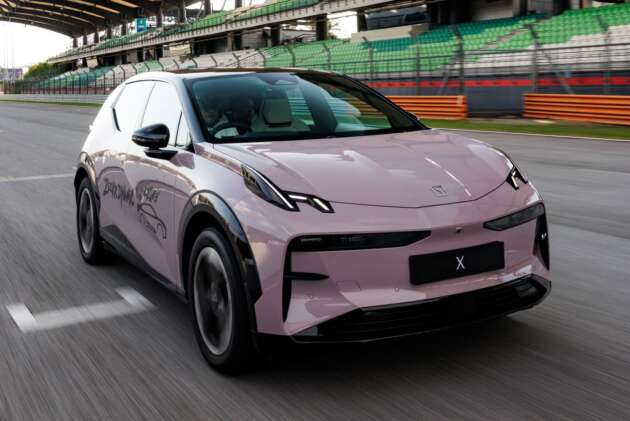
Shown earlier this week, the 2026 Zeekr X is now open for booking in Malaysia ahead of its appearance at the Kuala Lumpur International Mobility Show (KLIMS) starting tomorrow, June 11. While we may have been a bit late with the model year update (Thailand, Europe and Australia got it first), we appear to have benefitted from the delay with a higher specification compared to those other markets.
The X is still offered in single-motor Premium and dual-motor all-wheel-drive Flagship variants and comes with estimated pricing of between RM160,000 and RM180,000. This is only slightly higher than the current model that retails at RM155,800 for the Premium and RM172,800 for the Flagship, despite the extra kit and the implementation of import and excise duties for CBU EVs starting this year.
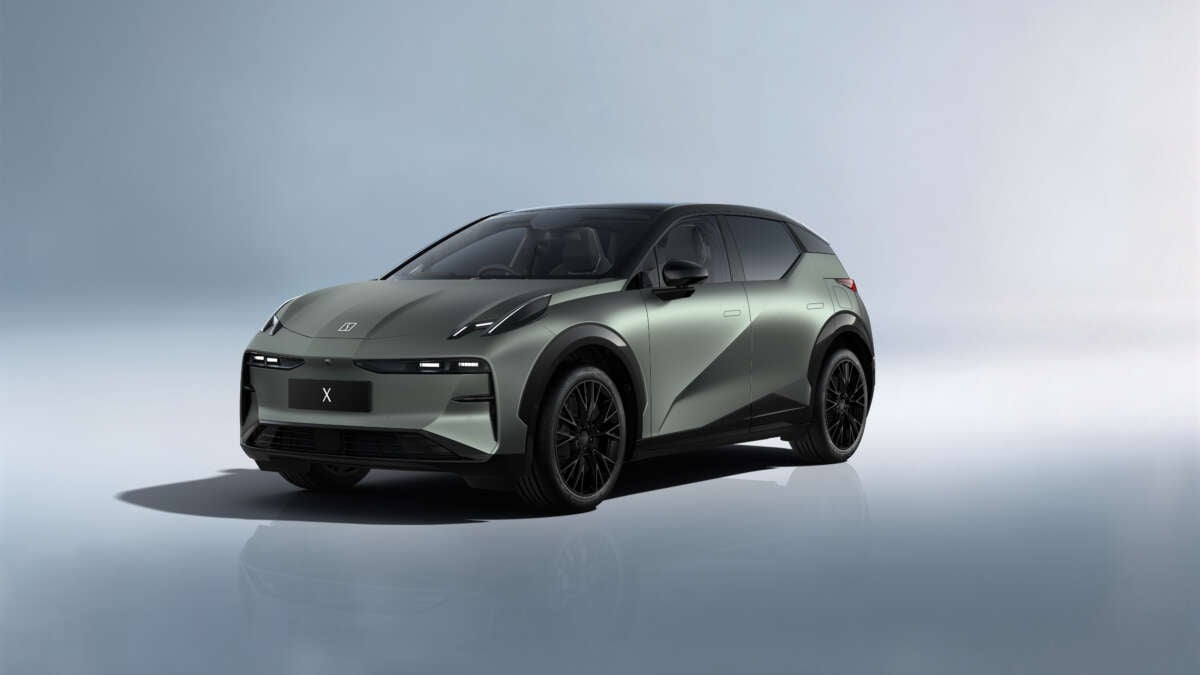
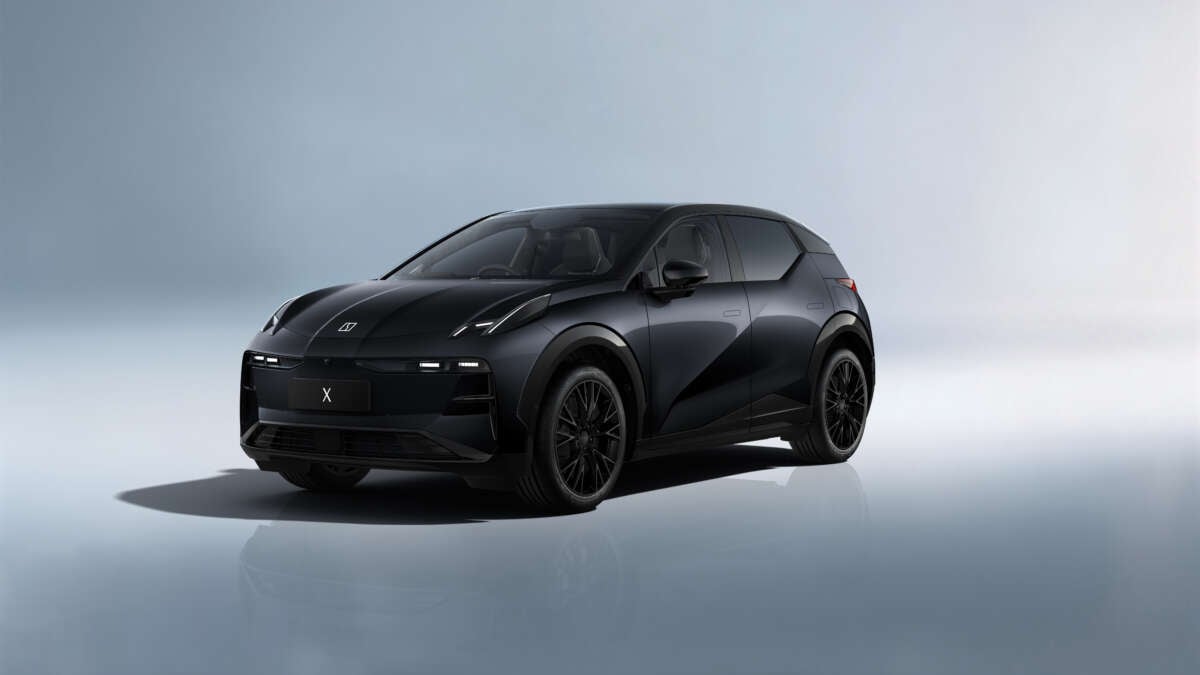
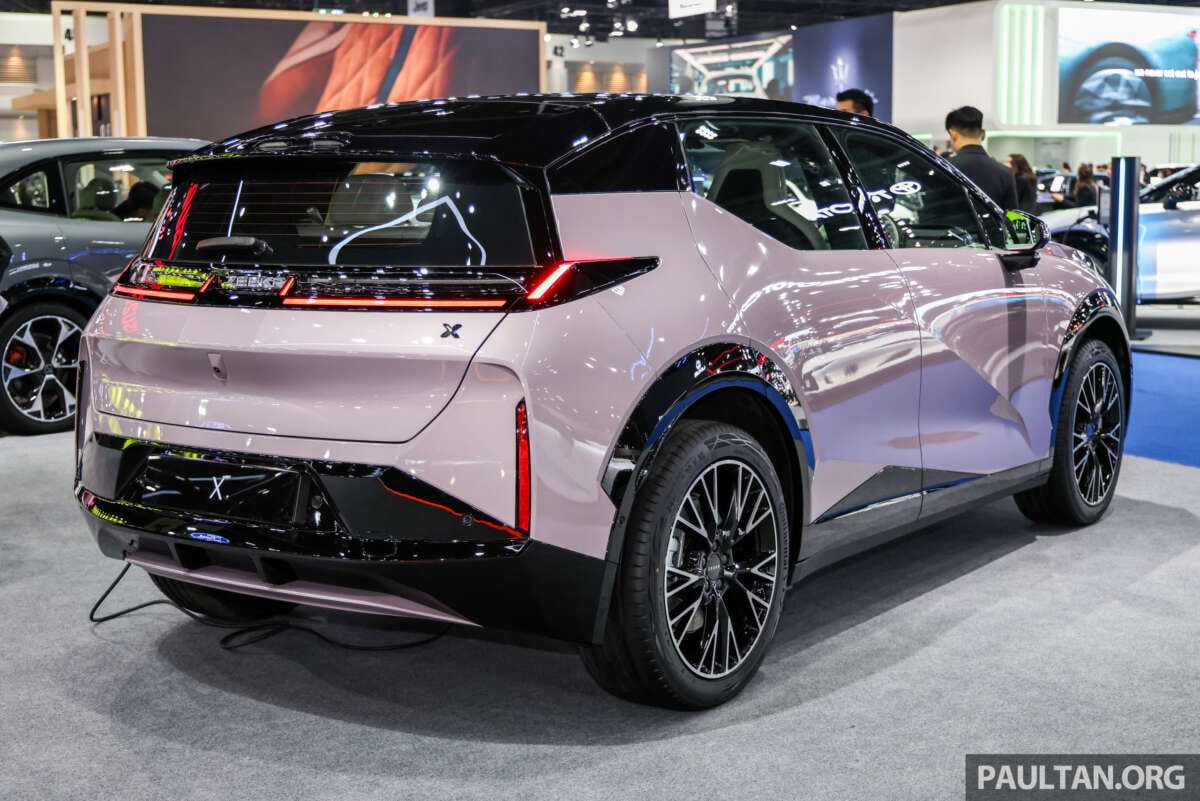
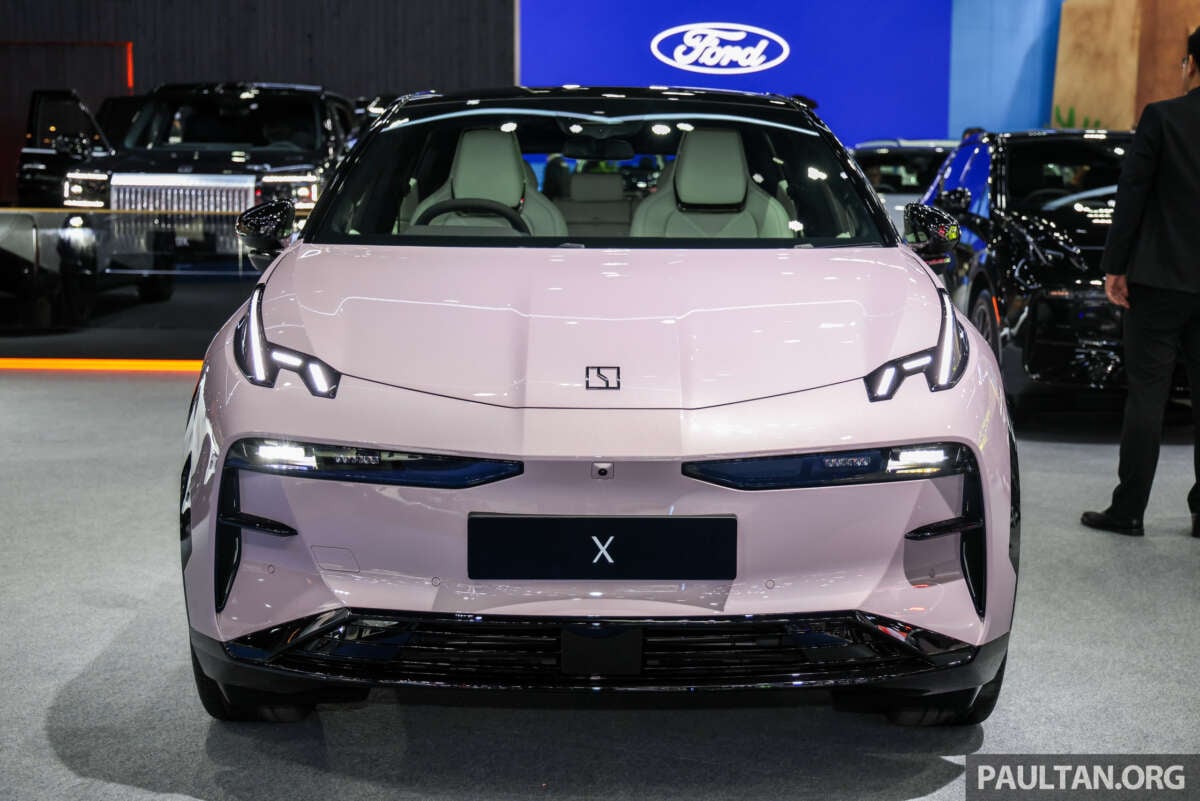
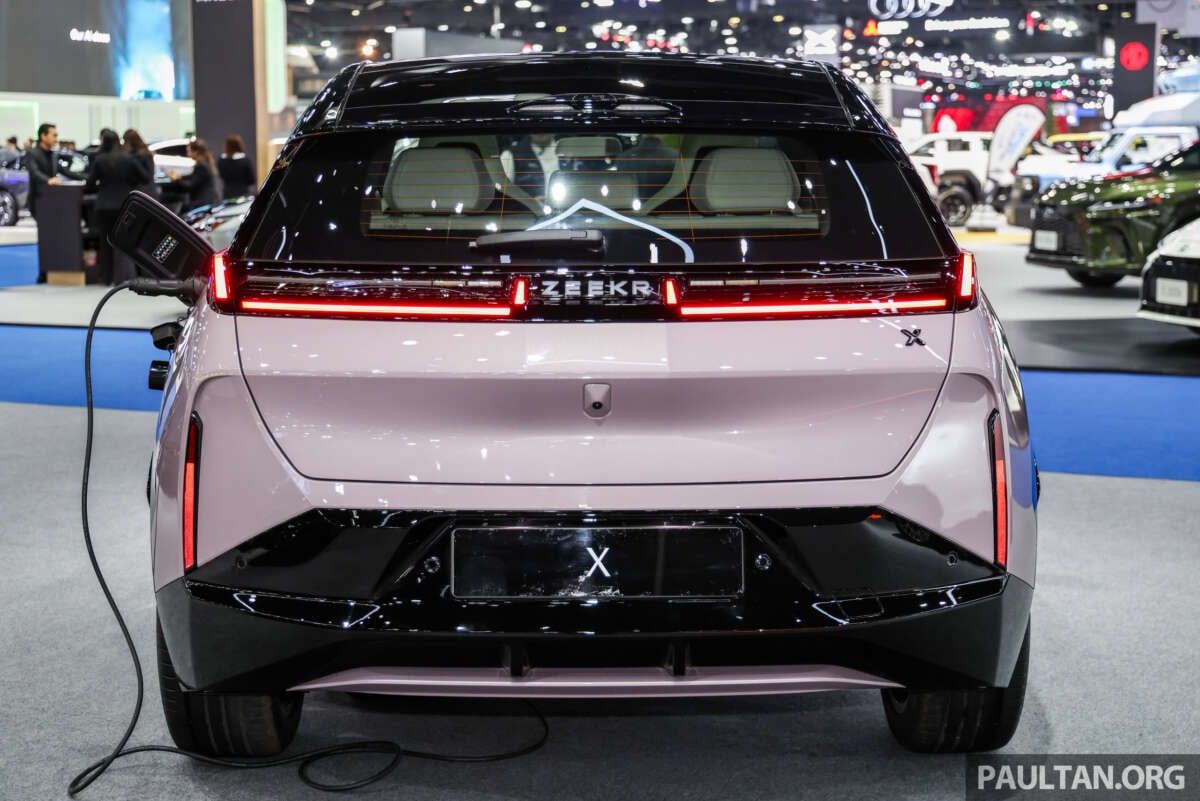
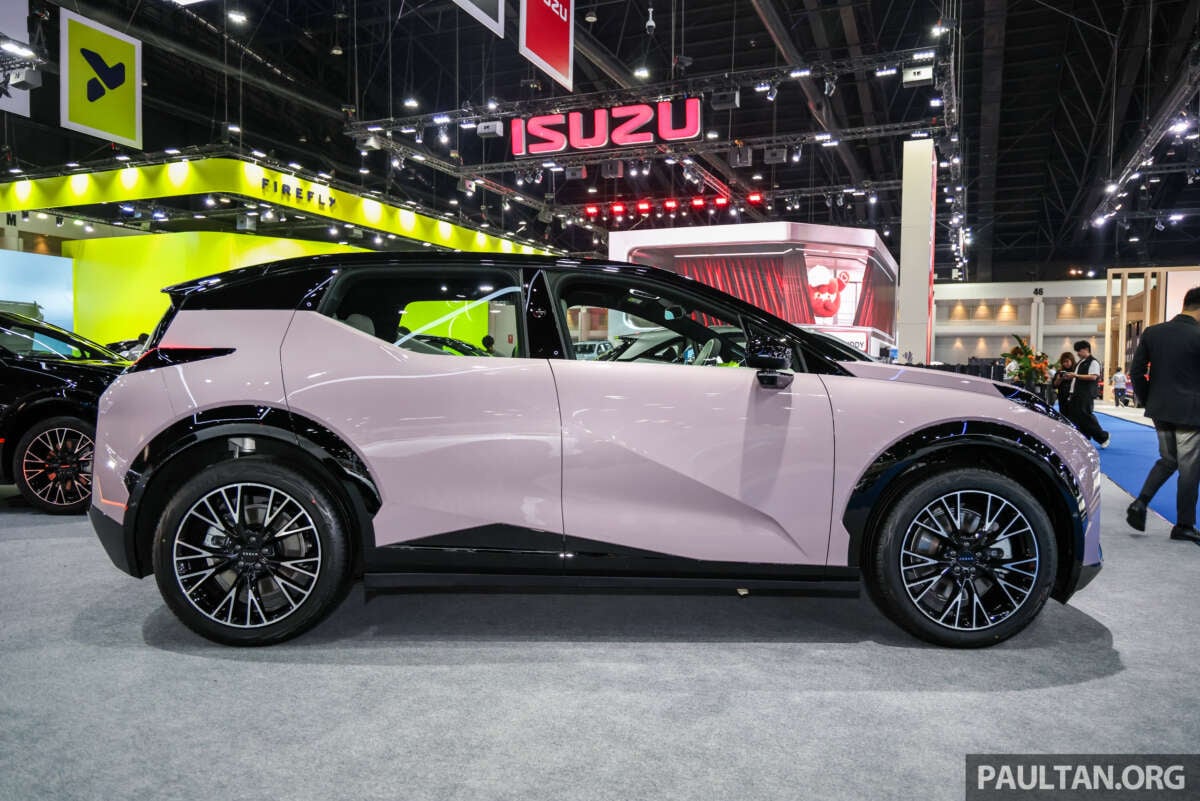
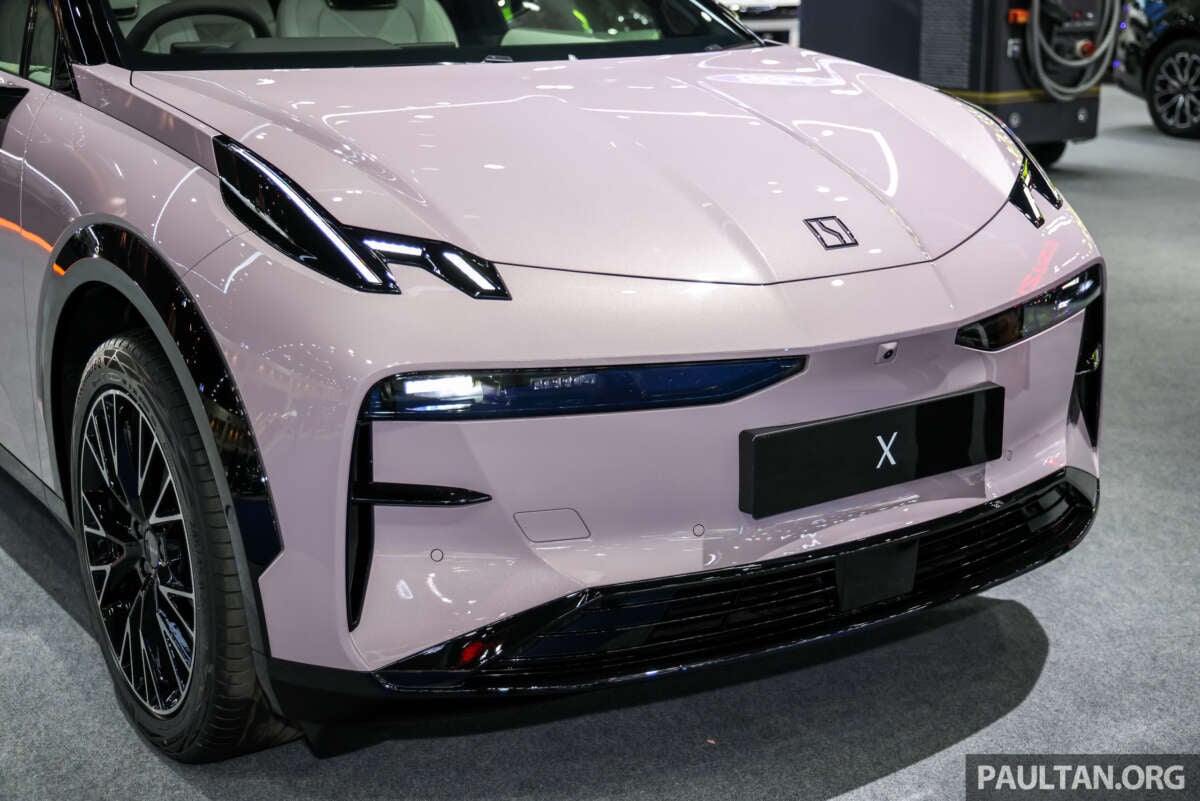
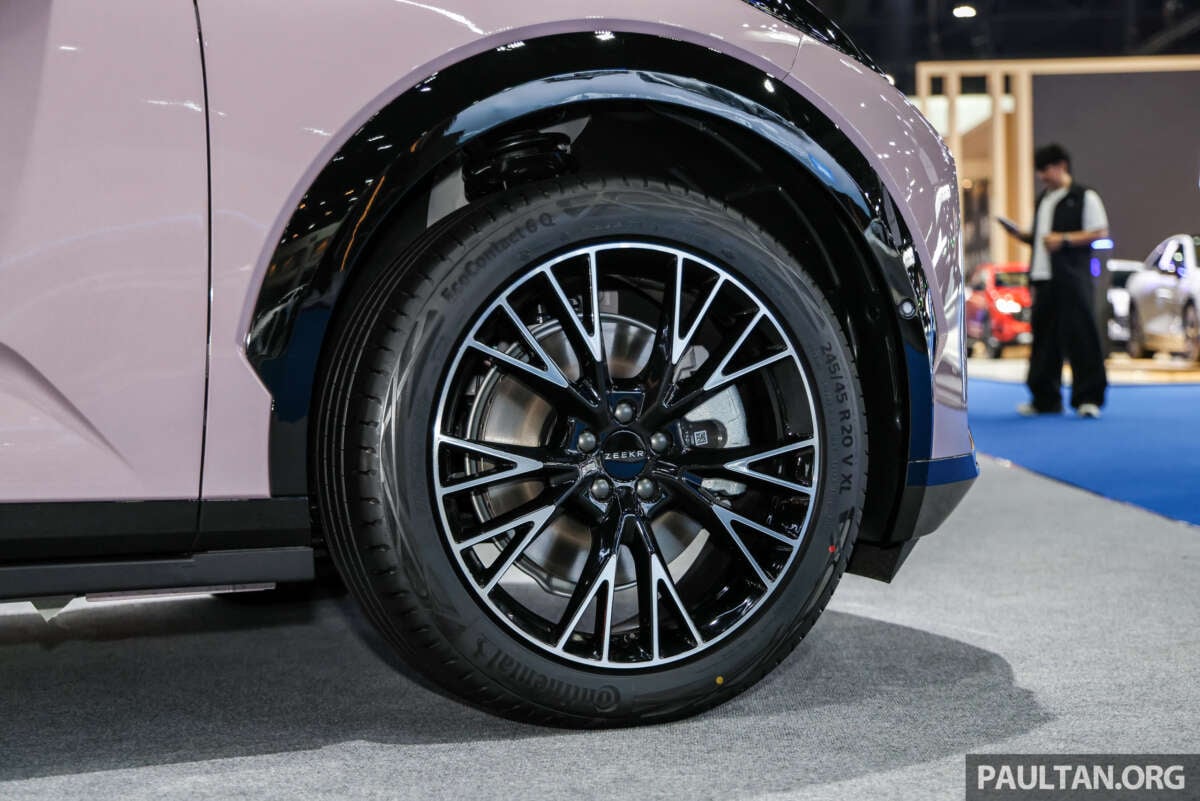
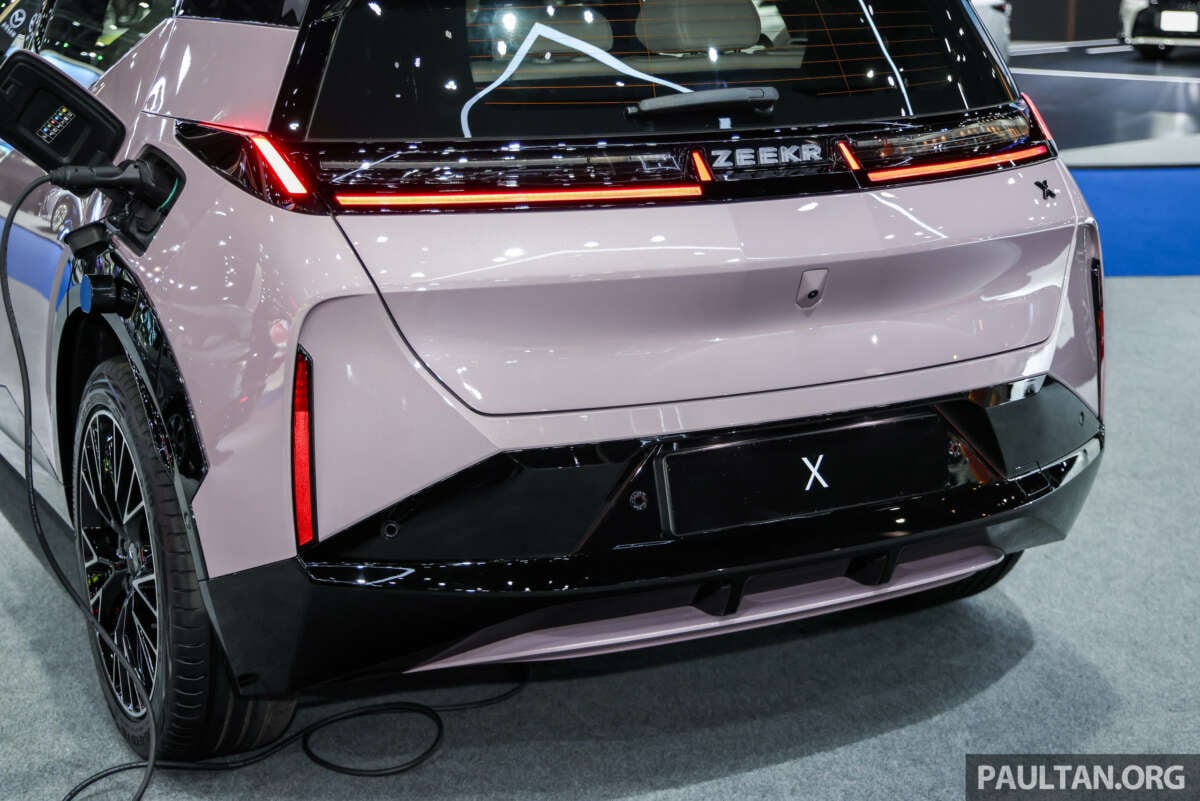
Let’s run through the upgrades, shall we? Not much has been changed on the outside, save for new 19-inch “paddle” aero wheels for the Premium and a black finish for the 20-inch multi-spoke forged rollers on the Flagship. There are also new colours this year – the Premium can be dressed in Porcelain Pink, while the Flagship is now available in Onyx Black and Matte Khaki Green.

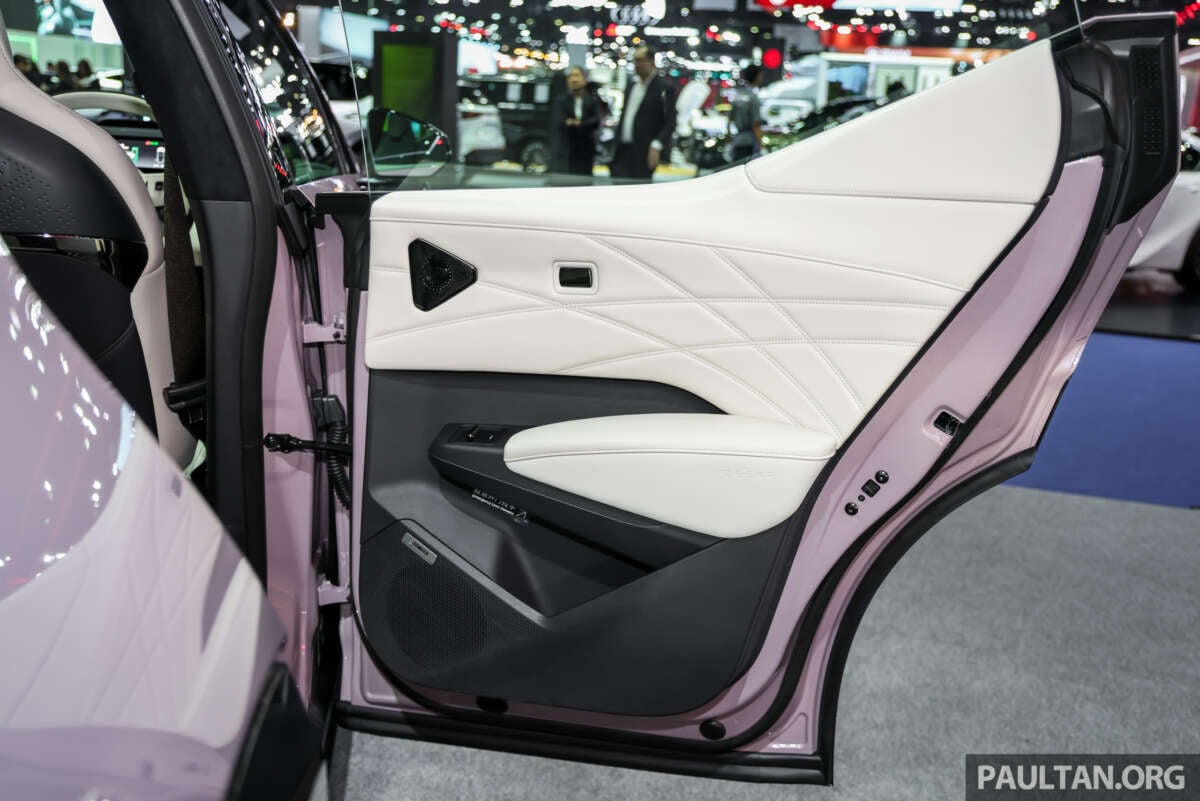
Getting inside, one will notice the first bit of “good news” for Malaysia – the new powered doors, fitted only on the AWD model in virtually all other markets, have been fitted as standard here. This is paired with a circular interactive screen on the B-pillar that also acts as a charging indicator.
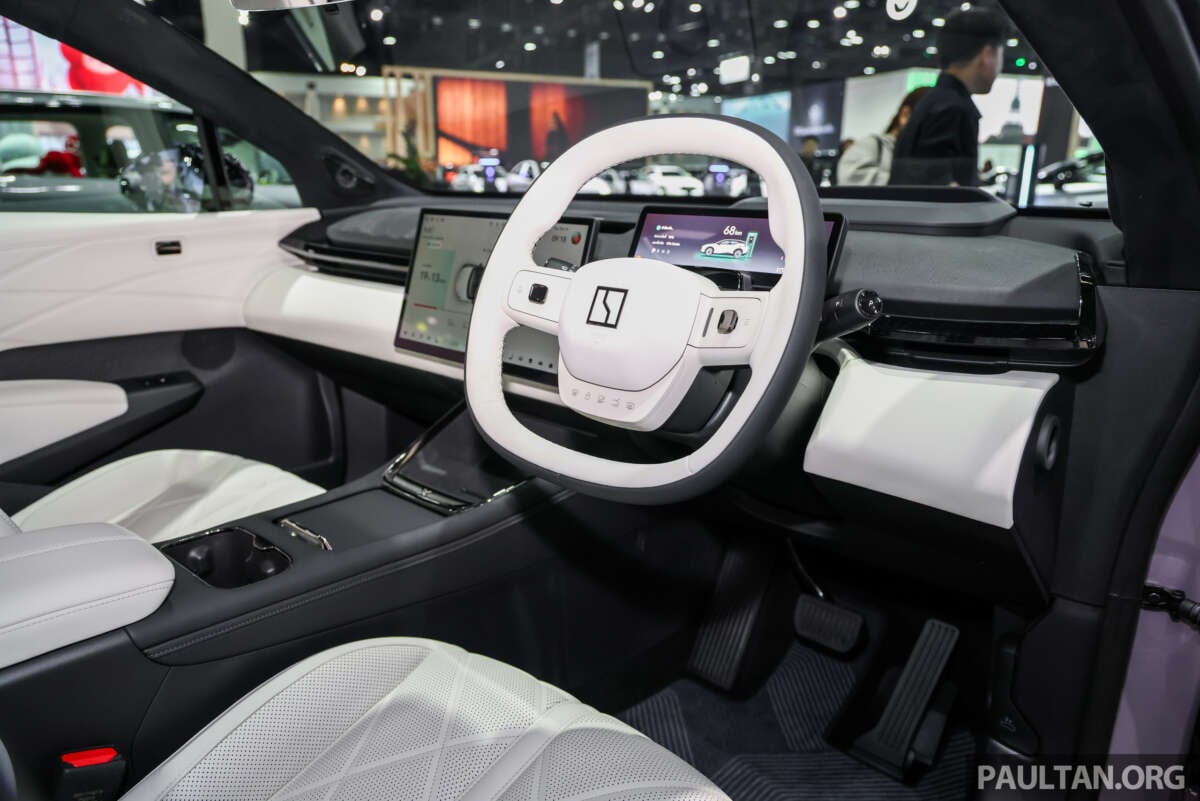
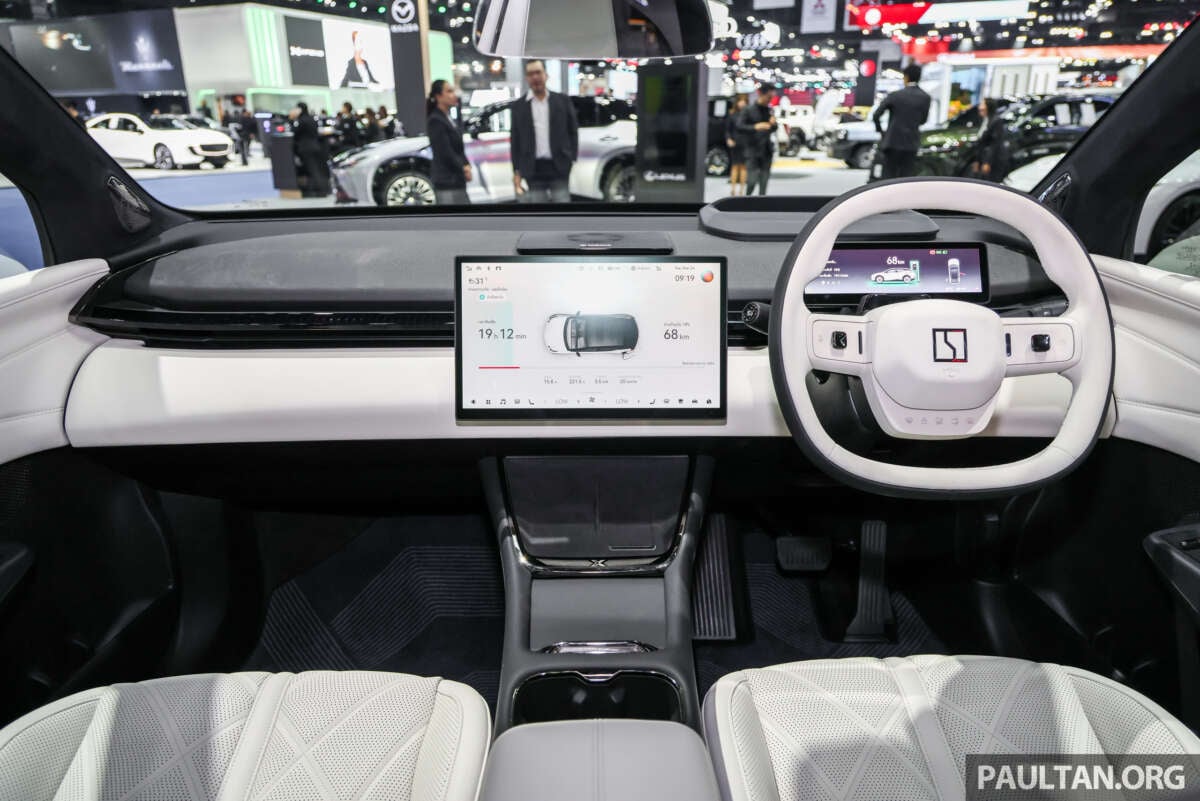
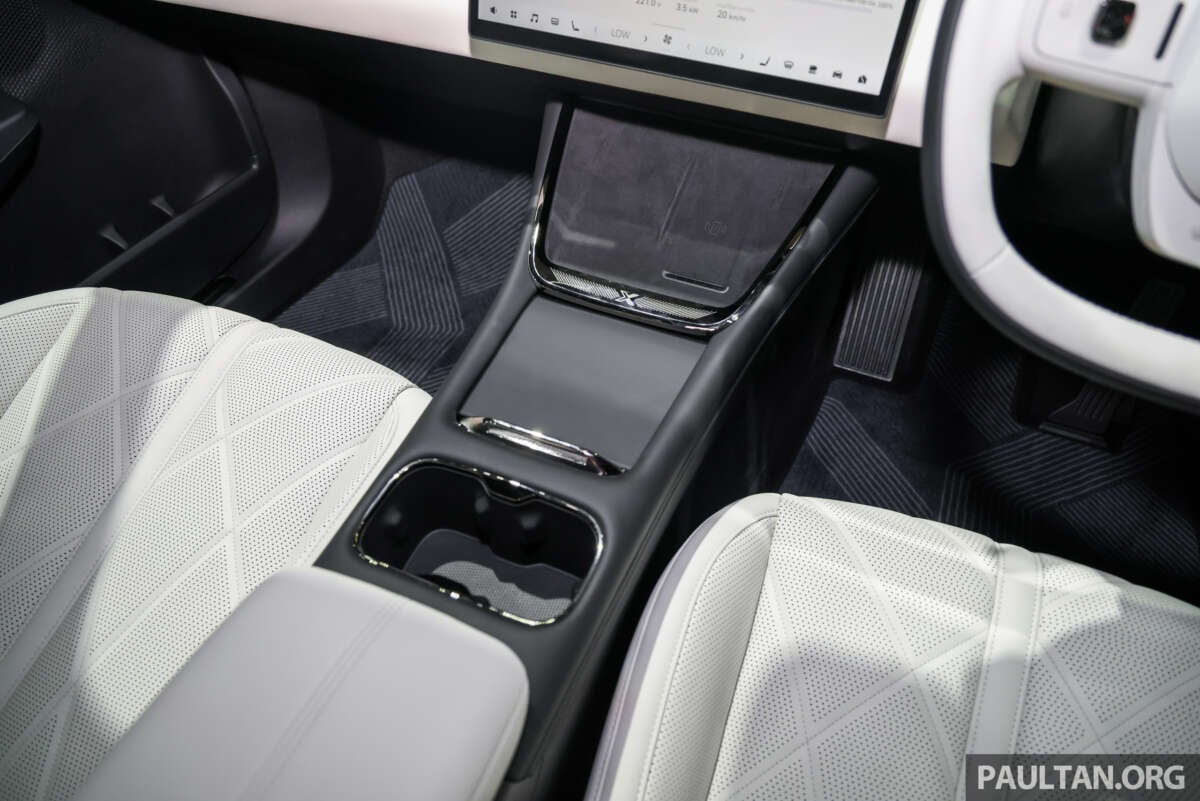
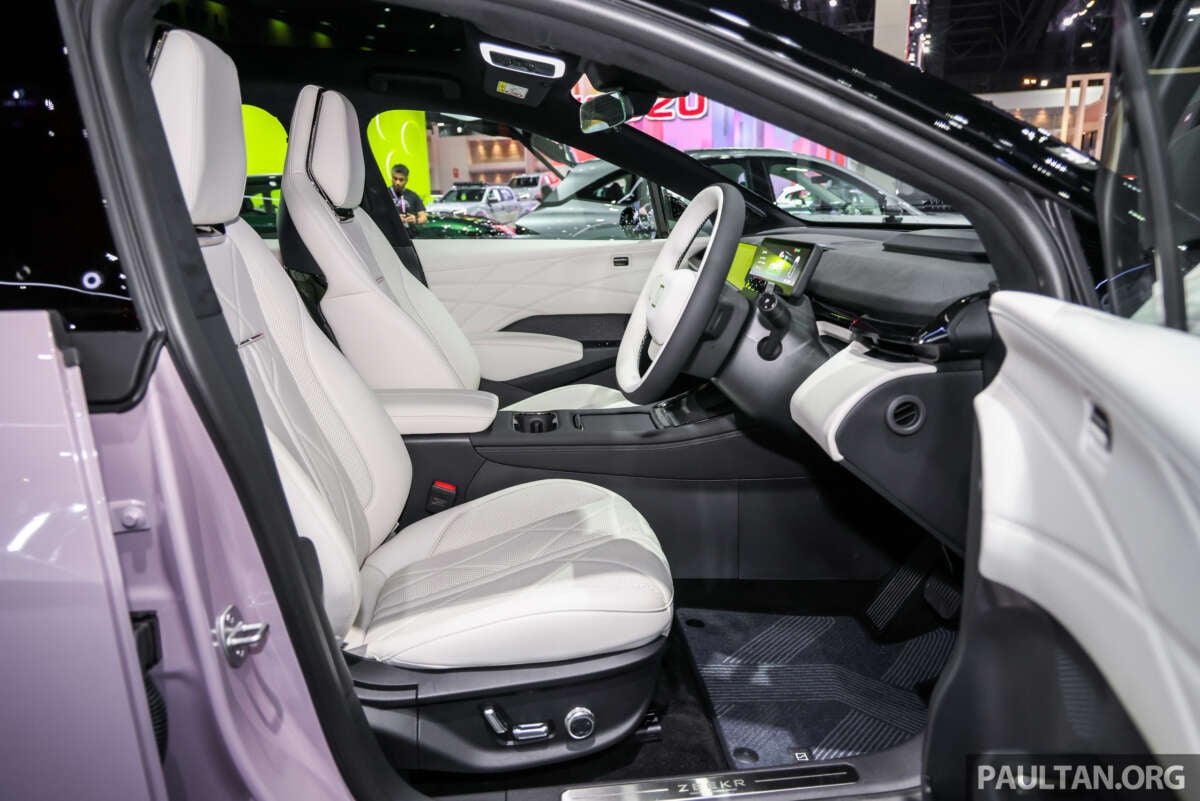
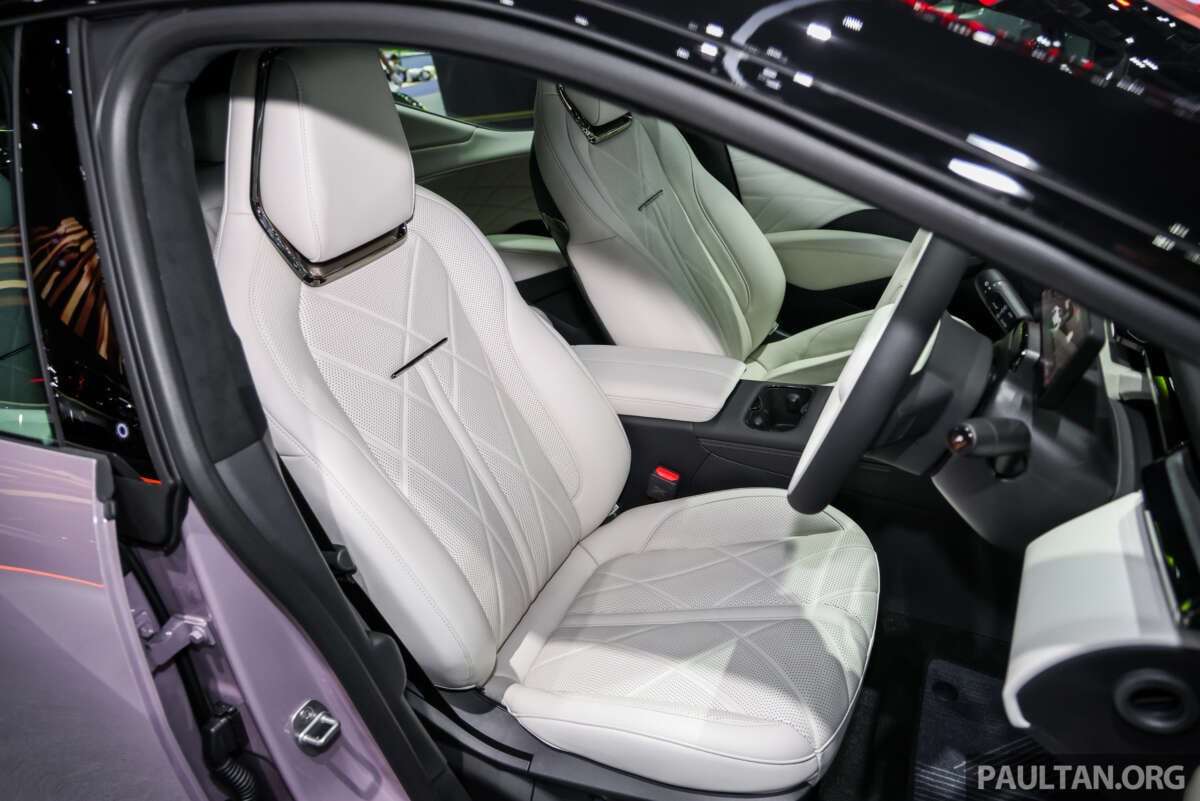
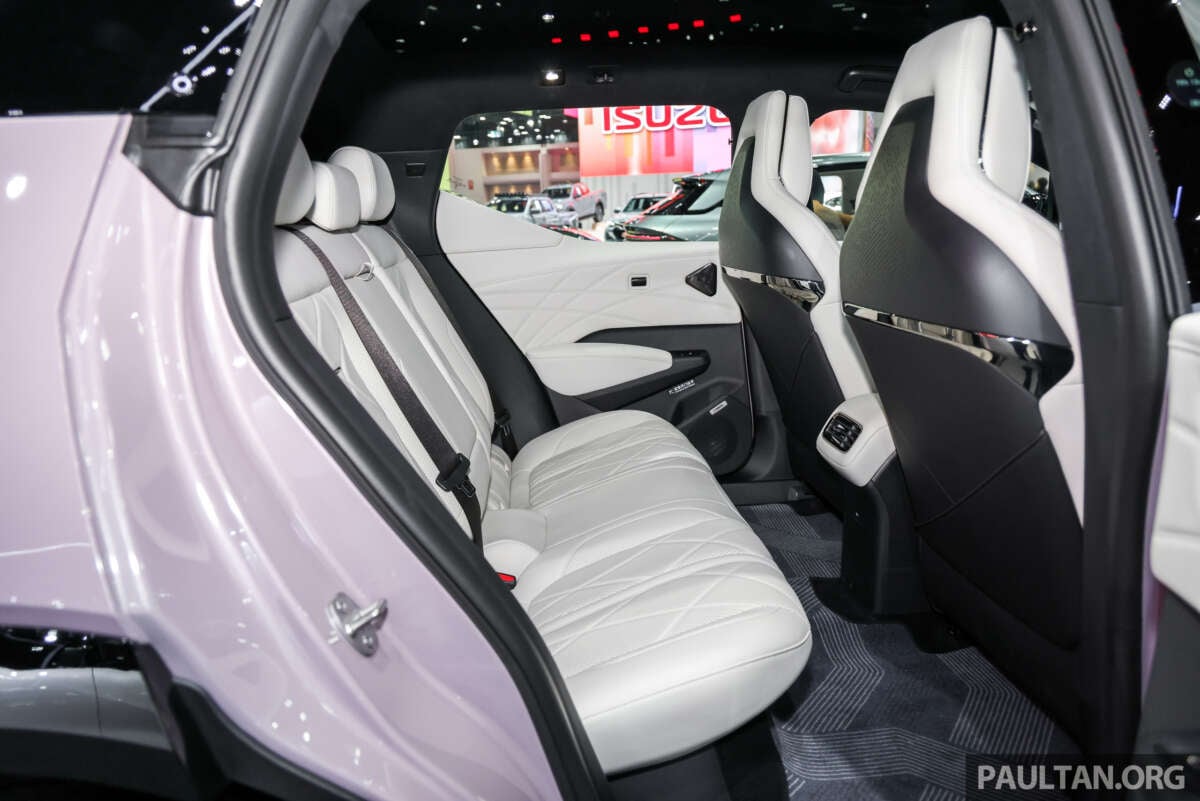
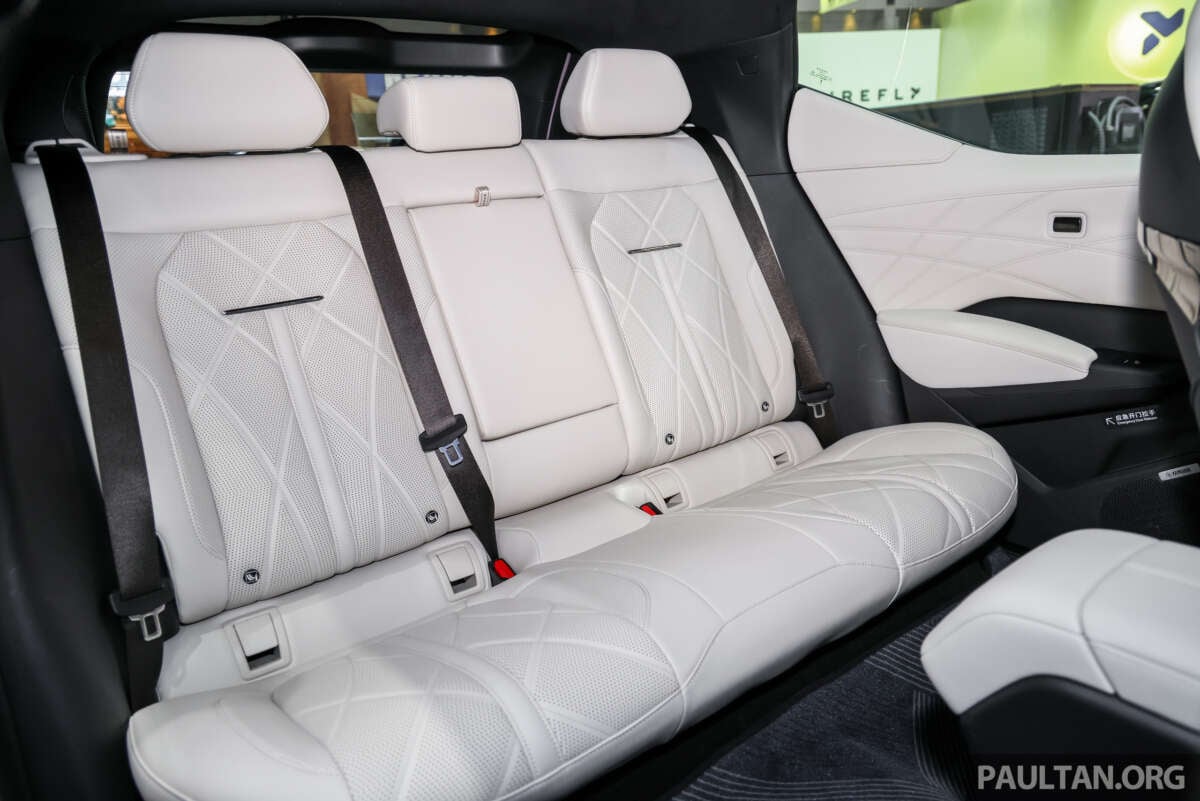
Once you finally get inside, you’ll be able to spot the myriad tweaks. There are new colour schemes – black and white for the Premium, full black with red stitching and seat belts for the Flagship – but the biggest change is to the centre console, which takes over from the open storage in the current car.
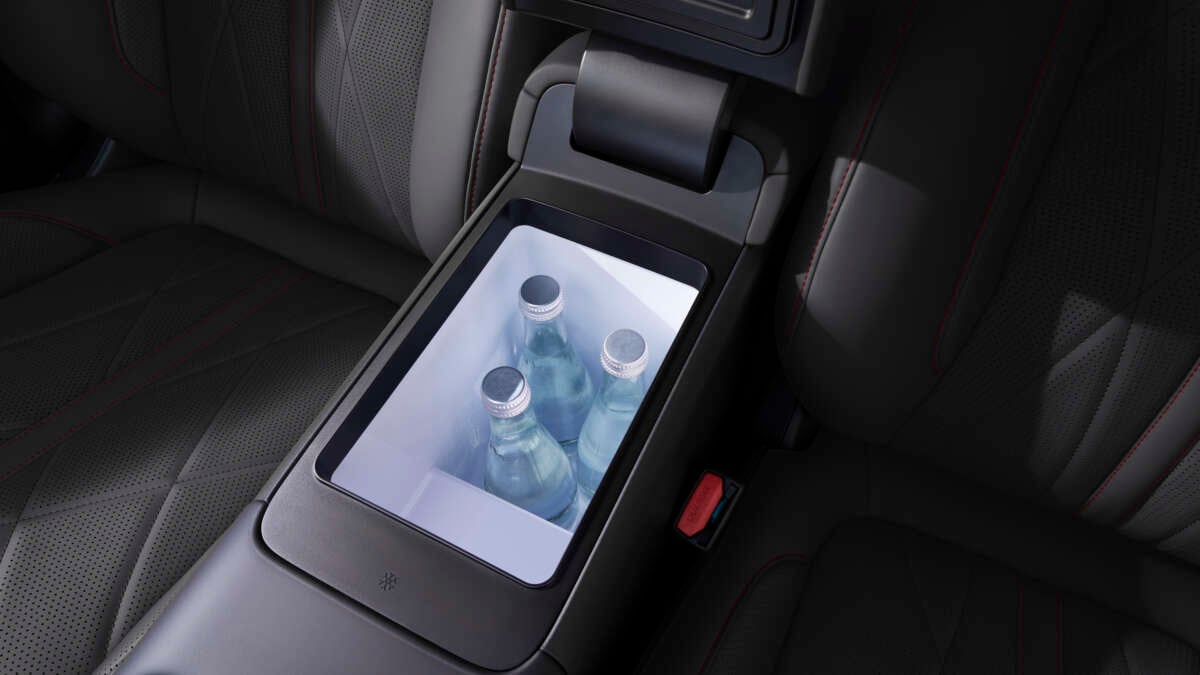
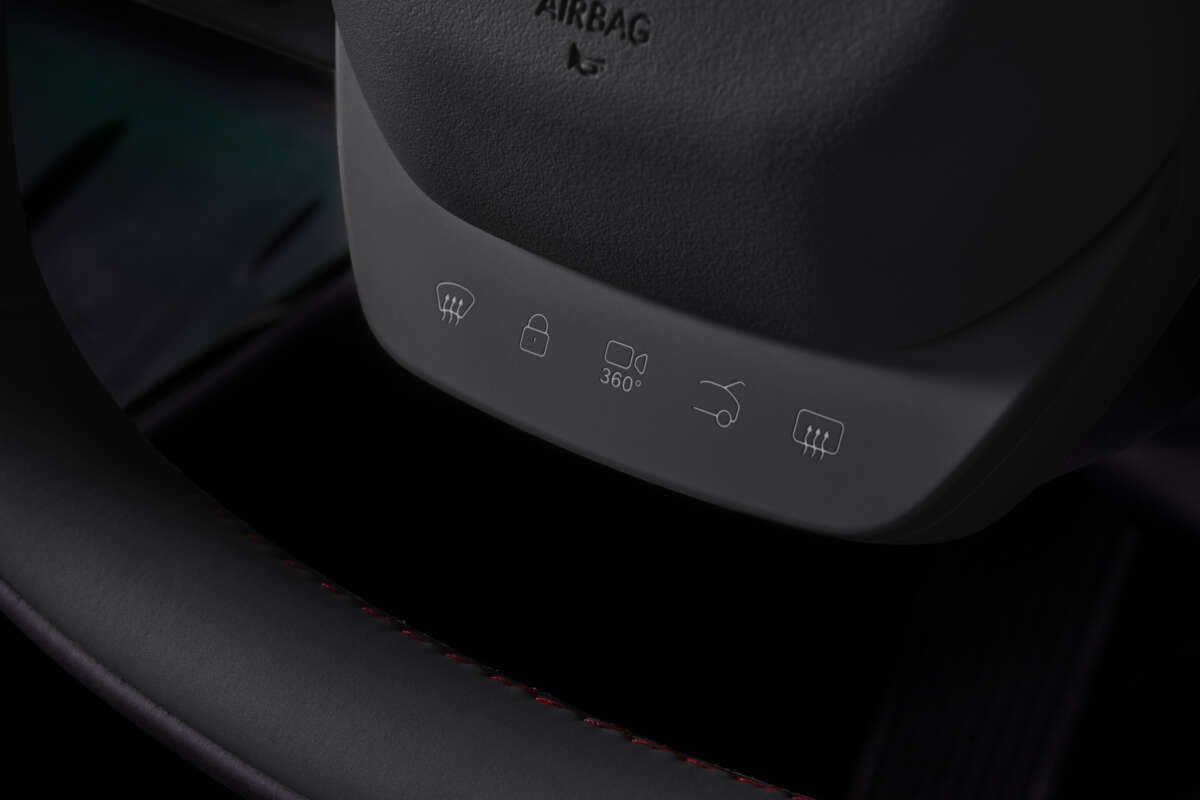
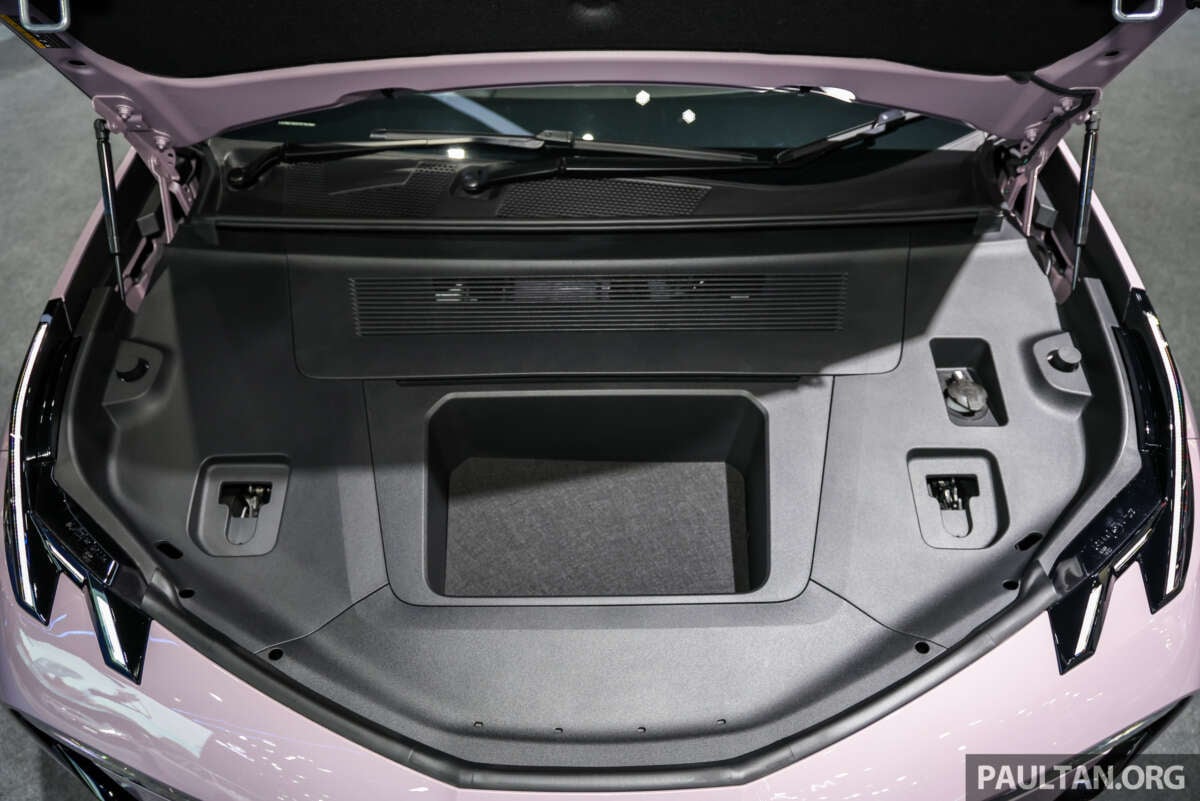
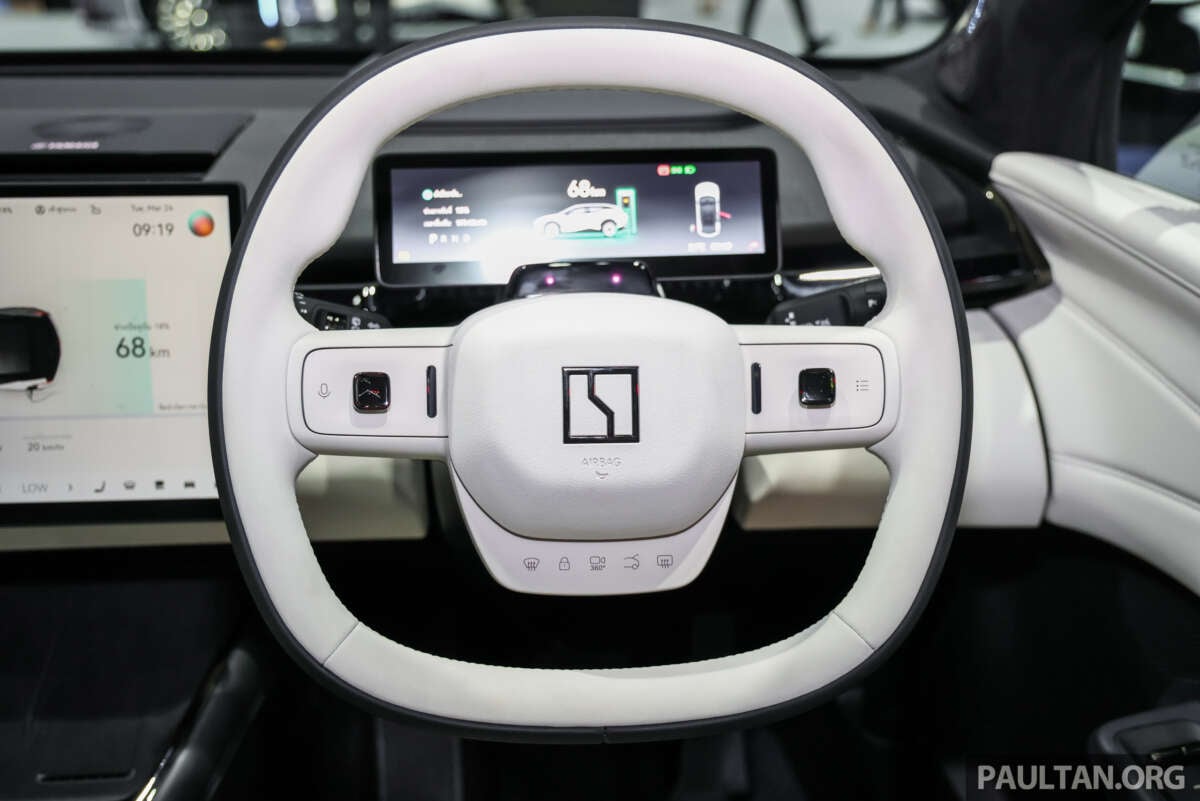
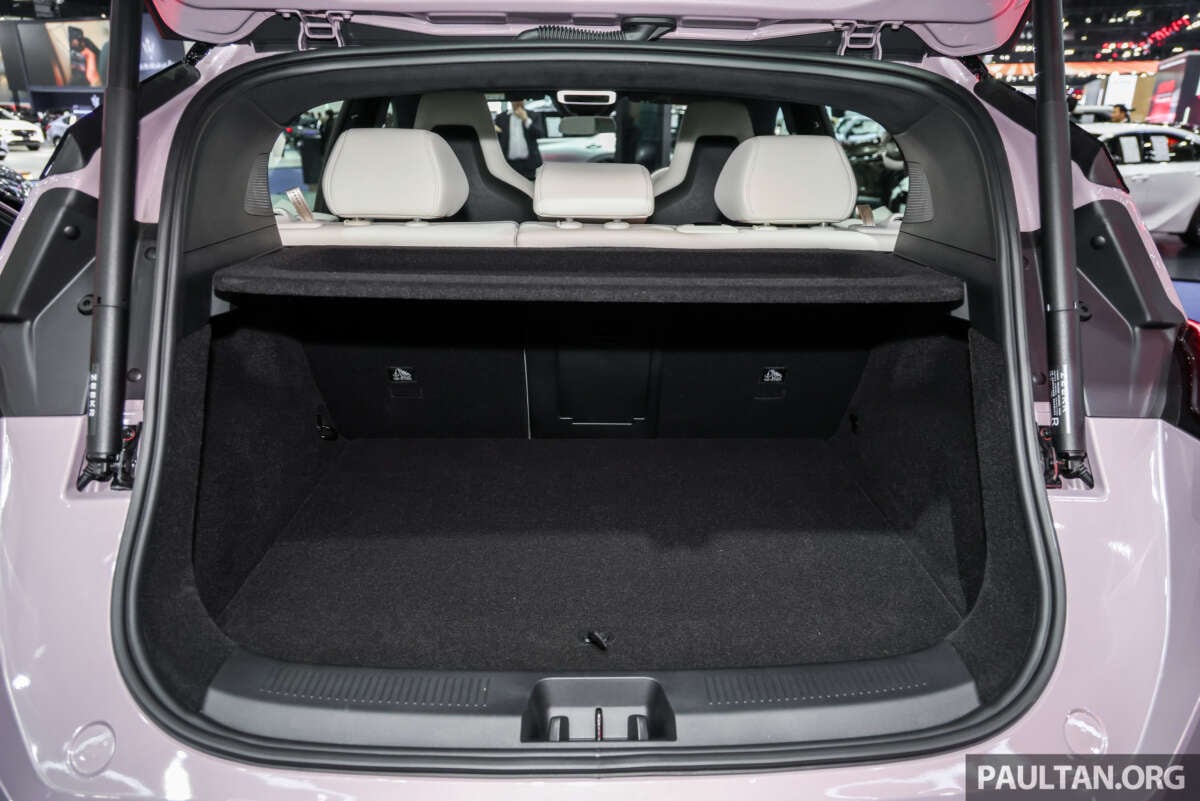
Taking after so many Chinese cars these days, the X now sports dual phone holders with a cooled Qi wireless charger, covered storage and twin cupholders. The armrest covers a new heated and cooled refrigerator, which again is standard in Malaysia instead of being exclusive to the AWD model like in other markets. Touch-sensitive buttons for various vehicle functions have also sprouted below the steering wheel airbag boss, while the boot has been expanded from 362 litres to 404 litres.

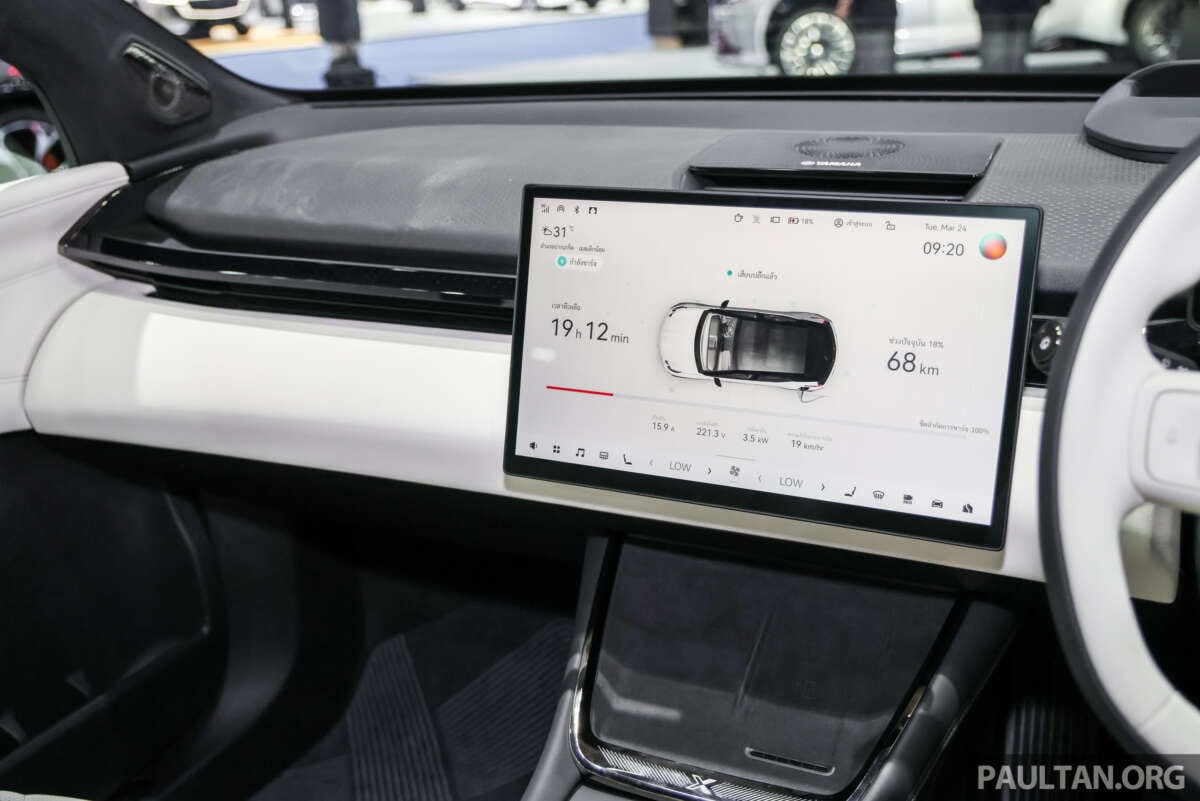
No changes to the 8.8-inch instrument display or the 14.6-inch infotainment touchscreen – we don’t get the nifty sliding touchscreen offered in Europe – but the Premium now receives the 24.3-inch augmented reality head-up display as standard. It does unfortunately lose its ventilated front seats, which has been reserved for the Flagship alongside a new front-seat massage function.
The mechanicals are another area where the X has been thoroughly revamped. Both variants receive uprated motors – the rear-wheel-drive Standard version now produces 340 PS (250 kW) and 373 Nm of torque, up from 272 PS (200 kW). Despite this, it still gets from zero to 100 km/h in 5.8 seconds.
On the other hand, the Flagship gets boosted by 68 PS (50 kW) and 30 Nm to 496 PS (365 kW) and 573 Nm, shaving a tenth of a second off the century sprint, which it completes in just 3.7 seconds. More importantly, the base model gains a new battery that hopefully improves safety.


The Standard is now juiced by a 61 kWh Energee LFP battery; strangely, Zeekr Malaysia claims only a small reduction in WLTP range to 415 km (previously 440 km), which is not in line with the 405 km quoted for other markets. Meanwhile, the Flagship’s actually went up significantly to 445 km (previously 420 km, other markets’ MY2026 415 km) despite an unchanged 66 kWh CATL NMC pack.
The change in battery for the Standard means that it now supports up to 230 kW of DC fast charging, so topping it up from 10 to 80% takes 18 minutes. It also gets a bump in AC charging power to 11 kW (up from a meagre 7.2 kW) and takes 7.5 hours for a full charge. Oddly, the Flagship continues to be handicapped at 150 kW and takes a yawning 30 minutes to charge from 10 to 80%. It does, however, now support 22 kW of AC charging instead of the usual 11 kW, for a full charge in 4.5 hours.
Safety kit is unchanged from before and includes seven airbags and a full list of driver assists. This includes autonomous emergency braking, adaptive cruise control with stop and go, lane centring assist, auto lane change, evasive steering assist, blind spot monitoring, front and rear cross traffic alert, rear collision warning, parking AEB, a driver attention monitor and a door opening warning.
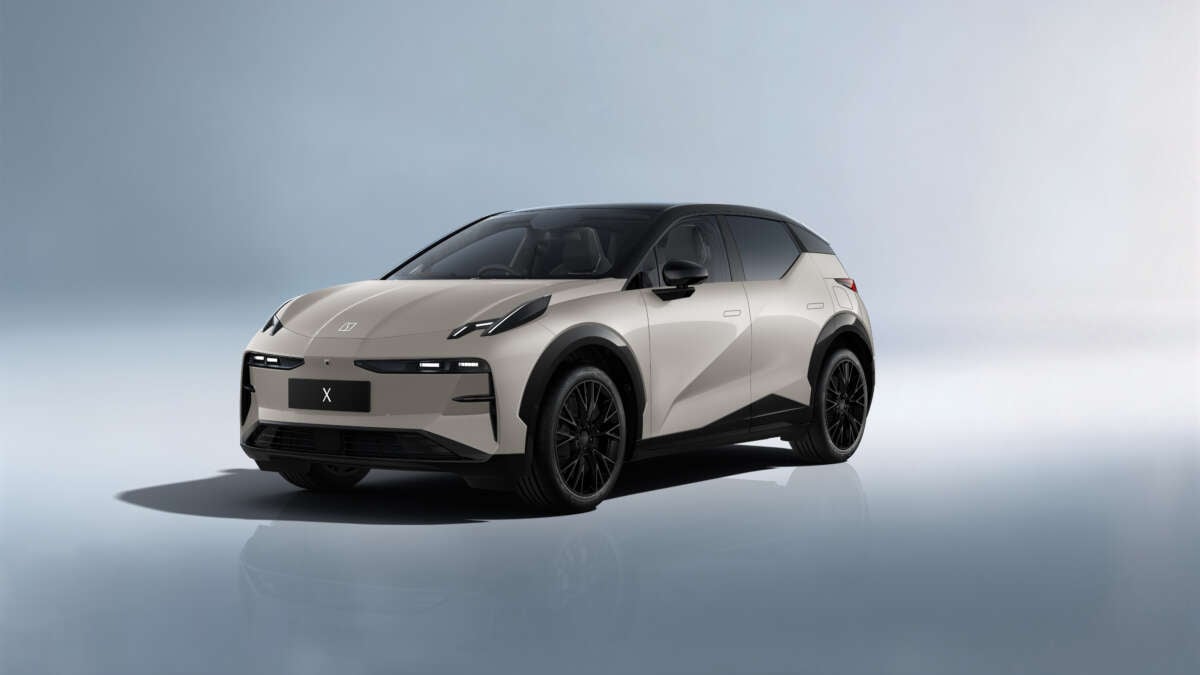
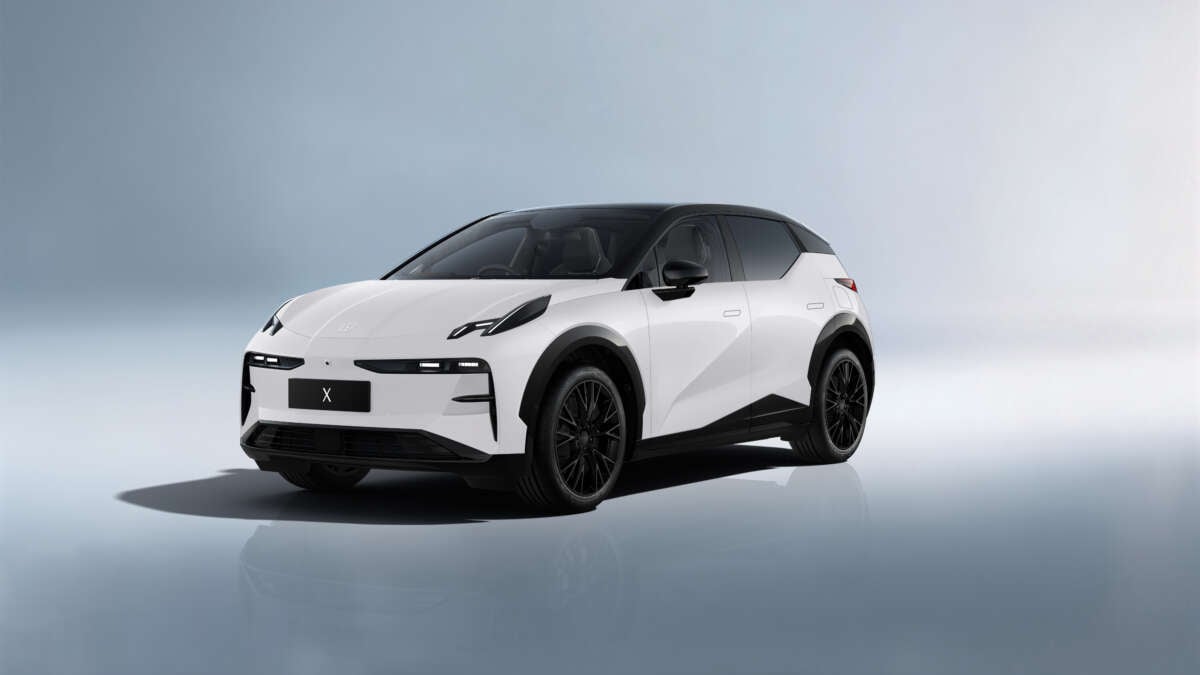
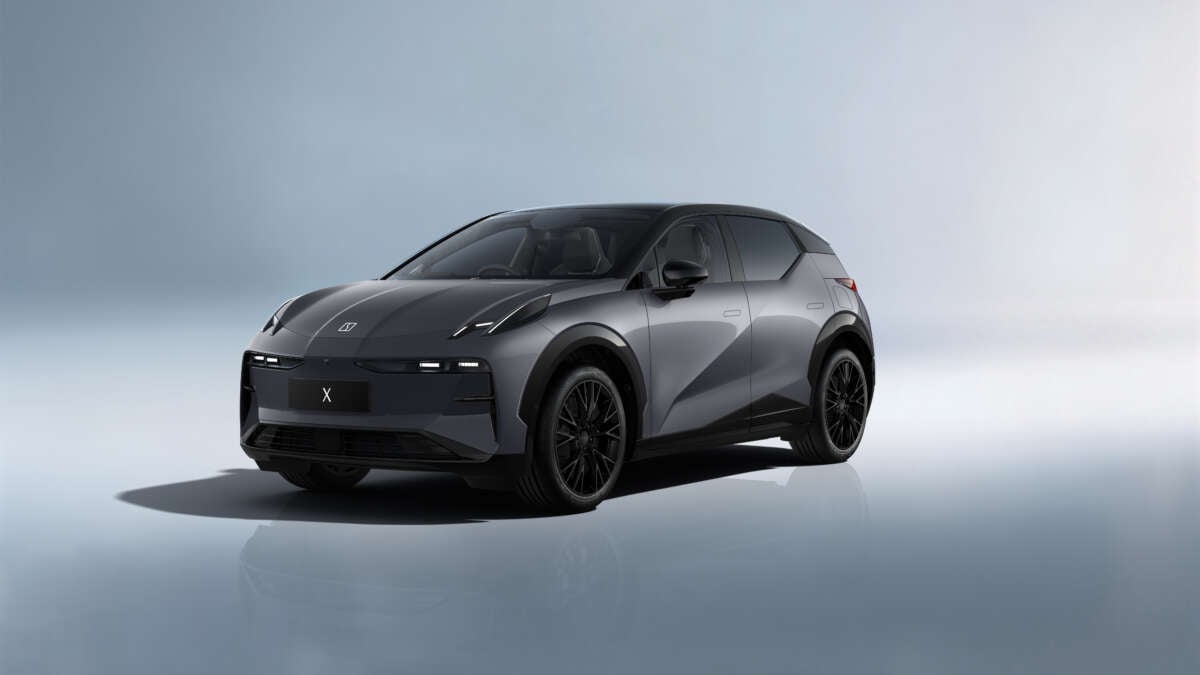
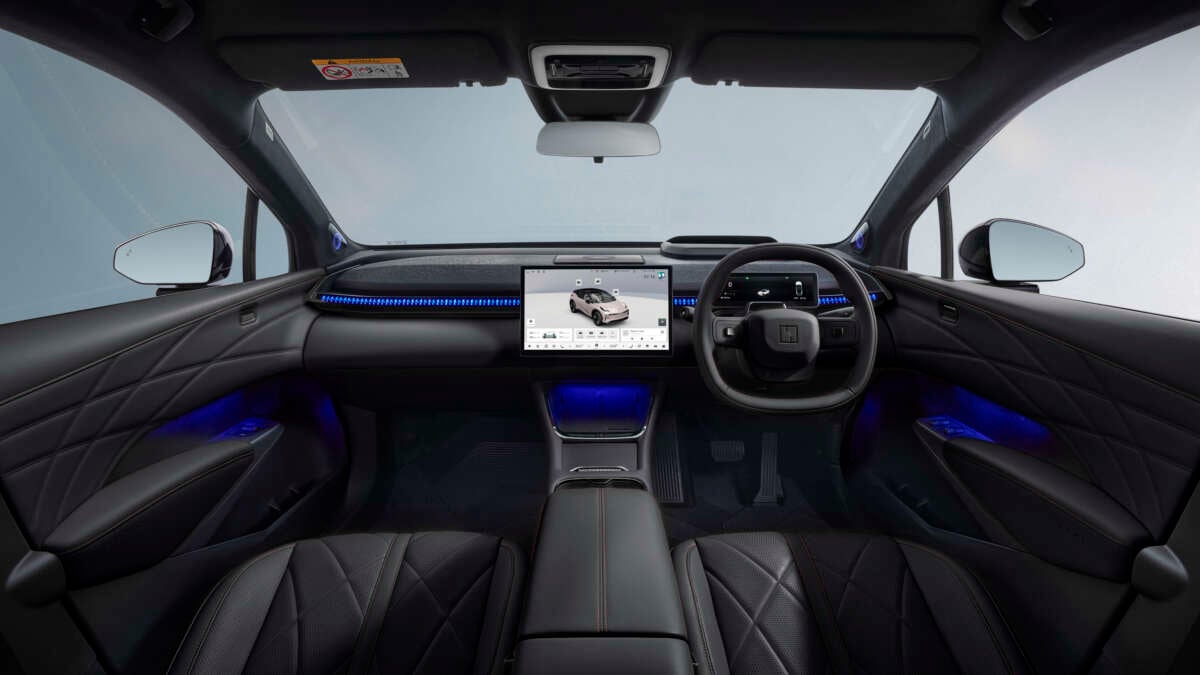
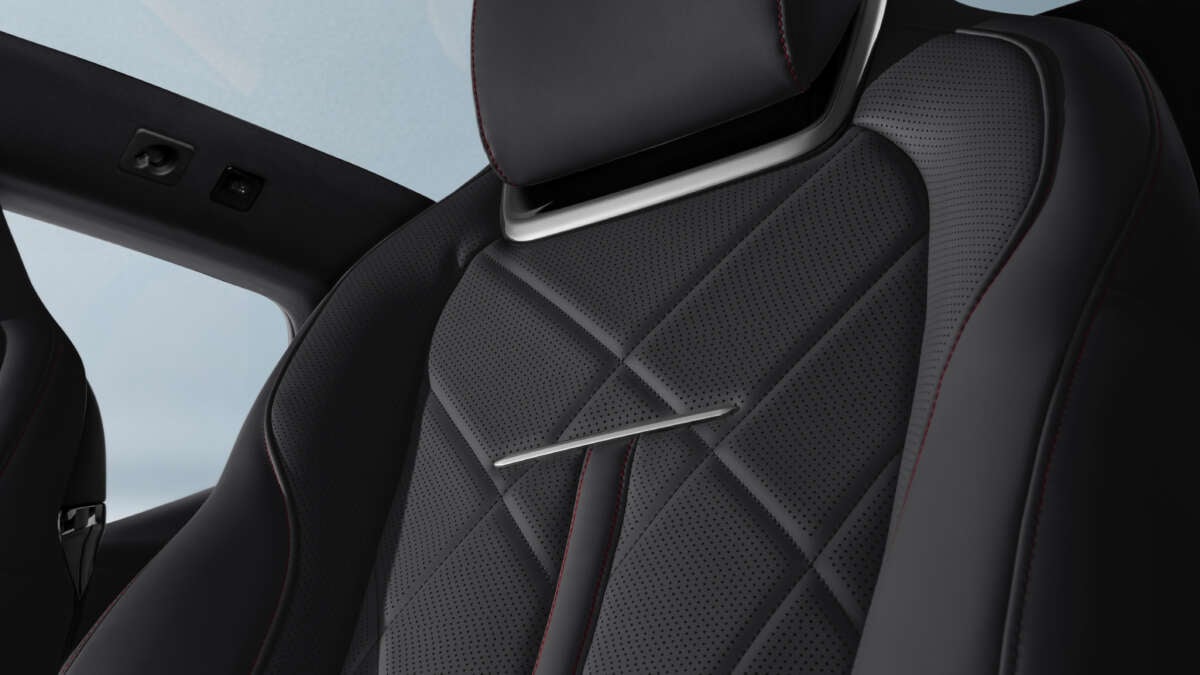
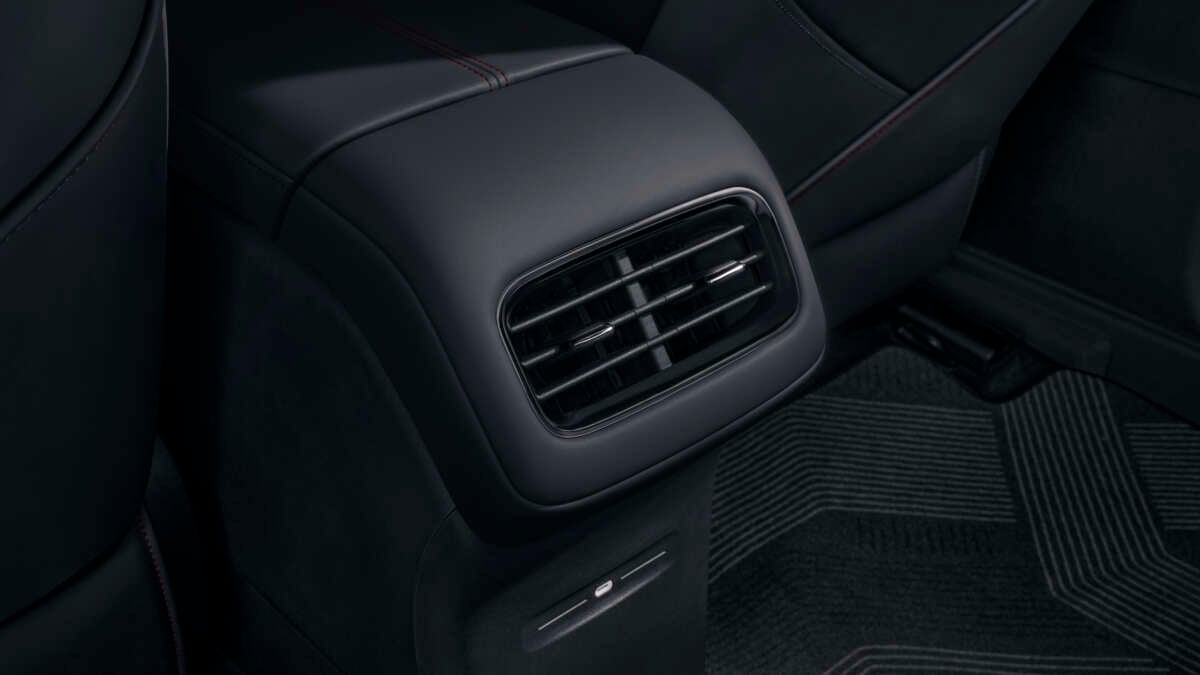
GALLERY: 2026 Zeekr X in Bangkok

AD: Drive the ZEEKR EV of your dreams. Submit your details and Zeekr Carro (Bangsar, Mutiara Damansara, Penang, Seremban outlets) will get in touch with you.


 Zeekr X
from RM158,800
Zeekr X
from RM158,800  Zeekr 7X
from RM179,800
Zeekr 7X
from RM179,800  Zeekr 009
from RM299,800
Zeekr 009
from RM299,800 


harga mabuk
this EV is affordable priced for M40 , and powerful enough to smoke the arrogant T20 who drive toyota supra or Merc AMG45.
source : i myself am a M40 eagerly looking forward to buy this car.
M40 rich enough to buy Toyota Myvi Sedan Vios
Ya smoke that smoke this. Not on highway. Latest German test drive confirm even the flagship Z9 Denza at 1000hp struggle to maintain composure at merely 200kmh unlike BMW Merc Porsche thats piece of cake. And When the time comes to sell it after few years your head will get smoked by 2nd hand dealers..
so let me get this straight – according to your logic below 200km which is majority of on-road driving scenario the EV will smoke ICE.
also you are confusing “composure” with “Acceleration” which are two diferent things.
finally the EV brand new price was half the price of ICE car to start with so low resale value seems fair.
In all other market the facelift is significantly cheaper and somehow here we get the wrong pricing..Yeah can always use tax as the reason/excuse…009 and 7x was price competitively and this is not that..
because self closing doors is something no other car in malaysia has .
3.7s AWD acceleration is closed to Lamborghini traditional V10 and V12 models.
I drove EV their power only good at city speed. Really very eager under sport mode. On highway, the same pedal give you lower feedback. You can boost for a sec or two then the speed remain constant and you will be overtaken by normal 330i or 530i in time when they get to much higher speed. EV drivetrain characteristic seems not for race on highway. They priorities battery more. And they all float heavily and range drop drastically when speed increase.
the reason is EV only have 1 or 2 speeds gearbox. but bmw/merc have 8-9 ratios thats why they have advantage on high speed.
Don’t need reckless at Malaysian public road.
Most racer doesn’t go long distance at Sepang circuit non stop, tyres and brakes will KO whether it’s traditional fossil fuel ice, phev or EV.
what sepang you talking about , long distance means thailand to kl to singapore.
Is it Singaporean think Malaysian road is lawless no speed limit?
Just like other mainland cars, the price will be reduced to 120K after a year.
Harga mabuk indeed.
I’m a noob, is the fridge running all the time? Power get from battery is it?
i guess temperature should be adjustable because it can either cool or heat.
In EV, everything gets its power from the battery
The problem for good sales of this car will be the price point. It’s priced too closely to the 7x.. You get a lot more car for a slight increase in price.
Just saw the new Rm110,000+ Zeekr X in Thailand, I think I’ve seen more of them in Thailand in 2 days than in Msia for 2 years lmao.