
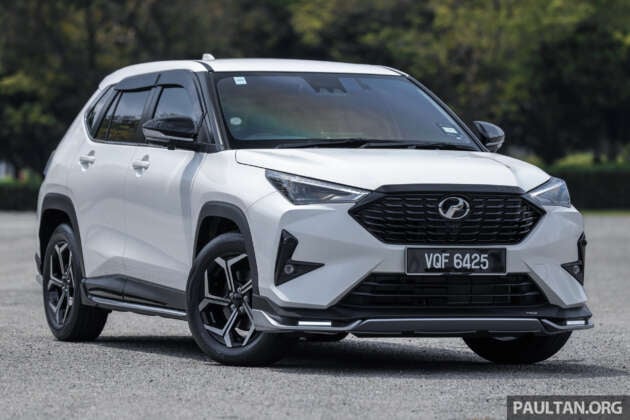
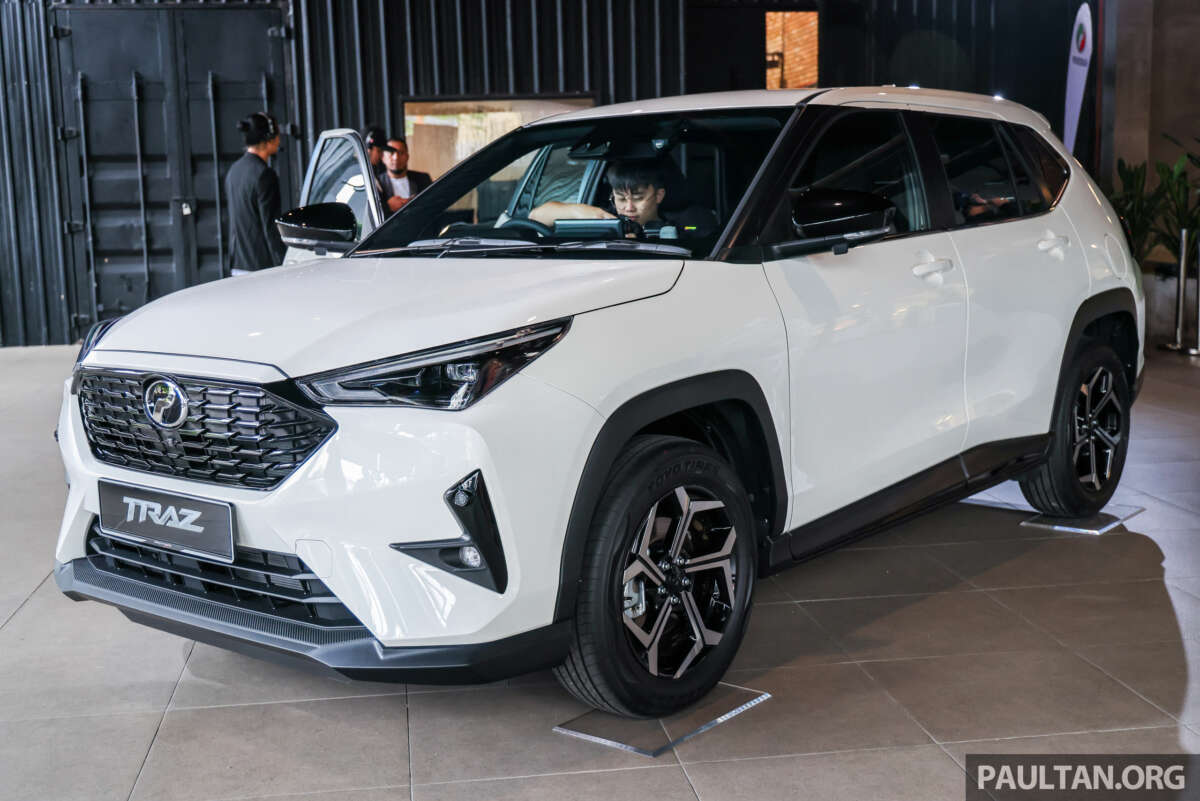
After what felt like an eternity of rumours, renders and “coming soon” teasers, the Perodua Traz finally landed in December 2025 – and it instantly became the cheapest proper B-segment SUV on the Malaysian market. It’s Perodua’s take on the Toyota Yaris Cross, slotting neatly between the compact Ativa and the larger Aruz, and it arrived with a deliberately old-school pitch: “Engineered Simplicity.”
If you’re cross-shopping the Traz against a Proton X50, a Chery Tiggo Cross or even the Toyota Yaris Cross it’s based on, here’s our complete buyer’s guide for the Malaysian market – the variants, prices, what you get, the running costs, and crucially, what’s missing.
What exactly is the Traz?
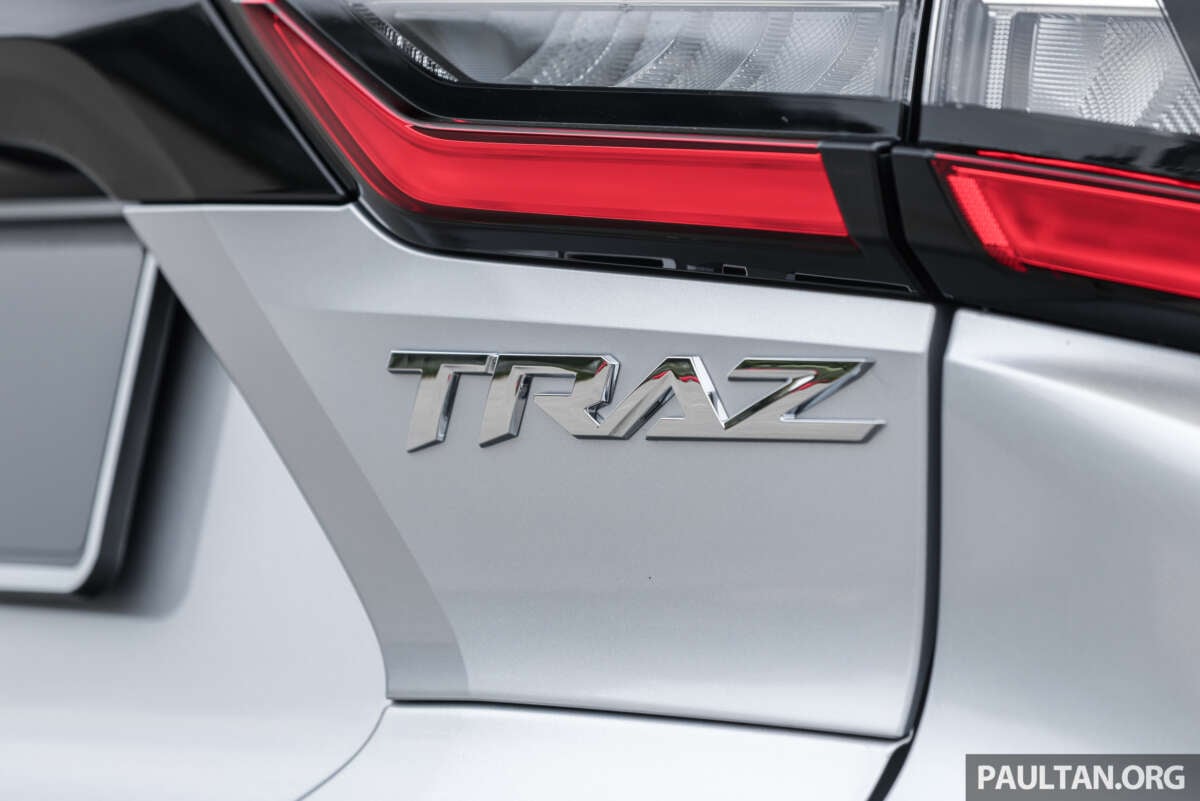
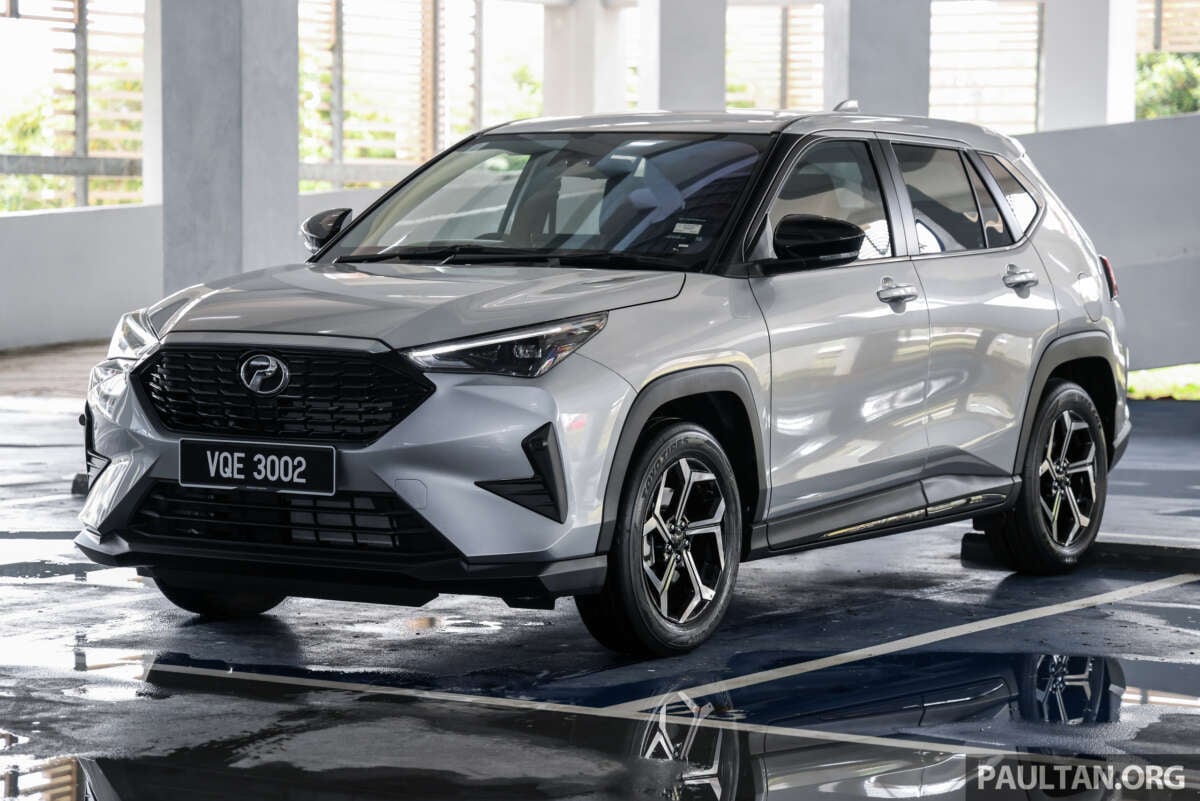
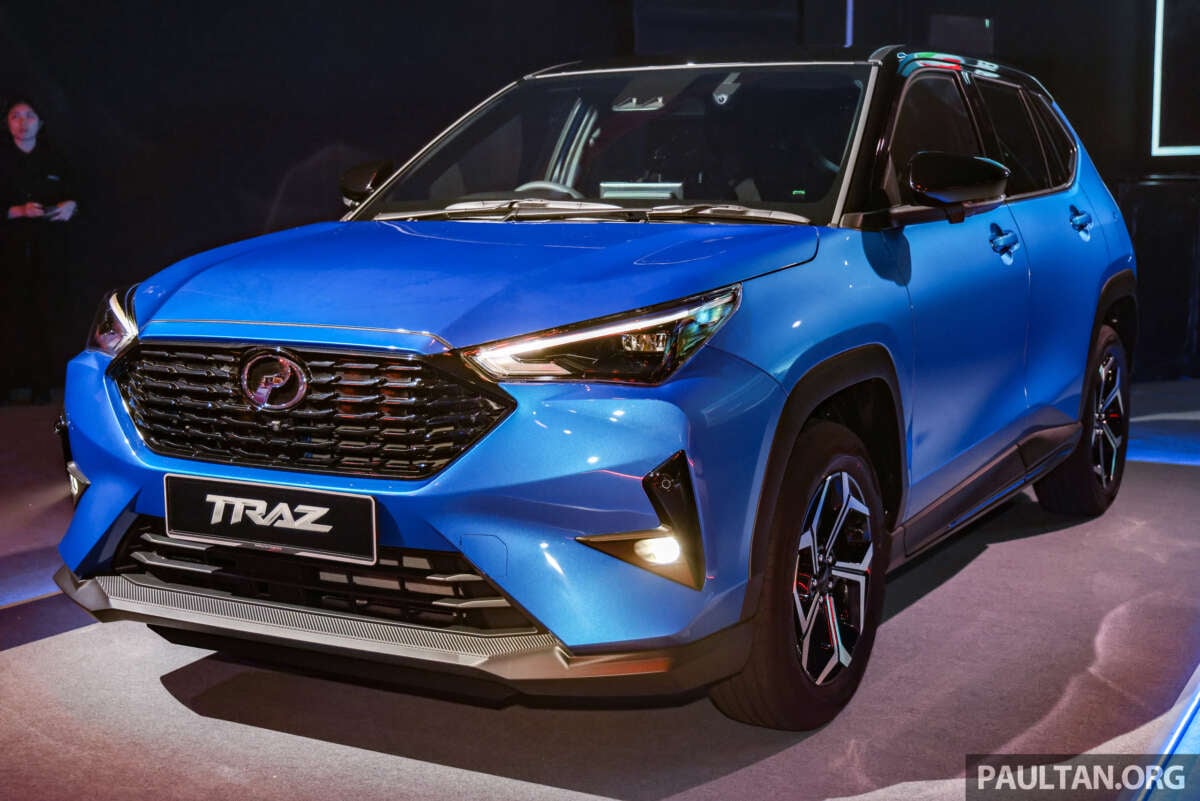
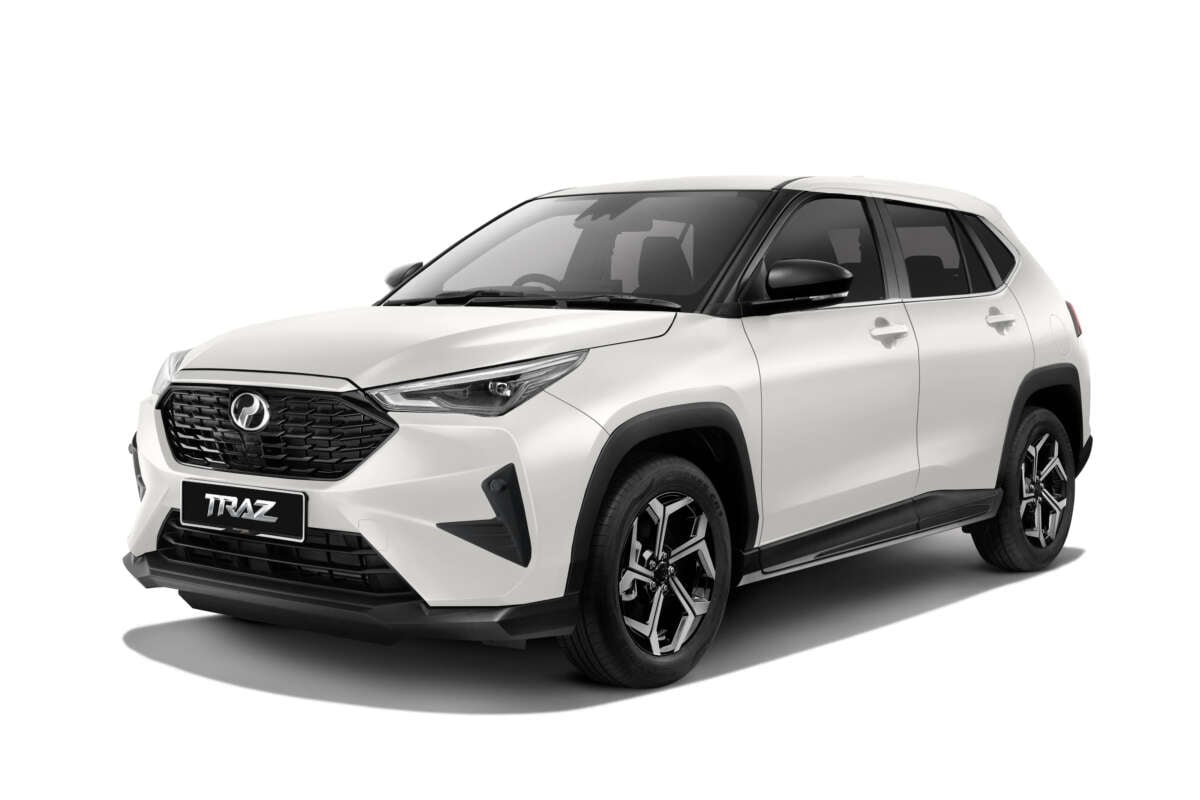
The Traz (project codename D66B) is a rebadged ASEAN-spec Toyota Yaris Cross, built locally at Perodua’s Sungai Choh plant with around 95% local content as part of a RM563 million project. The name is derived from the Malay word teras, meaning “core” – fitting, says Perodua, because the car is meant to embody the brand’s core values of simplicity, practicality, efficiency and reliability. It also conveniently sounds like “trust.”
It was famously two years late – the D66B project actually started back in May 2021, but was held up by the Daihatsu safety-testing scandal that surfaced in late 2023. Perodua’s own management has acknowledged the delay, and admits the Traz brings nothing radically new to the segment. That’s rather the point: this is a no-frills, proven-mechanicals family SUV aimed at buyers upgrading from a Myvi, Axia or older B-segment sedan.
Importantly, the Traz is not an Ativa replacement. The Ativa continues, aimed at younger buyers; it’s smaller but more sophisticated (turbo engine, more kit). The Traz is the more spacious, family-friendly choice.
How much does it cost?
There are two variants, on-the-road without insurance:
– Perodua Traz X – RM76,100
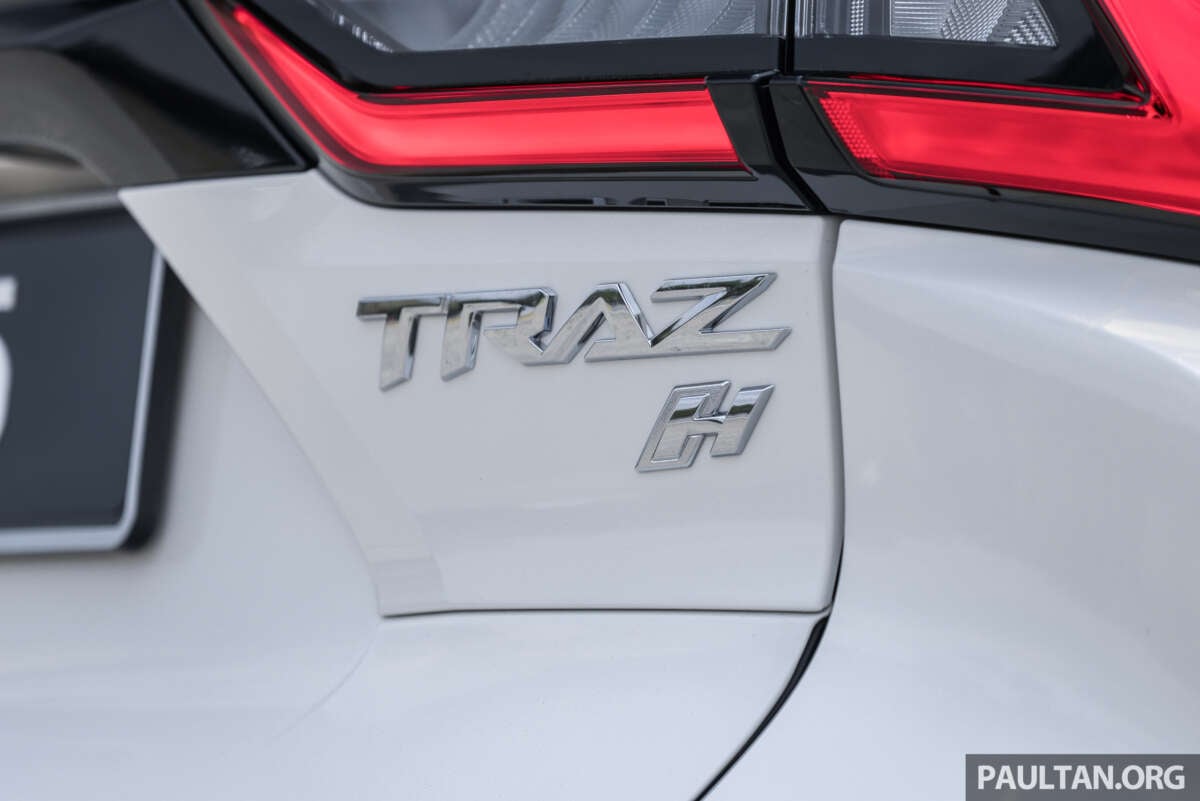
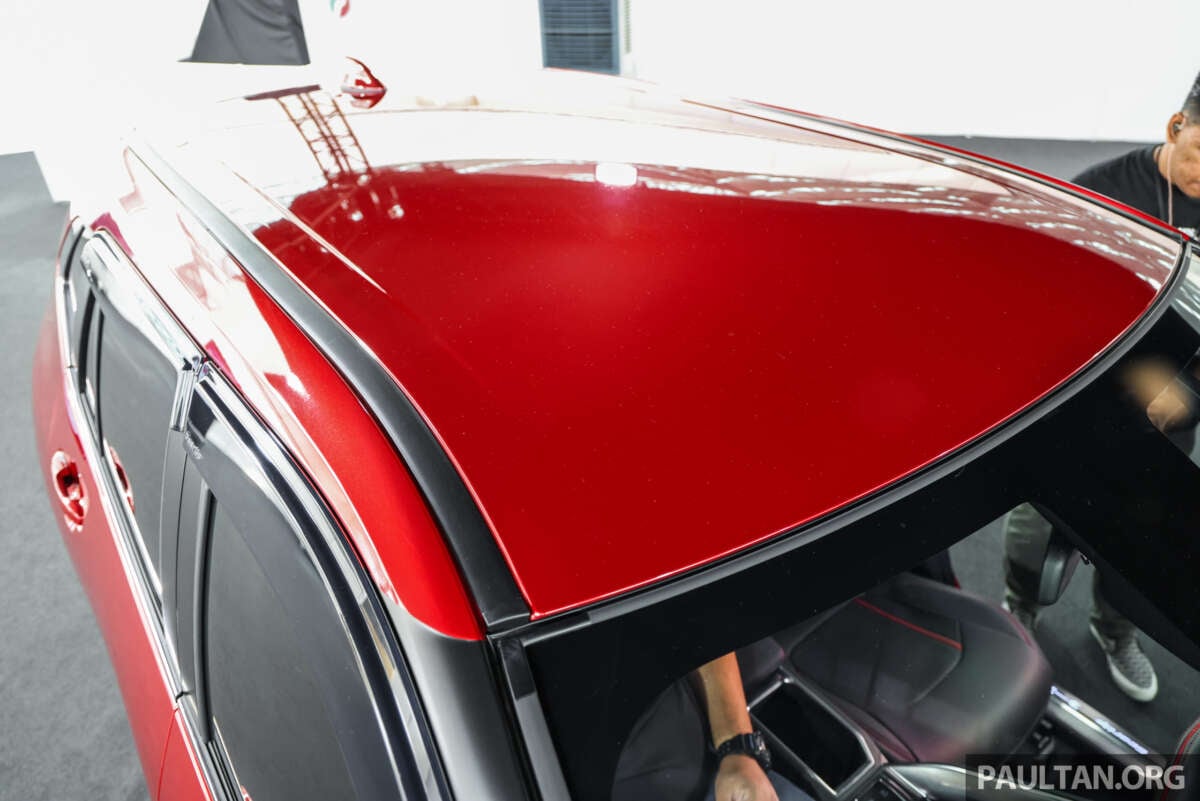
– Perodua Traz H – RM81,100 (RM82,000 for the two-tone option)
There is no range-topping “AV” variant and no hybrid – more on both of those omissions below. The warranty is Perodua’s usual five years or 150,000 km.
For context, that makes the Traz around RM14,000 dearer than an equivalent Ativa, but still the most affordable B-SUV you can buy. It also undercuts the Proton X50 and Chery Tiggo Cross, though both of those are turbocharged and more powerful.
Engine and performance
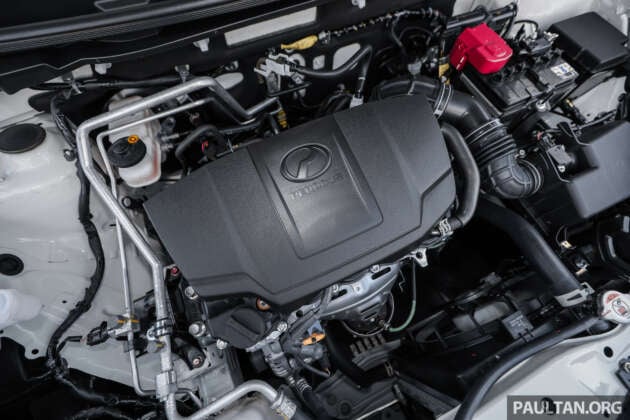
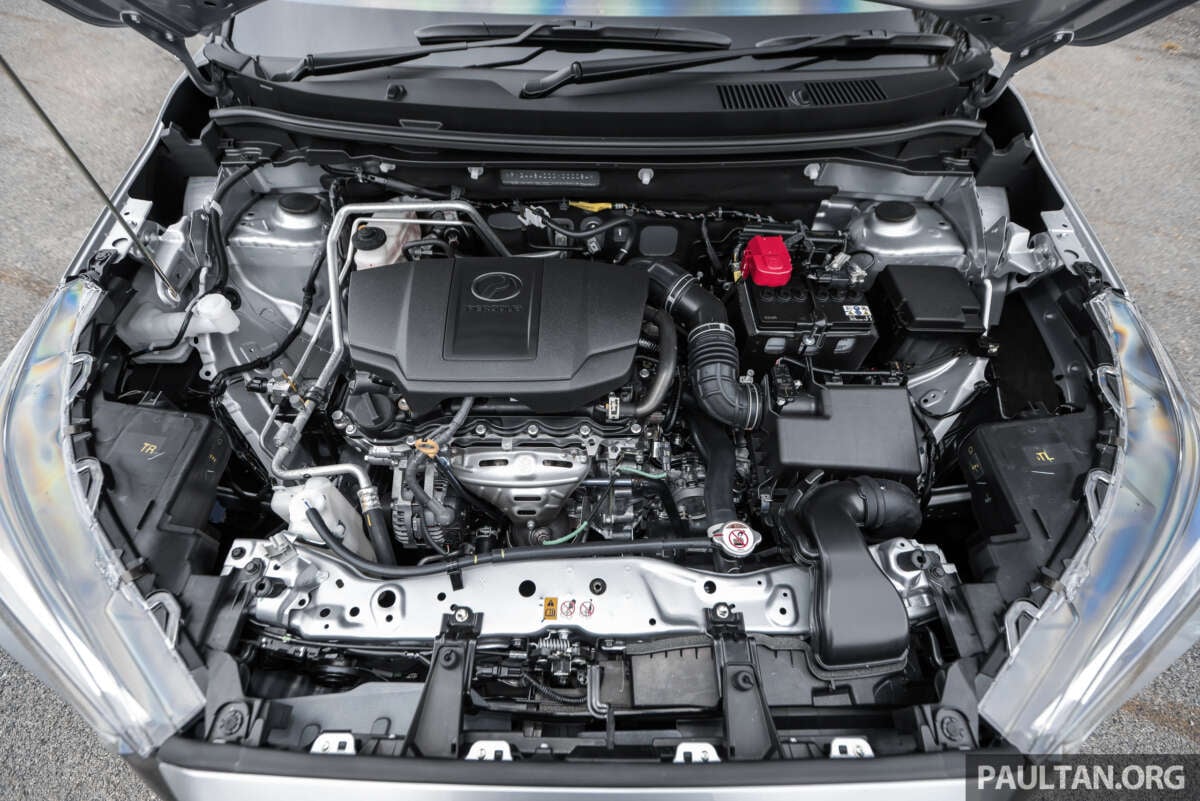
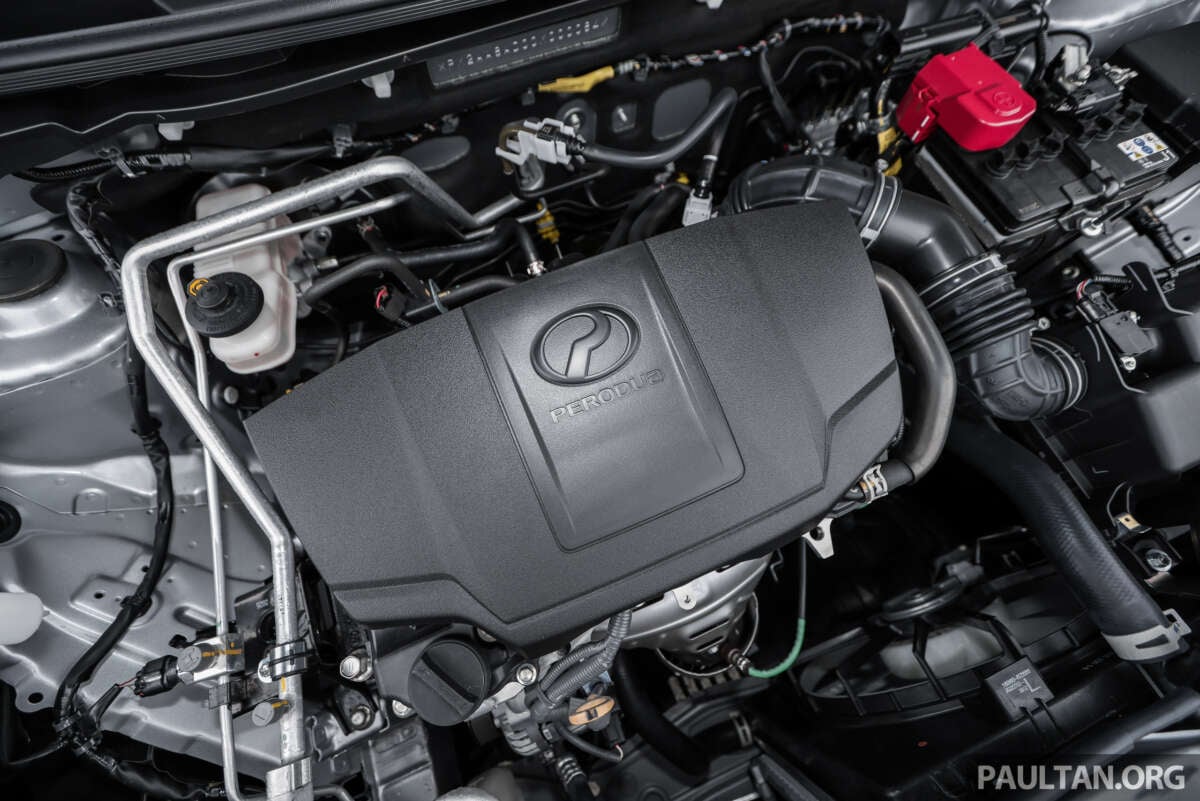
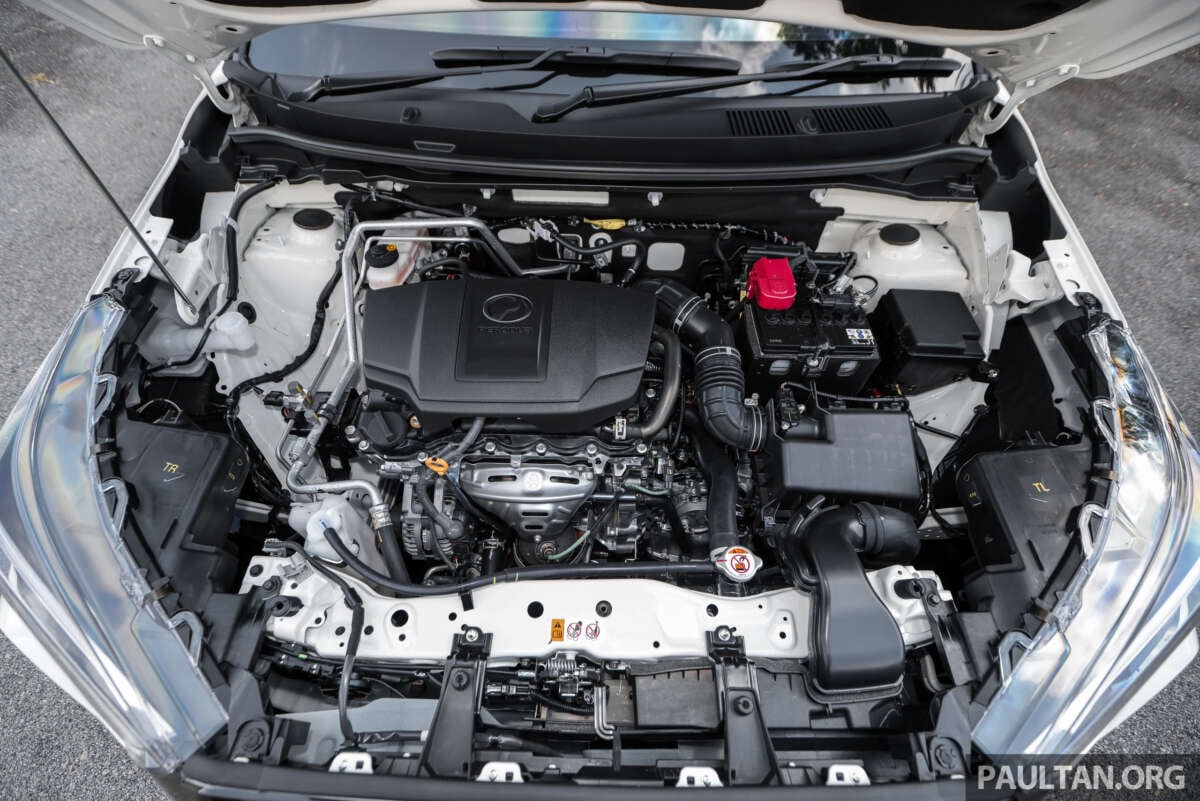
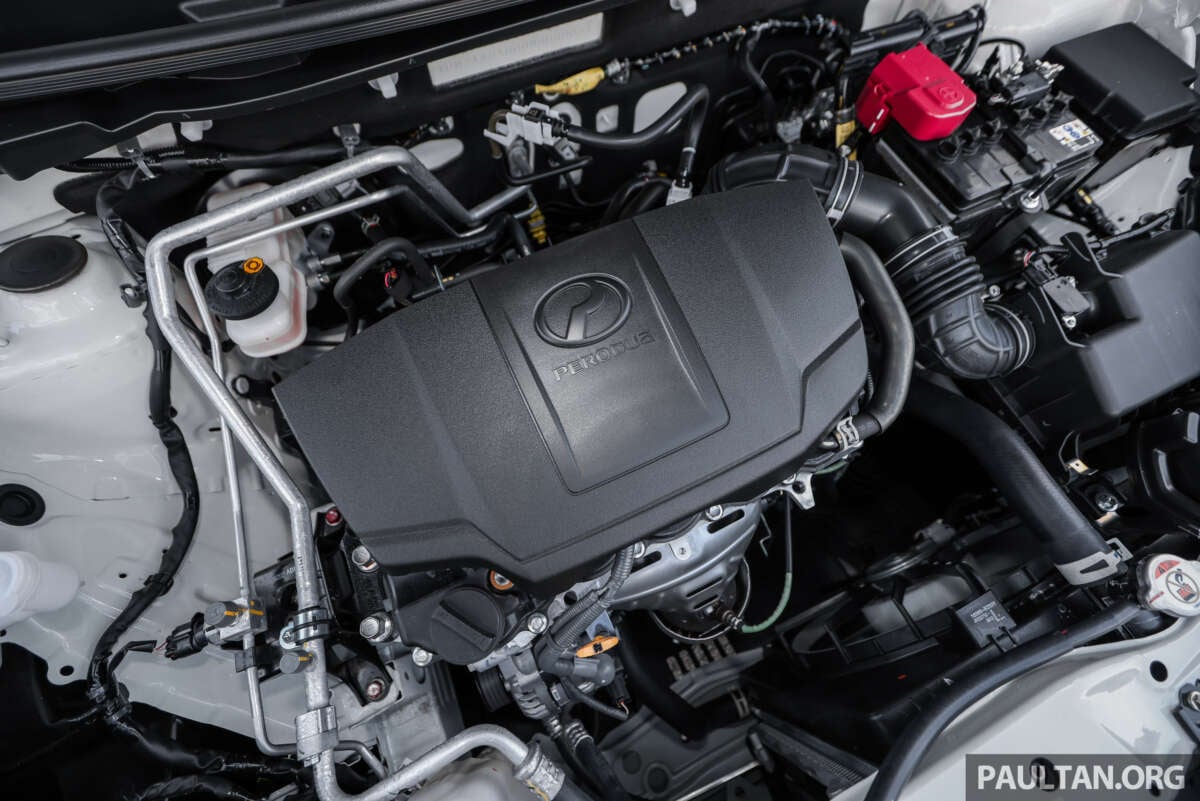
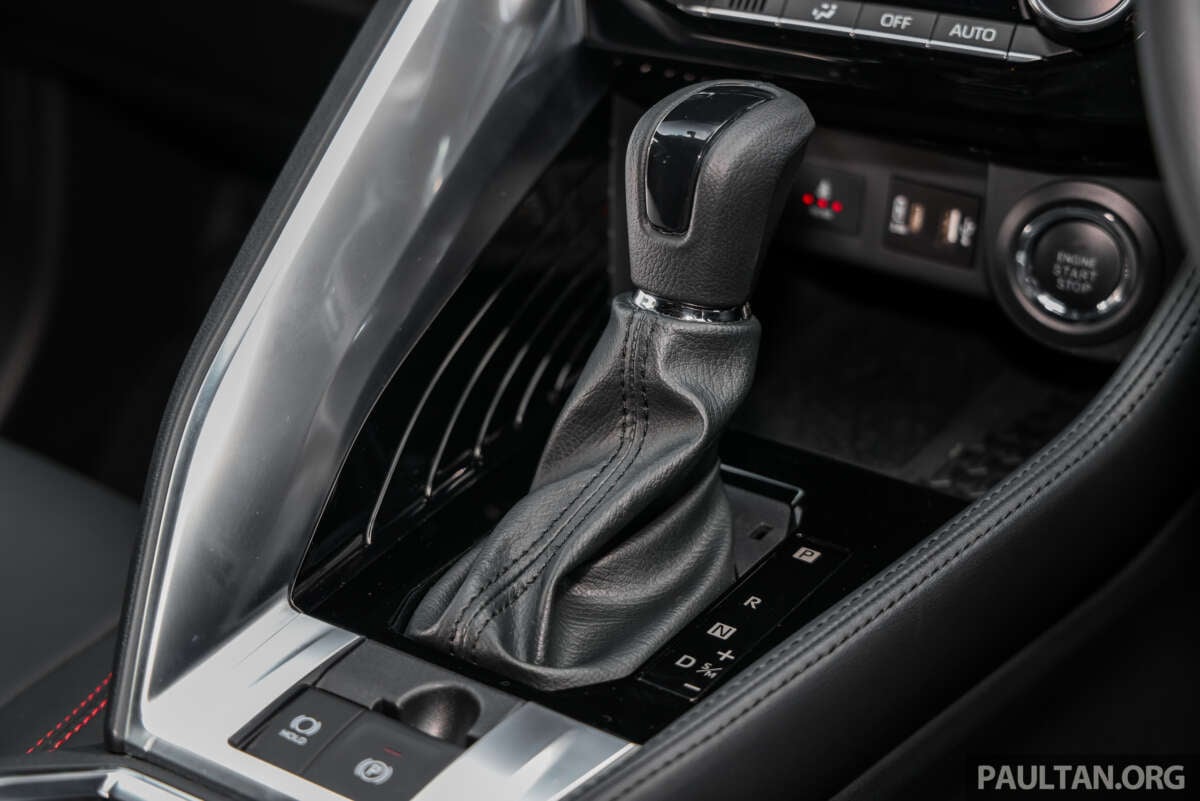
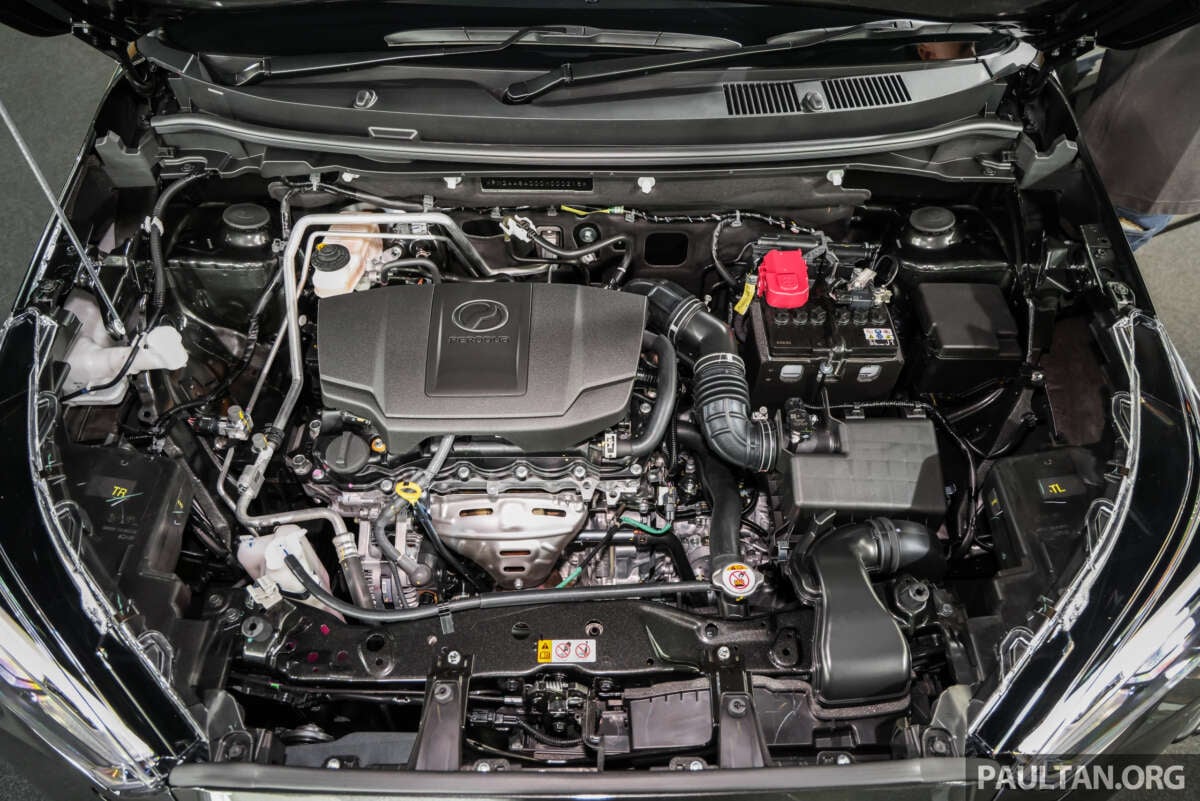
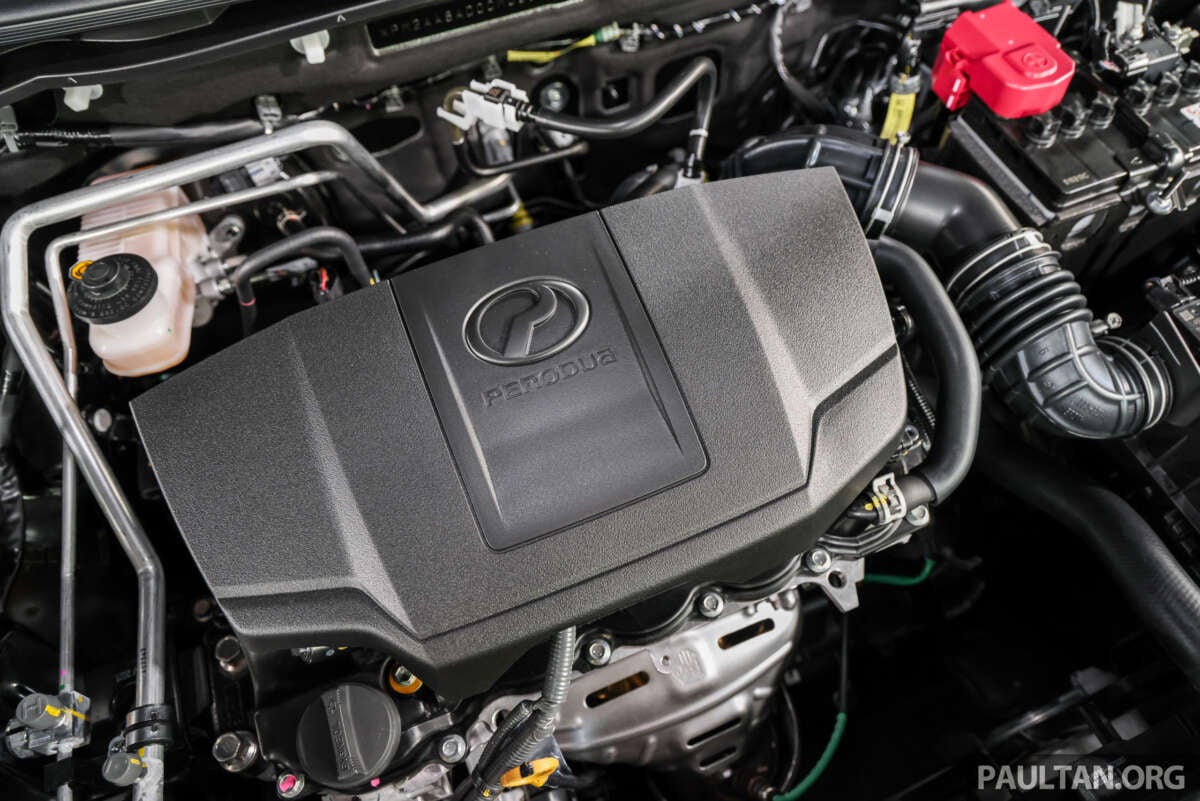
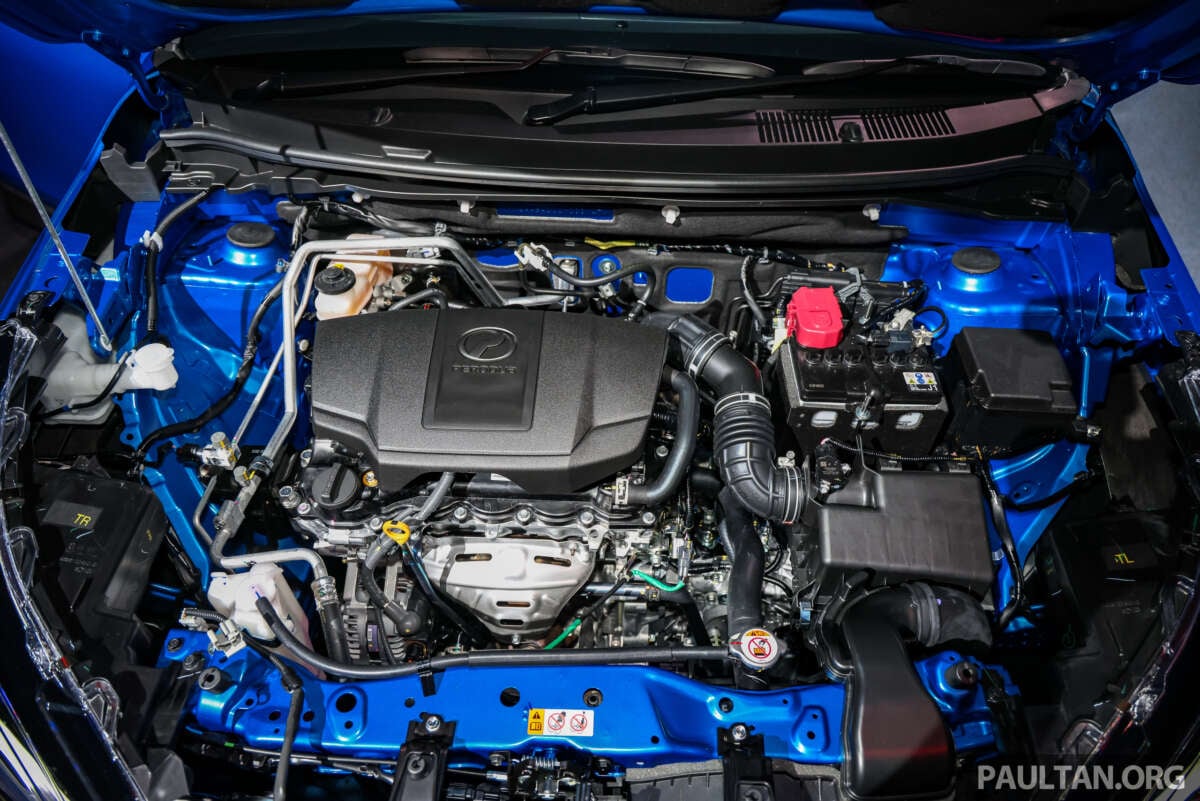
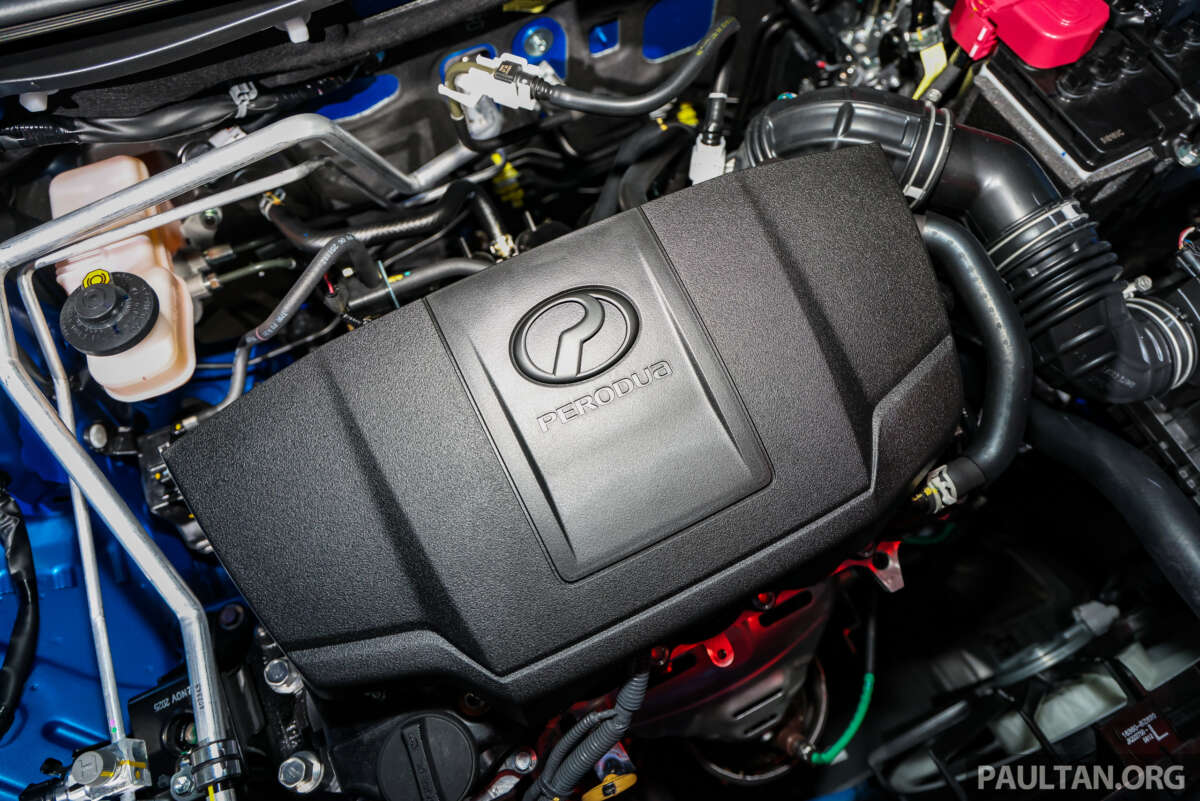
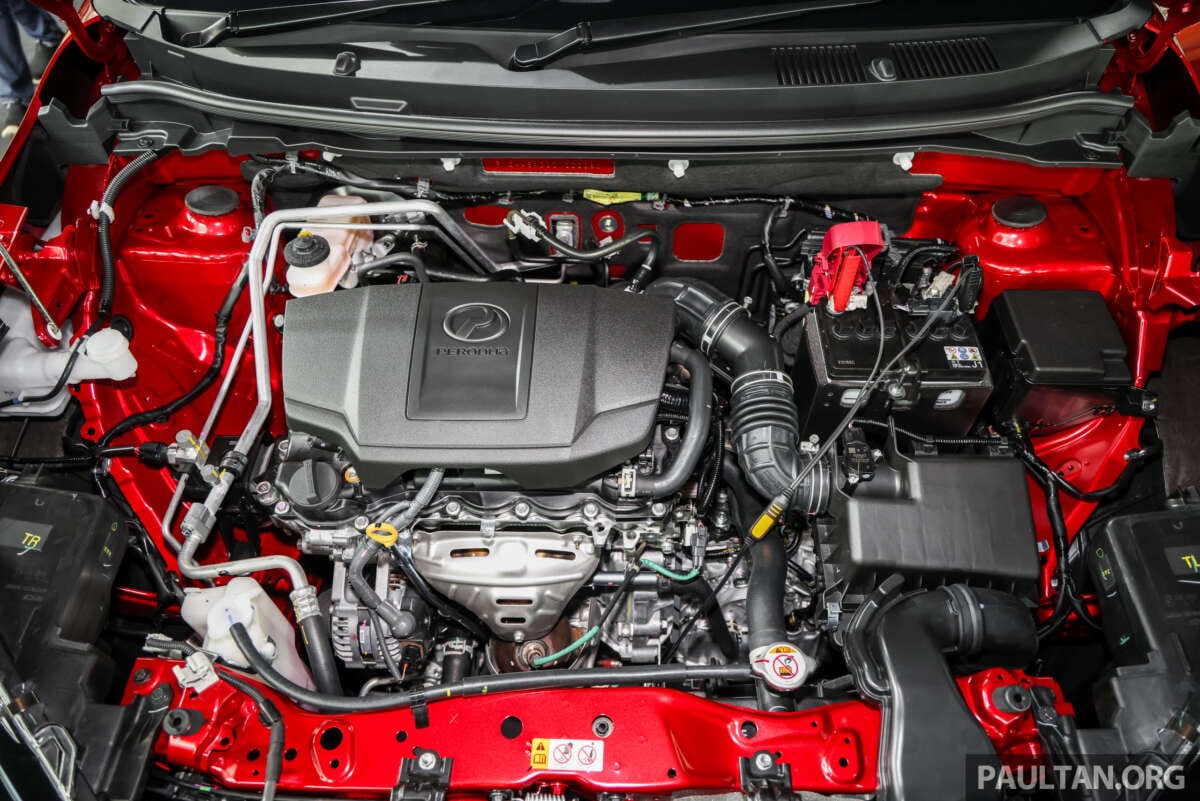
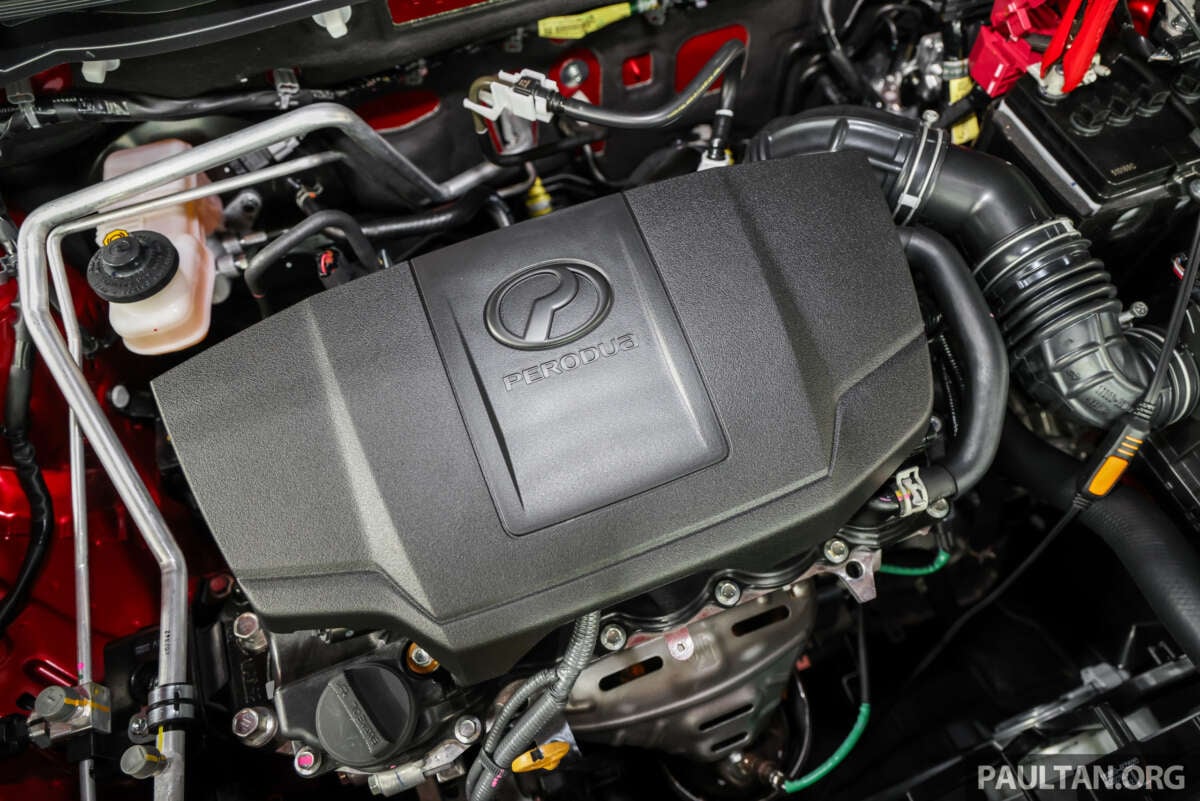
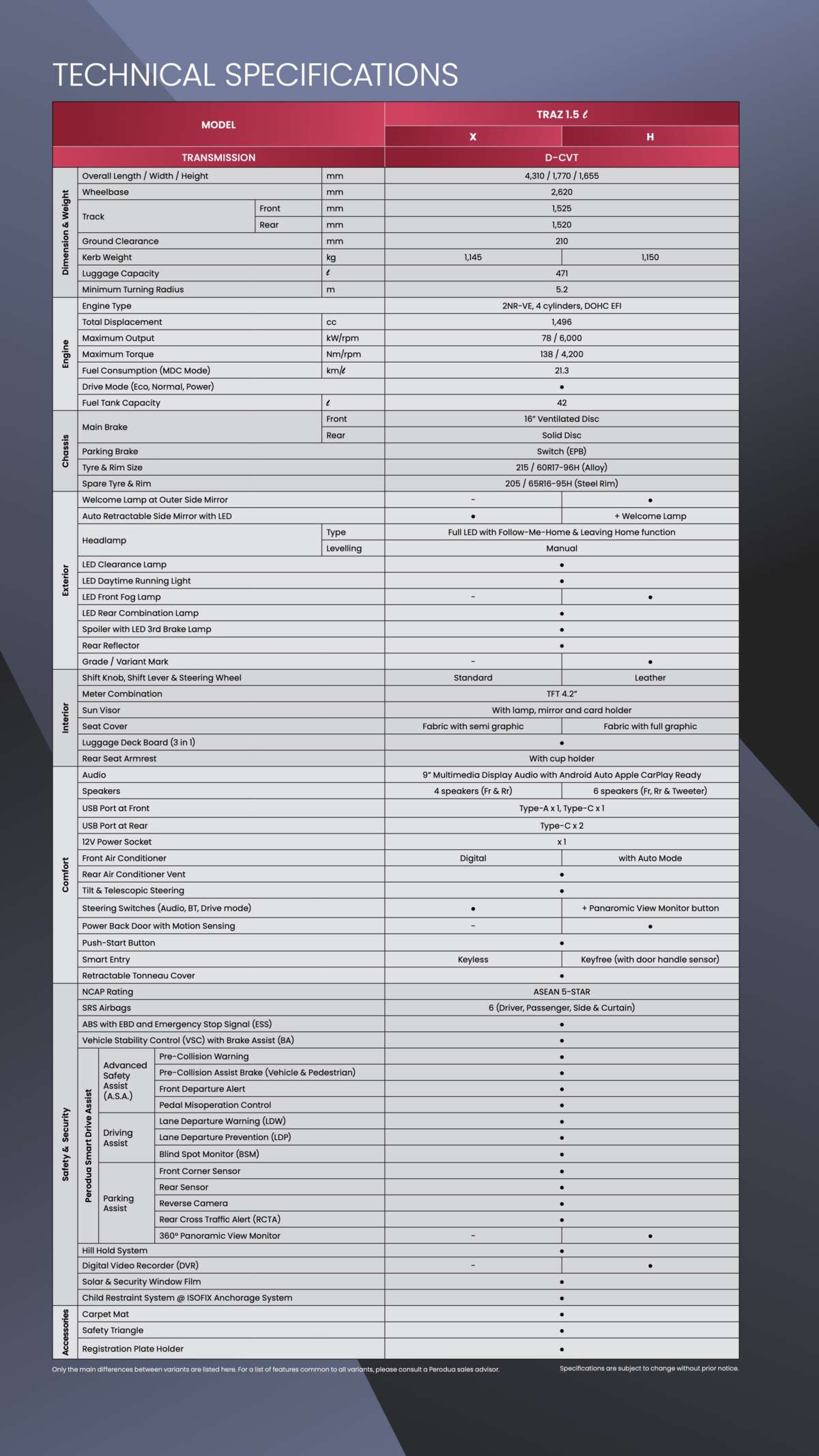
Both variants use the familiar 2NR-VE 1.5 litre DOHC Dual VVT-i naturally-aspirated four-cylinder – the same proven engine found in the Myvi, Alza and Toyota Vios. It produces 106 PS at 6,000 rpm and 138 Nm at 4,200 rpm, sent to the front wheels through a D-CVT (Dual-Mode CVT) with seven virtual ratios and Eco, Normal and Sport modes.
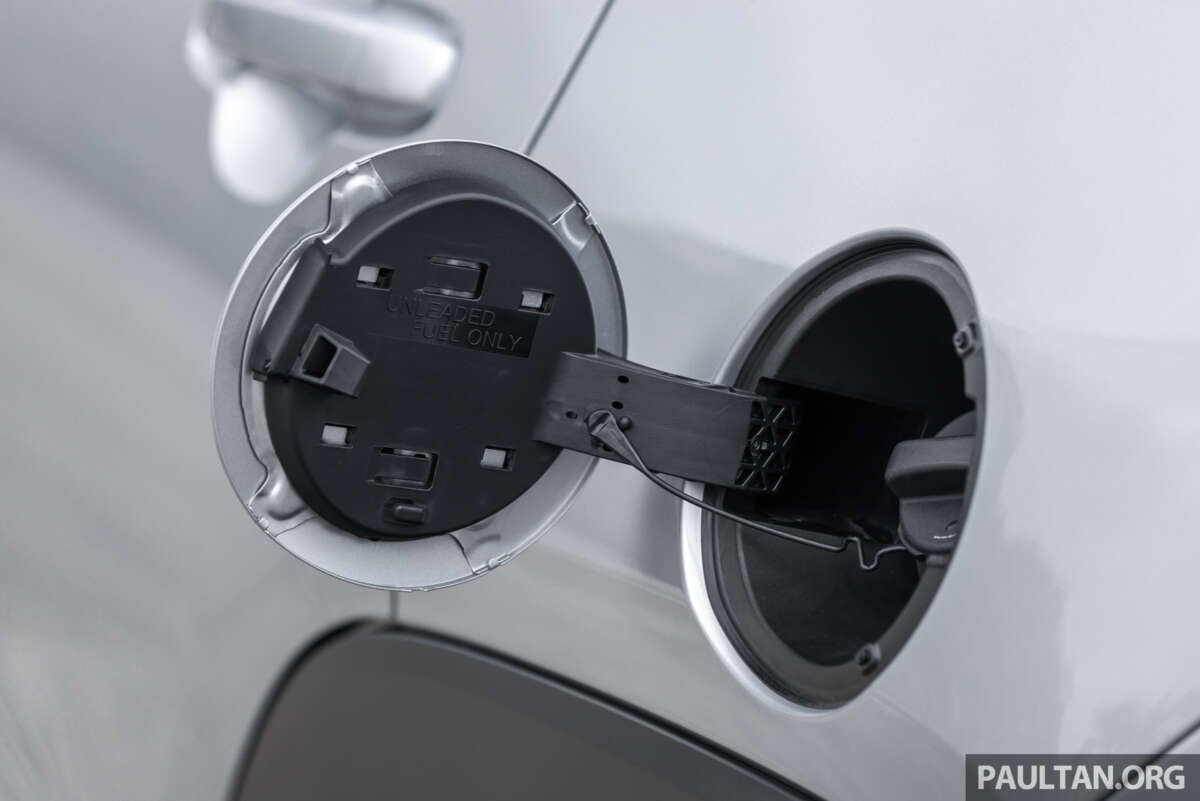
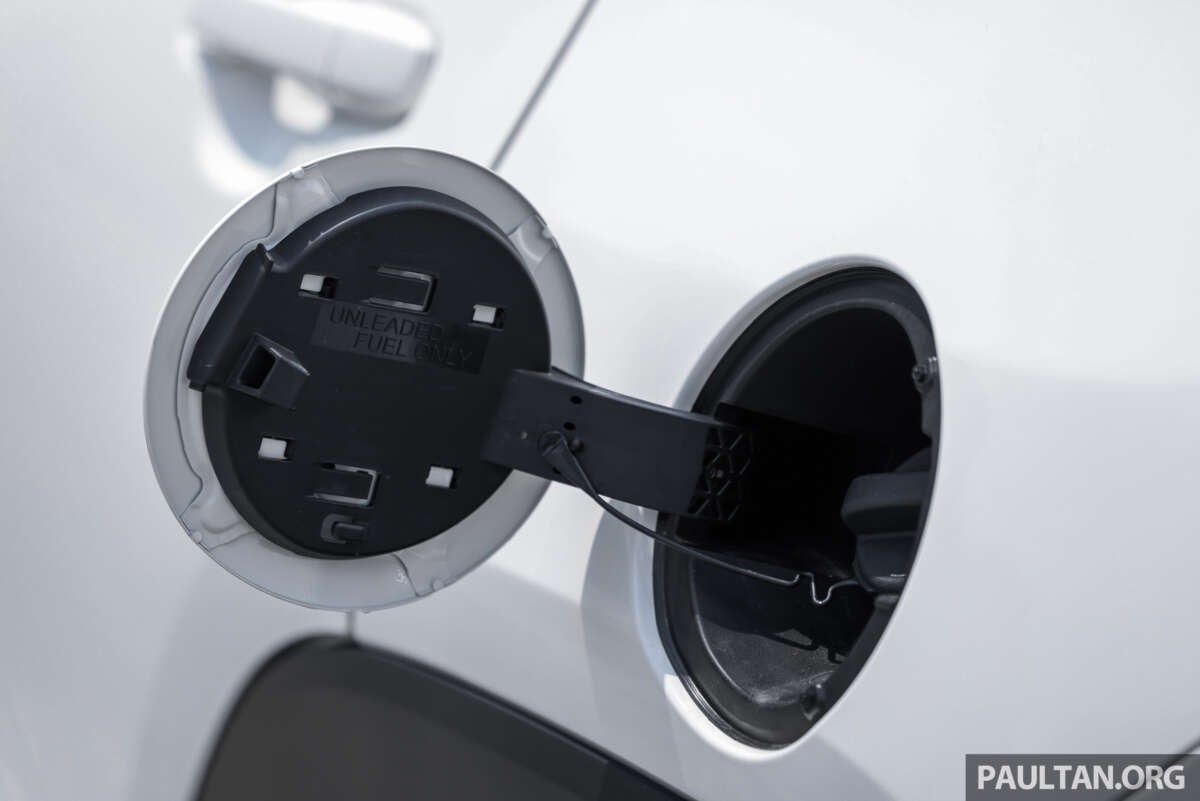
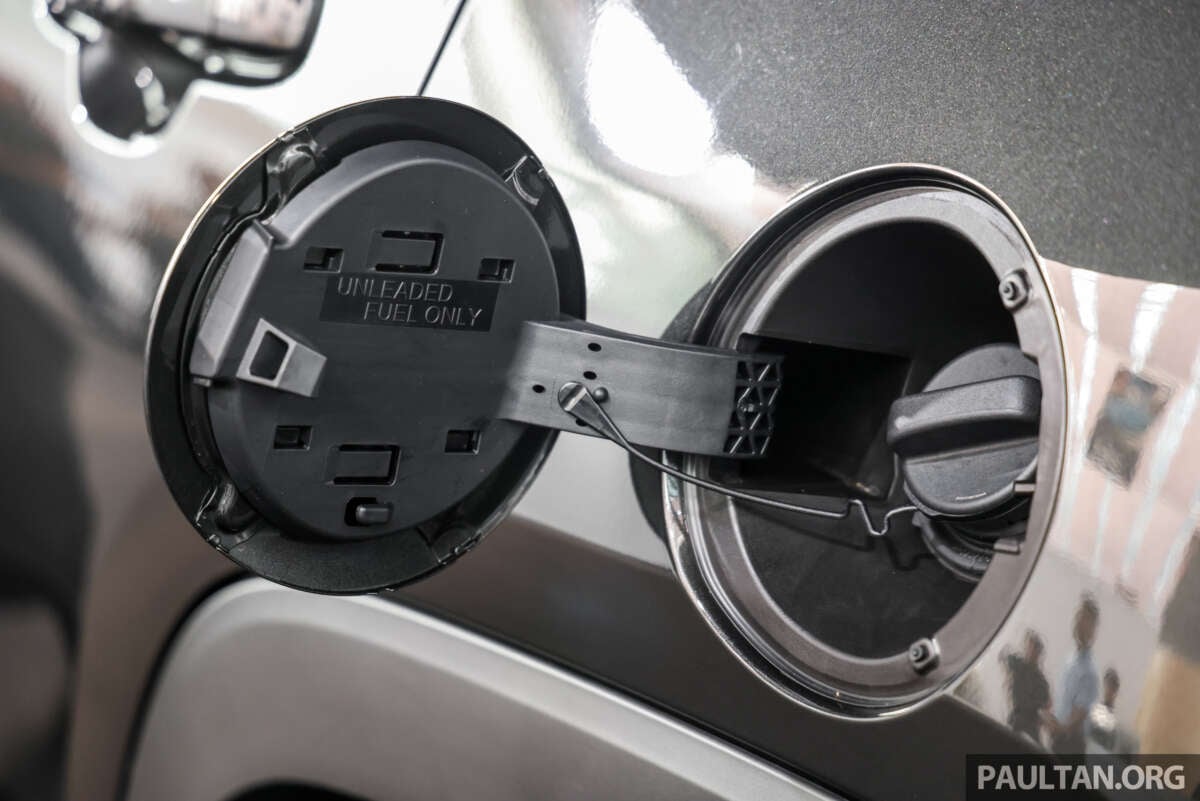
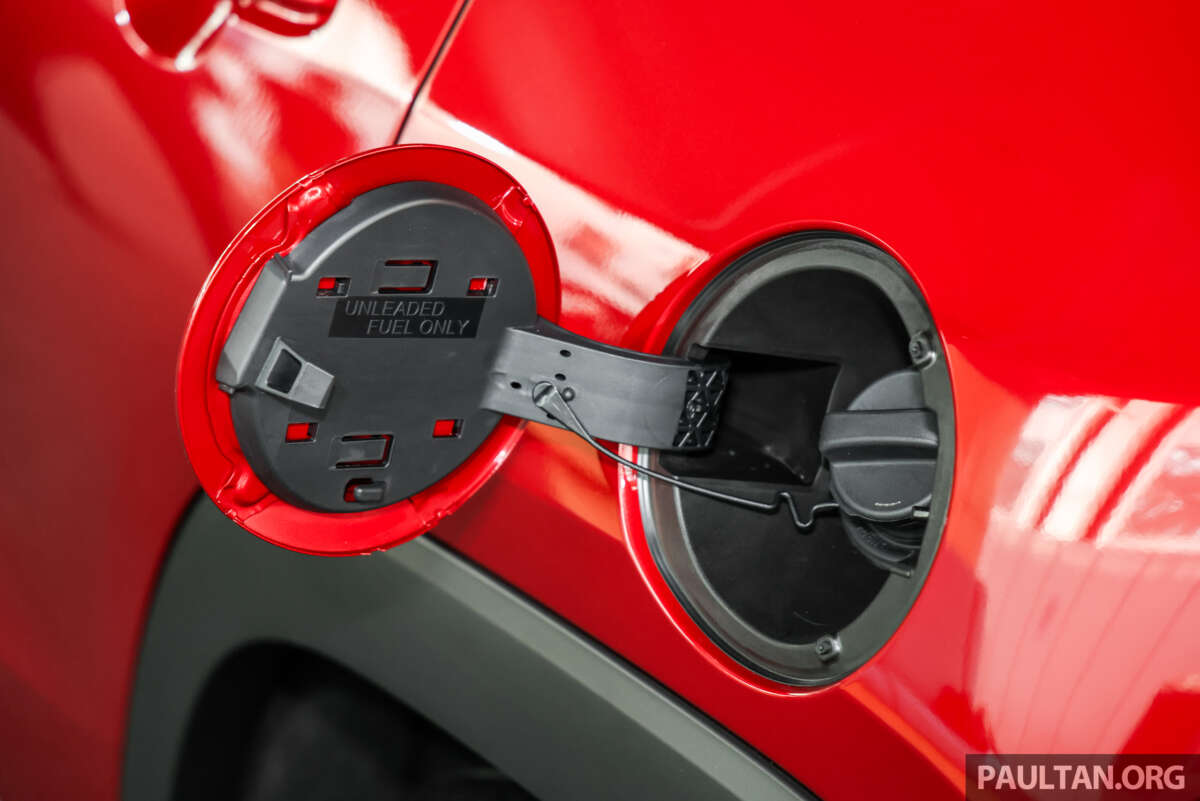
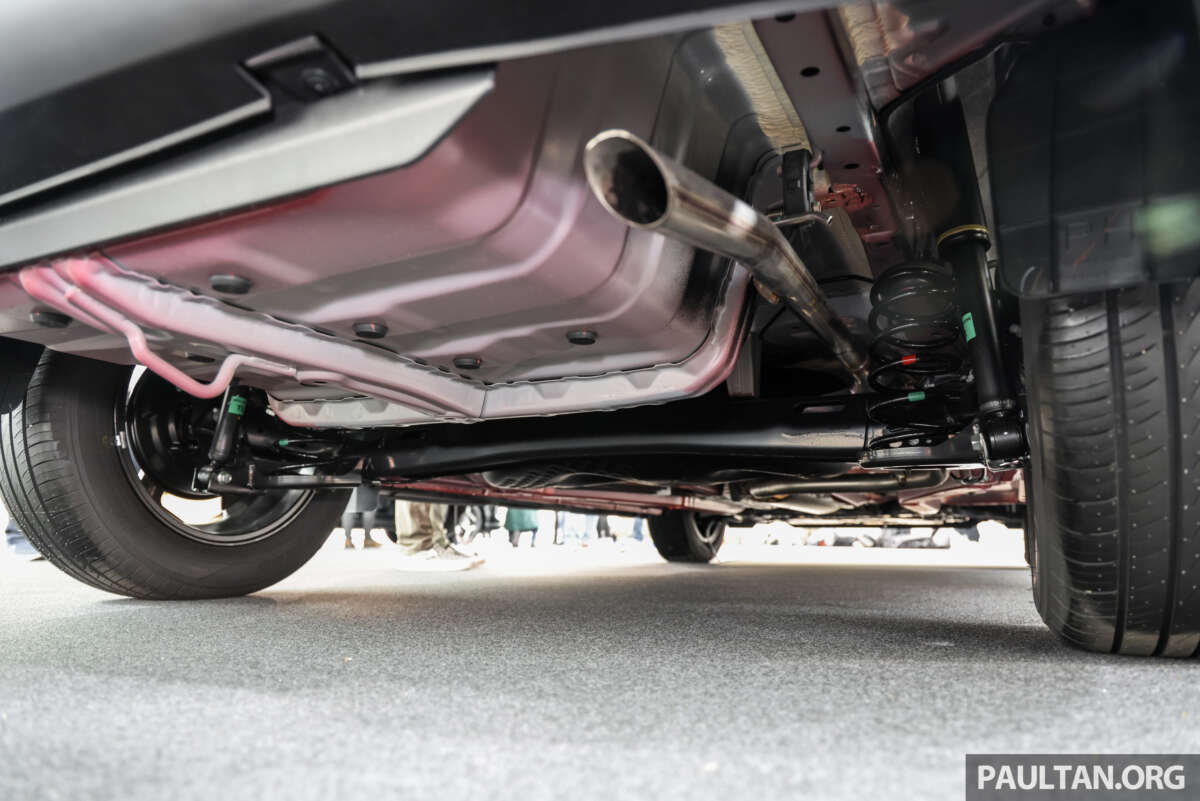
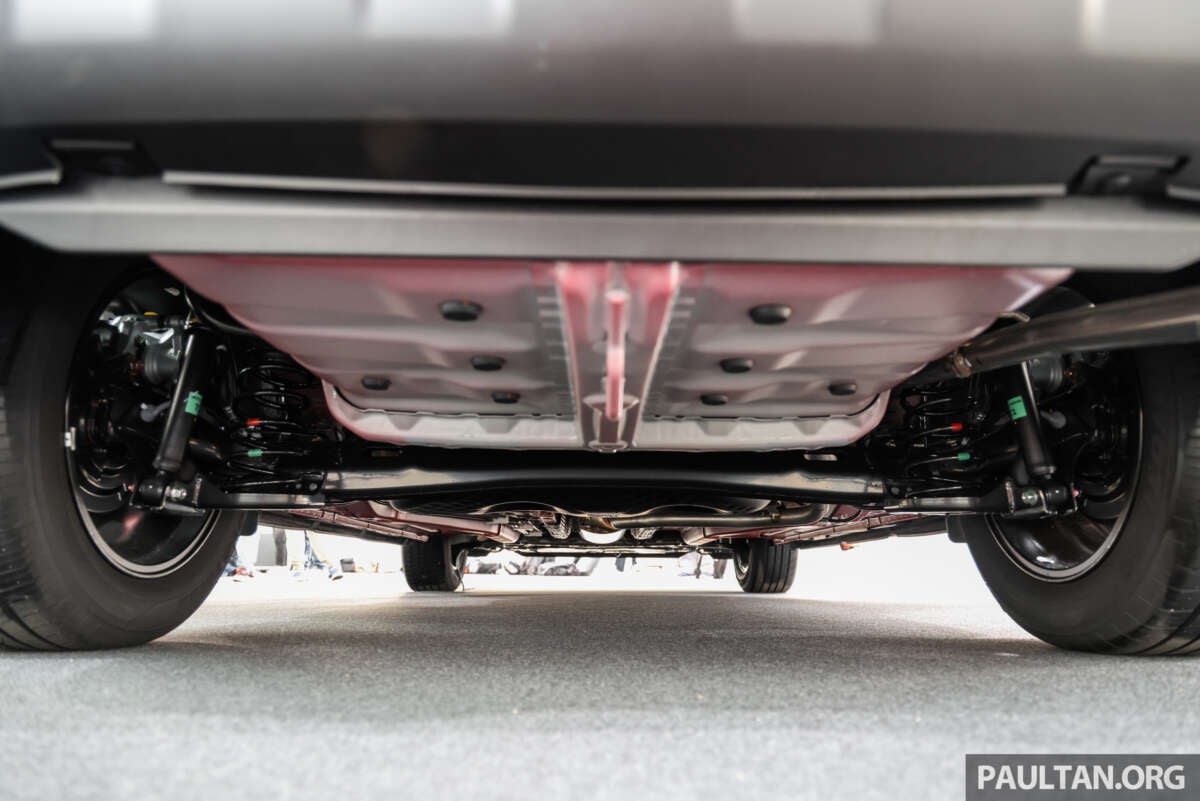
It’s not quick, and there’s no turbo punch here, but it is efficient and durable. Perodua quotes 21.3 km/l on the Malaysian Driving Cycle, helped by a light 1,150 kg kerb weight (the top H is lighter than the base Honda HR-V and over 200 kg lighter than an X50). The fuel tank holds 42 litres.
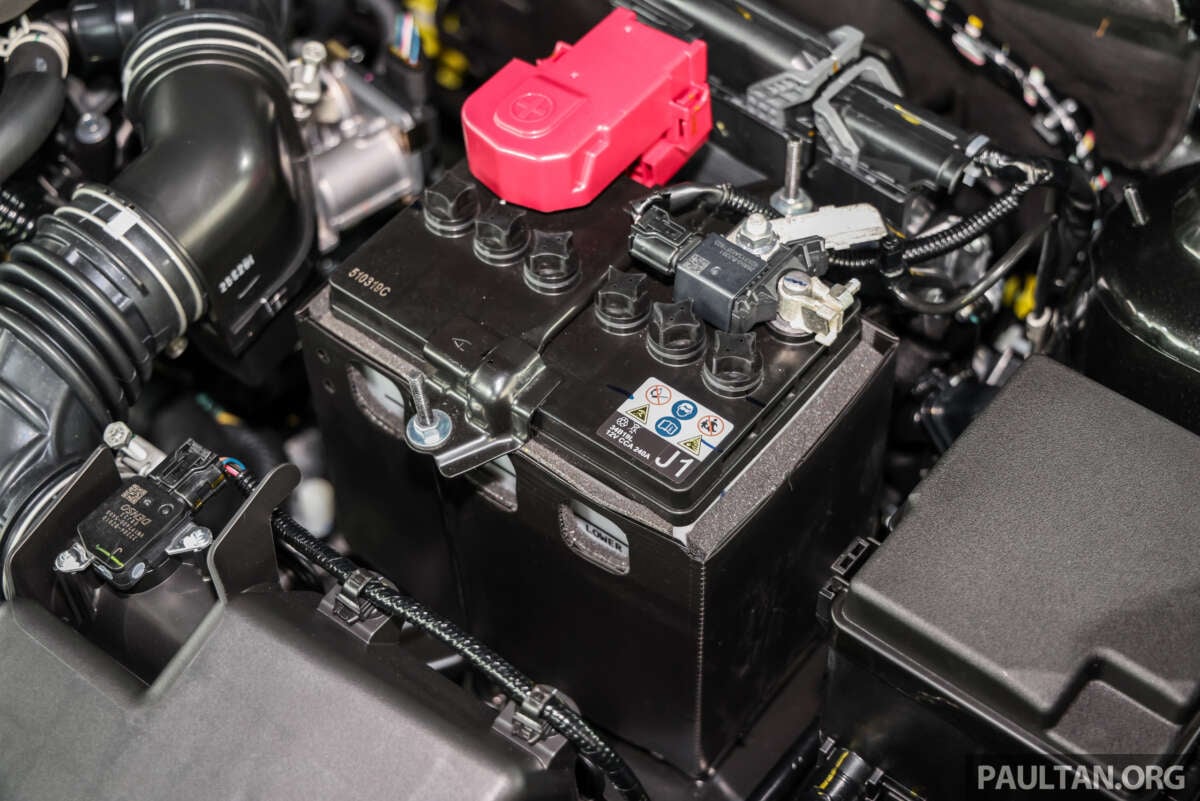
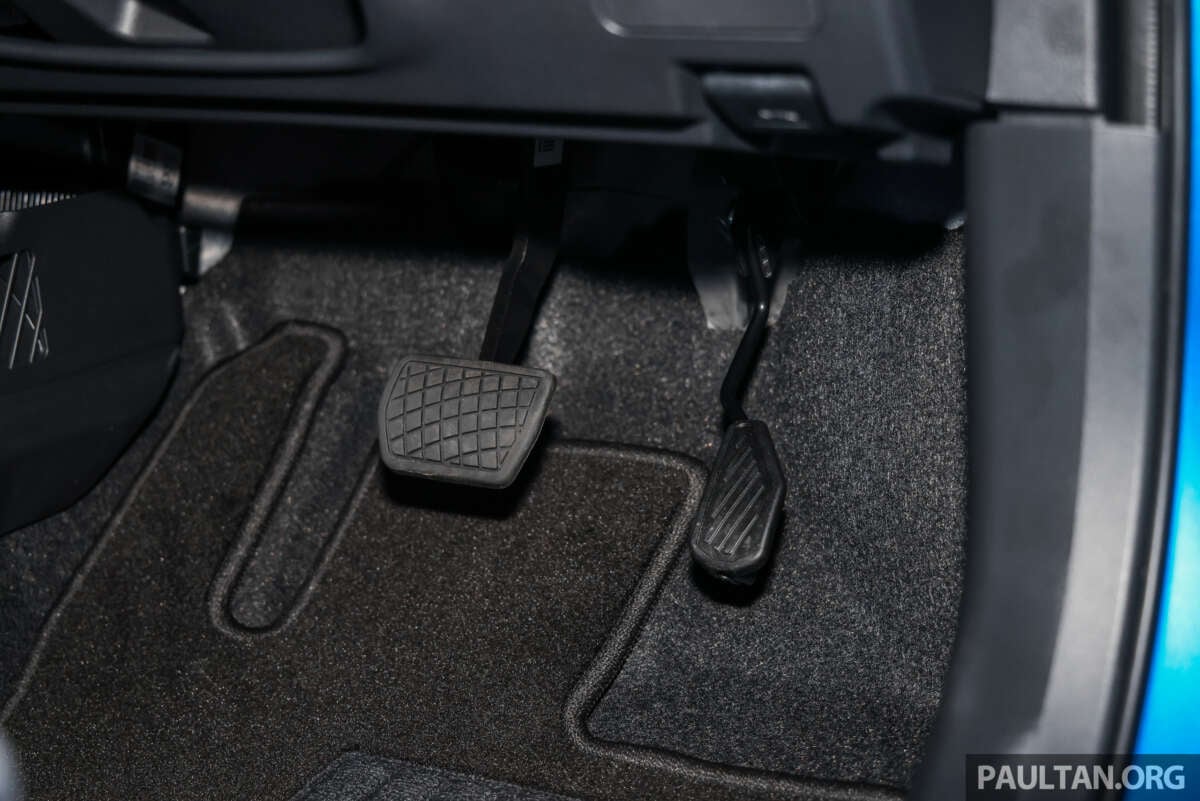
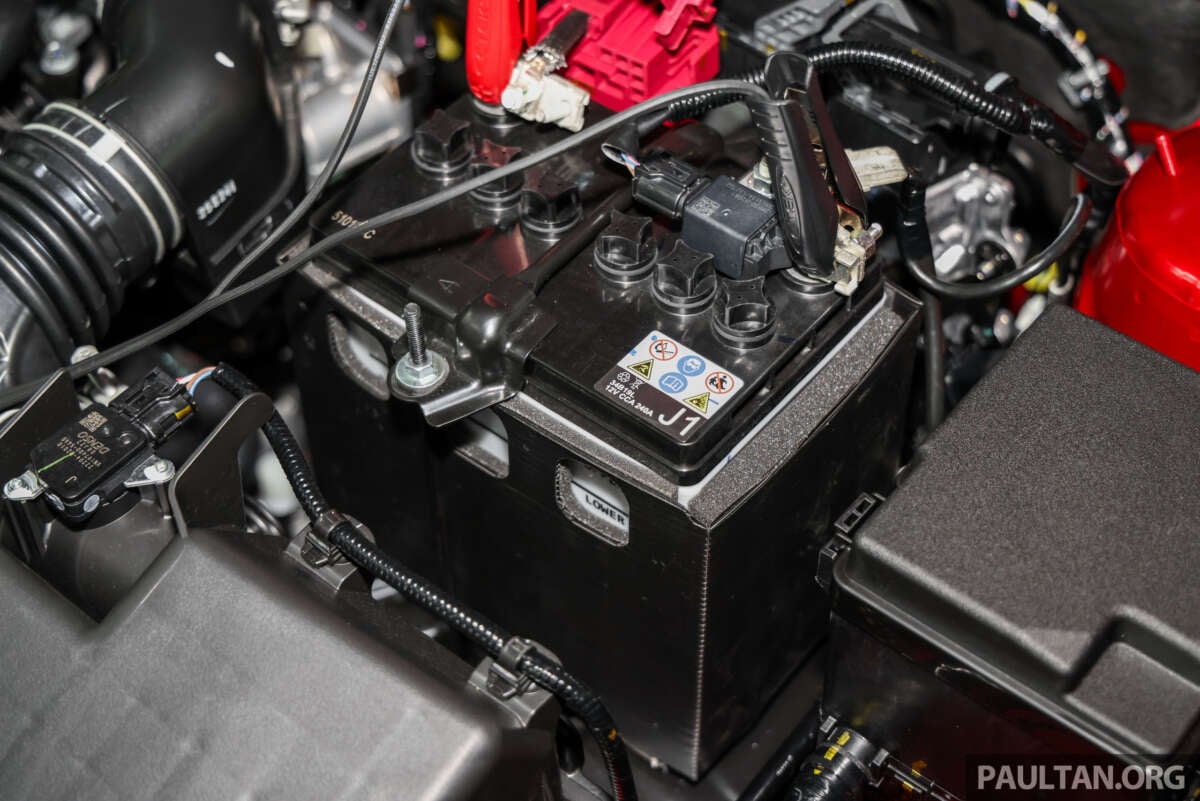
One deliberate simplification: there’s no Eco Idle auto start-stop, which means the Traz can run a basic, cheap NS40 battery rather than the pricier EFB type needed by other Peroduas.
If you want the Yaris Cross’ hybrid powertrain, you can’t have it in the Traz – that’s reserved for Toyota’s own version.
Size and practicality
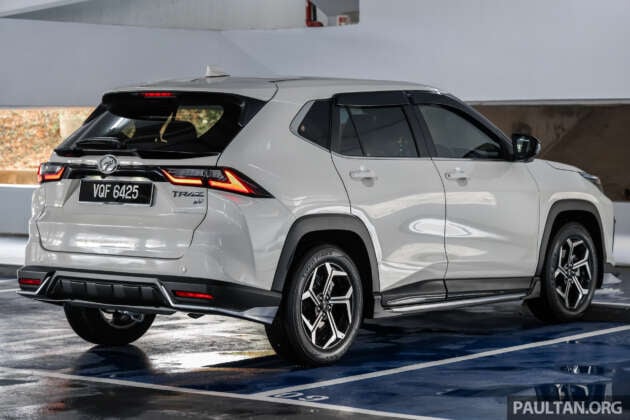
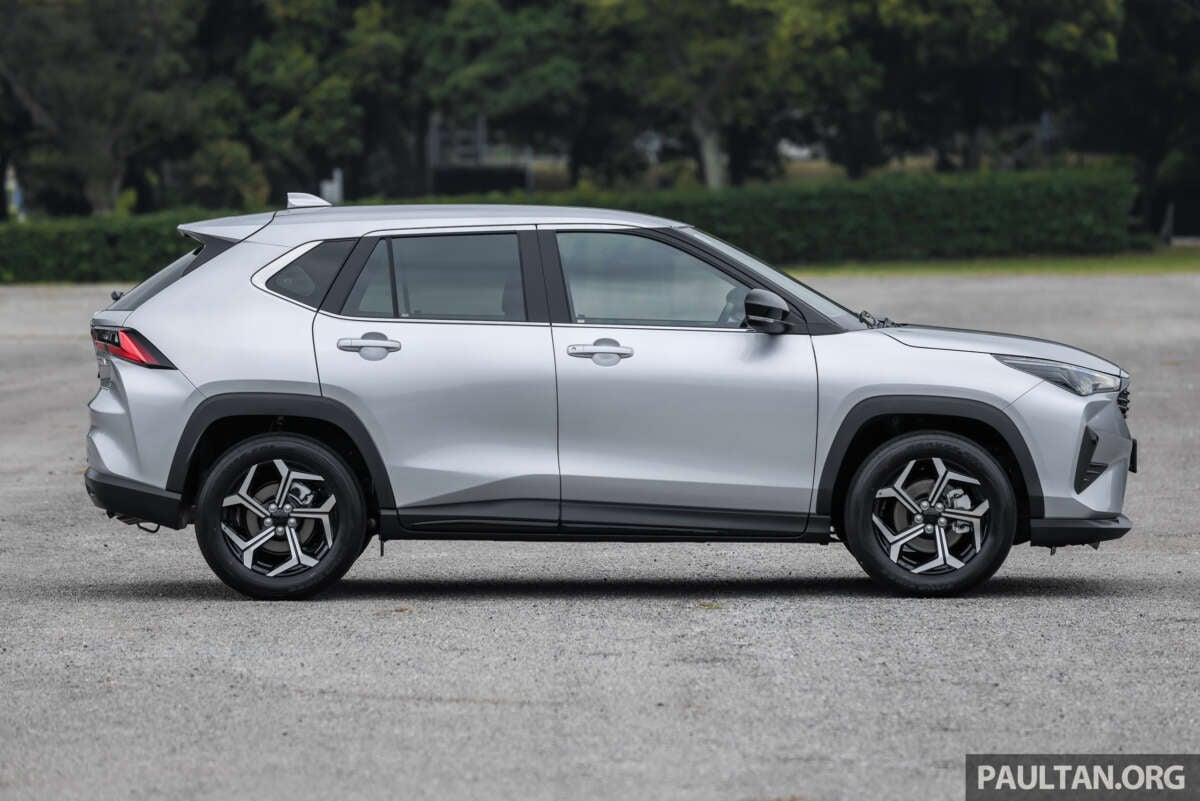
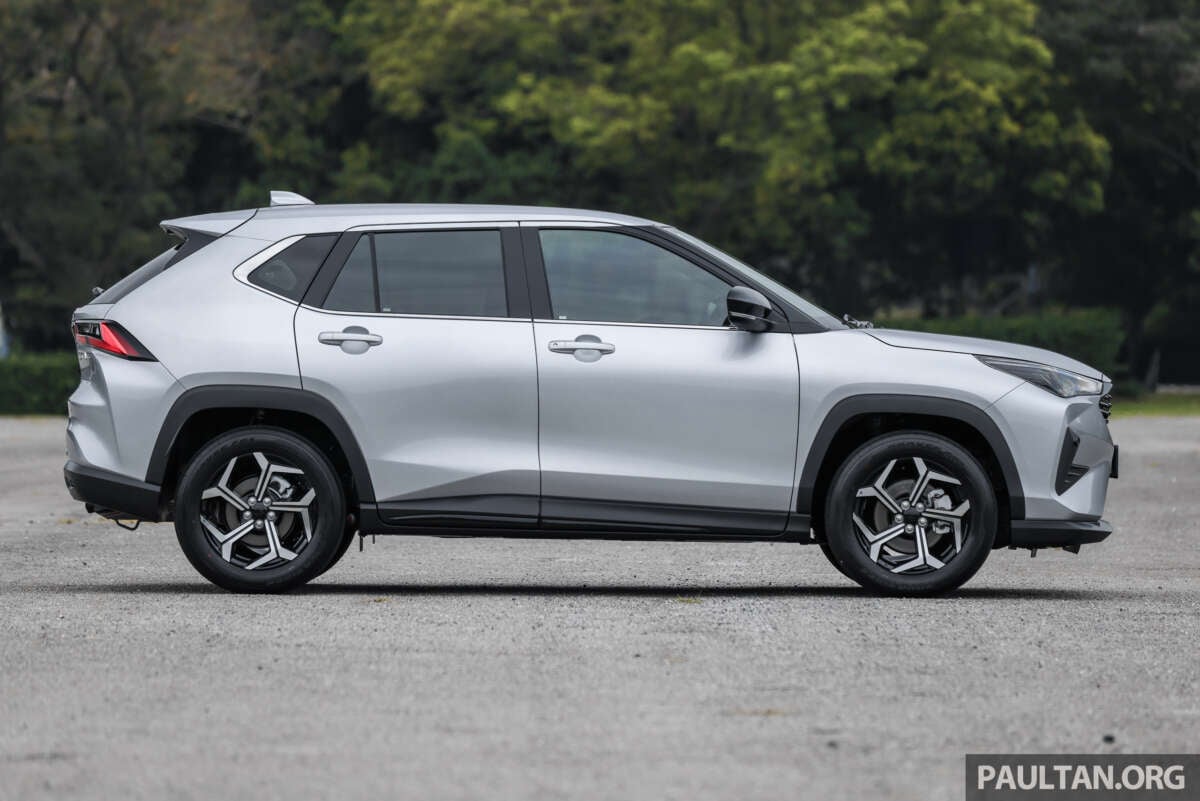
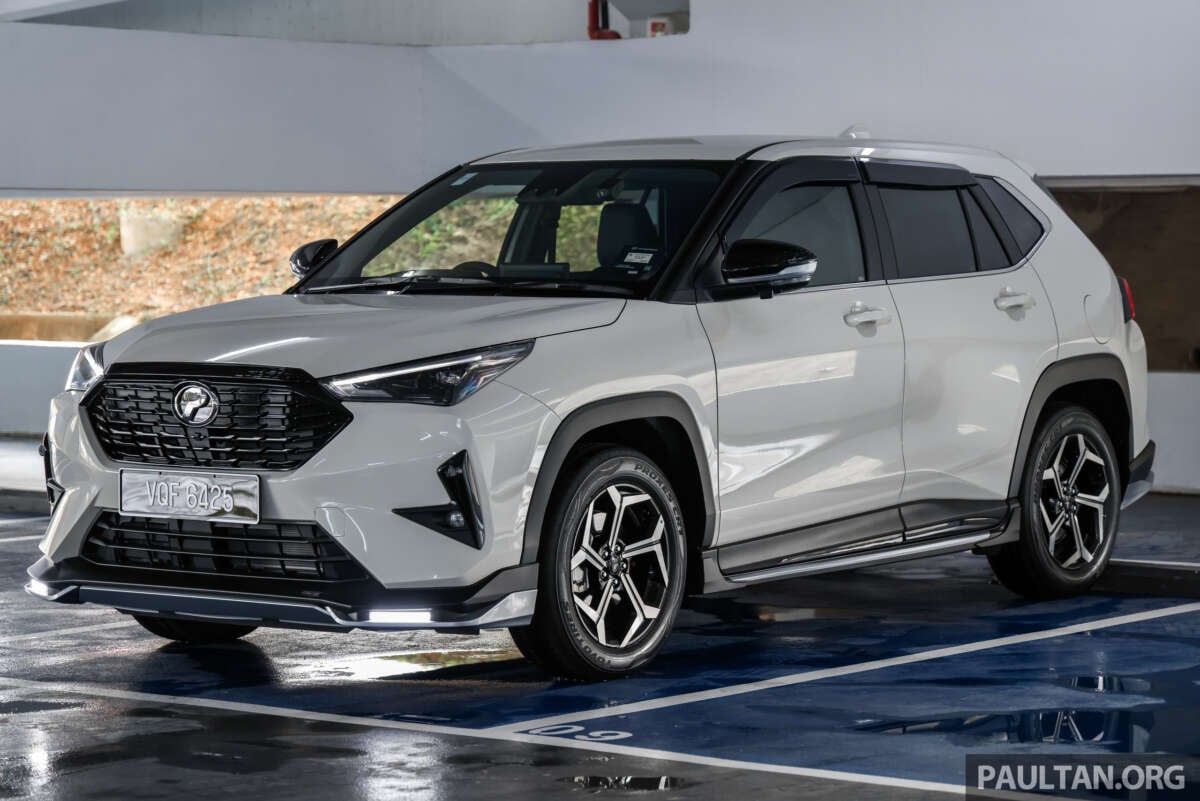
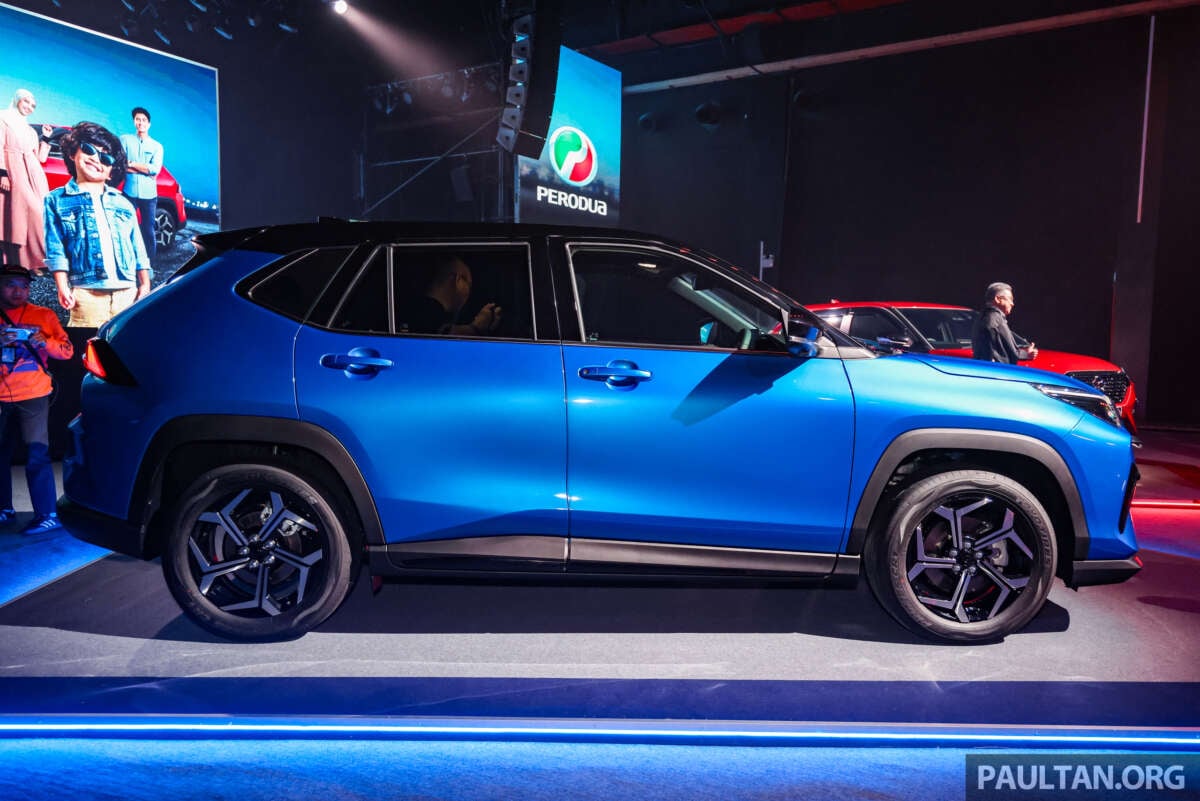
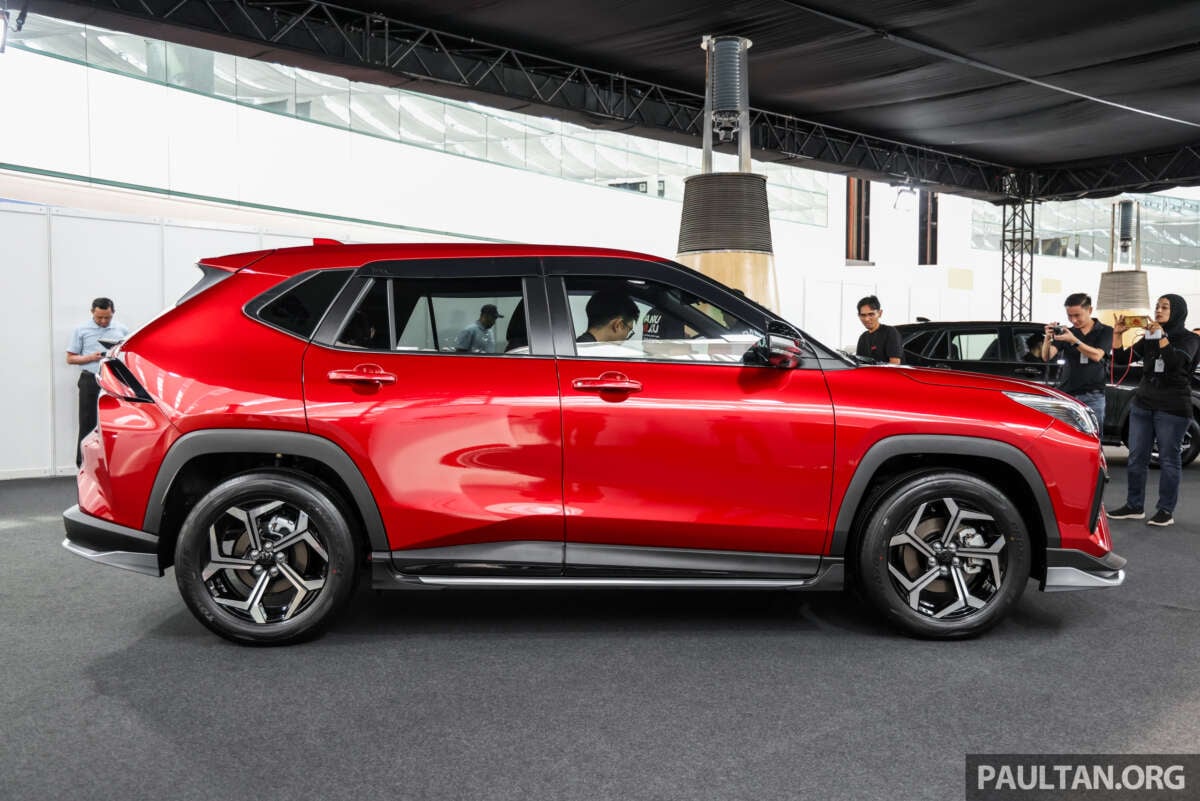
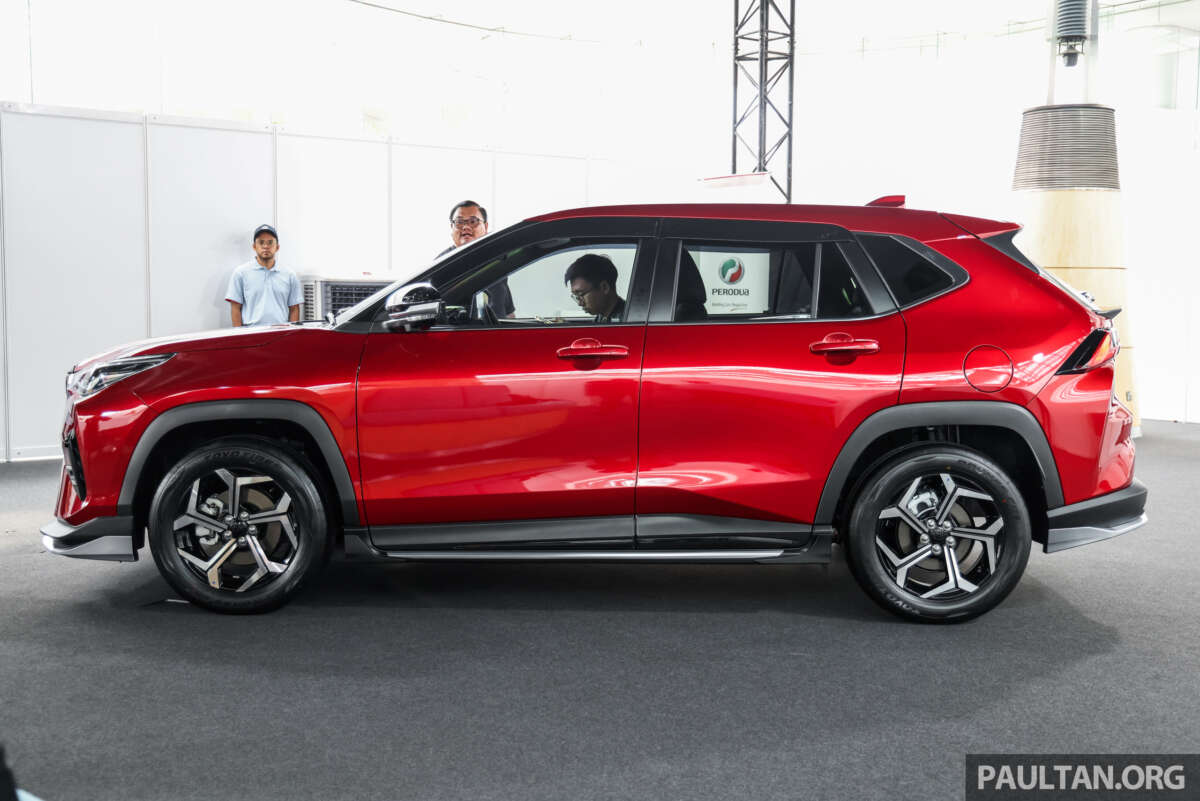
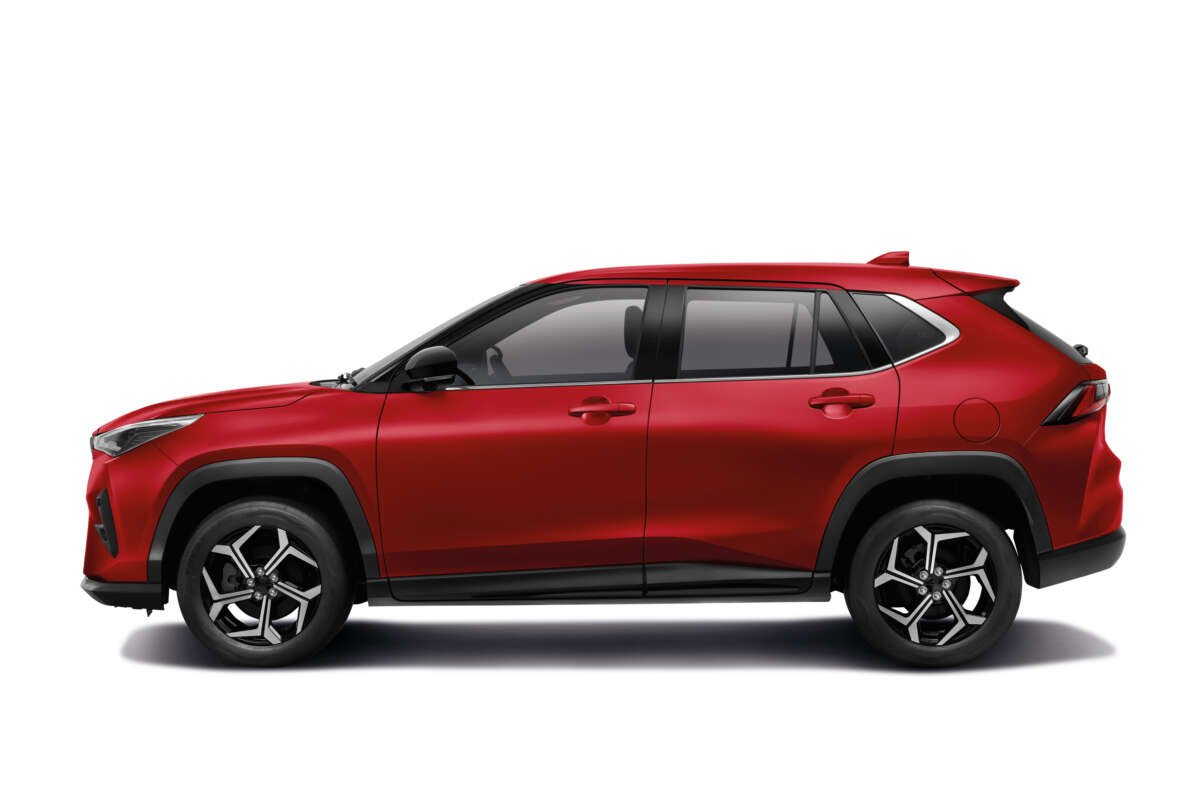
The Traz measures 4,310 mm long, 1,770 mm wide and 1,655 mm tall, with a 2,620 mm wheelbase and a high 210 mm of ground clearance. That makes it 245 mm longer and 60 mm wider than the Ativa, with a wheelbase 95 mm longer.
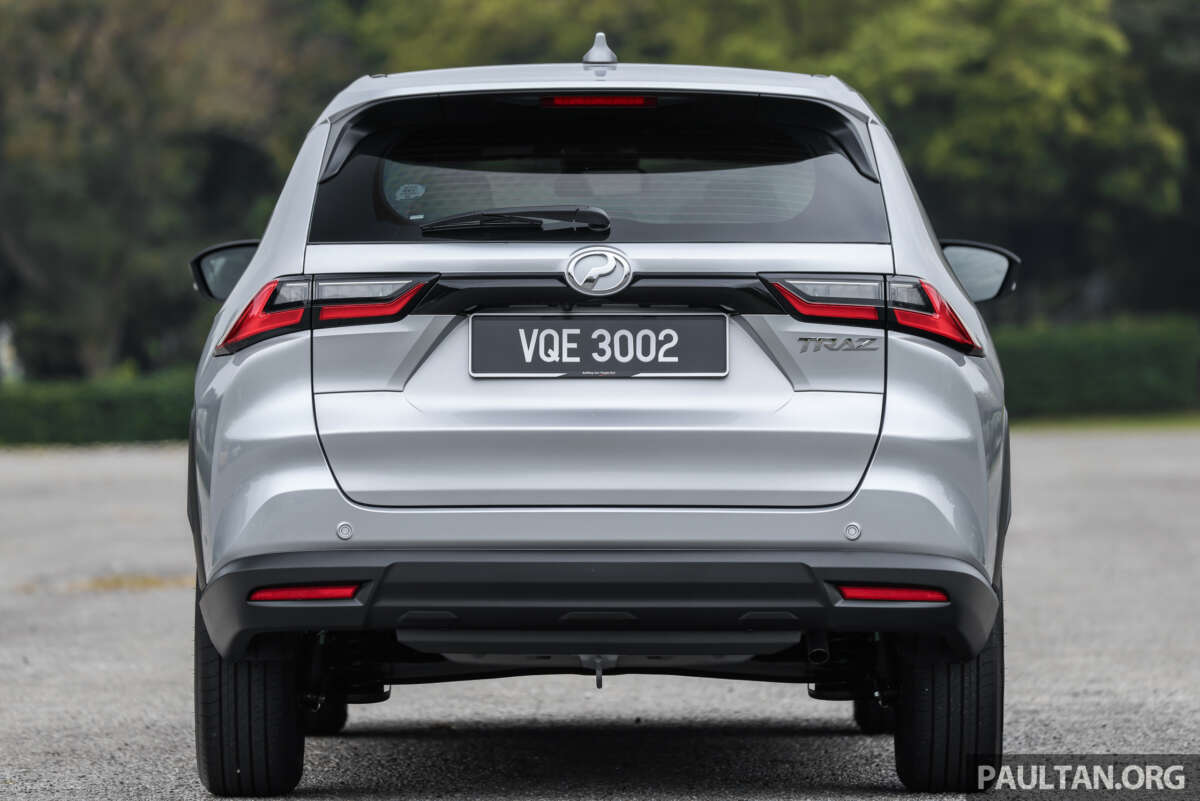
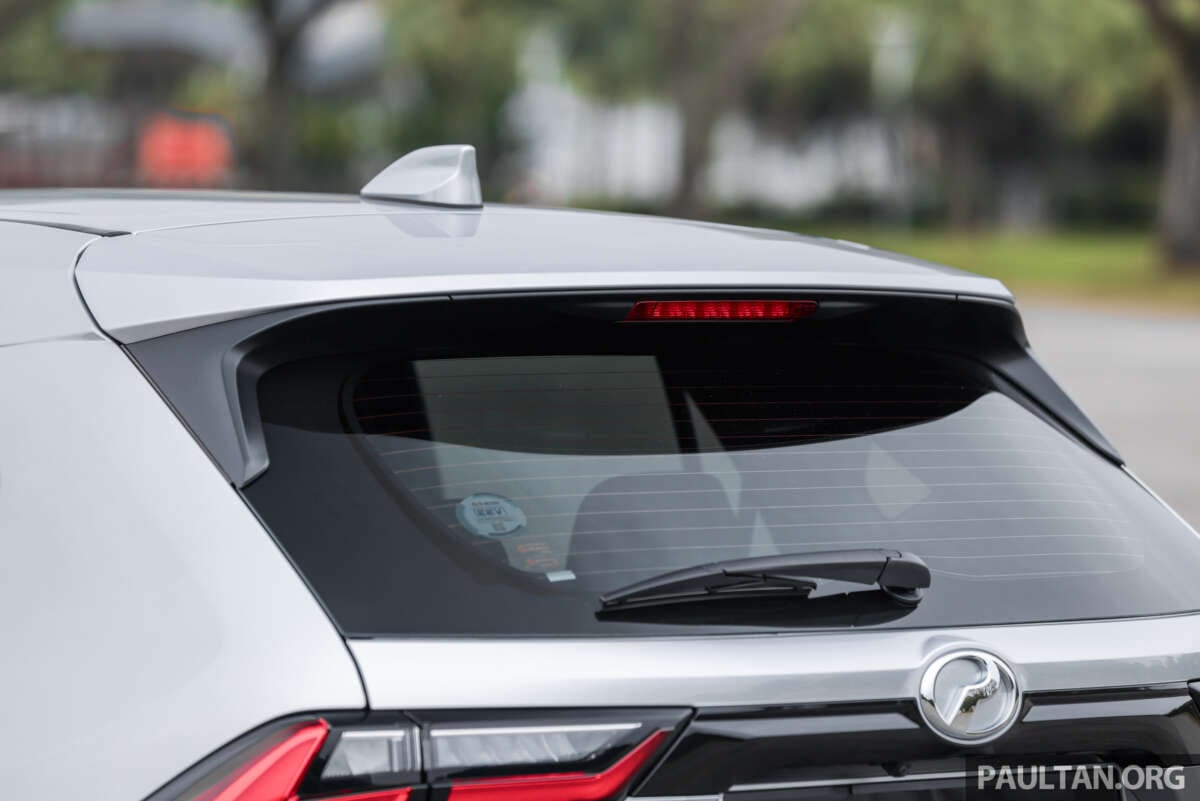
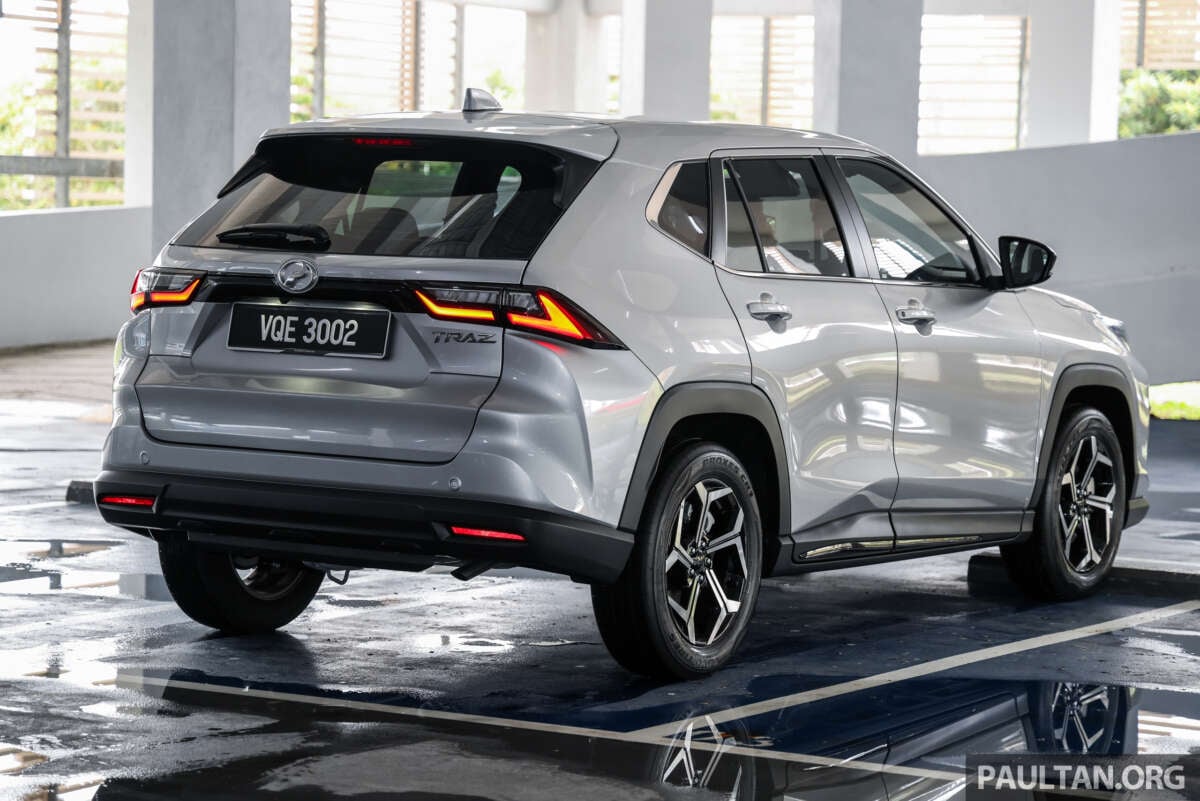
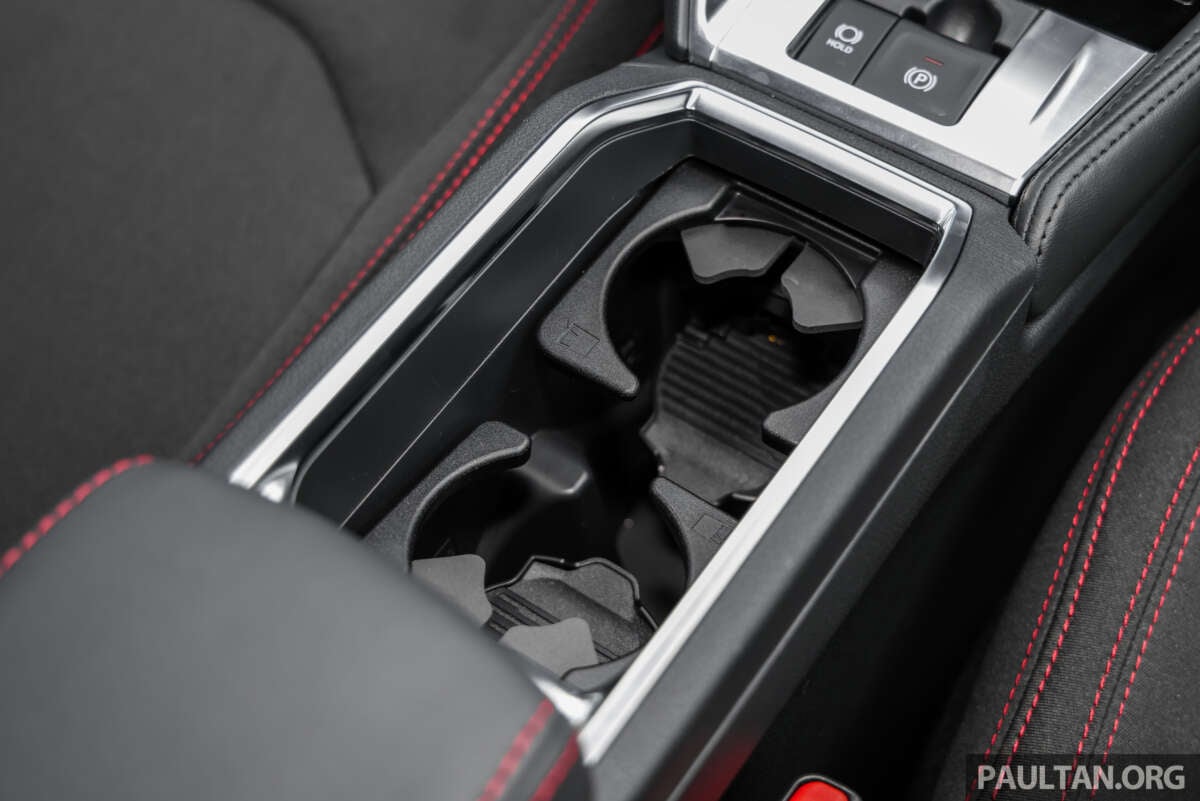
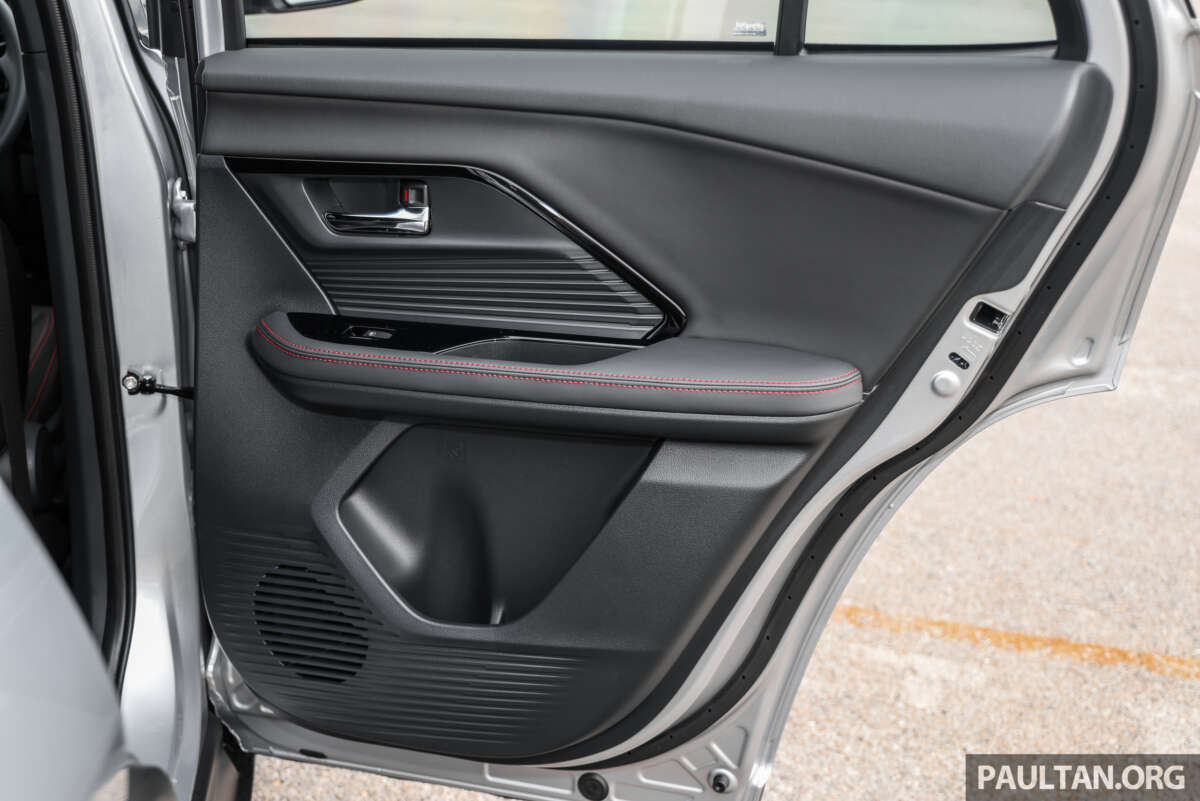
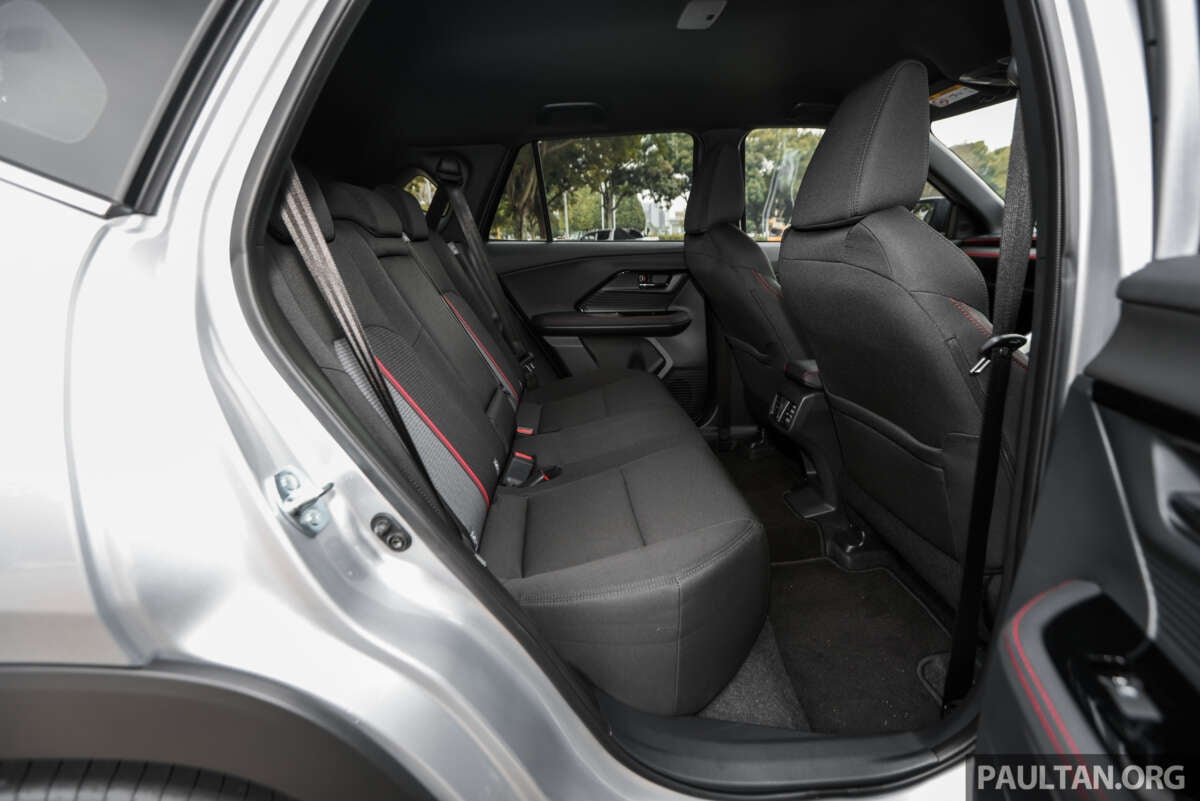
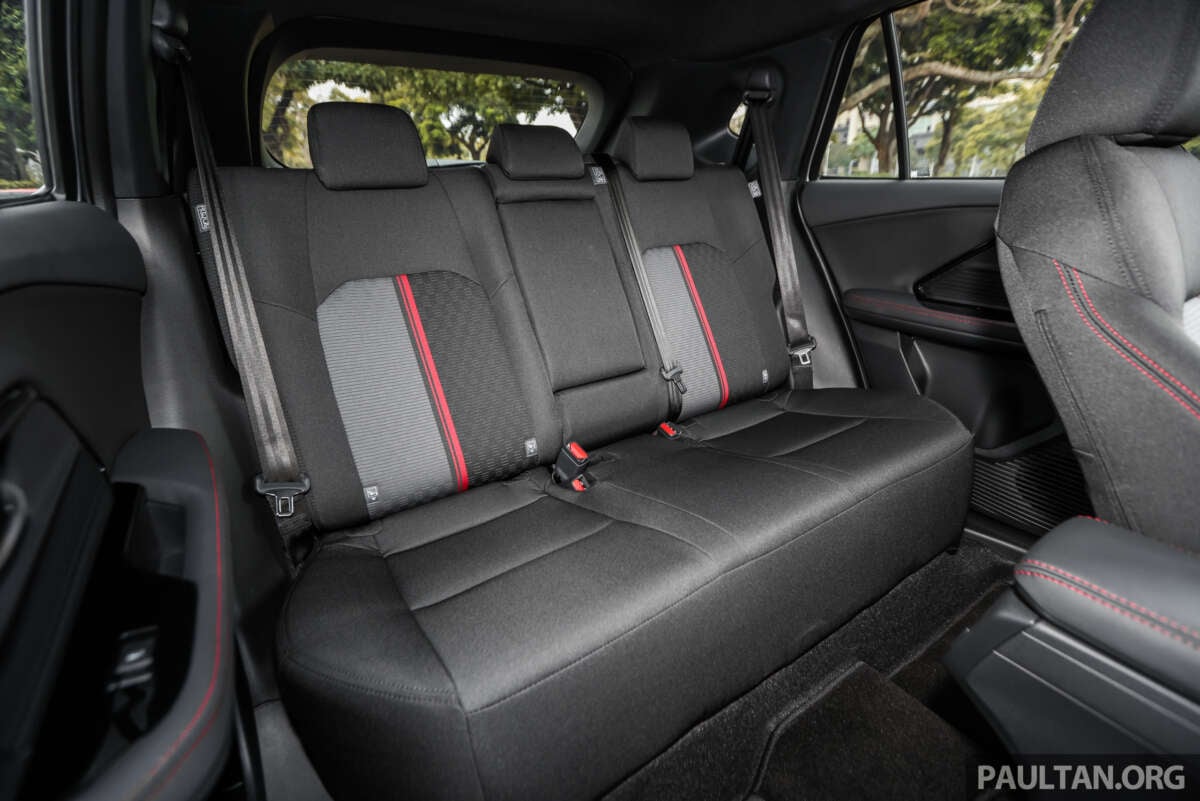
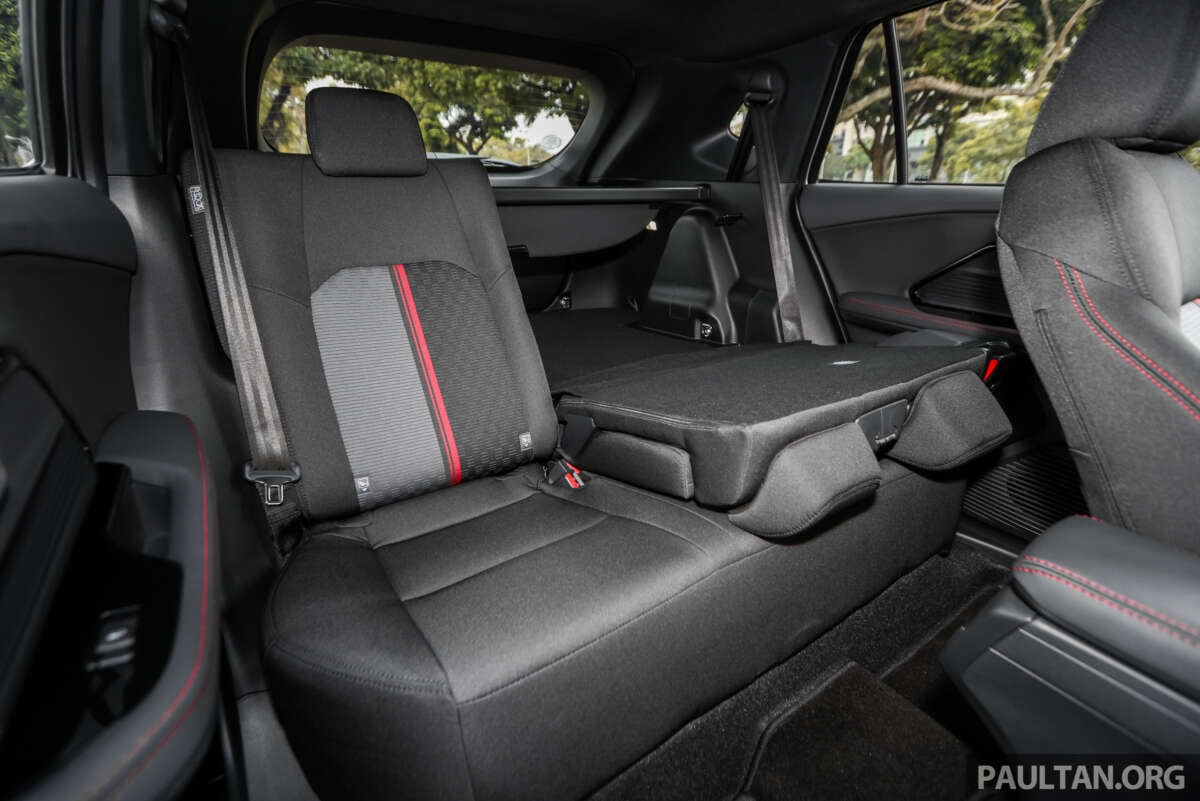
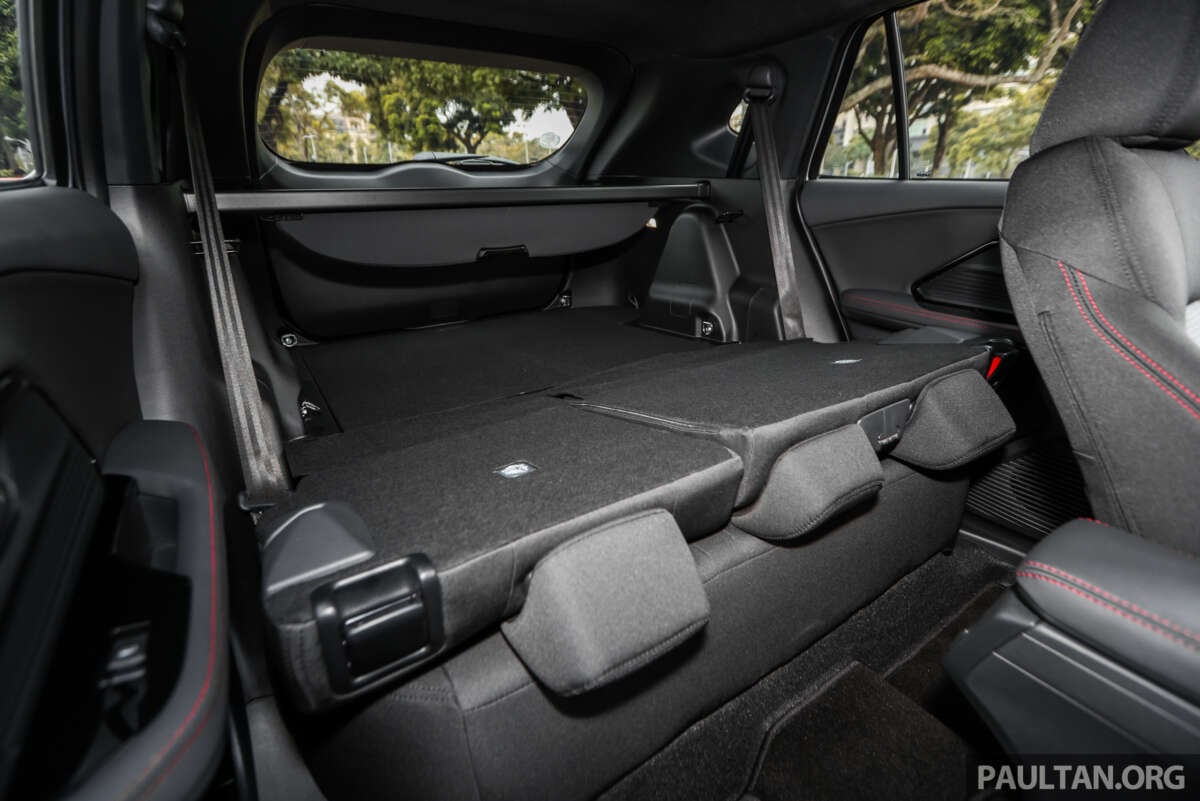
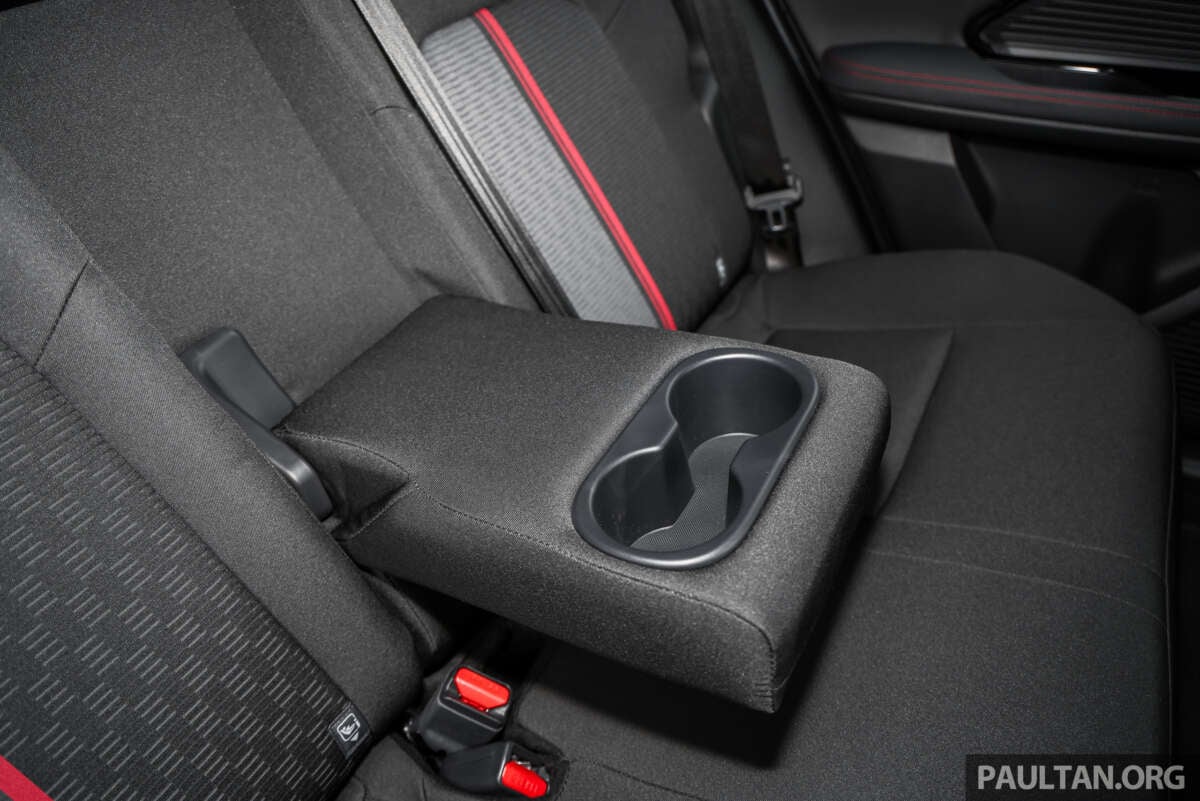
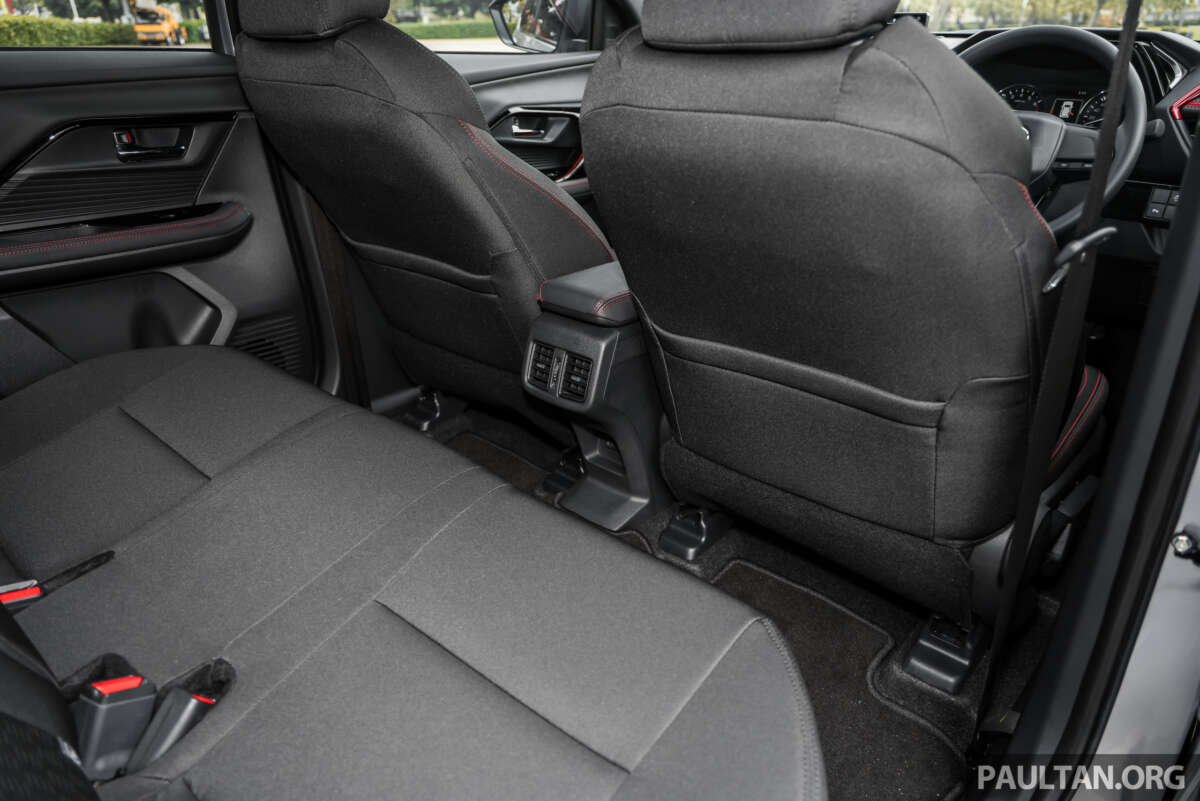
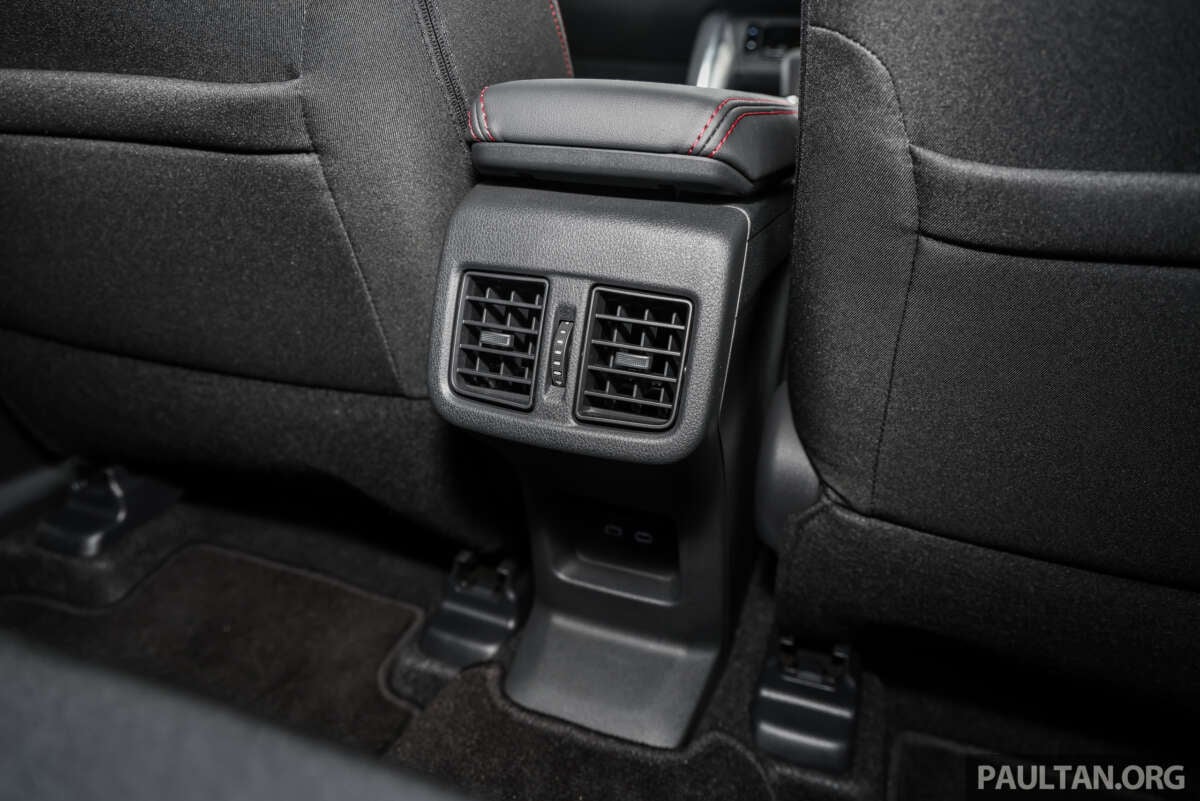
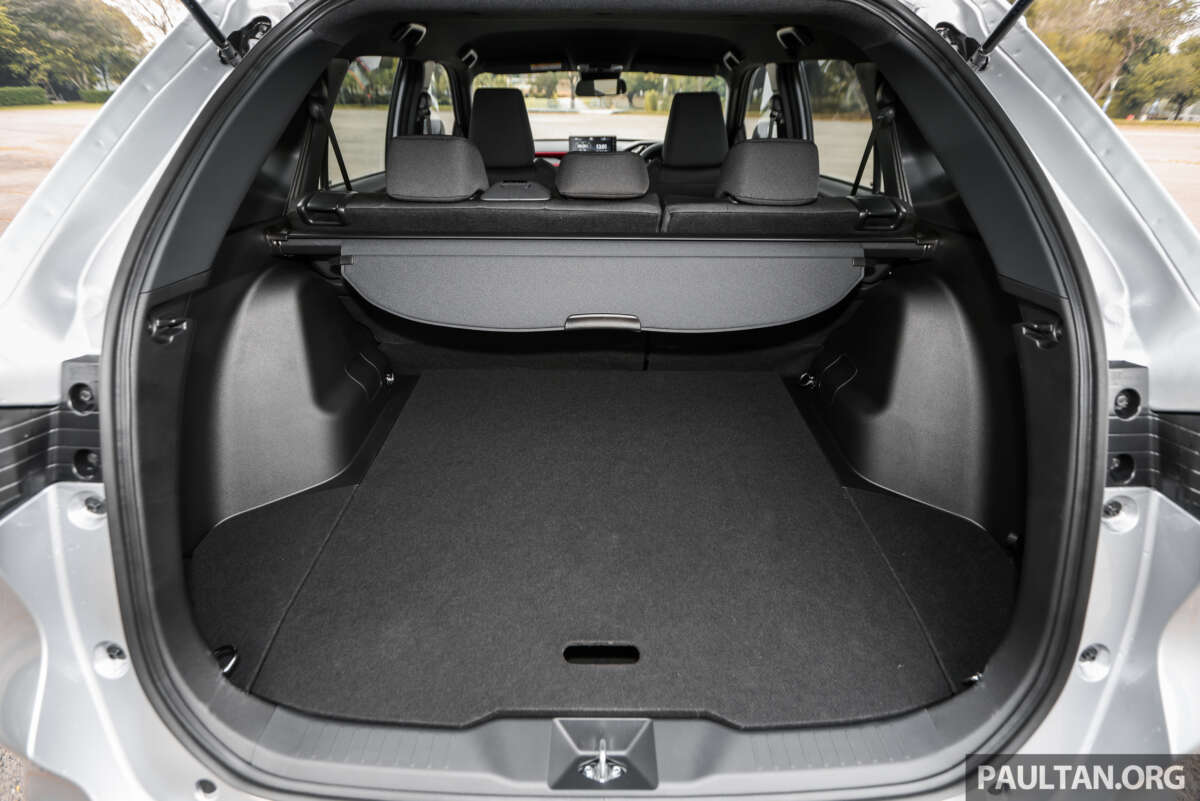
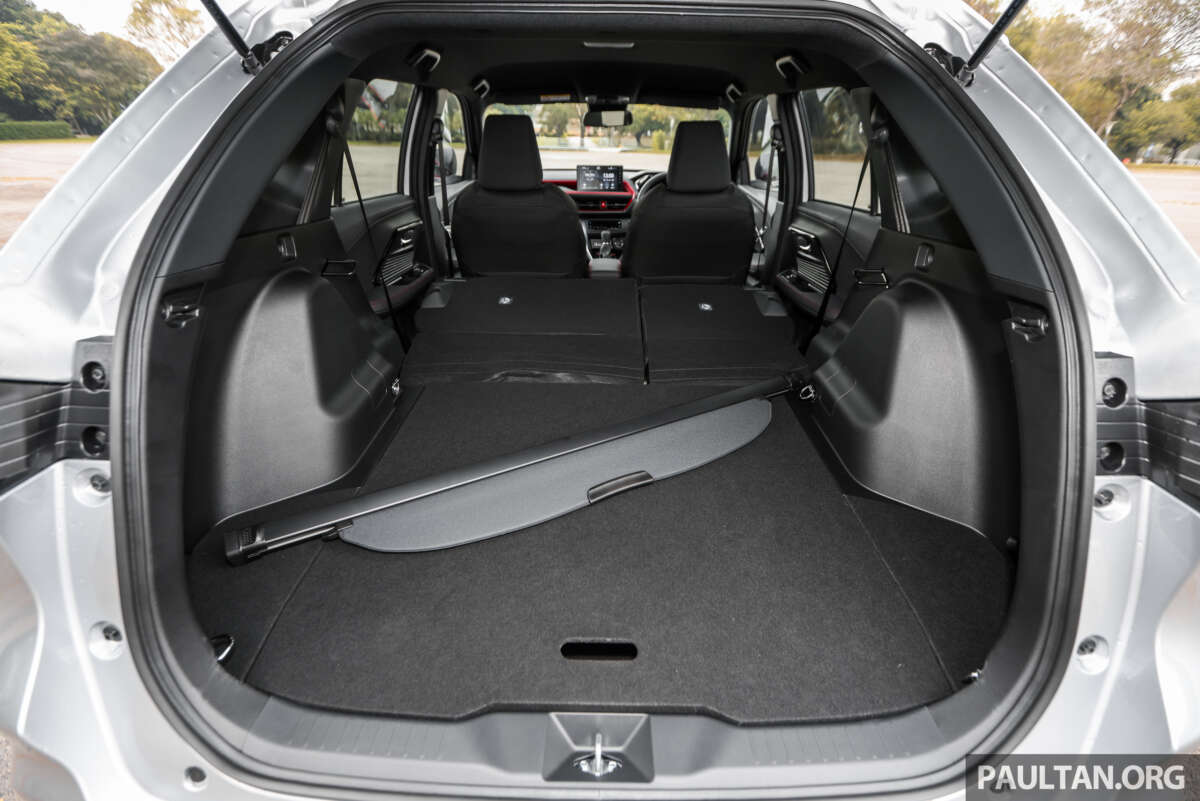
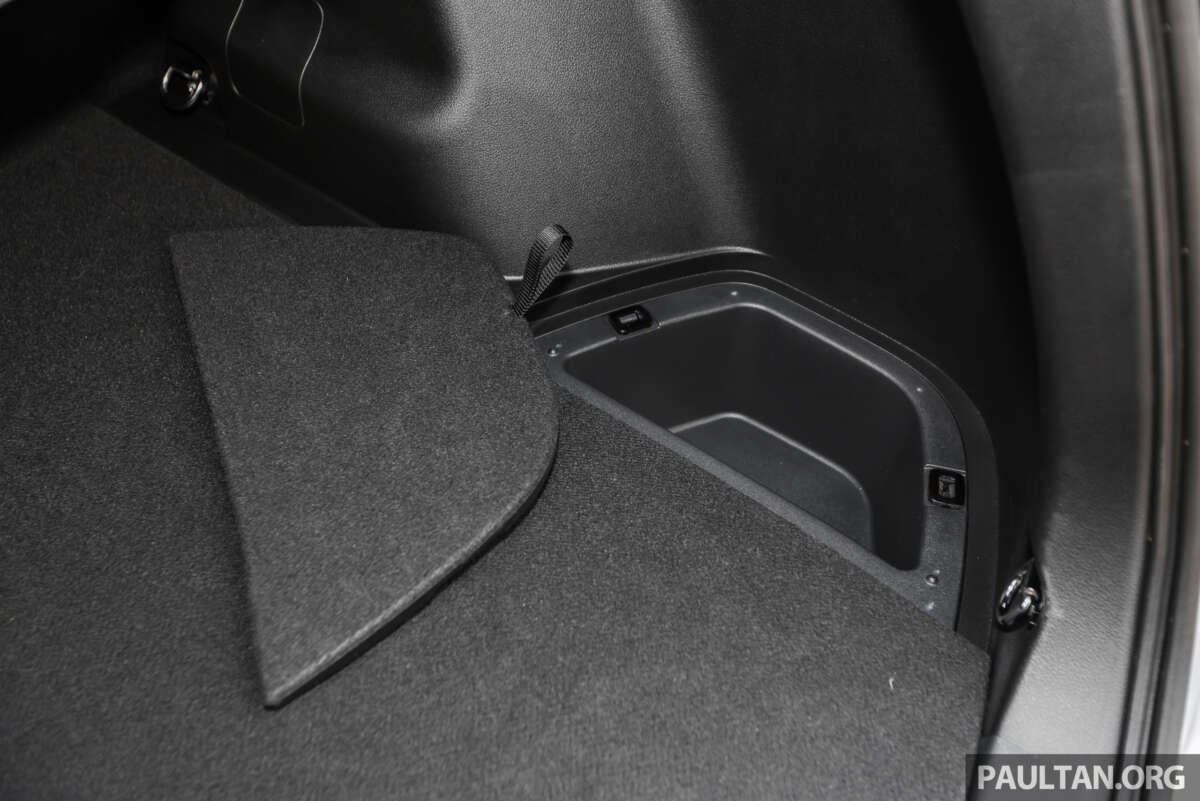
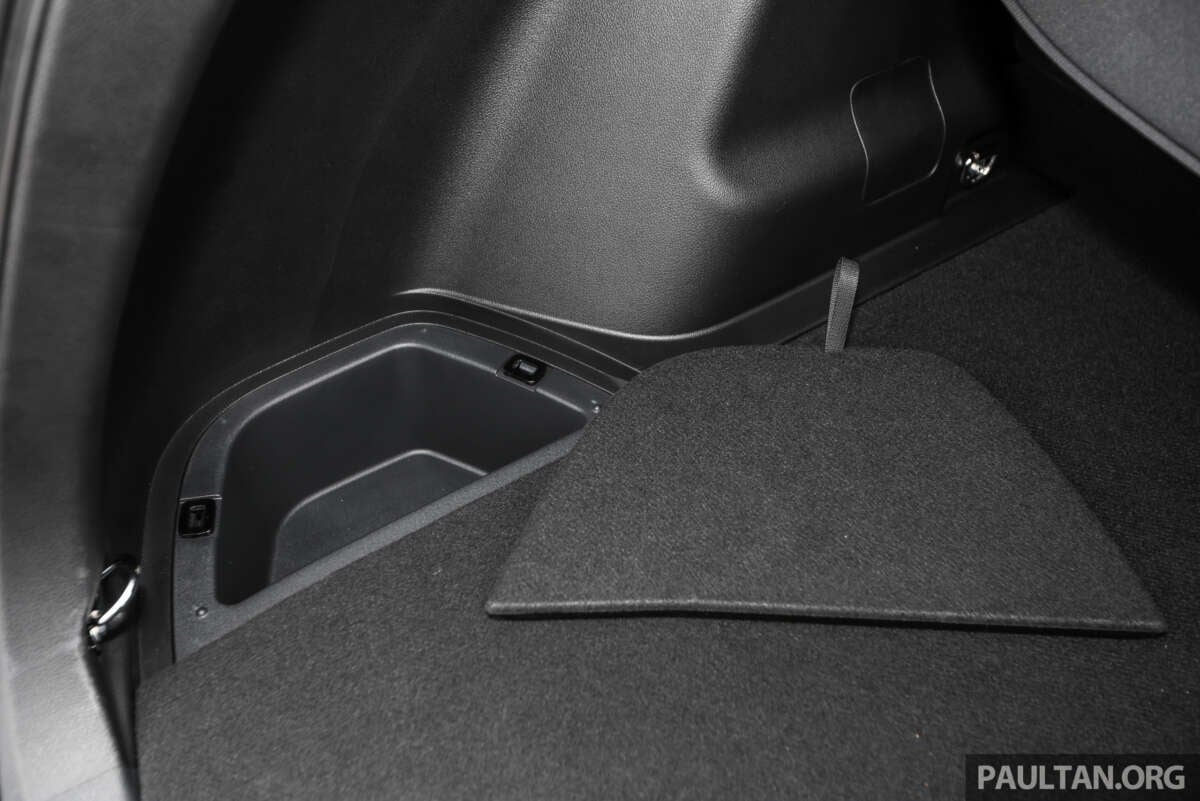
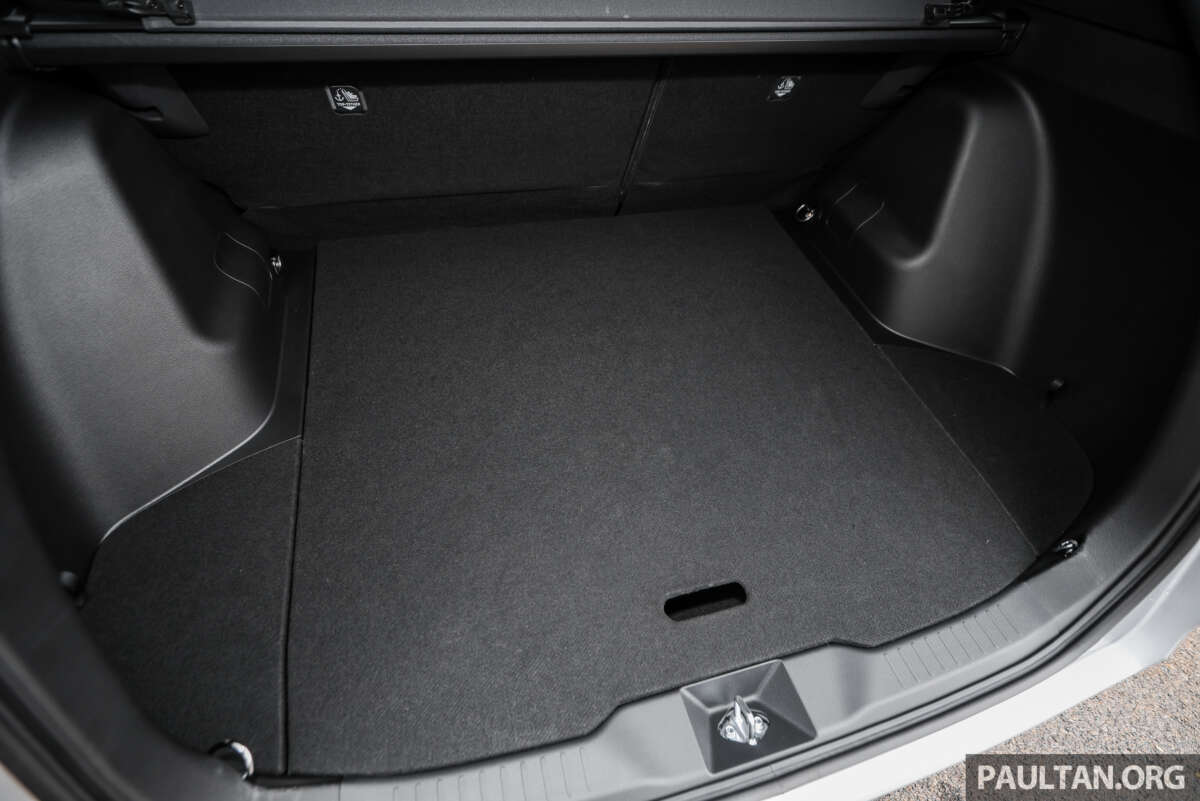
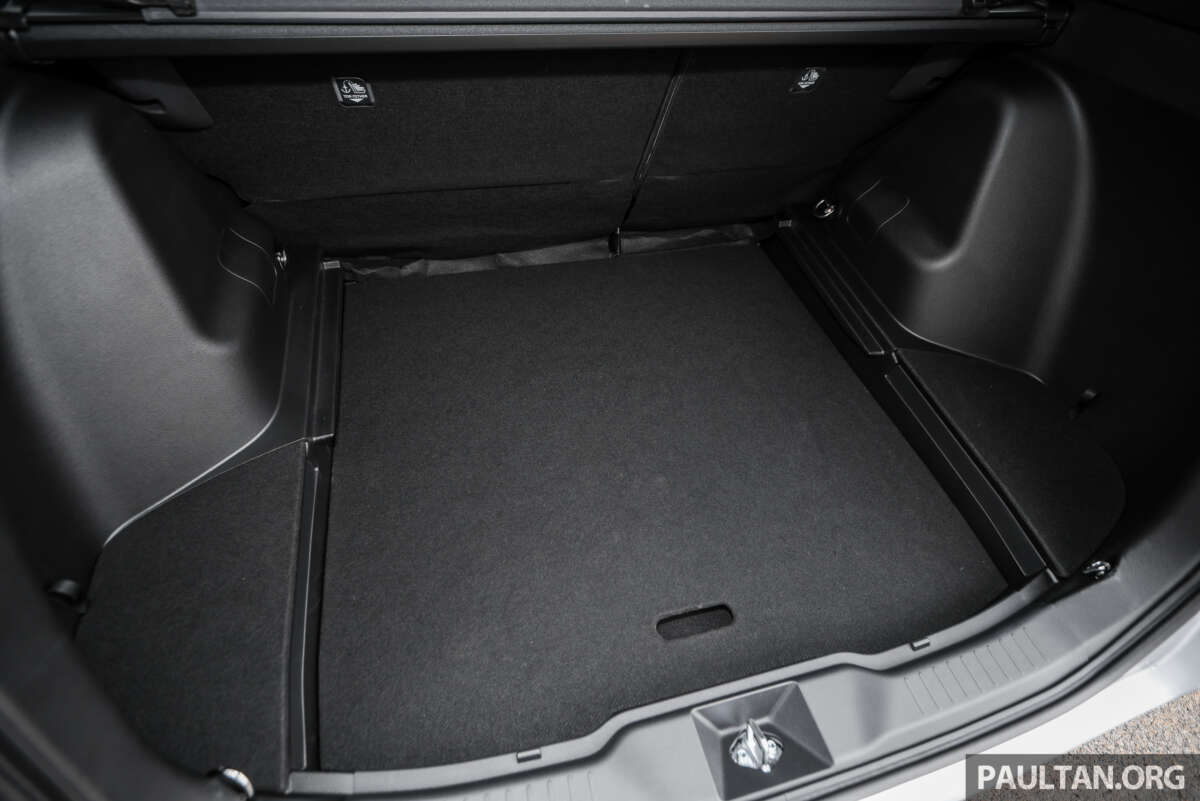
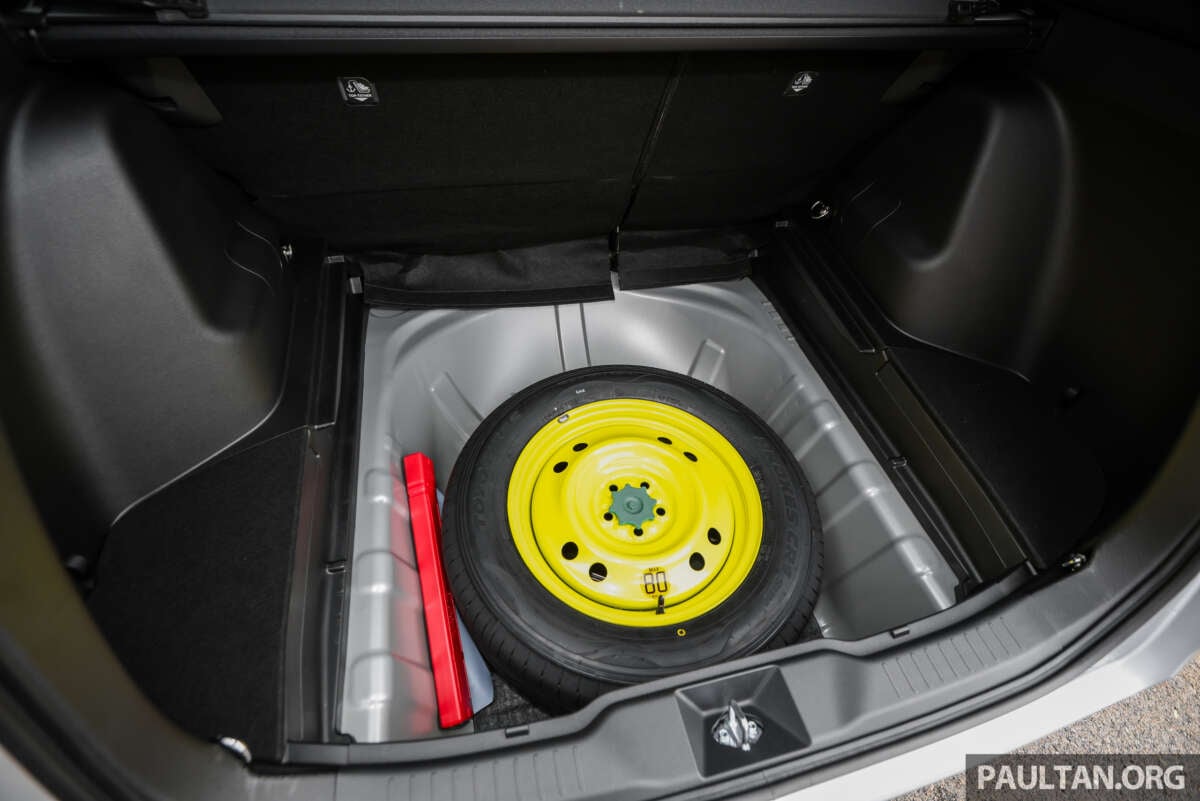
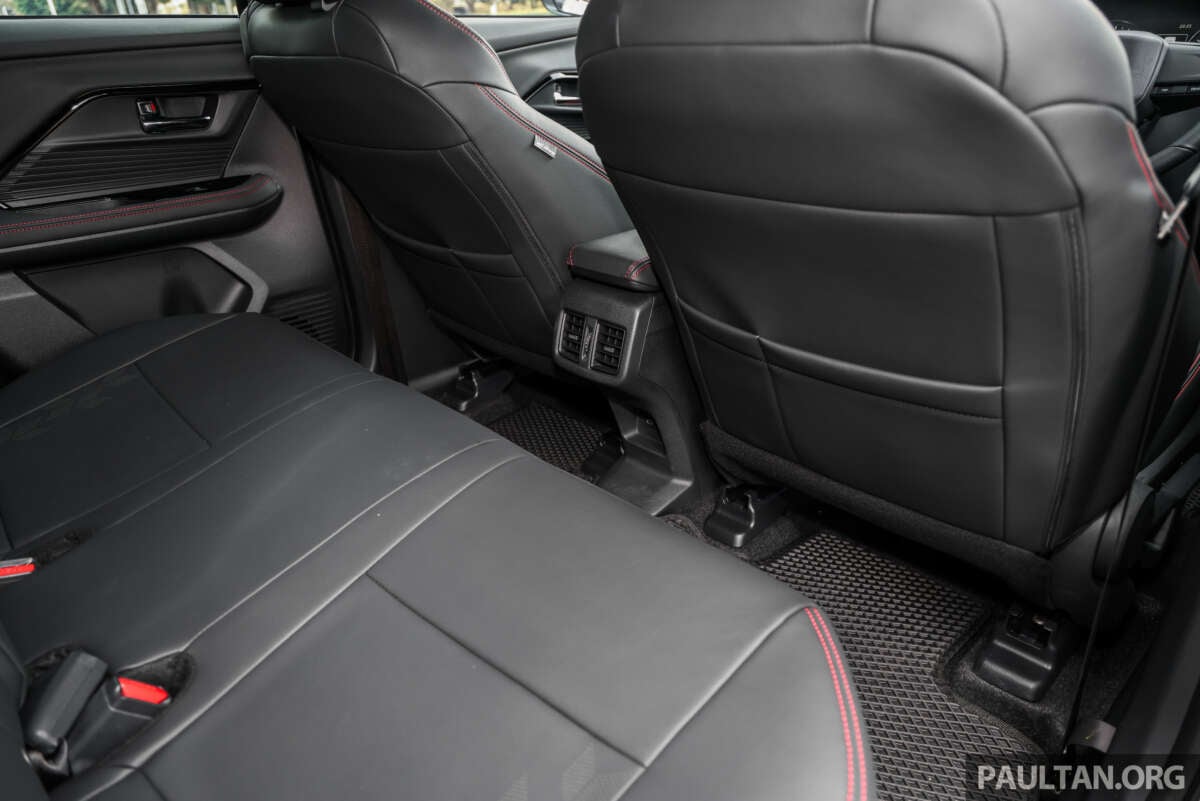
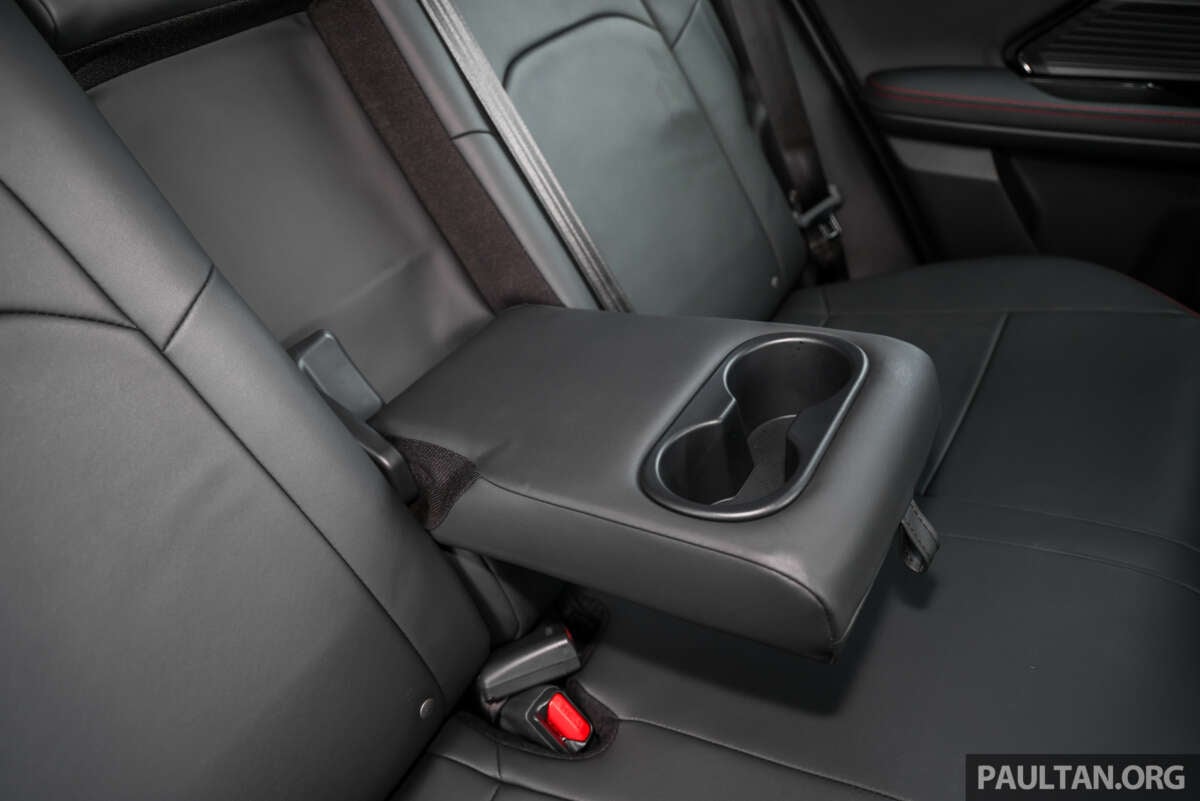
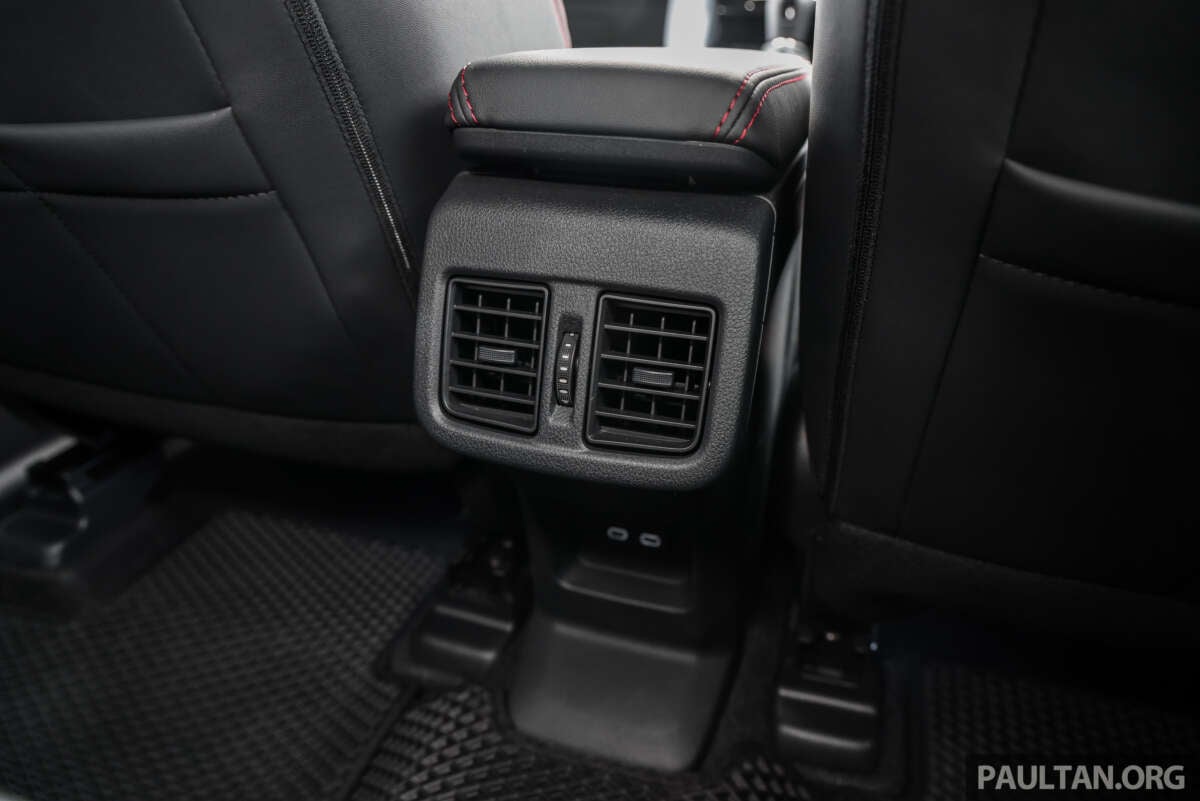
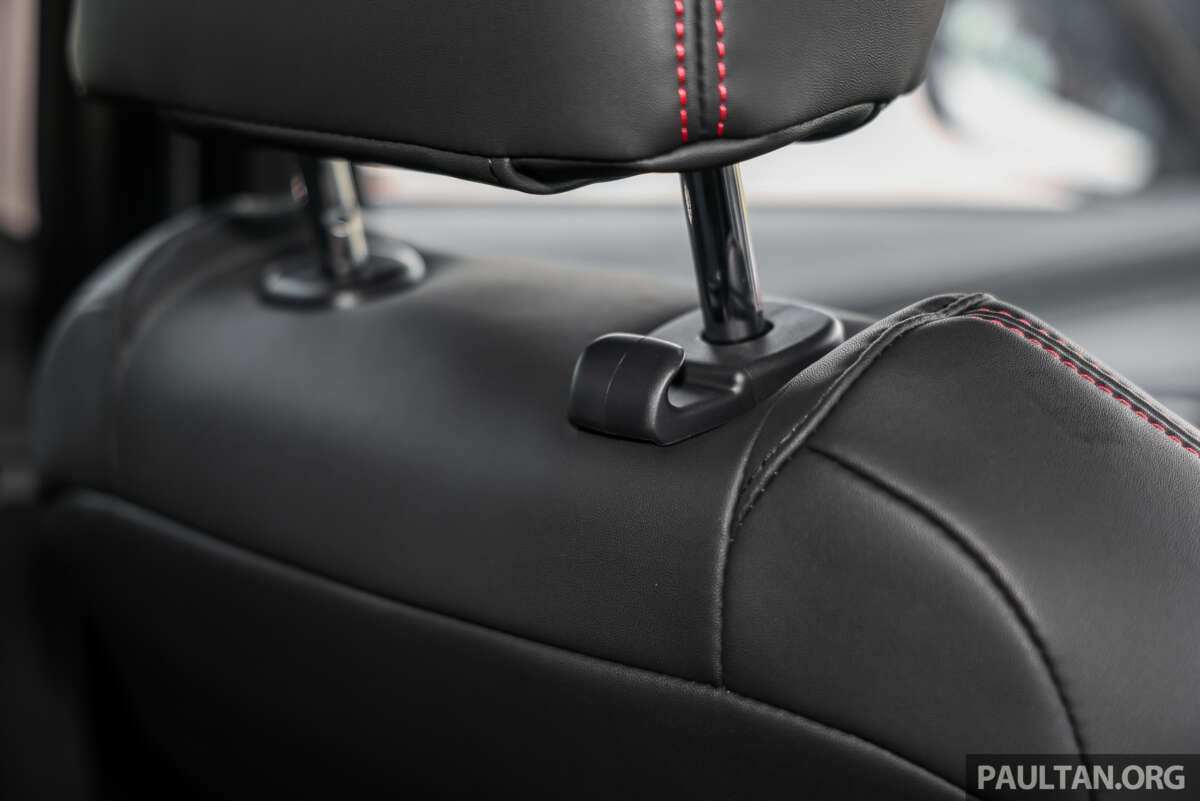
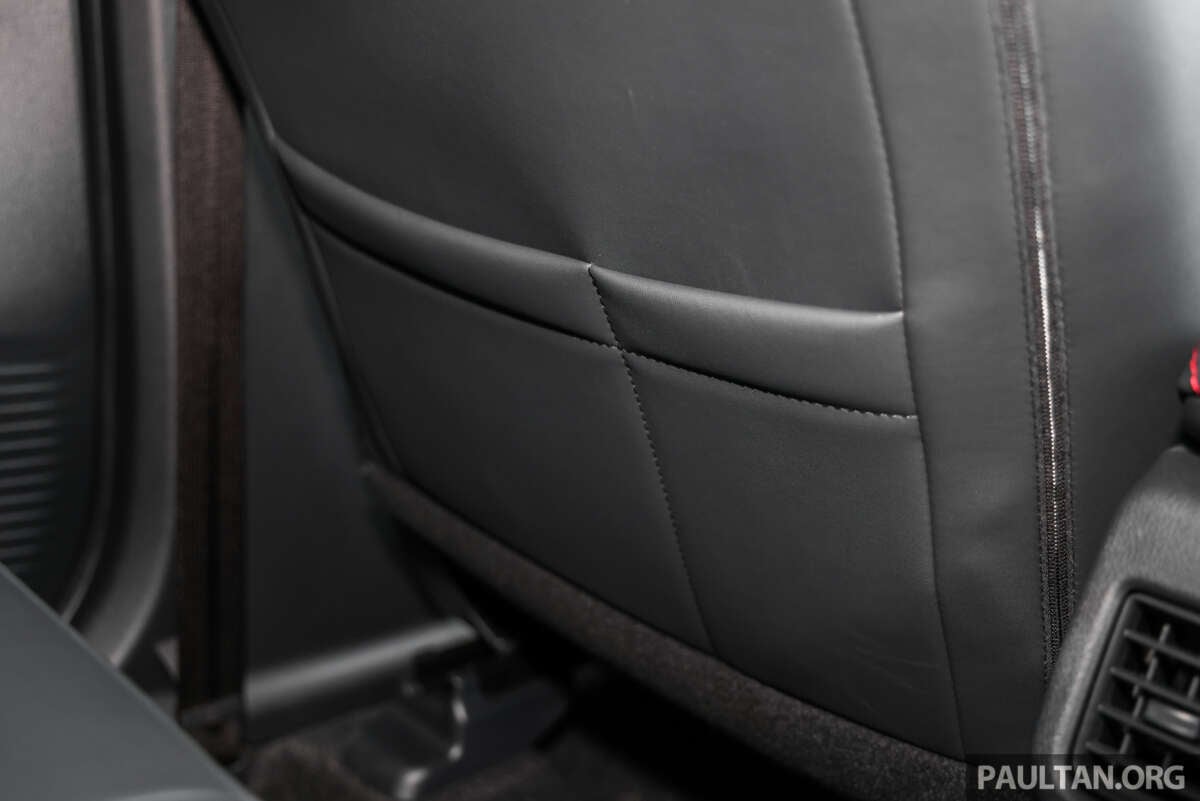
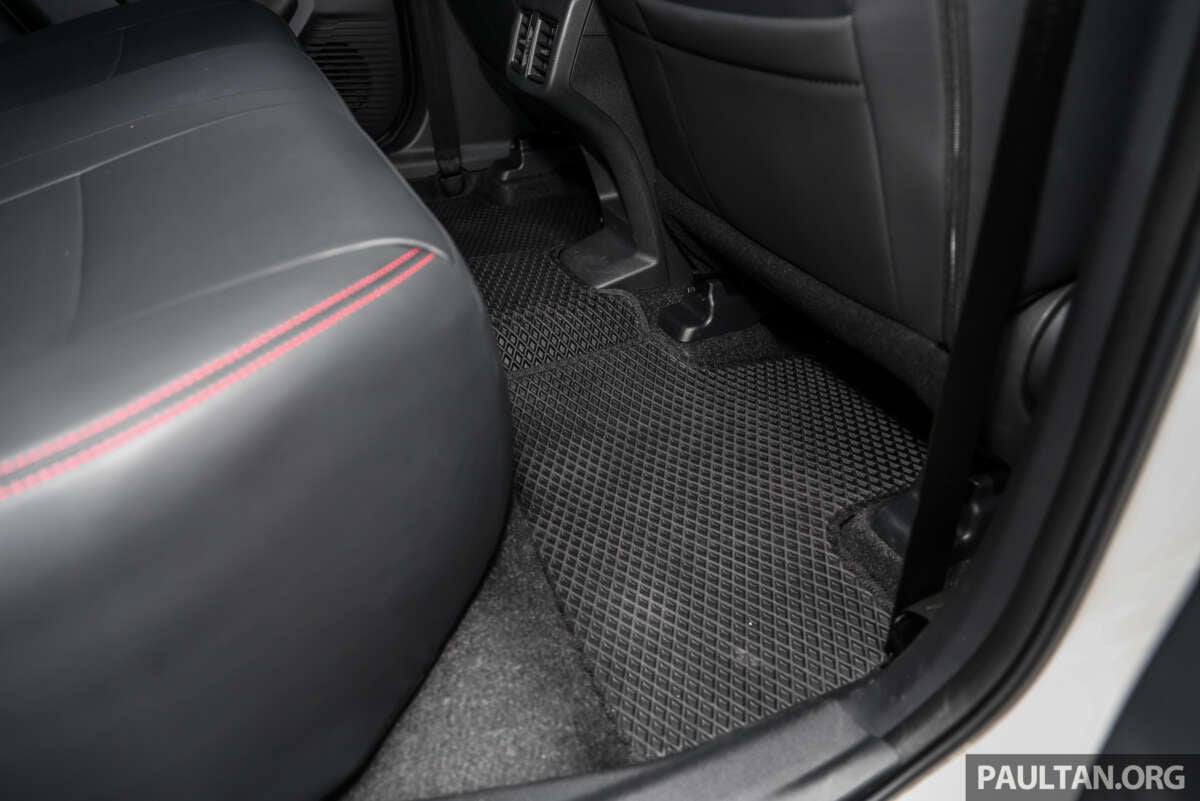
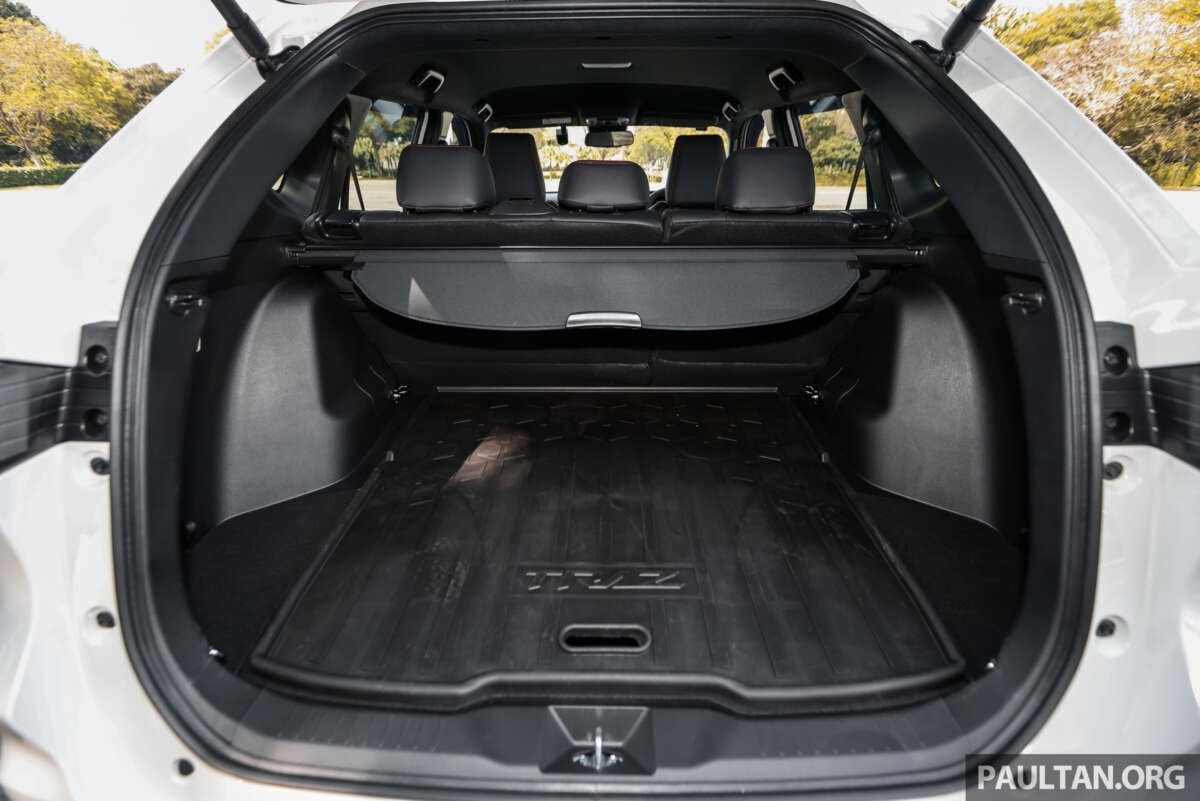
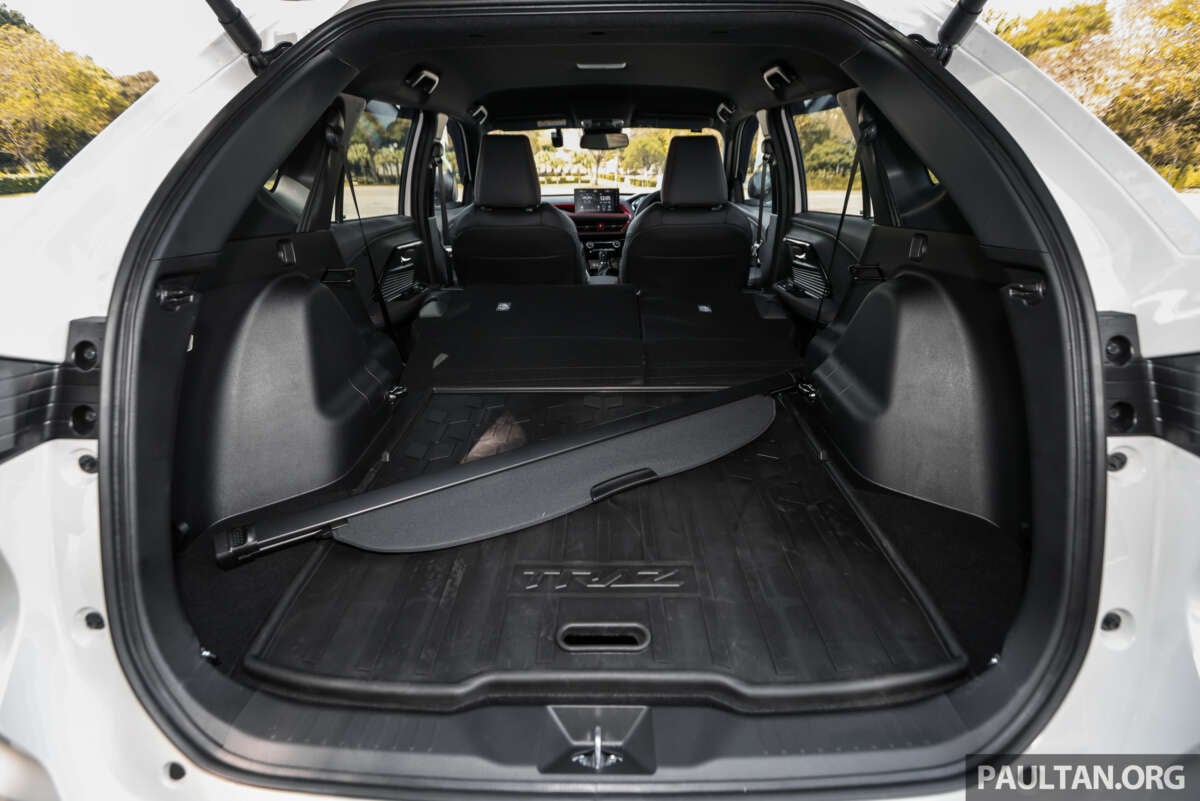
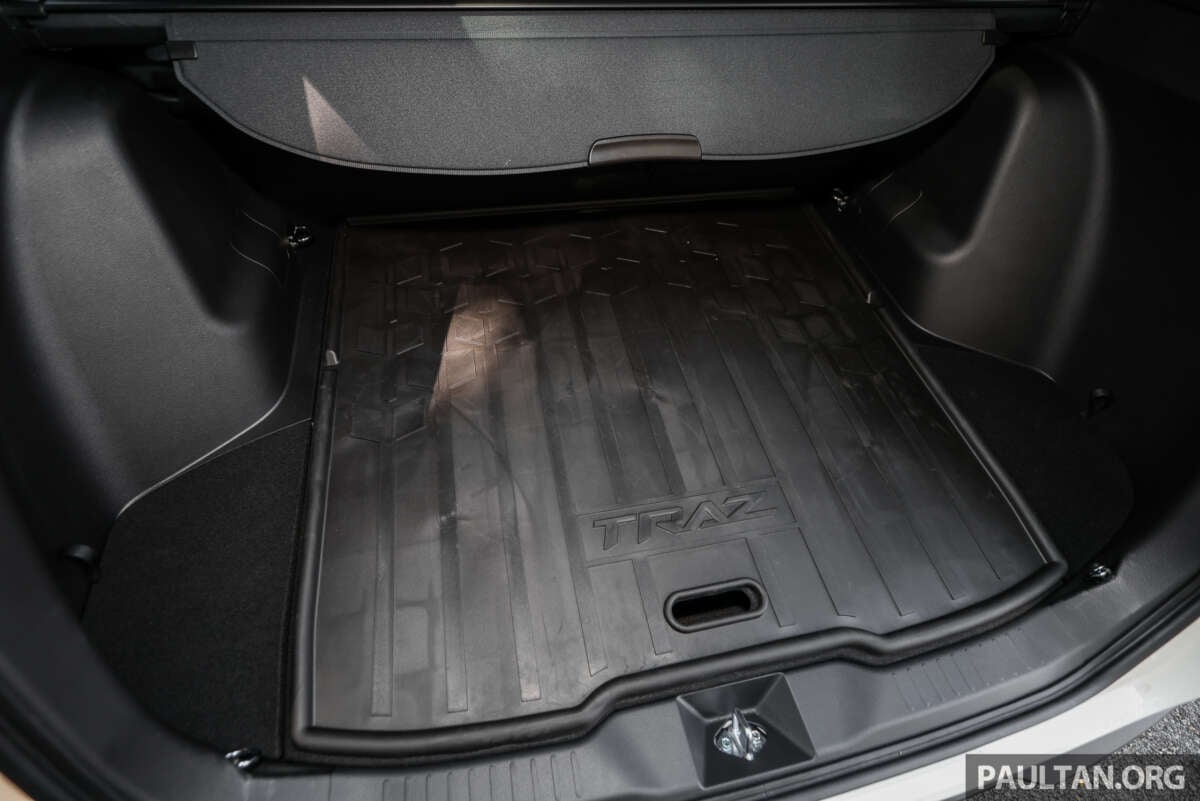
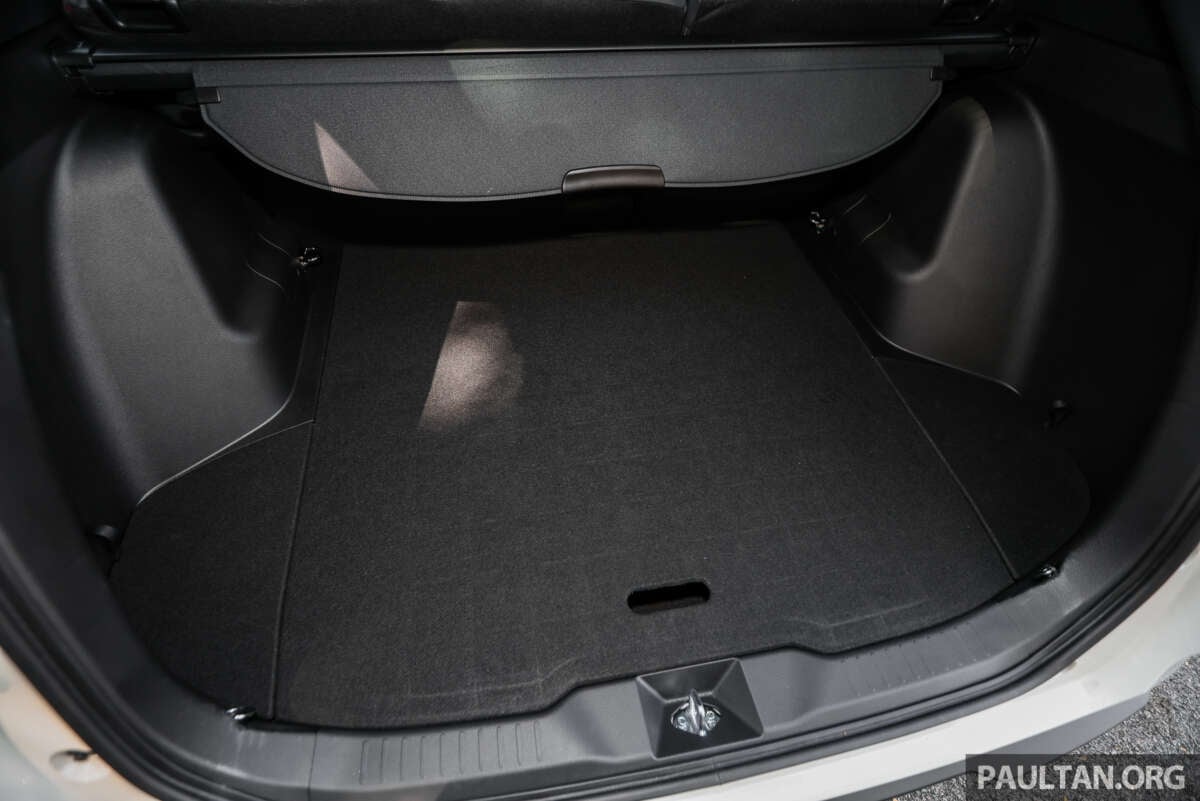
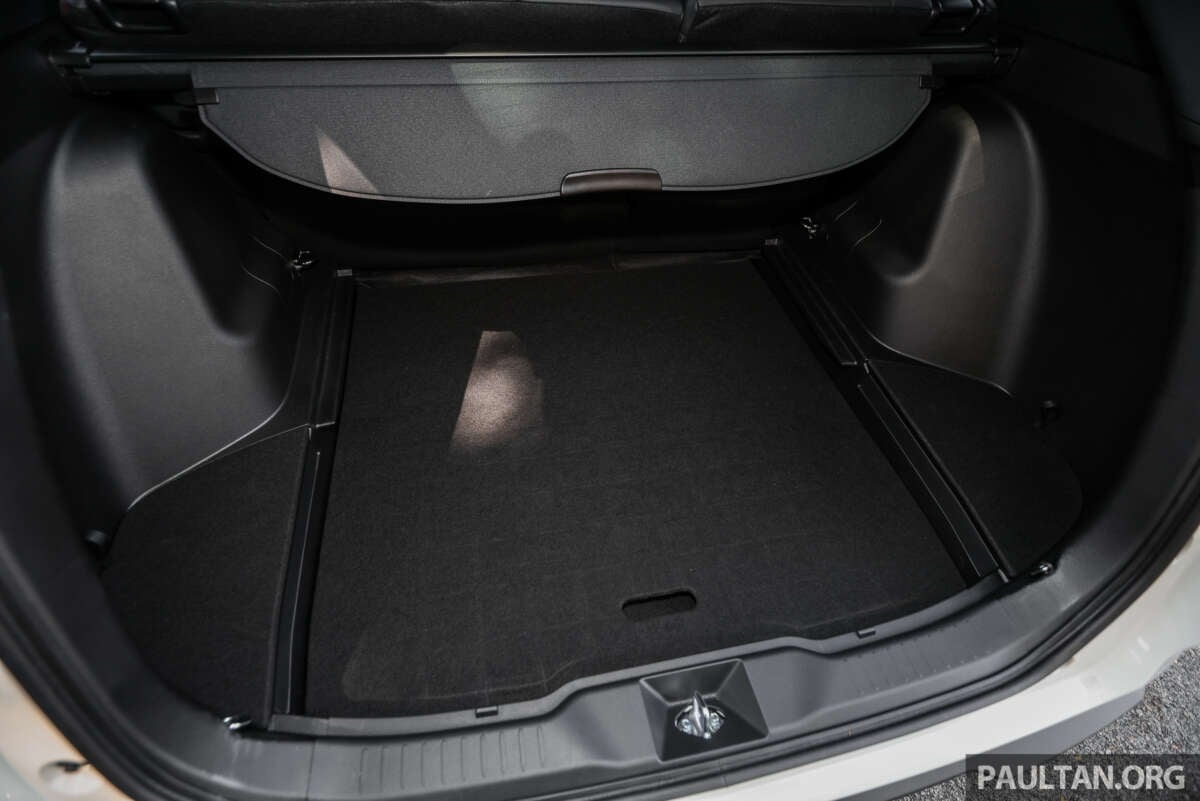
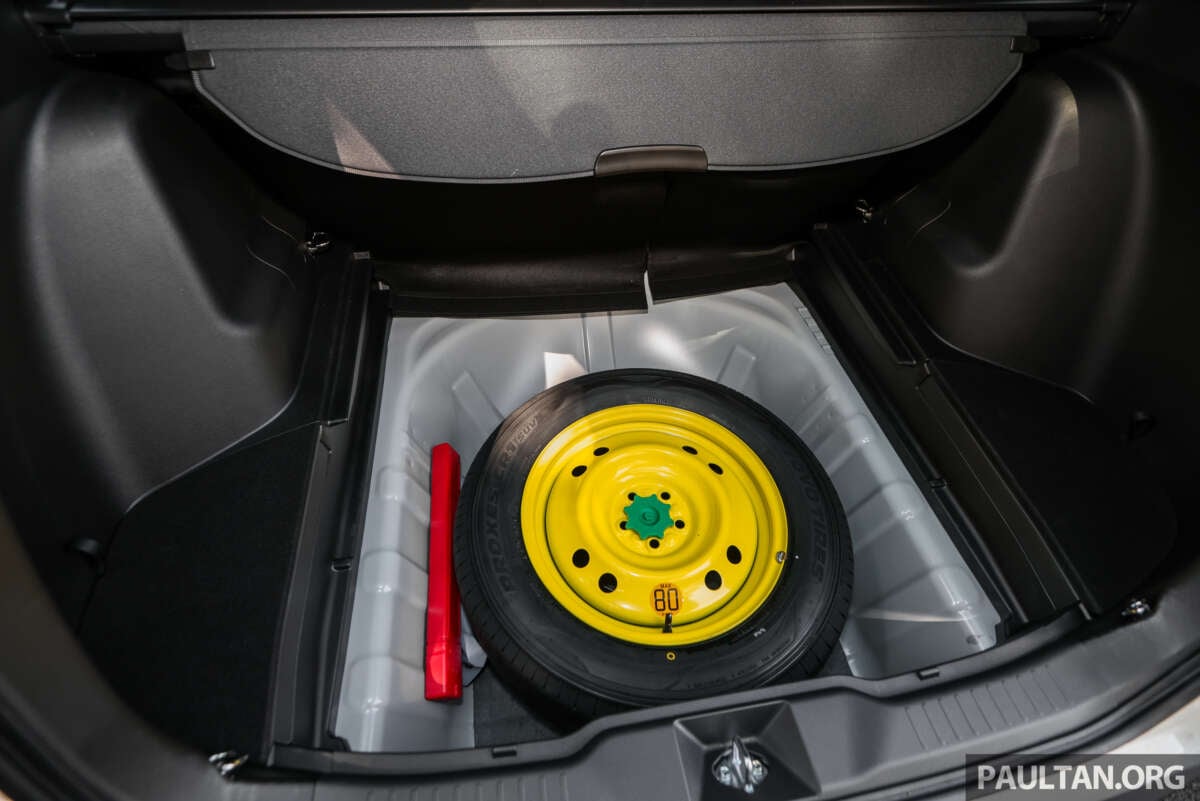
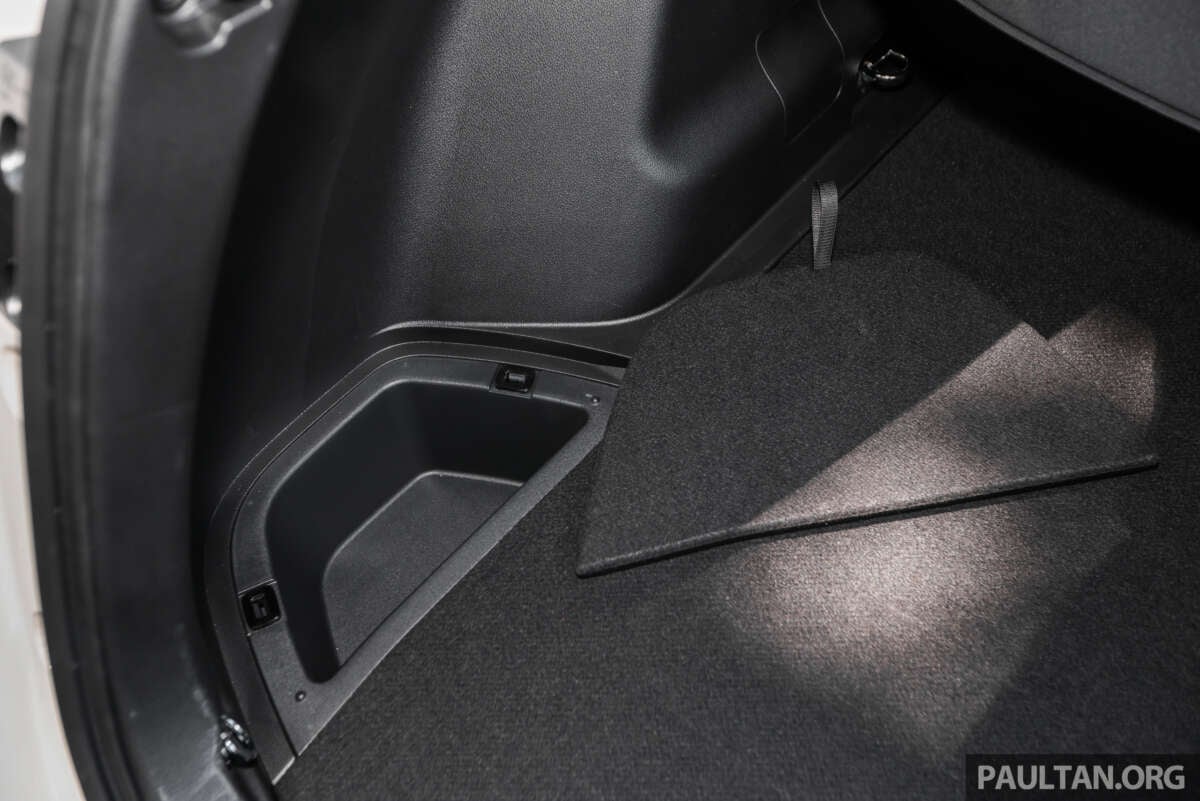
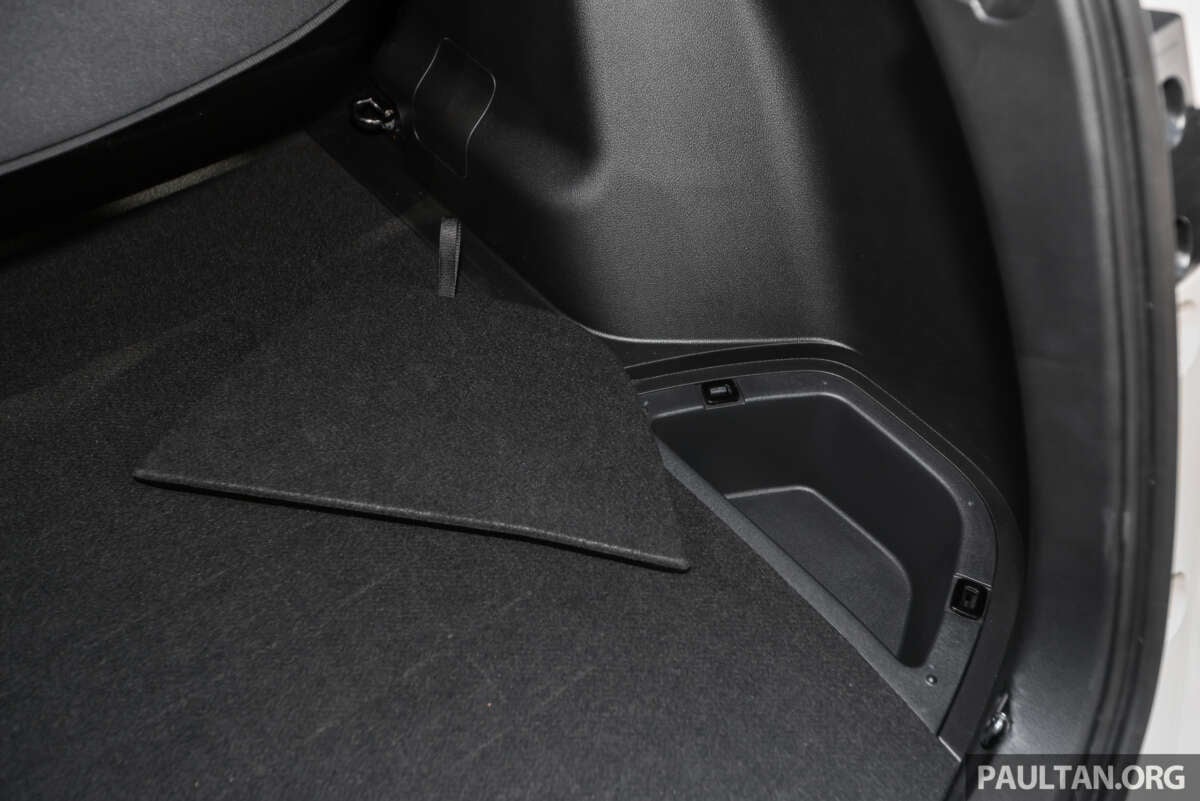
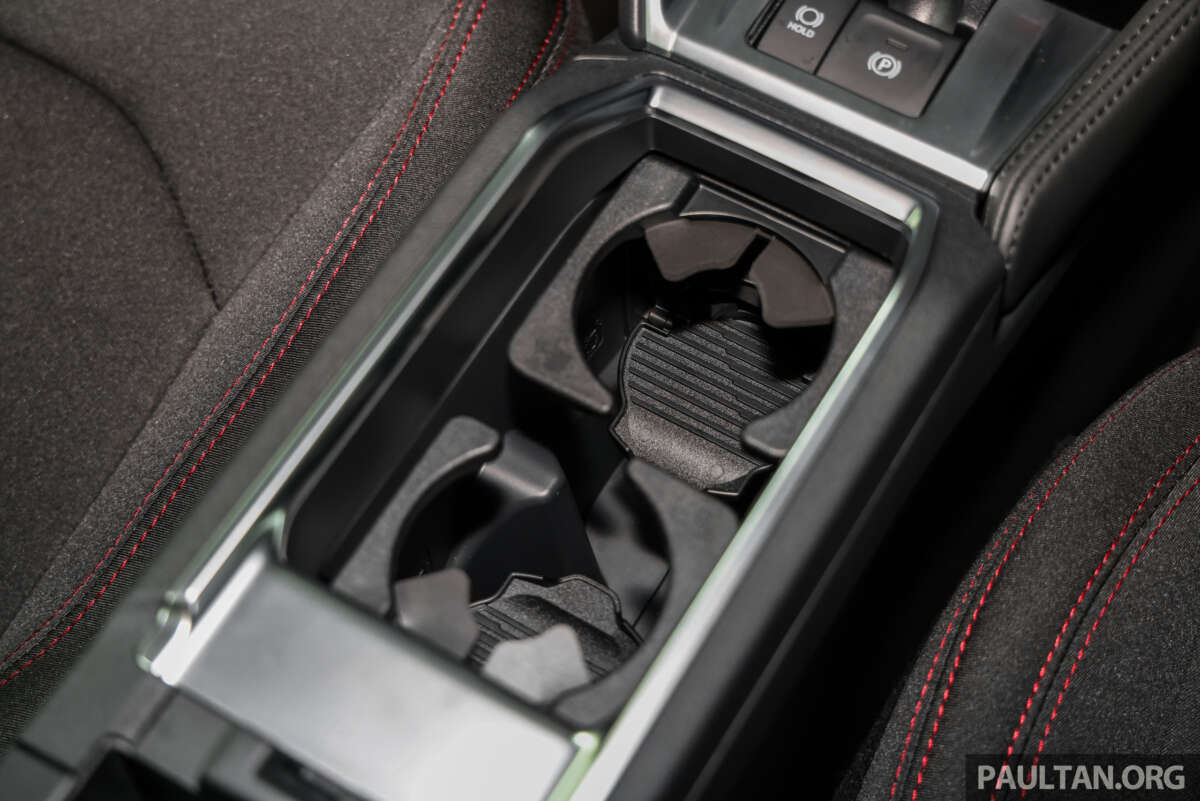
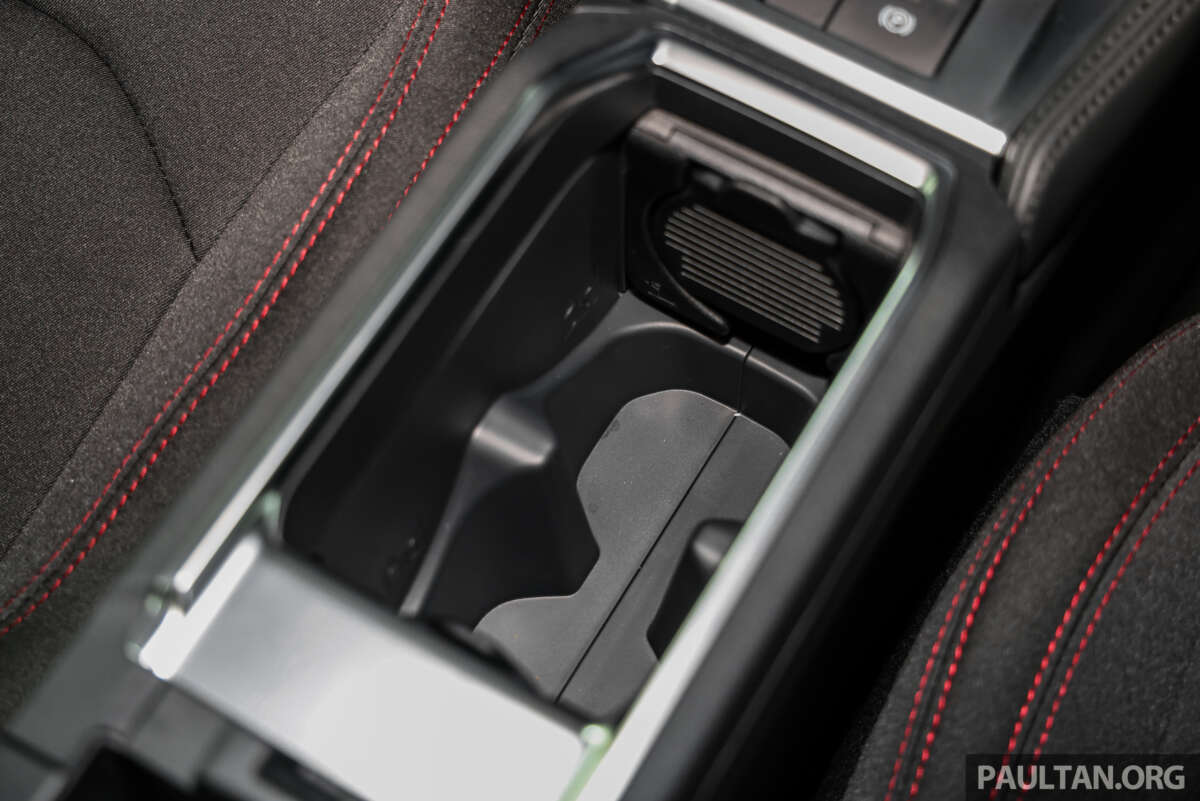
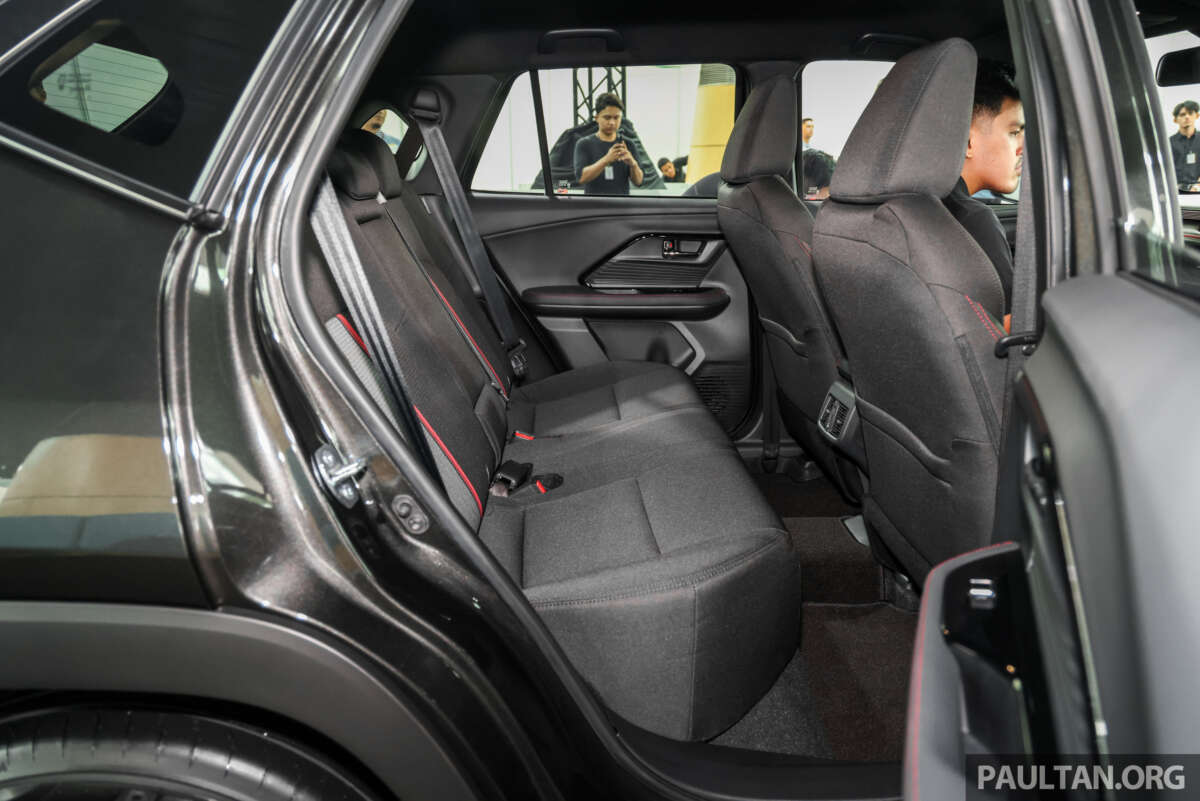
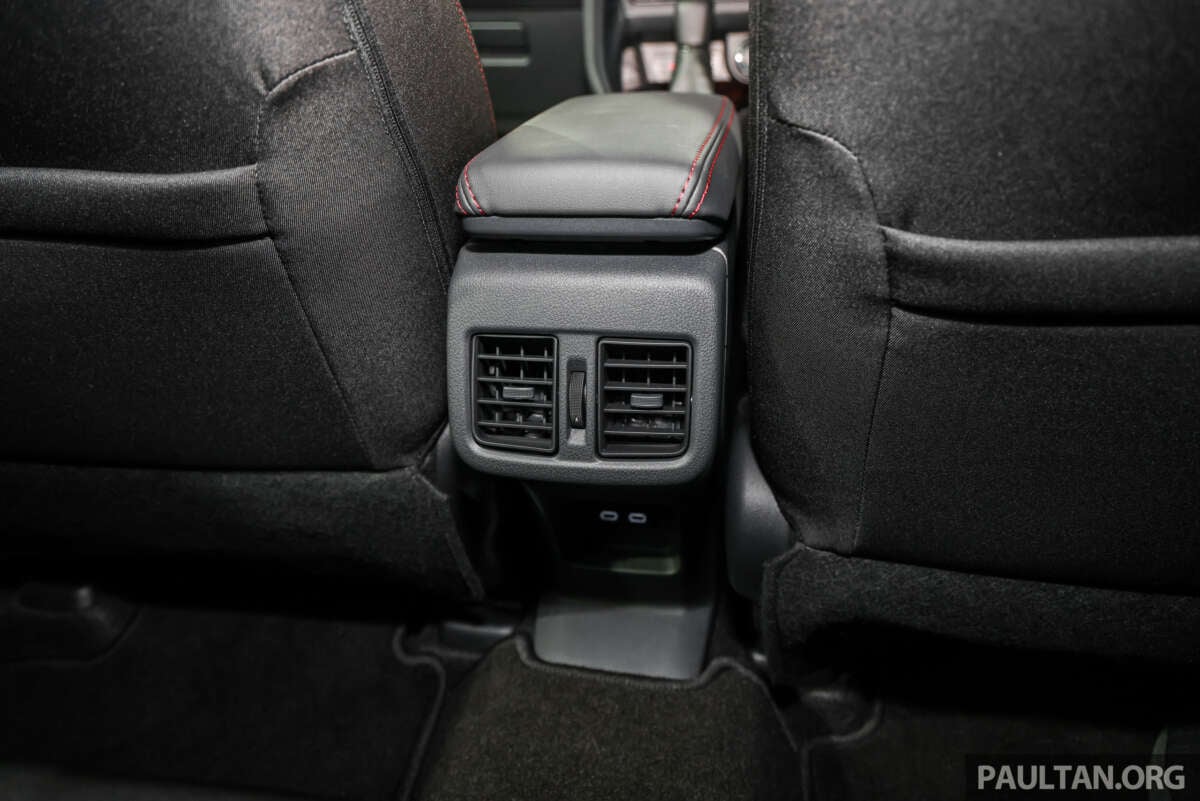
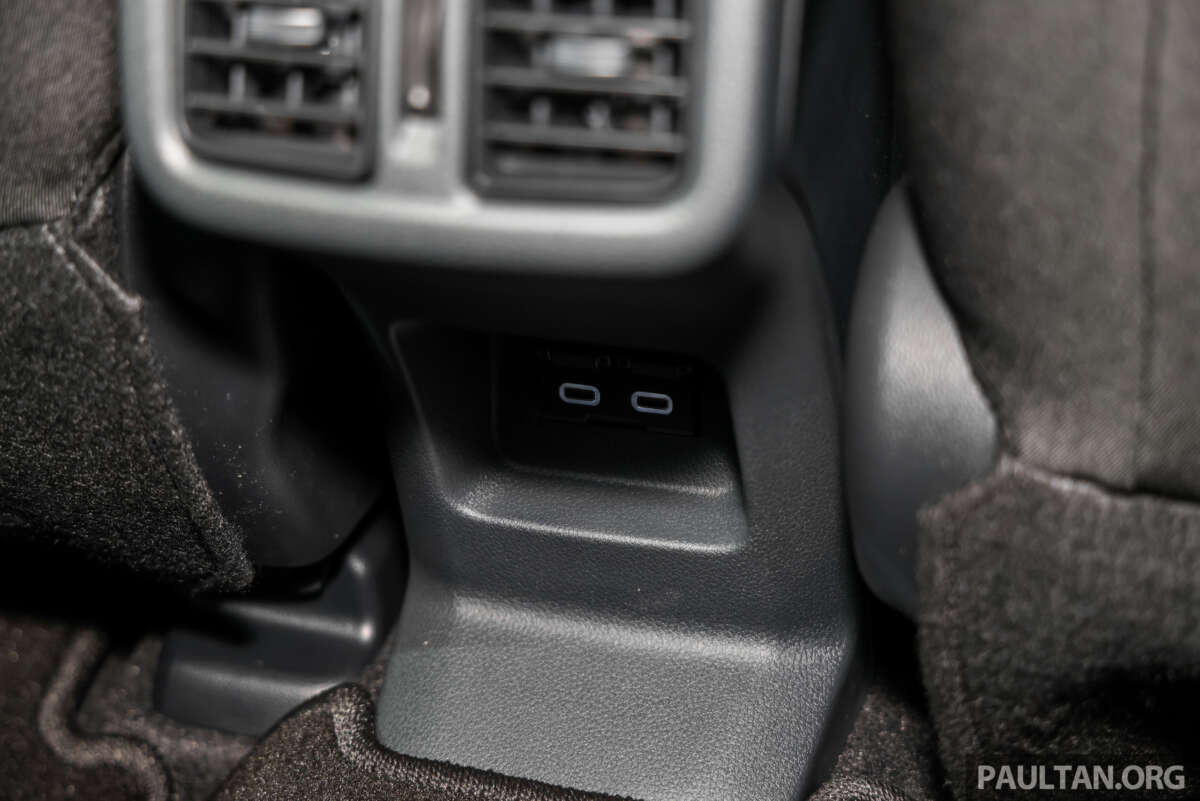
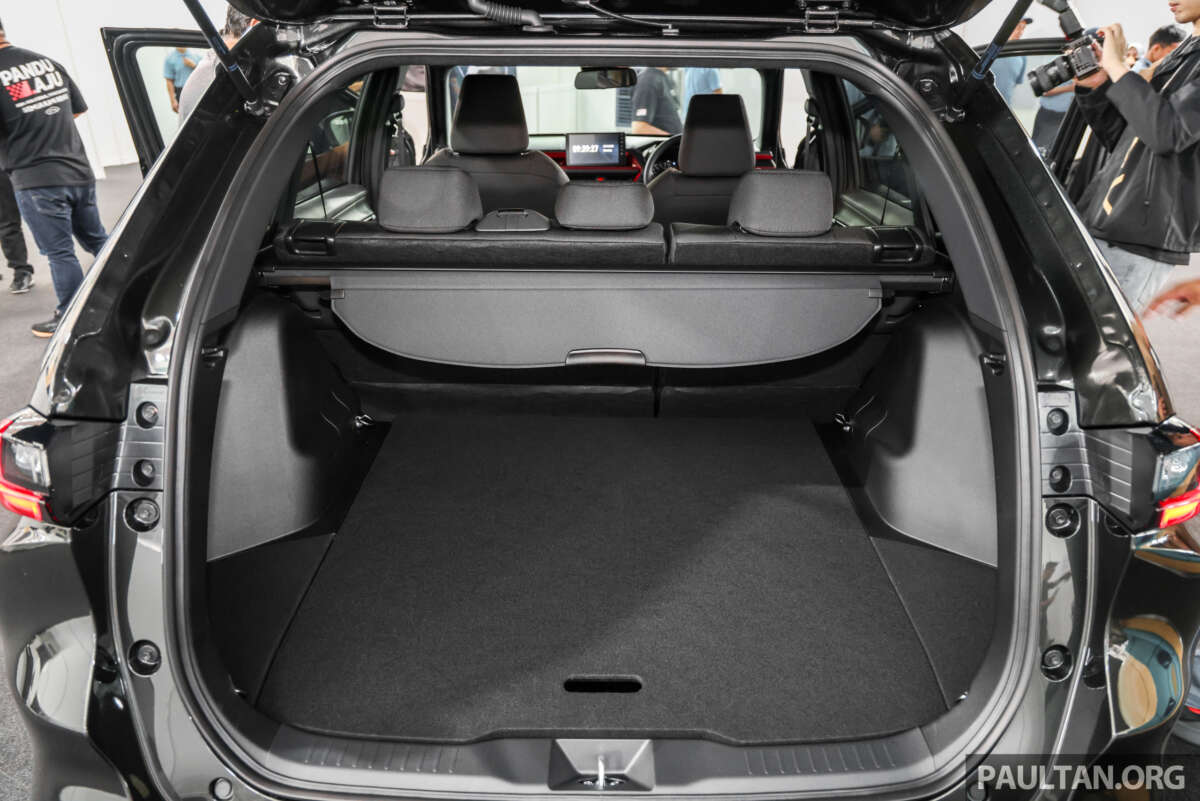
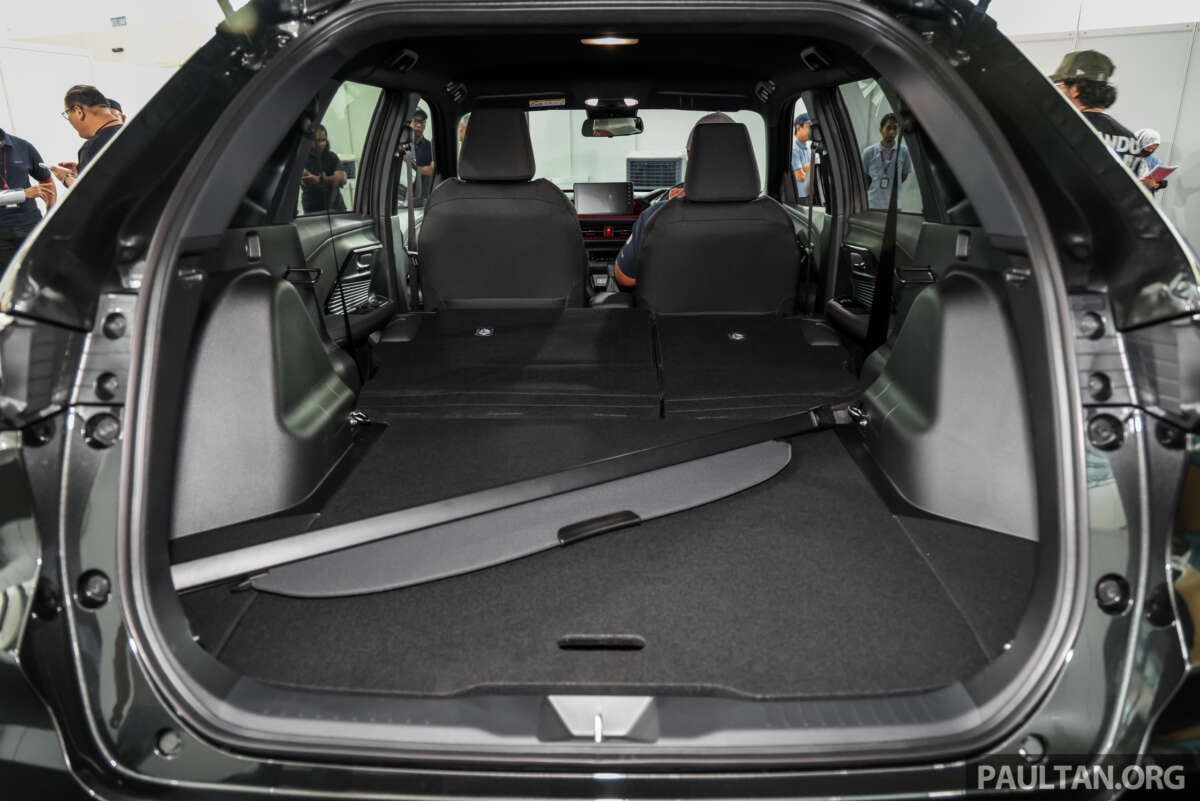
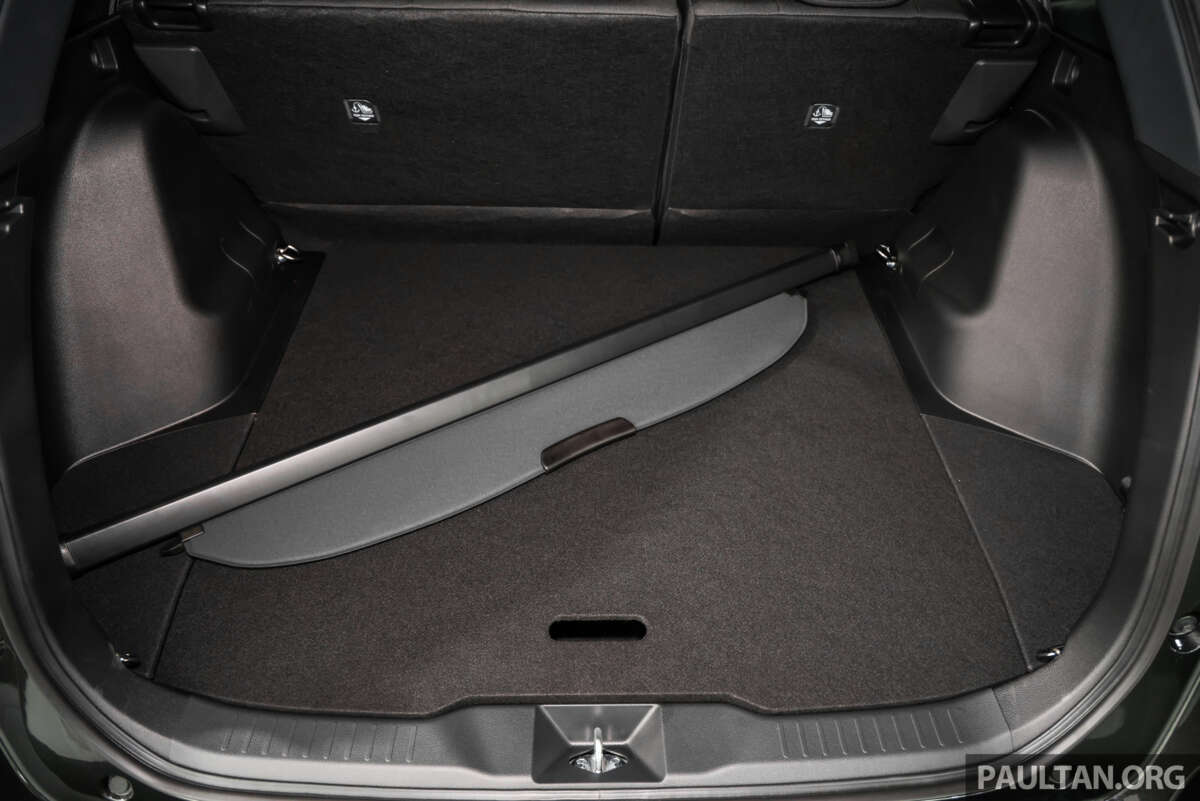
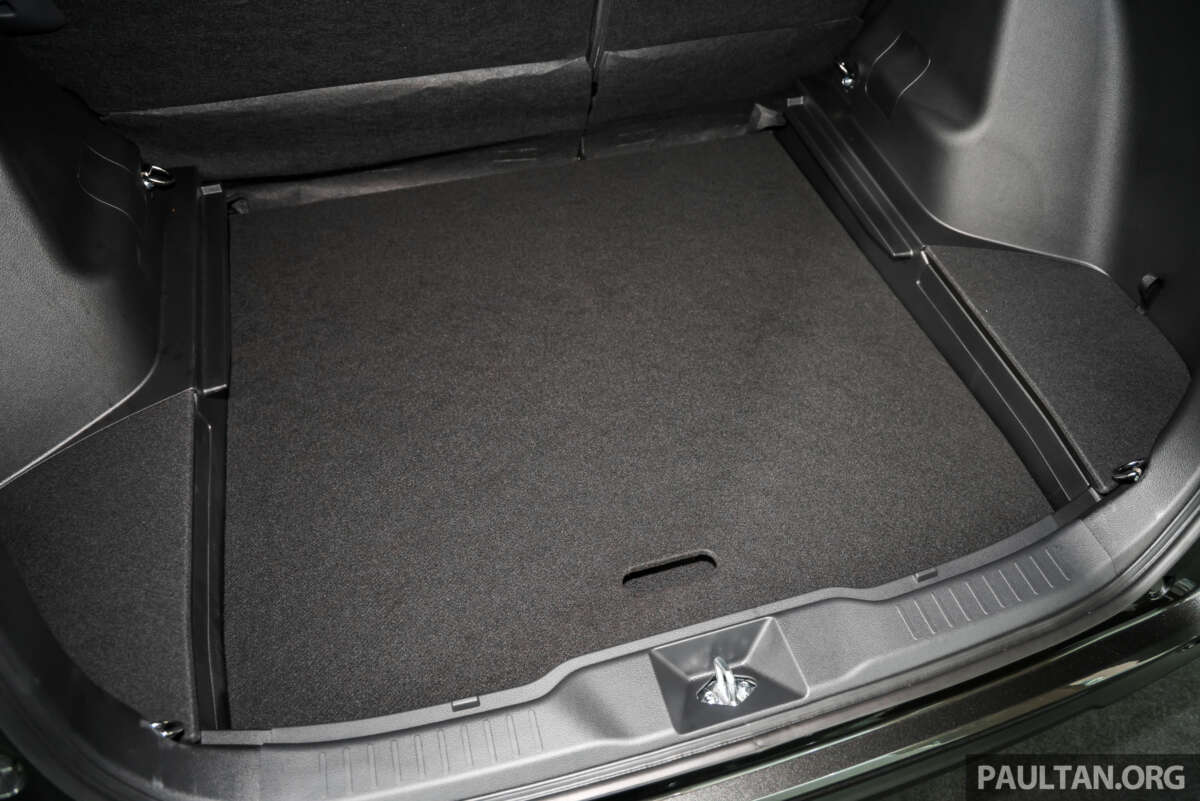
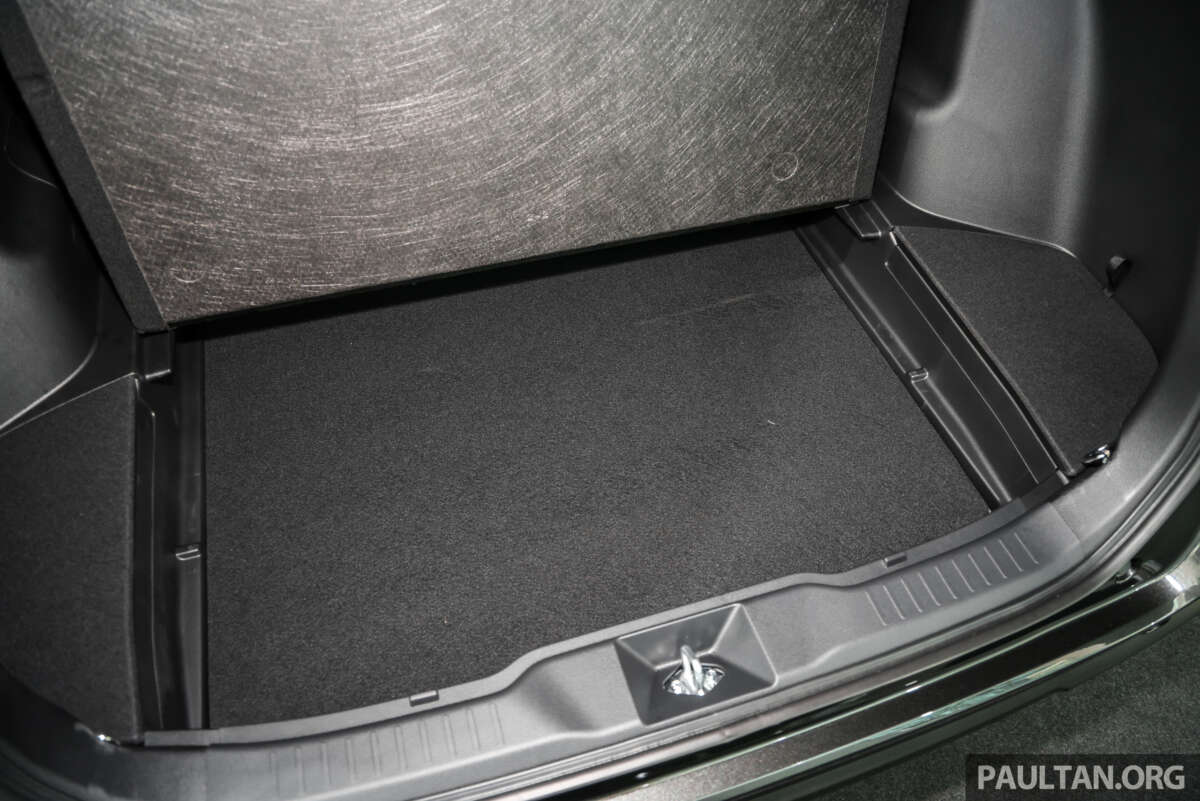
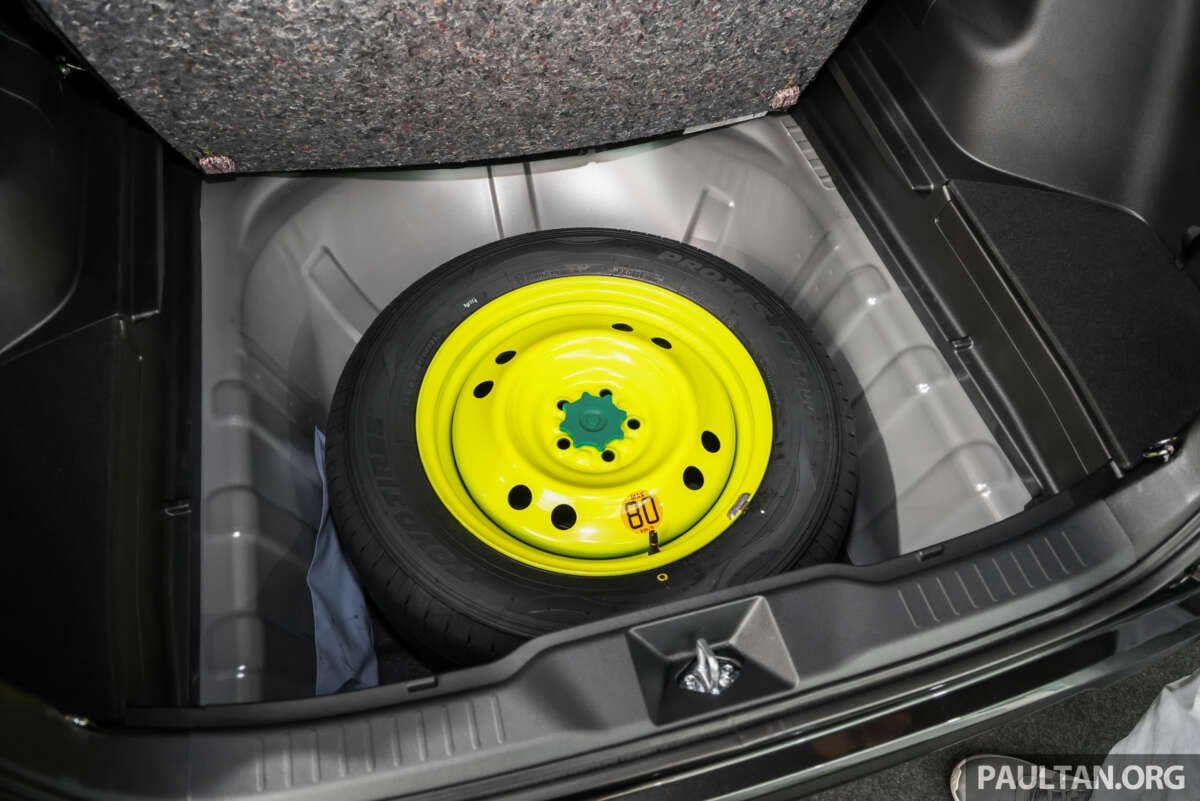
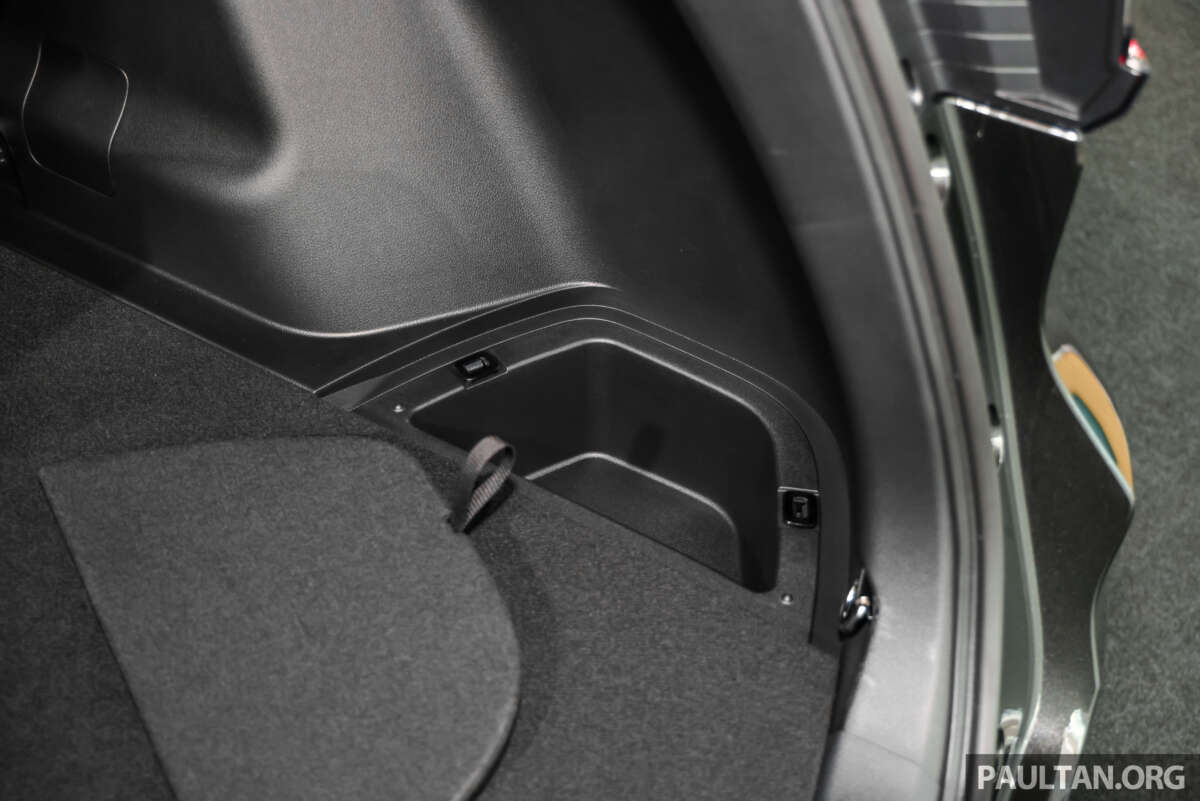
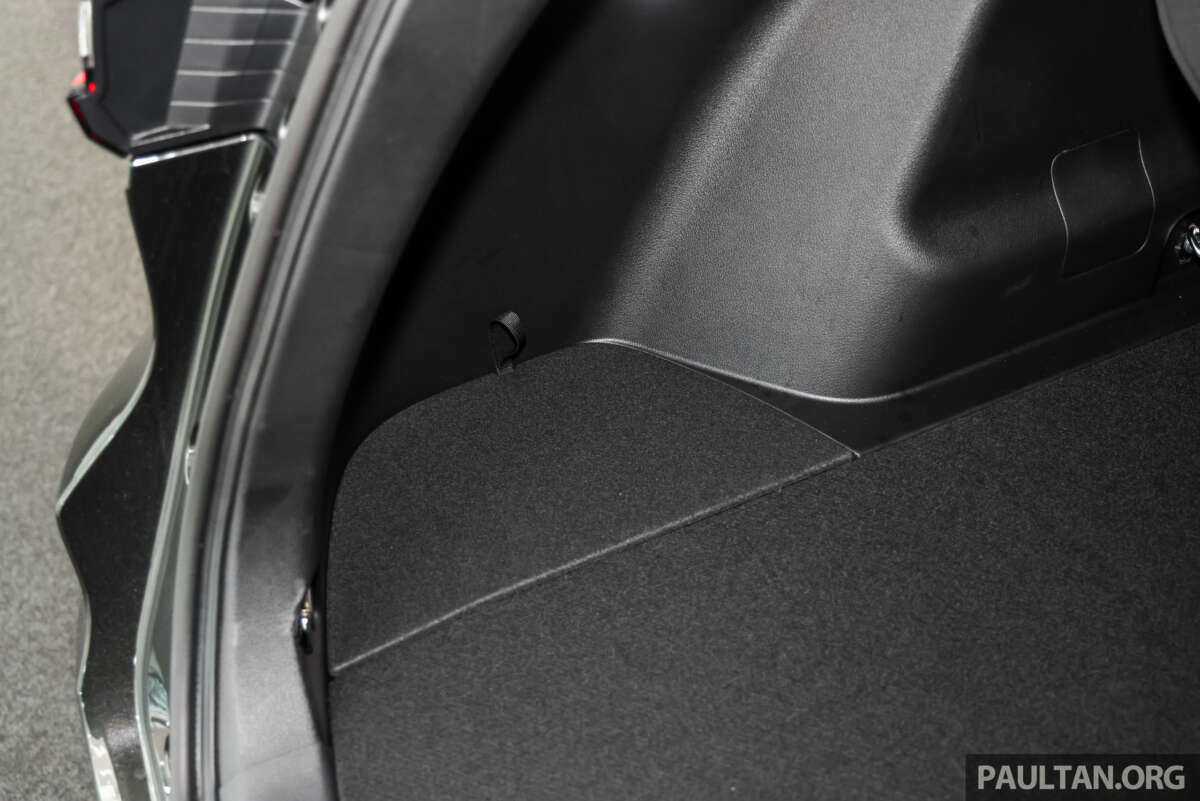
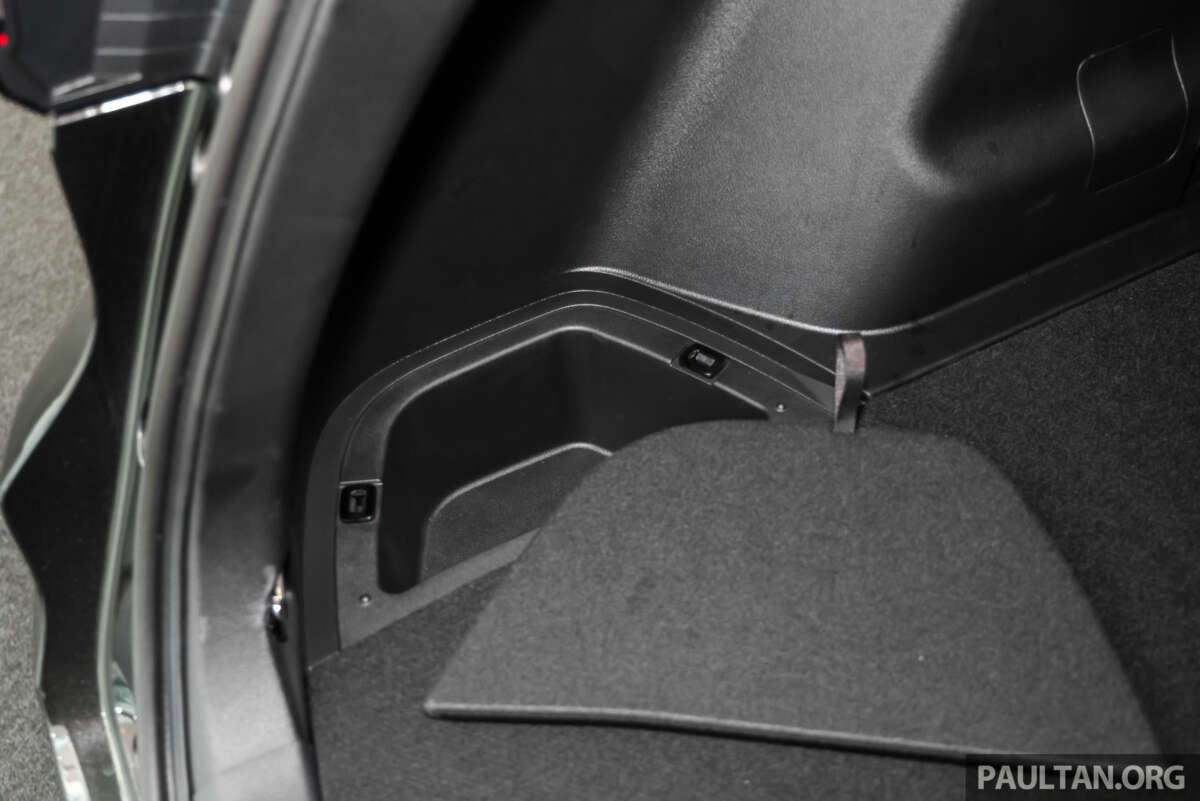
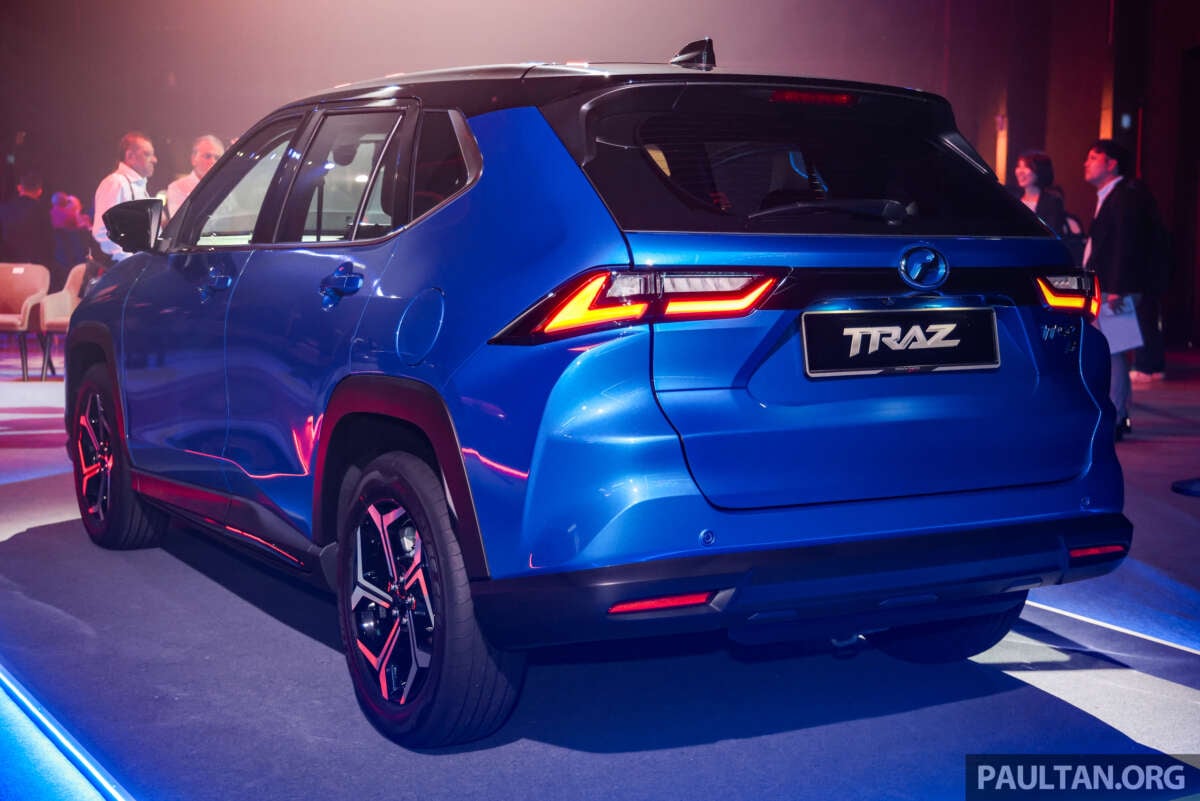
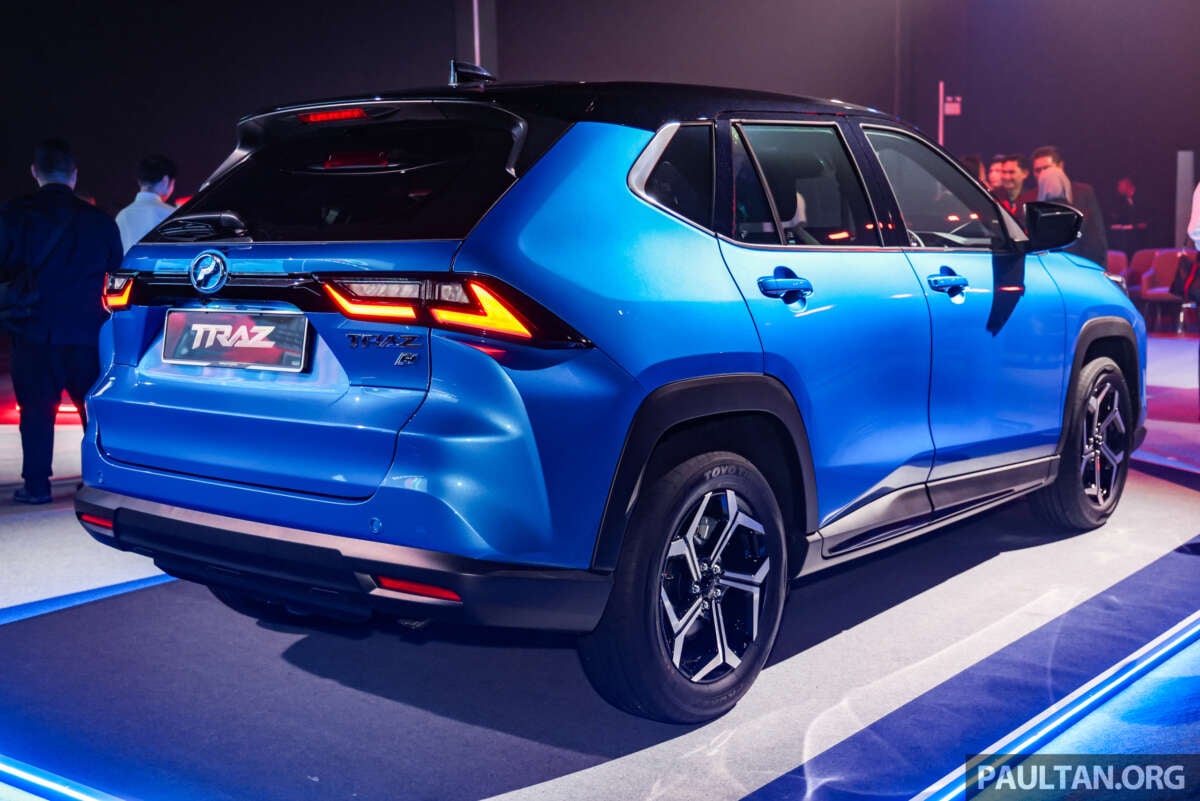
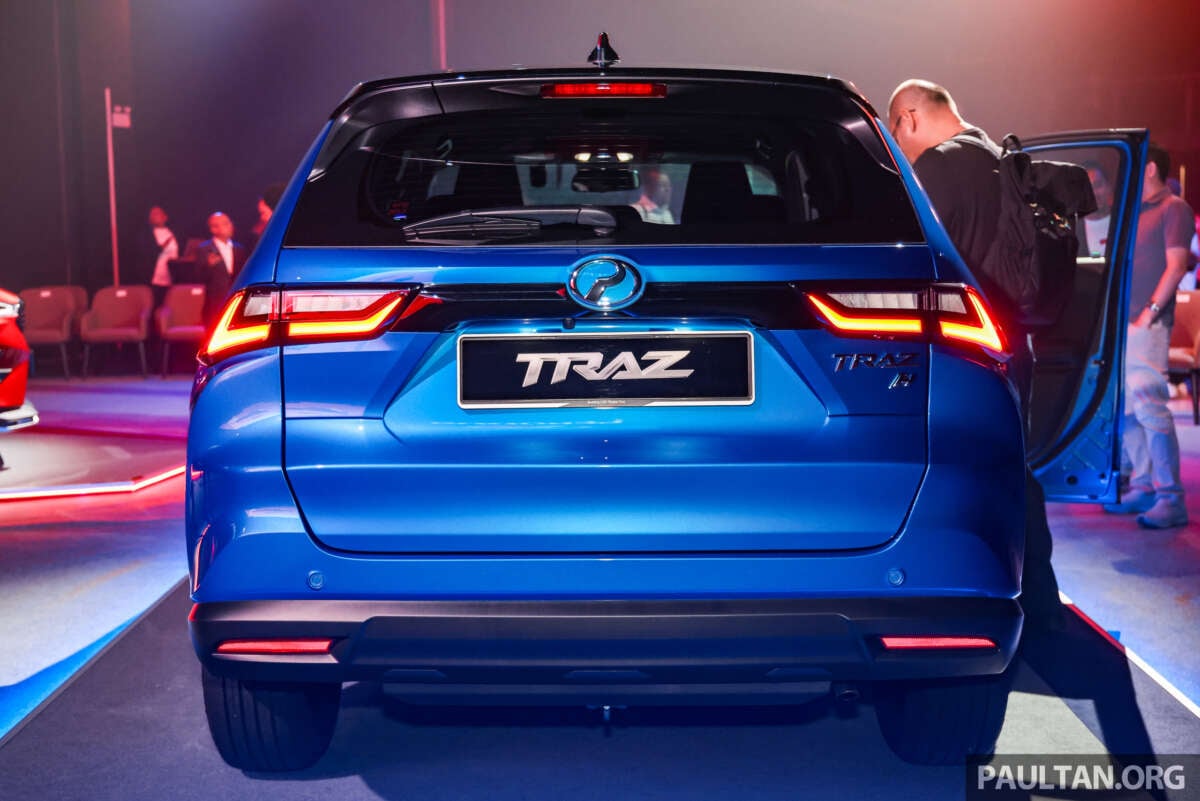
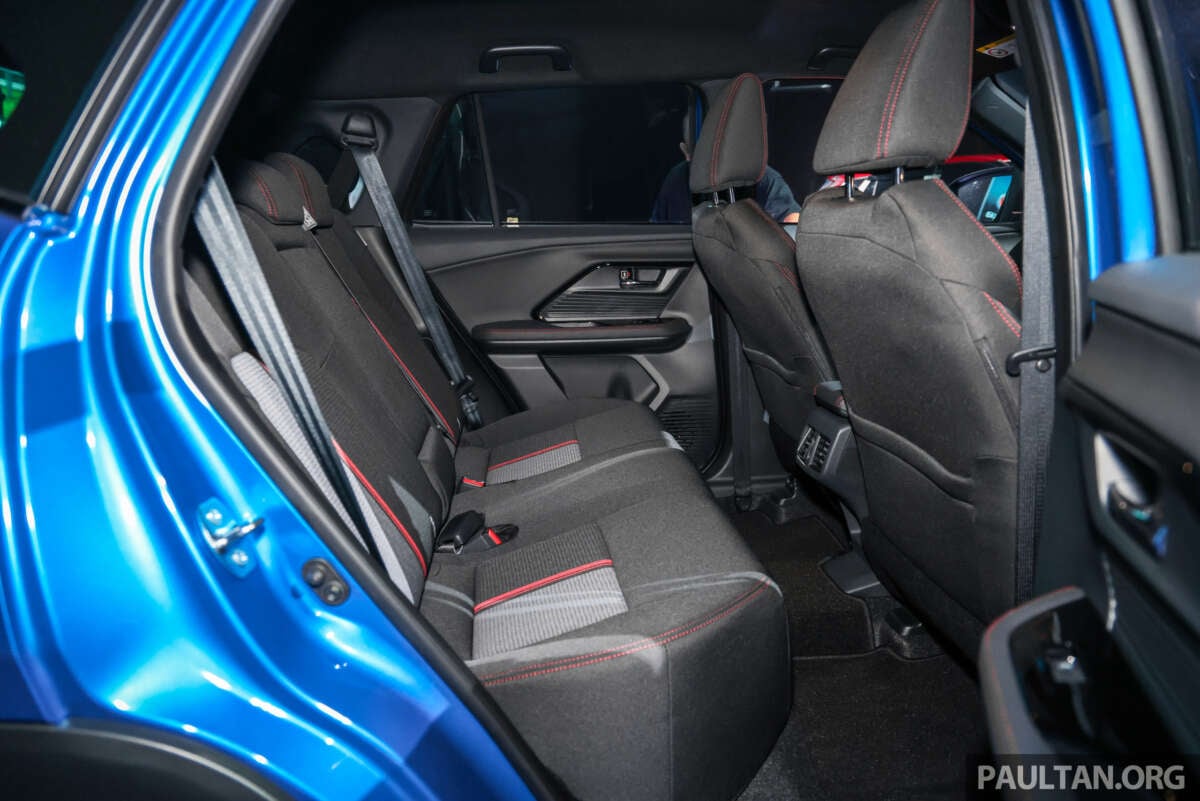
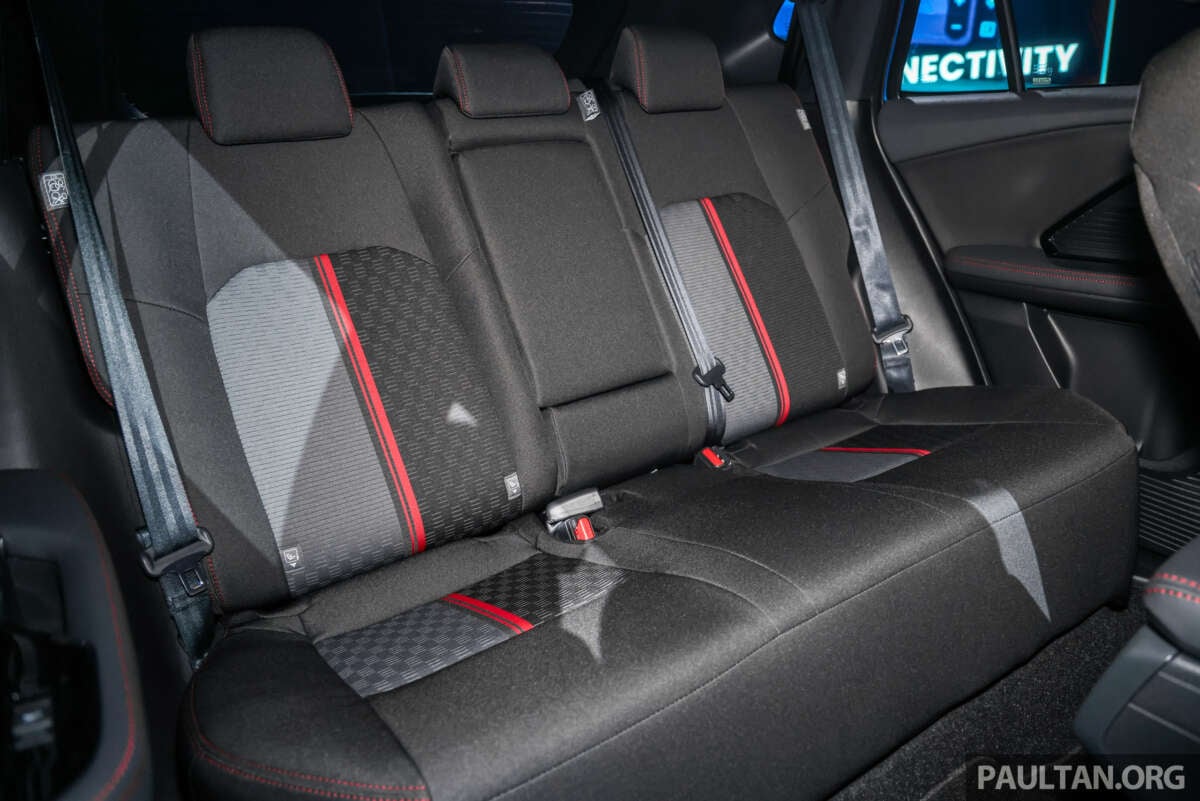
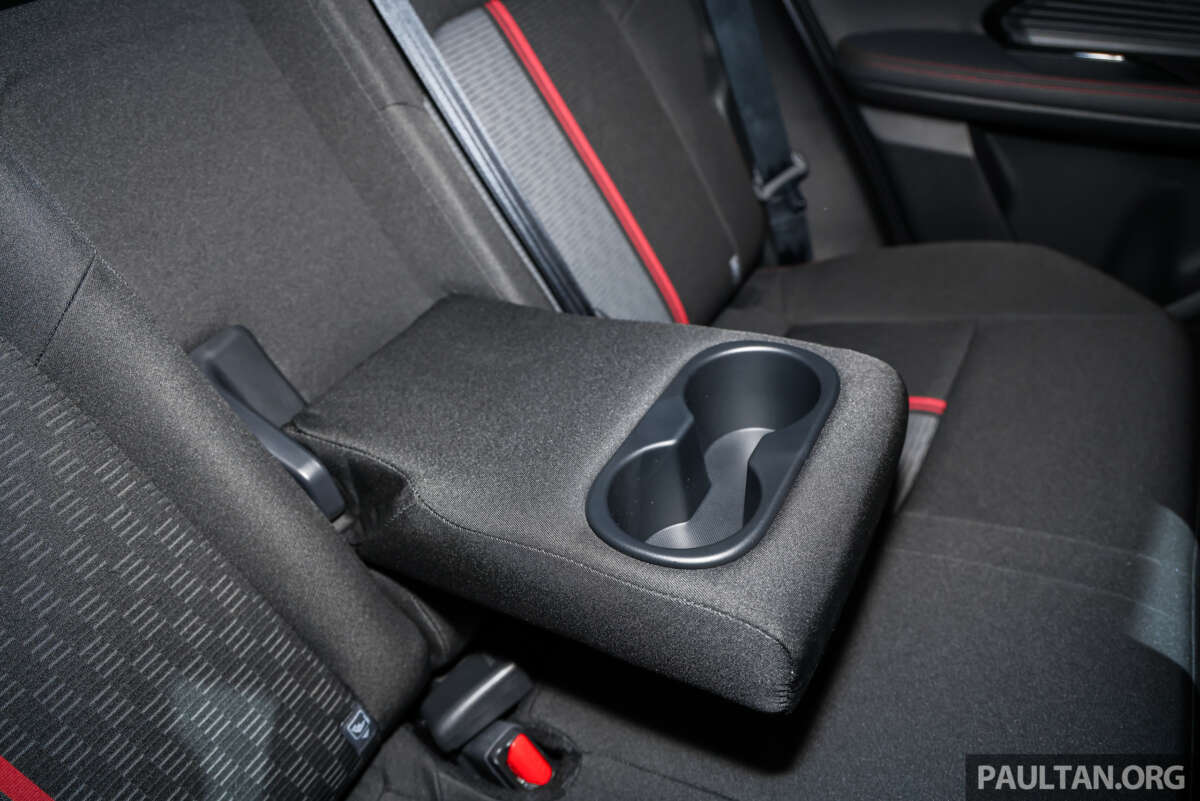
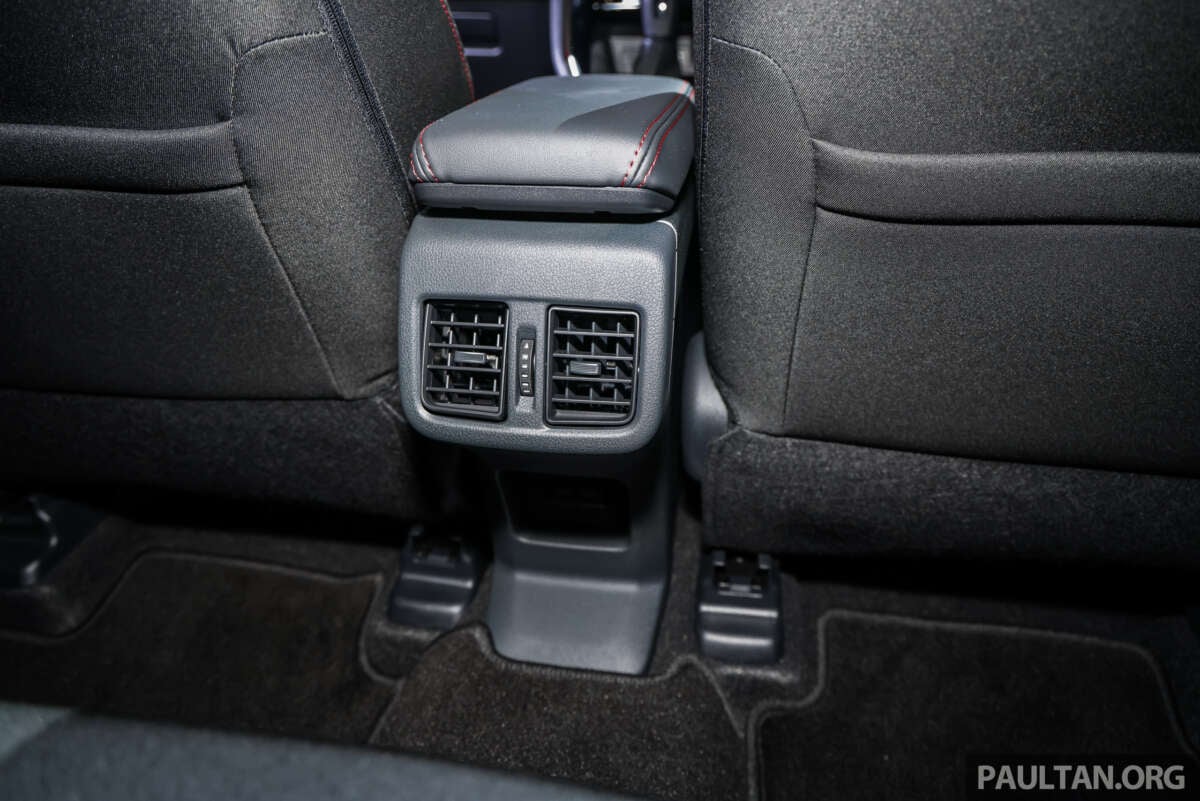
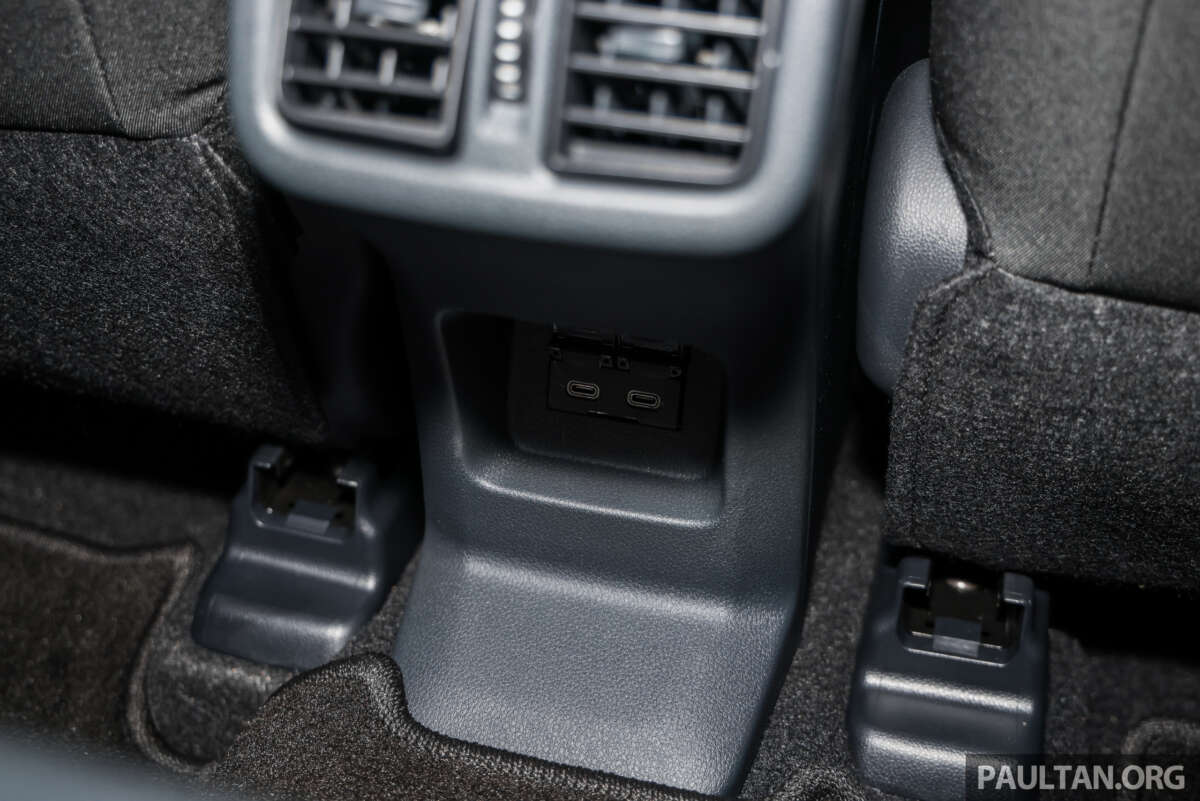
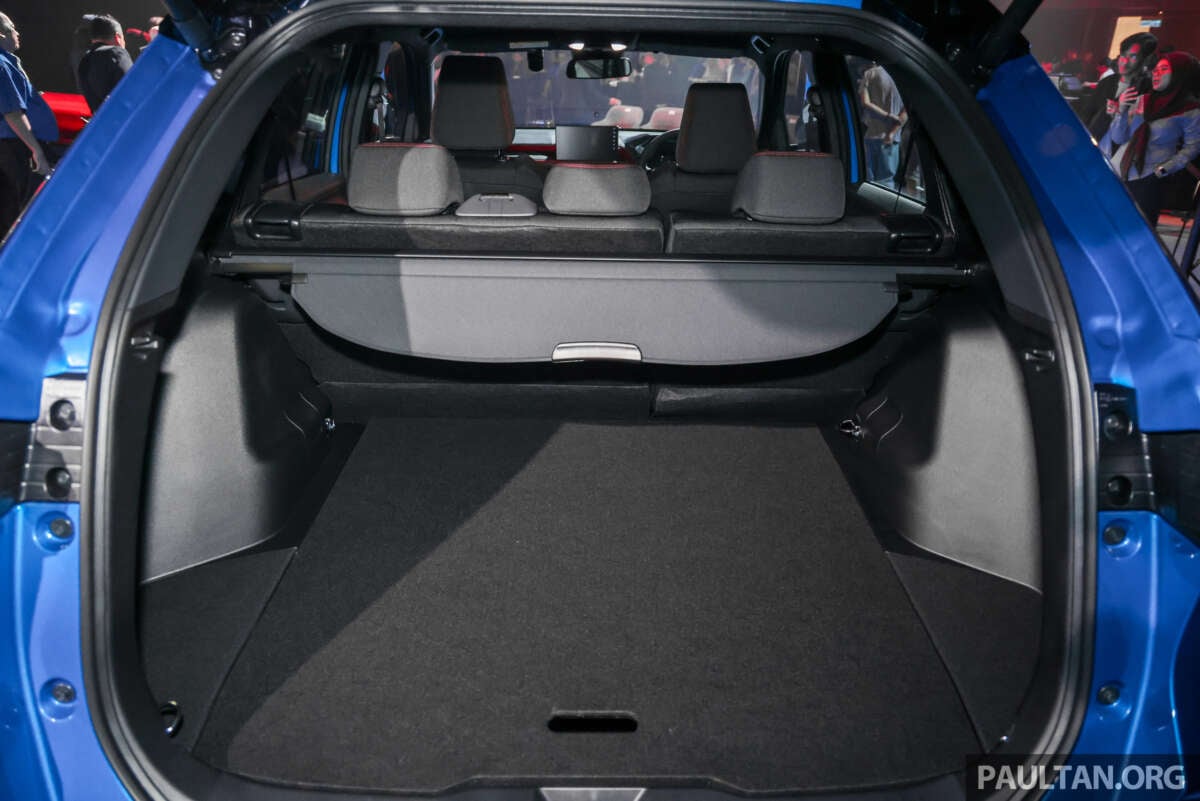
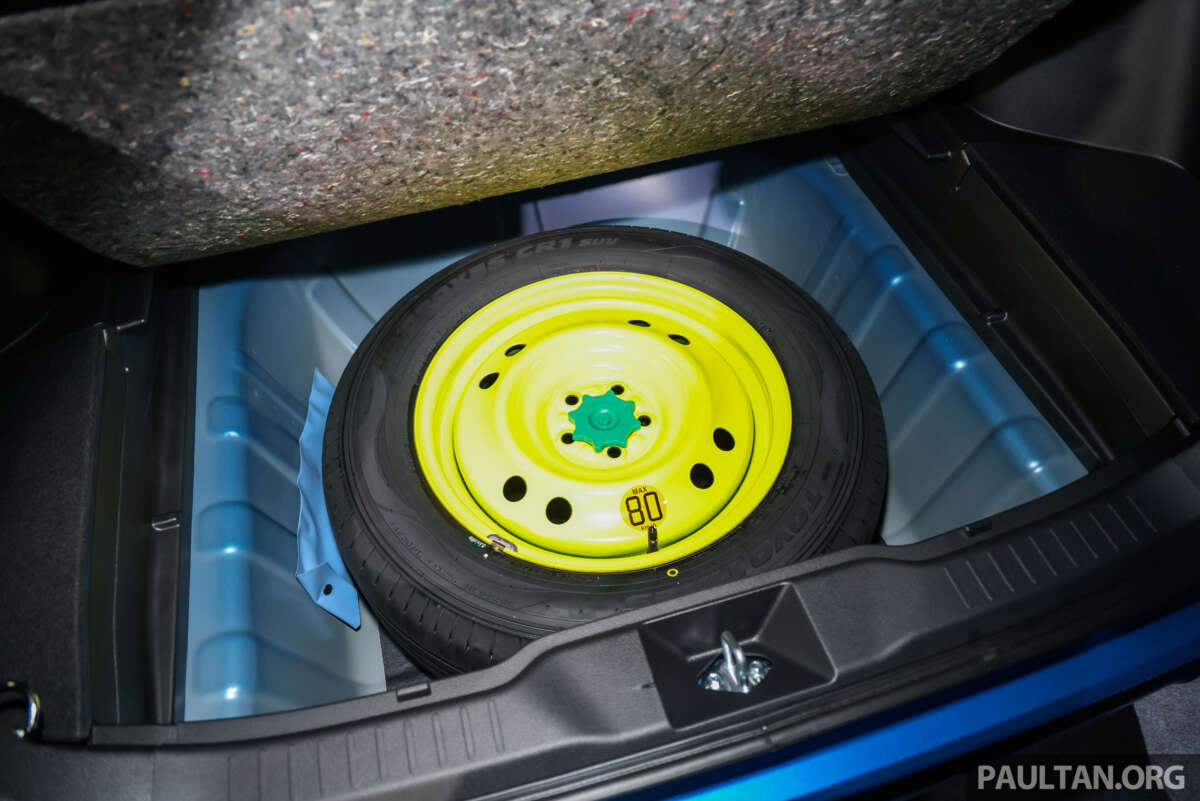
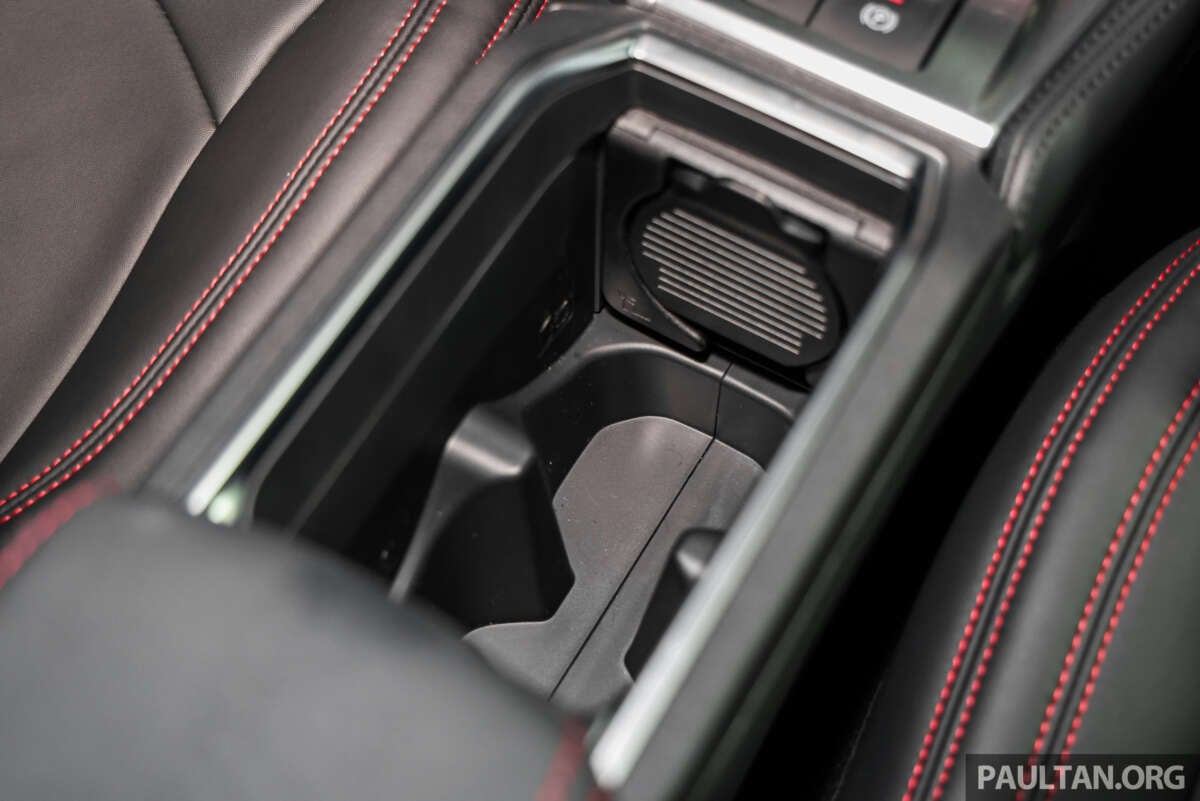
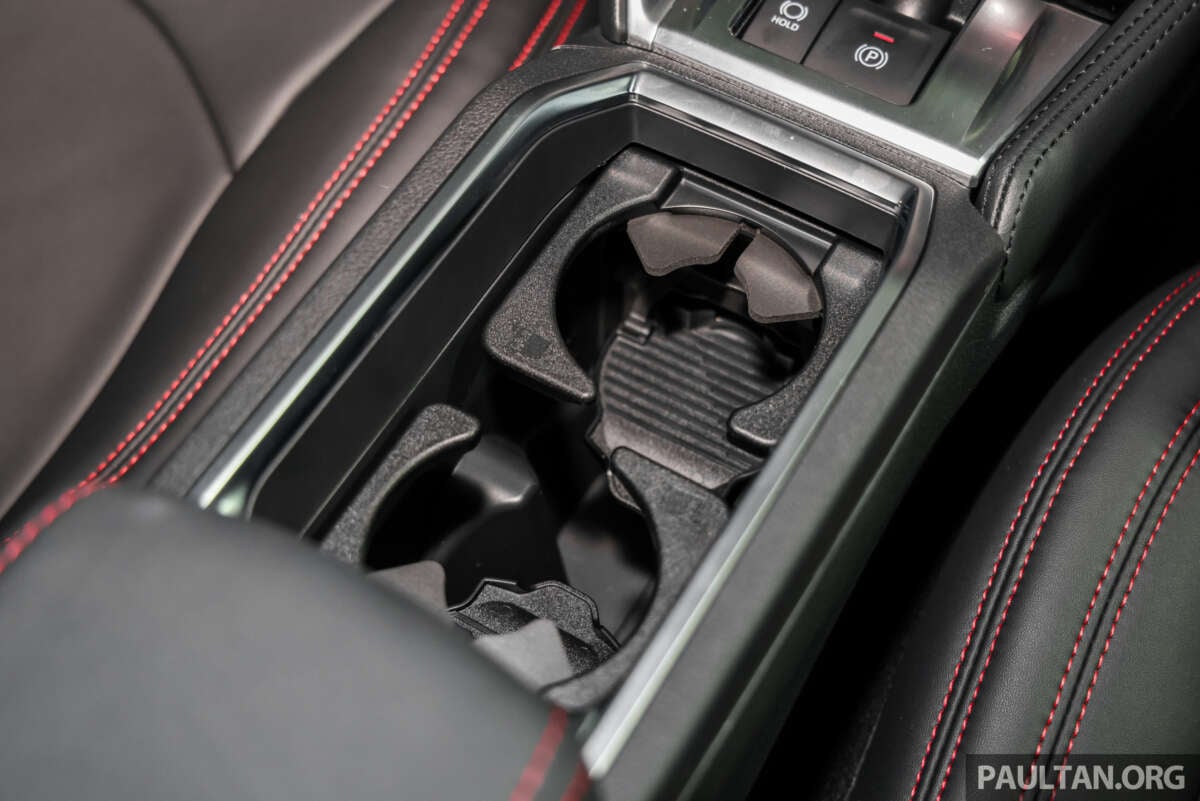
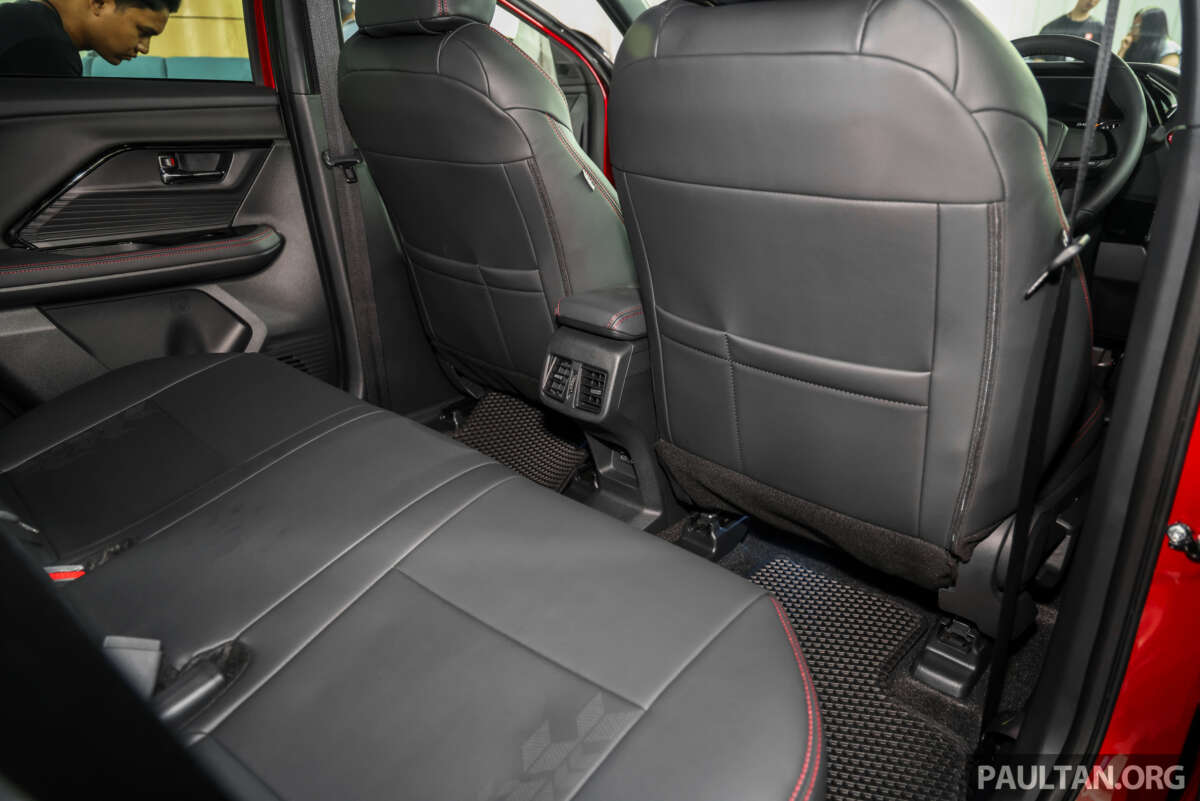
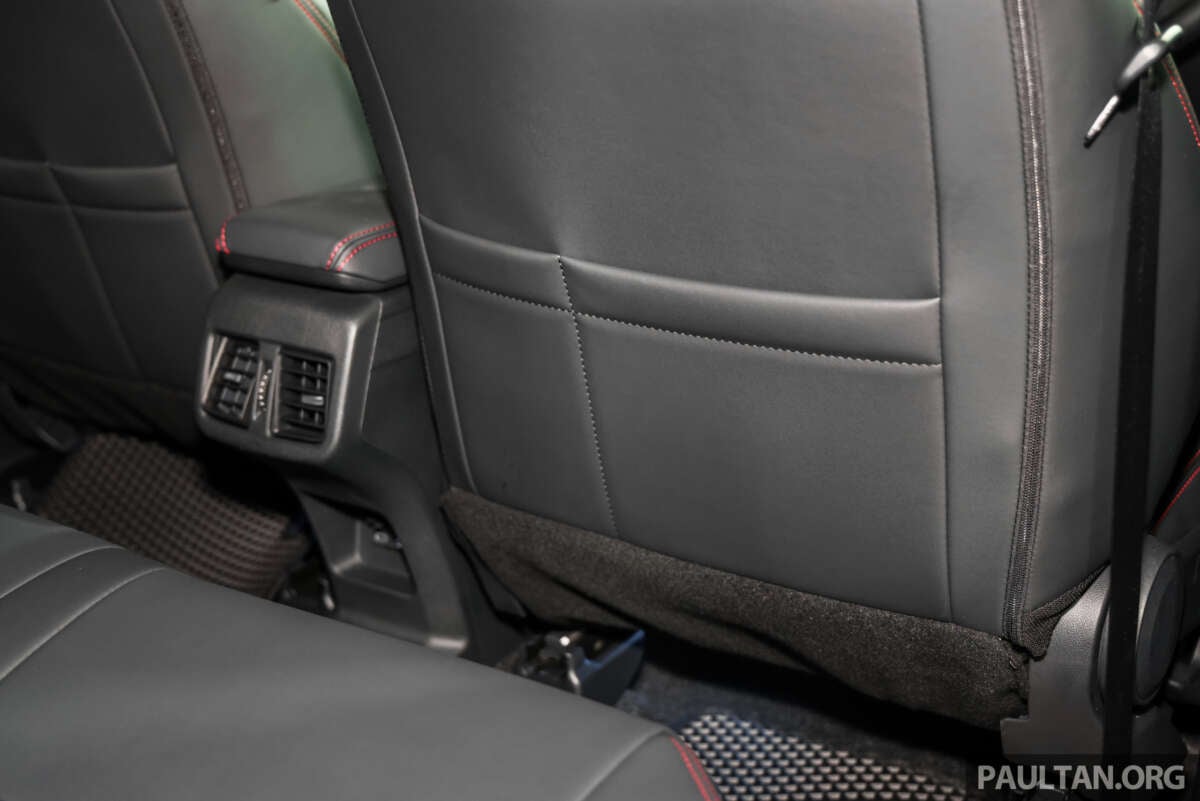
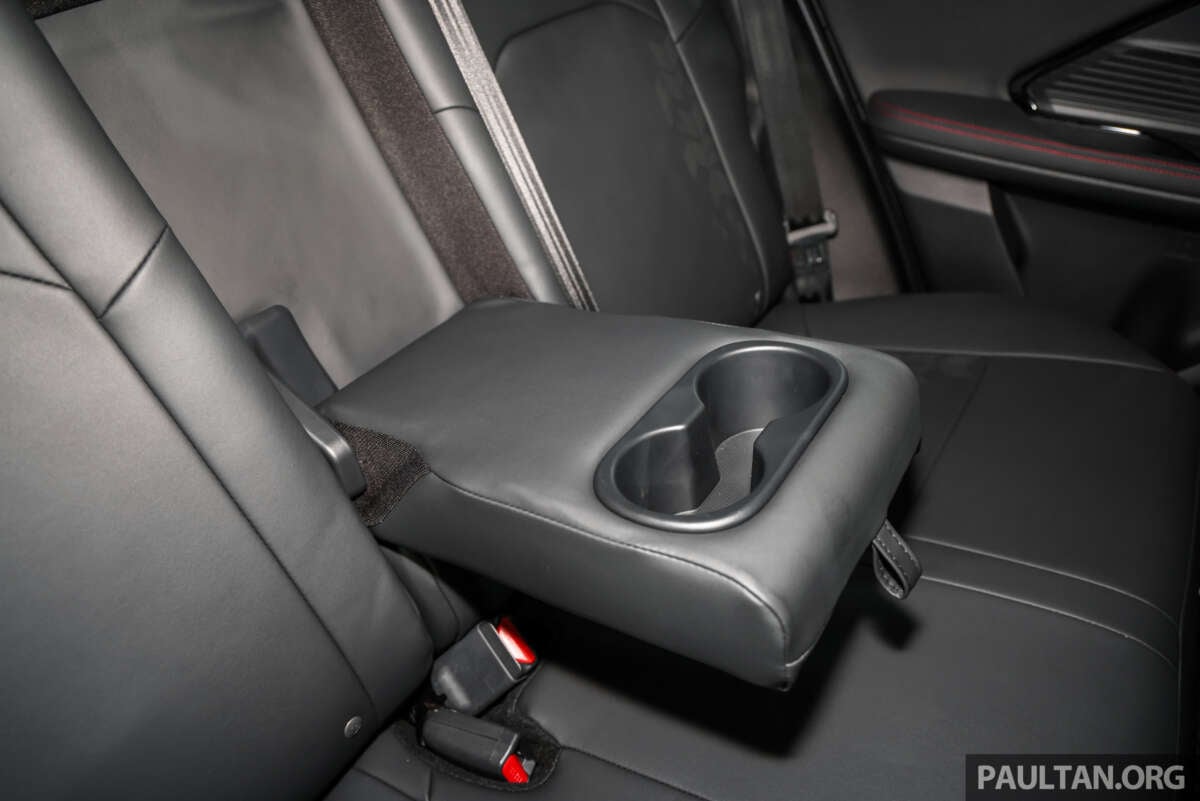
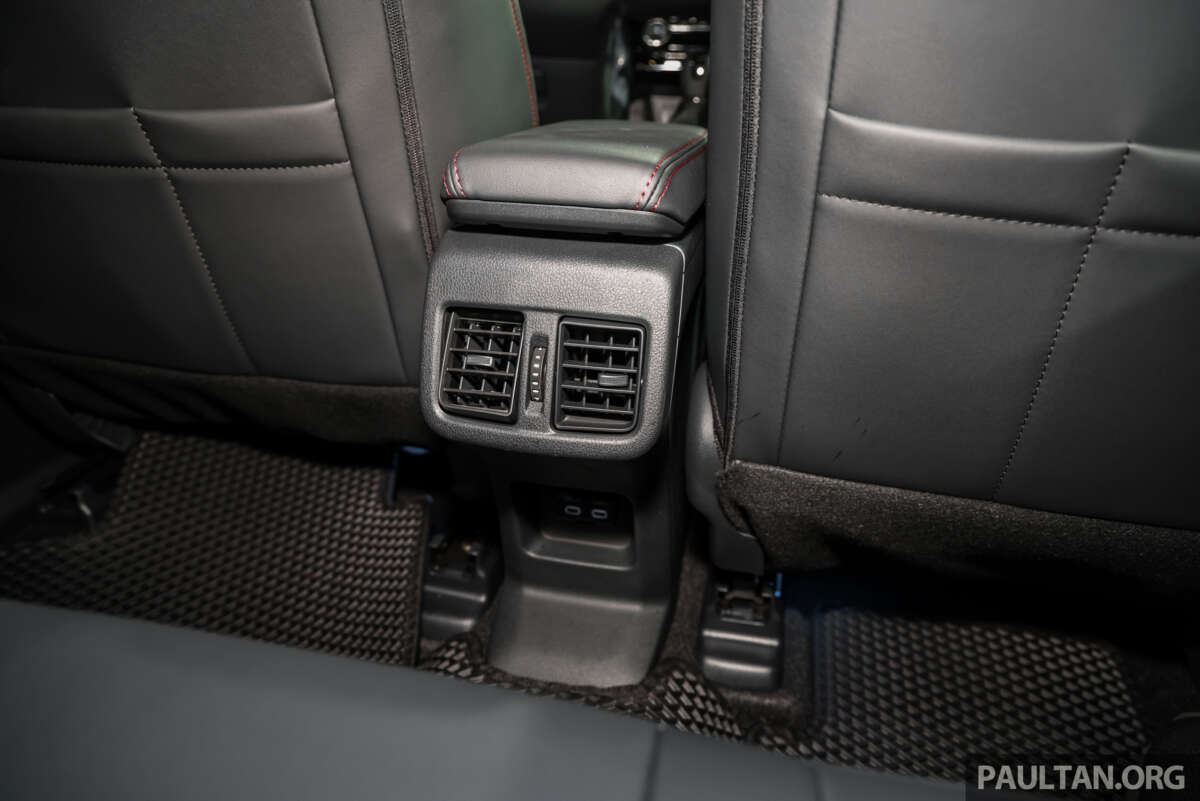
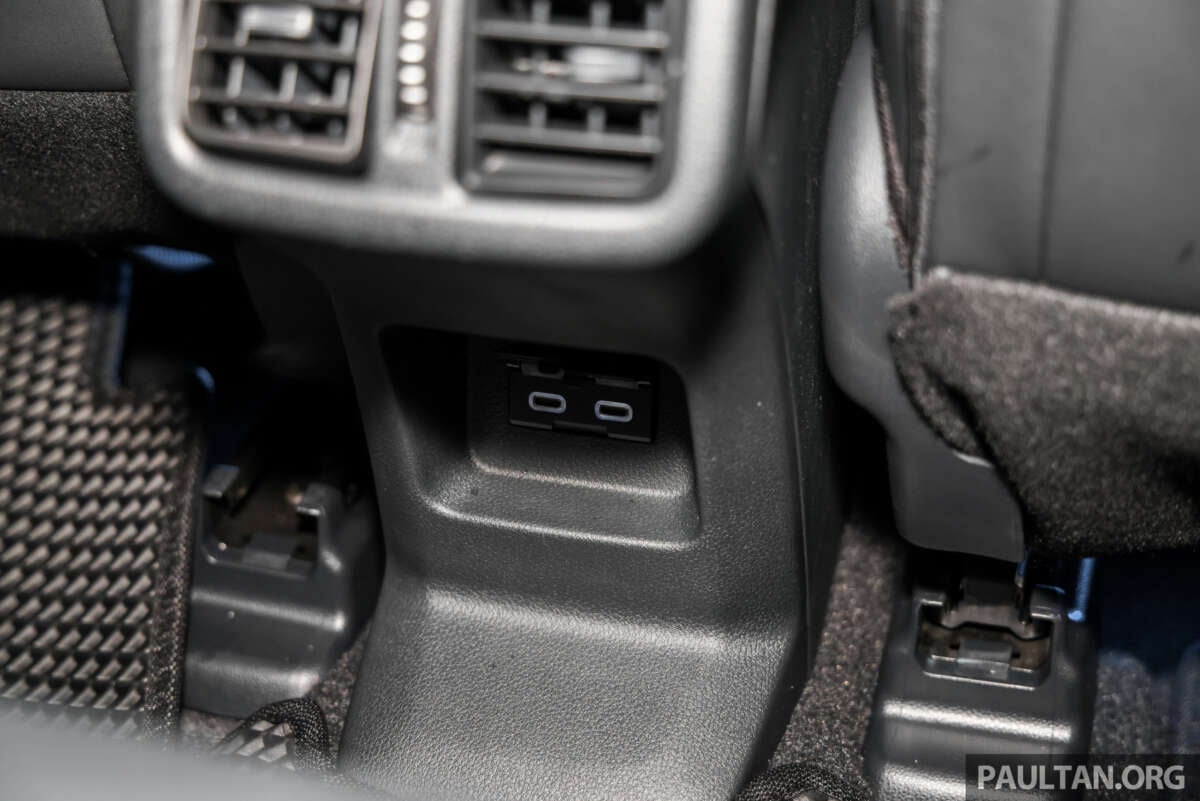
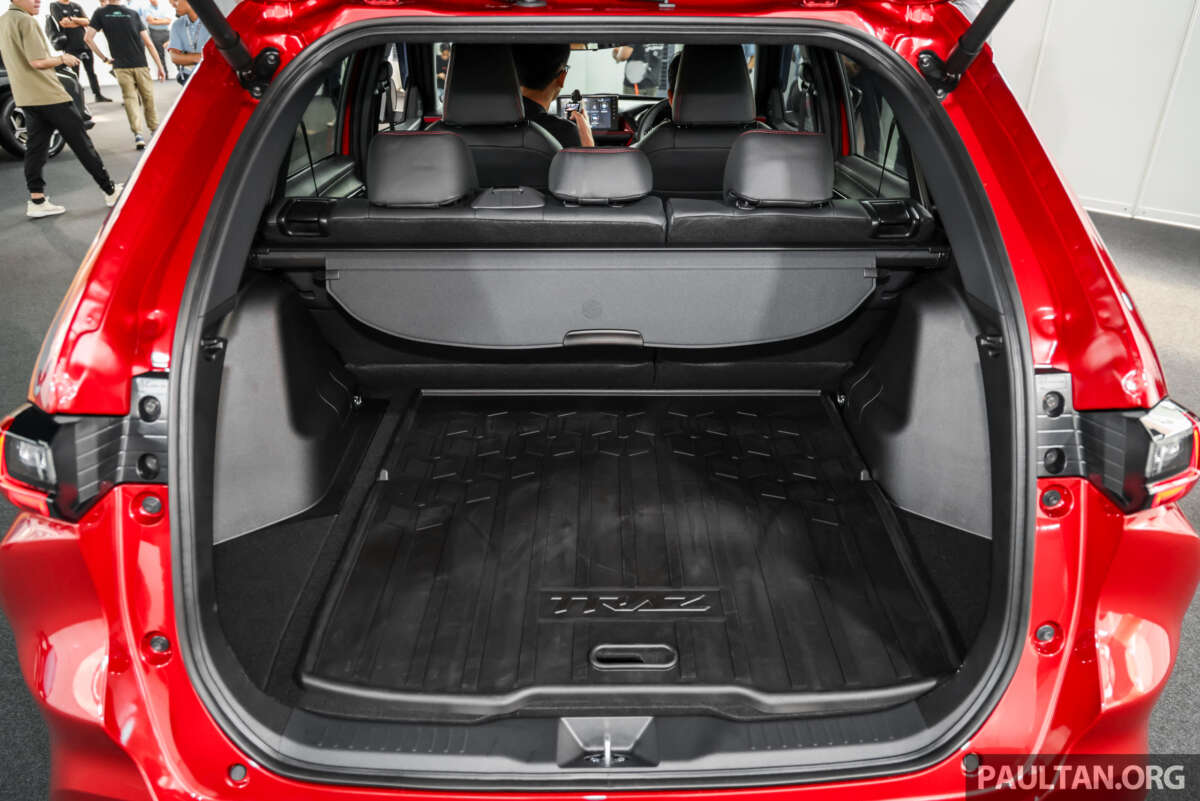
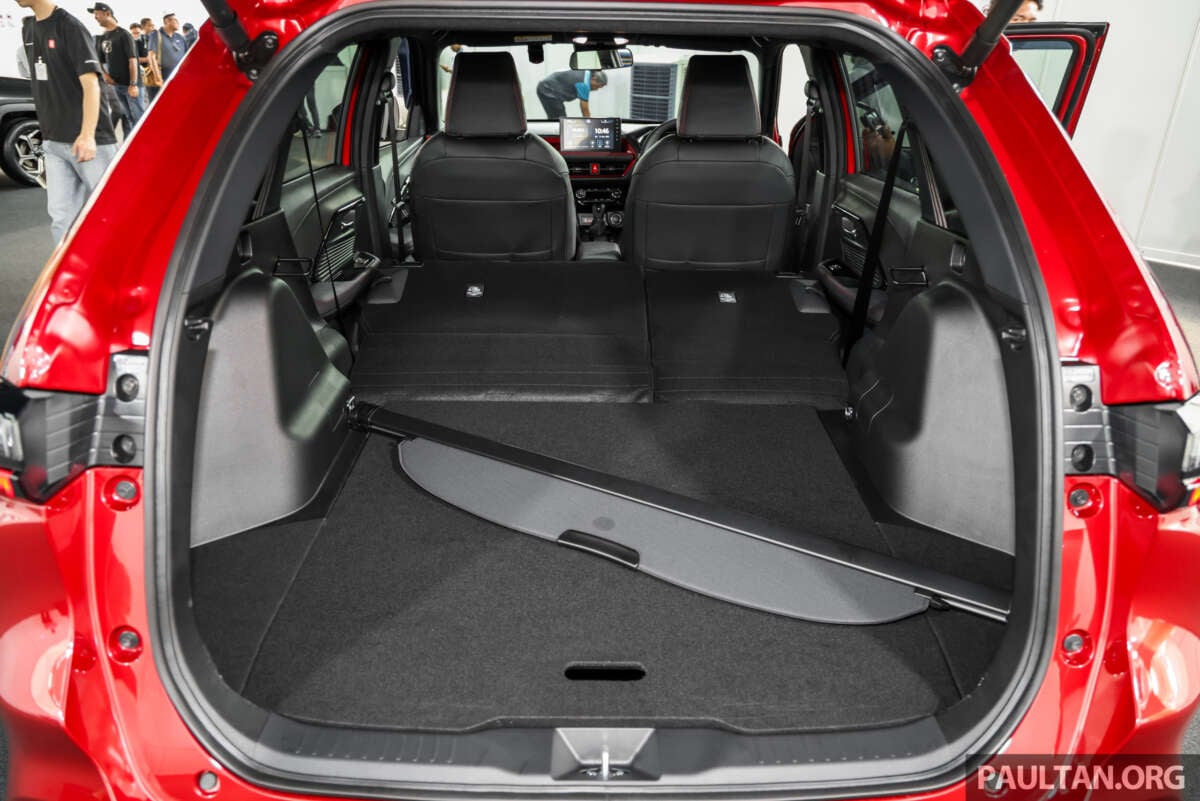
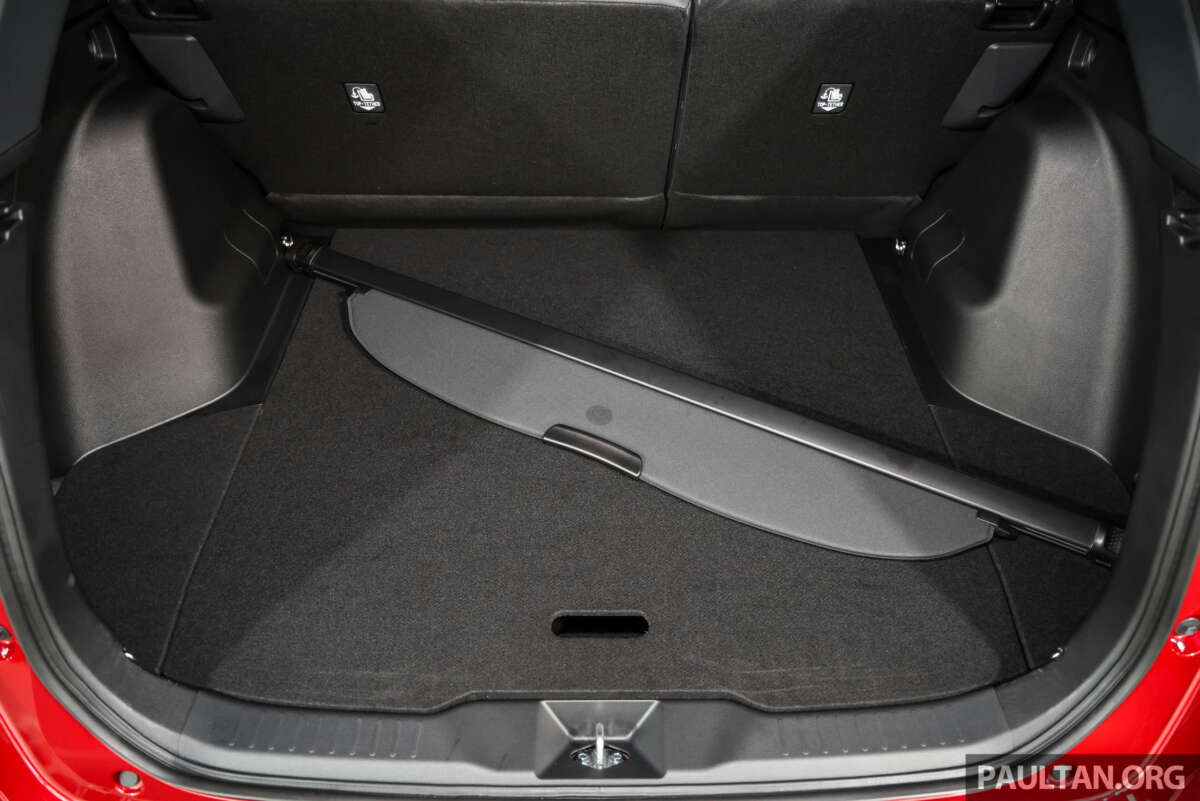
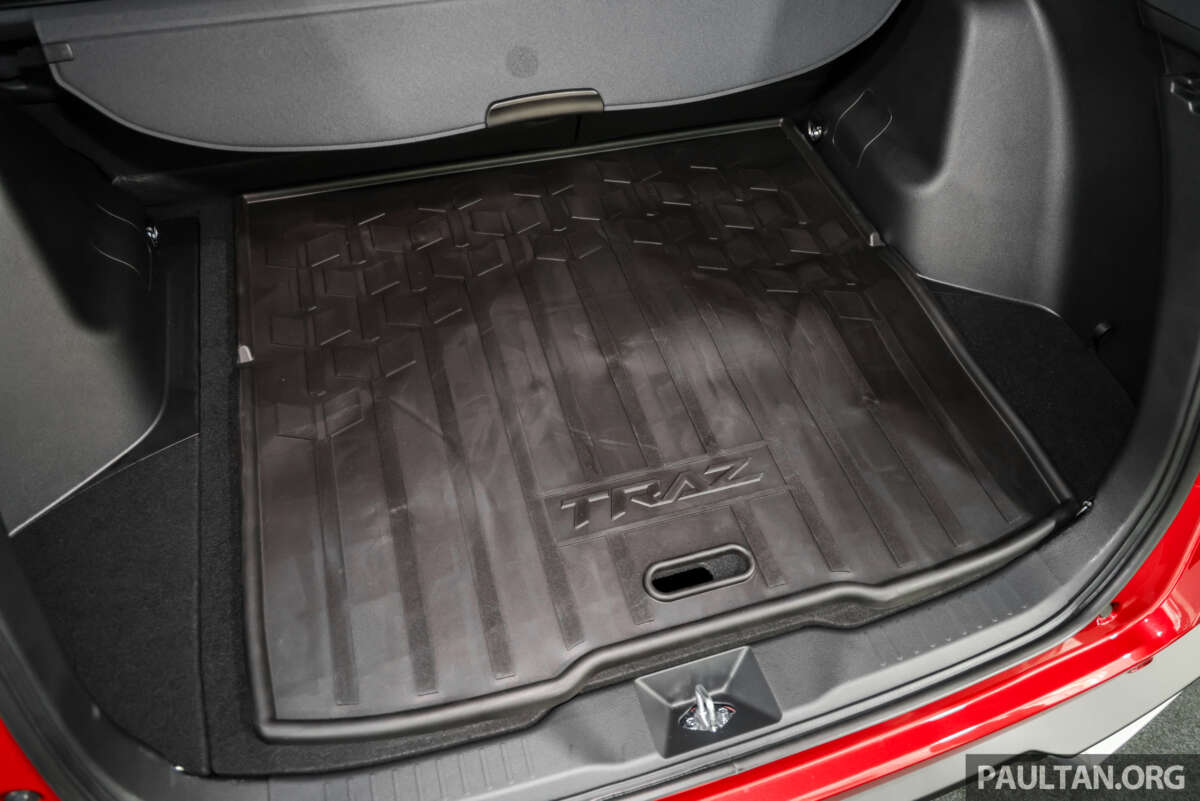
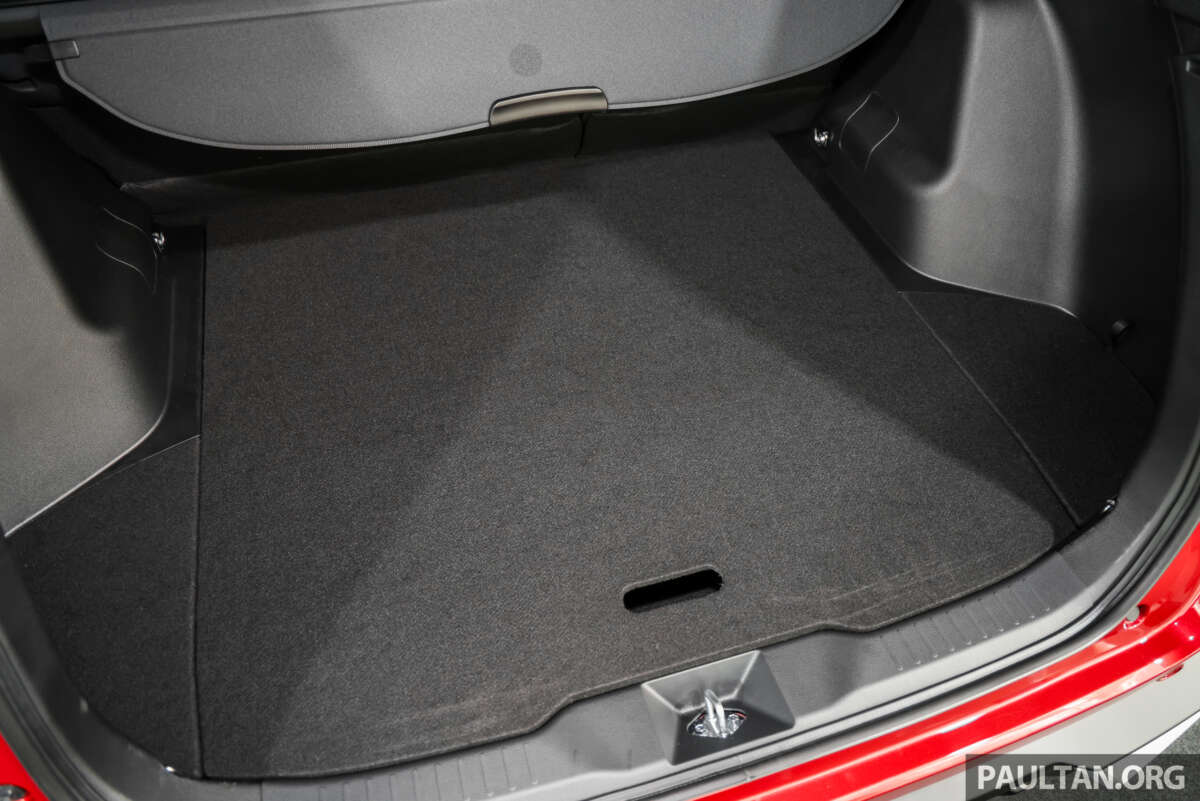
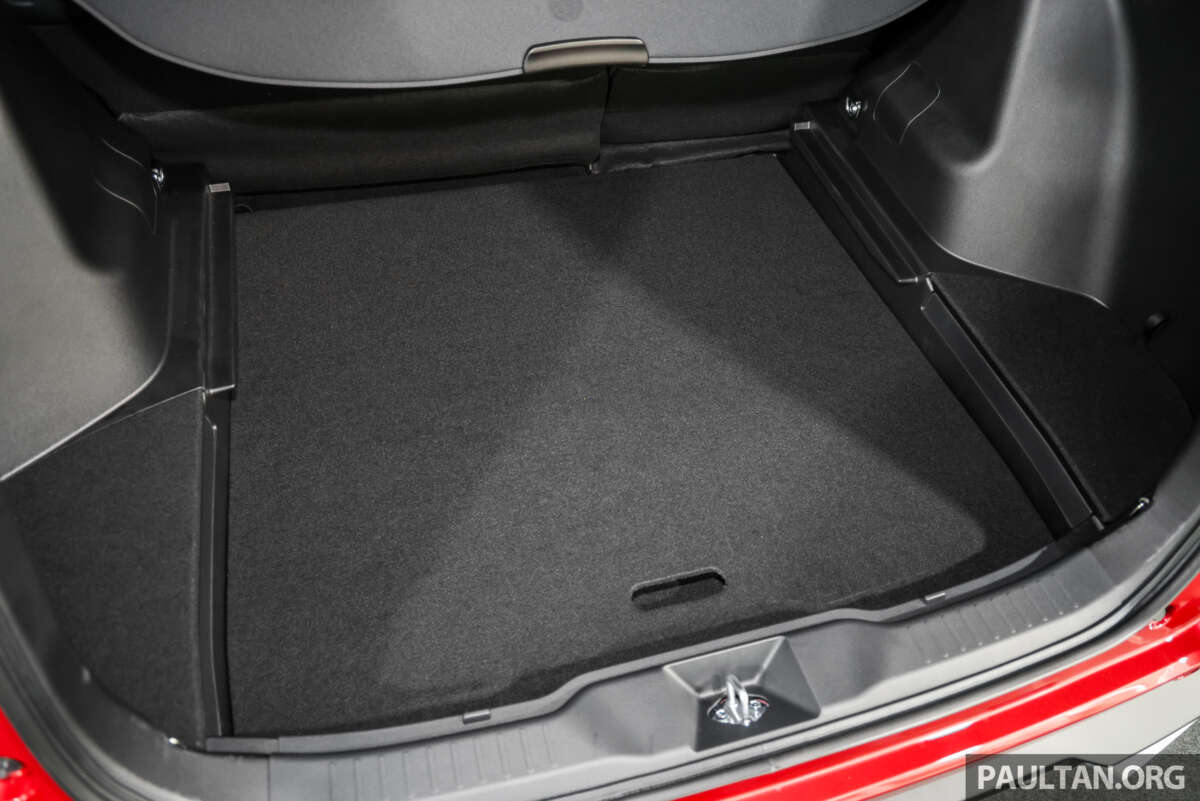
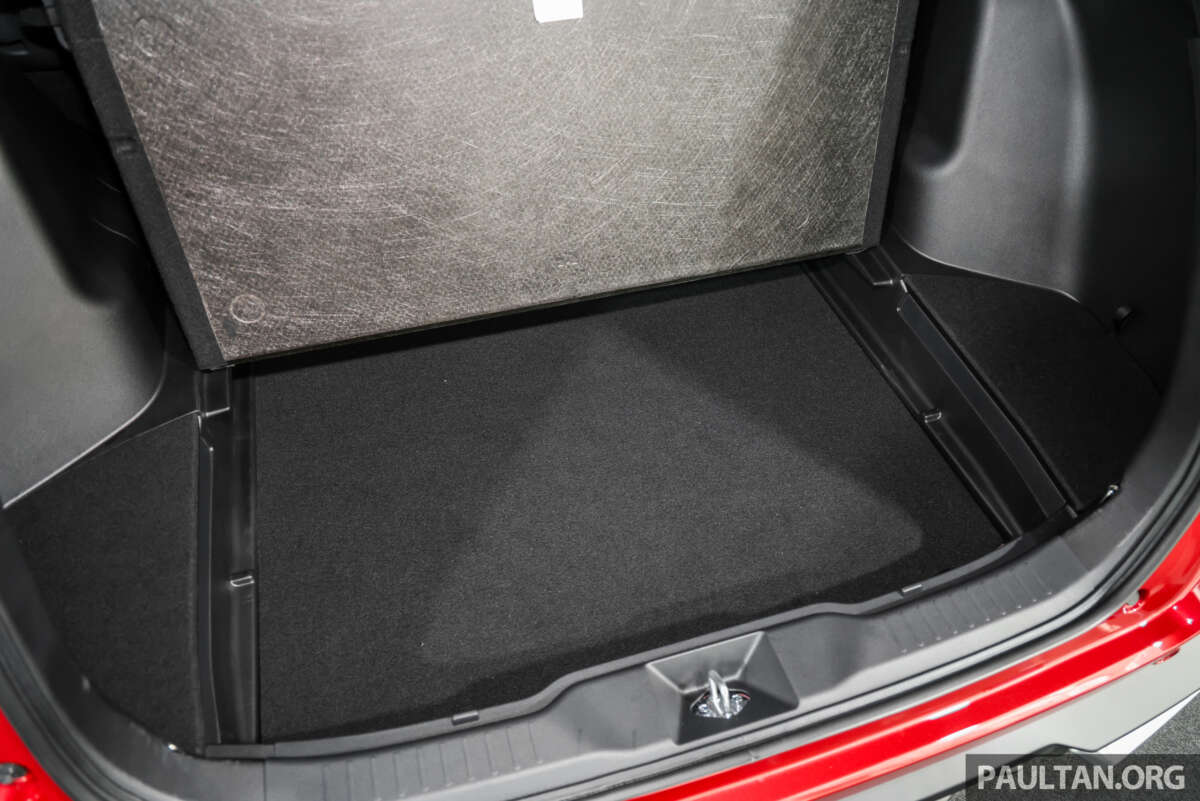
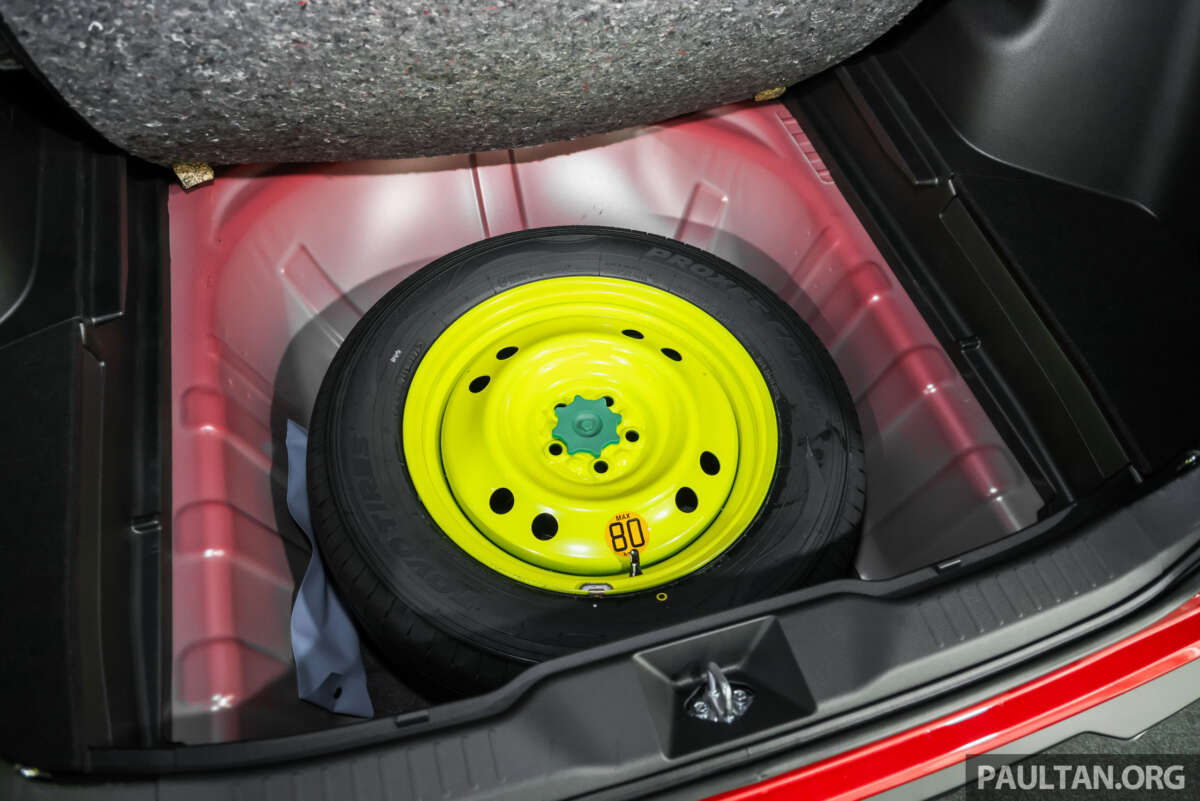
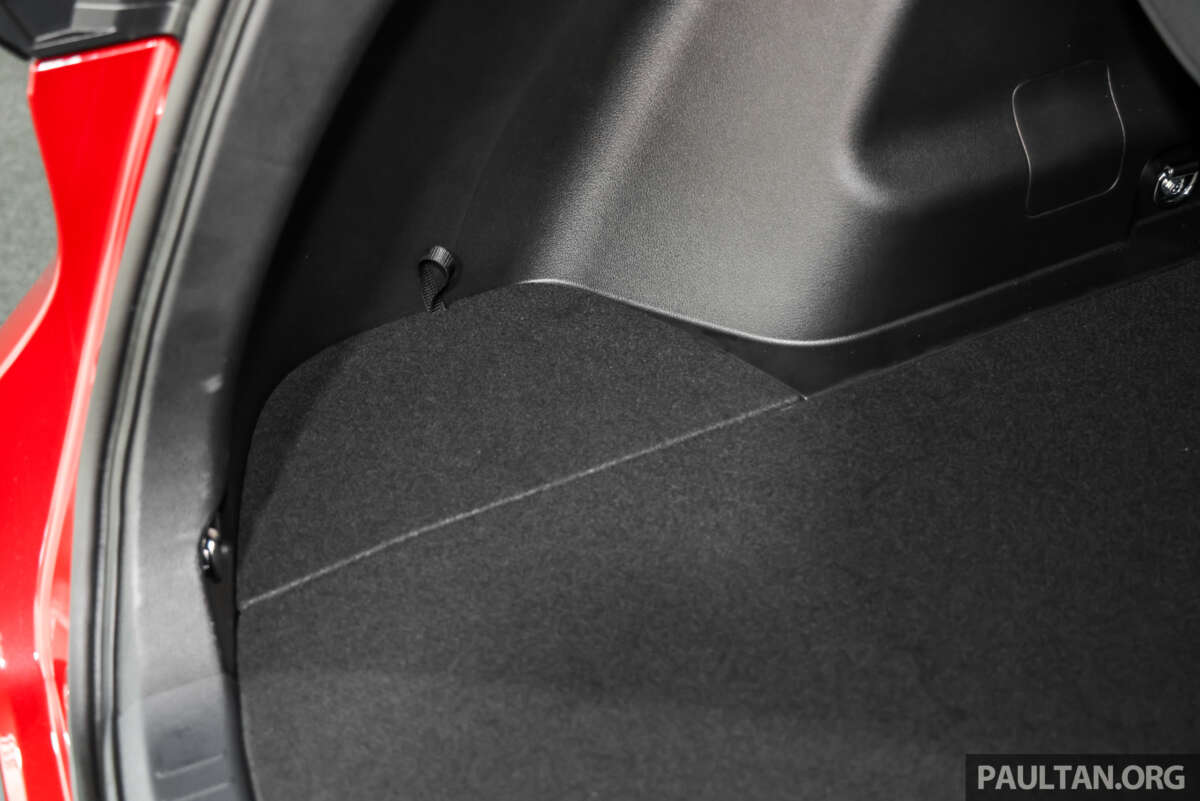
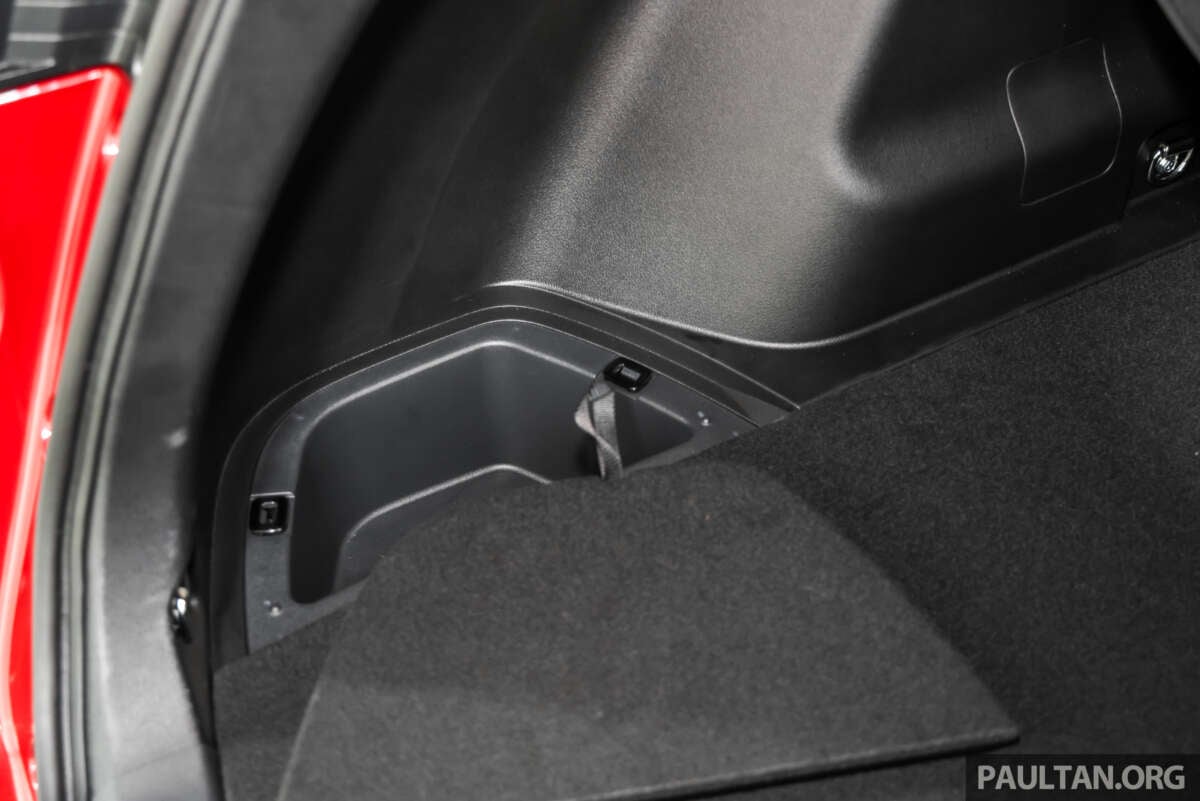
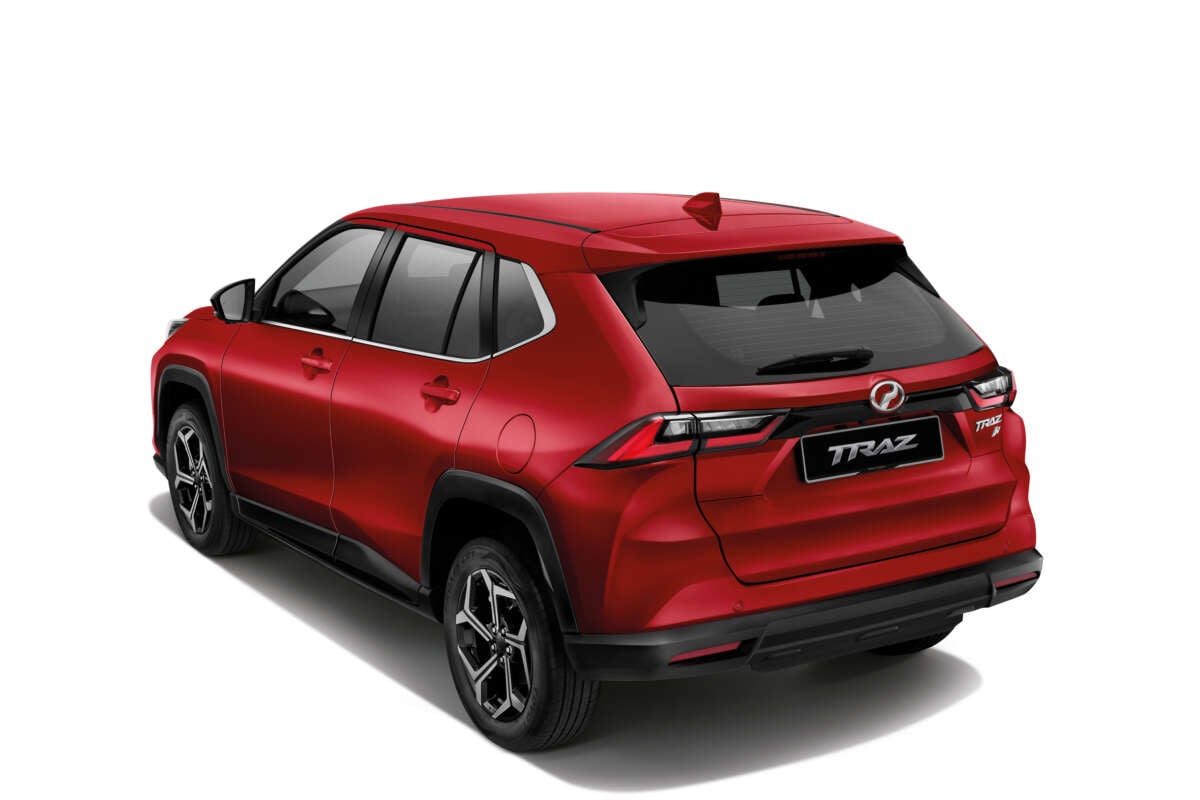
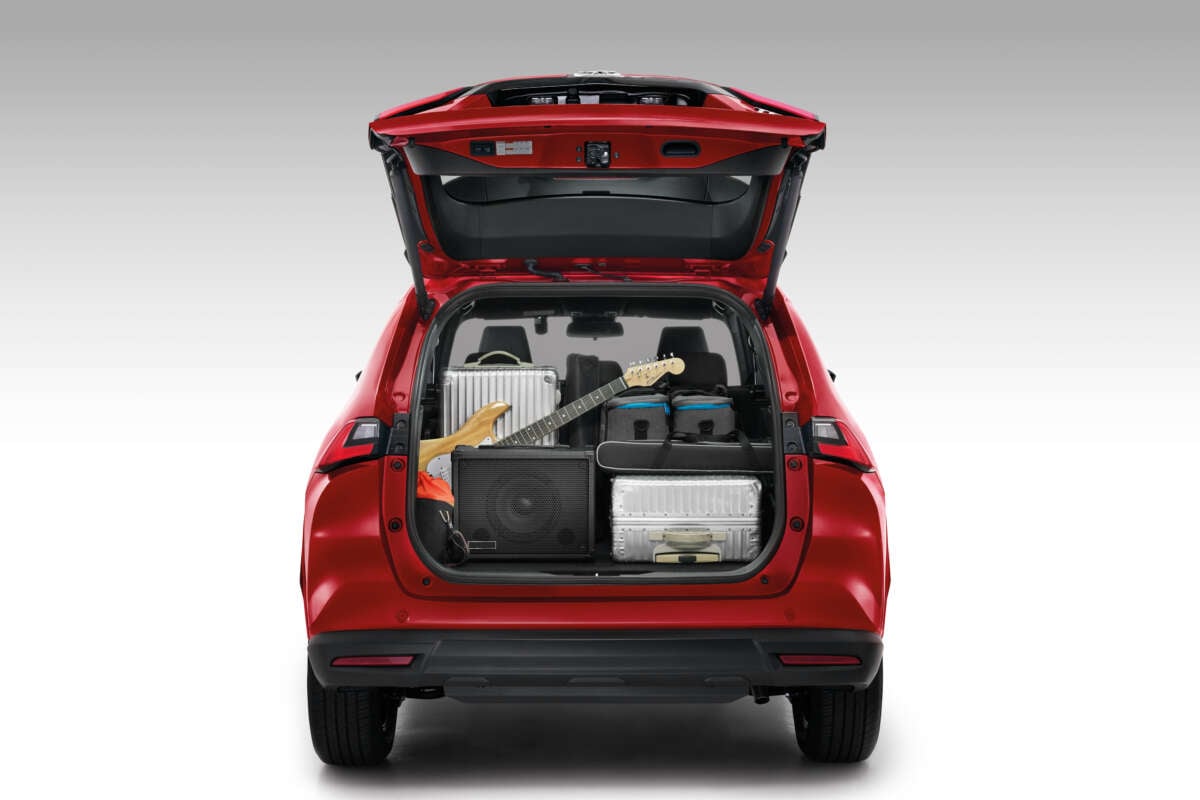
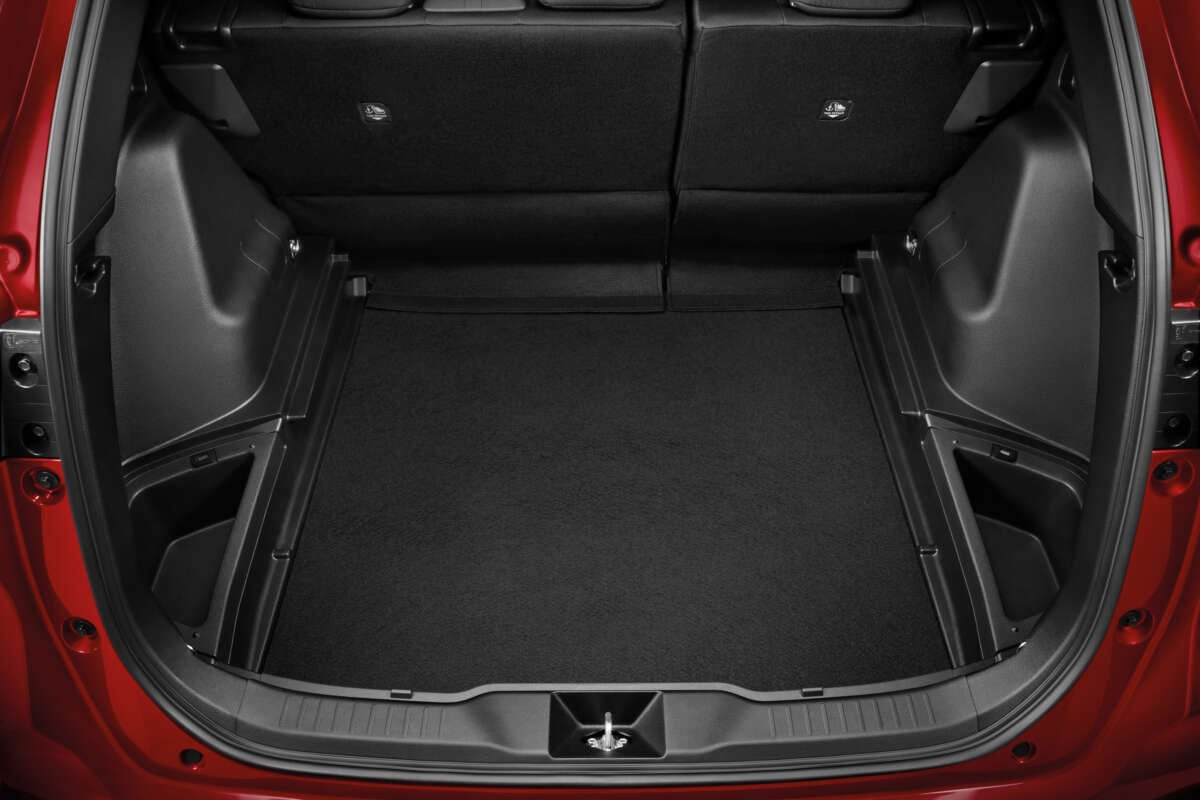
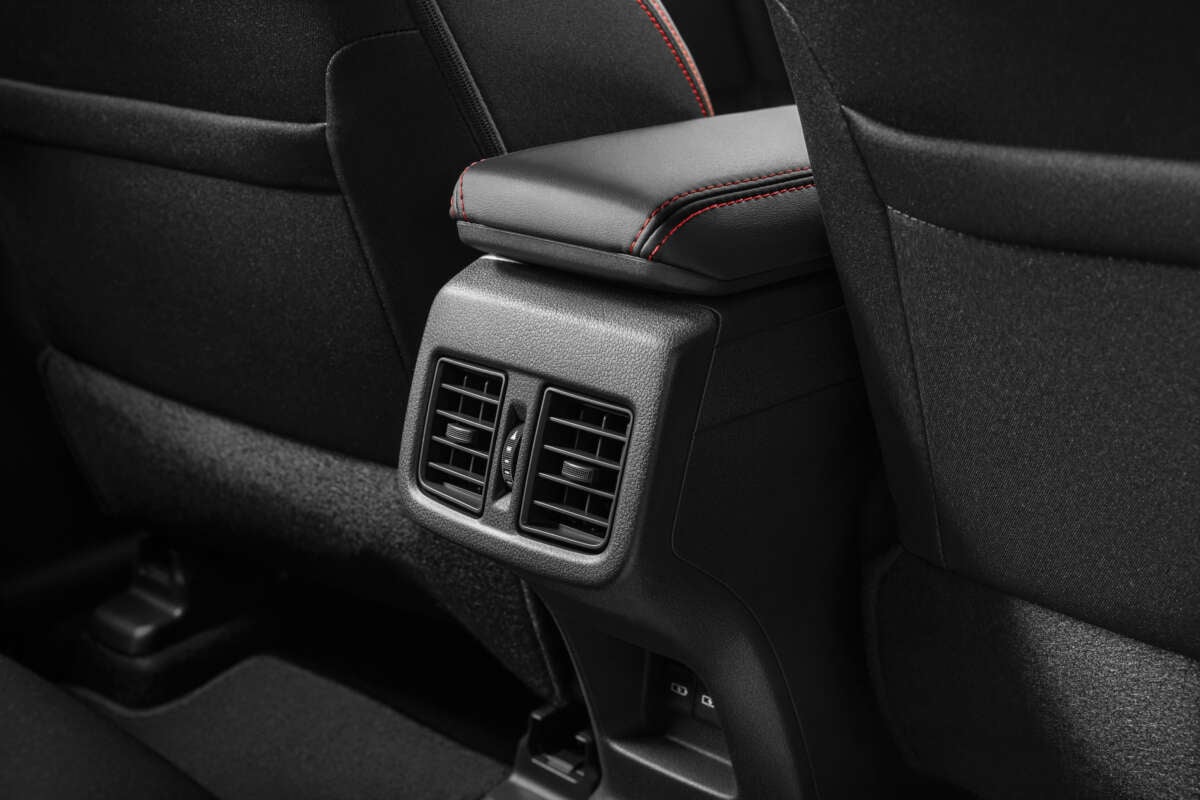
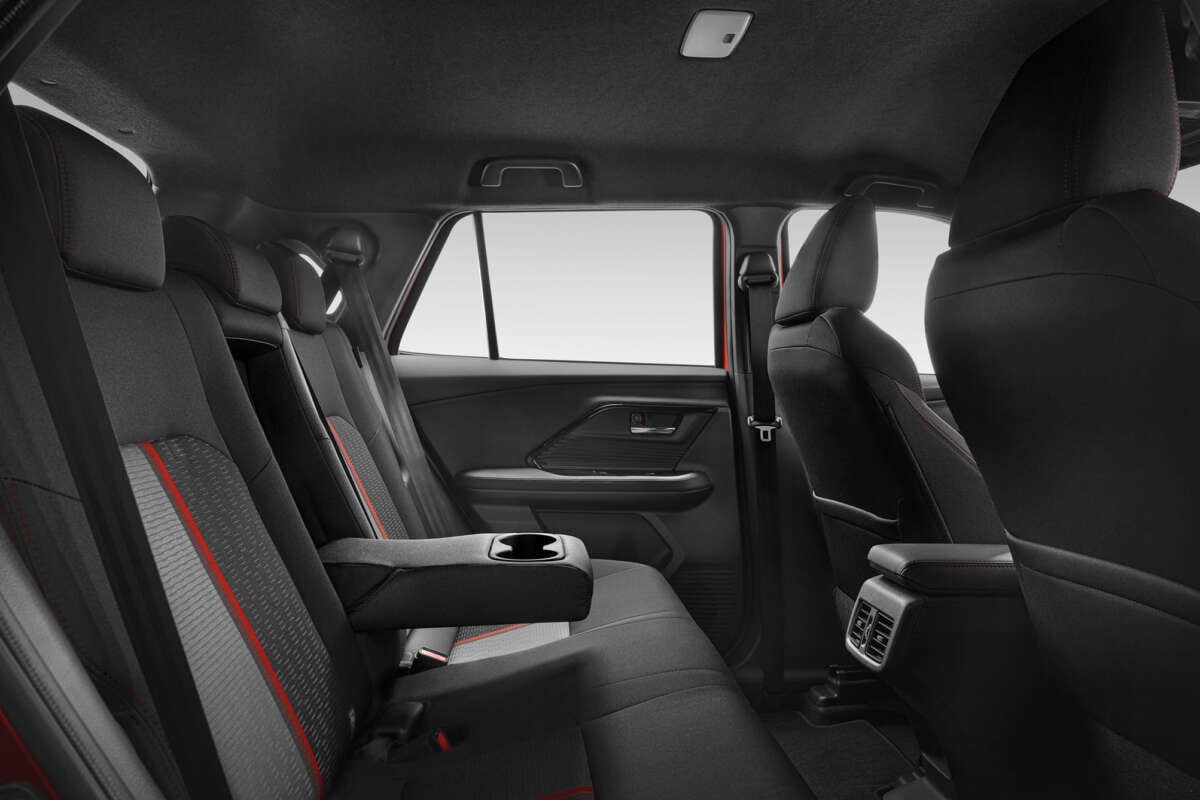
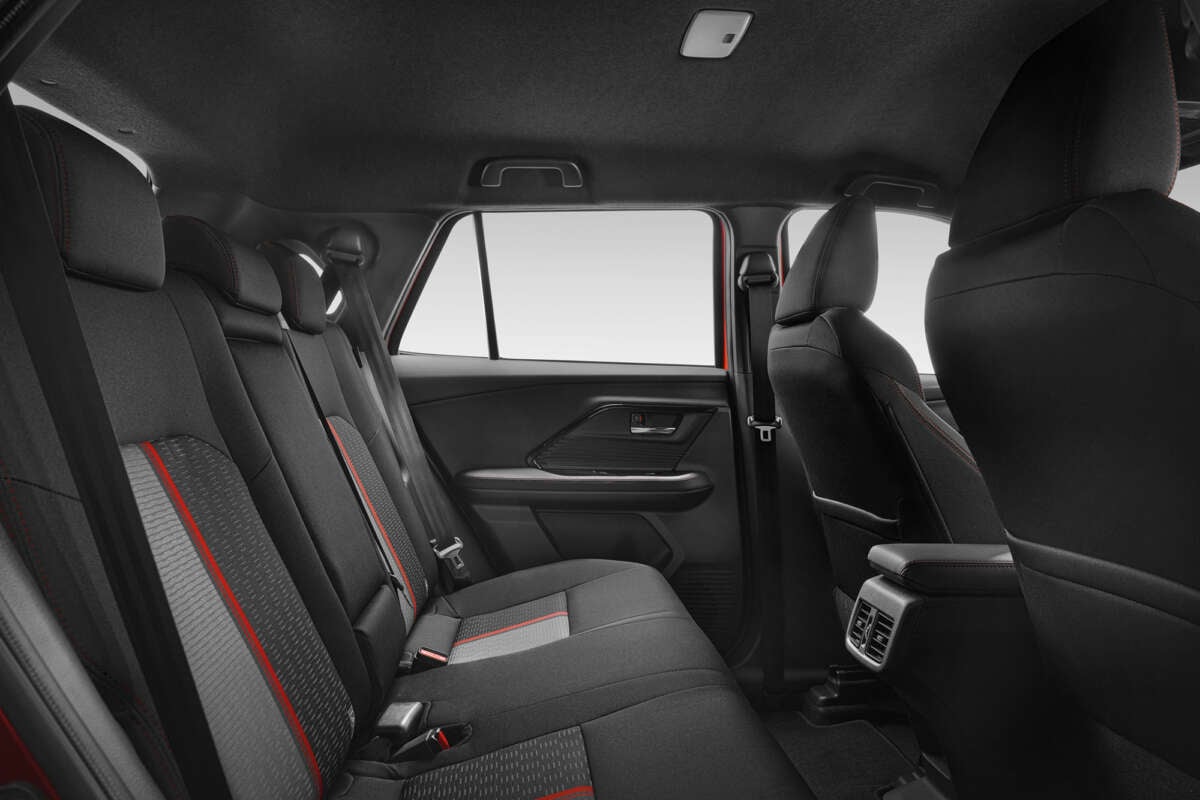
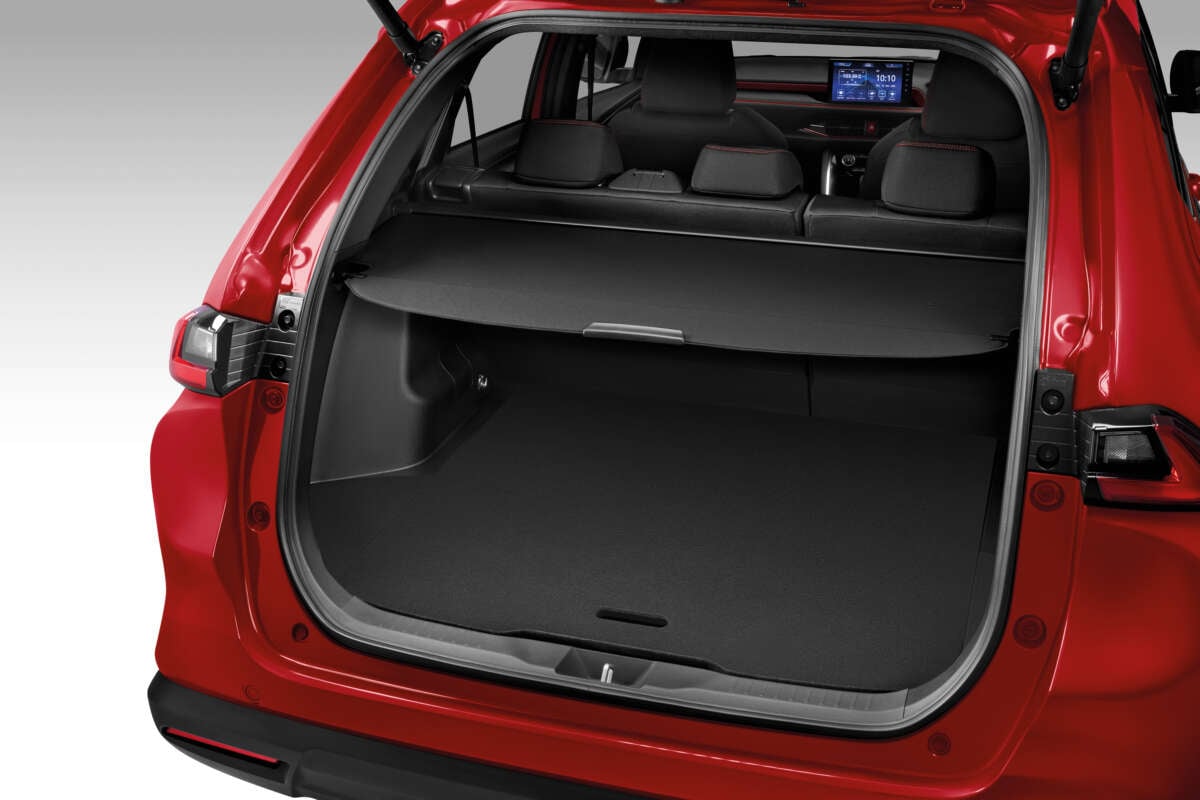
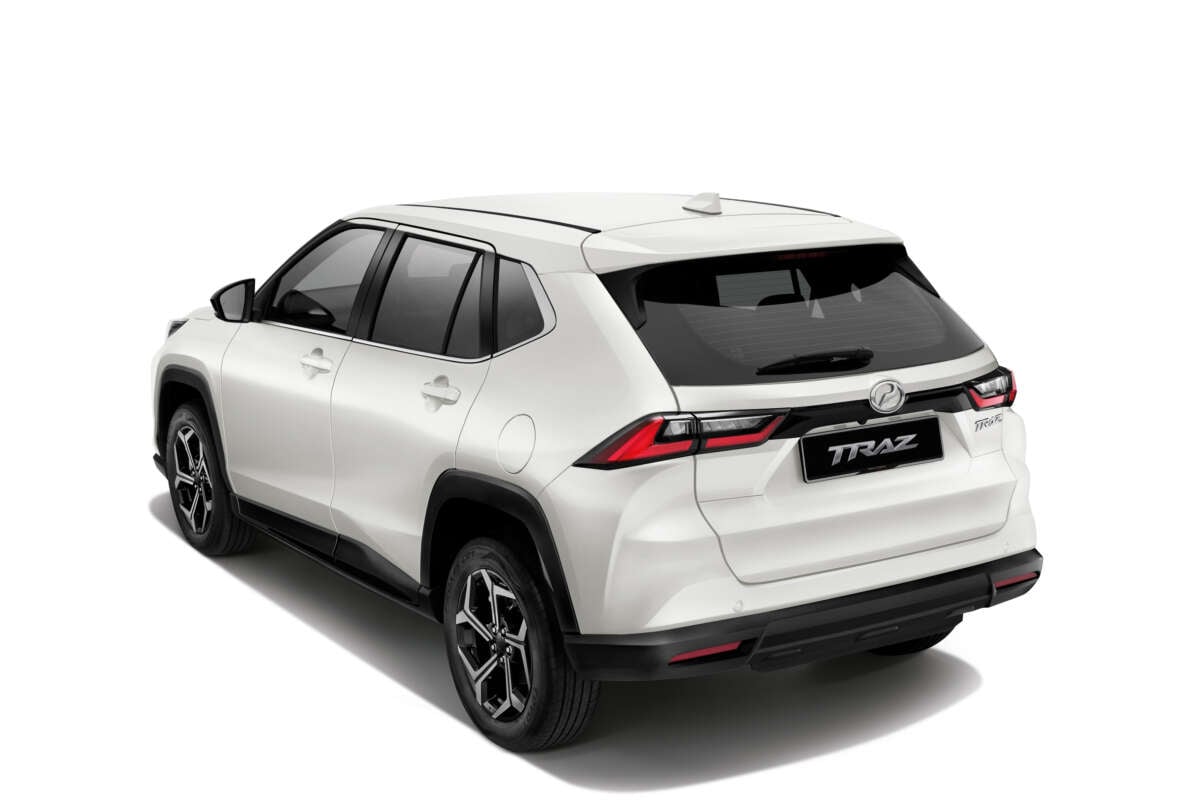
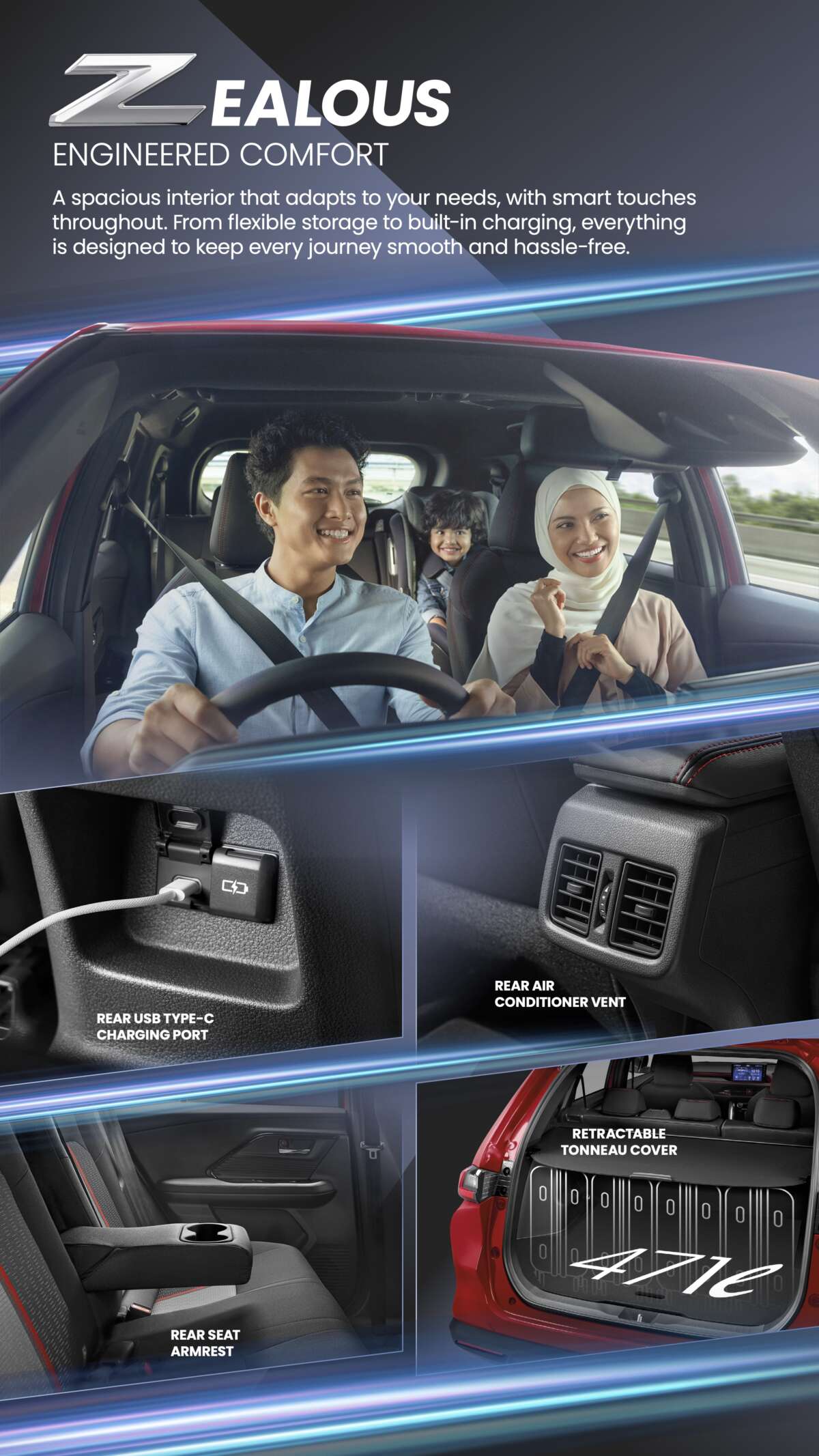
The headline practical figure is the 471-litre boot – more than 100 litres bigger than the Ativa’s and 141 litres bigger than the Proton X50’s – and that’s with a full-size spare steel wheel underneath. Perodua says it swallows up to six trolley bags, and there’s a proper retractable tonneau cover. The rear seats get air-con vents and a fold-down centre armrest with cupholders – a first for a non-MPV Perodua. This is a genuinely roomy car for the money, and that space advantage is its strongest card.
Equipment – what you get on the X
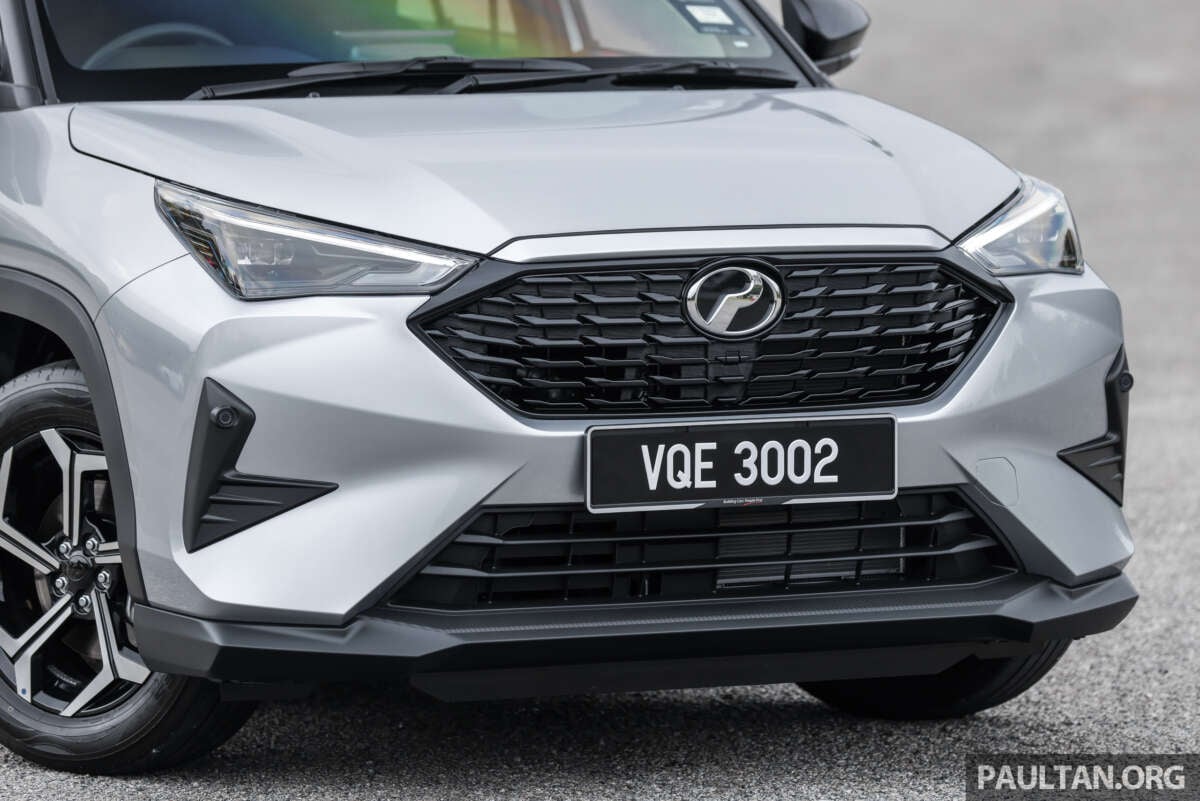
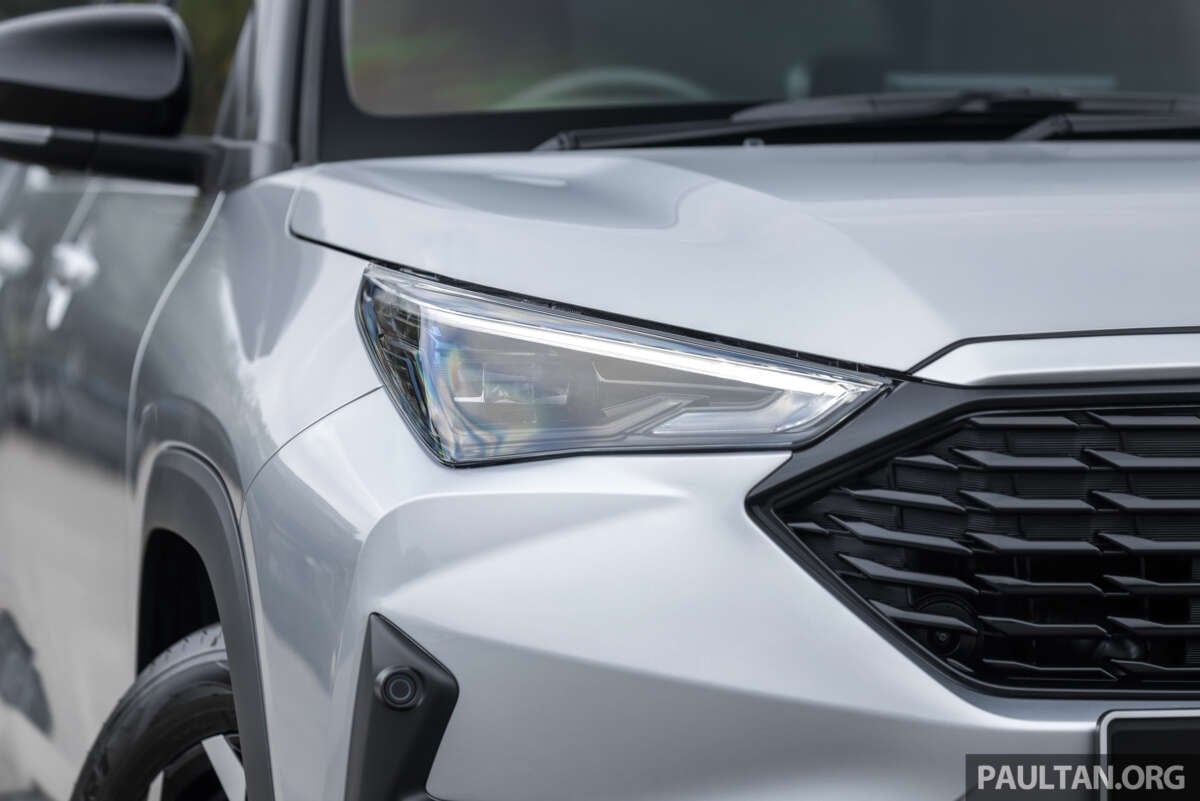
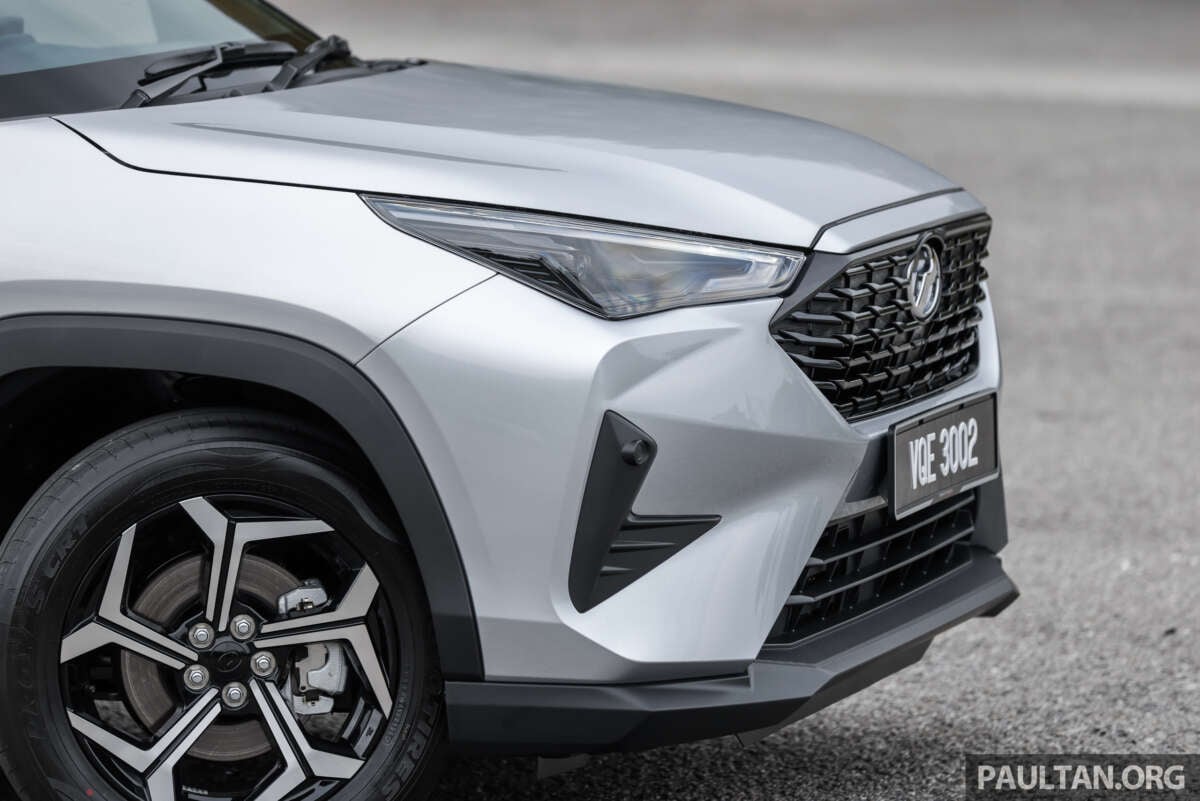
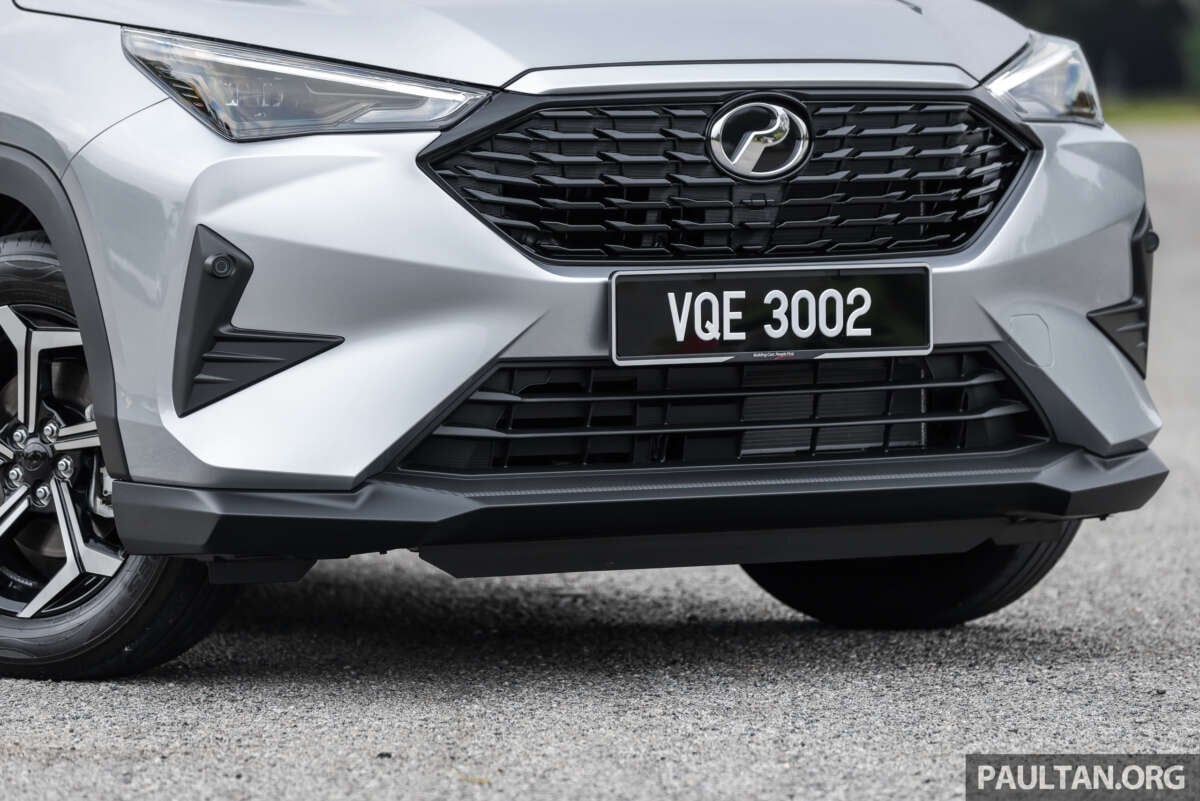
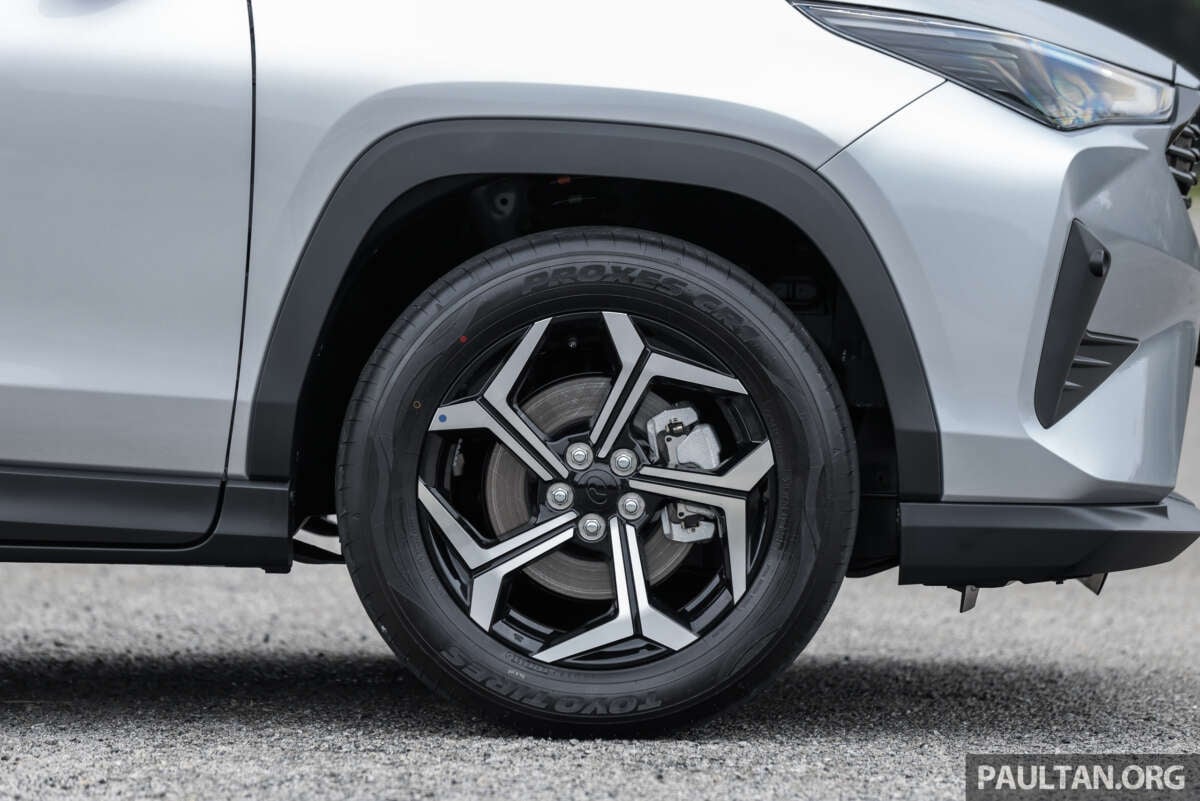
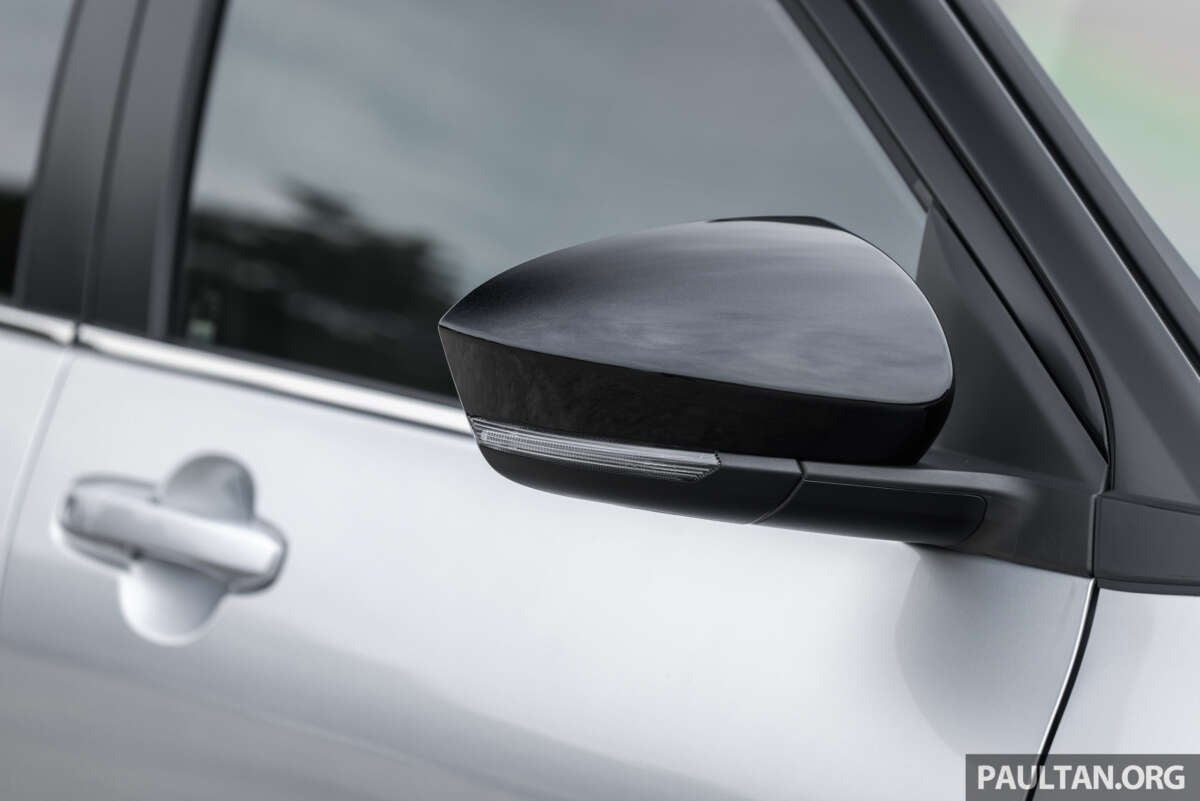
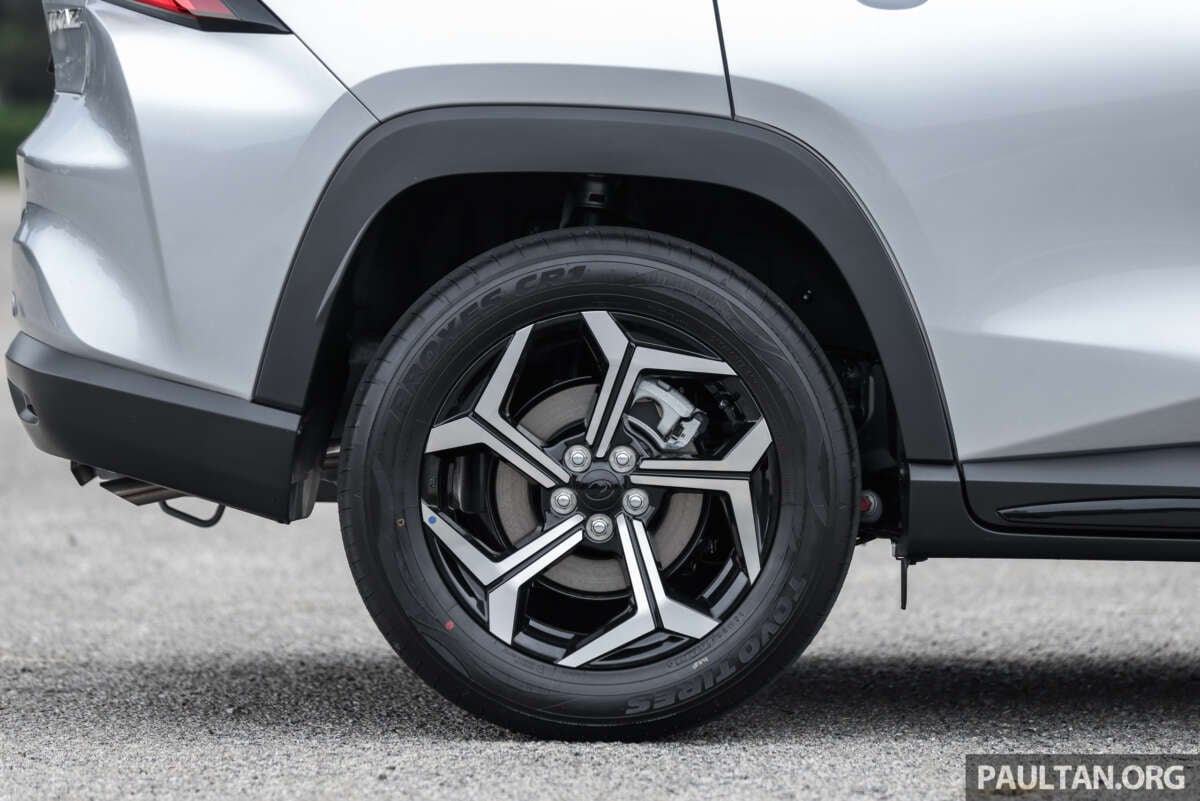
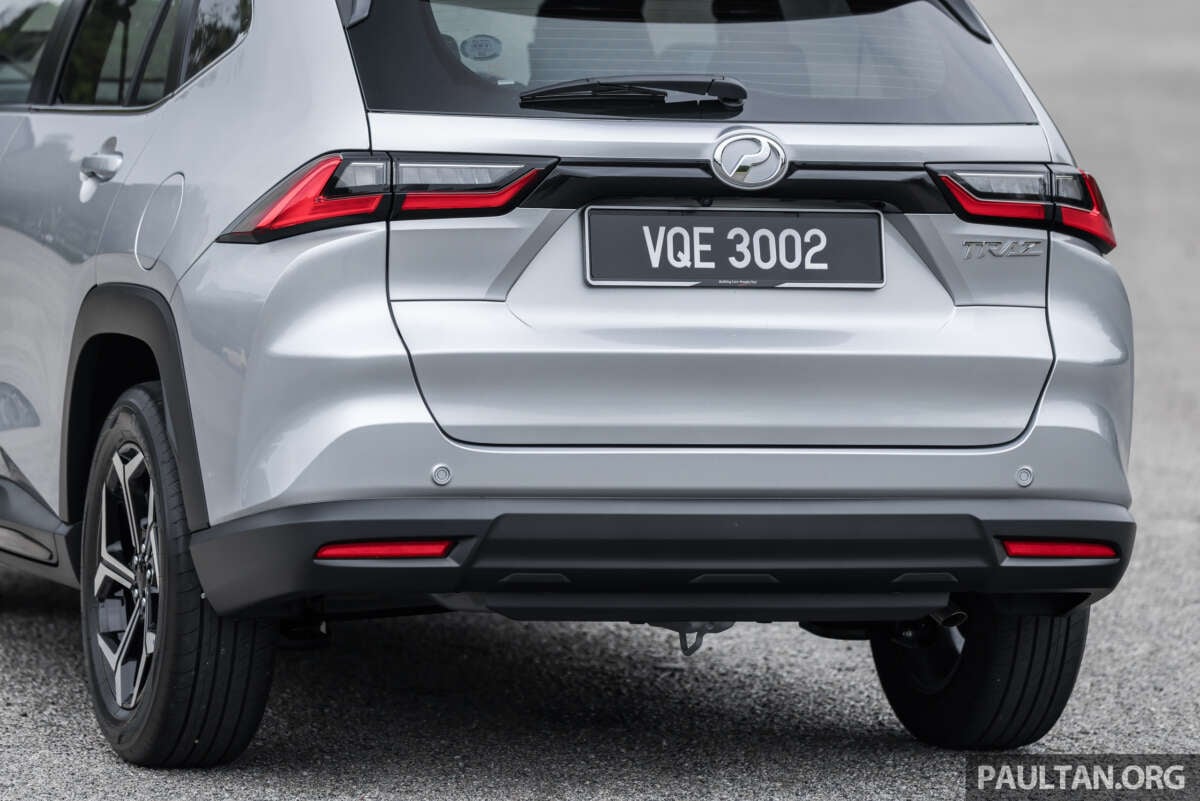
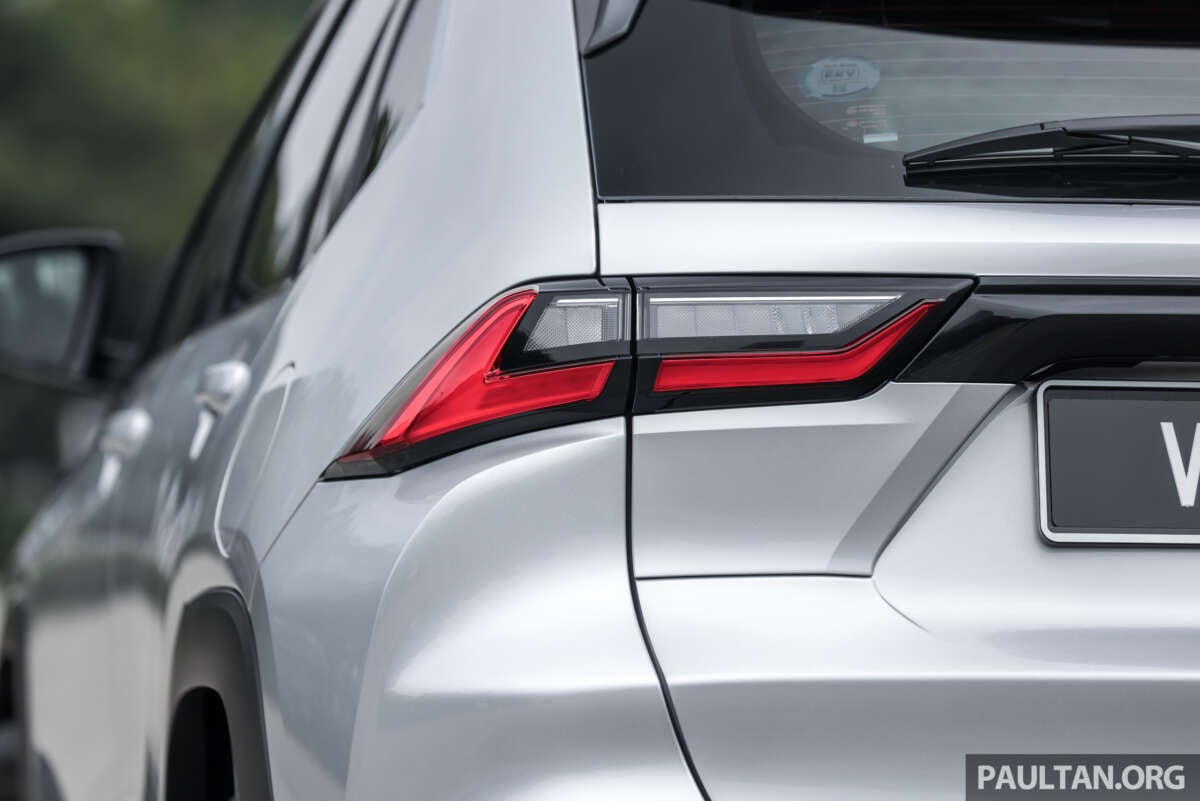
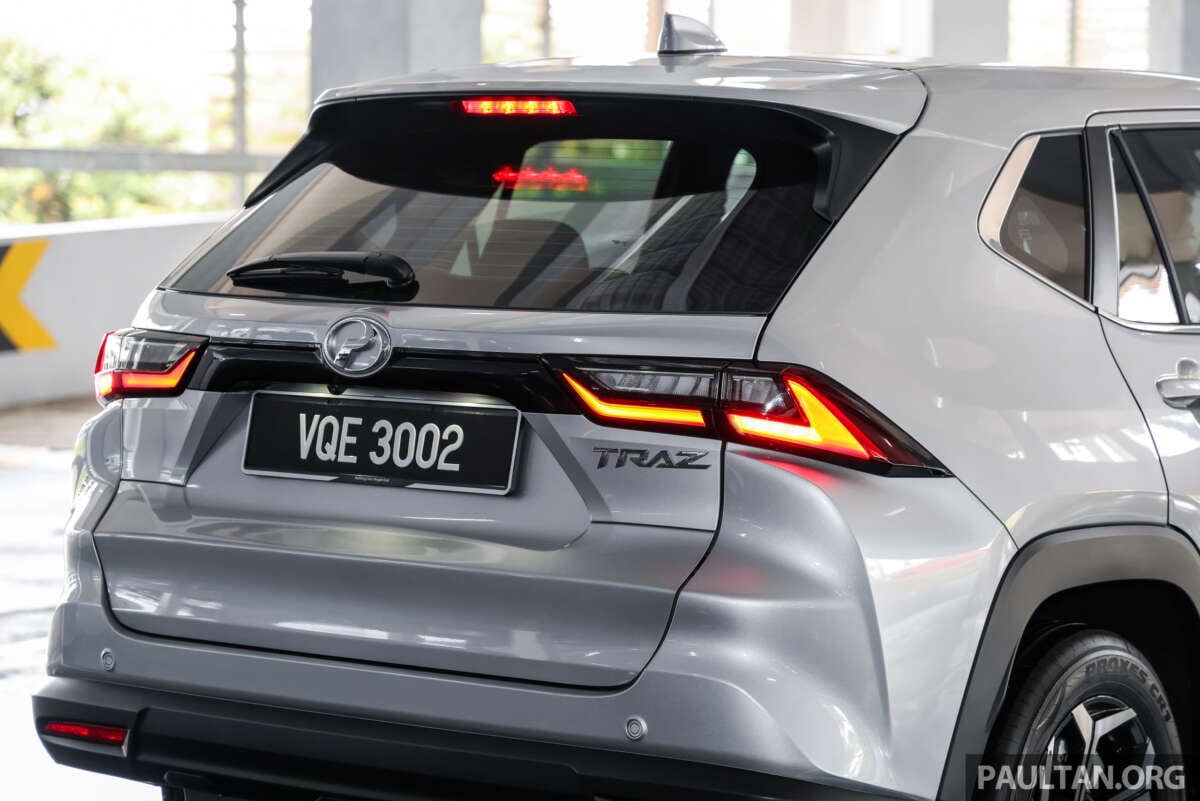
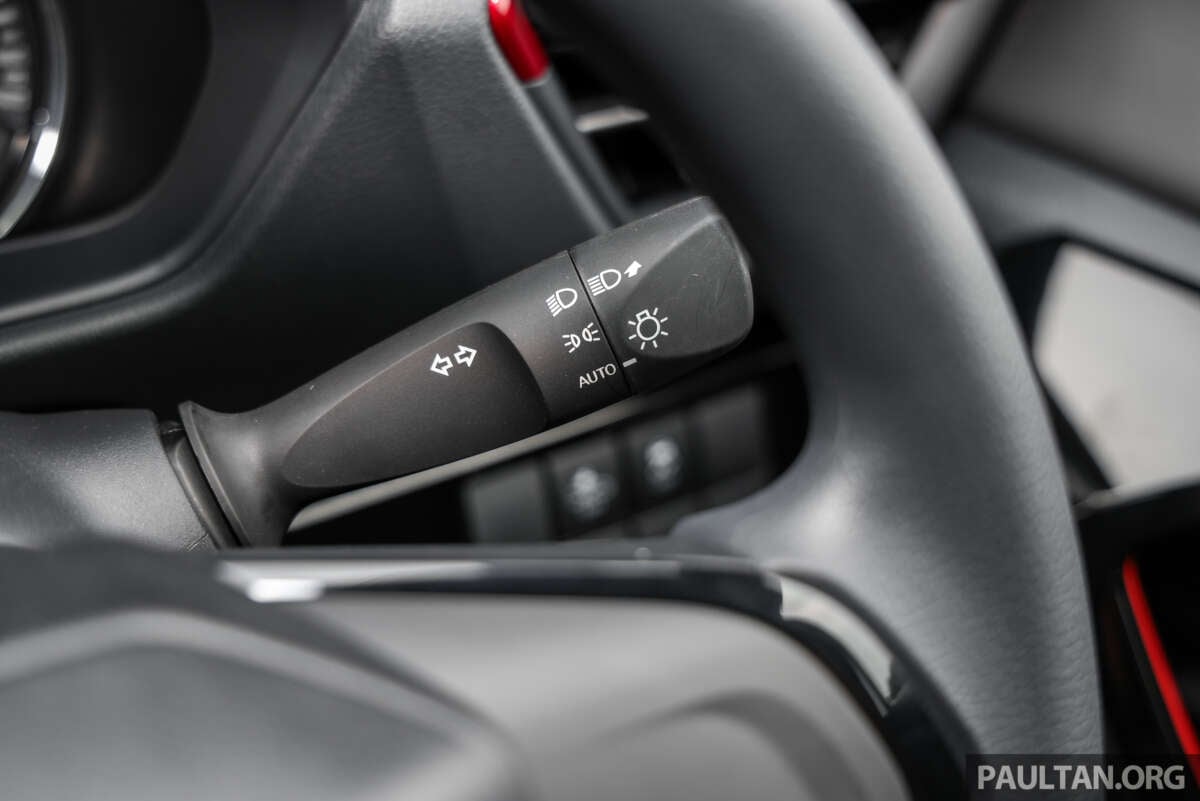
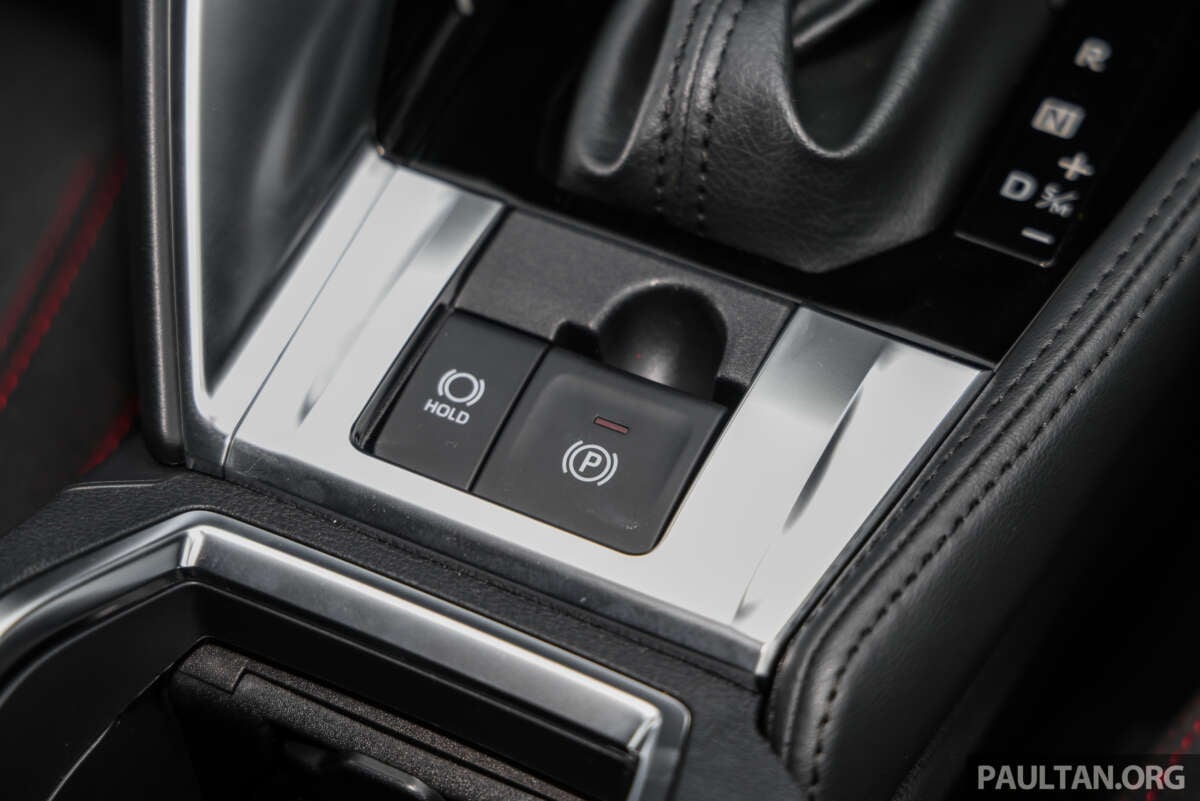
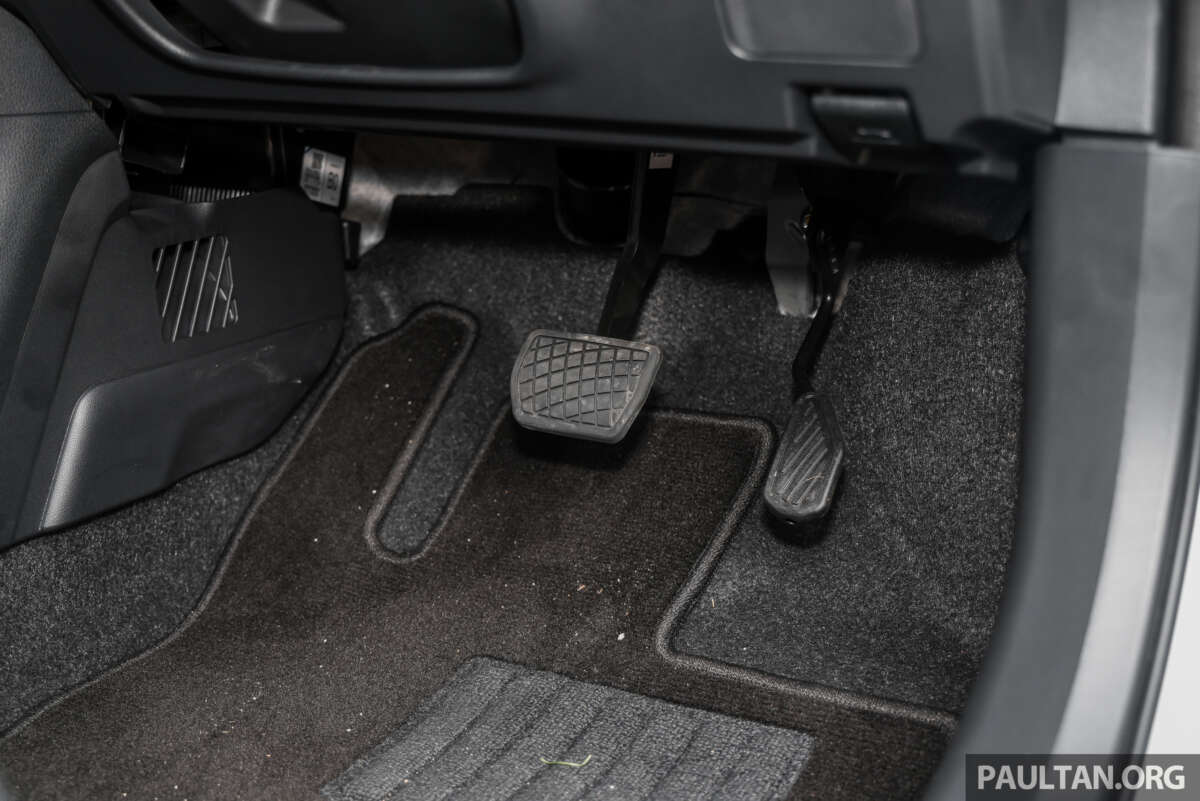
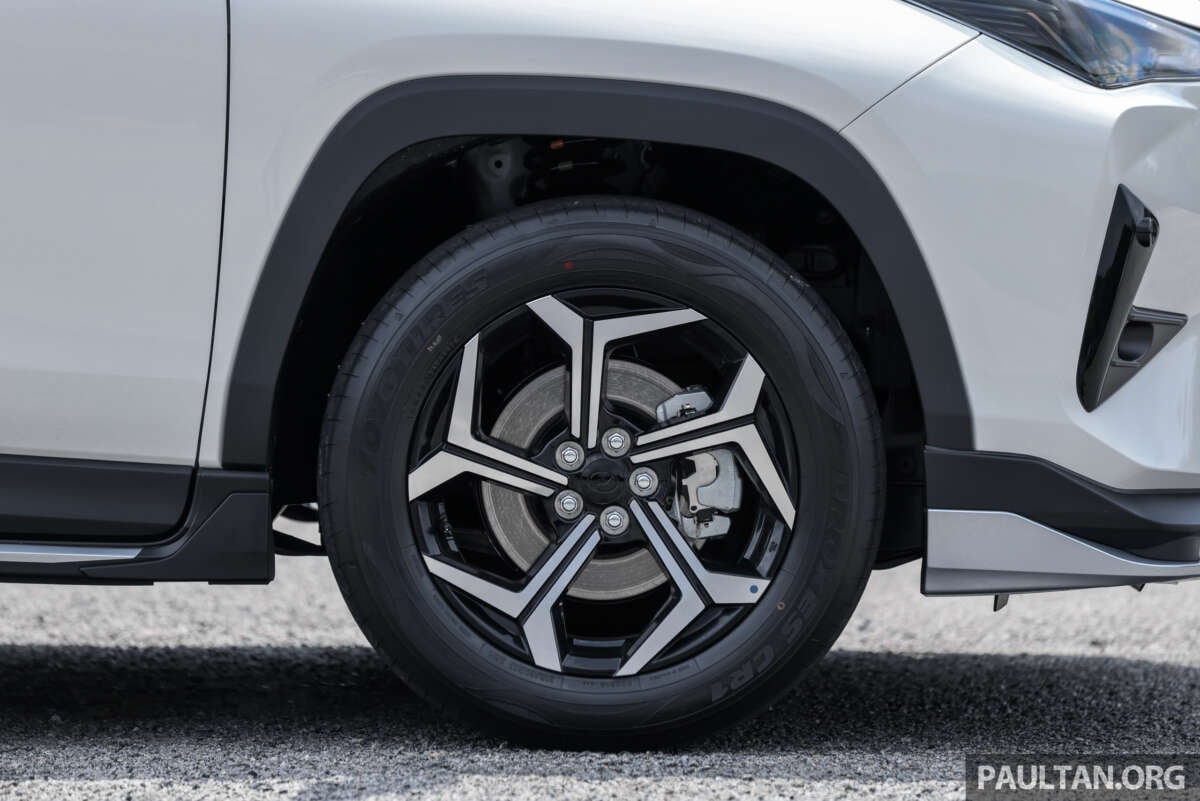
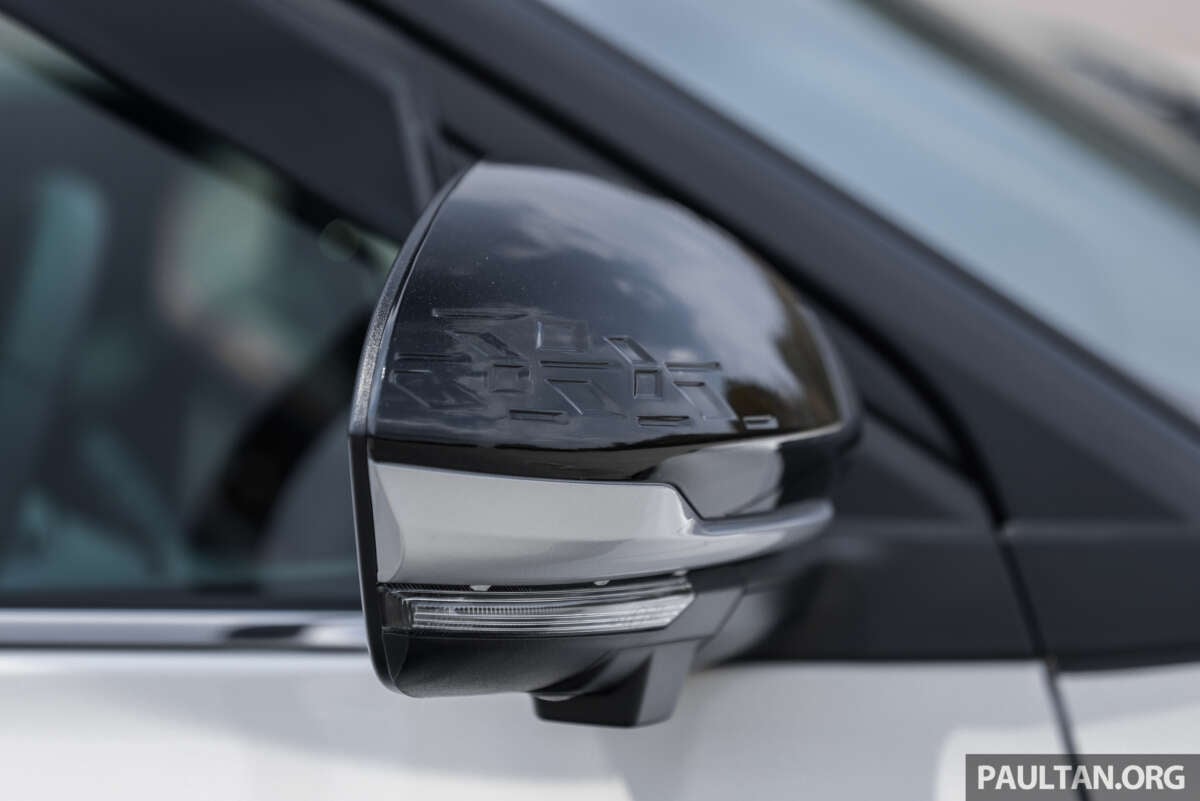
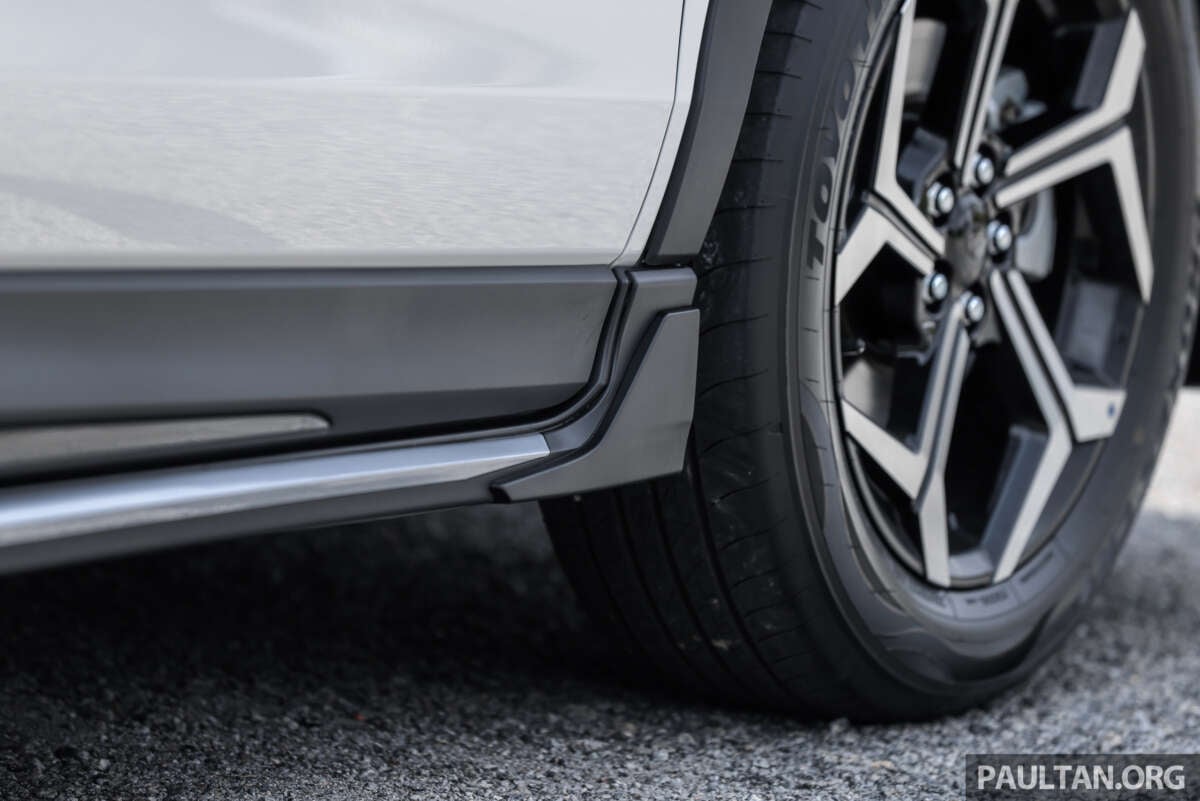
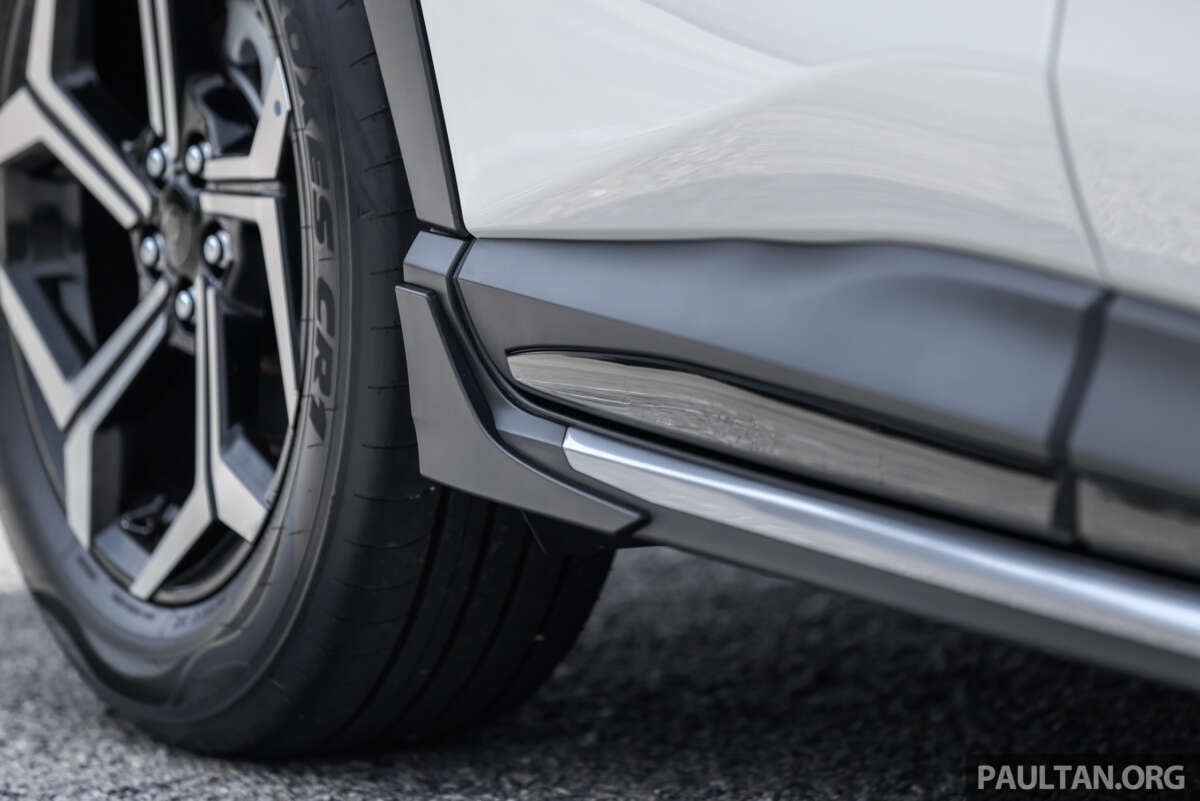
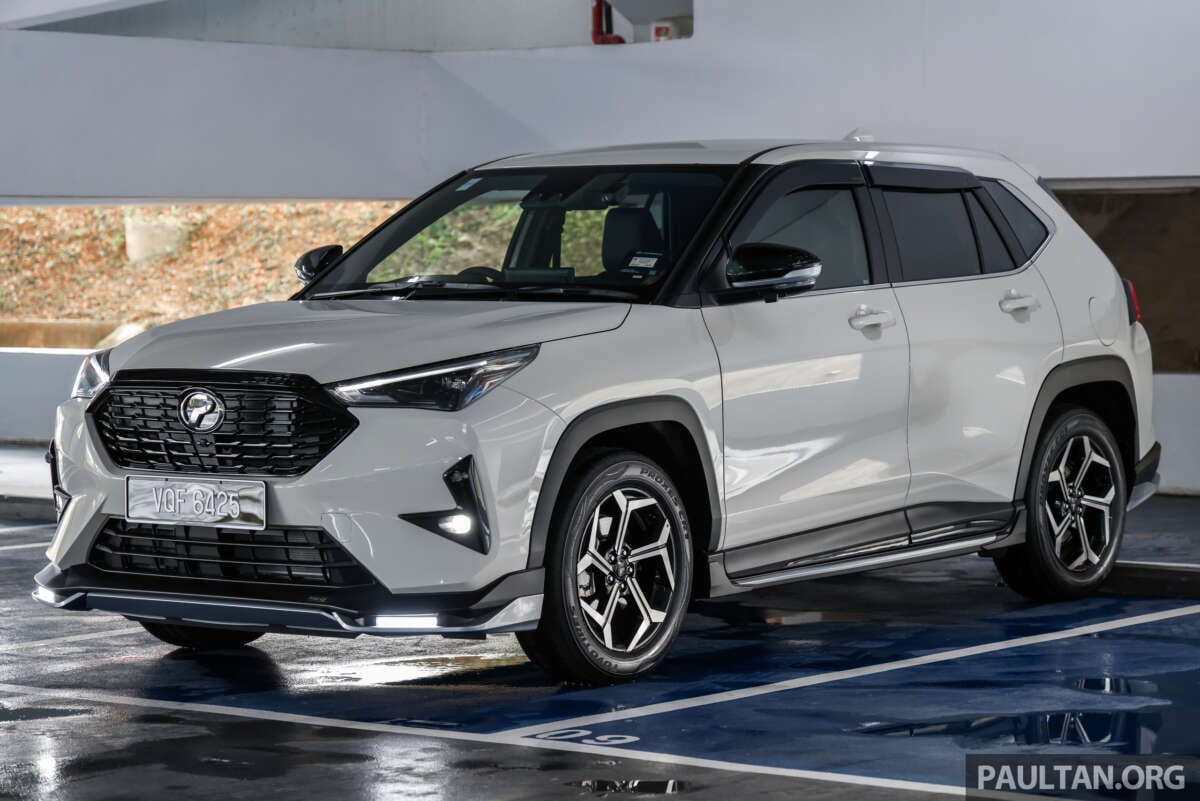
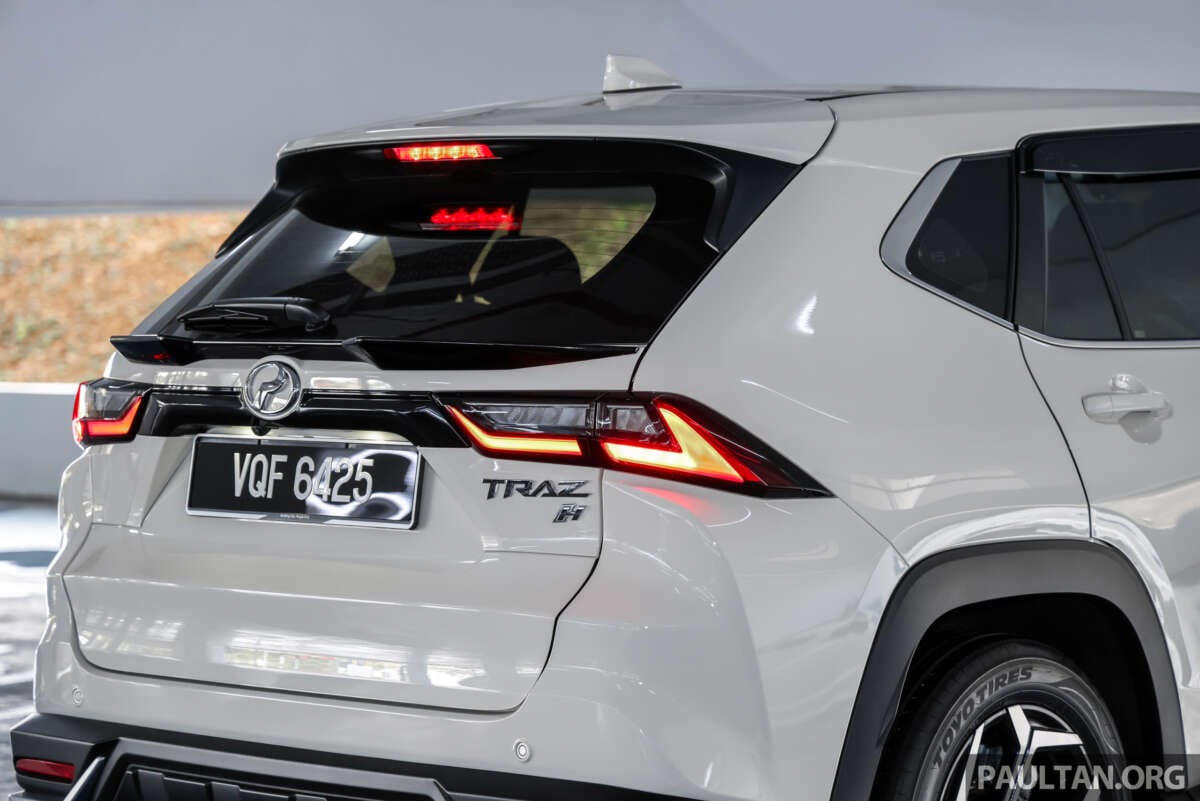
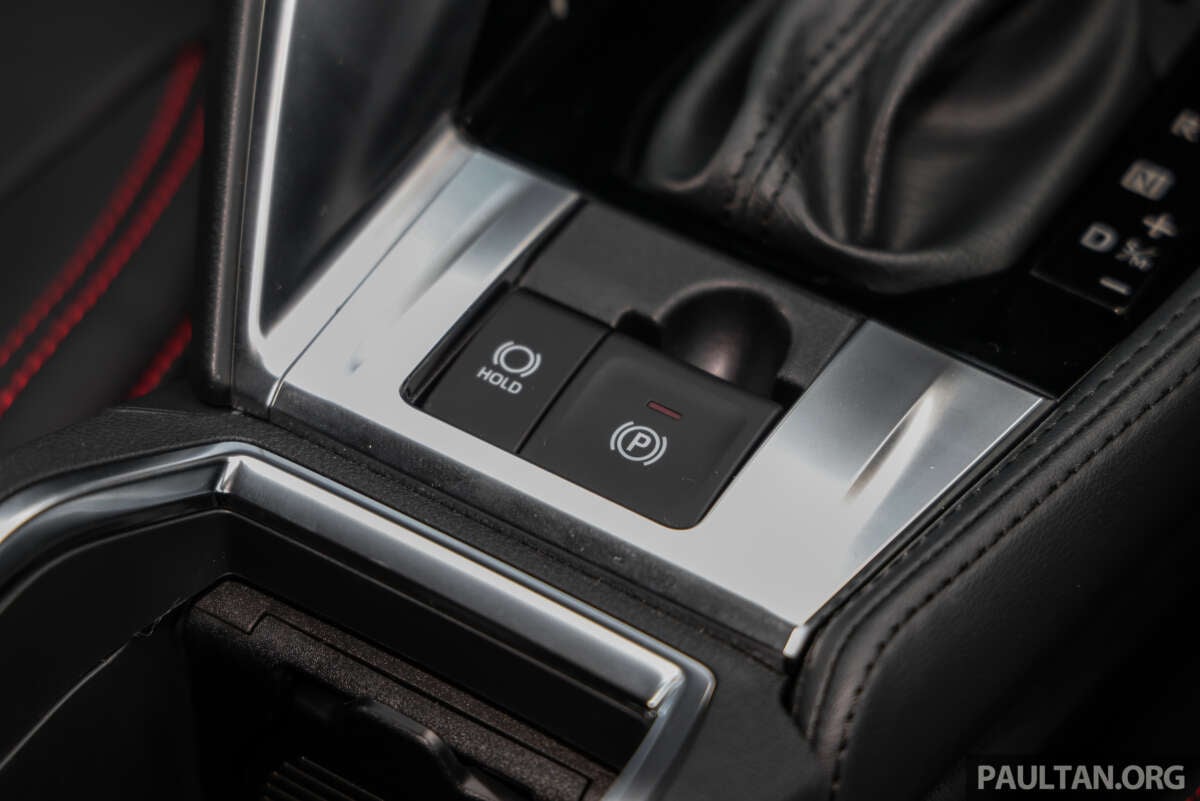
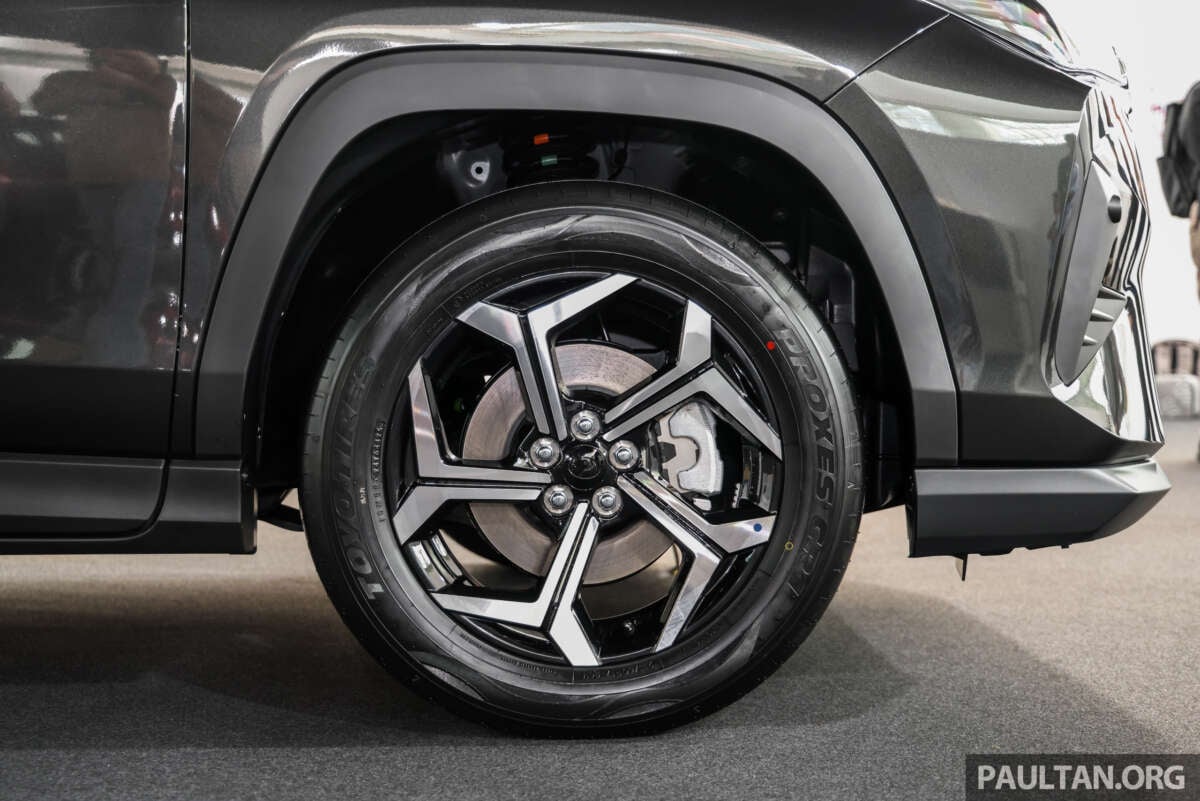
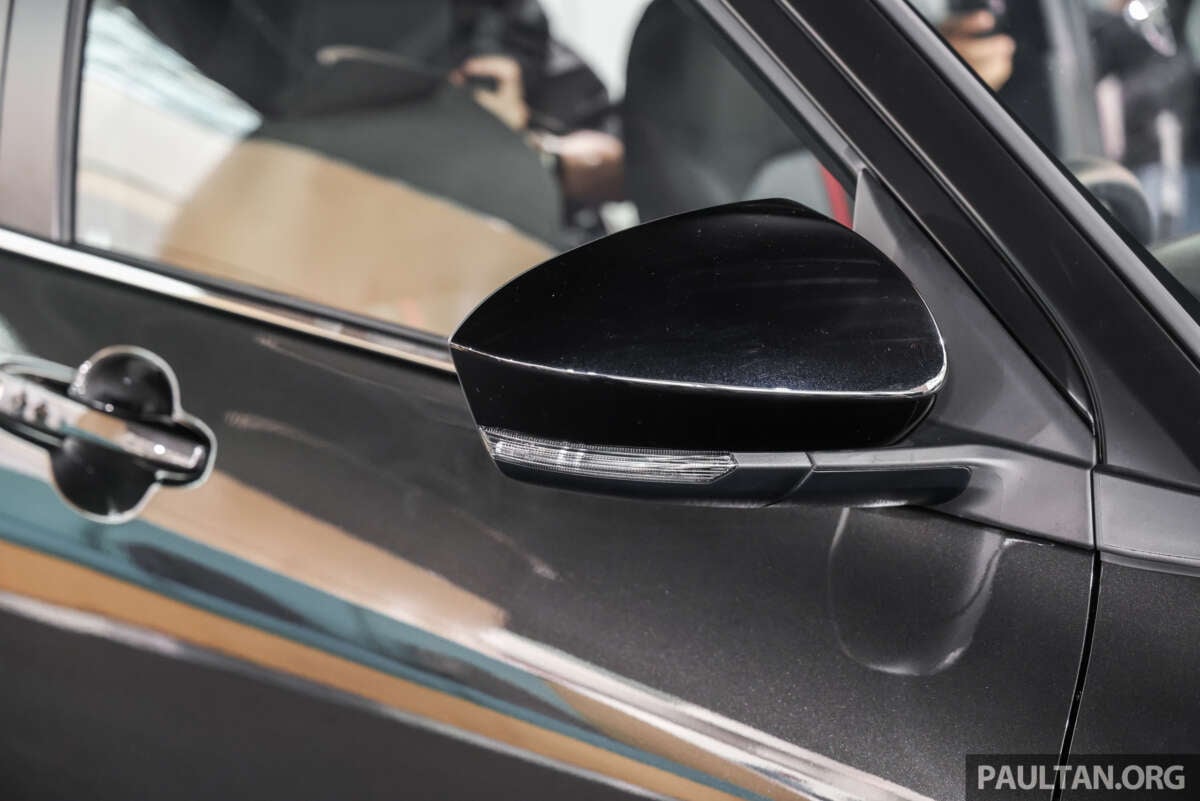
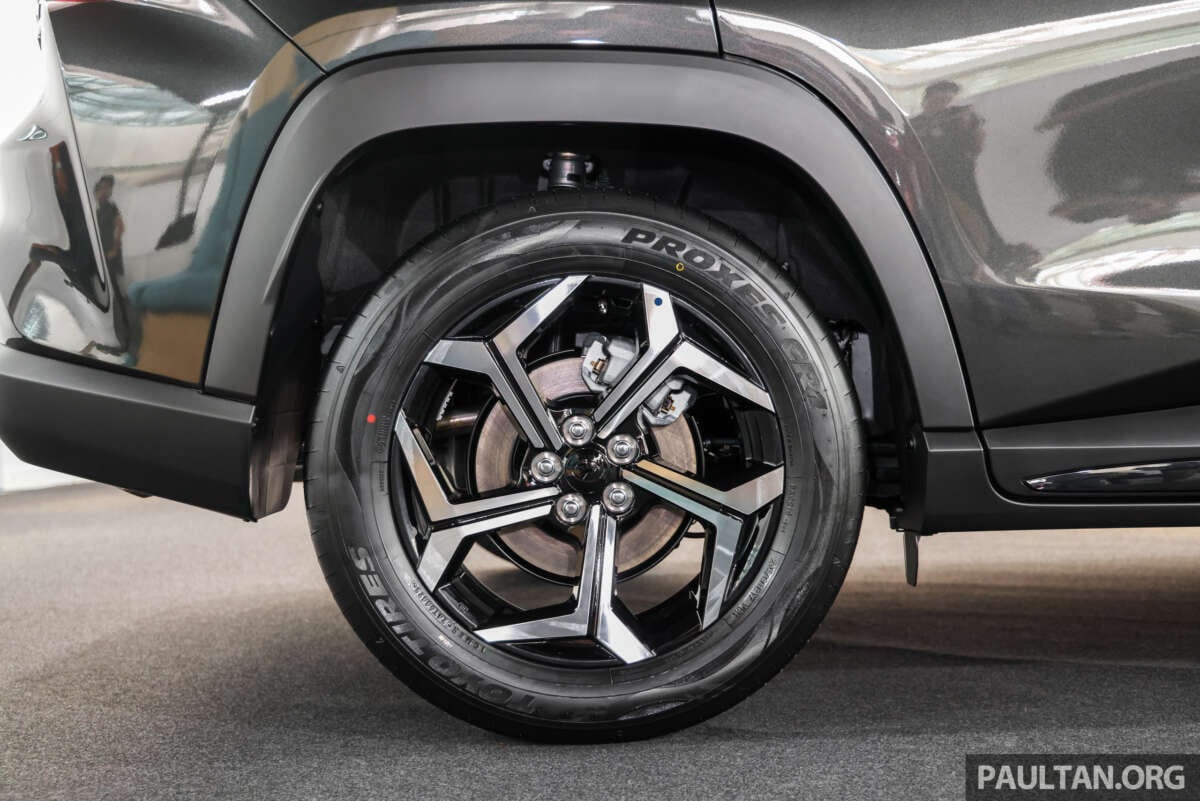
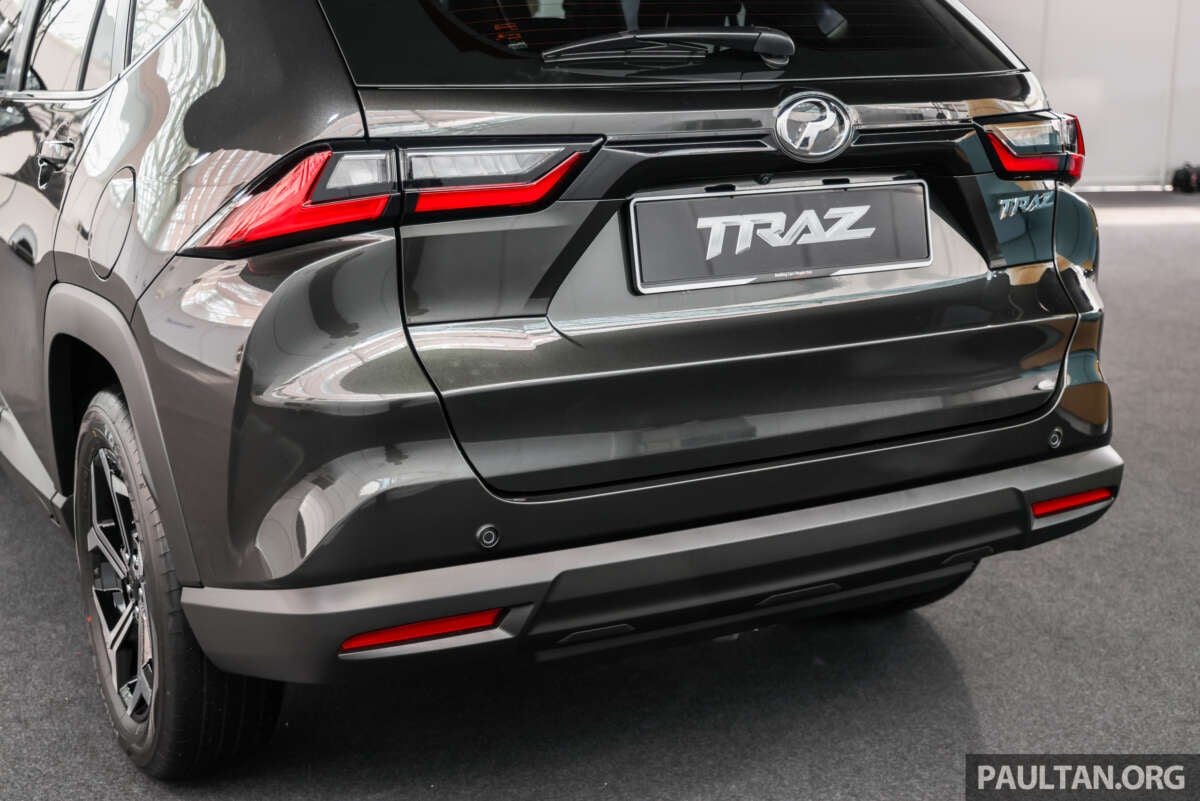
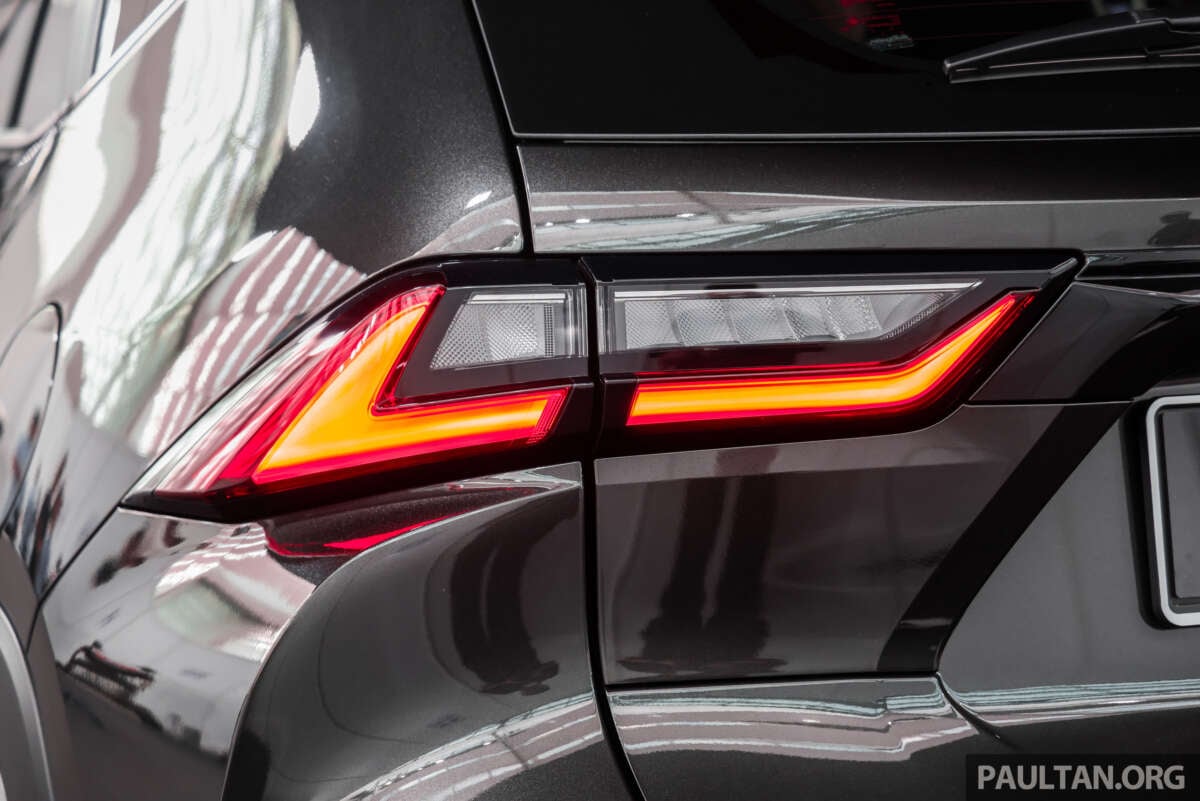
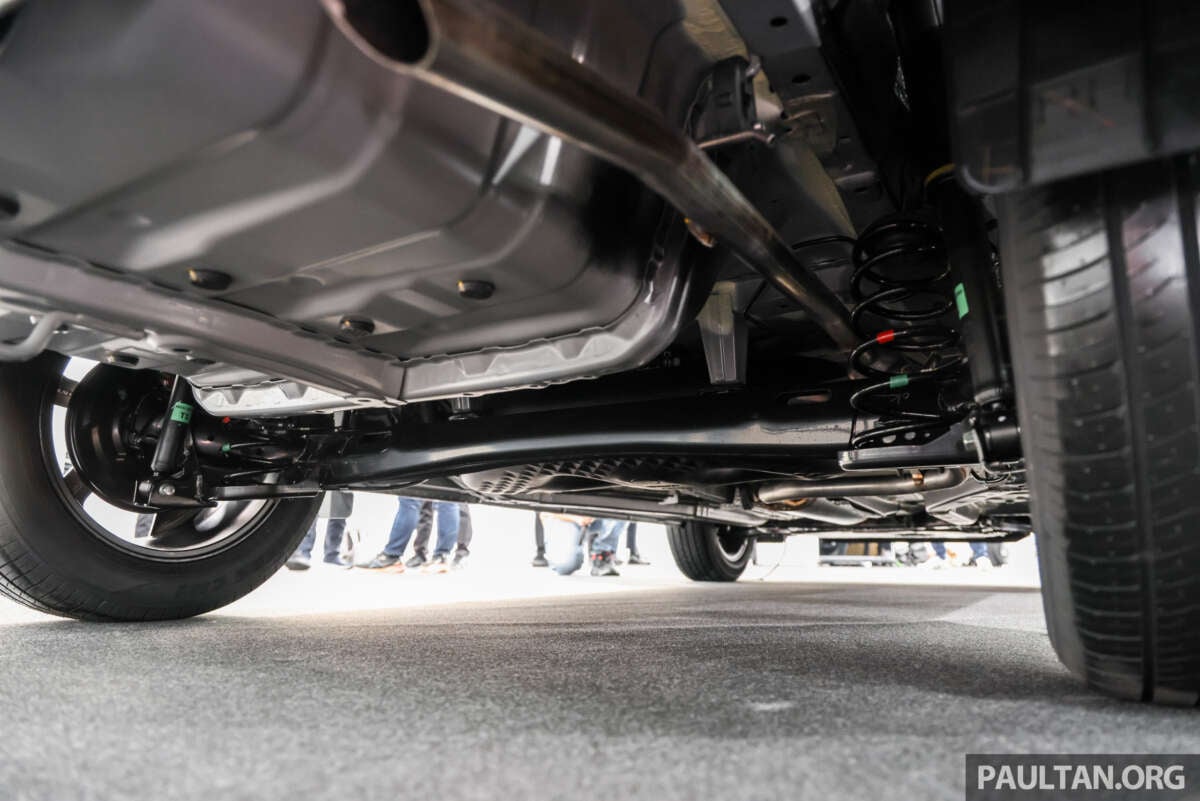
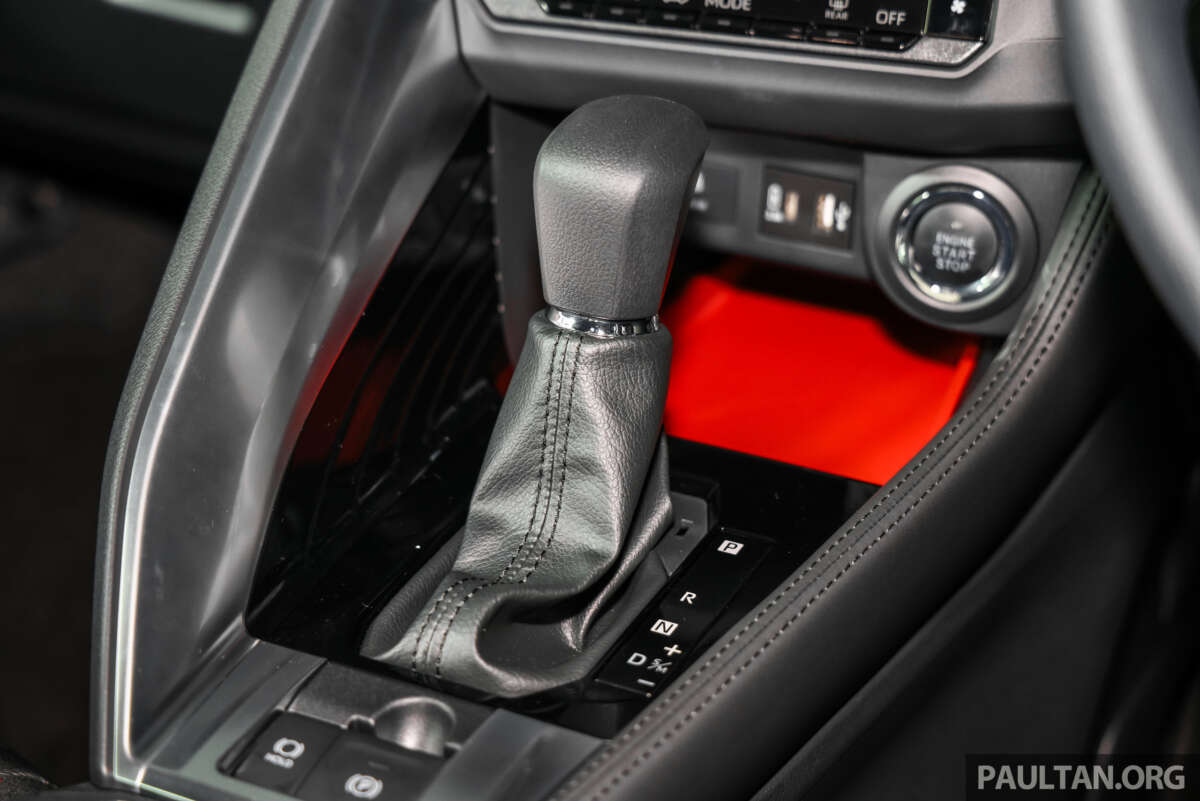
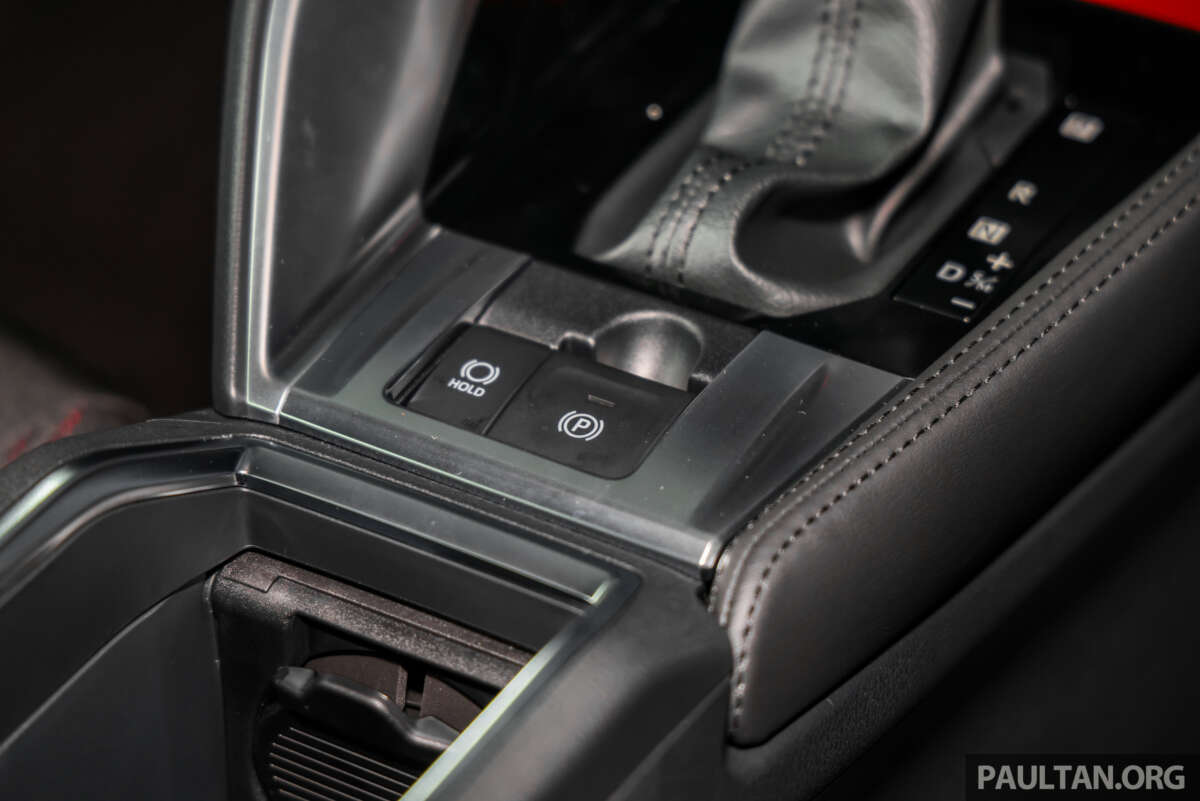
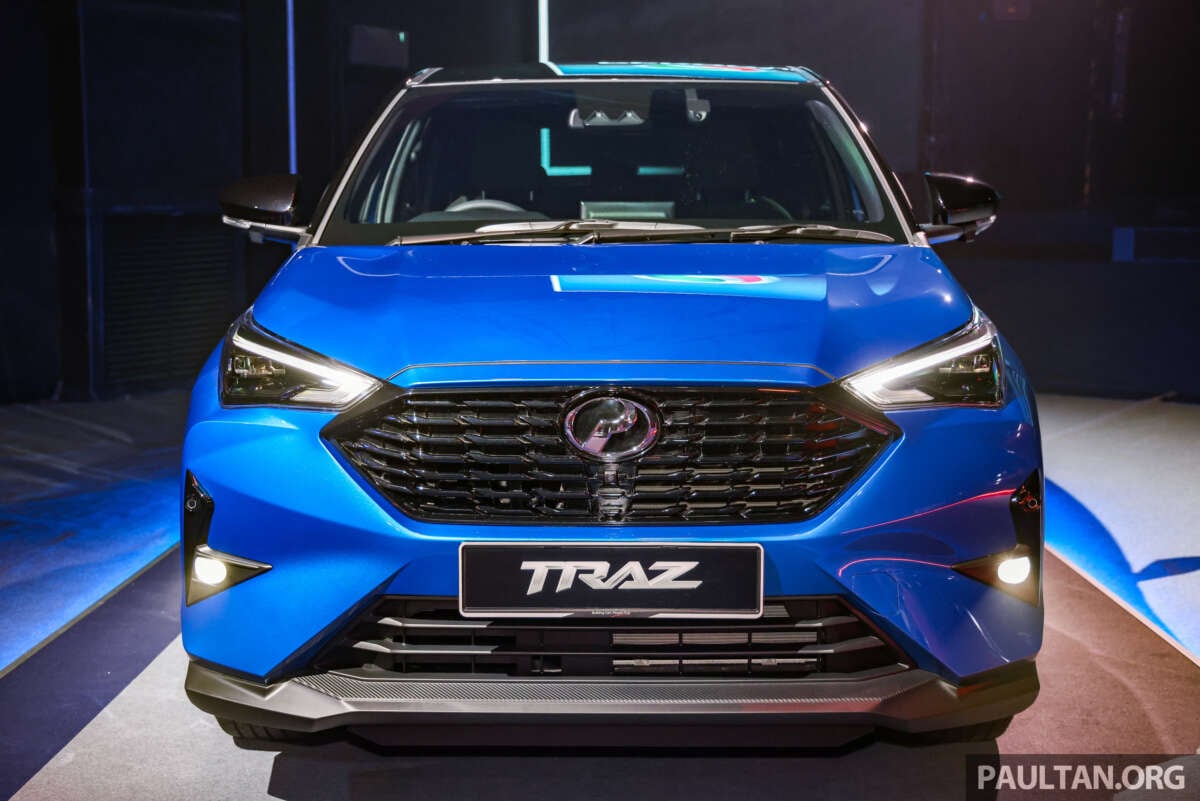
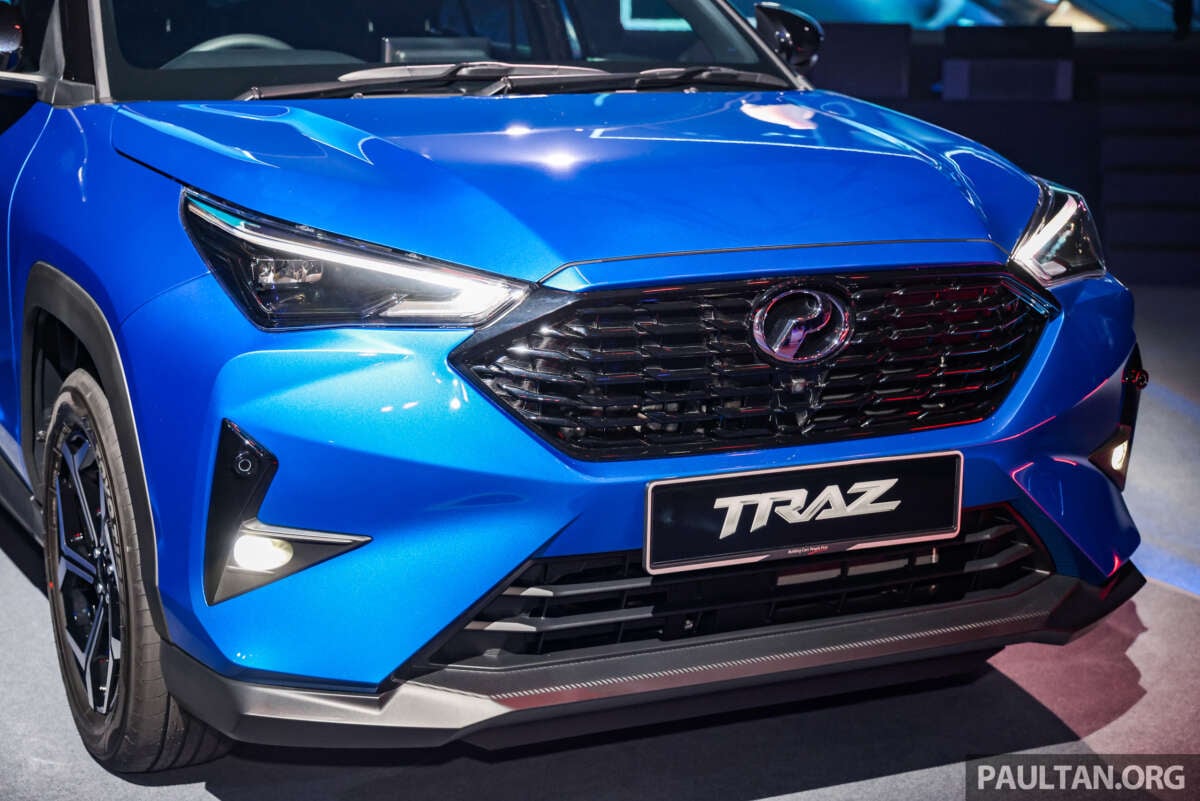
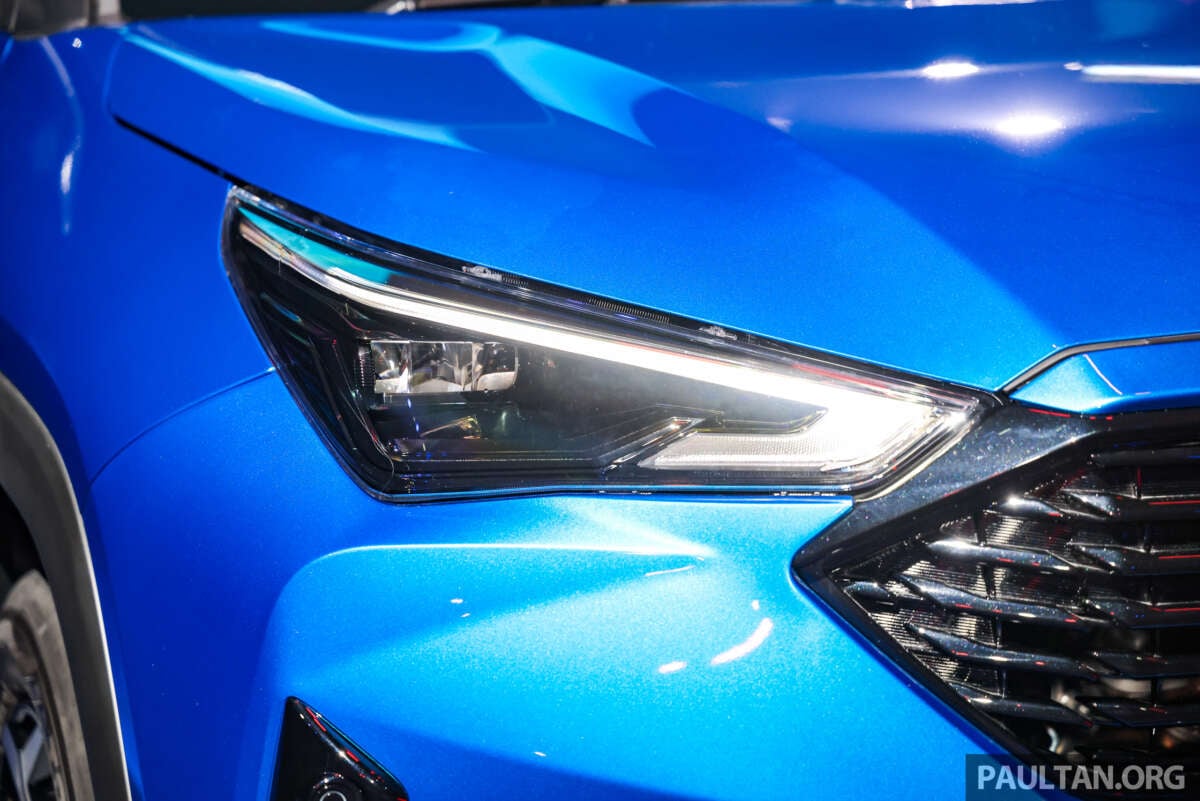
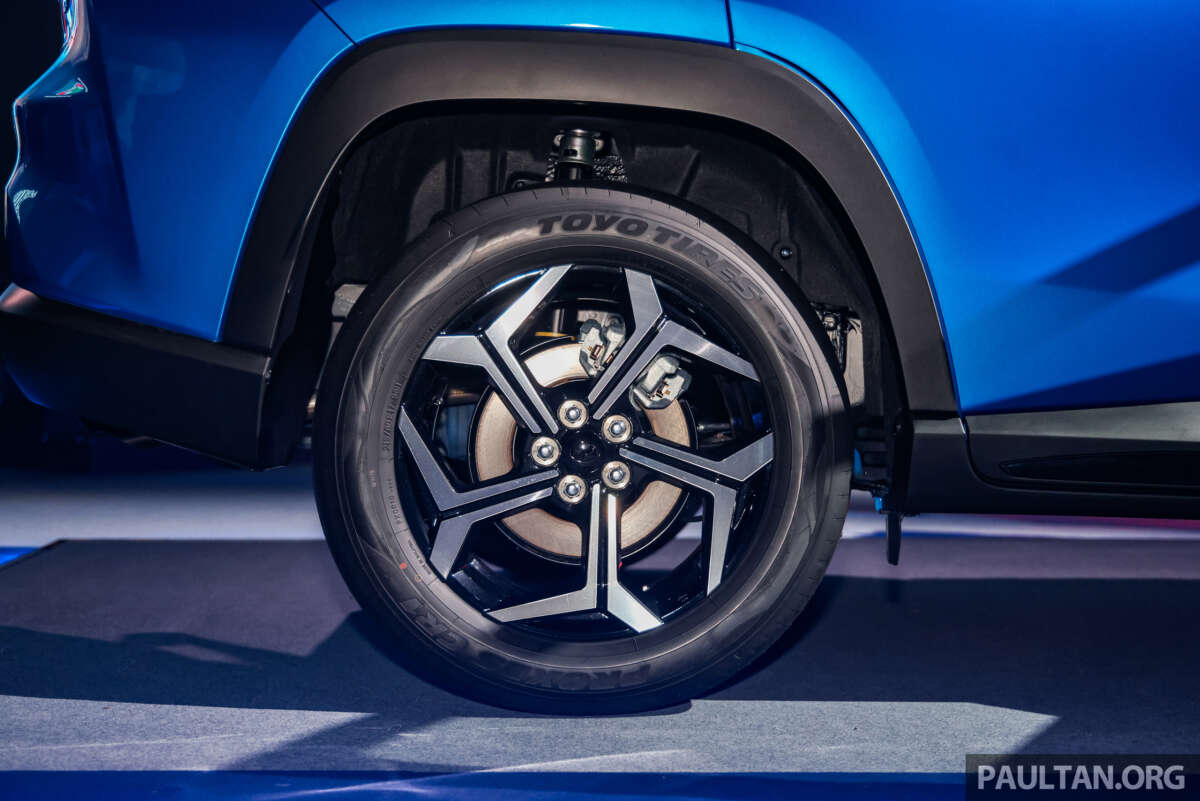
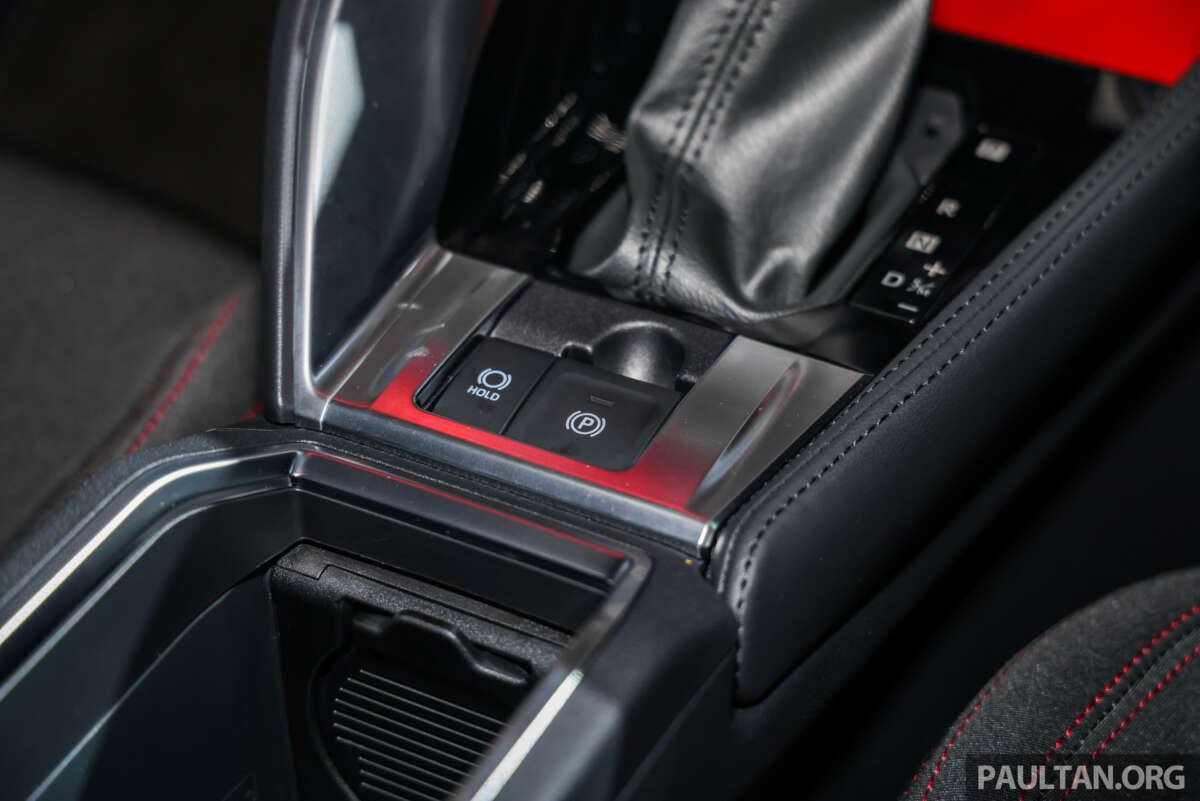
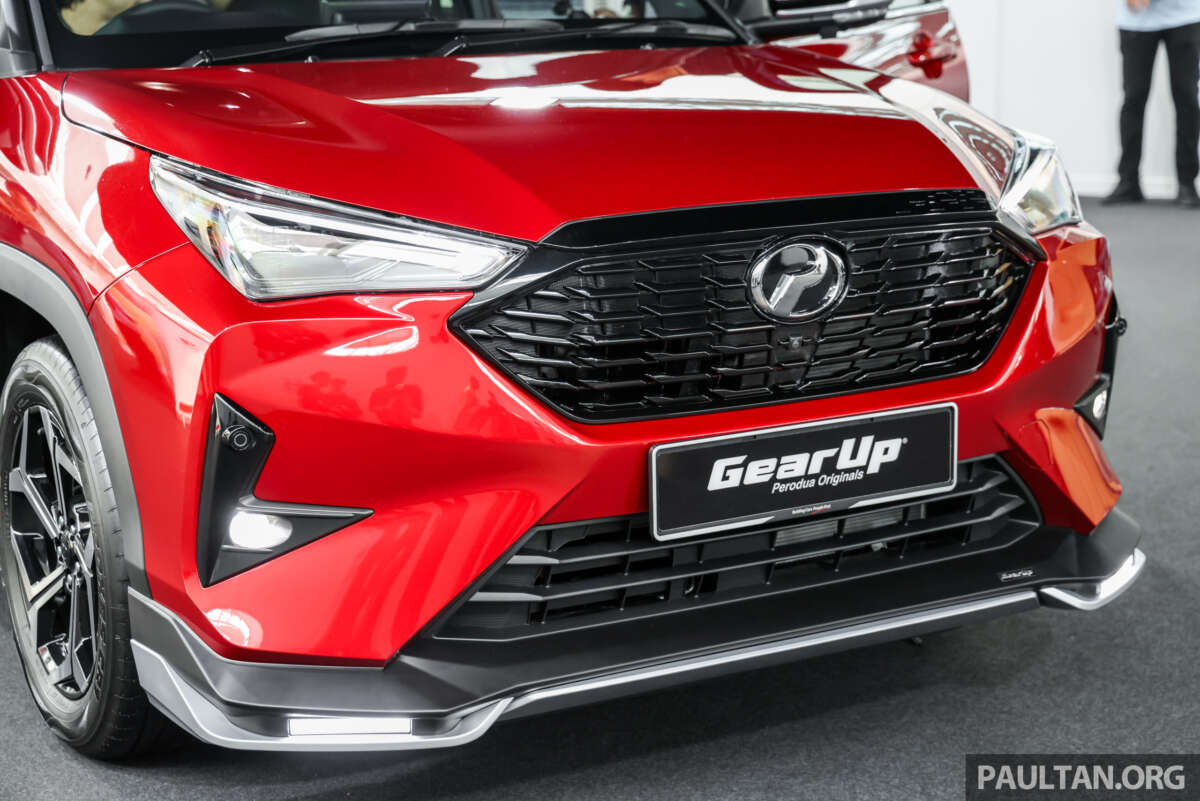
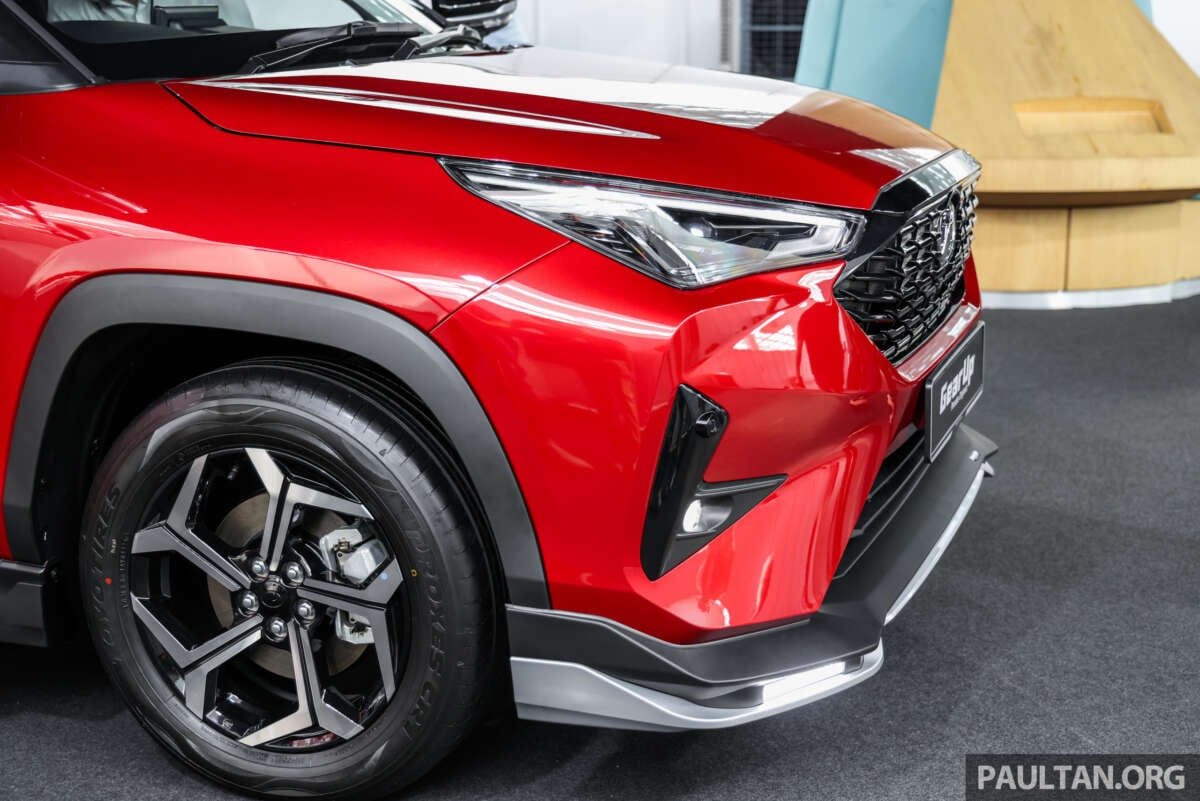
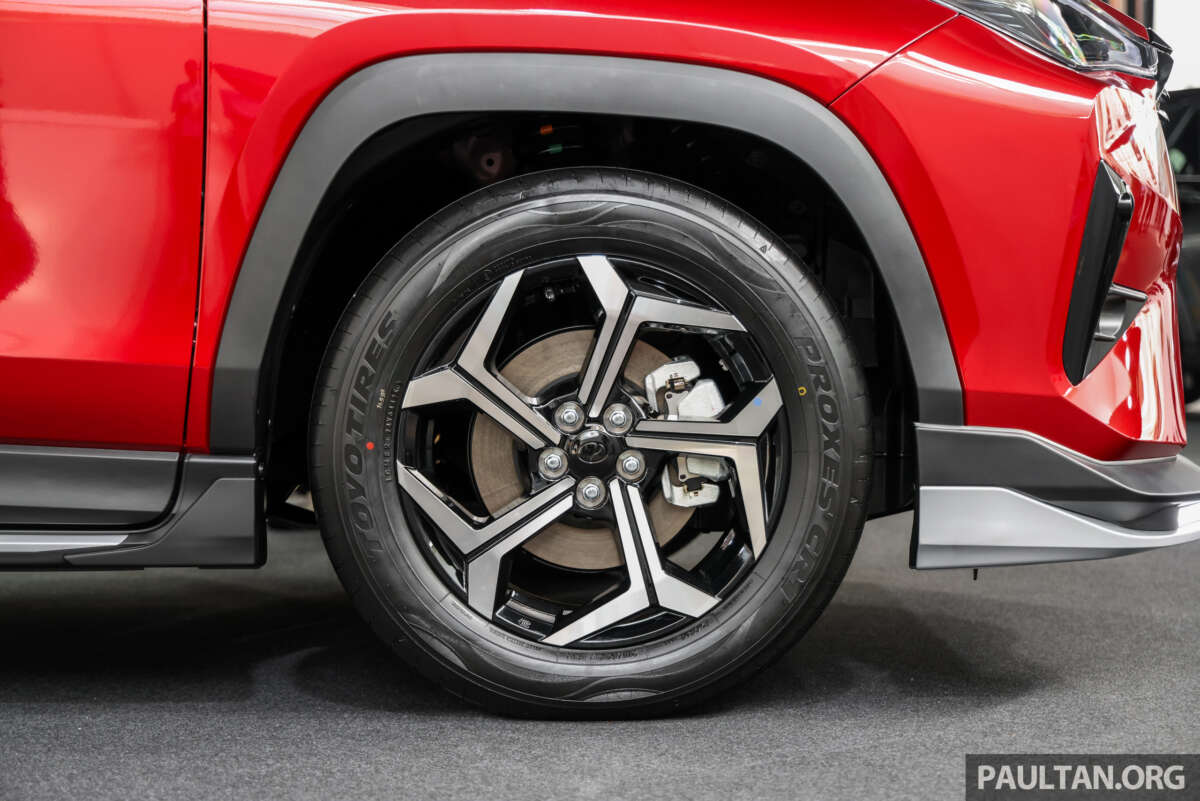
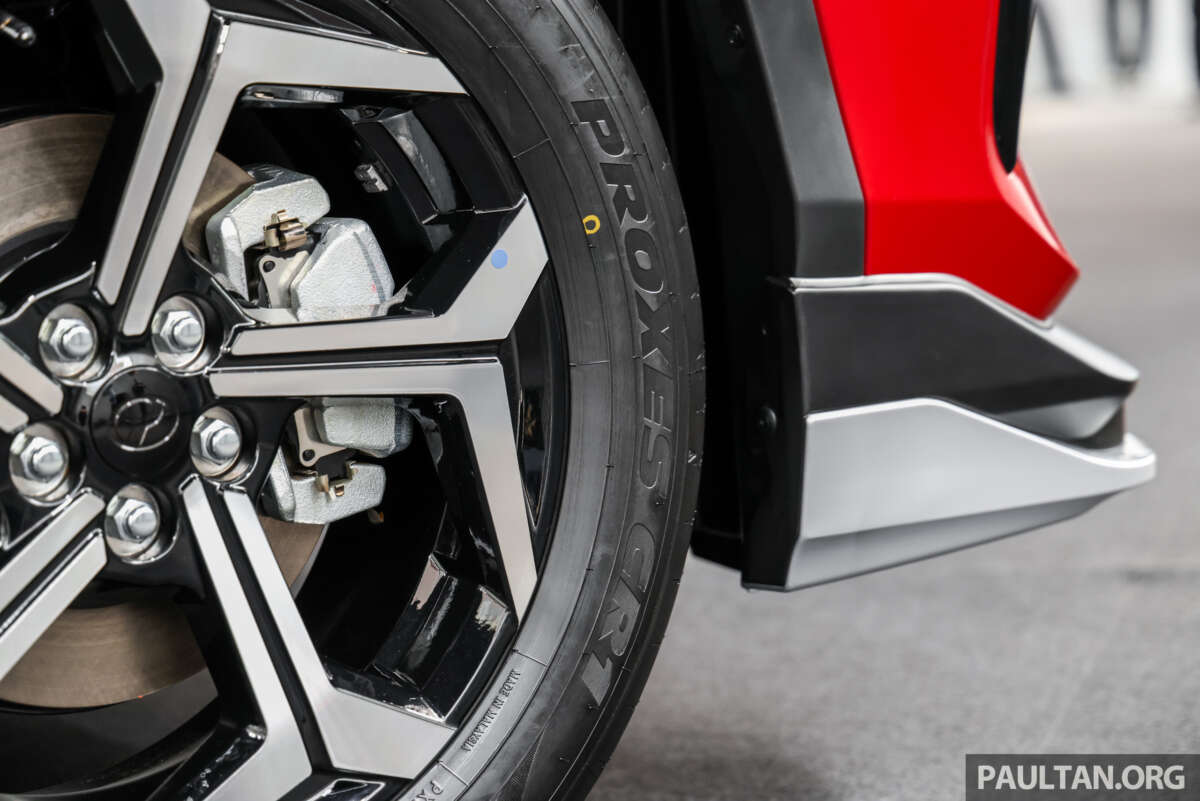
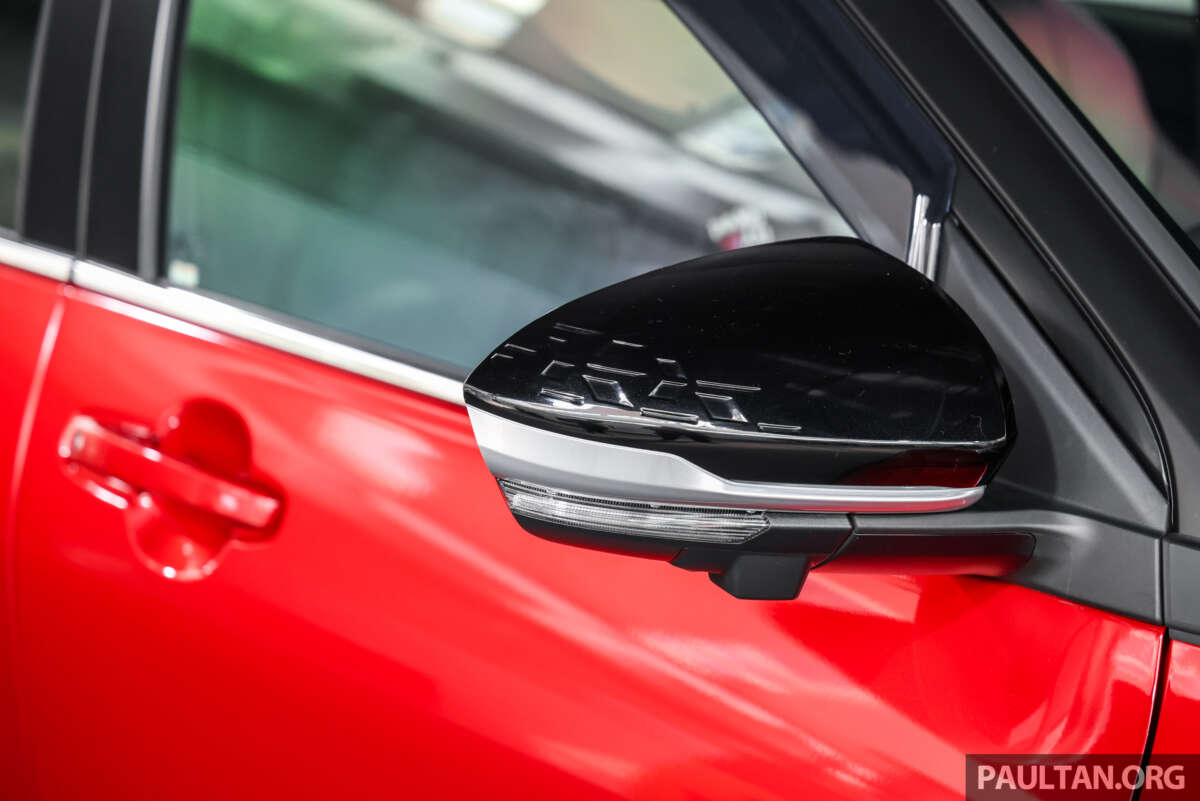
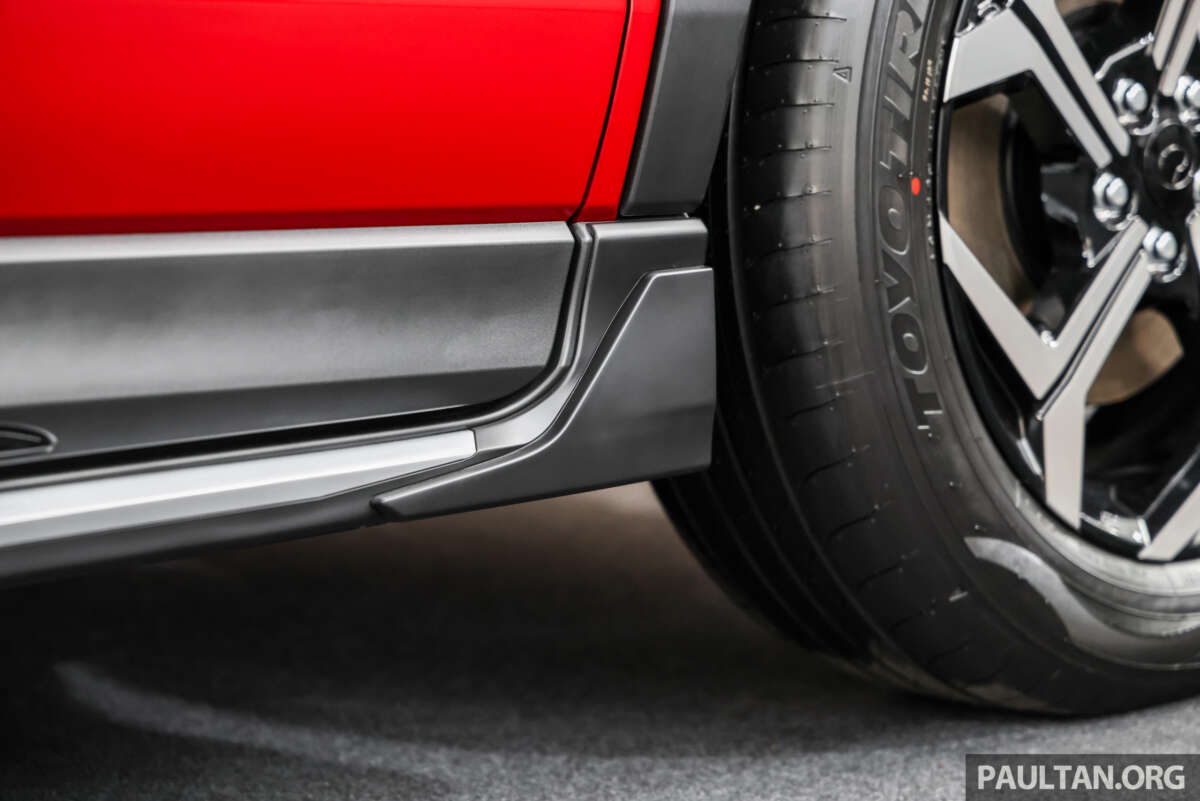
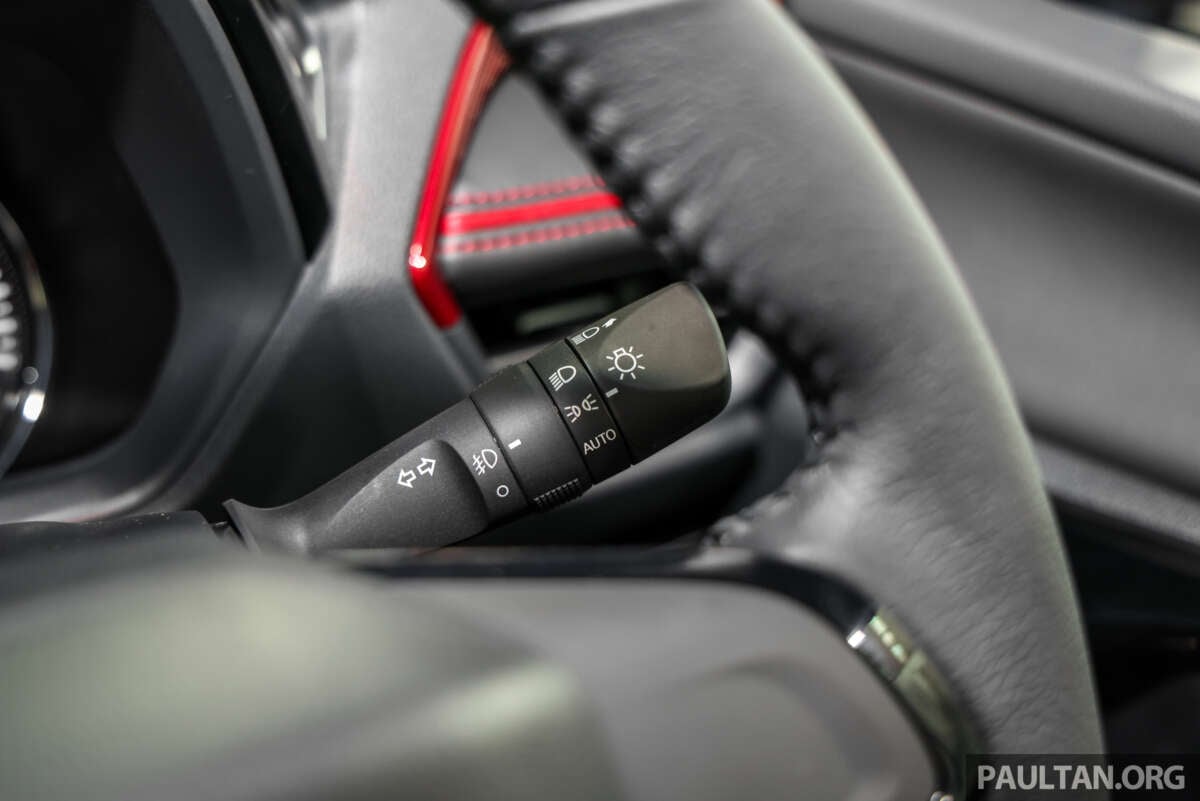
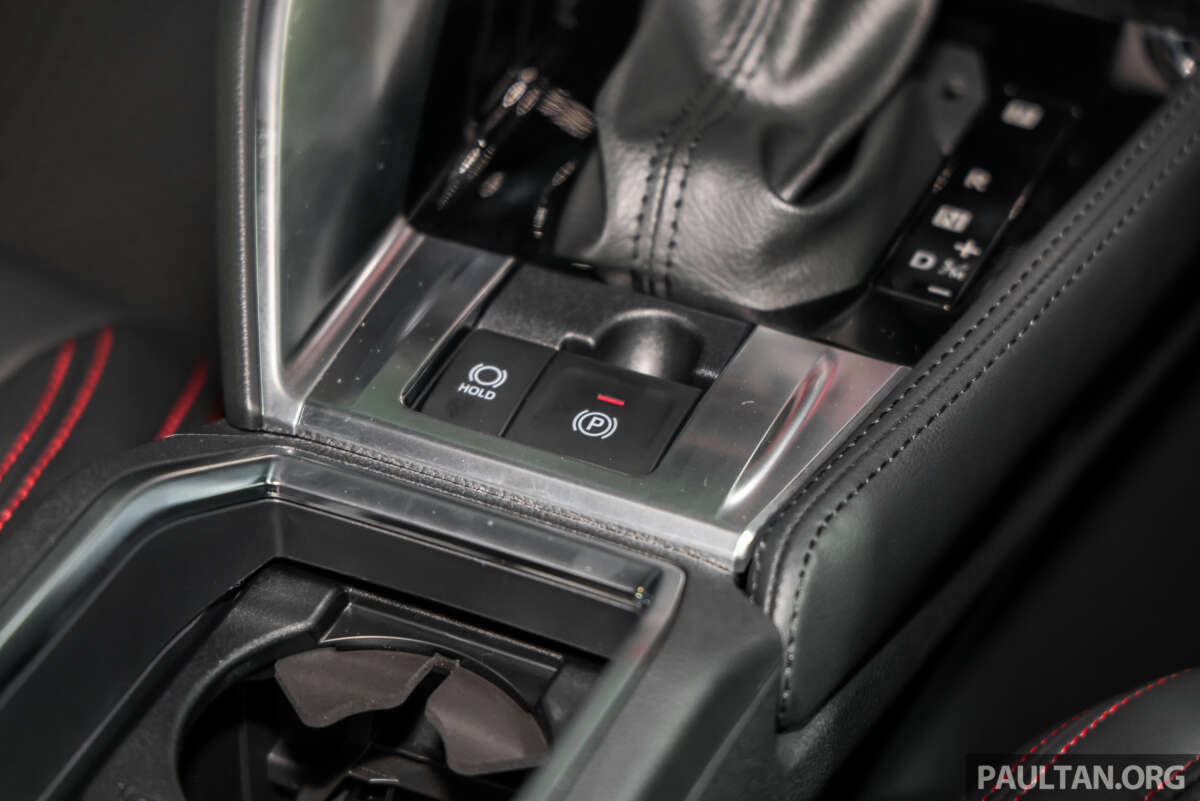
The base X is far from stripped-out. Standard kit includes automatic LED headlamps (with follow-me-home and manual levelling), LED DRLs and tail lamps, auto-retracting mirrors with LED turn signals, 17-inch two-tone alloys on 215/60 Toyo Proxes CR1 tyres, all-round disc brakes, and an electronic parking brake with auto hold.
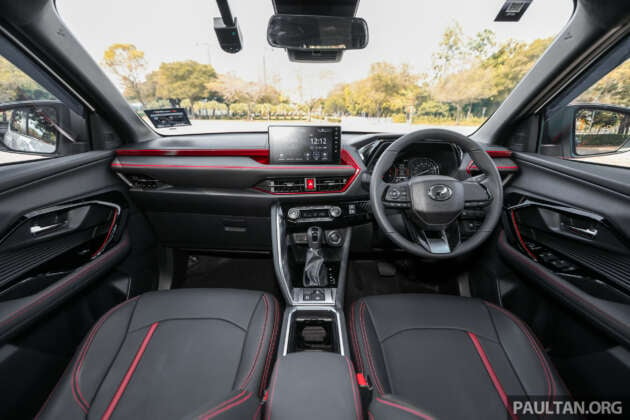
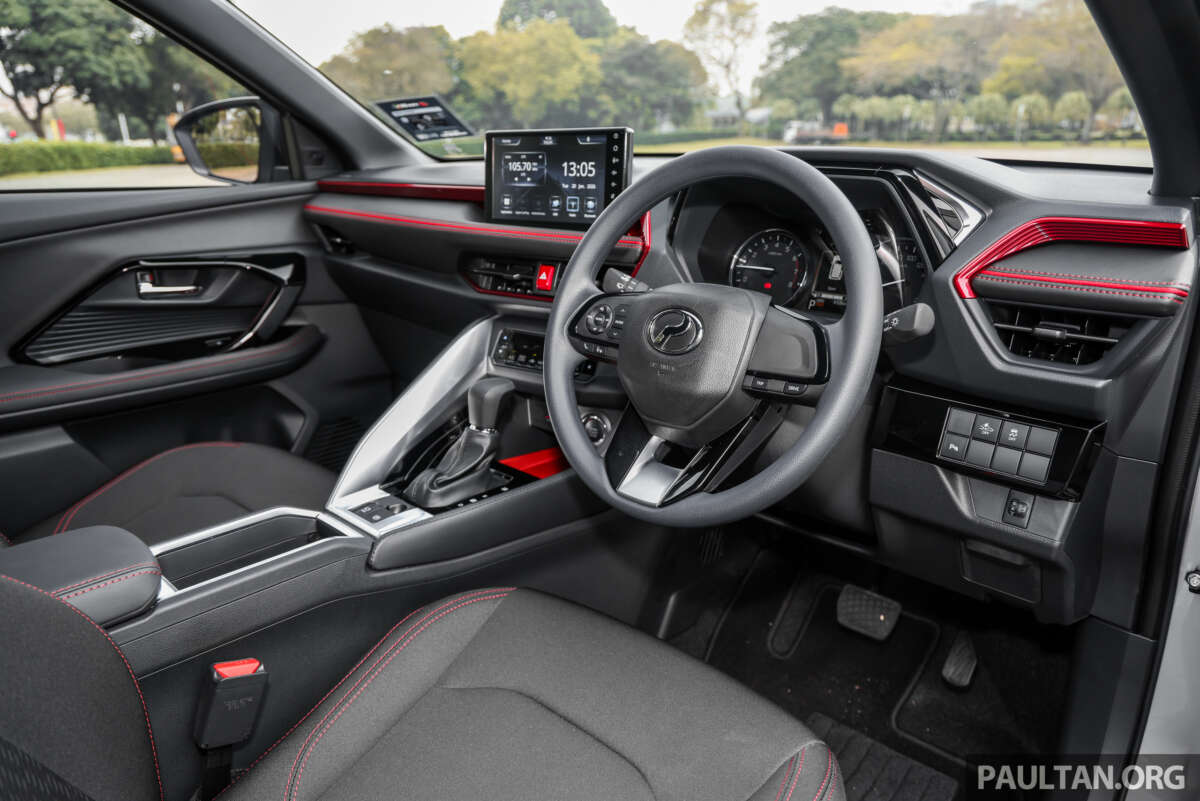
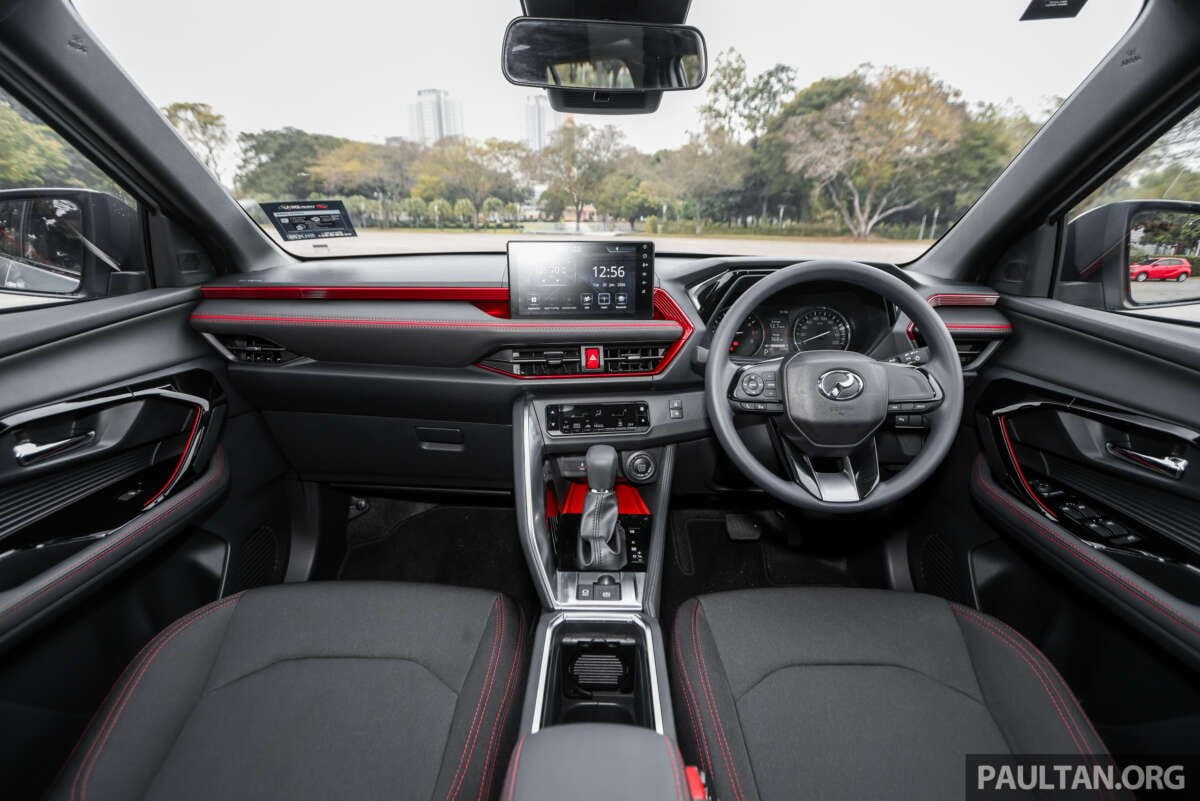
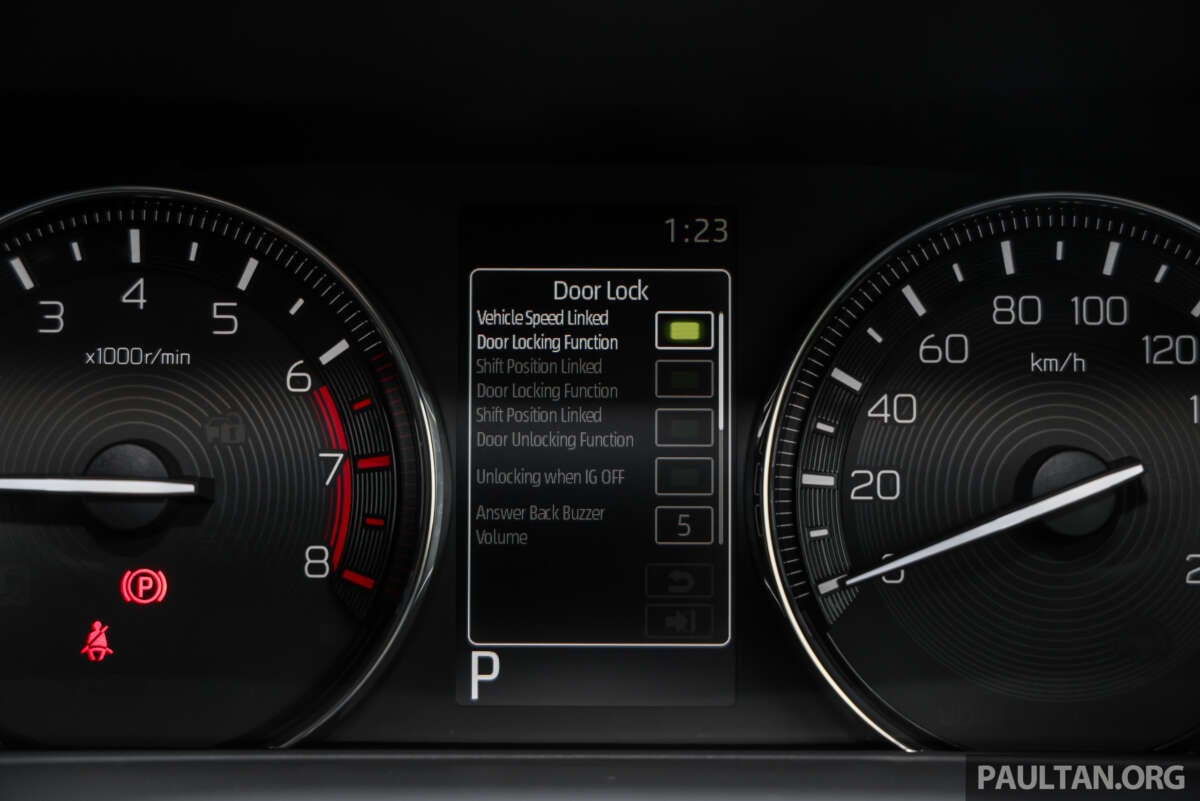
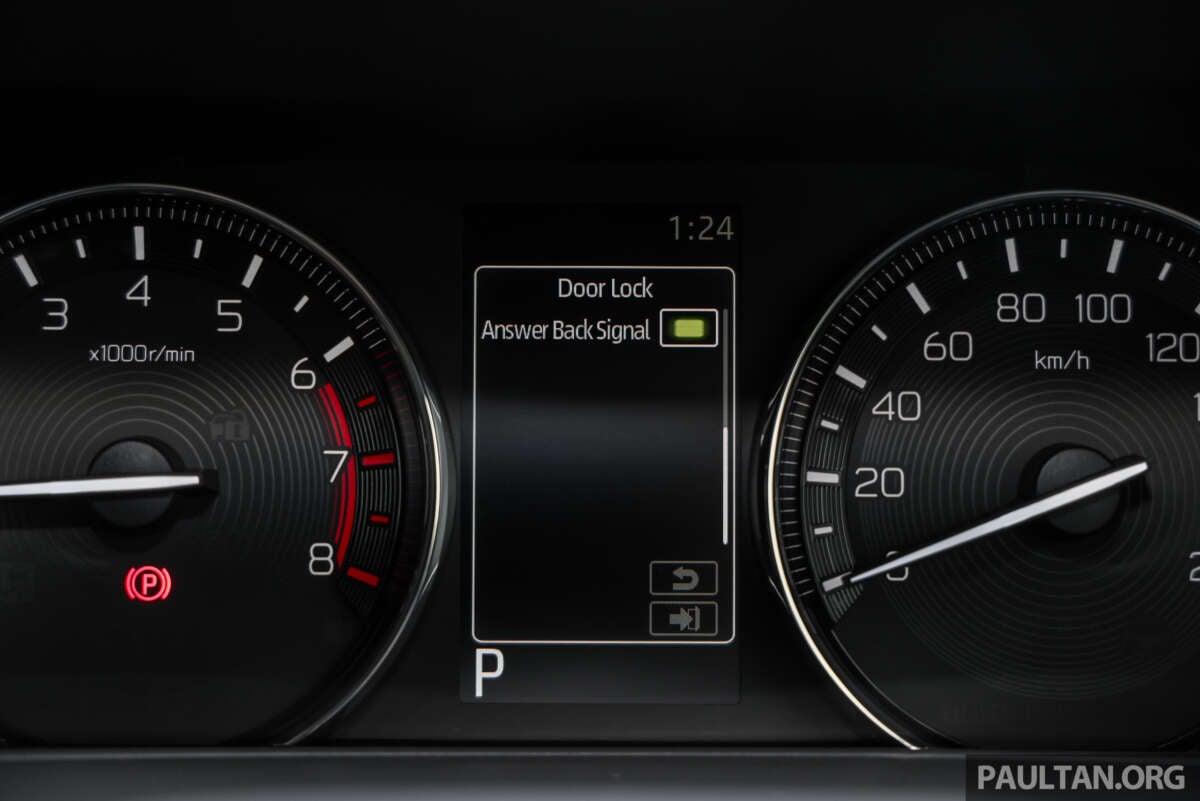
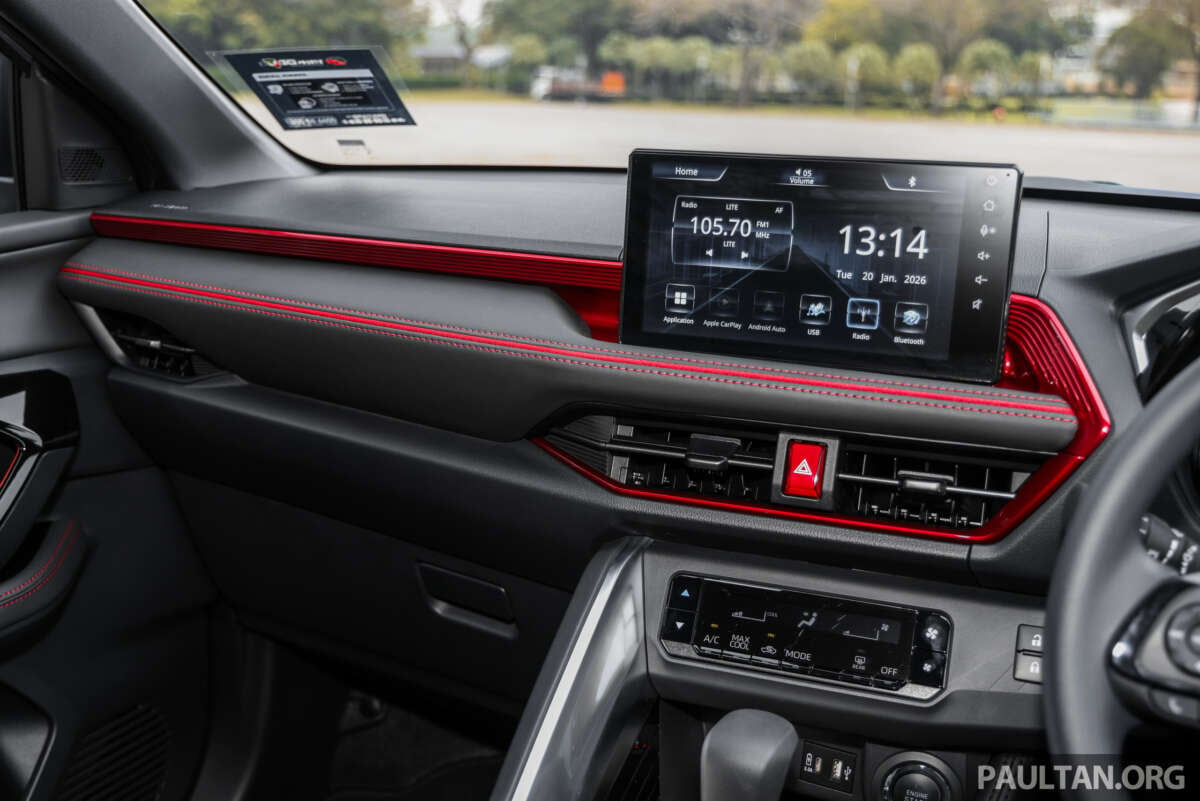
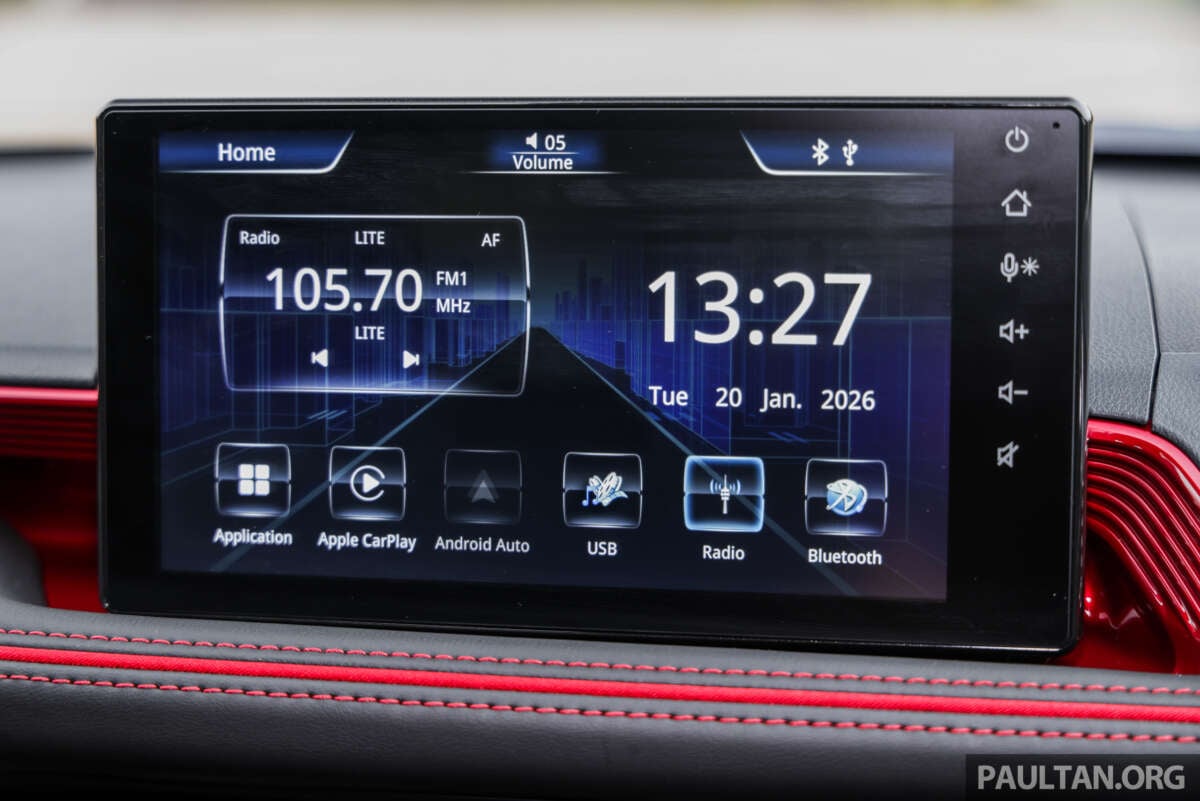
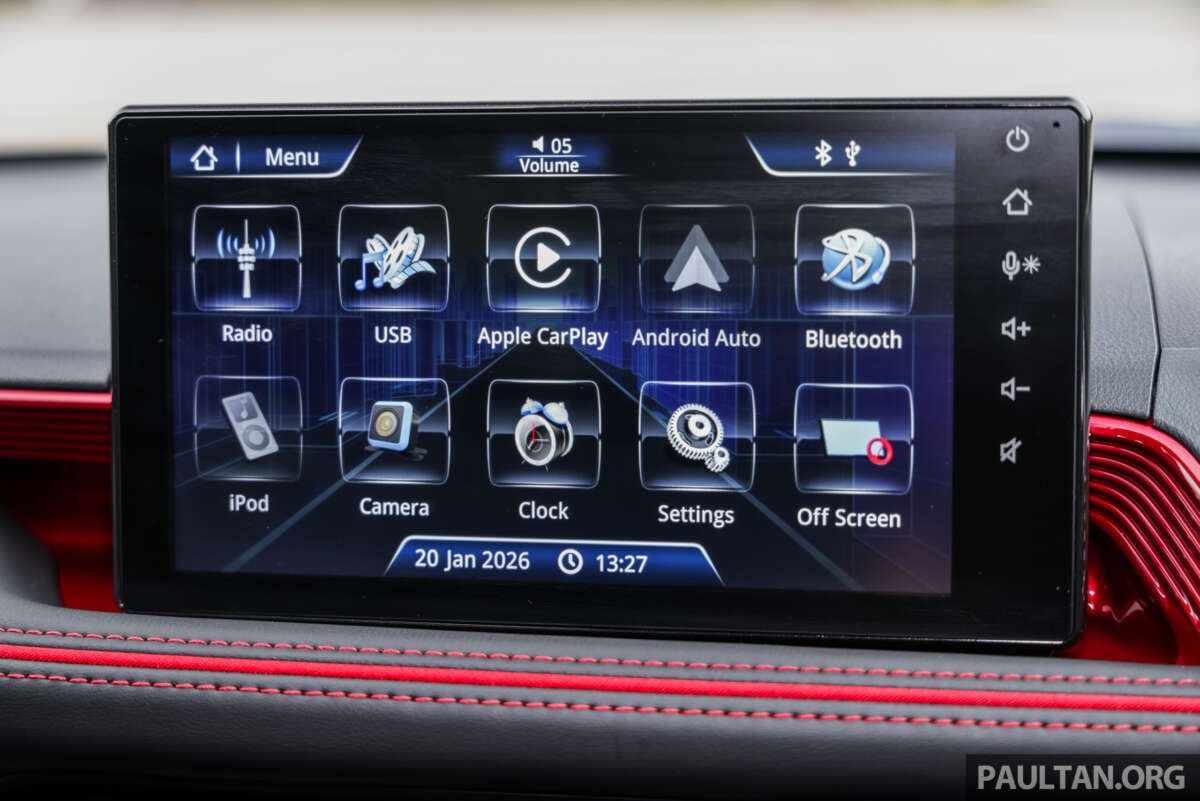
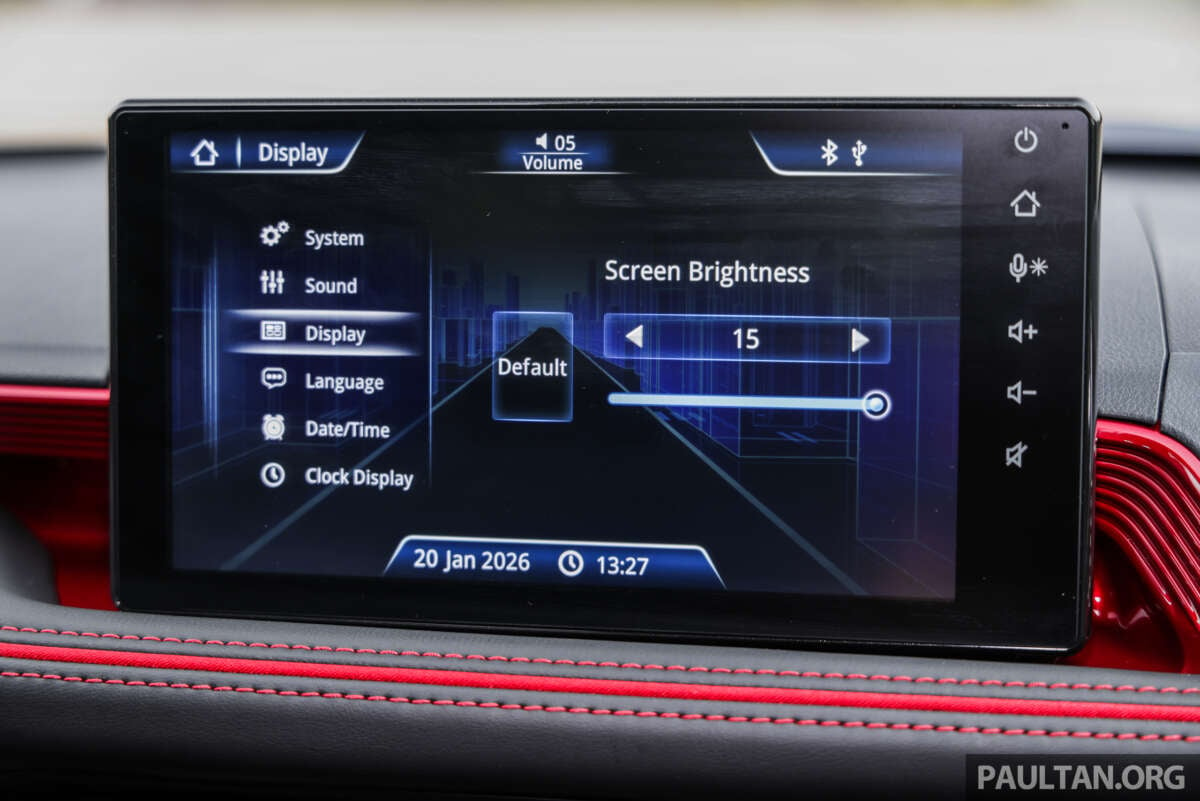
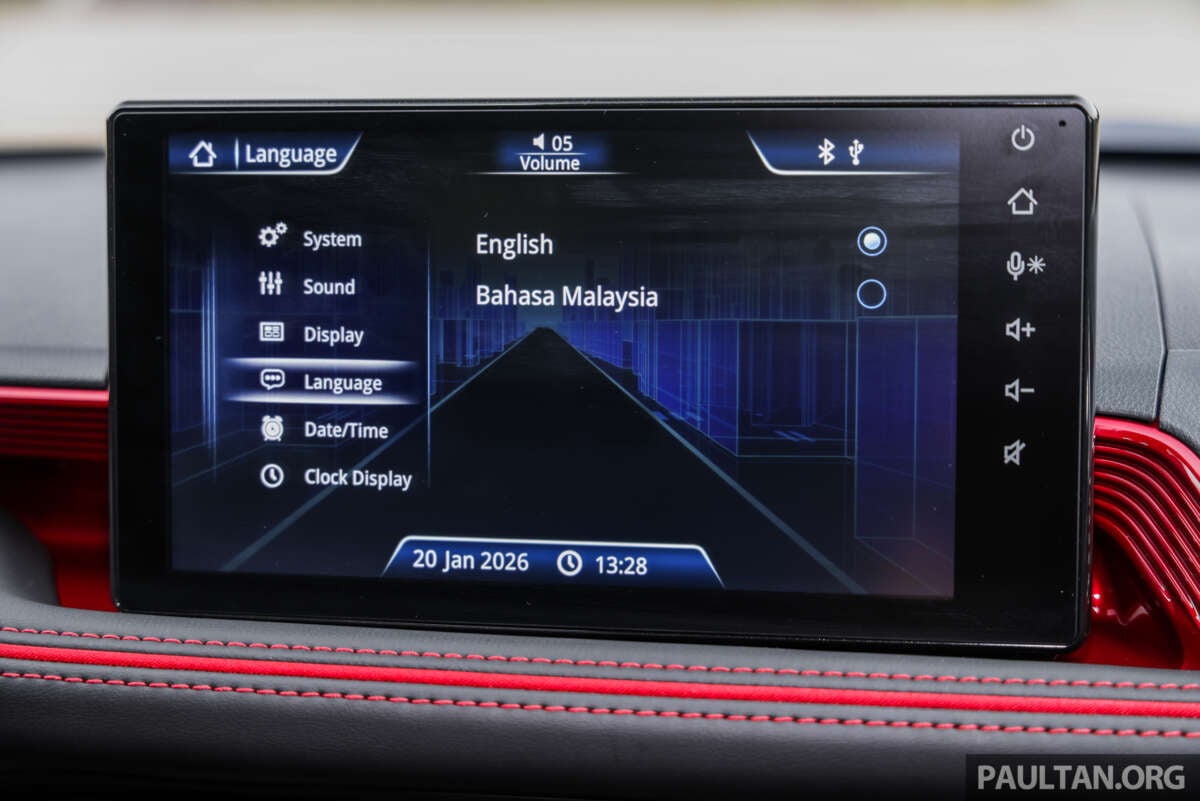
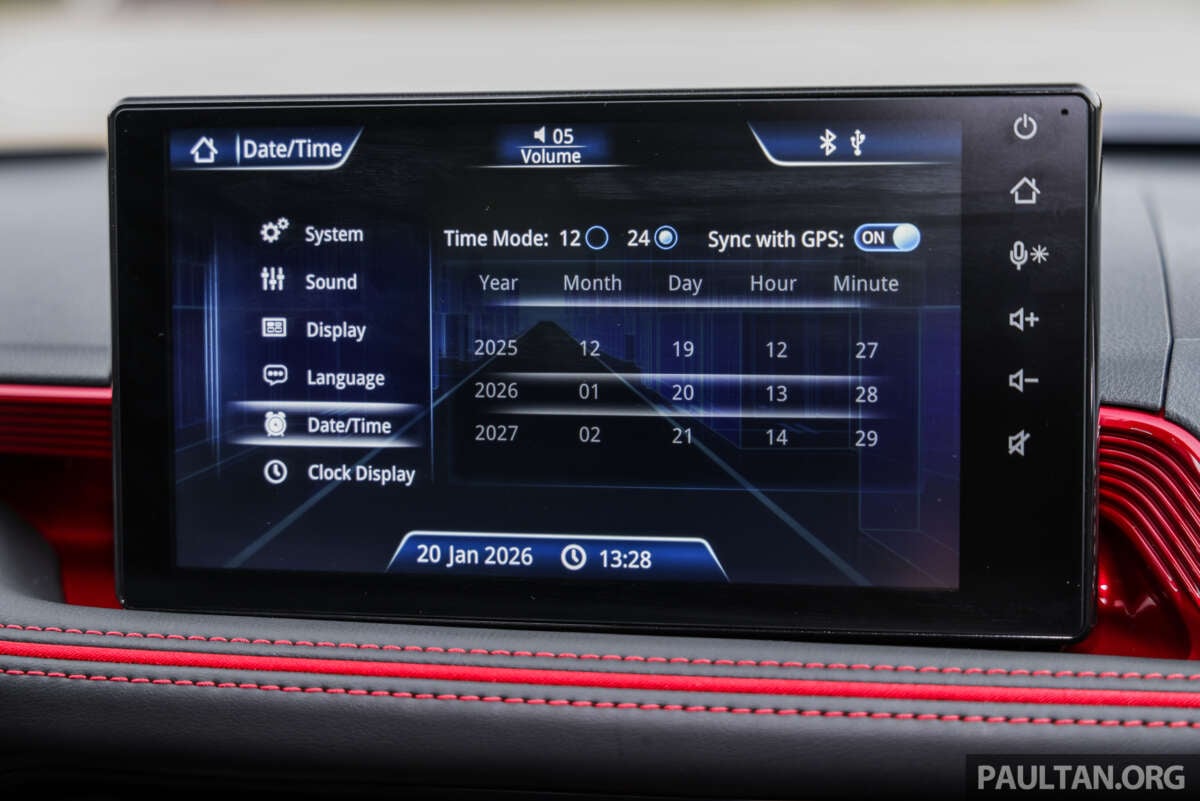
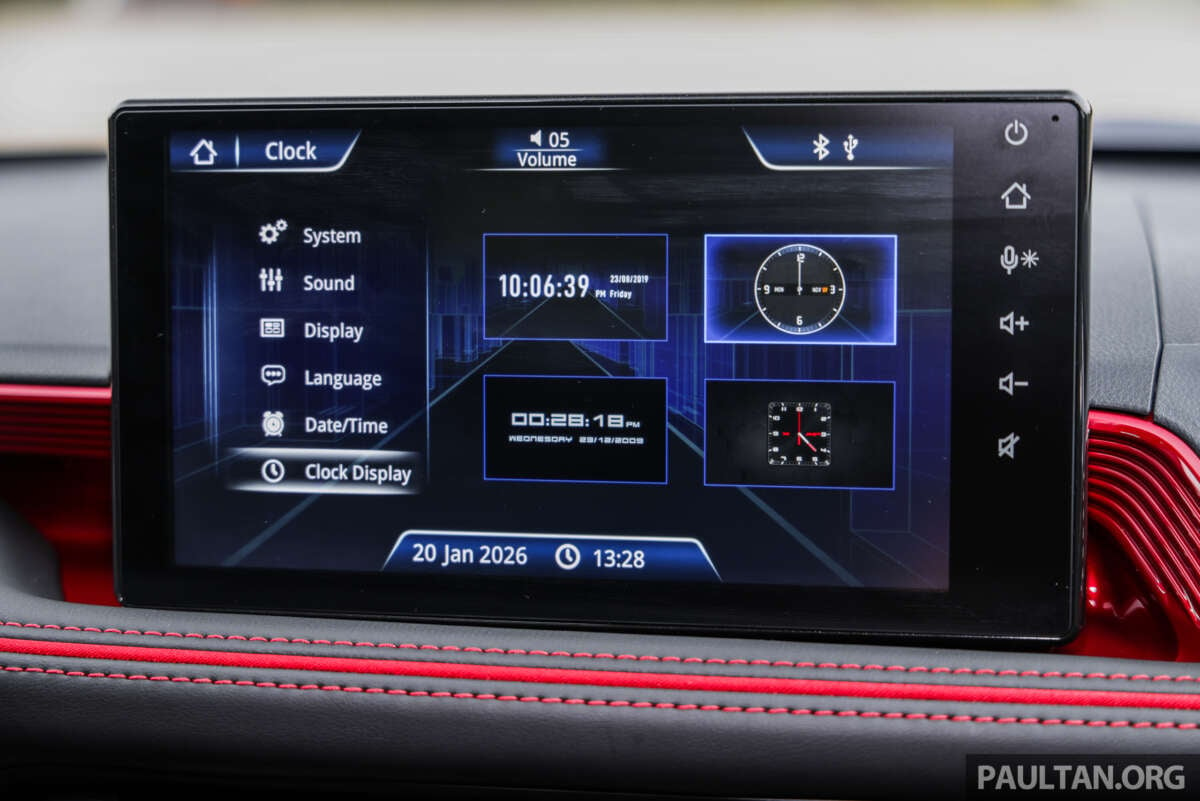
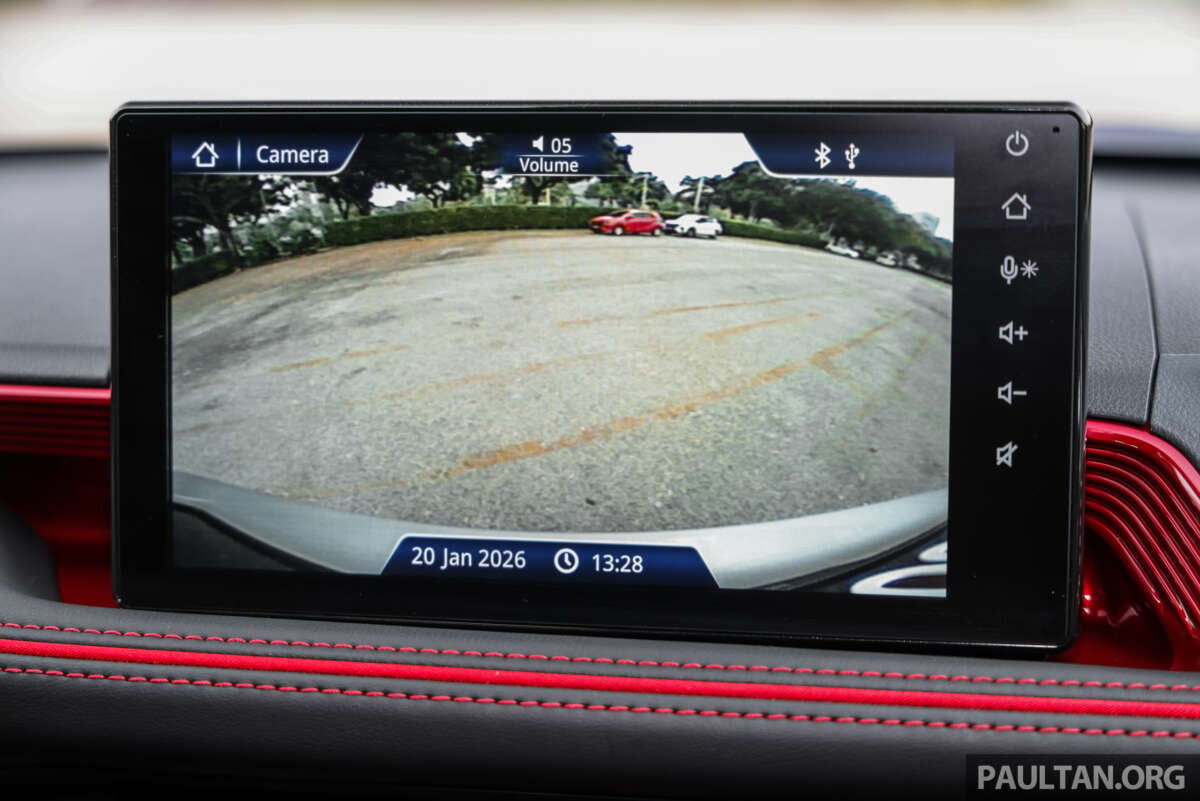
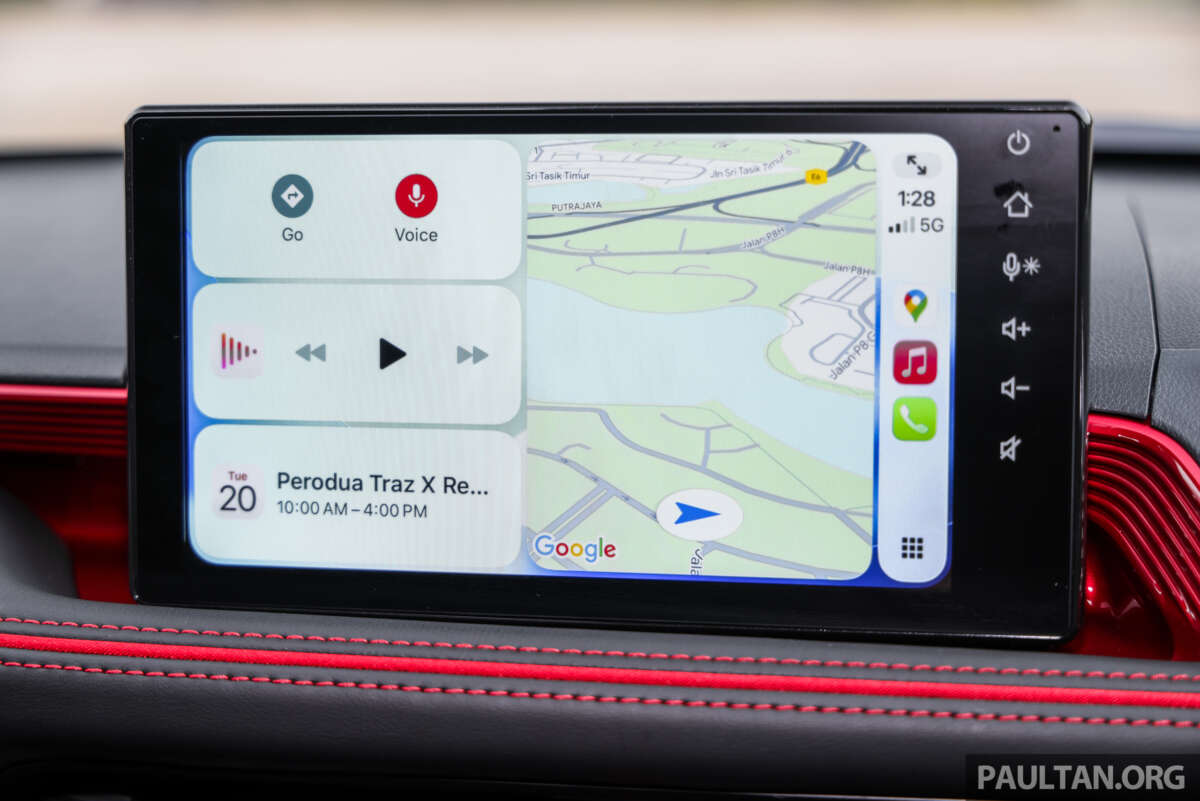
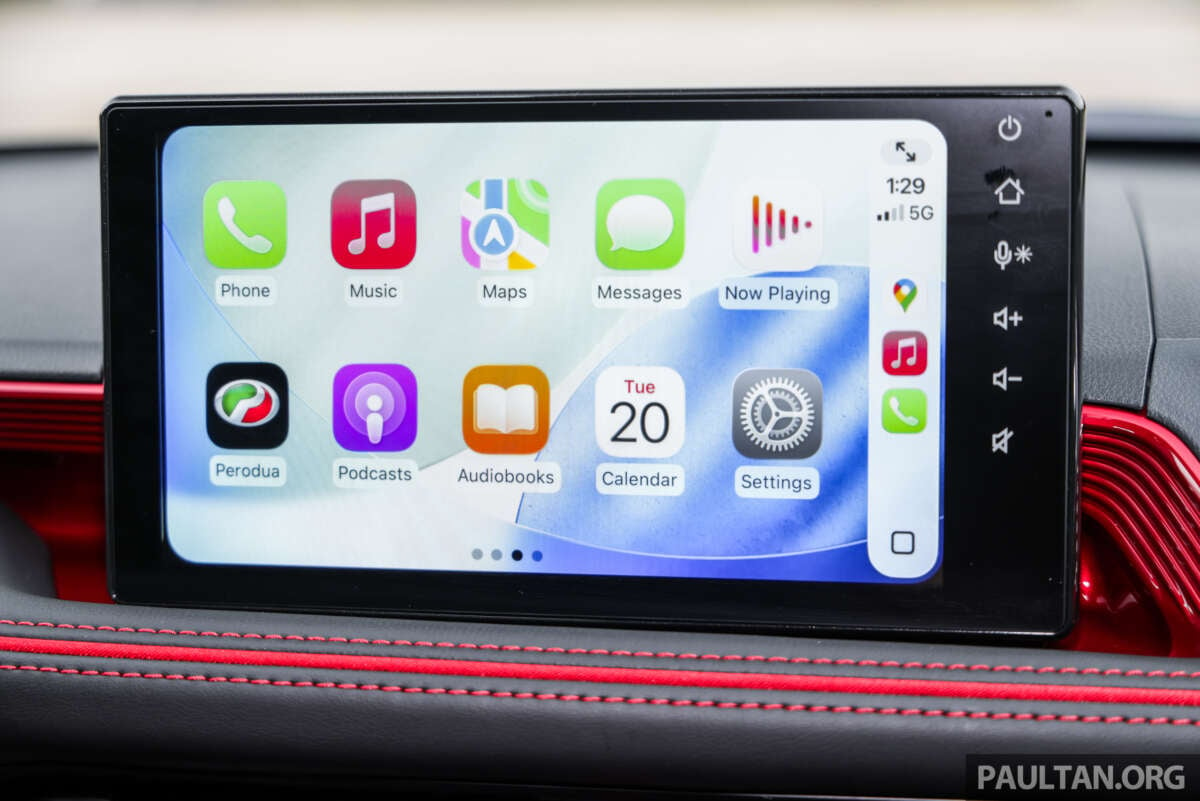
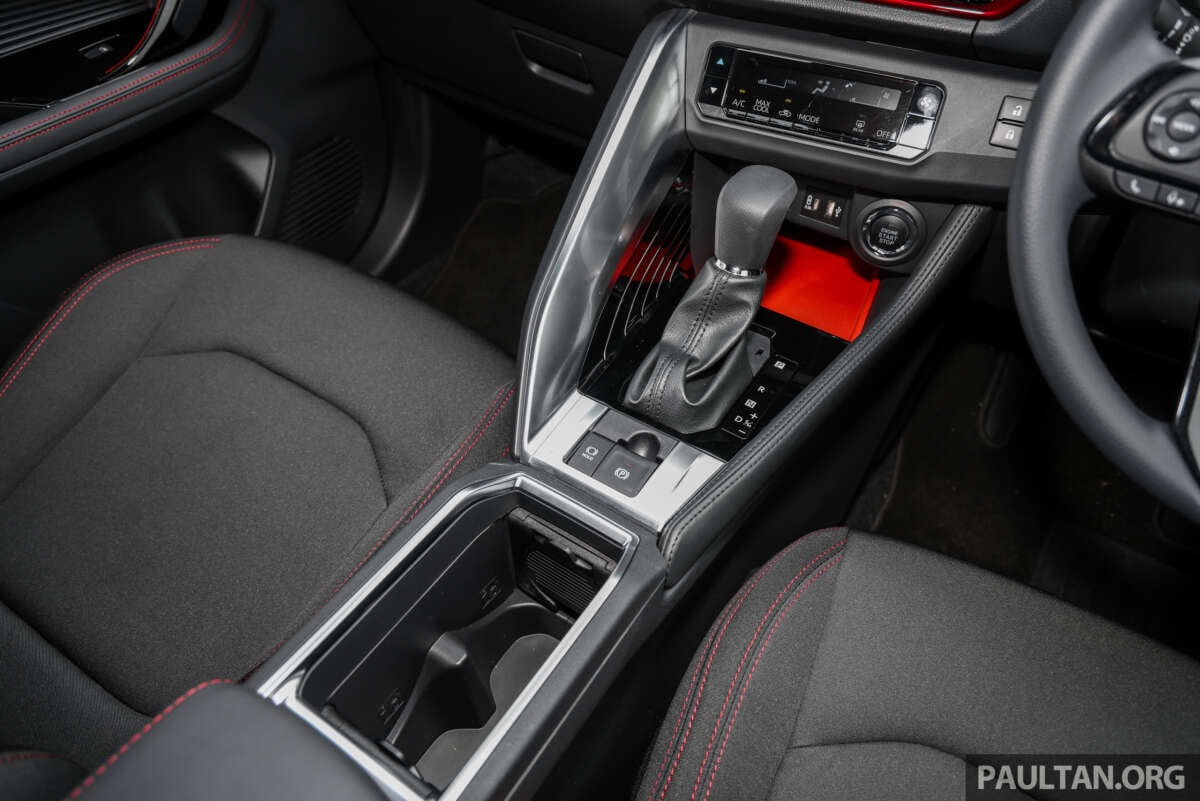
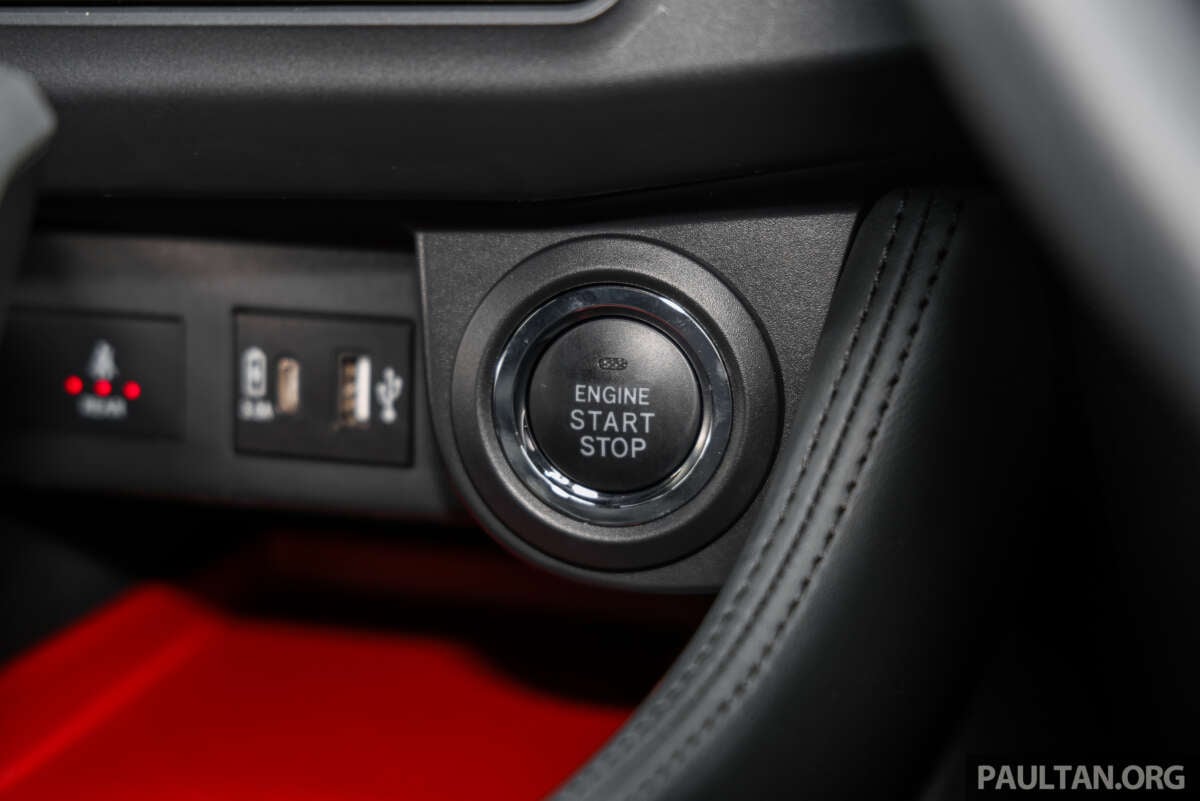
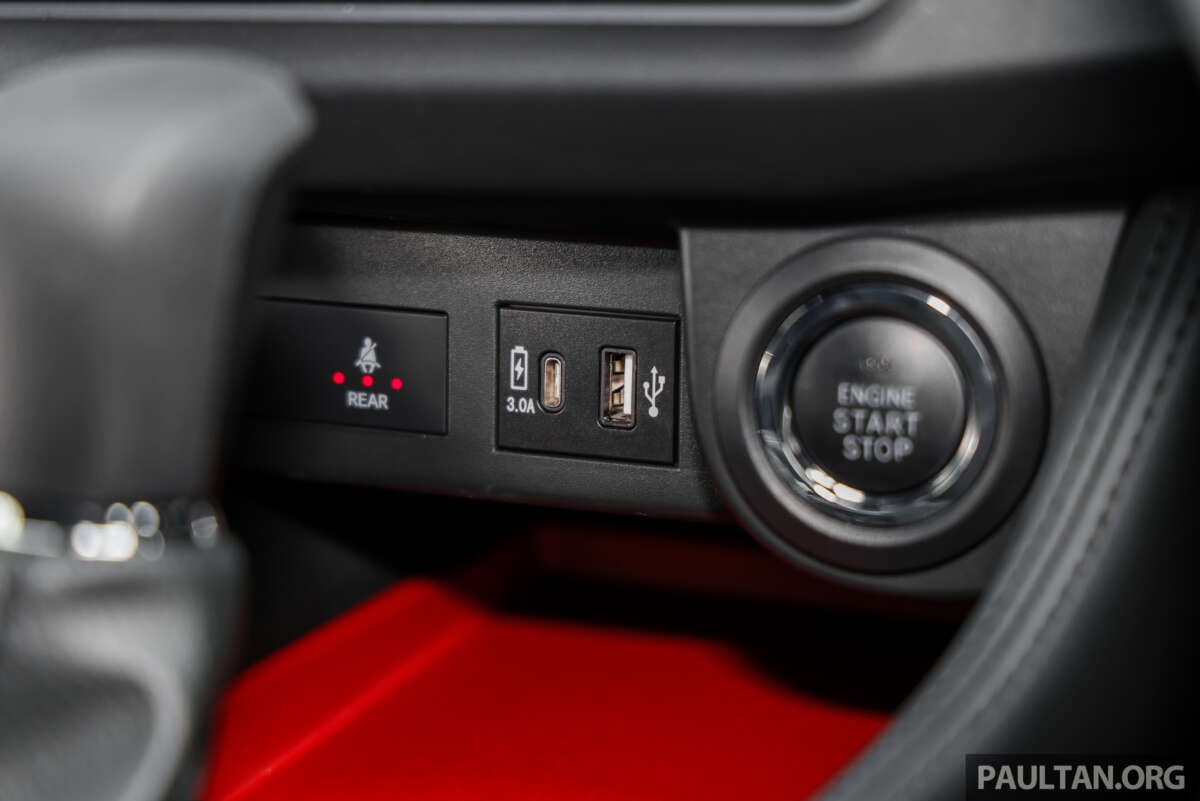
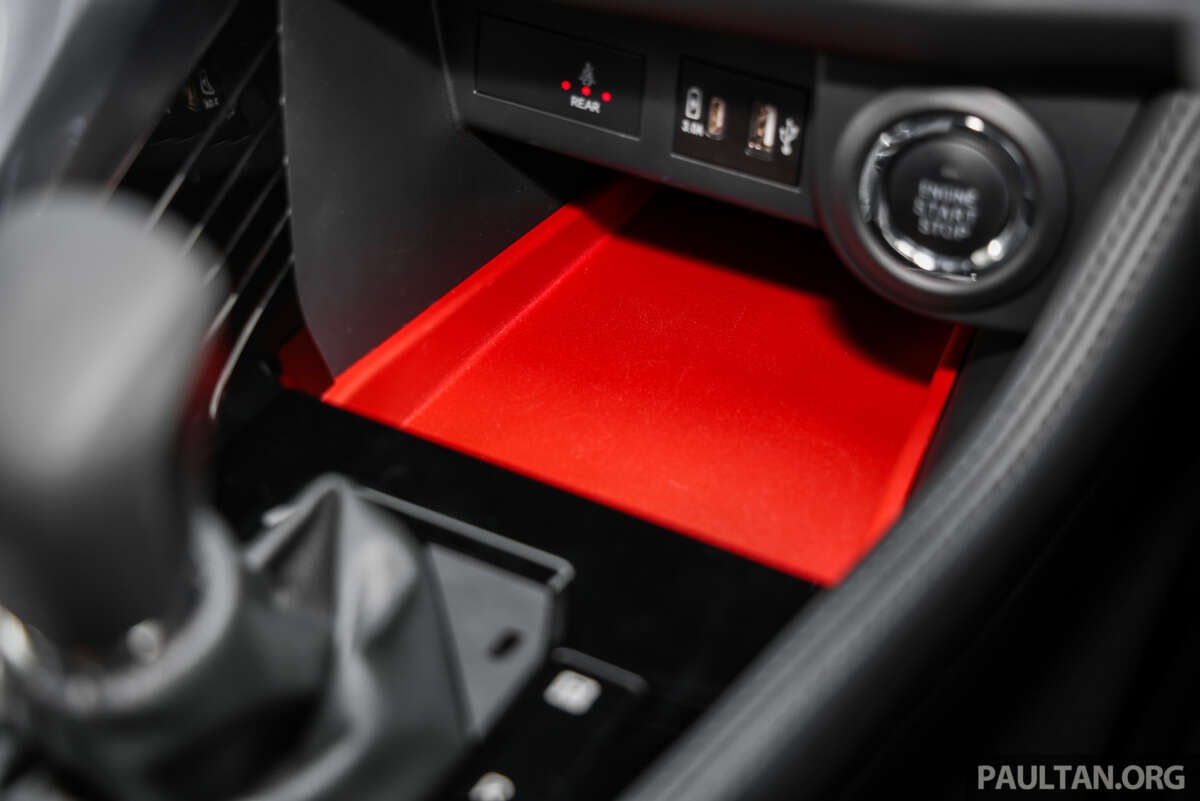
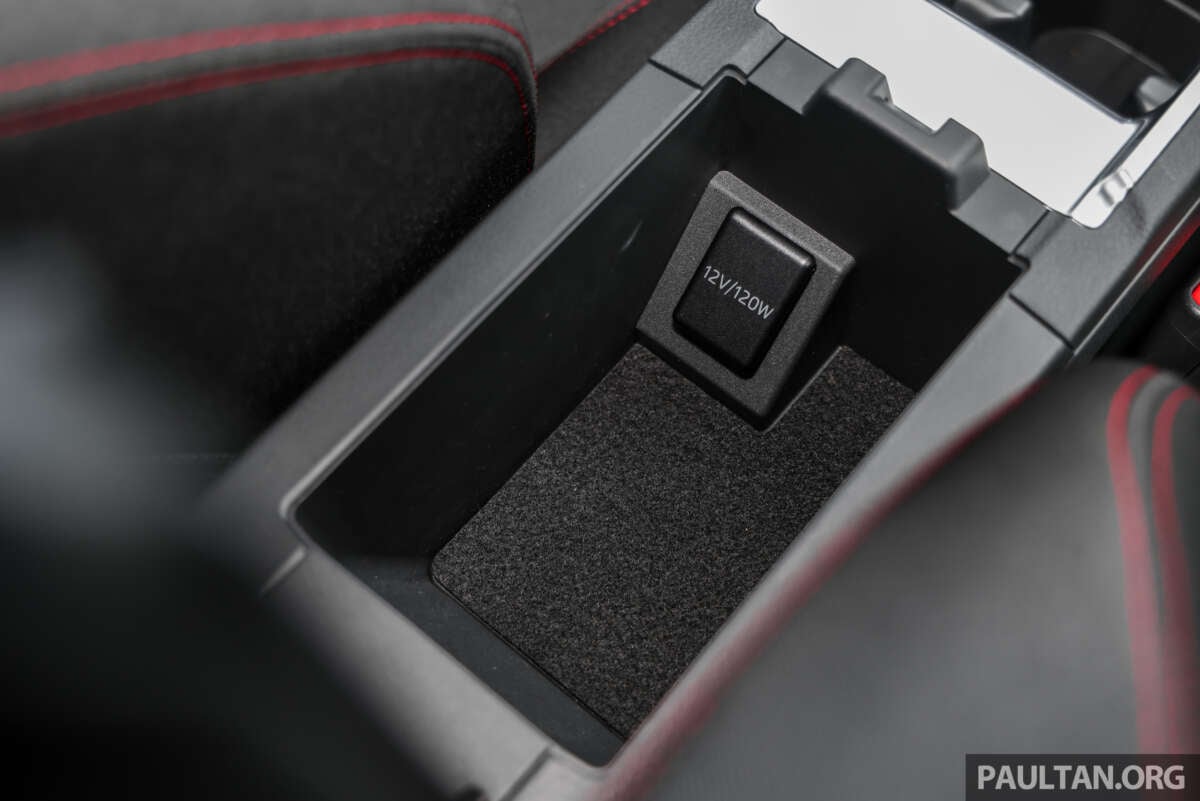
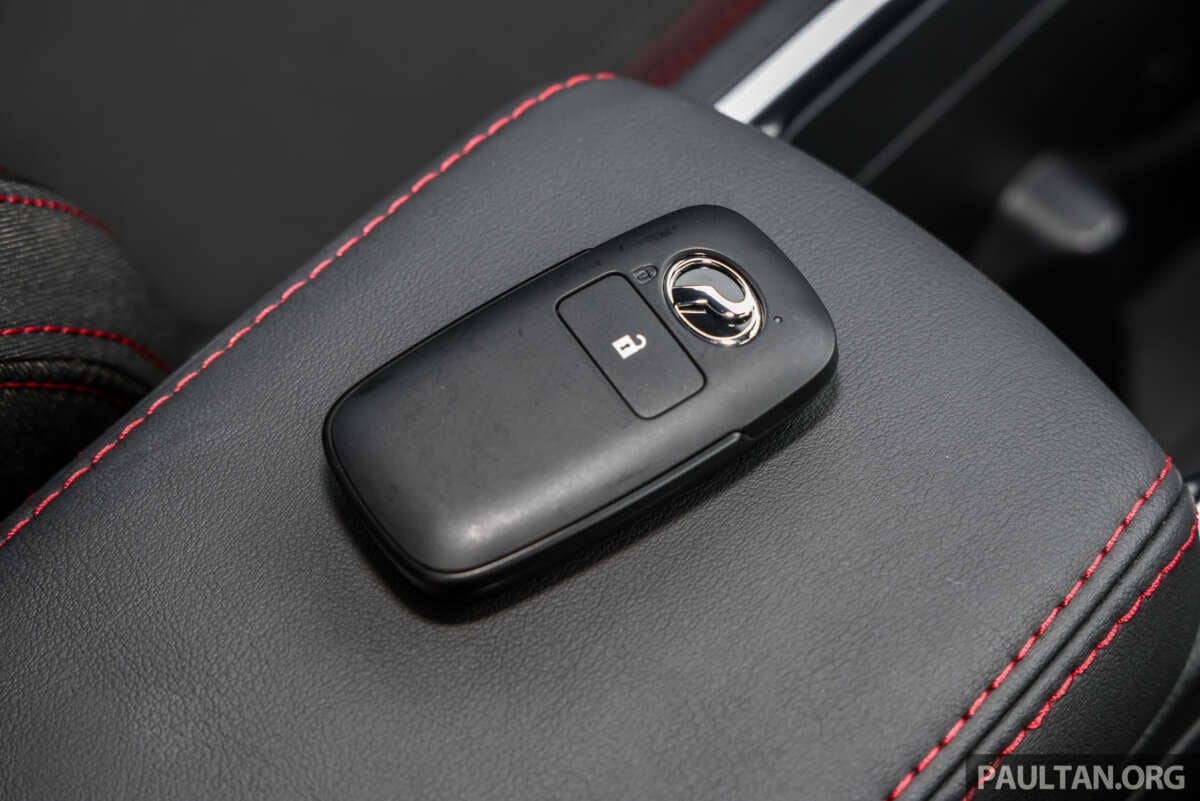
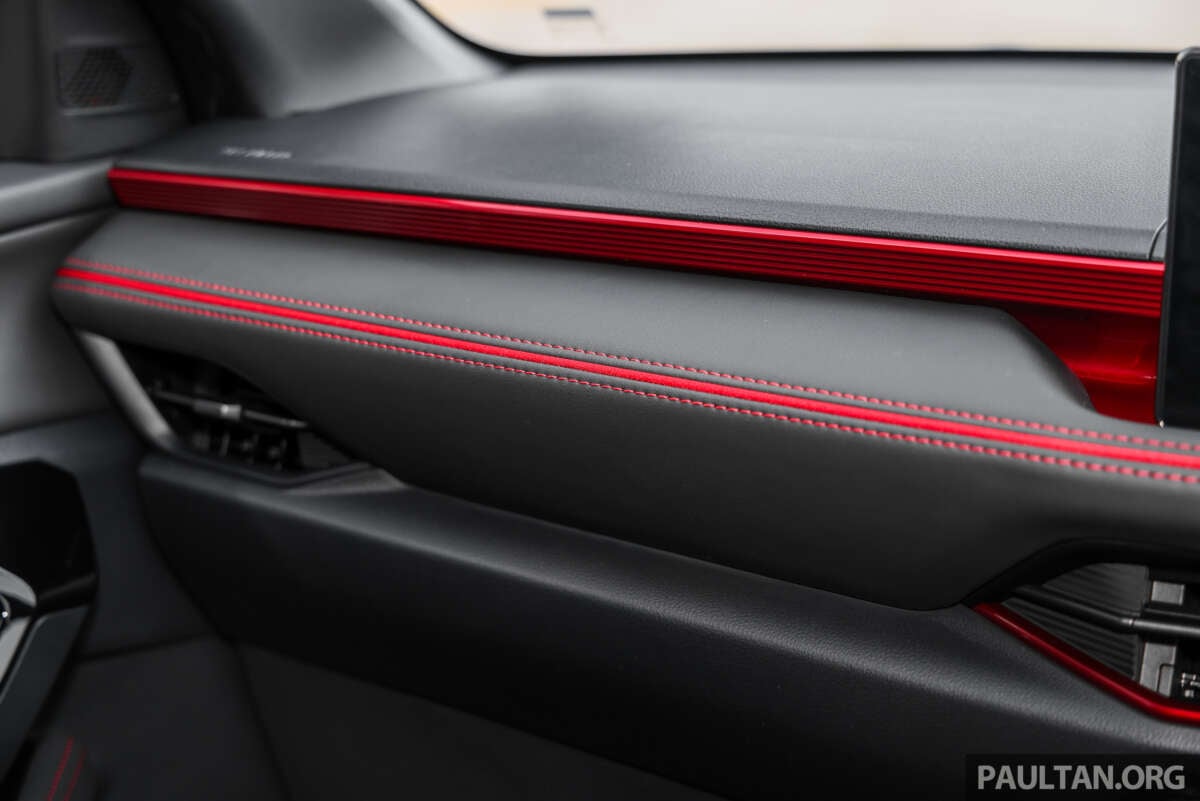
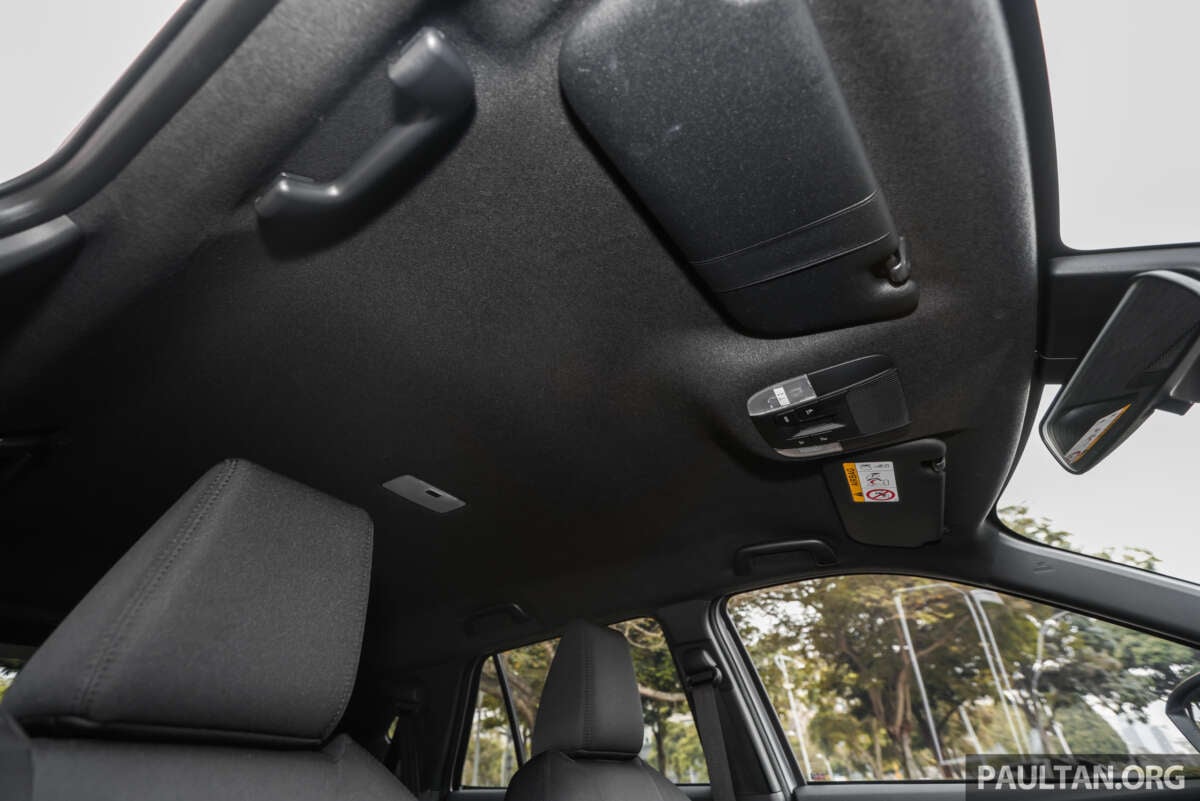
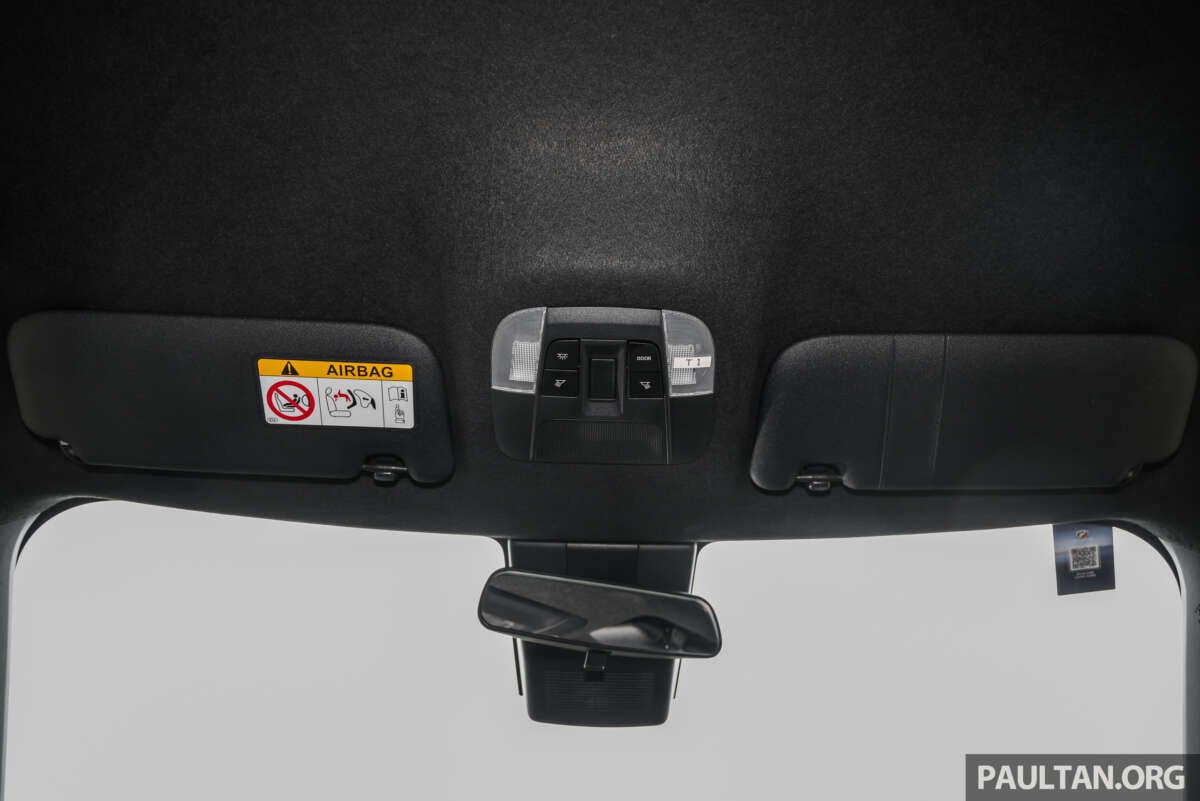
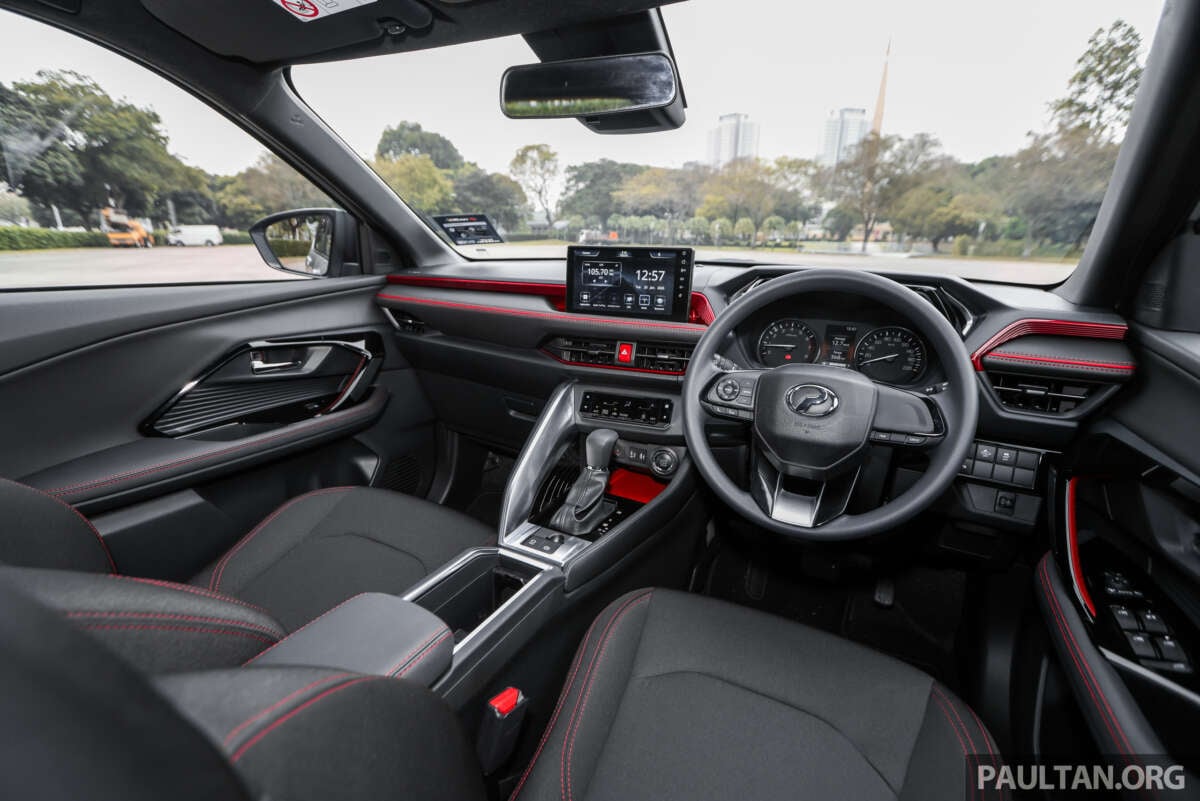
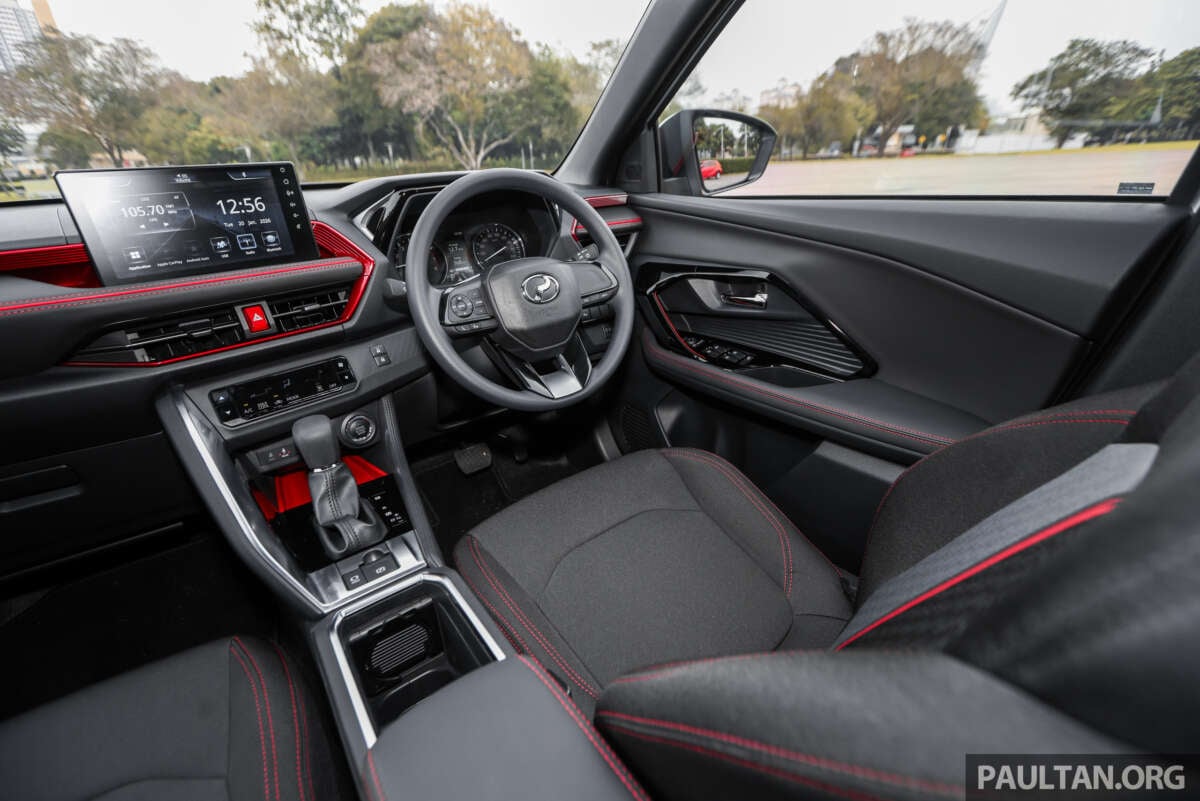
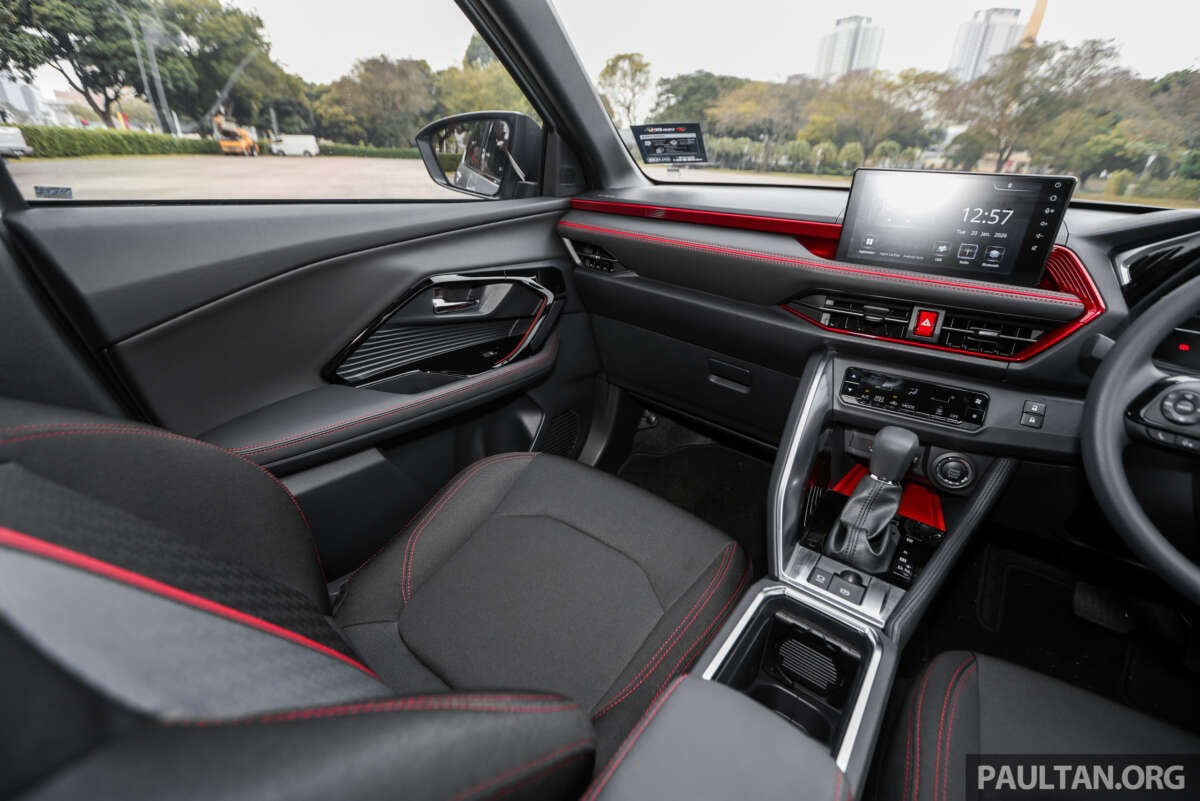
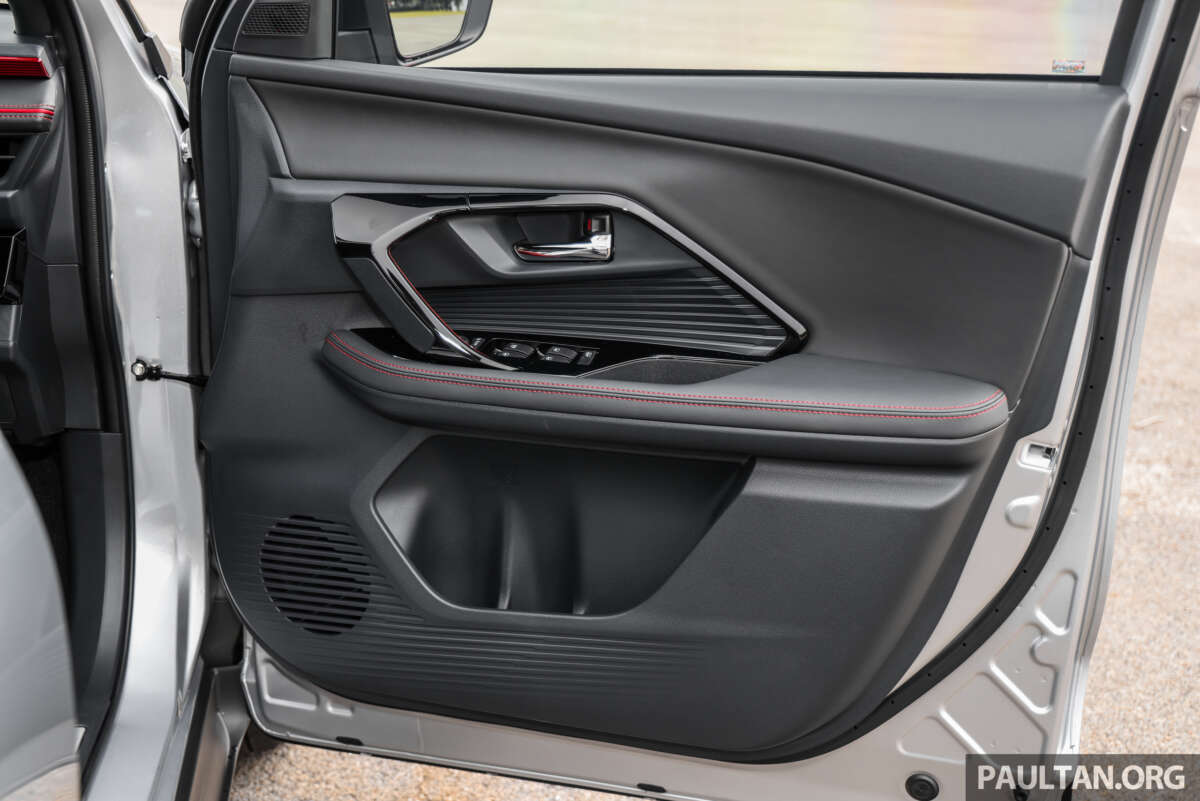
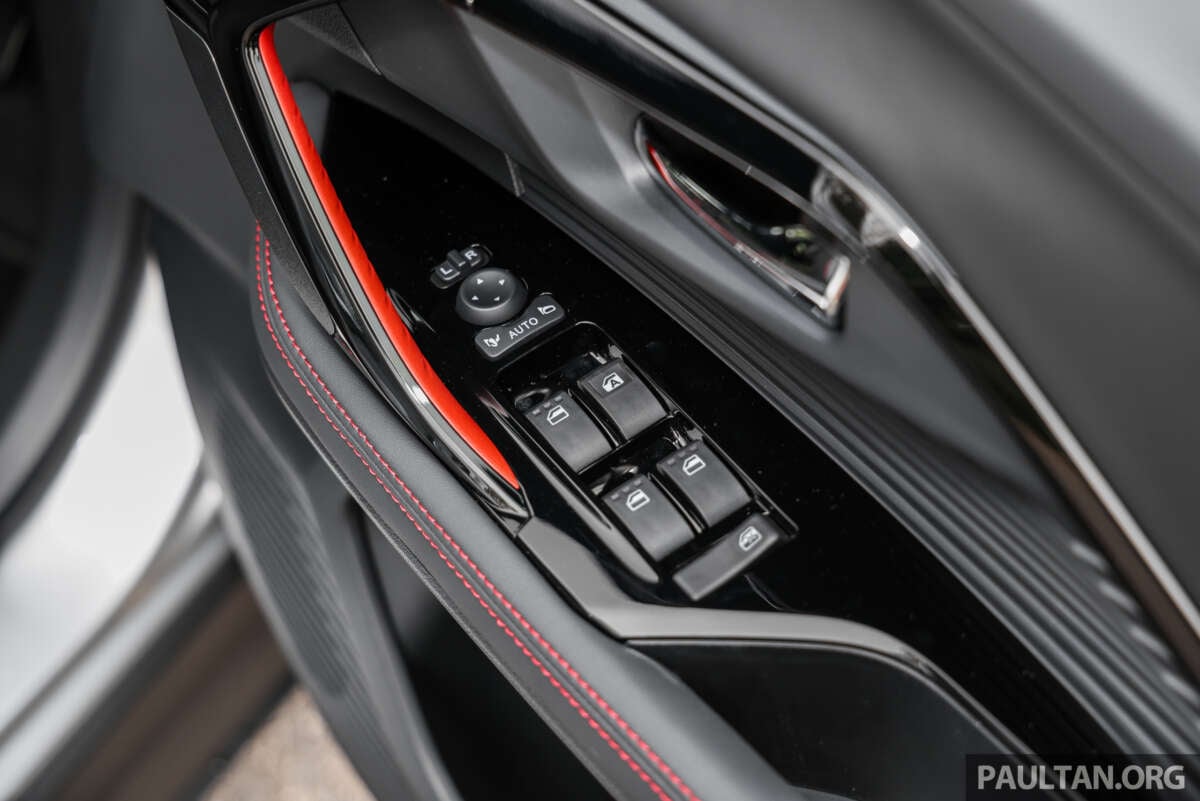
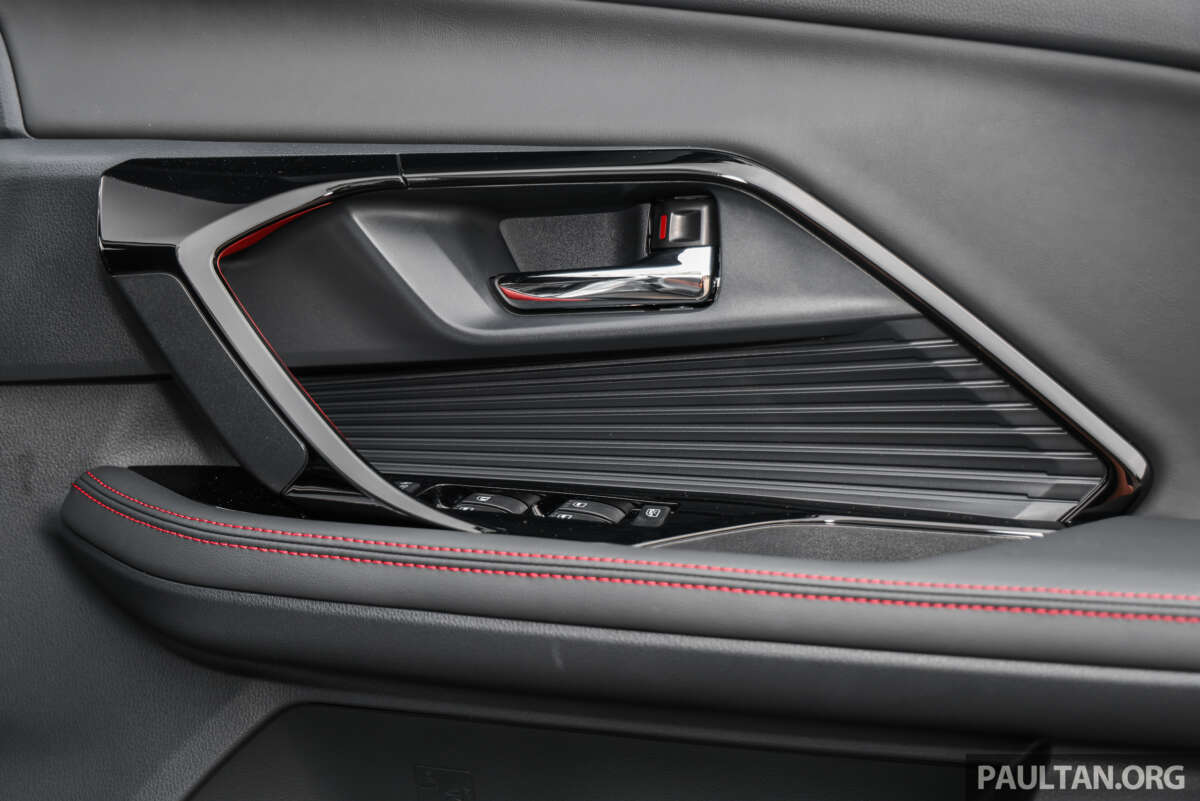
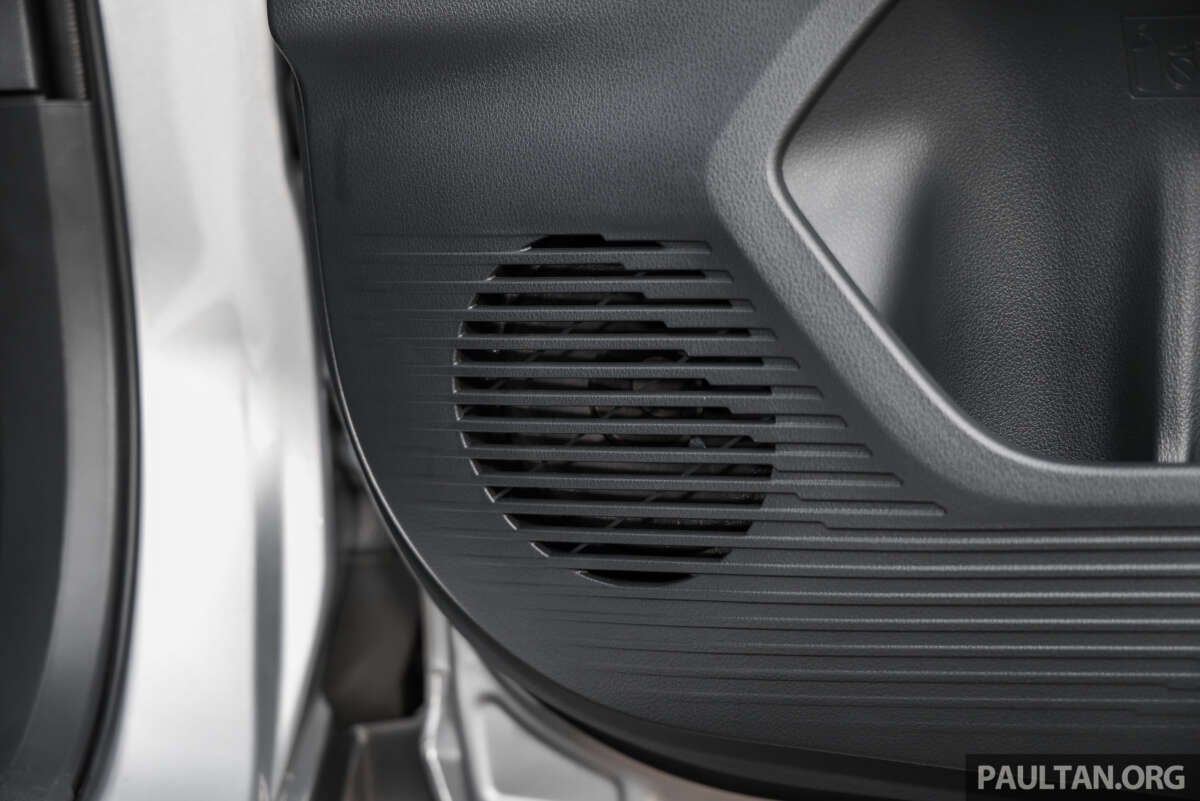
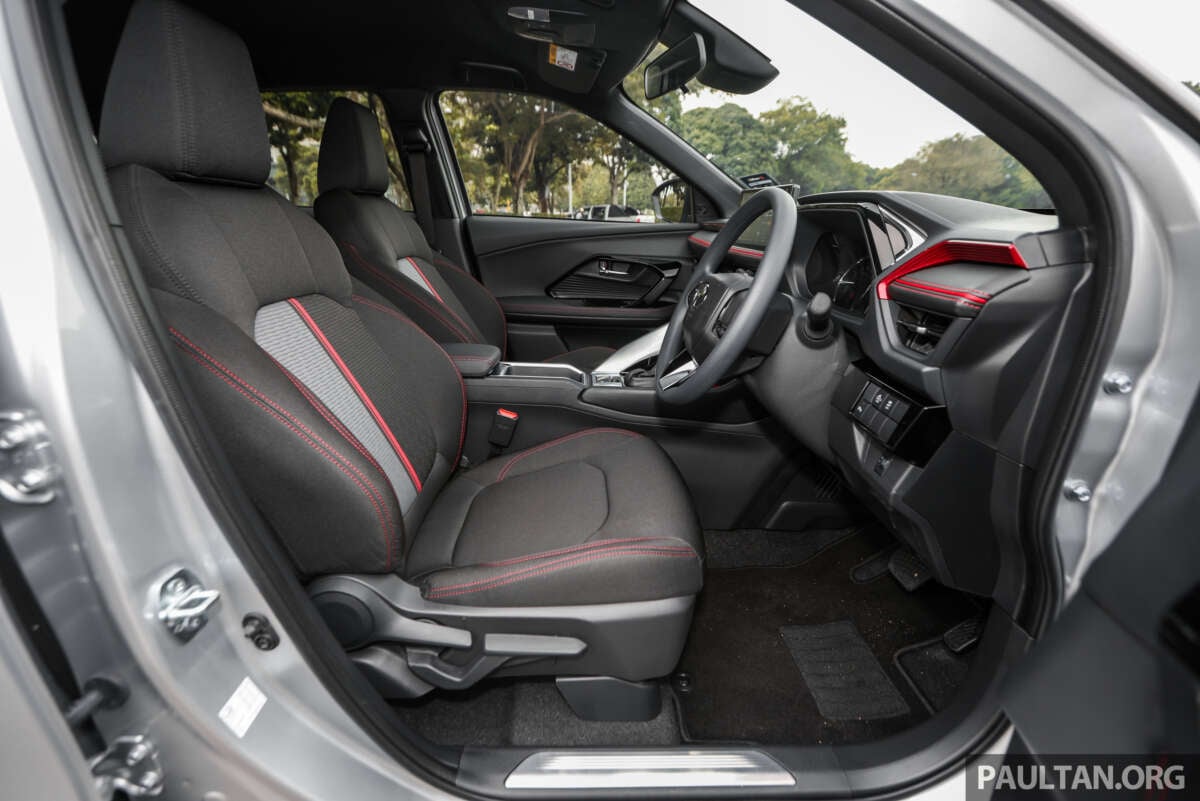
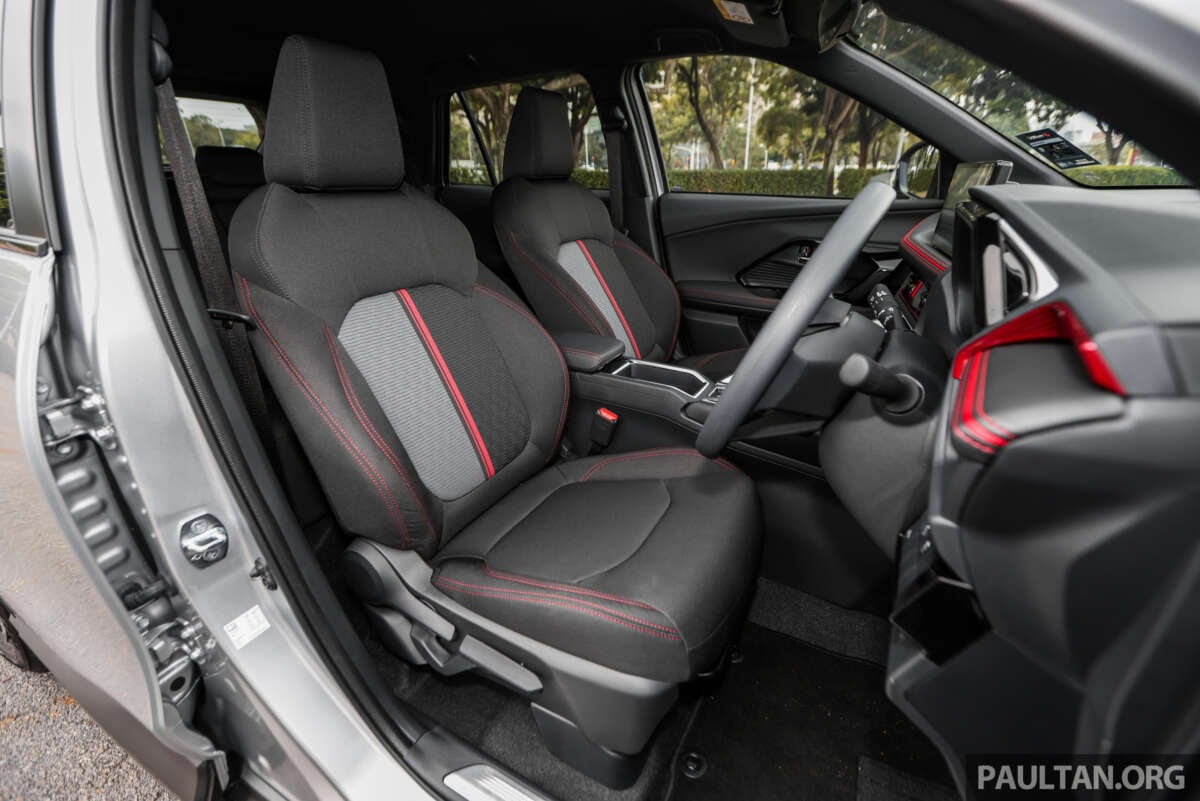
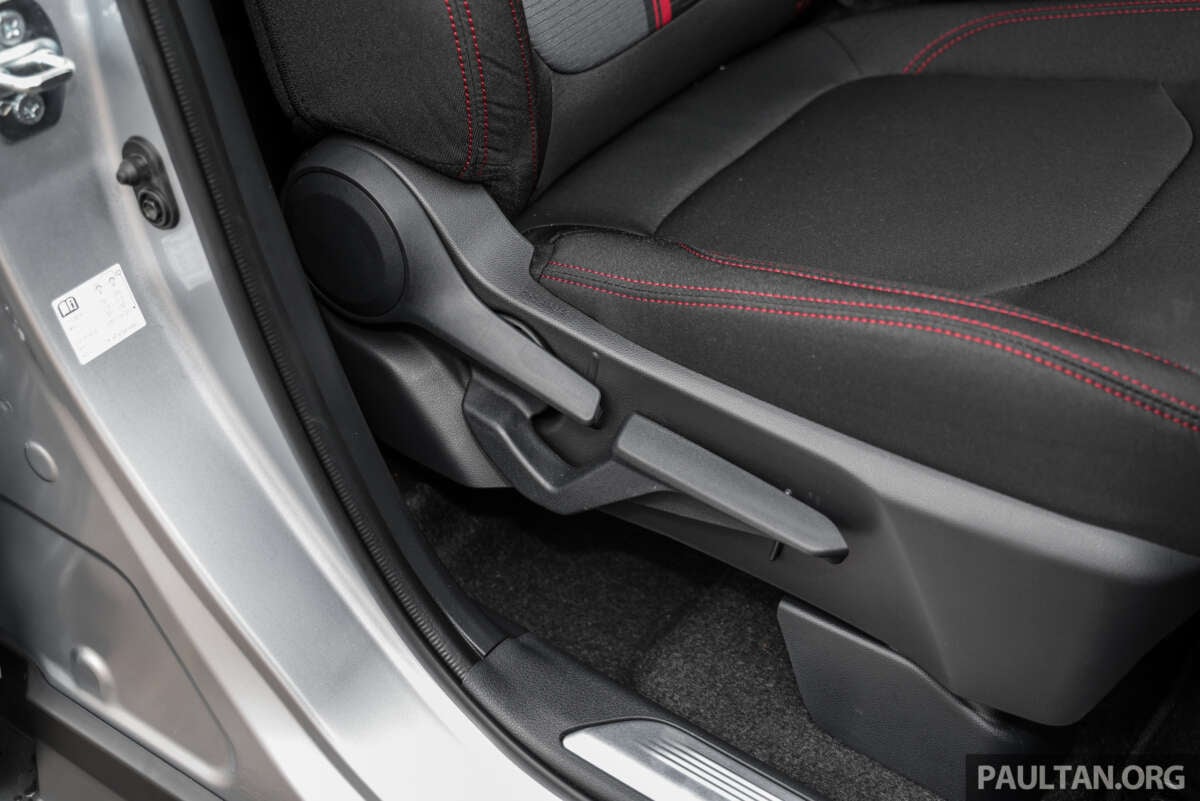
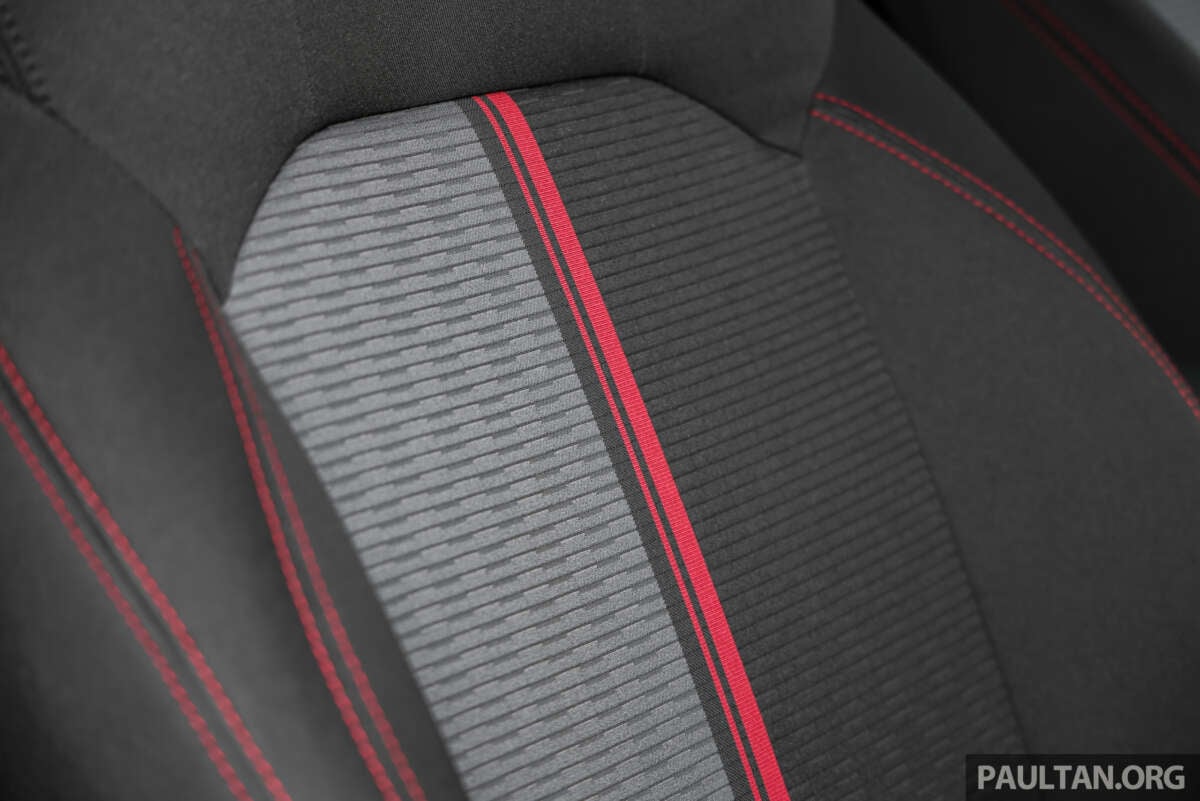
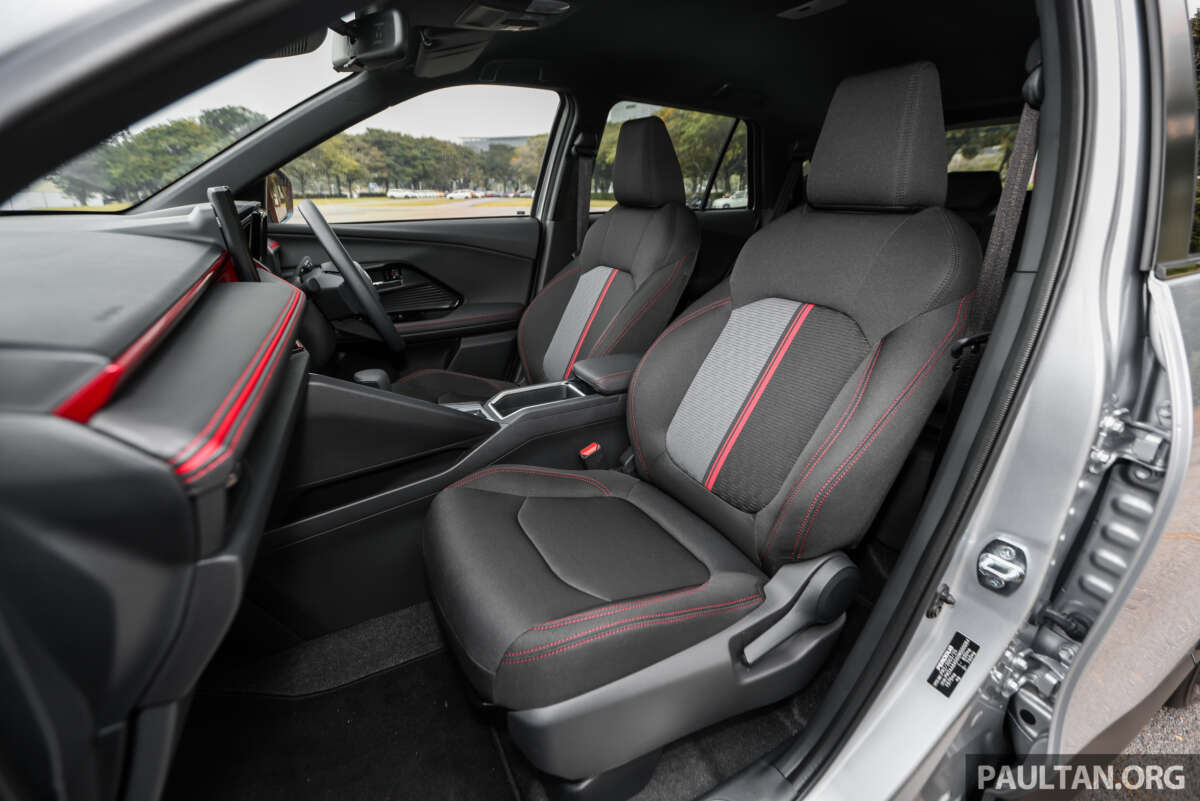
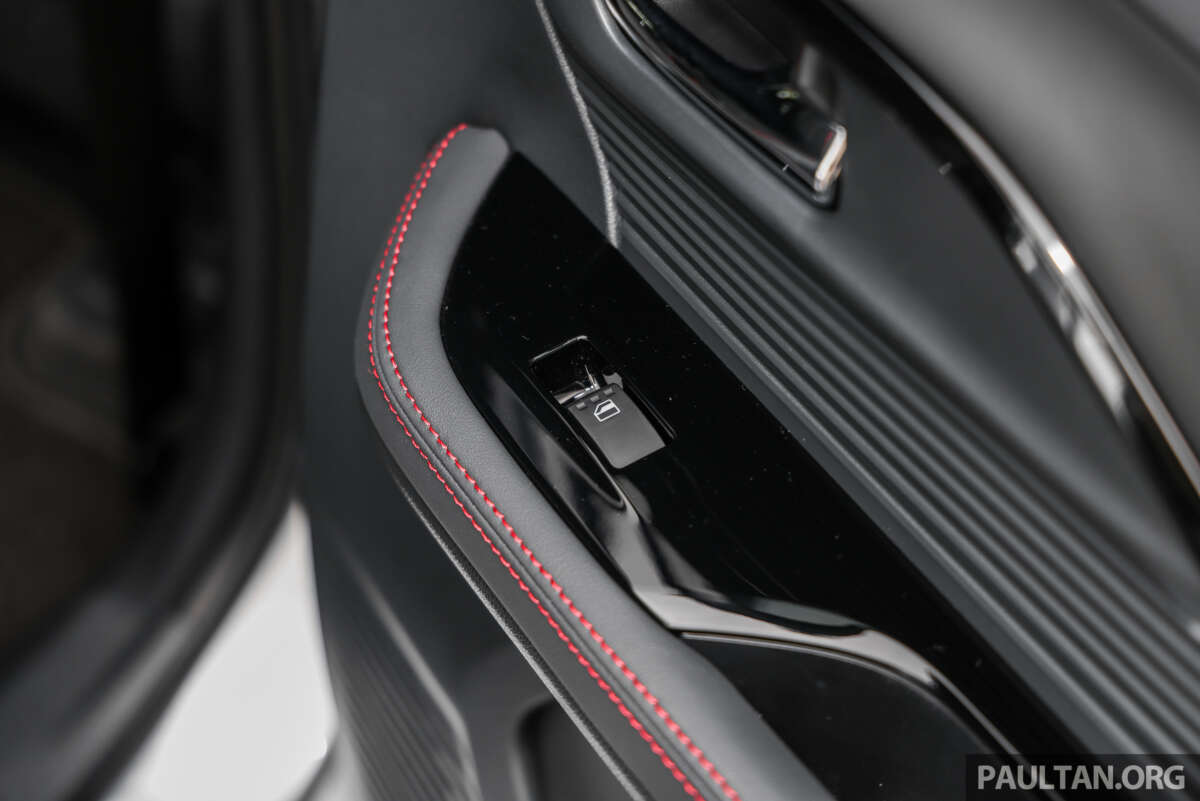
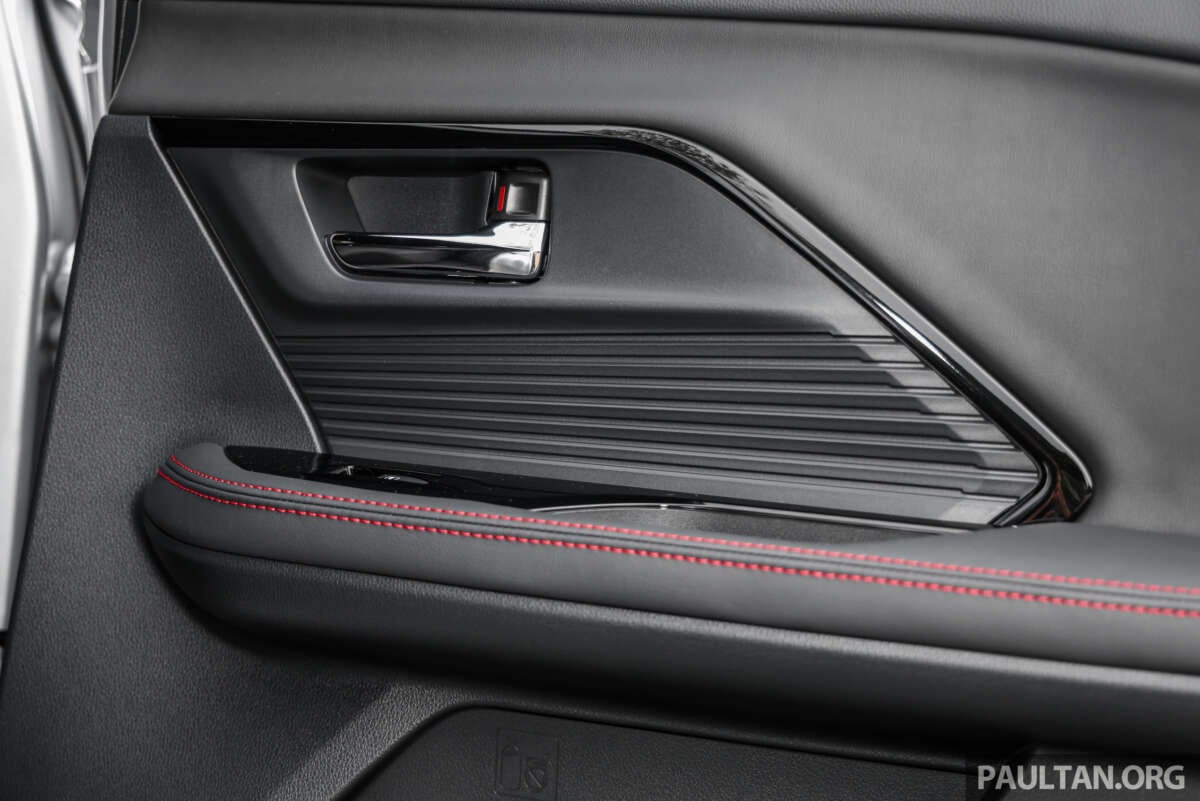
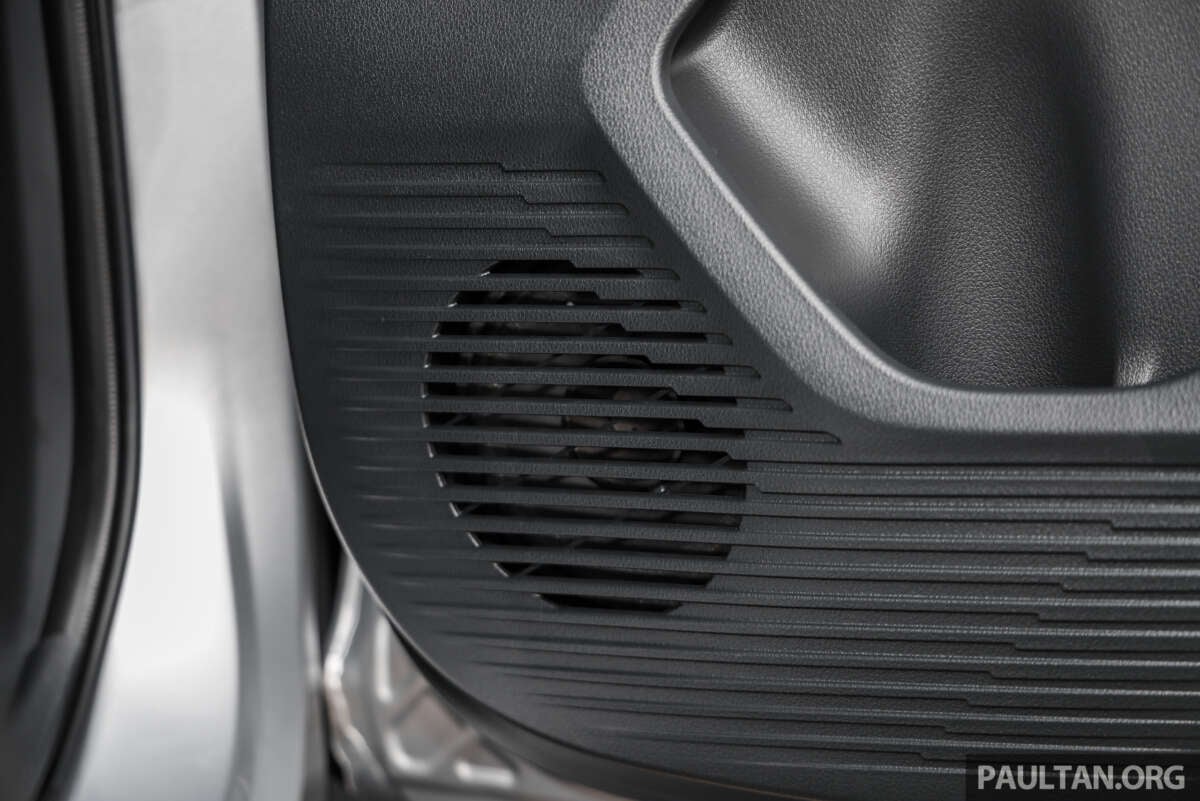
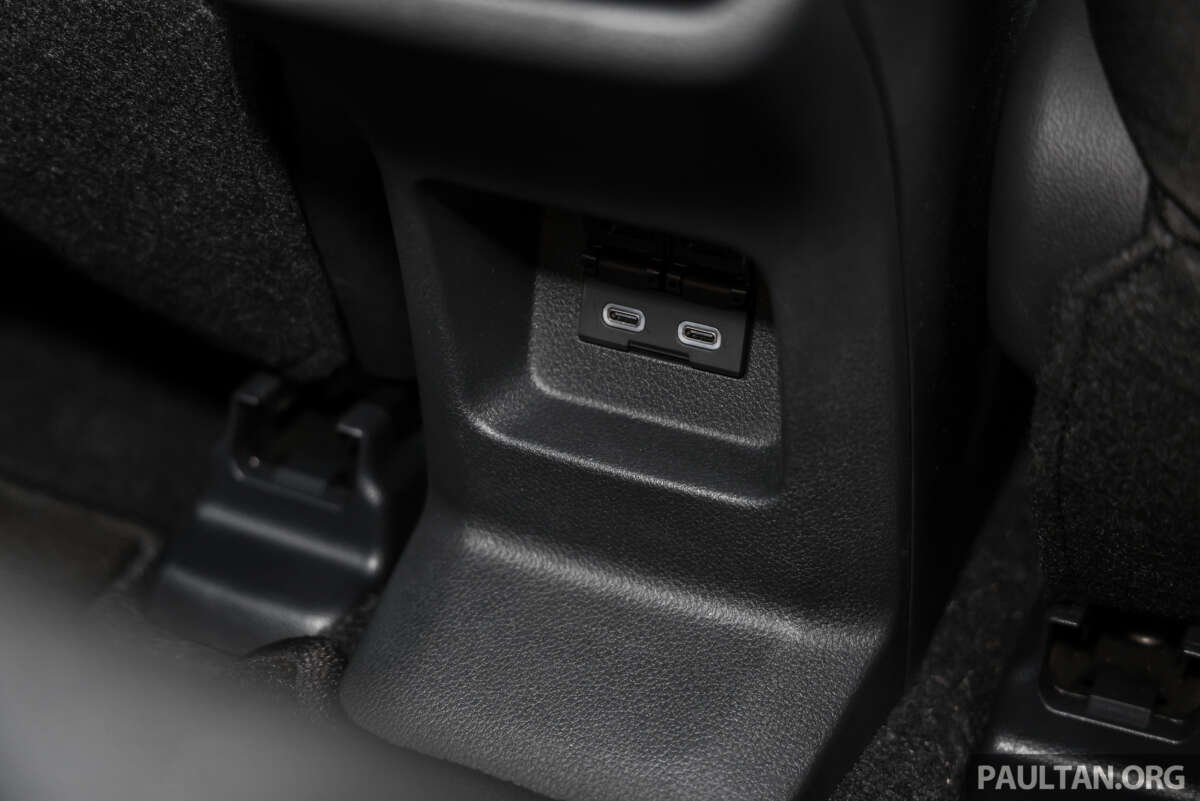
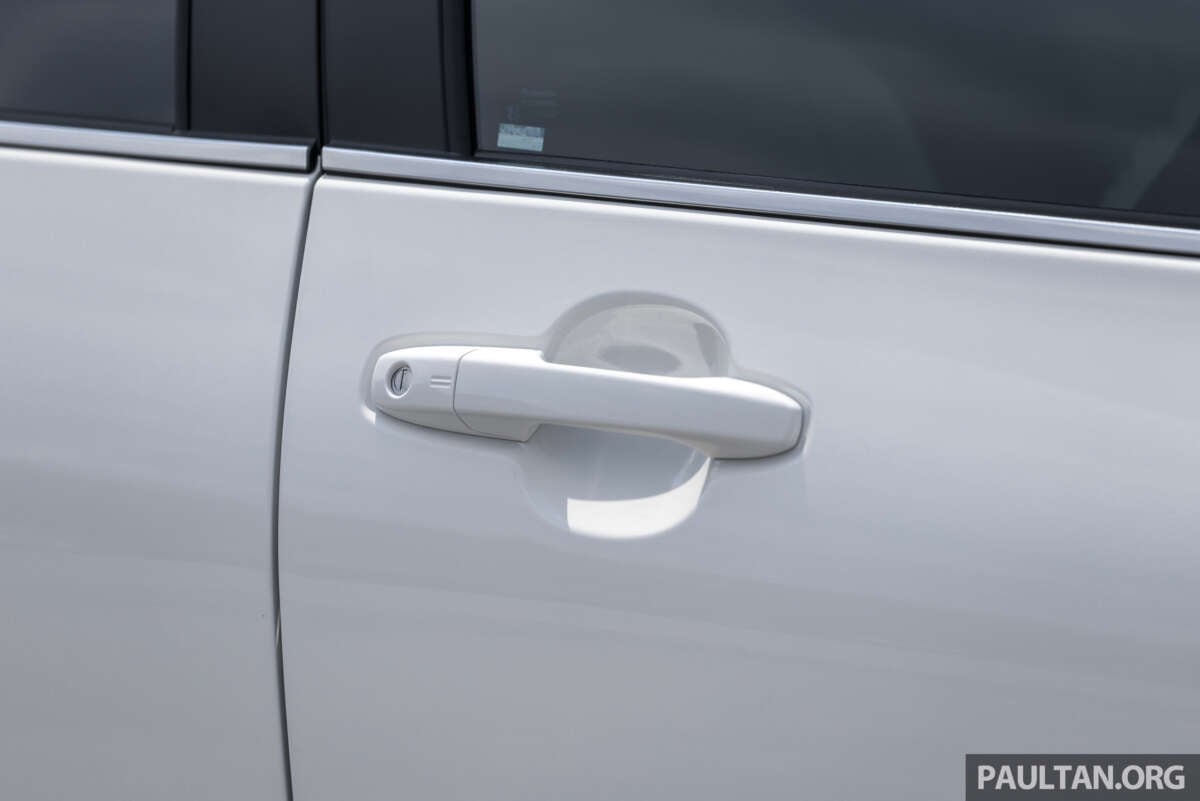
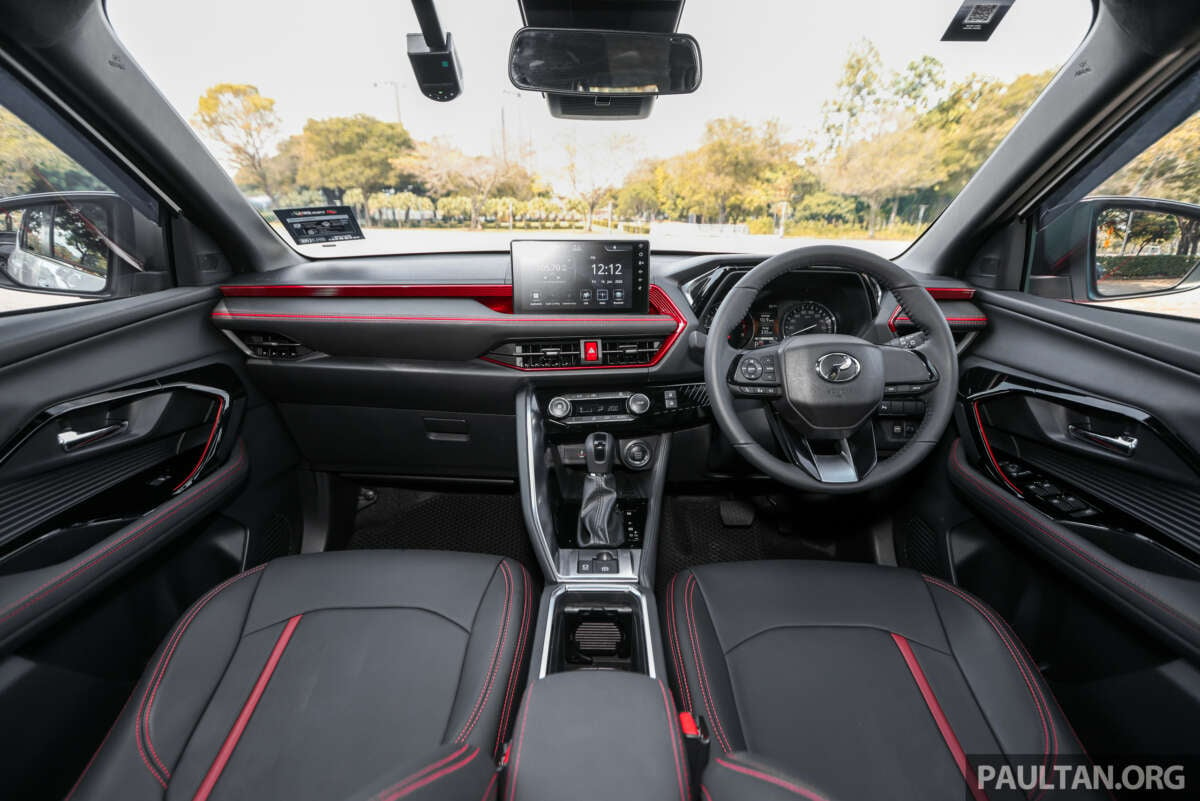
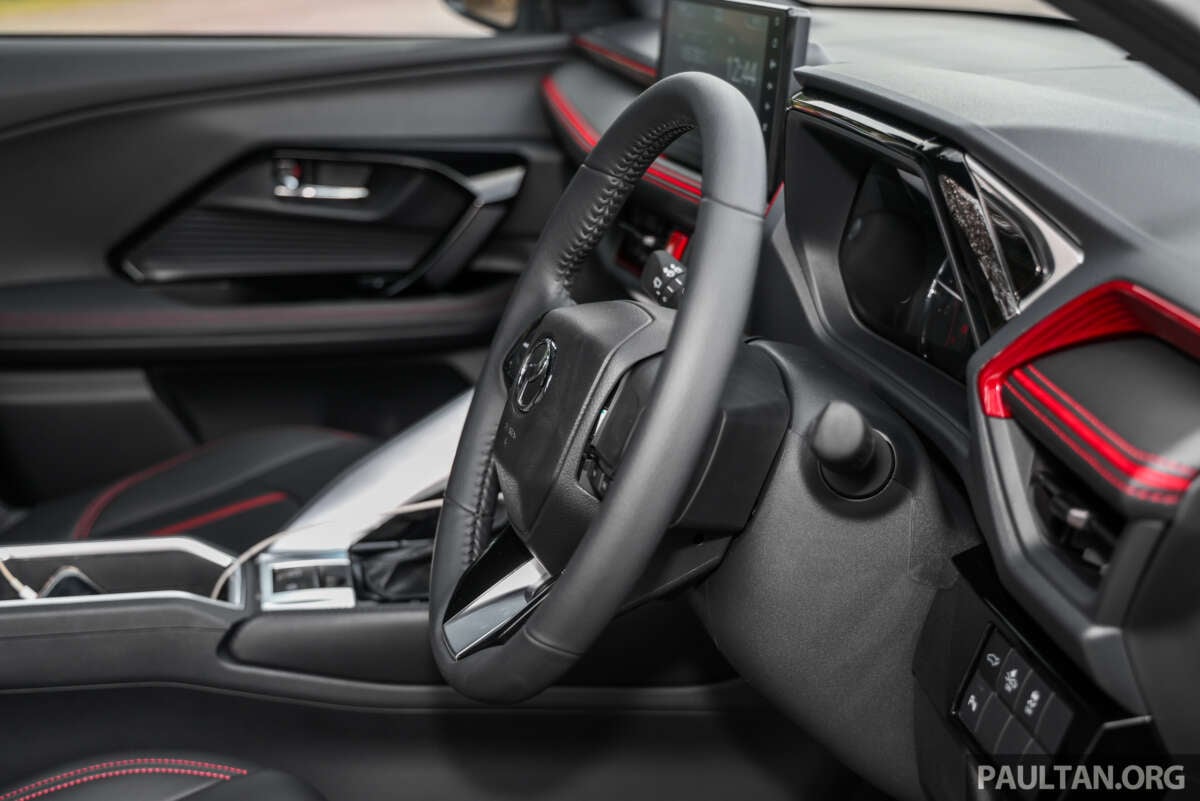
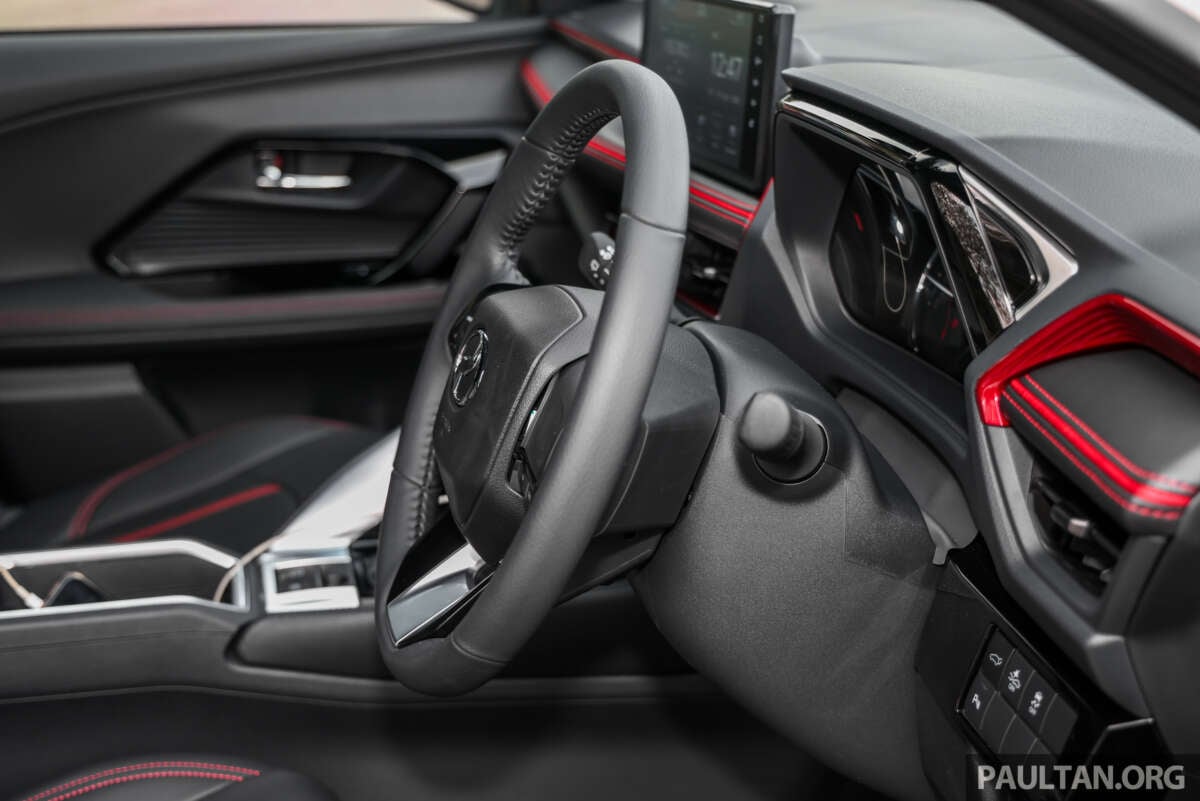
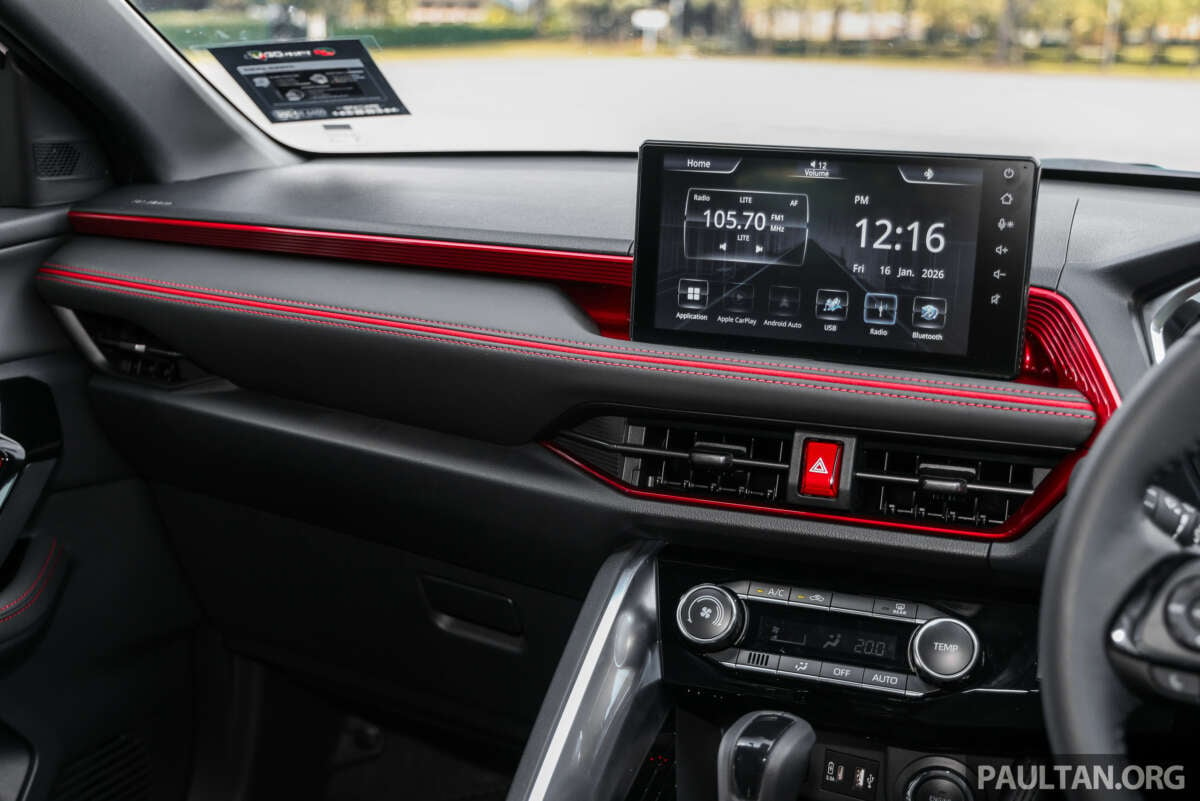
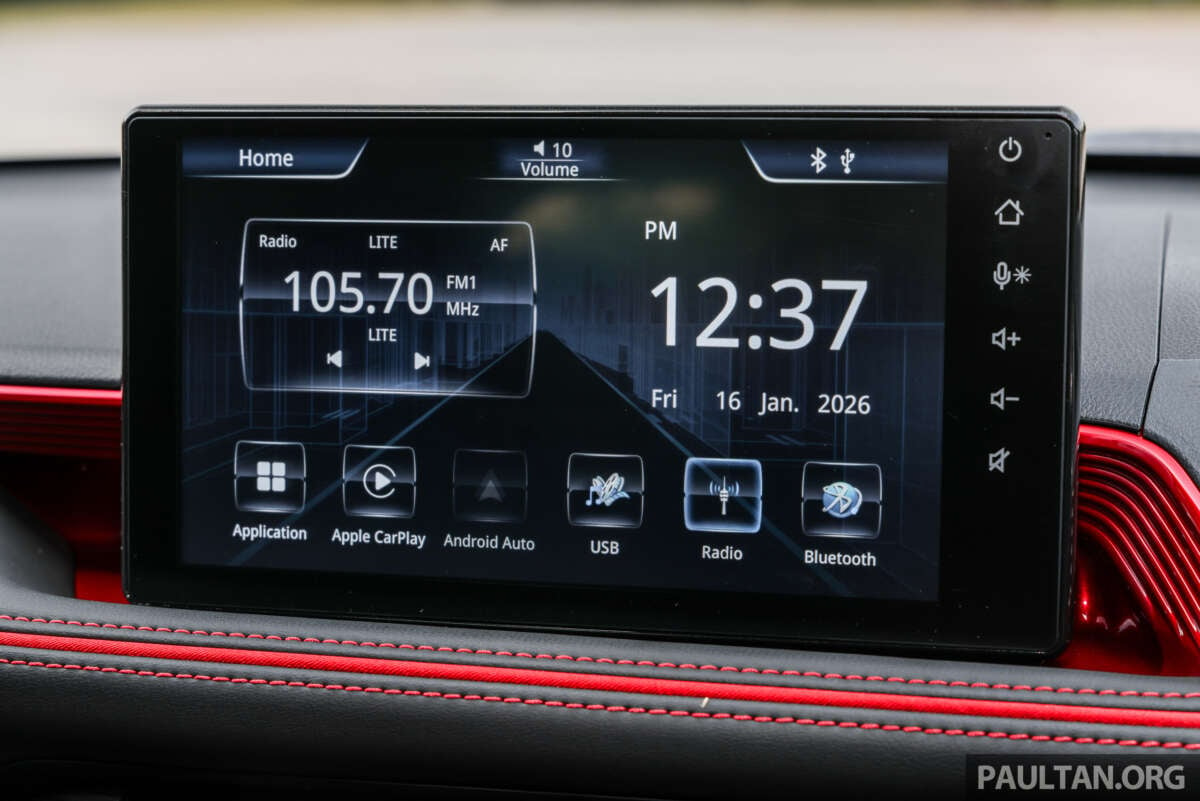
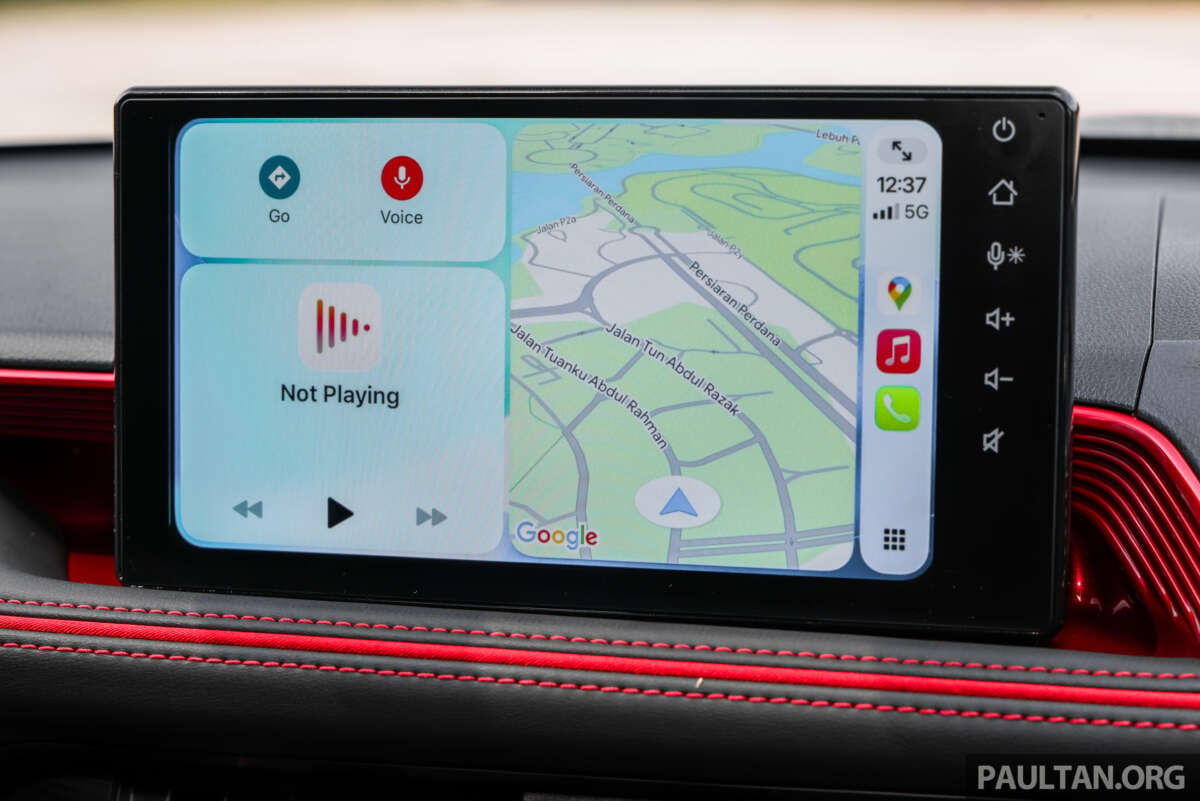
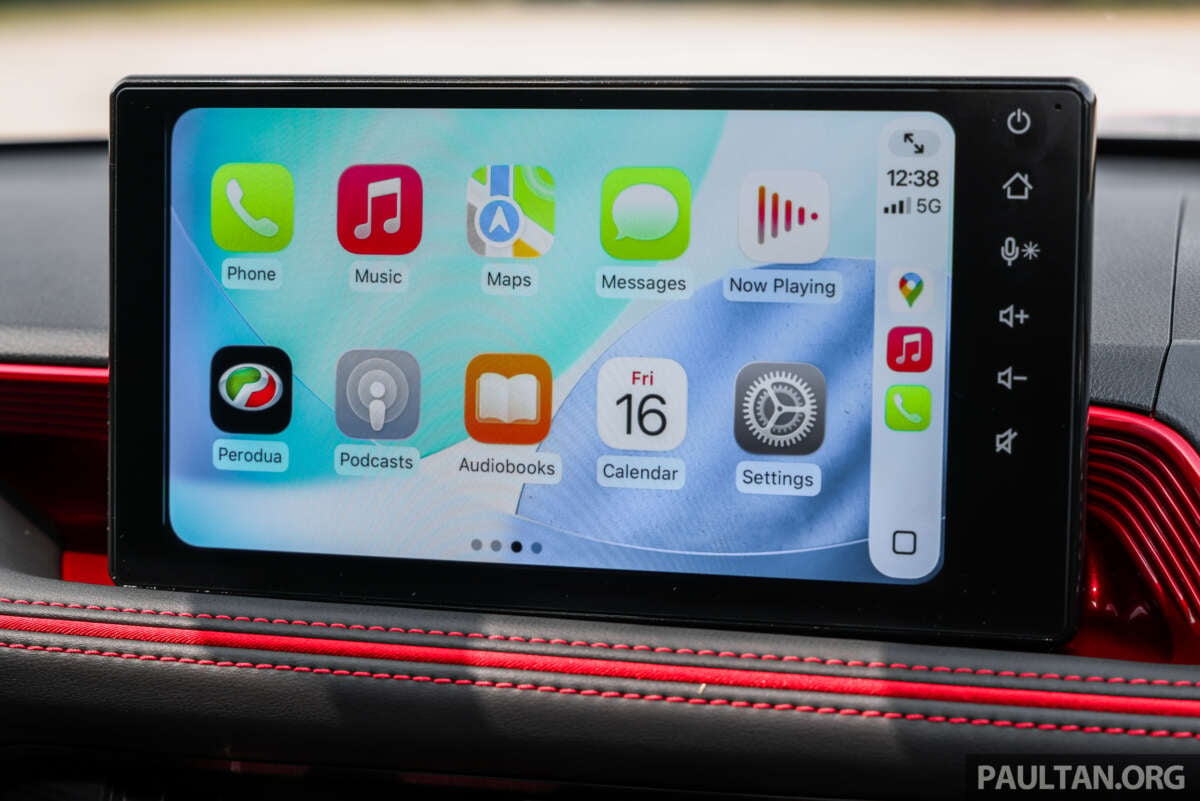
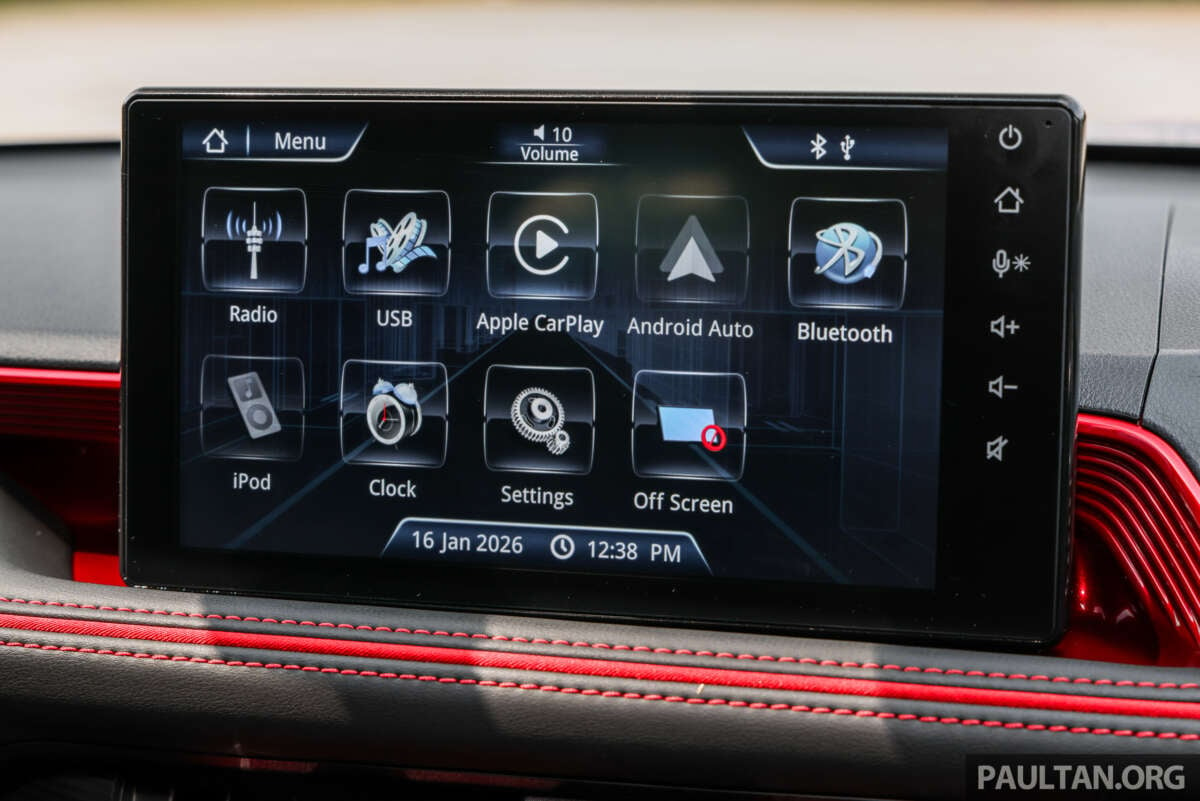
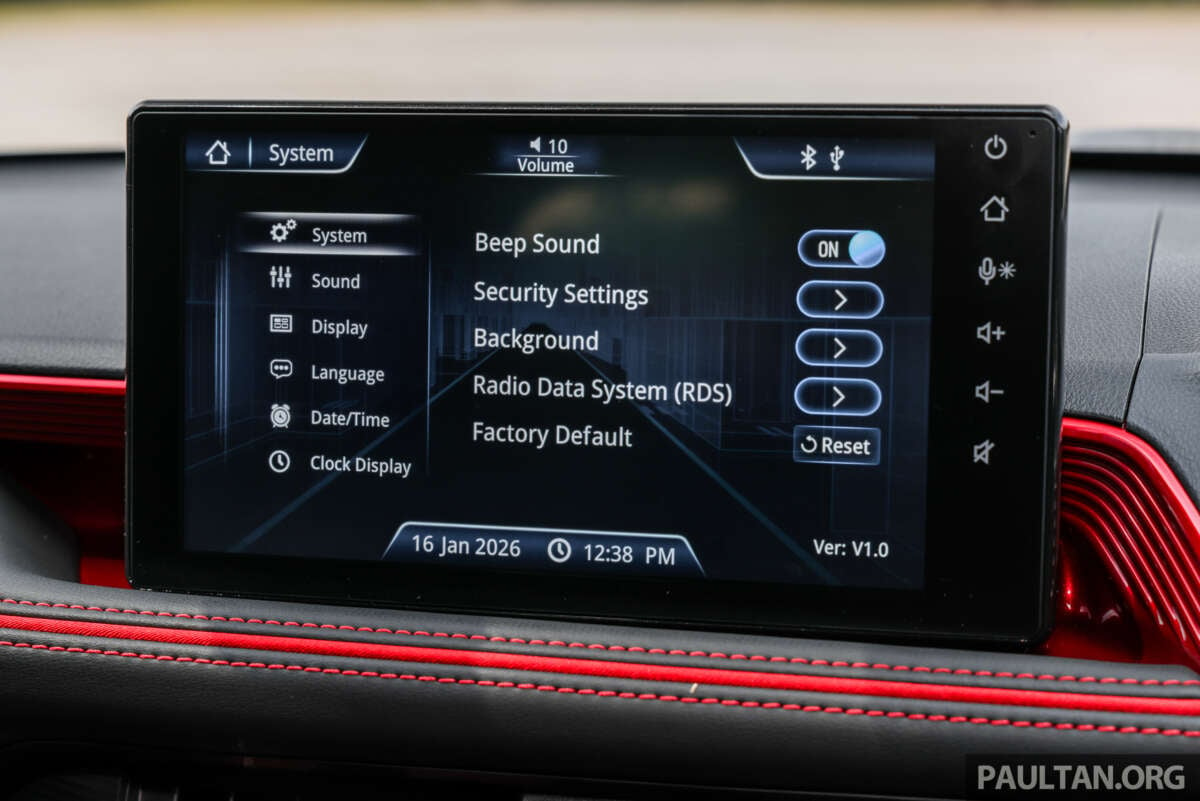
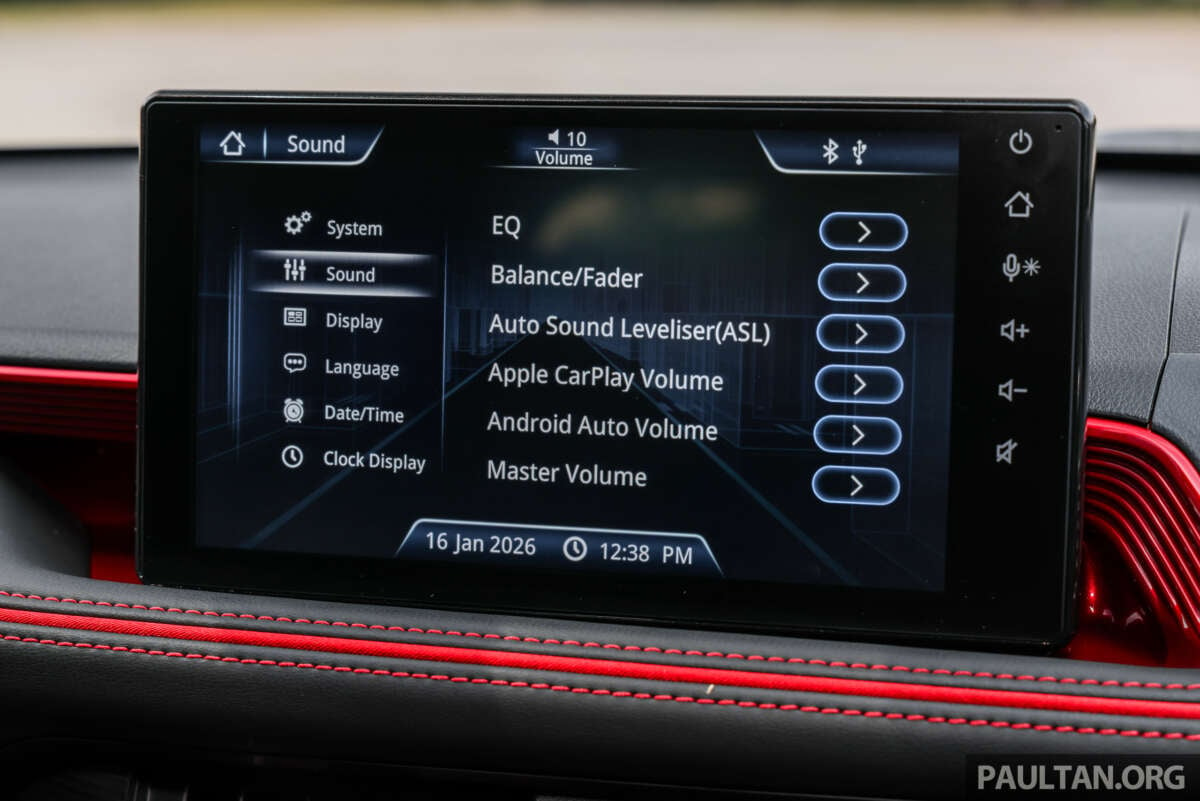
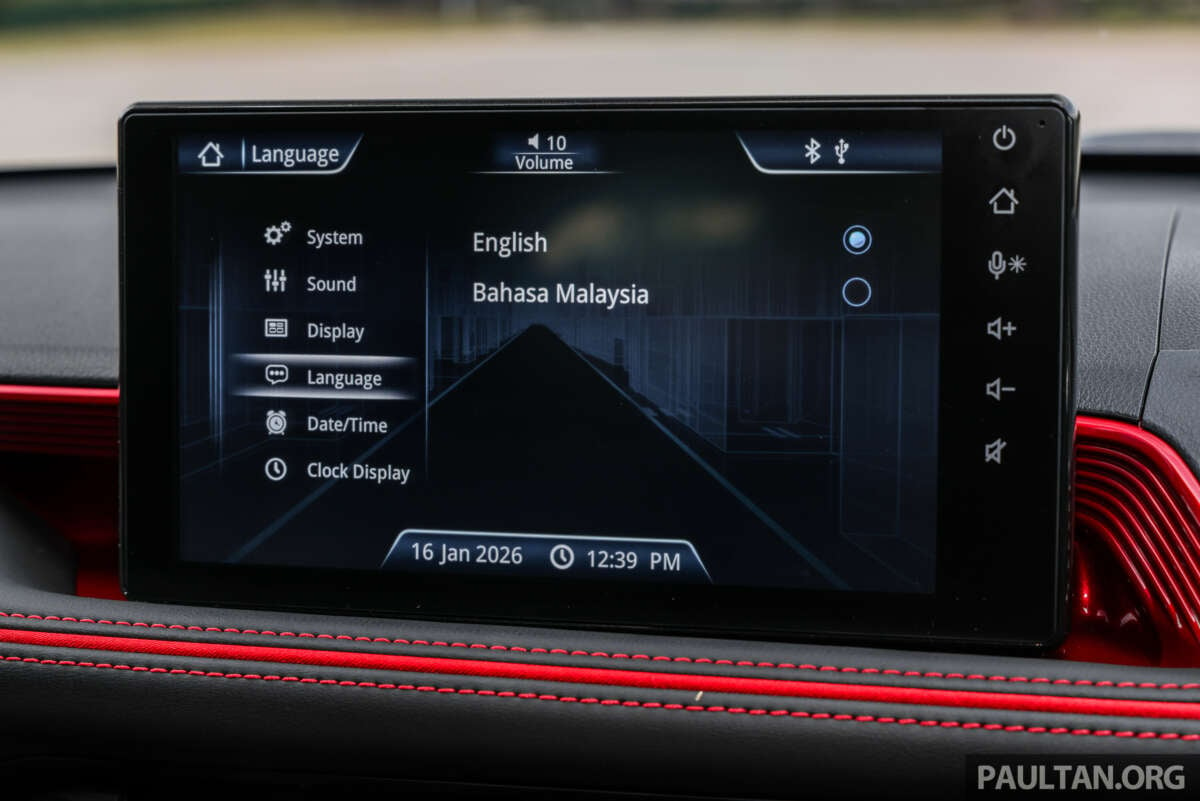
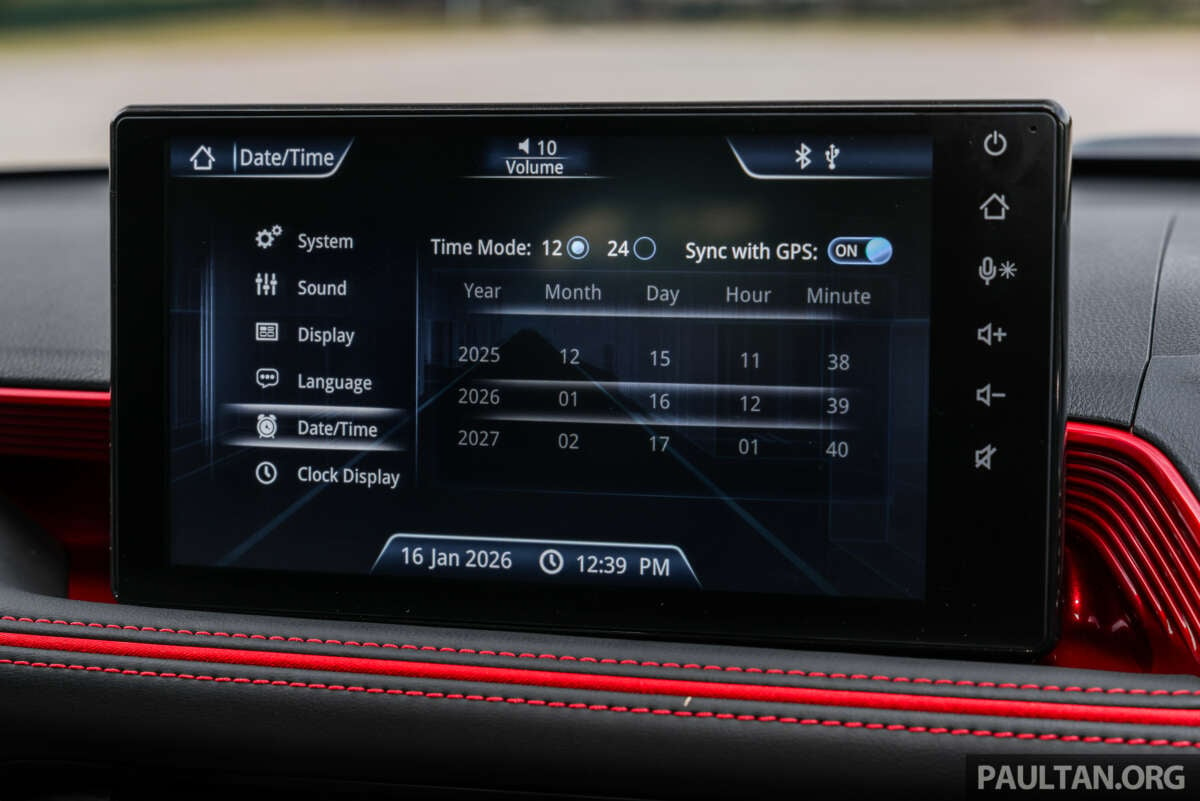
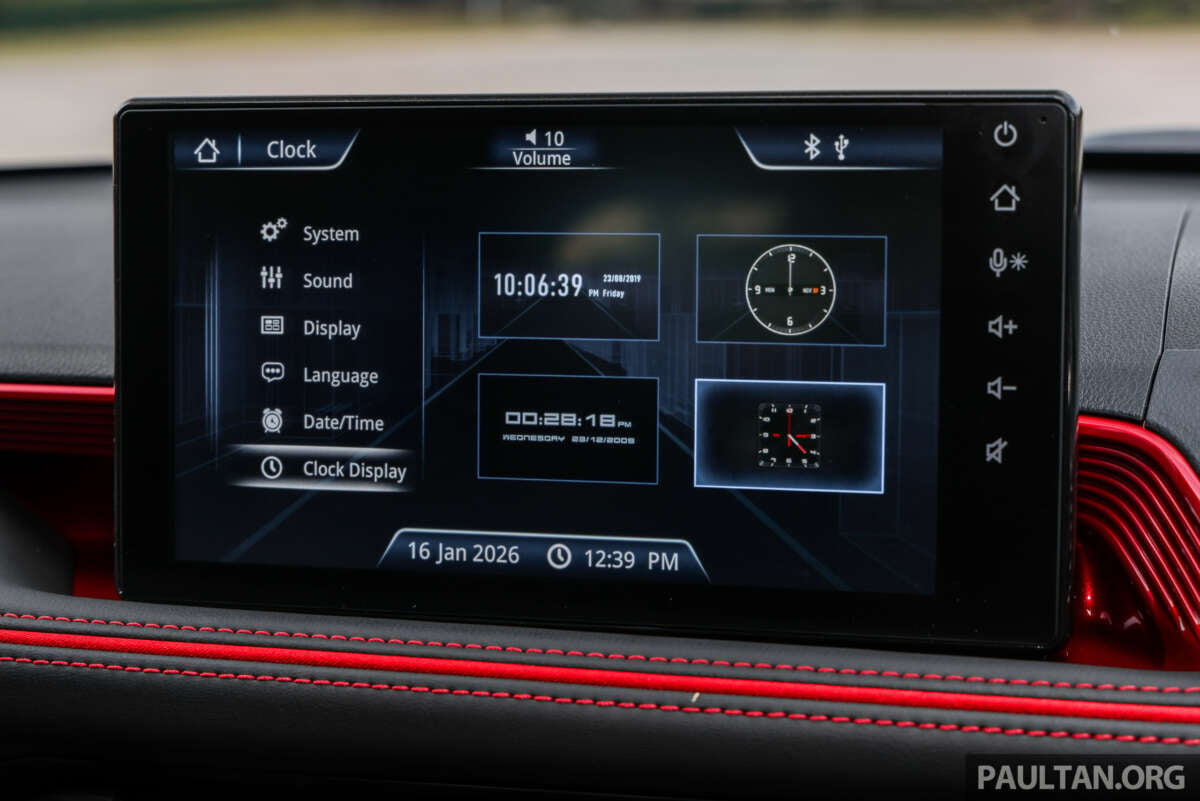
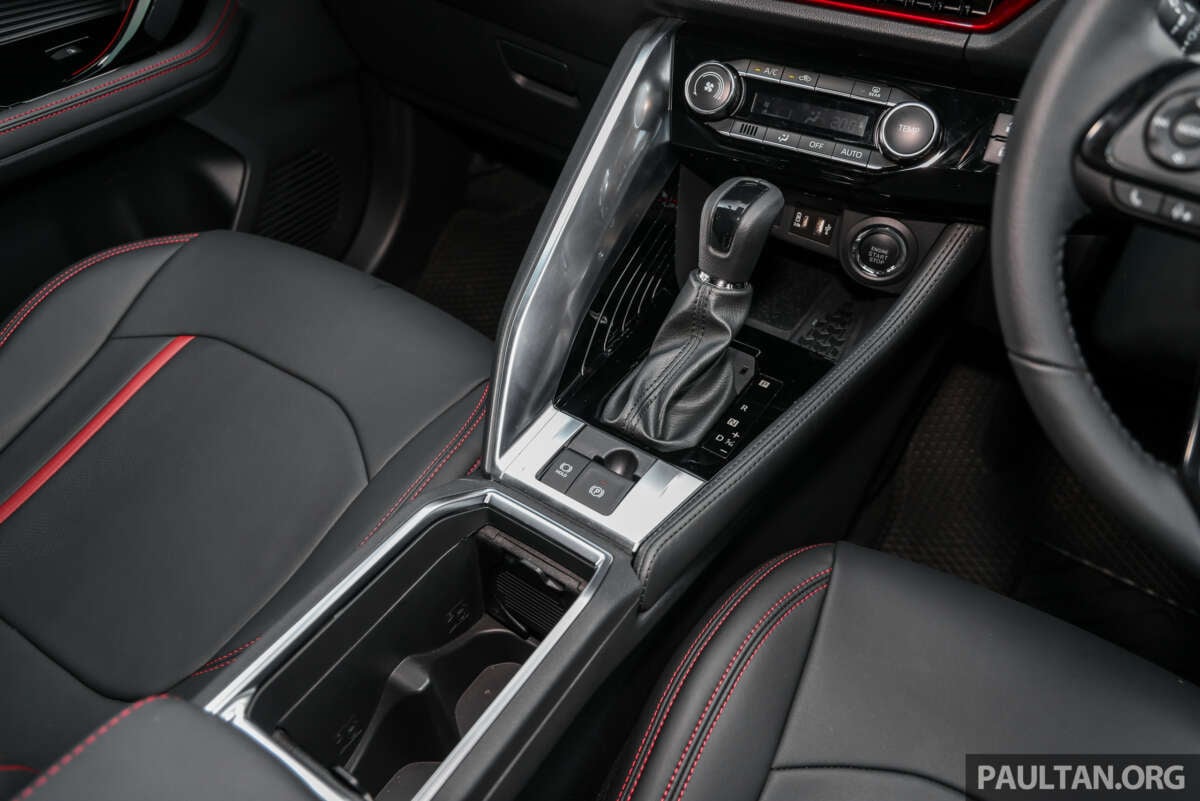
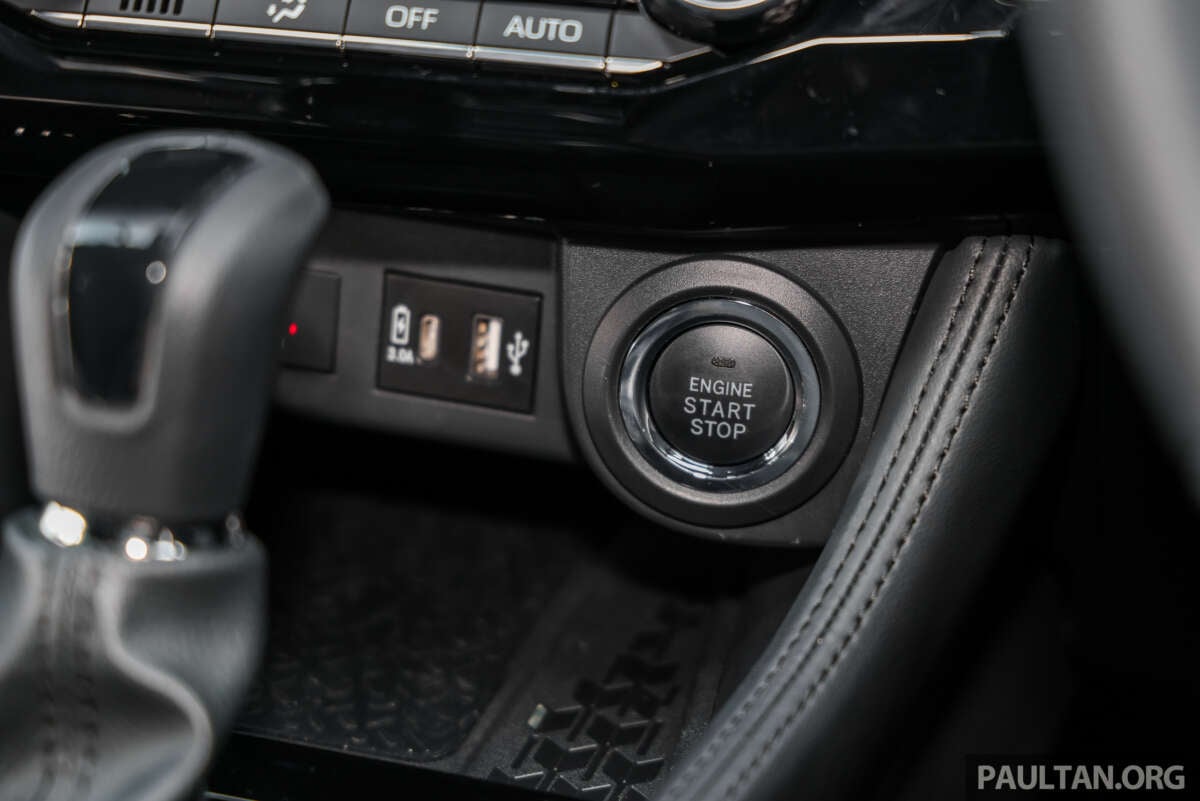
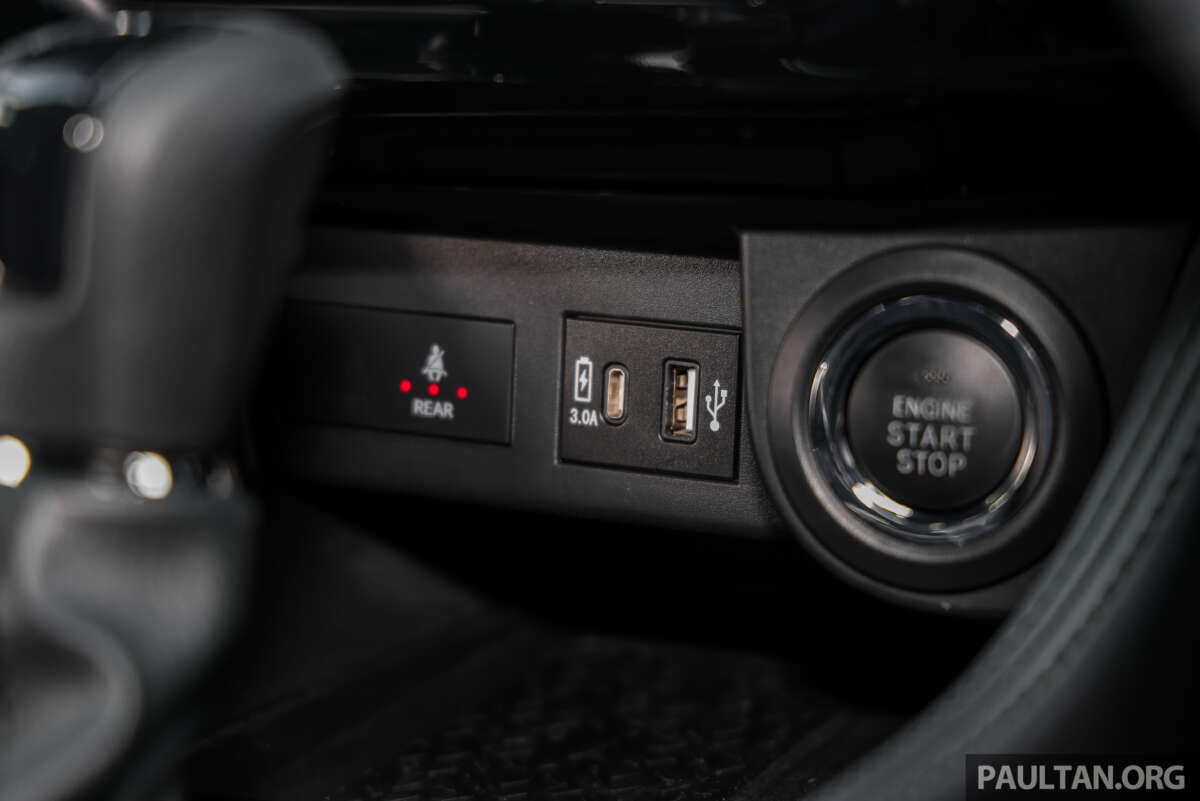
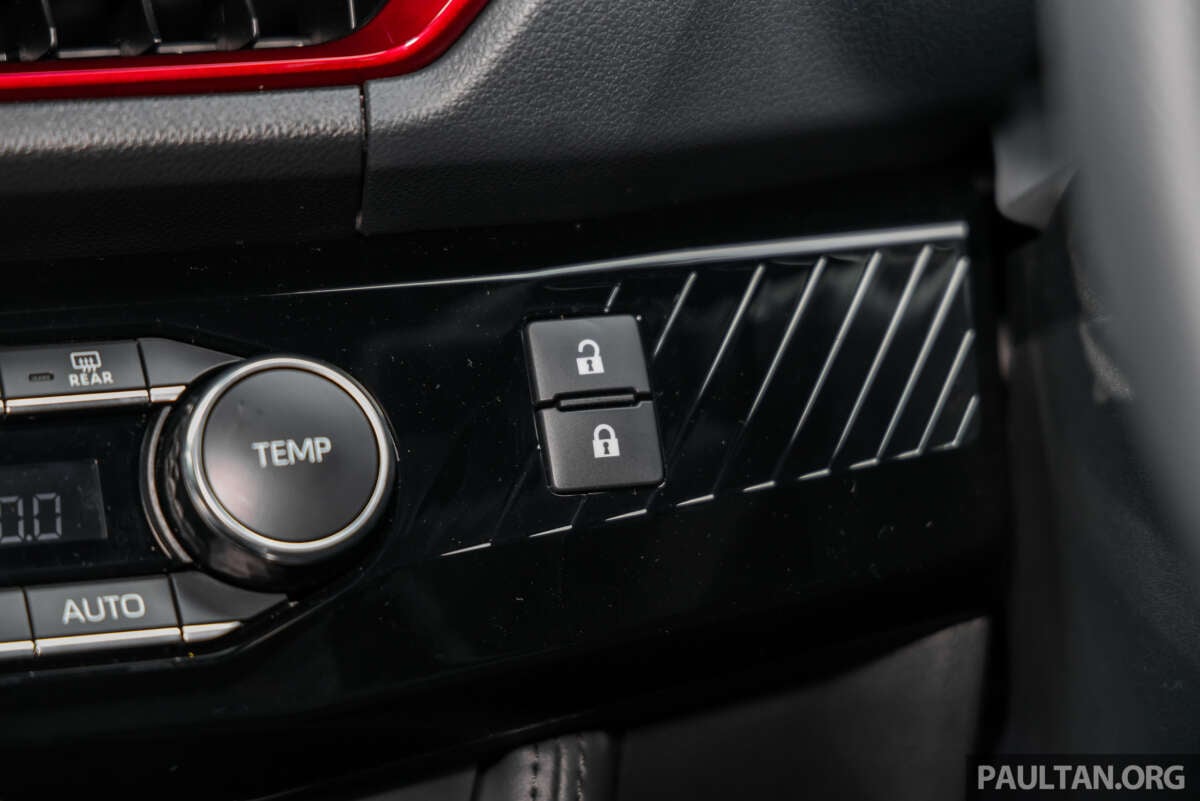
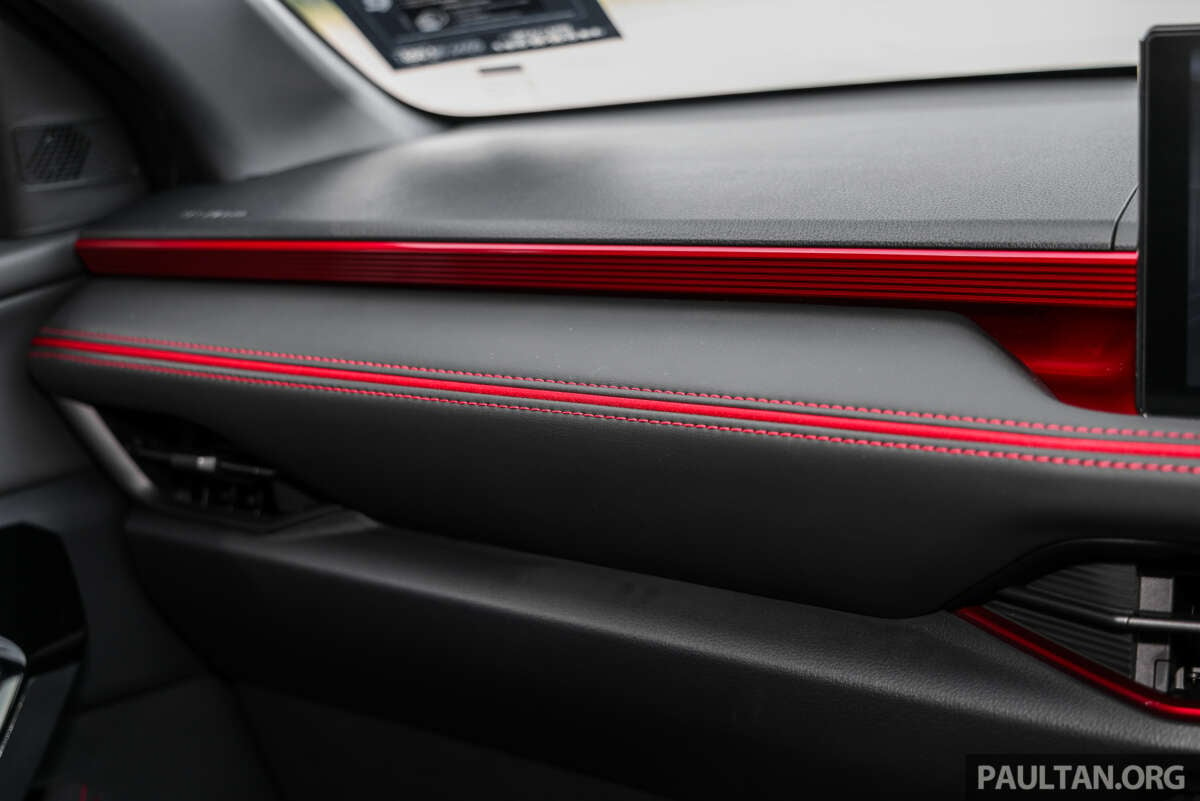
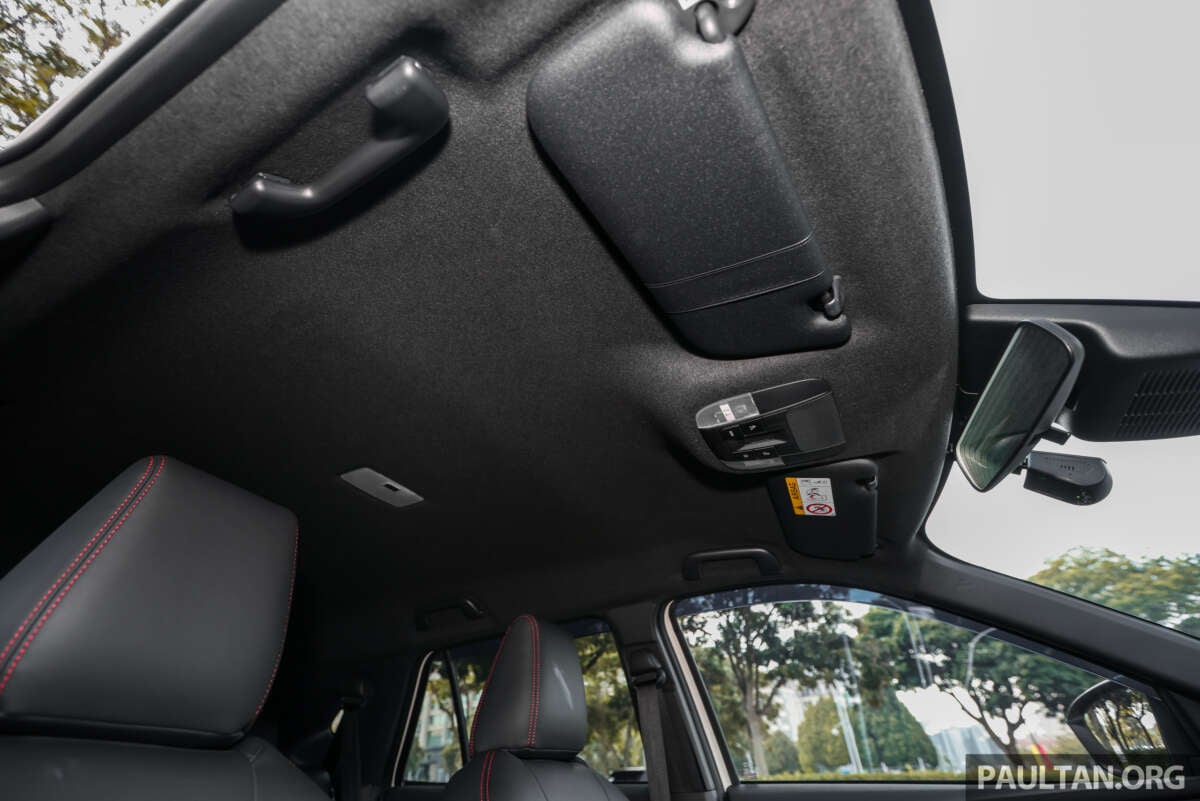
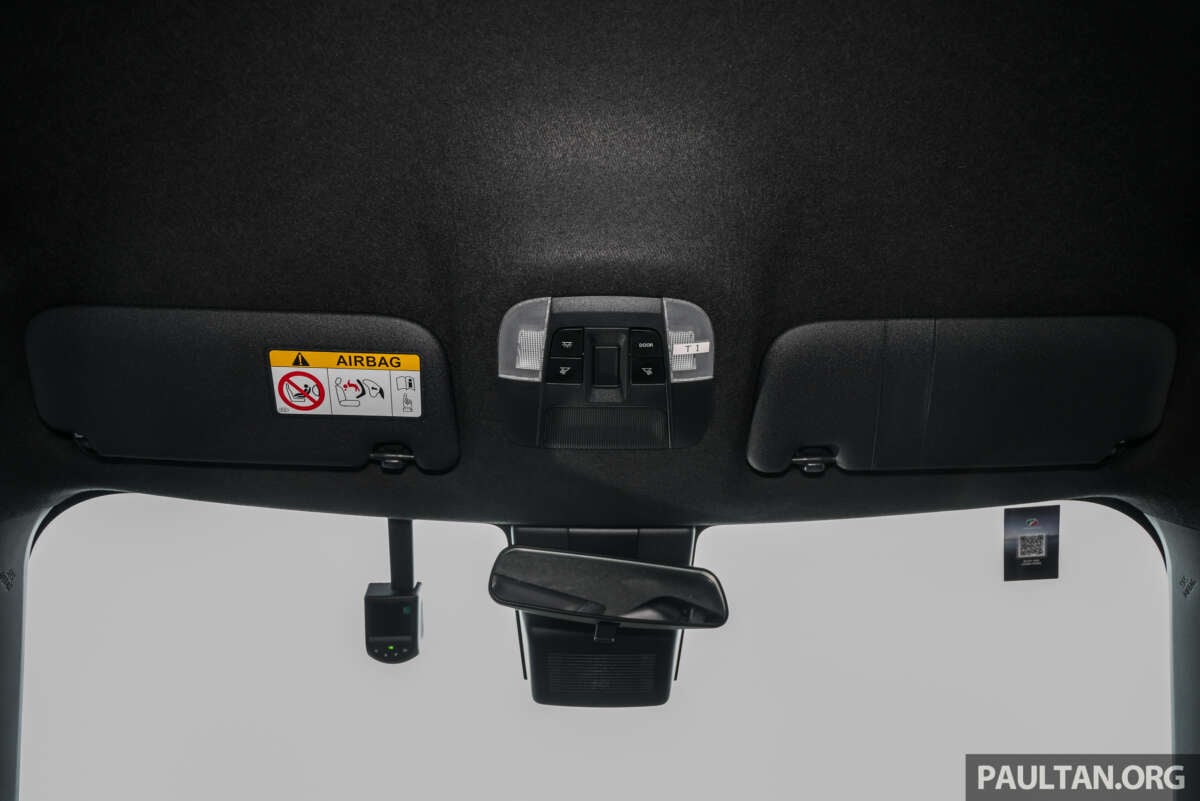
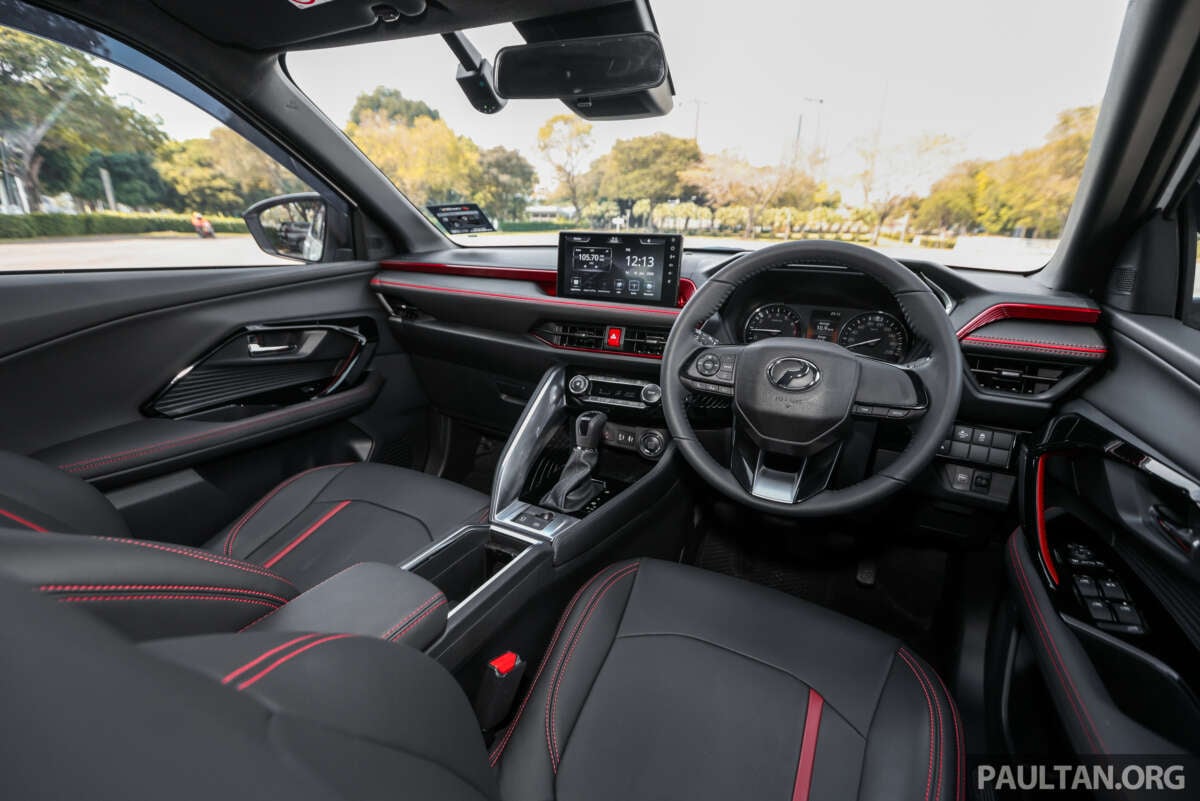
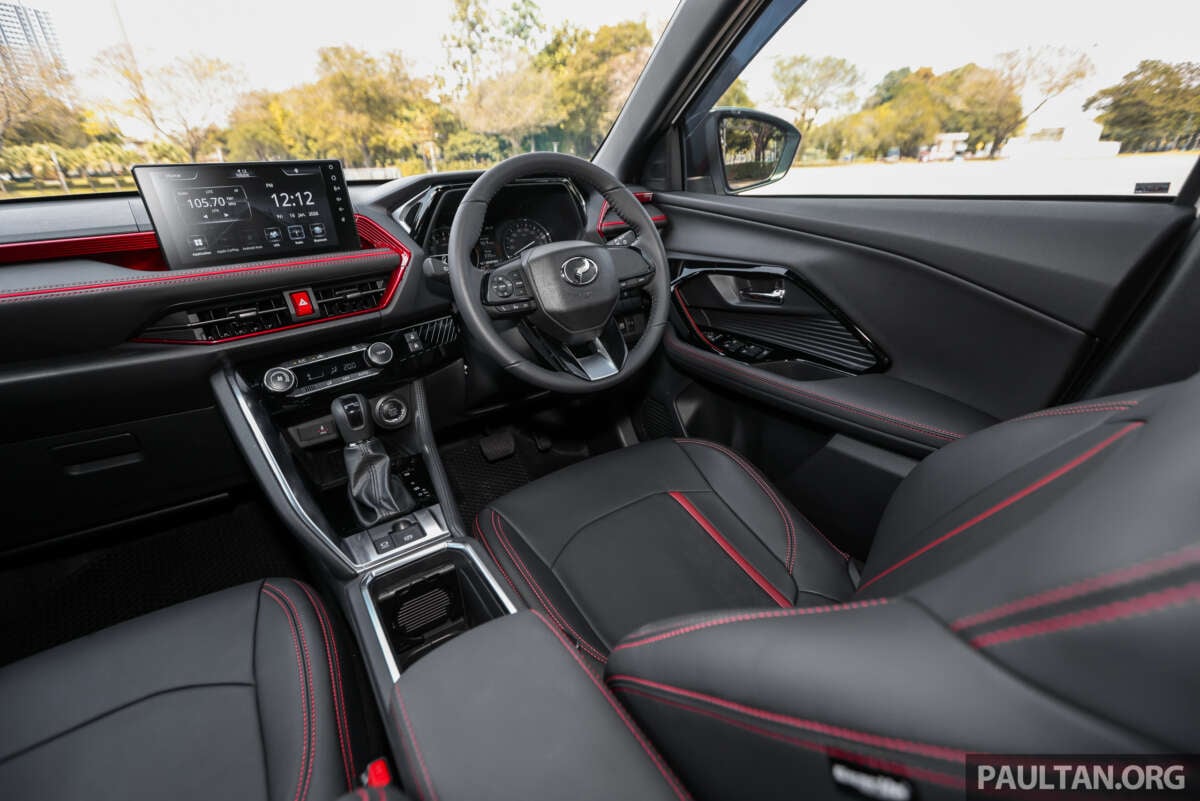
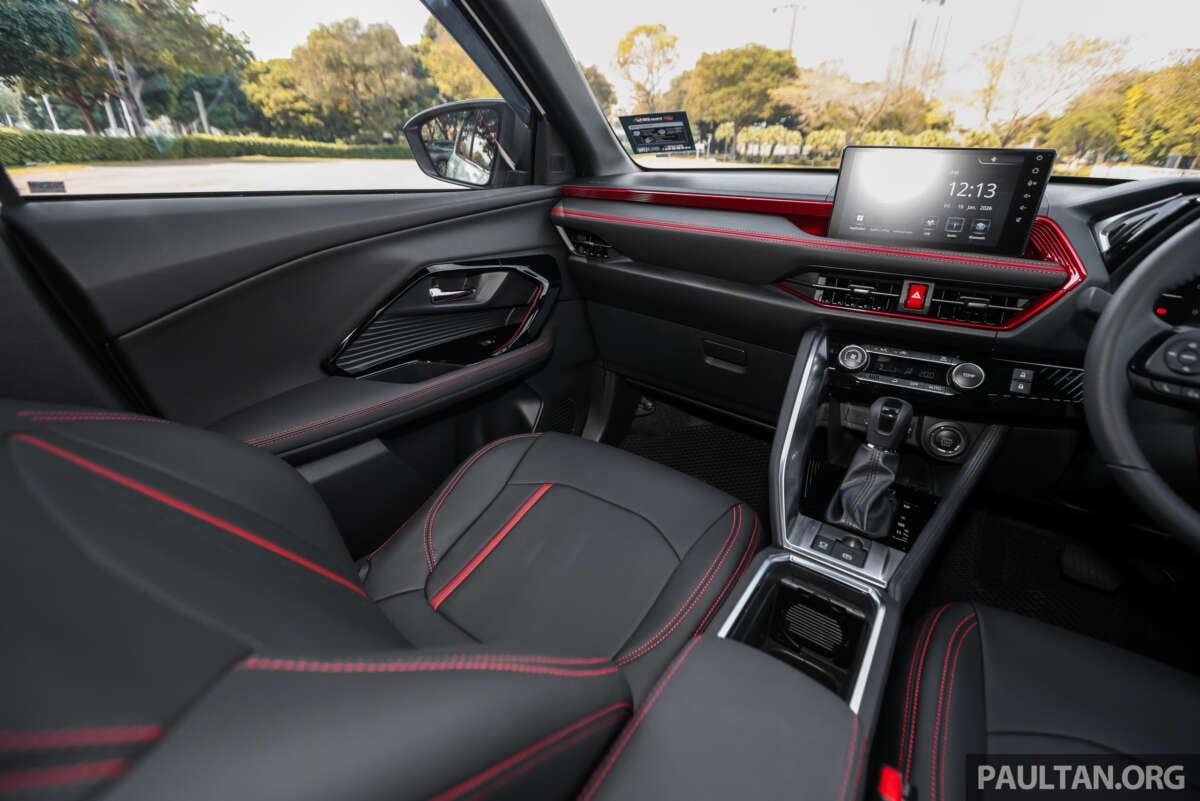
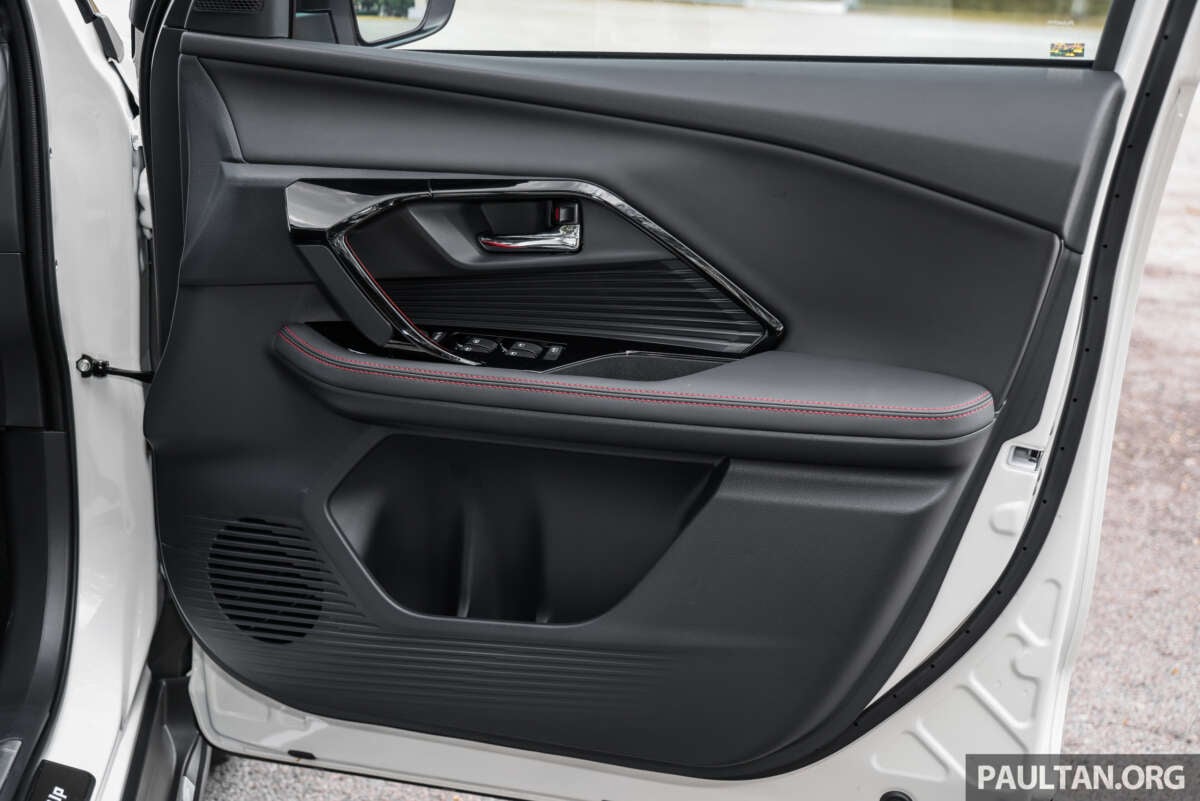
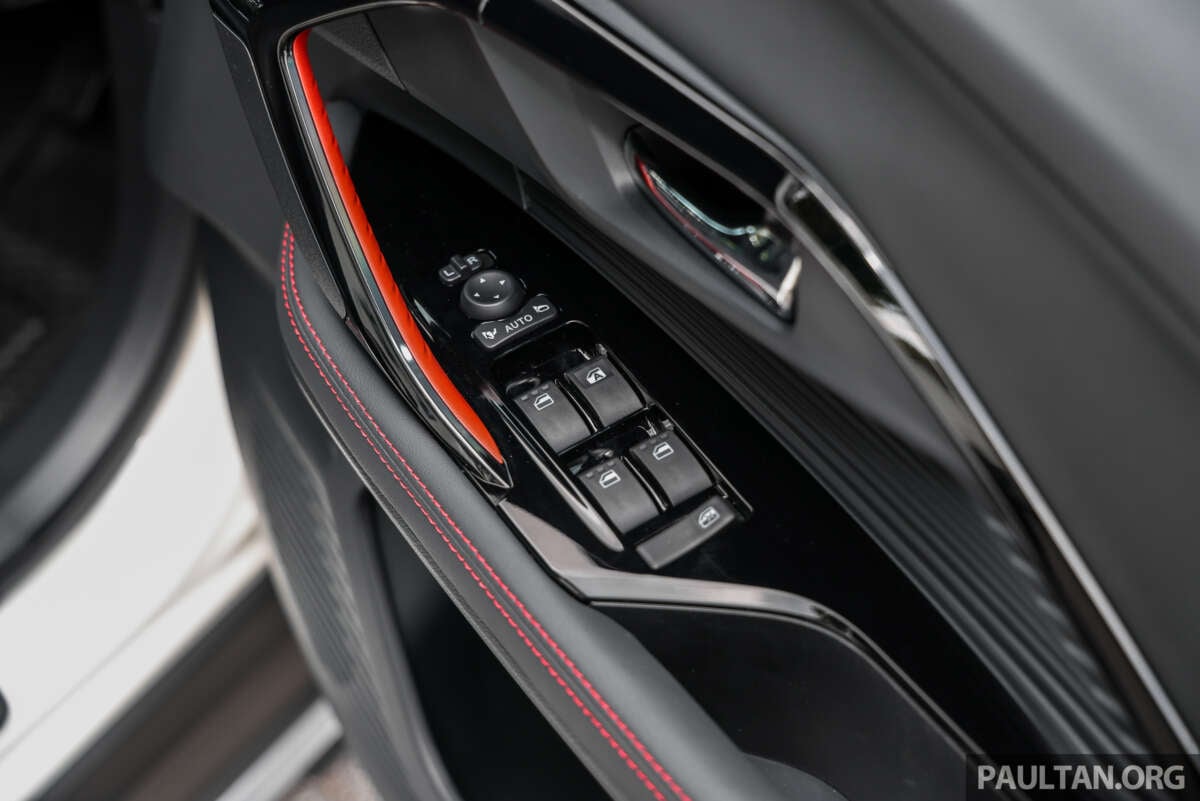
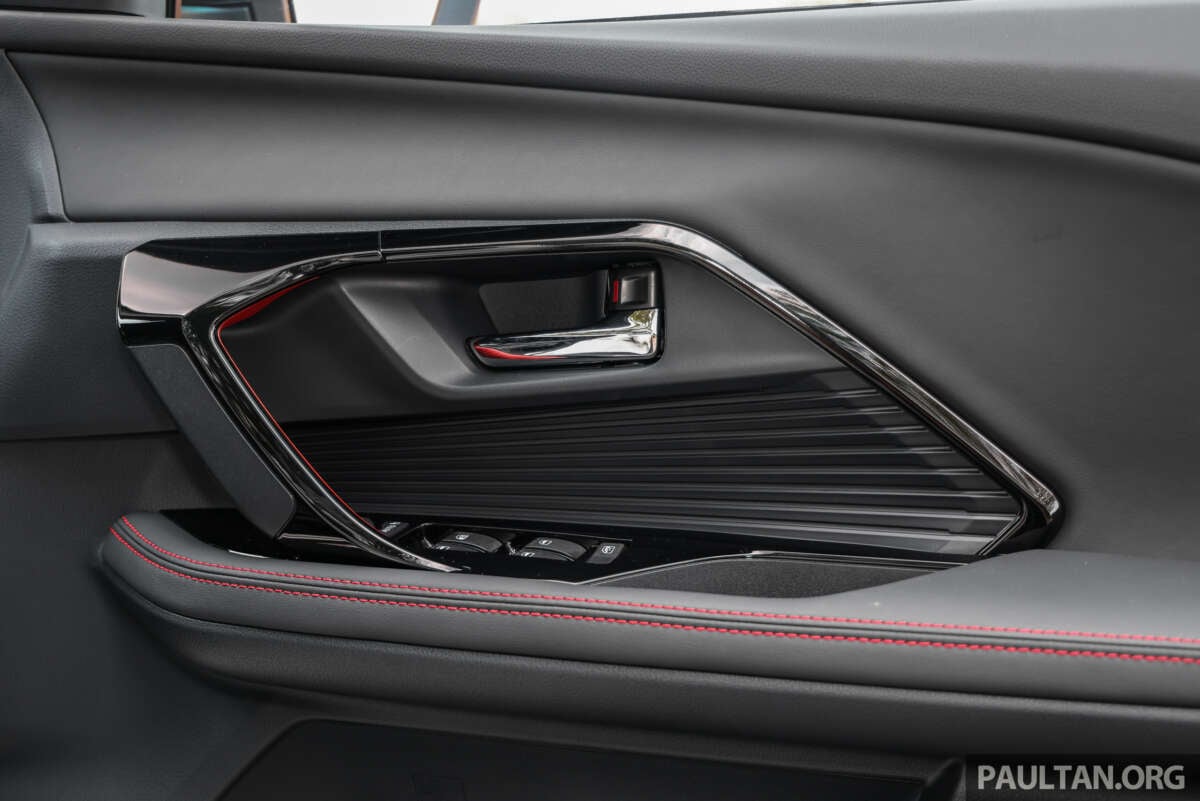
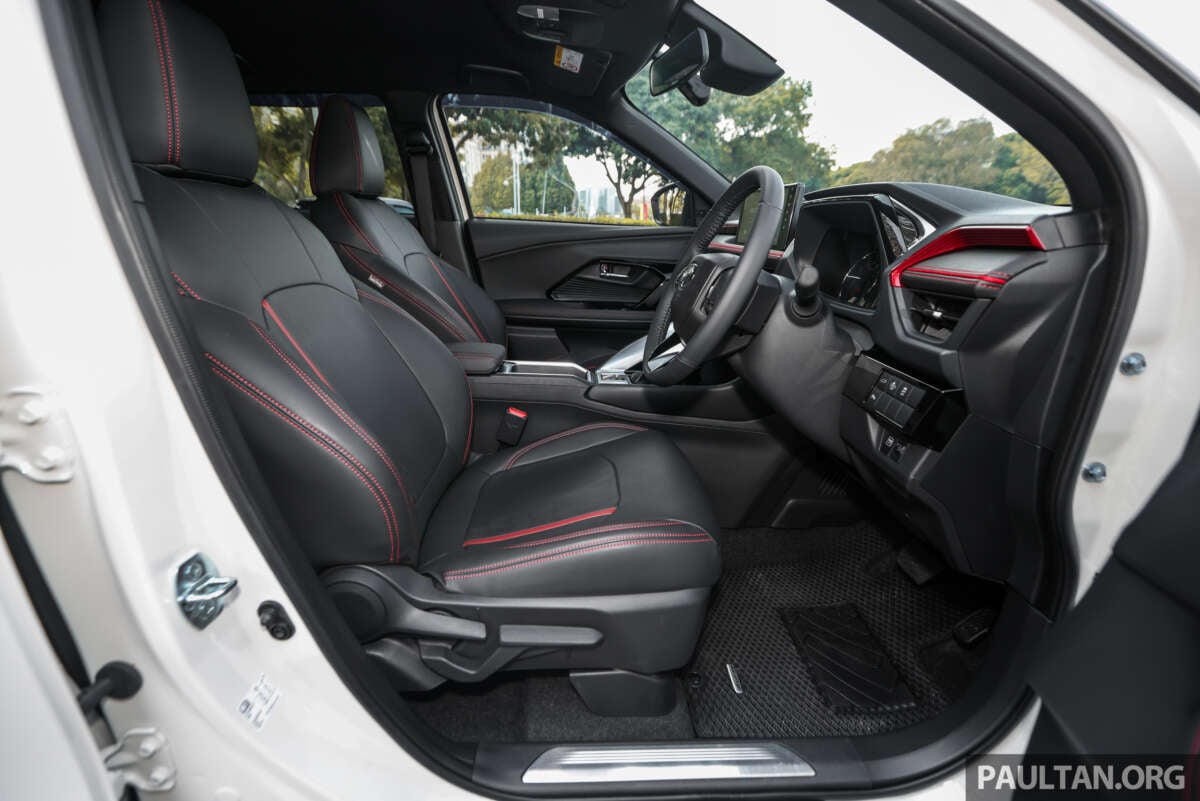
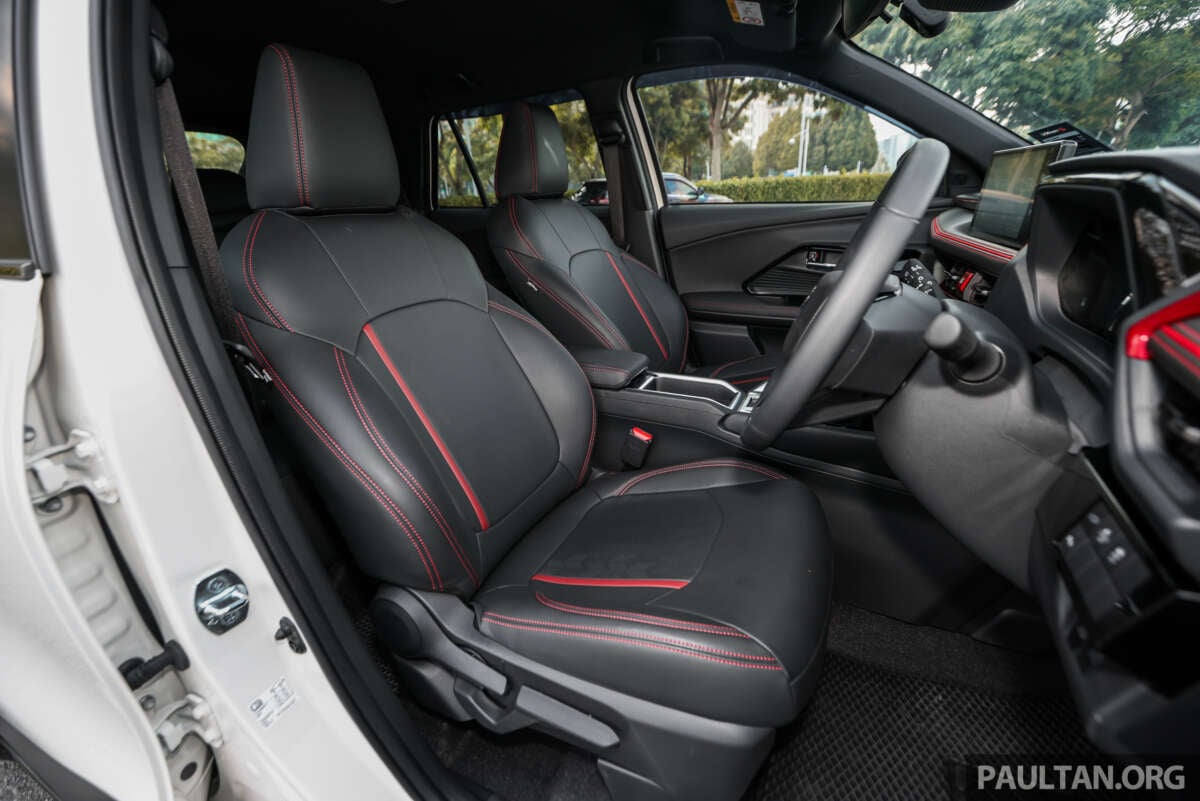
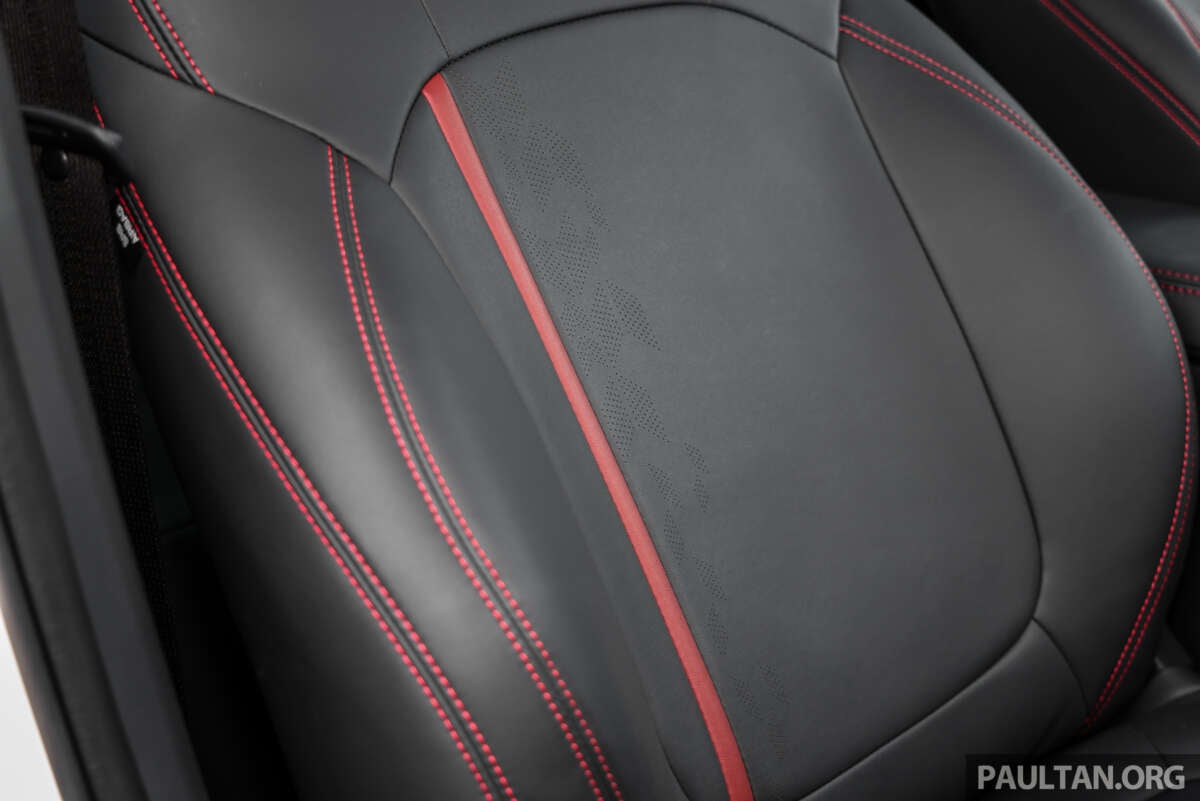
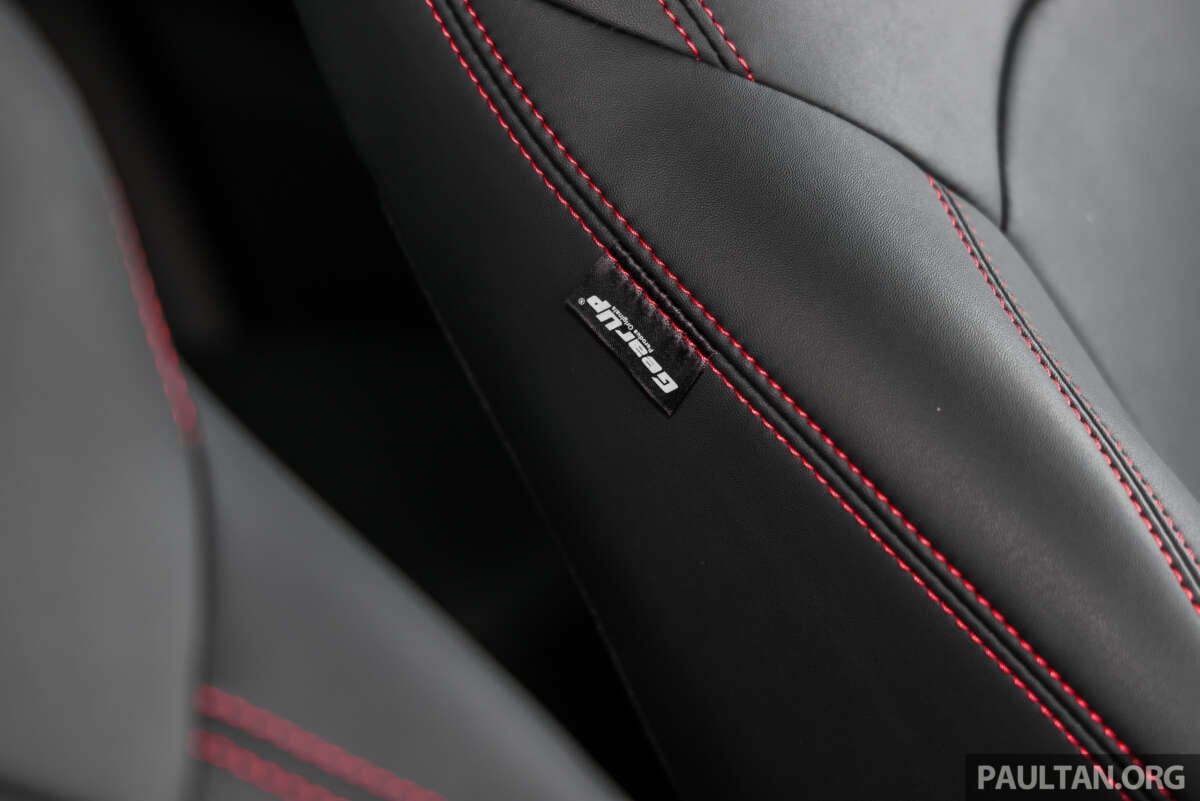
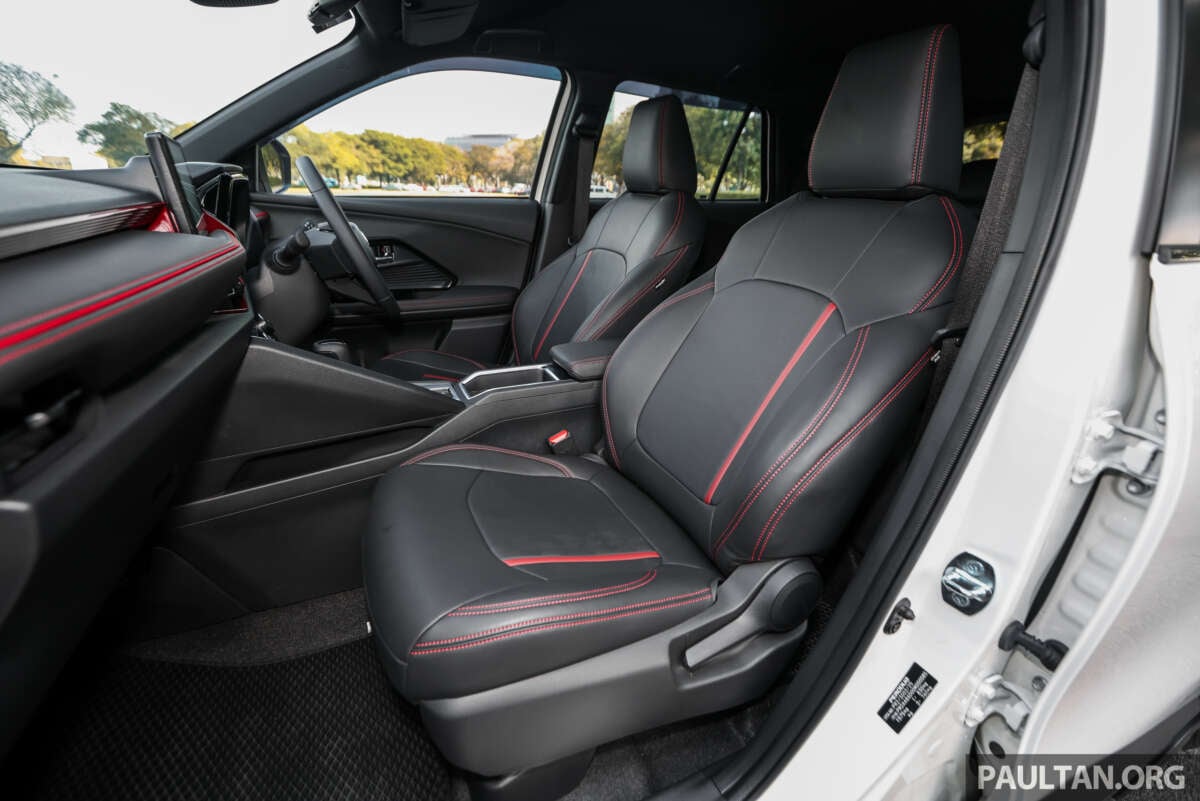
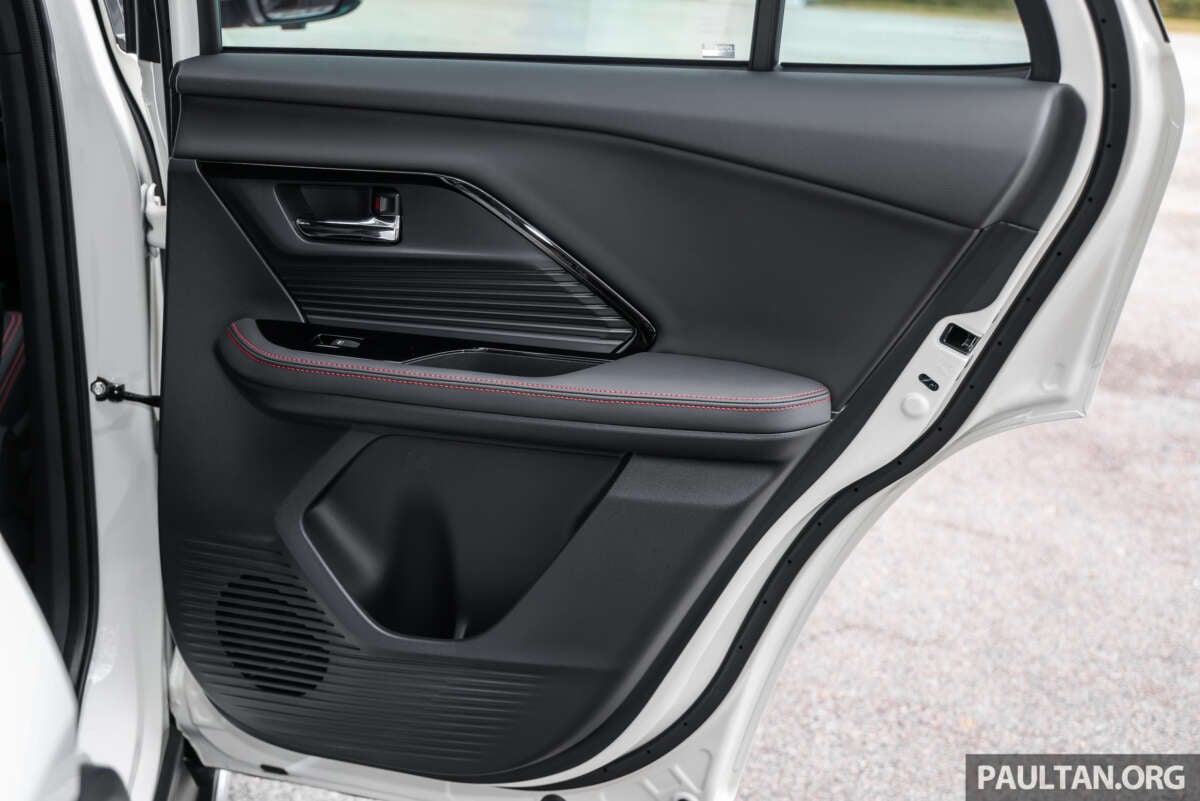
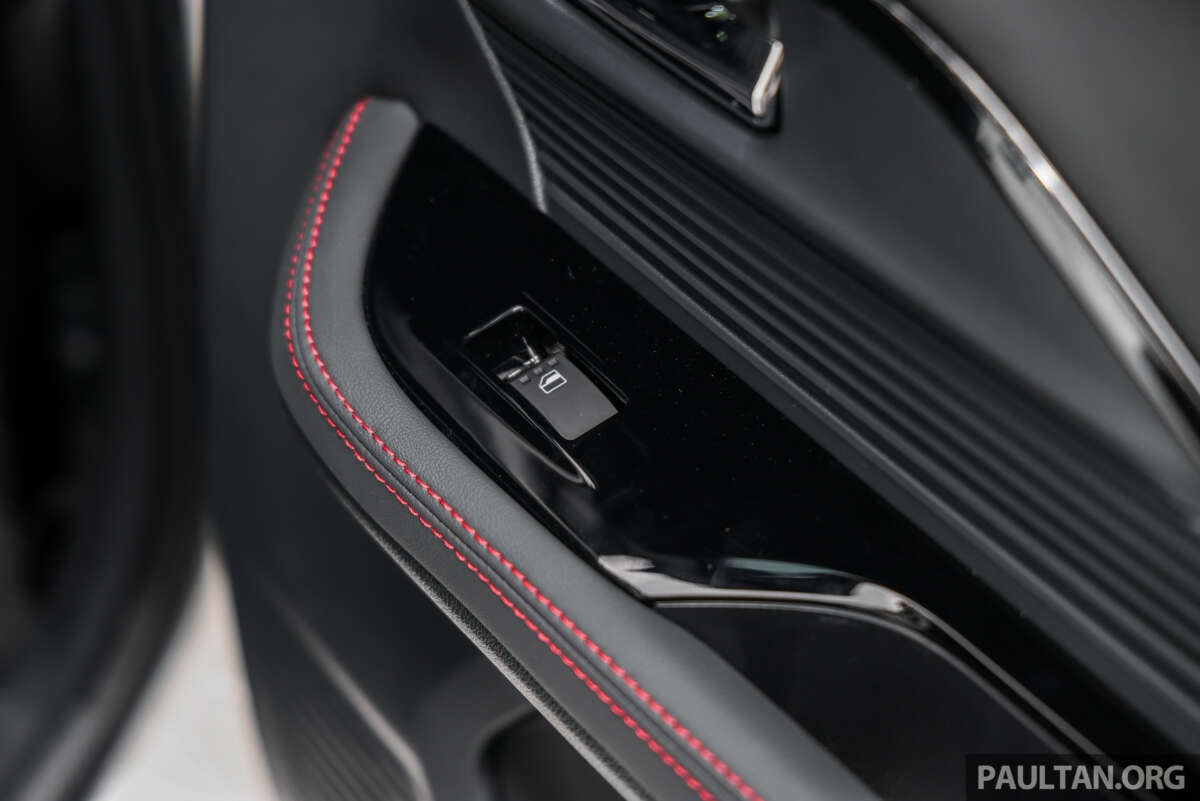
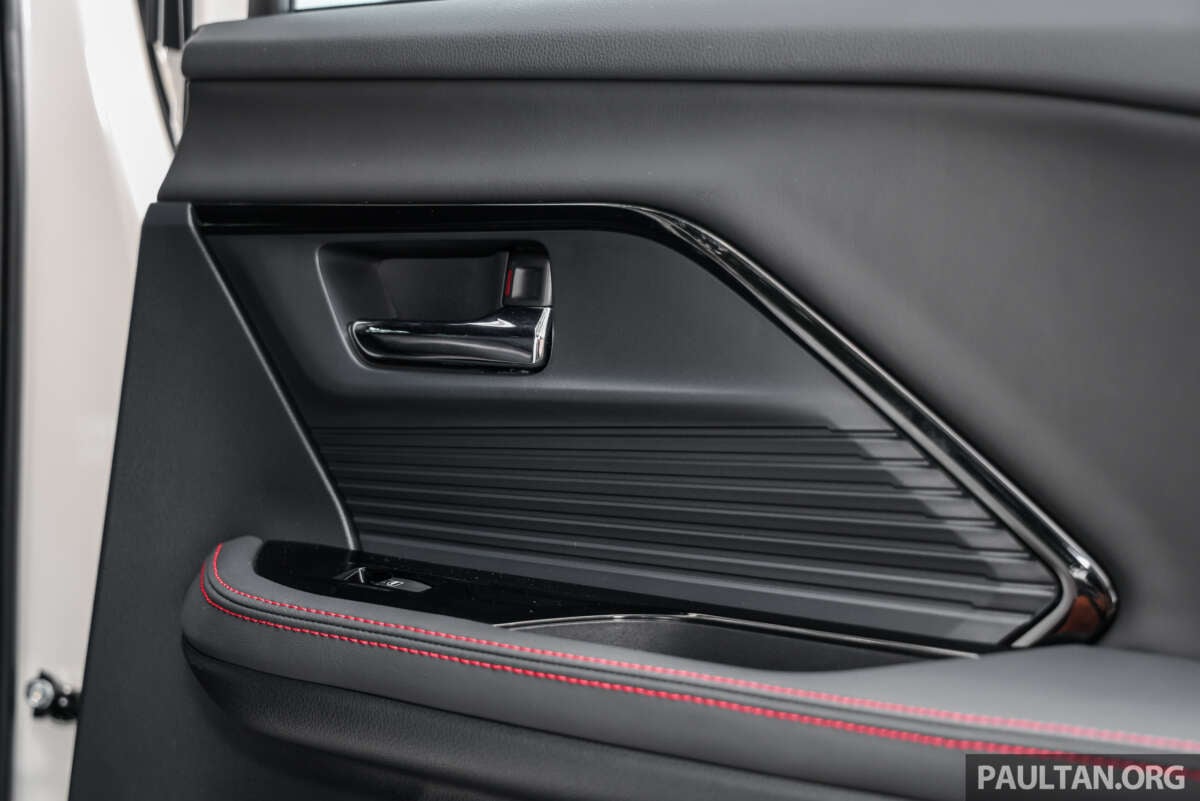
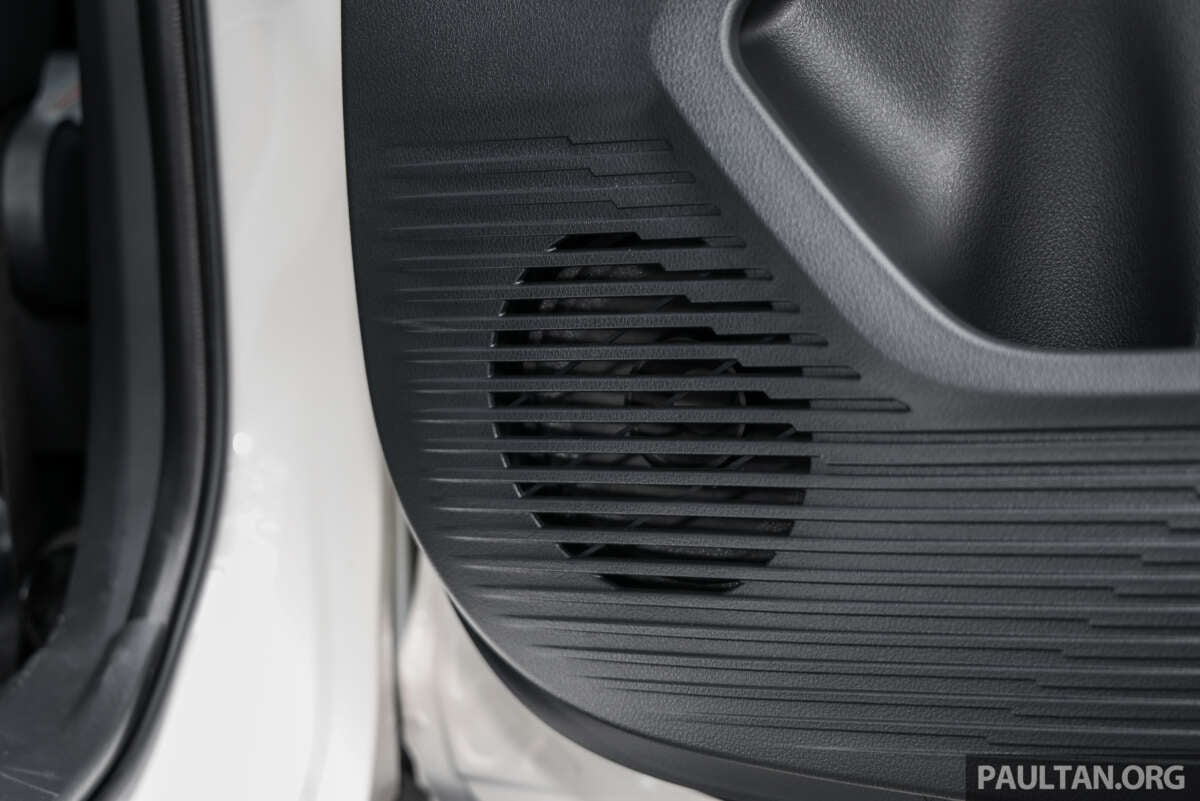
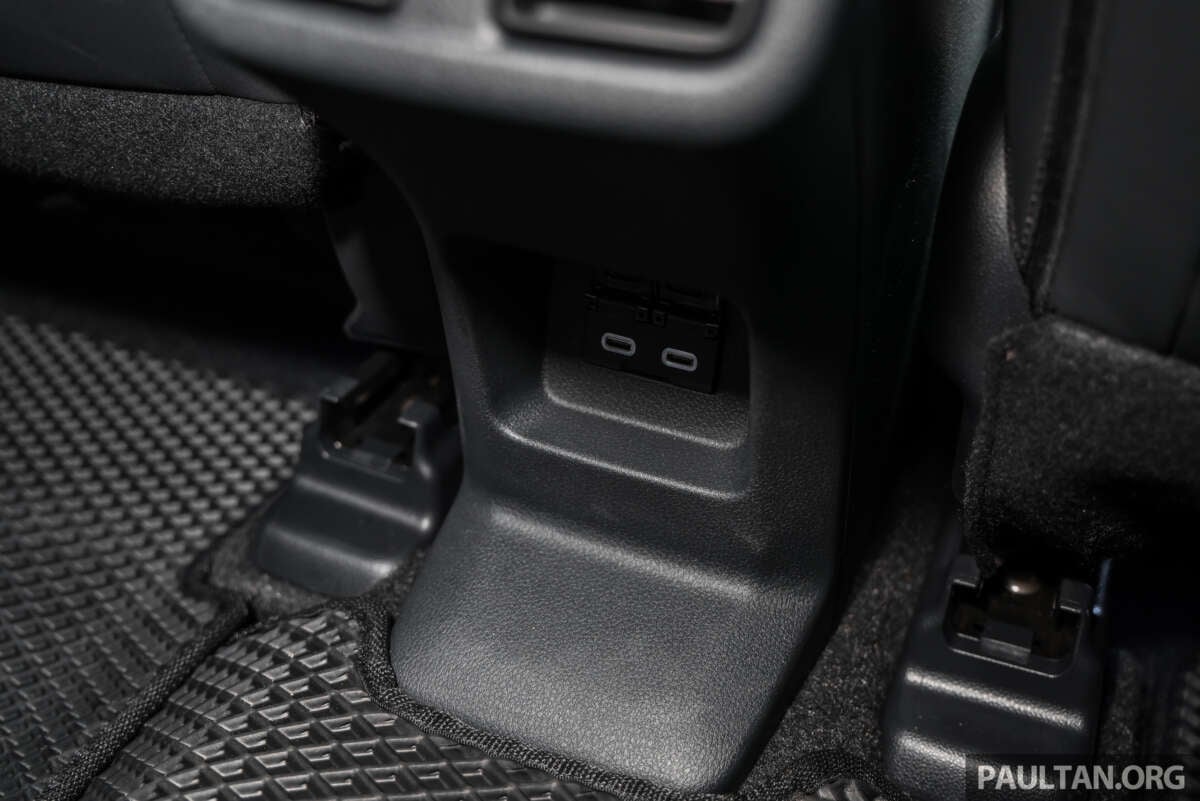
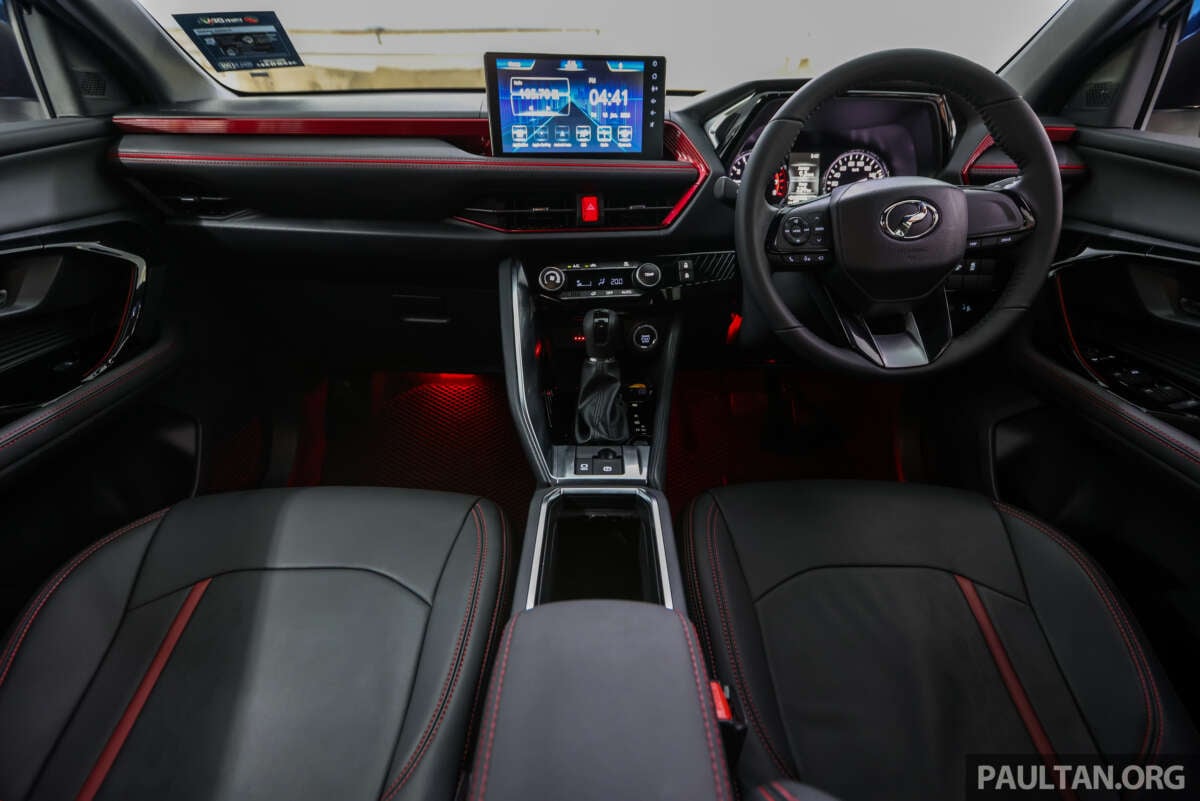
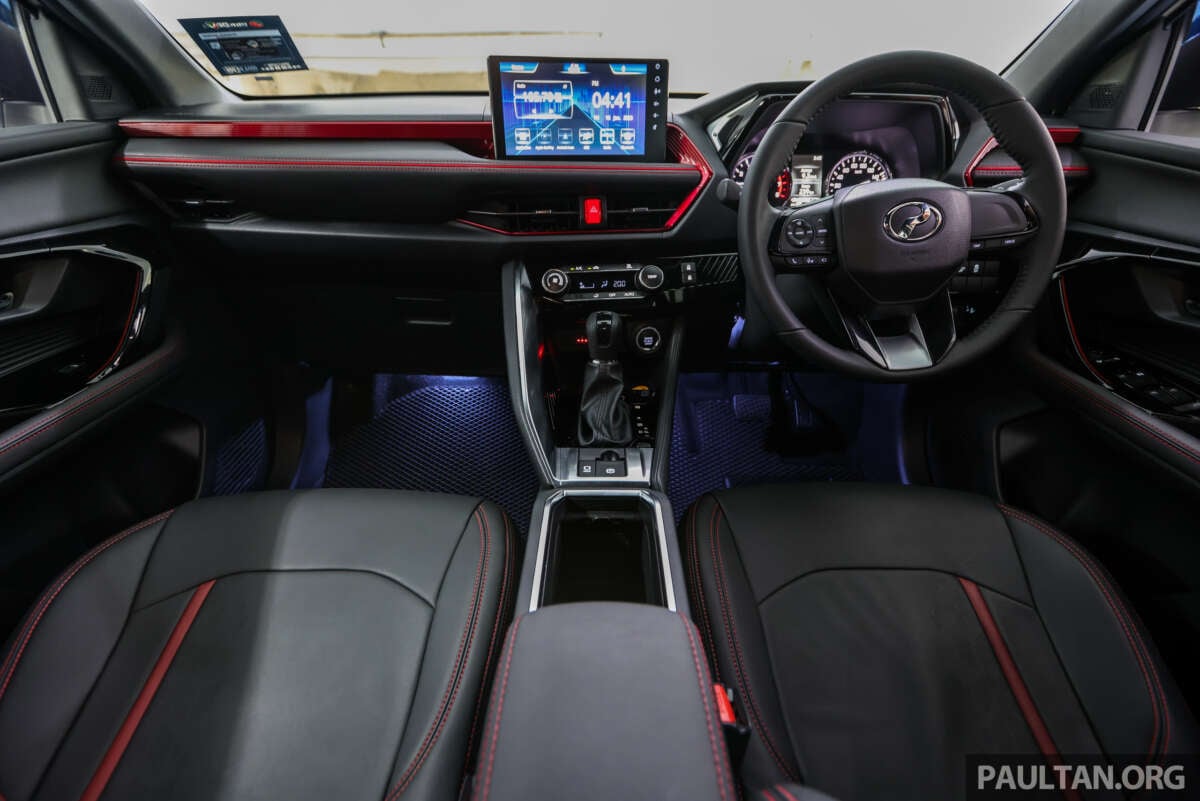
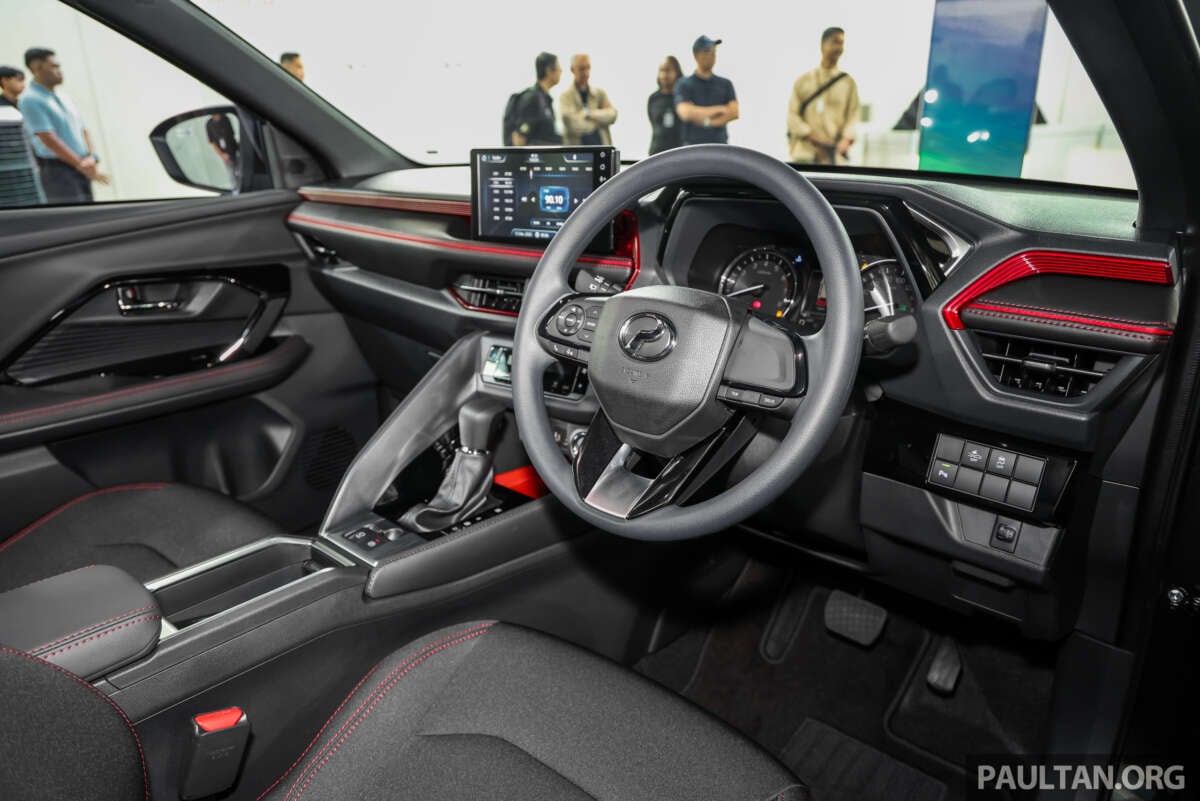
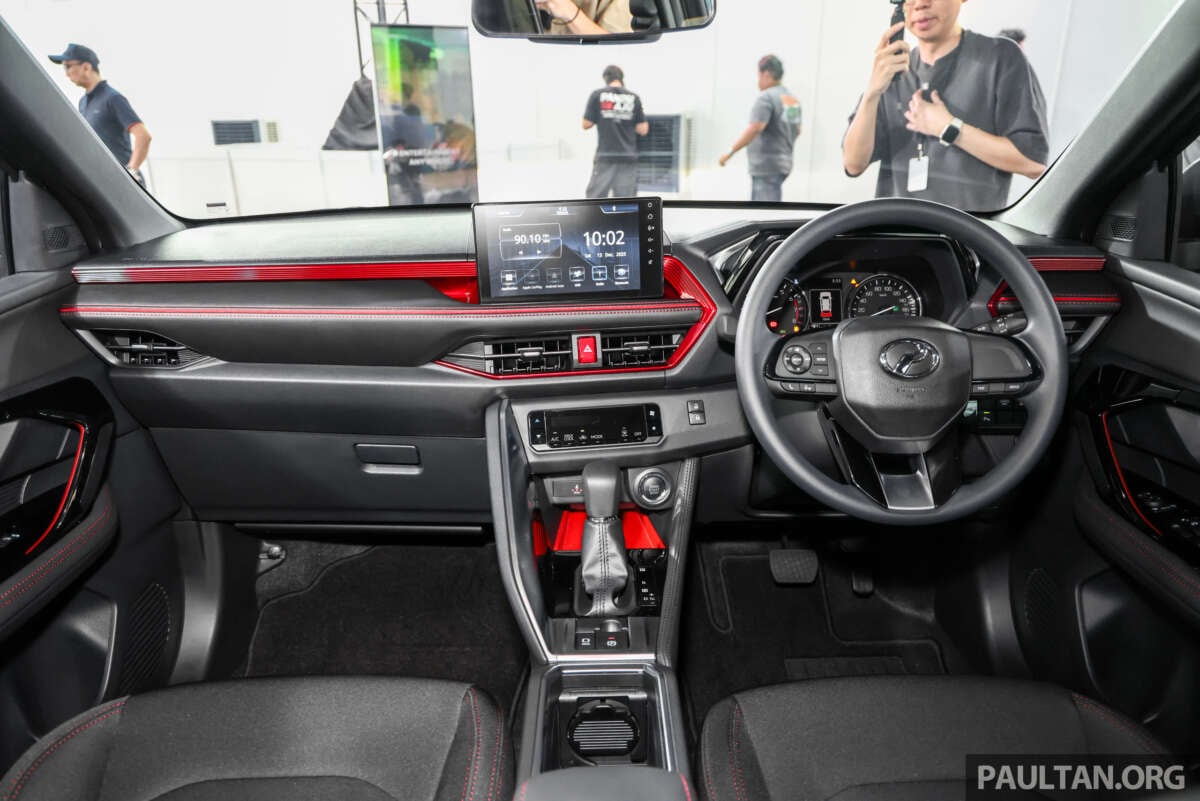
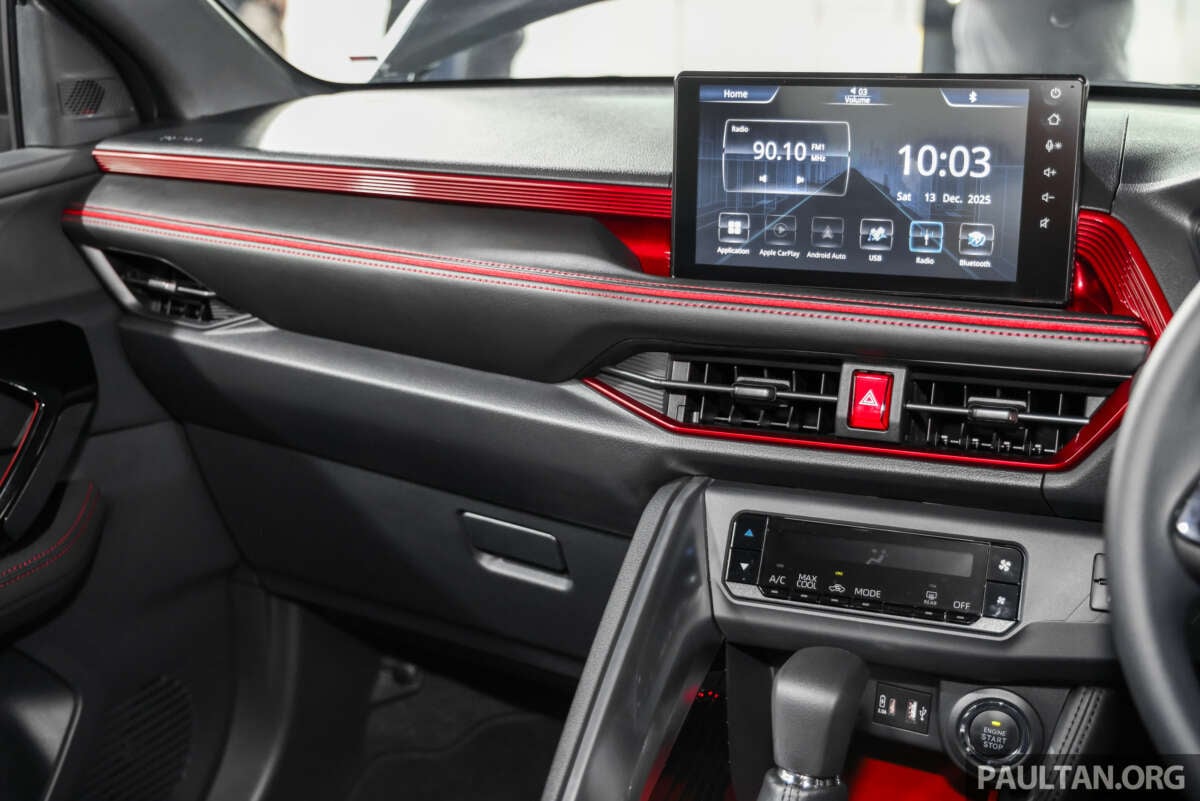
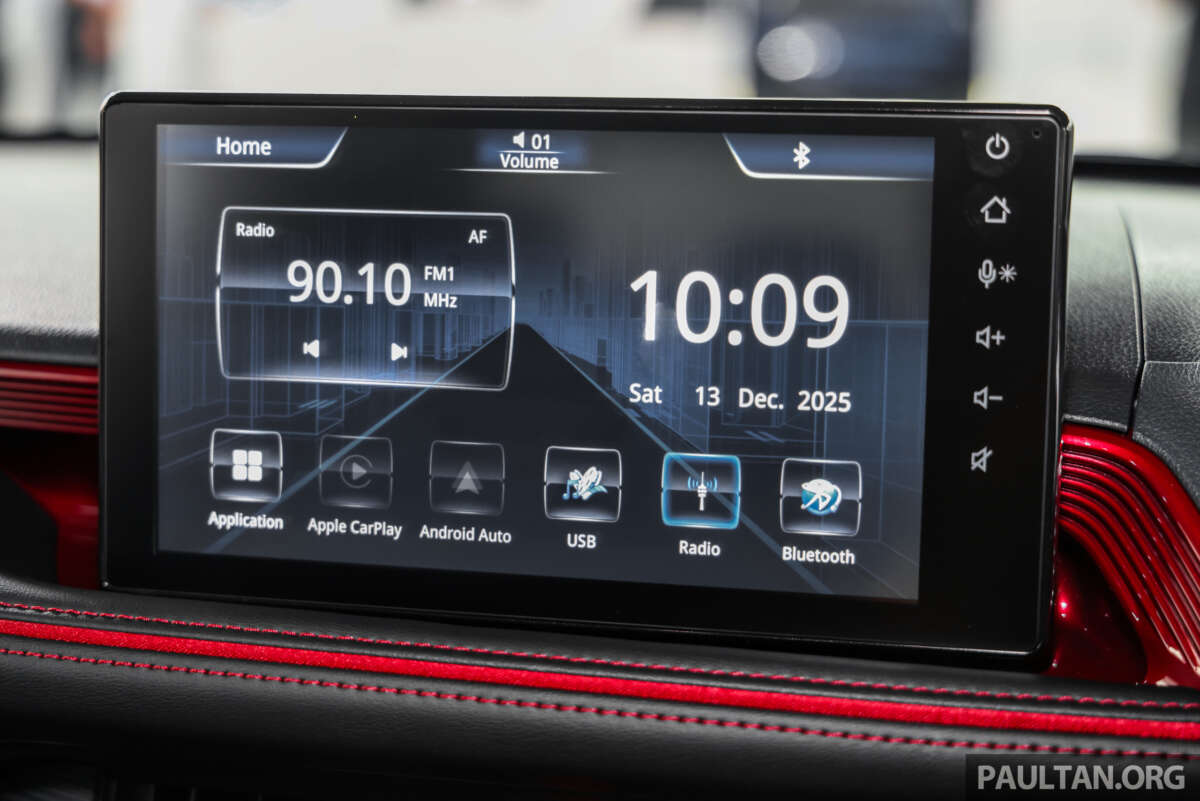
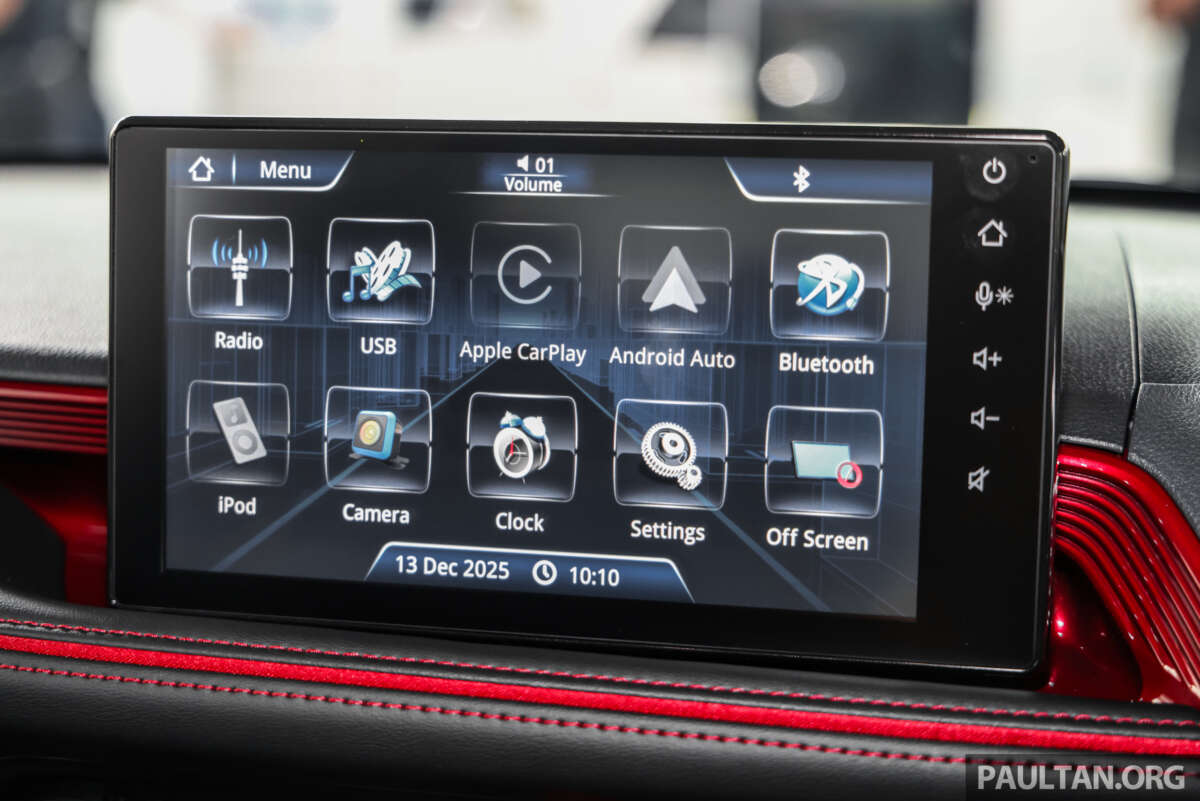
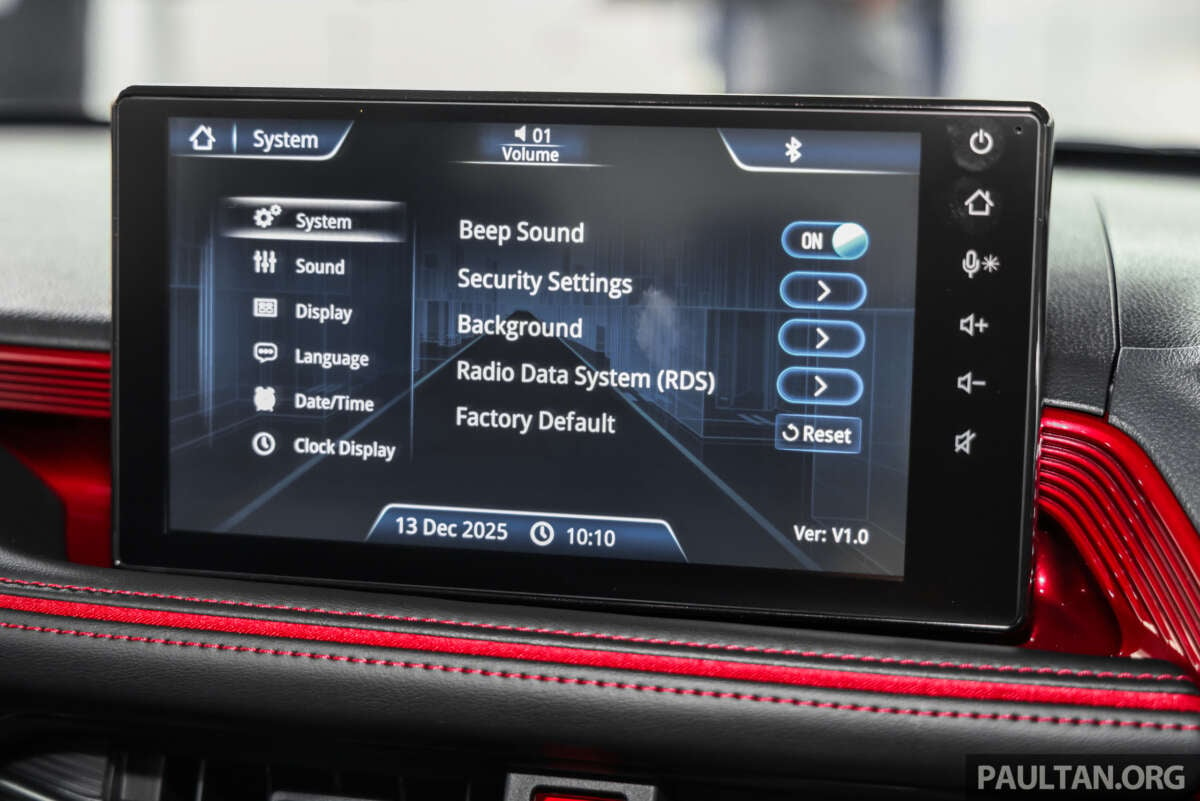
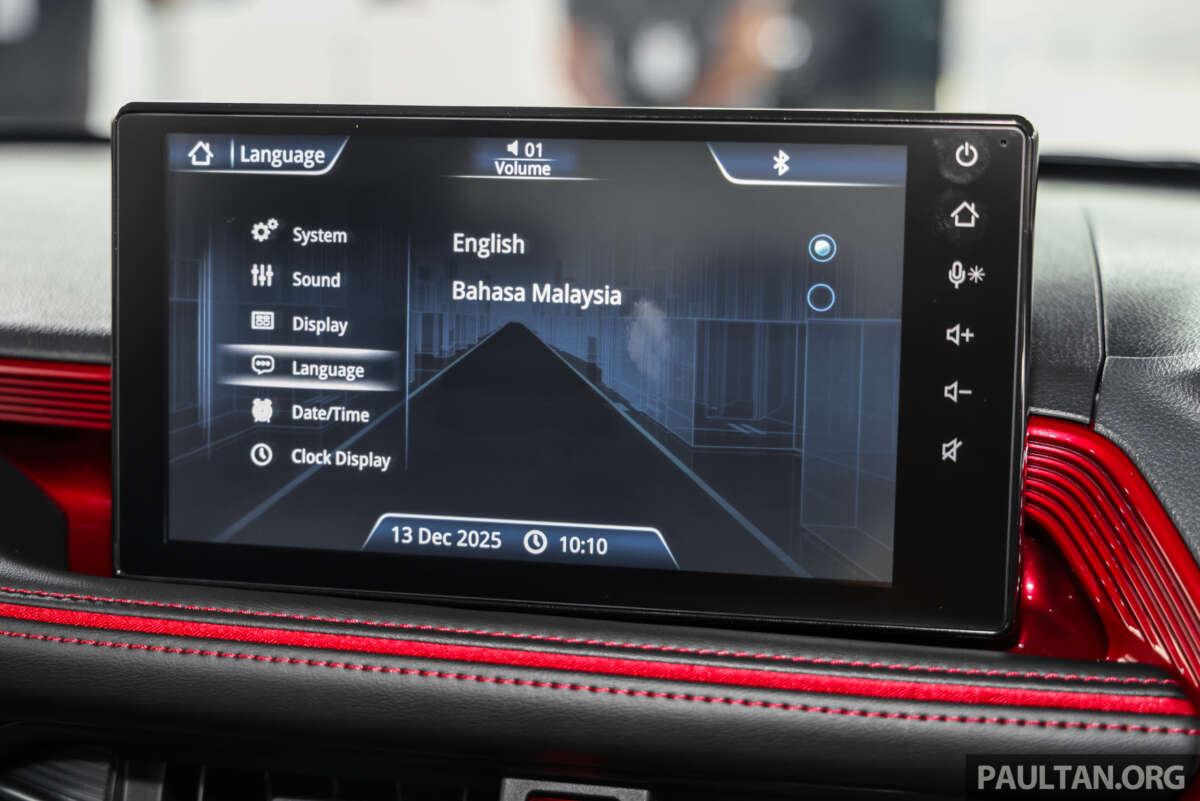
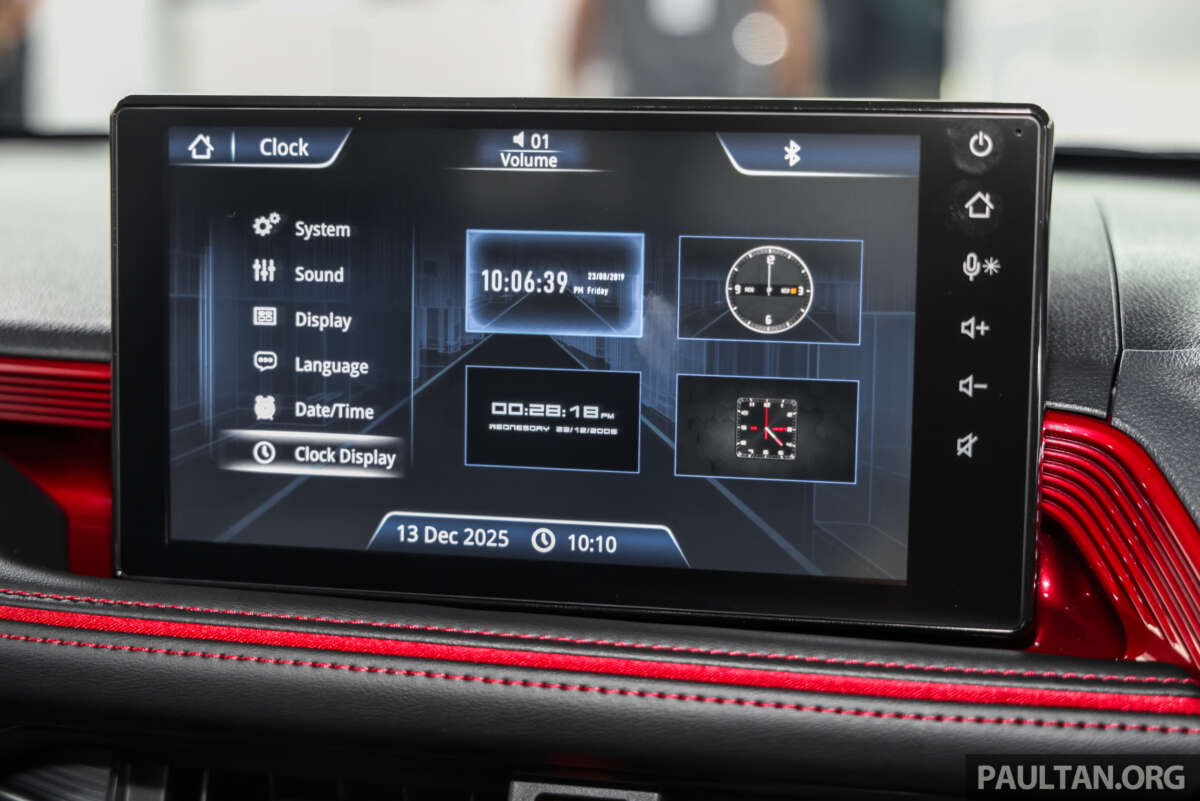
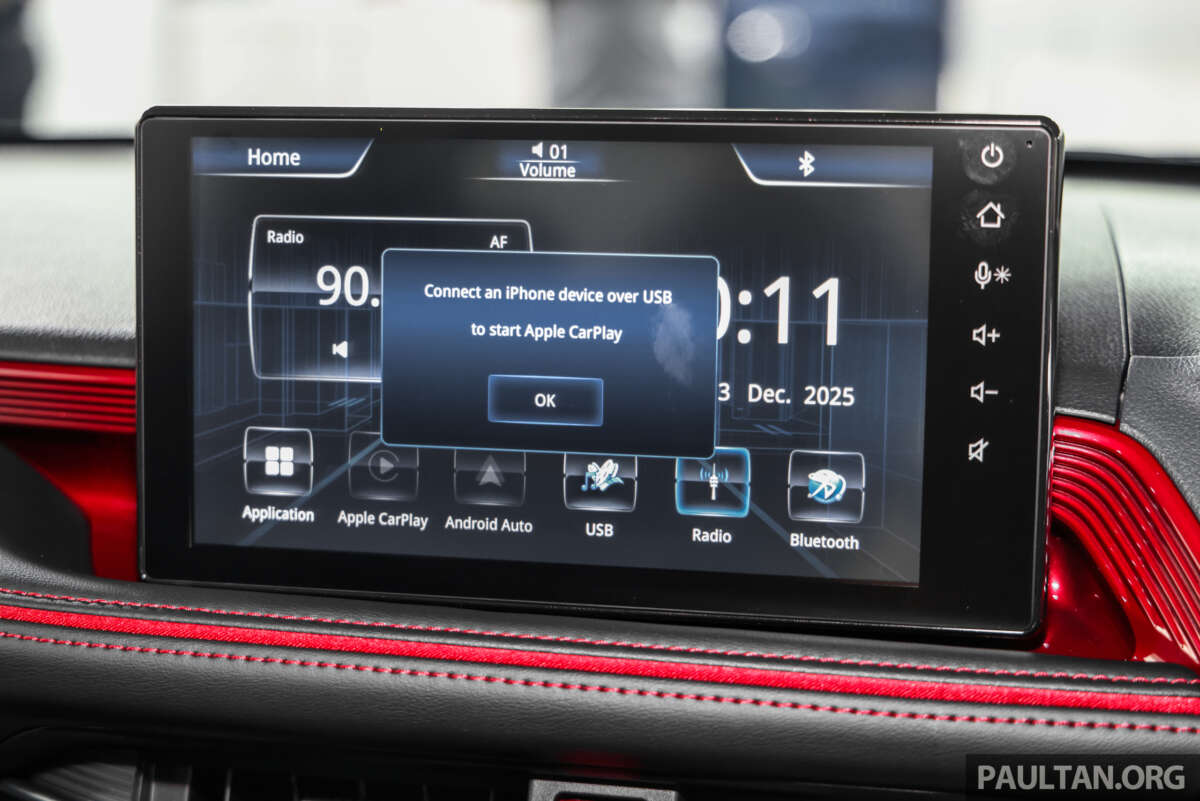
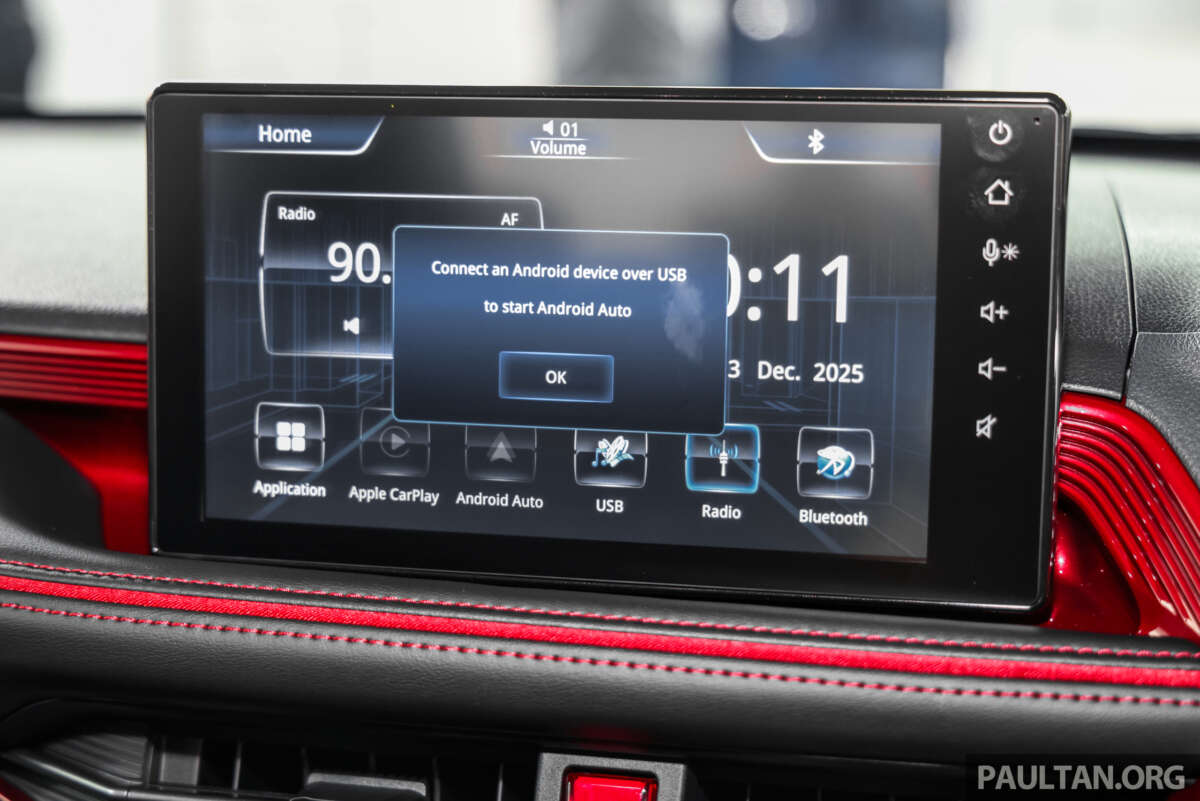
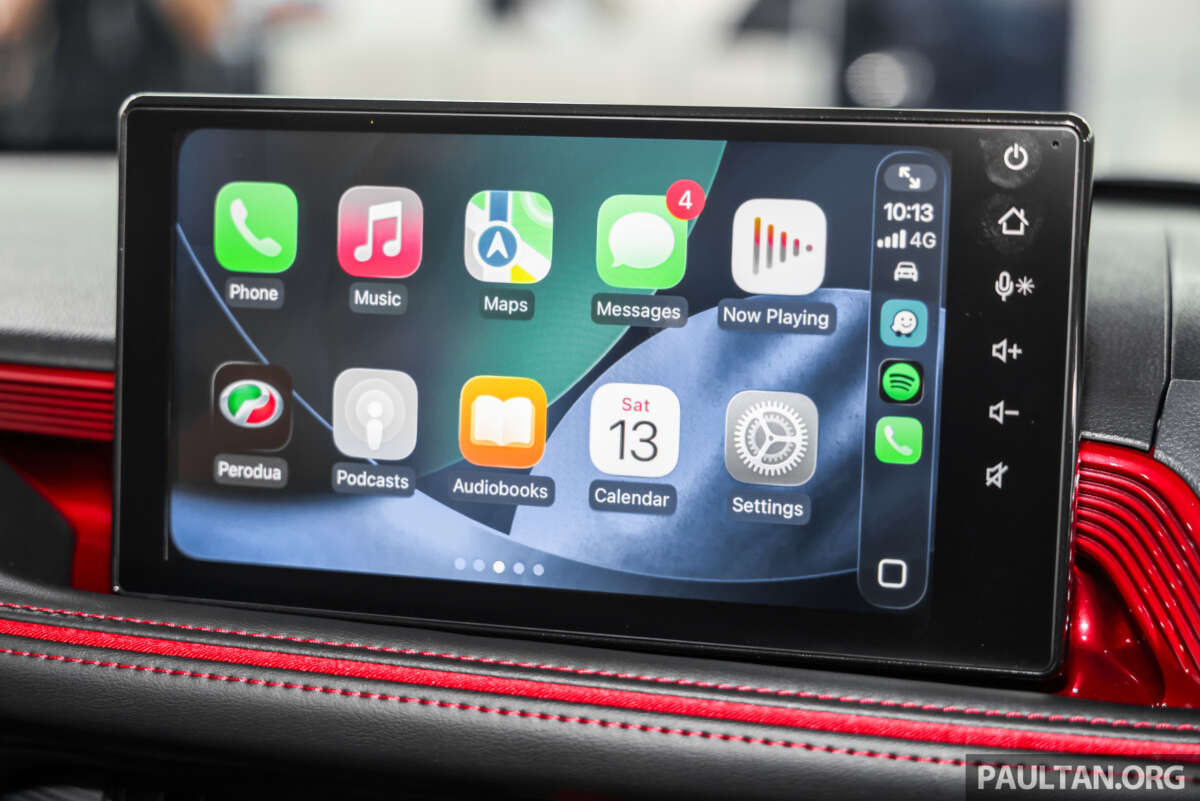
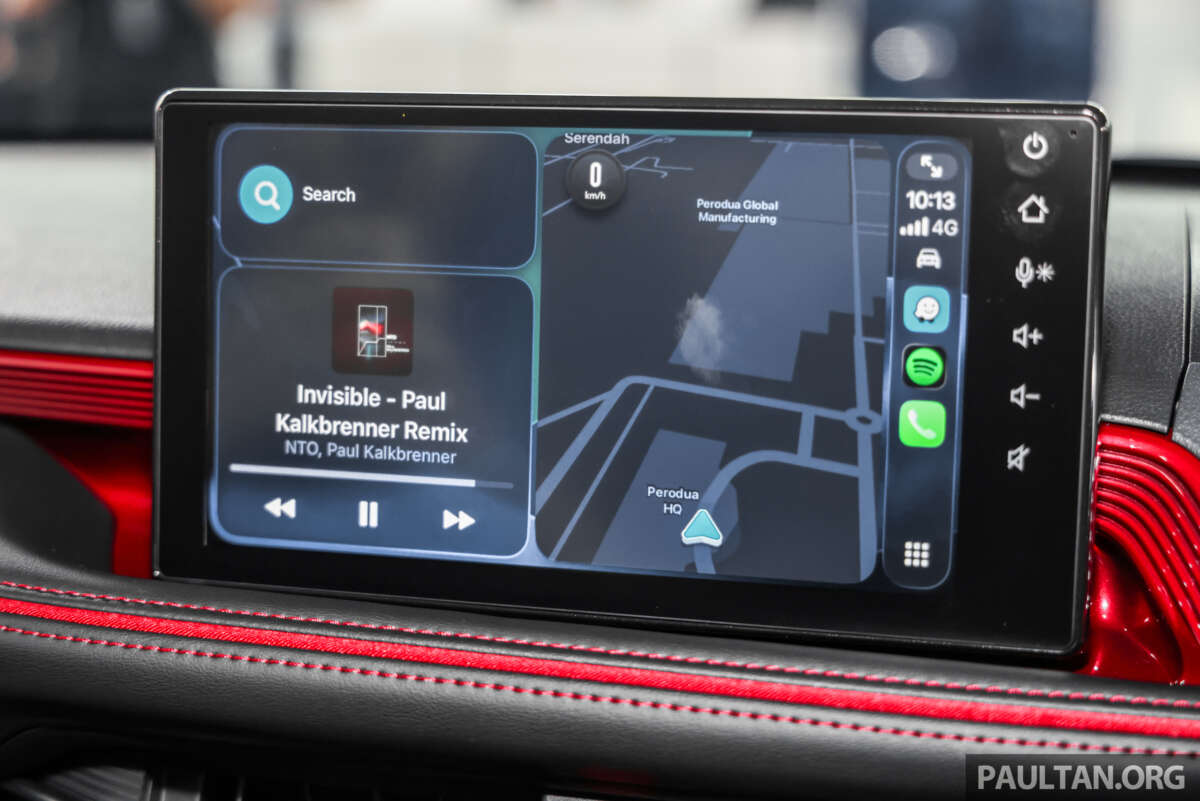
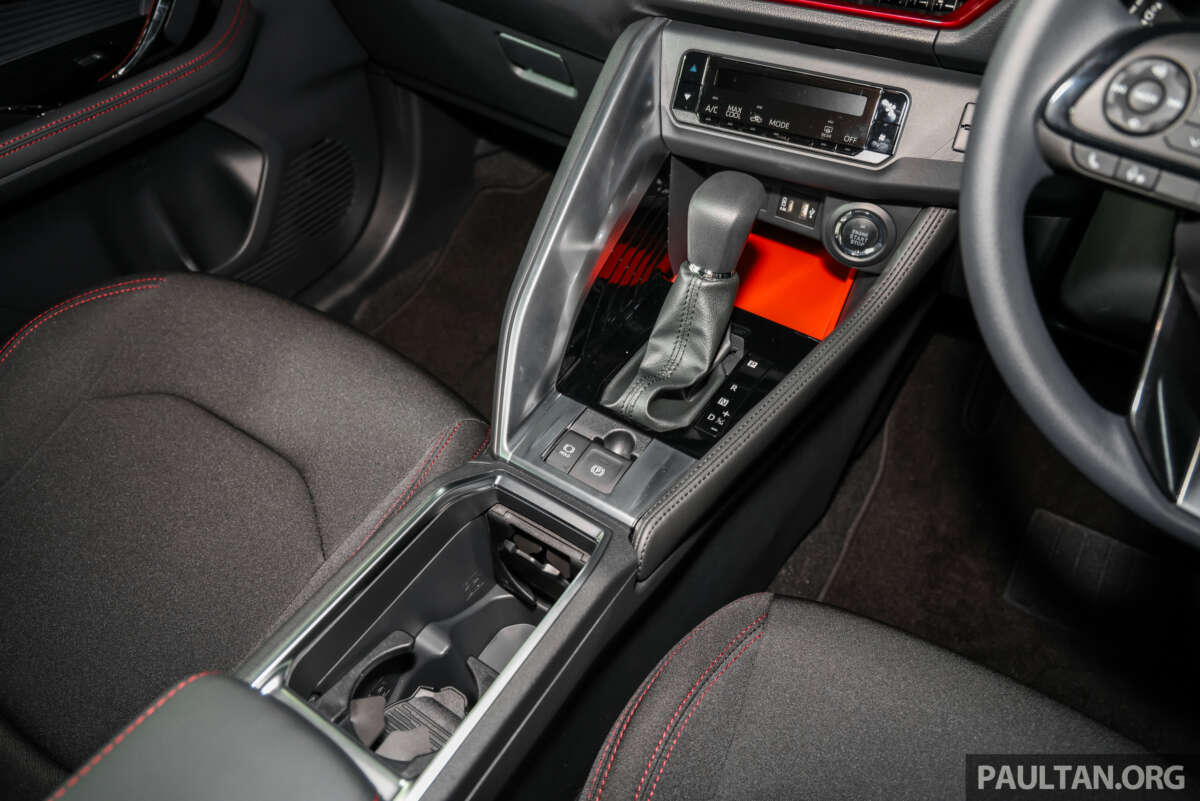
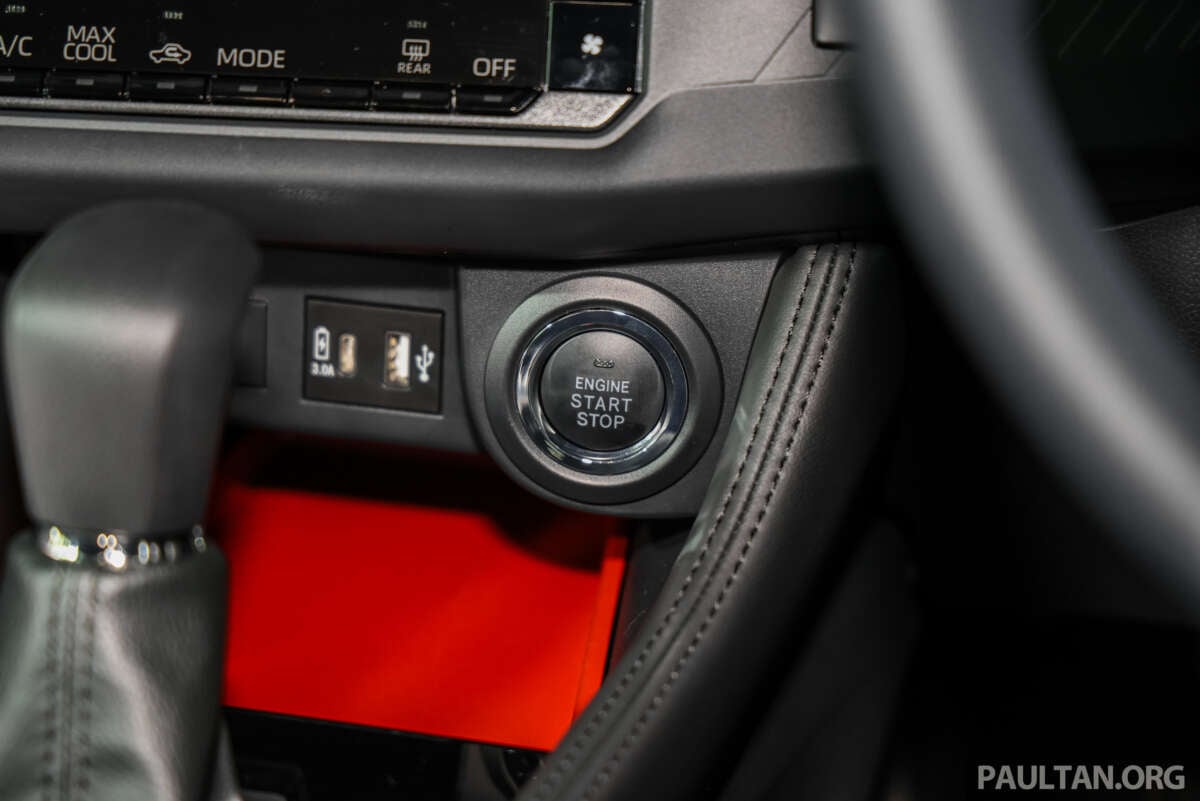
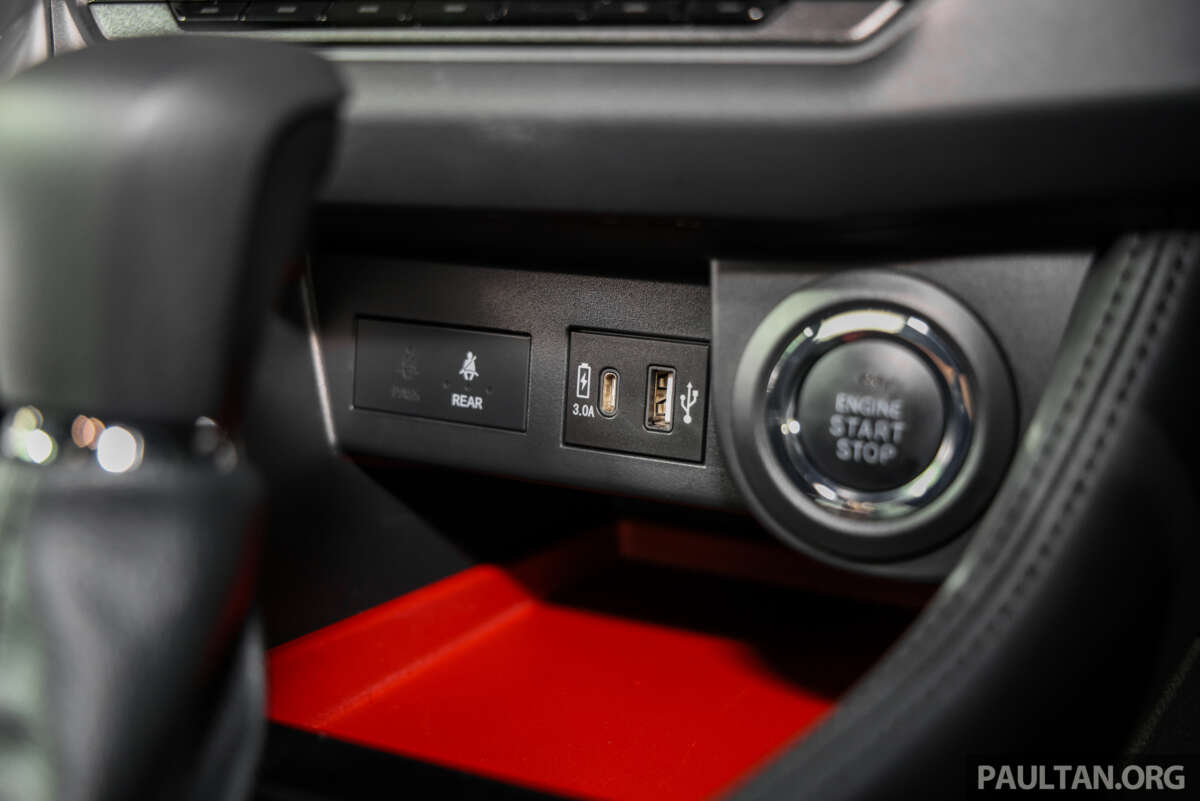
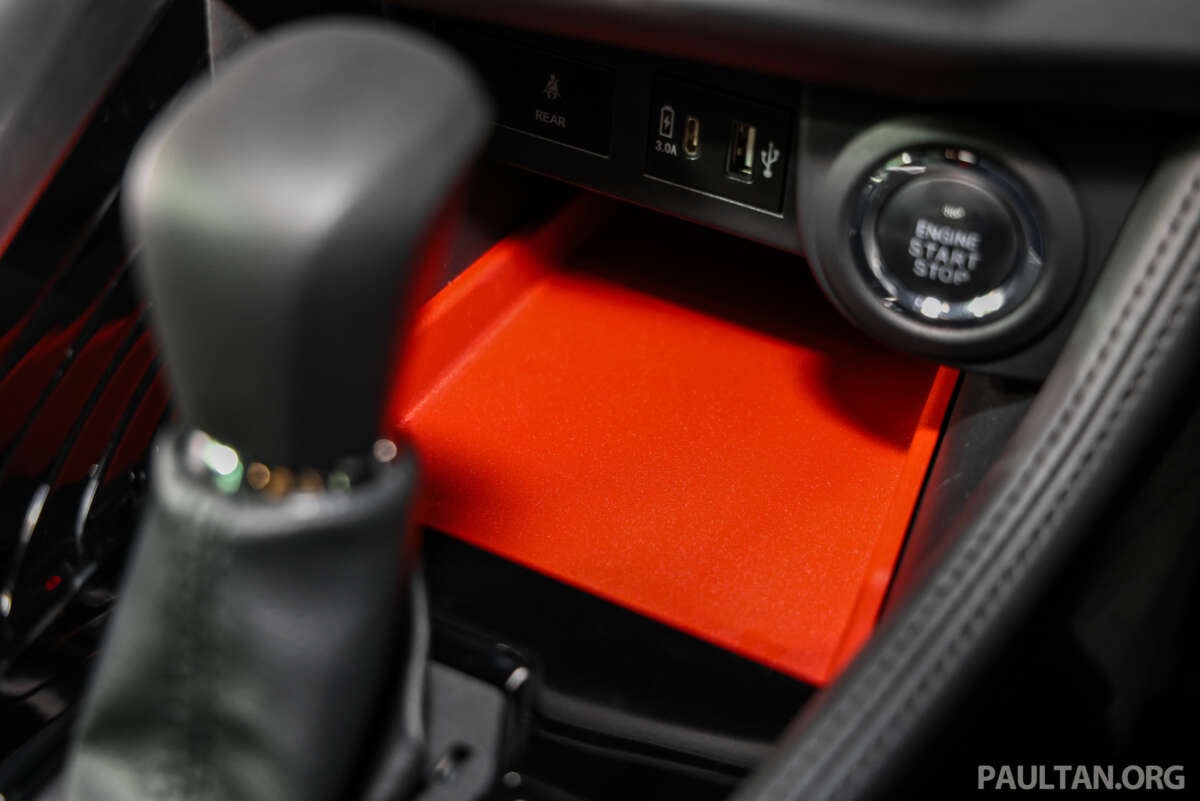
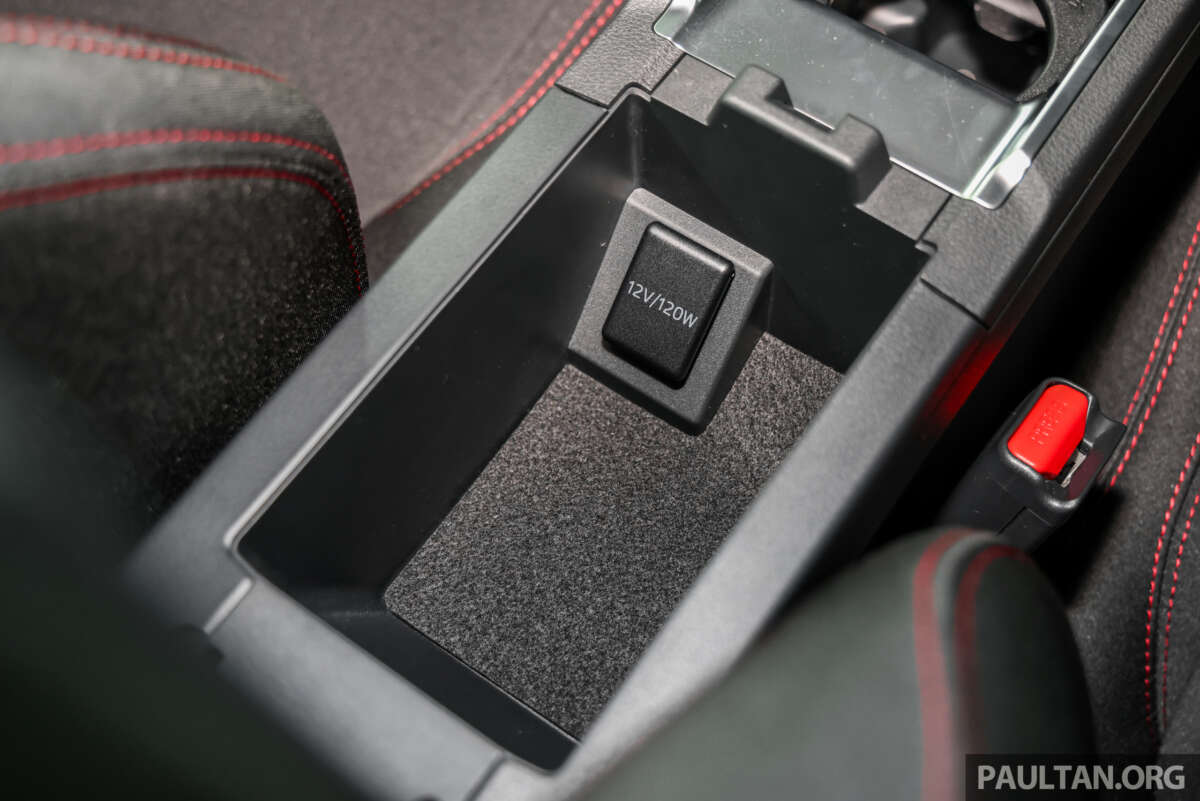
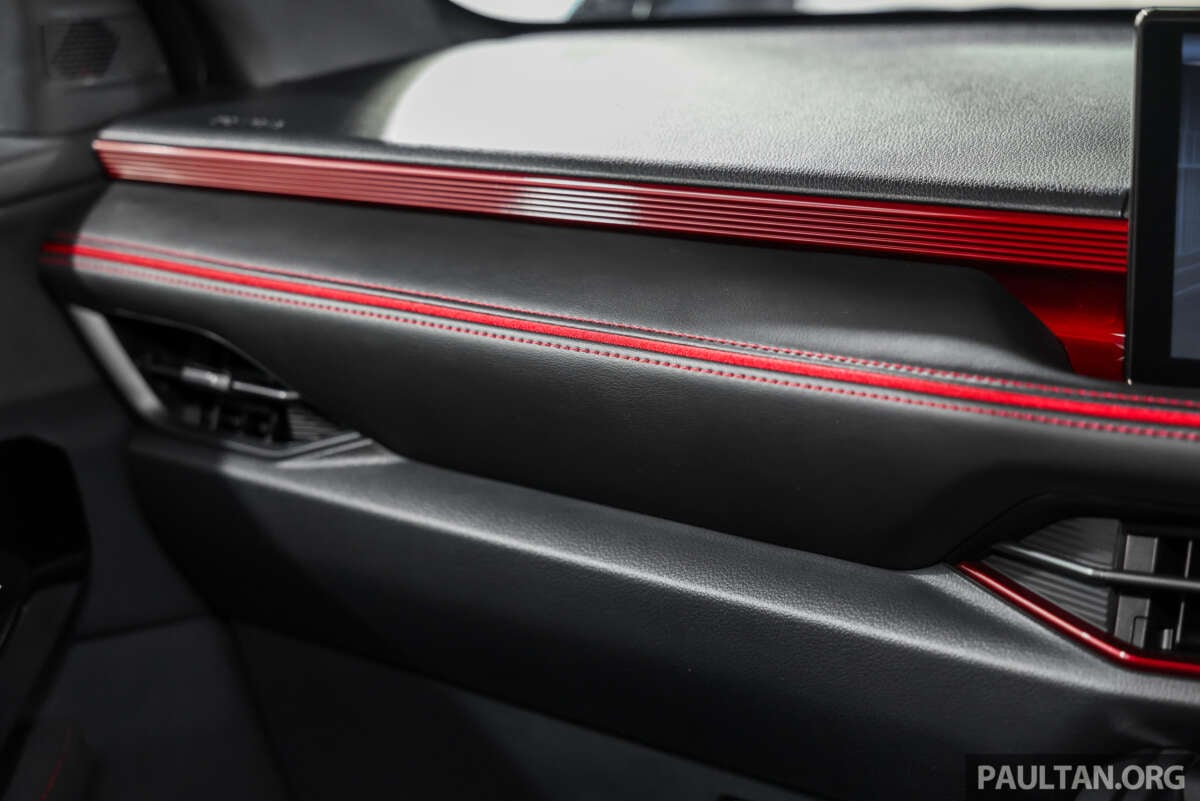
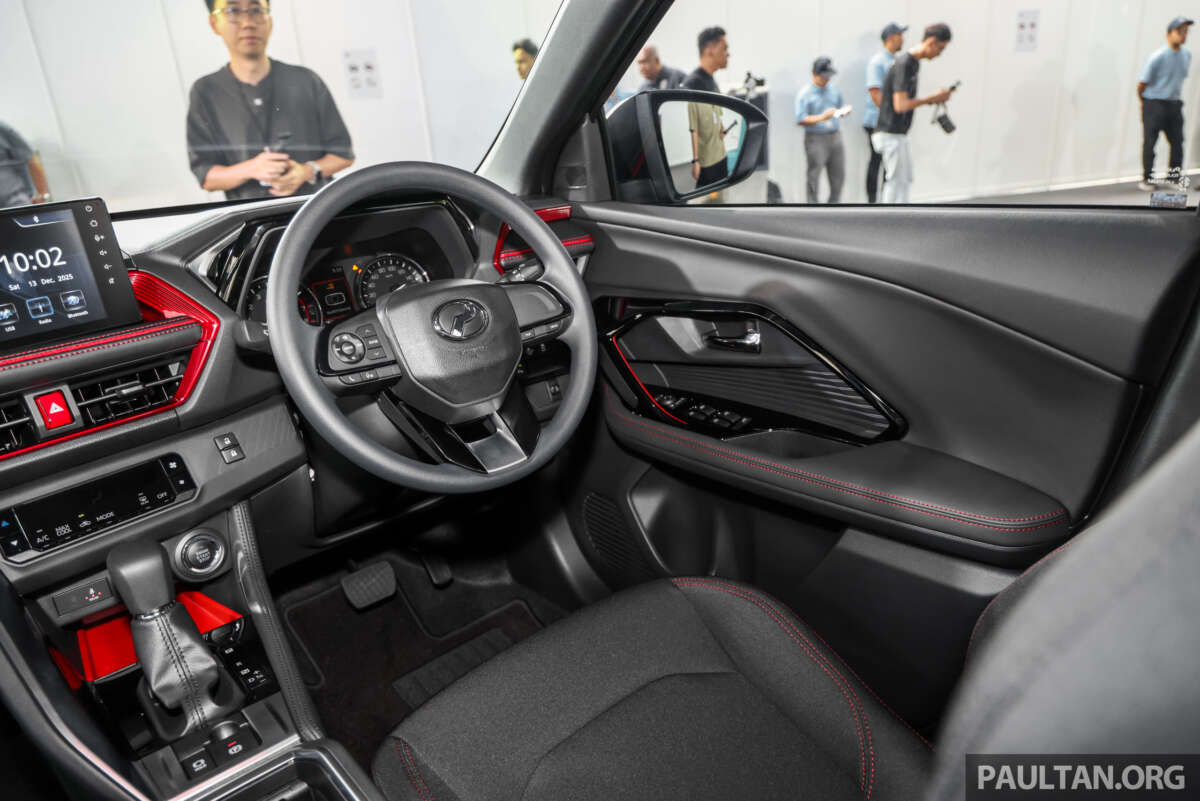
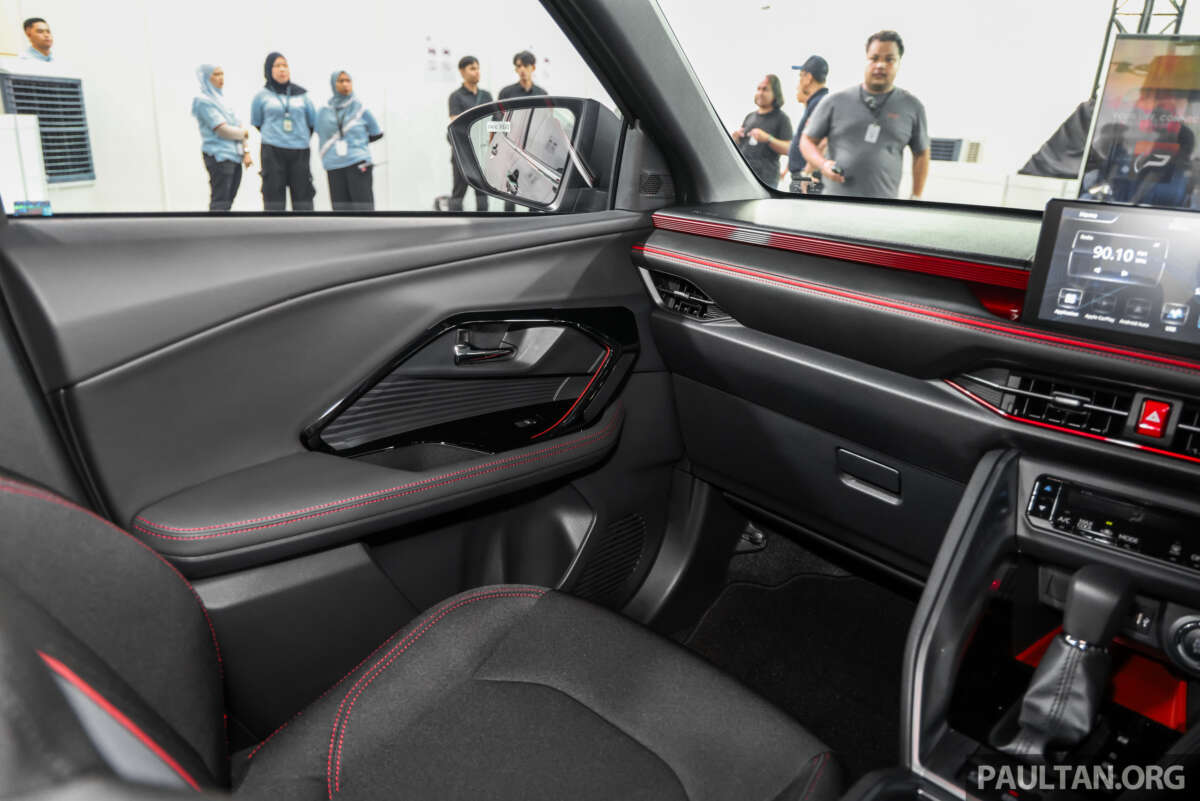
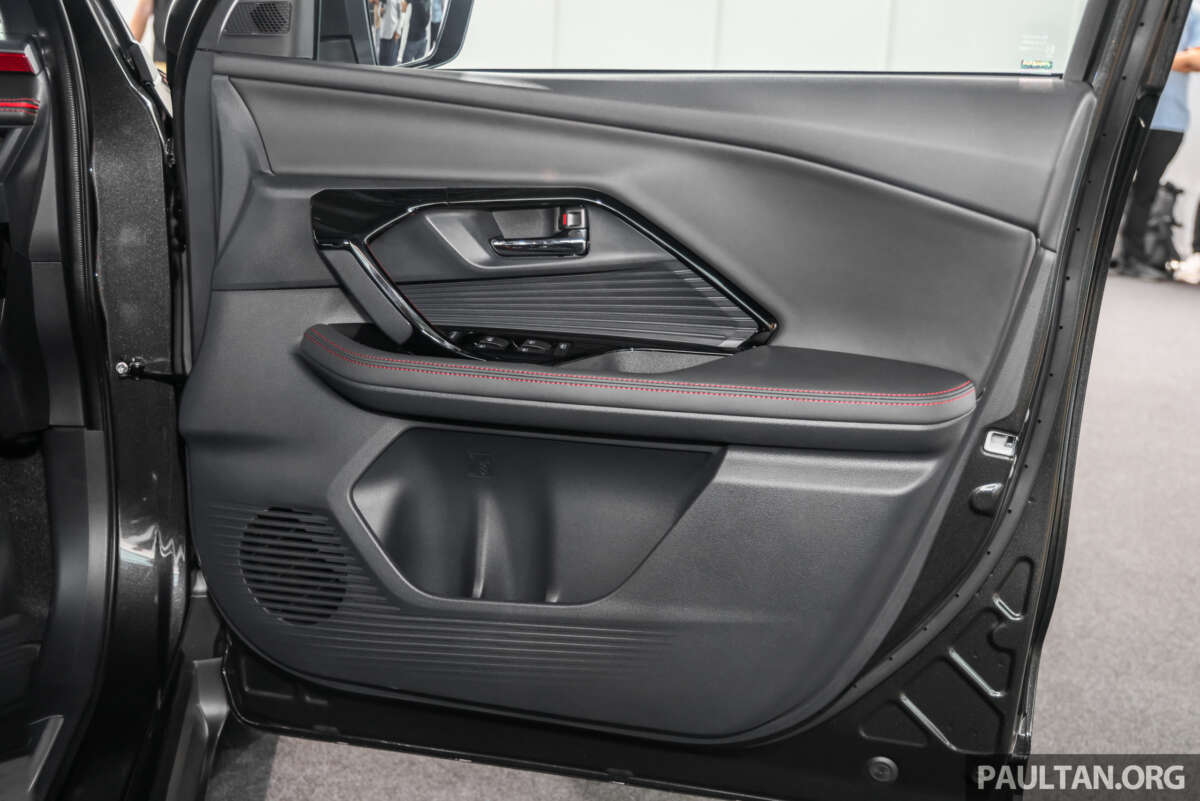
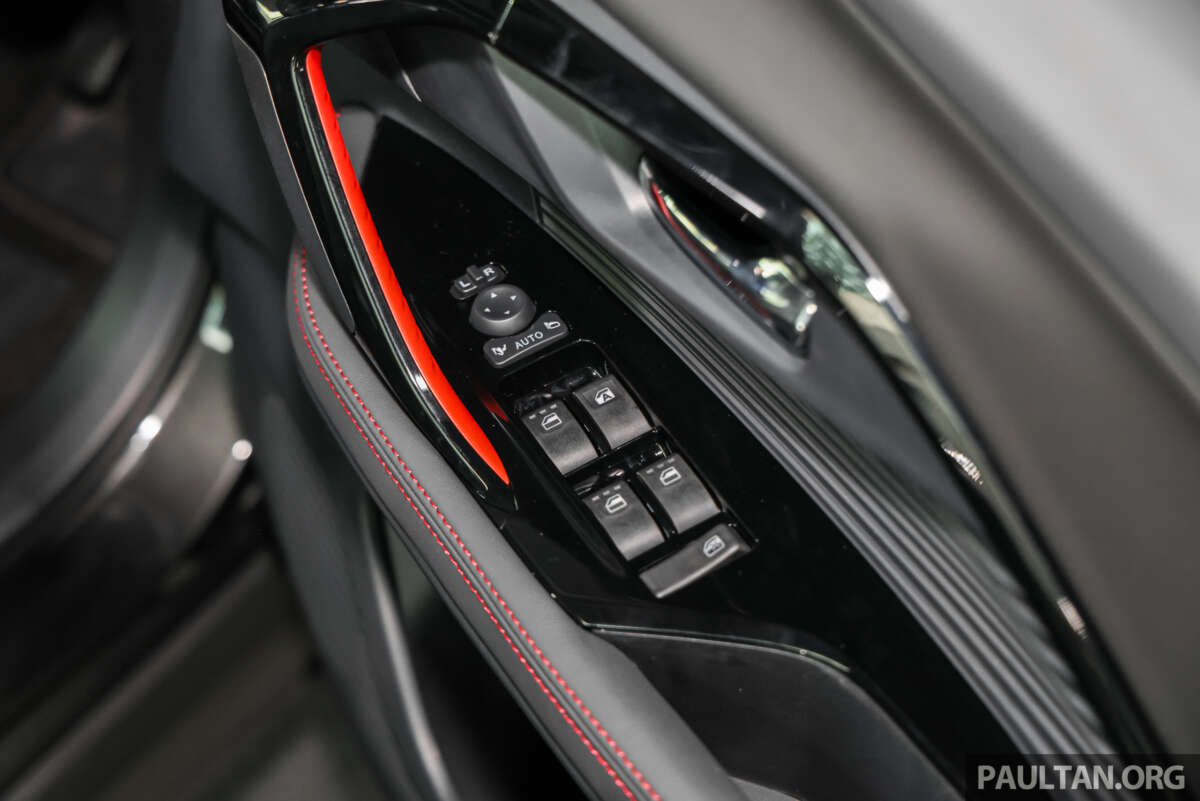
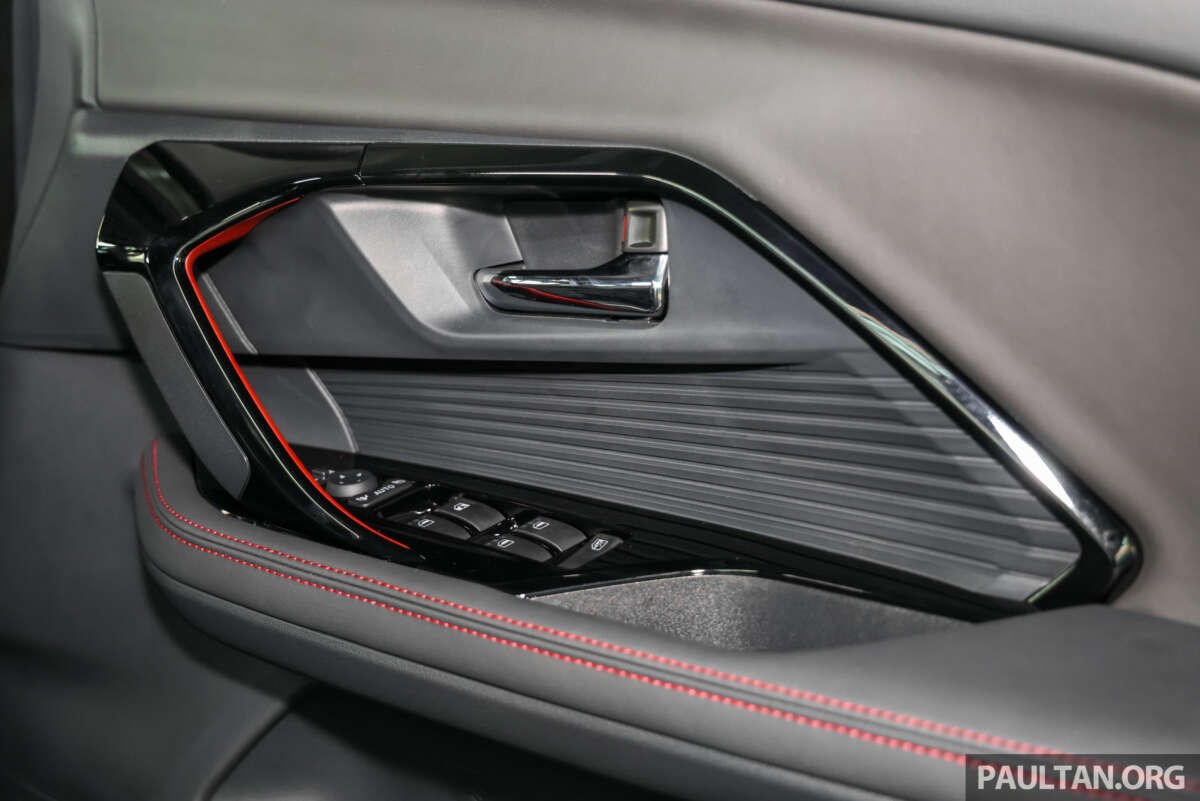
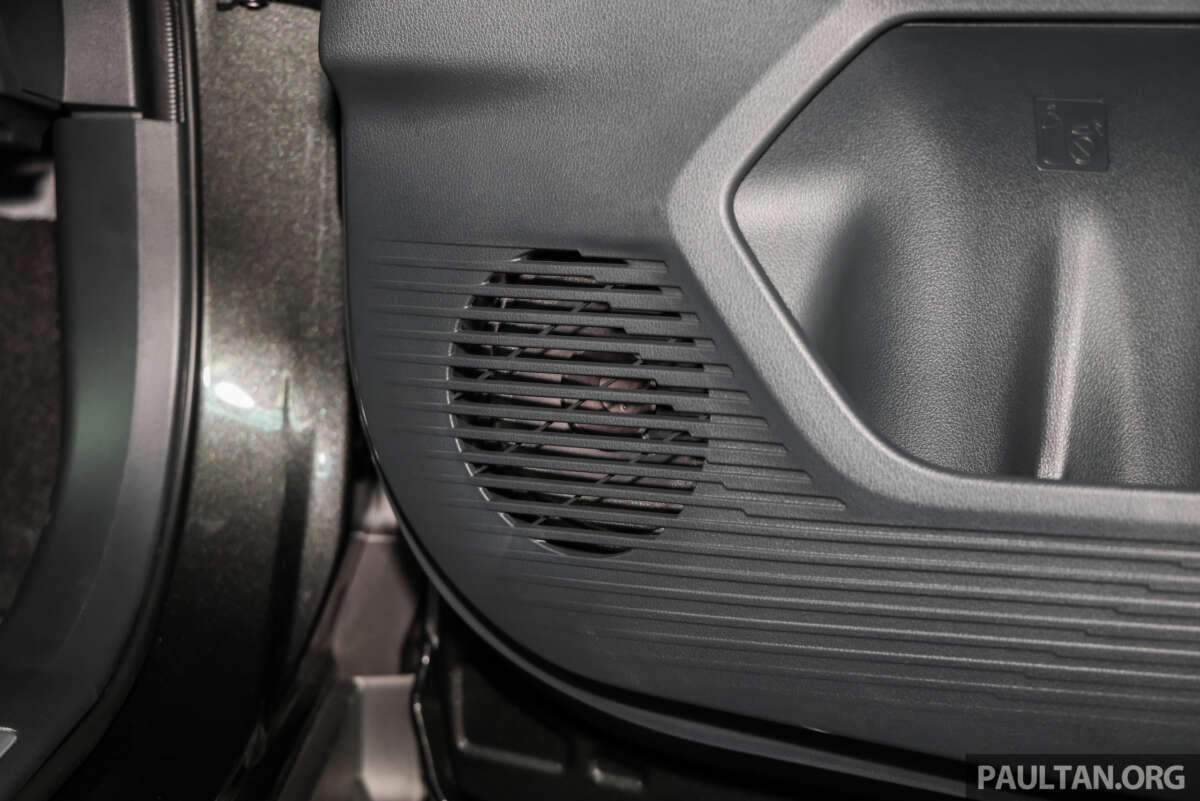
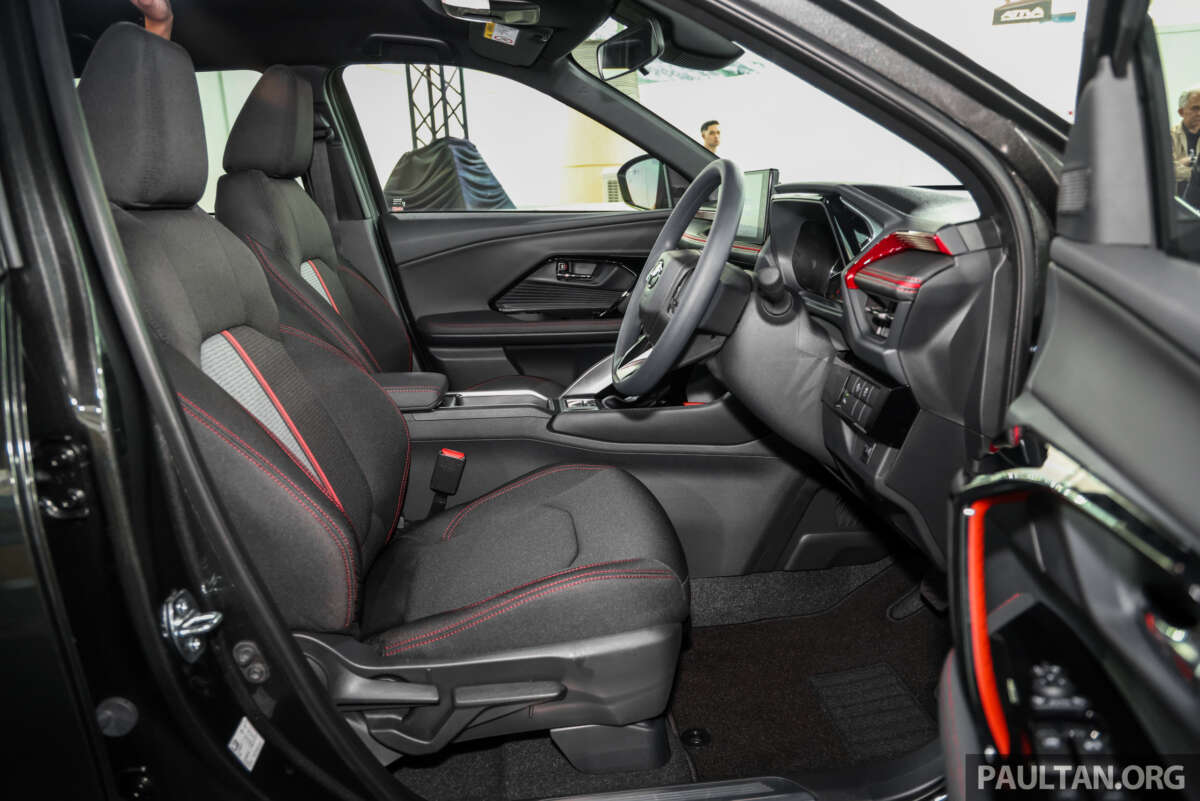
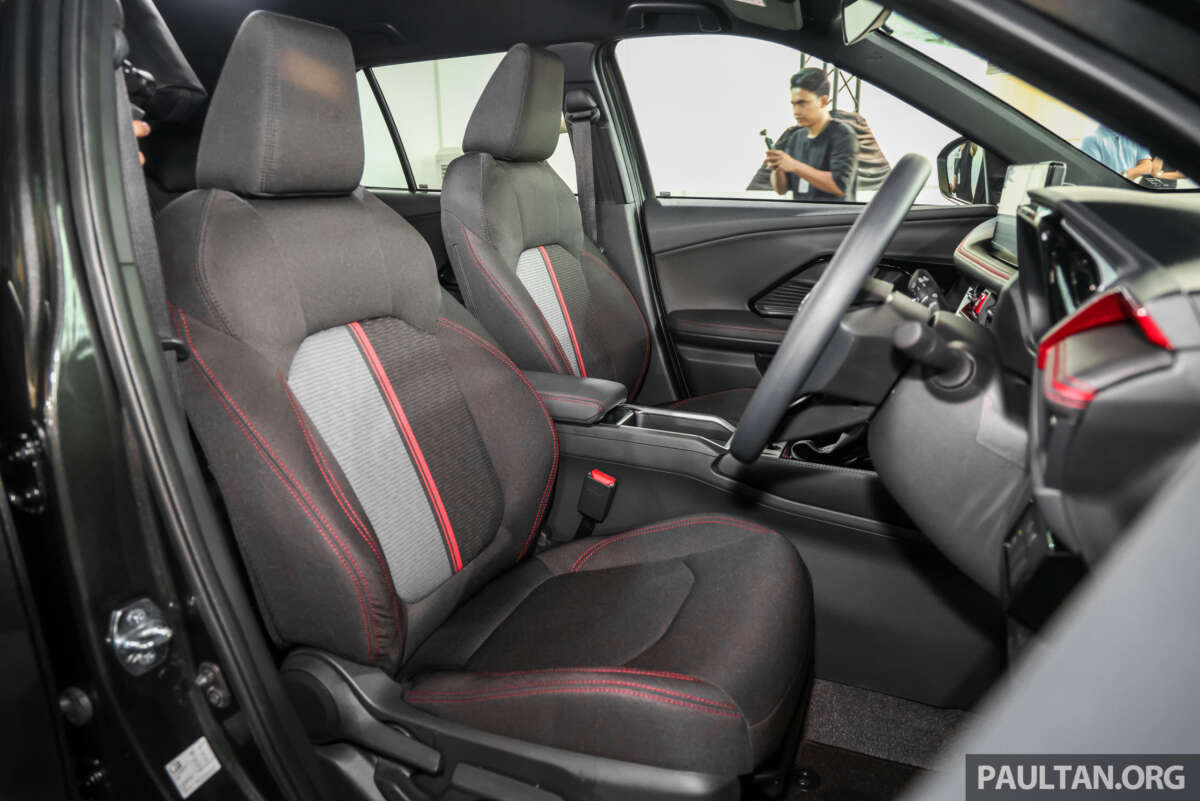
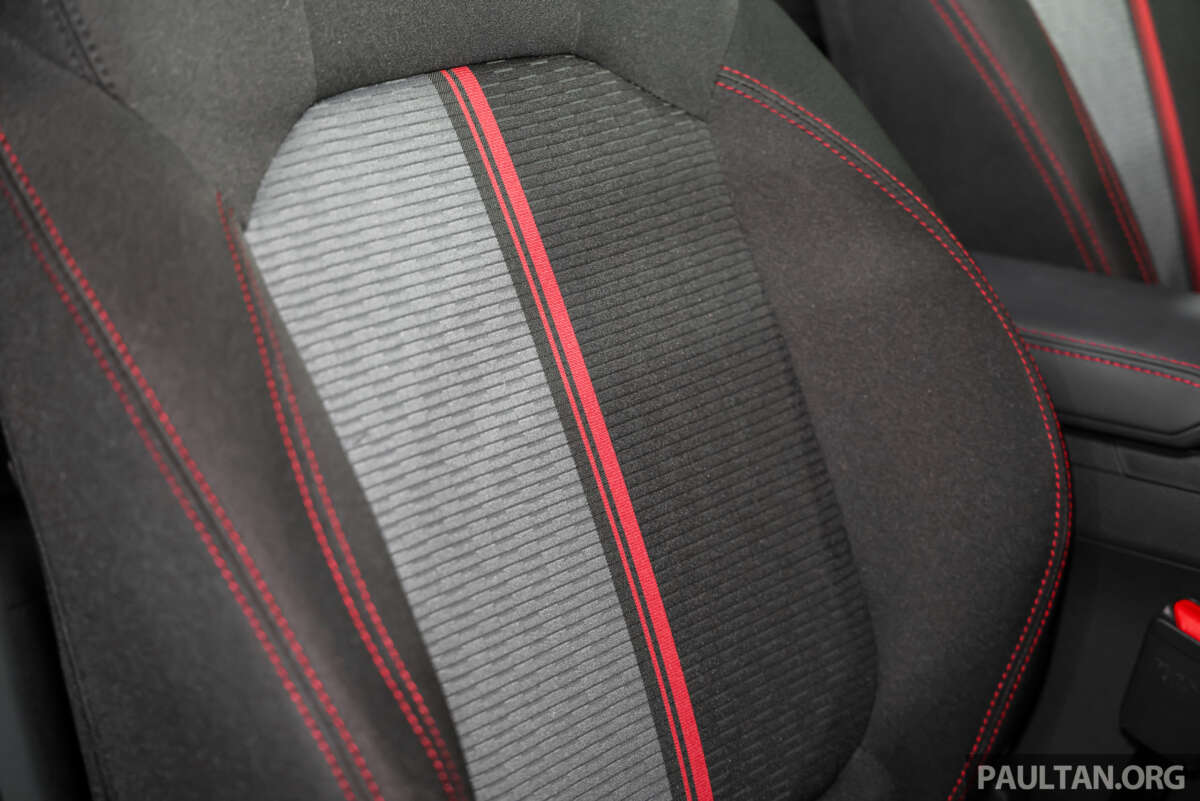
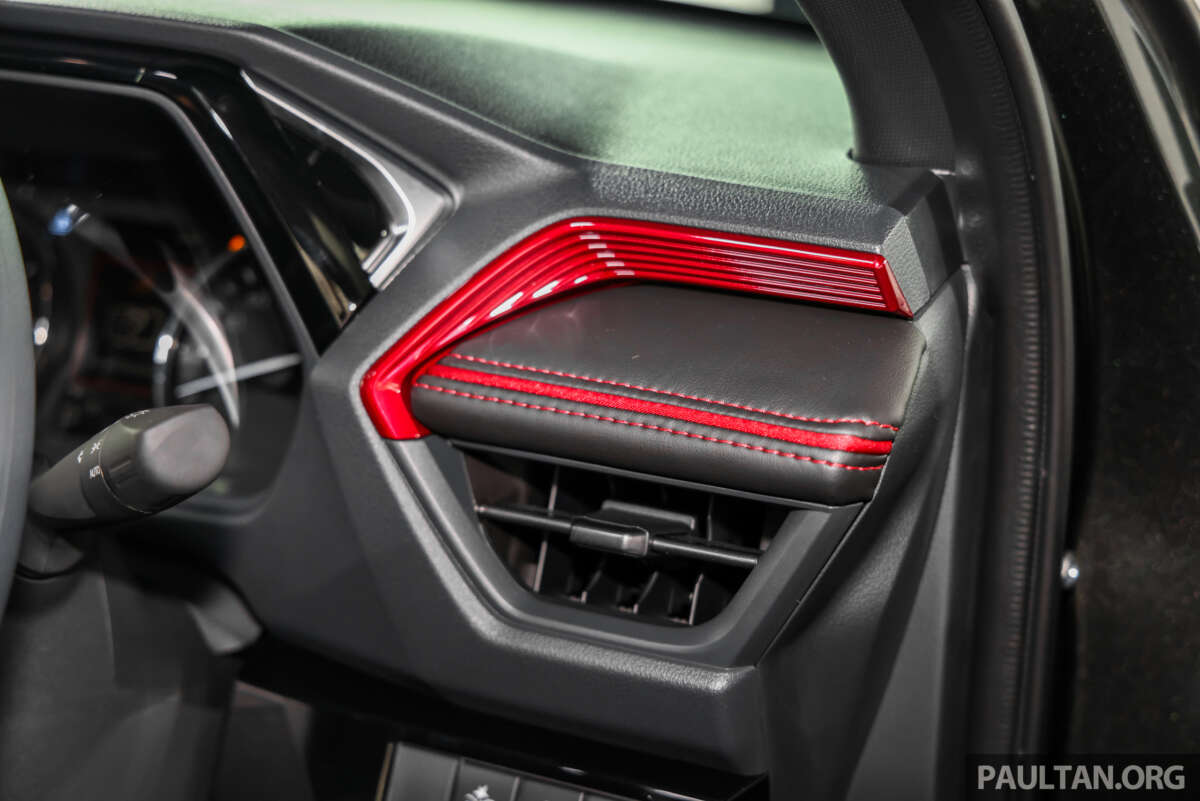
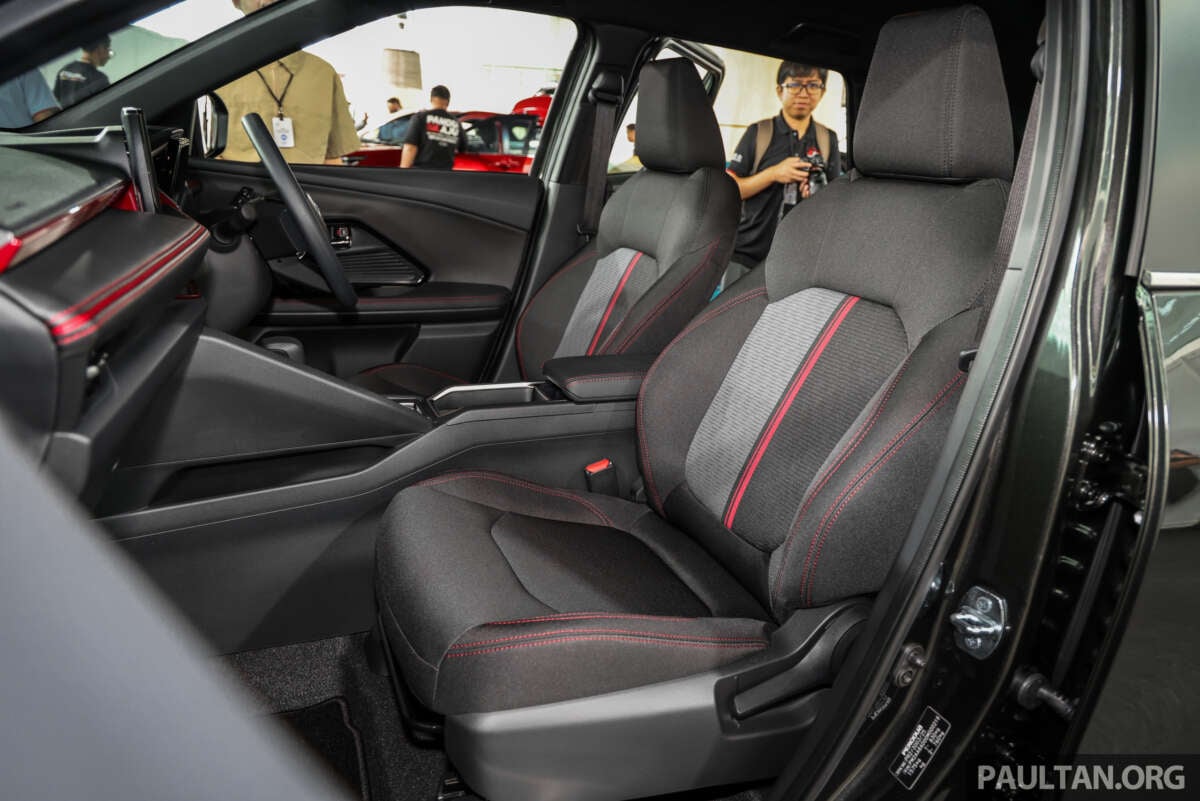
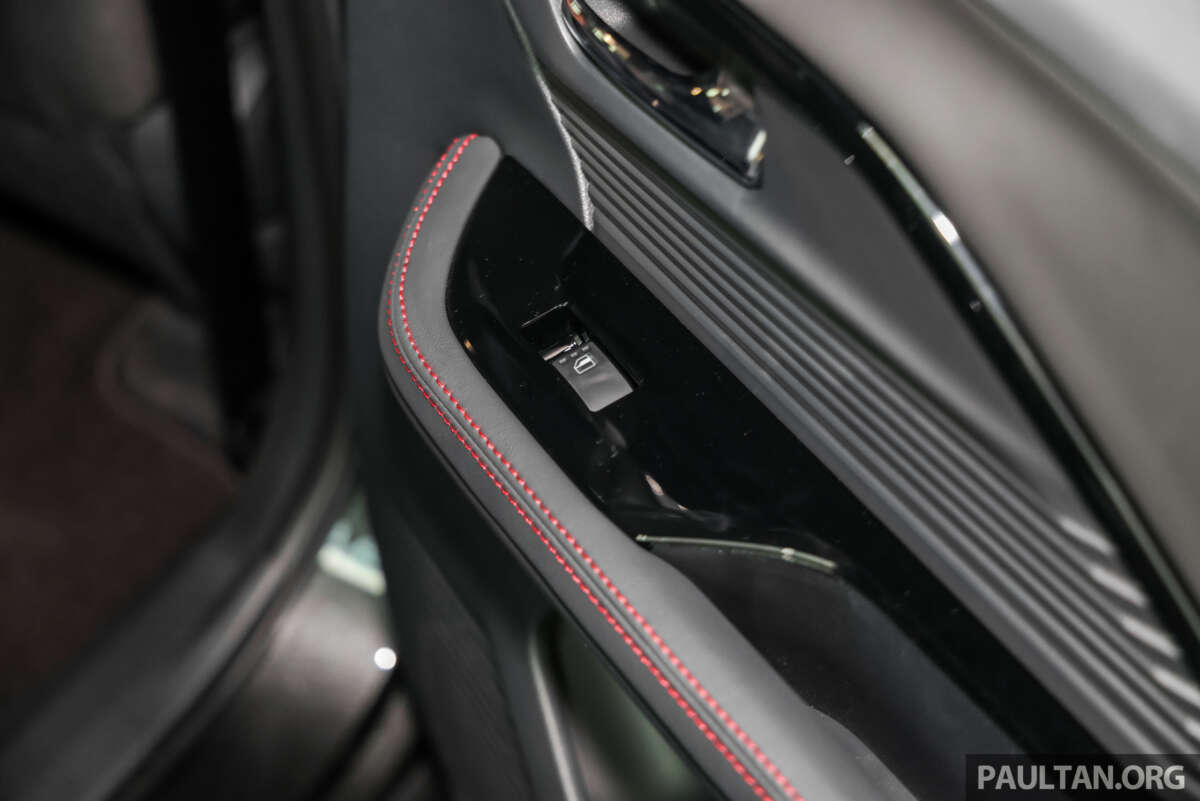
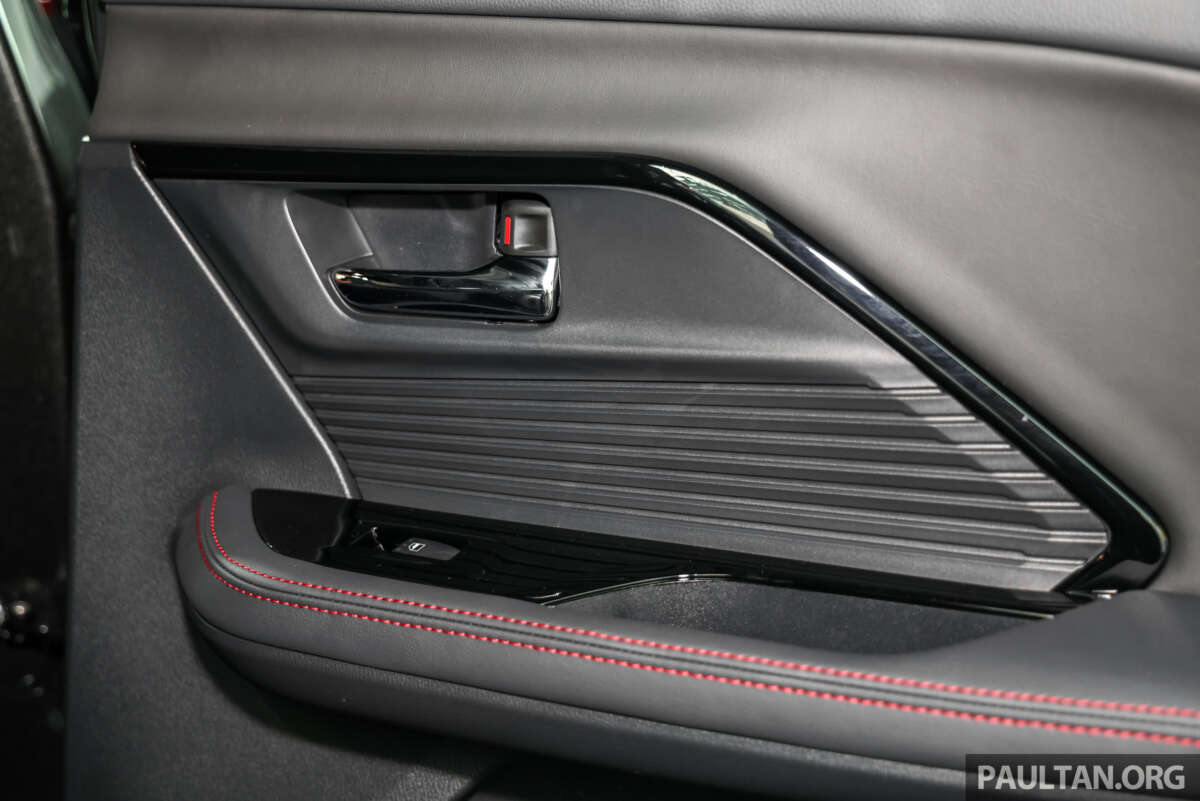
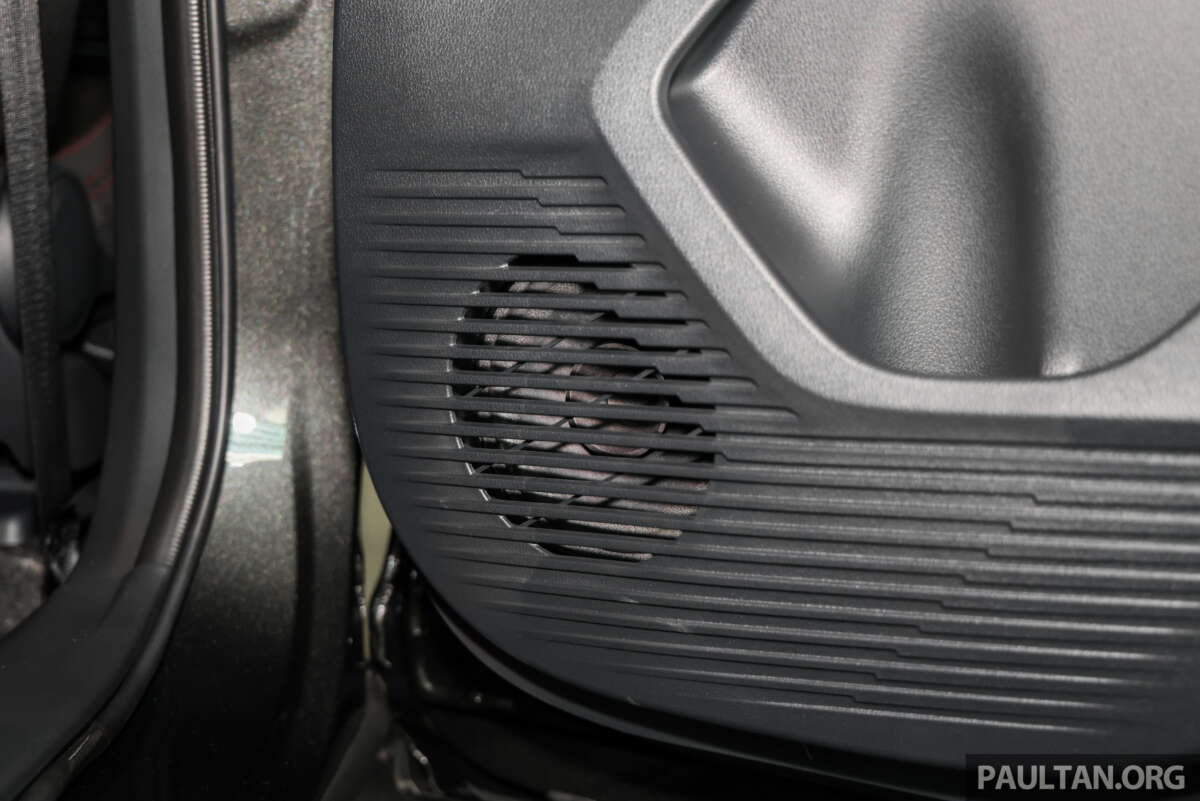
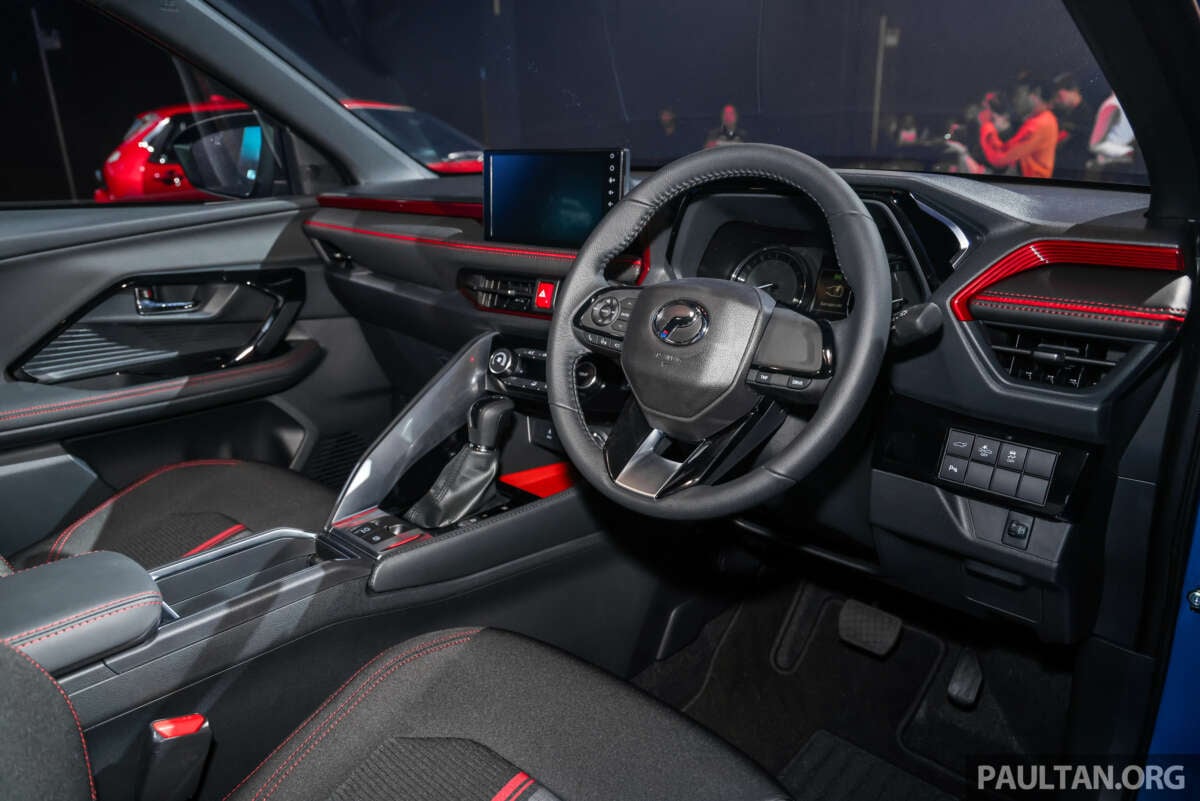
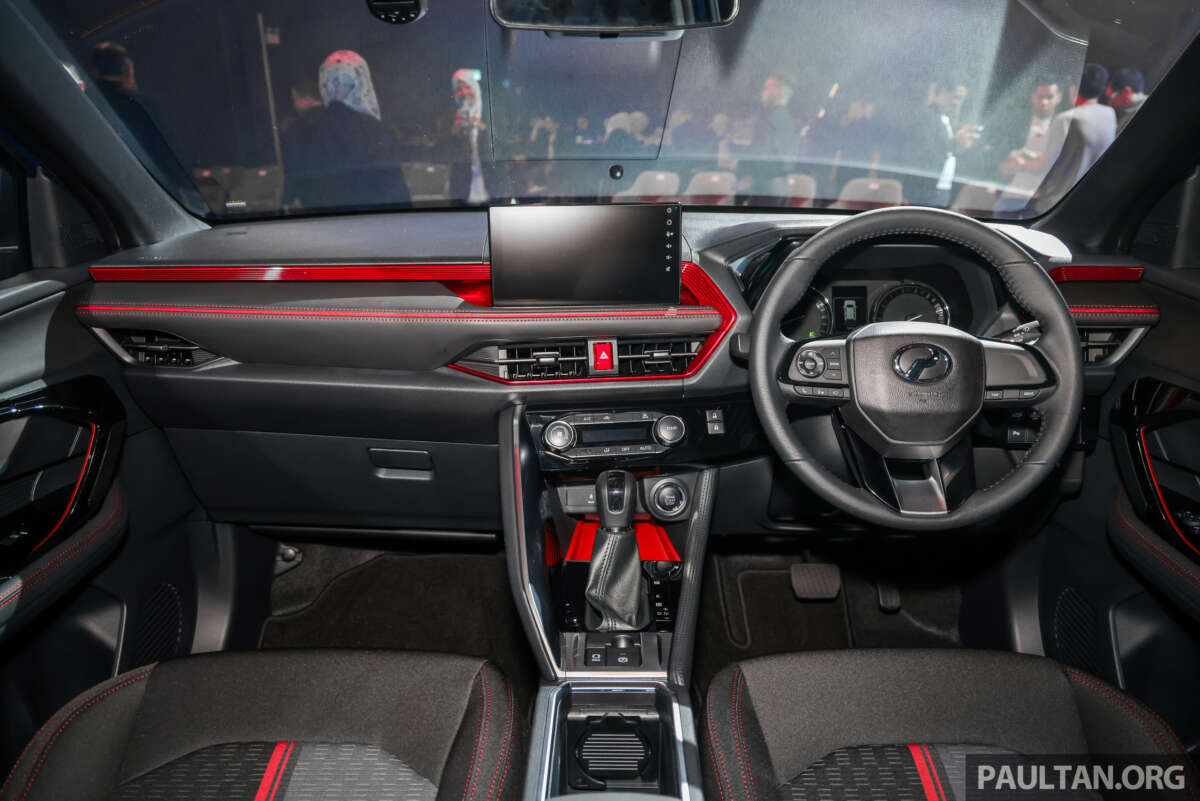
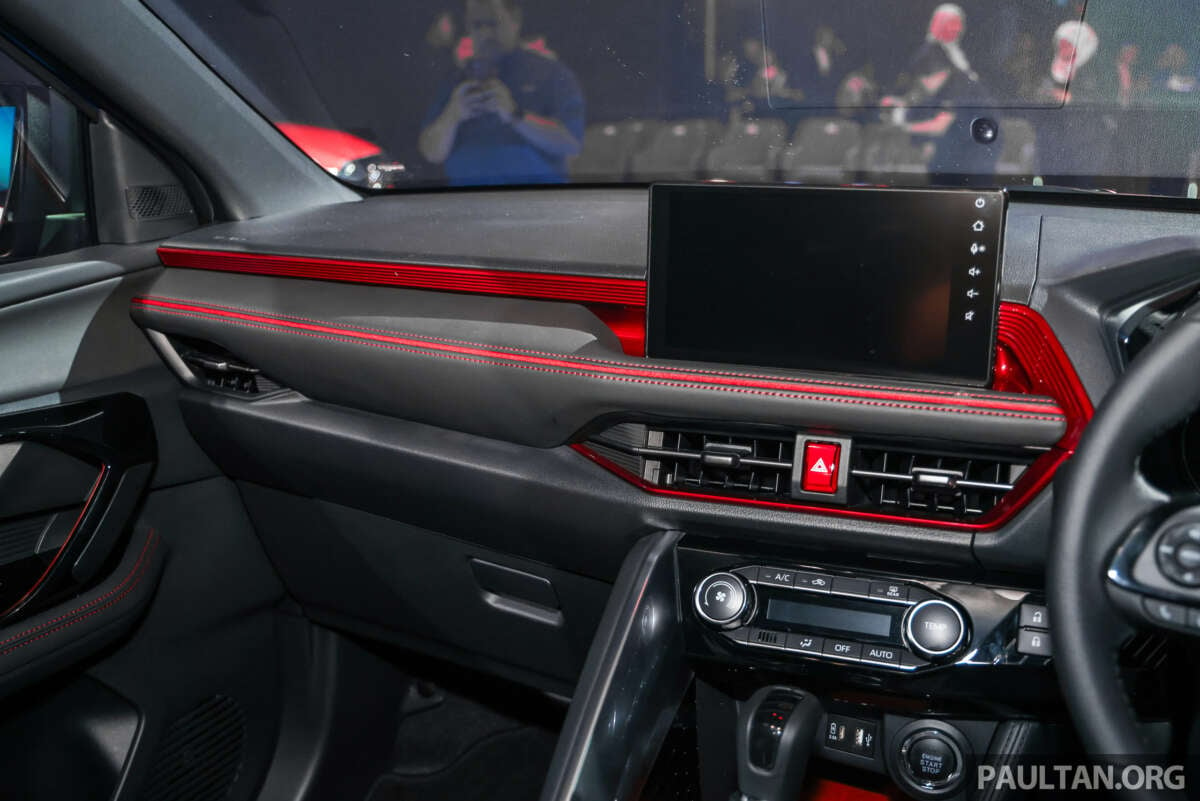
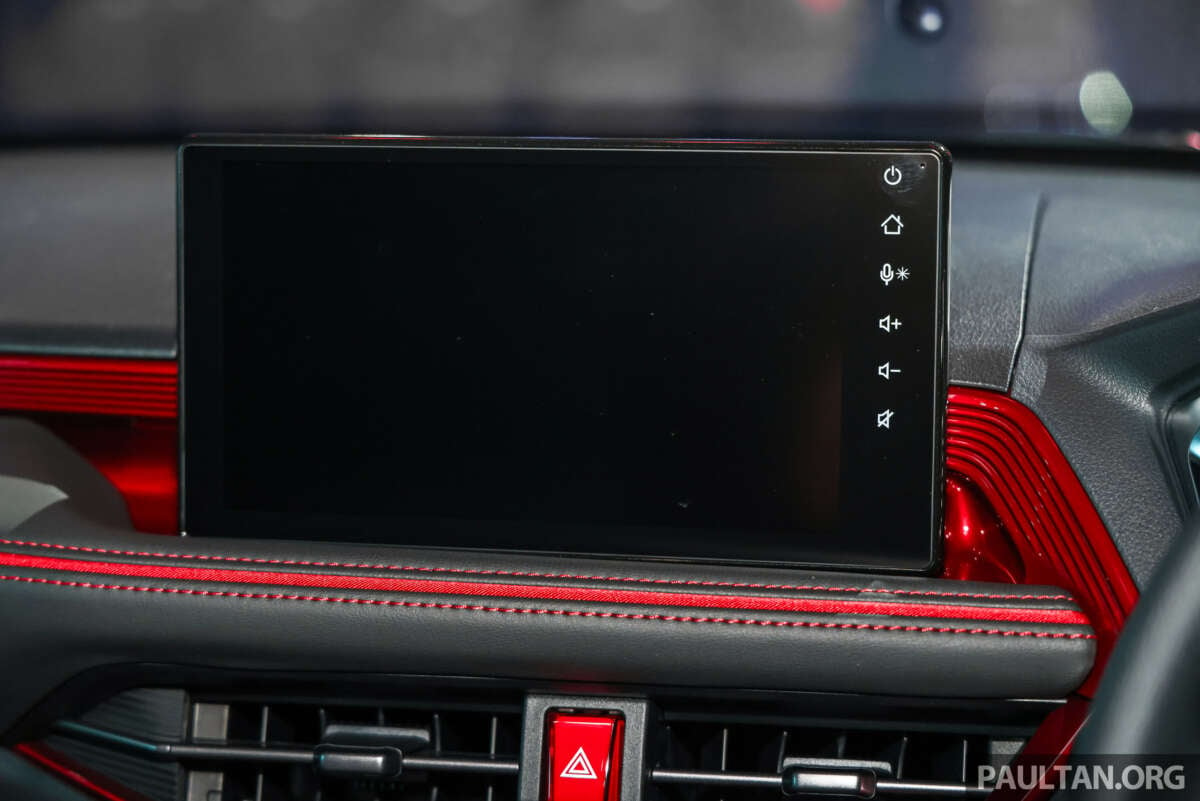
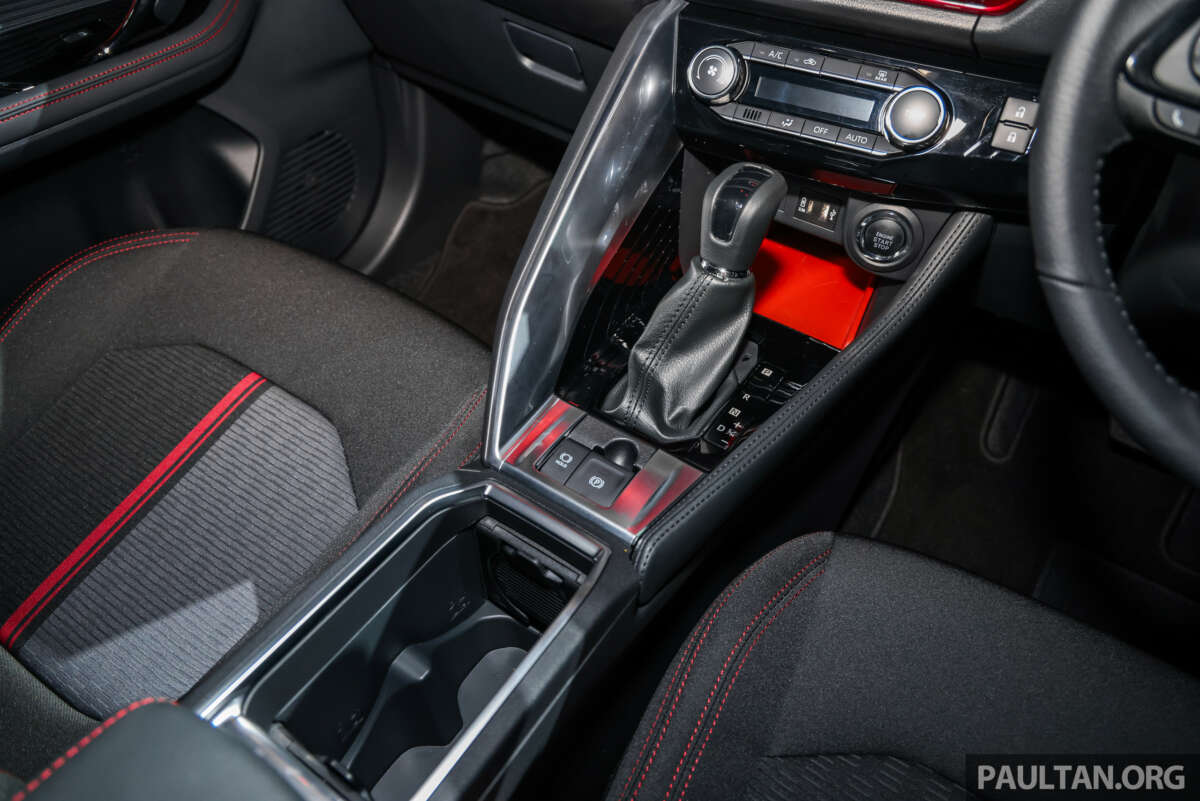
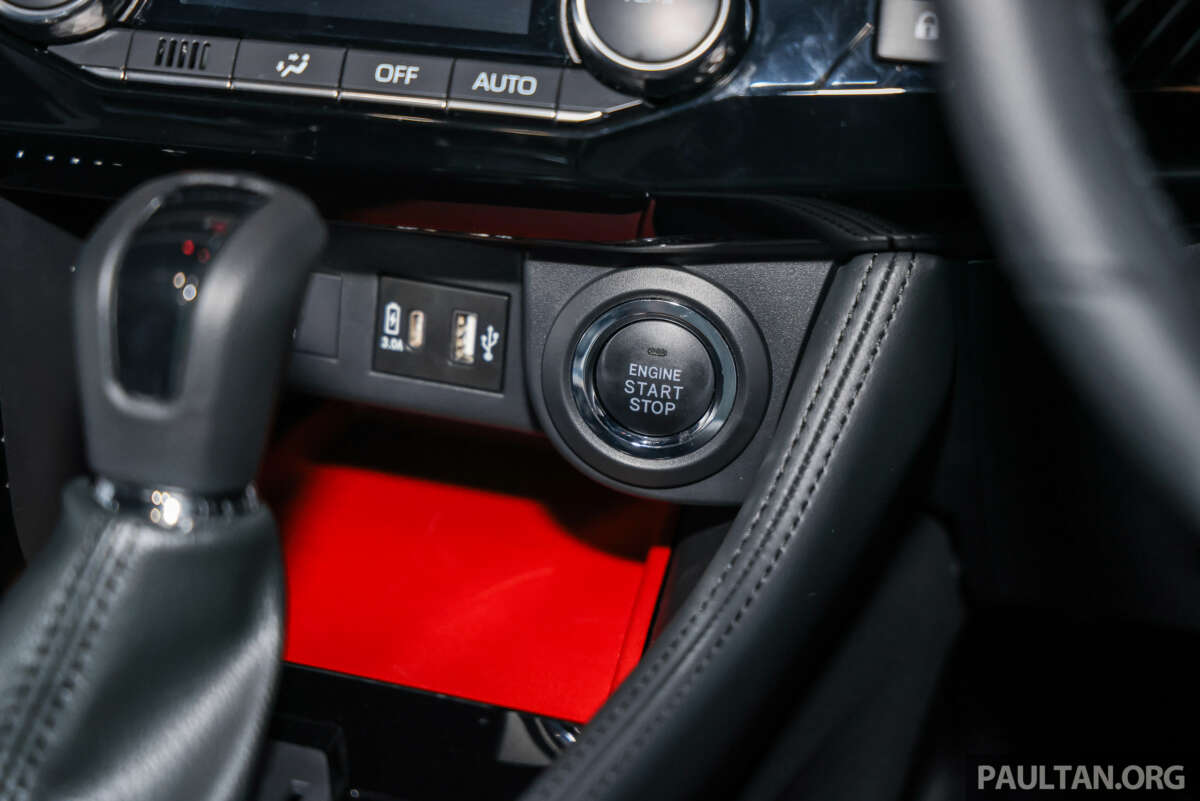
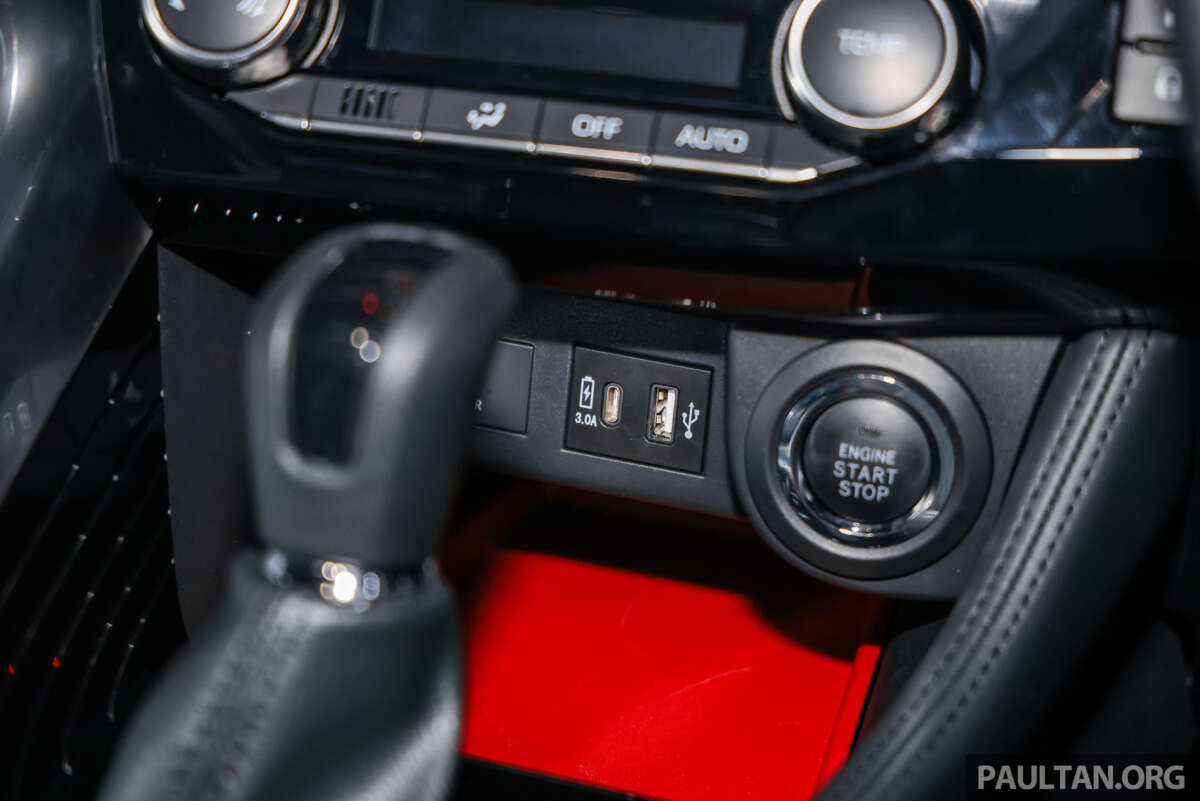
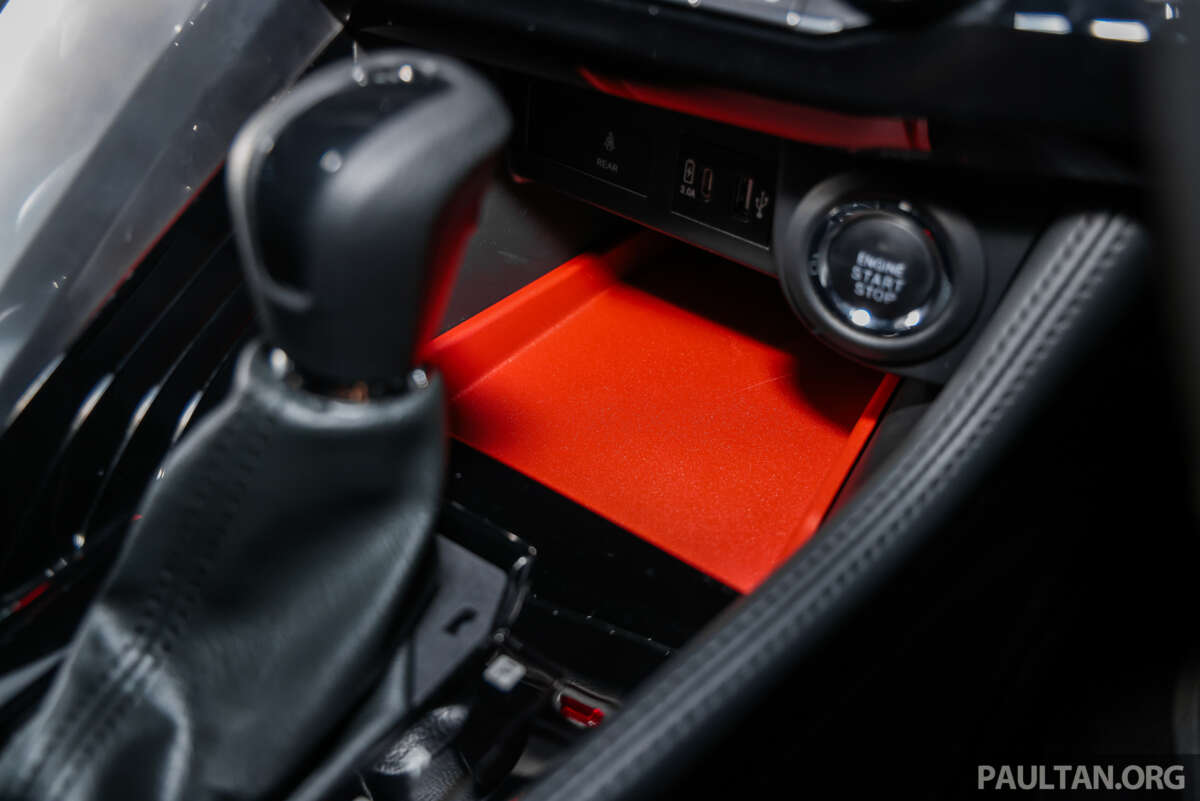
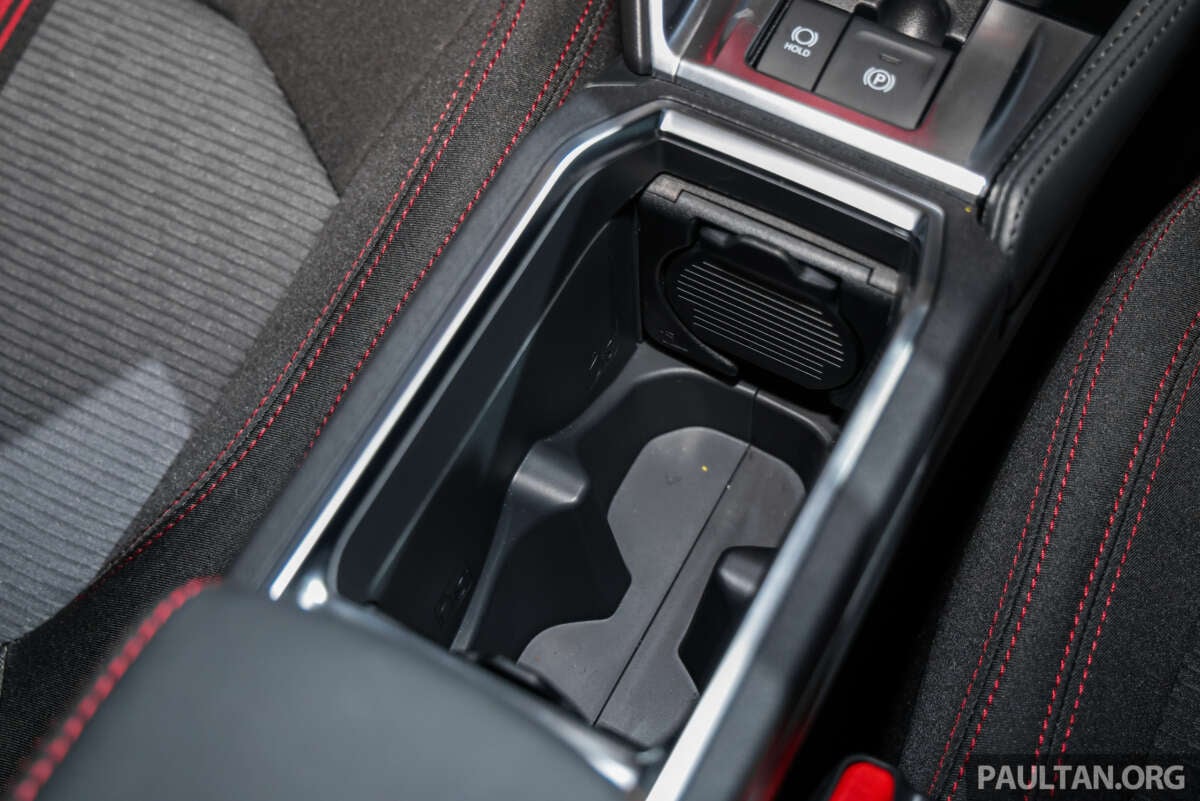
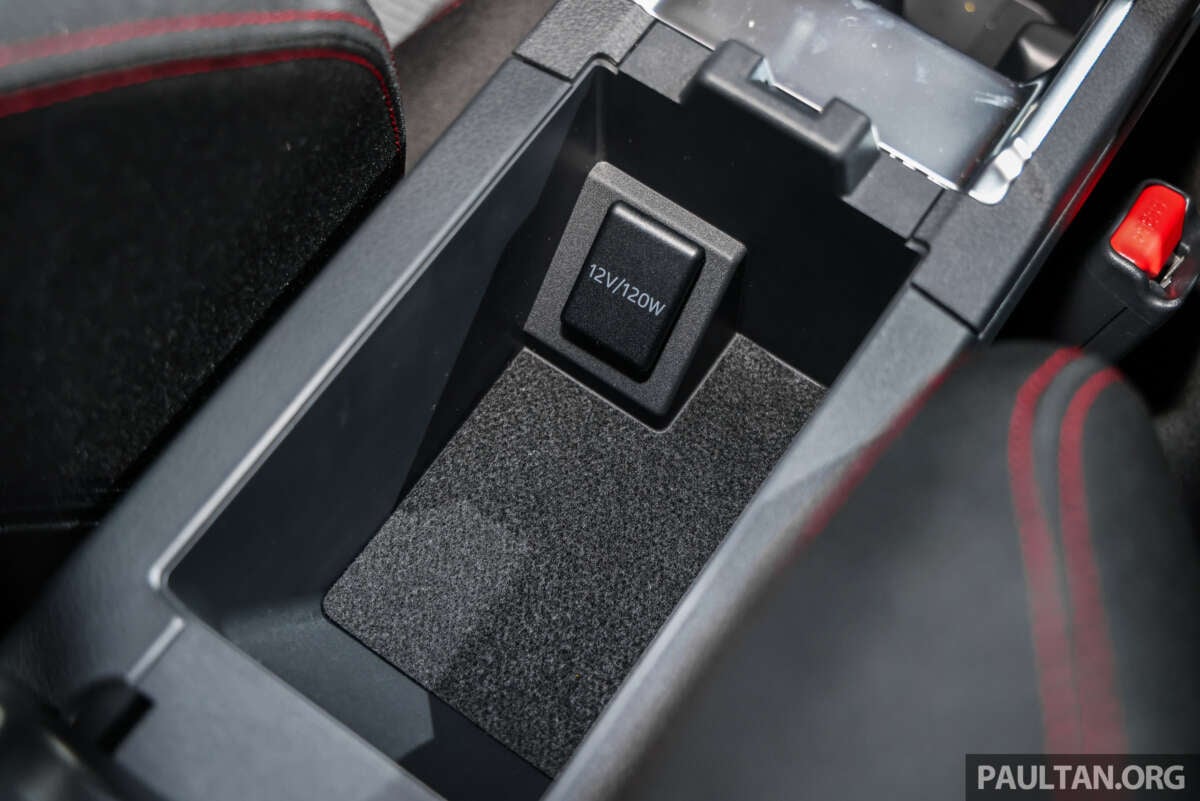
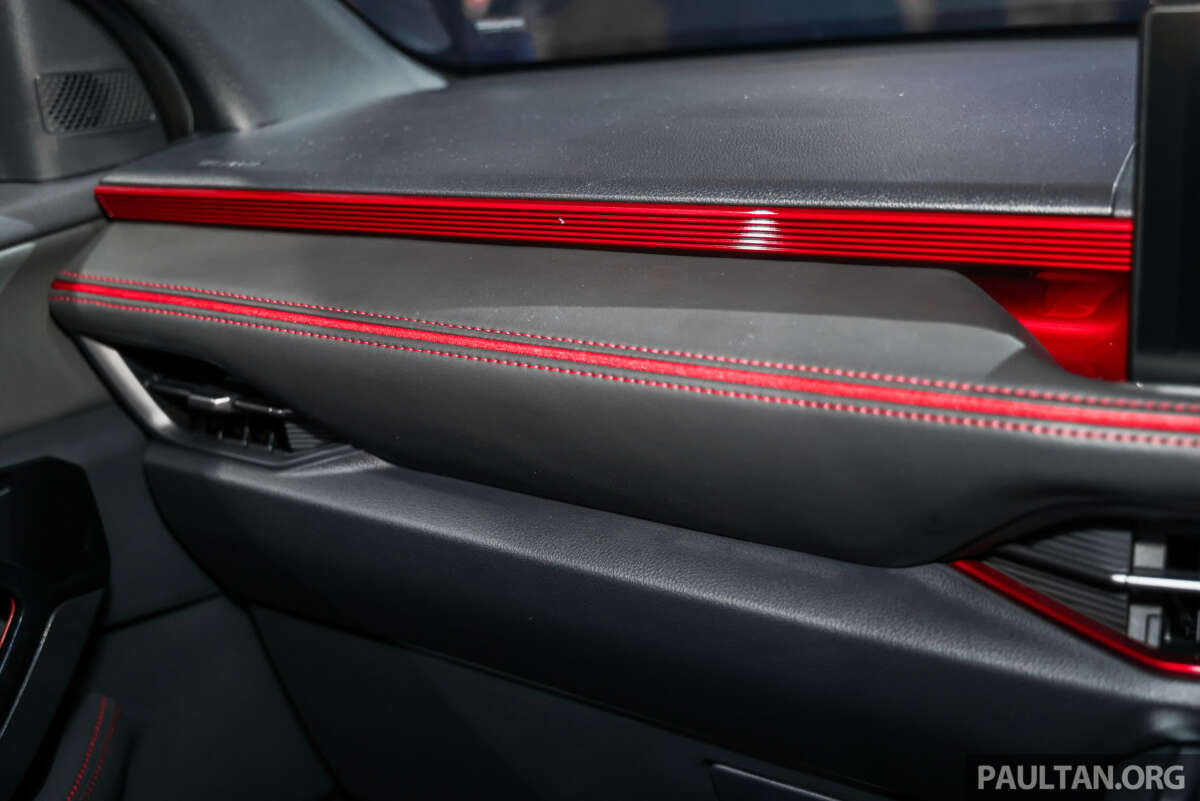
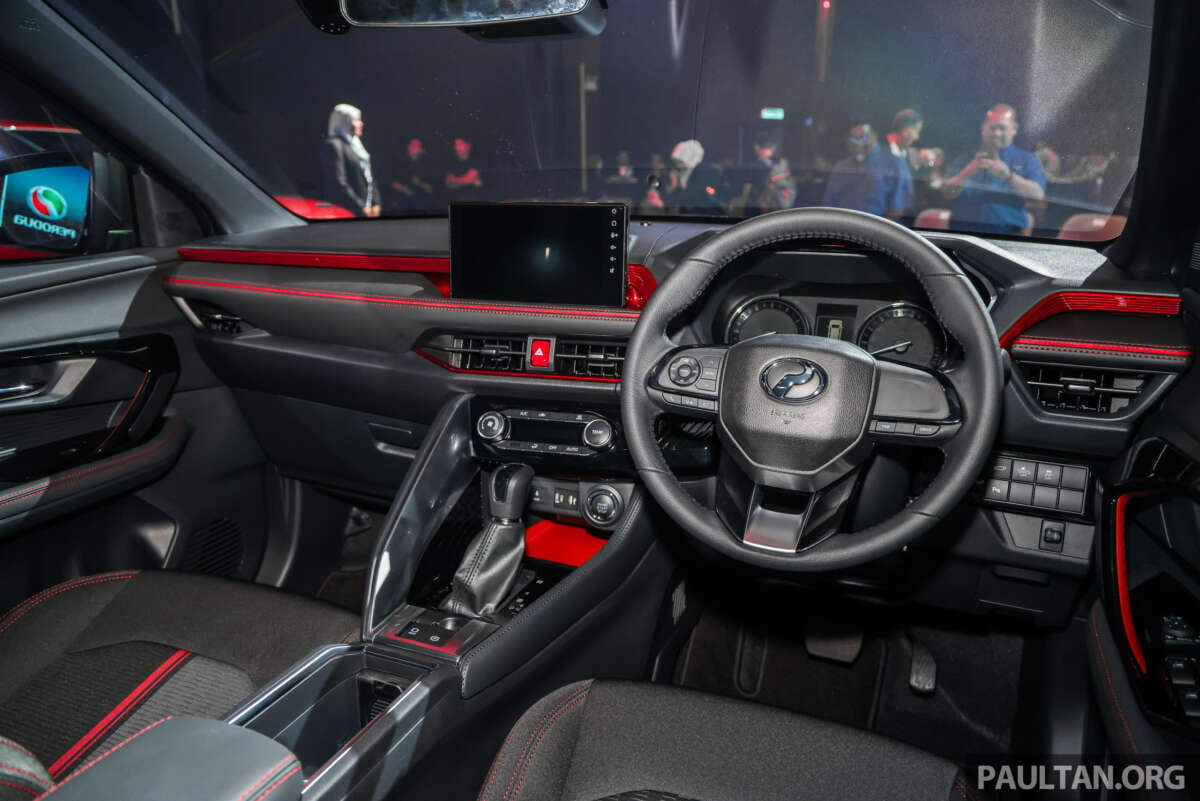
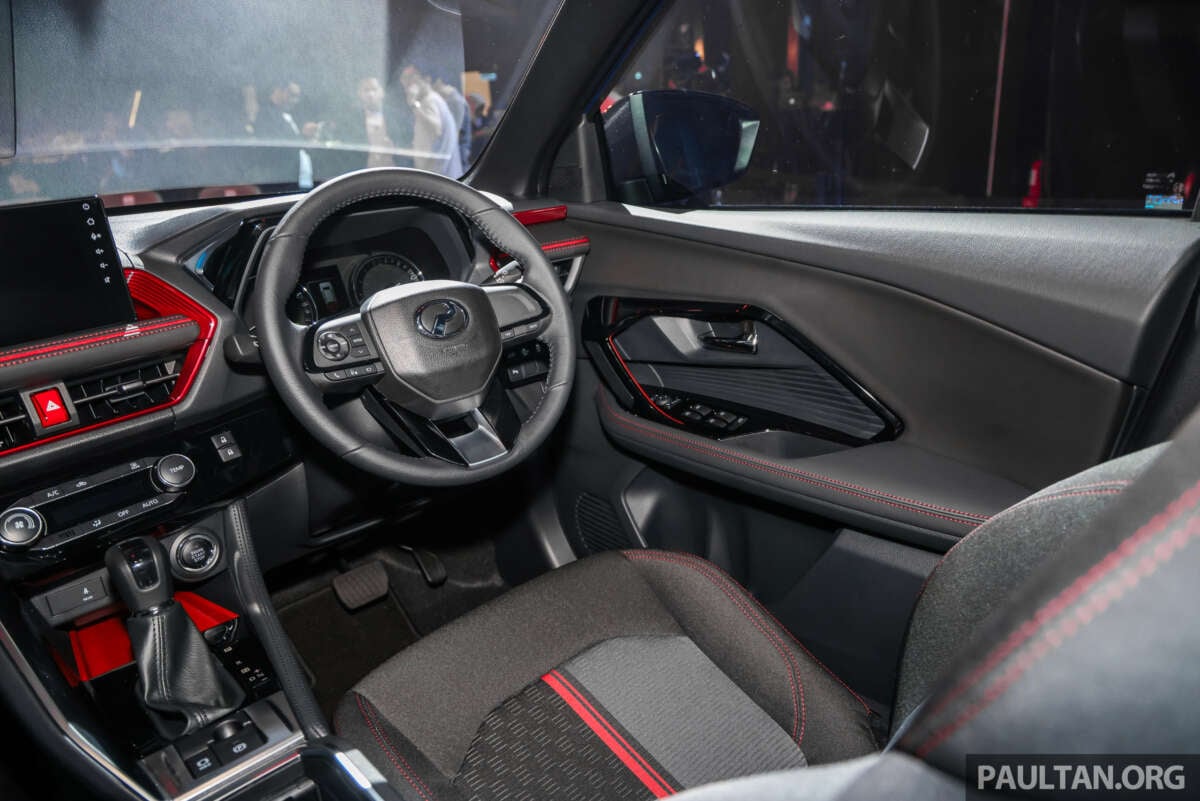
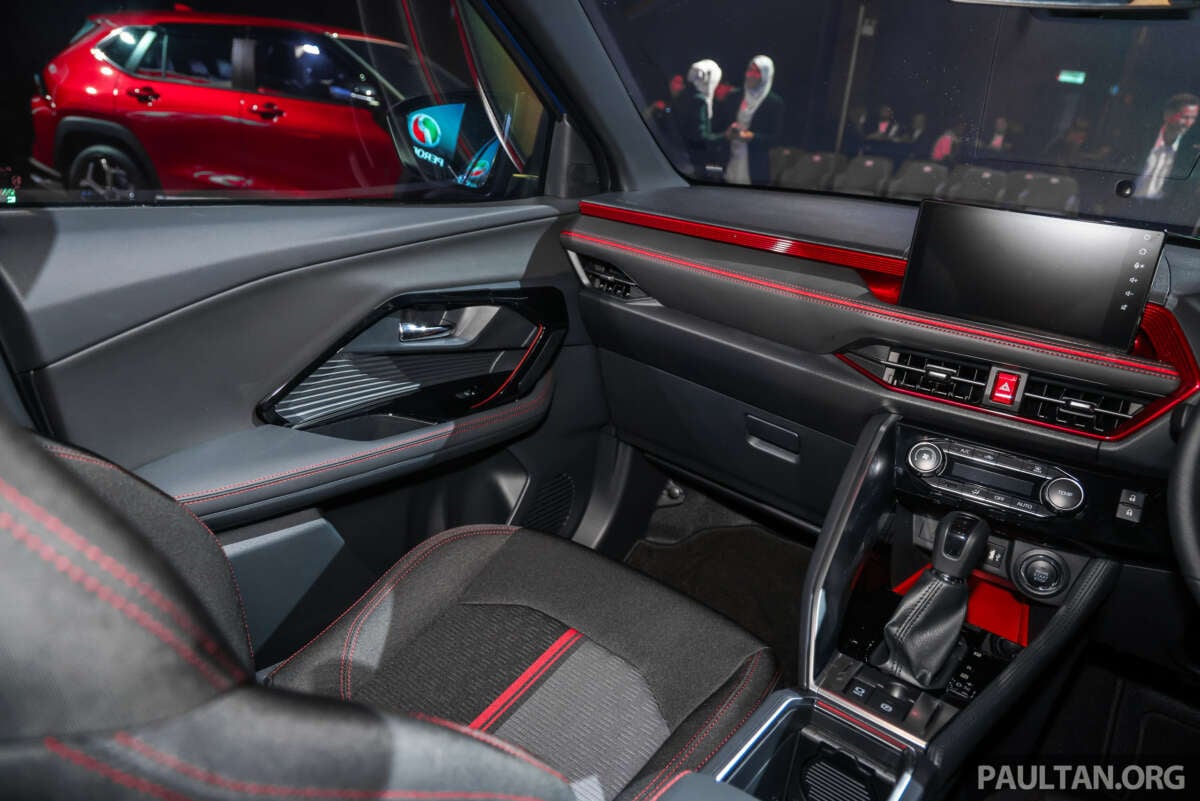
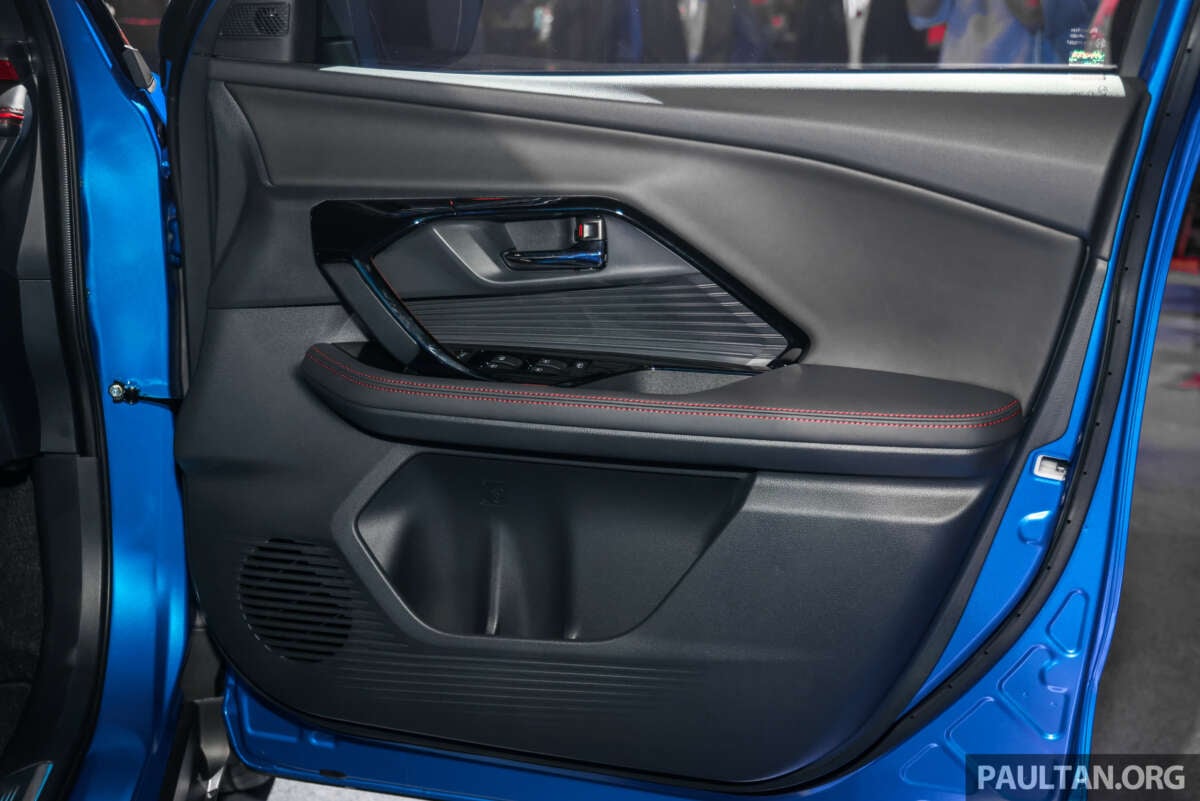
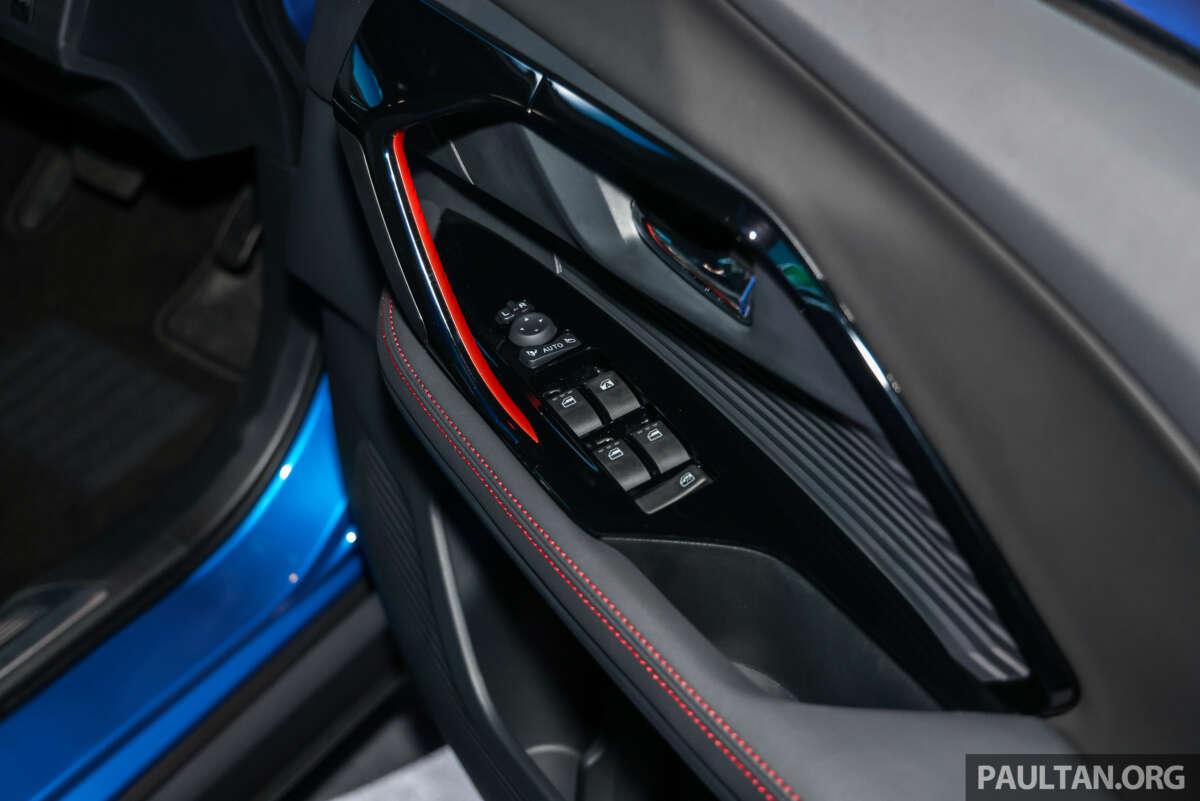
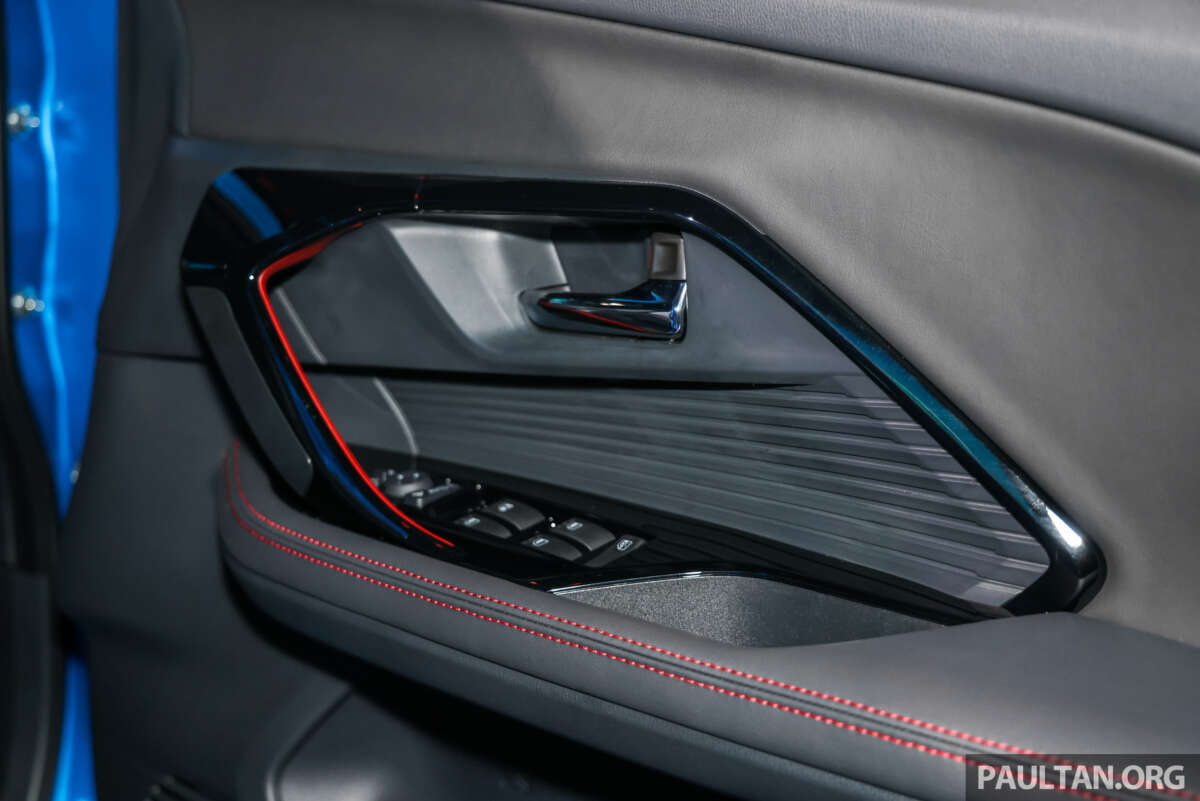
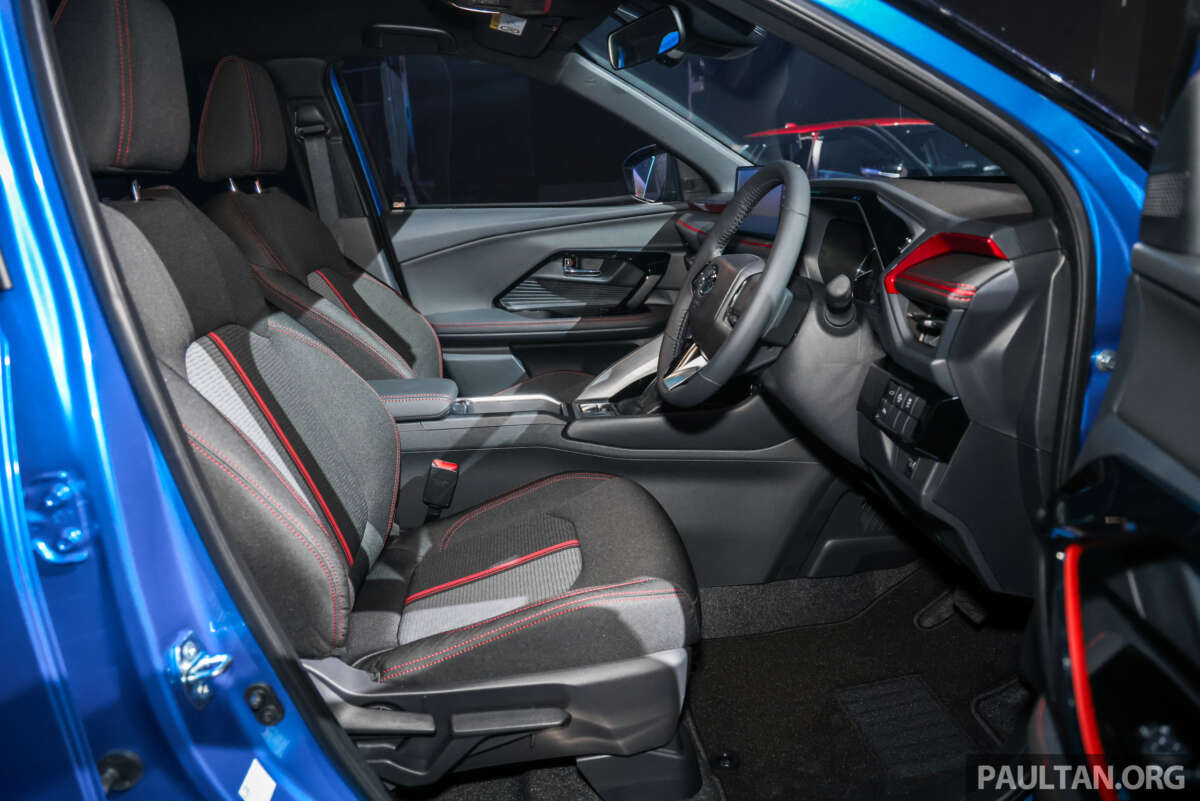
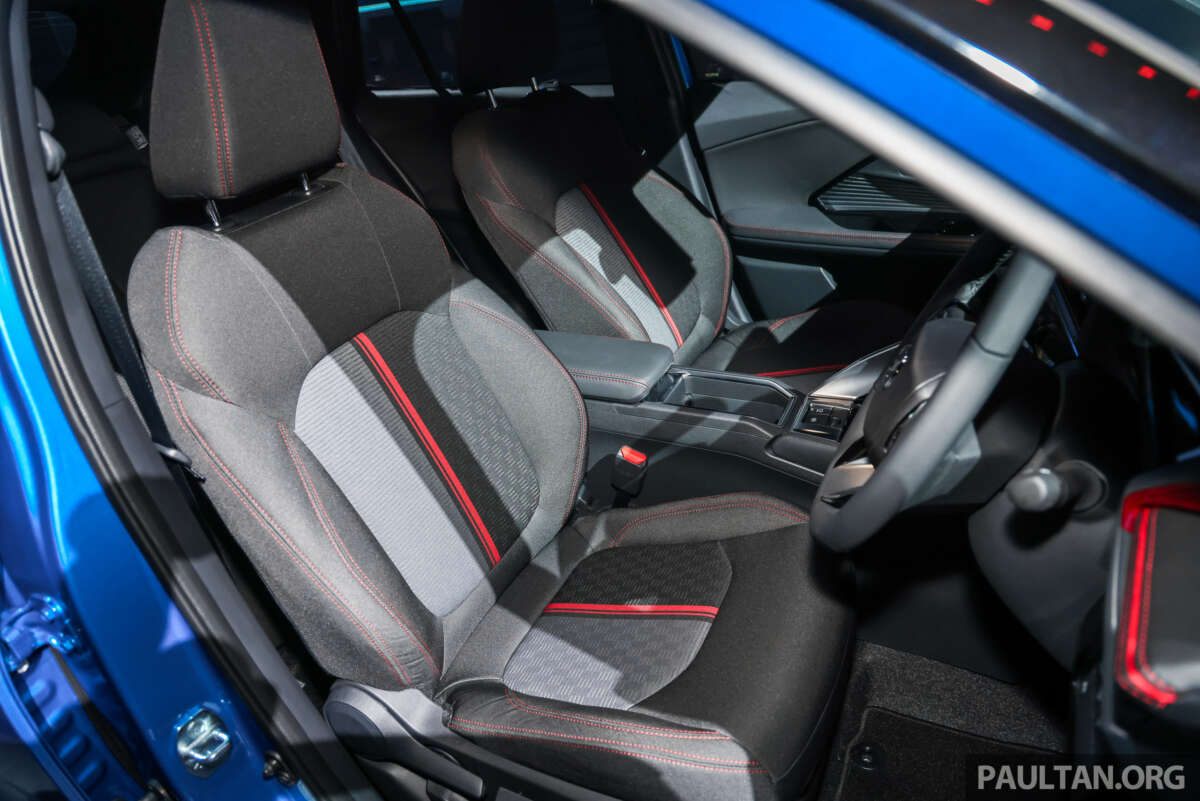
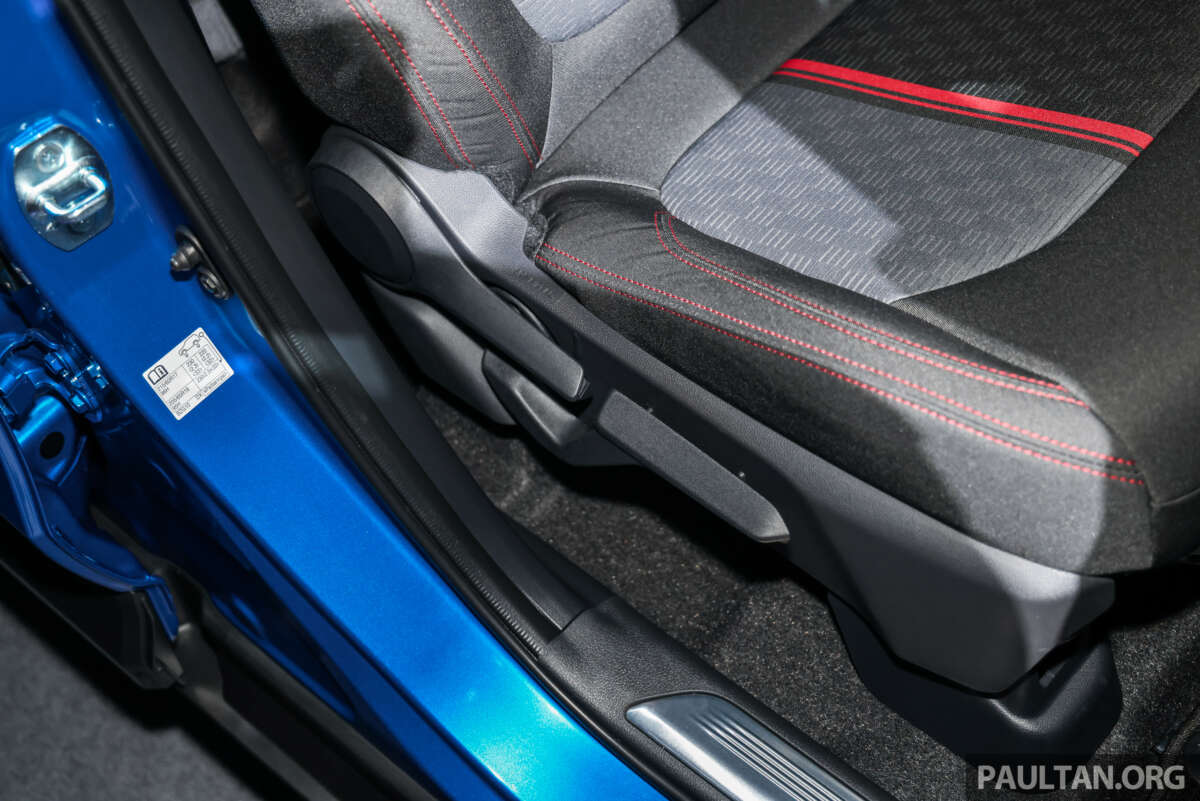
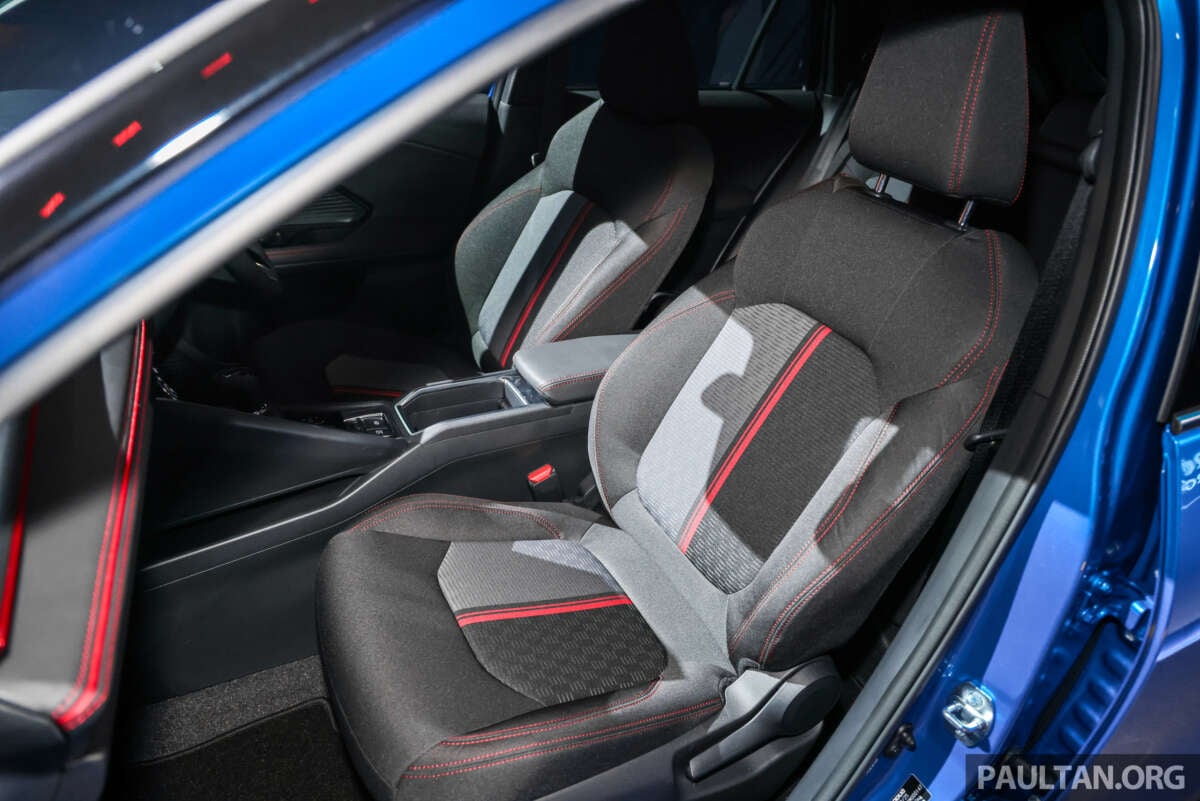
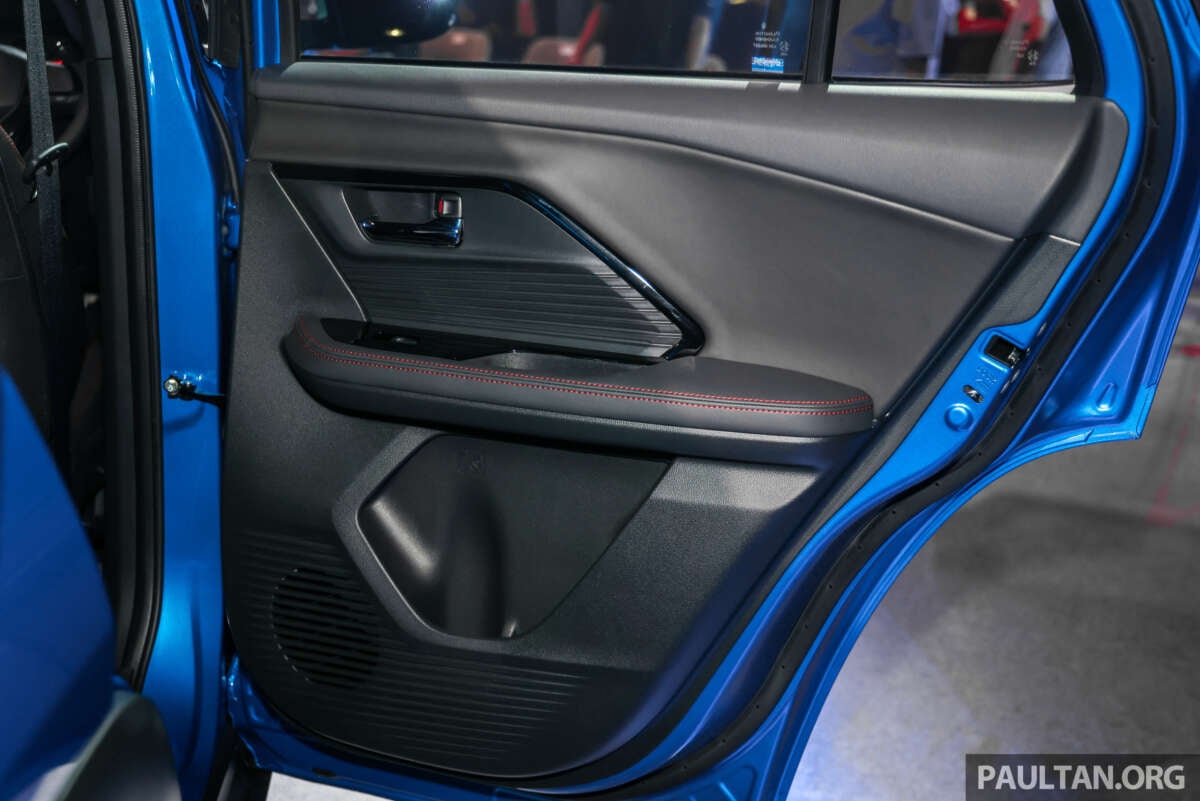
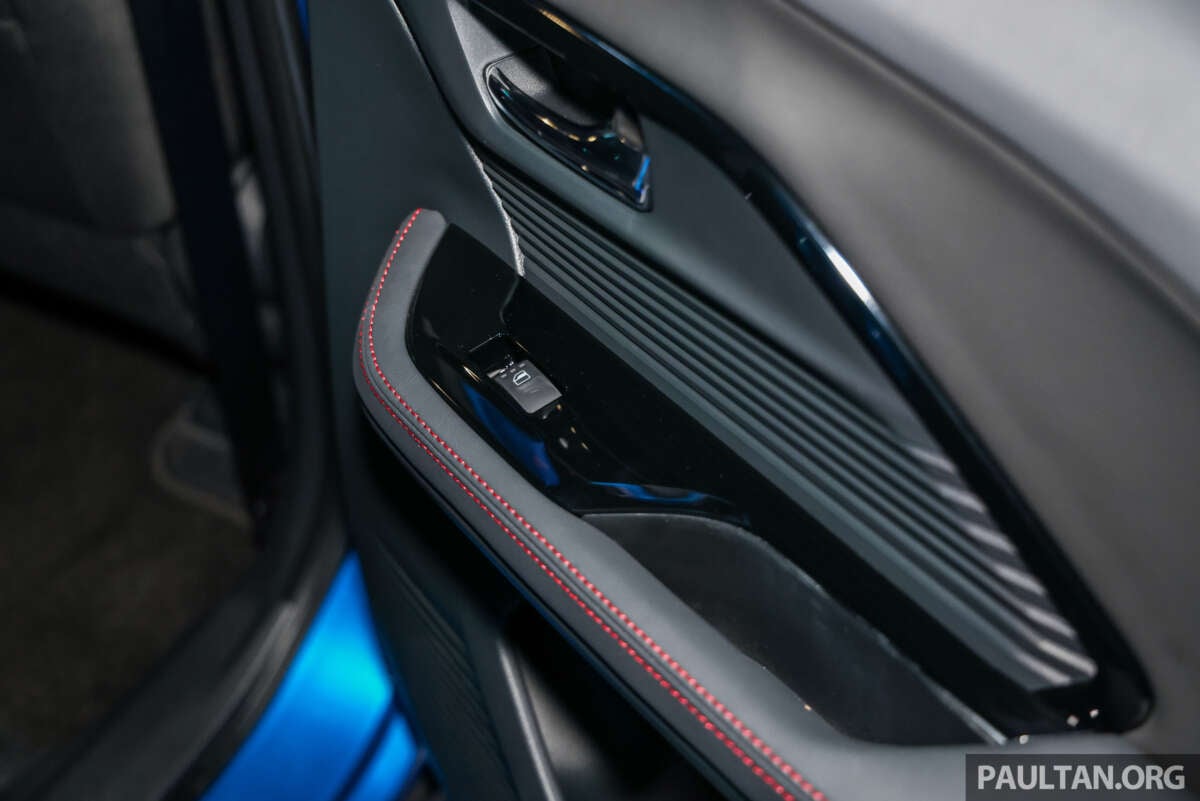
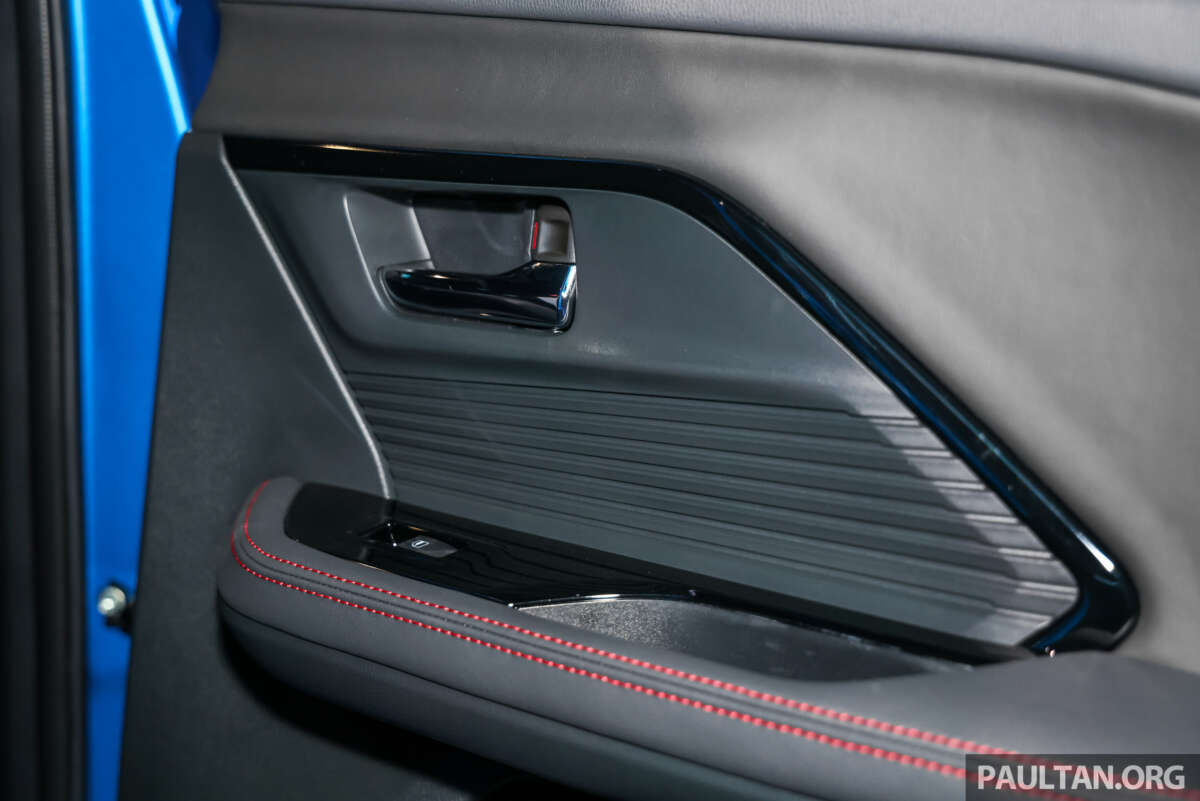
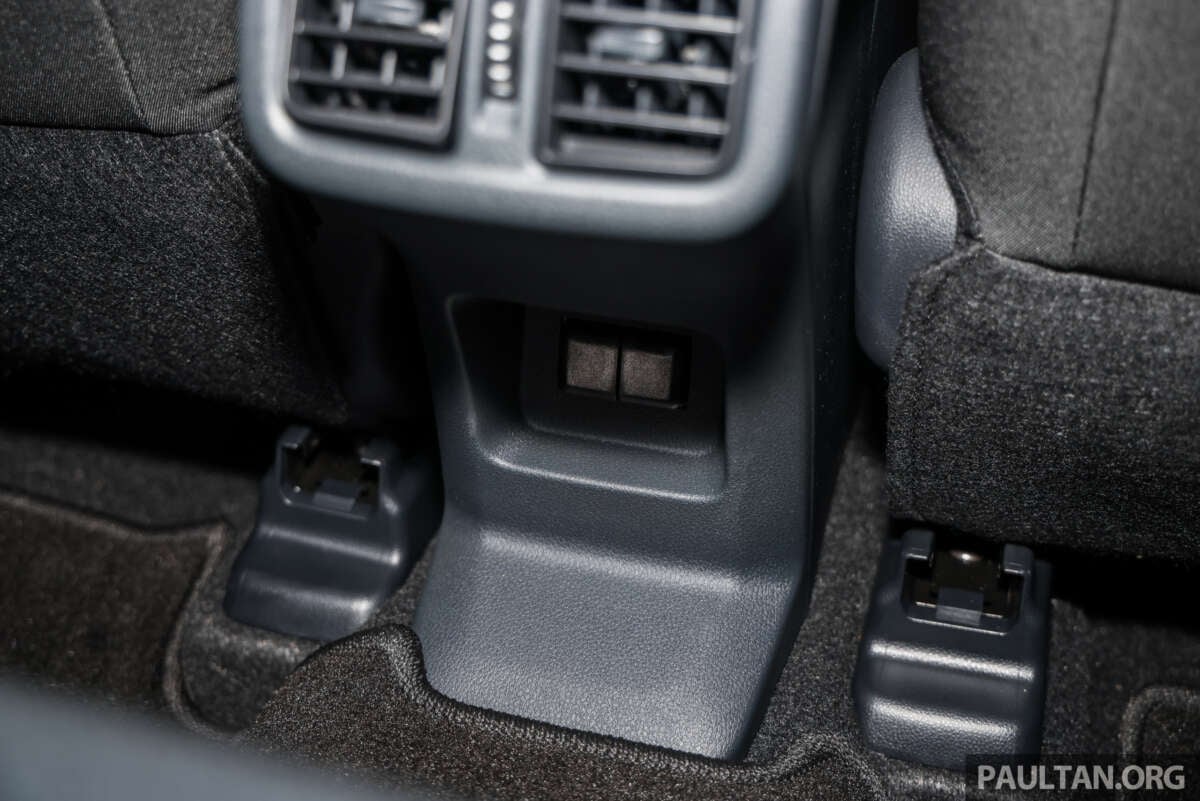
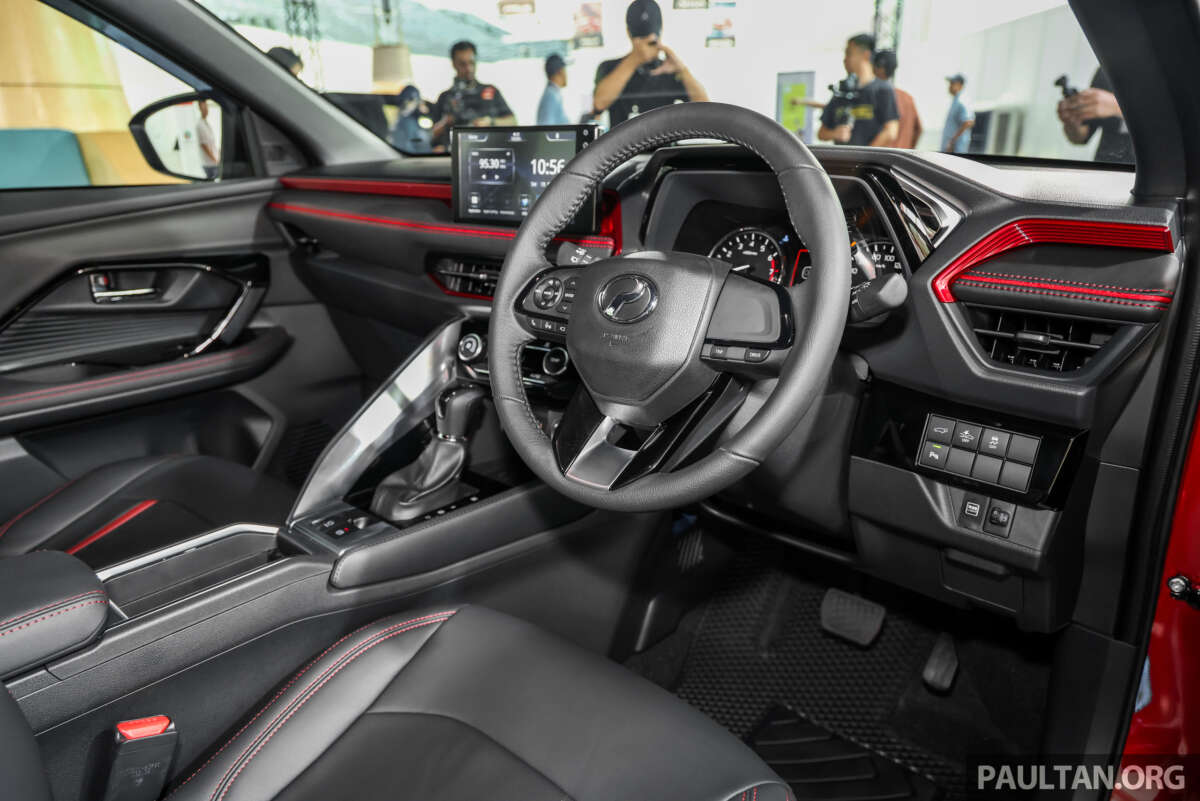
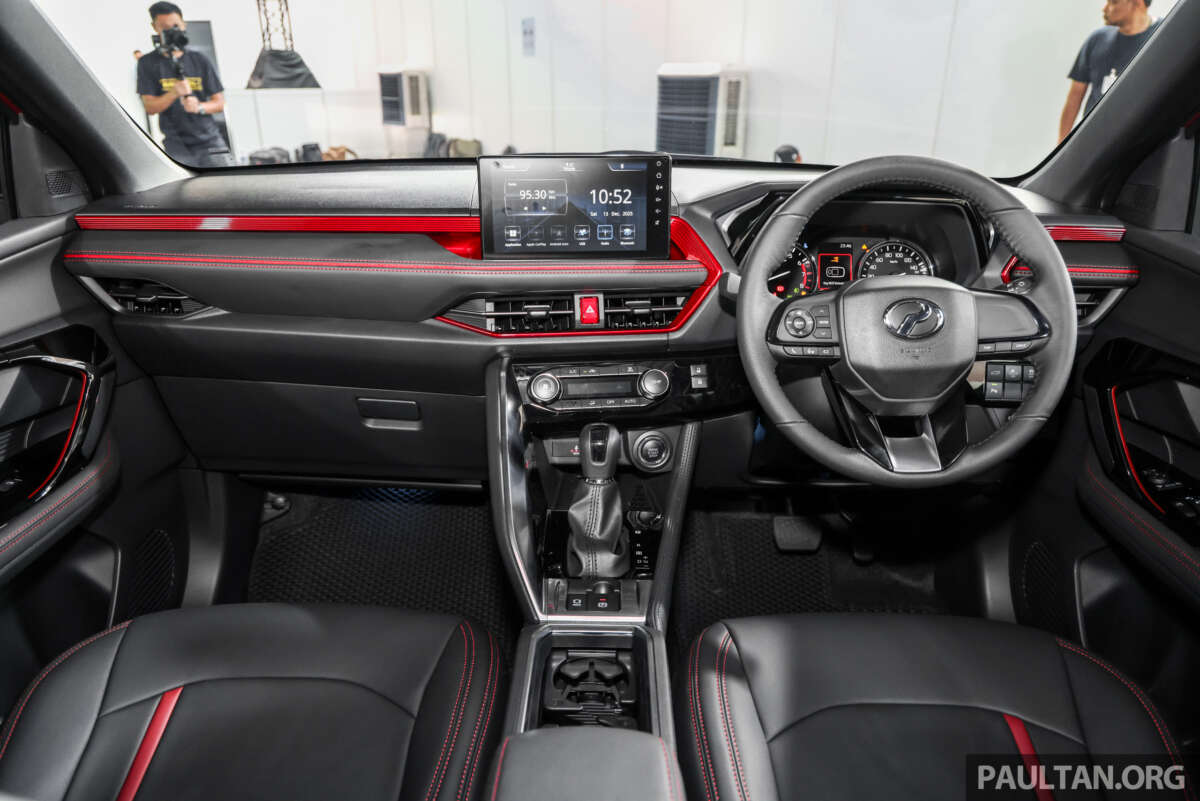
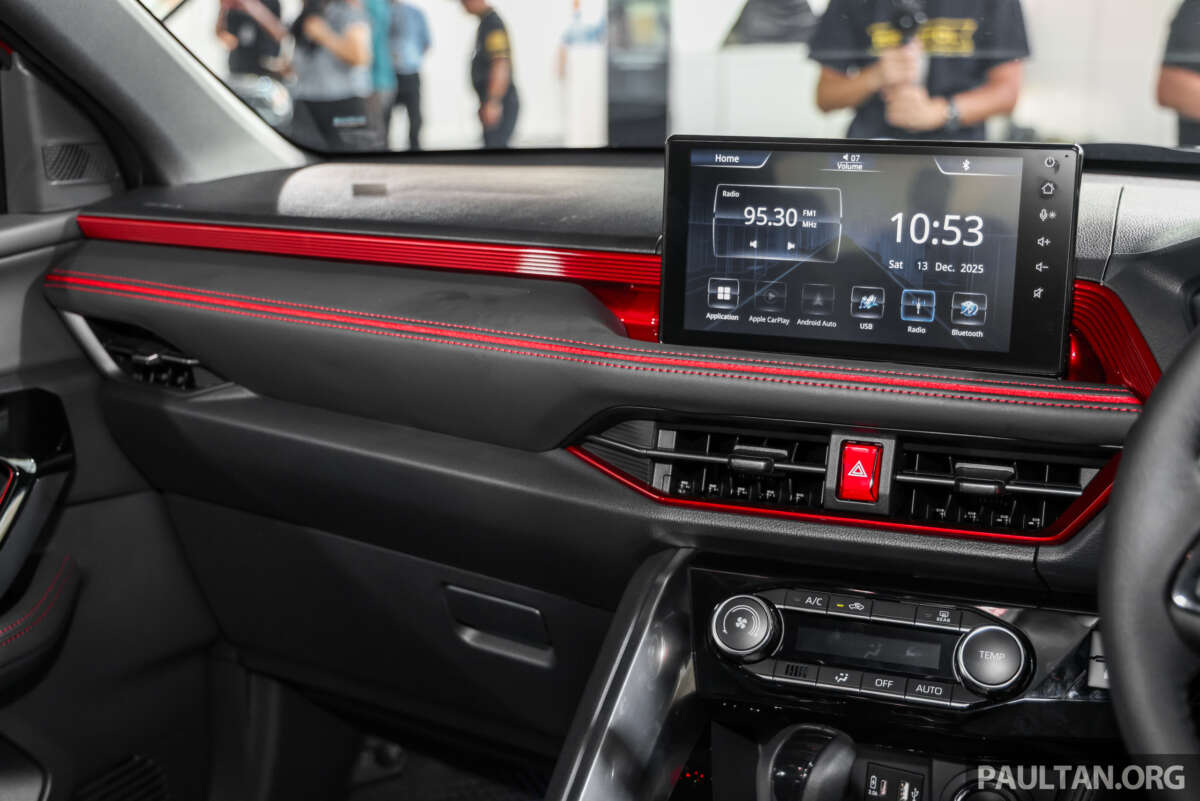
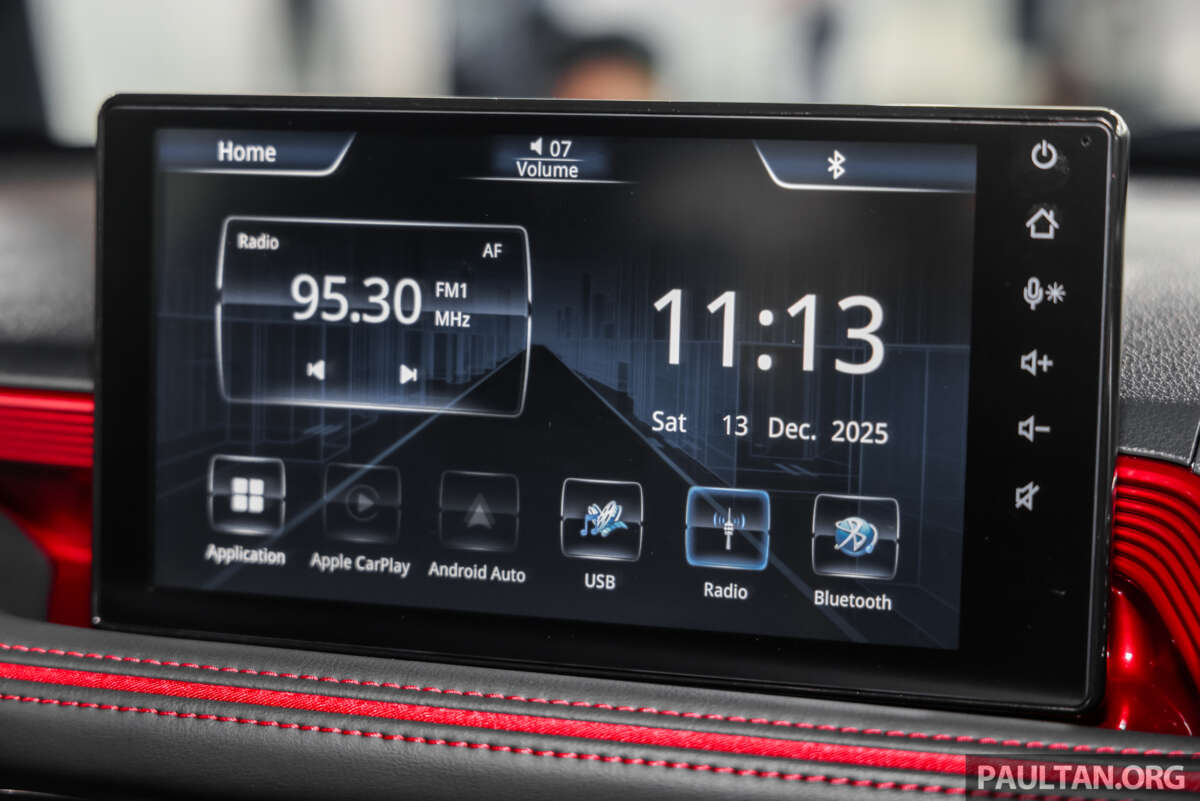
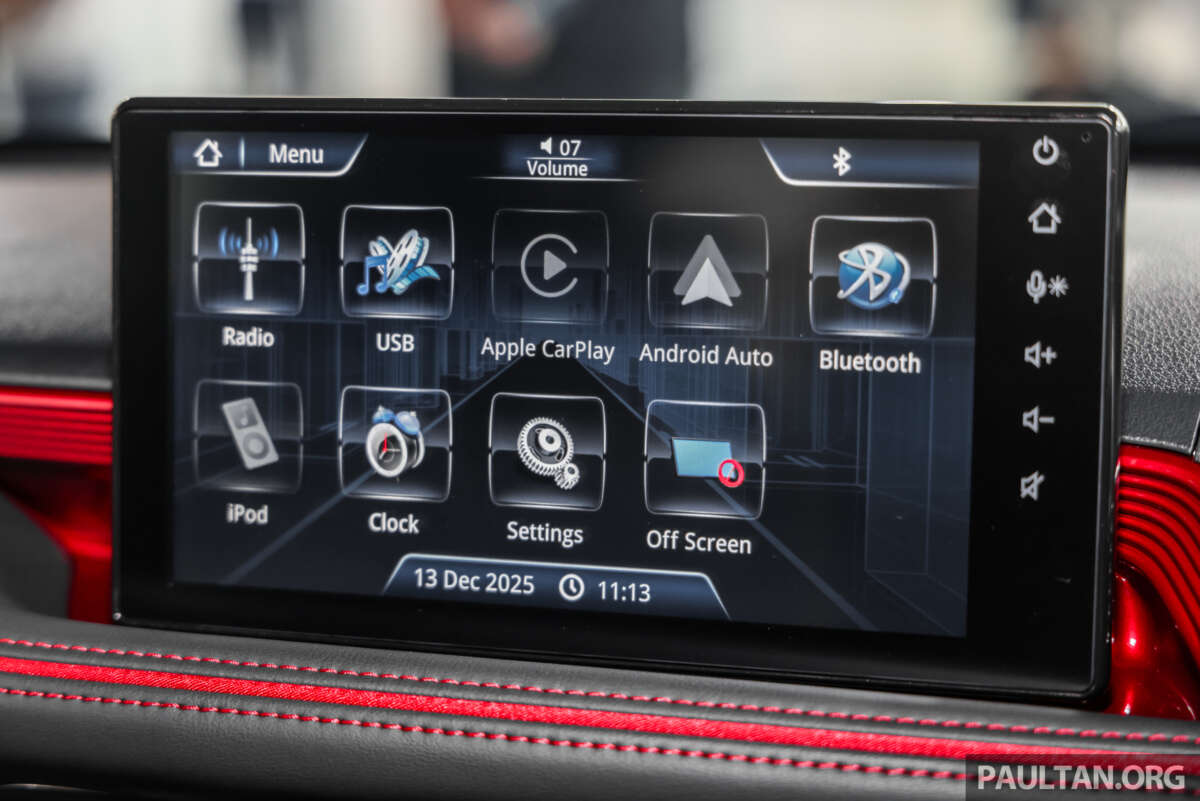
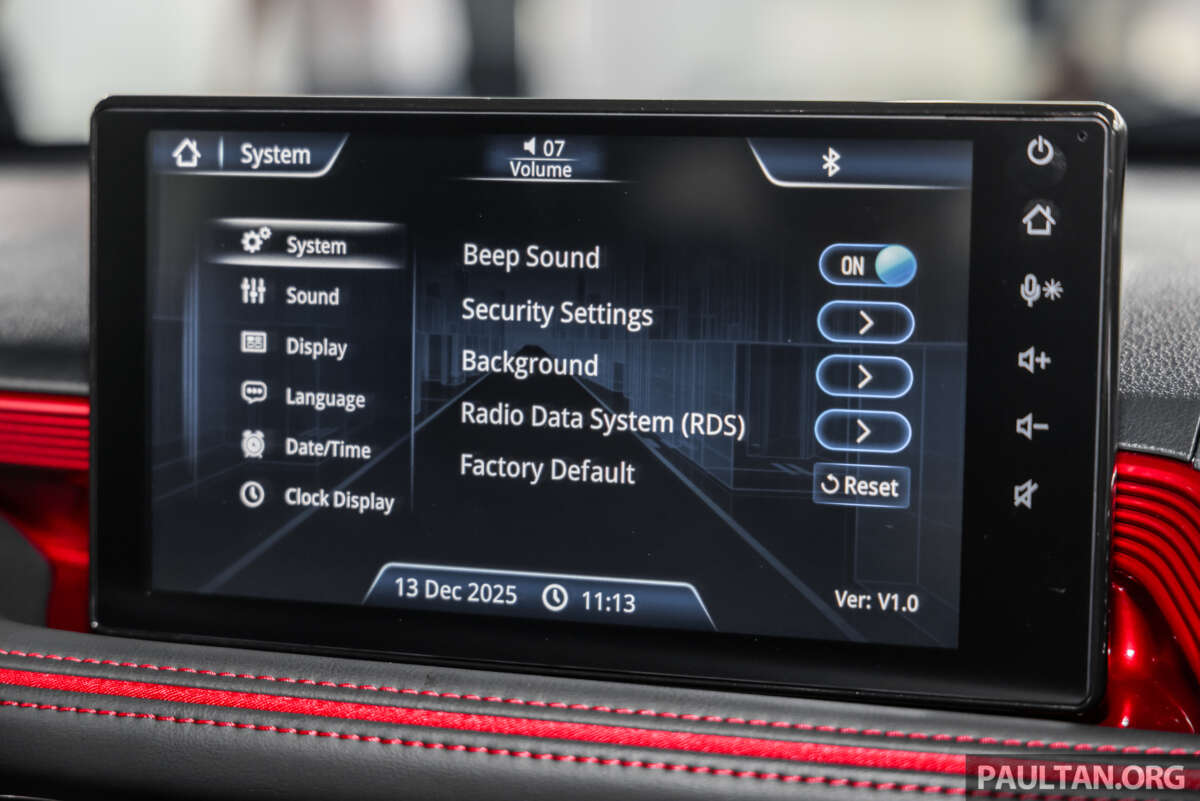
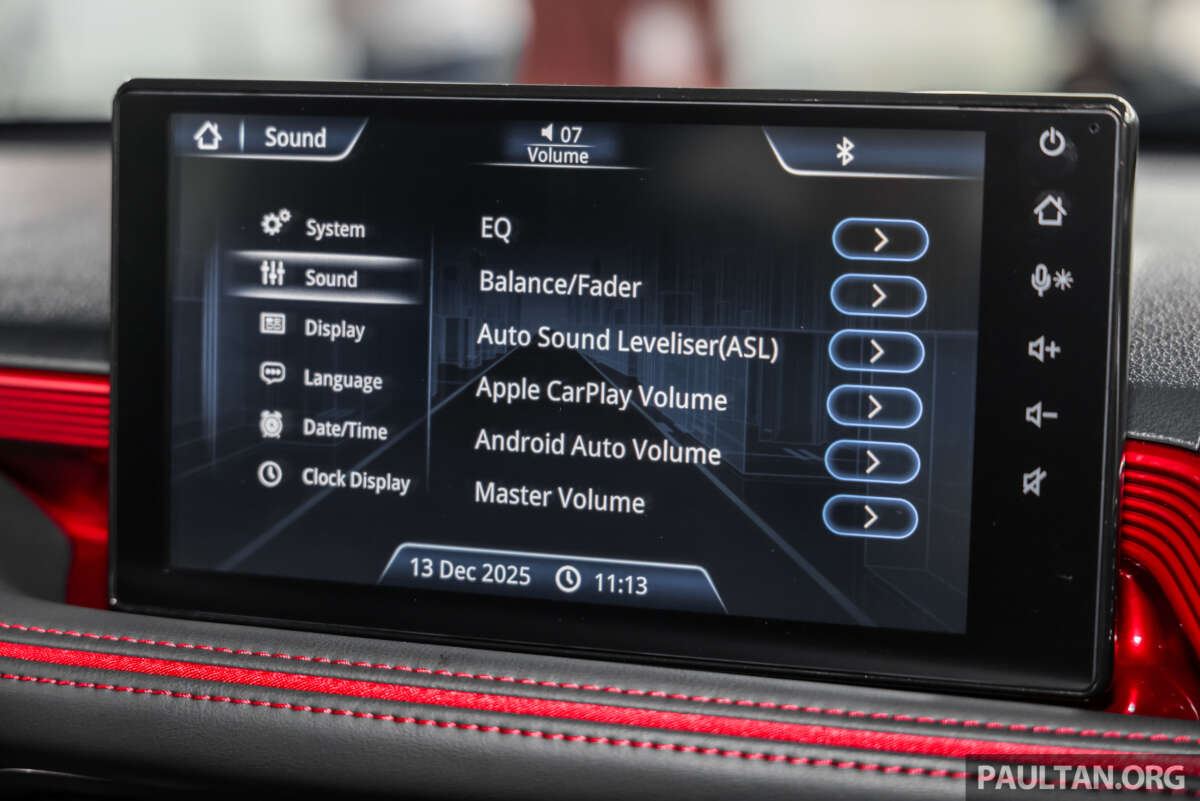
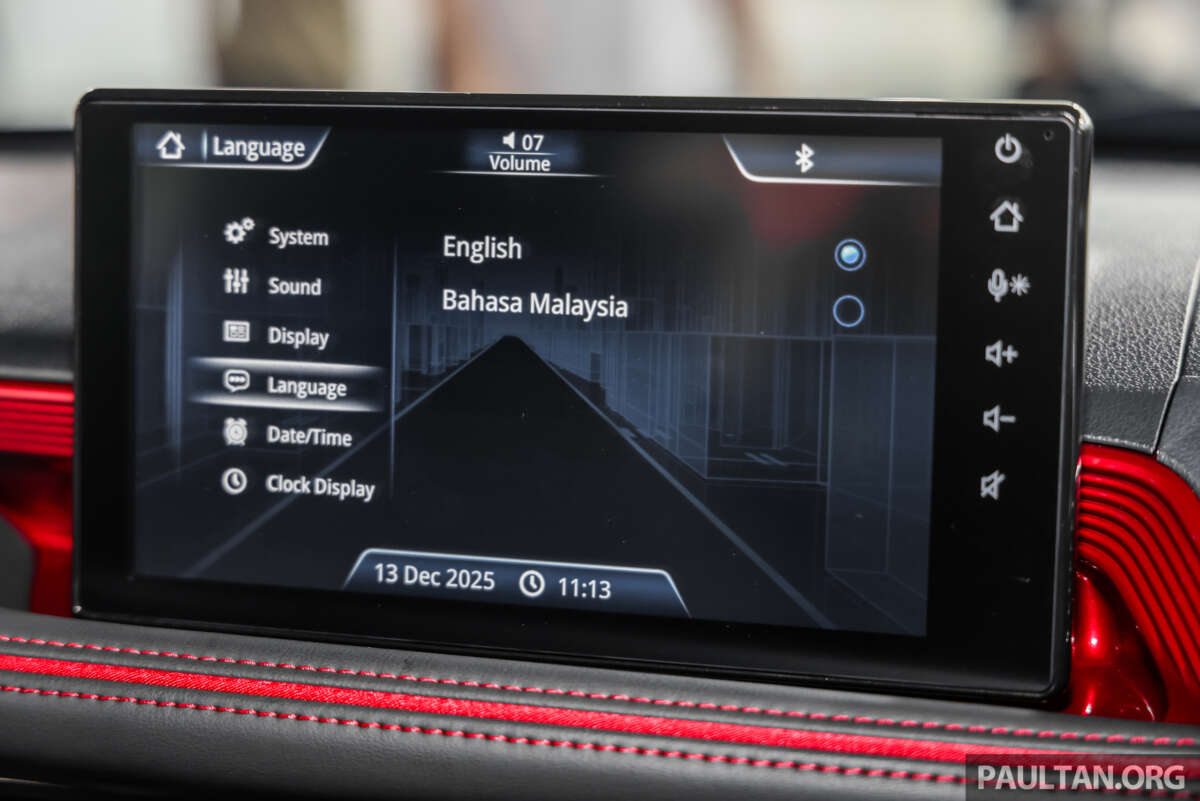
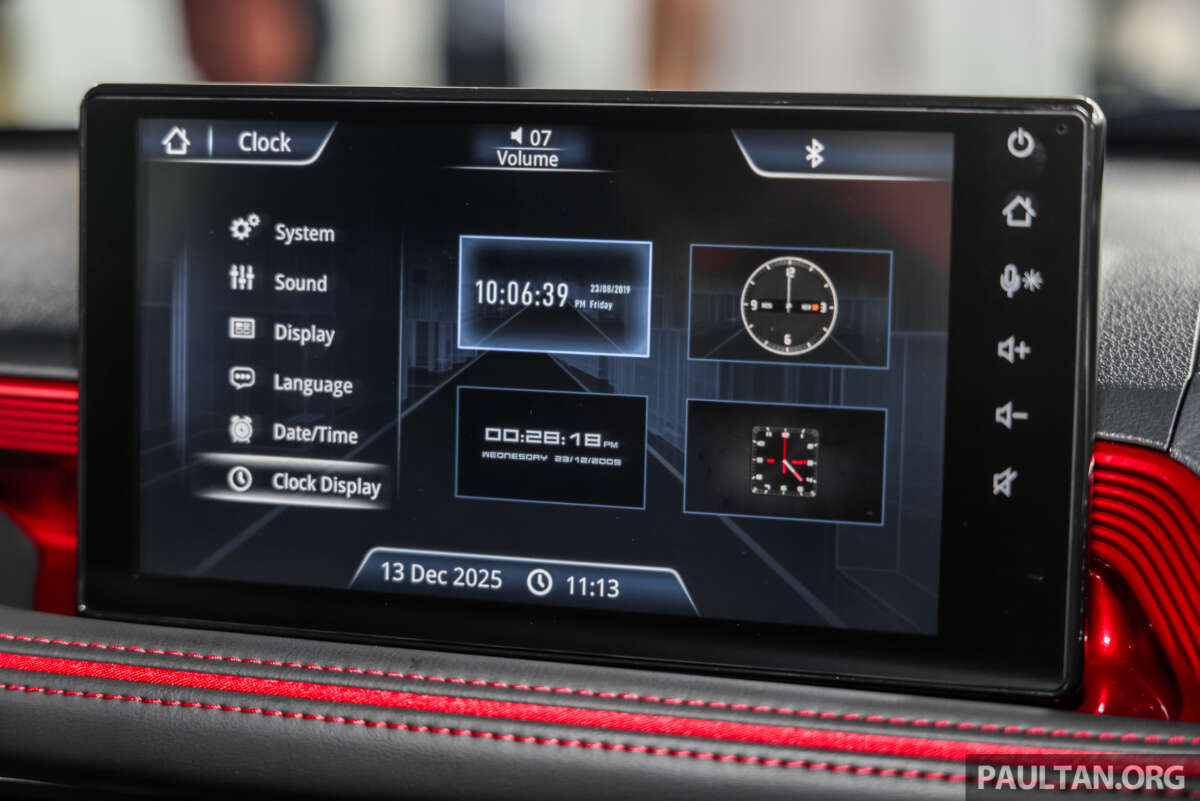
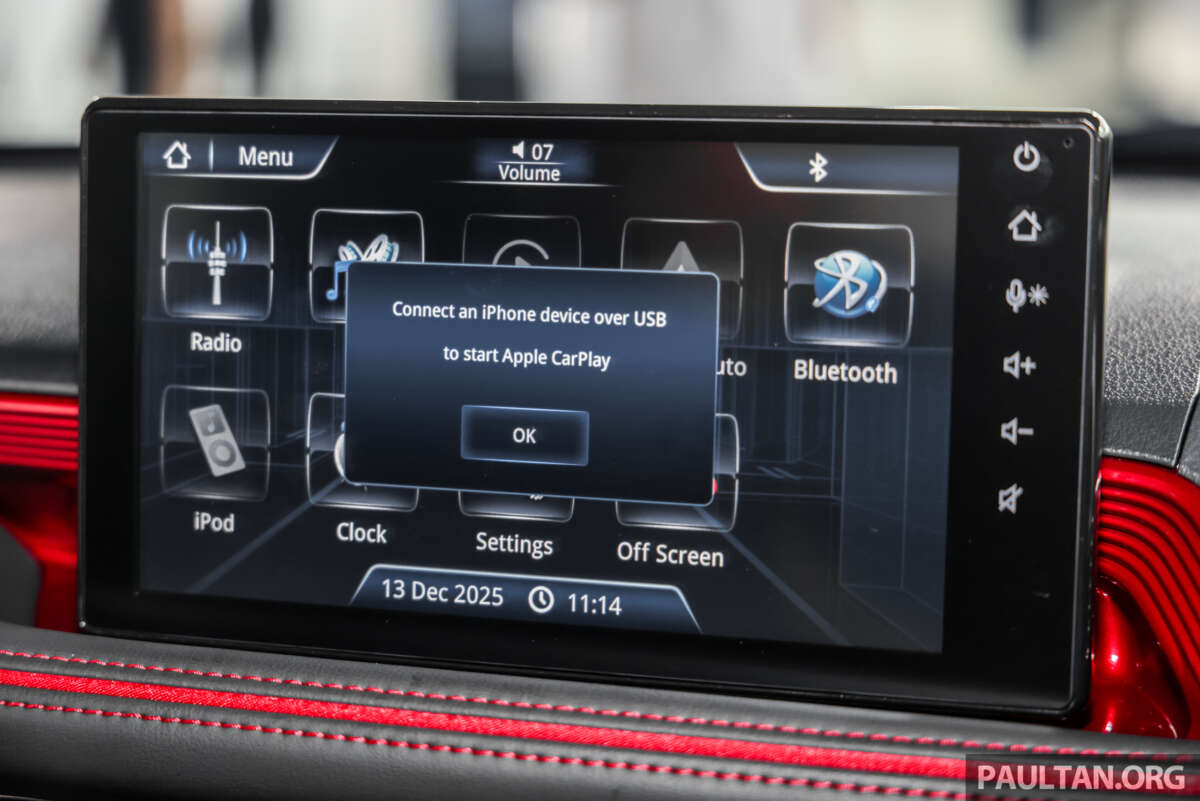
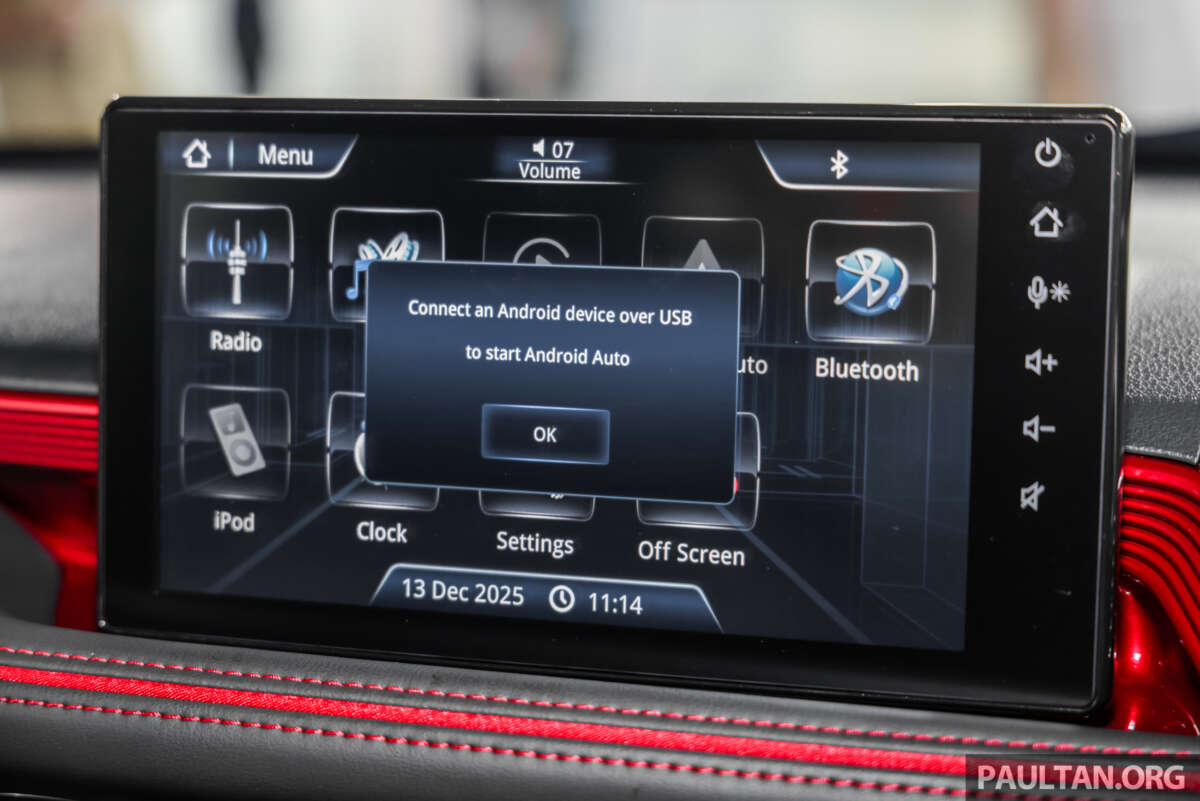
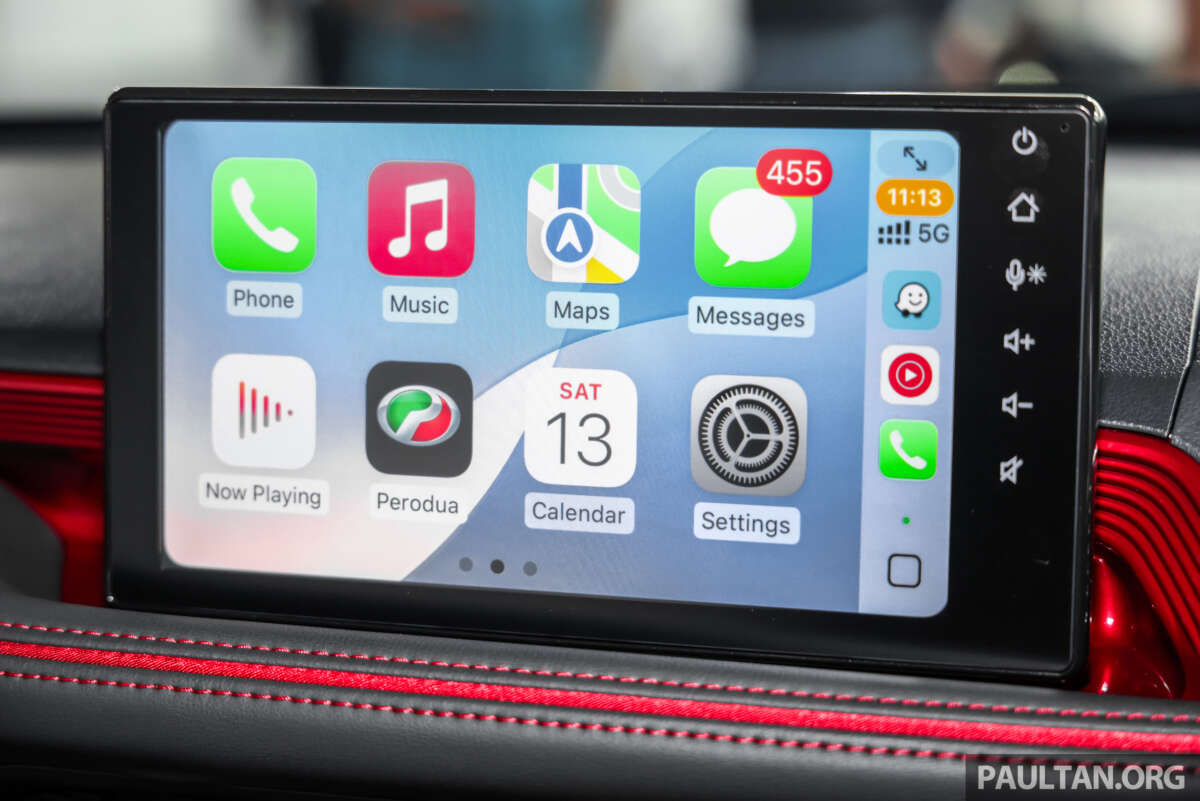
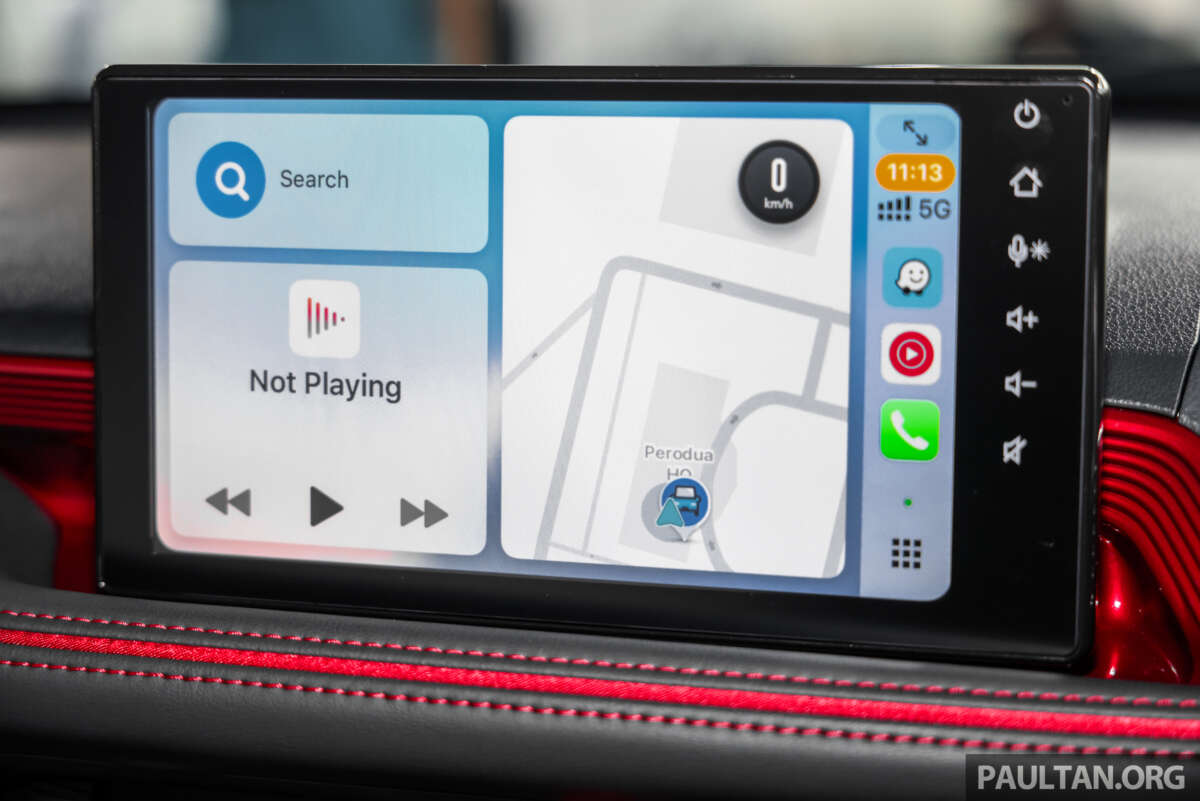
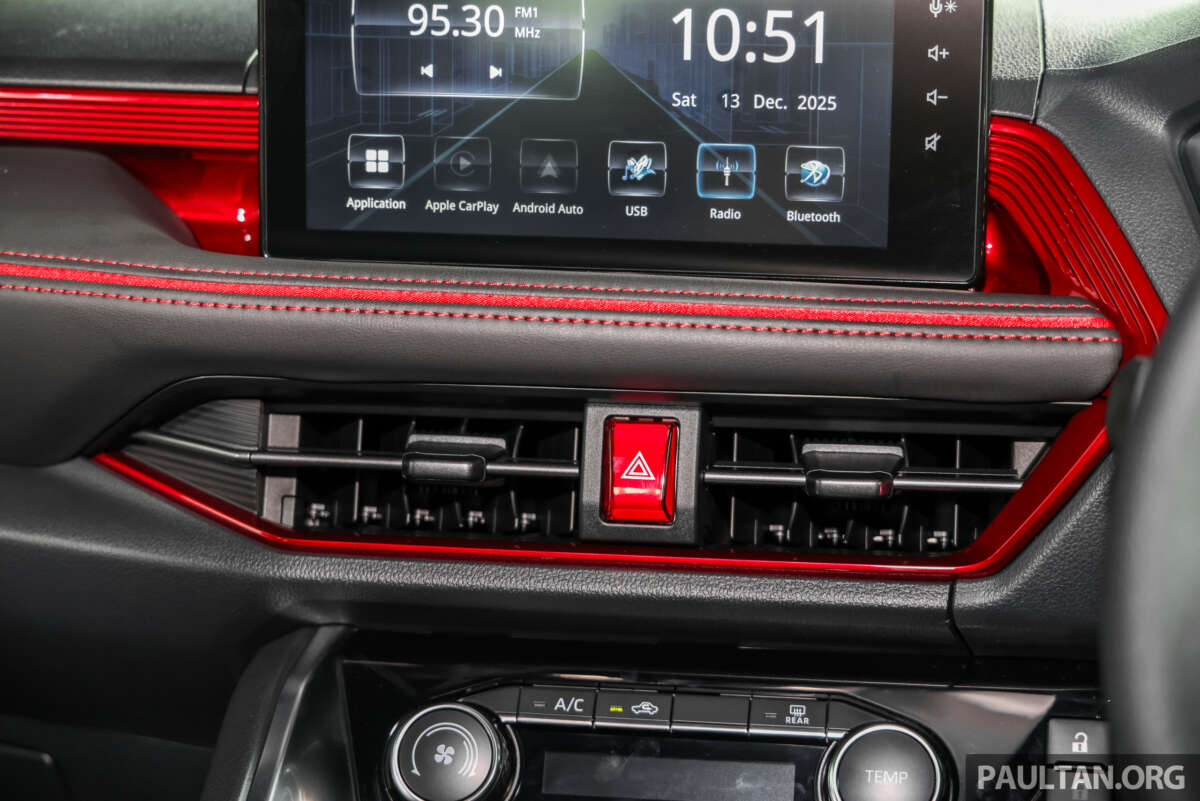
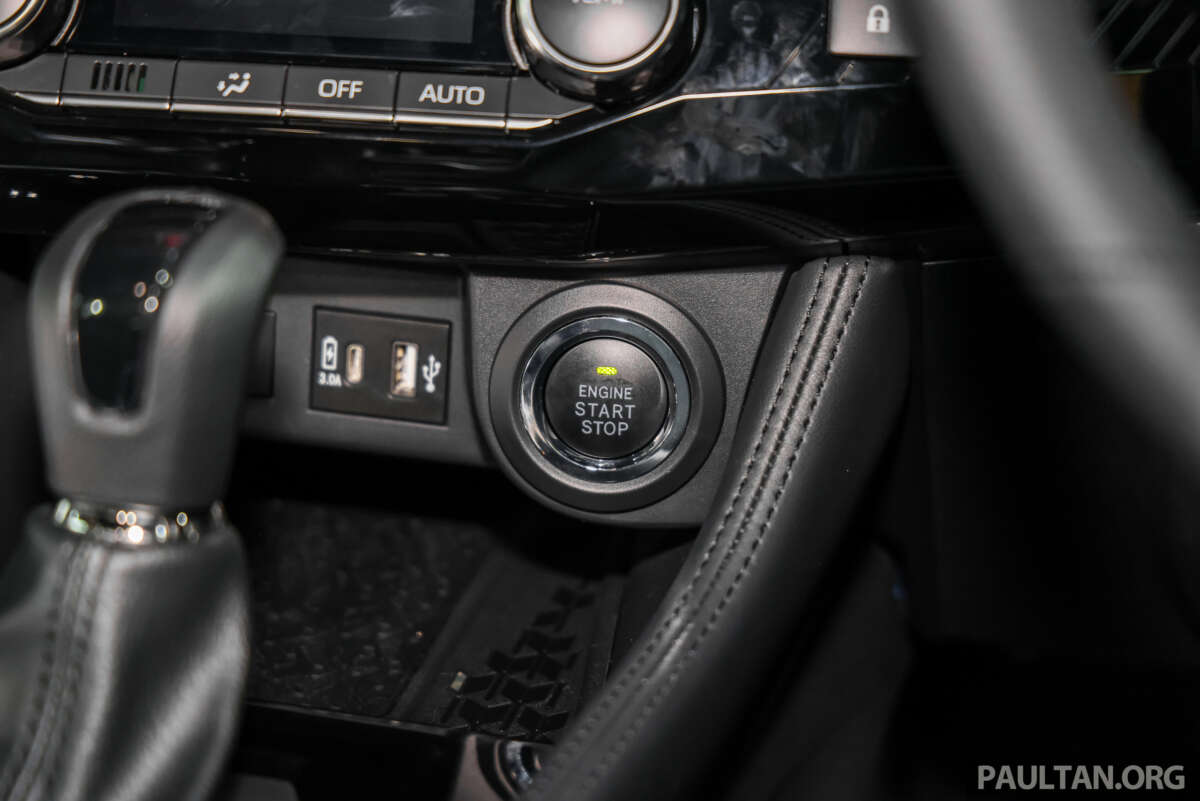
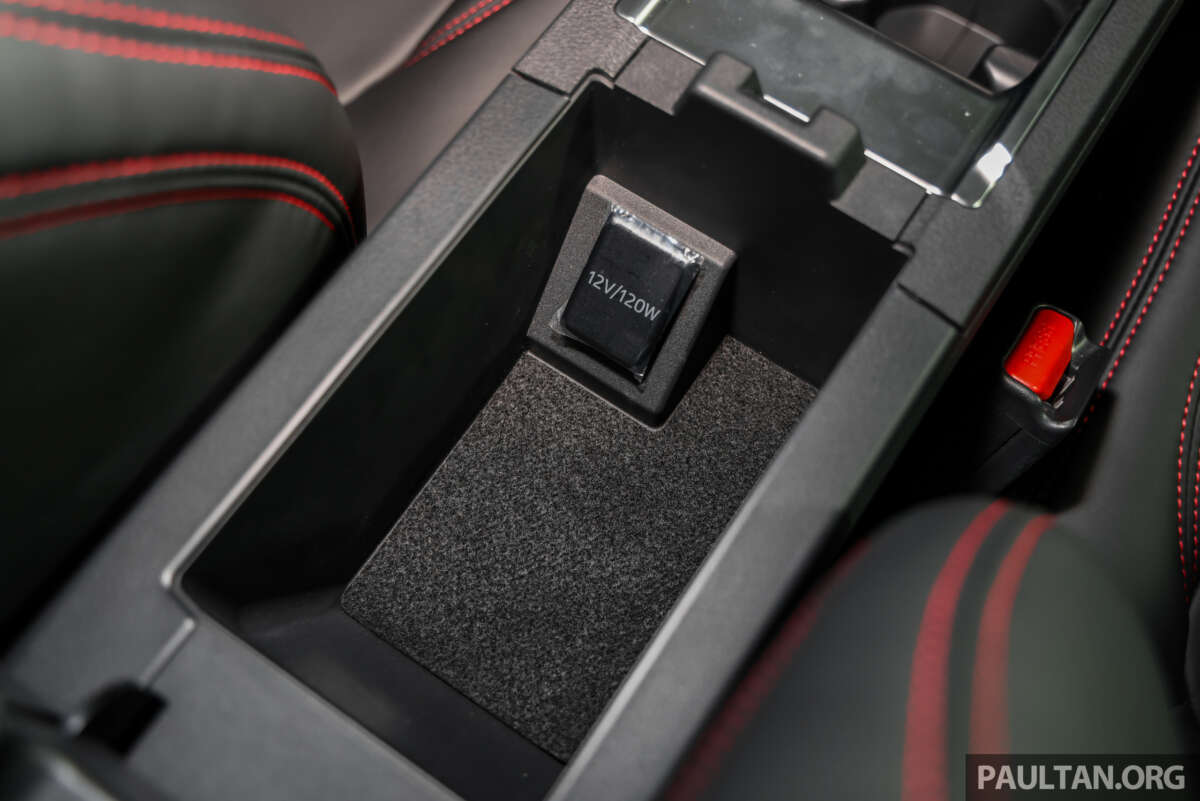
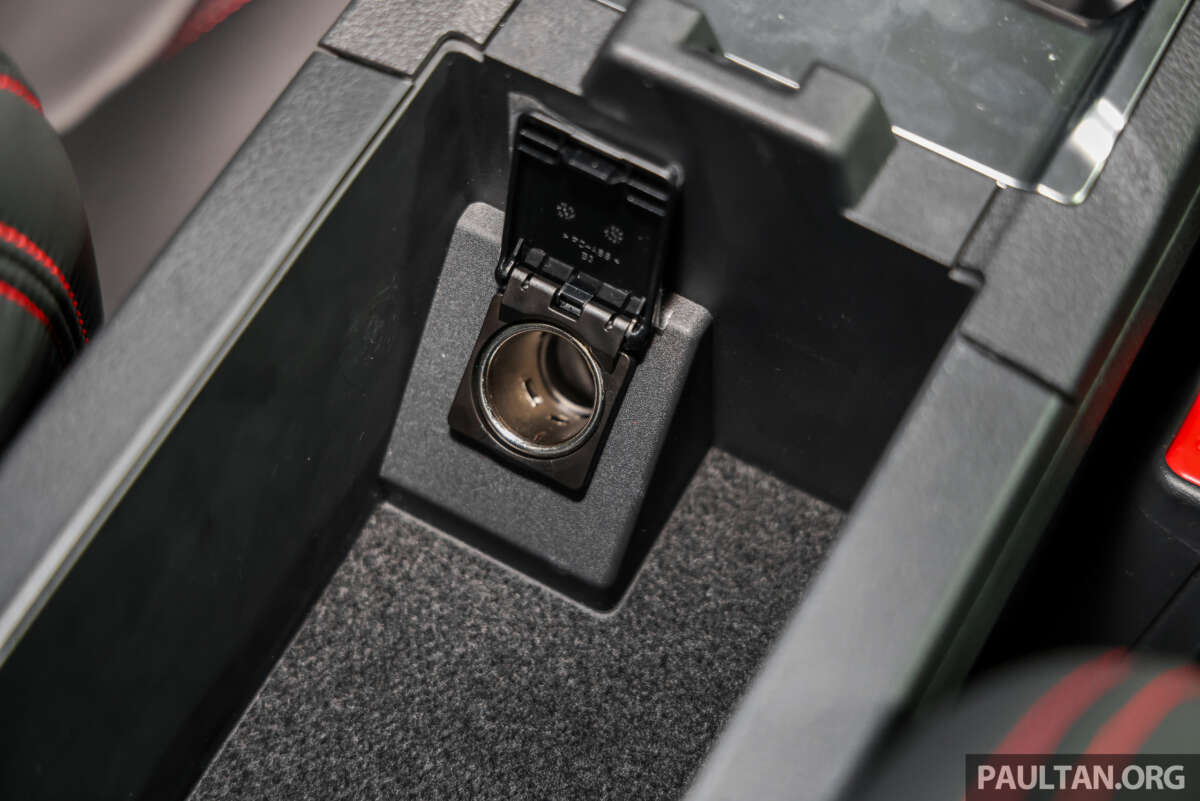
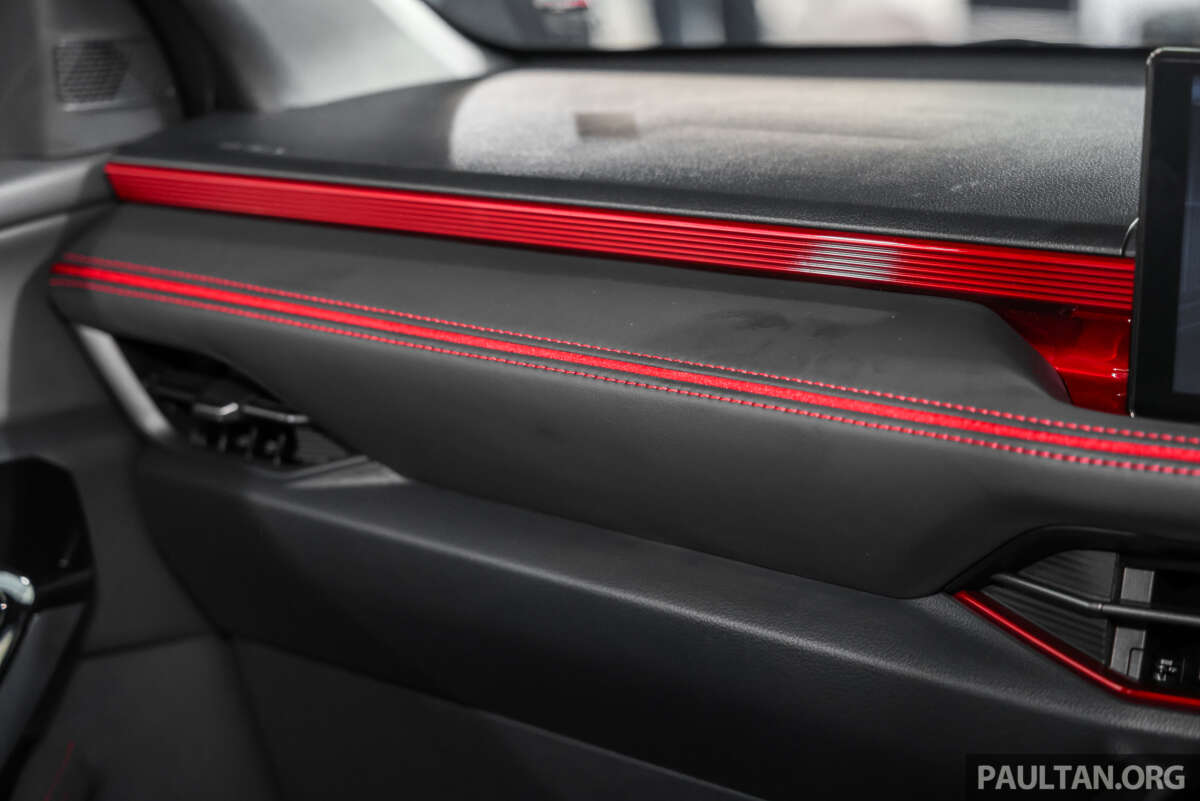
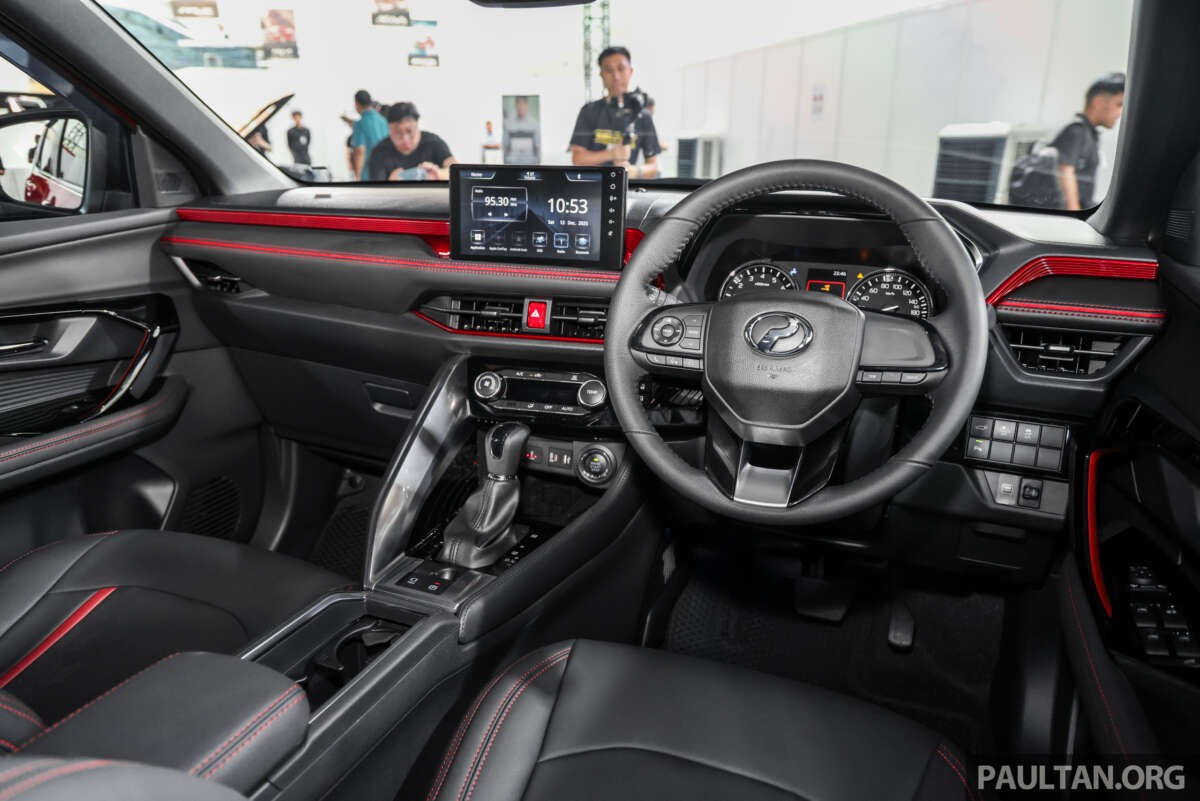
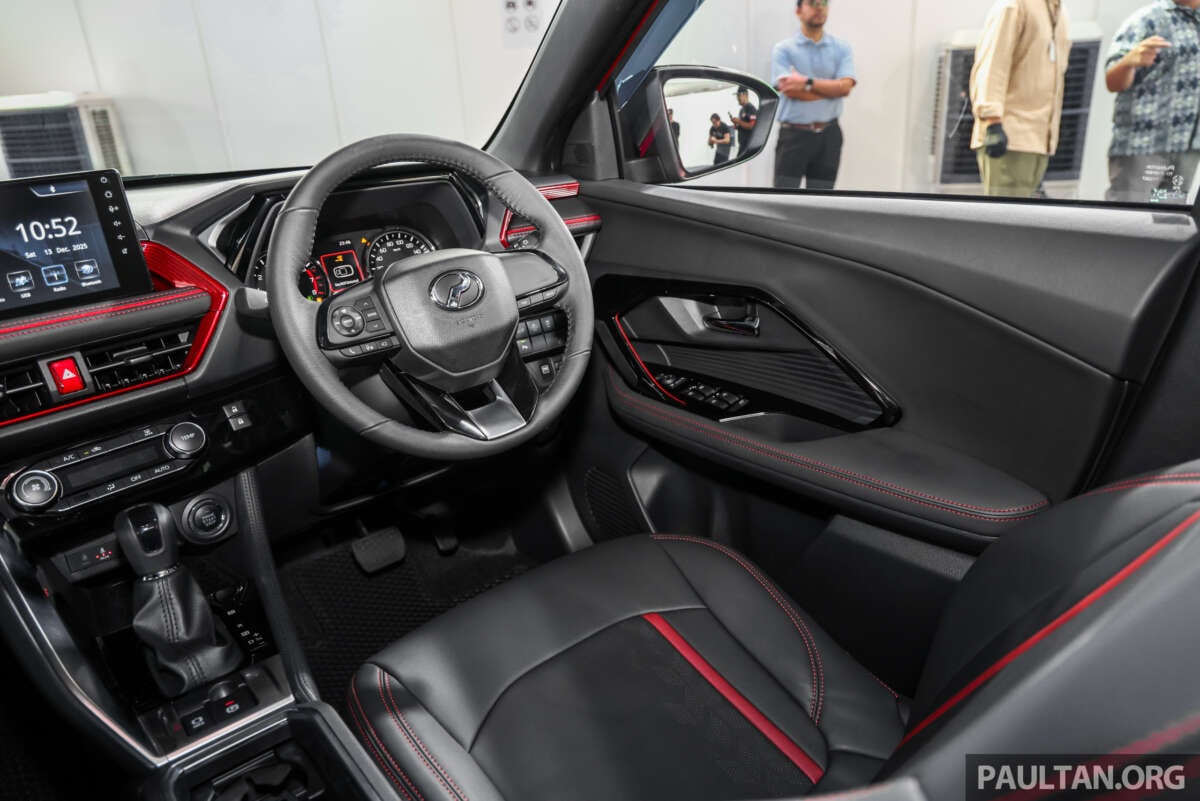
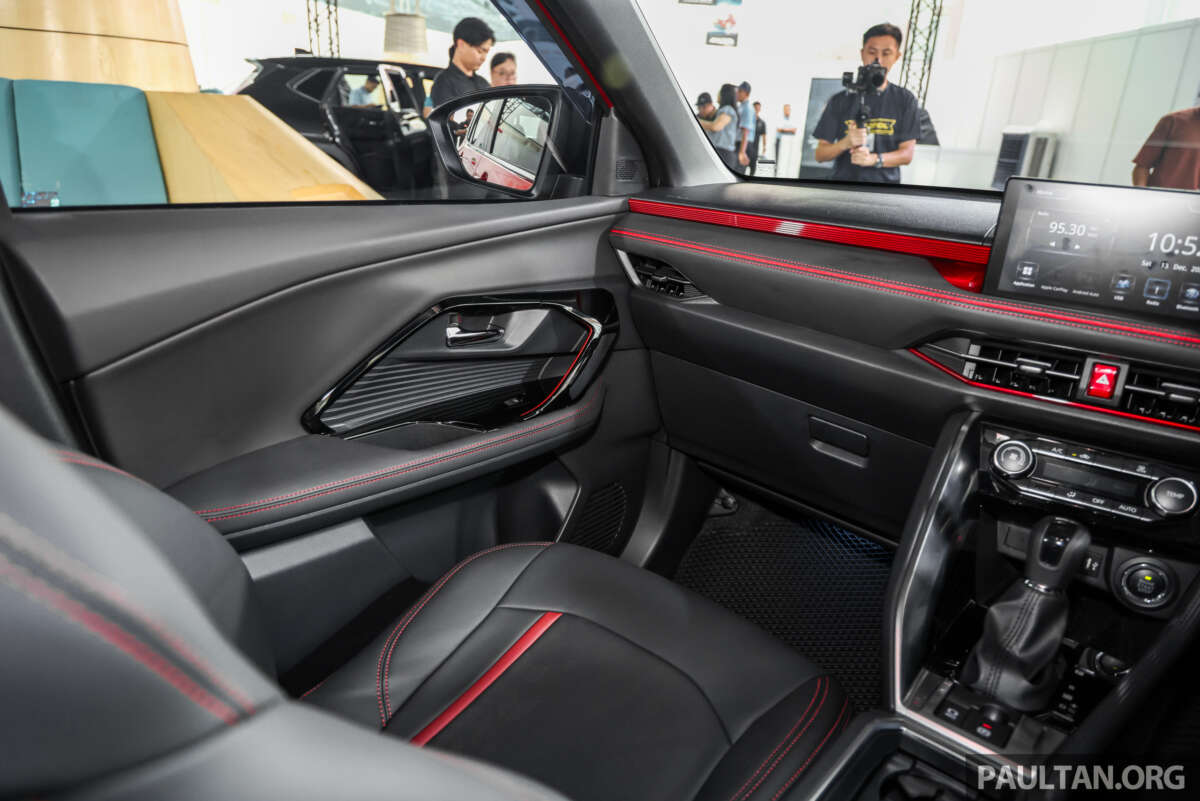
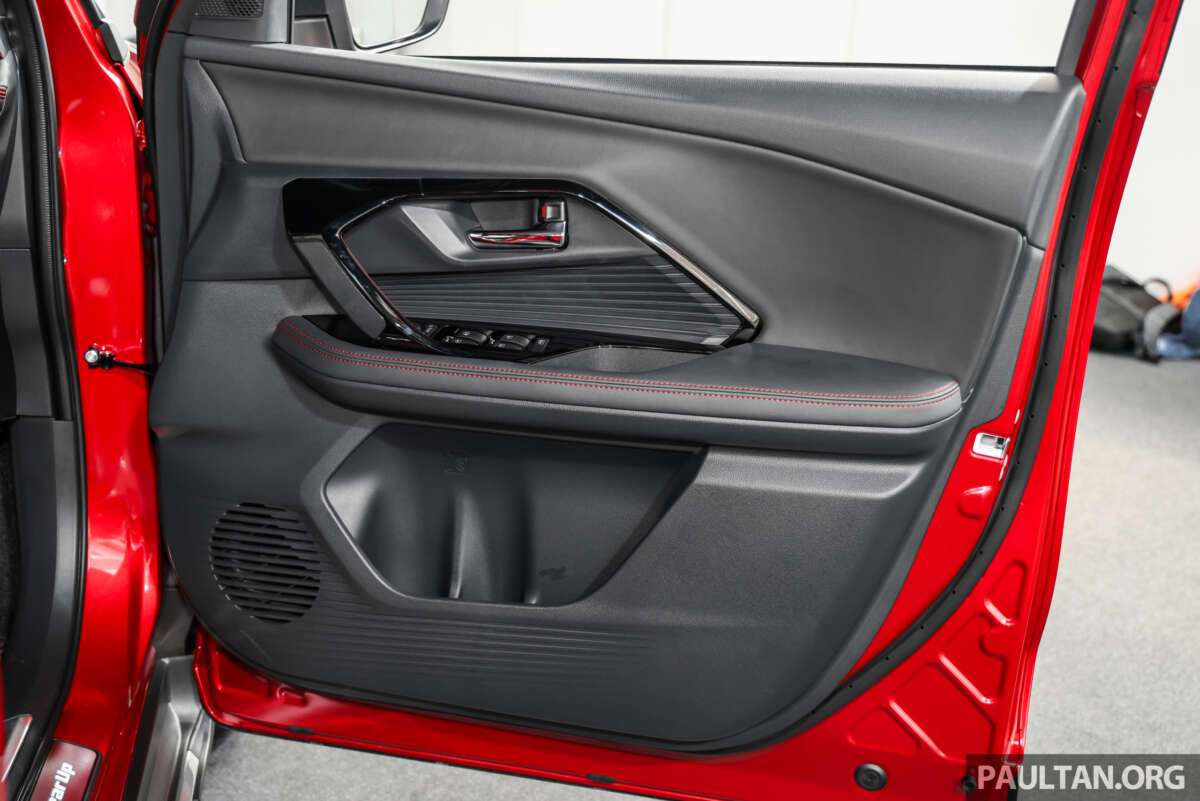
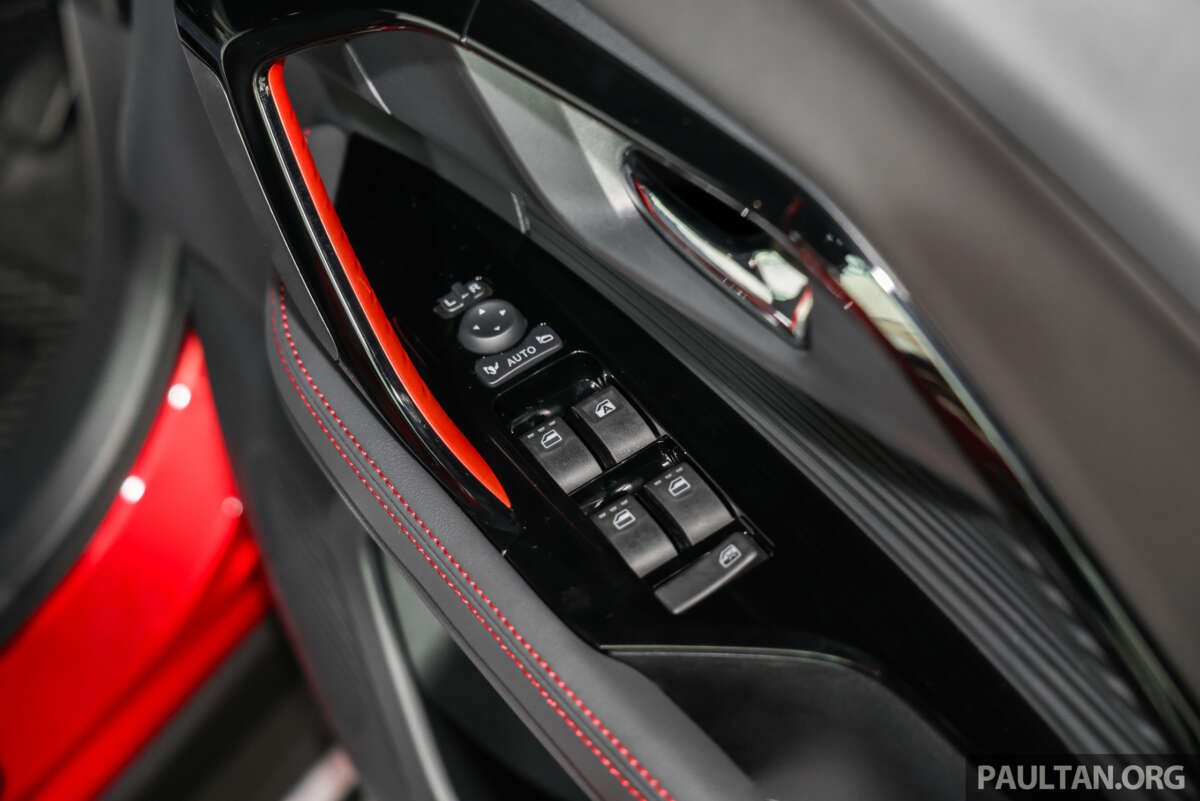
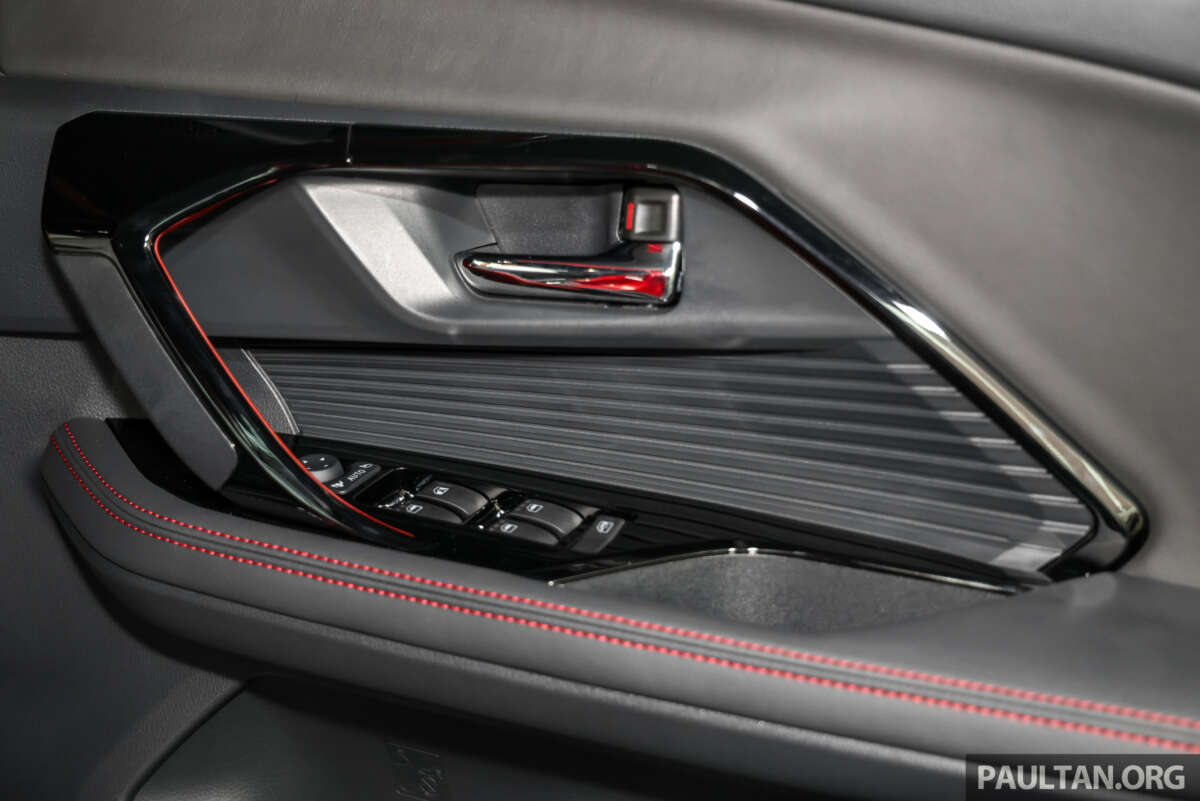
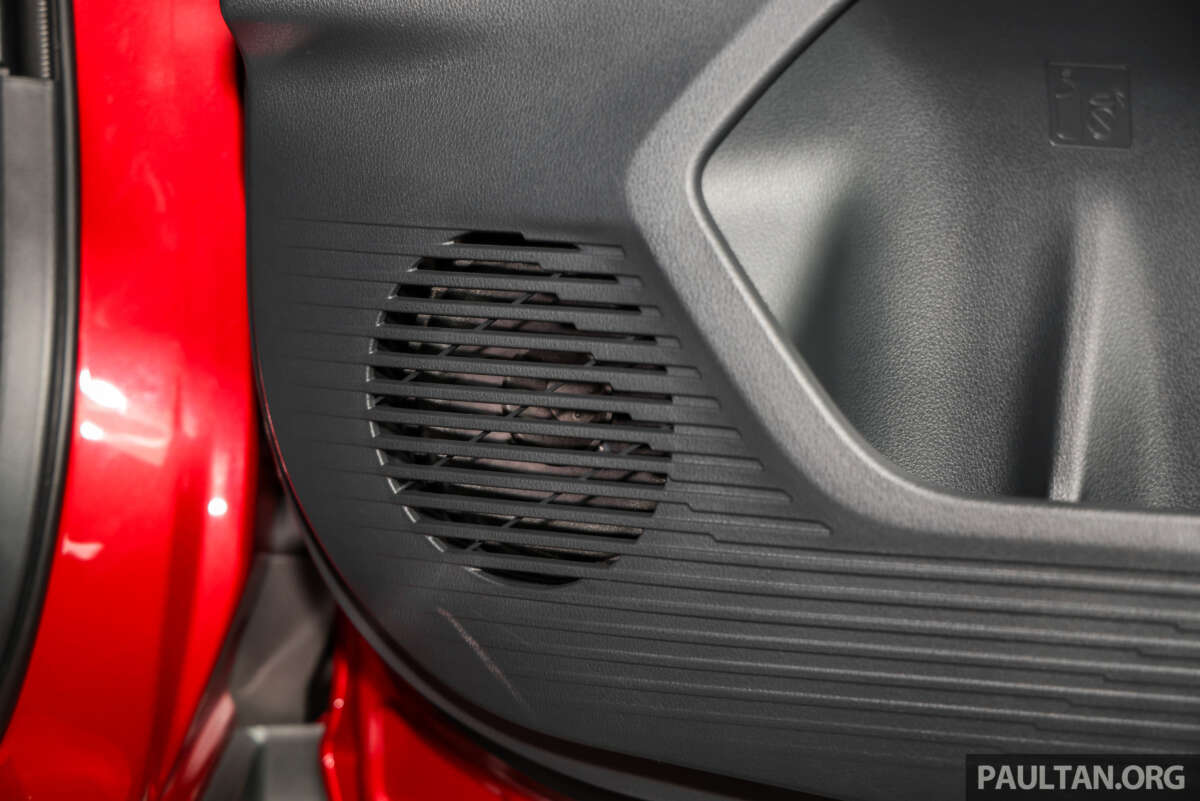
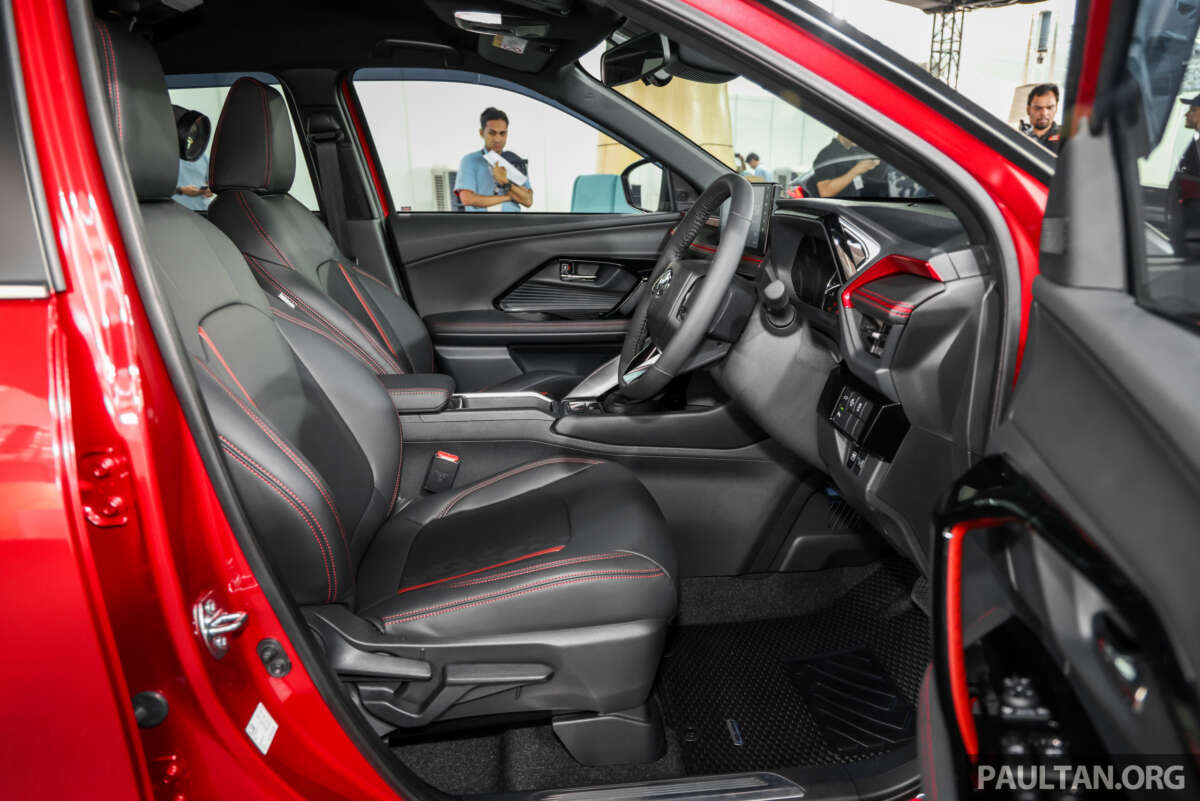
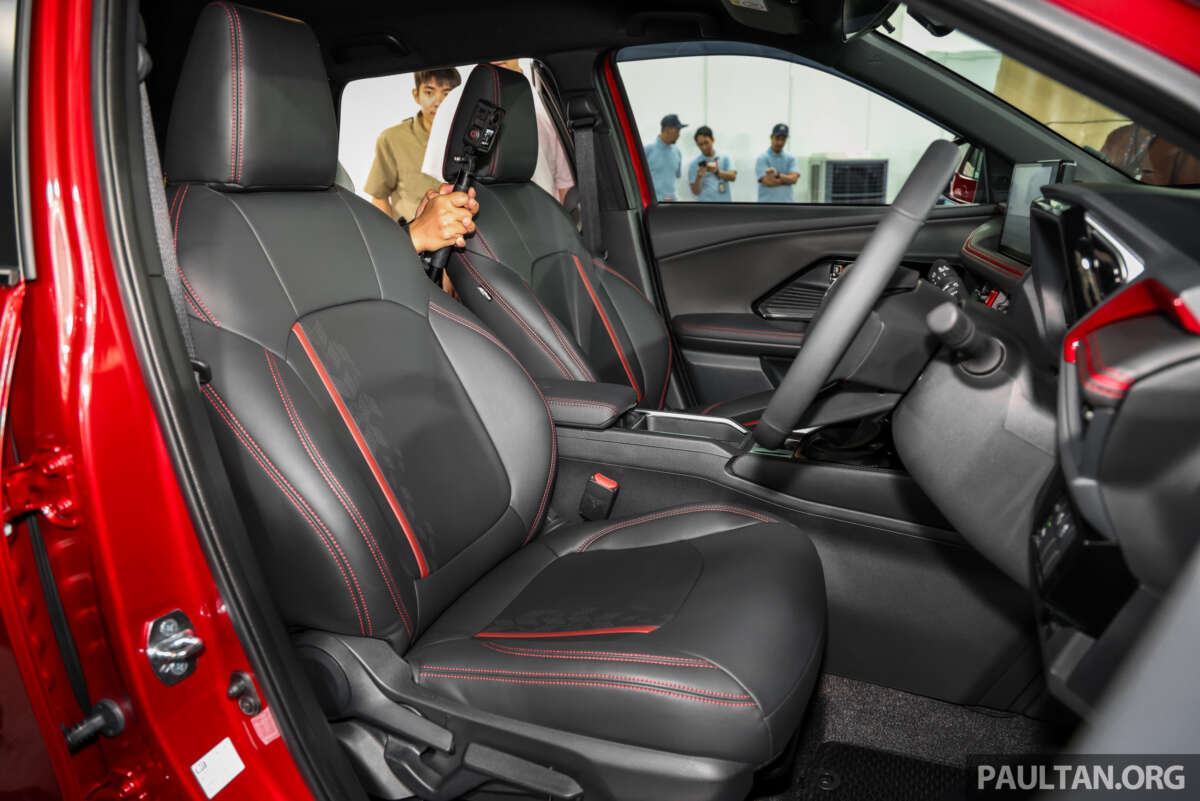
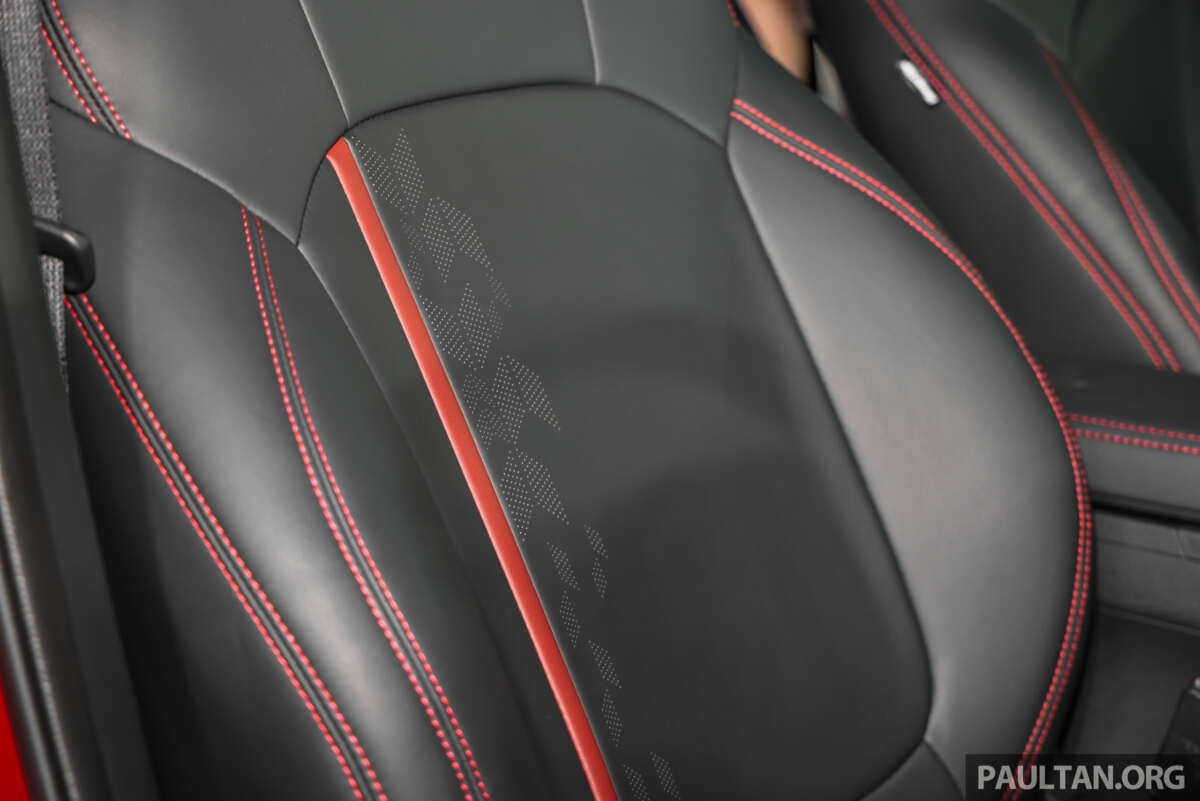
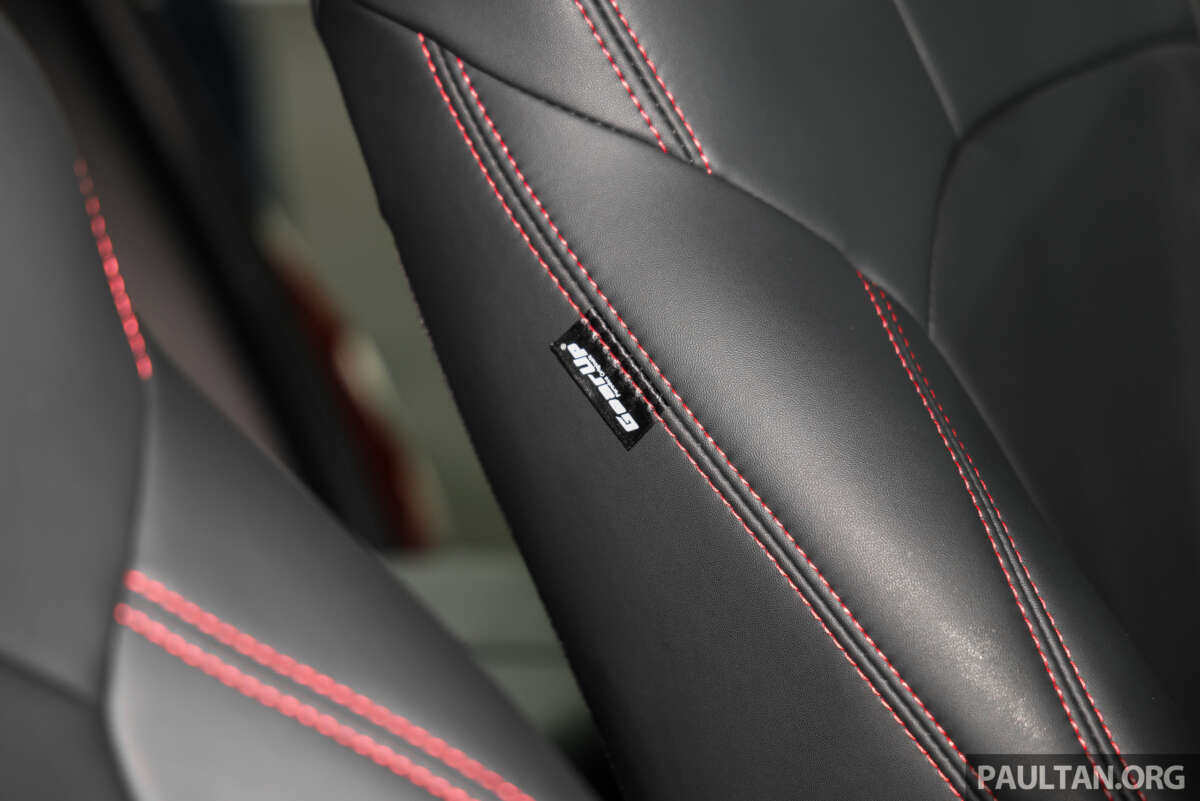
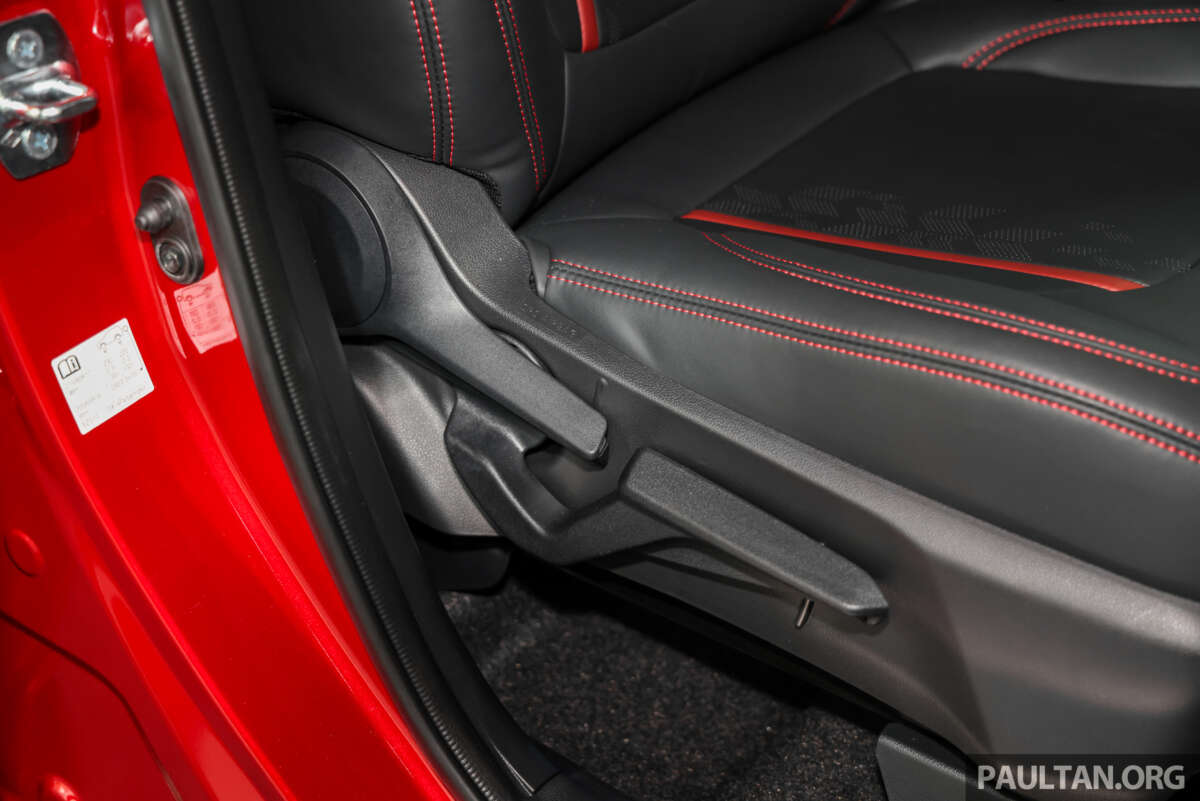
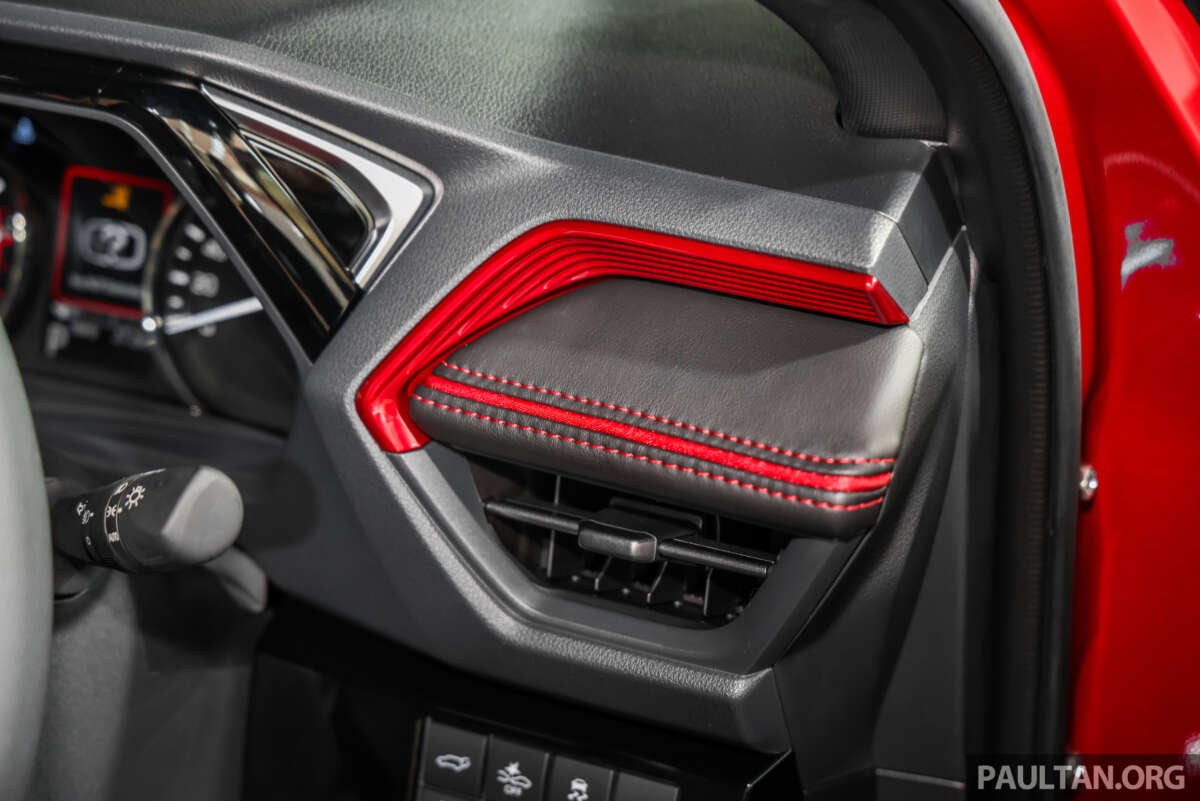
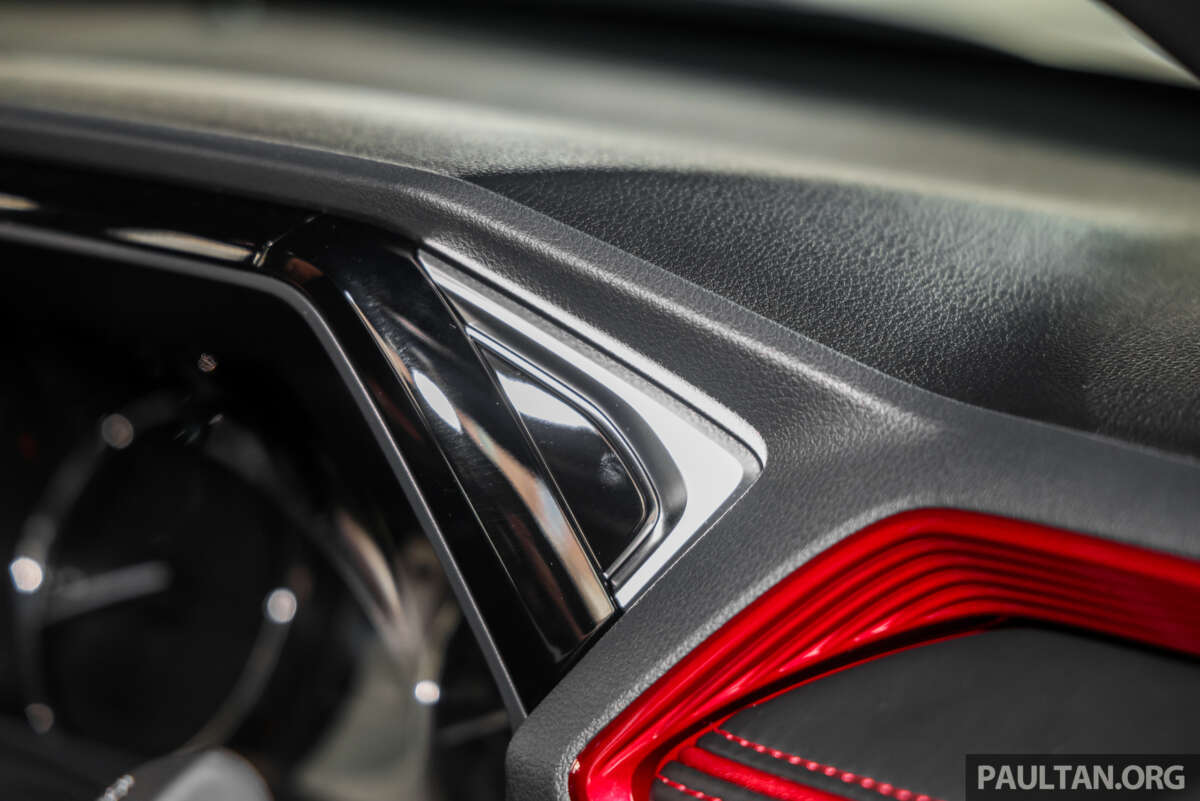
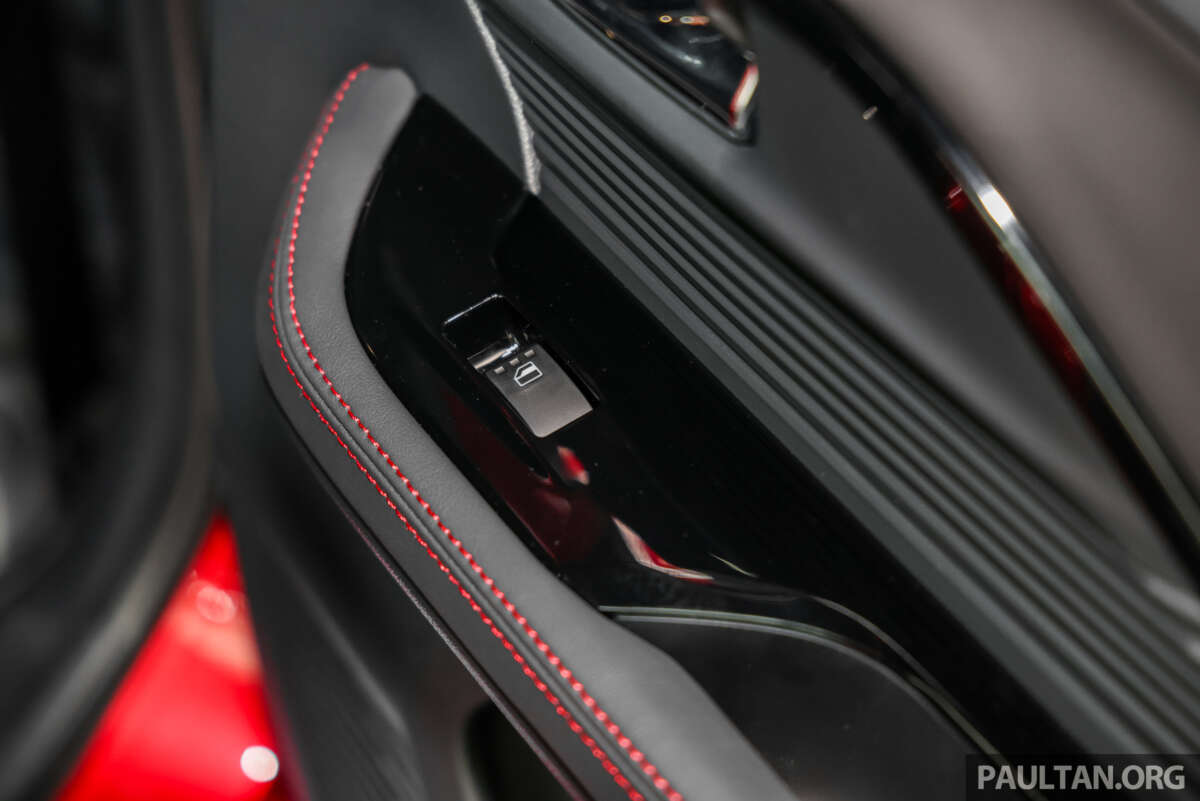
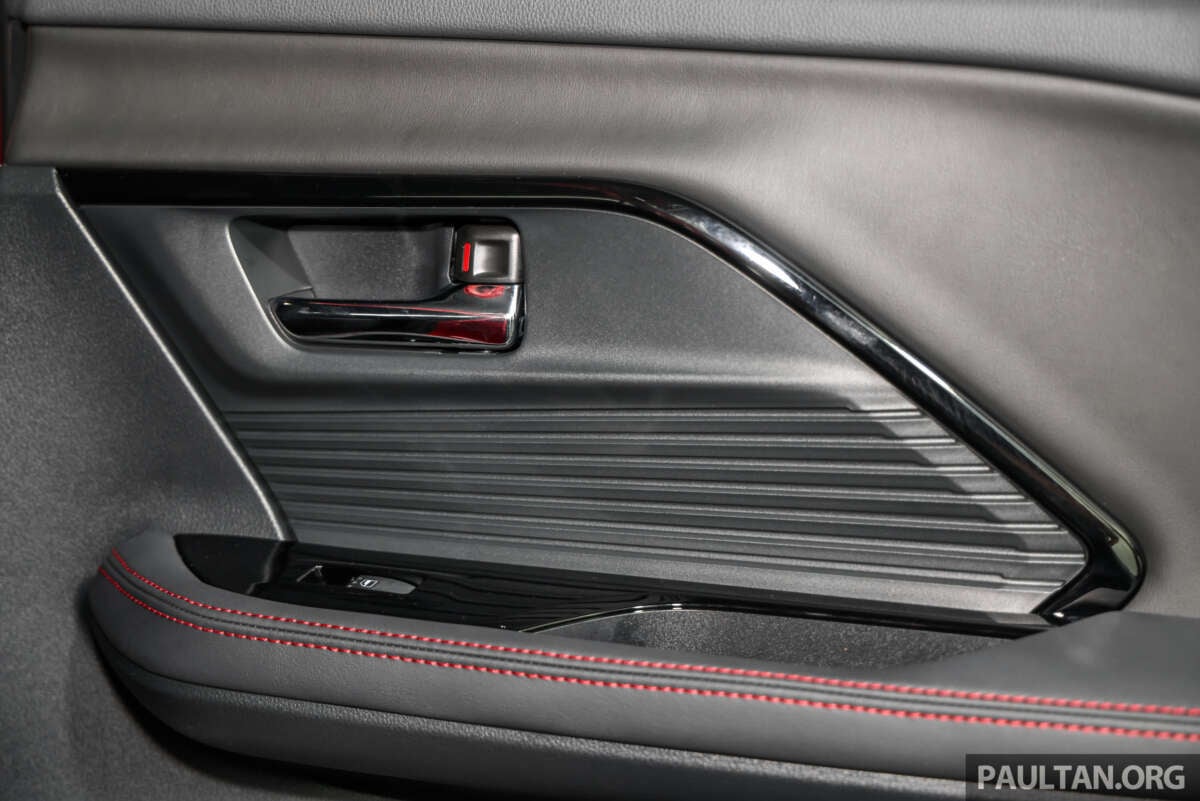
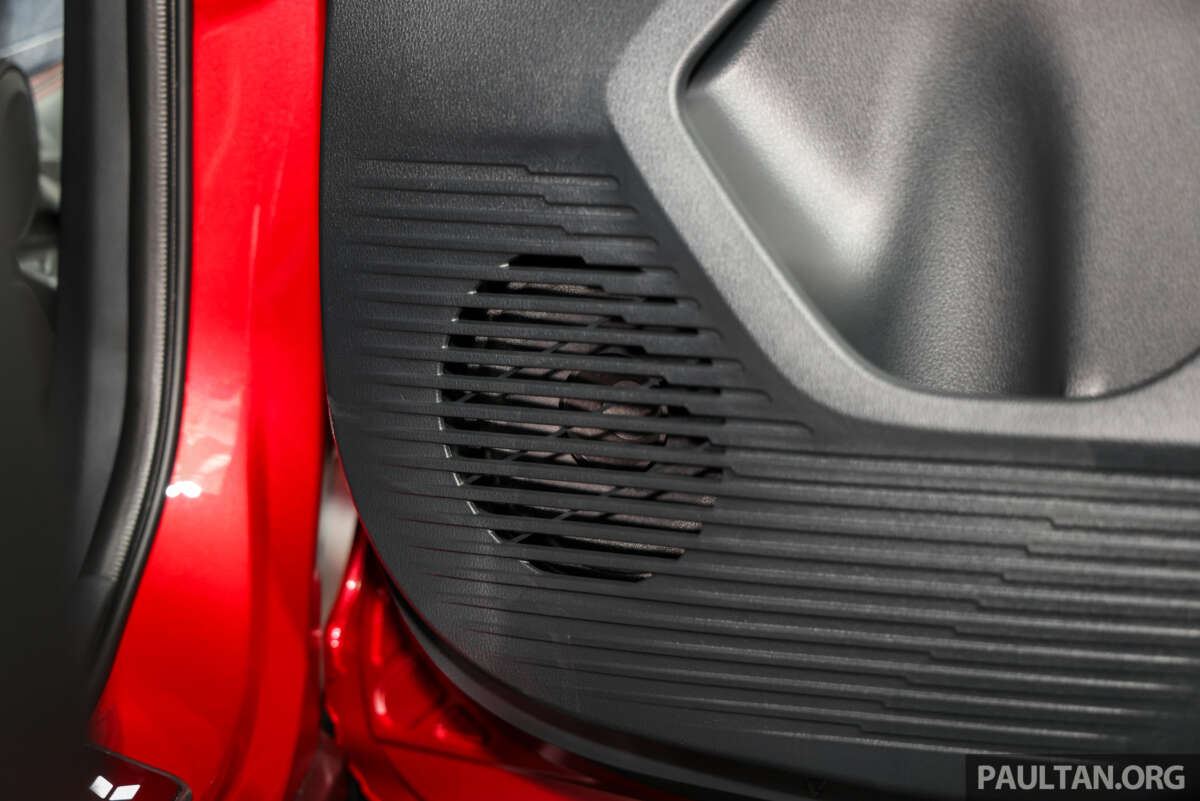
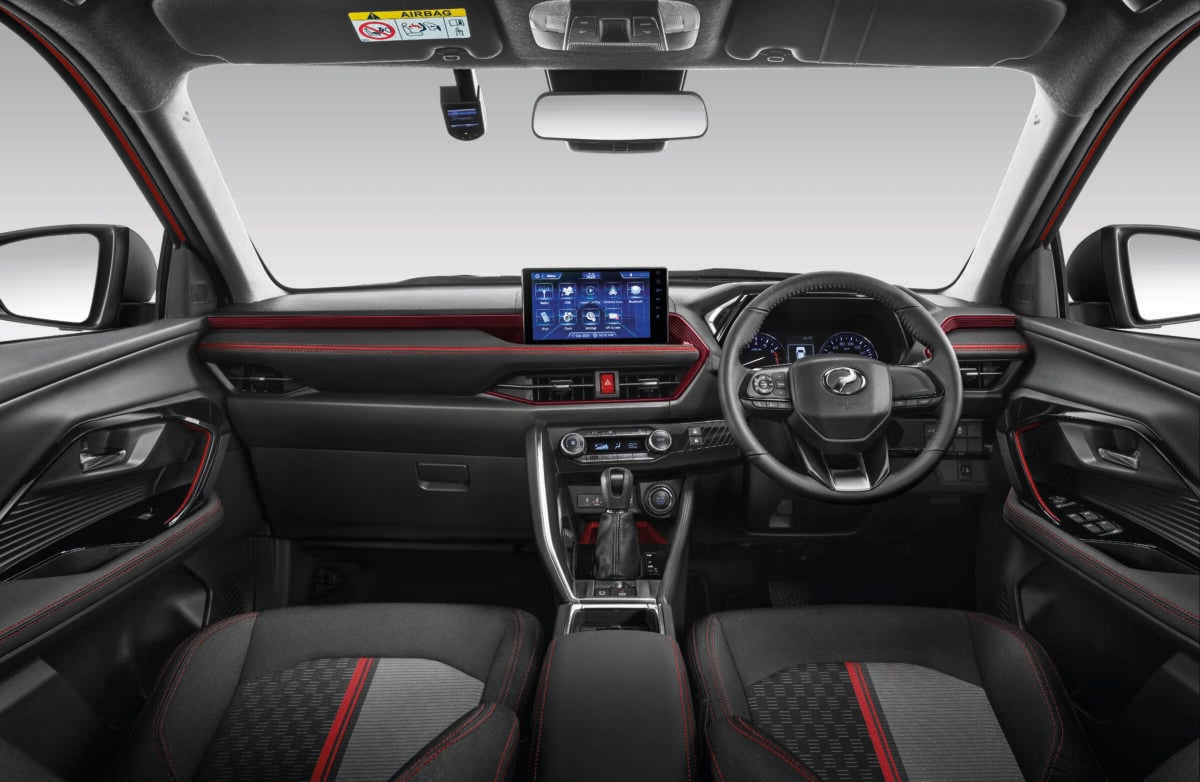
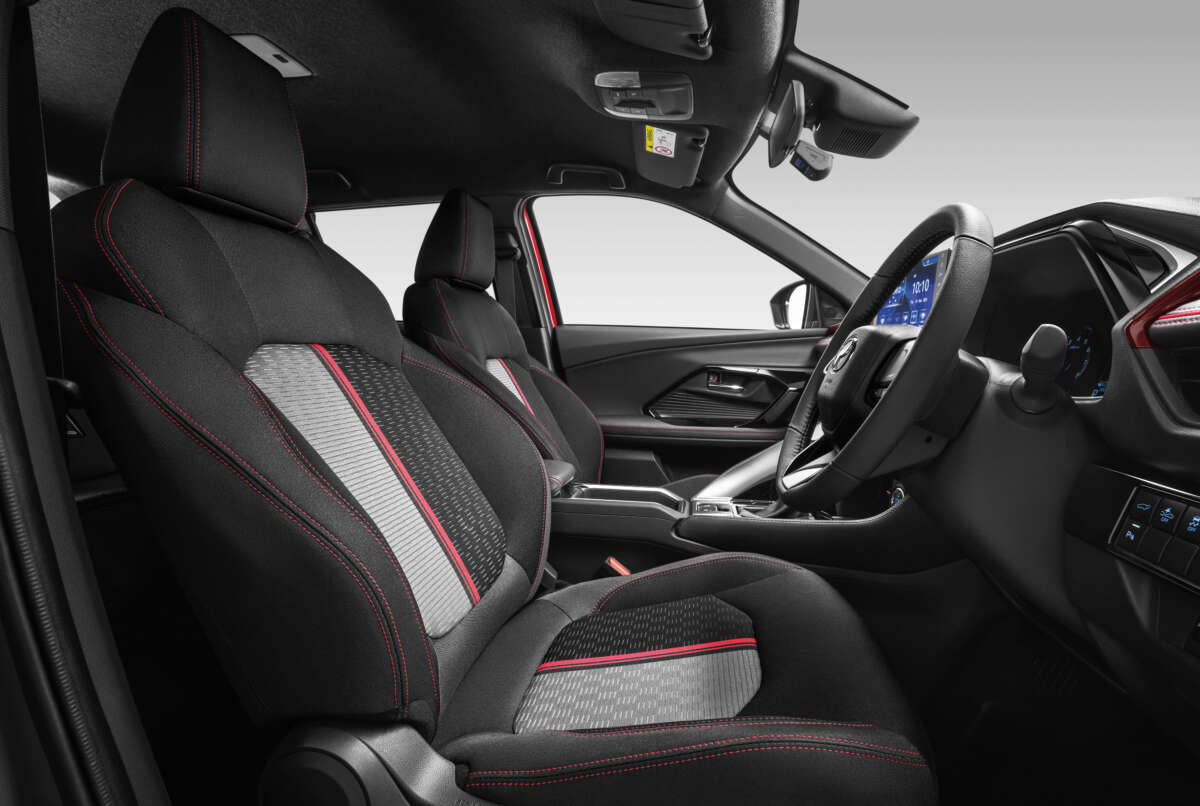
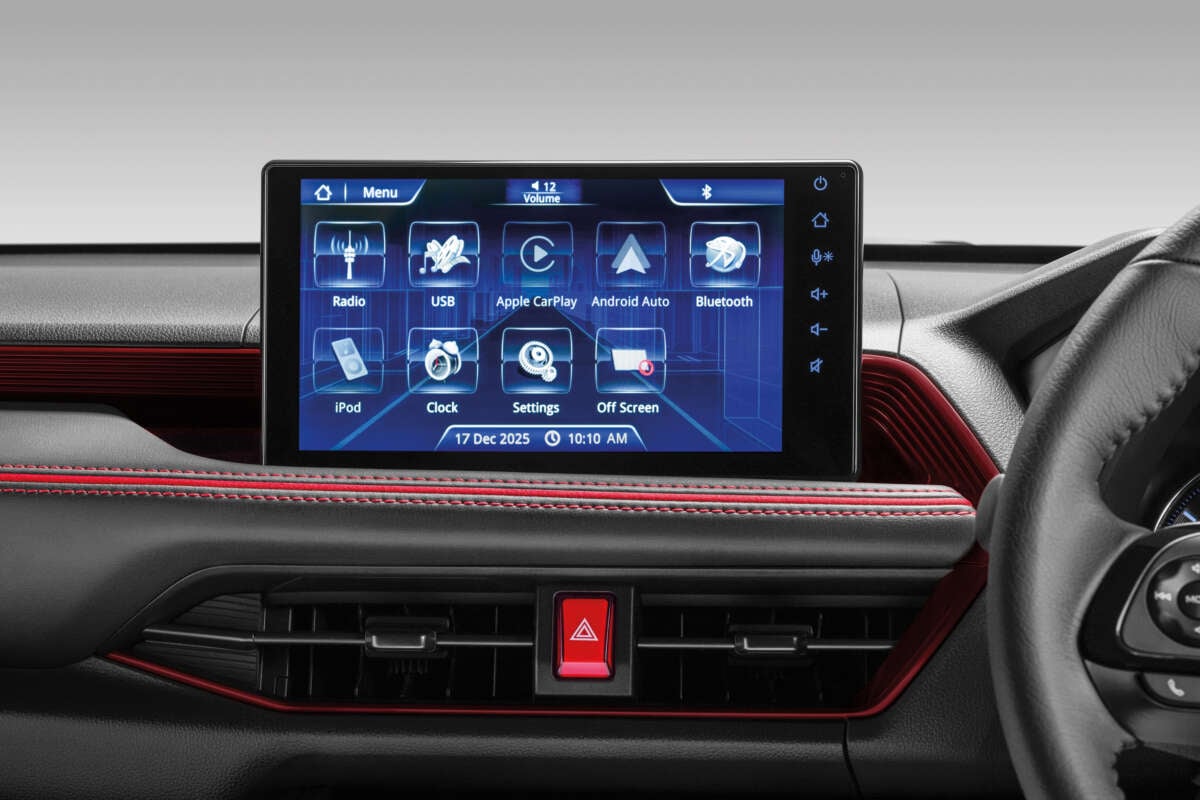
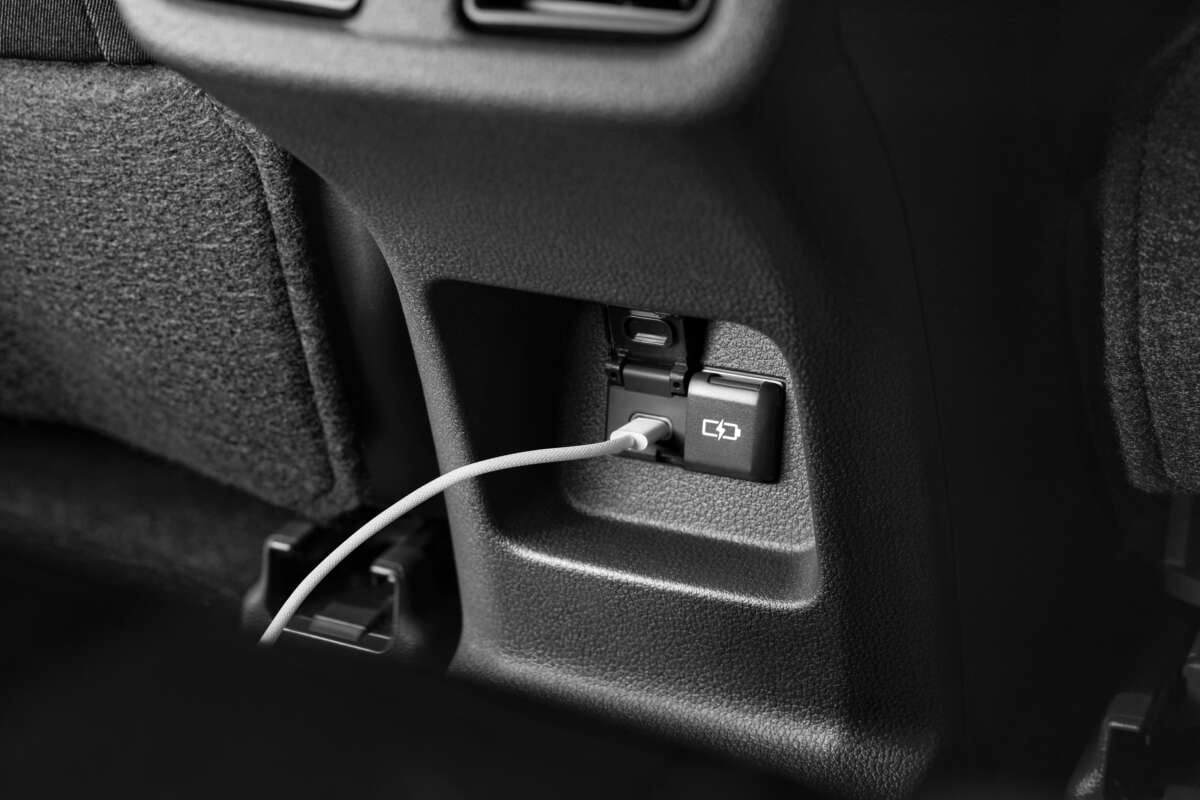
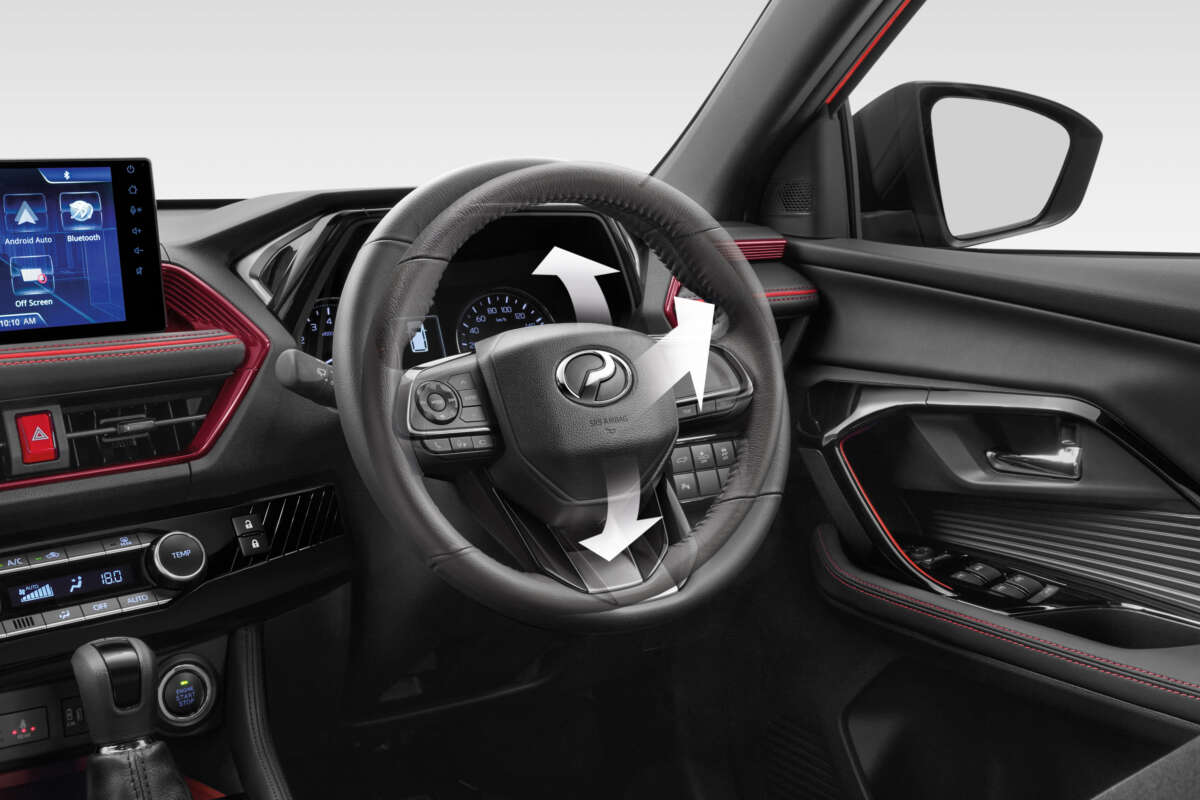
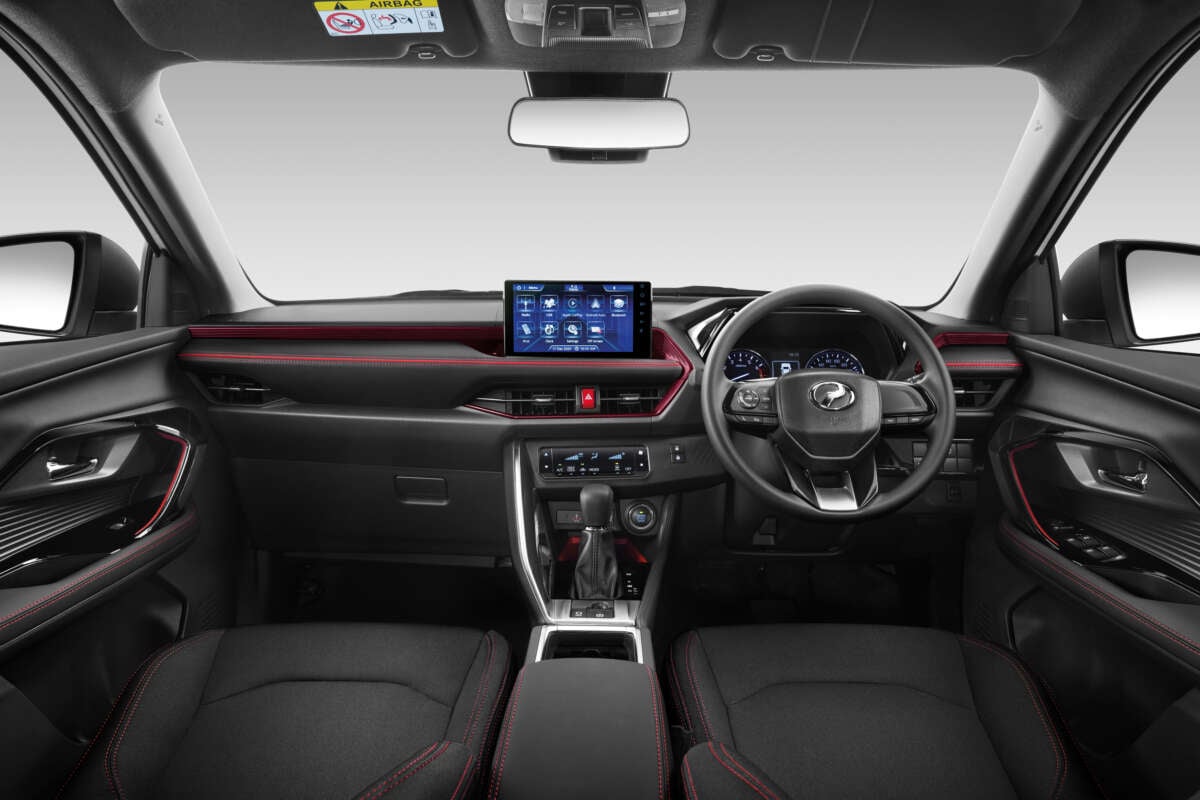
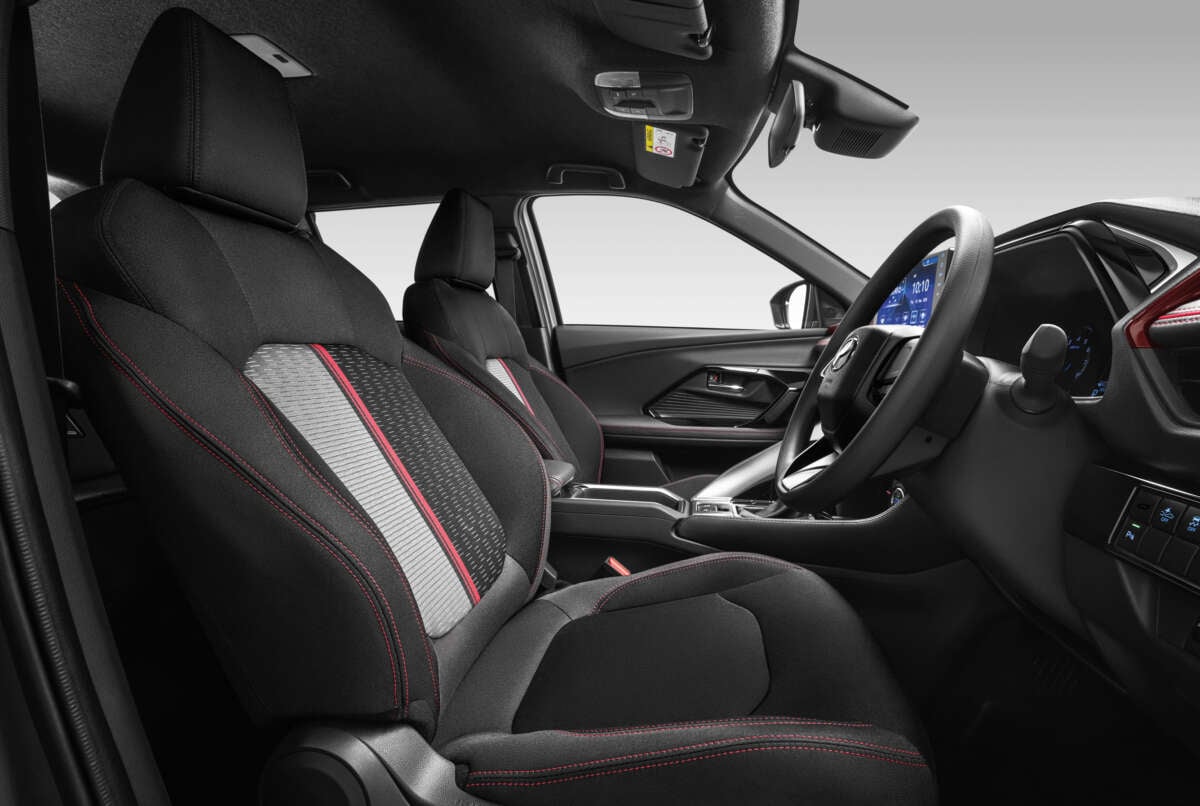
Inside, the X gets an all-black cabin with red stitching and gloss red trim, fabric seats, a 9.0-inch head unit with wired Apple CarPlay and Android Auto and four speakers, four USB ports (two front, two rear), telescopic steering adjustment, illuminated vanity mirrors, and solar and security window tint (Llumar). There’s a push-start button – but note the X does not get keyless entry.
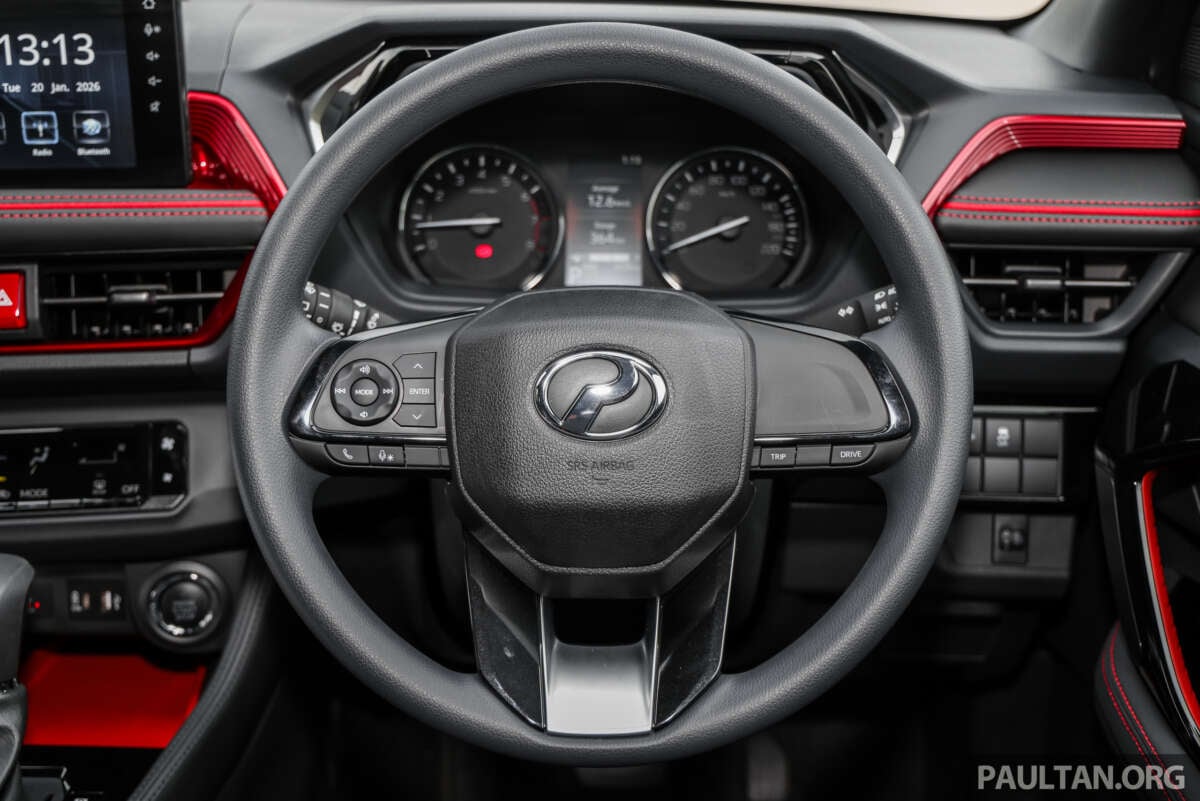
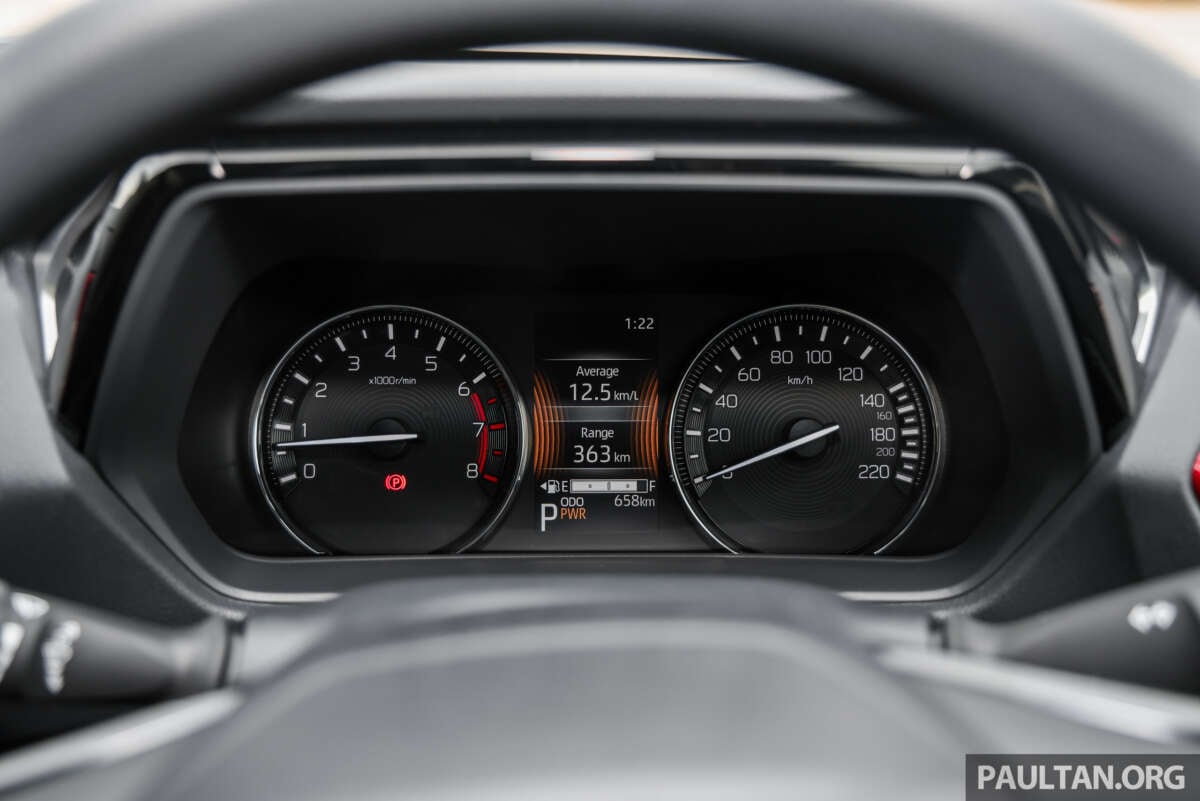
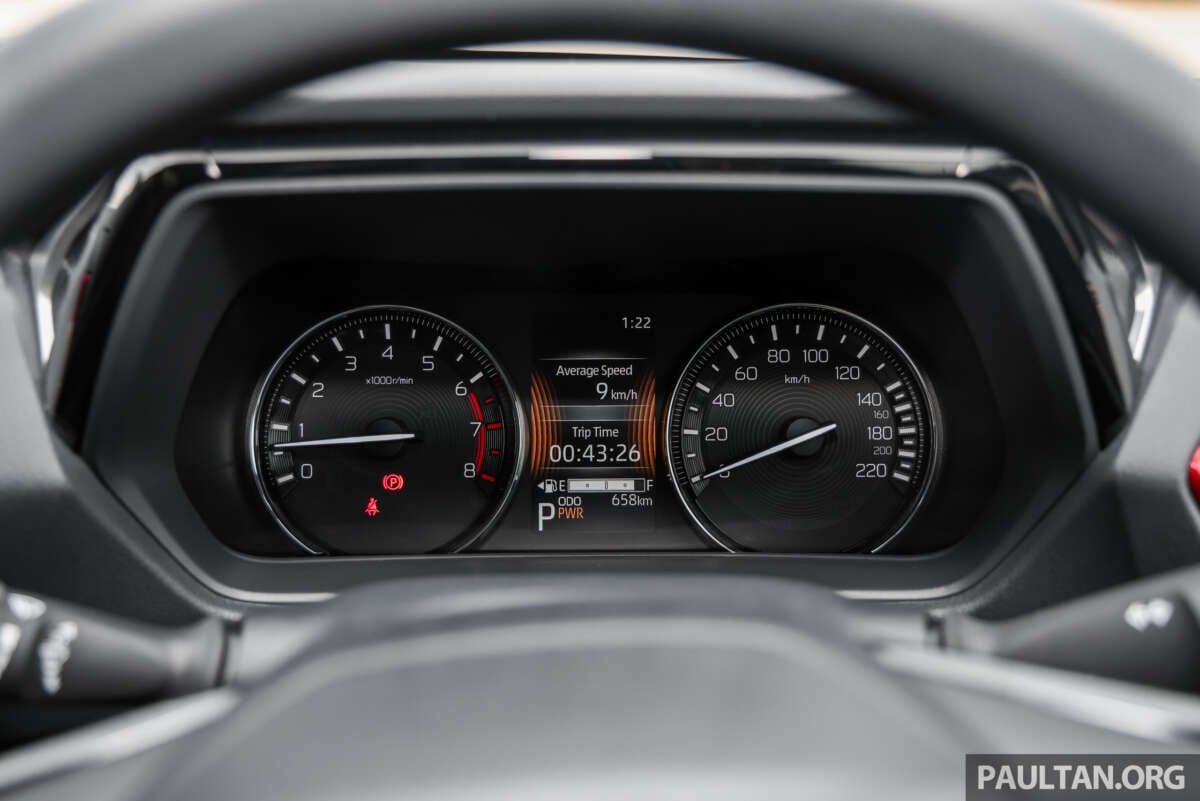
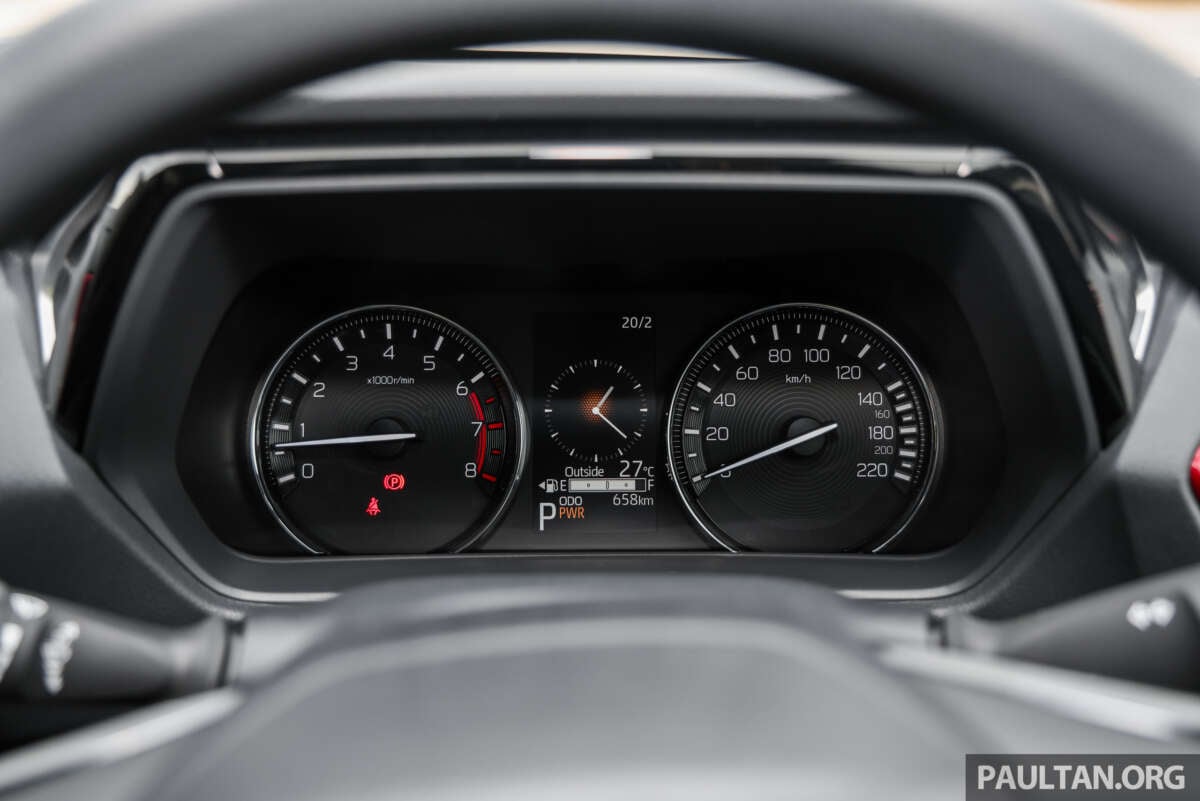
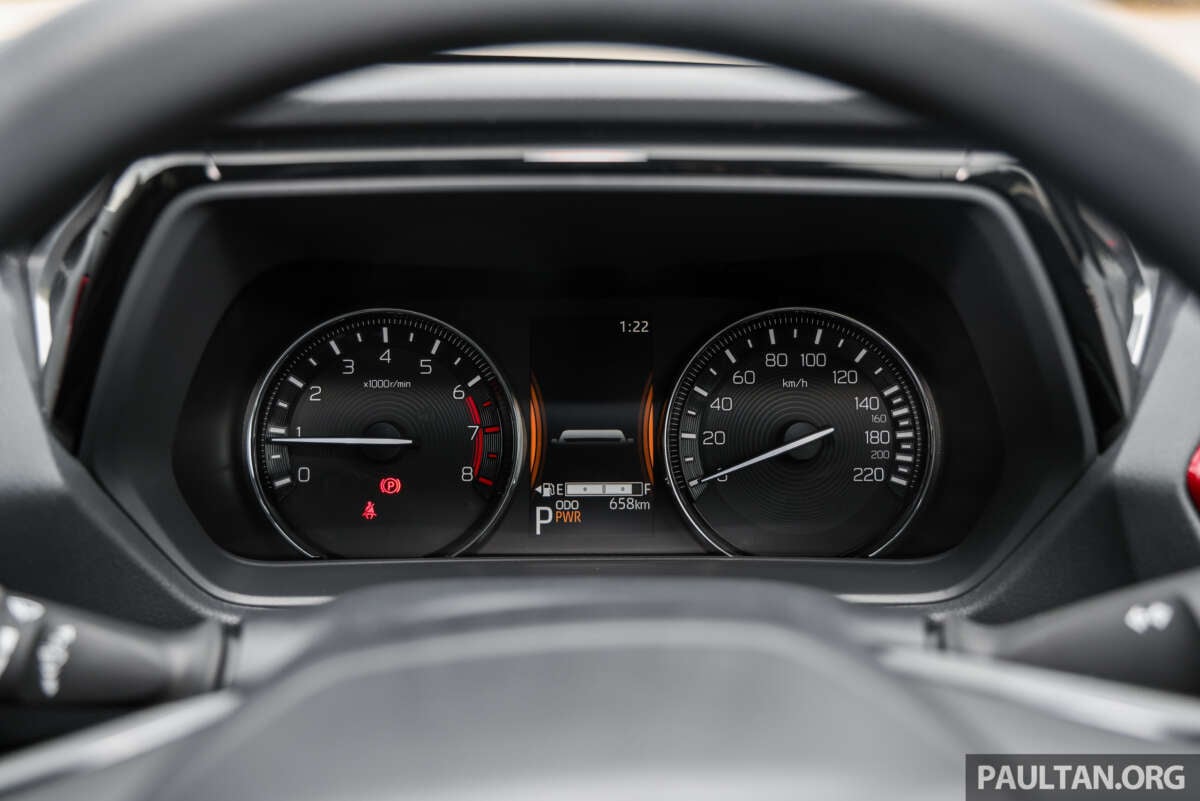
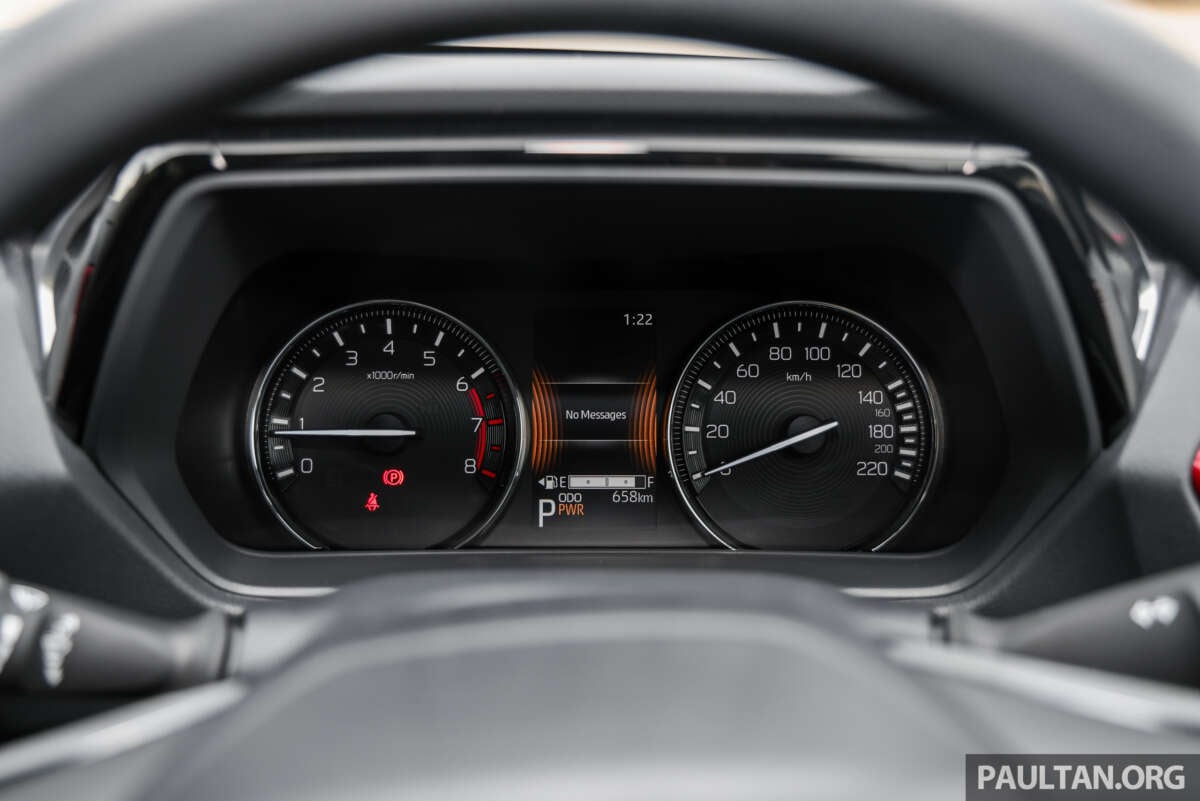
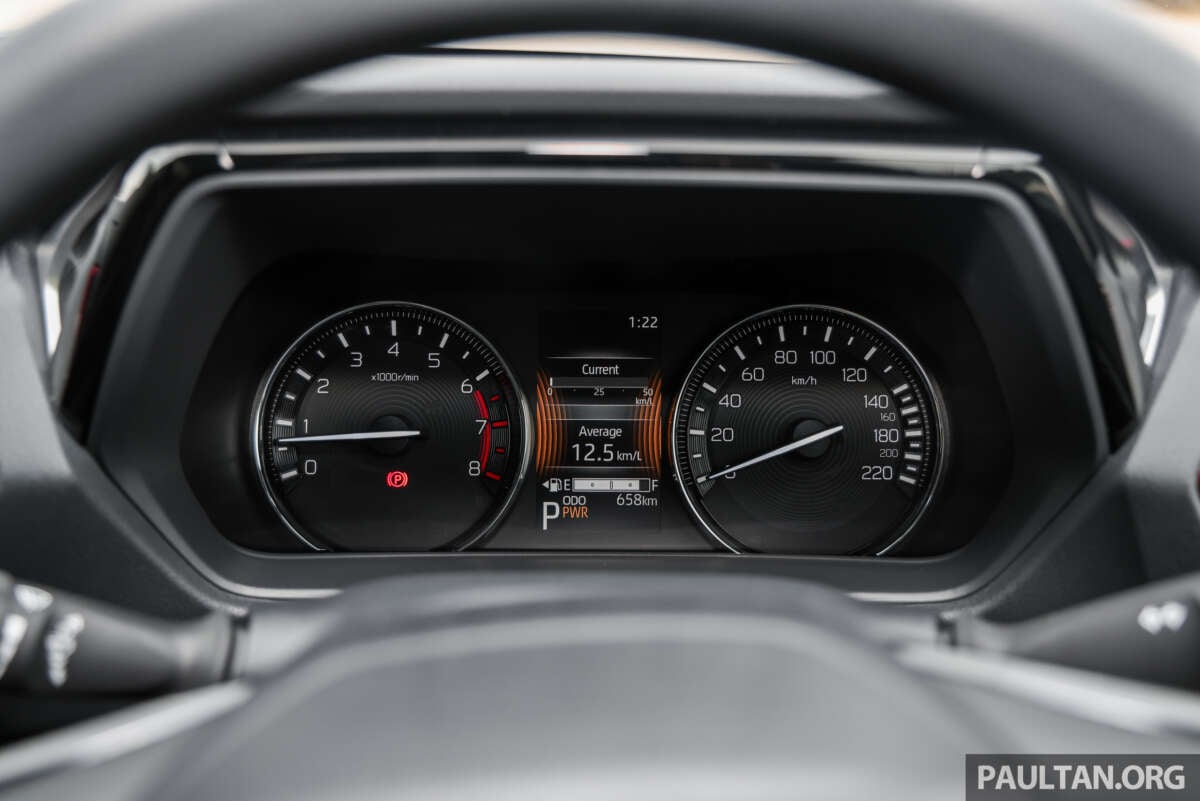
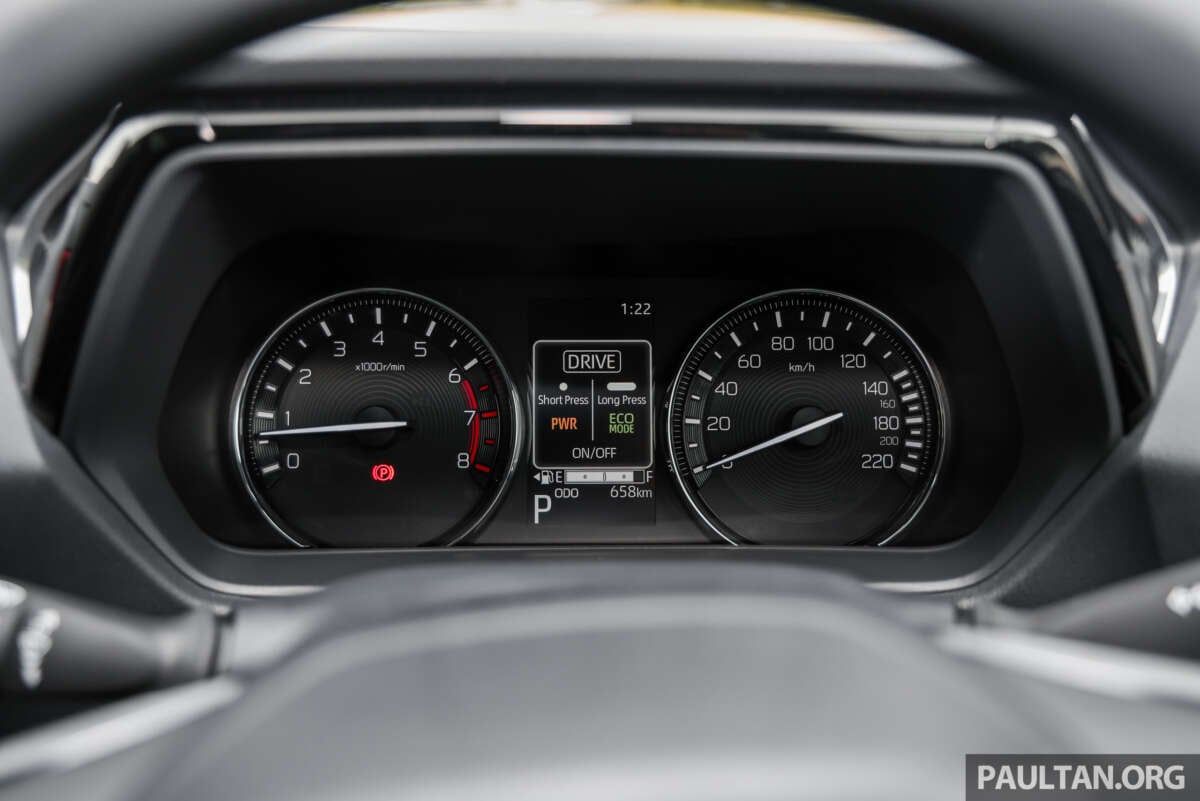
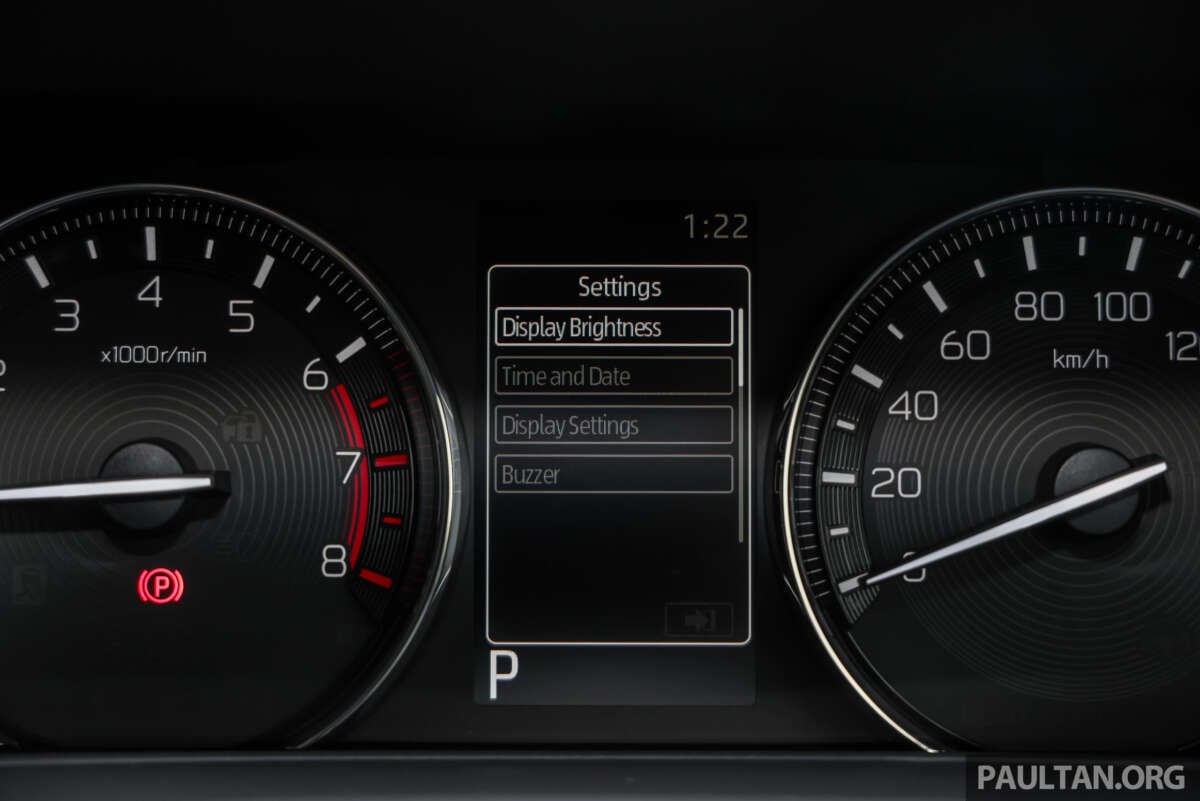
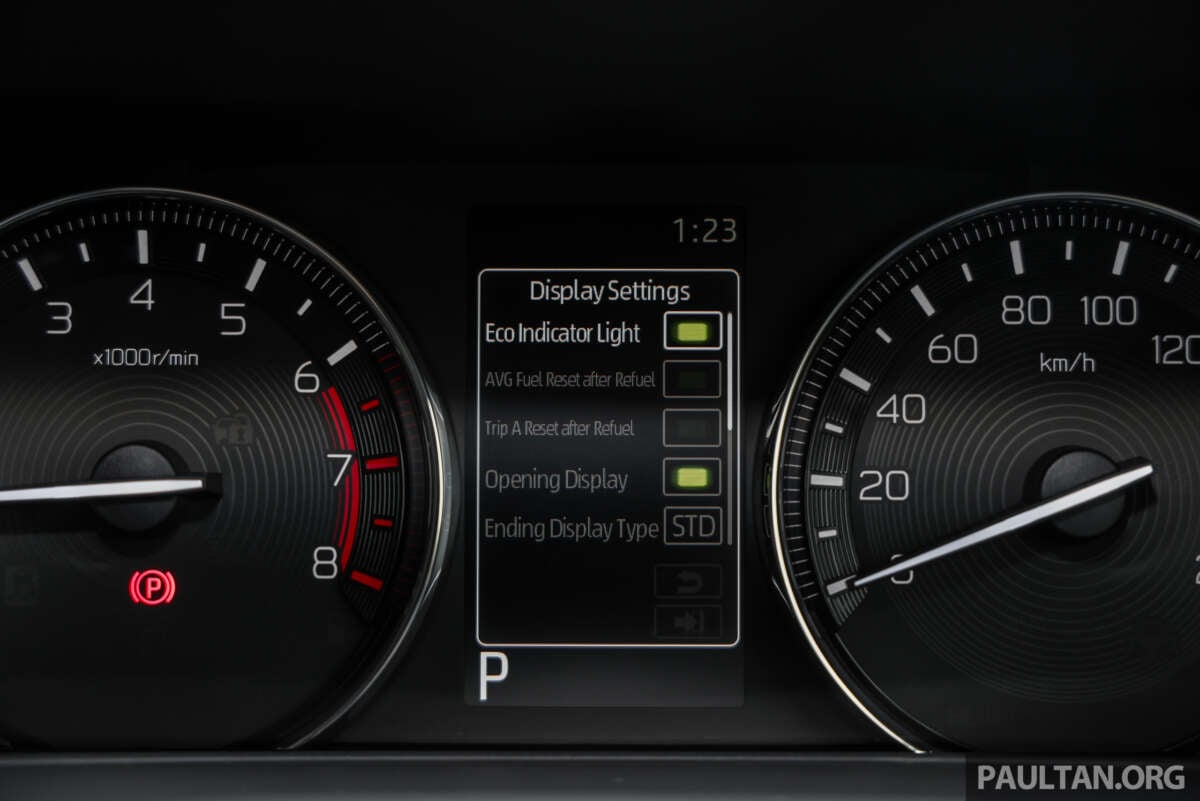
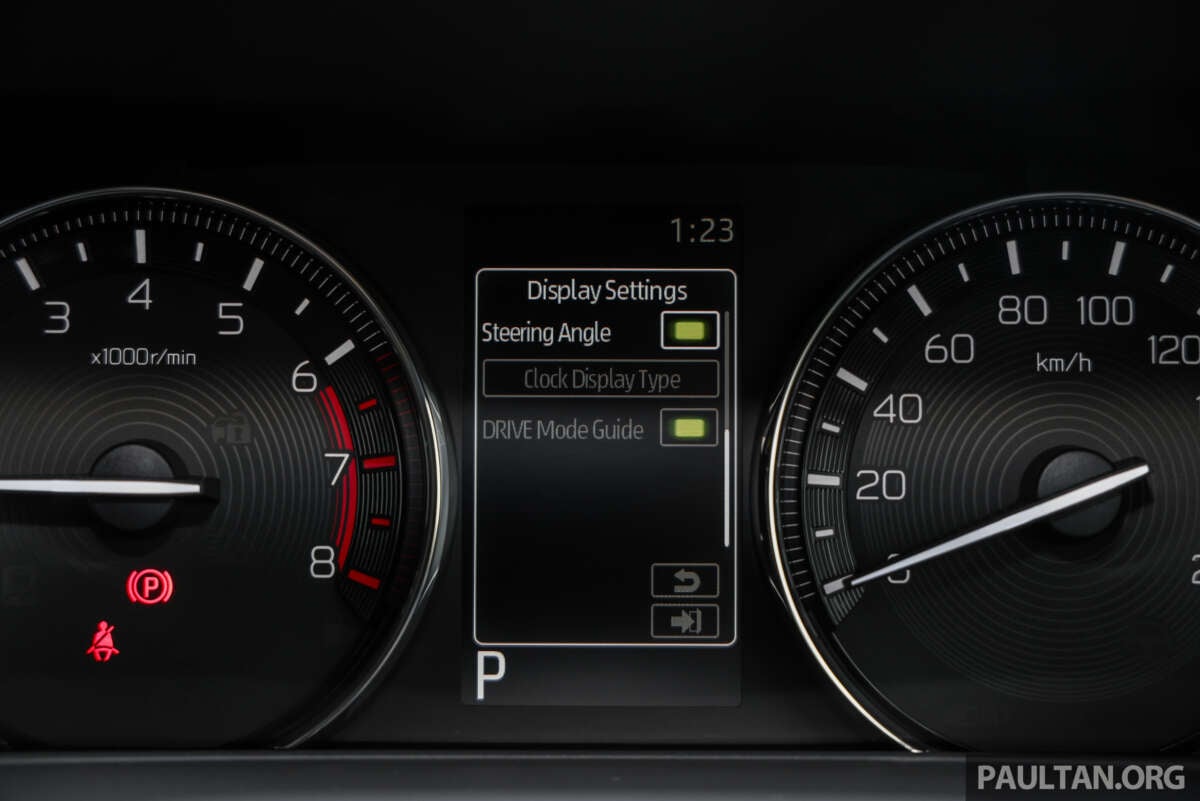
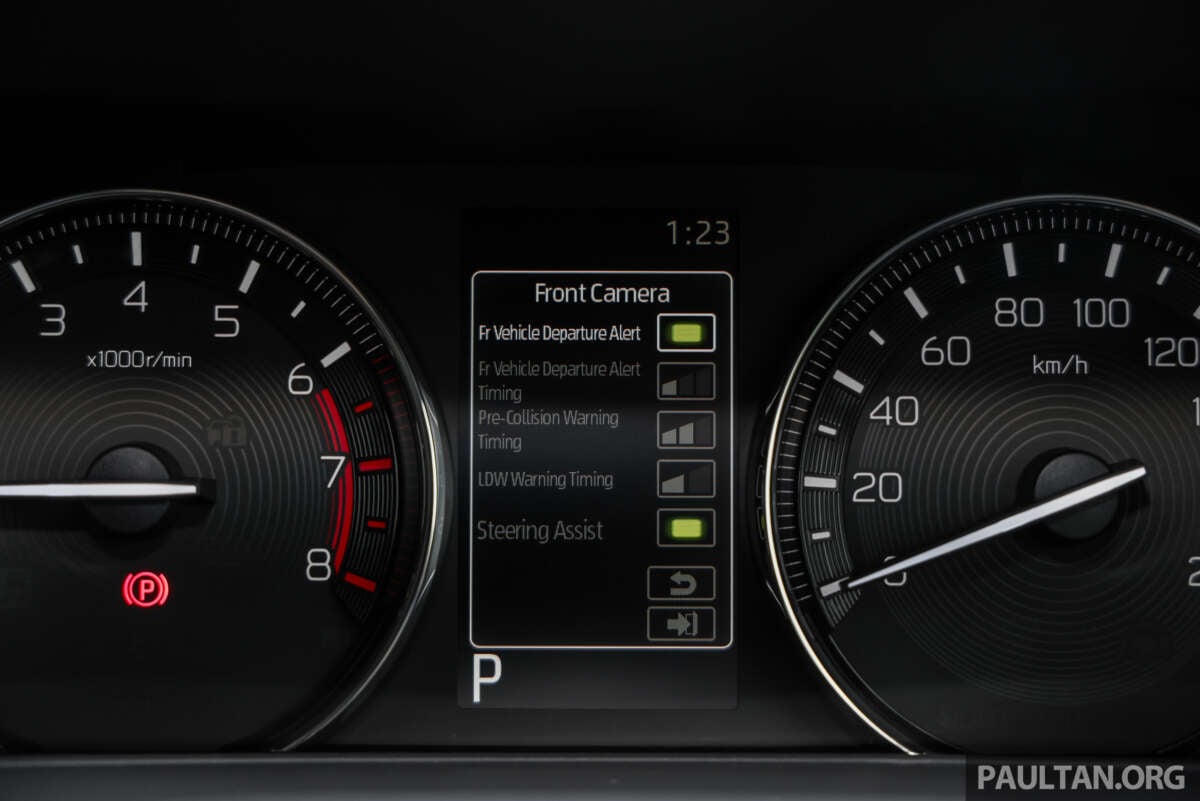
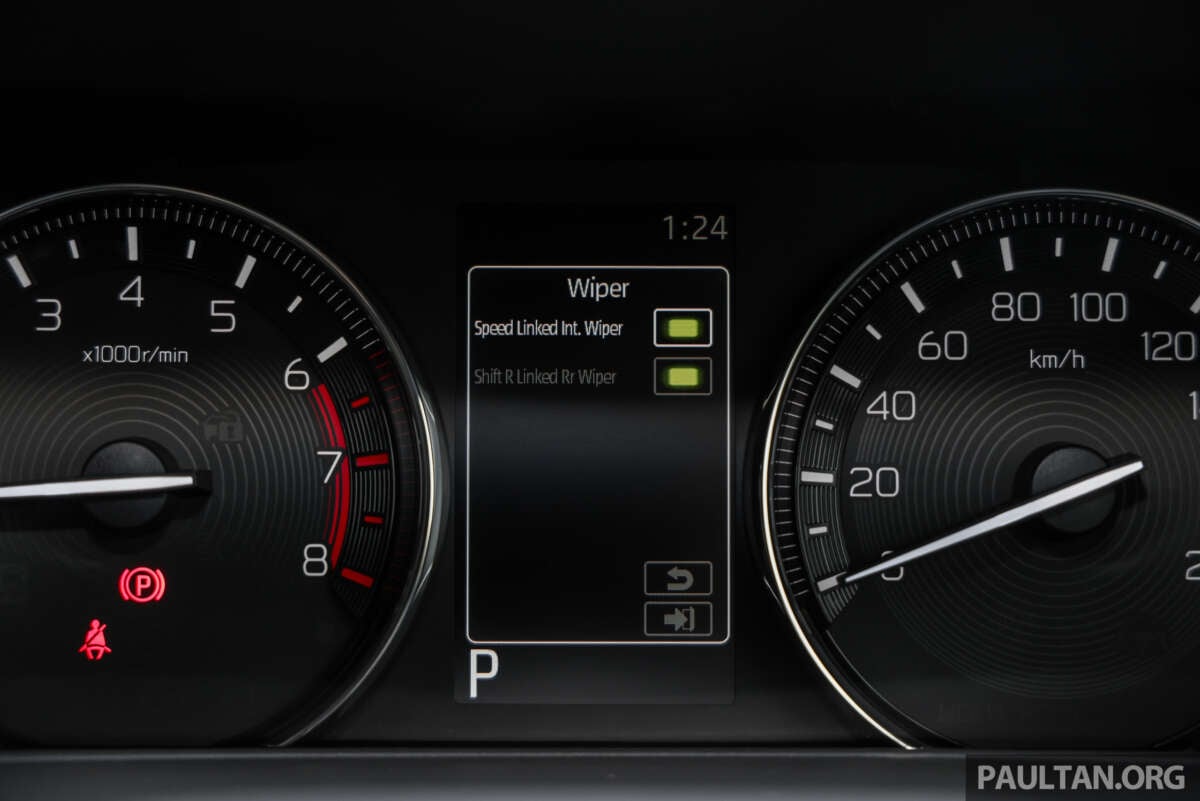
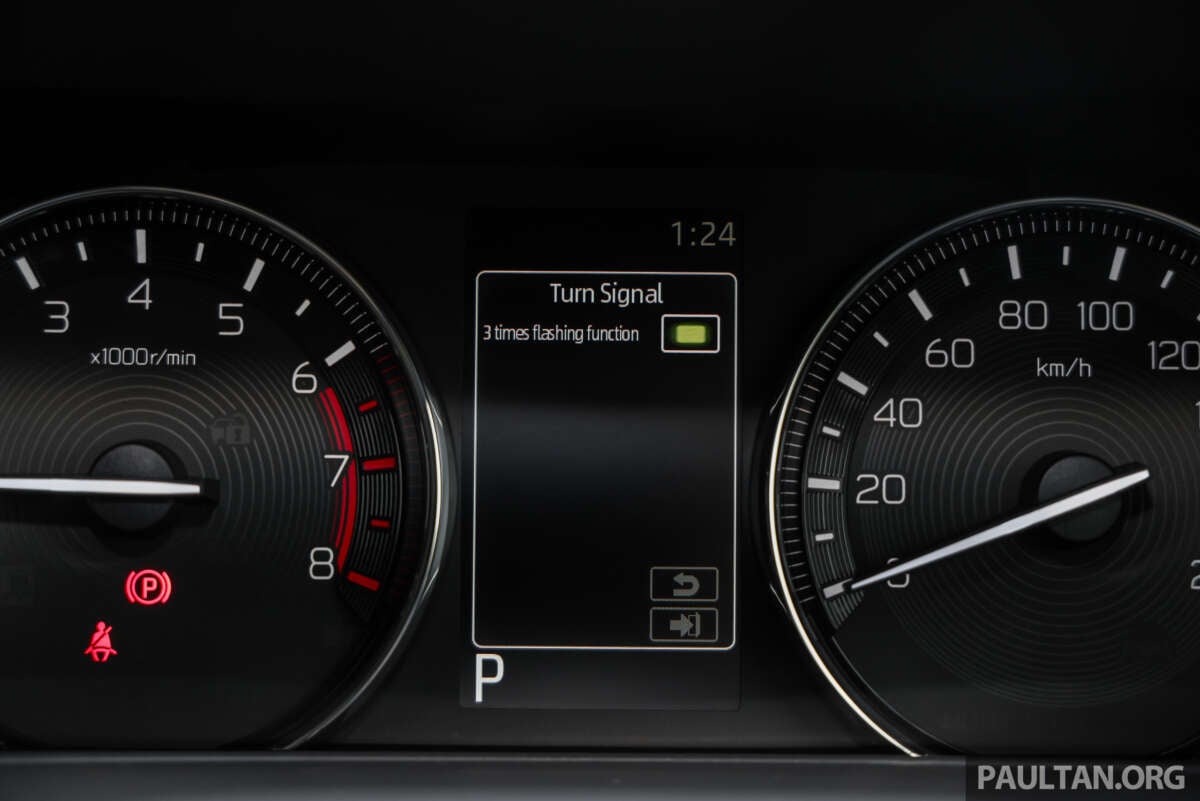
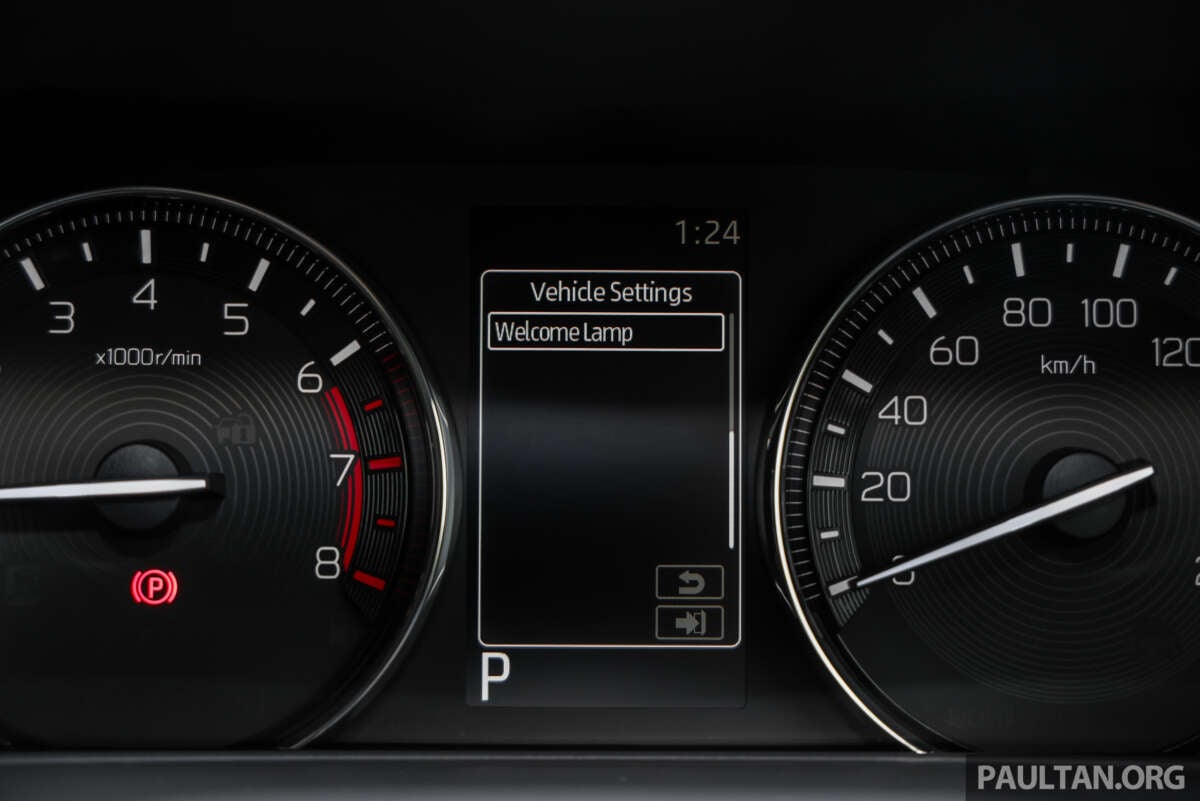
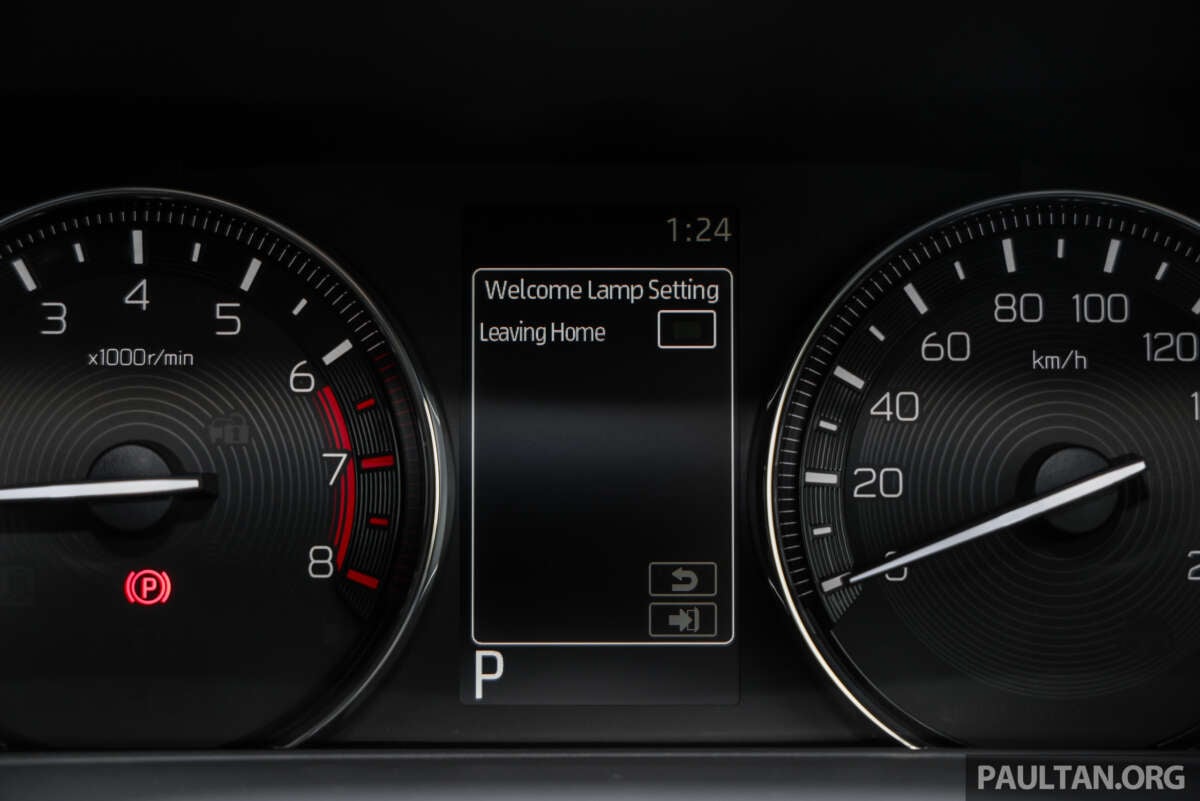
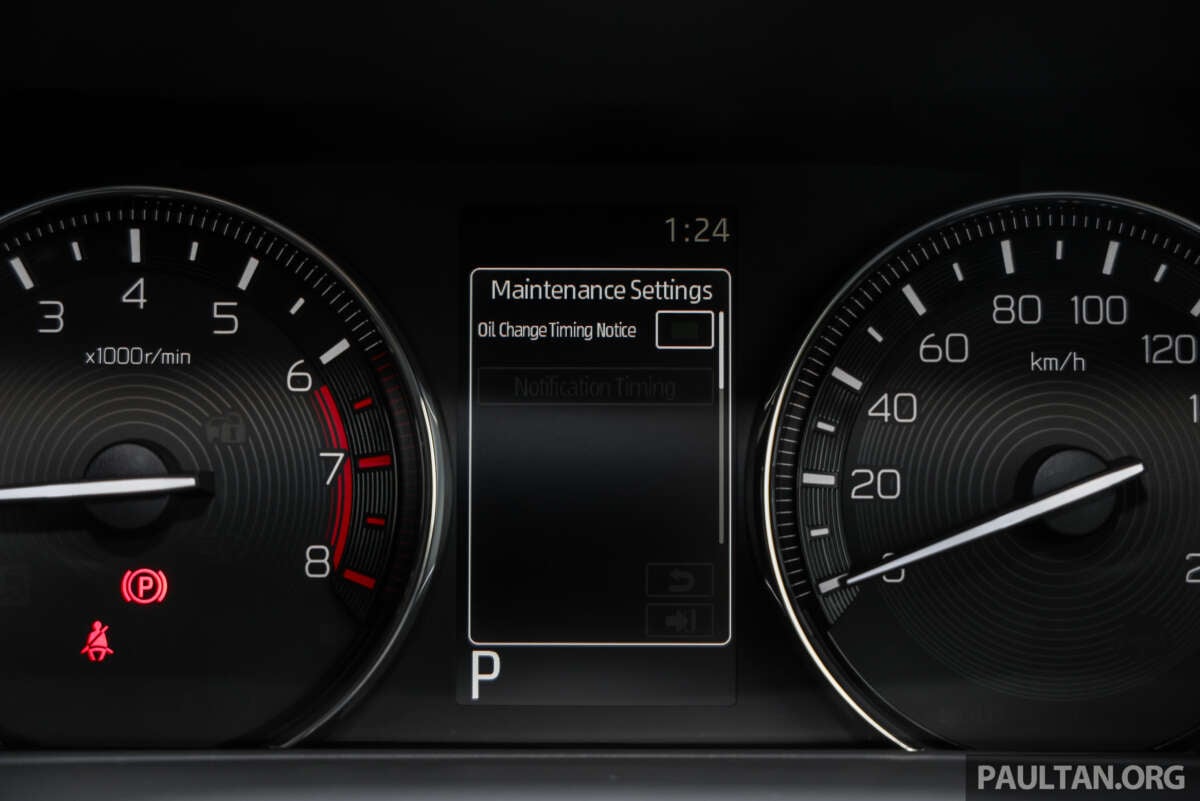
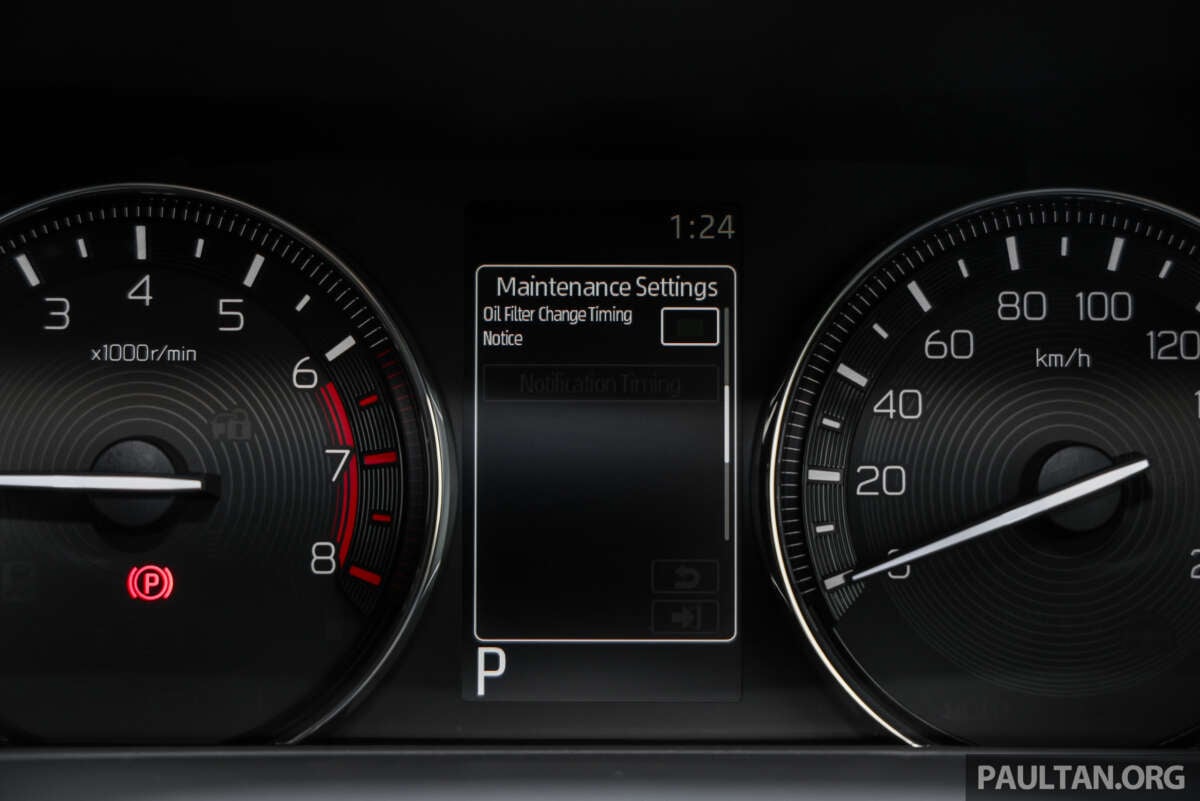
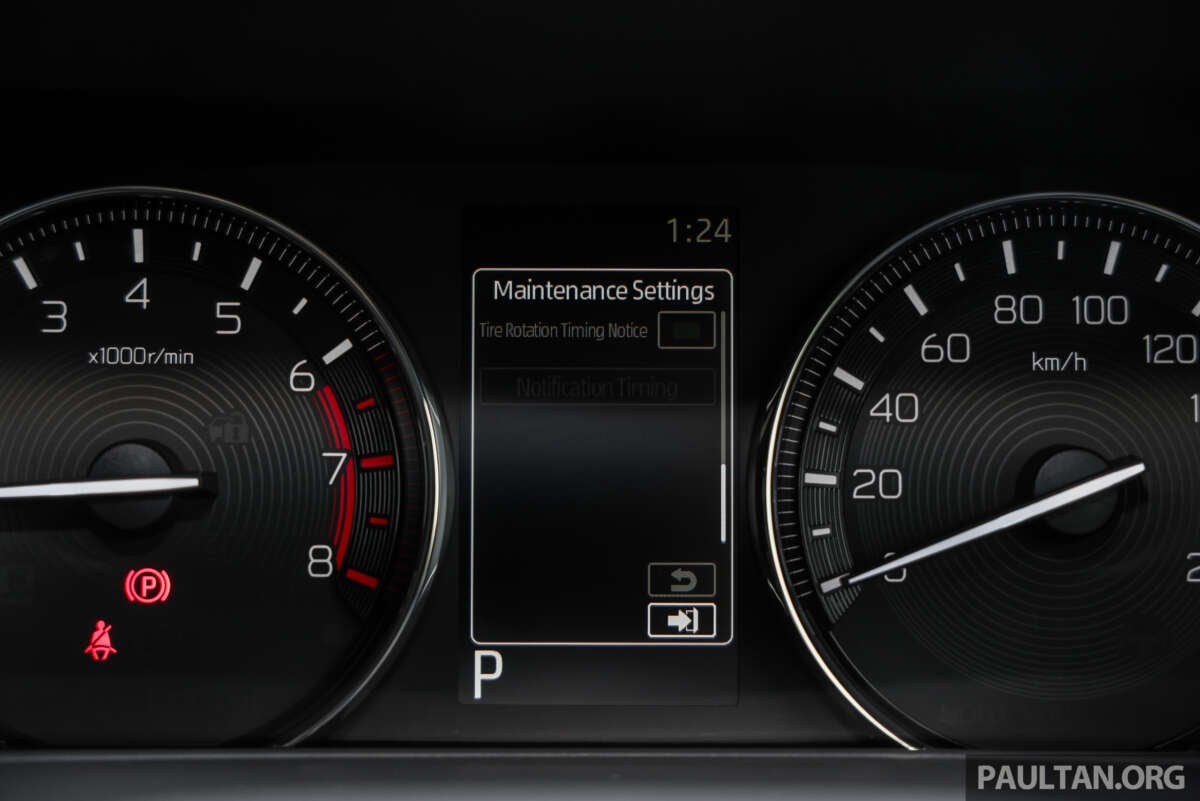
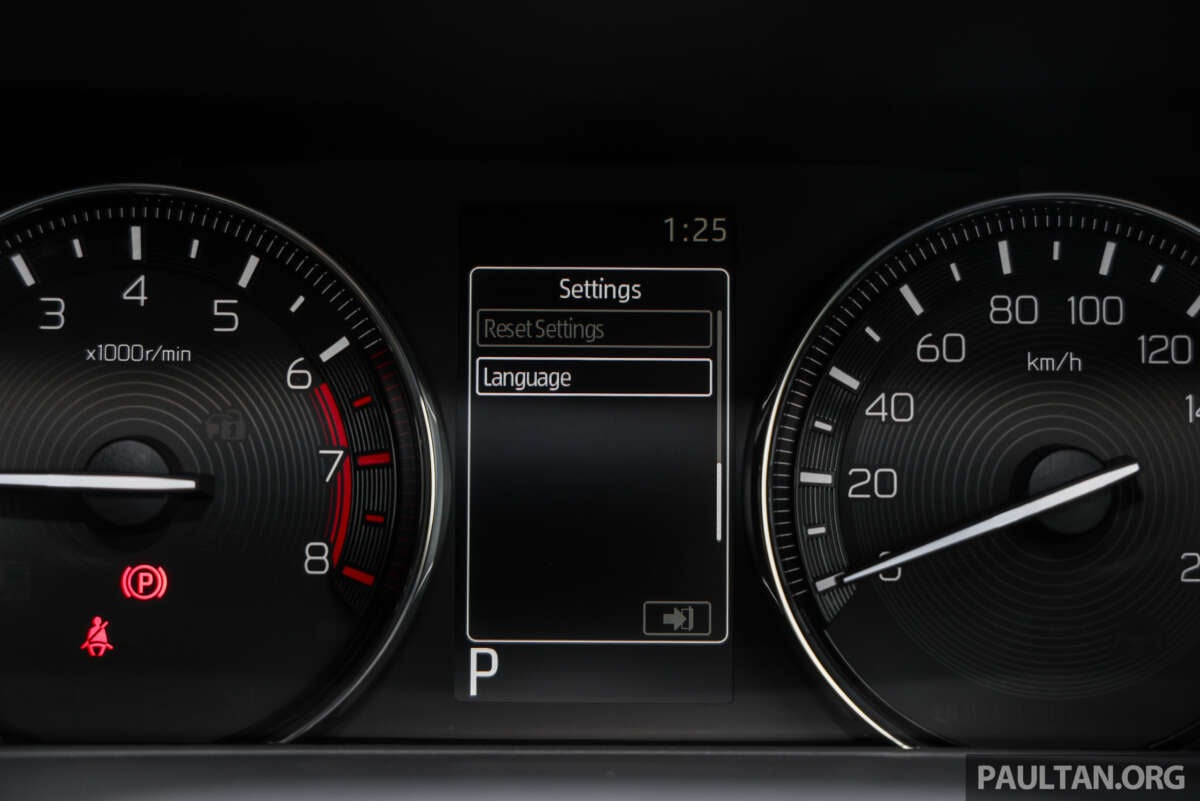
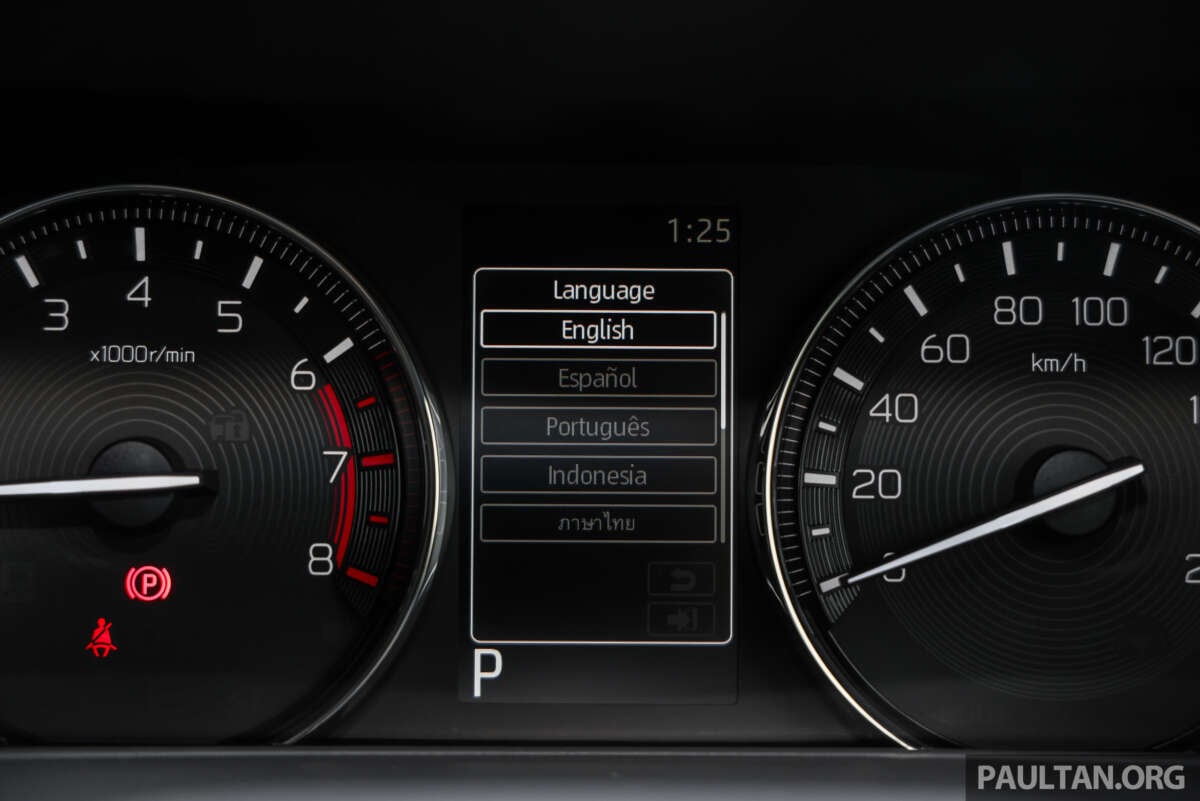
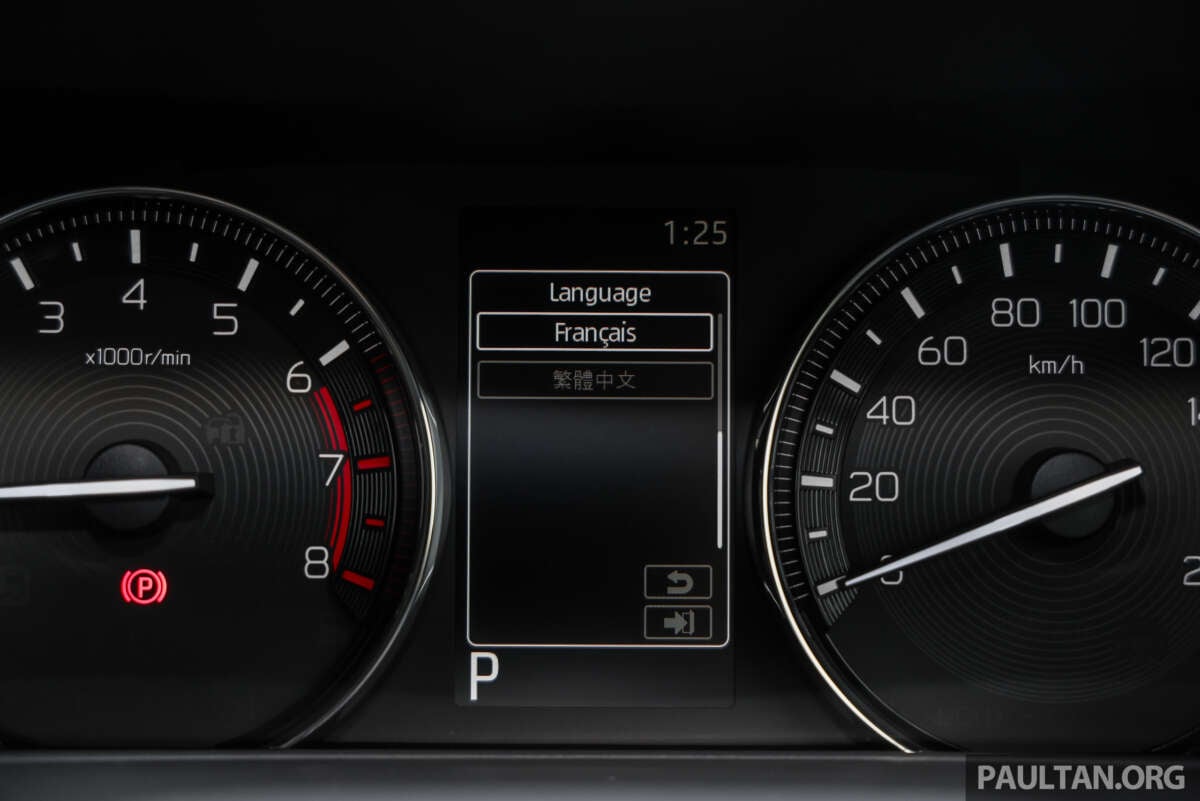
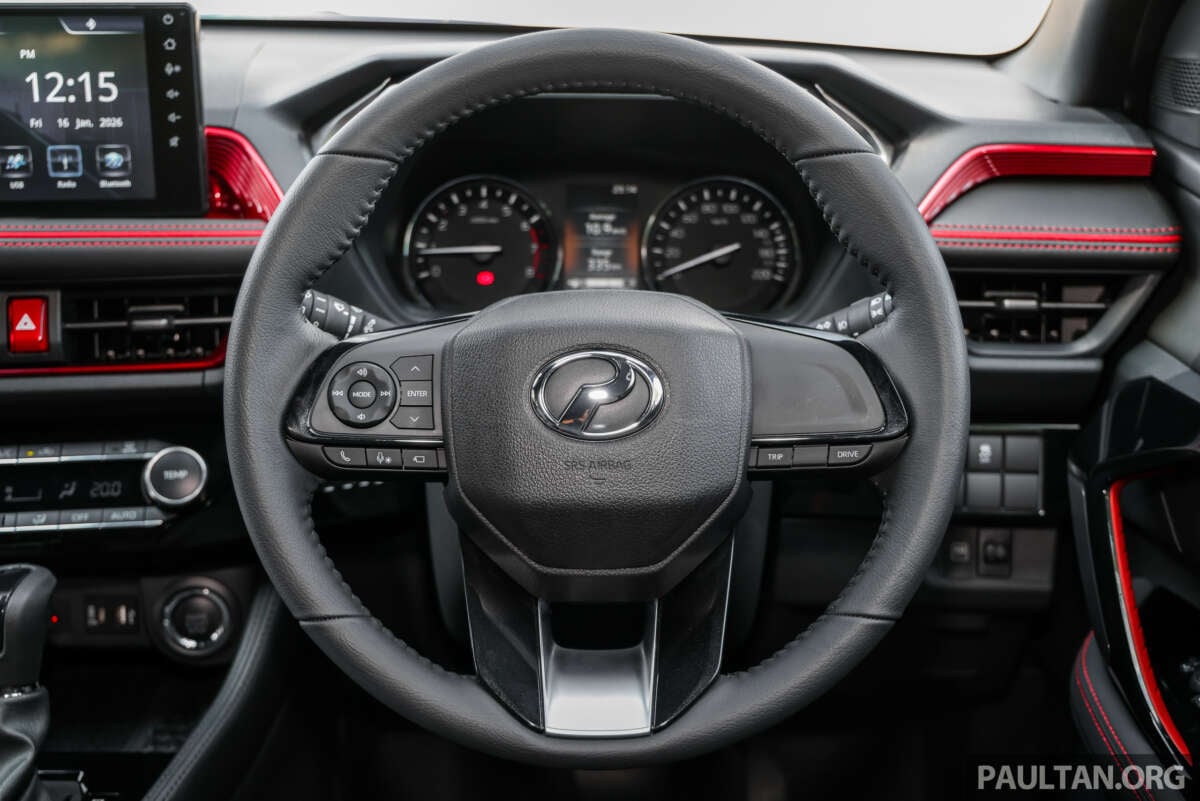
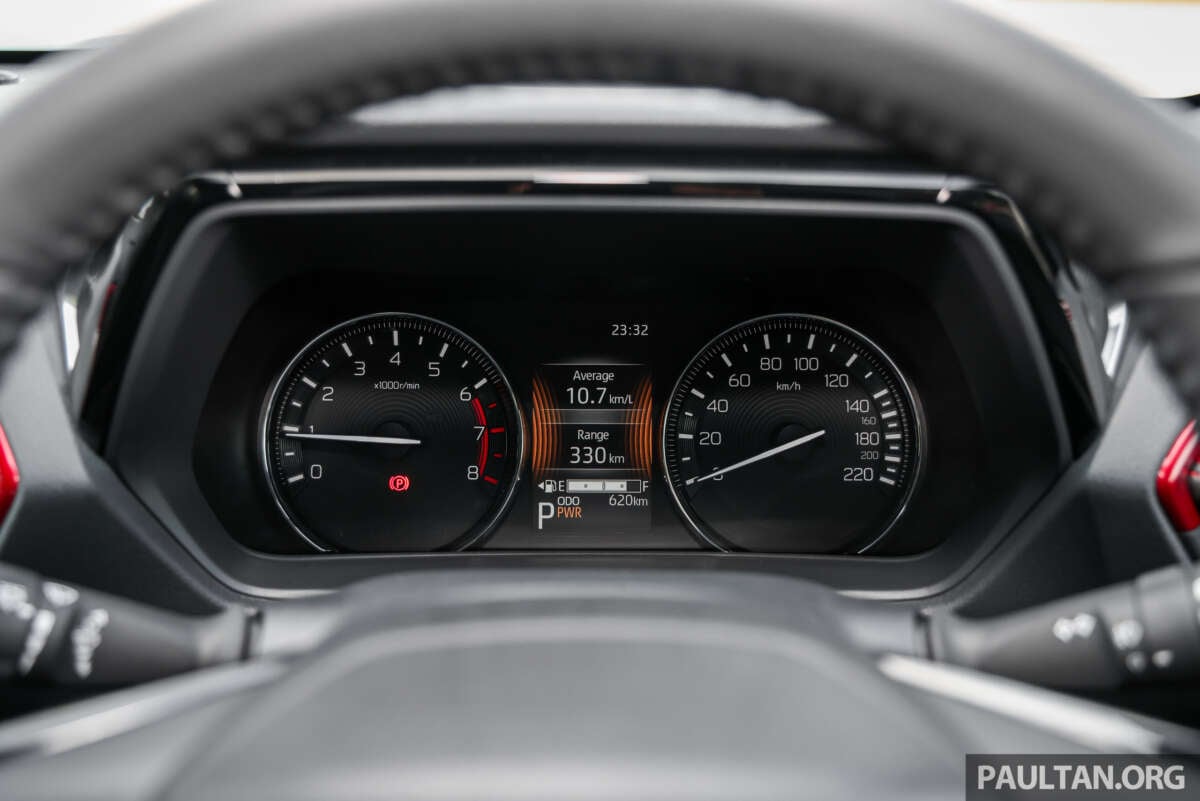
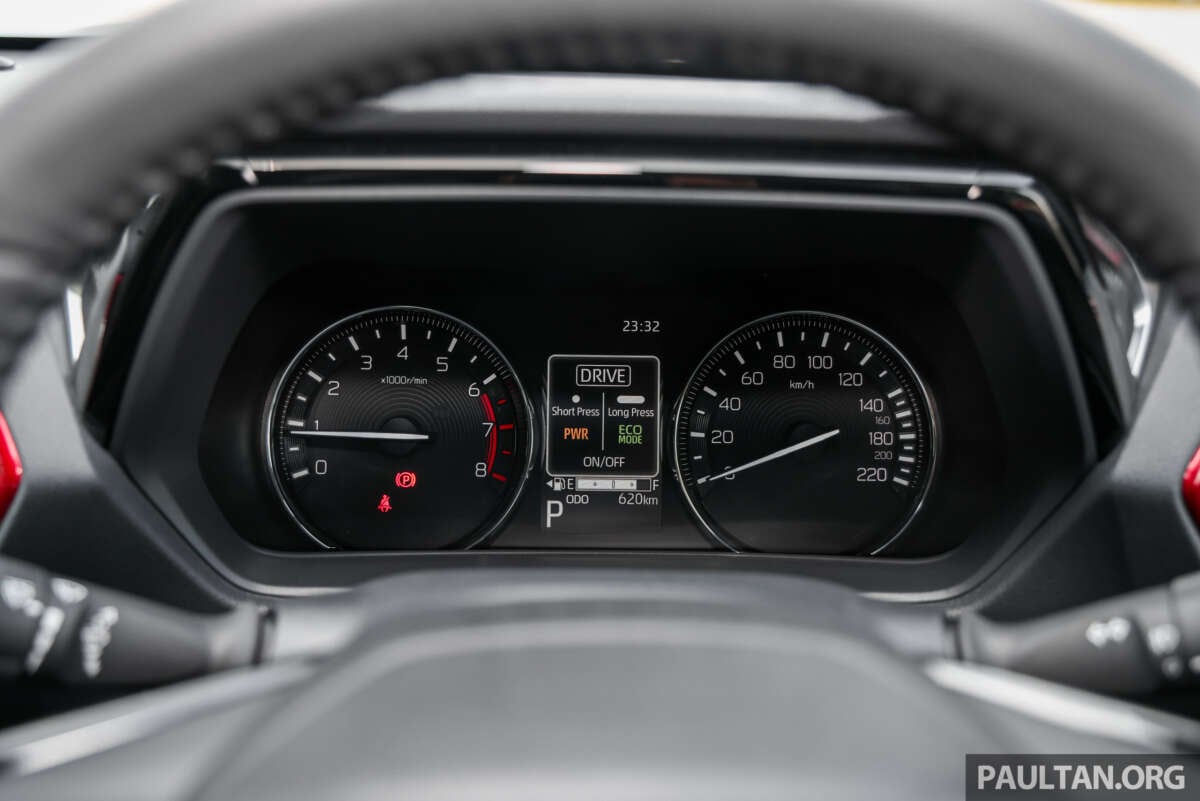
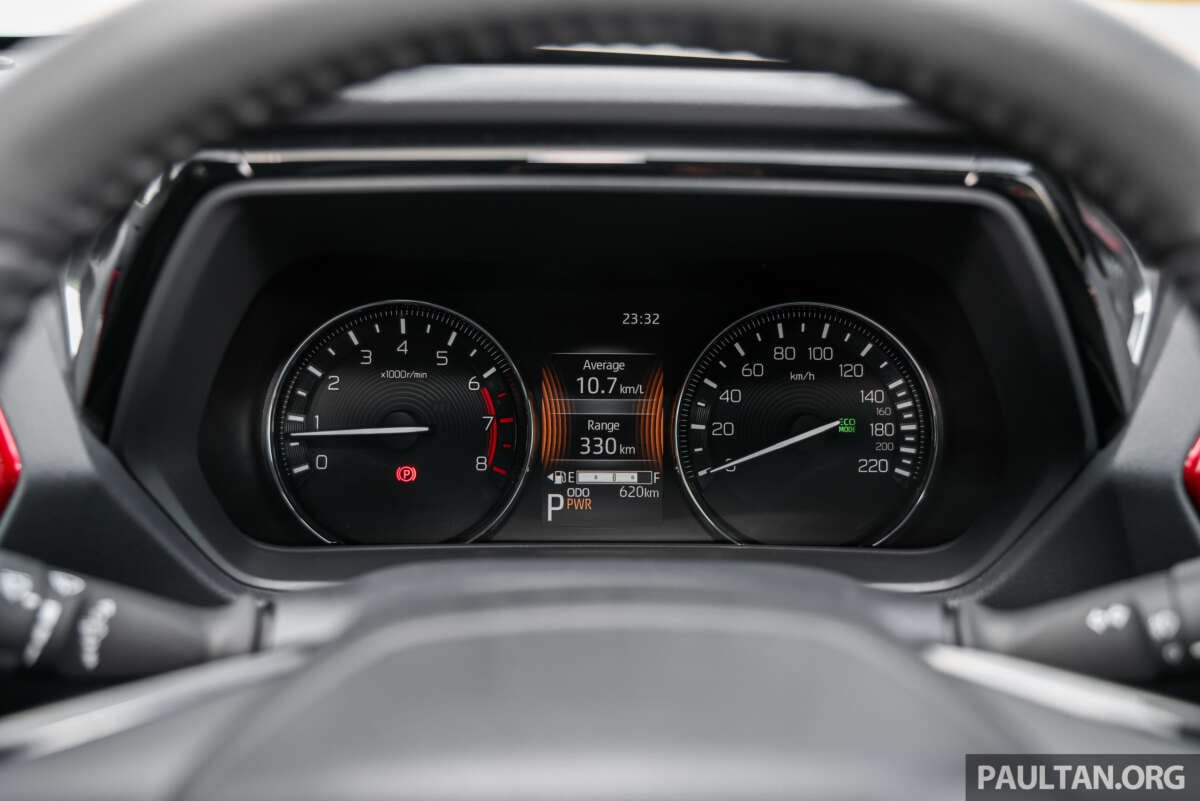
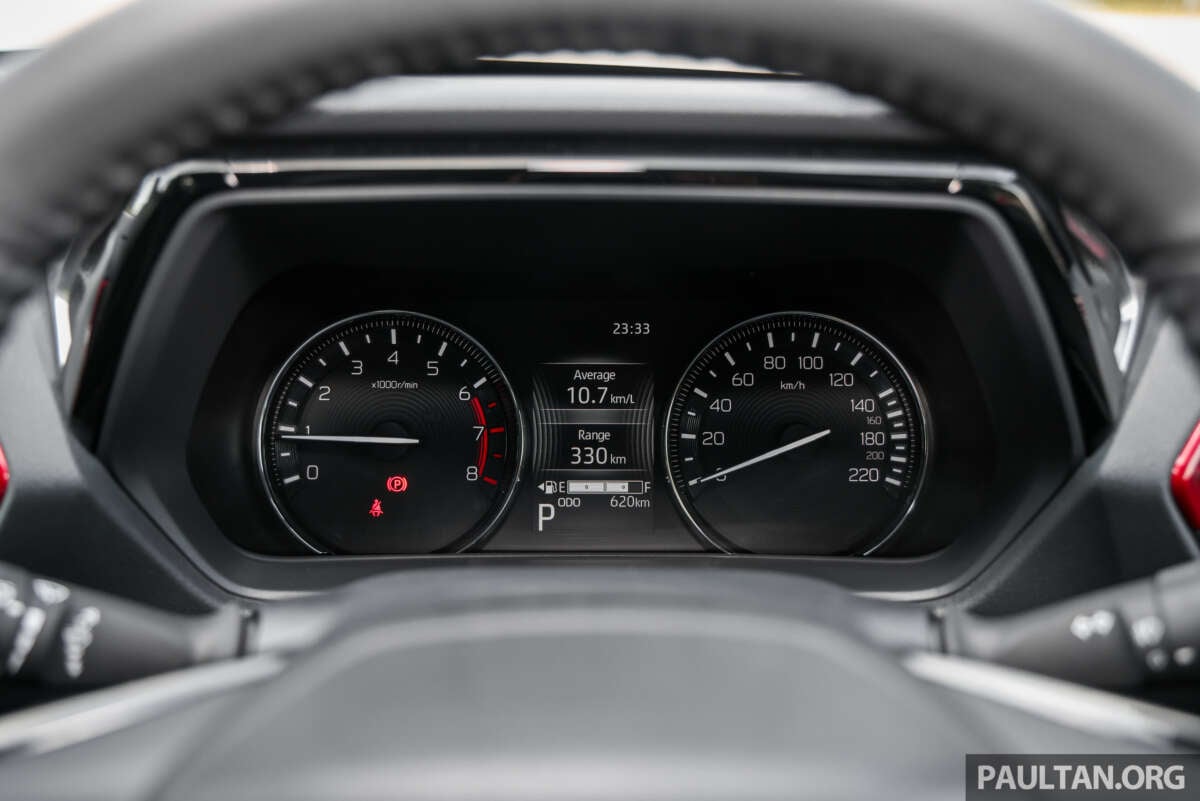
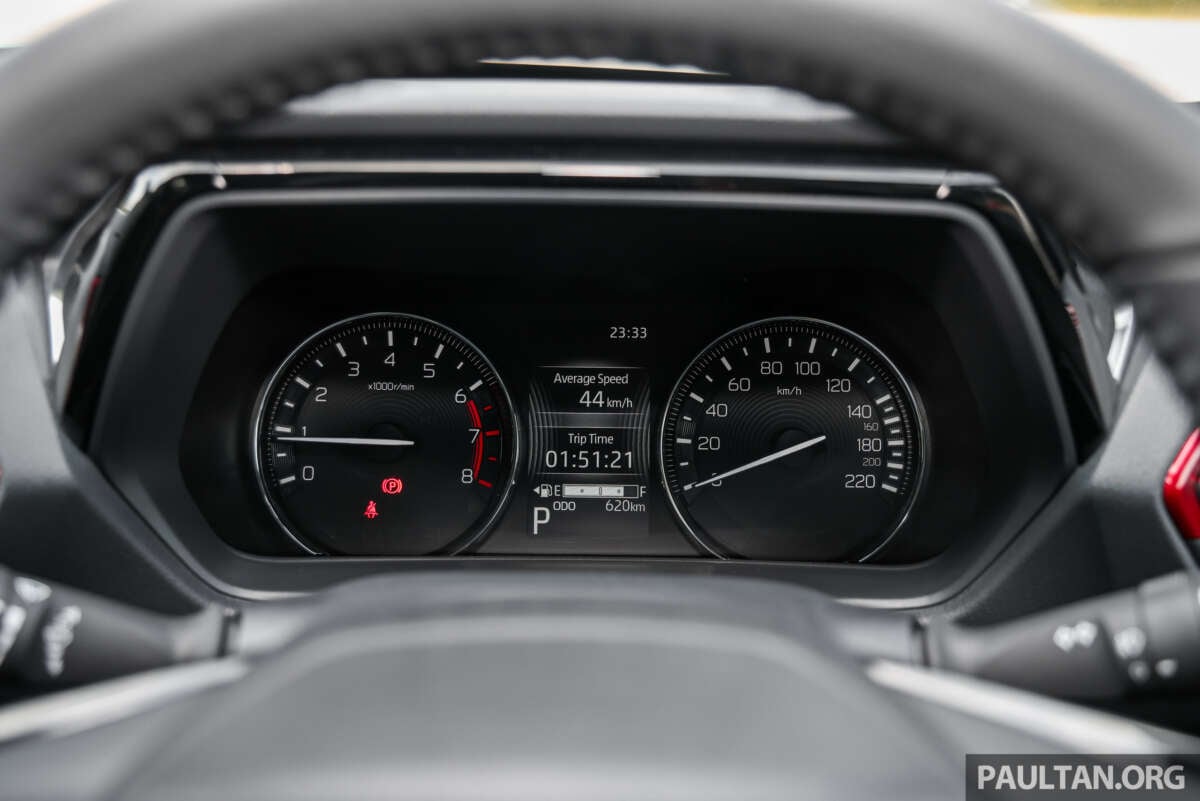
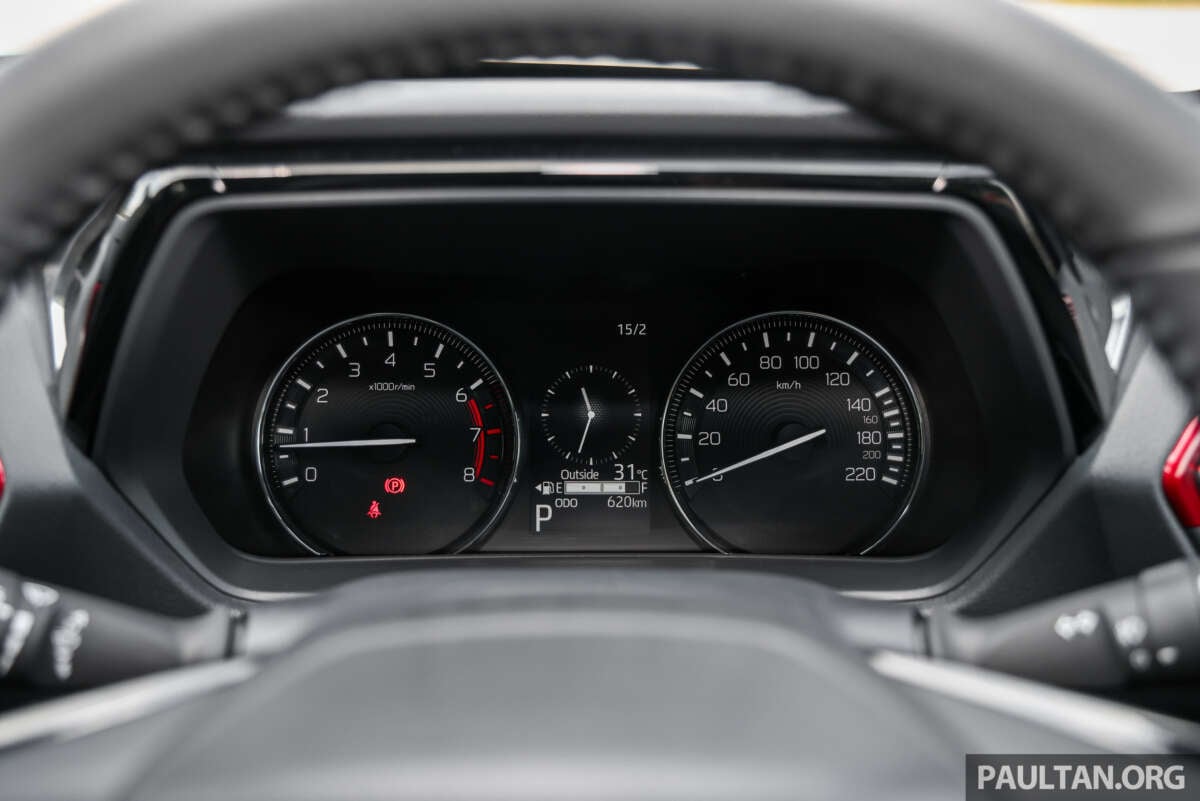
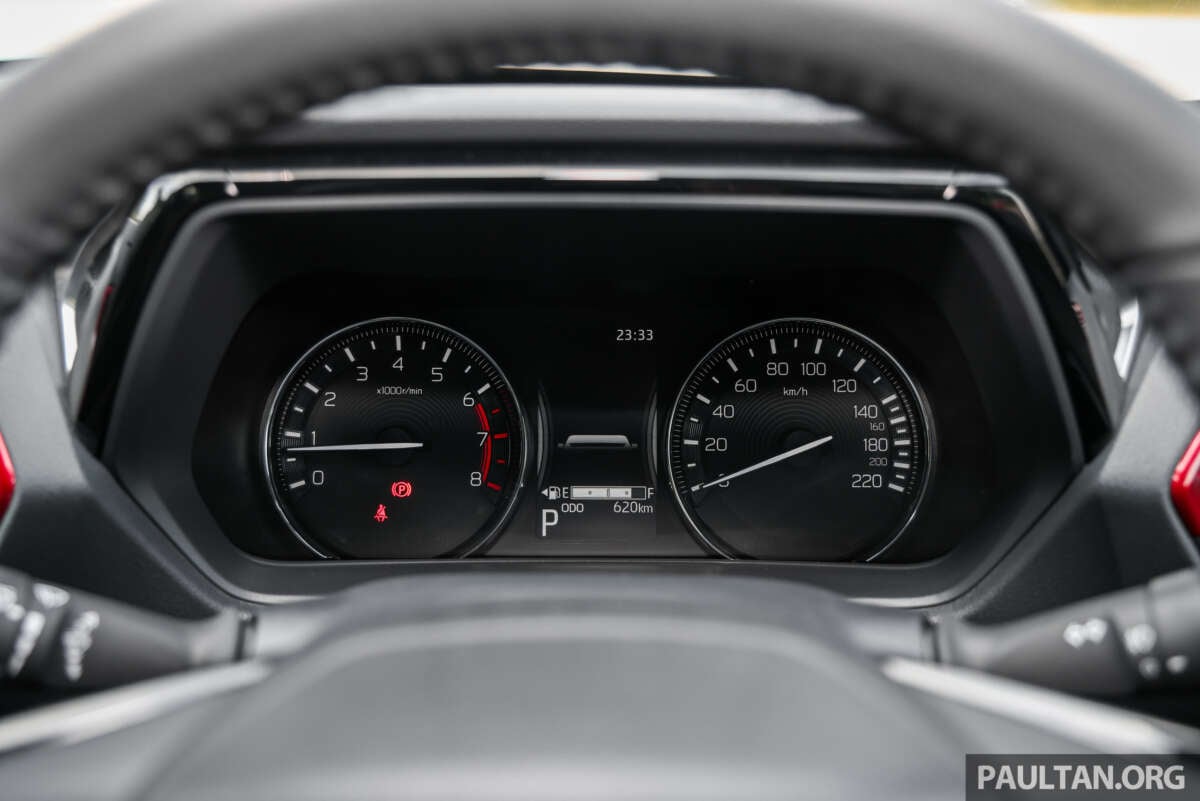
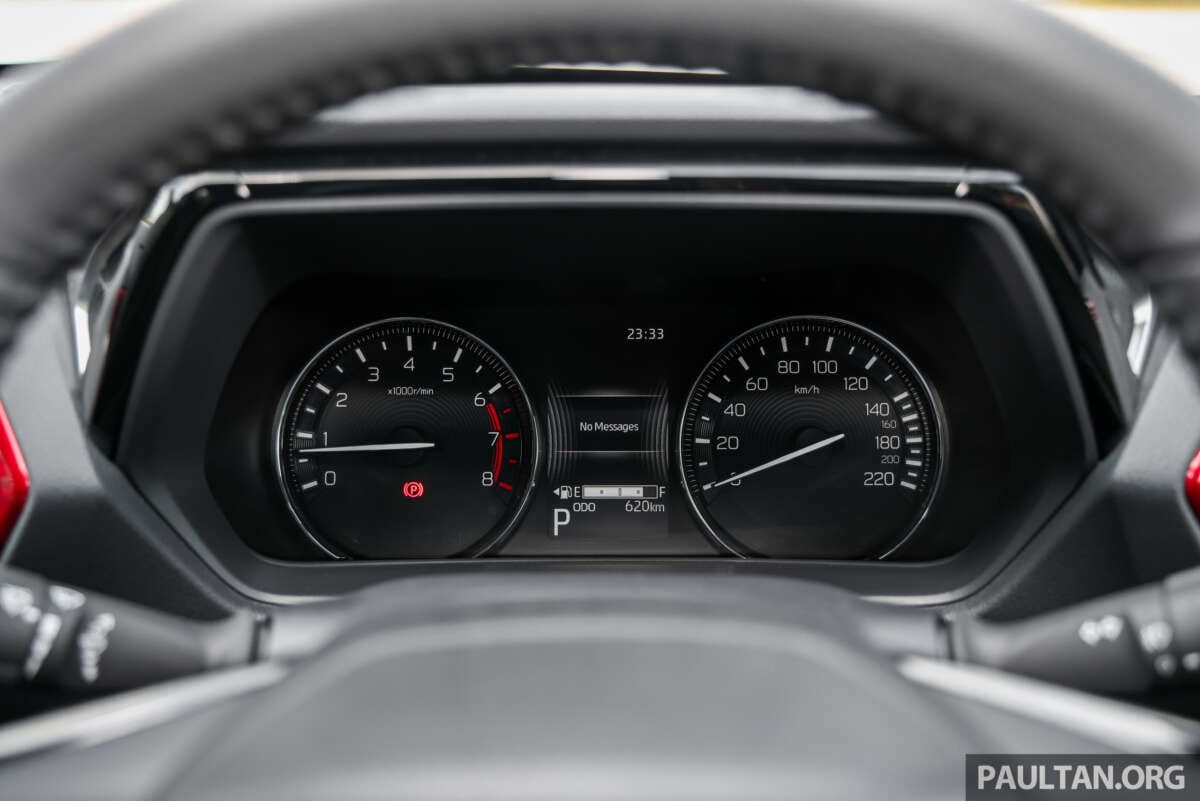
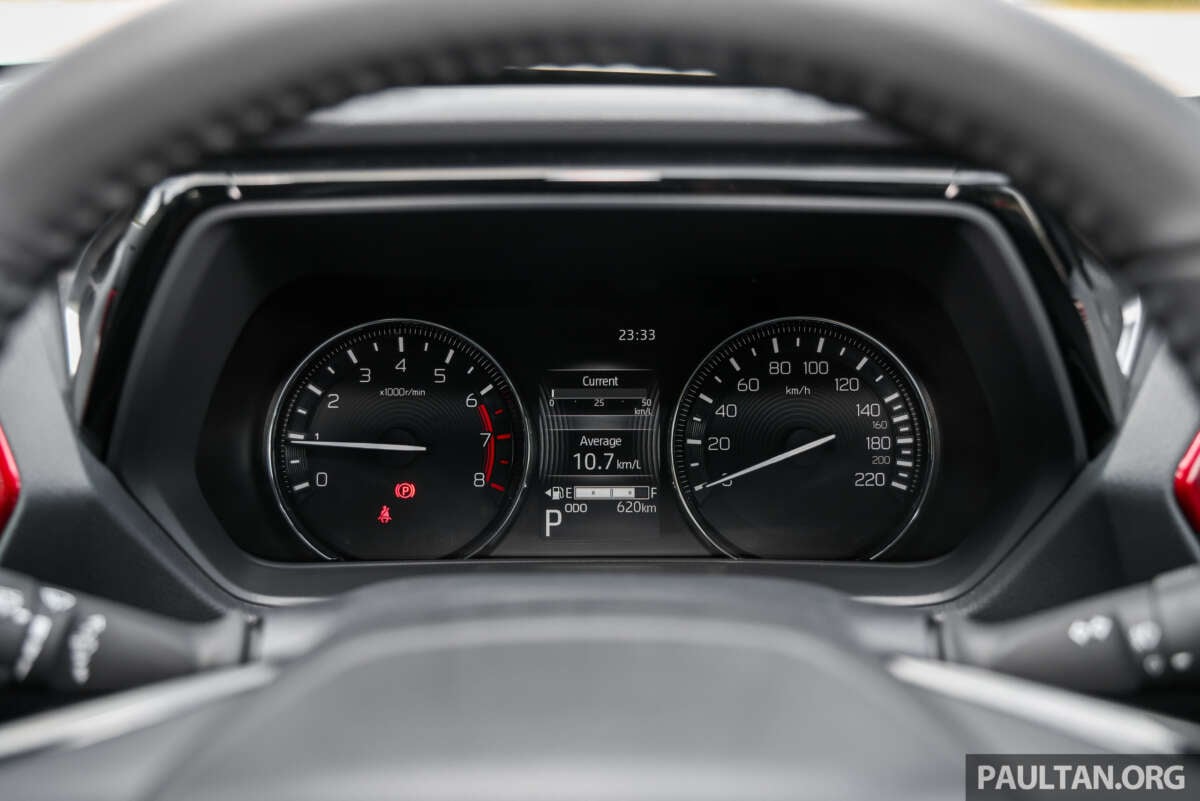
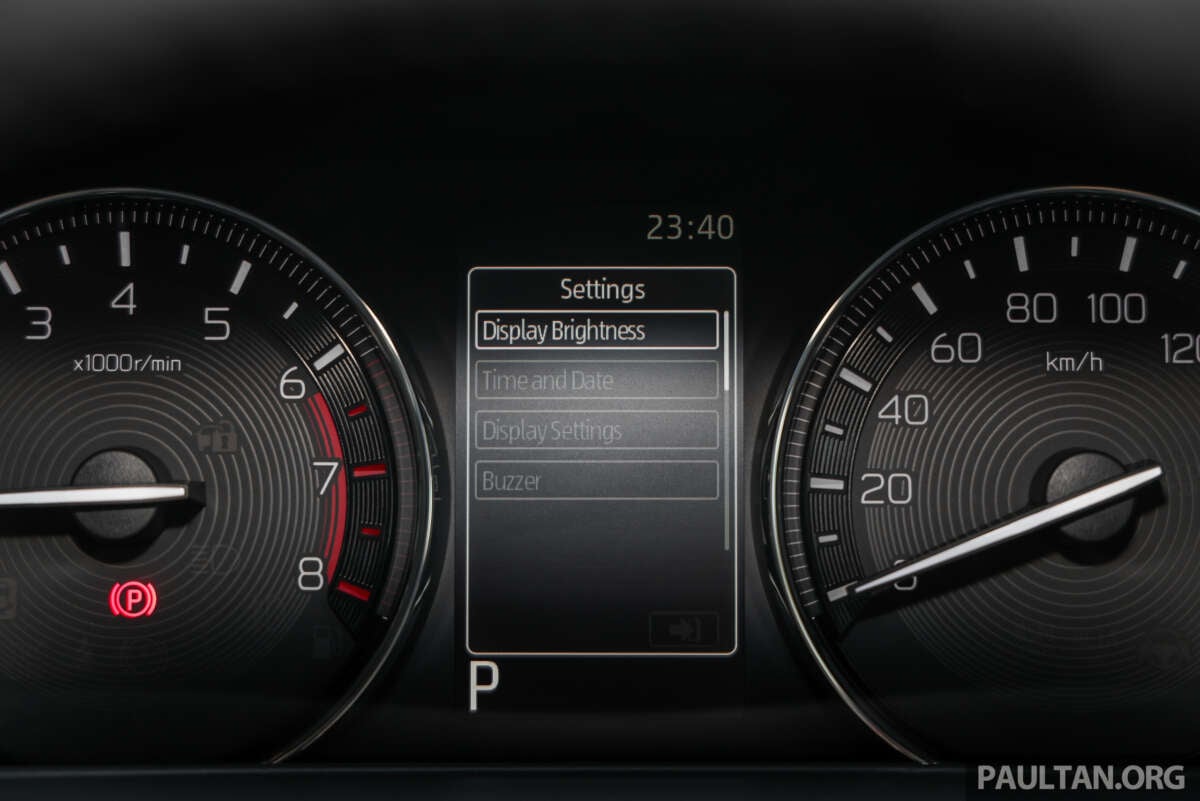
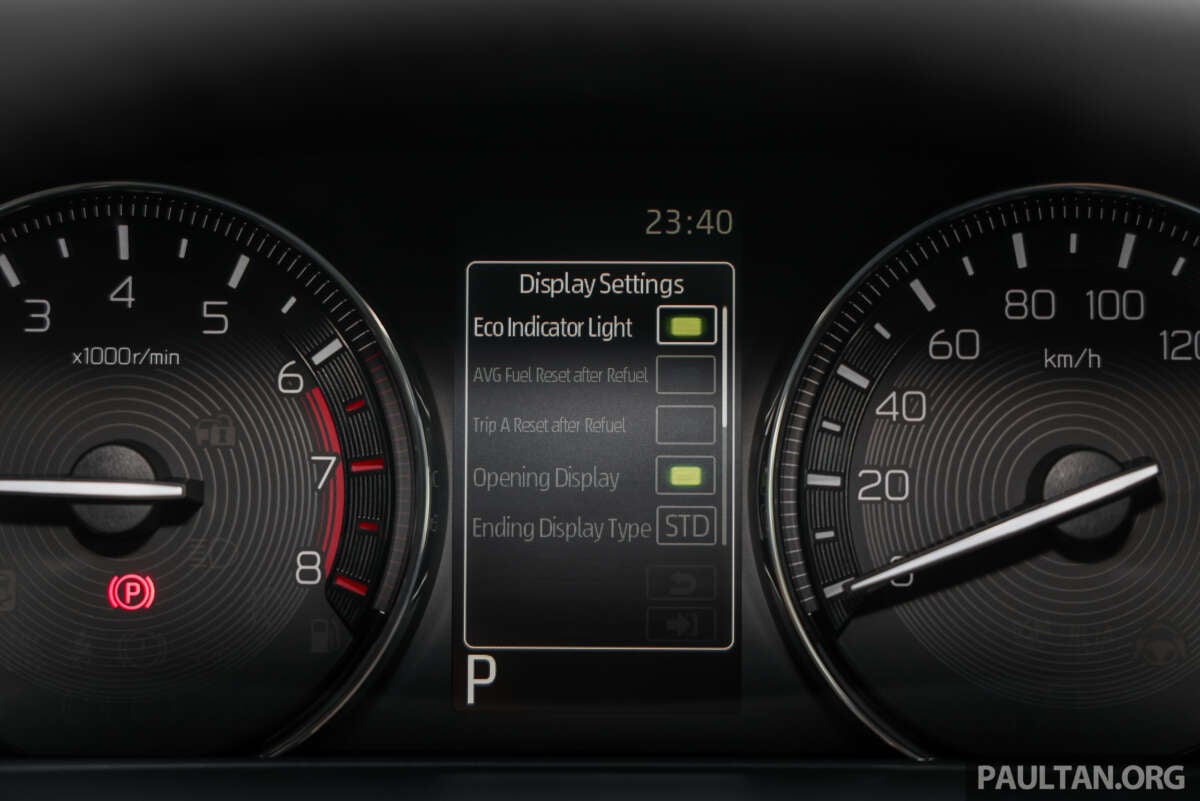
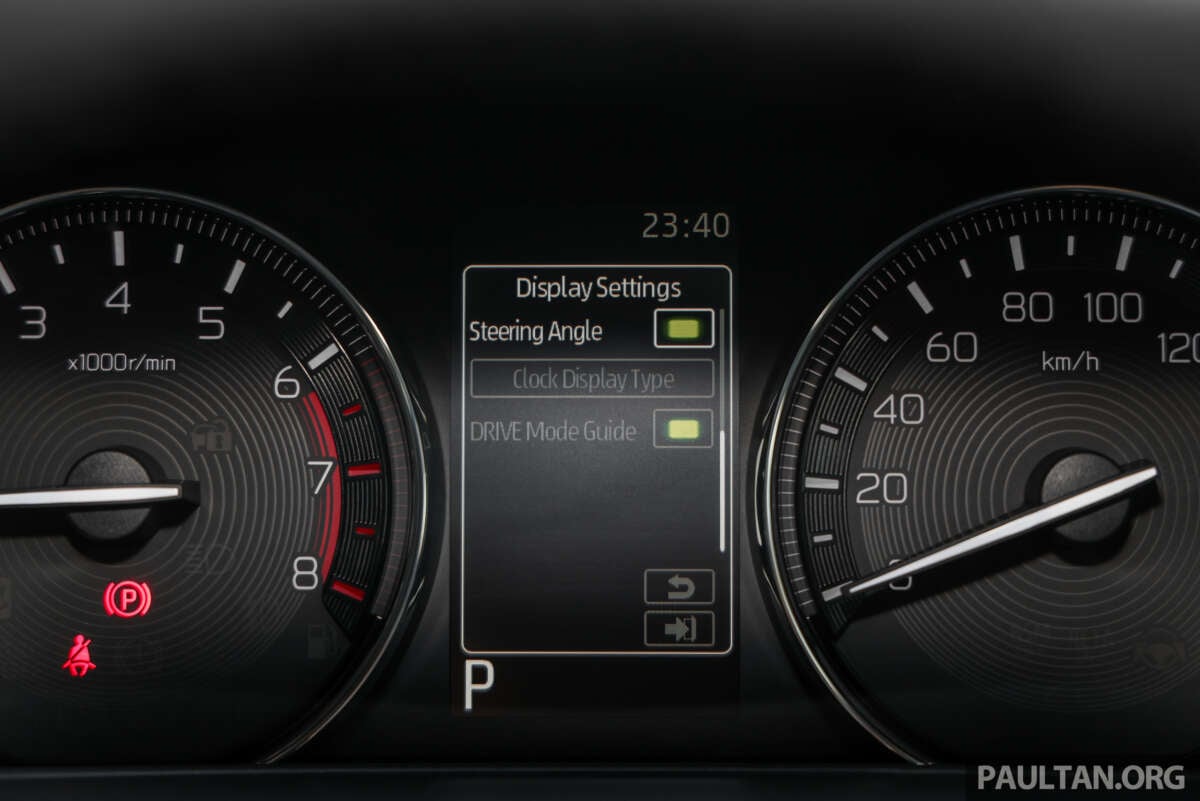
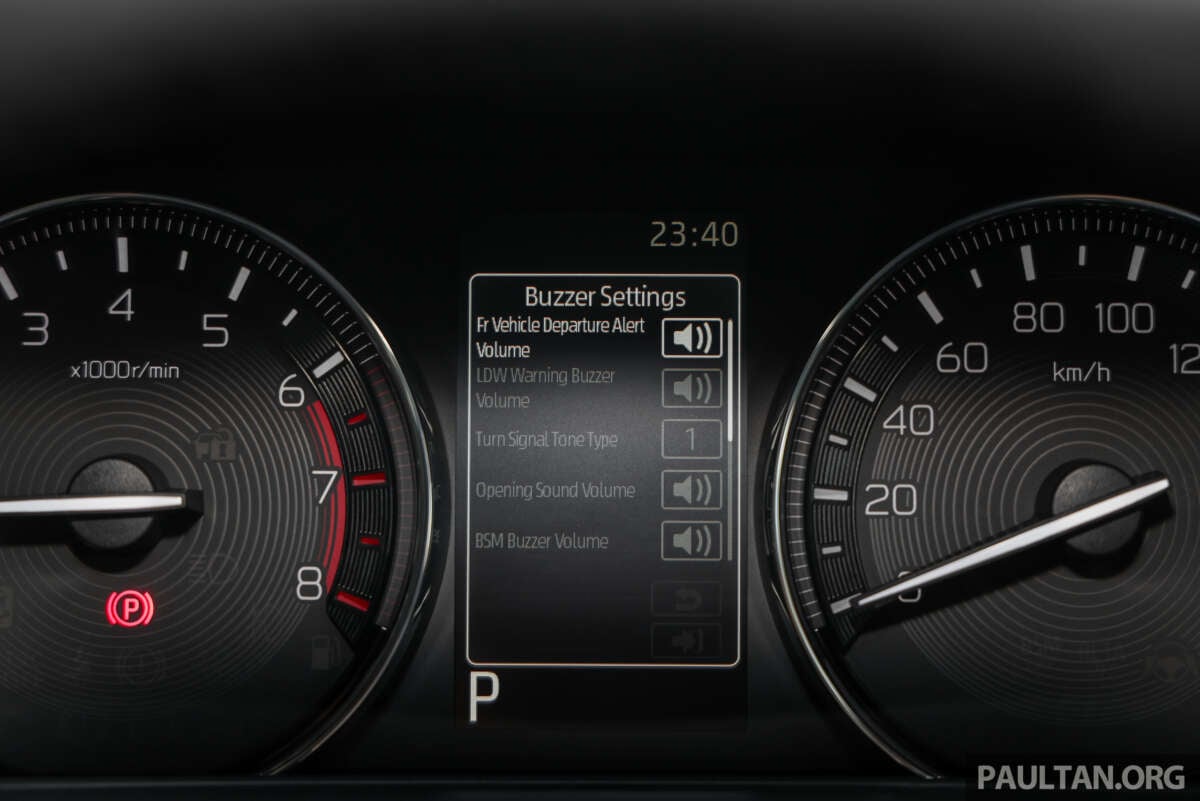
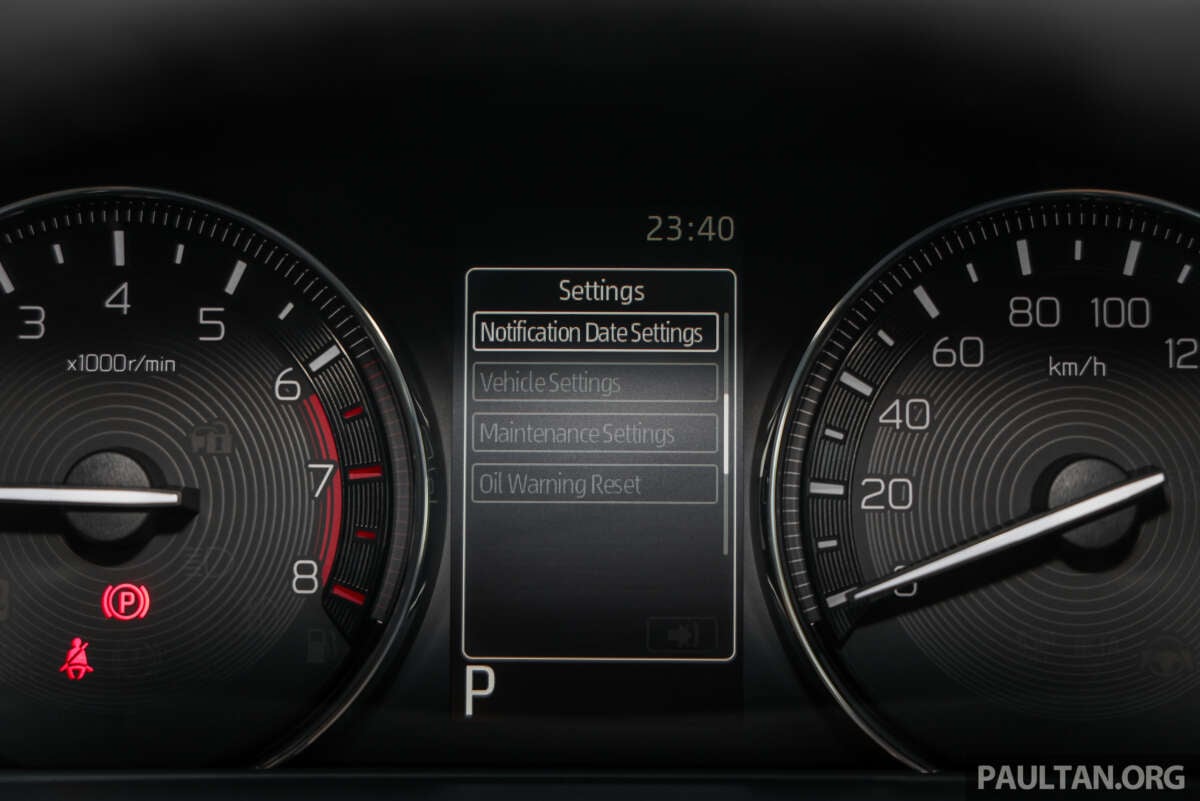
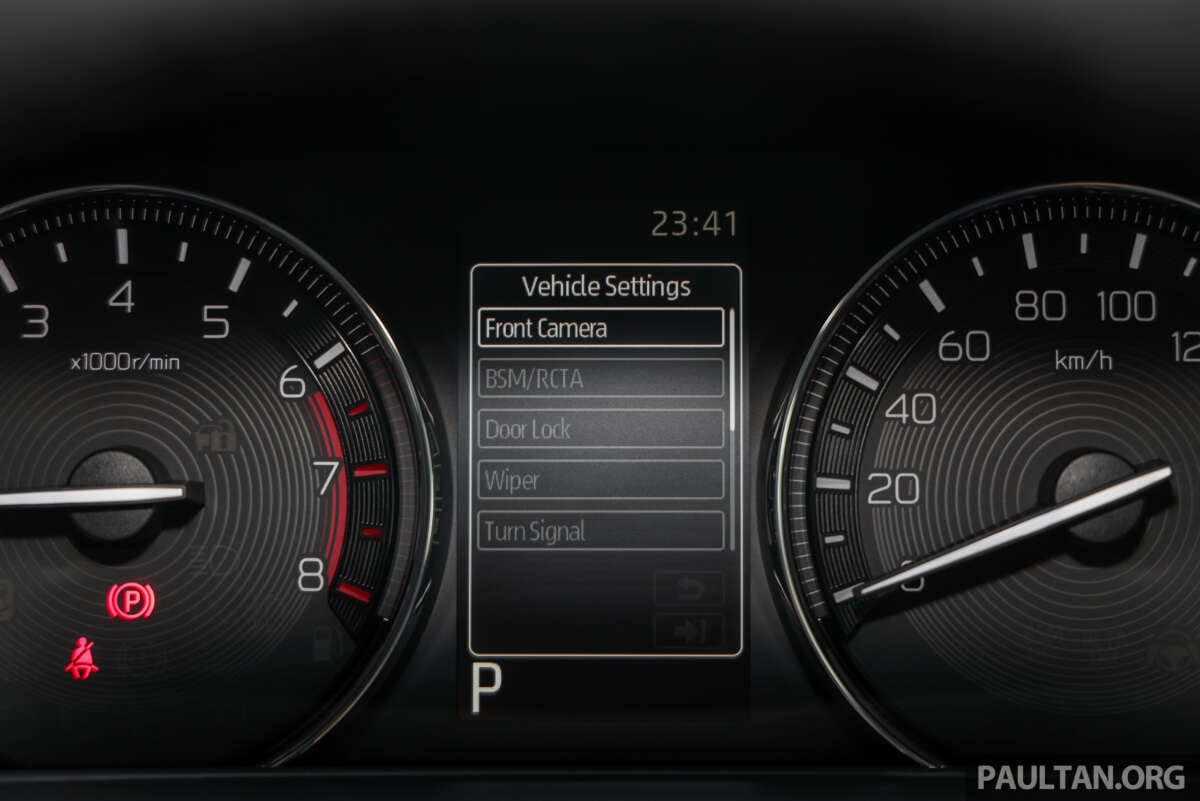
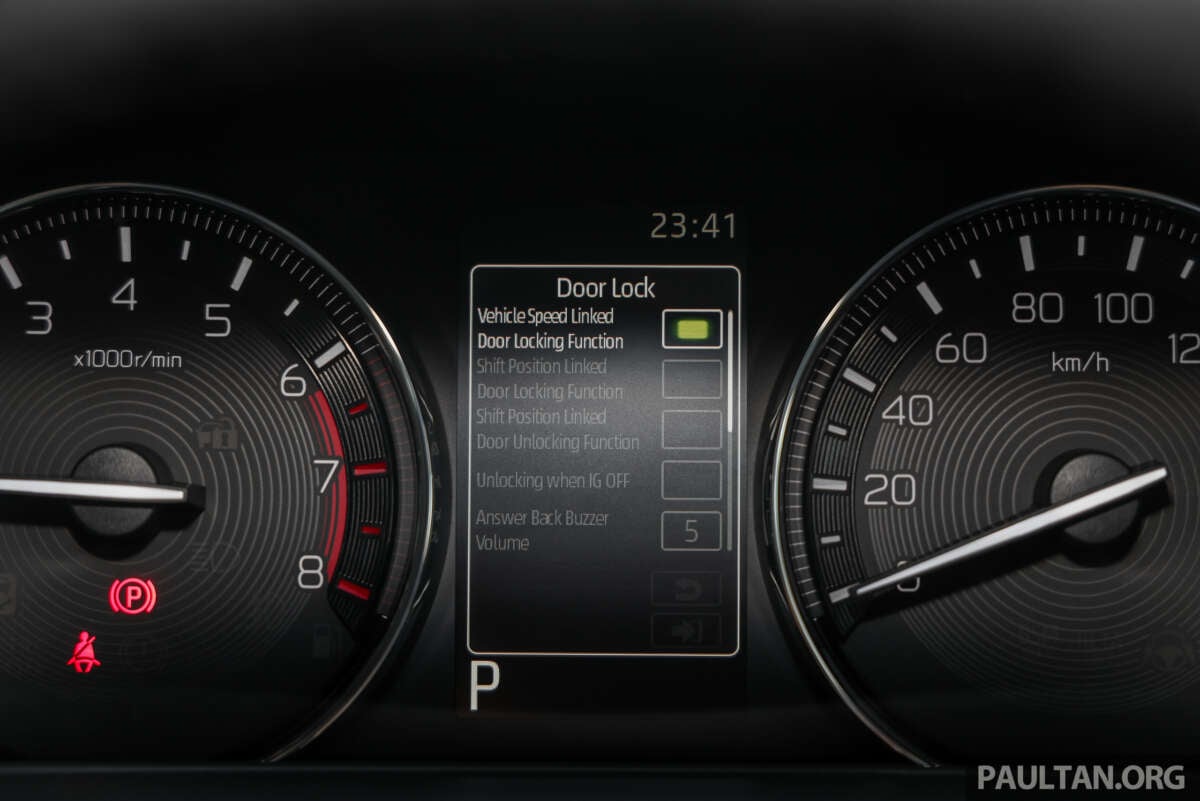
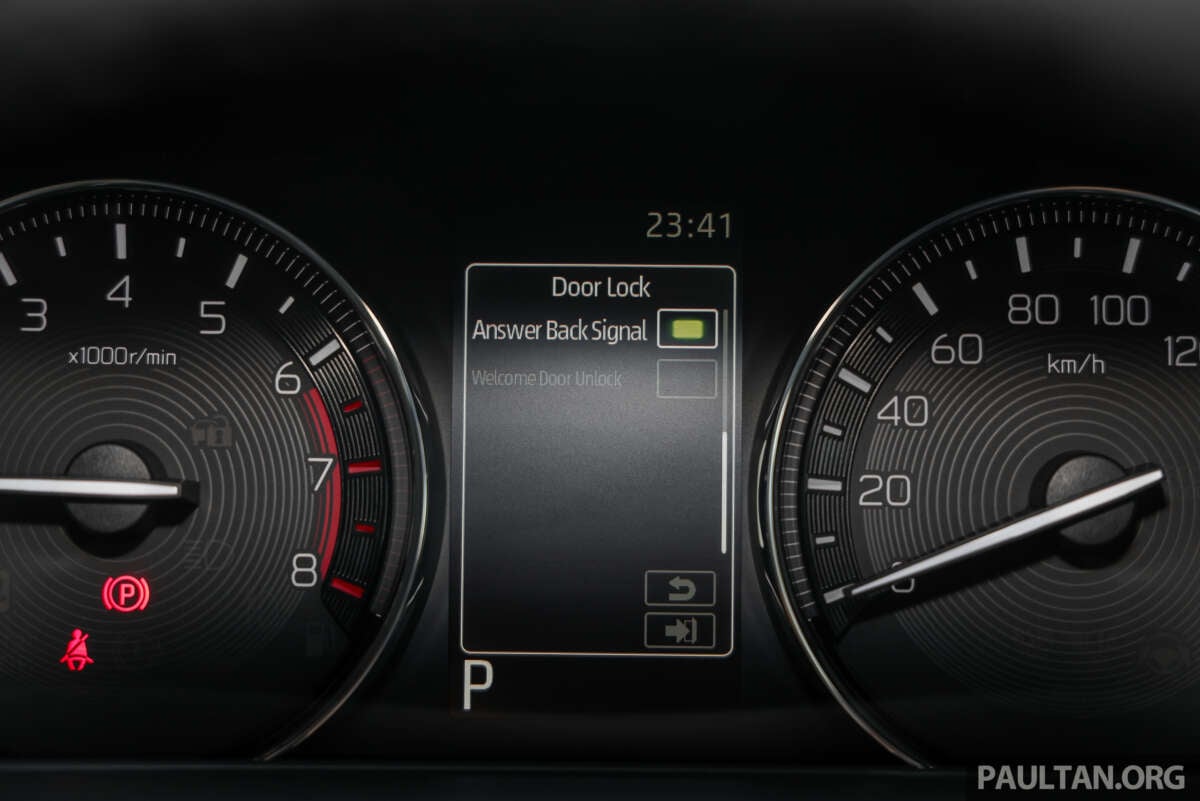
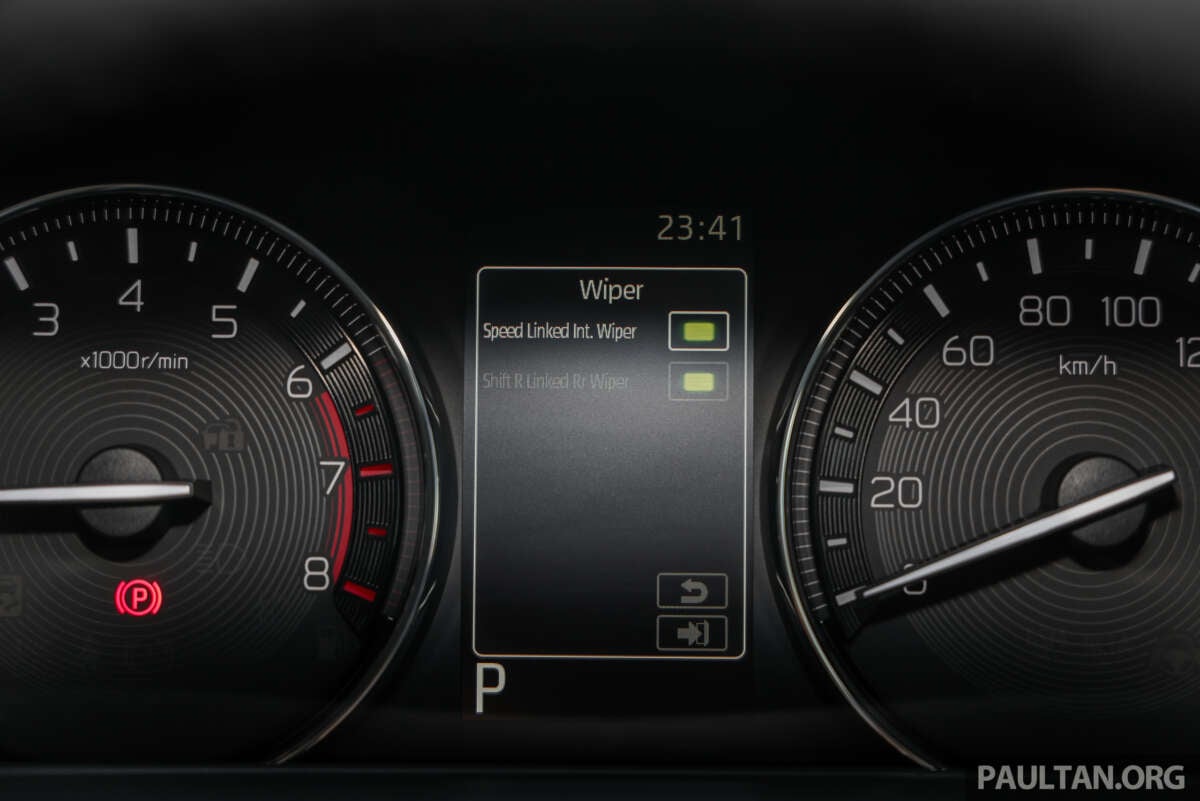
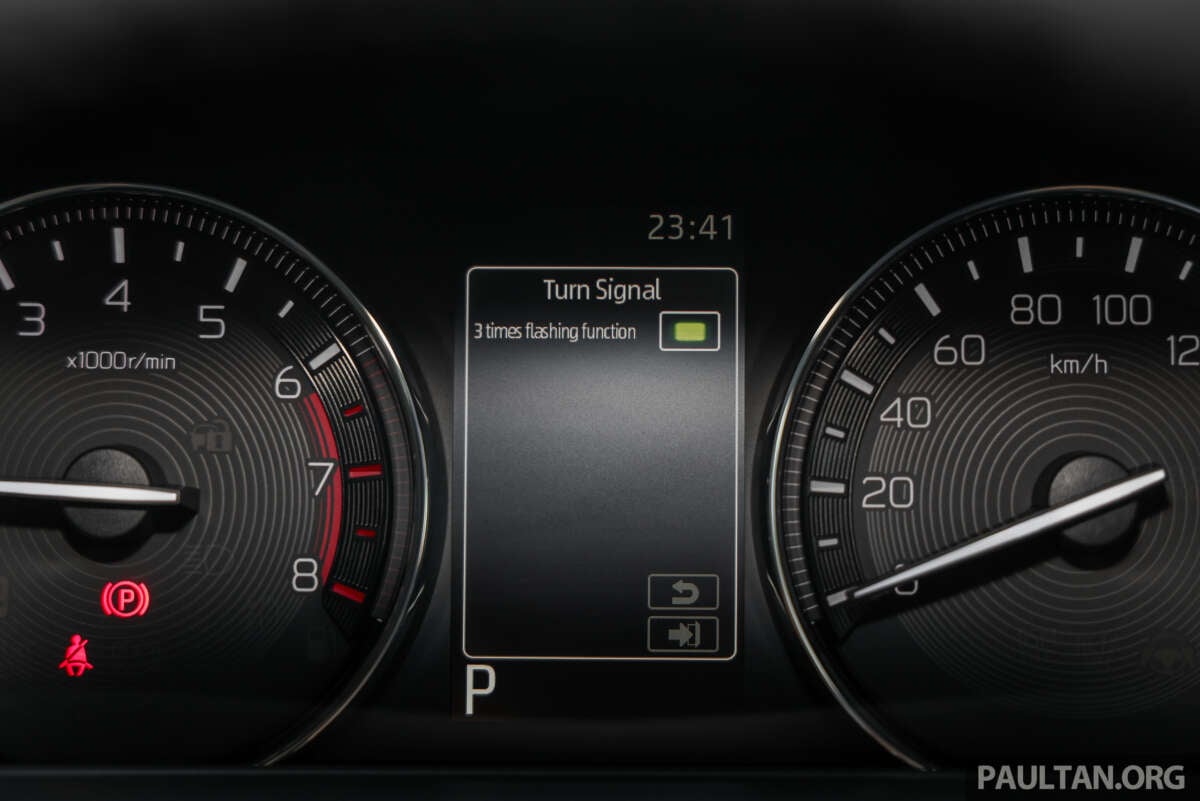
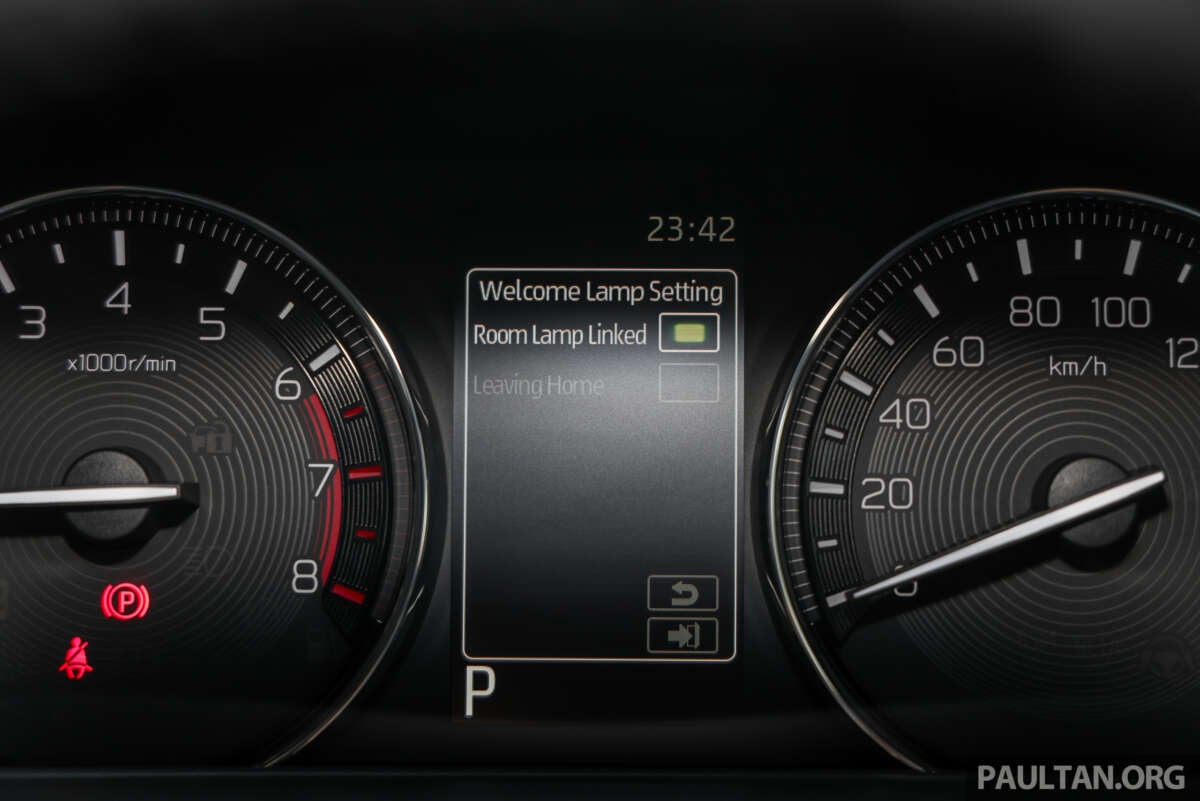
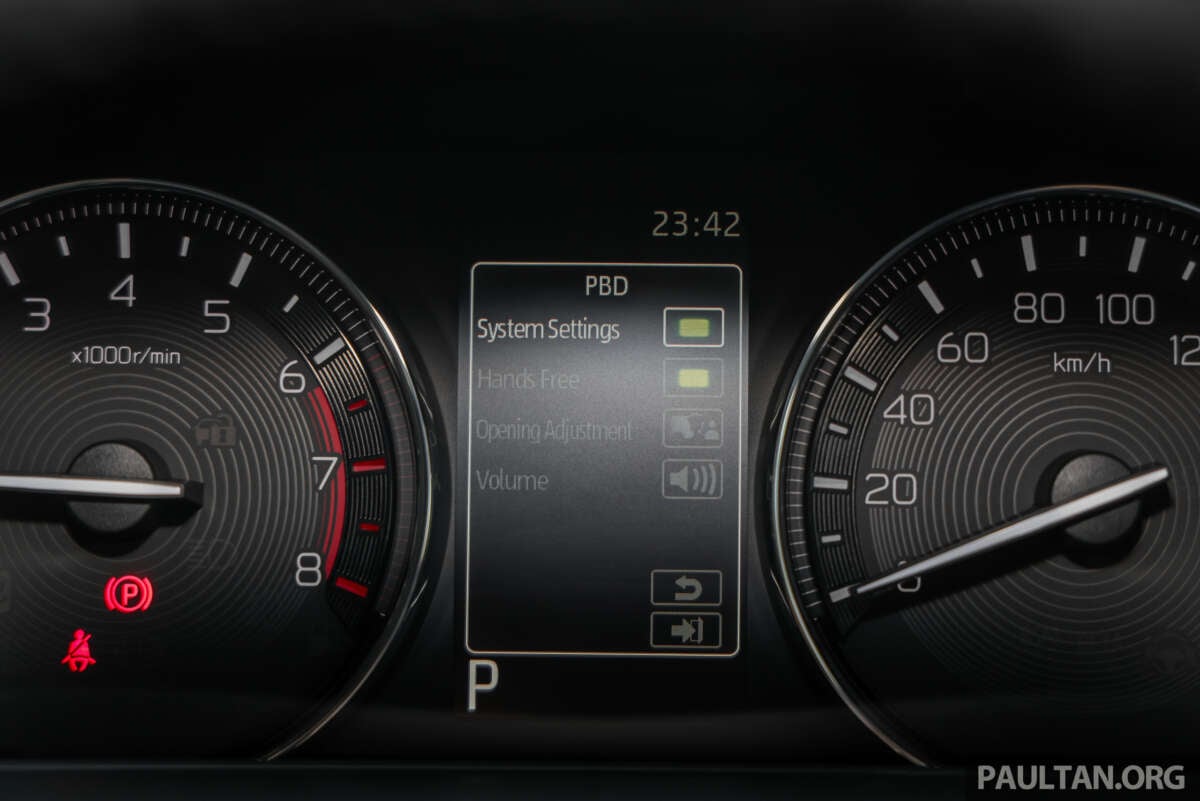
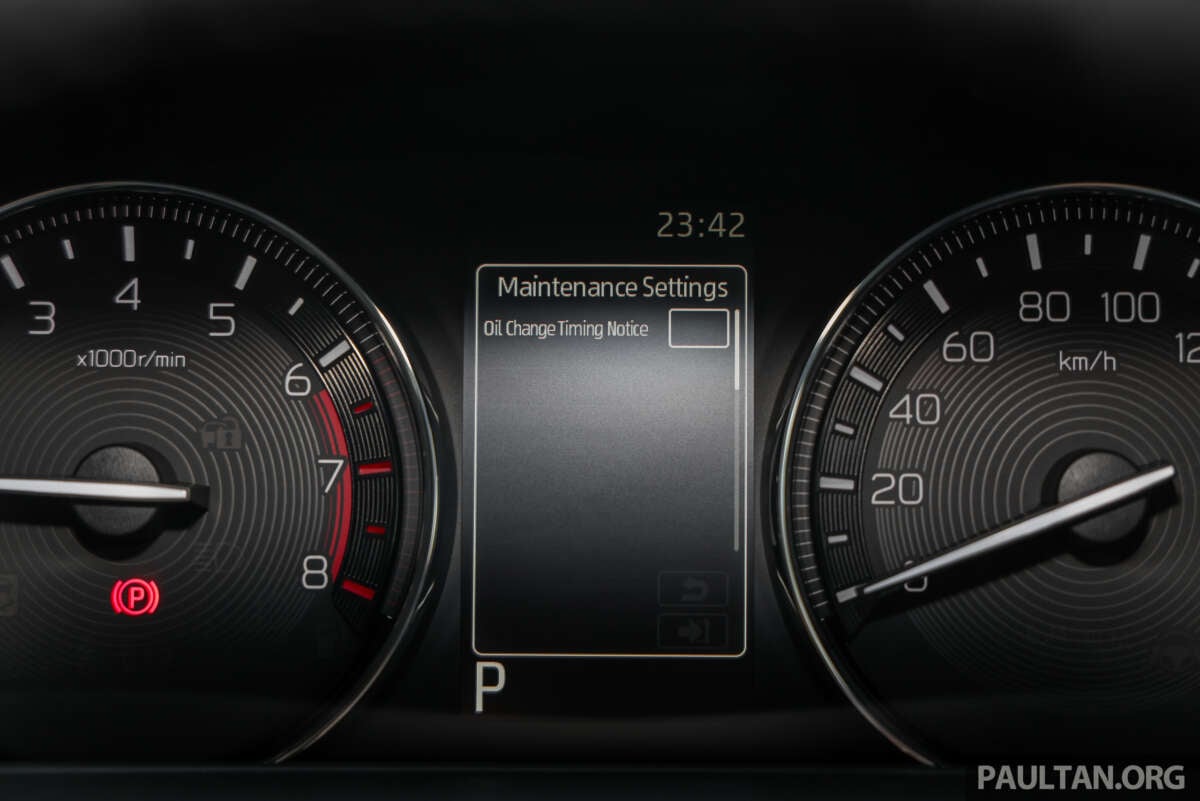
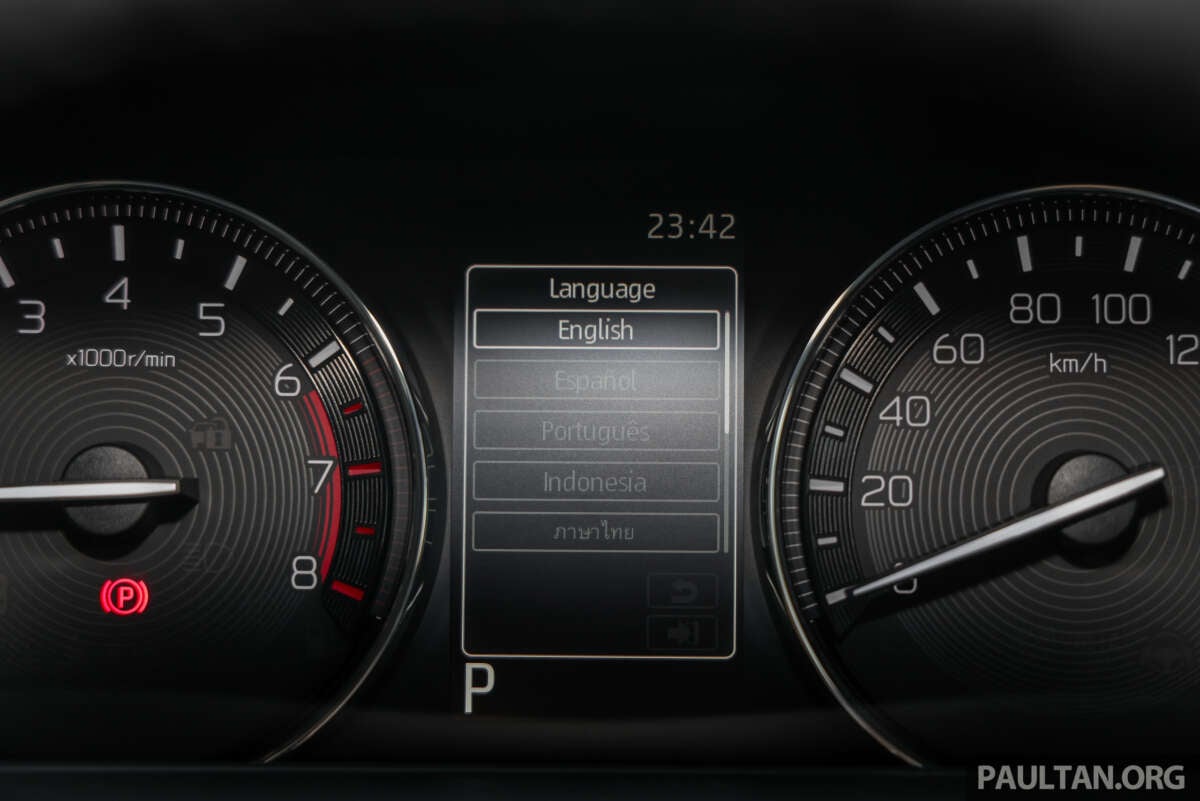
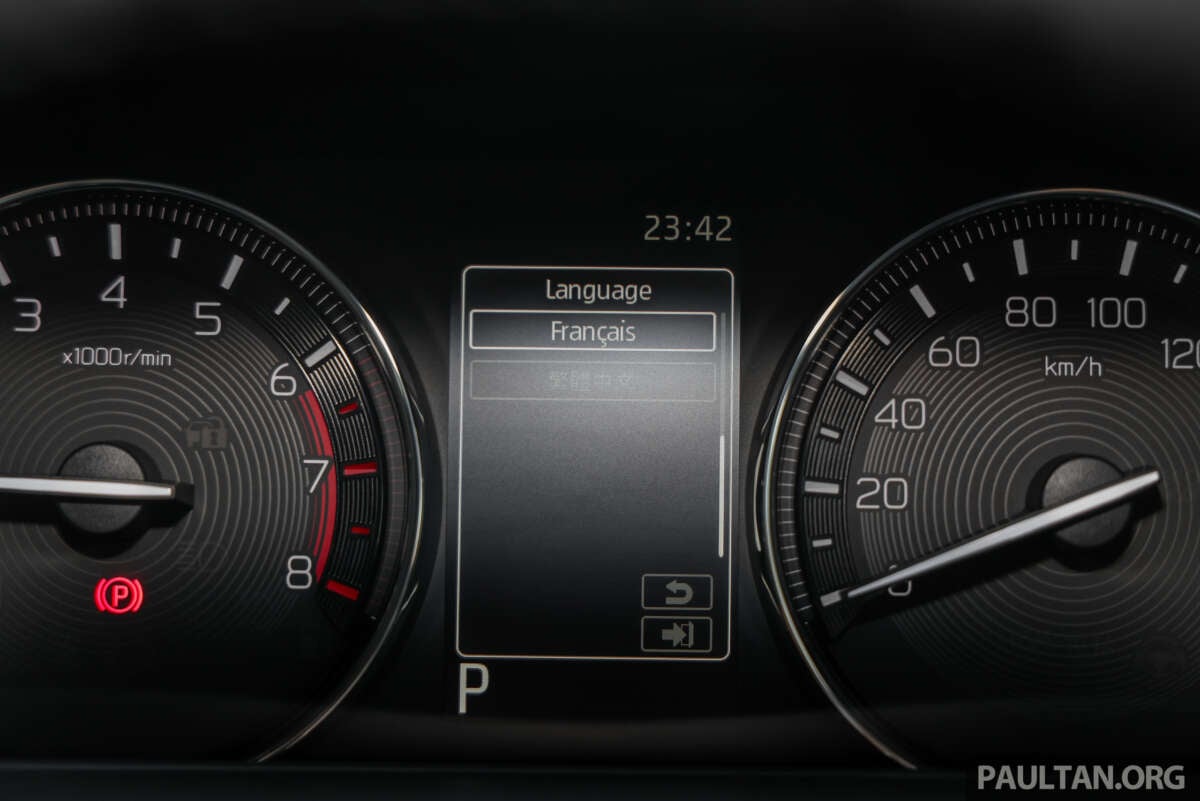
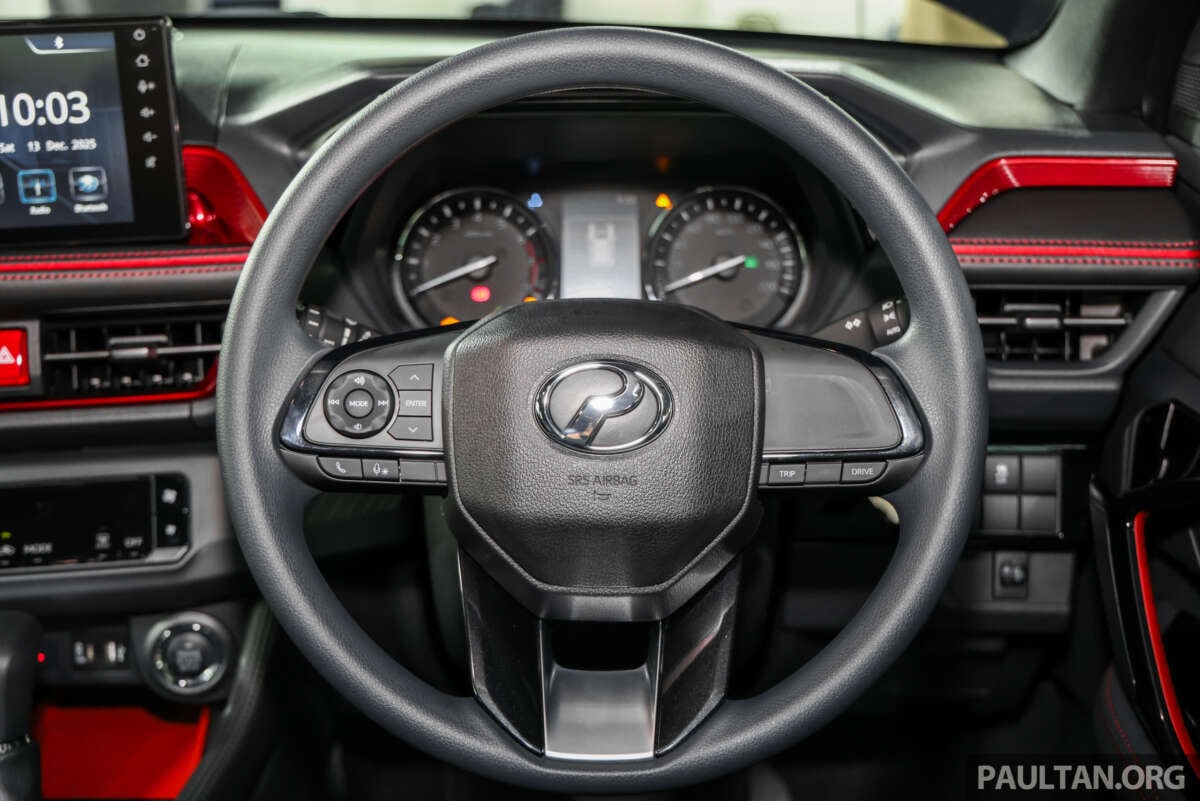
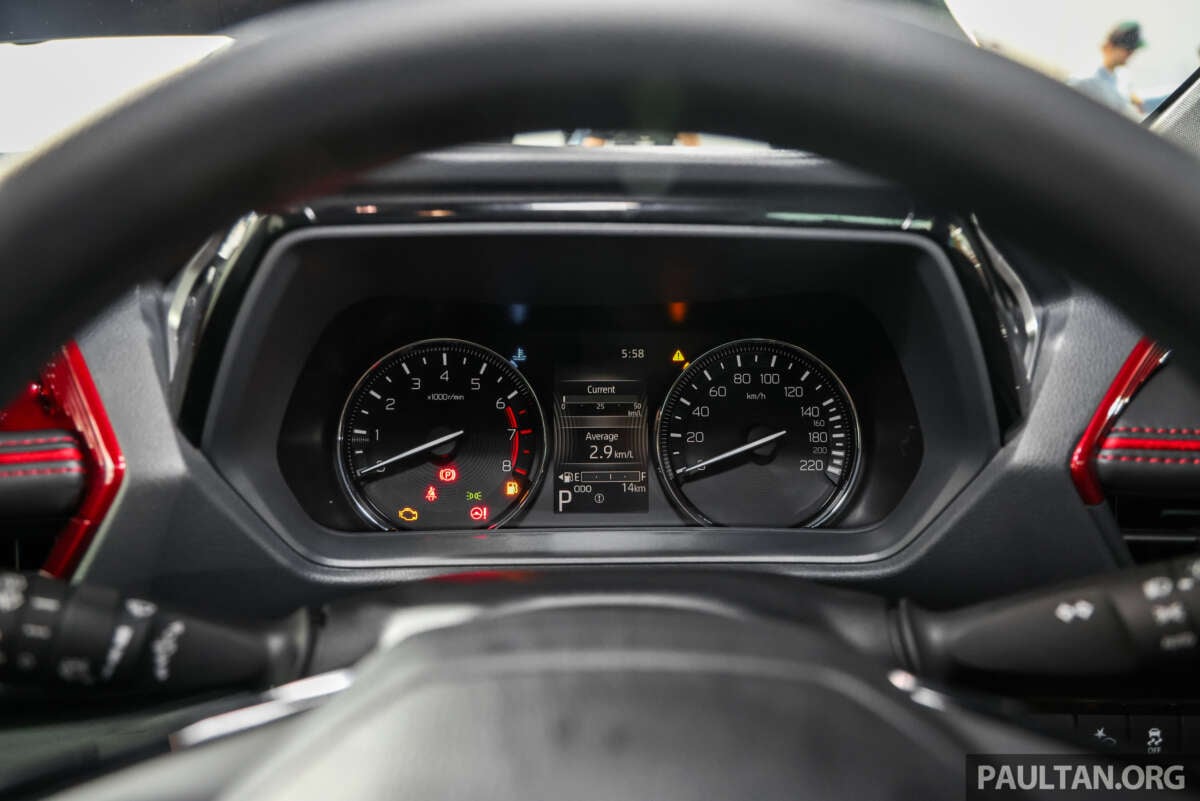
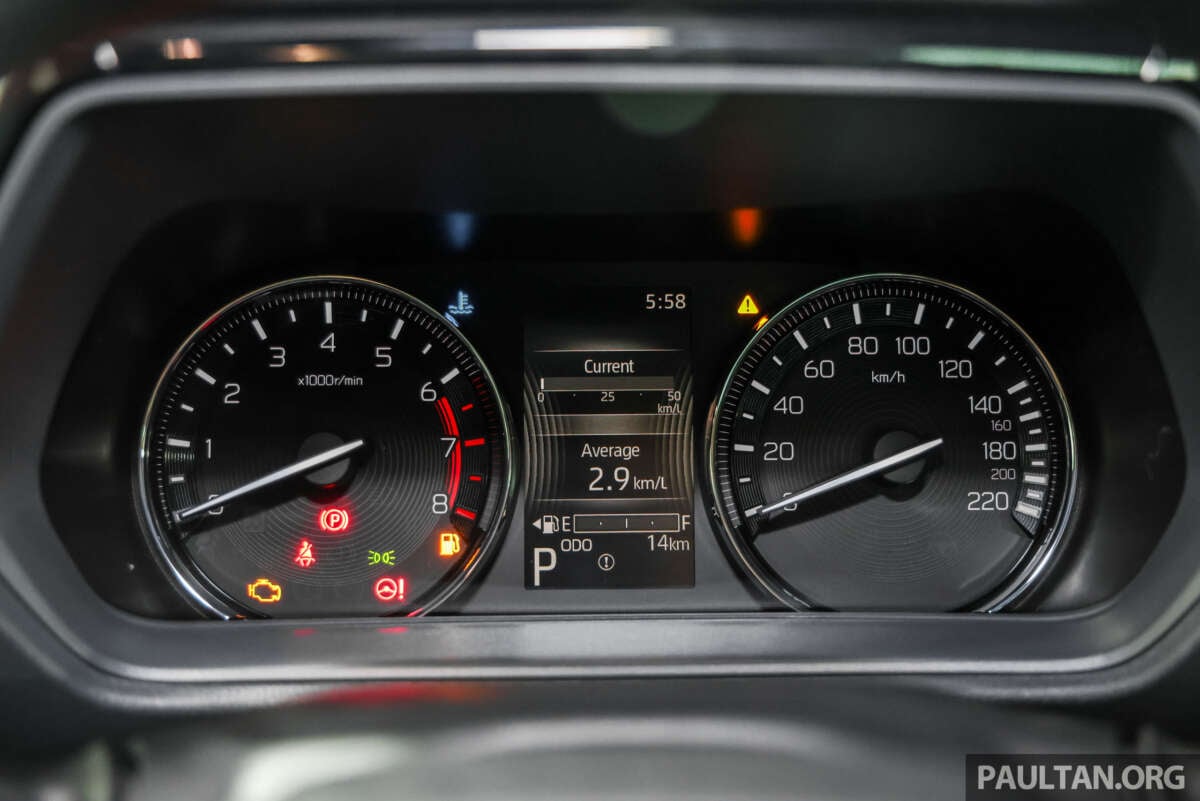
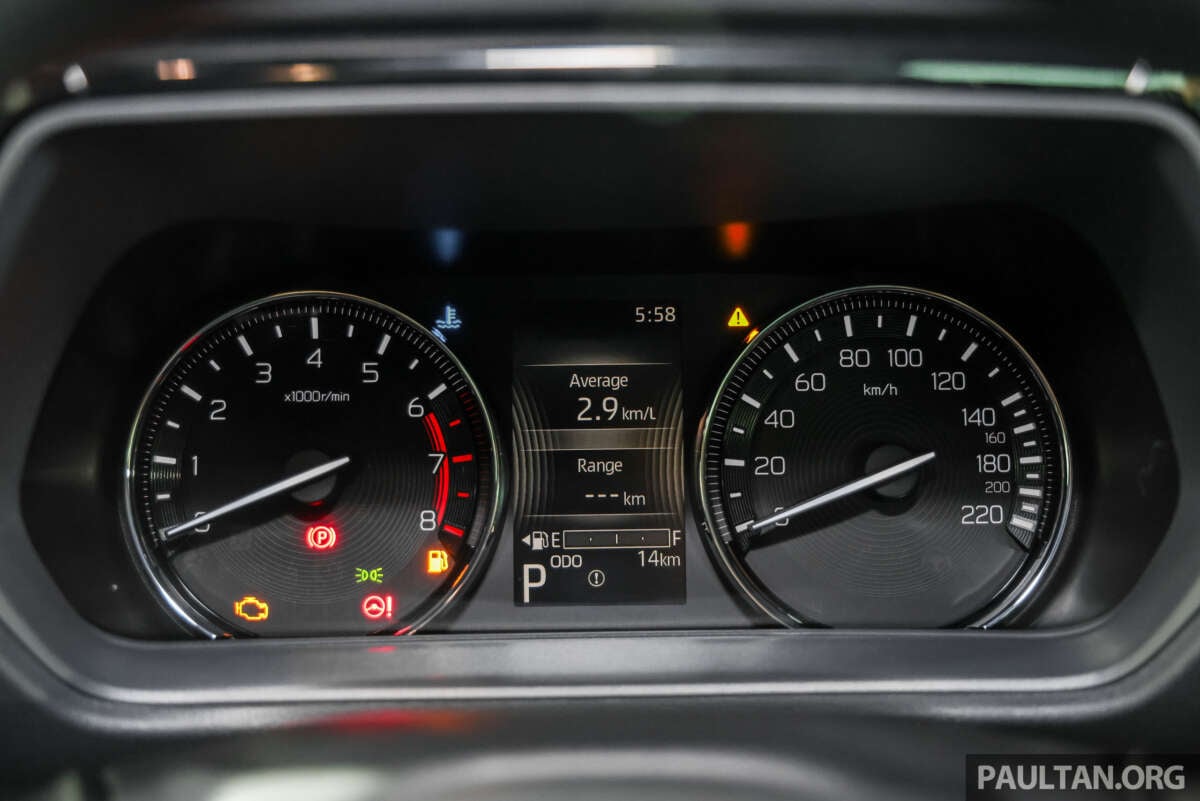
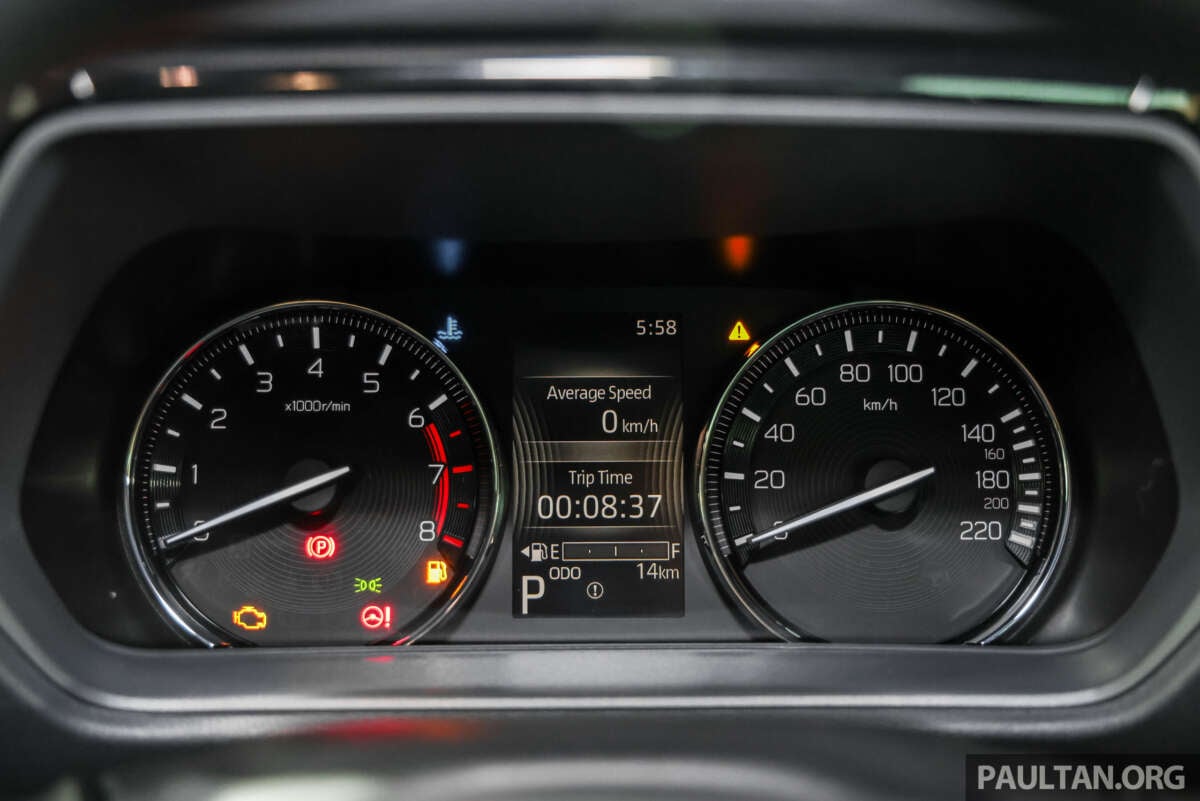
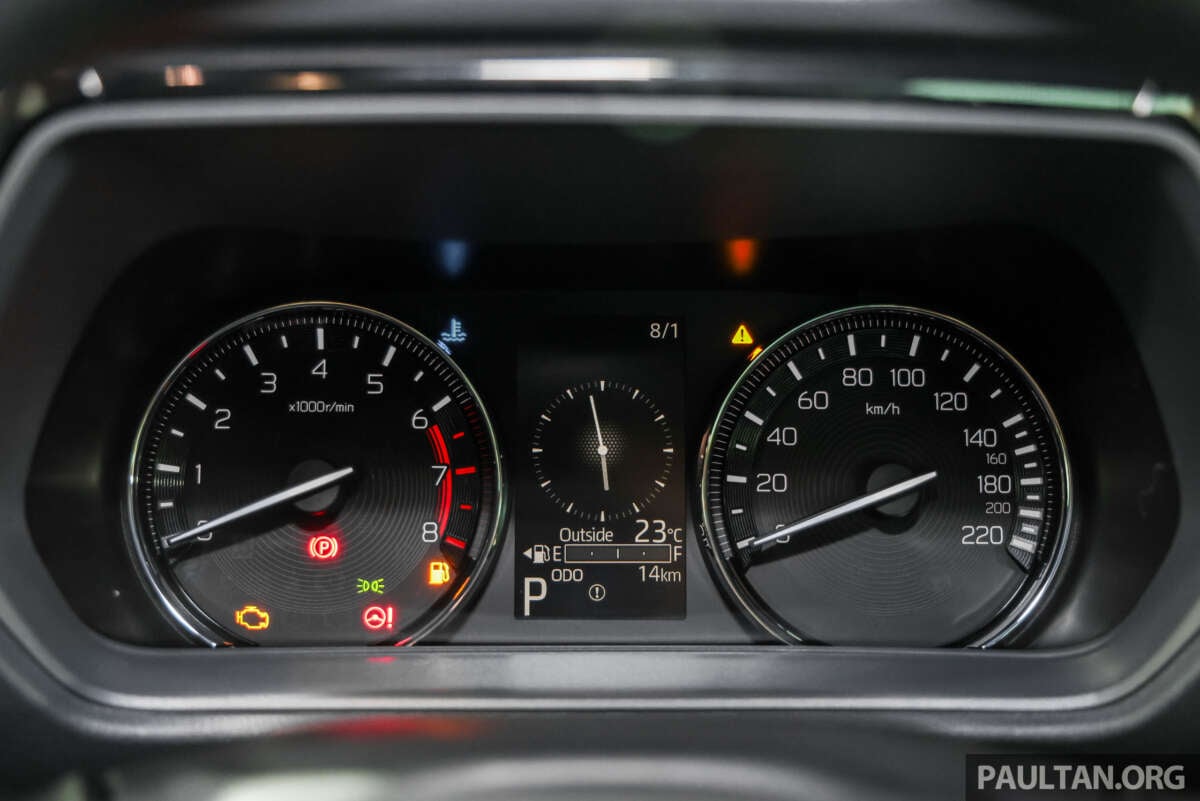
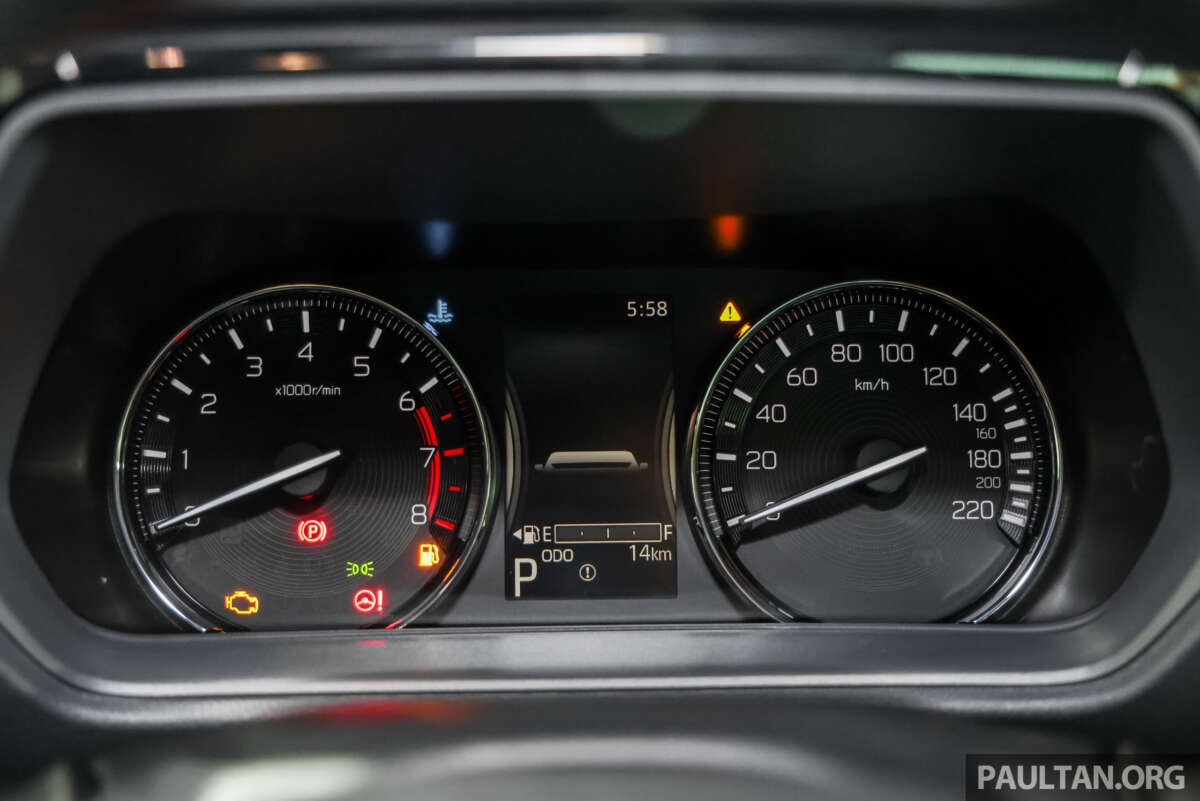
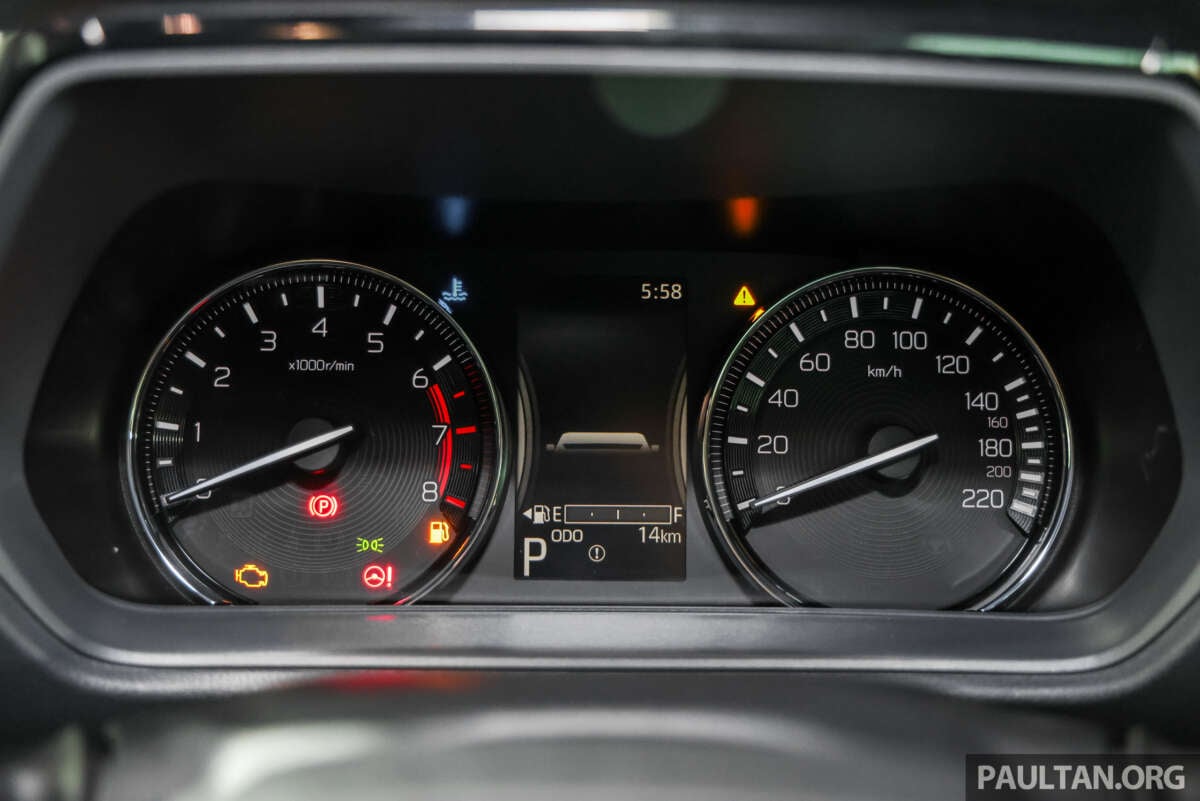
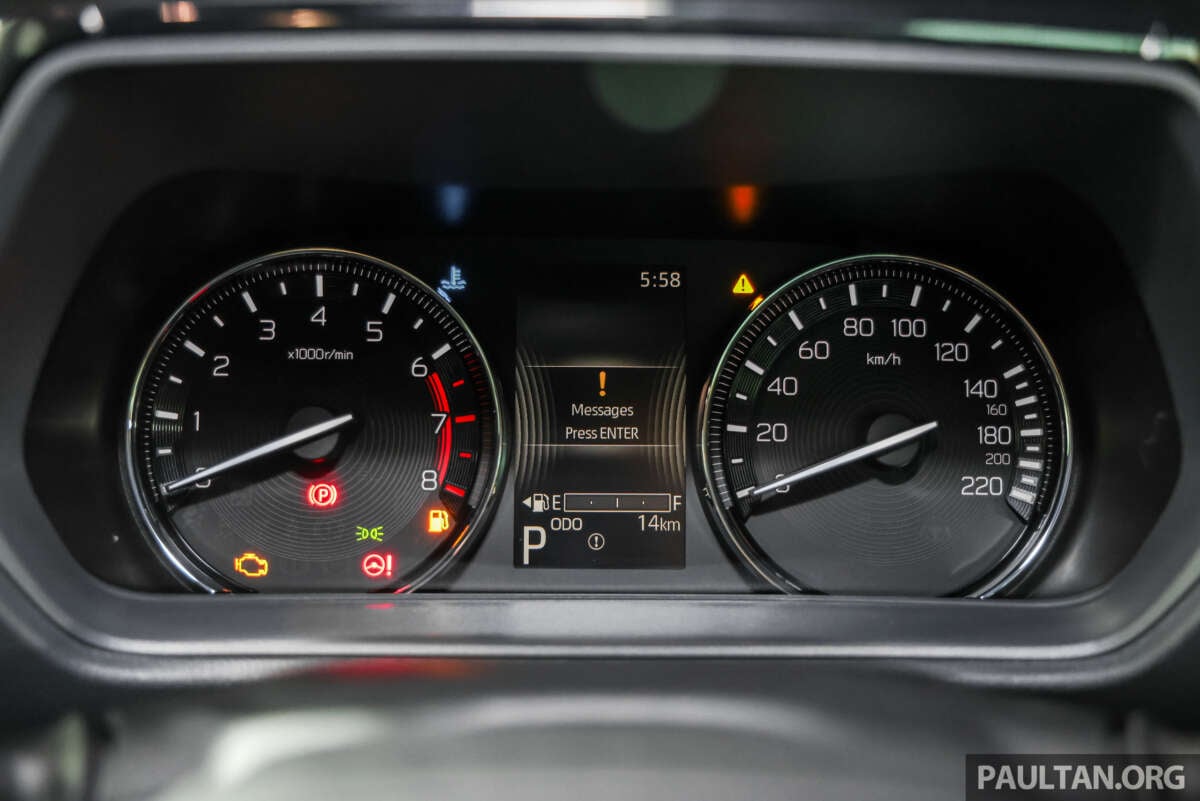
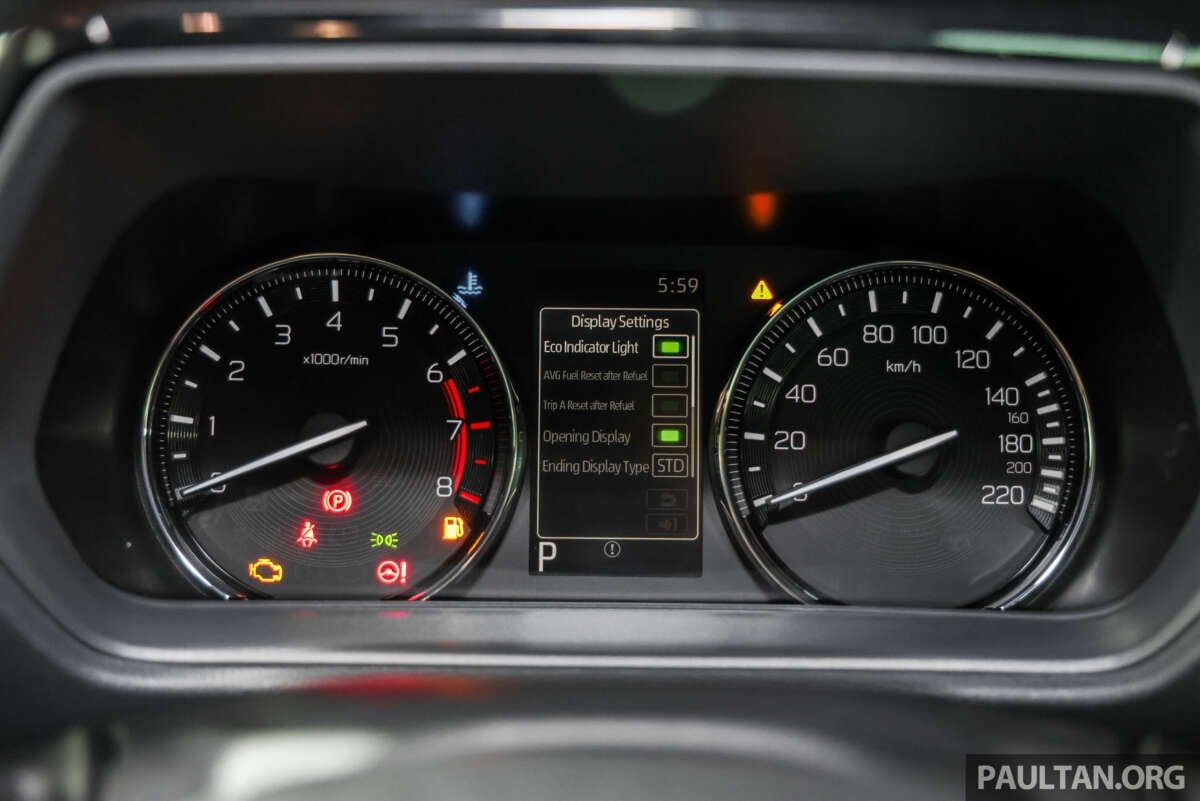
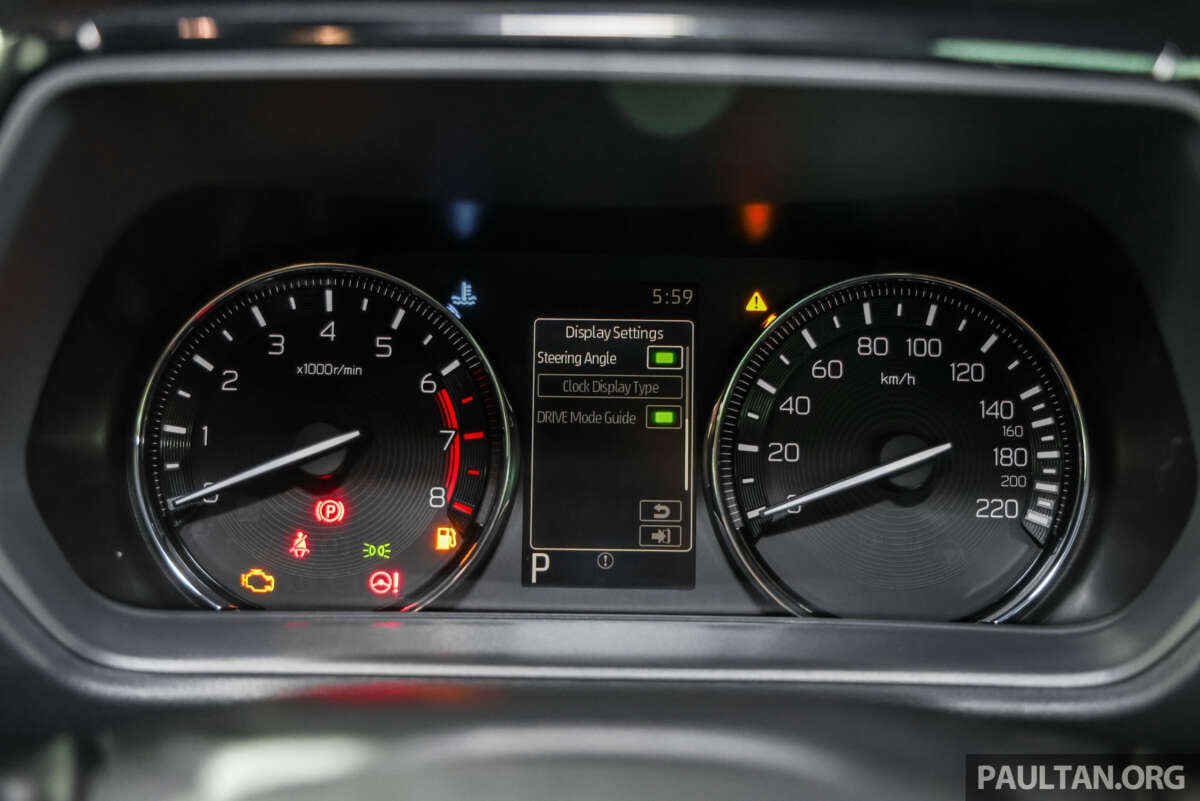
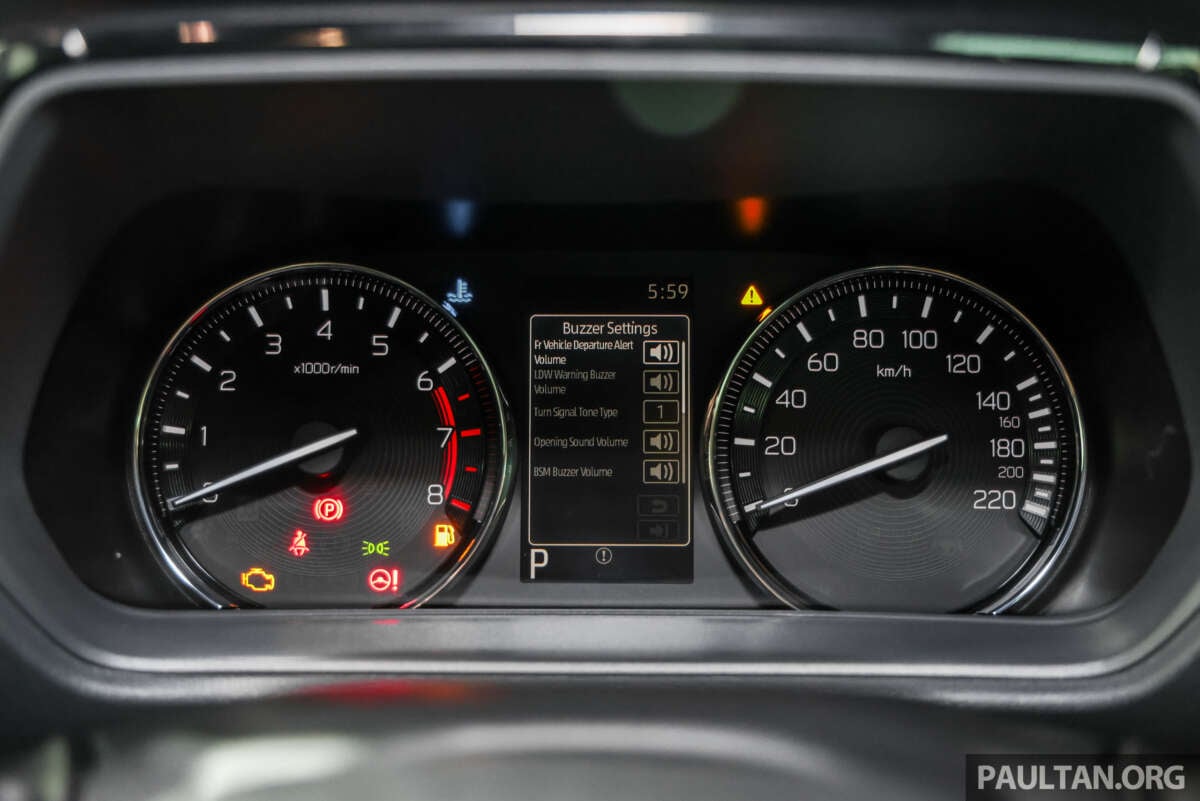
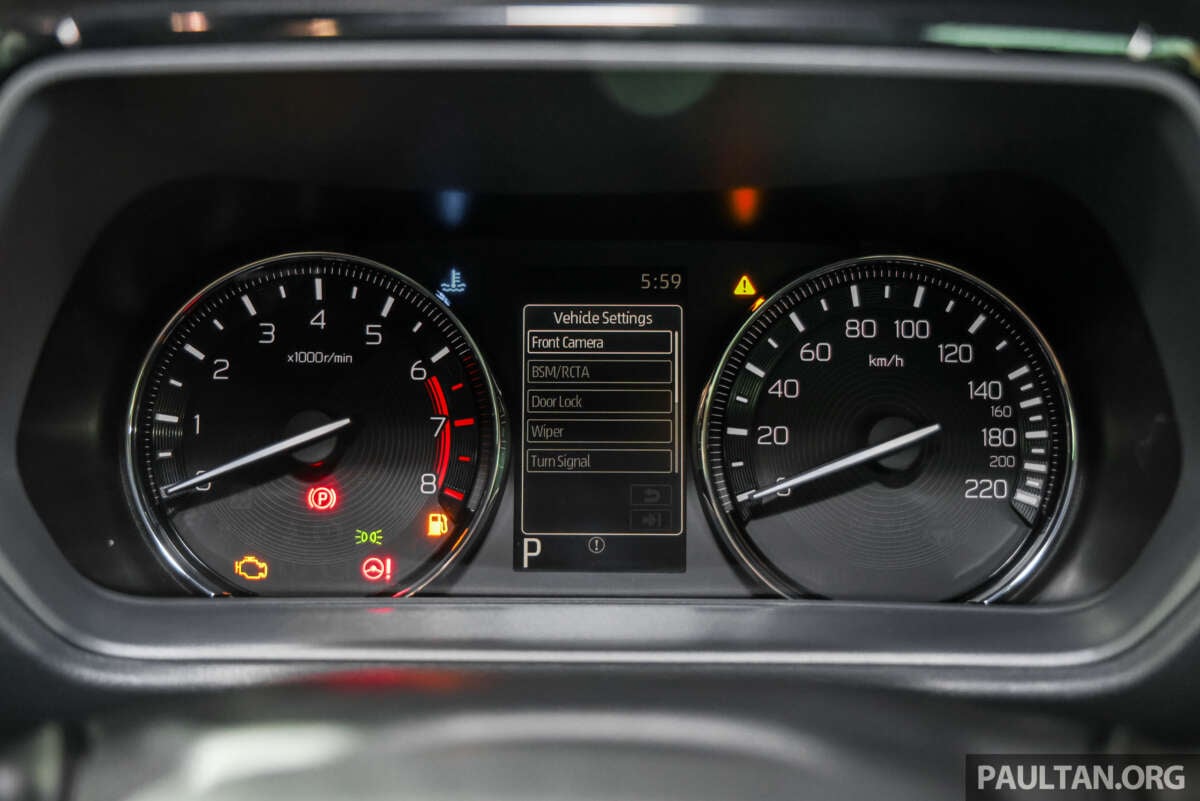
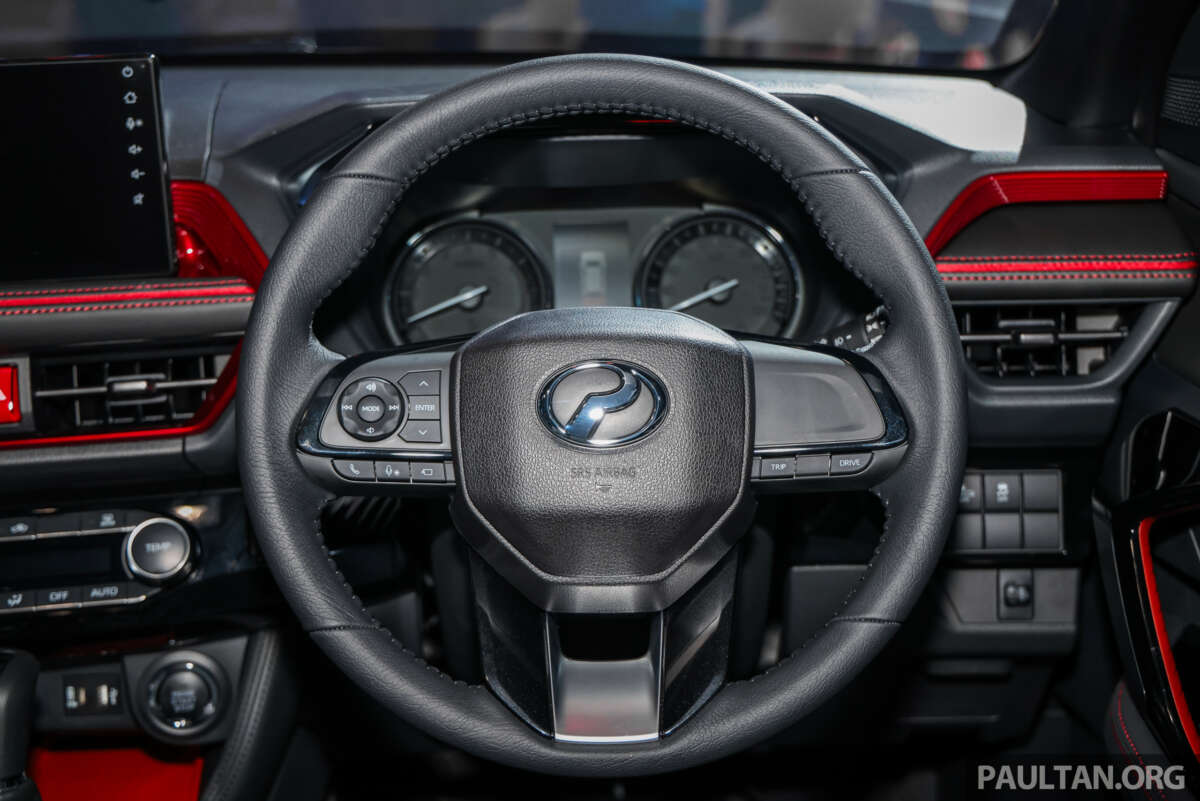
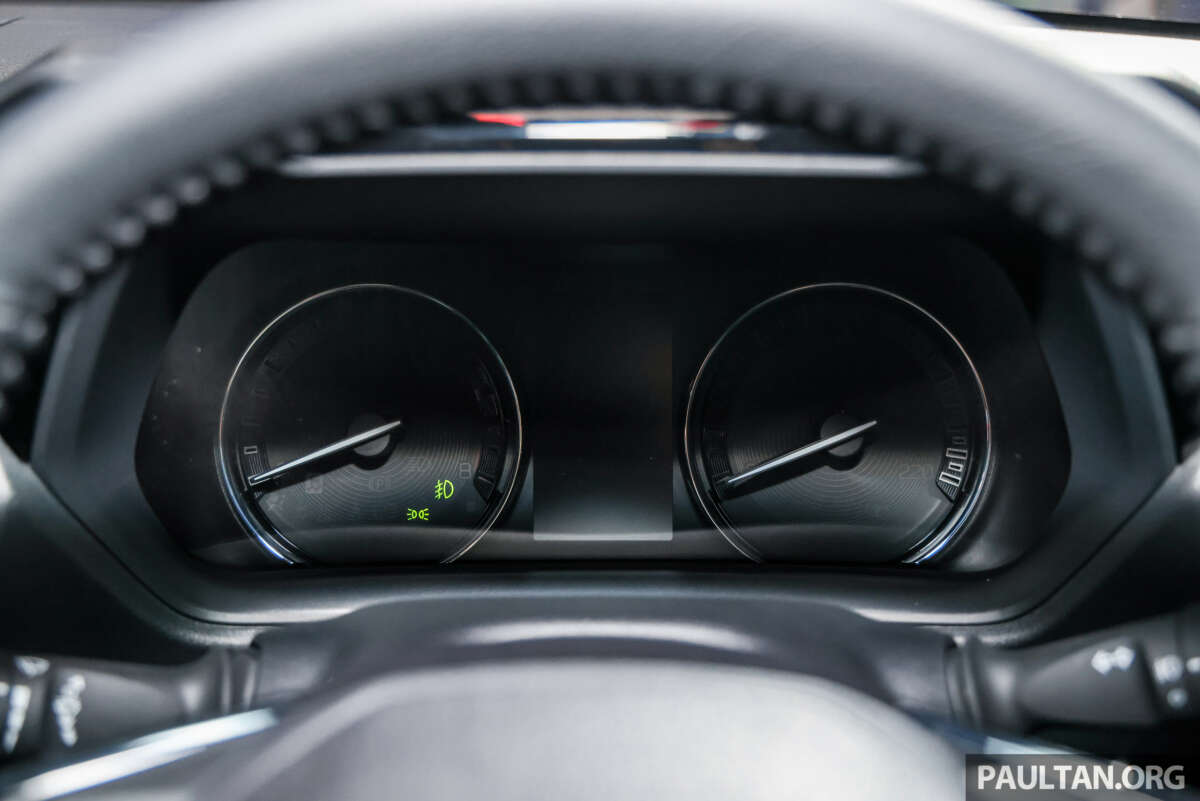
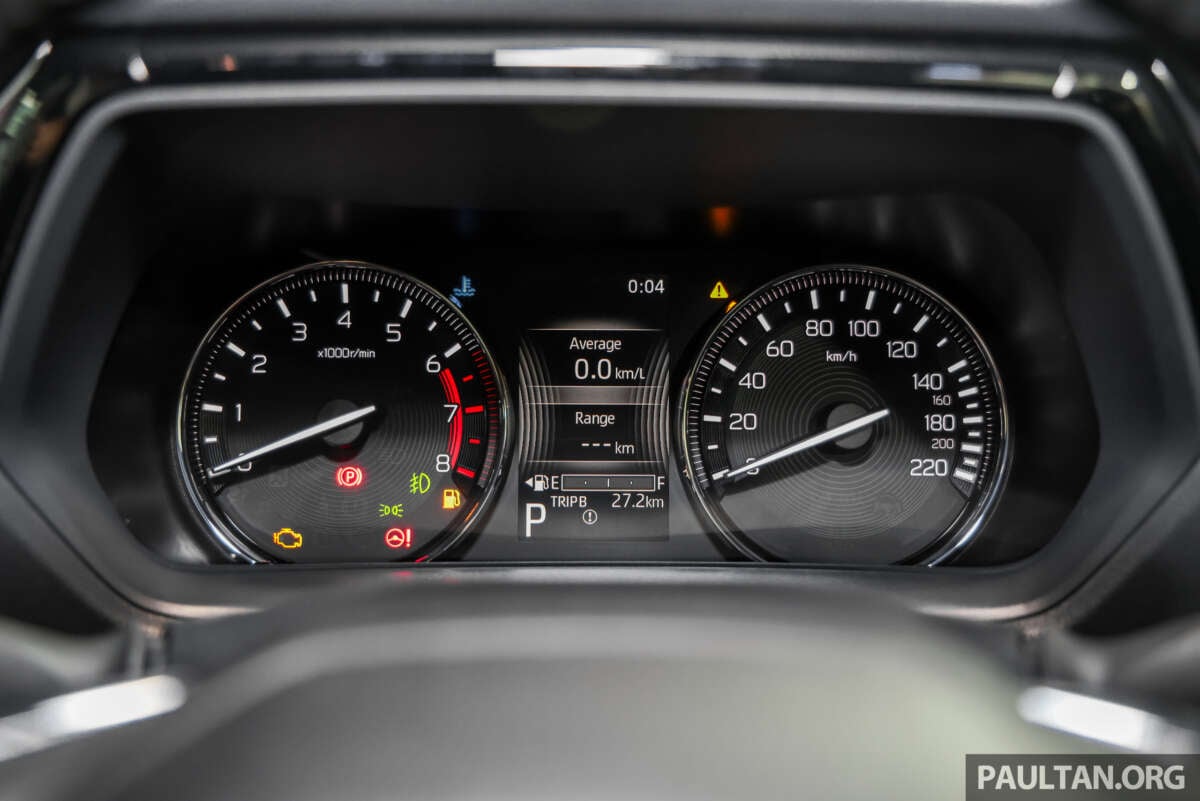
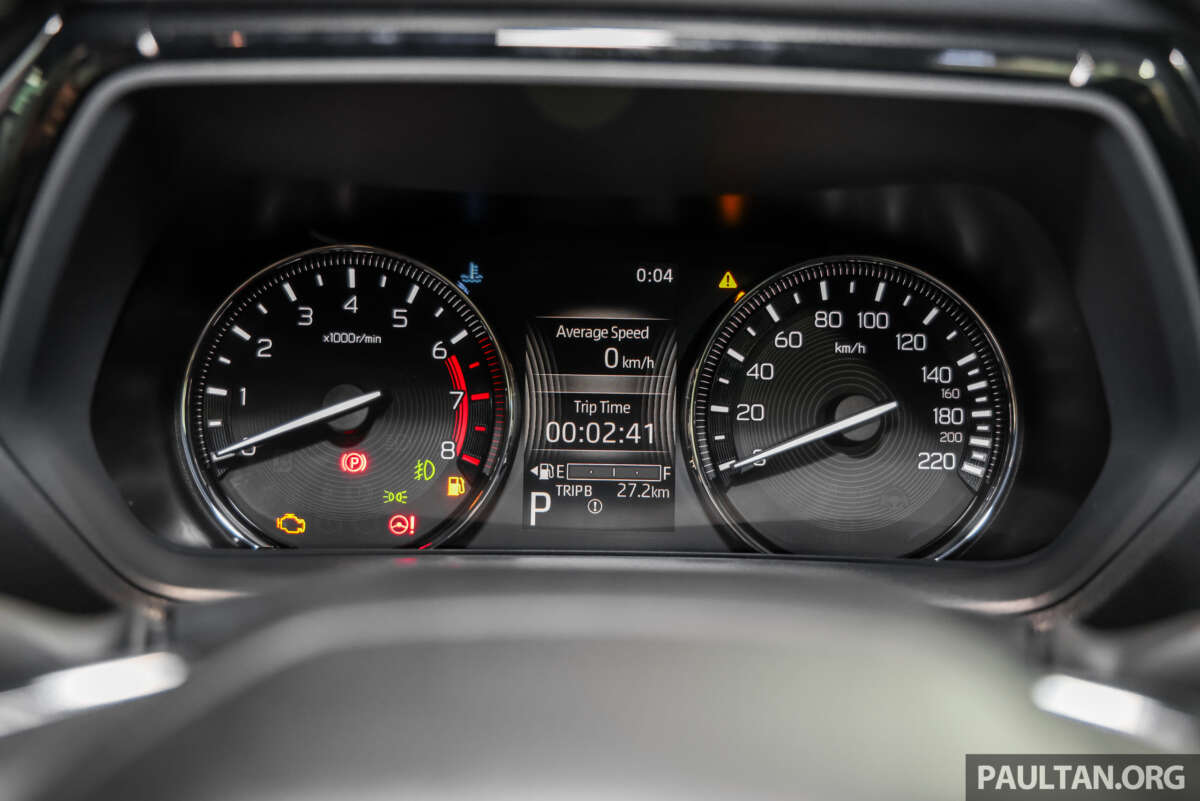
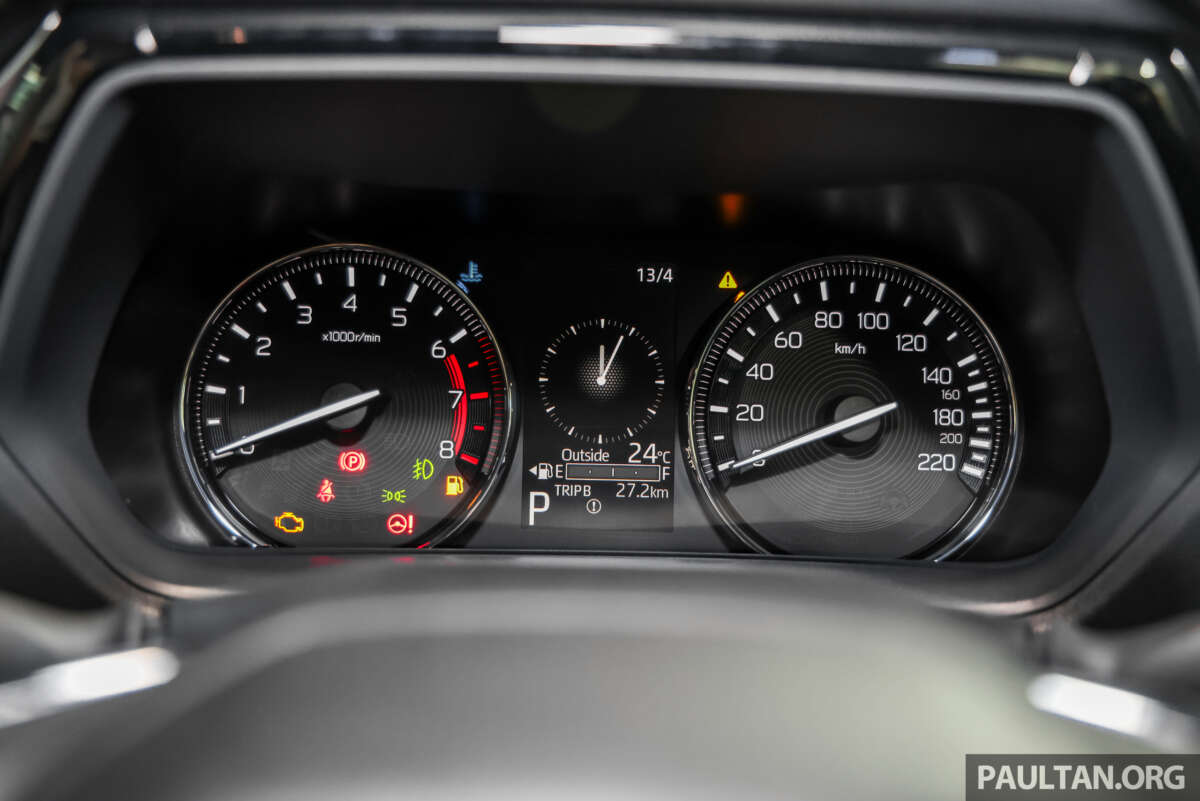
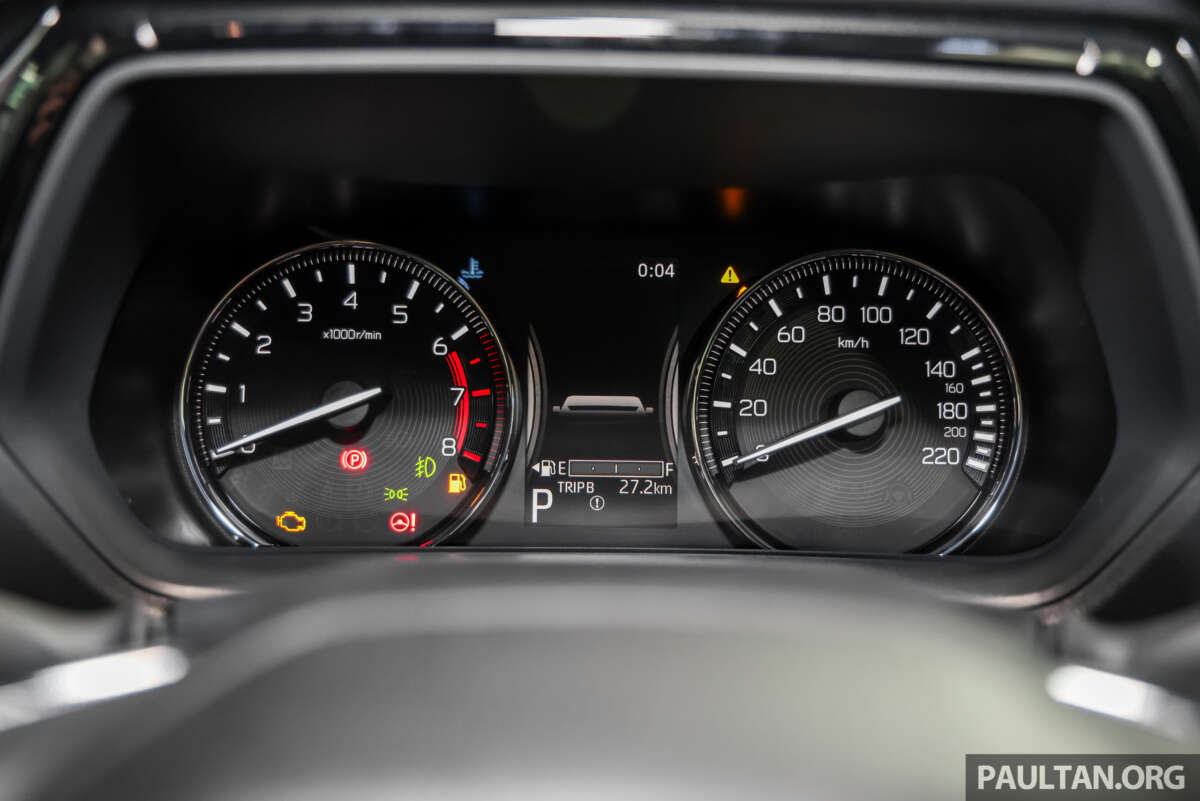
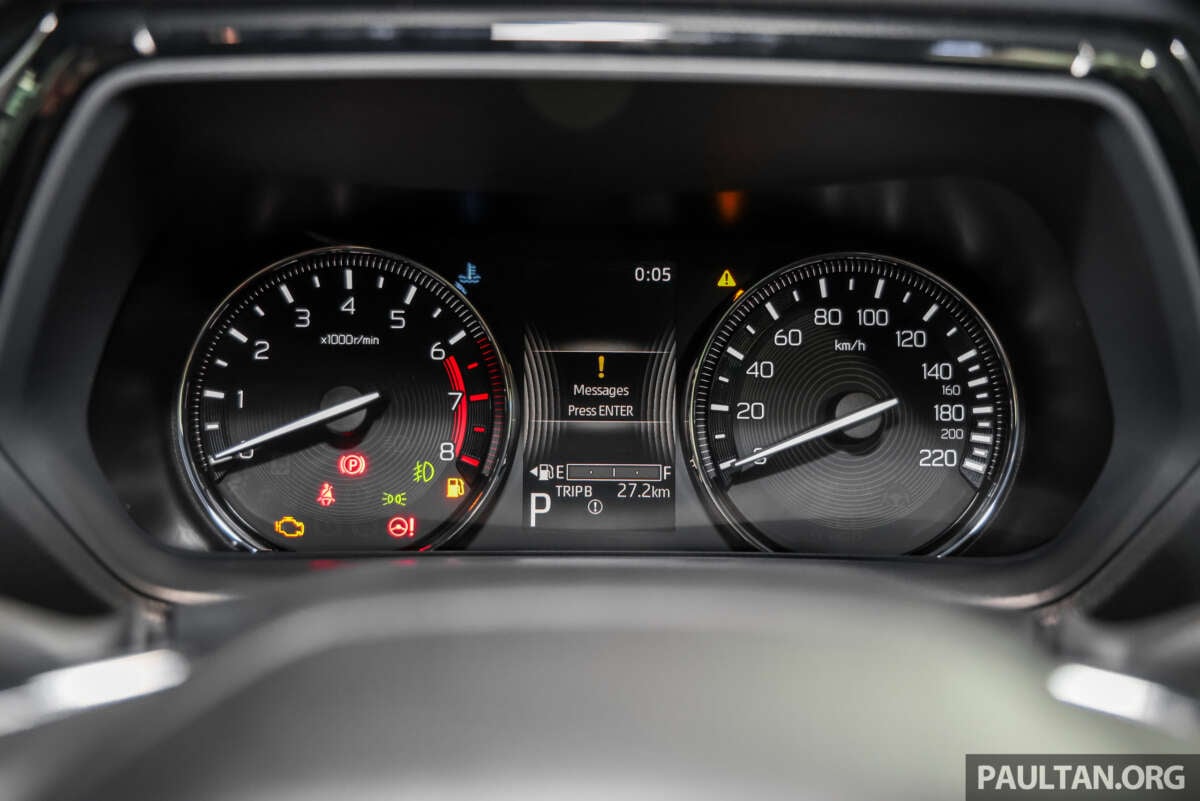
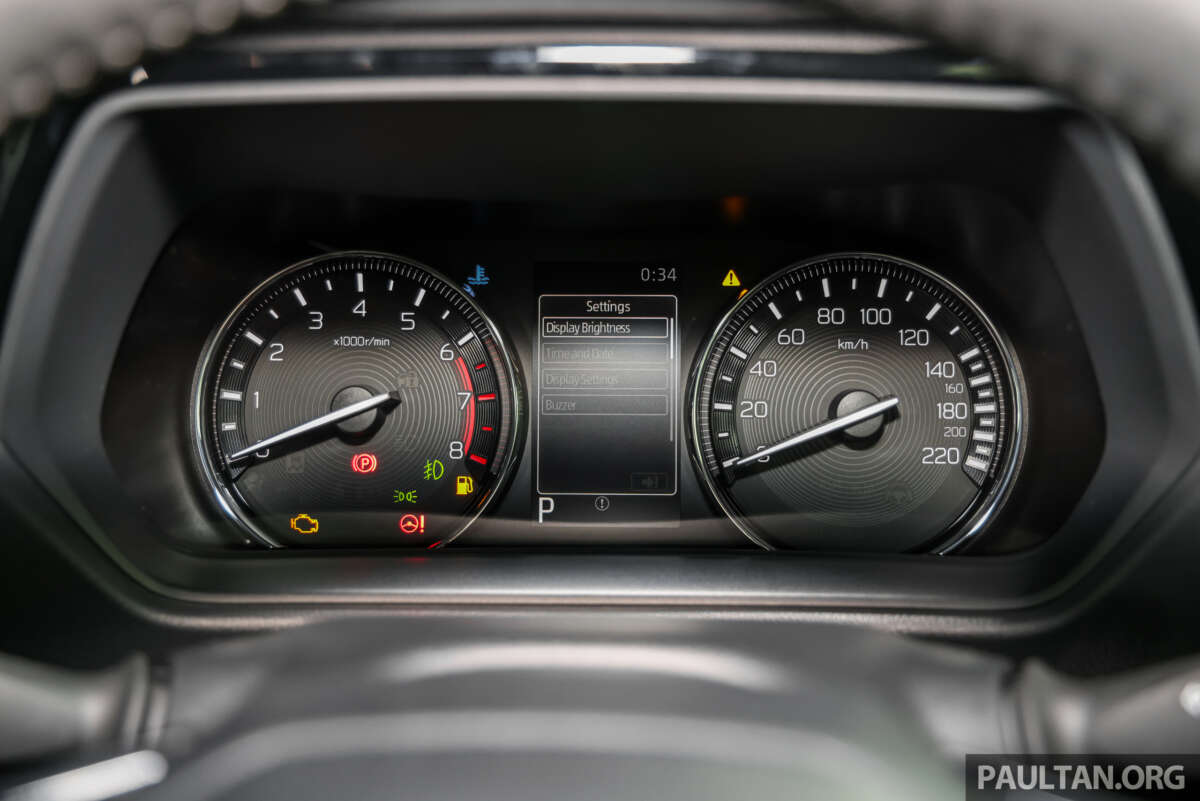
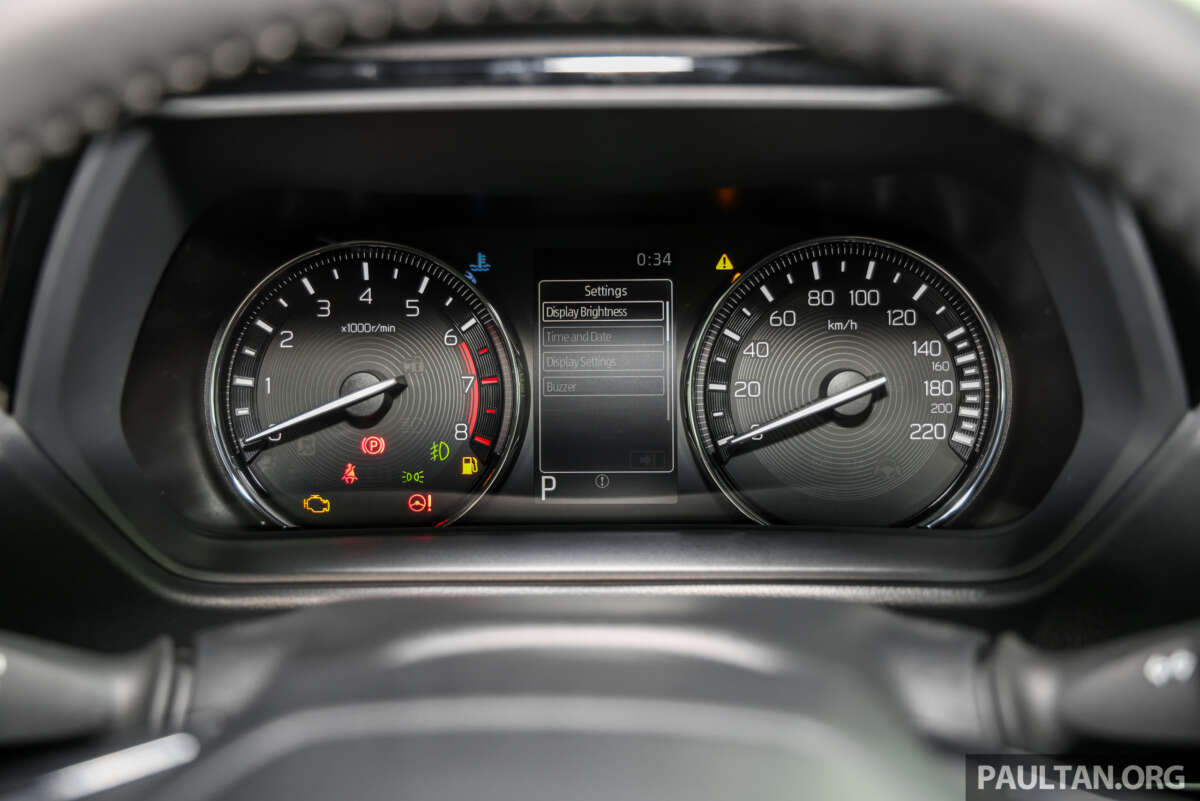
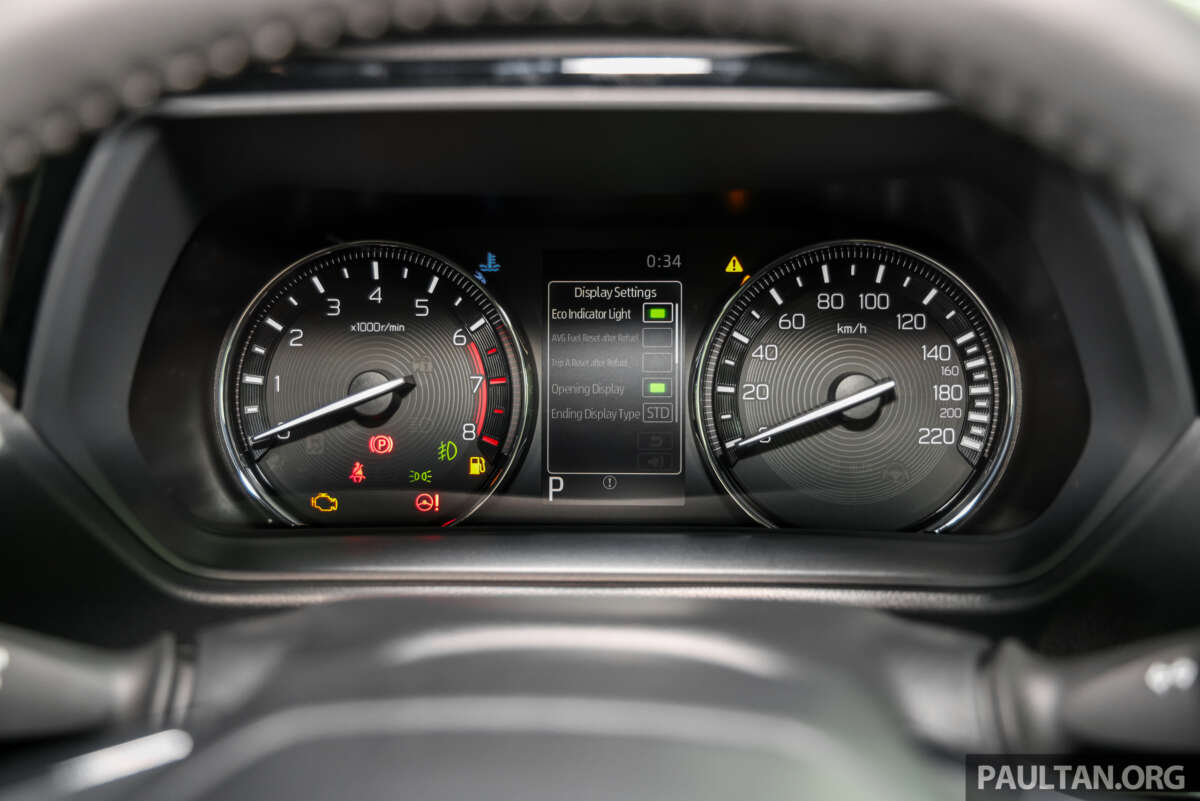
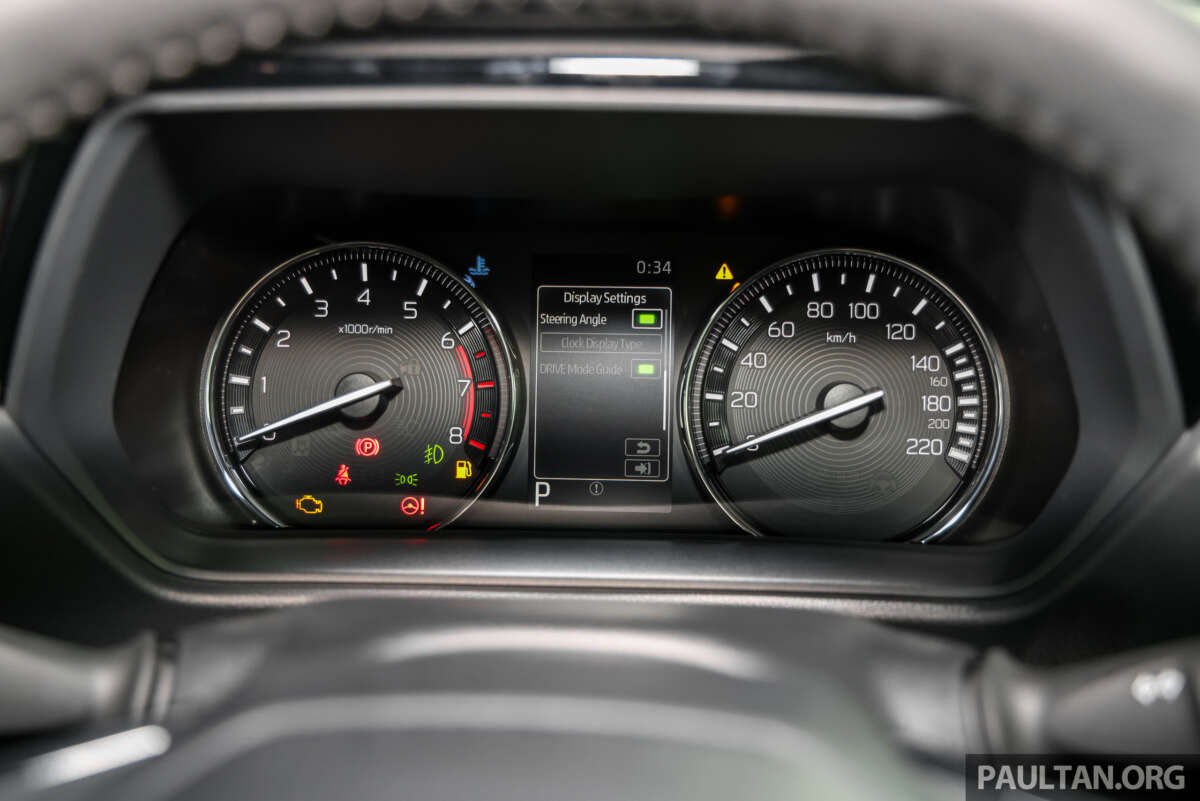
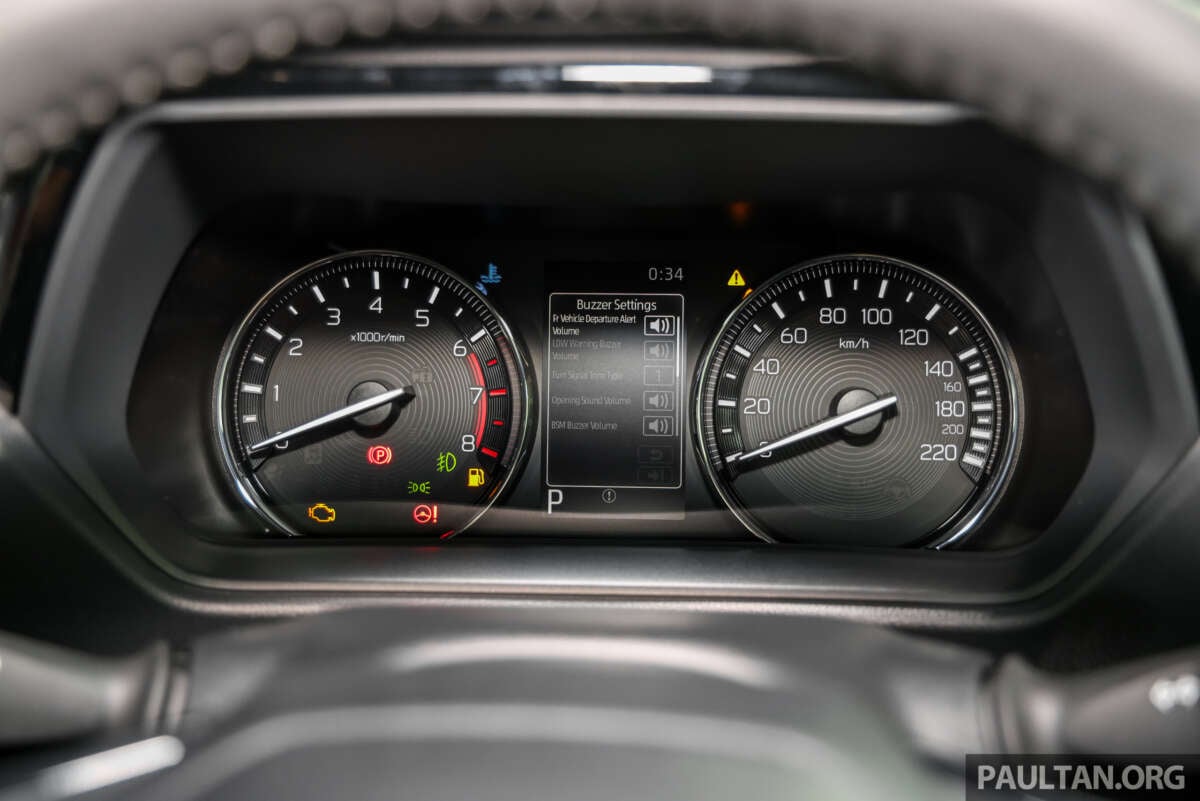
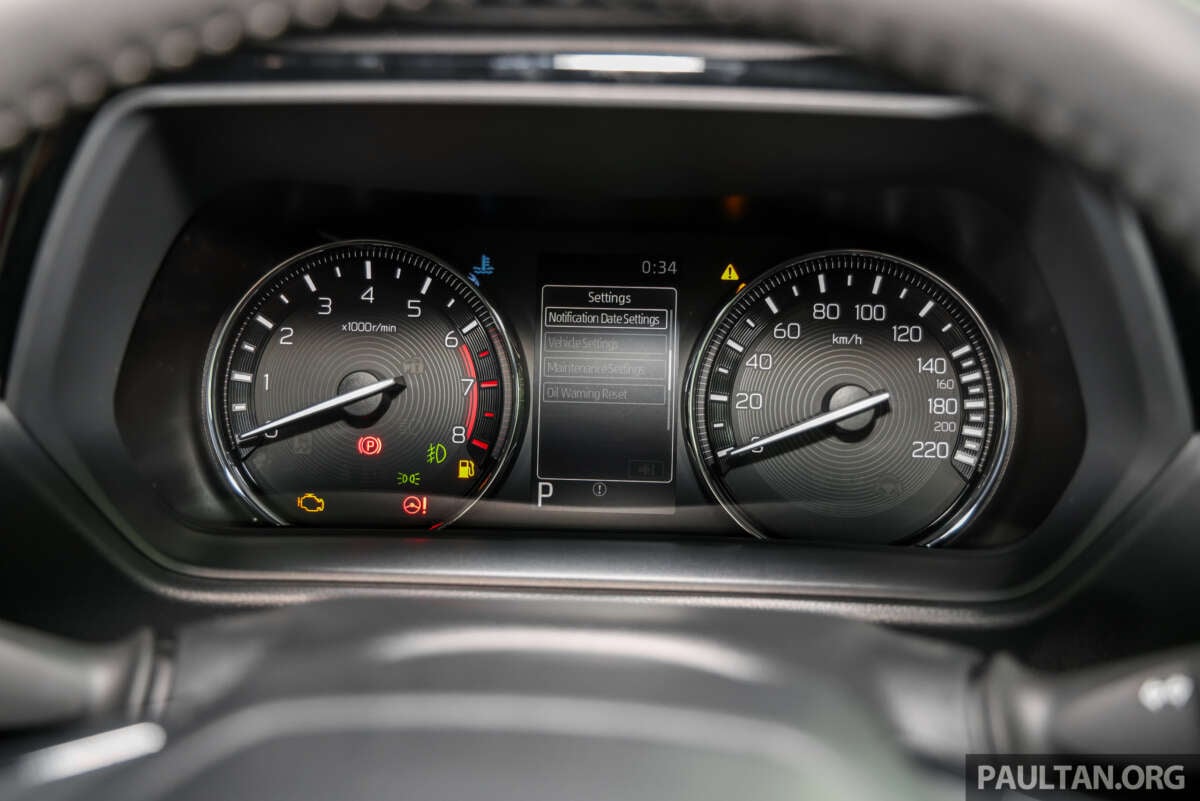
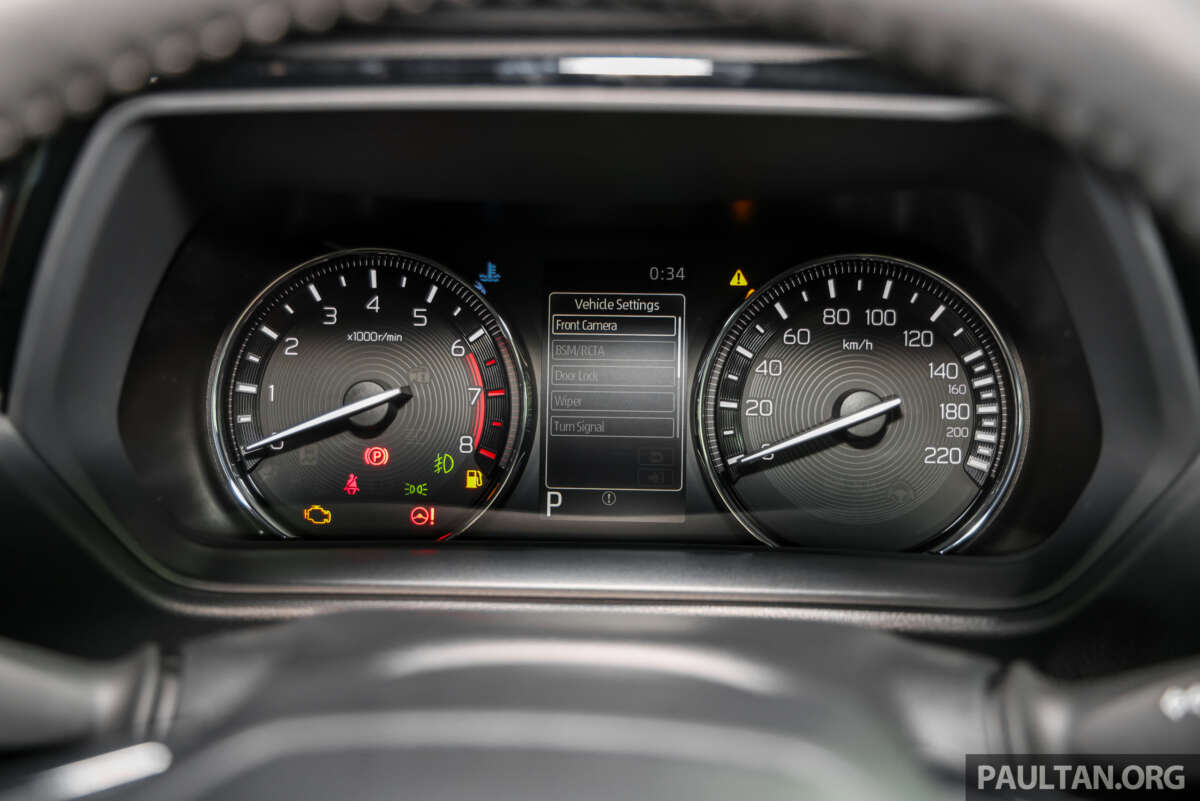
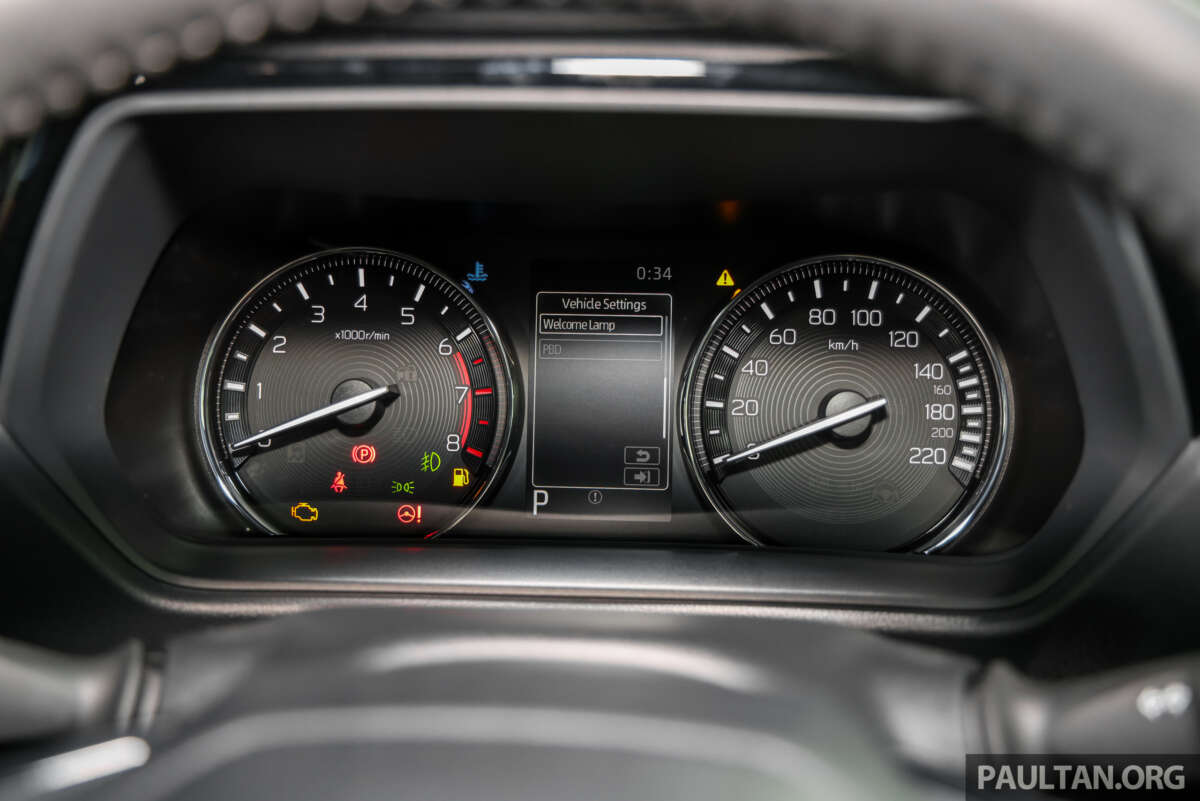
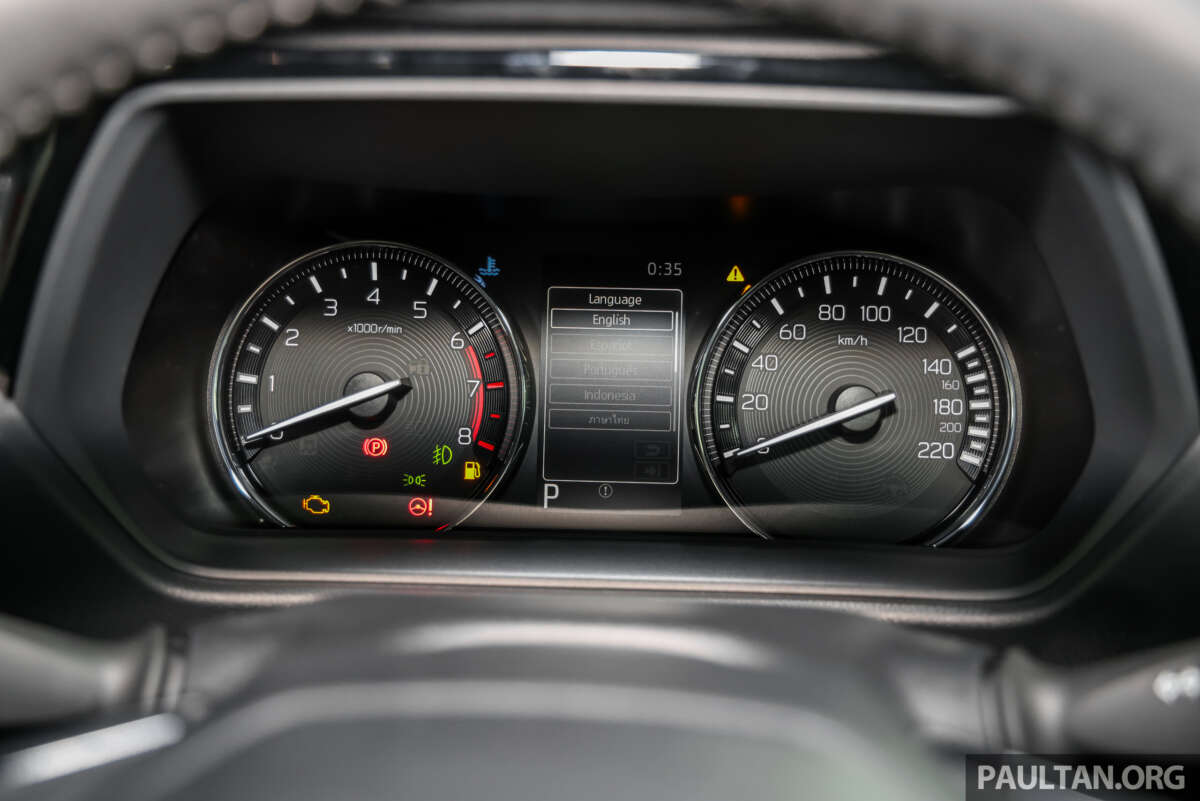
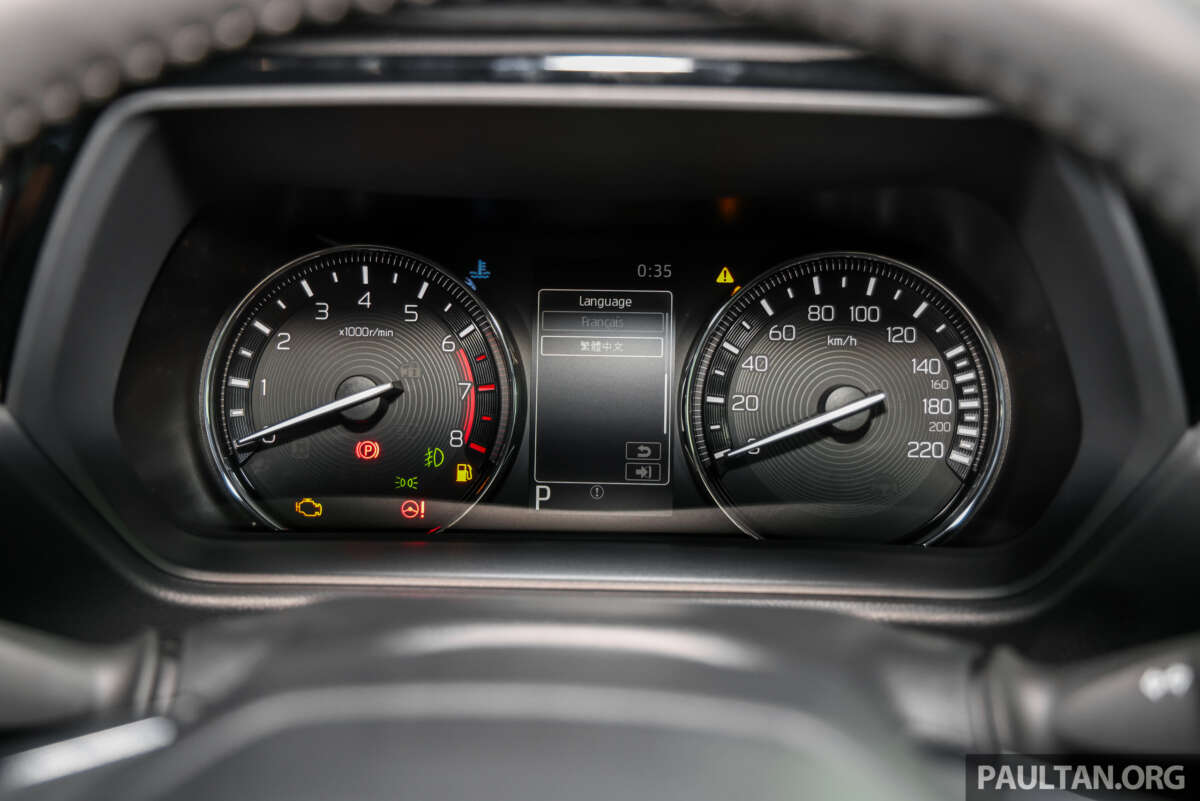
One quirk for those moving from a Perodua AV model: the Traz uses analogue twin-dial gauges with a 4.2-inch info display, rather than a full-digital instrument cluster.
What the H adds
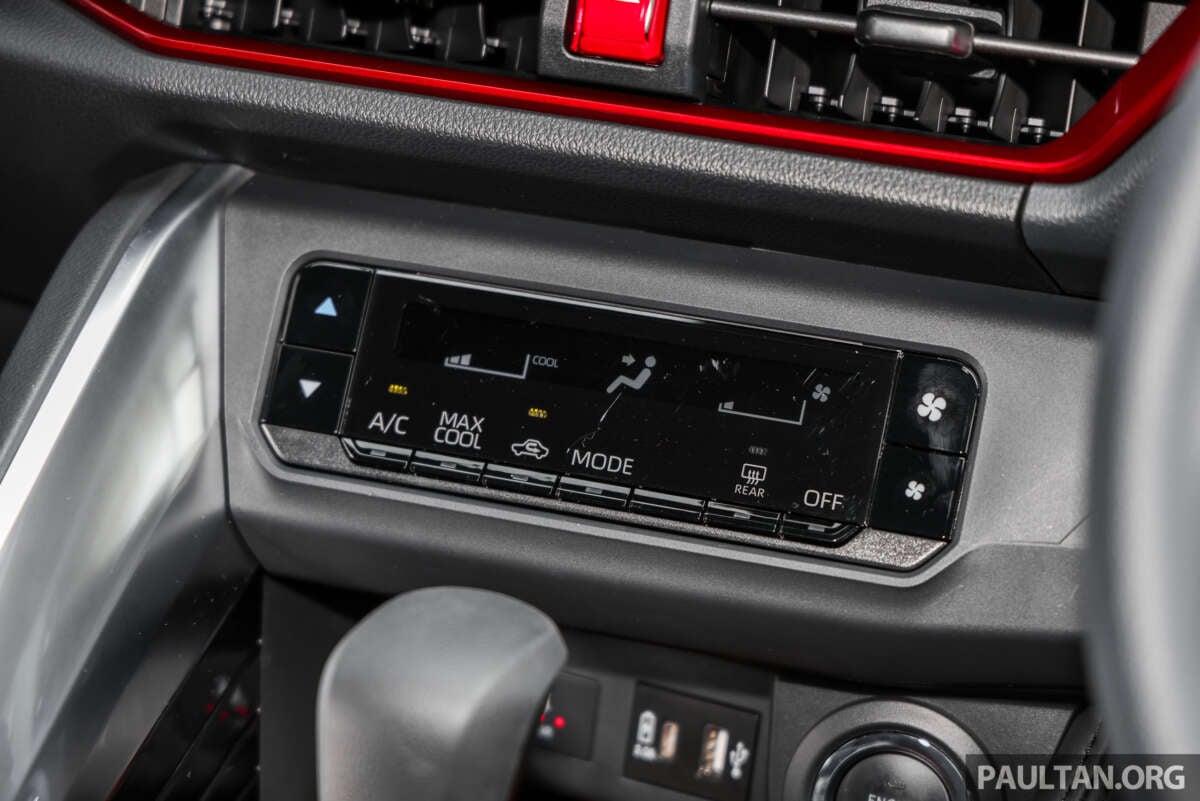
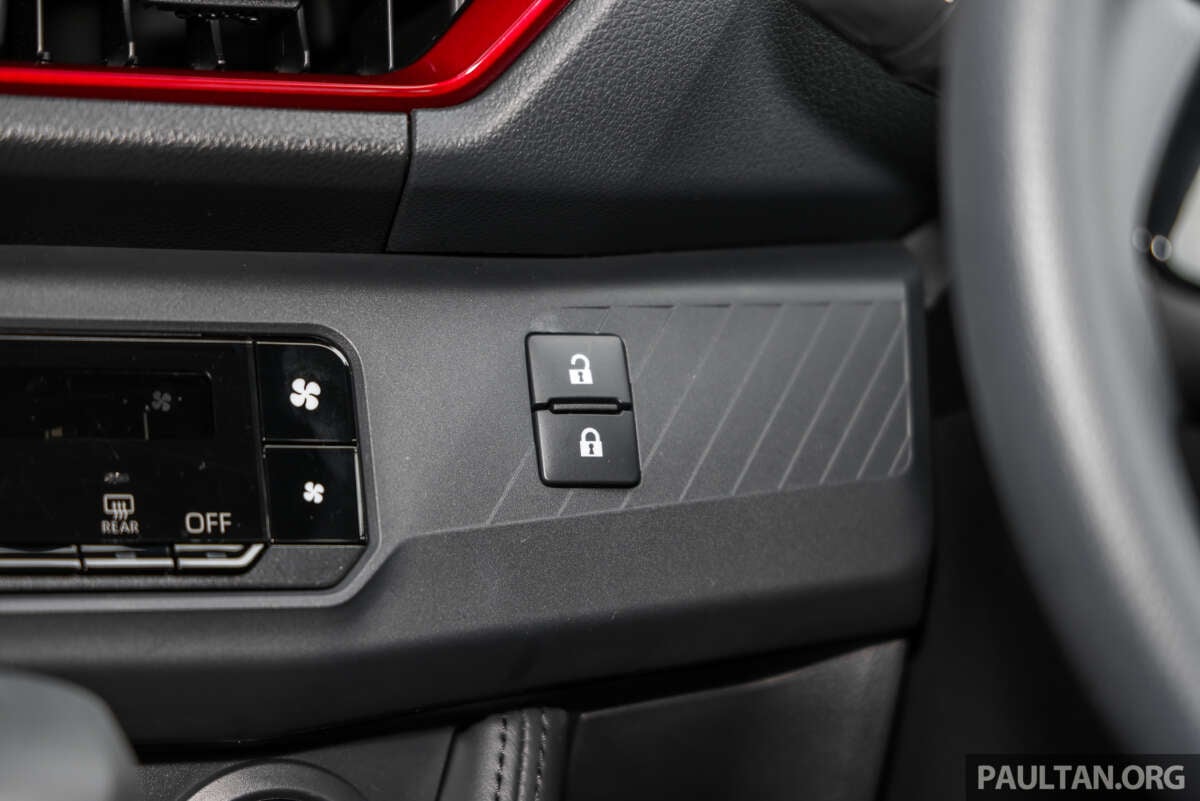
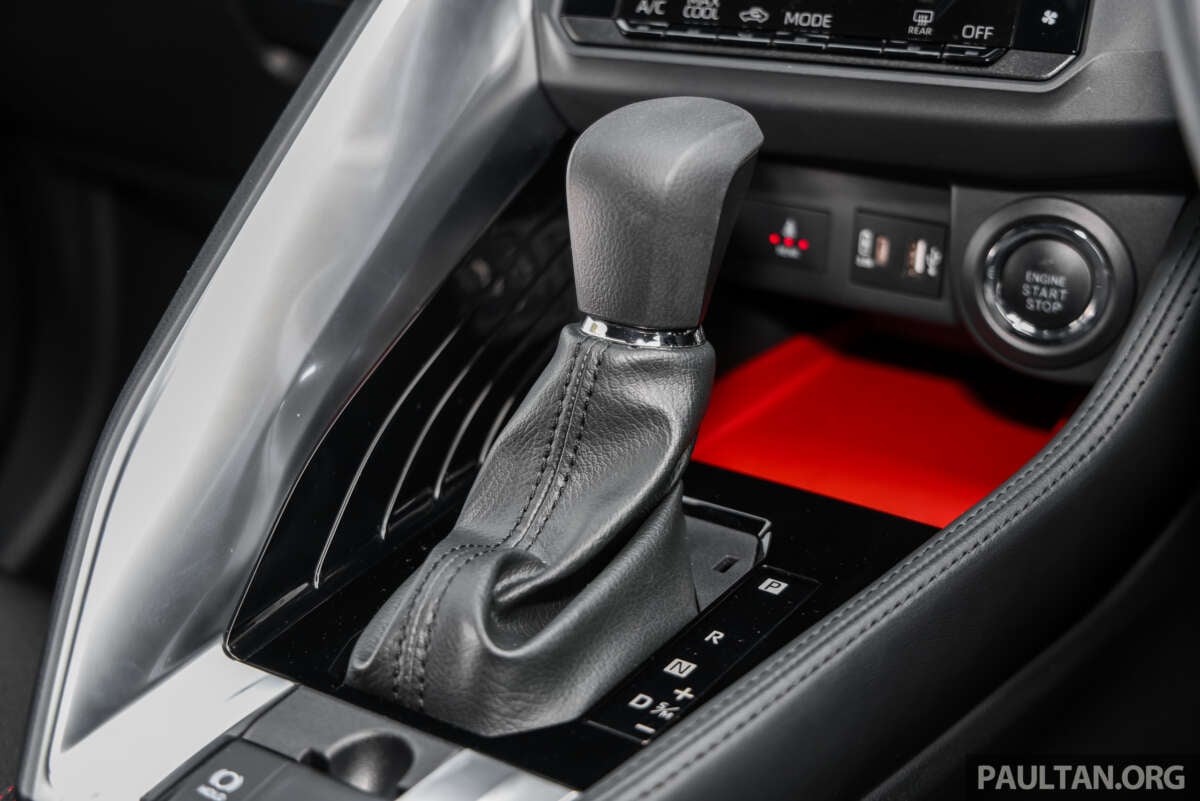
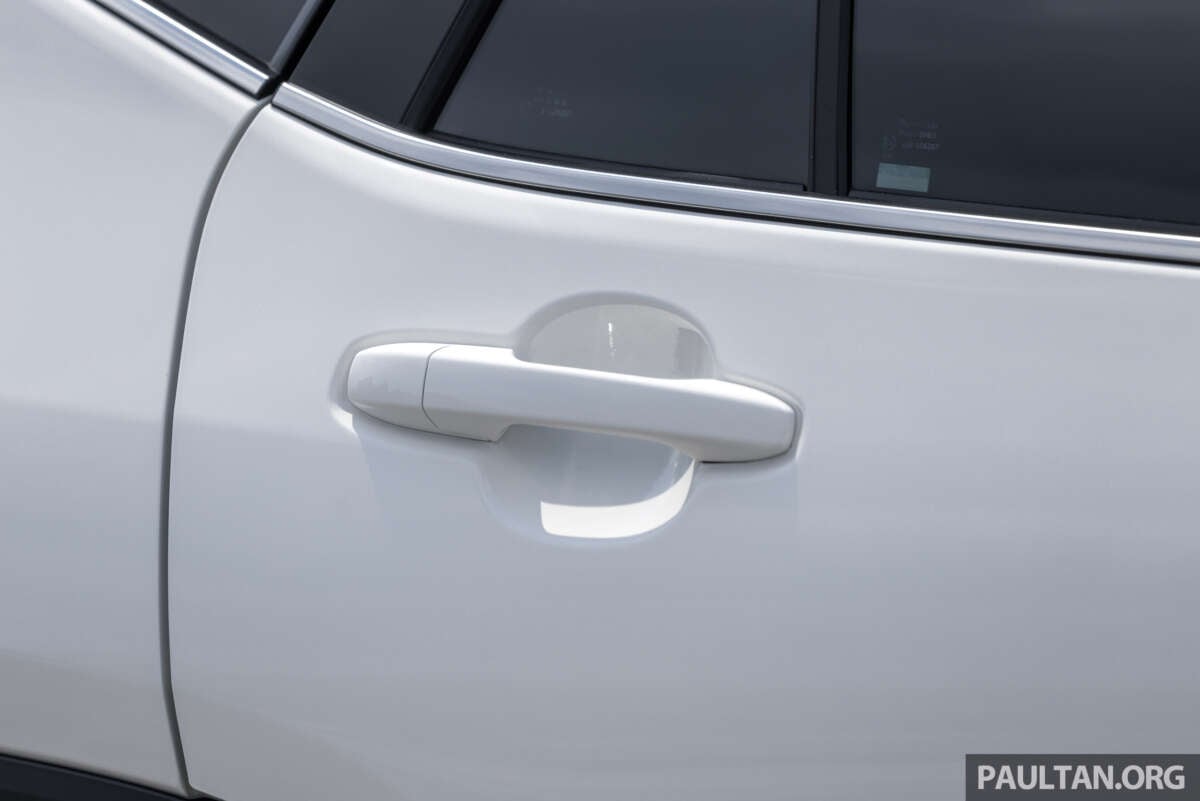
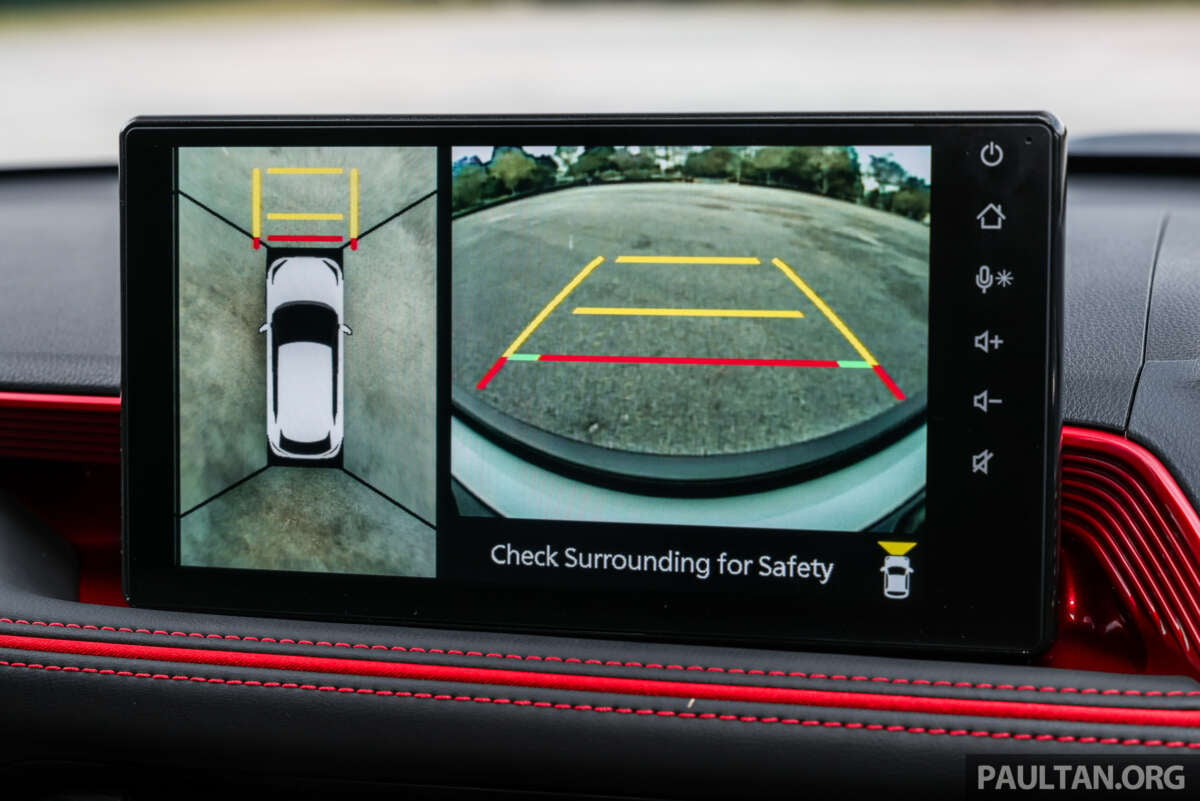
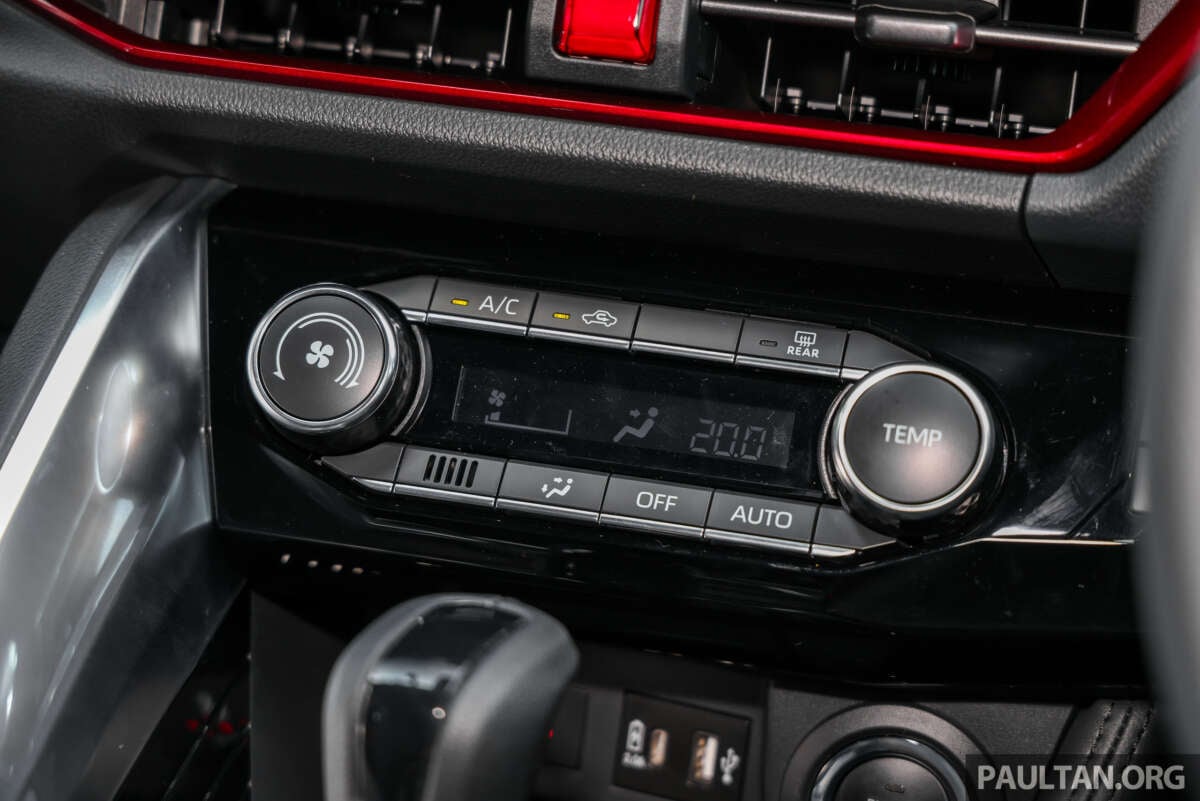
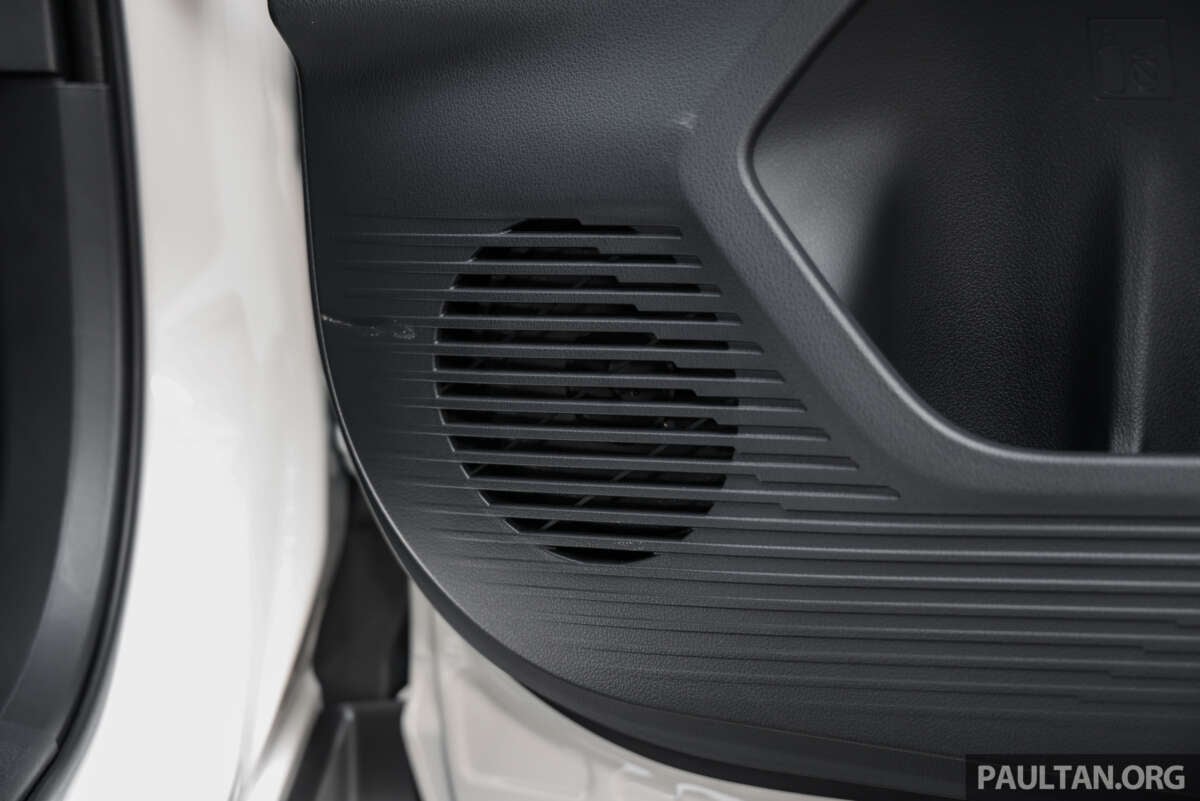
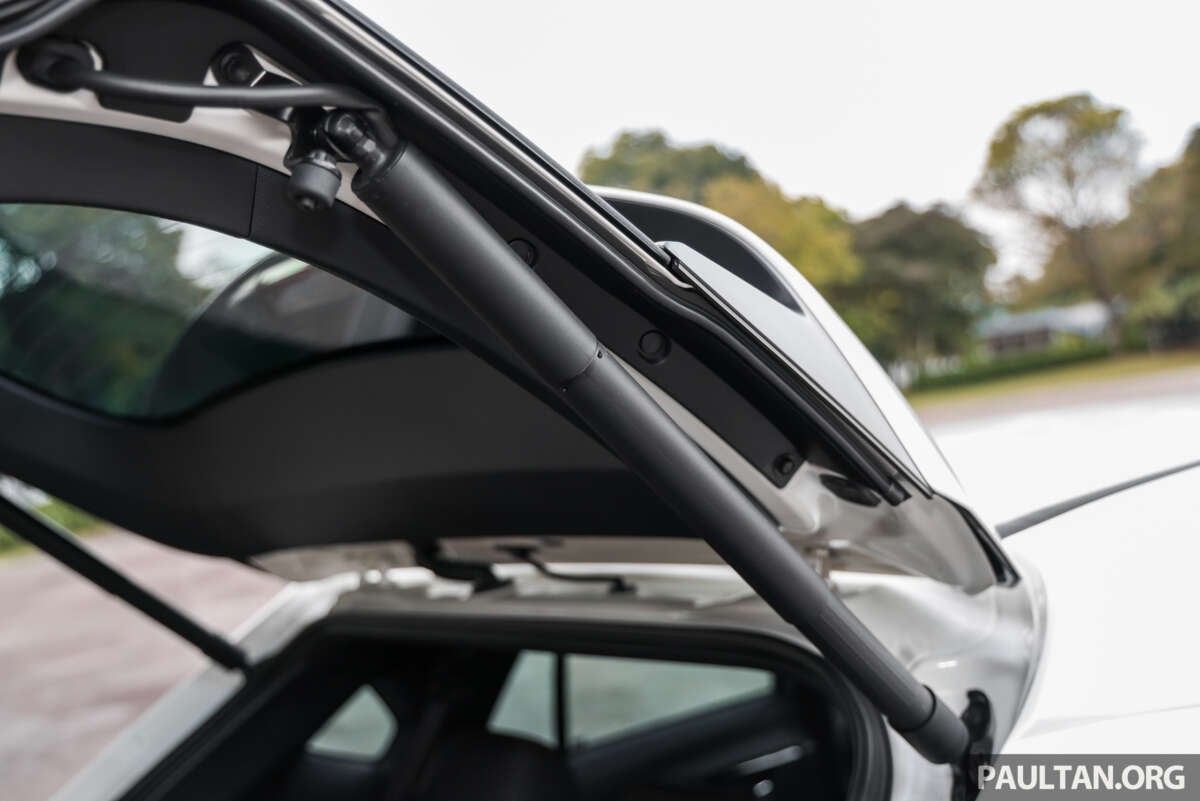
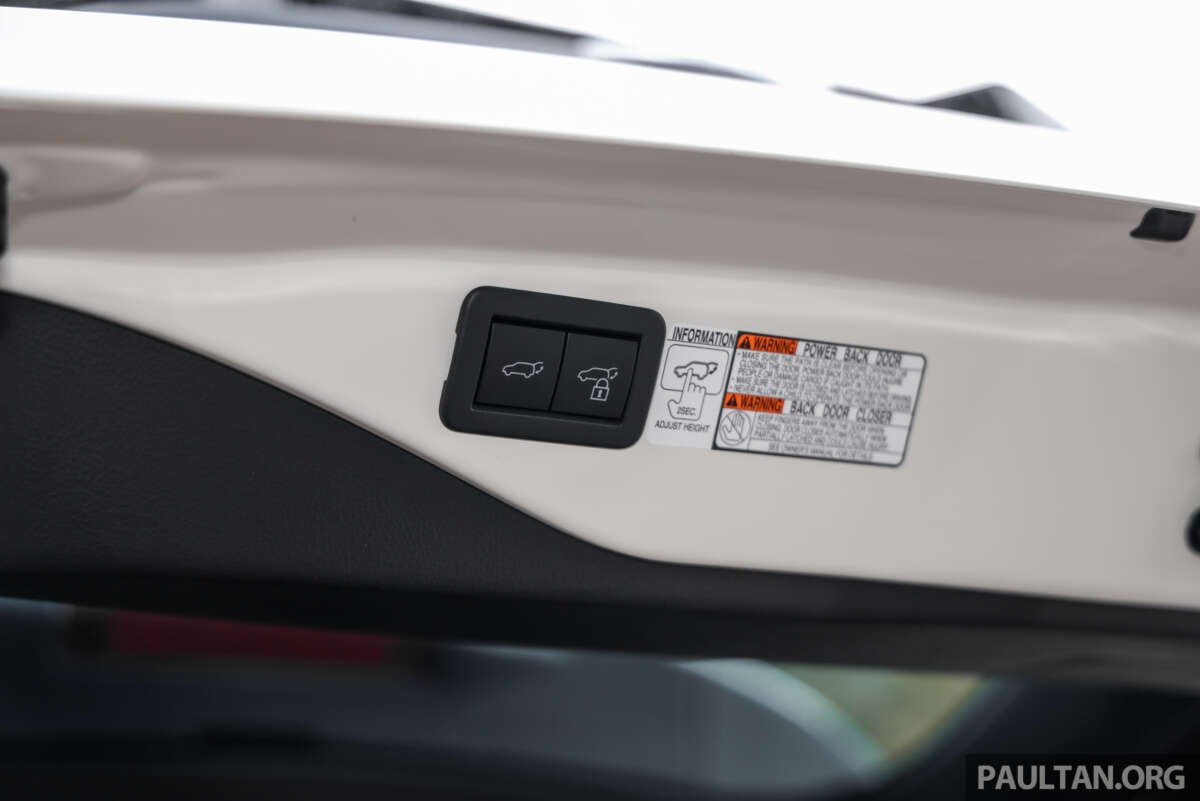
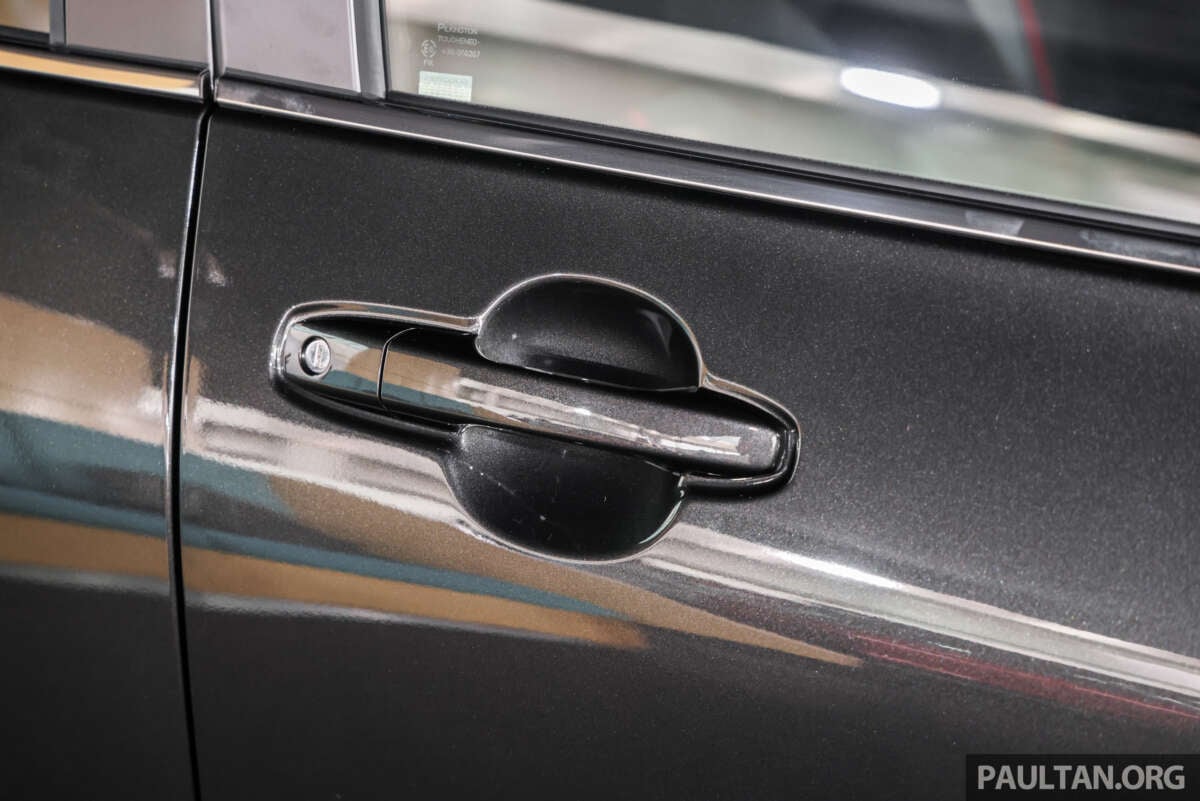
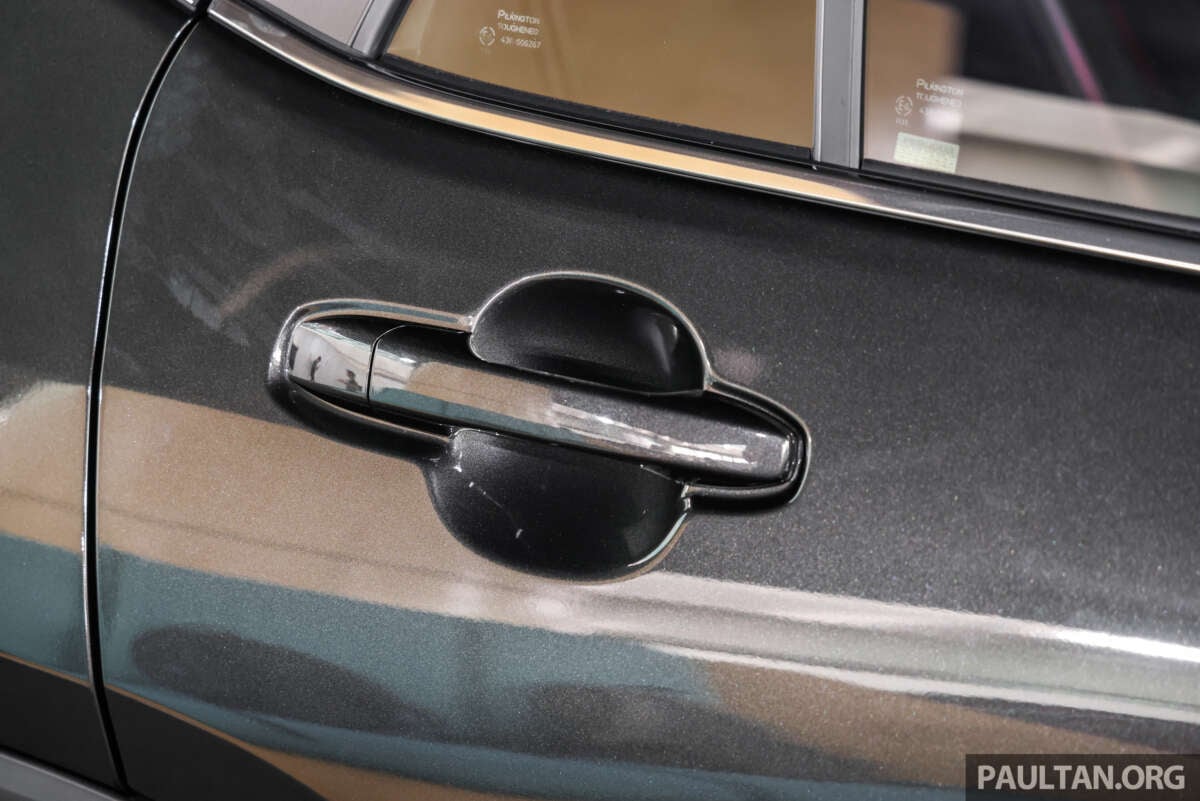
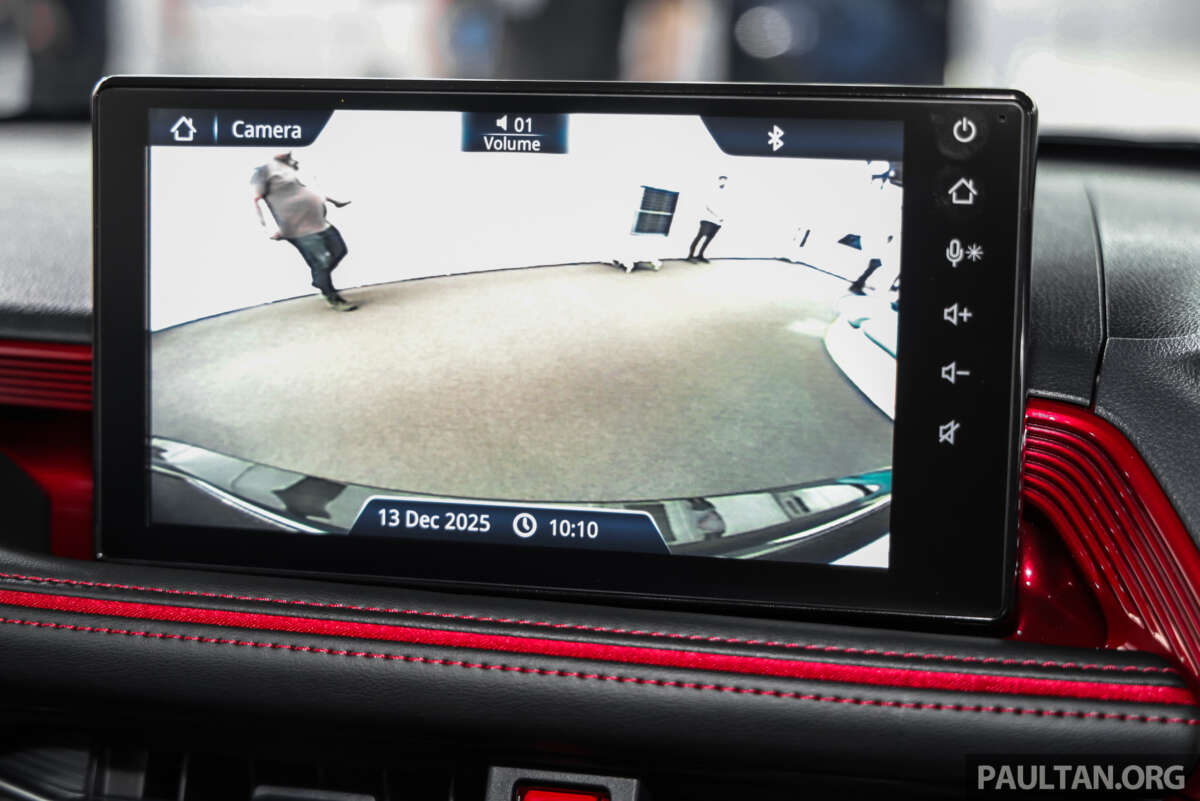
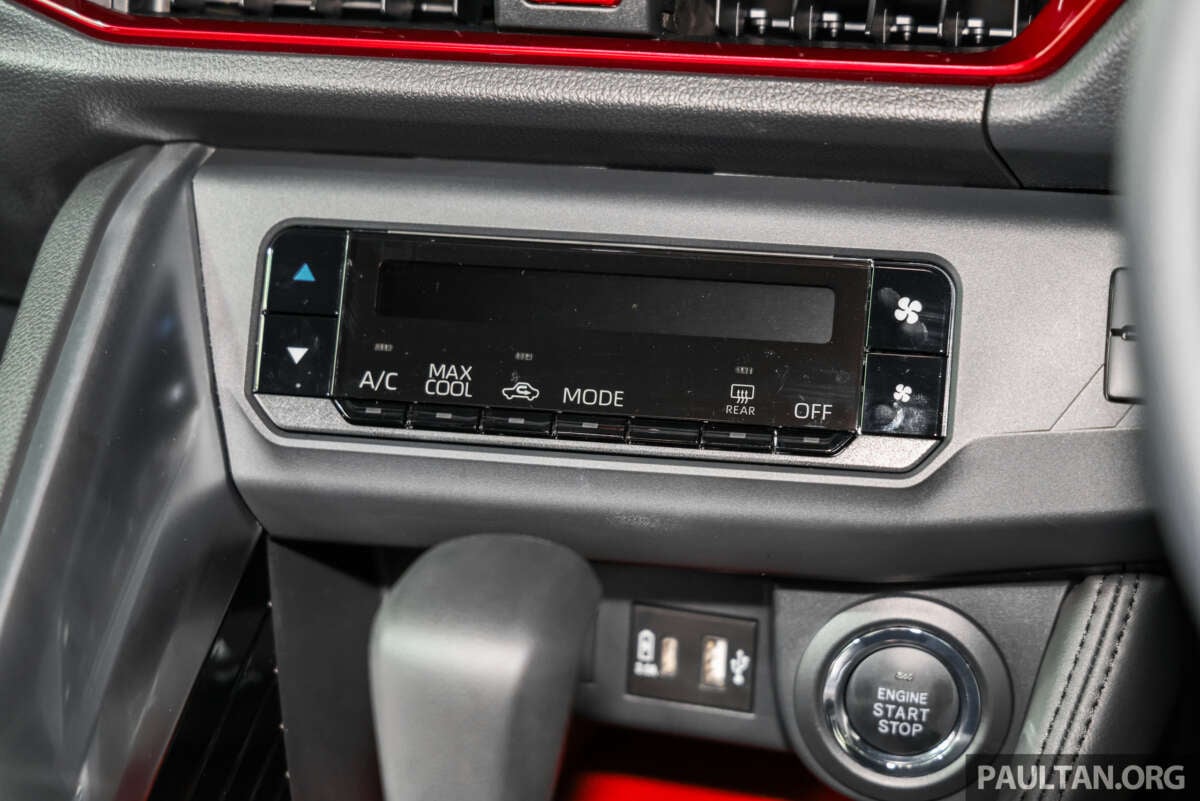
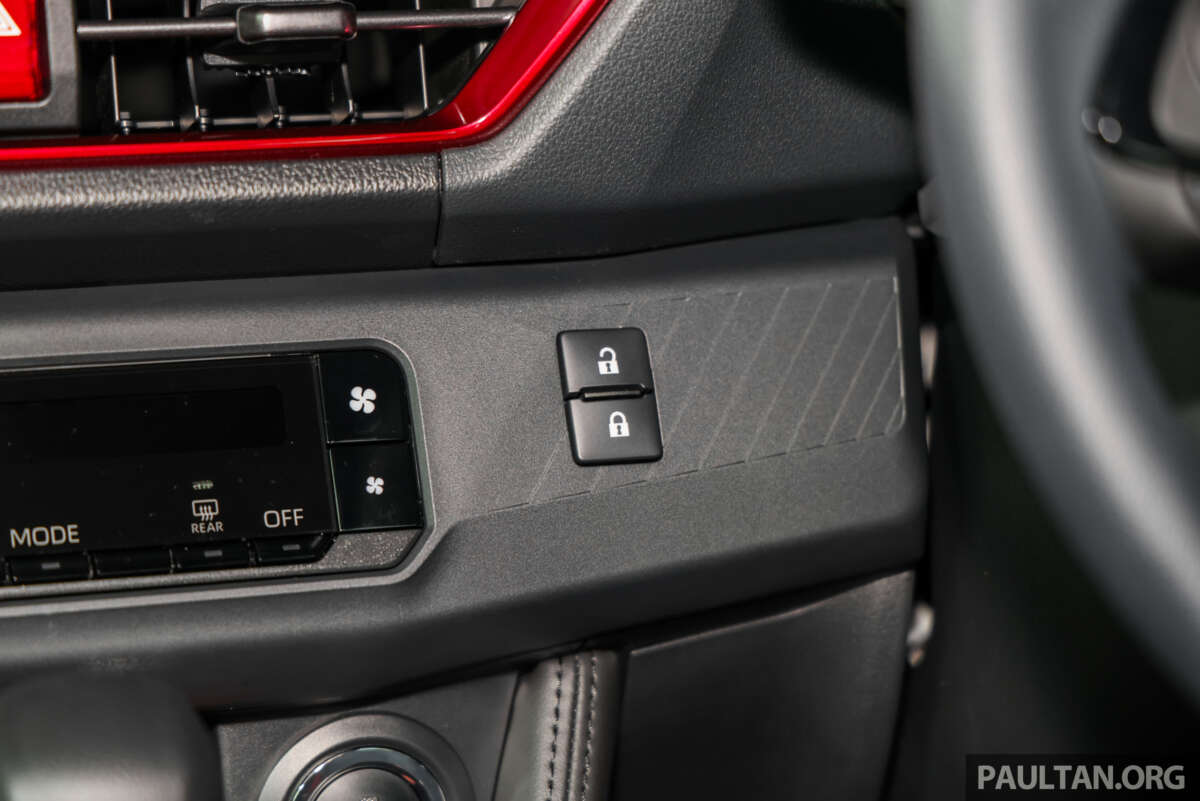
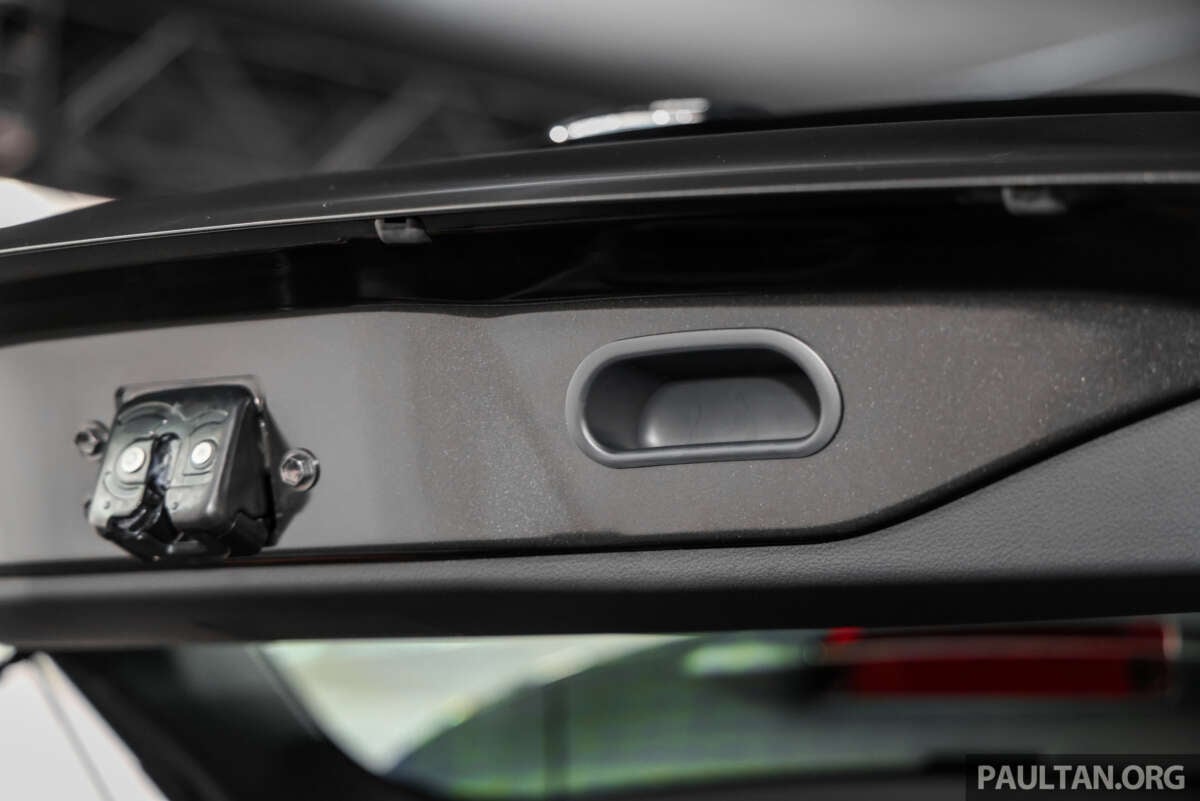
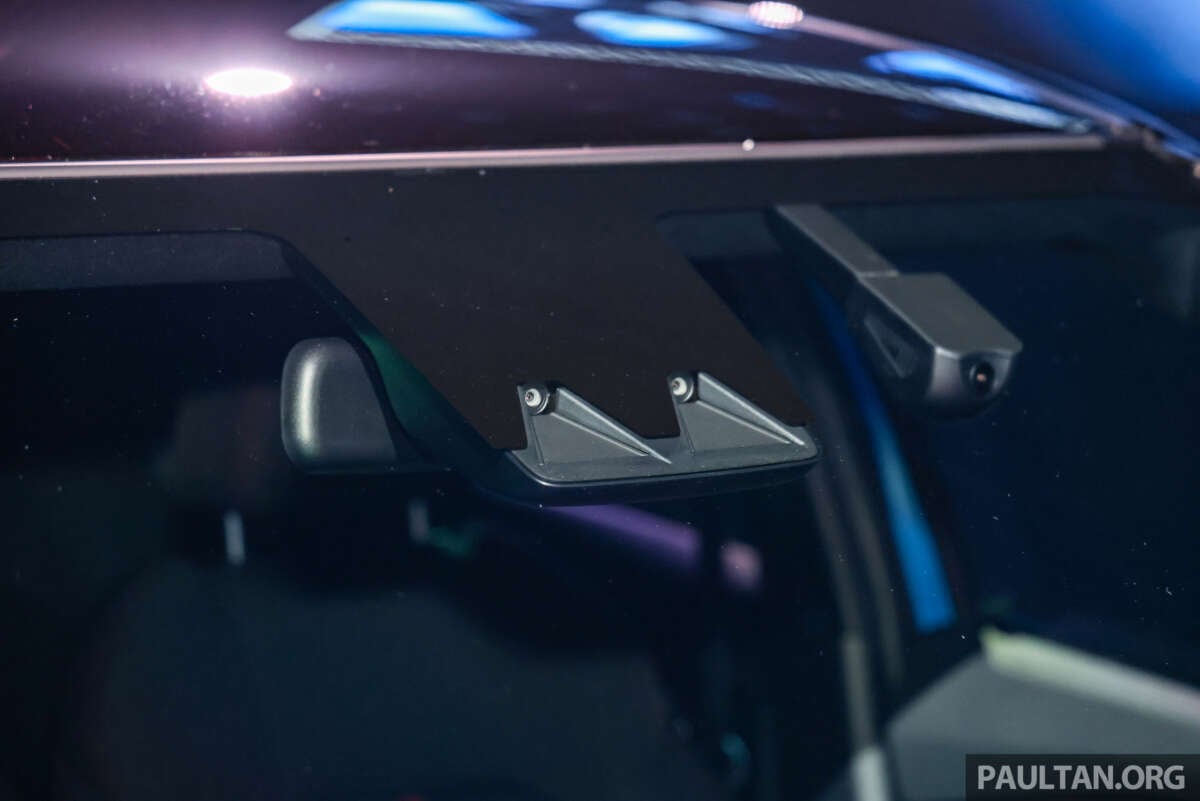
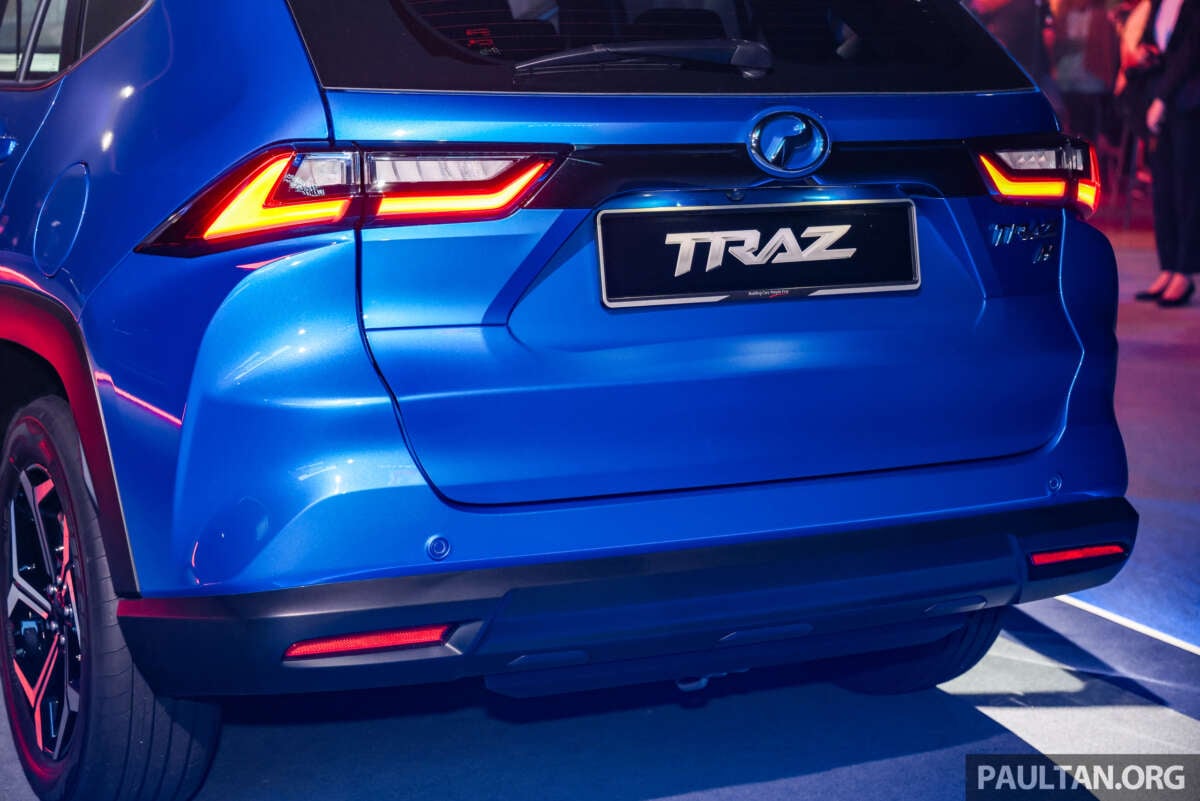
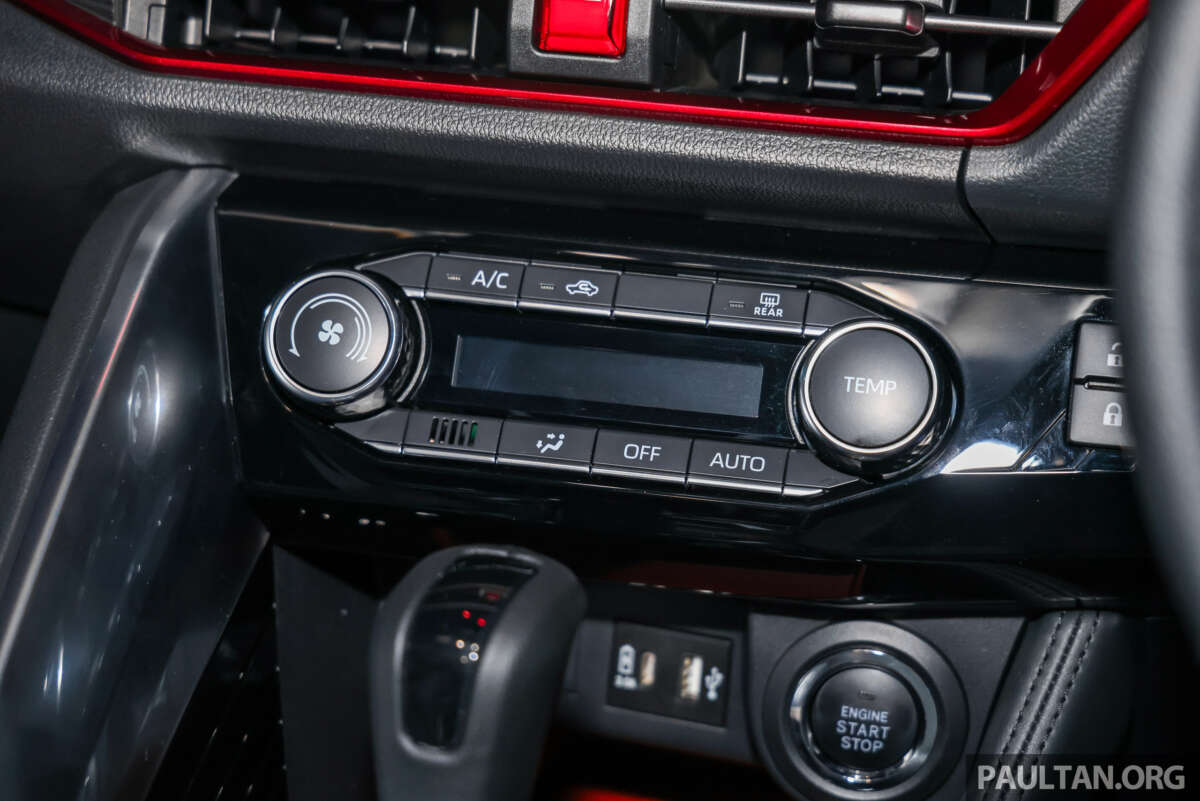
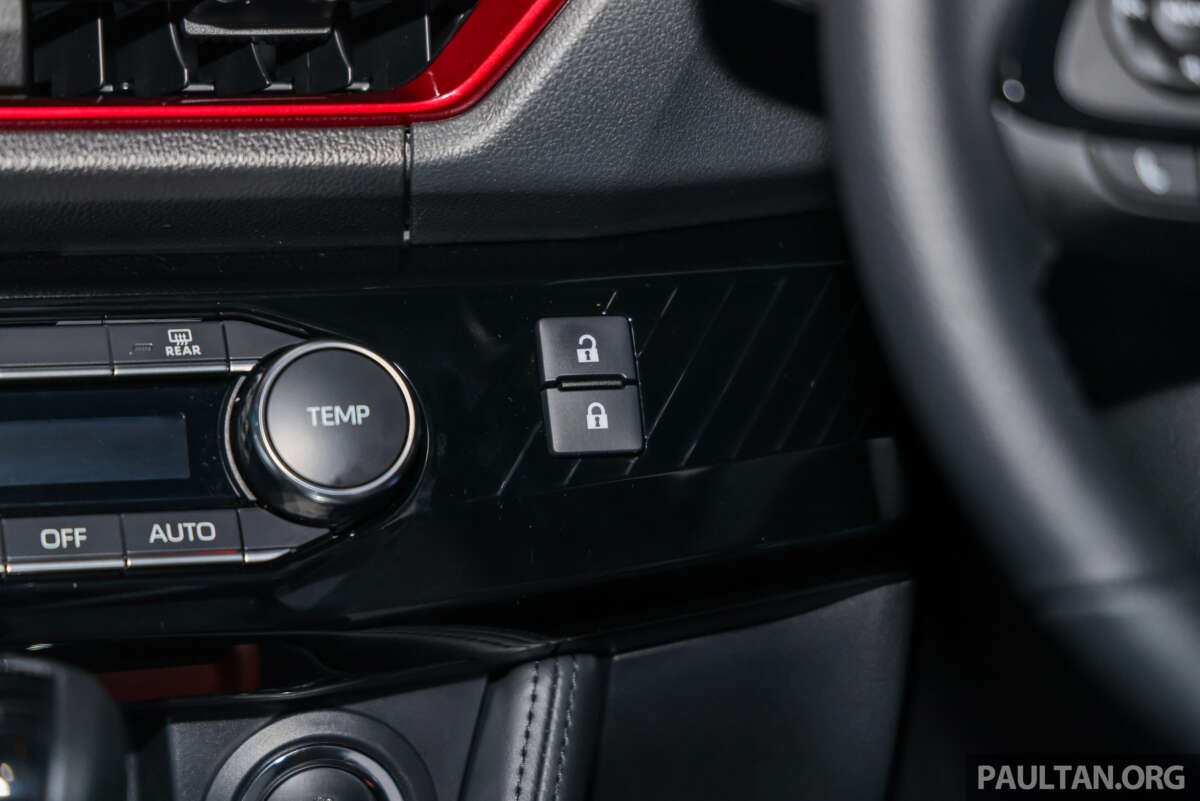
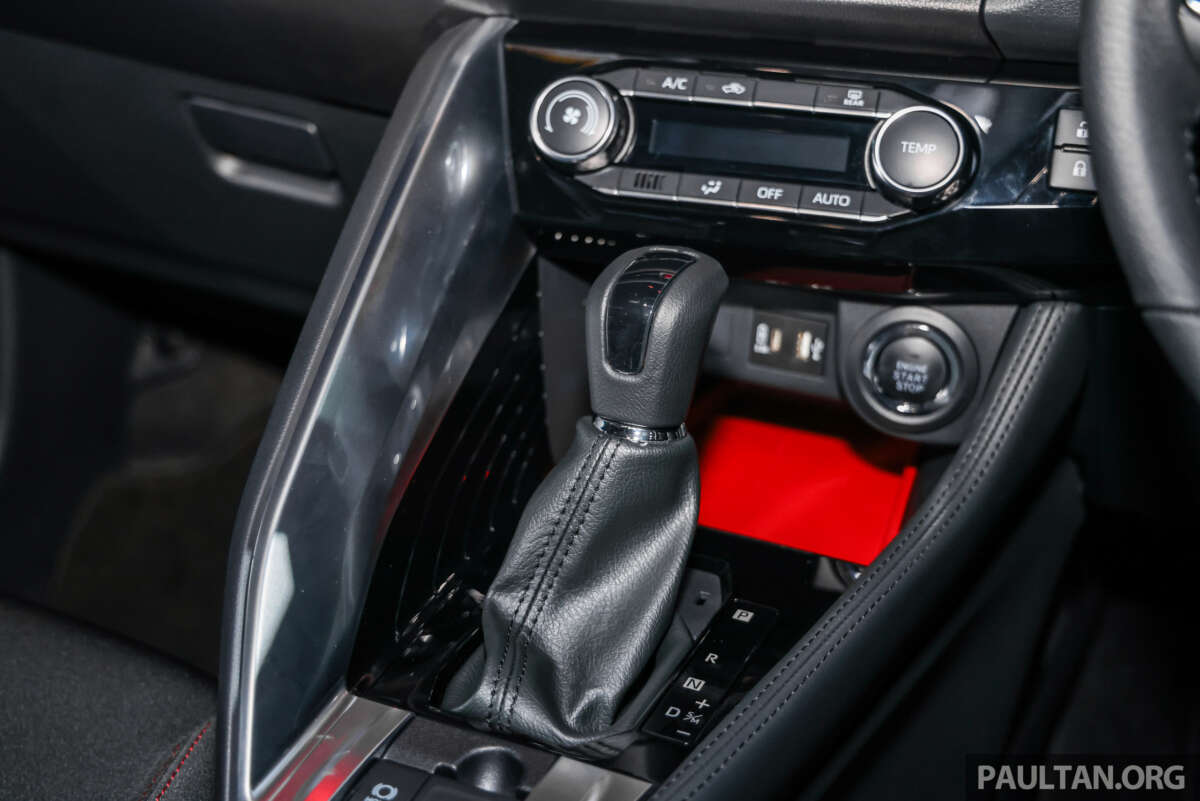
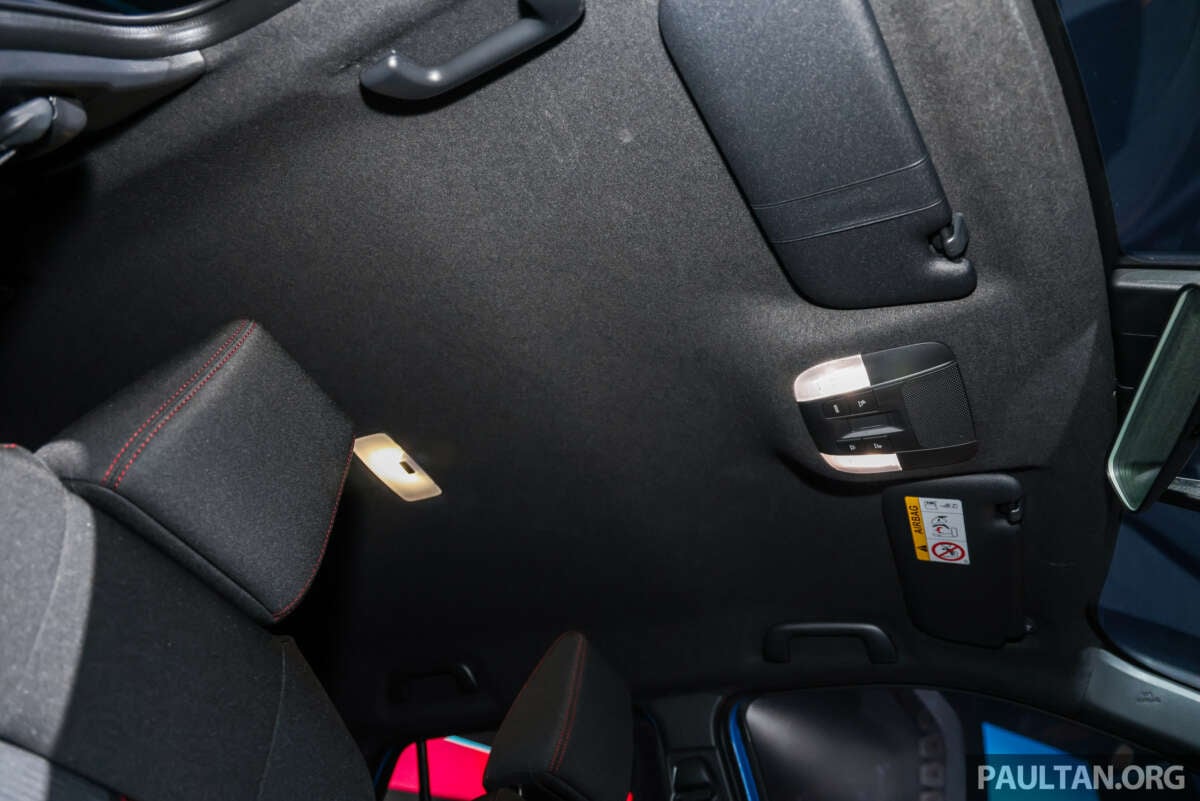
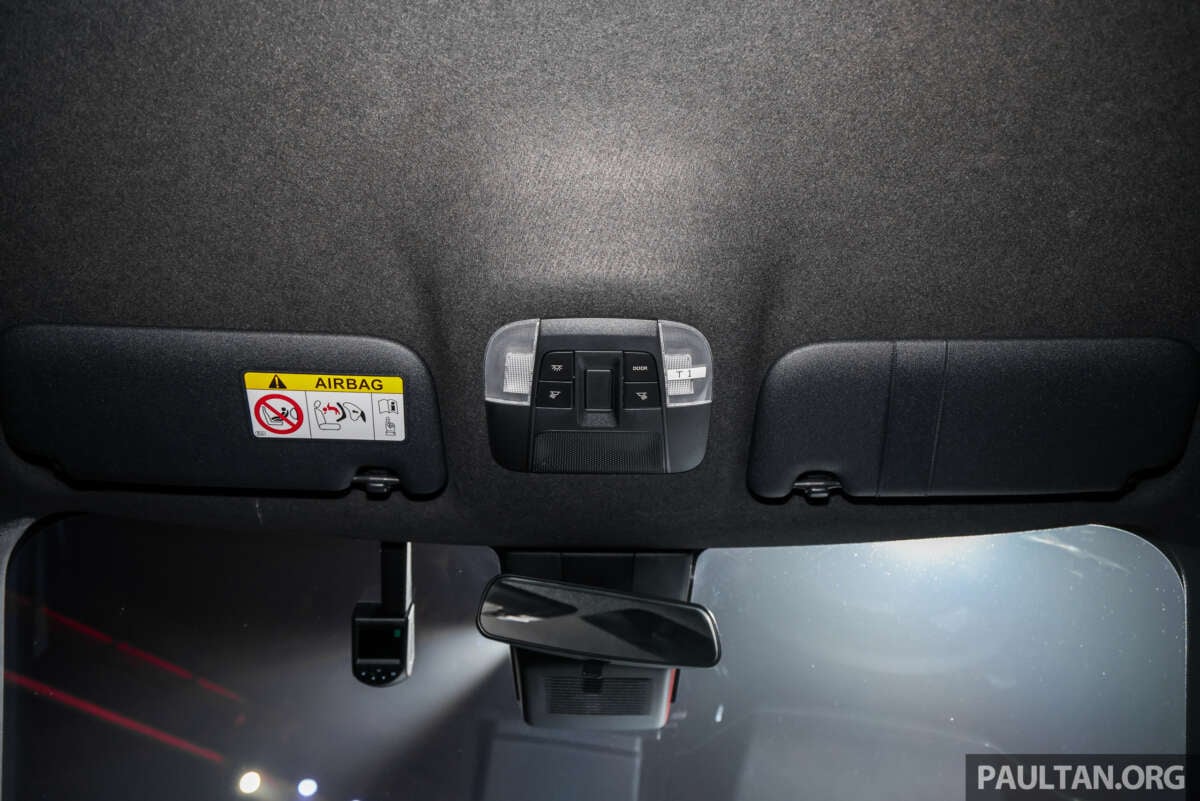
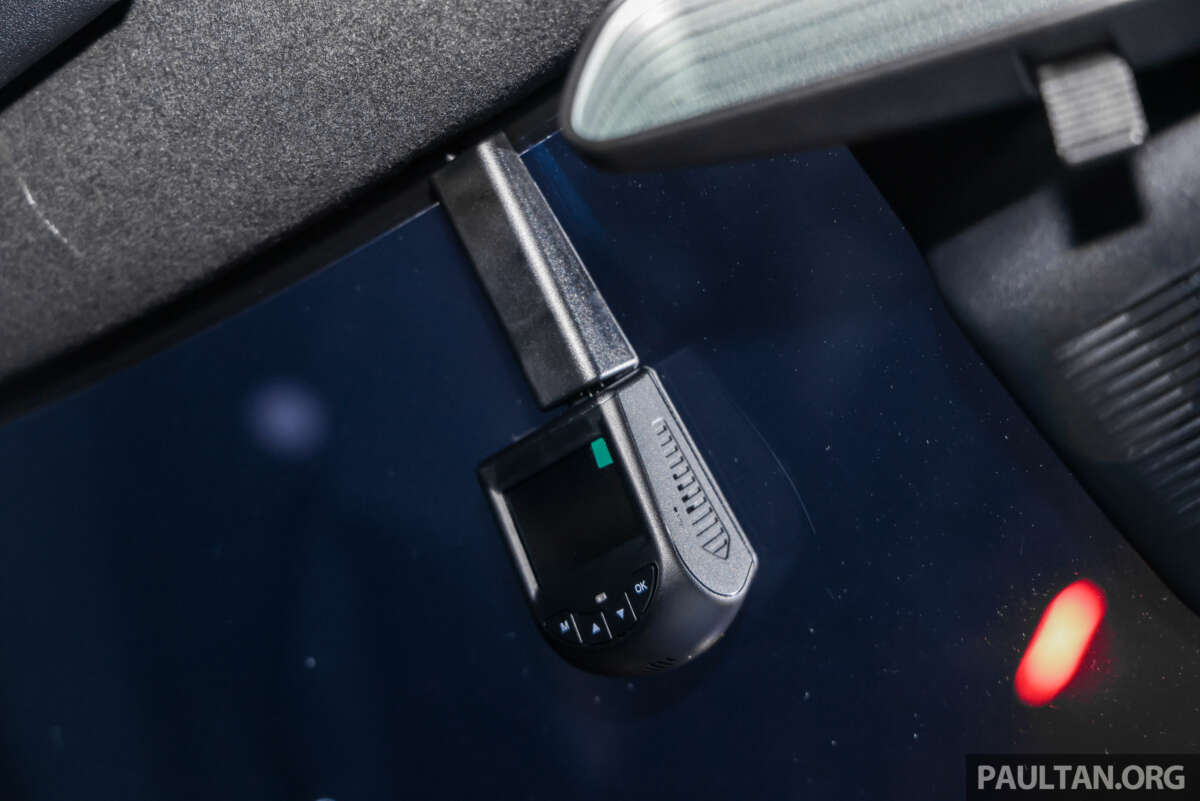
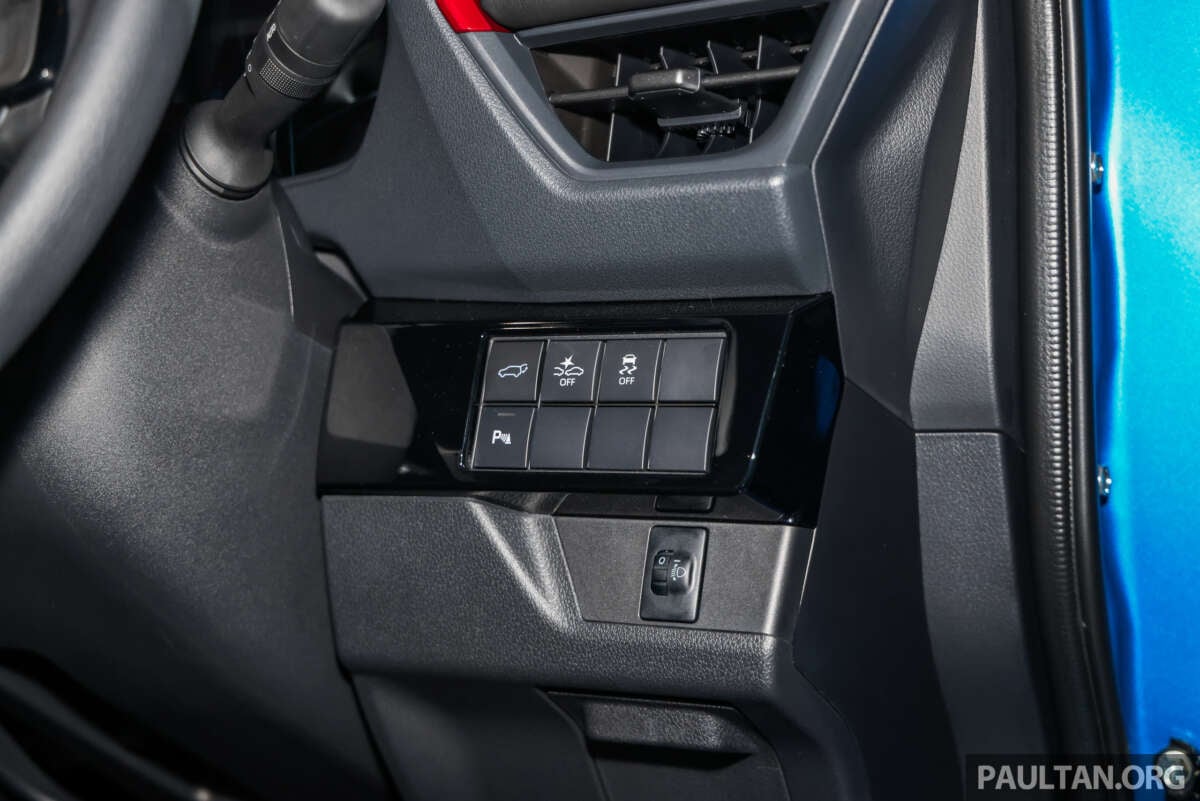
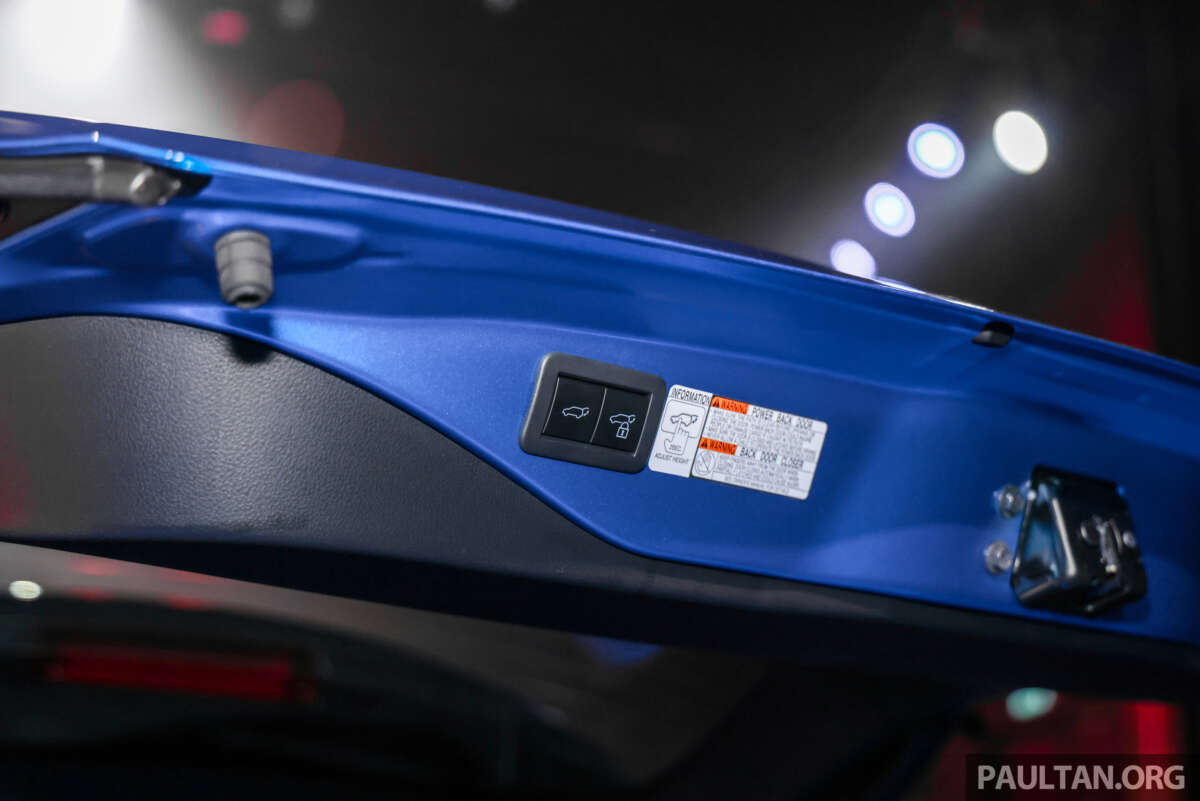
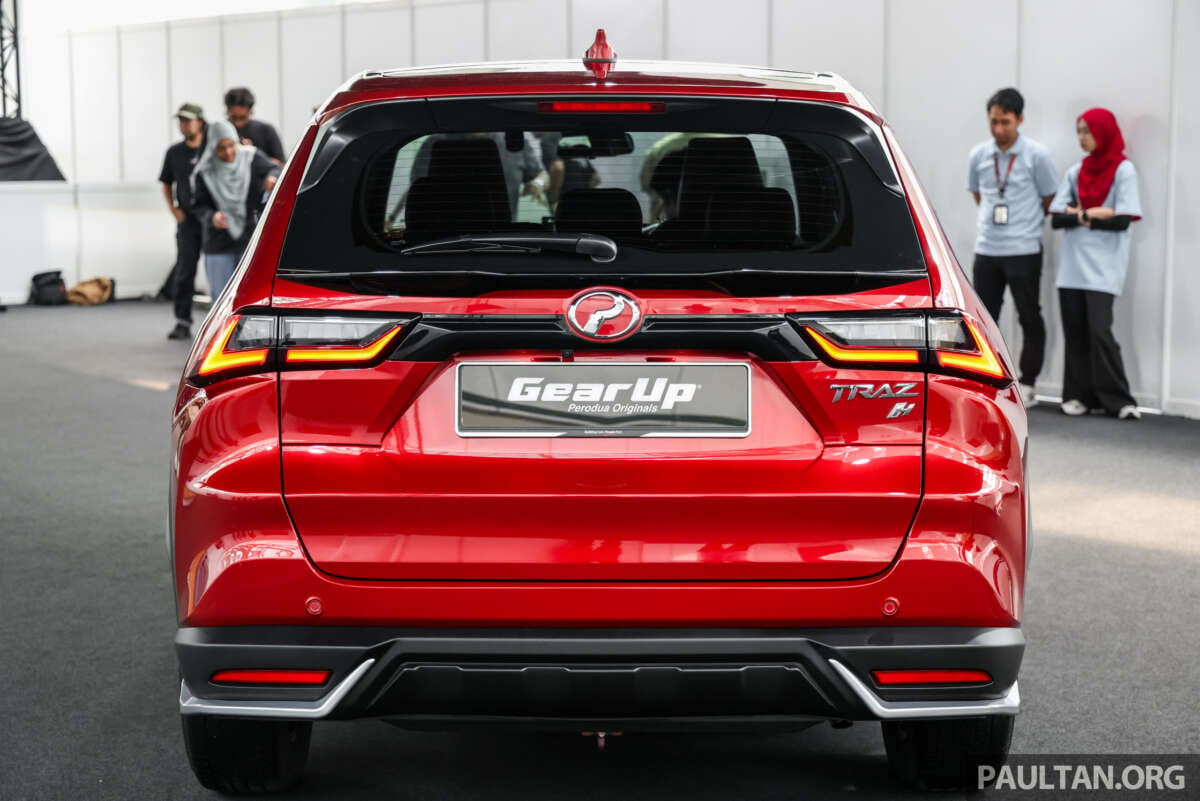
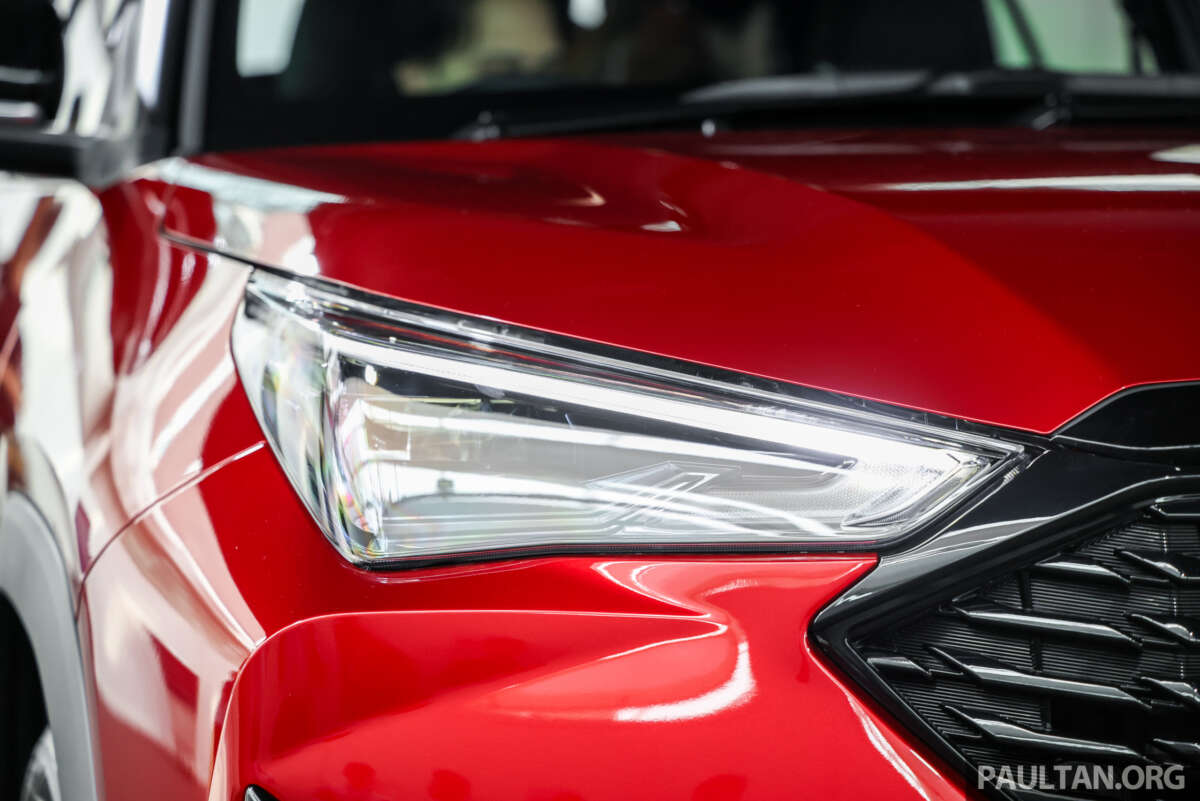
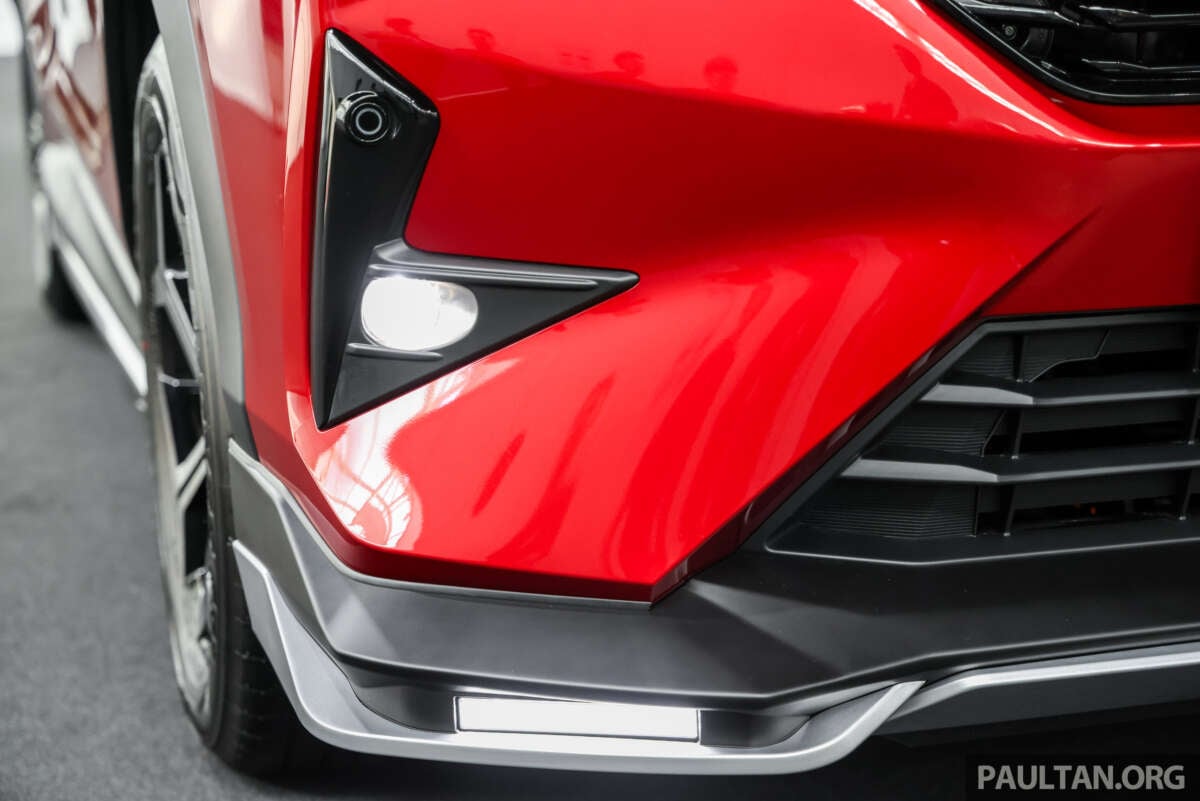
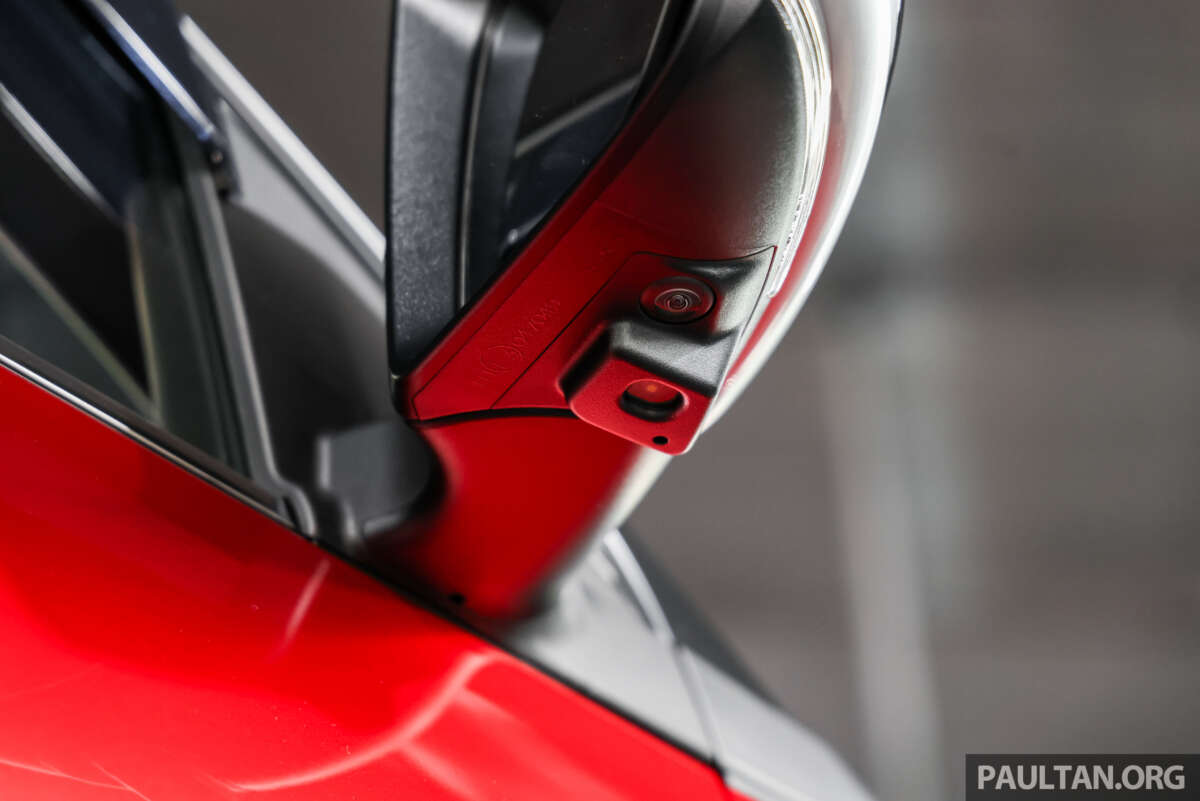
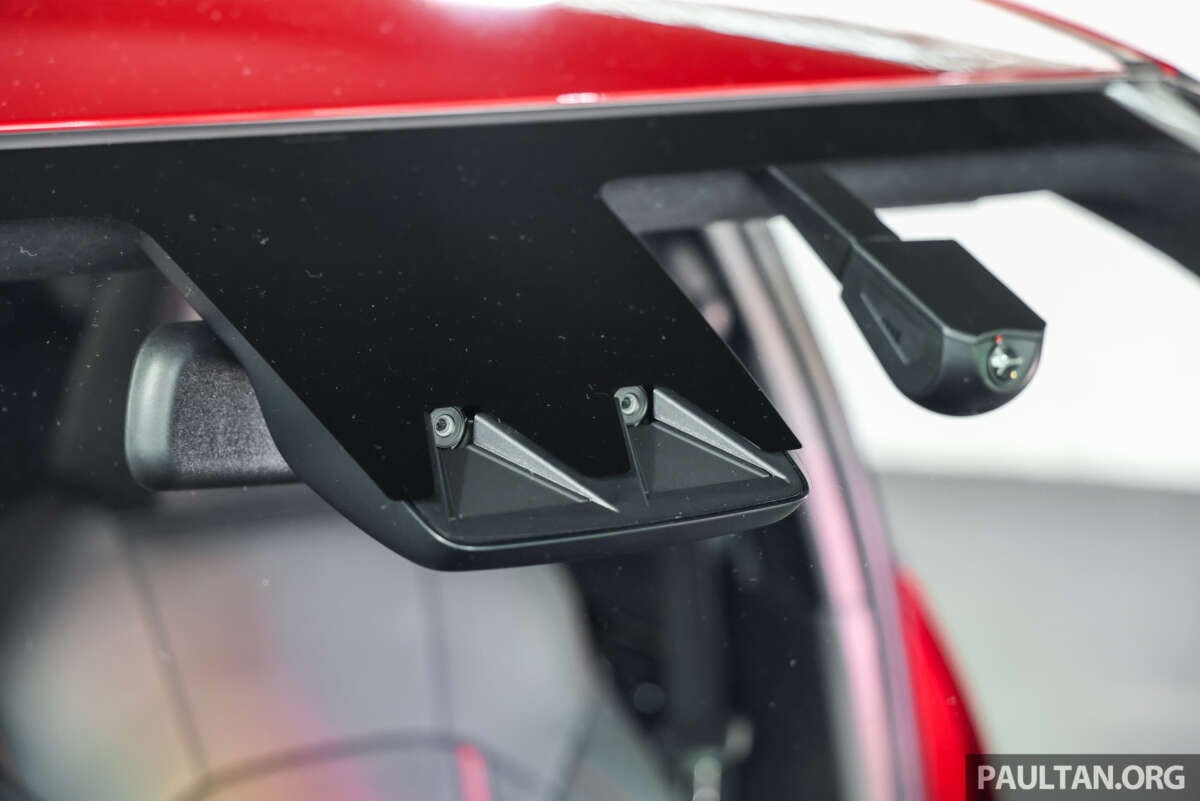
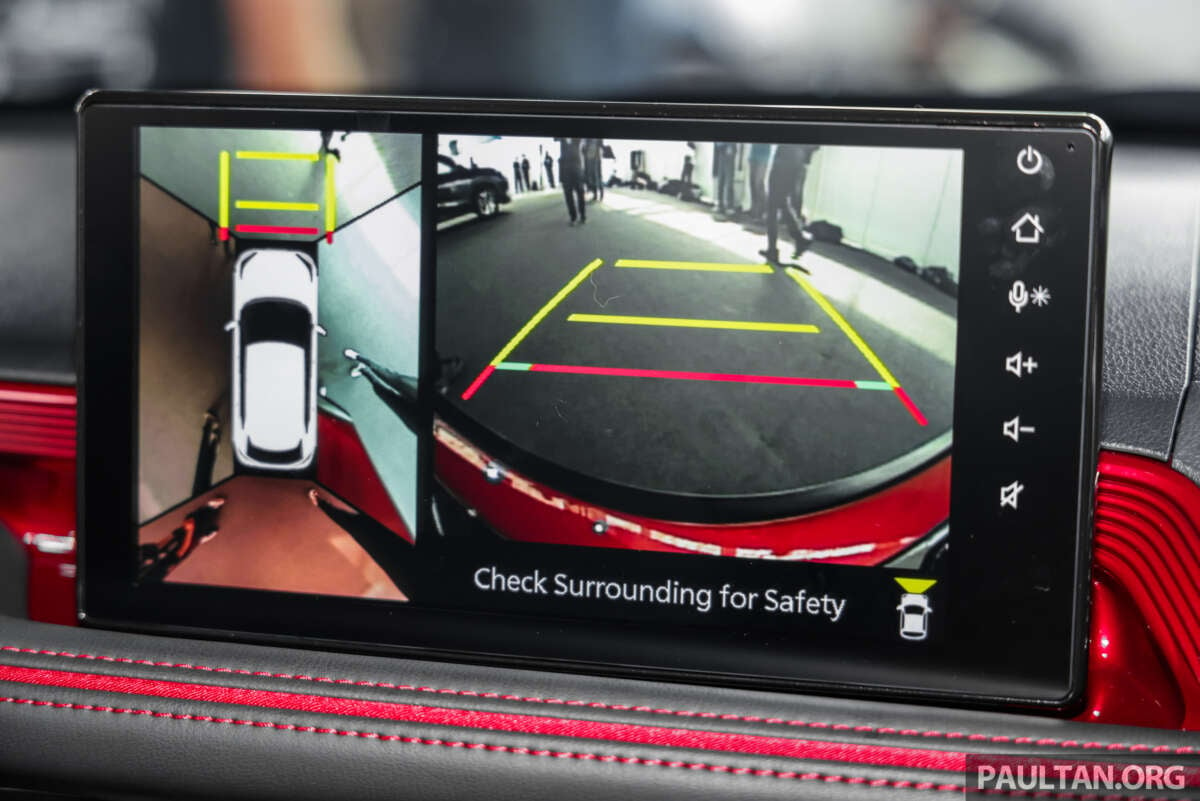
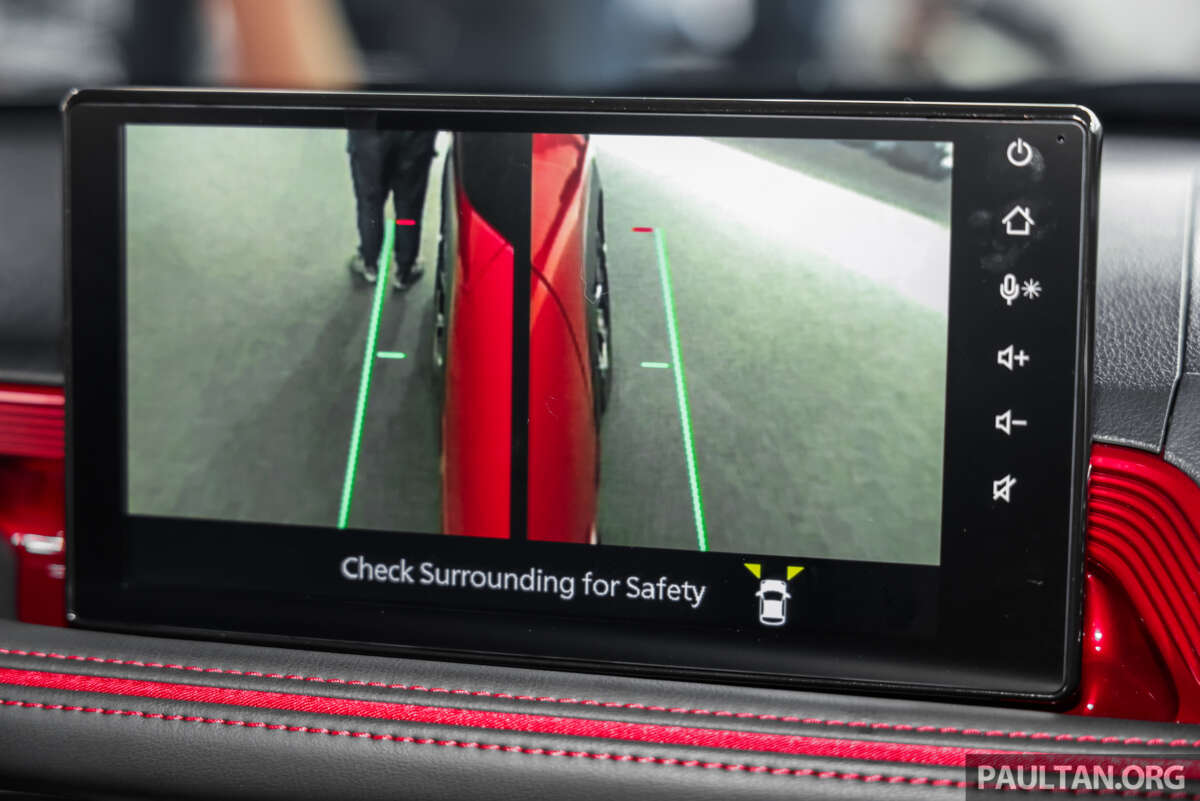
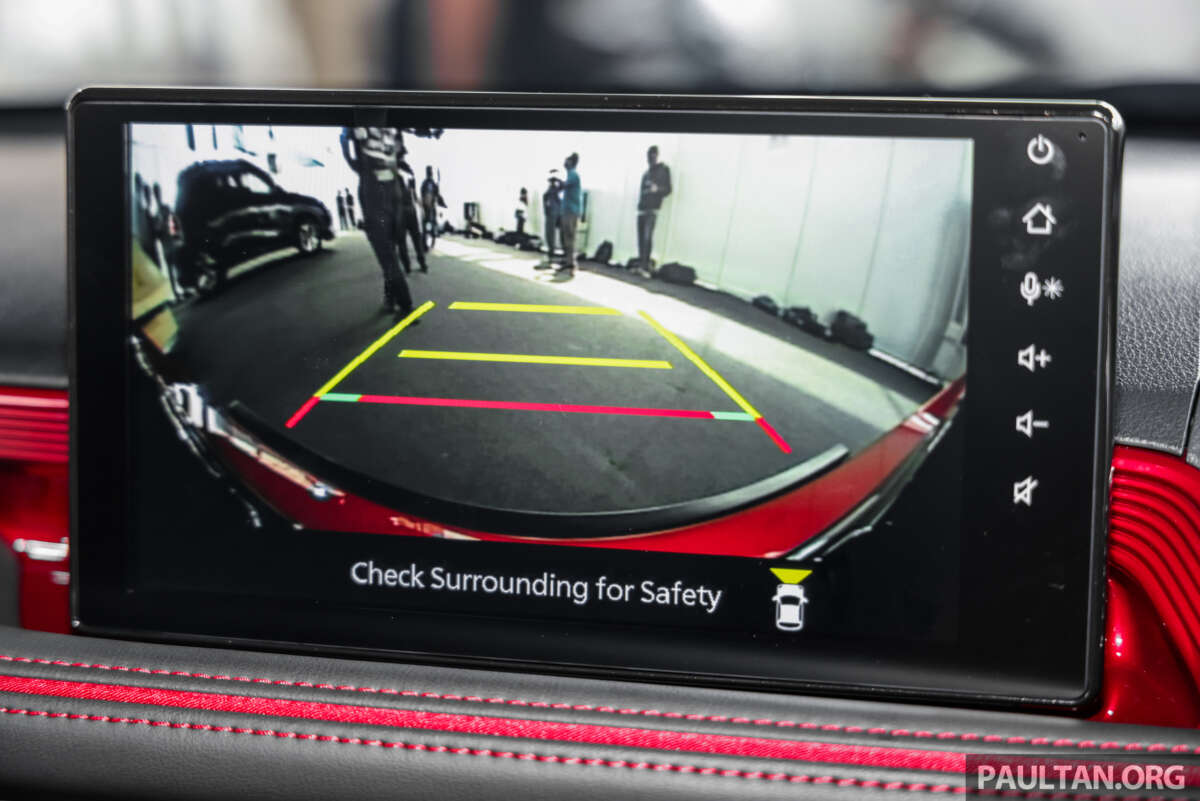
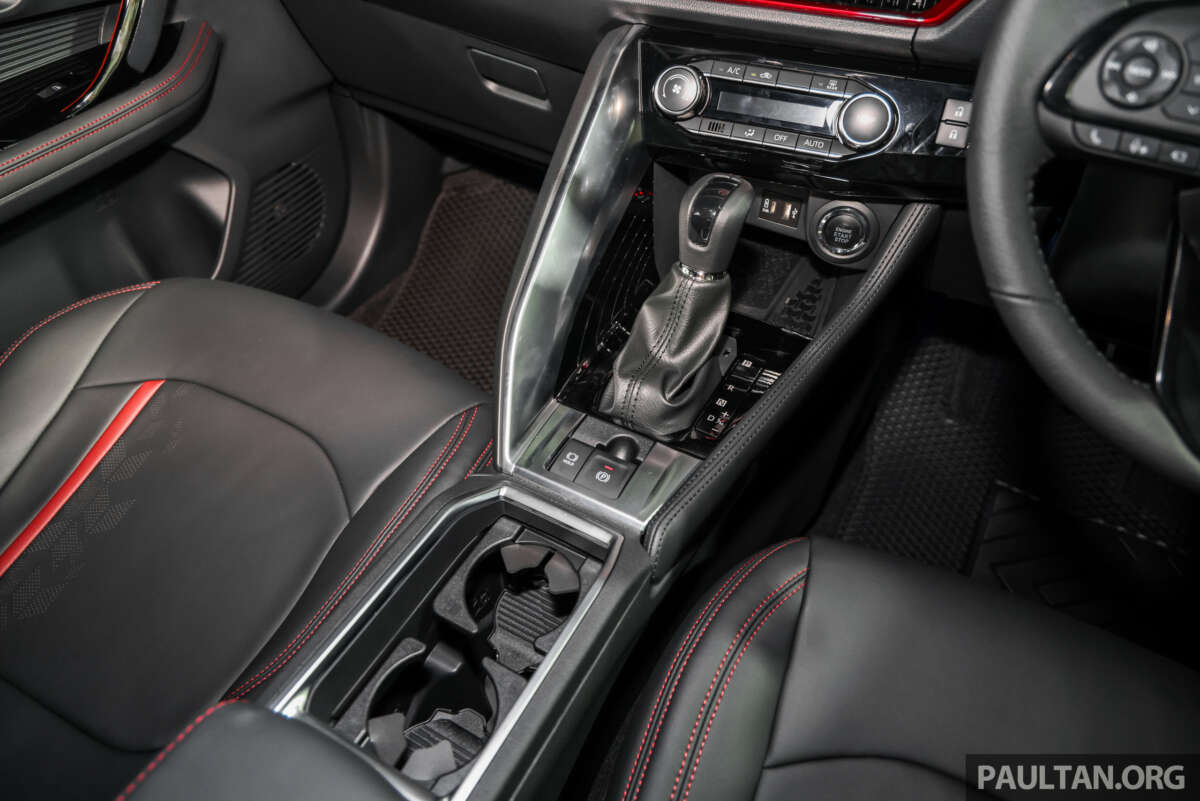
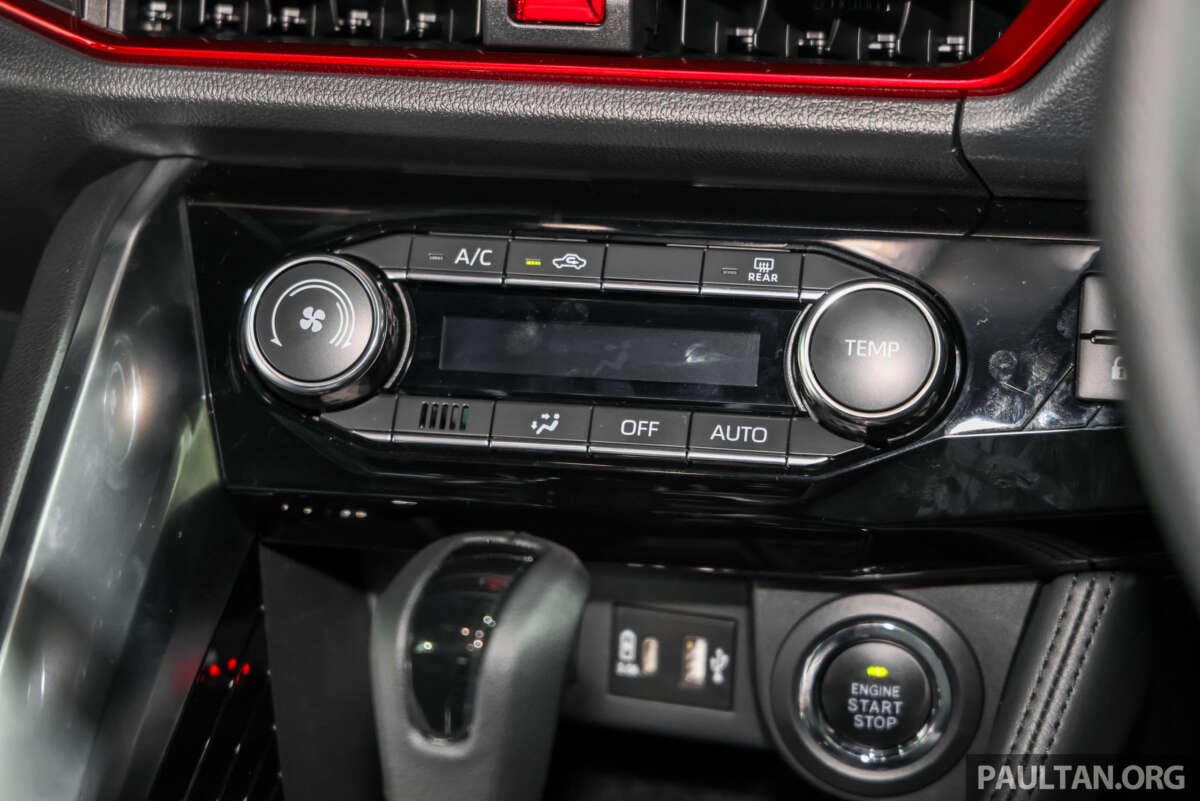
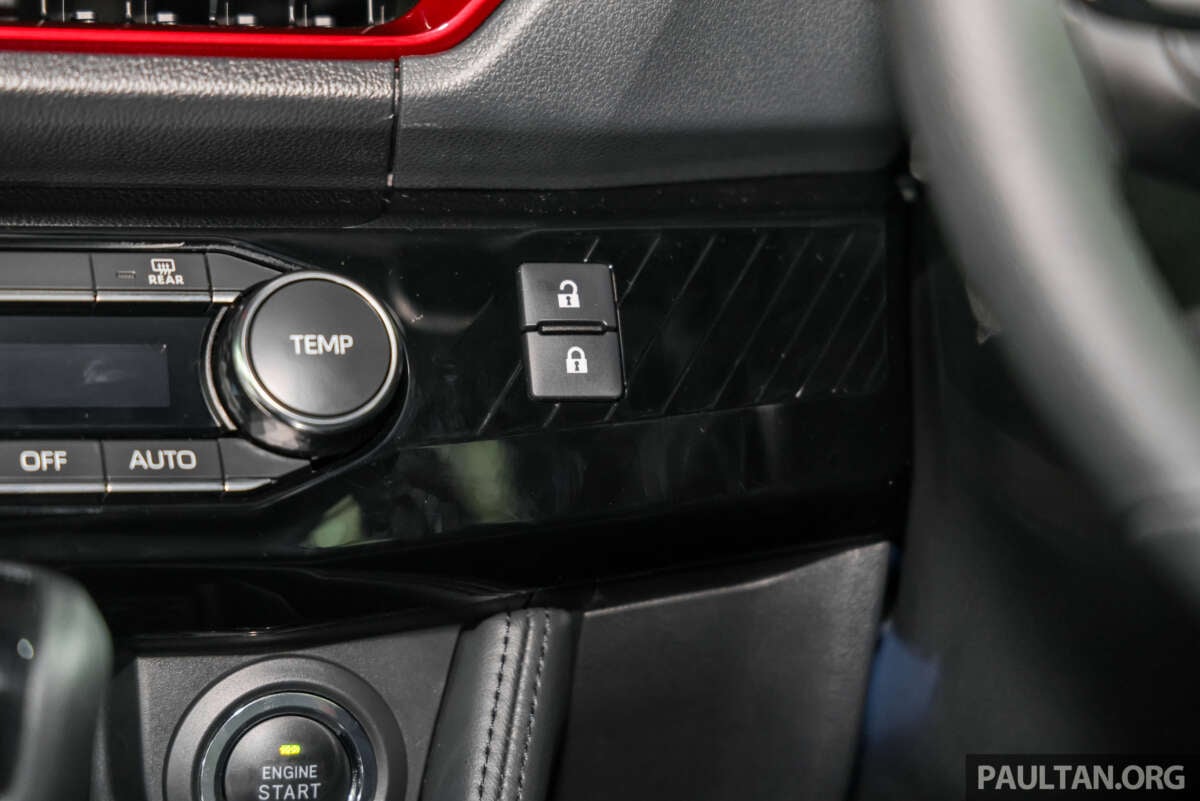
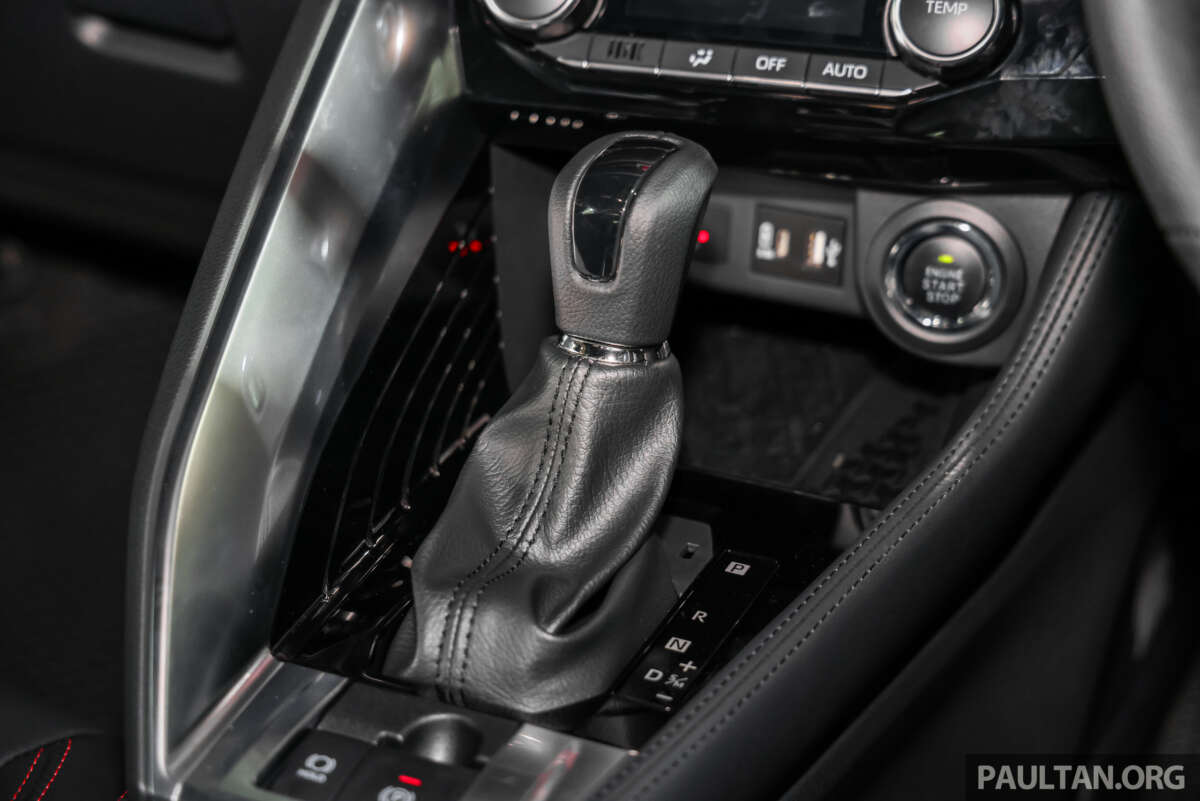
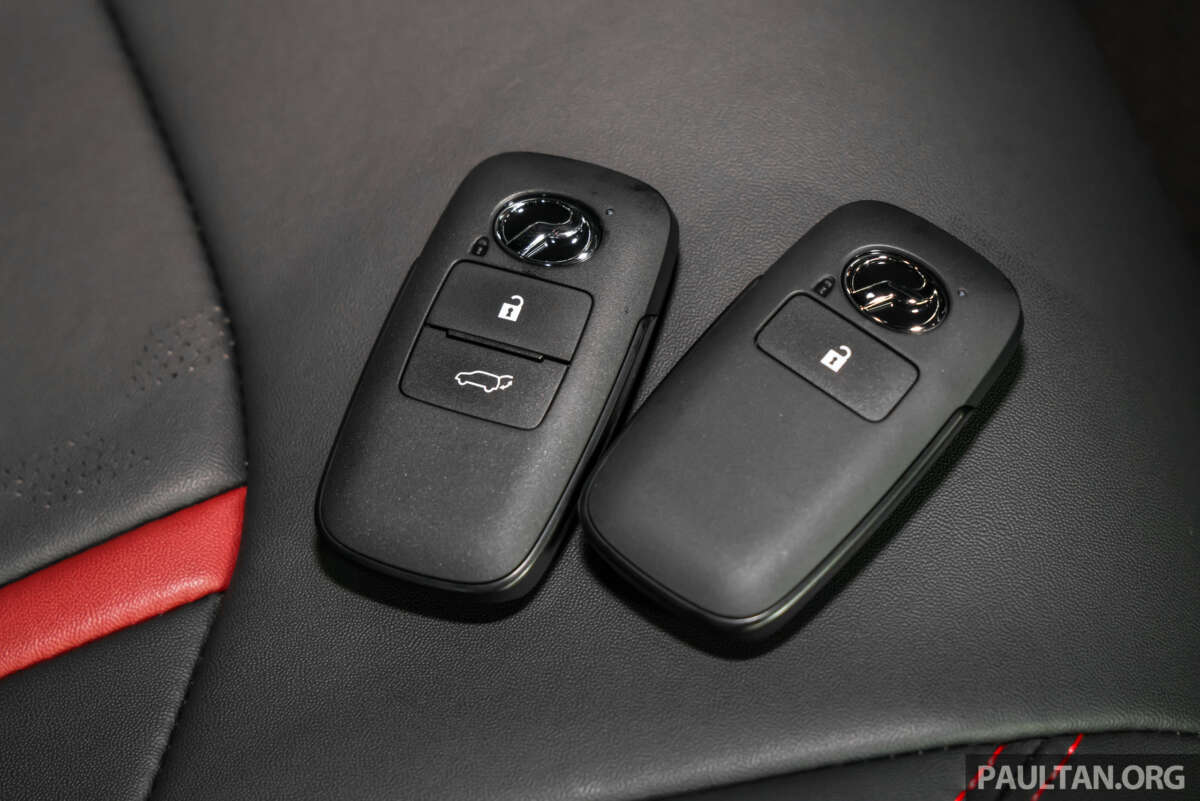
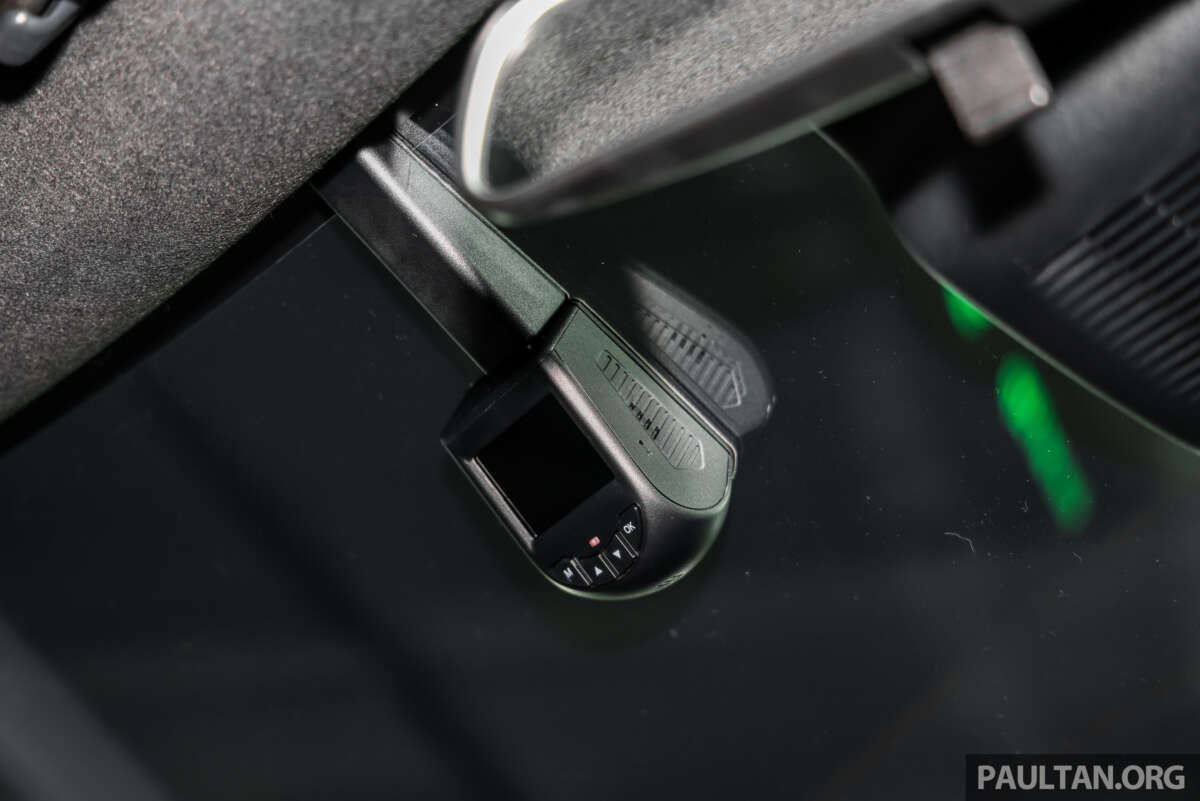
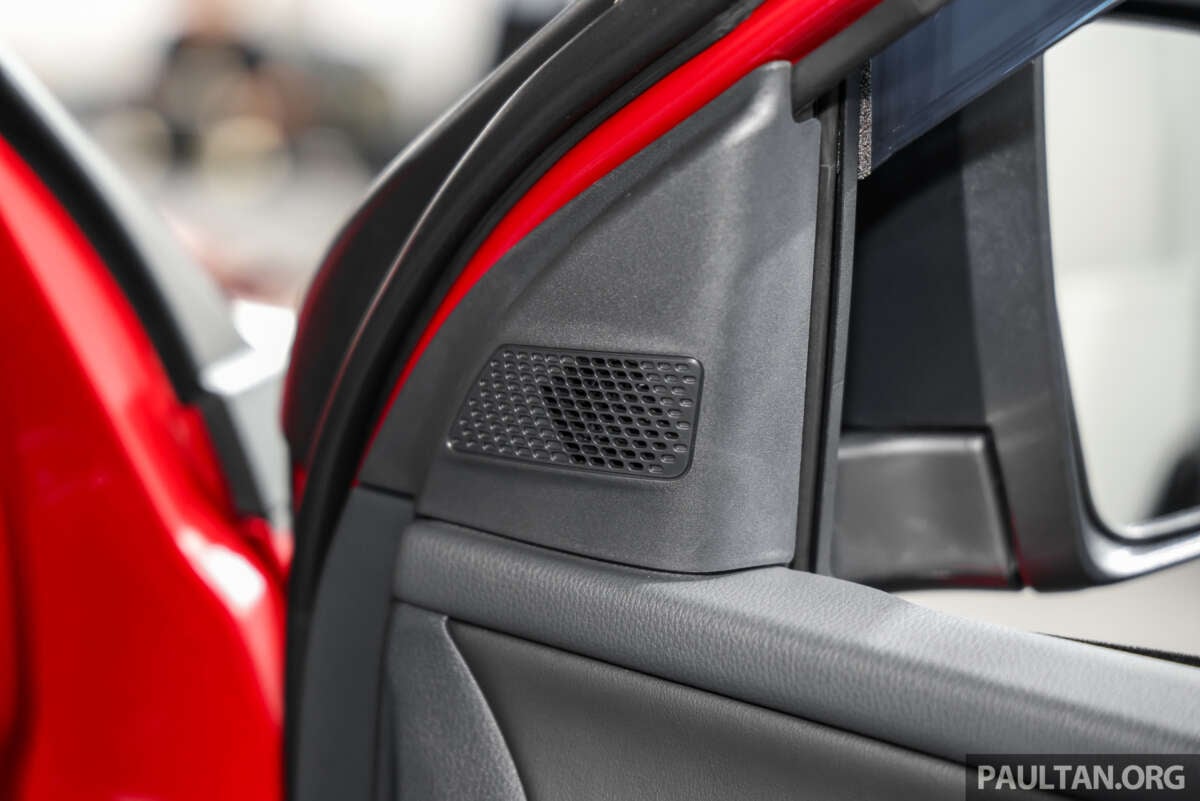
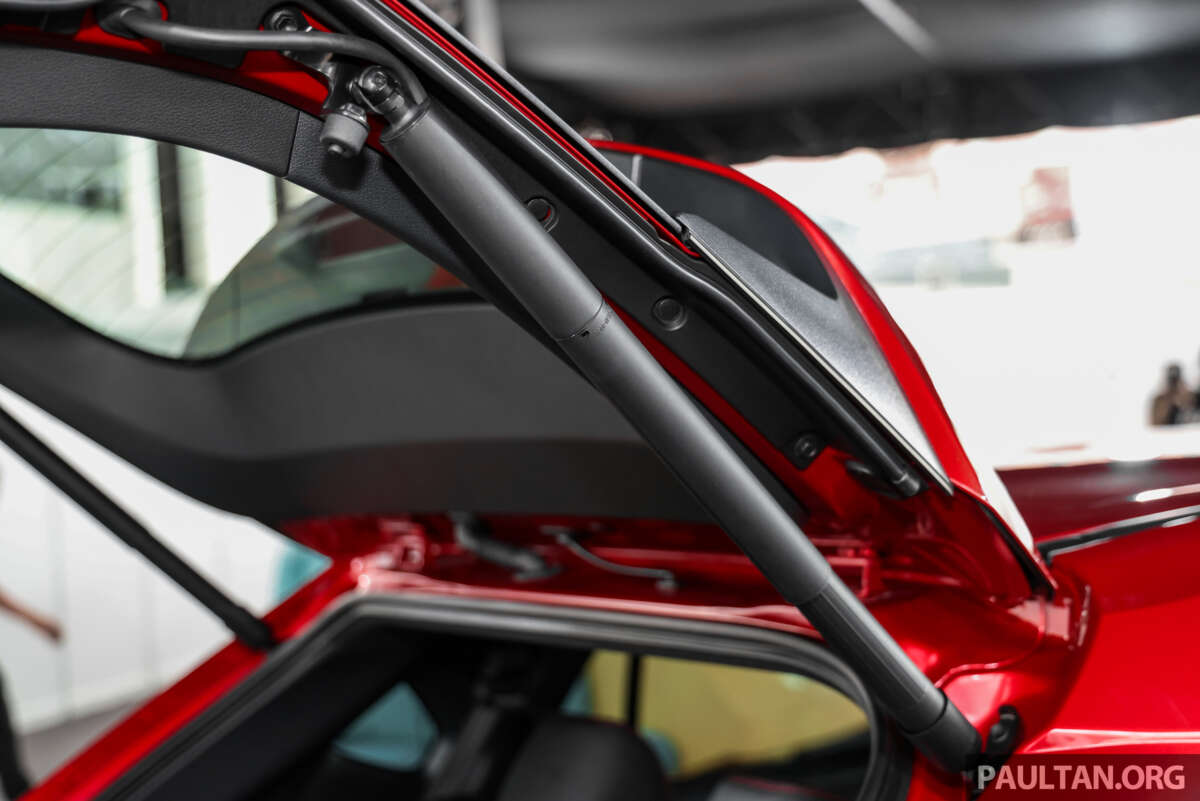
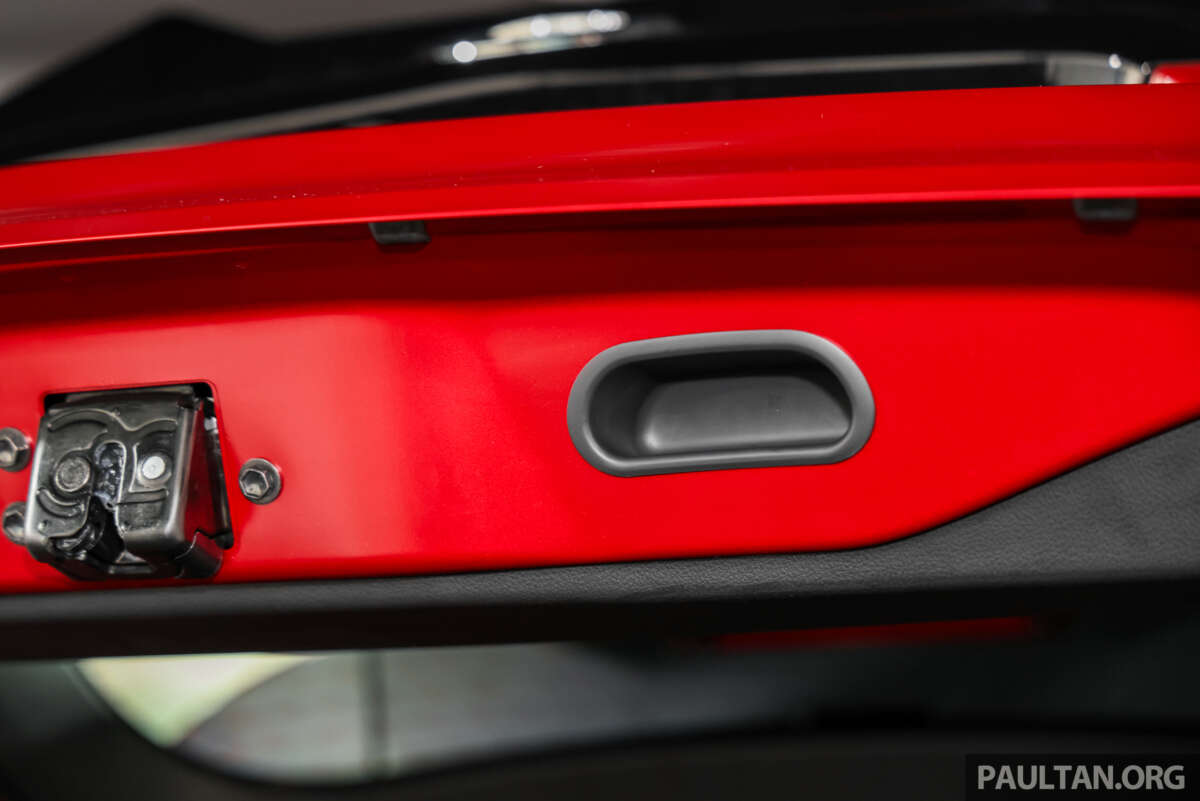
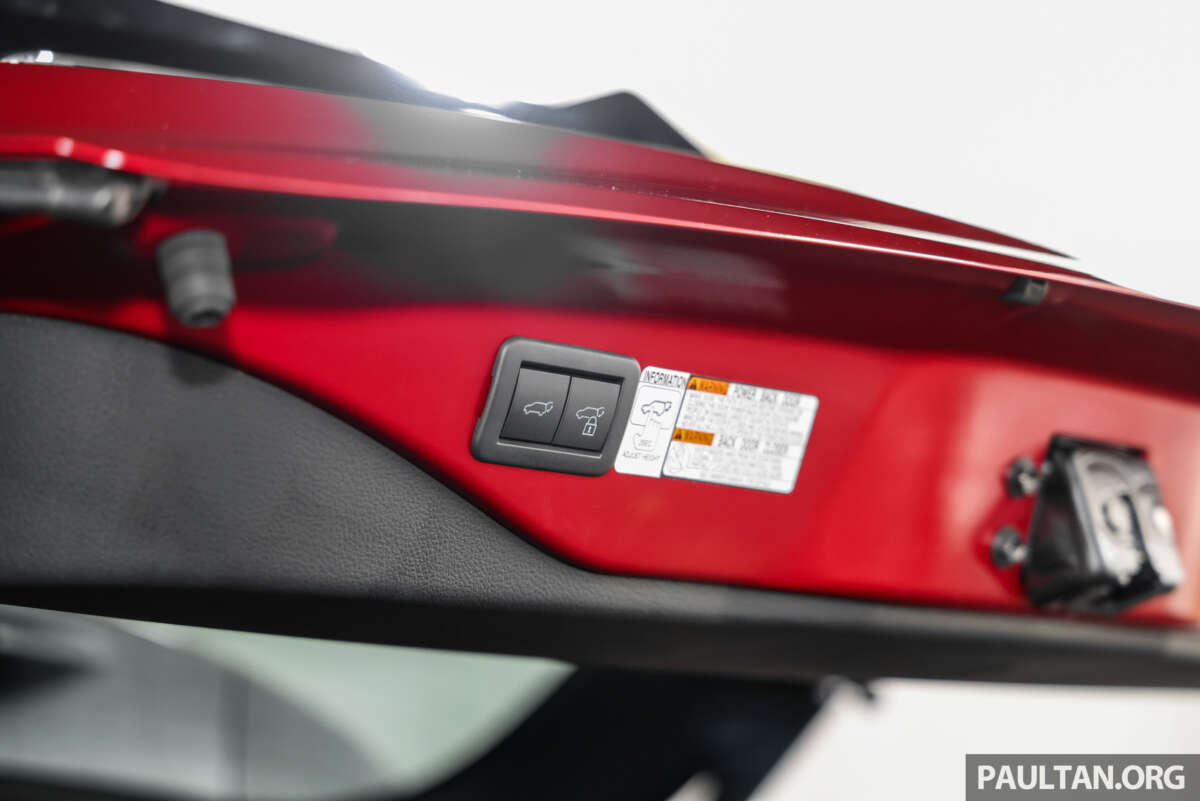
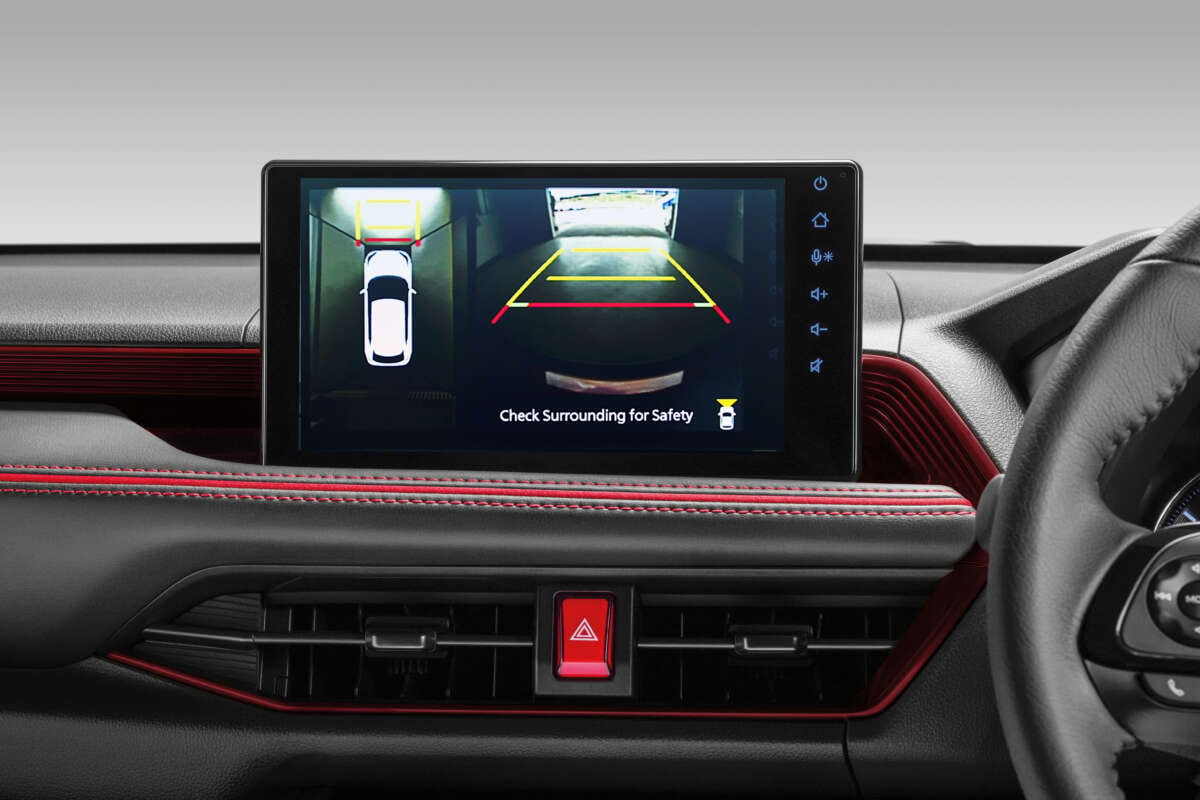
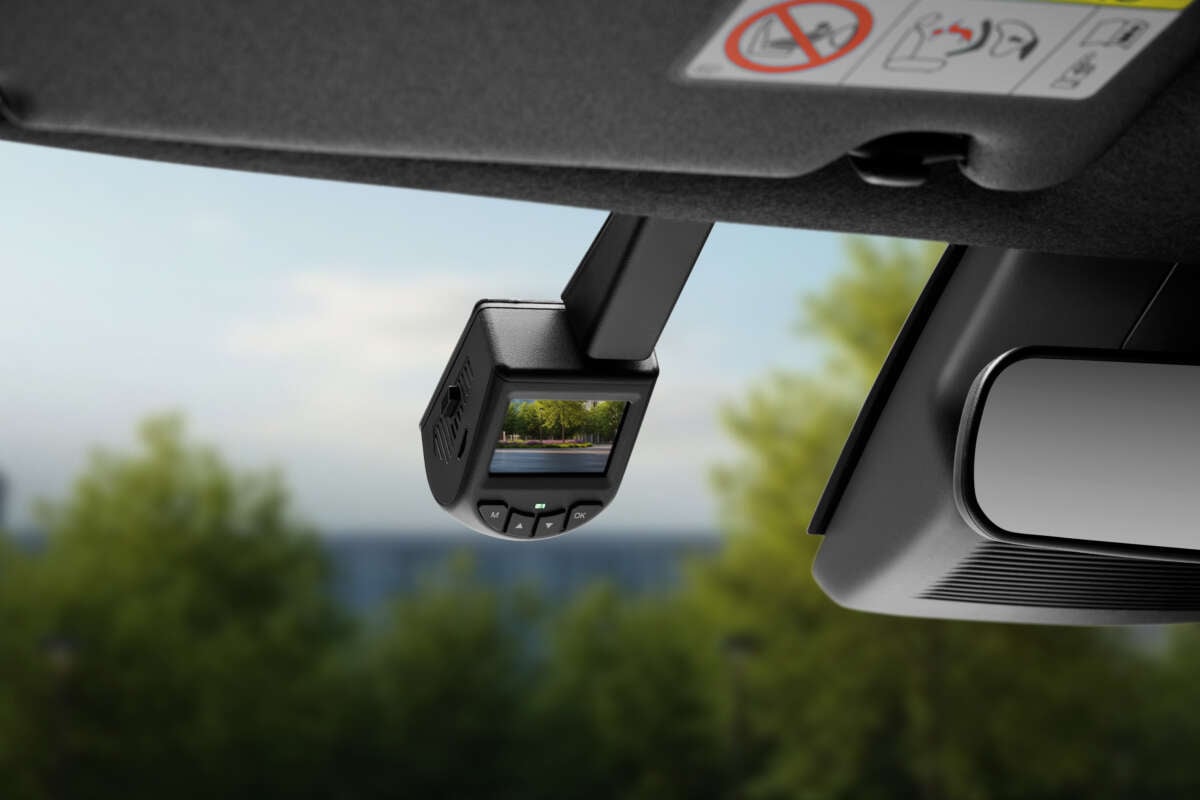
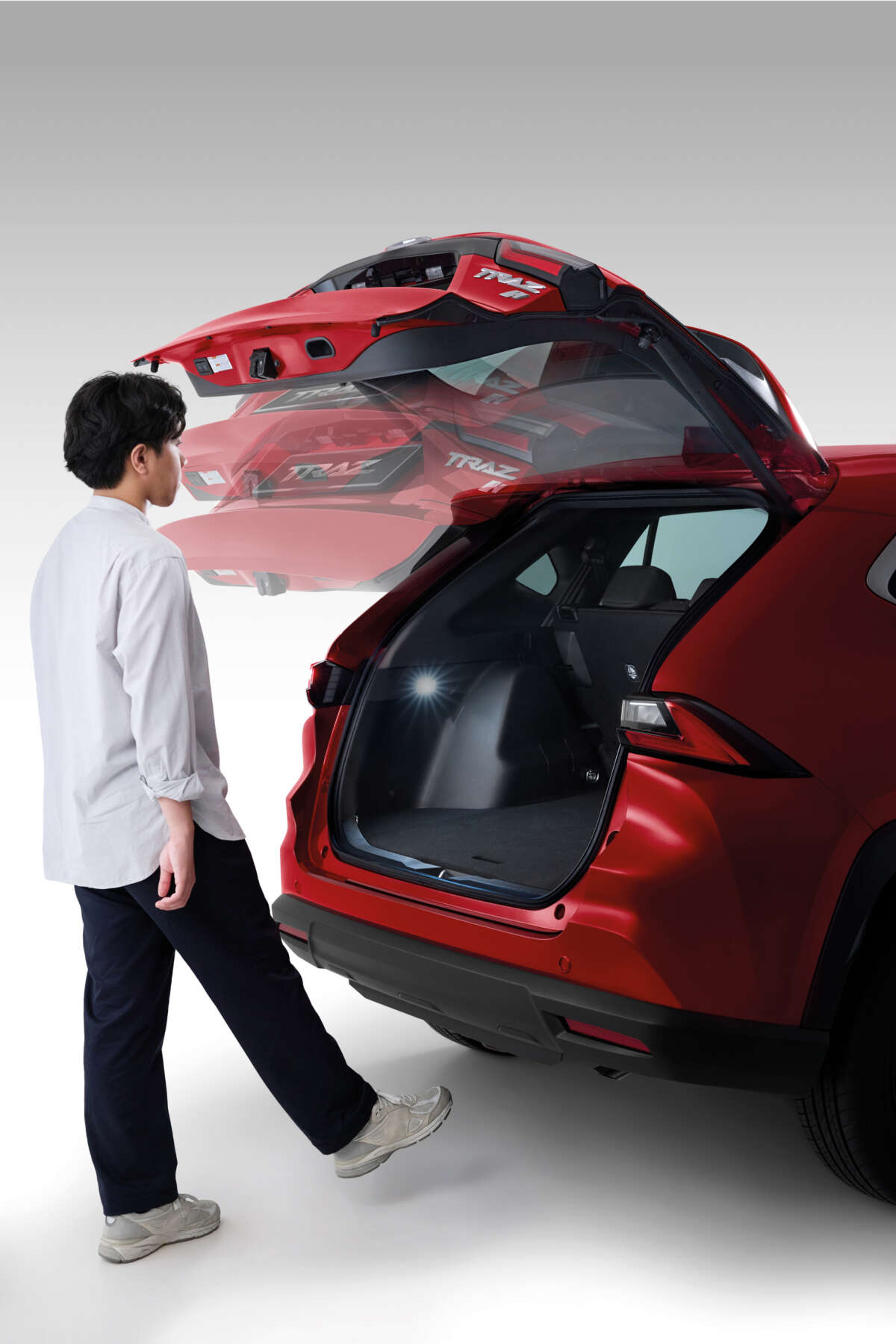
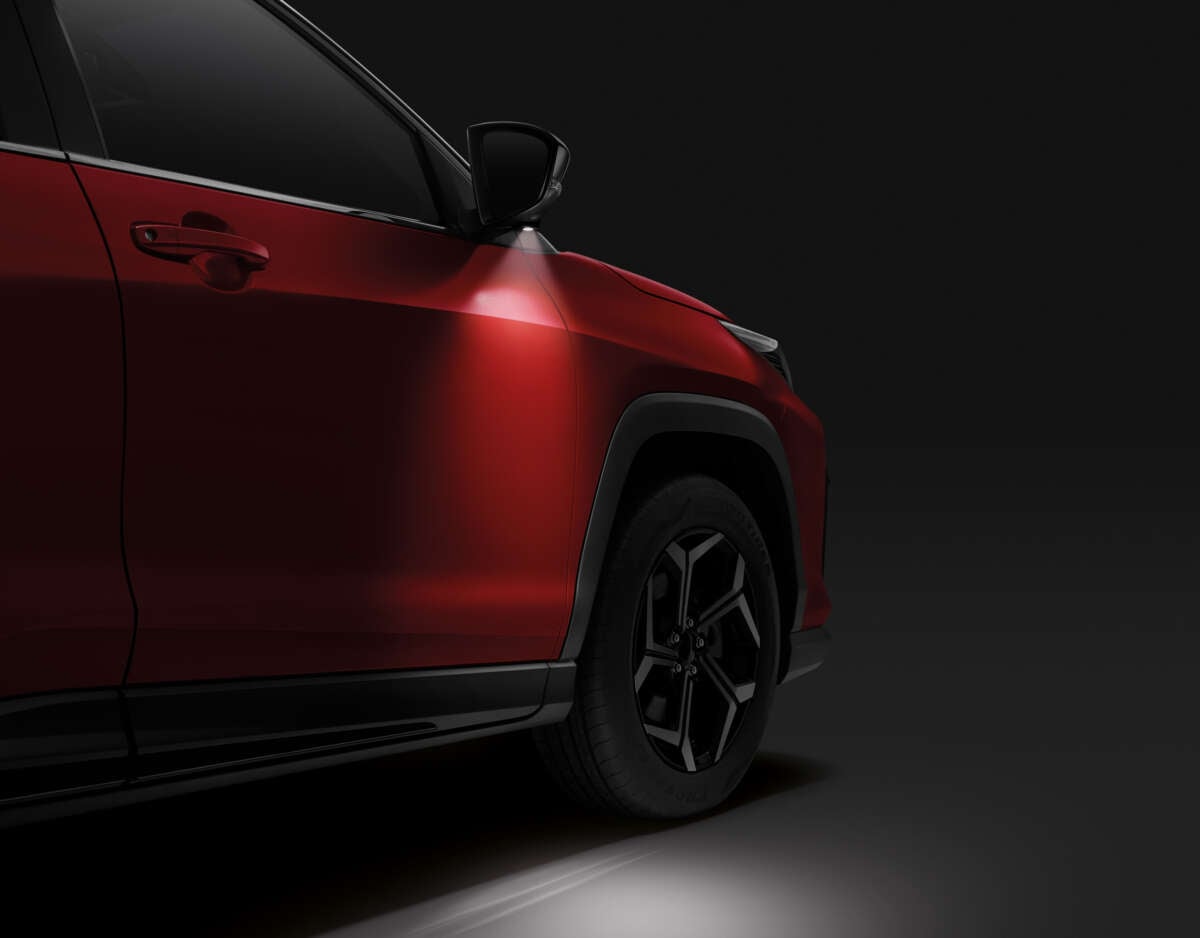
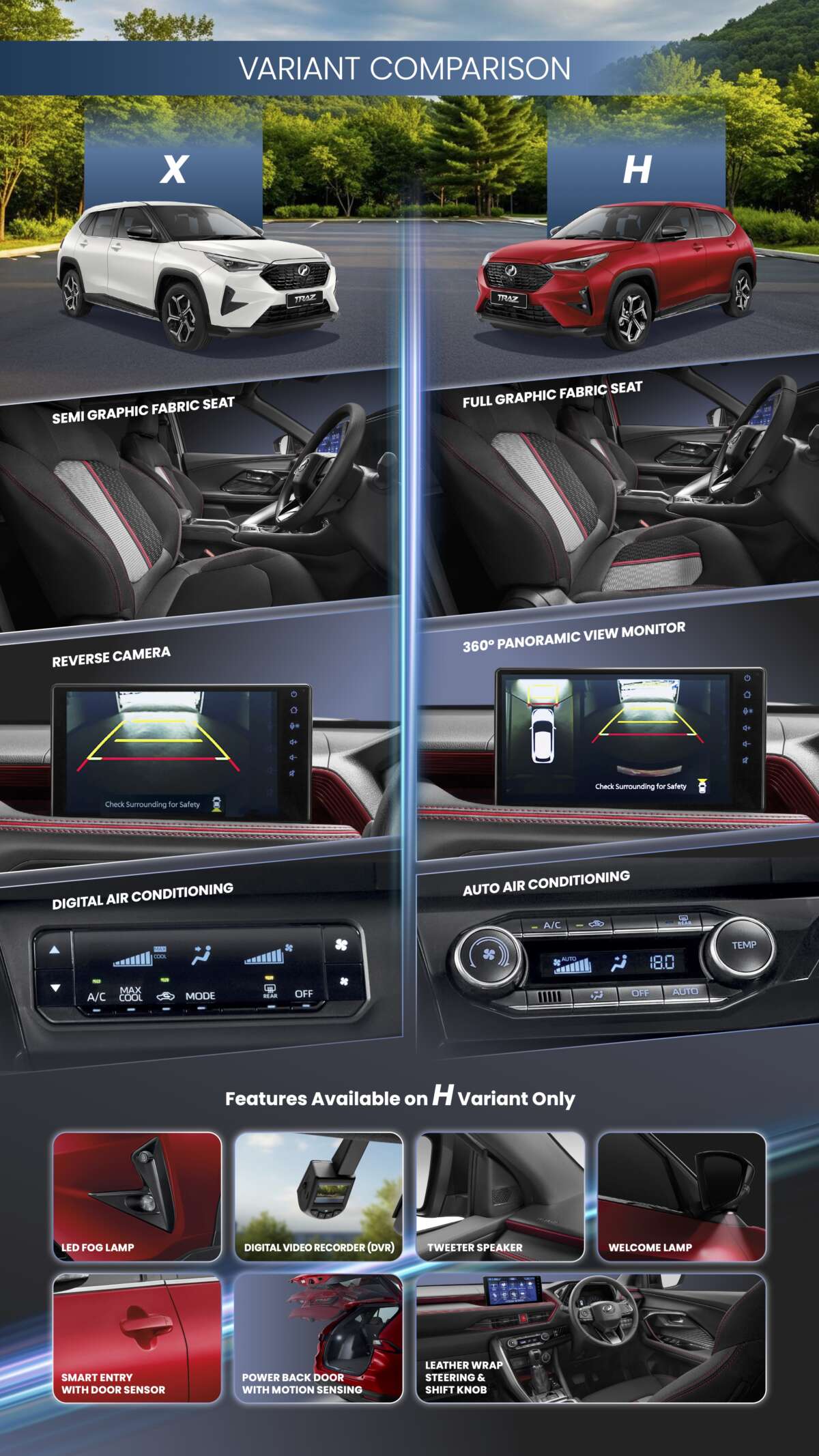
Stepping up to the H (which Perodua expects to make up about 76% of sales) adds keyless entry with touch sensors on both front doors, LED front fog lamps, side-mirror welcome lamps, a leather-wrapped steering wheel and gear knob, single-zone automatic air-con, two extra tweeters (for six speakers total), a 360-degree camera (the X gets a reverse camera), a built-in dashcam, and the headline item – a powered tailgate with kick-motion sensor.
Traz X vs H at a glance

| Feature | Traz X (RM76,100) | Traz H (RM81,100) |
|---|---|---|
| Engine | 1.5L 2NR-VE NA, 106 PS / 138 Nm | 1.5L 2NR-VE NA, 106 PS / 138 Nm |
| Transmission / drive | D-CVT, front-wheel drive | D-CVT, front-wheel drive |
| Wheels / tyres | 17-inch alloys, 215/60 R17 | 17-inch alloys, 215/60 R17 |
| Instrument cluster | Analogue dials + 4.2-inch display | Analogue dials + 4.2-inch display |
| Head unit | 9.0-inch, wired CarPlay / Android Auto | 9.0-inch, wired CarPlay / Android Auto |
| Airbags | 6 | 6 |
| ASA safety suite (AEB, lane departure, blind spot, RCTA) | Standard | Standard |
| Adaptive / regular cruise control | Not available | Not available |
| Headlamps | Auto LED + LED DRL | Auto LED + LED DRL + LED front fog |
| Keyless entry | Not available | Yes (both front doors) |
| Push-button start | Yes | Yes |
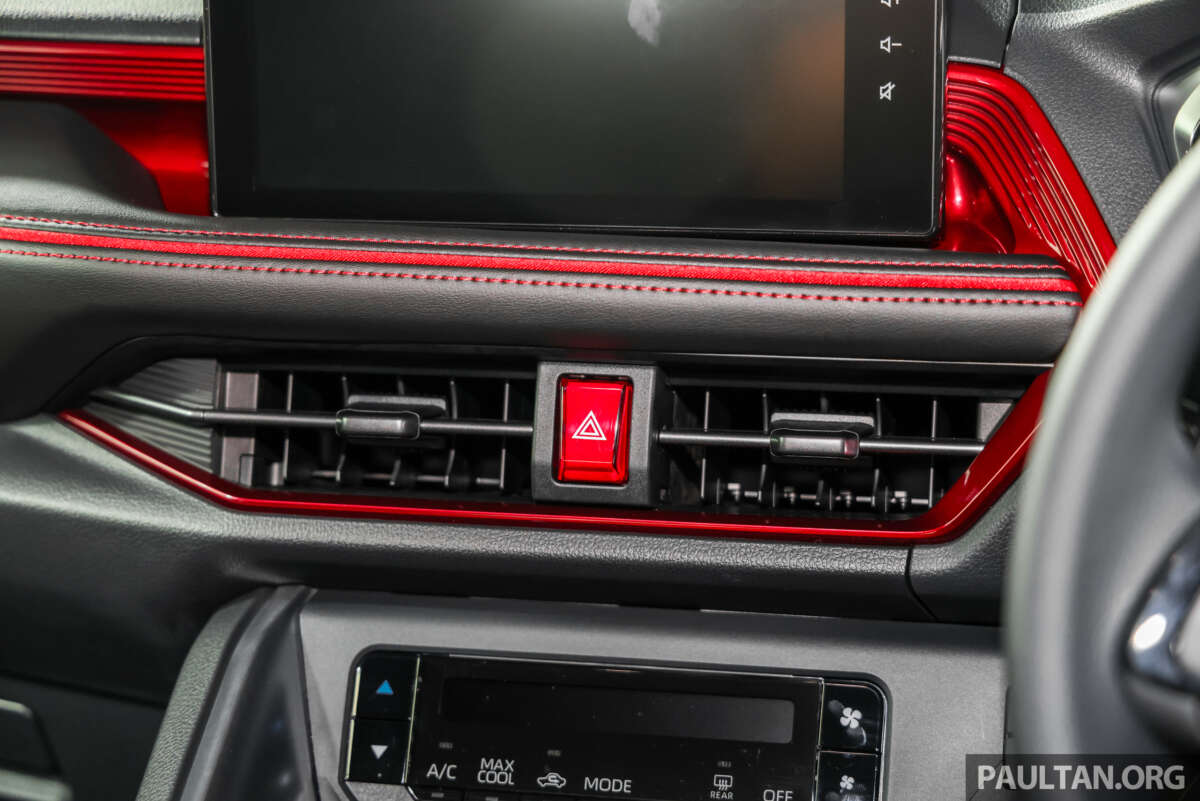
| Air-conditioning | Manual (button) | Single-zone automatic |
| Steering wheel / gear knob | Non-leather | Leather-wrapped |
| Speakers | 4 | 6 (adds 2 tweeters) |
| Camera | Reverse camera | 360-degree camera |
| Built-in dashcam | Not available | Yes |
| Powered tailgate (kick sensor) | Not available | Yes |
| Mirror welcome lamps | Not available | Yes |
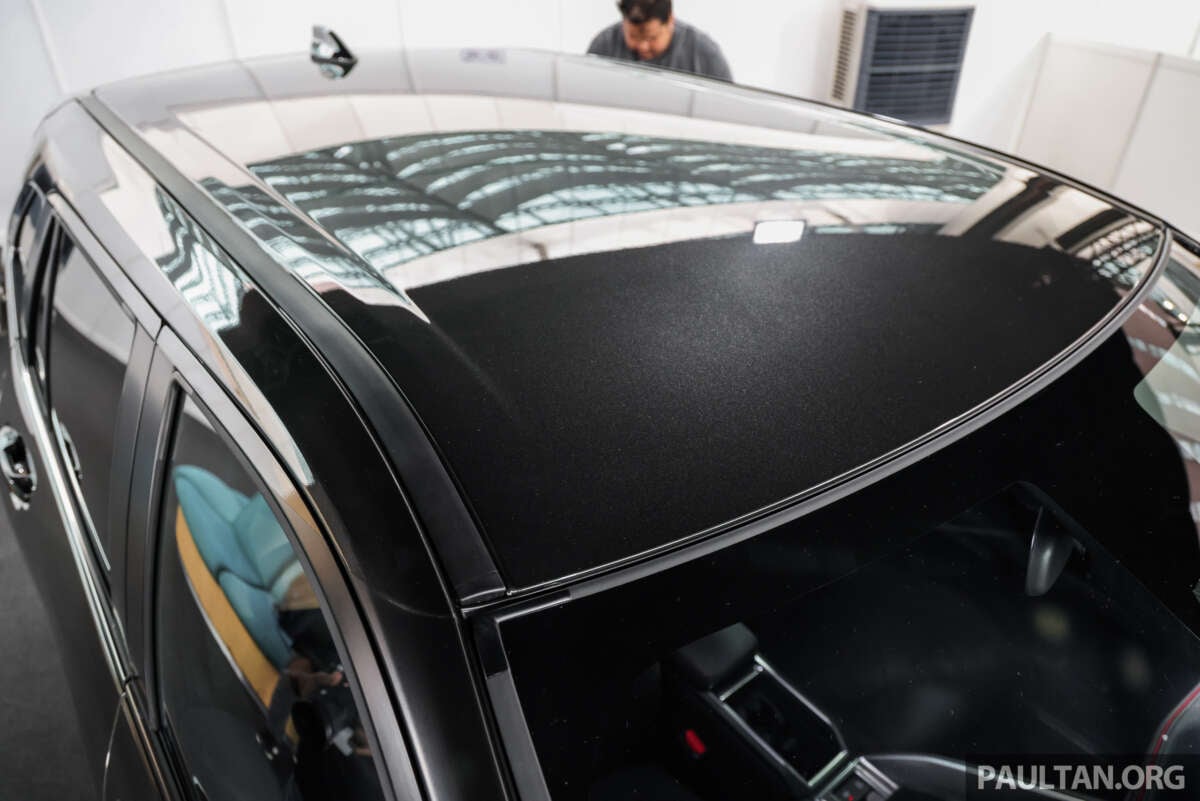
| Two-tone roof option | Not available | +RM900 (Glittering Silver or Electric Blue) |
Safety
The Traz holds a five-star ASEAN NCAP rating, scoring 86.86 points under the 2021-2025 protocol. Interestingly, it actually out-scored the Indonesian-built Toyota Yaris Cross (83.02 points) in the same test regime.
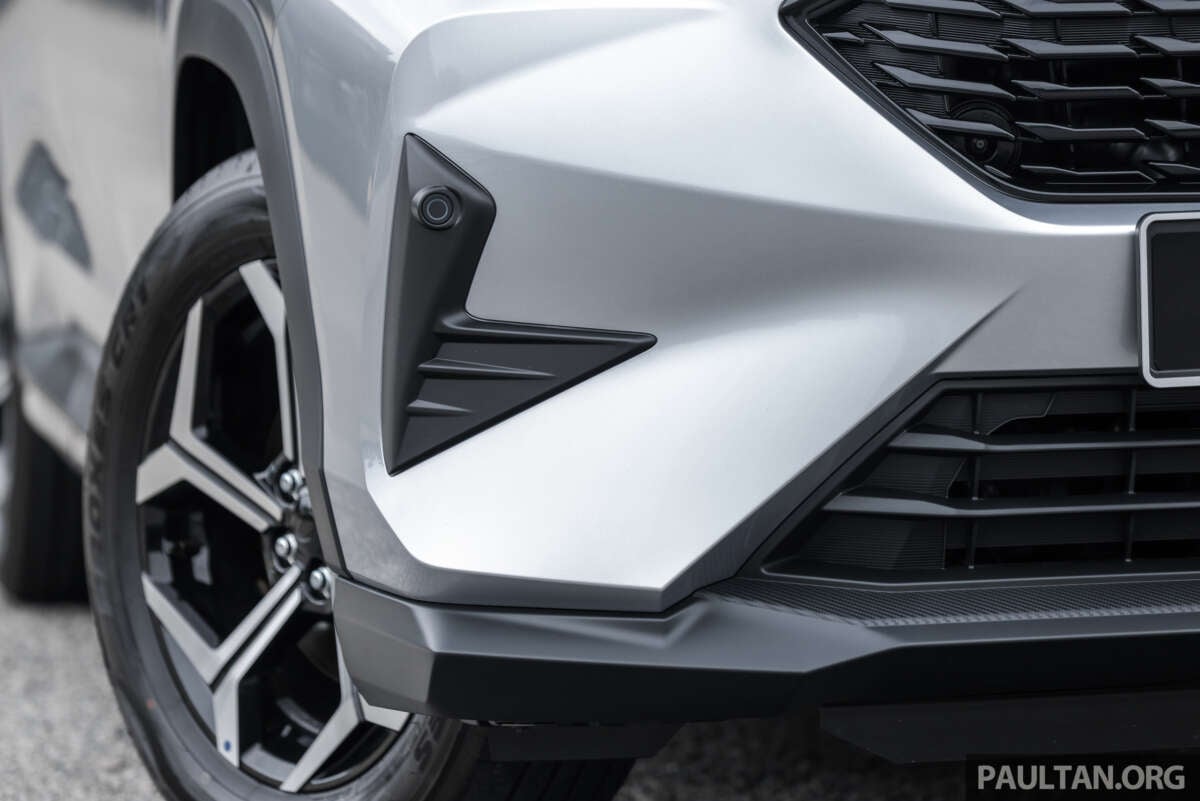
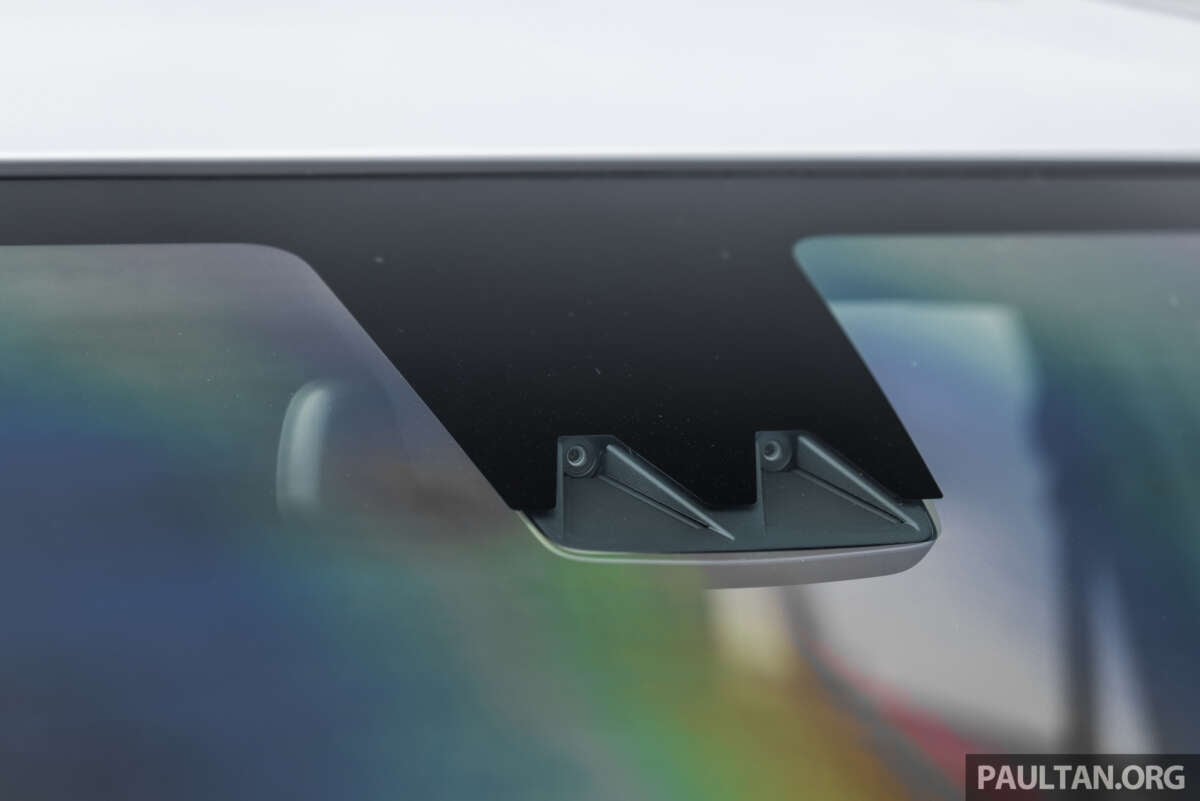
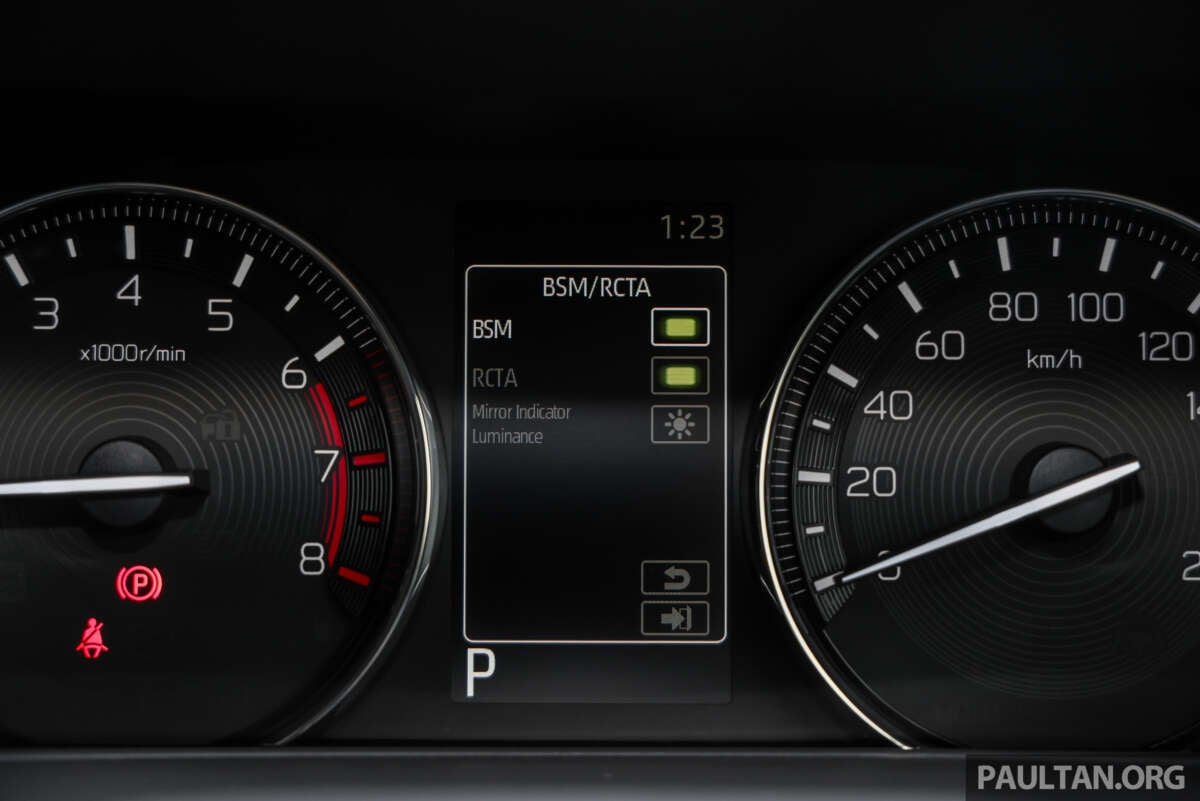
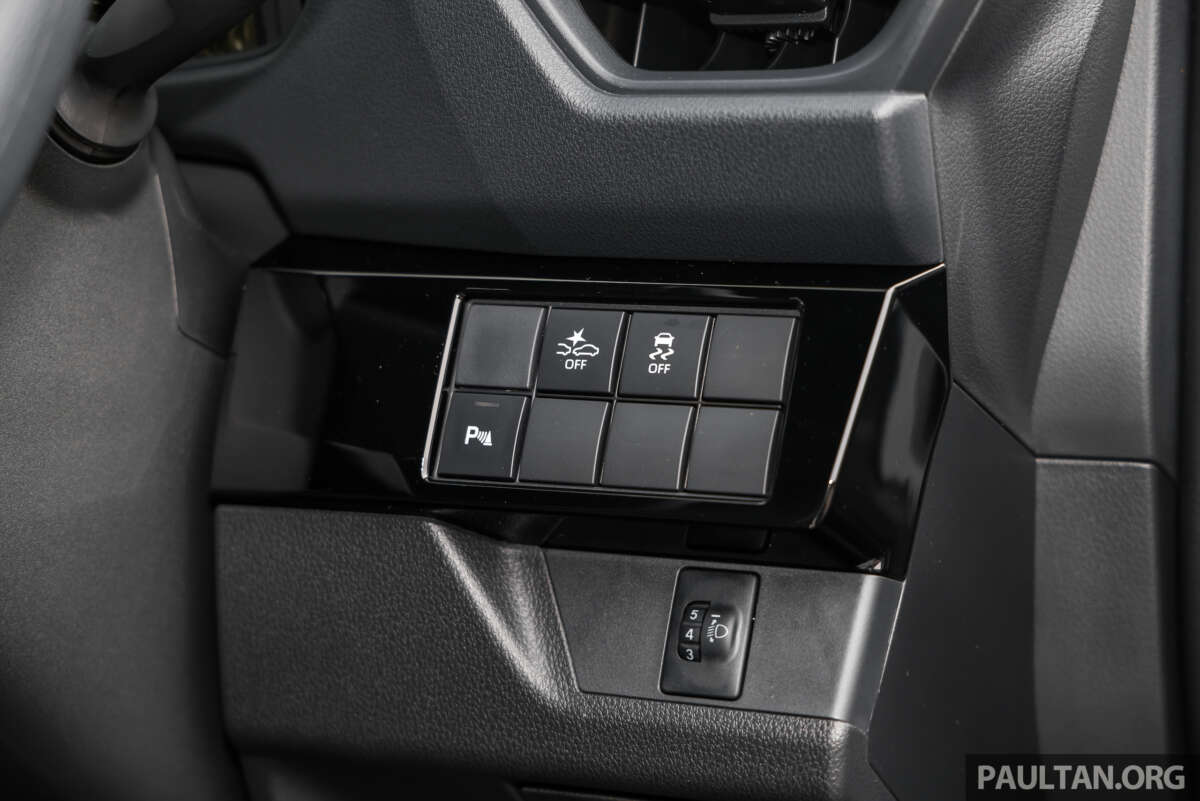
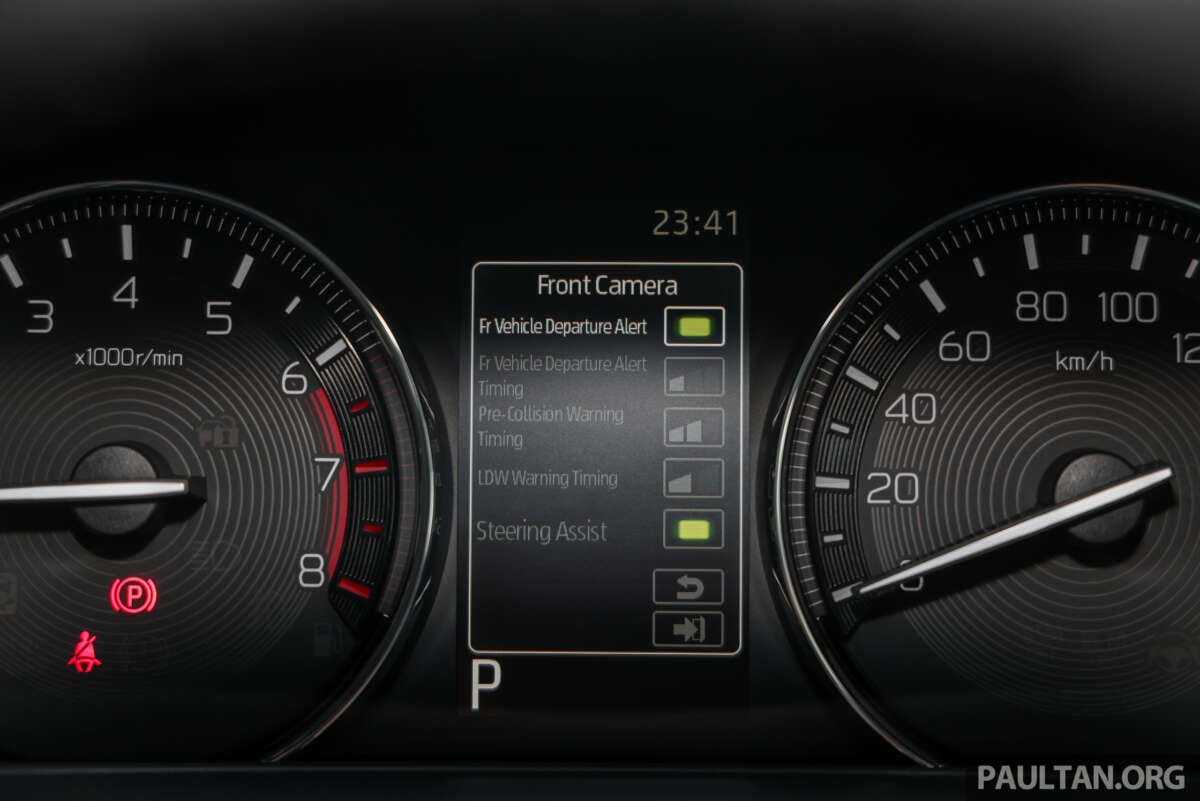
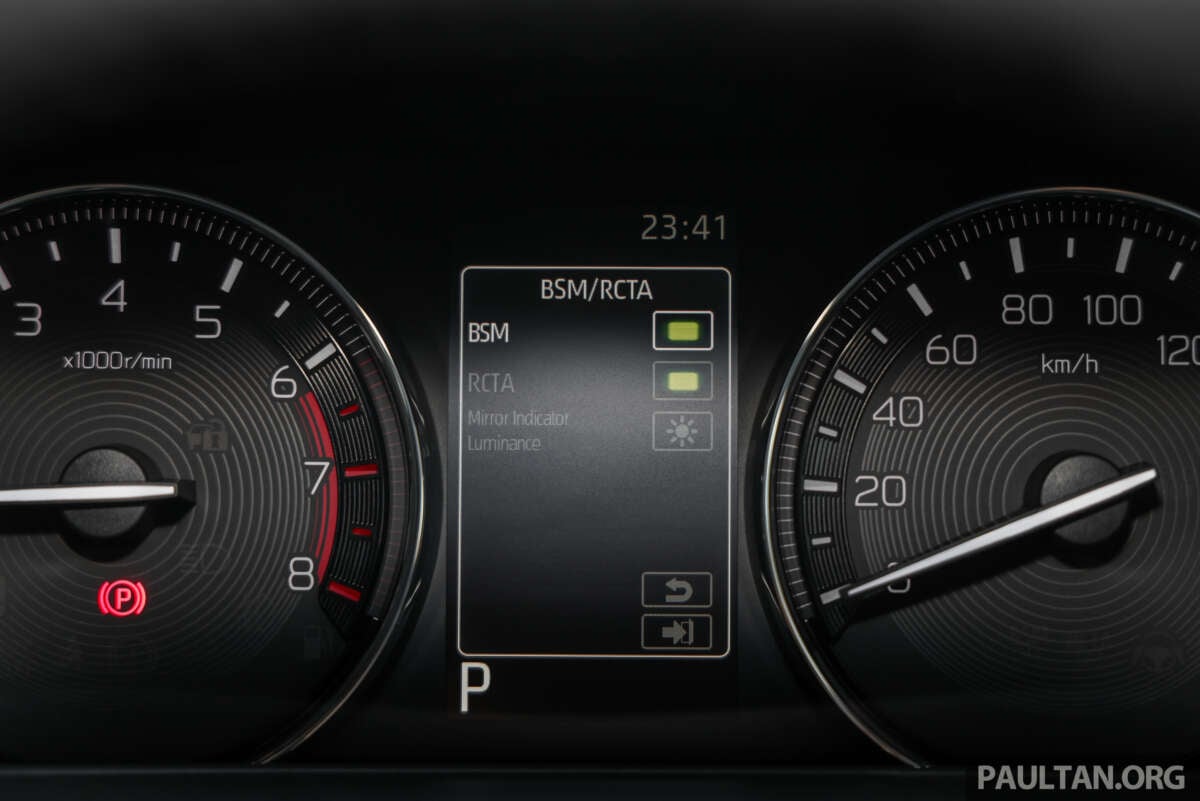
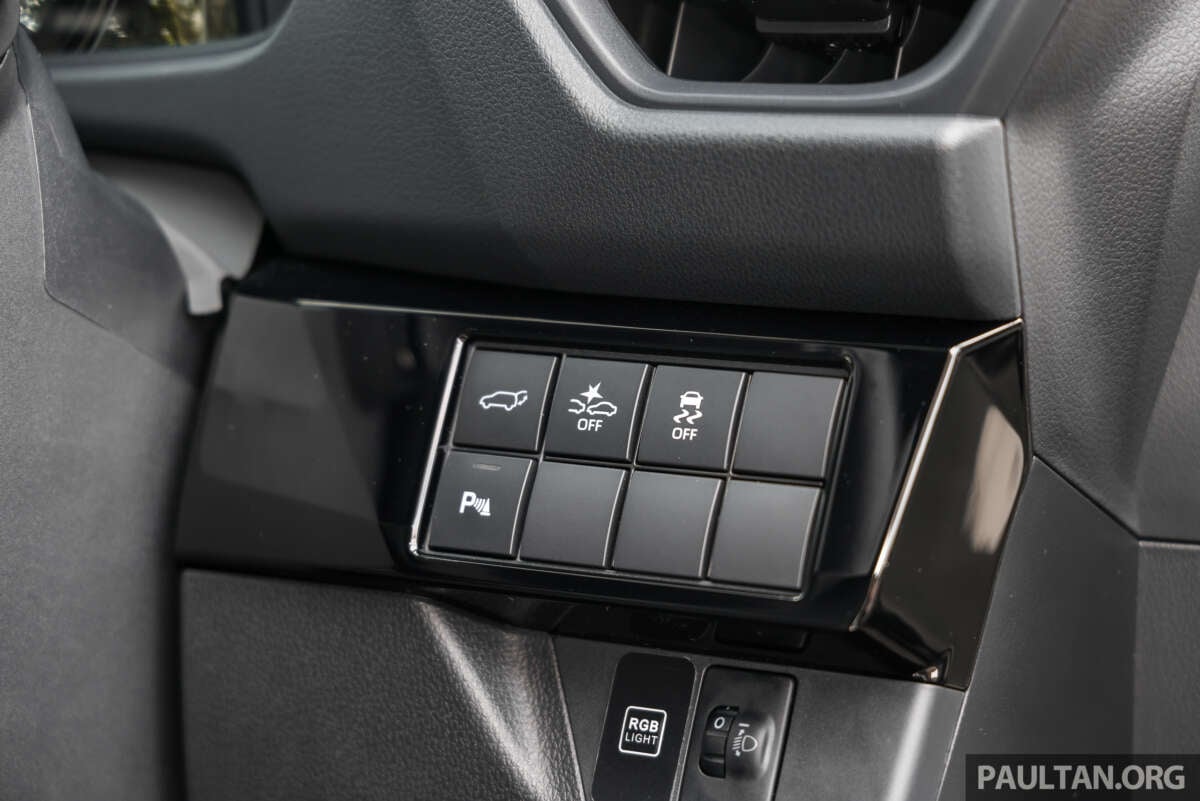
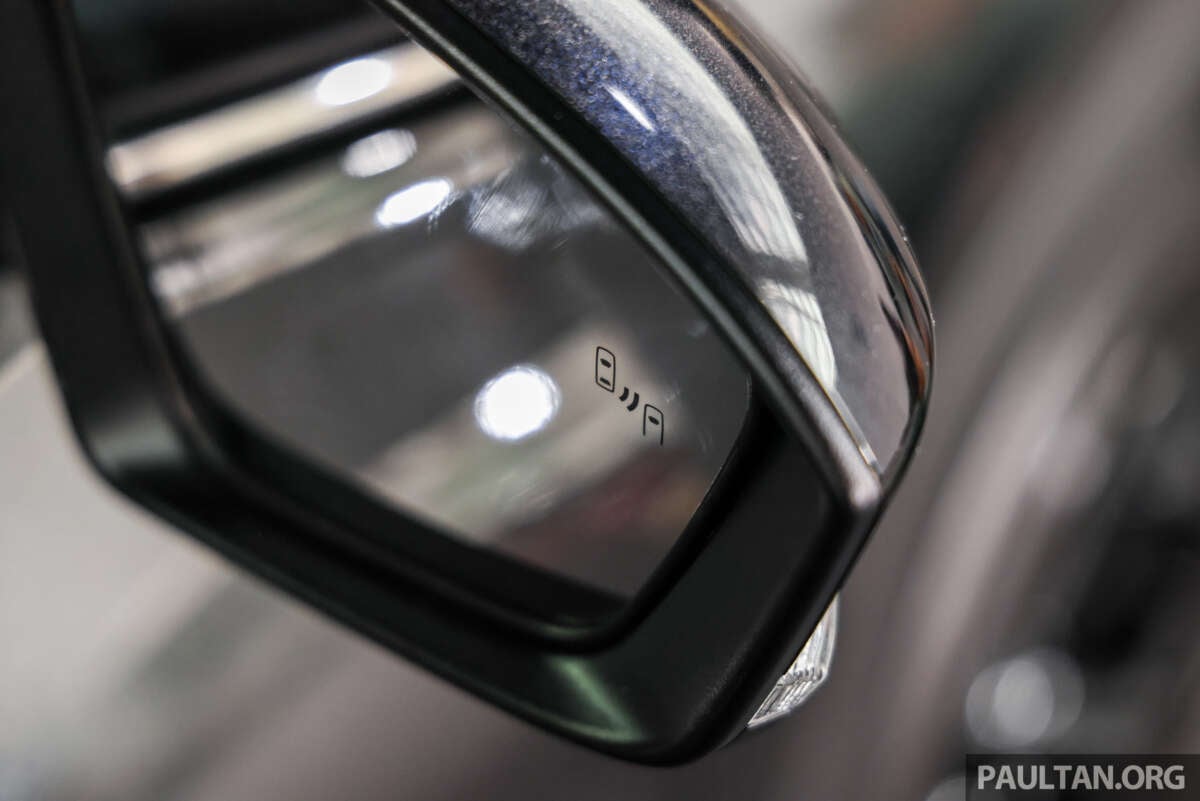
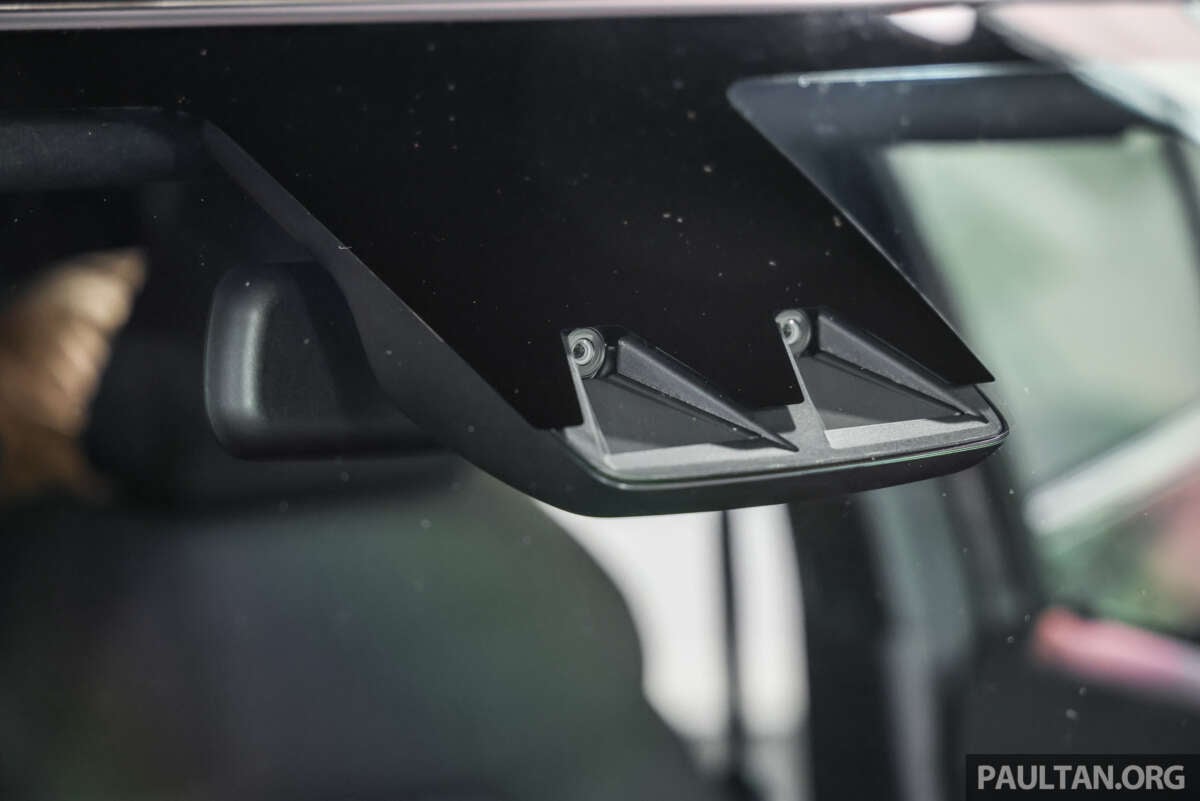
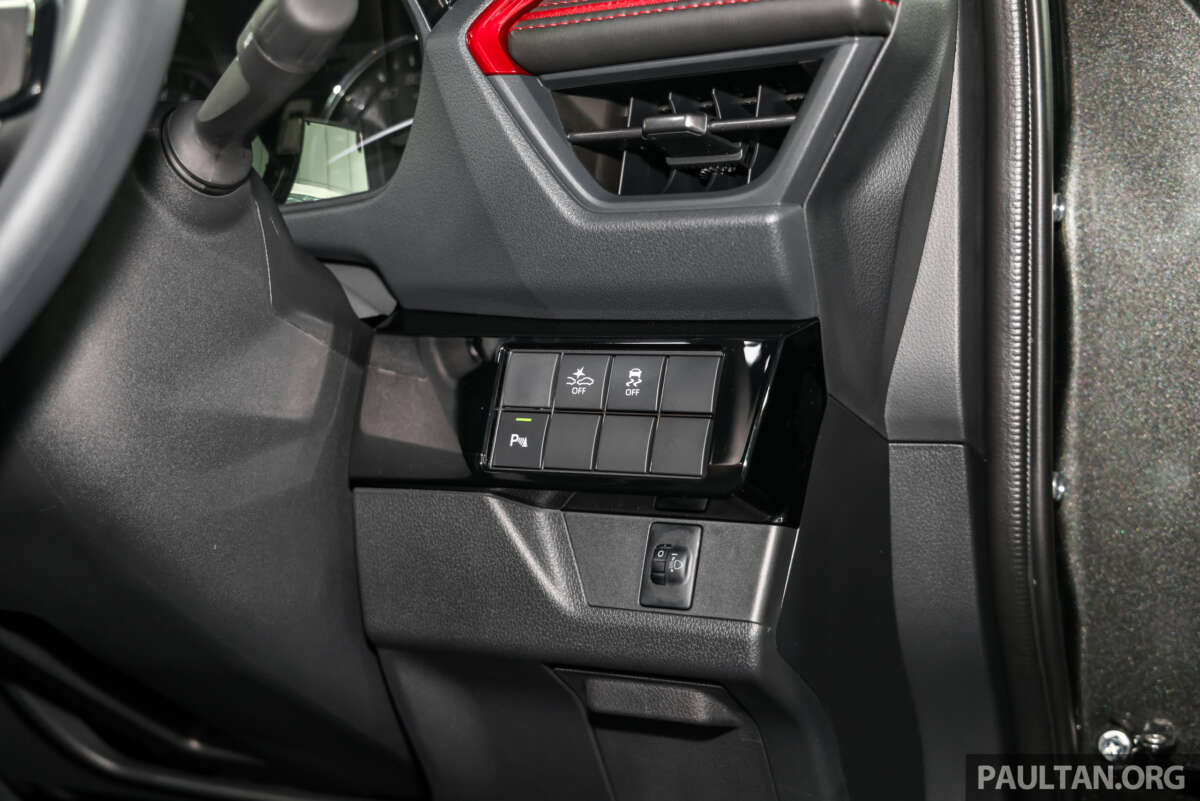
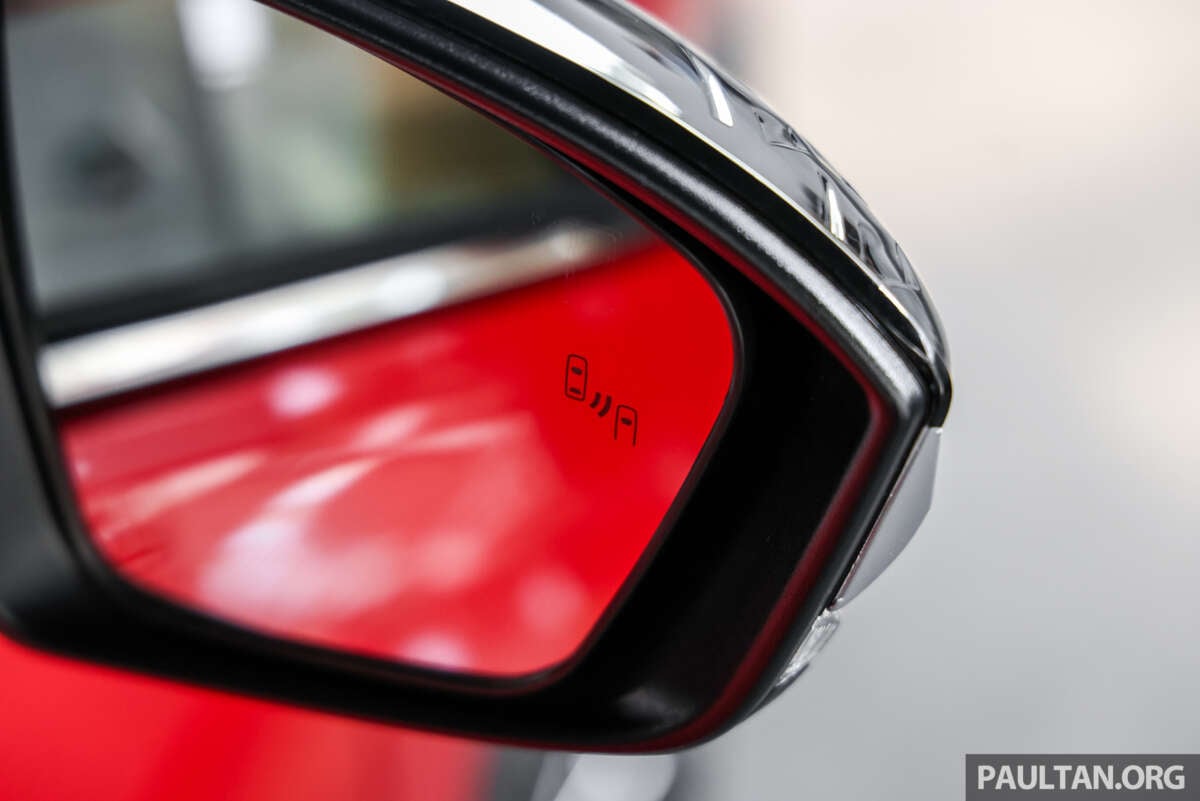
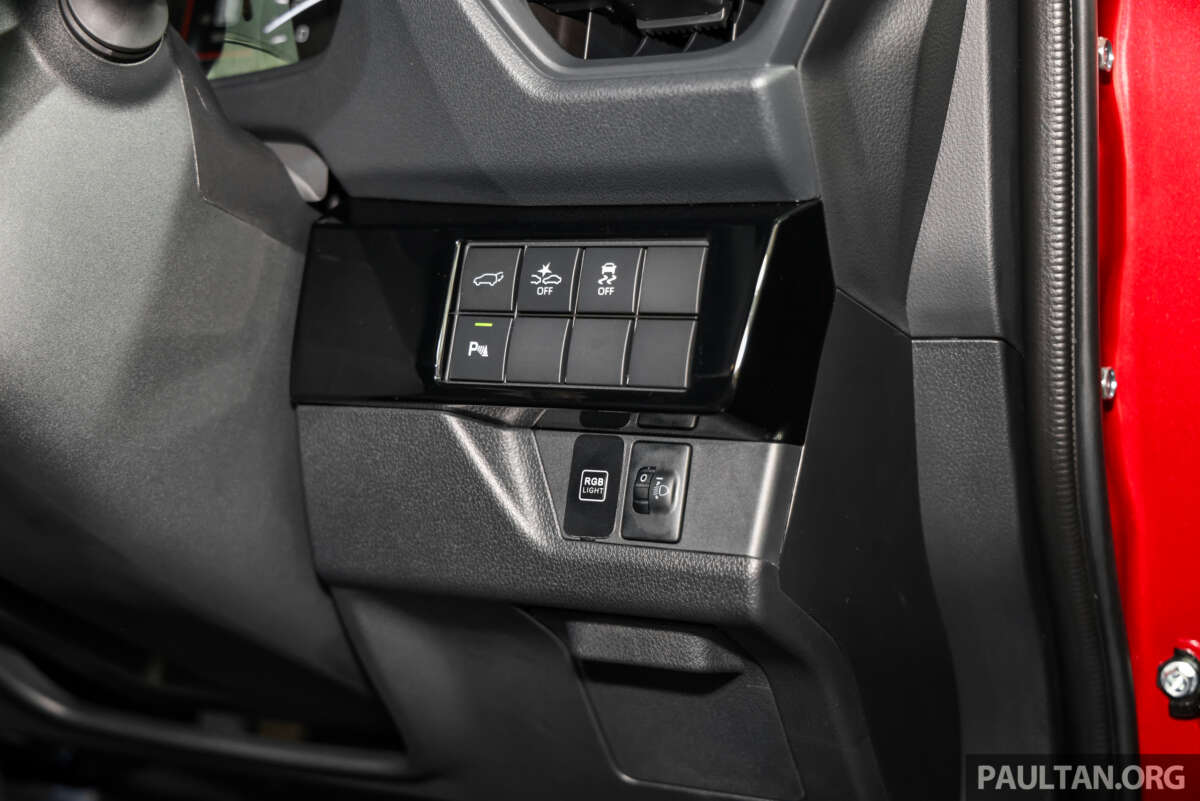
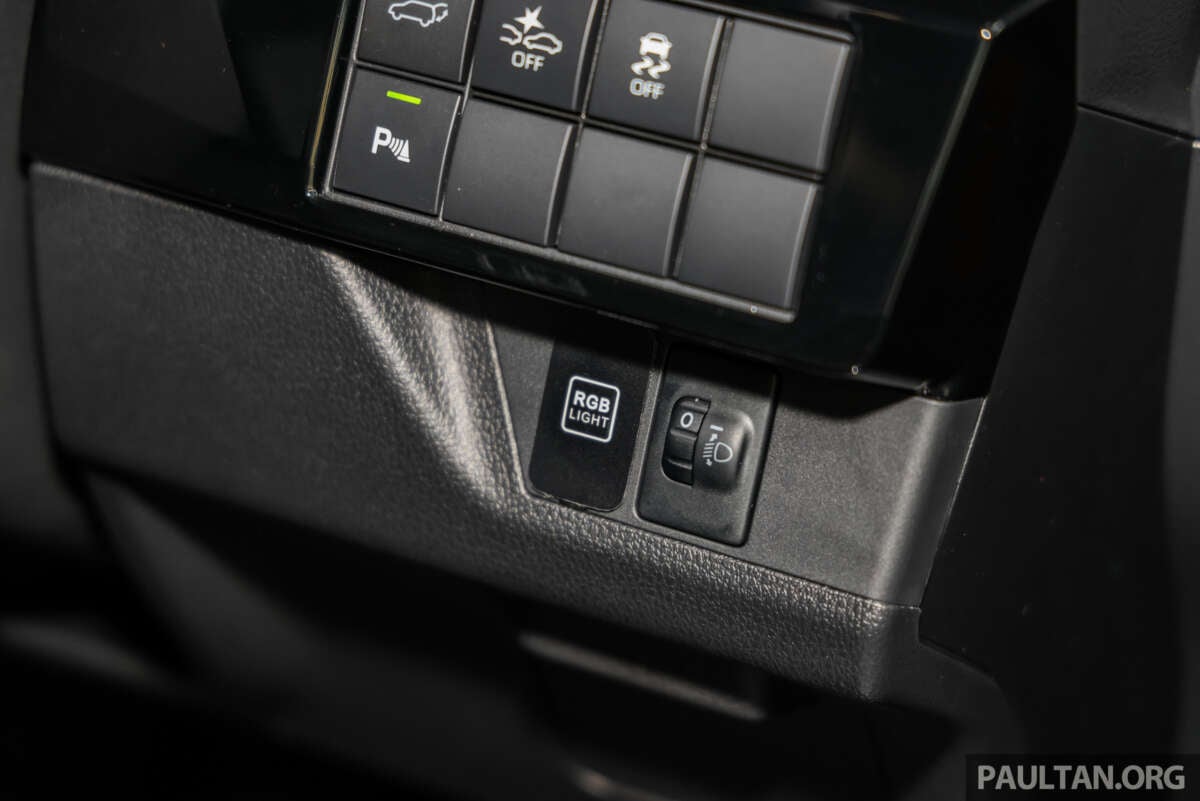
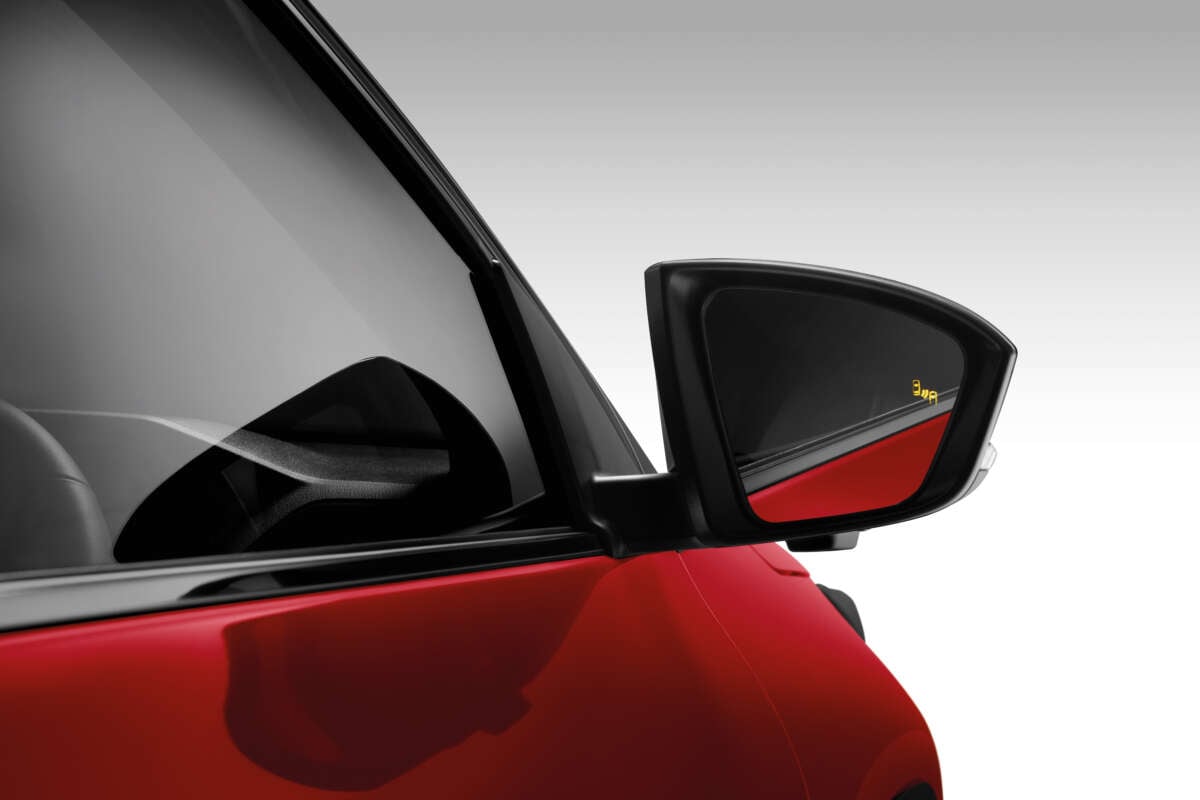
Both variants come standard with six airbags and Perodua’s ASA suite – pre-collision warning with autonomous emergency braking (including pedestrian detection), front departure alert and pedal misoperation control – plus lane departure warning/prevention, blind spot monitoring, rear cross traffic alert and front/rear corner sensors. Credit to Perodua here: nothing safety-critical is locked behind the top variant.
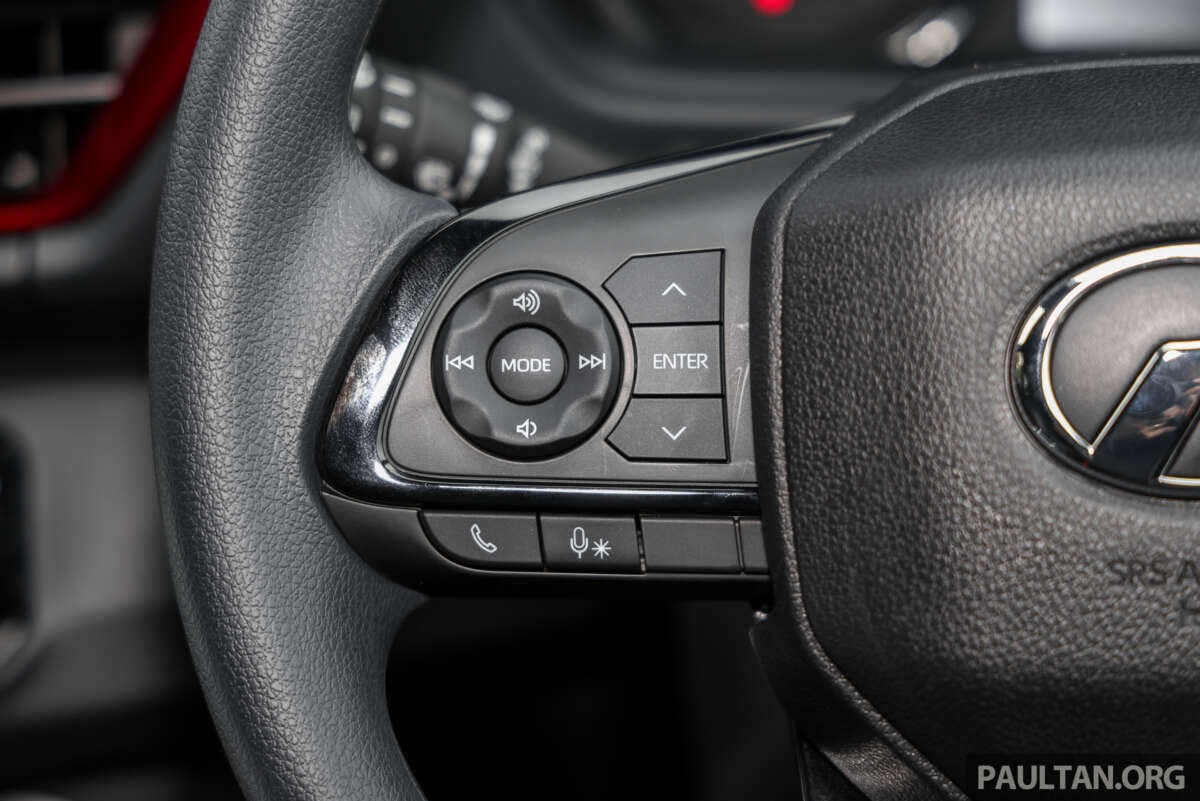
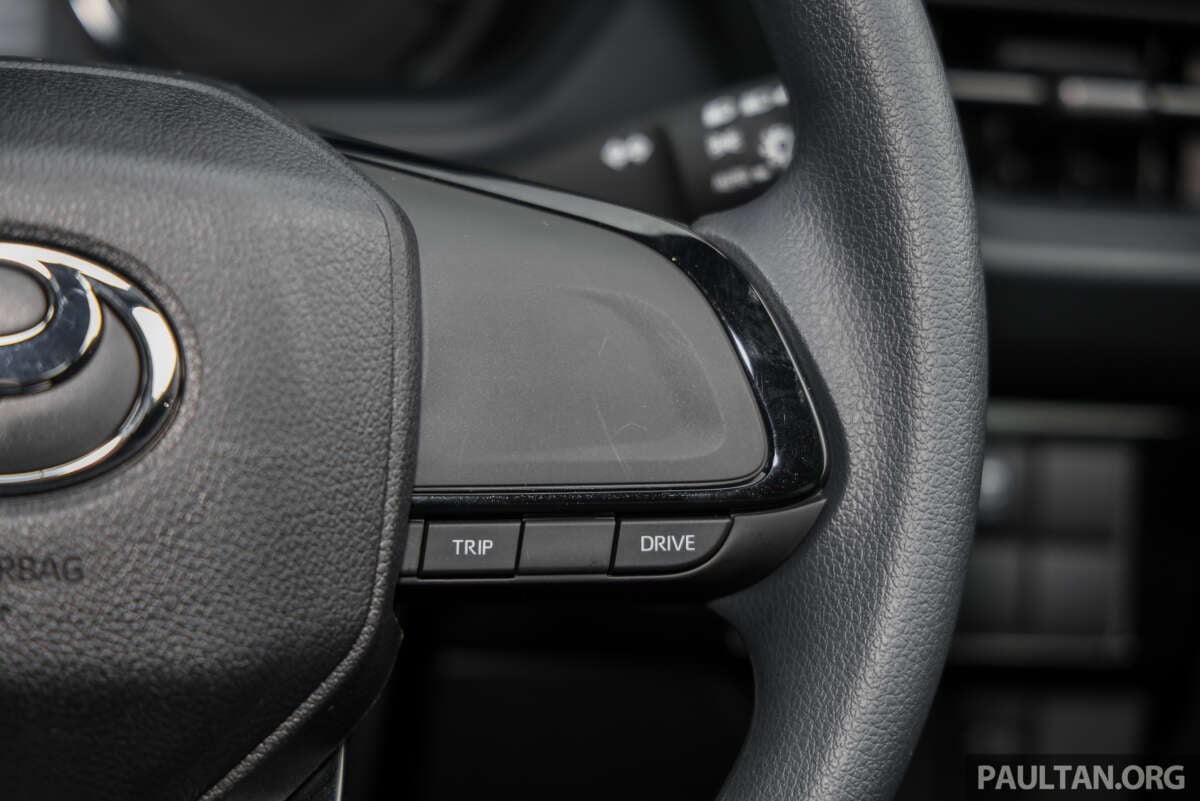
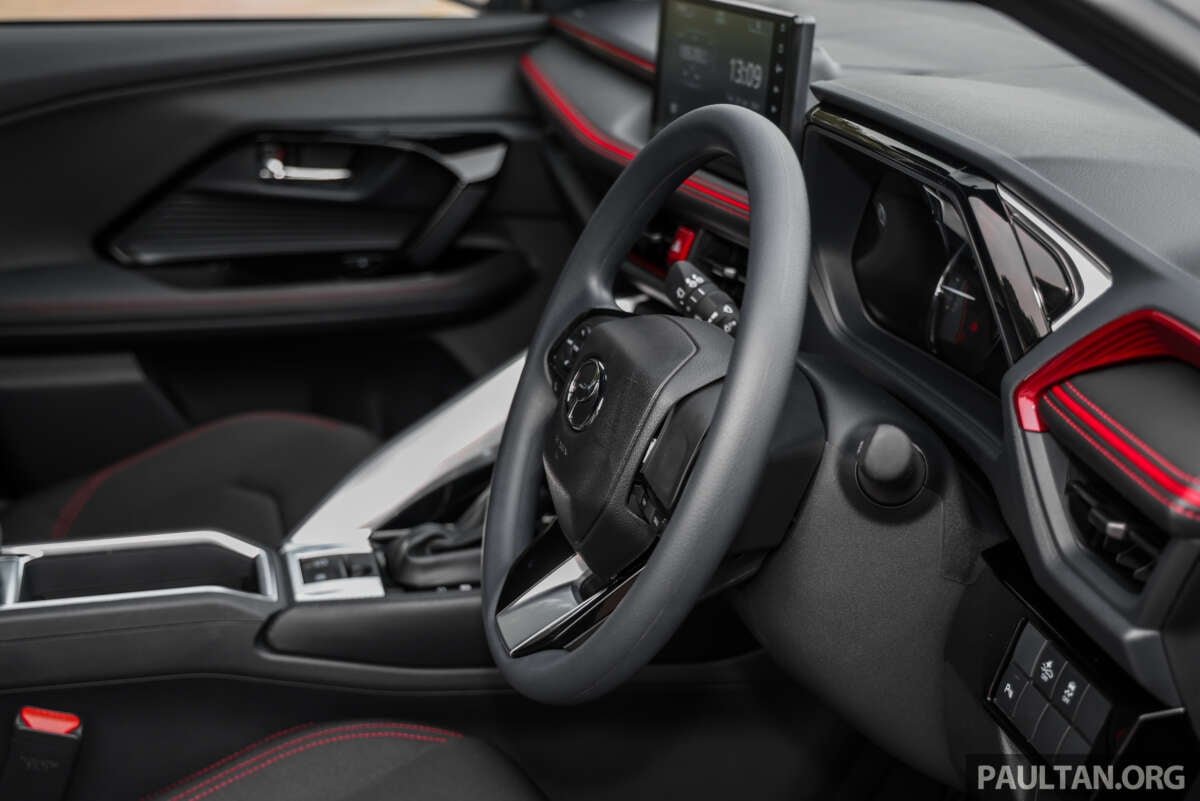
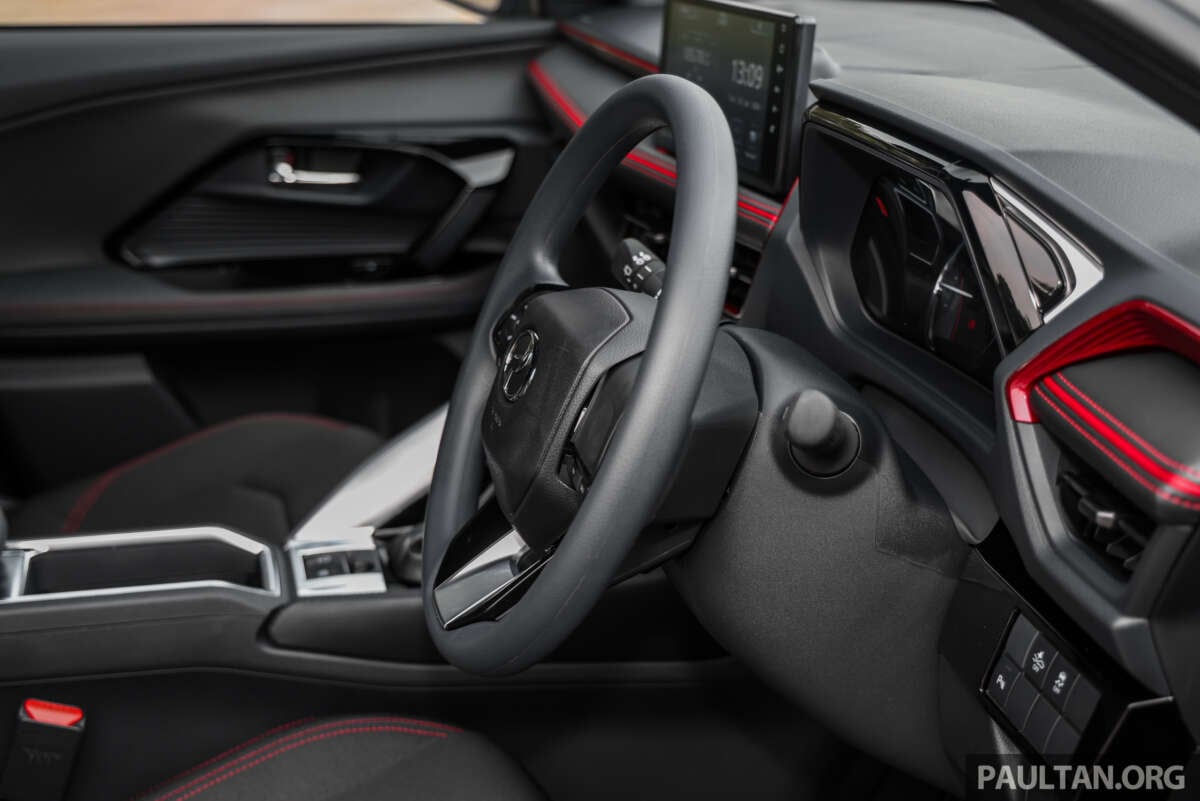
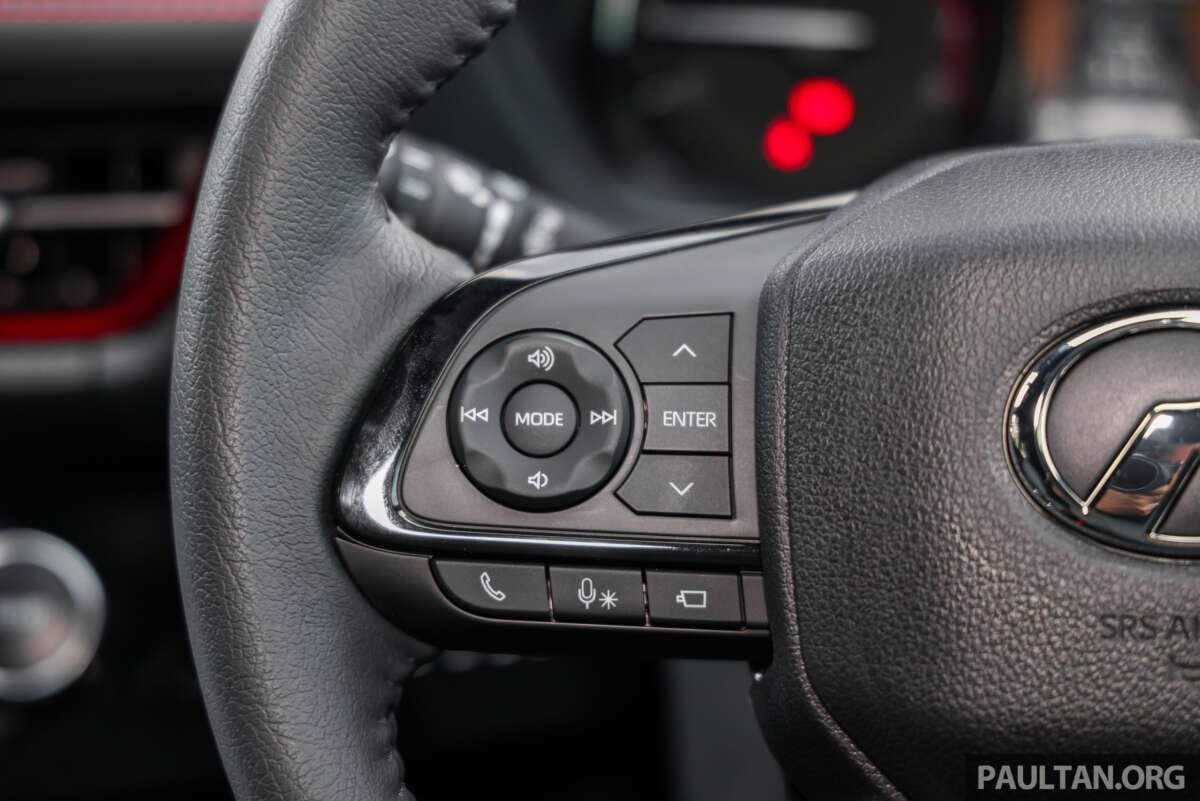
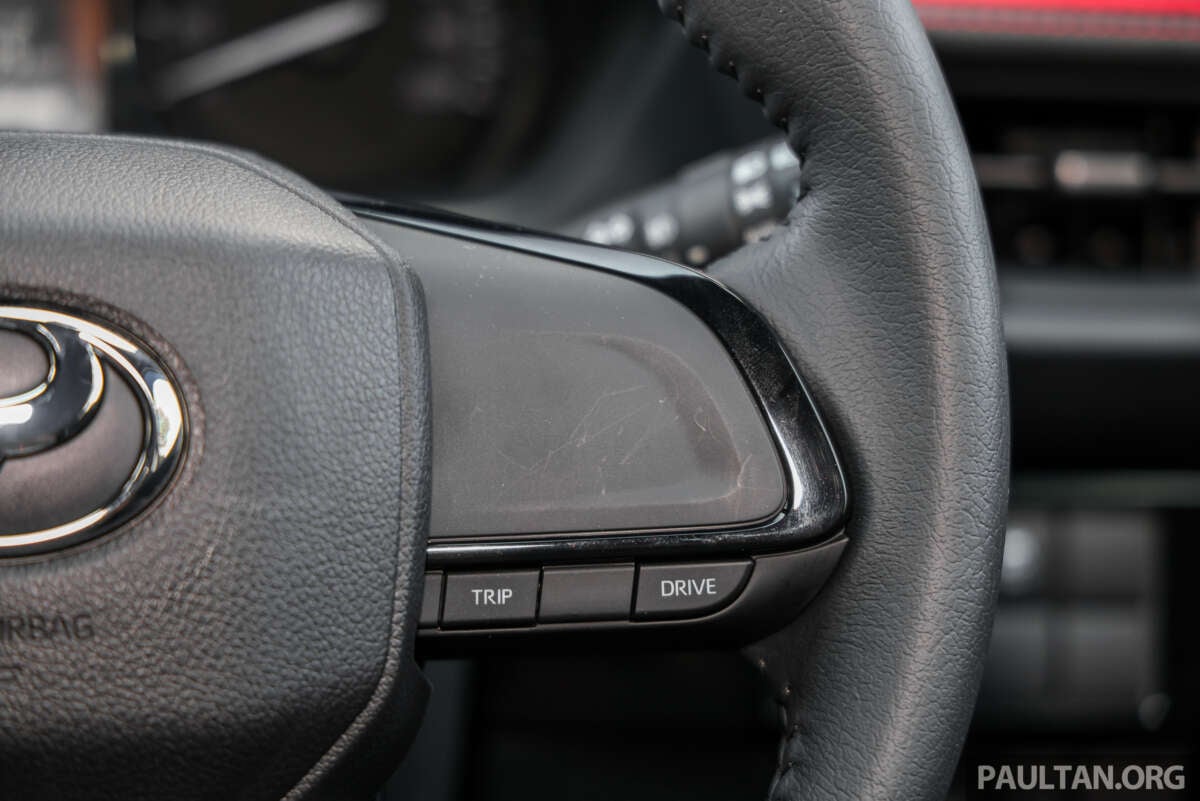
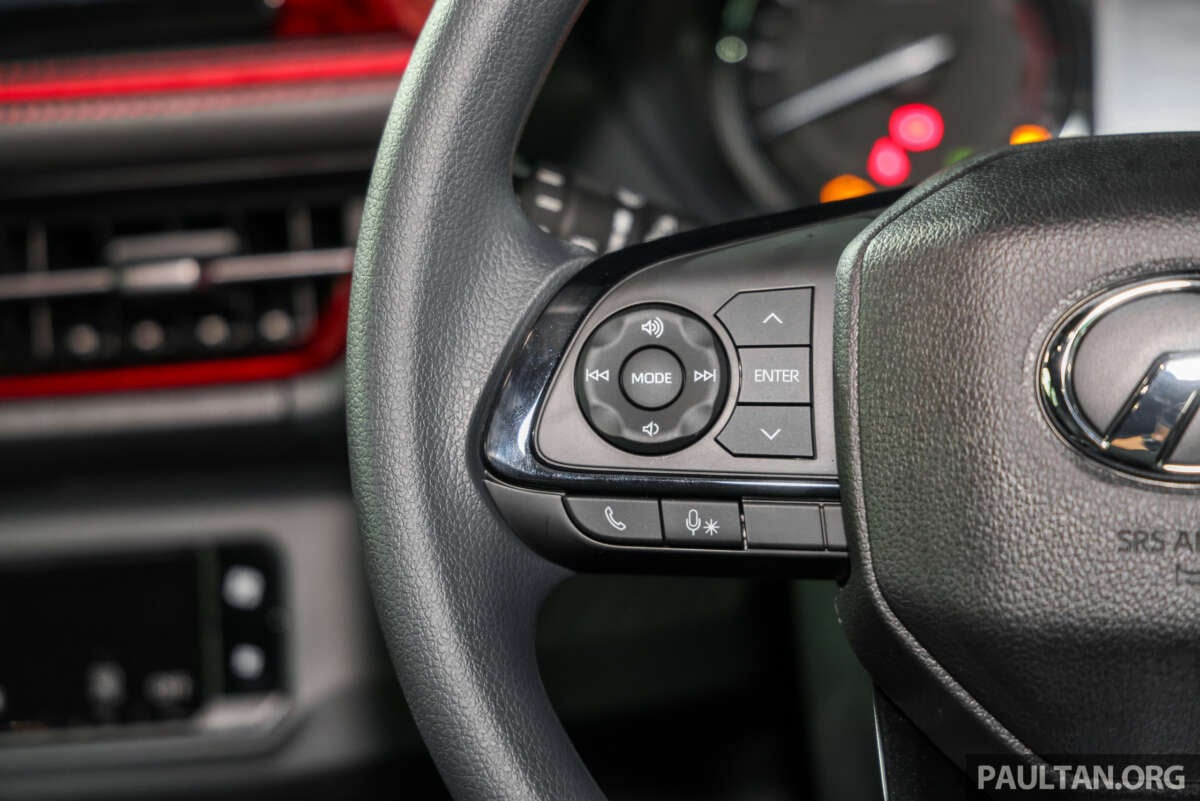
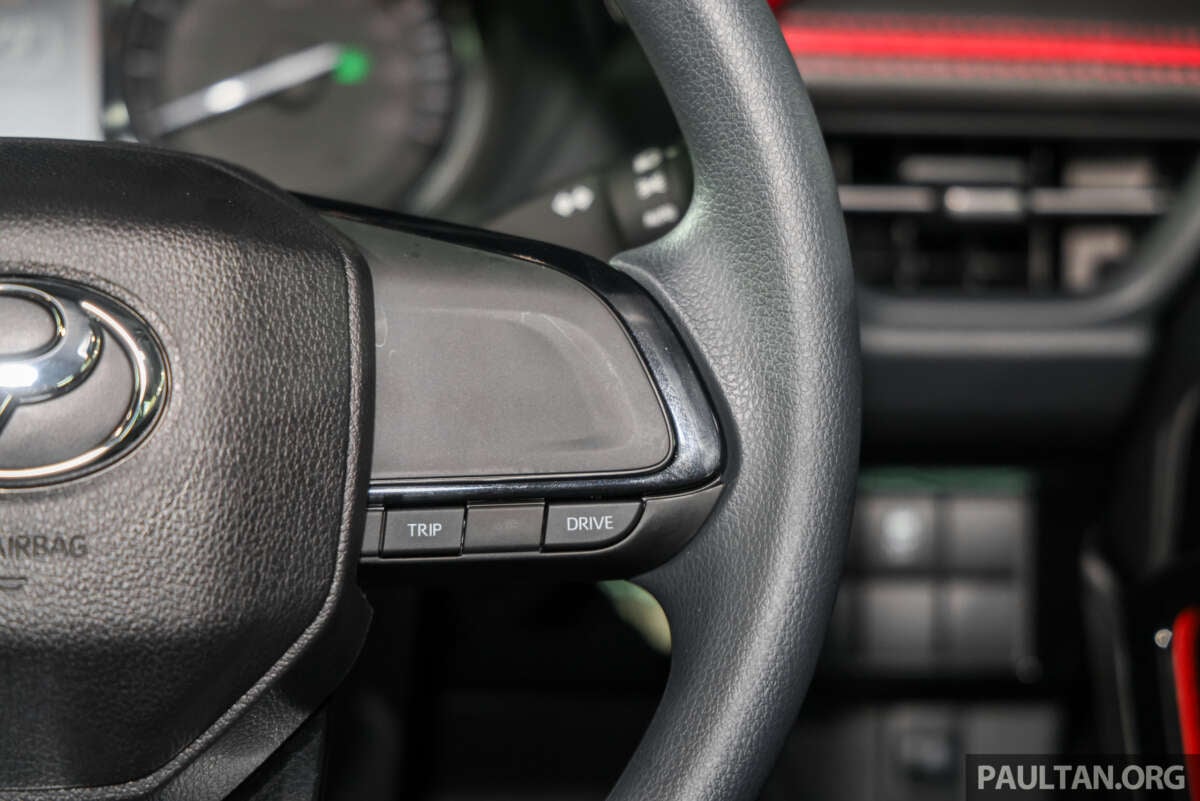
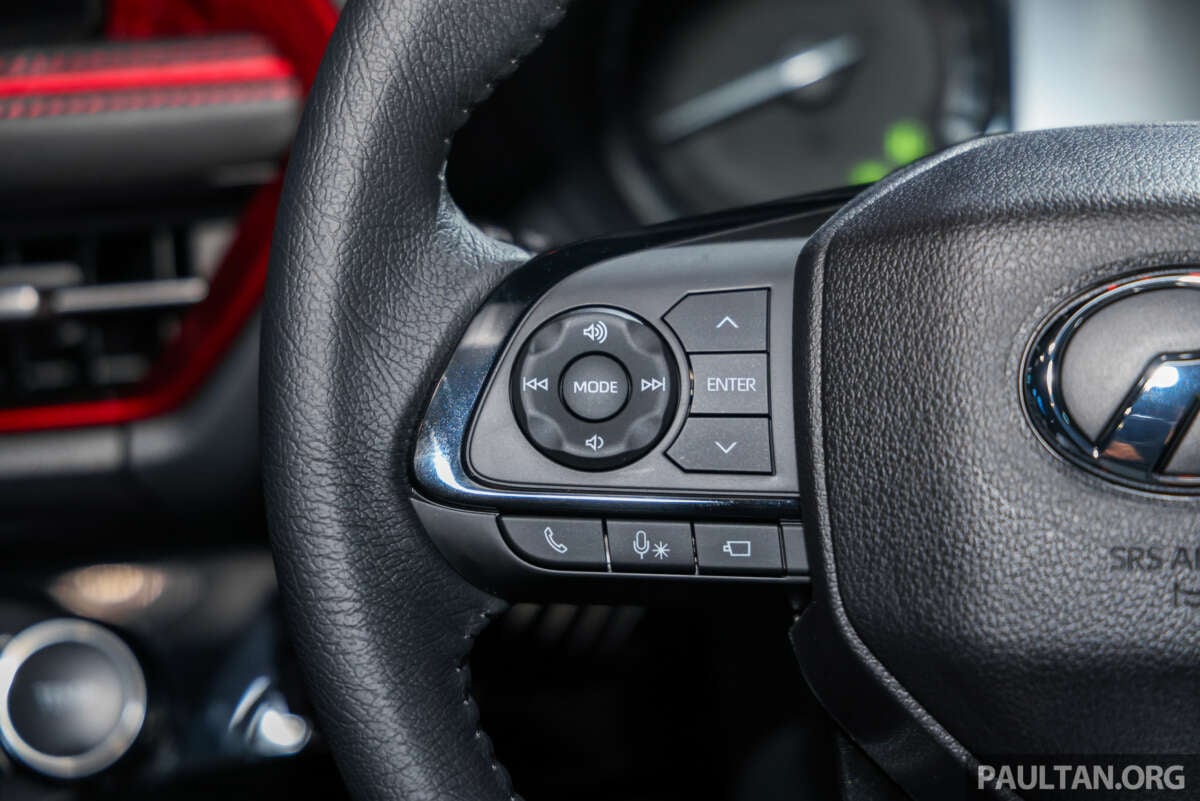
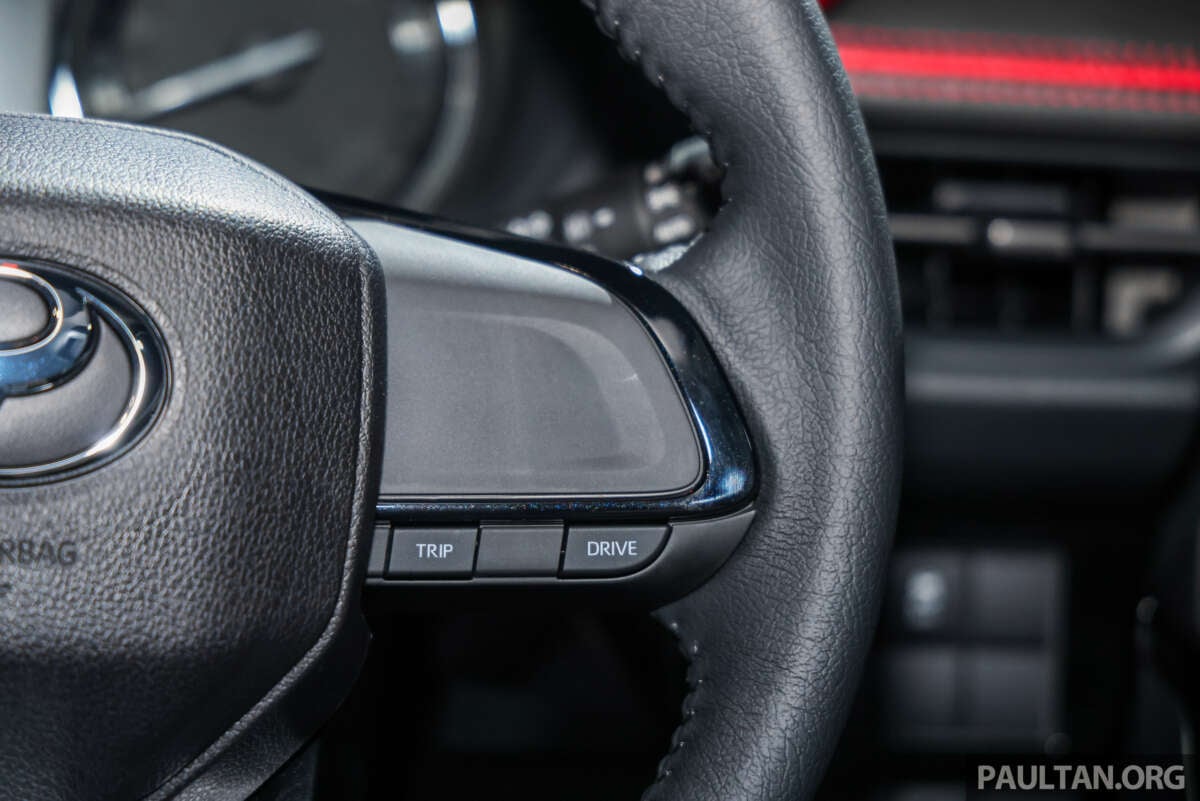
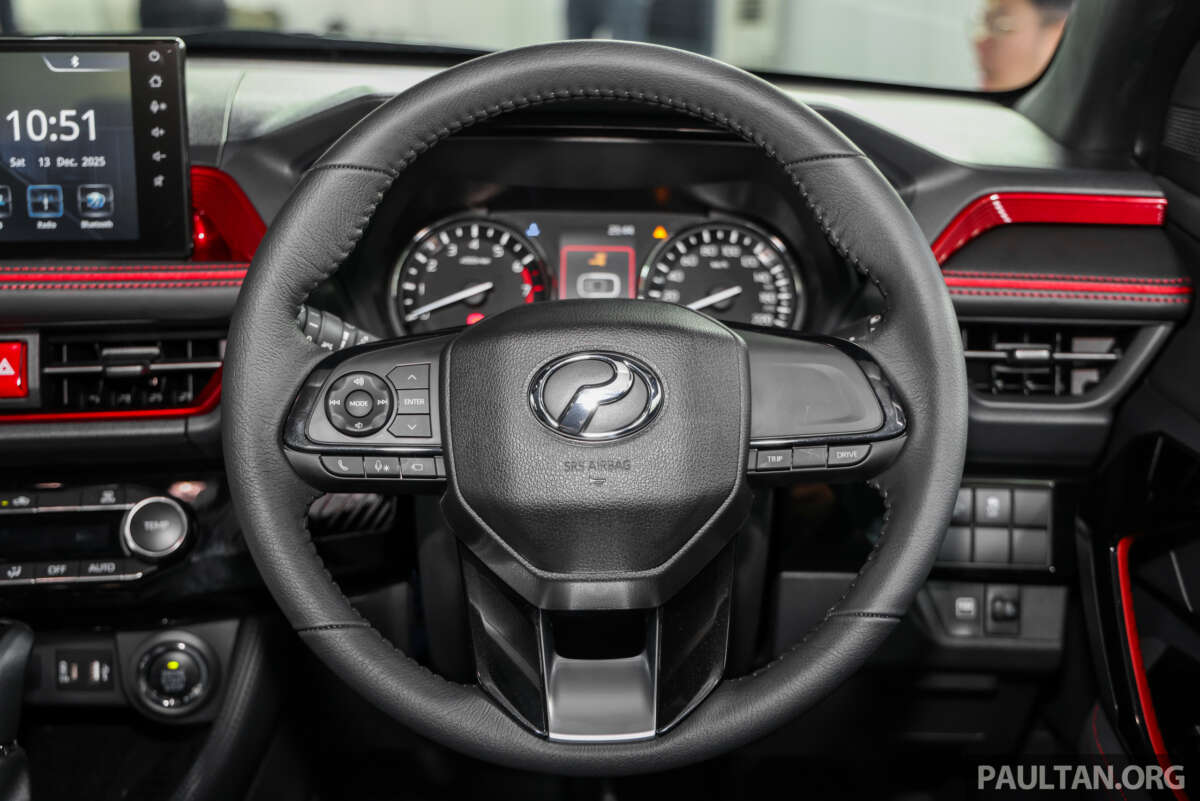
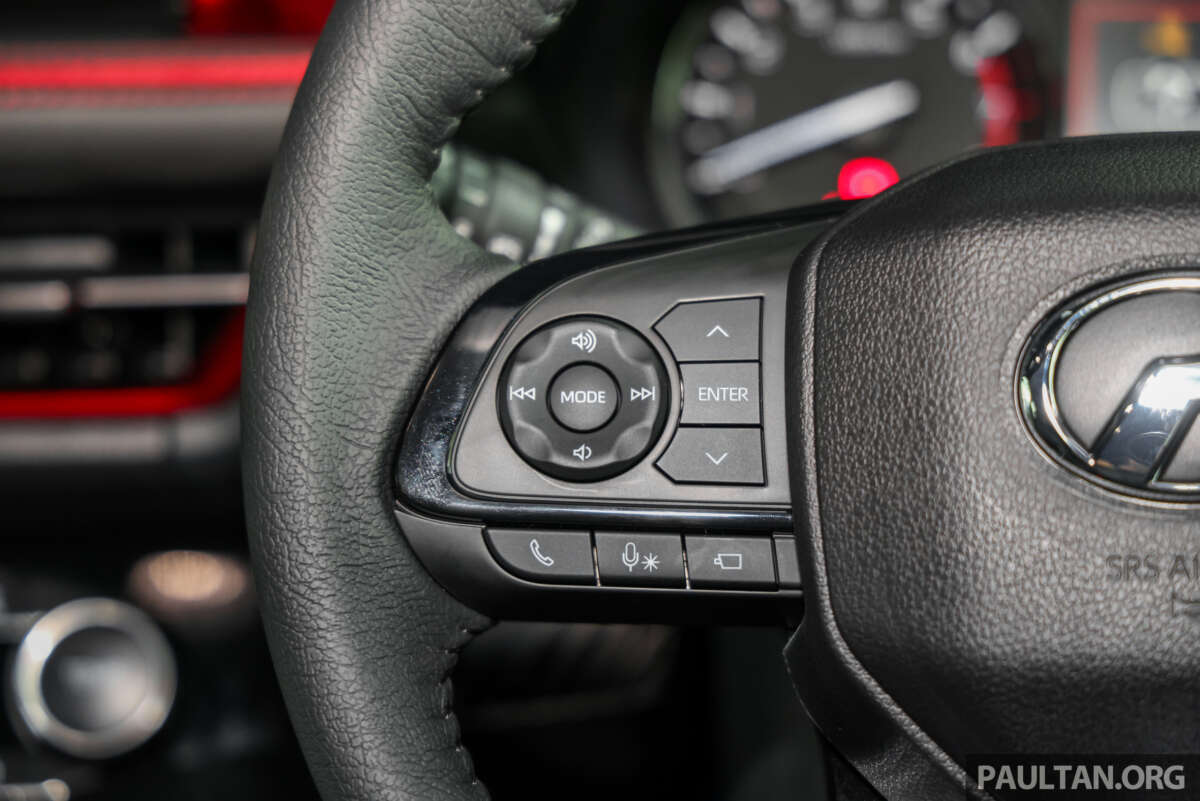
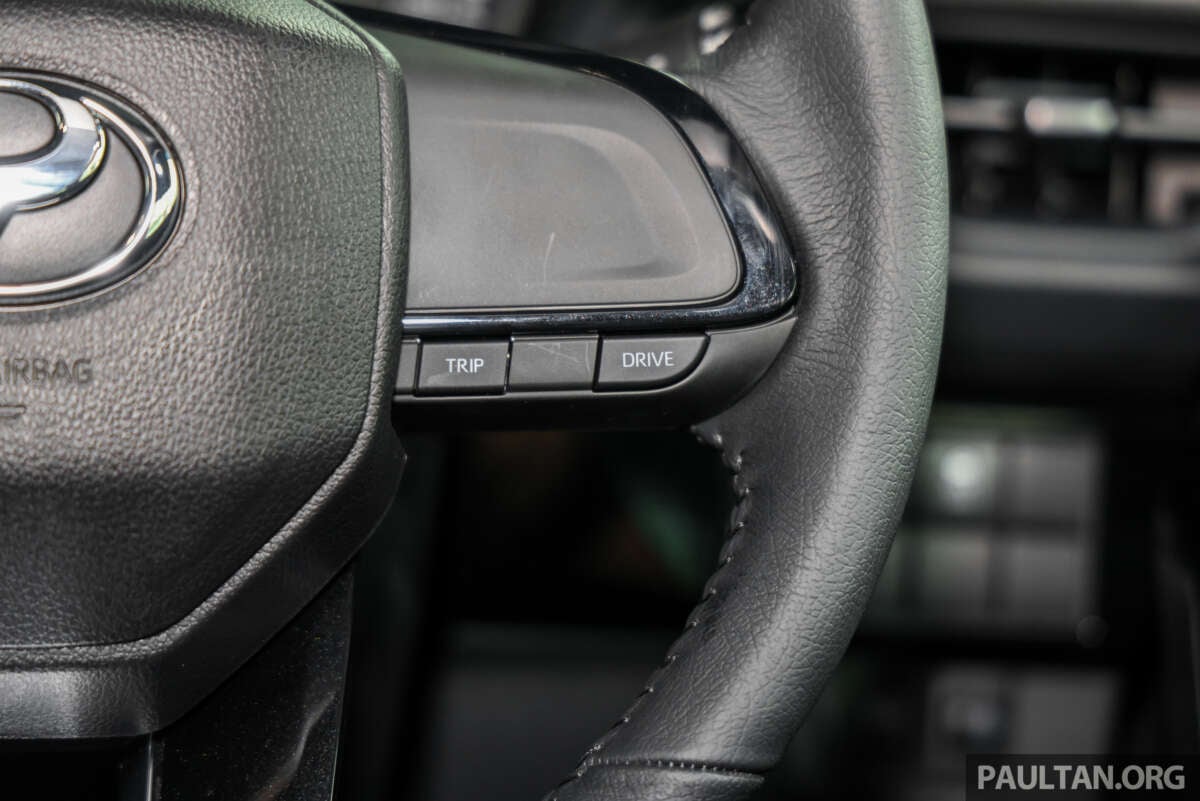
The big asterisk: there is no adaptive cruise control, and in fact no cruise control at all – which is why the right steering spoke is bare. It’s a controversial omission given the cheaper Myvi, Ativa and Alza all offer ACC, and it’s the single most common criticism of the car.
Colours and GearUp accessories
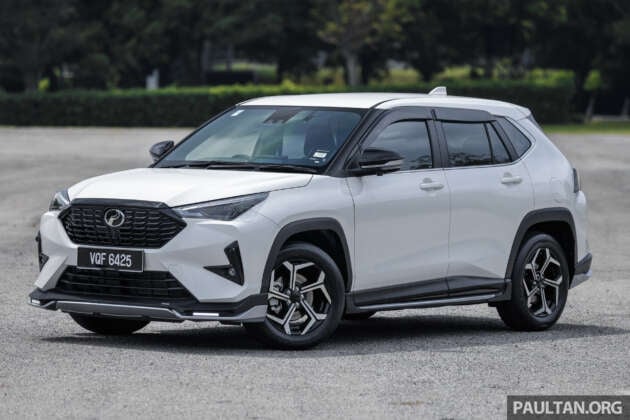
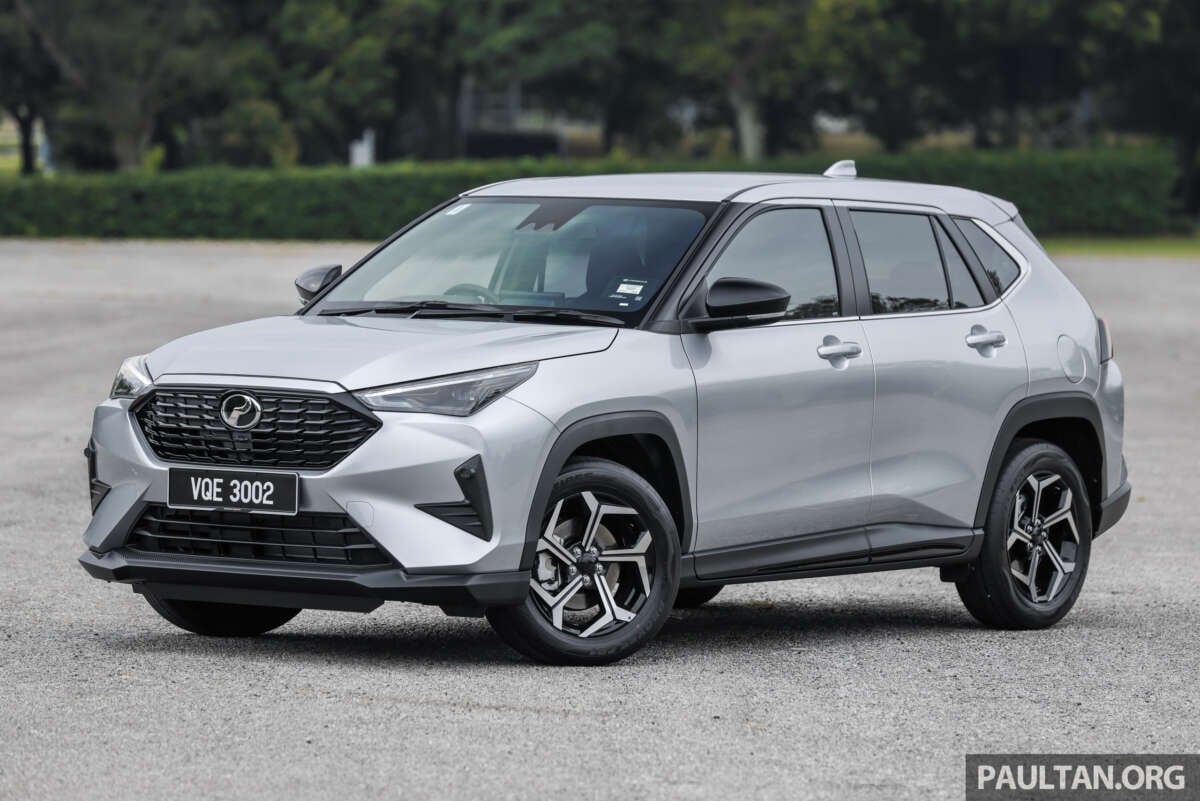
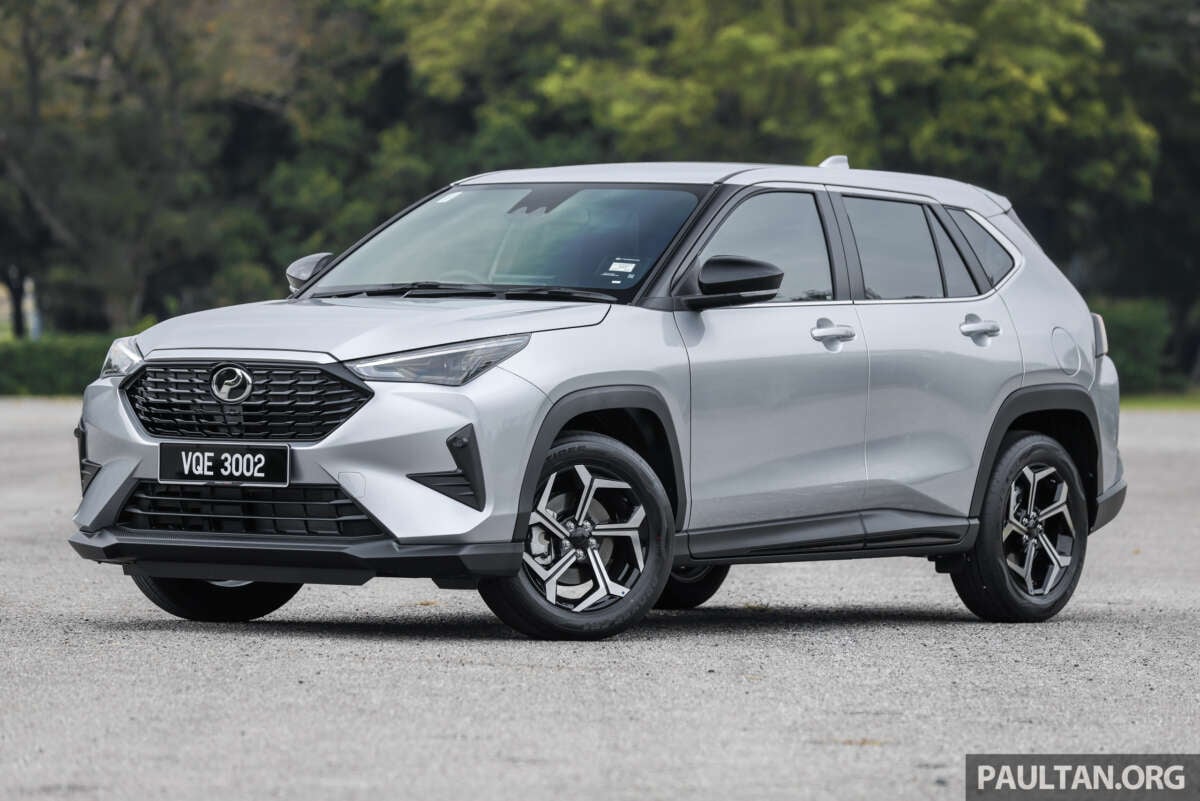
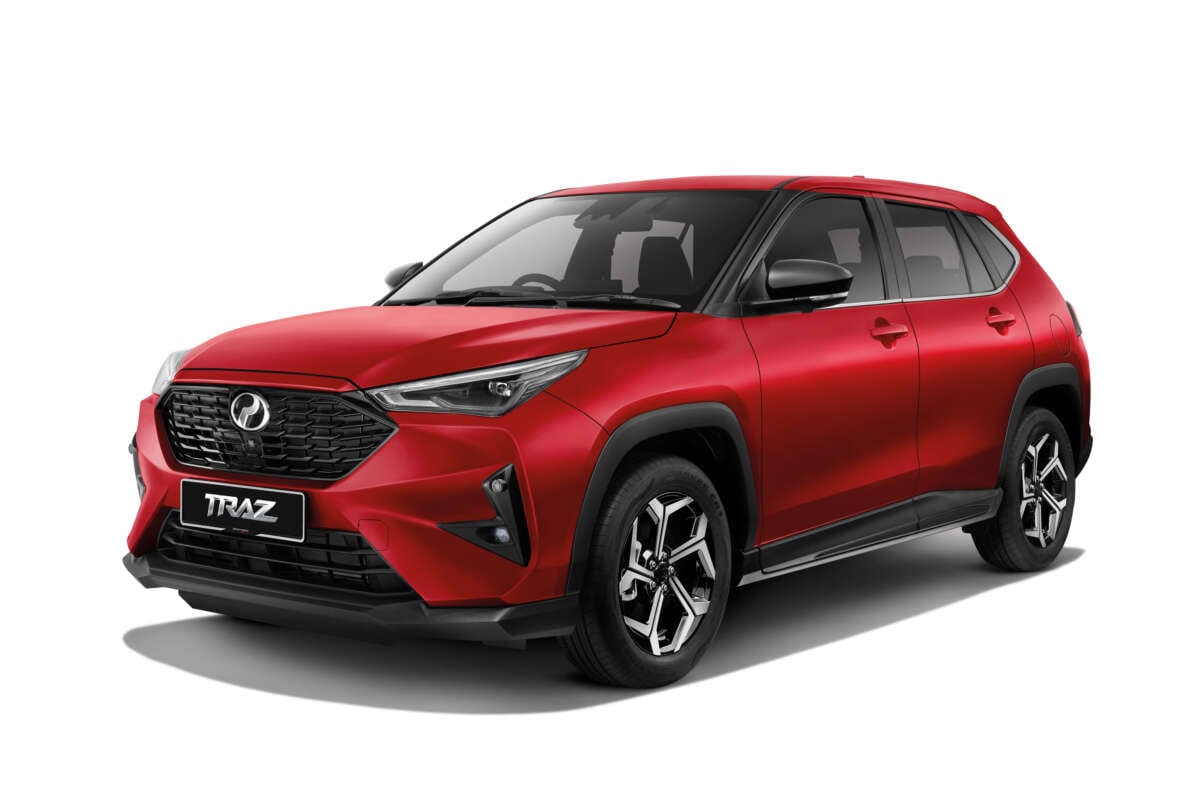
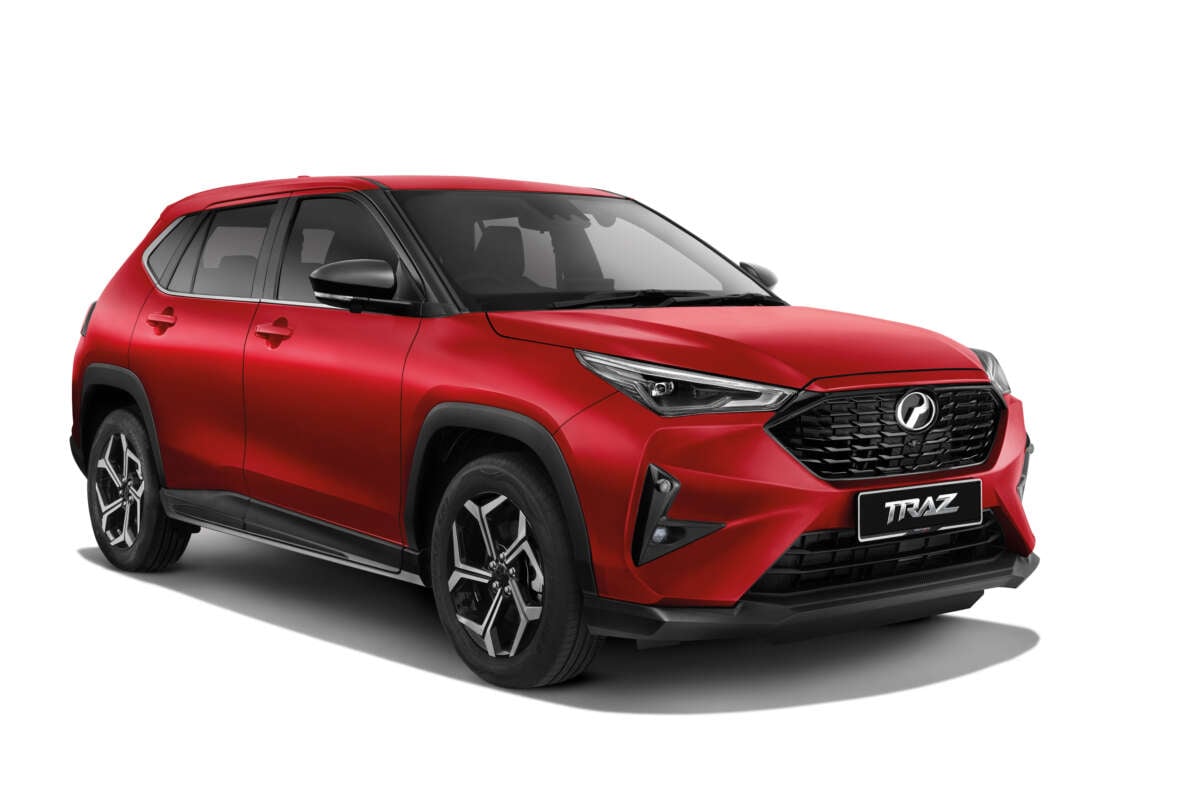
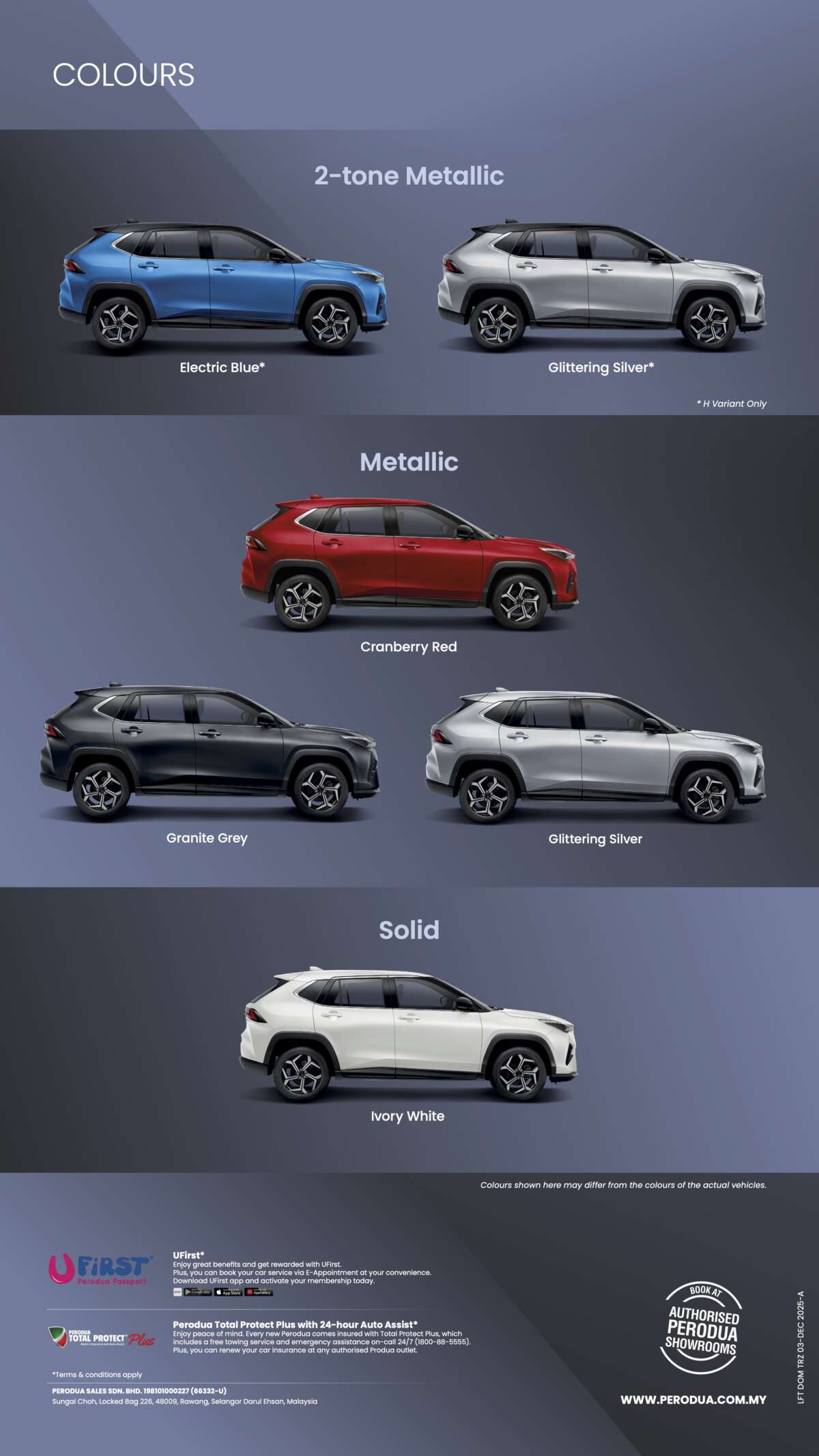
Colour options are Cranberry Red, Ivory White, Glittering Silver and Granite Grey. The H can be had with a two-tone black roof for an extra RM900, paired with Glittering Silver or an Electric Blue that’s exclusive to the H (and only in two-tone).
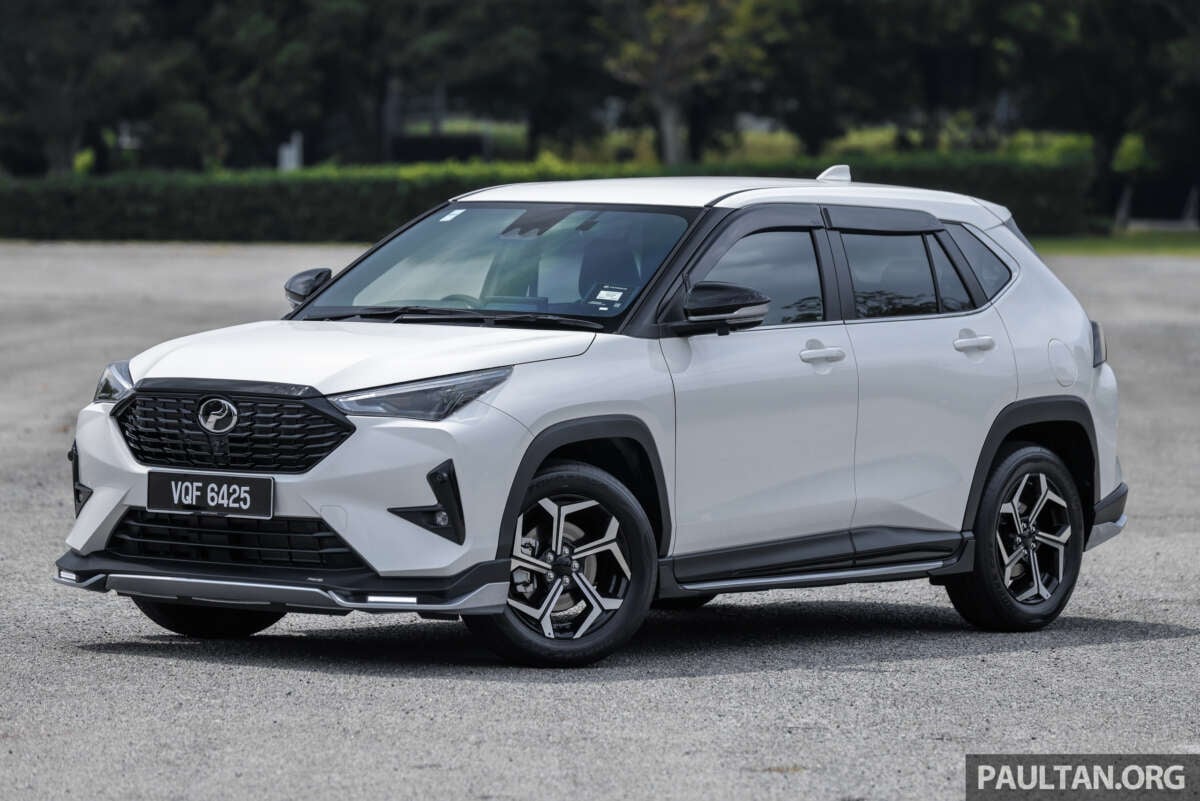
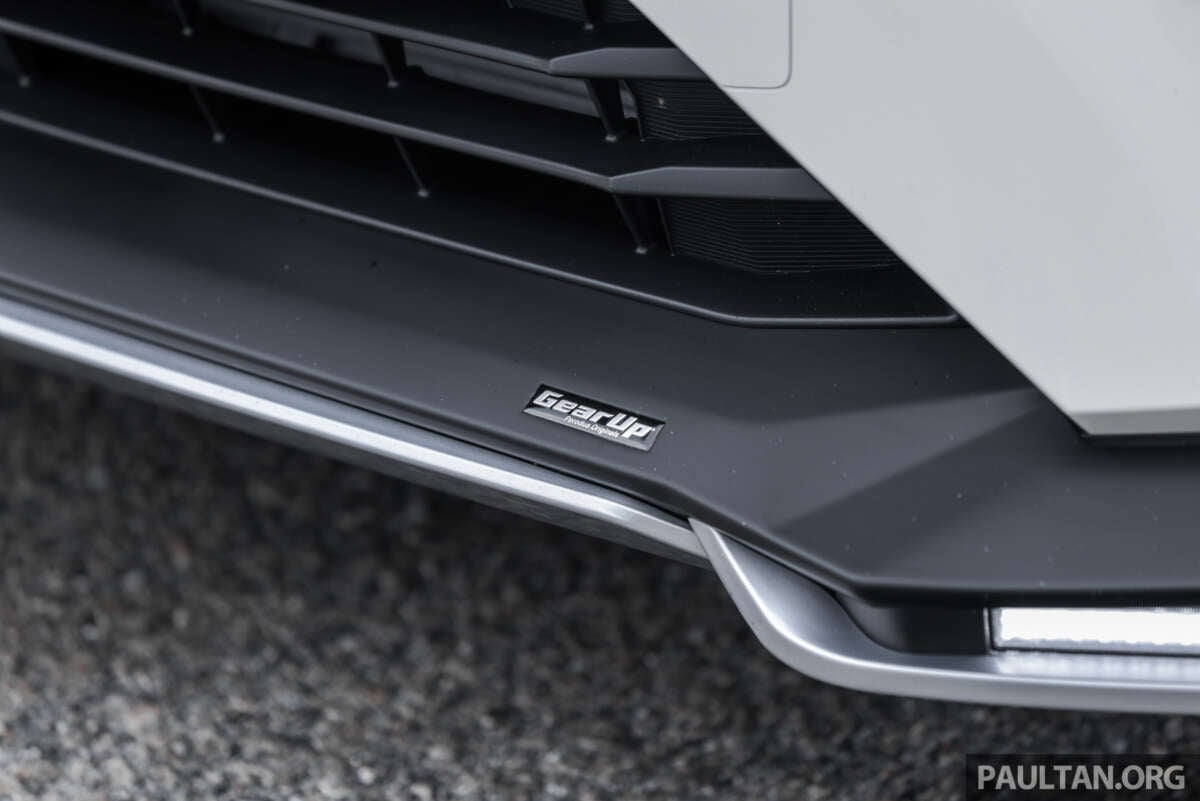
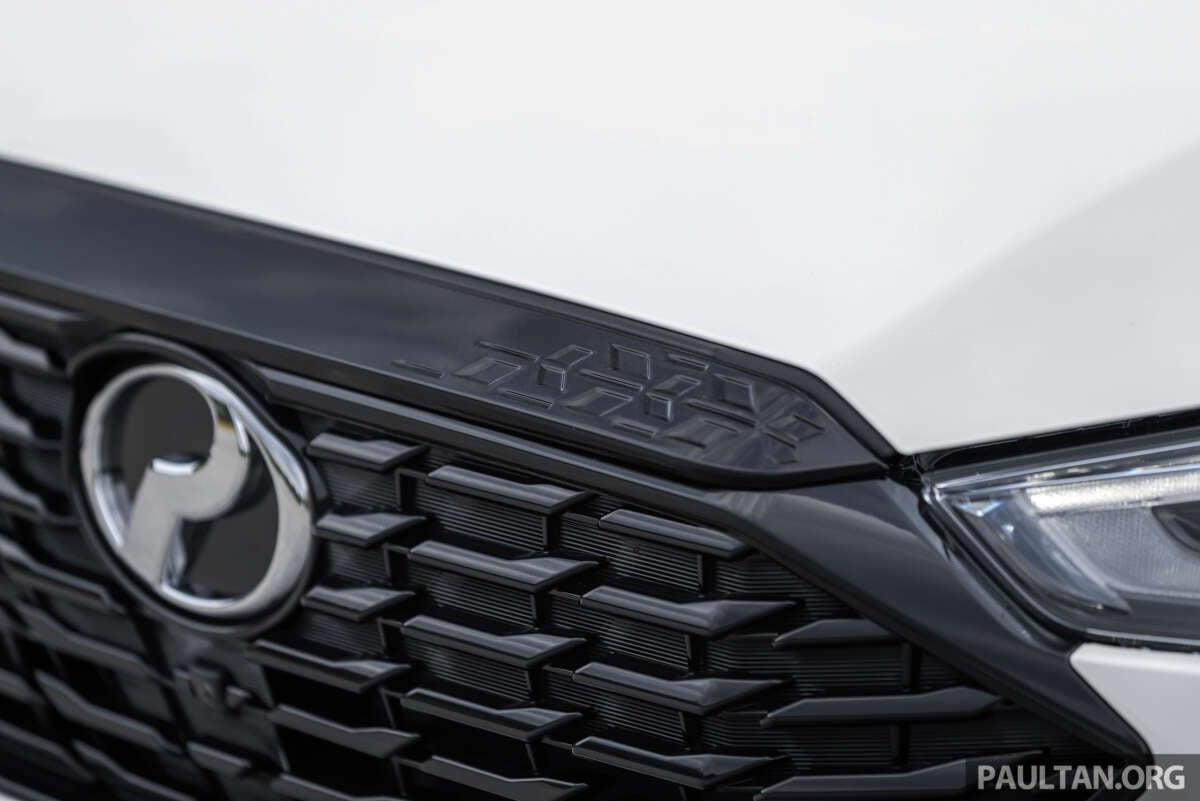
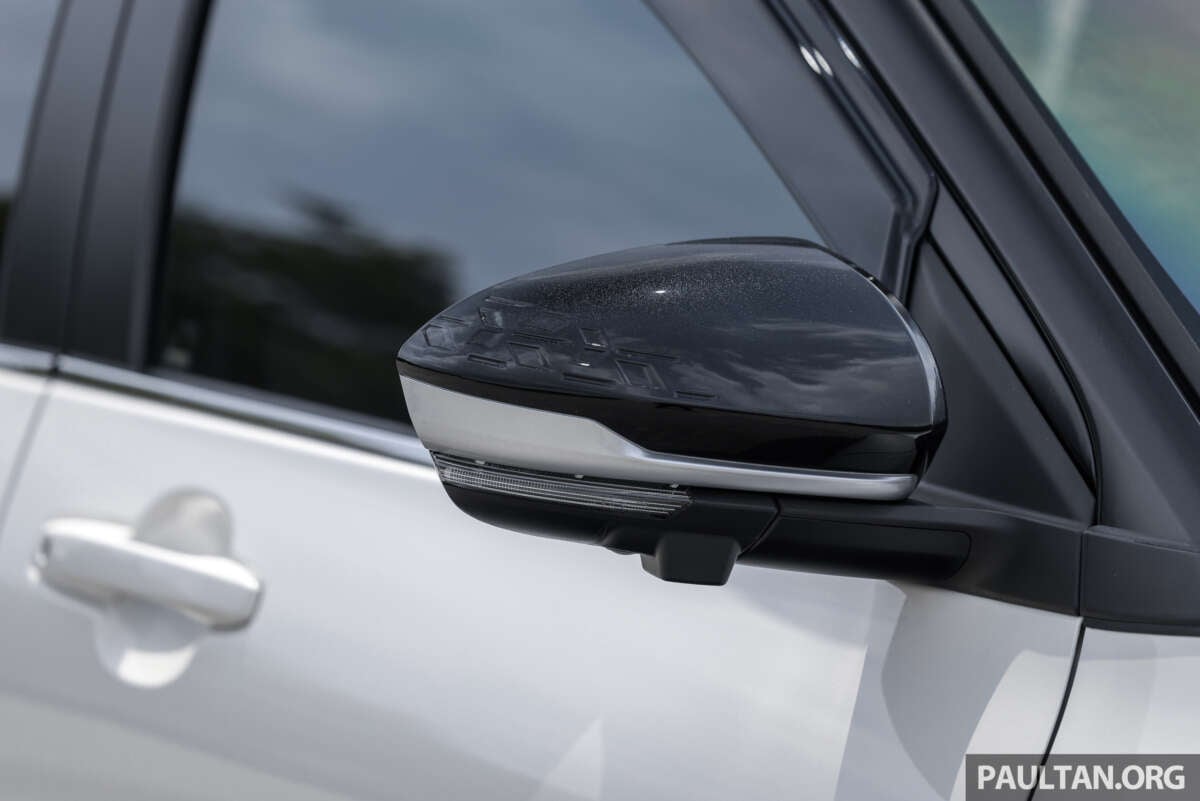
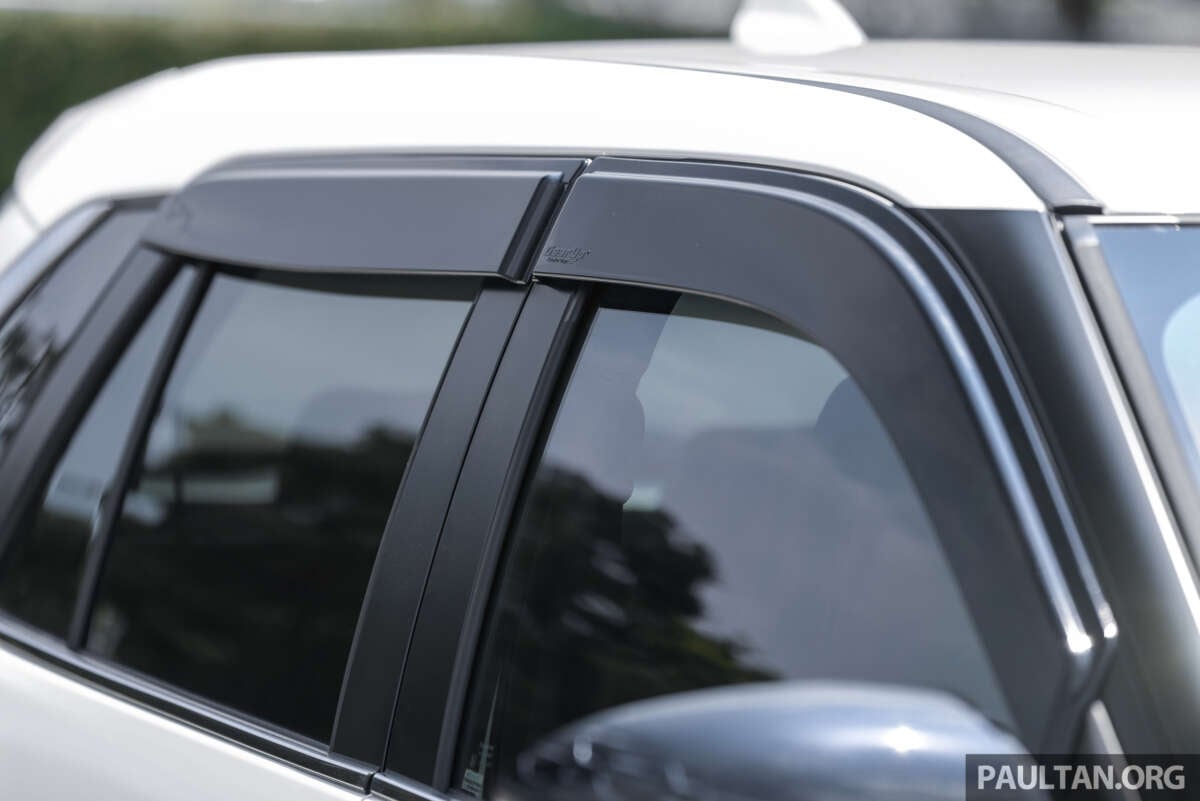
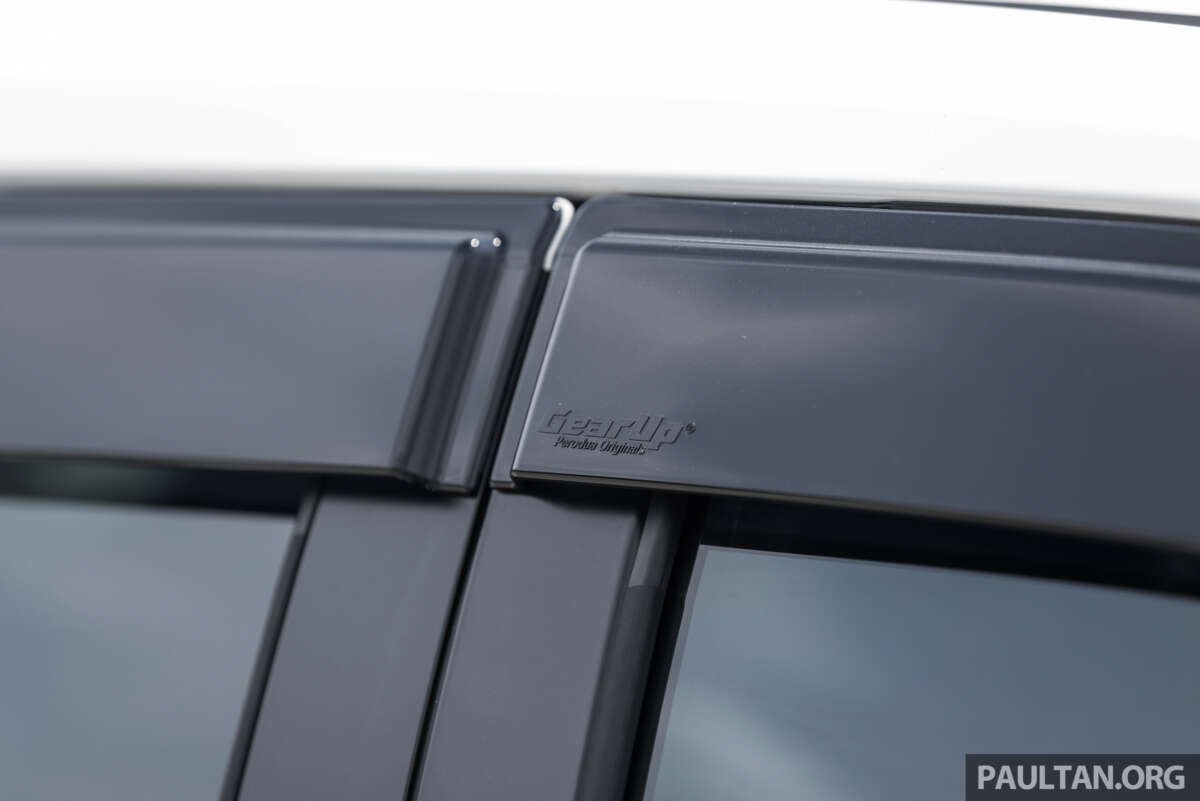
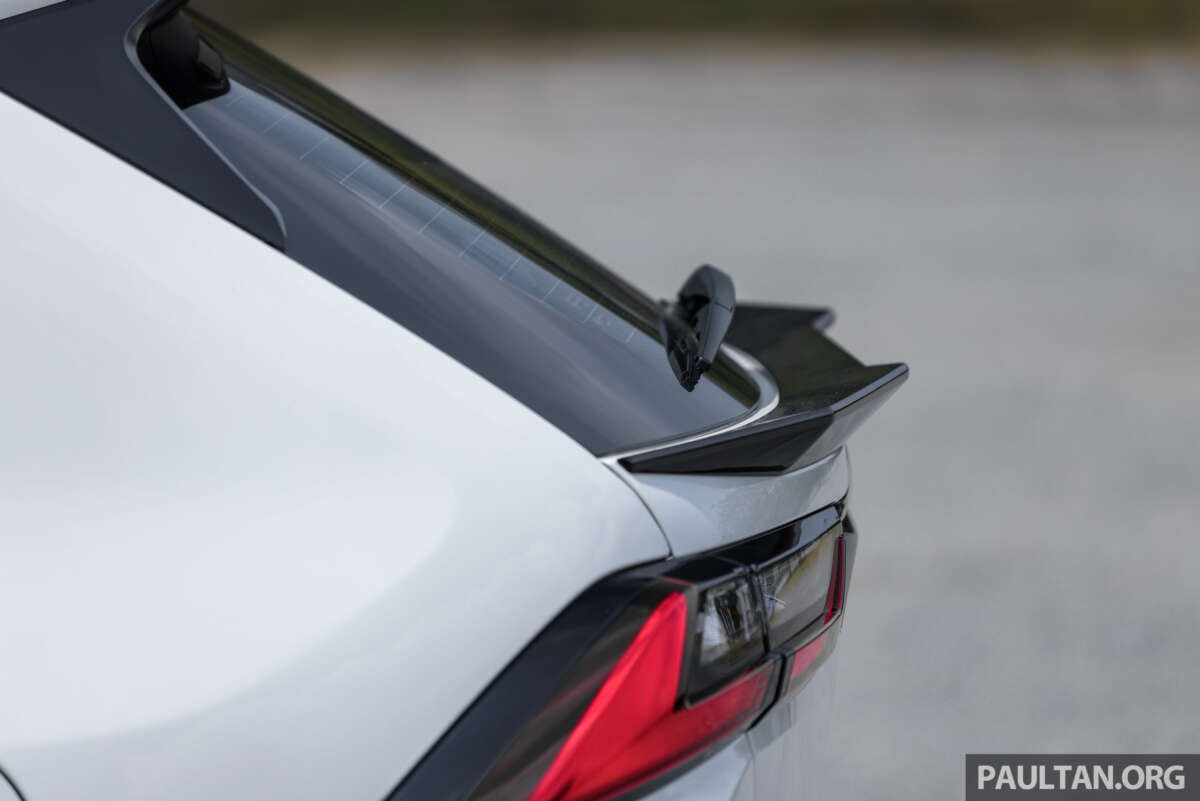
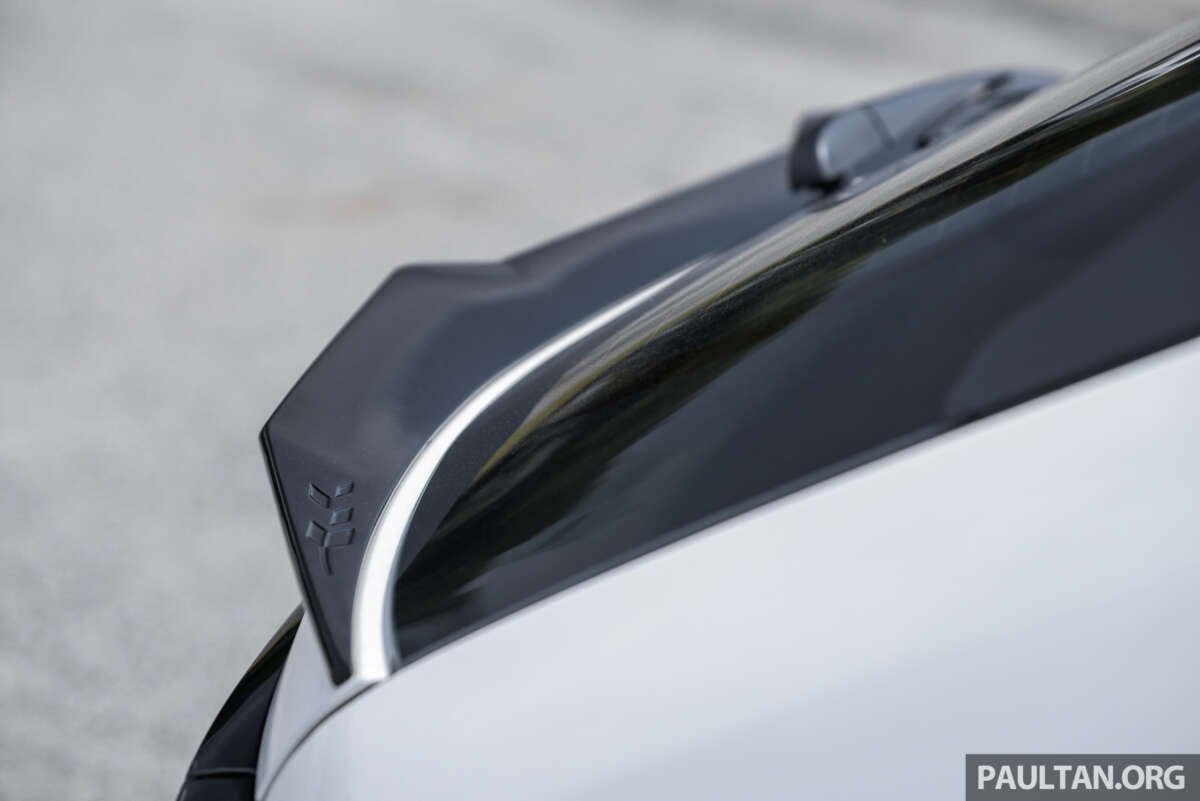
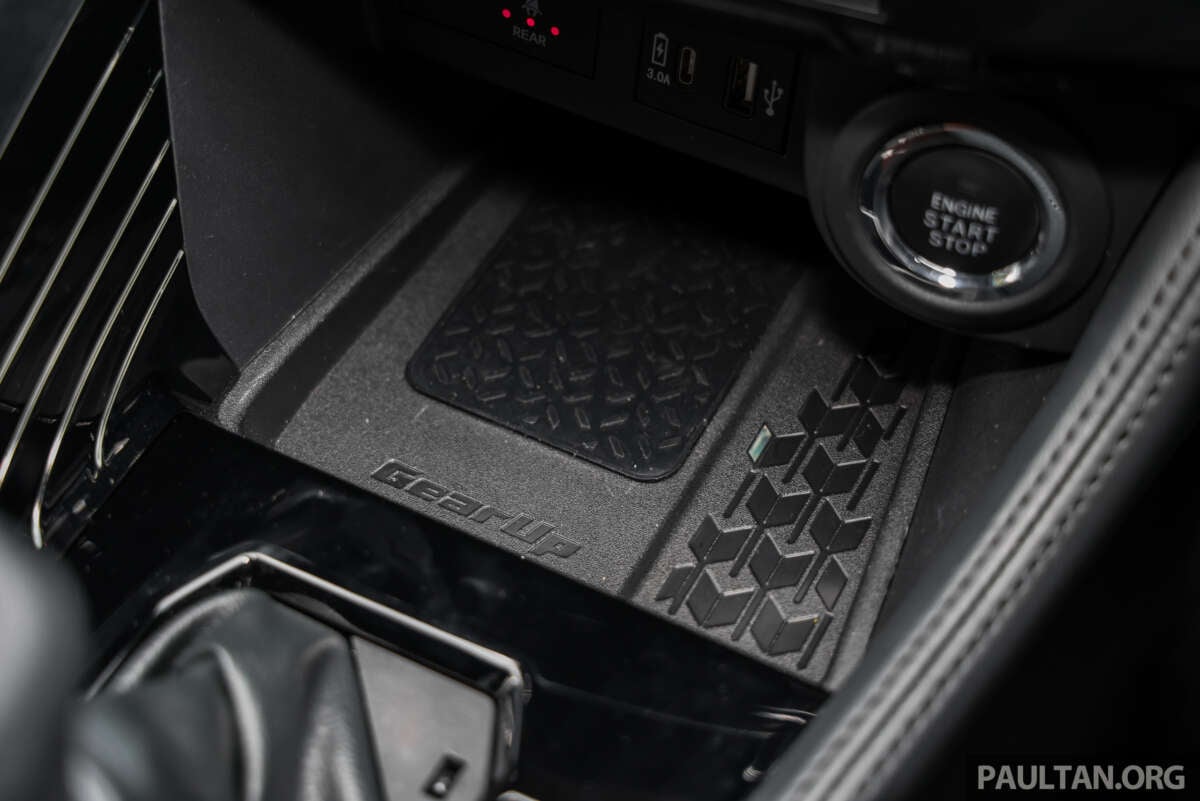
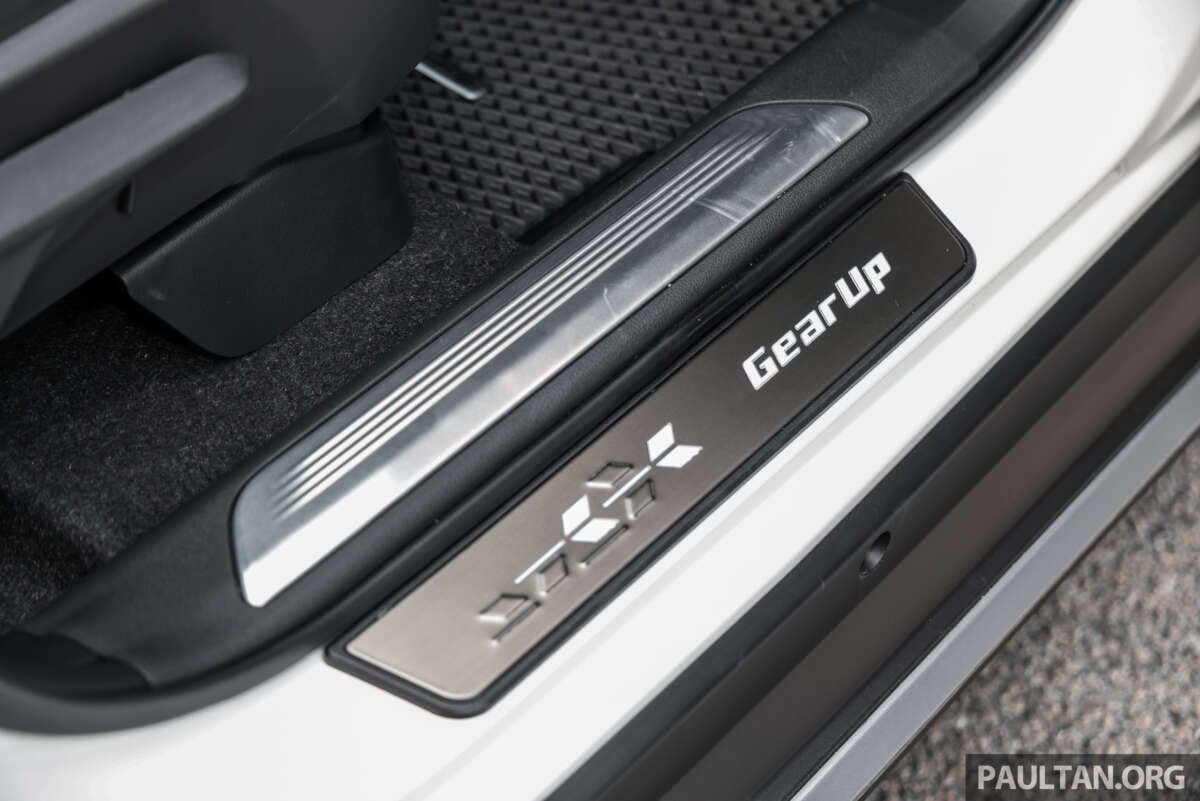
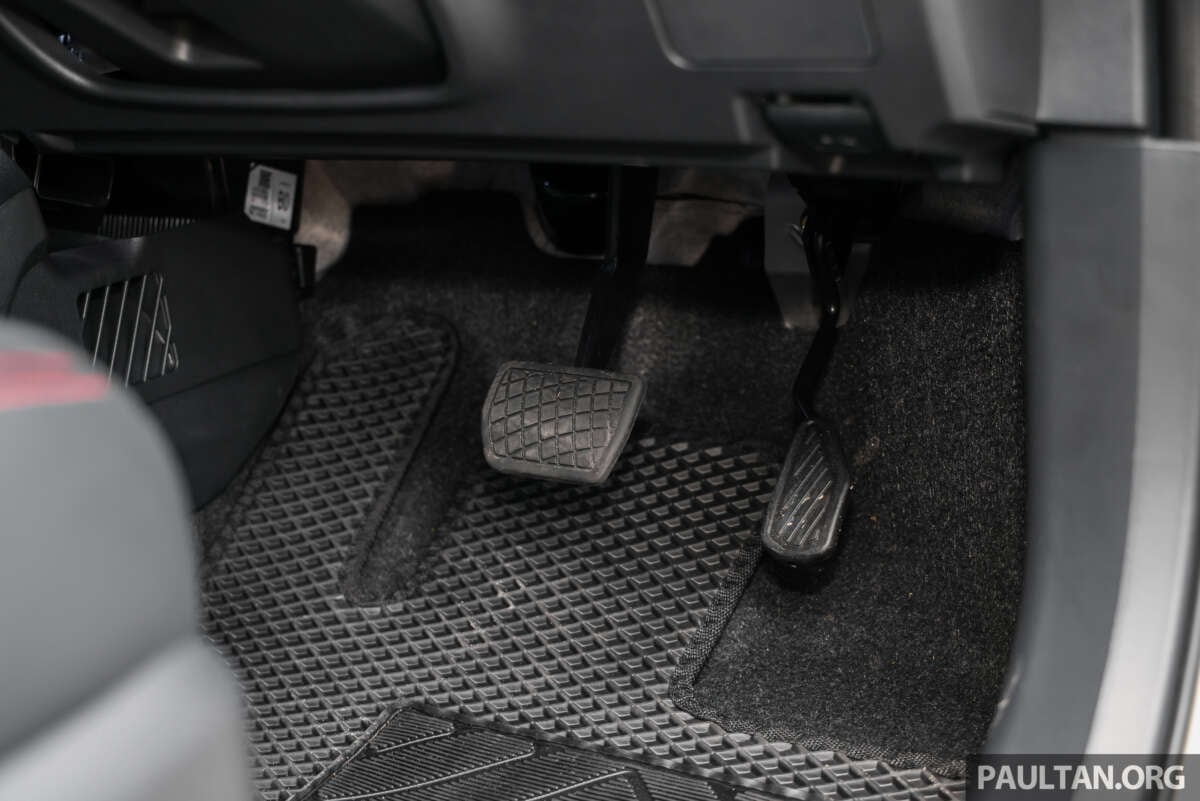
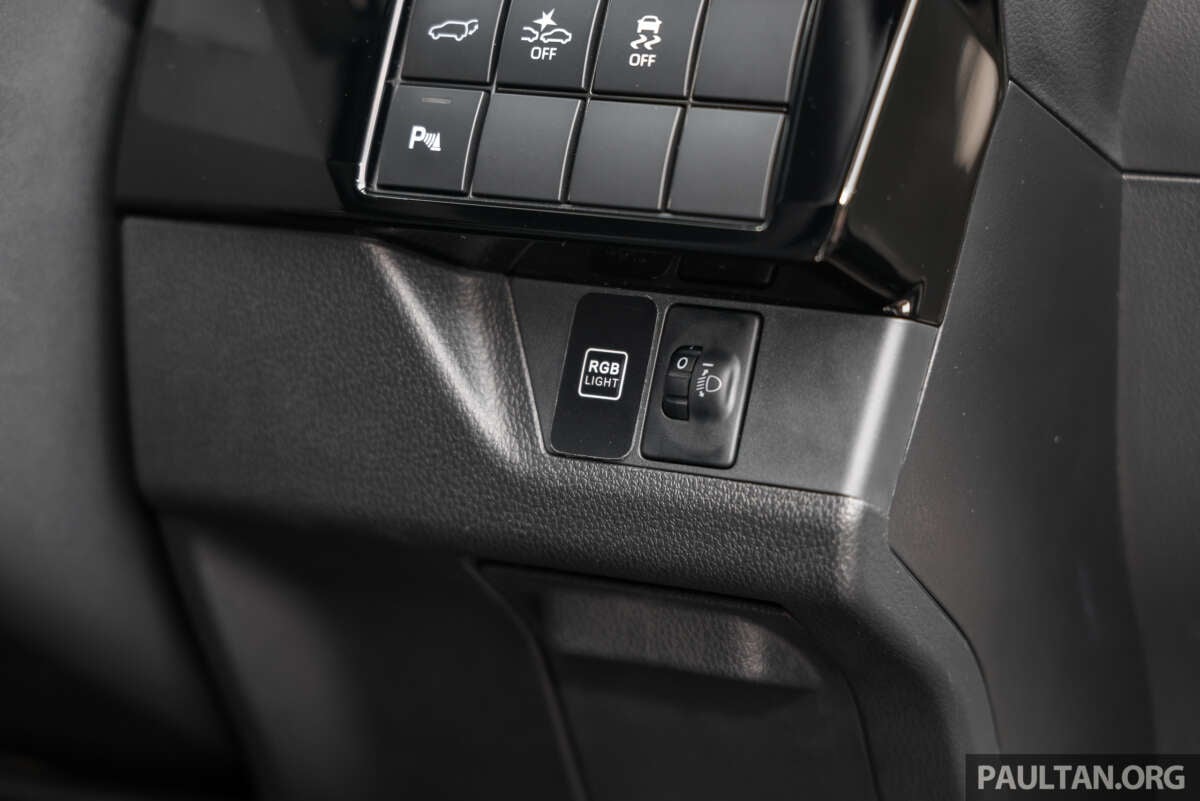
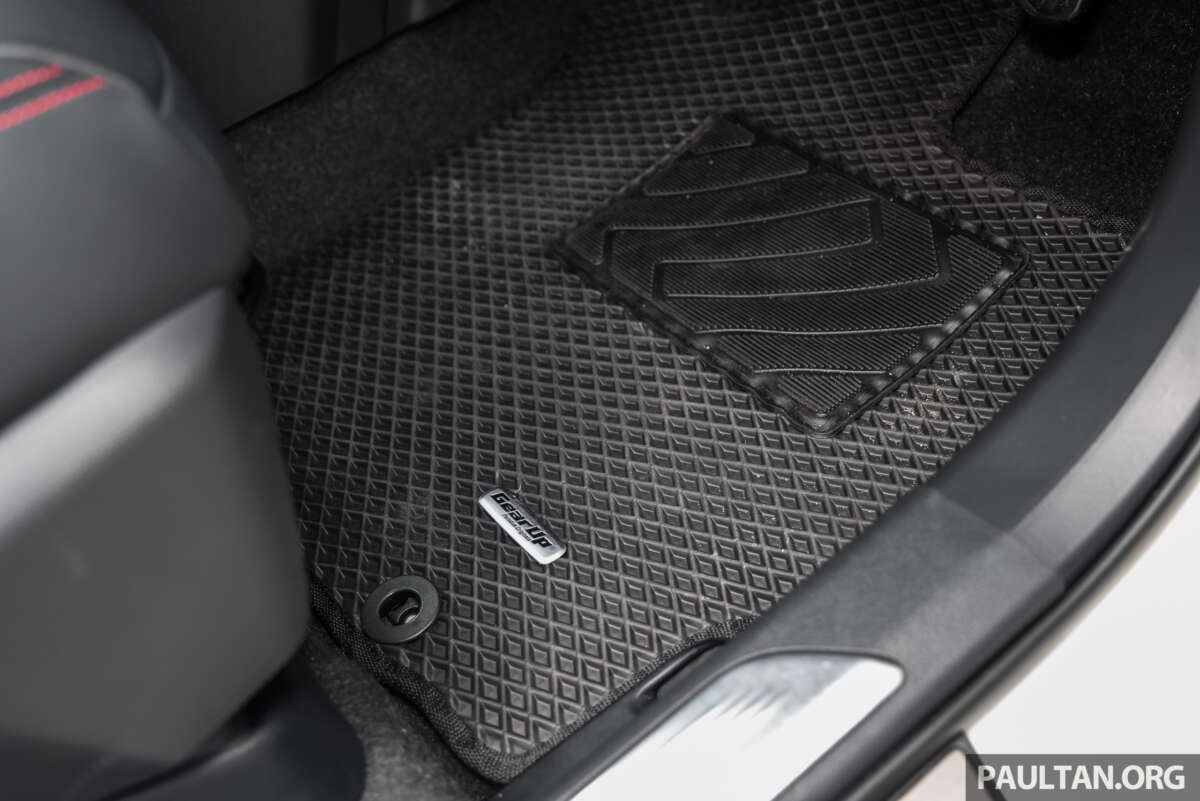
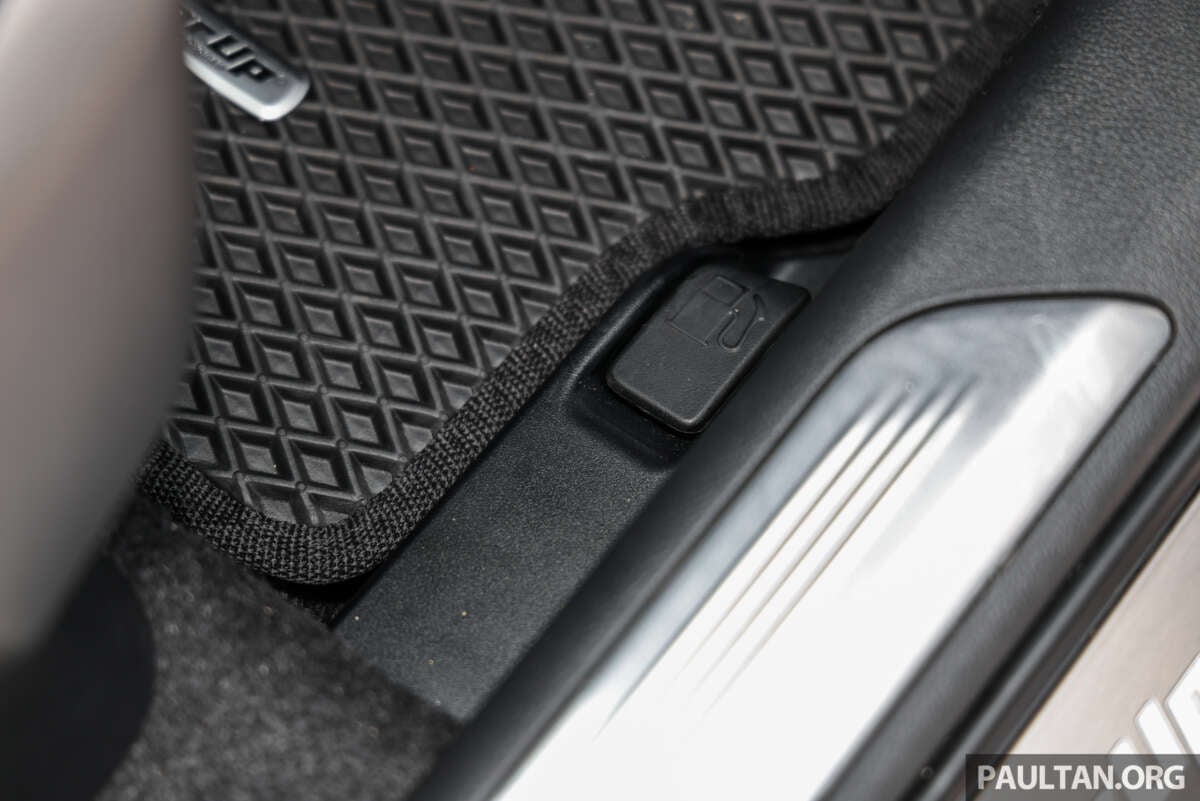
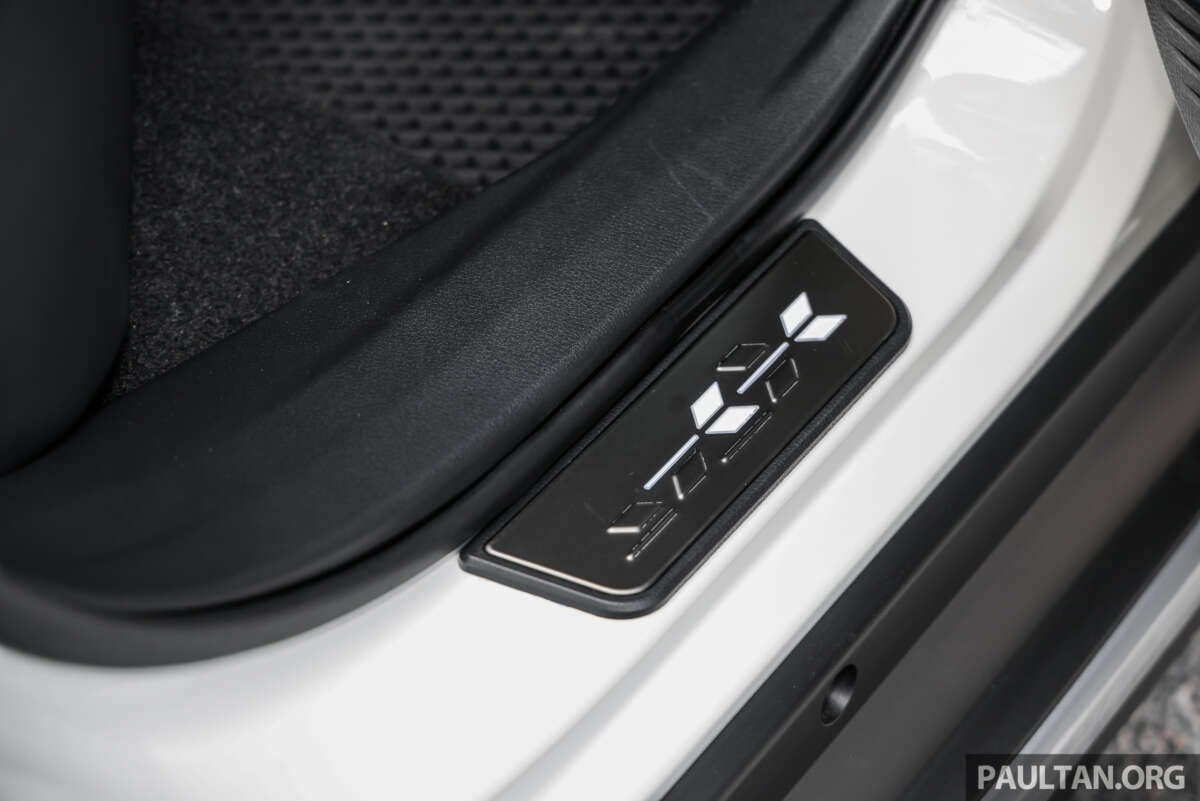
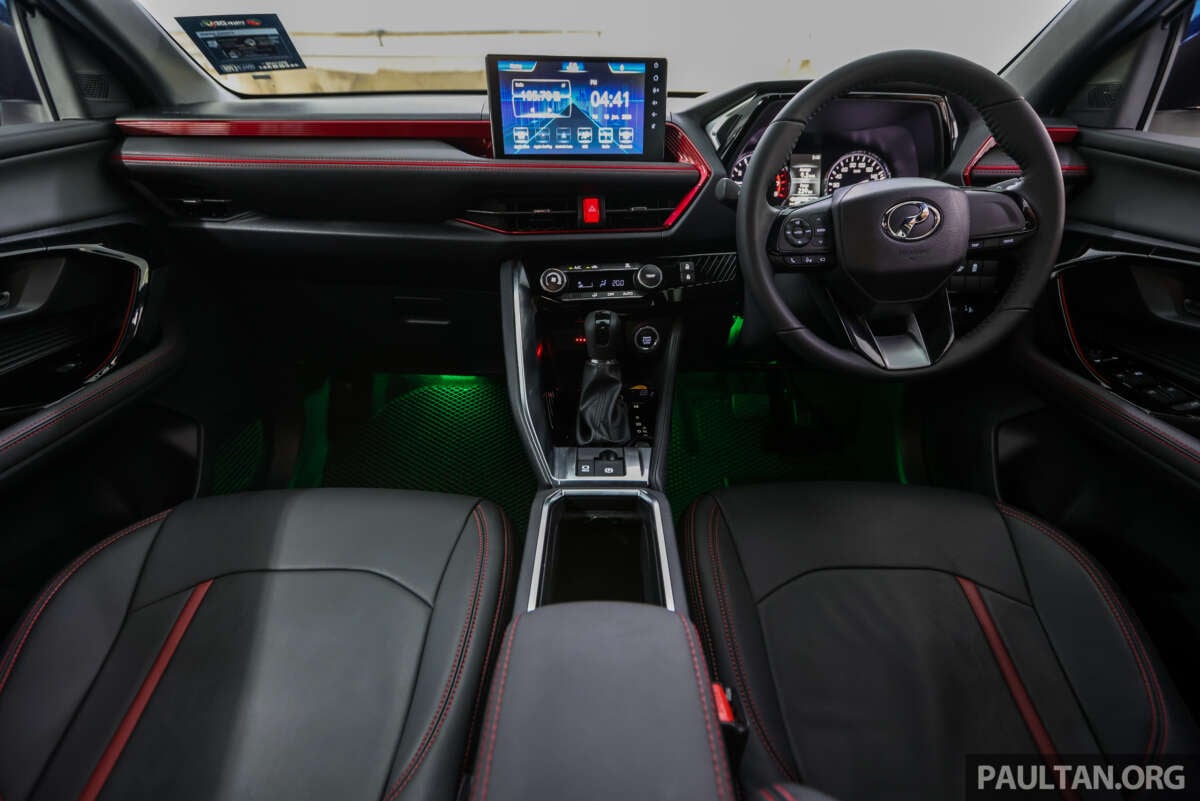
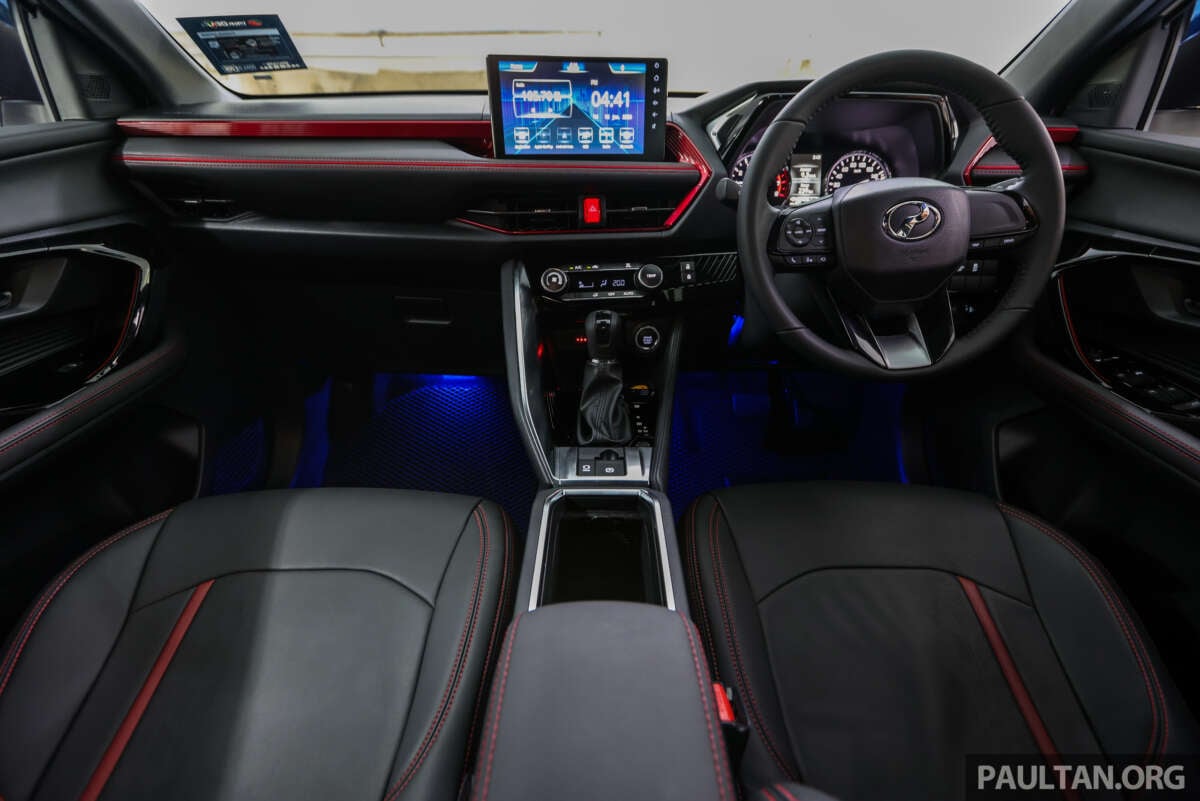
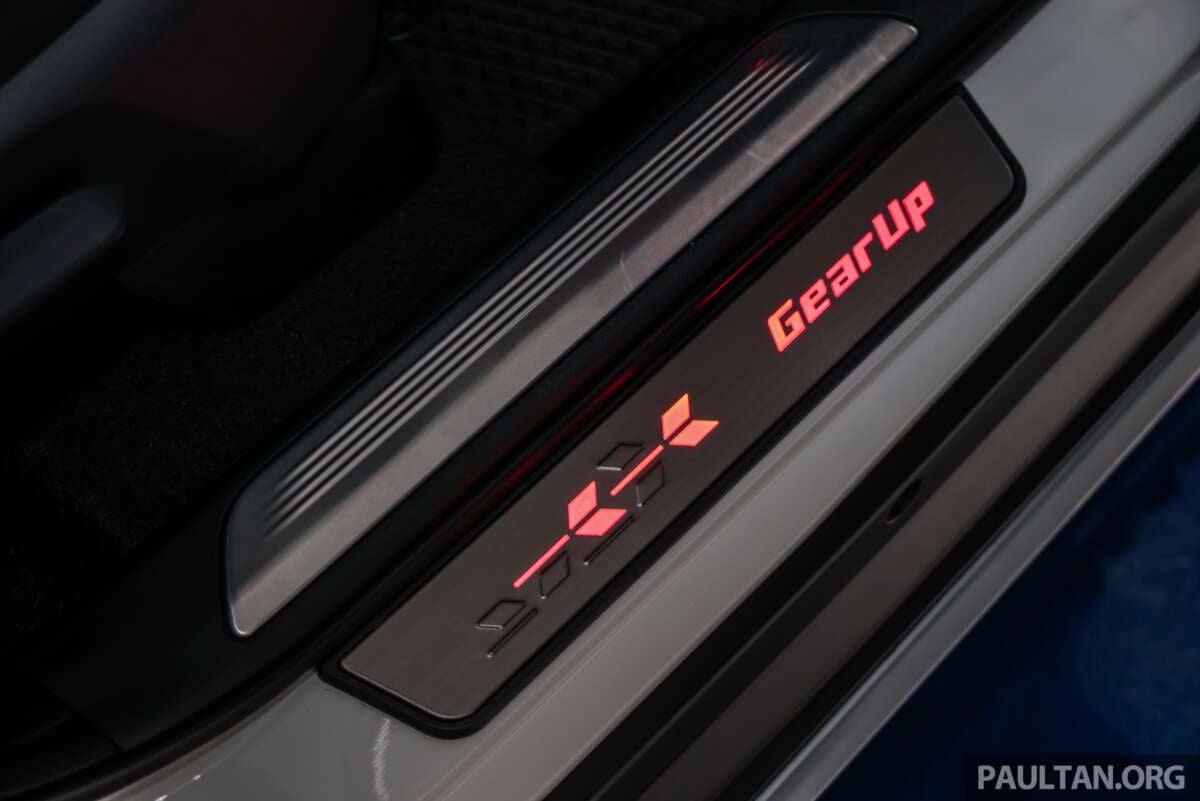
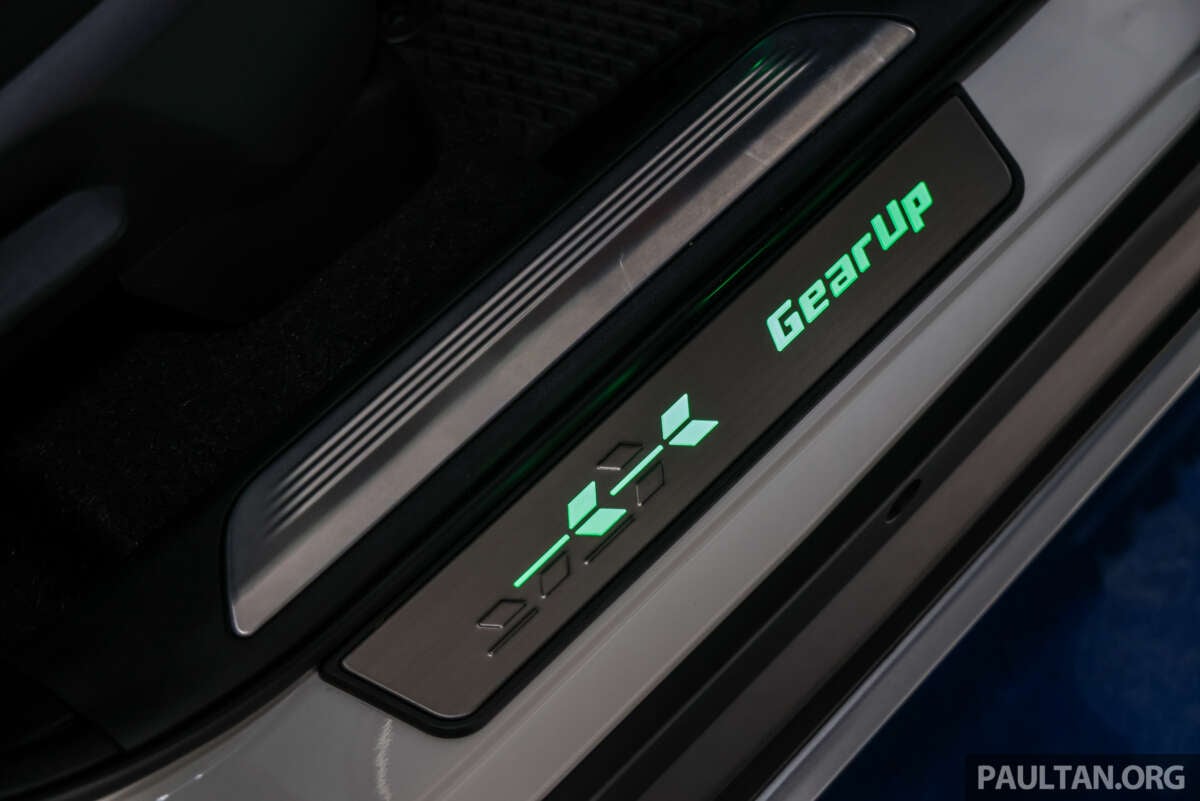
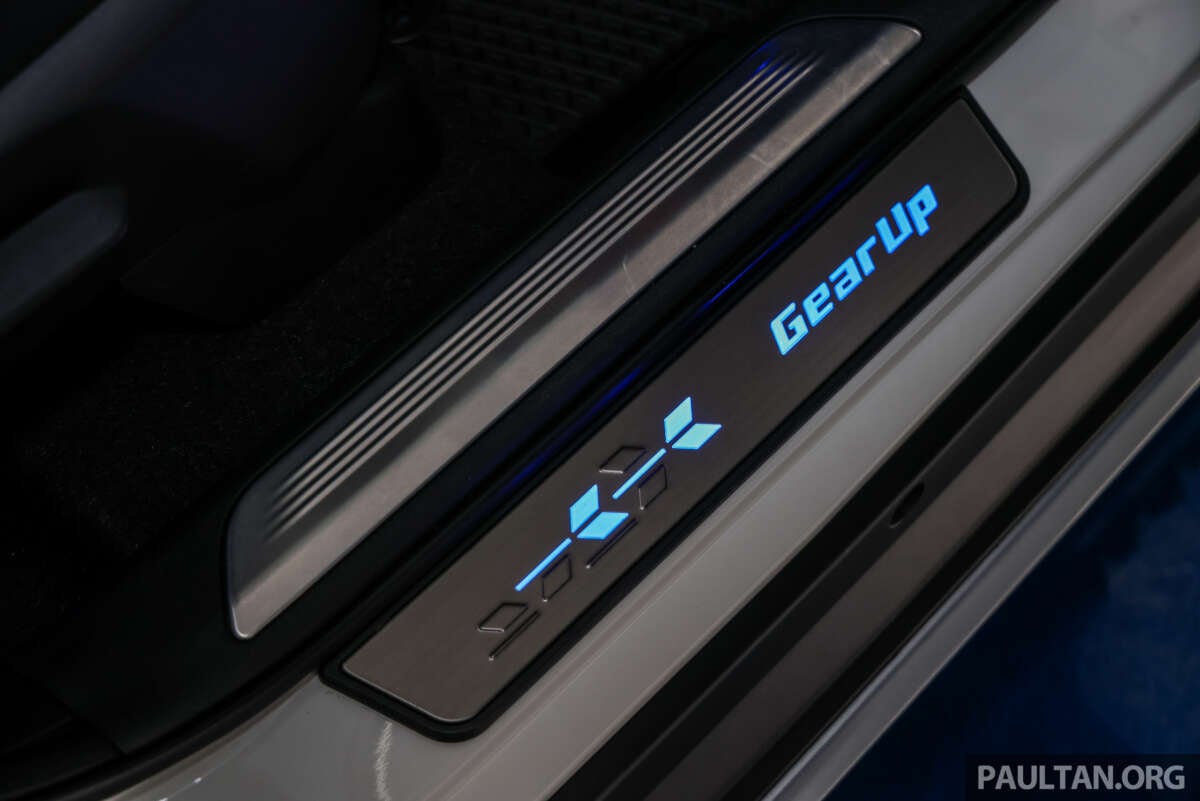
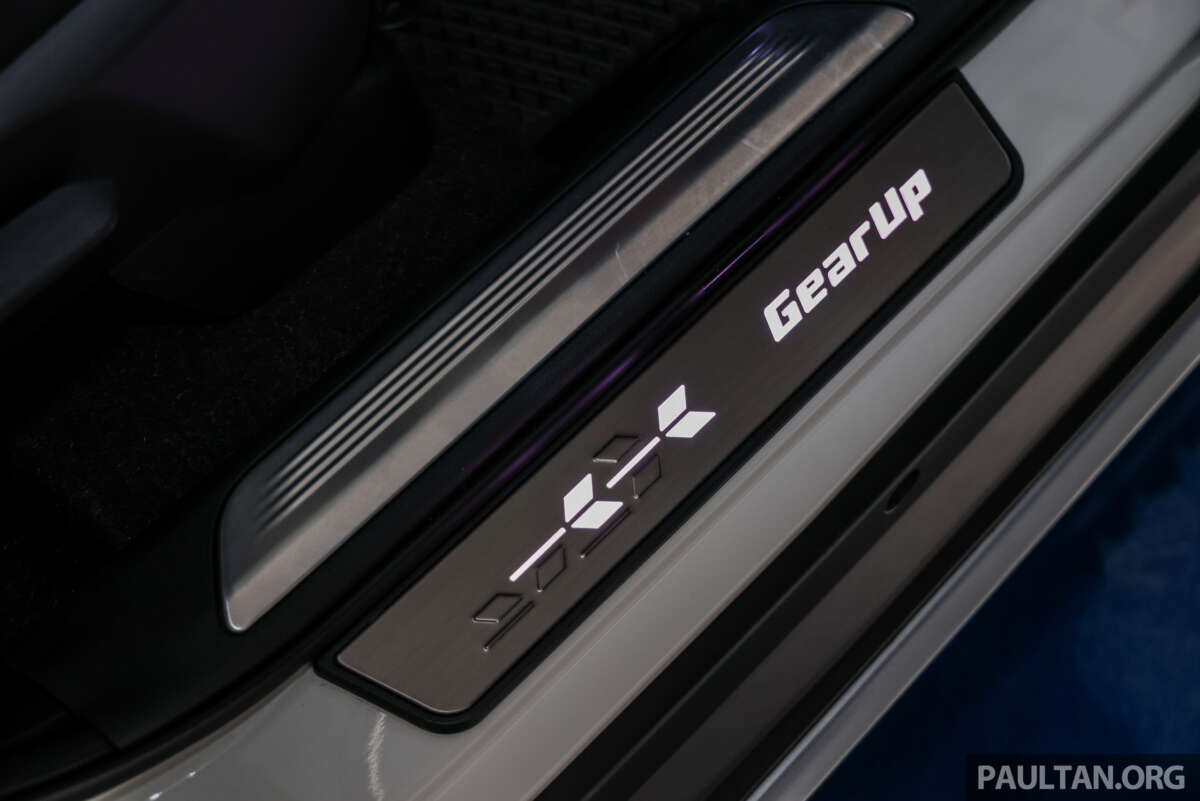
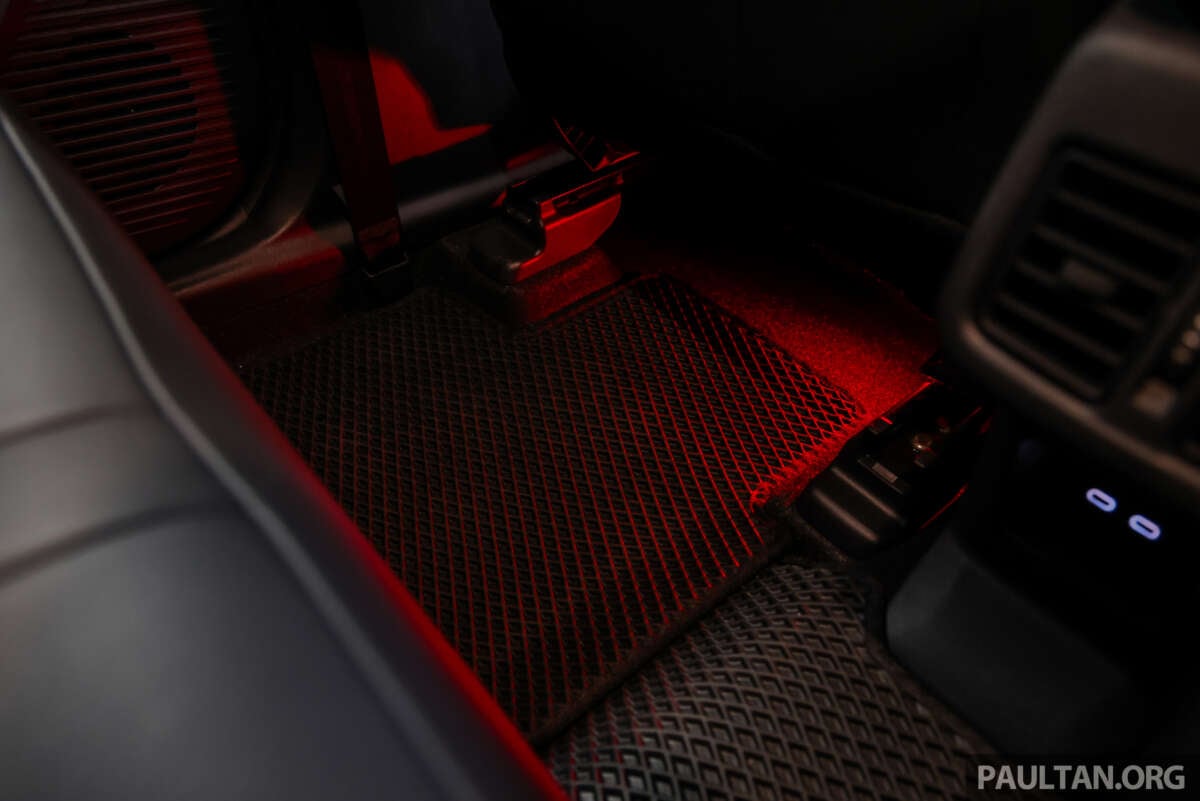
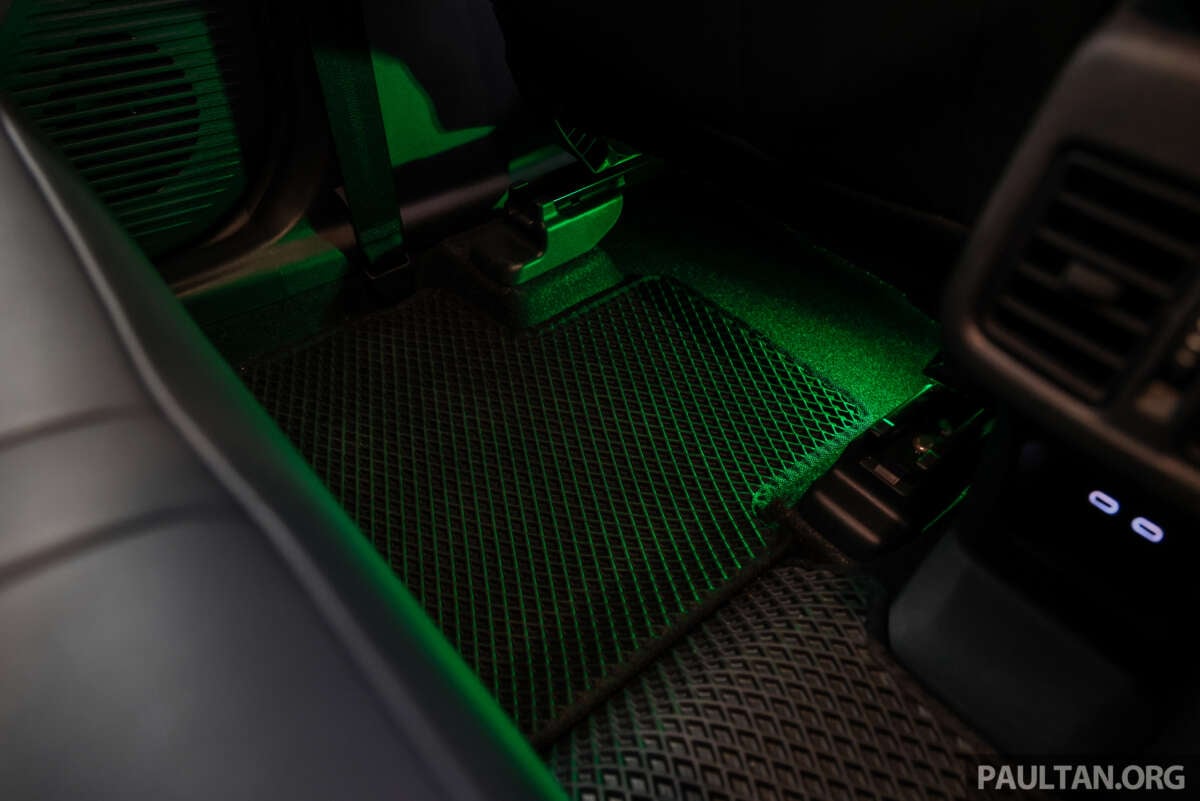
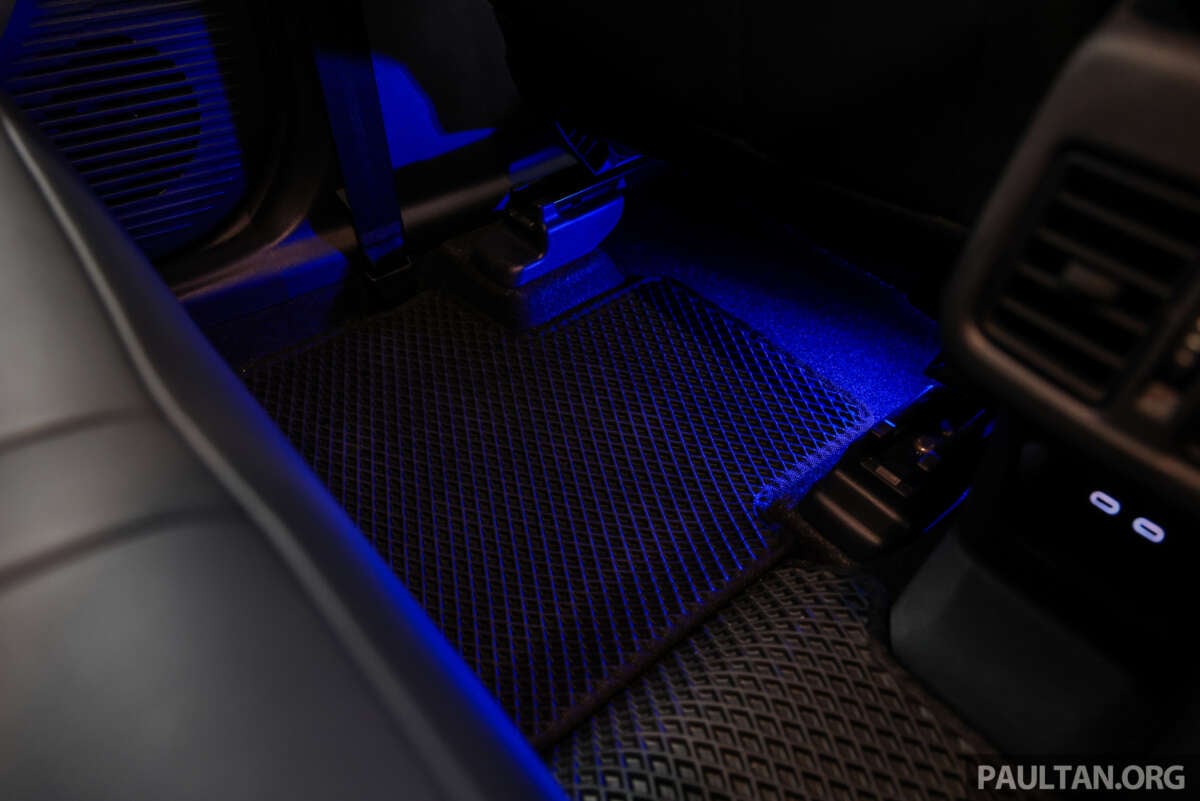
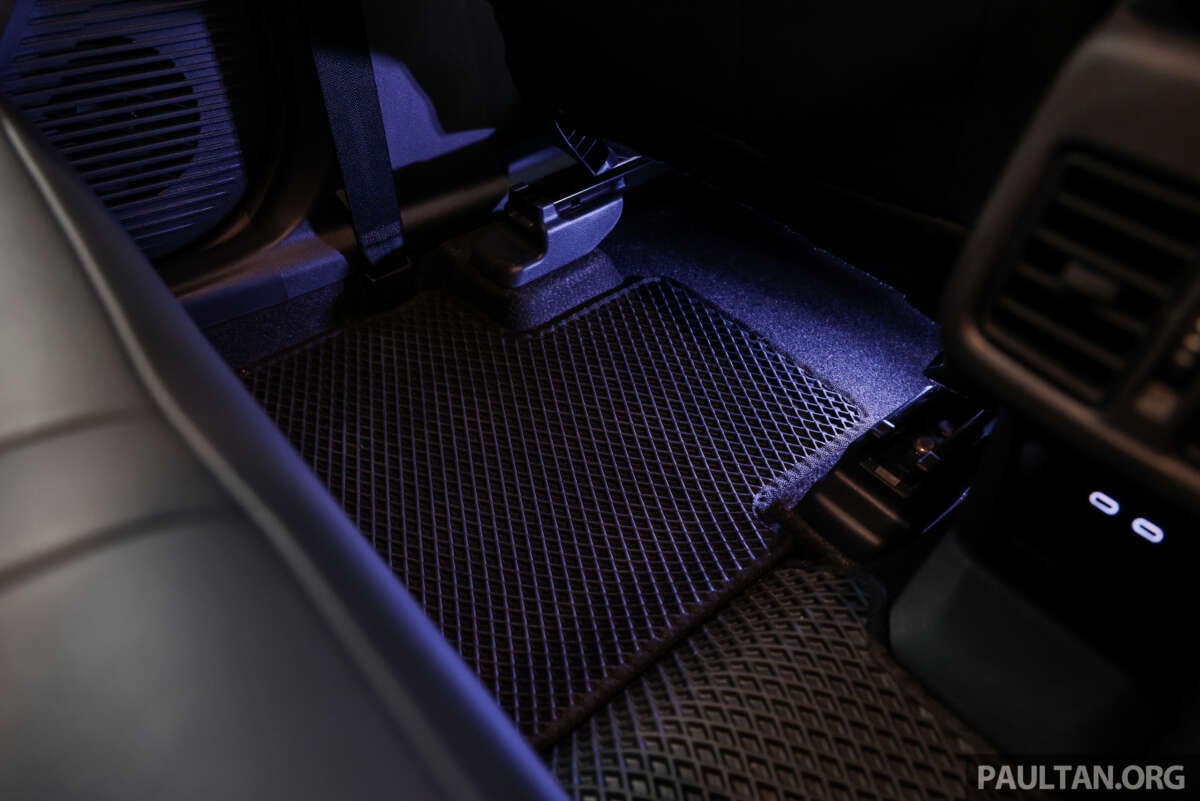
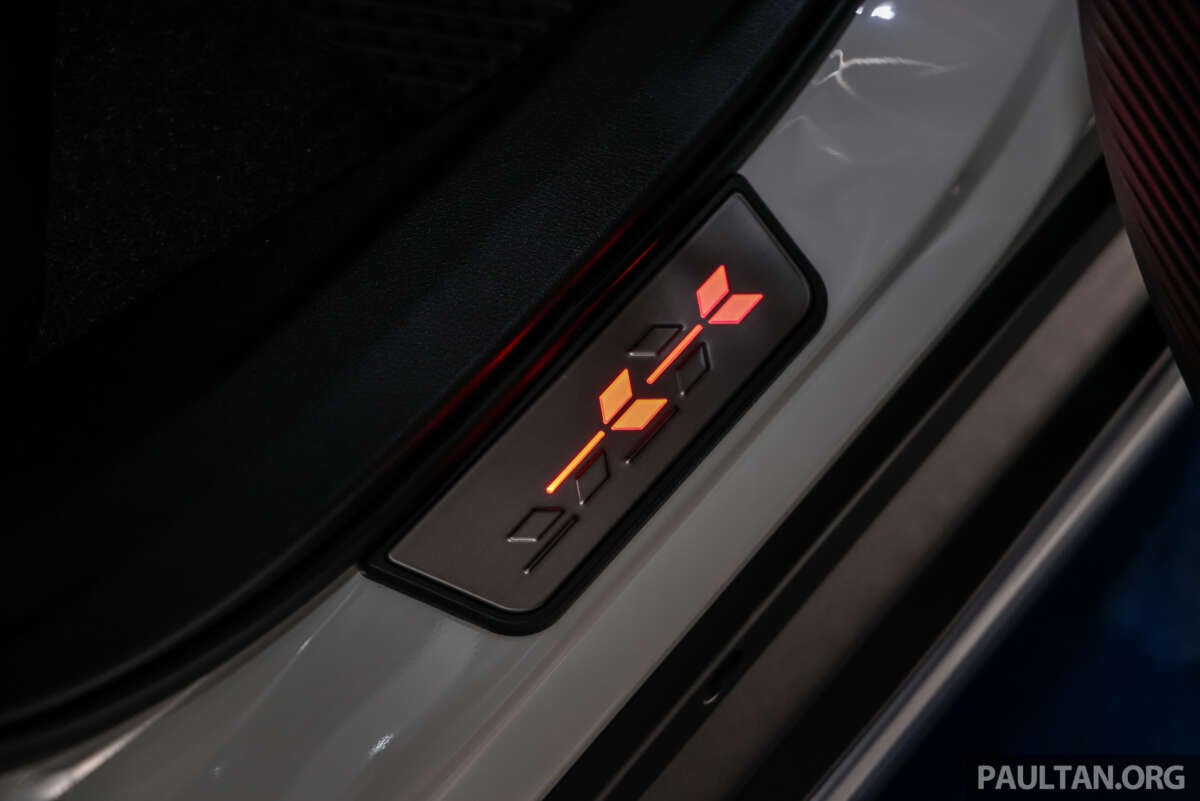
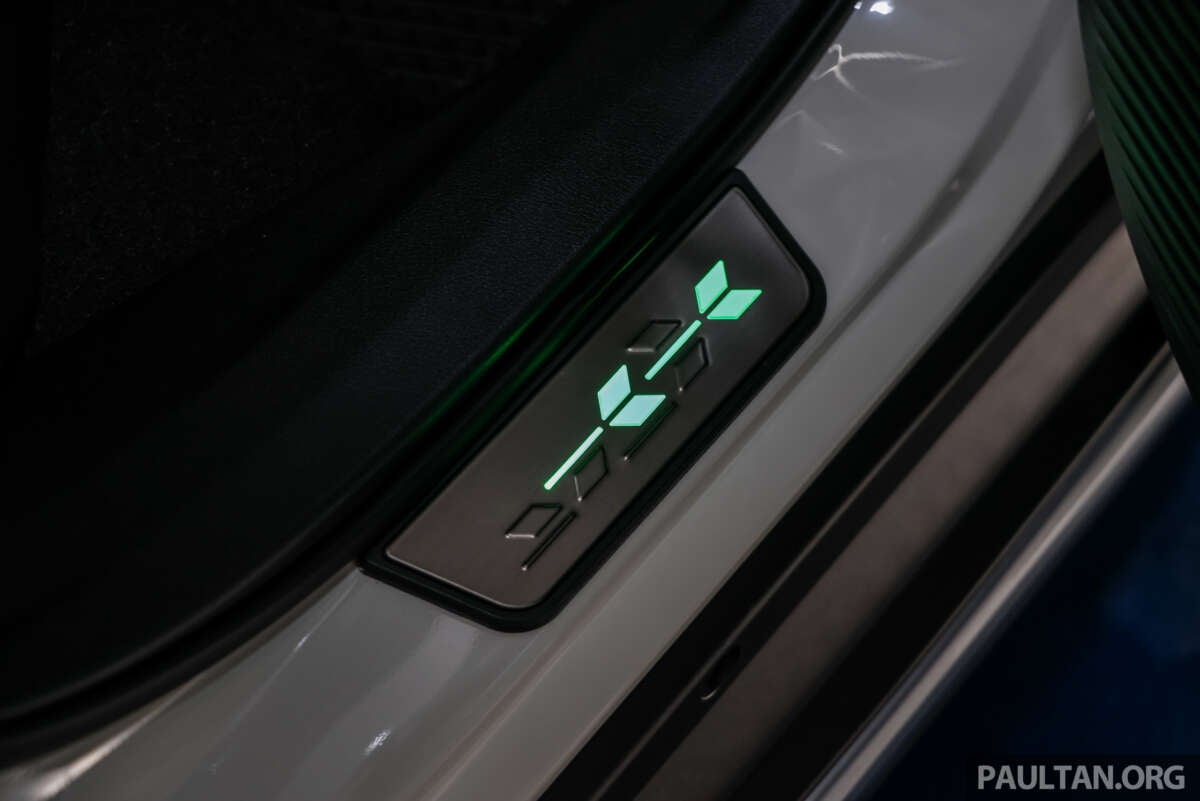
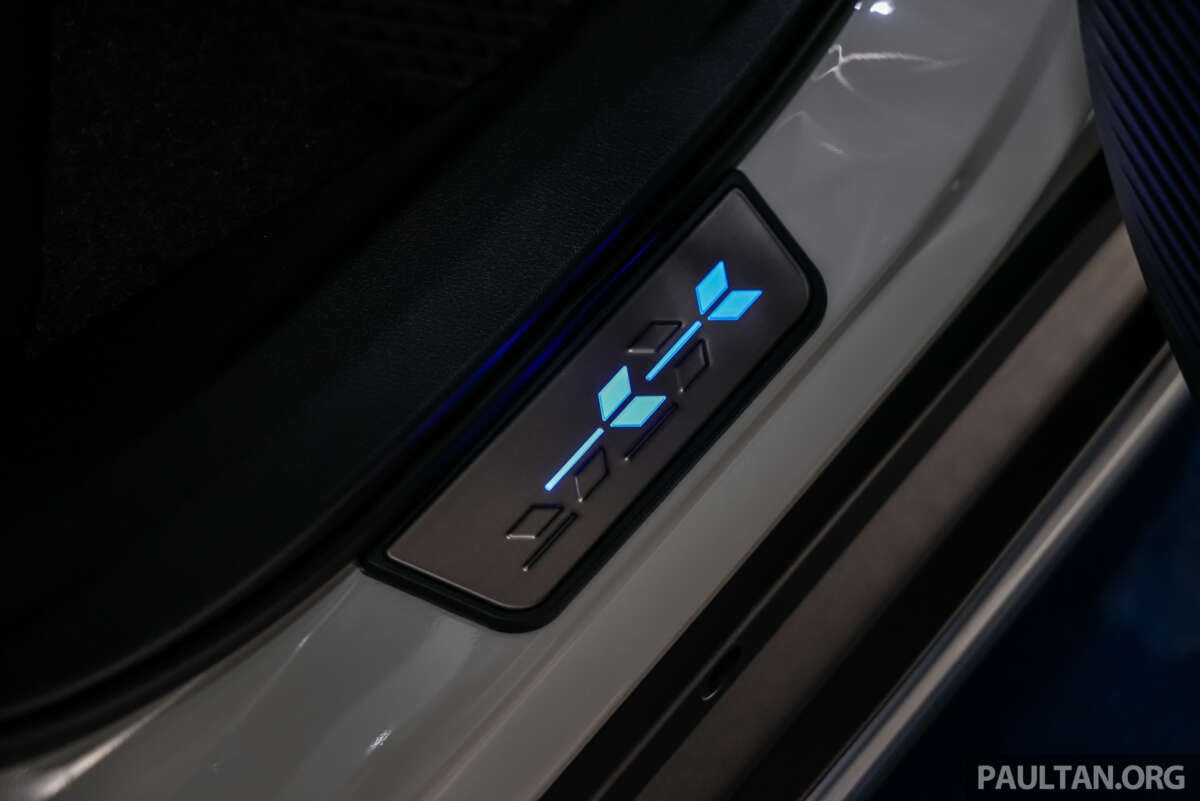
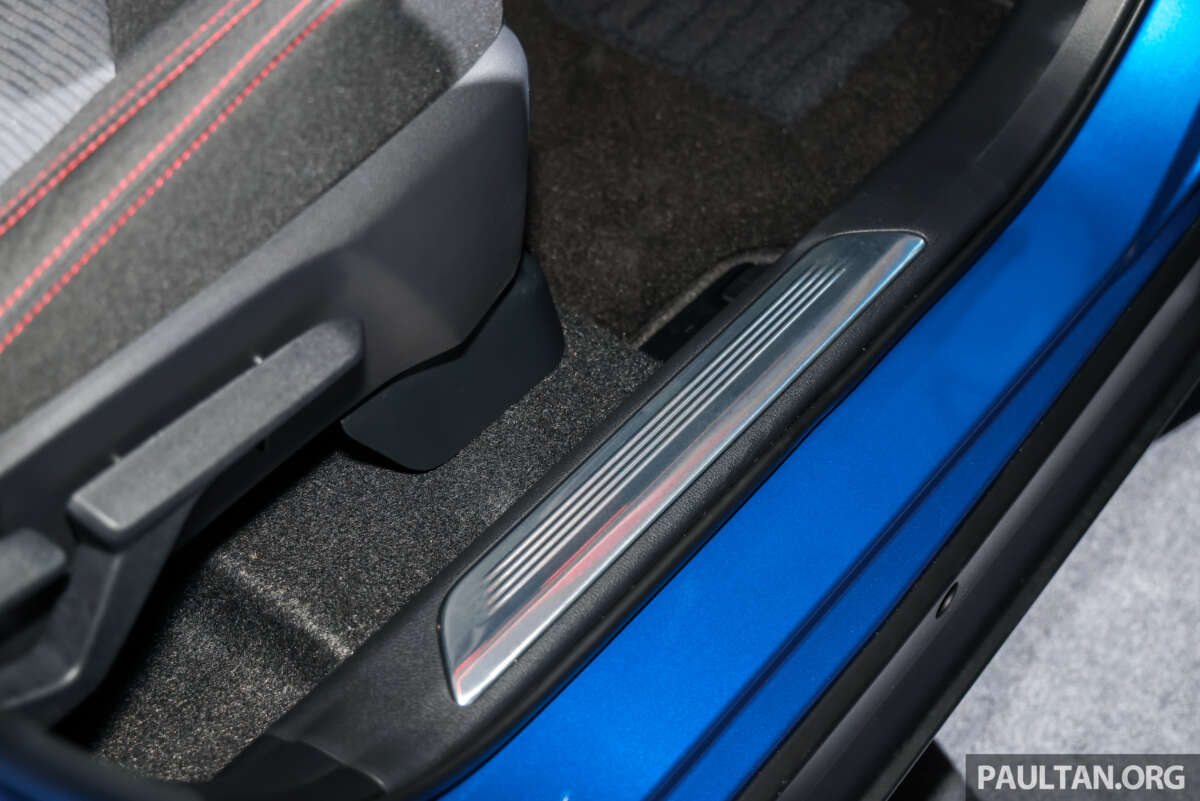
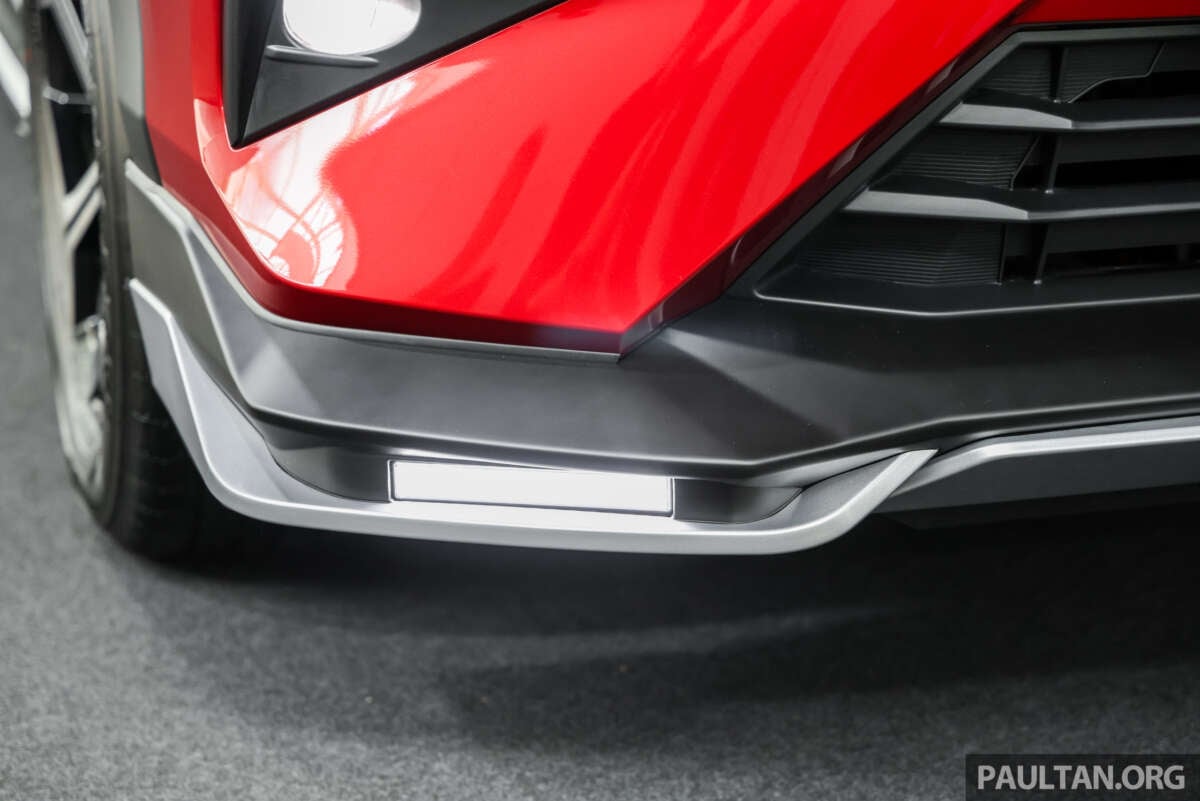
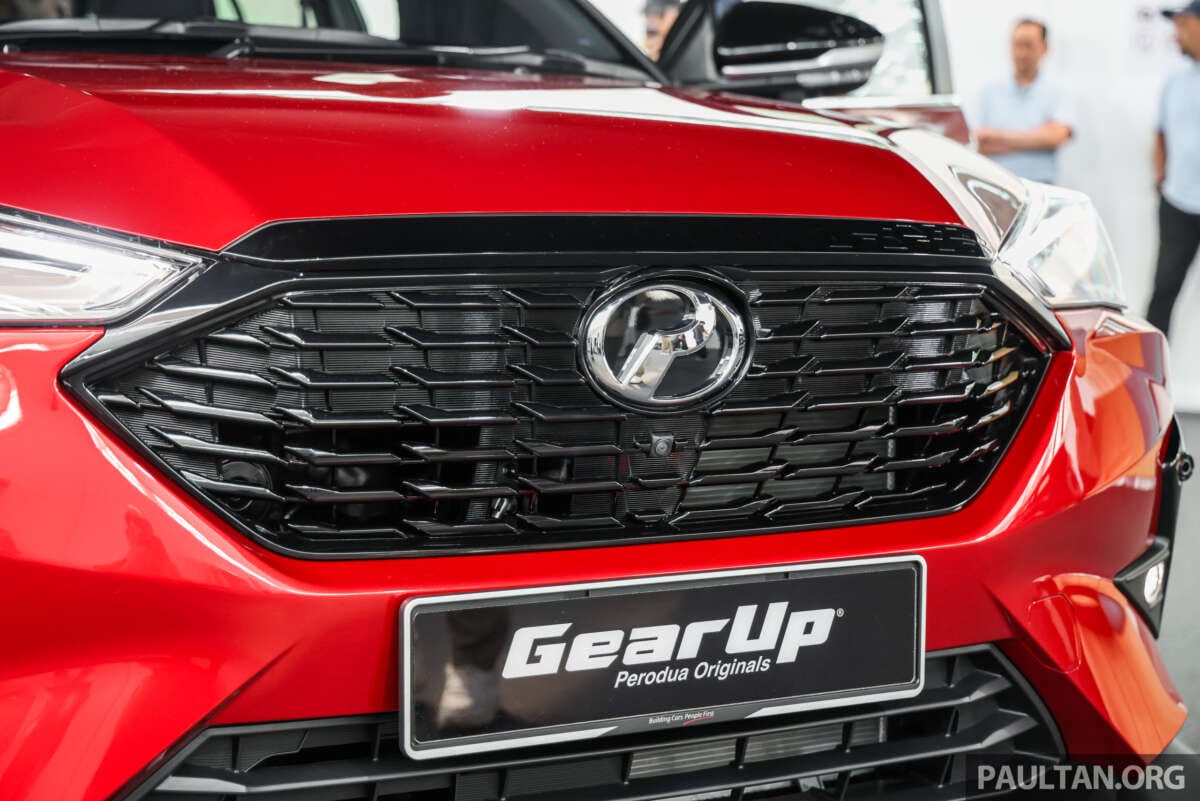
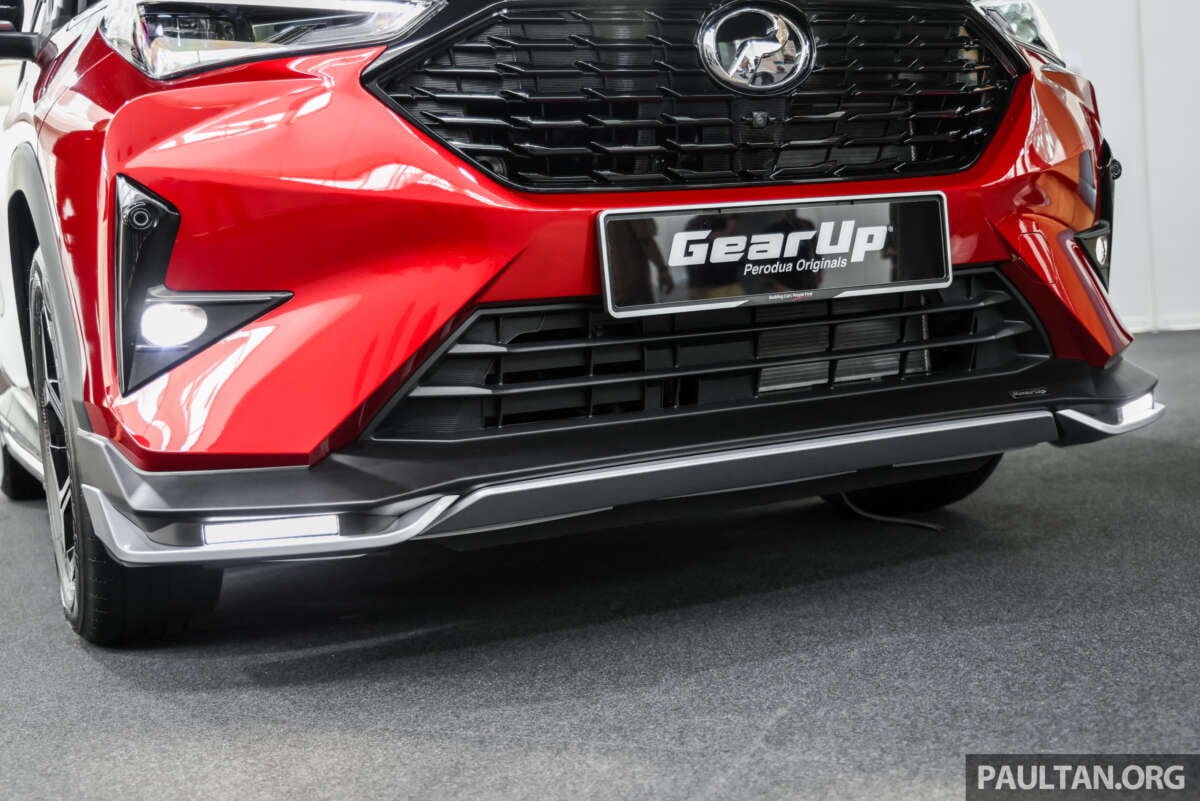
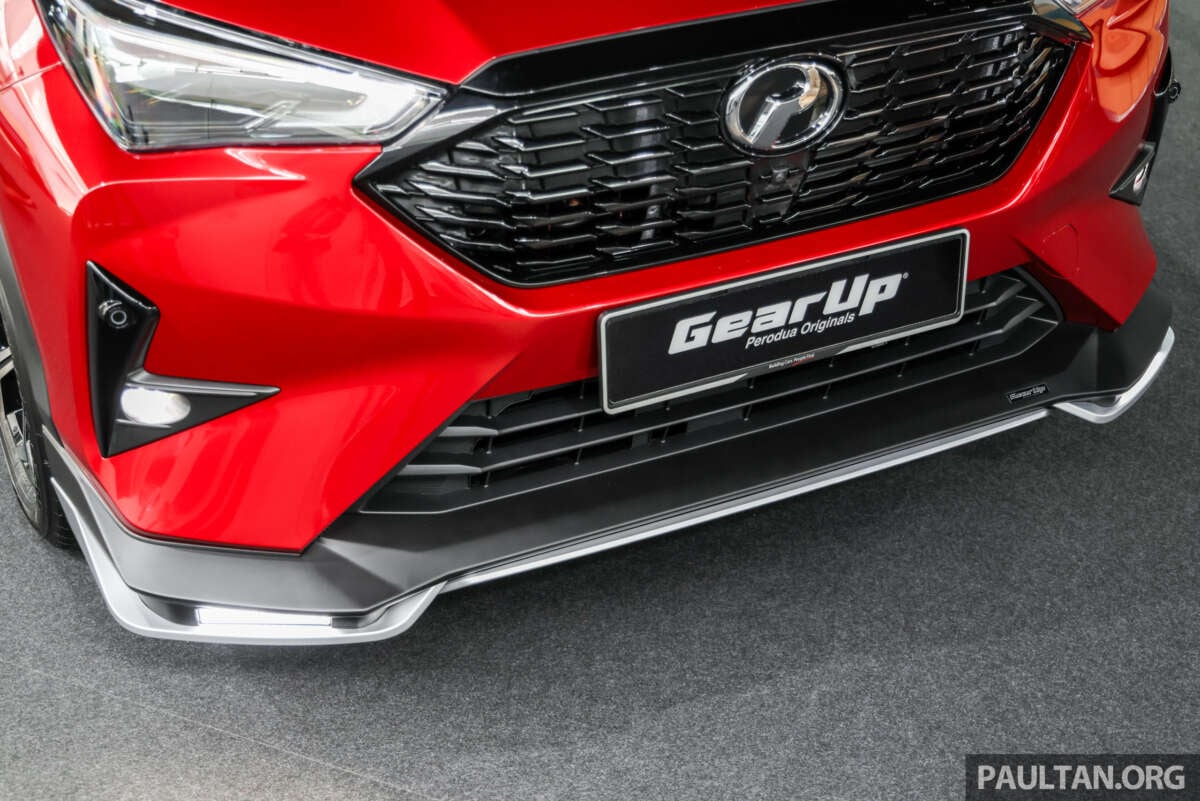
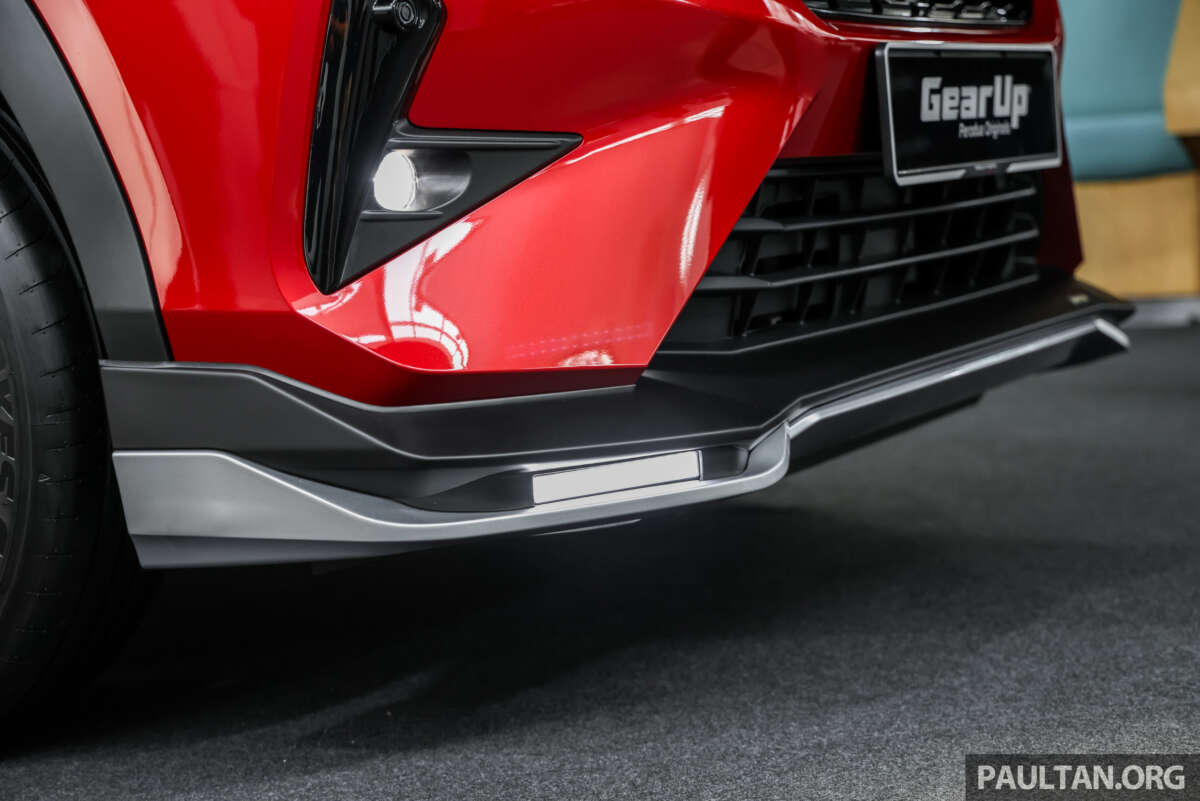
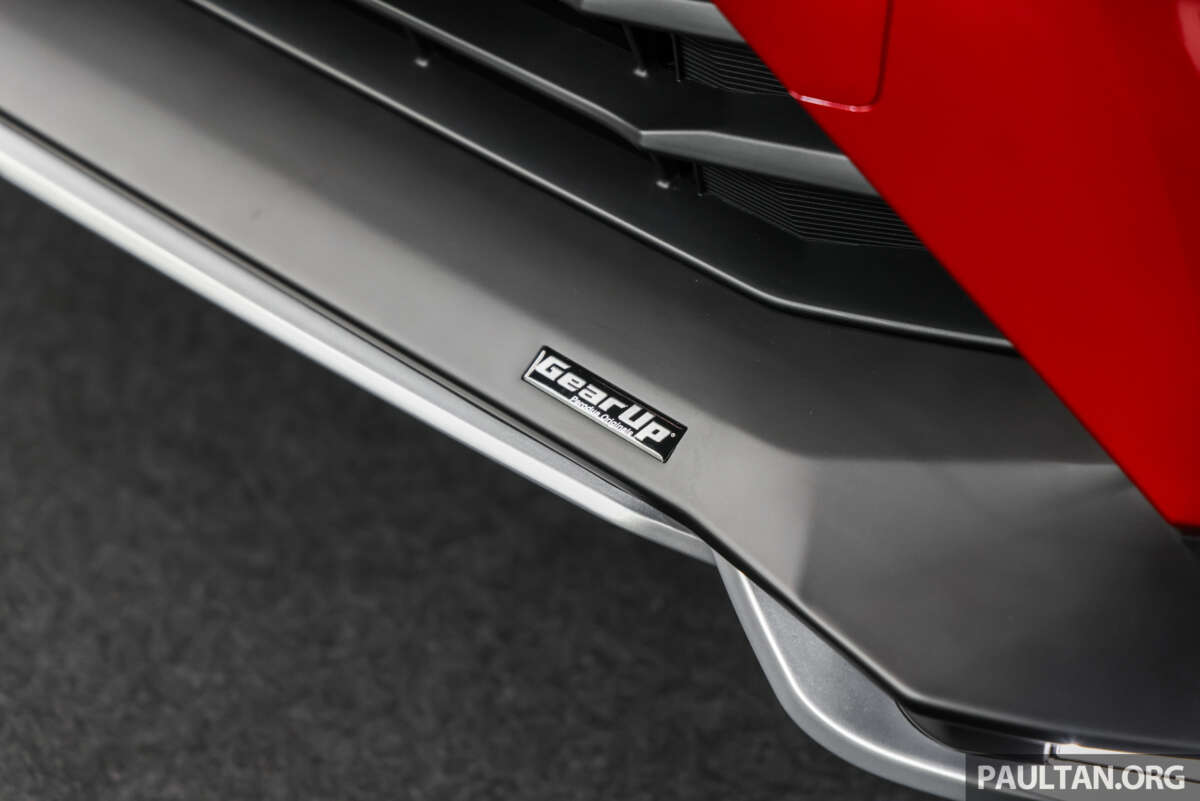
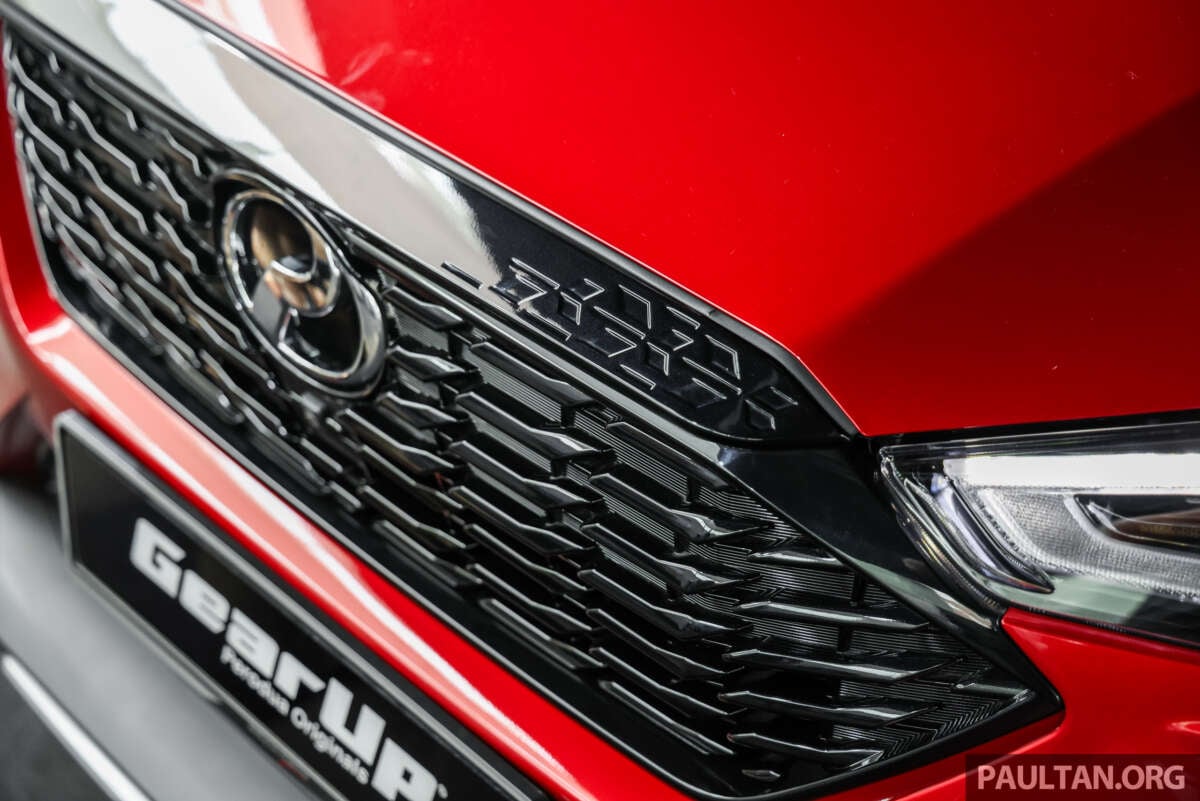
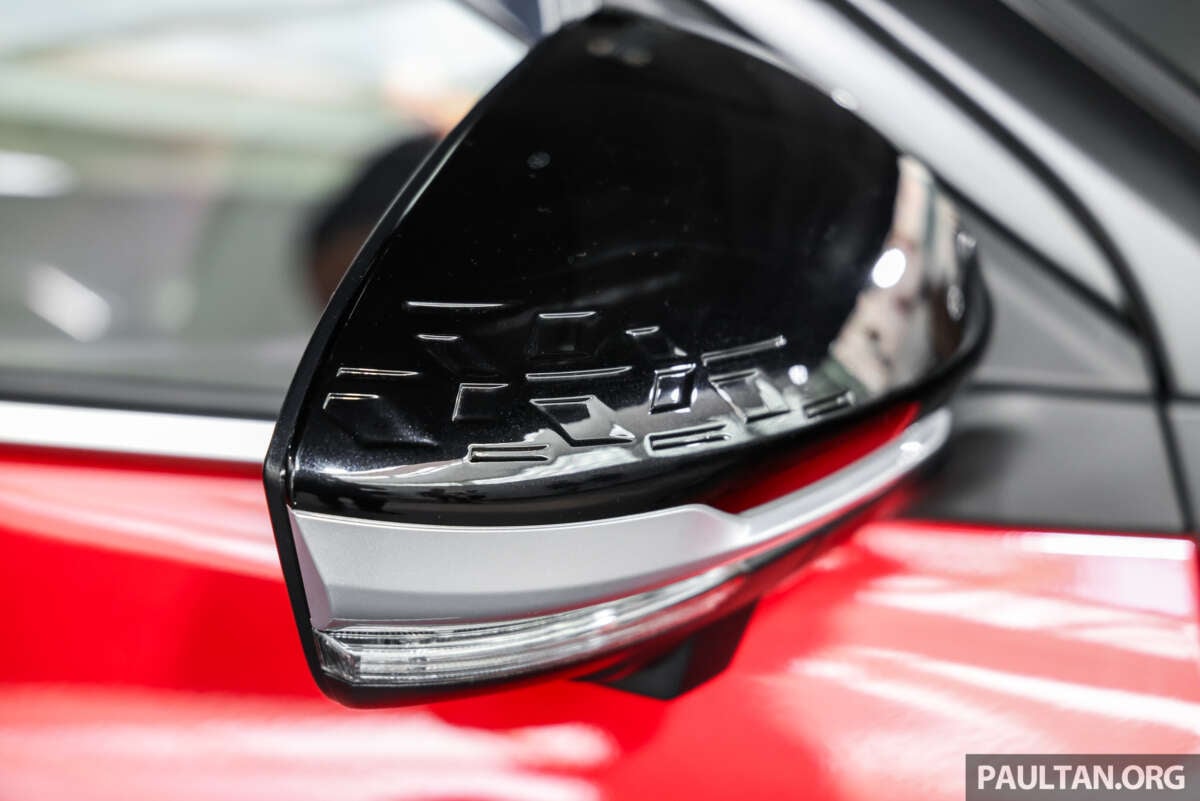
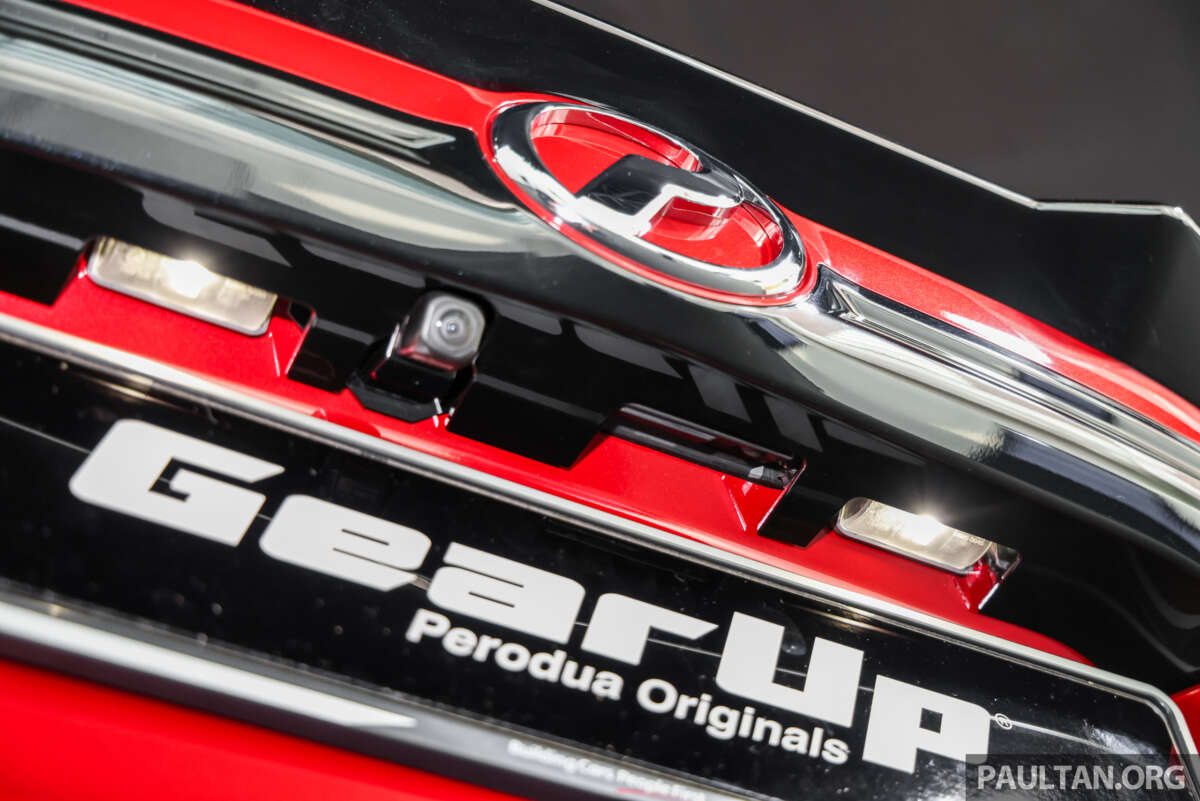
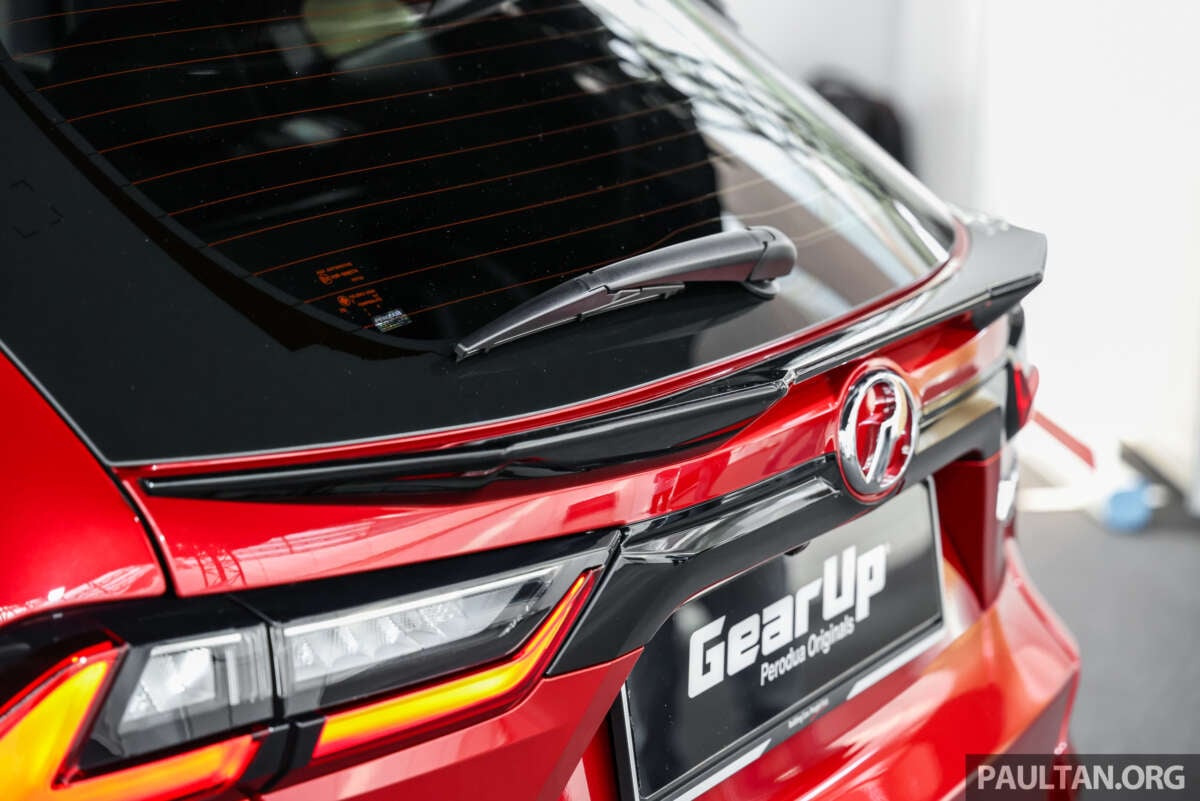
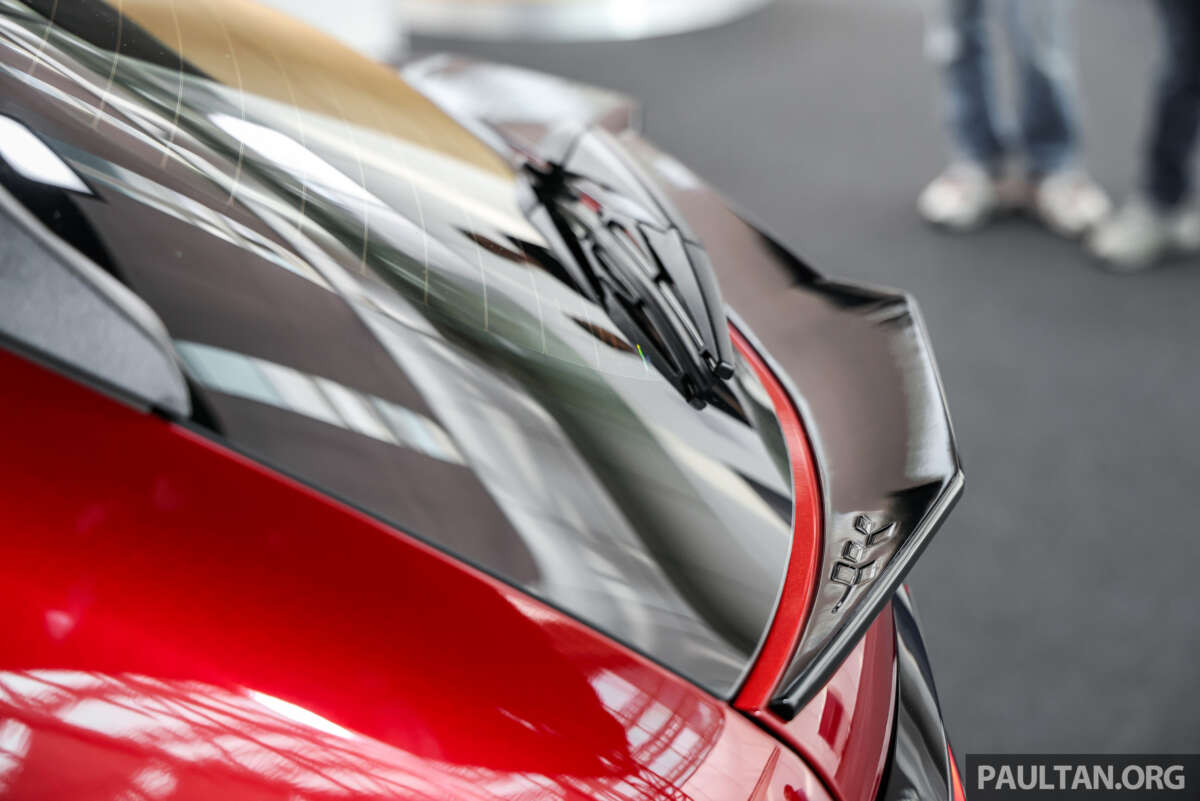
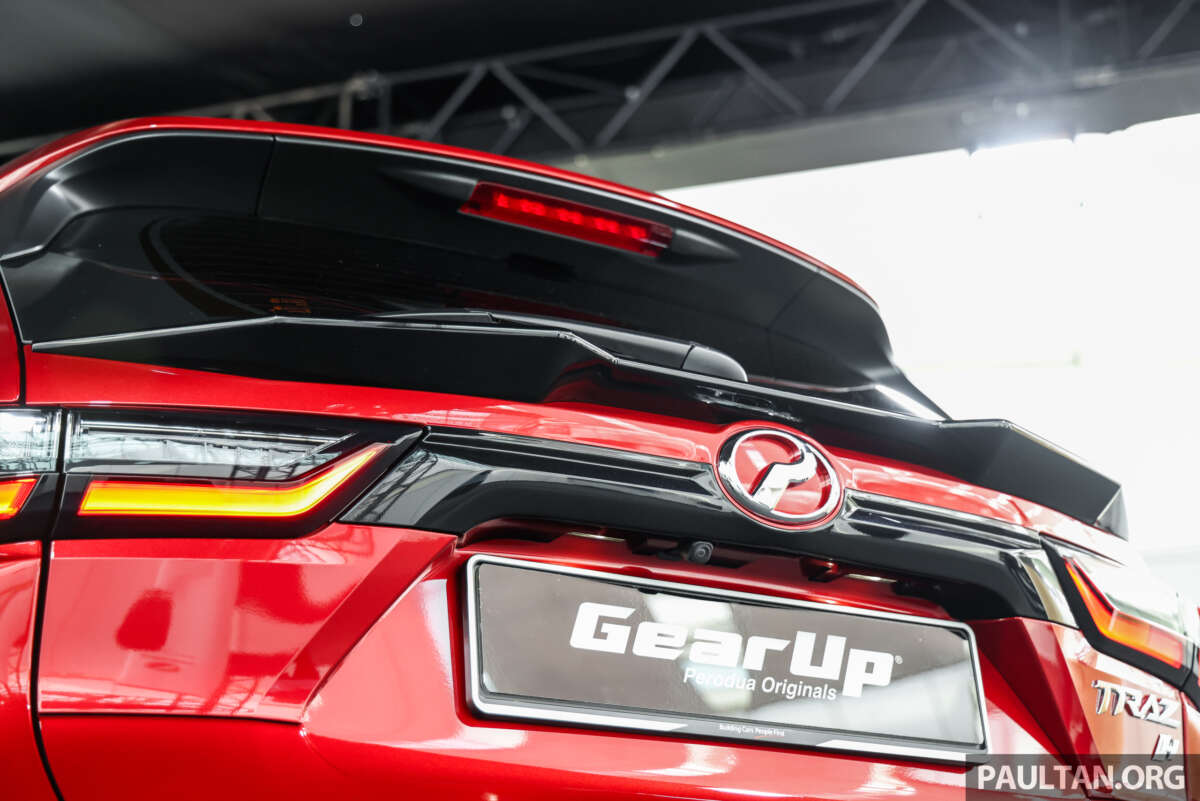
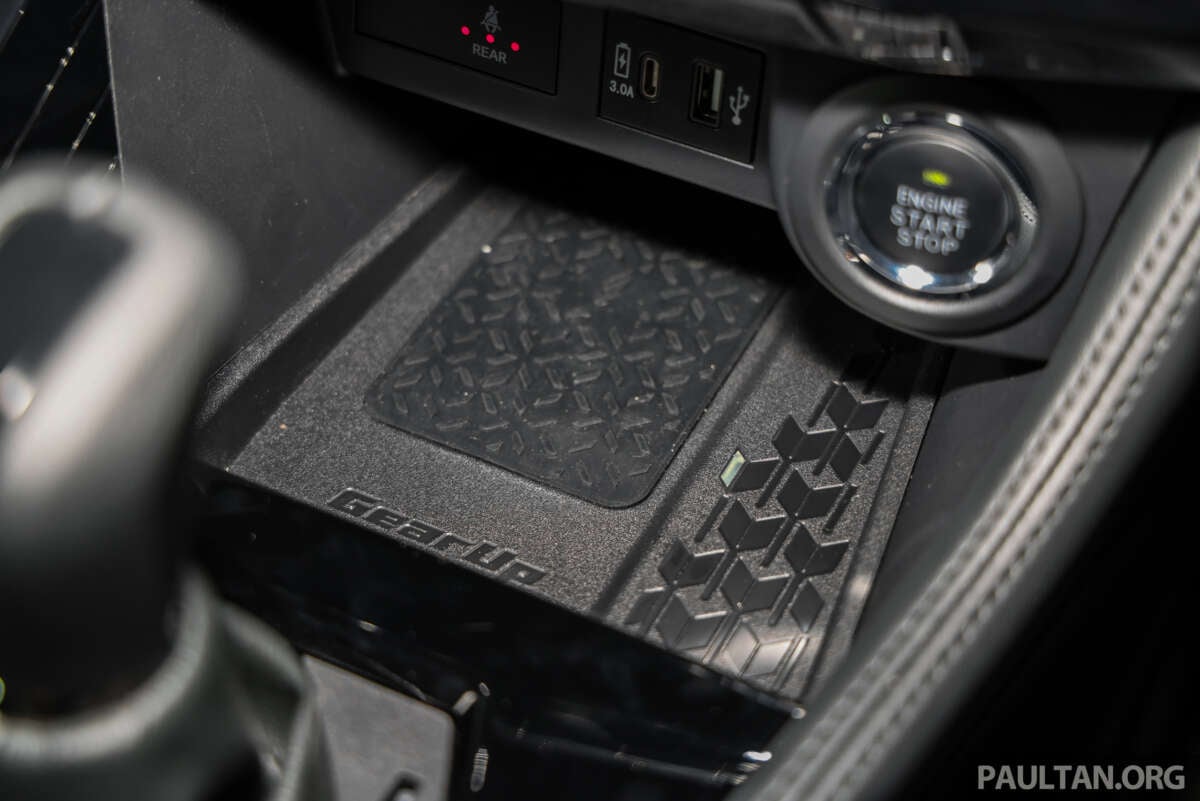
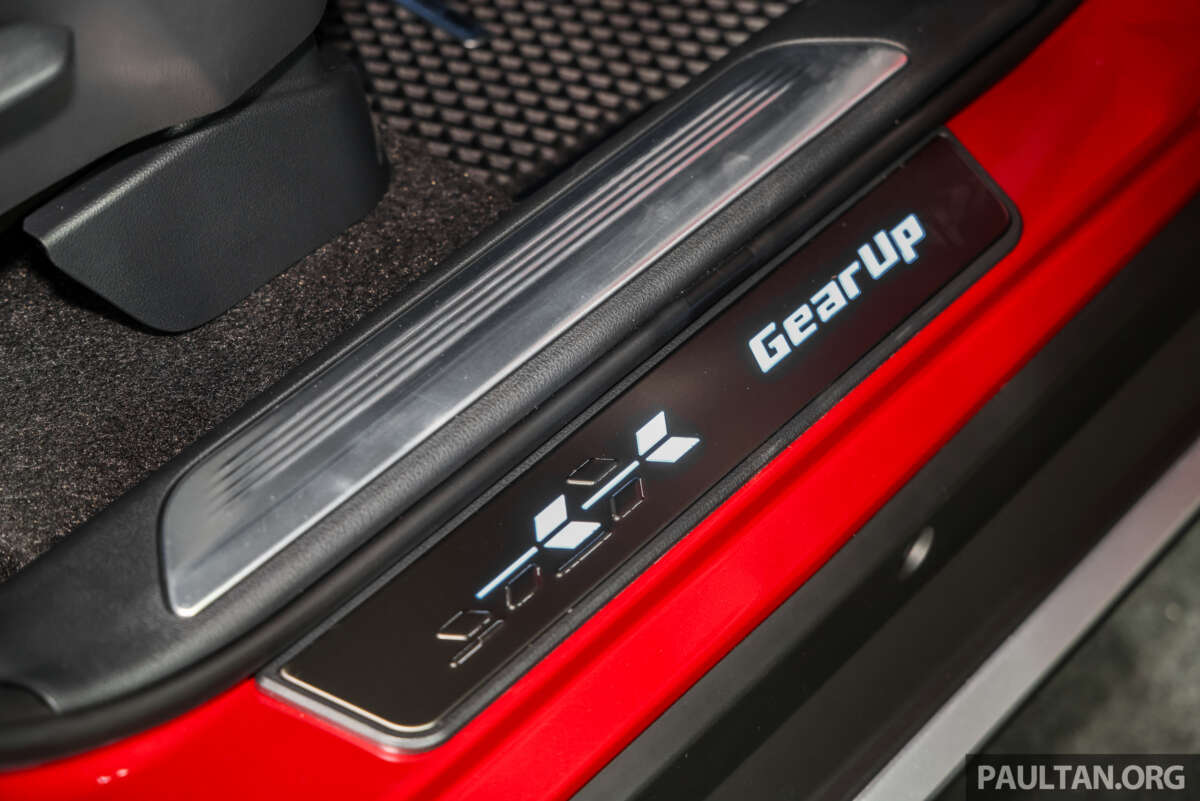
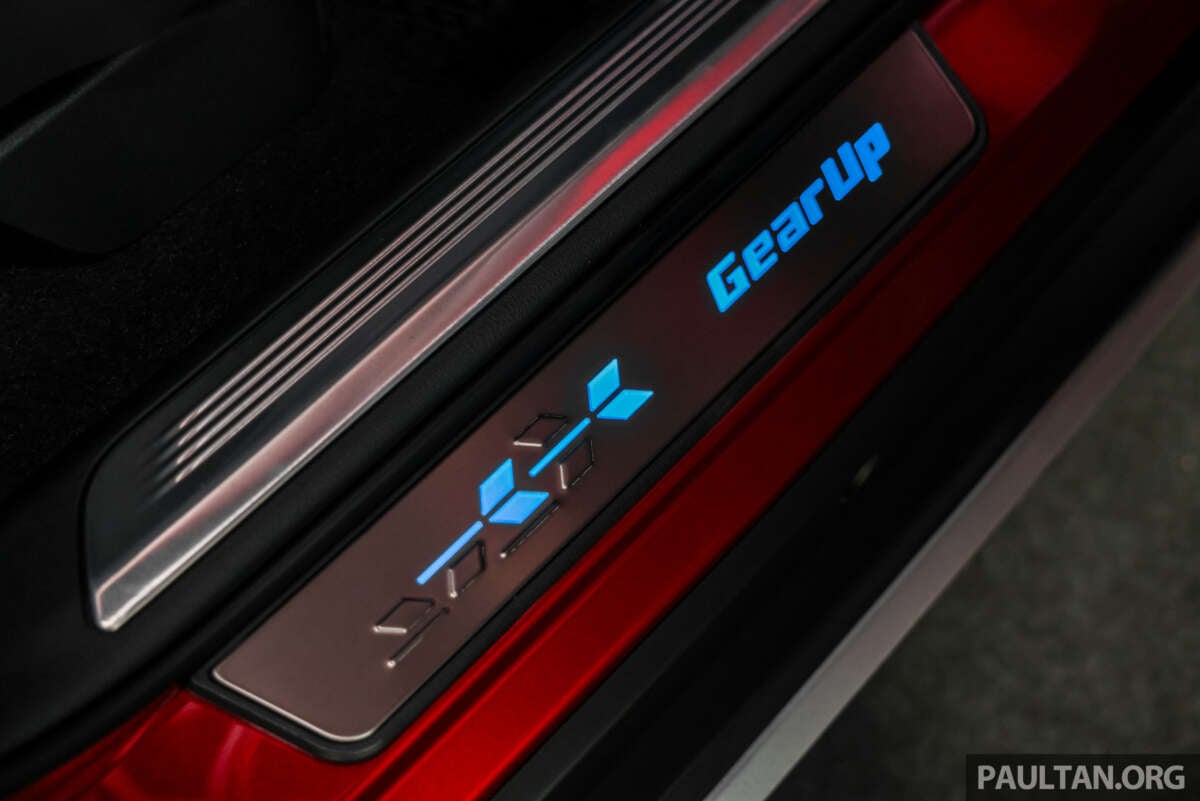
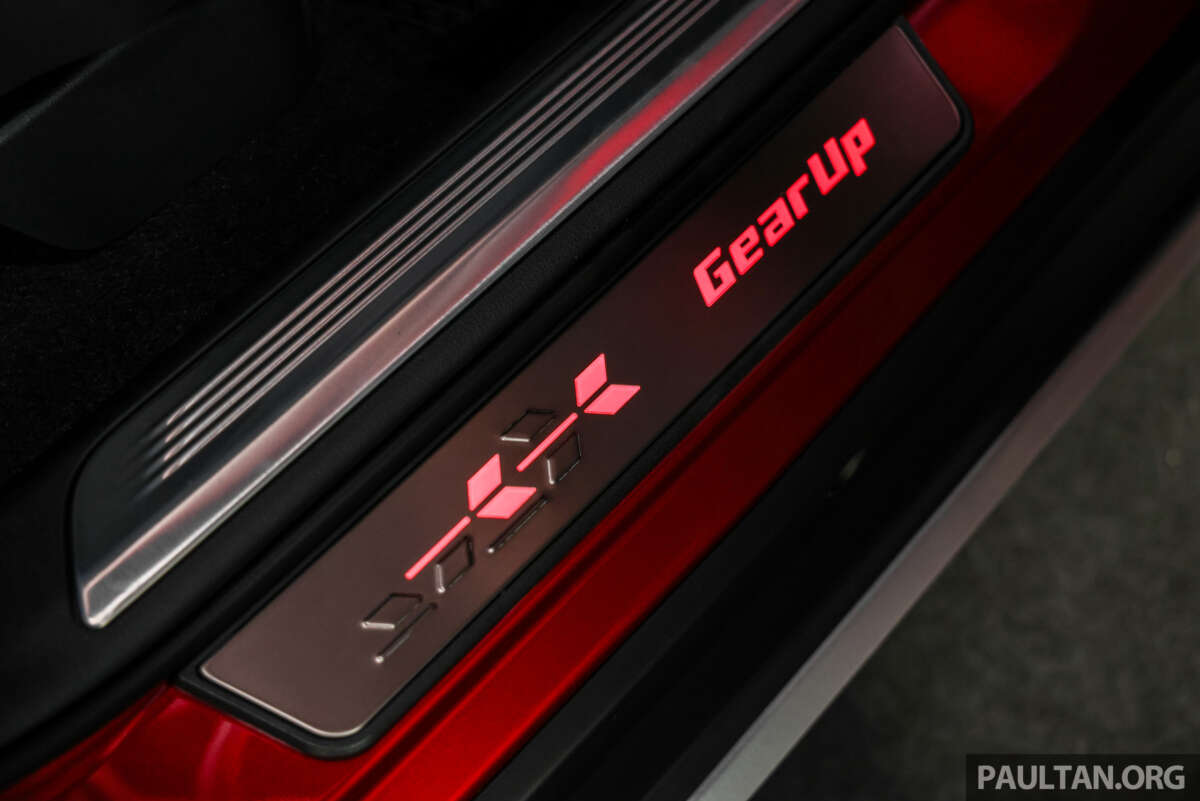
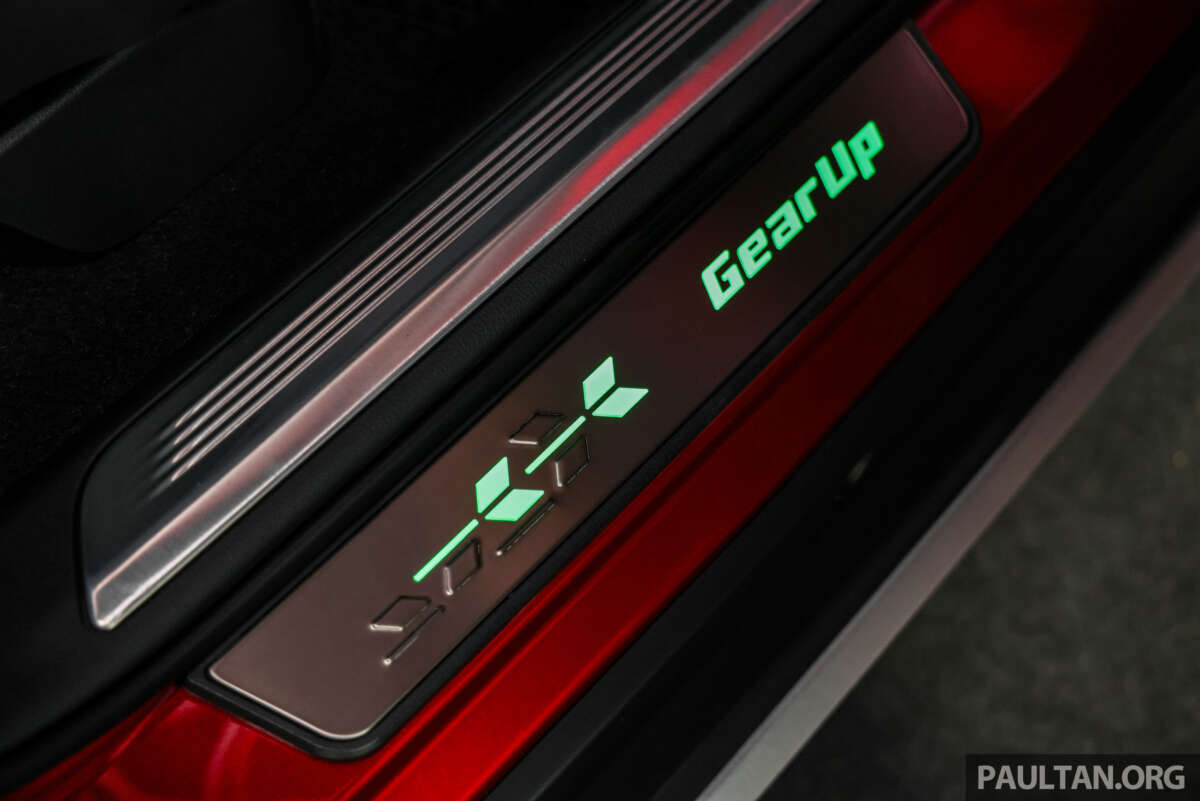
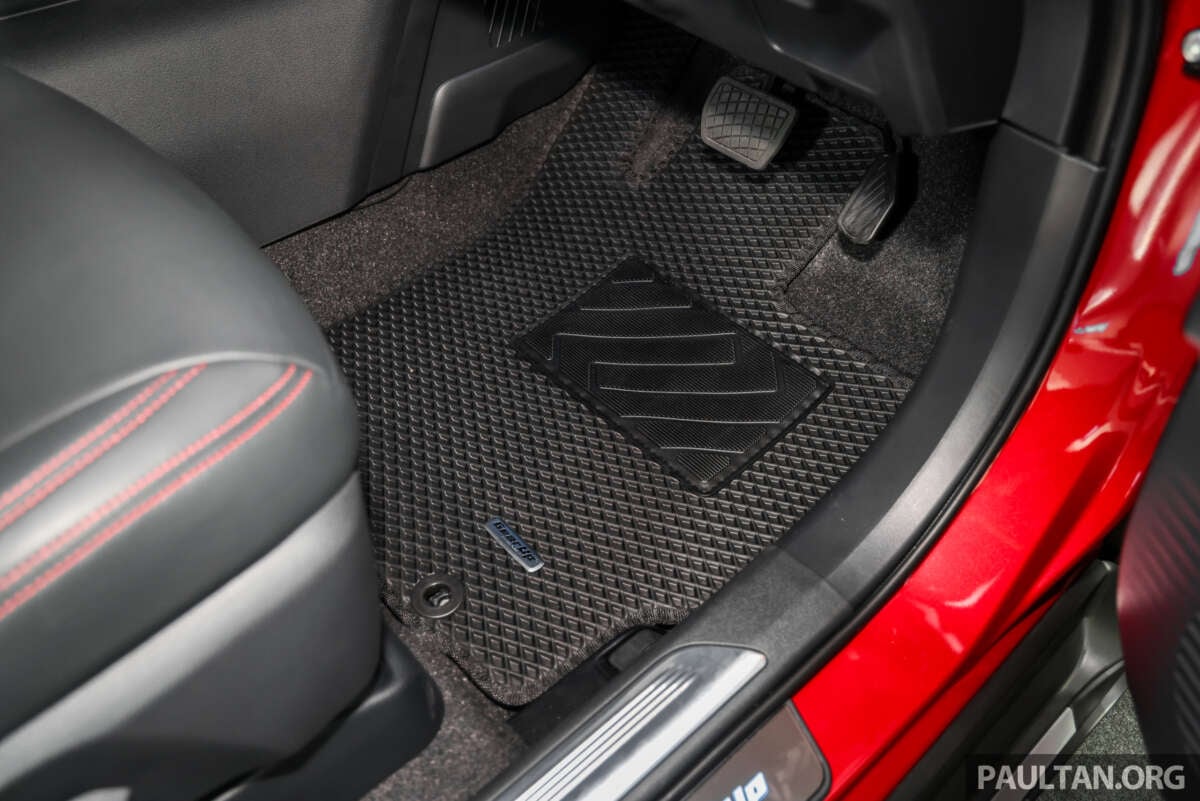
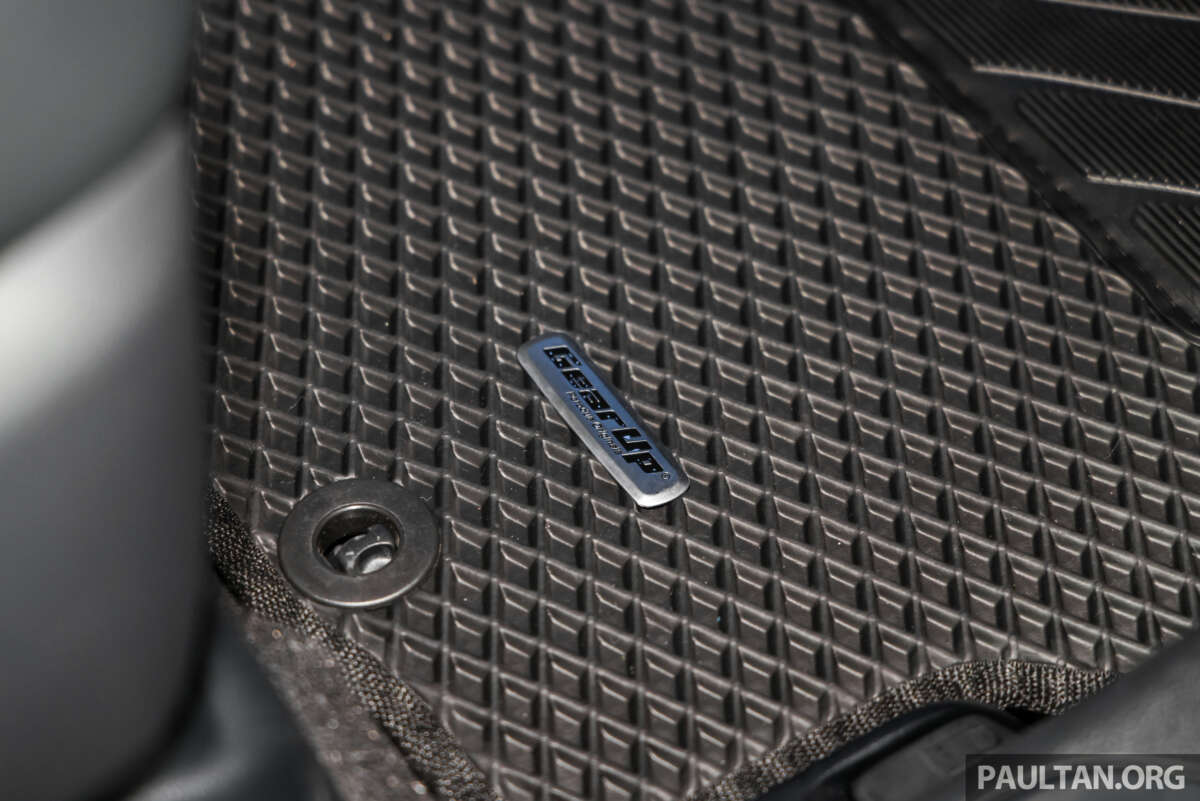
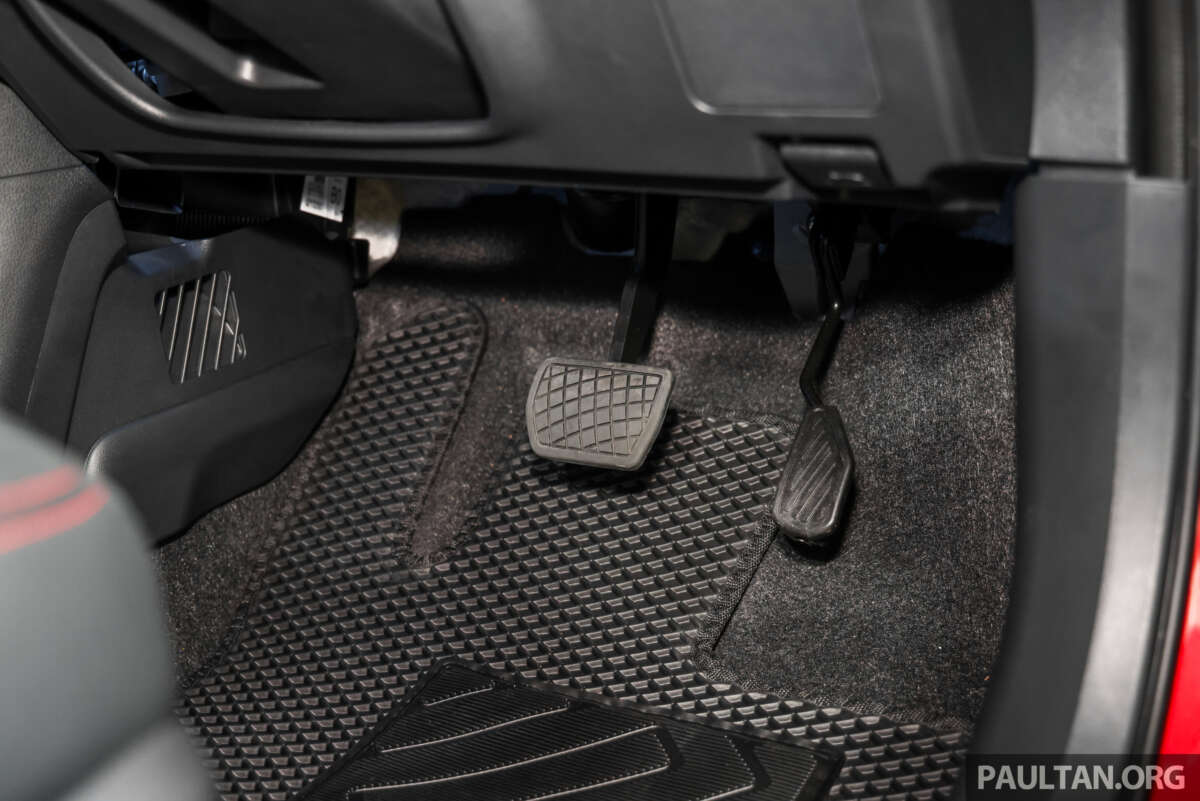
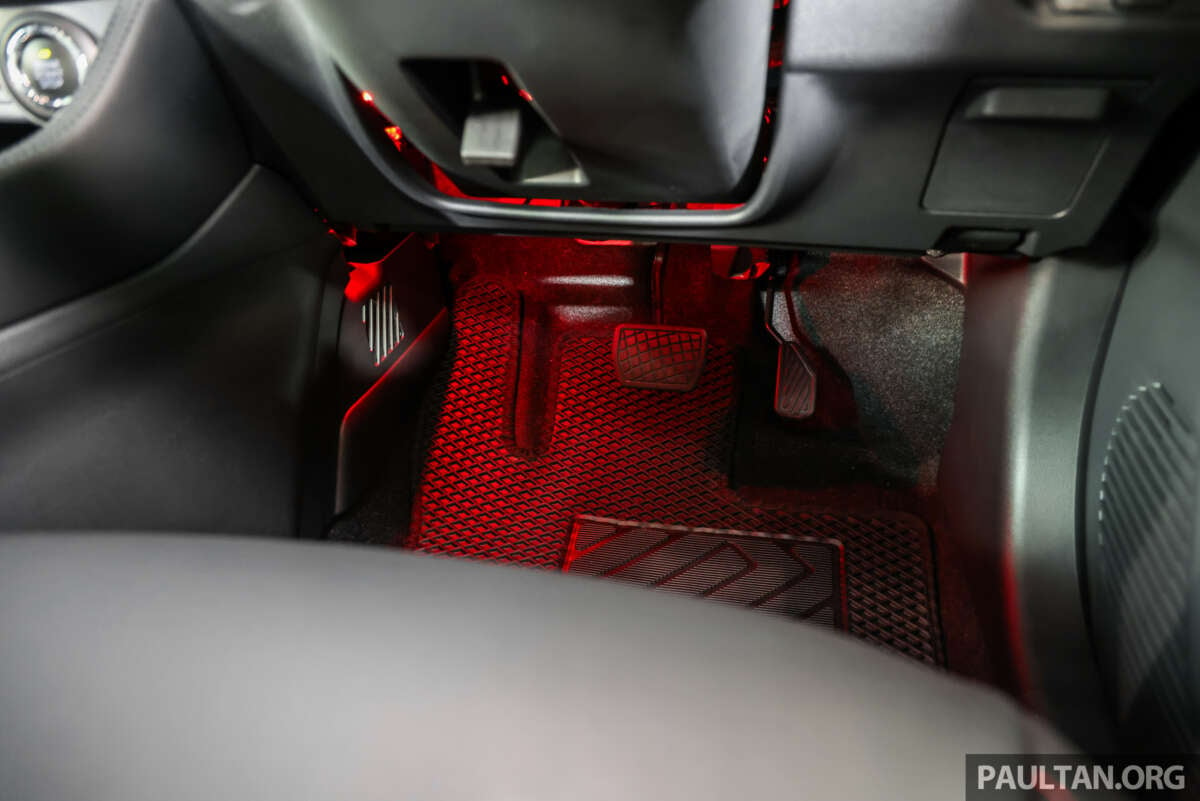
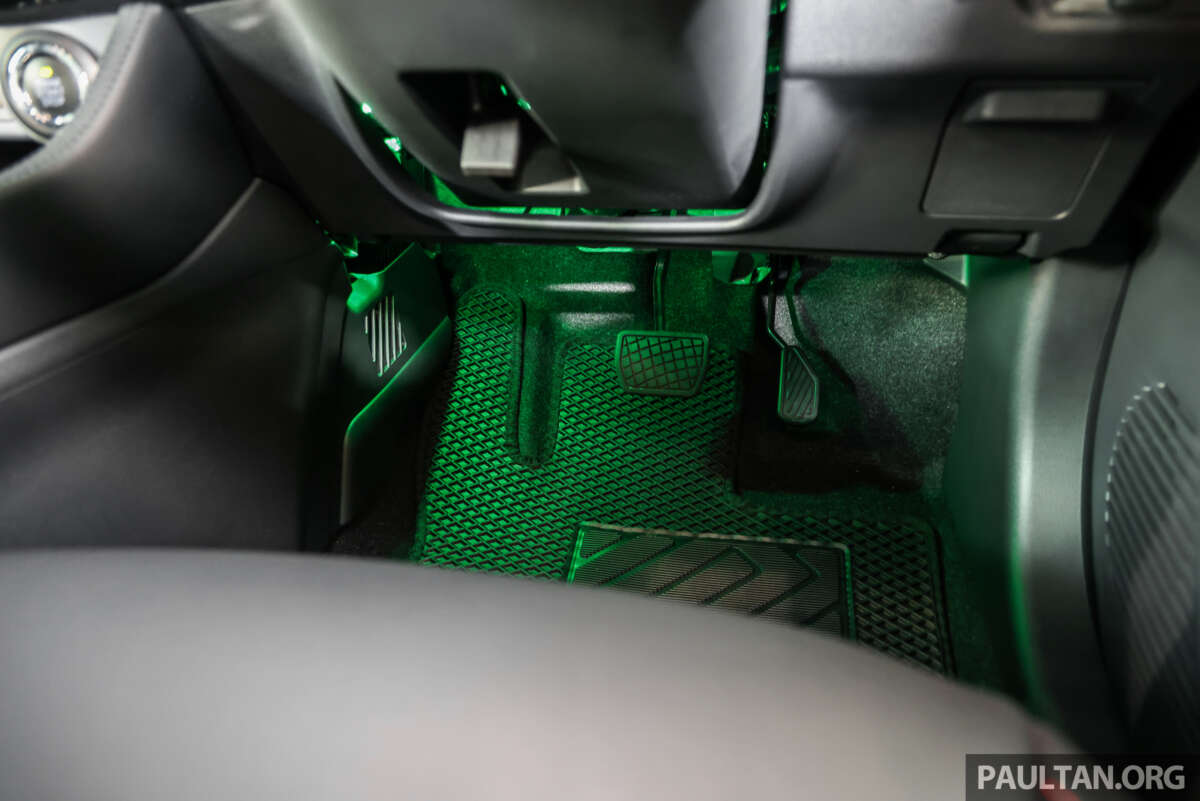
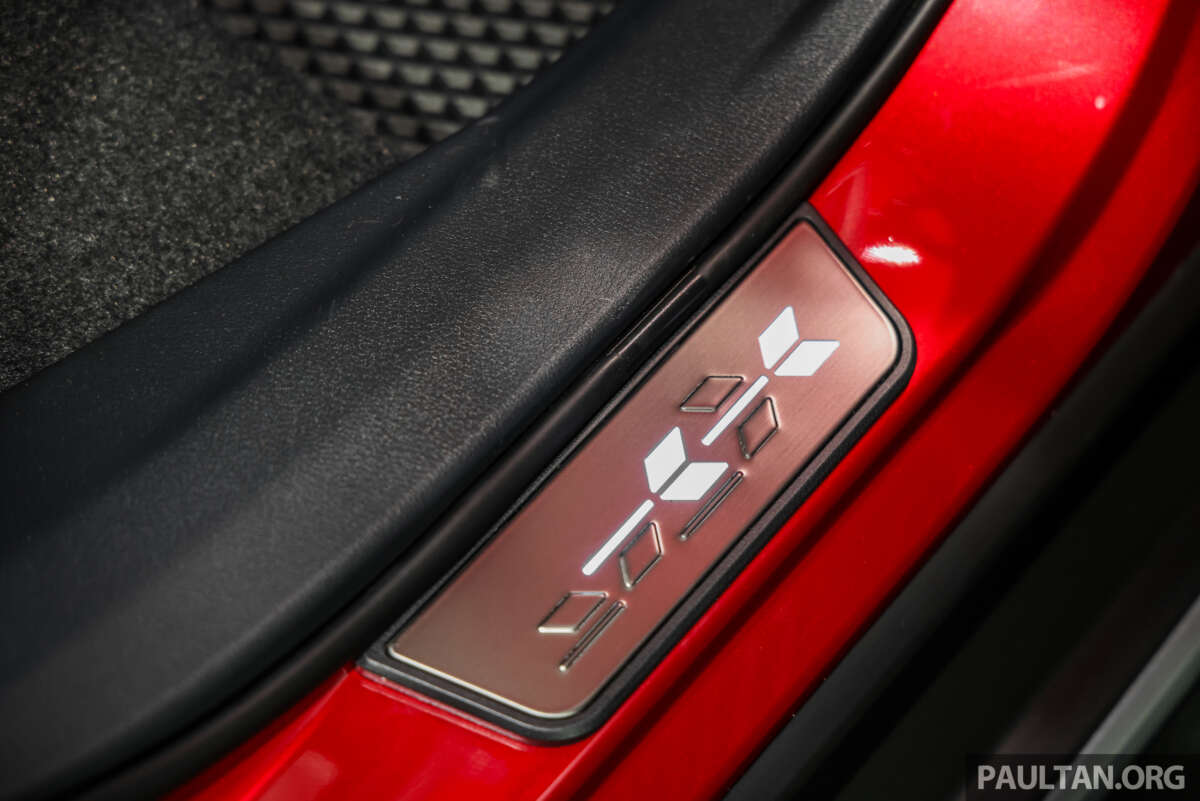
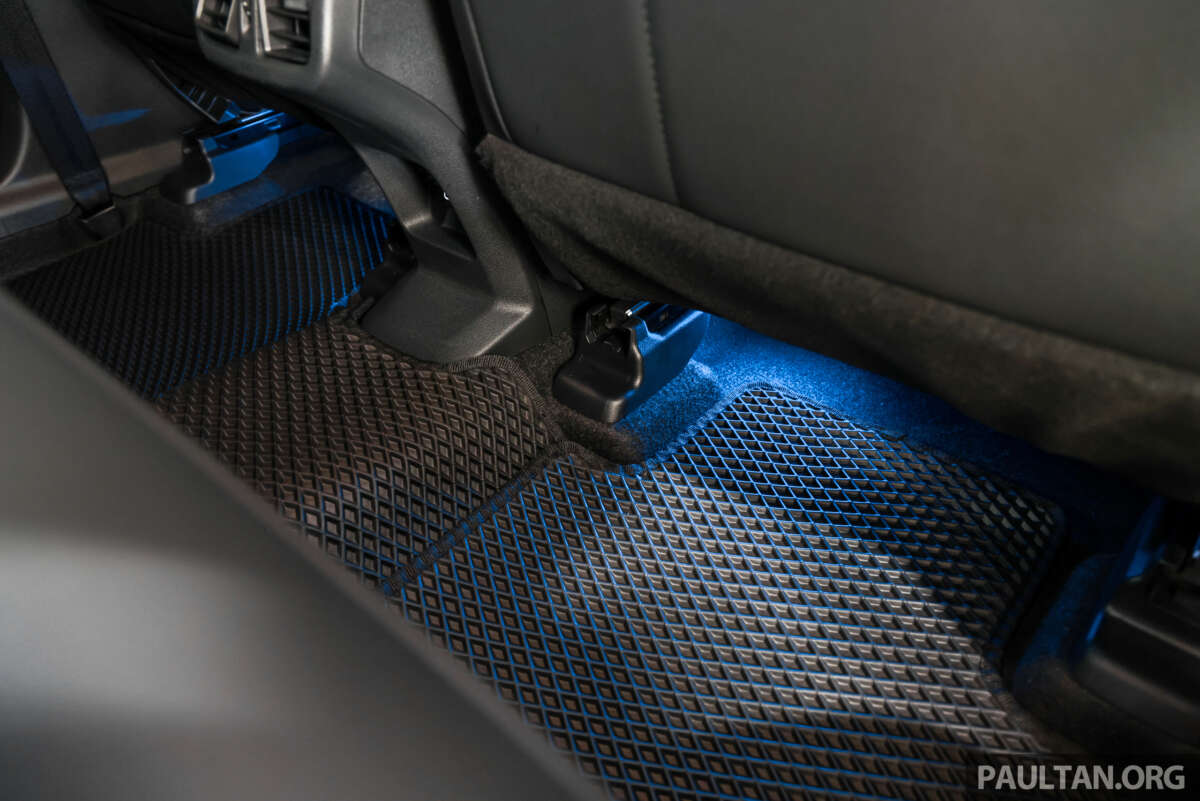
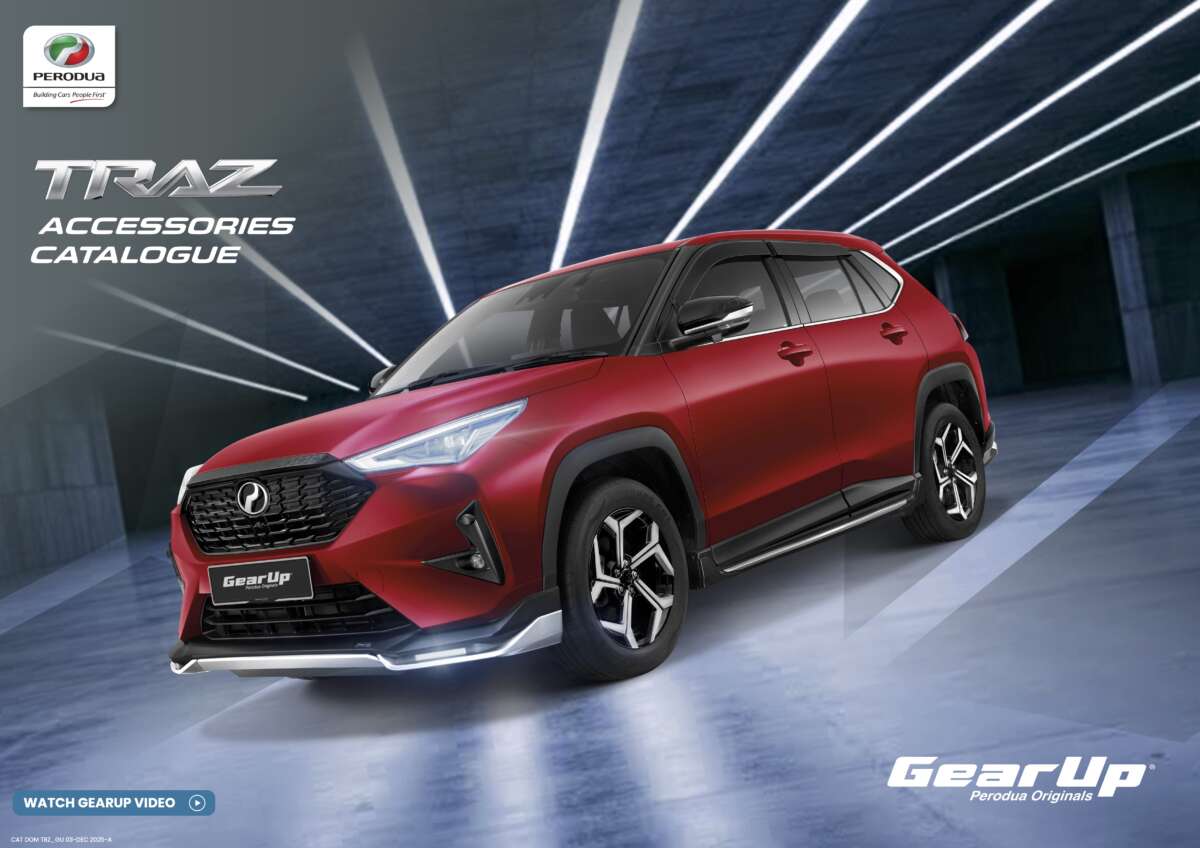
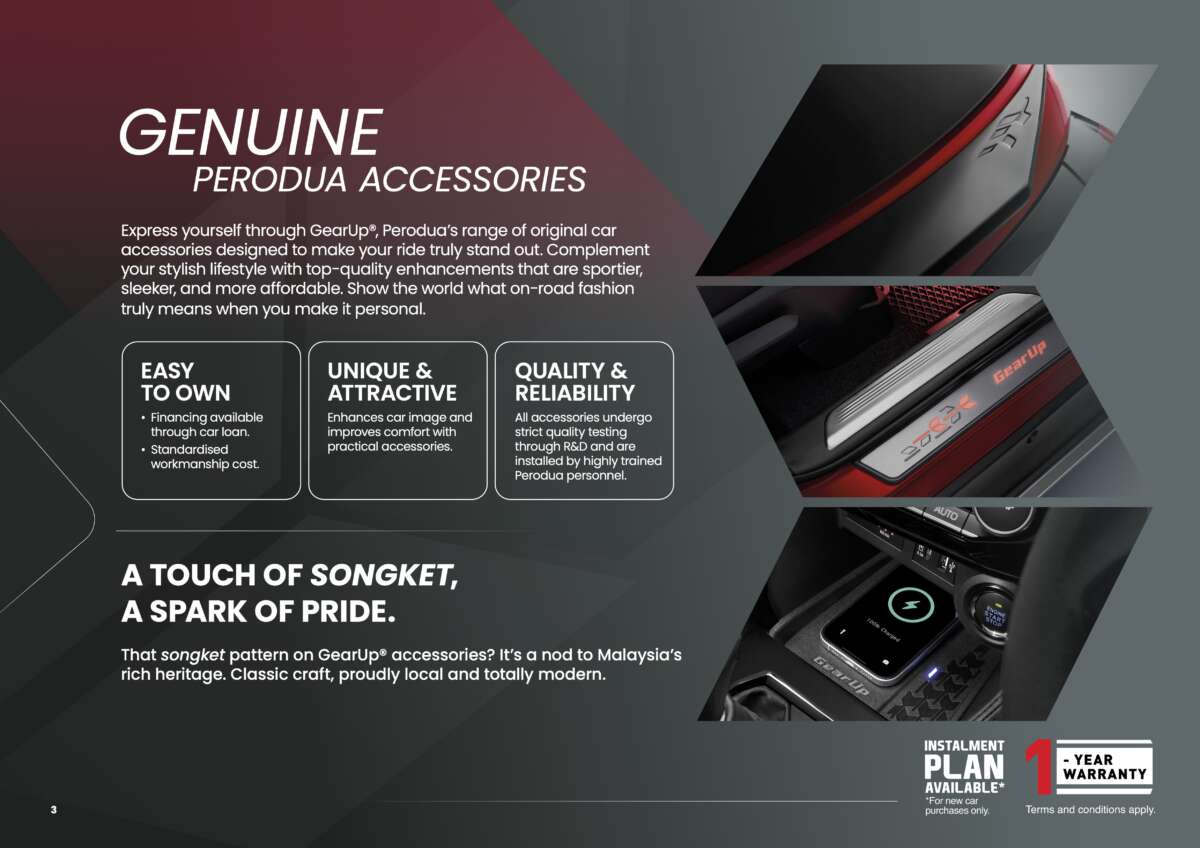
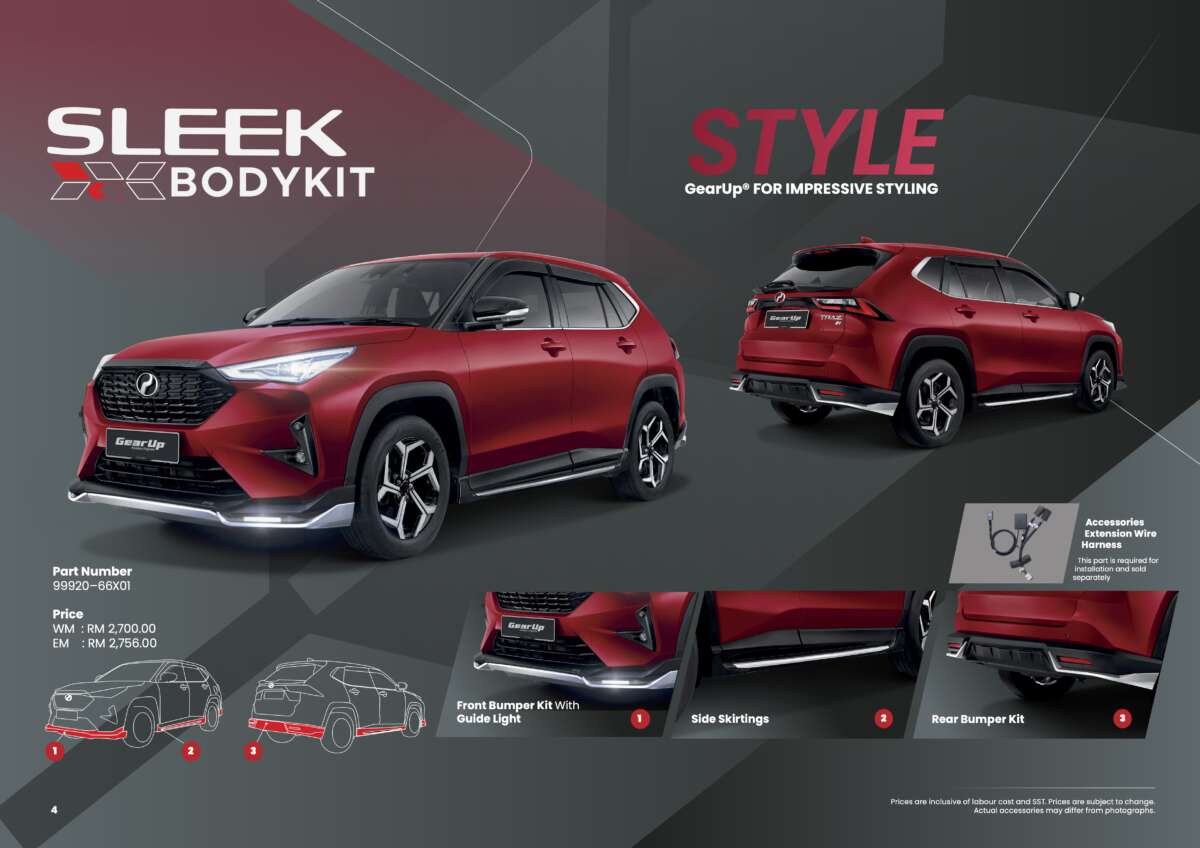
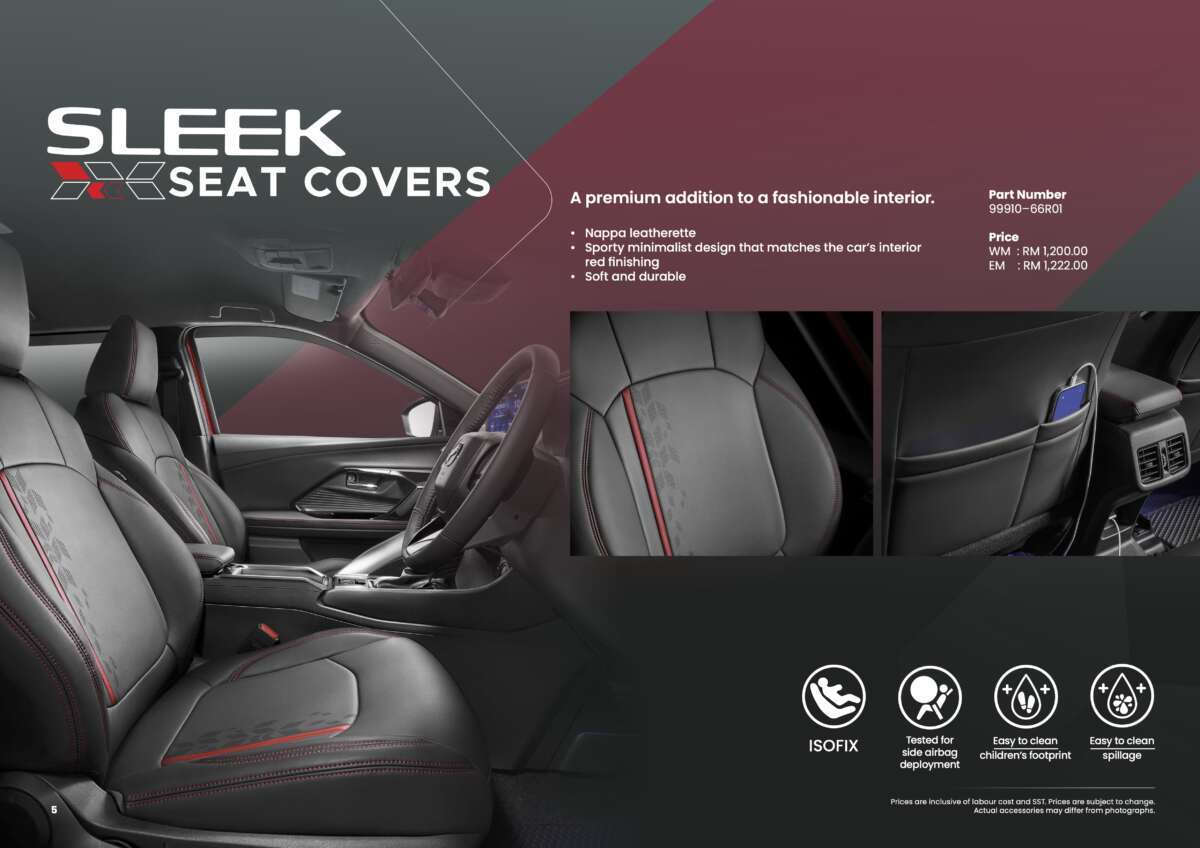
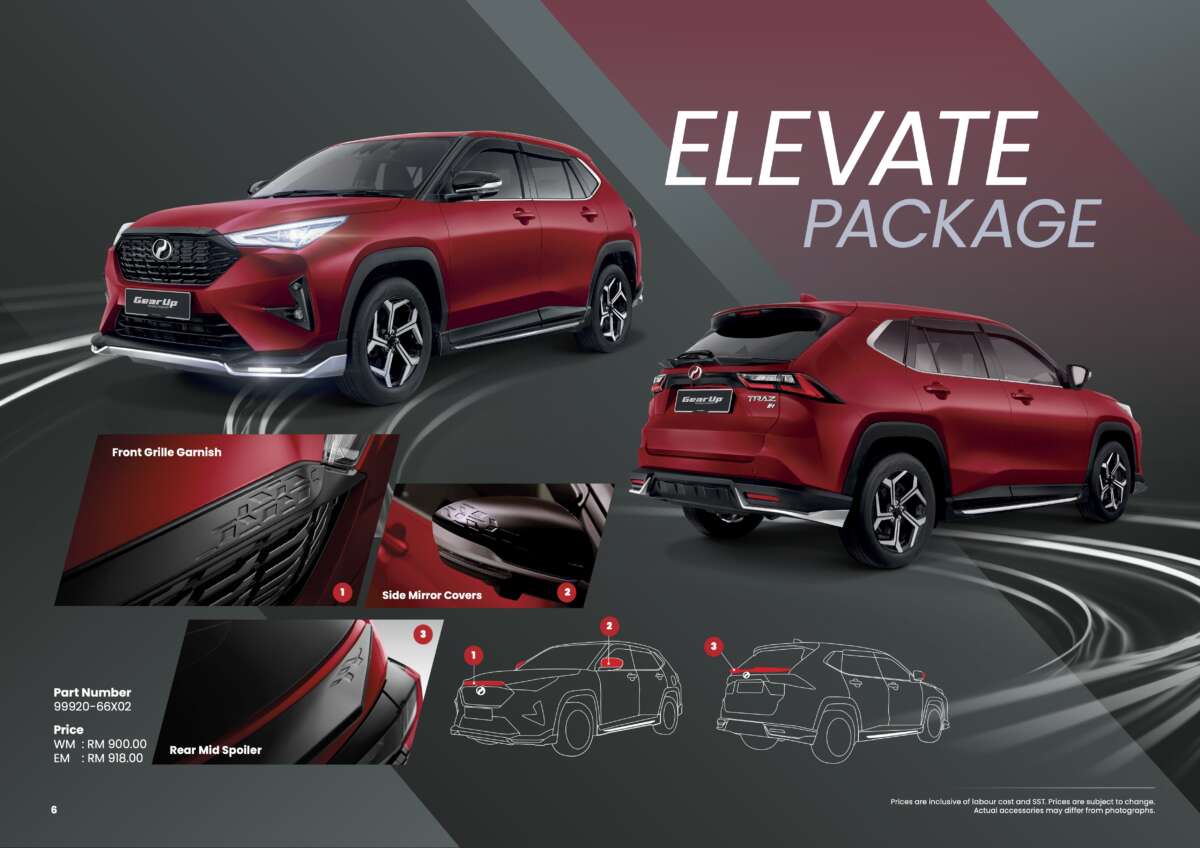
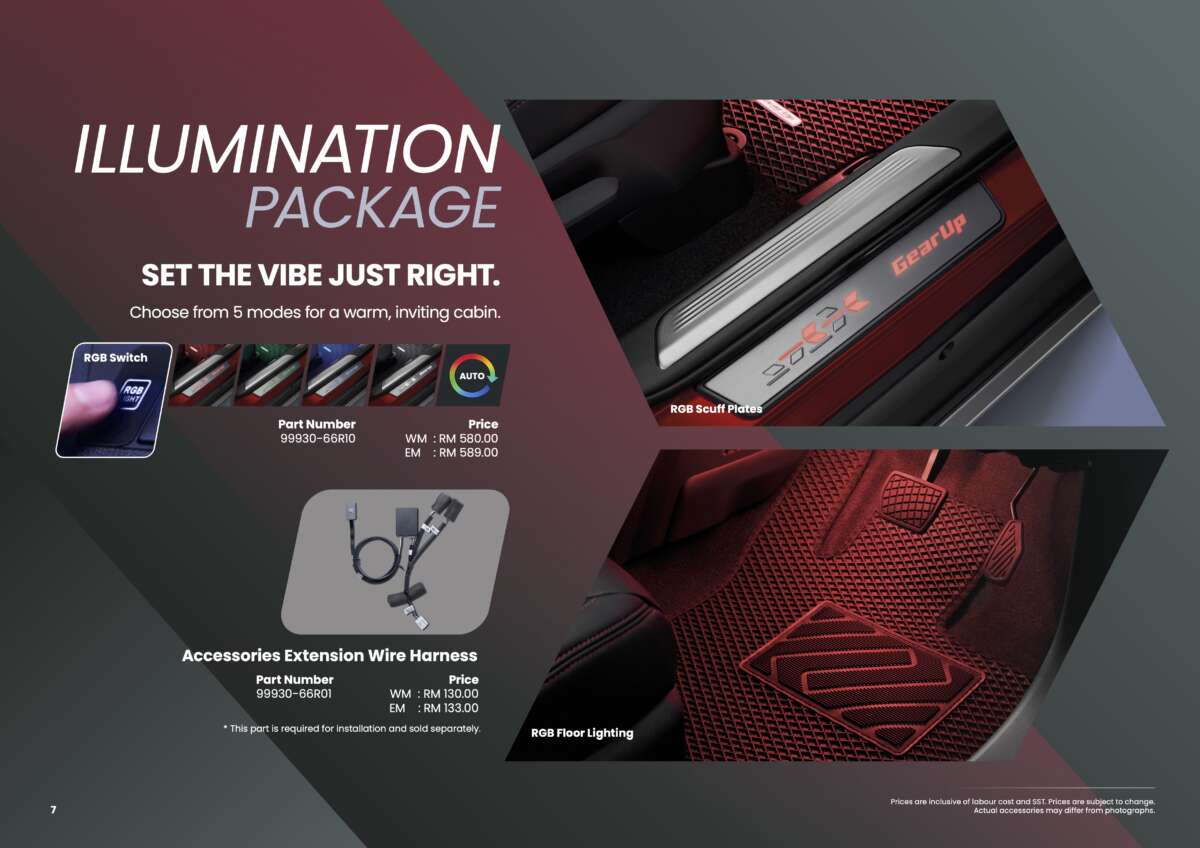
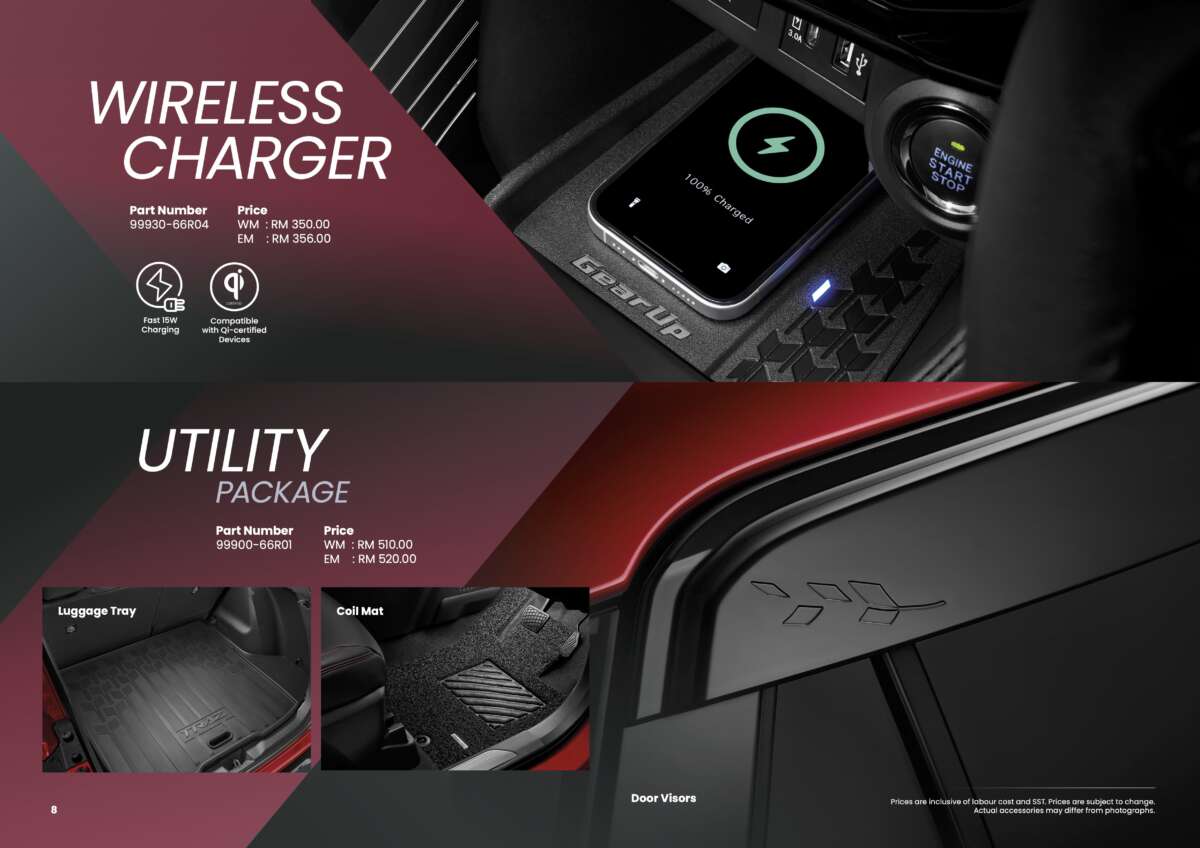
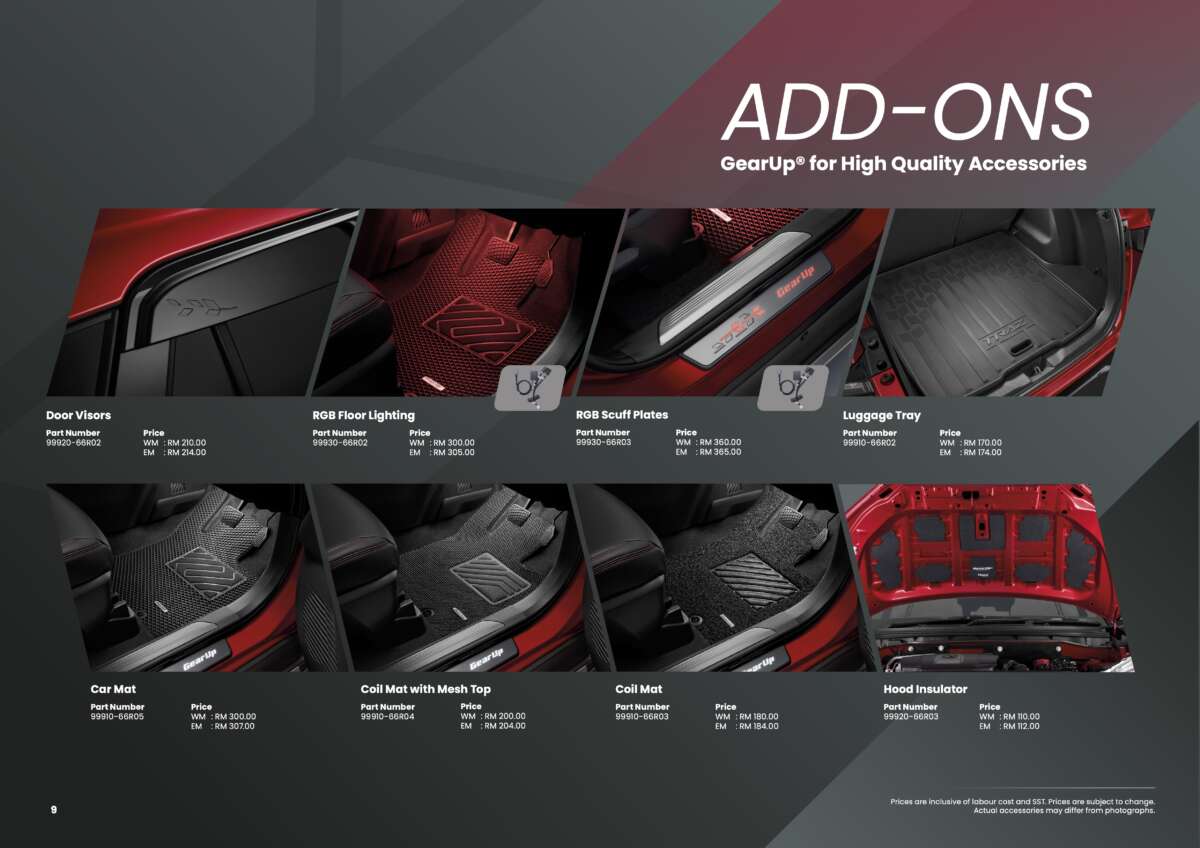
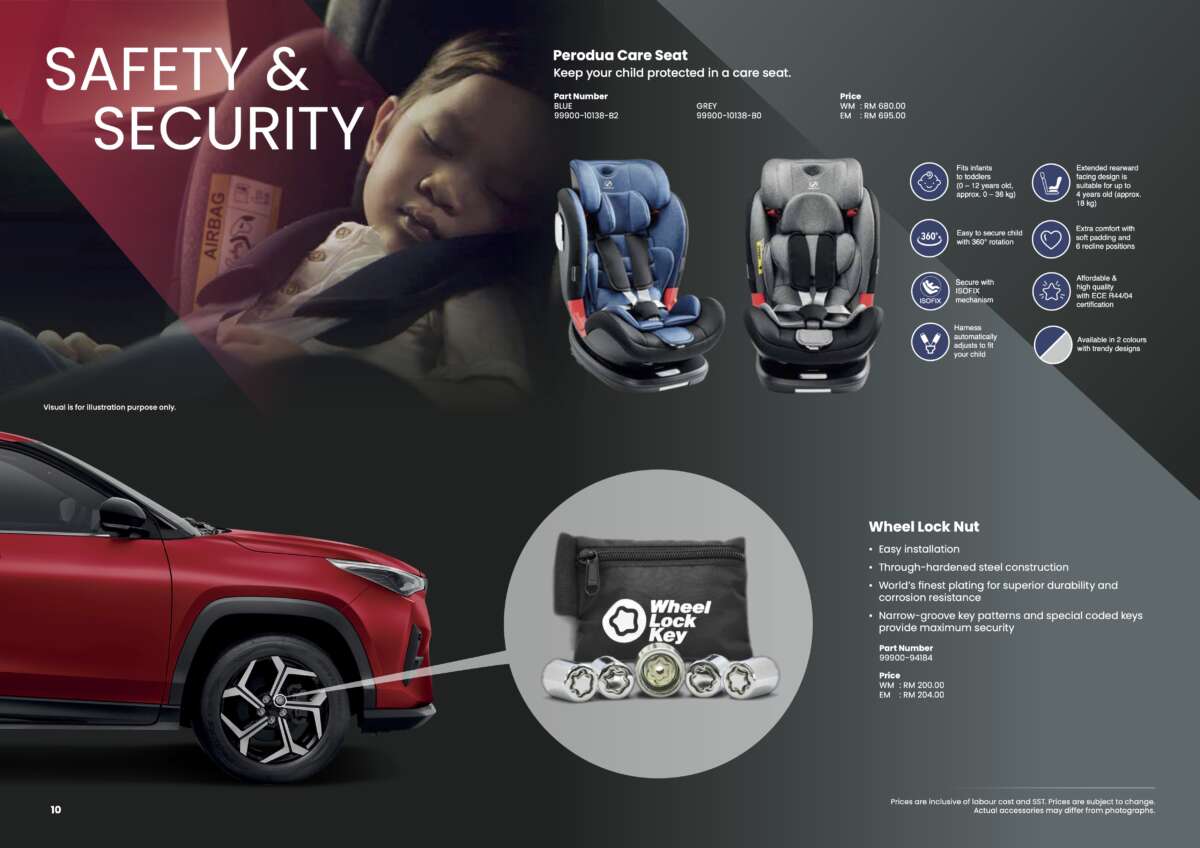
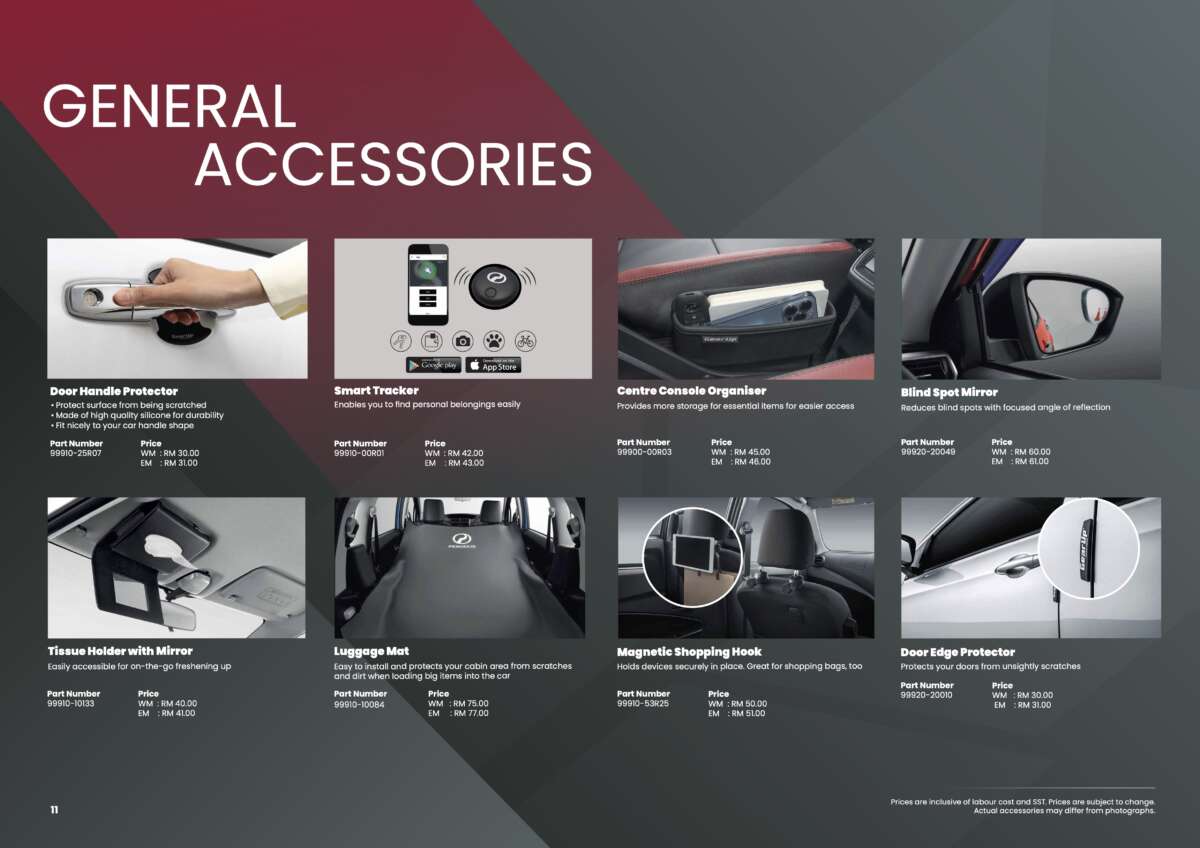
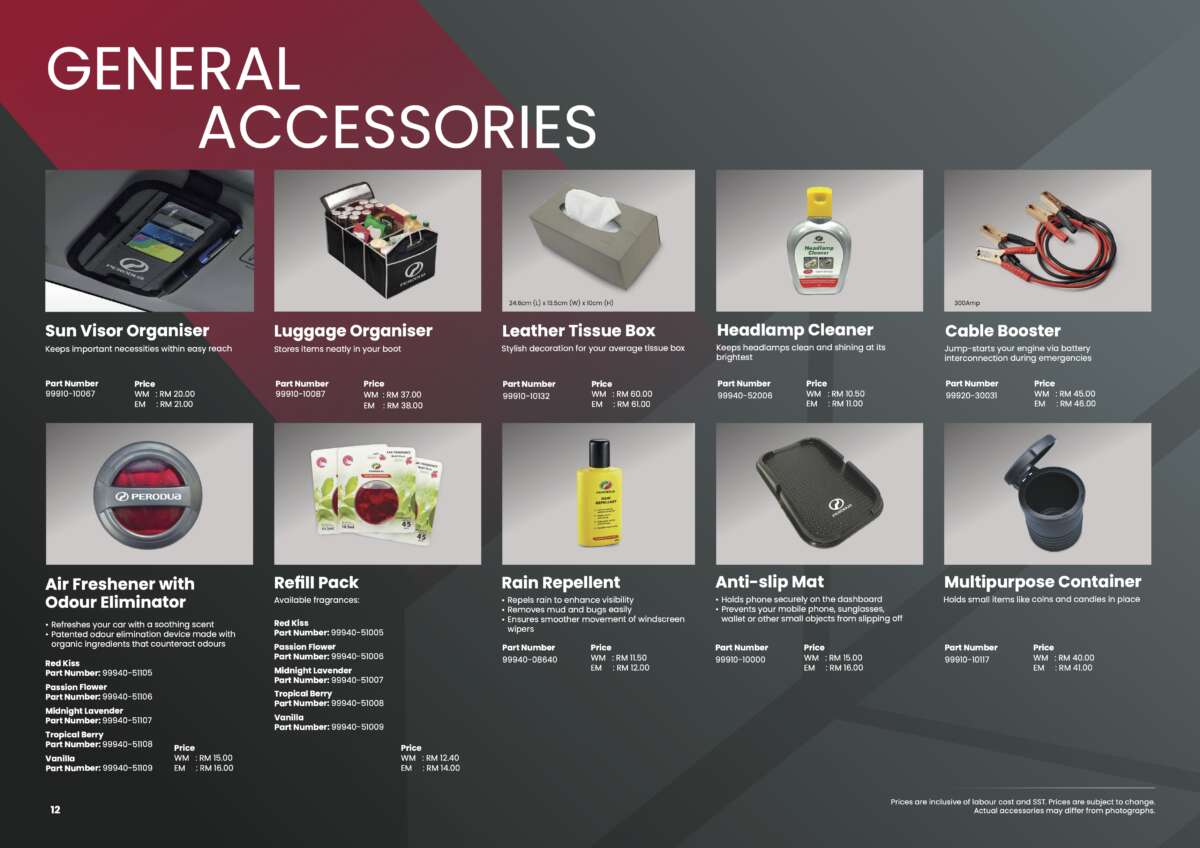
As usual, there’s a full GearUp accessories catalogue, all covered by a one-year warranty and available on an instalment plan with the car. The main bundles are the Sleek Bodykit (RM2,700), Elevate Package of grille garnish, mirror covers and rear spoiler (RM900), Illumination Package of RGB footwell/scuff lighting (RM580) and Utility Package of visors, luggage tray and mats (RM510). Other popular à-la-carte items include Nappa leatherette seat covers (RM1,200), a 15W wireless charger (RM350) and a Perodua Care child seat (RM680). Load up a Traz H with the lot and you’re looking at roughly a RM90k car.
Running costs
This is where the Traz’s simplicity pays off. Total scheduled maintenance over five years/100,000 km comes to RM3,534.87 – barely more than a Myvi (RM3,368.70) and almost identical to the Ativa (RM3,539.30), despite the Ativa’s more complex turbo engine. By comparison, a Proton X50 costs RM5,048.70 to maintain over the same period – over RM1,500 more.
The first 1,000 km service is a free inspection, the NA engine takes cheaper consumables, and as noted, there’s no need for a pricey EFB battery. If low total cost of ownership is your priority, the Traz is hard to beat.
Traz vs Toyota Yaris Cross – the “Traz AV” question

Many enthusiasts wanted a fully-loaded “Traz AV.” Perodua never built one – but Toyota’s own Yaris Cross, launched in May 2026, effectively fills that role. It starts at RM99,900 for the 1.5S petrol and RM109,900 for the hybrid-exclusive 1.5S Hybrid, making the petrol roughly RM18,800 dearer than the Traz H.
Mechanically the petrol Yaris Cross is identical to the Traz (same engine and D-CVT). What the extra money buys is kit and polish: 18-inch wheels, a fully-digital seven-inch instrument cluster, a larger 10.1-inch screen with wireless smartphone mirroring, faux-leather and an eight-way powered driver’s seat, ambient lighting, neater styling – and, most significantly, the adaptive cruise control and lane centring (Level 2) that were cut from the Traz. The Hybrid adds a 111 PS electrified powertrain for another RM10k.
The Traz’s rare wins over the Toyota are its optional black roof and a wider spare tyre.
So, should you buy one?
The Perodua Traz makes a lot of sense if you want a spacious, genuinely practical family SUV with bullet-proof Toyota-group mechanicals, class-leading running costs and a five-star safety record, all at the lowest price of entry in the segment. For someone upgrading from a Myvi who simply wants a reliable tool to ferry the family and do the balik kampung run, it’s exactly the right car – and the sales numbers (a steady ~1,900 a month, bang on target) suggest plenty of Malaysians agree.
The caveats are real, though. There’s no hybrid and no turbo, so it’s adequate rather than quick; the analogue dials feel a step back if you’re used to a Perodua AV; and the missing cruise control is a genuine annoyance on the highway. If those matter to you – or you want the extra polish and Level 2 safety – the pricier Toyota Yaris Cross is the natural step up. But on pure value and sensible ownership, the Traz delivers exactly what it promises.
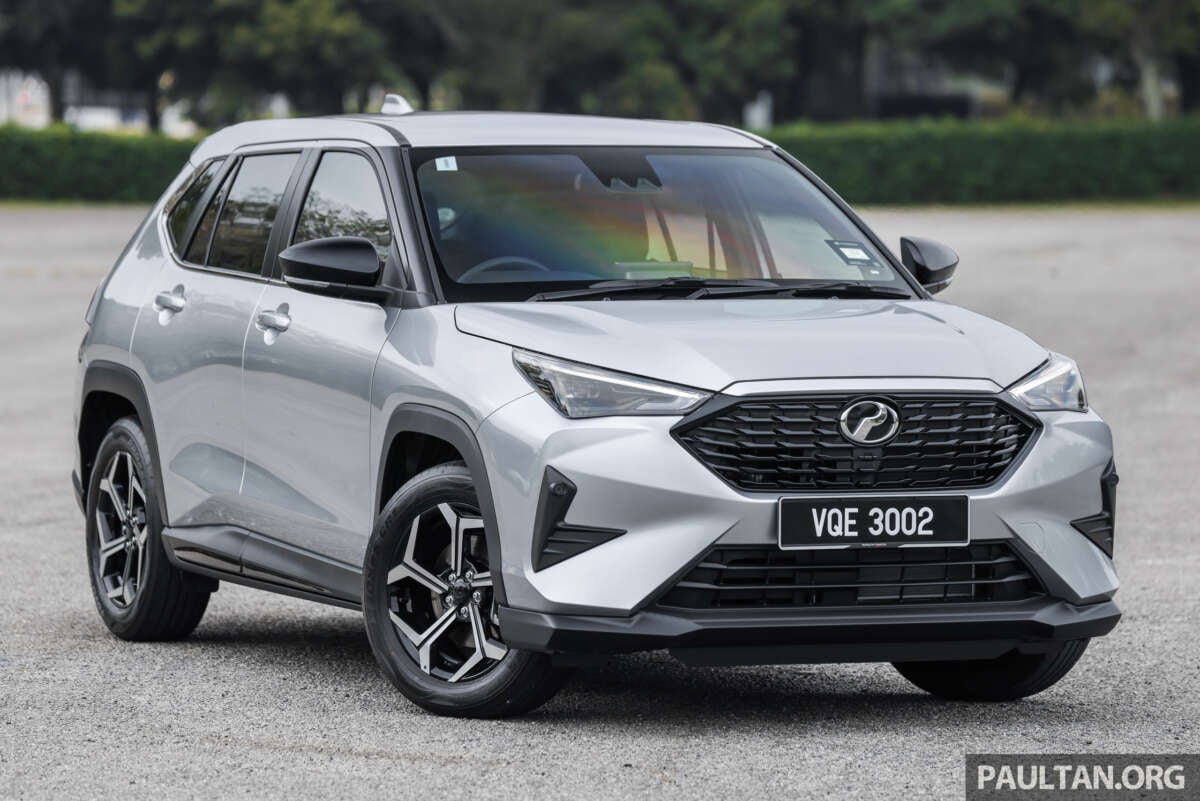
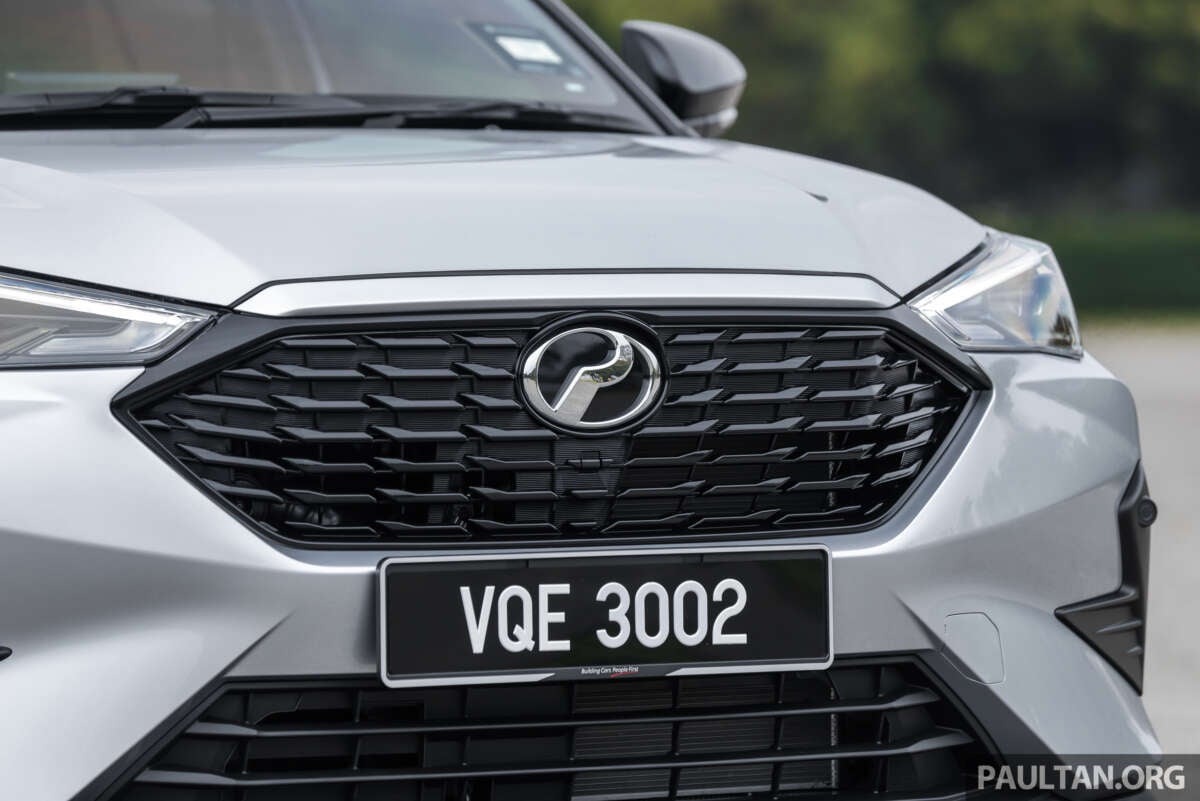
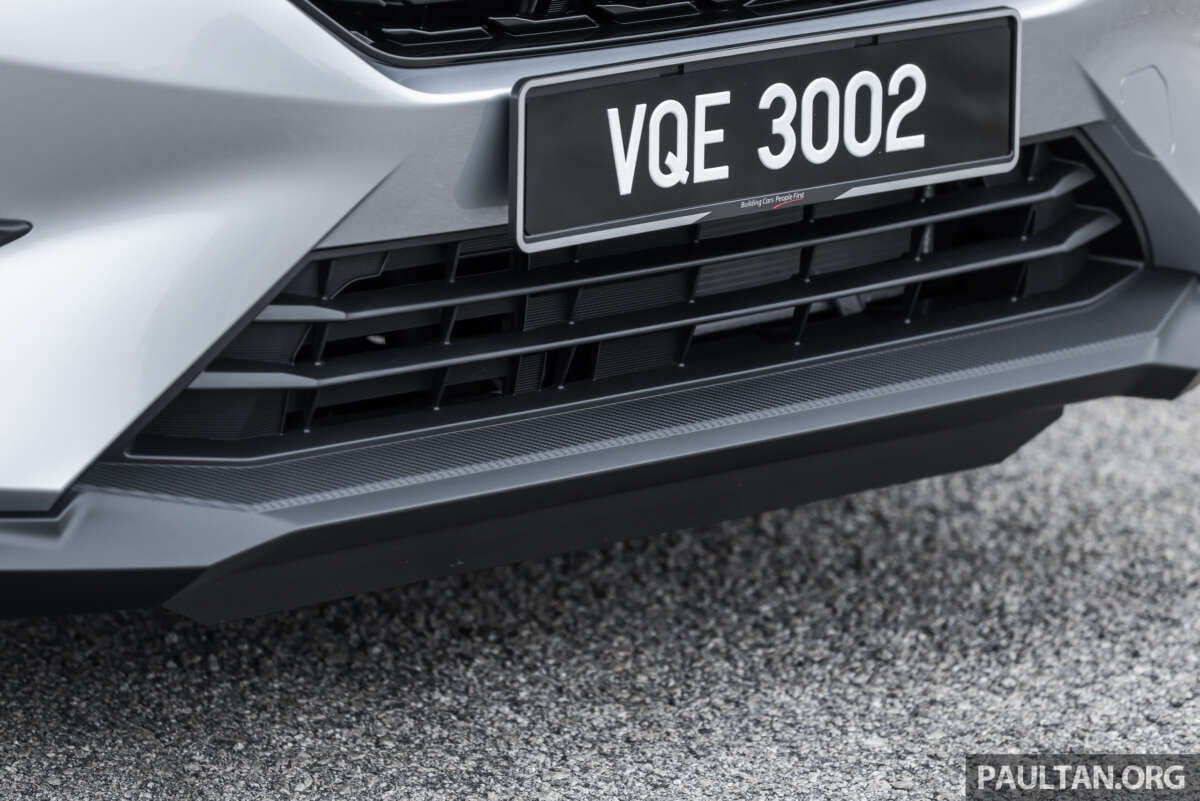
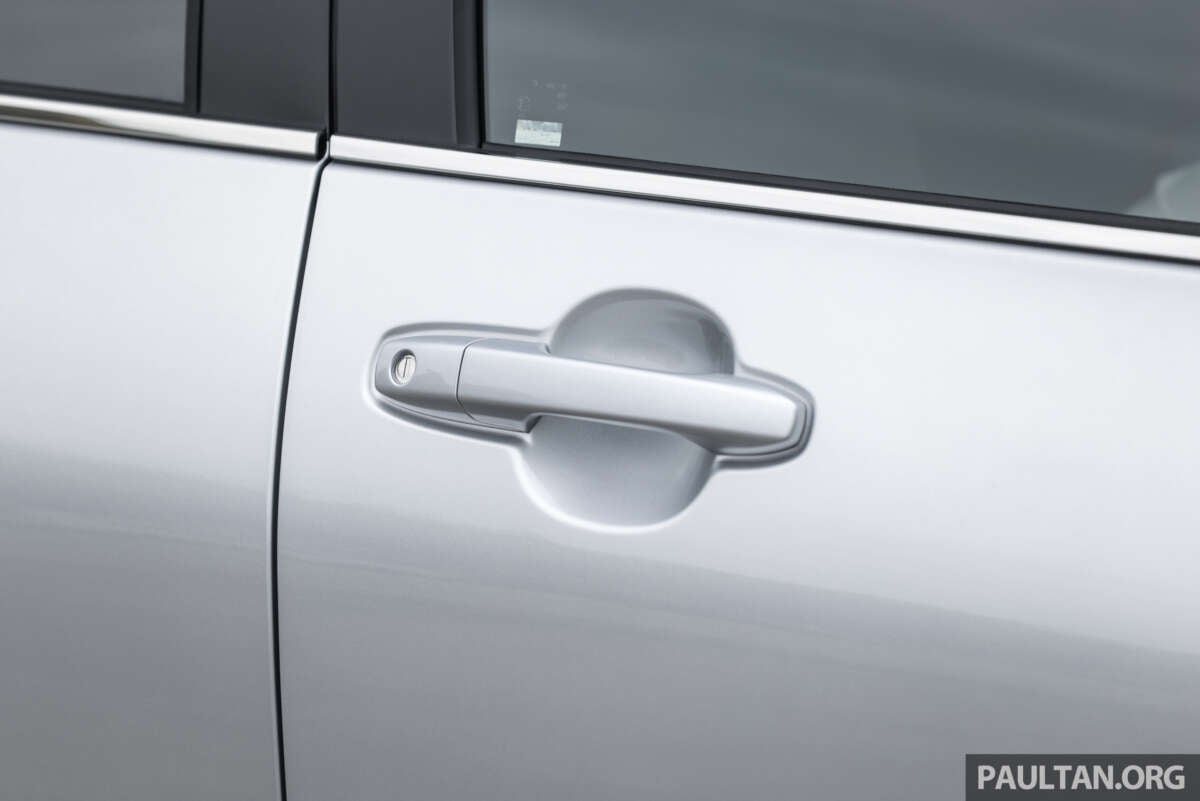
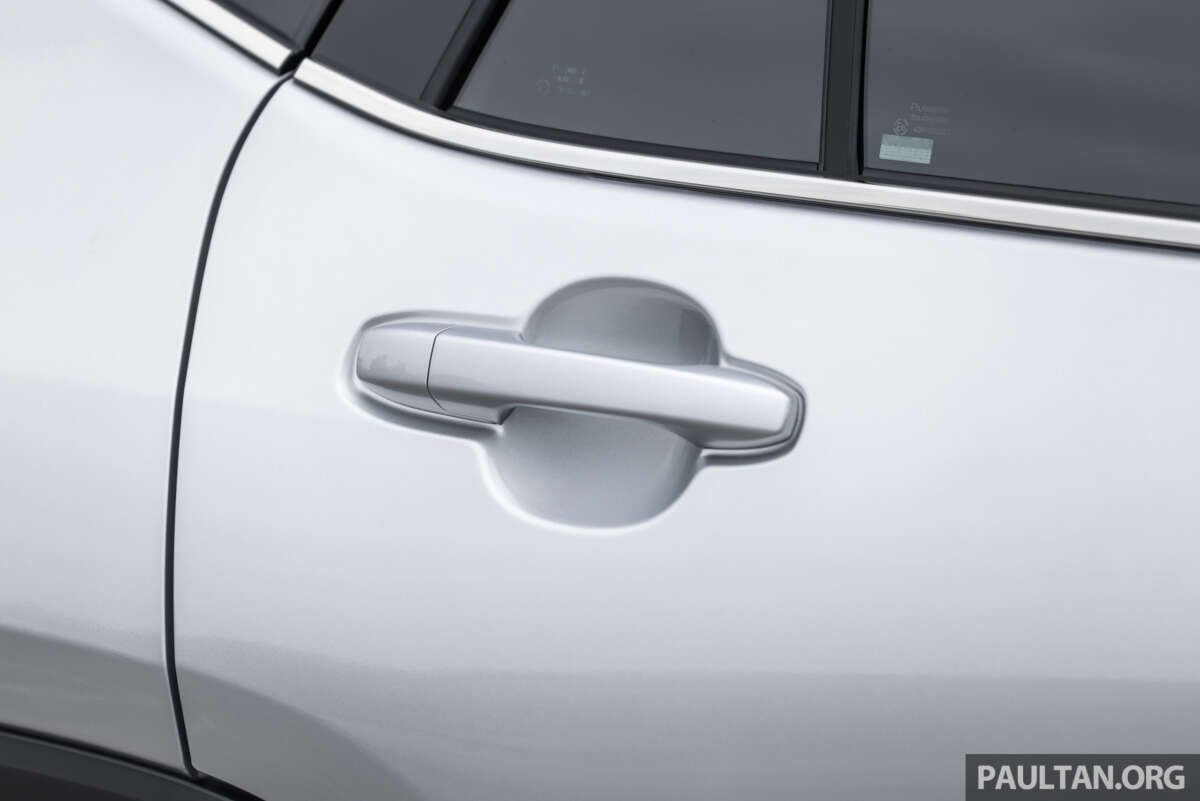
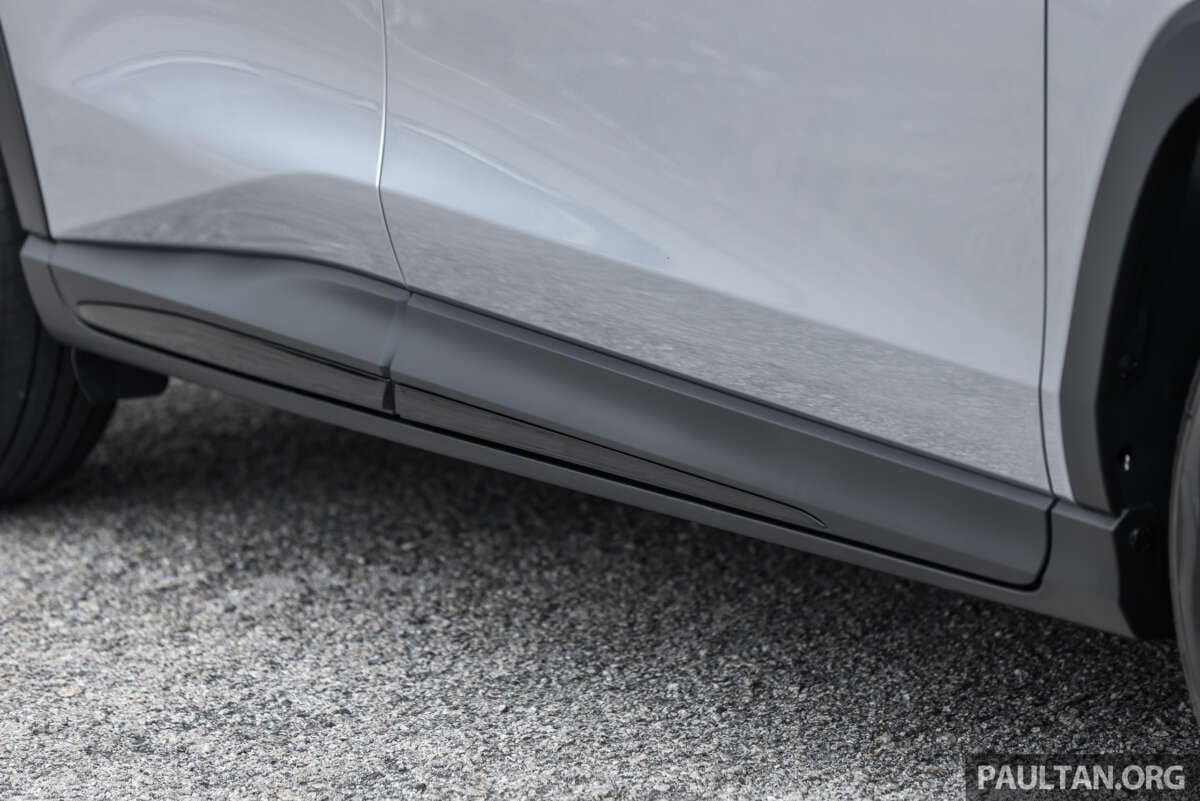
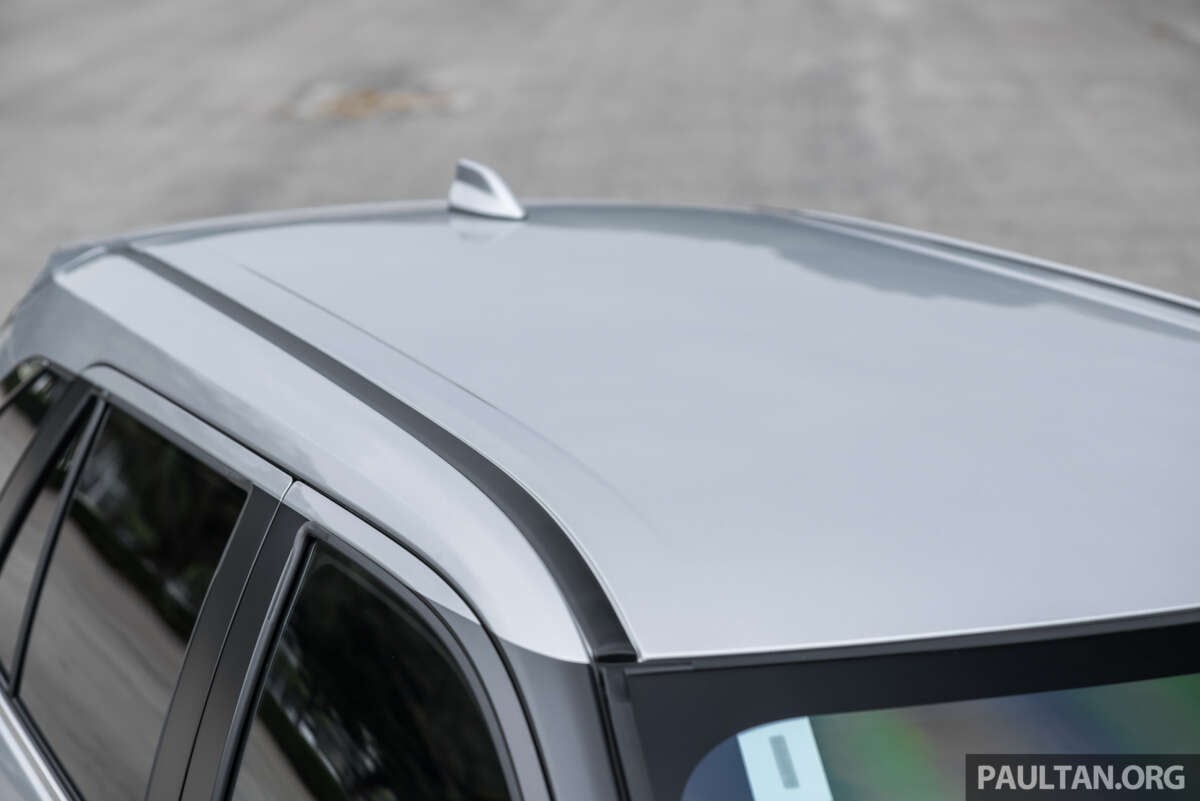
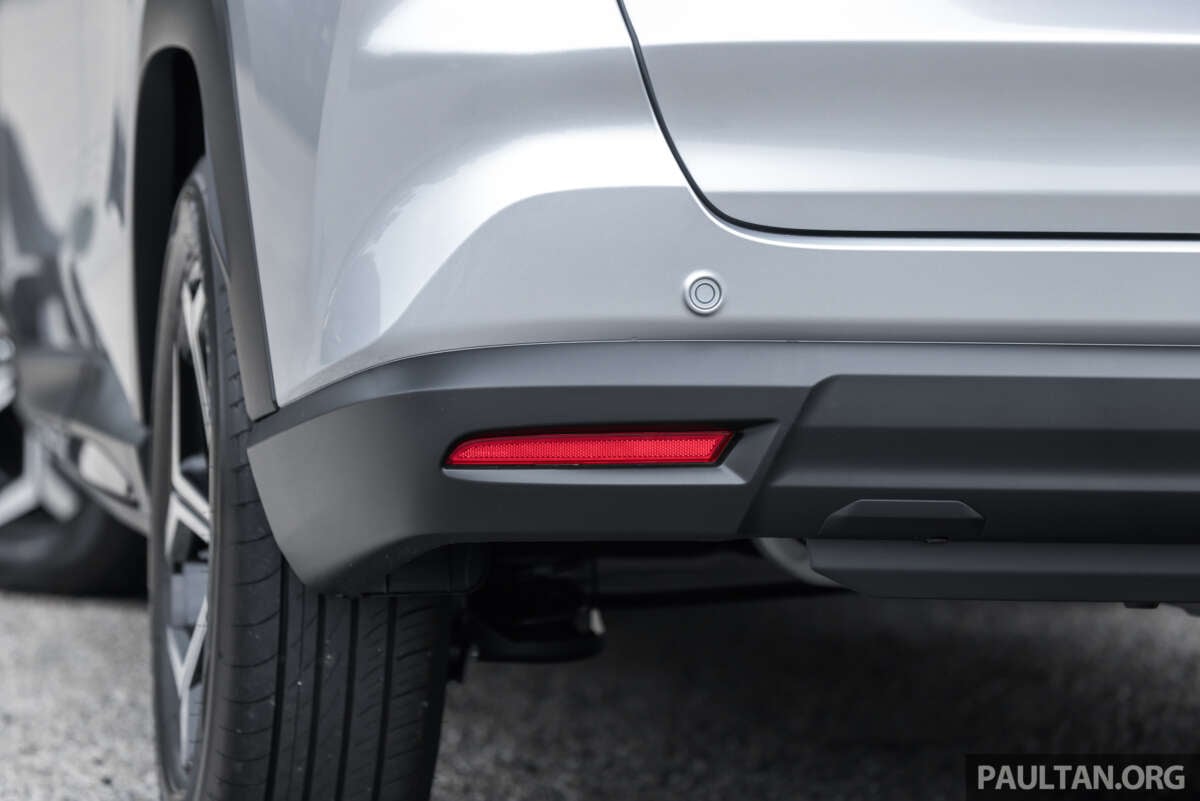
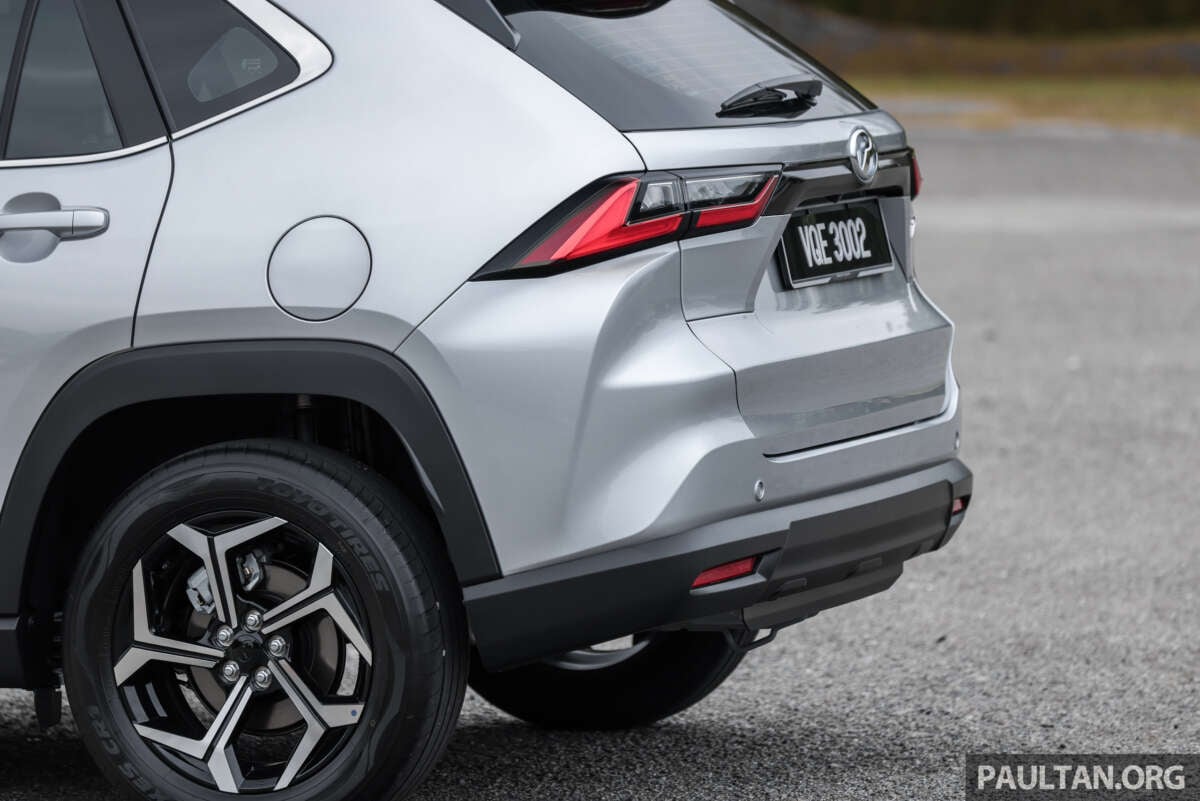
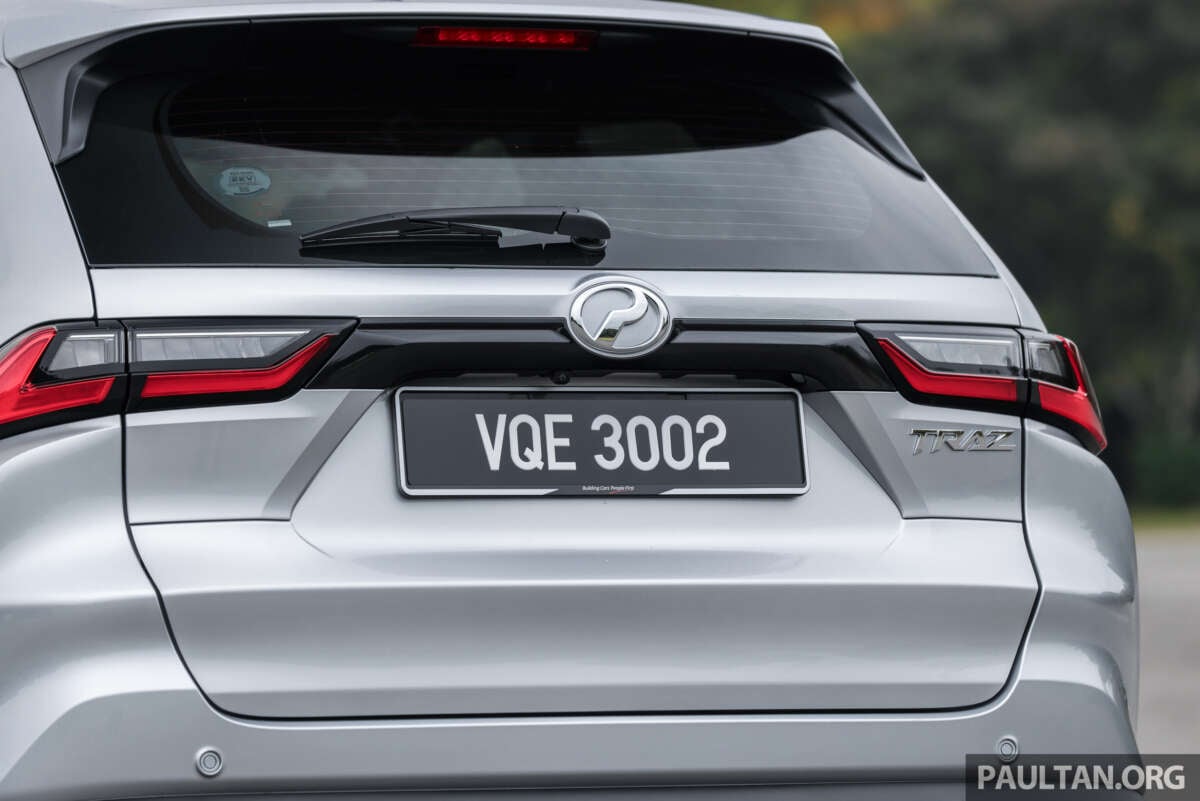
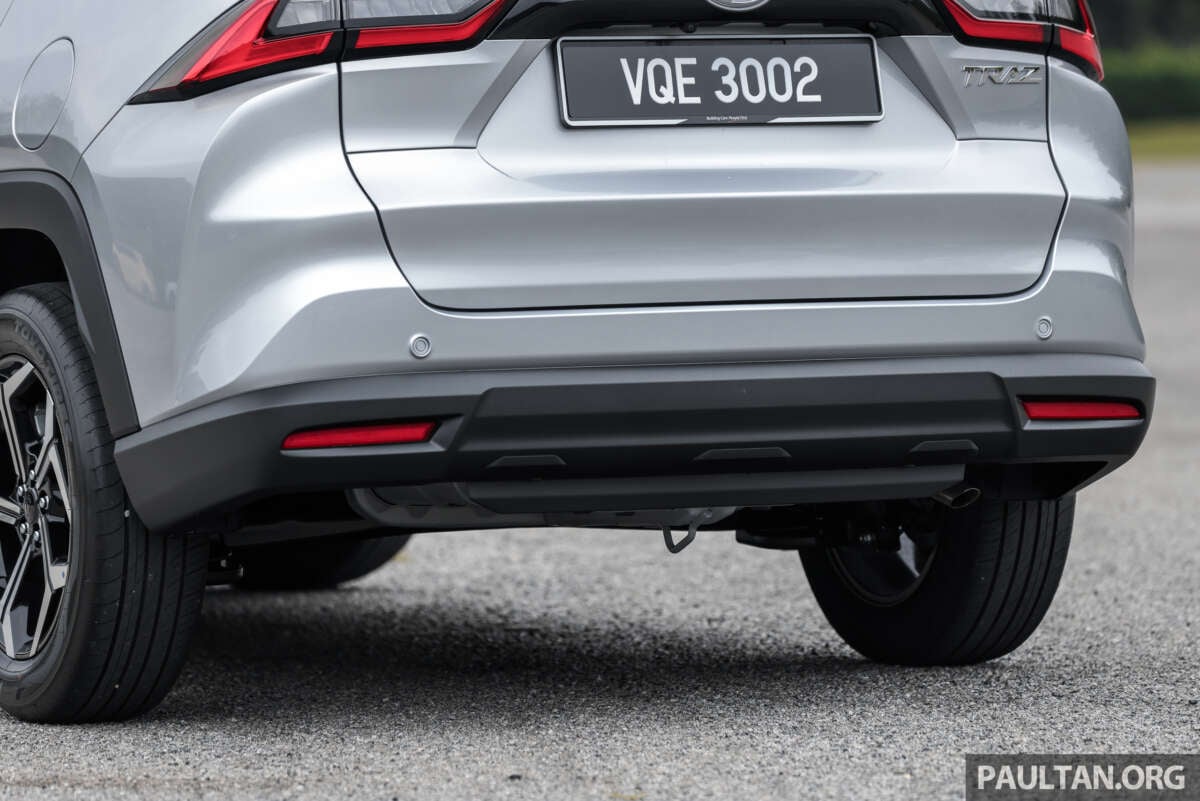
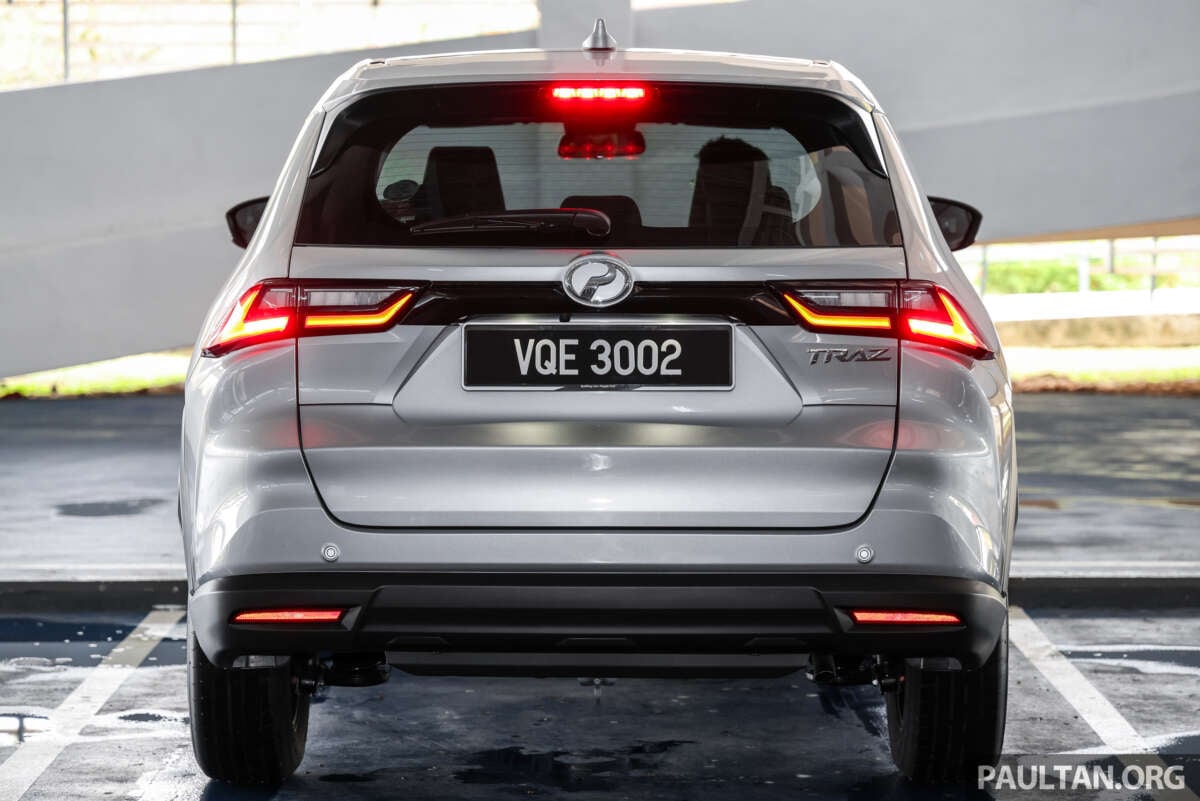
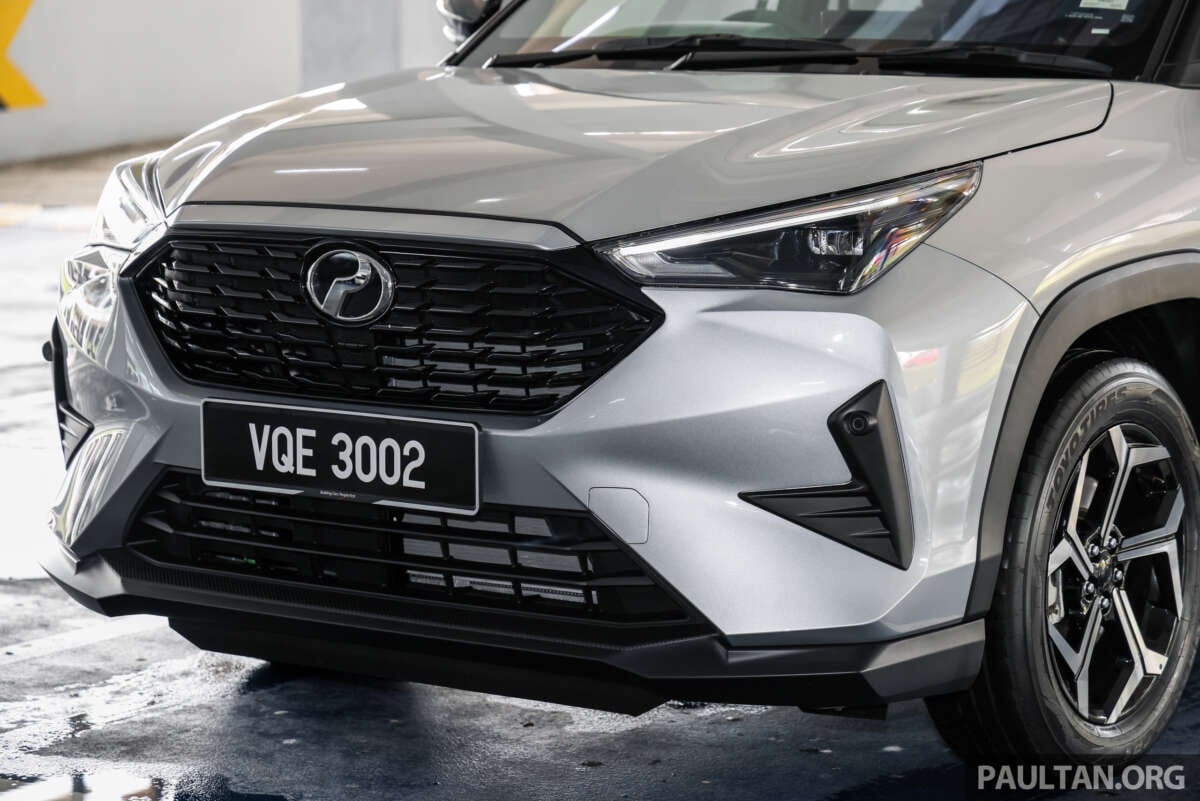
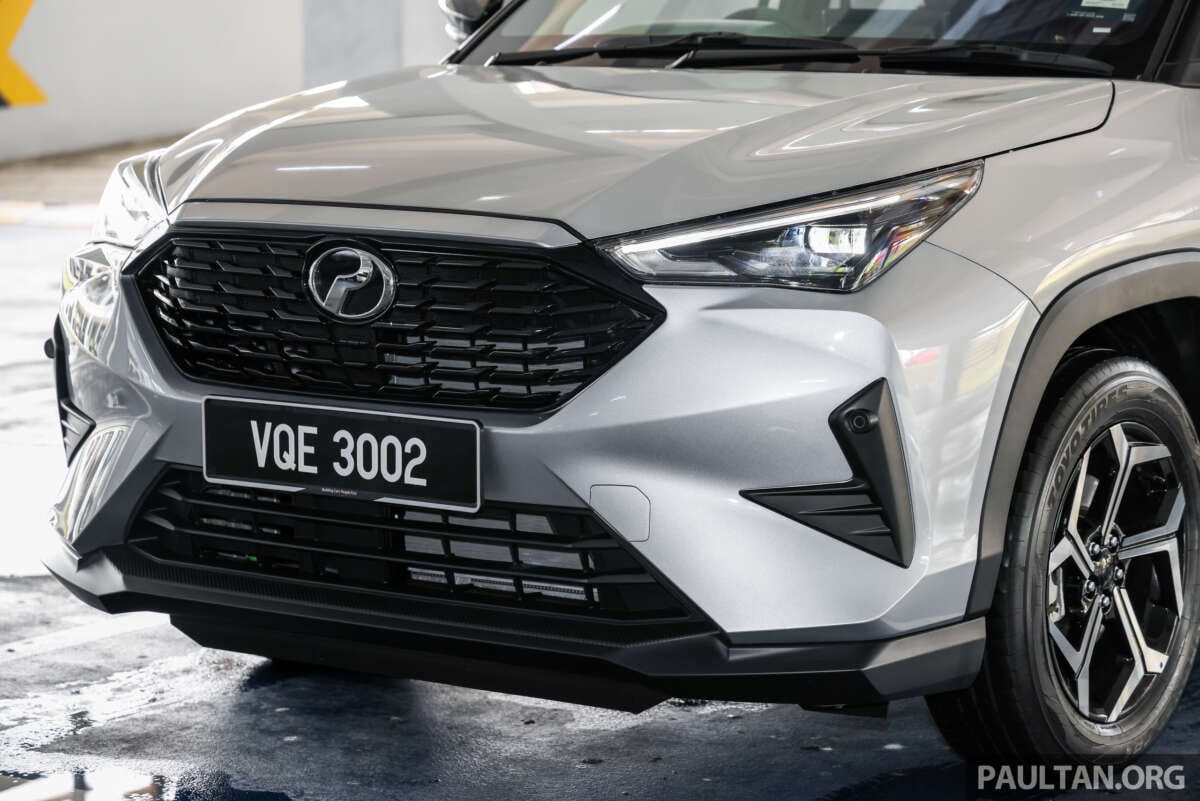
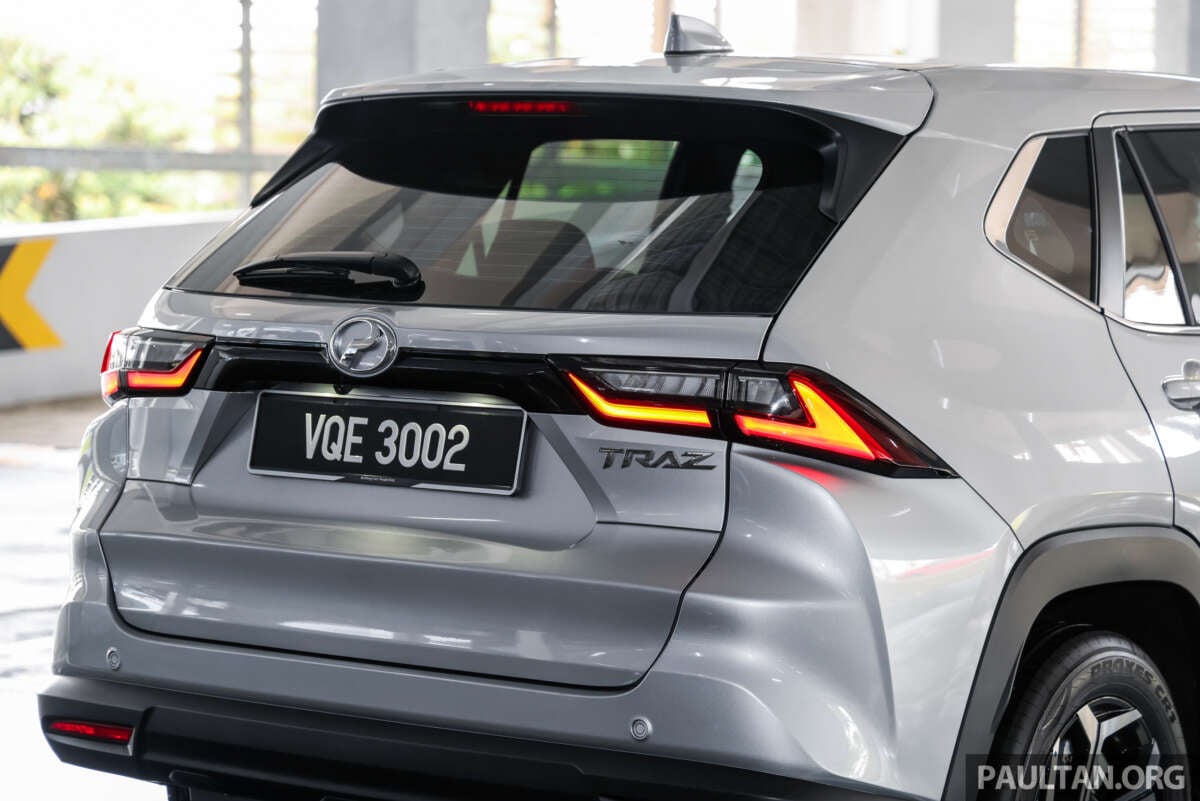
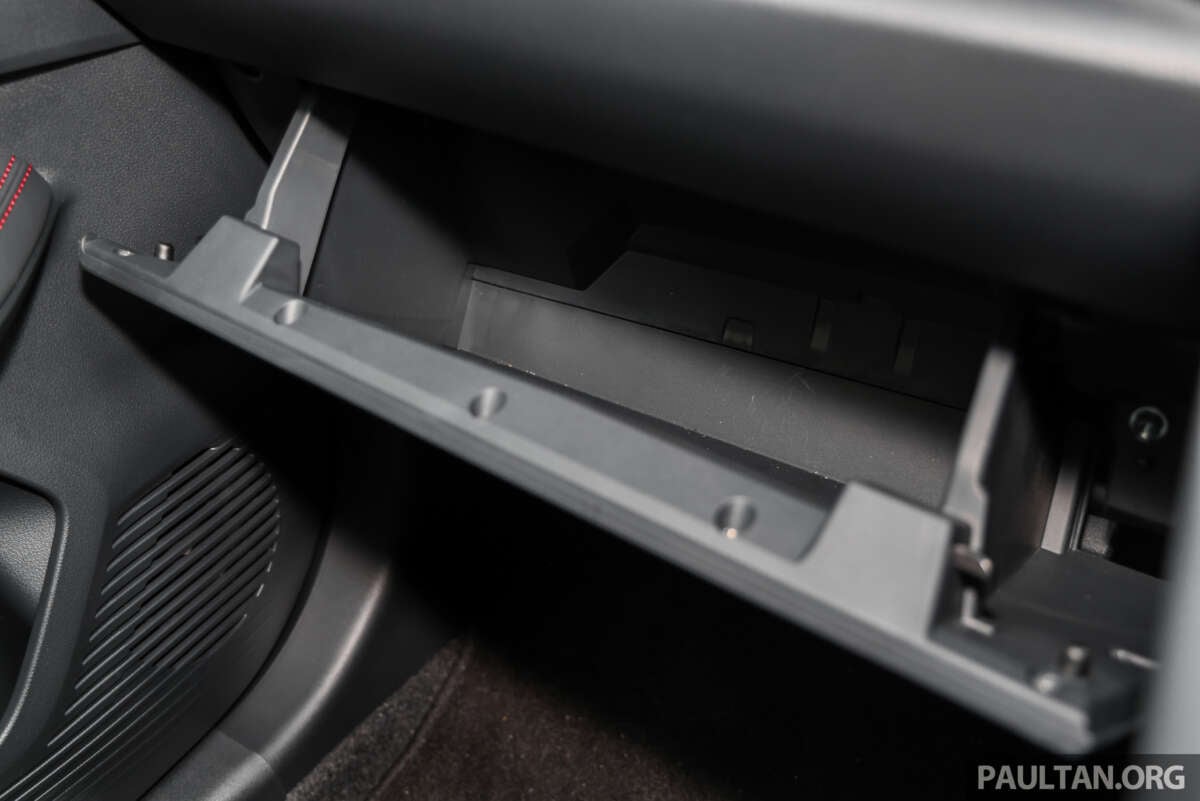
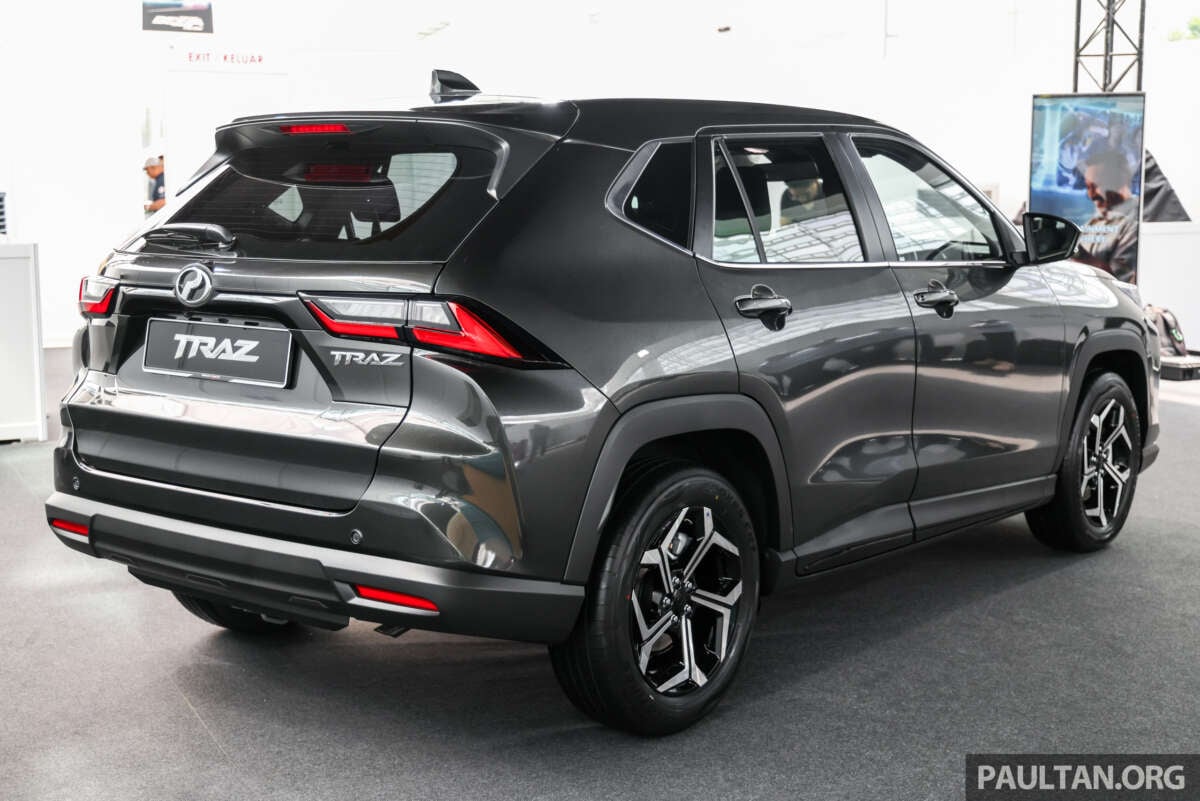
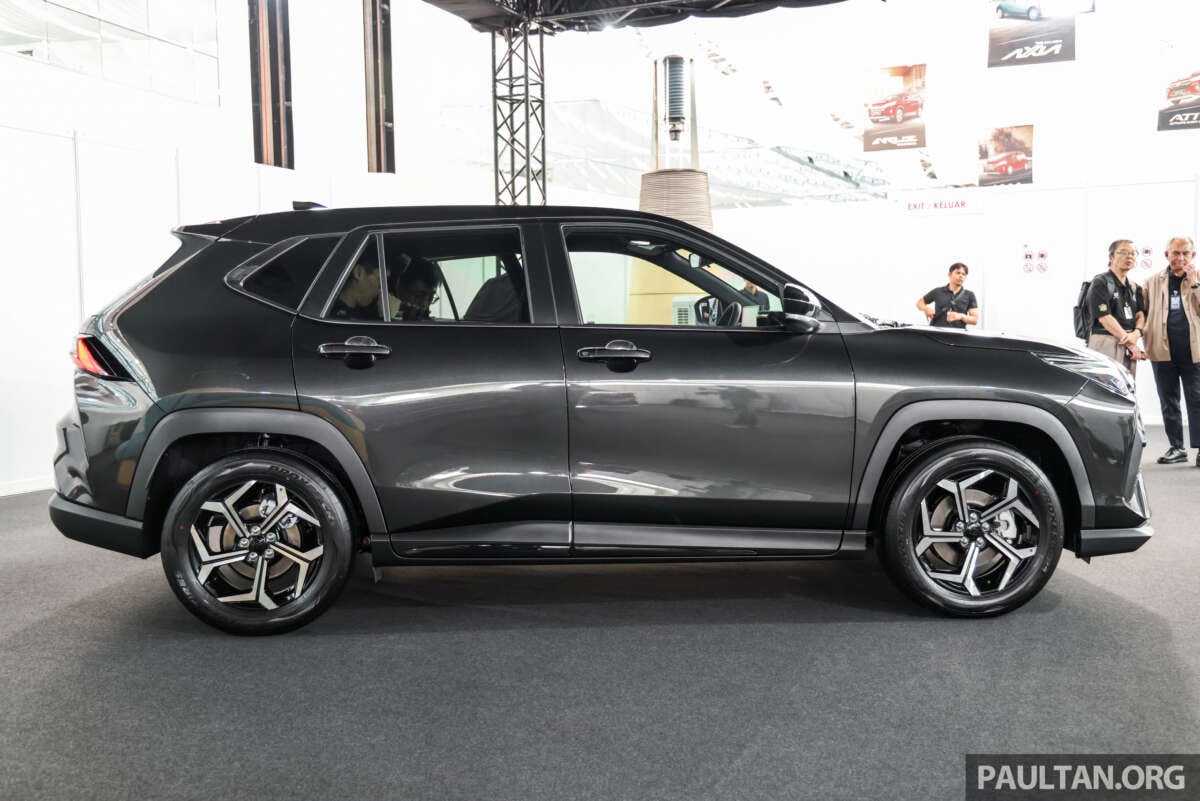
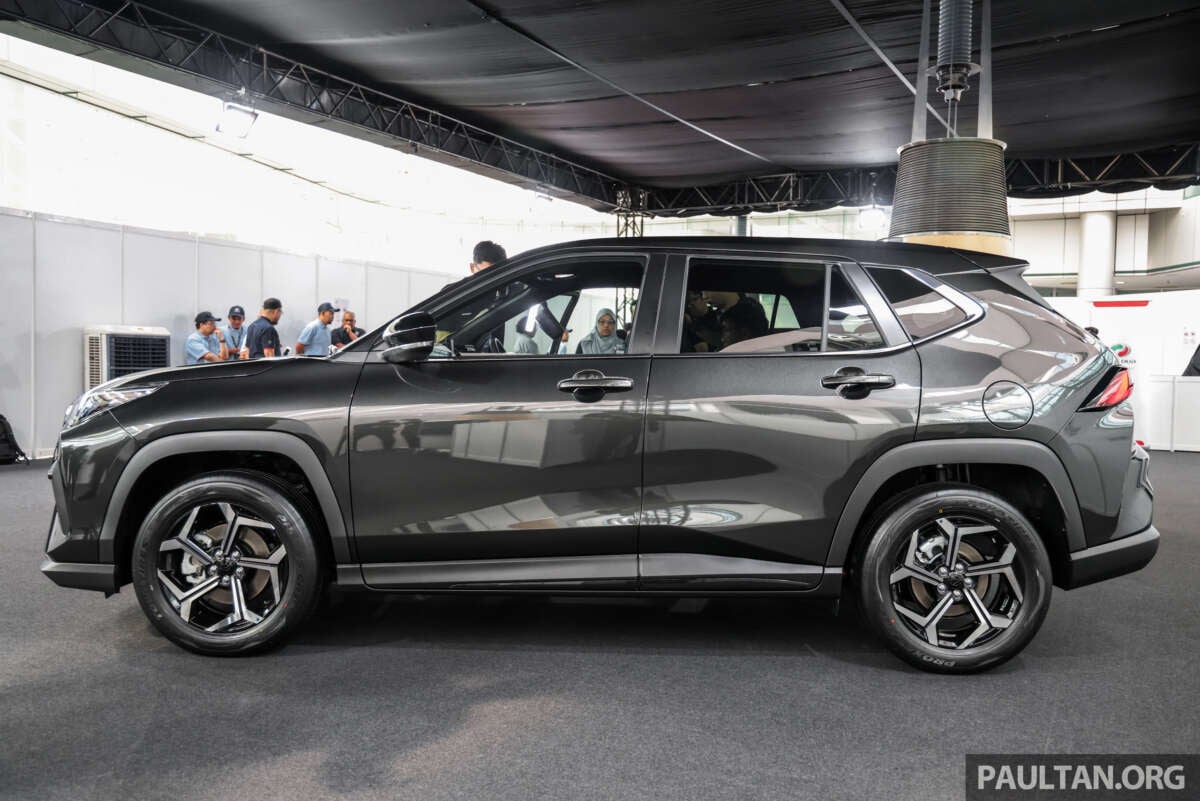
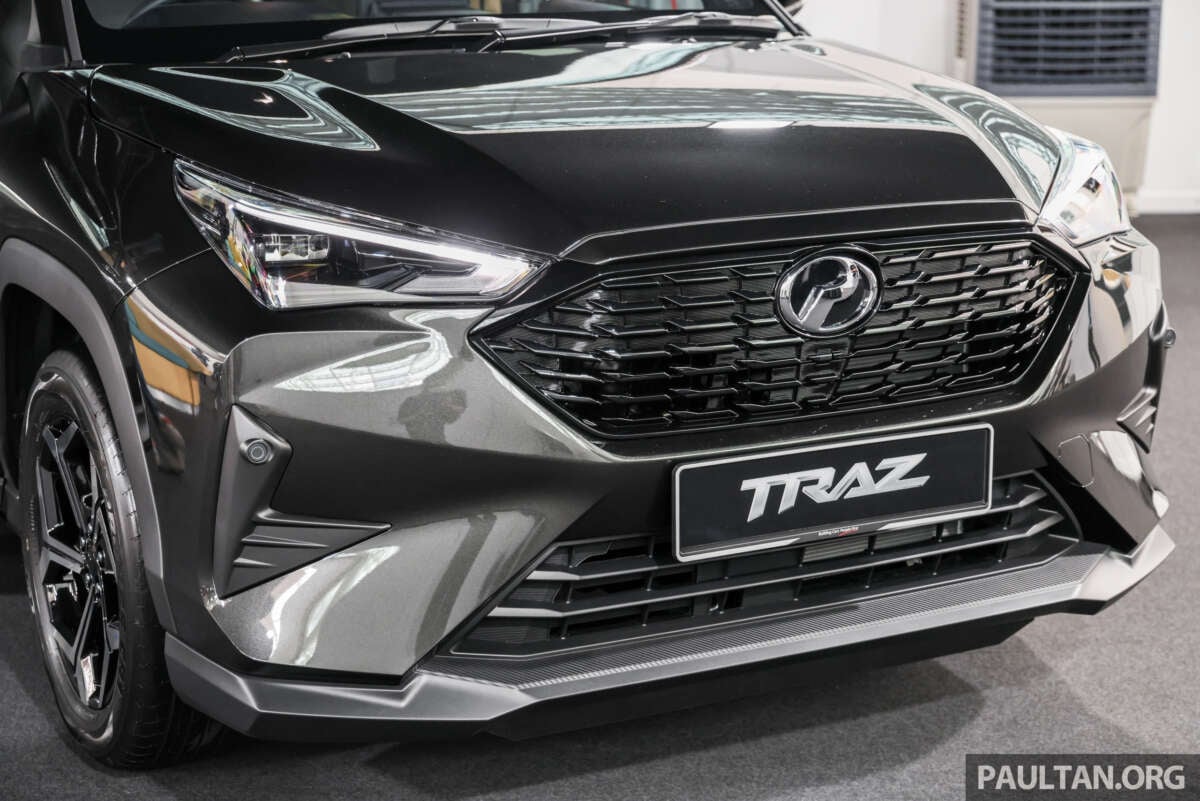
GALLERY: Perodua Traz X
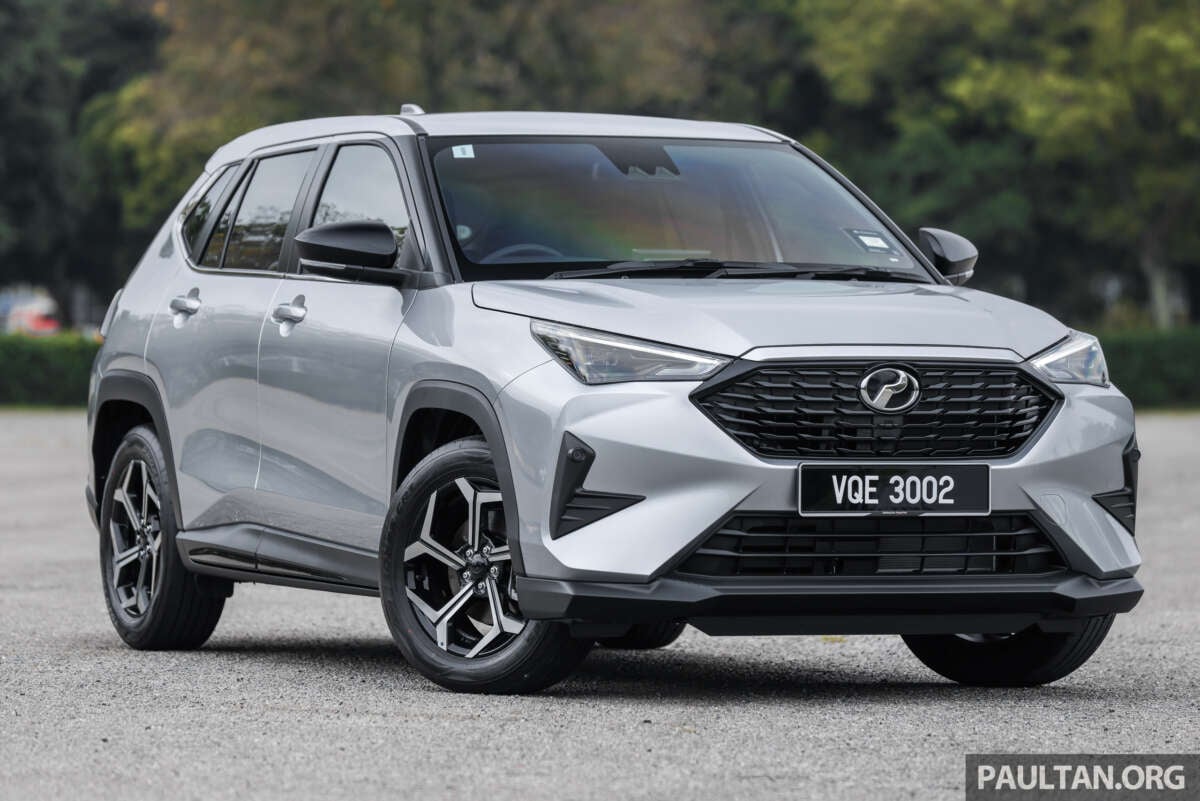
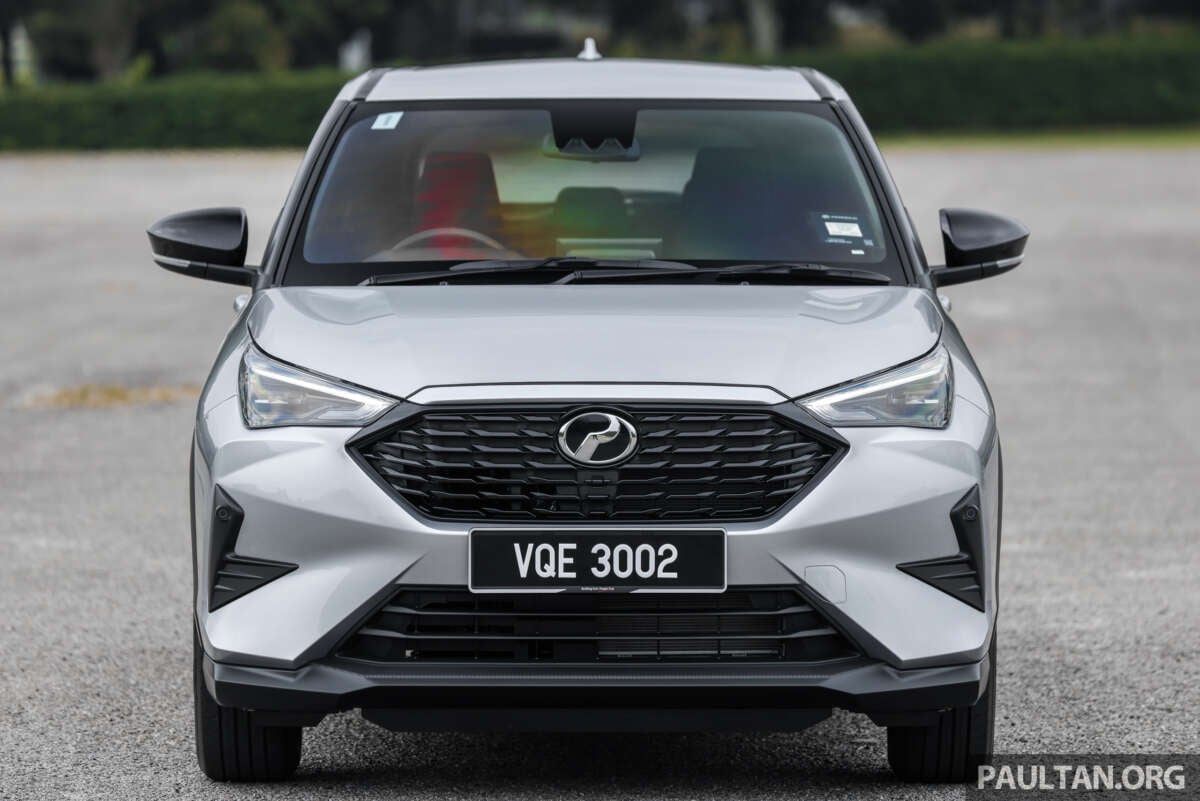
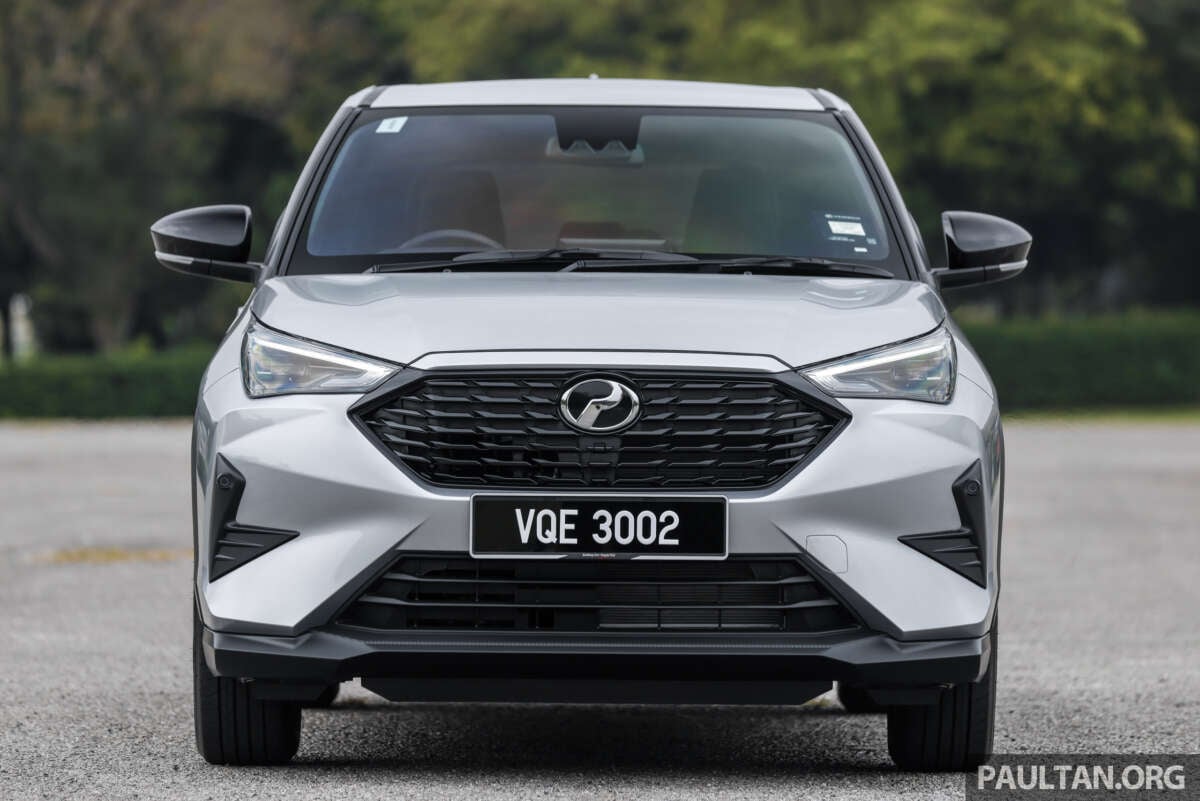
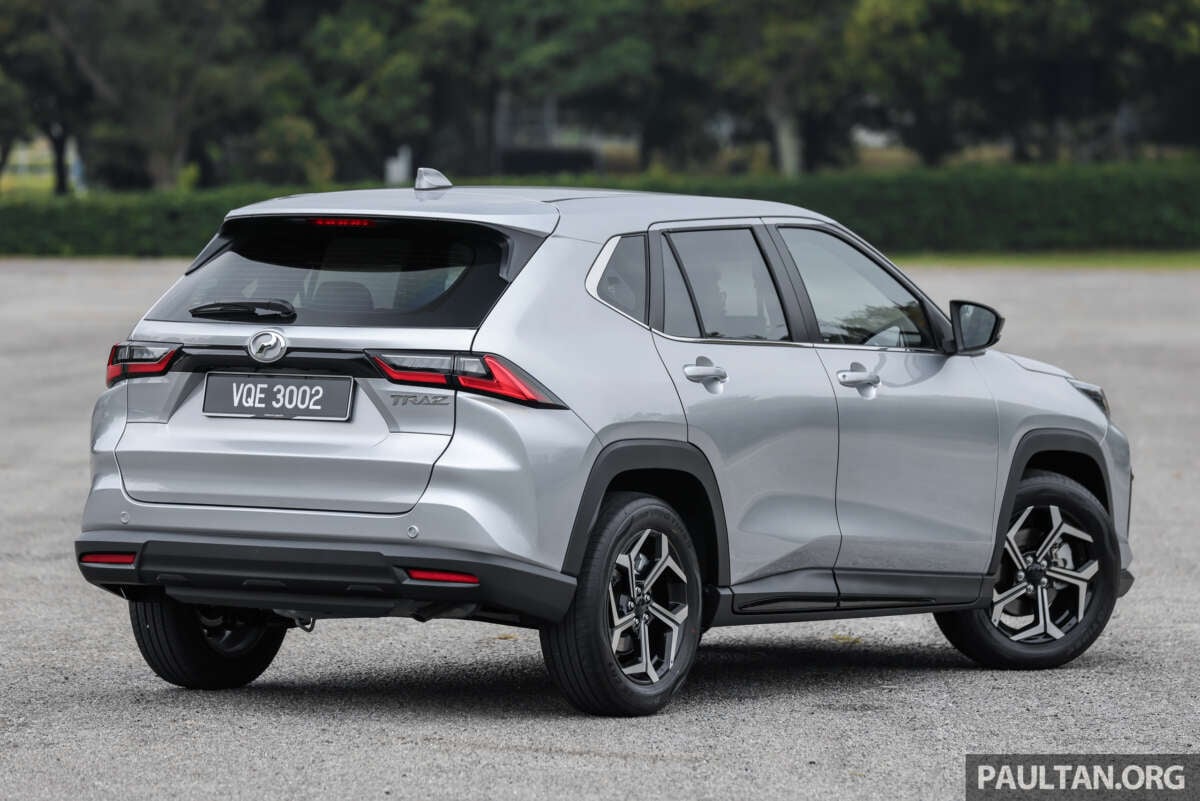
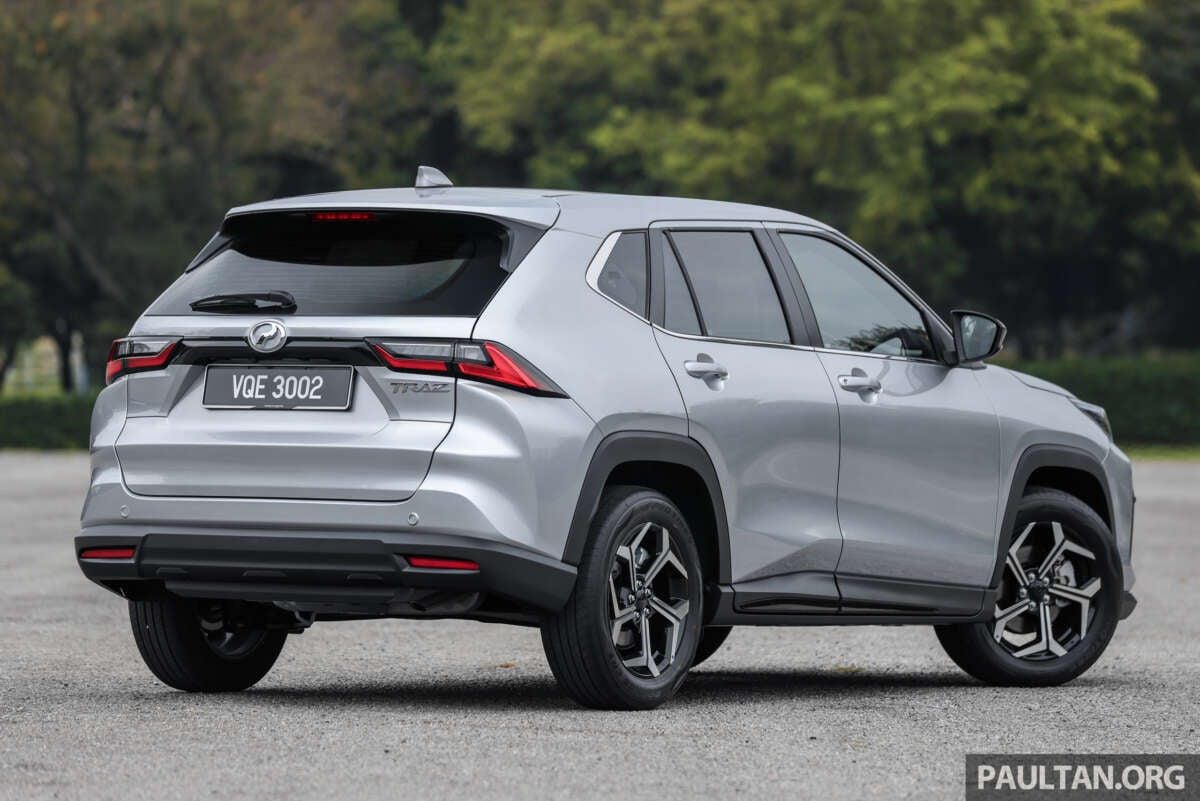
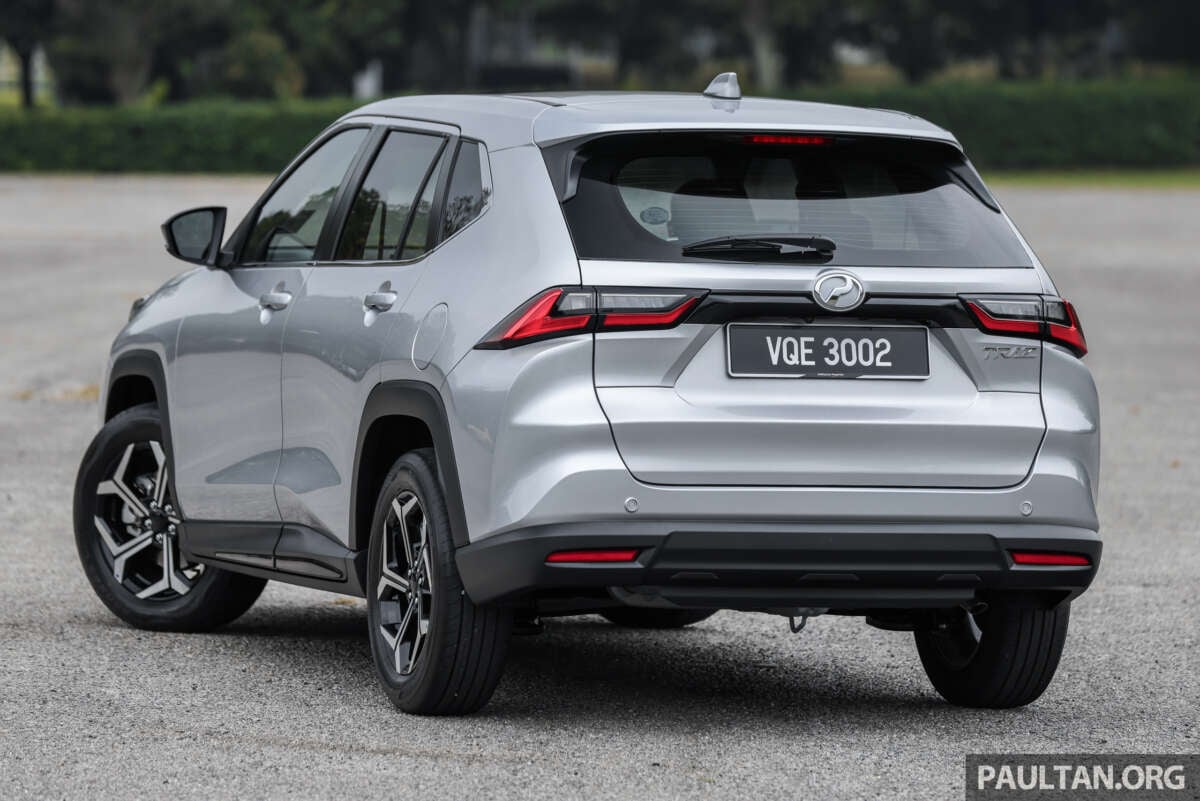
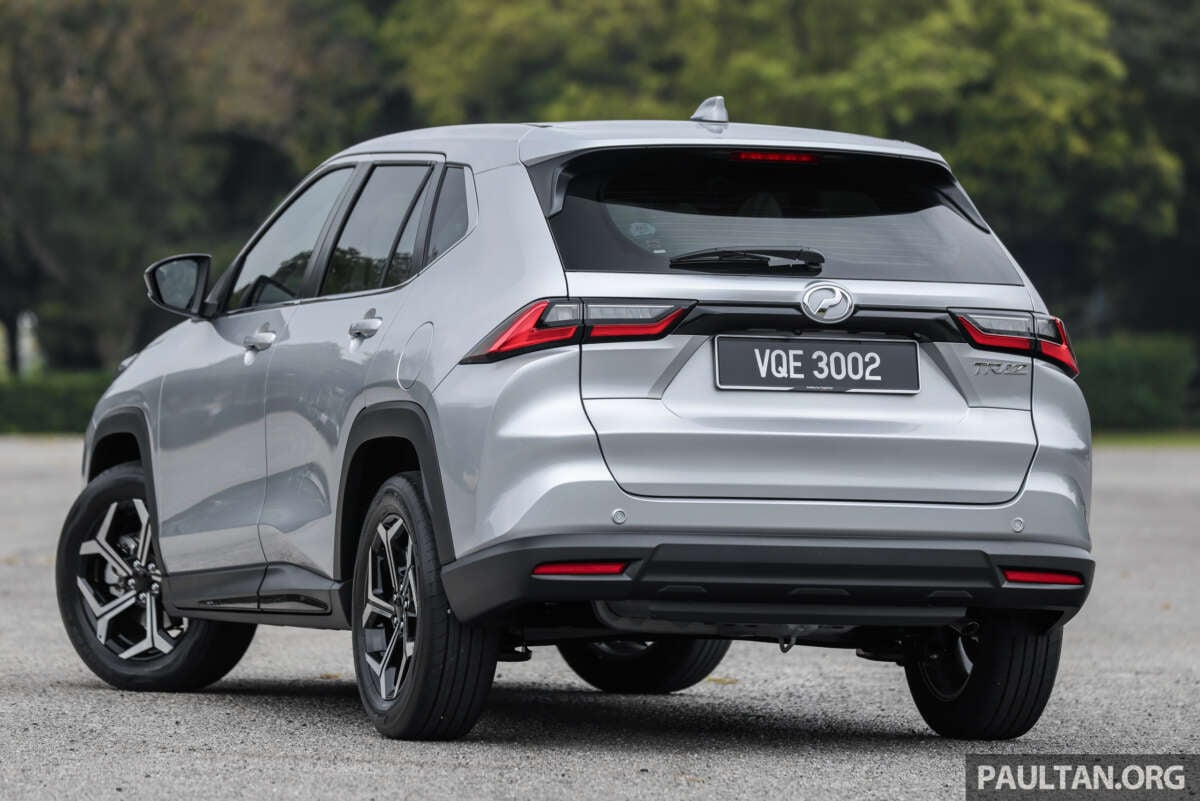
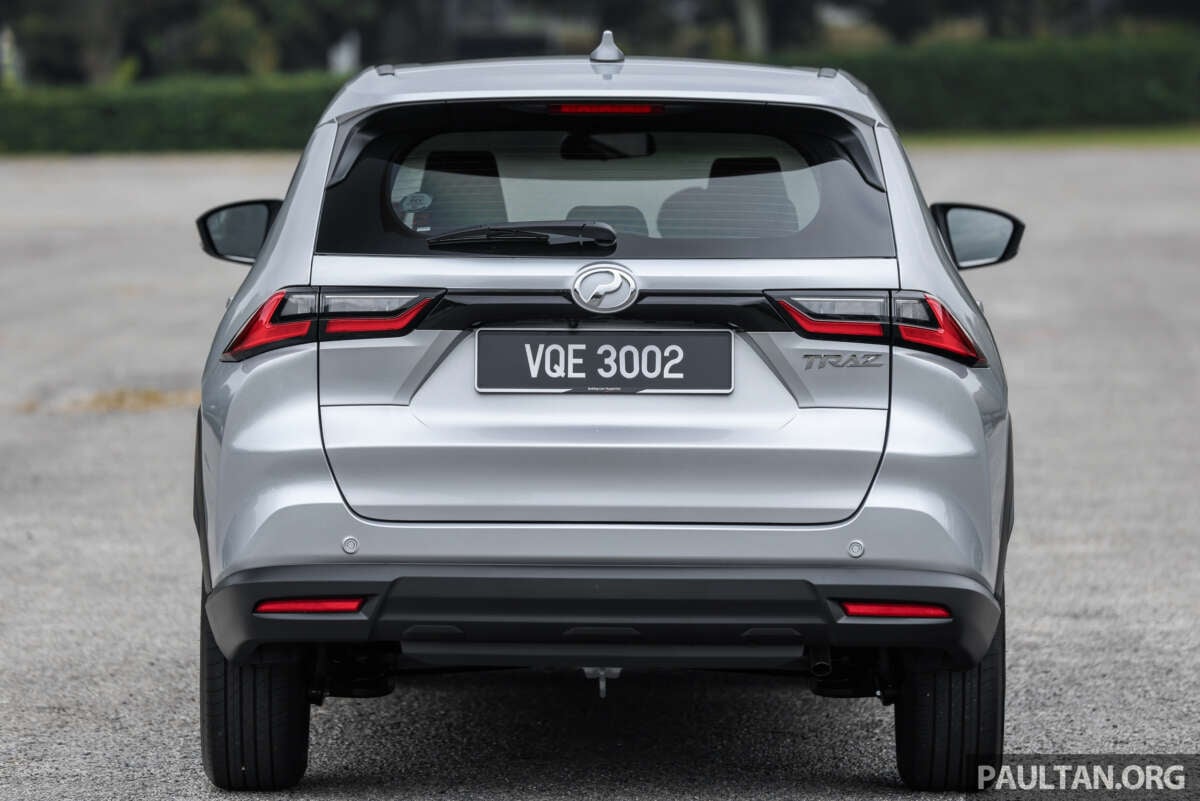
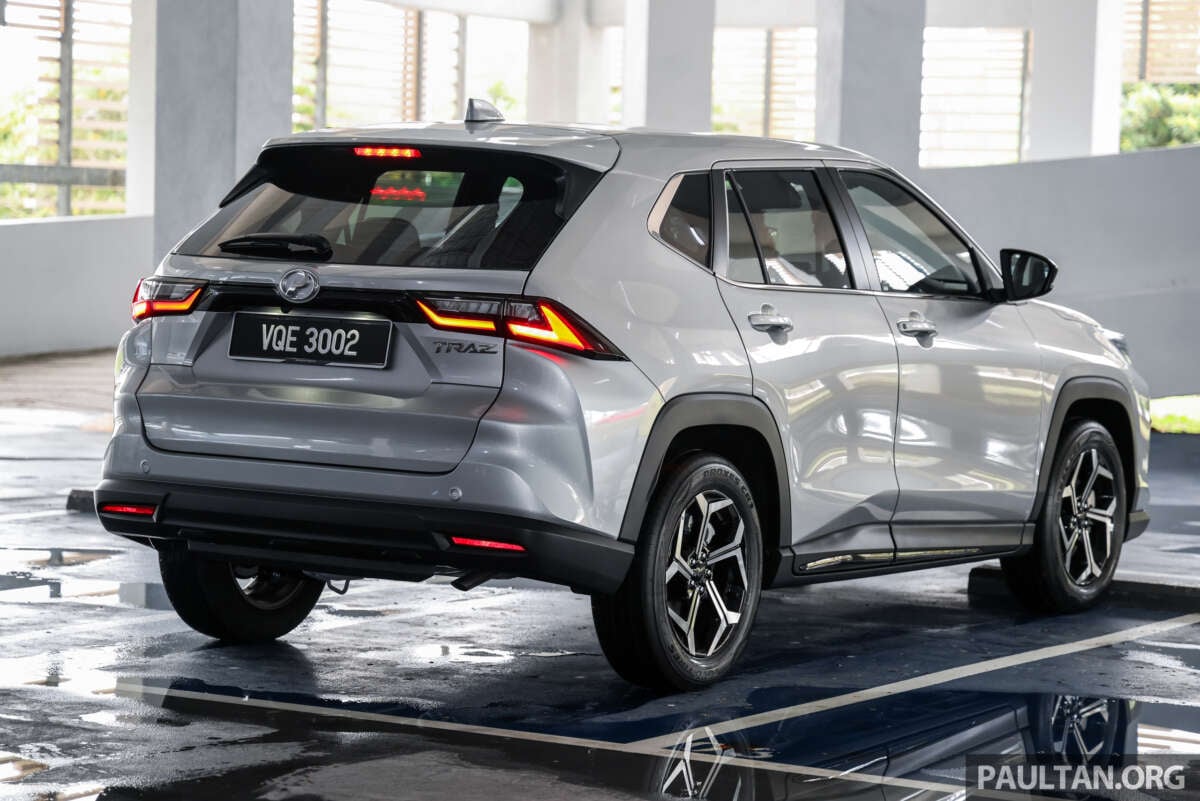
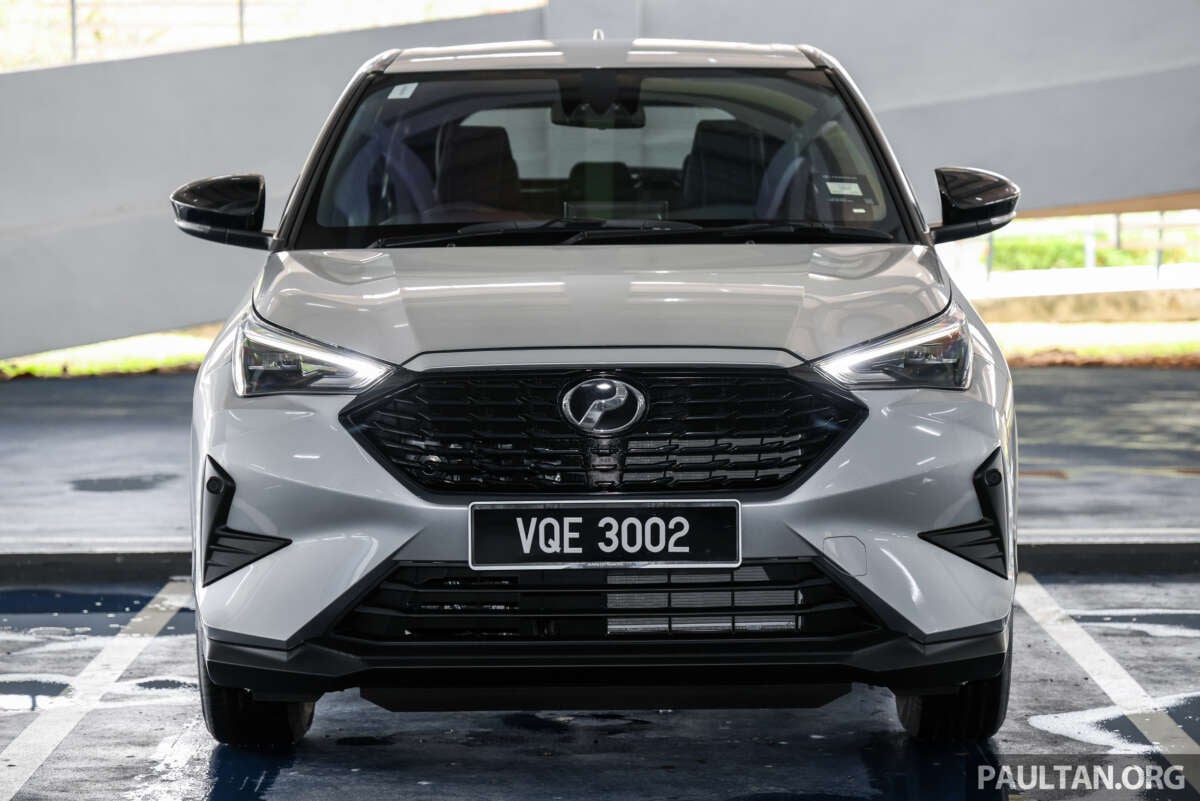
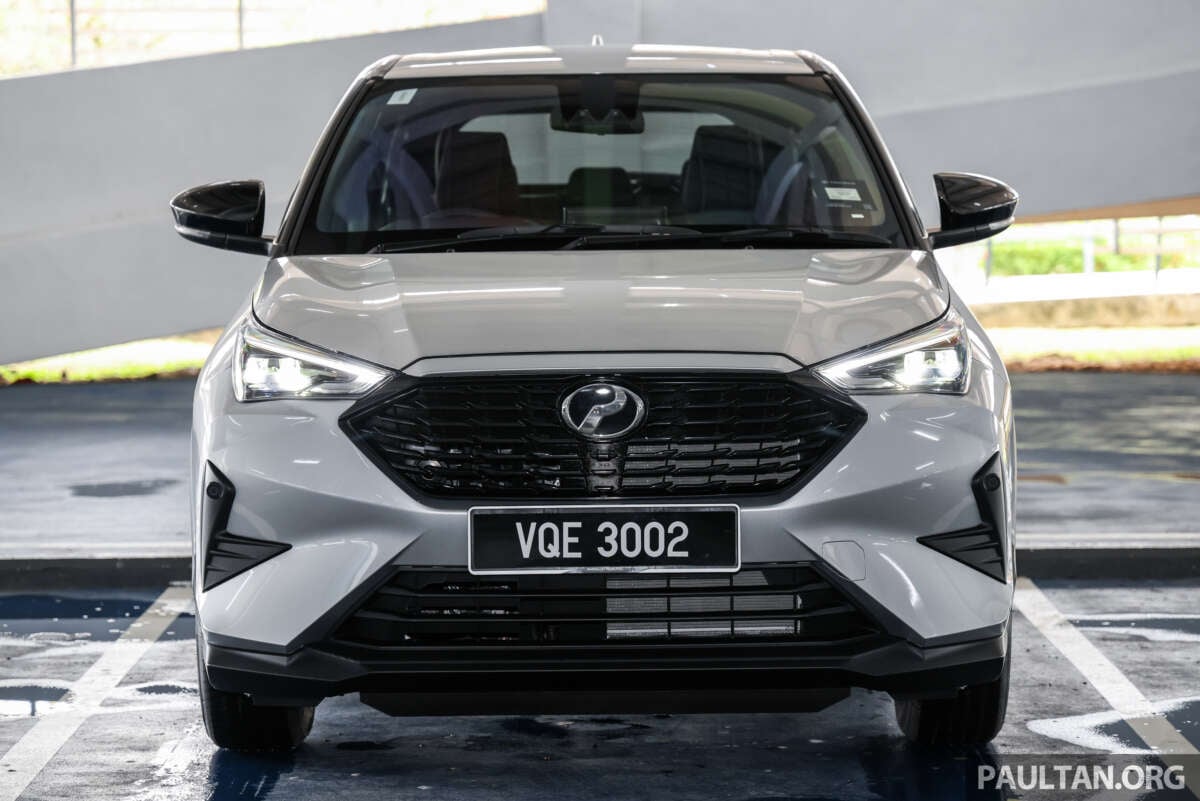
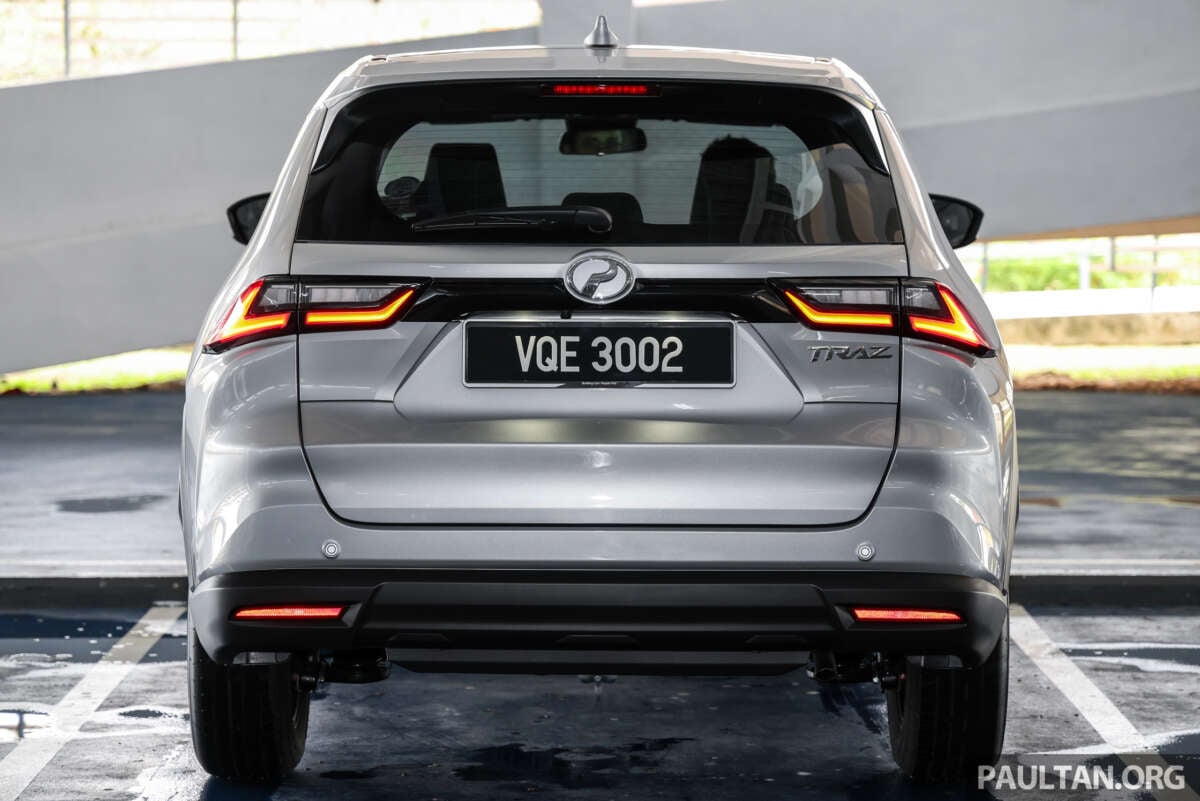
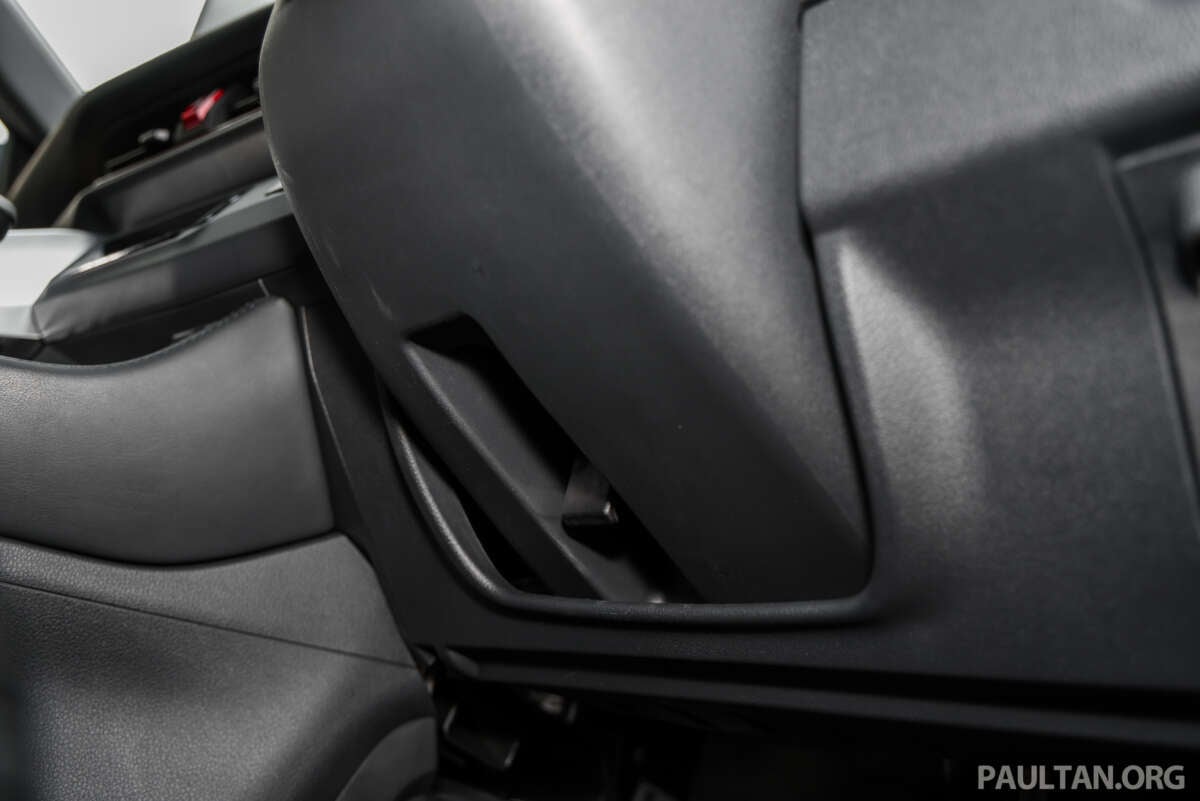
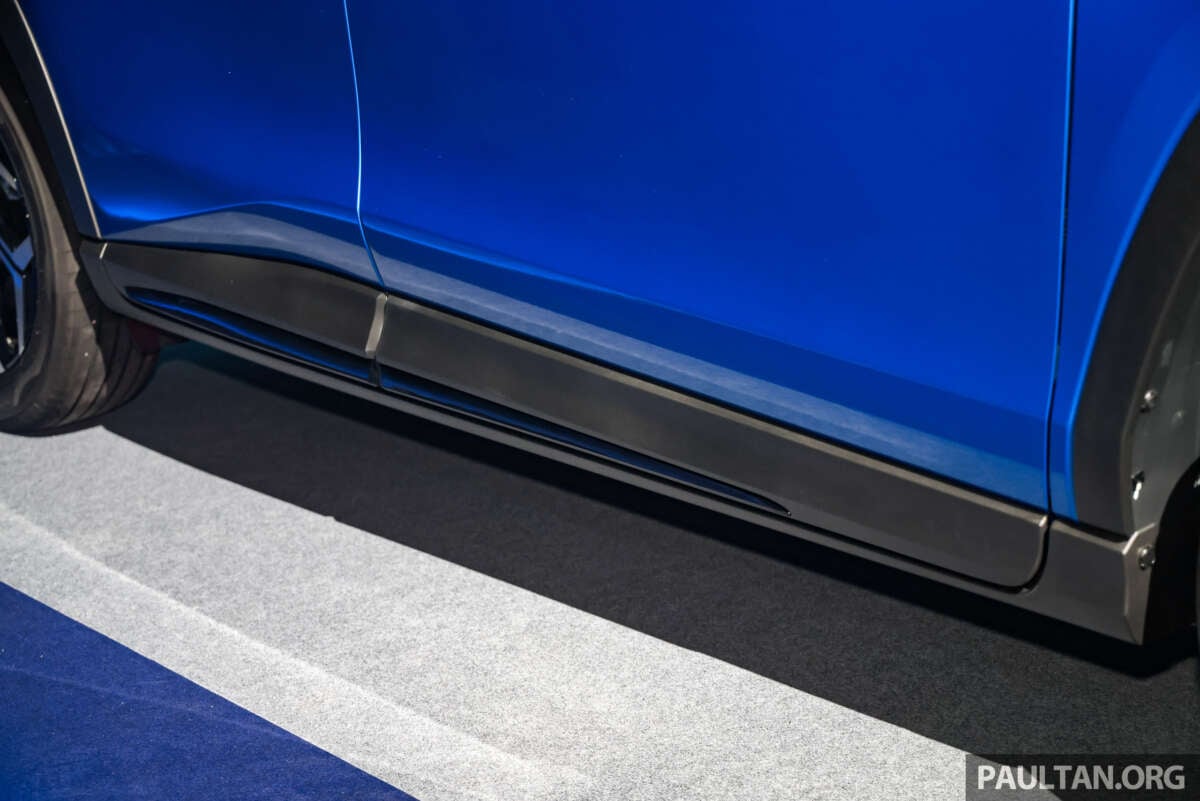
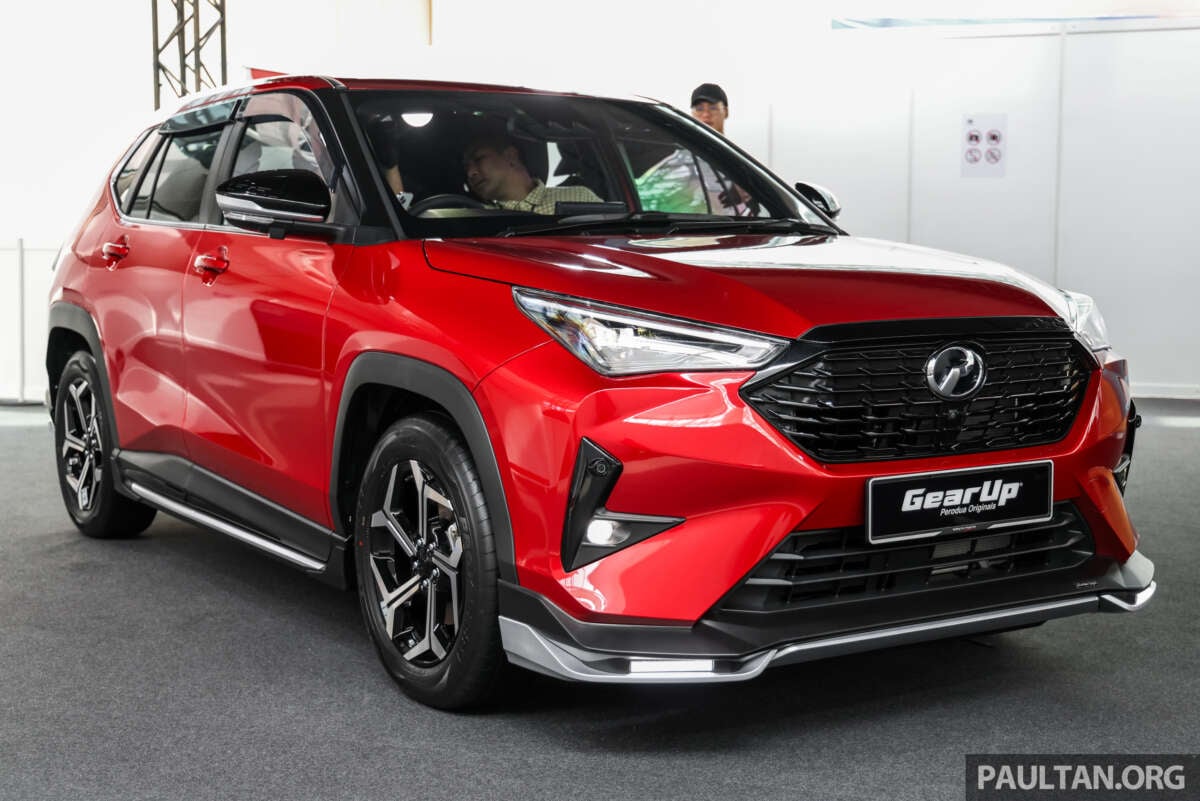
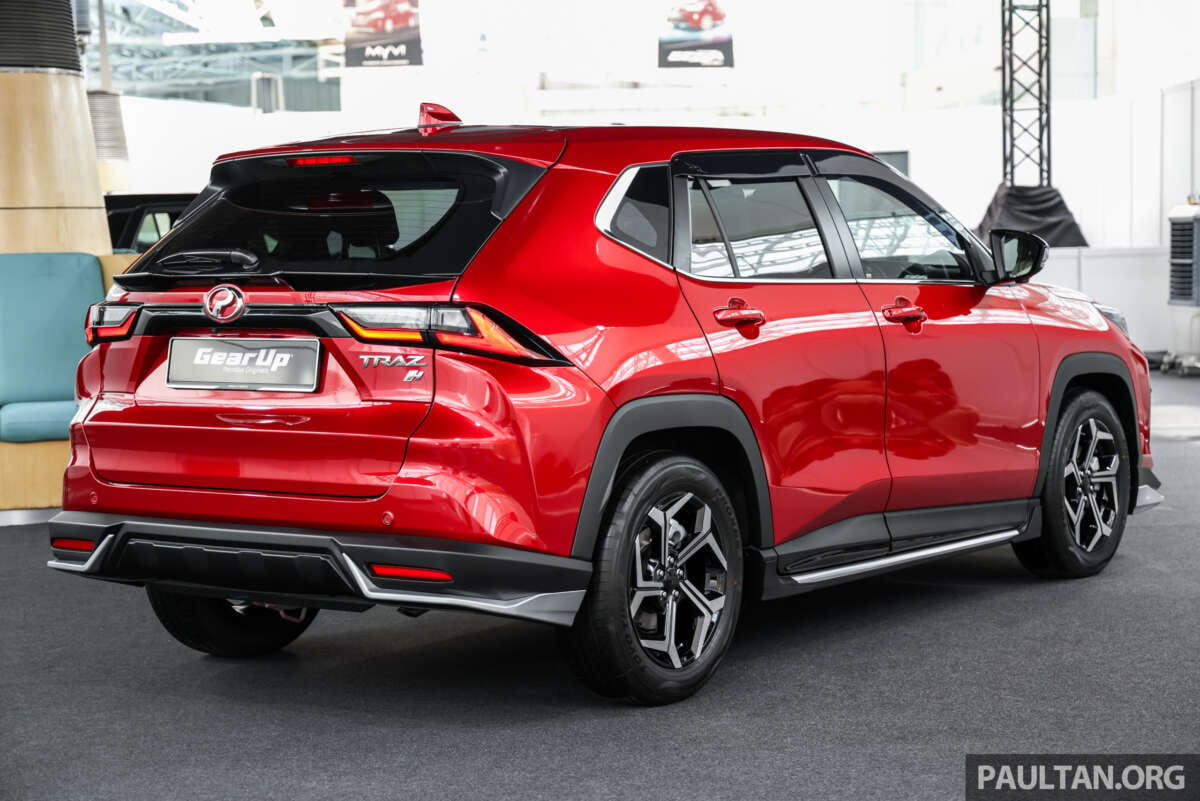
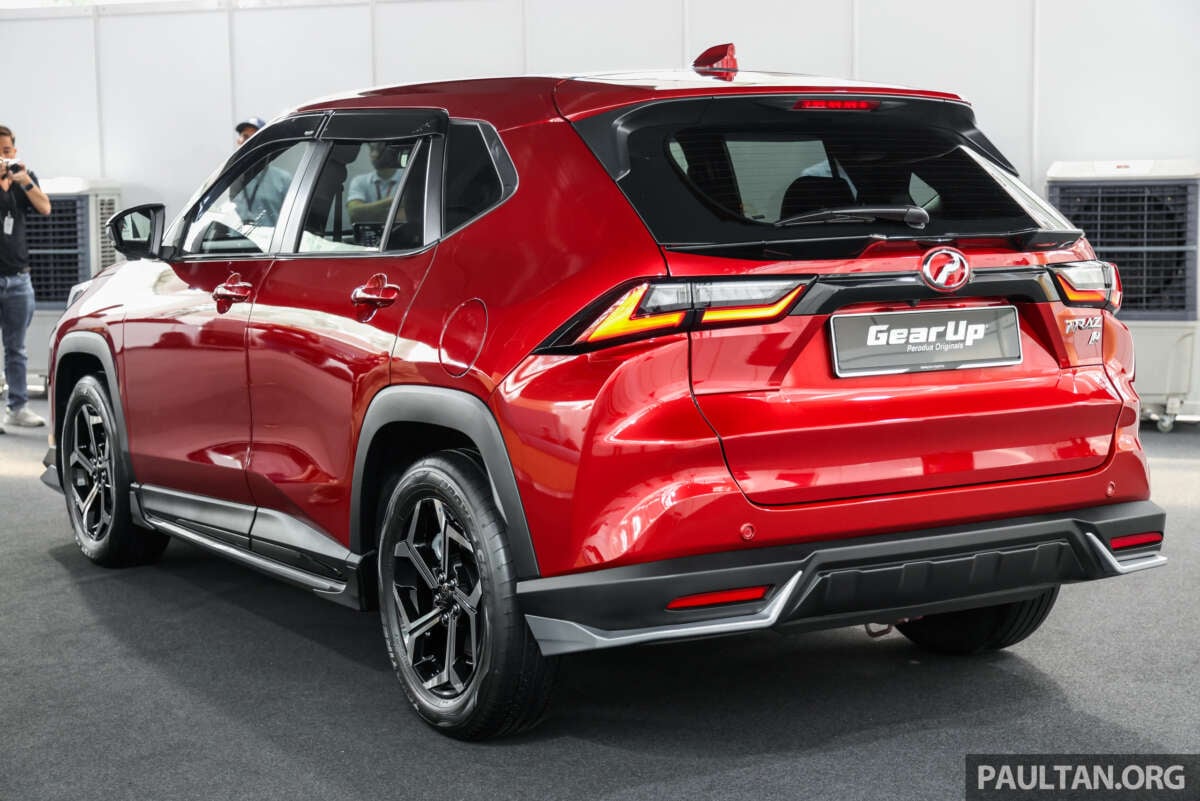
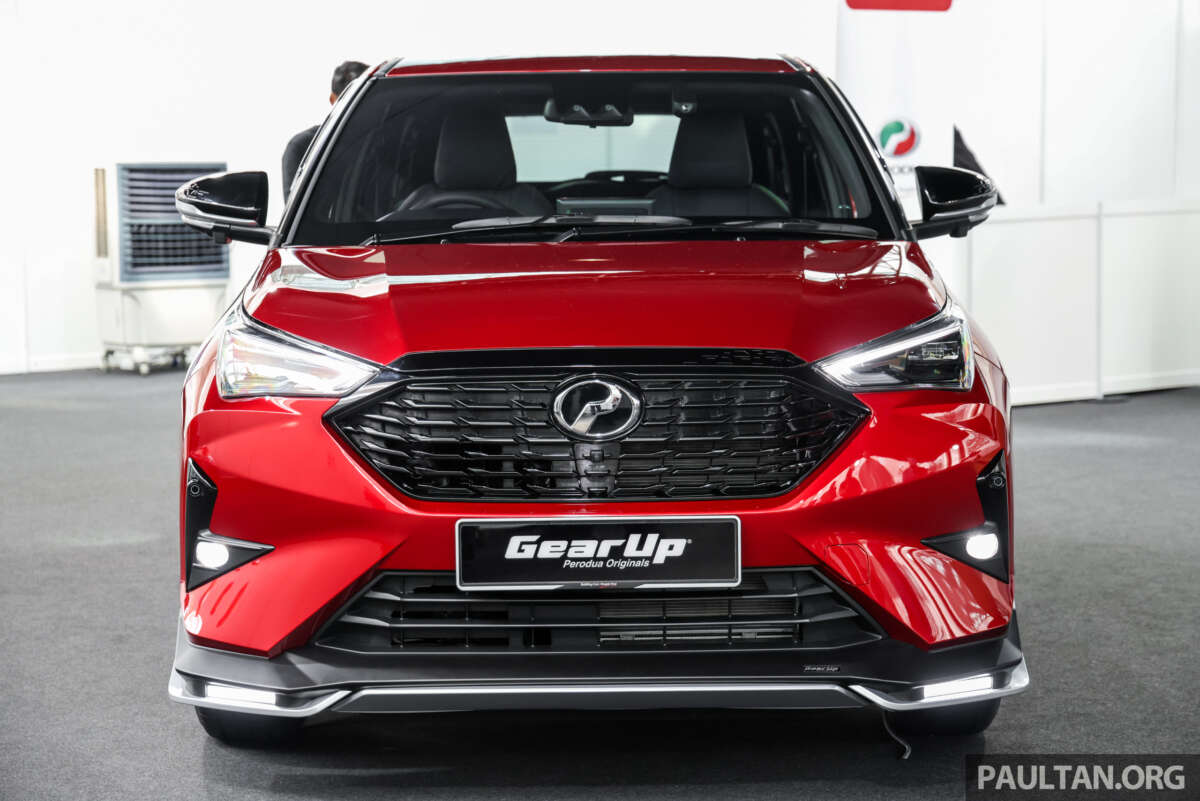
GALLERY: Perodua Traz H with Gear Up accessories kit
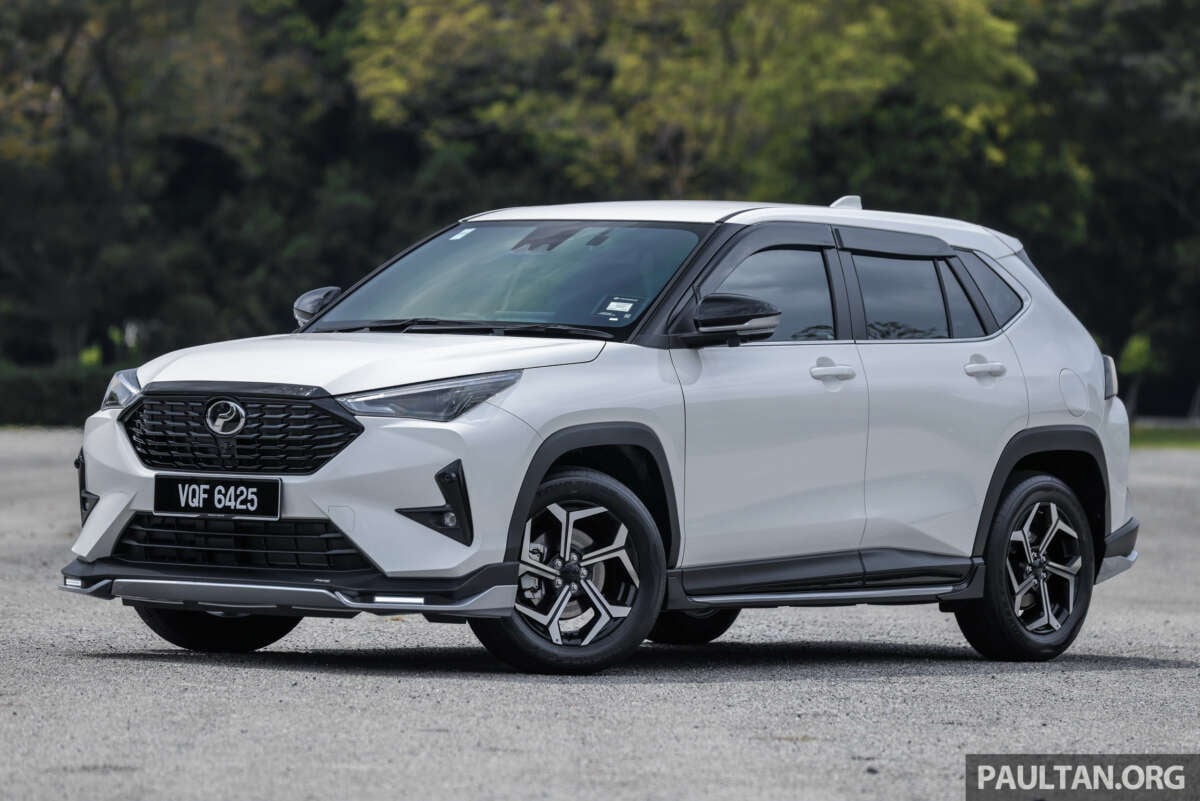
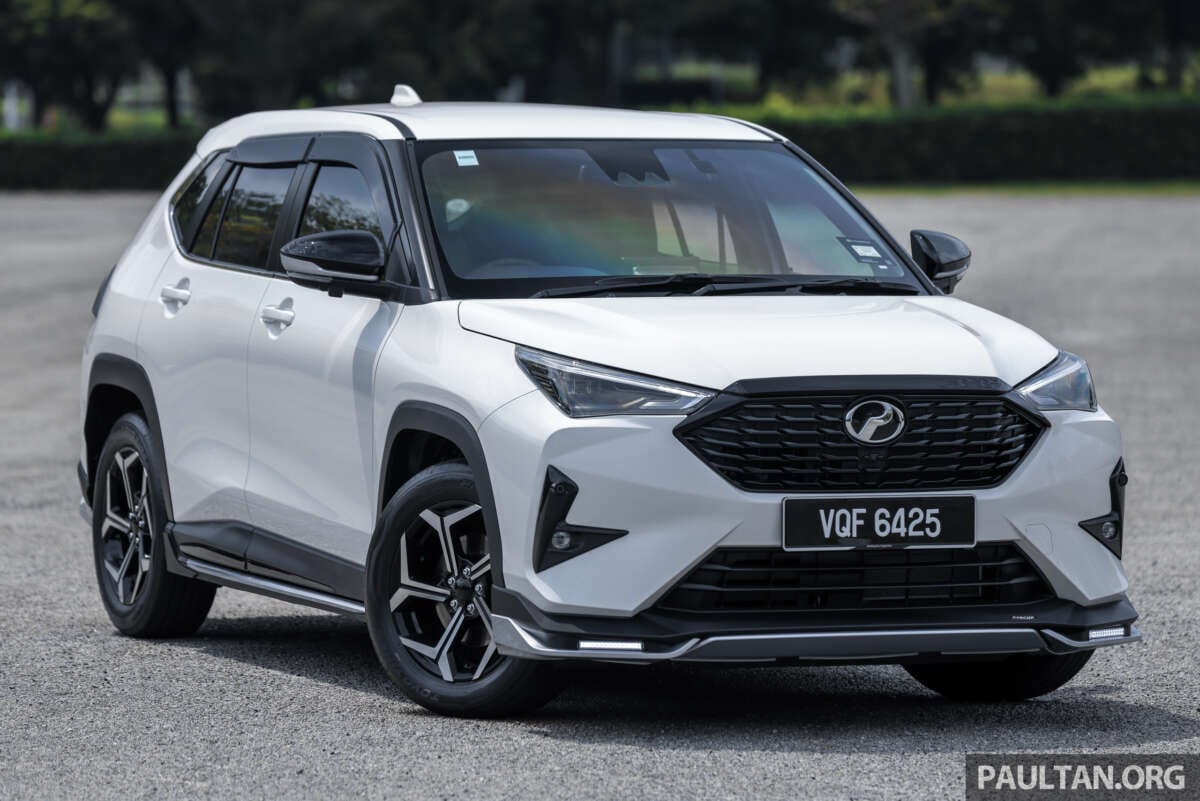
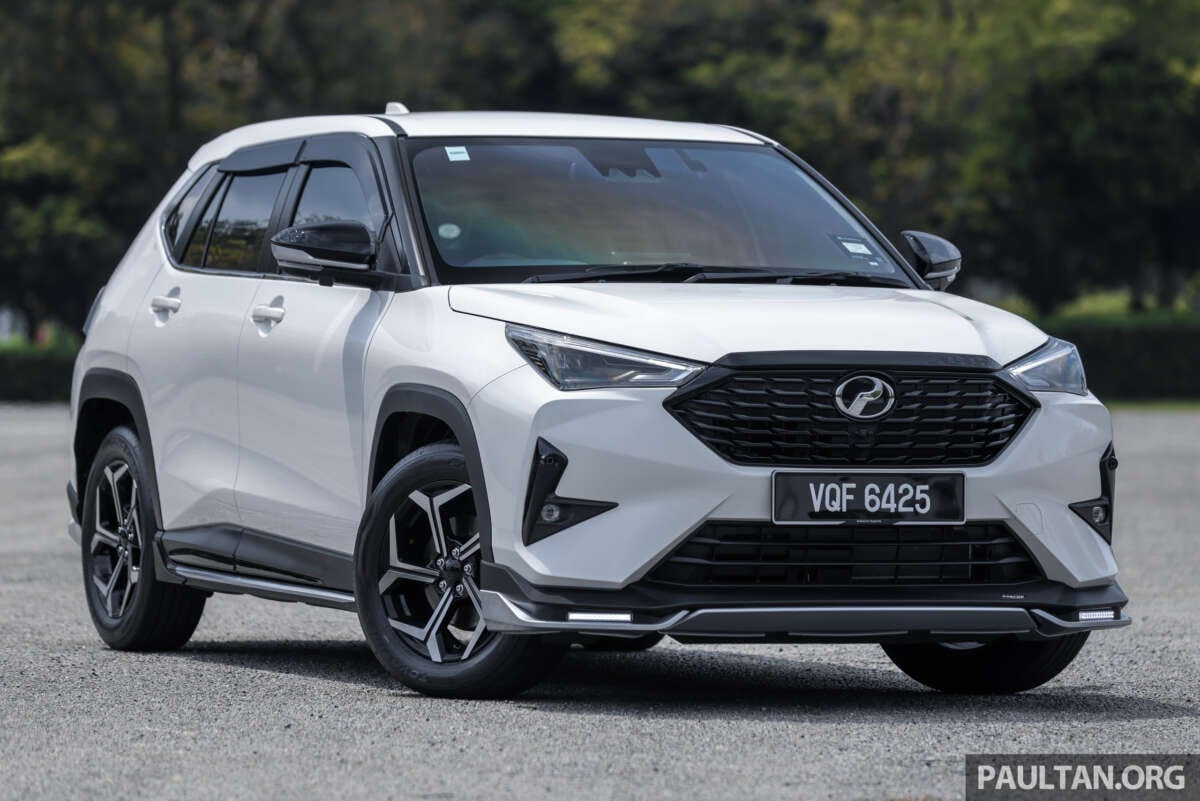
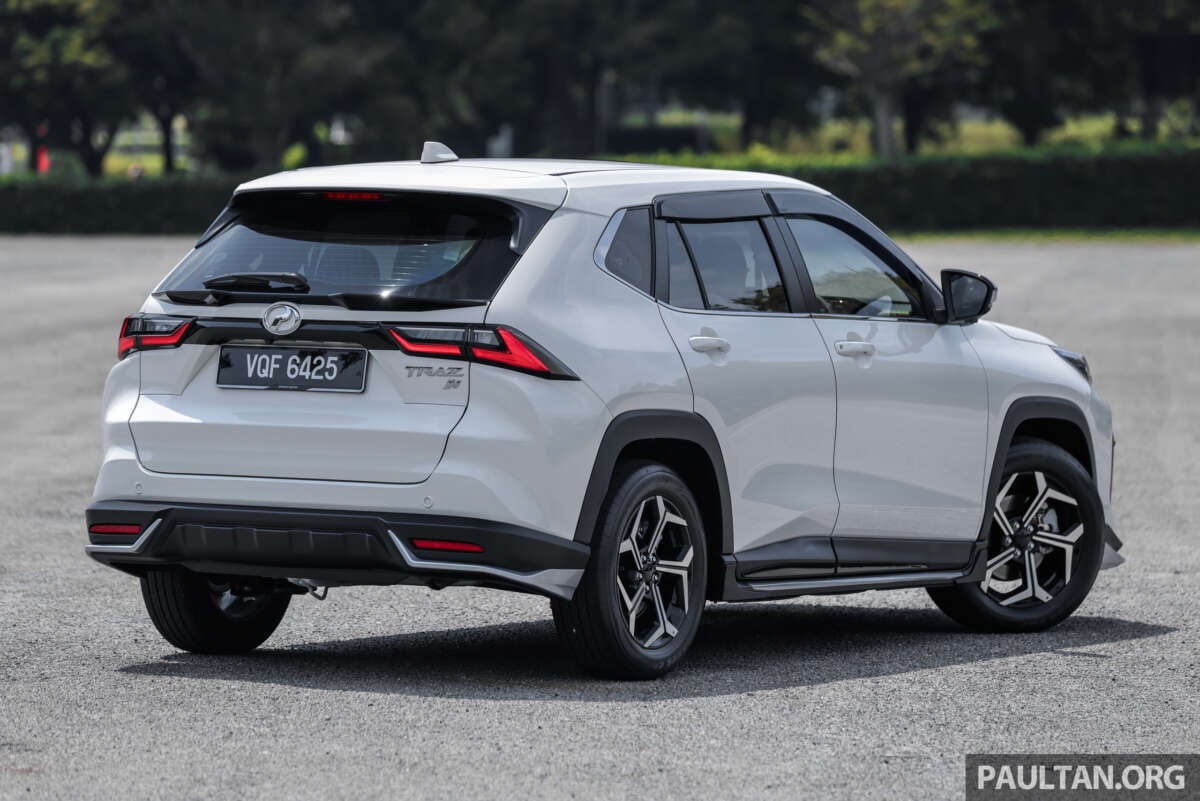
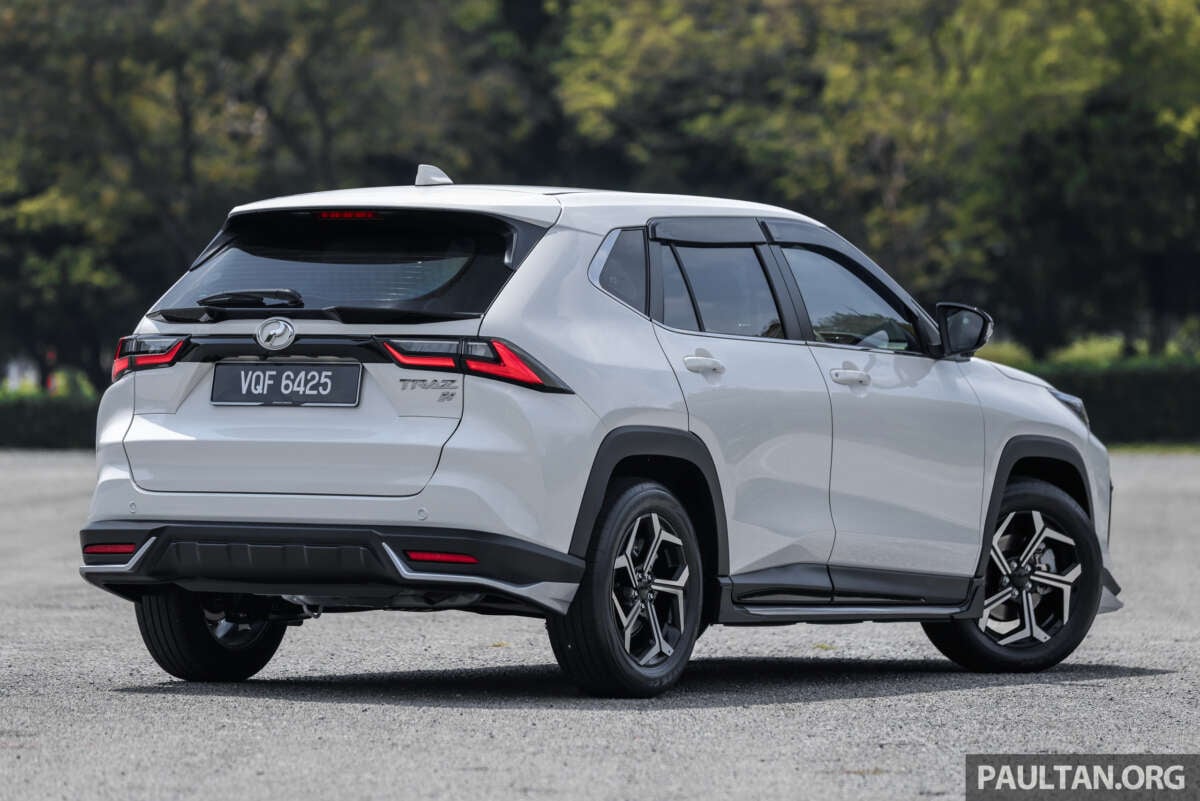
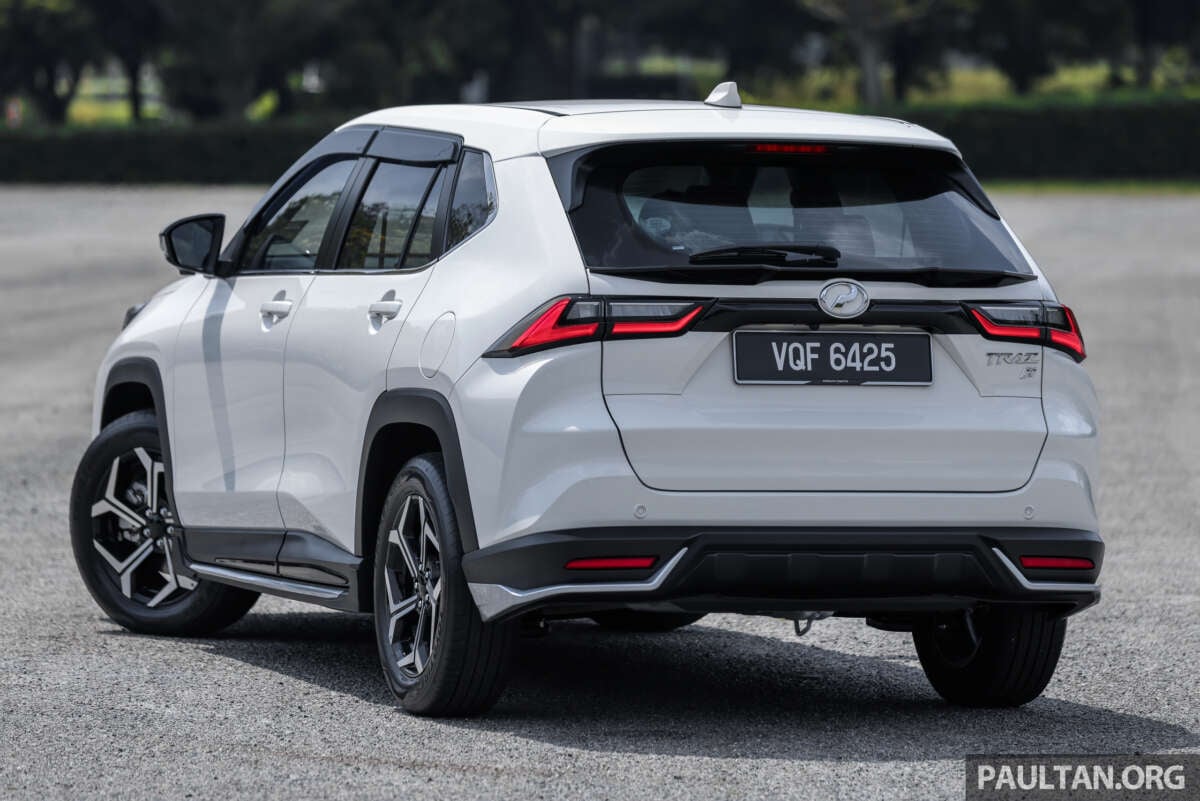
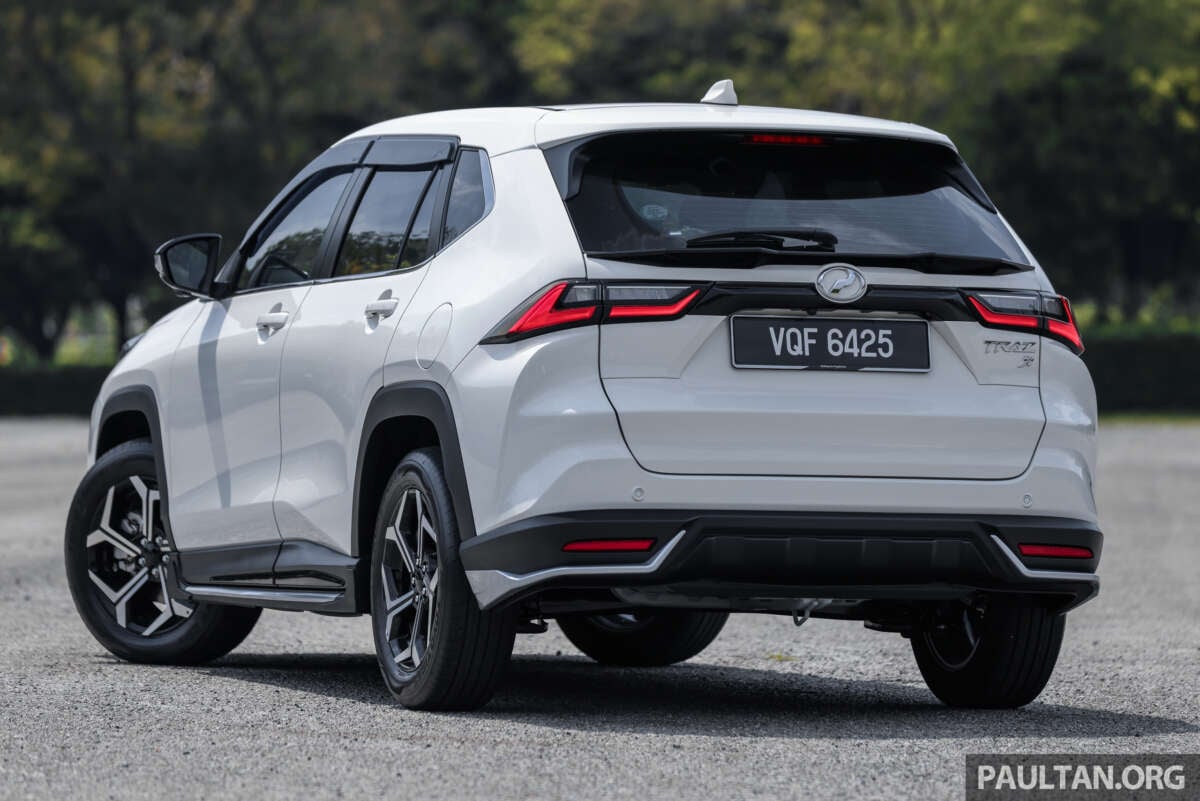
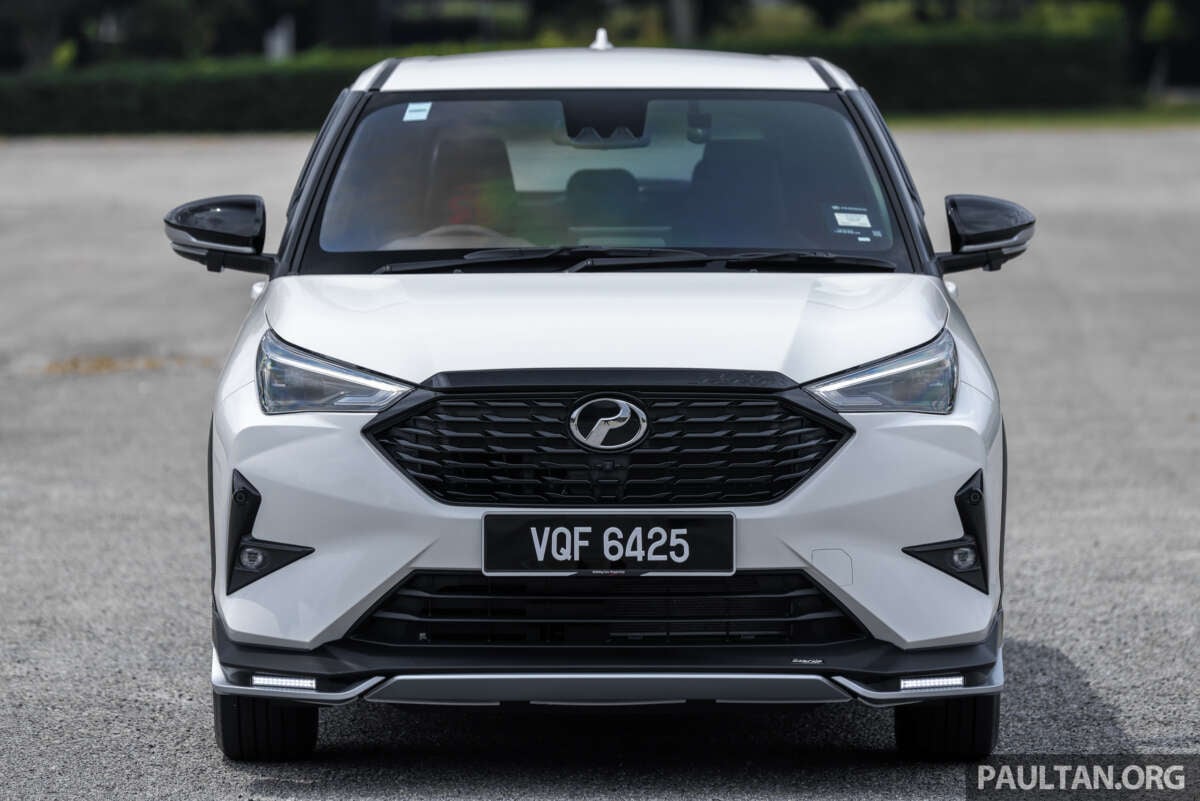
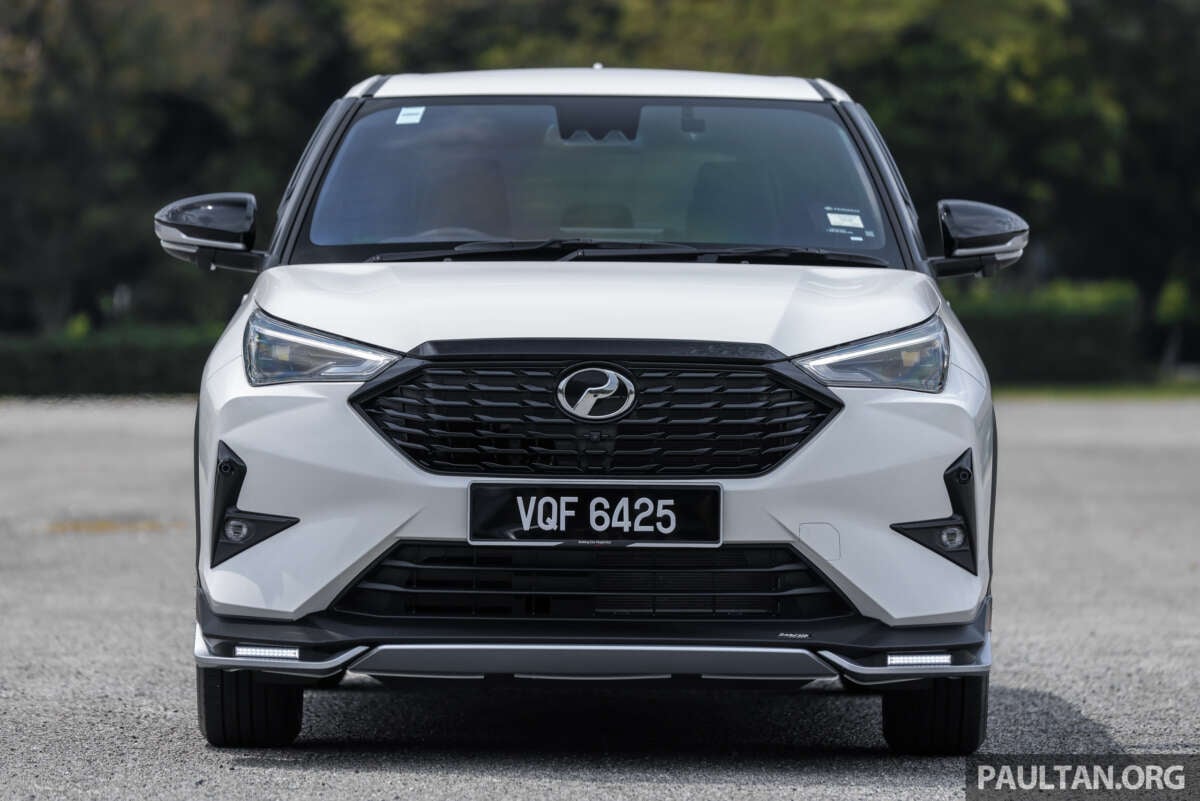
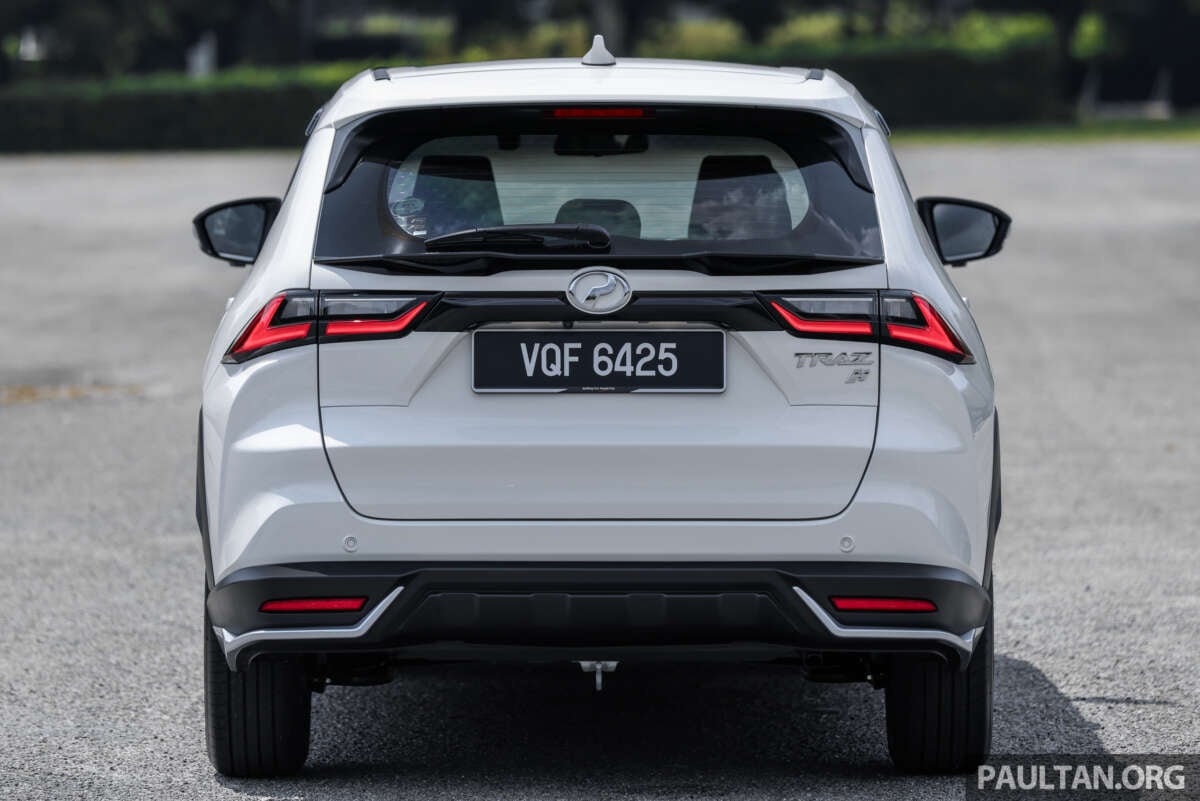
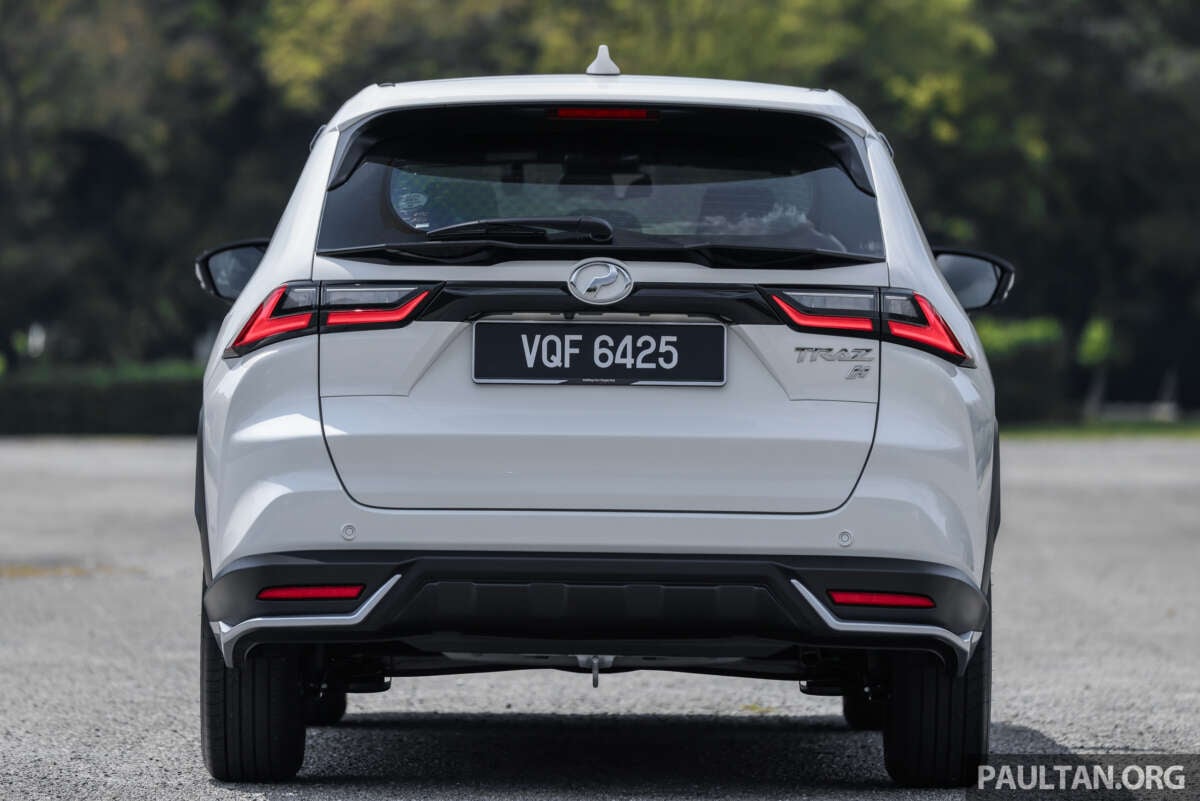
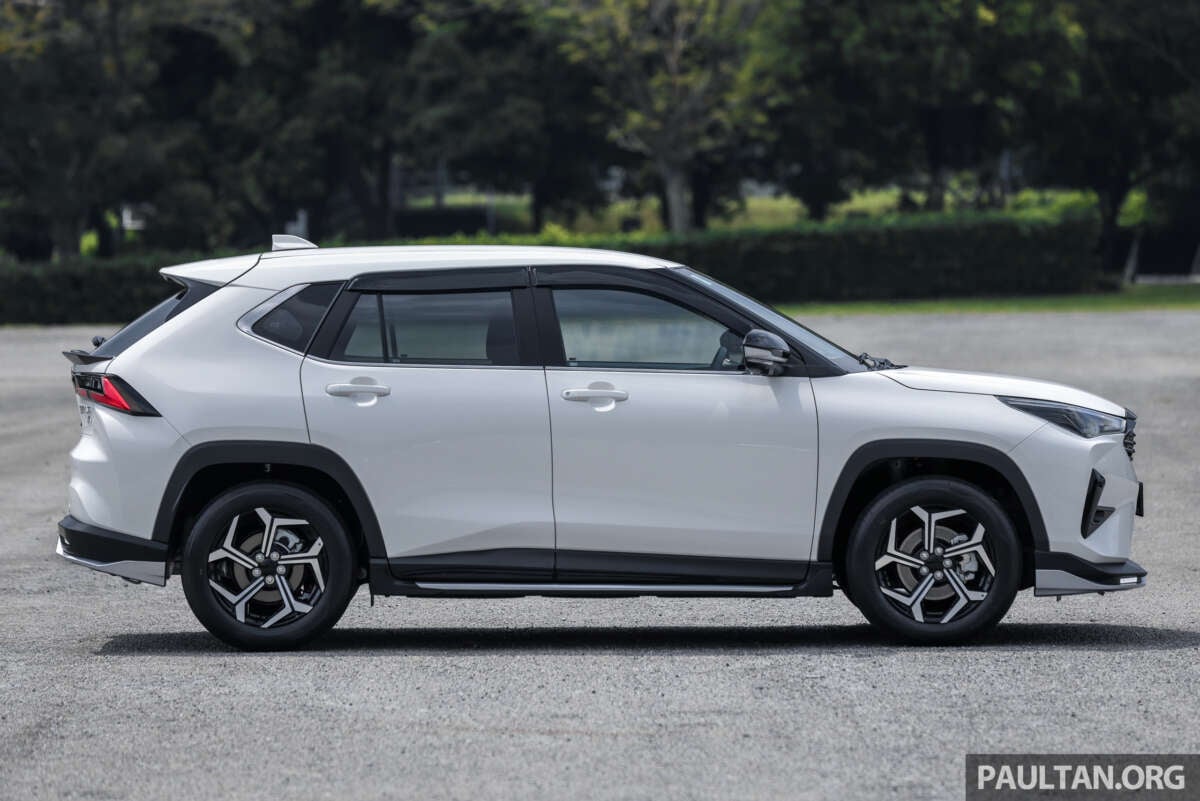
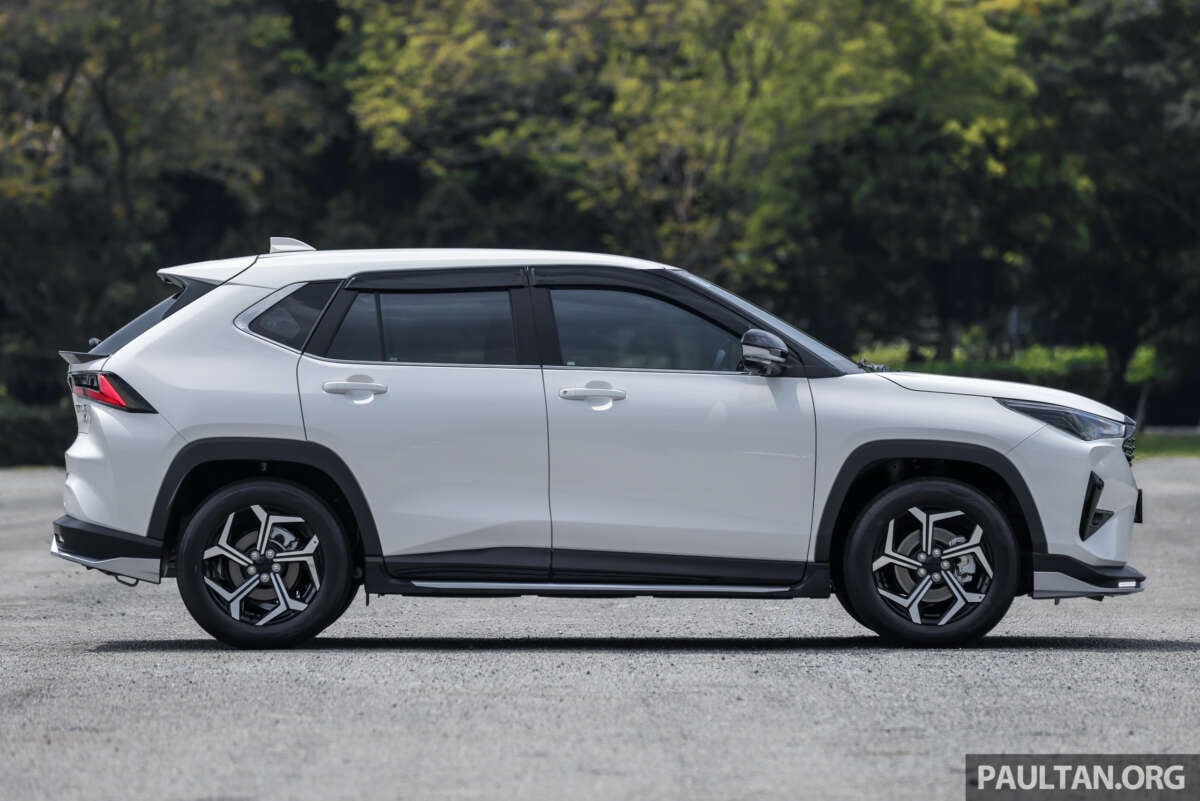
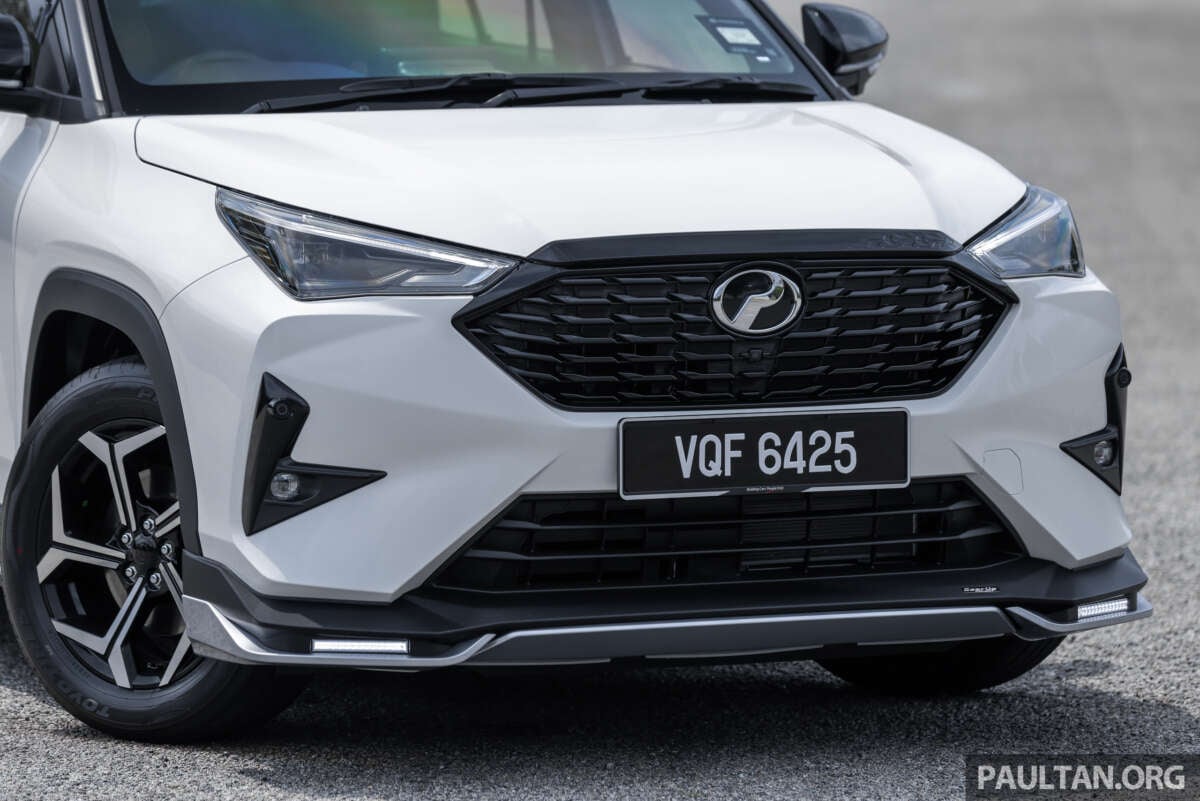
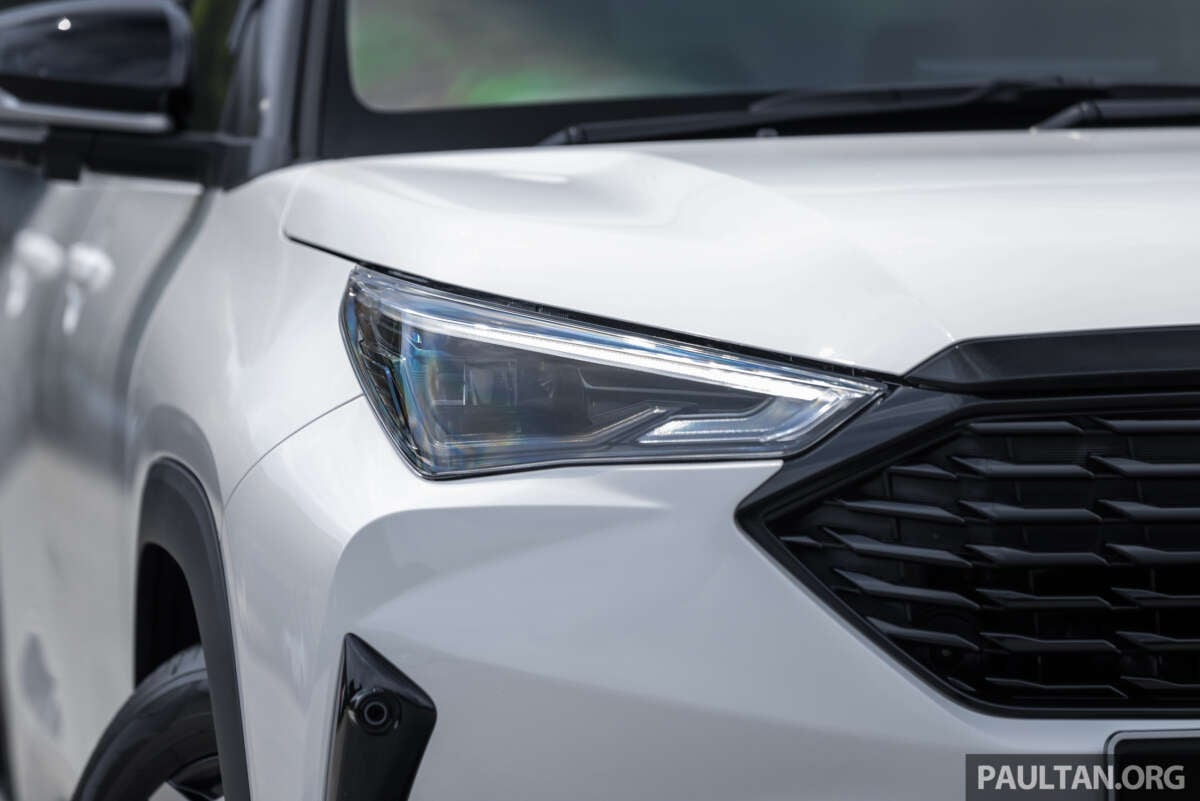
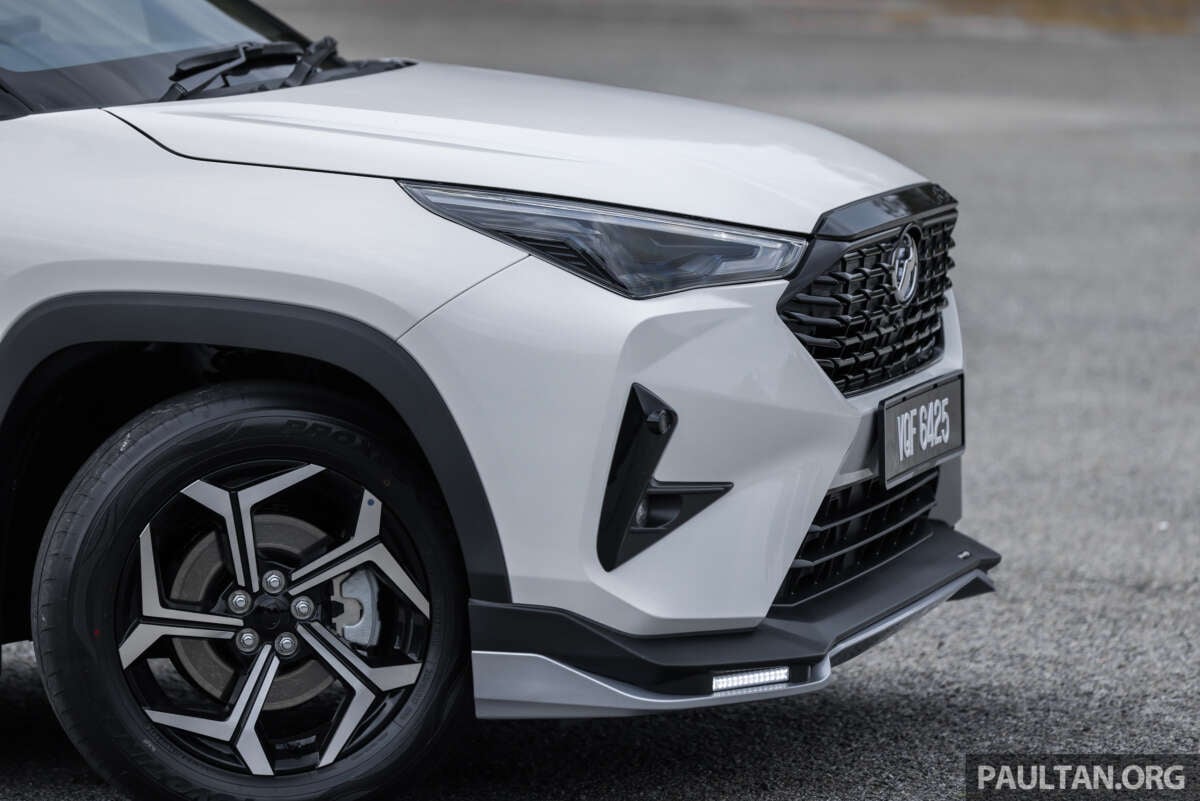
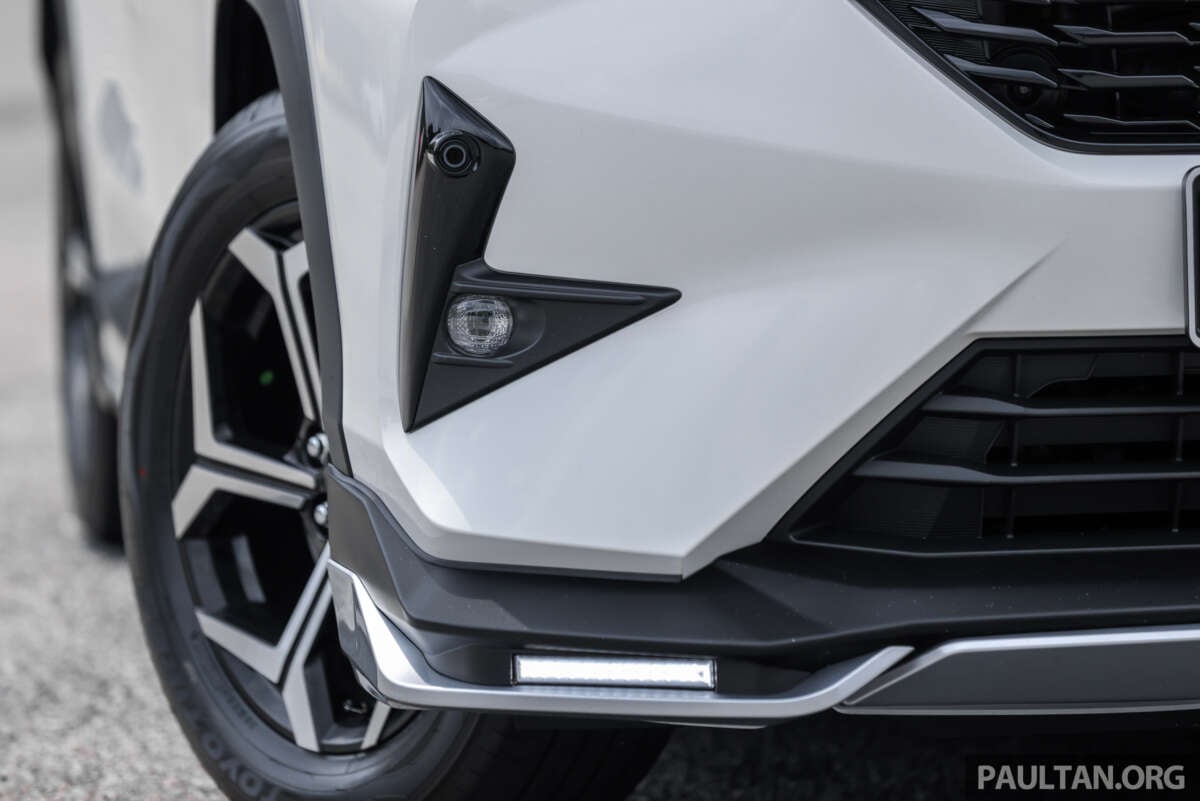
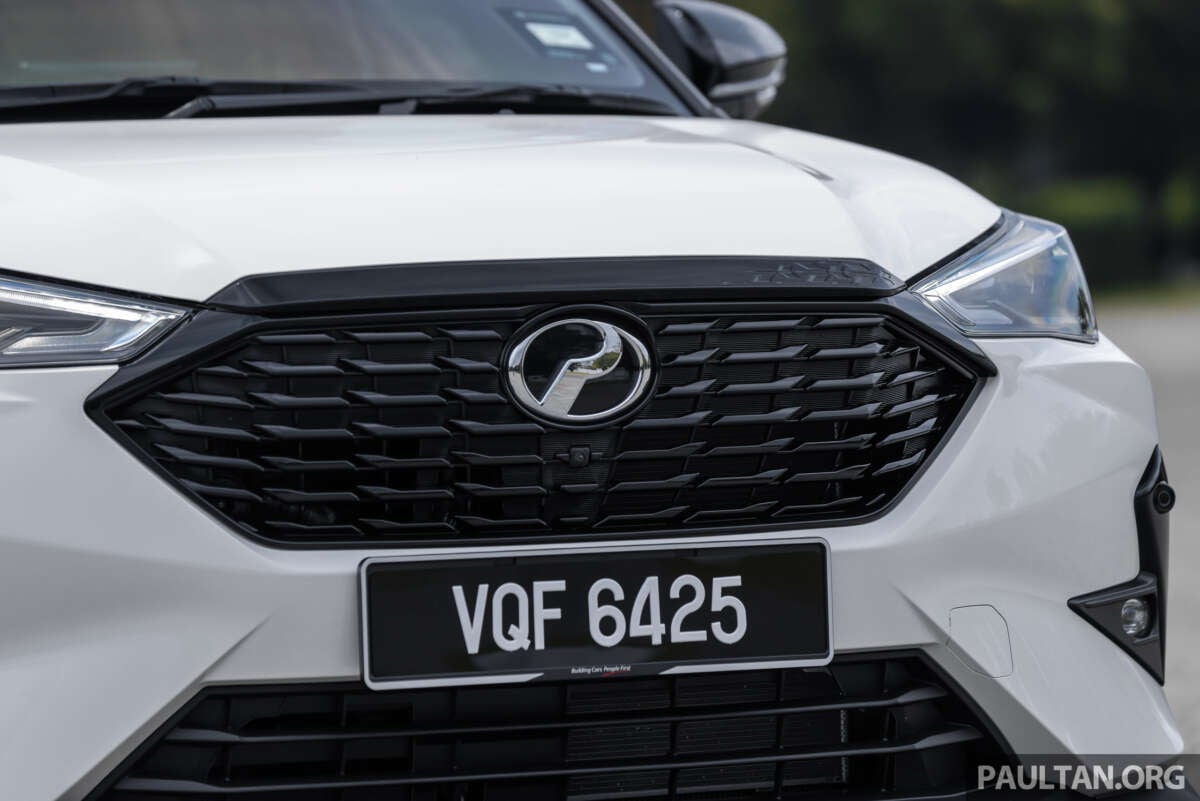
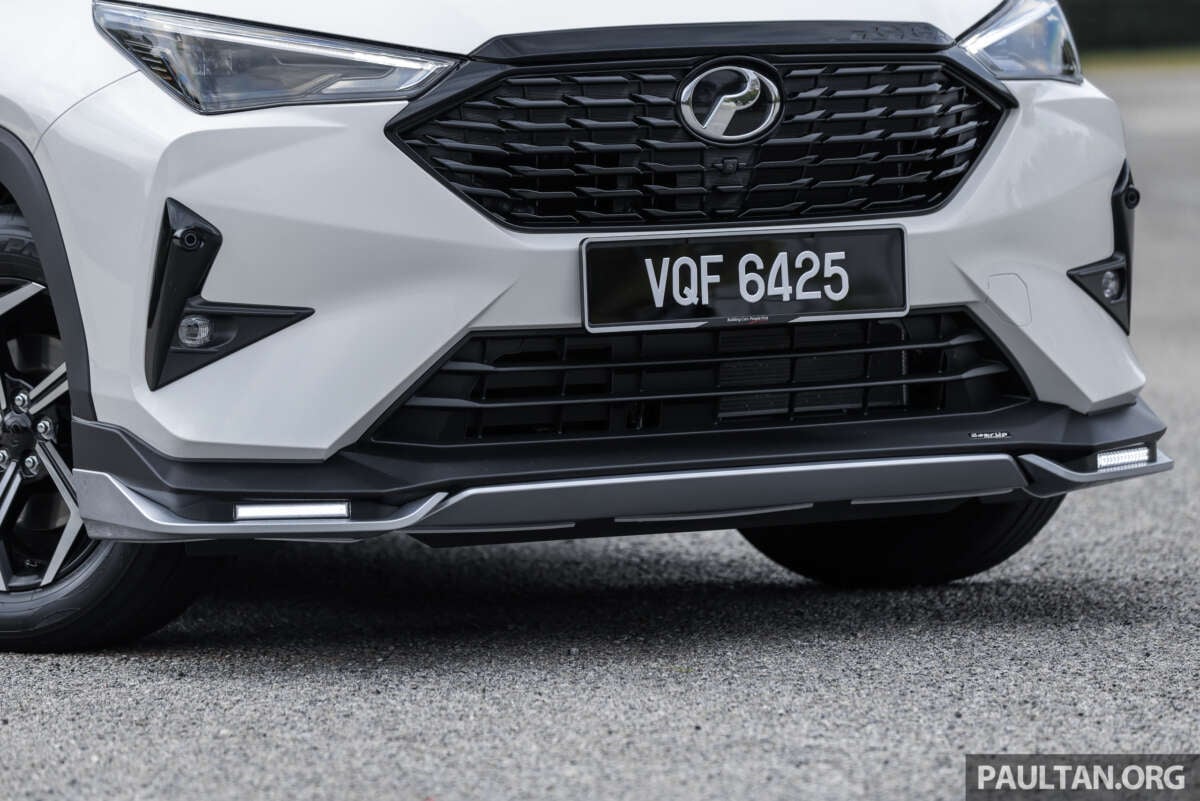
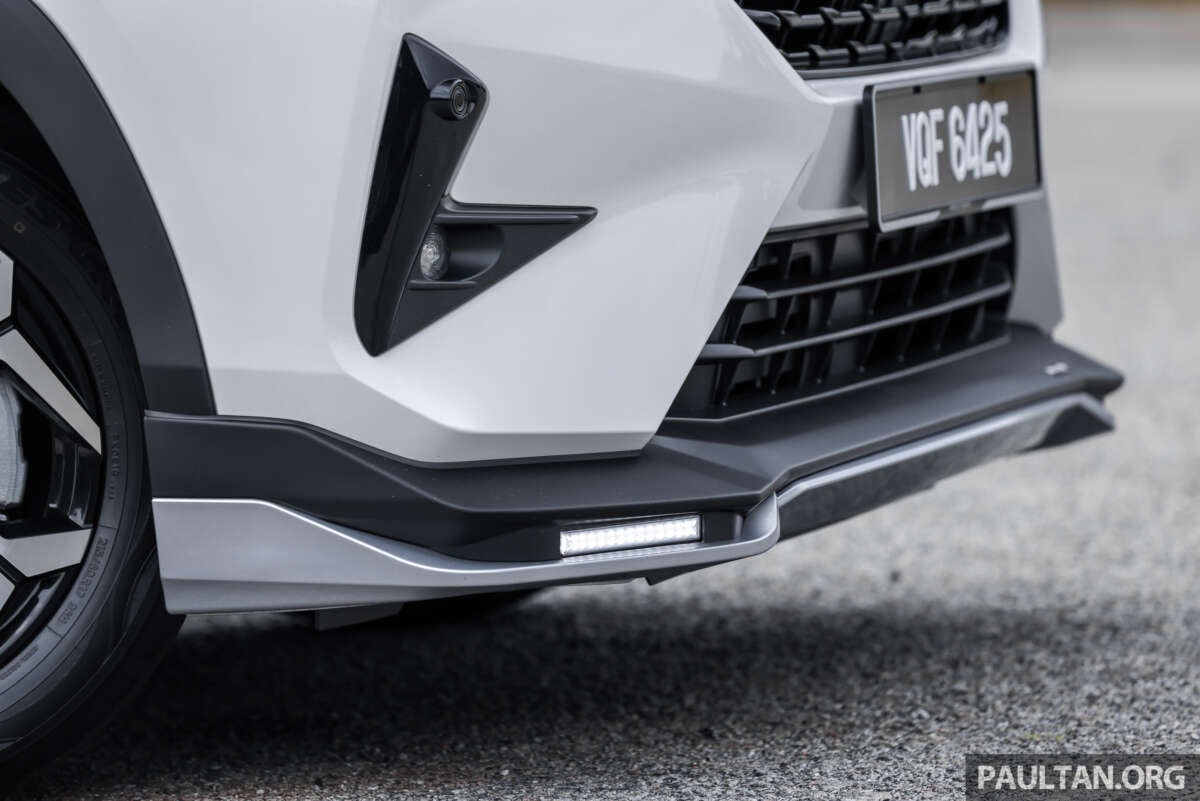
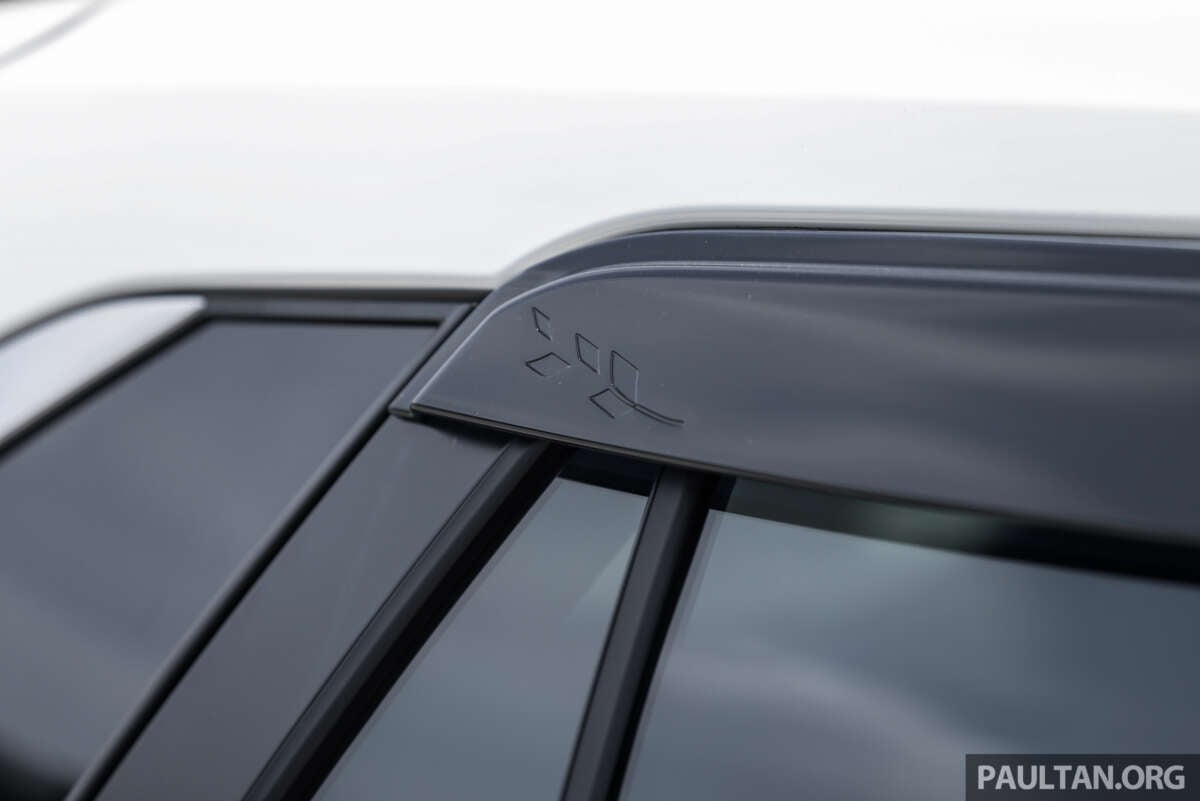
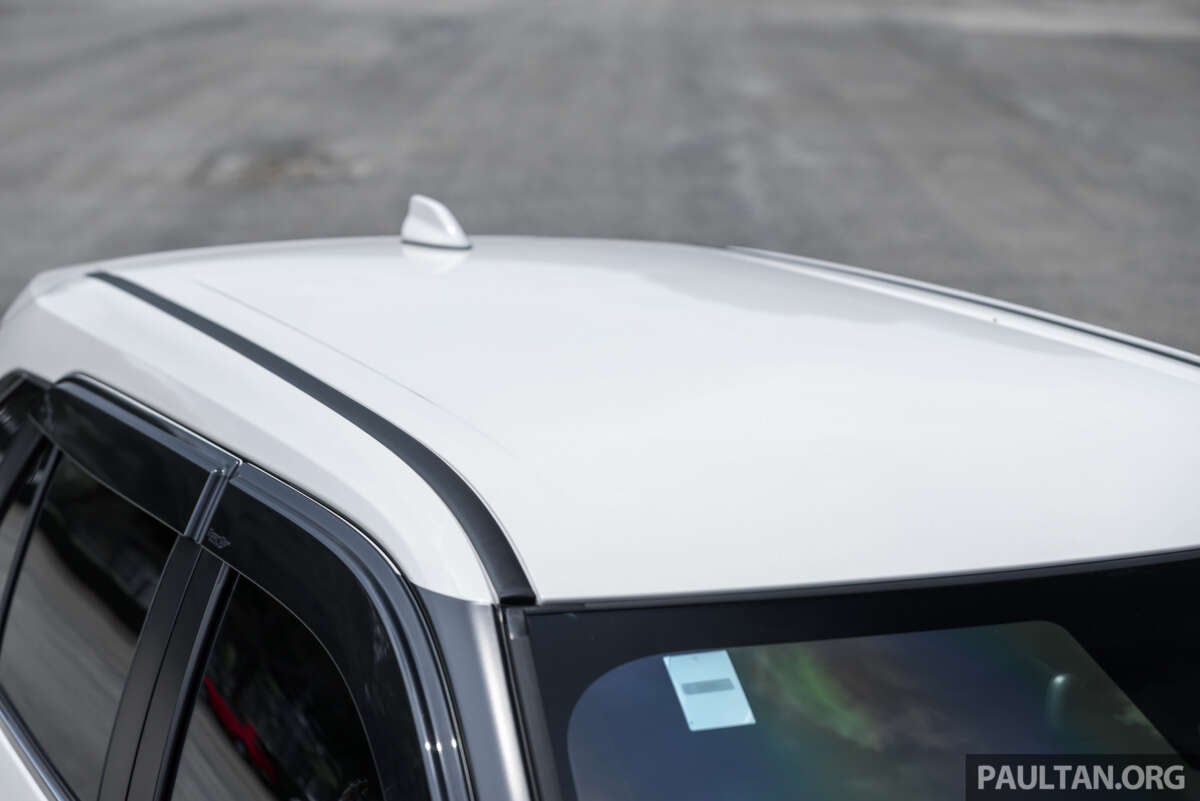
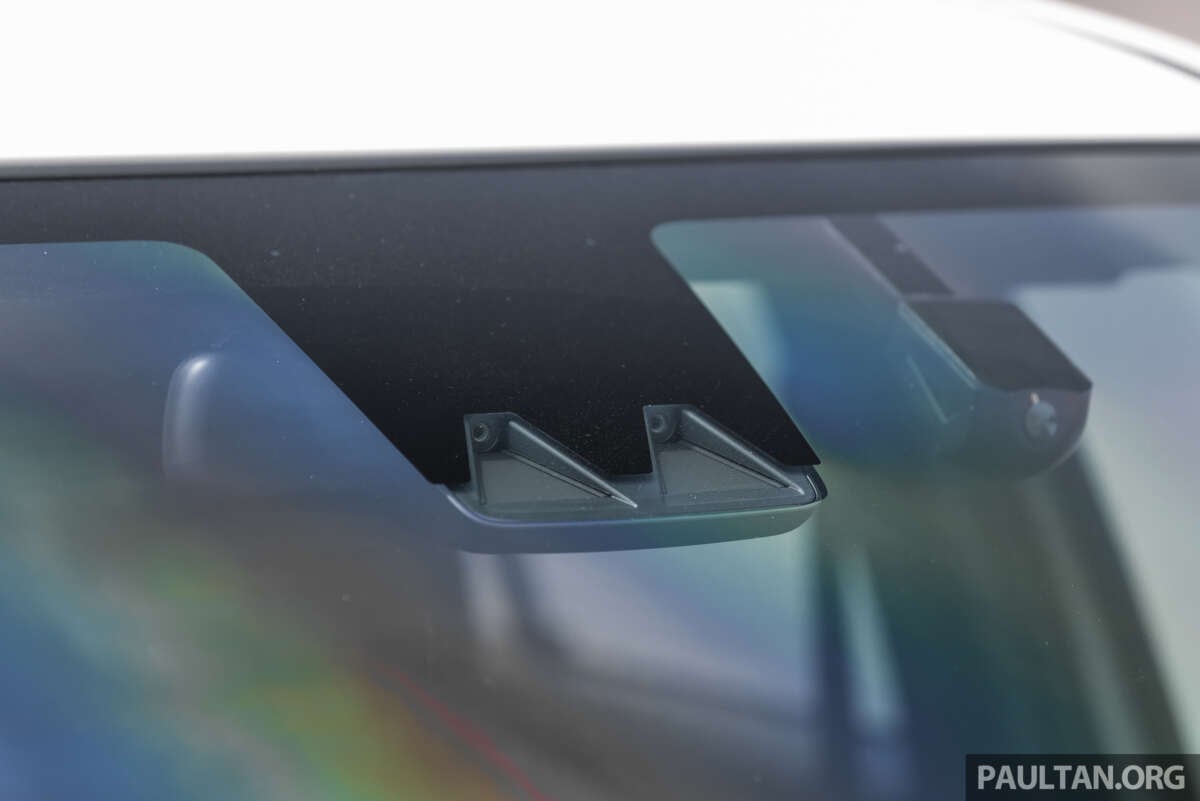
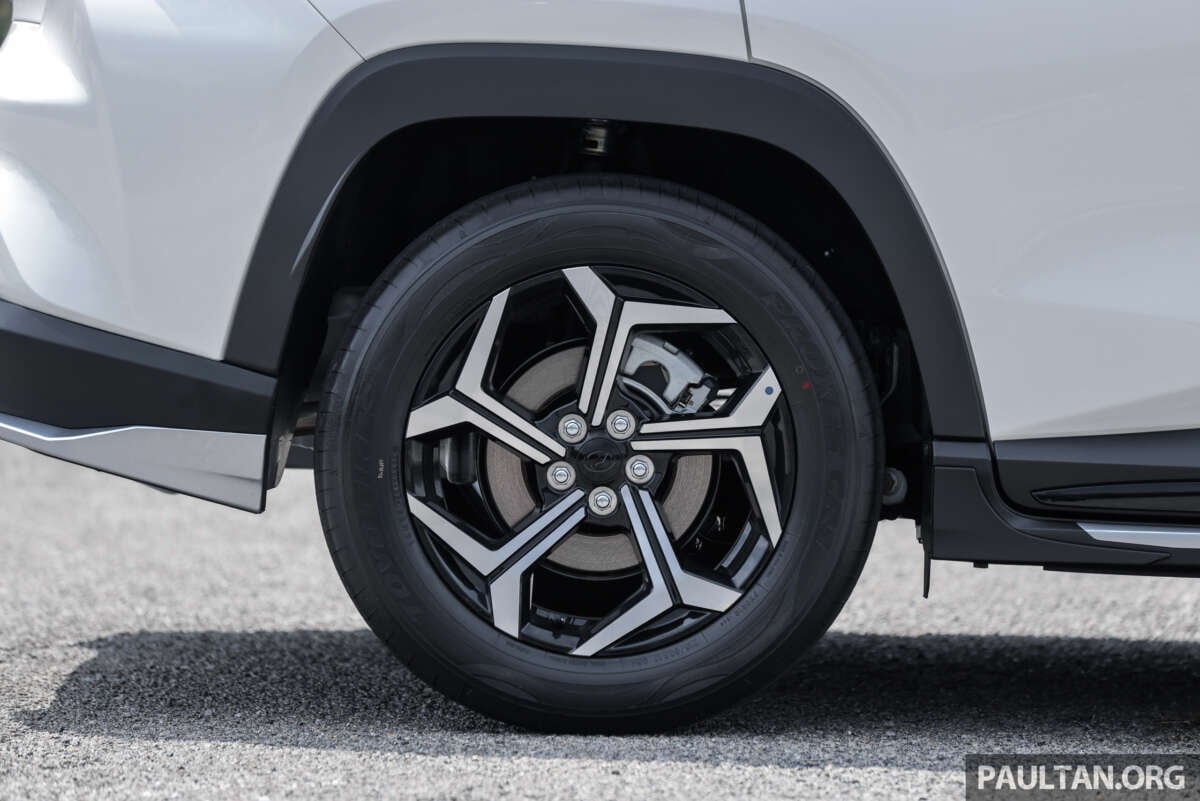
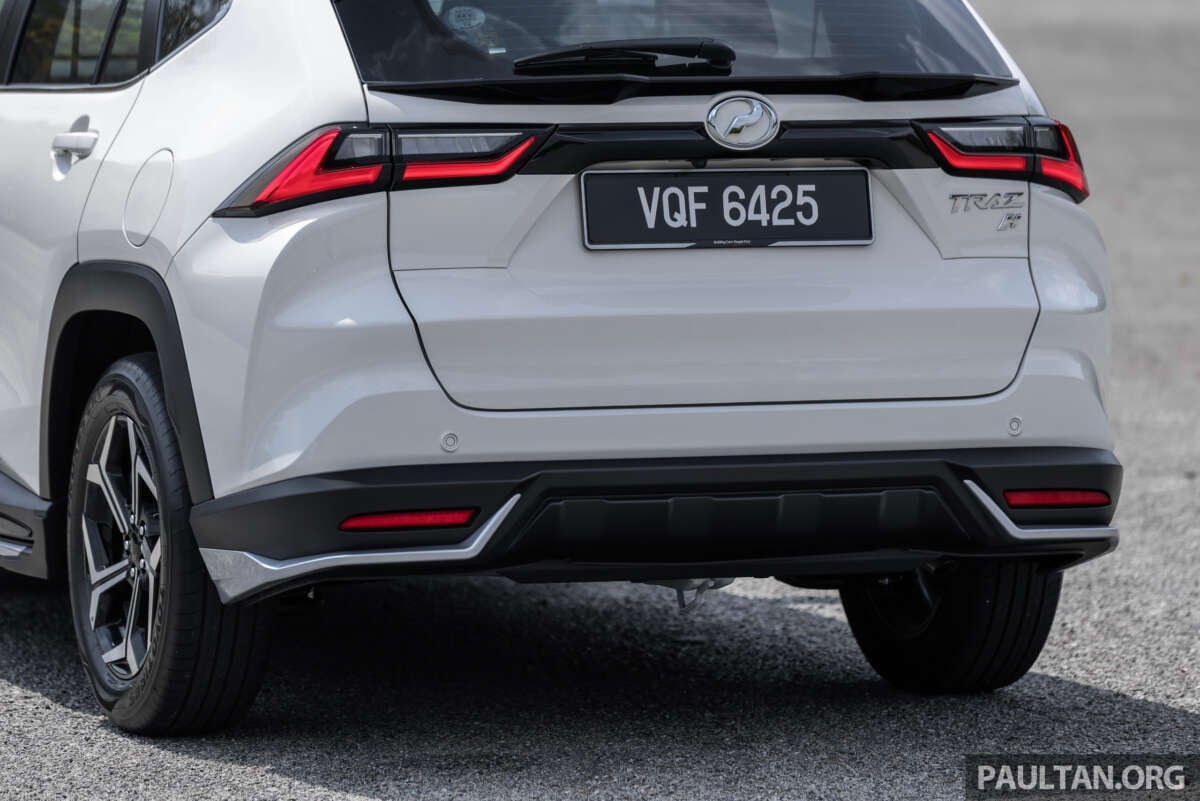
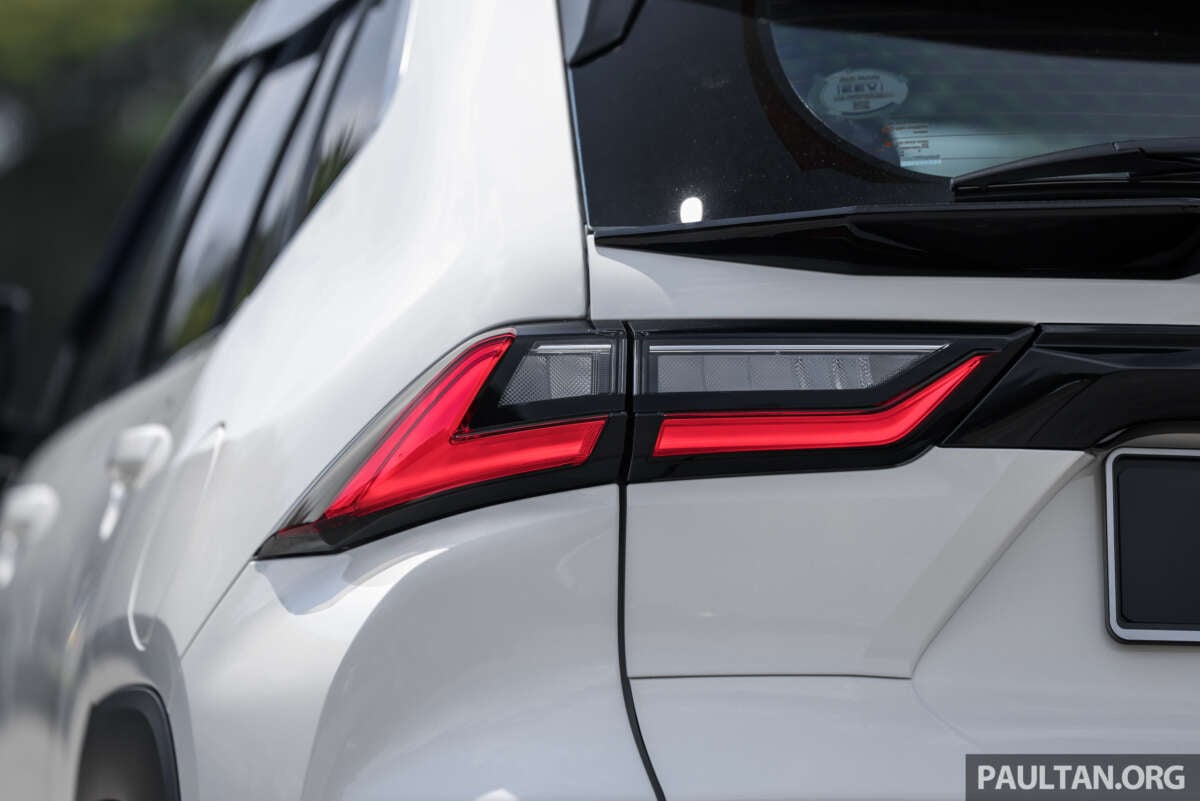
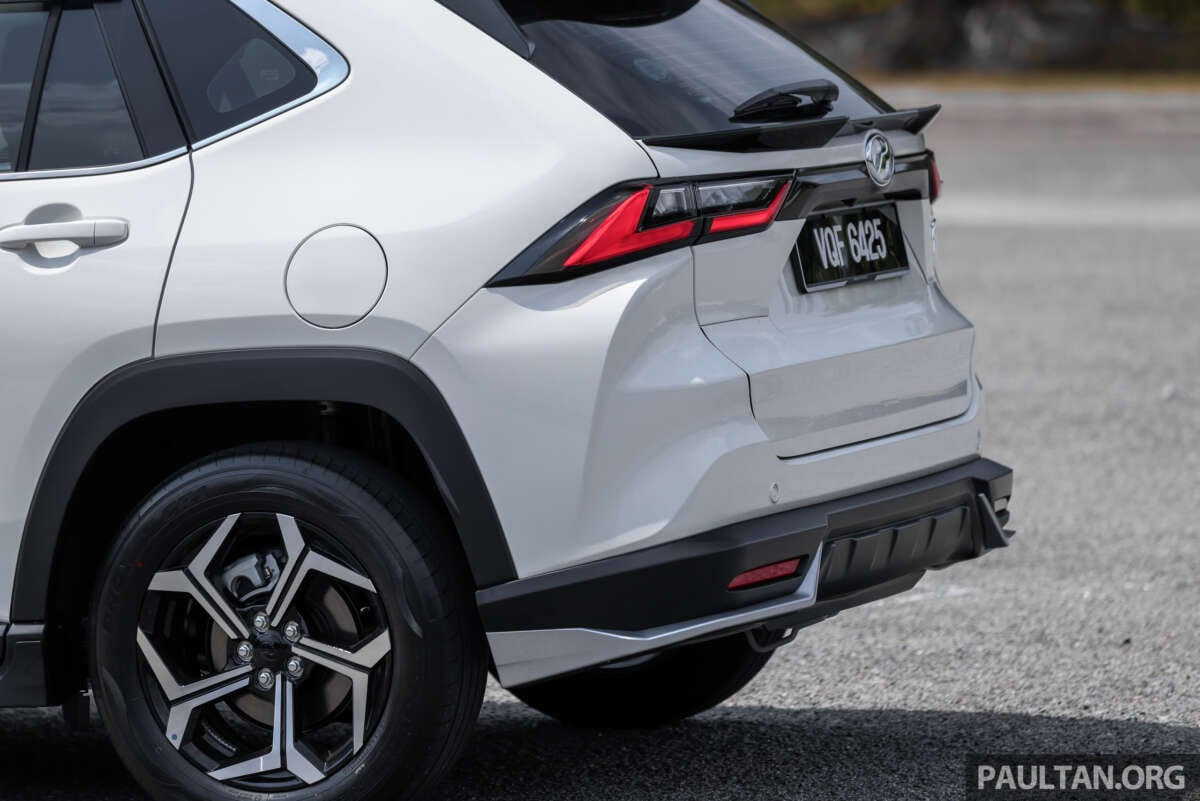
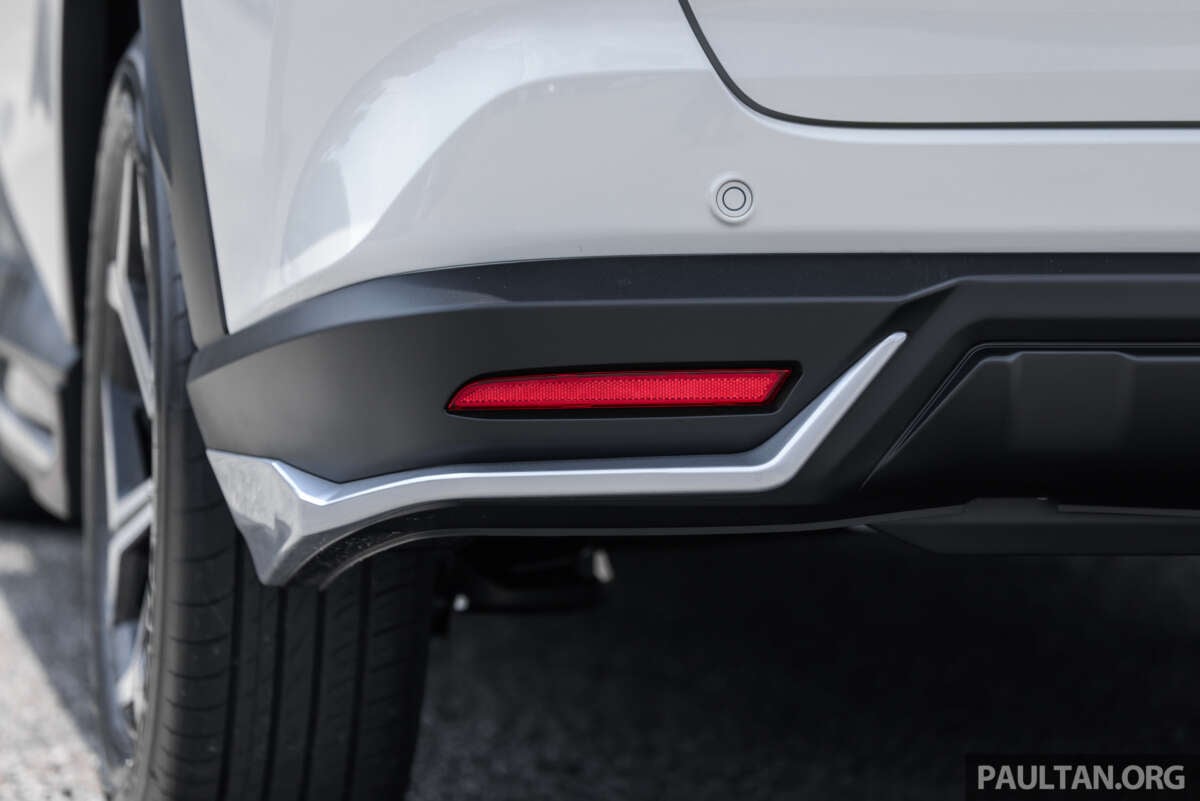
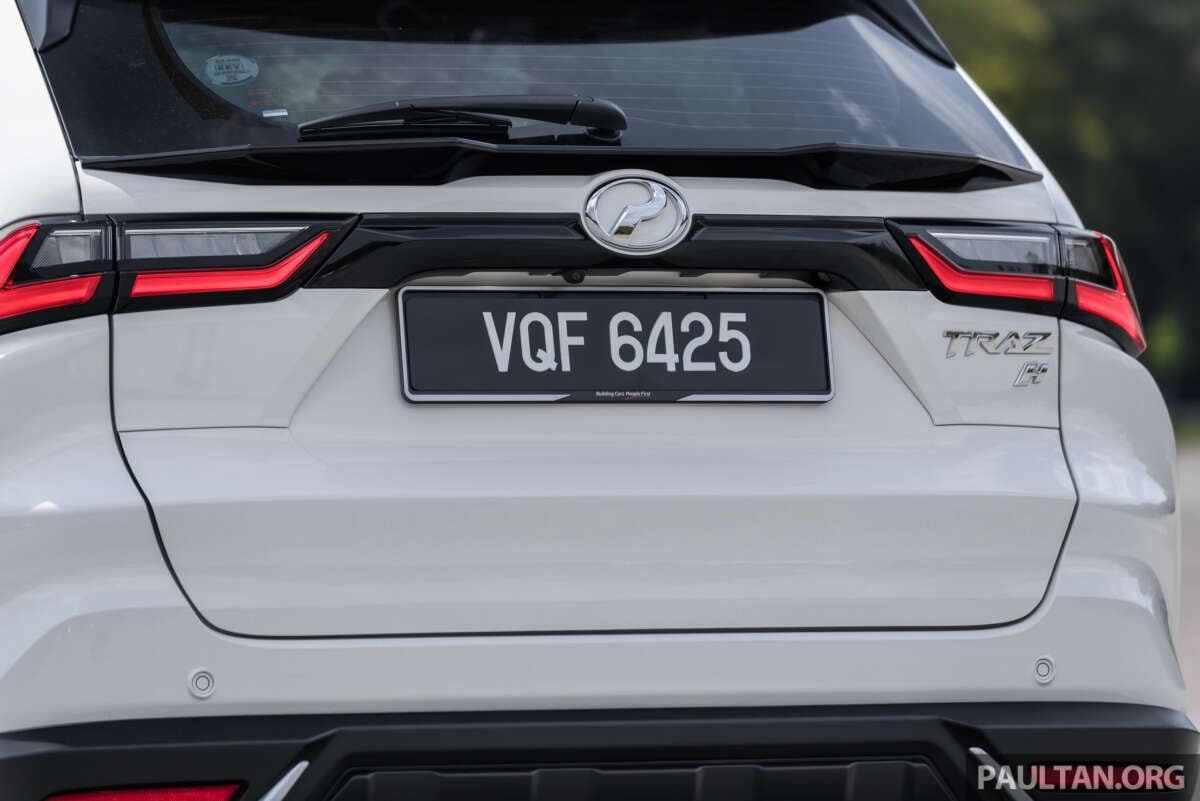
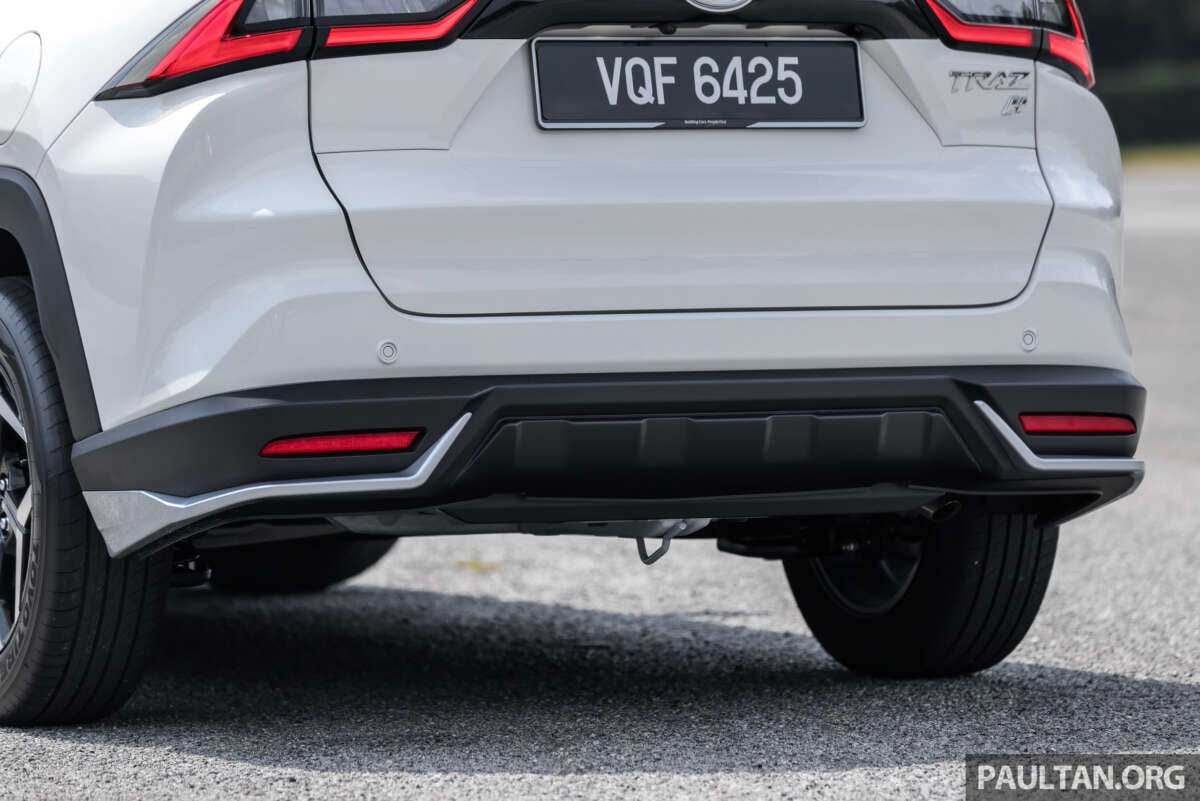
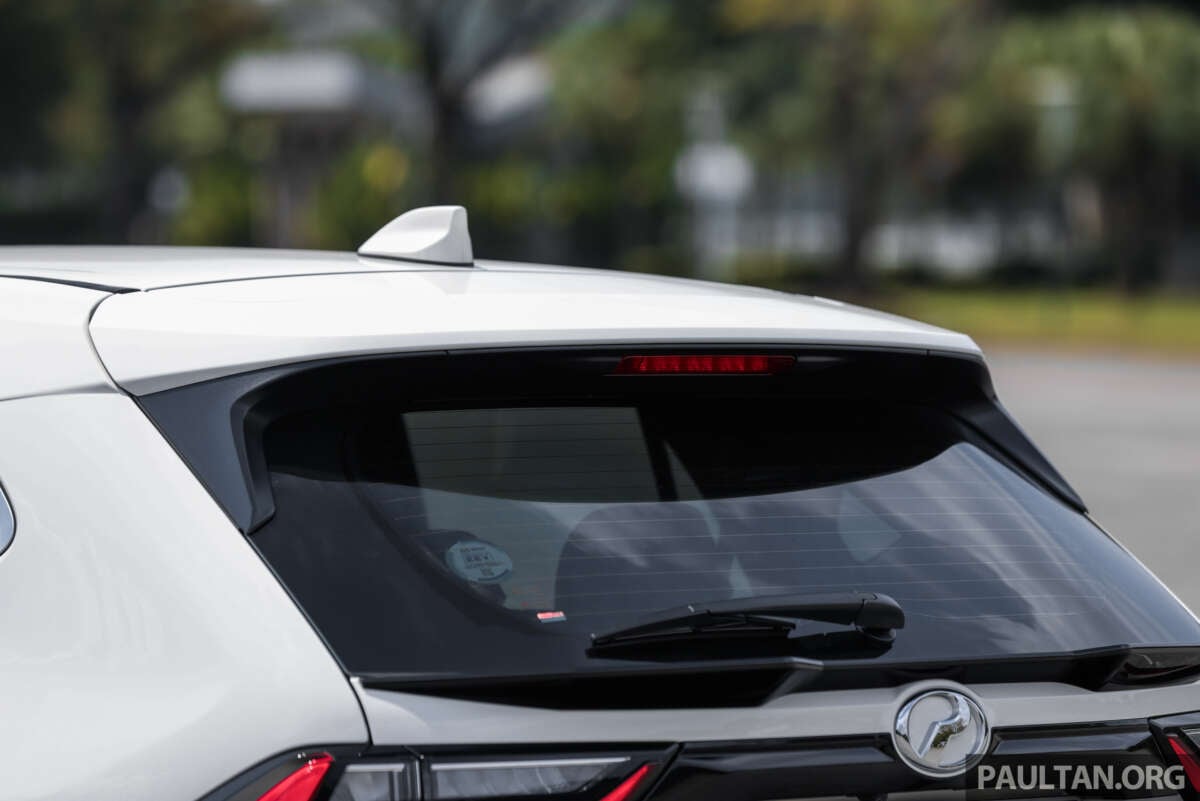
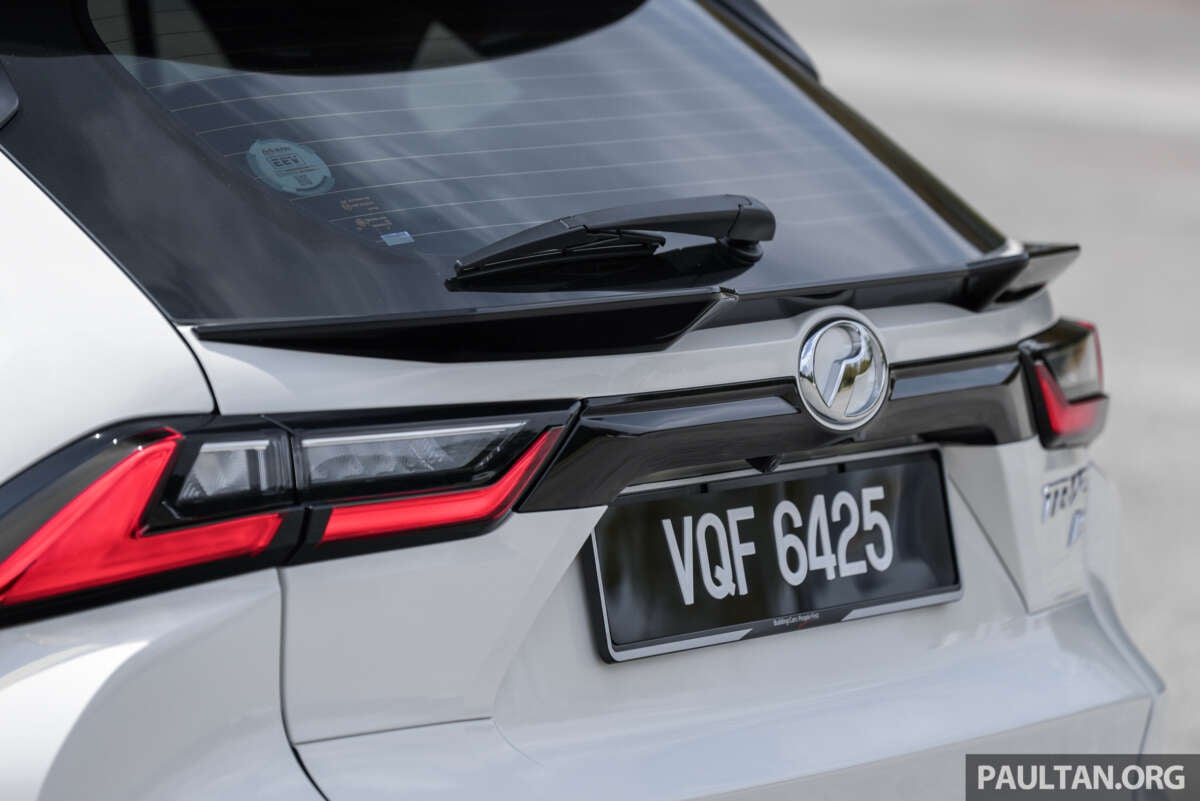
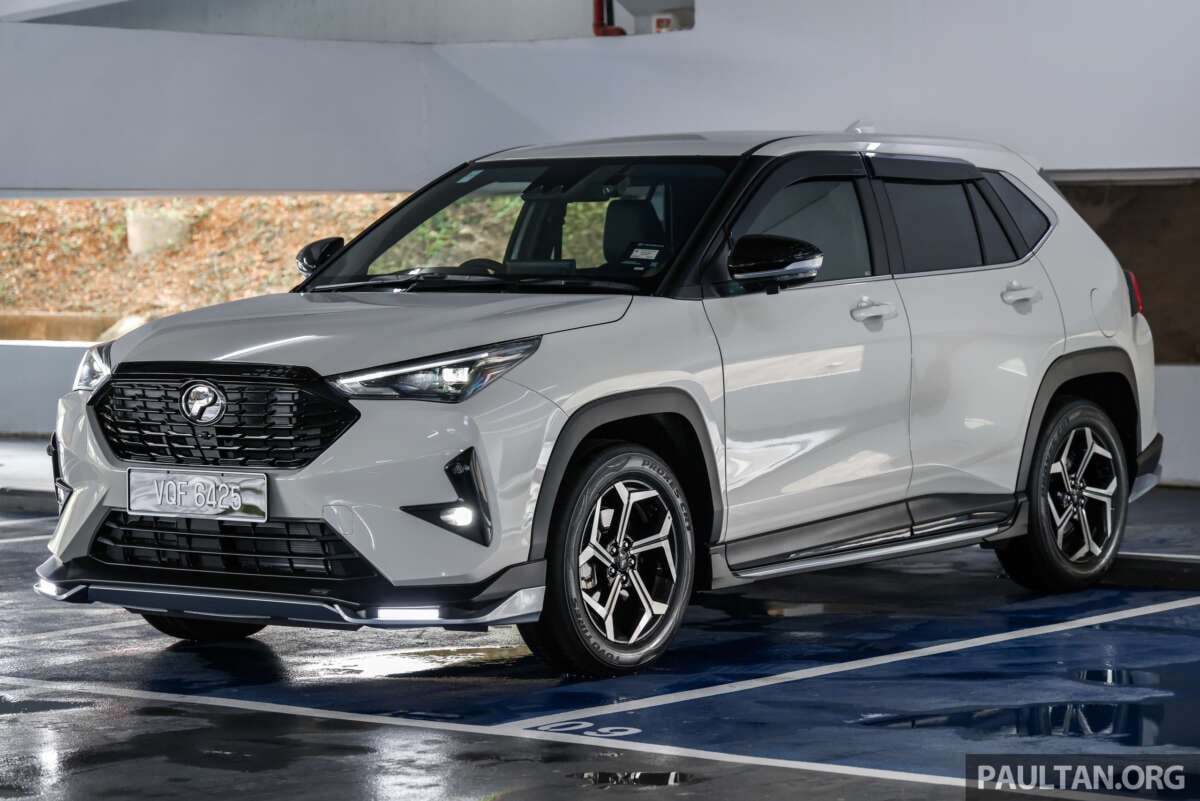
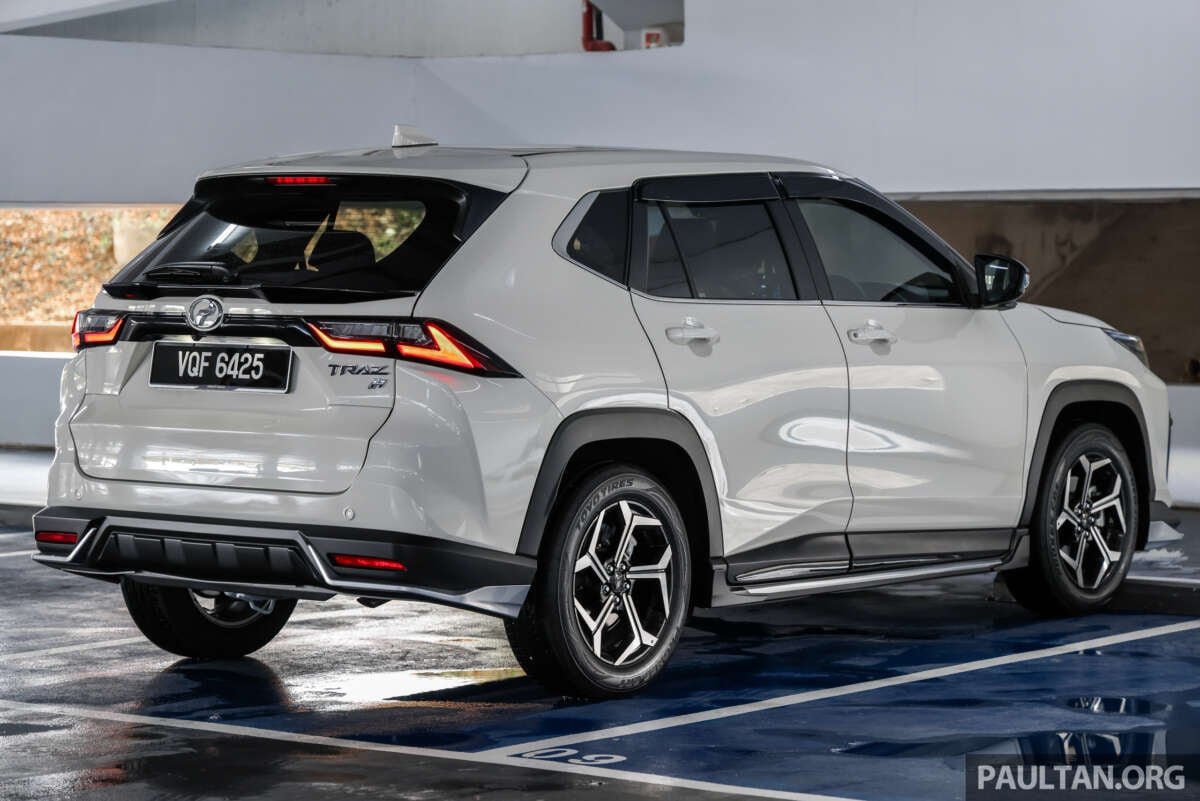
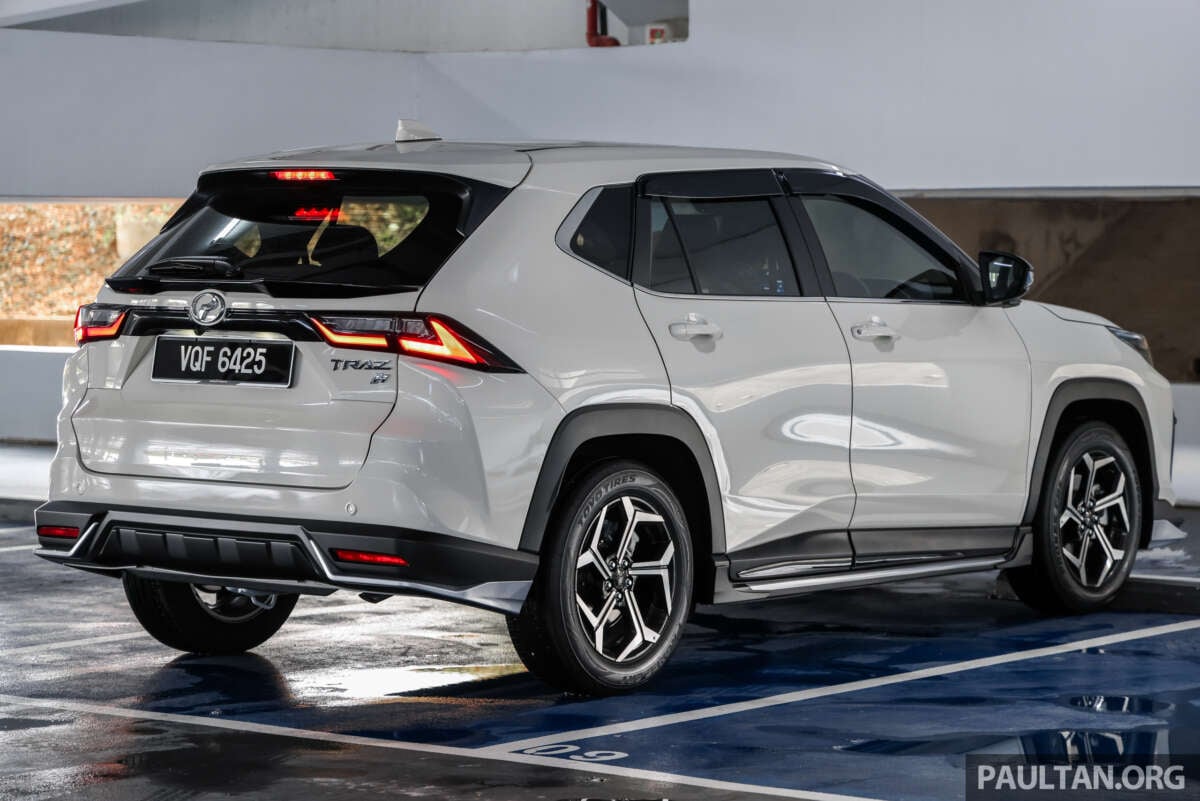
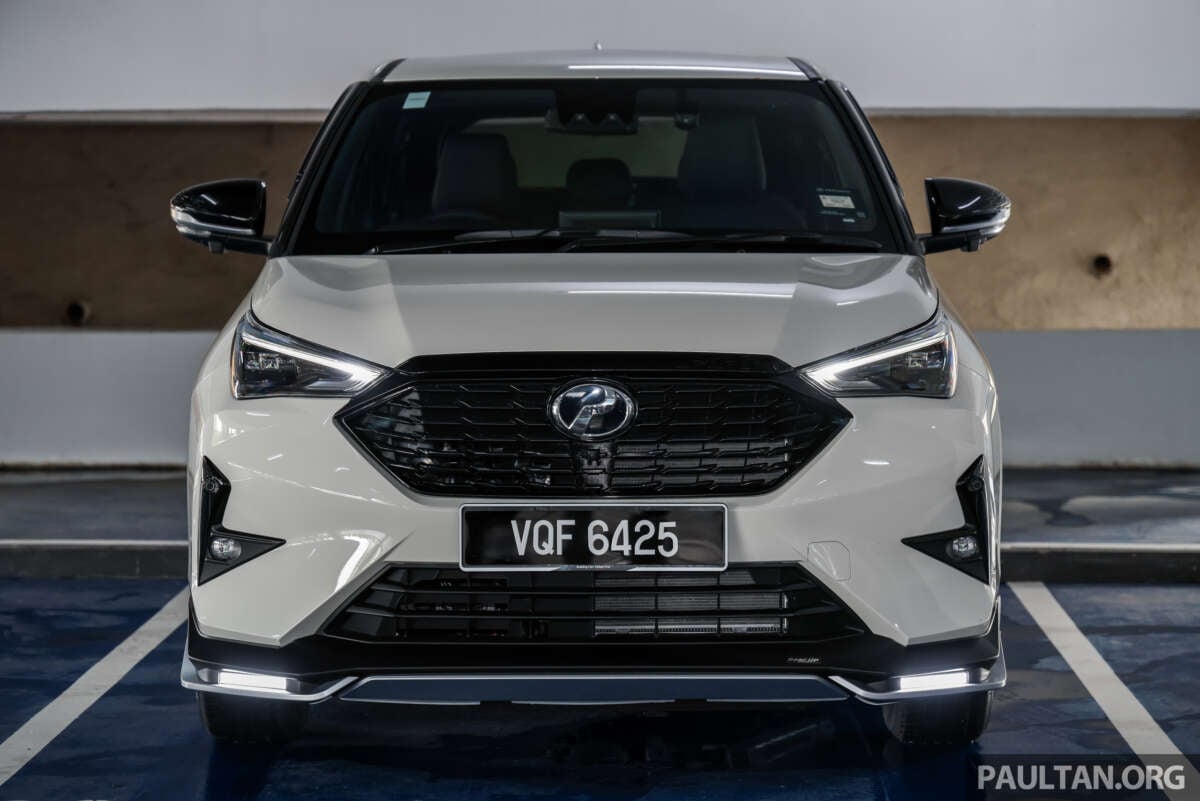
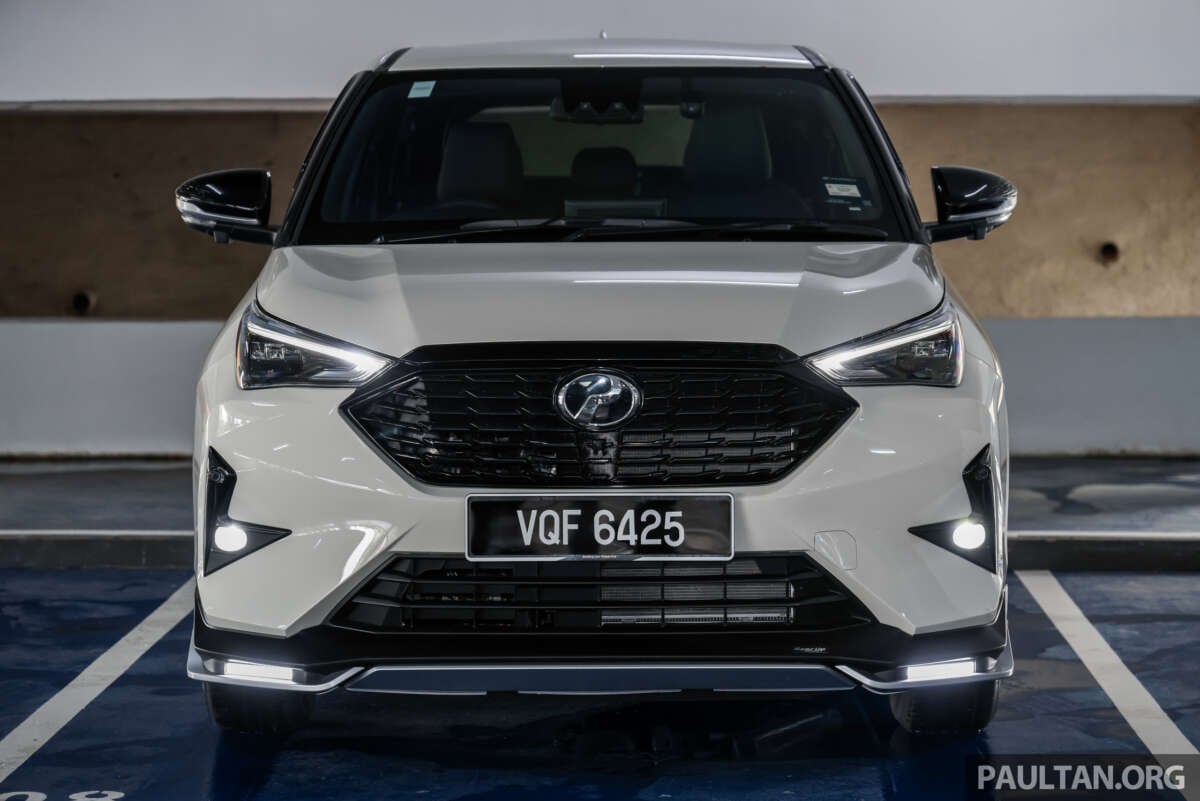
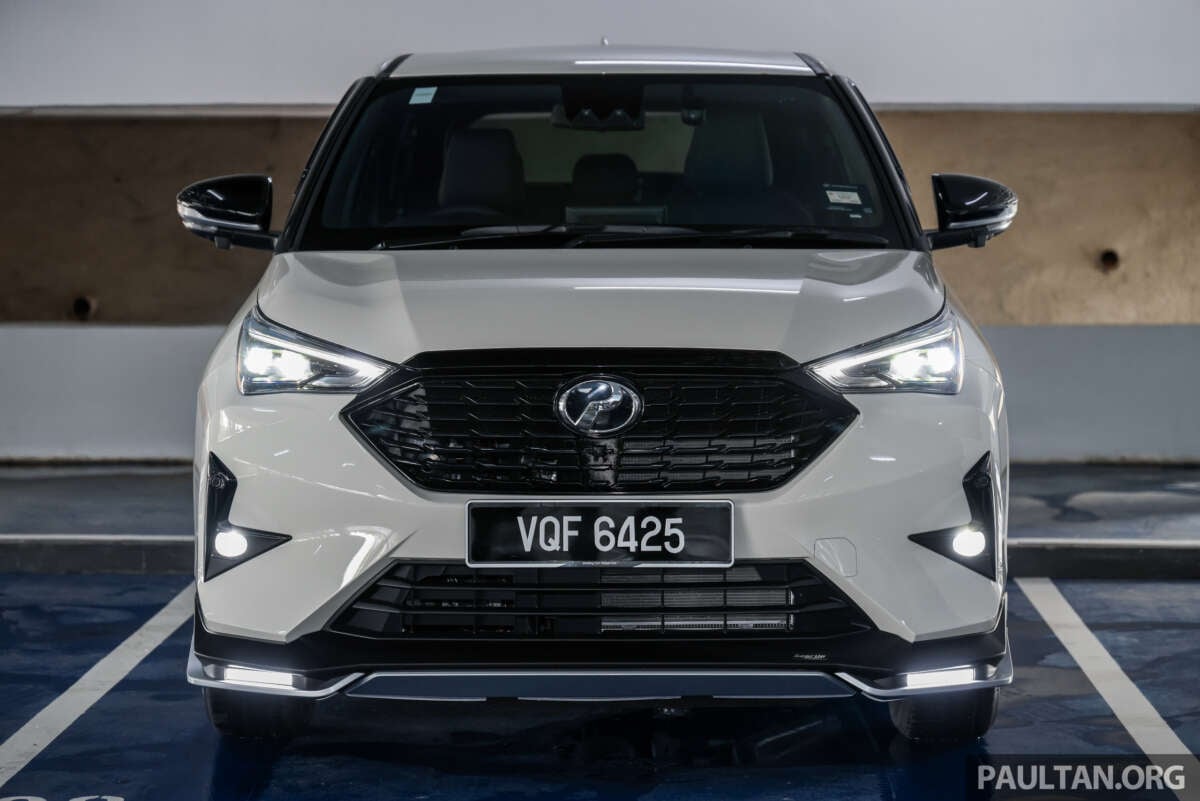
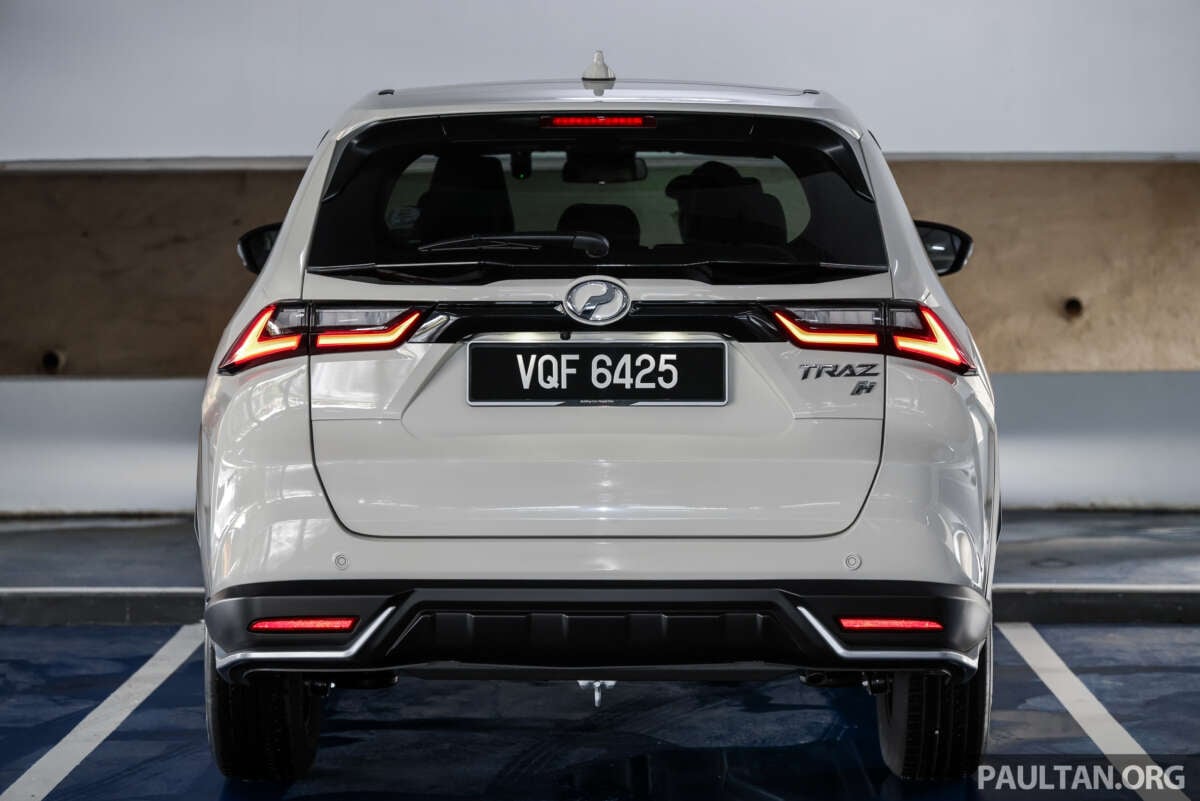
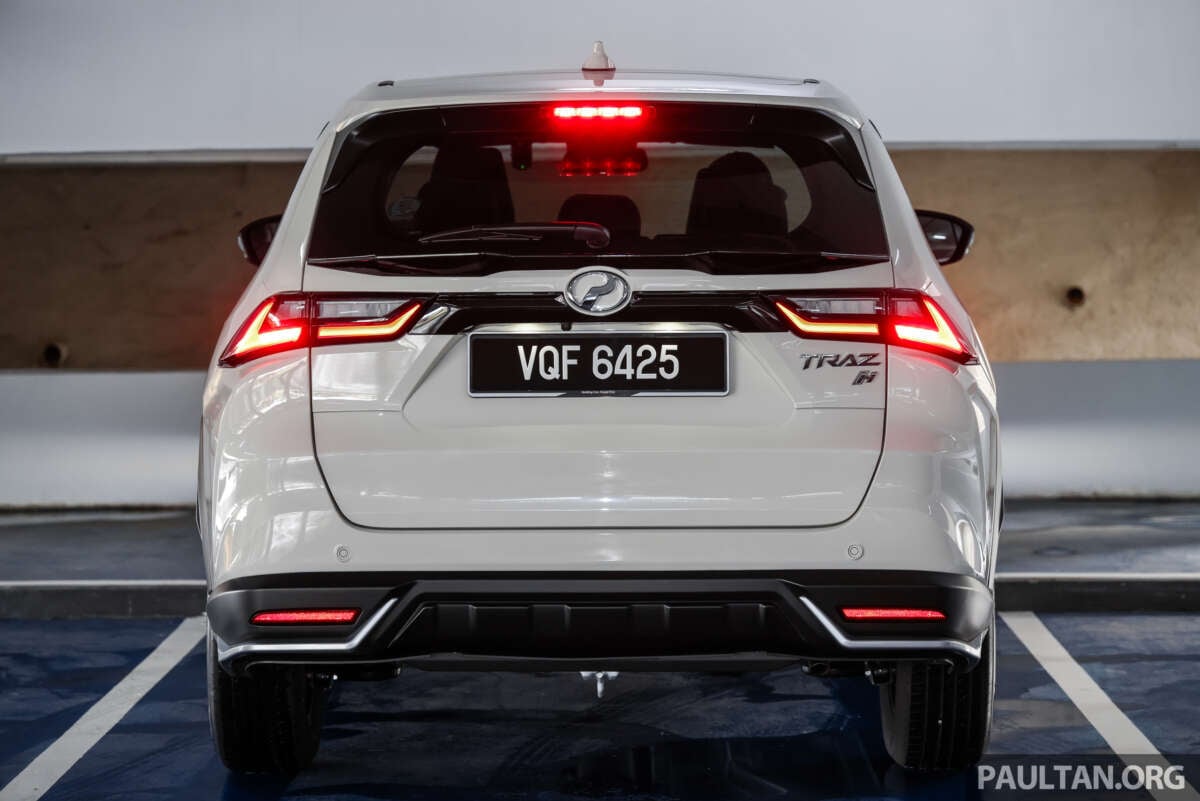
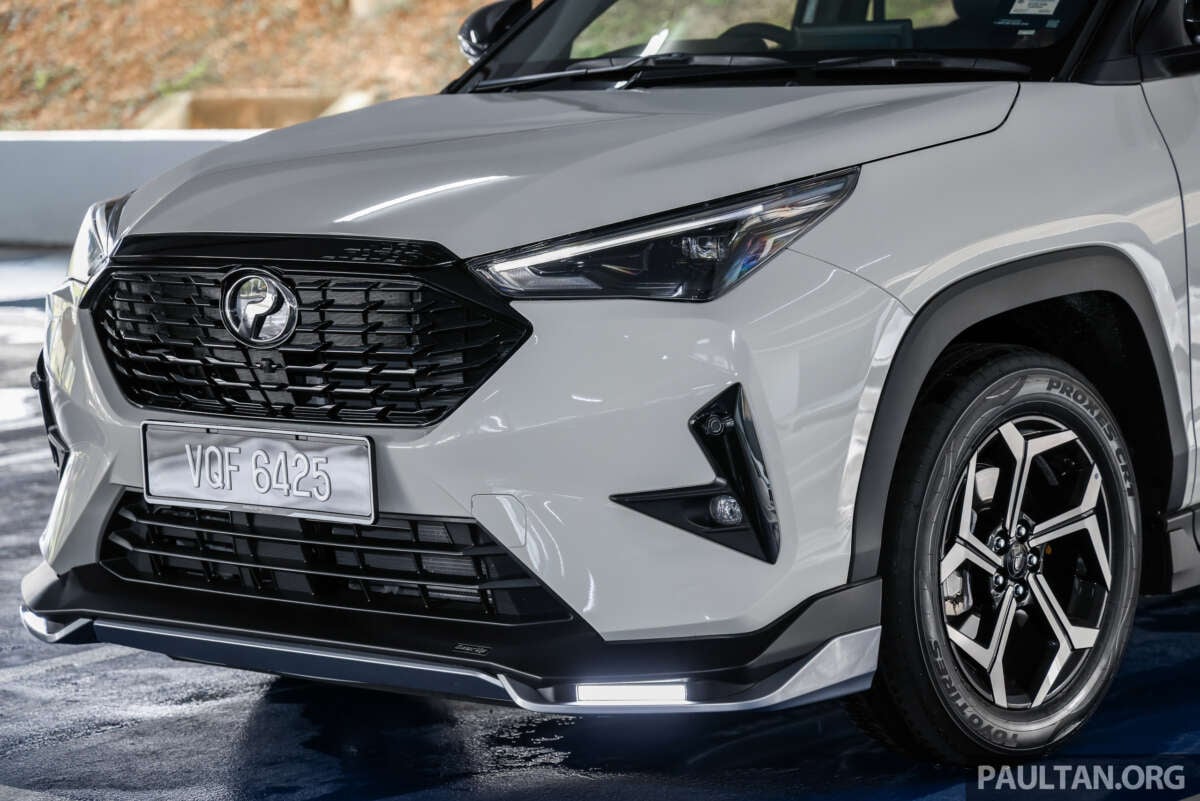
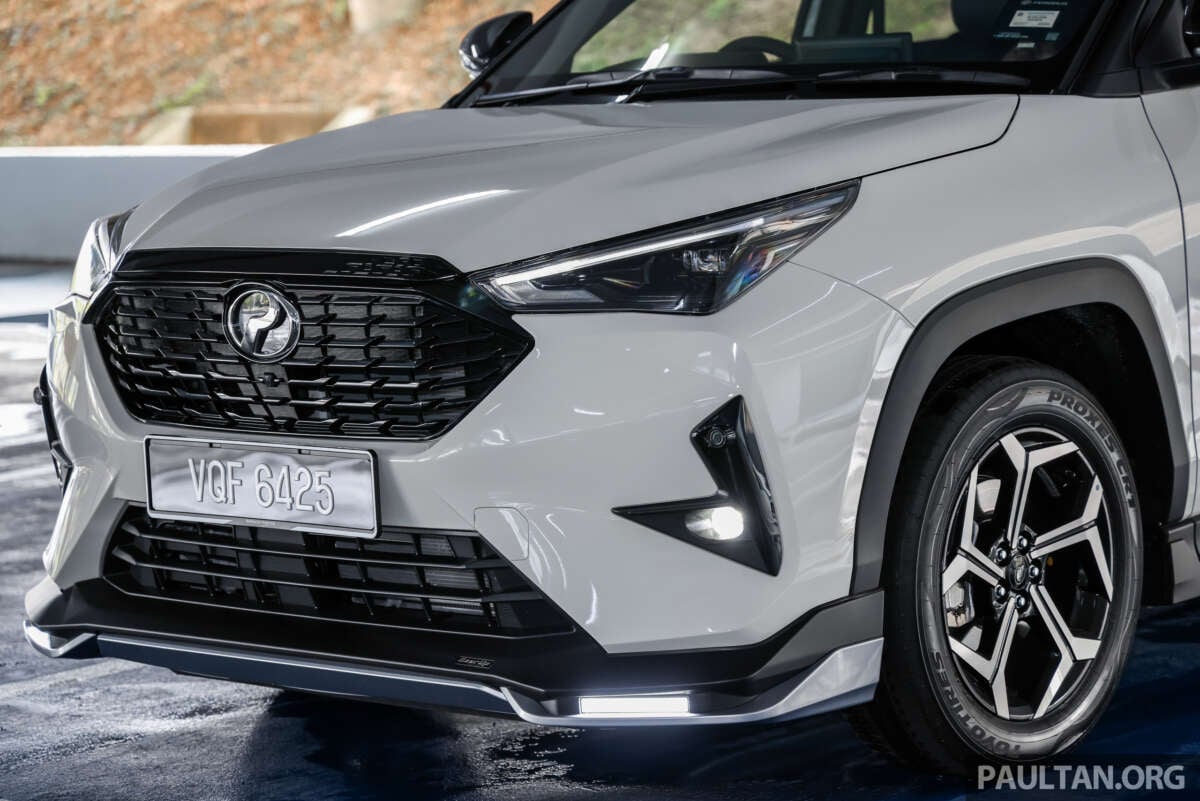
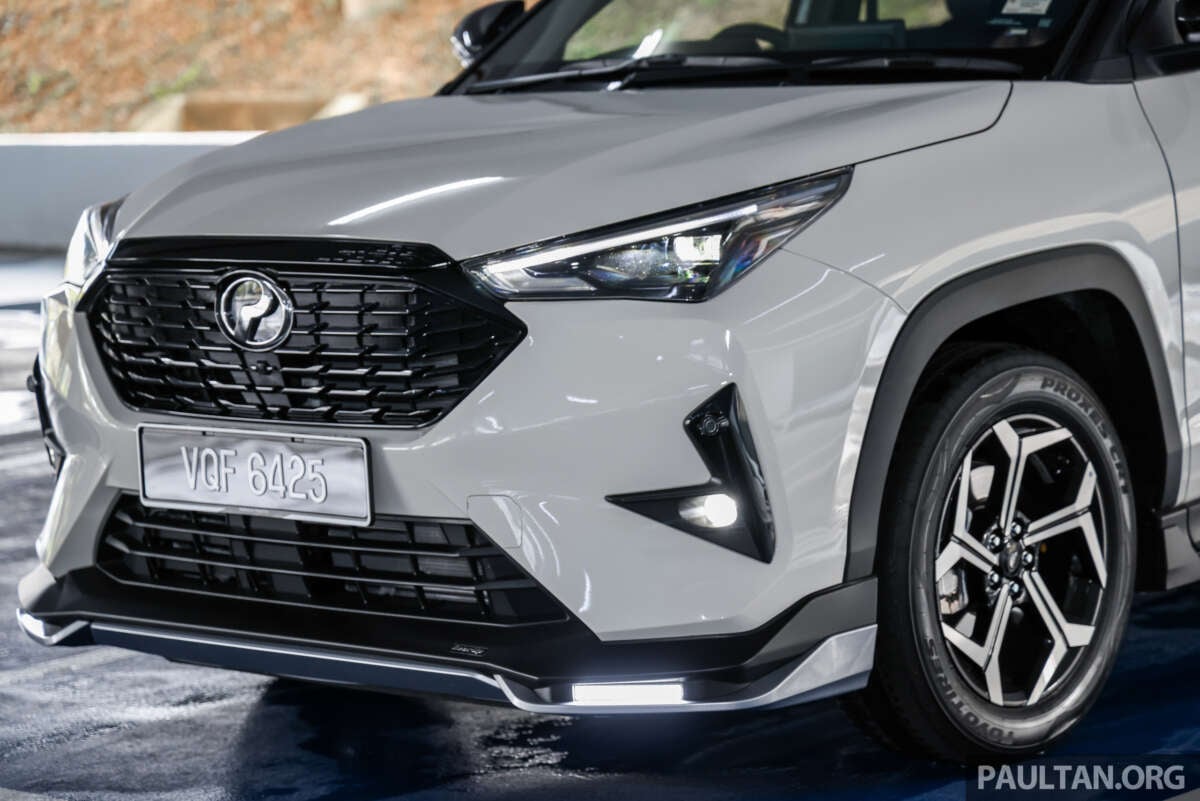
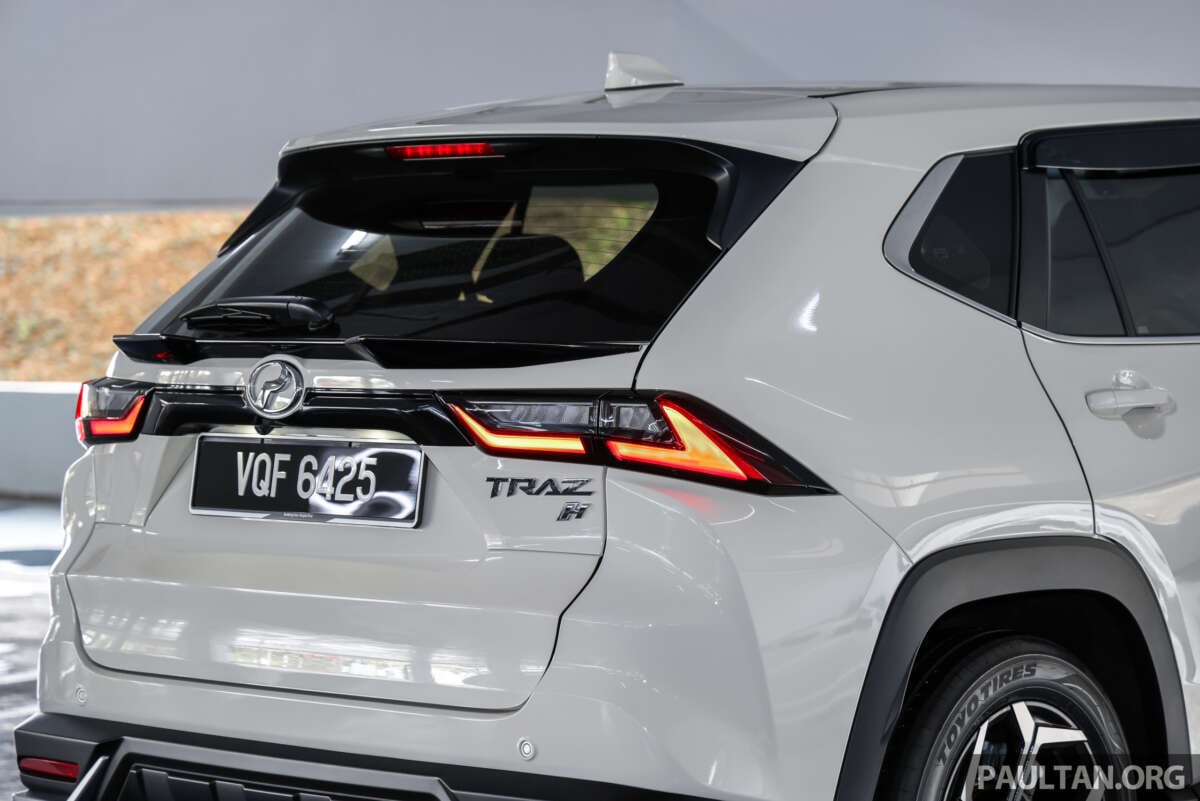
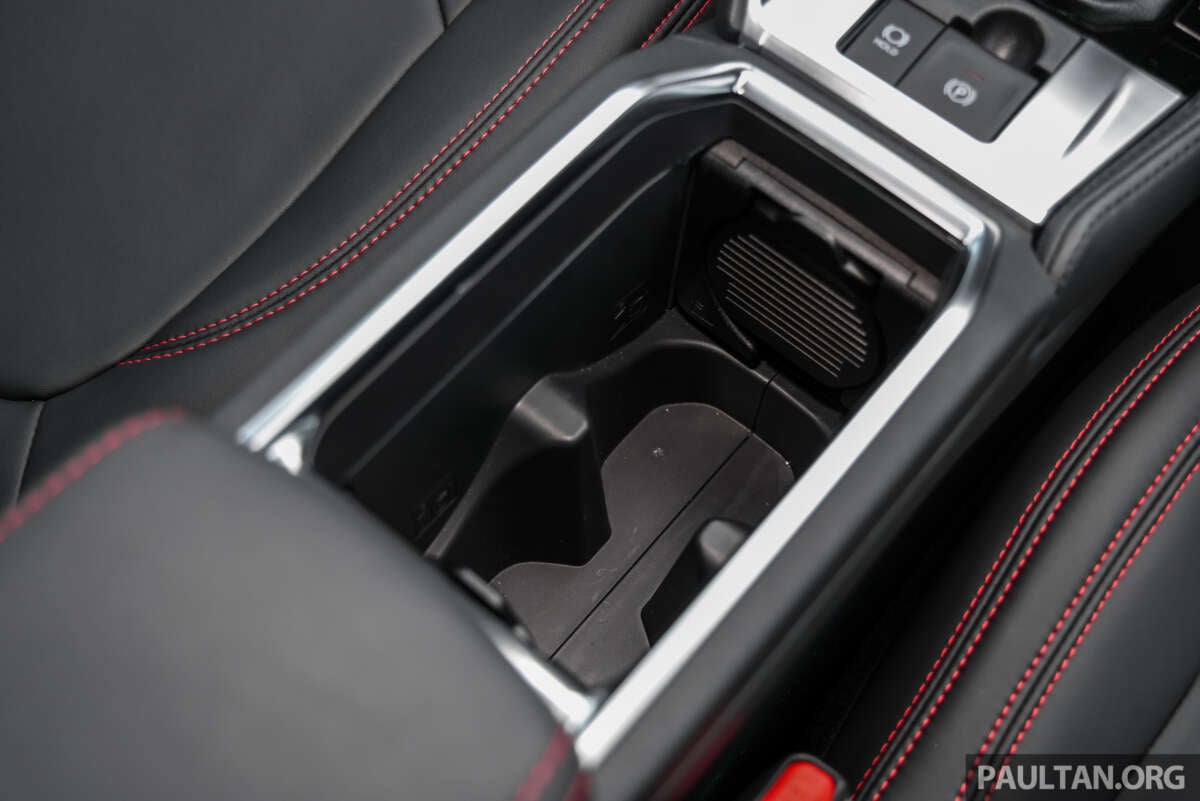
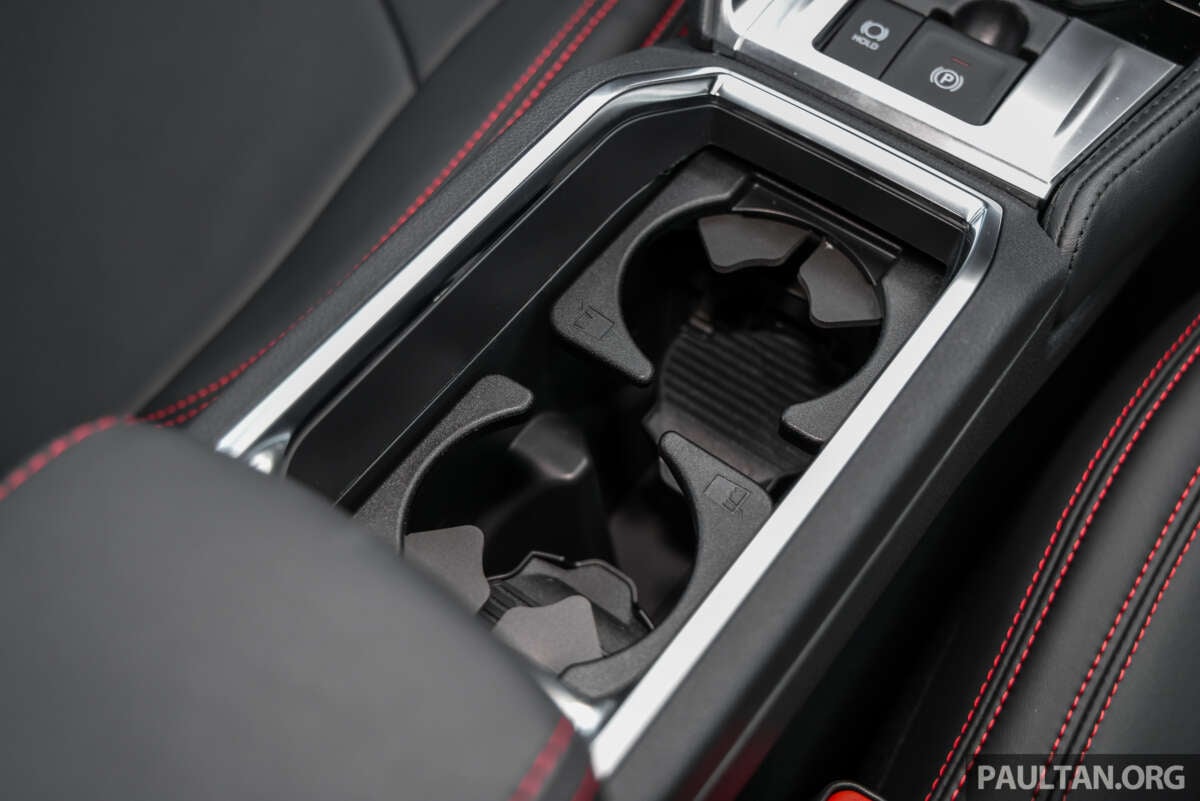
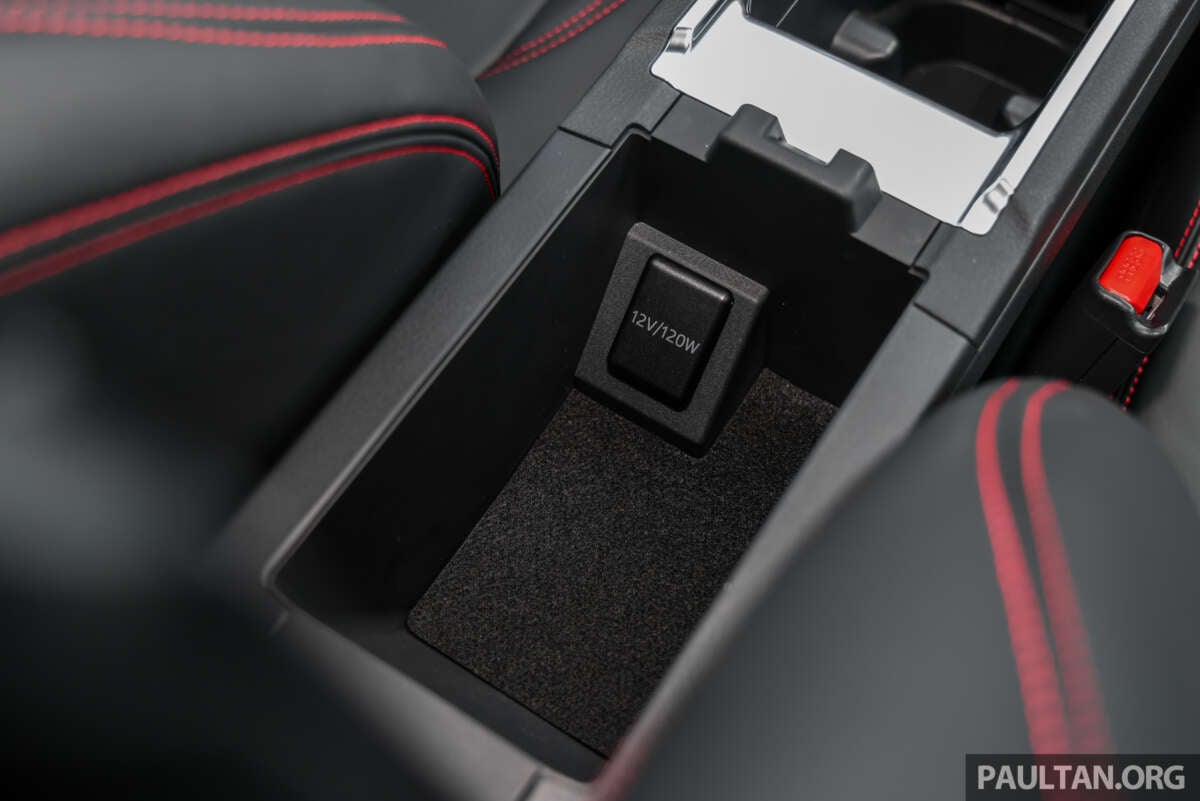
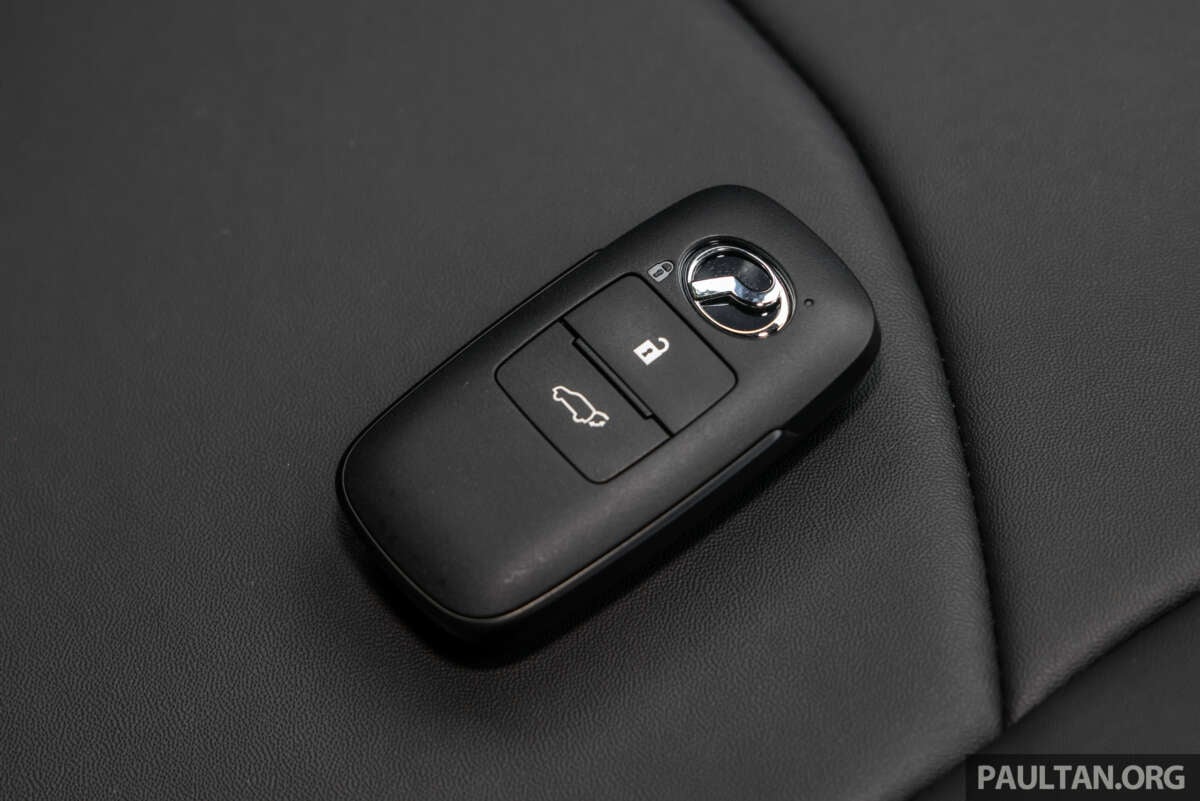
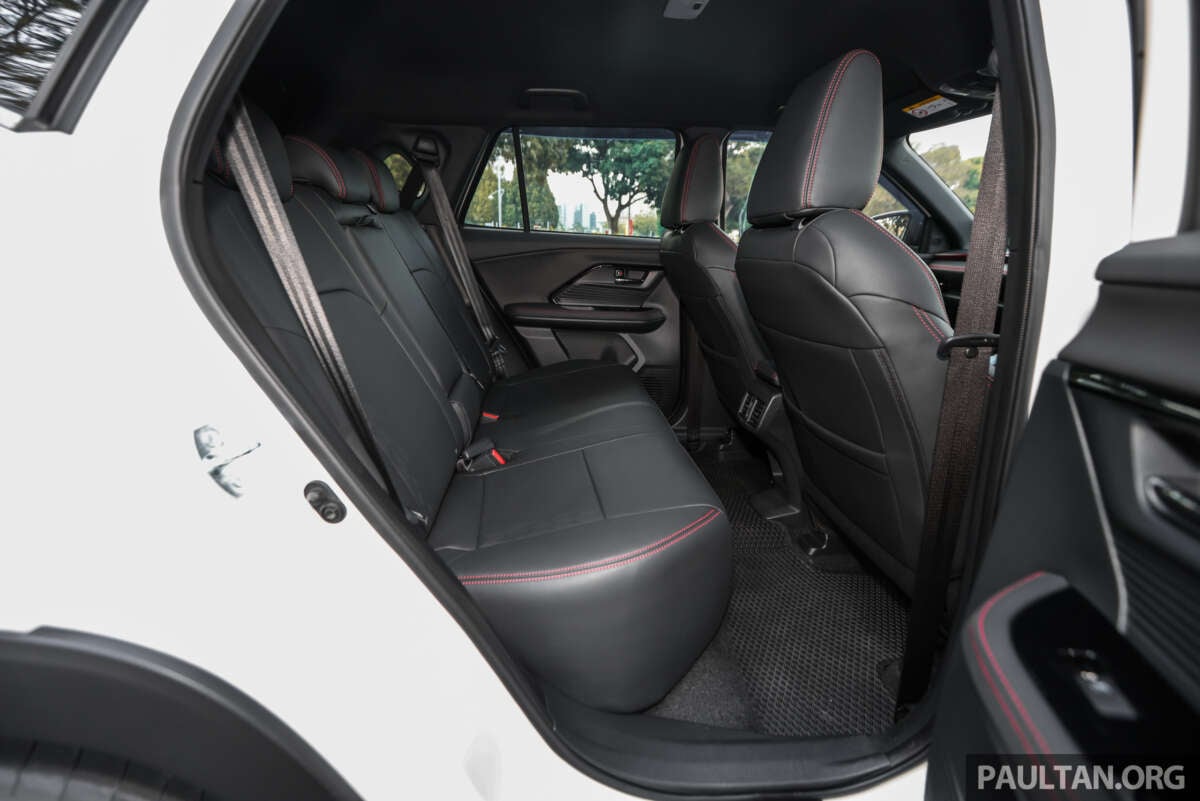
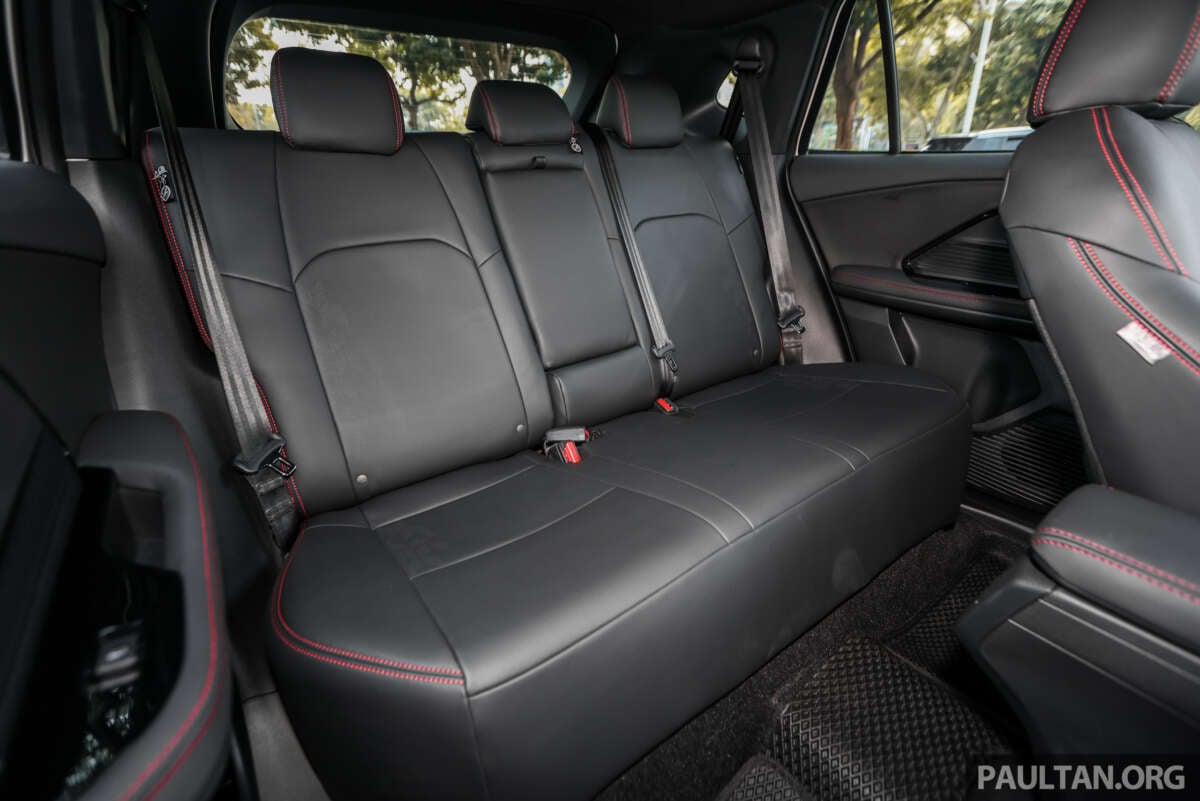
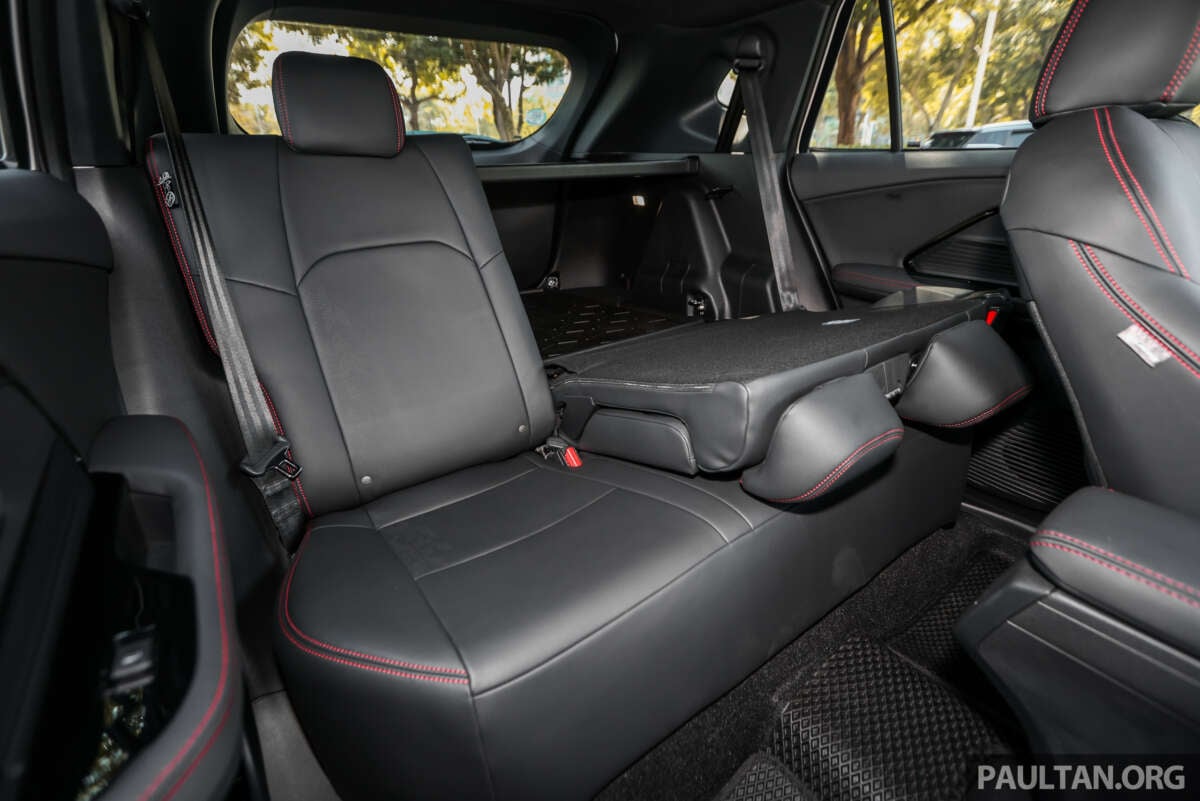
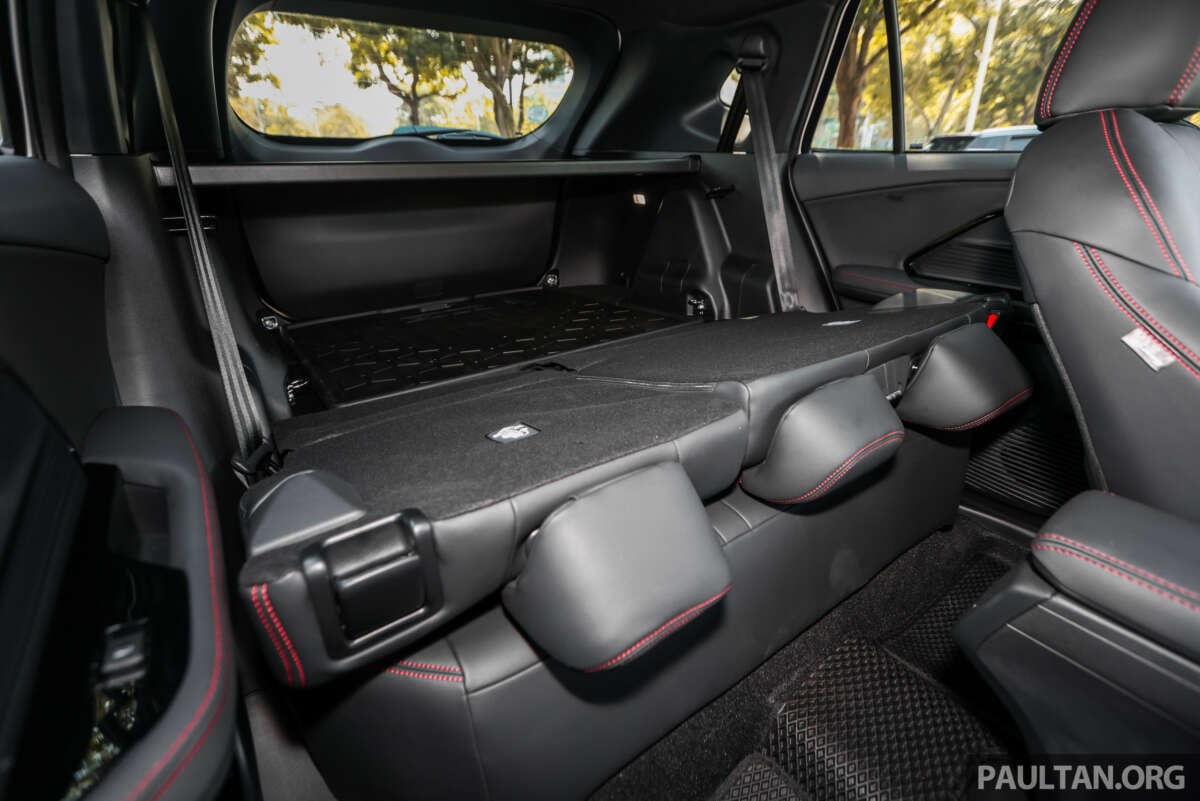
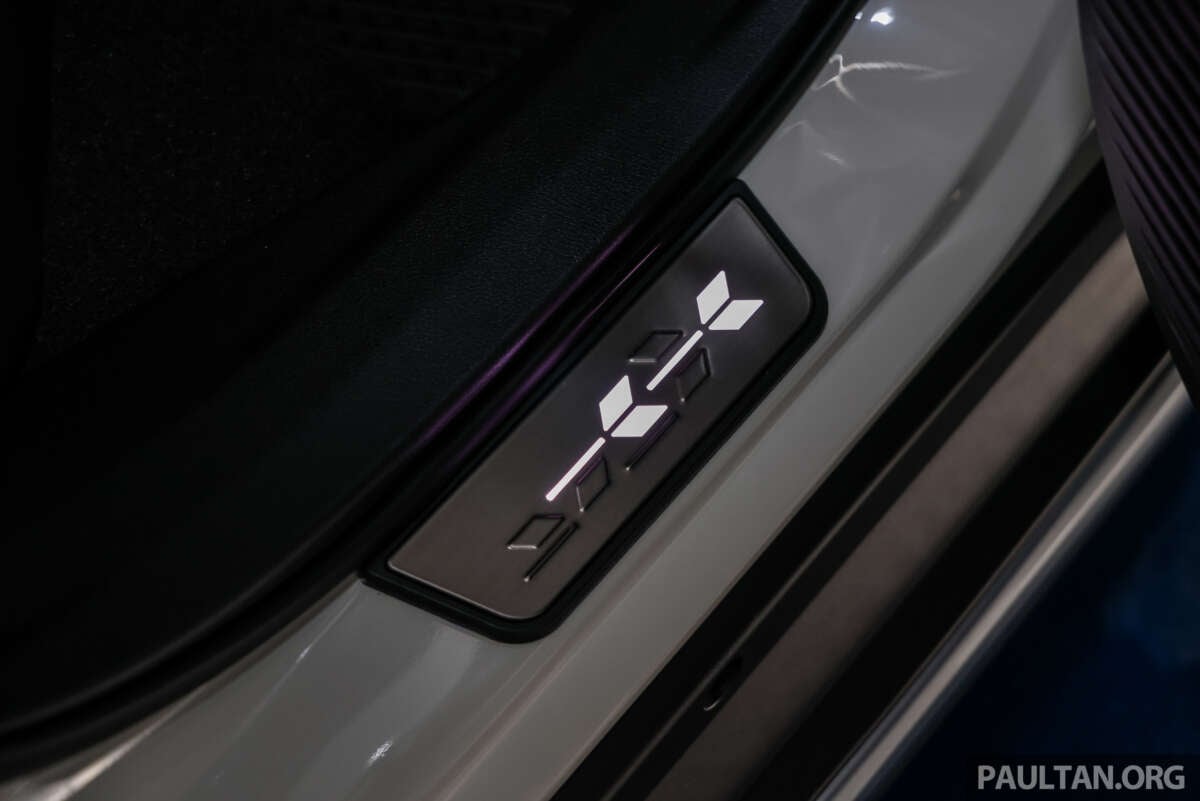
GALLERY: Perodua Traz X, Granite Grey
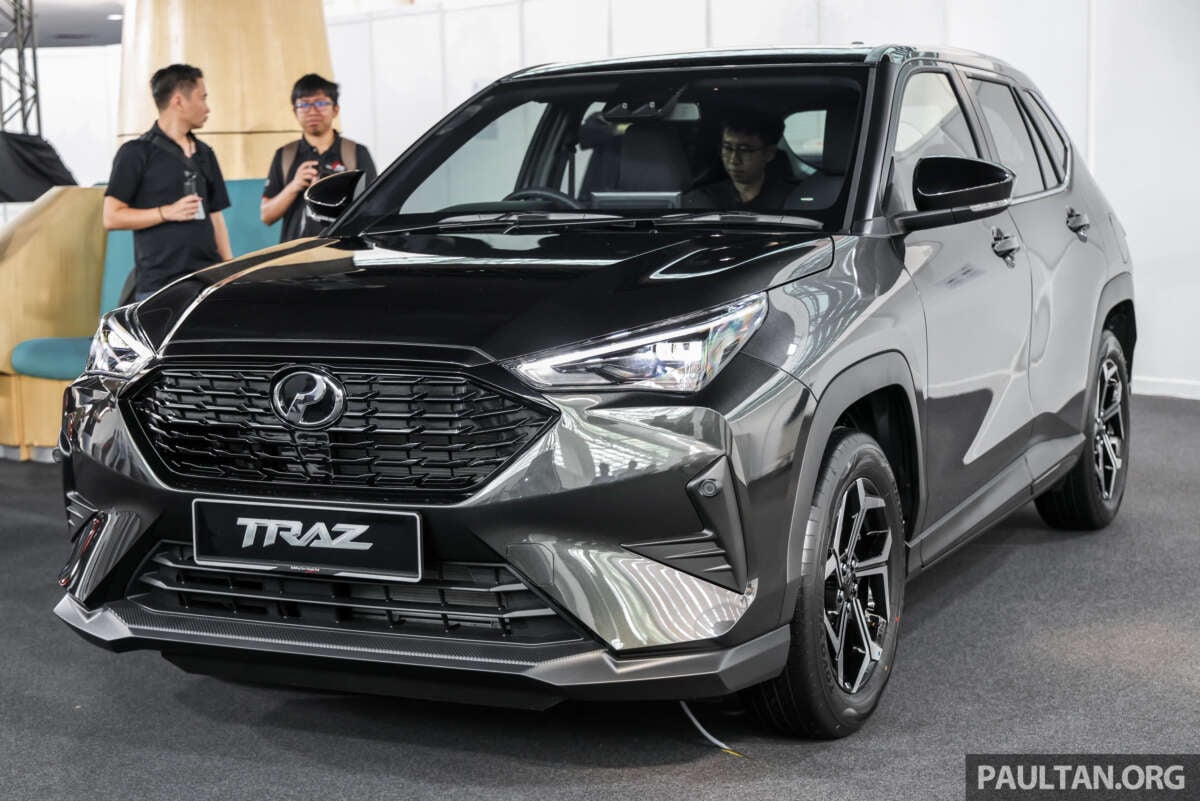
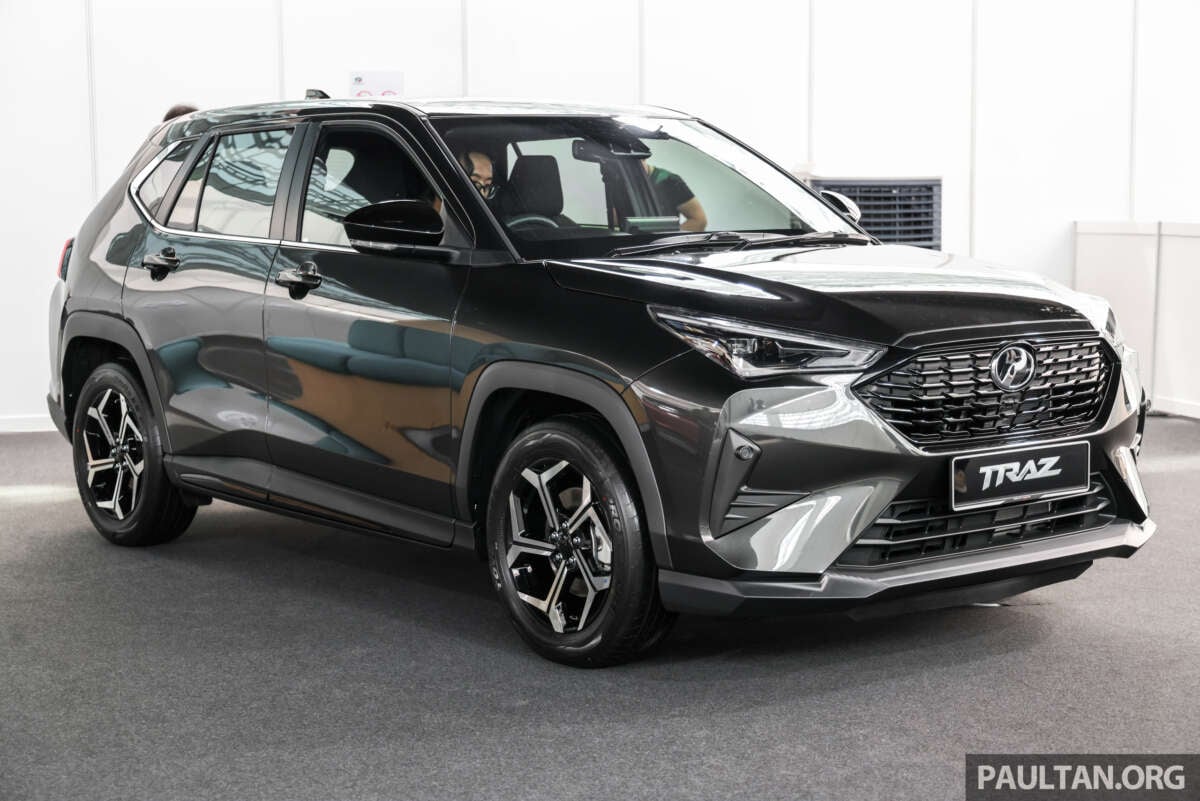
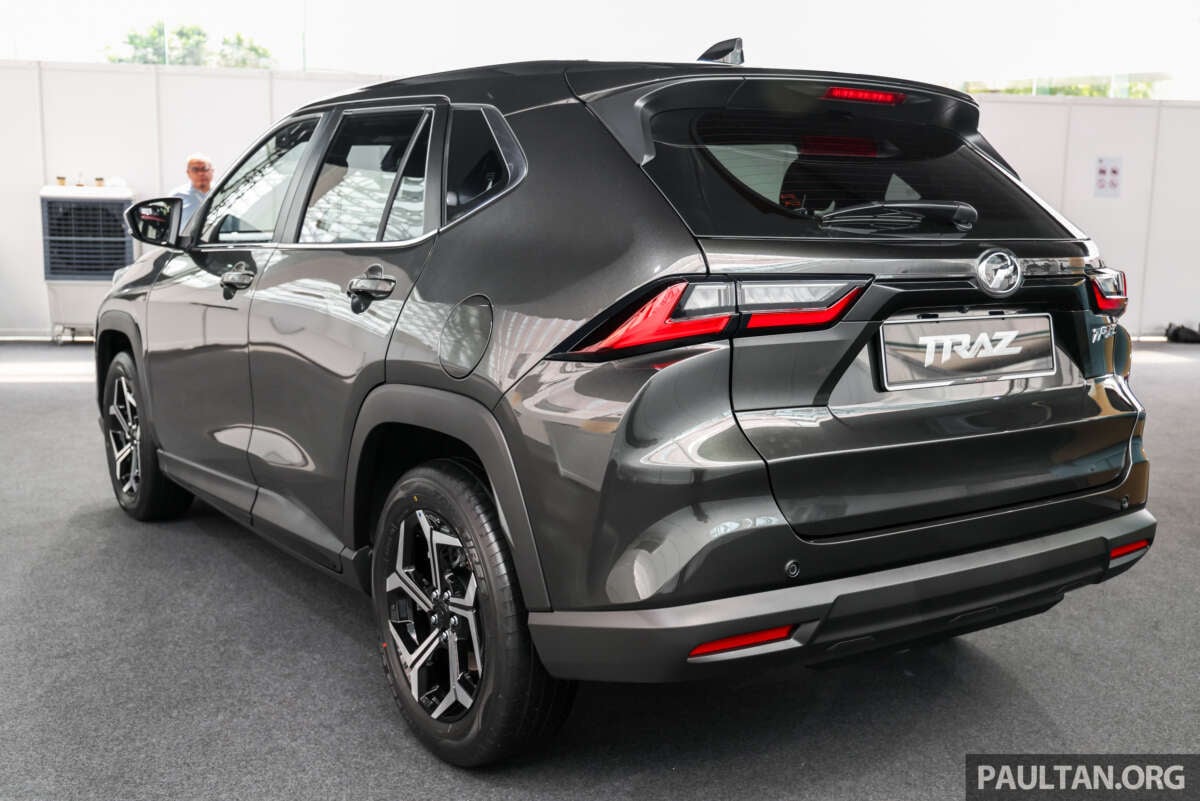


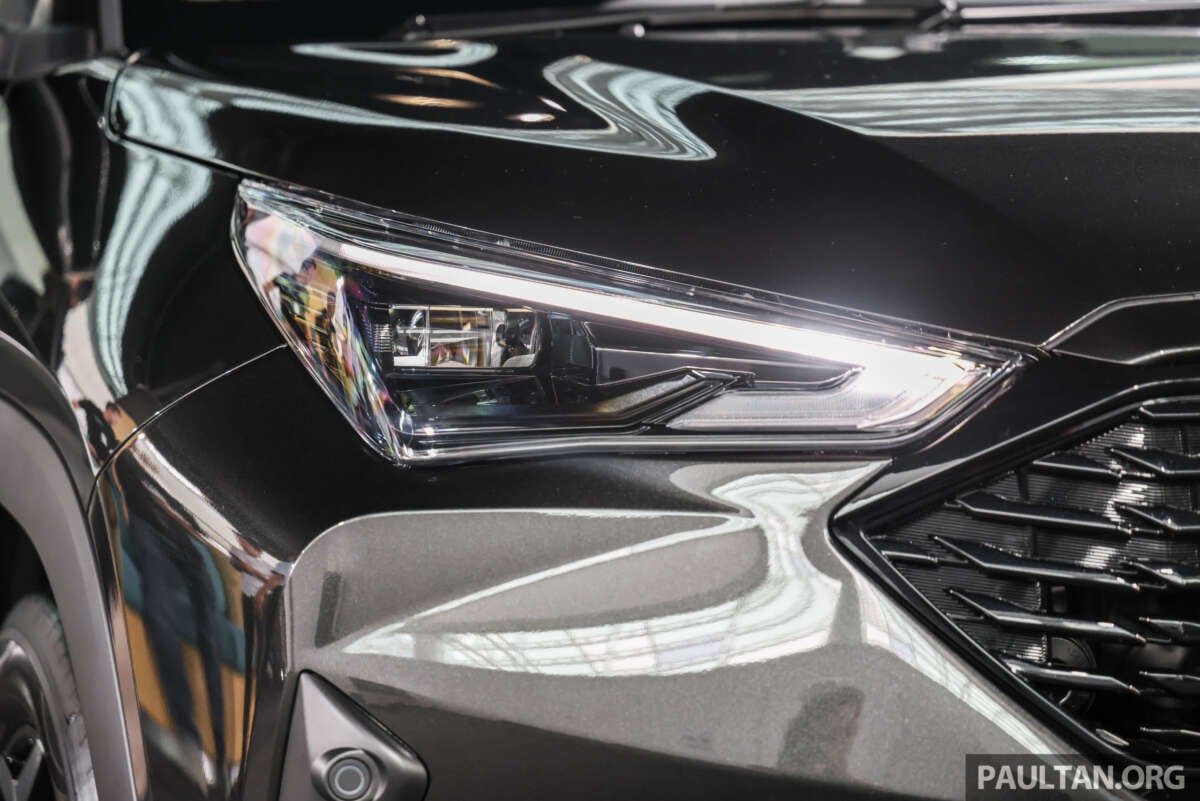
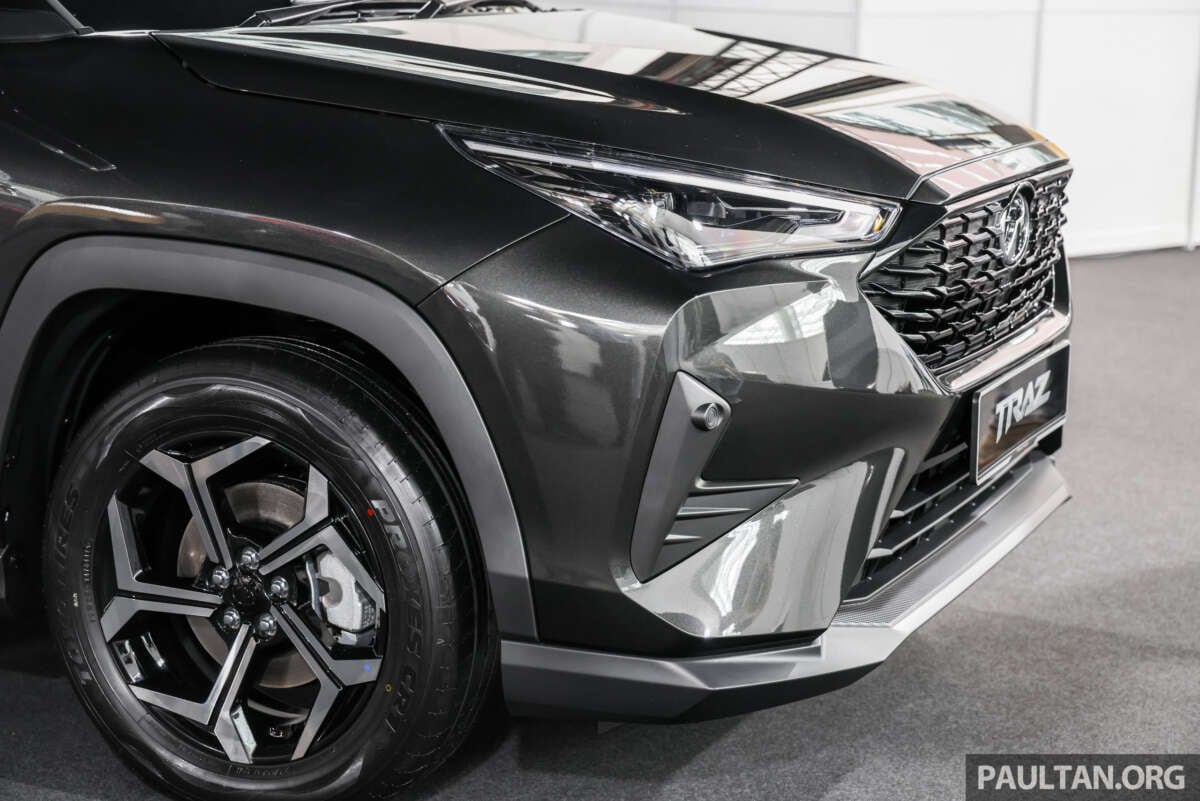
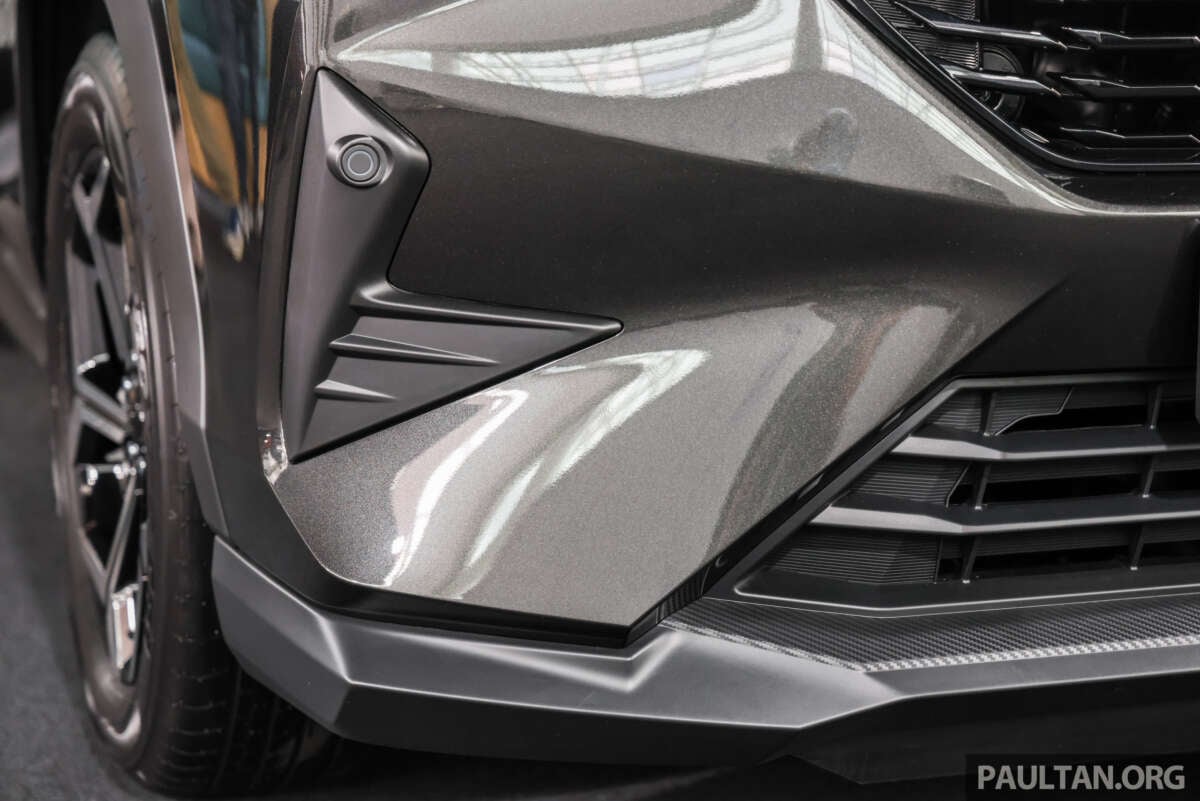
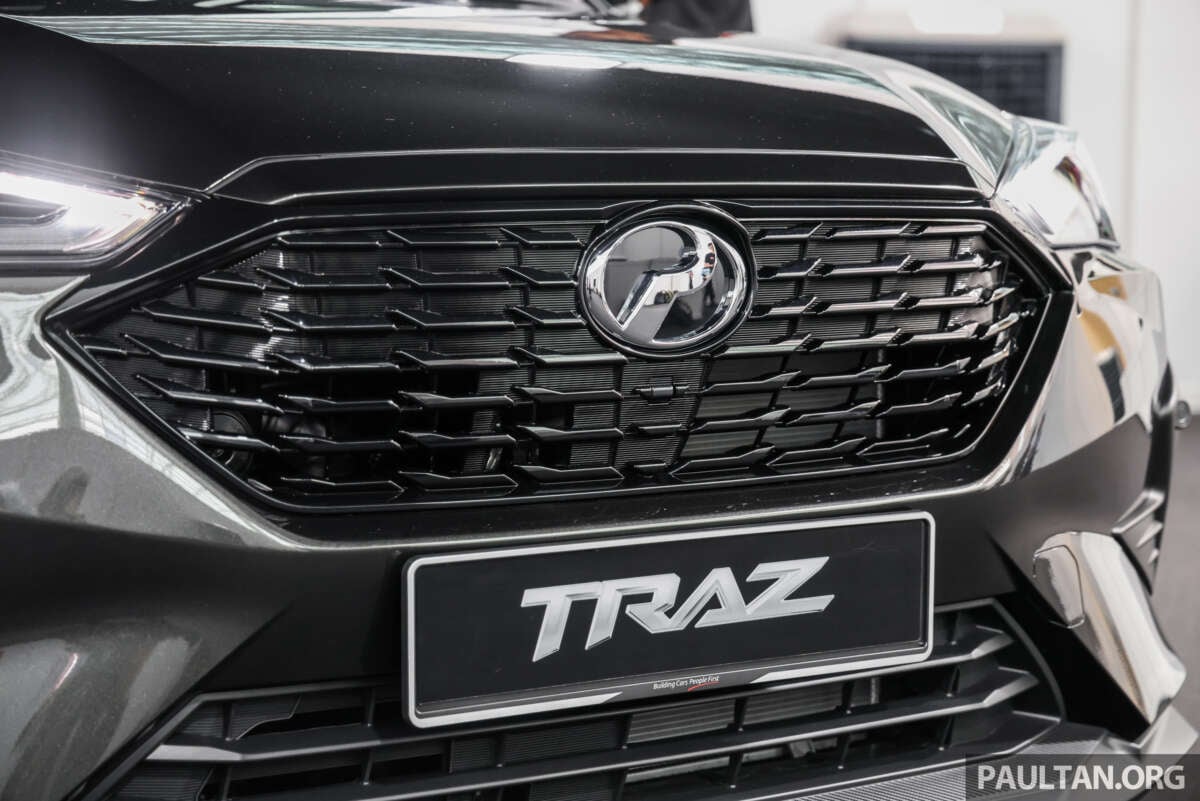
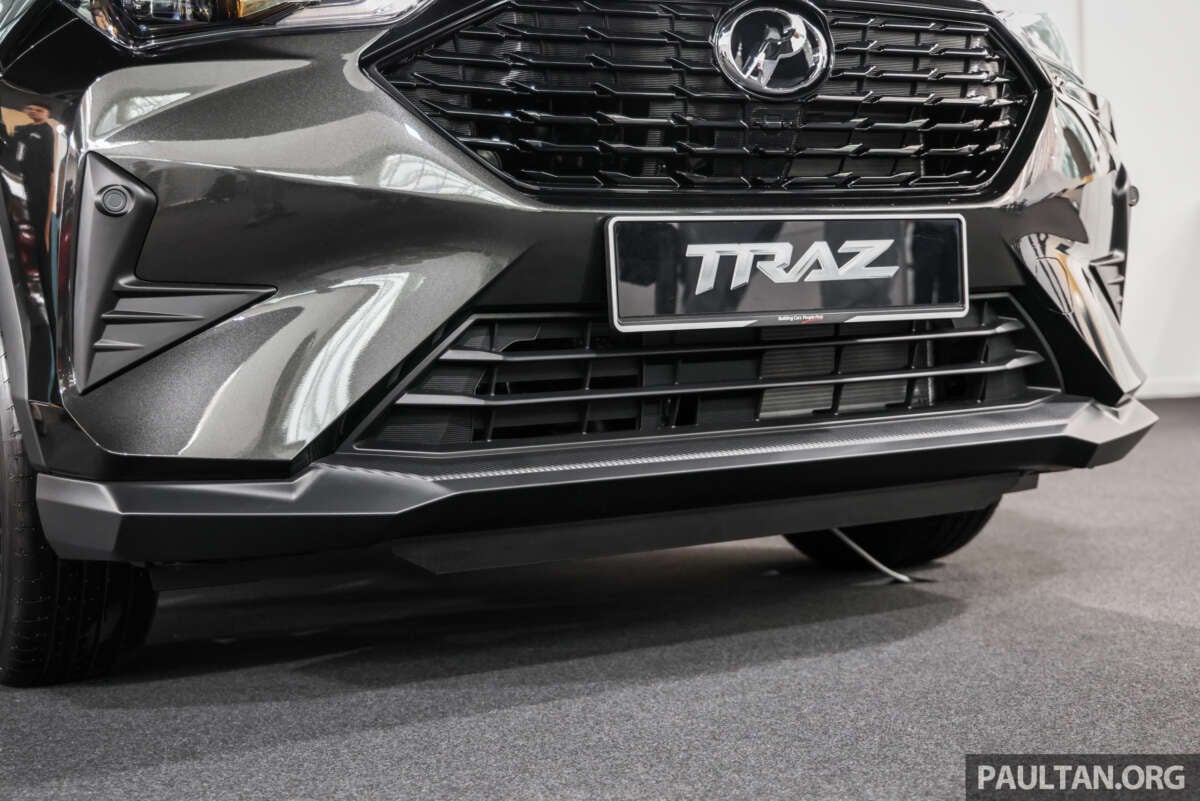
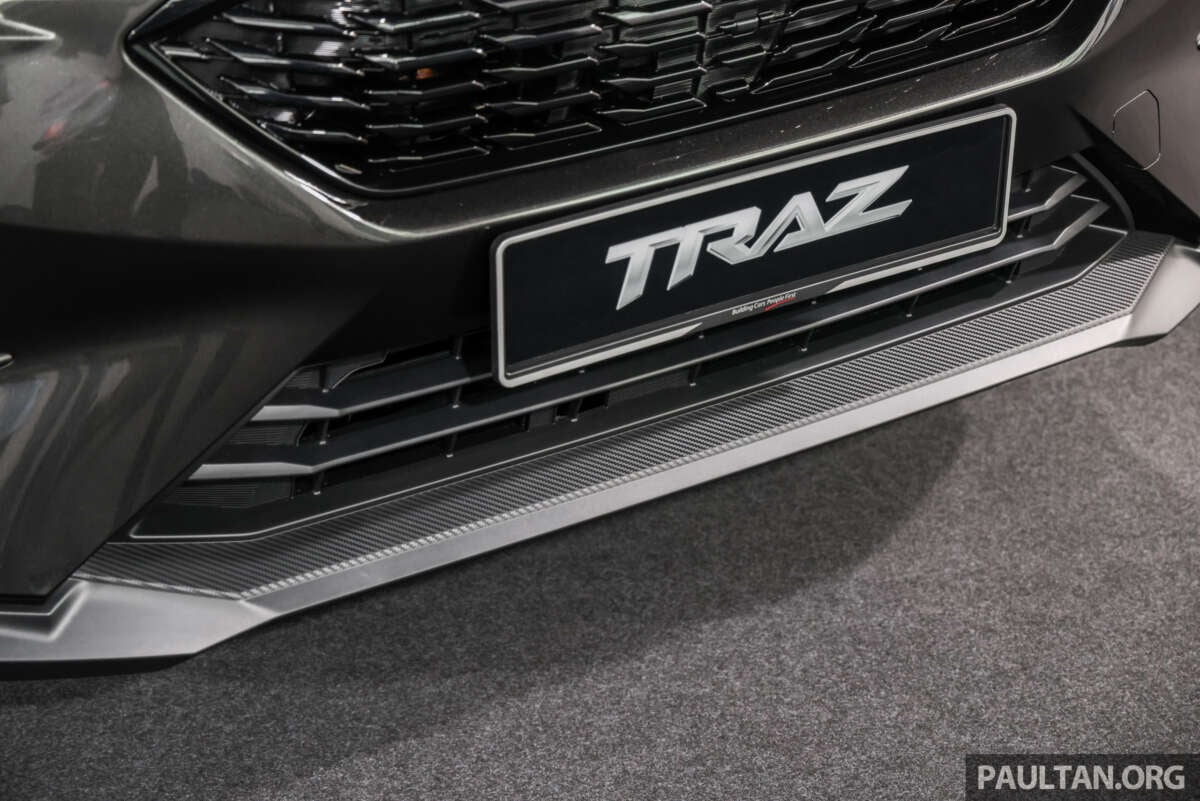
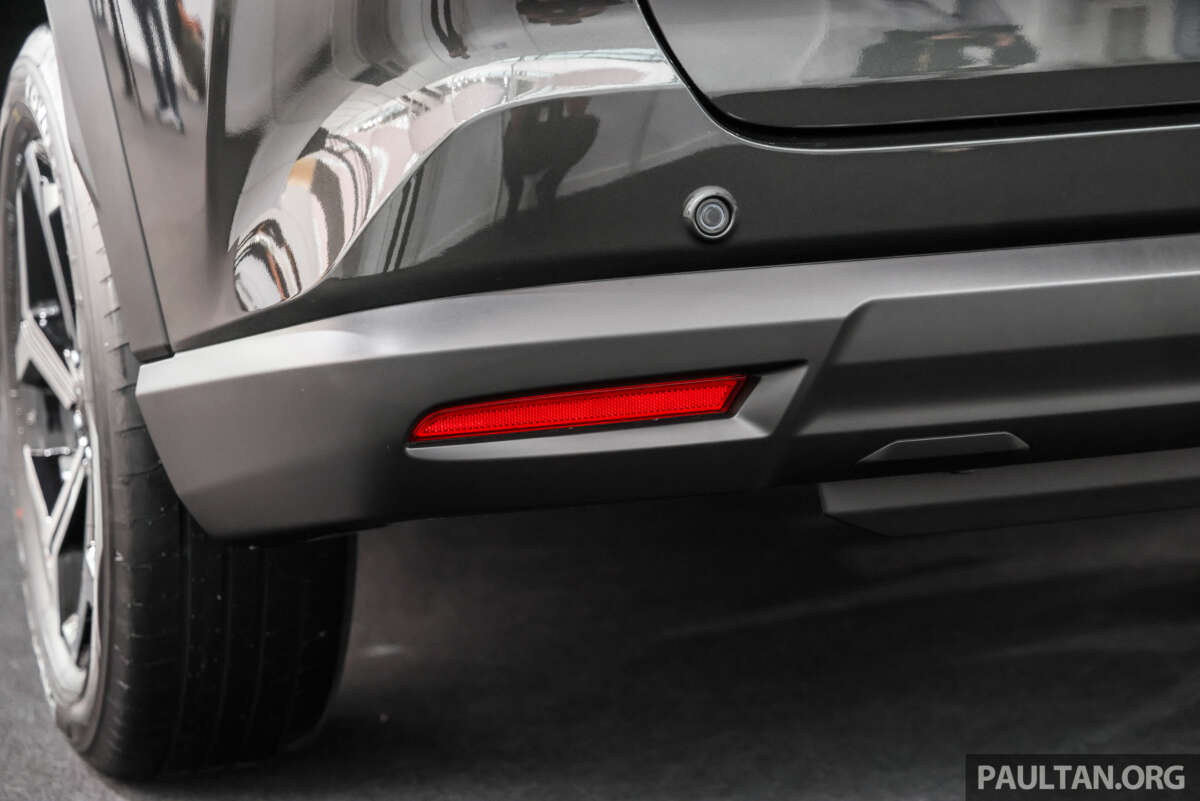
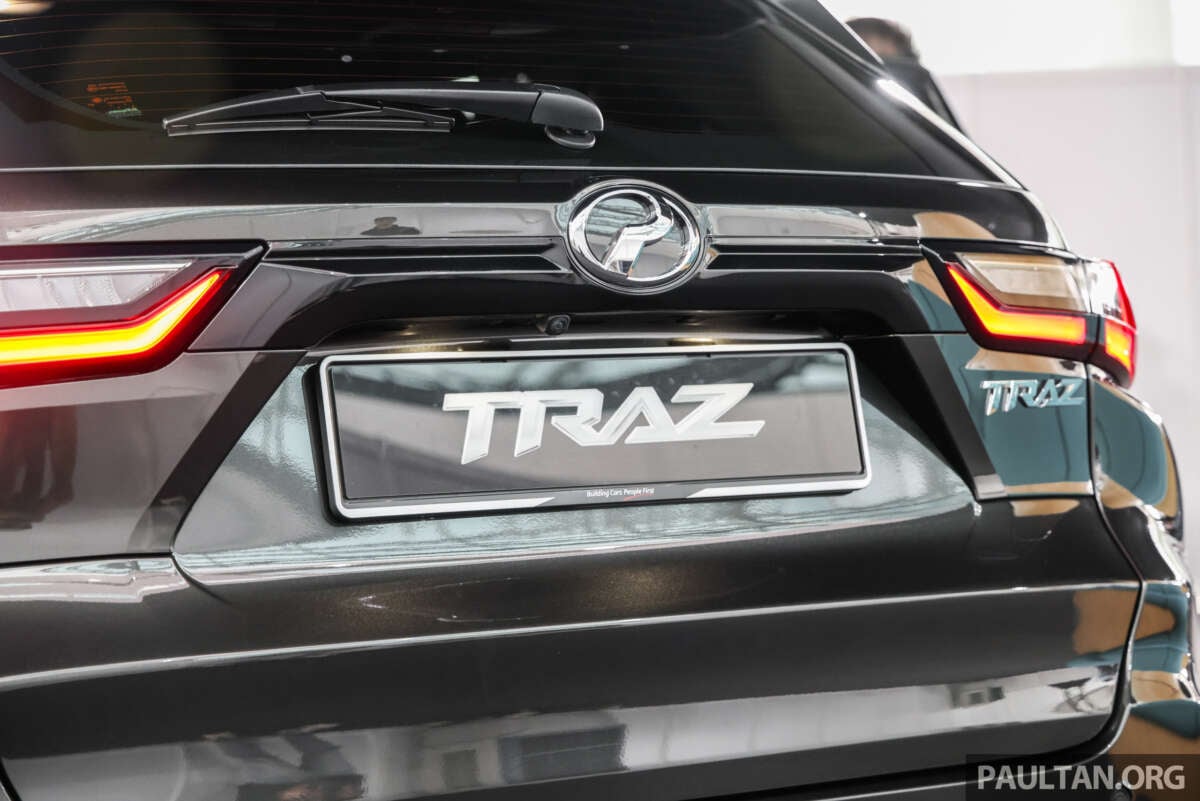
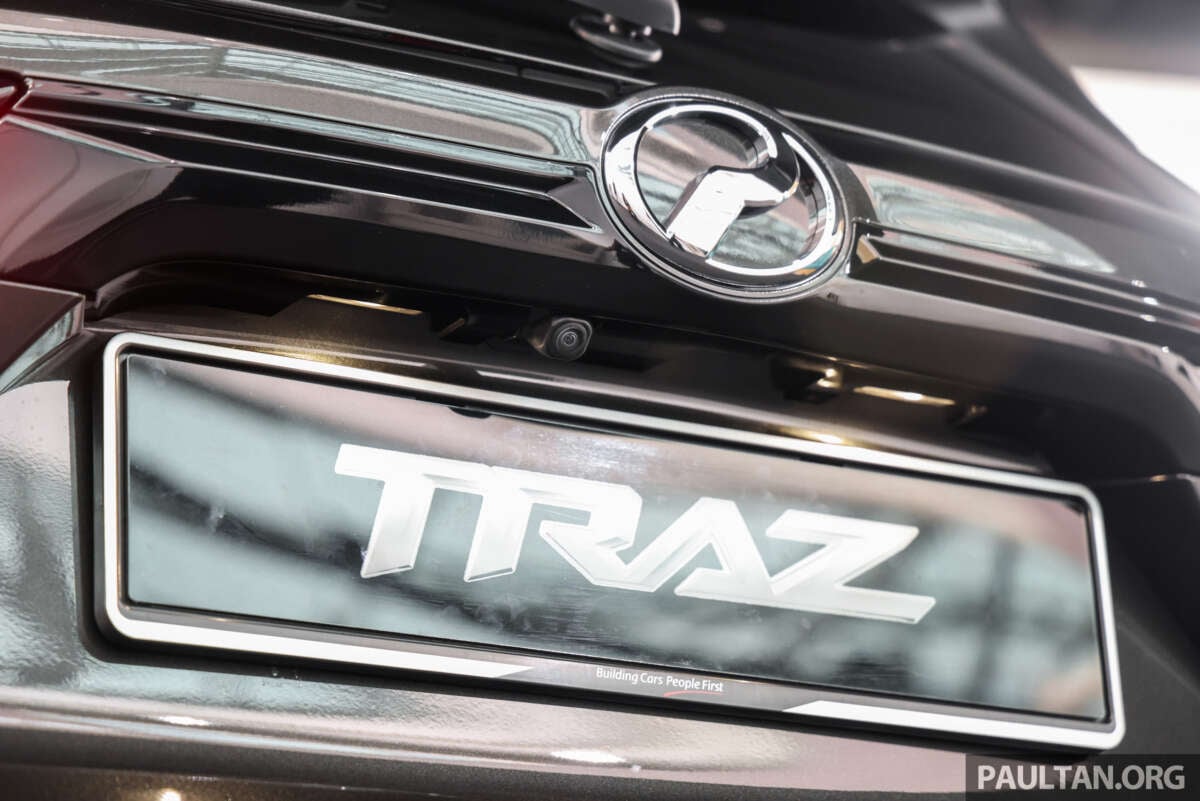
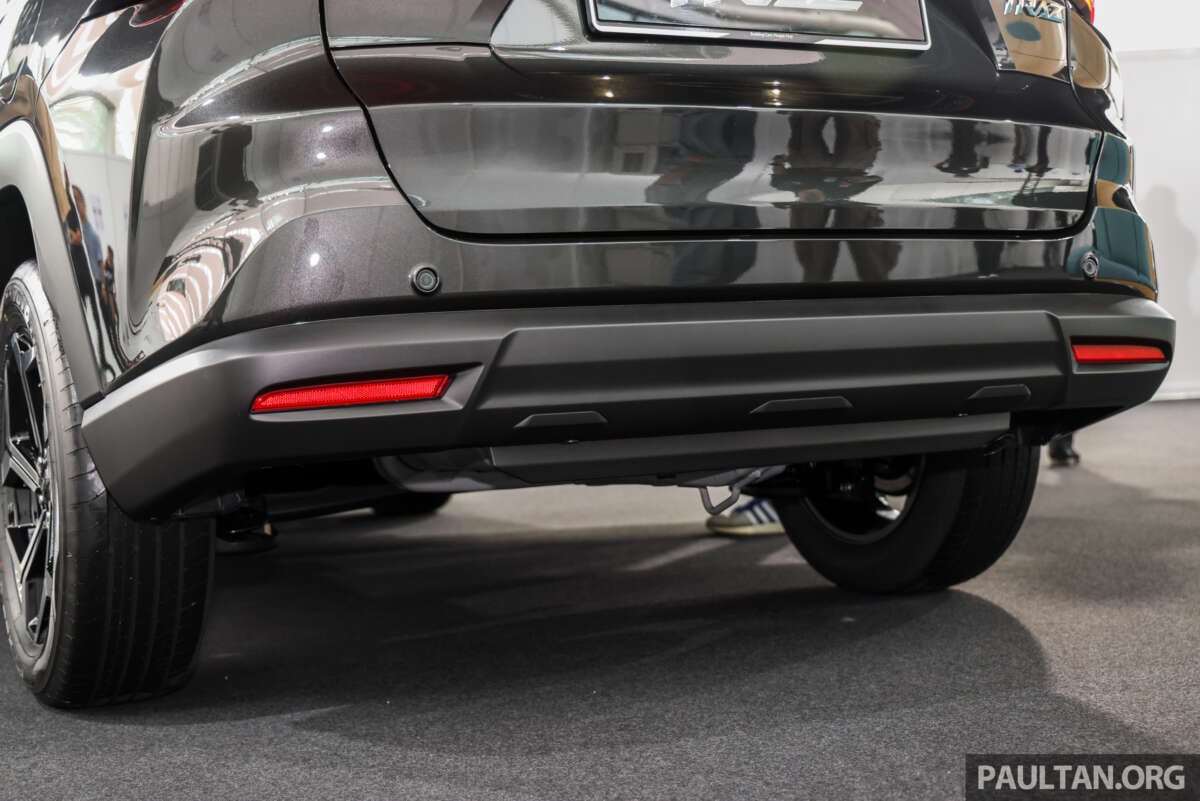
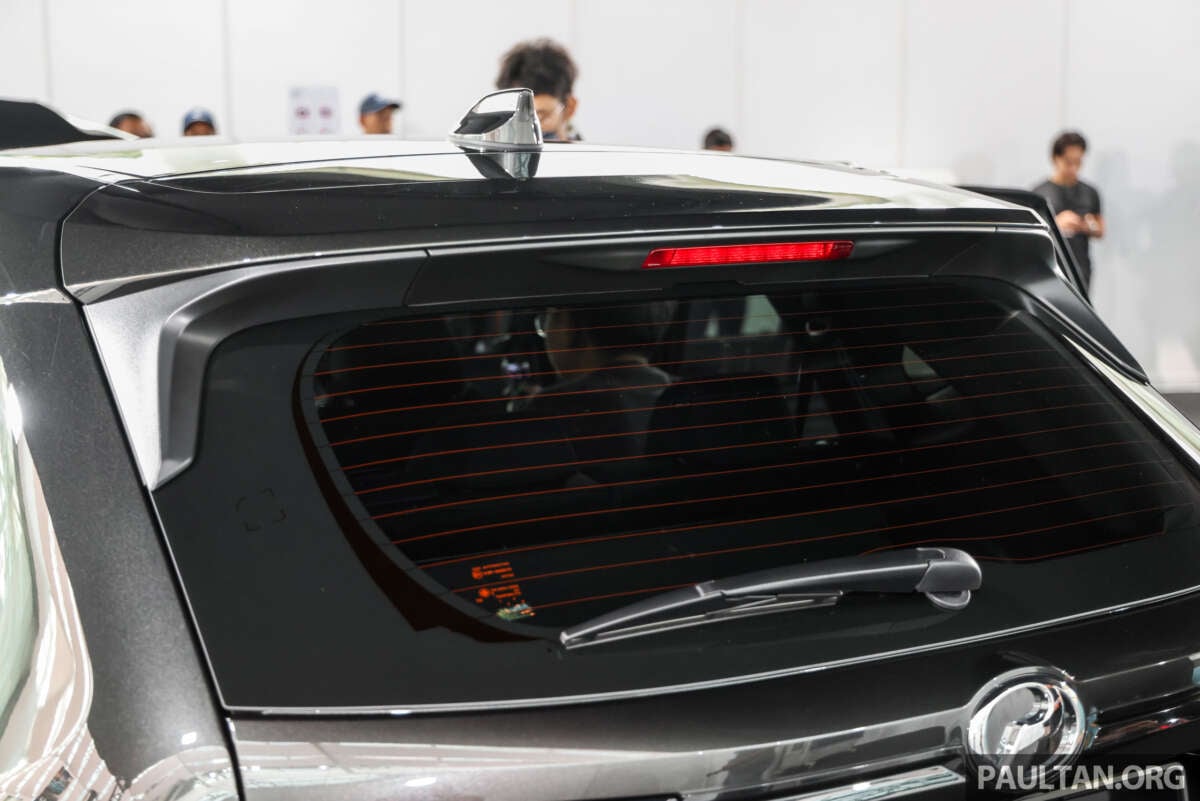
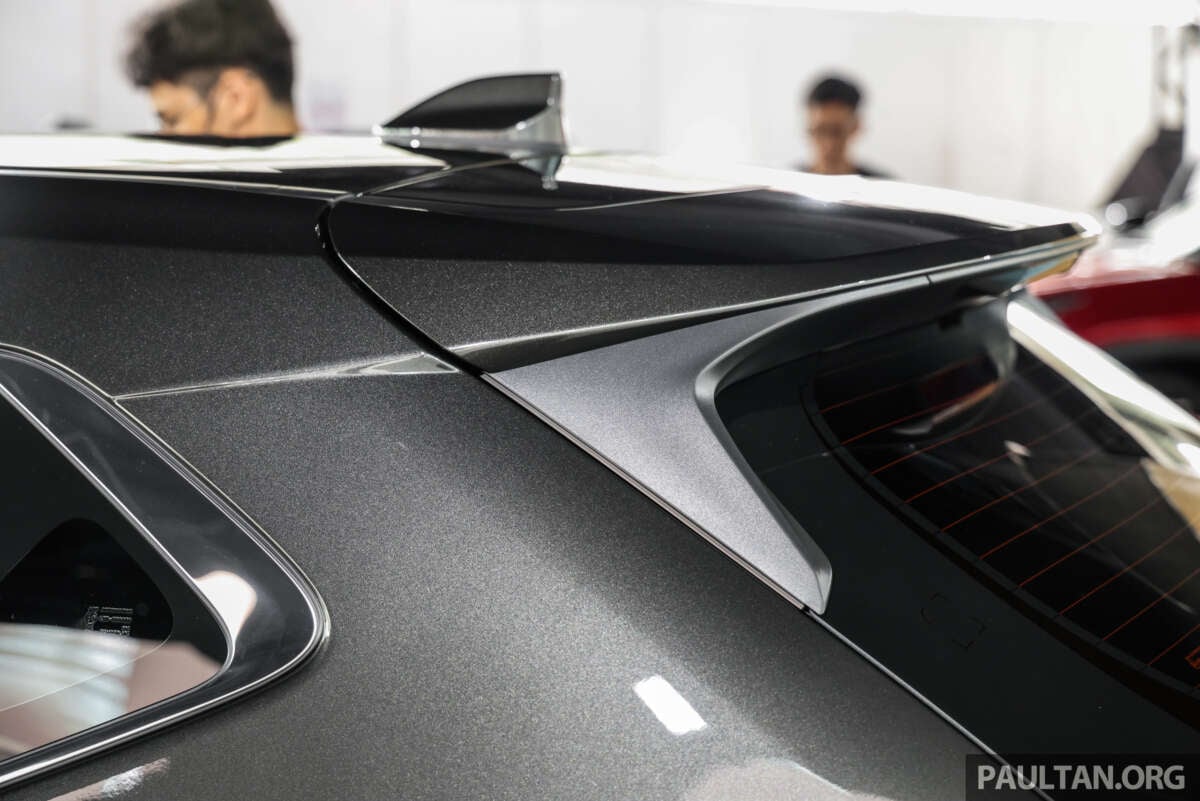
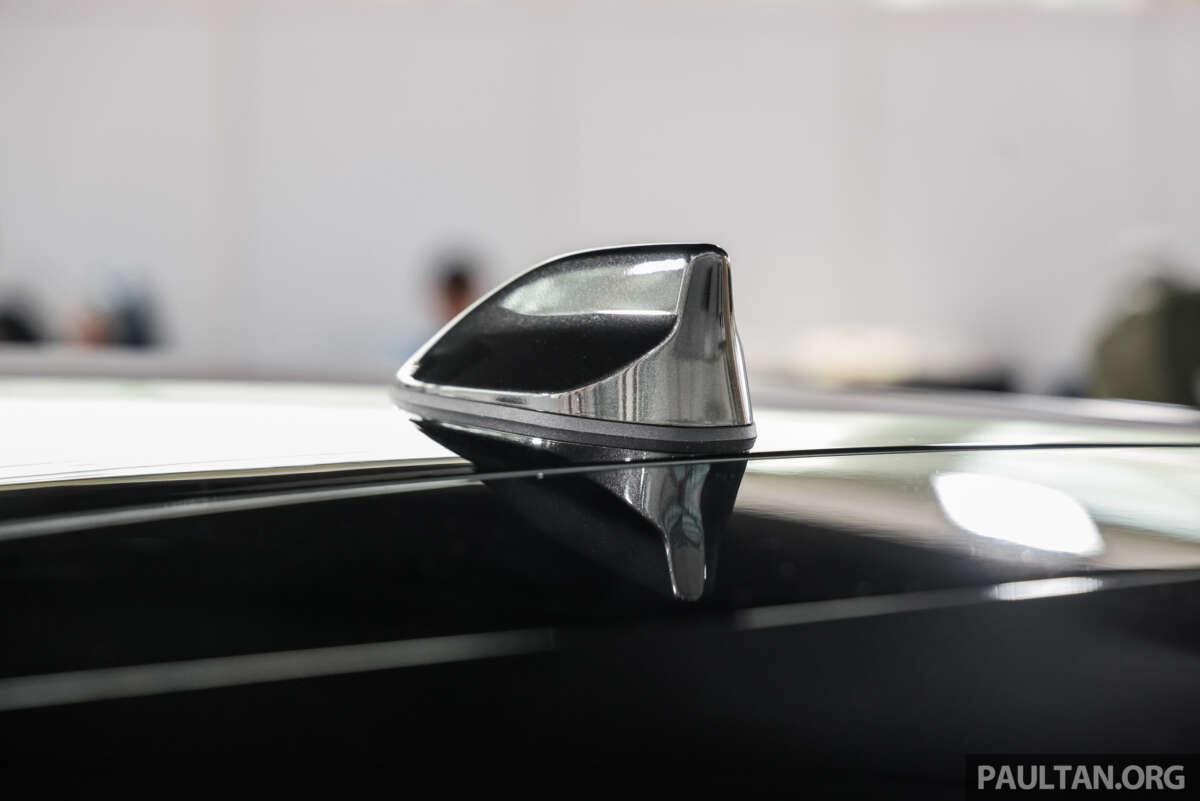
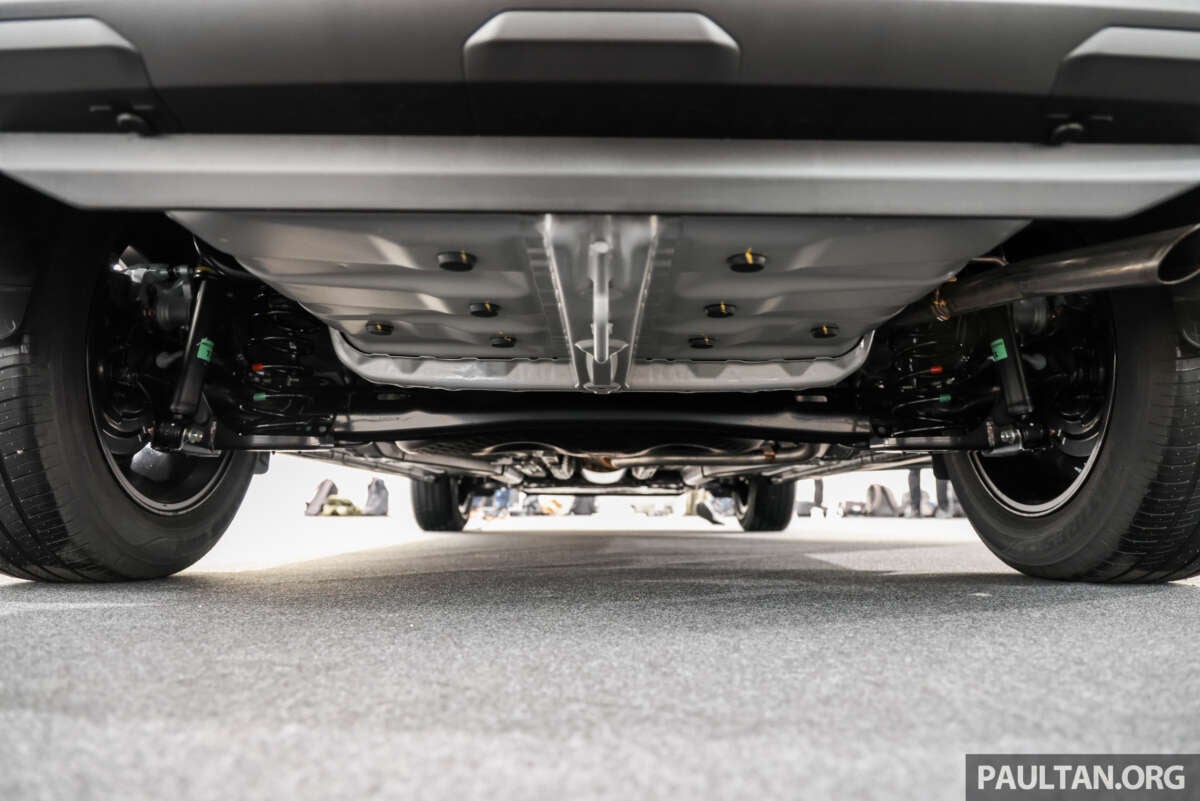
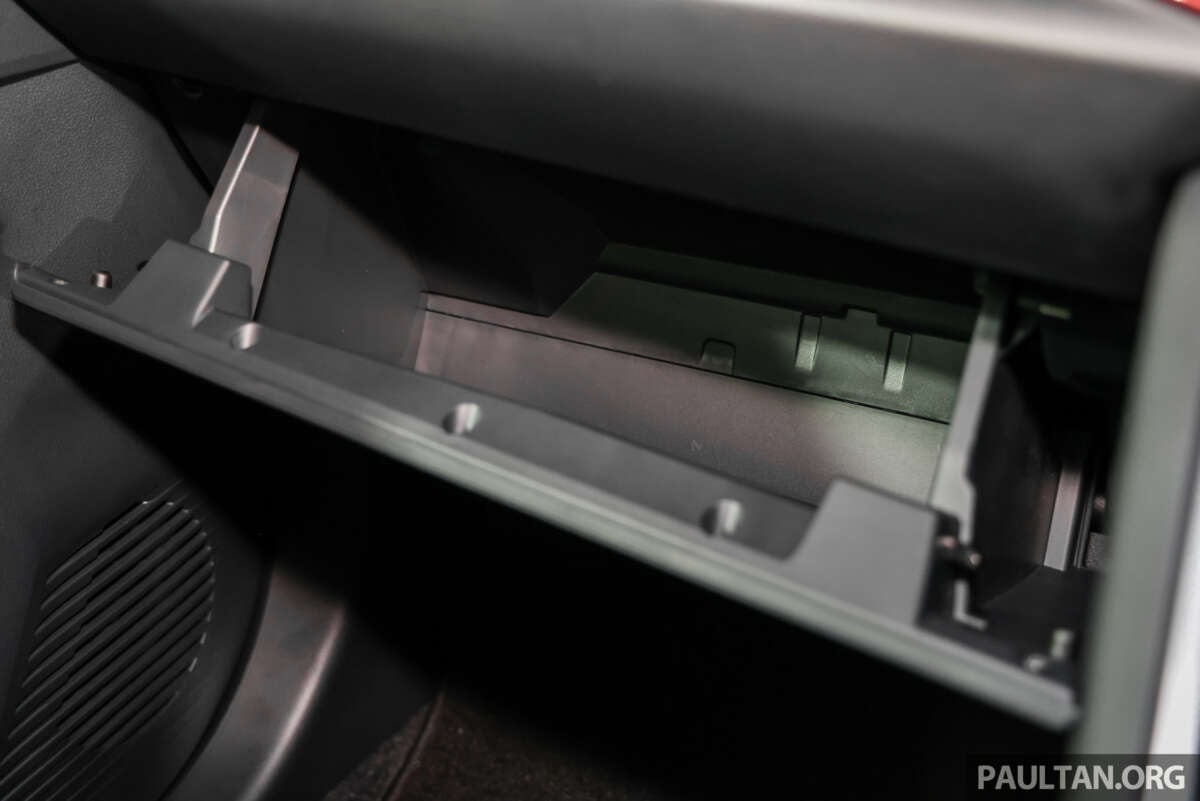
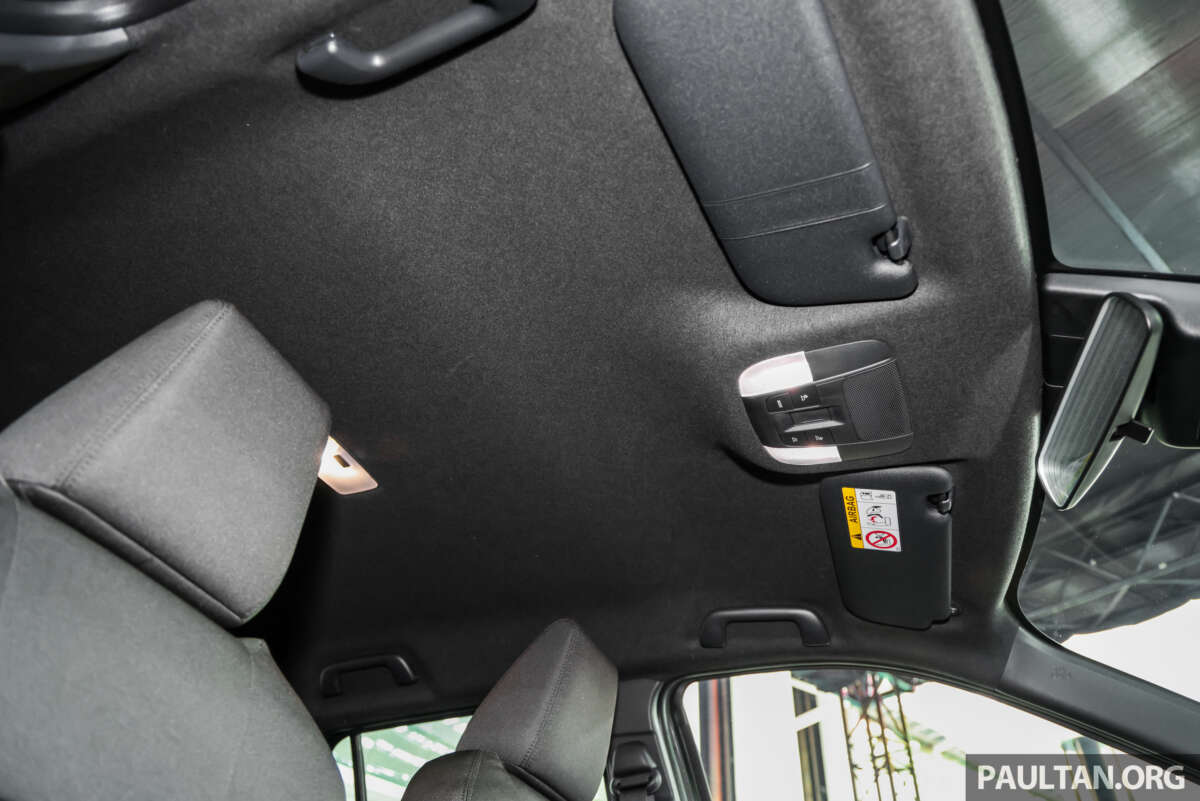
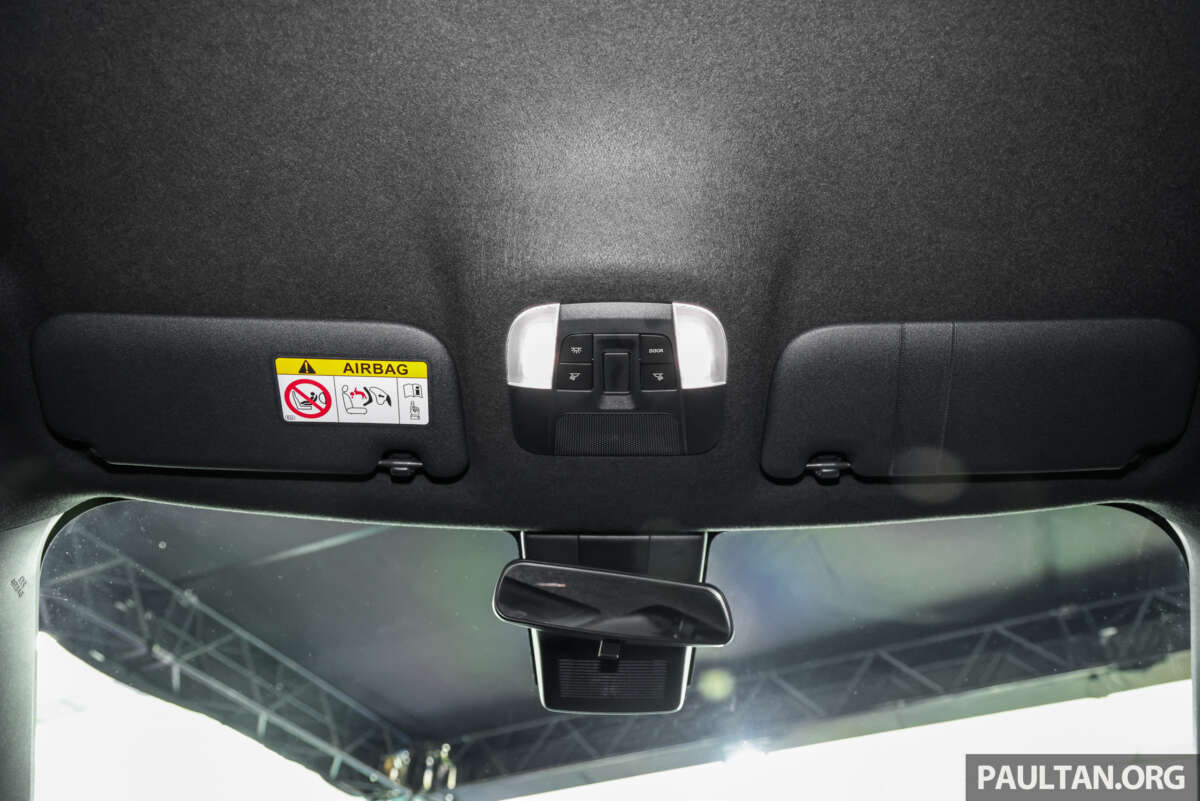
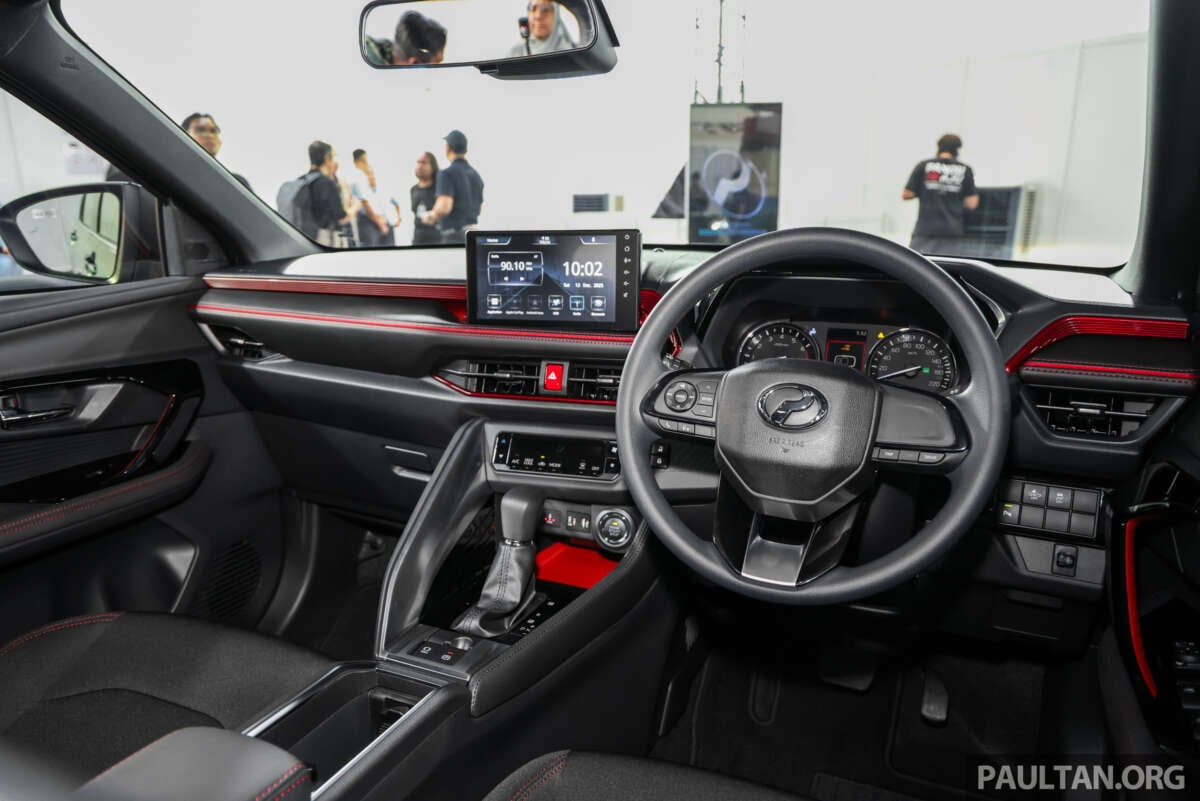
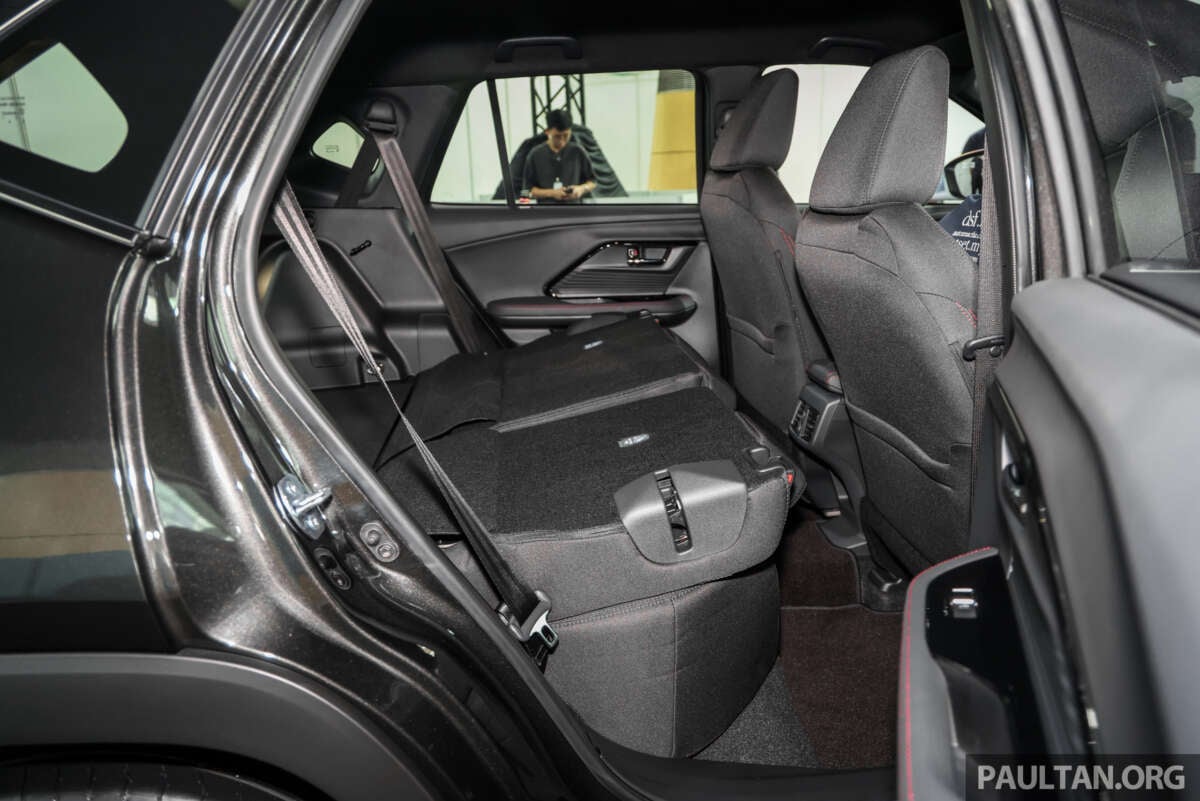
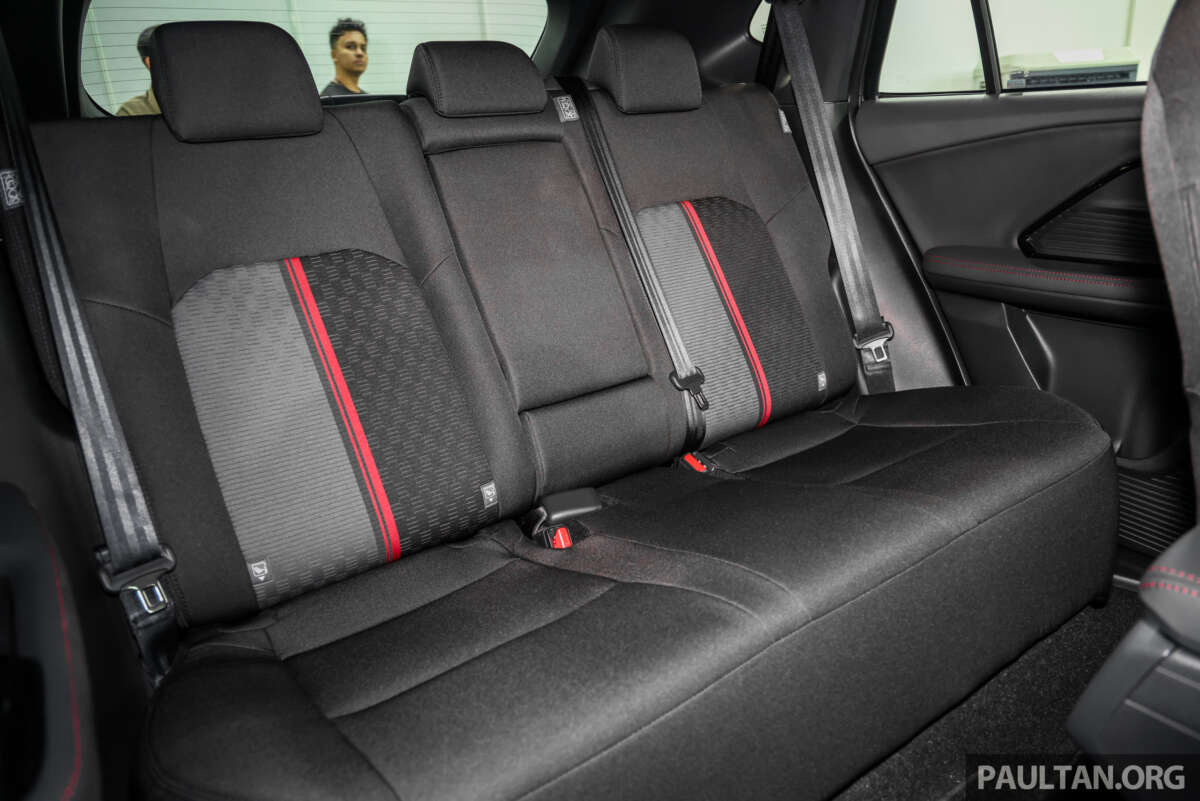
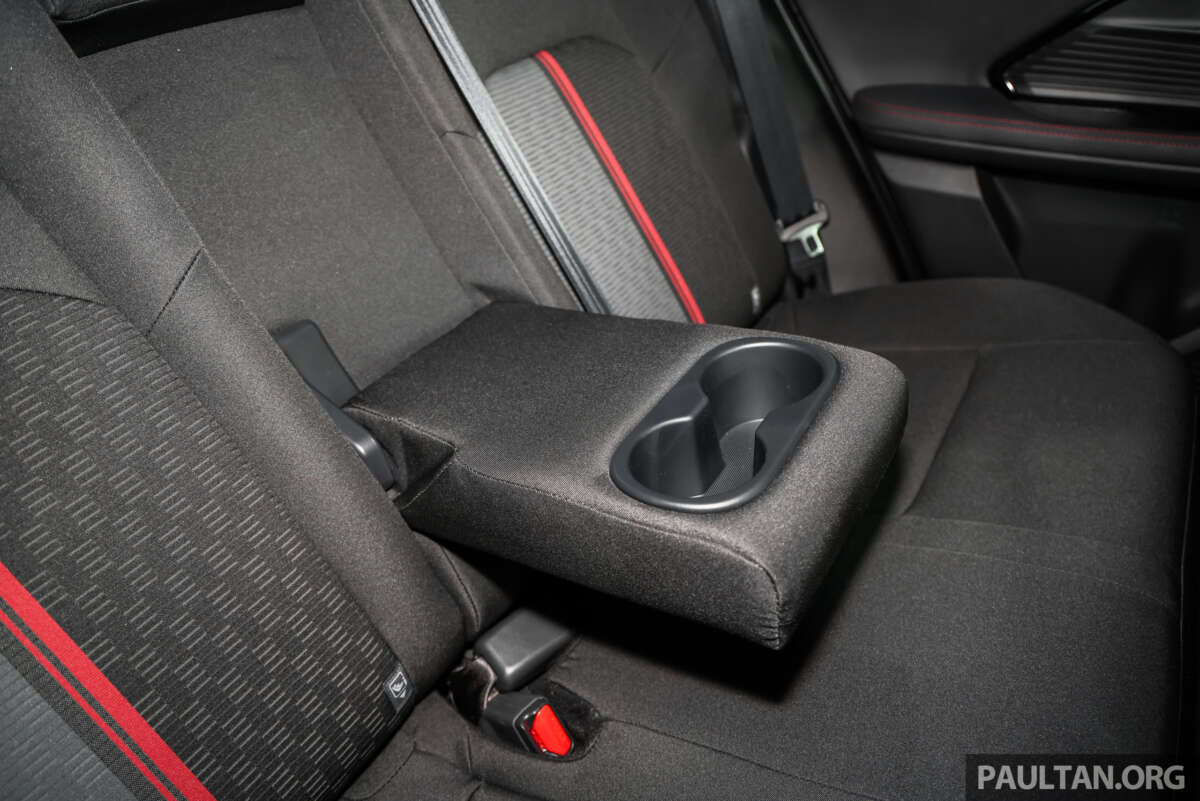
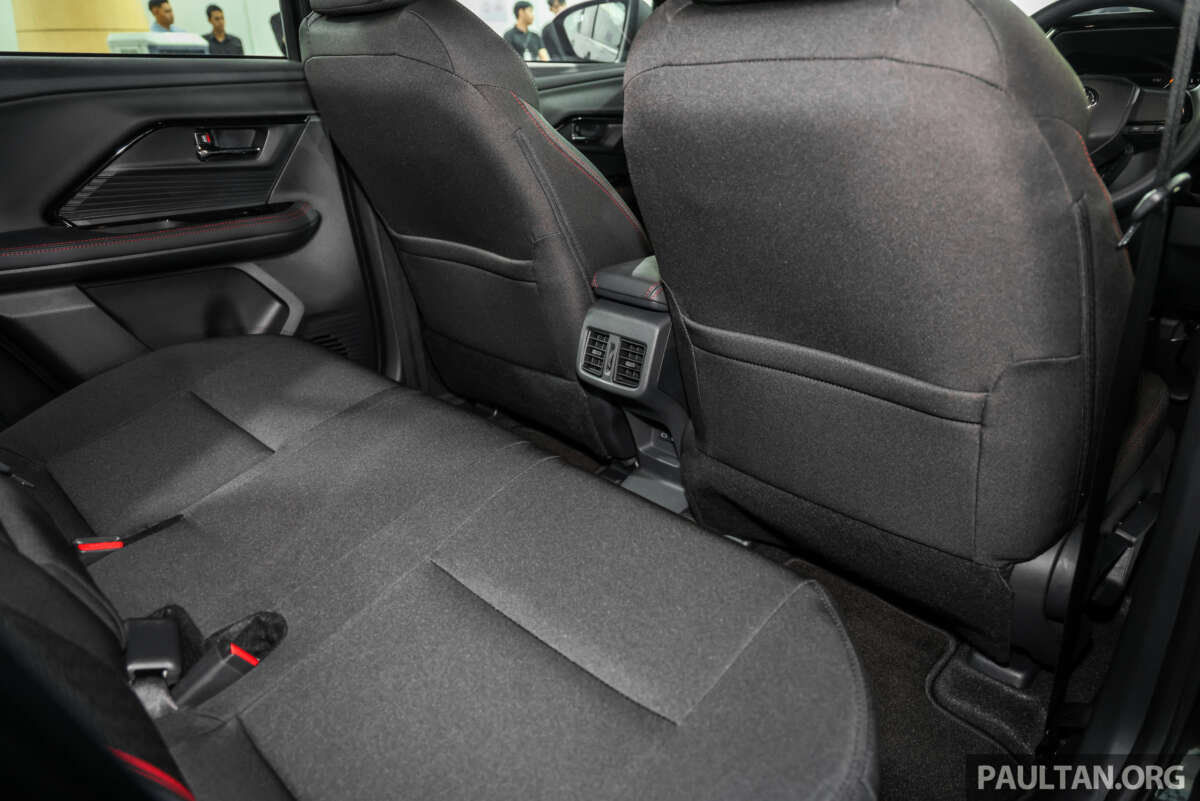
GALLERY: Perodua Traz H, Electric Blue two-tone


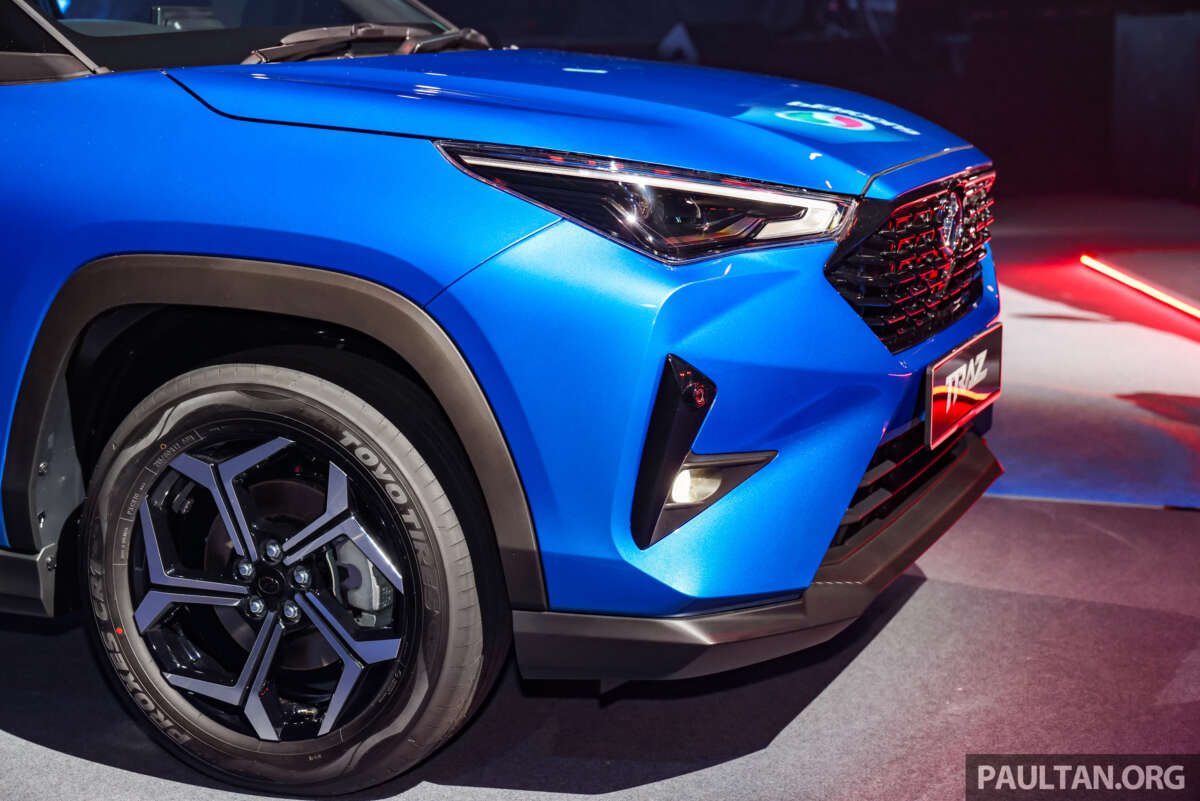
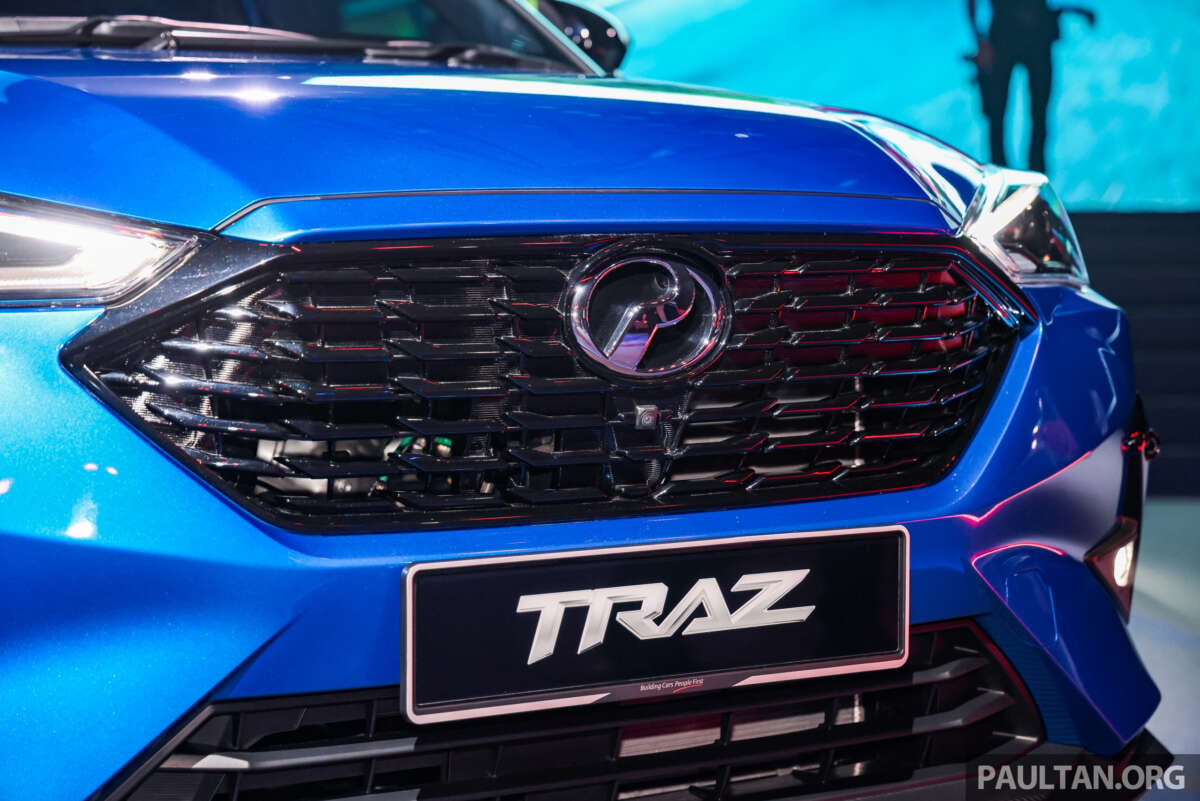
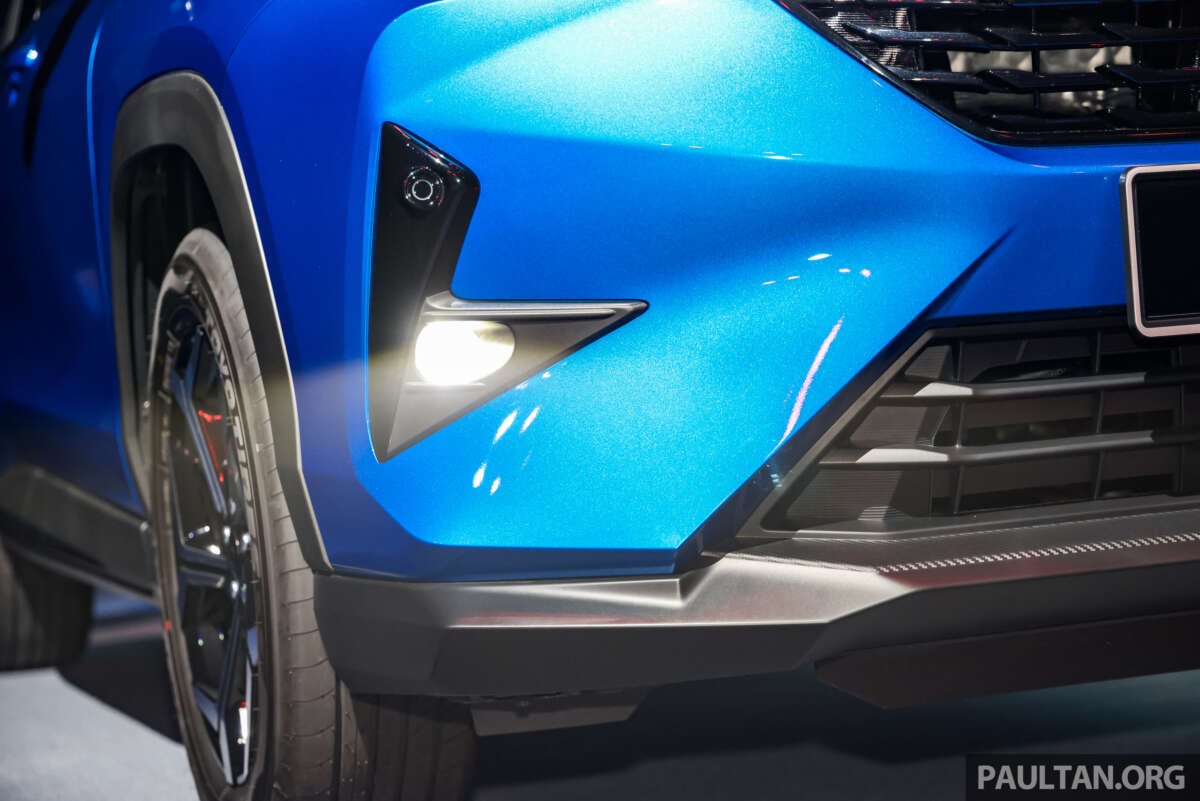
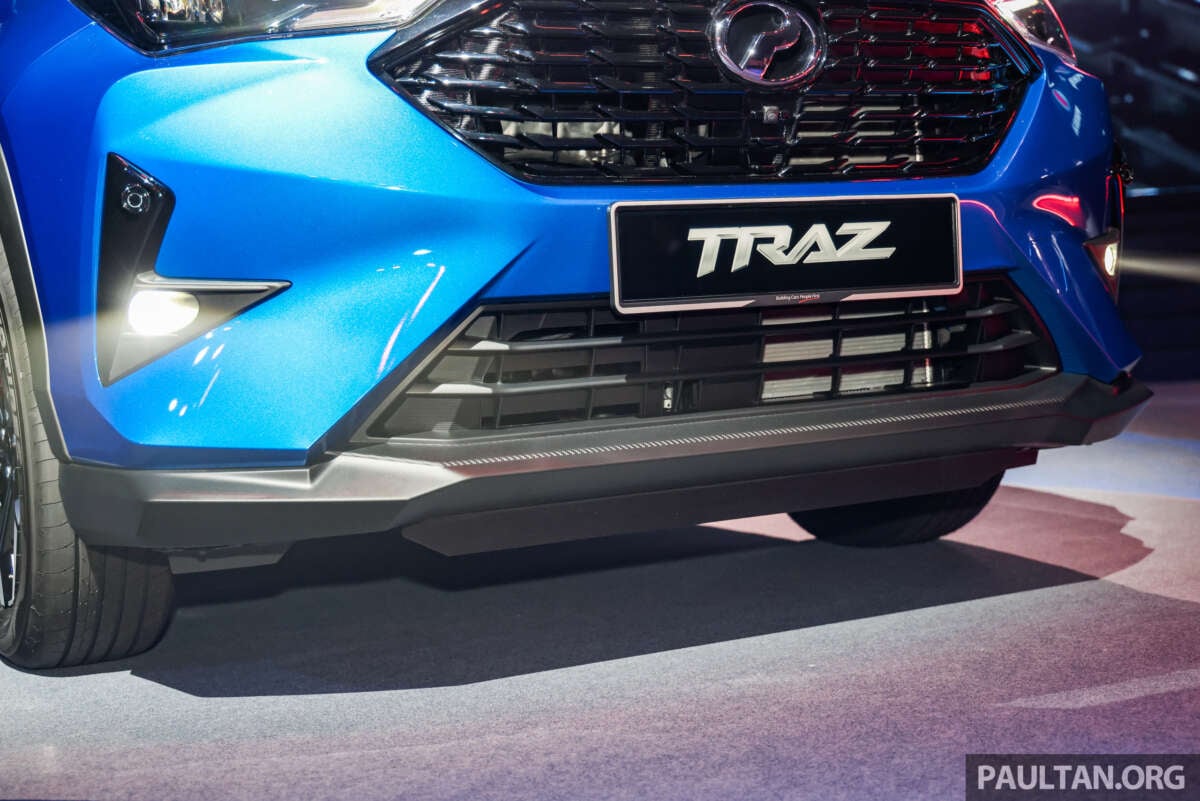
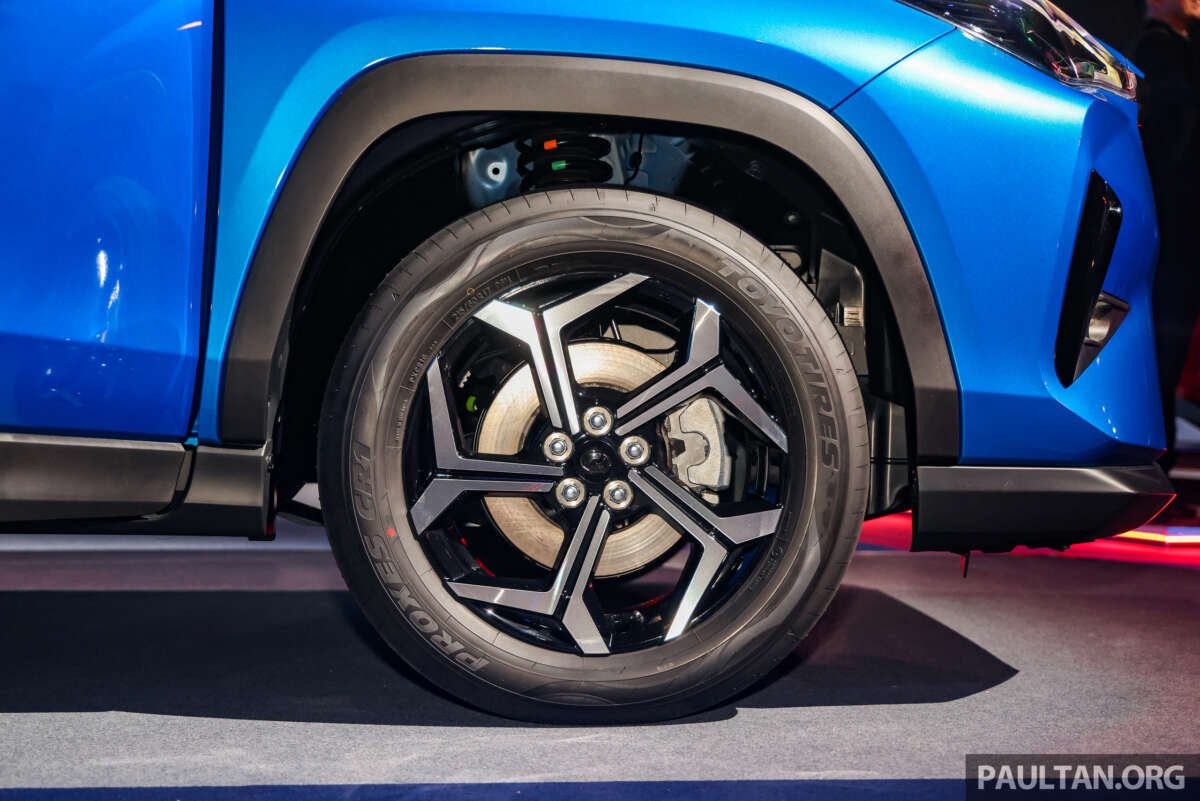
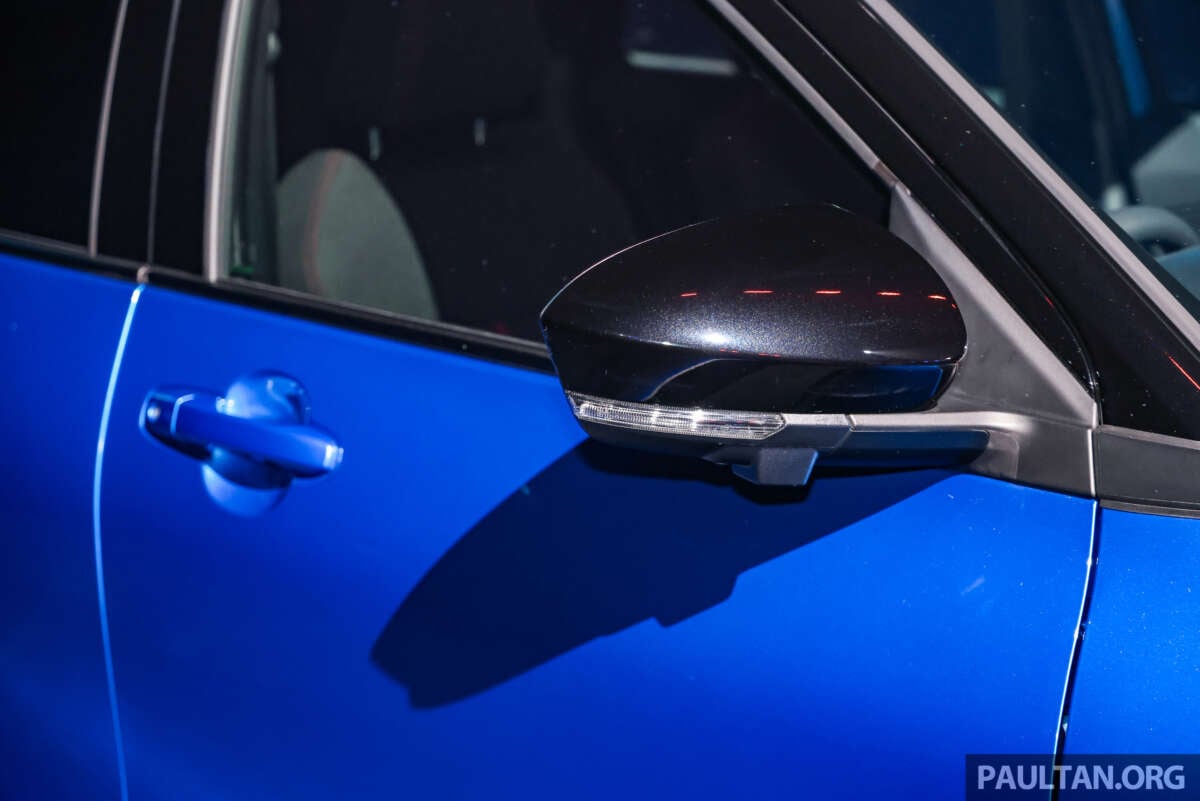
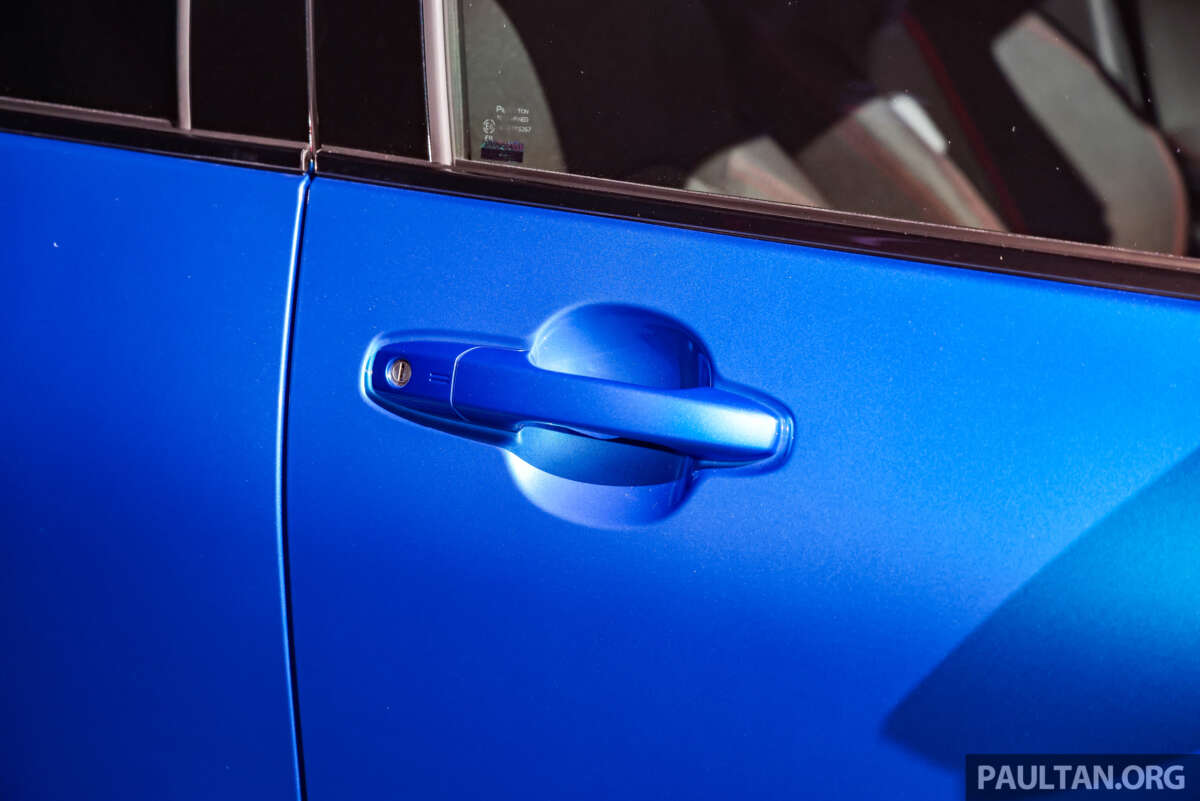
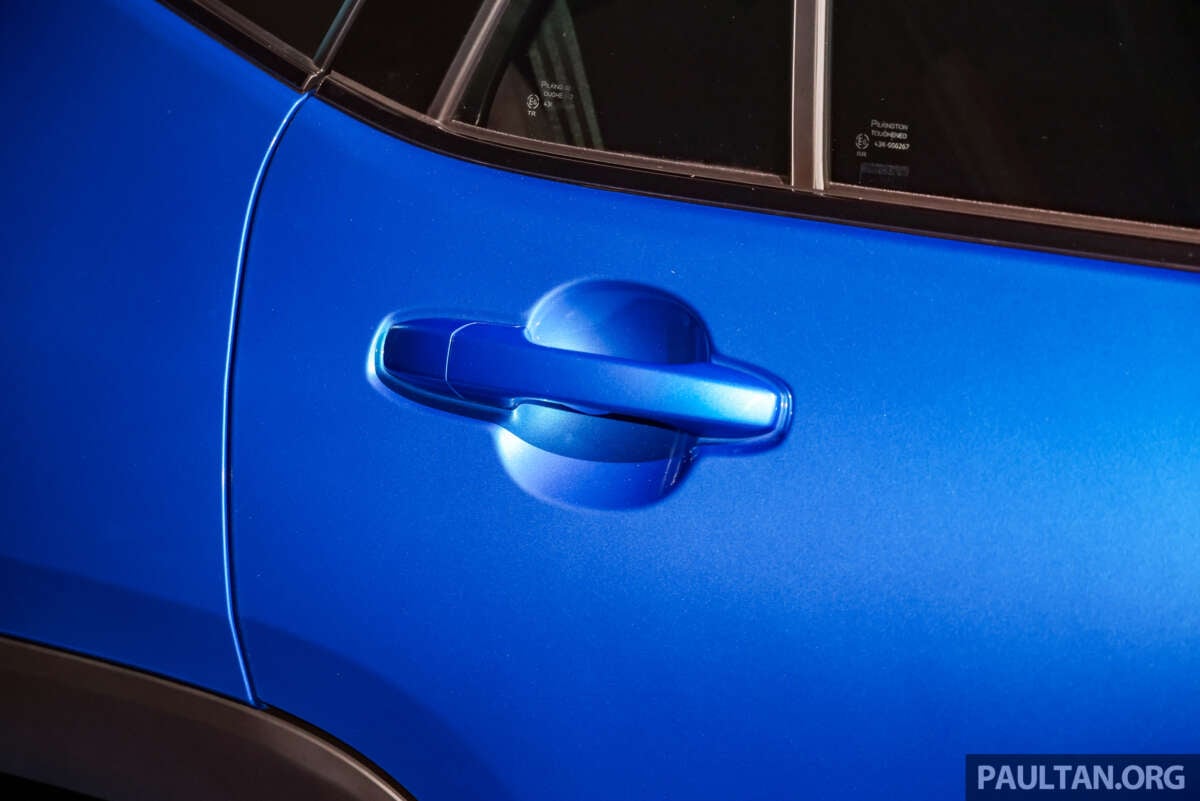
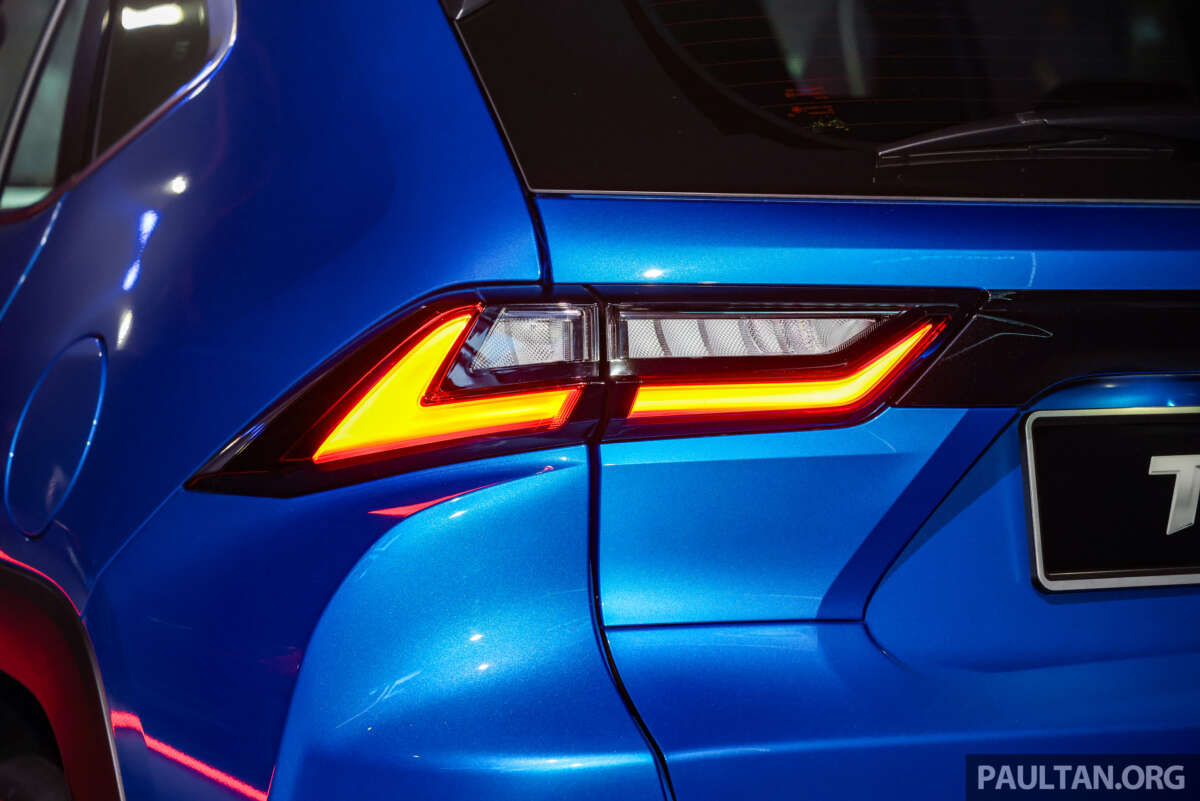
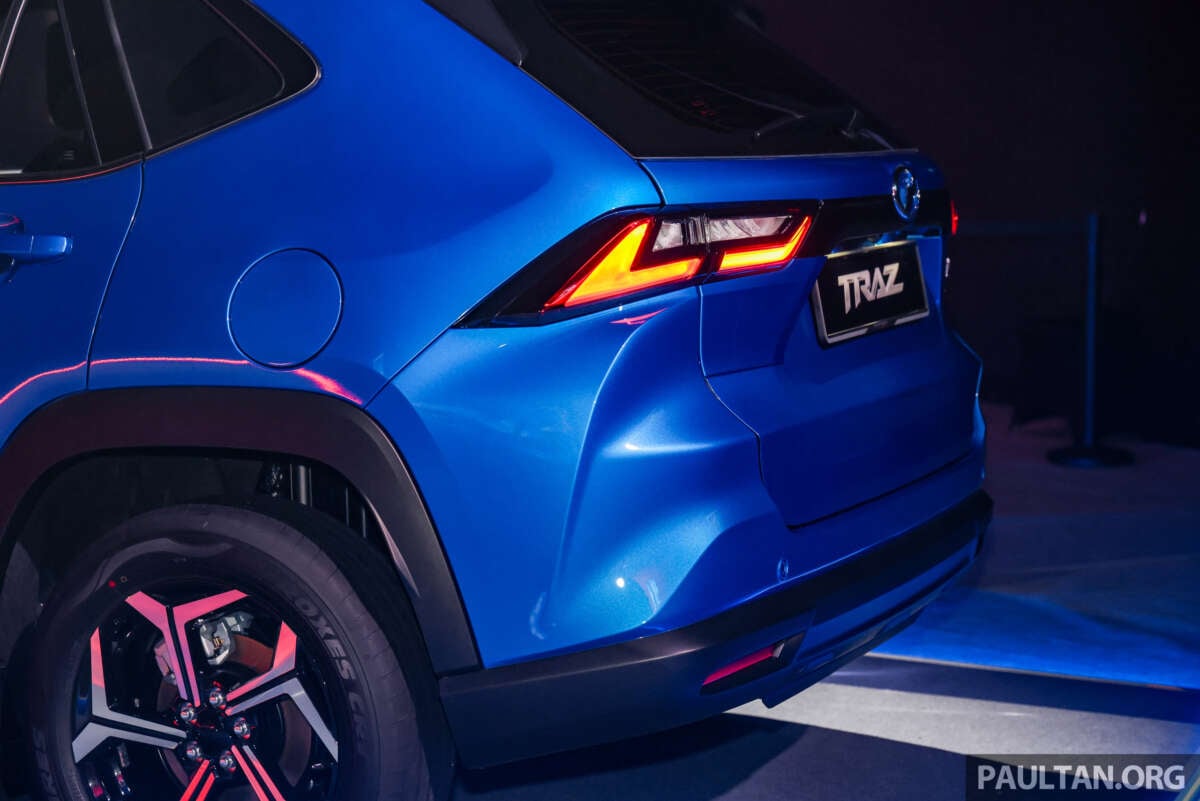
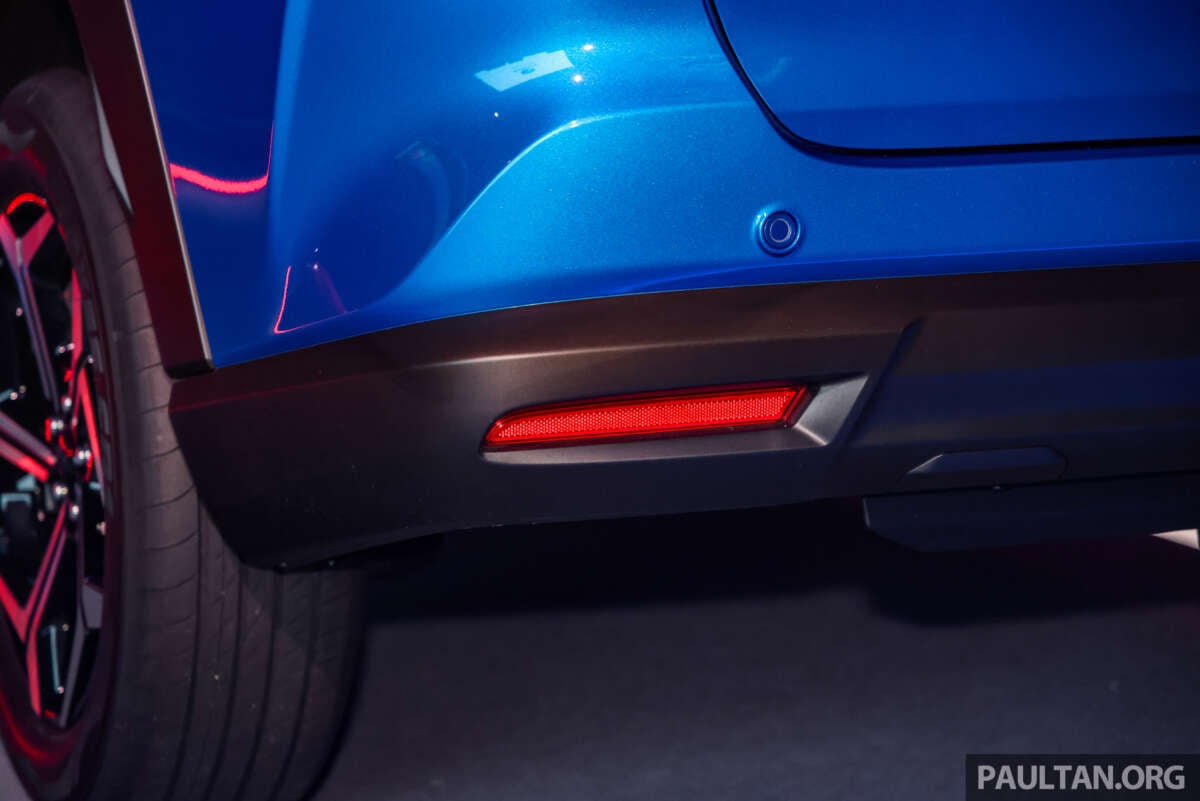
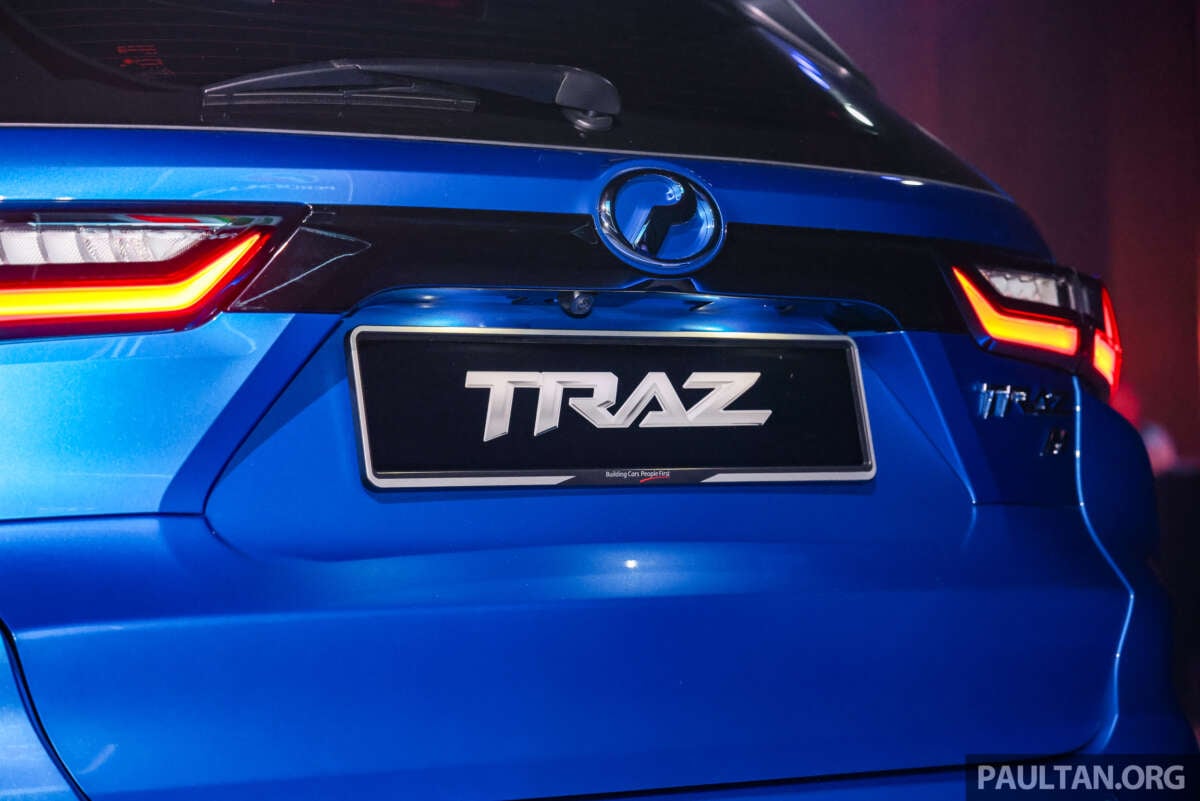
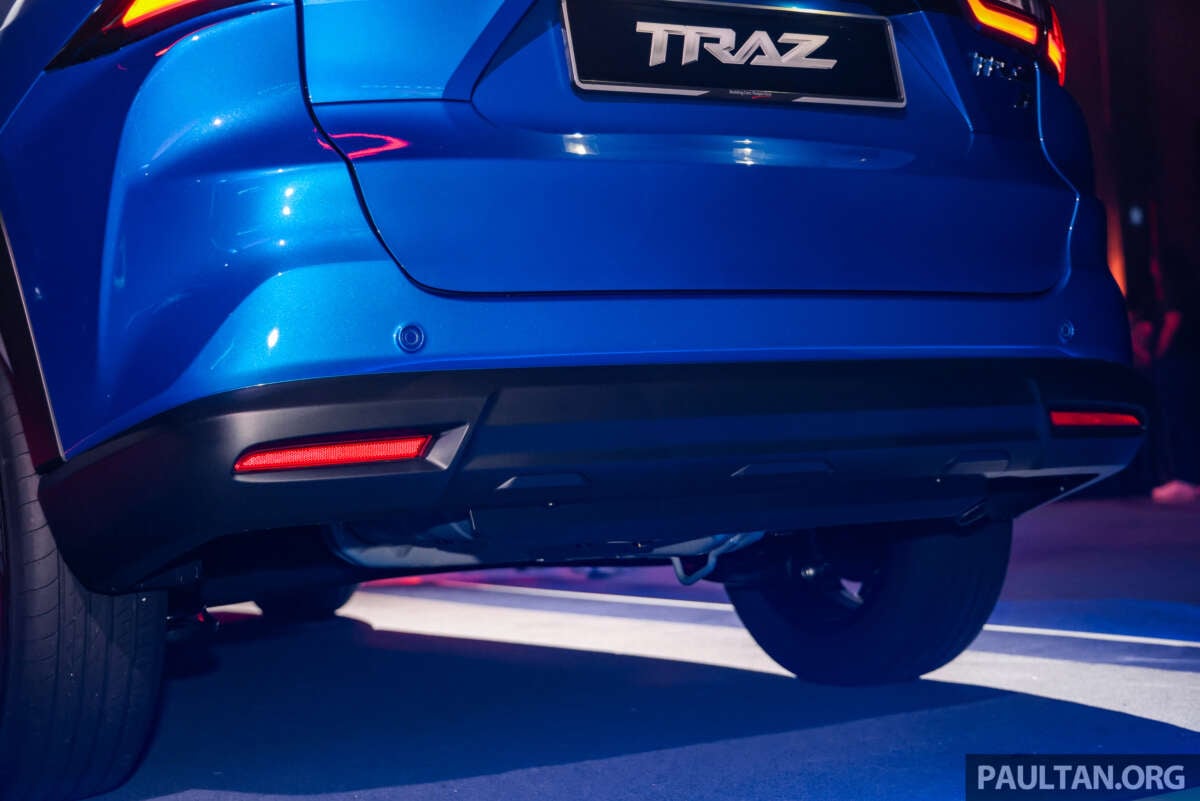
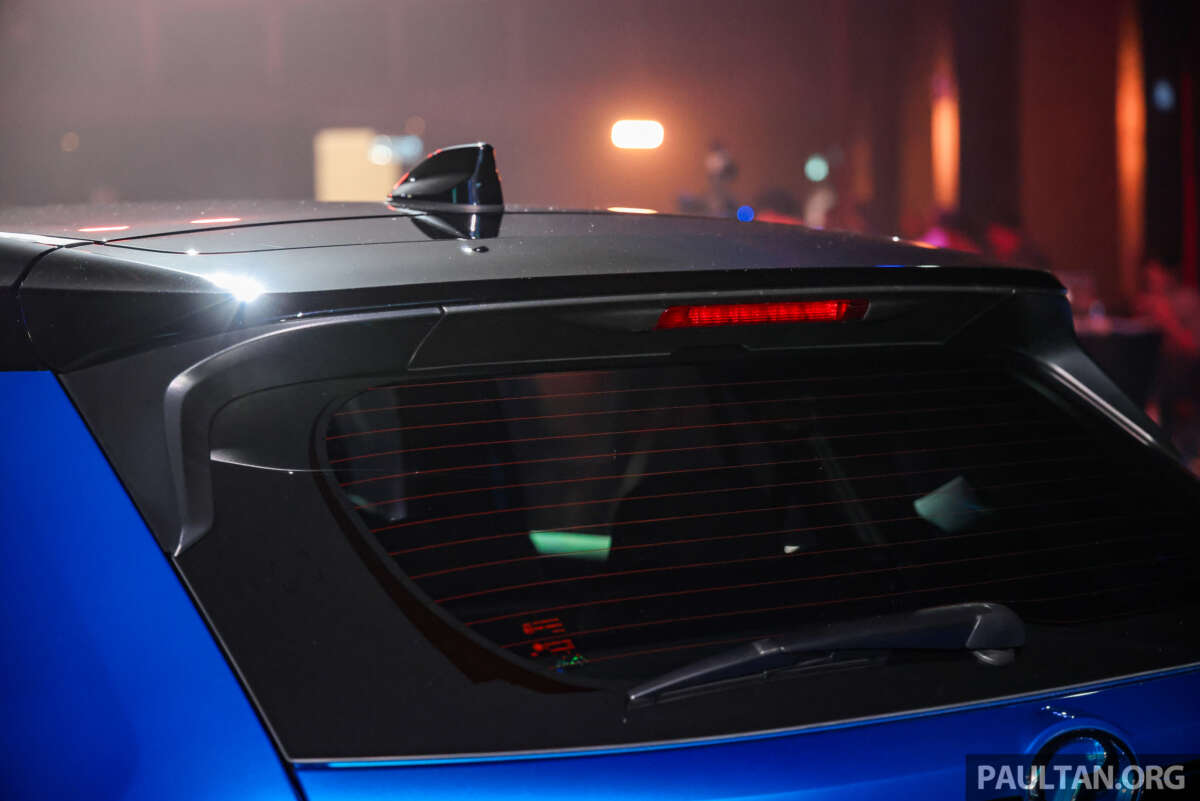
GALLERY: Perodua Traz H with GearUp package, Cranberry Red

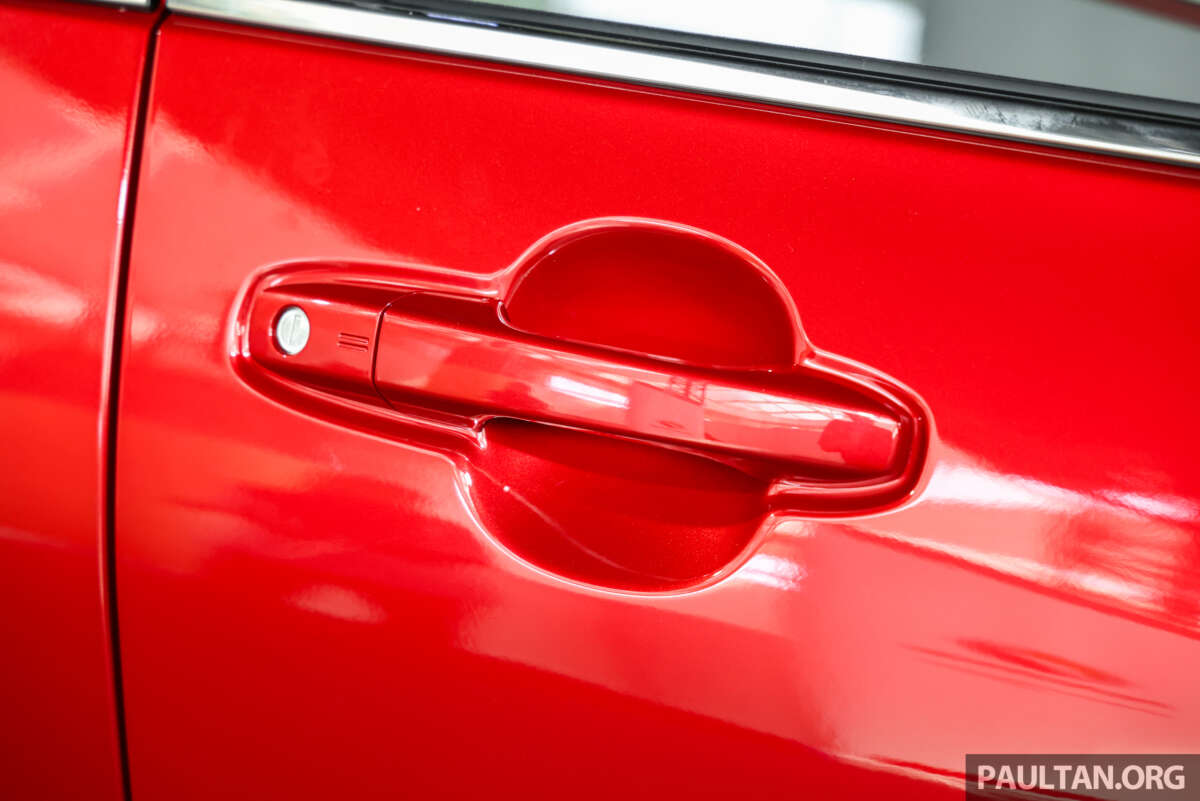
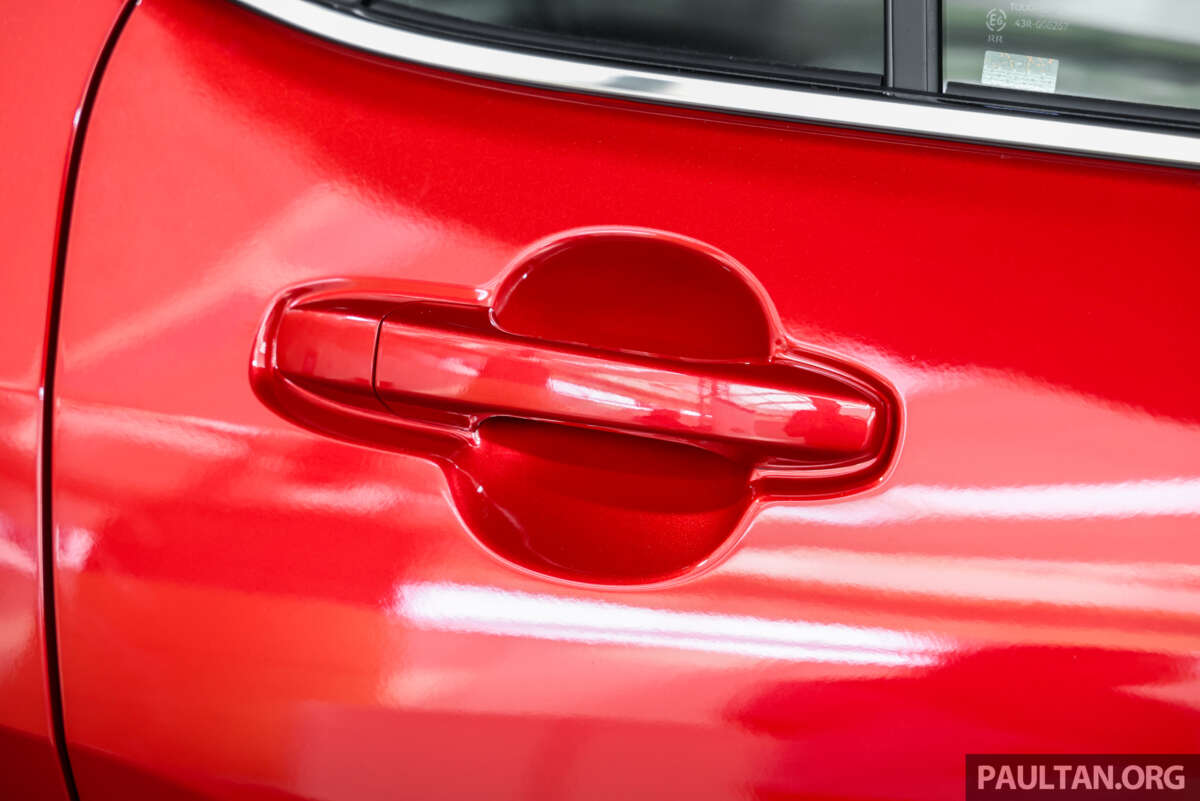
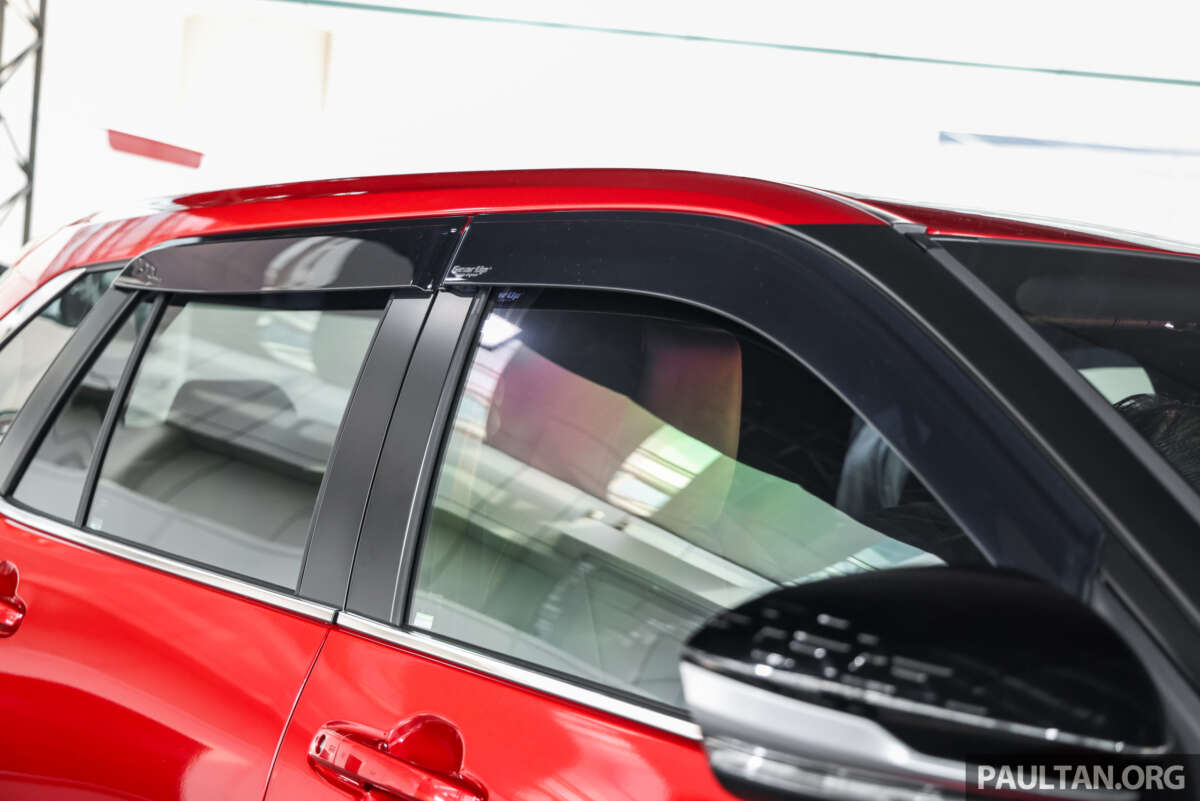
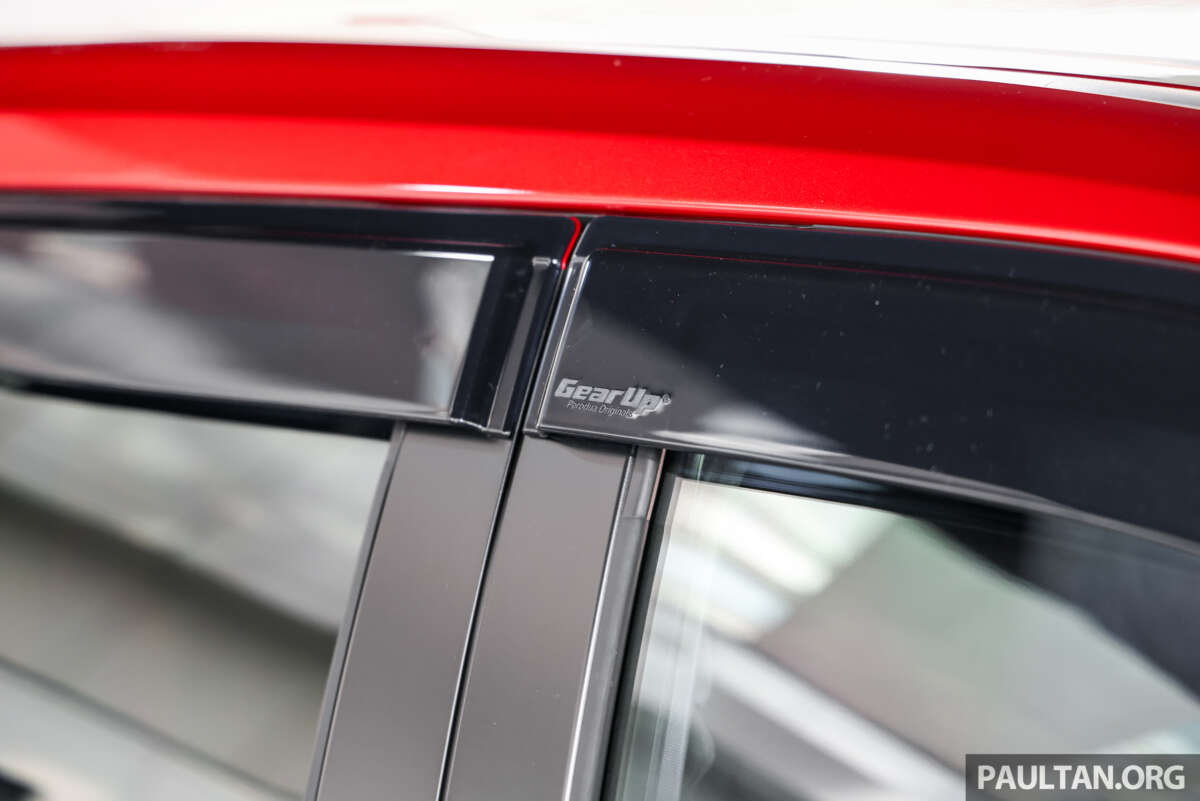
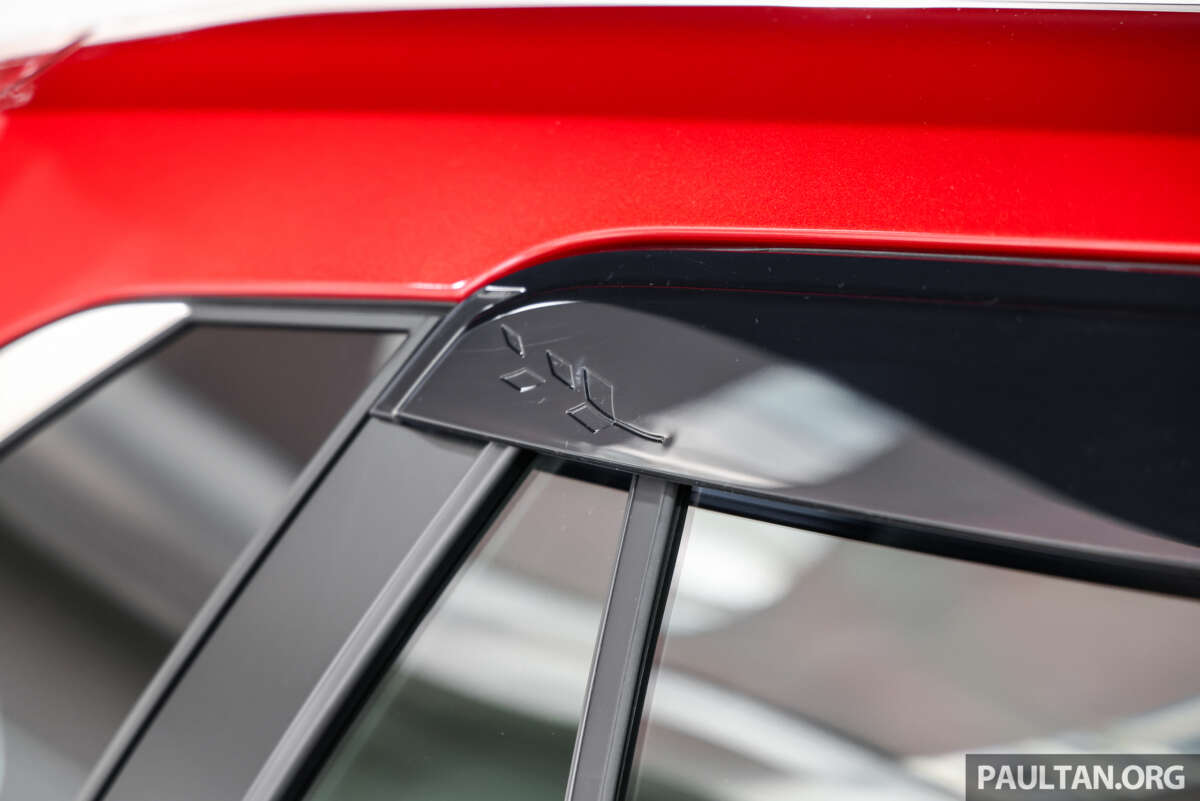
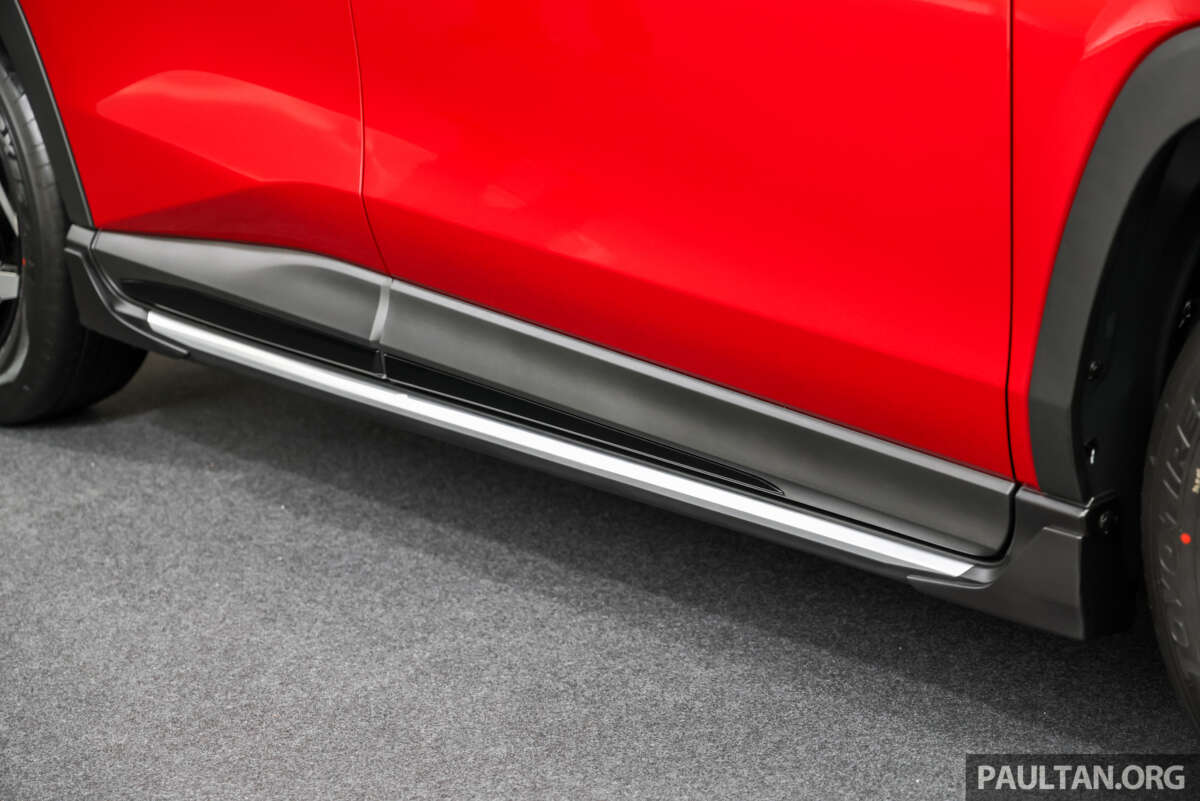
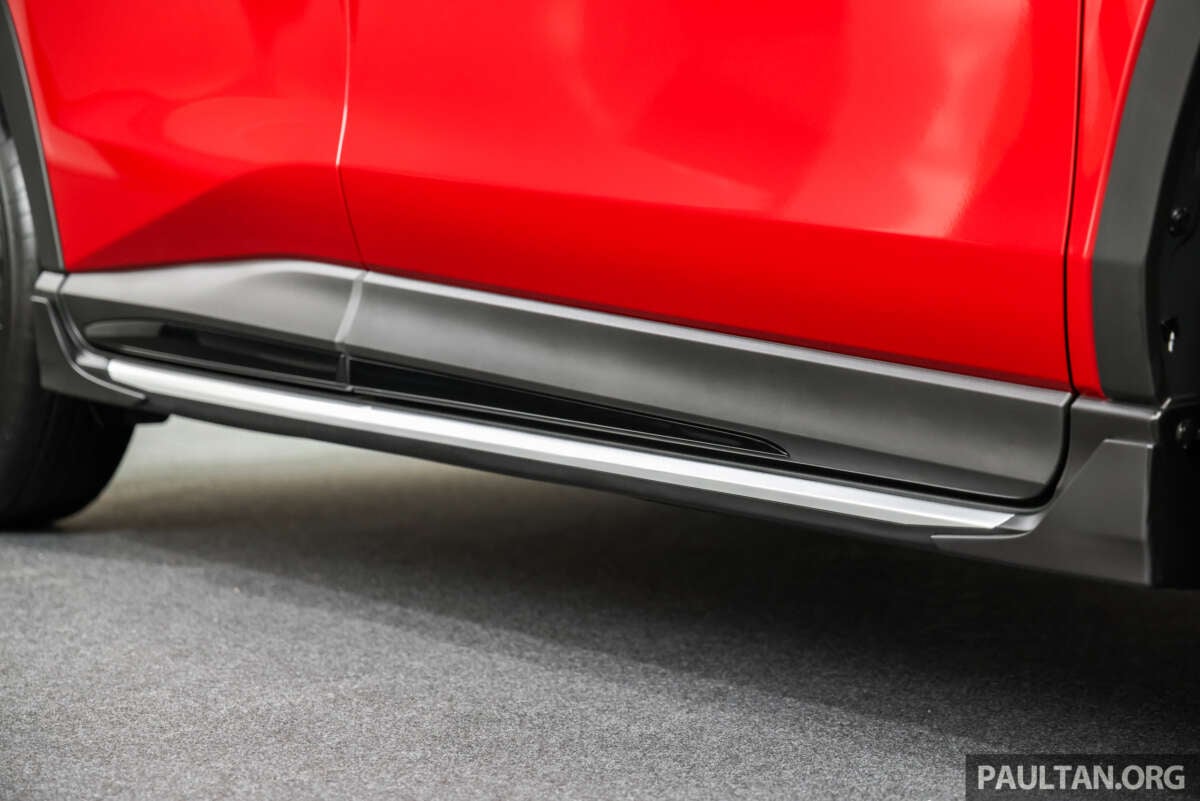
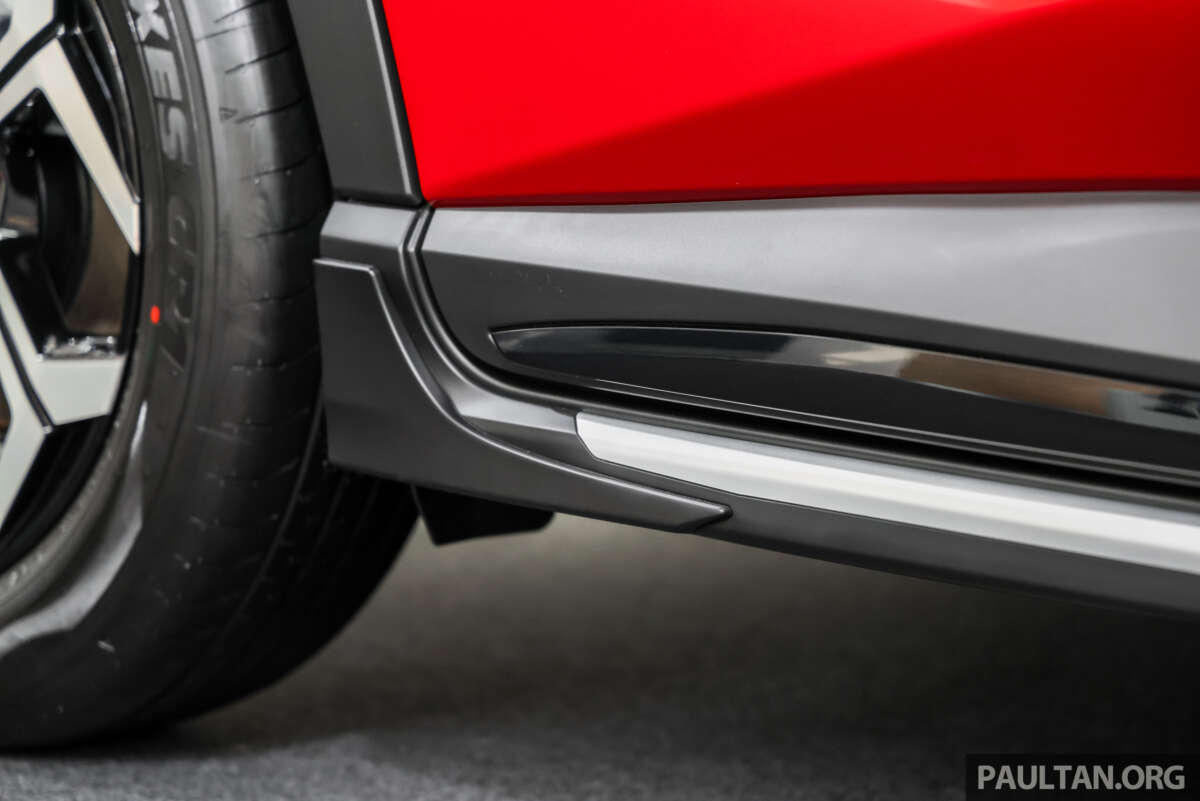
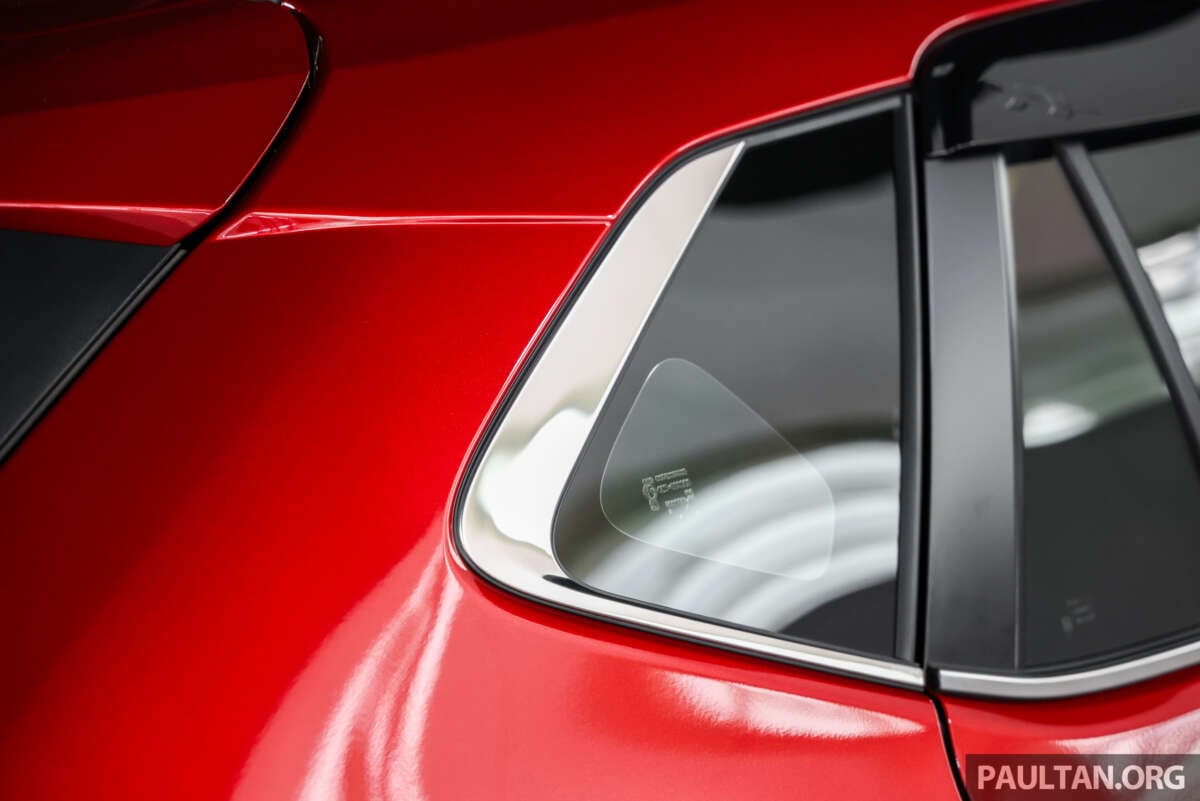
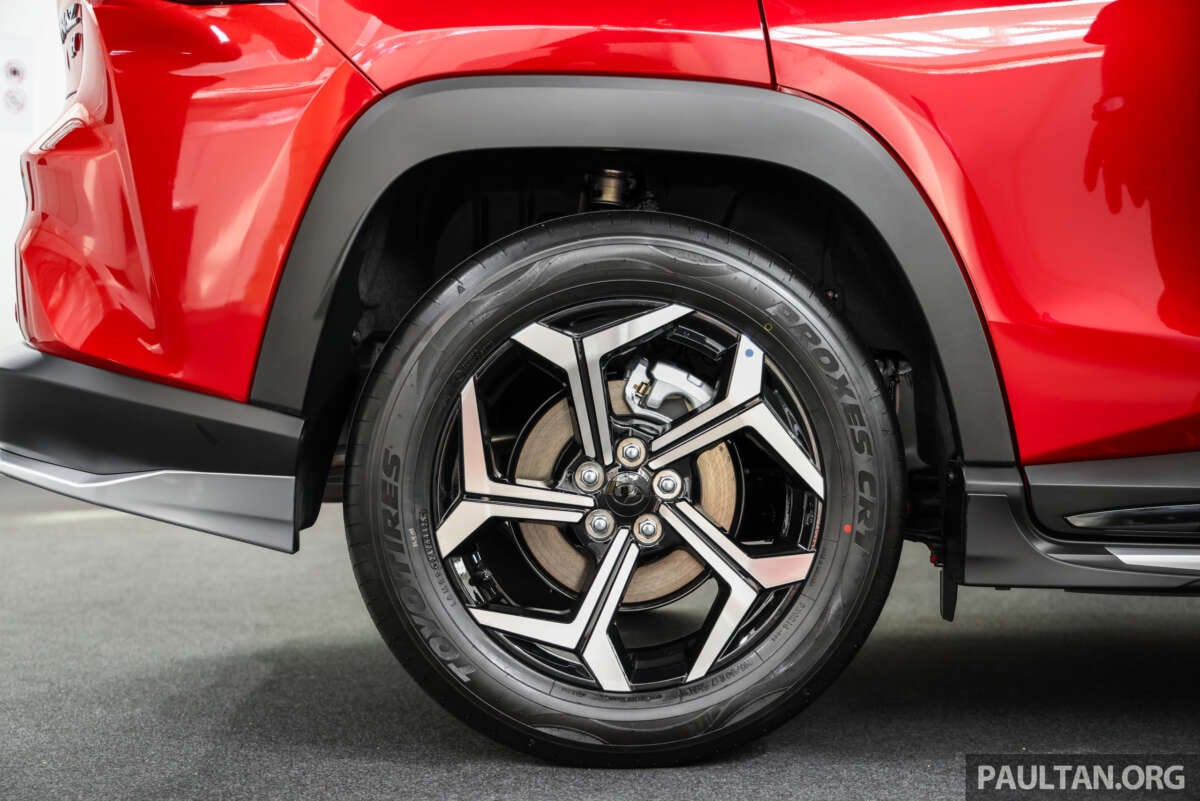
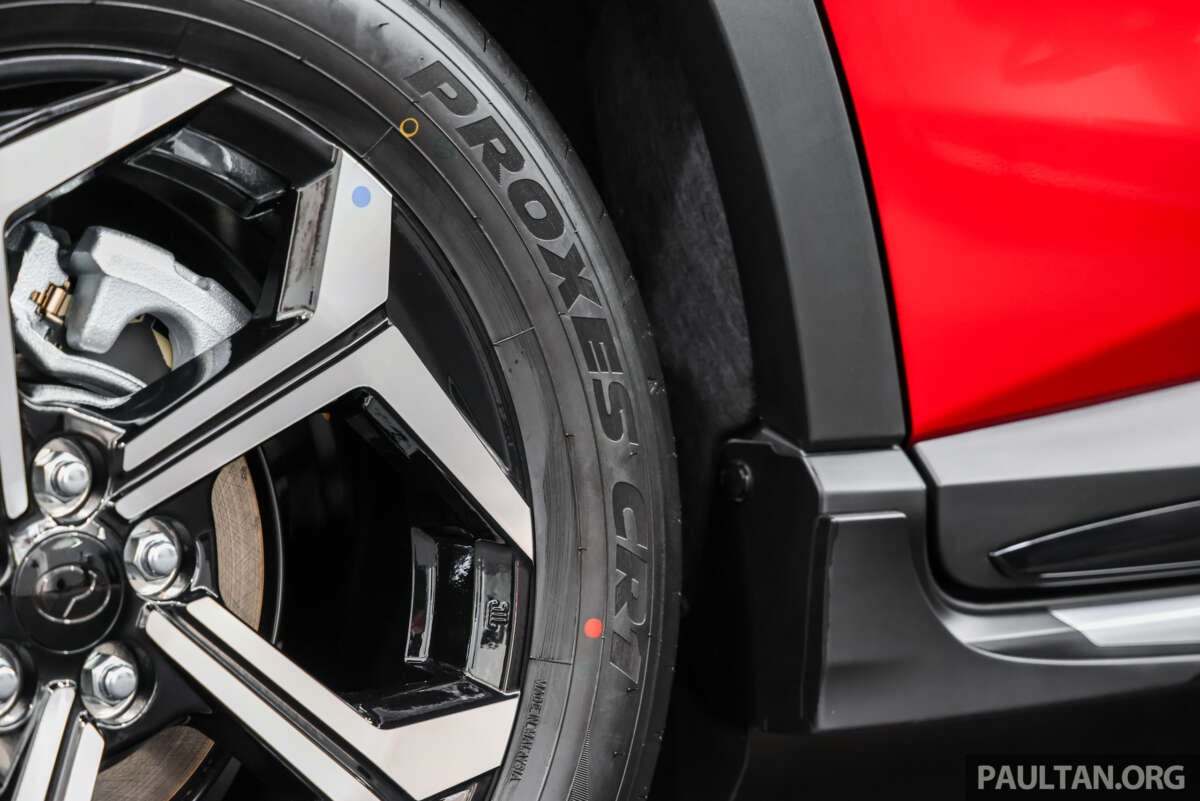
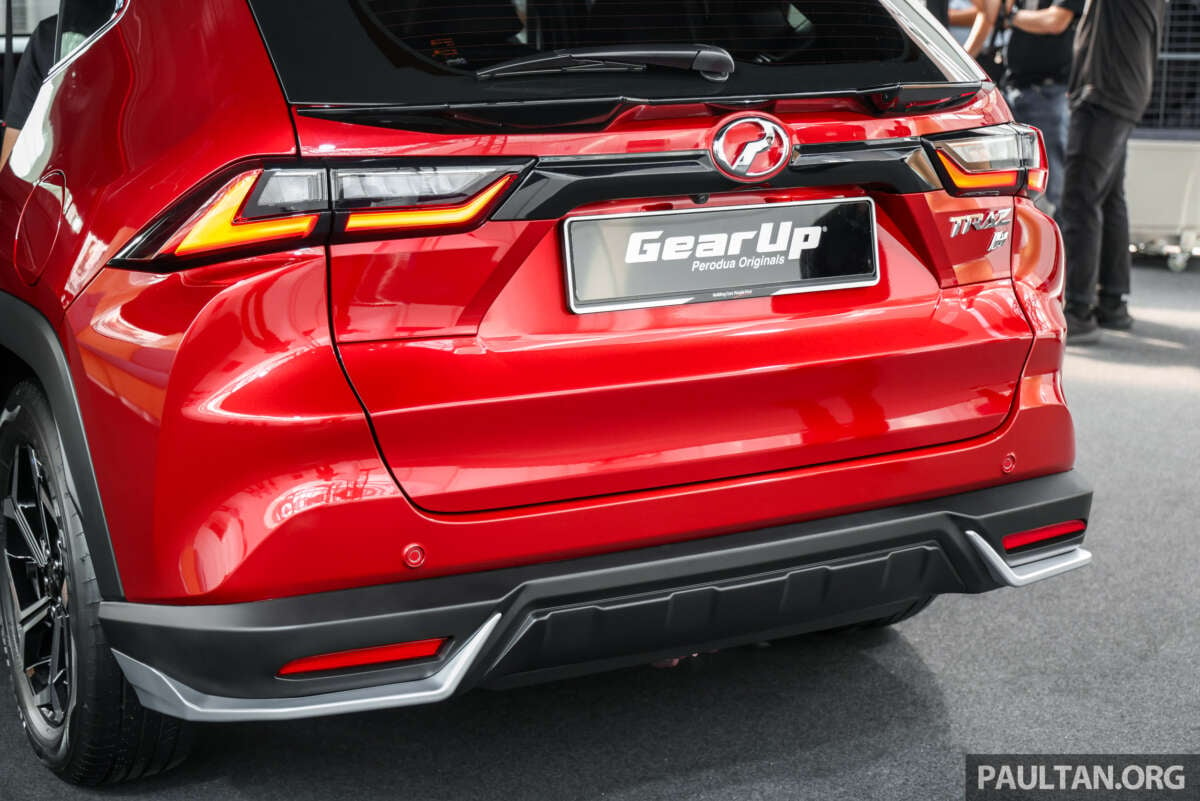
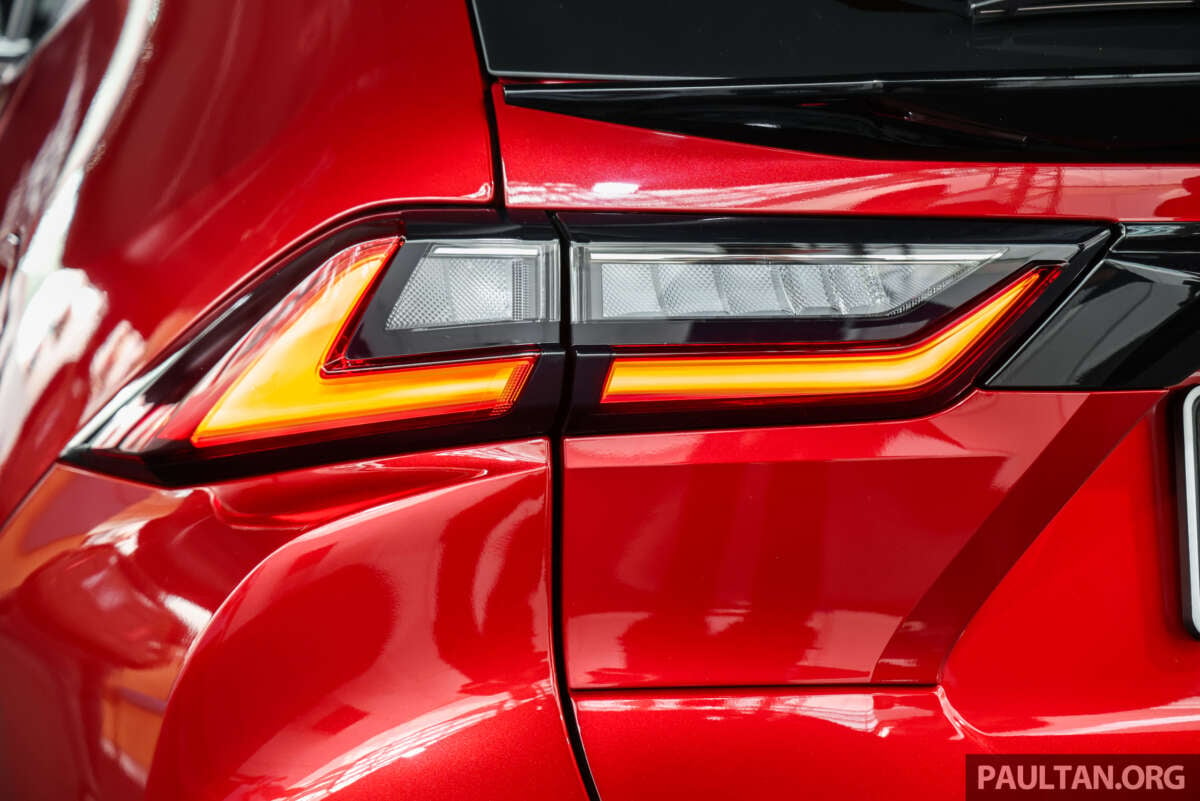
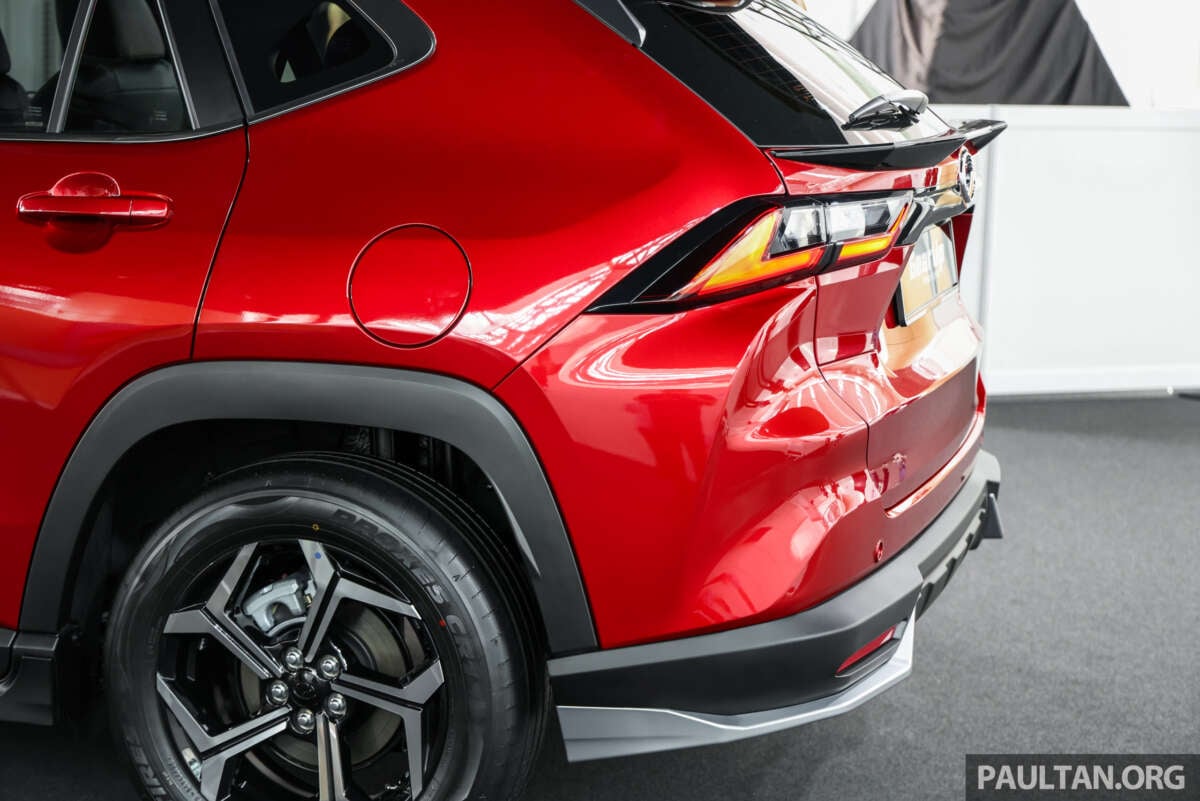
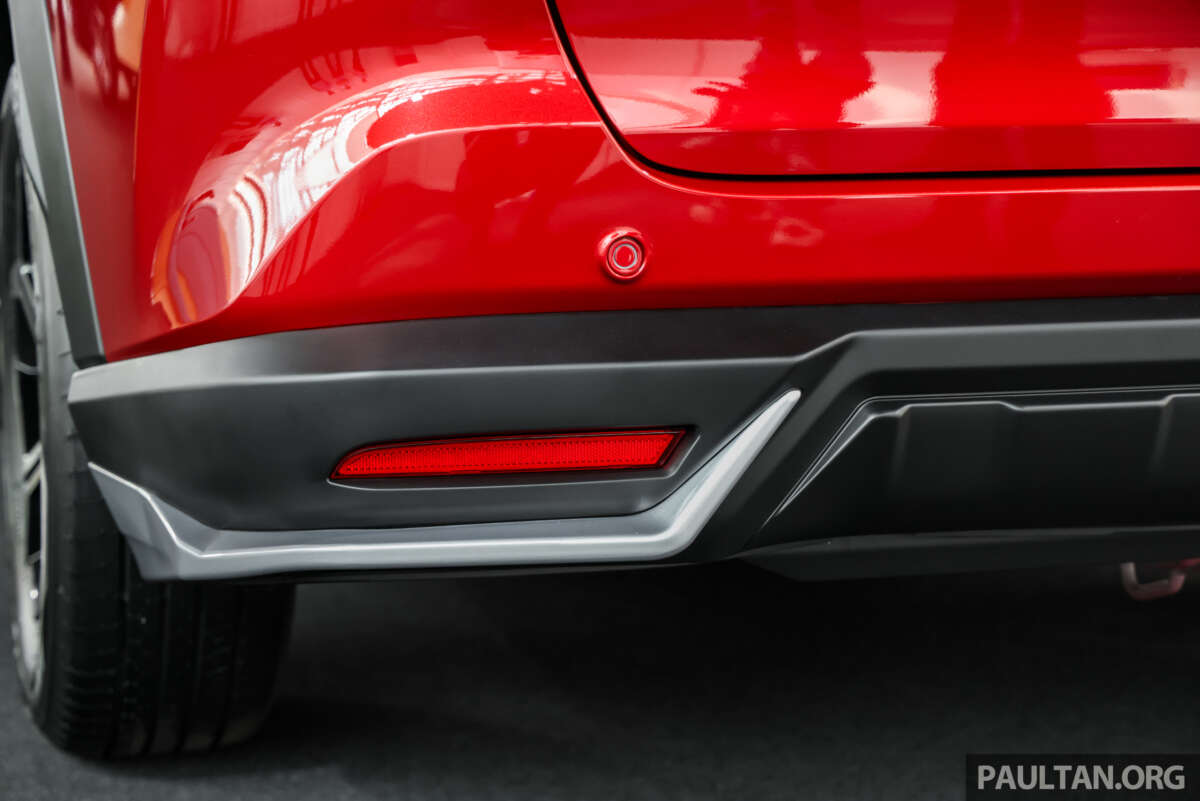
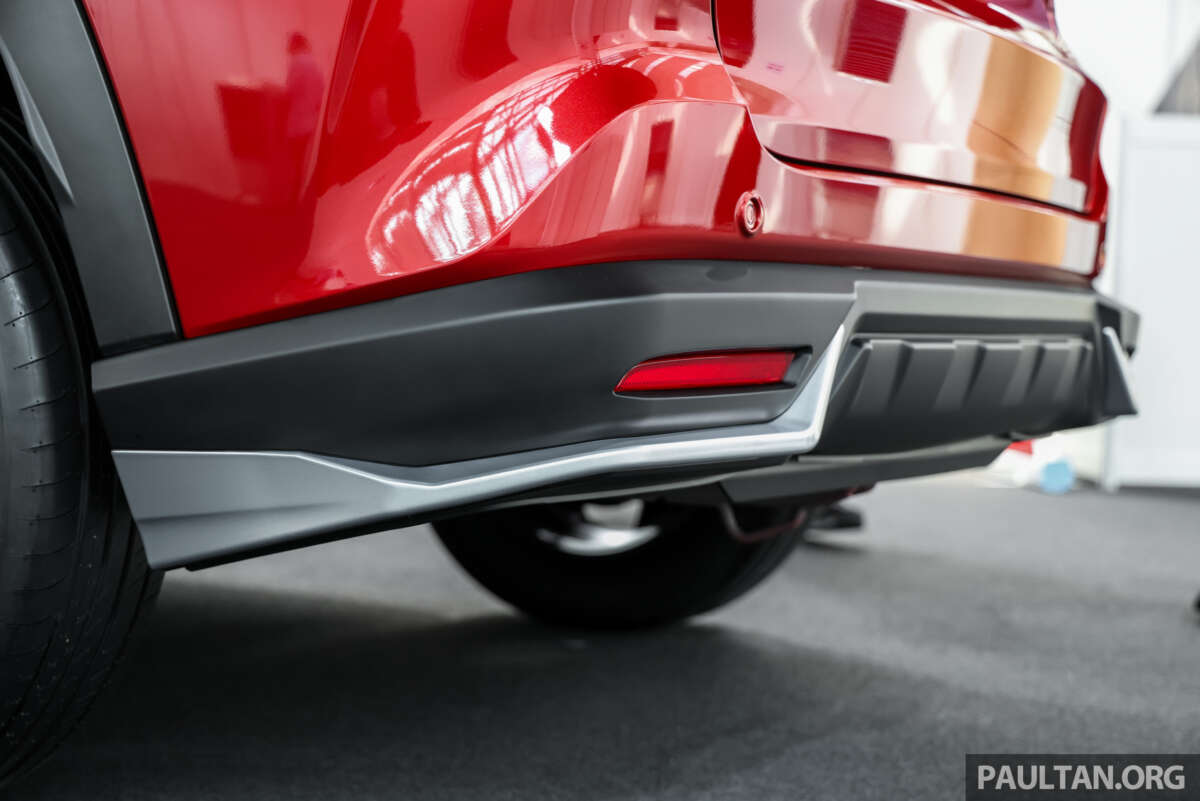
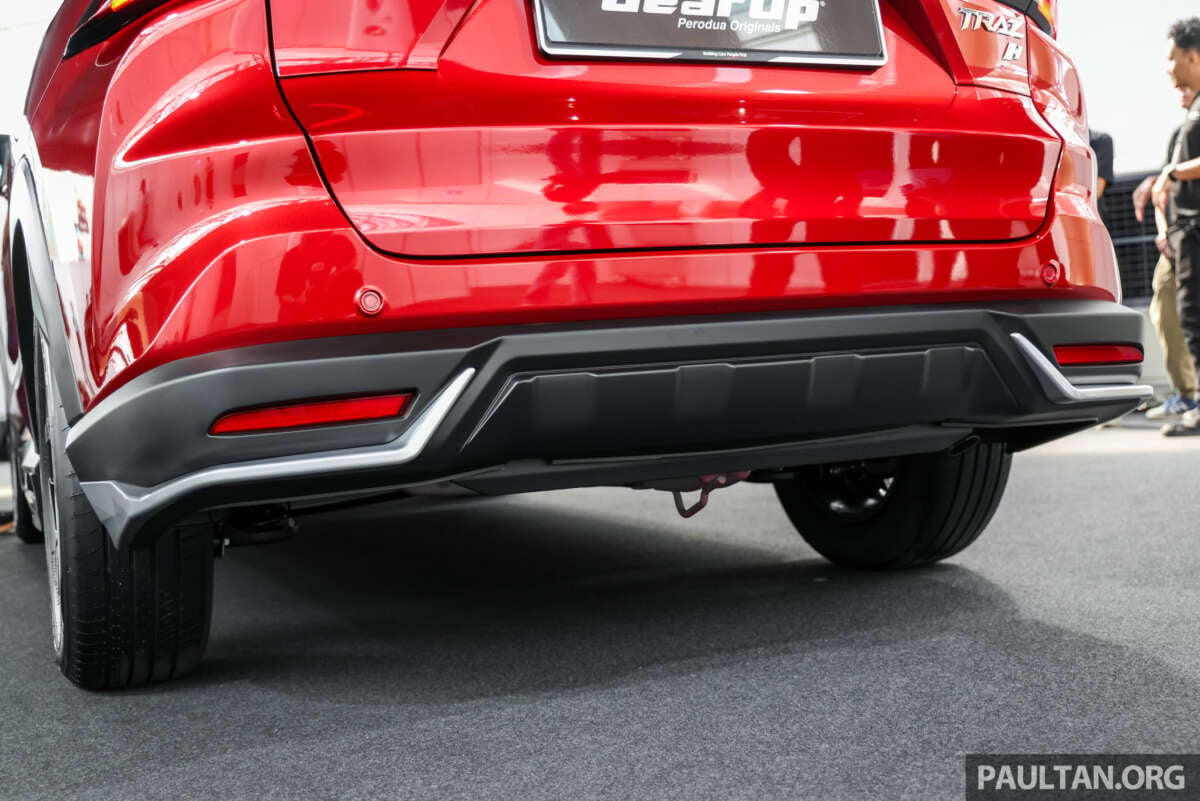
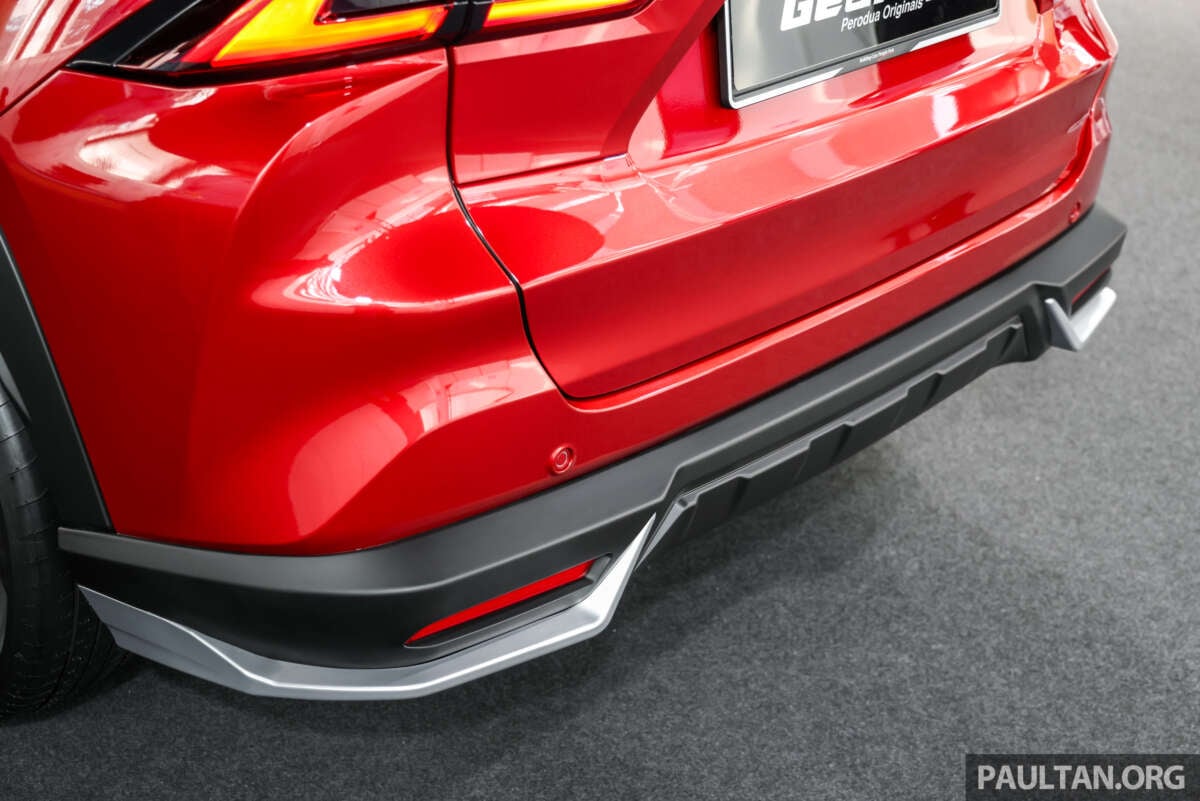
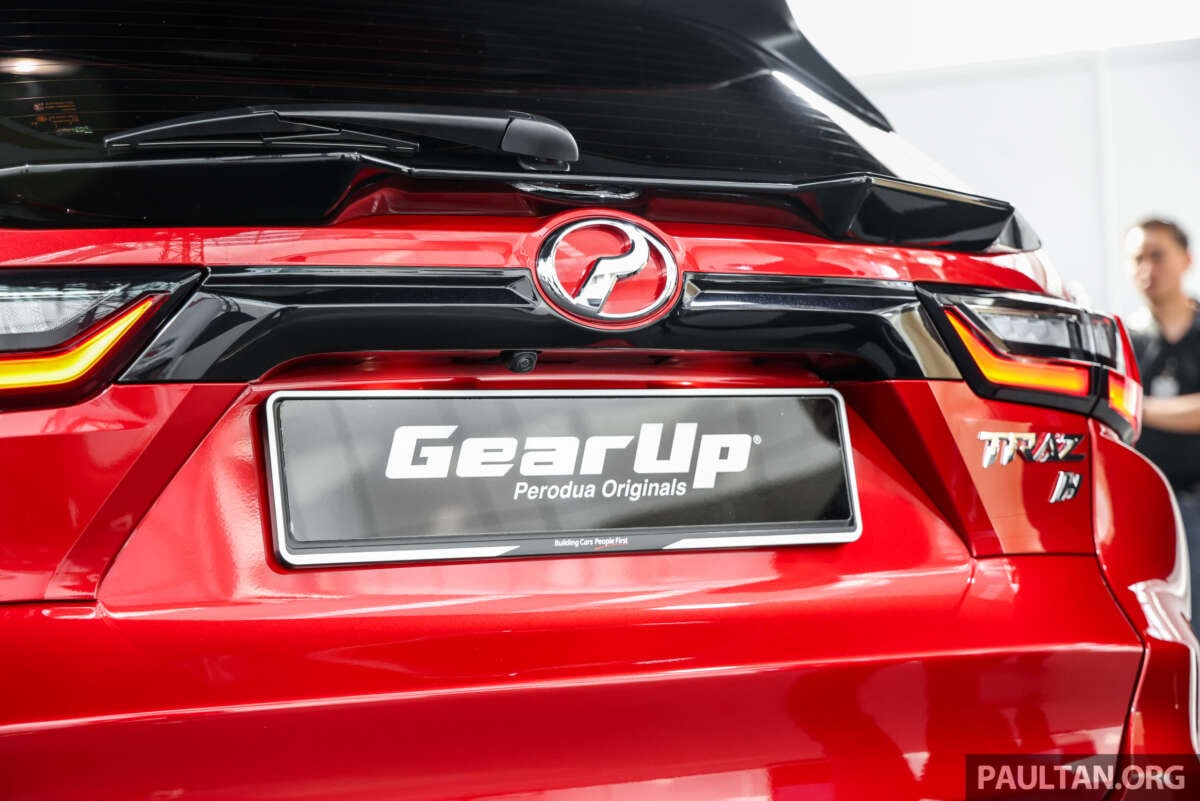
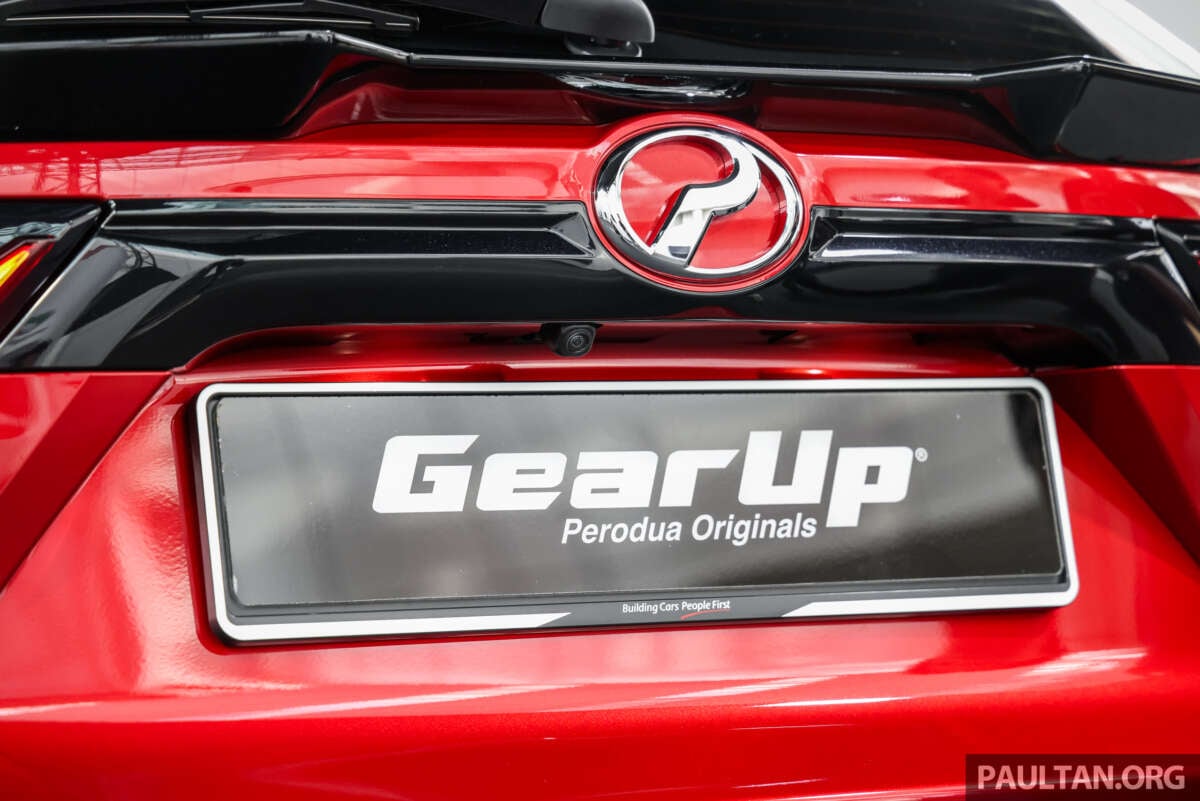
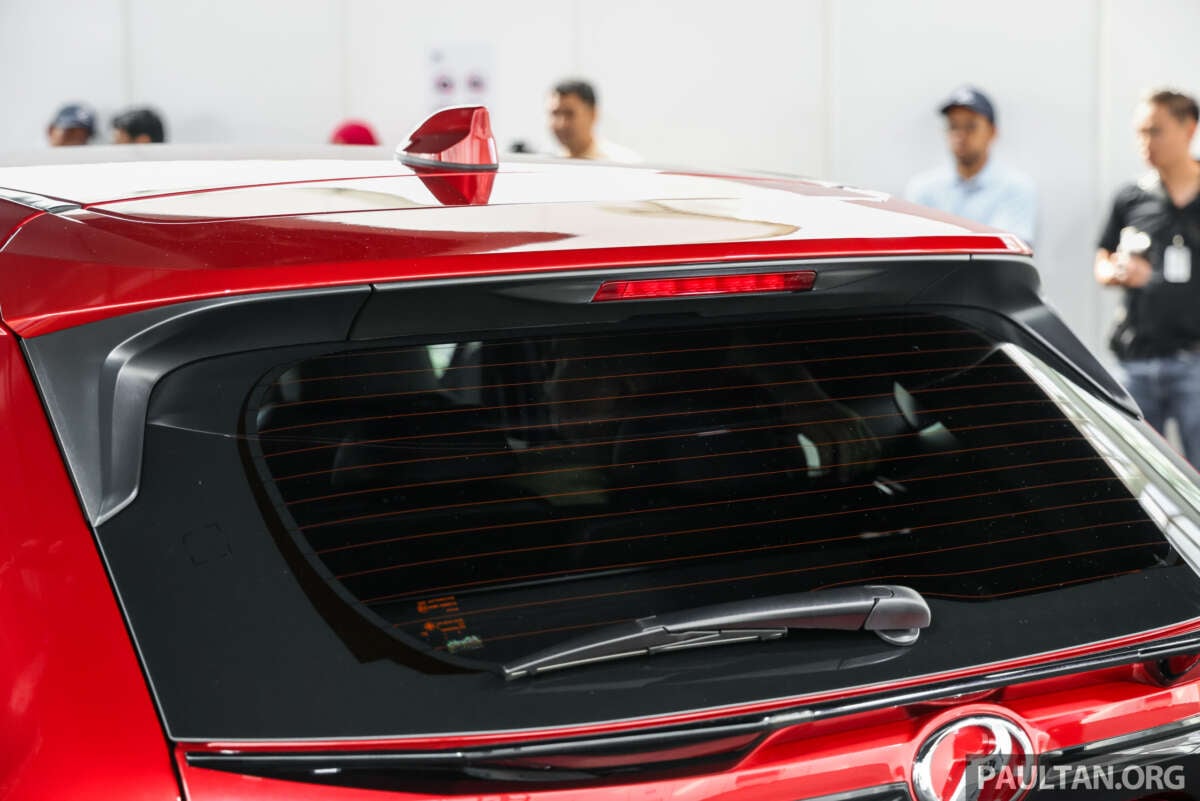
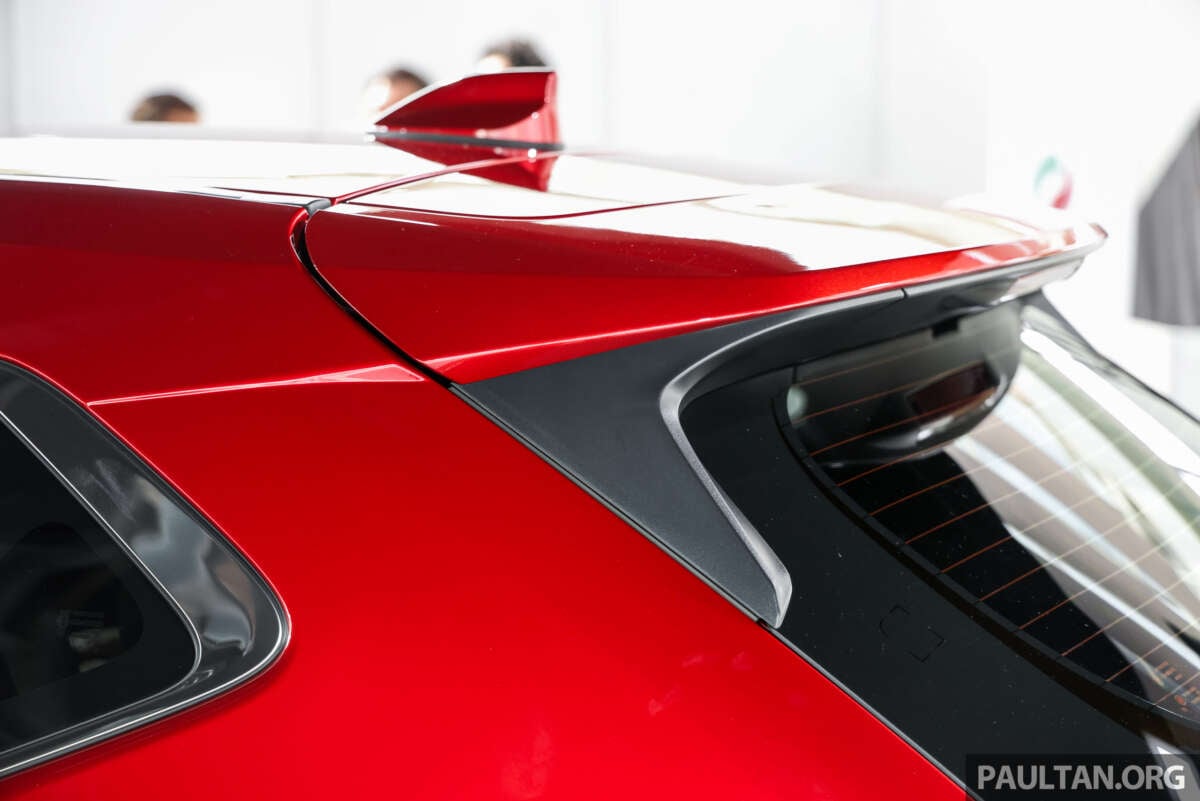
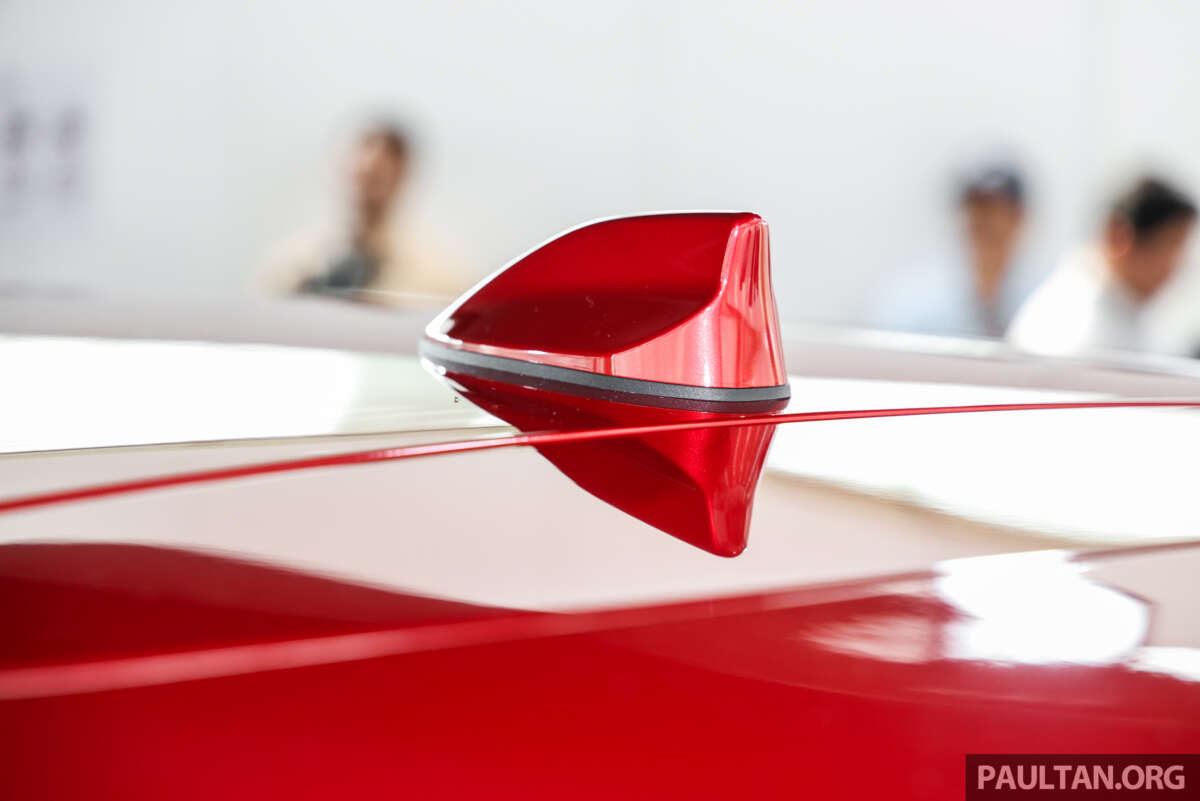
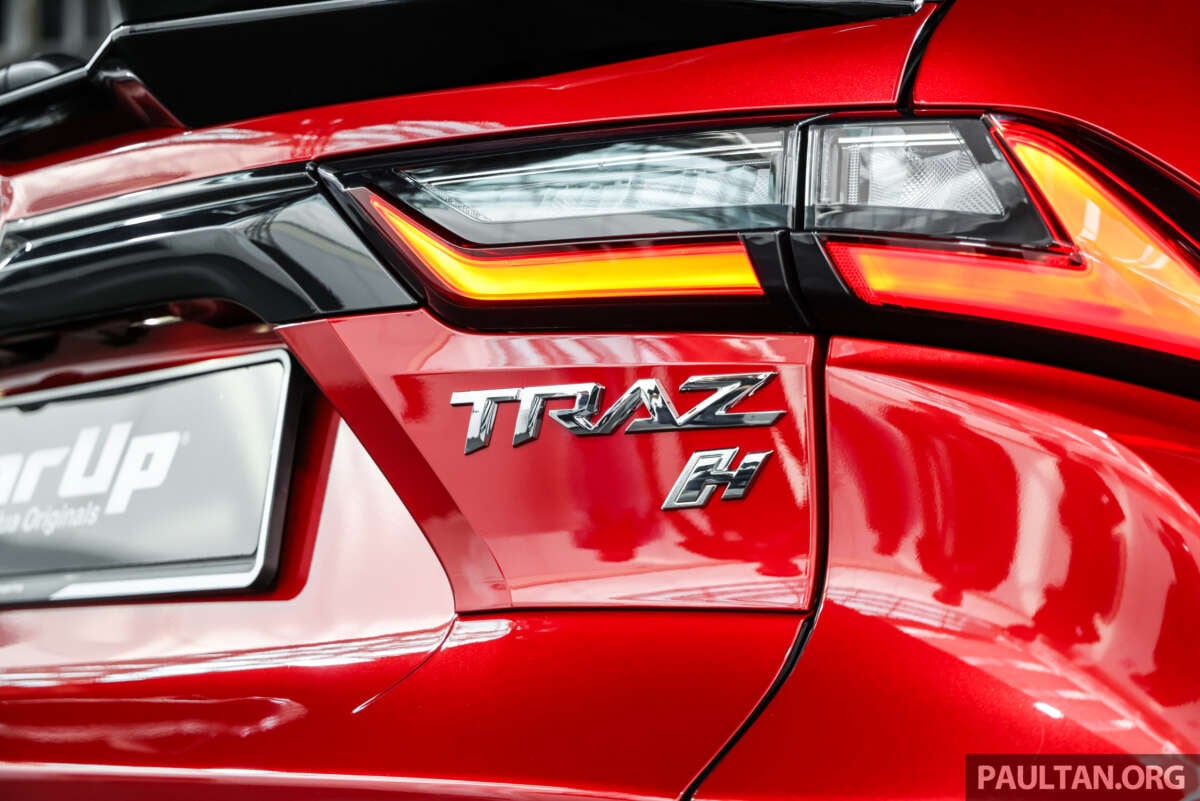
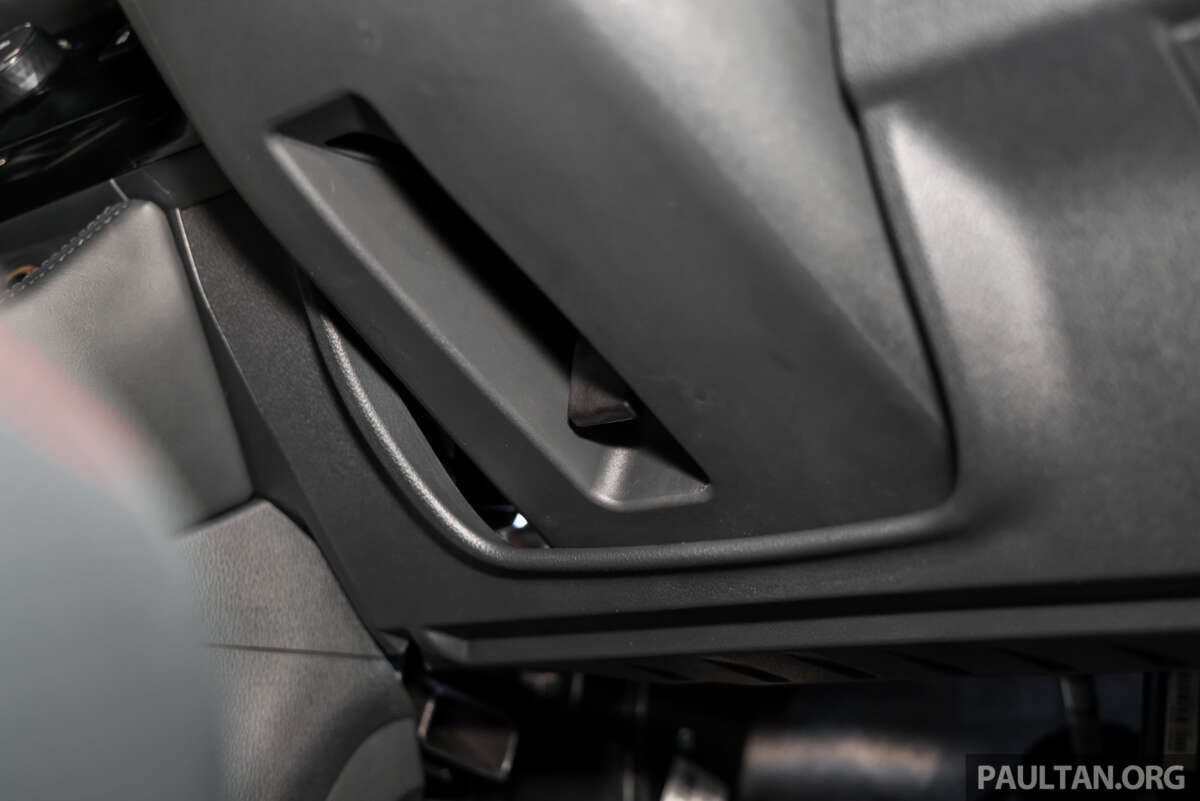
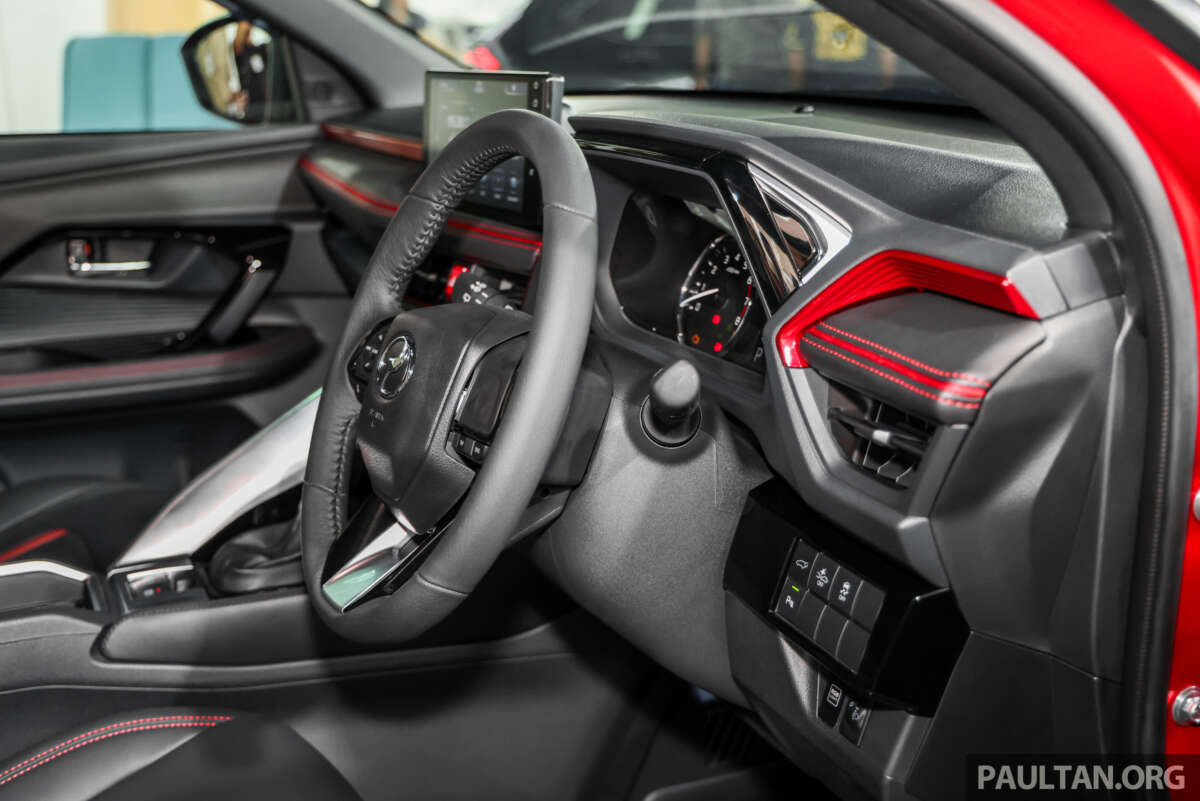
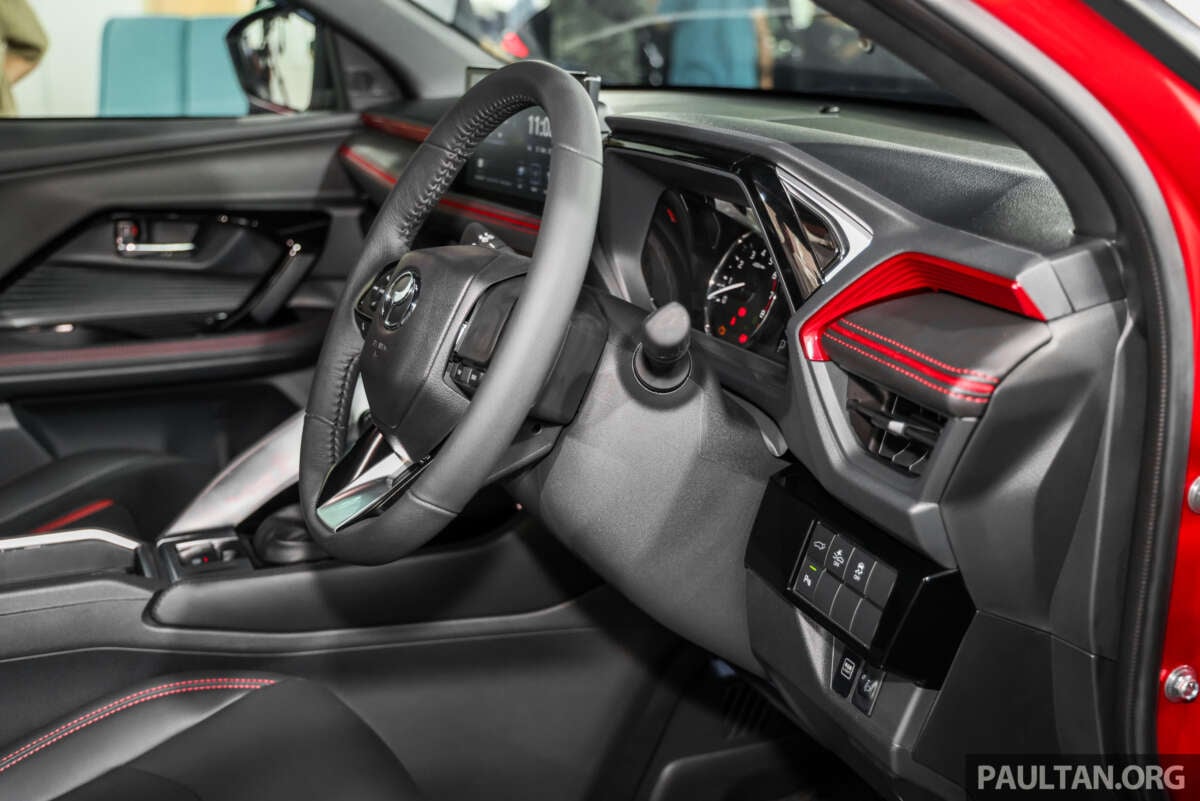
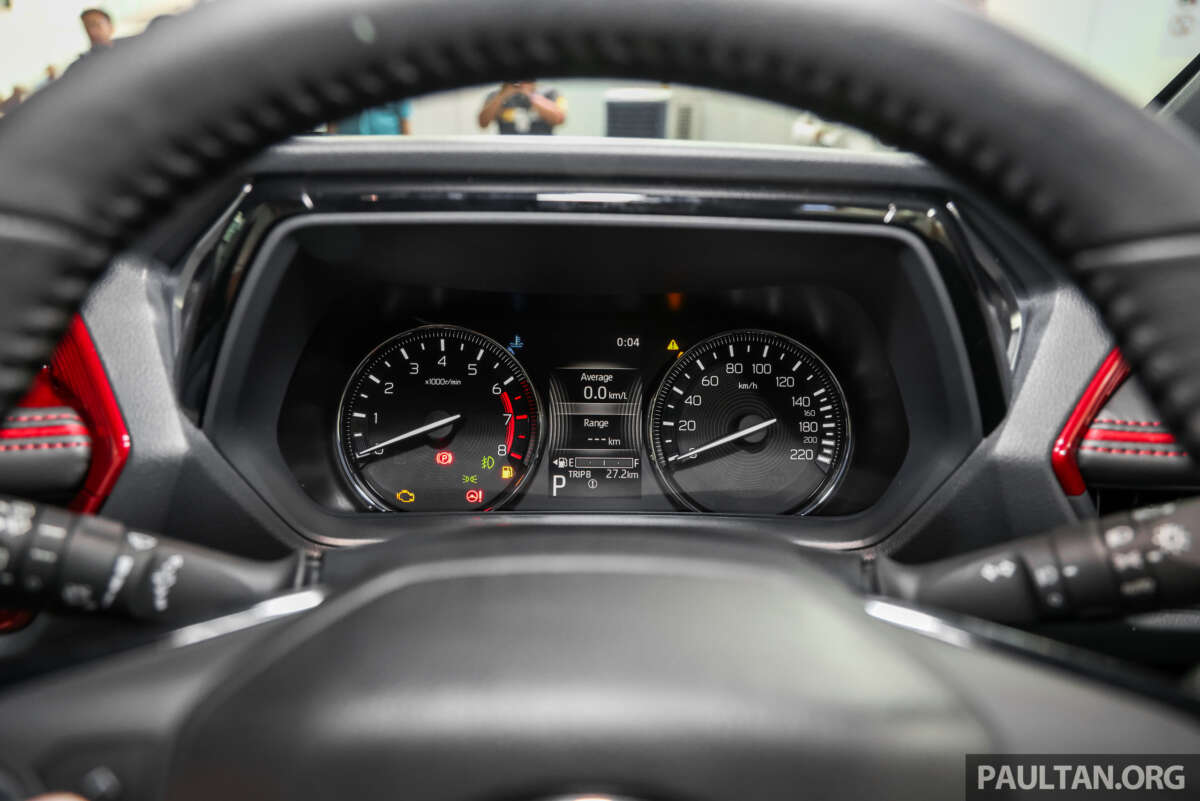
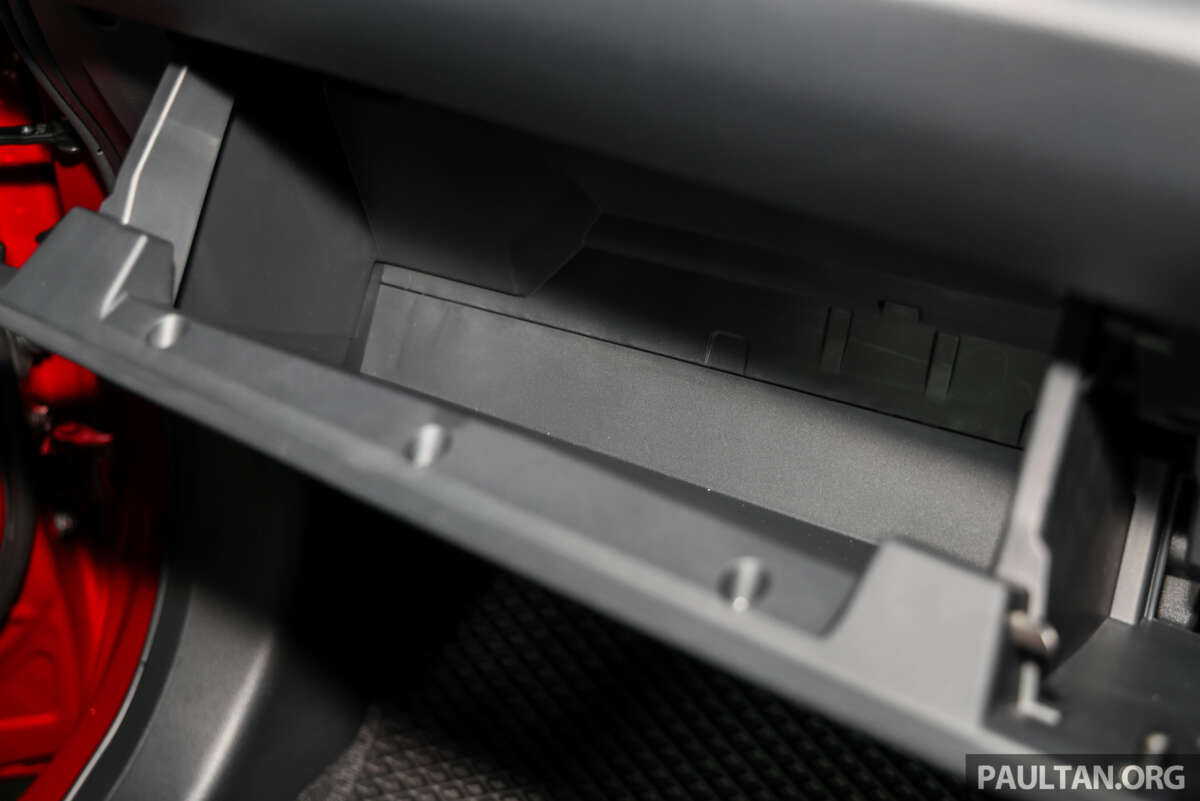
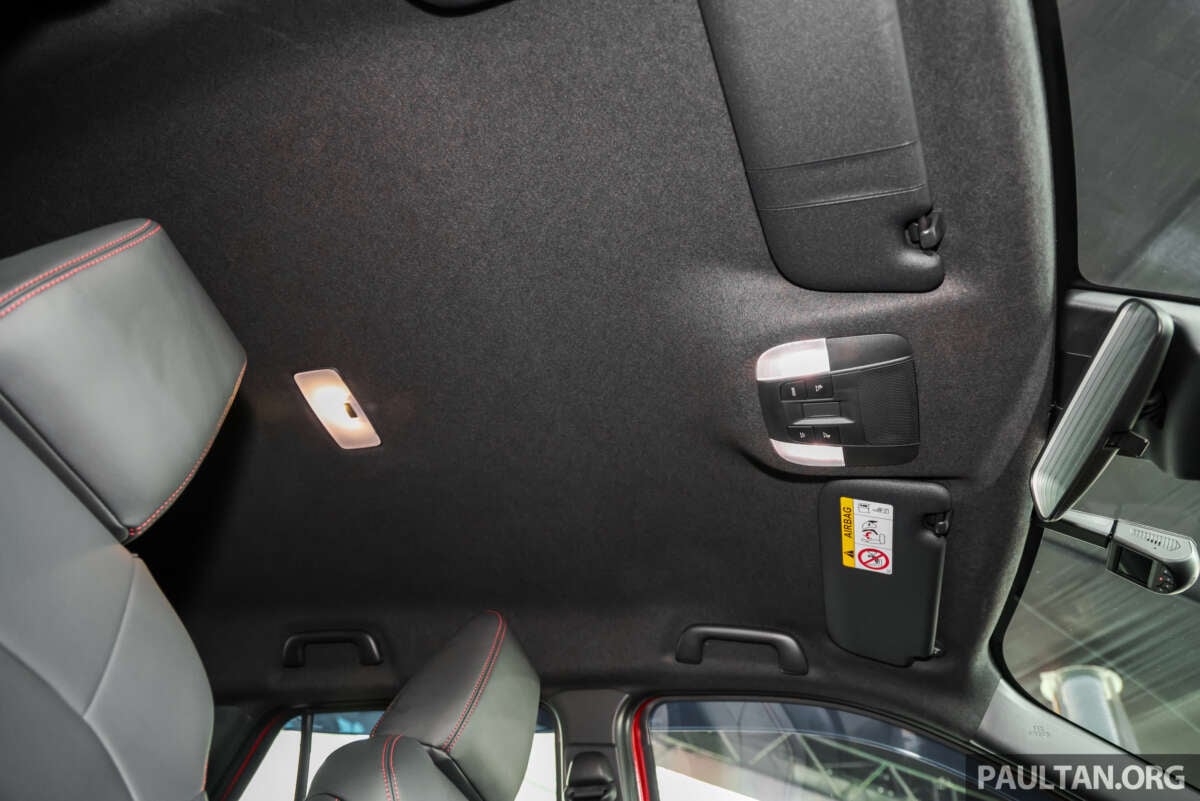
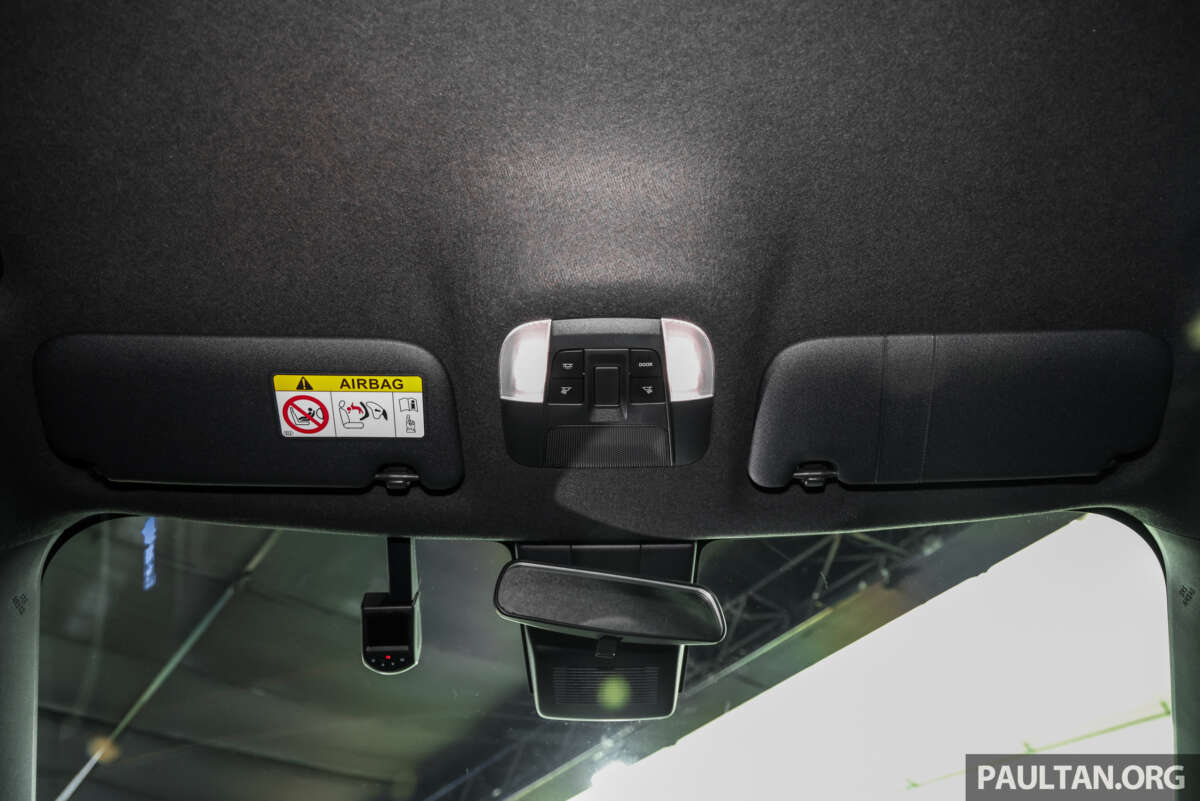
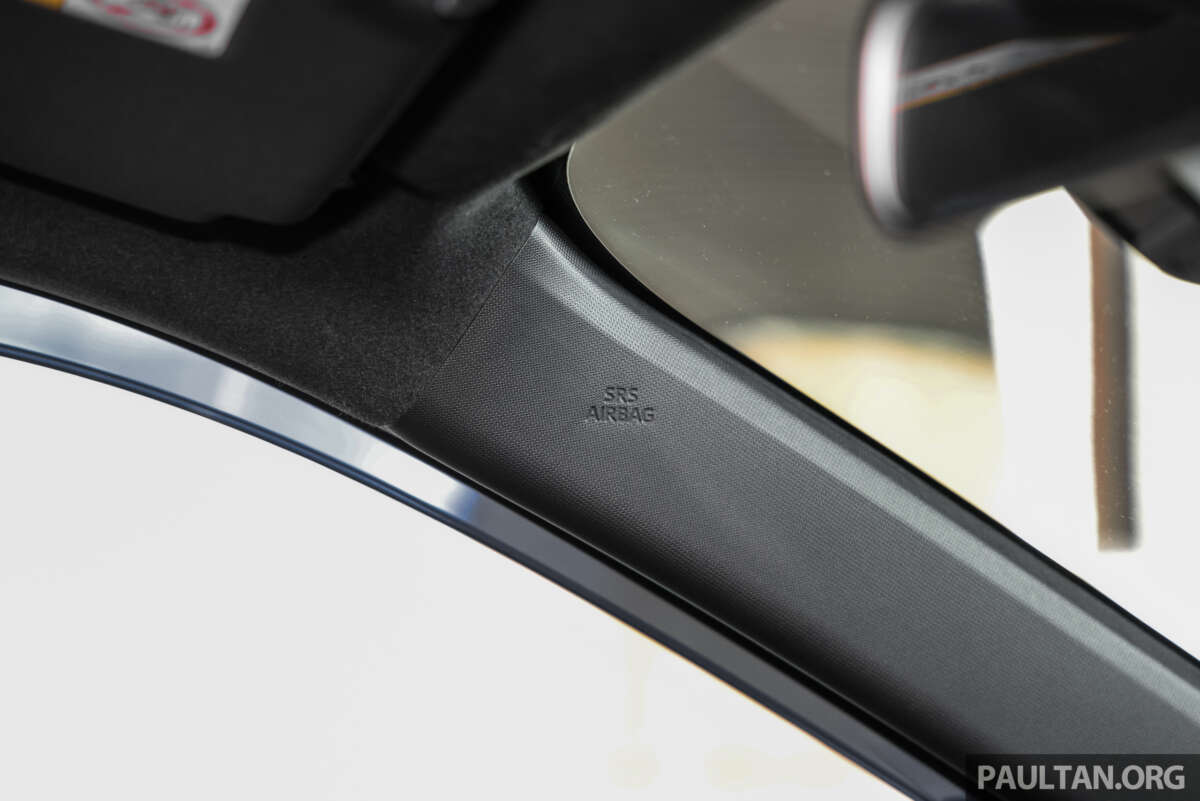
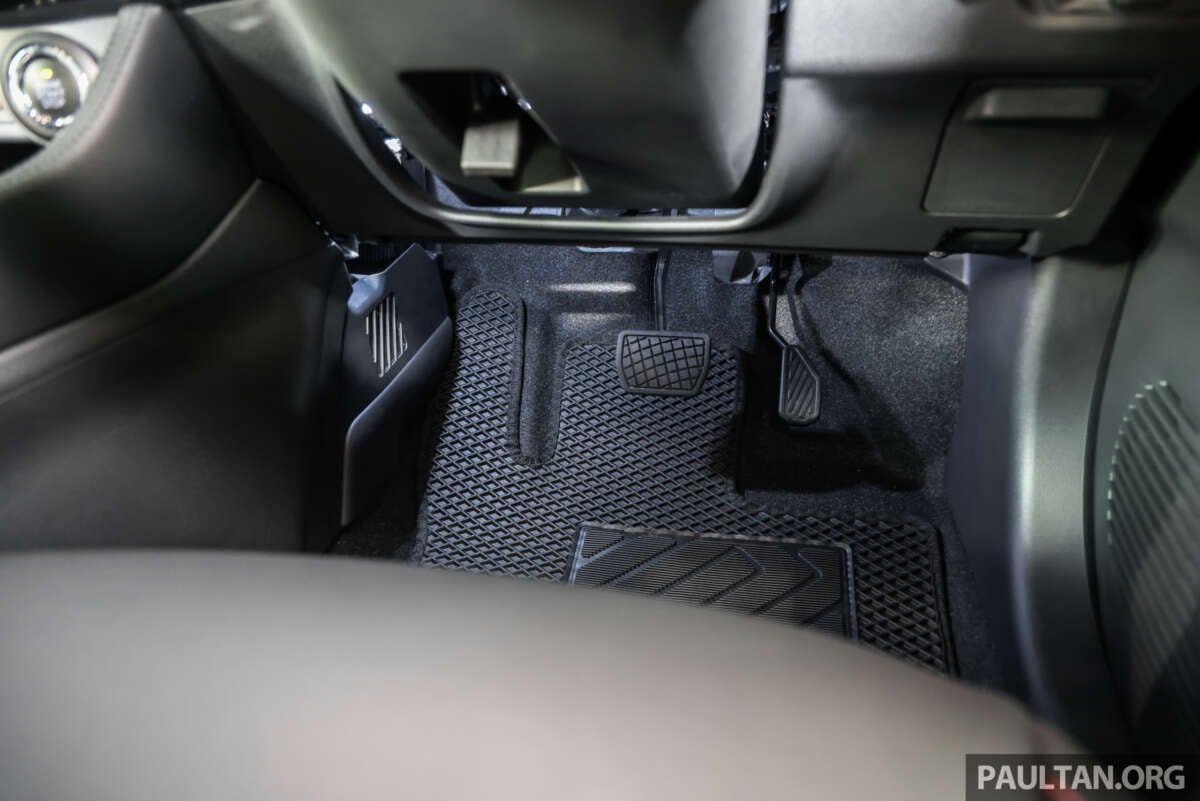
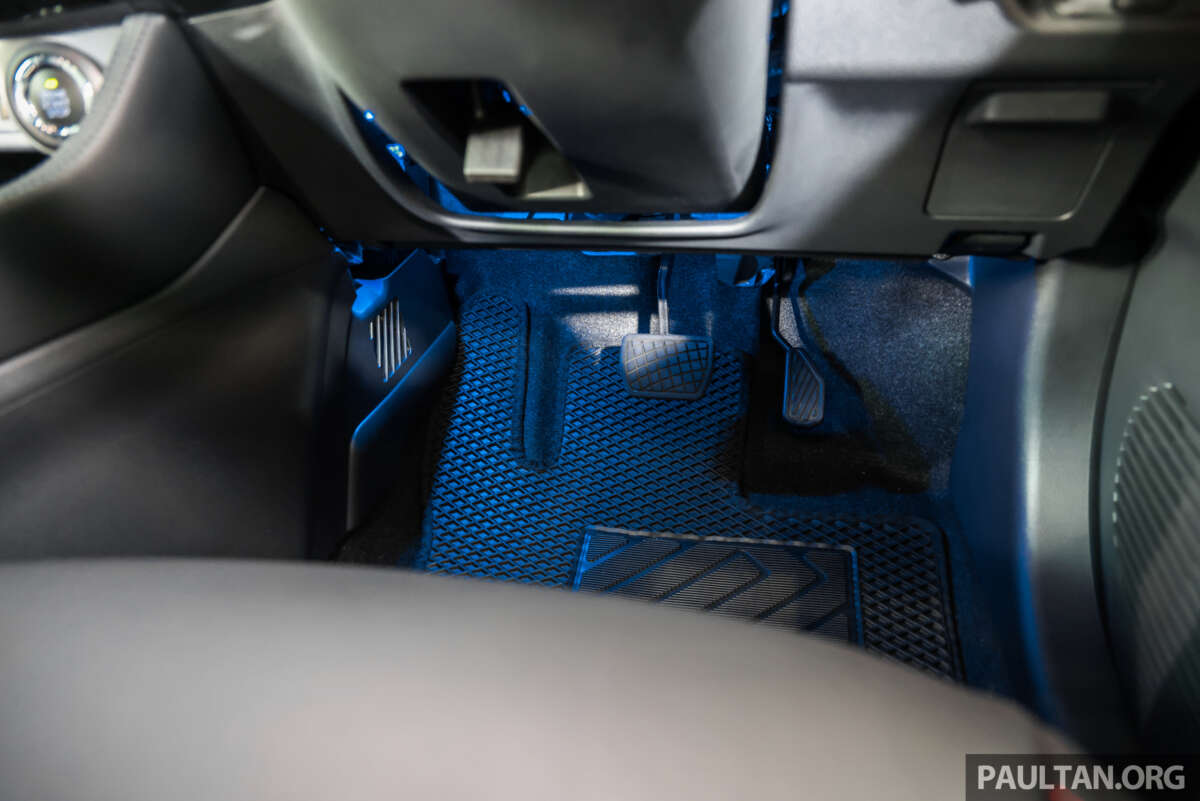
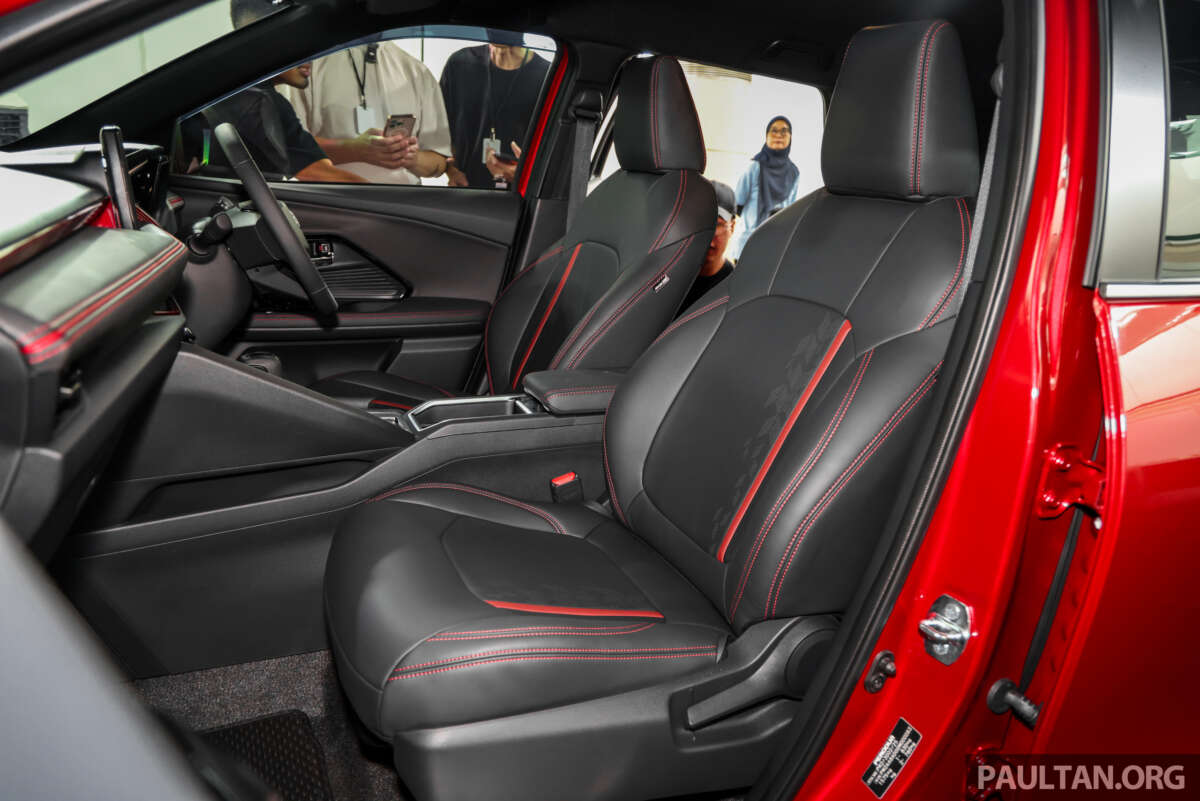
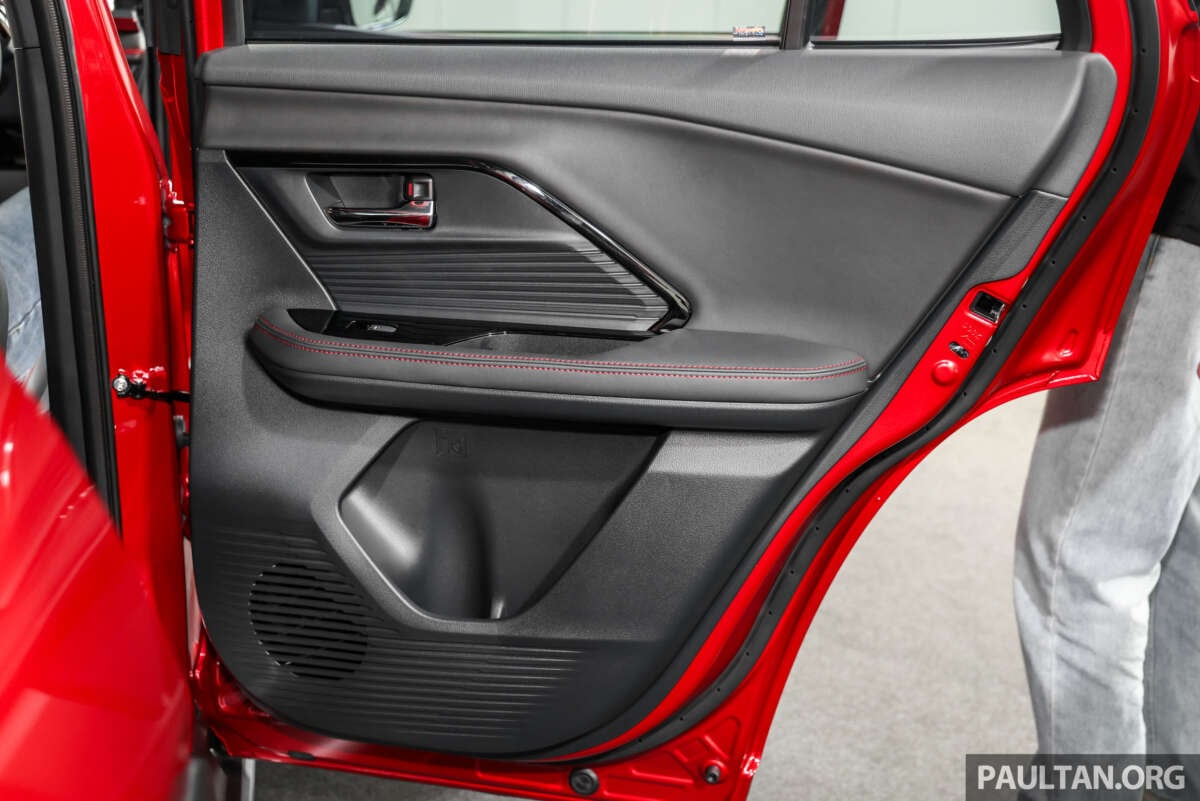
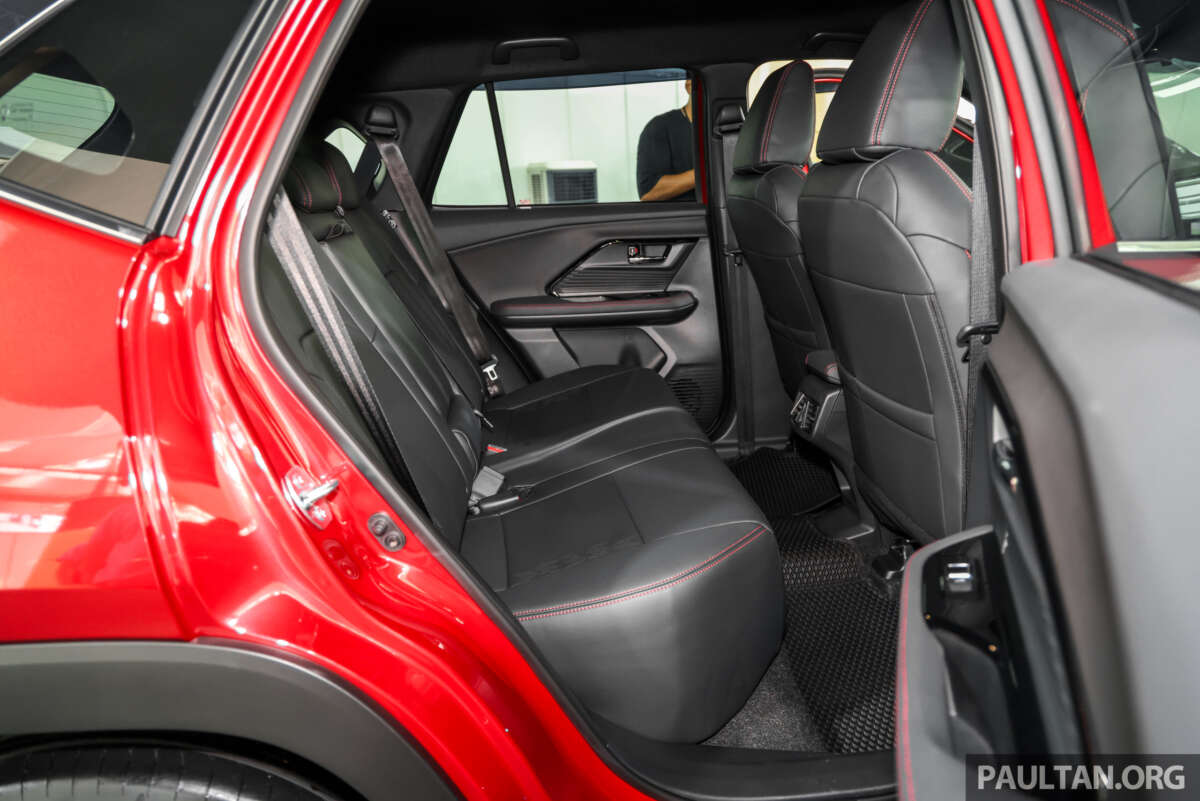
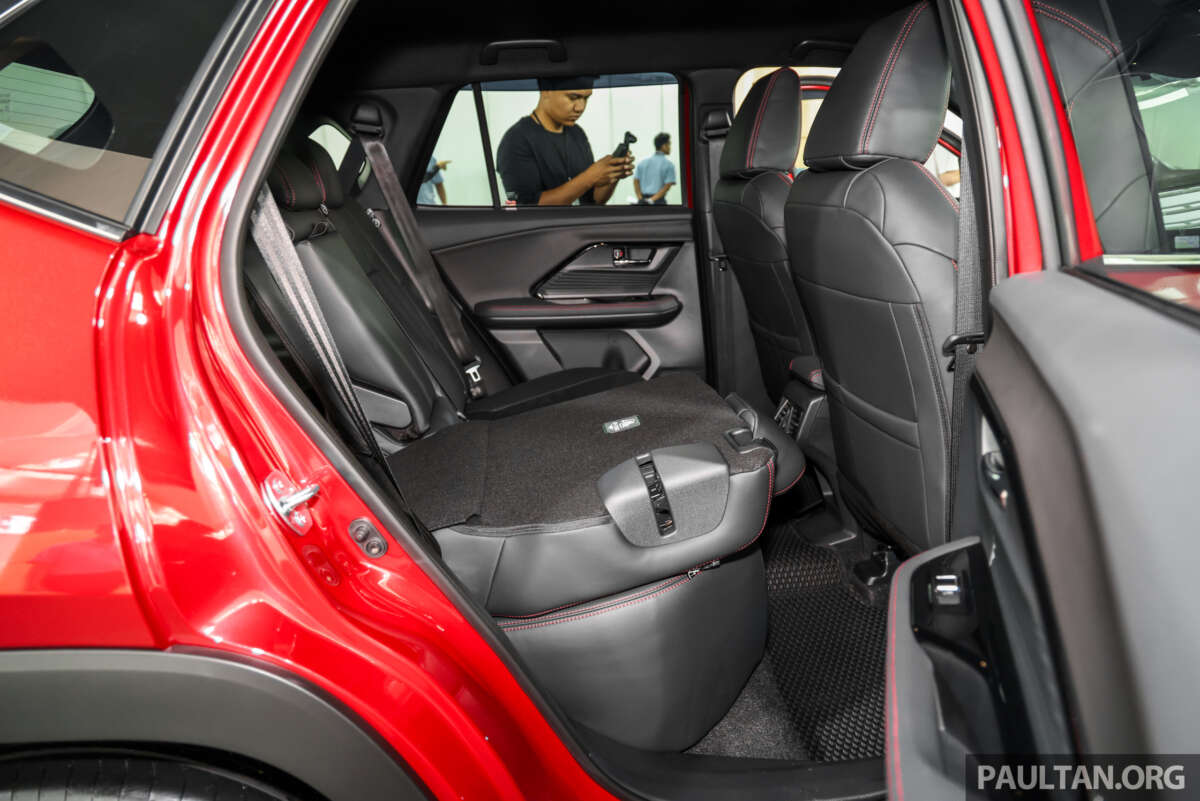
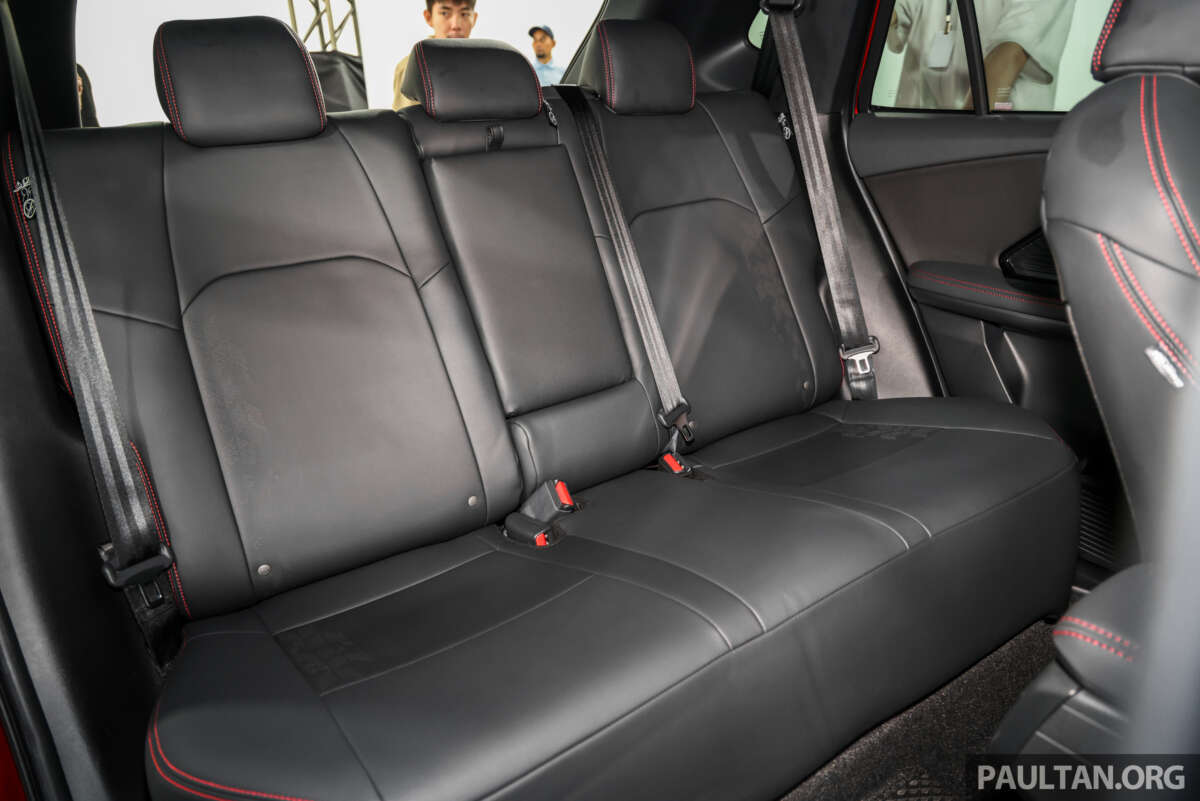
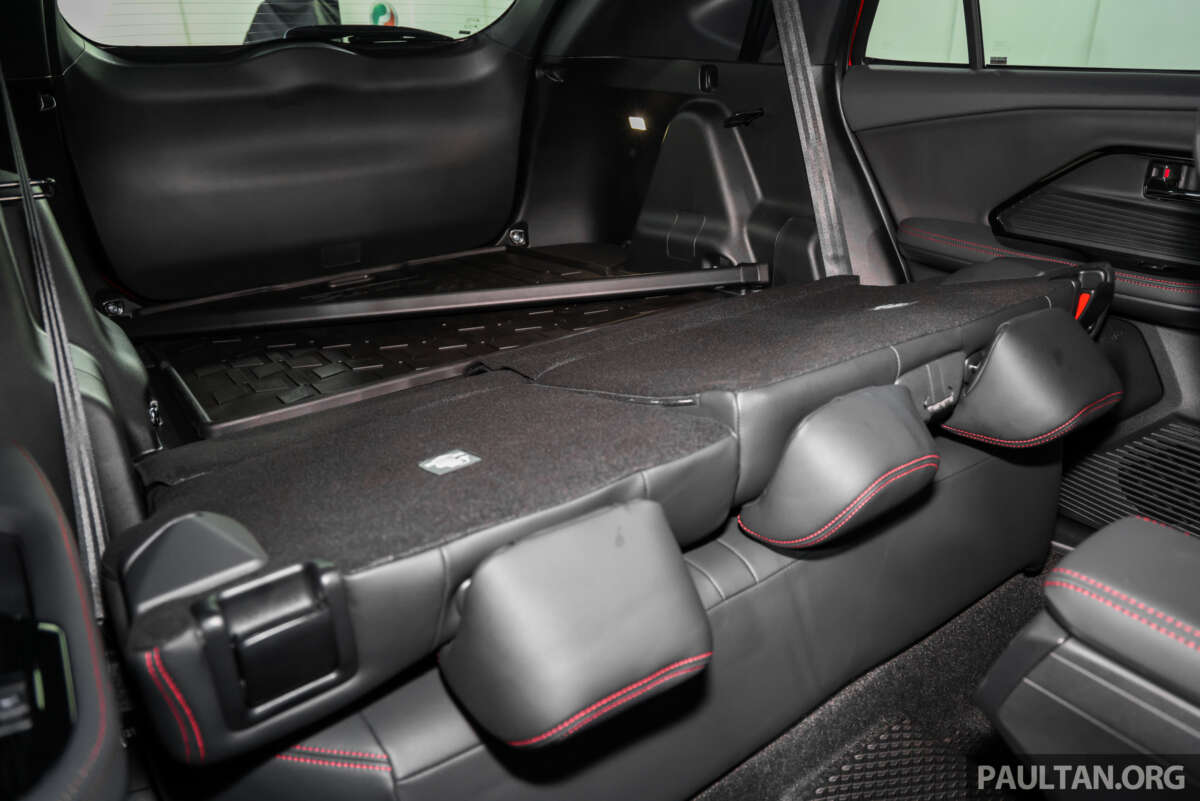
GALLERY: Perodua Traz H, Ivory White
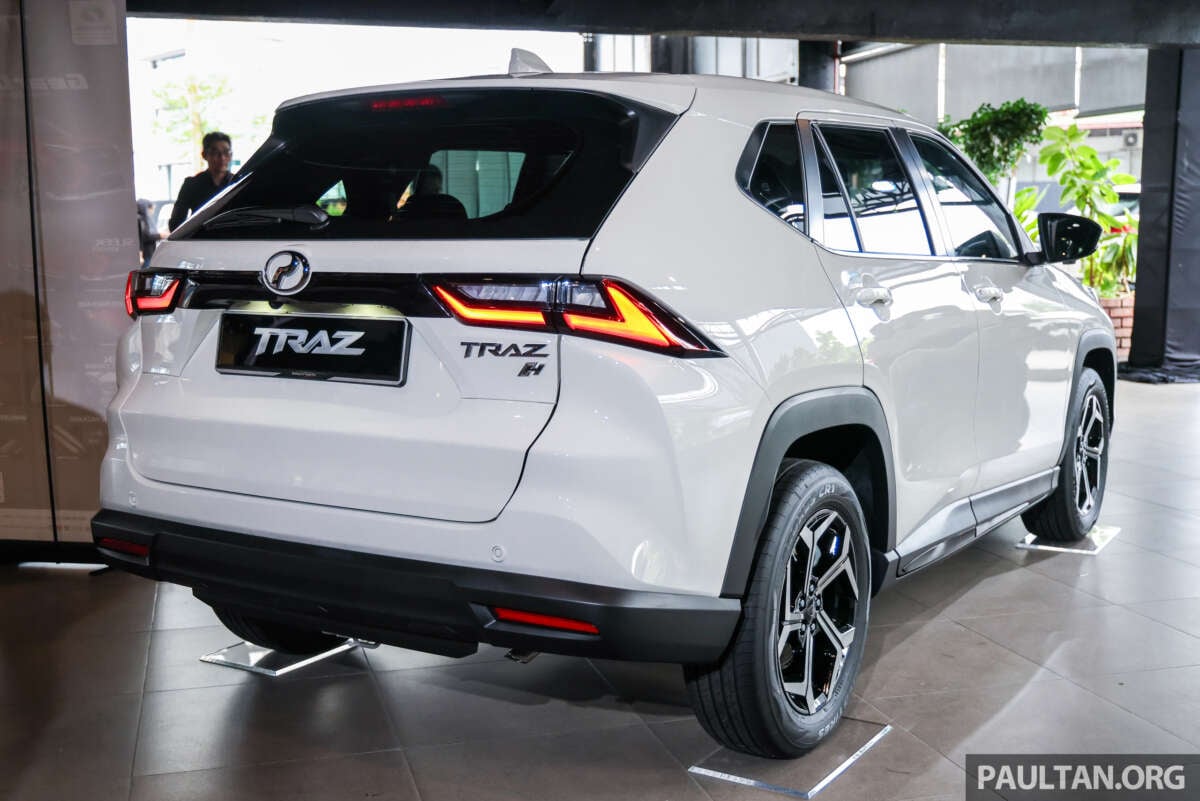
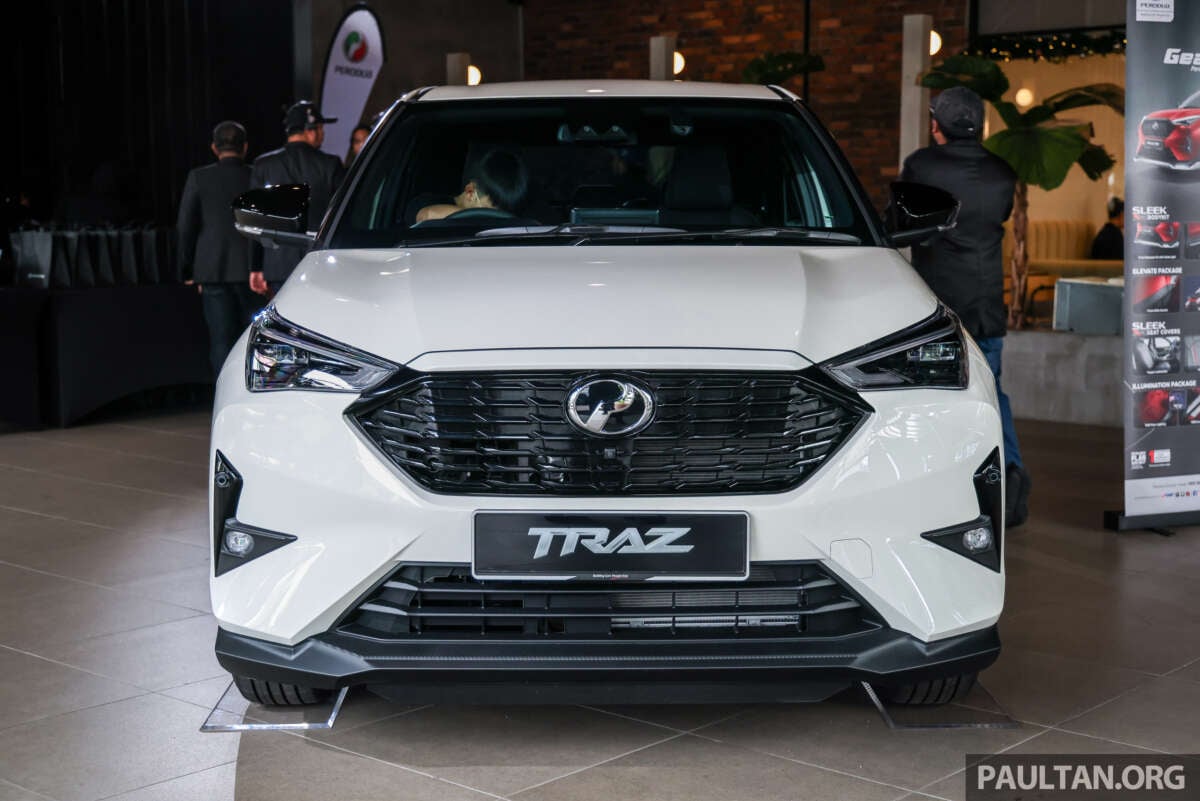
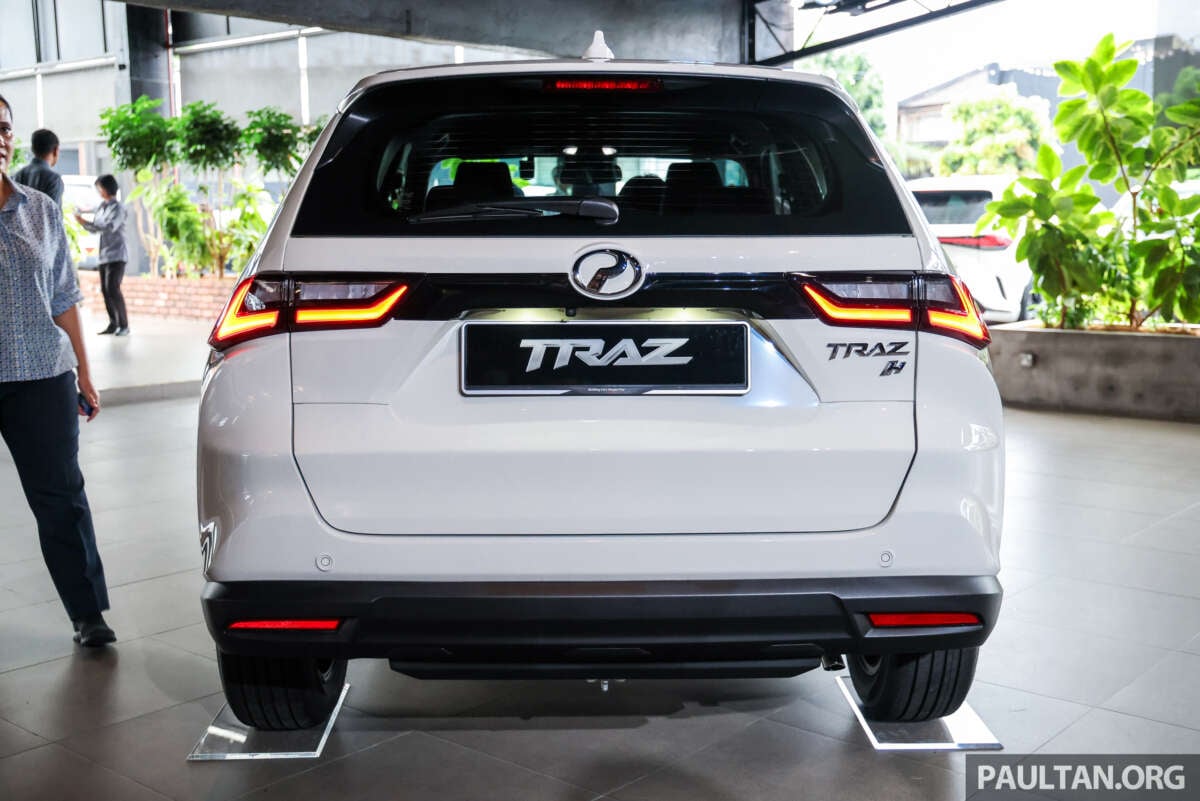
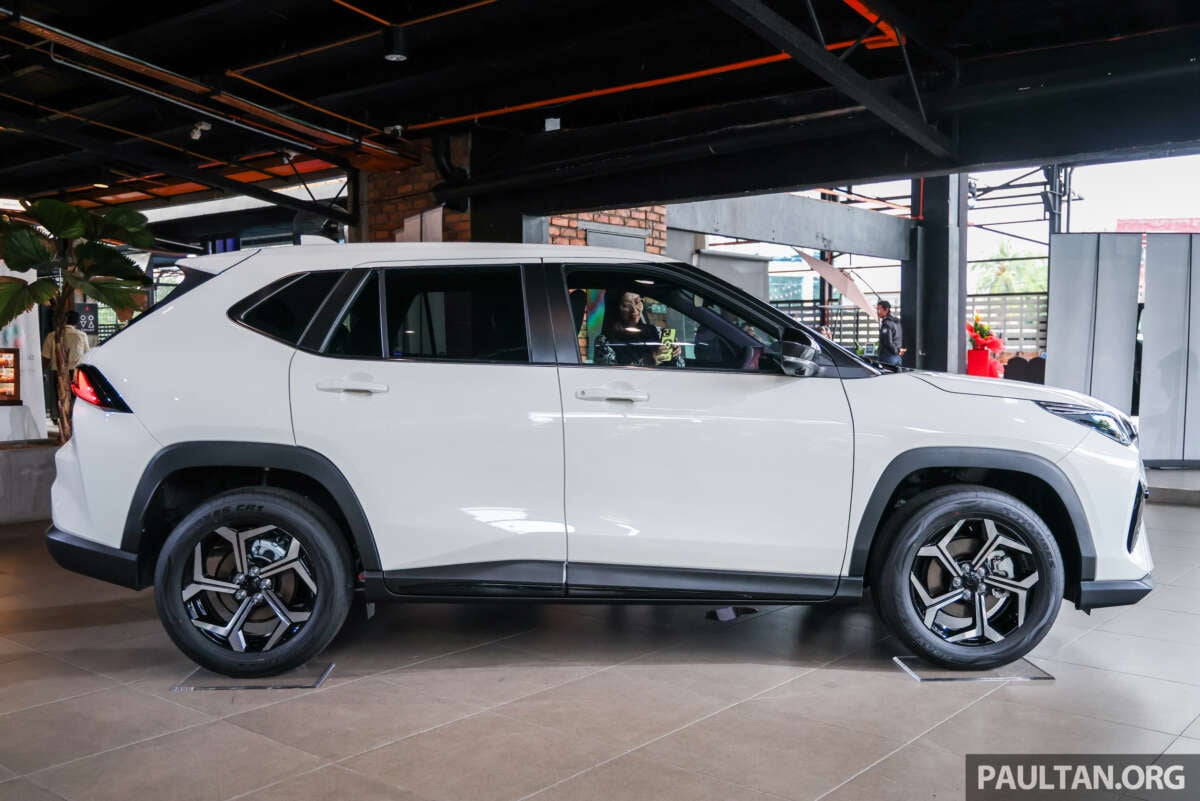
GALLERY: Perodua Traz official images
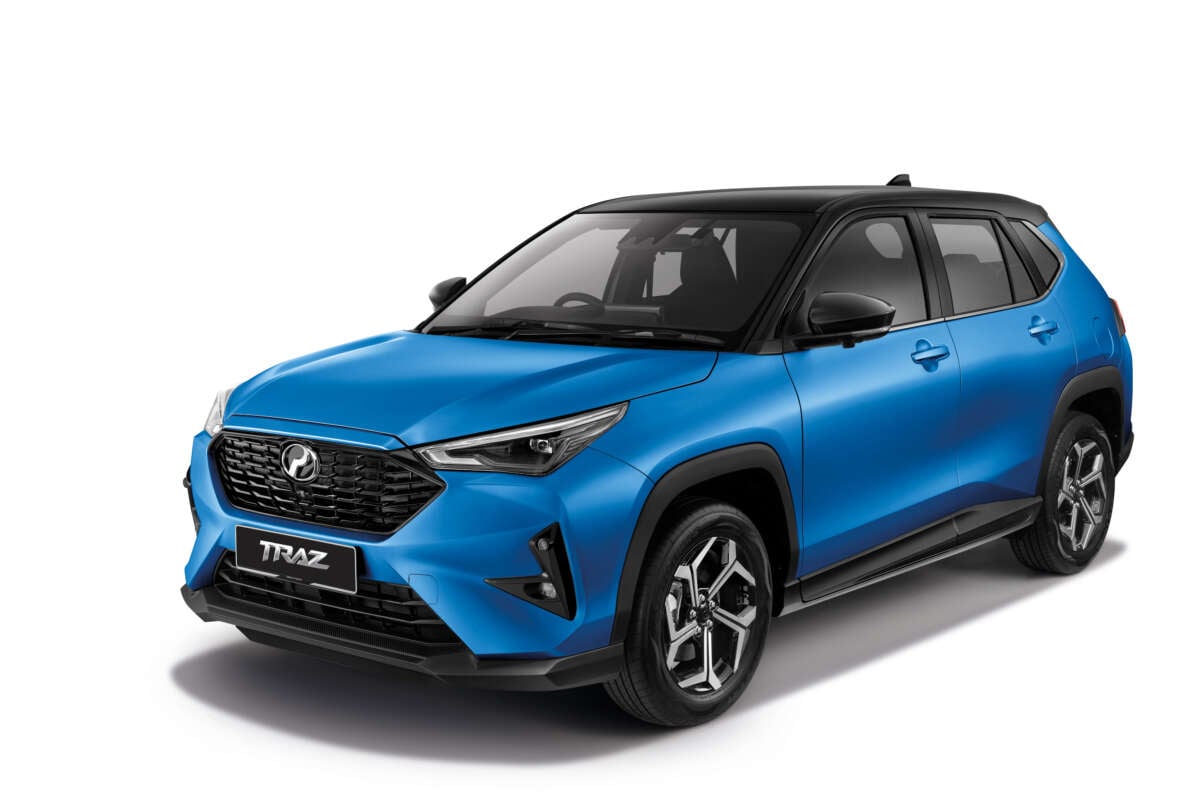
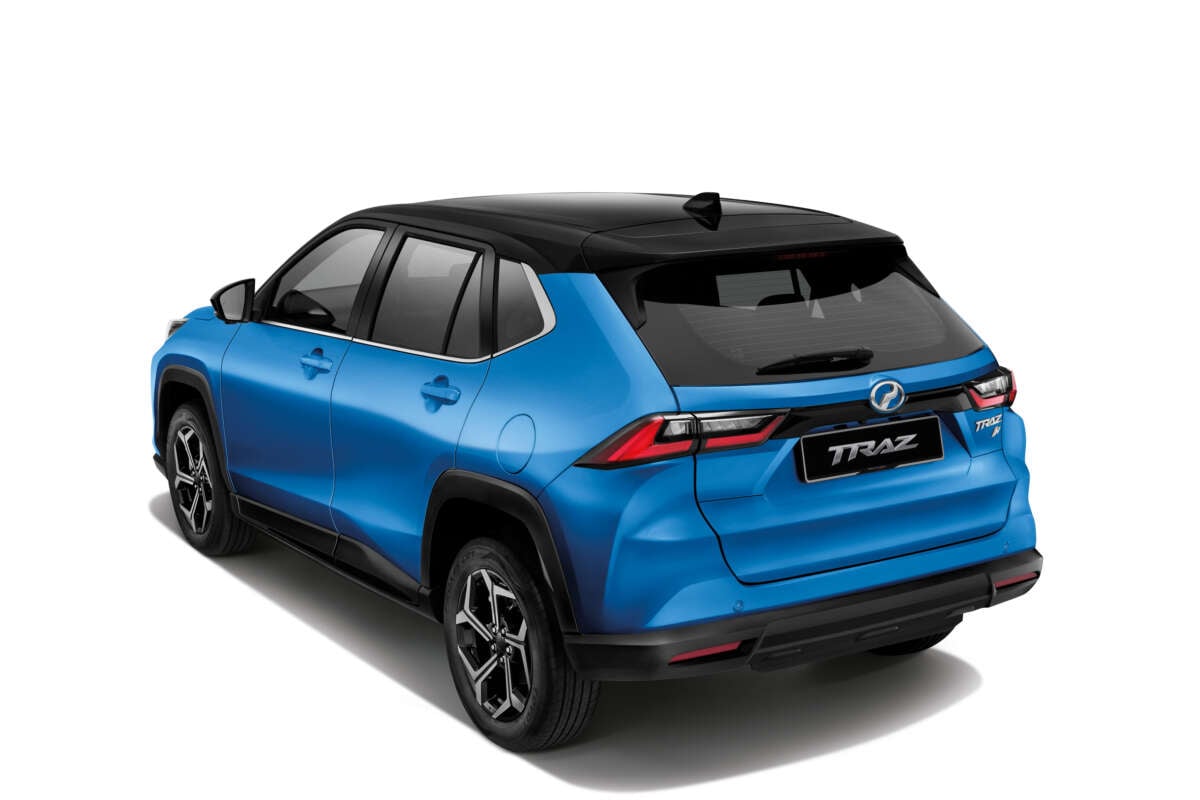
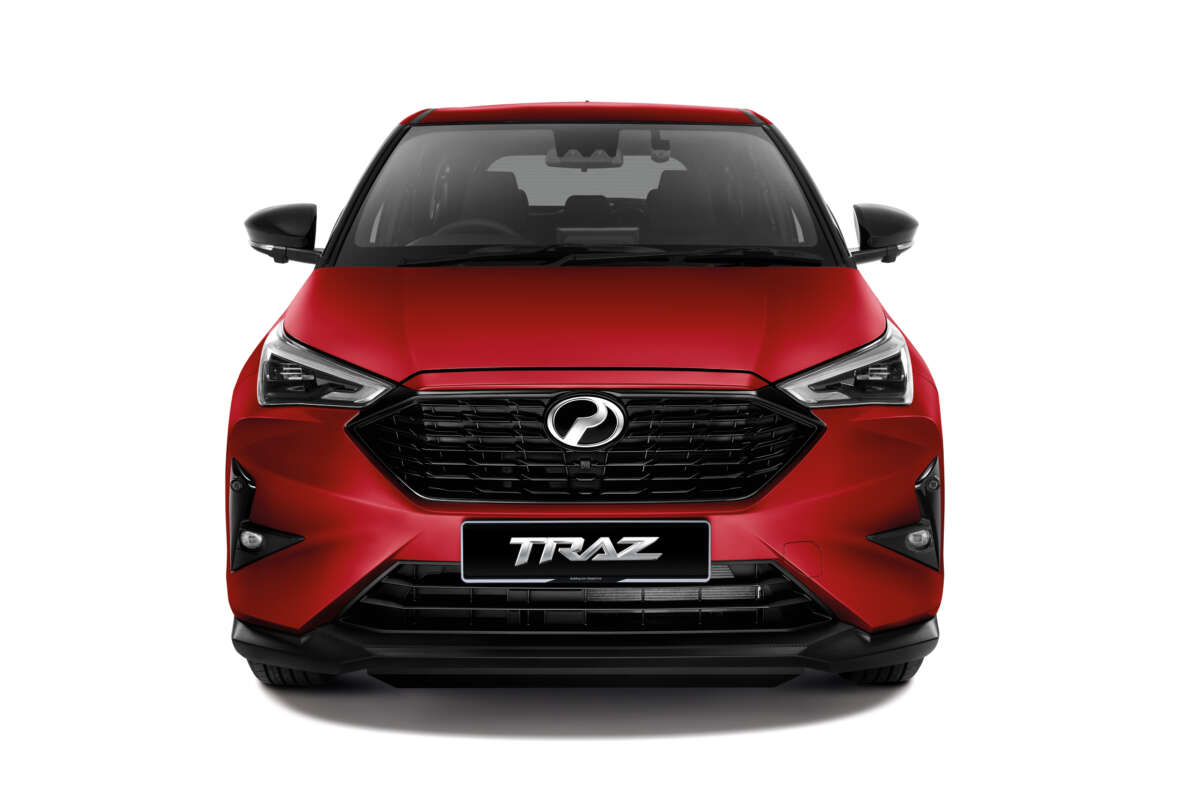
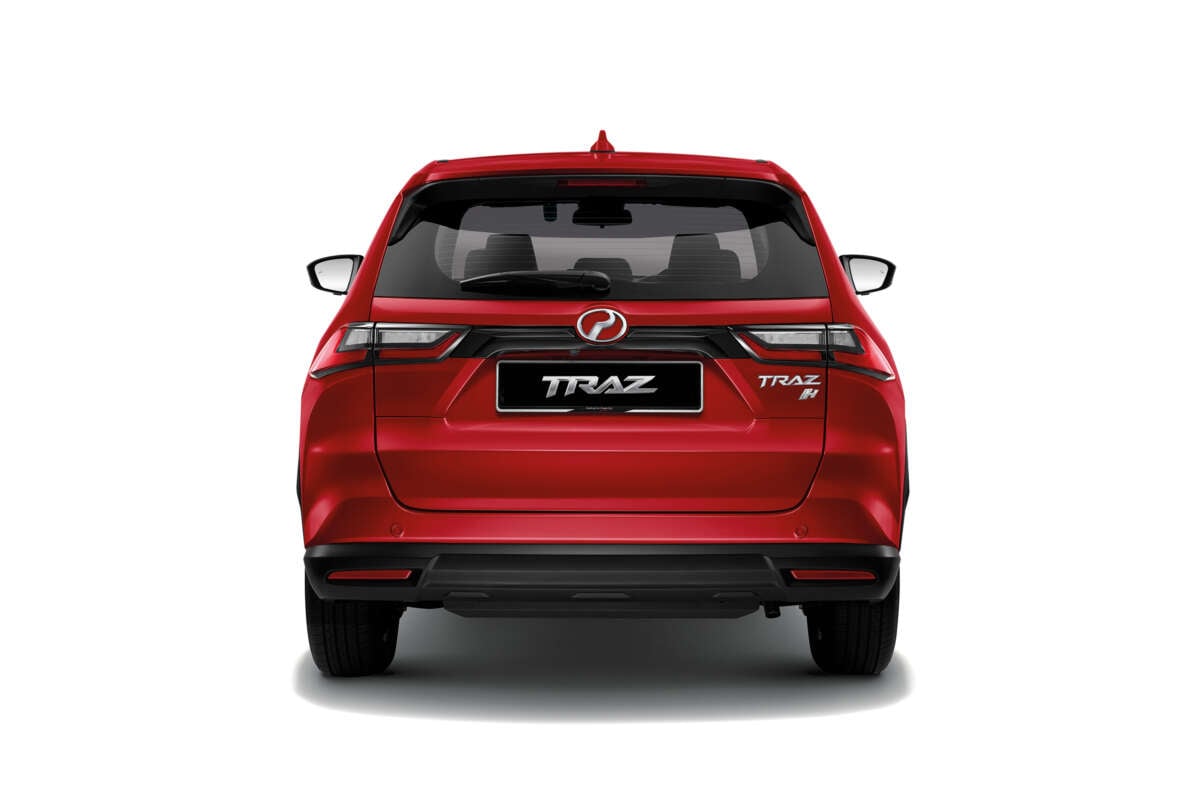
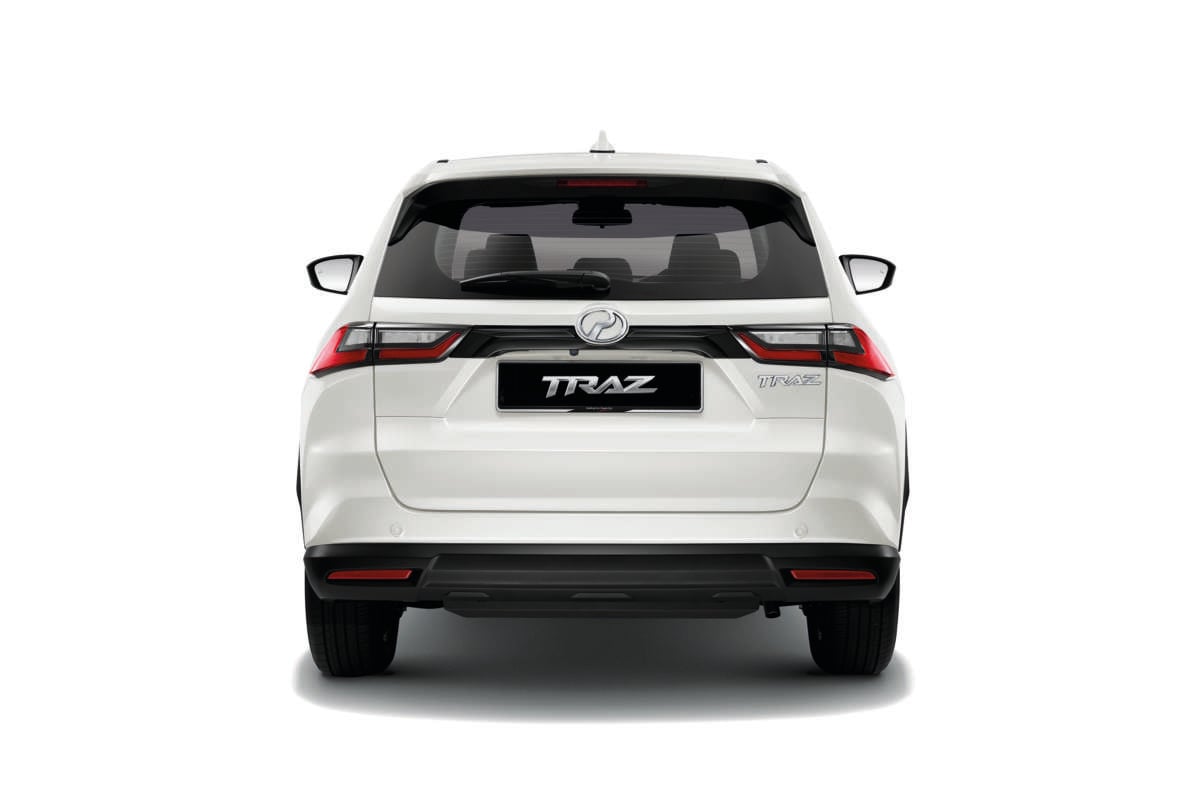
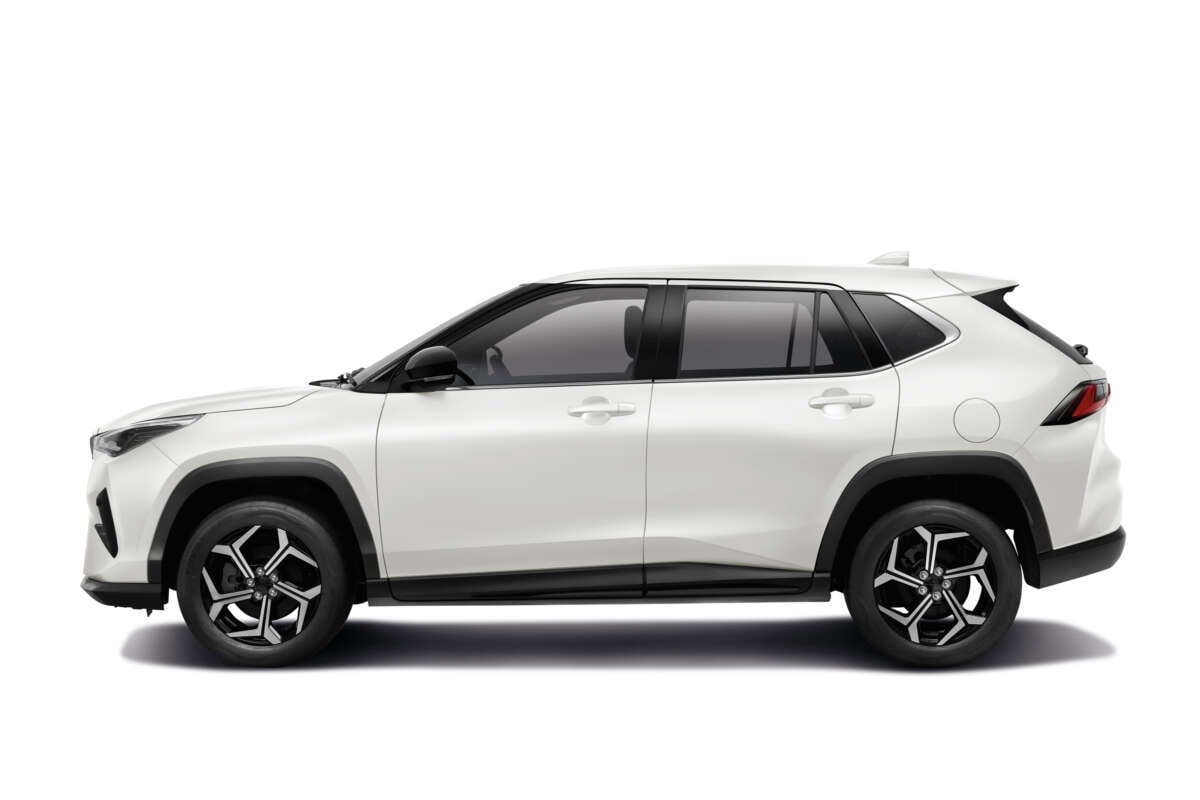
GALLERY: Perodua Traz brochure
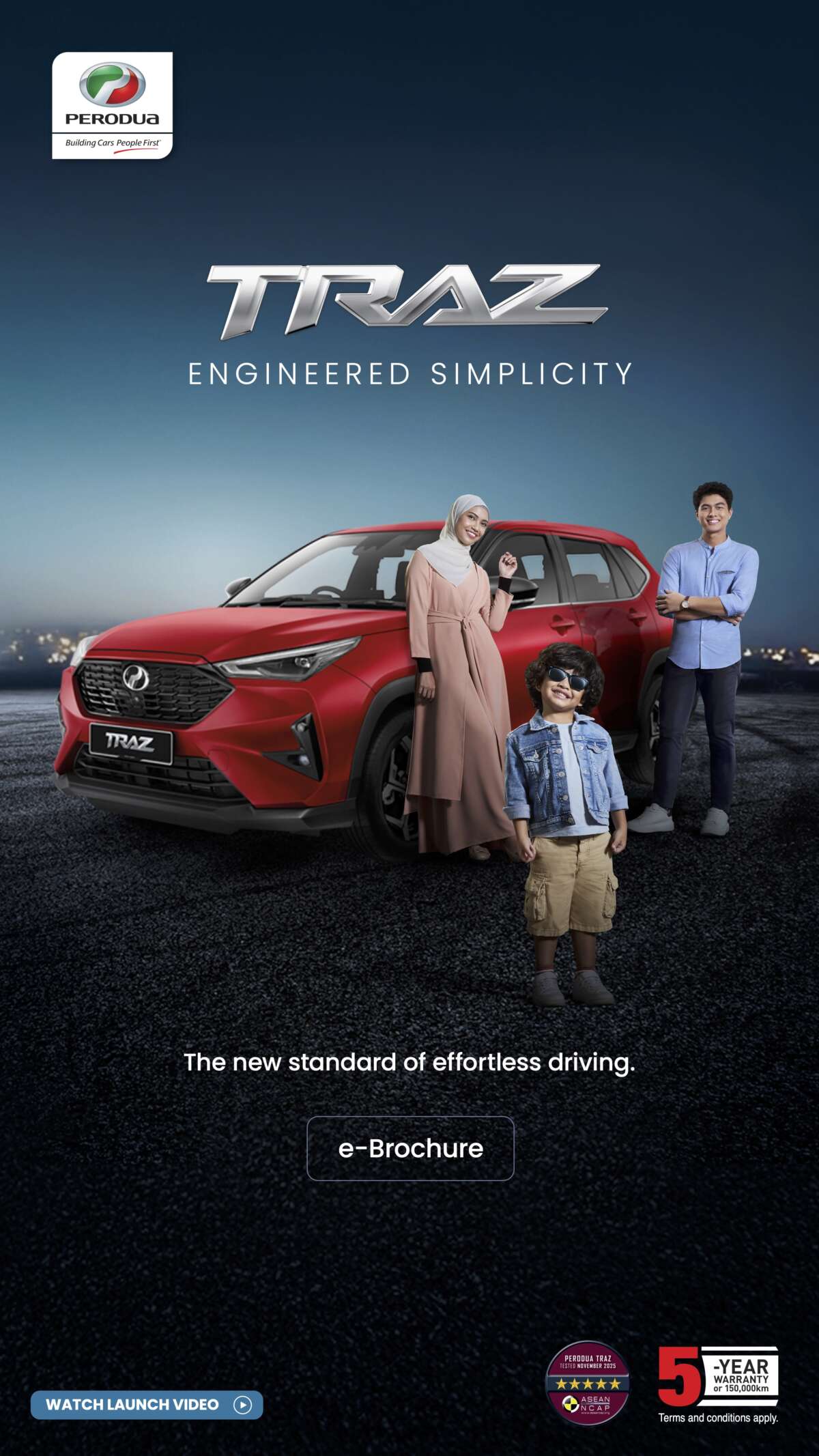
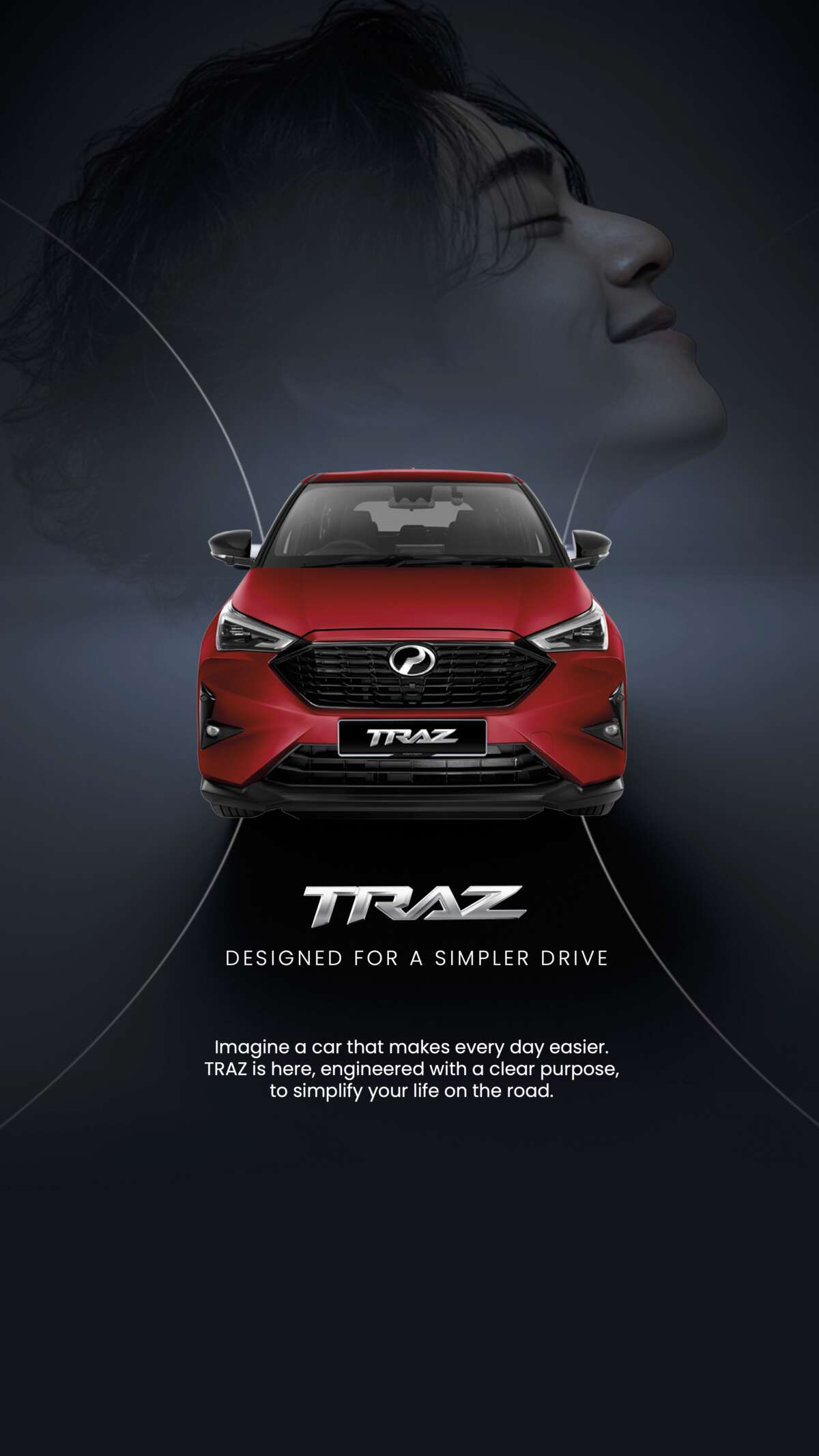
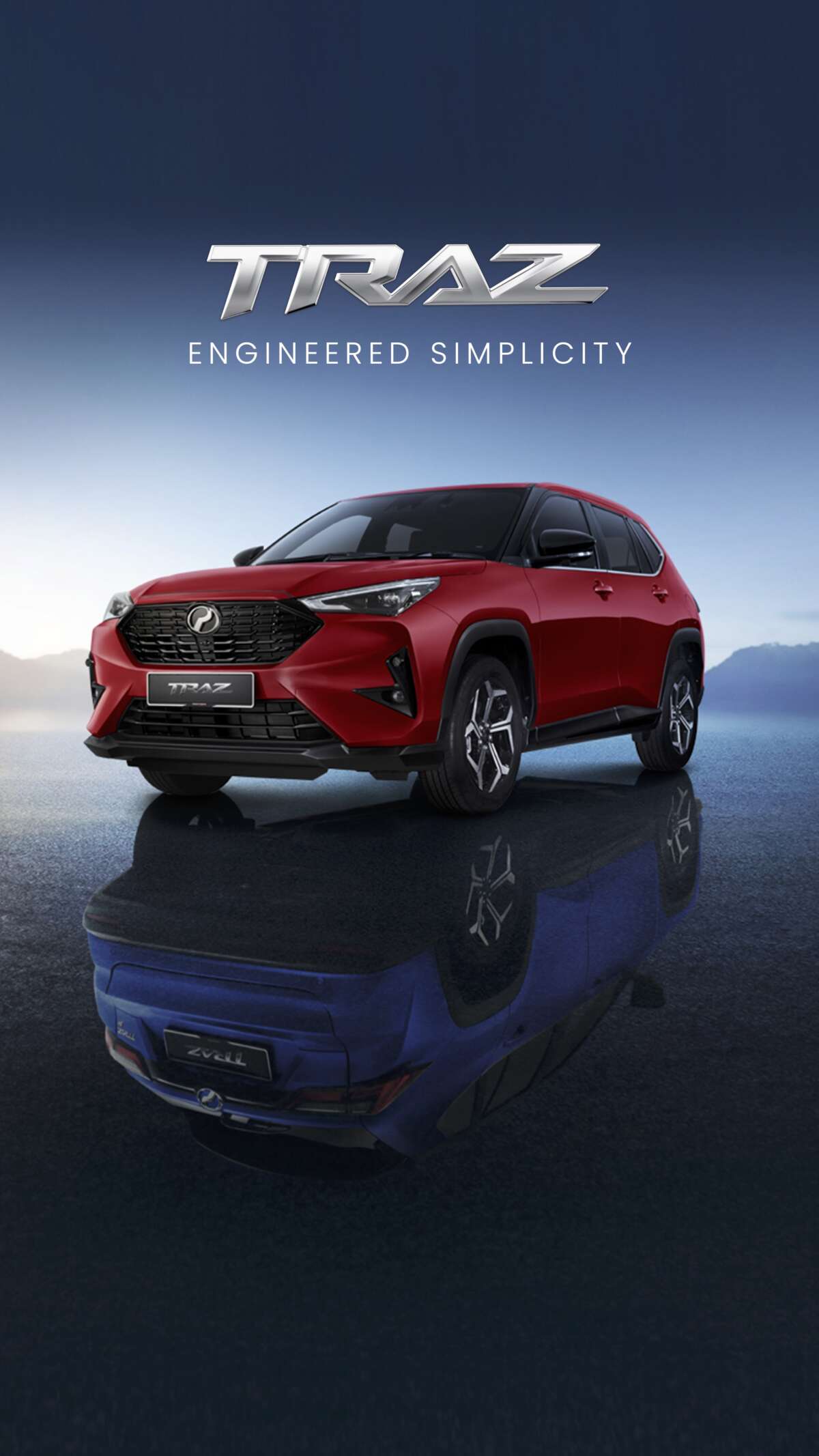
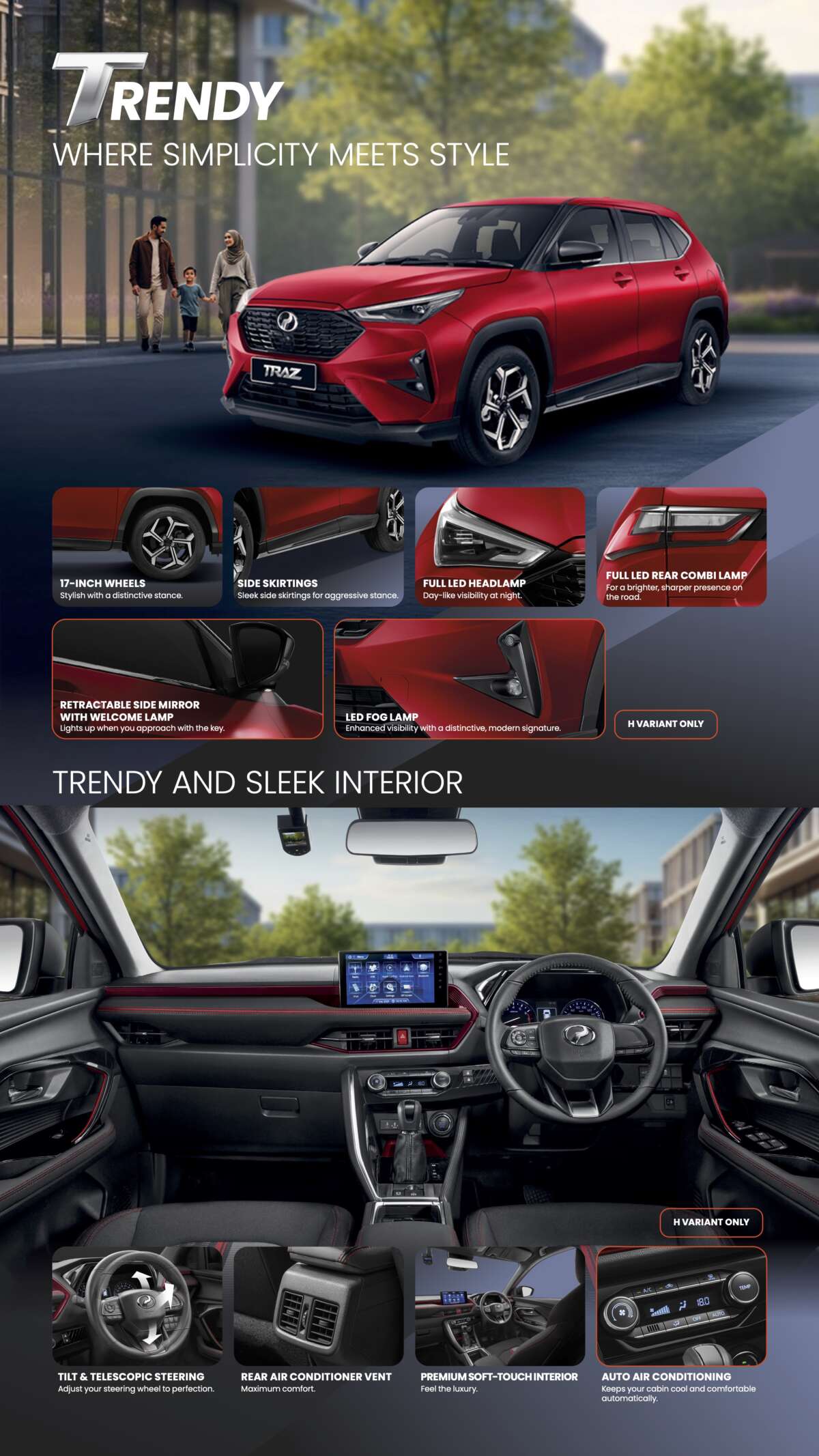
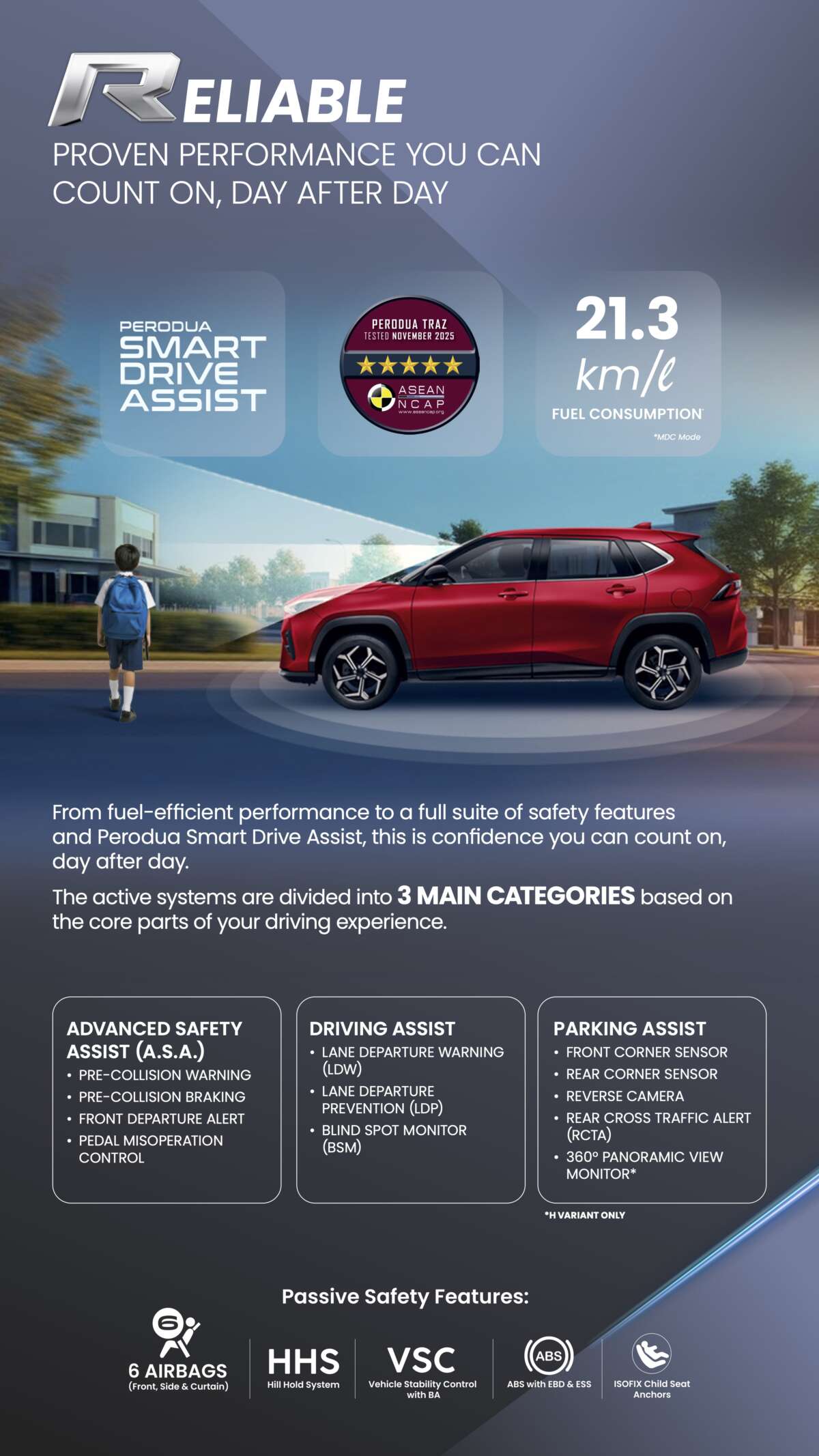
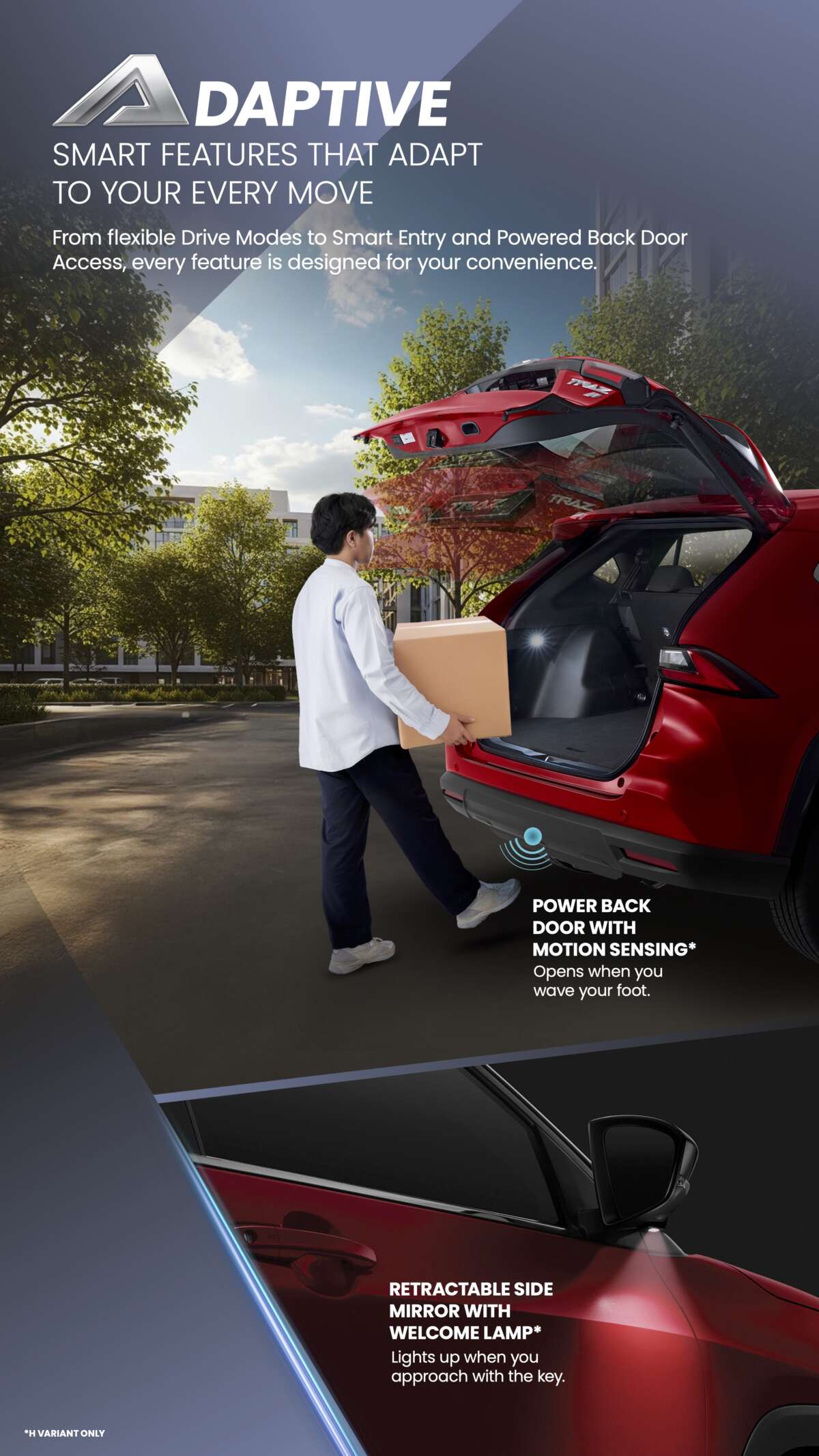
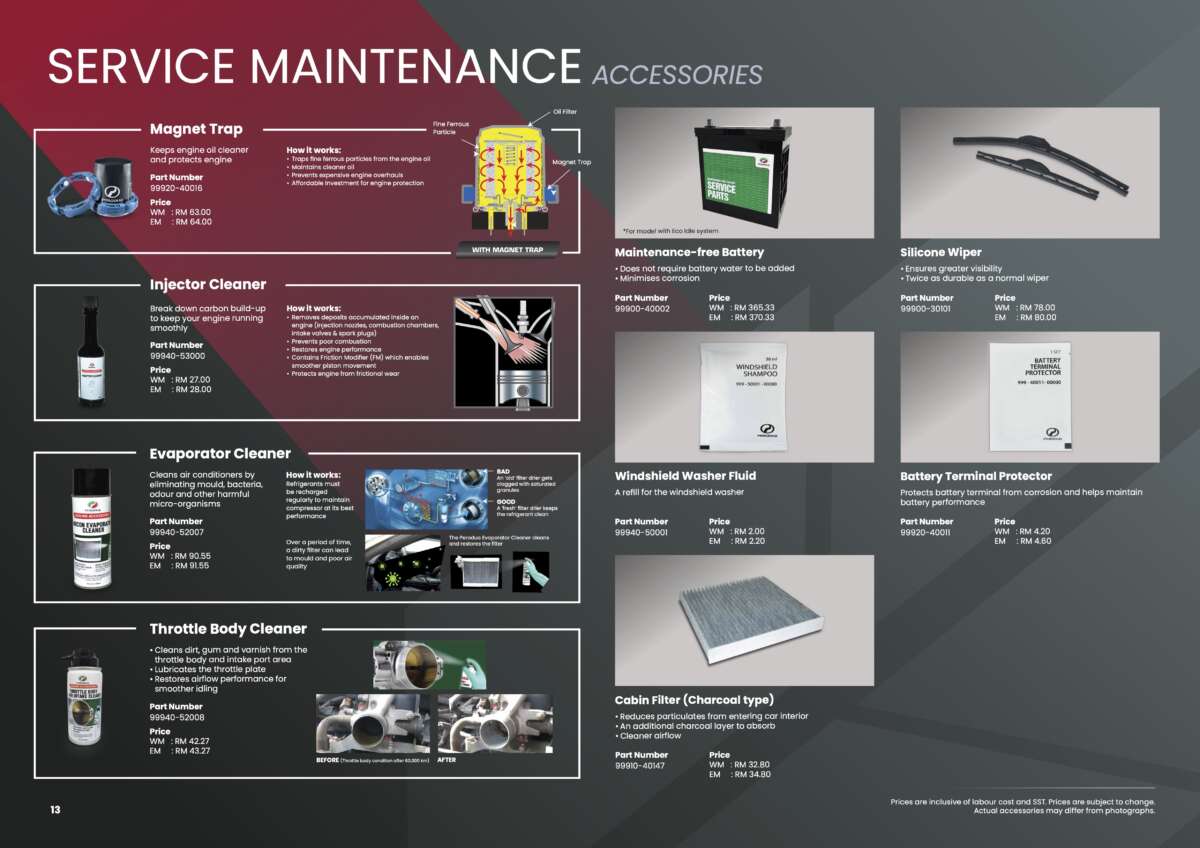
GALLERY: Perodua Traz GearUp catalogue

Looking to sell your car? Sell it with Carro.


 Perodua Traz
from RM 76,100
Perodua Traz
from RM 76,100  Perodua QV-E
from RM 80,000
Perodua QV-E
from RM 80,000  Perodua Axia
from RM 38,600
Perodua Axia
from RM 38,600  Perodua Alza
from RM 62,500
Perodua Alza
from RM 62,500  Perodua Myvi
from RM 46,500
Perodua Myvi
from RM 46,500  Perodua Ativa
from RM 62,500
Perodua Ativa
from RM 62,500  Perodua Bezza
from RM 34,580
Perodua Bezza
from RM 34,580  Perodua Aruz
from RM 72,900
Perodua Aruz
from RM 72,900 


Remember that P2 received grant (1.5B Yen or rm37mil) from Japan’s Ministry of Economy, Trade and Industry (METI) via its Global South Future-Oriented Co-Creation Project?
Thats supposed to help P2 to manufacture future hybrids, and it will not be limited to future Ativa hybrid & Myvi G4 only.
The Traz AV variant can feature the Daihatsu’s 1.2 WA-VEX 3cyl e-Smart Hybrid system. Hence the Traz 1.2 hybrid is supposed to be a cheaper sibling to the Yaris Cross 1.5 hybrid.