
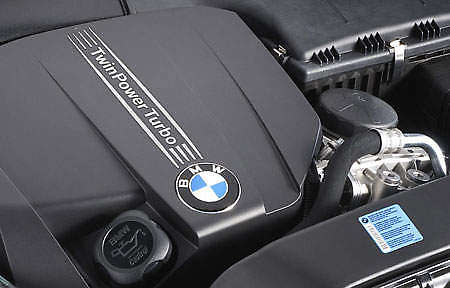
The BMW 135i Coupe and Cabriolet will be updated with the new N55 single turbo engine for models produced this year. It loses one turbo (though the specs sheet indicate similiar performance with power and torque) but gains a transmission gear – the 6-speed auto has been replaced by the non-M version of the 7-speed DCT twin clutch transmission that found its way into the 335i earlier.
With these changes, the combined fuel consumption figure for the Coupe drops to 8.5 litres per 100km which BMW says is nearly 1 litre less than the model equipped with the twin turbo engine and the regular automatic gearbox. If you want to learn more about the new N55 engine, check out our previous post!
Looking to sell your car? Sell it with Carro.
 BMW M3 Touring
from RM898,800
BMW M3 Touring
from RM898,800  BMW iX1 L
from RM252,800
BMW iX1 L
from RM252,800  BMW iX
from RM425,800
BMW iX
from RM425,800  BMW X3
from RM325,800
BMW X3
from RM325,800  BMW M5
from RM1,188,800
BMW M5
from RM1,188,800  BMW M4 Coupe
from RM878,800
BMW M4 Coupe
from RM878,800  BMW 2 Series Gran Coupe
from RM192,800
BMW 2 Series Gran Coupe
from RM192,800  BMW 3 Series
from RM265,800
BMW 3 Series
from RM265,800  BMW 3 Series M
from RM388,800
BMW 3 Series M
from RM388,800 


no matter what improvements(engine,transmission,etc)..we average rakyat still unable to buy..
how bout turbo lag?
twin clutch is cool
i tot BMW dun like to turbo their cars?? cerita lama or wat ?
Actually, they changed their mind back in 2007 – where have you been?
:)
fry said,
January 21, 2010 @ 5:26 pm
how bout turbo lag?
twin clutch is cool
—————–
vroom vroomm no more lag
Hardly any noticeable lag these days in modern cars
big improvement on FC and less CO2 emission.
Ferruccio said,
January 22, 2010 @ 10:55 am
Hardly any noticeable lag these days in modern cars
———————-
lol actually i sometimes wish there were lag, like that more thrilling when the turbo kicks in.
hmm… ya shall i say, deflated ideals??
I wonder how reliable is this engine????
@winteringtourer
BMW had to make the switch to survive… BMW can now meet the stricter emissions standards and not sacrifice (actually improve) power and fuel efficiency with a lighter smaller displacement engine.
The turbocharged inline-6 has similar power and more torque than BMW's old heavier and thirstier 4.0 liter V8.
By the way, before the recent turbo BMW models, they already had 2 production Turbo cars before, the 1973-74 BMW 2002 Turbo (turbocharged 2.0 liter inline-4) and the 1979-86 BMW 745i (turbocharged 3.2 liter inline-6).
Turbo(forced induction) with smallerr cc is the way forward in order to meet future EU regs for emissions and fuel consumption targets while still giving power. Merc, Audi, BMW all are headed that way