
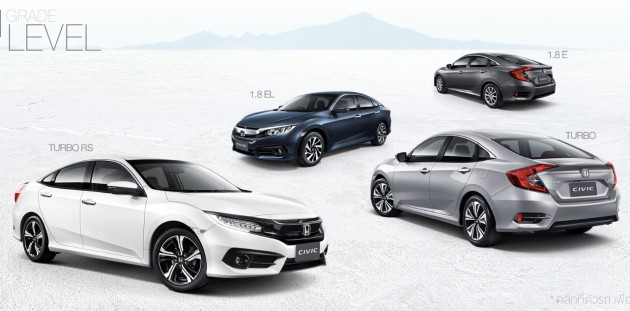
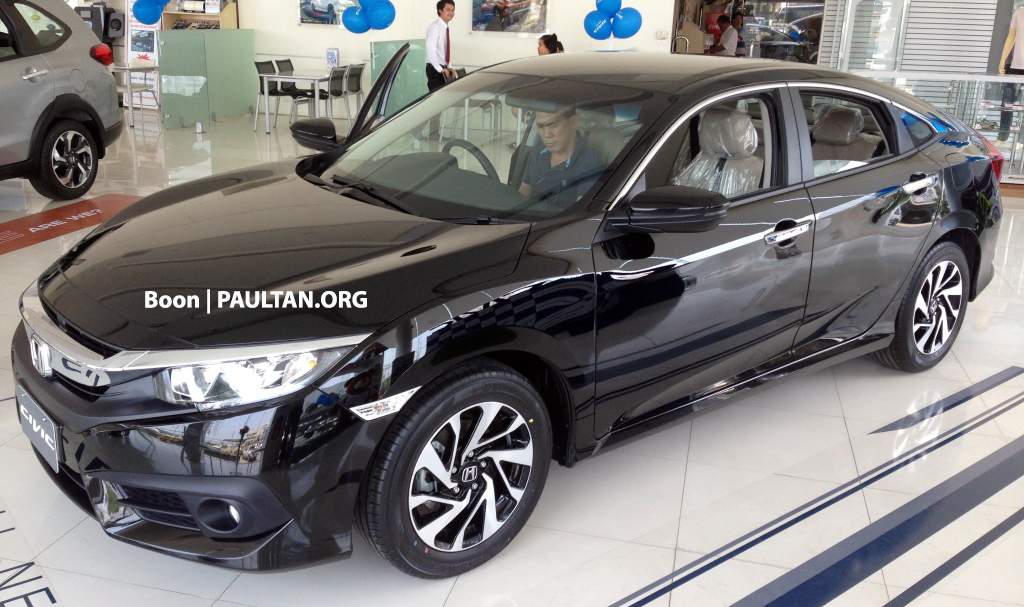
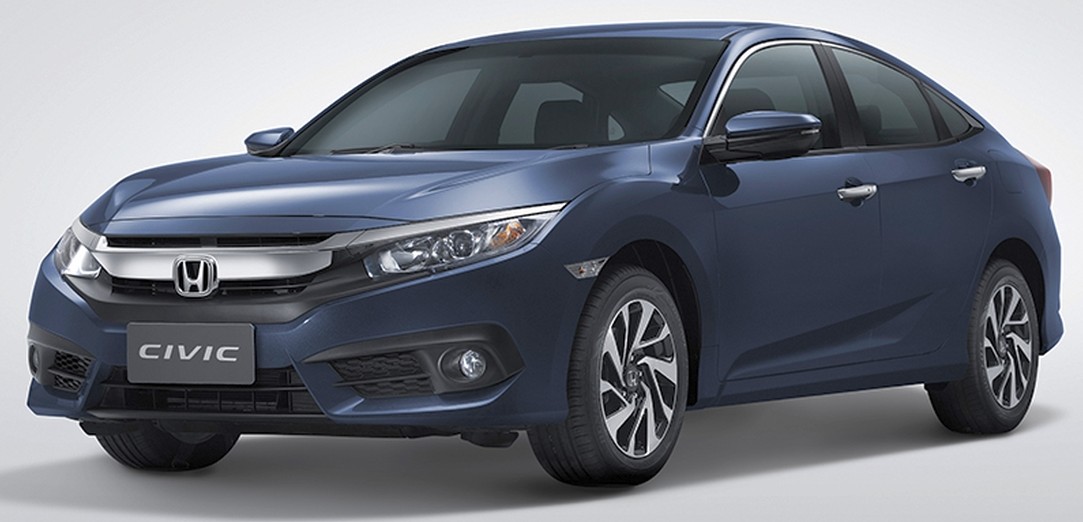
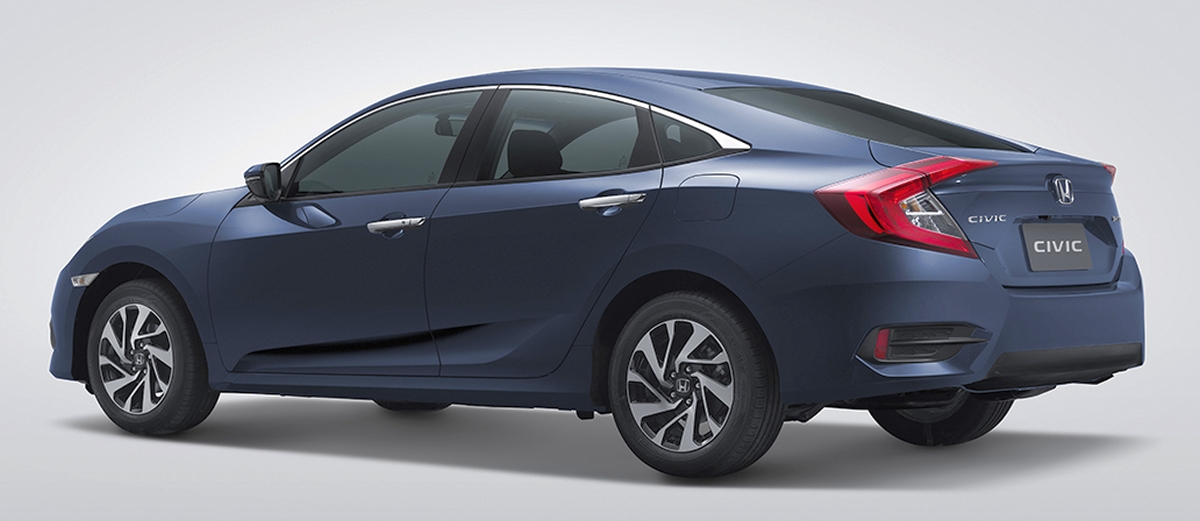
Honda Automobile Thailand’s new 17.2 billion baht (RM2 billion) plant in Prachin Buri’s Rojana Industrial Park is set to begin full operations this month, Bangkok Post reports. The new plant is producing the new 2016 Honda Civic that was officially launched in the Land of Smiles last week.
Initial tenth-gen Civic production will be at a rate of 60,000 units per year. The total is split into three – 20,000 CBU units for export, 20,000 units in knocked down form for export and the rest for domestic Thai sales. Prachin Buri has a maximum production capacity of 120,000 vehicles per annum, but Honda Thailand COO Pitak Pruittisarikorn said that full utilisation would depend on the domestic and export situation.
With the new plant onboard, Honda’s Thai operations will have a combined annual production capacity of 360,000 units, making Thailand the fourth-largest production base for the Japanese carmaker worldwide.
In February 2013, Honda Japan announced that it will spend nearly 20 billion baht (RM2.4 billion) on a new assembly plant and expansion of existing facility in Ayutthaya to capture strong domestic and export demand. Some 17.2 billion baht of that was used to build the assembly and engine plant in Prachin Buri, which was developed to be on par with Honda’s Yorii plant in Japan. The rest of the sum went towards increasing the Ayutthaya plant’s annual production capacity to 240,000 to 300,000 units.
It’s quite an achievement for Thailand, but the country, which is already a main production hub for pick-up trucks and eco cars, is not content. The government is pushing hard for the kingdom to be a hub for green vehicle production, and Honda may be ready to heed the call. Noriaki Abe, president and CEO of Asian Honda Motor, said Honda is ready to localise the production of its hybrid and plug-in hybrids in line with the government’s plan.
Last week, Thai Prime Minister Prayut Chan-o-cha met country heads from Toyota, Isuzu, Nissan and Honda, and said that his government will offer further investment privileges and full support for finance, R&D, human resources and infrastructure in the effort to promote Thailand as a hub for hybrid, electric and hydrogen cars.
The PM also ordered the Industry Ministry to team up with the Finance, Commerce, Labour, Natural Resources and Environment and Transport ministries to map out details of supporting plans covering investment privileges, tax incentives and other benefits to continue drawing in investment from the auto sector. Related industries have also been ordered to jointly prepare the country’s automotive development roadmap for the next five and 20 years.
Gen Prayut also confirmed that Thailand will continue to support eco-car production, but urged players to apply higher technology and alternative energy, including biodiesel and ethanol. The government also pledged additional privileges for pick-up trucks that use biodiesel, in a push to support B20. The PM also encouraged the four Japanese CEOs to invest in setting up battery production facilities.
Responding to this, the Japanese carmakers promised to continue investing in Thailand, and for future vehicles too if the government offers clear-cut policies. They also want clarity on Thailand’s current and future strategies to support car exports, particularly through more free trade agreements (FTAs). Thailand is not a member of the Trans-Pacific Partnership (TPP) agreement, a 12-nation trade pact that Malaysia is a part of.
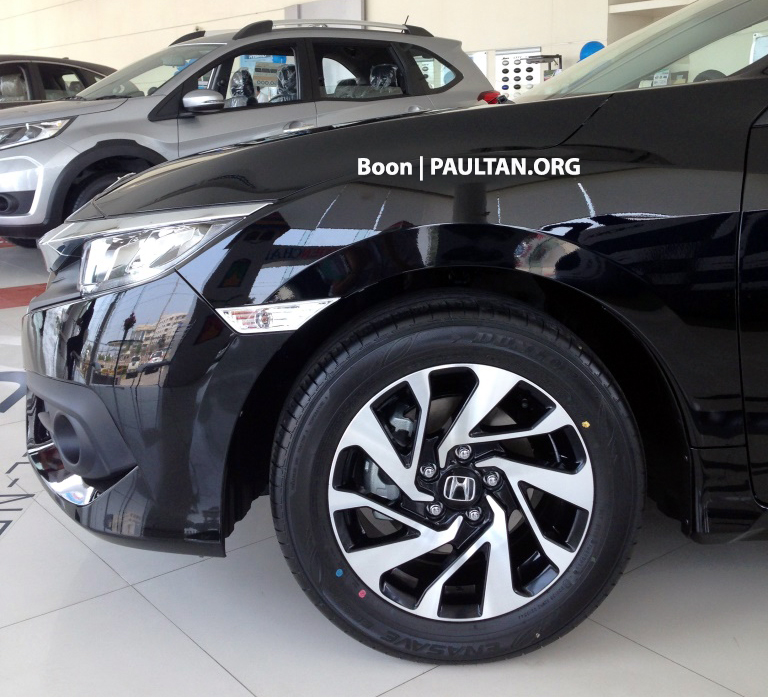
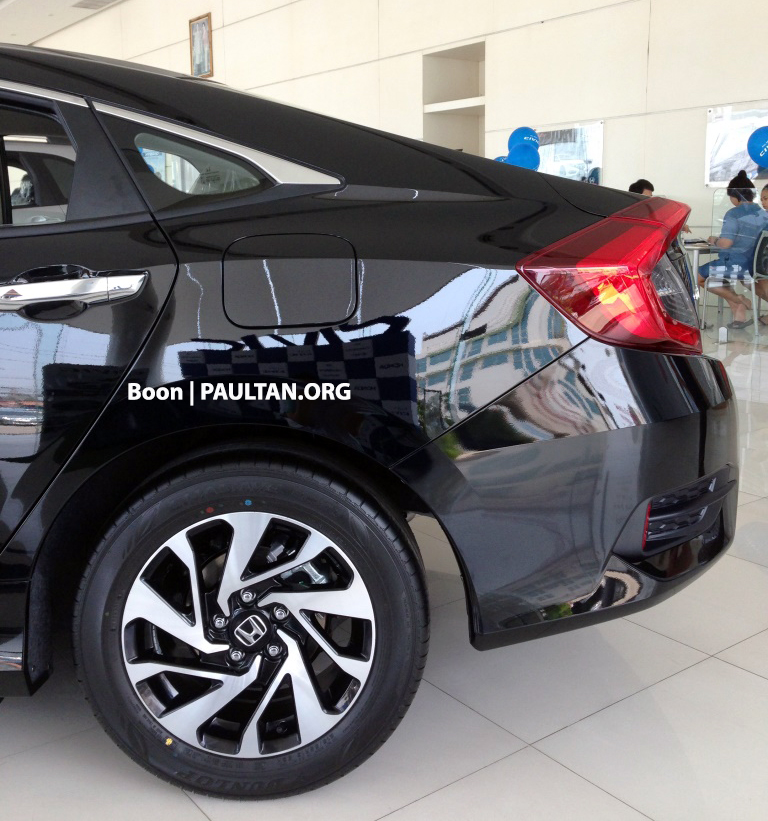
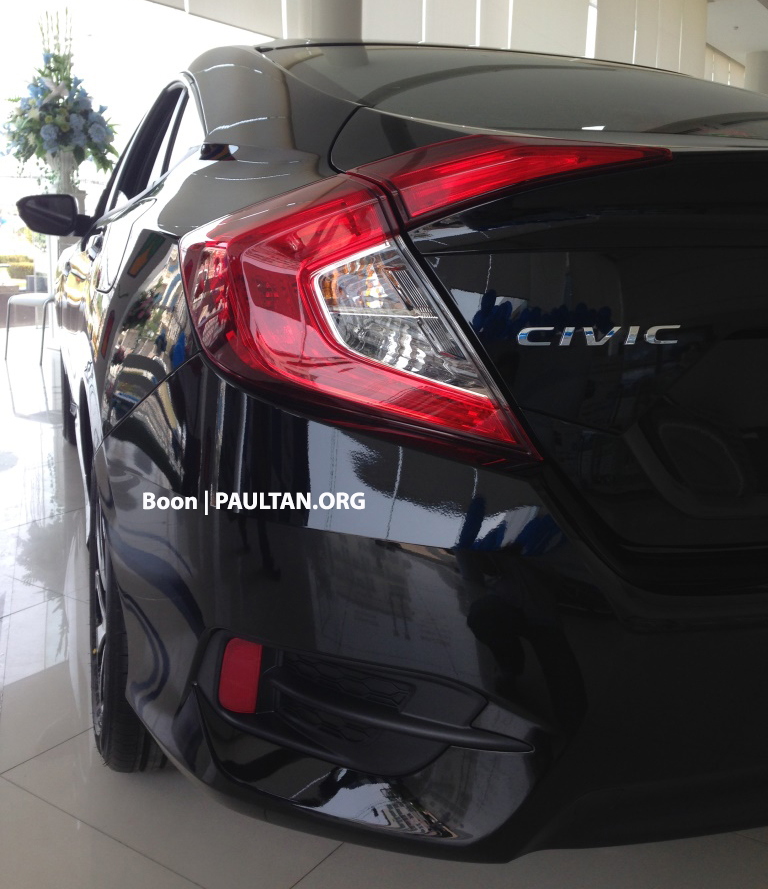
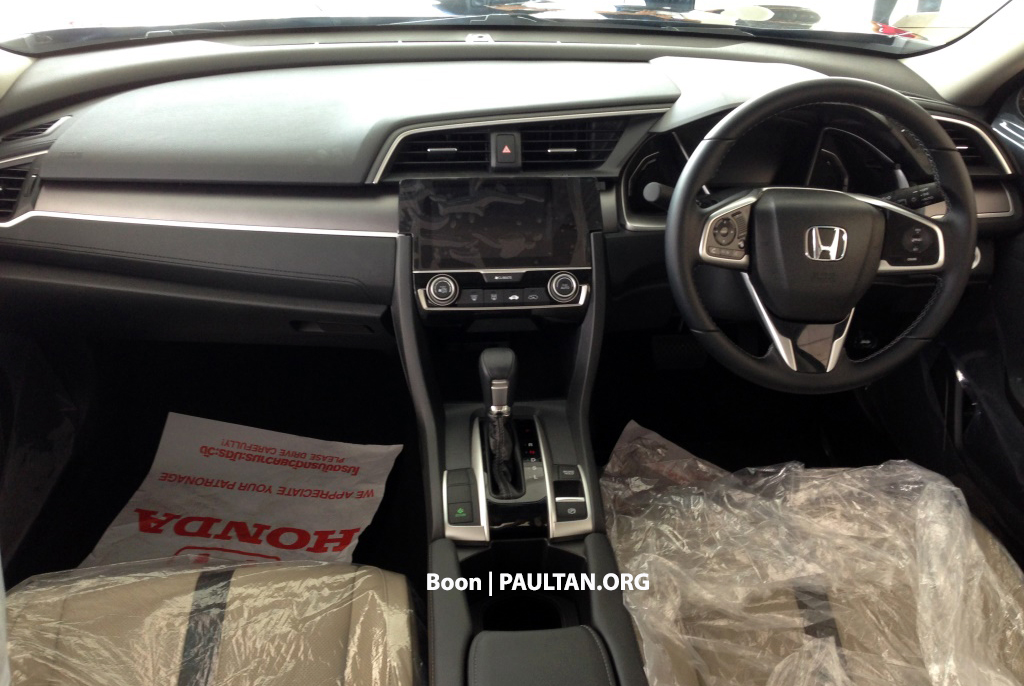
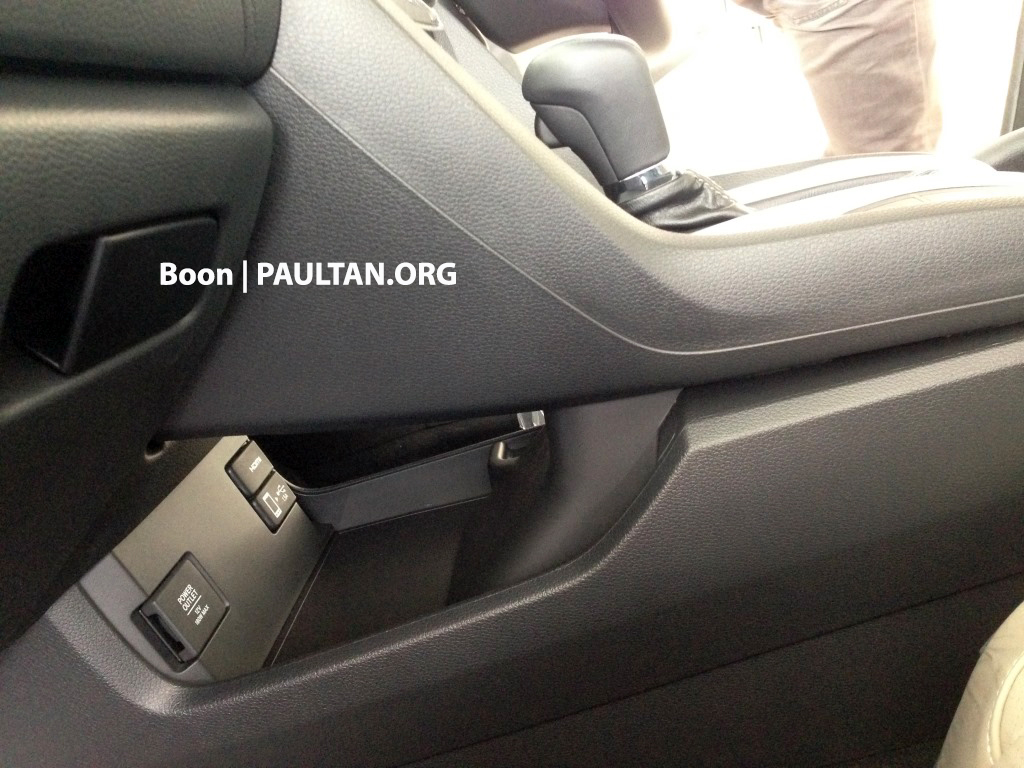
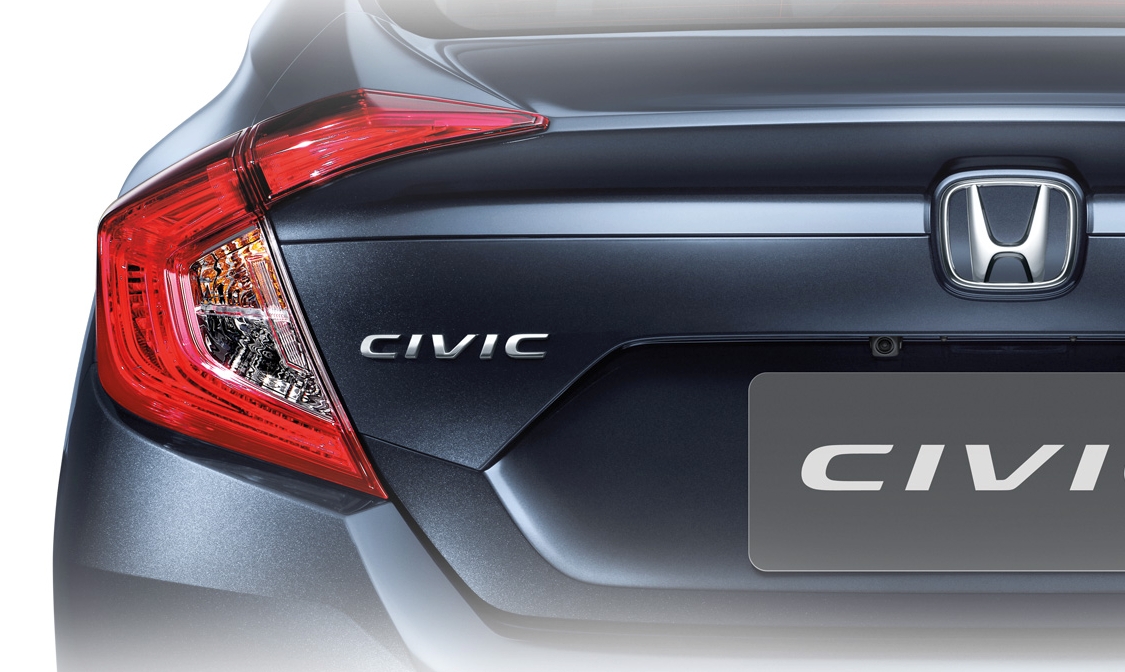
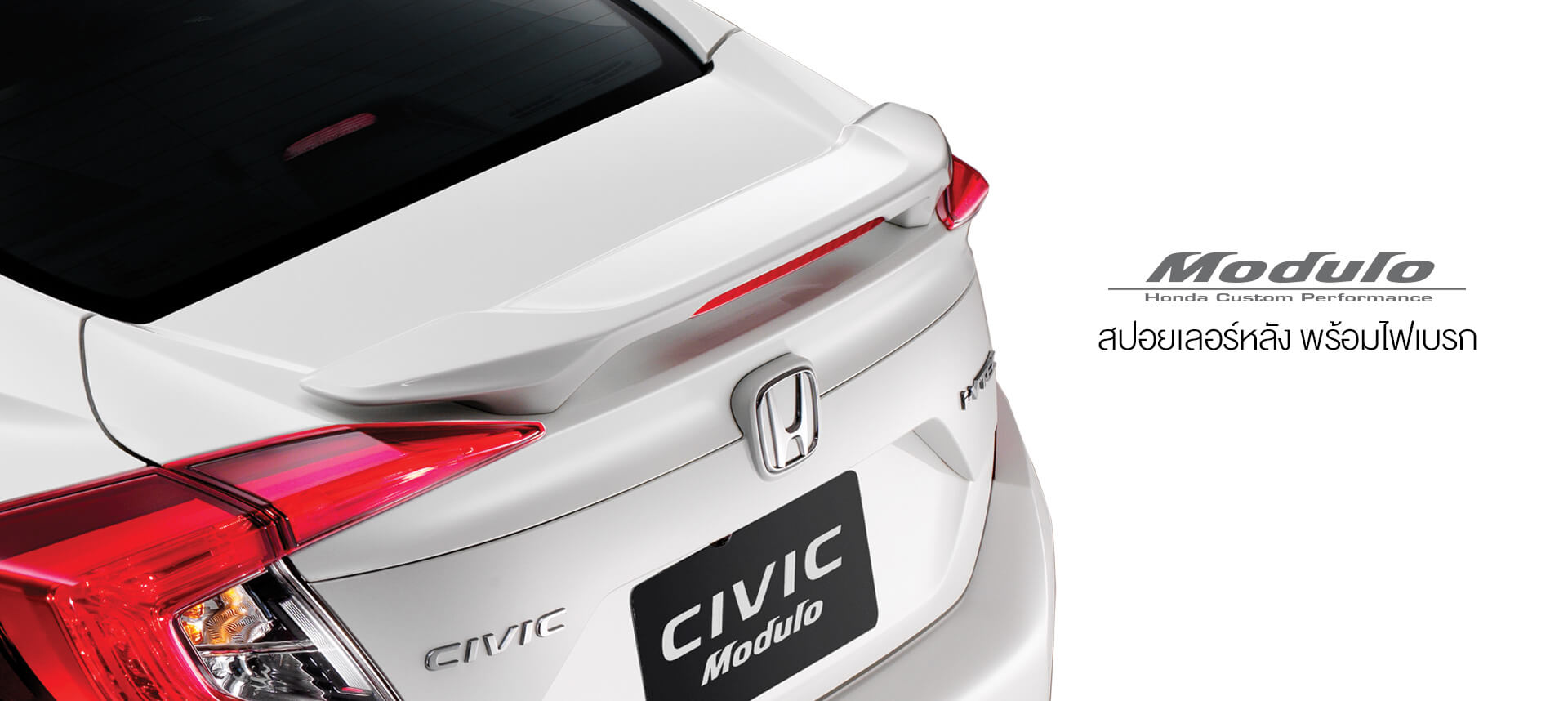
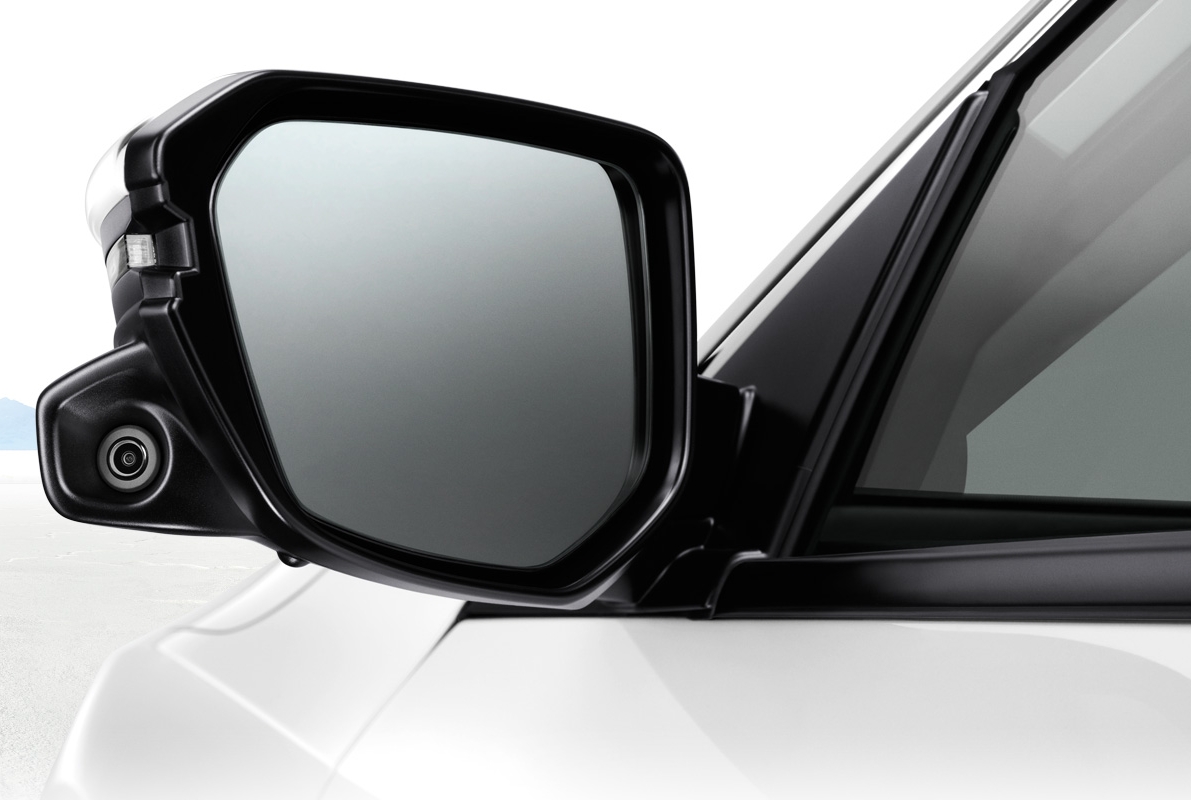
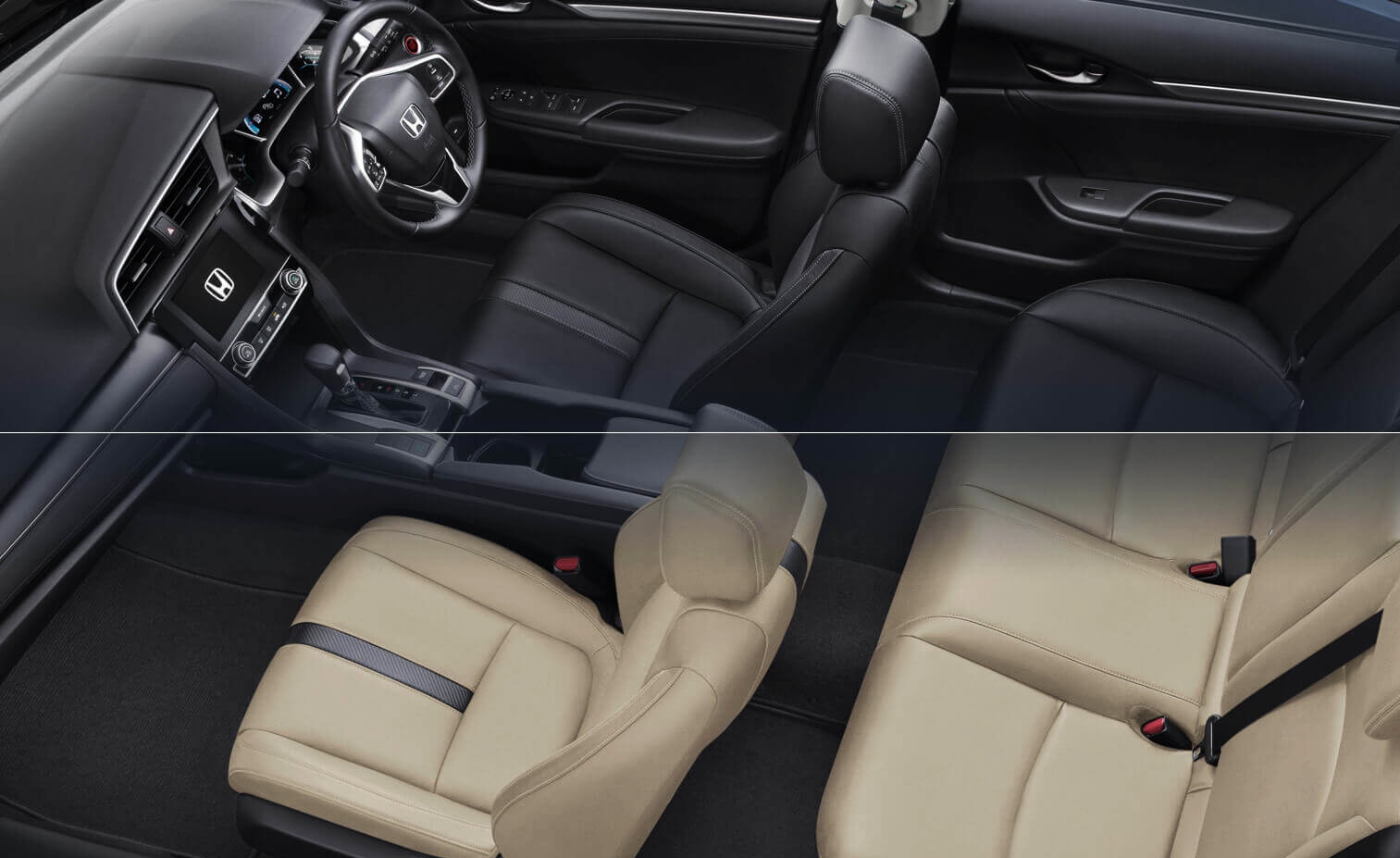
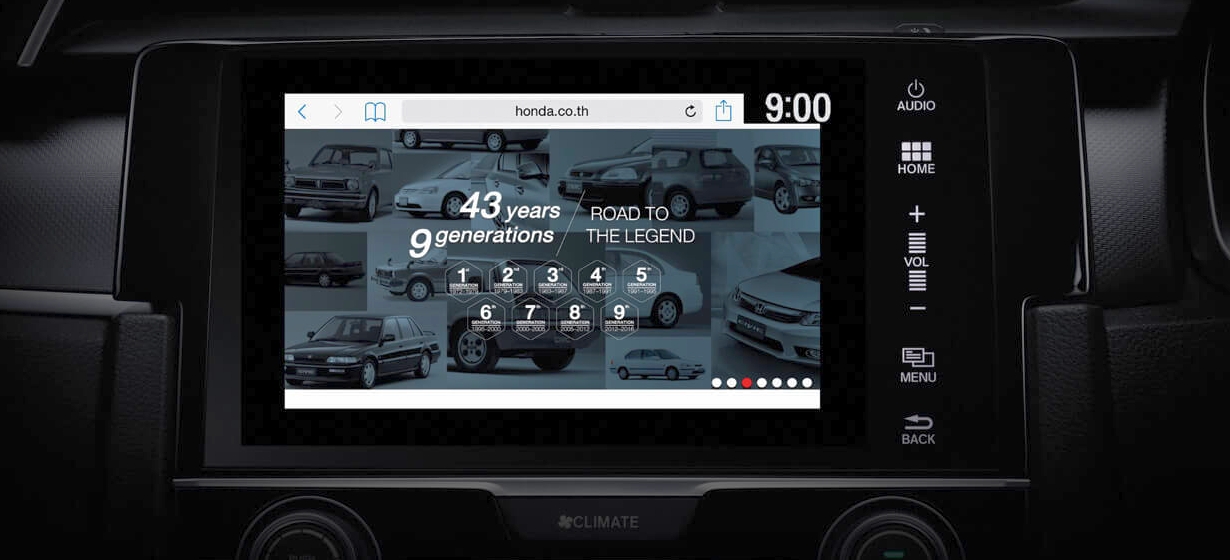
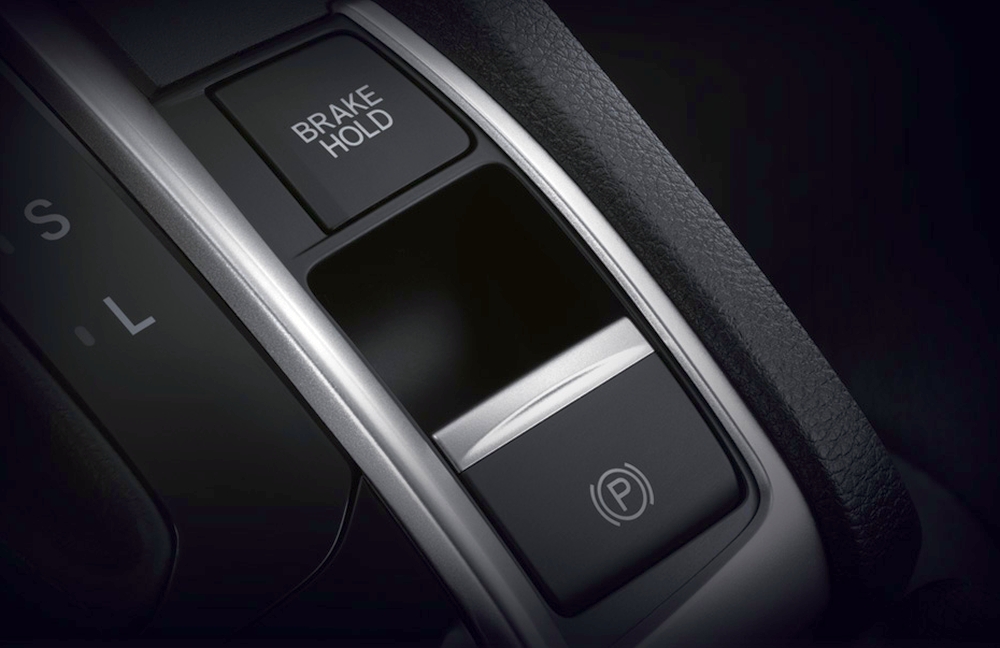
GALLERY: 2016 Honda Civic, Thai-spec














Looking to sell your car? Sell it with Carro.
 Honda Prelude
from RM 278,000
Honda Prelude
from RM 278,000  Honda HR-V
from RM 115,900
Honda HR-V
from RM 115,900  Honda e:N1
from RM 149,900
Honda e:N1
from RM 149,900  Honda Civic
from RM 133,900
Honda Civic
from RM 133,900  Honda City Hatchback
from RM 85,900
Honda City Hatchback
from RM 85,900  Honda CR-V
from RM 178,200
Honda CR-V
from RM 178,200  Honda Civic Type R
from RM 399,900
Honda Civic Type R
from RM 399,900  Honda City
from RM 84,900
Honda City
from RM 84,900  Honda WR-V
from RM 89,900
Honda WR-V
from RM 89,900 


Thank you for choosing Thailand, I will continue to support Honda automobile product as a Thai and are very proud of your latest Civic.
When the turbo comes to beand we call it vtecbocor
The tail is so ugly
Hope that MAI CEO get this news and hope he stop making “self-praise statement” and “empty promises” to Rakyat every year !!!
MAI, MAA, Mxxx, … all without plan but only can present PMR level material powerpoint. The very initial baseline EEV classification only a “rojak” joke without benchmark global definition. Signed FTA, TPPA serve no purpose as End Result OTR price is the same (unchanged duty tax in total). These had impact in limit the local demand & road block to the whole auto industry to be price competitive in global. End up the production only capable to fit local market with force.
Two things Madani has not addressed and he avoids it all the time.
Firstly, why is the AP system still around? Why are these 20 AP holders raking clean profits of billions (not millions) each per year and this is done at the expense of 30 million people suffering with high car prices.
Secondly, why has Madani not asked Najib to honour his promise to 30 million people before the election that if we voted BN in, car prices would drop by 30%.
Come on Madani, now you already got Datukship, has the Government already shut you up for good? Are you waiting Tan Sri Ship now?
MAI is a real joke. We have lost trillions. Last year Thailand exported US$25 billion. That is one year alone. Calculate that with 20 years.
If we taxed even 20% of what is exported, we would have earned per year about US5 billion per year in revenue.
And we lost hundreds of thousands of jobs for fellow Malaysians.
Malaysians are a productive lot.
How come losing thousands of job opportunities and Billions of FDI to Siam.
Cuz Malaysians dun wan to do 3D jobs?
lets cry together..
In b4 tomyam population (ie market) more than MY, so makes more marketing sense to be prominent there, unless Malaysians make more babies.
MAI – Dont worry rakyat, when PTTA is coming, we will attract American Co to open their car factory here…. Hihihi….
When TPPA comes in, the global market will think 100X before buying Malaysian products. They will ask, “If their own Malaysians also don’t believe in their own products and quality, why should we?
What does Mr-know-all CEO MAI have to comment about this ?
Still living in NAP2014 era and dreaming of TPP?
MITI also in same boat. Lepak rilek tak apa attitude thinking investors have to be on their knees begging to invest in beautiful Msia.
Thai has a 5-20 year plan while Msia has a what’s in for me plan.
Bercukurlah John. Thailand plans to be a hub for export while you can only thinking of buat anak.
Wake up John. Use your head and think before you comment. Not the one in your pants !!
Malaysia is supposed to be the largest manufacturing hub. No thanks to policy that protects Proton, now we are loosing to Thailand and Indonesia.
Malaysia Boleh!!!
It is all about economics. The salary in Thailand is lower than malaysia.
If you want to maximise the profit, the must minimise the cost.
It is that simple.
More then the reason what u mention, don’t be so simply man, lol.
Bashers dunno economics. It just makes their head hurt.
No more 2020 is 2200 Malaysia boleh, as long as don’t bankrupt no ploblem.
And our Madani’s MAI still in delusional state..
What economics are you talking about ?
Read properly it’s not about cost but how the PM and his ministry go about meeting with investors and planning for the future with an improvement in infrastructure , technology and fine tuning it’s policies.
Don’t harp on salary alone and look at the overall package. Don’t syiok sendiri hoping FDI will drop at your feet when you are still stuck with NAP 2014.
And John thinks that making babies will solve all the problems. Simple.
One day, Thai baht will surpass Malaysia MYR. Then Thai people come to Malaysia said… here things very cheap.. like how Singaporeans come to Malaysia to buy stuffs. Their FDI increase, country prosper, money value increase… their buying power increase.
Then everybody prosper. U know the saying ‘prosper thy neighbour’. So whats so bad about it?