

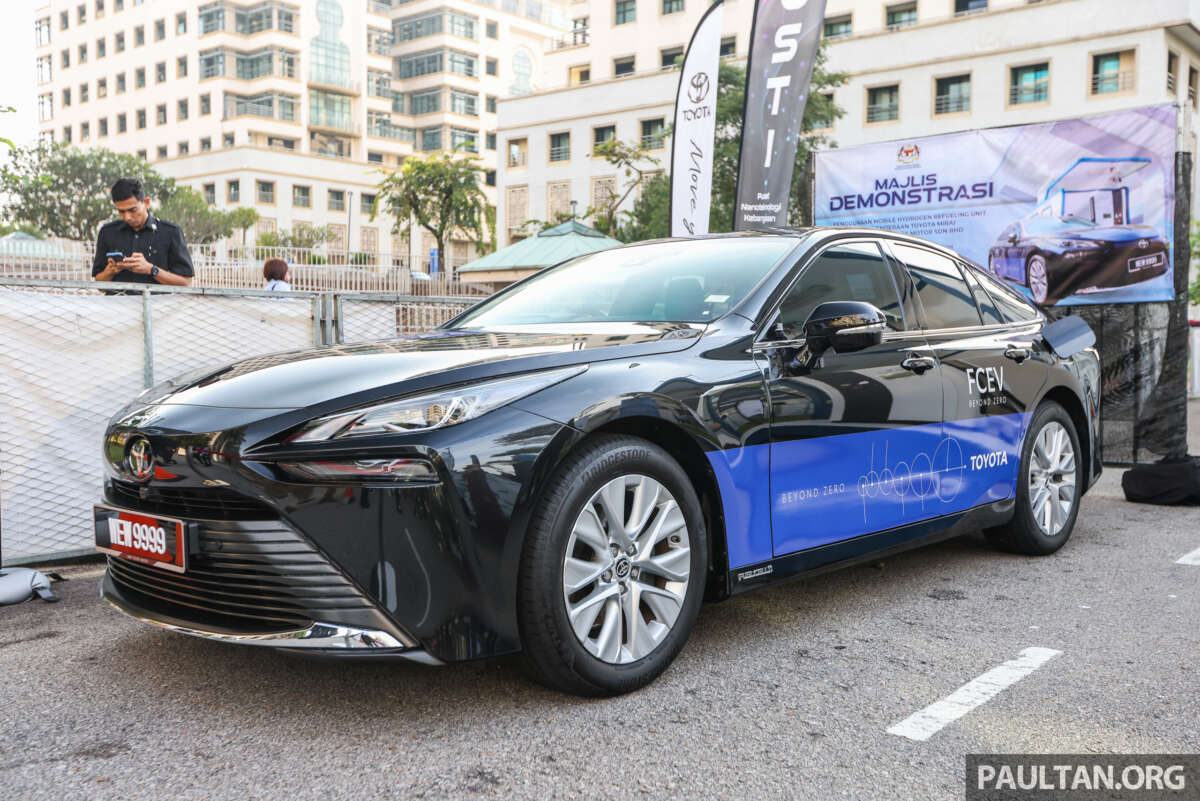
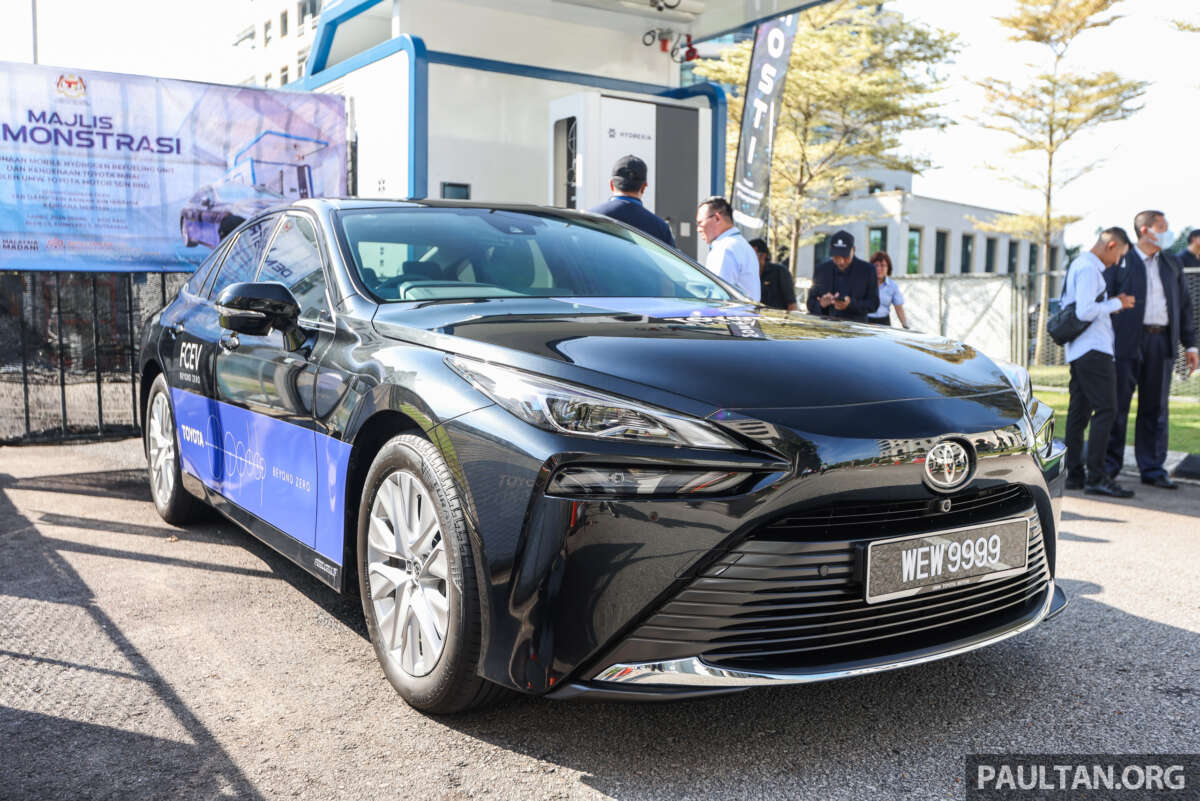
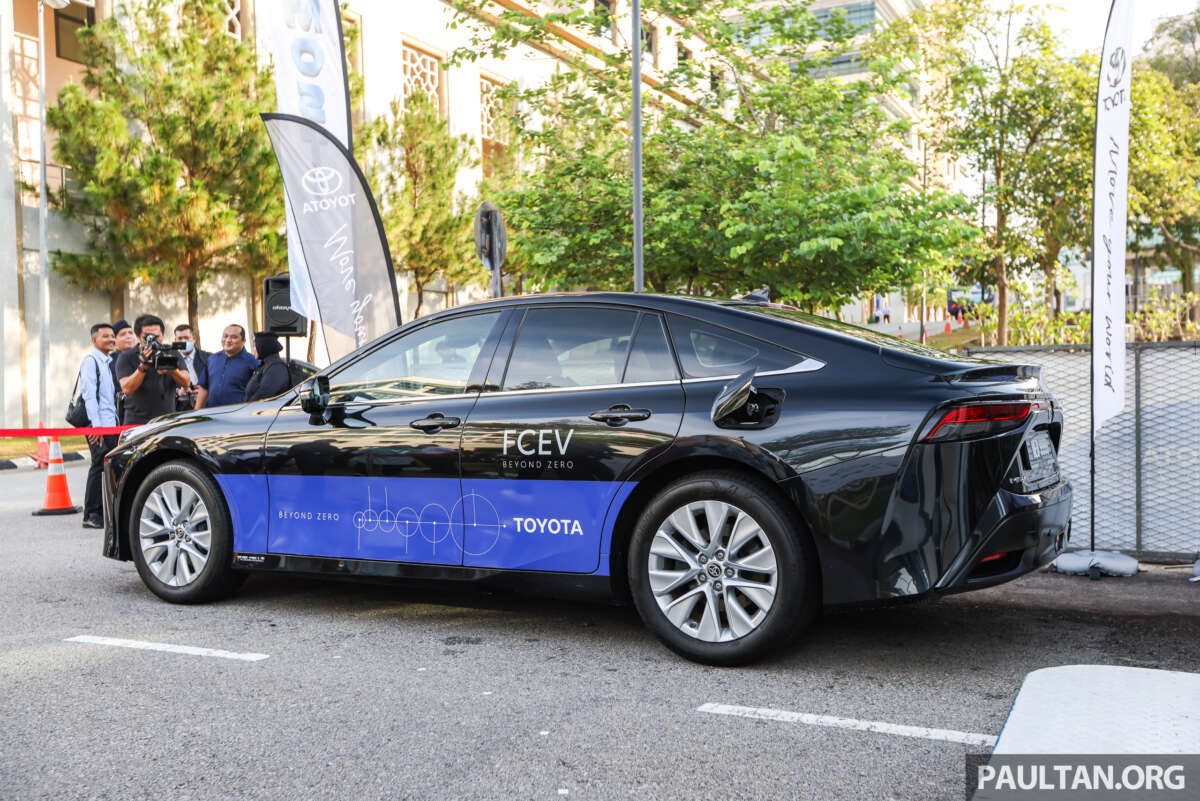
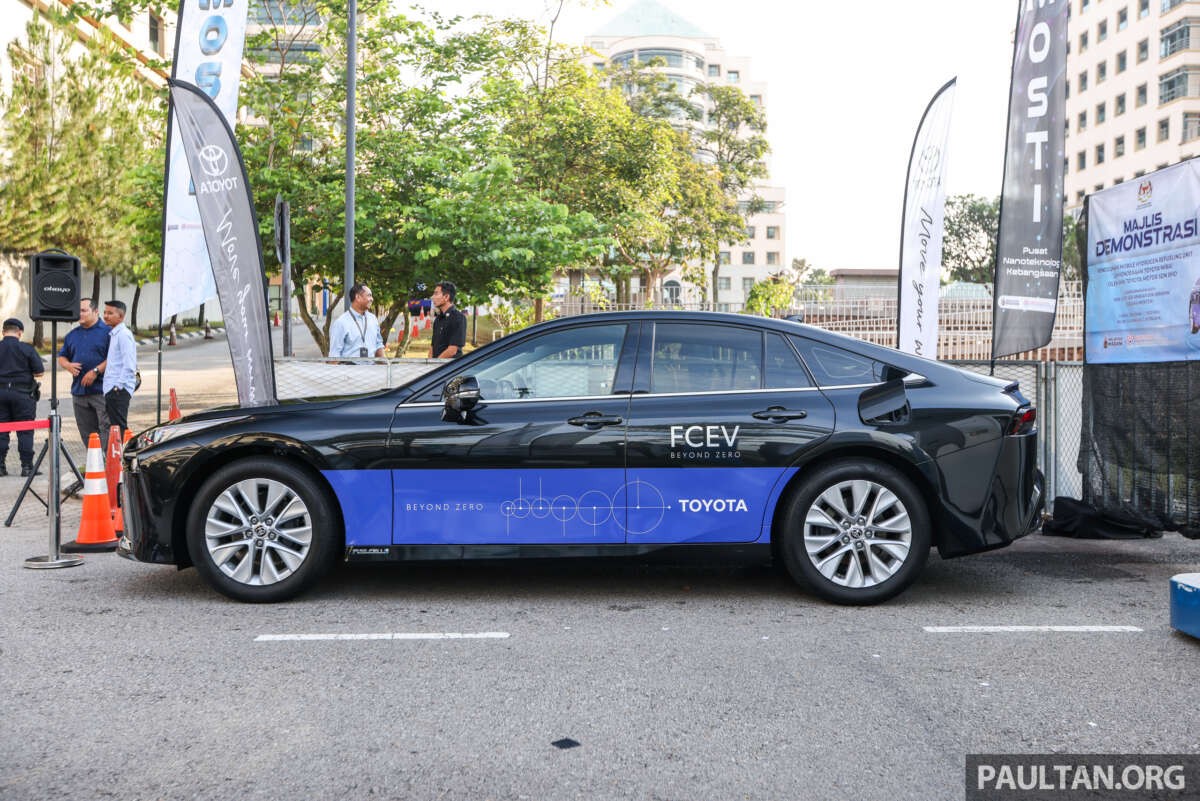
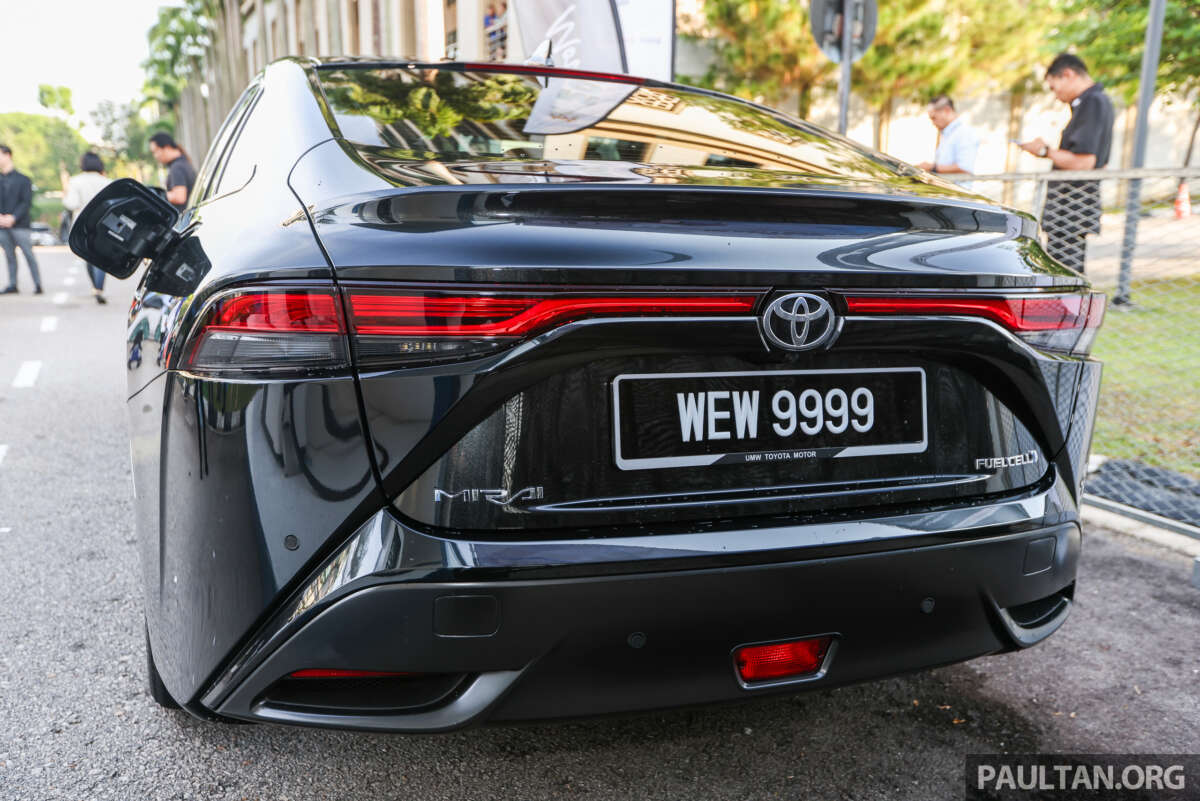
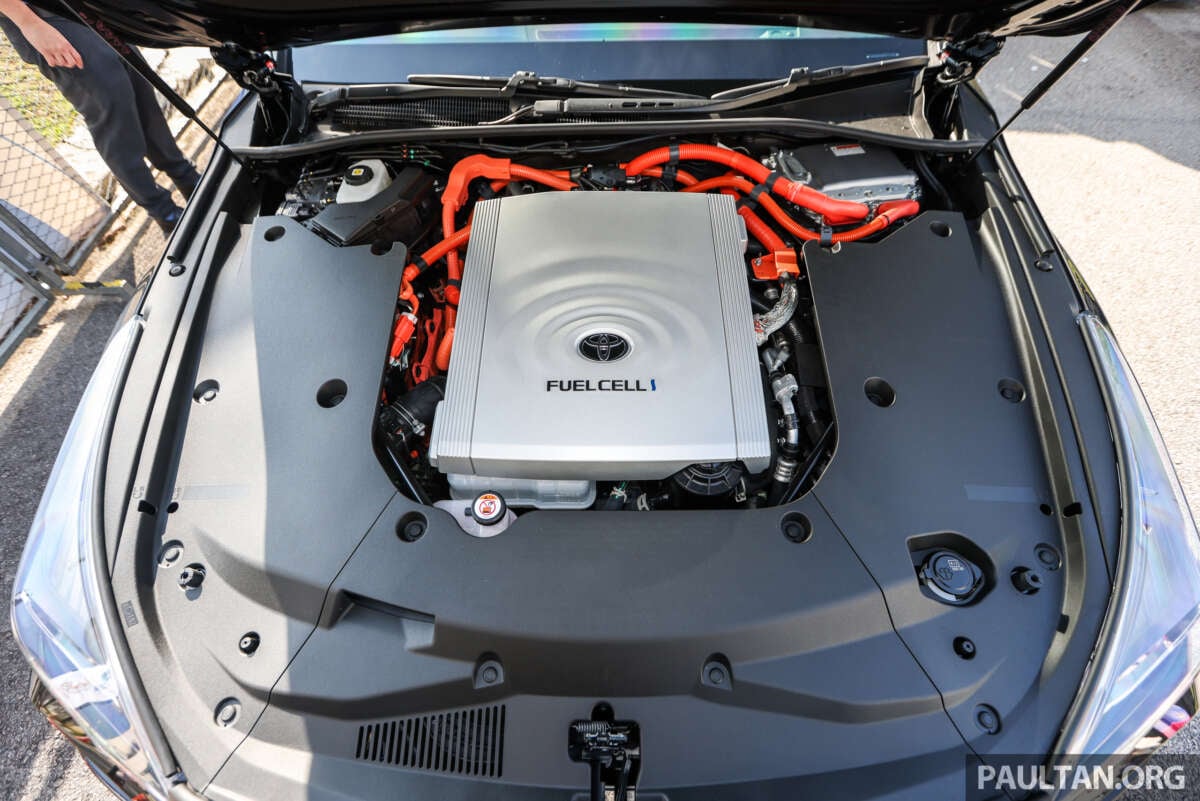
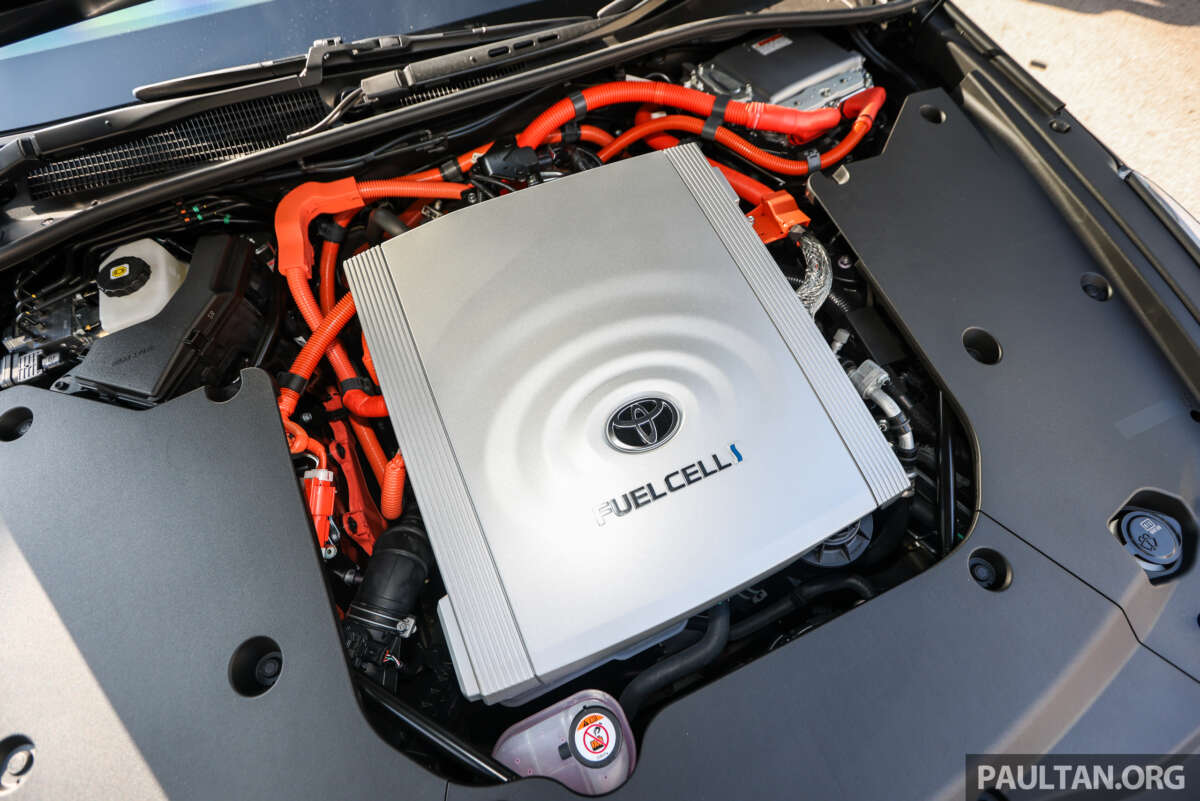
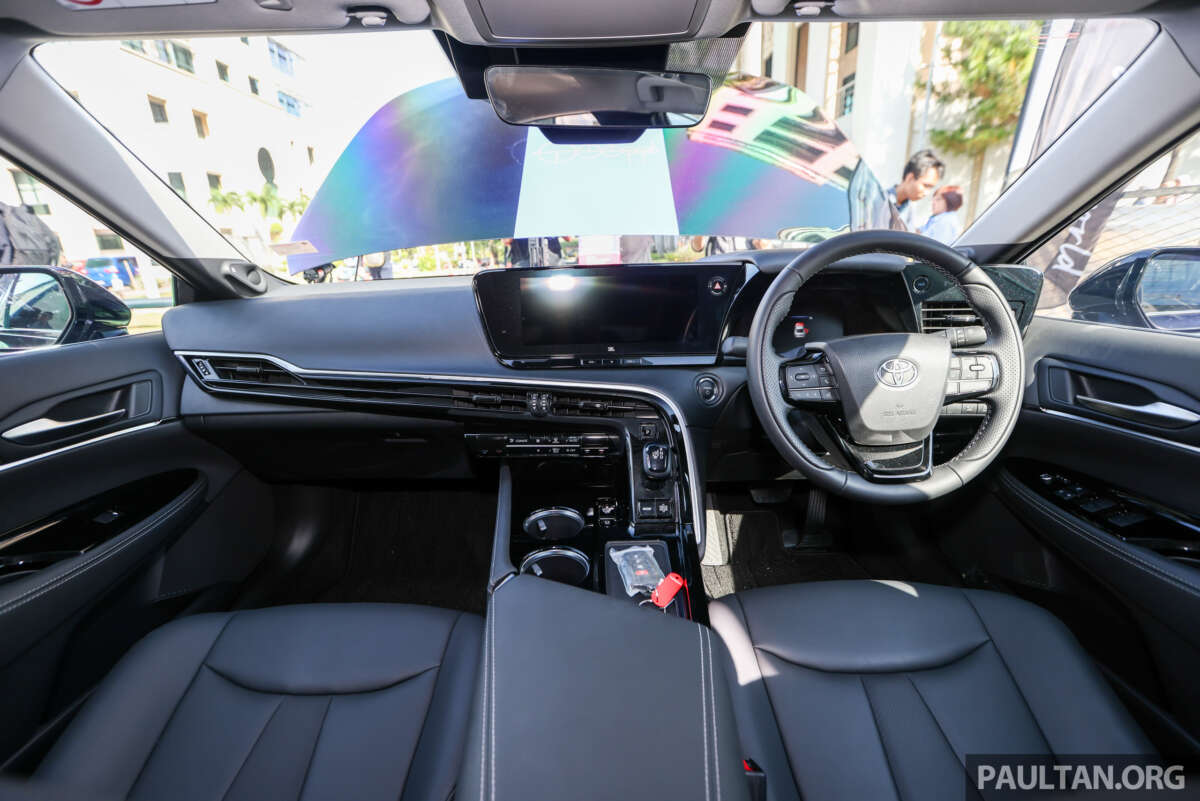
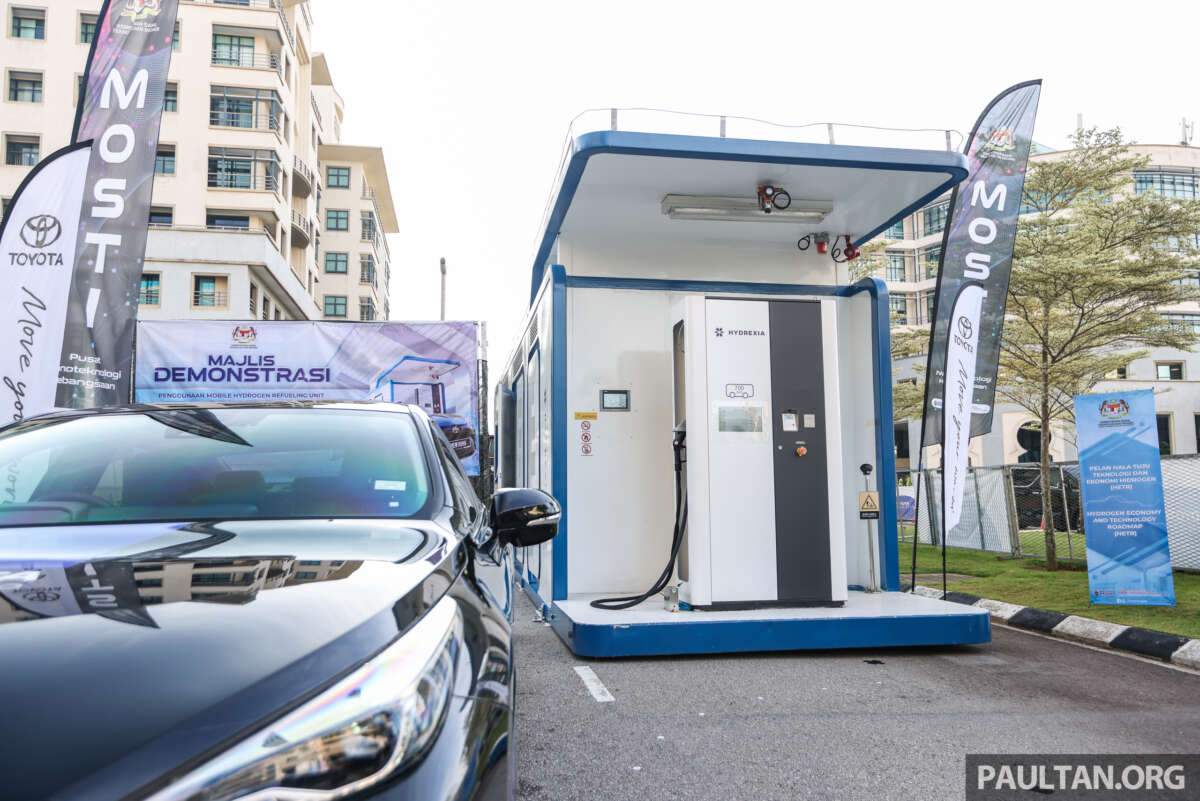
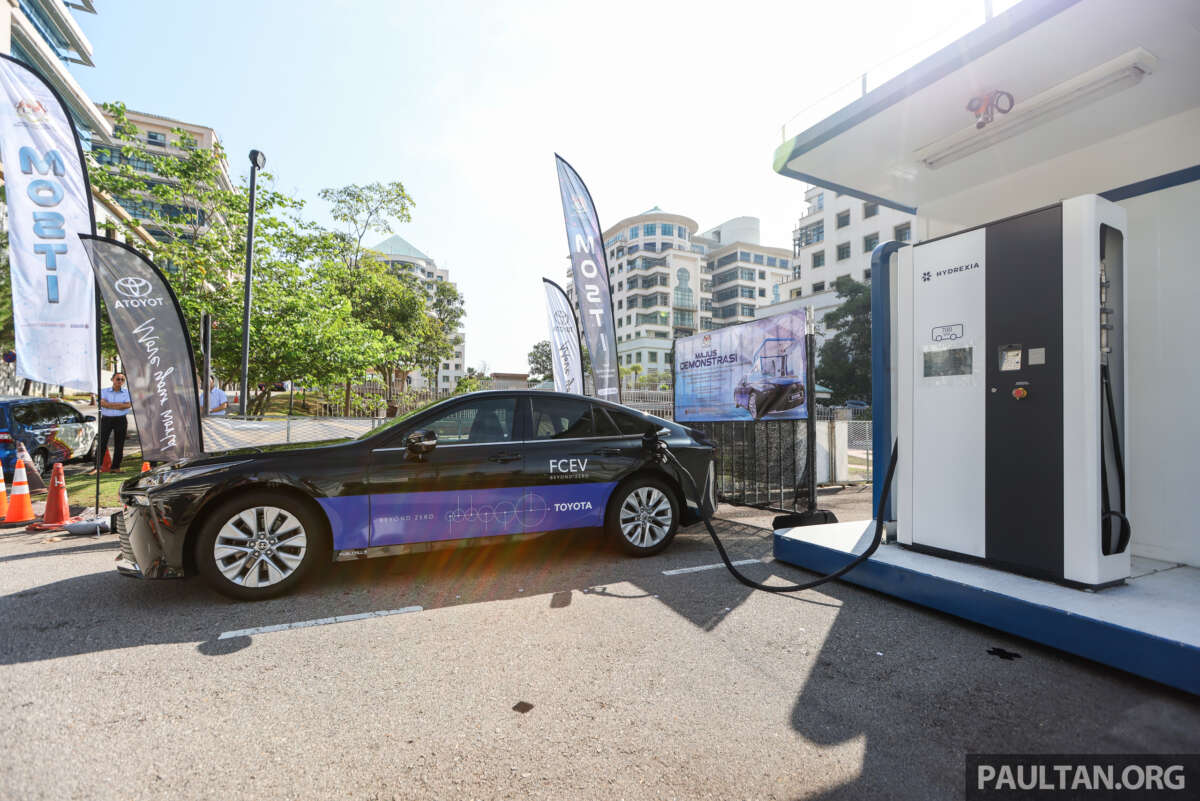
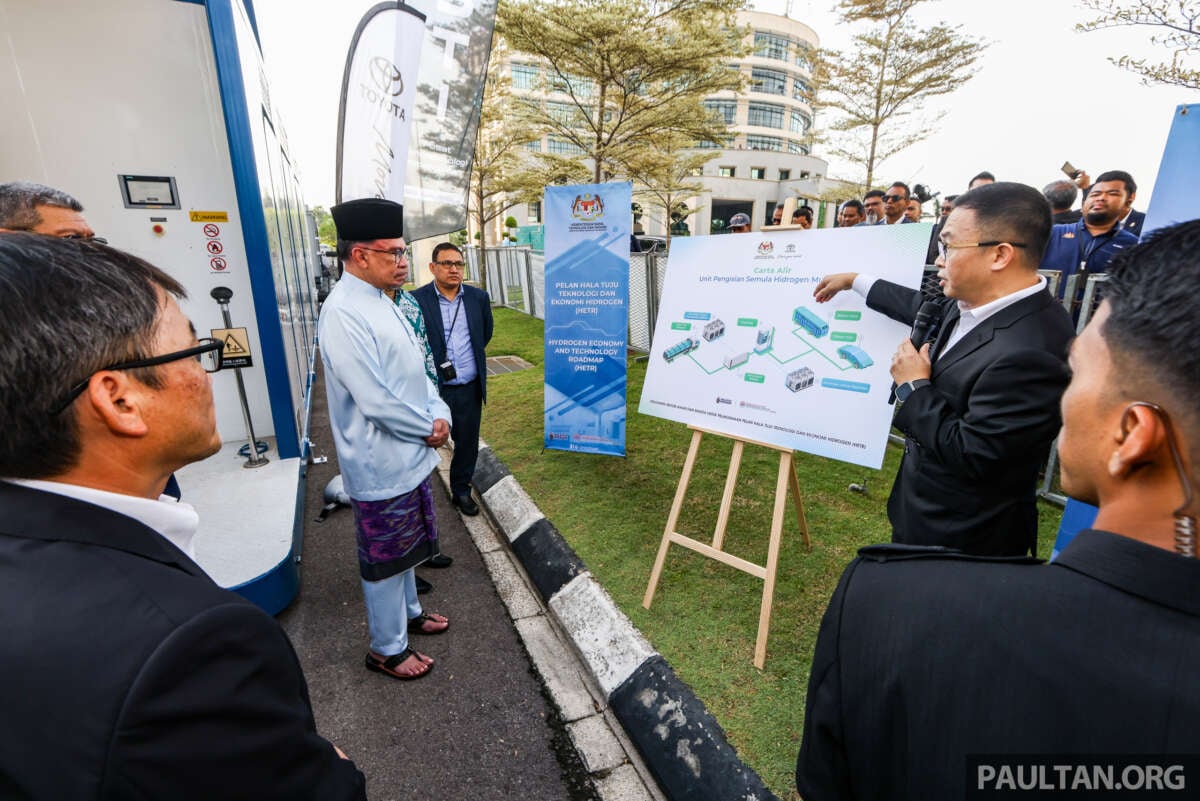
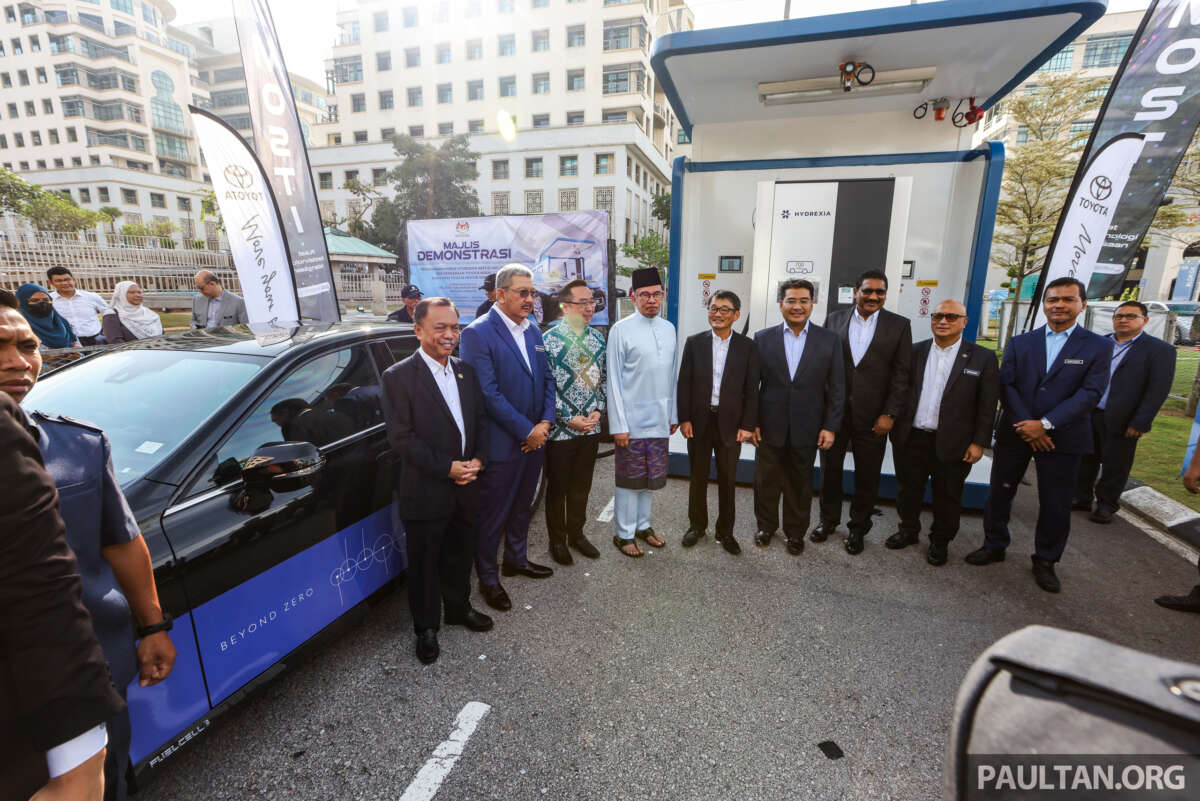
The Sarawak government may be leading the charge when it comes to hydrogen power, Peninsular Malaysia isn’t too far behind. The ministry of science, technology and innovation (MOSTI) will also be bringing in three units of the Toyota Mirai to be trialled on the western side of the country in the first quarter of 2025, according to The Star.
Minister Chang Lin Kang said the pilot, which will also involve mobile hydrogen fuelling stations, is part of Malaysia’s goal to have equal sales of hydrogen, petrol and electric vehicles by 2050. “This initiative is a step towards establishing Malaysia as a leader in clean energy in the region.
“The vision for a hydrogen economy positions hydrogen as a clean, low-carbon energy source that is capable of replacing traditional fossil fuels and becoming a key component of a clean energy portfolio. As a carbon-neutral energy source, hydrogen offers inclusivity and benefits for industry stakeholders,” he told the publication.


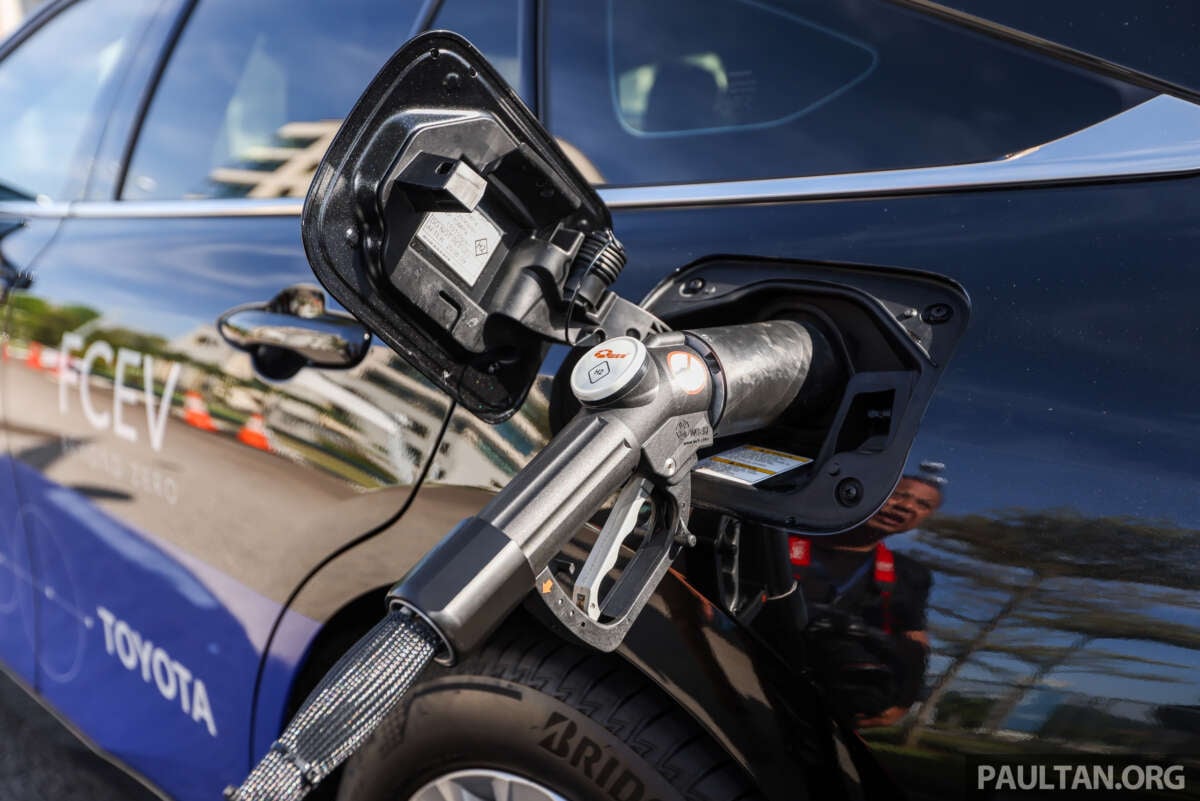
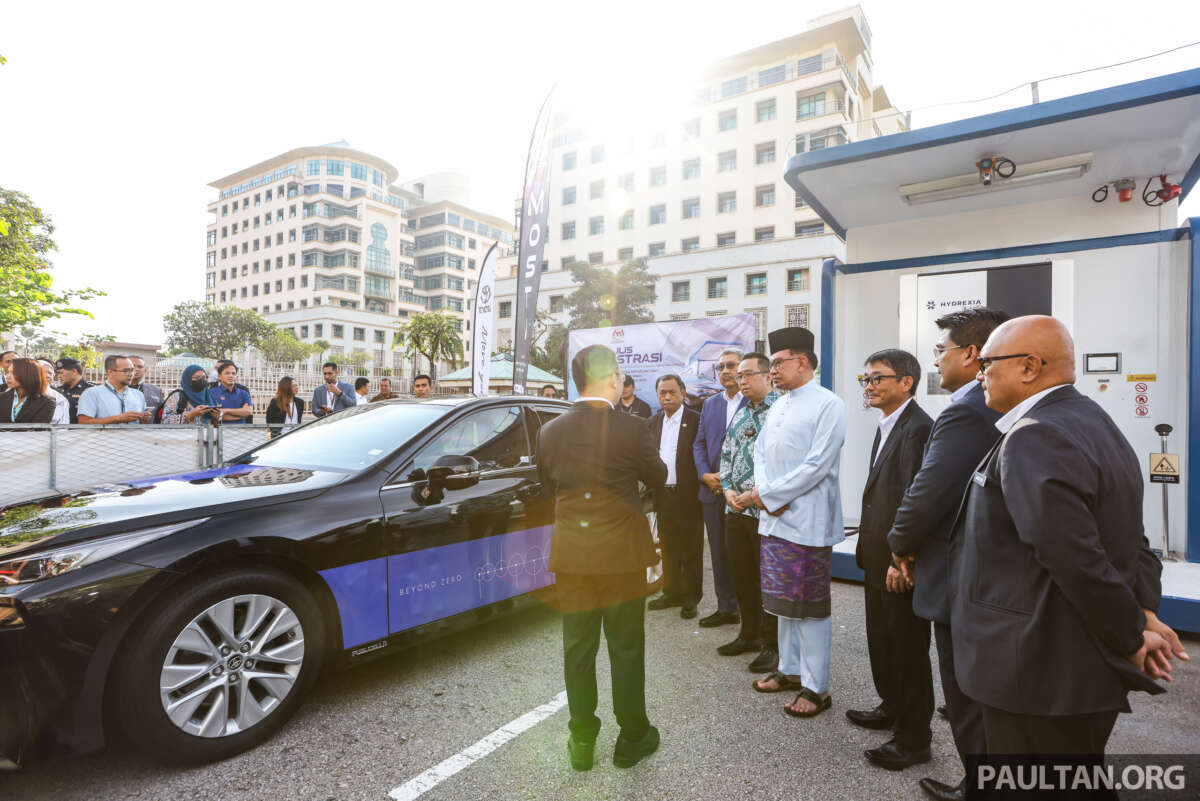
Chang added that his ministry will retain the use of one of the Mirais to promote the use of hydrogen. “We will bring in the Mirai and conduct promotional activities. This will serve as a demonstration of our capability, proving that it is road-ready and can be used effectively,” he said, adding that it is essential for the government to promote hydrogen cars together with EVs, given that the former only emits water.
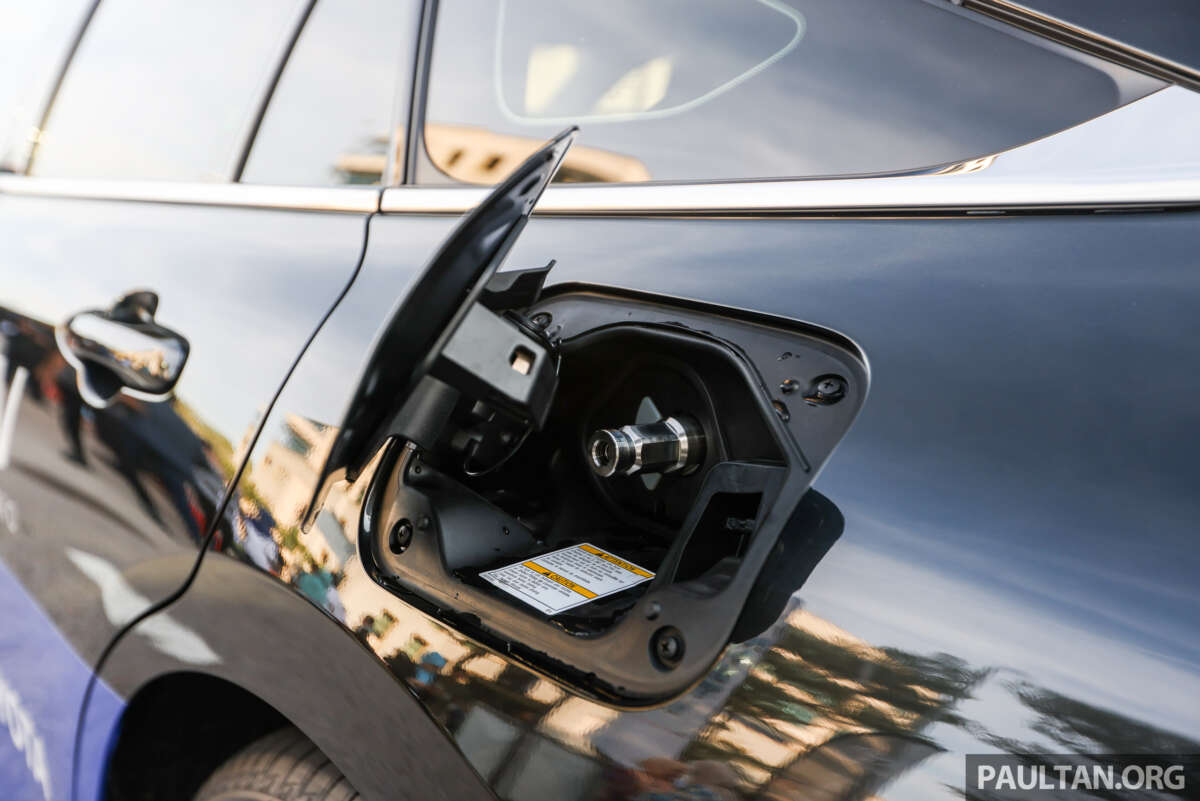
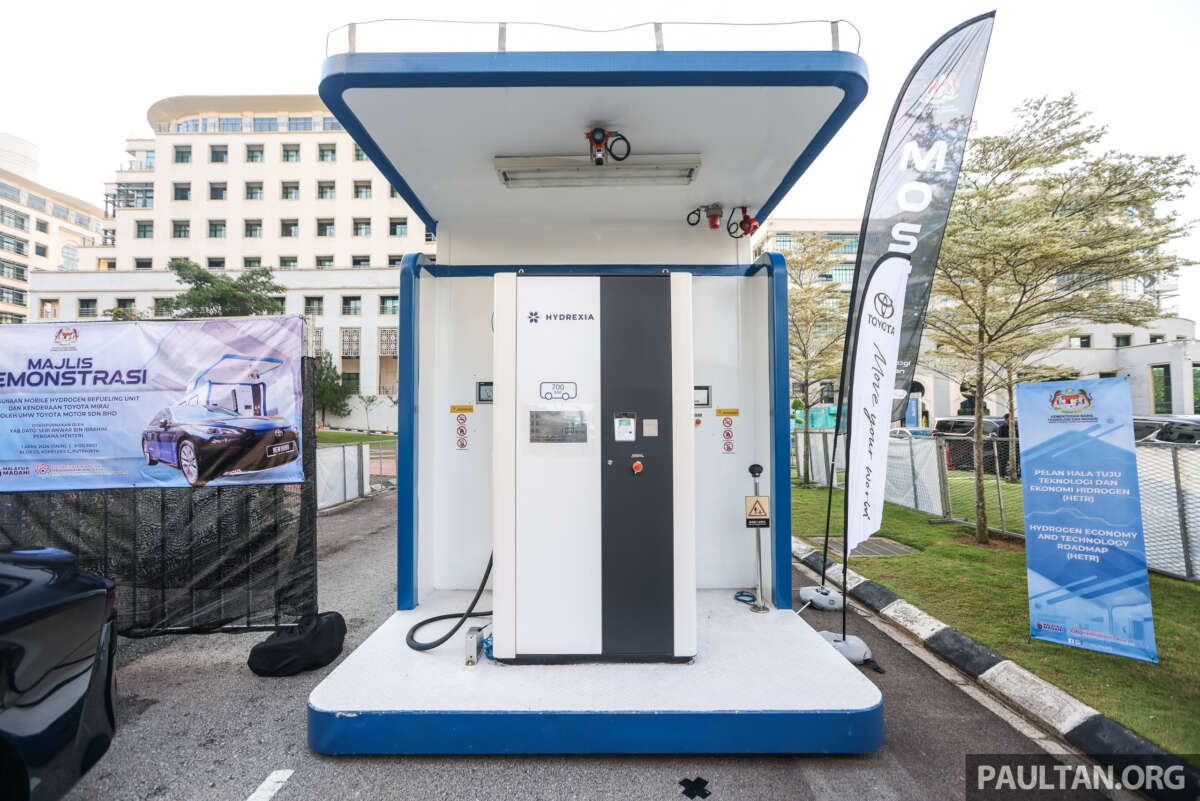
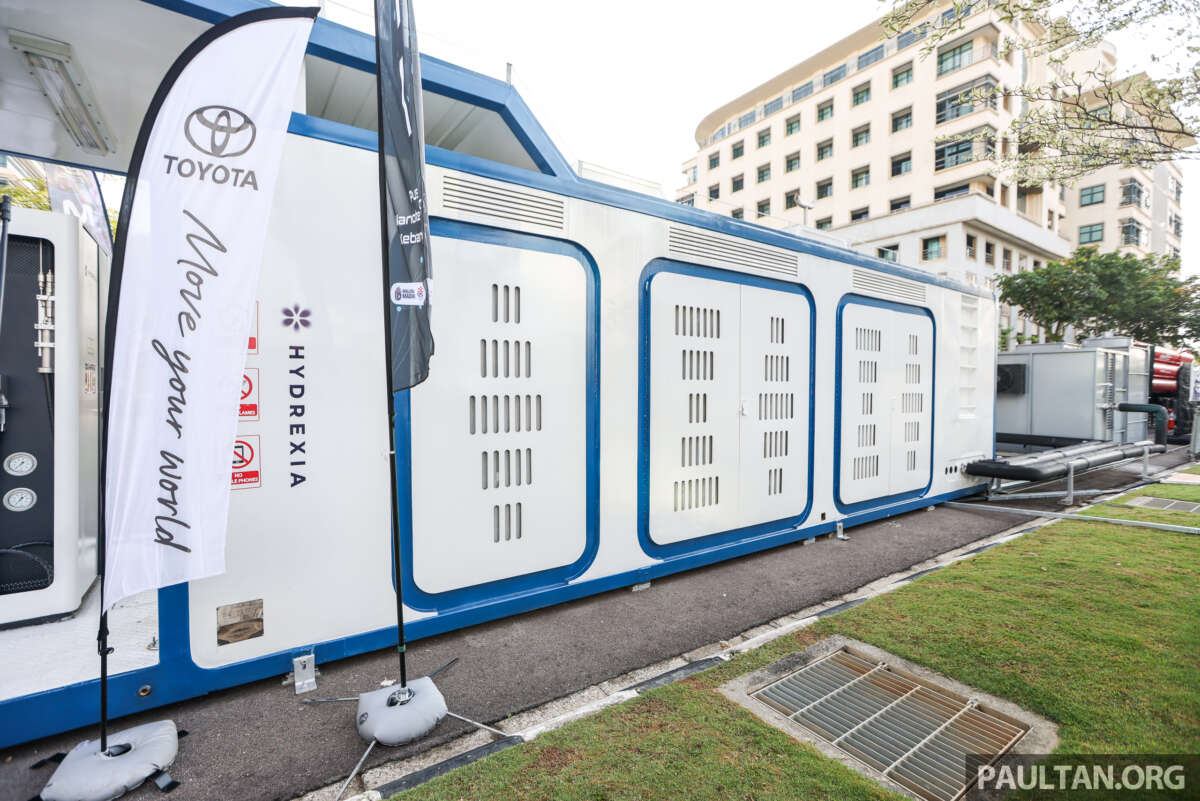
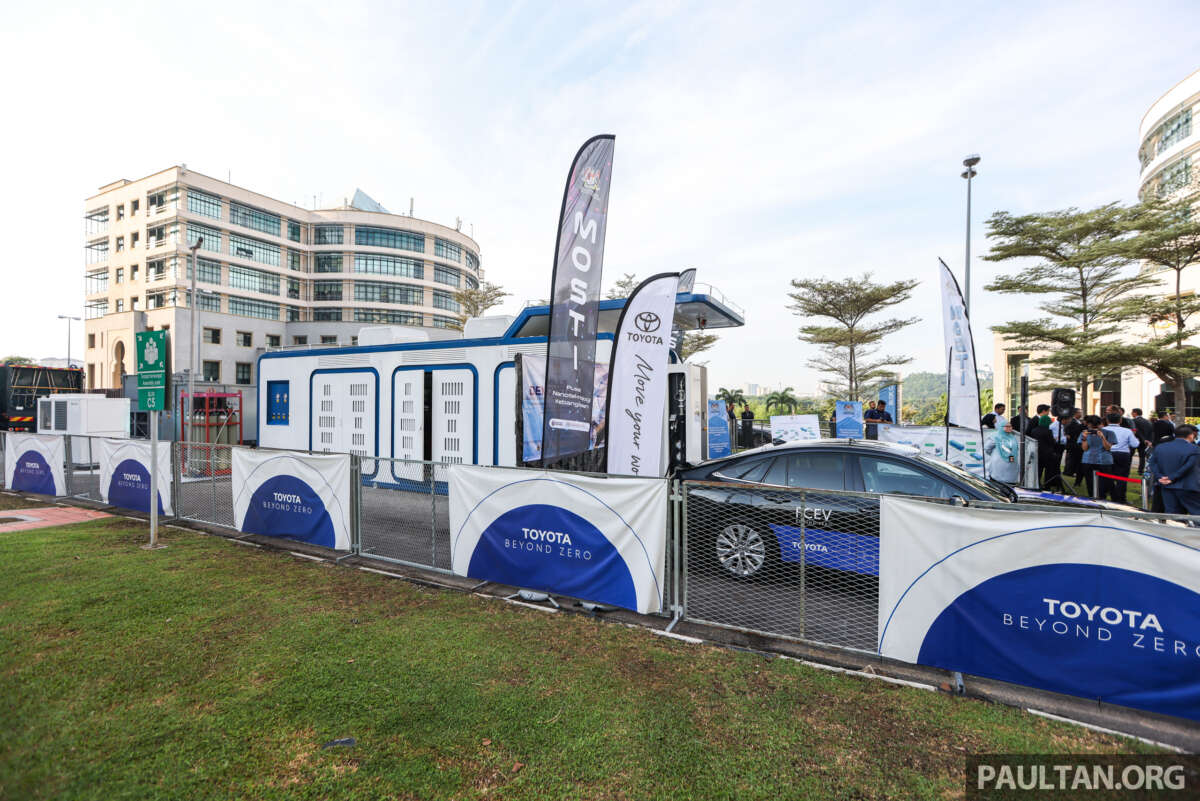
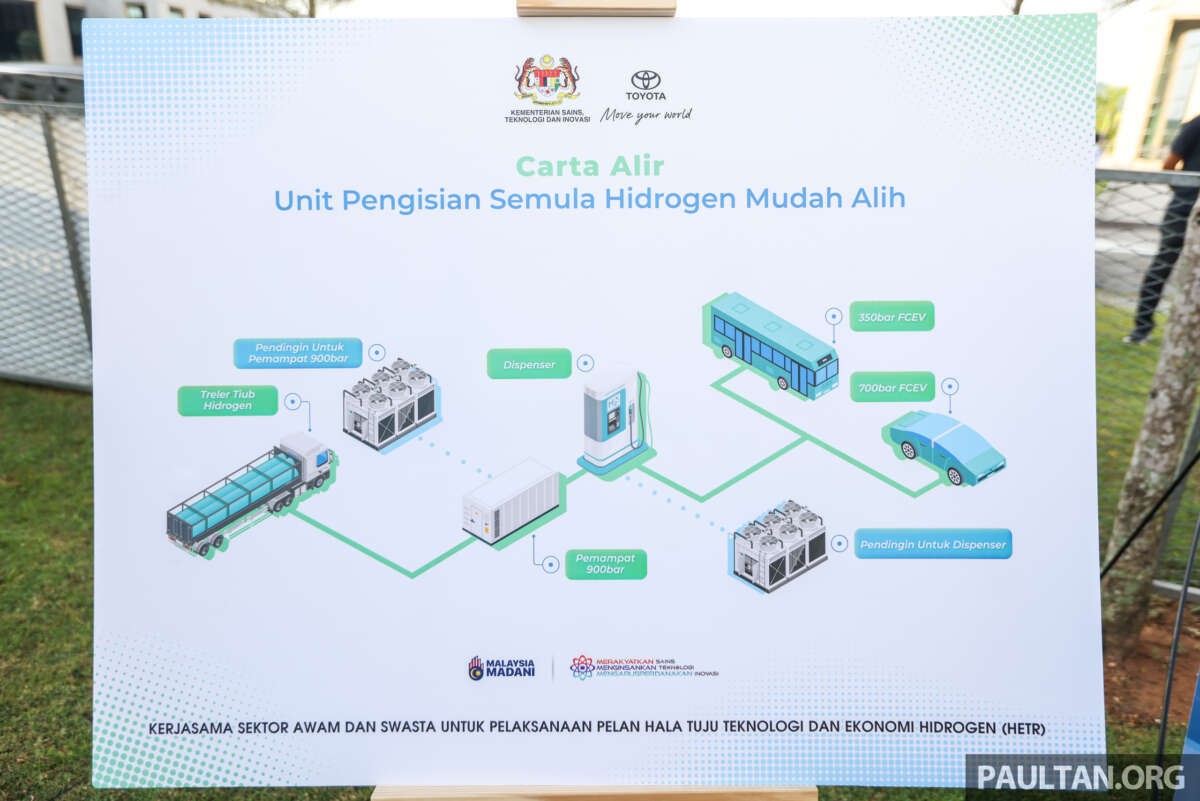
The three cars will be fuelled by the aforementioned mobile hydrogen stations set up in either Putrajaya or Cyberjaya. “The total budget for the Mobile Hydrogen Refuelling Station (MHRS) cyber project is around RM12 million, with higher initial cost as it’s the first in the peninsula,” Chang said.
The move to trial hydrogen-powered vehicles is in line with Chang’s comments in October 2023, during which he said MOSTI was developing a Hydrogen Economy and Technology Roadmap (HETR) to position the country within the lucrative global hydrogen ecosystem, projected to be worth US$189.19bil (RM834.33bil) by 2050. “The hydrogen economy is seen as a viable solution to Malaysia’s economic challenges, which include plans to phase out petrol subsidies,” he said.

The need to shift away from petrol power is urgently needed as it’s been reported that Malaysia’s oil and gas reserves may only last another 15 years, according to the reserves life index. But Chang still does not expect hydrogen cars to be popular for another decade, as the country has yet to produce its own and even on the global scale, only the Mirai and the soon-to-be-replaced Hyundai Nexo are currently offered for sale.
“There is, however, rapid development in freight transportation with fuel cell technology, with companies like Hyzon, Hyundai and Nikola making significant progress,” he said, adding that Malaysia’s hydrogen economy goals extend beyond mobility, encompassing the entire hydrogen value chain including production, transportation, storage and end-use in industries, power generation and transportation.
The other problem dissuading wider adoption is hydrogen fuel costs, especially for eco-friendly green hydrogen. Production of the fuel currently costs around US$6 (RM28.15) per kilogram, meaning that a full tank of 5.65 kg for the Mirai would cost around US$33.90 (RM159) for a range of 800km.

However, the switch to targeted subsidies will gradually narrow the cost gap between petrol/diesel and new energy sources. This will be helped by the import, excise and road tax exemptions for hydrogen vehicles, similar to EVs, as part of HETR. Subsidies will also be offered, akin to those China currently provides for EVs.
Malaysia is also working to phase out grey hydrogen, produced using fossil fuels such as natural gas and coal, in favour of blue hydrogen that adds carbon capture and storage technology to reduce emissions. The ultimate goal is the transition to green hydrogen that is made using renewable energy, reducing dependency on fossil fuels and mitigating climate change through carbon neutral initiatives.
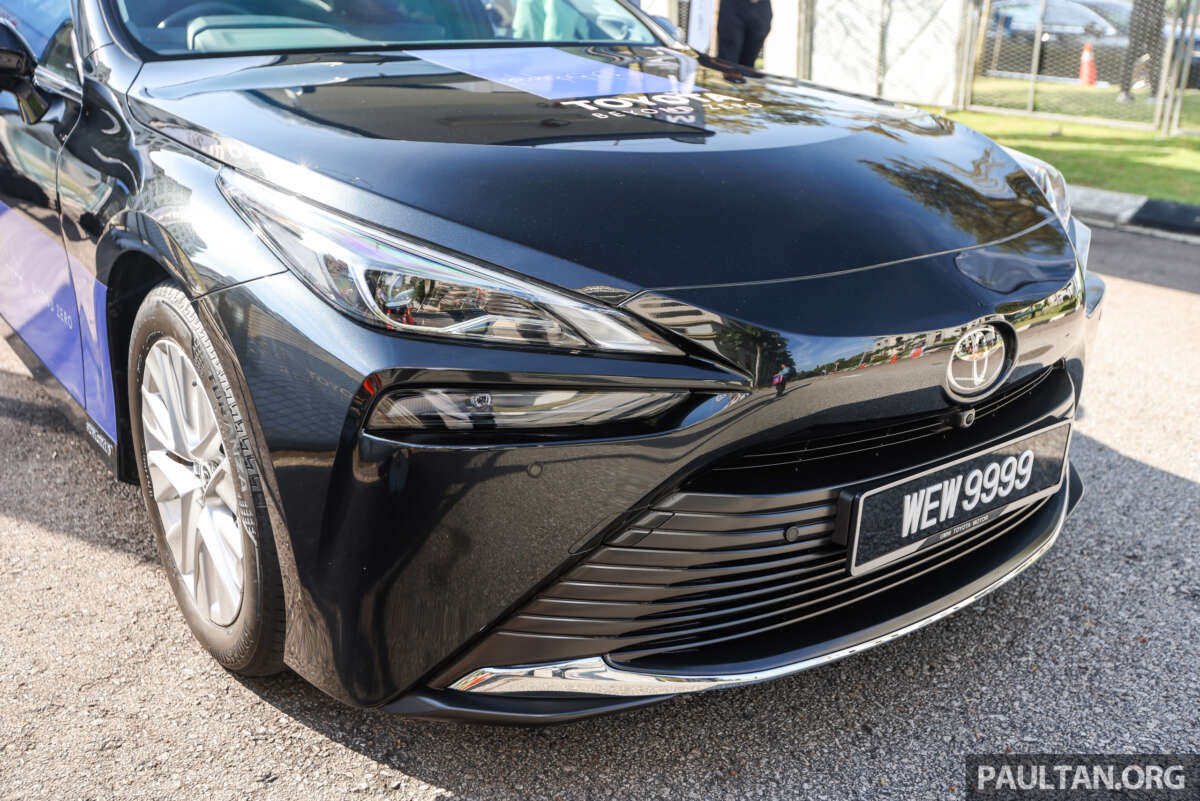
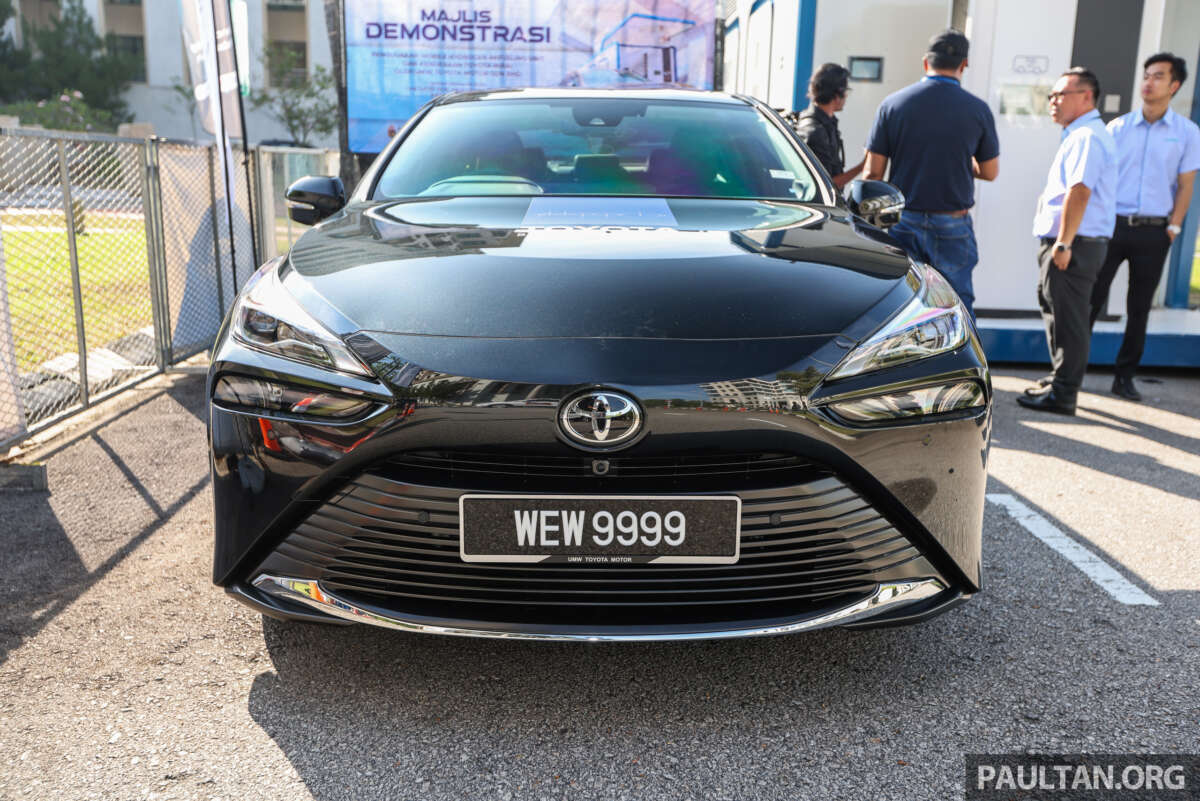
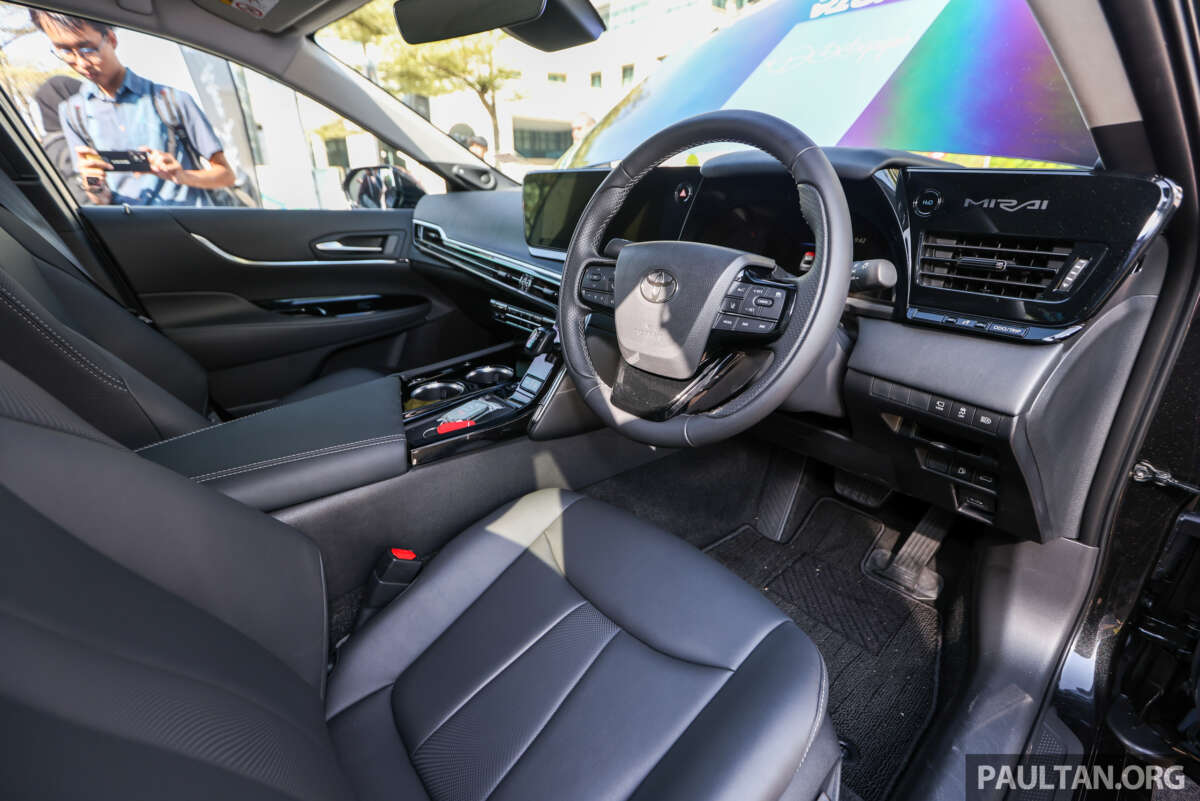
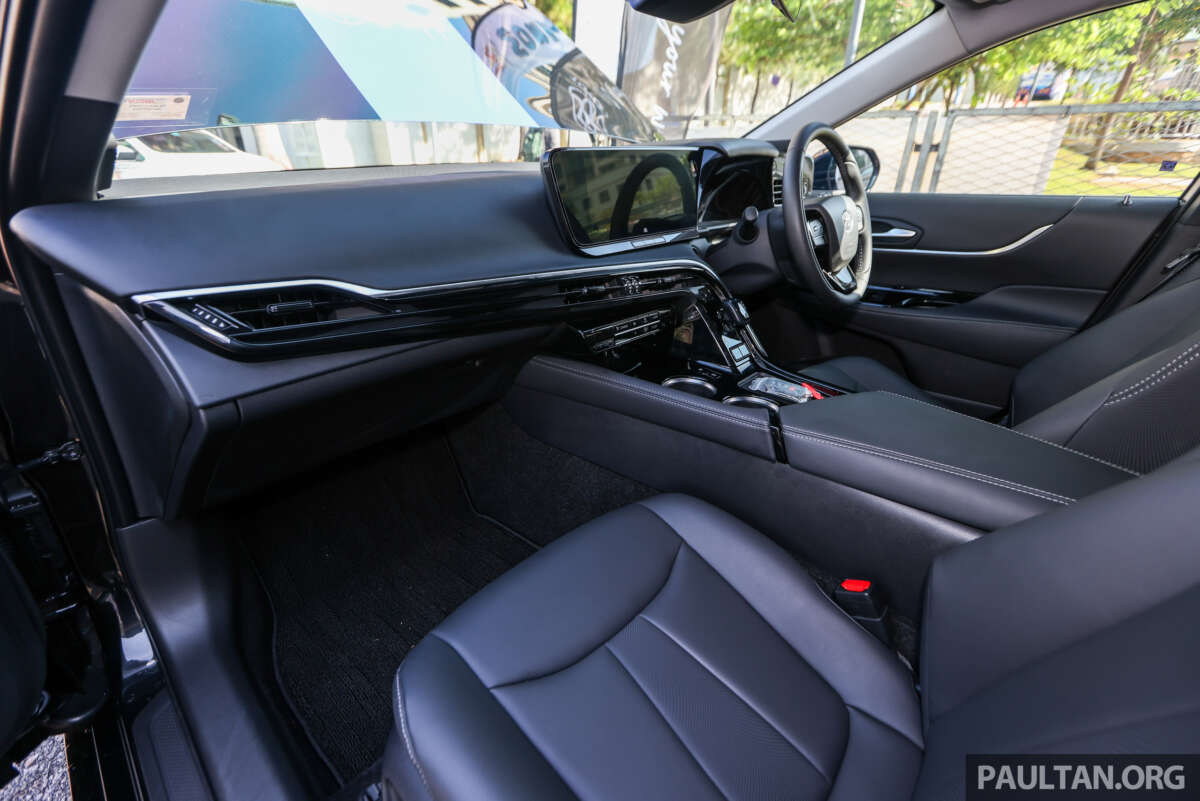
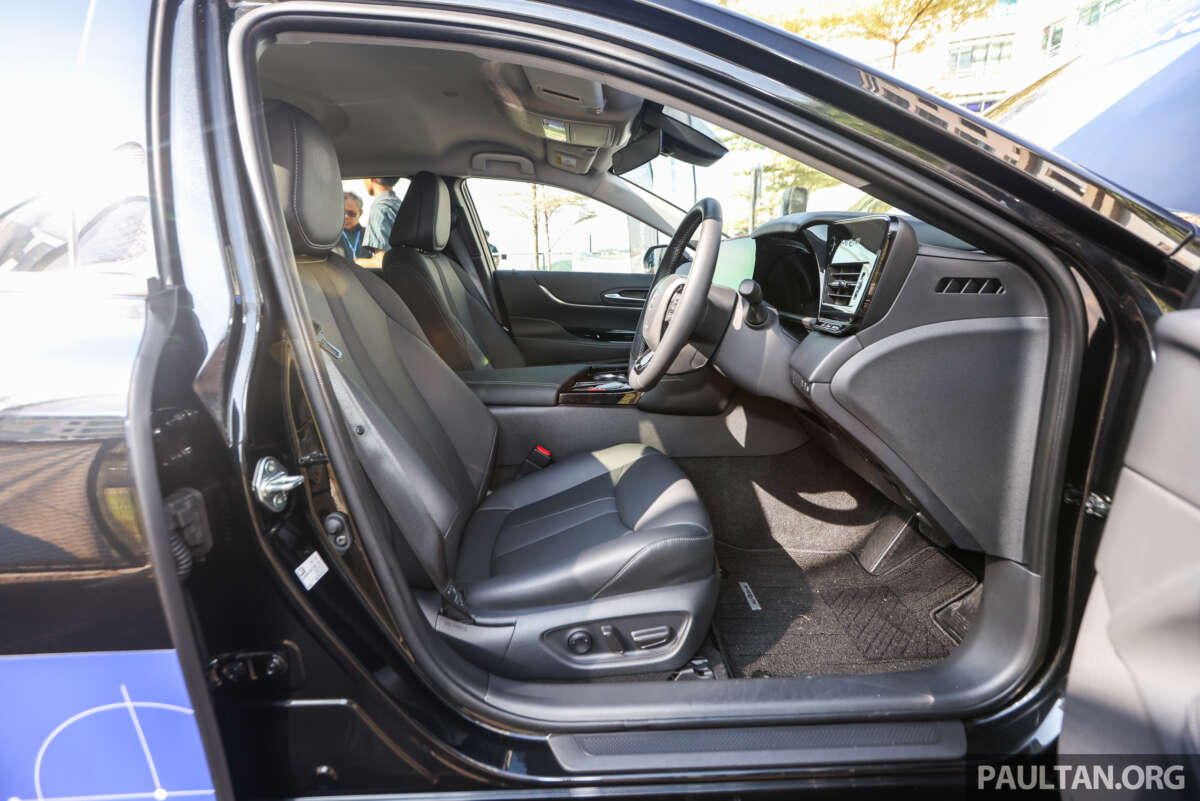
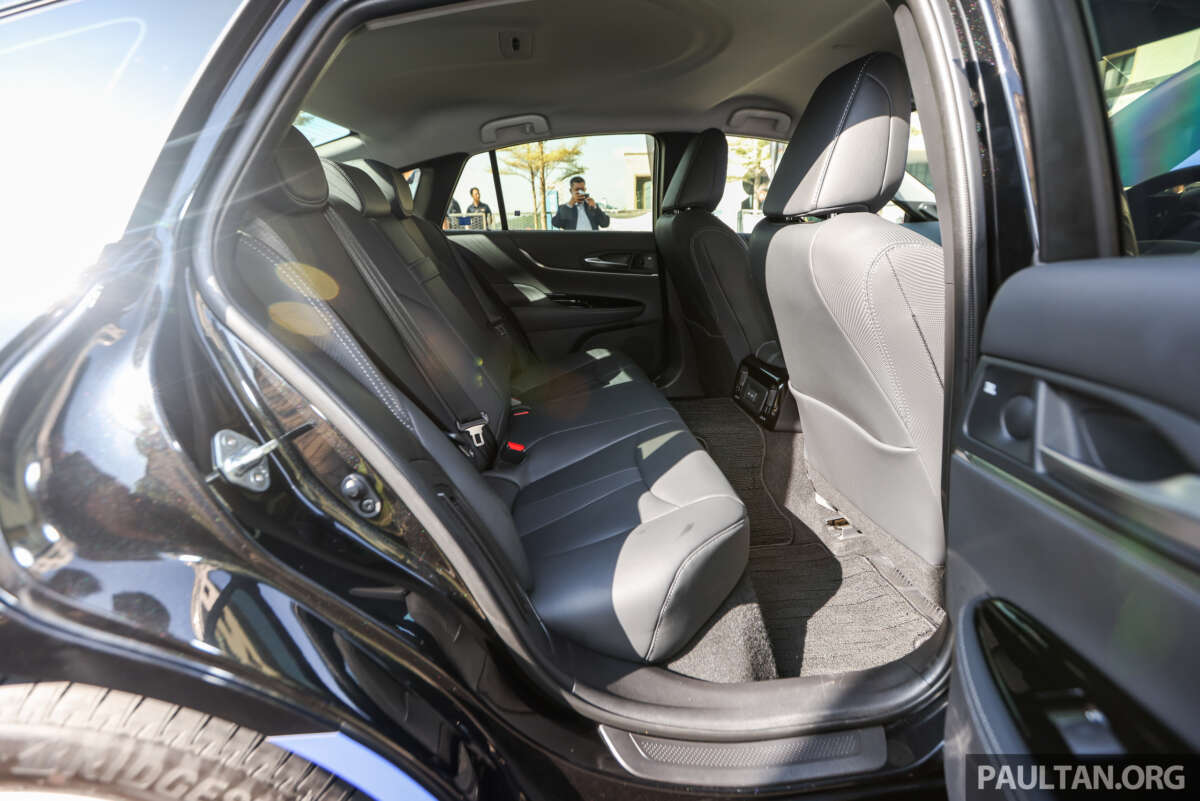
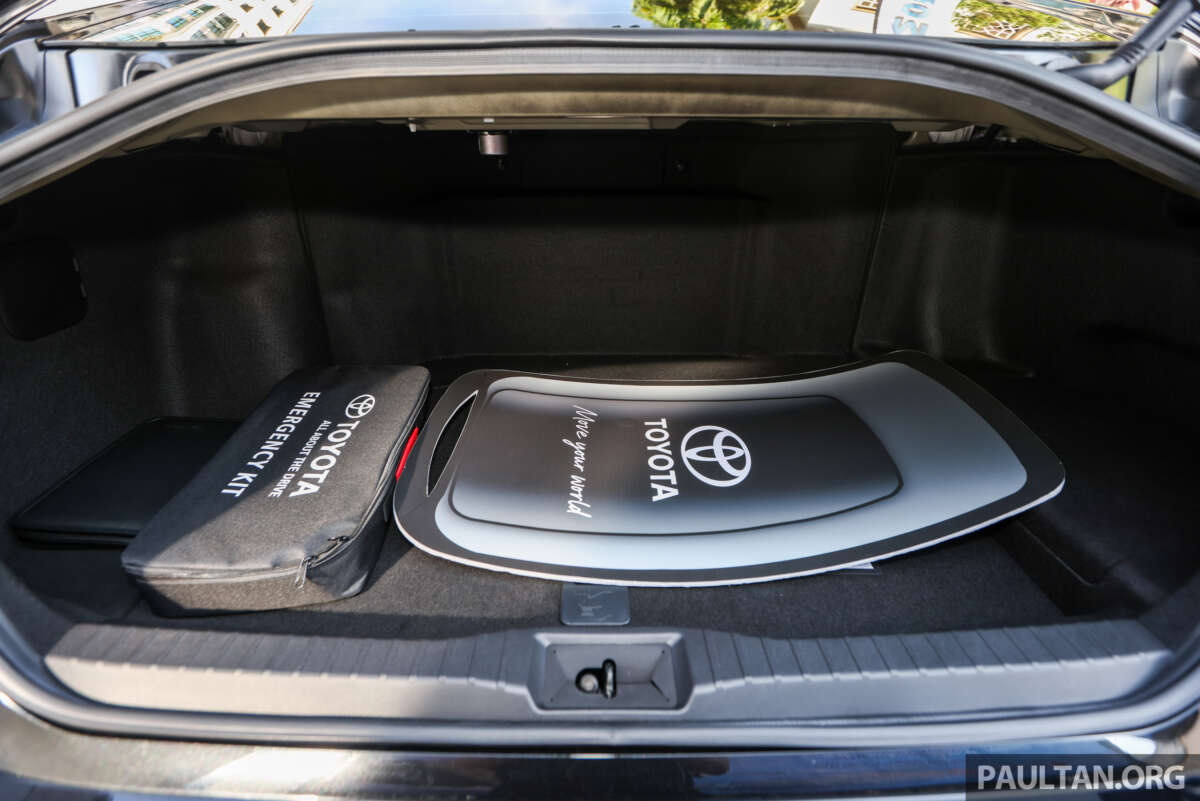
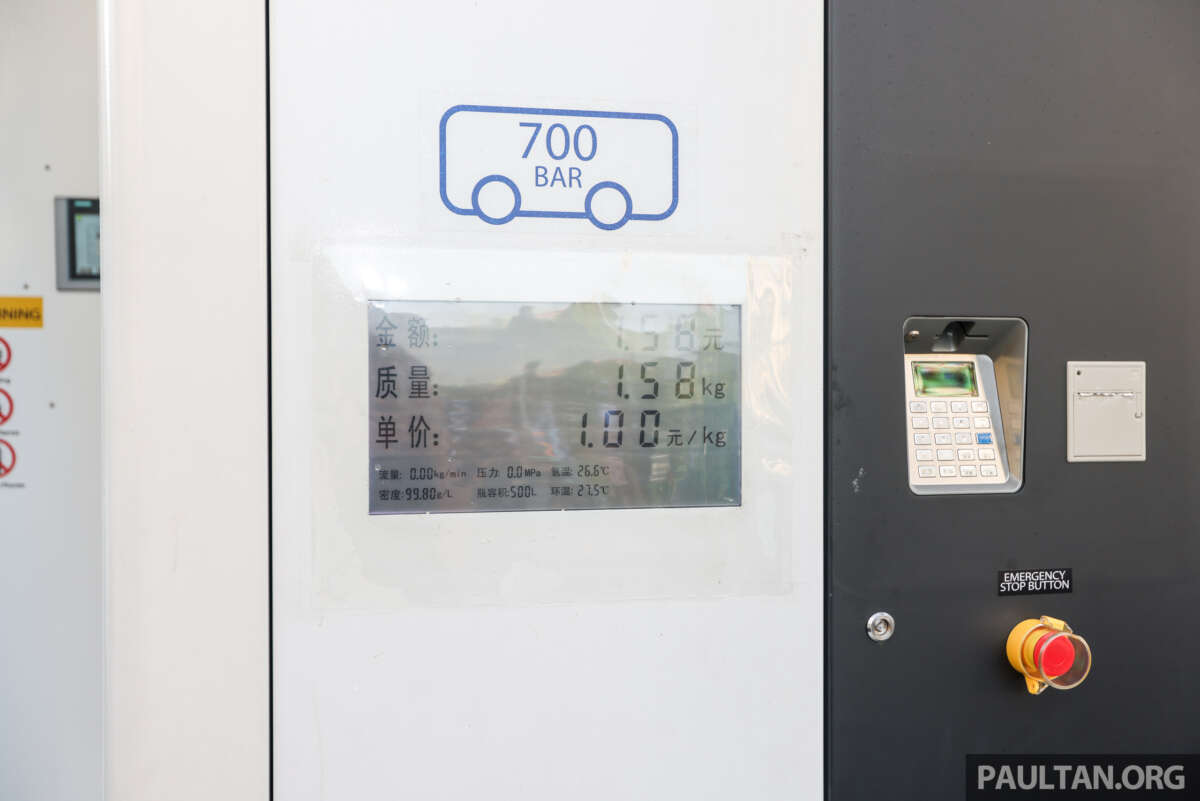
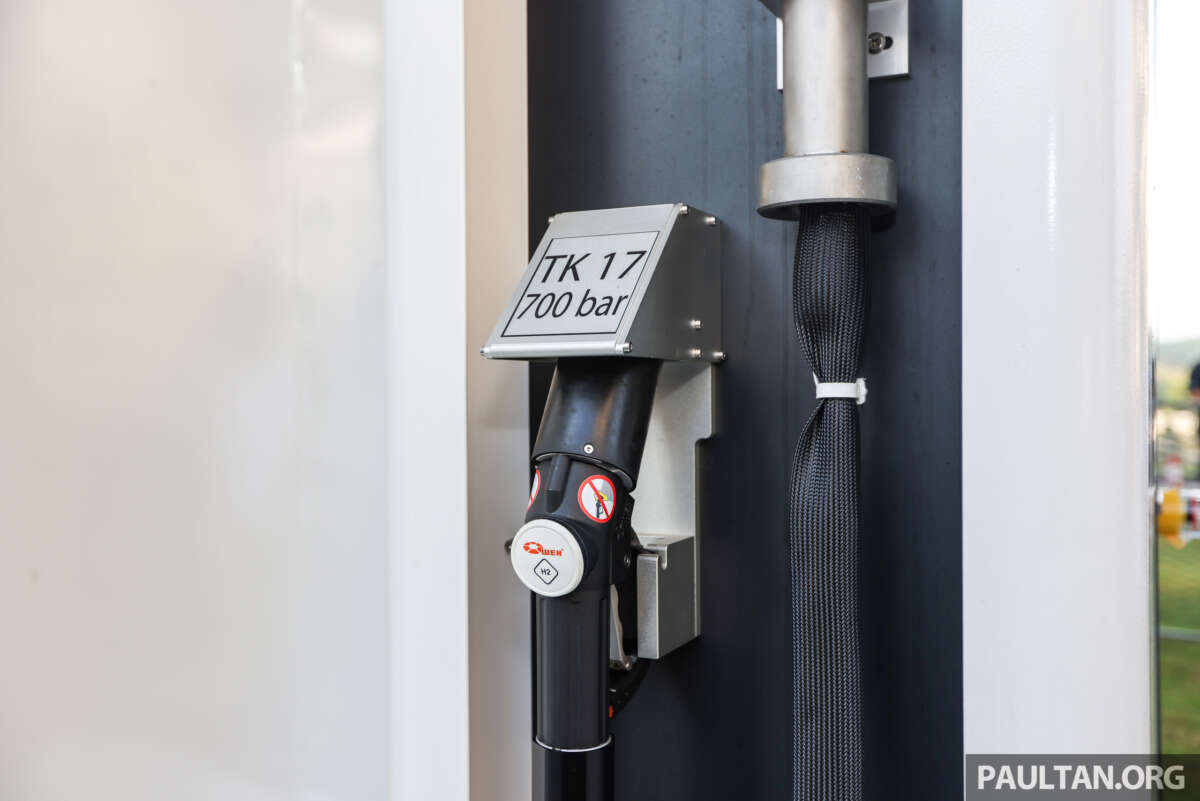
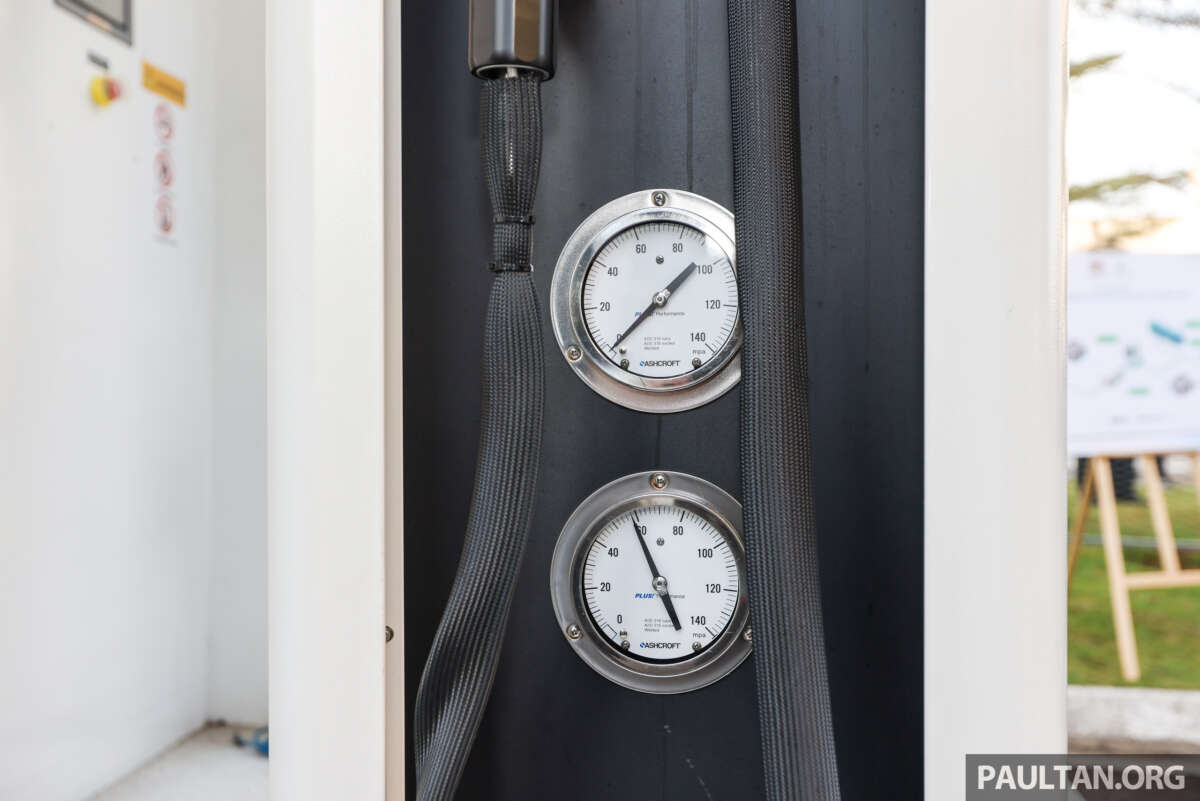
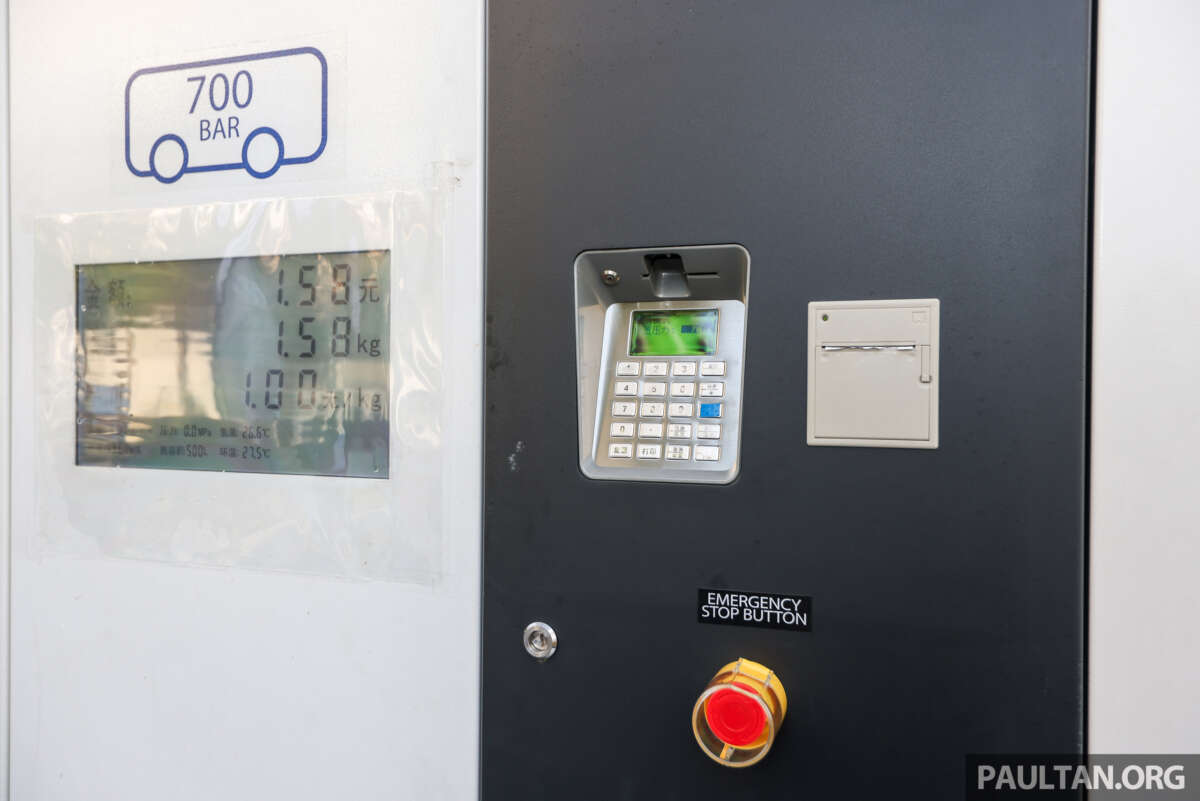
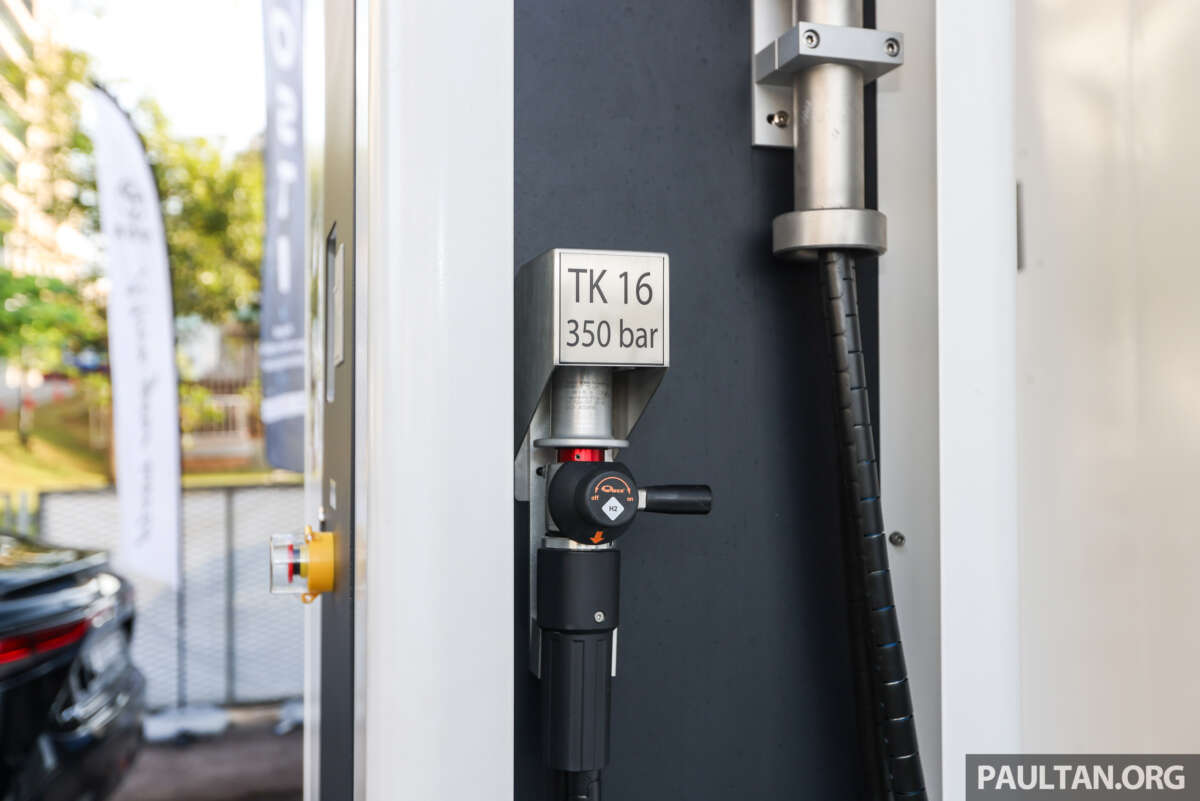
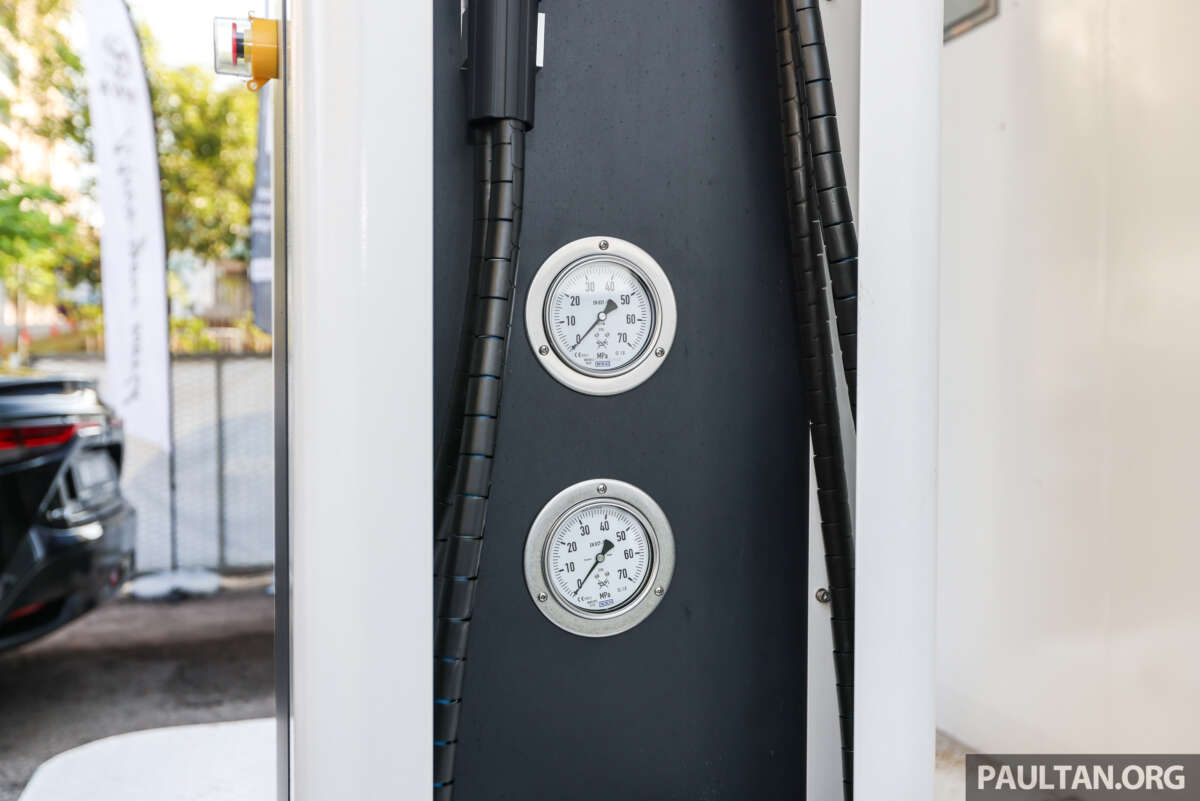
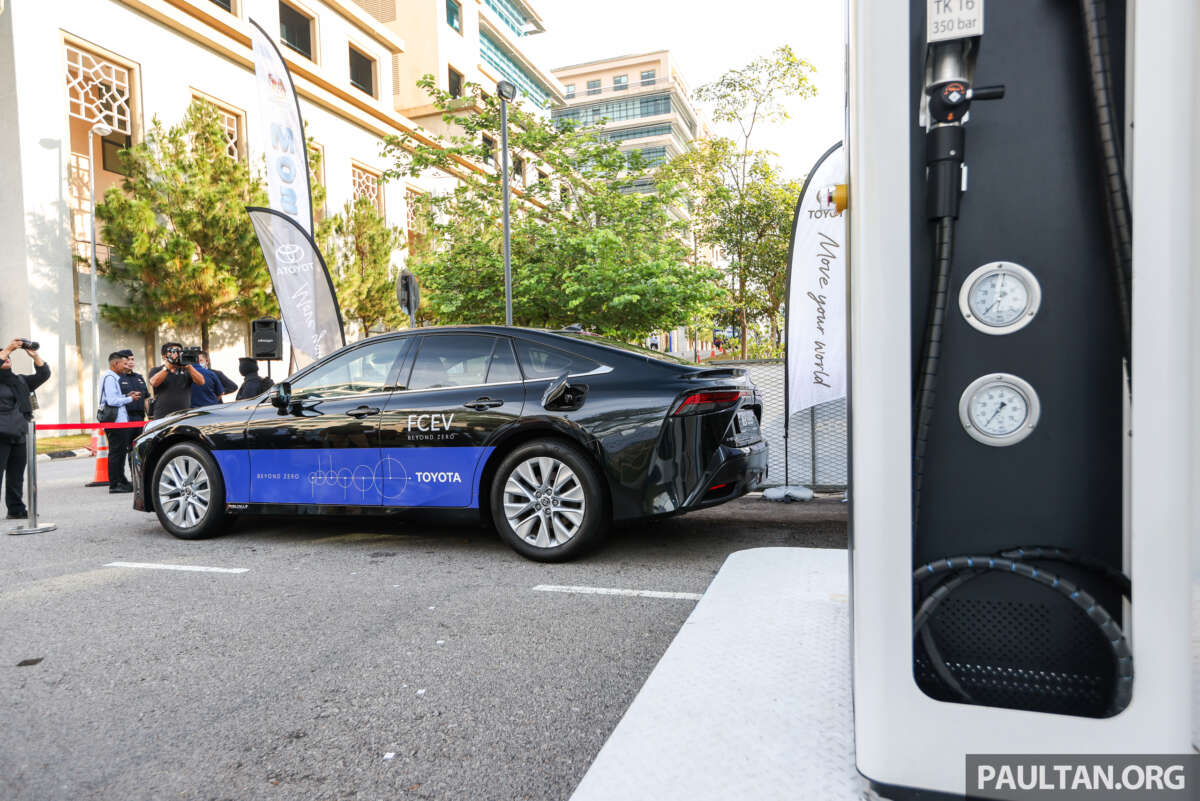
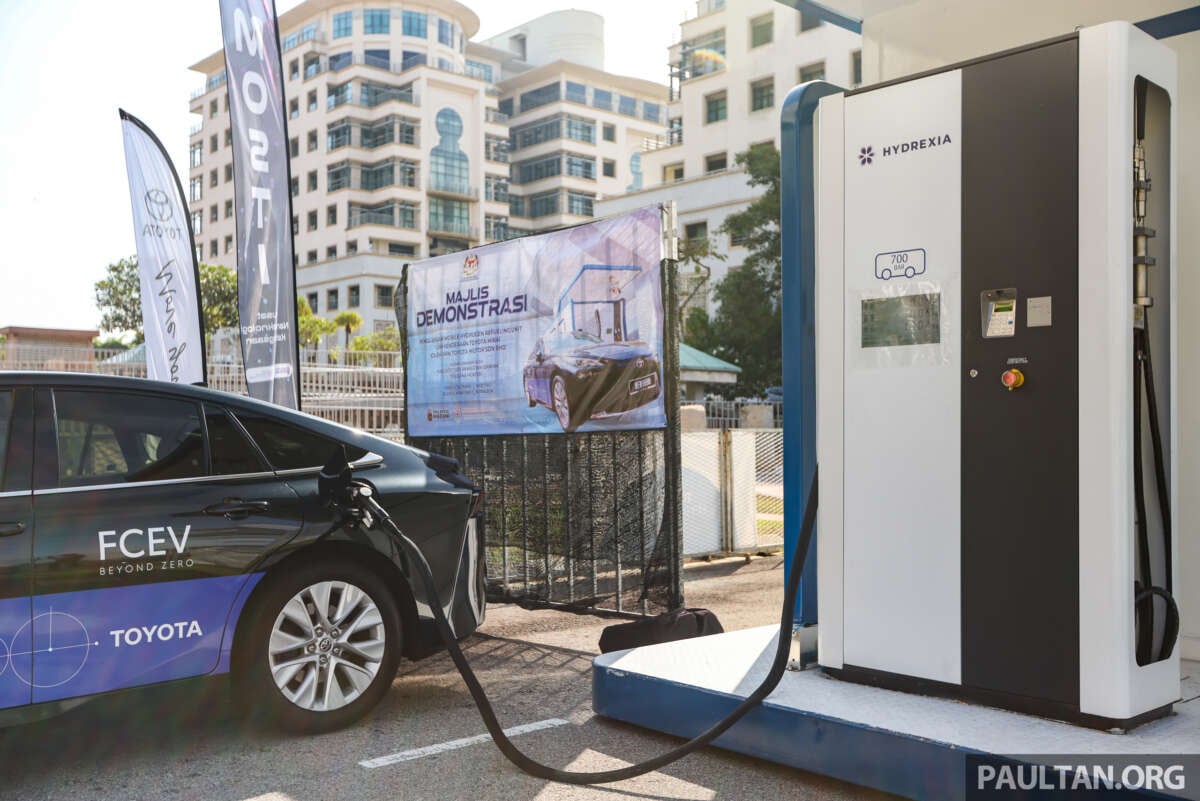
GALLERY: 2024 Toyota Mirai and mobile hydrogen station in Malaysia

Looking to sell your car? Sell it with Carro.
 Toyota Yaris Cross
from RM99,900
Toyota Yaris Cross
from RM99,900  Toyota Hilux
from RM226,300
Toyota Hilux
from RM226,300  Toyota Urban Cruiser
from RM198,000
Toyota Urban Cruiser
from RM198,000  Toyota bZ4X
from RM220,000
Toyota bZ4X
from RM220,000  Toyota GR Yaris
from RM315,600
Toyota GR Yaris
from RM315,600  Toyota GR Corolla
from RM368,950
Toyota GR Corolla
from RM368,950  Toyota Camry
from RM221,800
Toyota Camry
from RM221,800  Toyota Corolla Cross
from RM133,800
Toyota Corolla Cross
from RM133,800  Toyota Hiace
from RM169,000
Toyota Hiace
from RM169,000 


Not so smart, eh? The project failed miserable in California, US. Why are we doing the same mistake??
Go study the efficiency behind Hydrogen FC and you will know. Use this money to improve hospital and schools better
It’s ok to study how Japanese wasting monies on hydrogen fuel cell elecric powered vehicle
More expensive cars for this useless gomen to be paid by taxpayers thru reducing subsidies, removal of petrol benefits, hike in taxes, and incoming GST soon. High time to change this useless gomen!
Equal ICE and EV by 2050? As it is, the drive to get EV charging stations is slow. Now wondering how much time they need for H2 stations. Anyone seen the costs of H2? lol
Make sure these H2 tanker drivers won’t crash boom bang on the roads and highways while transporting from plant to station
Mirai is a big failure in California USA. Extremely high running cost until Toyota have to give voucher for the user to fill up for FREE otherwise no one would buy the Mirai. Also less and less H2 station there.
At the same time NGV is phasing out since it is not profitable for O&G companies to provide.
A wonderful news, good luck Toyota <3
Why It takes longer time to pump compares to my bapak teksi ngv?
nice idea but figure out how to make hydrogen cheaply
They should study the efficiency of this whole hydrogen supply chain instead of listening to toyota lobbyist
so many negative thinking… wonder what will happen when more and more hydrogen car running on the road while tons of EV waiting in the charging station…