
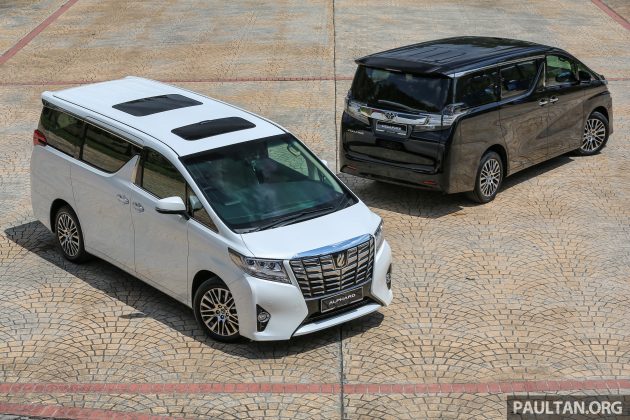
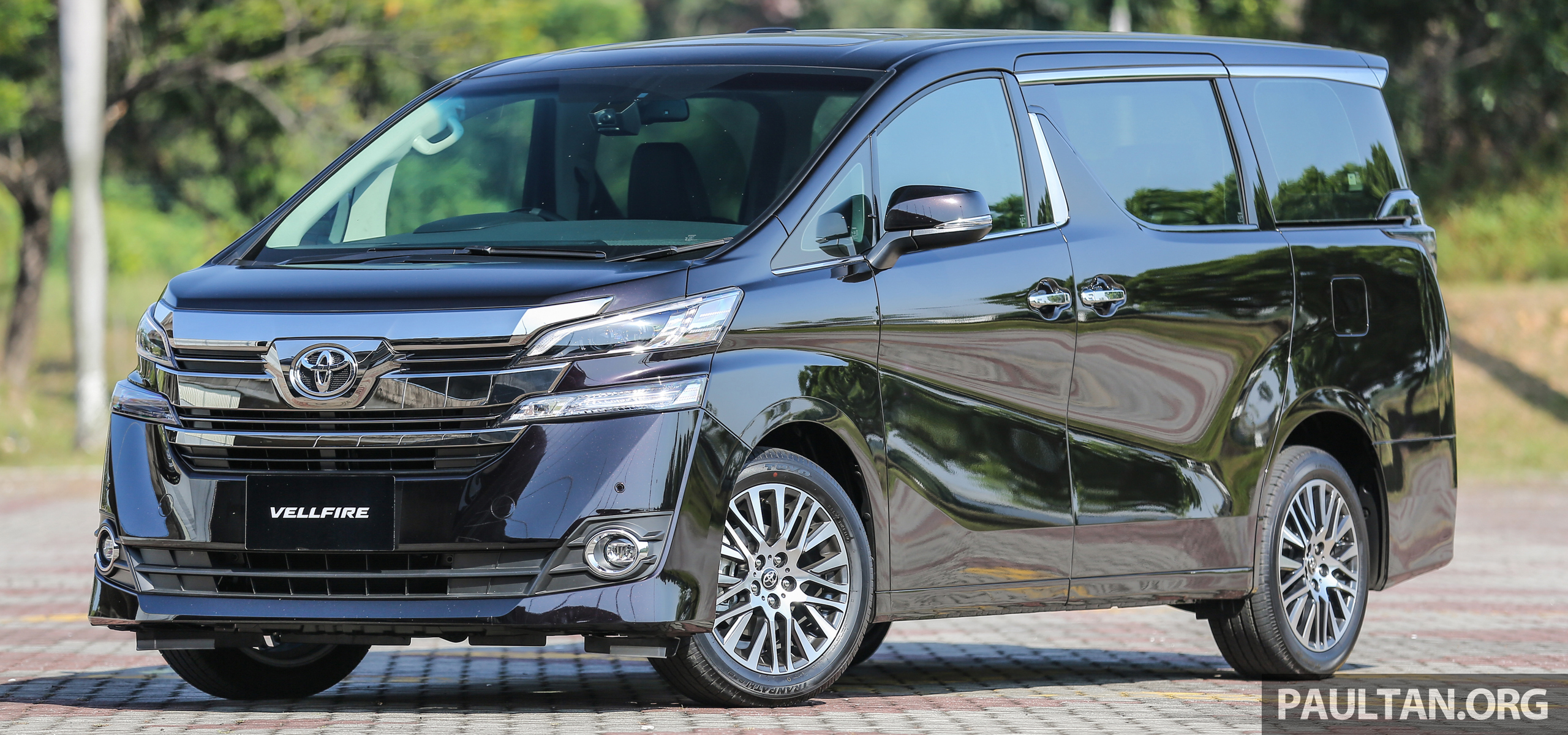
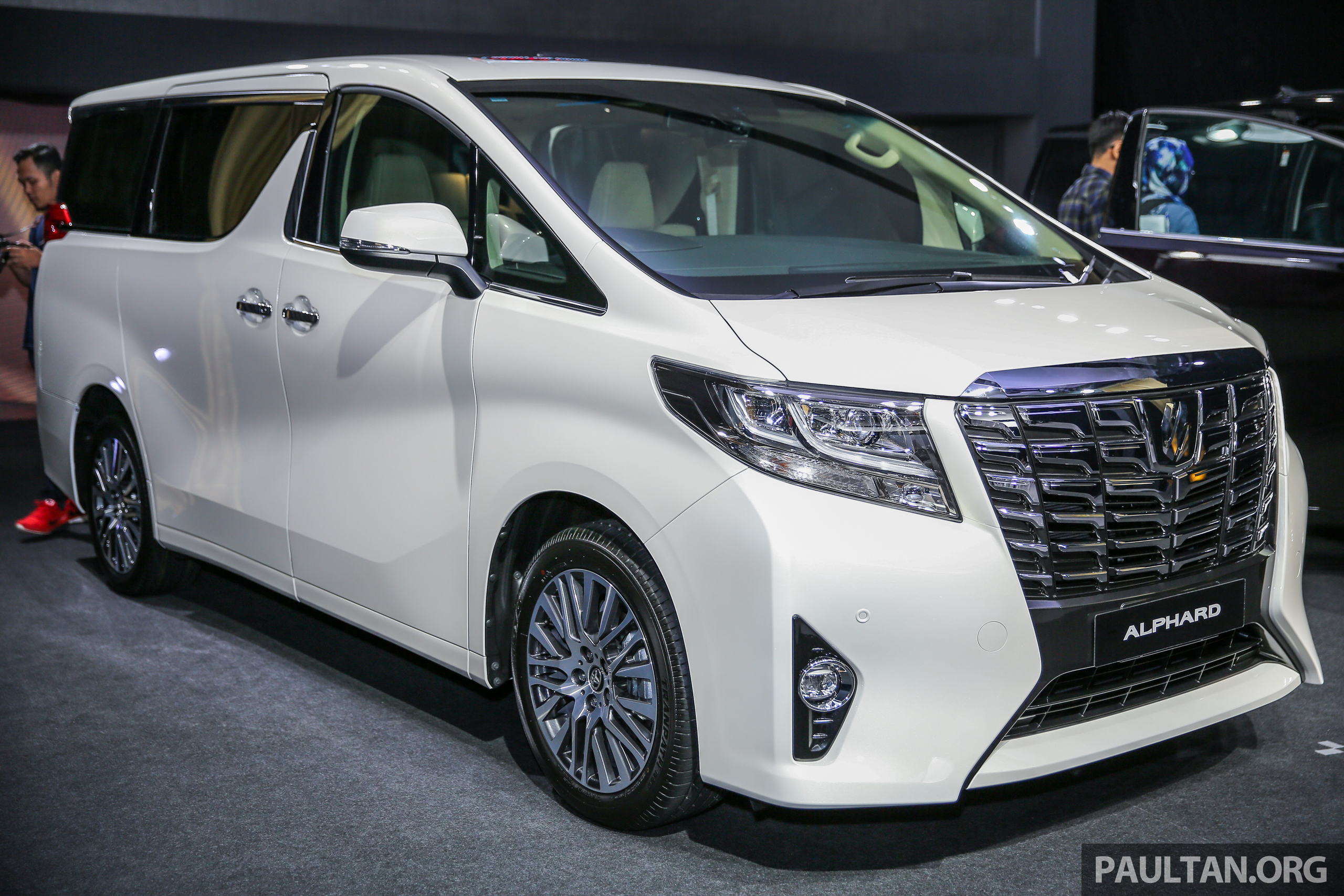
If you’re shopping for a used luxury MPV in Malaysia, the previous-generation Toyota Alphard and Vellfire – the “30-series” or AH30- always come up as one of the default choices. It’s spacious, supremely comfortable, bullet-proof in reputation, and the models are at the heart of Malaysia’s busy recond-import market.
But buying one can be more confusing than just looking up what UMW Toyota launched in the past because a high percentage of every example here on Malaysian soil is a Japanese grey import, so the variant line-up is far wider (and more confusing) than the handful of official UMW models.
A quick but important note on scope: this covers the 30-series (chassis 2.5 AGH30/3.5 GGH30/Hybrid AYH30), sold in Japan from 2015 to mid-2023, before the all-new 40-series arrived. If you’re looking at a 2023-or-newer car, double-check whether it’s a late 30-series or the new 40-series – they’re very different.
Why the 30-series is a top used buy – and the recond reality
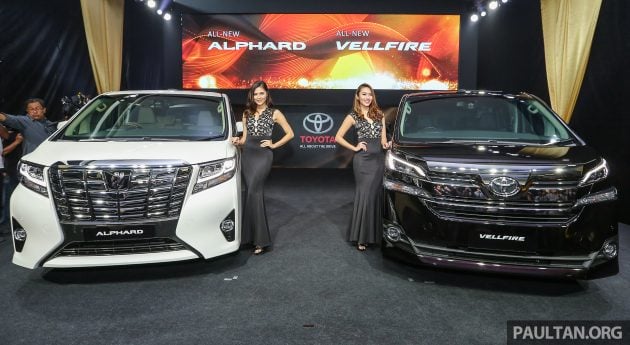
The 30-series Alphard is the third-generation model; the Vellfire is its second-generation sibling. The two are the same vehicle under the skin, differing only in styling and grade names (more on that below). Toyota Japan launched them in January 2015, gave them a significant facelift in January 2018, and replaced them with the 40-series in June 2023.
Crucially, the cars you’ll find in Malaysia are overwhelmingly Japanese recond (grey) imports, not official UMW Toyota cars – Alphard and Vellfire are the headline models behind the fact that roughly one in five Toyotas in Malaysia is a grey import.
A recond car typically costs significantly less than the official import (often tens of thousands of ringgit cheaper) while offering more equipment, which is exactly why the recond market dominates. The overwhelming majority are 2.5 litre petrol cars.
Variant guide – decoding the alphabet soup
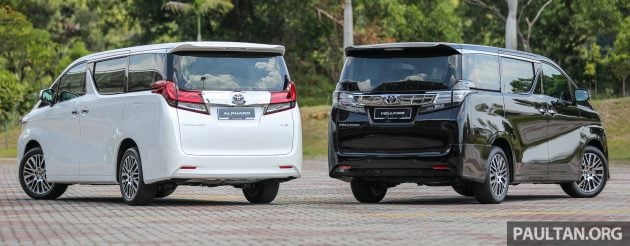
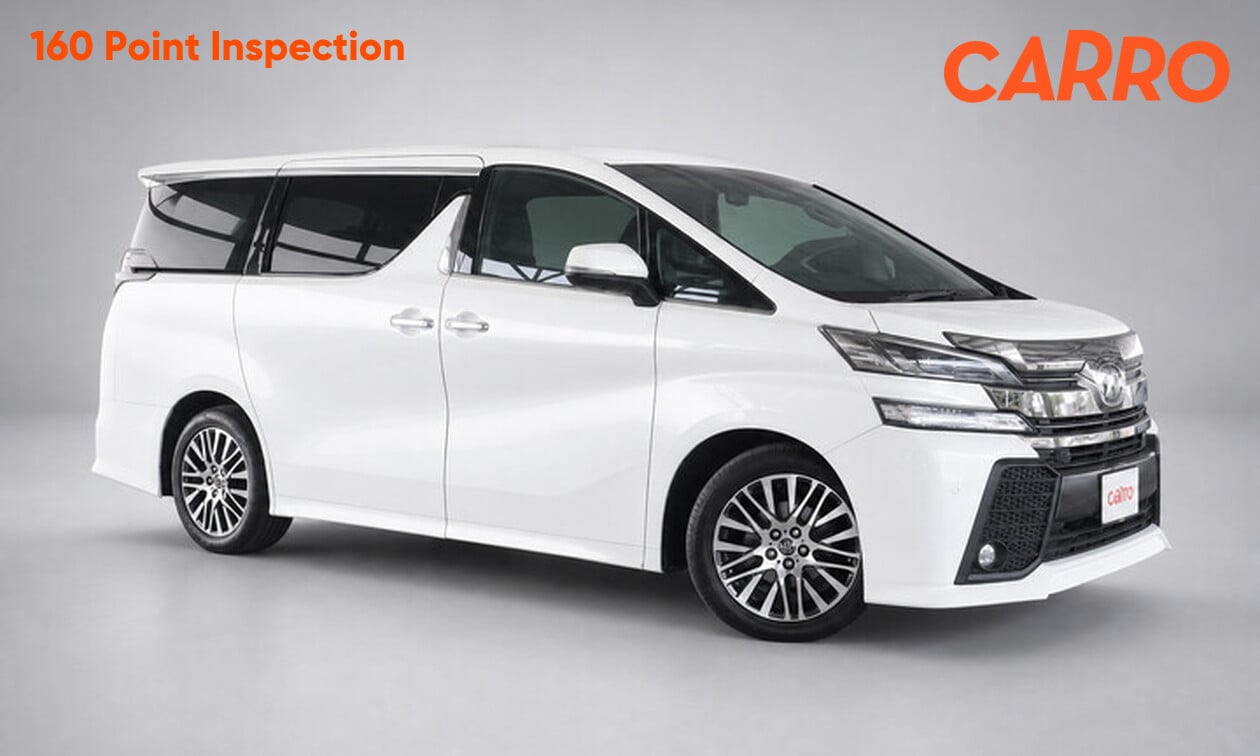
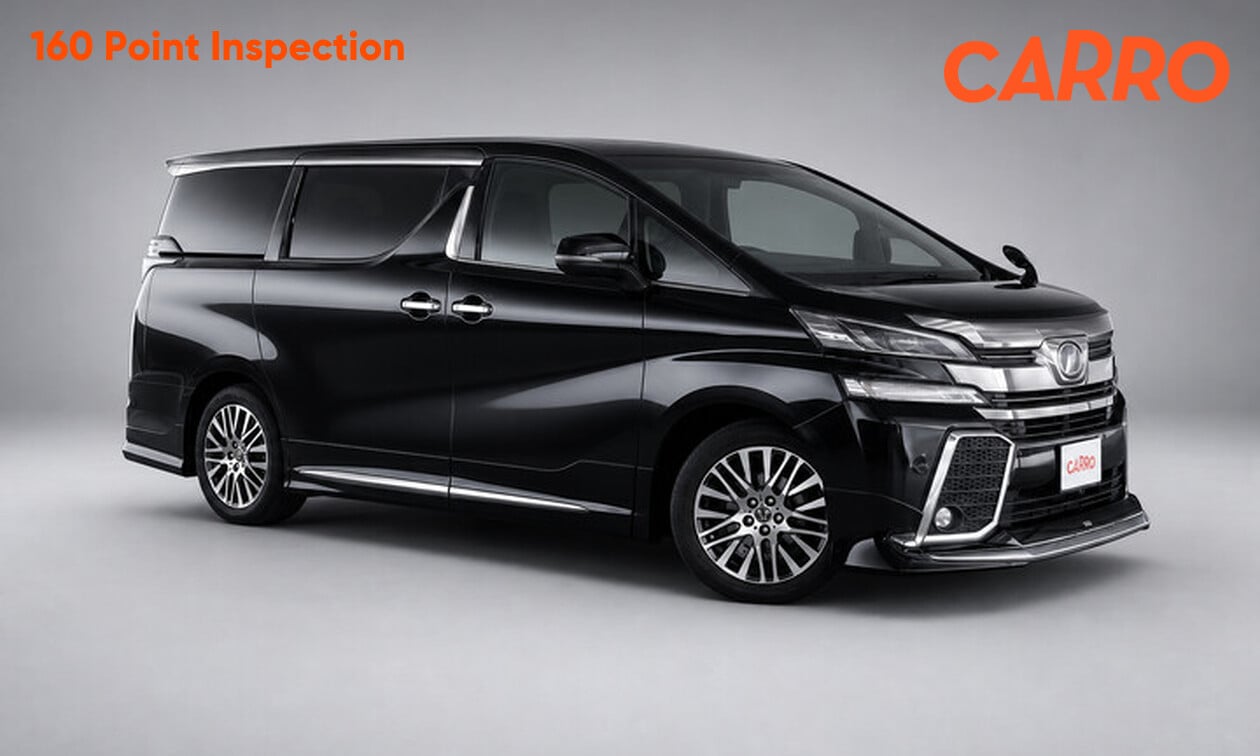
This is where used buyers get lost, because the JDM grade ladder is long. The key thing to understand: the Alphard and Vellfire share the same tiers, just with different badges and faces. Mechanically and space-wise, they are identical.
Here’s how the main grades line up:

| Tier | Alphard grade | Vellfire grade | What you get |
|---|---|---|---|
| Base | 2.5 X | 2.5 X | 8-seat, fabric, the value entry |
| Luxury (non-aero) | 2.5 G | 2.5 V | 7-seat captain chairs, leather-look, dual power doors |
| Aero / sporty | 2.5 S | 2.5 Z | Aero bumpers, 18-inch wheels, sportier look |
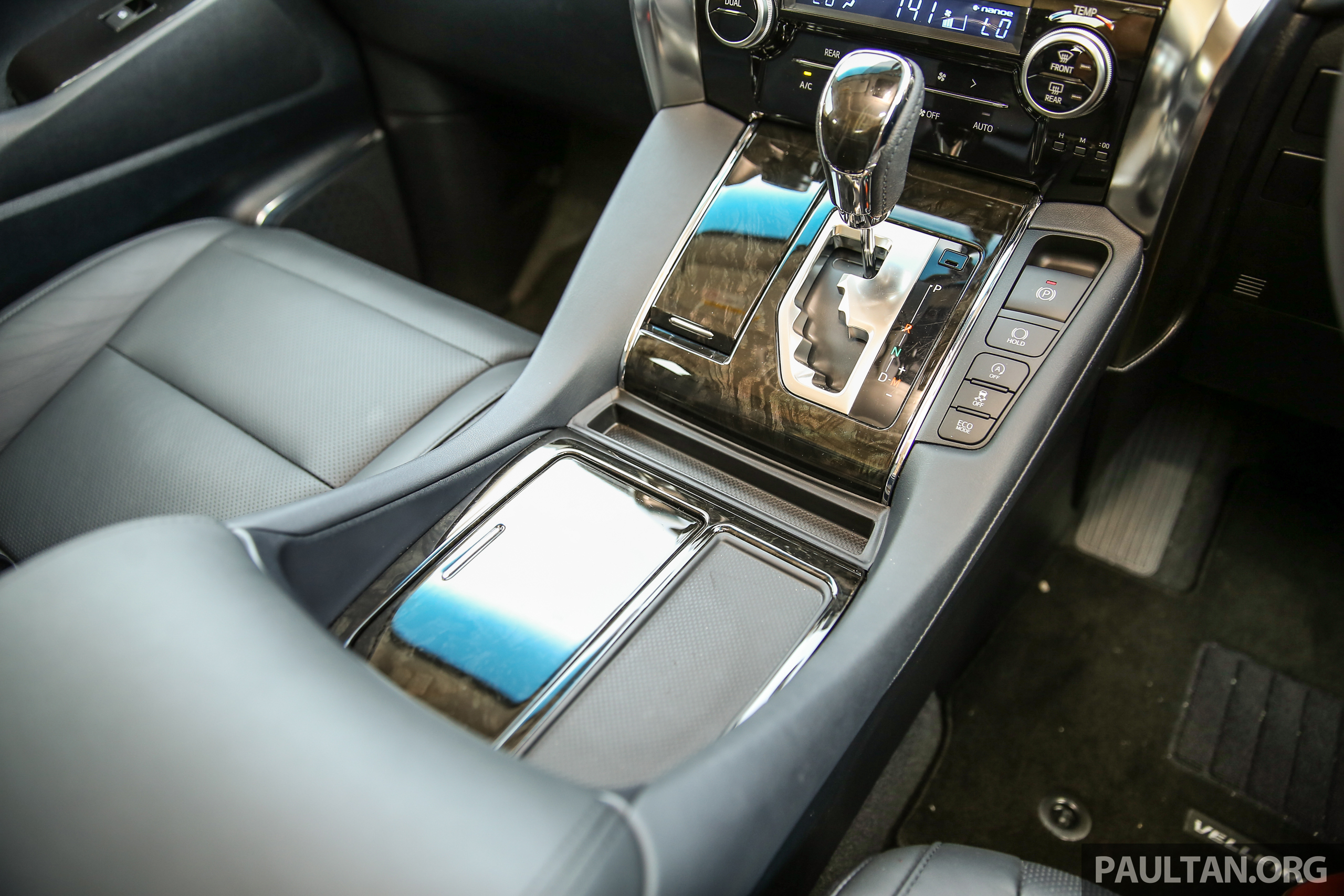
| Aero mid / top | S A-Package, S C-Package (SA/SC) | ZA, ZG | Upgraded console, premium trim; ZG/SC are the top aero grades |
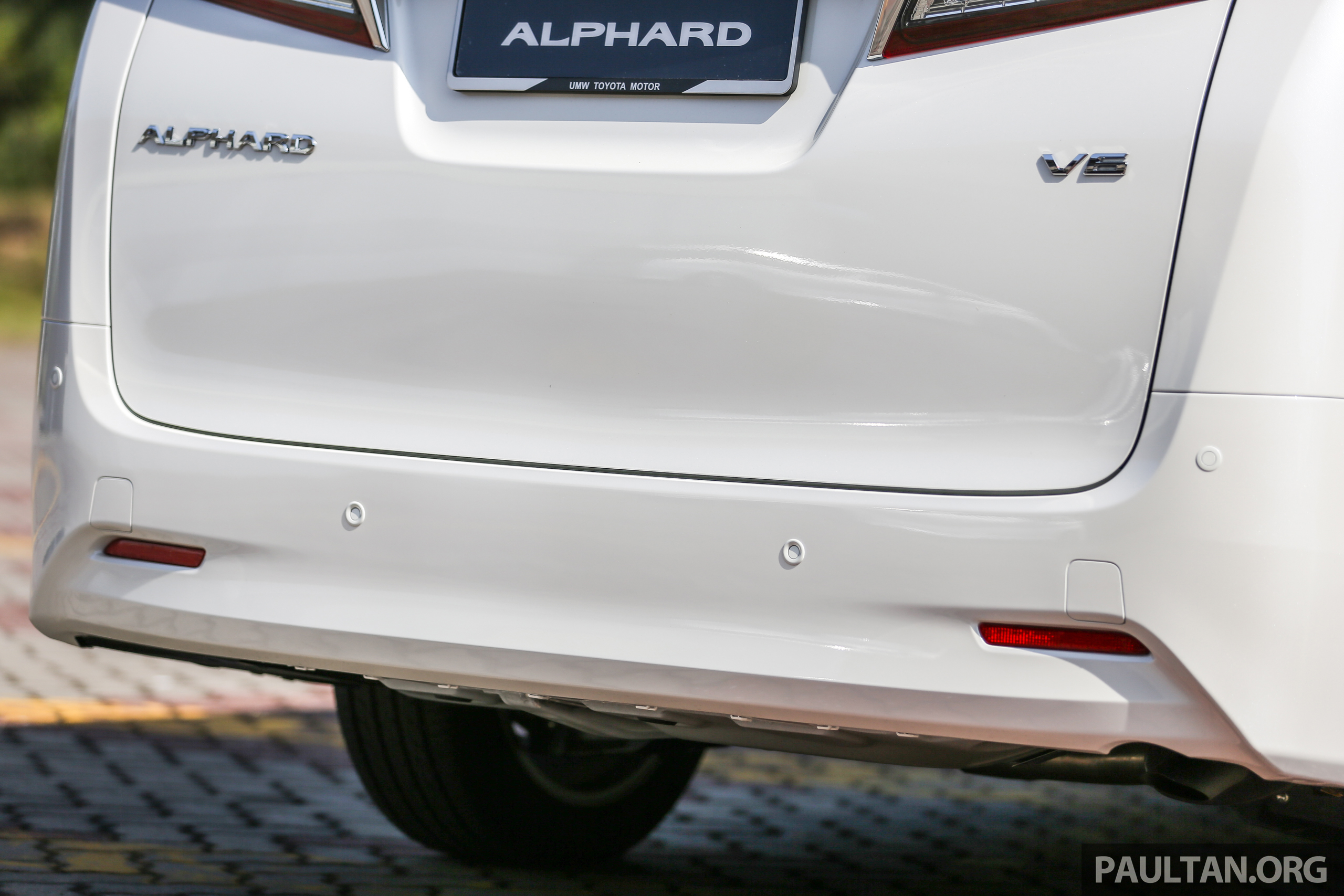
| Top V6 | 3.5 SC | 3.5 ZG | The 3.5 V6 in top aero spec |
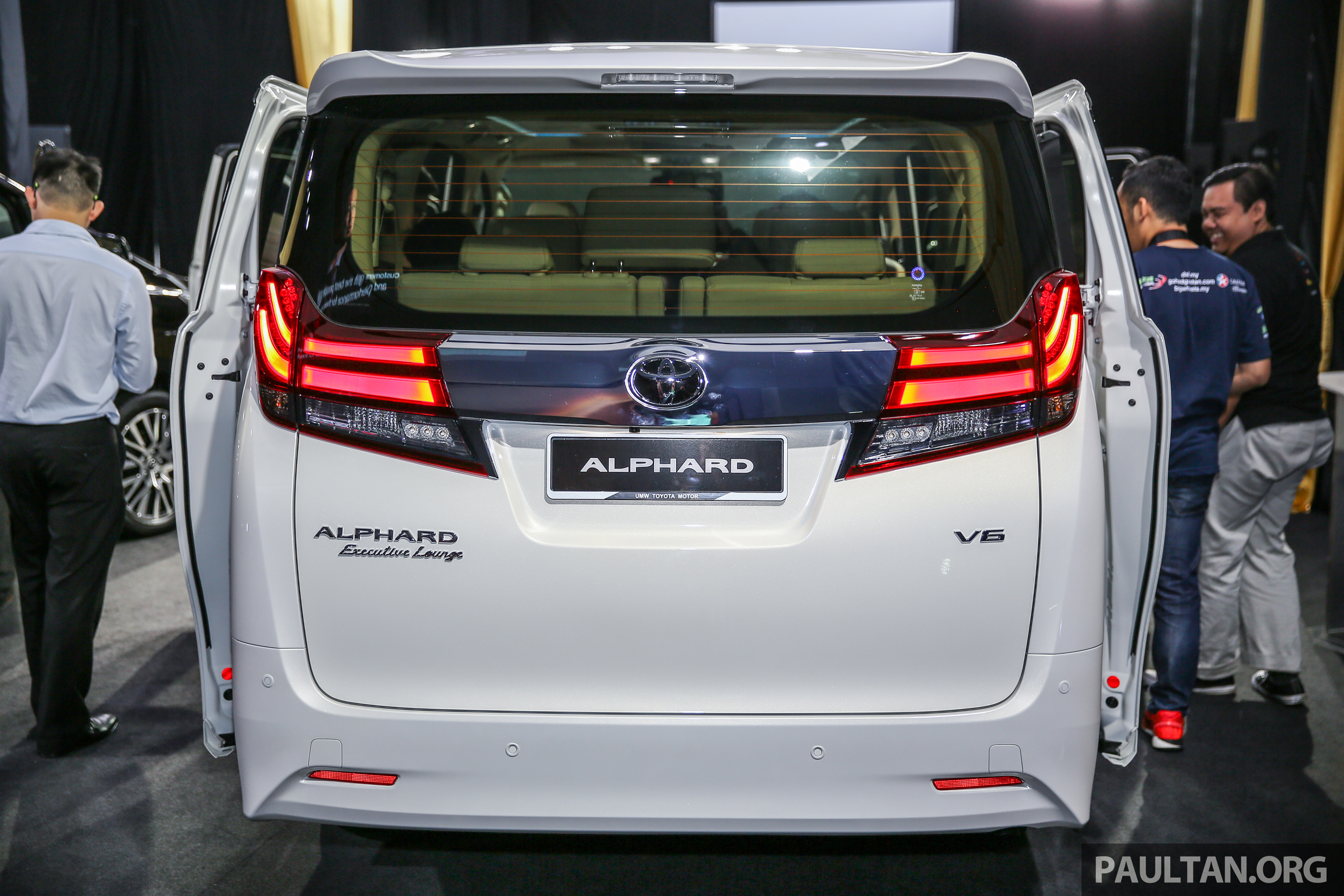
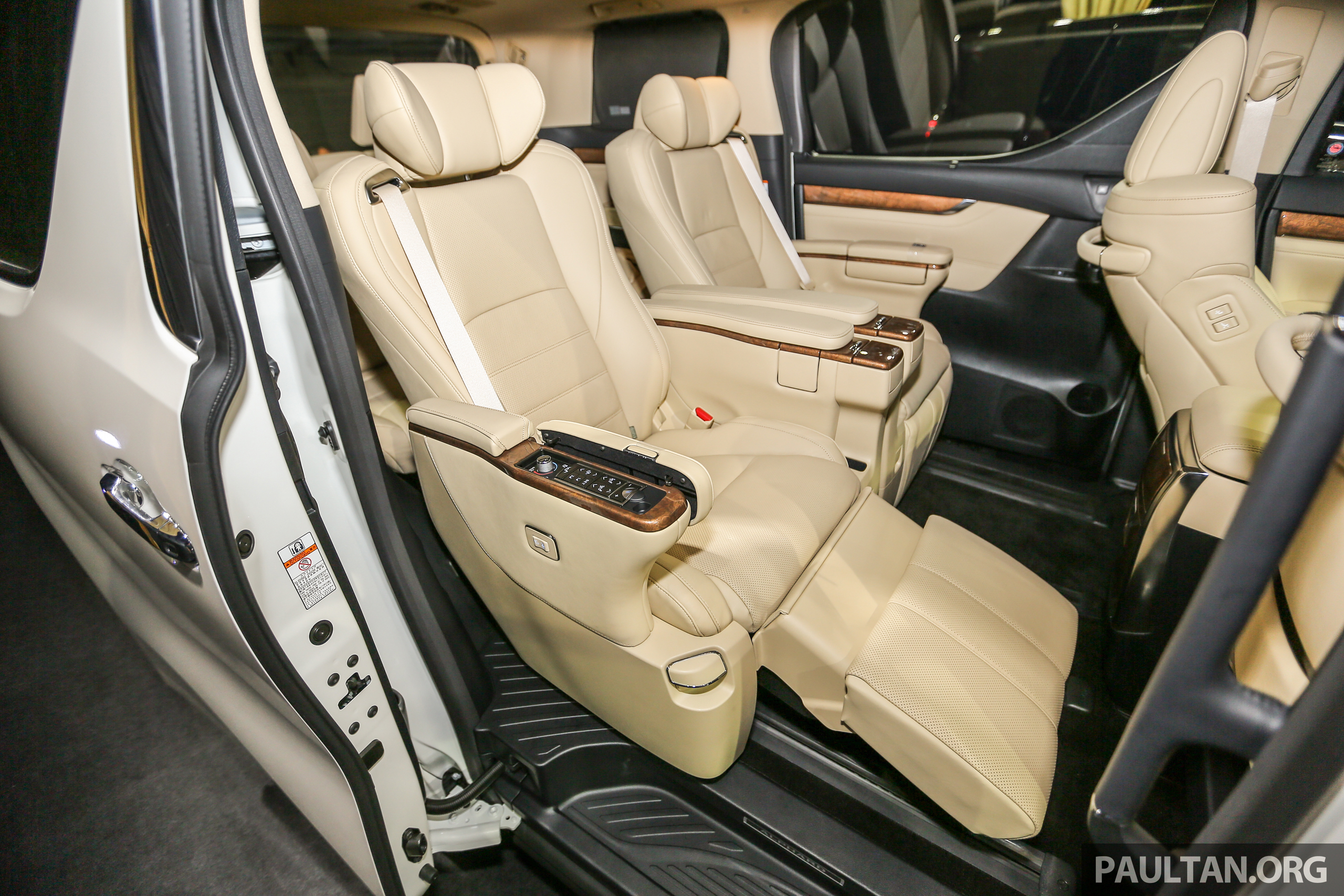
| Flagship | Executive Lounge | Executive Lounge | Reclining ottoman captain seats, Nappa leather, the full limo treatment |
A few decoder notes:
- SA and SC are shorthand for the “S A-Package” and “S C-Package” – progressively richer versions of the aero S grade. SC is effectively the top aero grade (and on the V6, the flagship non-Executive-Lounge model).
- Type Gold (Alphard) and Golden Eyes (Vellfire) are special editions from April 2020 – based on the S and Z grades respectively, with gold exterior accents and extra kit. They command a premium used.
Alphard/Vellfire Executive Lounge
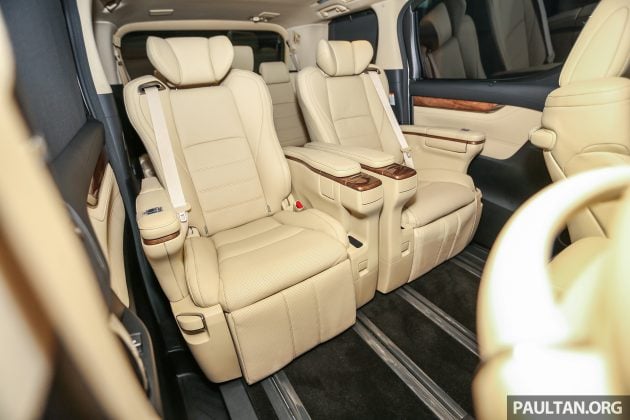
The Executive Lounge model is the flagship on both, and it brings far more than just the seats.
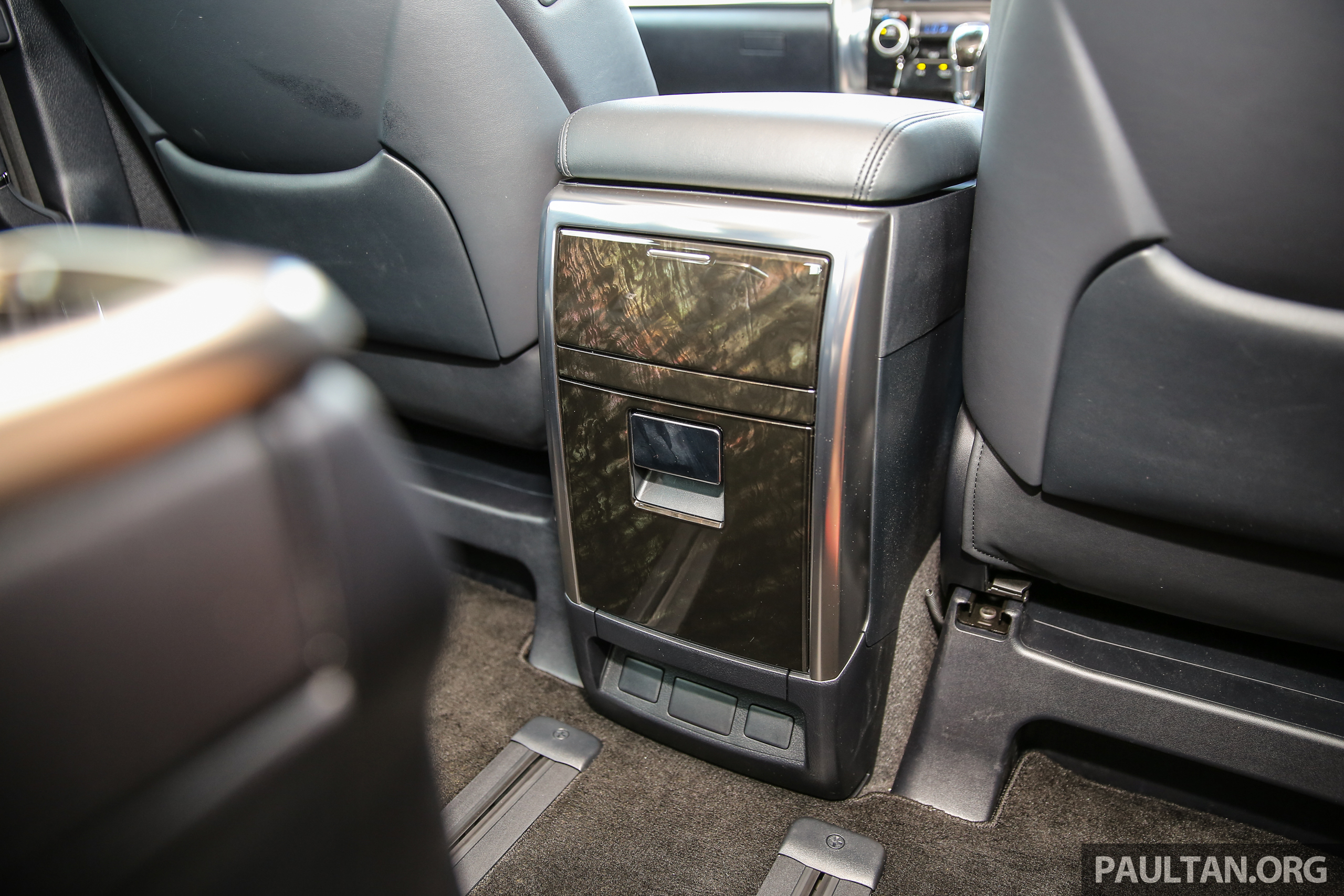
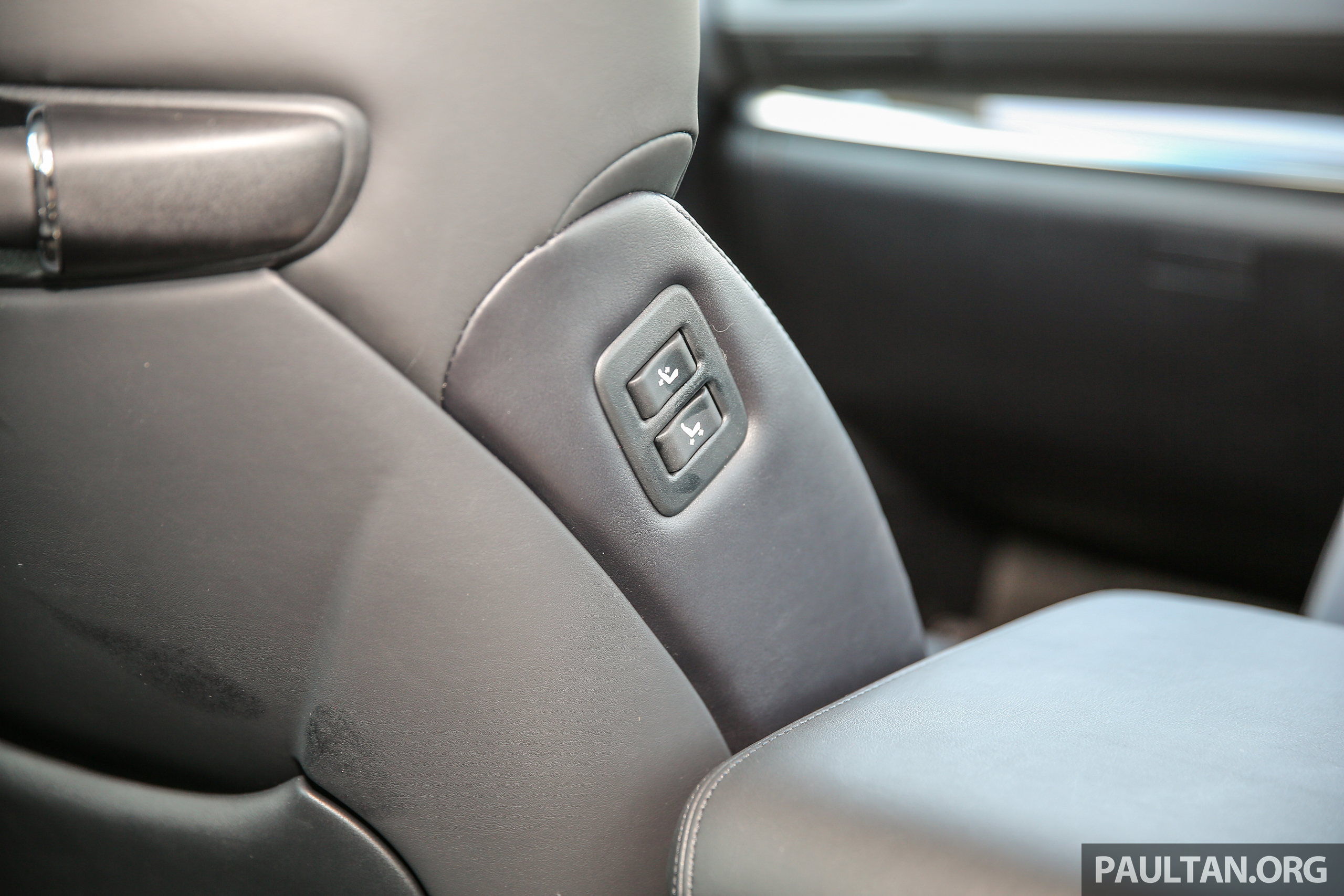
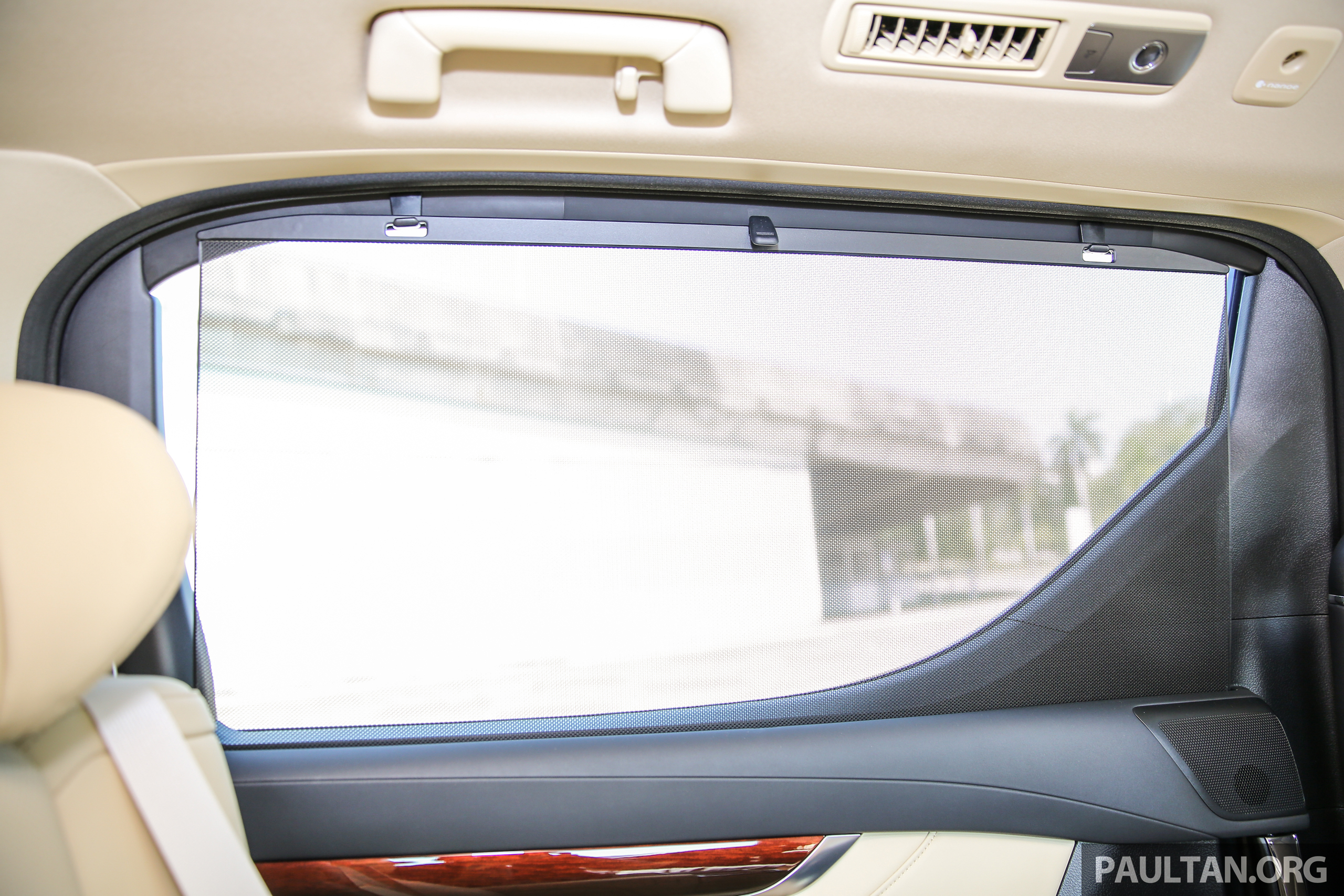
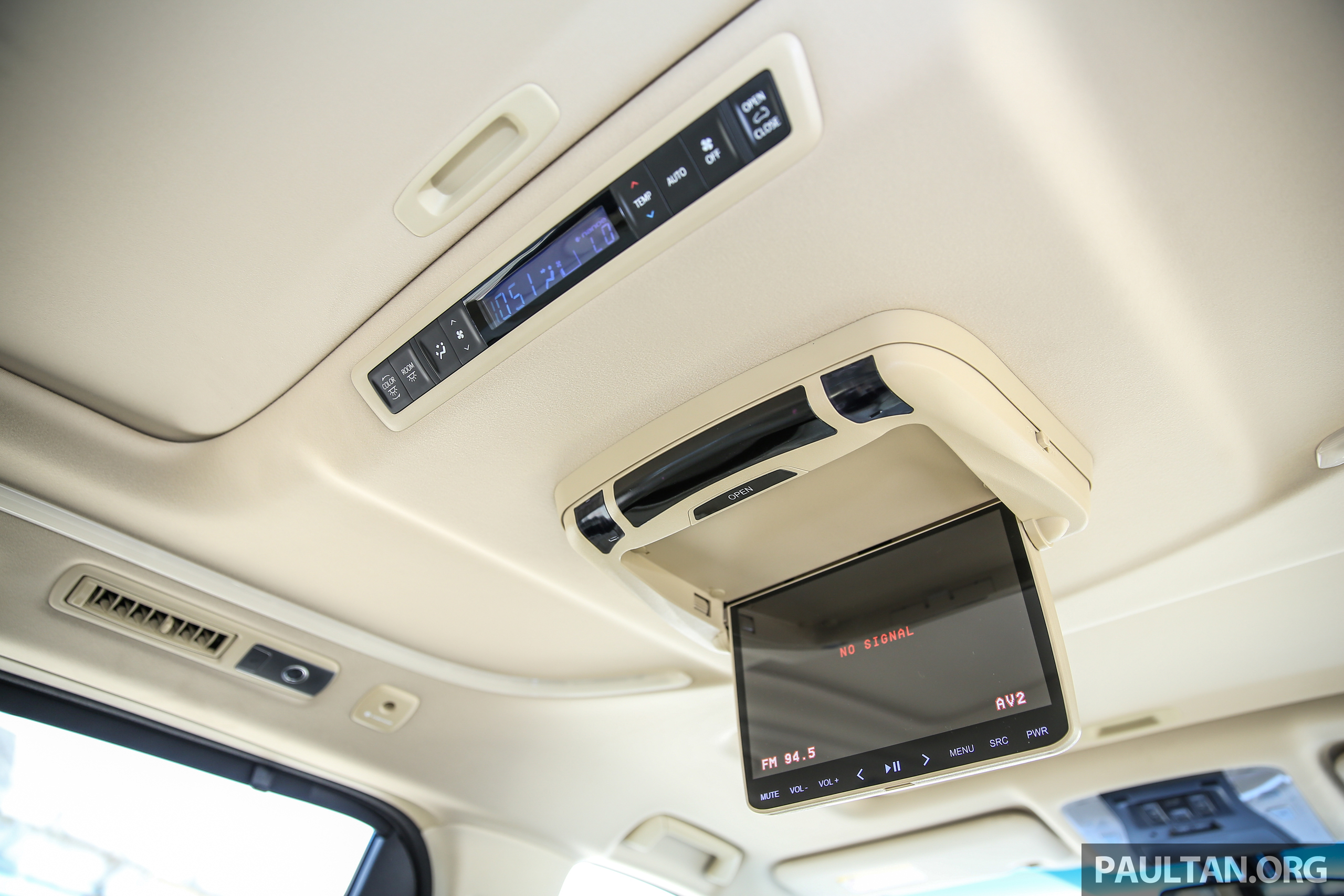
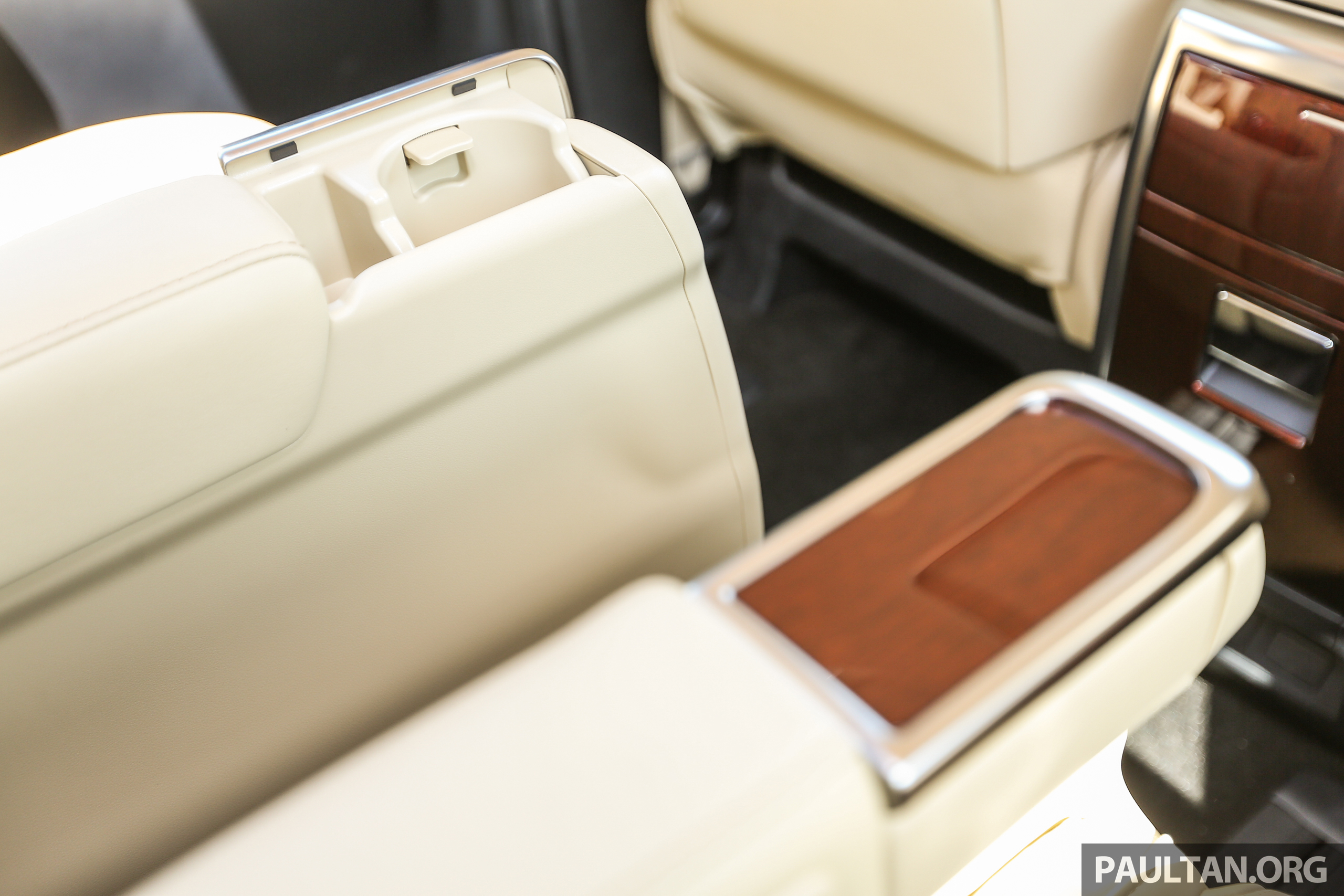
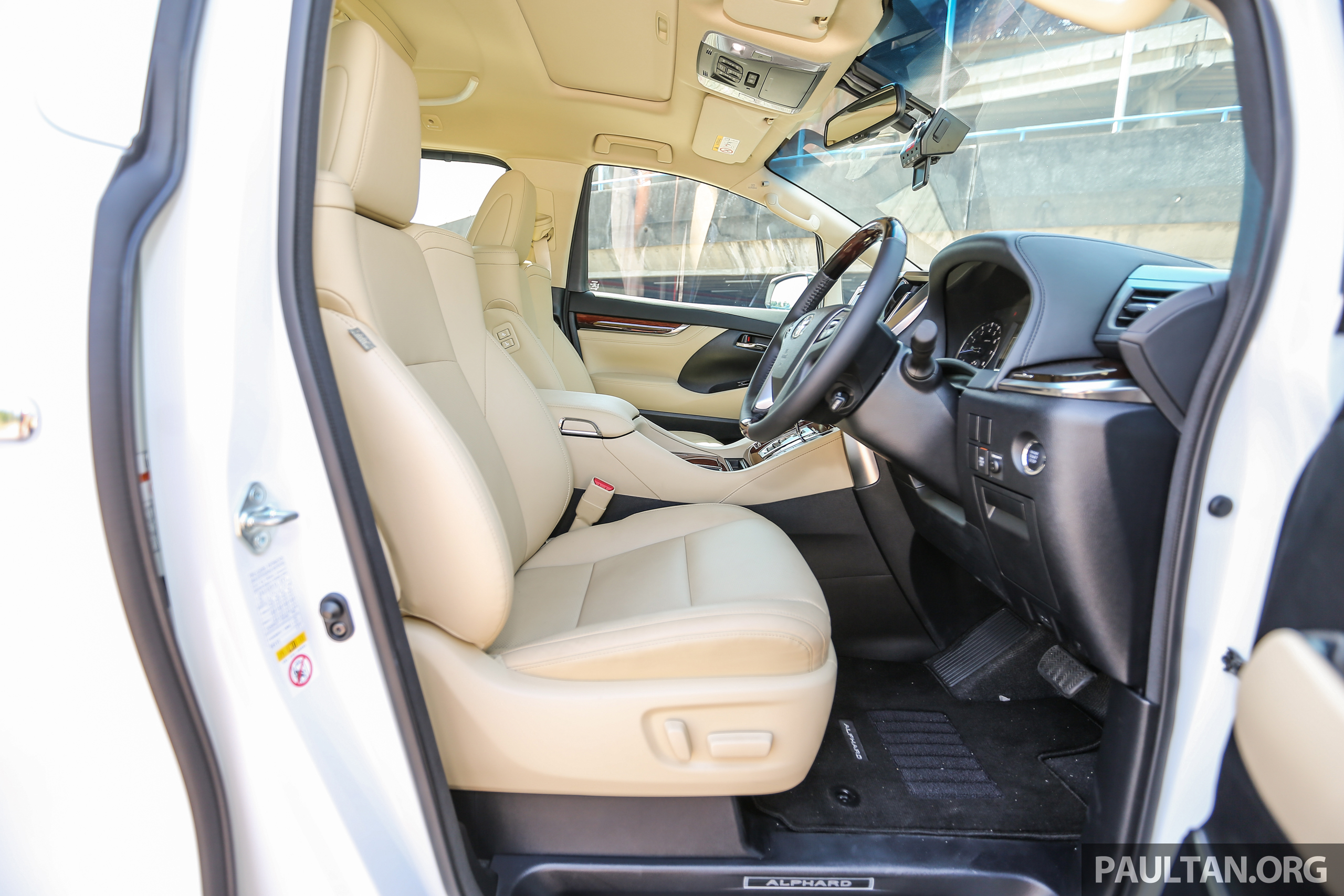
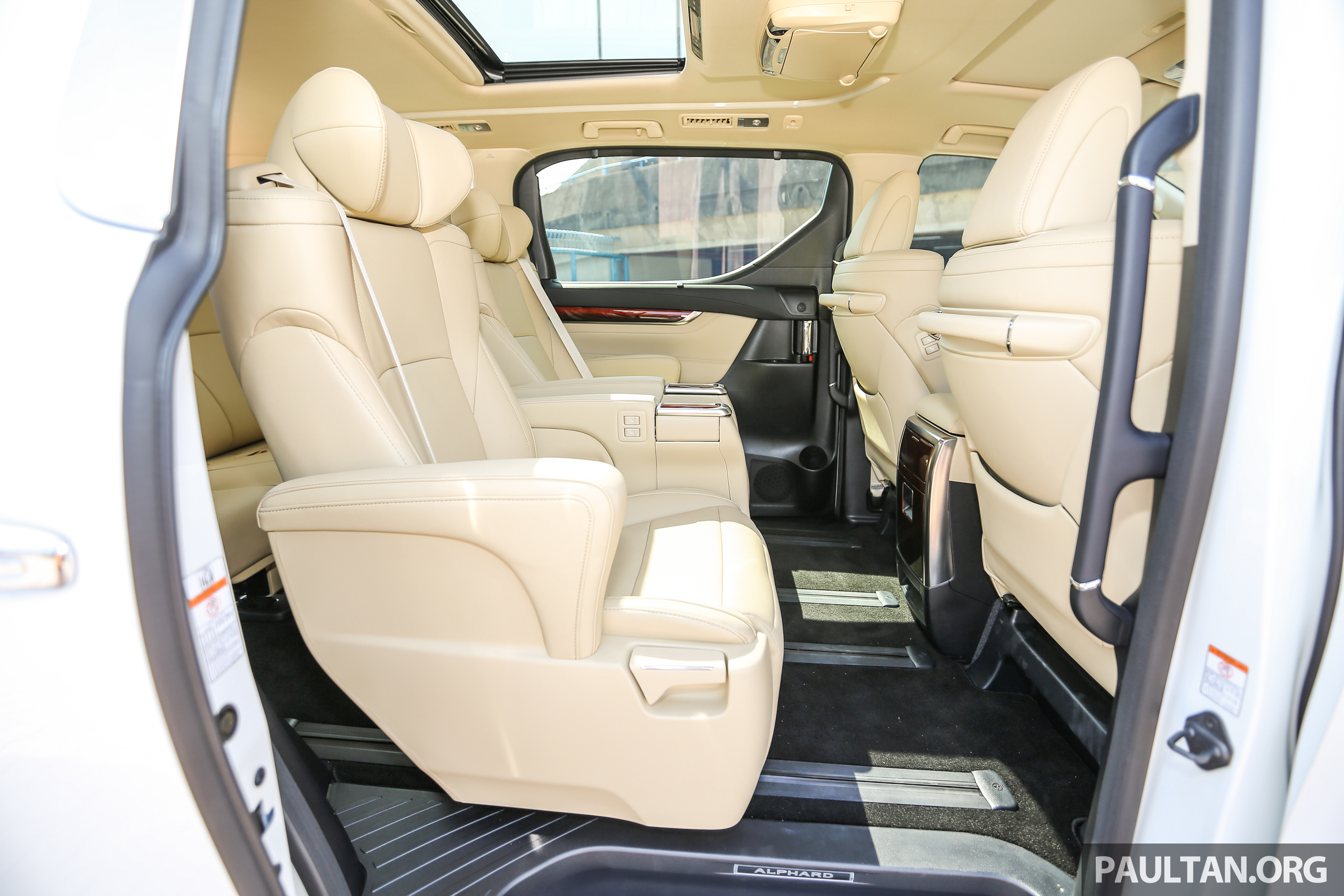
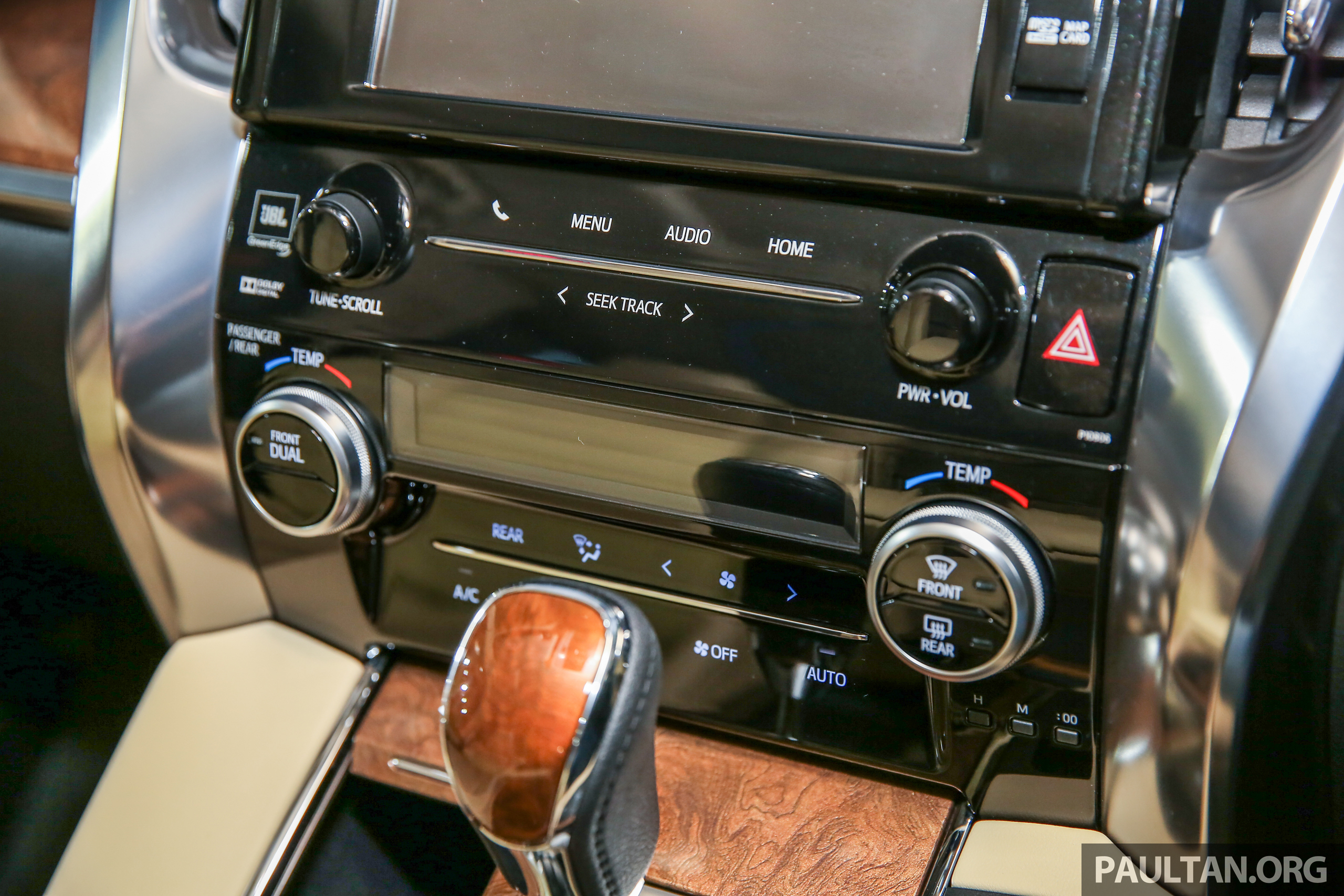
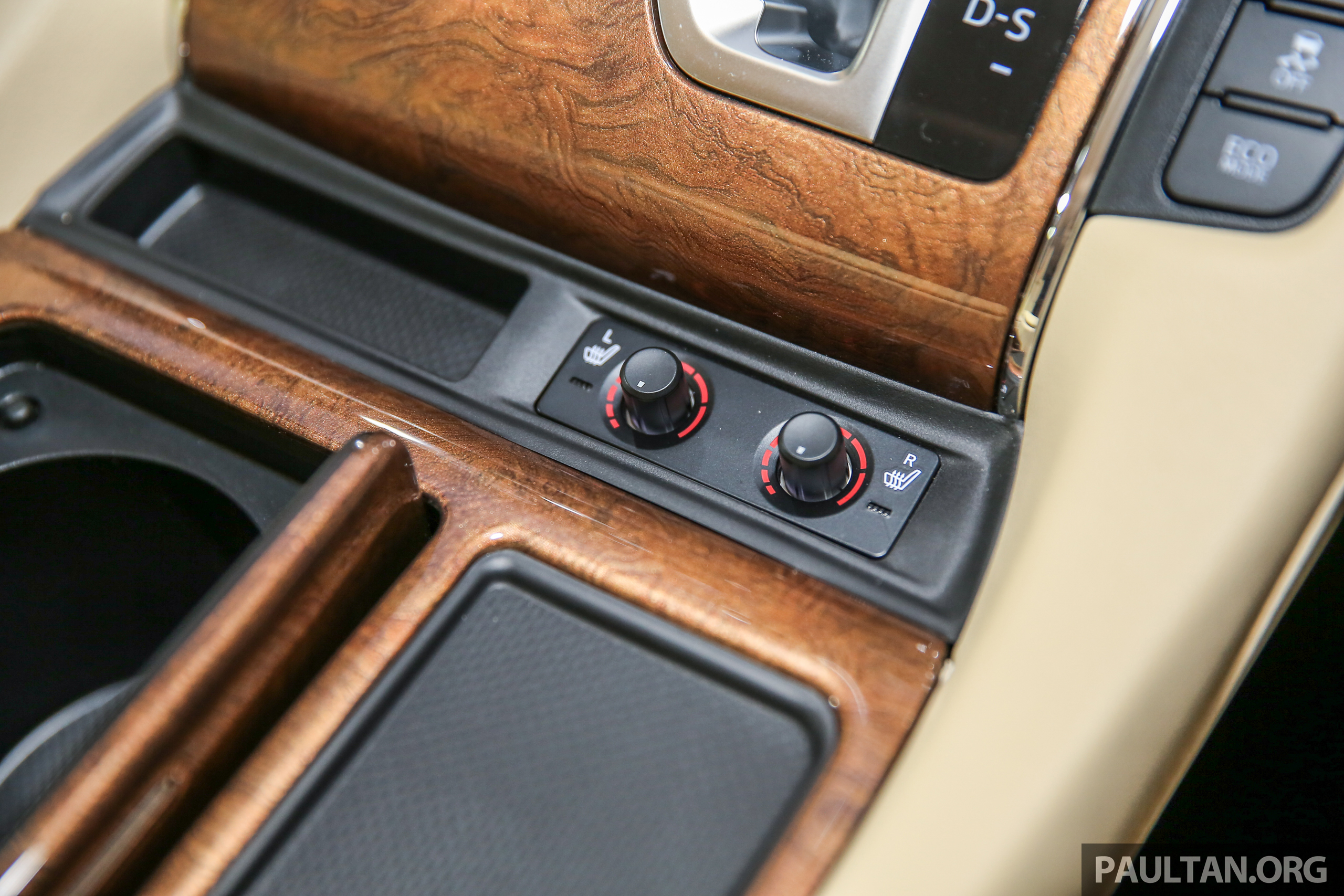
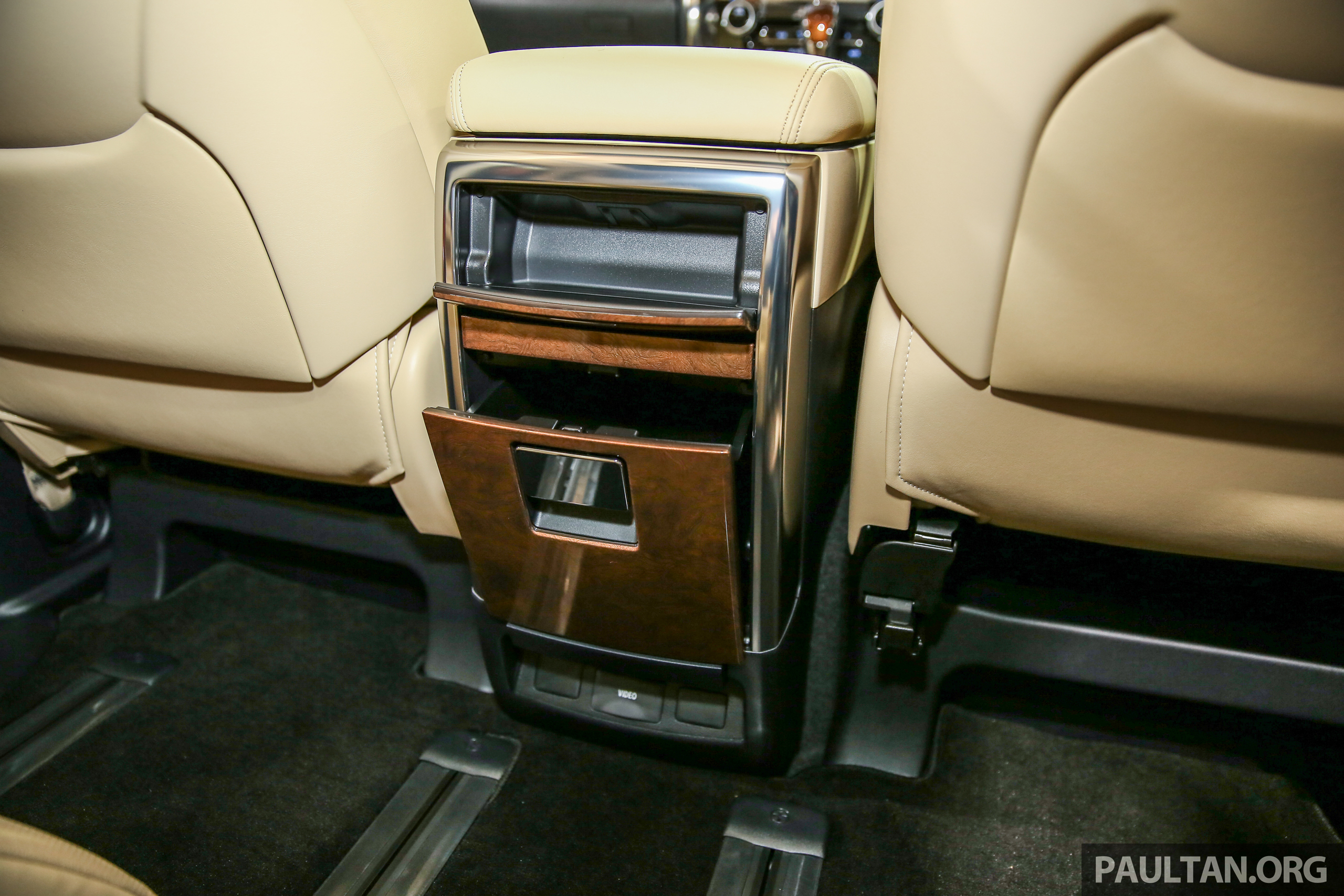
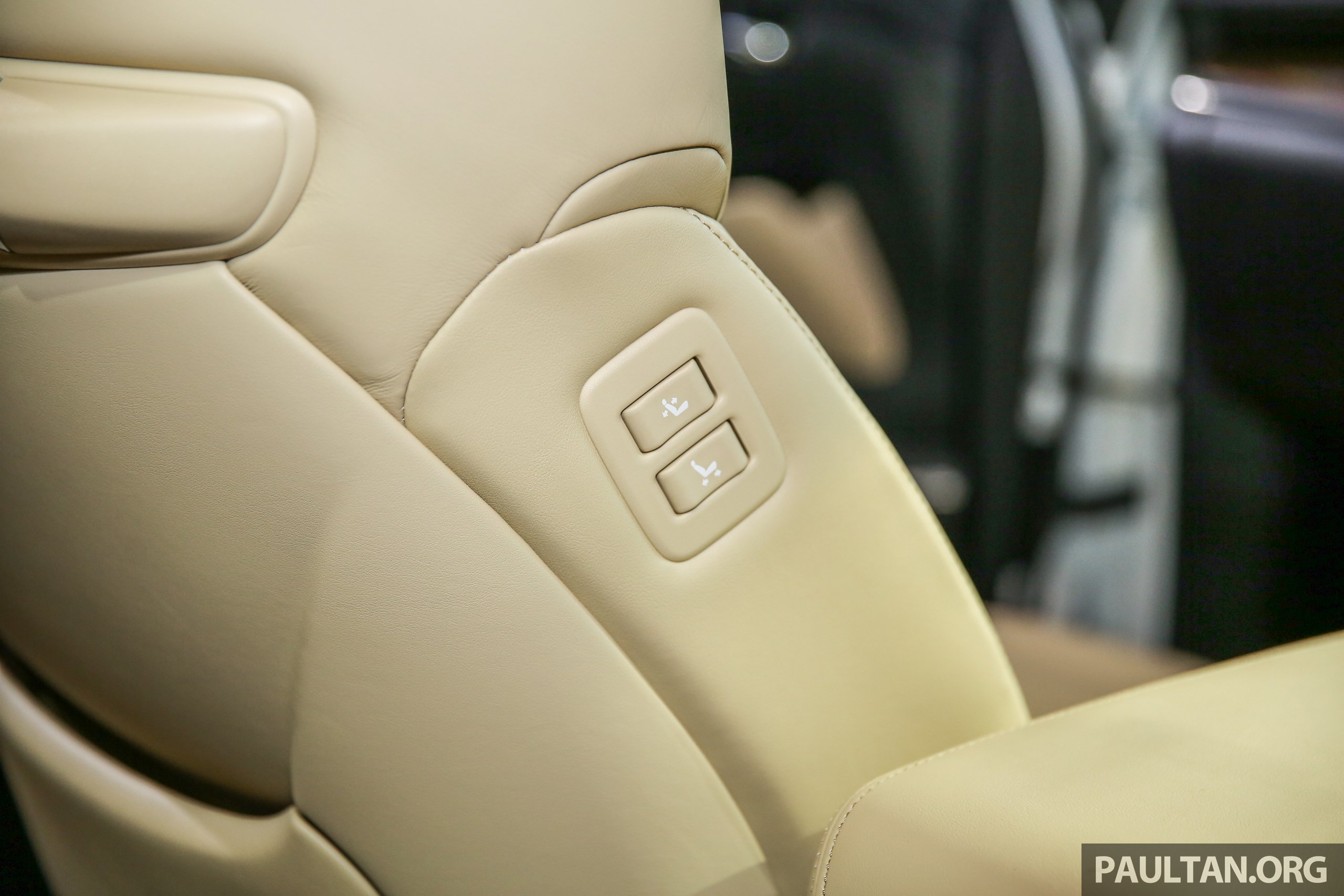
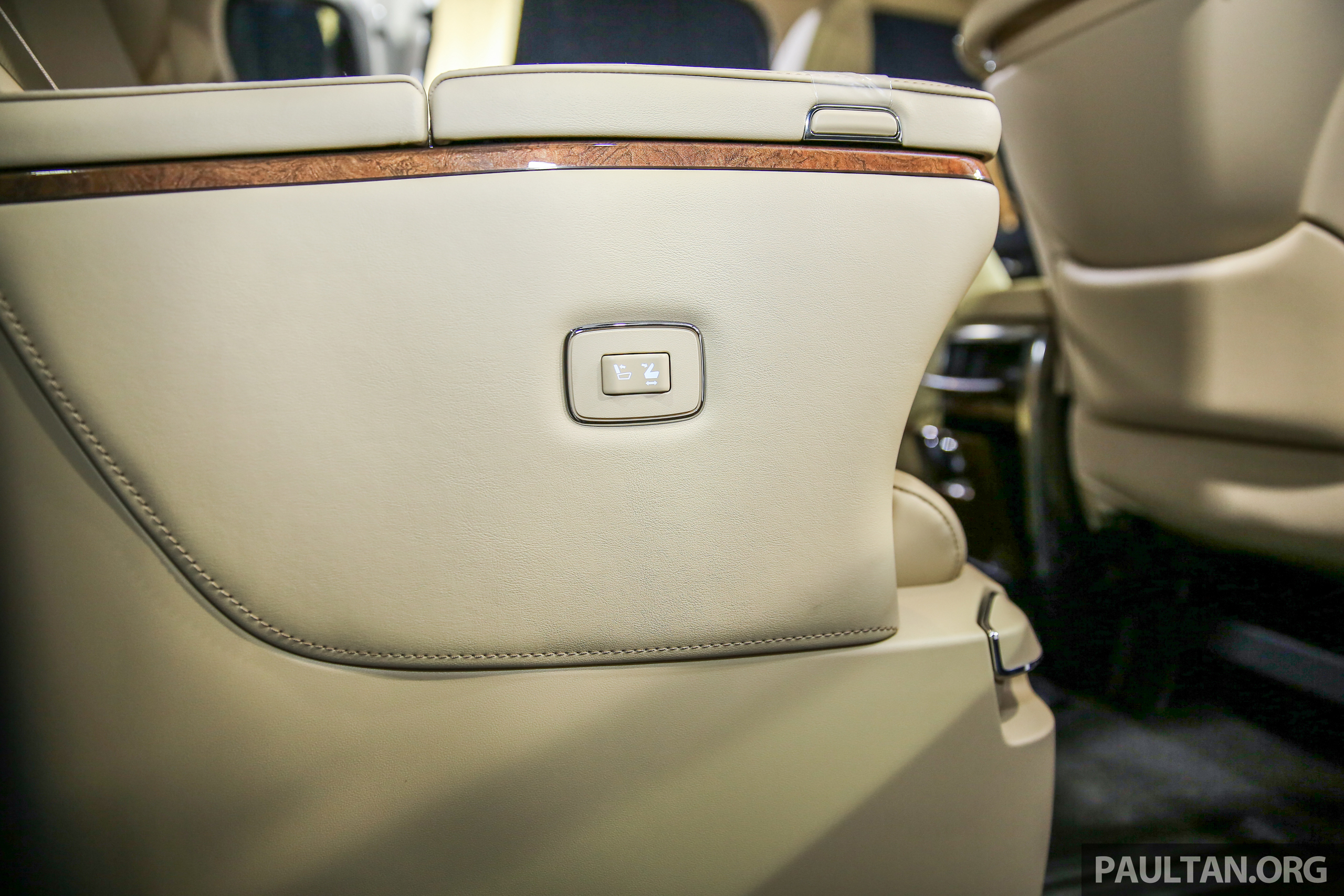
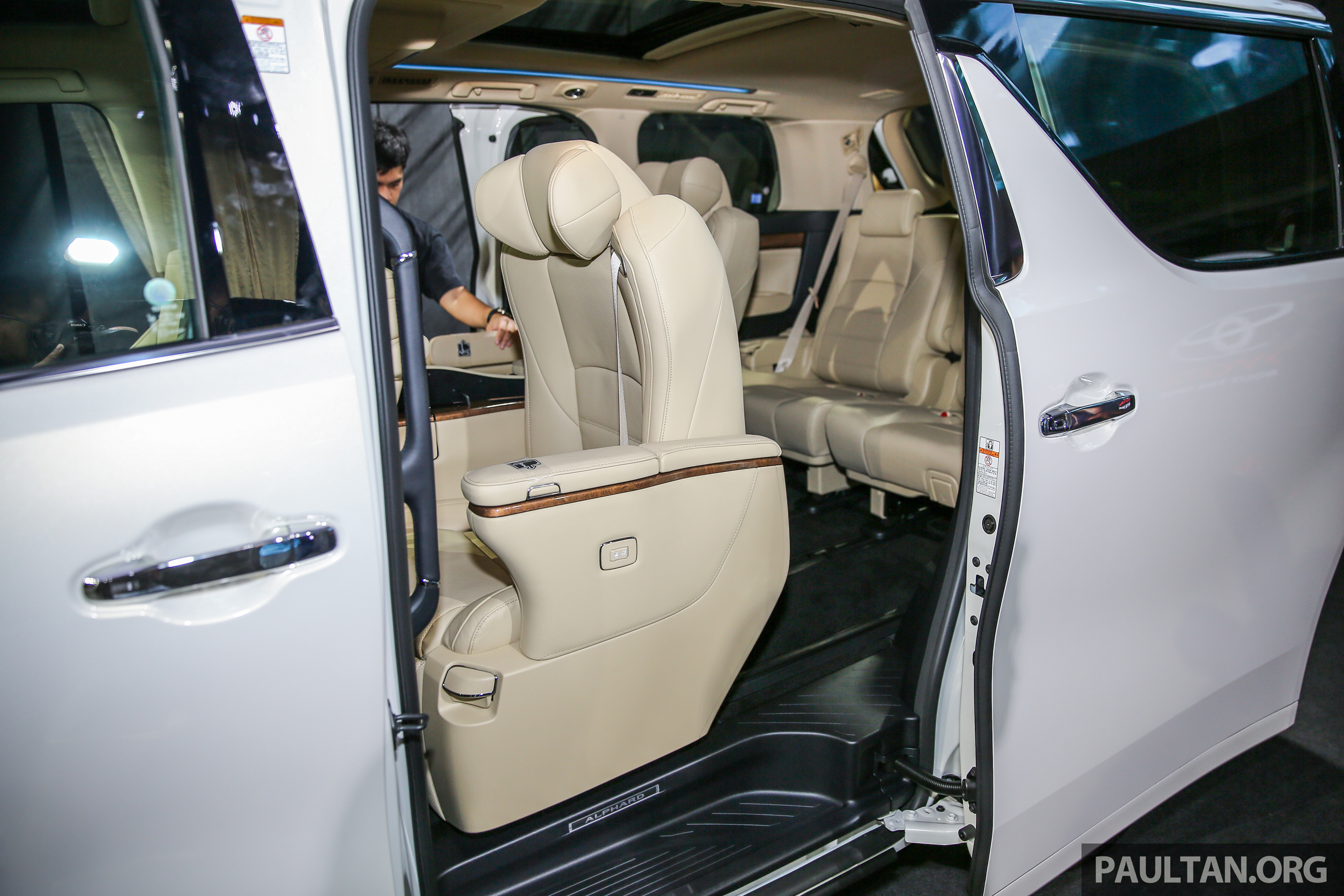
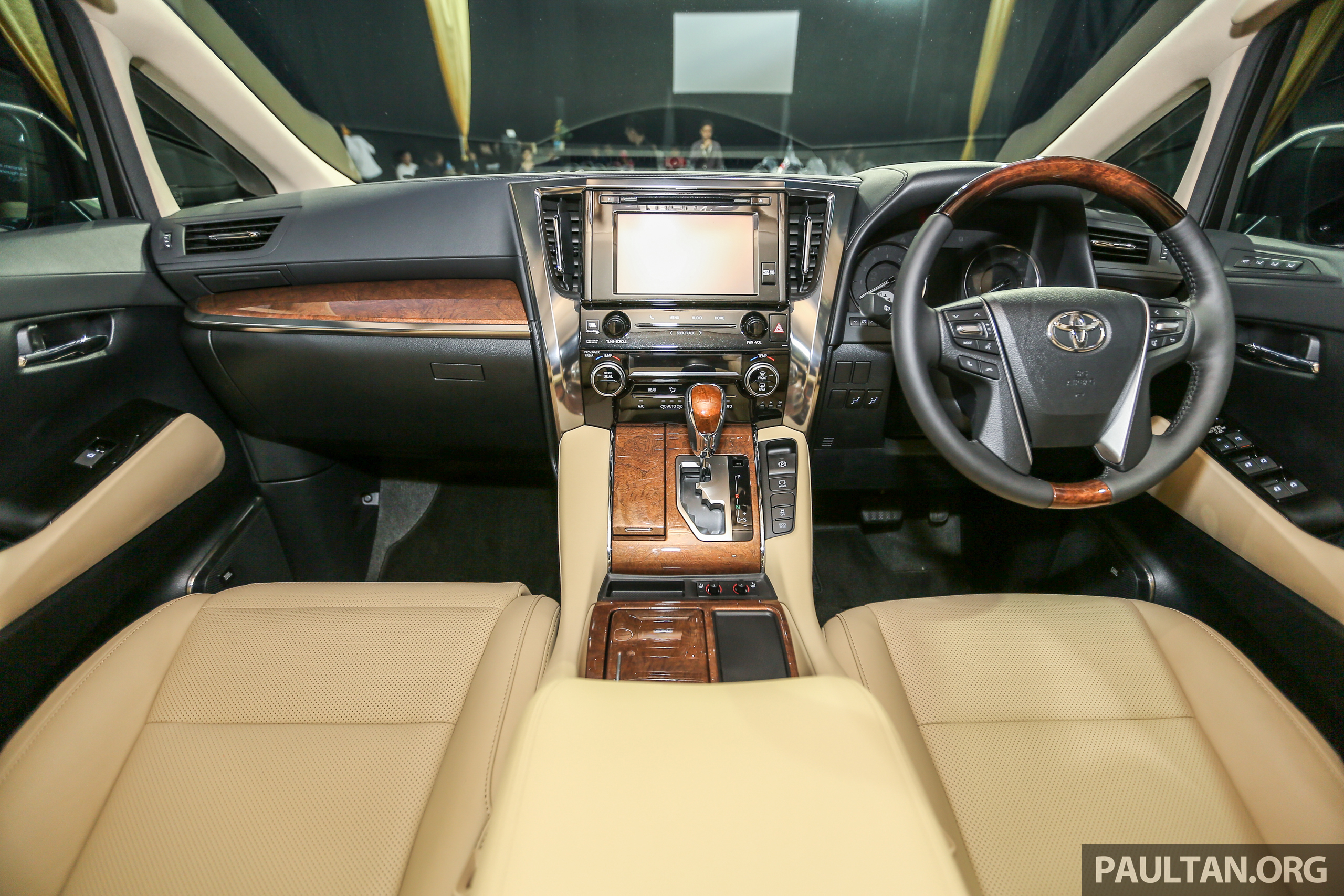
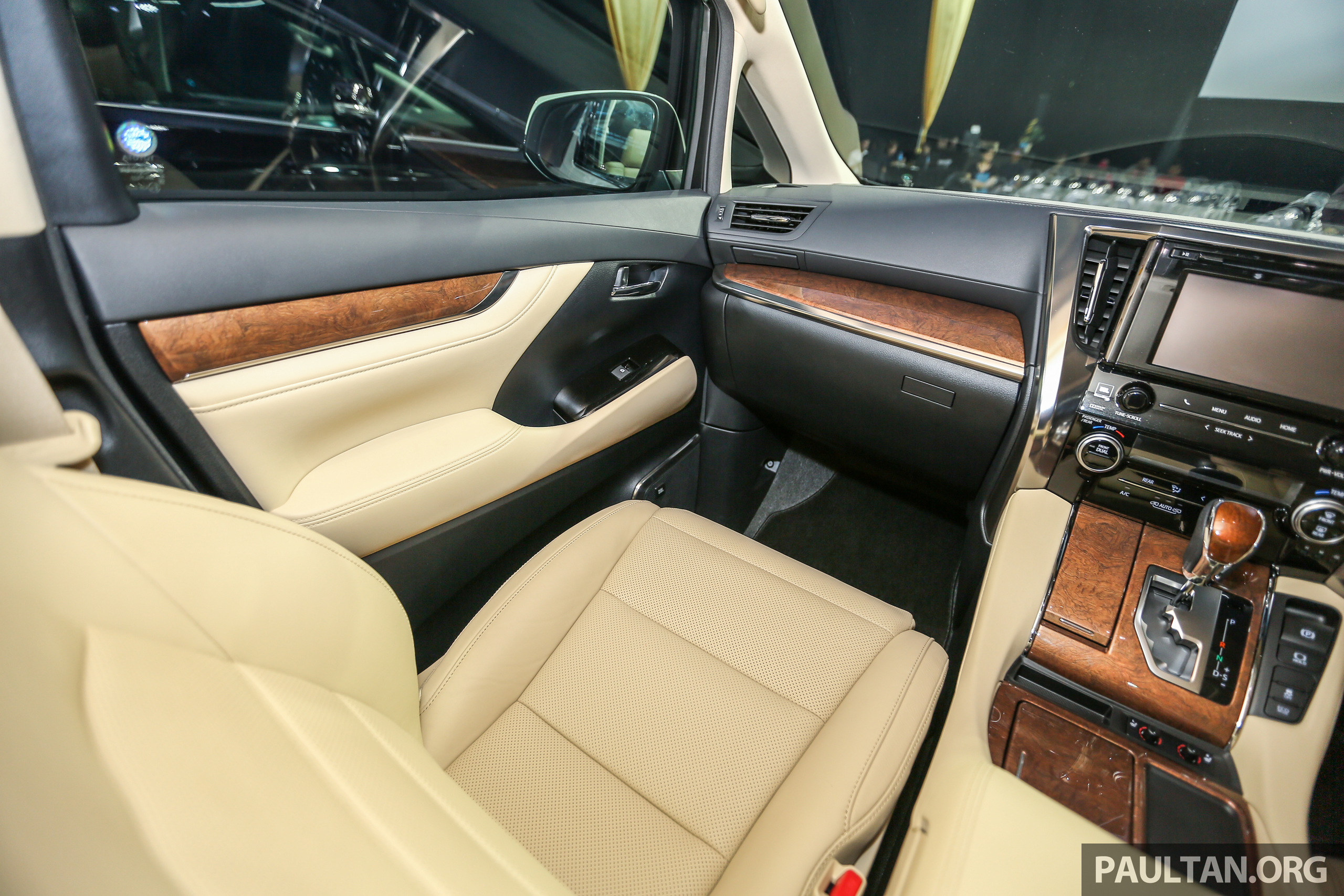
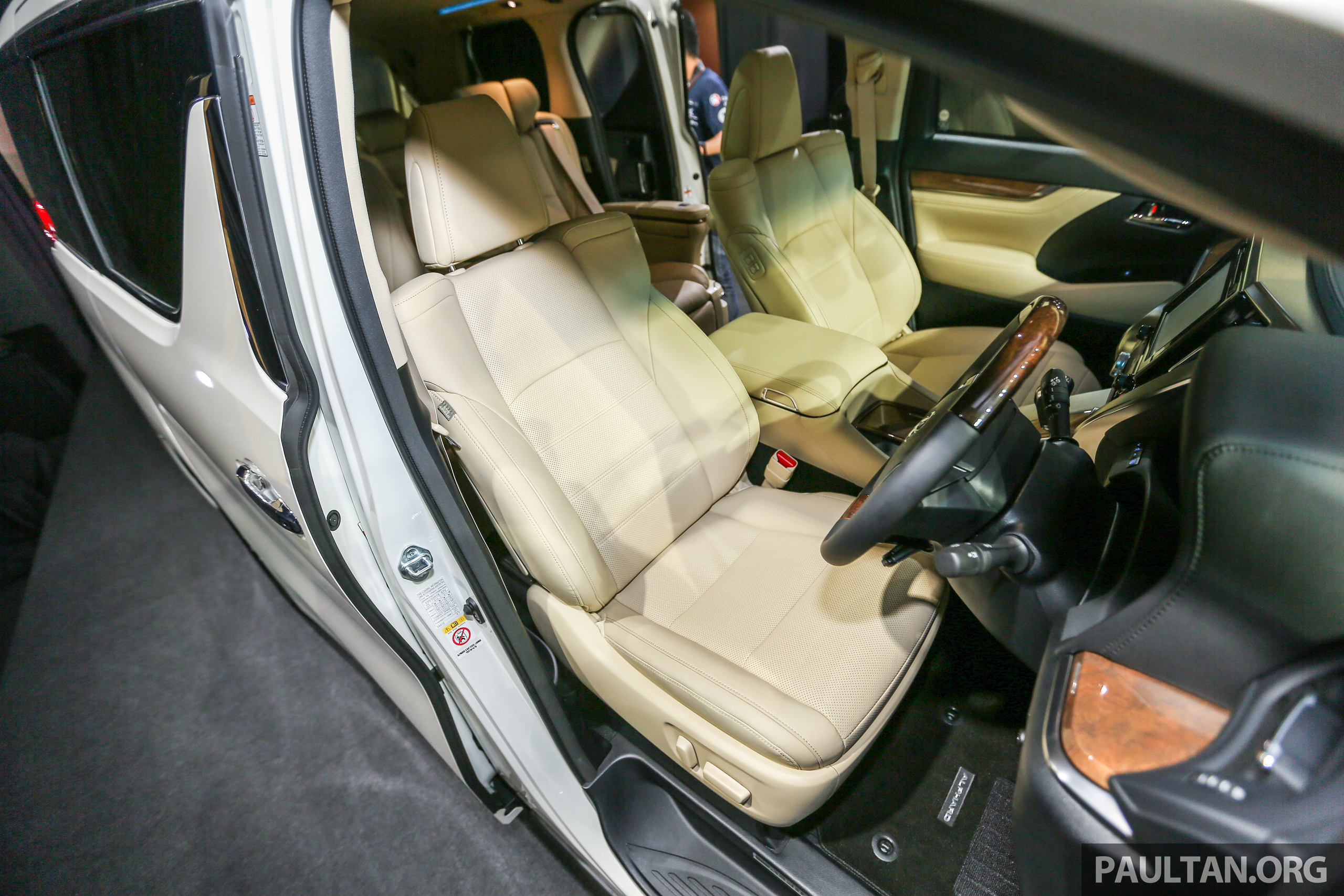
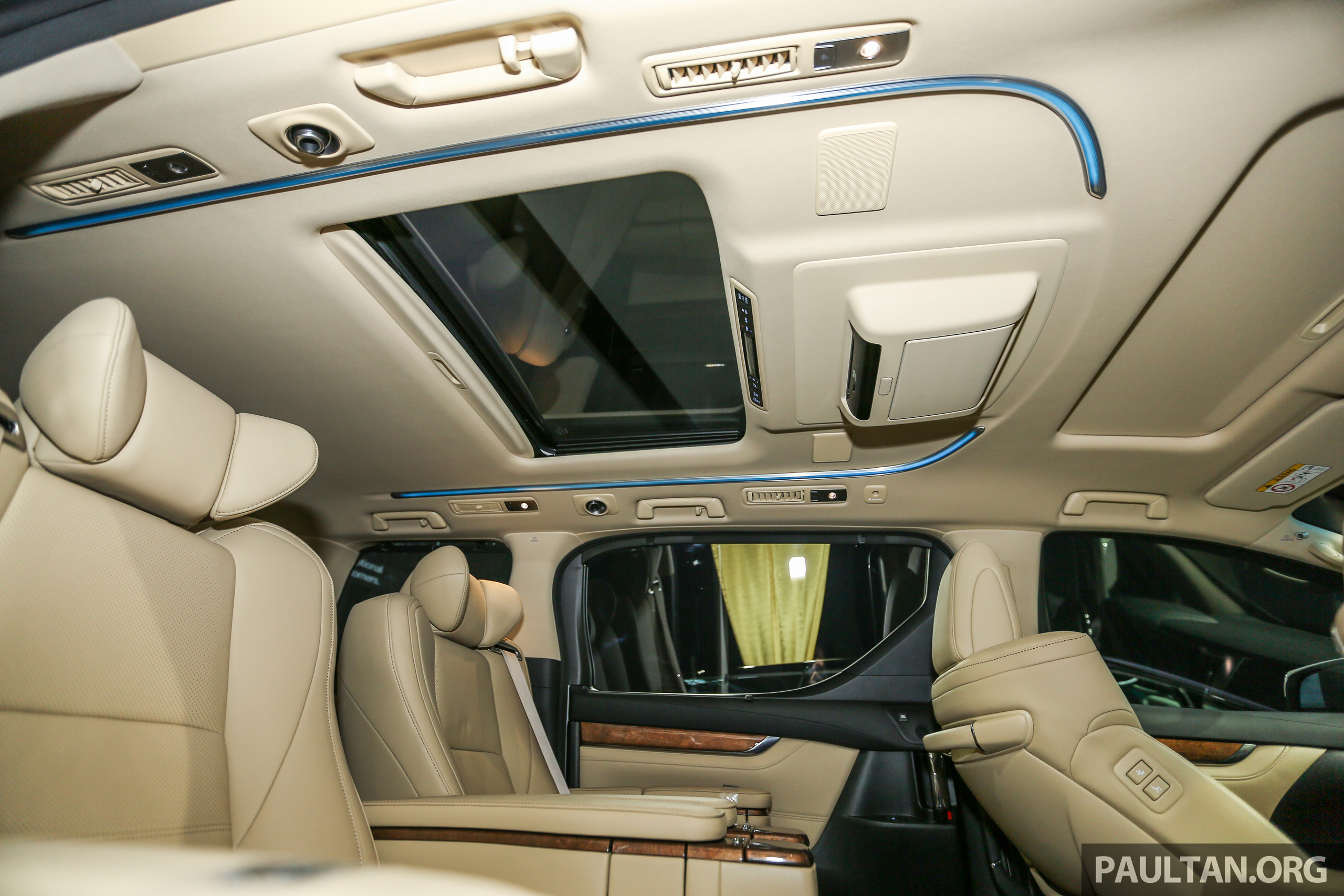
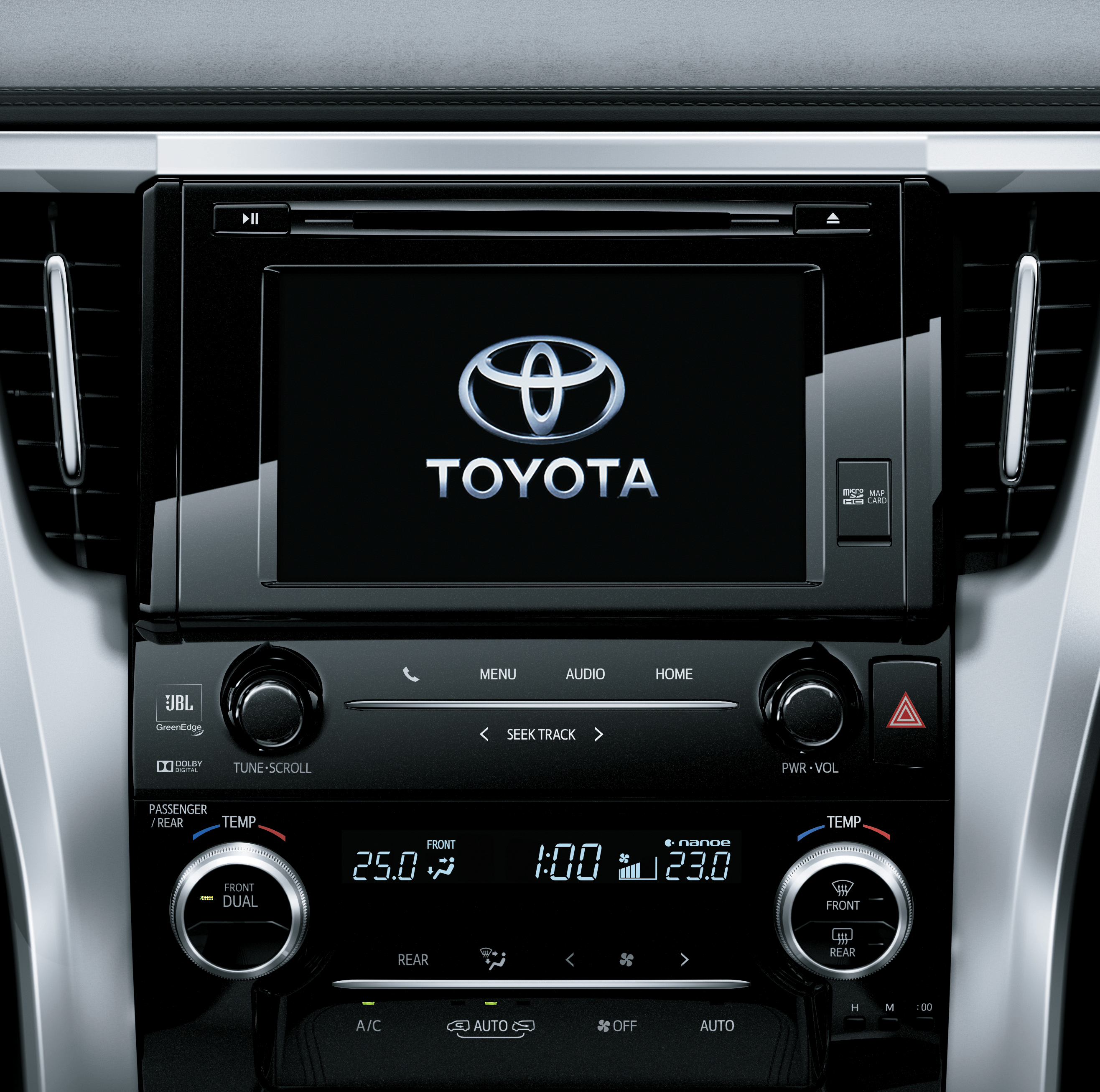
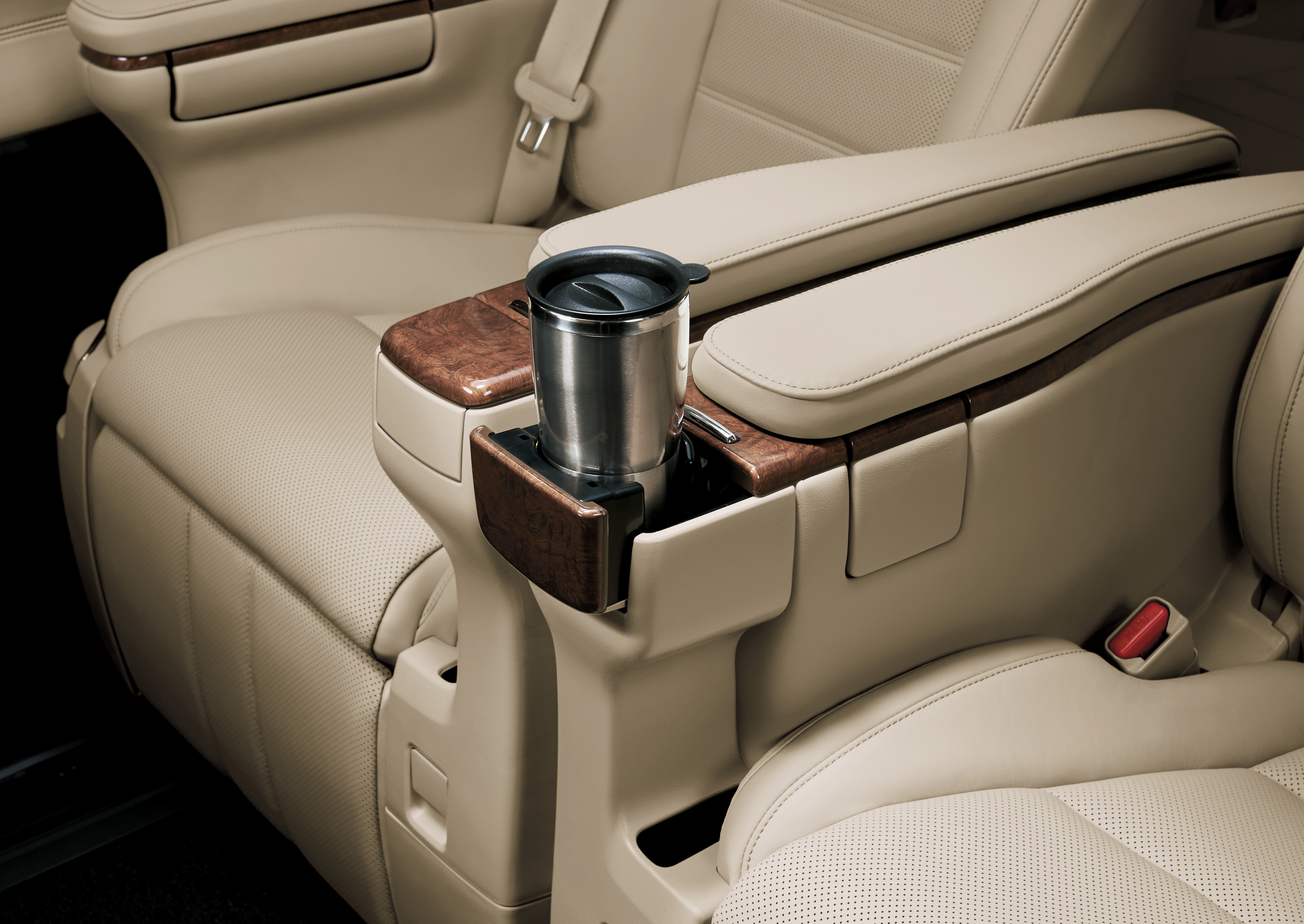
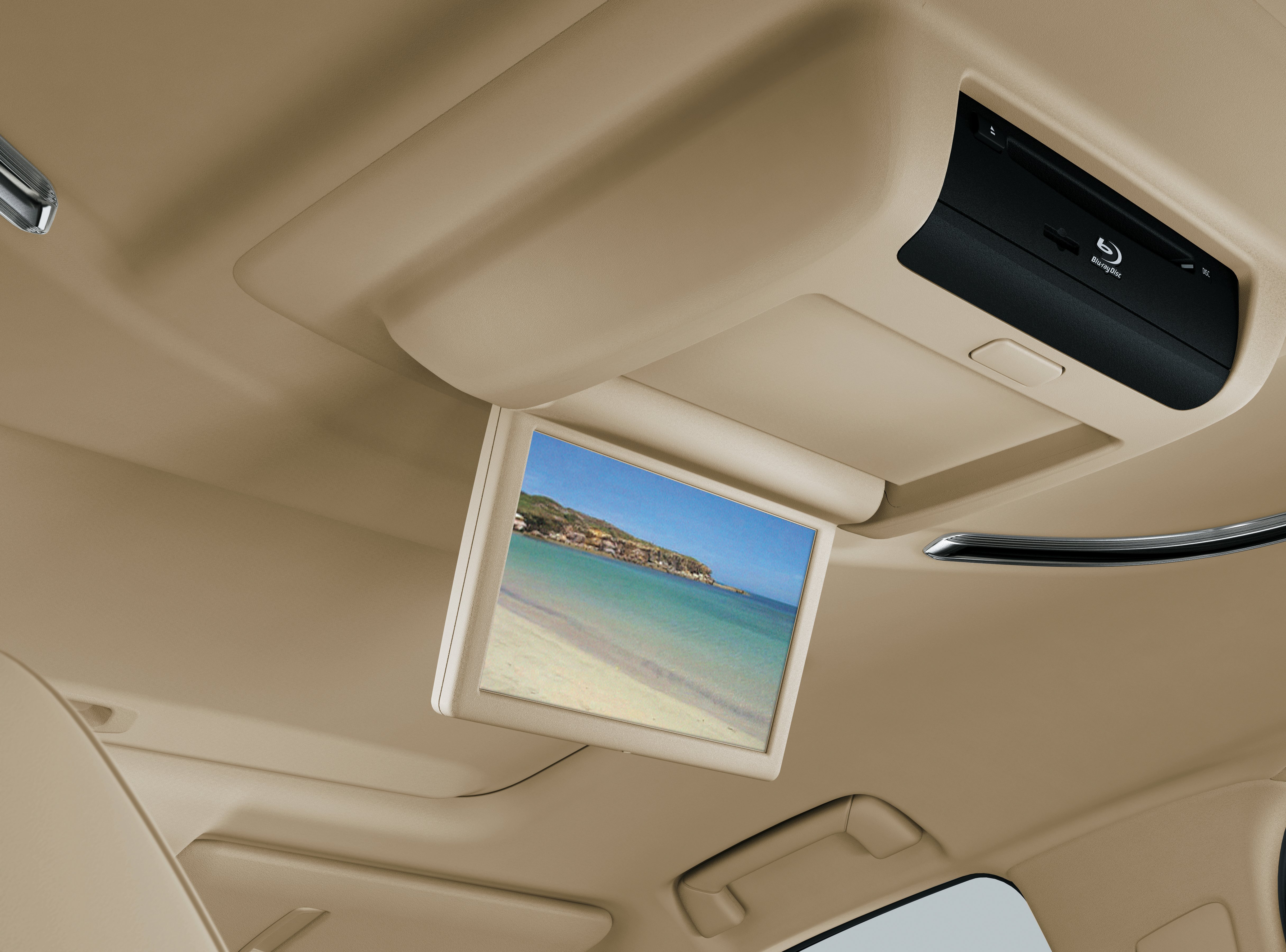
Over a standard 3.5, it adds wider, heated-and-ventilated VIP second-row captain seats with a powered ottoman and foldable picnic tables, semi-aniline leather, a larger eight-inch navigation touchscreen, a Blu-ray rear entertainment system, a 17-speaker JBL premium sound system and premium burl-wood trim.
The enhancements go further than just the interior. Mechanically, it gets an exclusively-tuned suspension with frequency-sensitive (frequency-reactive) shock absorbers, dampers that mechanically vary their firmness according to the frequency of road inputs, for a noticeably plusher, more controlled ride.
The Royal Lounge – the ultra-VIP version


Above even the Executive Lounge sits the rare Royal Lounge, a coachbuilt ultra-VIP take on the 30-series offered through Toyota’s Modellista arm. The defining change: it deletes the third row entirely, turning the back of the van into a two-seat, business-class lounge.
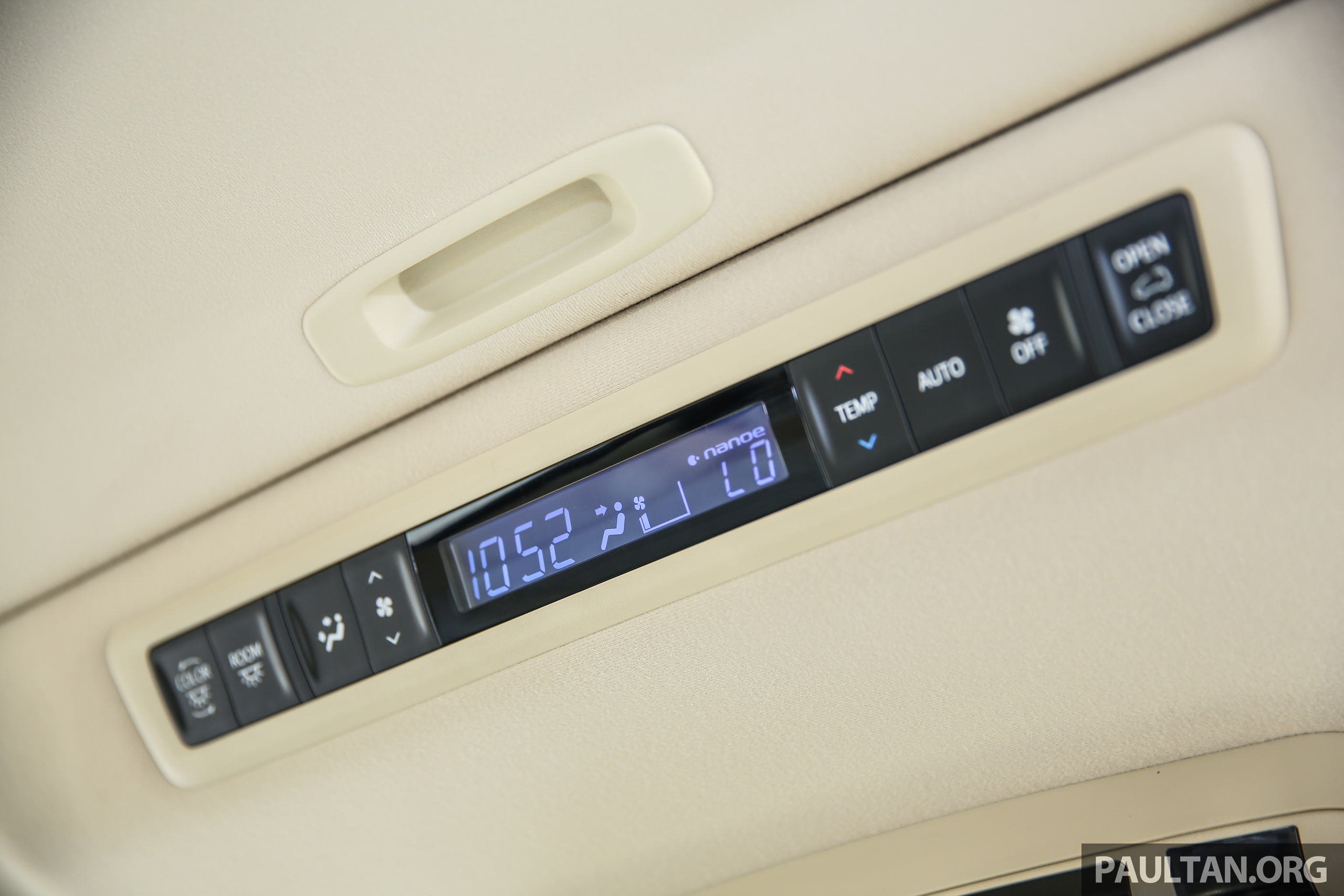
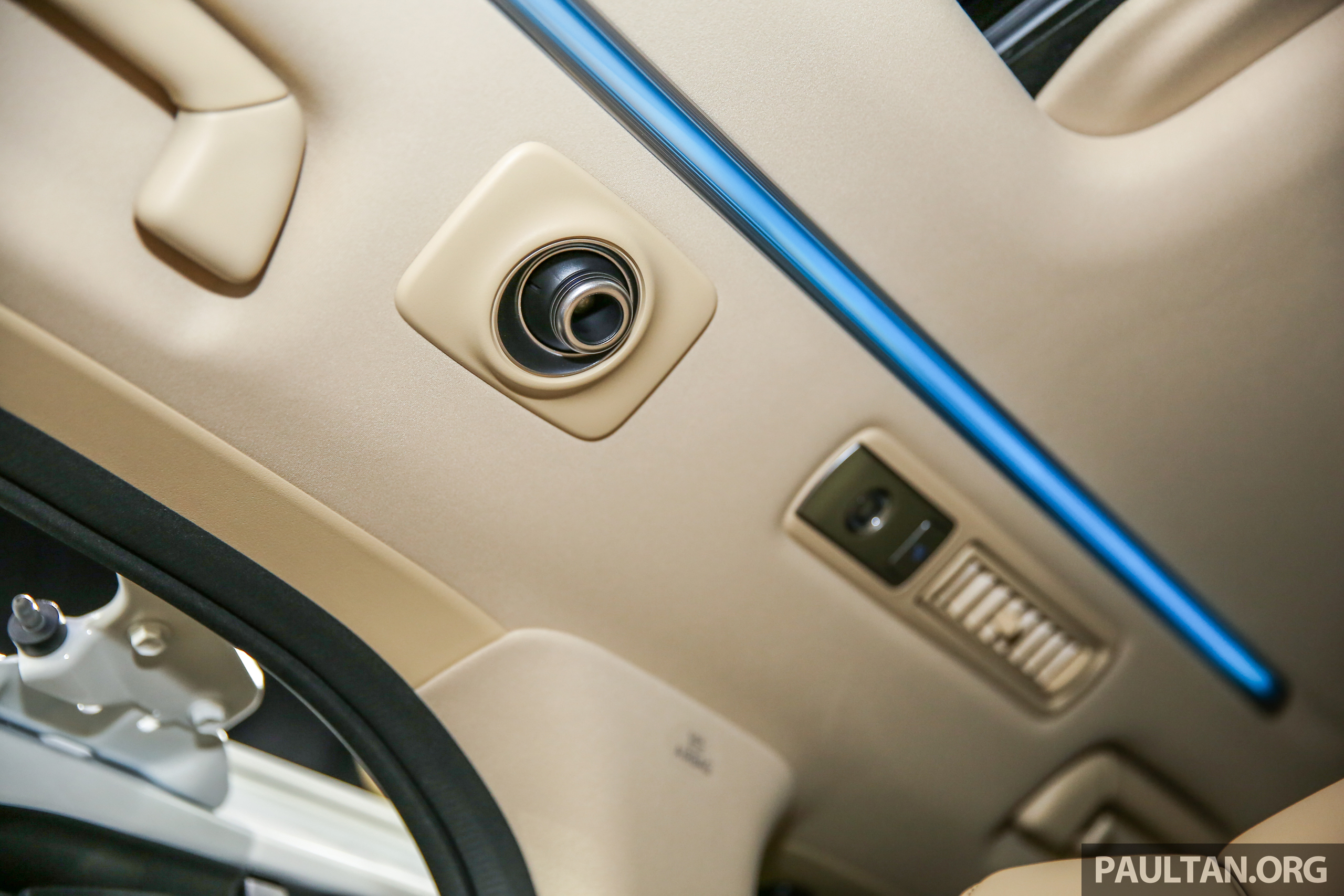
The two rear seats fully recline into flat beds and add a massage function by Japanese specialist Fujiiryoki, LED reading lights, a fold-out table and a touchscreen controller that rises from the armrest, with roof-mounted controls for the rear air-con. Cockpit and cabin are separated by a 24-inch TV with a JBL soundbar and a mini-fridge below; a “Royal Lounge SP” version adds an electronic privacy partition that switches between clear, tinted and opaque.
In Japan it launched at around 13.8 million yen (Royal Lounge) to 15 million yen (SP) – roughly double a top Executive Lounge.
The Lexus LM (AH30) – the Lexus-badged sibling
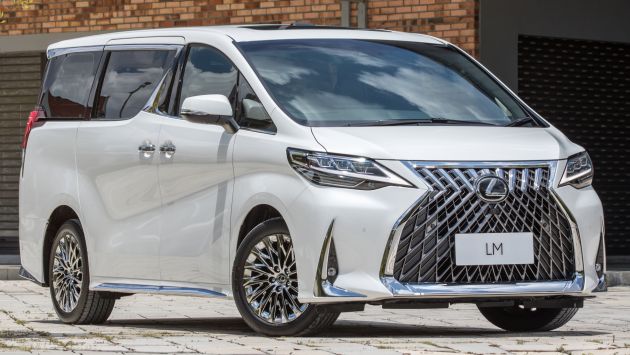
Want the same vehicle wearing a Lexus badge? That’s the first-generation Lexus LM (2020-2023), built on the very same AH30 platform as the 30-series Alphard and Vellfire.
It came as the LM300h (the 2.5 litre hybrid) and the LM350 (the 3.5 litre V6), in seven-seat form and – most famously – a four-seat flagship with a partition wall, reclining executive rear seats with ottomans, a fridge and a huge 26-inch rear-cabin display.
The LM adds Lexus’s spindle-grille styling, a more opulent, better-insulated cabin and a much higher price over the Toyota. Since the AH30 LM shares its mechanicals with the Alphard/Vellfire here, much of the specs, servicing and parts story in this guide carries over.
There are also many regular Alphard/Vellfire converted to LM so watch out for that, the JPJ VOC will tell you what it really is.
30-series vs 40-series – which to buy?
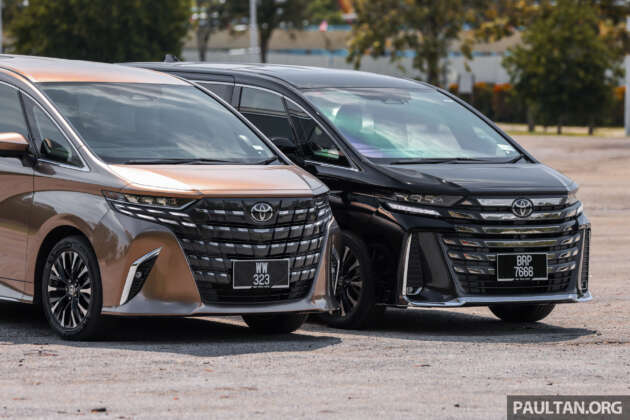
This is the most common question, because the new 40-series arrived in June 2023 and looks tempting. The differences:
The 40-series moved to Toyota’s modern TNGA platform (shared with the Camry, Harrier and Lexus LM), which brings a big jump in rigidity and refinement. It’s around 80 mm longer on the same 3,000 mm wheelbase, gets a new 2.4 litre turbo (279 PS) and an updated hybrid, and later gained a plug-in hybrid. But it’s far more expensive, and demand has been so intense that Toyota suspended orders at one point.
The 30-series counters with much lower used prices, immediate availability, and a mature, well-proven design with a well-regarded hybrid. For most buyers, a clean 30-series delivers a high percentage of the experience for a fraction of the money – which is why it remains the value champion.
Specs – engines, fuel consumption and dimensions
The 30-series came with three powertrains. Note that JDM figures are quoted in PS.
| Engine | Power | Transmission / drive | Fuel consumption (JC08) |
|---|---|---|---|
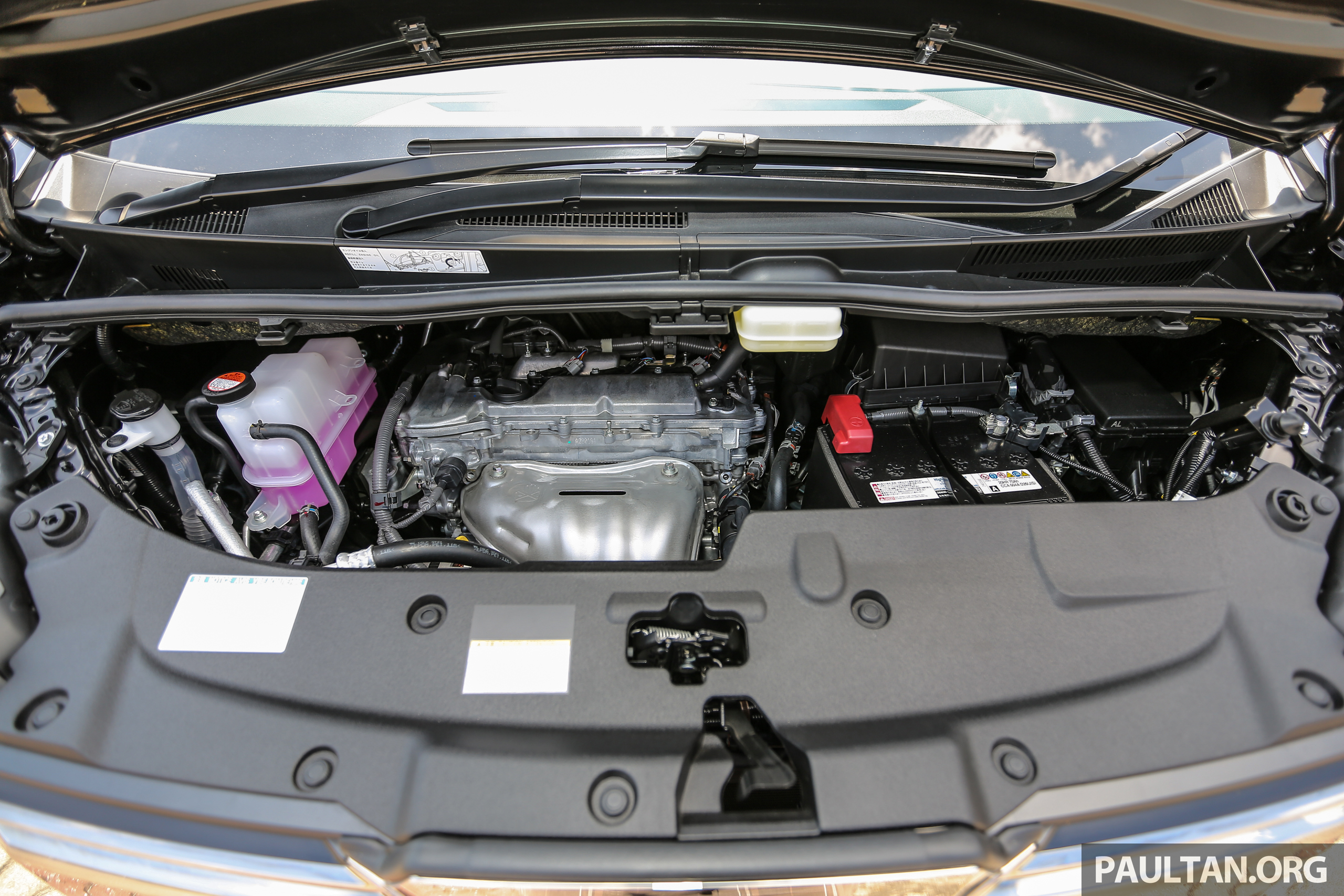
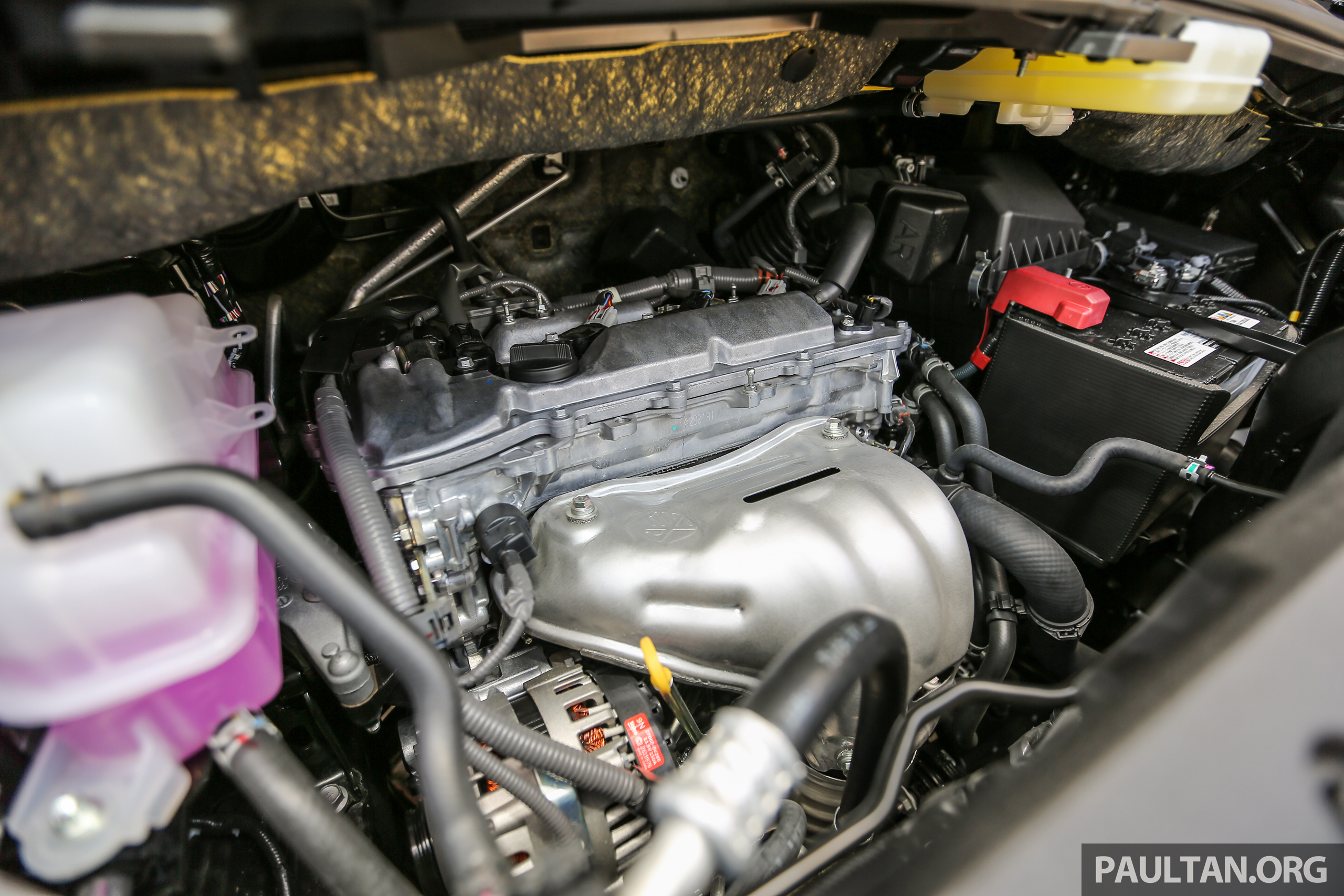
| 2.5L petrol (2AR-FE) | 182 PS / 235 Nm | CVT, FWD or 4WD | ~12.8 km/l (FWD) |
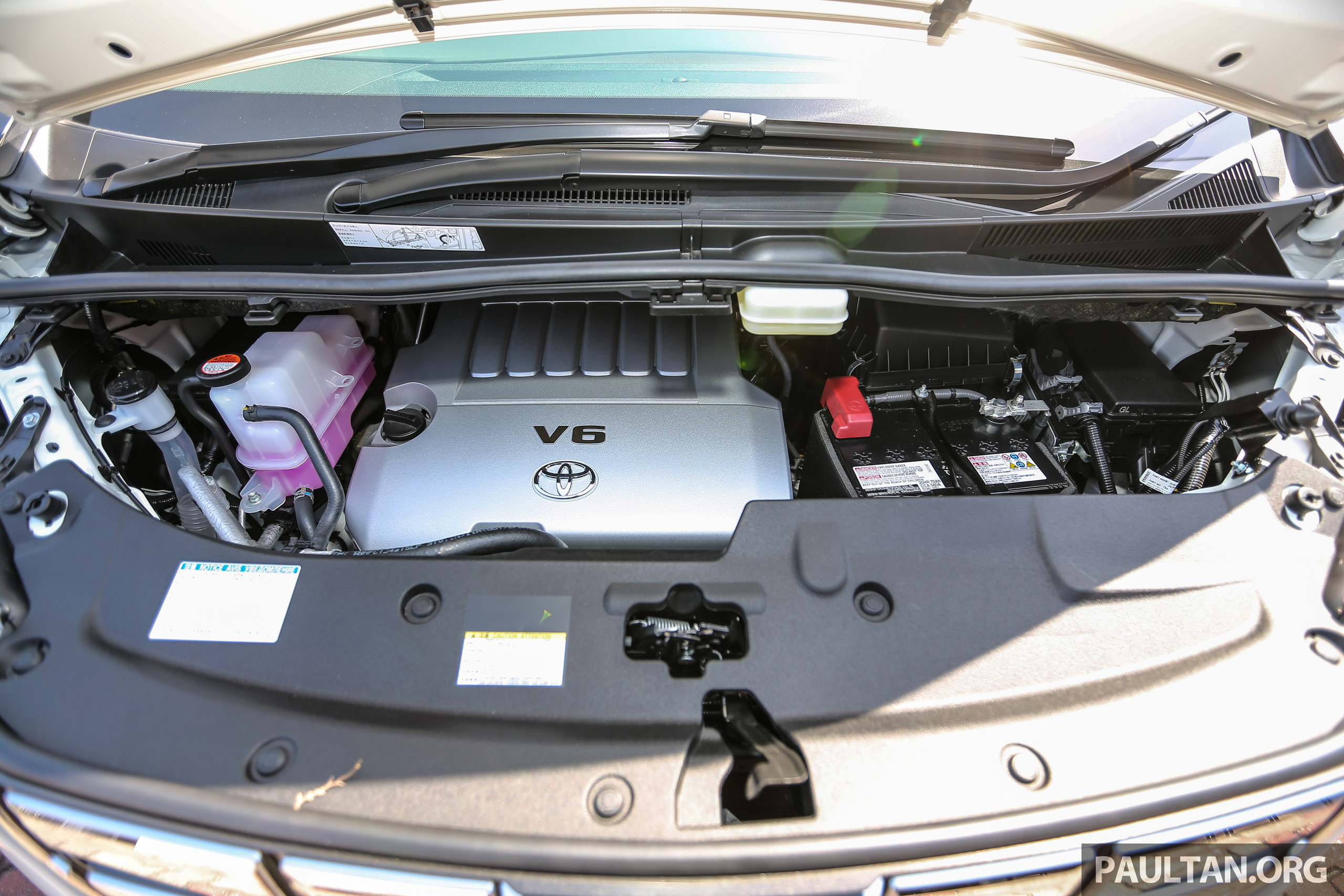
| 3.5L V6 – pre-facelift (2GR-FE) | ~275-280 PS / ~340 Nm | 6-speed auto, FWD or 4WD | ~9.5 km/l |
| 3.5L V6 – facelift 2018+ (2GR-FKS) | 300 PS / 361 Nm | 8-speed auto, FWD or 4WD | ~10 km/l (approx) |
| 2.5L Hybrid (2AR-FXE, E-Four) | ~197-204 PS combined | e-CVT, electric AWD | ~19.4 km/l |
JC08 is Japan’s optimistic test cycle – in the real world, expect roughly 8-10 km/l from the 2.5 petrol, 7-8 km/l from the thirsty 3.5 V6, and a genuinely impressive 11-14 km/l from the hybrid. The 2.5 petrol is the sensible, economical choice and the volume seller; the 3.5 V6 is smooth and effortless but heavy on fuel and road tax; the hybrid (always with E-Four electric AWD) is the efficiency pick.
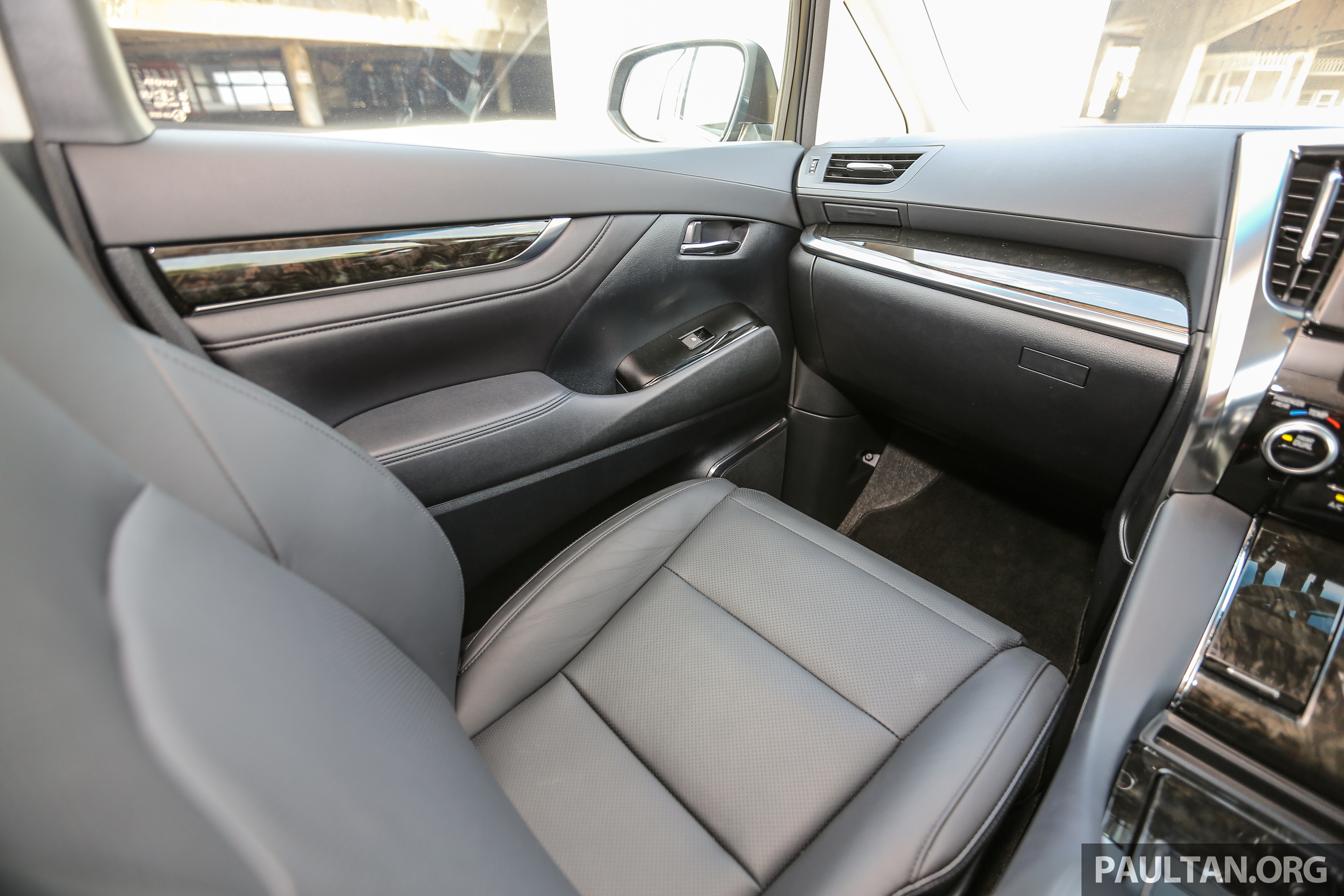
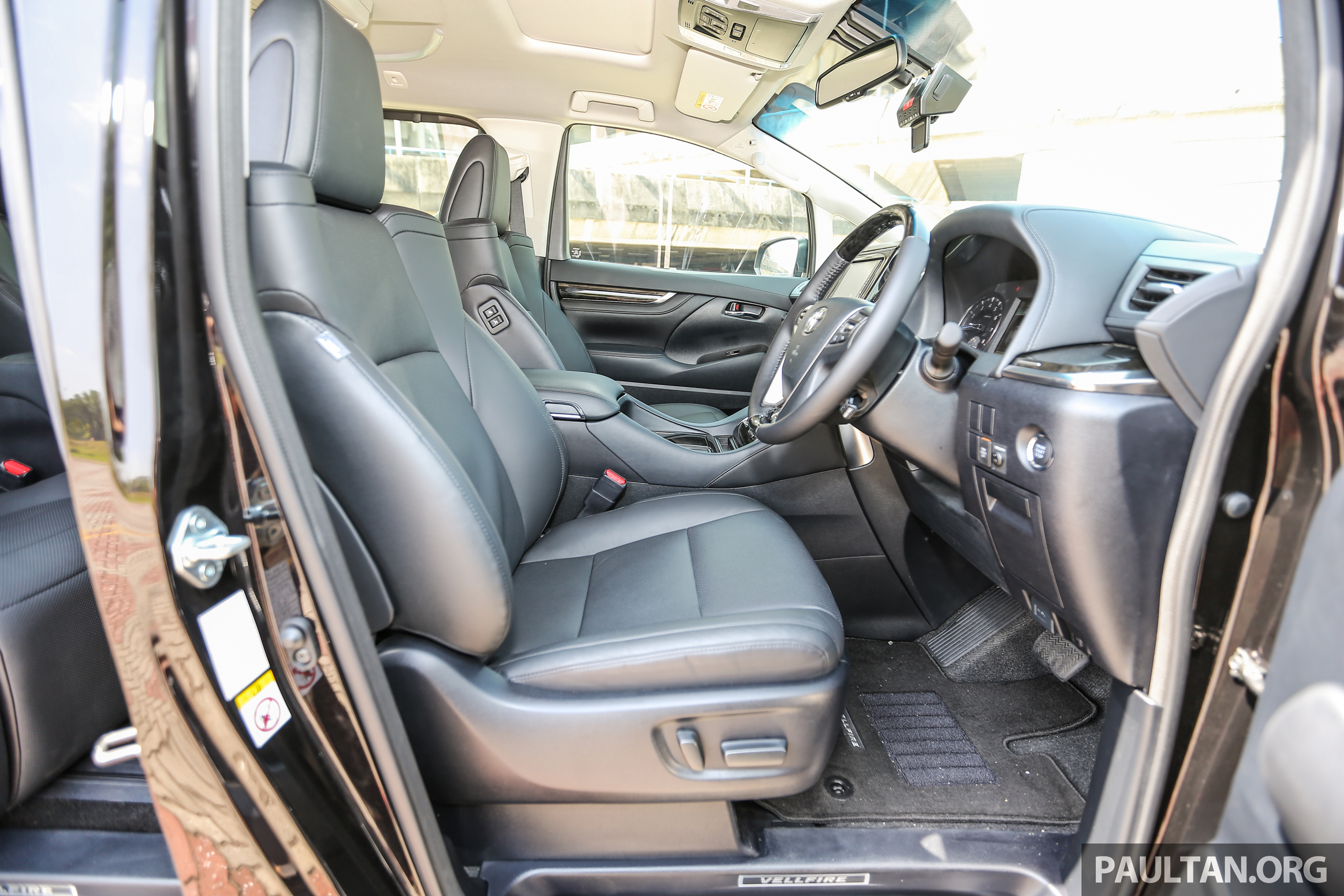
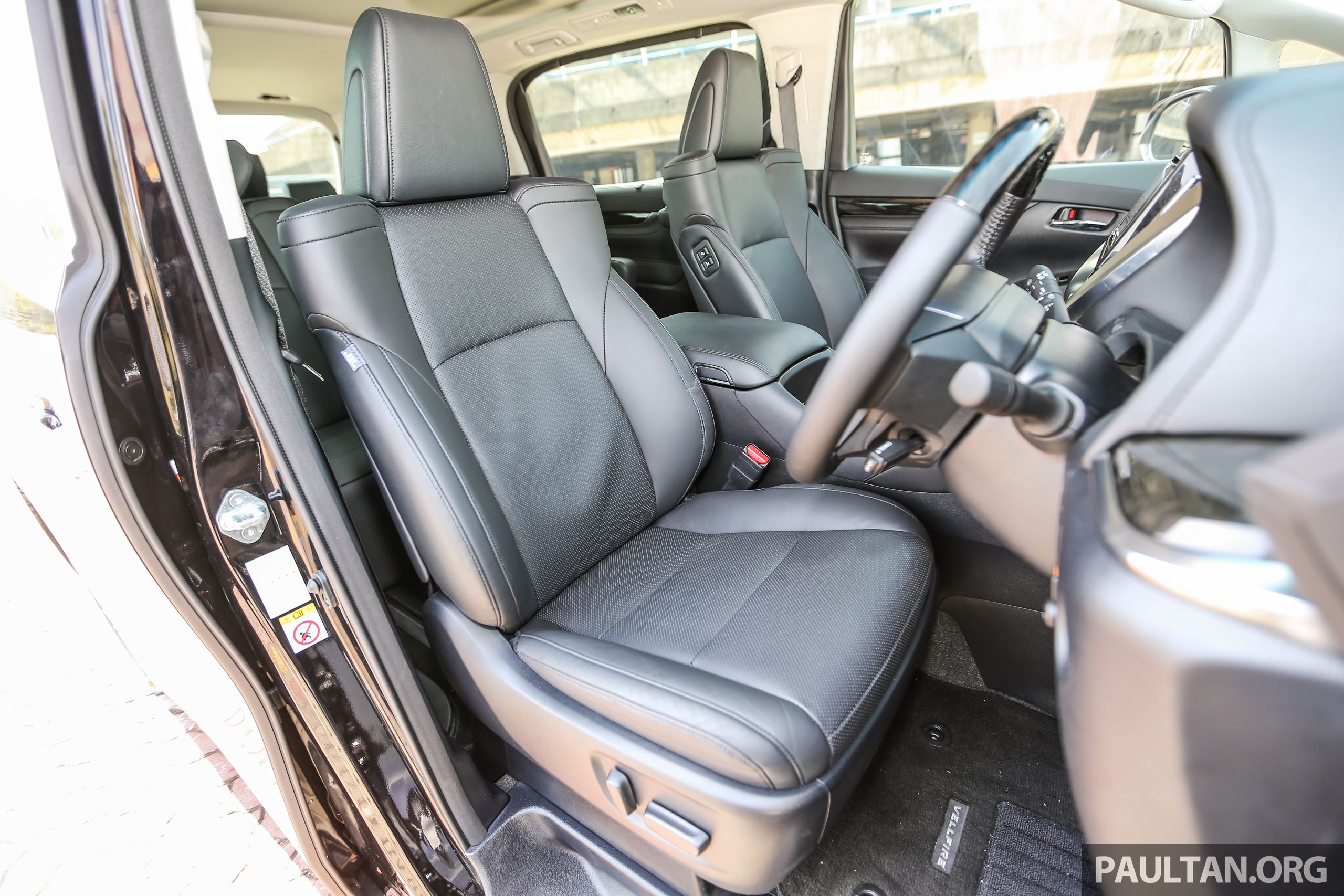
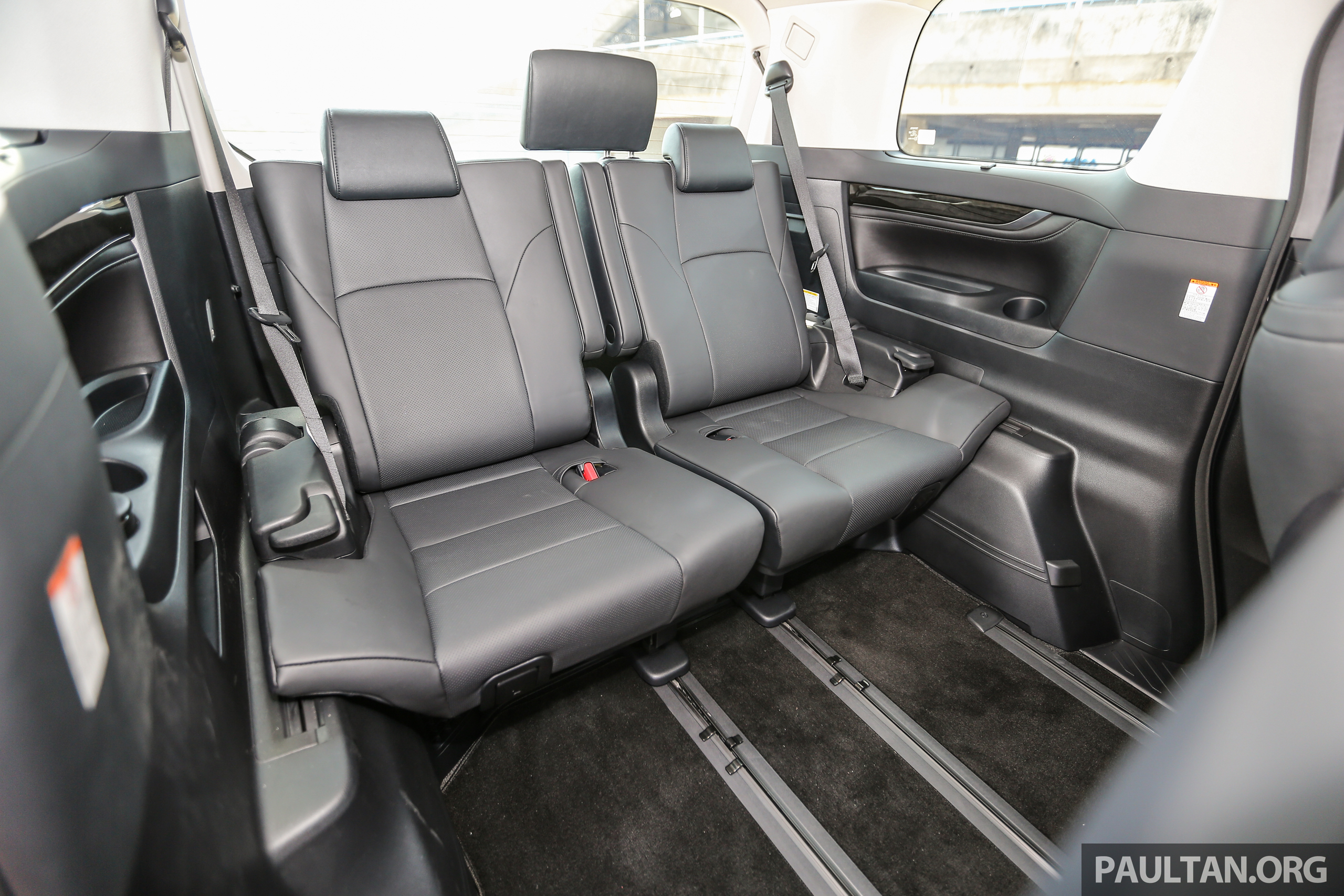
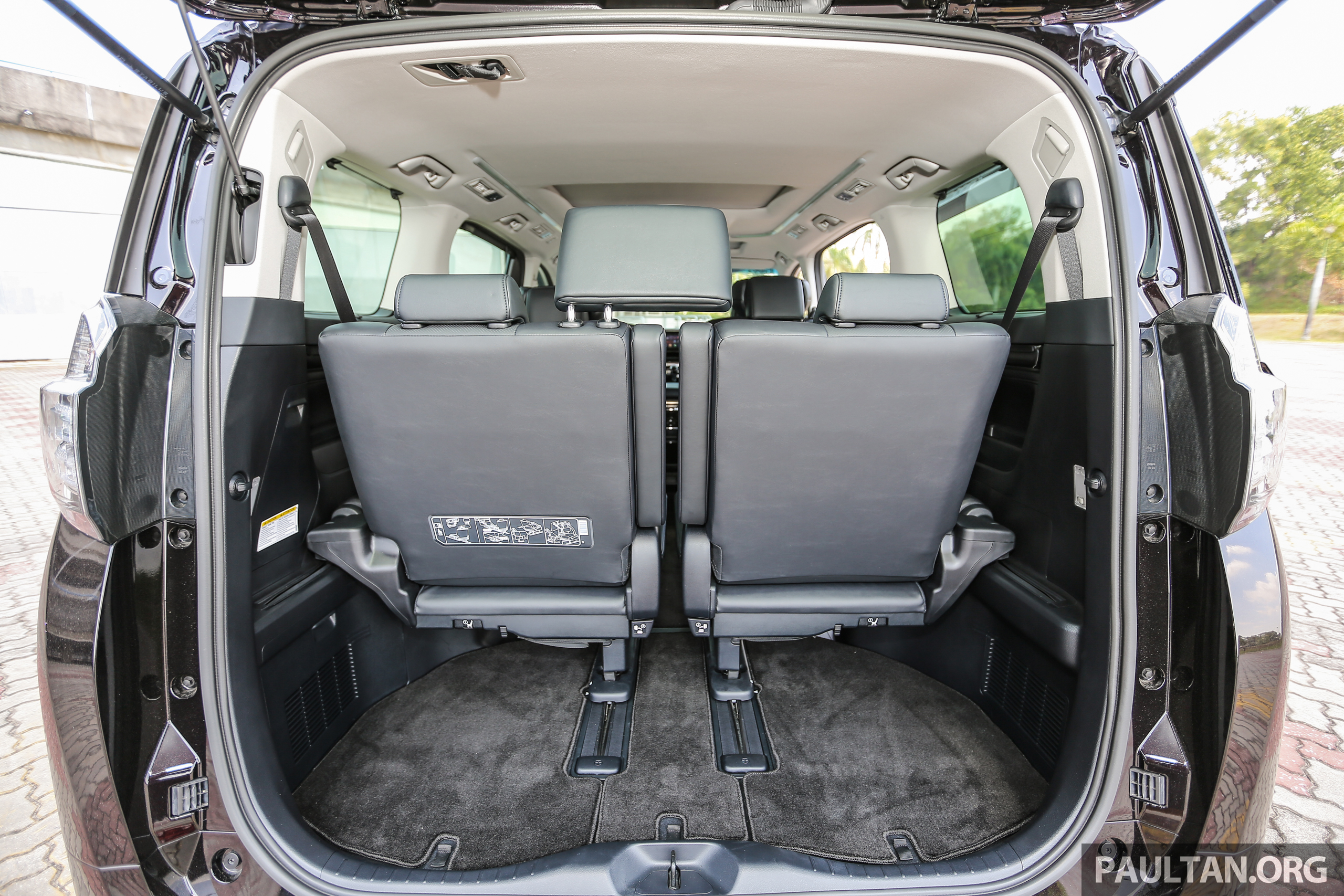
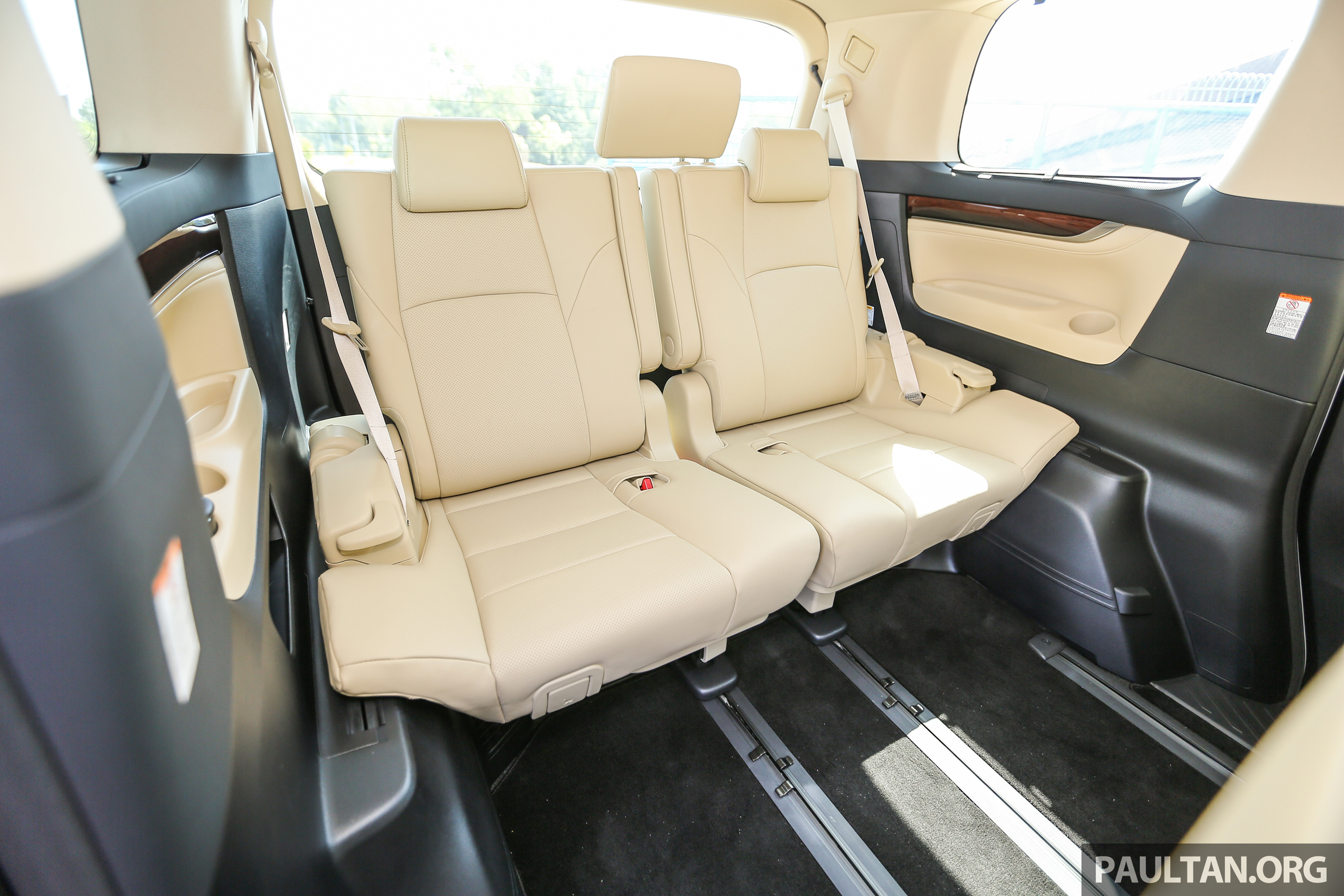
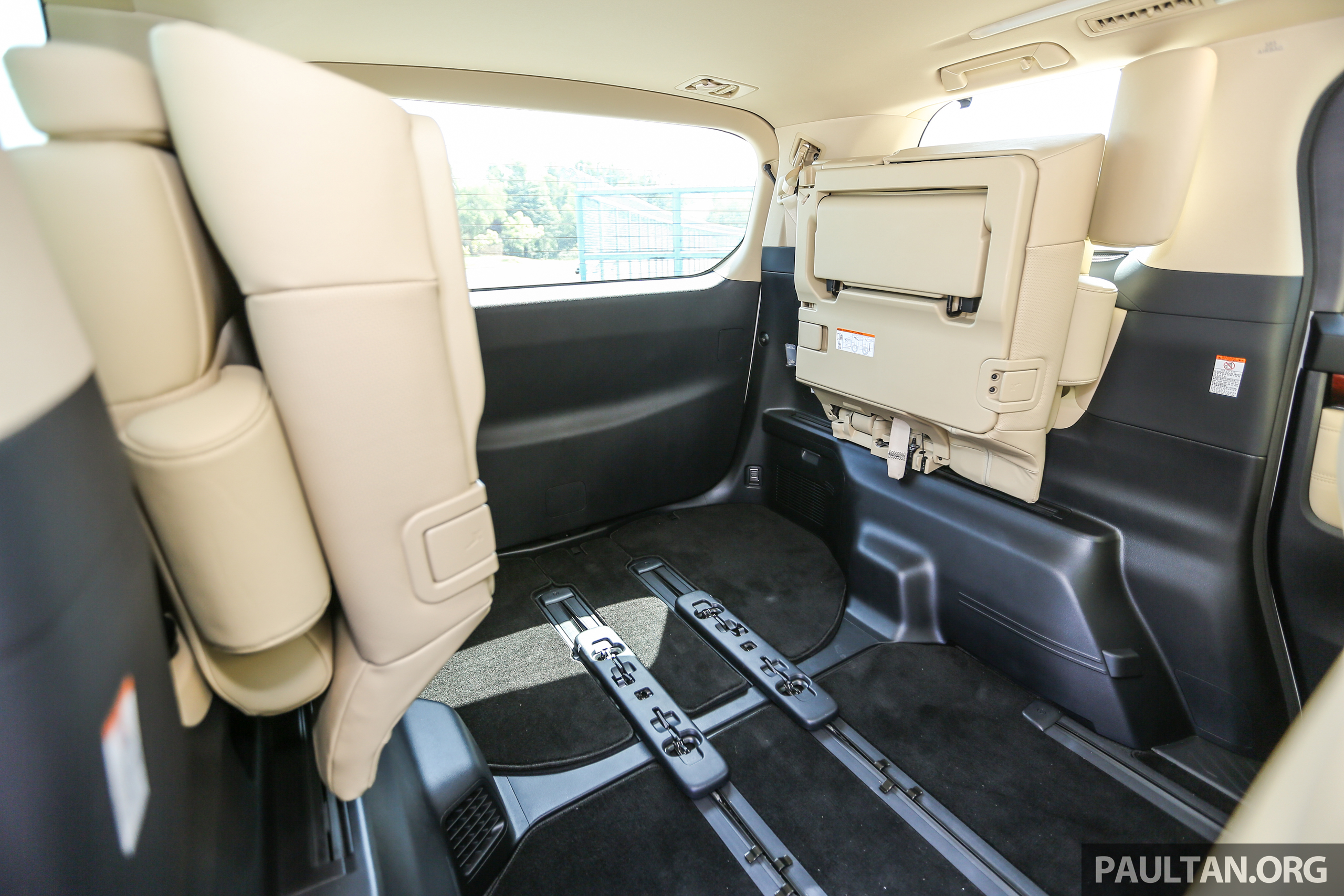
On size, both measure roughly 4,915-4,945 mm long, 1,850 mm wide and 1,880-1,950 mm tall on a 3,000 mm wheelbase – genuinely large, and at 1.9 to 2.2 tonnes, genuinely heavy (which matters for tyres, brakes and suspension wear). Seating is either an 8-seater (with a three-person second-row bench, on lower grades) or a 7-seater (with two second-row captain chairs and a walk-through, on higher grades) – decide which you need, as it varies by grade.
Pre-facelift (2015-2017) vs 2018 facelift
The January 2018 facelift is a key buying pivot. What changed:
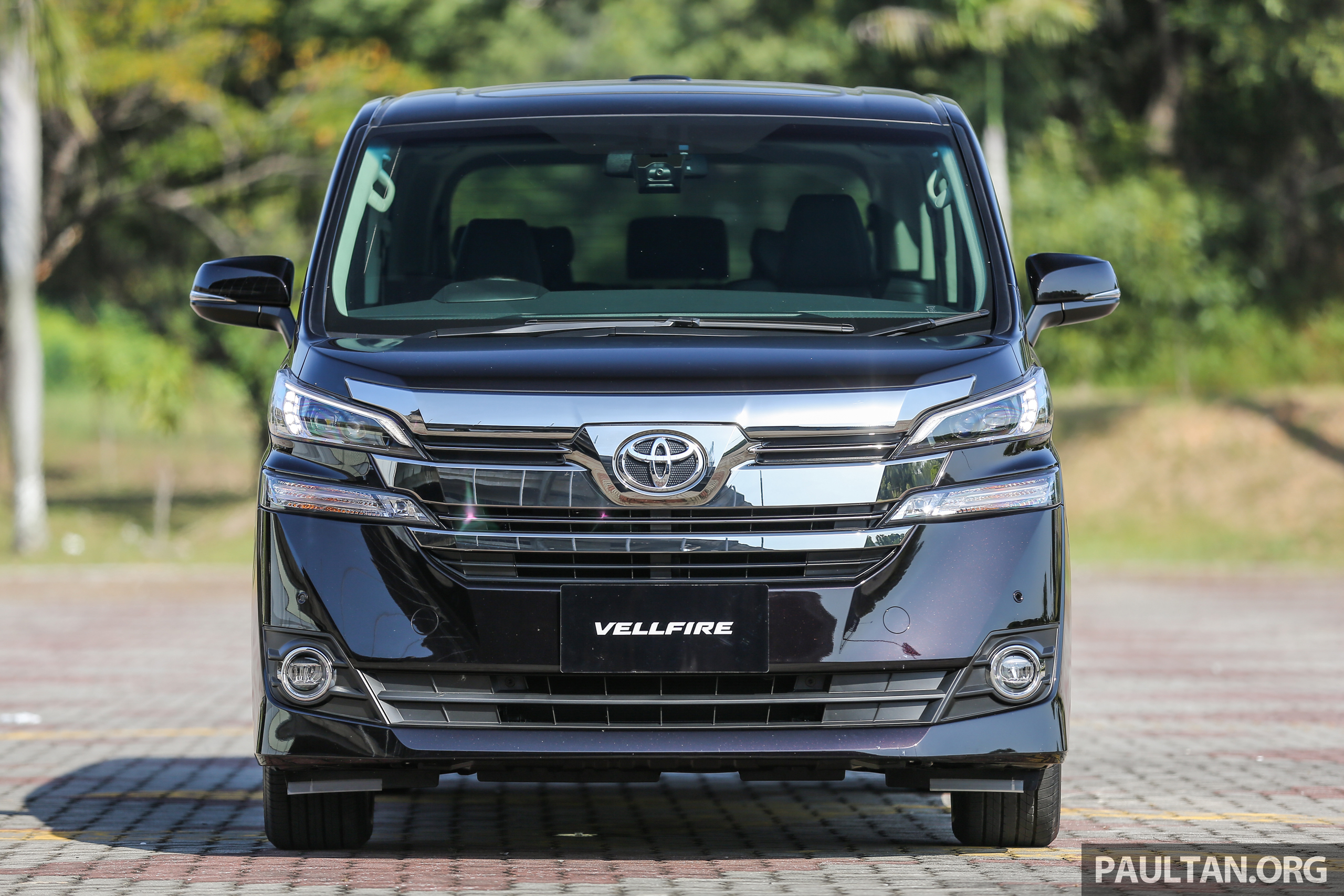
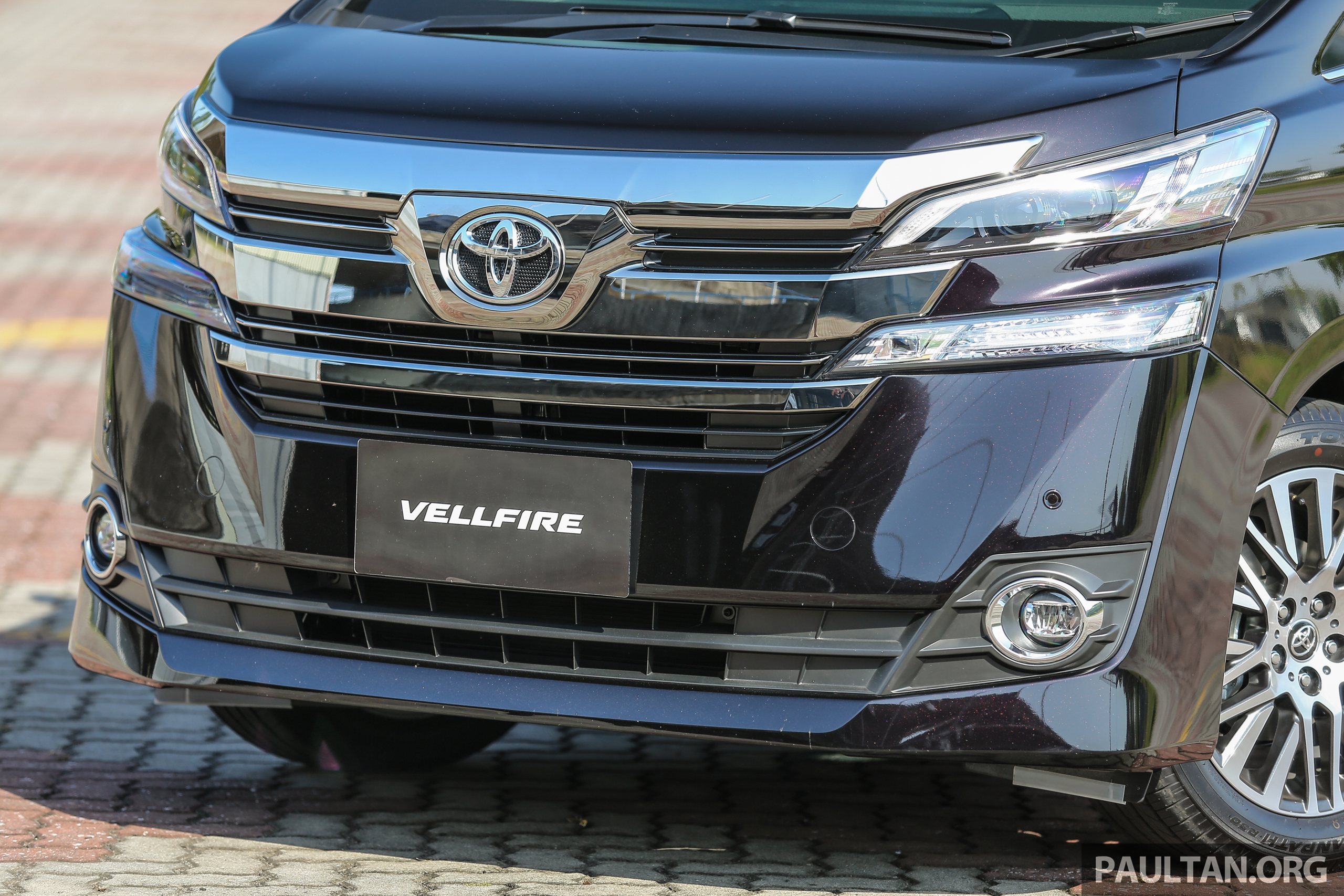
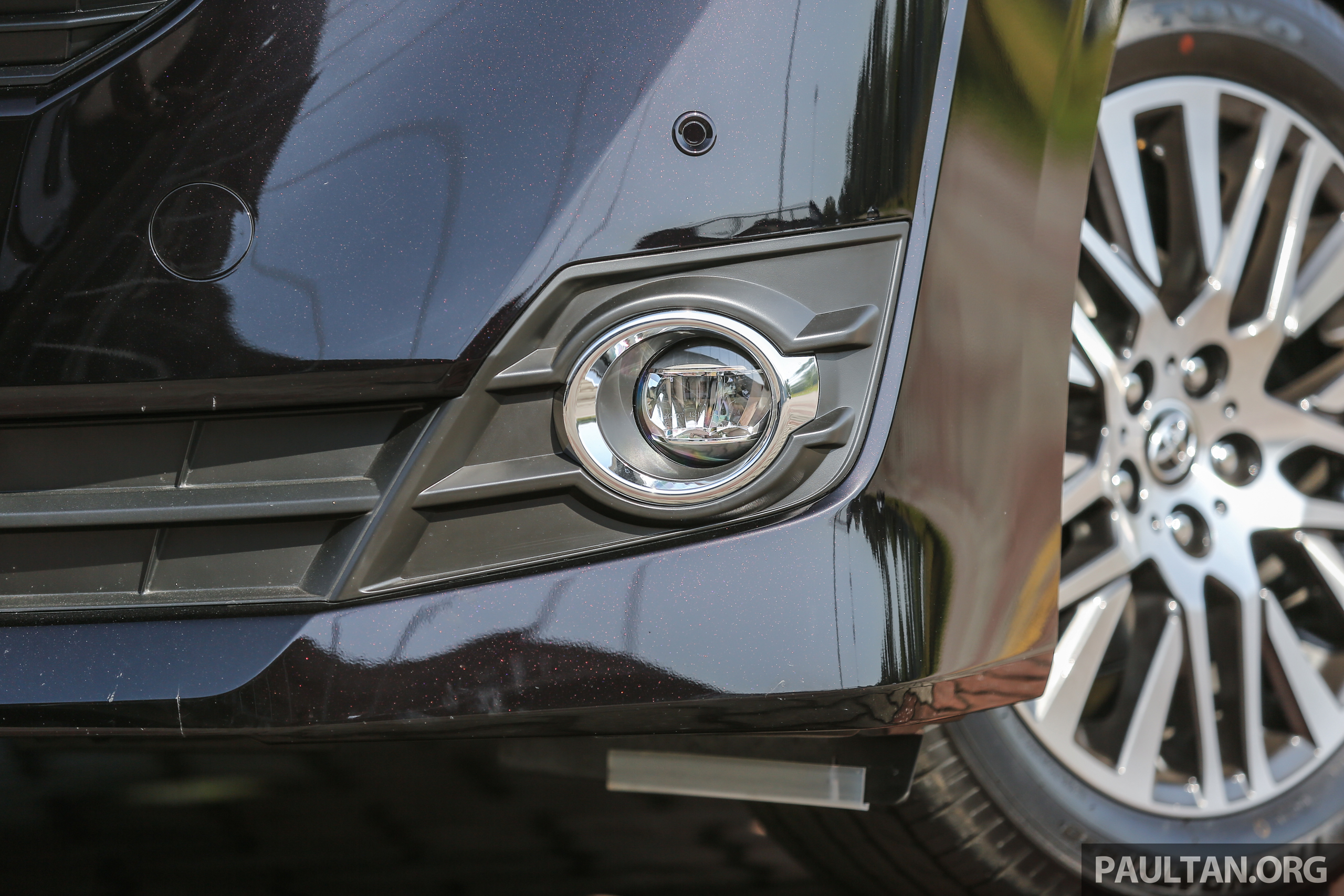
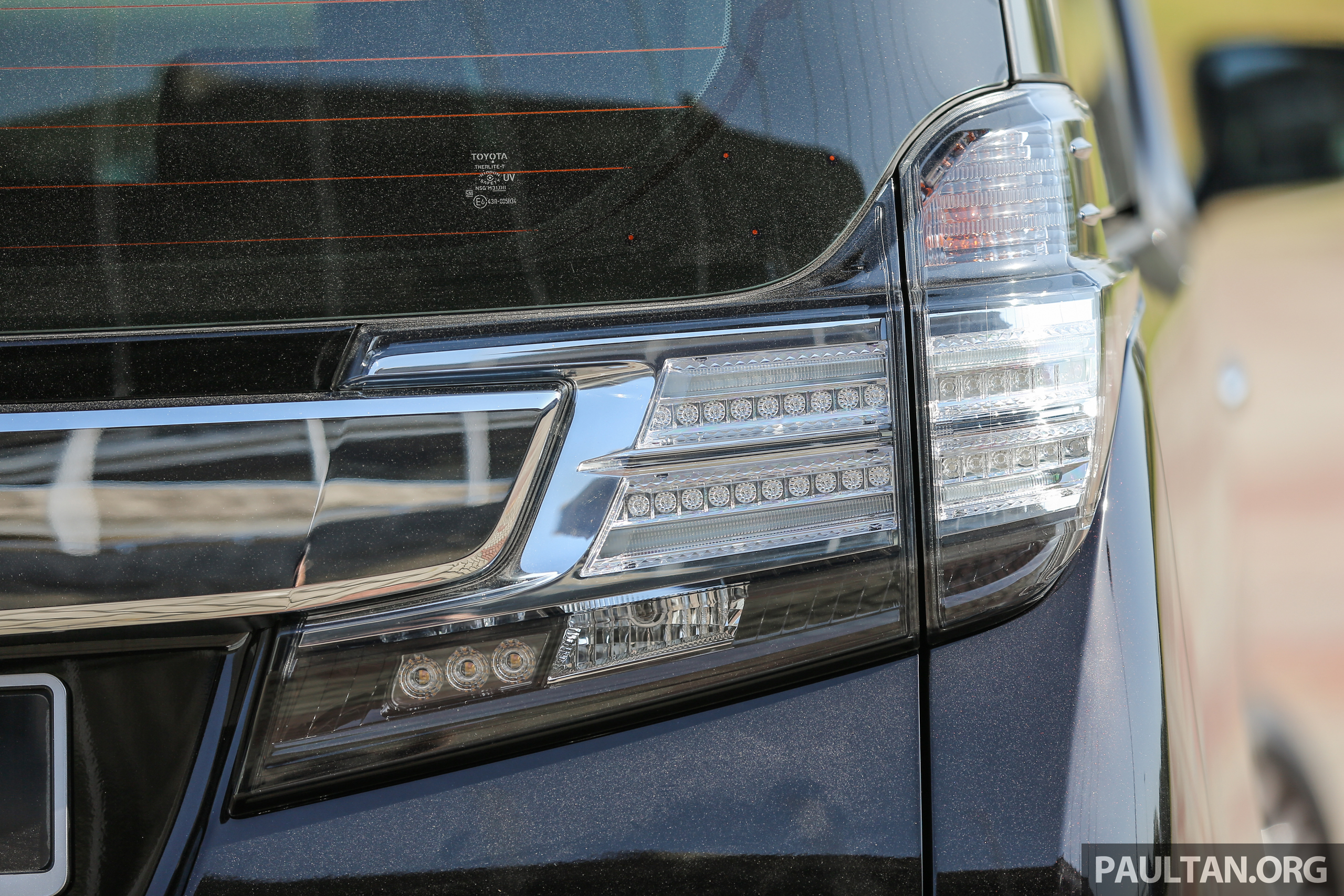
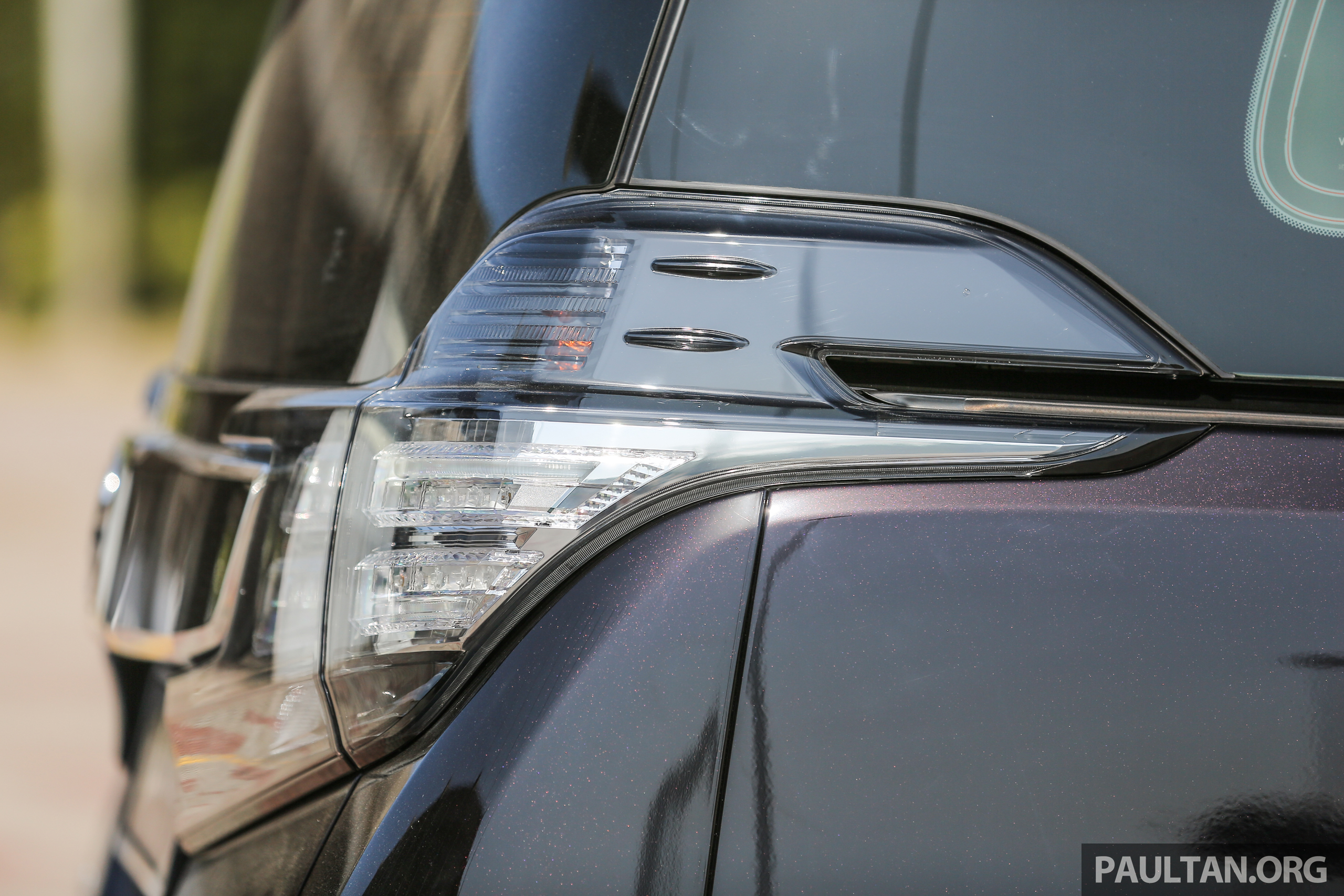
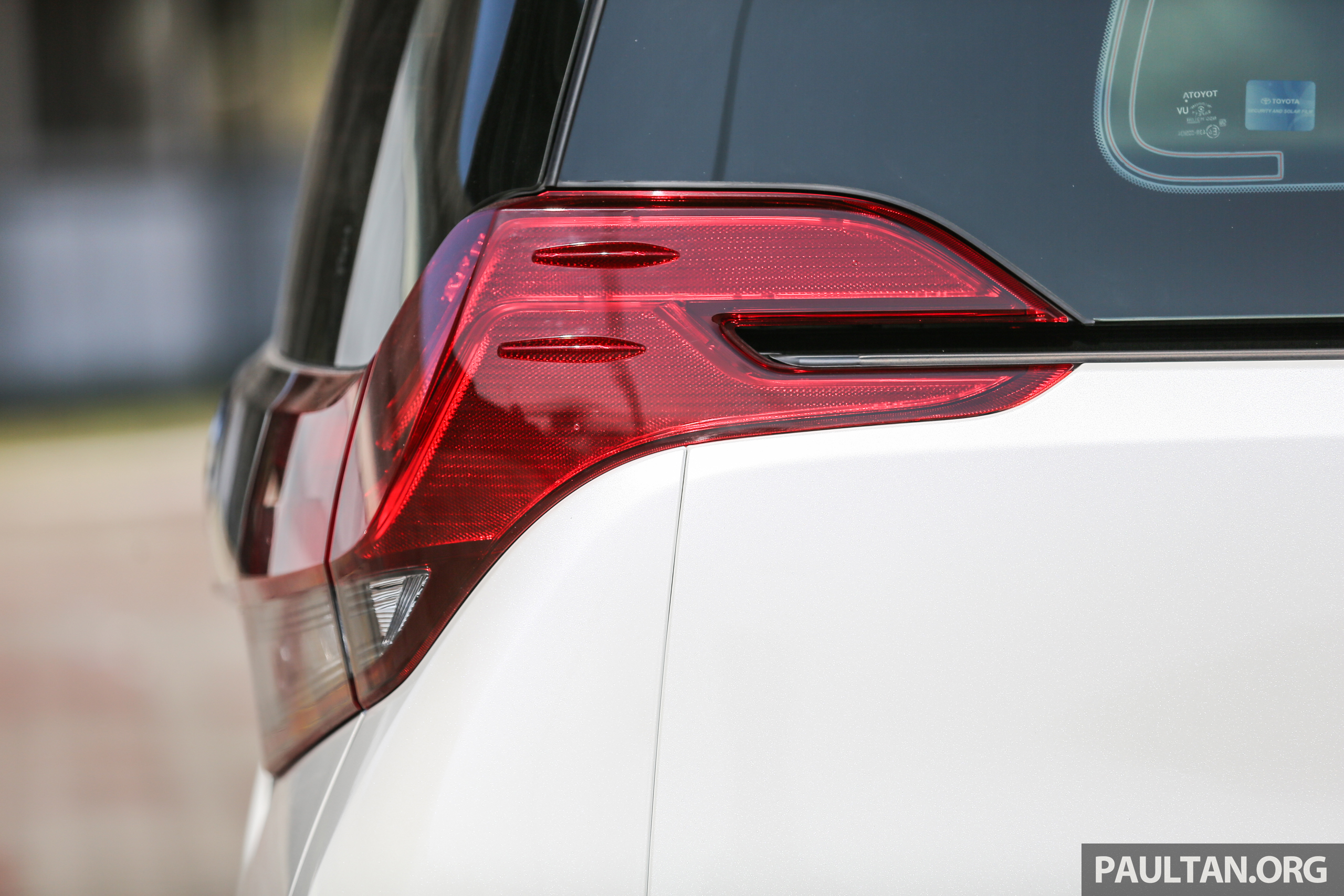
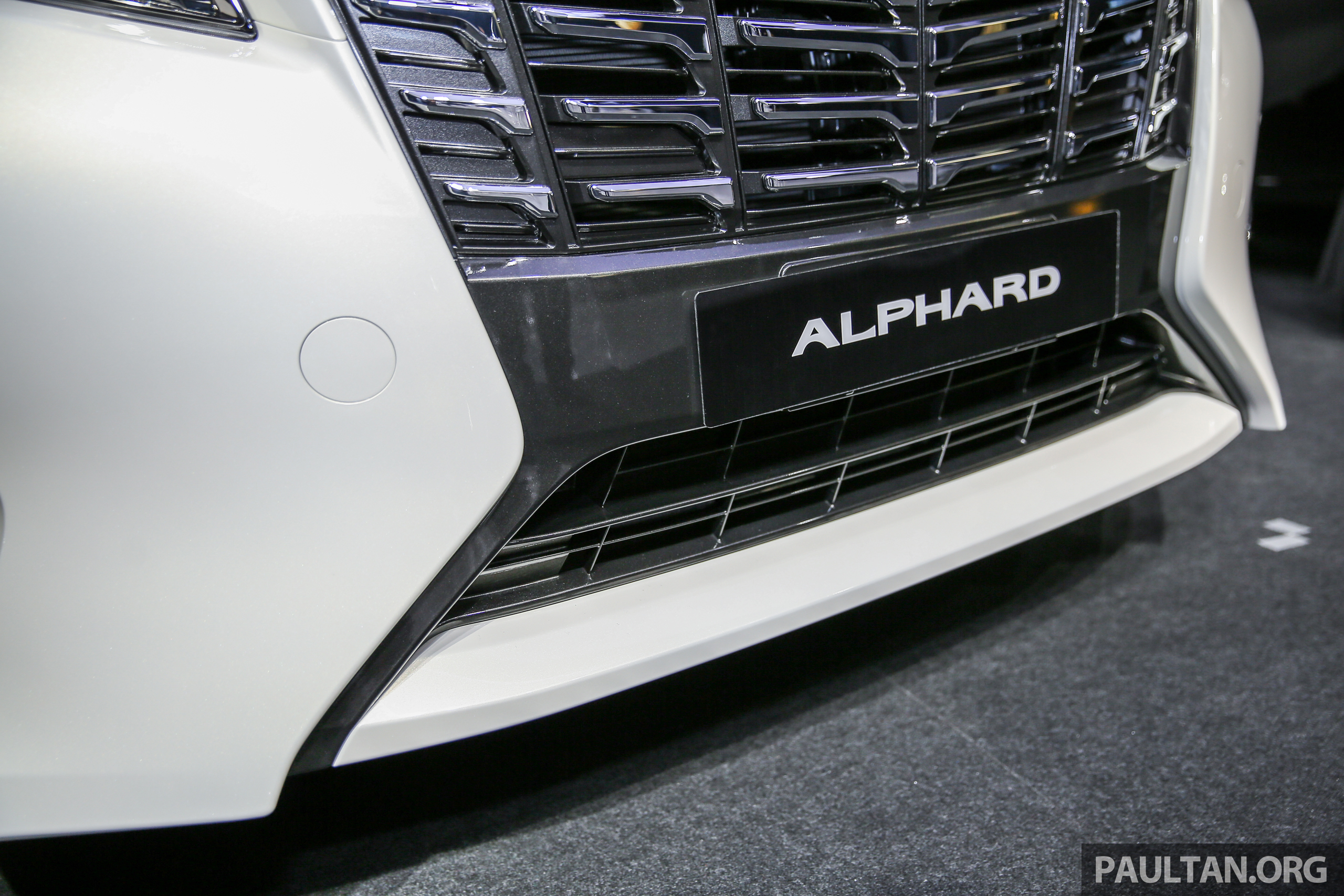
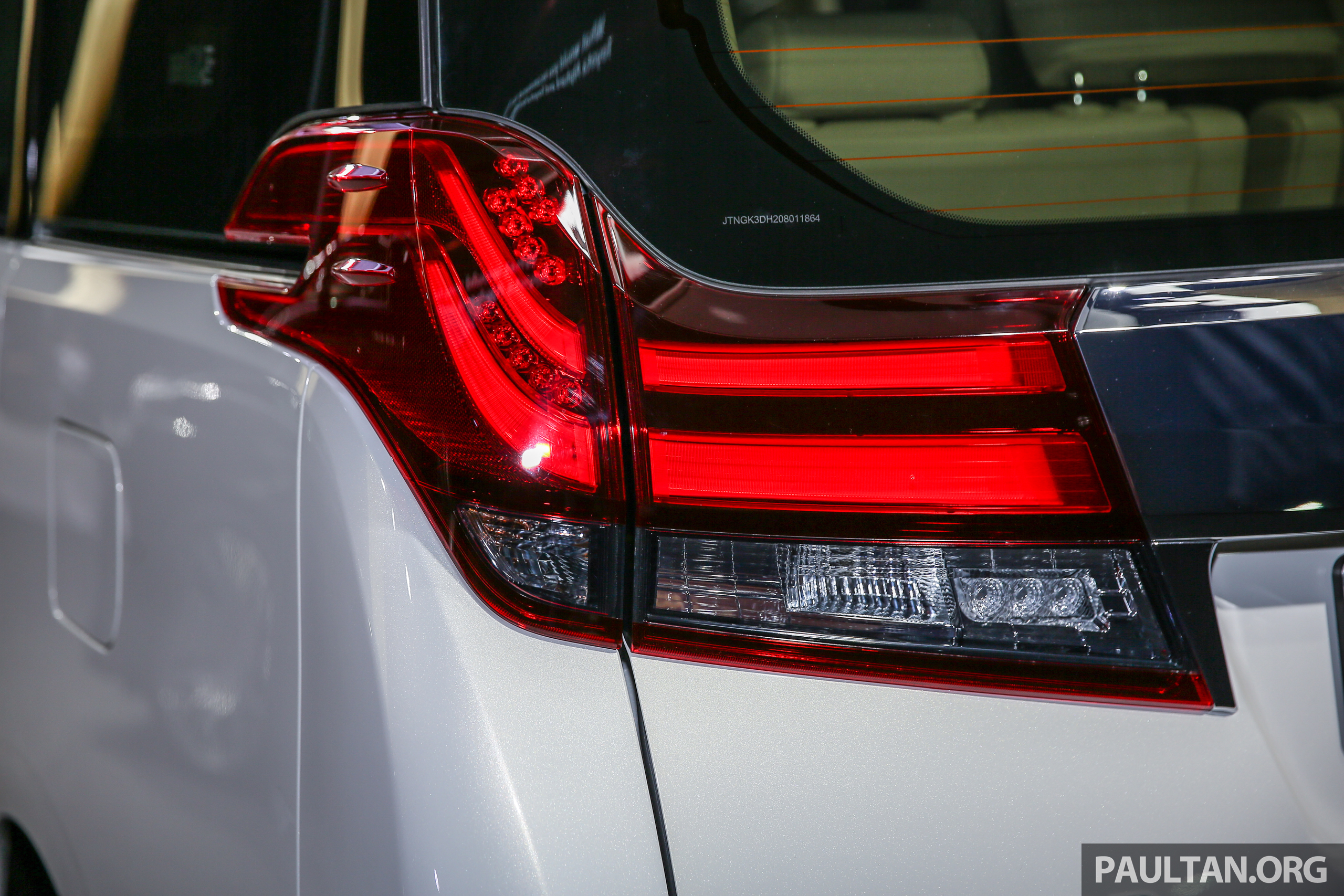
- Styling: a larger, bolder front grille and bumper, redesigned LED headlights (with available sequential indicators) and new tail lights.
- The big one – the V6: the 3.5 litre swapped the old 2GR-FE and 6-speed auto for the newer 2GR-FKS (with D-4S injection) and an 8-speed automatic, lifting output to 300 PS. If you want the V6, the 2018-on car is materially better.
- Toyota Safety Sense became standard on JDM cars (pre-collision, lane-trace assist, radar cruise, plus blind-spot monitor and rear cross-traffic alert).
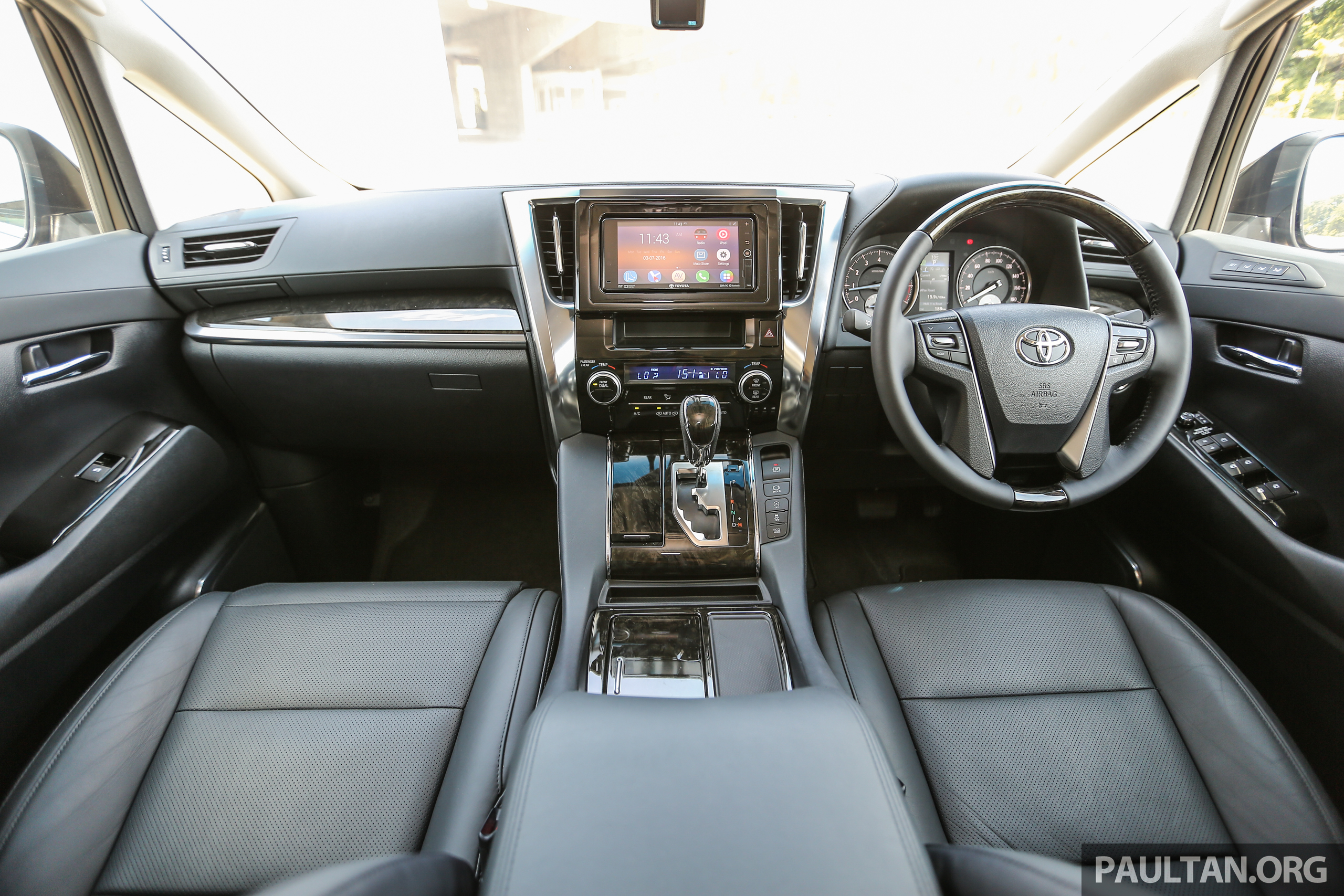
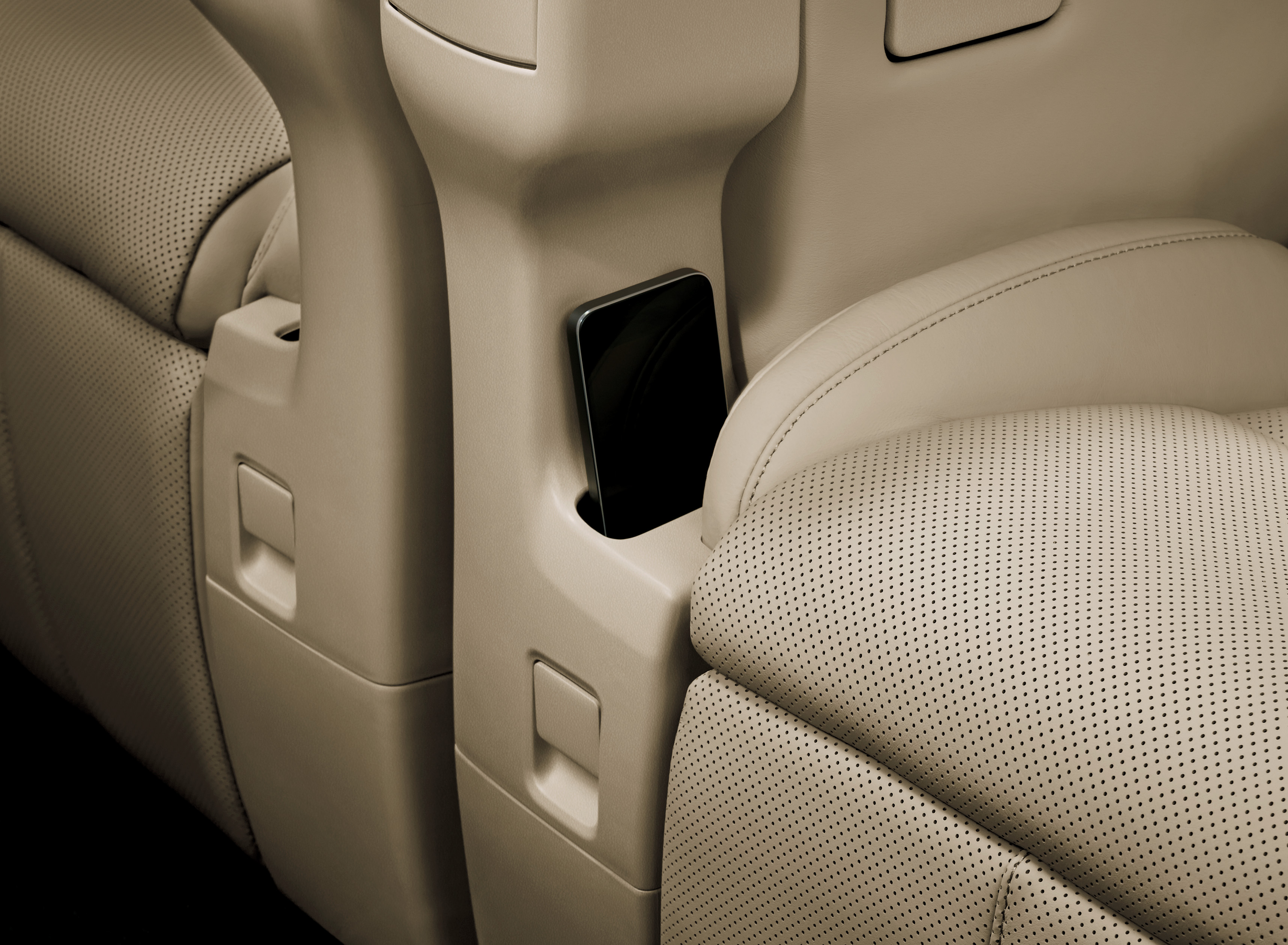
- Cabin tech: additions like a Qi wireless charger and a digital camera rear-view mirror.
For the 2.5 petrol and hybrid, the facelift gap is smaller – mainly the safety tech and styling. For the V6, it’s a genuine mechanical upgrade.
Common problems and what to check
The 30-series is fundamentally a very reliable Toyota, but these are big, heavy, tech-laden vans, and the recond angle adds its own checks. Note that “CVT” concerns apply only to the 2.5 petrol – the V6 uses a conventional torque-converter automatic, and the hybrid uses a planetary e-CVT.
- The 2.5 can feel underpowered hauling two-plus tonnes – this is a characteristic, not a fault. The CVT is durable as long as its fluid is serviced; there’s no AGH30-specific CVT defect on record.
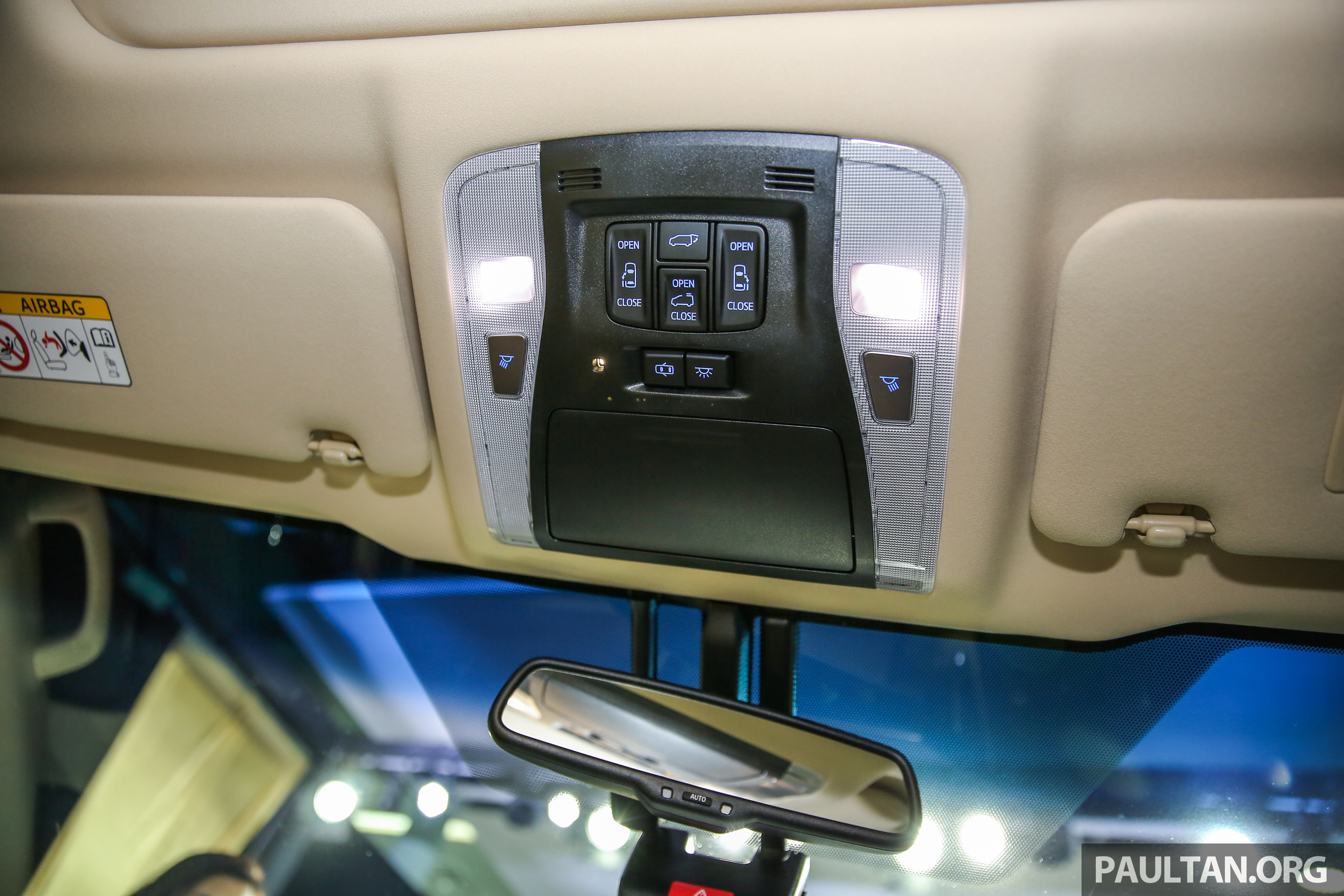
- Power sliding doors: check both work smoothly every time. Most issues trace back to a weak 12V battery (these cars have a heavy electrical load), or dirty obstacle sensors, rather than the door motor itself.
- Battery health: a tired 12V battery causes a range of intermittent electrical gremlins on these vans – confirm it’s healthy.
- Age and mileage wear: suspension bushings and dampers work hard under the weight (listen for knocks over bumps), air-conditioning cooling, and on pre-2018 V6s, check for any oil consumption.
- Recalls: the hybrid was part of the global Denso fuel-pump recall (engine stall risk) – verify it’s been done. There’s also a Malaysian electronic-parking-brake software recall from 2018 on official cars.
Recond-import-specific checks – do not skip these:
- Mileage / odometer: rollback is a known risk on grey imports. Cross-check the displayed reading against the Japanese export and de-registration documents, the service booklet, and physical wear (pedals, seats, steering).
- Auction sheet: insist on a genuine Japanese auction sheet pulled by chassis number. Watch the overall grade (an “R” or “RA” means accident/structural repair history) and the odometer symbols. Forged local printouts are common – verify independently.
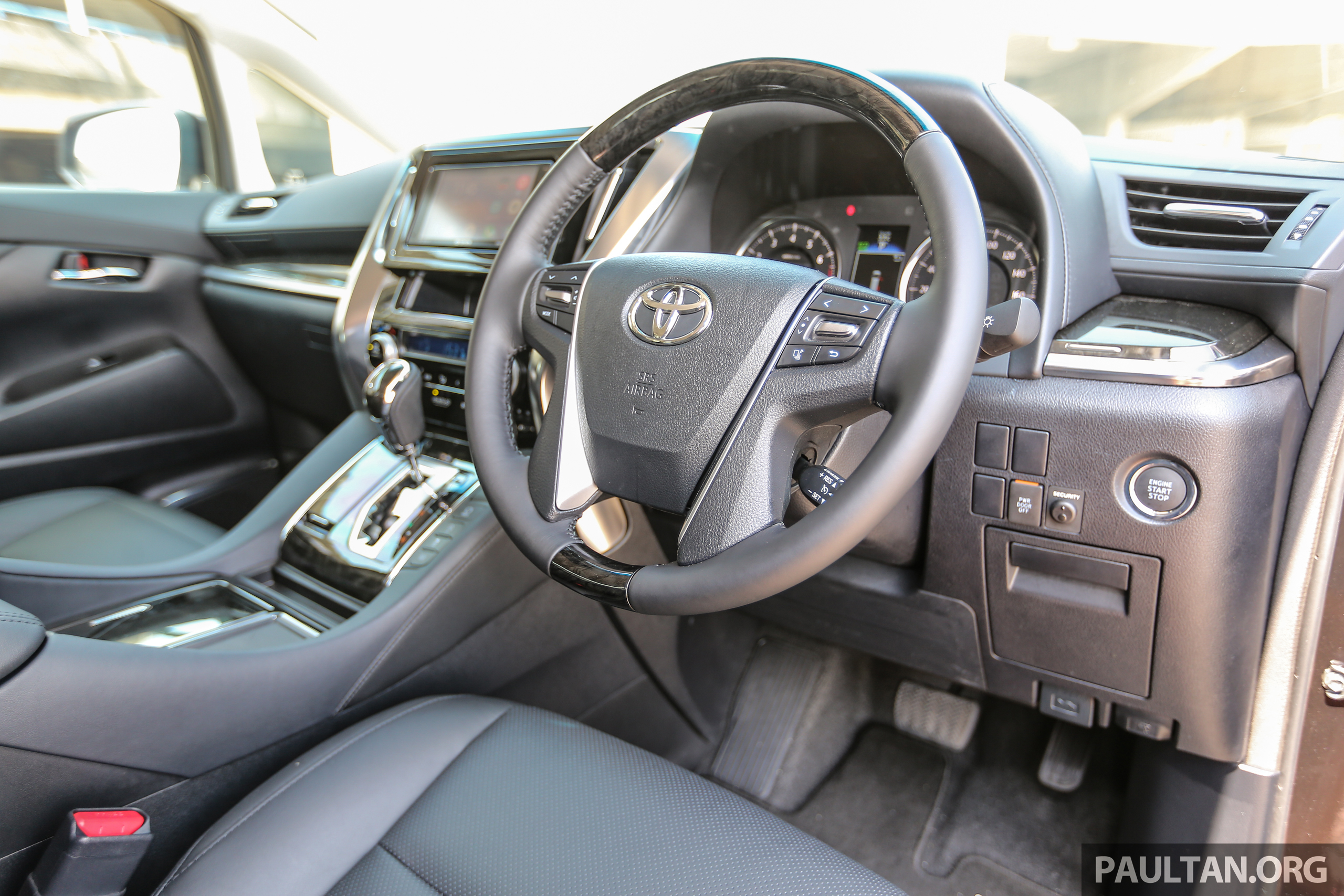
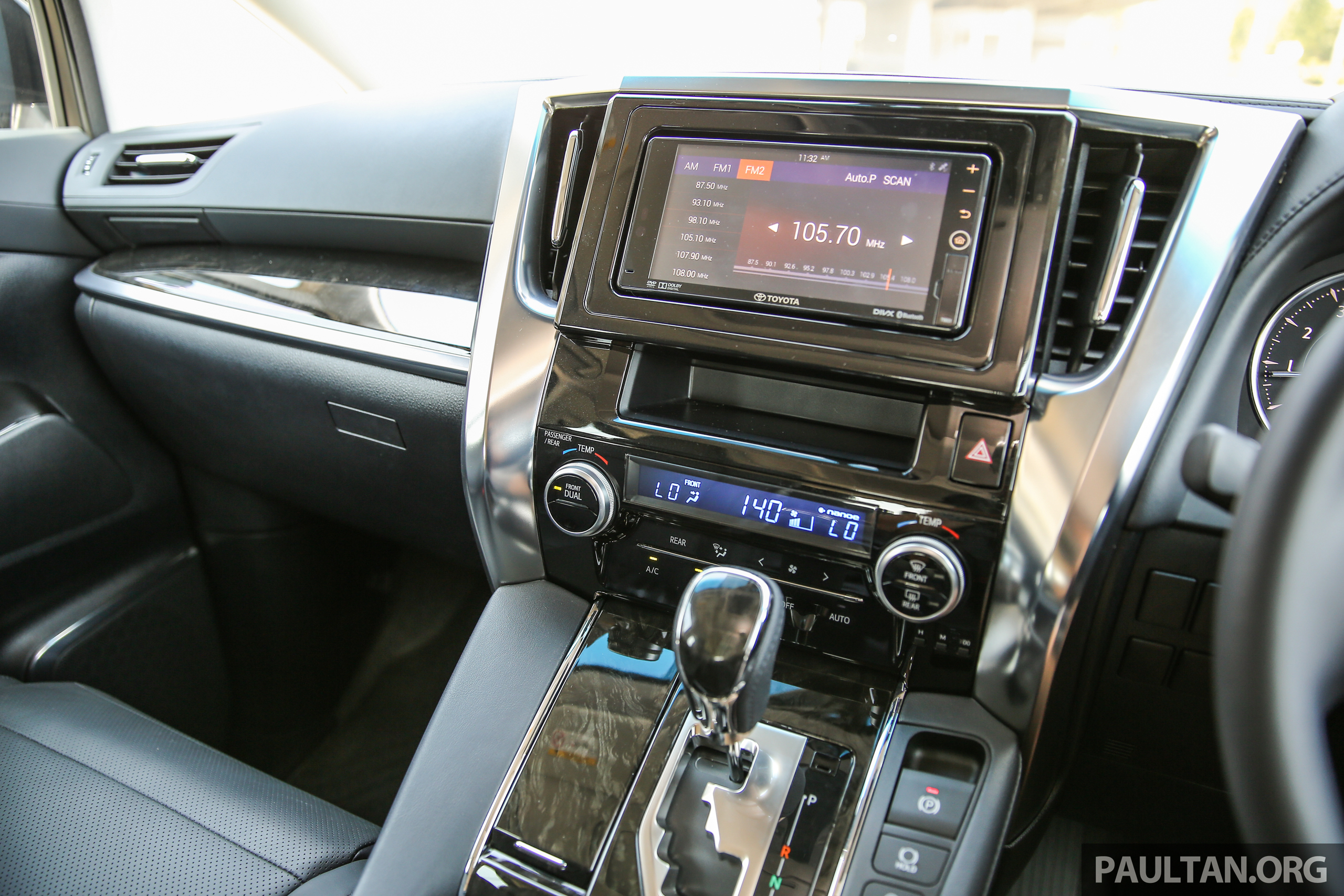
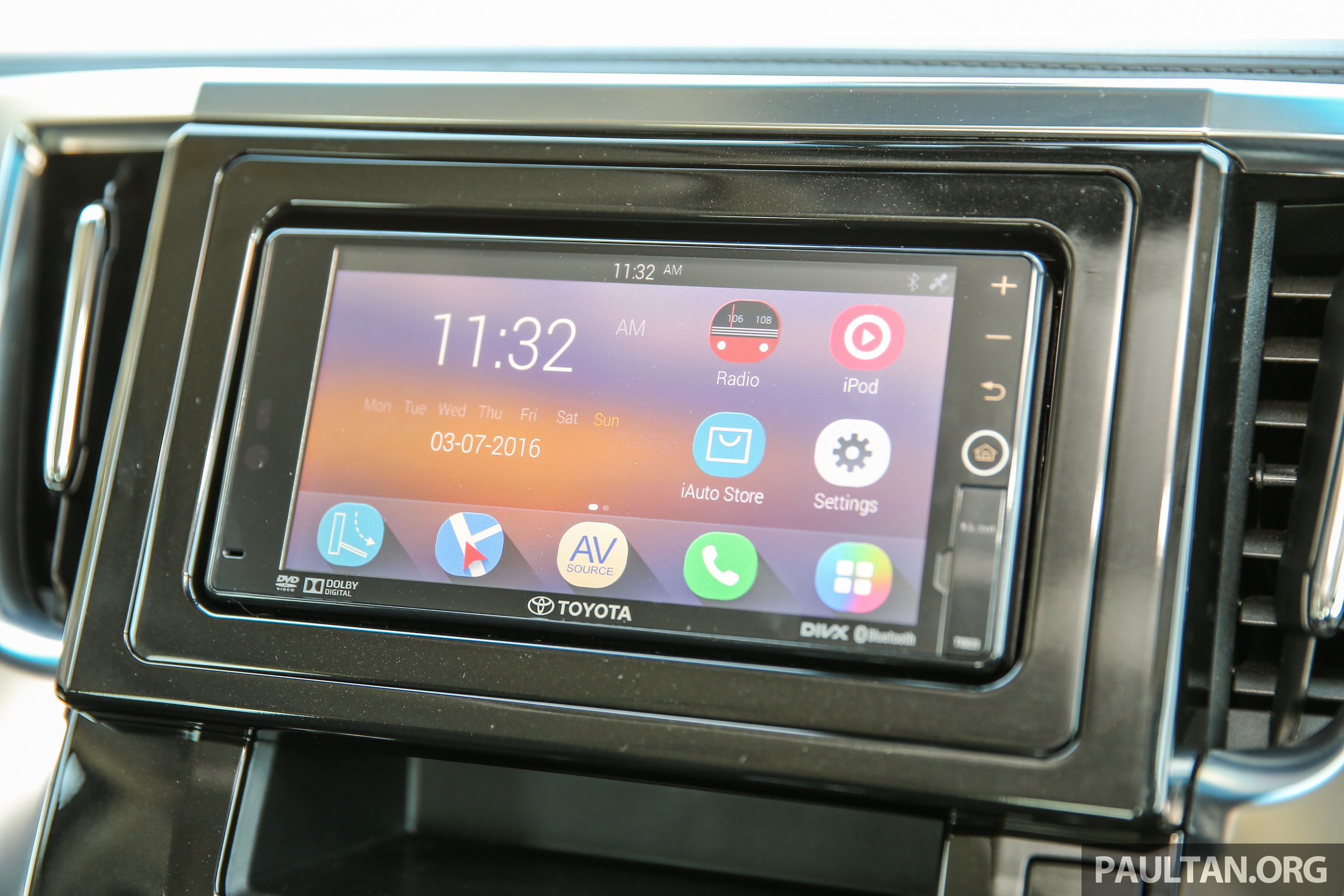
- Infotainment: JDM head units are Japanese-language with Japan-only maps, and Japan’s FM band (76-90 MHz) doesn’t match Malaysia’s (87.5-108 MHz). Budget for a head-unit replacement for proper local radio, navigation and Apple CarPlay/Android Auto.
- No manufacturer warranty: recond cars carry no Toyota warranty or recall coverage – only third-party warranties of varying quality. Factor this in.
Used prices by year (30-series)
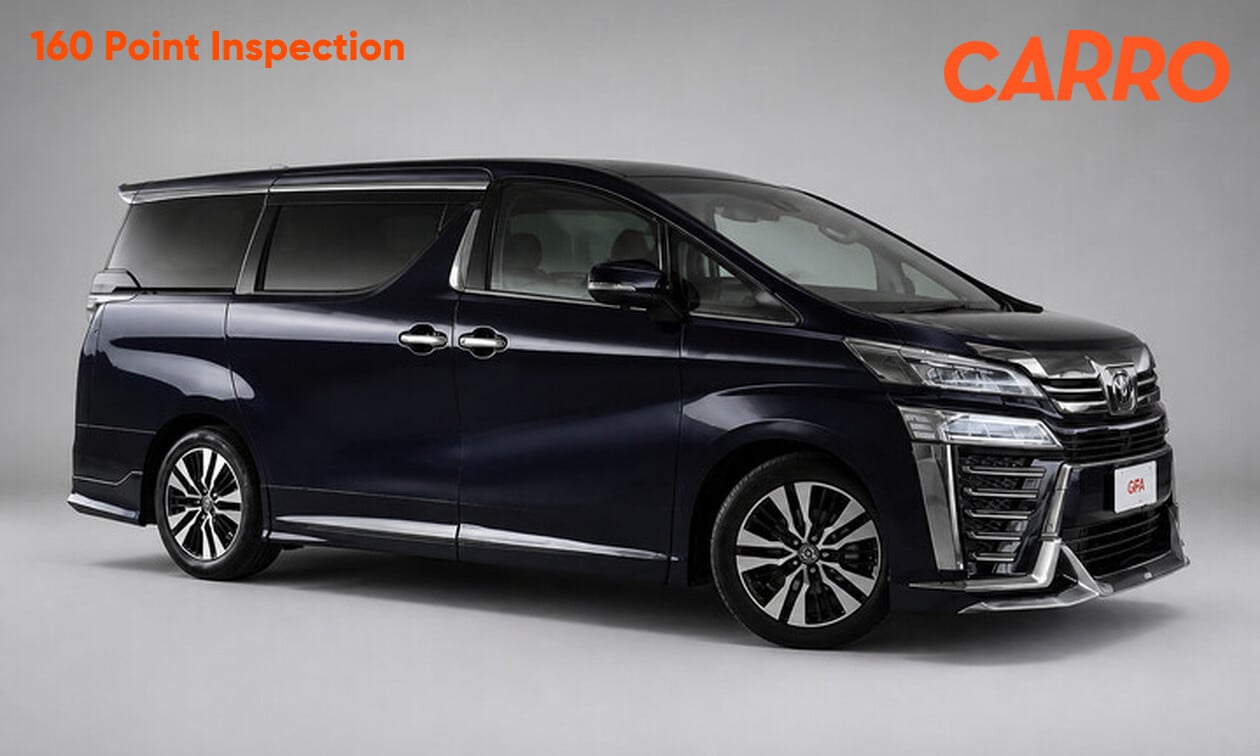
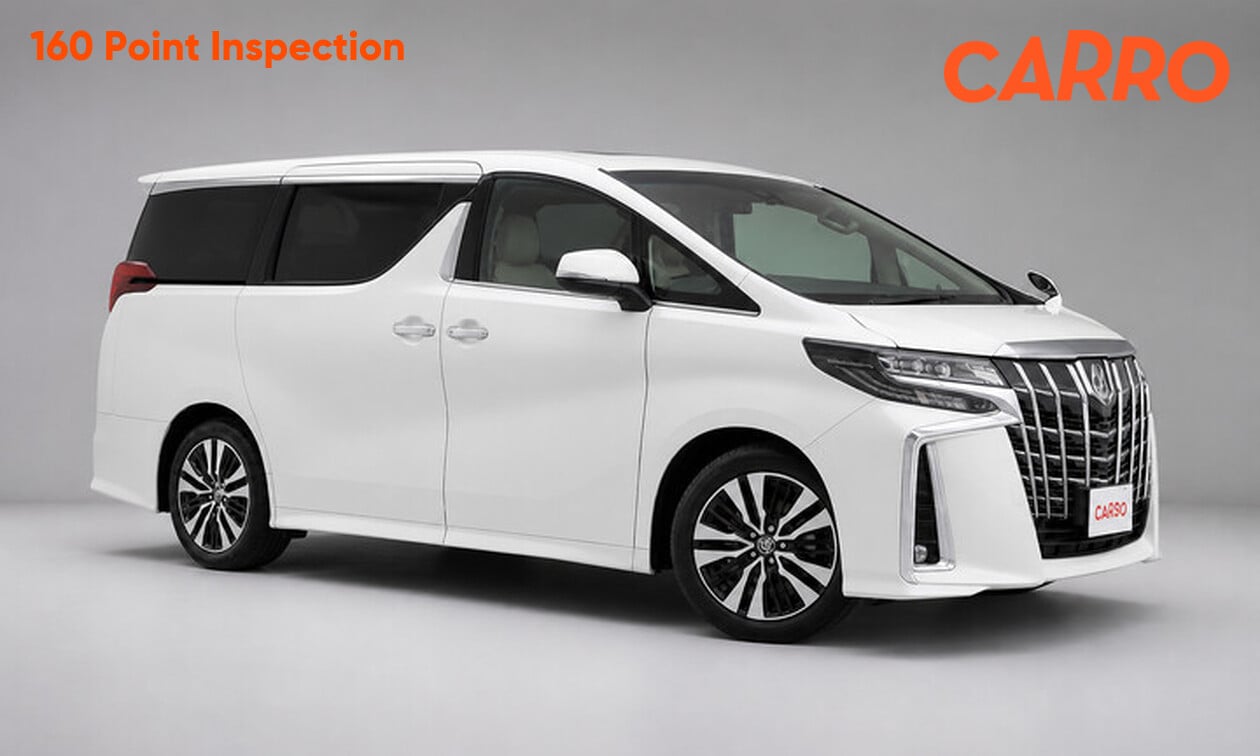
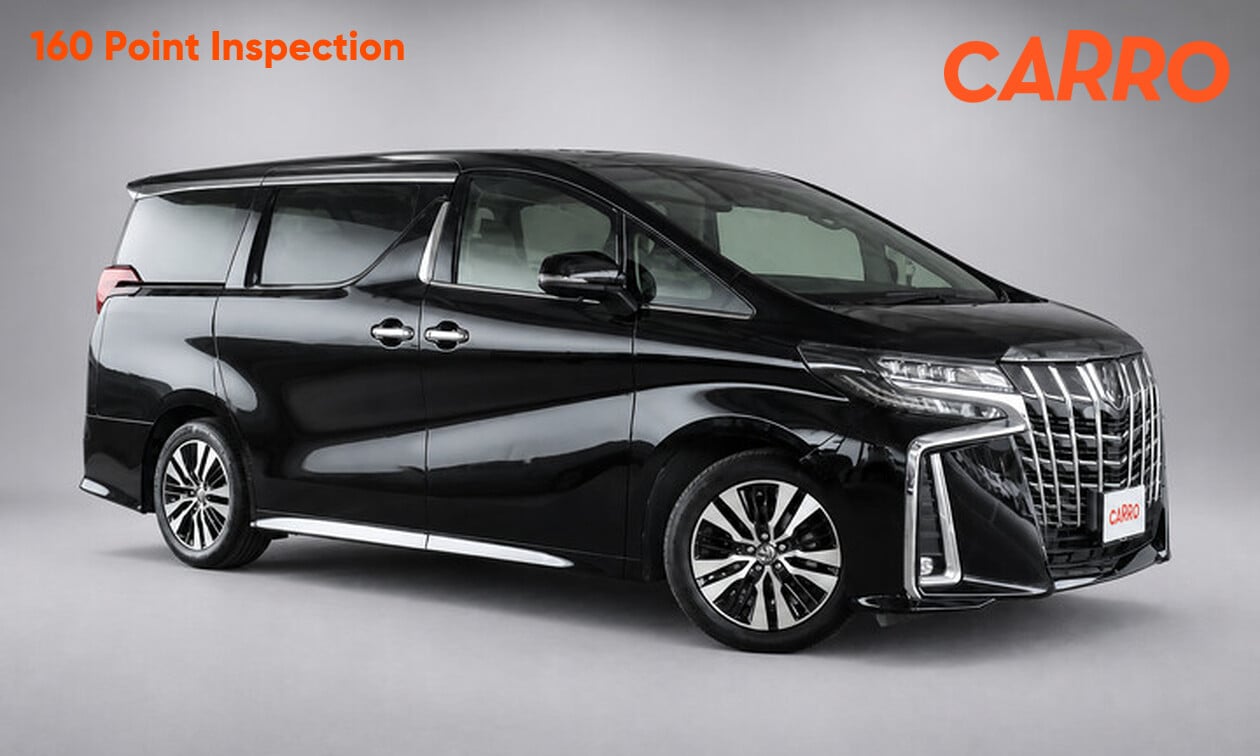
The 30-series holds its value remarkably well. Two clear patterns: the Alphard commands a premium over the mechanically-identical Vellfire, and in the recond market Vellfire stock skews to earlier years (2015-2017) while Alphard listings cluster from 2018 on. Here are median asking prices by year of manufacture, from Carro Certified’s inventory.
| Year | Alphard | Vellfire |
|---|---|---|
| 2015 | – | ~RM120,000 |
| 2016 | – | ~RM126,000 |
| 2017 | – | ~RM147,000 |
| 2018 | ~RM161,000 | ~RM166,000 |
| 2019 | ~RM161,000 | ~RM165,000 |
| 2020 | ~RM179,000 | ~RM169,000 |
| 2021 | ~RM190,000 | – |
| 2022 | ~RM190,000 | – |
As a rule of thumb, budget roughly RM160,000-195,000 for a typical 30-series Alphard and around RM120,000-170,000 for an equivalent Vellfire – the value pick of the two for essentially the same car.
Higher grades (the 2.5 SC/ZG, the 3.5 V6, Executive Lounge and the gold special editions) and low-mileage examples sit well above these medians. Always price a specific recond unit on its mileage, grade and condition.

Ownership costs
- Road tax: this is the single biggest running-cost split between engines. Registered as non-saloon in Peninsular Malaysia, the 2.5 litre (petrol or hybrid, 2,493cc) costs roughly RM830-880 a year – but the 3.5 litre V6 (3,456cc) jumps to about RM2,370 a year, around RM1,500 more. That alone is a major reason the 2.5 dominates the used market.
- Insurance: premiums are substantial because the sum insured is high (these are RM120,000-200,000+ MPVs). As a guide, comprehensive cover for a 2.5 litre 30-series typically runs around RM2,000-3,000 a year depending on the sum insured and your no-claim discount; the higher-value 3.5 V6 and Executive Lounge cars cost more, and premiums fall as you build up NCD. Use Paul Tan Insurance to renew and get 10% off your premium.
- Servicing: mechanically these are robust Toyotas with widely-available parts. At a Toyota service centre, a routine 10,000 km service for the 2.5 runs roughly RM324 (mineral oil) to RM404 (full-synthetic 0W-20), the bigger 40,000 km service around RM584-664, and a CVT fluid change is due at 80,000 km (about RM290). The 3.5 V6 is dearer still – roughly RM438-618 for a routine service and RM708-888 for the 40,000 km major, plus six iridium spark plugs (about RM680) at 100,000 km. As recond cars they have no prepaid Toyota service package, so owners either pay à-la-carte rates at a Toyota centre or use a trusted independent Alphard/Vellfire specialist. Given the weight, stay on top of transmission fluid, brakes and suspension.
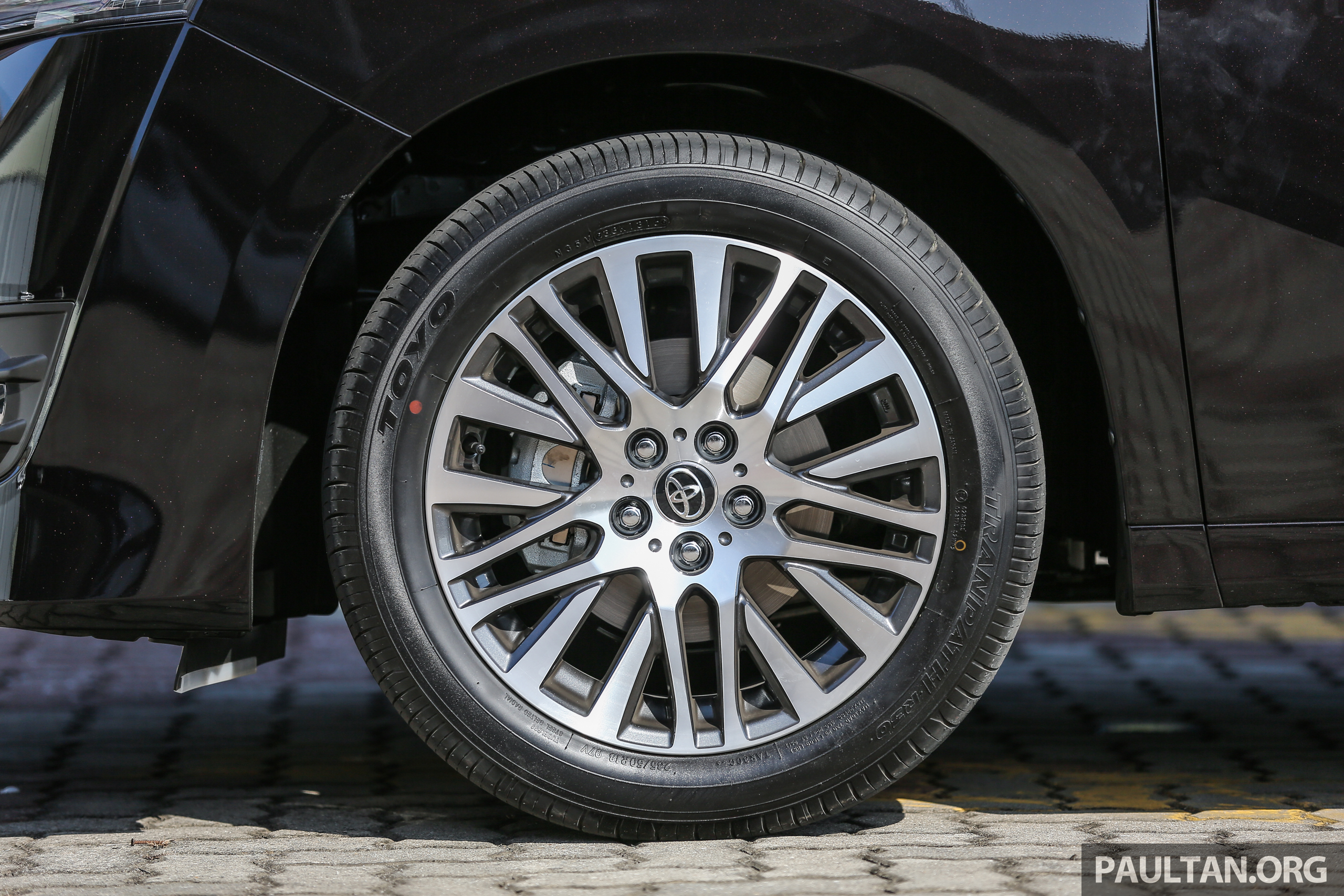
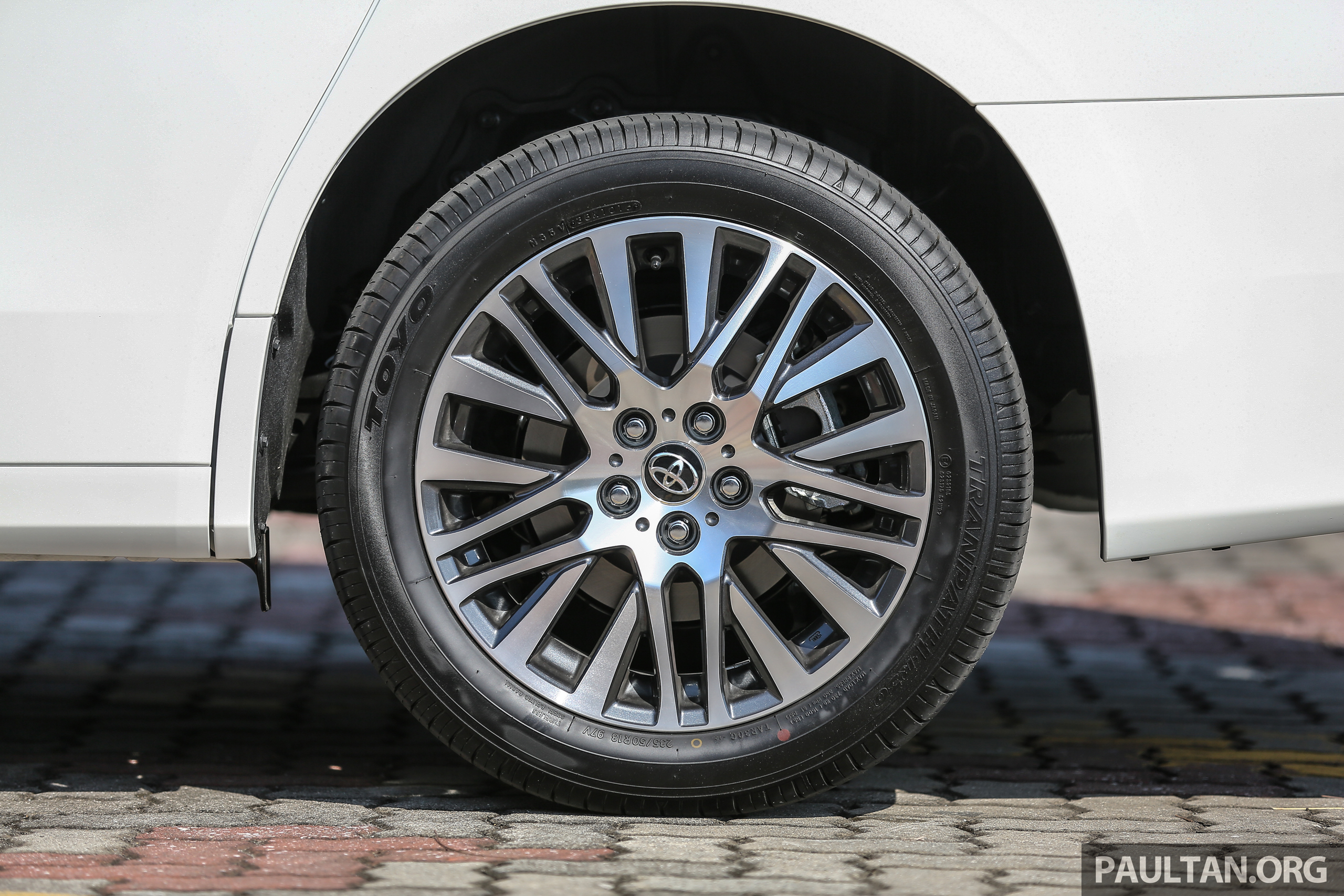
- Tyres and spare: tyre size depends on grade – non-aero grades (X/G/V) wear 16-inch (215/65 R16), aero grades (S/Z) 17-inch (215/60 R17), and the top aero, V6 and Executive Lounge cars 18-inch (235/50 R18). For the common 18-inch size, budget roughly RM400-600 per tyre fitted (a Michelin Primecy 4ST is around RM580), or about RM1,600-2,400 for a full set of four; the 16- and 17-inch grades are cheaper. Note these came with a space-saver temporary spare rather than a full-size wheel – check it’s present and usable.
Frequently asked questions
- 30-series vs 40-series – what’s the difference? The 40-series (2023 on) is the all-new model on Toyota’s TNGA platform, bigger, more refined and far pricier. The 30-series (2015-2022) is the previous generation – much cheaper used and the value buy.
- What do 2.5 X / G / SC / Type Gold mean? They’re JDM grades: X is base, G is luxury non-aero, S/SC are the aero (sporty) grades, and Type Gold is a 2020 special edition. See the grade table above.
- 2.5 vs 3.5 – which to buy? The 2.5 petrol for sensible running costs (the volume choice), the hybrid for economy, the 3.5 V6 only if you want effortless power and can stomach the fuel and road-tax bills.
- Alphard or Vellfire? The same car with a different face. The Alphard has stronger demand and resale (it outsells the Vellfire heavily here); the Vellfire is the sportier-looking, often slightly cheaper way into the identical vehicle.
- Pre-facelift or 2018 facelift? The facelift added Toyota Safety Sense and restyled the front; for the V6 it also brought a more powerful 300 PS engine and 8-speed auto, making the 2018-on V6 the one to have.
The bottom line
The 30-series Alphard and Vellfire remain among the smartest used luxury-MPV buys in Malaysia: enormous, comfortable, dependable and far cheaper than the new 40-series. The keys to a good buy are choosing the right grade for your needs, picking the 2.5 (or hybrid) for sane running costs unless you specifically want the V6, and – above all – verifying the car’s mileage, auction sheet and condition, since this is a recond-import market where provenance is everything.
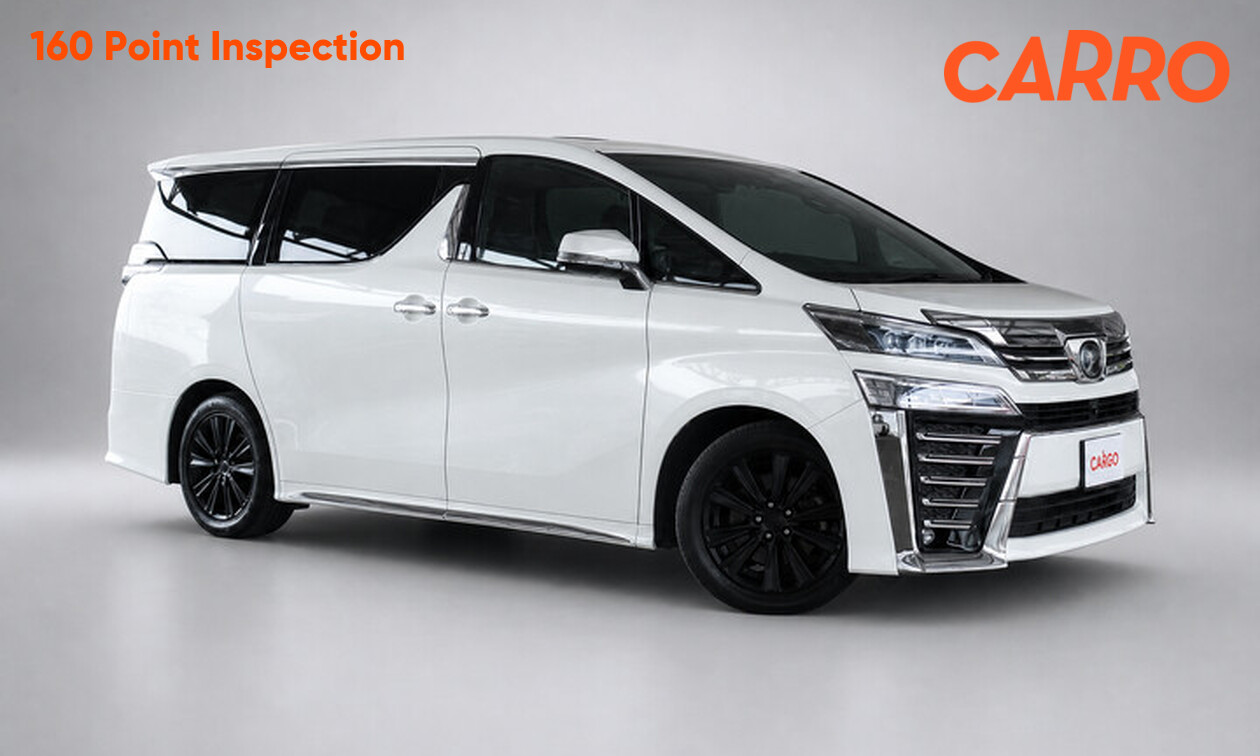
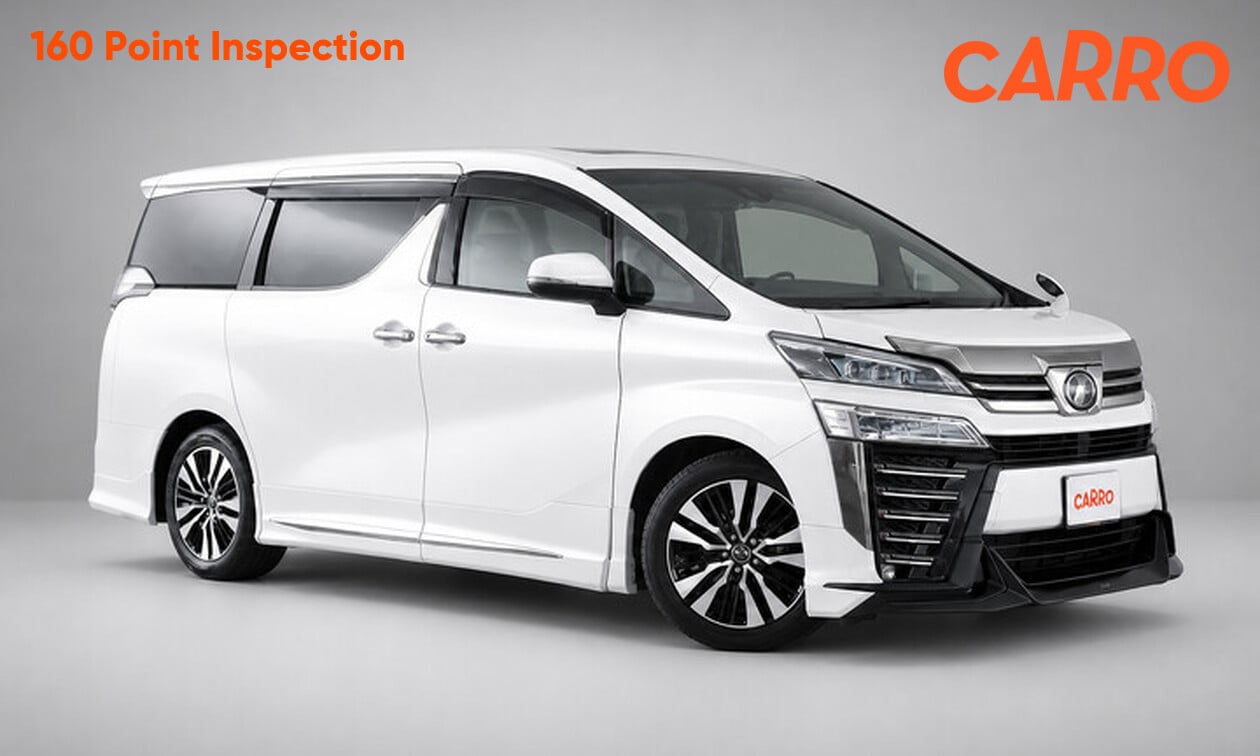
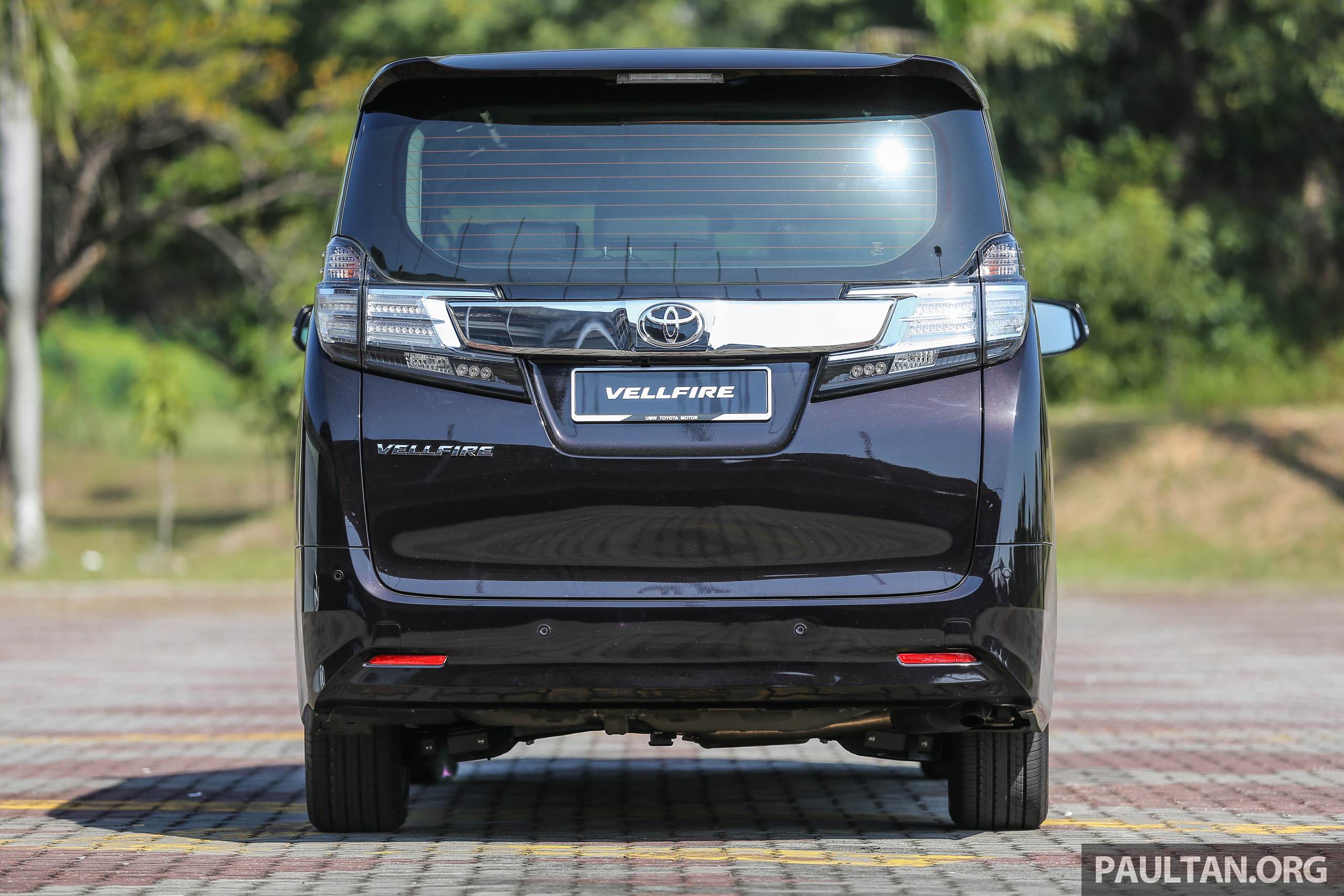
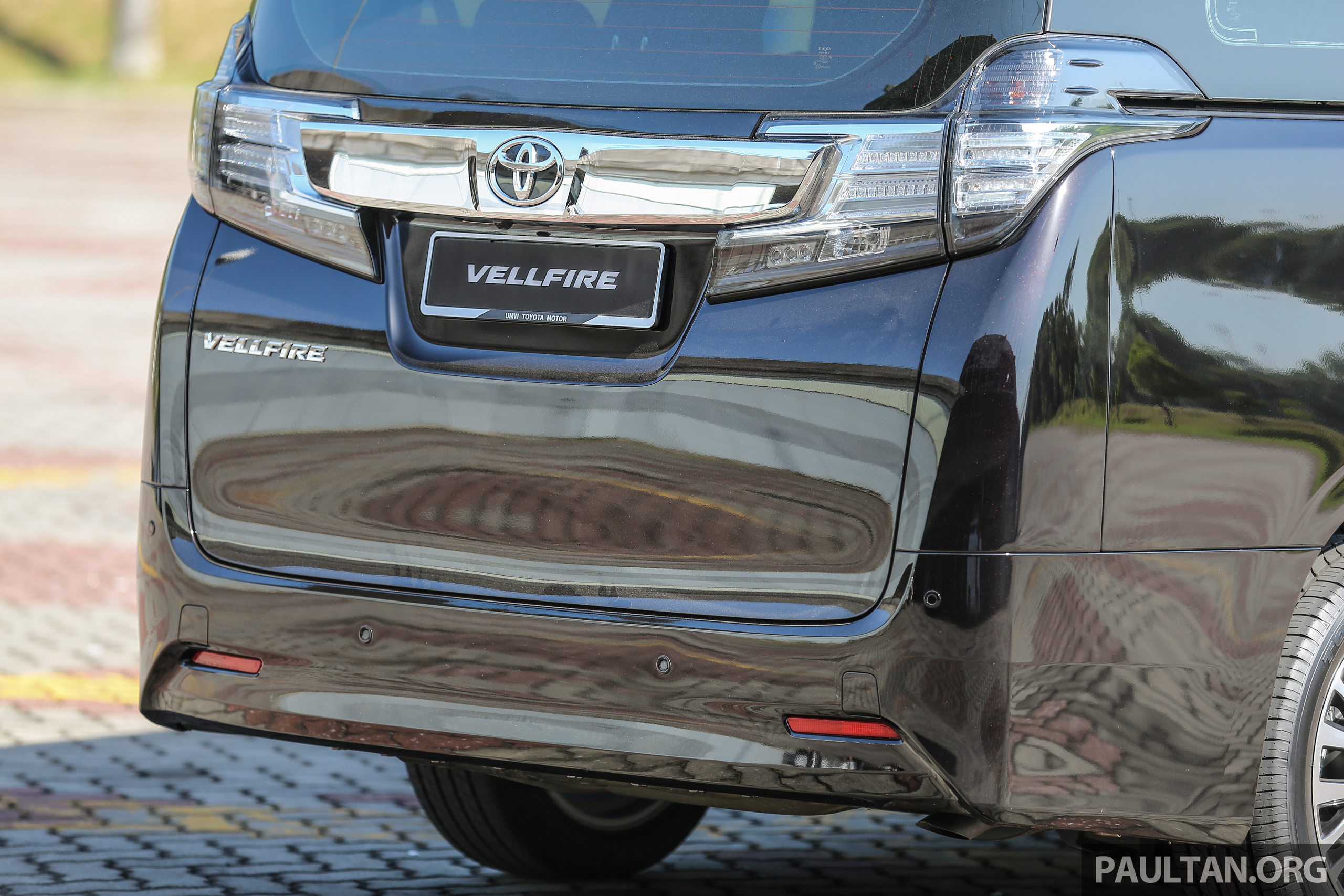
Toyota Vellfire 2.5



























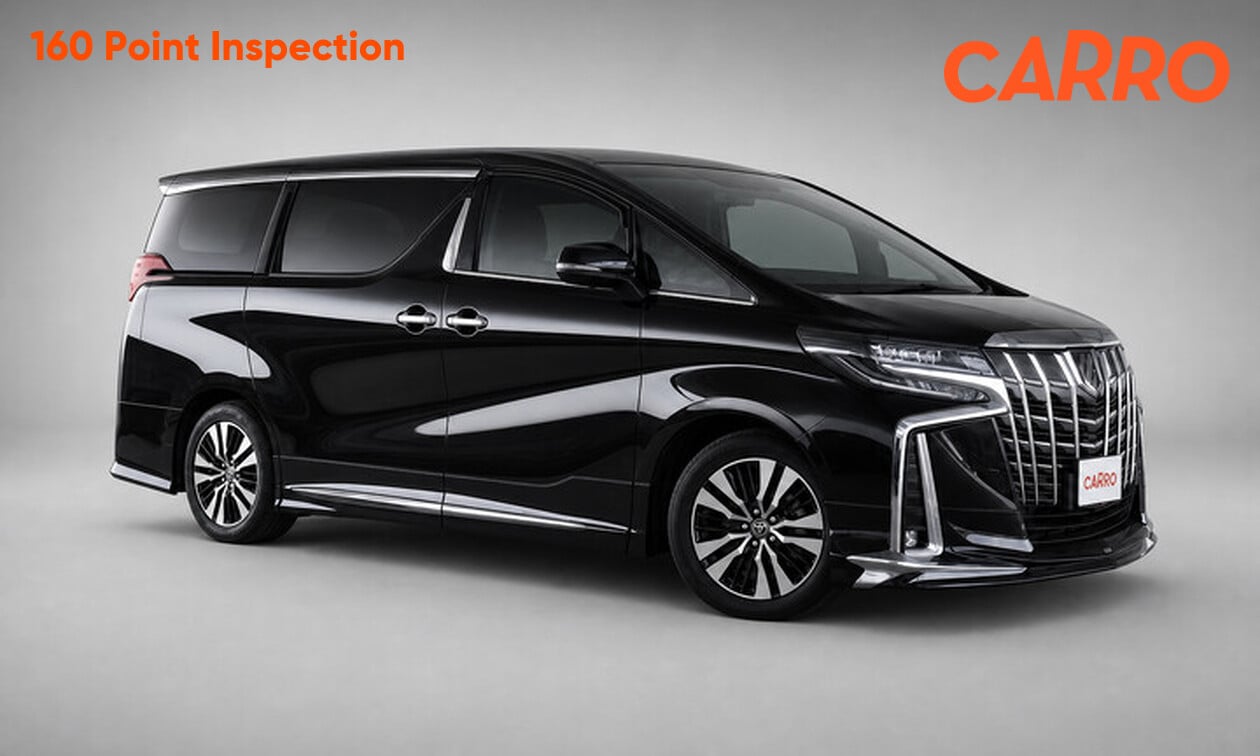
Toyota Alphard 3.5


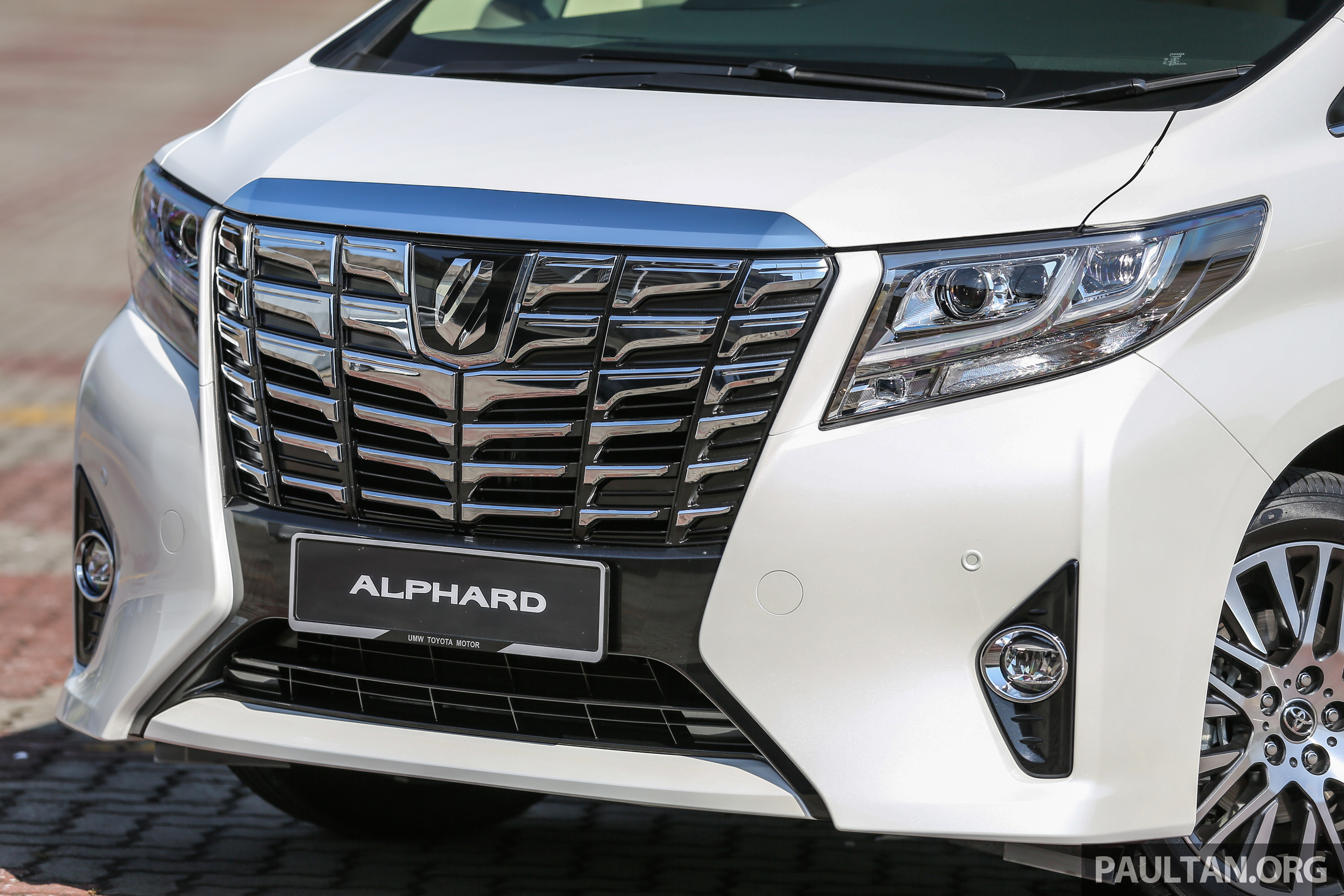



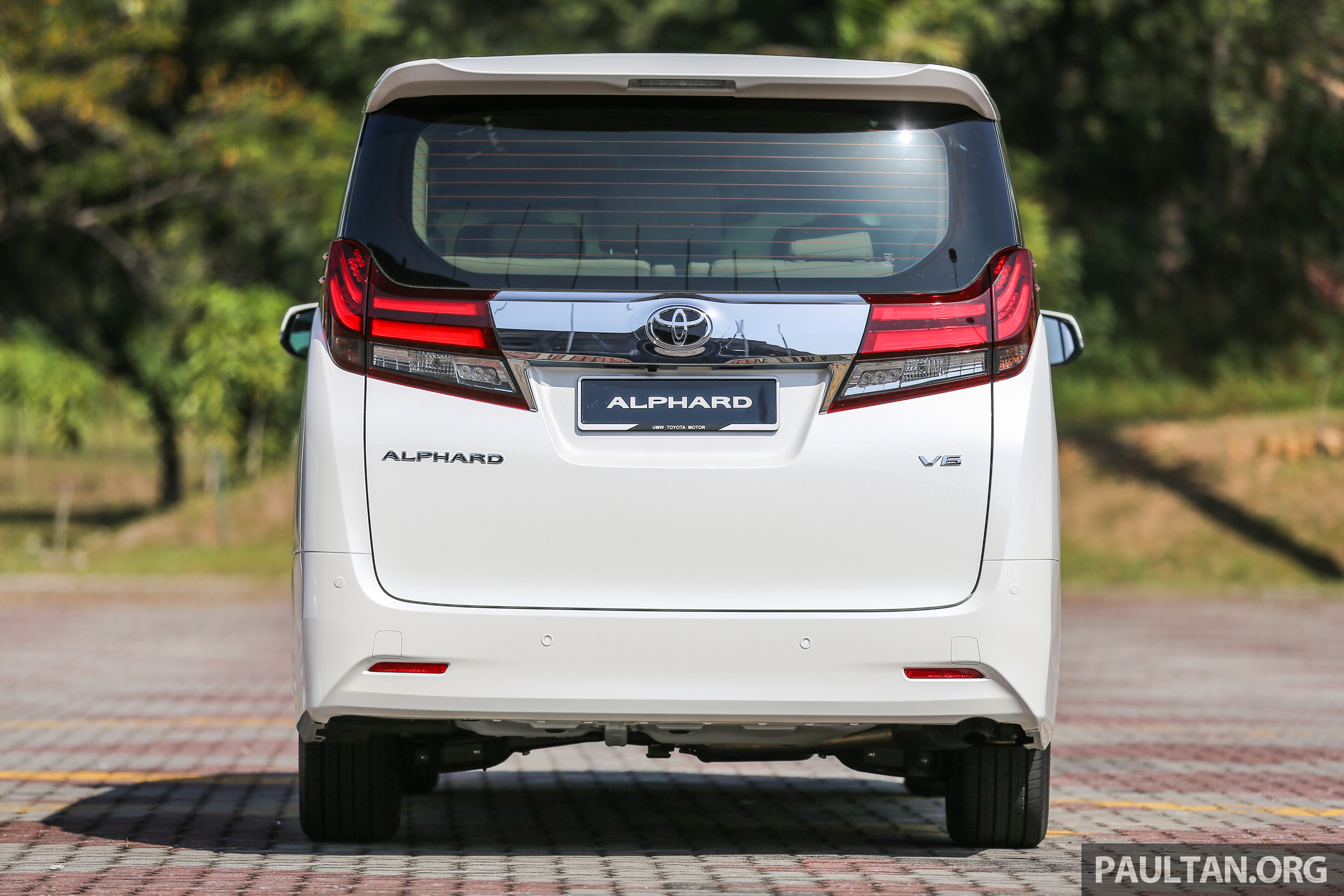

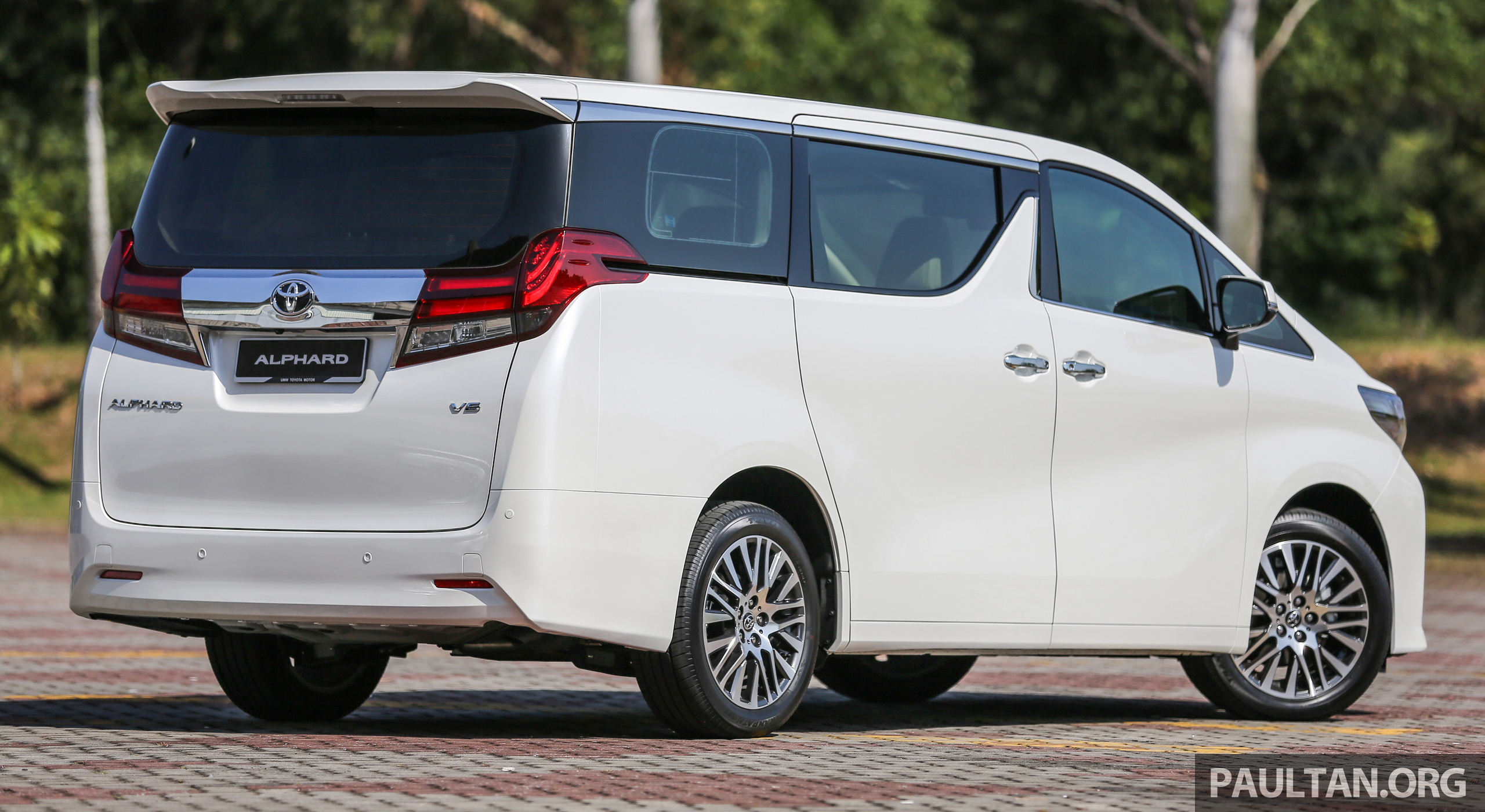
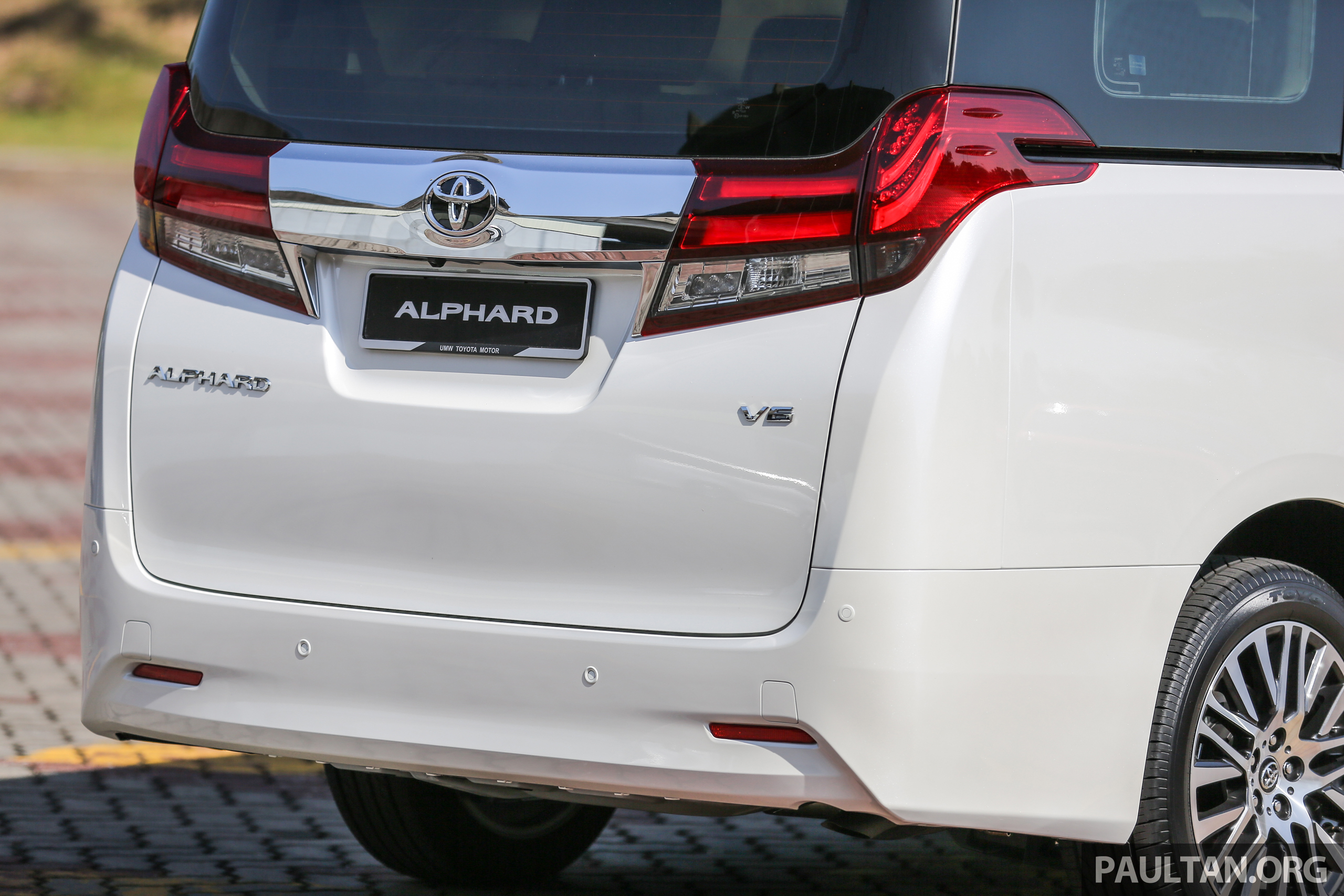







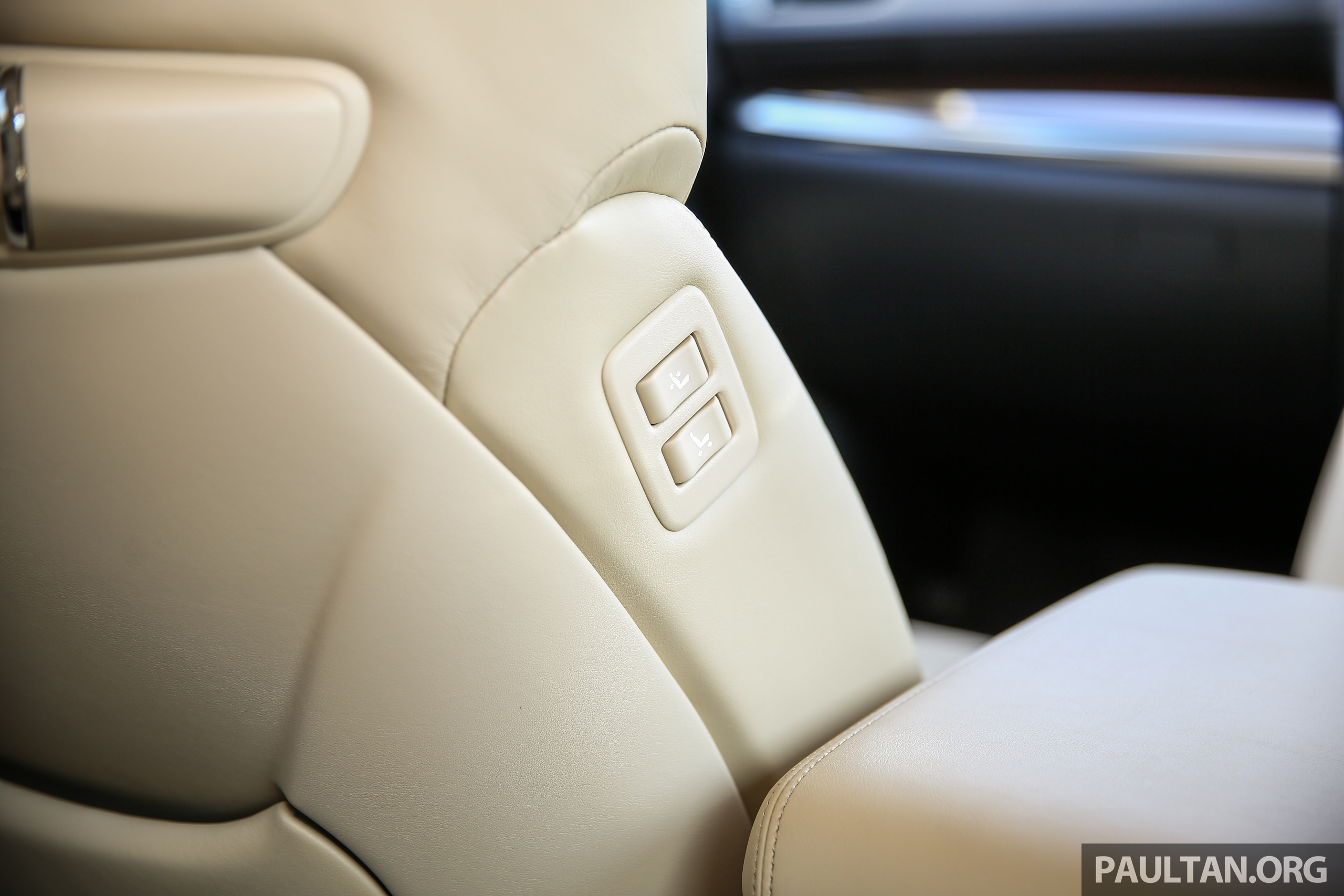
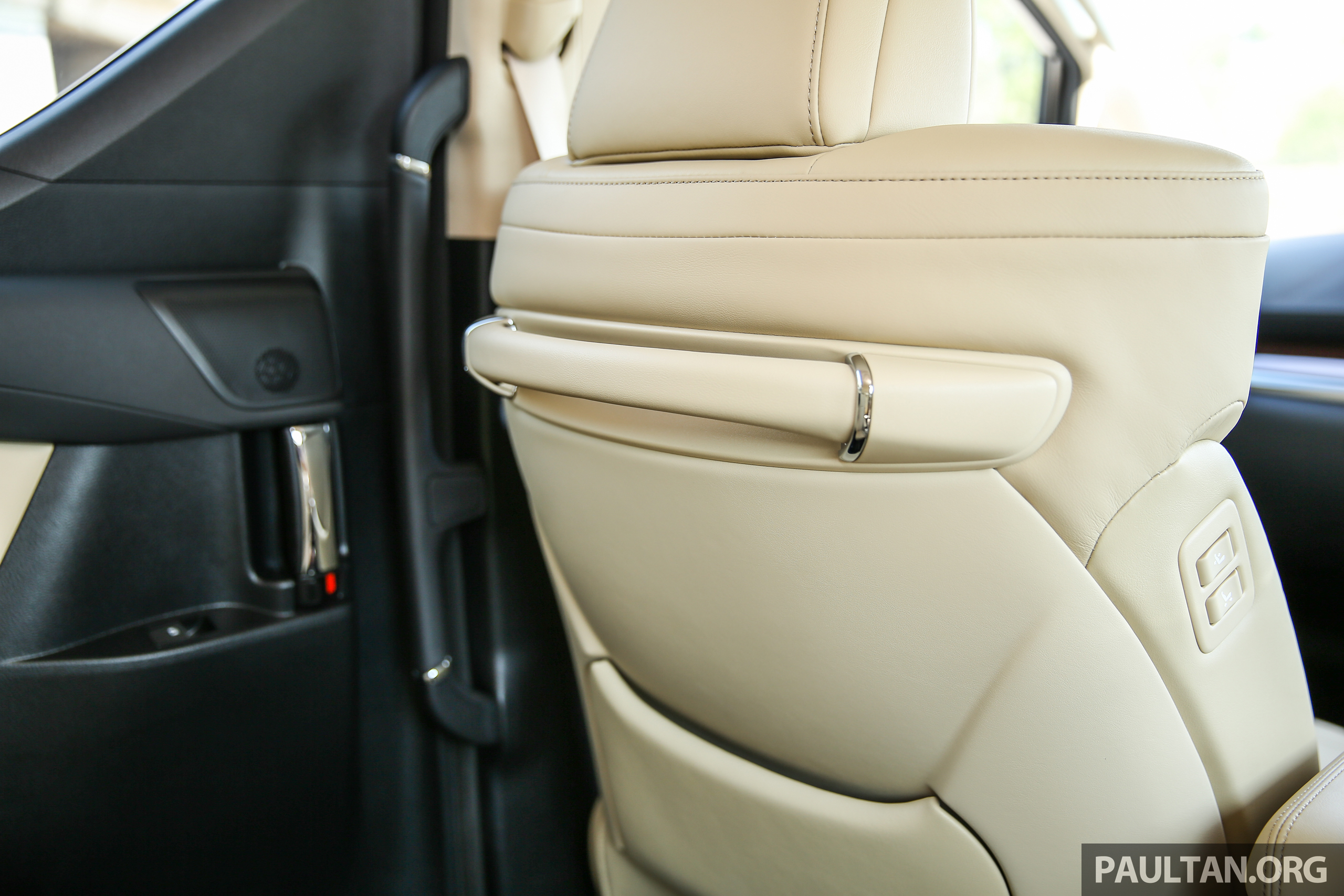
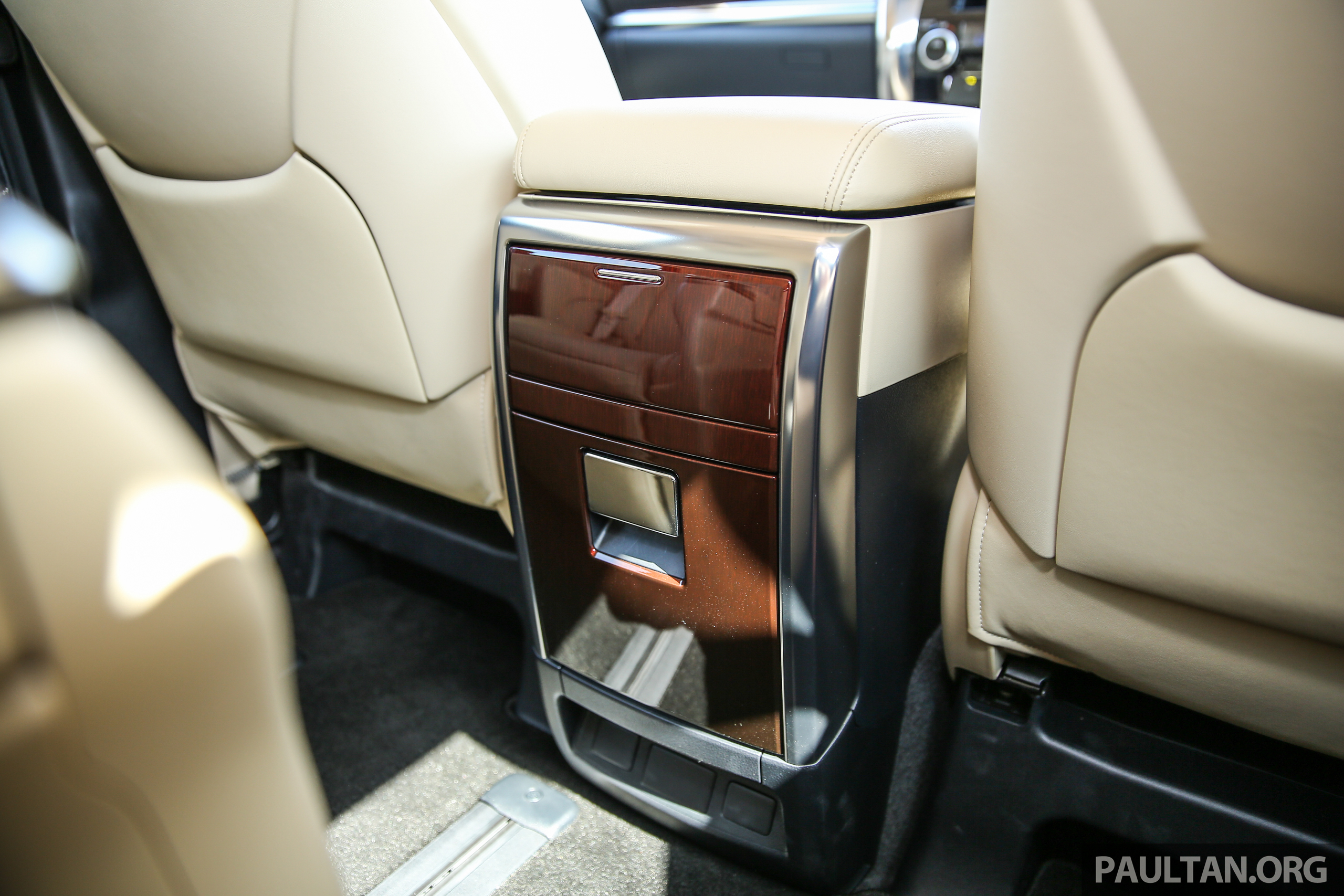
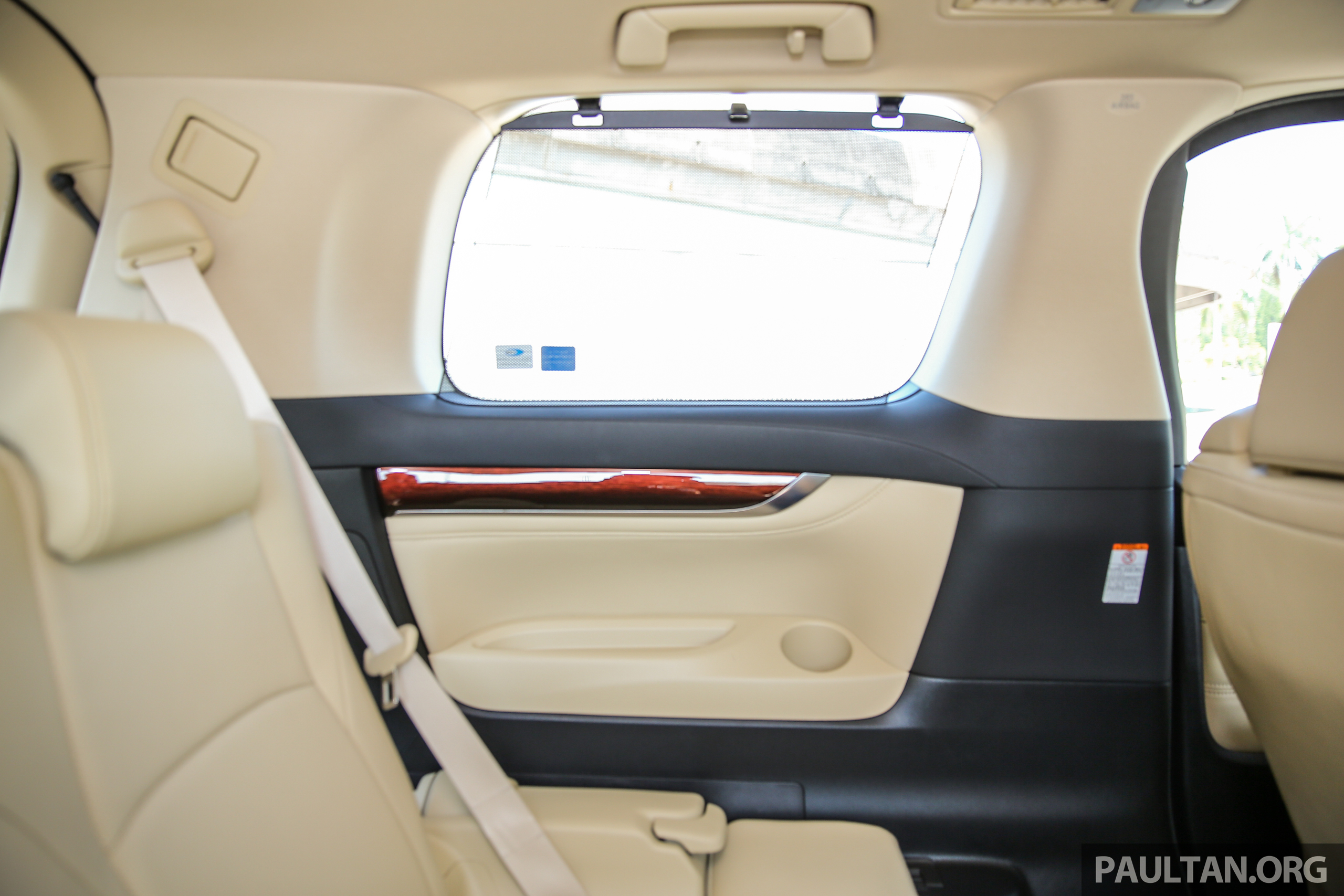






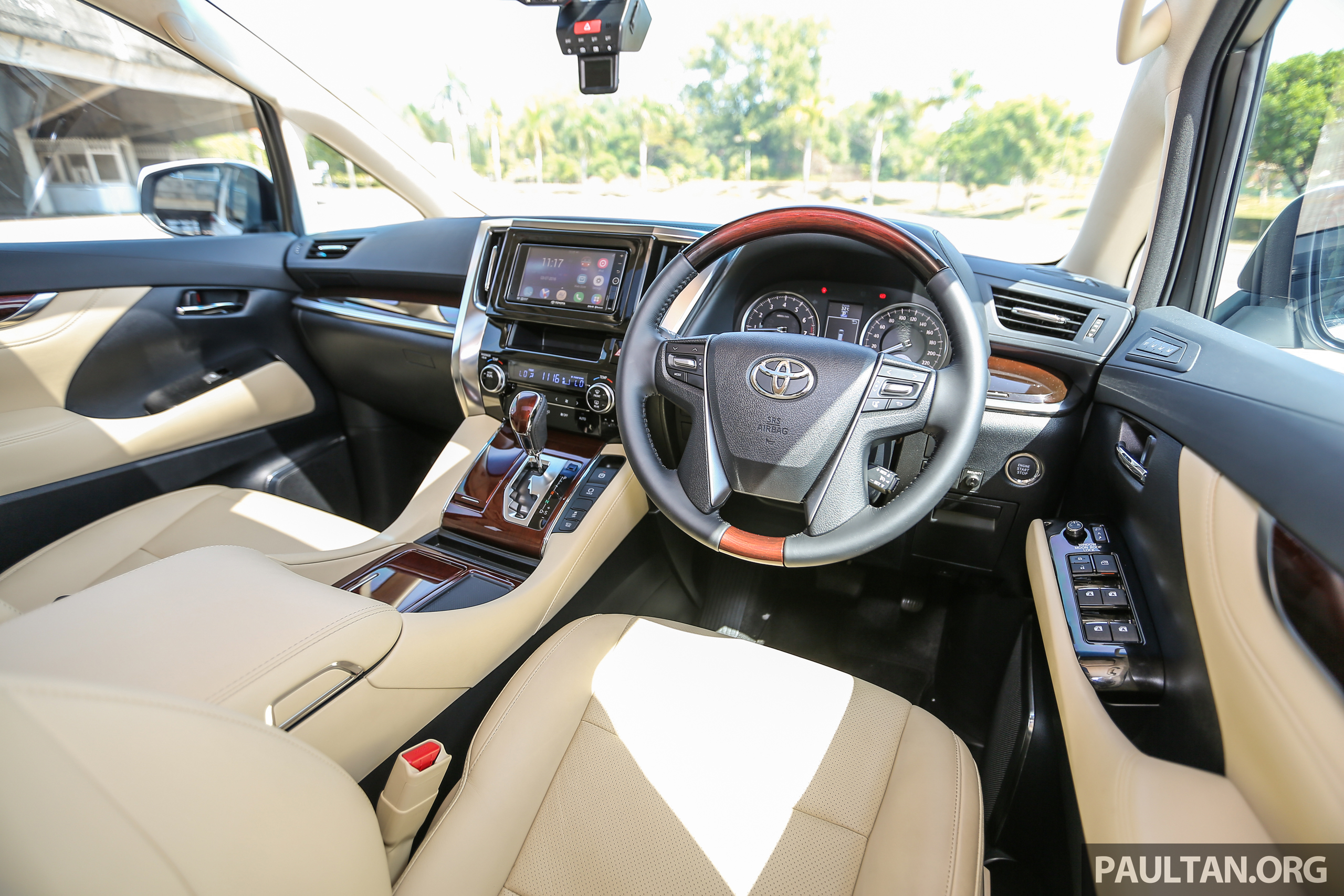
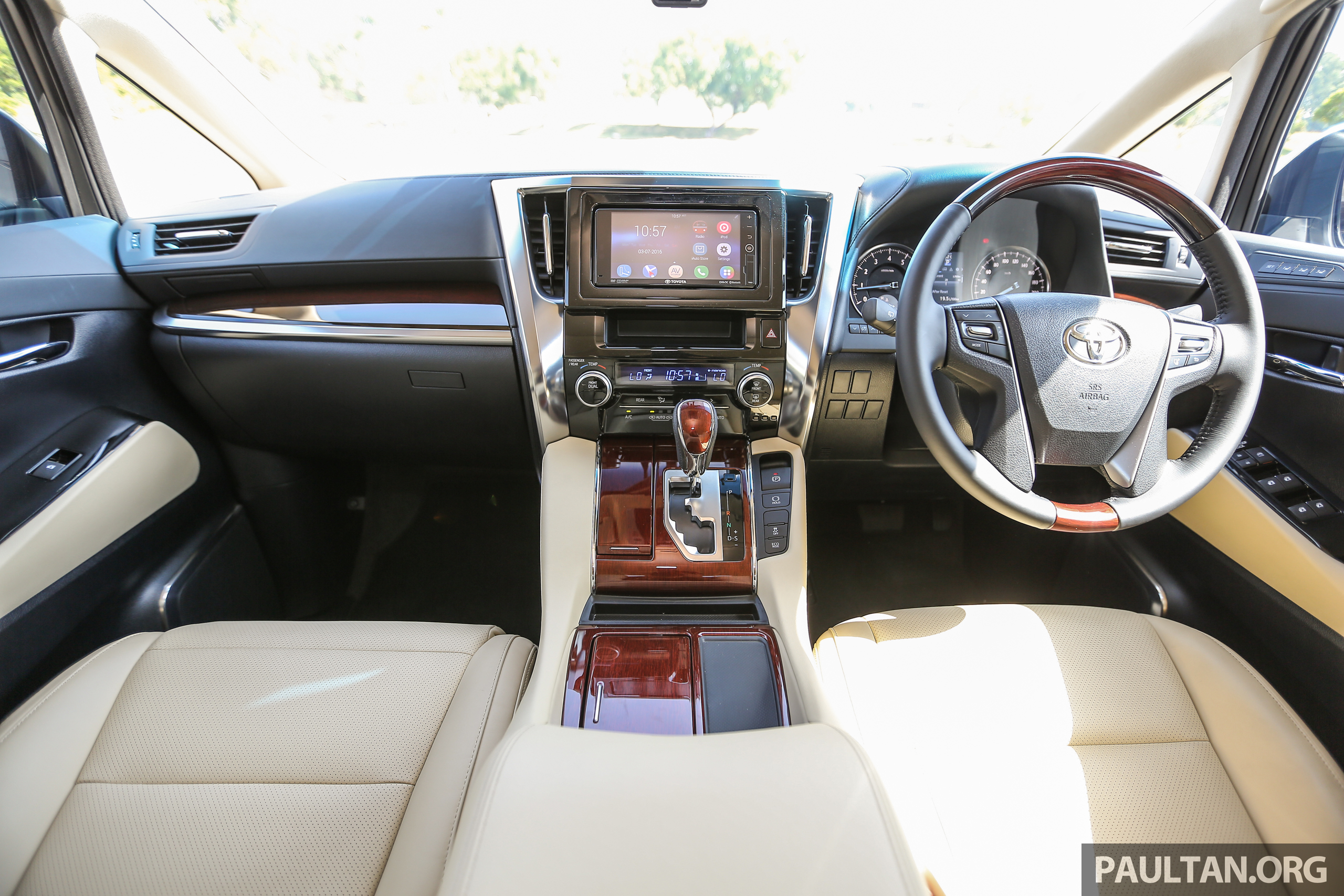
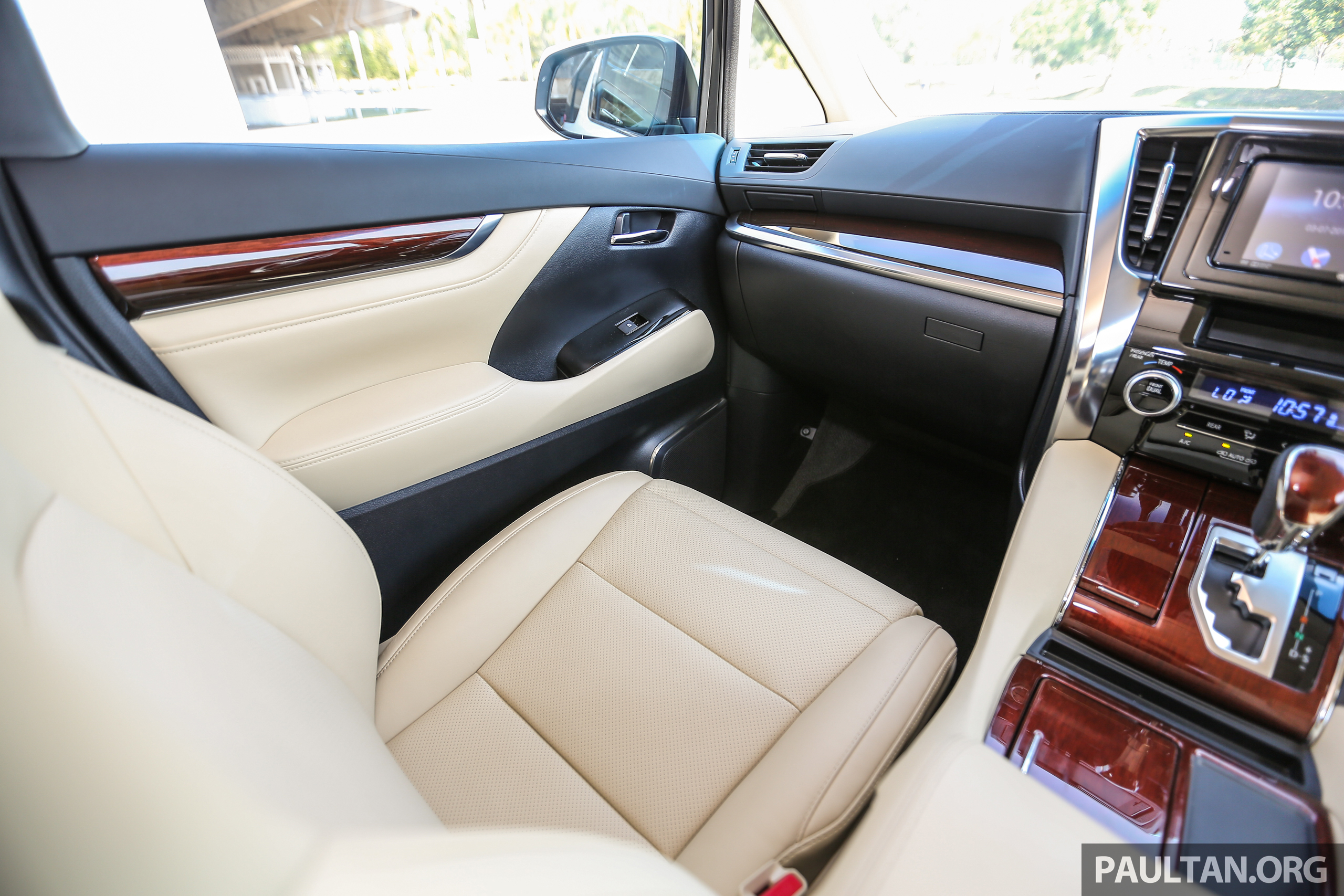
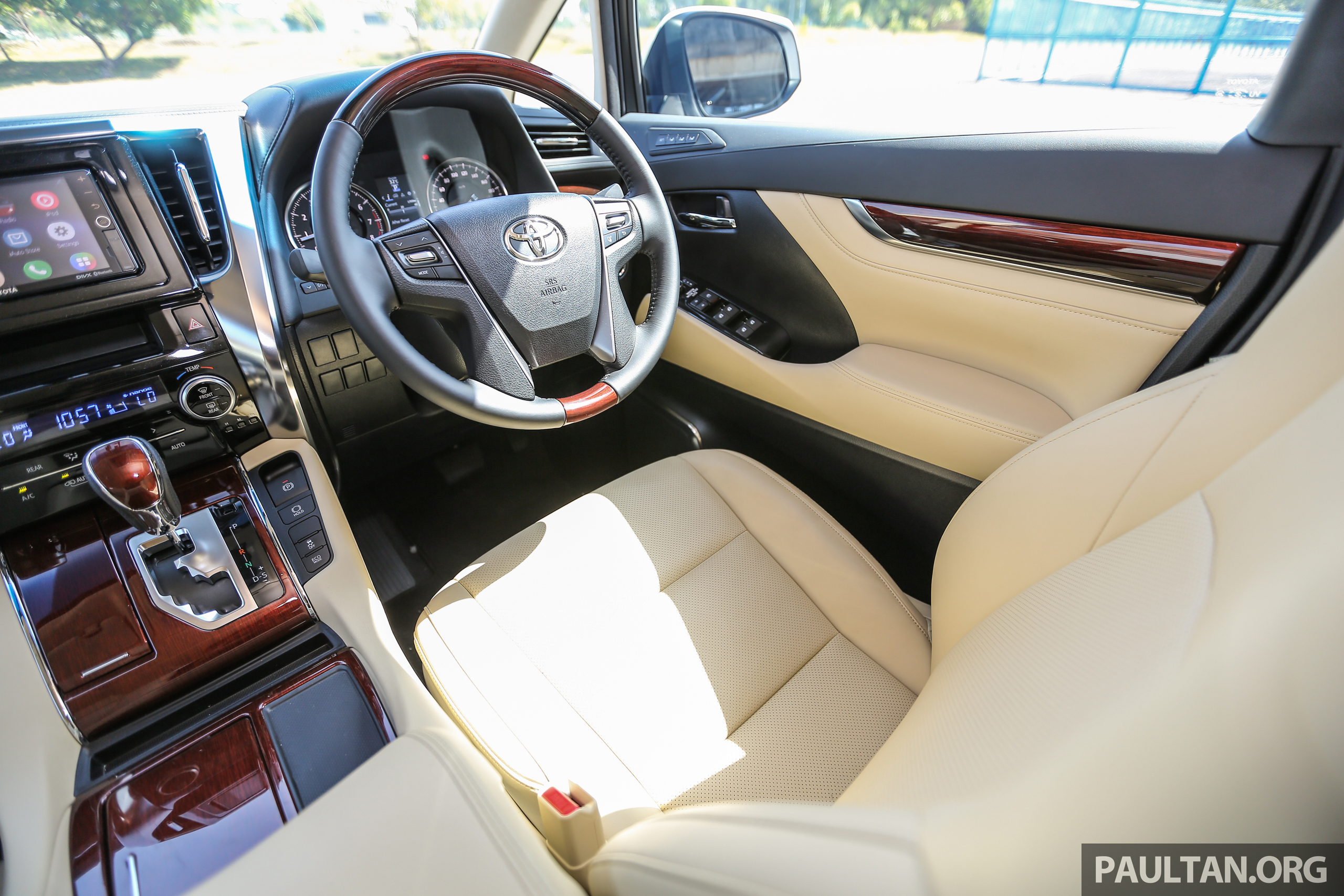




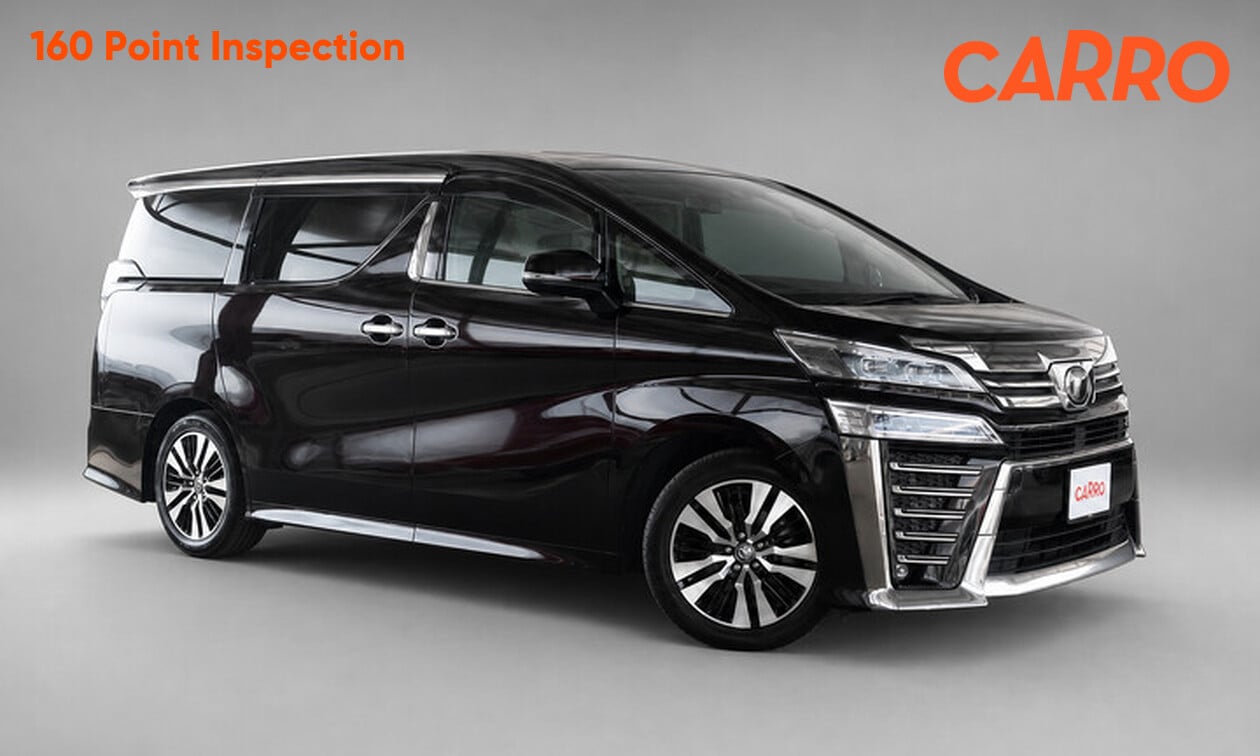
Toyota Alphard 3.5 Executive Lounge
































Looking to sell your car? Sell it with Carro.


 Toyota Yaris Cross
from RM 99,900
Toyota Yaris Cross
from RM 99,900  Toyota Hilux
from RM 226,300
Toyota Hilux
from RM 226,300  Toyota Urban Cruiser
from RM 198,000
Toyota Urban Cruiser
from RM 198,000  Toyota bZ4X
from RM 220,000
Toyota bZ4X
from RM 220,000  Toyota GR Yaris
from RM 315,600
Toyota GR Yaris
from RM 315,600  Toyota GR Corolla
from RM 368,950
Toyota GR Corolla
from RM 368,950  Toyota Camry
from RM 221,800
Toyota Camry
from RM 221,800  Toyota Corolla Cross
from RM 133,800
Toyota Corolla Cross
from RM 133,800  Toyota Hiace
from RM 169,000
Toyota Hiace
from RM 169,000 


Any chance it can comes with 2.0 turbo or phev?
AH40 has PHEV
The 2.0L Turbo is a dinosaur engine that Toyota already retire it.. only Lexus IS300 is using the 2L Turbo. You won’t find any new Toyota or Lexus models using that engine.
Toyota /Lexus deployed the new 2.5 NA and the 2.4 Turbo as the replacement.
I have overestimated the recond models.. I thought 1 out of 2 Vellphard is a recond instead of 1 out of 5..
no no. 1 out of 5 toyota is recond. means all toyota model. not vellphard
If I travel long distances I need to chilled my medicine besides I love to have my favorite food and drinks available at any time cool like at home so is there a fridge here while I relax in my massage seats during my longjourney
Had three Alphards 10, 20 and 30. Didn’t buy the 40, will switch to either Zeekr 009, Denza D9 or Wey G9 when the need arises.
Almost all have the common steering rack issues.. Budget 3k roughly for one