
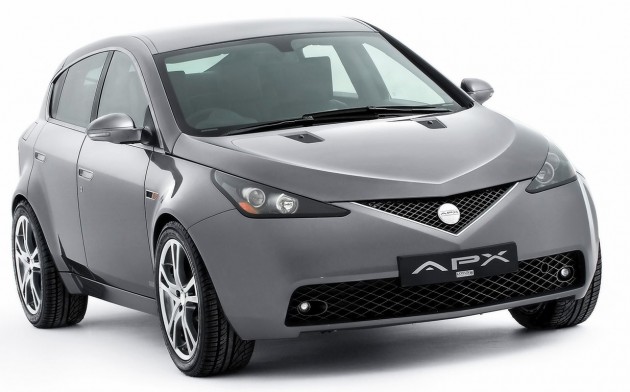
More news regarding the oft-reported Lotus SUV – this time with concerns about its performance. It’s no secret that the sports car manufacturer from Hethel will be looking to introduce its first-ever crossover in 2019 but now more details have been disclosed surrounding the unnamed model.
According to Auto Express UK, the new crossover will be introduced as a China-only model at first. Should said crossover become a sales success, Lotus could very well bring it over to Europe and, of course, its home market of England in the subsequent five years to come.
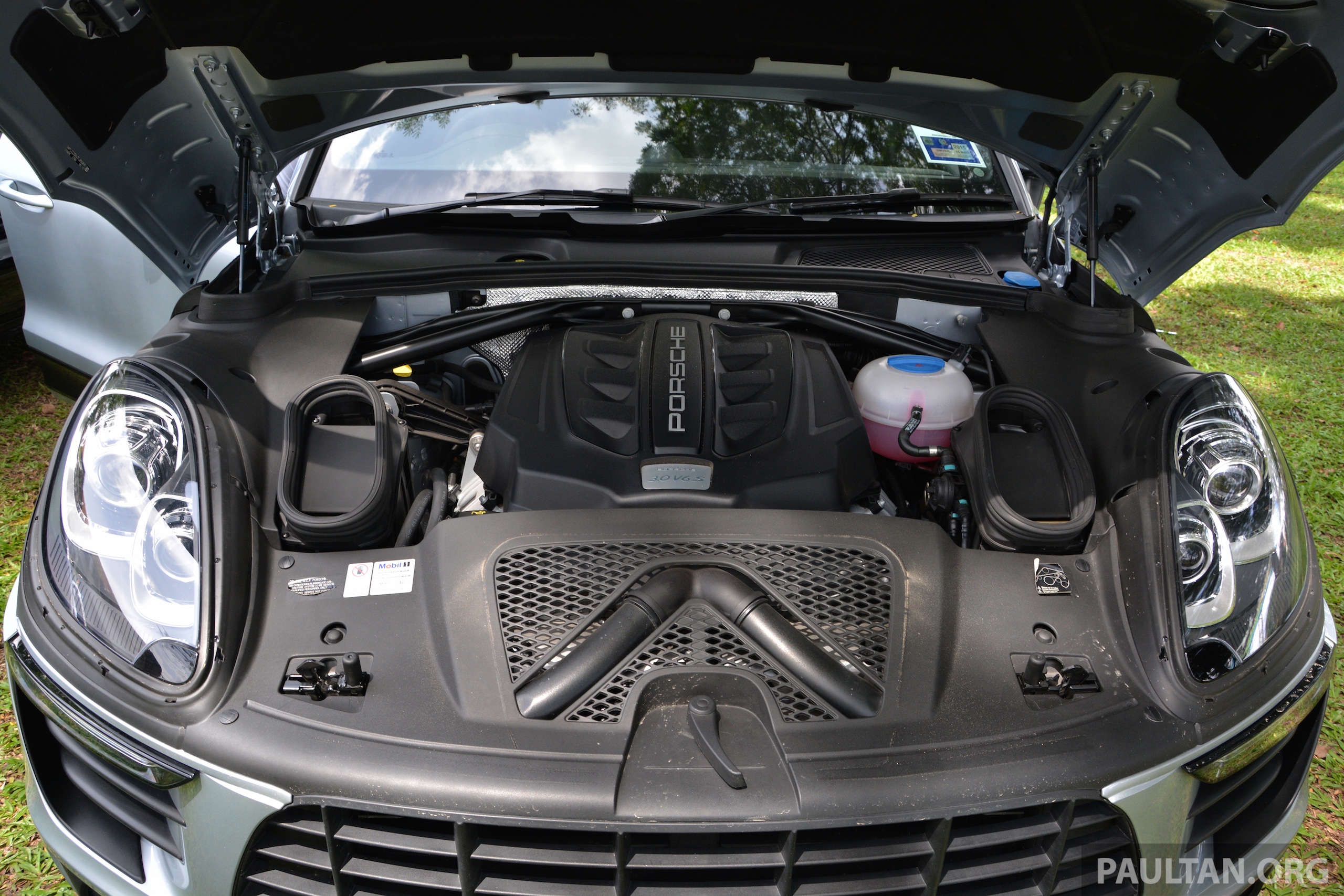
“The first market will be China but we haven’t yet decided if it will be sold anywhere else. But obviously if the car is a success there – and I strongly believe it will – we will go outside of China,” said Lotus CEO, Jean-Marc Gales. Aside from that, he has also fired the first warning shot to the model’s arch rival, the Porsche Macan, by openly declaring that “ours will be better.”
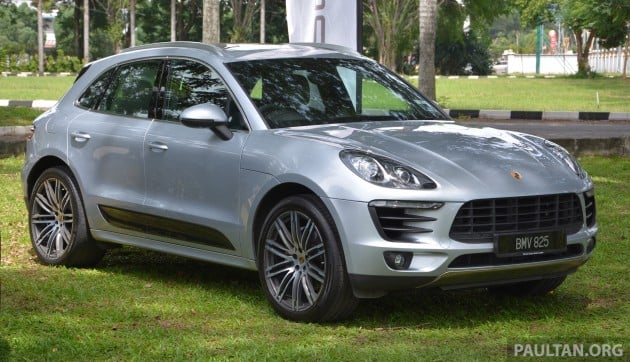
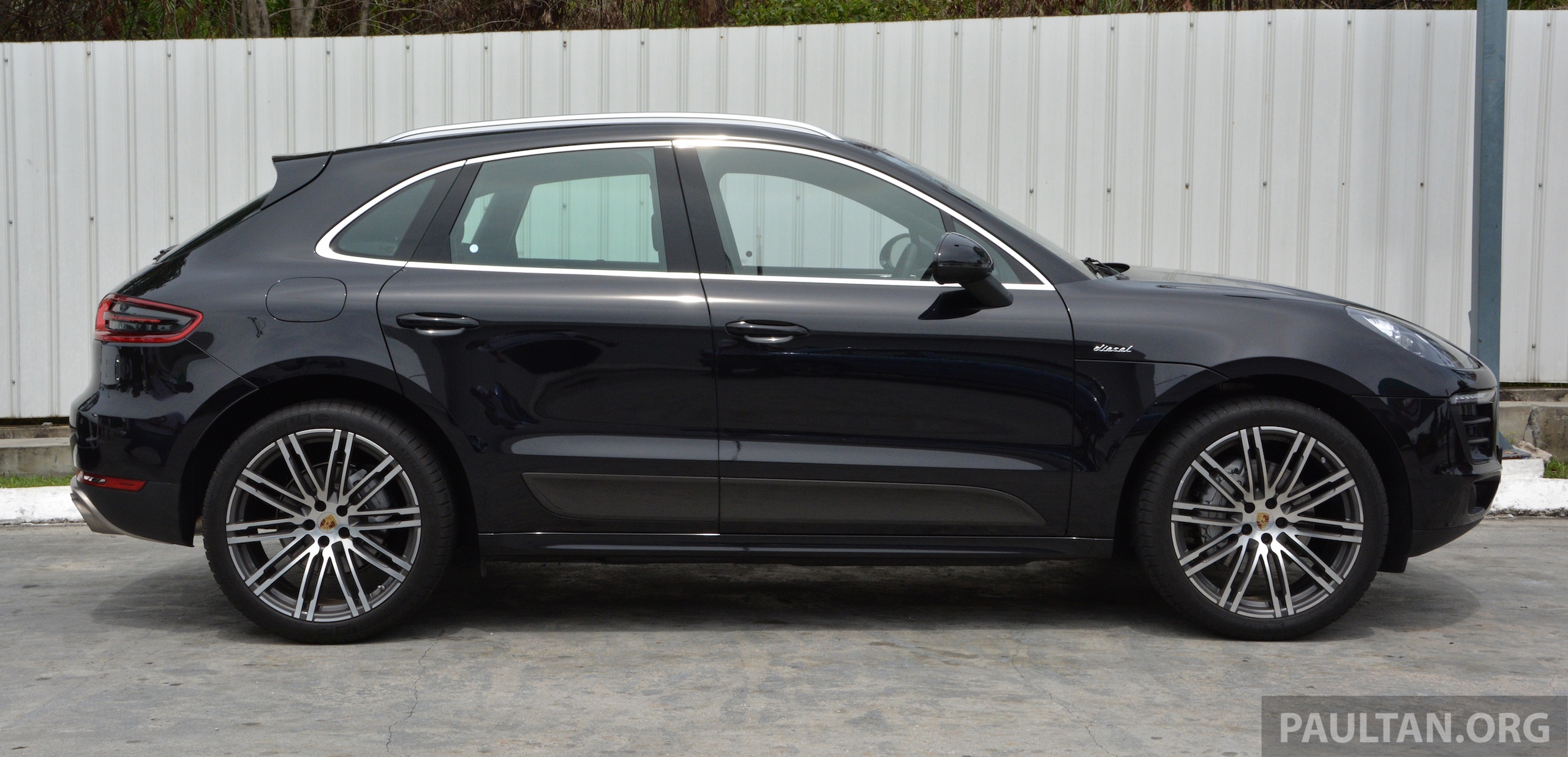
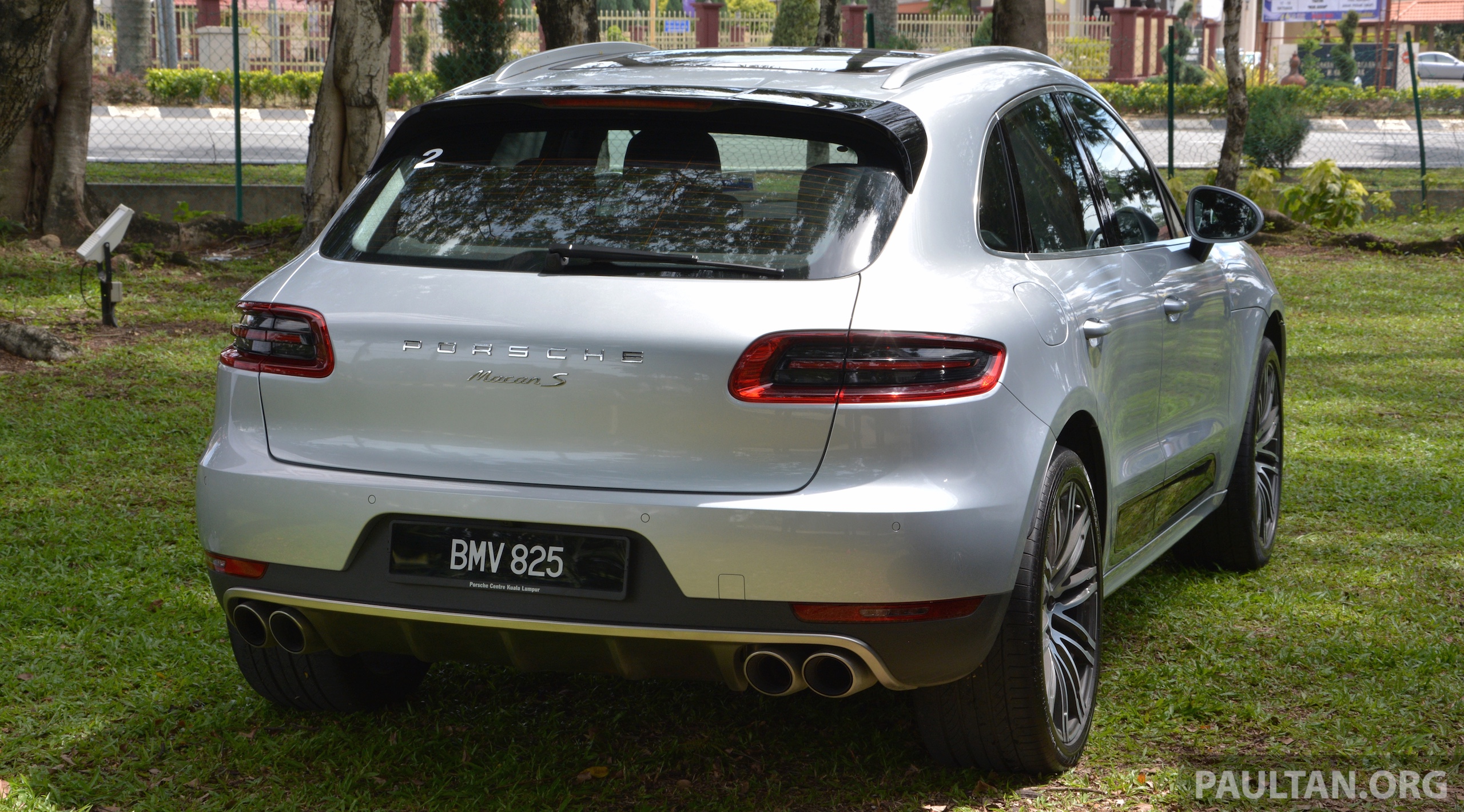
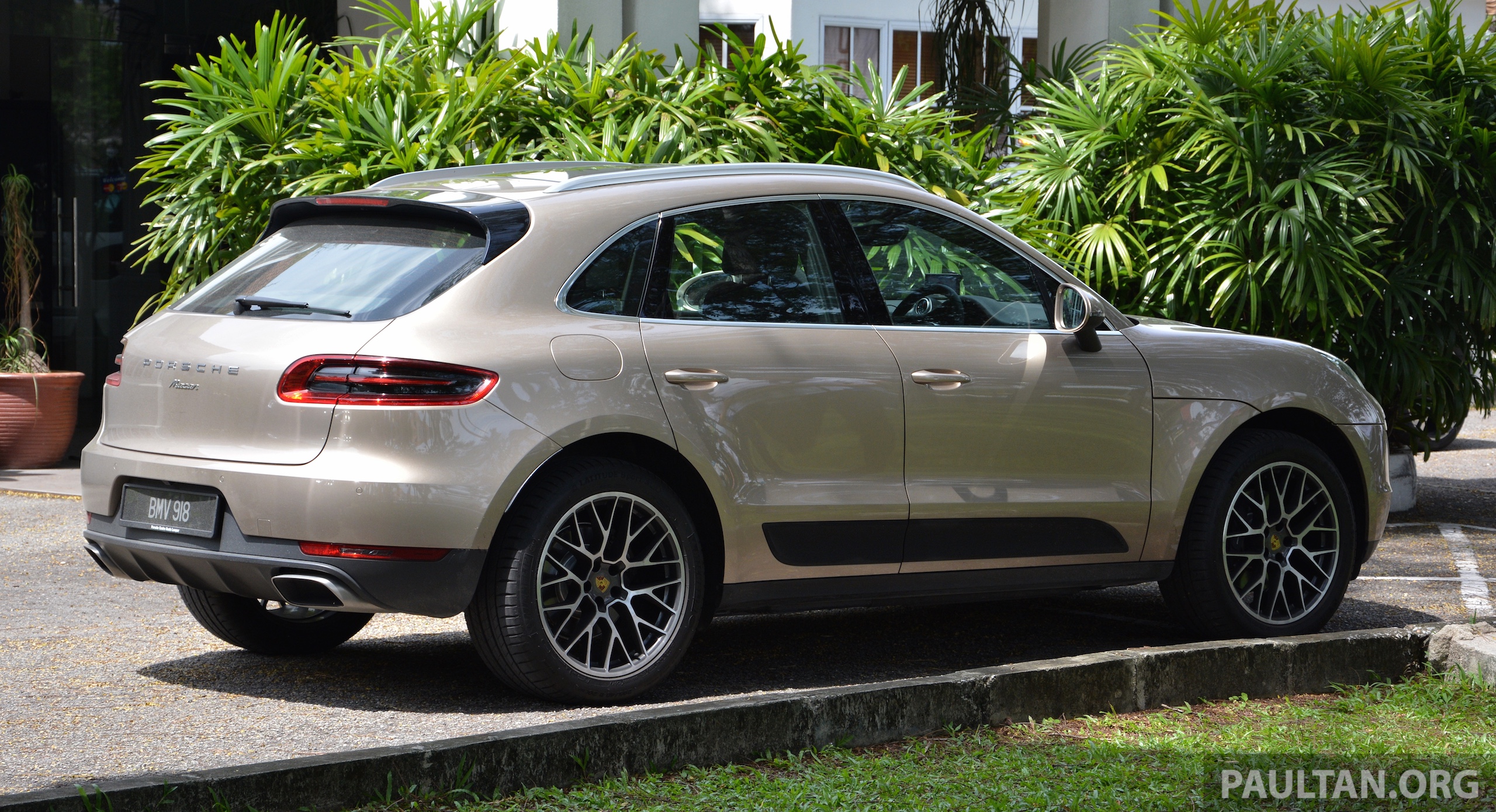
While exact specifications remain murky, the crossover will be expected to weigh around 200 kg less than the Macan, which in S trim, tips the scales at 1,865 kg. Apart from that, it has been reported that Gales is keen to maintain his relationship with Toyota – expect the 3.5 litre V6 to feature as a result. Additional info include the possibility of a hybrid version to cater to the Chinese market.
Should the Lotus SUV hit Europe, a diesel engine has been mooted to sit under its bonnet, making it the first-ever diesel-powered Lotus model in the marque’s history. Assembly of the Lotus SUV is scheduled to begin once licences have been granted. Earlier, Lotus’ owner, DRB-Hicom, signed a joint venture agreement with Lotus Group and Goldstar Heavy Industrial to assemble Lotus cars in a new facility in south-east China.
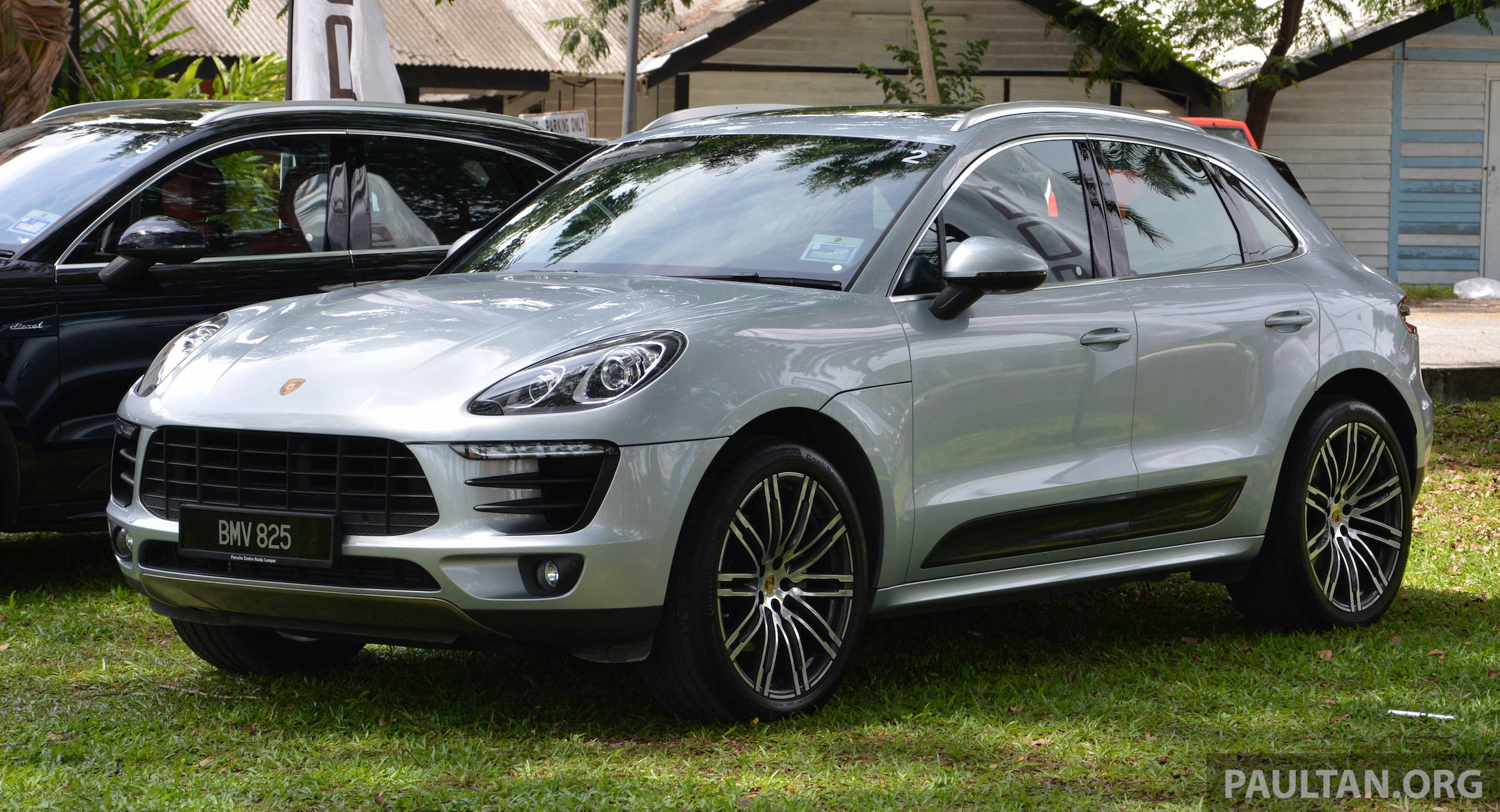
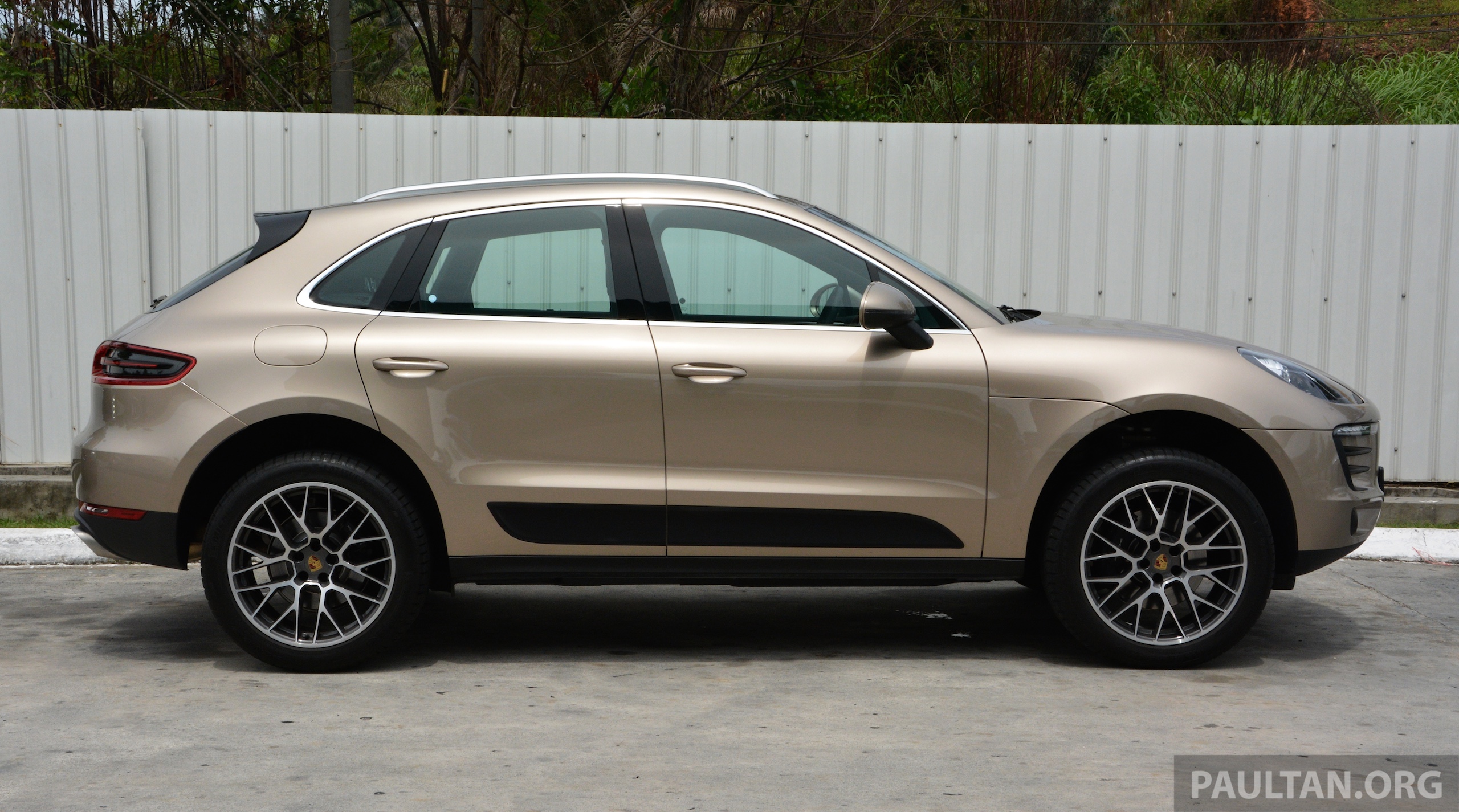
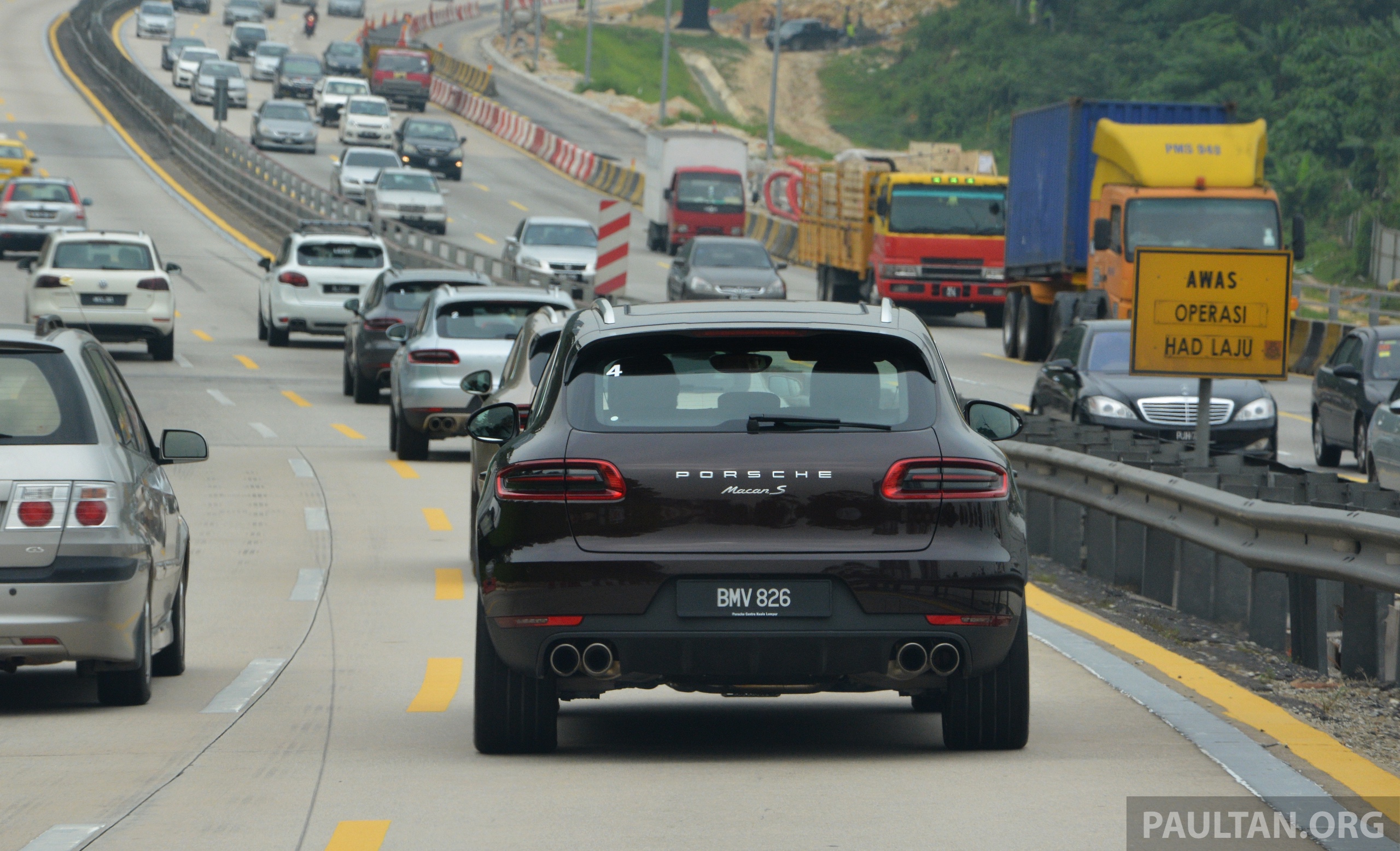
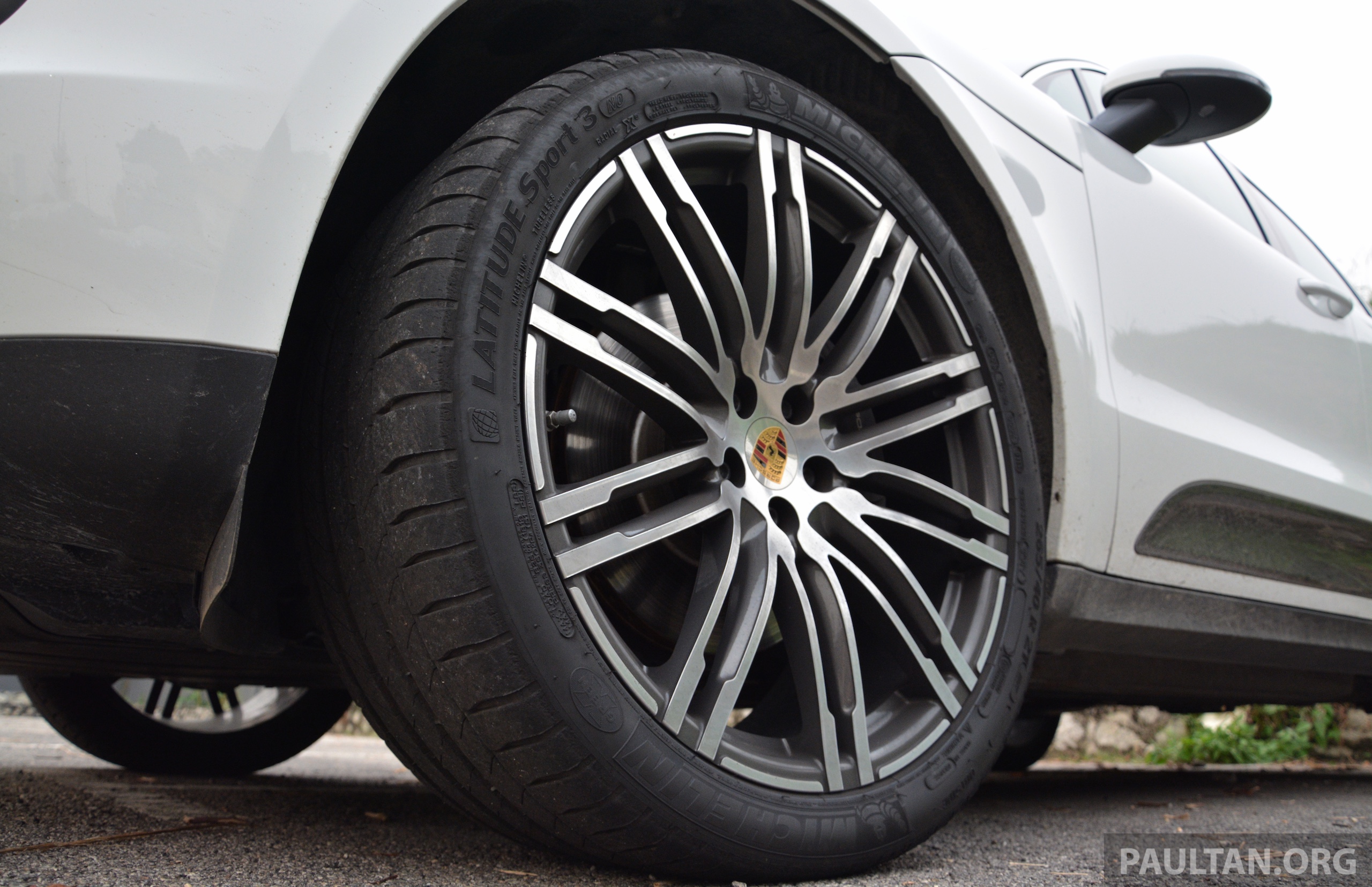
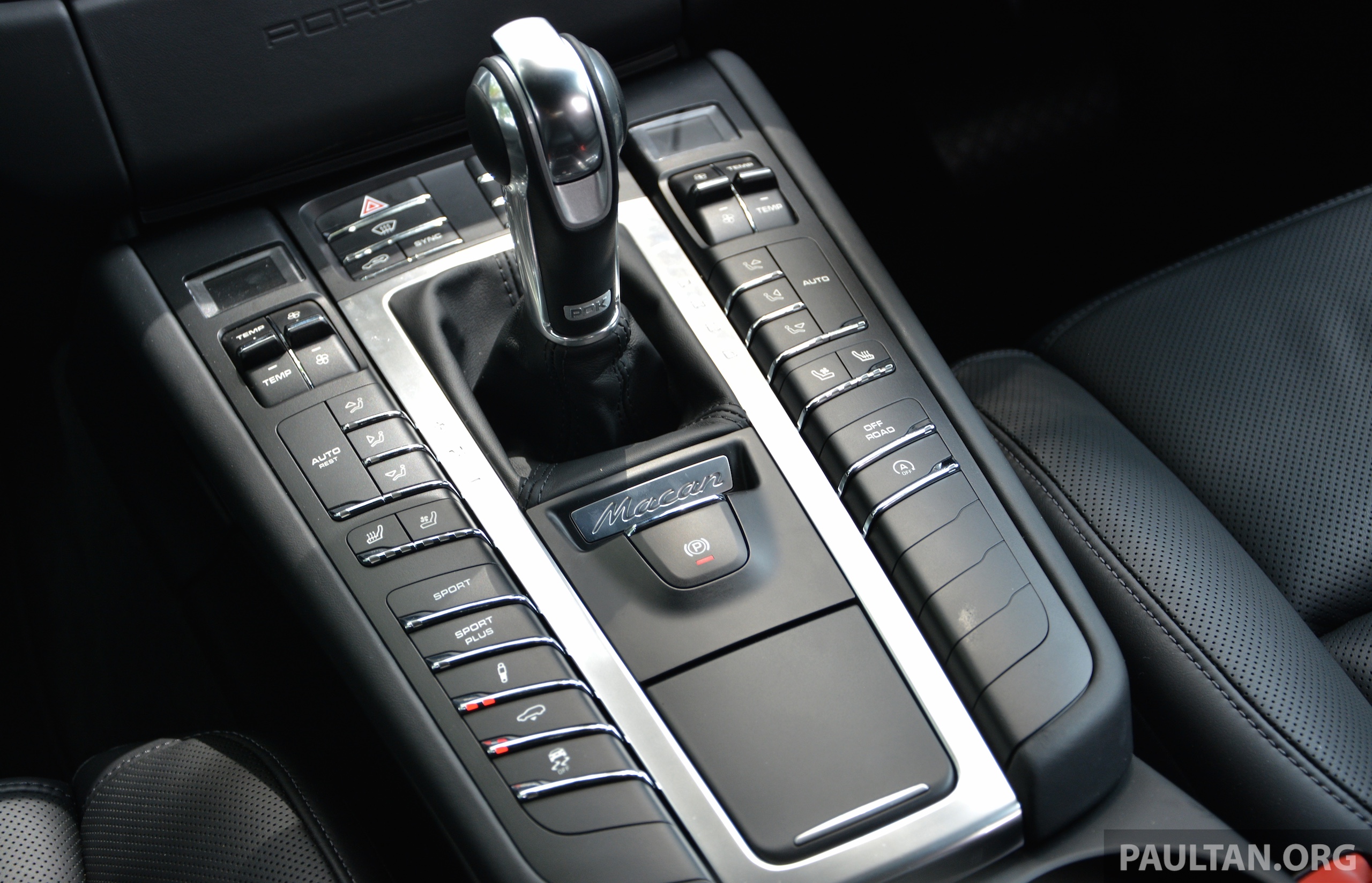
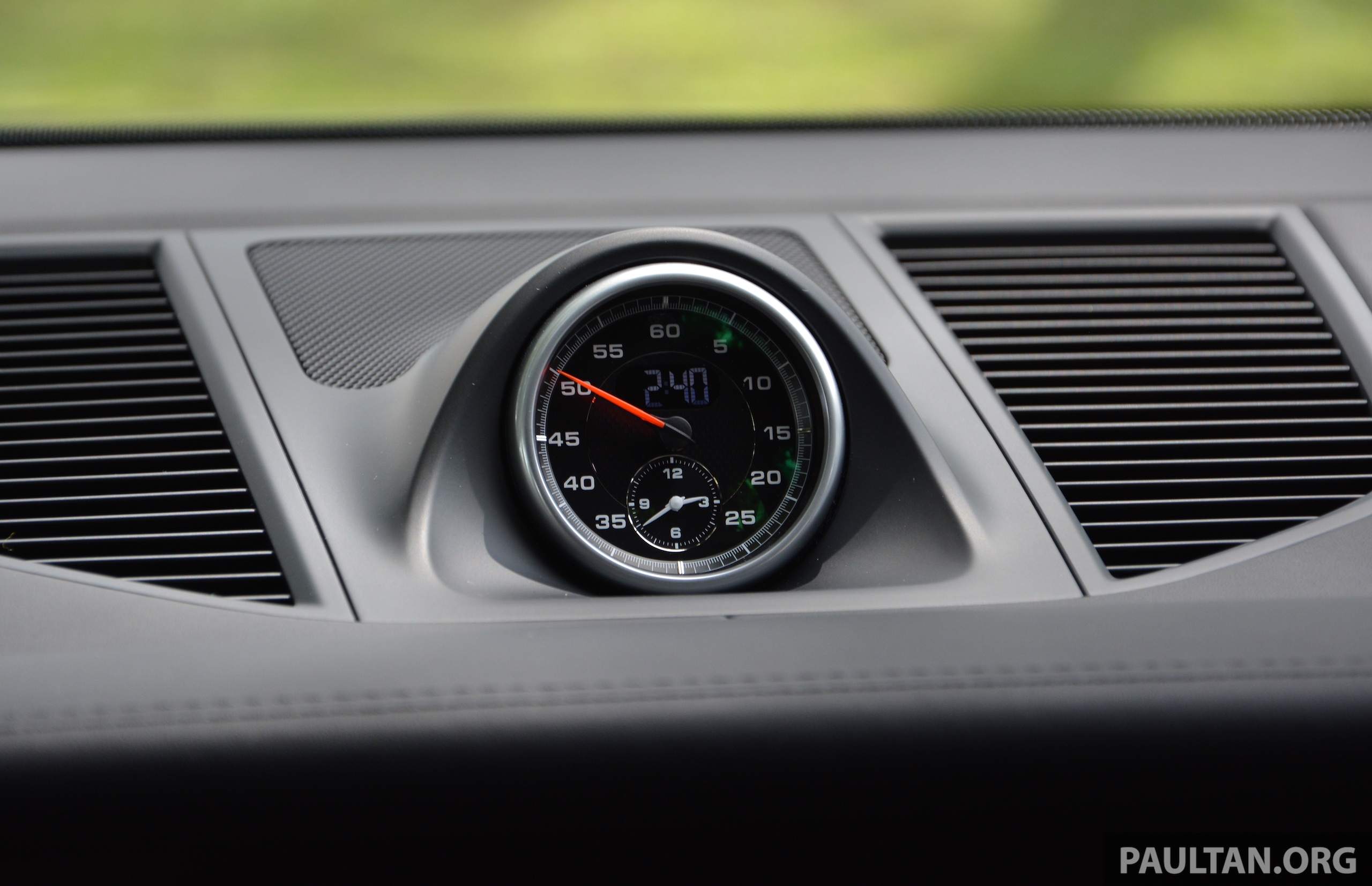
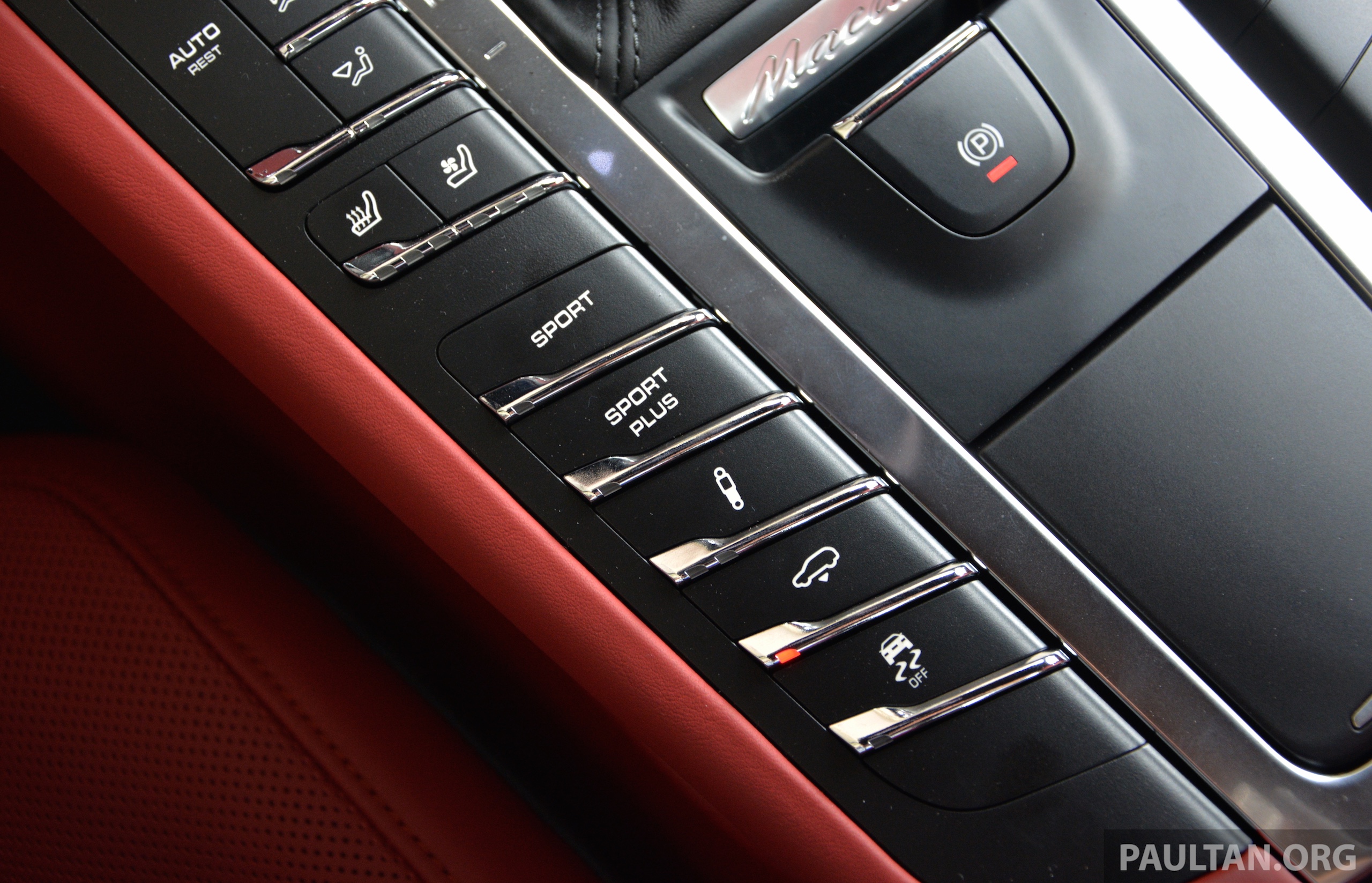
GALLERY: Porsche Macan driven in Malaysia








 Lotus Emeya
from RM459,000
Lotus Emeya
from RM459,000  Lotus Eletre
from RM499,000
Lotus Eletre
from RM499,000 
 sudonano (Member)
on
sudonano (Member)
on 

 megavalve
on
megavalve
on  proton no.1
on
proton no.1
on  hahaha
on
hahaha
on  Gargantia
on
Gargantia
on  nevemind
on
nevemind
on  itsok
on
itsok
on  Wiwiwiwiwiwwiwiw
on
Wiwiwiwiwiwwiwiw
on  sincewe
on
sincewe
on  Same L0rrrr
on
Same L0rrrr
on  samelorsark
on
samelorsark
on  samelordupe
on
samelordupe
on  jaguh
on
jaguh
on  notakata
on
notakata
on  WaJib
on
WaJib
on  blaque
on
blaque
on  heybadigol (Member)
on
heybadigol (Member)
on  kzm (Member)
on
kzm (Member)
on  jolly_idiot (Member)
on
jolly_idiot (Member)
on  yourjoker
on
yourjoker
on  youidiot
on
youidiot
on  azrai
on
azrai
on  sabahan
on
sabahan
on  Ong Chee Boon
on
Ong Chee Boon
on  ioma
on
ioma
on  donno
on
donno
on  landwin
on
landwin
on  Can Do
on
Can Do
on  tokmoh.
on
tokmoh.
on  p1unn
on
p1unn
on  Jebon
on
Jebon
on  gorilla
on
gorilla
on  hairytokmoh
on
hairytokmoh
on  shawal
on
shawal
on  besce
on
besce
on  superman
on
superman
on  roadmap
on
roadmap
on  Ha ha ha
on
Ha ha ha
on  takatoot
on
takatoot
on  seancorr (Member)
on
seancorr (Member)
on  porschenotno.1
on
porschenotno.1
on  lcms
on
lcms
on
AI-generated Summary ✨
Comments express skepticism about Lotus SUV's claim to surpass Porsche Macan, citing concerns over build quality, engineering, interior design, and reliability. Many doubt the vehicle’s success due to its China-only launch, manufacturing in China, and Proton's reputation. There’s criticism of Proton-Lotus’s global ambitions and marketing hype, with some humor and sarcasm about performance, design, and market strategy. Overall, sentiments are largely doubtful and critical, emphasizing the need for proven quality before making bold claims.