

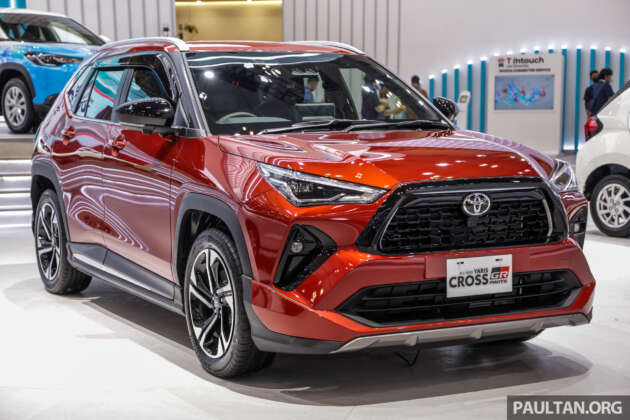
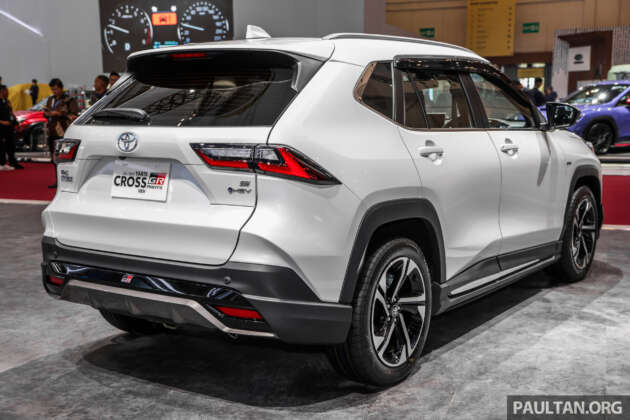
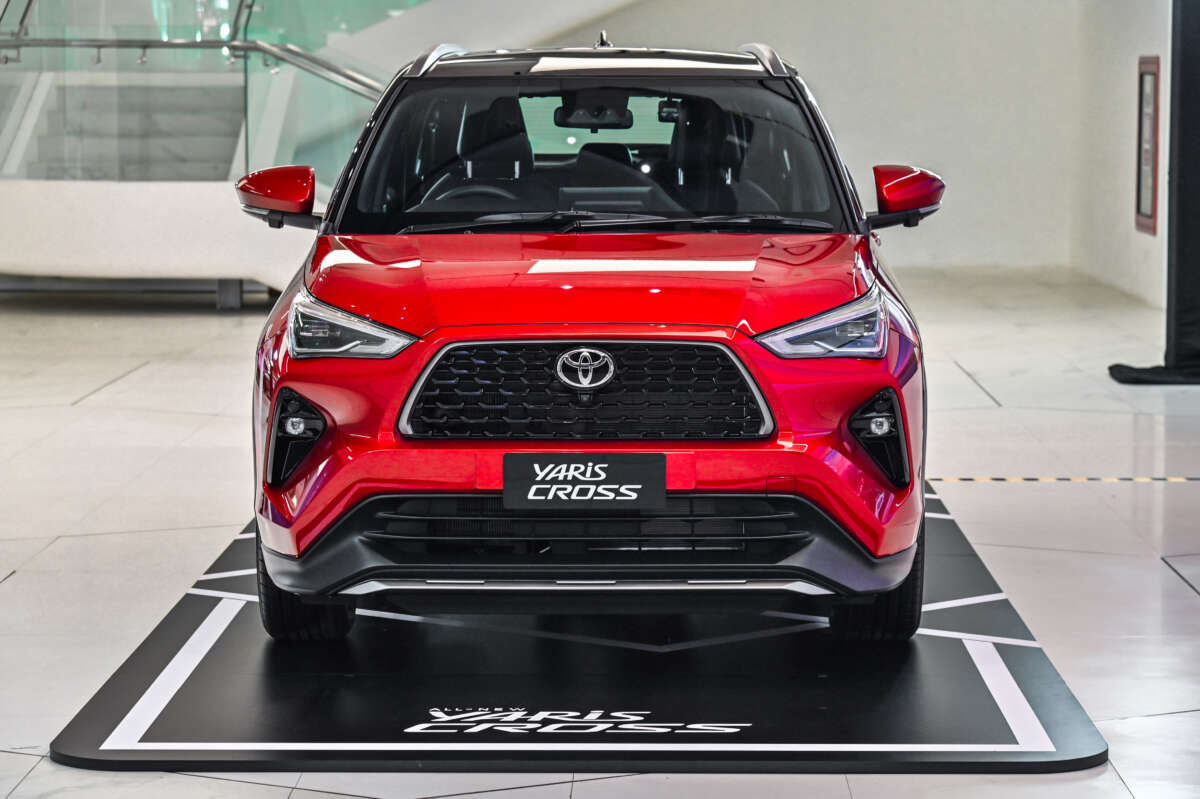
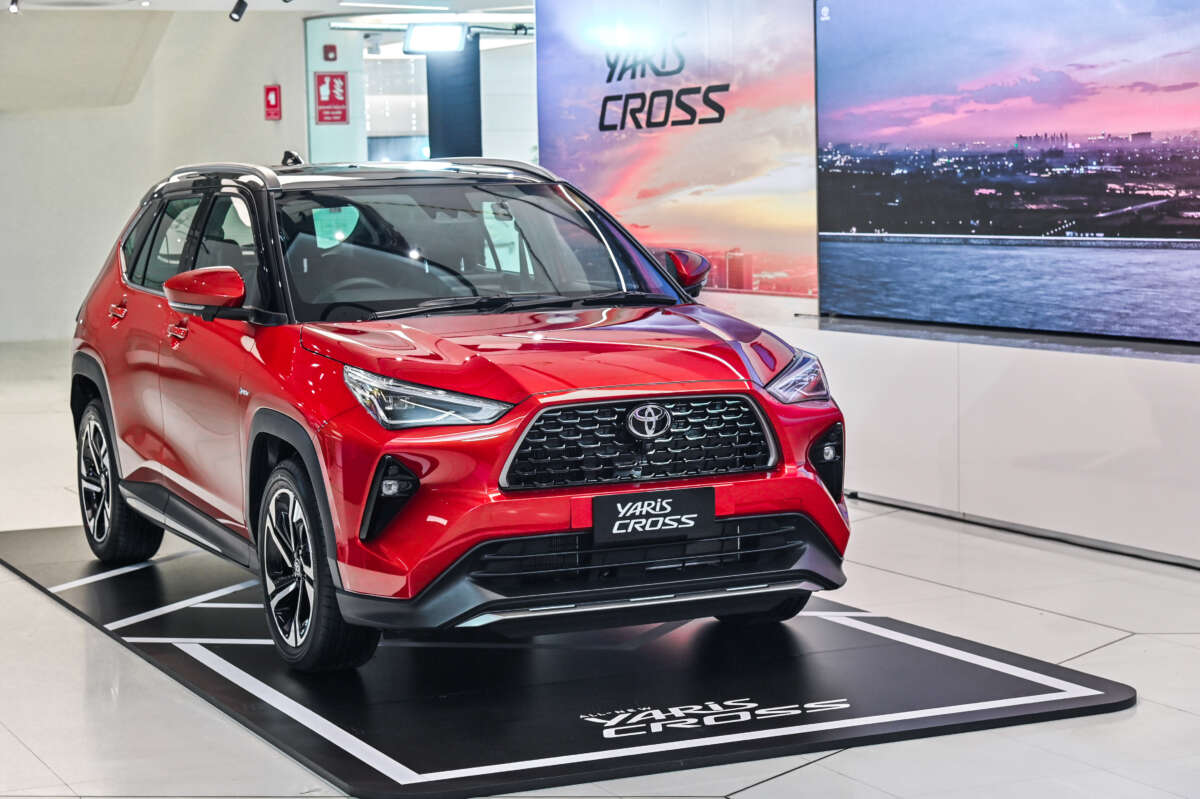
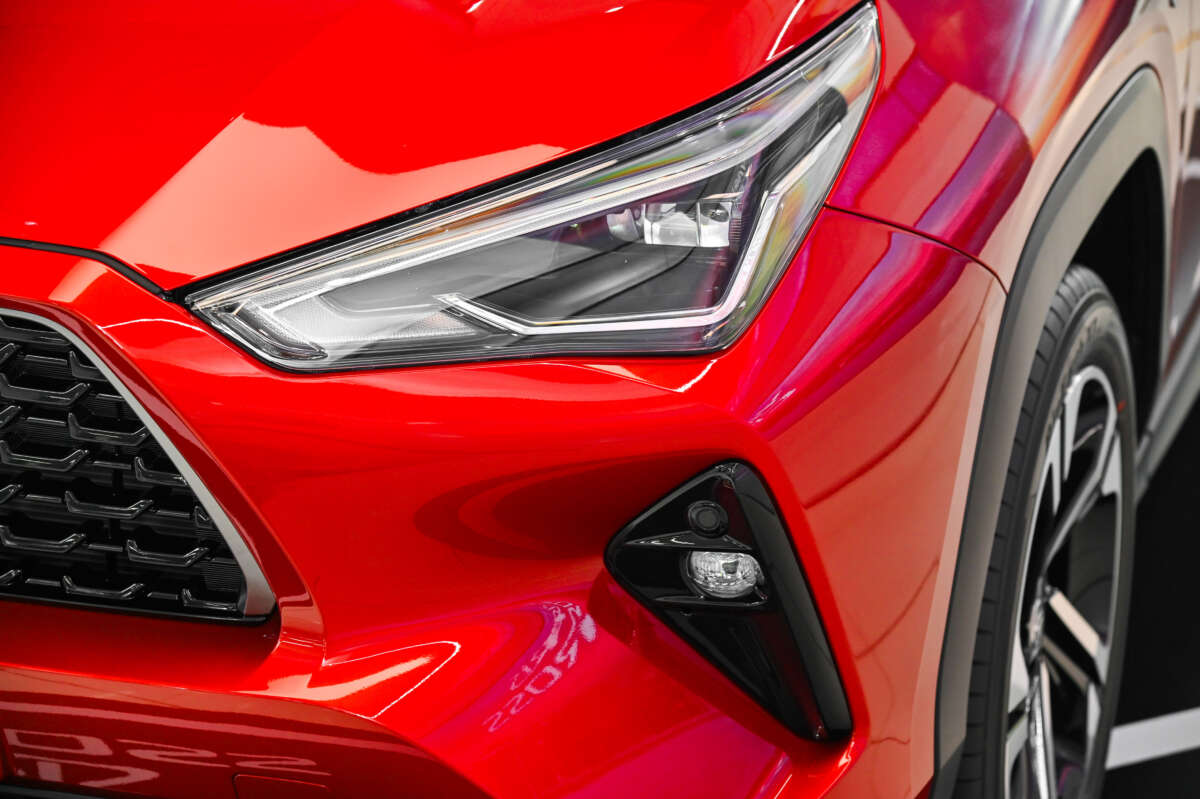
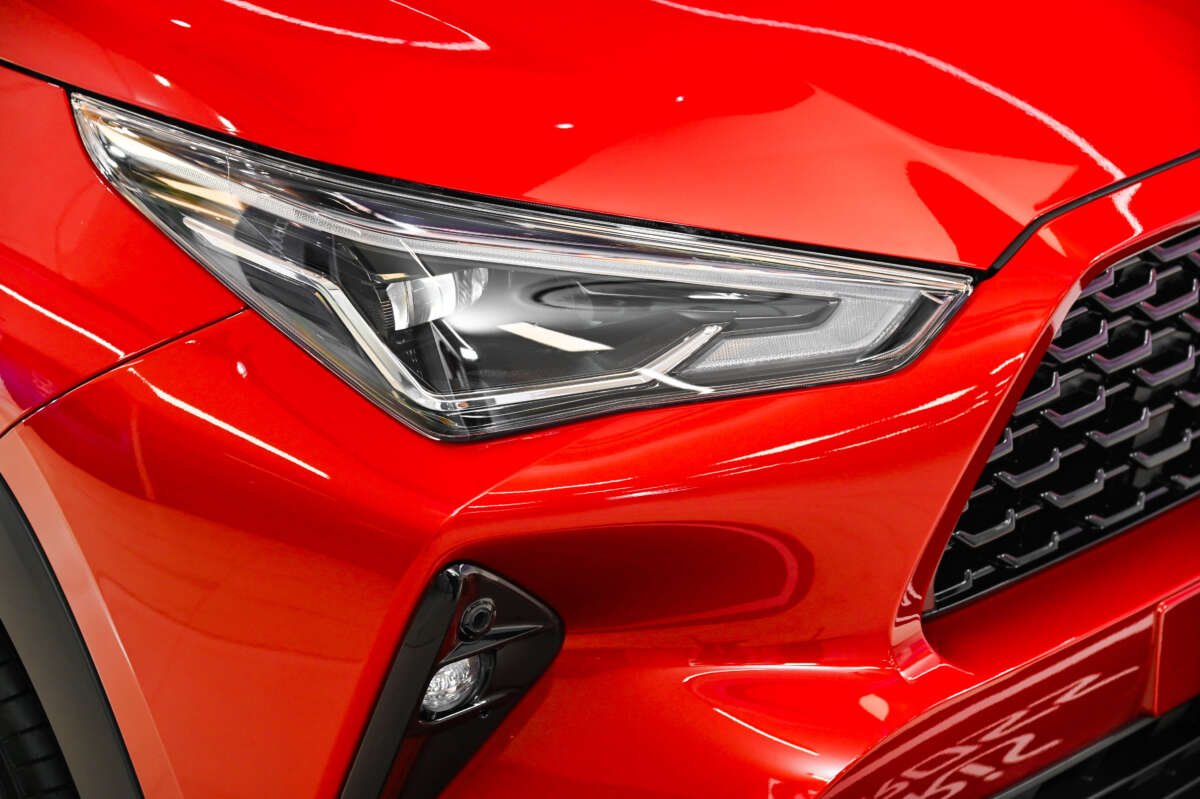
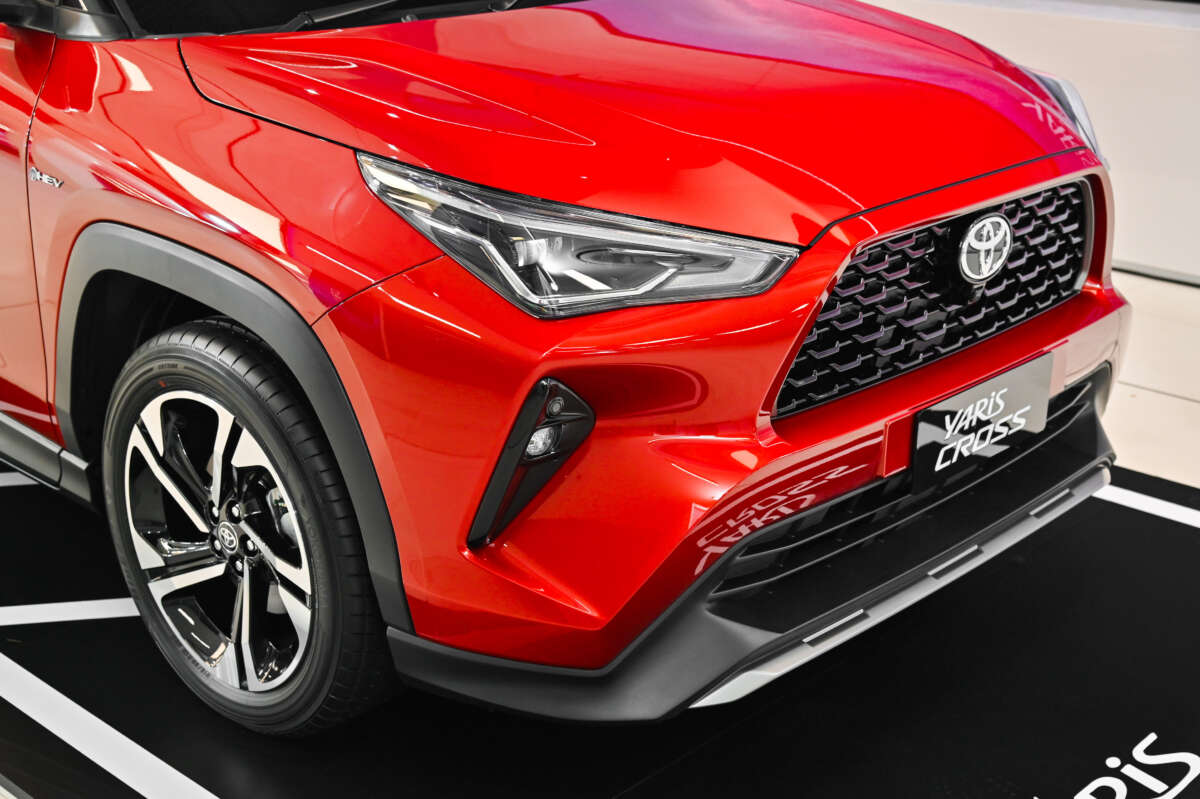
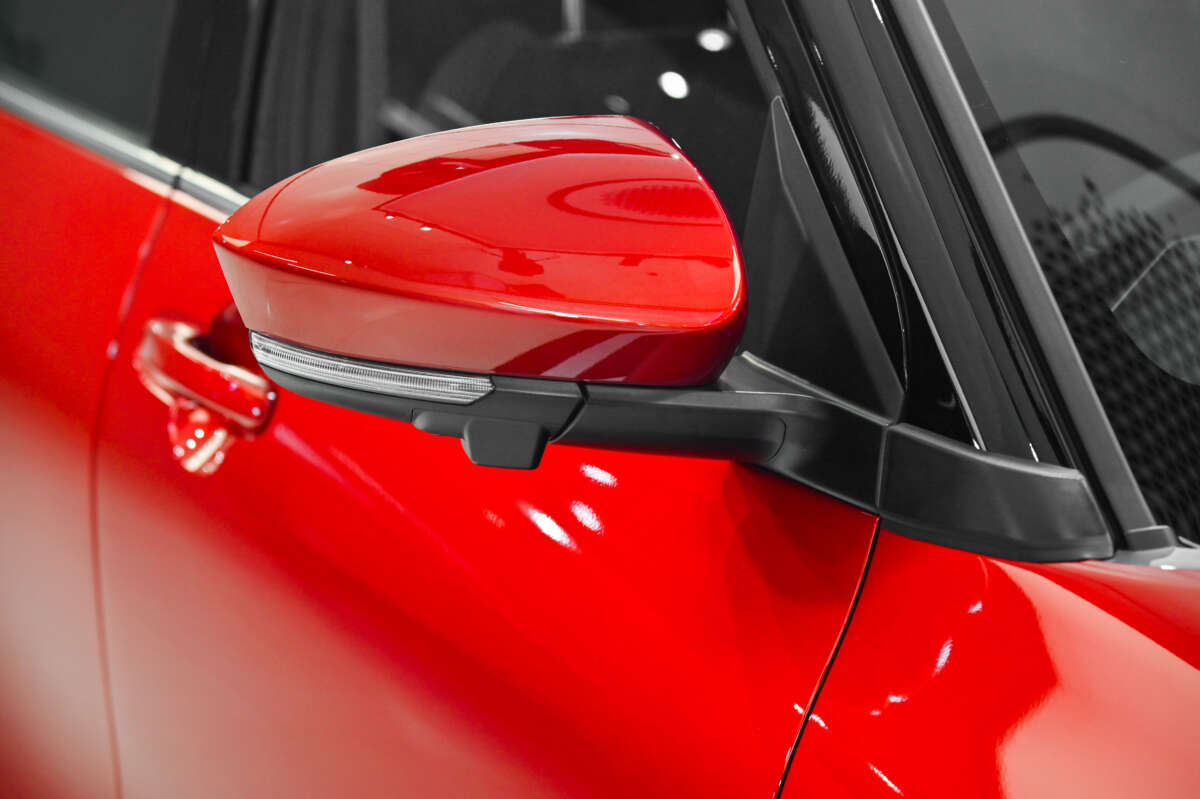
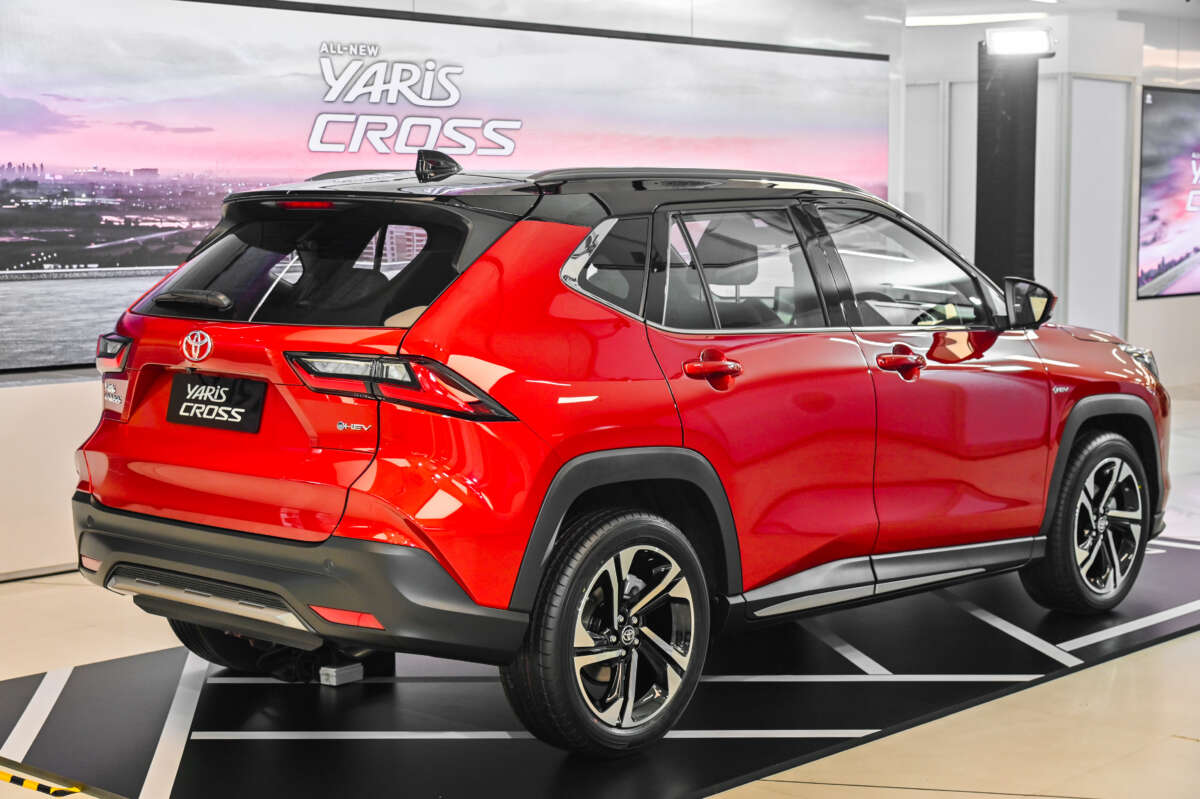
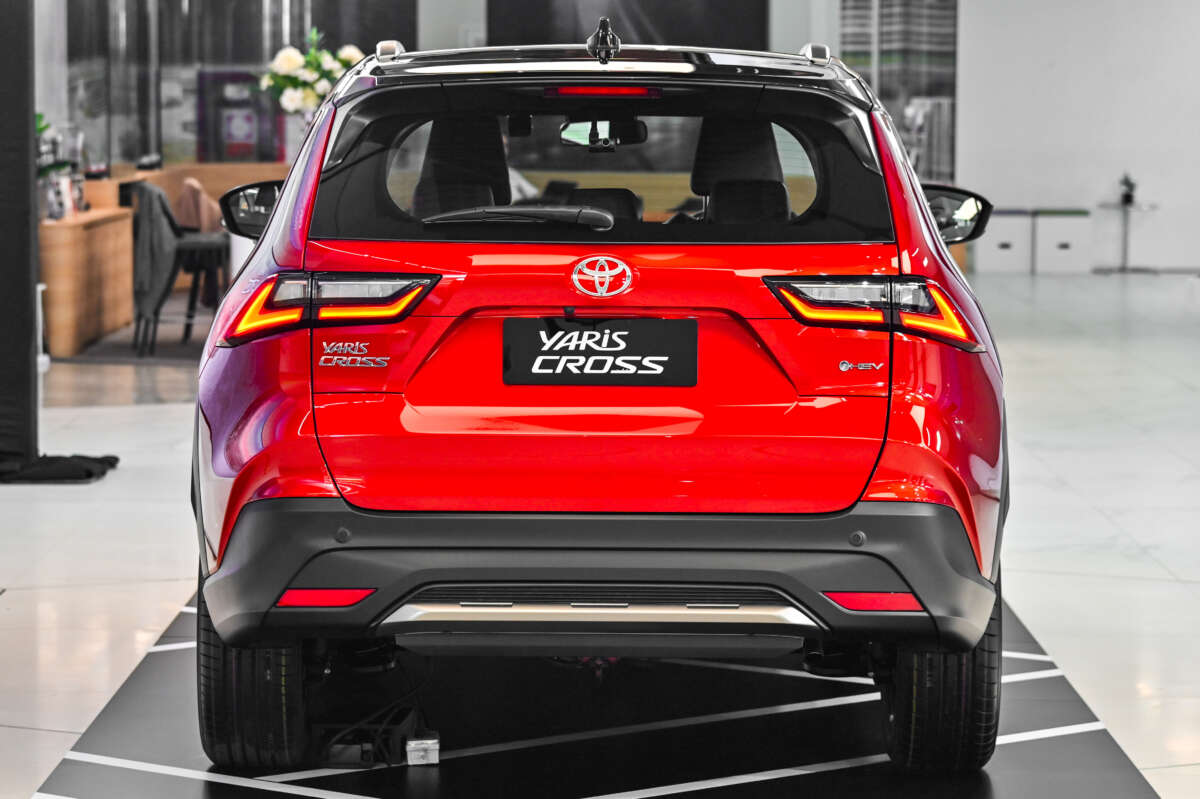
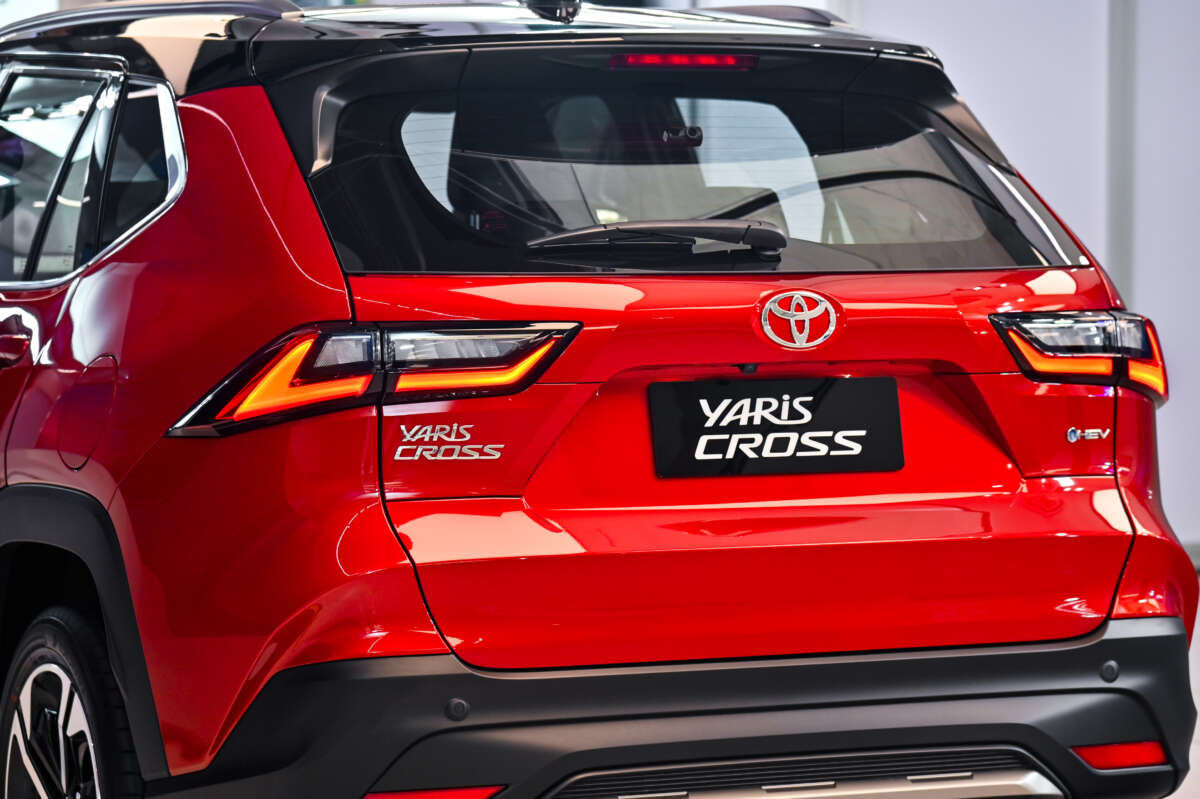
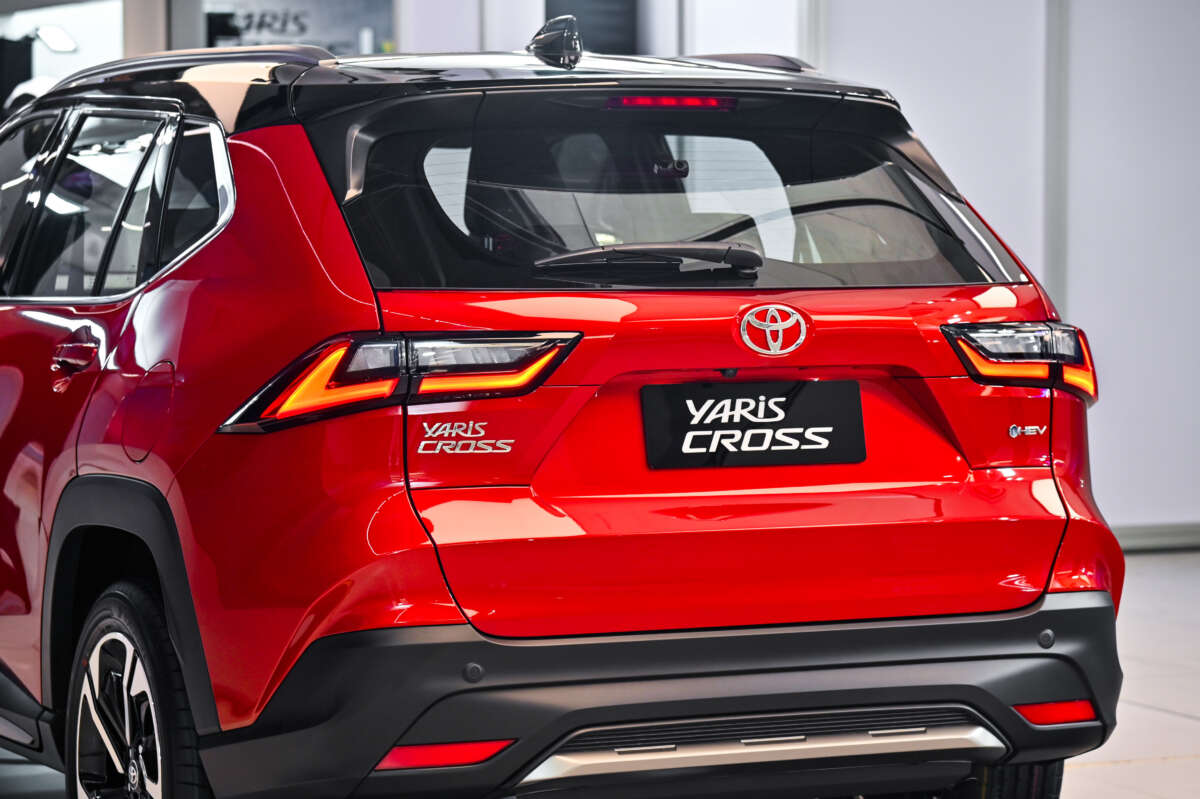
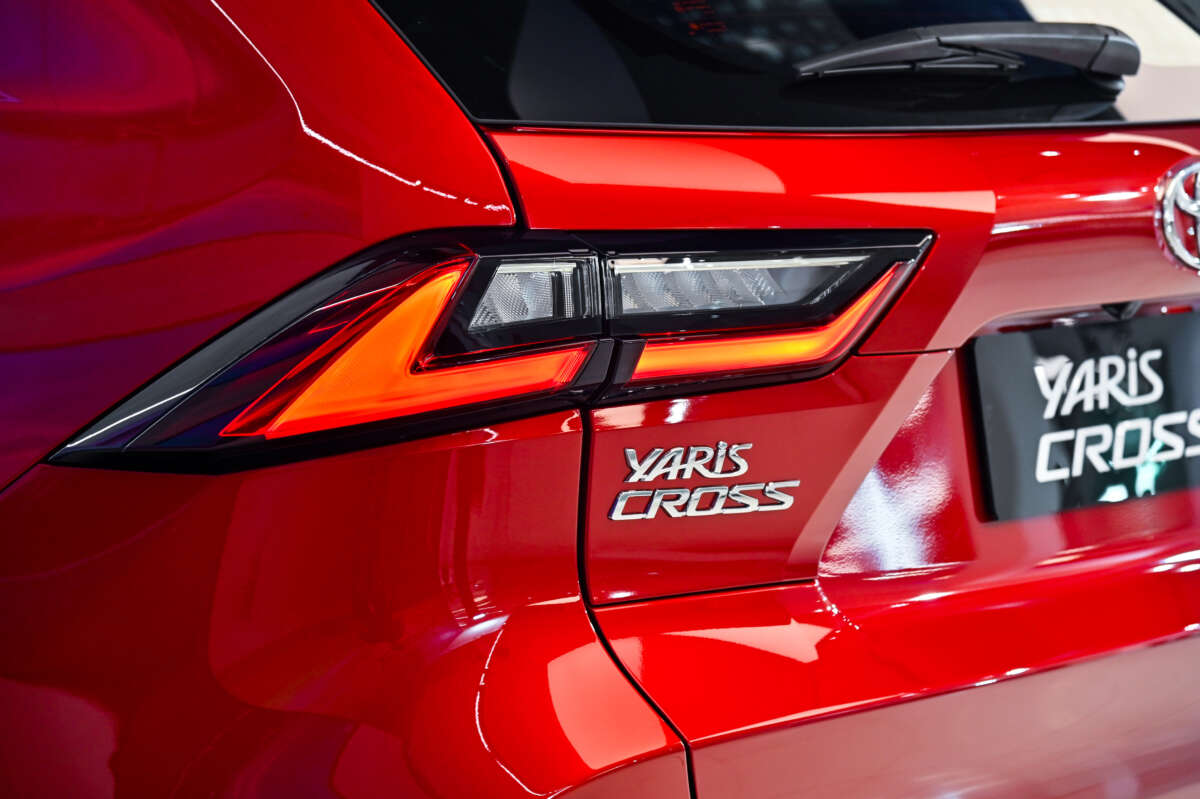
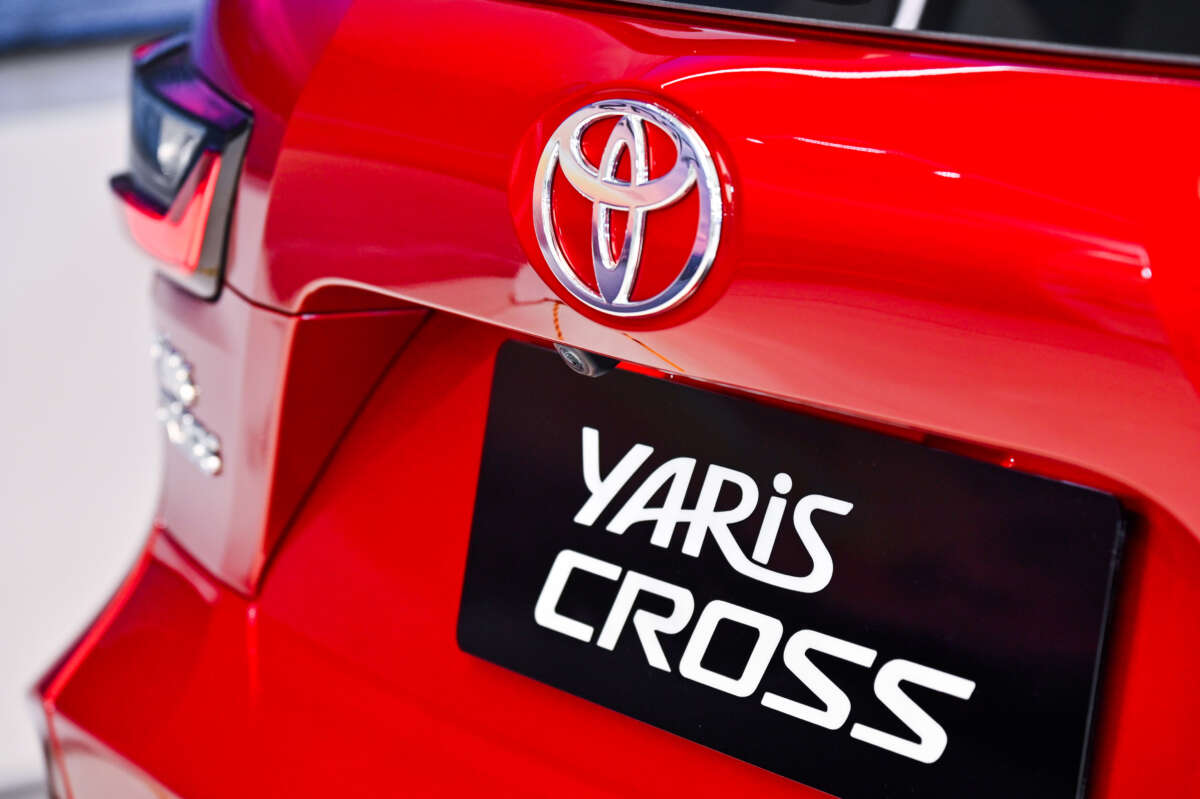
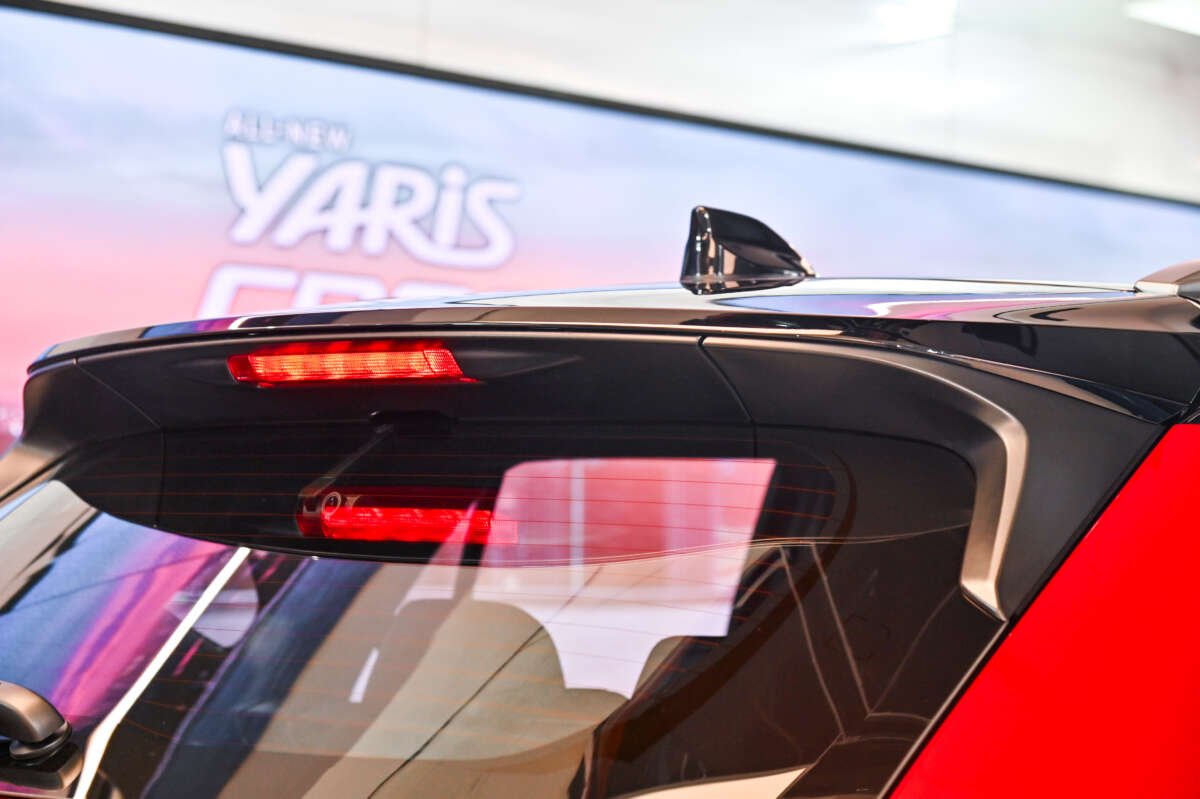
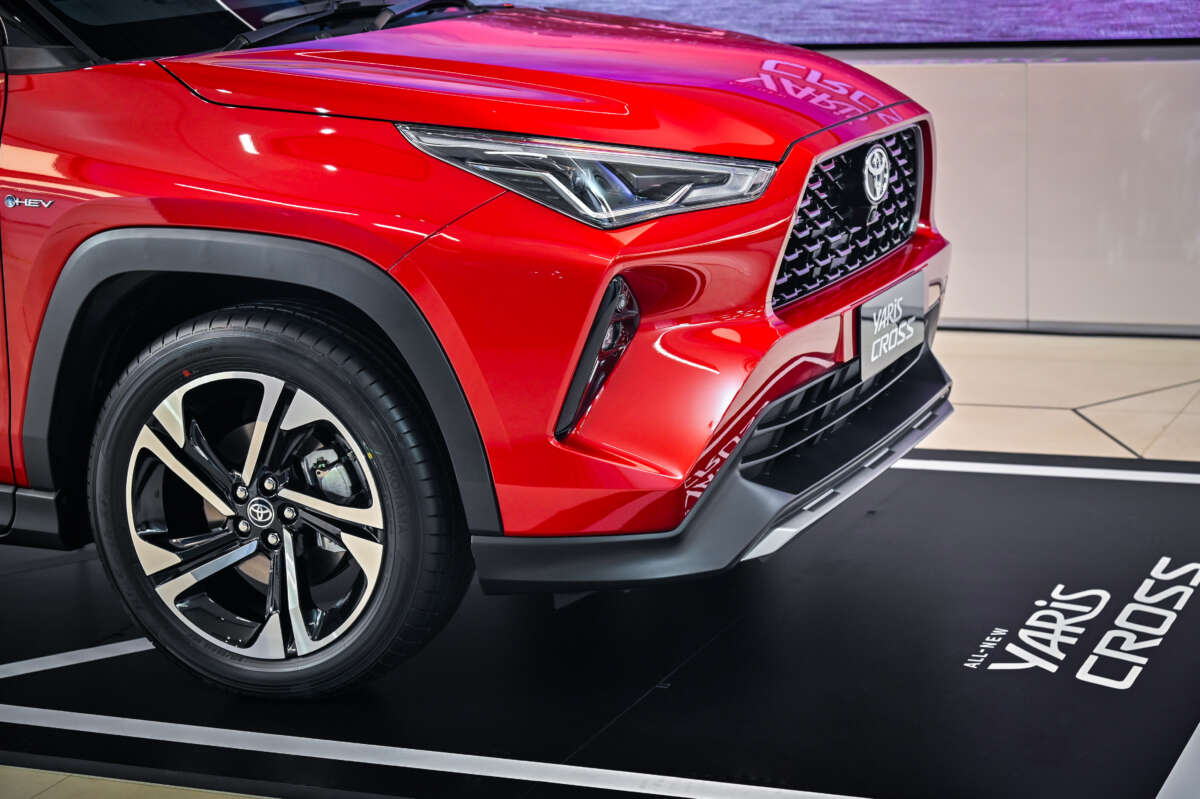
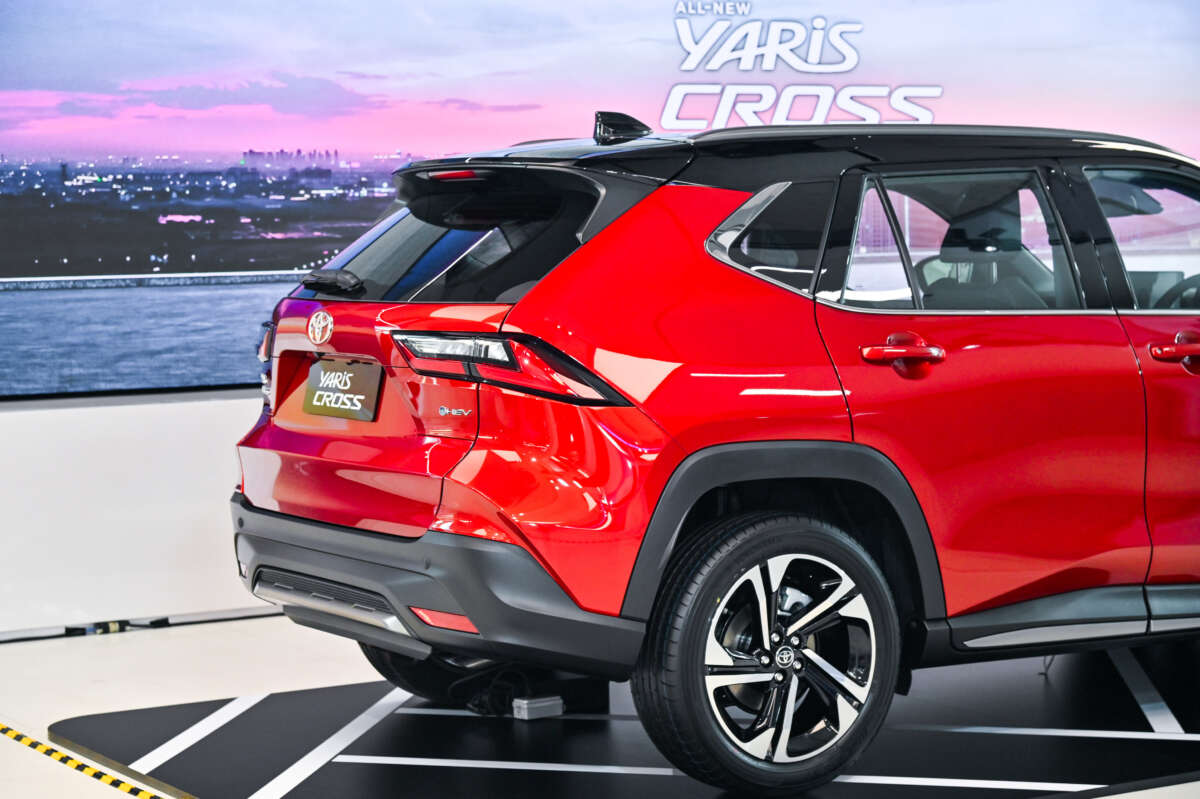
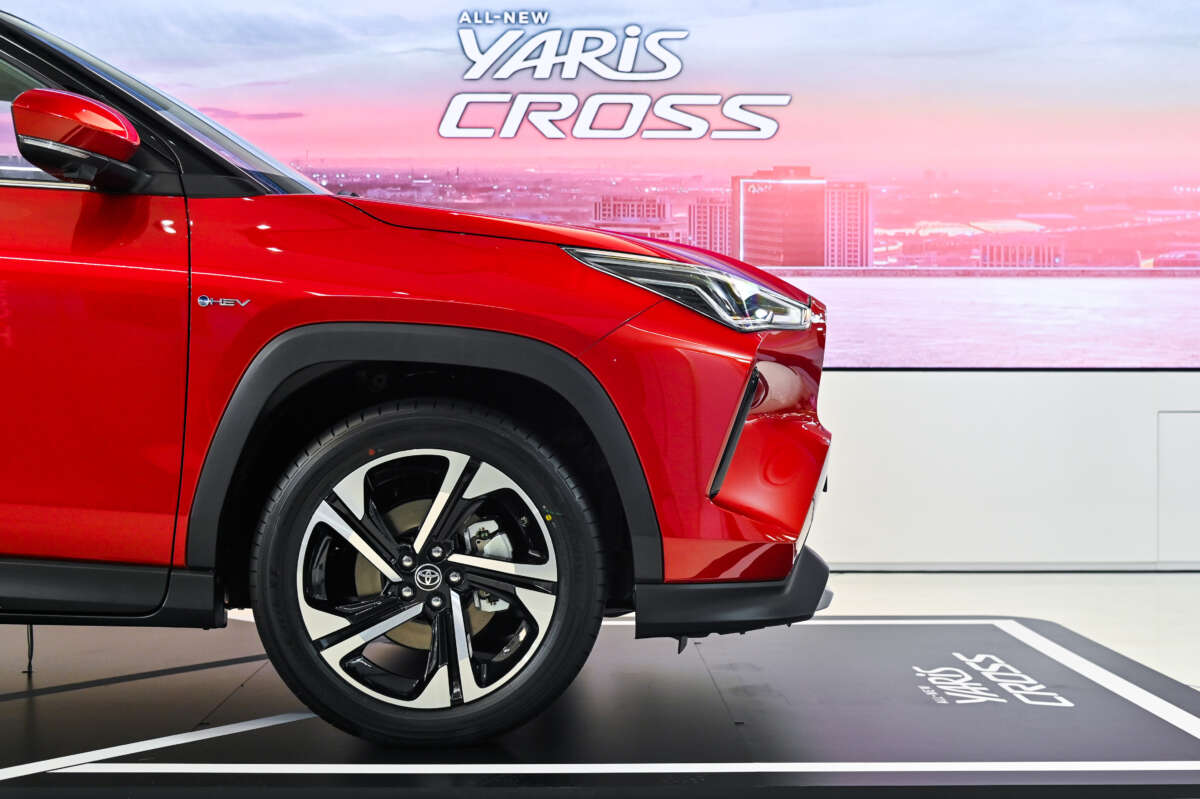
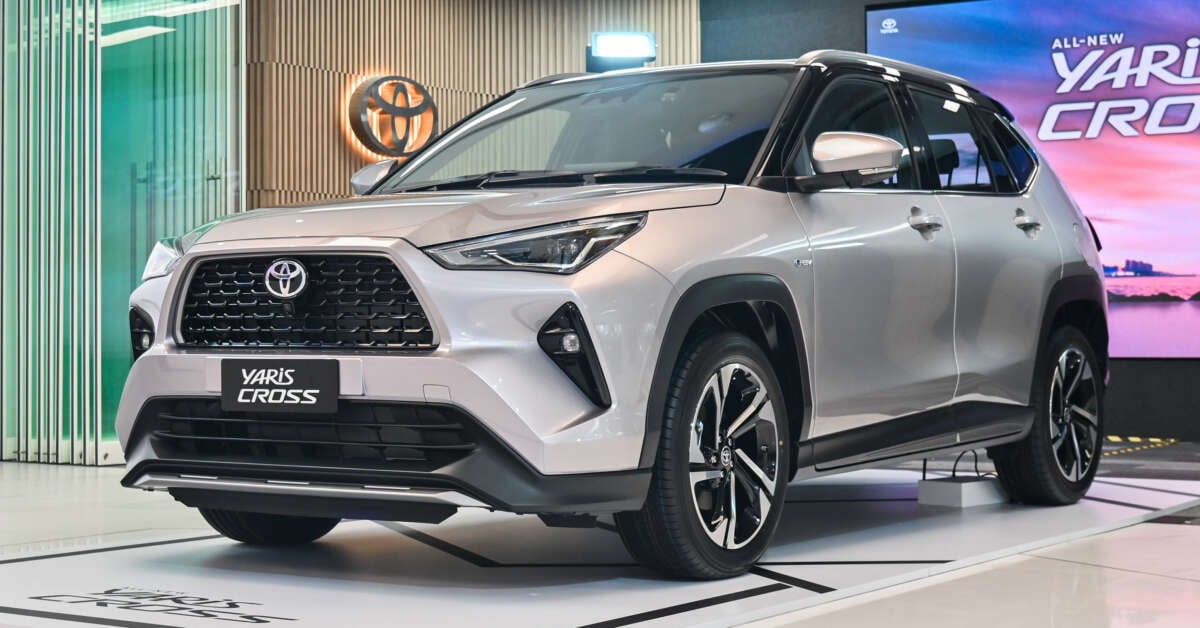
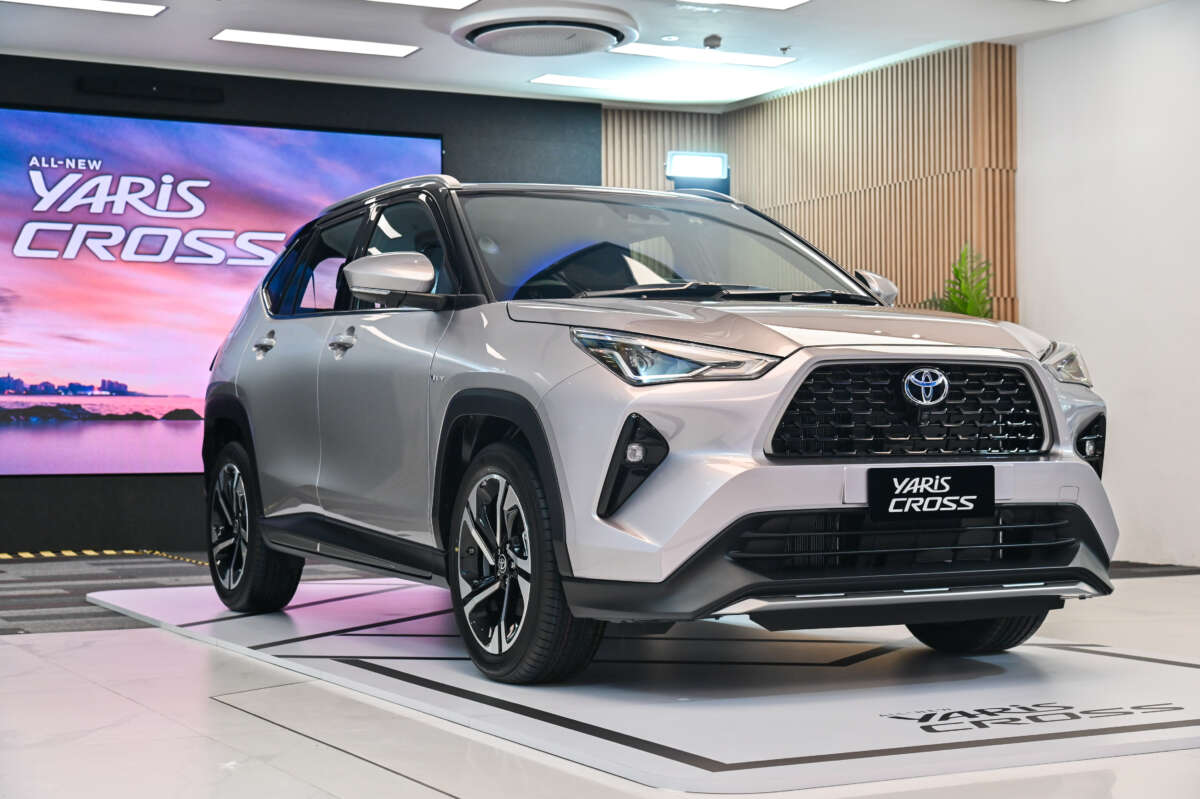
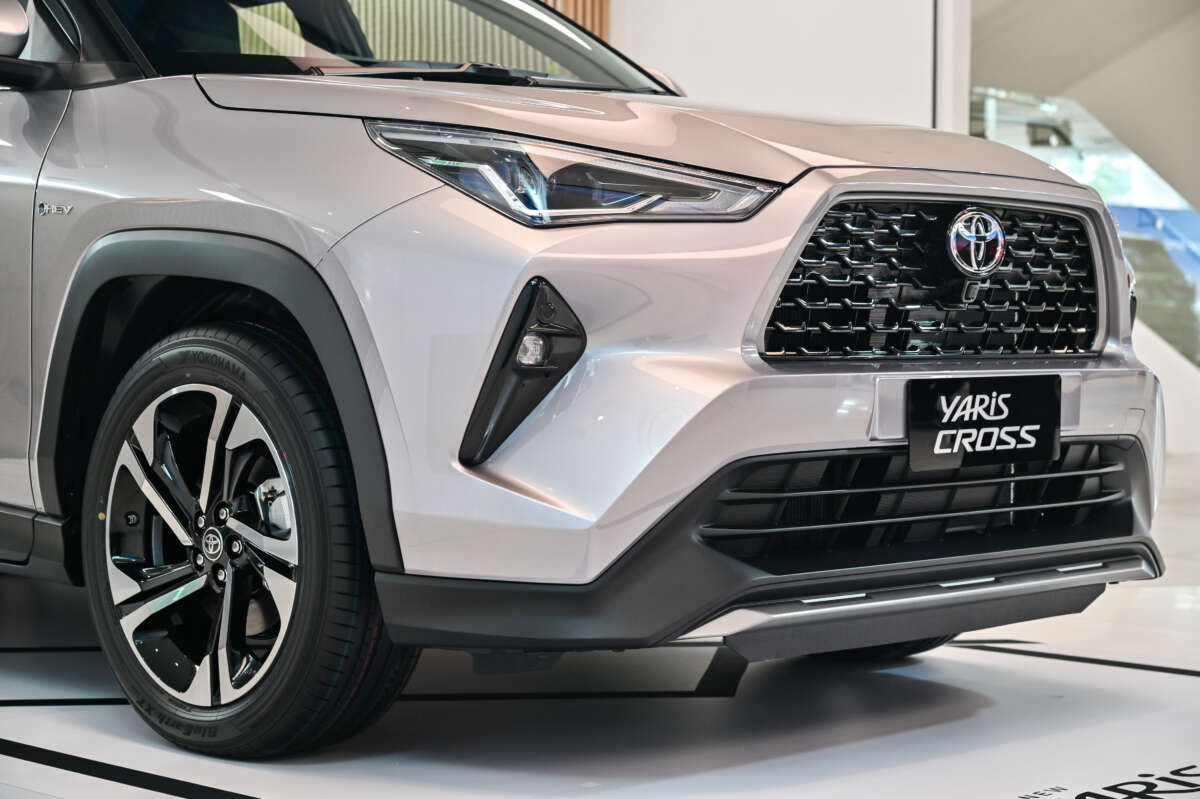
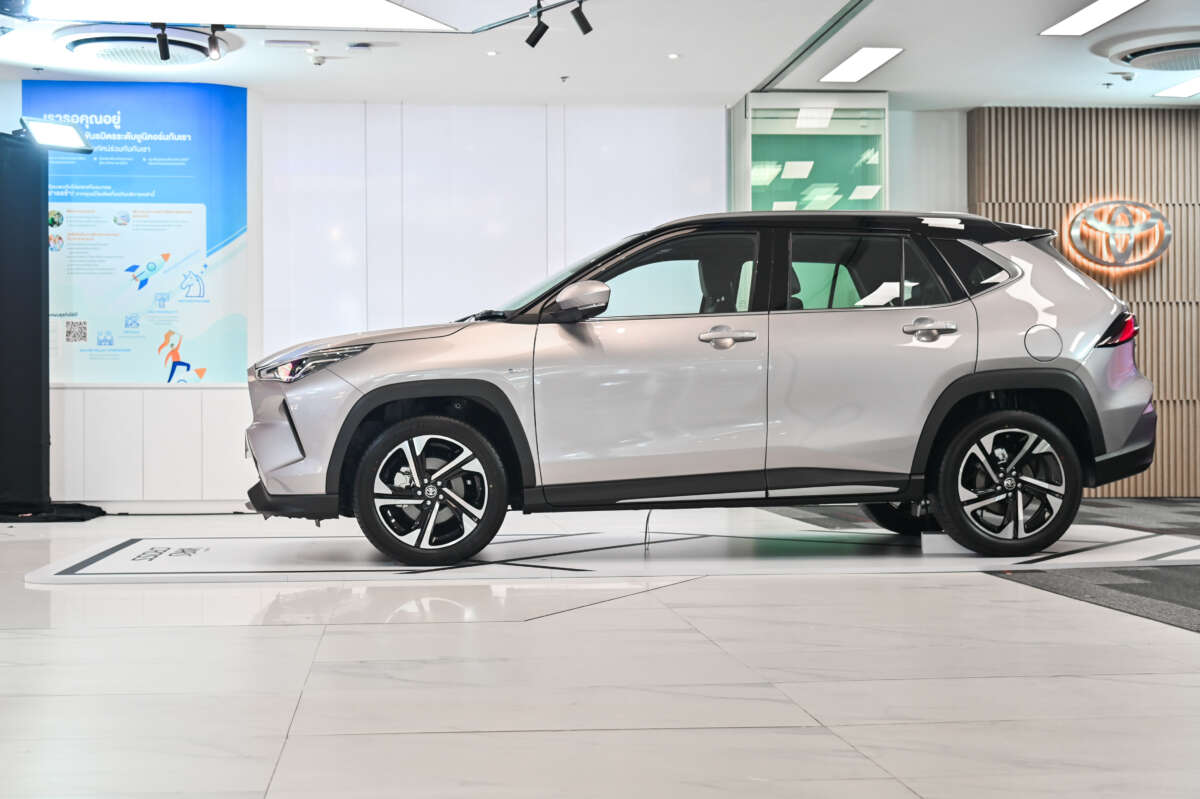
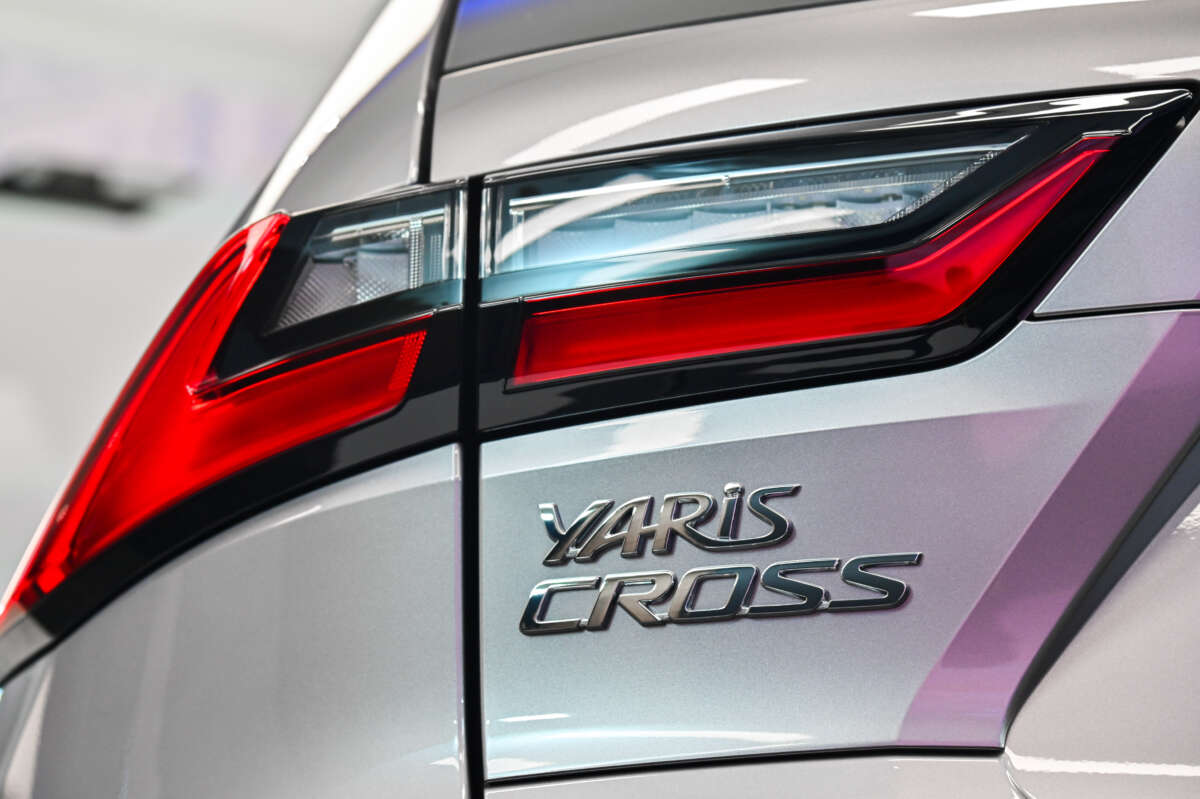
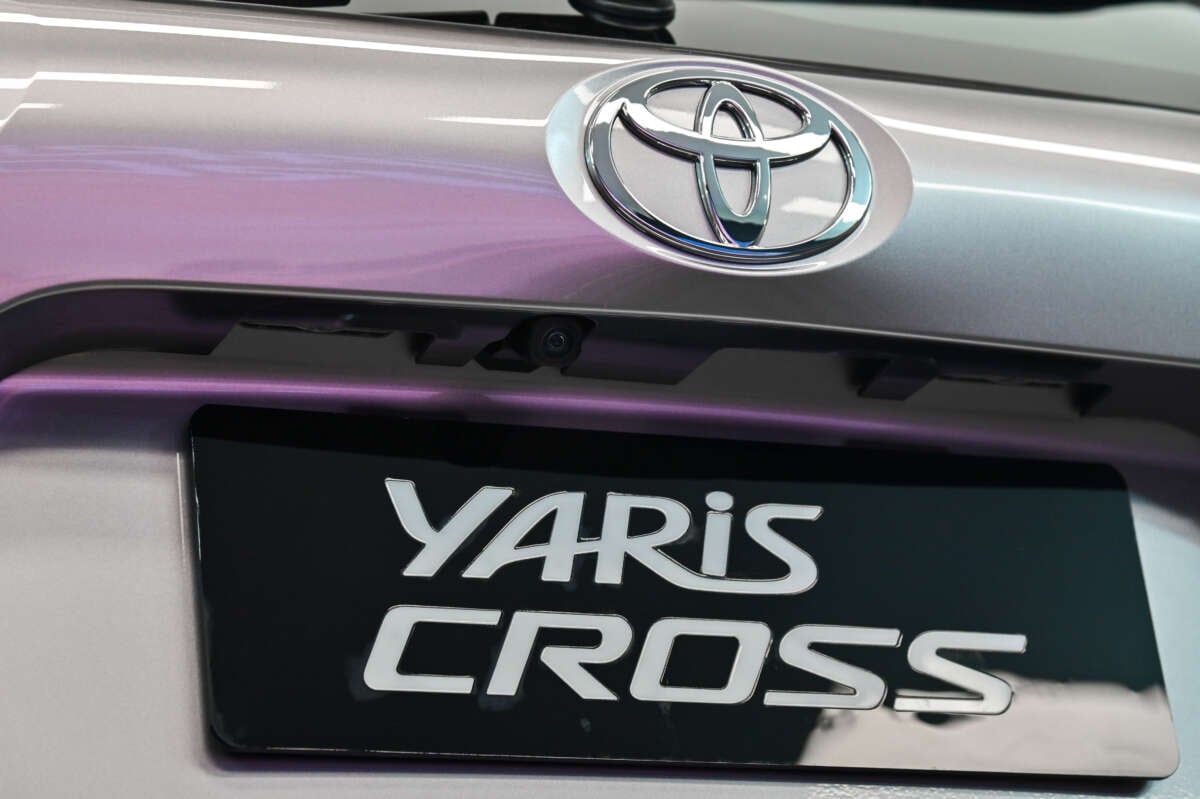
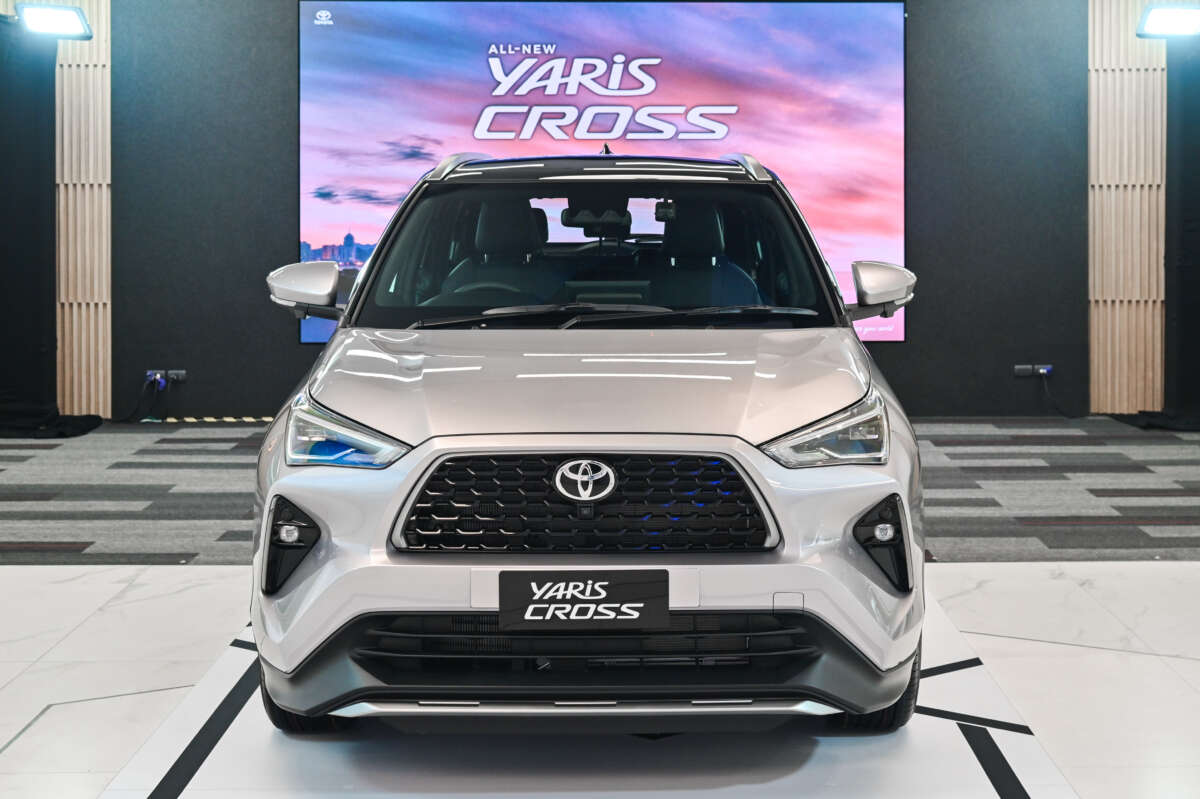
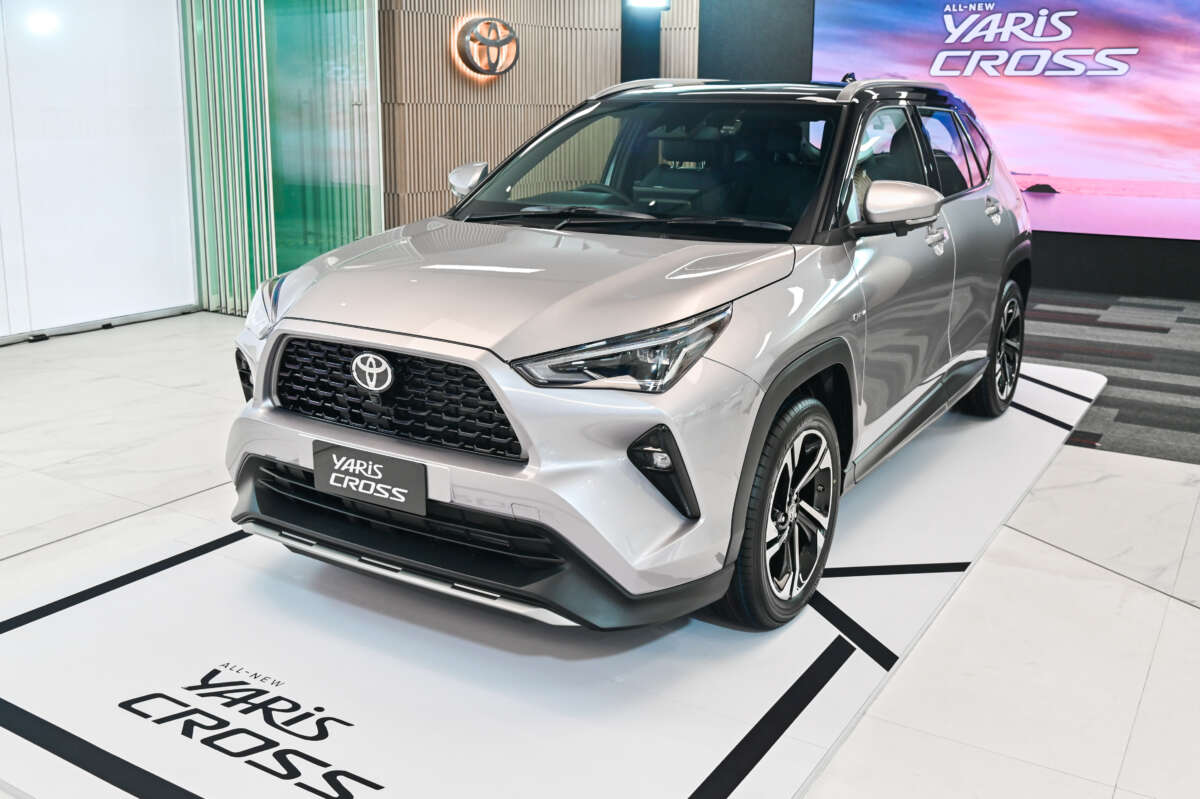
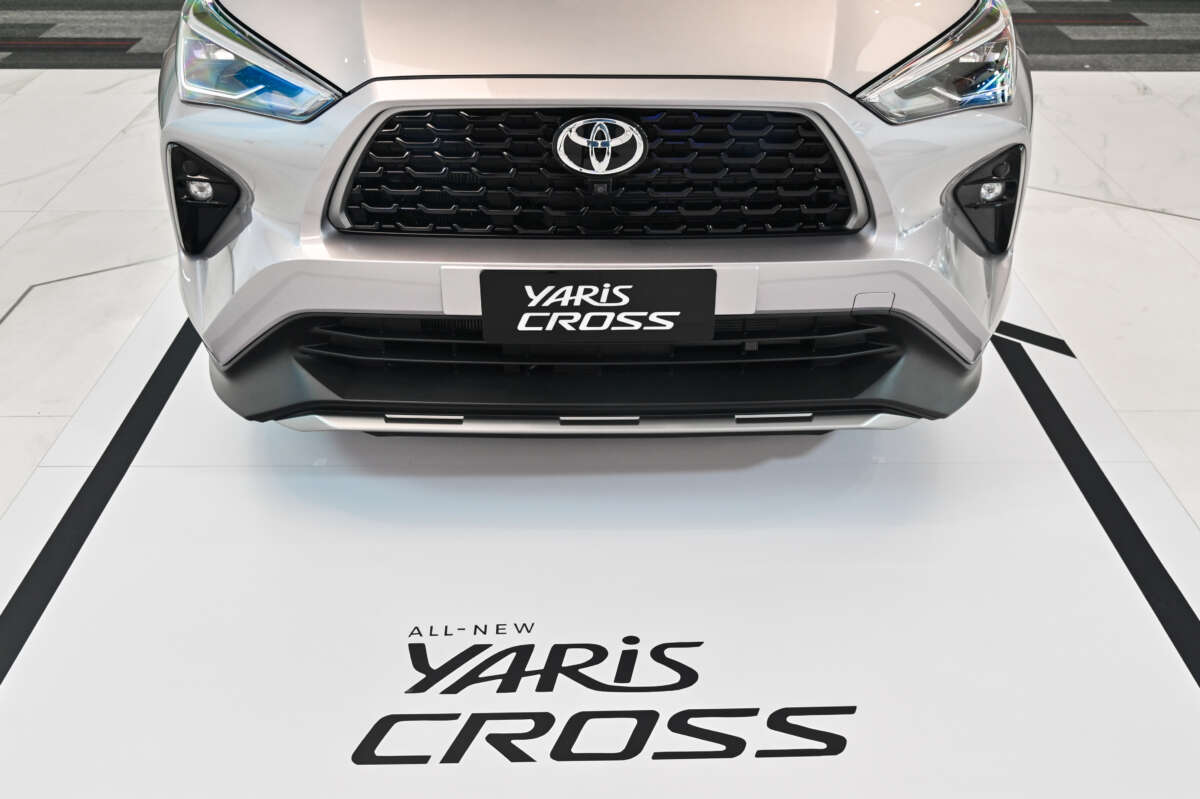
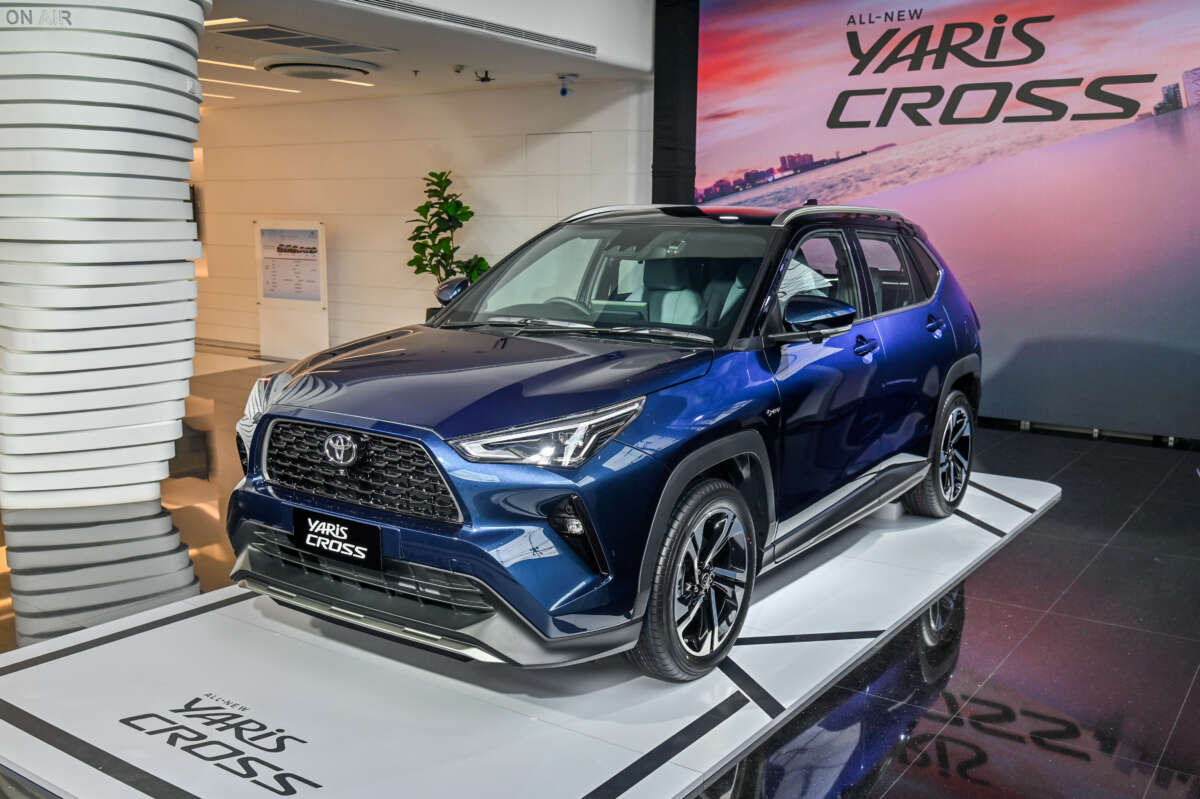
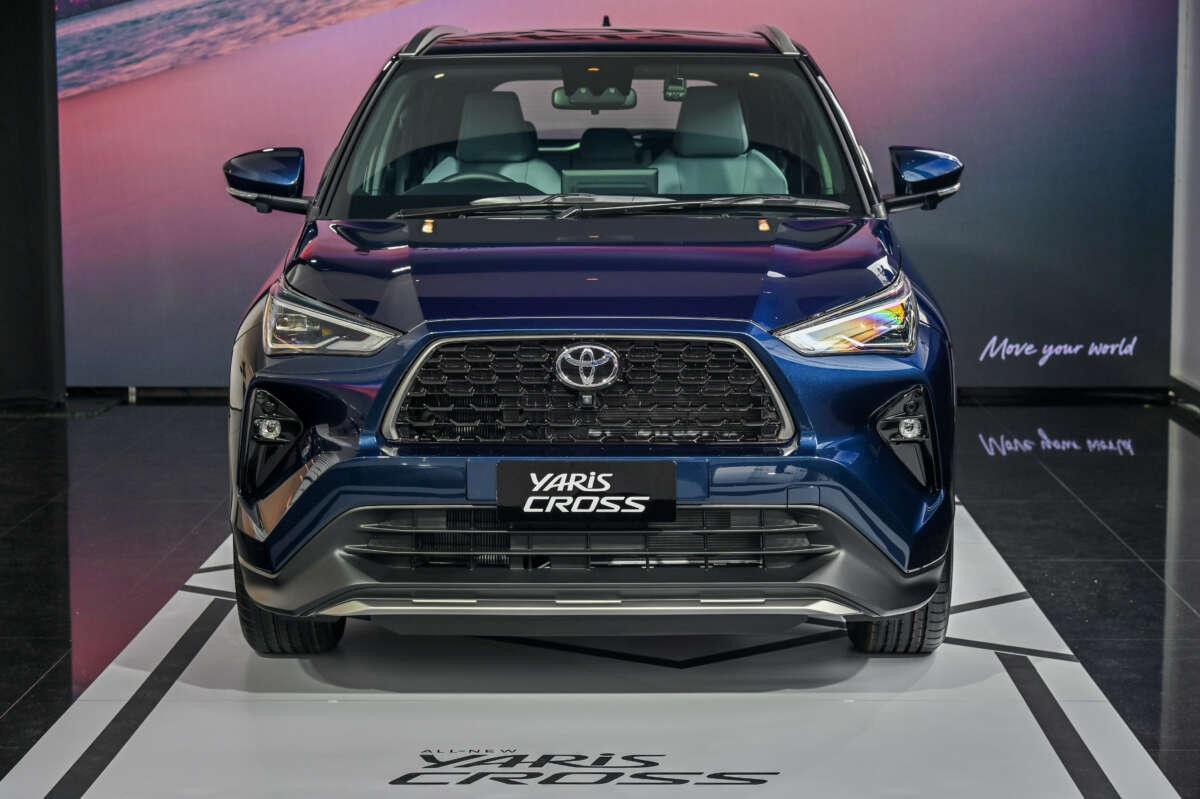
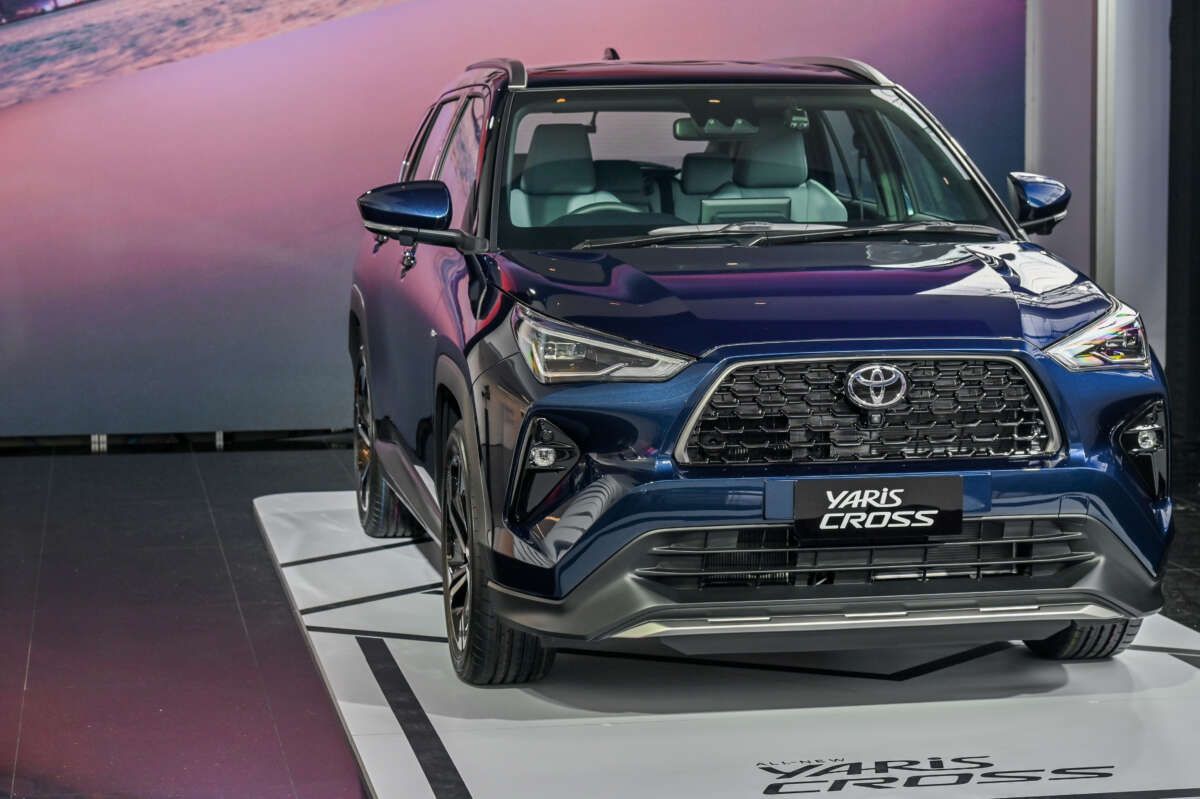
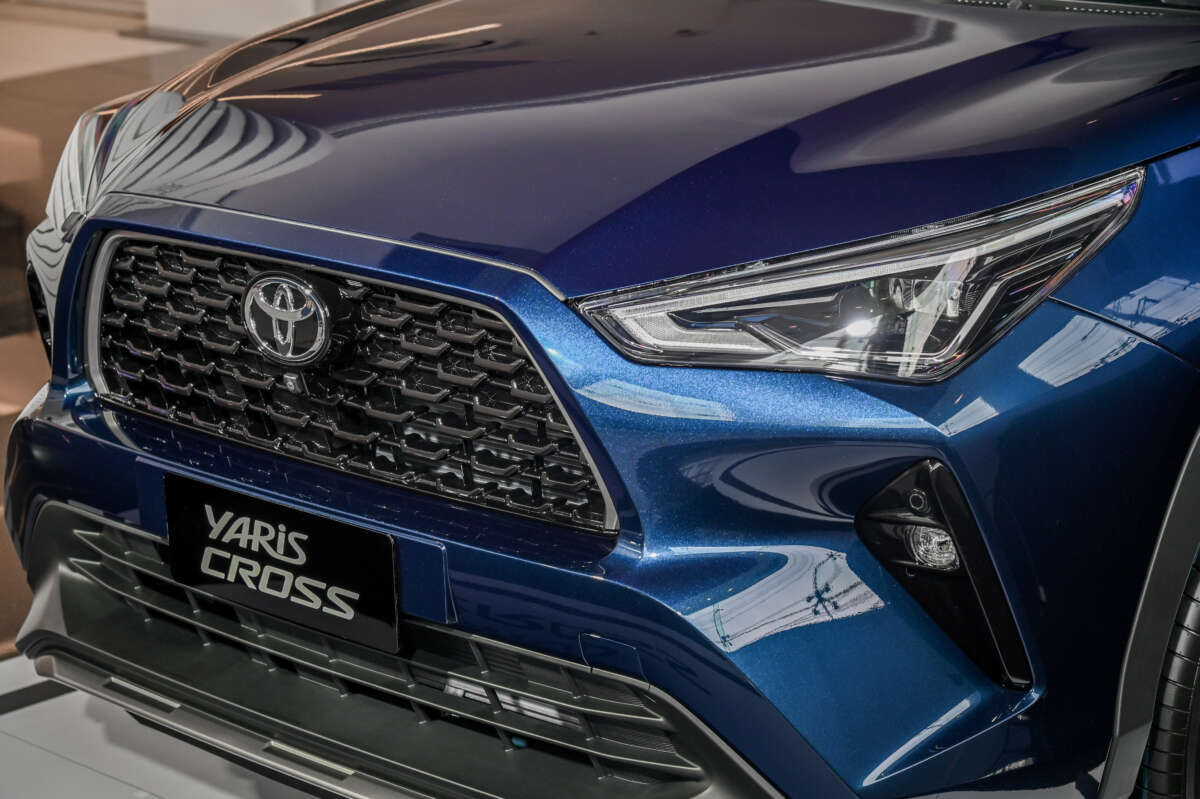
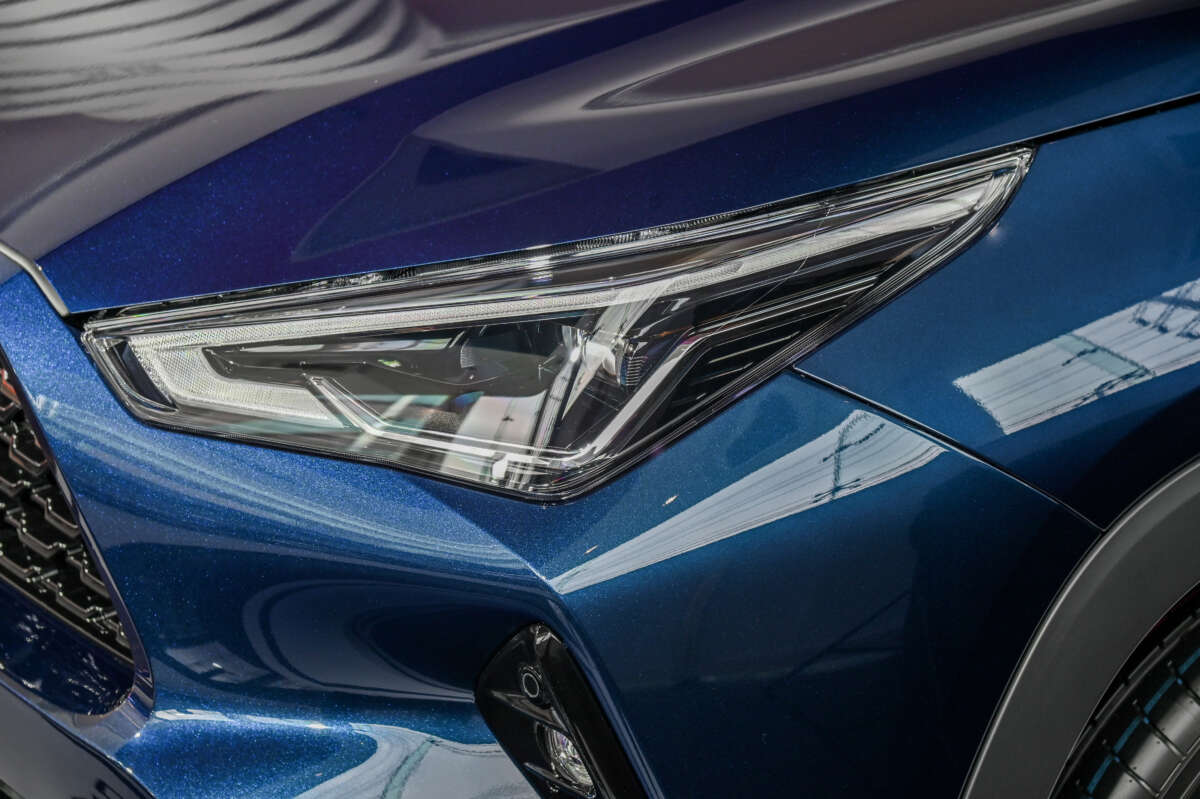
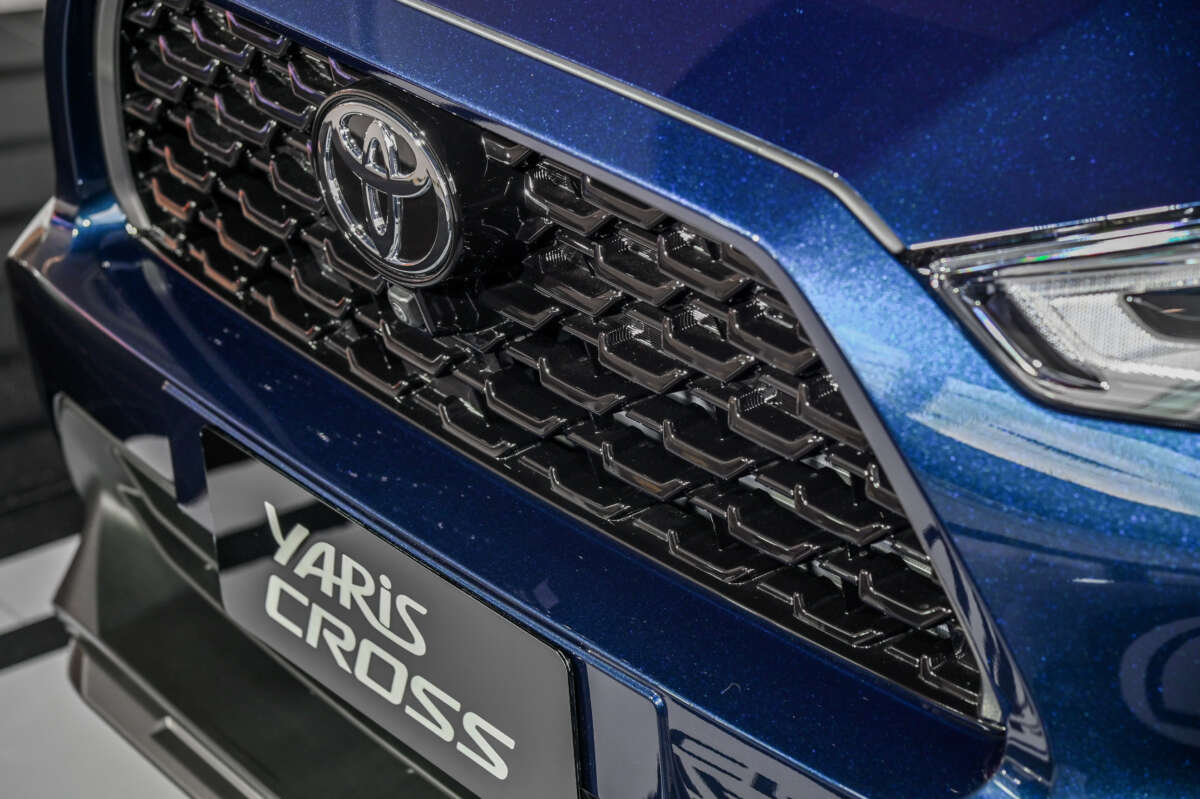
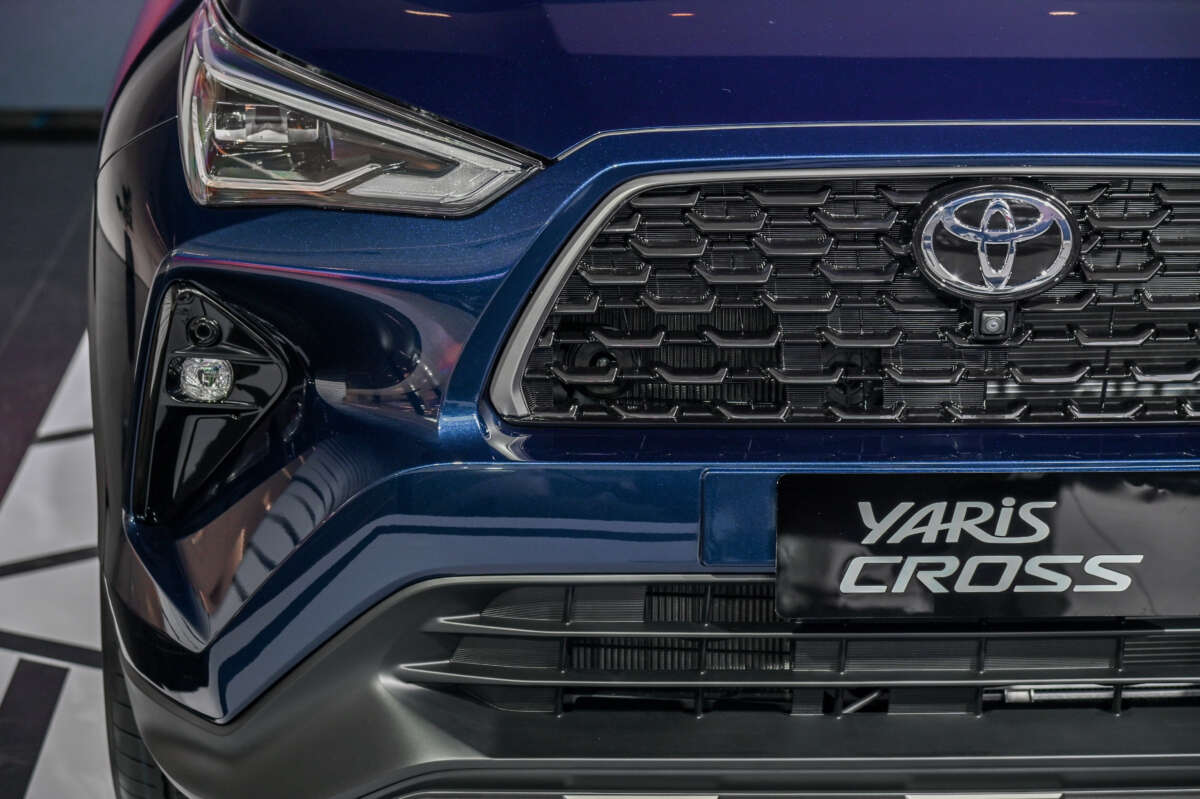
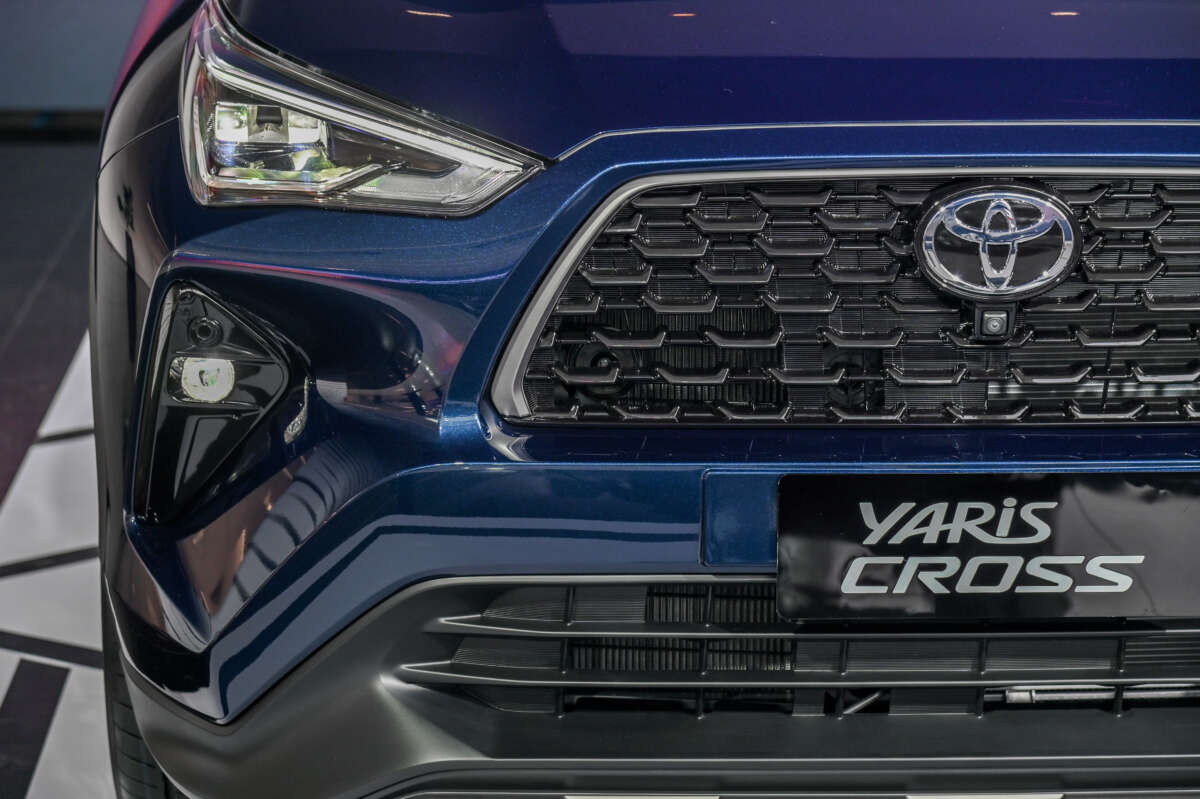
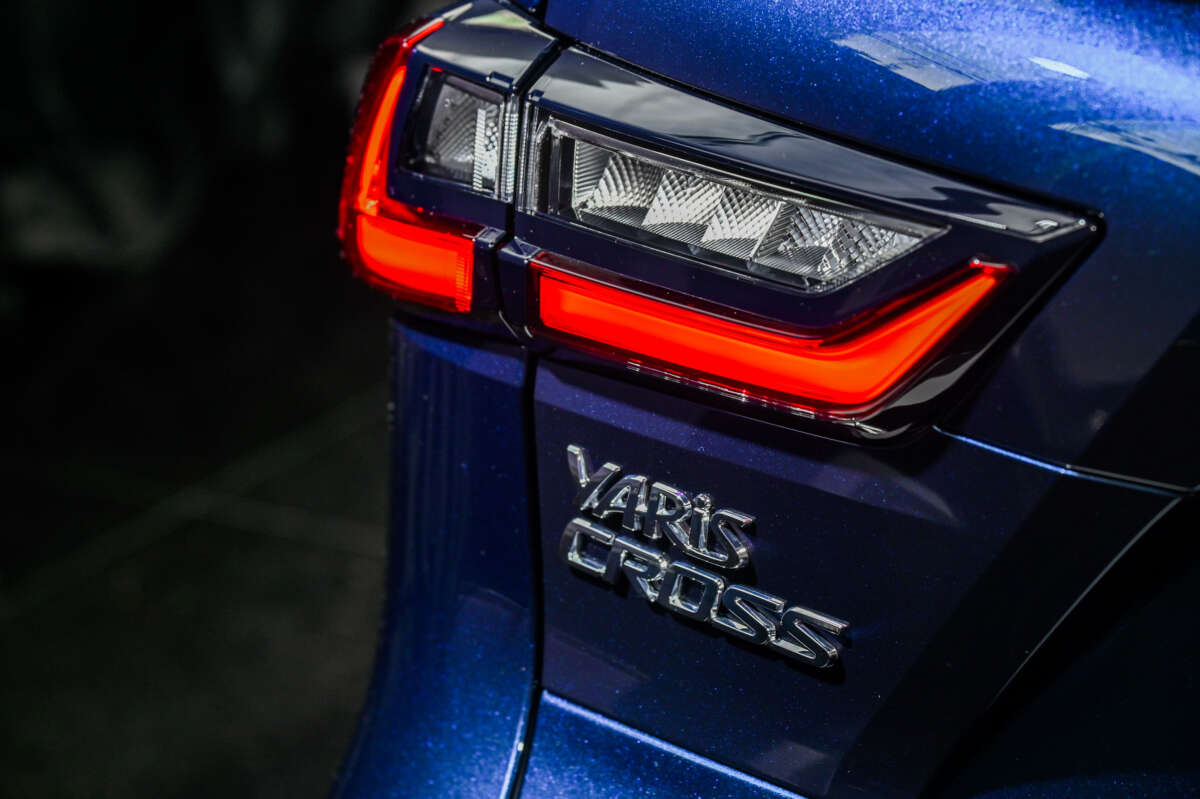
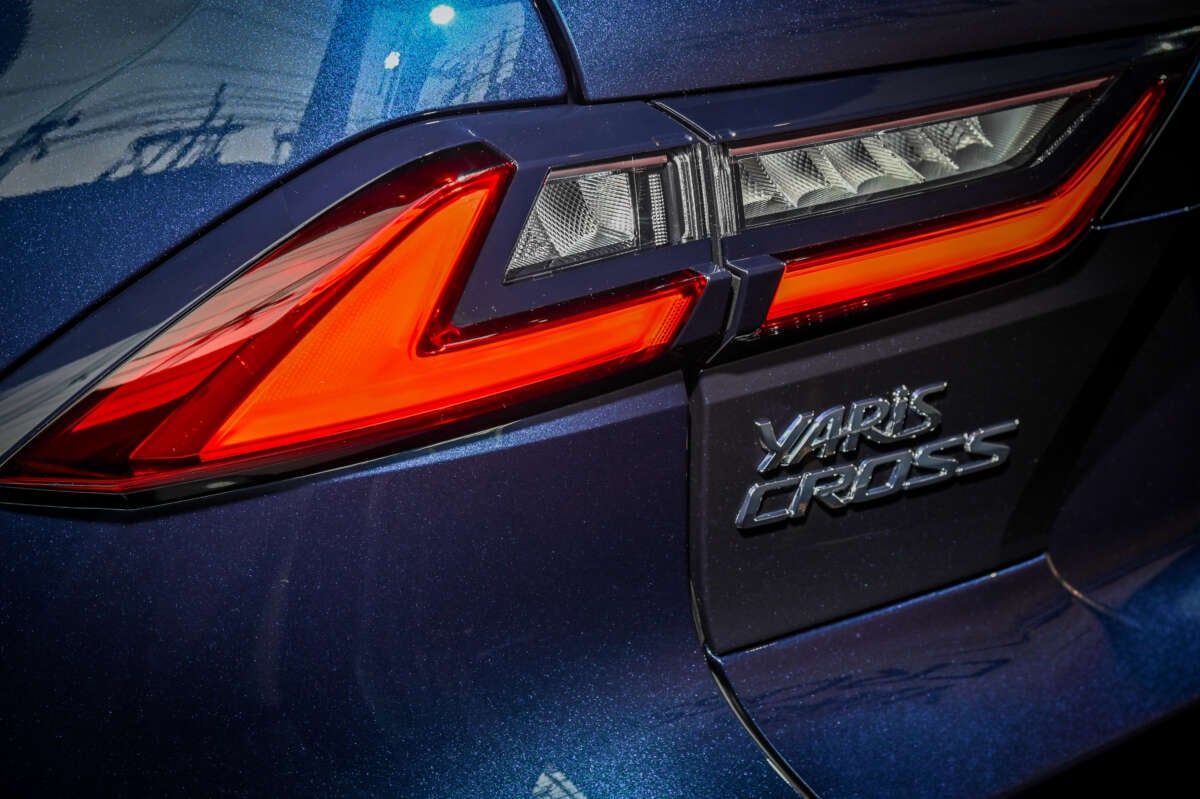
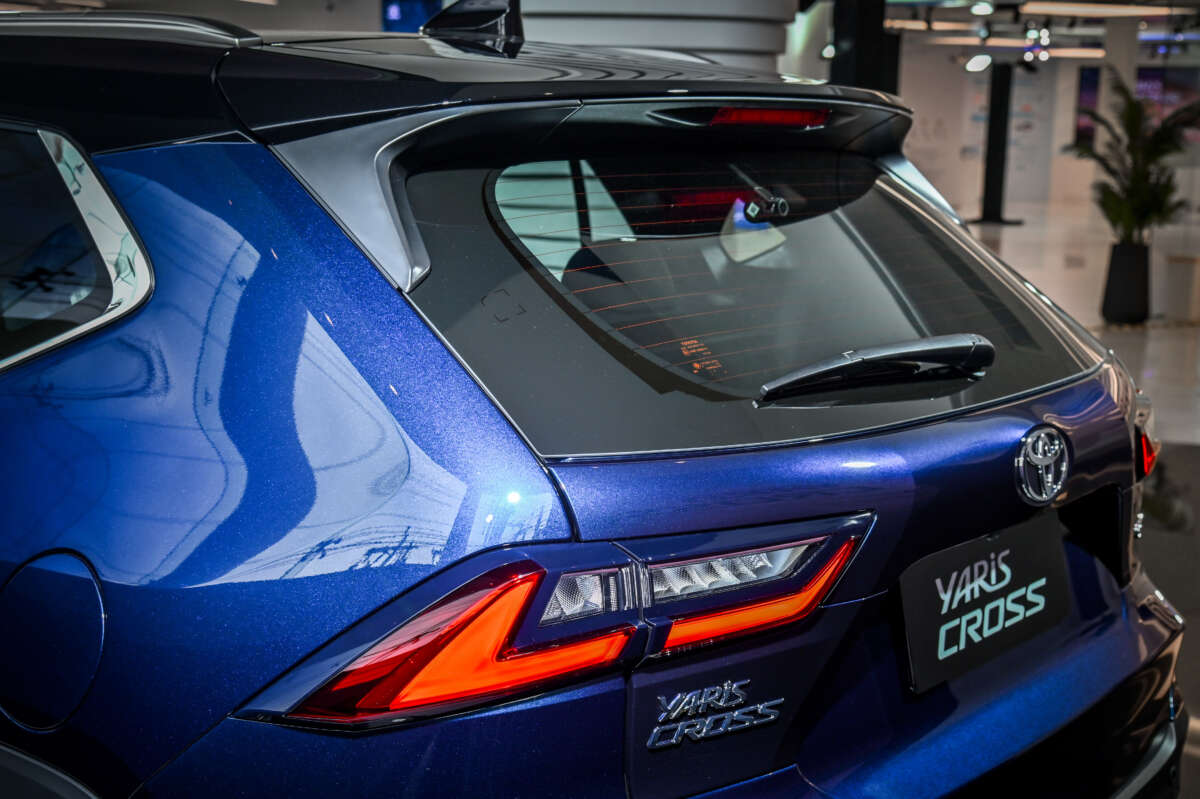
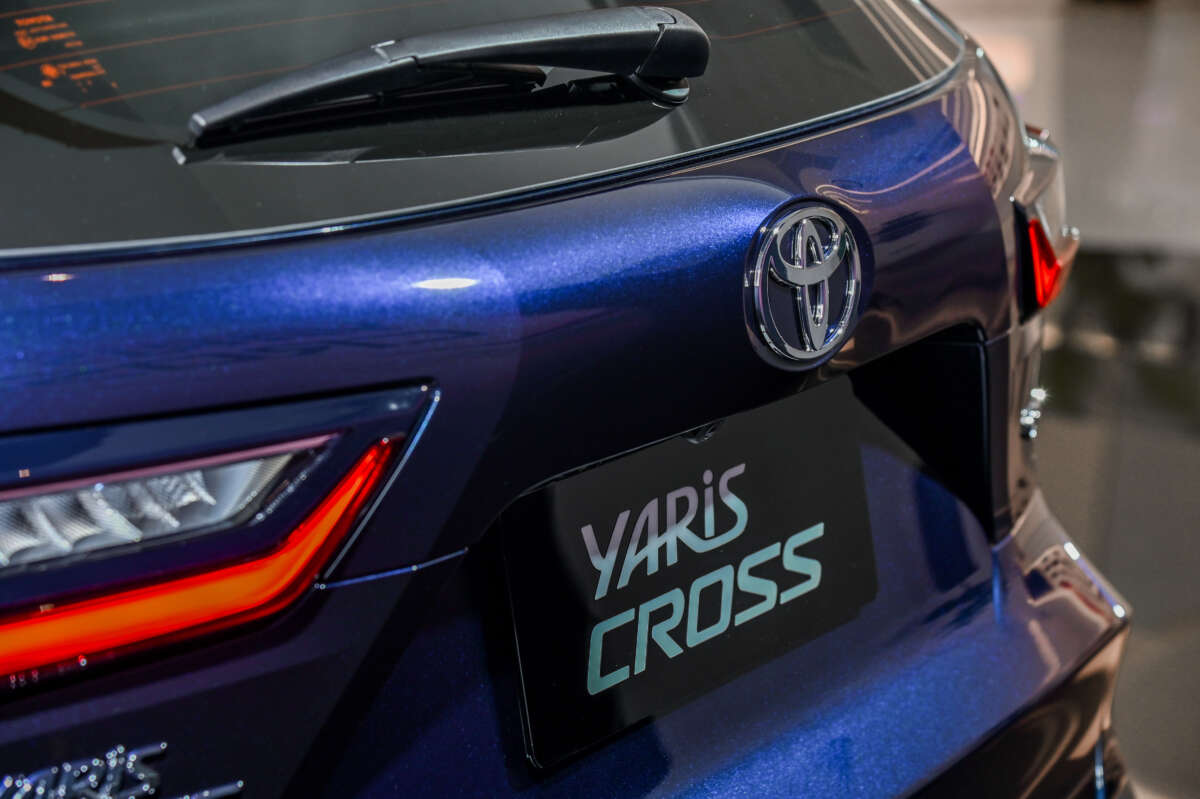
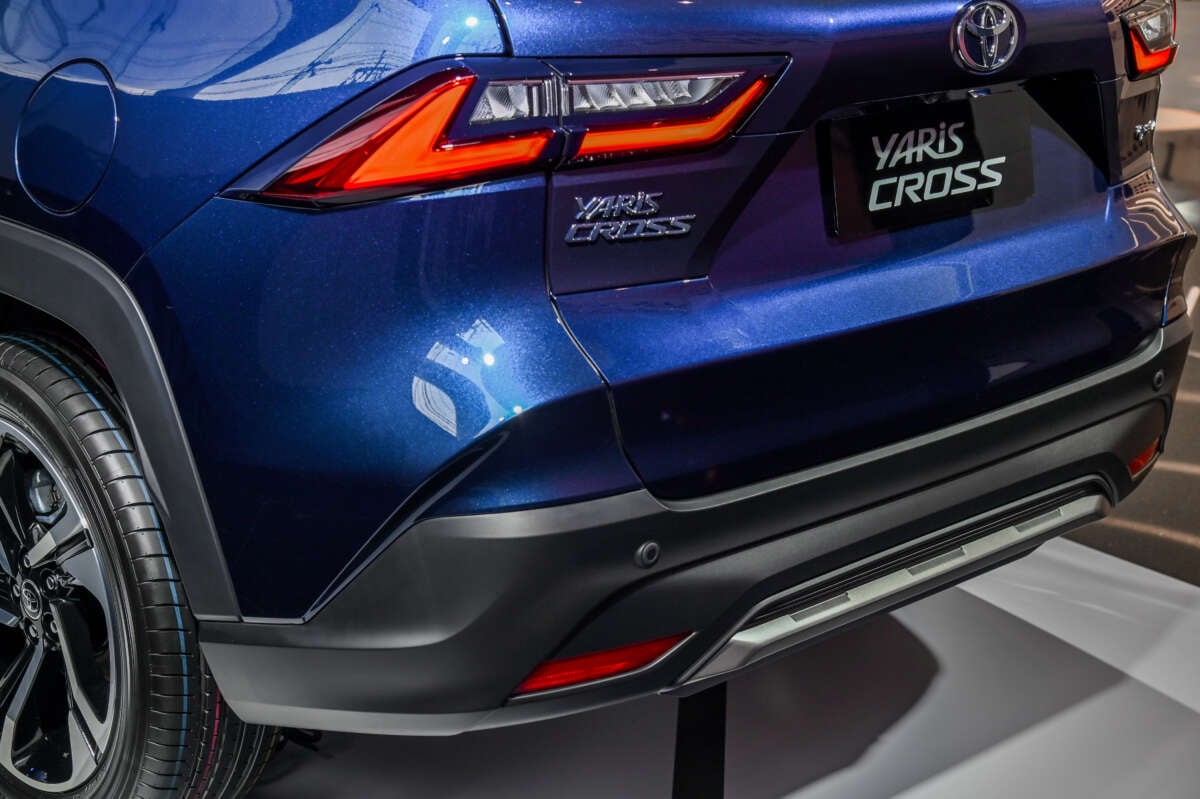
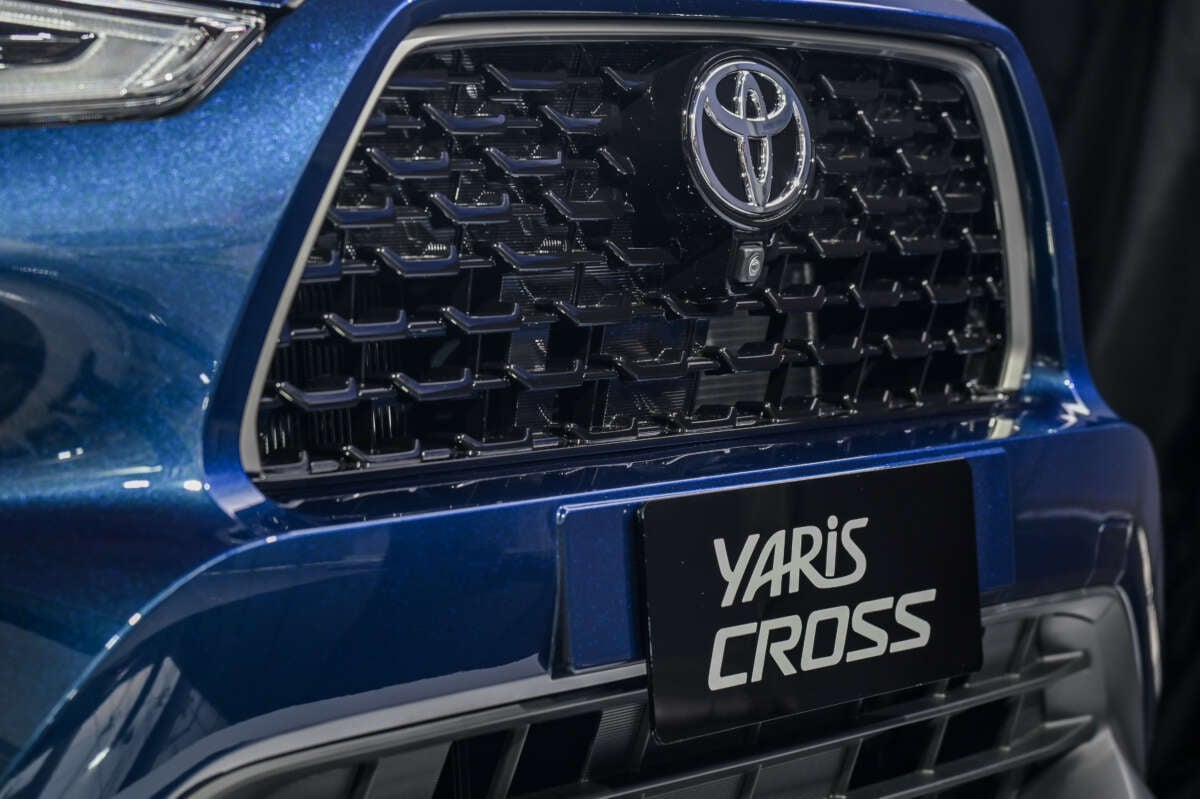
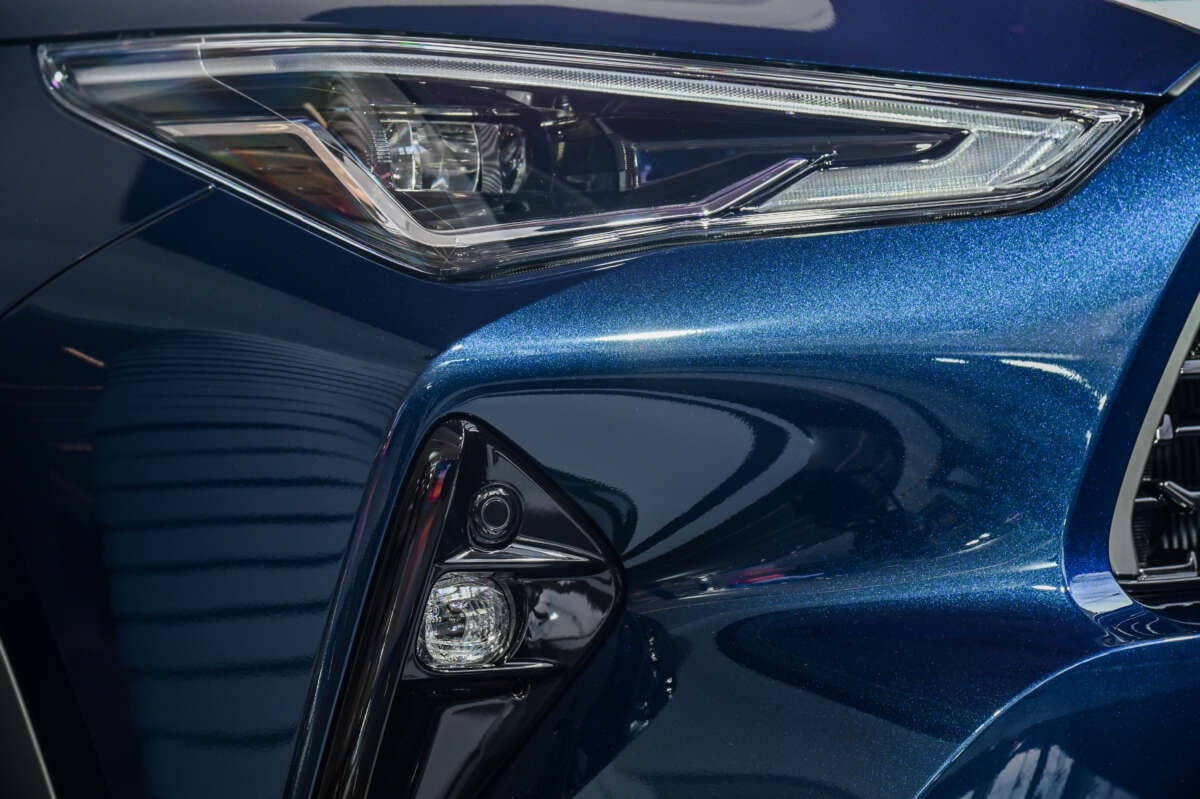
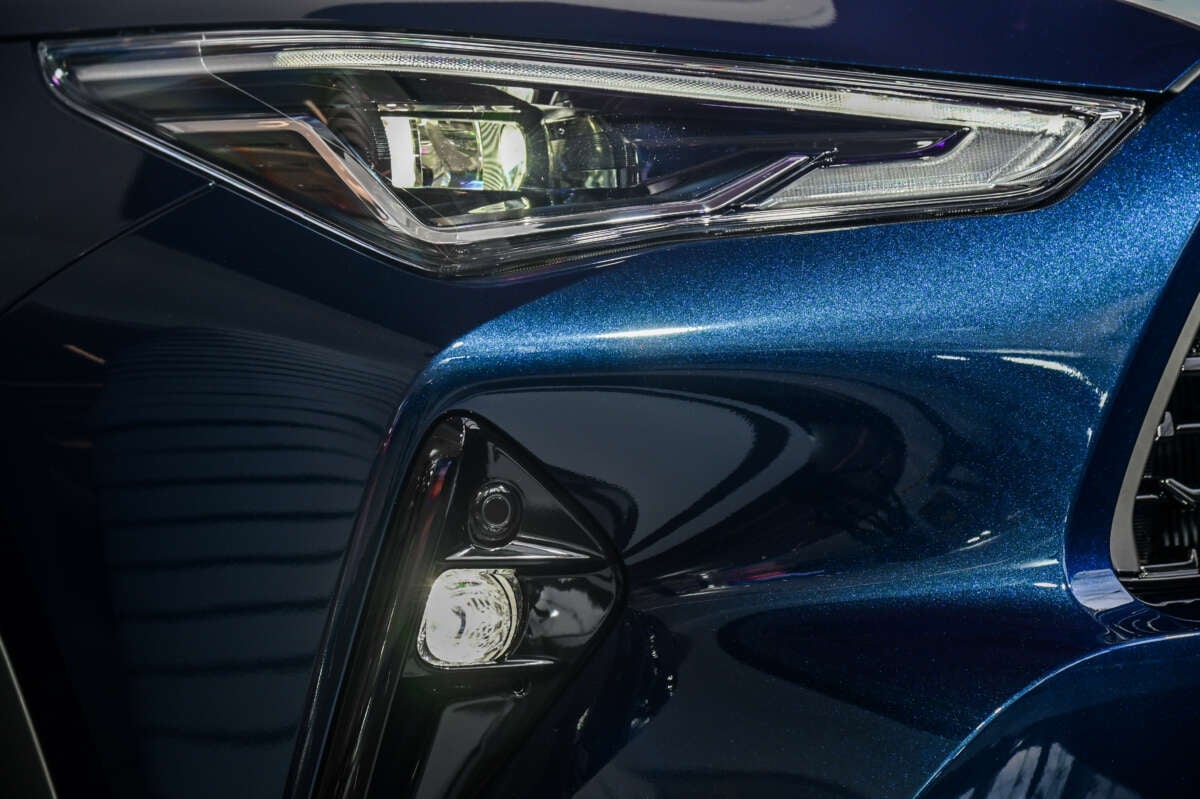
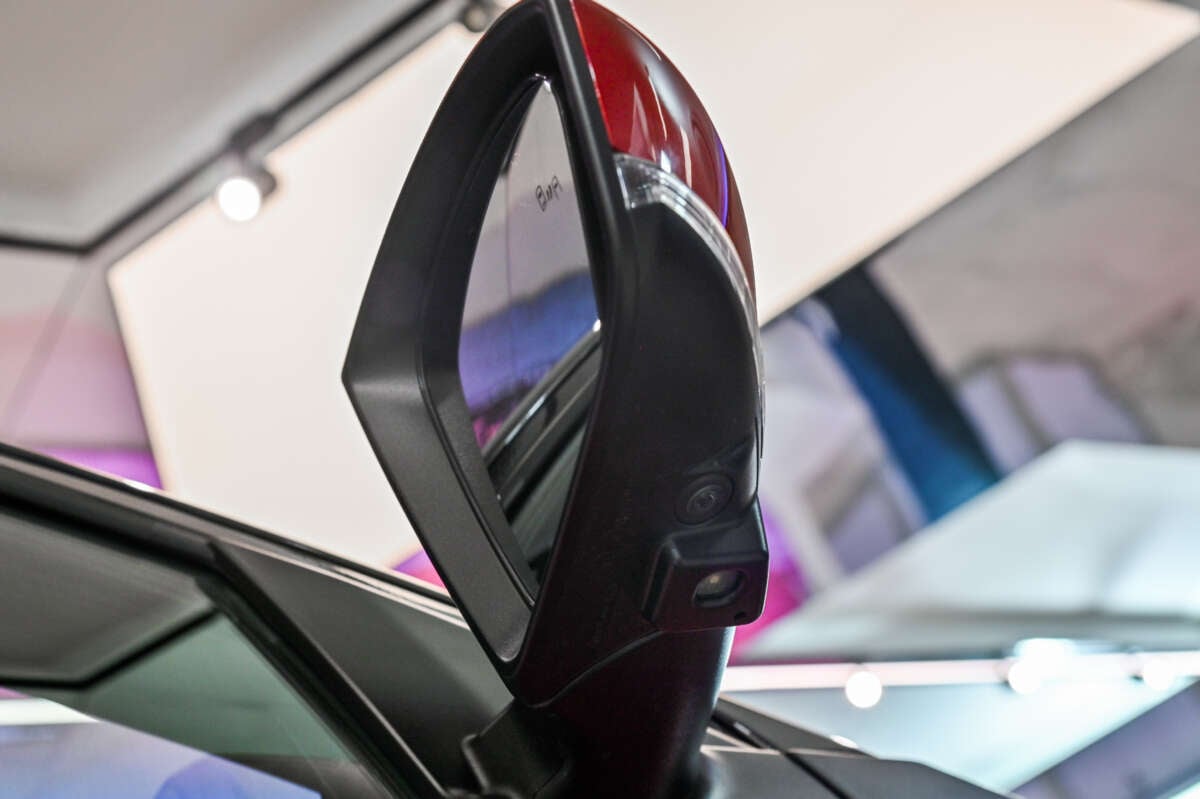
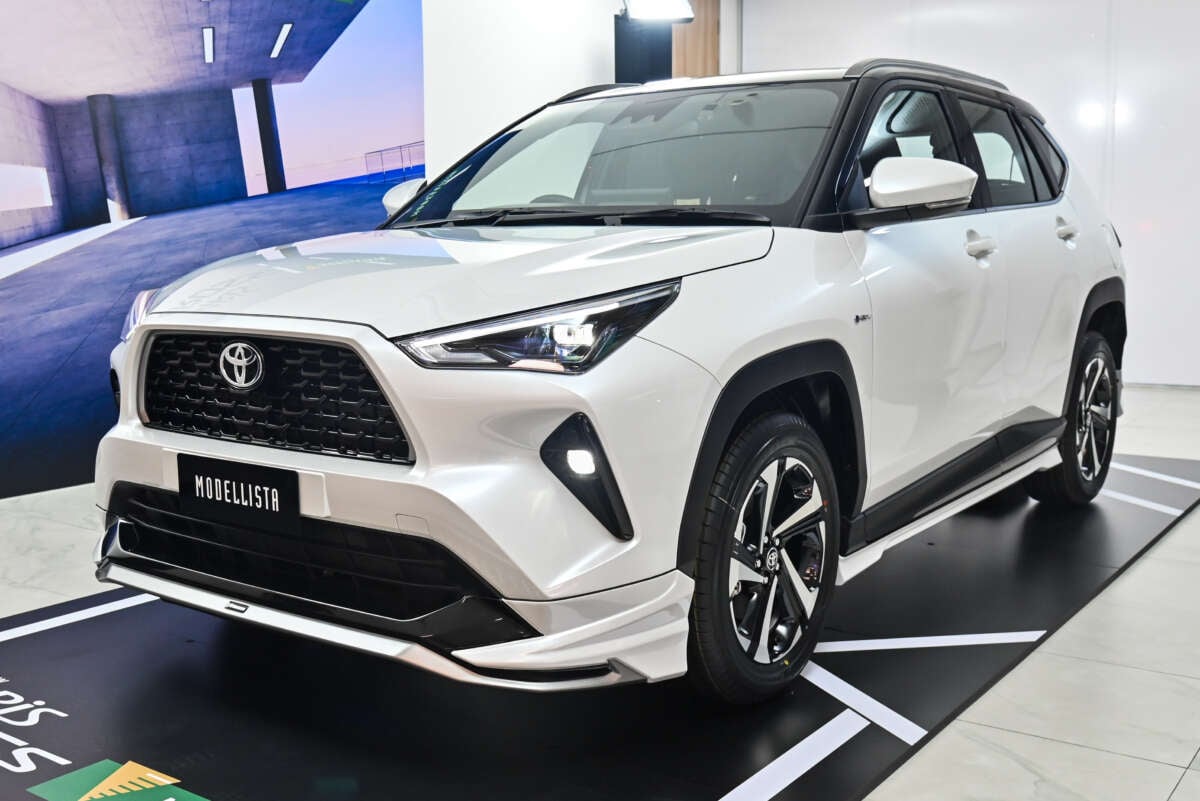
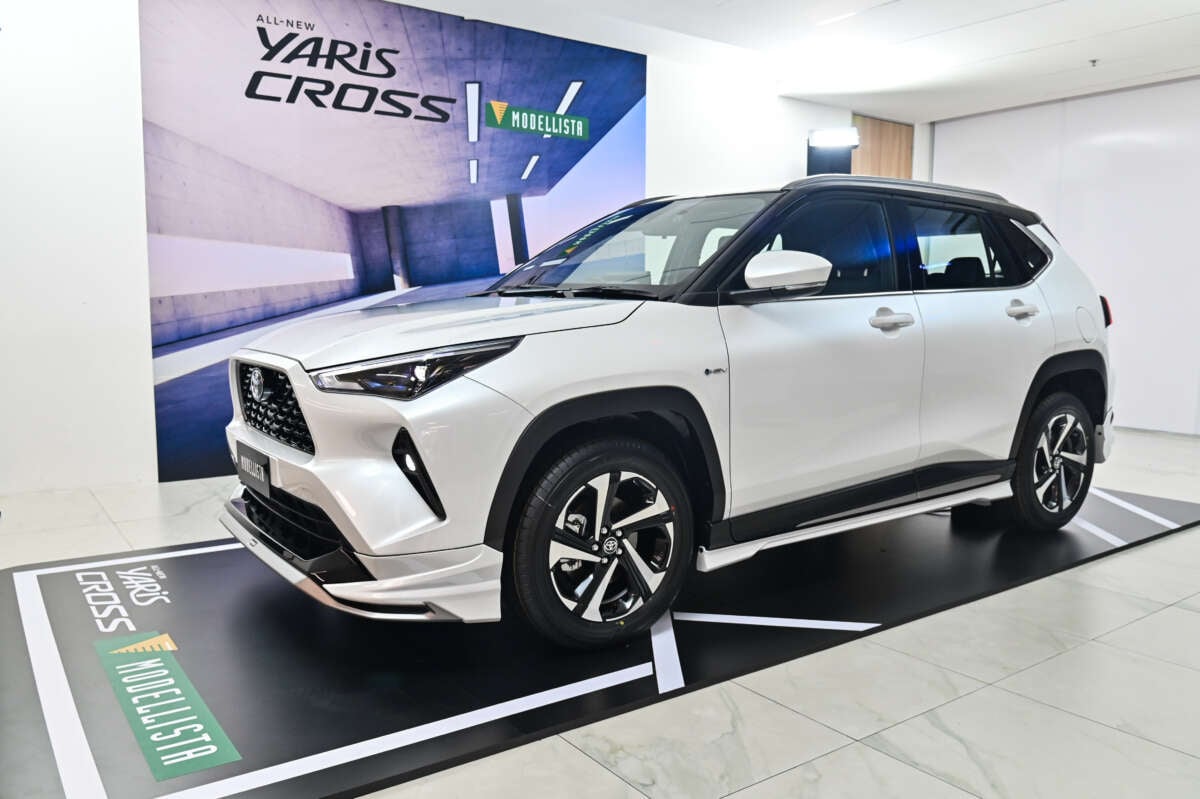
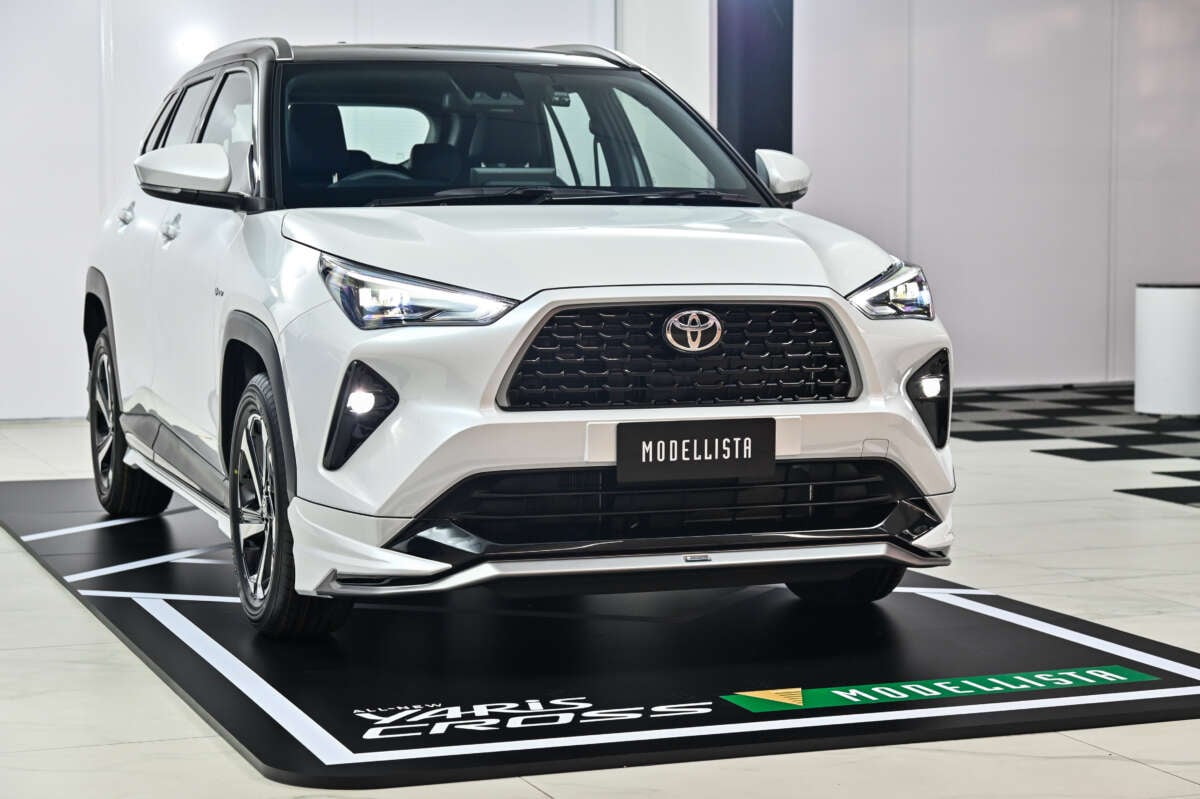
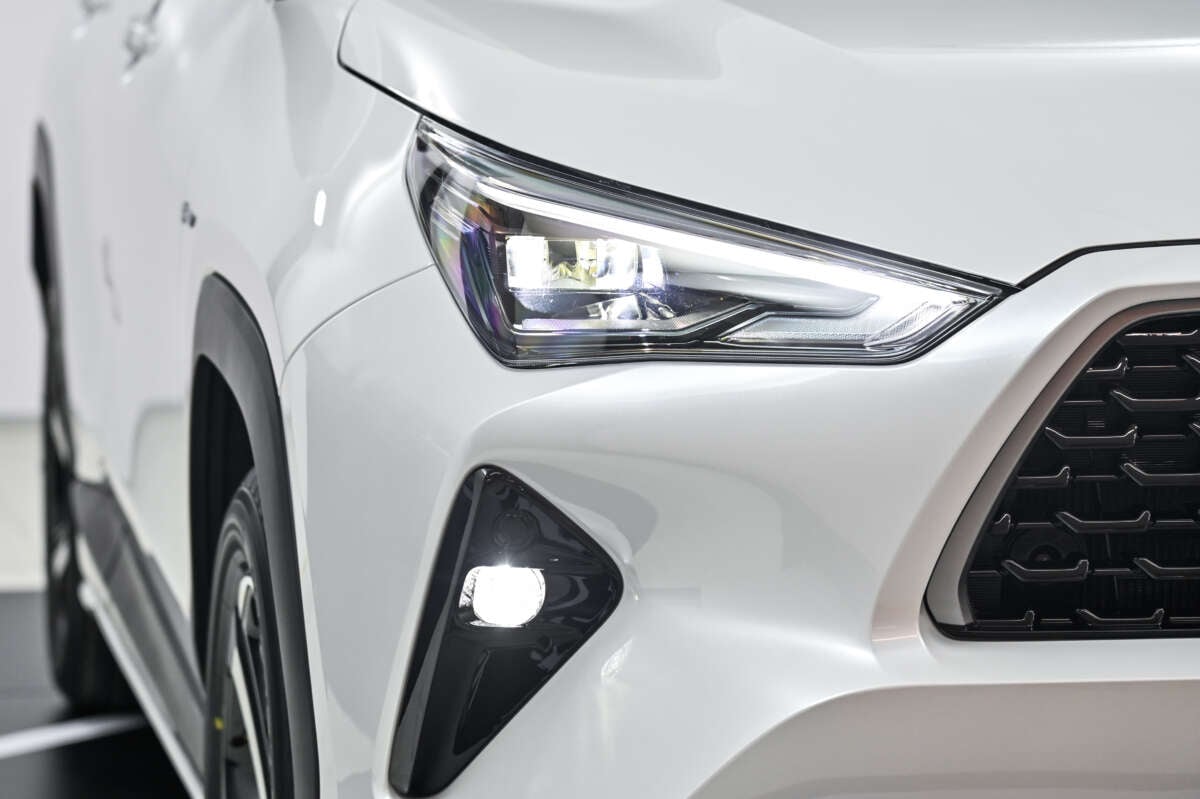
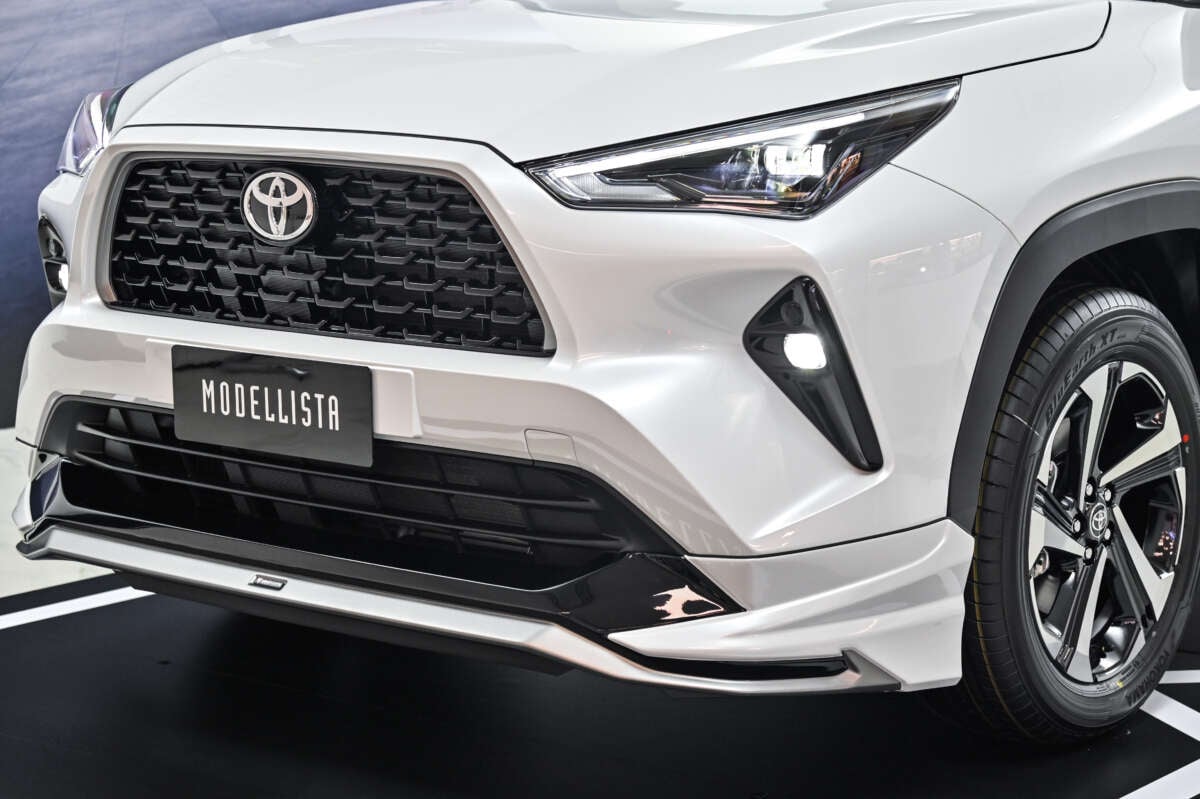
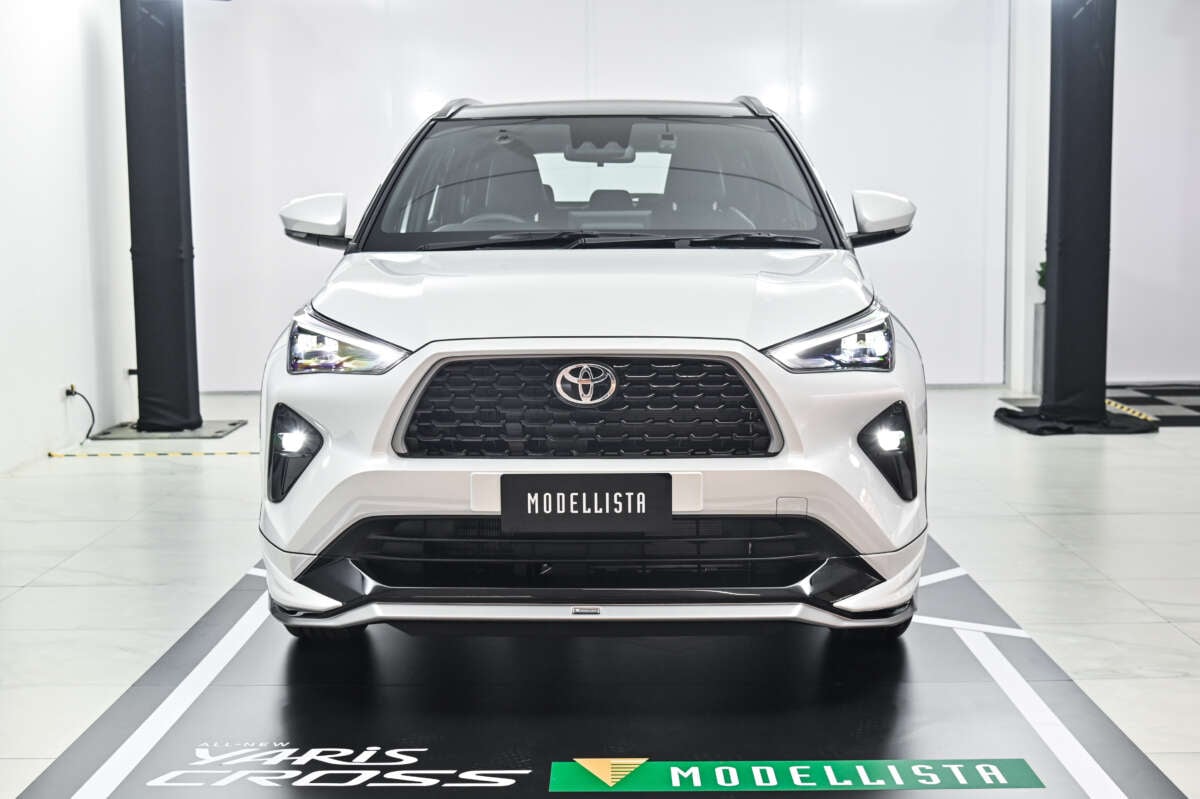
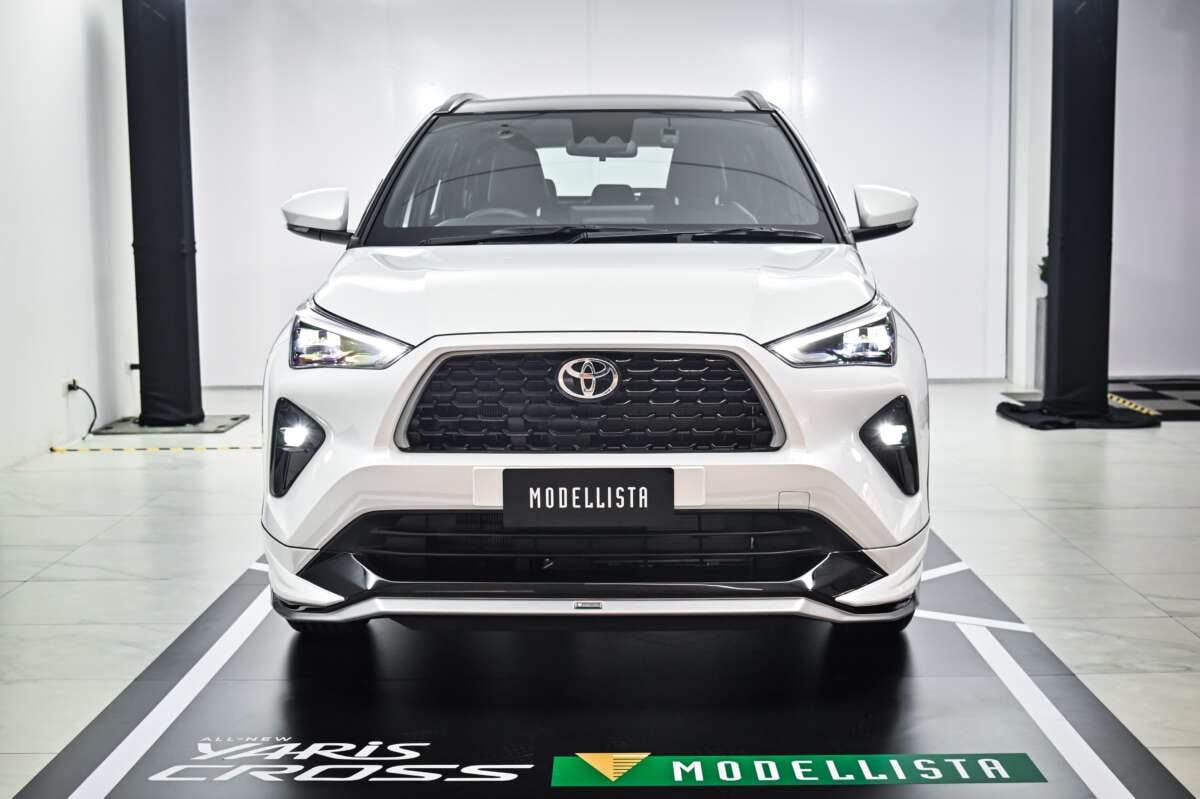
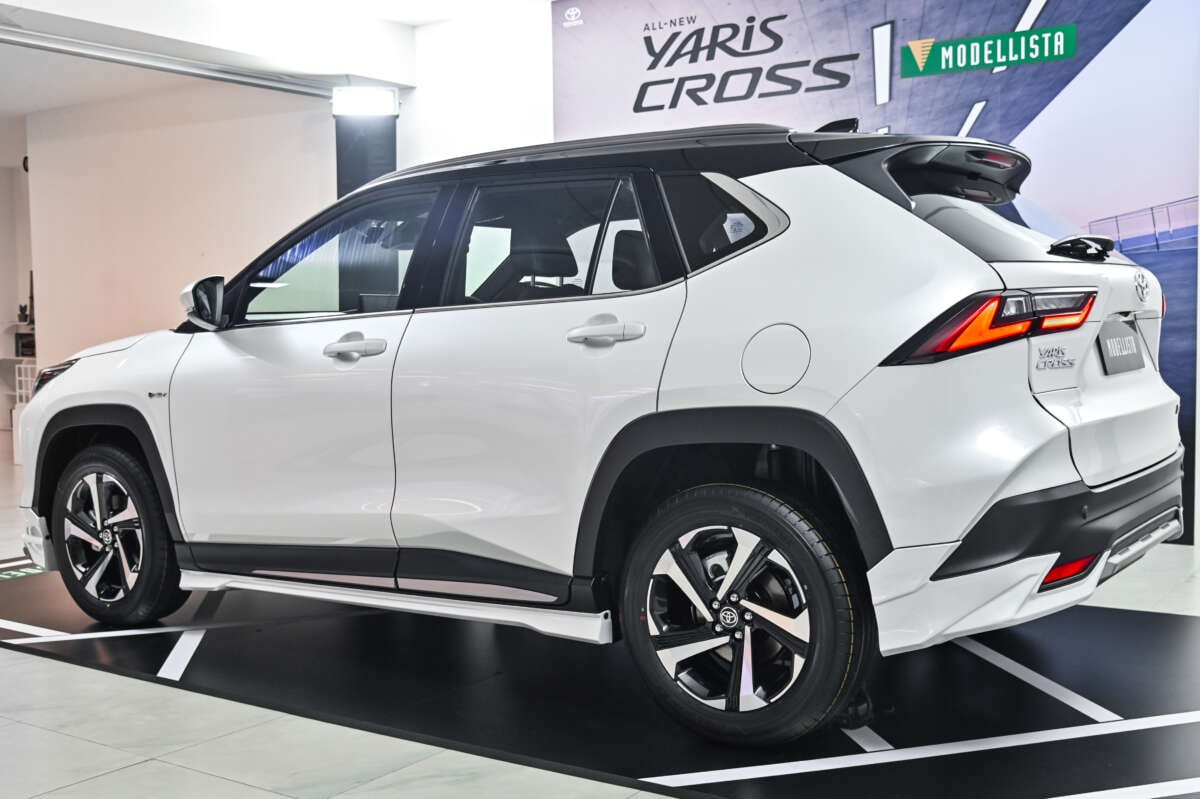
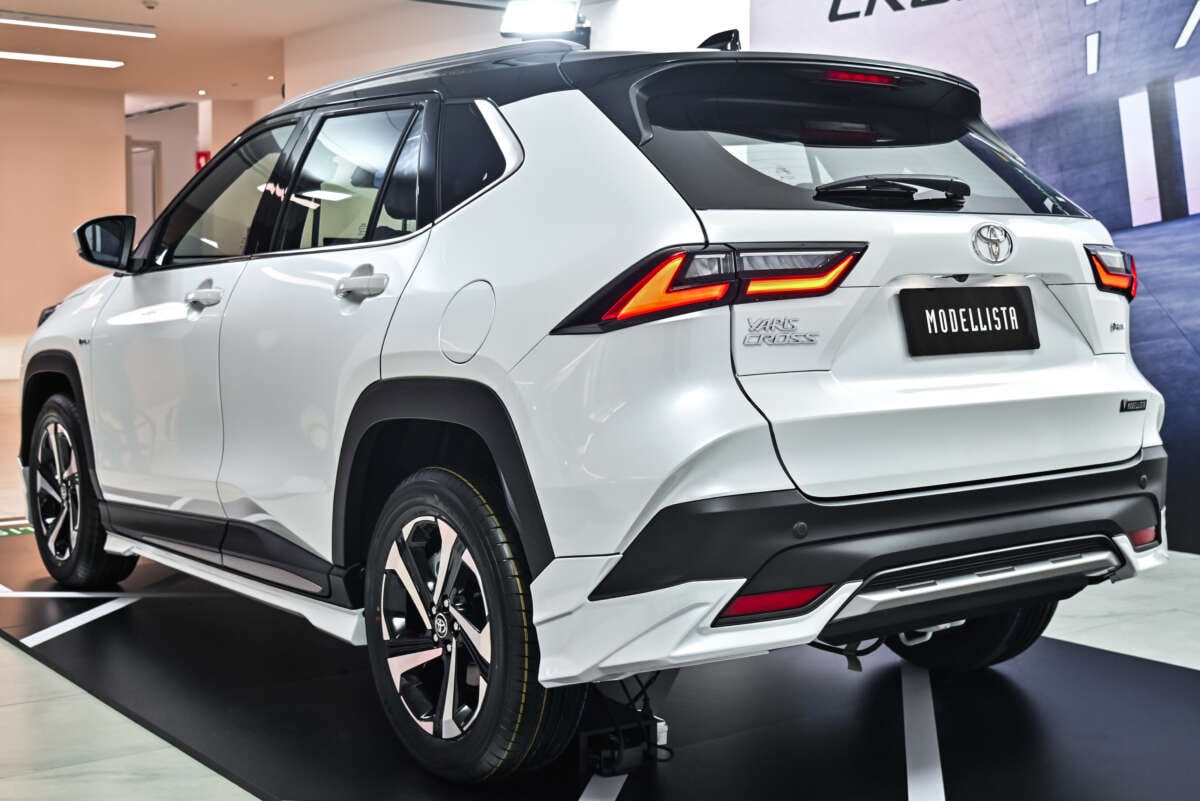
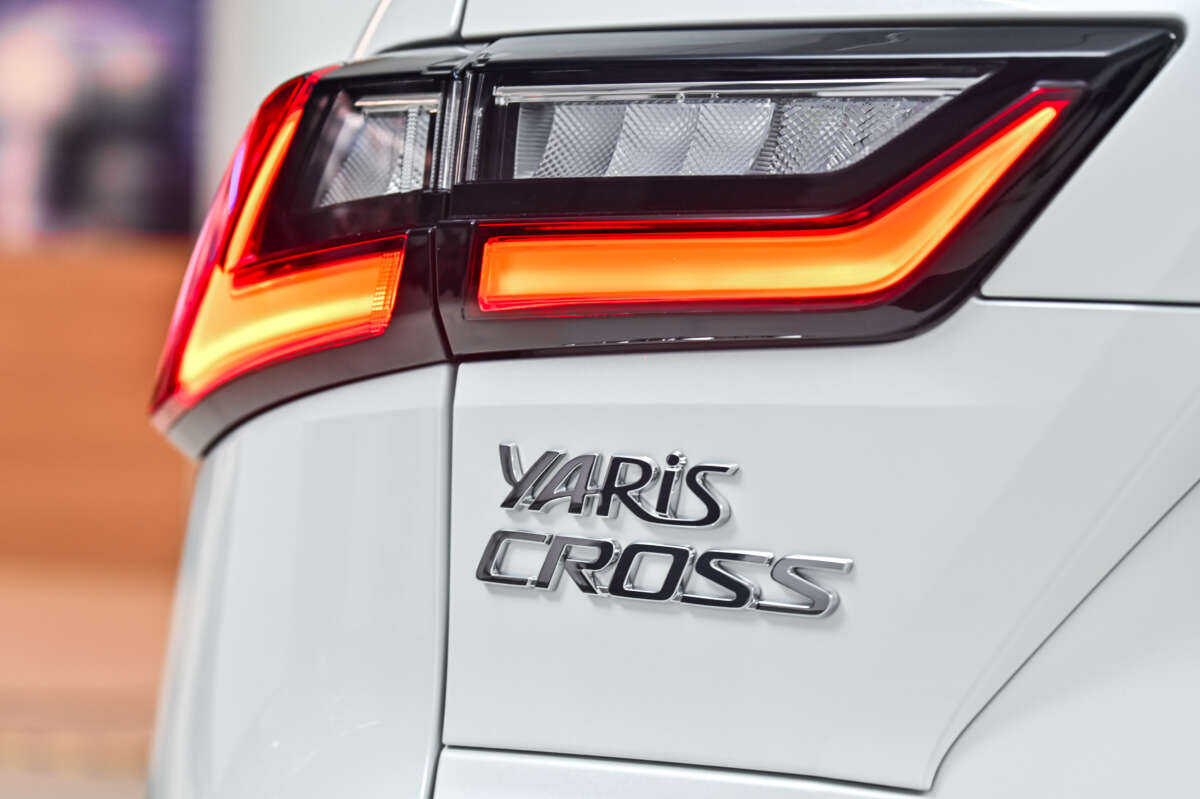
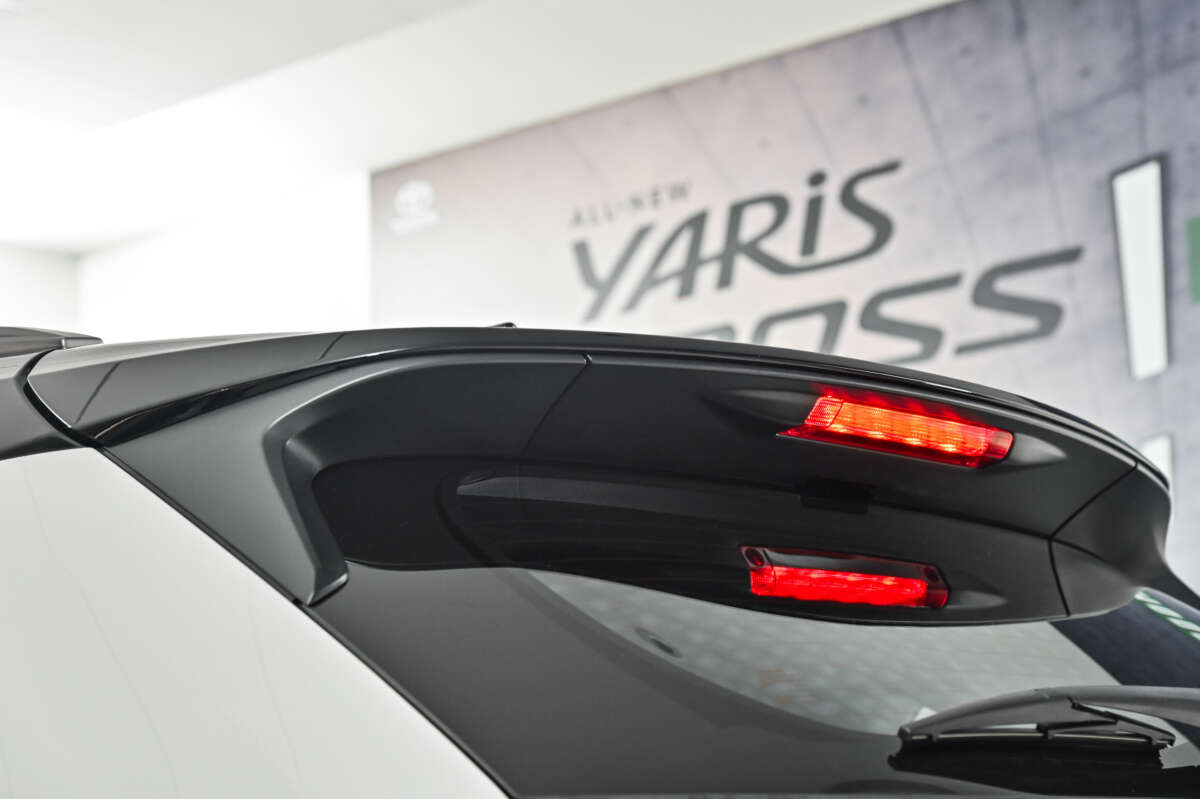
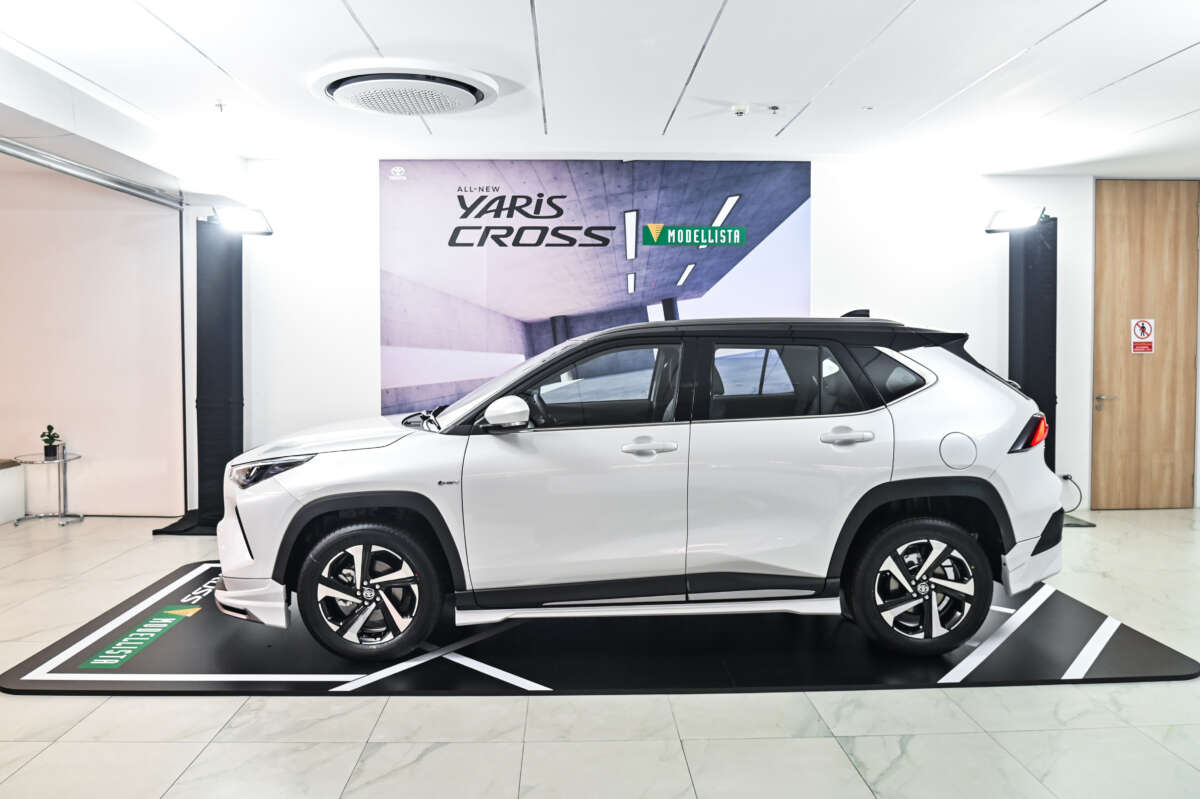
The Toyota Yaris Cross will soon be launched in Malaysia, as UMW Toyota Motor (UMWT) has teased the arrival of the B-segment SUV on its social media pages – it was sighted disguised earlier this year. First making its global debut in Indonesia back in May 2023, the Yaris Cross coming our way is an ASEAN-specific model and differs from the version sold in Europe.
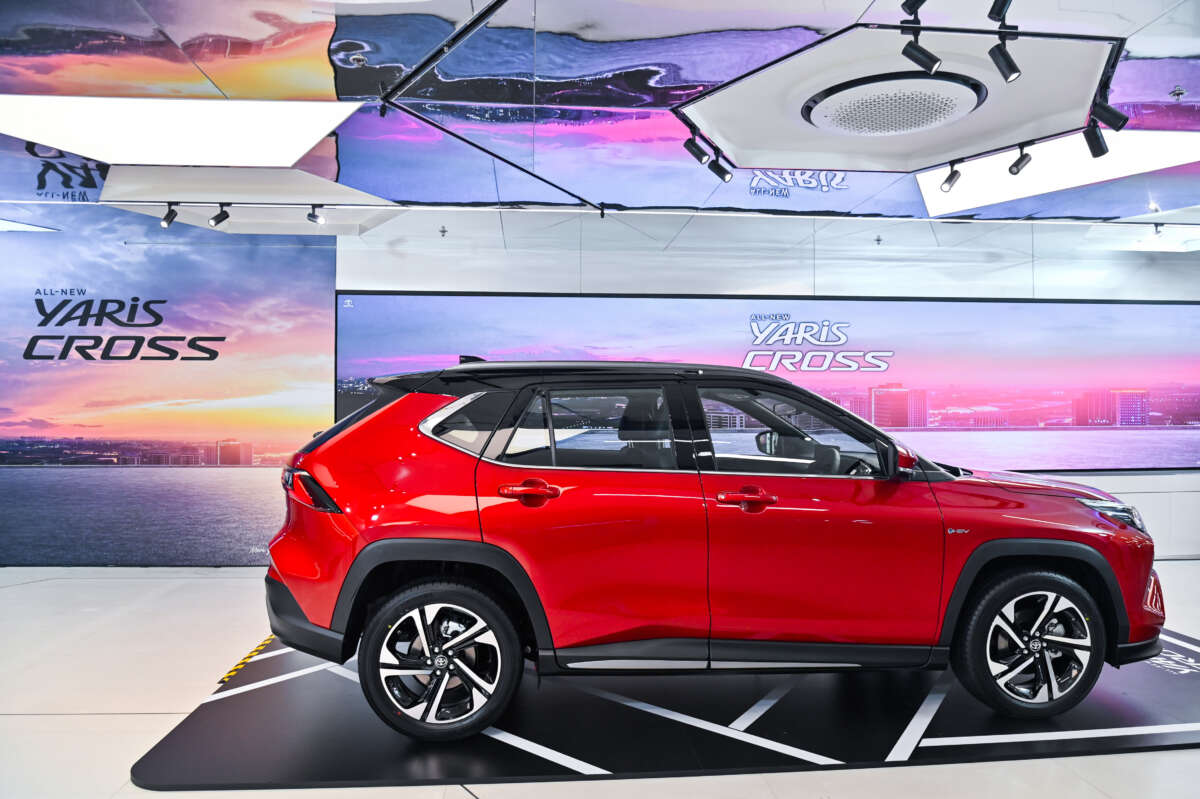
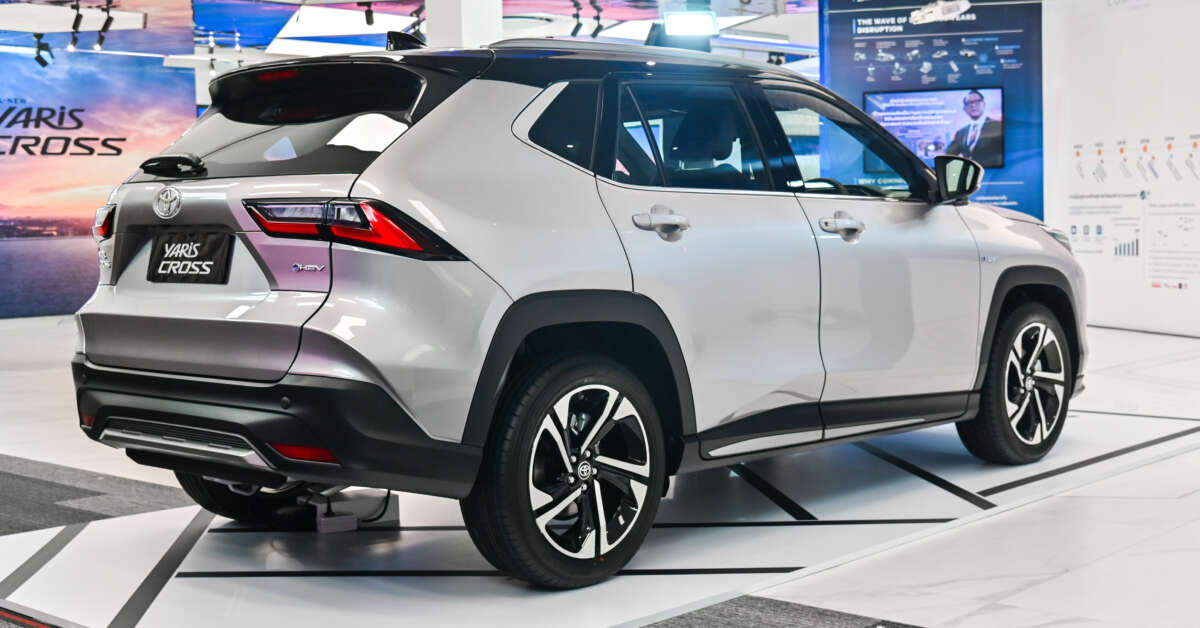
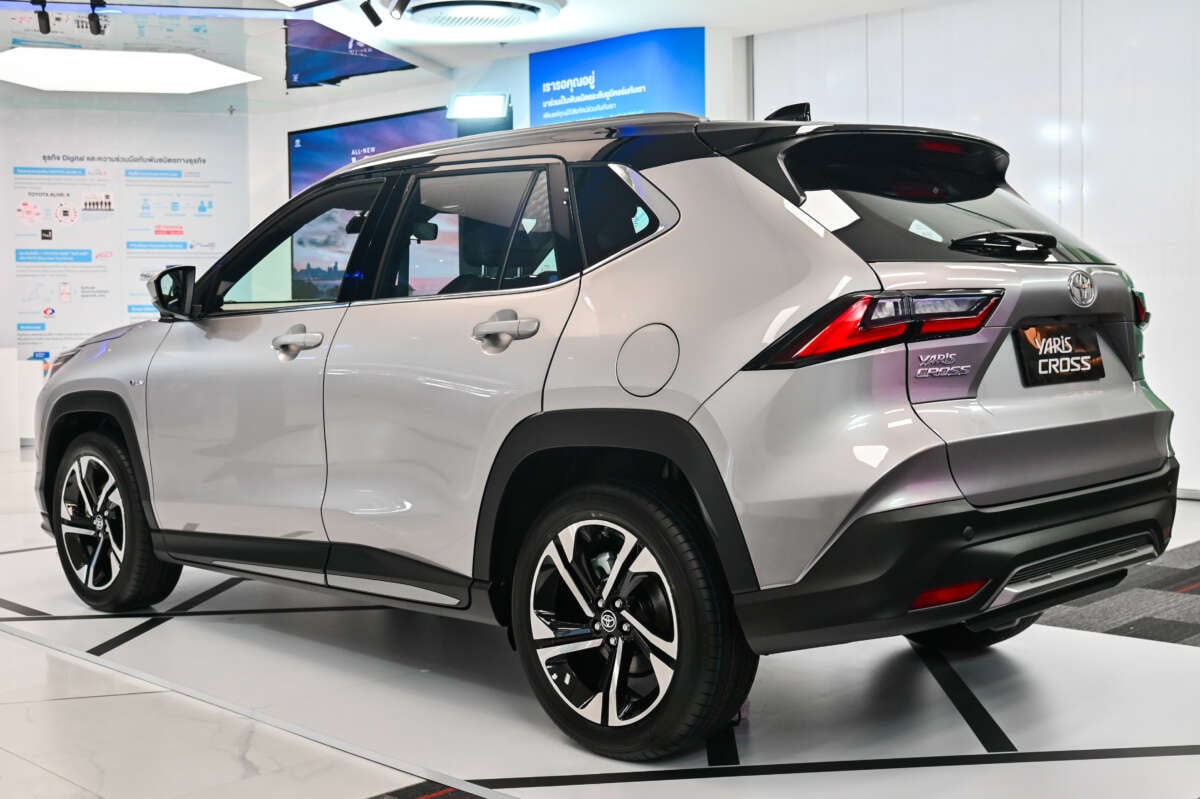
Built on the Daihatsu New Global Architecture (DNGA), the Yaris Cross is the twin the Perodua Traz that went on sale here earlier in December last year. Both are 4,310 mm long, 1,770 mm wide and have a wheelbase of 2,525 mm, but the Yaris Cross has a lower overall height of 1,615 mm compared to the Traz at 1,655 mm.
If you’re wondering how much larger or smaller the Yaris Cross is when compared to other SUVs it has in its scope, here’s an overview:
Honda HR-V
- Length: 4,347-4,387 mm
- Width: 1,790 mm
- Height: 1,590-1,591 mm
- Wheelbase: 2,610 mm
Proton X50
- Length: 4,380 mm
- Width: 1,795 mm
- Height: 1,609 mm
- Wheelbase: 2,600 mm
Mitsubishi Xforce
- Length: 4,390 mm
- Width: 1,810 mm
- Height: 1,660 mm
- Wheelbase: 2,650 mm
Chery Omoda O5
- Length: 4,400 mm
- Width: 1,830 mm
- Height: 1,588 mm
- Wheelbase: 2,630 mm
Chery Tiggo Cross
- Length: 4,318 mm
- Width: 1,830 mm
- Height: 1,670 mm
- Wheelbase: 2,610 mm
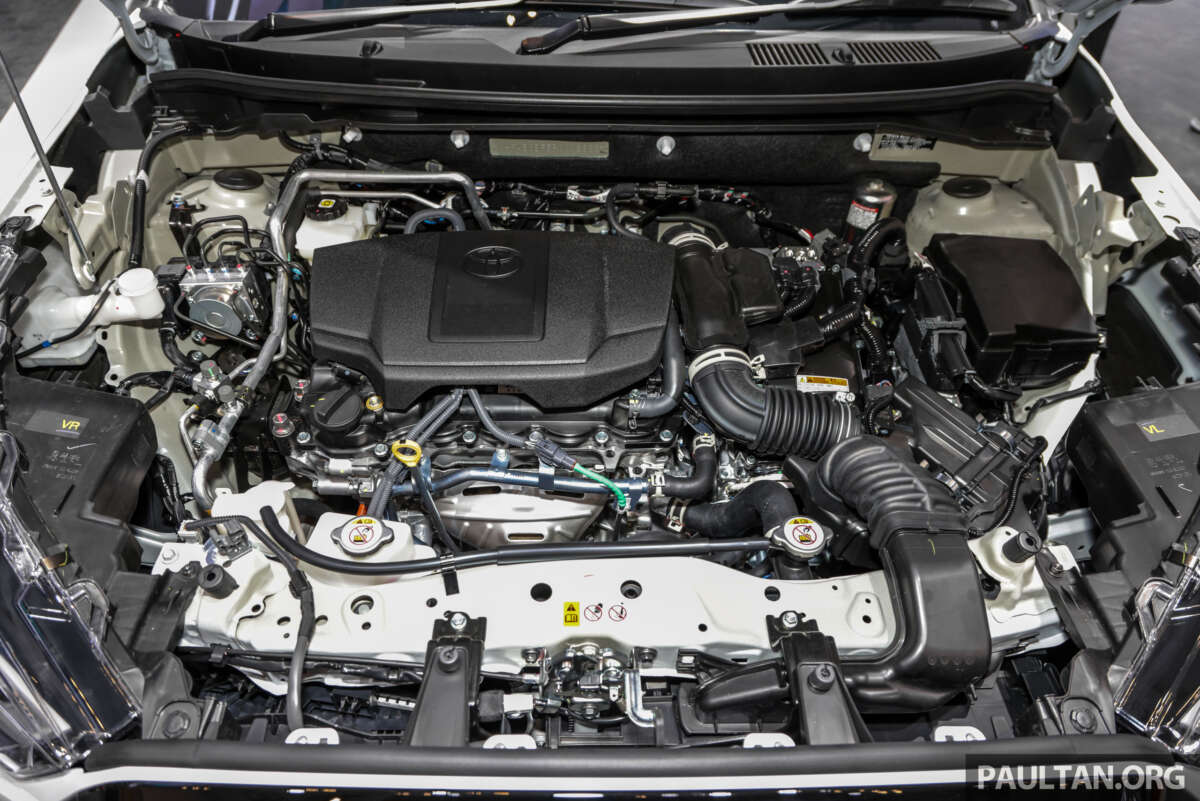
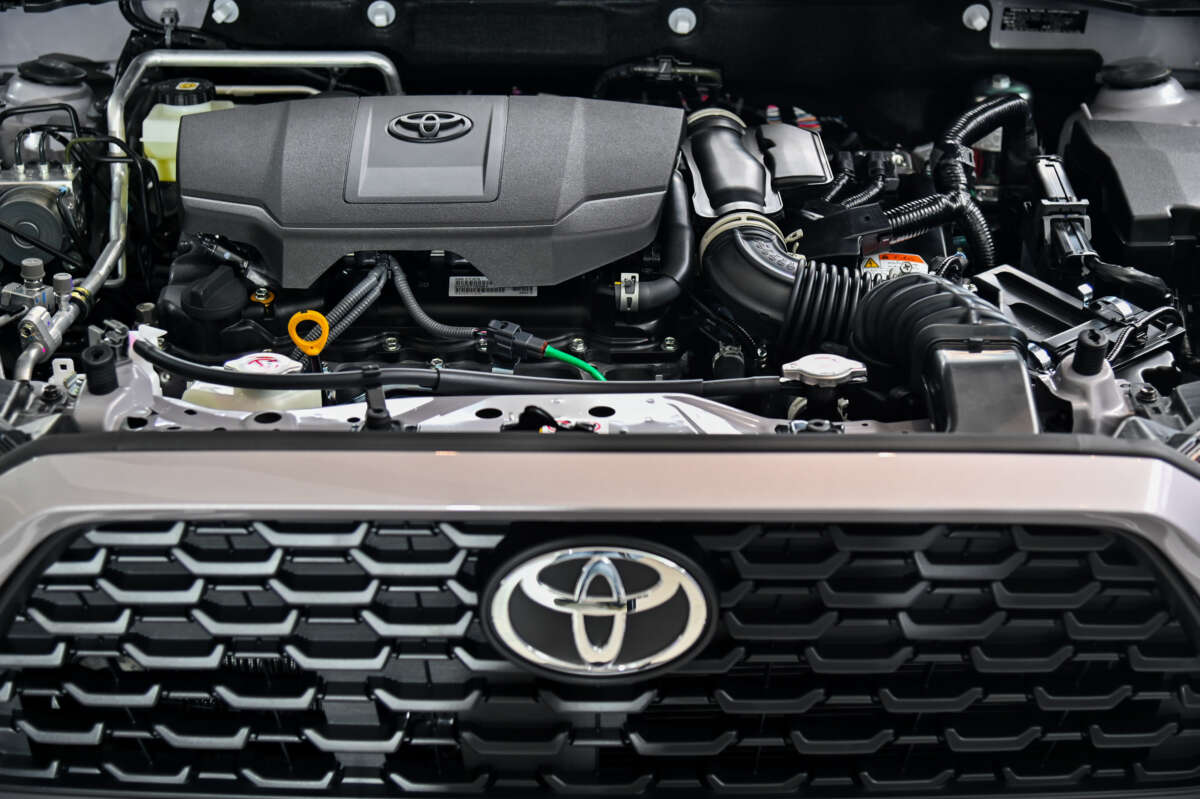
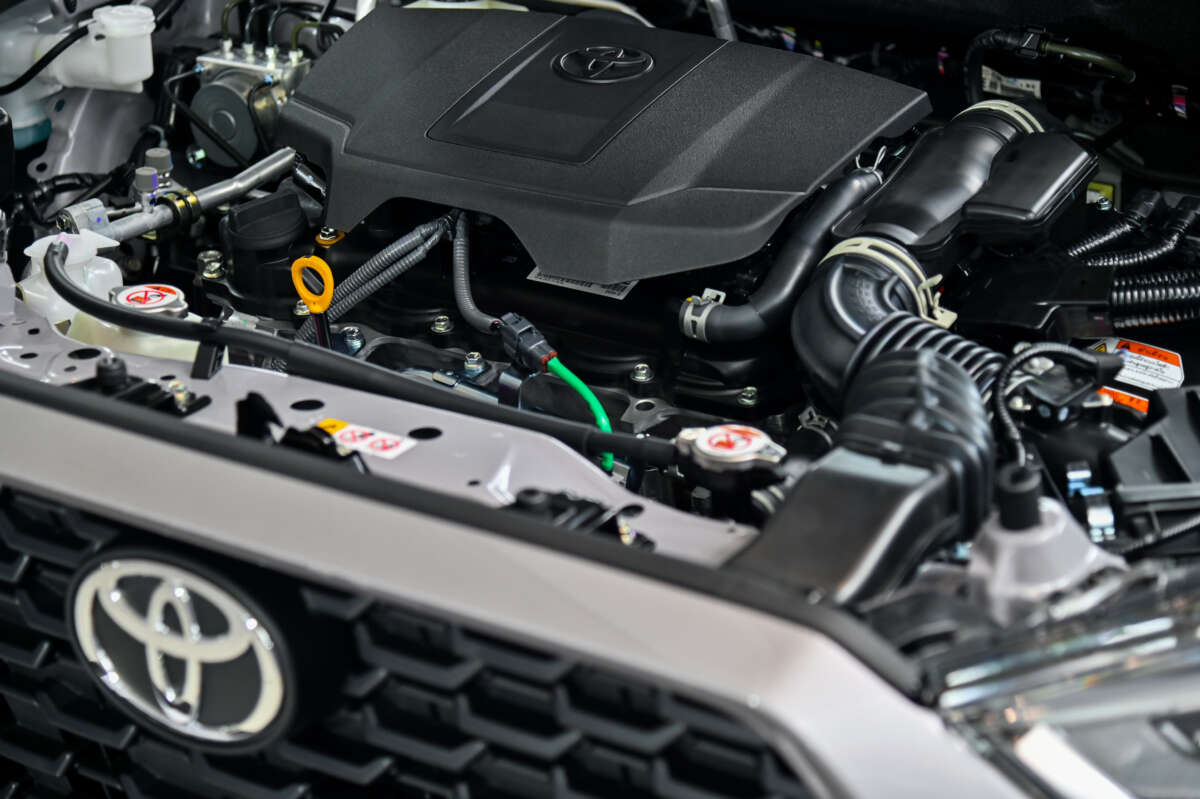
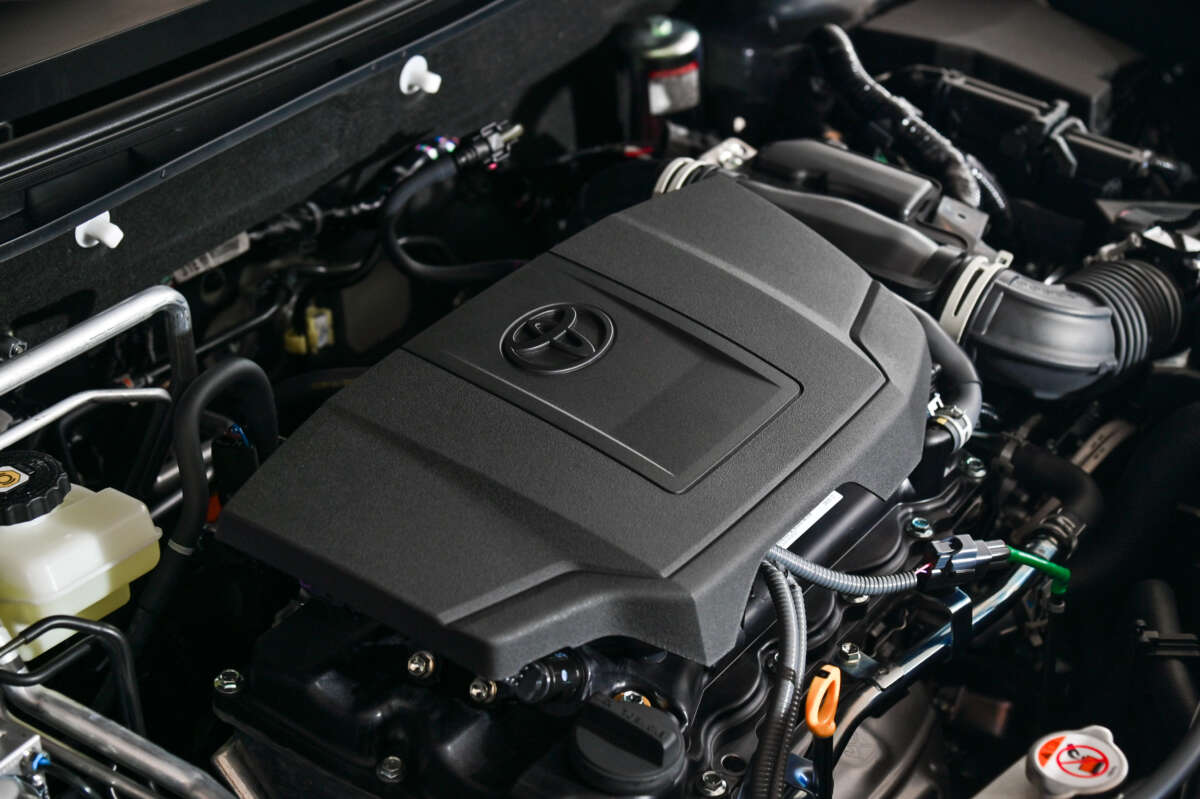
UMWT is keeping its cards close to their chest for now, so we don’t know exactly what powertrains will be available for the Yaris Cross. Its twin model, the Traz, is powered by a 2NR-VE 1.5 litre naturally-aspirated inline-four petrol engine that makes 106 PS (105 hp or 78 kW) and 138 Nm of torque, with drive sent to the front wheels via Daihatsu’s D-CVT (Dual-Mode CVT).
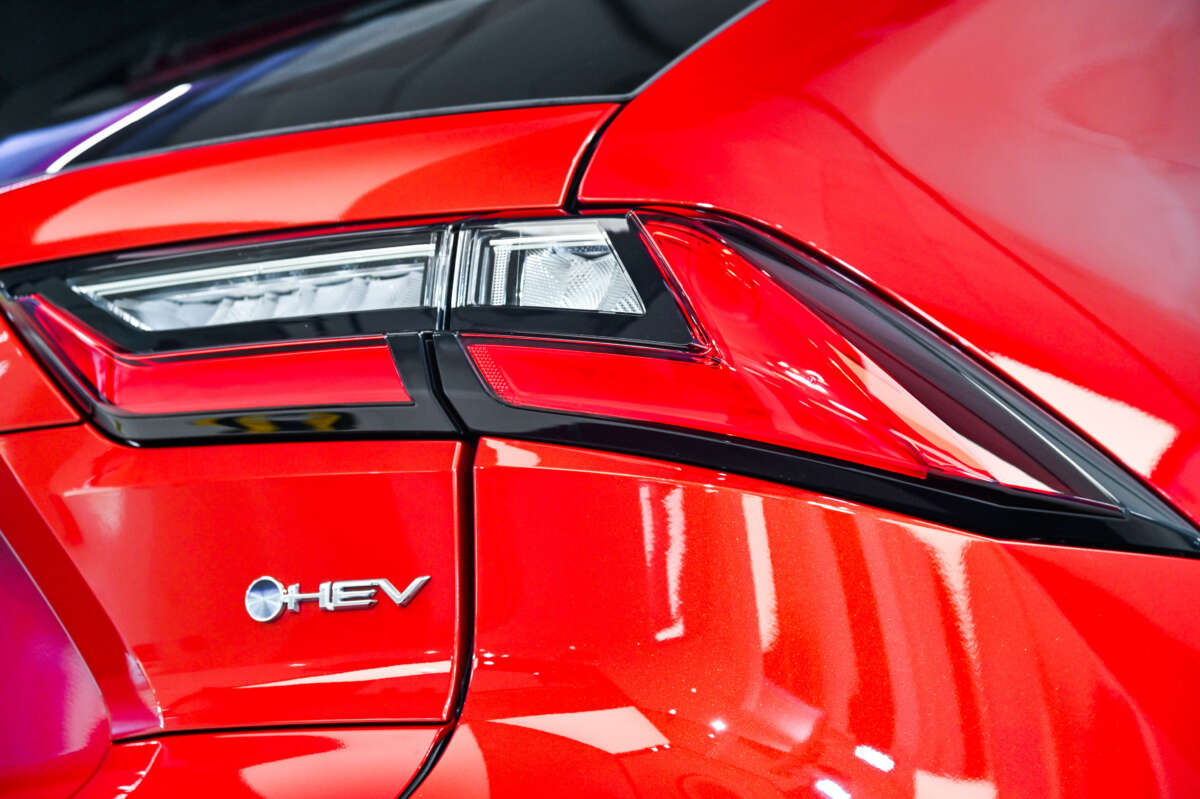
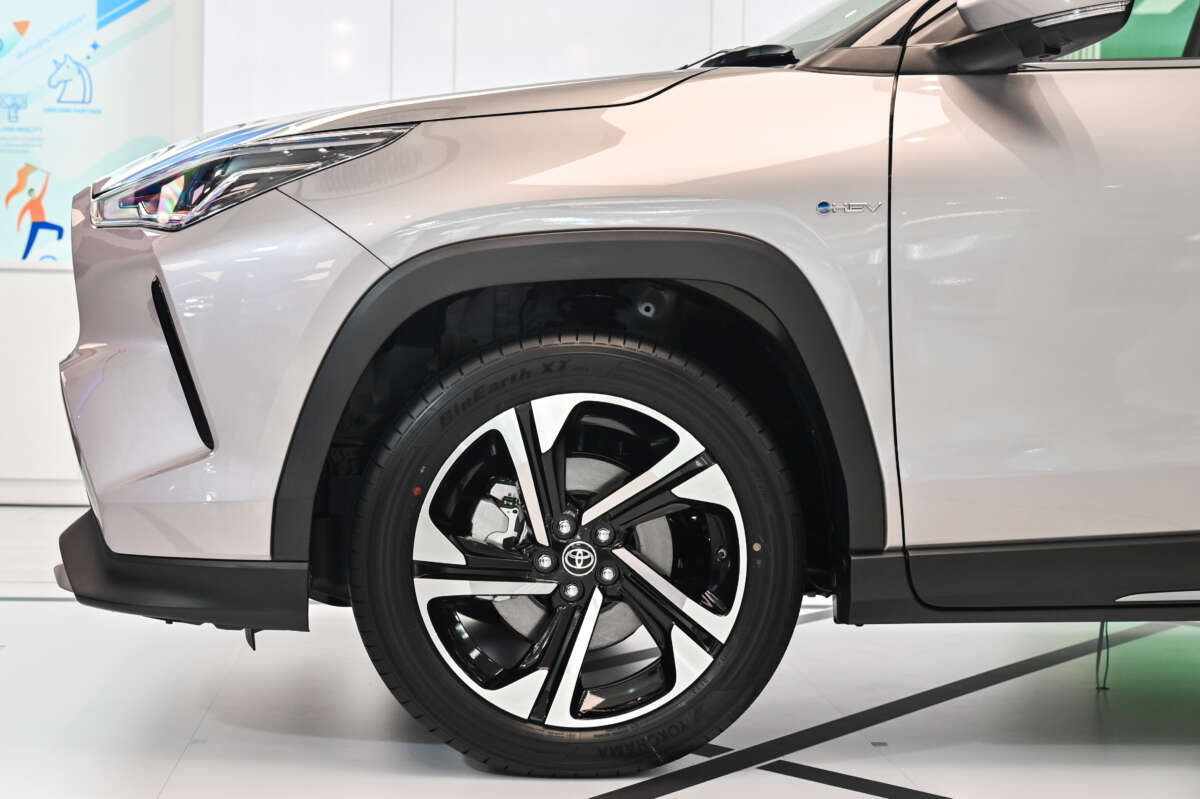
This setup is what’s fitted to Yaris Cross in Indonesia, although there’s also the option of a five-speed manual in addition to the D-CVT. That market also gets the Yaris Cross with a hybrid powertrain, which is based around the 2NR-VEX engine, which has the same displacement of 1.5 litres and is naturally aspirated but runs on the Atkinson cycle.
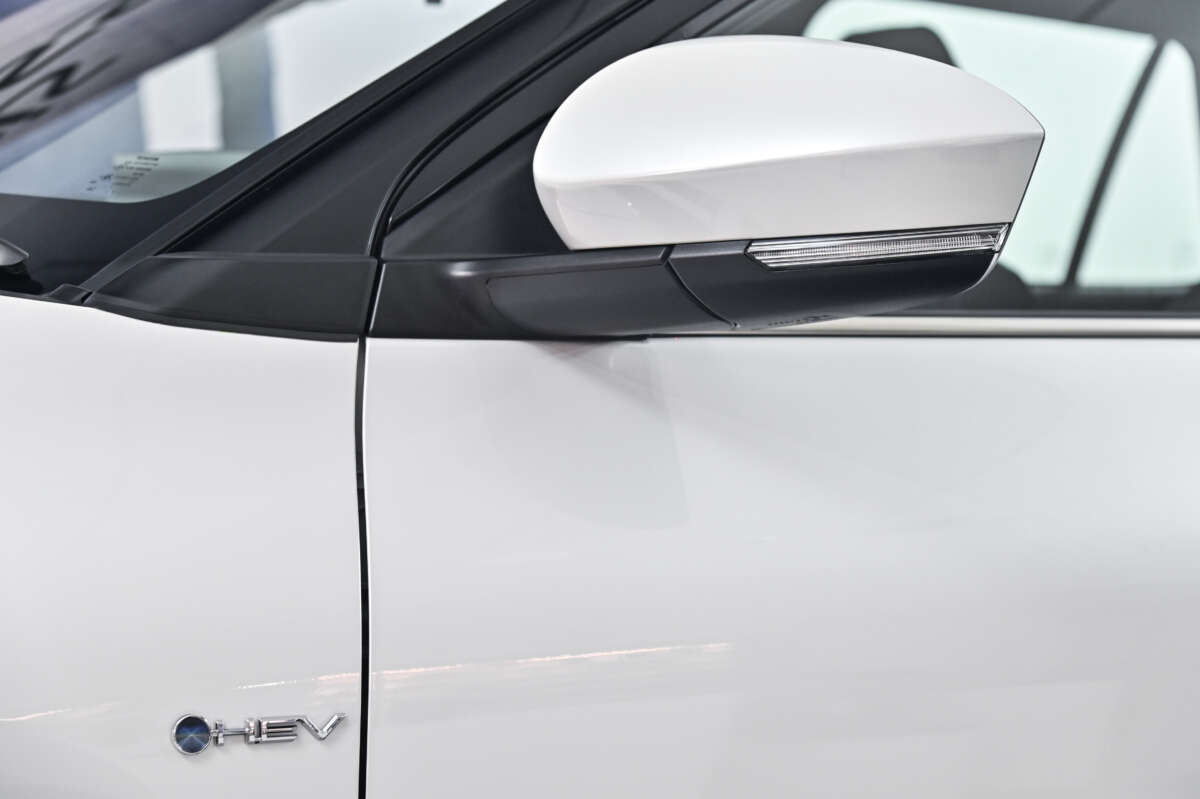
The engine, which makes 91 PS (90 hp or 67 kW) and 121 Nm, is paired with a CVT and augmented by an electric motor rated at 80 PS (79 hp or 59 kW) and 141 Nm for a total system output of 111 PS (110 hp or 82 kW). To our north, Thailand only gets the Yaris Cross as a hybrid. Given UMWT’s electrification push, it isn’t far-fetched to assume we may get the hybrid.
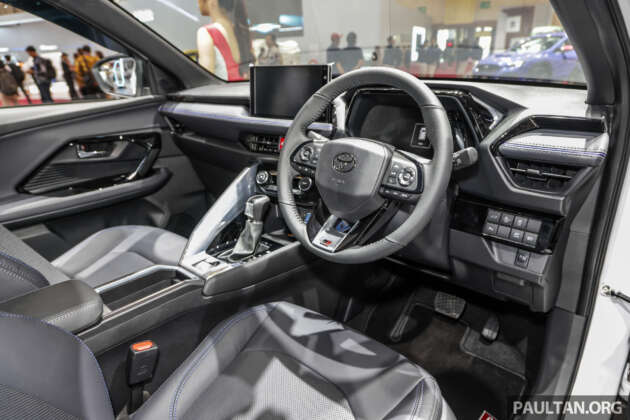
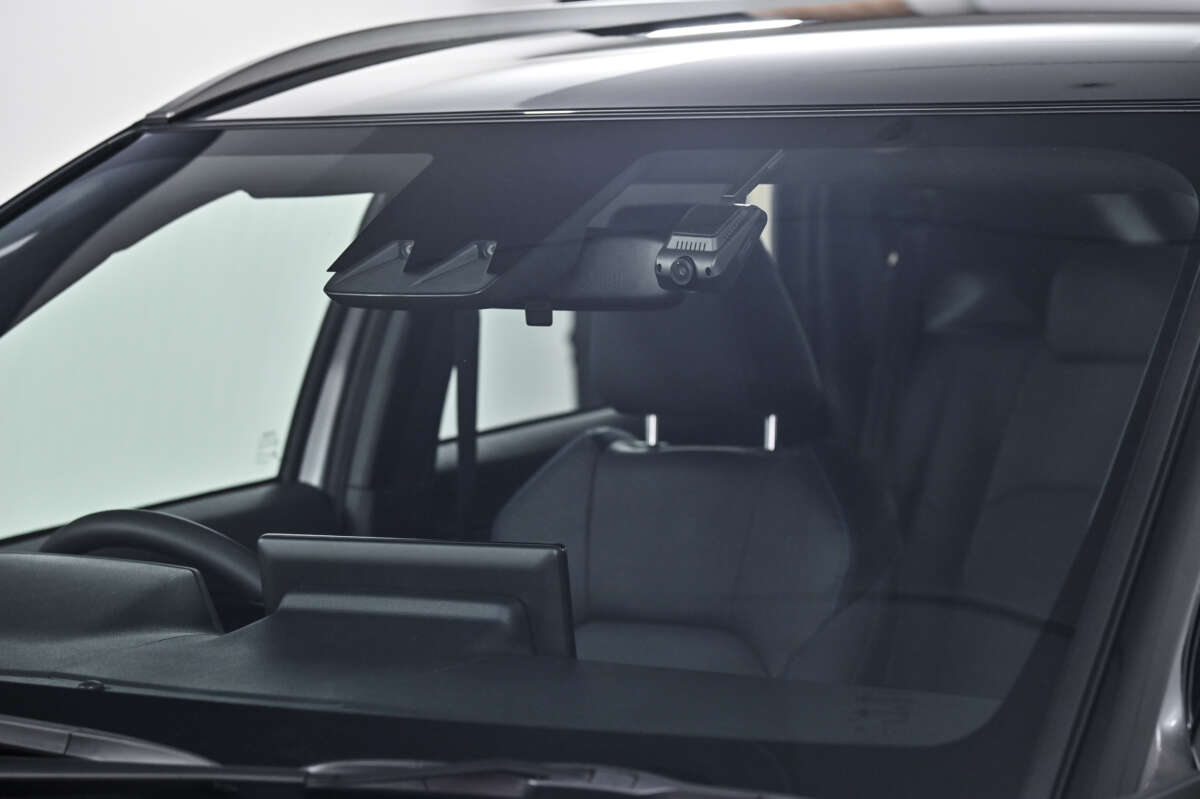
In both Indonesia and Thailand, the Yaris Cross is offered with the Toyota Safety Sense suite of ADAS functions that include adaptive cruise control, which is something that the Traz does not get at all. As we’ve seen with the Veloz and Alza siblings, the Toyota offering will likely be more upmarket by having more features and potentially a higher starting price as well.
The B-segment SUV market looks set to be even more competitive than ever with Toyota getting back in the game after the departure of the C-HR. While we wait for UMWT to furnish us with more details, are you excited for the arrival of the Yaris Cross? Share your thoughts and expectations in the comments below.
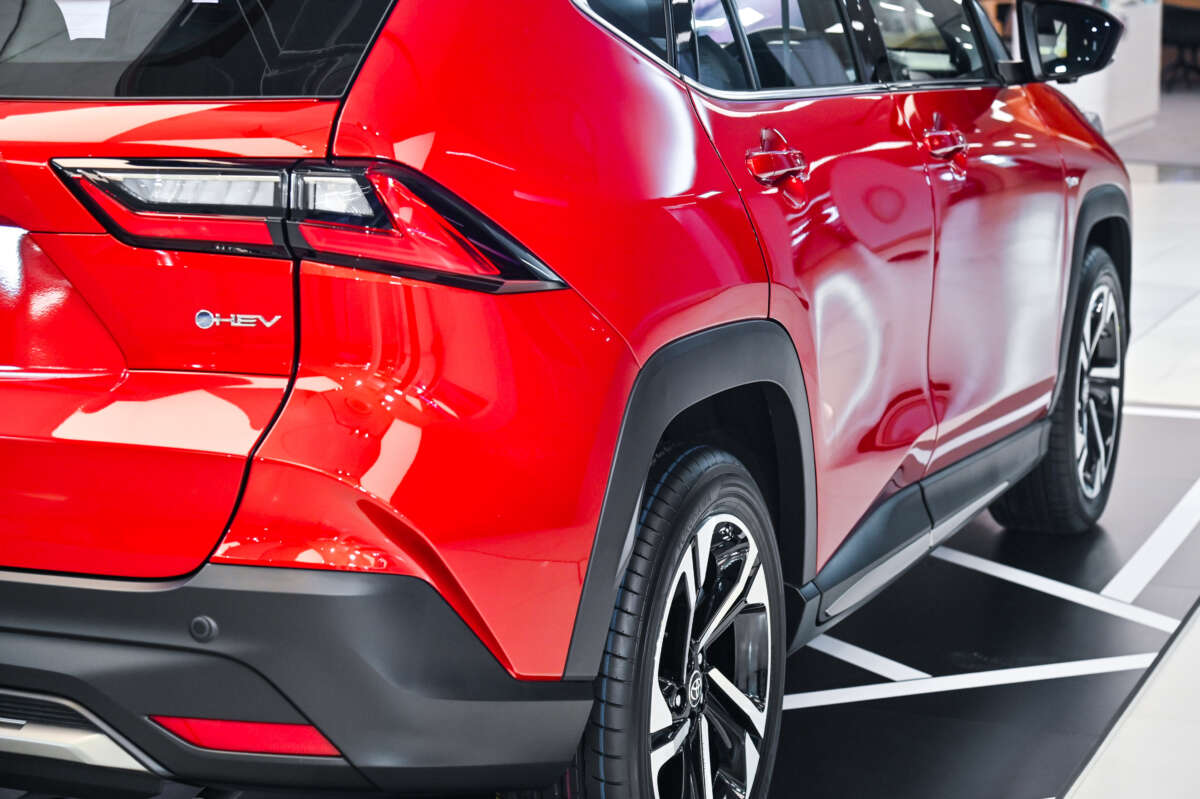
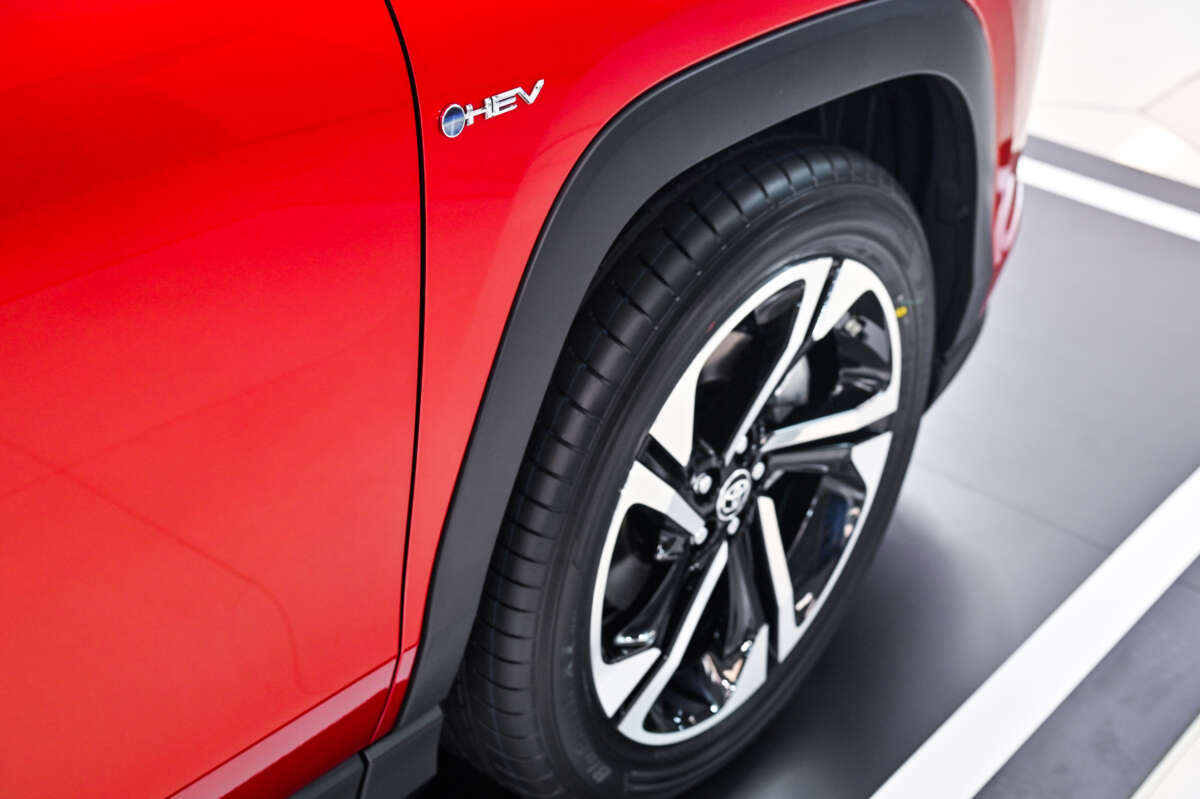
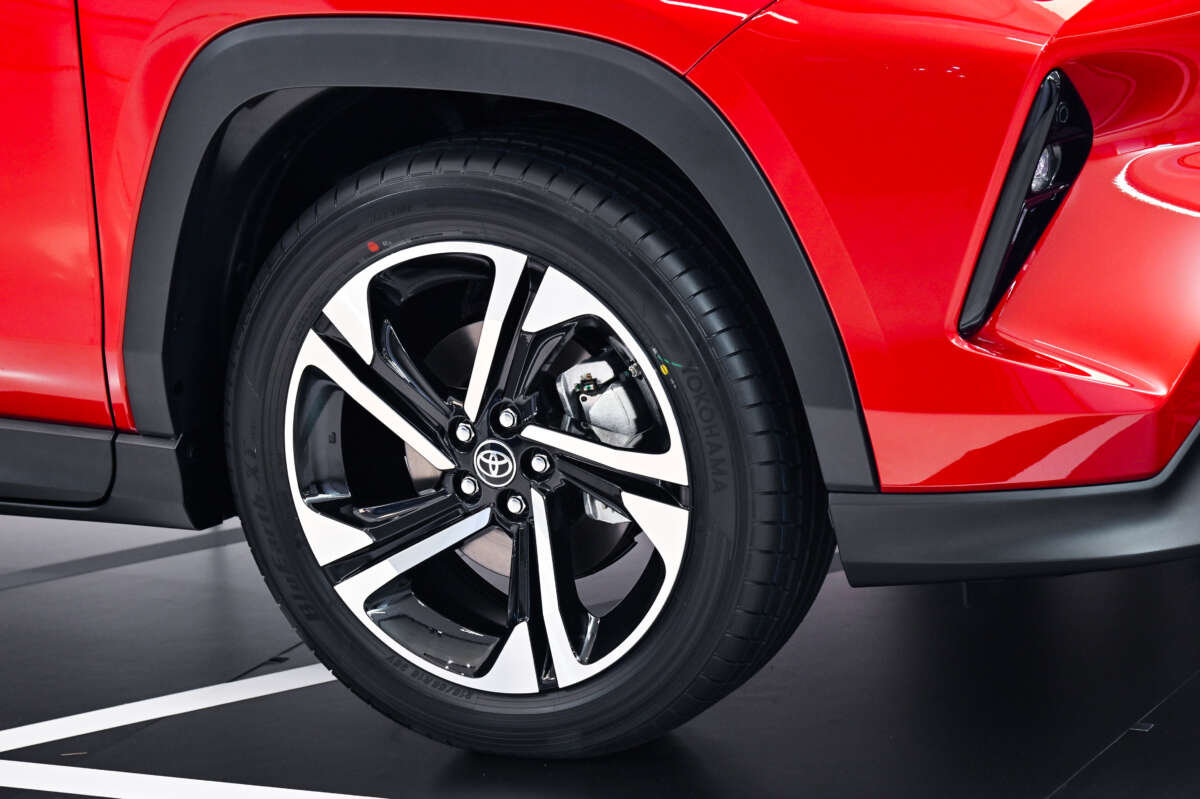
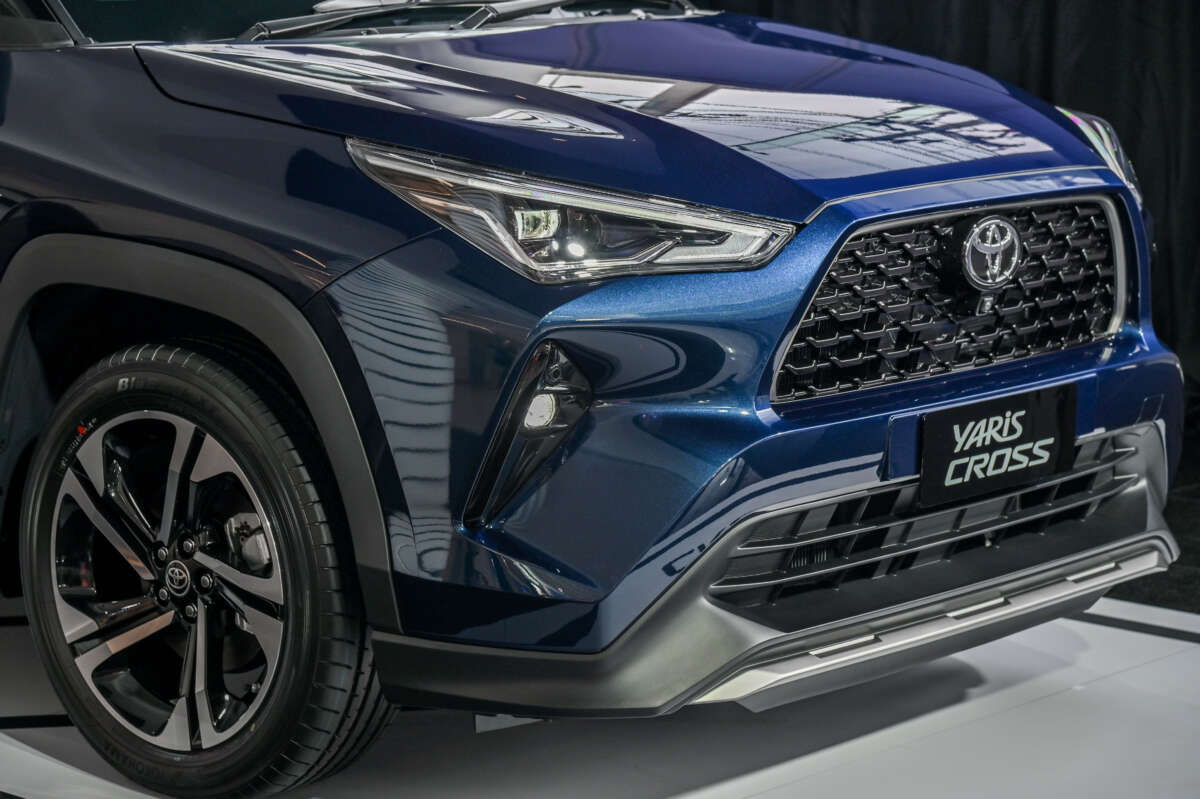
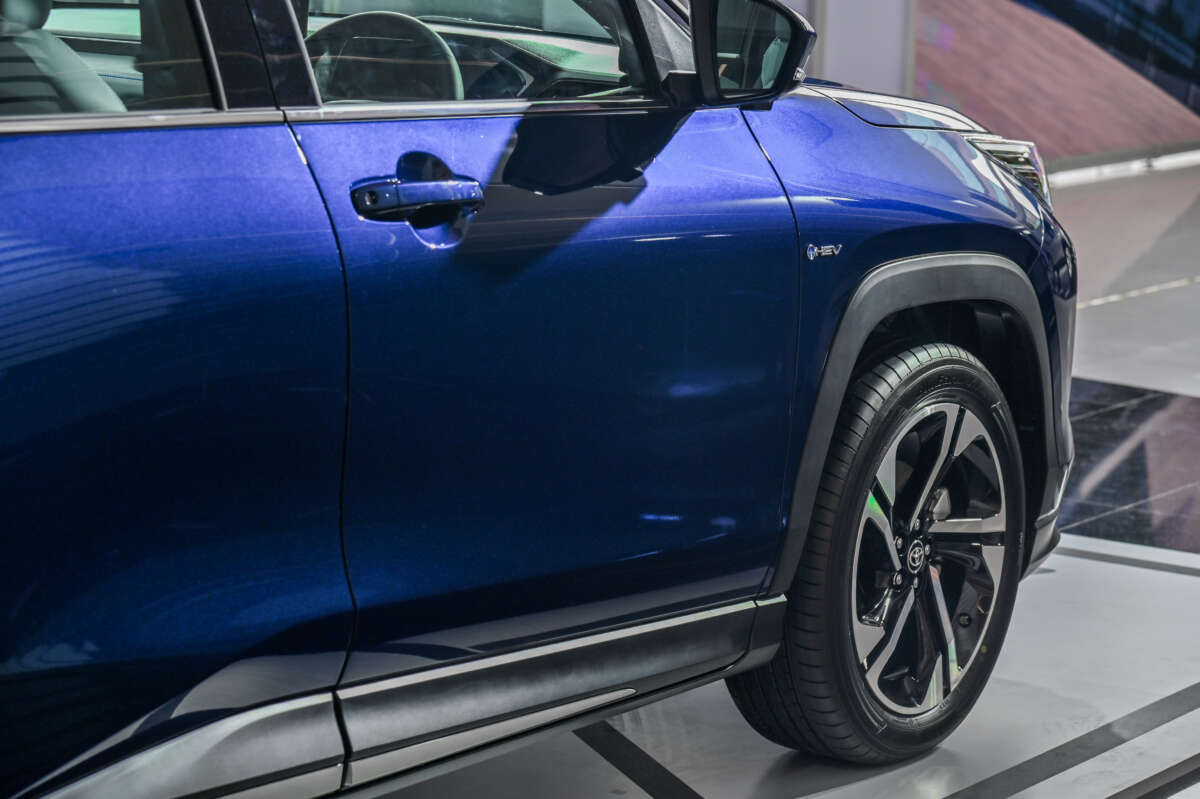
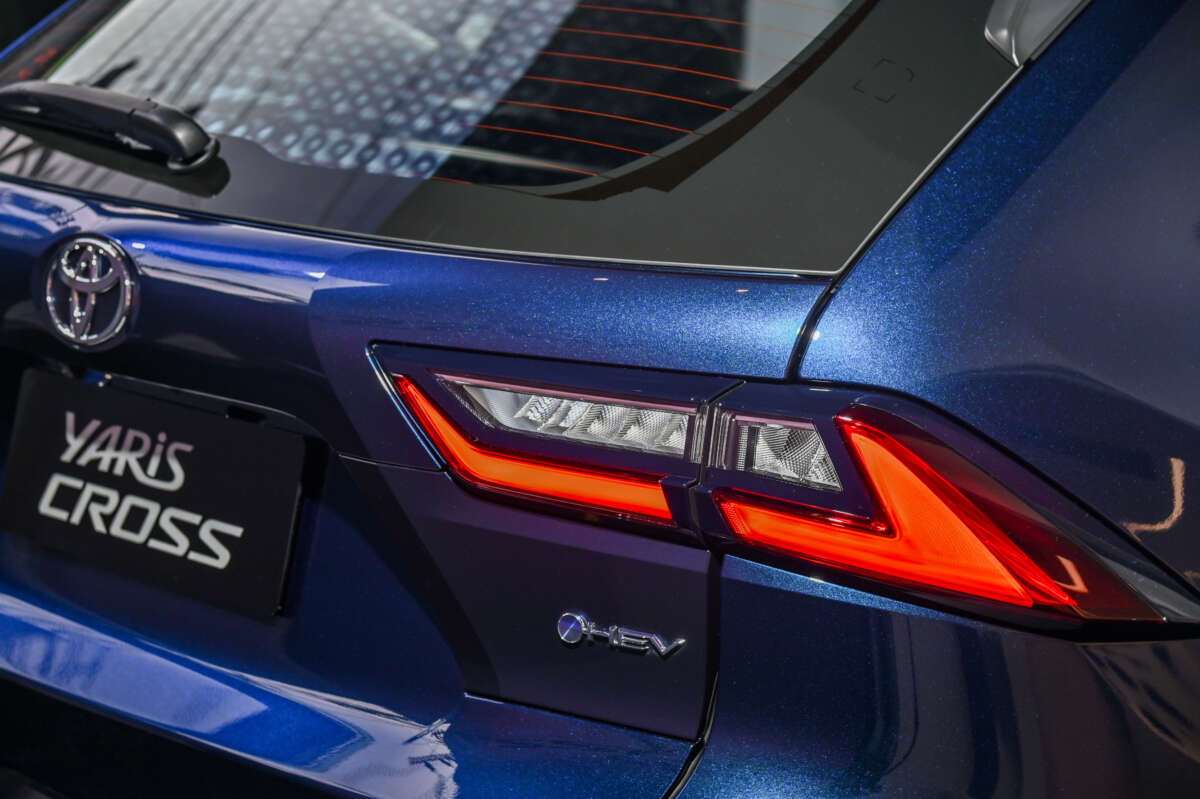
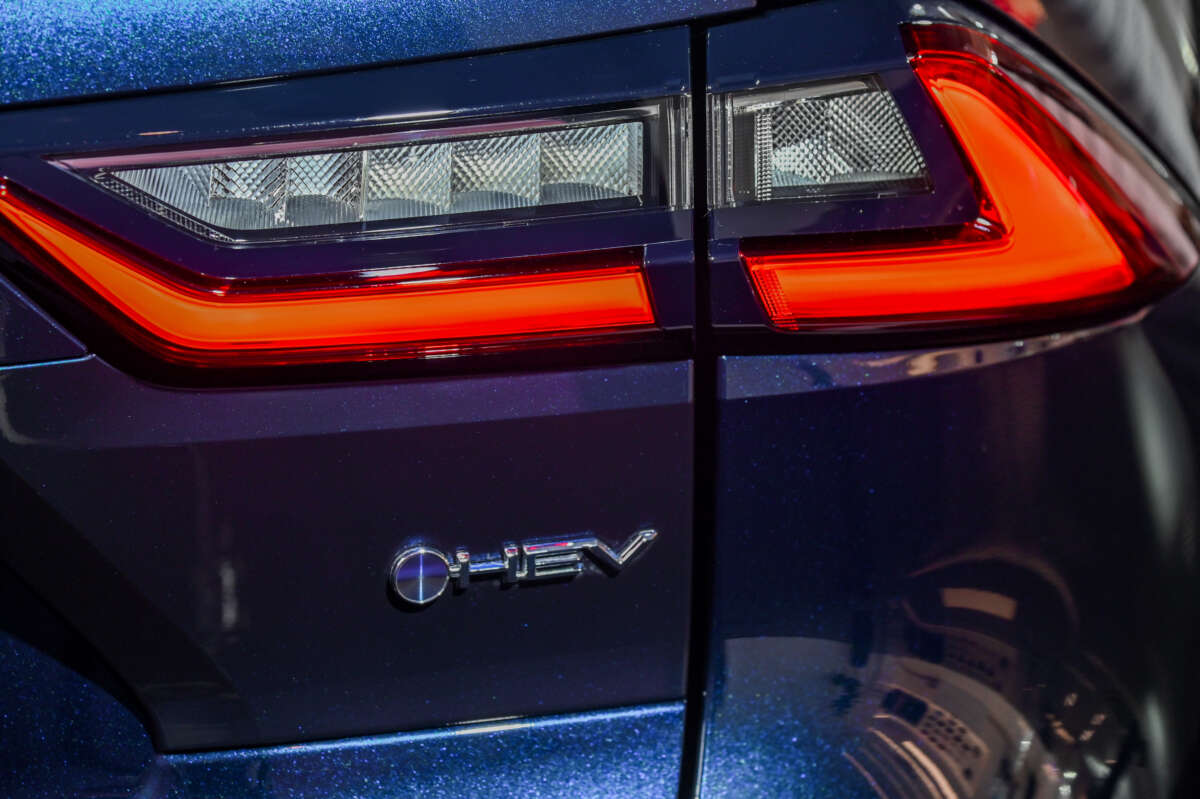
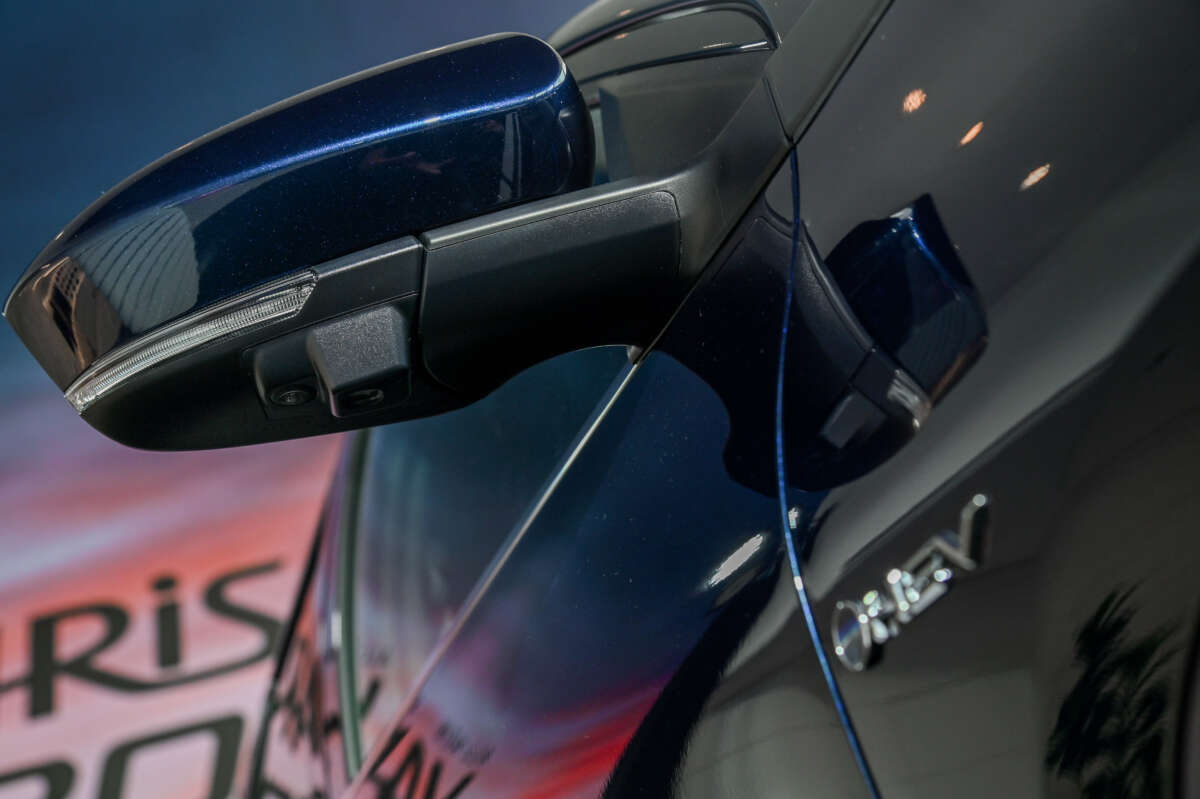
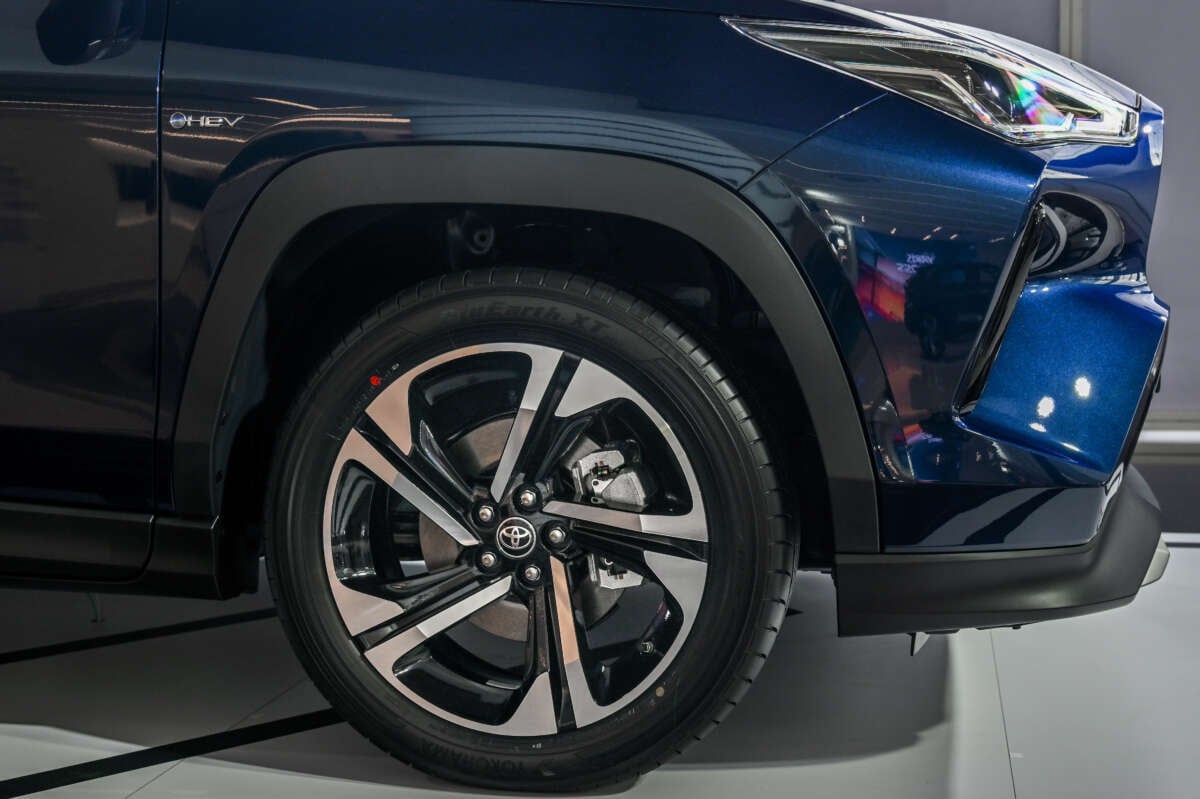
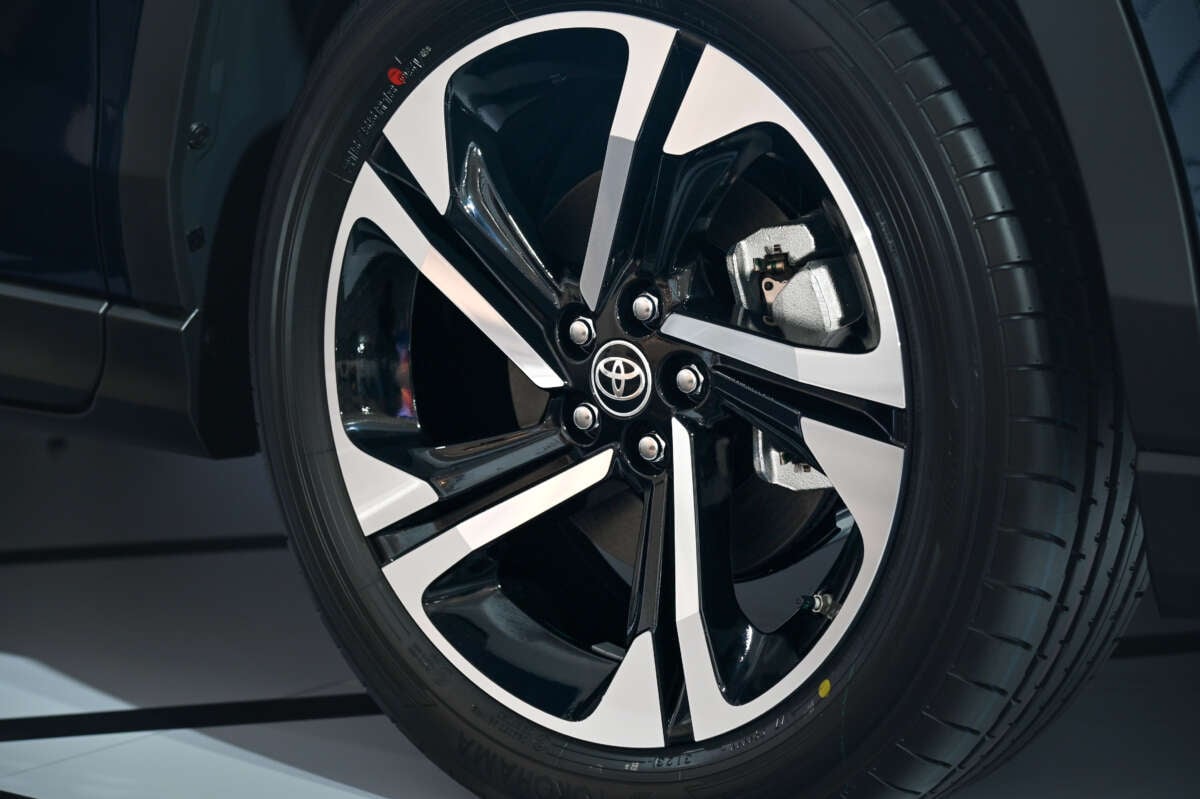
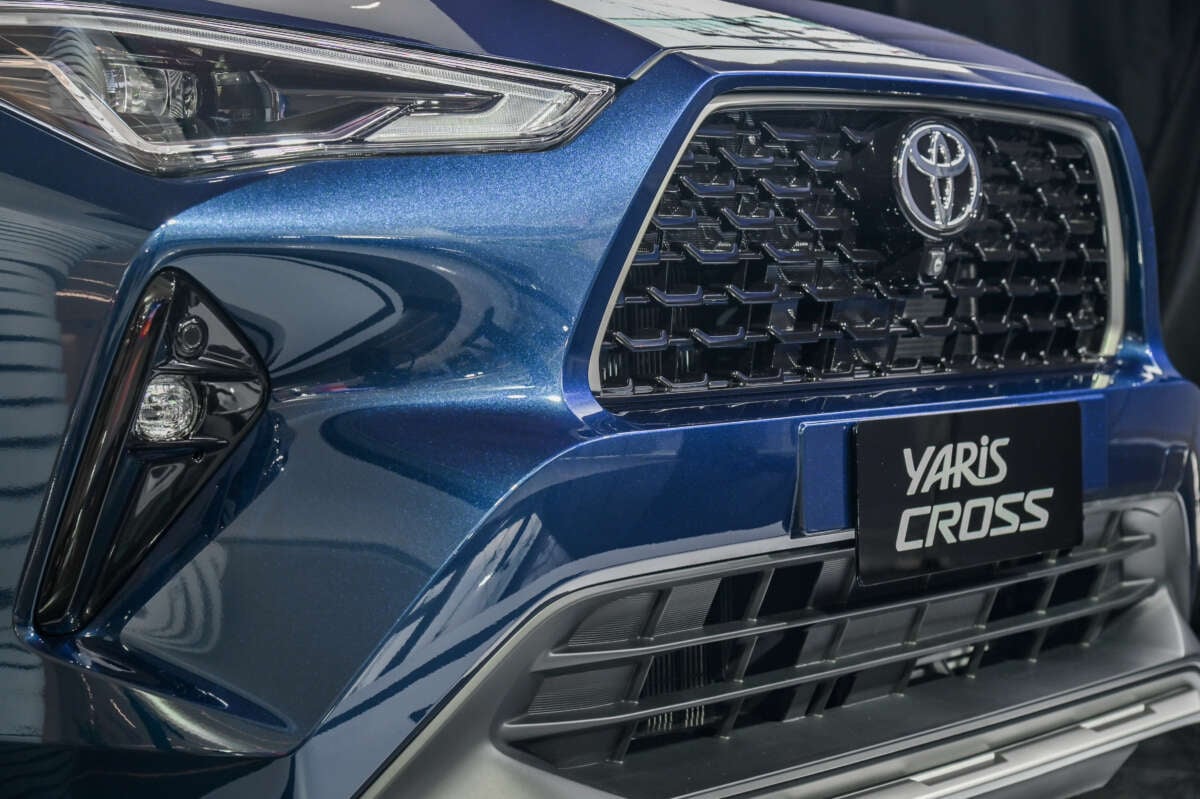
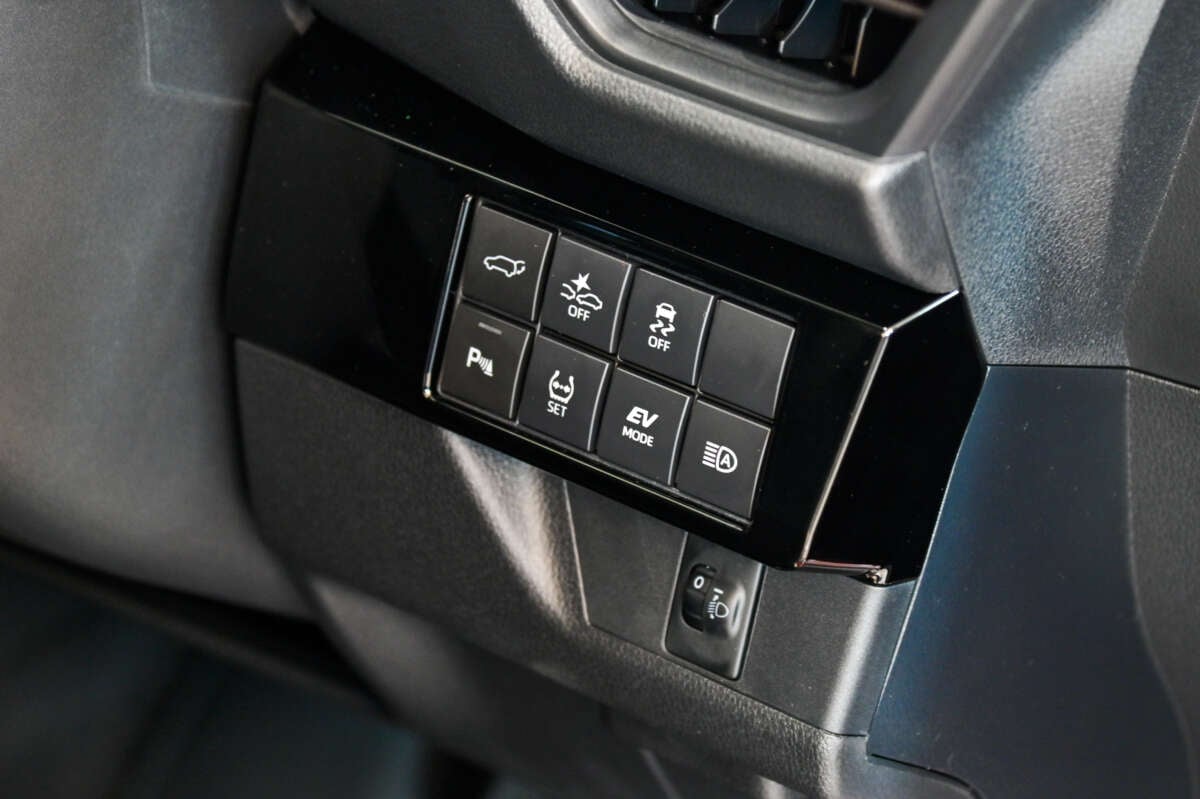
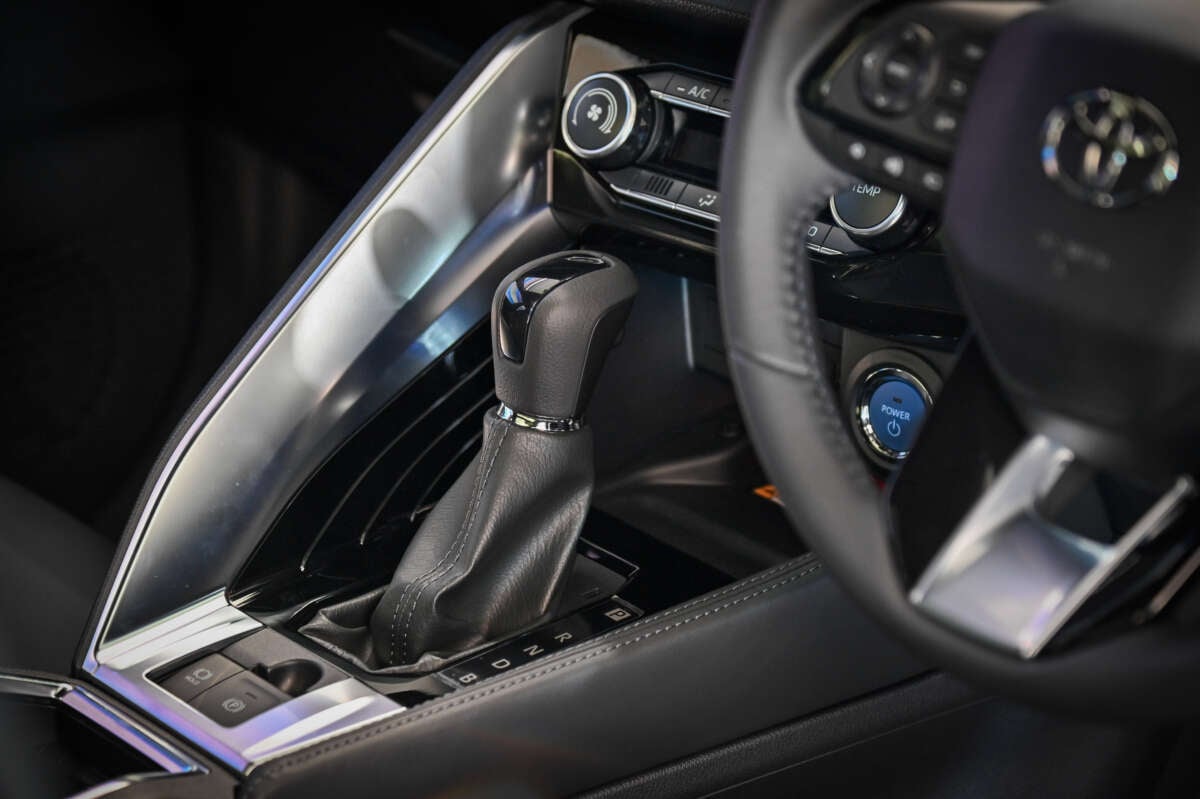
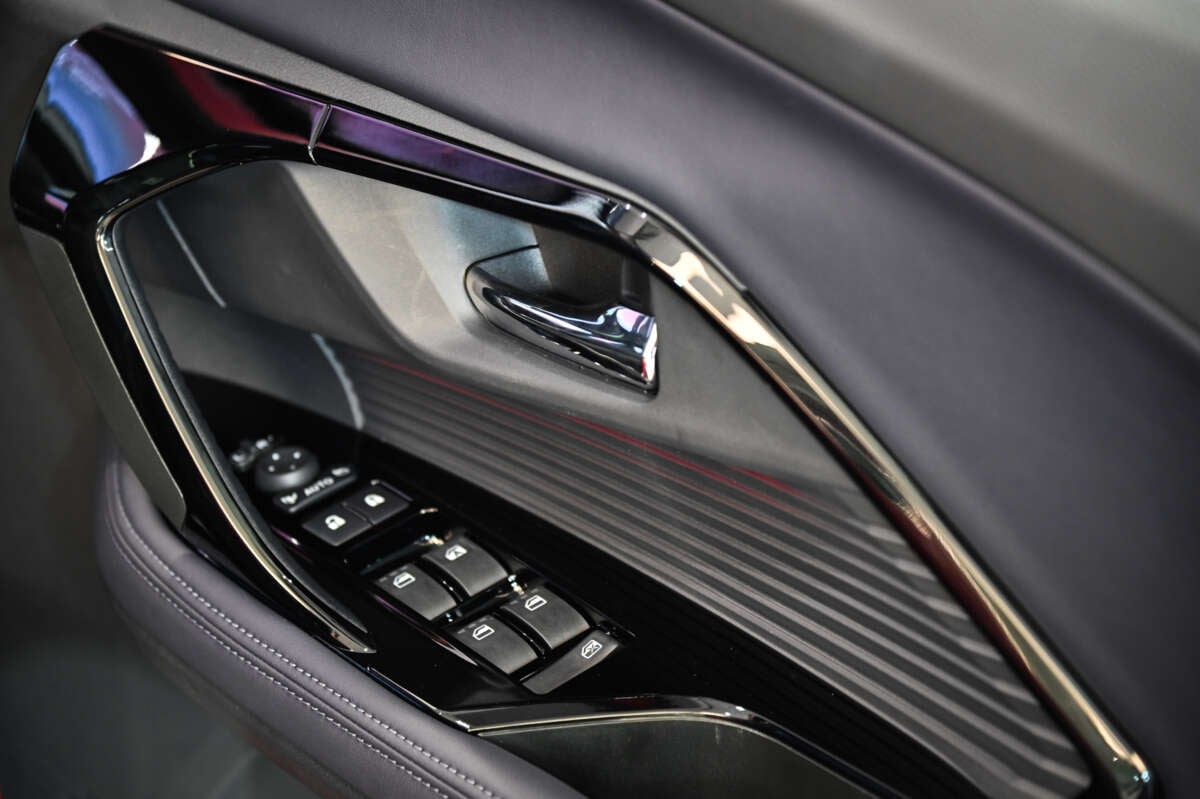
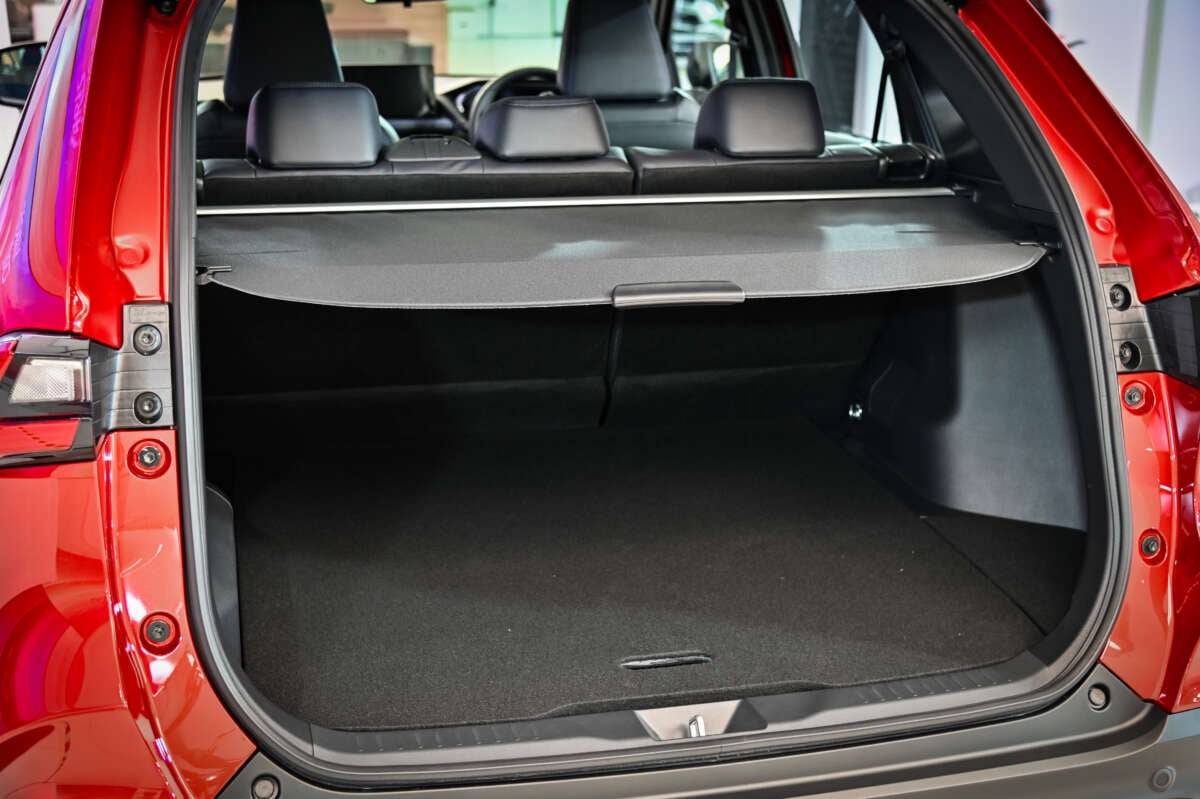
GALLERY: Toyota Yaris Cross at the 2023 Gaikindo Indonesia International Auto Show
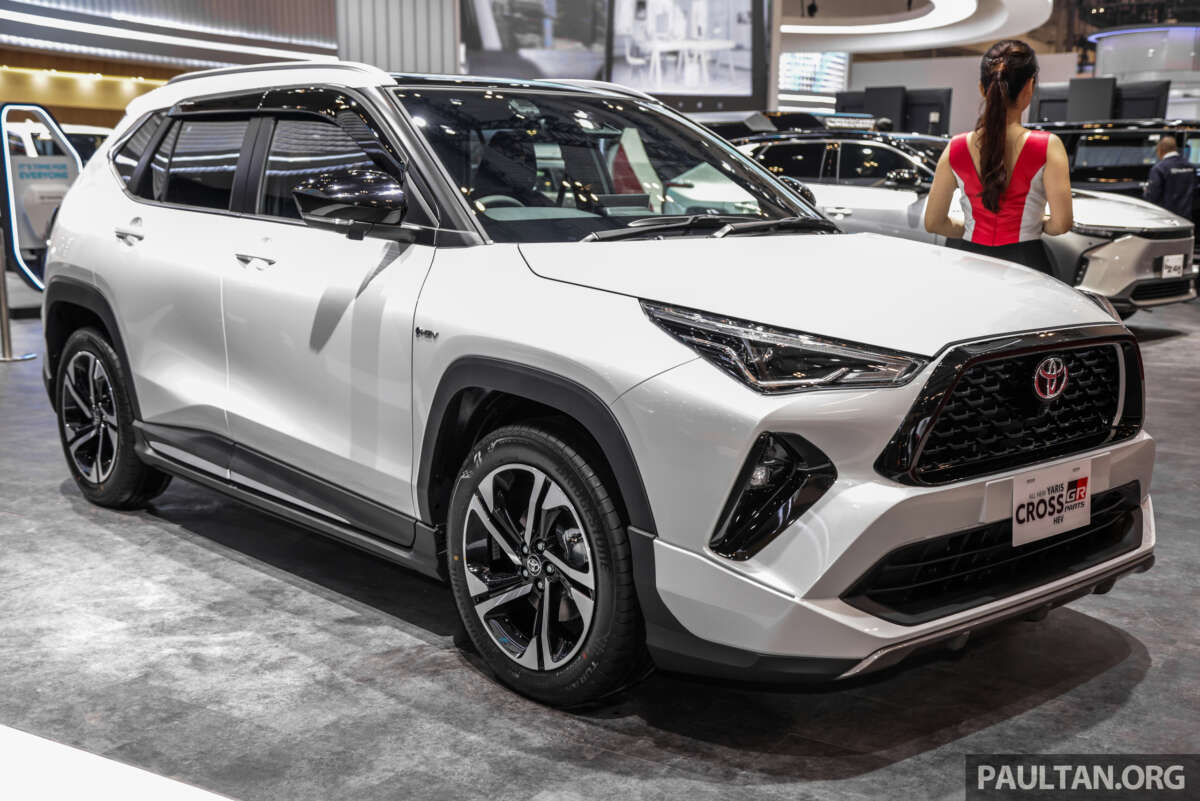

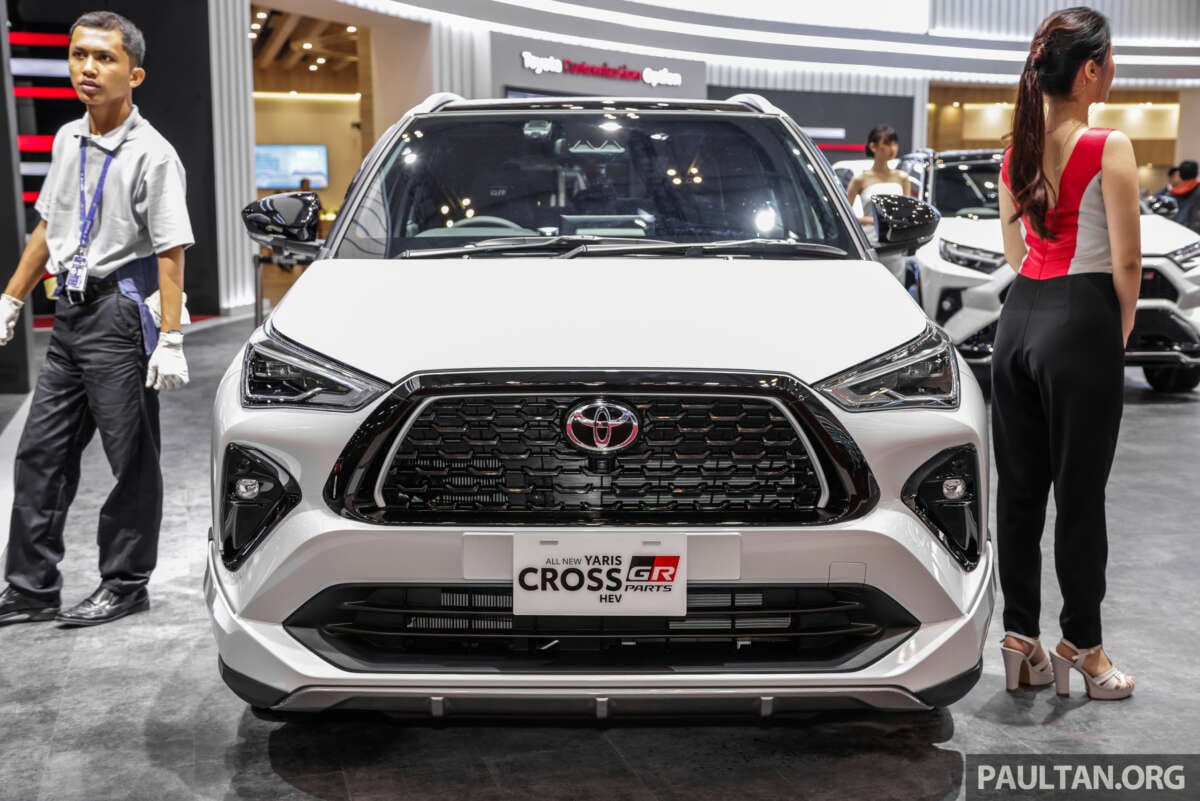
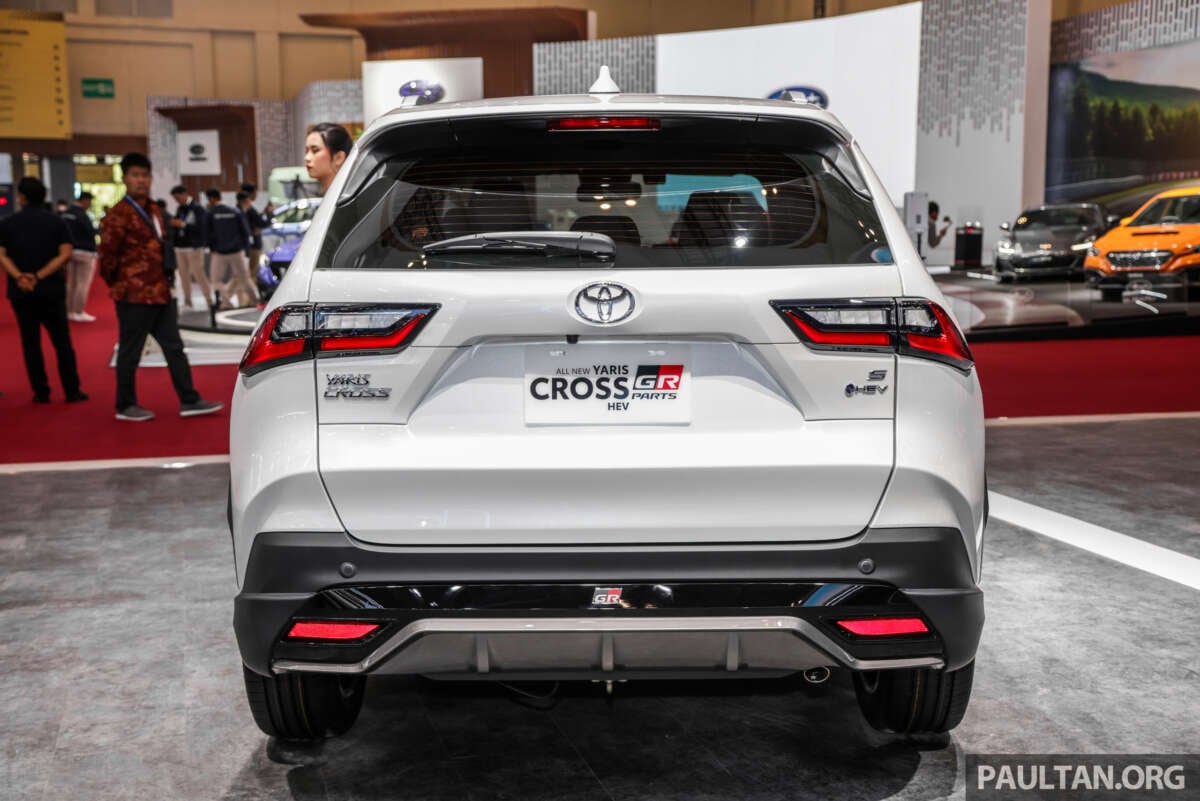
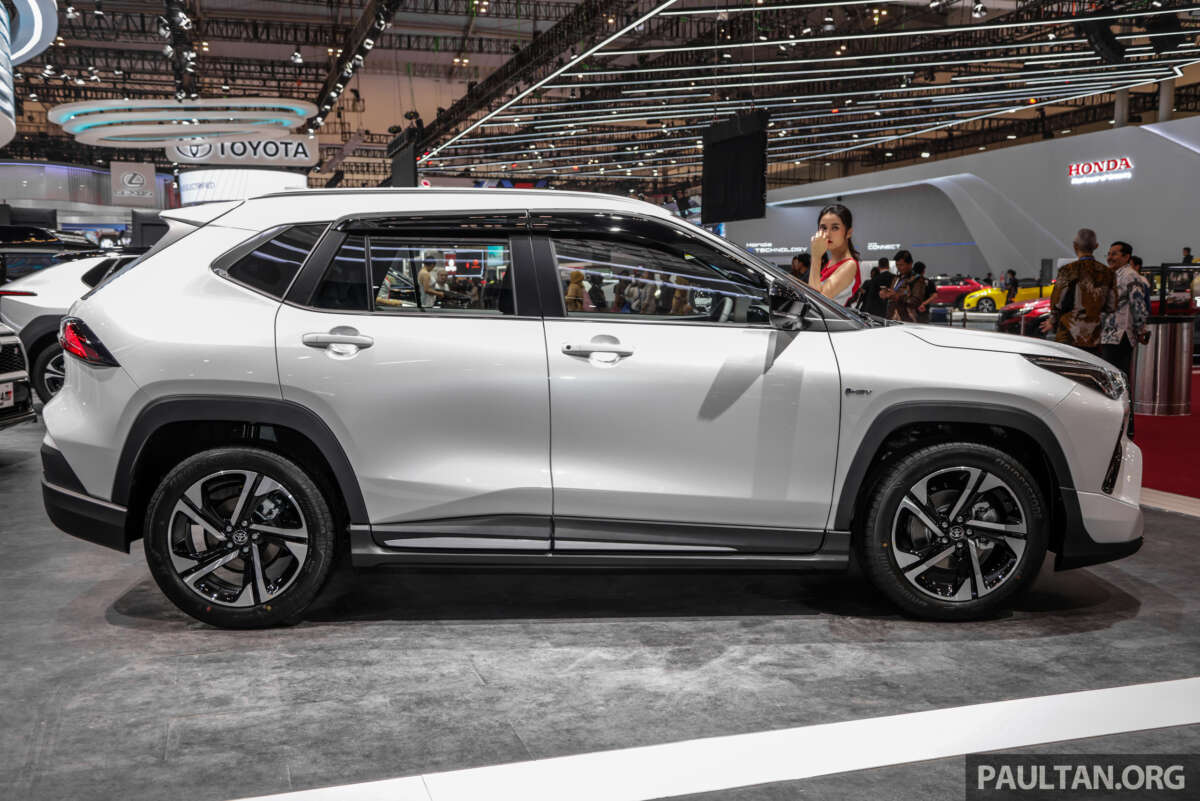
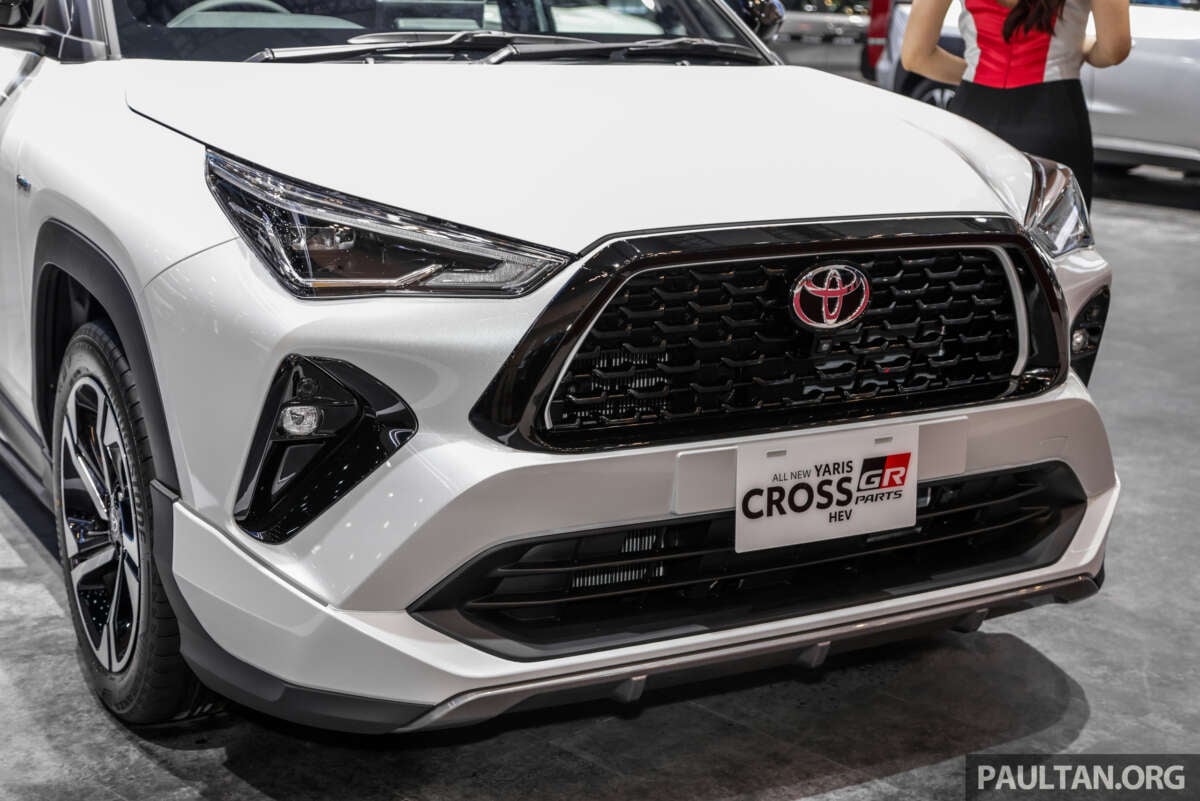
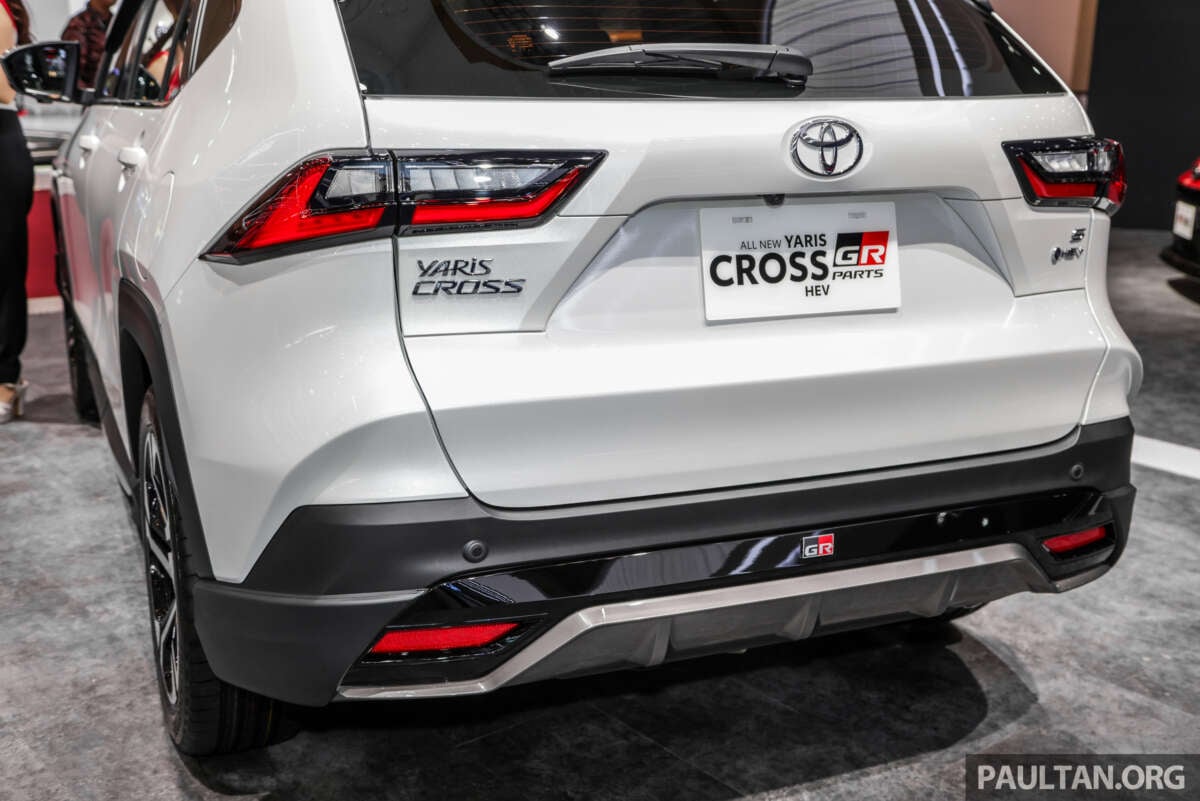
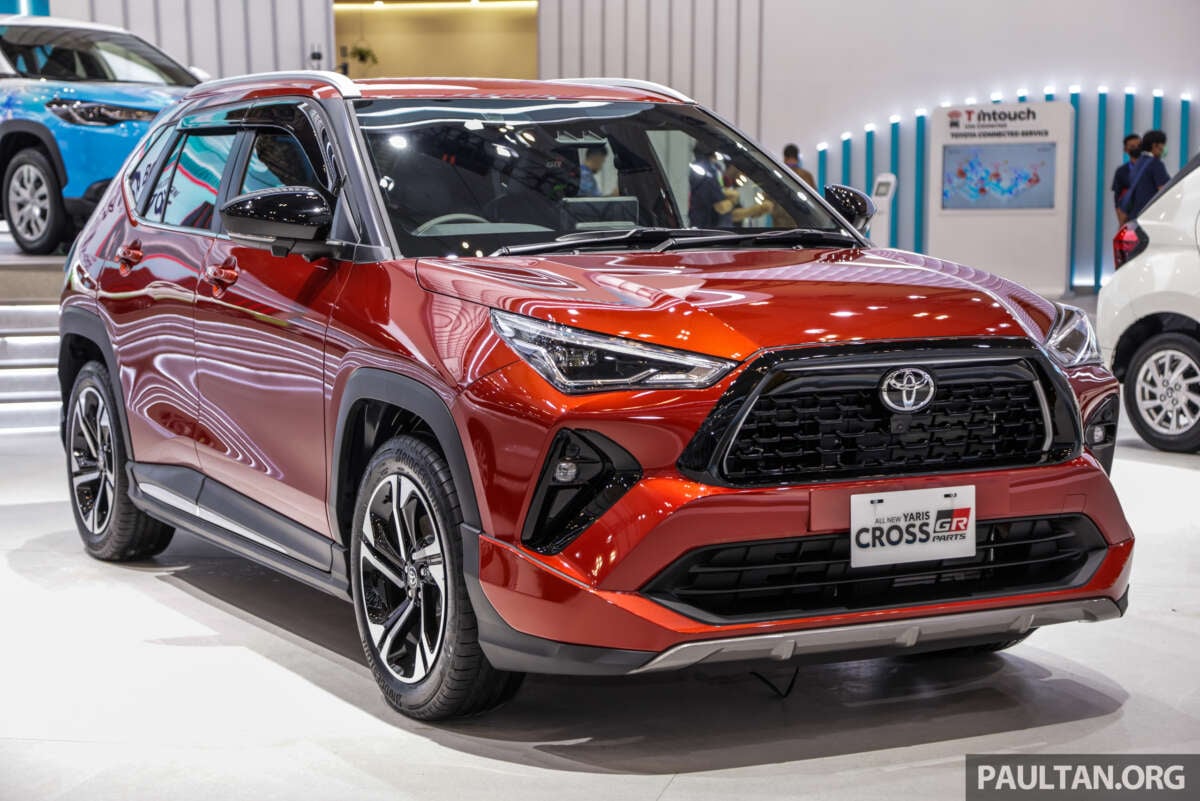
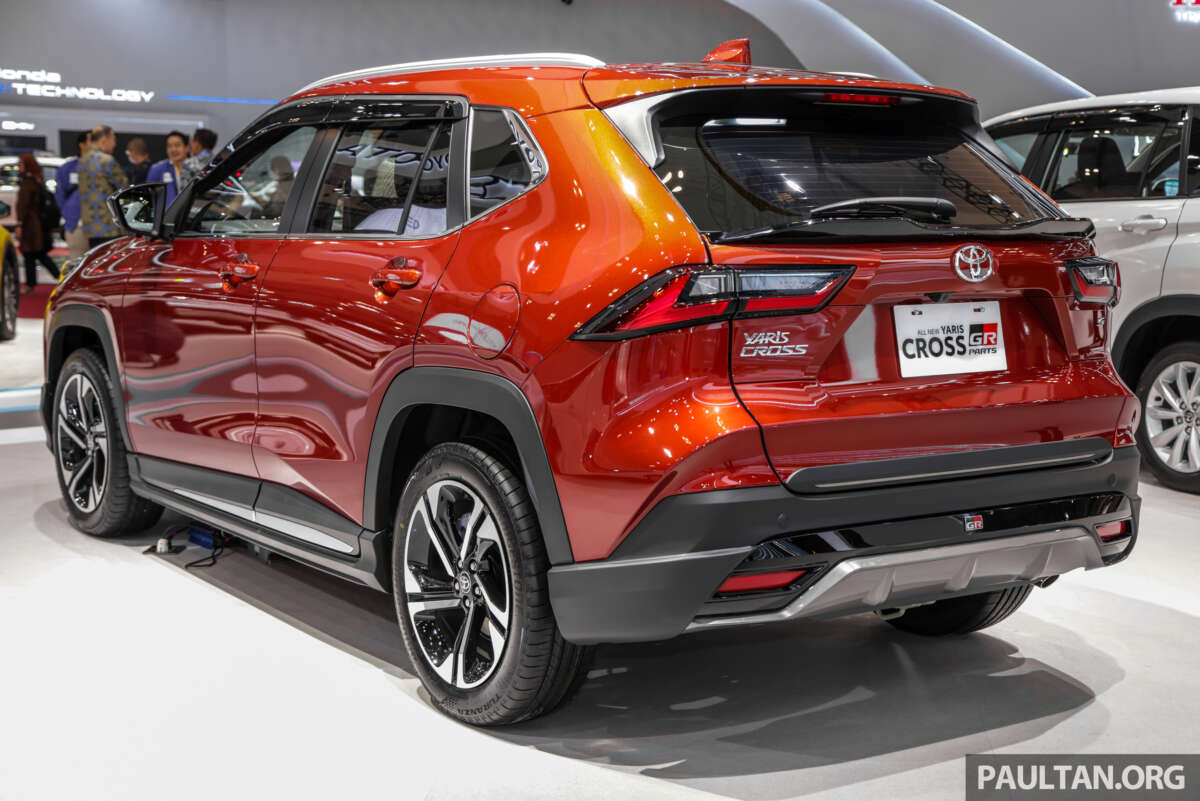
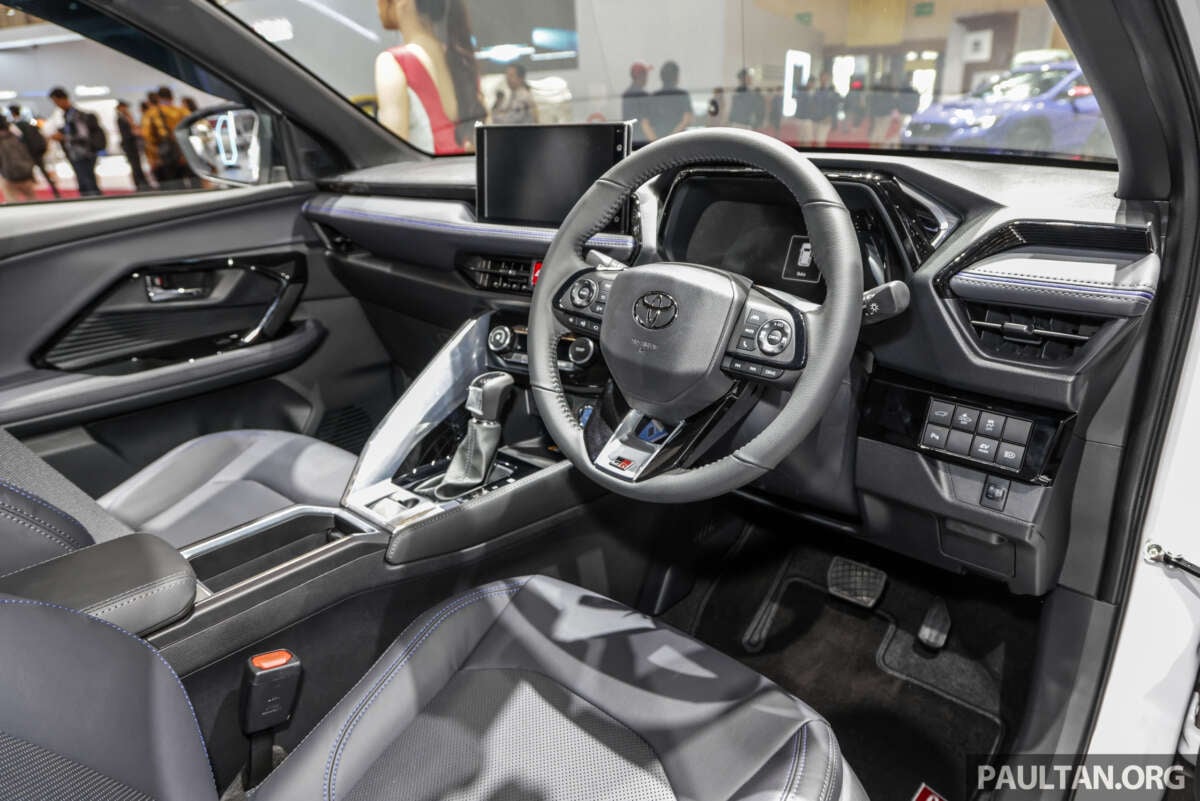
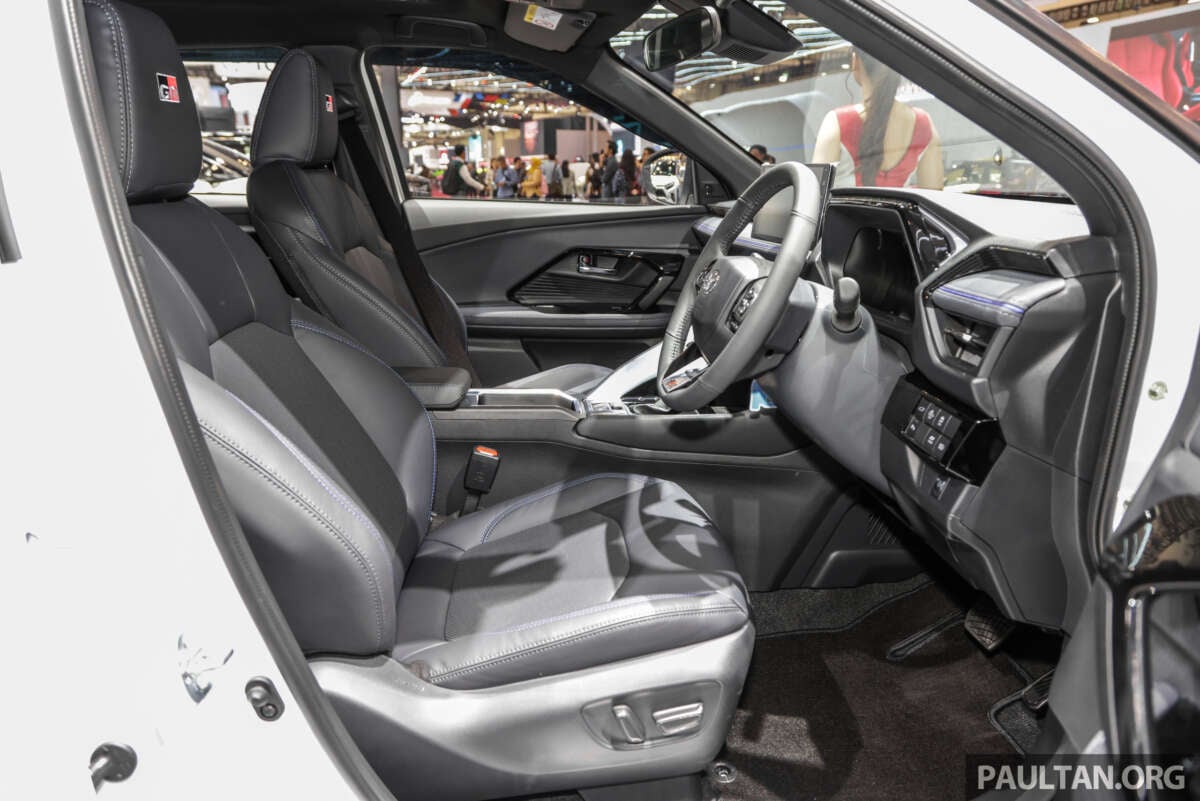
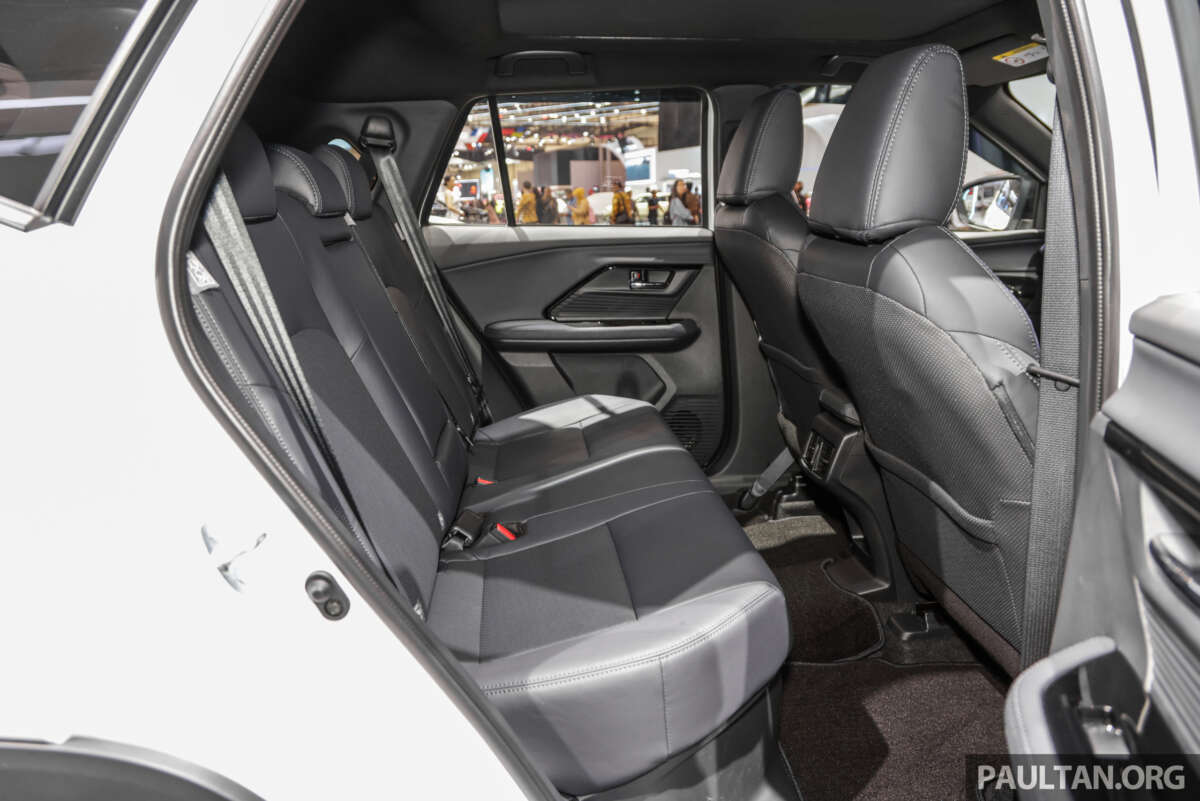
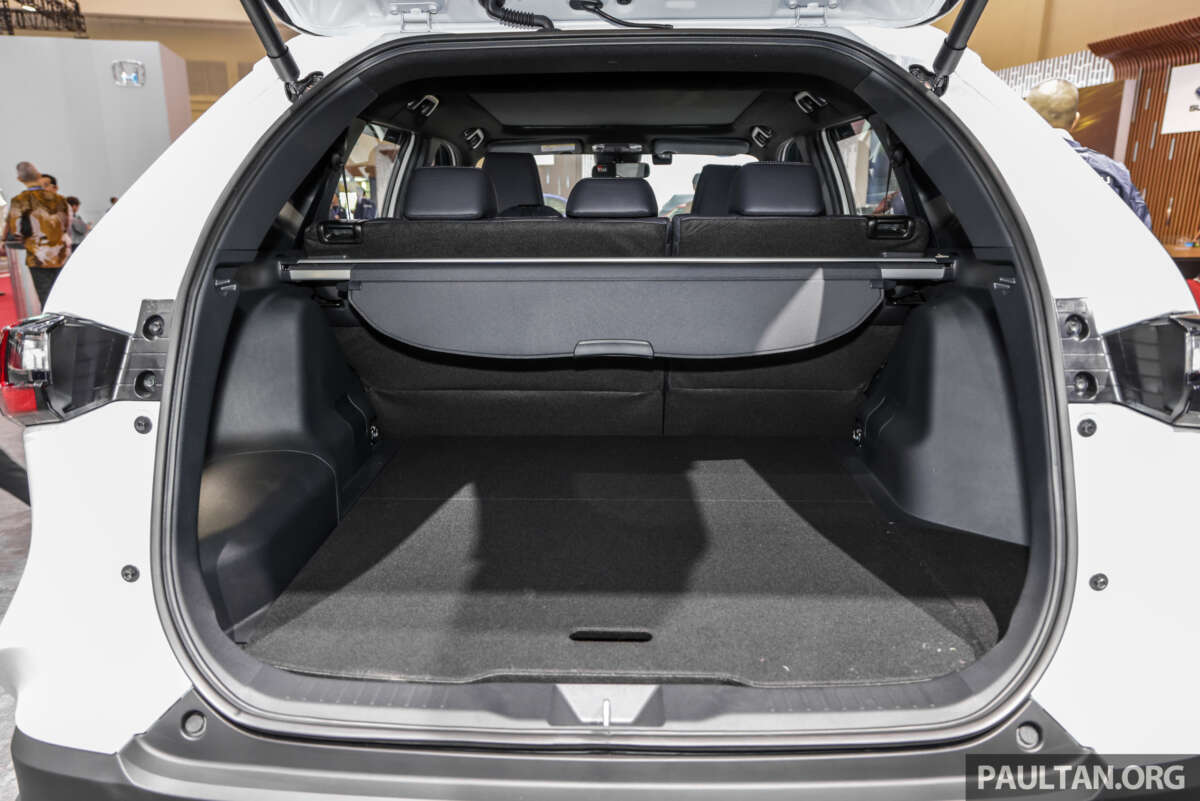
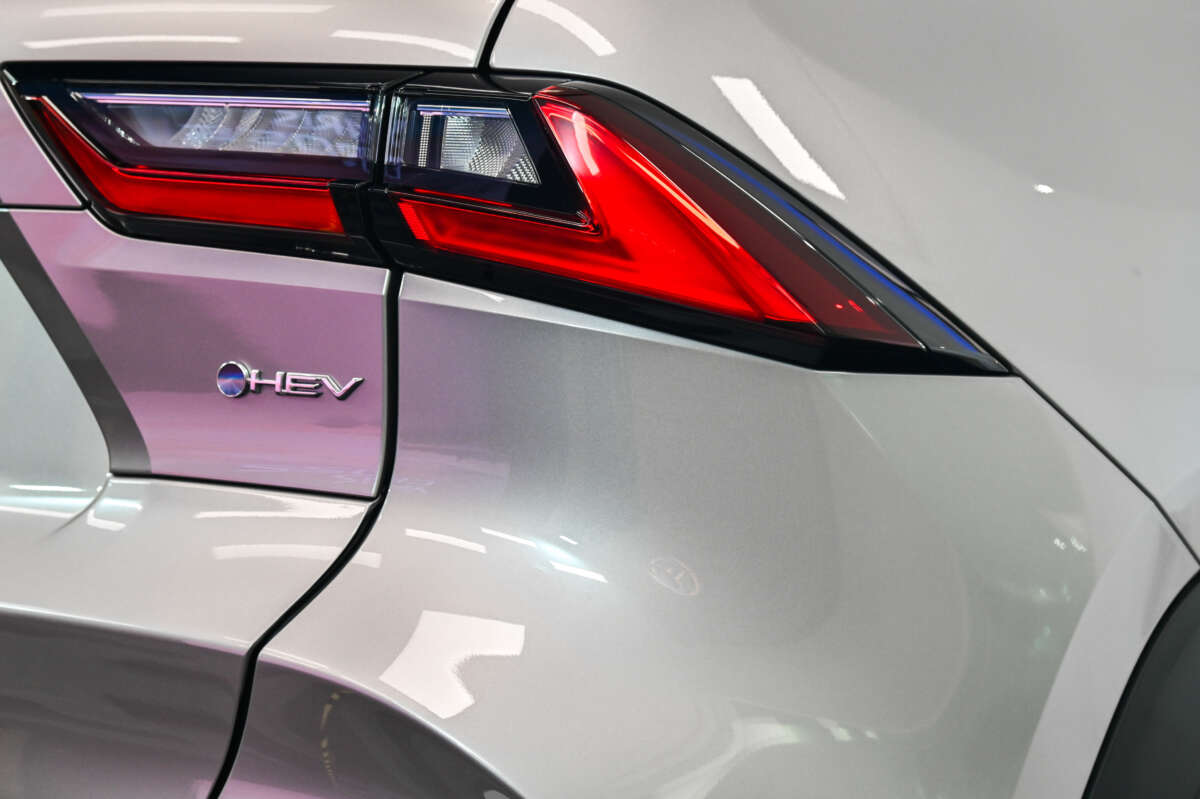
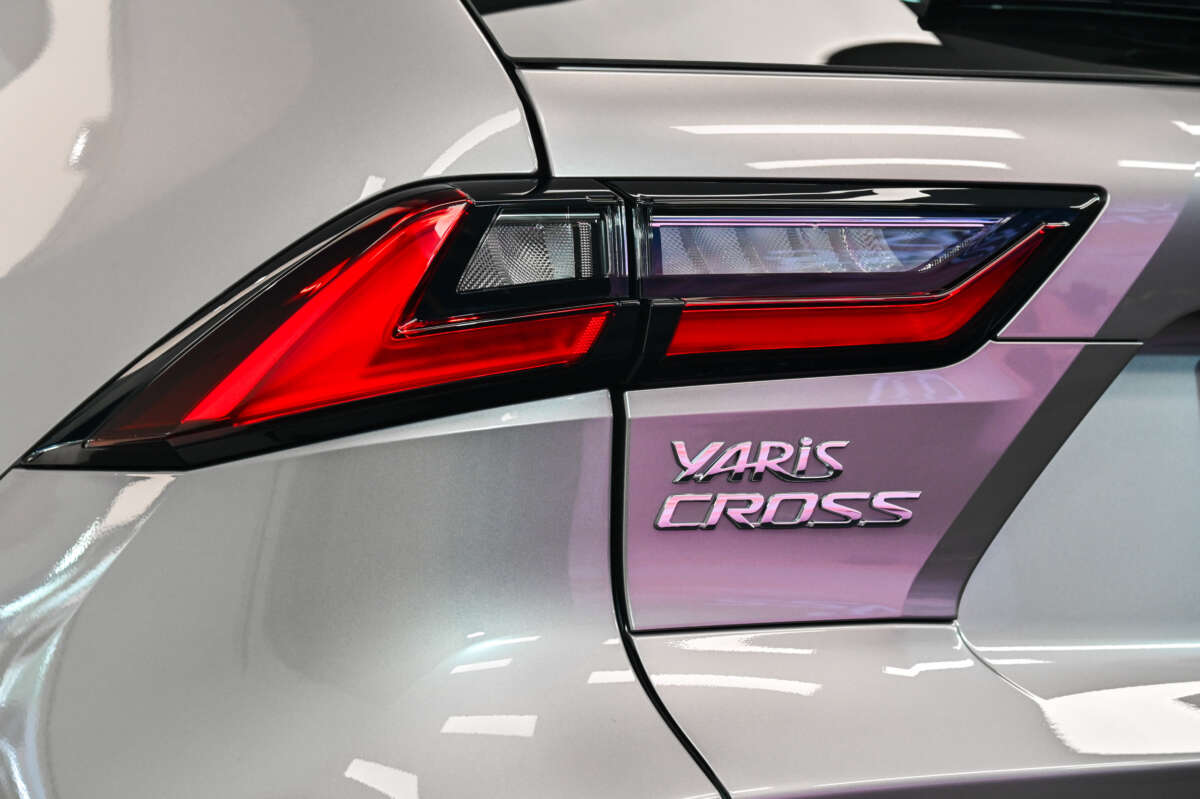
GALLERY: Toyota Yaris Cross in Thailand


Looking to sell your car? Sell it with Carro.


 Toyota Yaris Cross
from RM99,900
Toyota Yaris Cross
from RM99,900  Toyota Hilux
from RM226,300
Toyota Hilux
from RM226,300  Toyota Urban Cruiser
from RM198,000
Toyota Urban Cruiser
from RM198,000  Toyota bZ4X
from RM220,000
Toyota bZ4X
from RM220,000  Toyota GR Yaris
from RM315,600
Toyota GR Yaris
from RM315,600  Toyota GR Corolla
from RM368,950
Toyota GR Corolla
from RM368,950  Toyota Camry
from RM221,800
Toyota Camry
from RM221,800  Toyota Corolla Cross
from RM133,800
Toyota Corolla Cross
from RM133,800  Toyota Hiace
from RM169,000
Toyota Hiace
from RM169,000 


generally consumers still prefer Ativa over Traz, pricing wise and practicality
Too many years and moons TOO LATE, IMHO
G variant = RM99K, HEV variant = RM109K and HEV GR = RM119K. Rebate around RM5-6K further down the road.
even the India Toyota had to rebadge Suzuki to compete with Tata and Hyundai Kia B segment SUV.
The packaging standard is at par, right there.
Give us the real yaris cross and not that umw…
CHINA cars alot cheaper alot more features alot more power
The Malaysian Yaris Hybrid is a blatant downgrade. It uses the budget DNGA platform, a low-cost Daihatsu architecture, while Japan receives the premium, rigid TNGA-B global platform. Technically, Malaysia is saddled with a recycled 4-cylinder system, whereas Japan enjoys the high-efficiency M15A-FXE Dynamic Force engine and AWD options.
The price disparity is an insult. In Japan, the Yaris Hybrid starts around **¥2,300,000 (roughly RM 71,000)**. In Malaysia, the base petrol model already costs **RM 88,000**, with the upcoming hybrid expected to exceed **RM 100,000**. You are paying a massive premium for a cost-cut, rebadged “emerging market” product while Japanese customers get the genuine, high-tech global standard for significantly less money.
Since you compare to Japan version, do you know that apartment in Japan do not comes with carpark. In case you ask how much the carpark rental, it can easily cost RM1k per month. And mind you that petrol RM4/L, high toll fare, high public car park fee etc. Yes car in Japan is cheap maybe around RM1k instalment, but you literally need to pay at least RM2k for expenses. If it were cheap why most Japanese rather take public transport than drive?
Mind you that in Japan staying around Tokyo or Osaka taking public transport is not cheap, it can be around RM1.5k to take bus or train monthly. They don’t have monthly pass like what Malaysia had Myrapid monthly only RM50.
You should have check the cost of using car in Japan, instead of just comparing car price.
high overall cost of living in japan can be explained by expensive land and wages. but thats another issue altogether.
the key question here which you seem to ignore, is why car prices are cheaper in japan than malaysia?
so the japan cost of living is much higher , but that still doesnt explain what cars over there are cheaper.
The fault isn’t Toyota Japan, it lies in UMW and also MITI, the same laws that protect p1 and p2, also gives us more exp and lower spec cars, dun think miti wud loosen their excuse duty rule anytime soon
definitely the hybrid version will come in
Vios hev gr rm110k, yaris cross hev gr rm120k ?
The Toyota Way
X – Perodua 75K
H – Perodua 82K
V – Toyota 92K (full spec Traz)
HEV – Toyota 106K (hybrid variant)
Tested the Omoda O5 and Traz. Be honest the Traz interior material maybe the best among Perodua but compare to Omoda O5 then you find the Traz is almost a junk. Mind you that this Yaris Cross is just like the Traz (like Alza and Veloz). The power delivery of Traz is really bad and the dual CVT is speechlessly jerking (I got new Alza at home and I know how bad feeling it is).
But on car handling the Traz is no doubt better than Omoda despite Traz is only torsion beam while O5 is multi link. And also I guarantee Traz is great fuel consumption (my Alza get 16km/L).
Yaris Cross will still get its own fans who only need an ordinary daily drive. Btw if price at 110k is not really attractive consider that few Chinese SUV also in this range offering better spec.
If hev sell 120k still better than xforce na 120k.
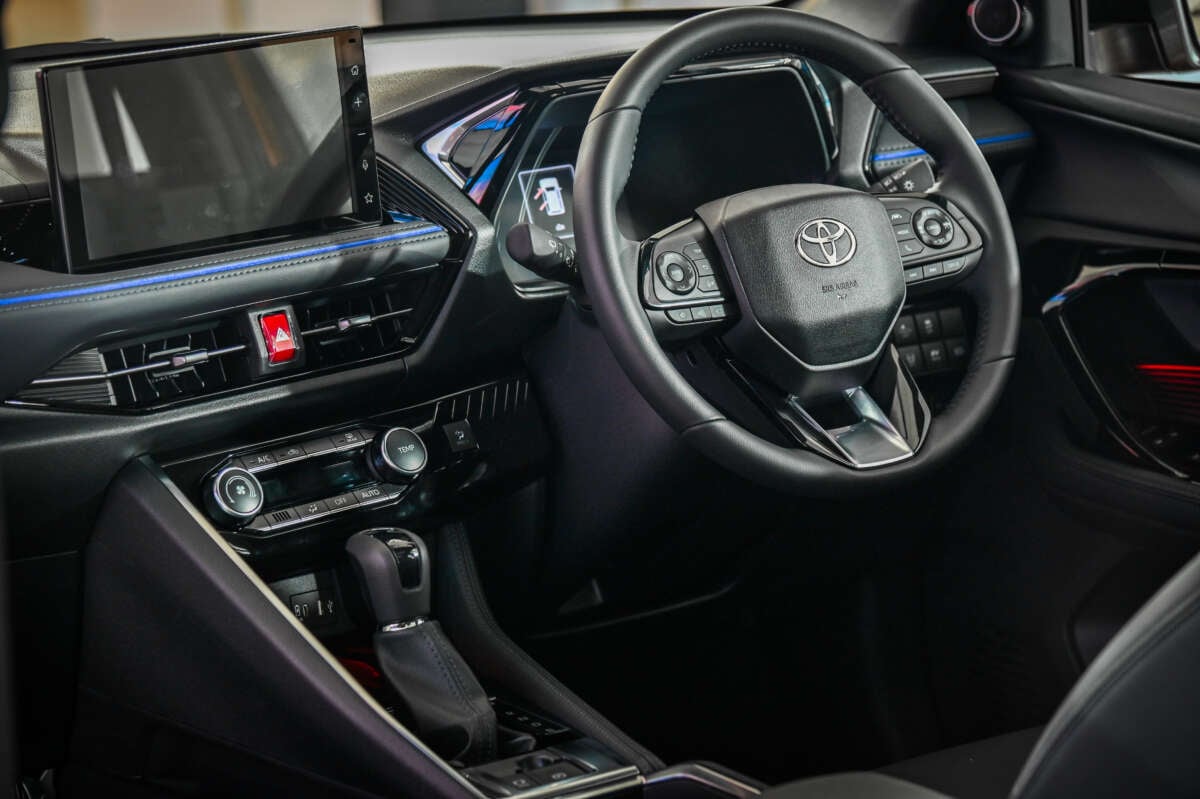
definitely going with Toyota on this model. will do anything to avoid that ugly red coloured dashboard and interior in the Traz.