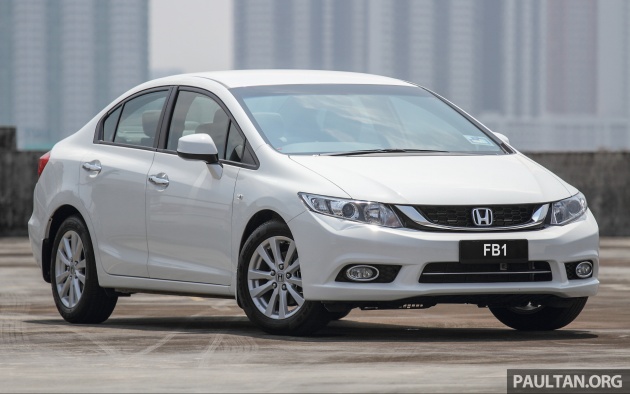
Before the turbocharged FC and the current FE, two generations of Honda Civic built the model’s reputation in Malaysia: the eighth-generation FD (2006-2011), with its spaceship-like wraparound dashboard and a genuinely wild Type R, and the more mature ninth-generation FB (2012-2015), which added a petrol-electric Hybrid to the range. Both are now firmly used-car territory, and they remain hugely popular searches for budget-minded buyers.
This guide covers both: how the FD and FB differ, the full variant line-up (1.8, 2.0, Type R and Hybrid), what they cost used, the all-important Hybrid battery question, fuel economy and tank size, and what to check before you buy.
FD vs FB – at a glance
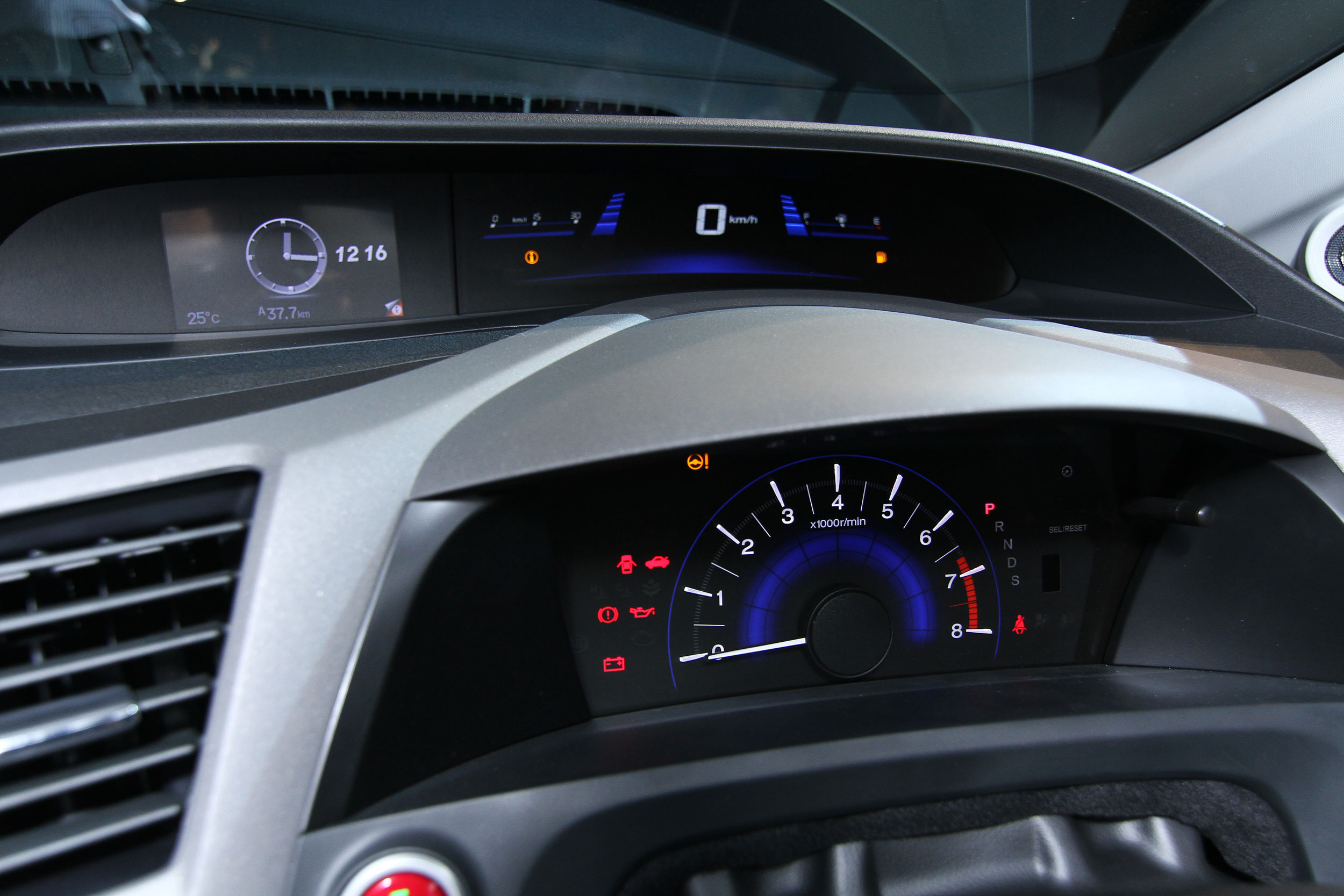
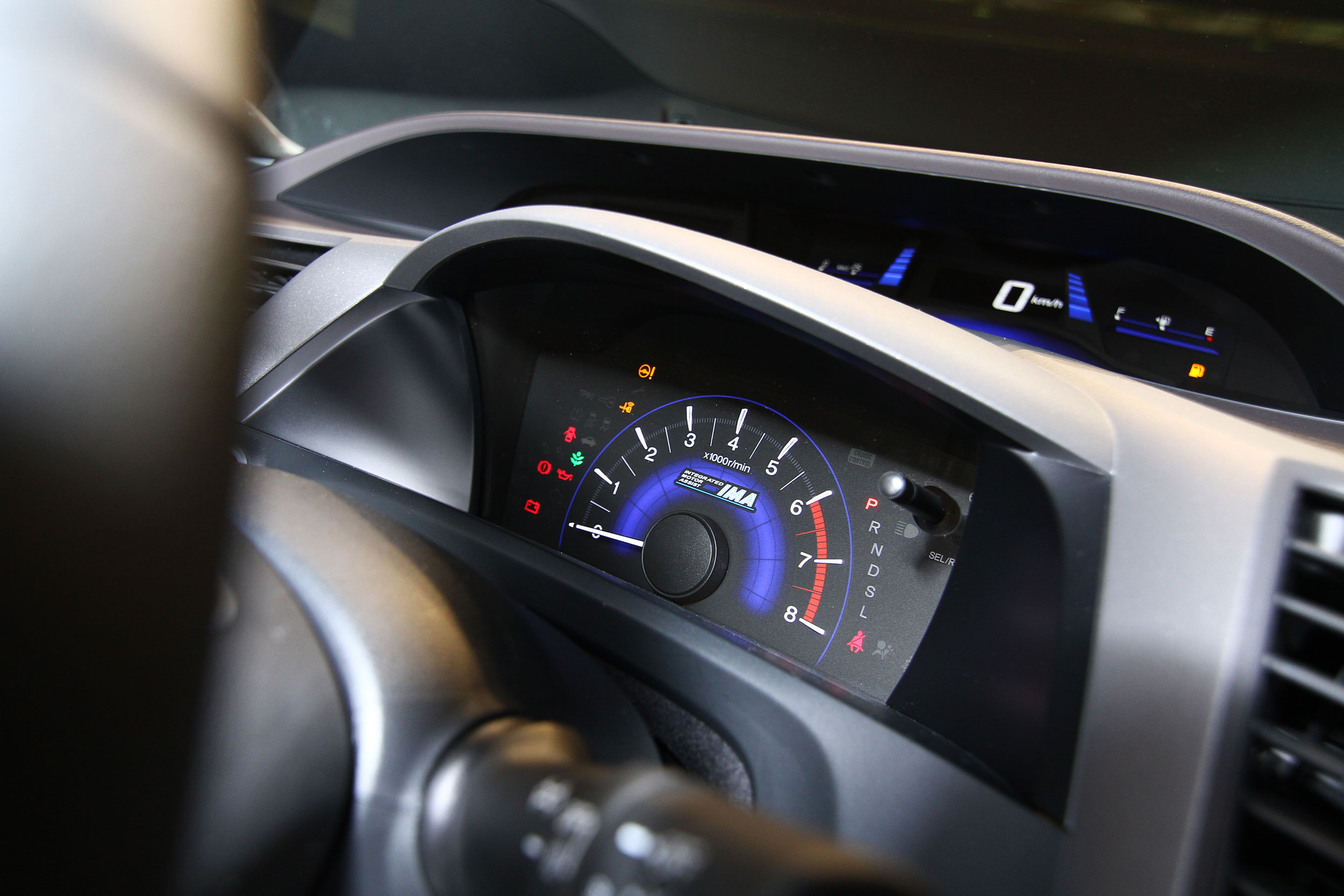
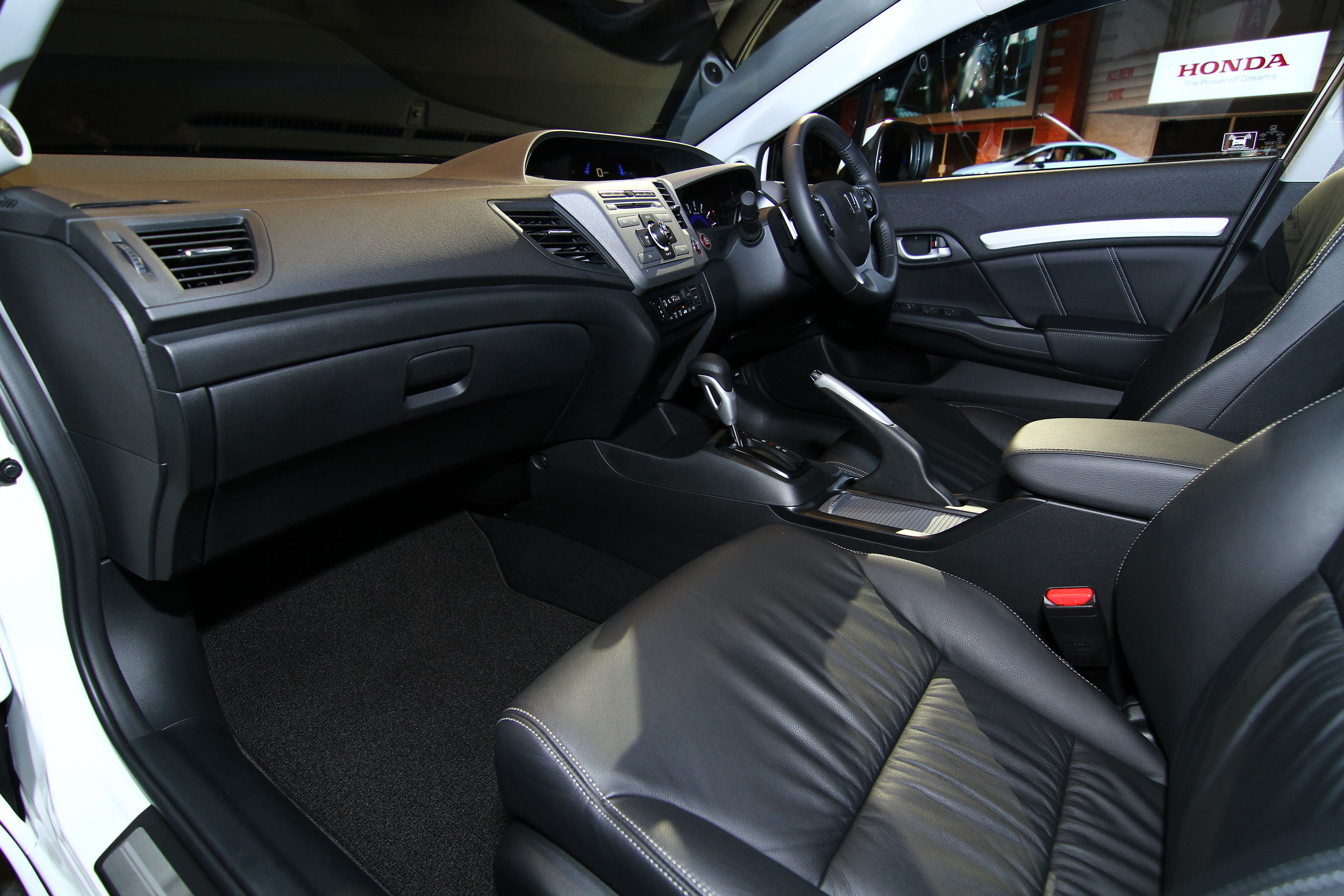
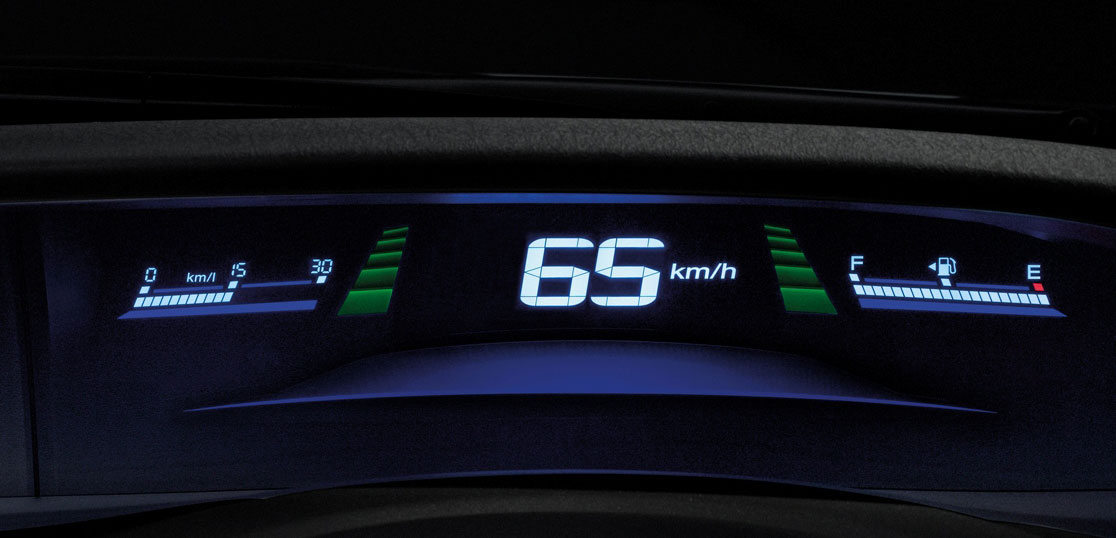
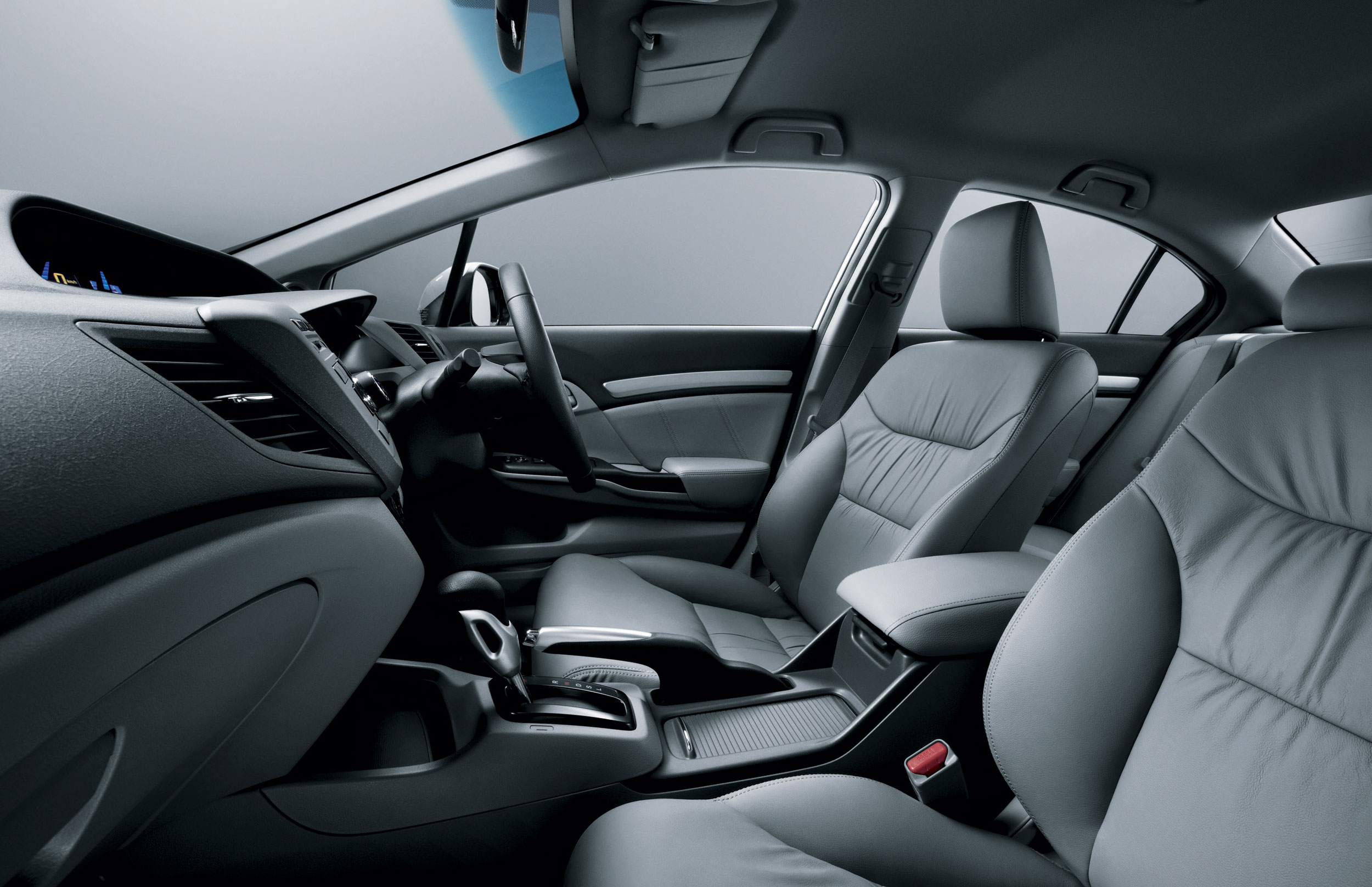
The FD (2006-2011) was a design landmark – a low, wedgy shape with a futuristic two-tier dashboard that still looks distinctive today. It was offered with characterful 1.8 and 2.0 i-VTEC petrols, and crucially spawned the iconic FD2 Civic Type R. A minor facelift arrived in 2009. It’s the more characterful, driver’s-choice generation.
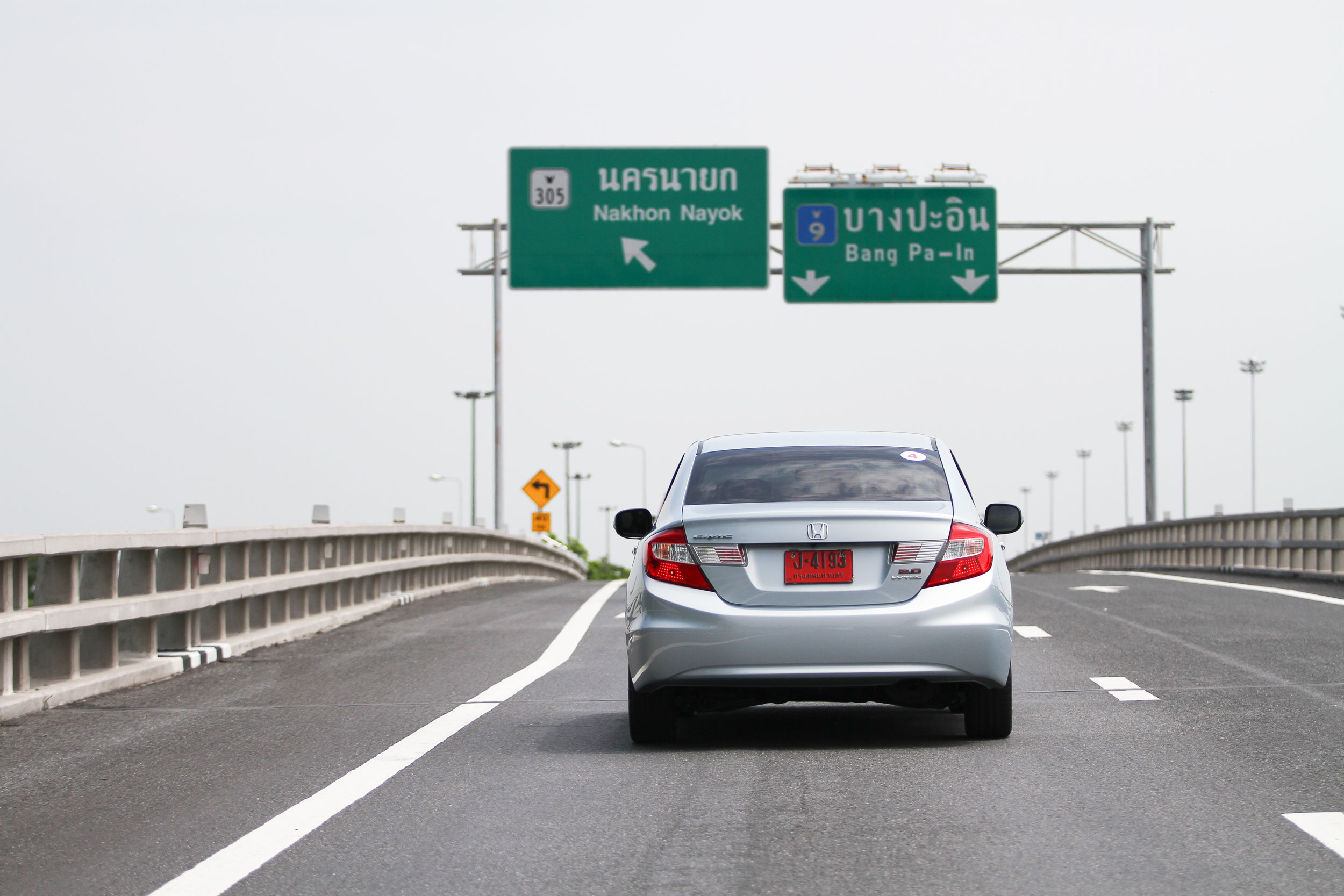
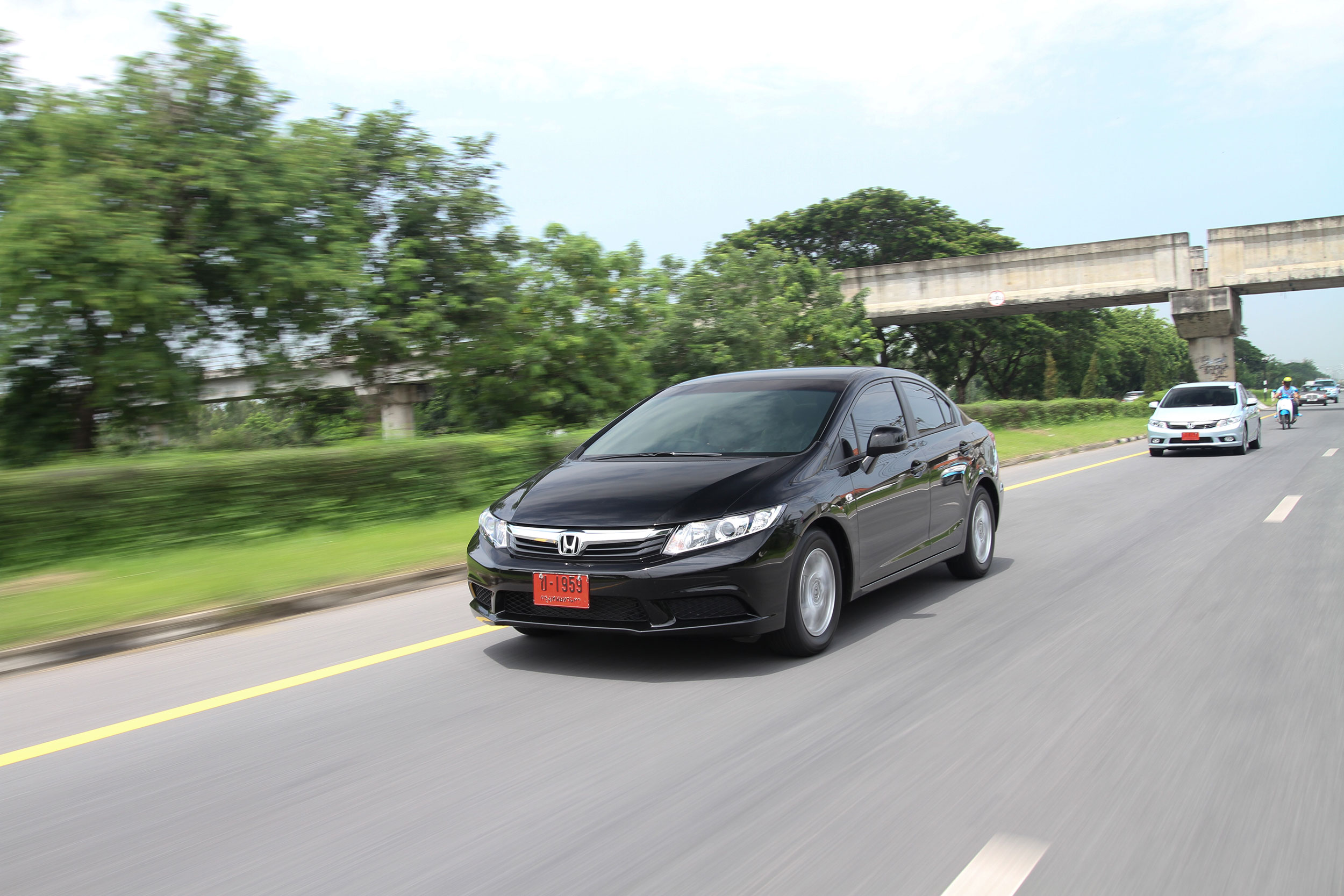
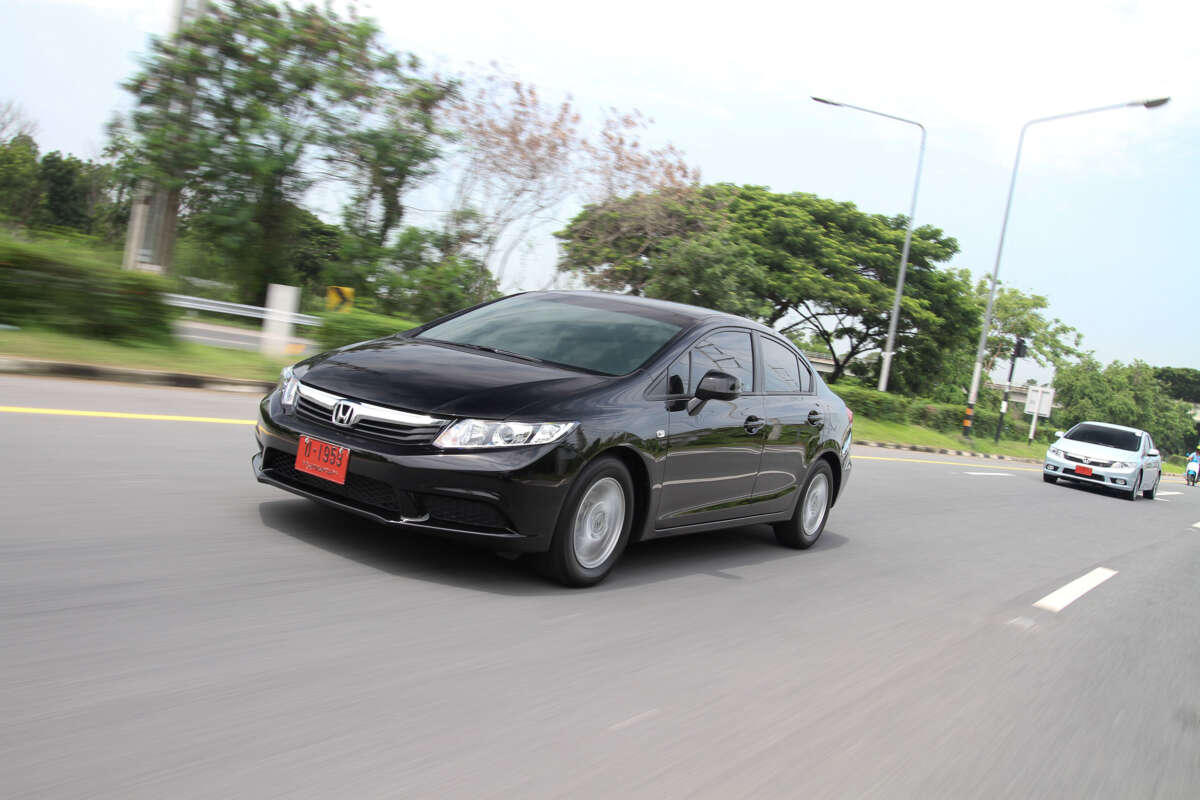
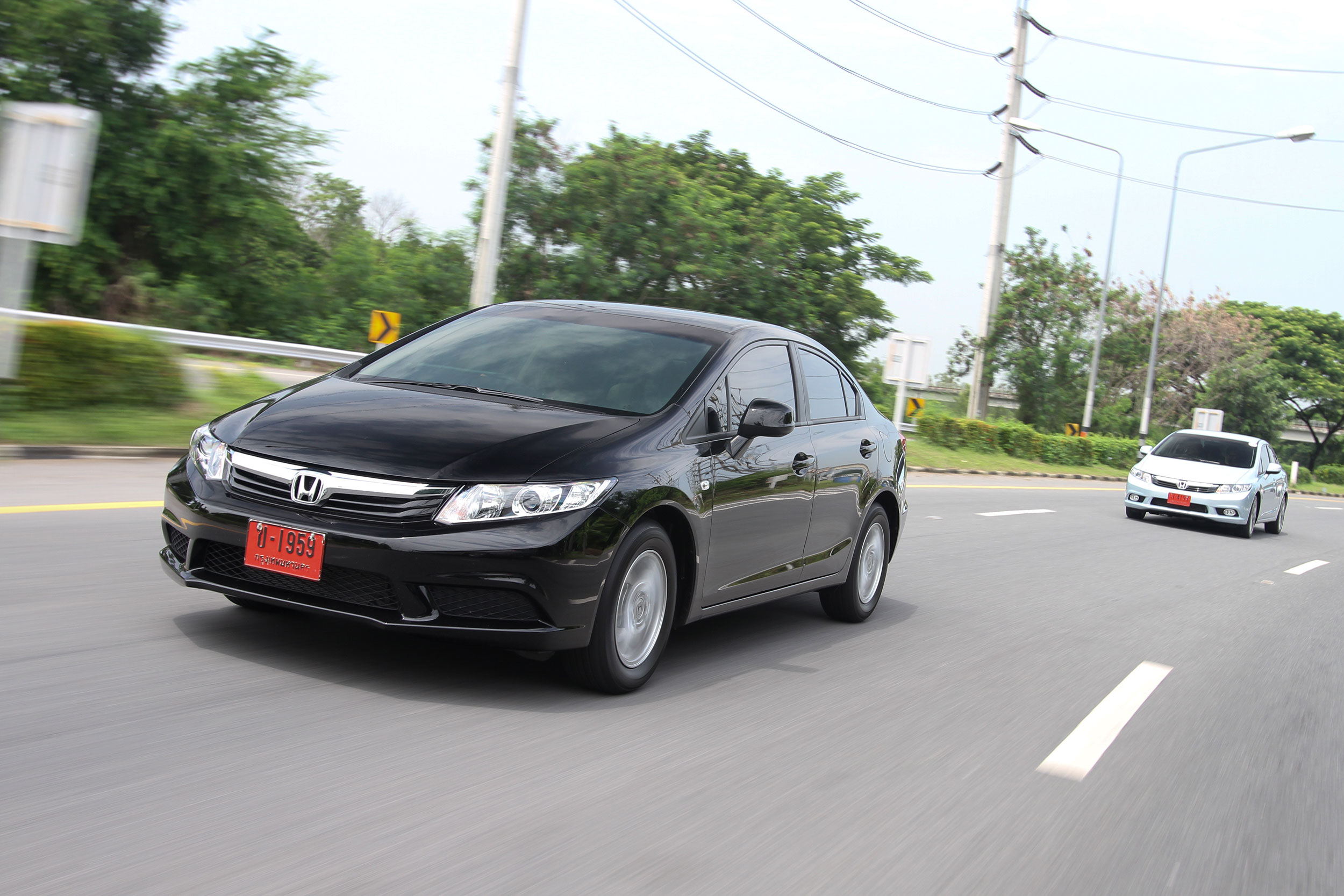
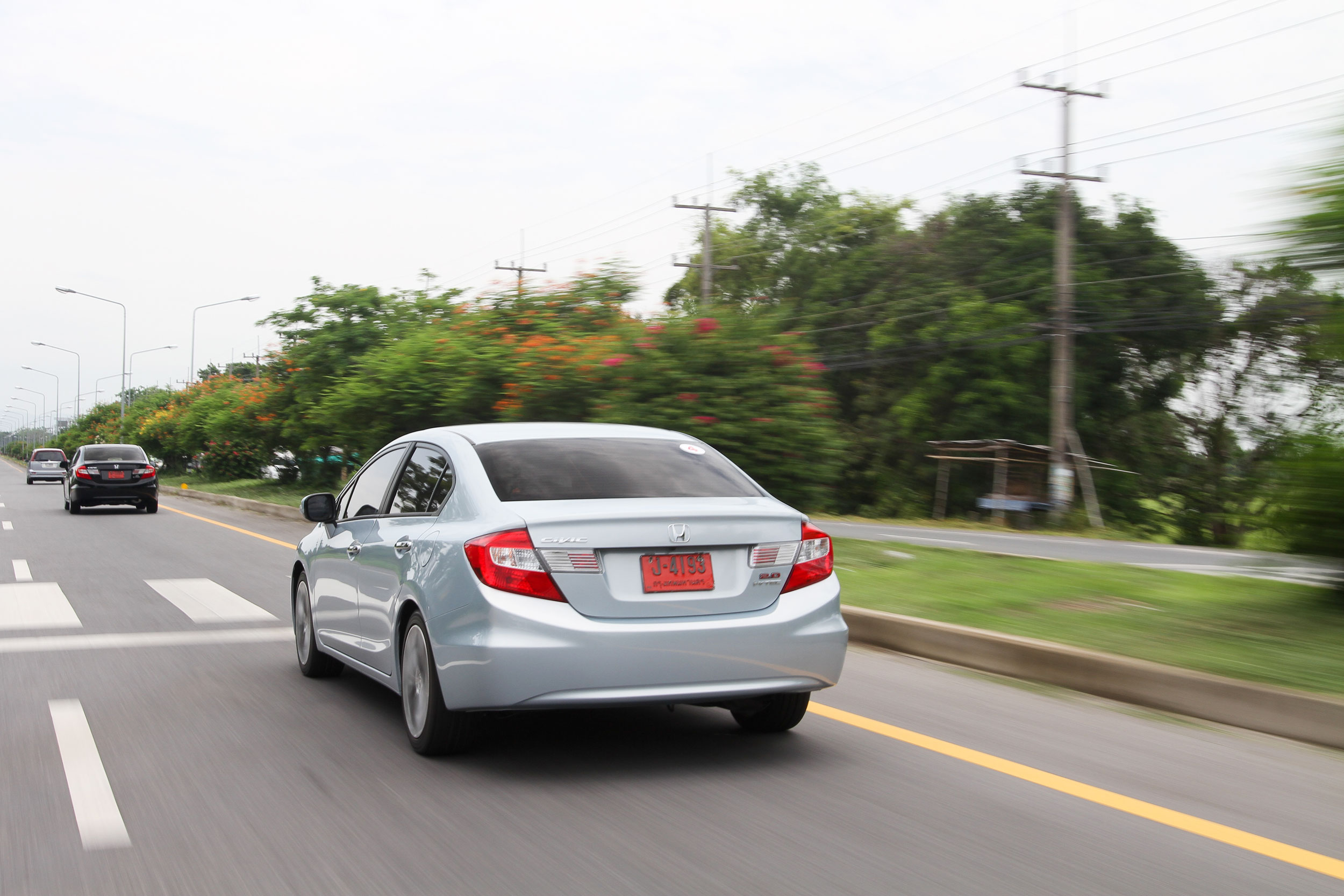
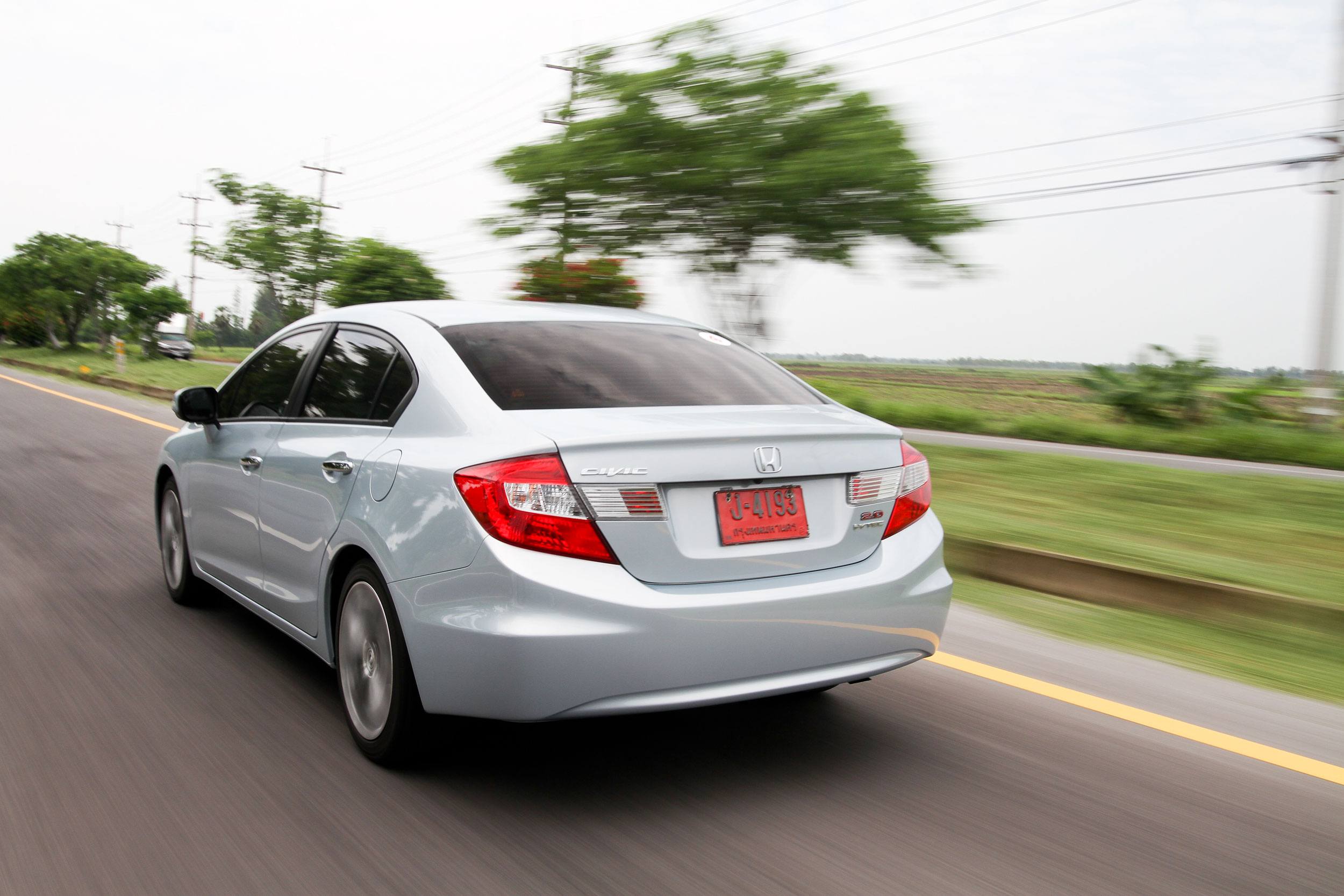
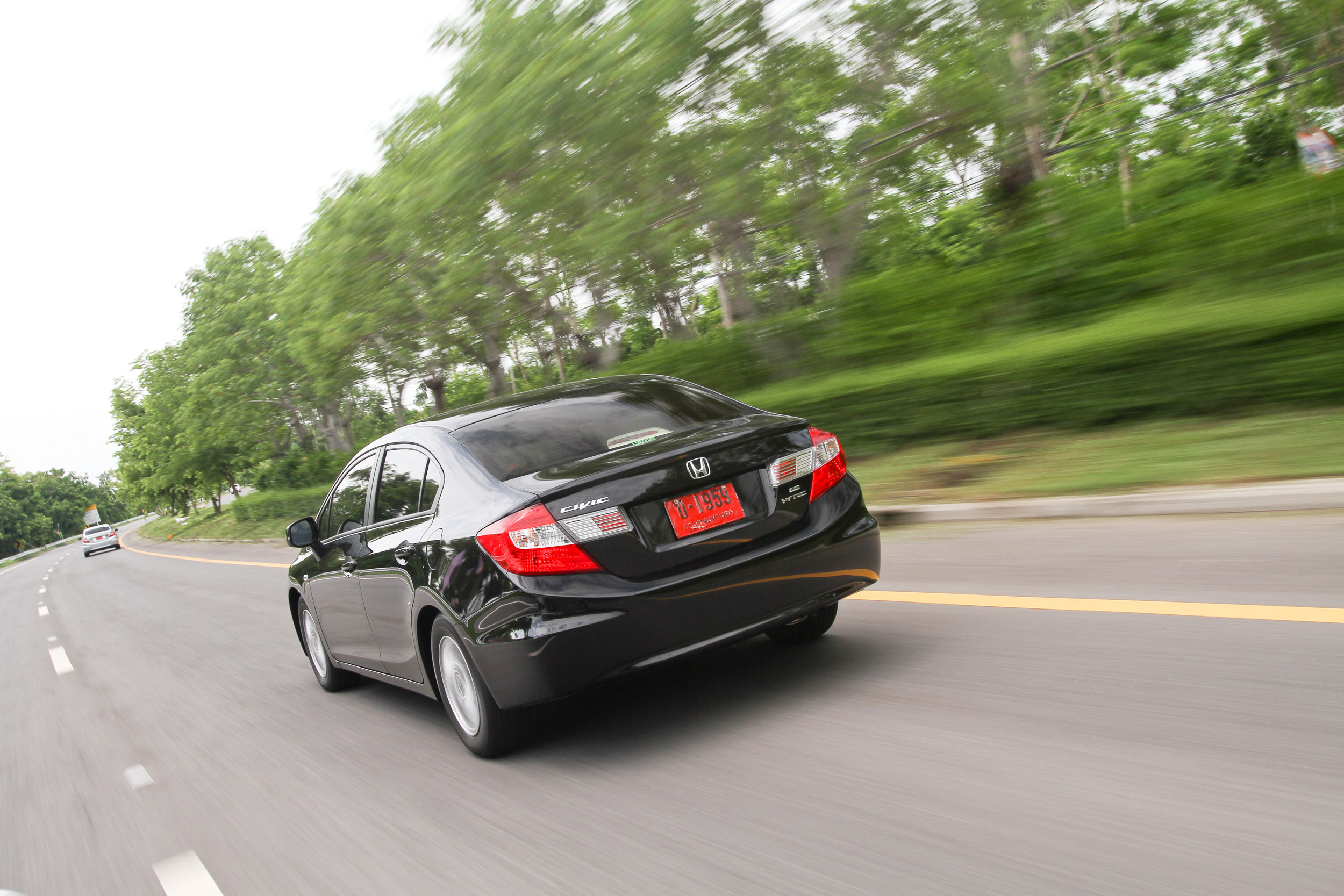
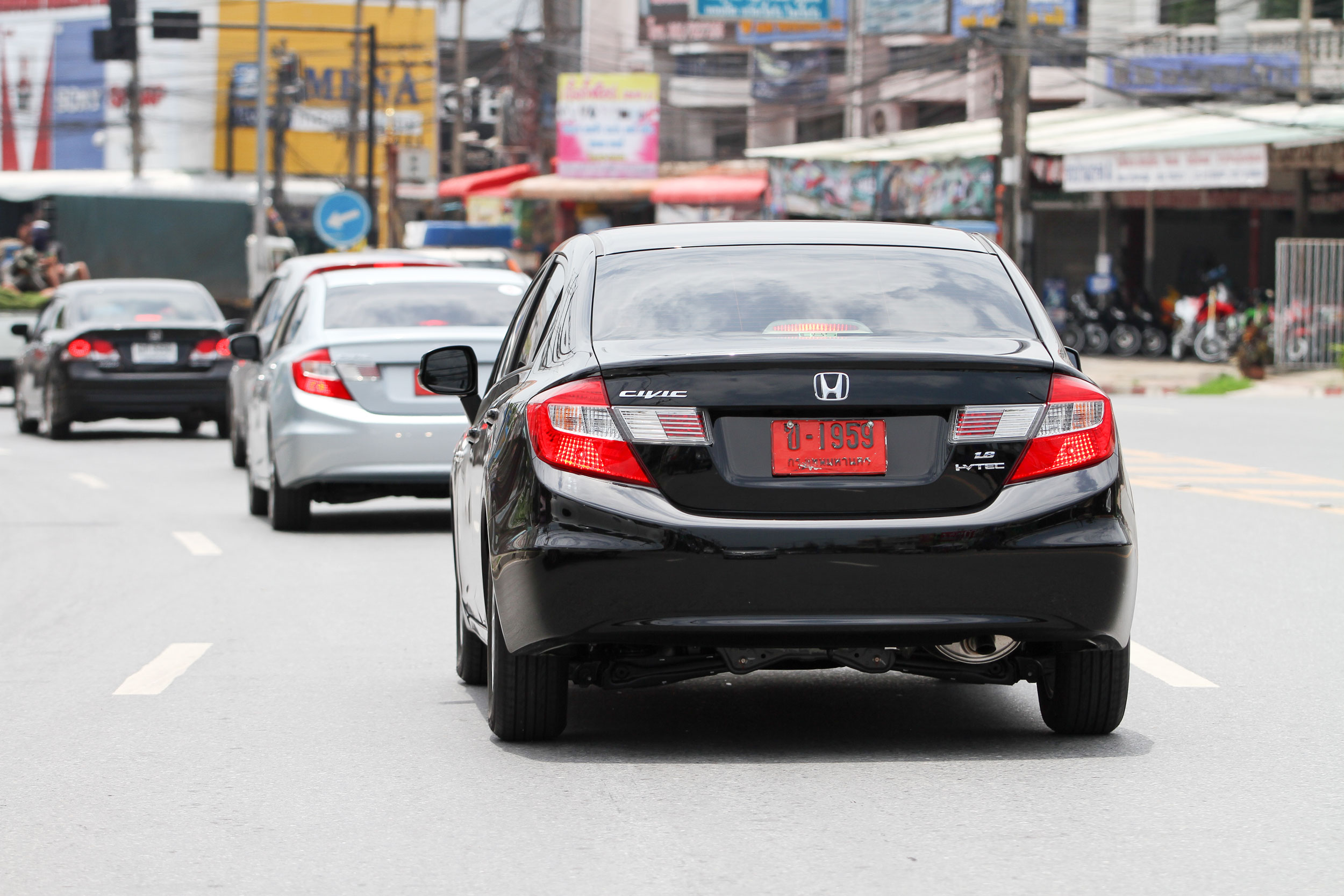
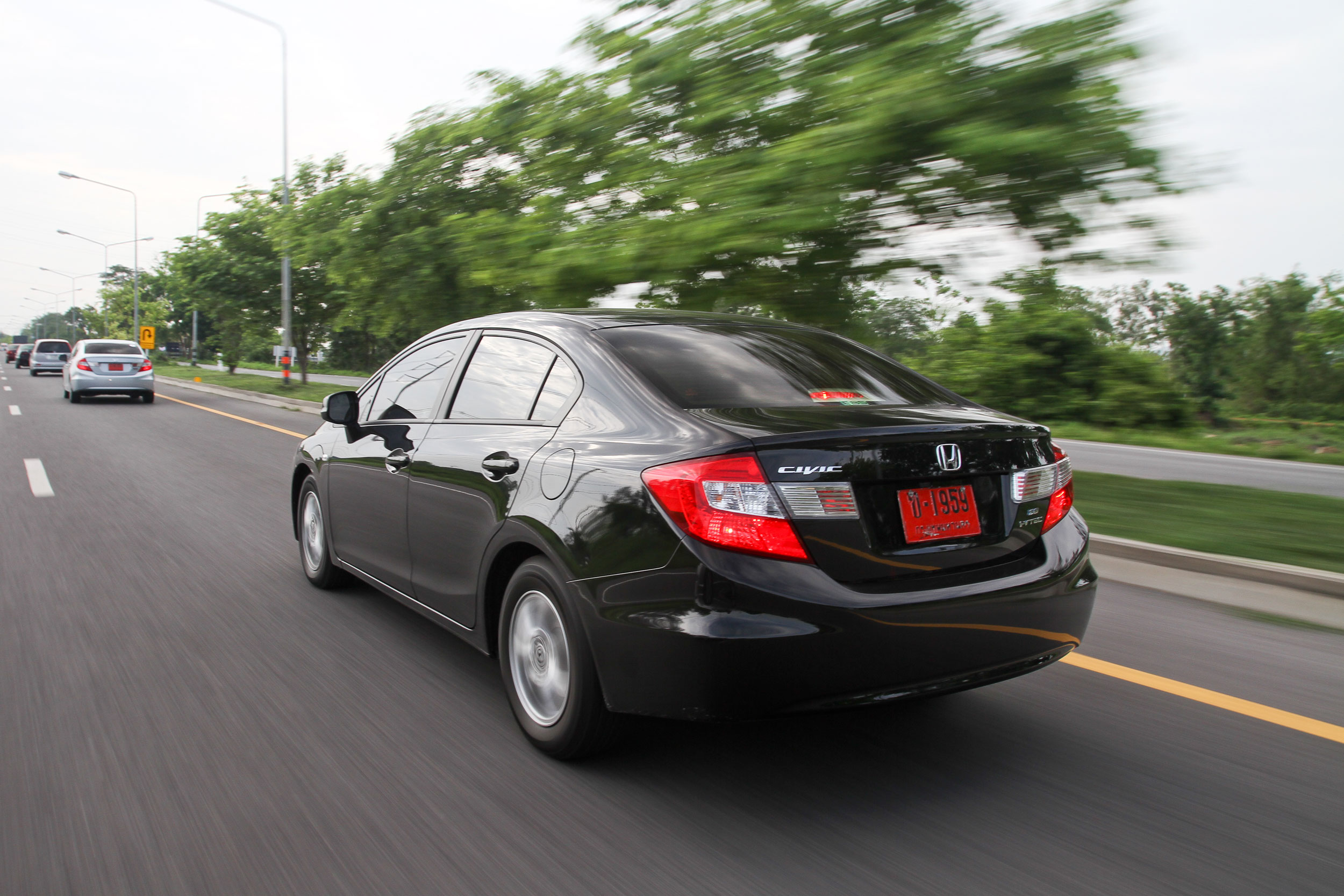
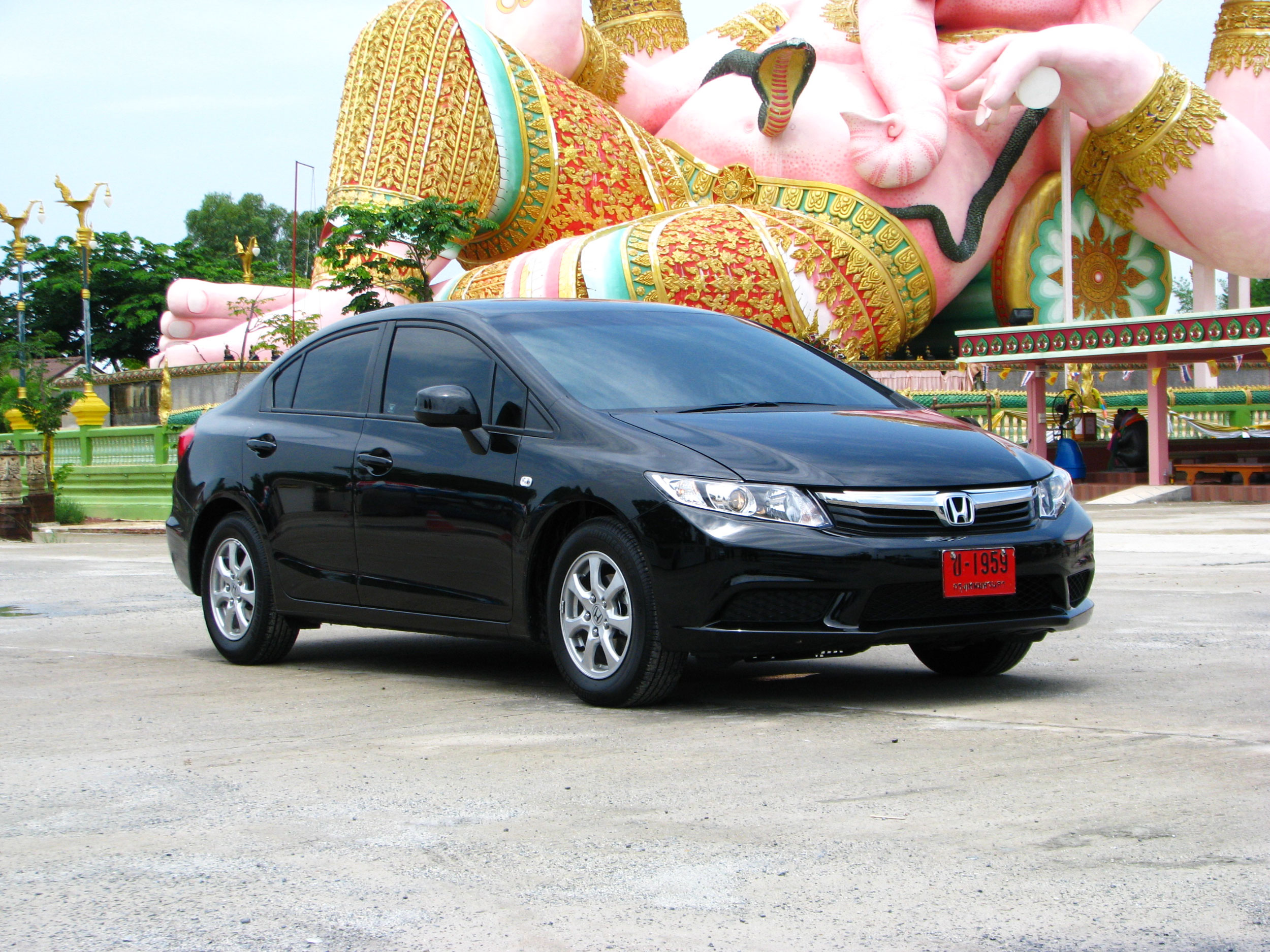
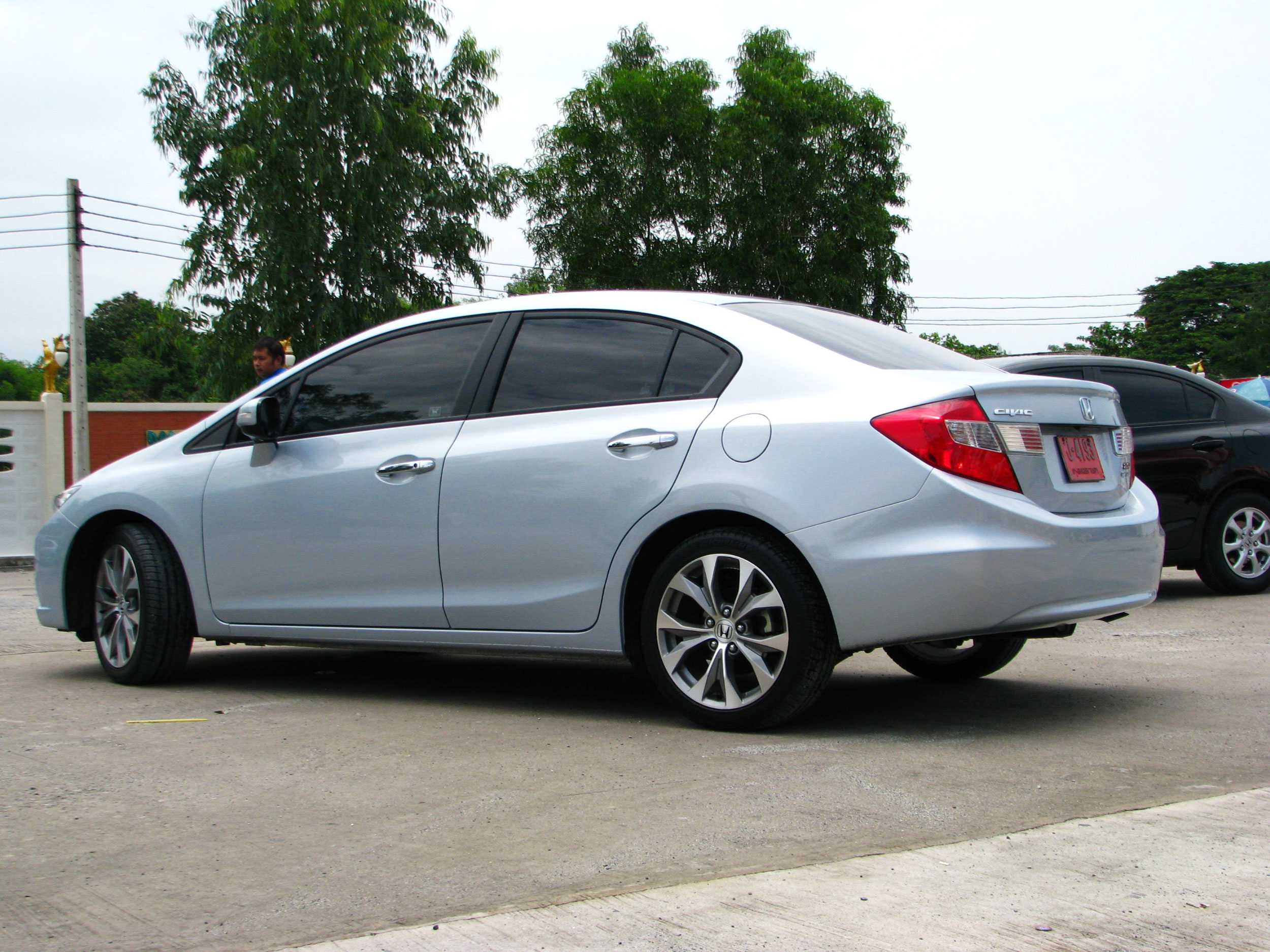
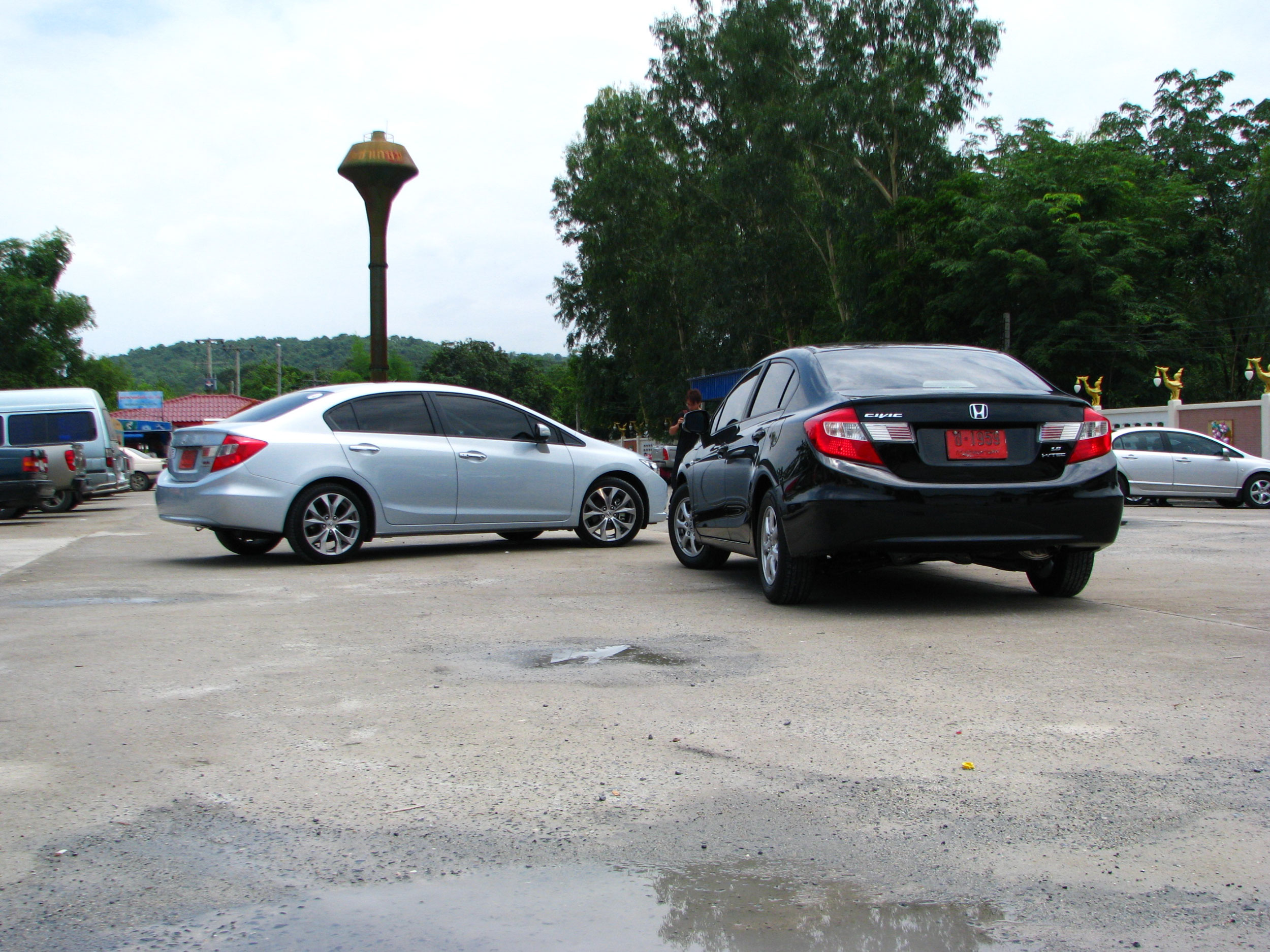
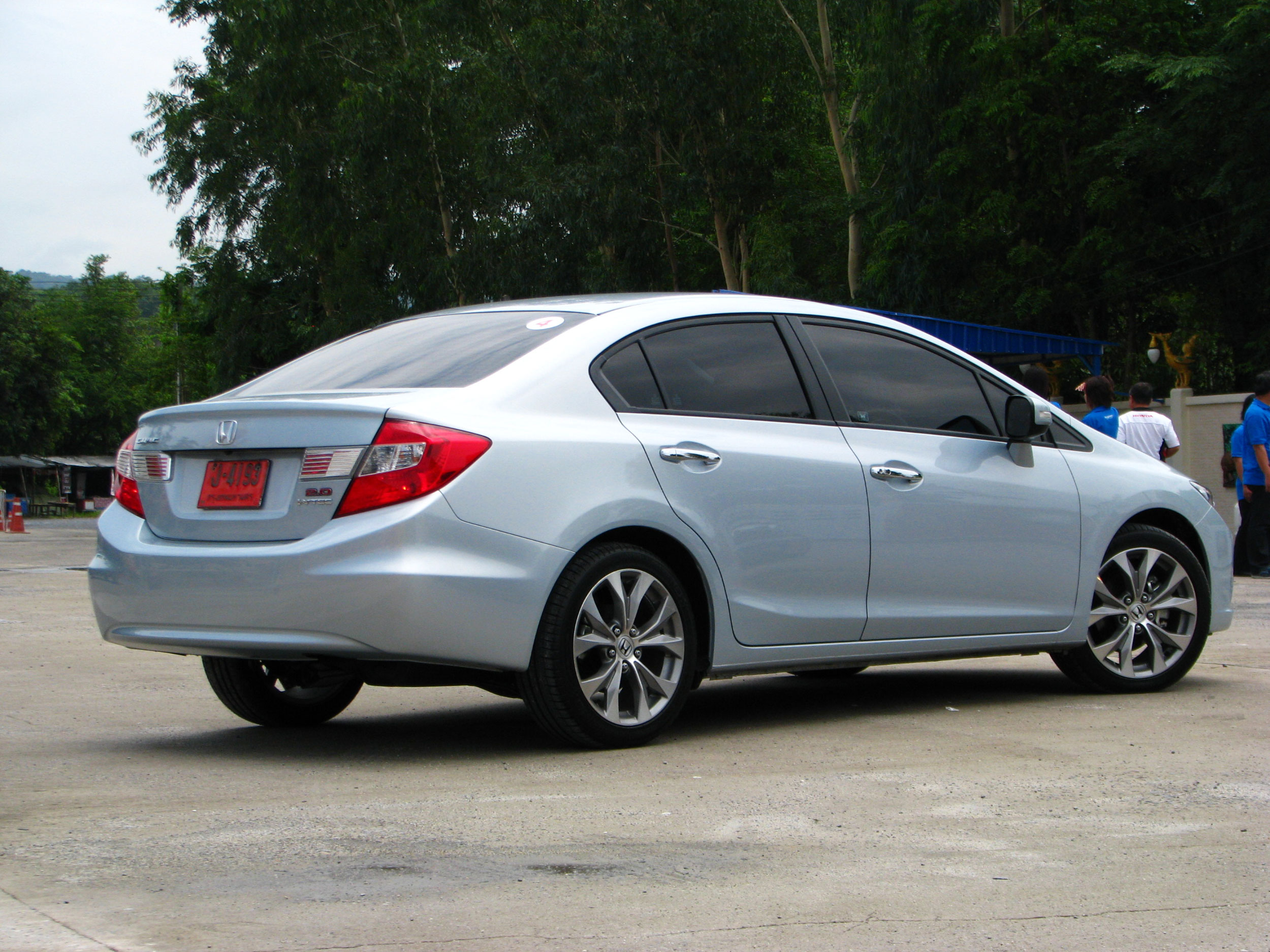
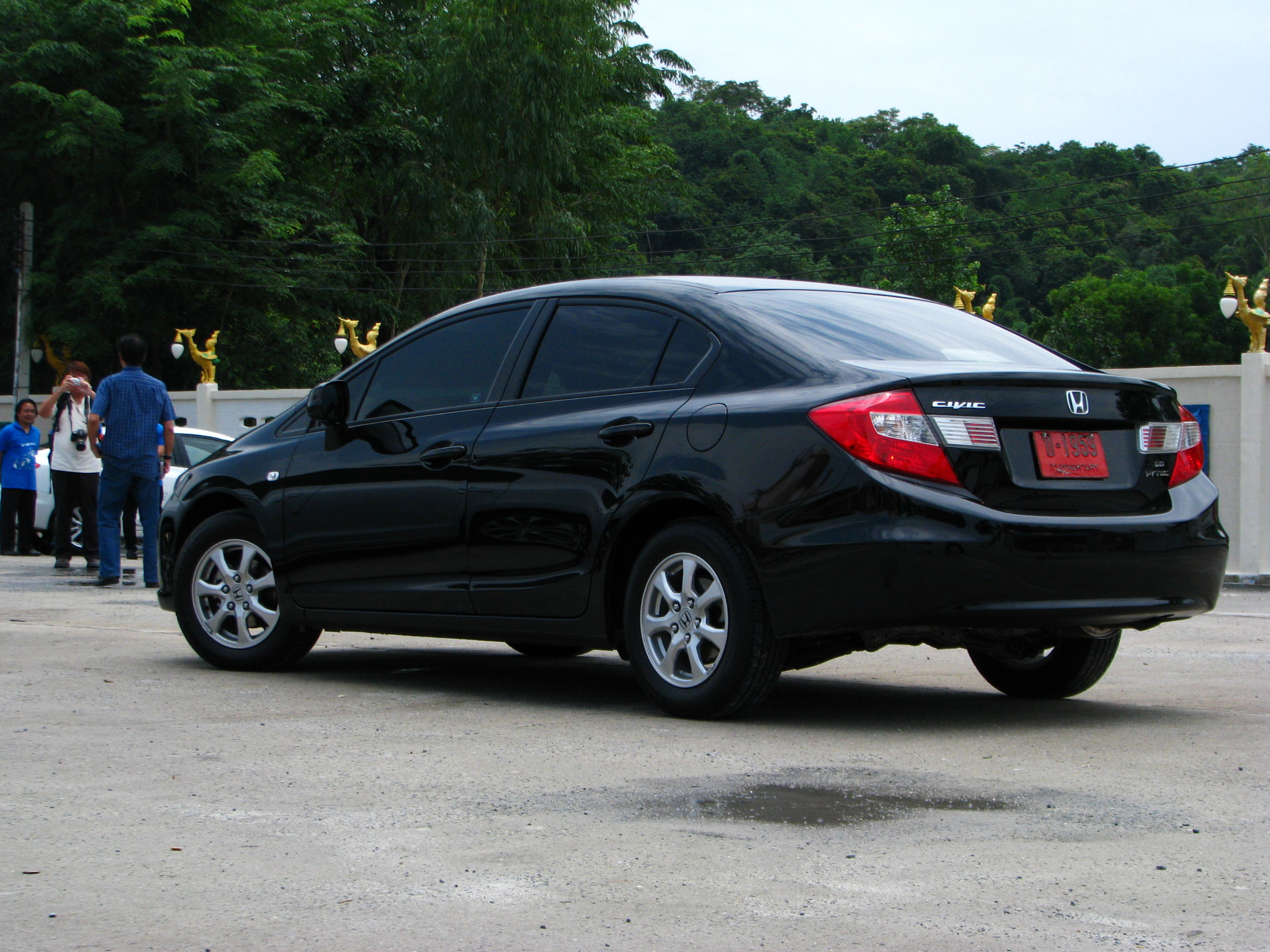
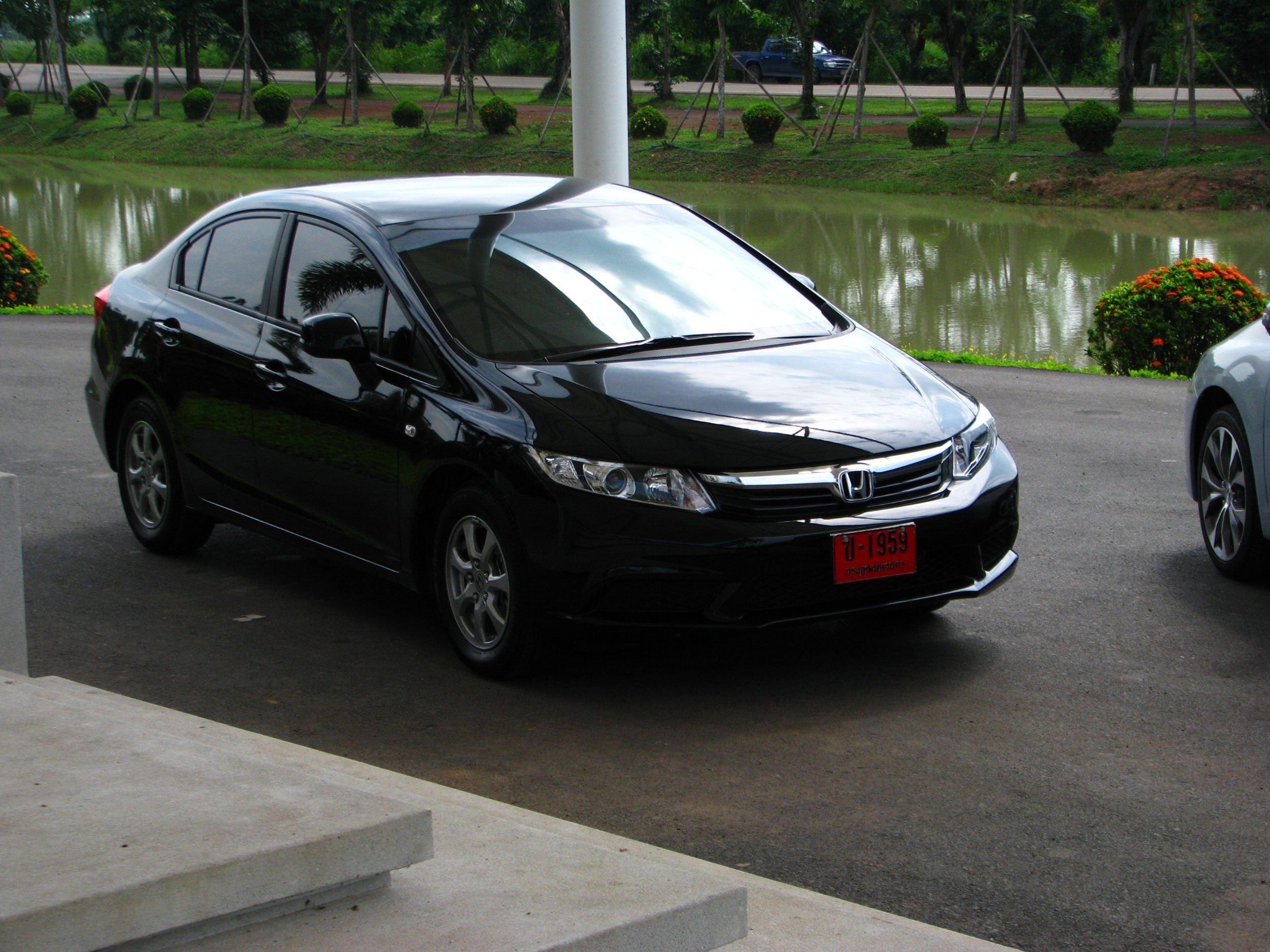
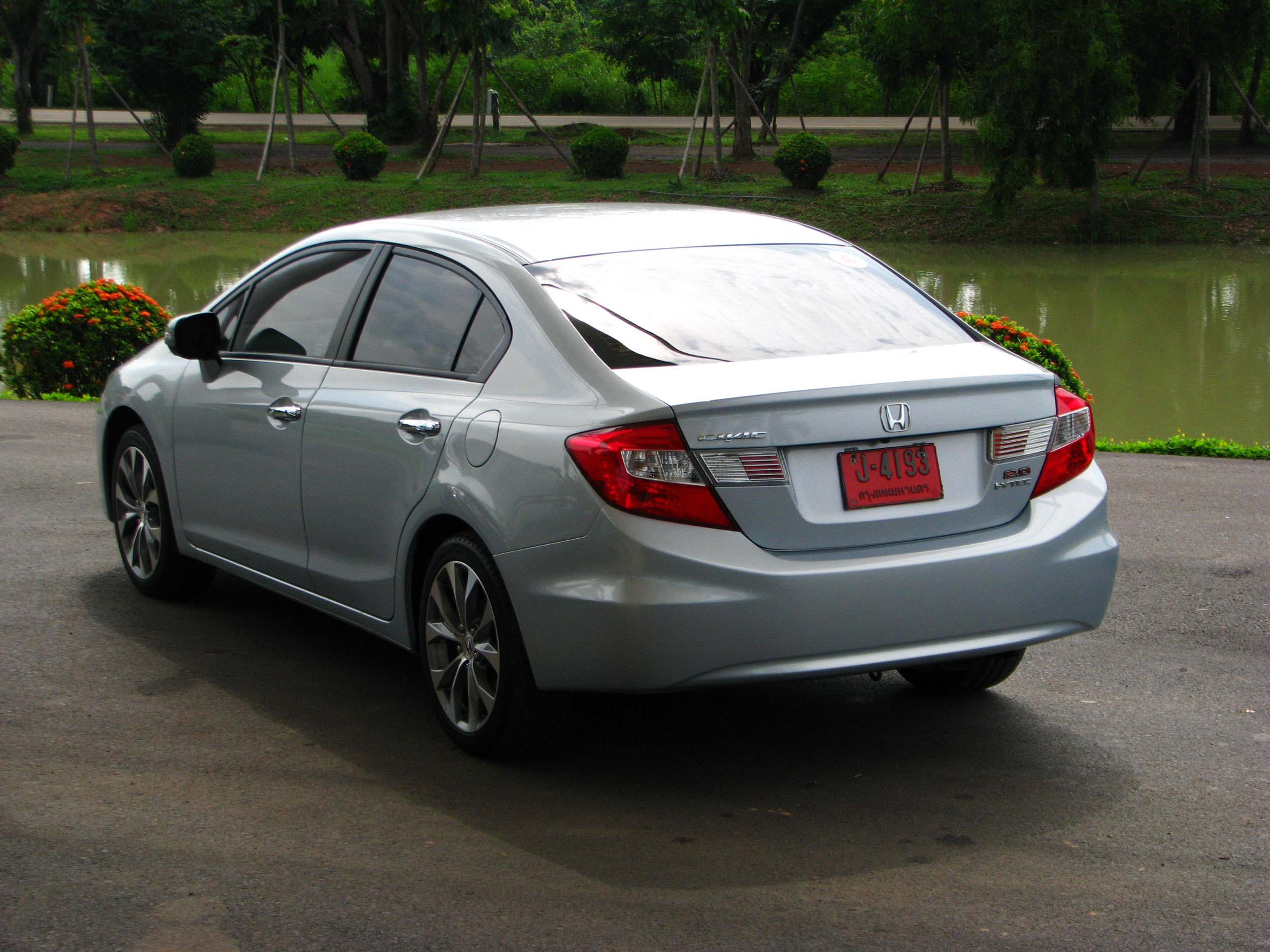
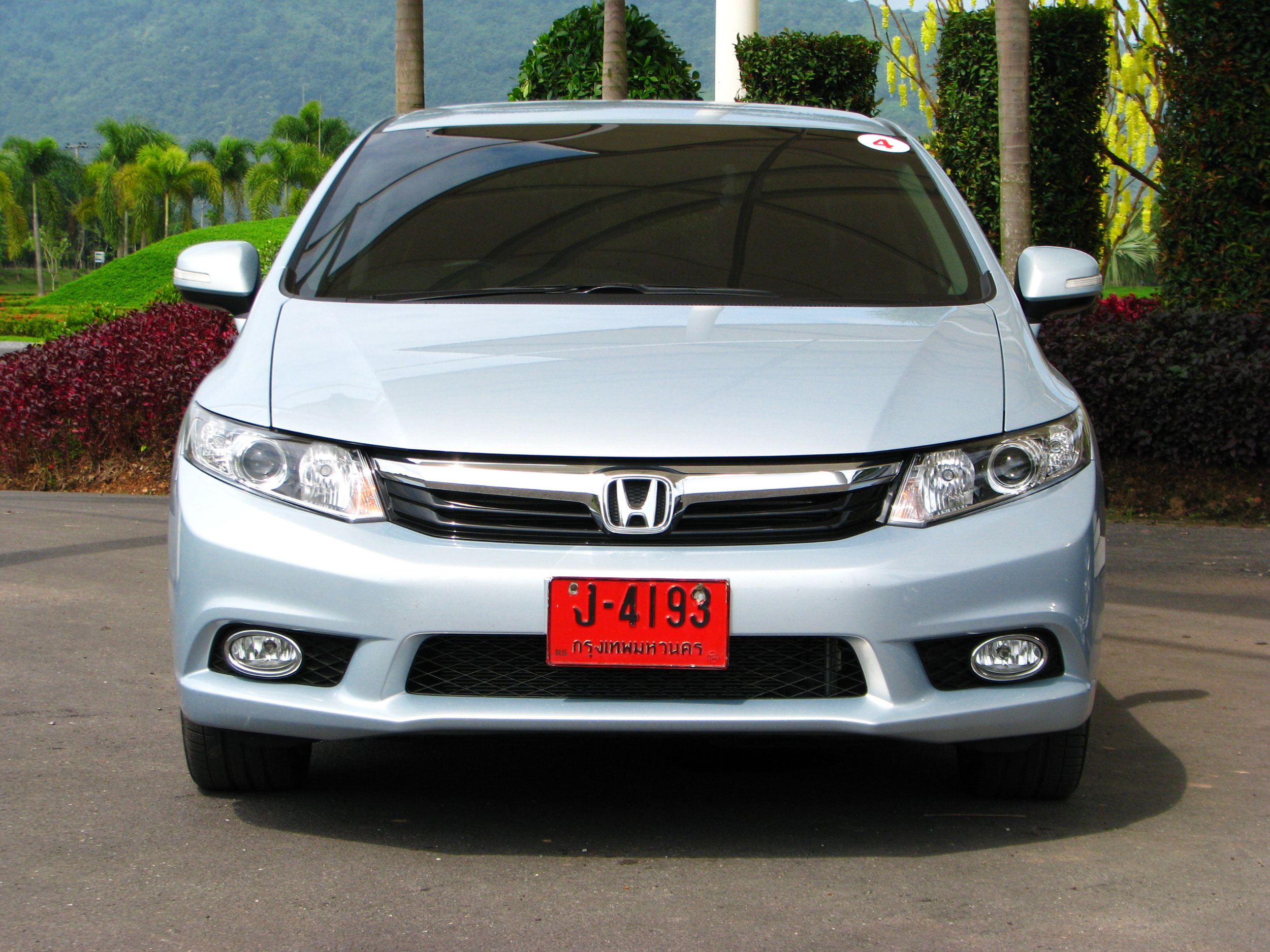
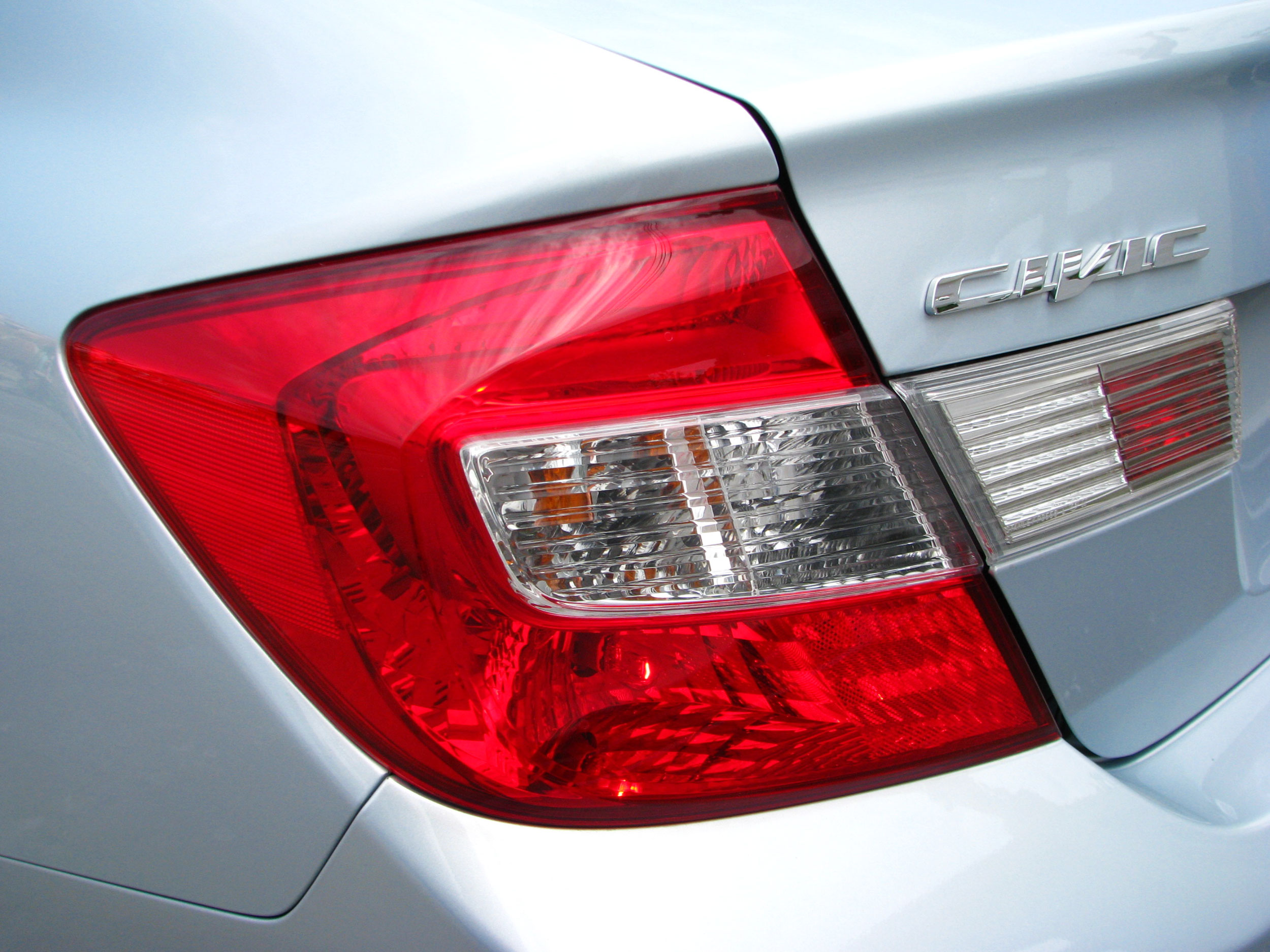
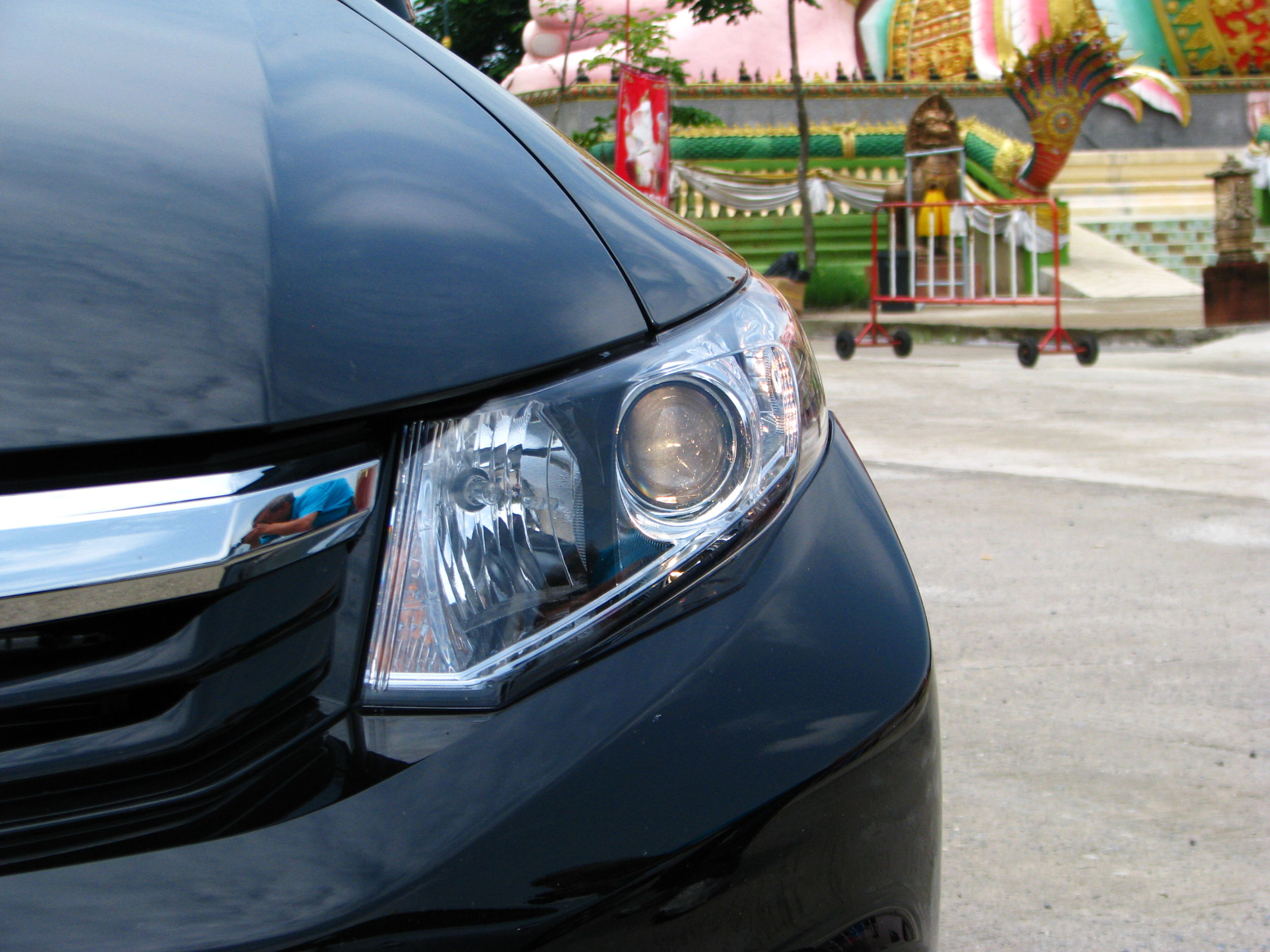
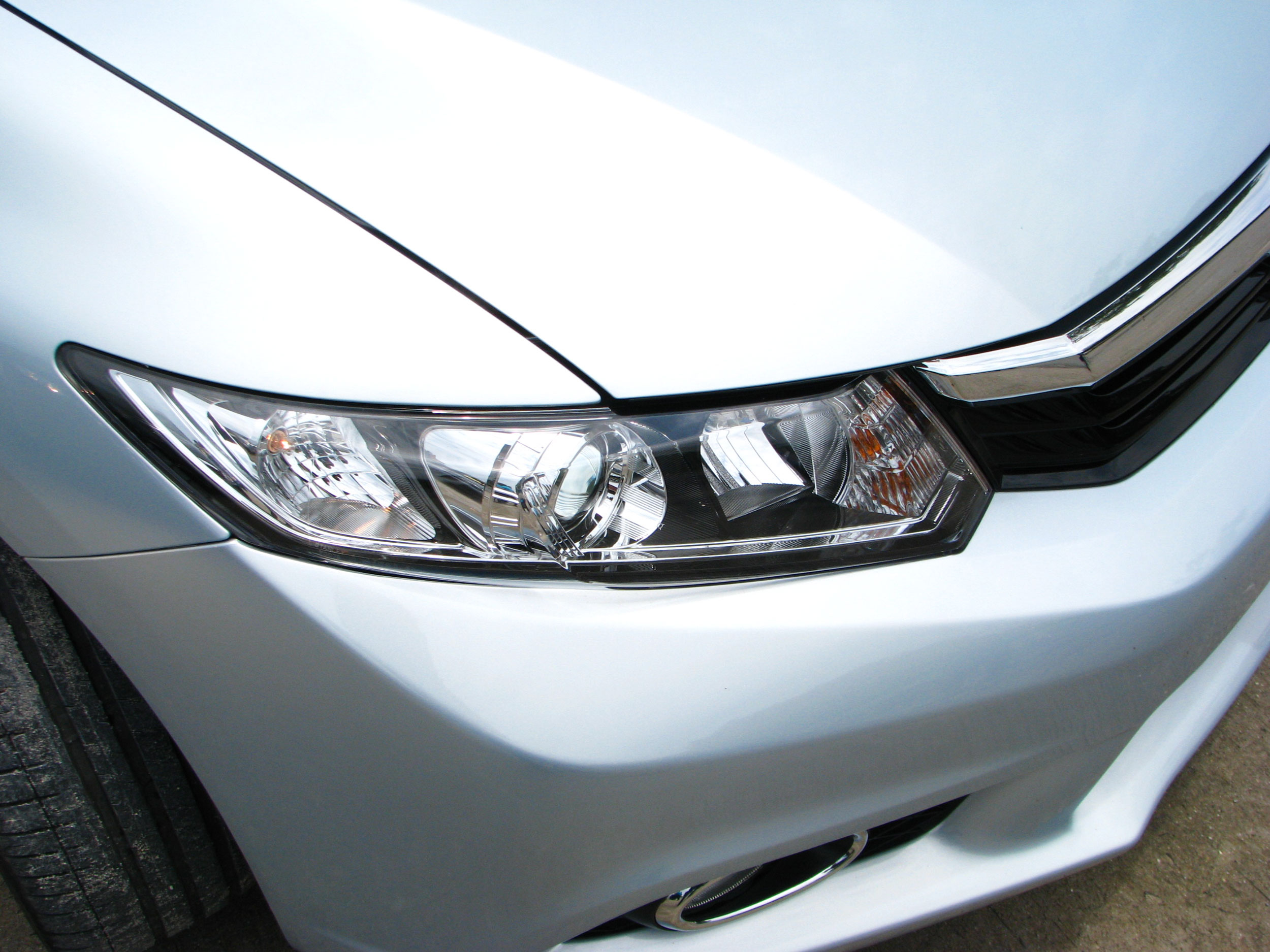
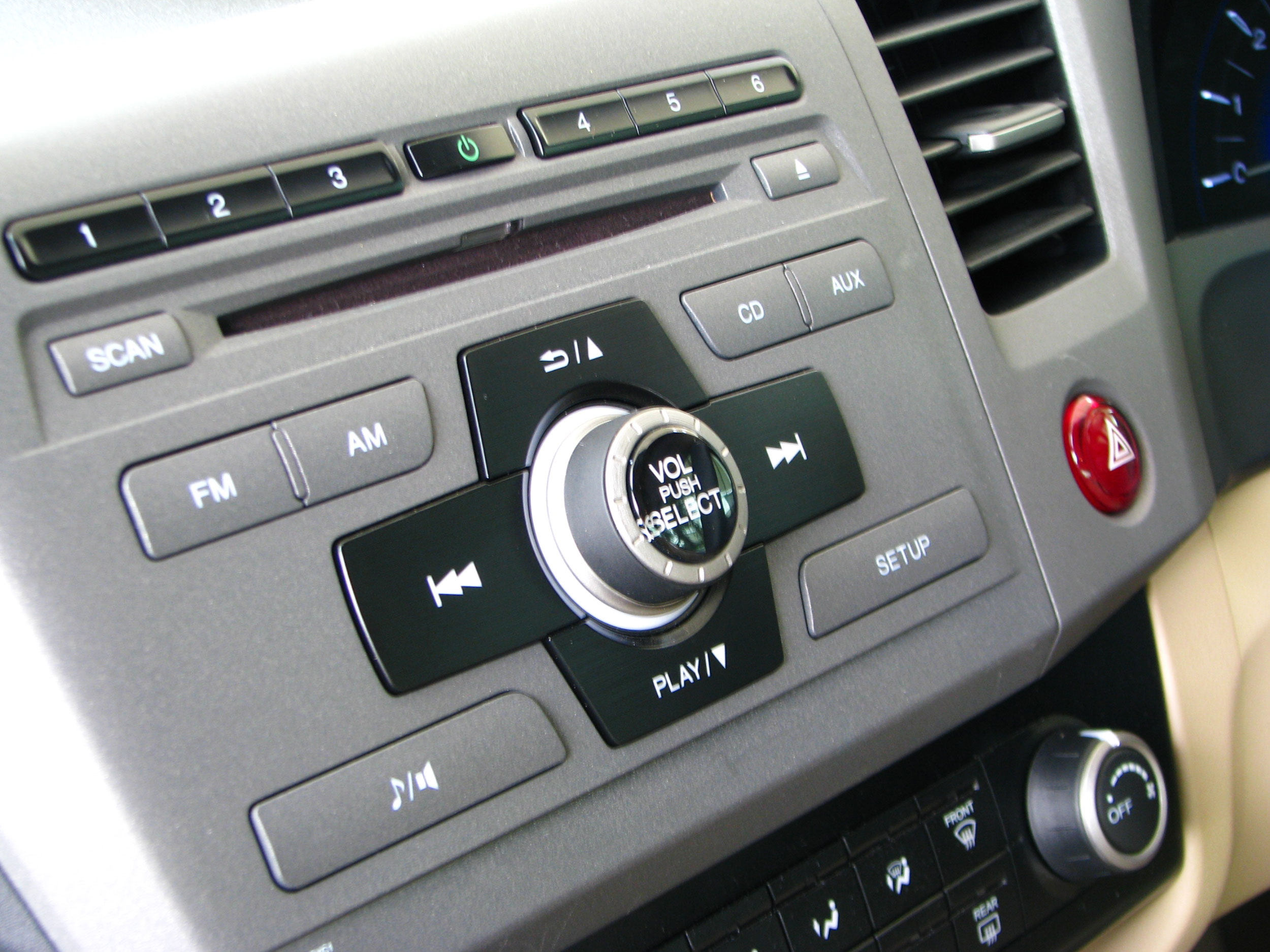
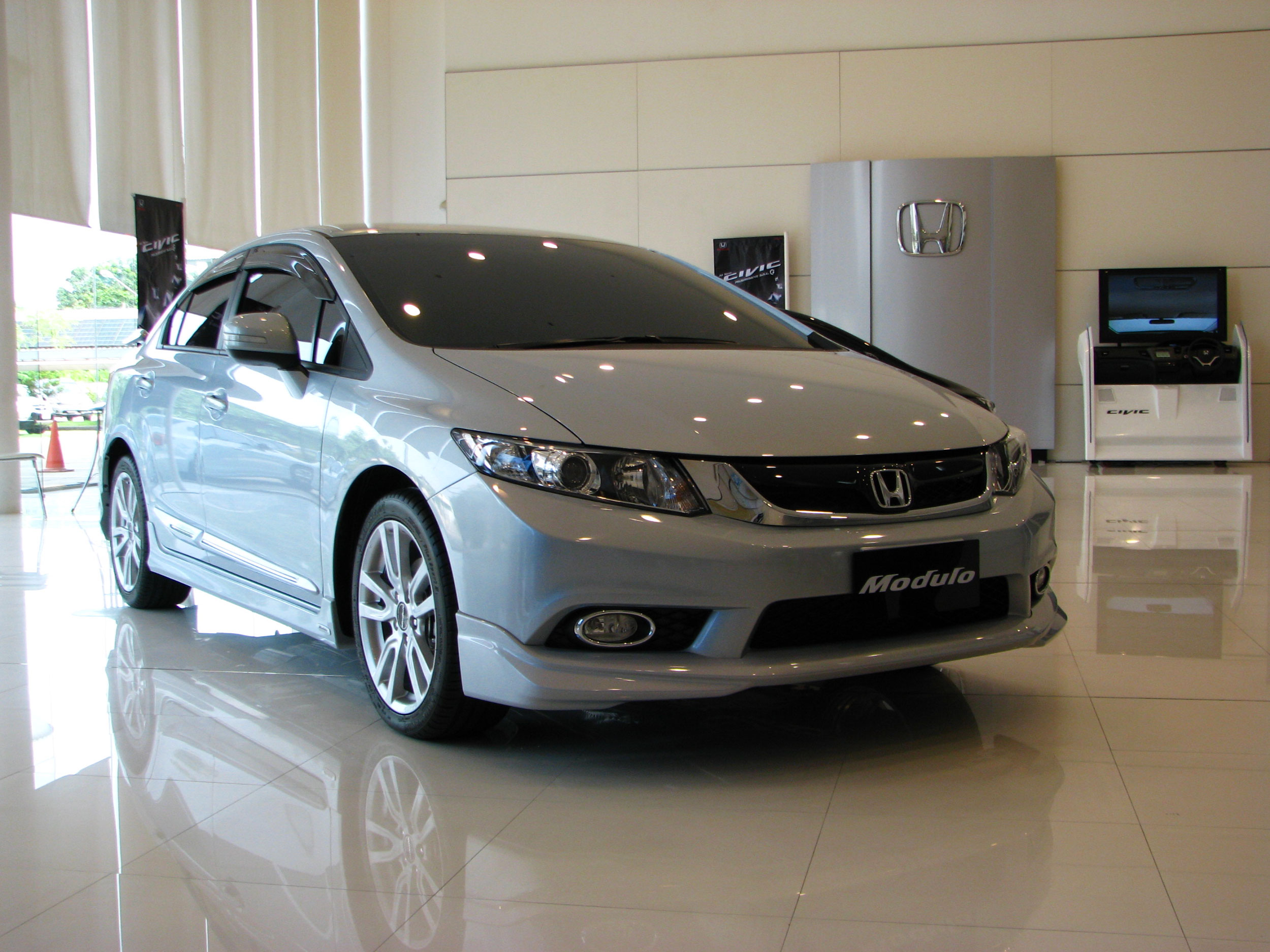
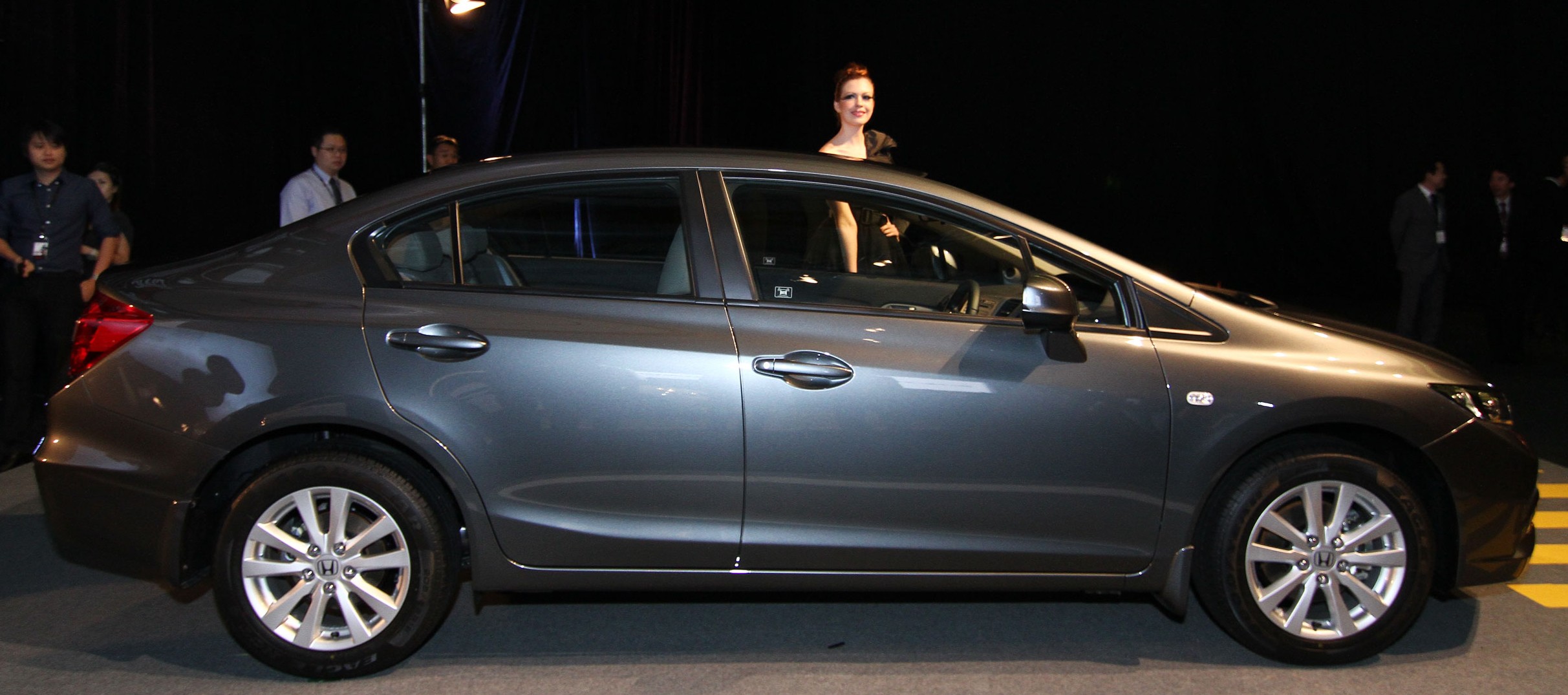
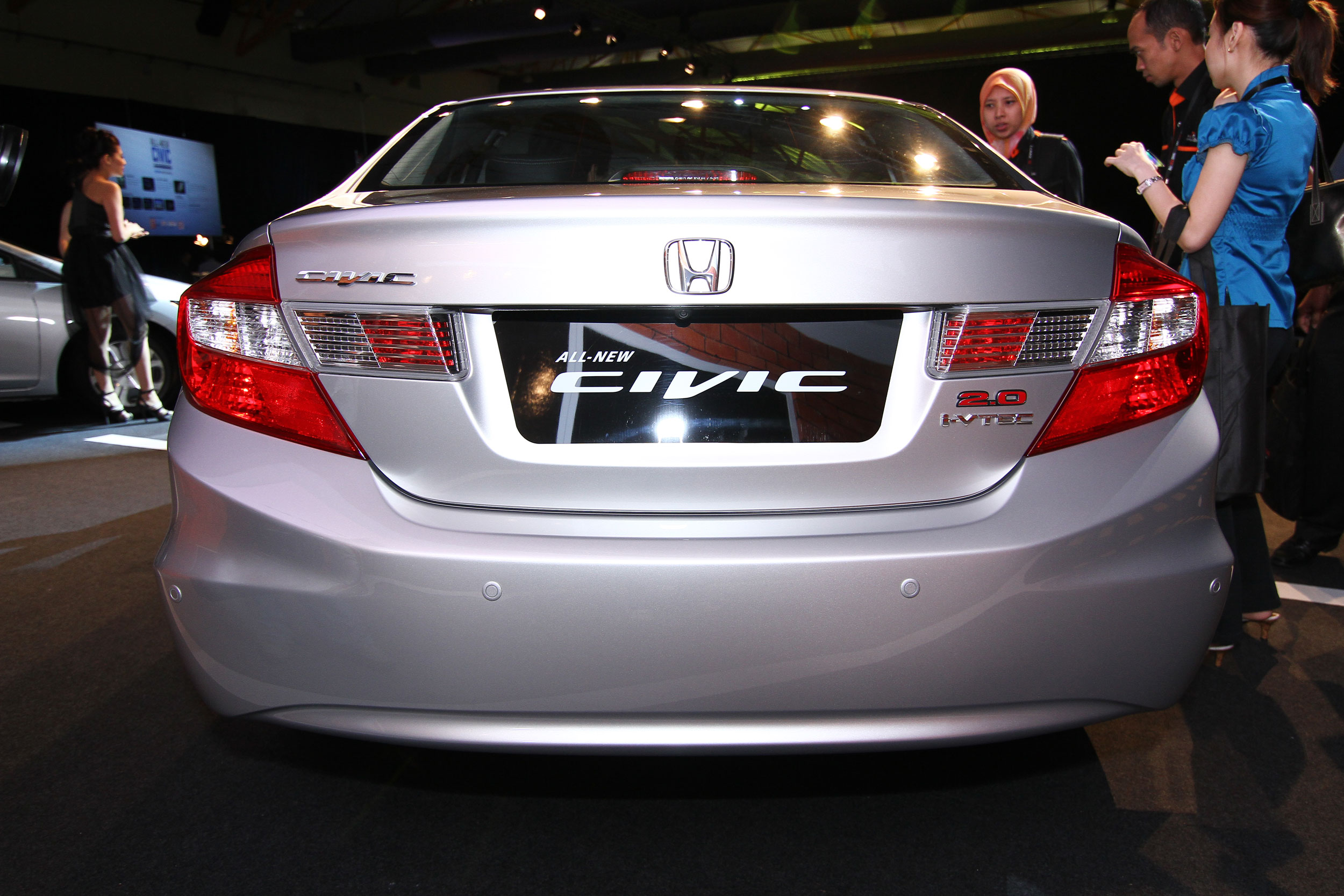
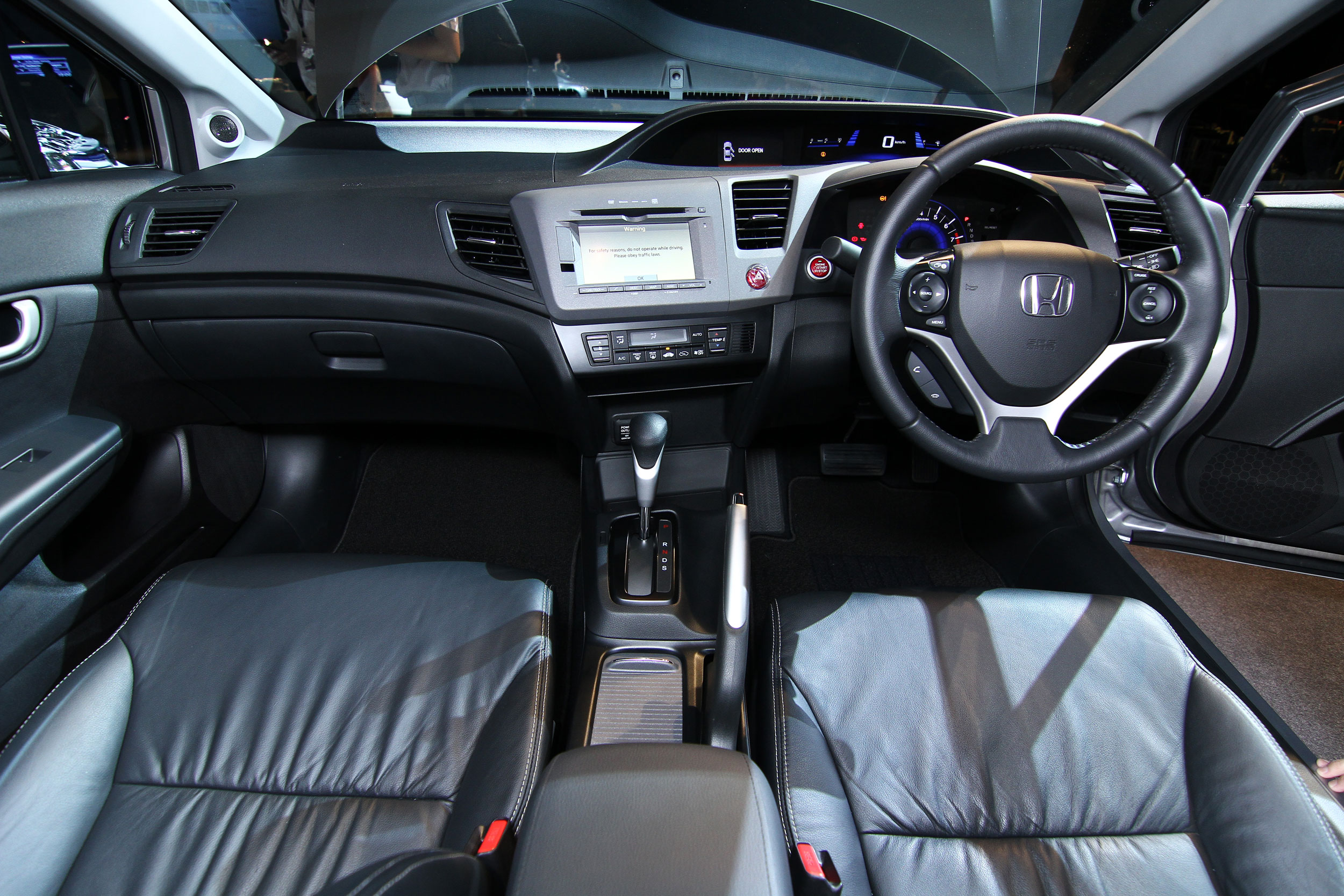
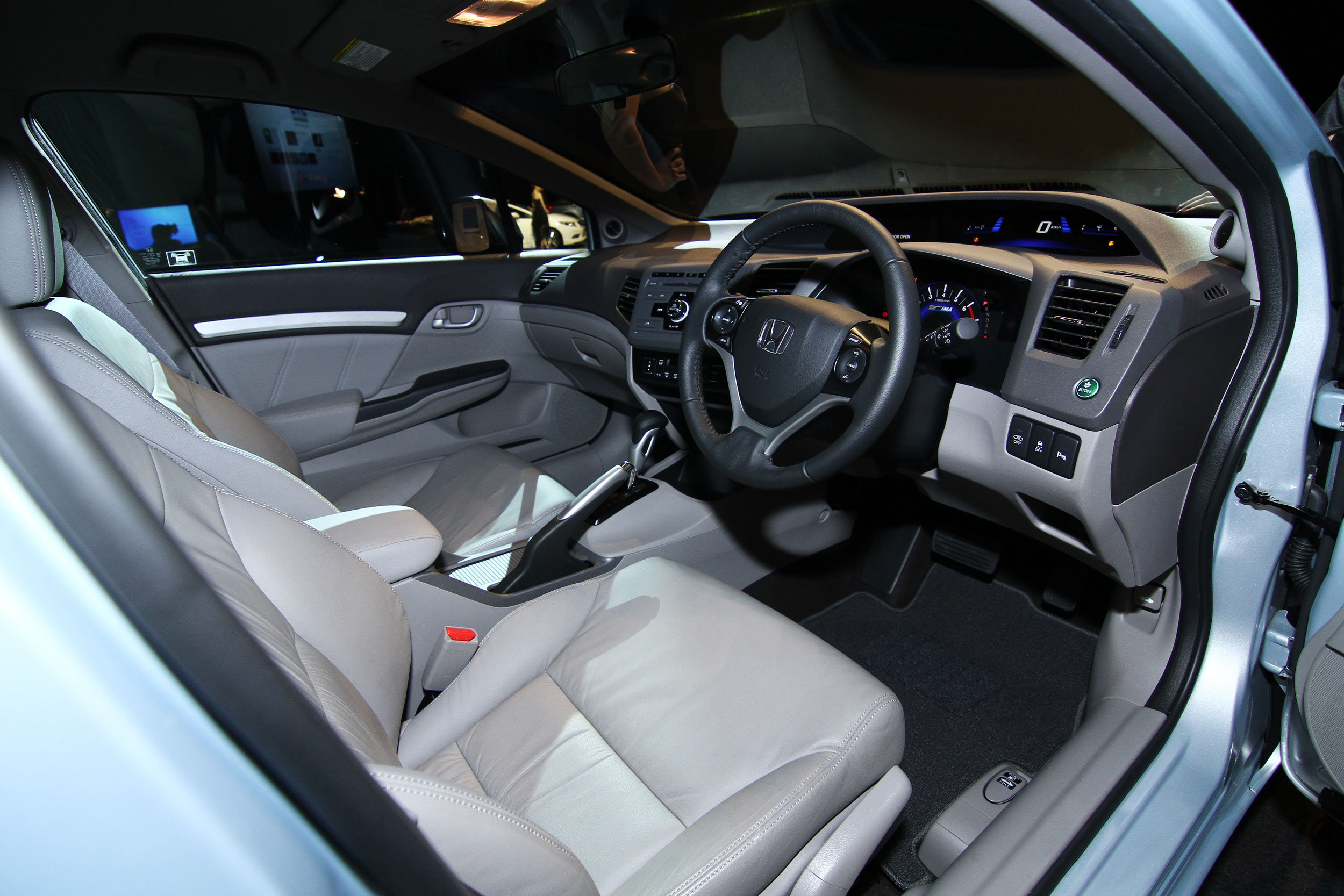
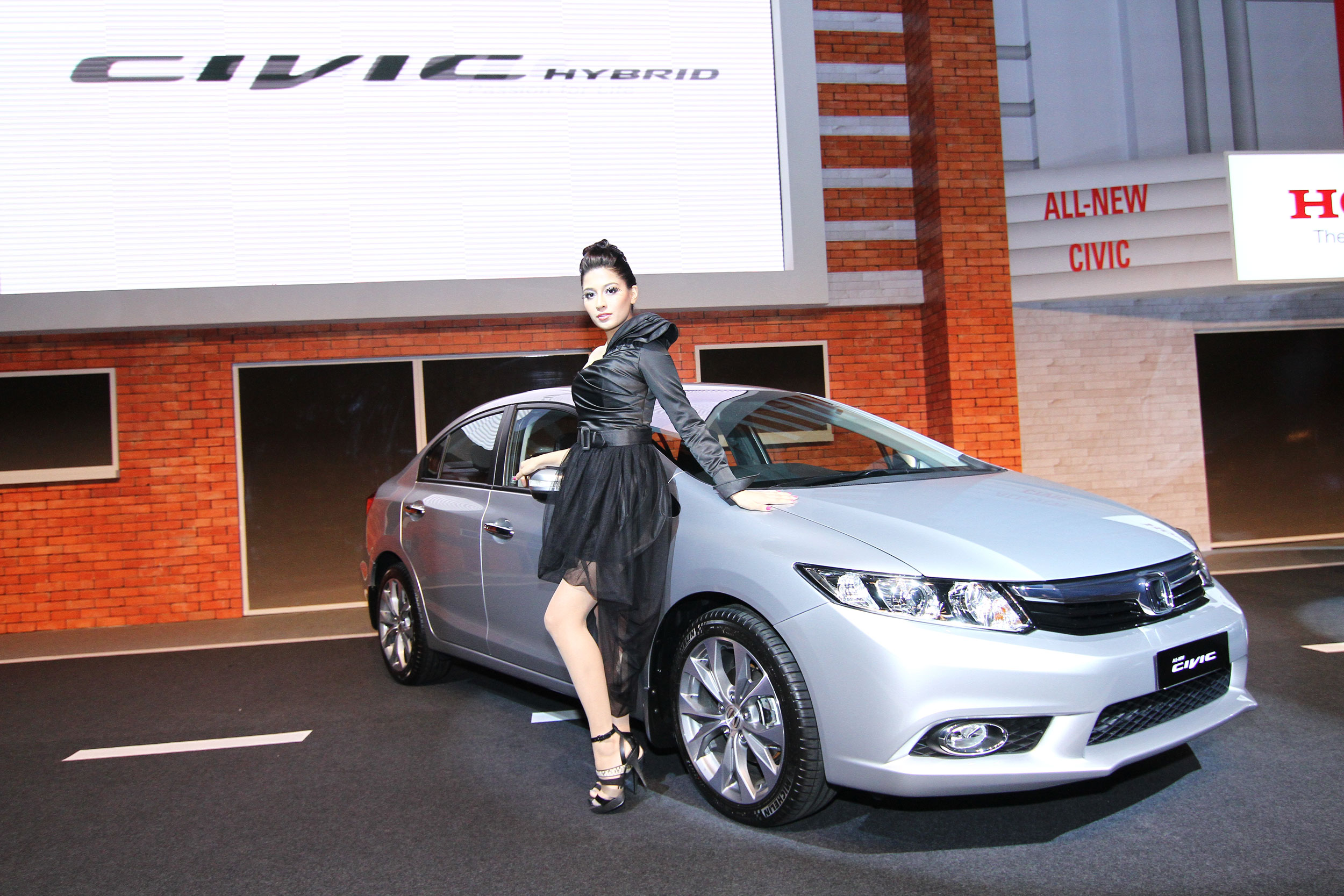
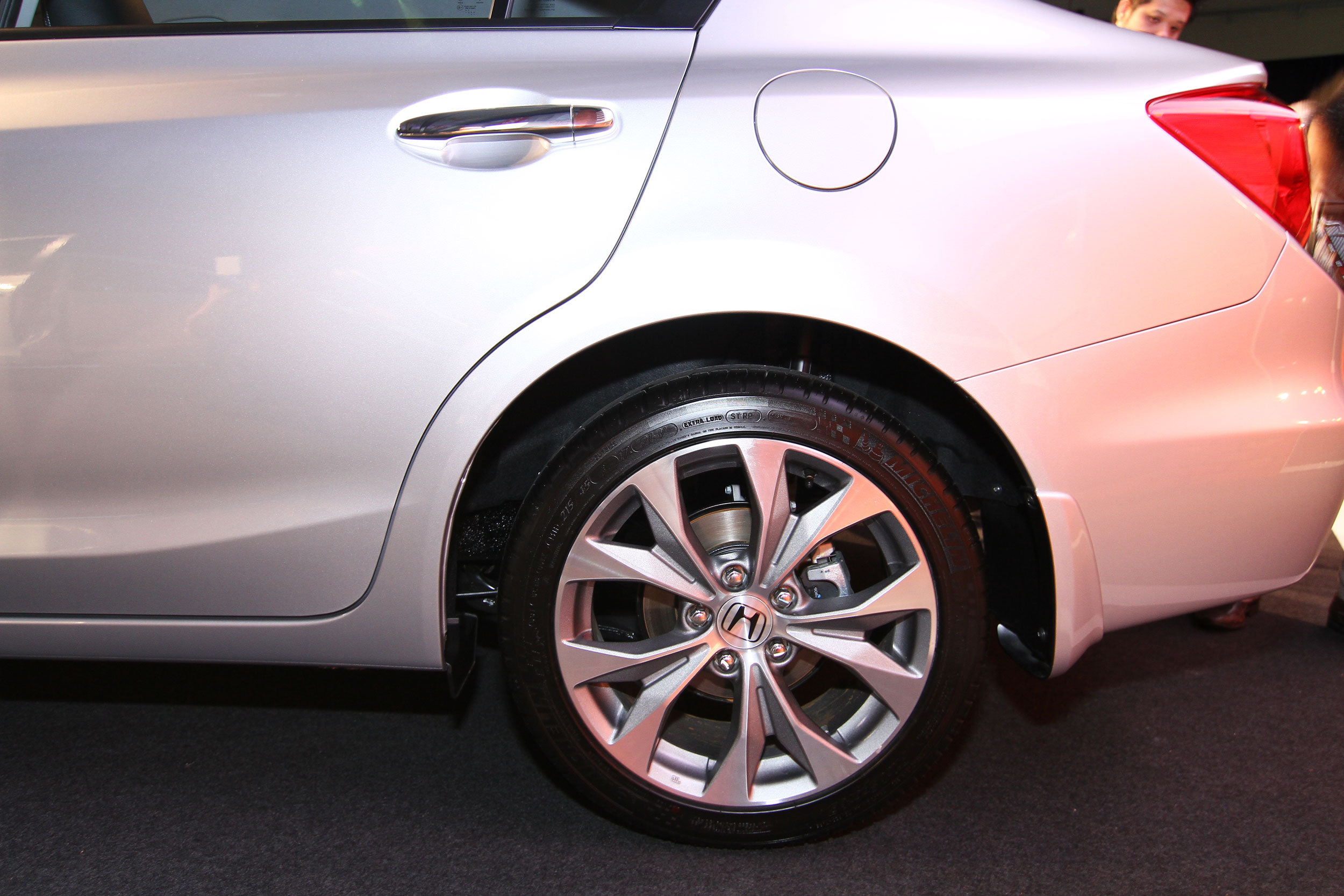
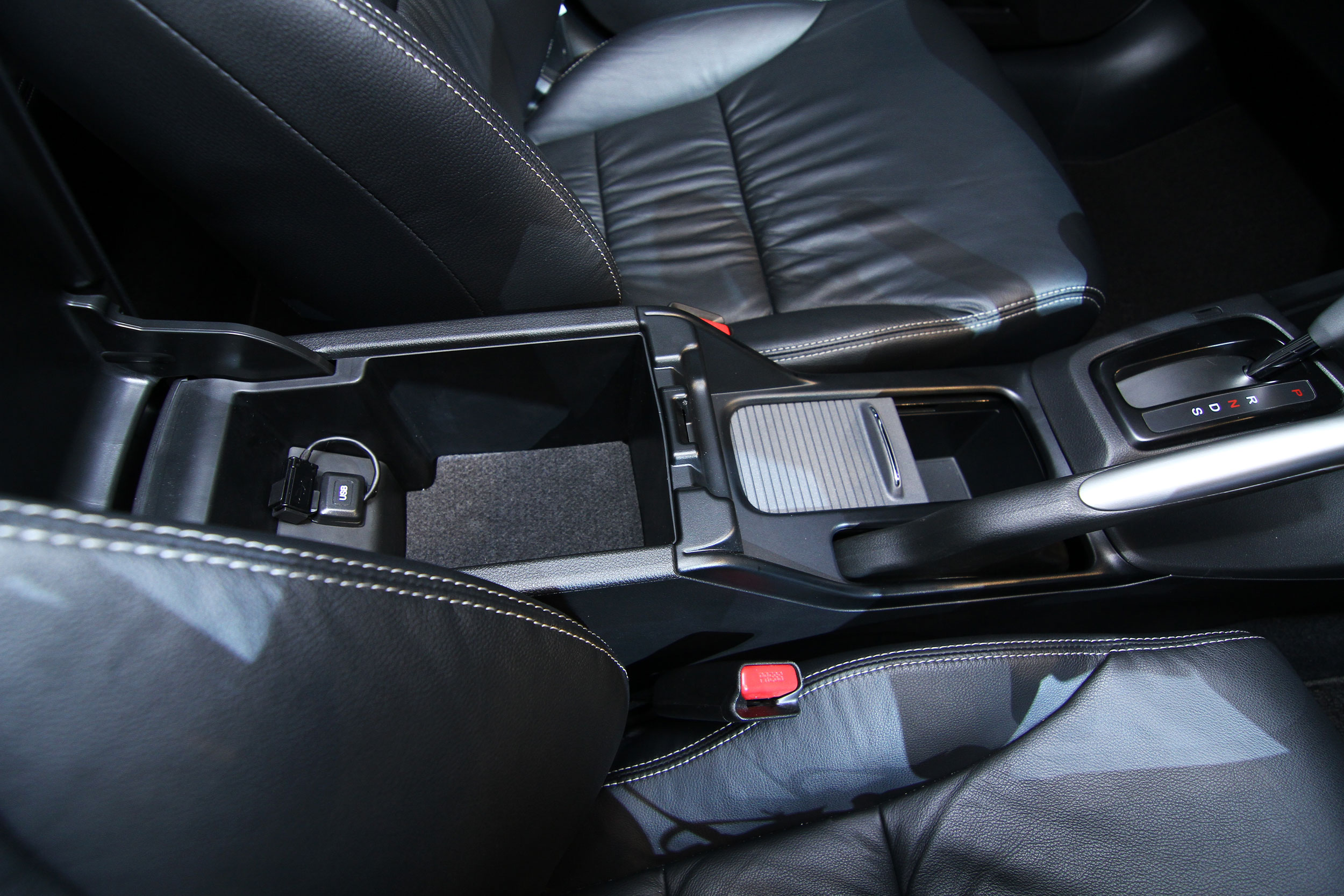
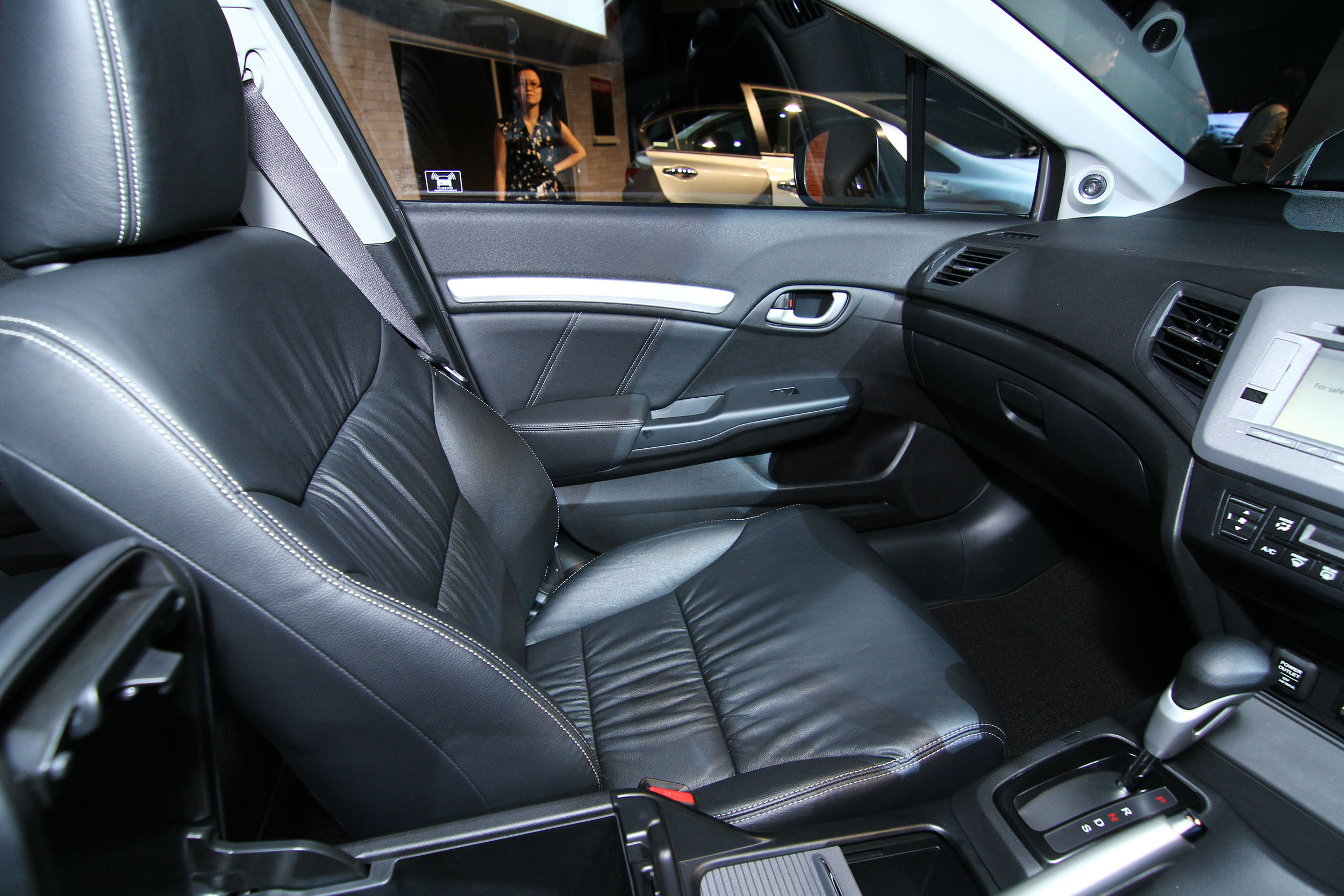
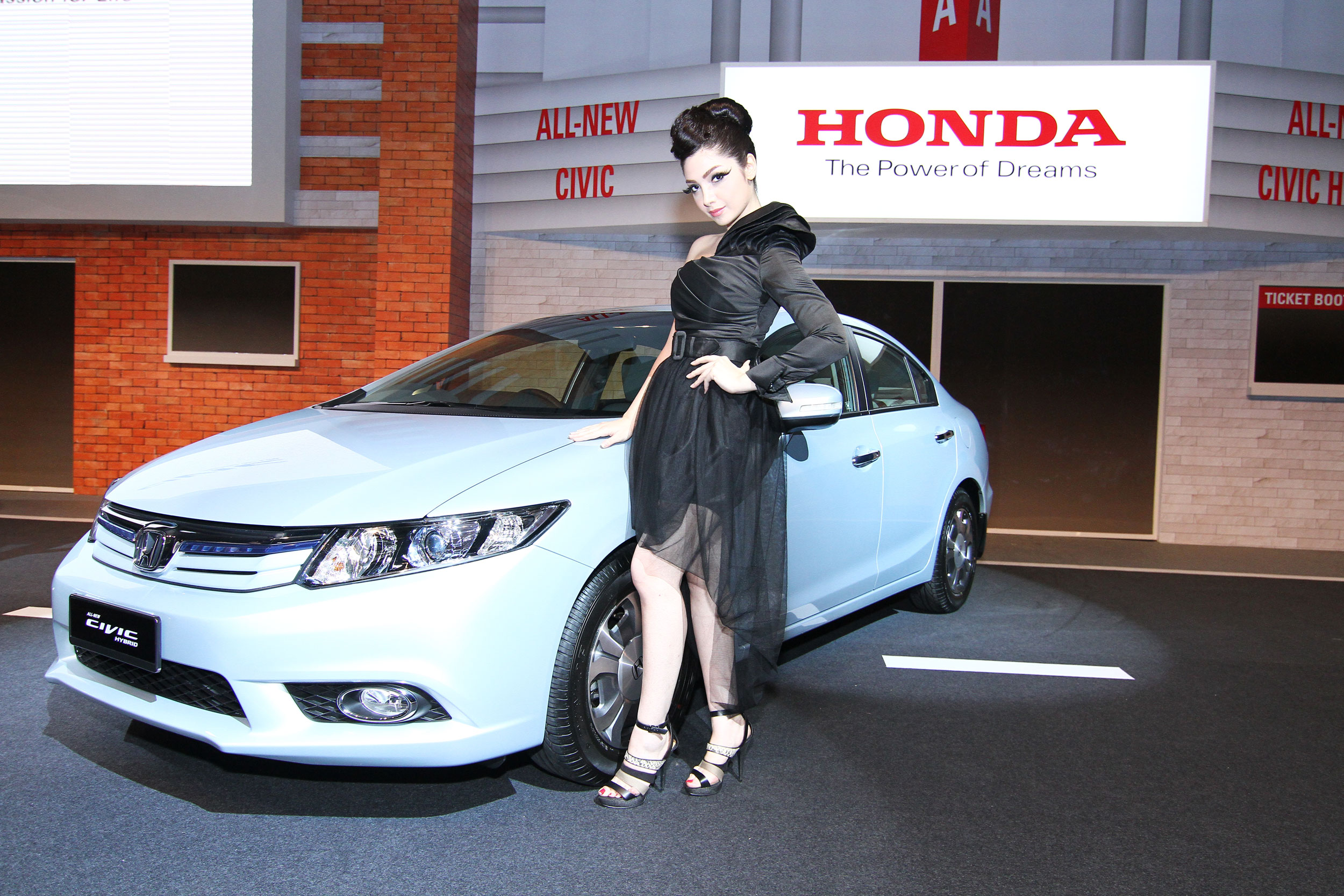
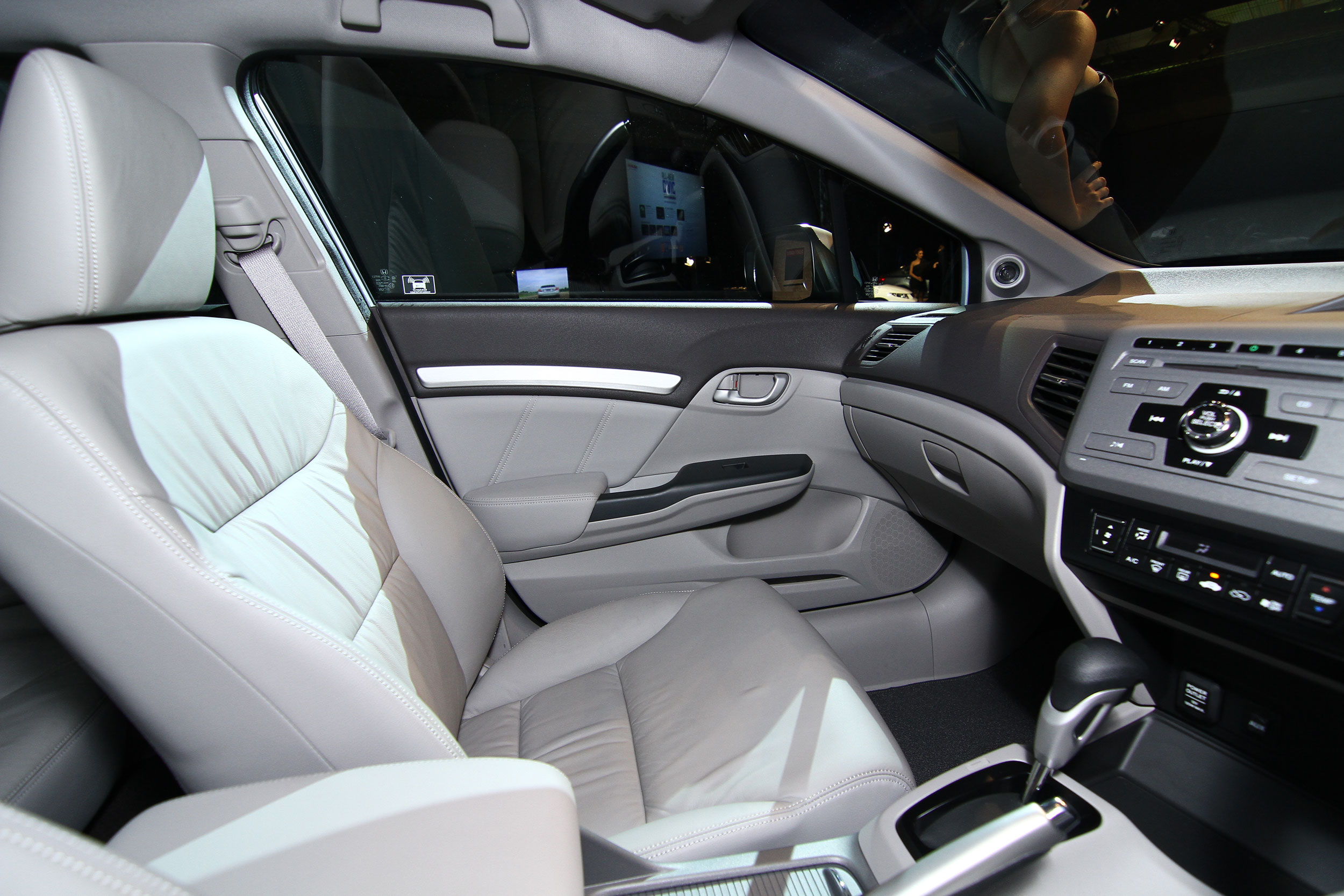
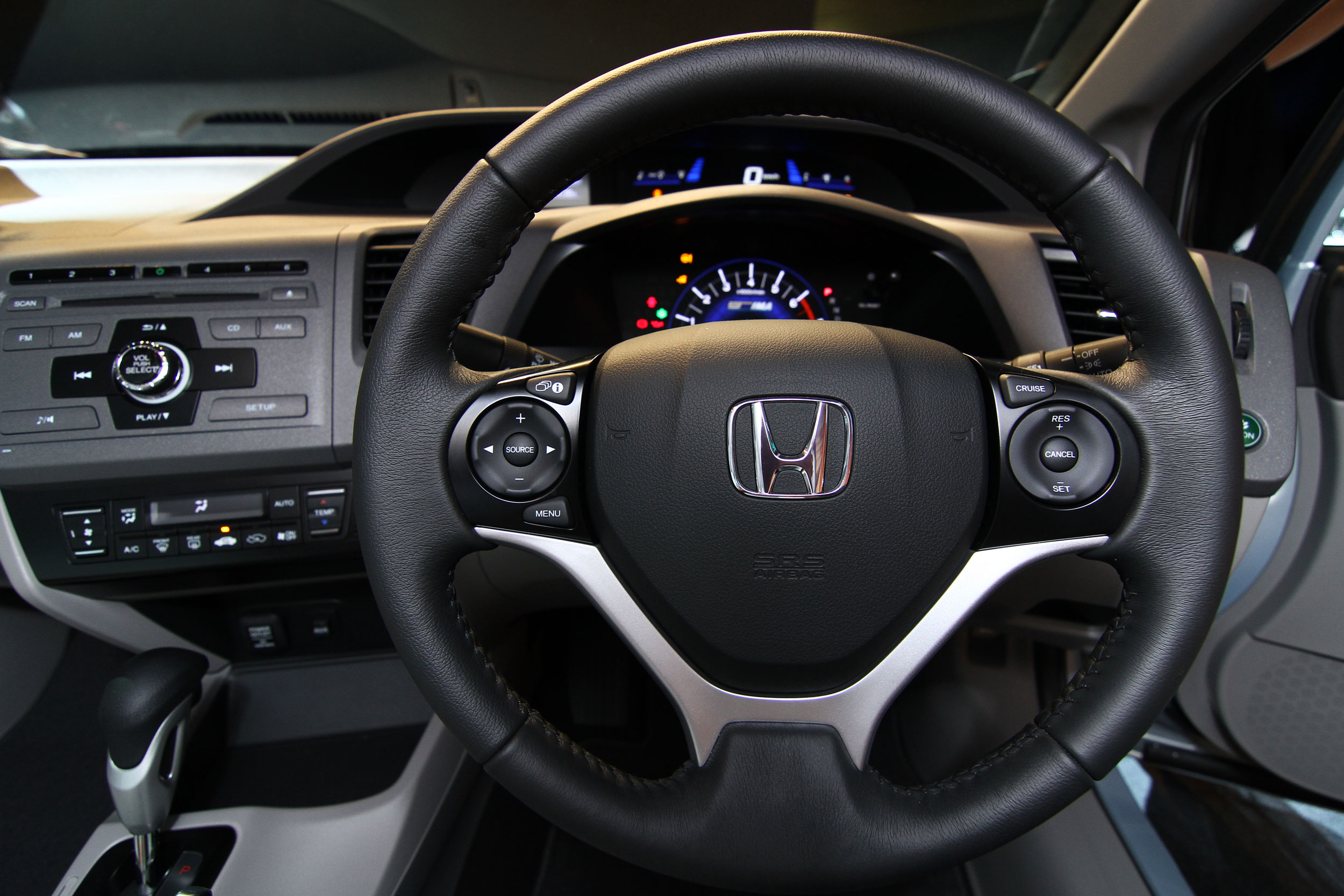
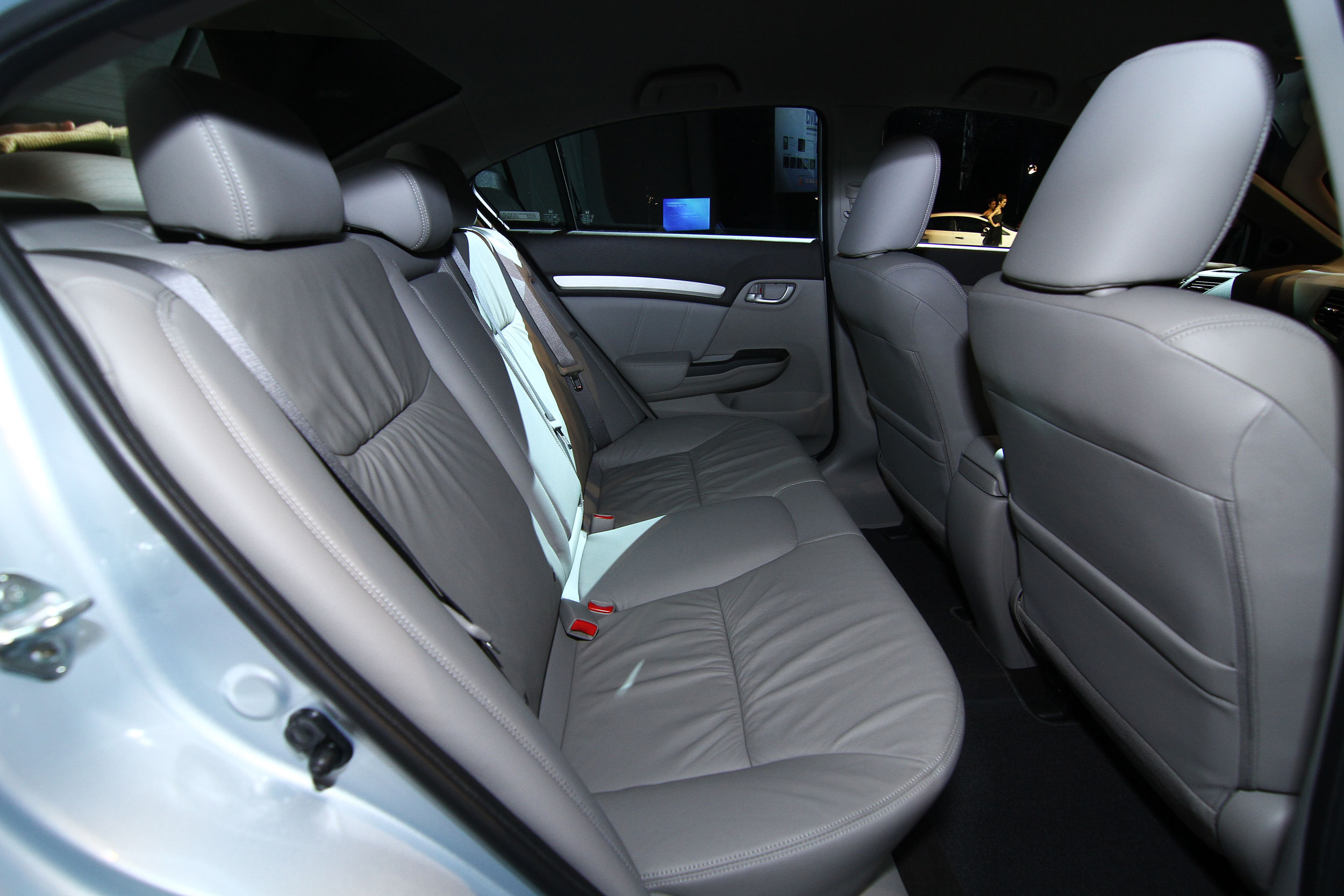
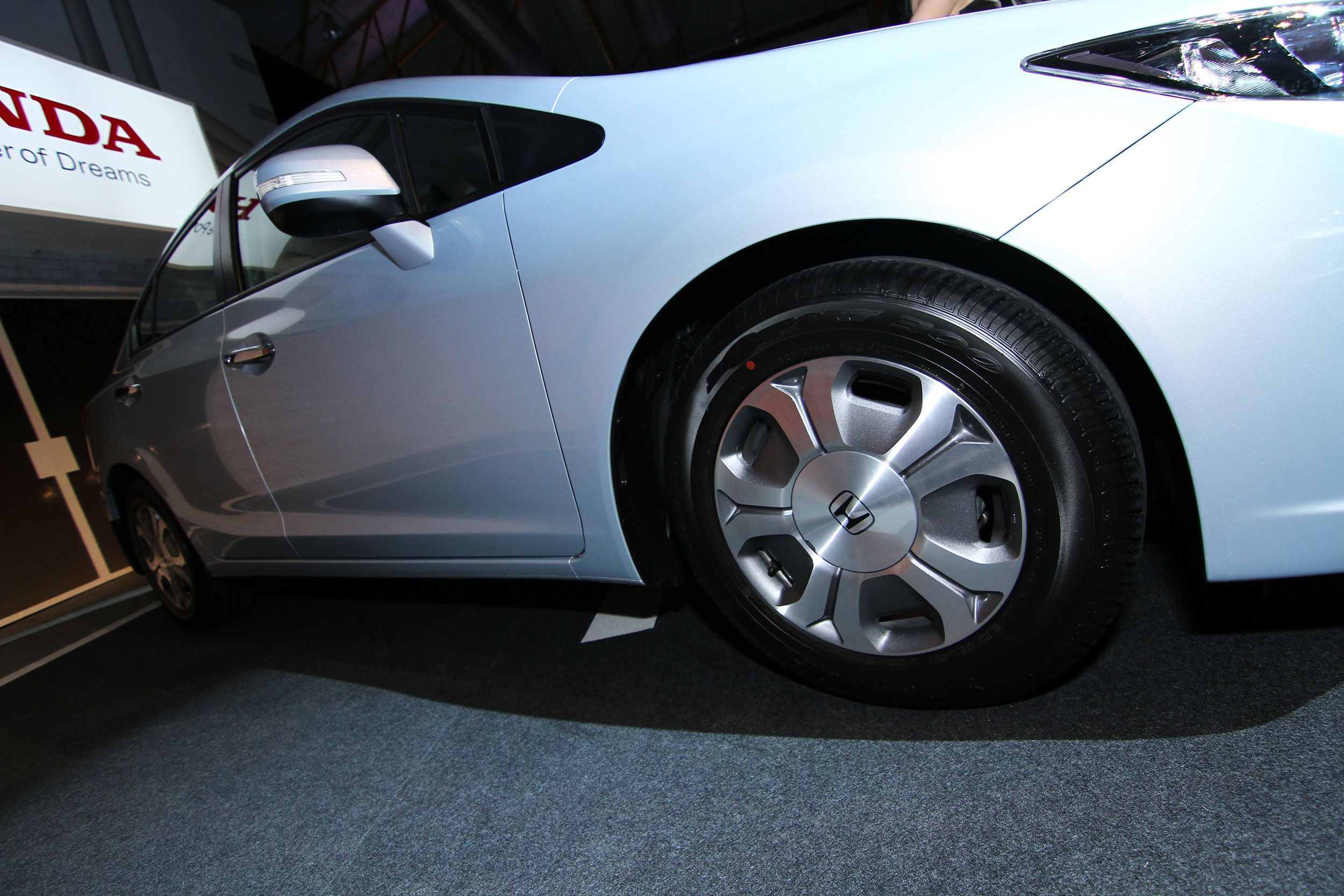
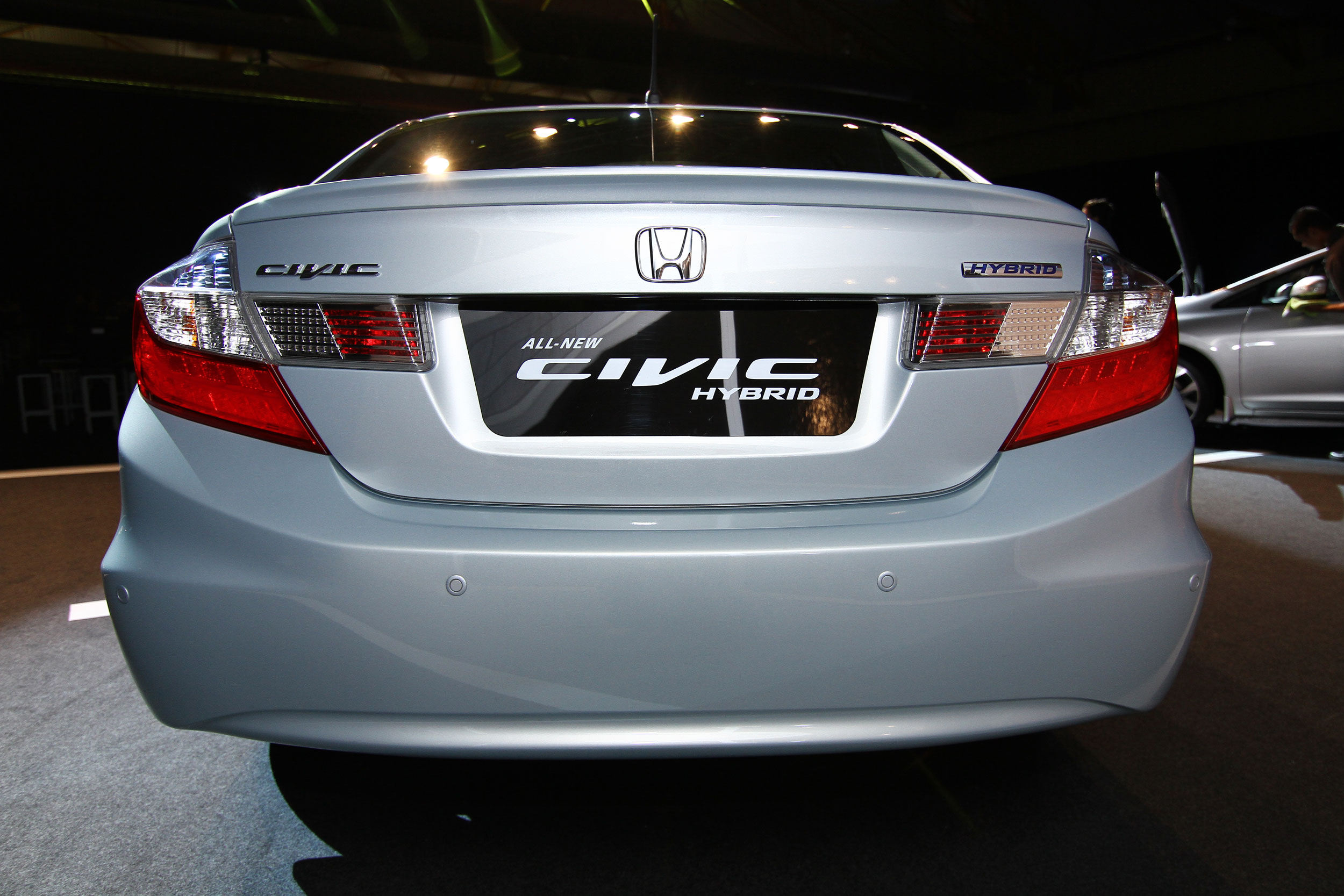
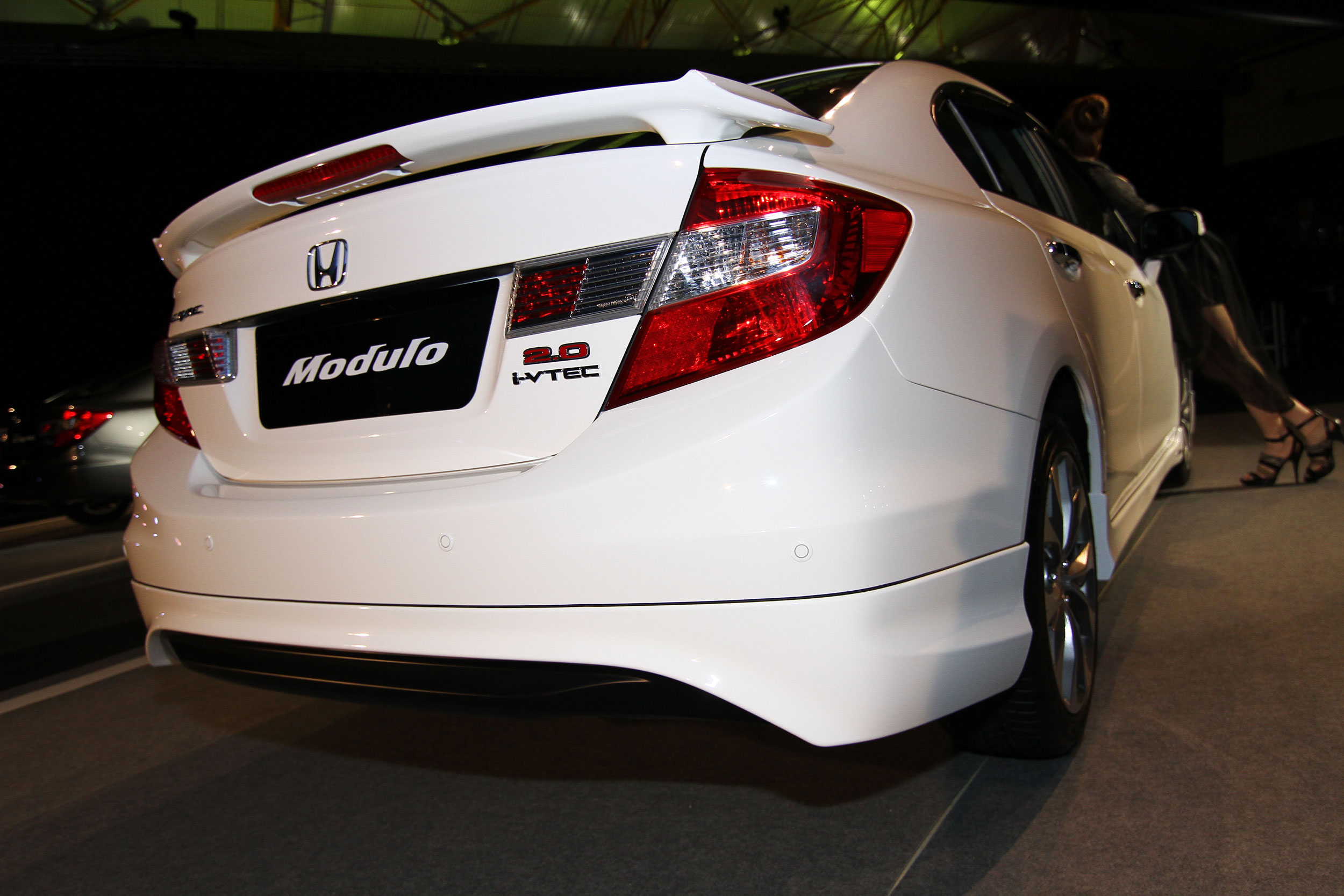
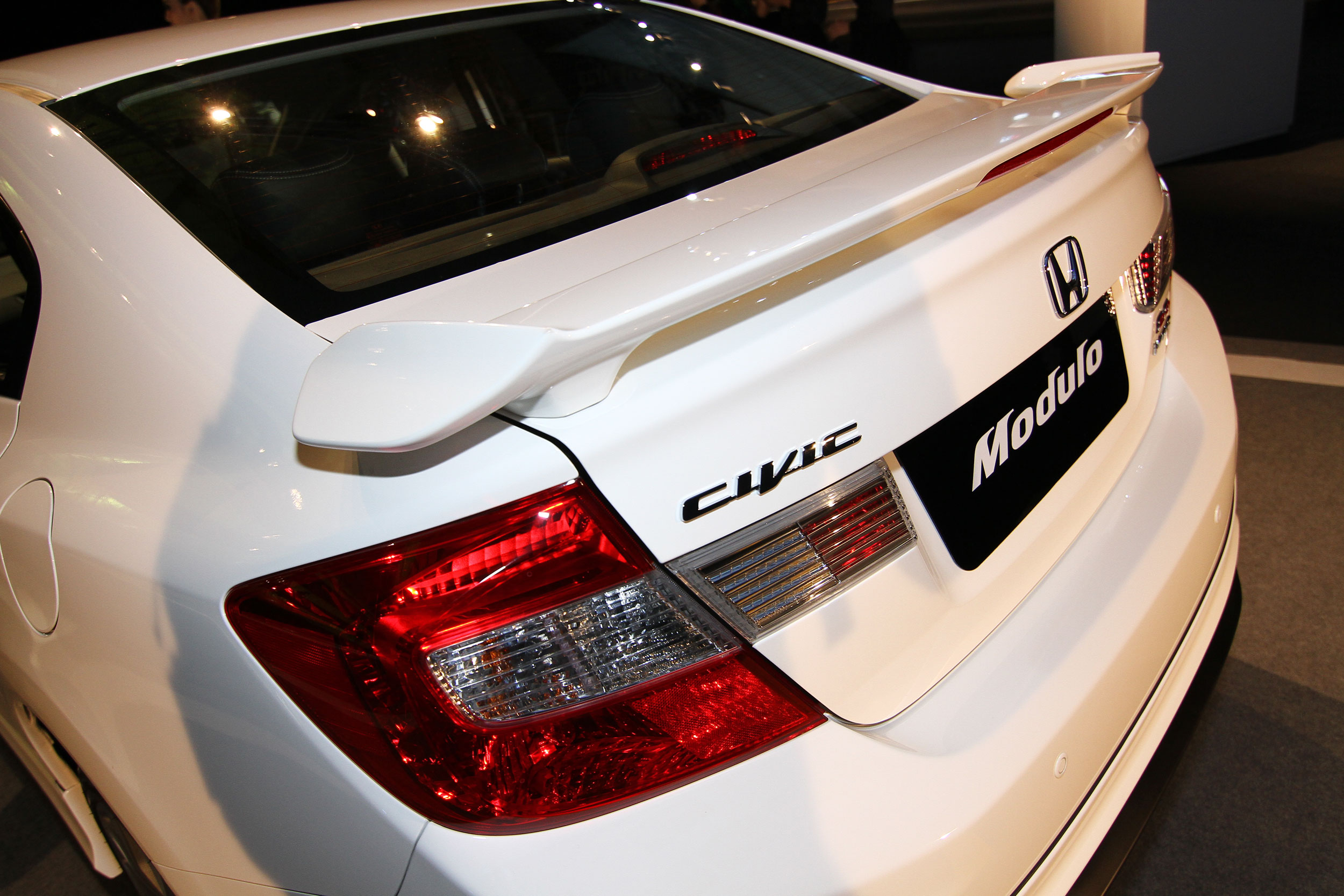
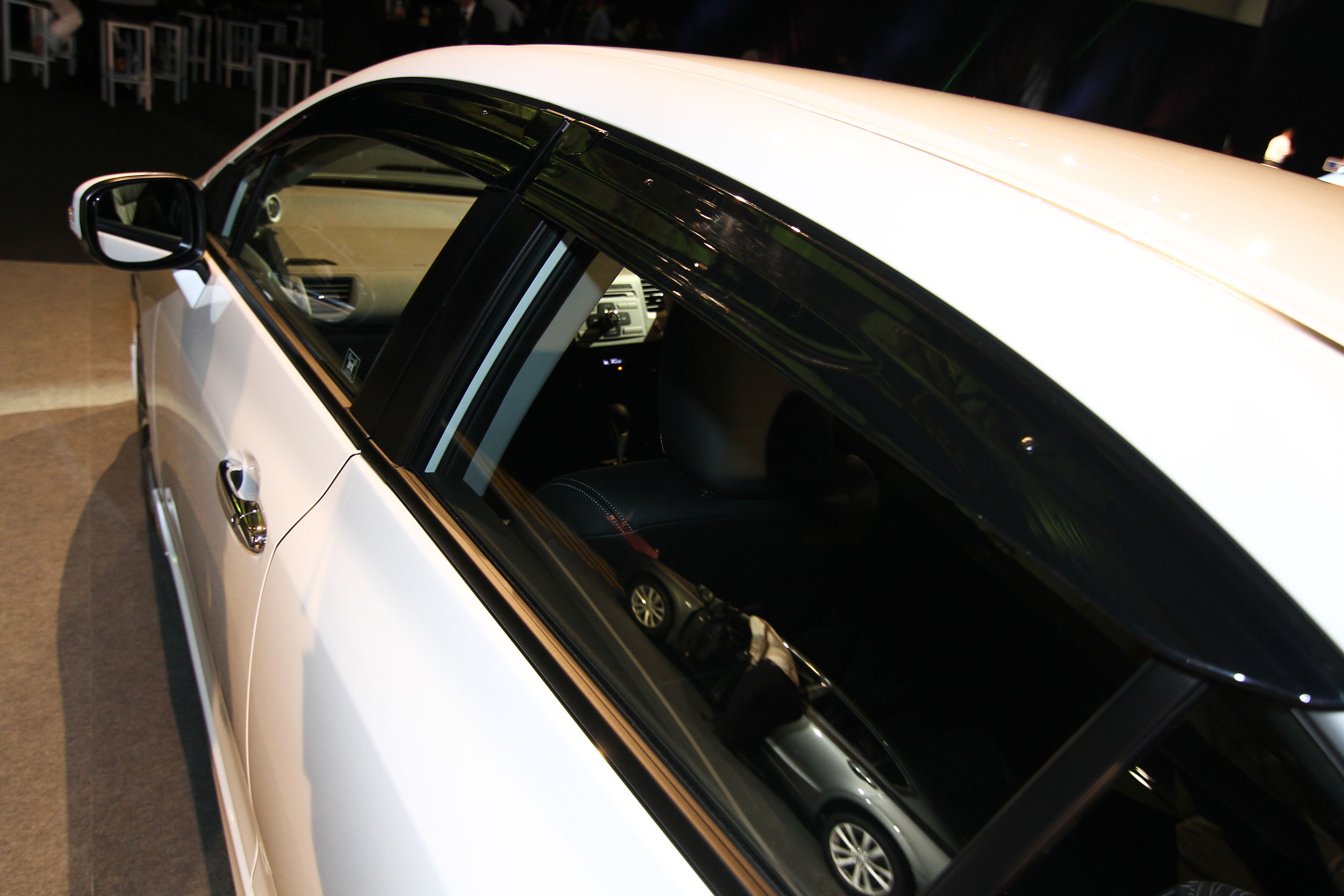
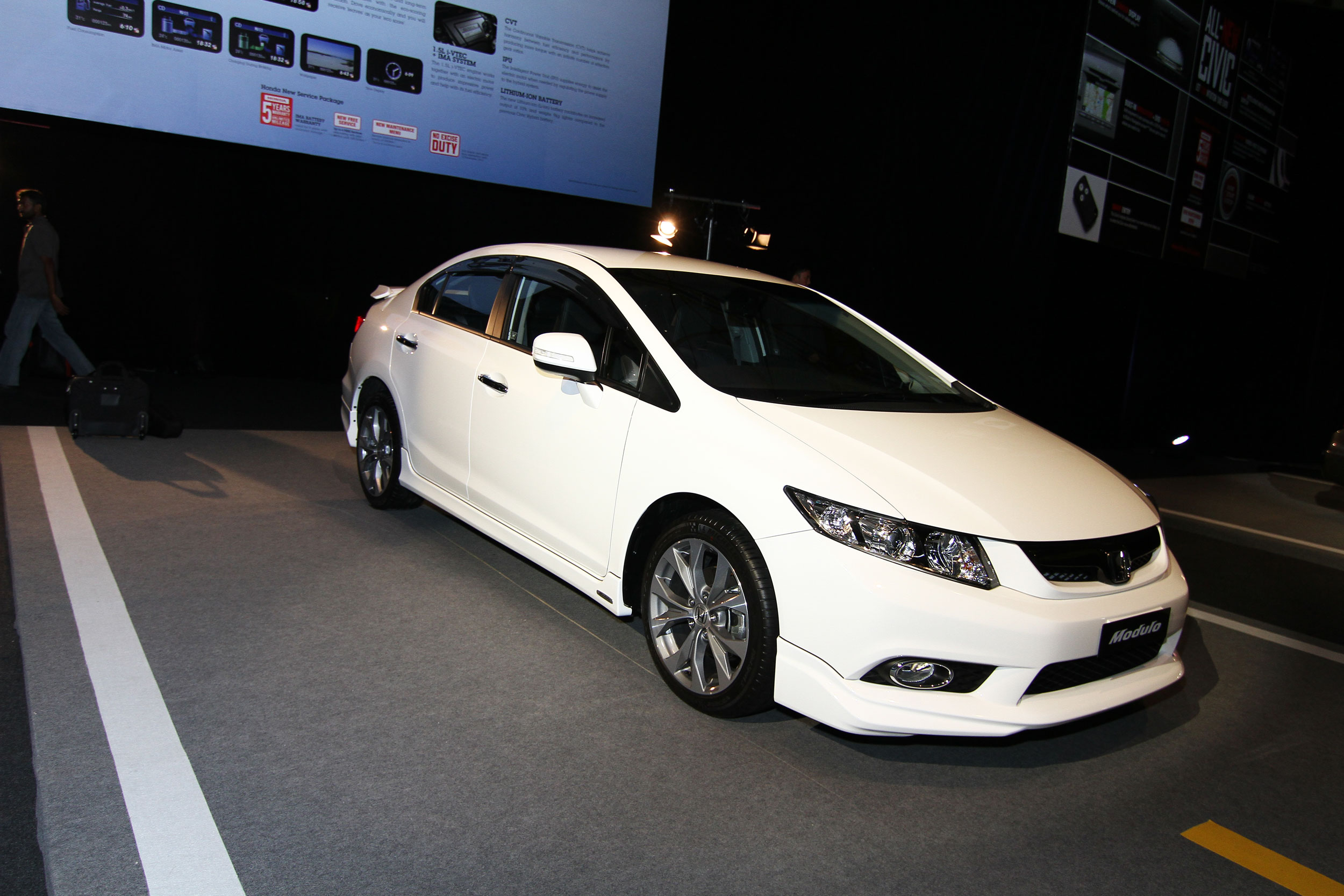
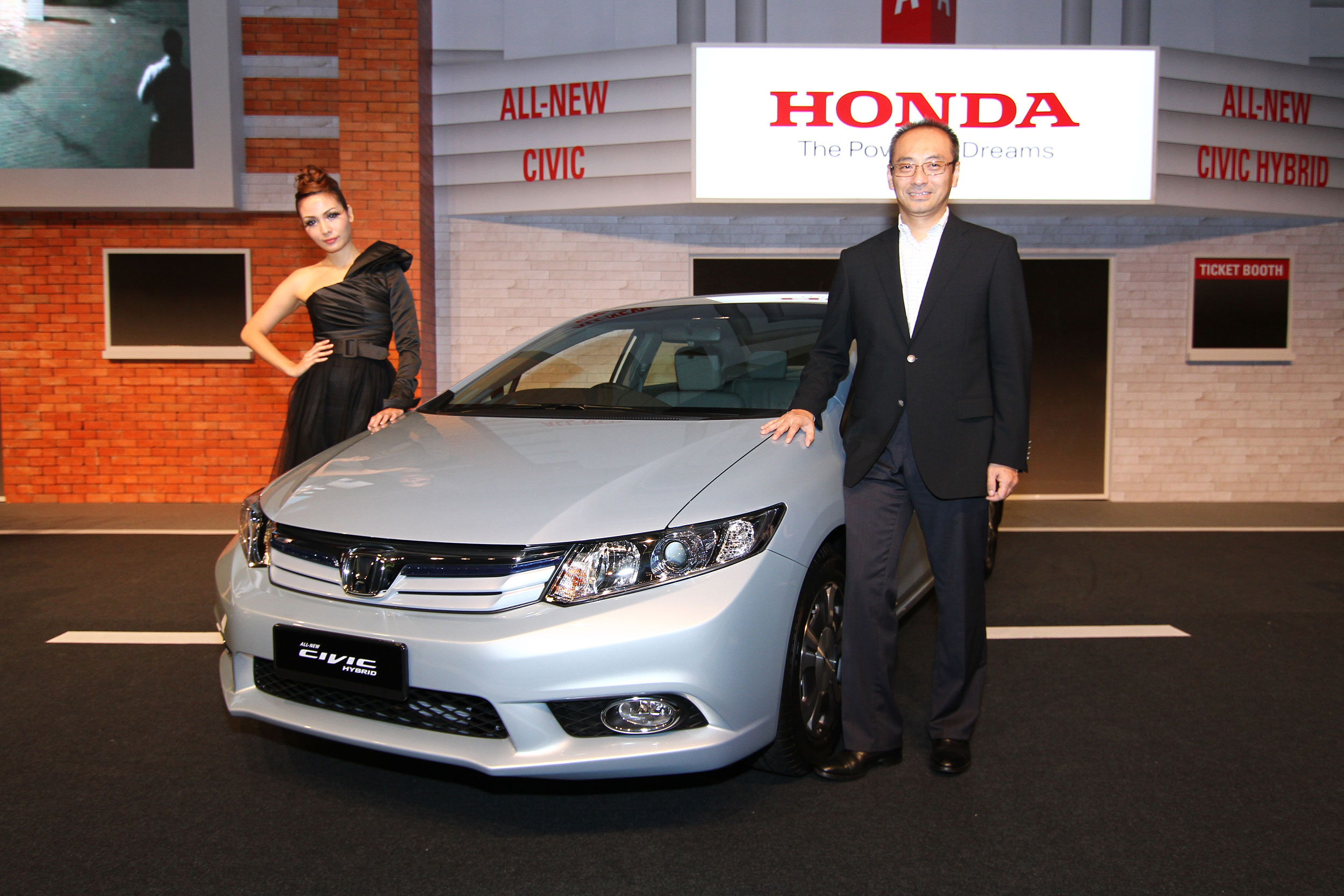
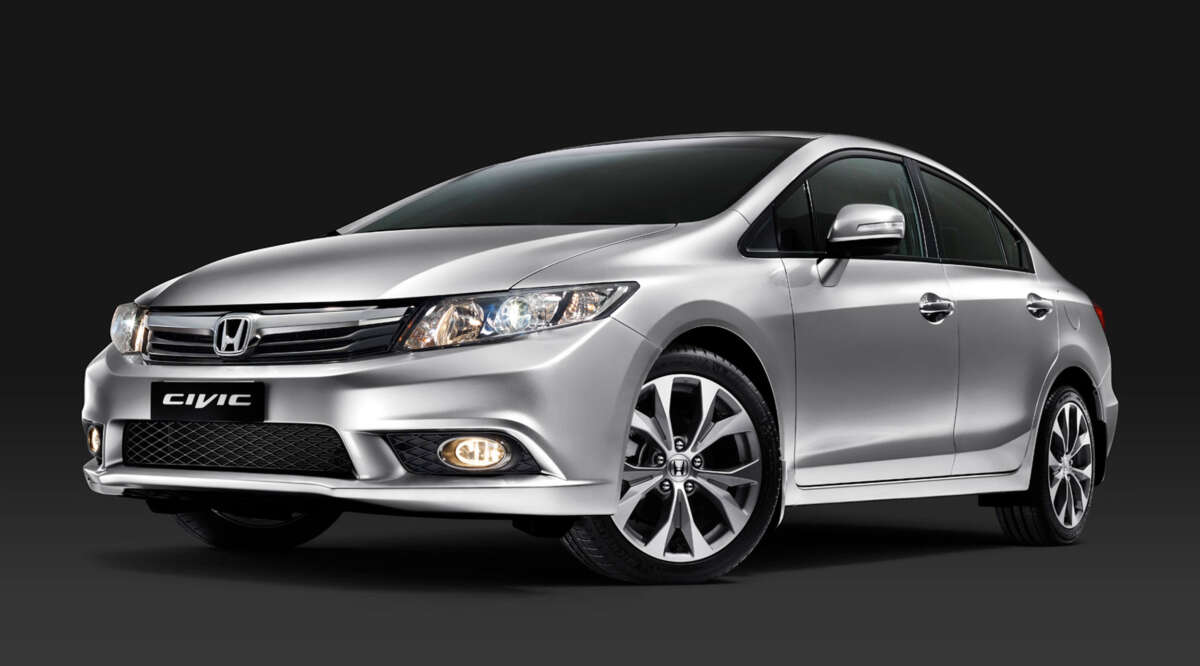
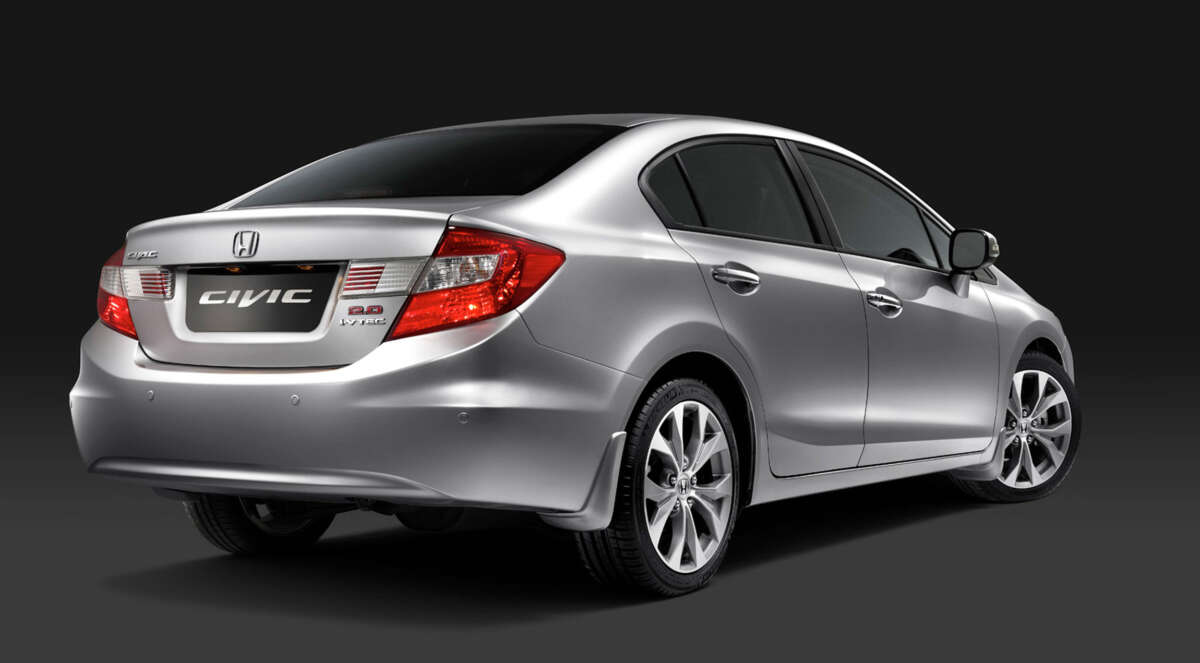
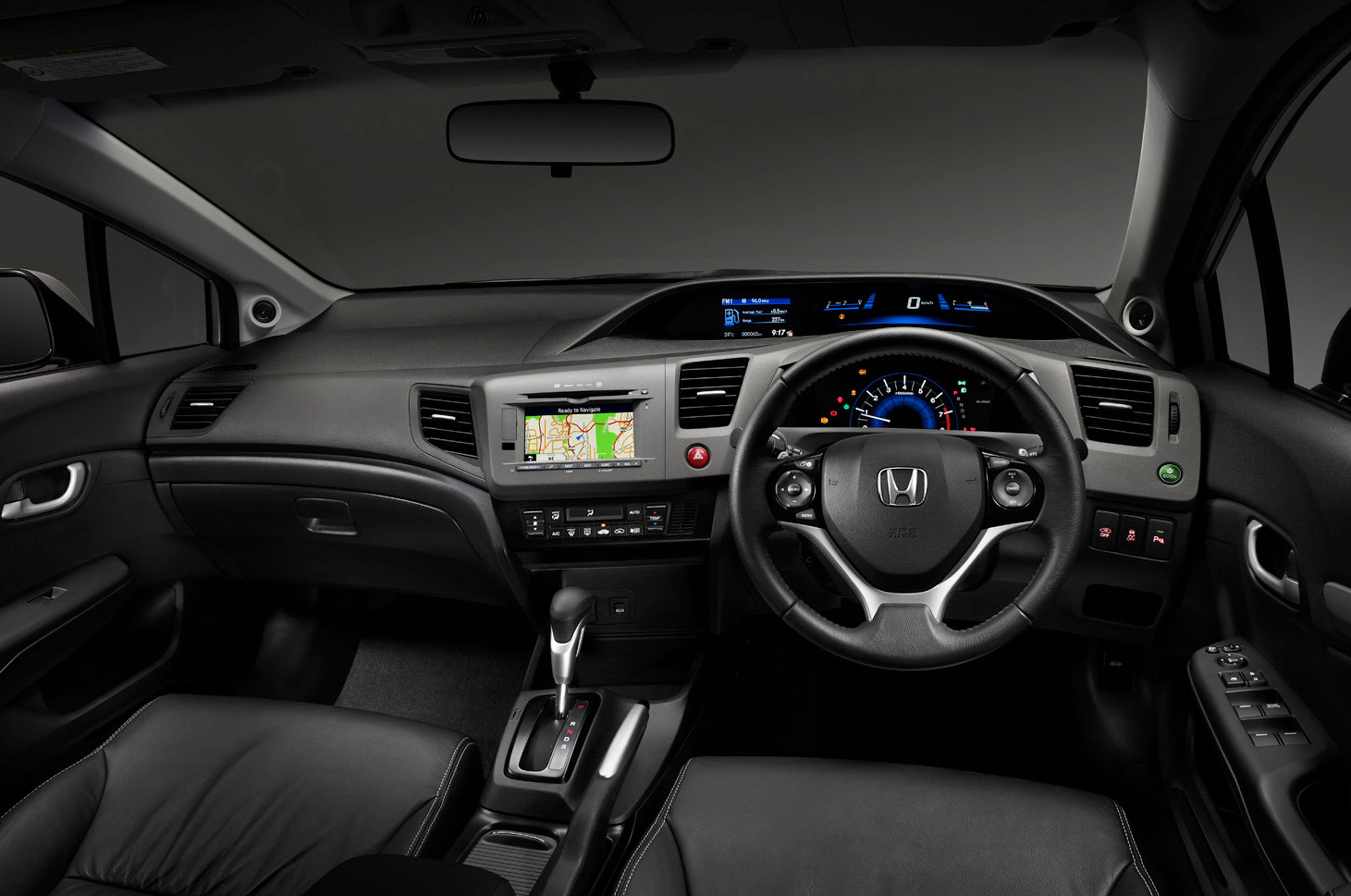
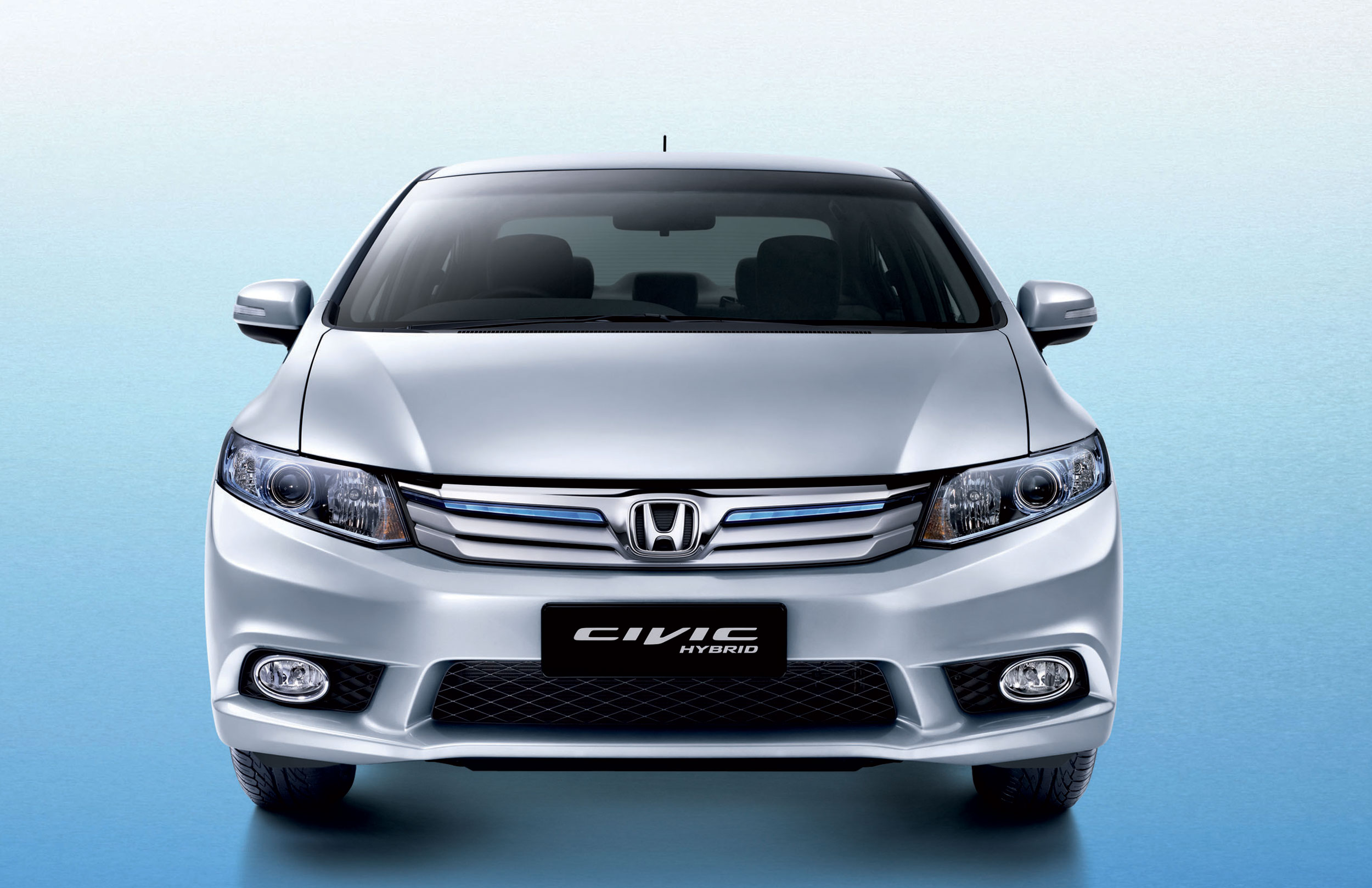
The FB (2012-2015) took a more conservative, comfort-oriented turn. Mechanically similar 1.8 and 2.0 petrols carried over, but the big news was a 1.5 litre Hybrid. A 2014 facelift sharpened the styling. The FB is the softer, more grown-up car – and the only one of the two you can buy as a hybrid.
The variants

| Variant | Engine | Power | Transmission | Years |
|---|---|---|---|---|
| FD 1.8S | 1.8L SOHC i-VTEC | 140 PS / 174 Nm | 5-speed auto | 2006-2011 |
| FD 2.0S | 2.0L DOHC i-VTEC (K20) | 155 PS / 188 Nm | 5-speed auto, paddles | 2006-2011 |
| FD2 Type R | 2.0L DOHC i-VTEC (K20A) | 225 PS / 215 Nm | 6-speed manual | 2007-2011 |
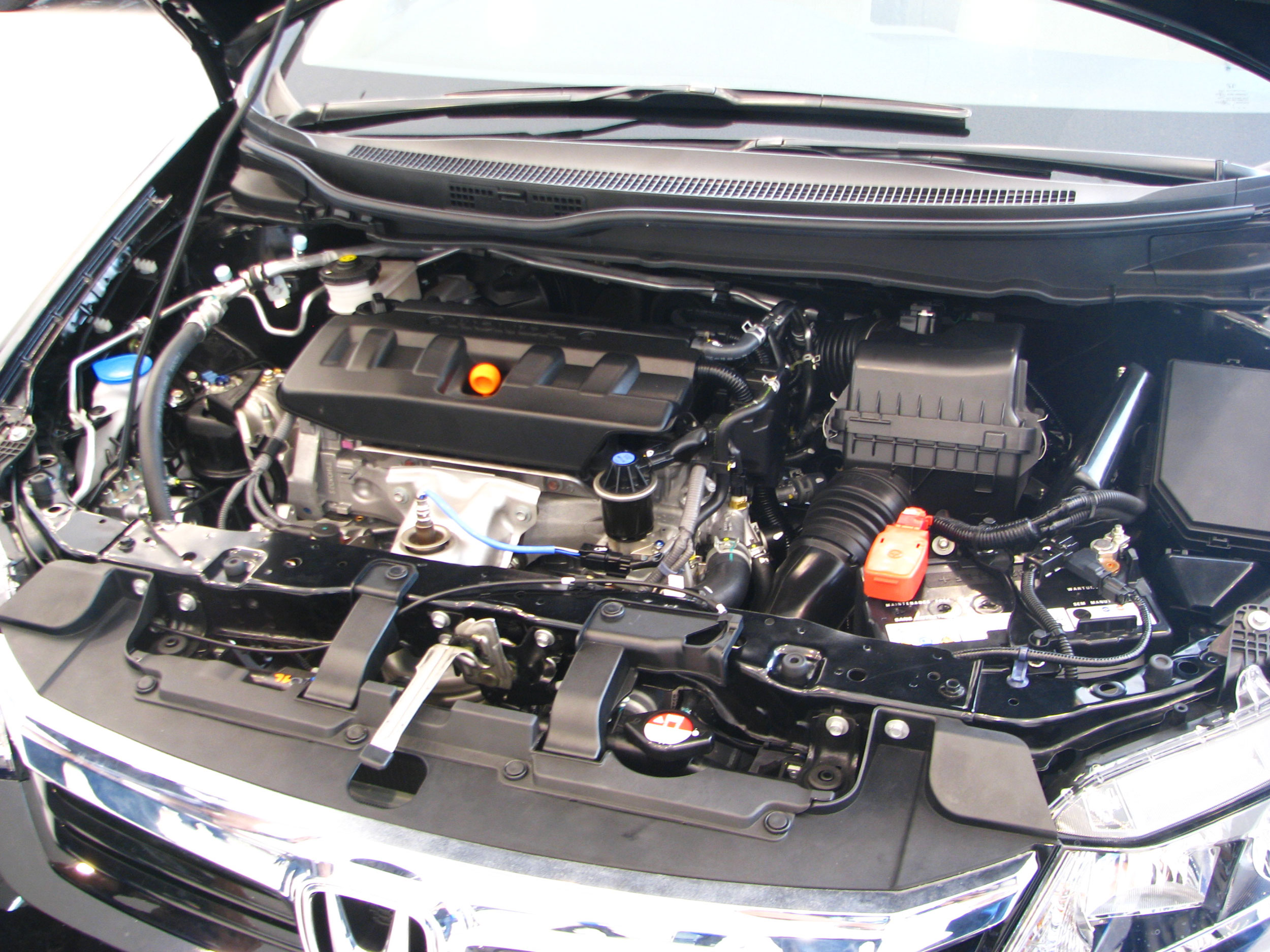
| FB 1.8S | 1.8L SOHC i-VTEC | 139 PS / 174 Nm | 5-speed auto | 2012-2015 |
| FB 2.0S / 2.0 Navi | 2.0L SOHC i-VTEC | 153 PS / 190 Nm | 5-speed auto | 2012-2015 |
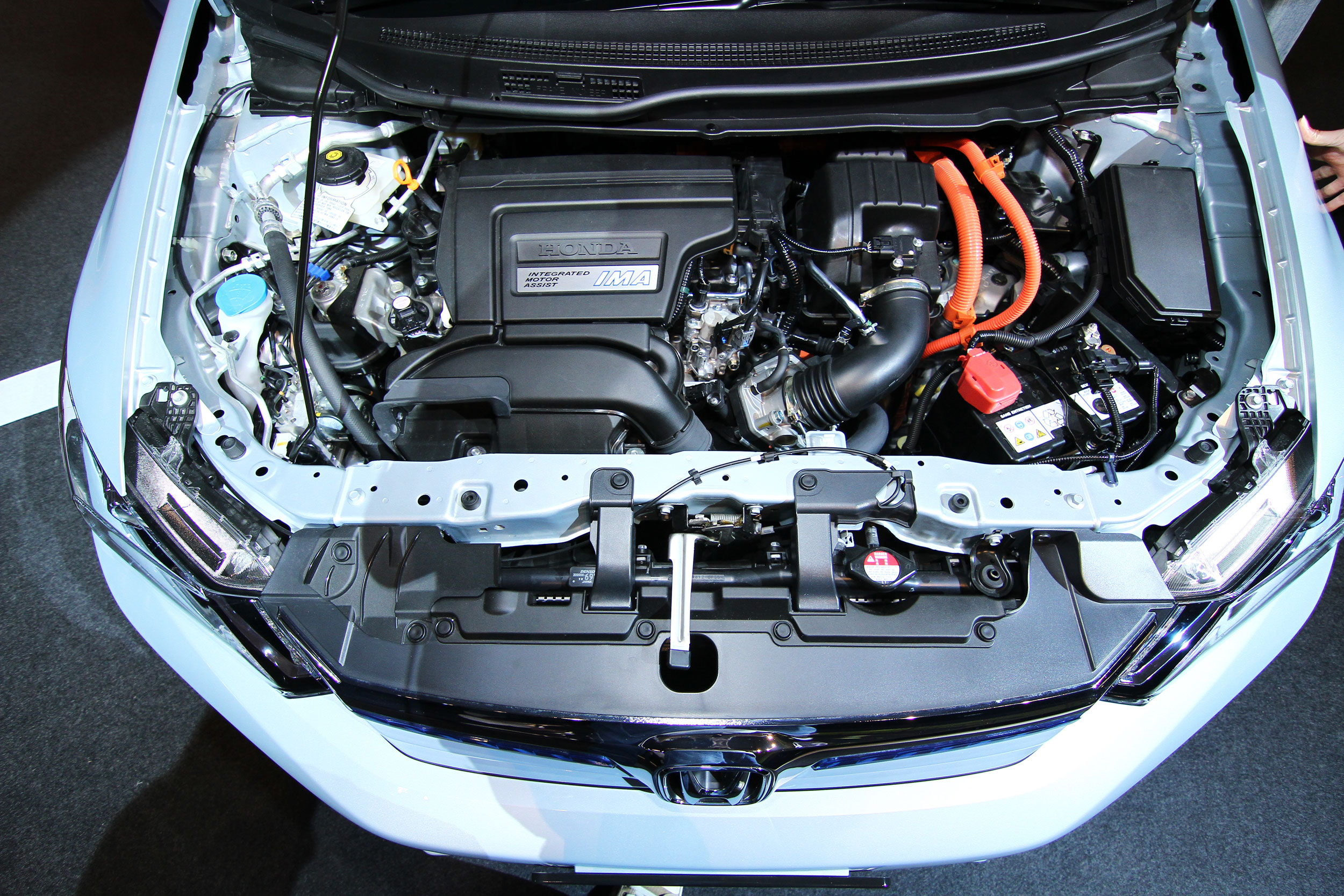
| FB 1.5 Hybrid | 1.5L i-VTEC + IMA motor | ~110 PS combined | CVT | 2013-2015 |
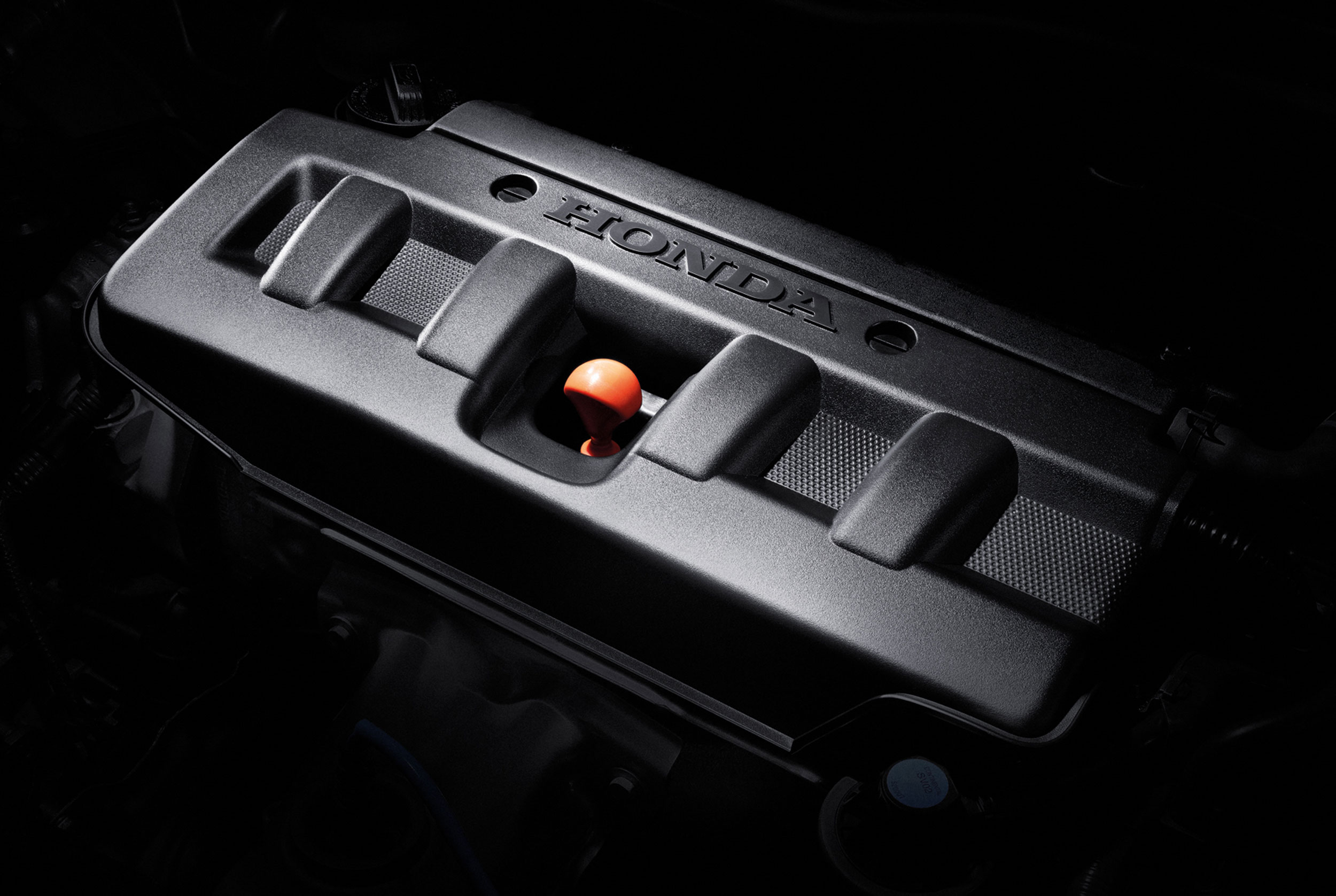
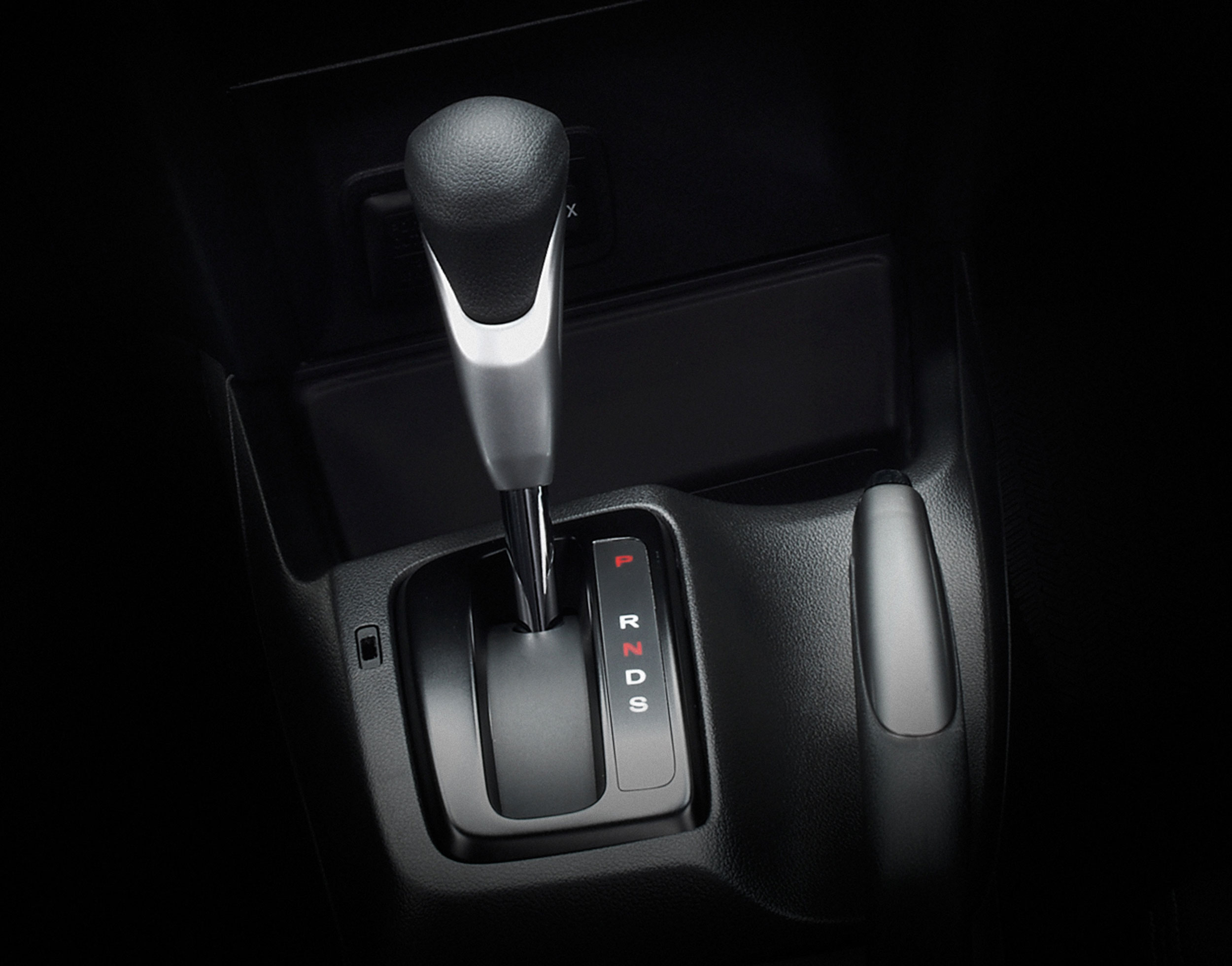
The 1.8 is the volume seller and the pragmatic pick – smooth, economical and cheap to run. The 2.0 adds useful poke and, on the FD, paddle shifters. The FD2 Type R is a different animal entirely: a high-revving K20A (rated 225 PS on RON100, a little less on our RON97) with a six-speed manual, Brembo brakes and a limited-slip differential. Genuine examples – and the ultra-rare Mugen RR – are now collector cars. The FB Hybrid pairs a 1.5 litre engine with Honda’s IMA motor and a CVT for the best economy of the lot.
Used prices
These are older cars now, and supply on the big used platforms has thinned as they age out. Going by Carro listings:
FB (2012-2015)
The most available of the two, typically RM27,000 to RM37,000, with a median around RM34,000 and the full spread running from about RM22,000 to RM52,000 for the cleanest, latest facelift cars.
FD (2006-2011)
Now scarce on the major platforms – the few listed sit in the high-RM30,000s, and in the wider market budget roughly RM25,000 to RM45,000 depending on variant and condition. Tidy 2.0S examples sit at the top; genuine Type Rs are a separate, much pricier collector market.
Hybrid
Also scarce and generally cheaper than the petrols (around the mid-RM20,000s), largely because of battery concerns – which brings us to the most important point for any used-Hybrid buyer.
(Used figures are a Carro inventory snapshot; the FD and Hybrid samples are very small, so treat those as indicative and price any specific car against current live listings.)
Hybrid battery replacement cost – what to know
The single biggest question on the FB Civic Hybrid is the IMA battery, and it’s the reason hybrids trade at a discount. The good news: it’s far from the horror story used-car dealers sometimes paint. Honda Malaysia’s official replacement price for the Civic Hybrid battery is around RM5,480, and the company actually cut battery prices and extended the warranty back in 2013. Reconditioned packs from specialists typically run RM4,000 to RM6,000.
In practice, that means a used Hybrid can be a smart buy – its lower asking price often more than offsets the risk – but you should budget for the possibility of a battery replacement, check the battery’s current health, and factor it into your offer.
Fuel economy and tank size
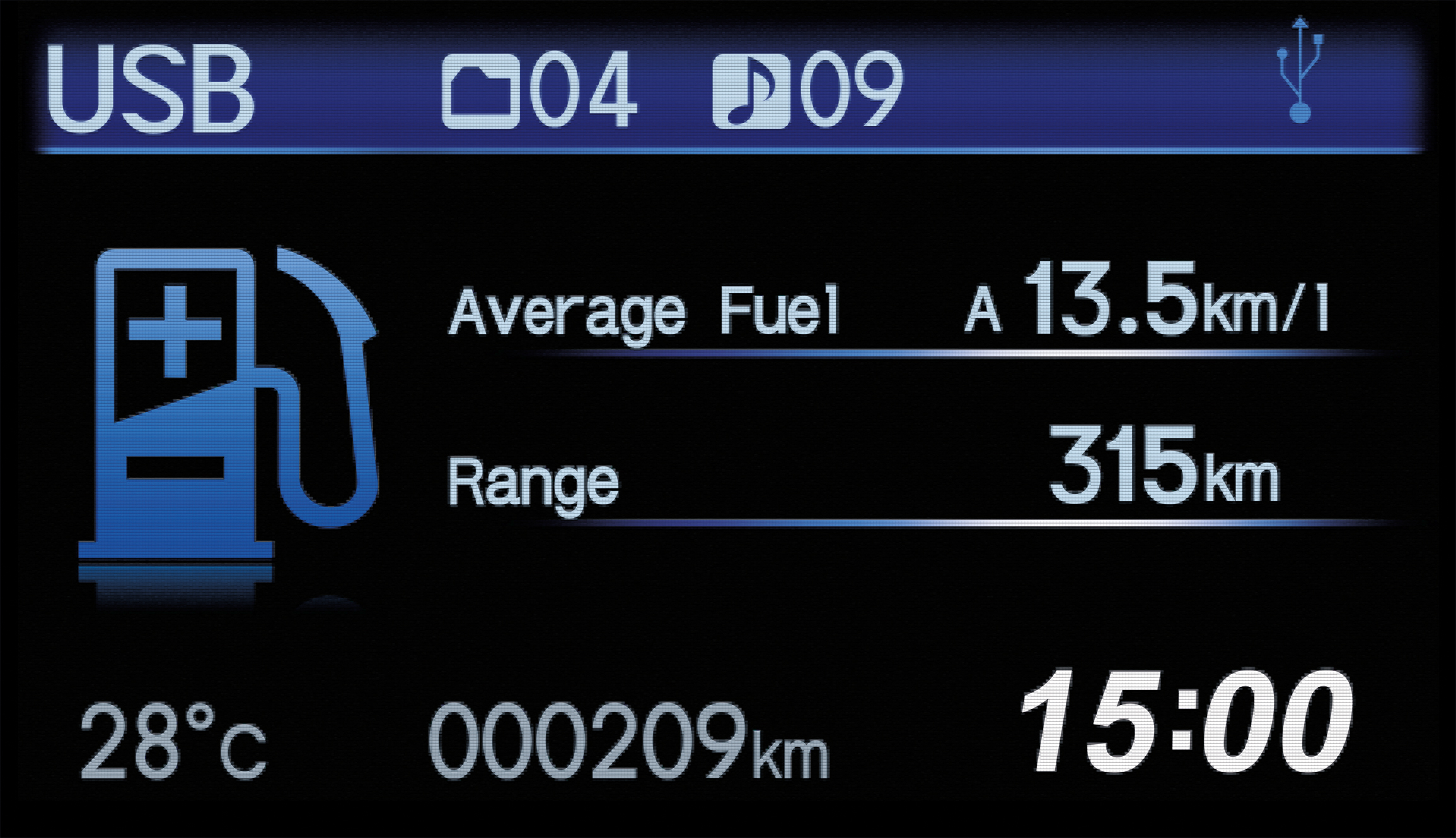
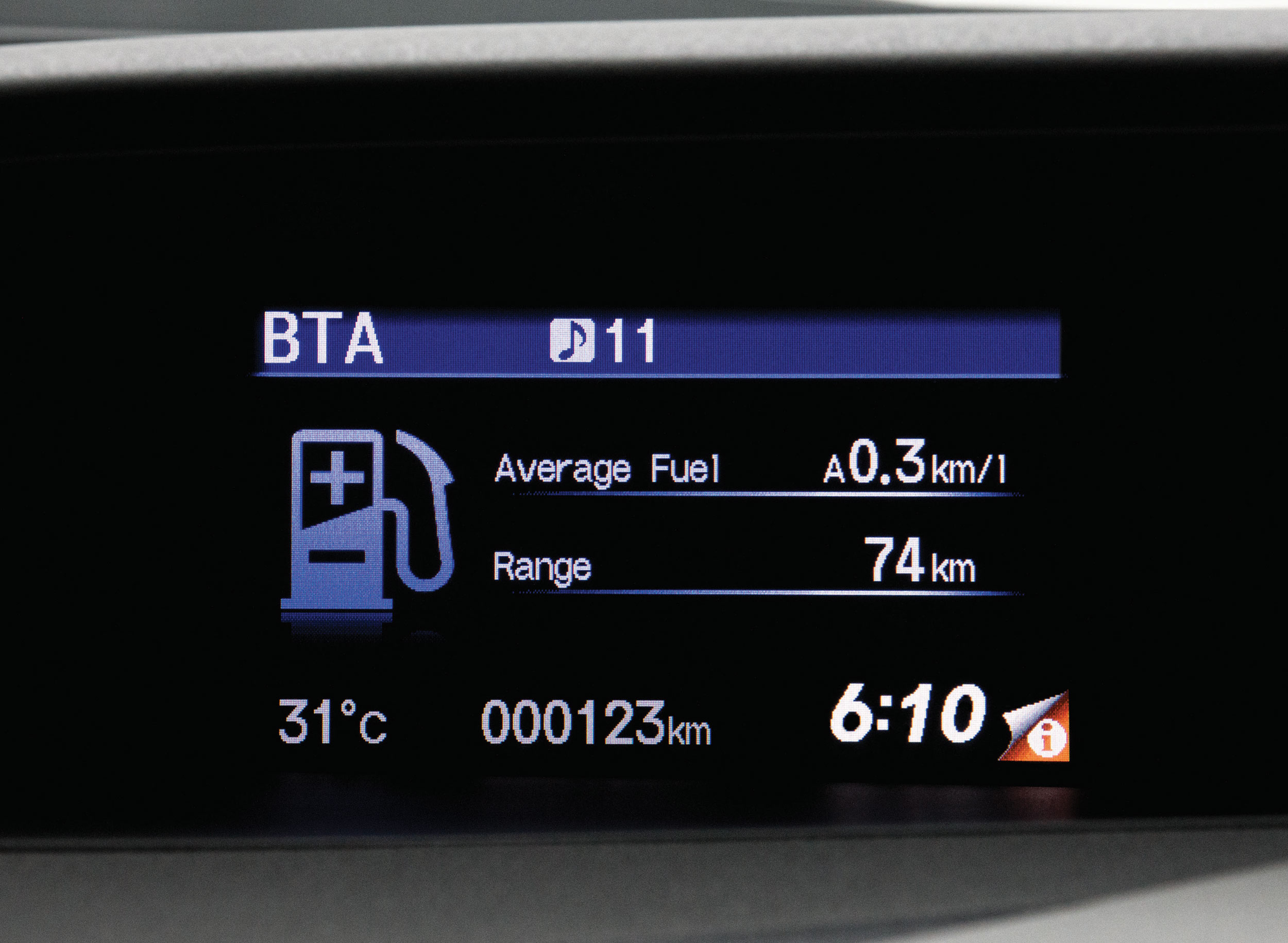
Both the FD and FB use a 50-litre fuel tank. The 1.8 i-VTEC was praised at launch for delivering near-1.5-litre fuel economy with 2.0-litre-like performance; in real-world use expect roughly 12-14 km/l from the 1.8 petrol and a little less from the thirstier 2.0. The FB Hybrid is the efficiency champion, capable of around 18-20 km/l with a light foot – the trade-off being the battery consideration above.
Common problems and what to check
Both generations are fundamentally robust Hondas, but age is now the main enemy. Before buying:
- Service history: the most important thing on any 10-to-18-year-old car – look for consistent, documented maintenance.
- Air-conditioning: weak or failed aircon is a common complaint on Hondas of this era in Malaysia’s climate; make sure it blows genuinely cold and ask about any past compressor or condenser repairs.
- Transmission: on the petrol autos, confirm smooth, judder-free shifts; on the Hybrid’s CVT, feel for smooth pull-away and check for a documented fluid history.
- Hybrid battery (FB Hybrid): check the IMA battery’s state of health and watch for charge/assist warning lights – budget for a possible replacement as above.
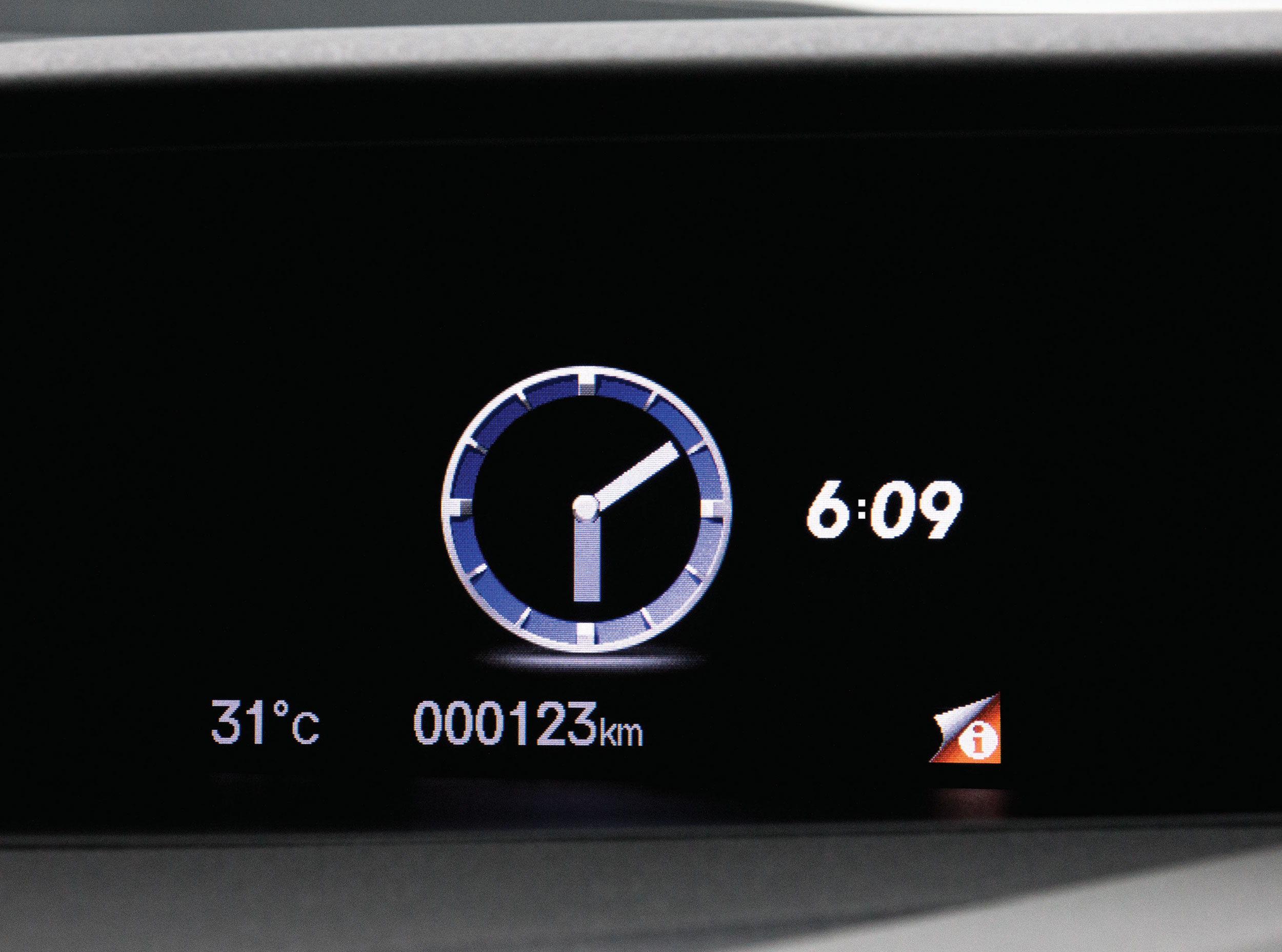
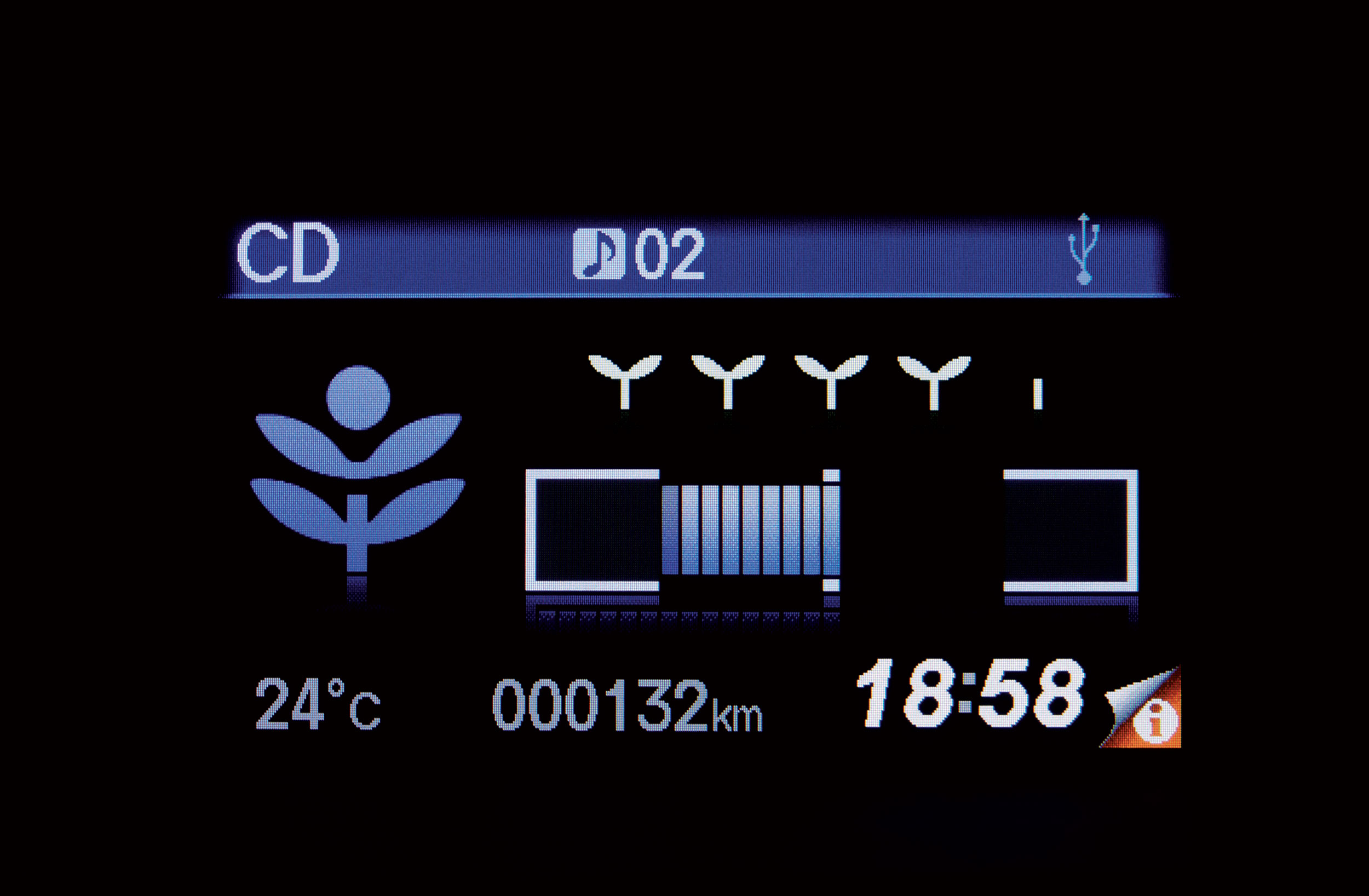
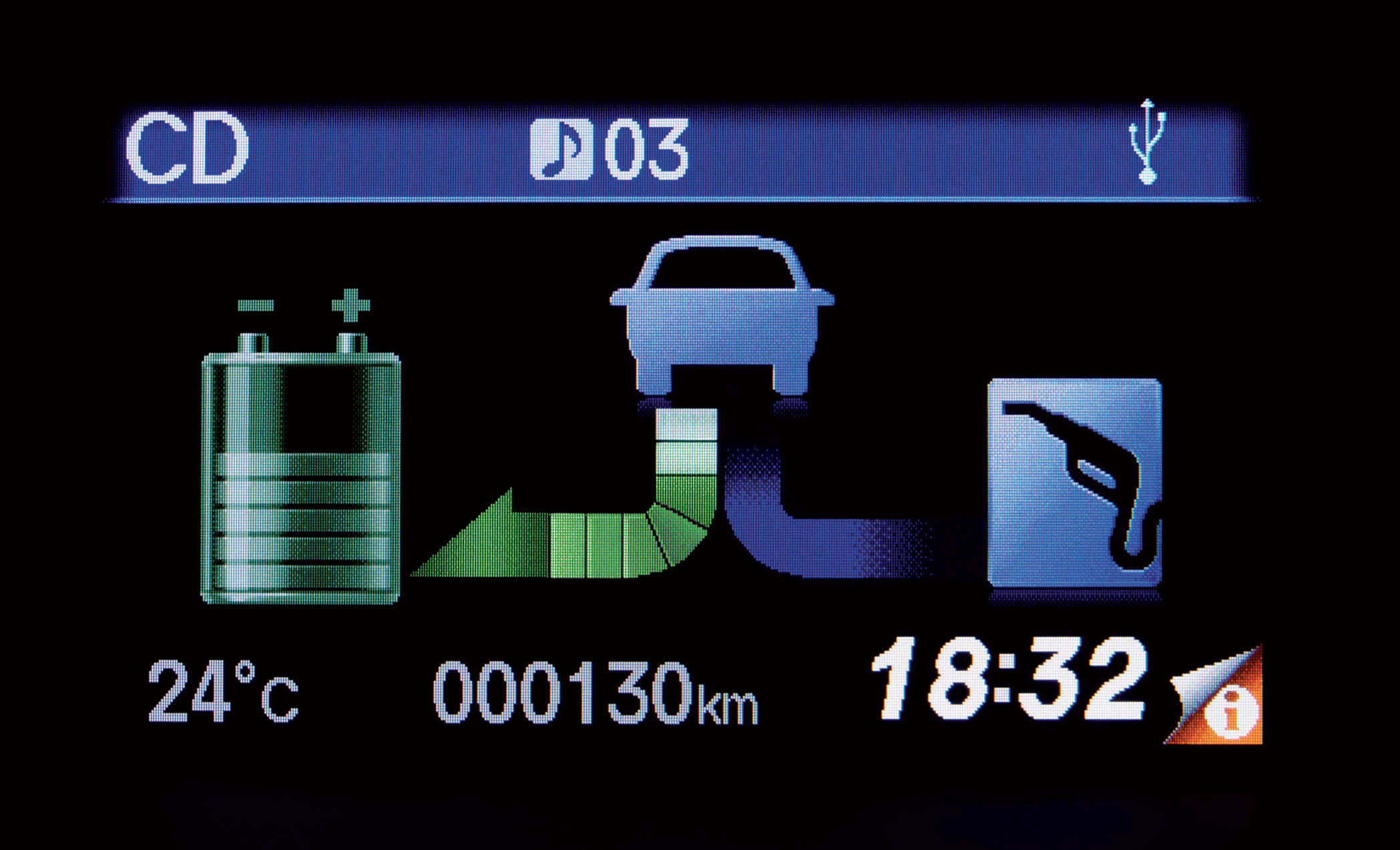
- Electricals and trim: test the power windows, the two-tier dashboard display (FD), and all electronics; age-related niggles are common.
- Type R (FD2): be extra thorough – check for track abuse, clutch wear, accident history and originality, as values now hinge on condition and provenance.
So, which should you buy?
For a dependable, characterful used Civic on a budget, an FD 1.8 is hard to beat – distinctive looks, a bullet-proof reputation and bargain prices. Want more pace? The 2.0 (FD or FB) adds welcome muscle. The FB is the choice if you prefer a more comfortable, mature car or specifically want the frugal Hybrid – just go in clear-eyed on the battery. And if you’re a keen driver chasing a future classic, the FD2 Type R is one of the all-time great hot Civics, provided you can find a genuine, unabused example.
Whichever you choose, these are old cars now, so condition and service history matter more than anything else – buy the best example you can find rather than the cheapest.




































































Looking to sell your car? Sell it with Carro.
 Honda Civic
from RM133,900
Honda Civic
from RM133,900  Honda Prelude
from RM278,000
Honda Prelude
from RM278,000  Honda HR-V
from RM115,900
Honda HR-V
from RM115,900  Honda e:N1
from RM149,900
Honda e:N1
from RM149,900  Honda City Hatchback
from RM85,900
Honda City Hatchback
from RM85,900  Honda CR-V
from RM178,200
Honda CR-V
from RM178,200  Honda Civic Type R
from RM399,900
Honda Civic Type R
from RM399,900  Honda City
from RM84,900
Honda City
from RM84,900  Honda WR-V
from RM89,900
Honda WR-V
from RM89,900