
Surely there’s no reason not to take public transport for daily commuting when you’re living adjacent to a train station? Good news for urban workers – the government is planning transit-oriented development (TOD) projects on the land it owns around train stations, and it will be affordable housing.
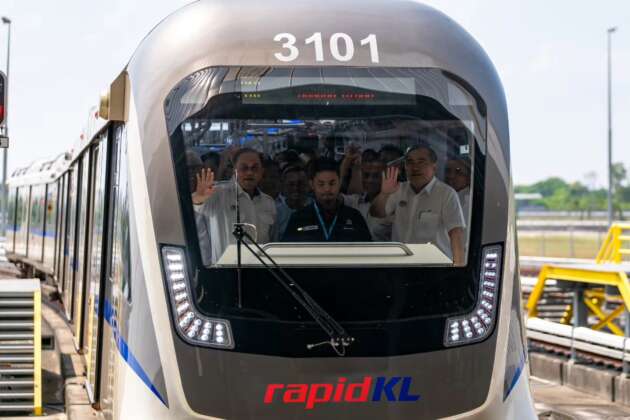
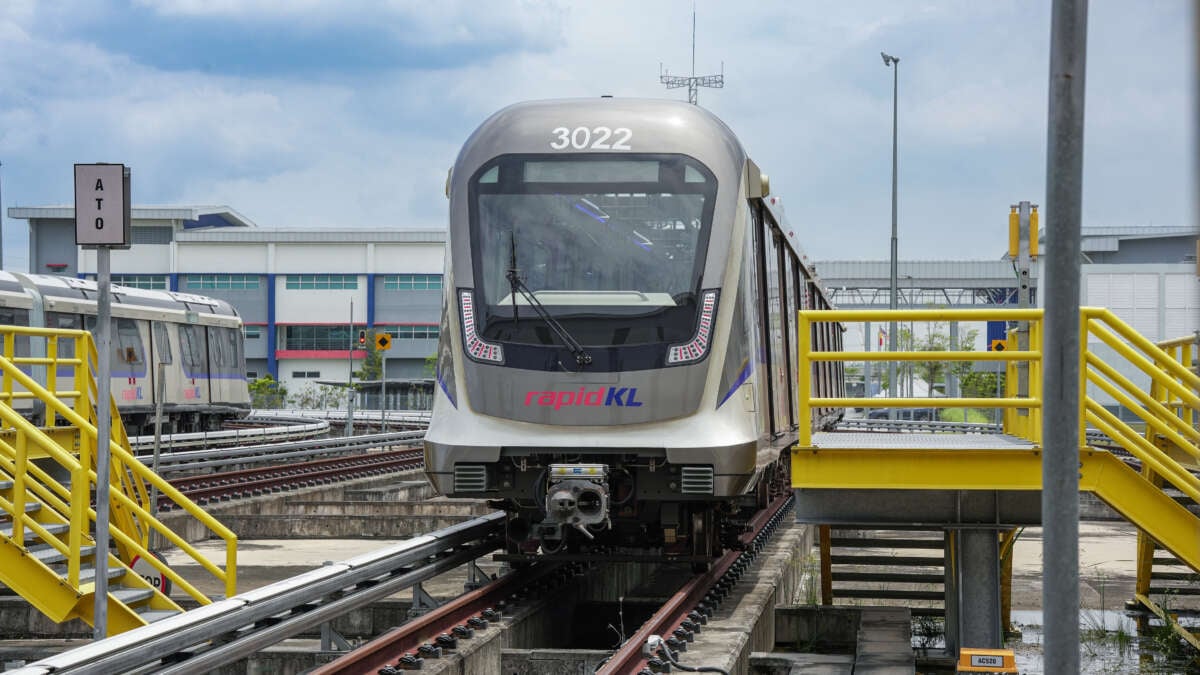
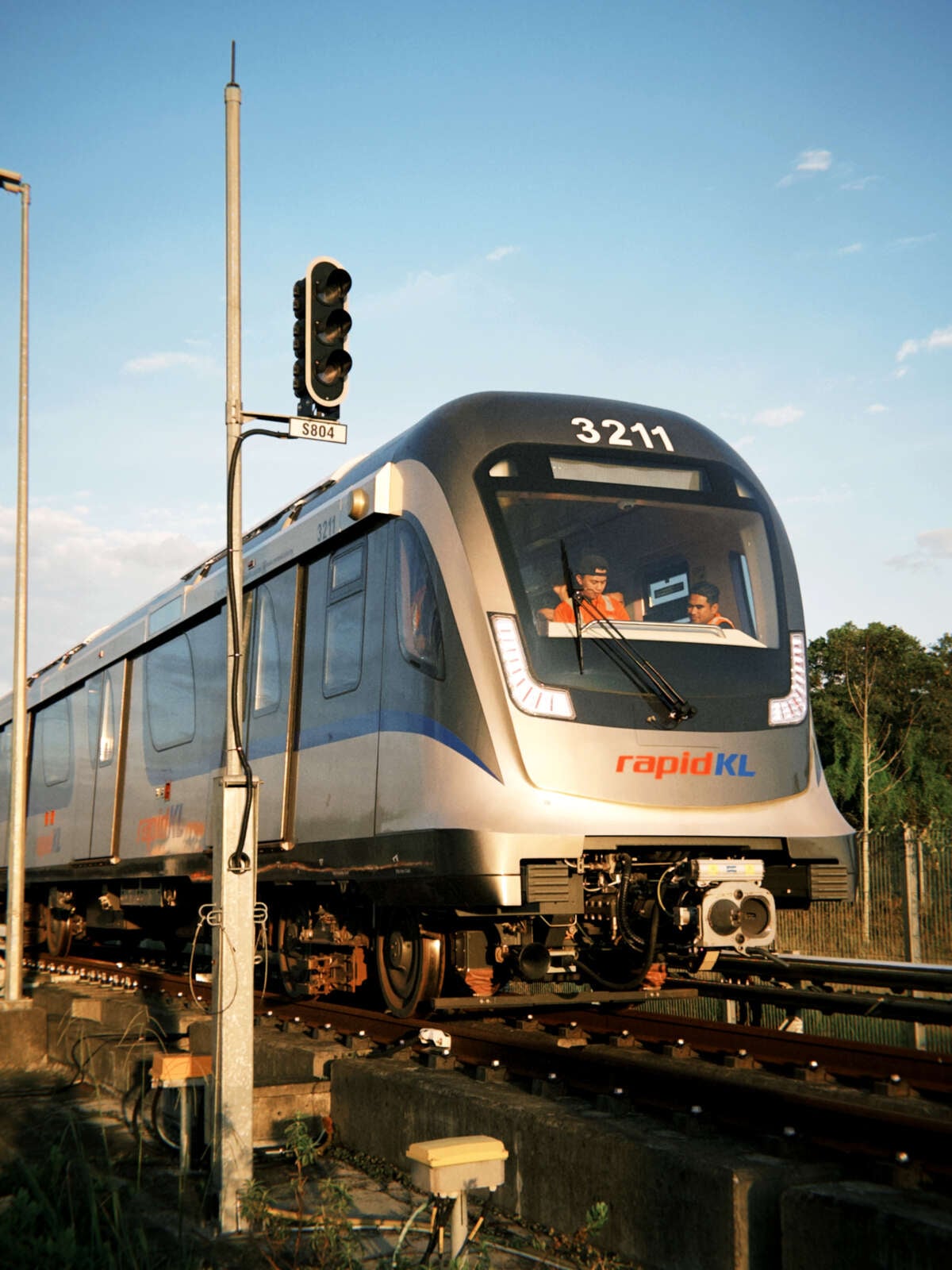
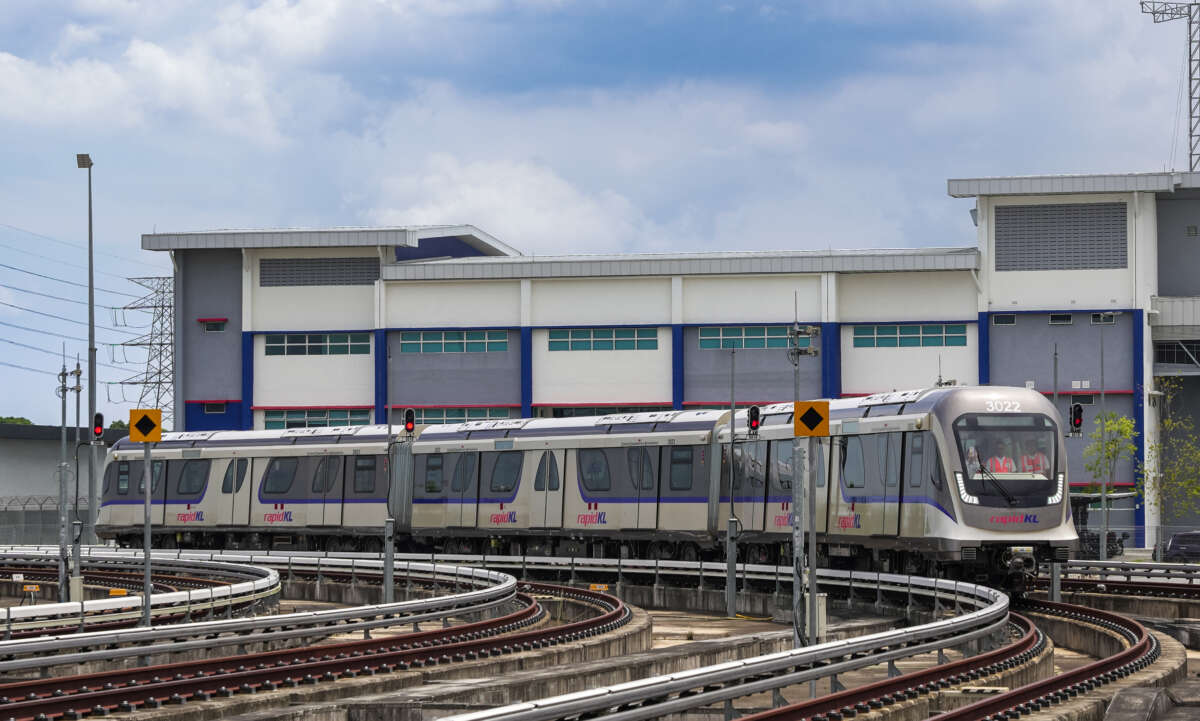
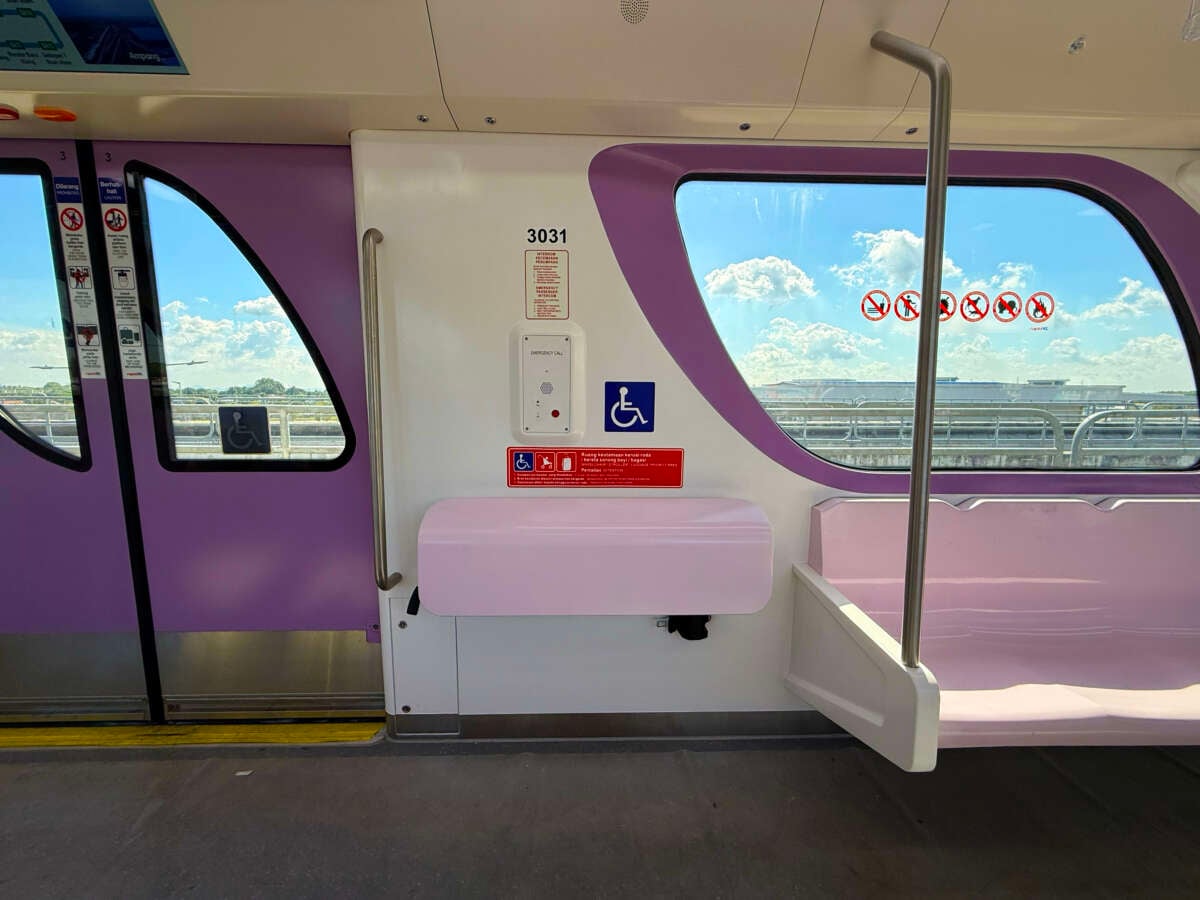
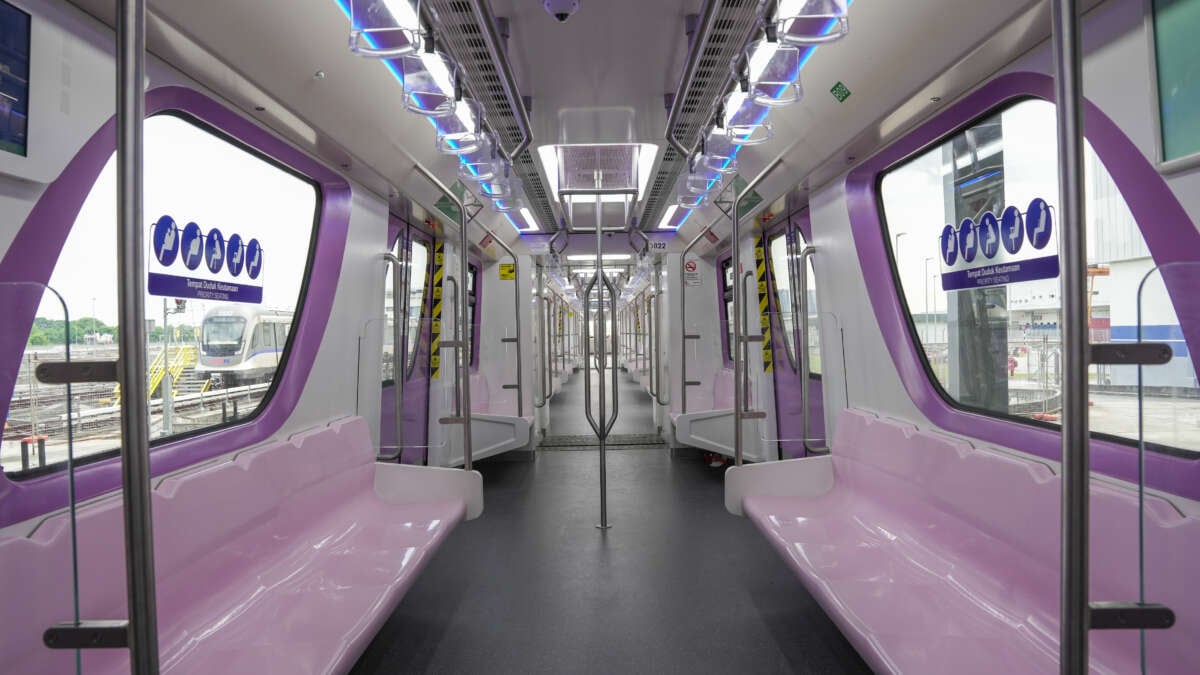
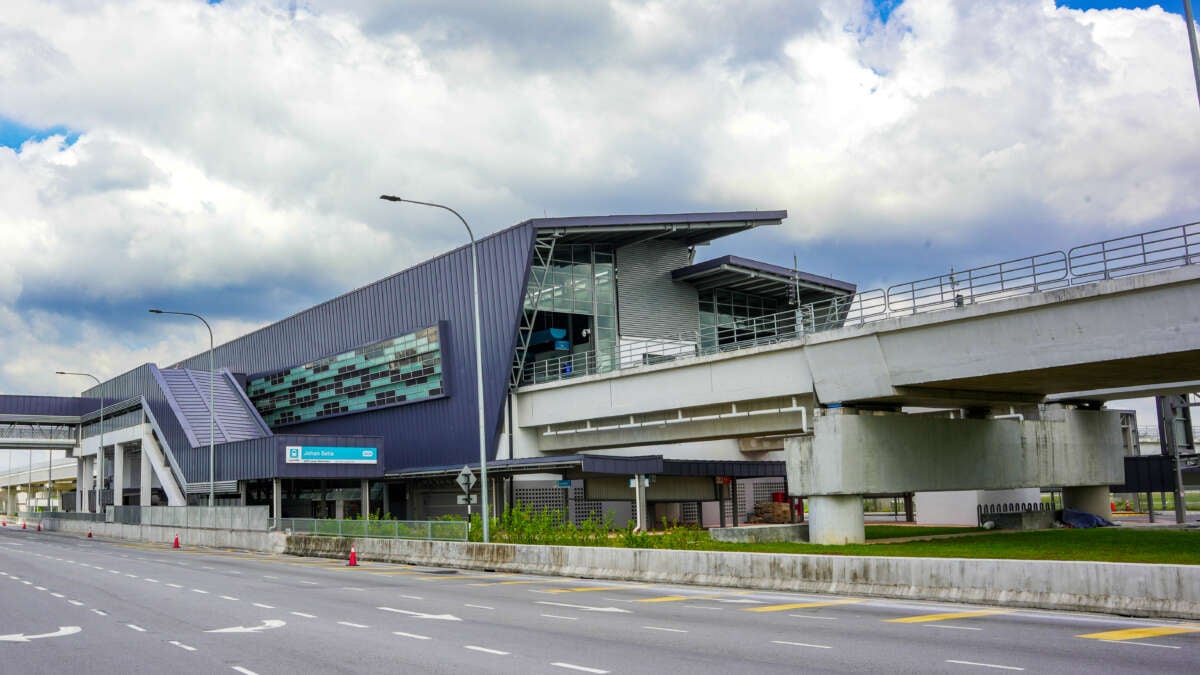
The plan was revealed by prime minister Datuk Seri Anwar Ibrahim and transport minister Anthony Loke at Sunday’s launch of the LRT3 Shah Alam Line, which was finally opened to the public yesterday morning.
The PM said that the TOD initiative would complement the new RM16.63 billion rail line linking Johan Setia in Klang and Bandar Utama in PJ, which serves a corridor of two million residents. He said that land owned by Prasarana around LRT and MRT stations should no longer be underutilised; instead, they should be developed for public housing, parking facilities and commercial space for small businesses.


“I want the secretaries-general of the transport ministry and finance ministry, together with Prasarana, to expedite this so that the development aspect is handled by a separate sector, allowing Prasarana to focus on what it has been entrusted to do – ensuring an efficient, reliable and fast public transport system,” Anwar said in his speech, adding that the priority should be affordable housing.
“I don’t think five-star housing should be built there. It should be housing for the people, together with shops for small- and medium-scale businesses,” he said, noting that TODs would lower commuting costs, encourage greater use of public transport and unlock the commercial value of strategically located government land.
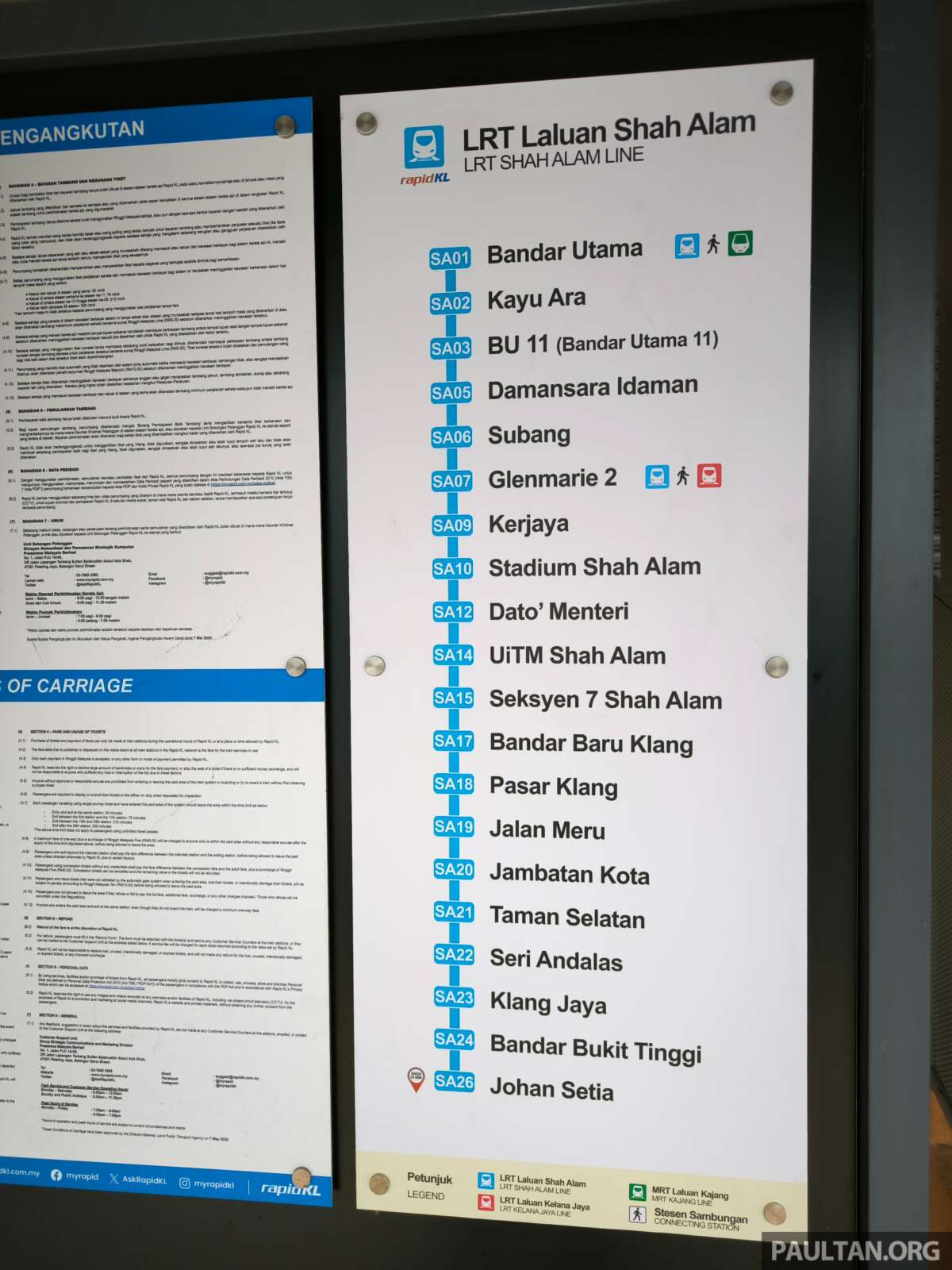
So, where could these TODs pop up? In the press conference after the launch, Loke said several areas along the LRT3 corridor have been identified for TOD projects, including Sri Andalas, Kayu Ara, Bandar Bukit Tinggi and Johan Setia. Other than Kayu Ara in Damansara (a stone’s throw from Damansara Utama and across the Sprint Highway from Damansara Jaya), the other three locations mentioned are in Klang.

“If housing is built there, we will integrate it with the station. Residents living in that area would not need another mode of transport; they could simply walk to the station,” he said, adding that the TOD plan serves three goals: making full use of government land, generating returns to help offset the cost of public transport infrastructure, and giving homebuyers the option of living next to a train station.
“The redevelopment projects will retain parking facilities by incorporating them into basement levels, while the upper floors will house affordable homes and modest commercial units. If we just build a parking facility, the land is not optimised. Shifting parking into basement levels will free up the surface for housing and shops,” he reasoned.
Expect private-public partnerships (PPPs) to drive these TODs. “These projects will involve the private sector and will not be developed by the government itself. However, the land belongs to the government through Prasarana, and we will work to keep the homes affordable,” Loke said.
More on the 37.8-km line with 20 stations (five more are on the way) here. Free rides till July 31.
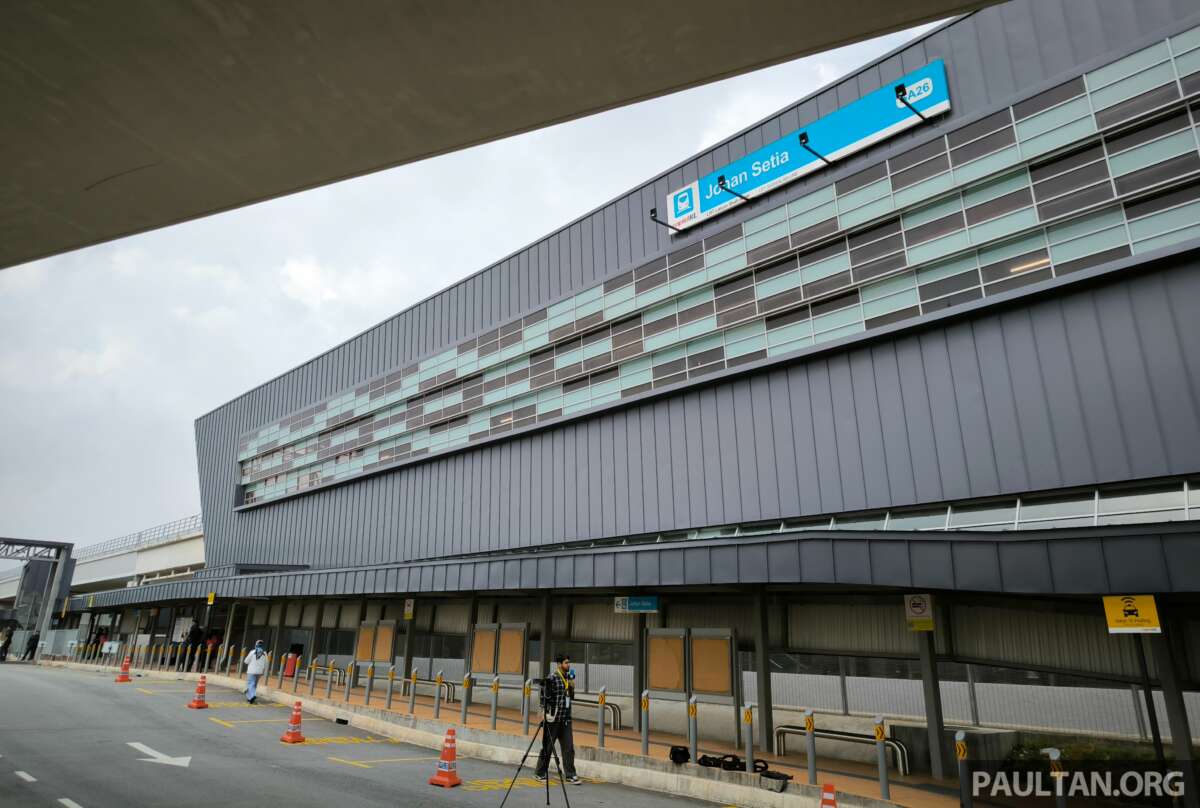
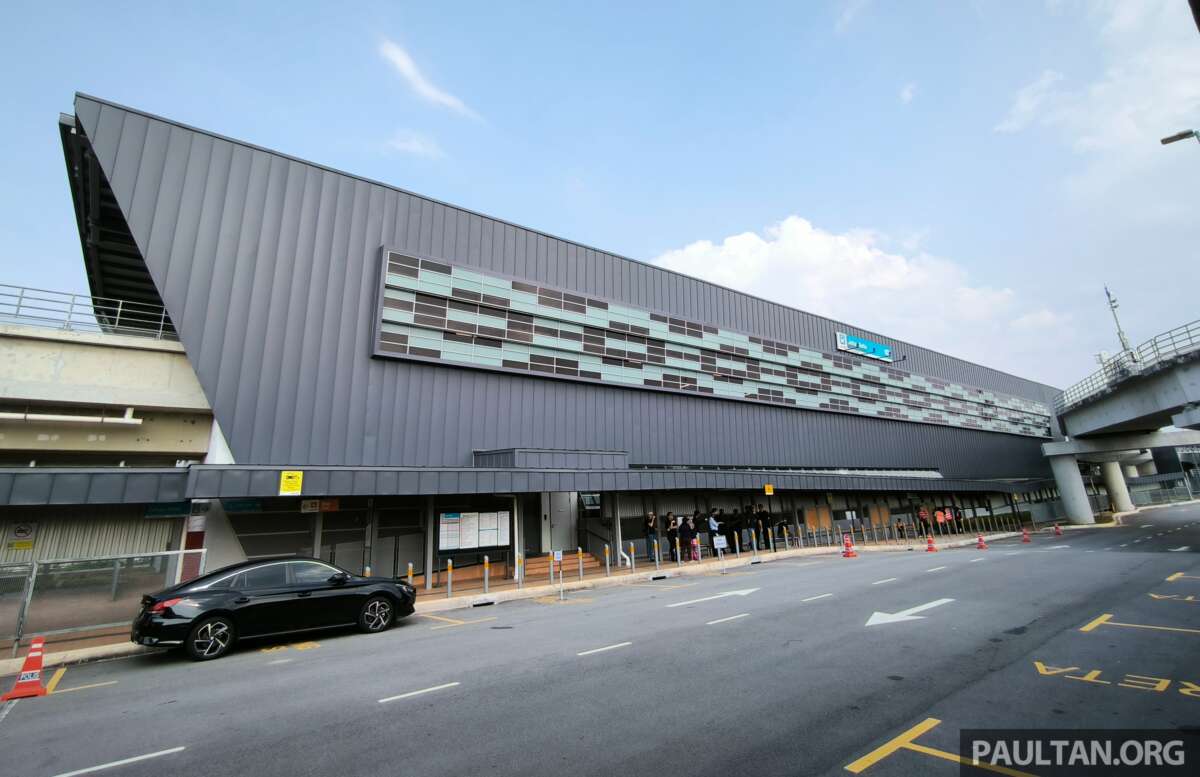
GALLERY: LRT3 Shah Alam Line, Johan Setia station



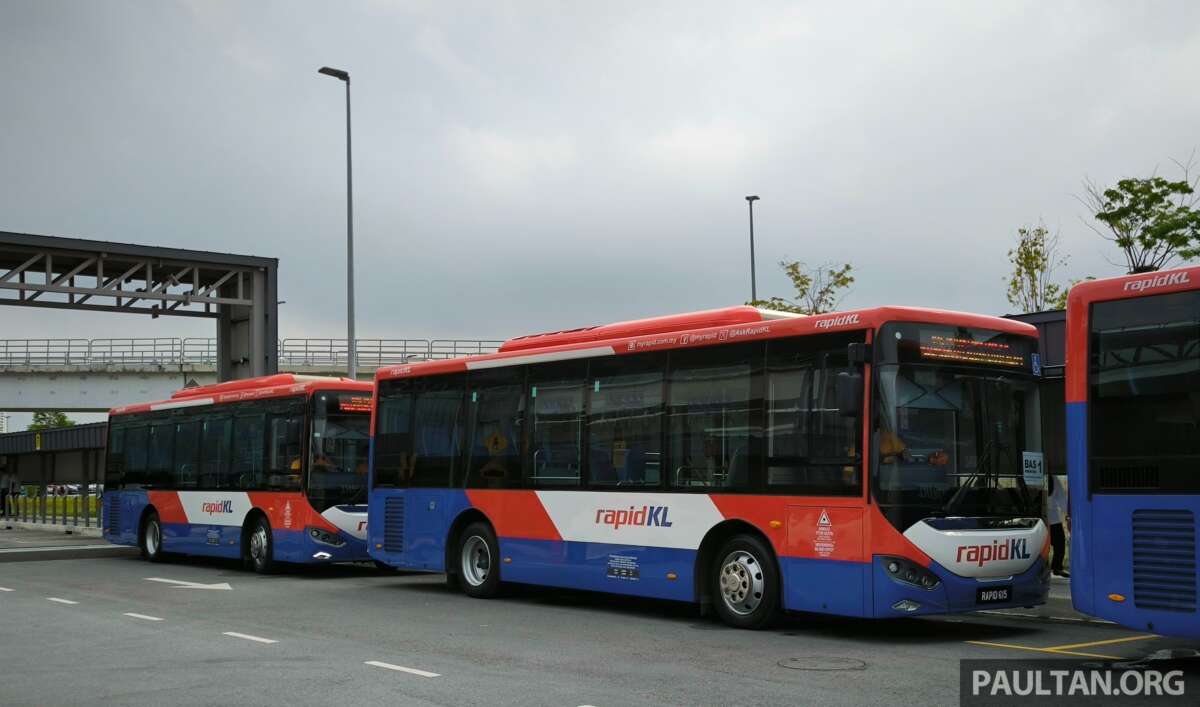

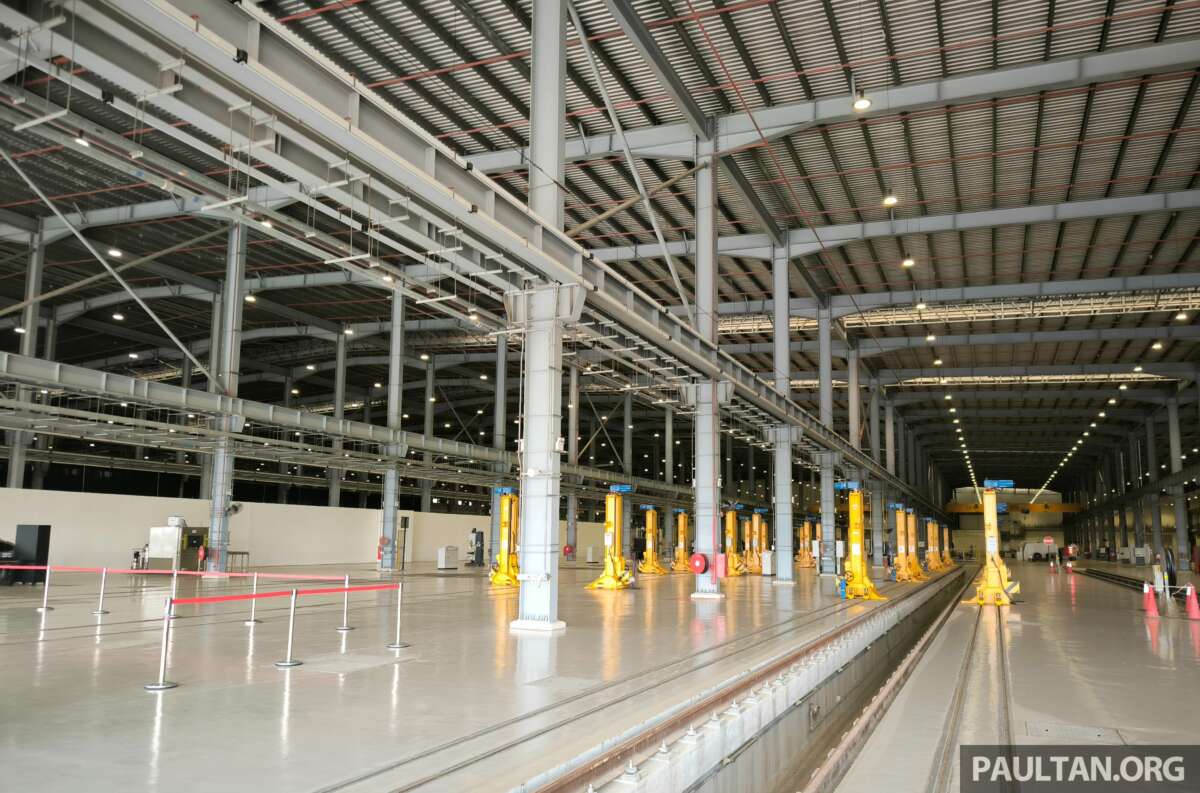
GALLERY: LRT3 Shah Alam Line, Pasar Jawa station and train


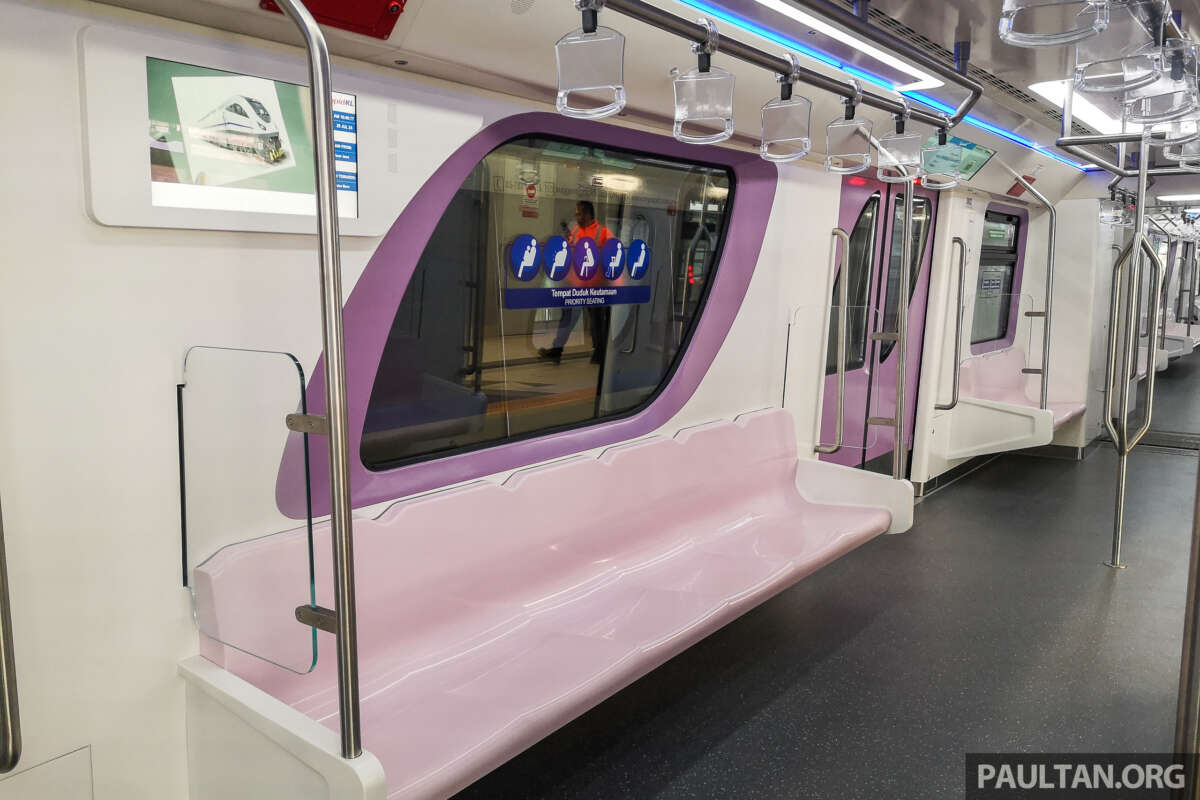


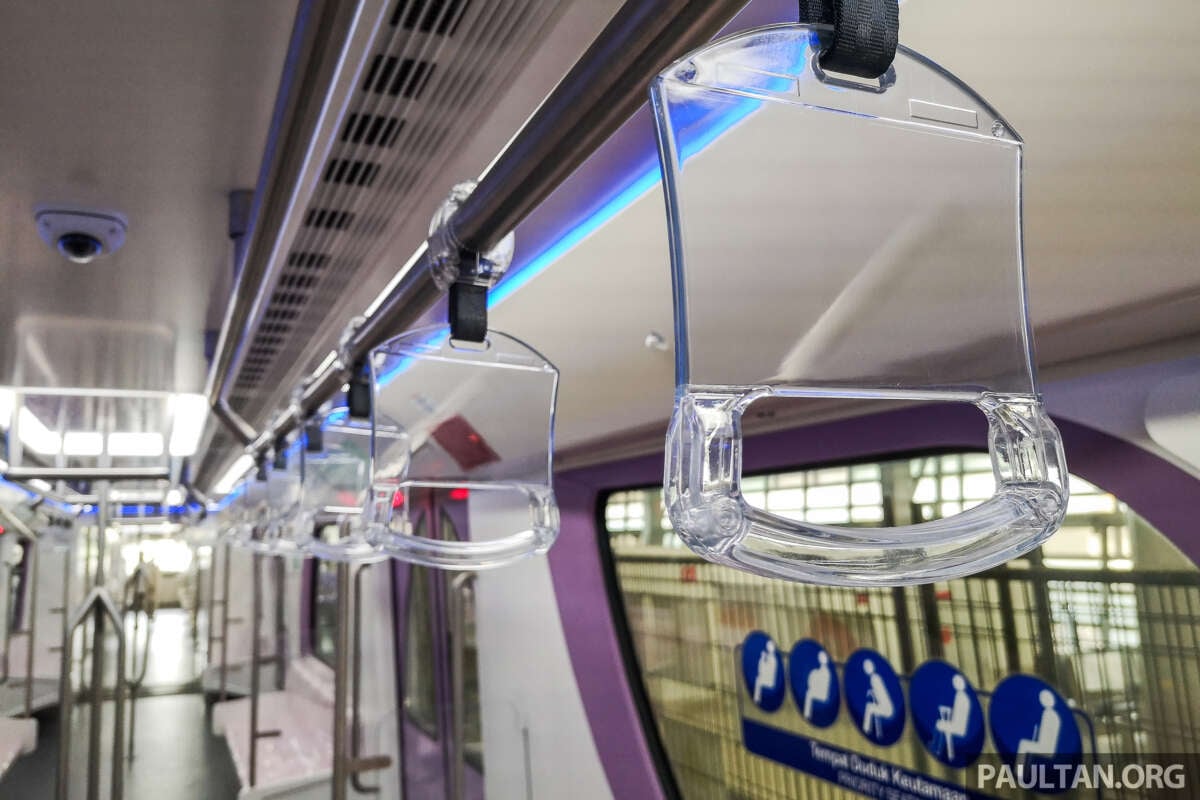

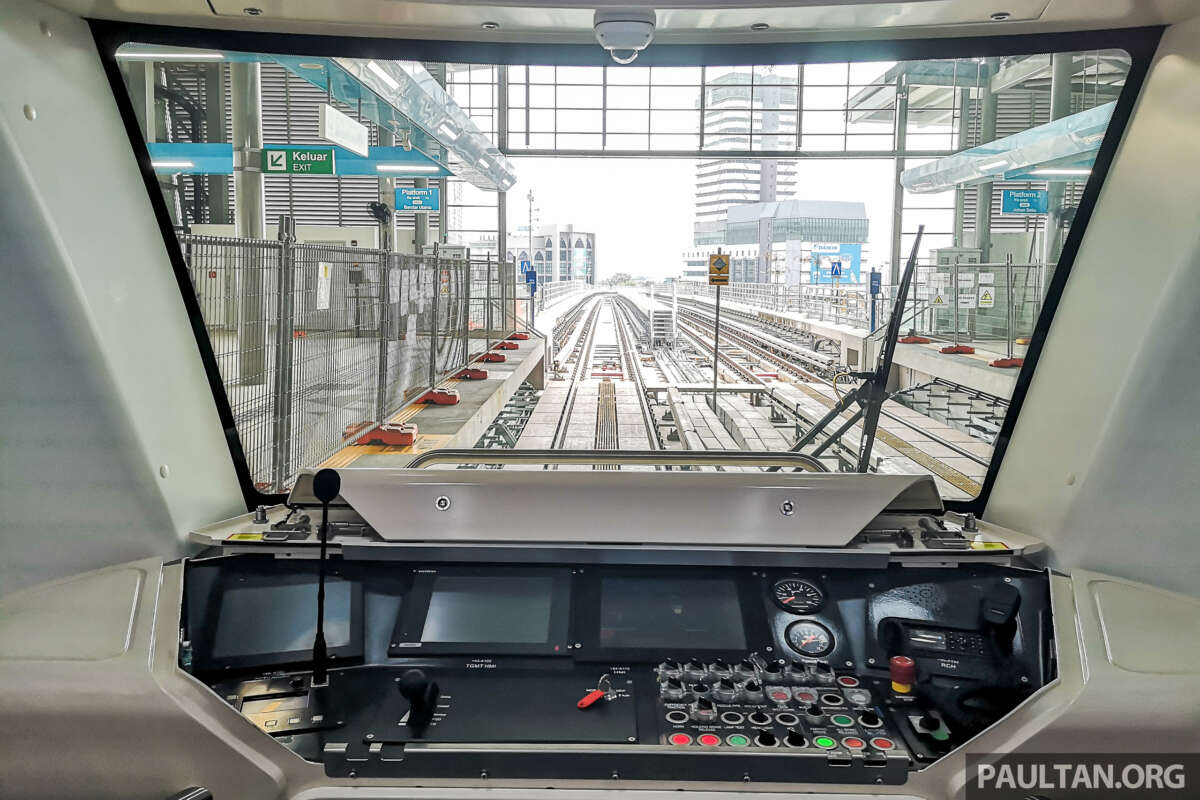


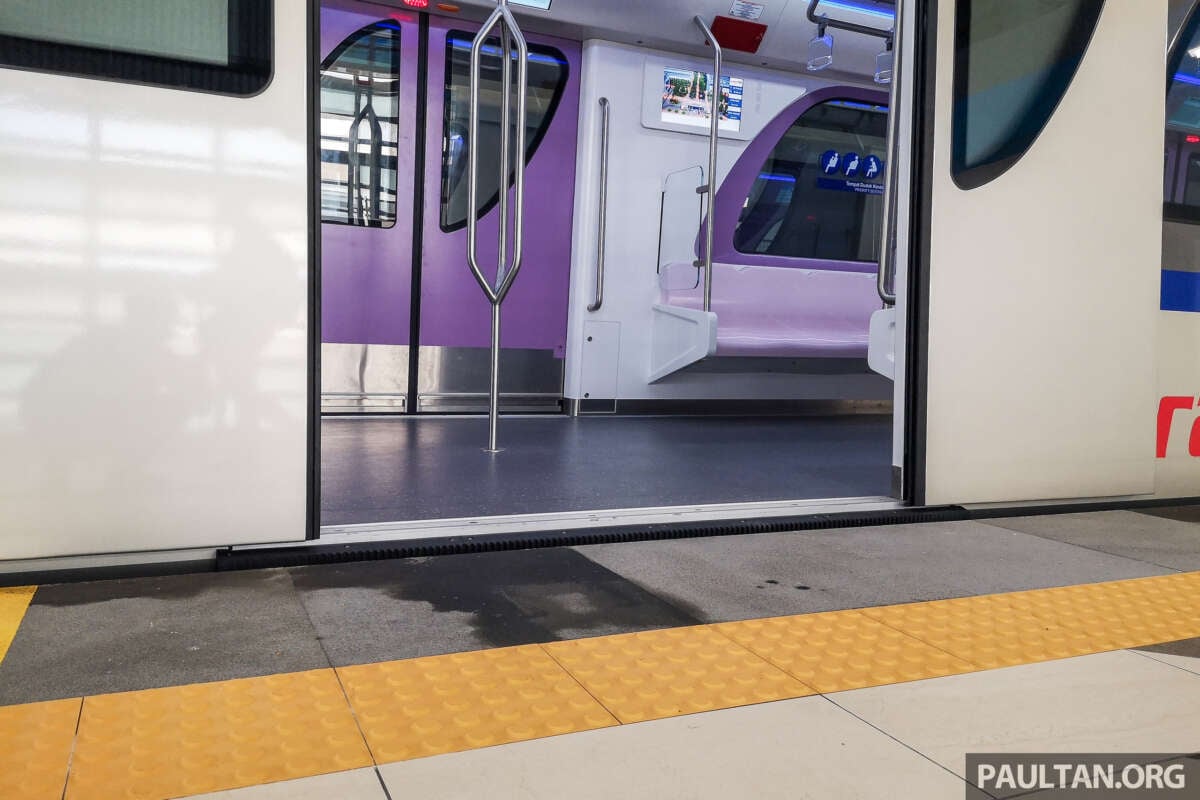


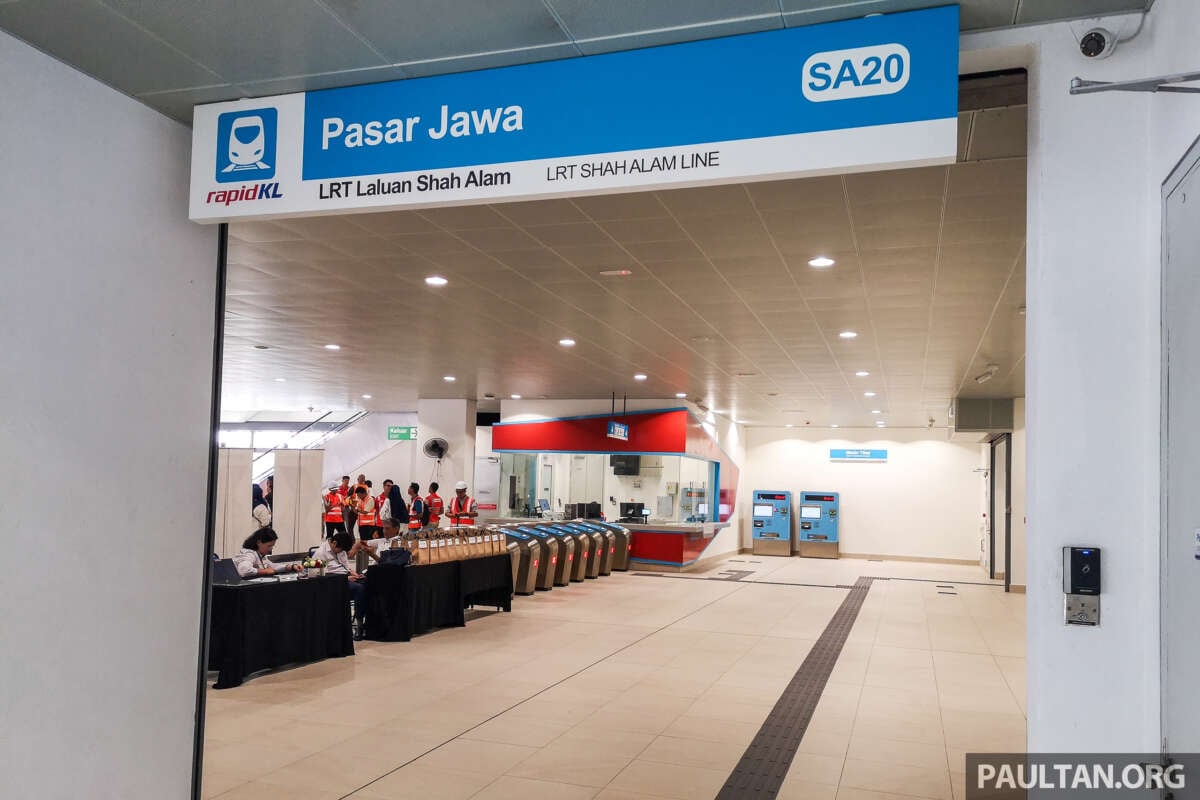


GALLERY: LRT3 Shah Alam Line official images




Looking to sell your car? Sell it with Carro.





No need near to houses, very noisy. You need to get ready convenience bus service like mini bus last time!
1000% this. That idiot who decided big buses can fit on the small taman roads should be shot if he weren’t already dead.
Tak payah. Kerja you ialah make sure ada public transport. Rumah nak buat kat mana tu biar developer yg fikir.
Then developer will only build expensive house near the LRT
Sure or not? There’s a service apartment besides the kayu ara river bank under construction right now.
Better off to build public amenities such as immigration office, hospitals or any other government agencies that had high traffic volume. And supplemented by small small business around it . Guaranteed ridership. Building residential block with limited or no parking will put off buyers. Not every place is accessible by MRT LRT
People living at these areas must be freaking out now. The areas will soon be infested with mat rempit.
better for gov now to focus to increase the numbers of LRT line and MRT line in KL (Klang Valey) compare to the idea to create more housing in this congested area. Please speed up the planning and execute the project to add more LRT/MRT line. Gov…please become more clever and just copy example from other country/big city like Seoul, Tokyo, Osaka, Shanghai, Beijing, UK, New York…and Singapore.